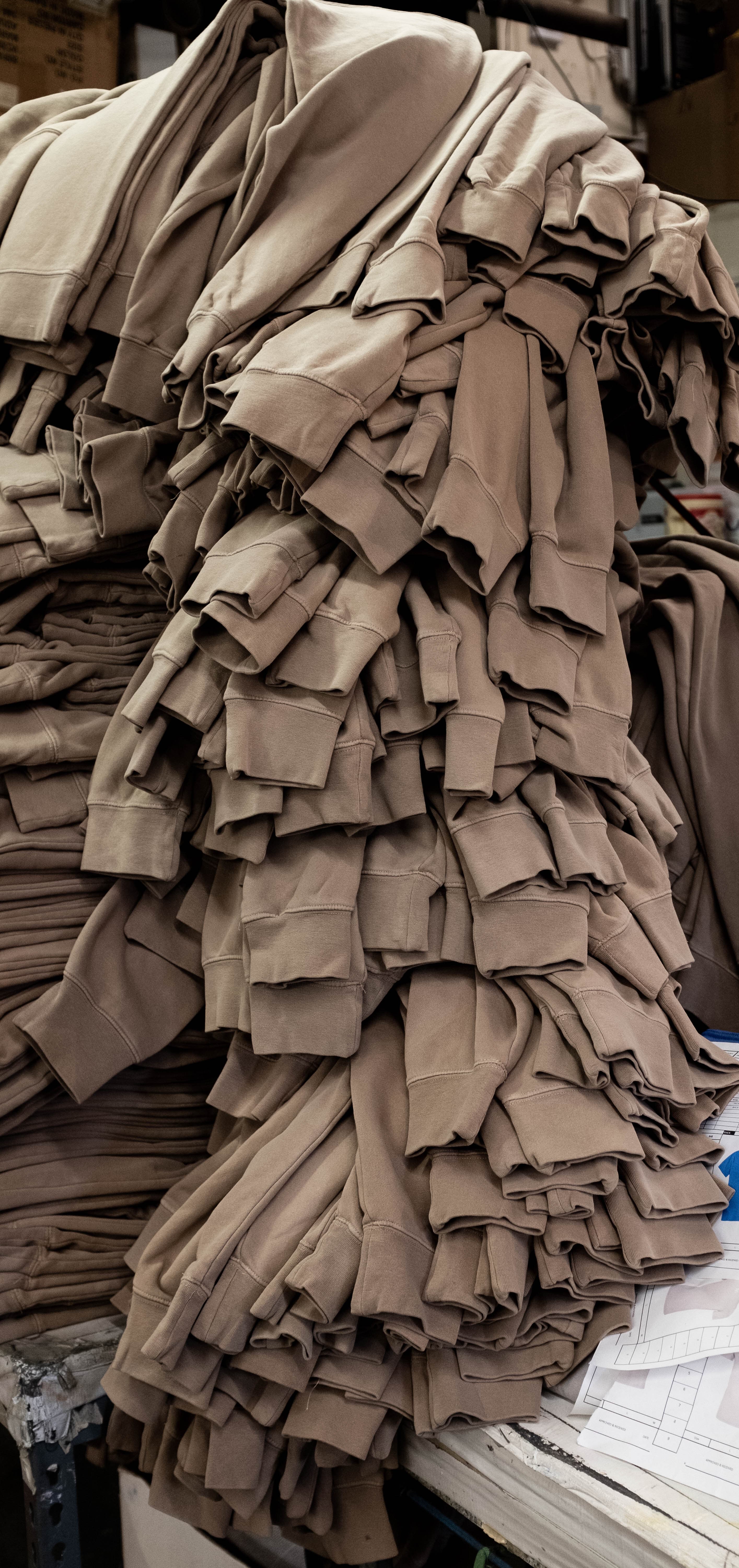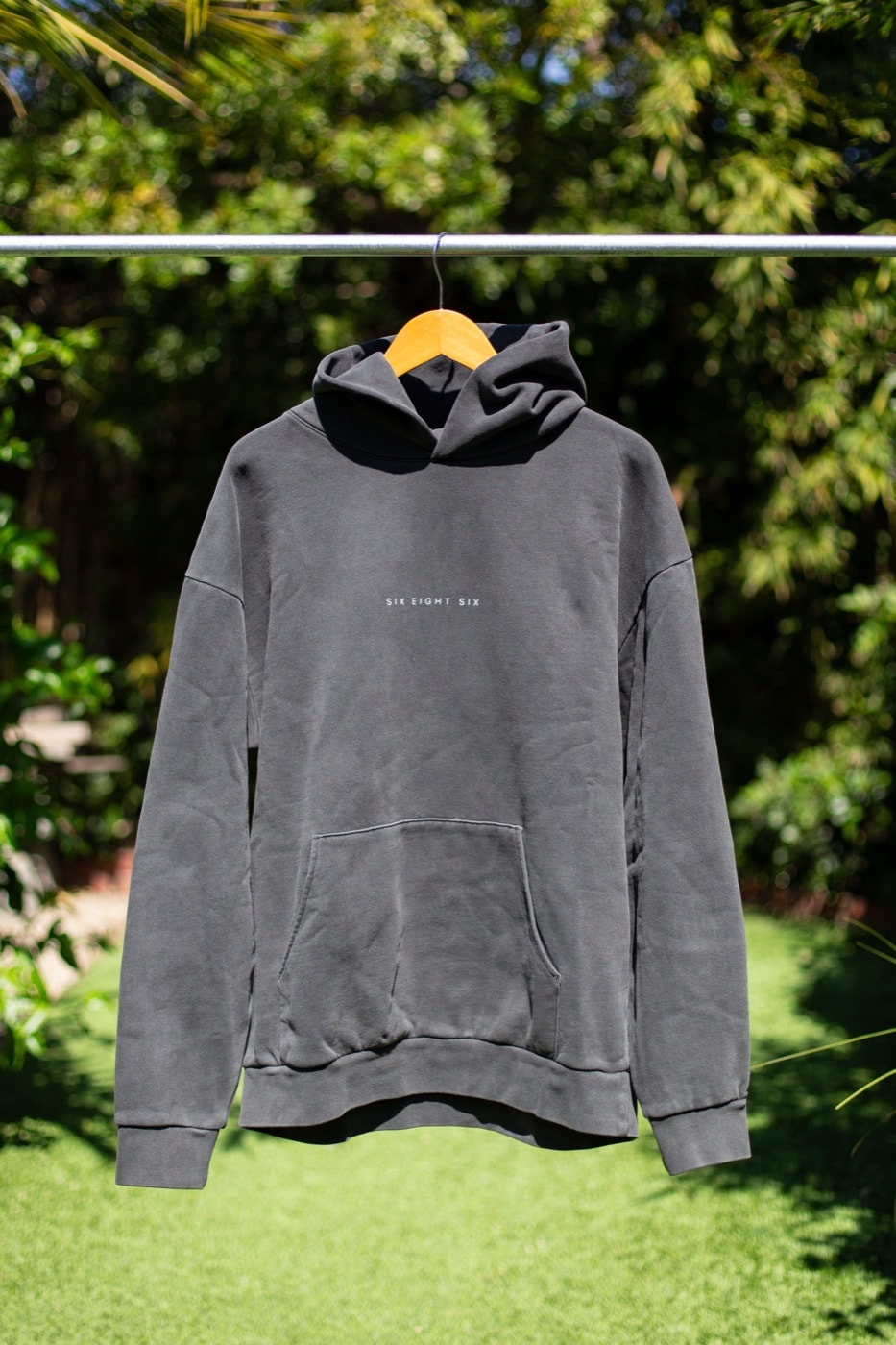
A custom hoodie has to clear a high bar because people already own plenty of fleece. If the blank feels thin, the fit feels dated, or the graphic feels awkward, the piece will not stay in rotation. The 686 hoodie project shows a better path: start with a wearable product, then use decoration with restraint.
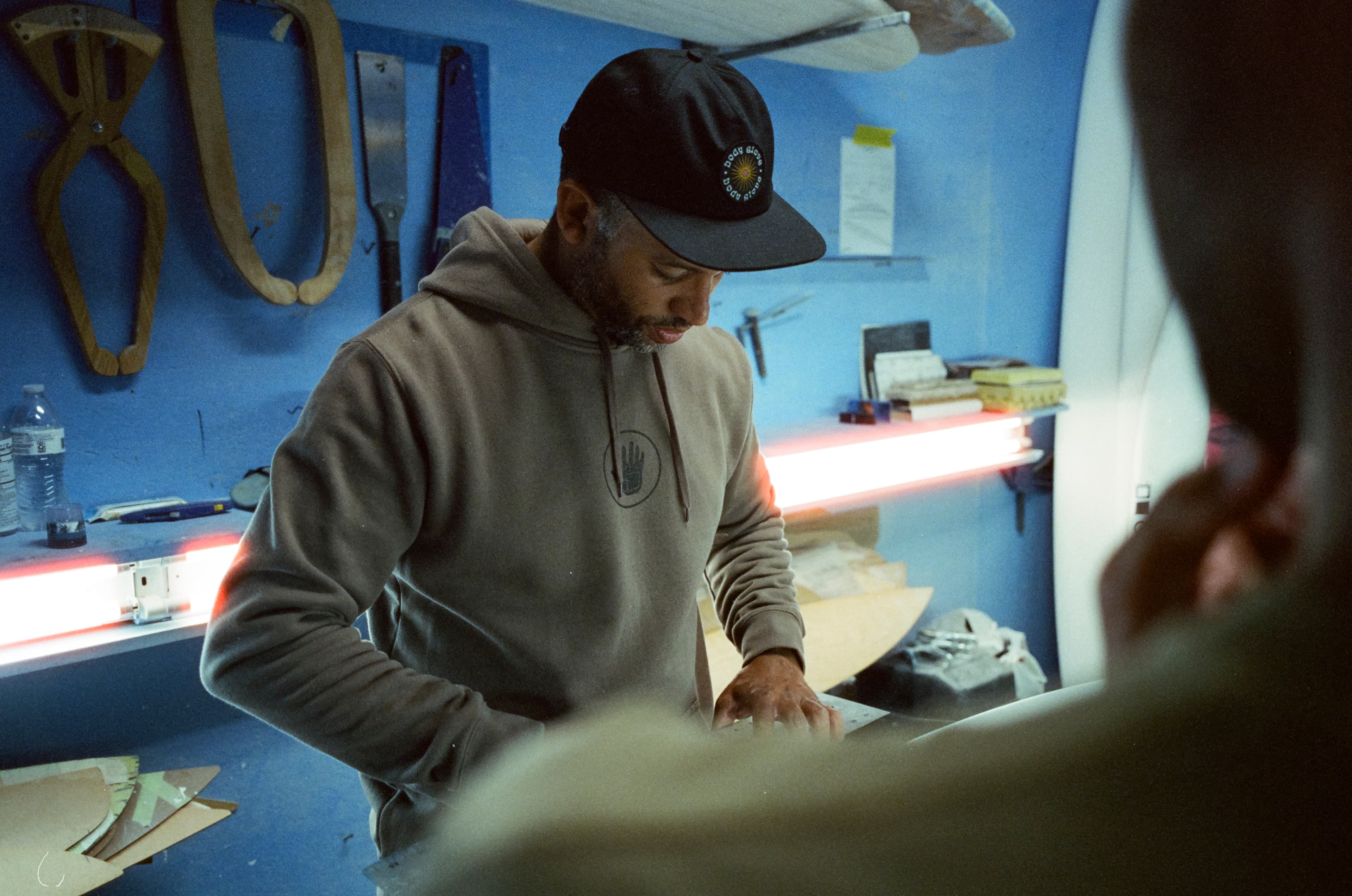
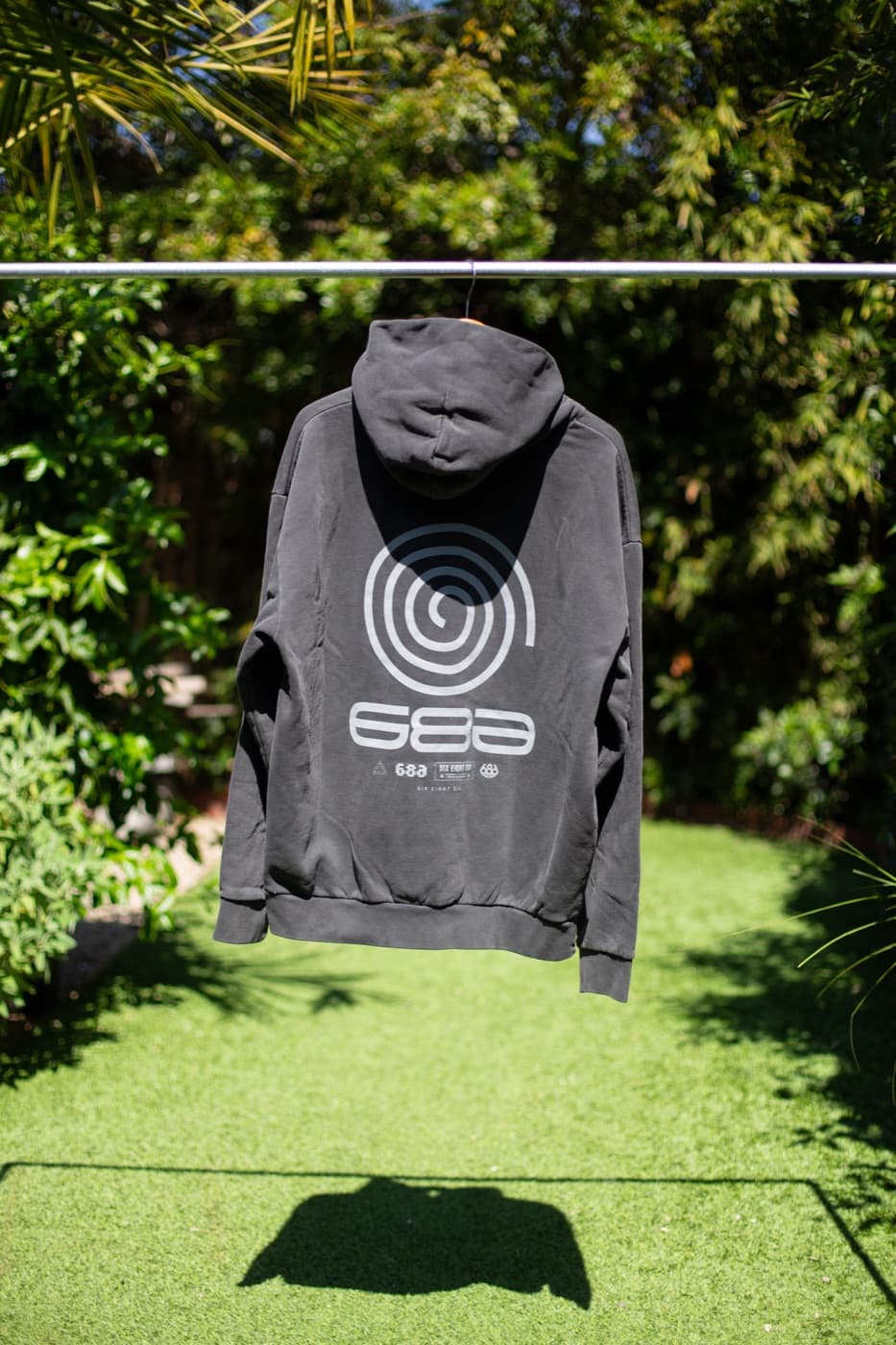
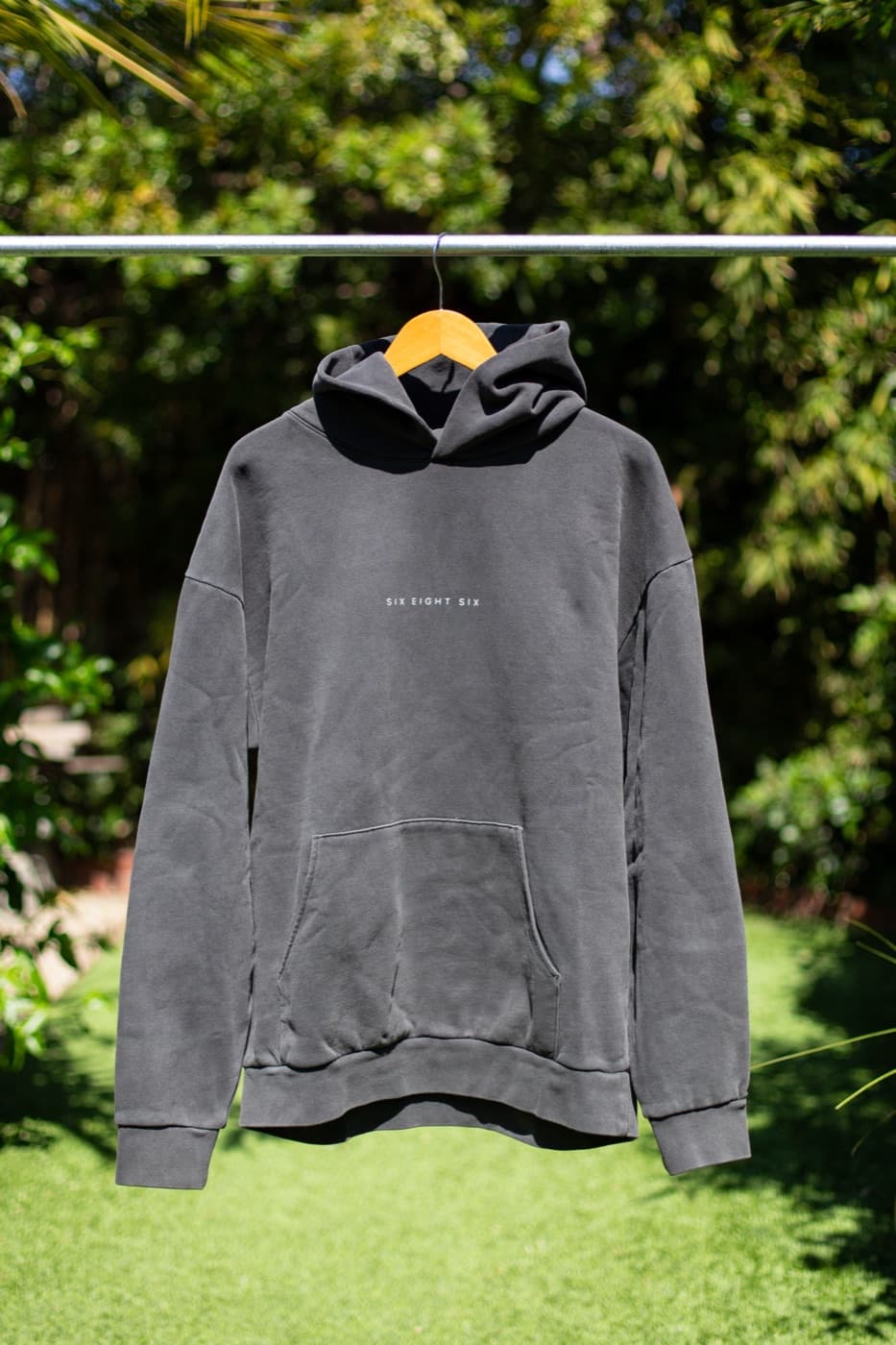
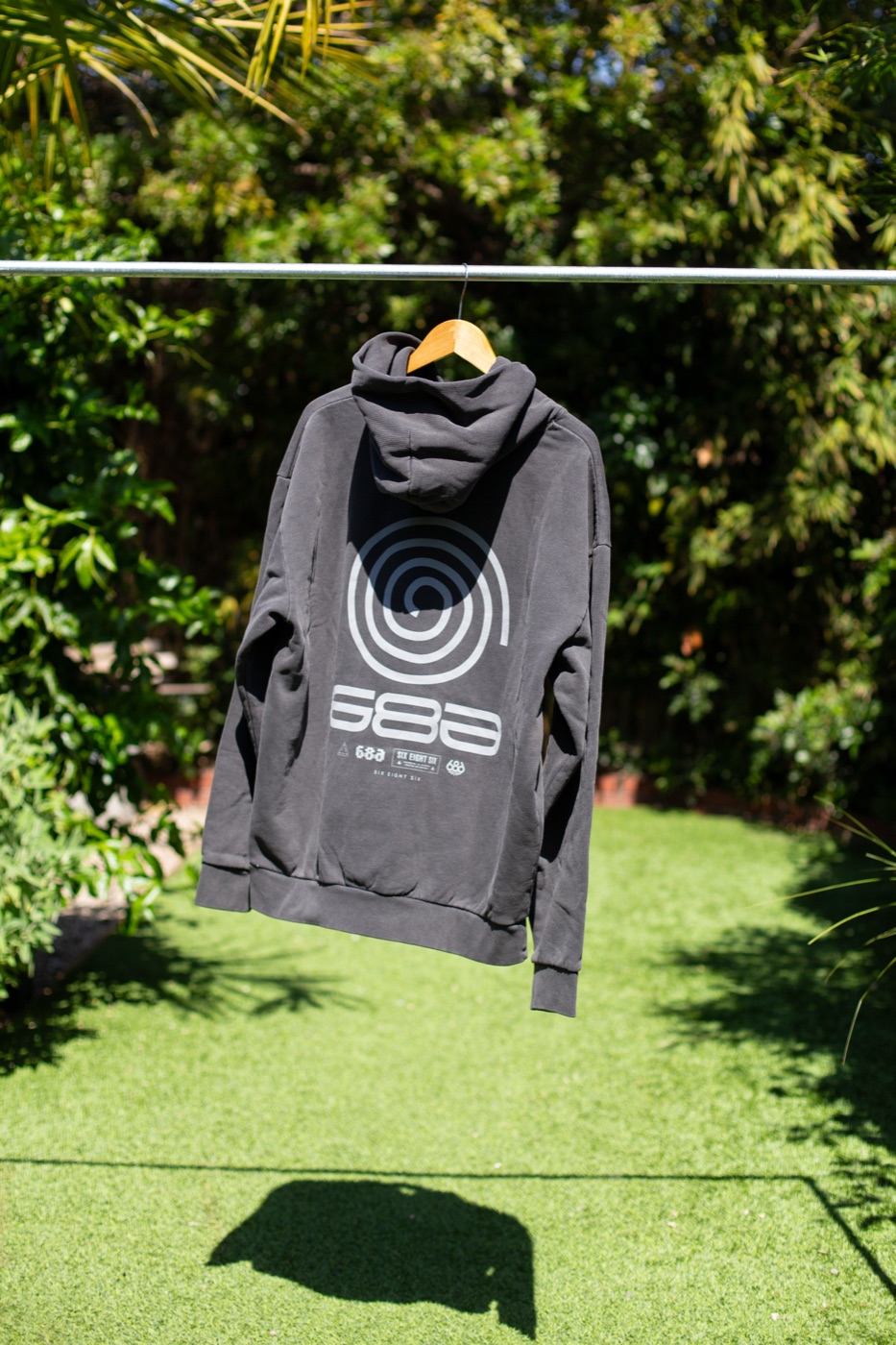
The result does not depend on a huge logo. It depends on the whole apparel decision: garment, color, front placement, back moment, print feel, and how the hoodie looks when someone actually wears it.
Let the blank carry value
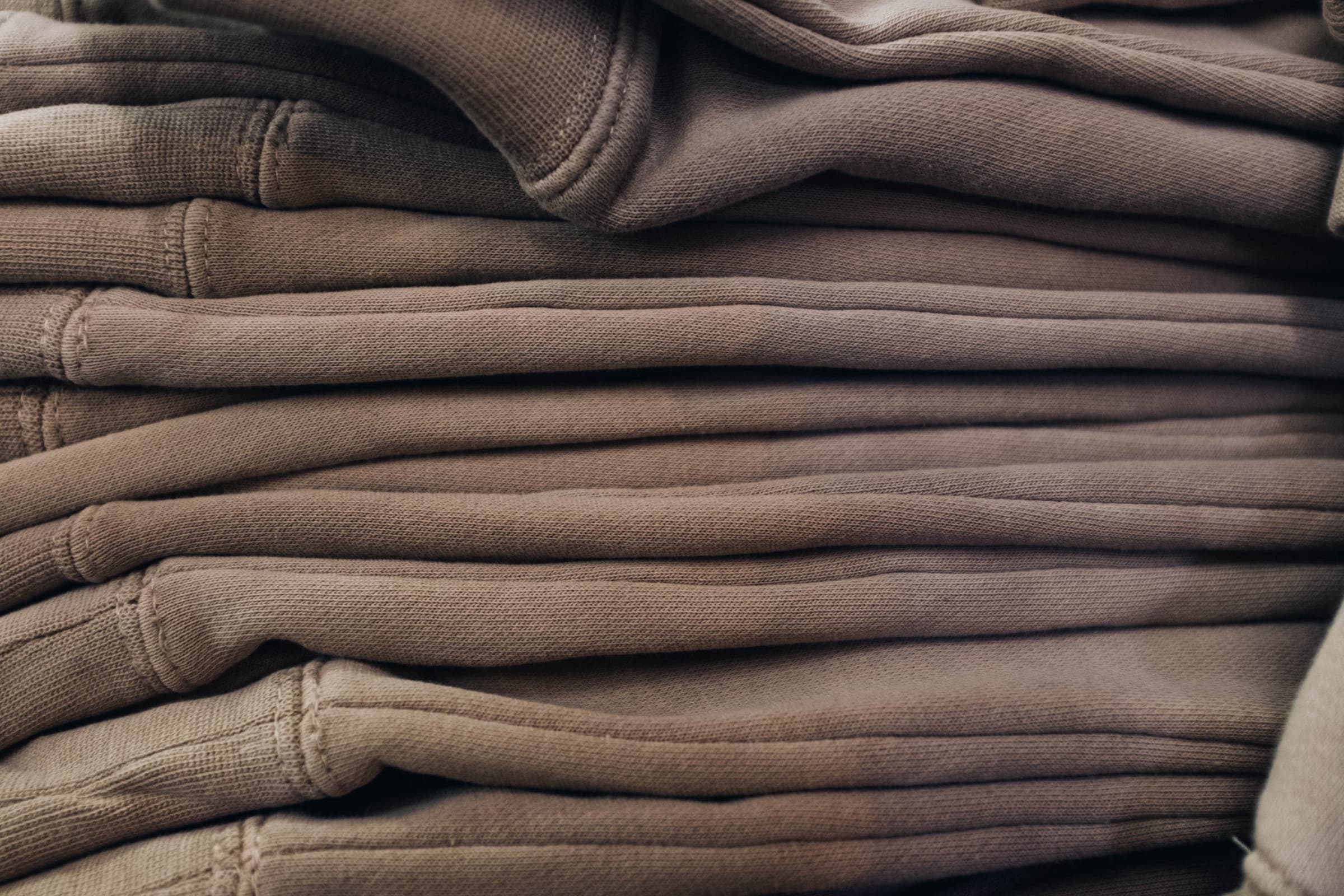
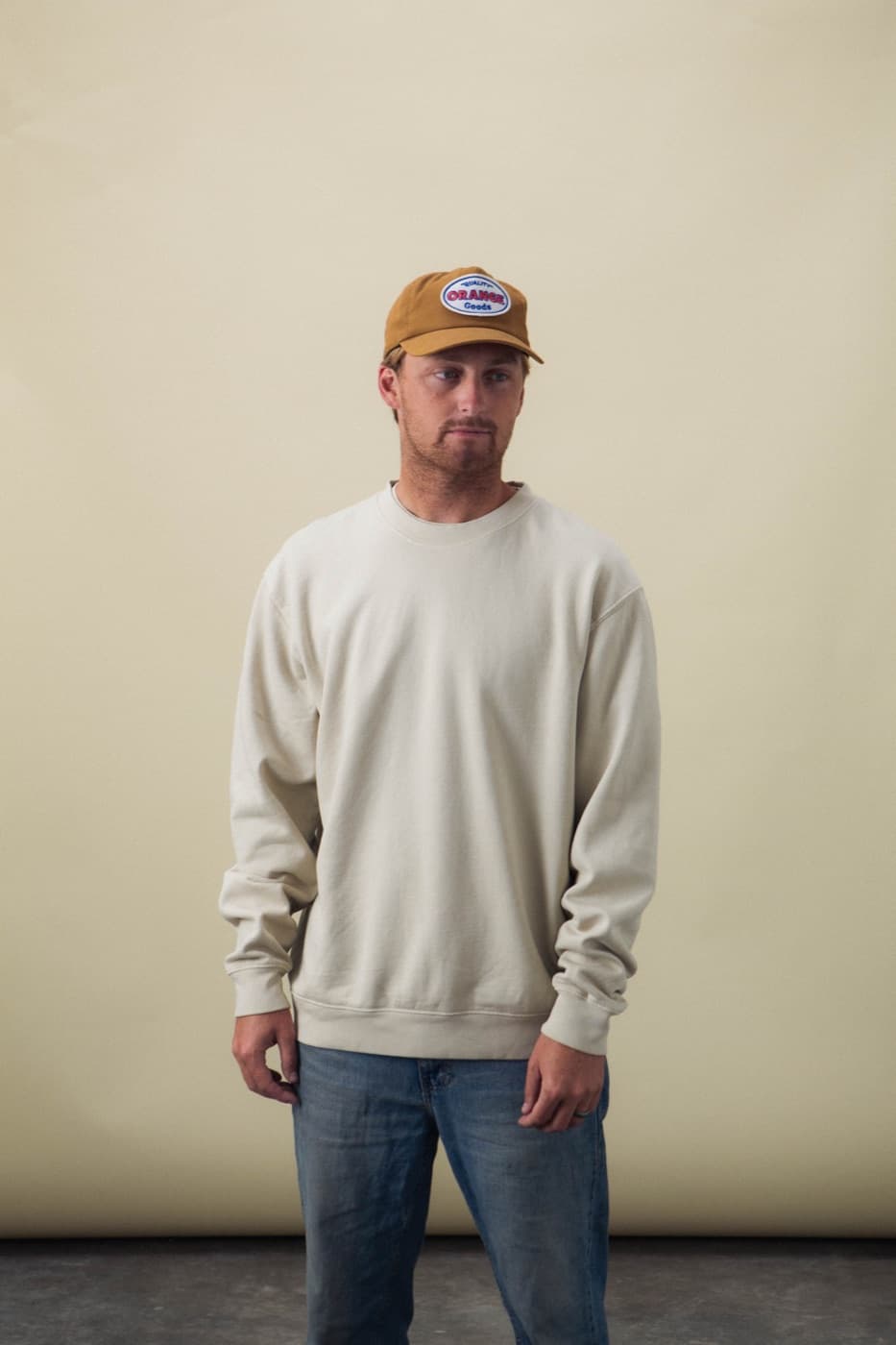
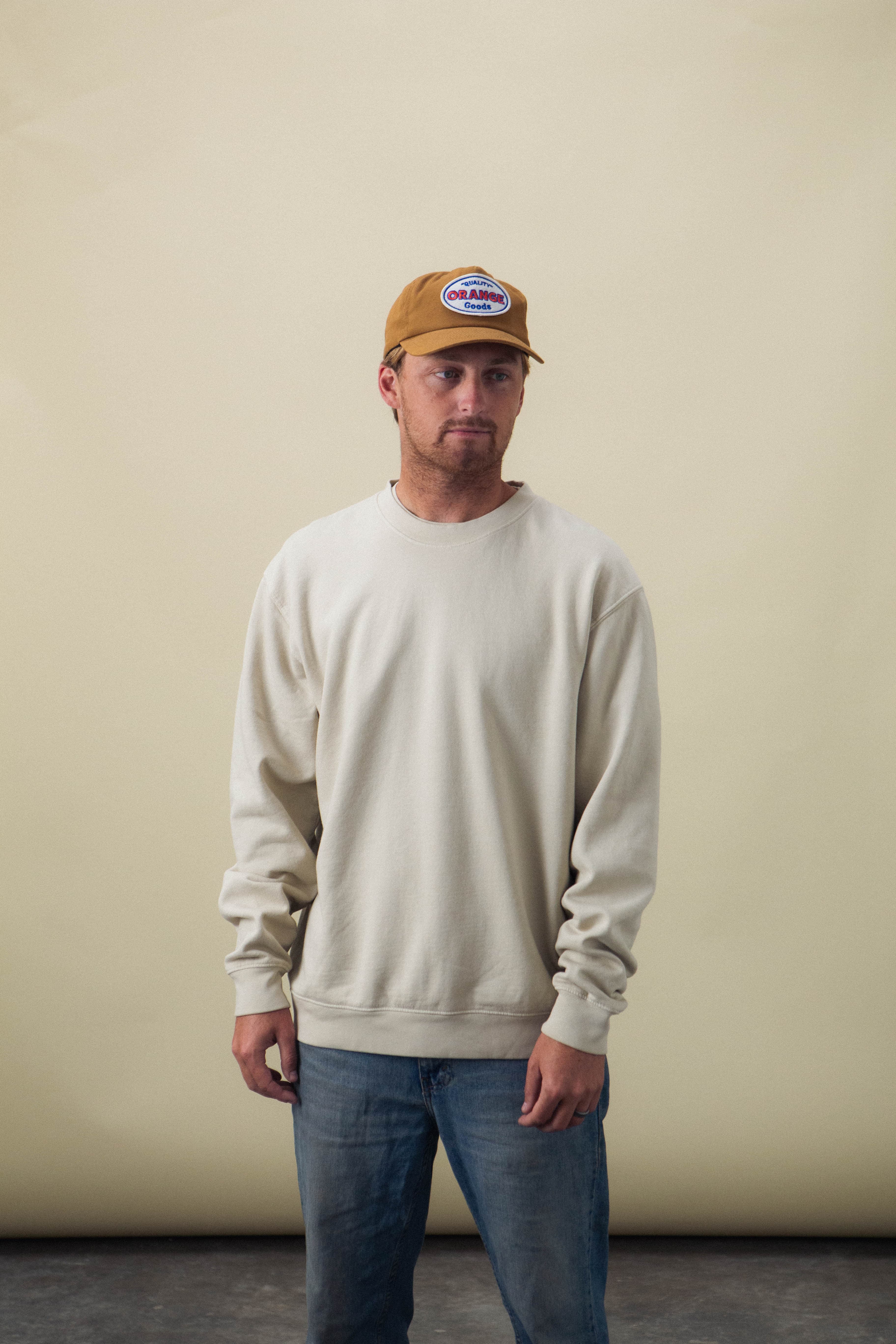
The blank is the first thing someone feels. Weight, softness, structure, body length, hood shape, rib, and color all affect whether the hoodie feels like a product or a giveaway. A better blank gives the graphic room to be simpler because the garment already communicates quality.
That matters for outdoor, apparel, and lifestyle brands where the audience understands product. The merch should not feel like a compromise compared with what the brand normally stands for.
Use placement to control wearability
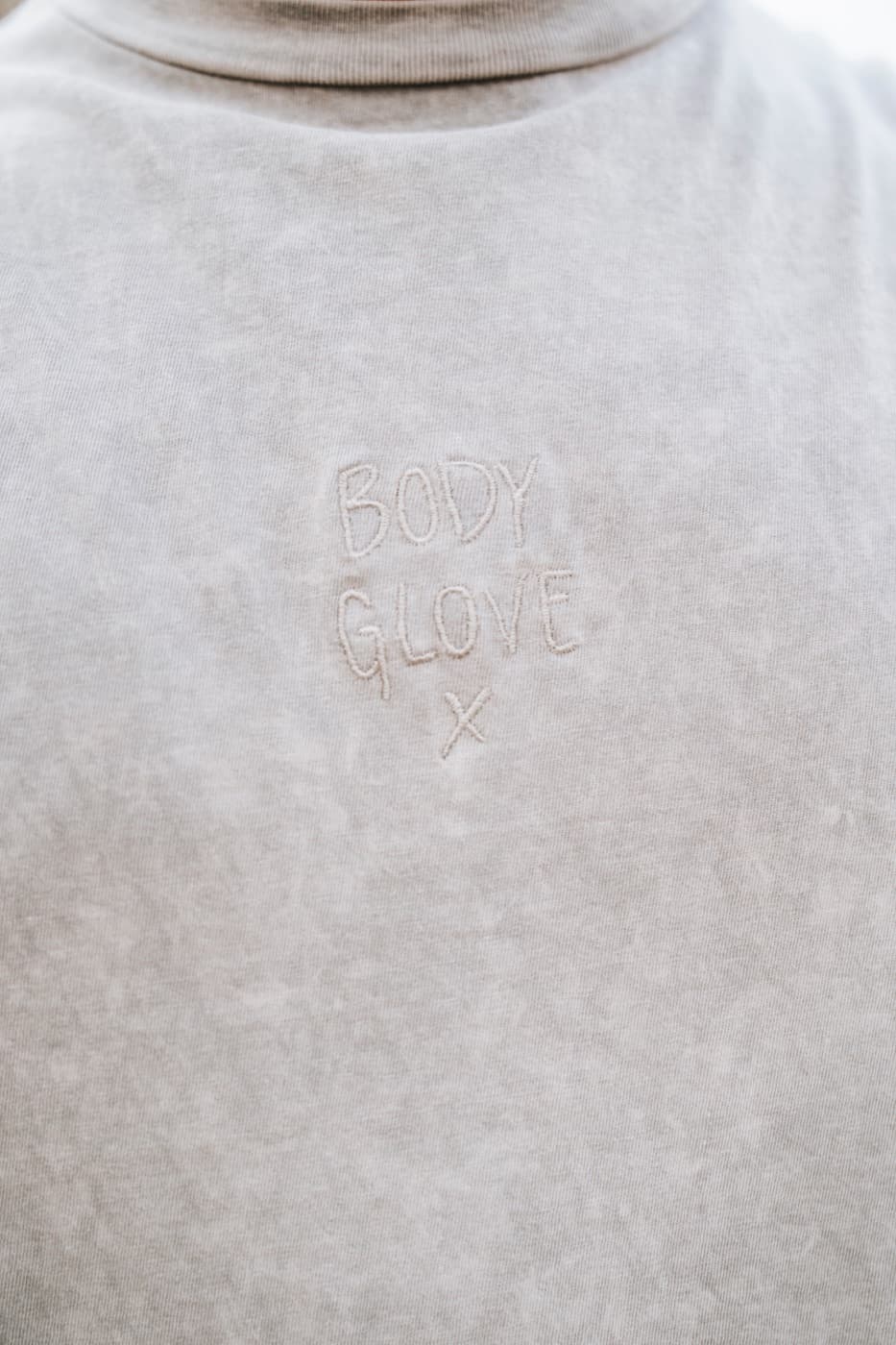
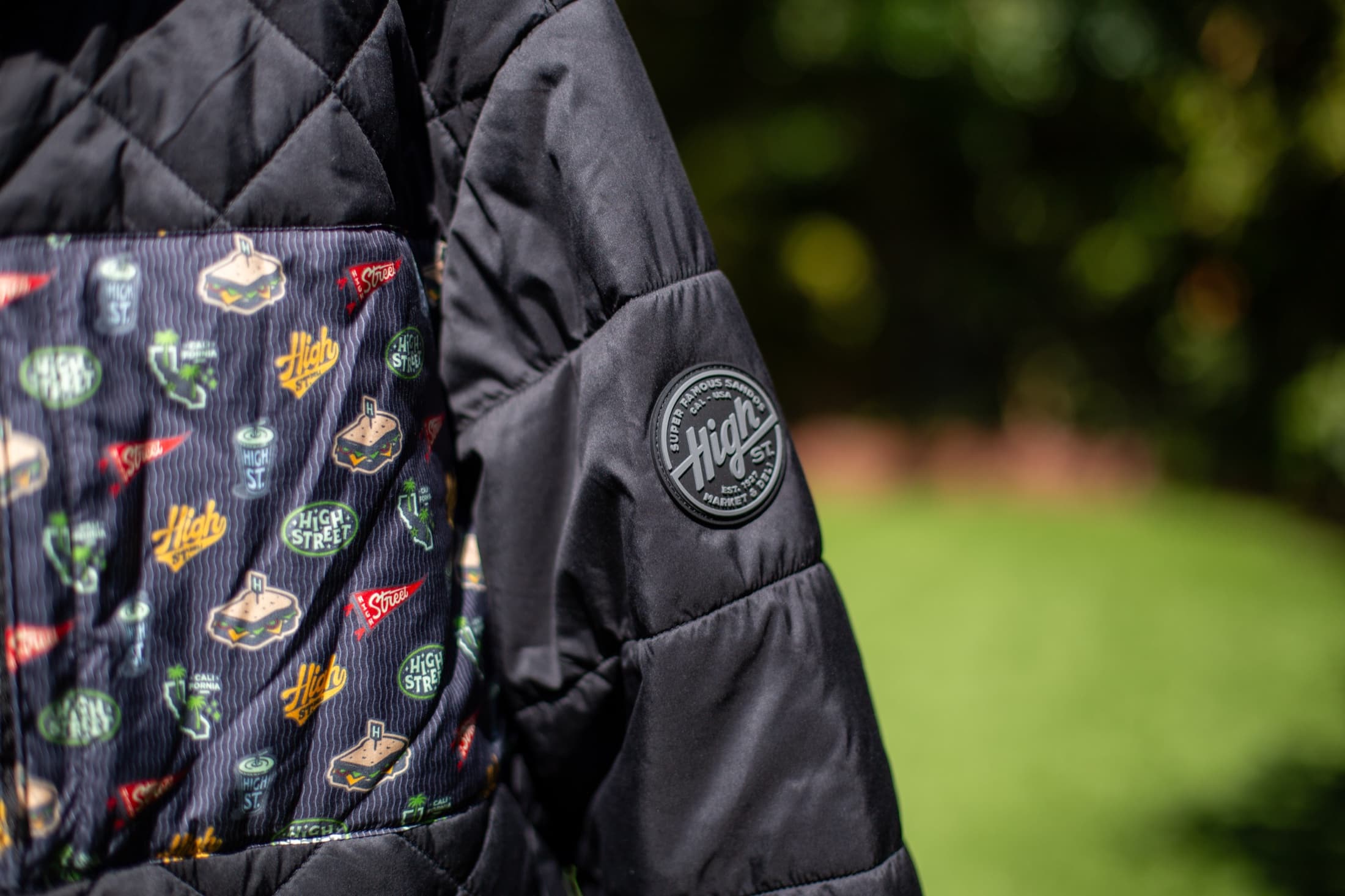
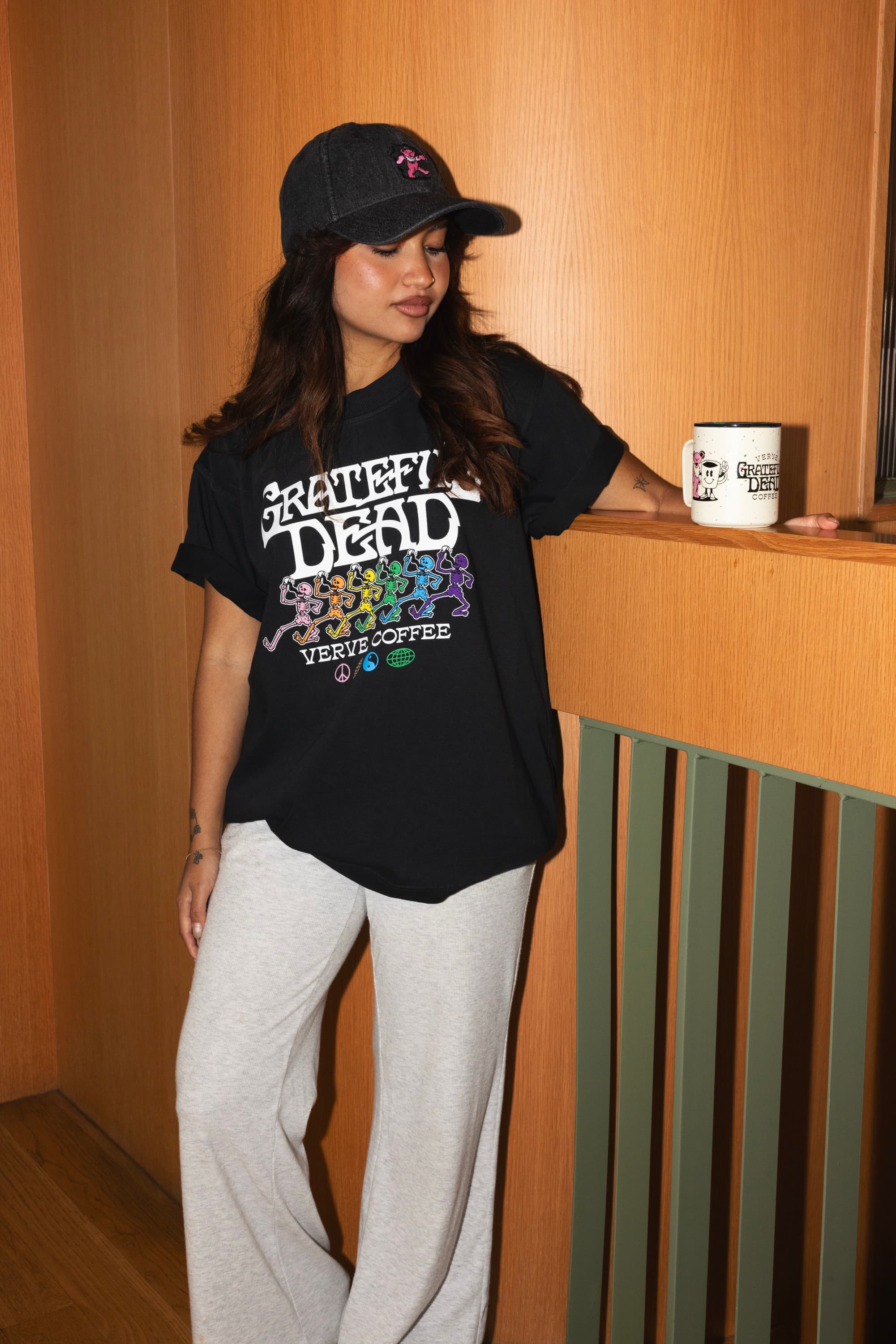
A small front mark can make the hoodie easy to wear. A larger back graphic can create the brand moment without turning the front into a billboard. That structure is common in retail apparel because it balances identity and comfort for the wearer.
Placement should be proofed on the garment, not just on a flat square. Hoodies have pockets, seams, hoods, and body shape that affect the visual center. A good proof protects the final read.
Keep the decoration honest
Not every hoodie needs embroidery, puff print, sleeve hits, labels, and packaging. Sometimes the strongest move is a clean print on the right fleece. The method should serve the artwork and the garment, not prove that the project is complicated.
When the product and design are aligned, restraint feels intentional. The hoodie can represent the brand without asking the wearer to sacrifice taste.
The takeaway
The 686 project is a useful reminder that apparel merch succeeds when it feels like apparel first. Orange Goods helps brands pick the blank, tune the graphic scale, and build a finished hoodie that people are more likely to keep wearing.