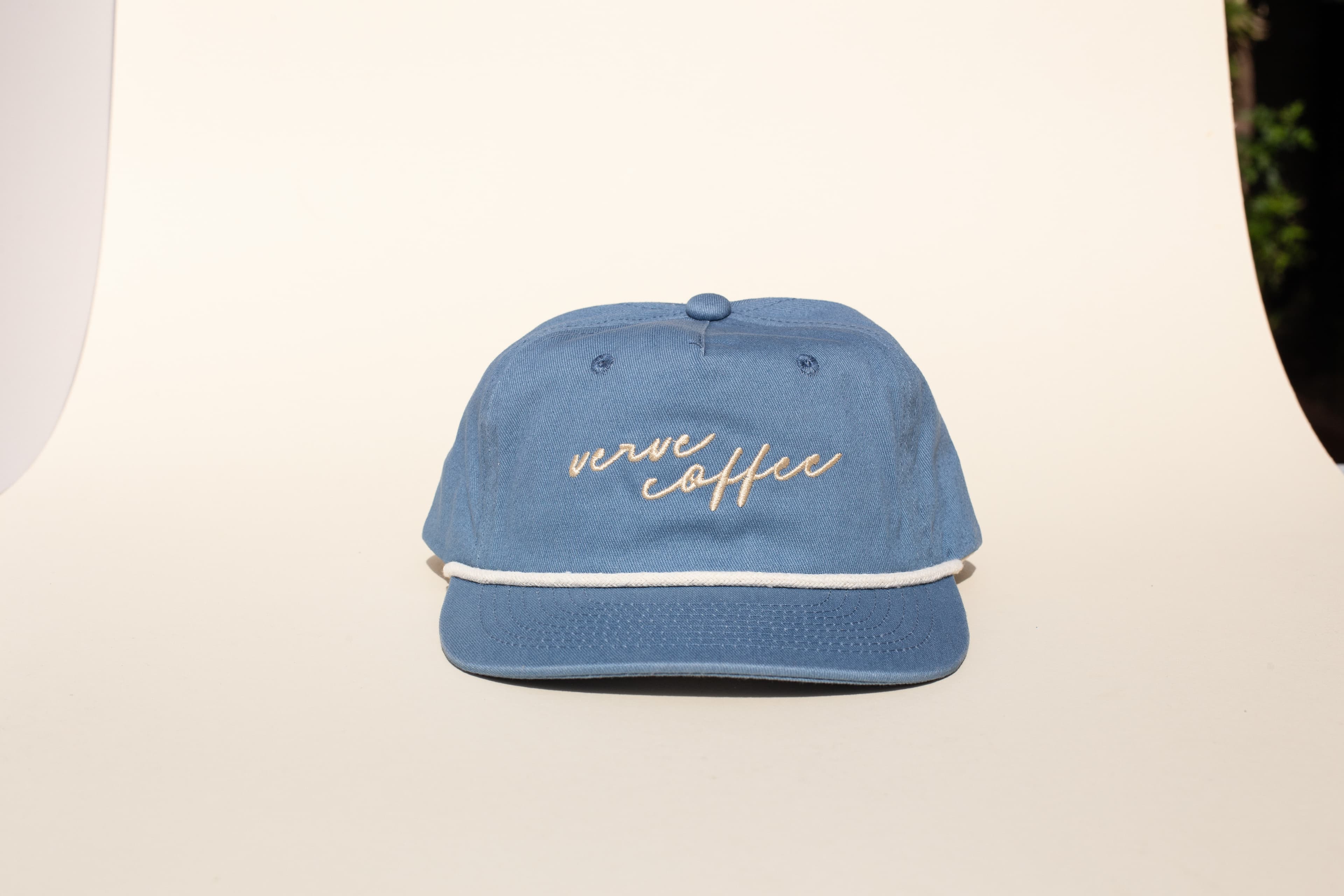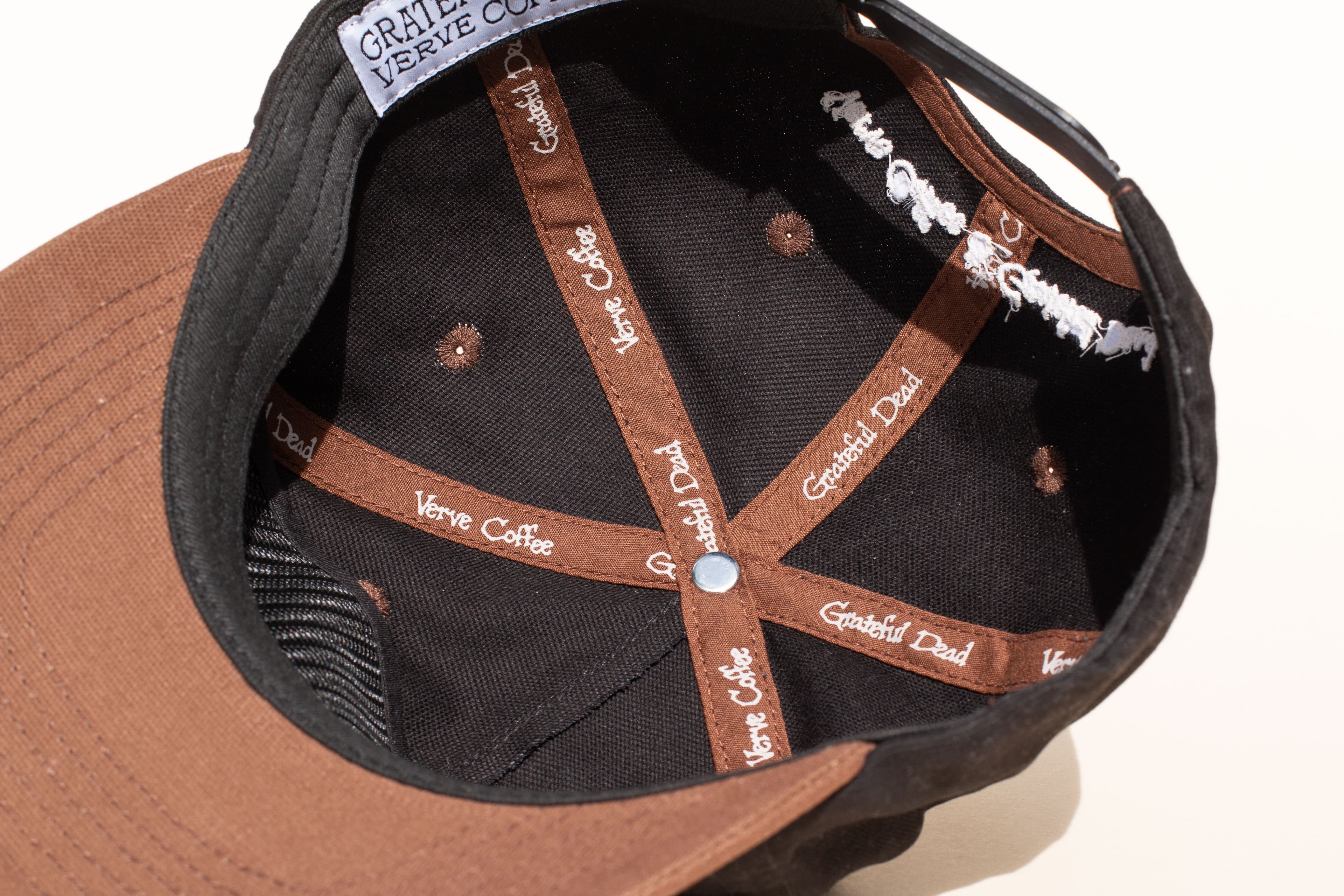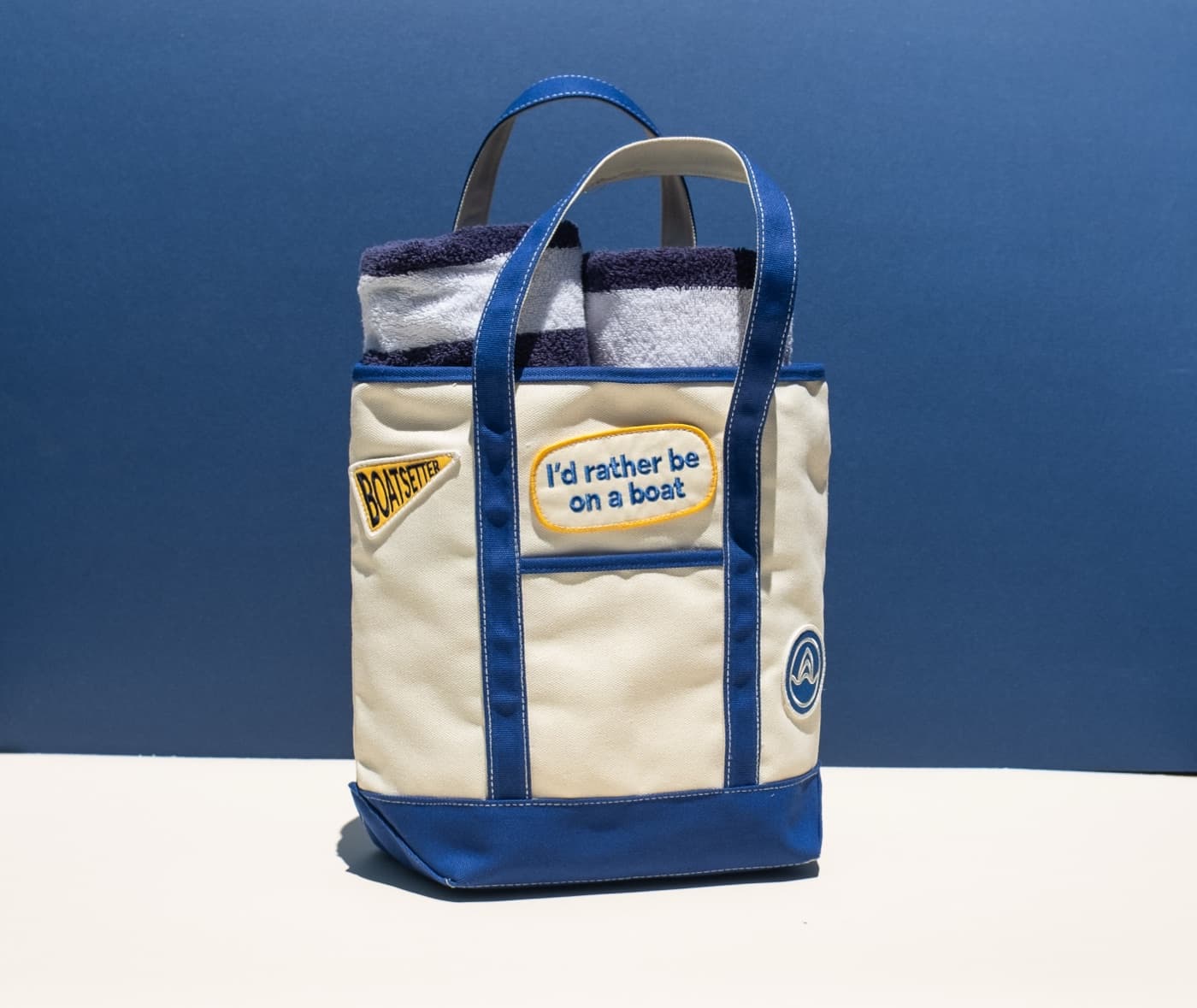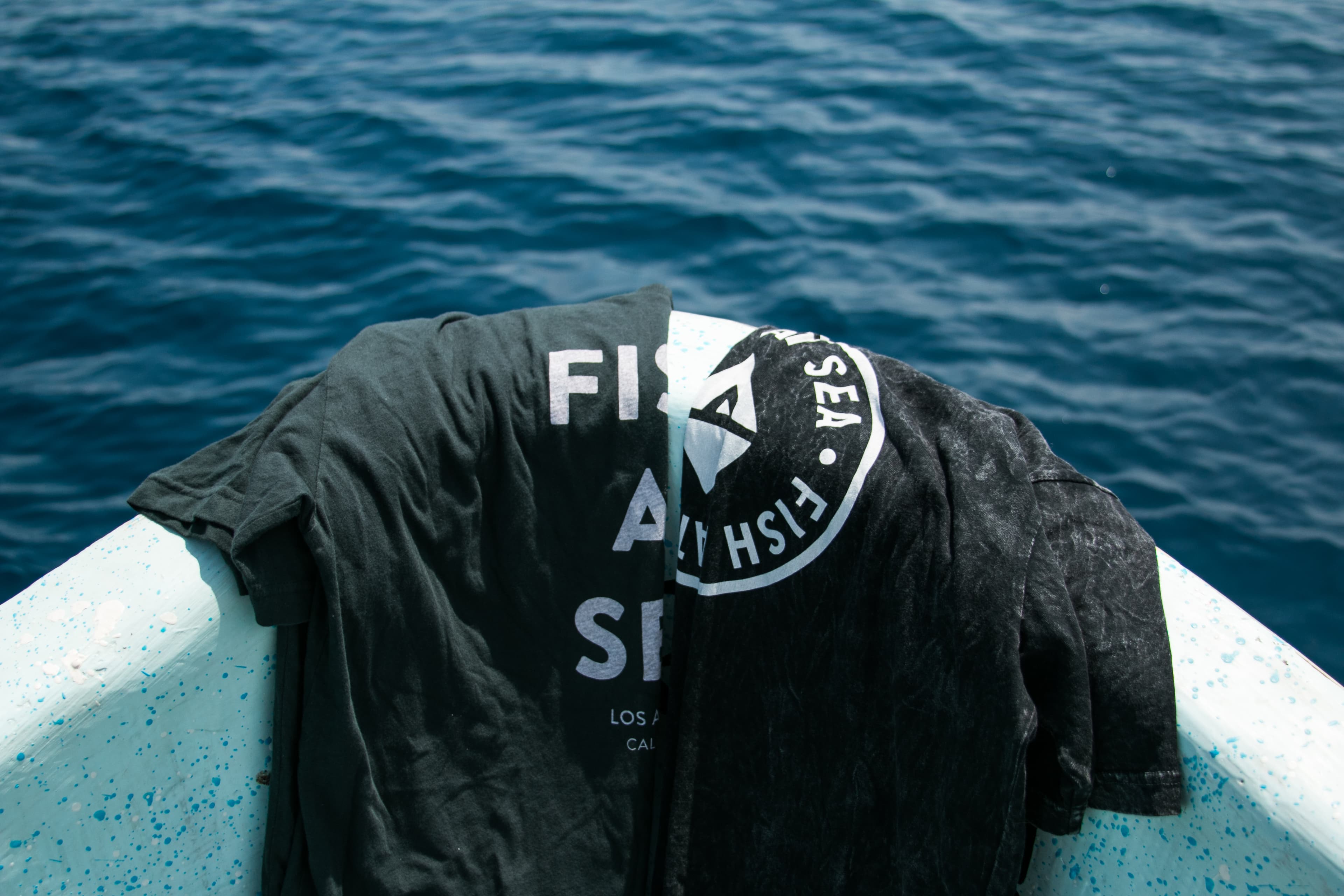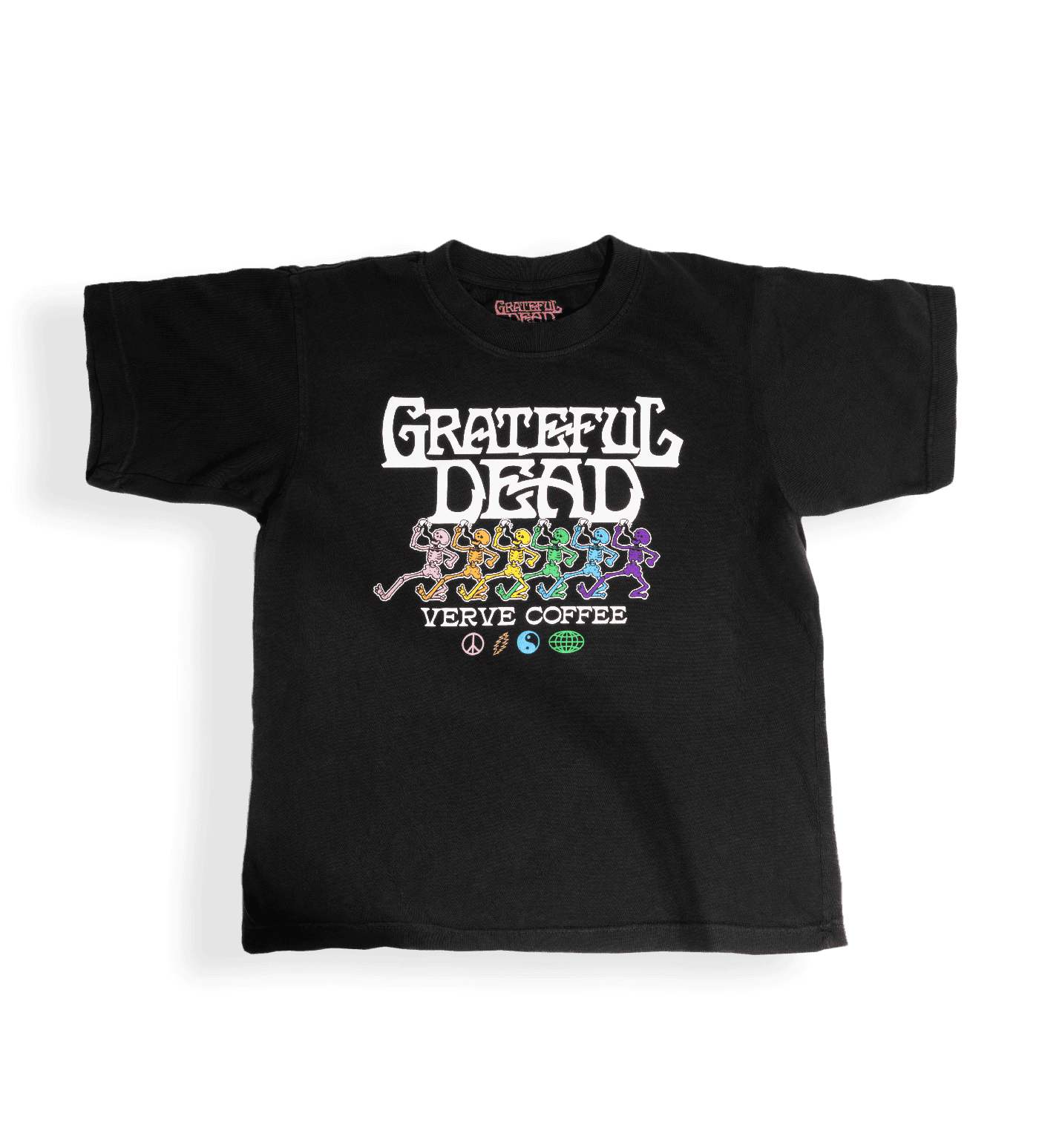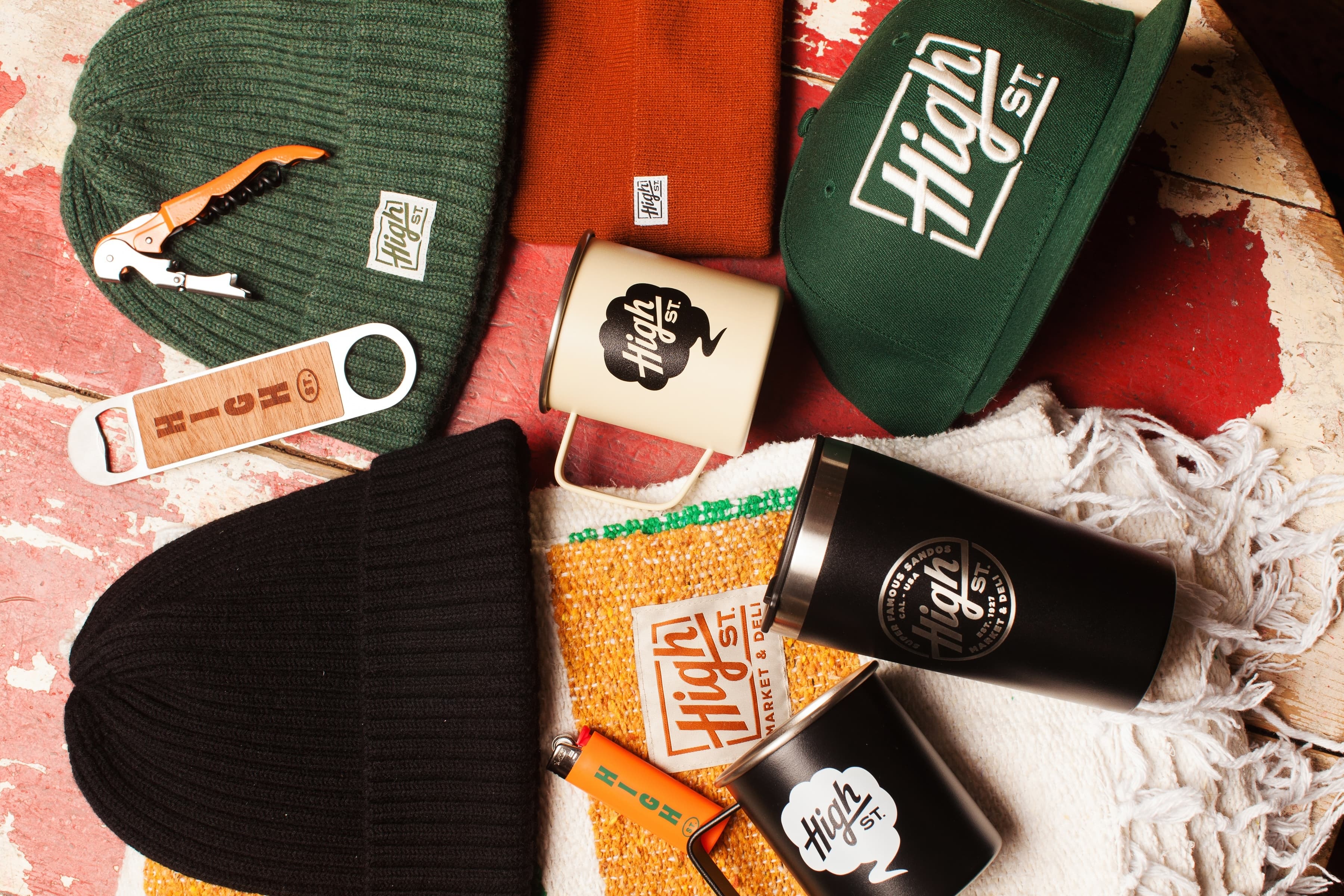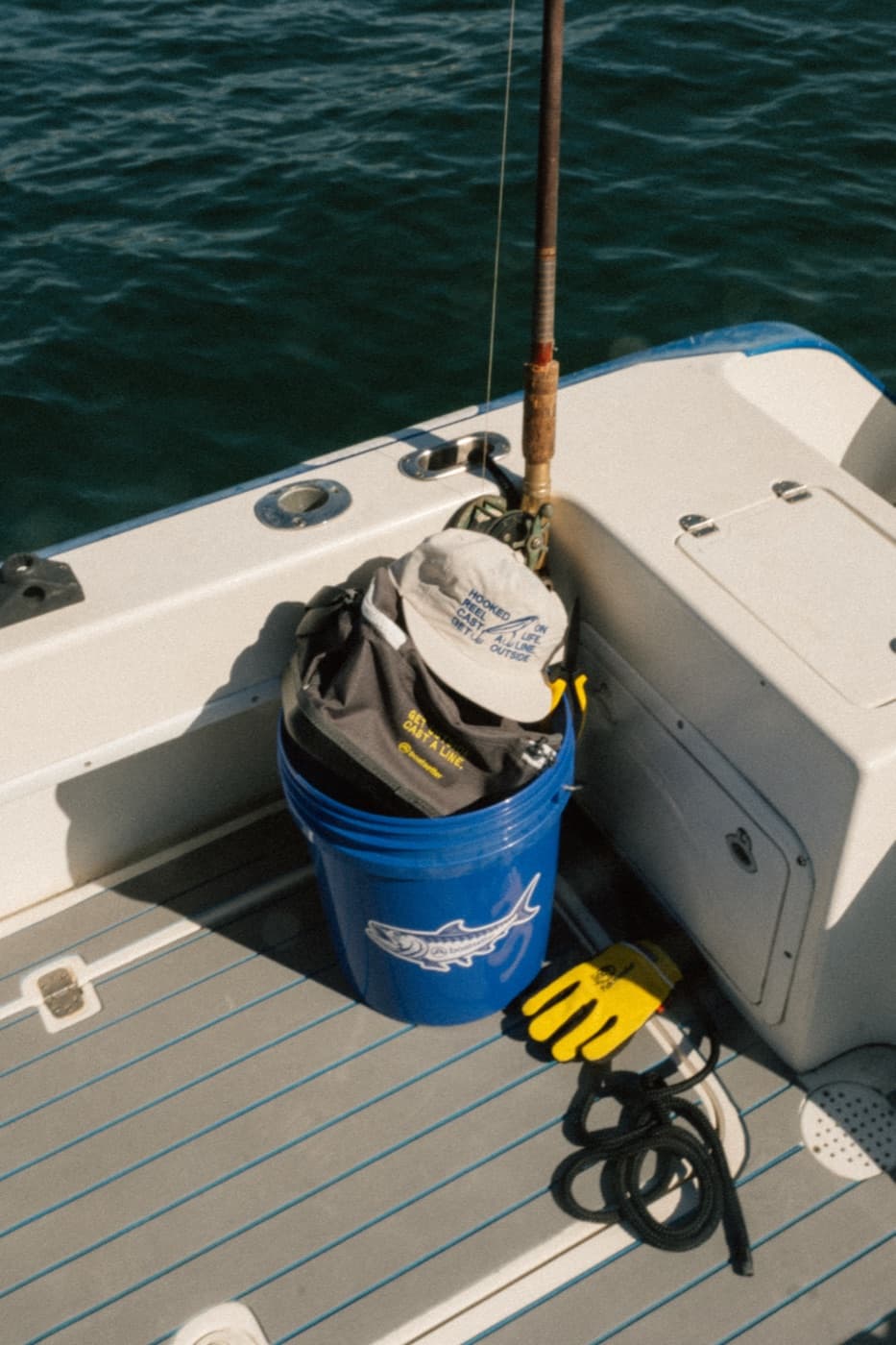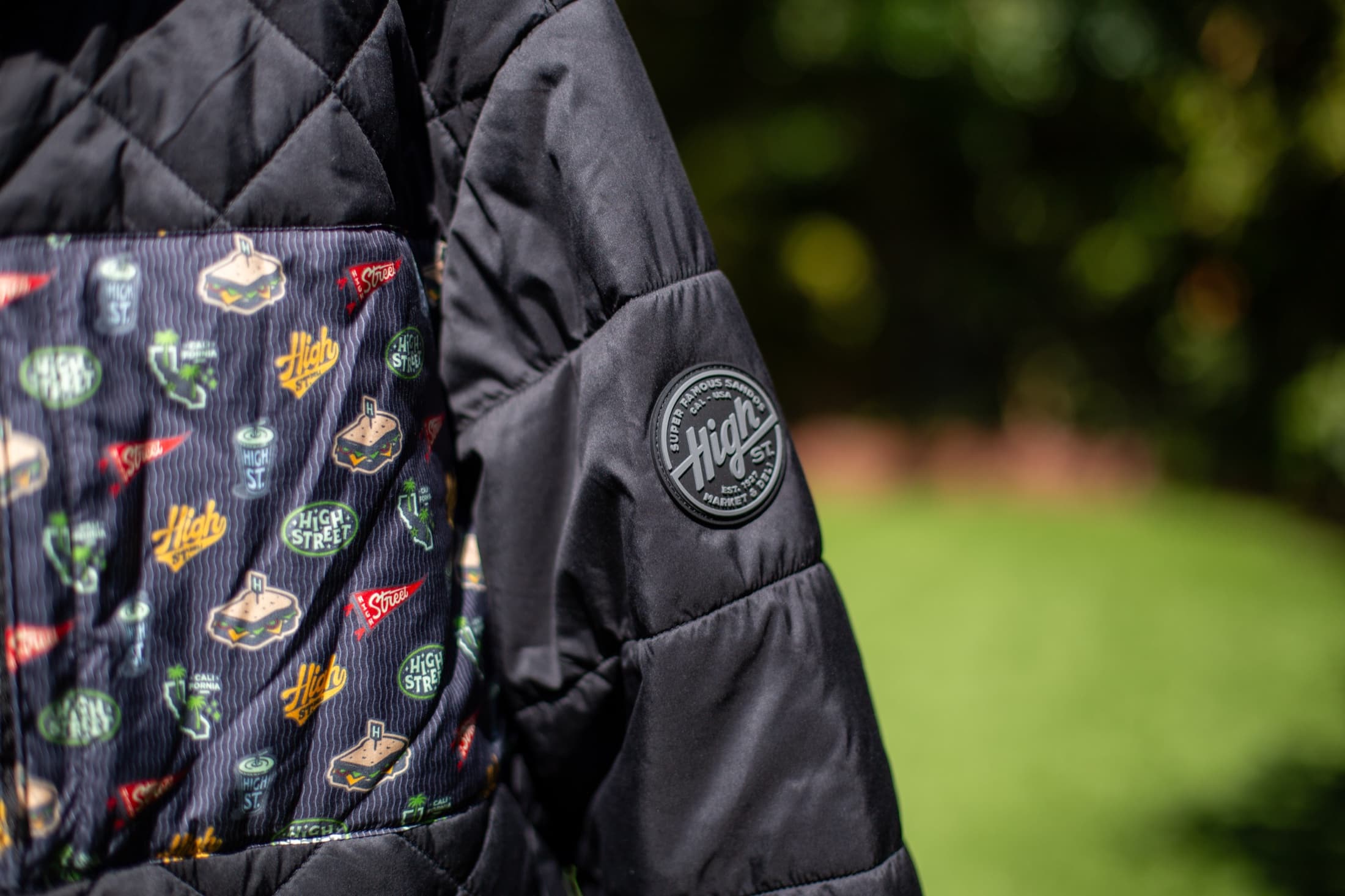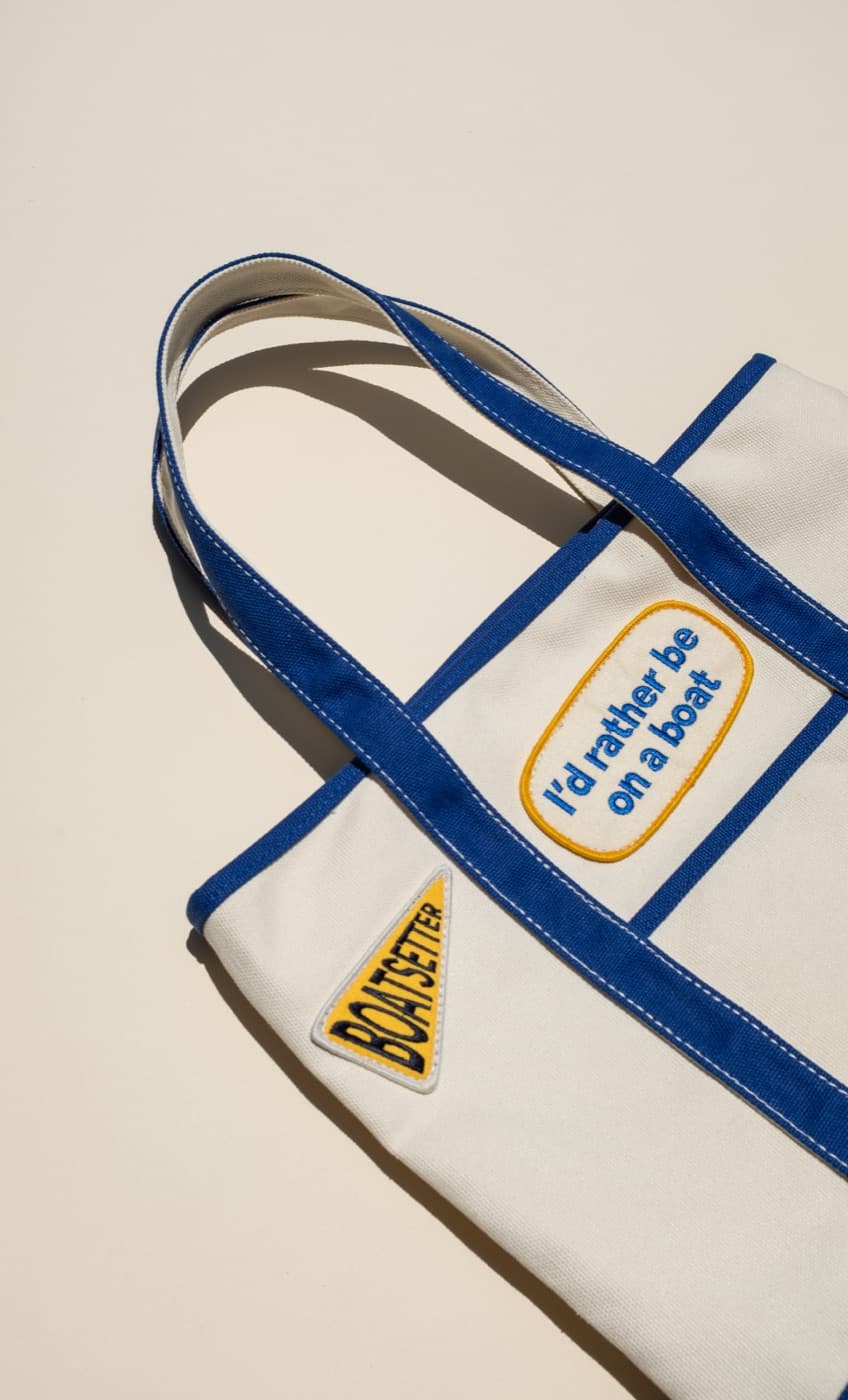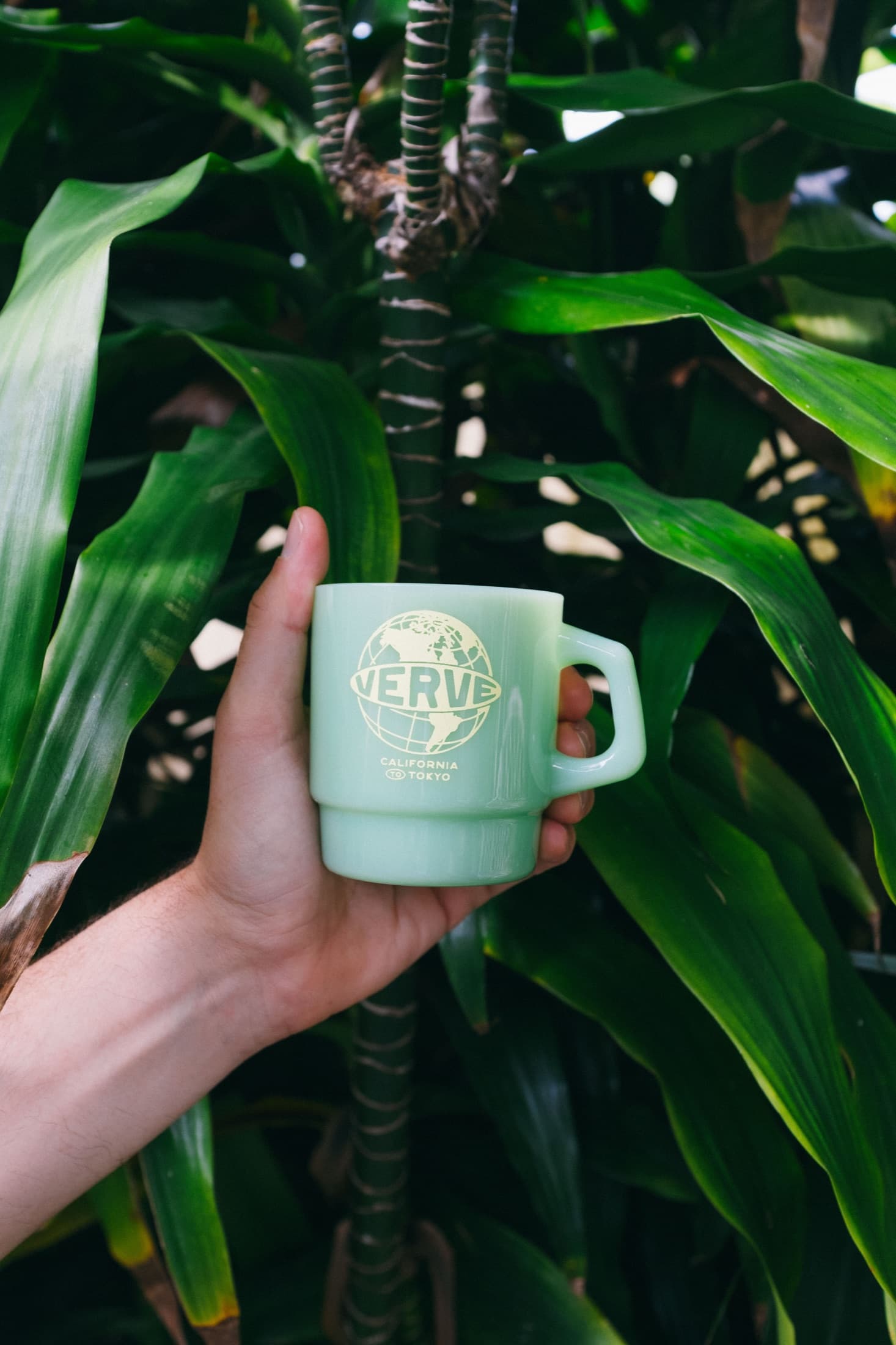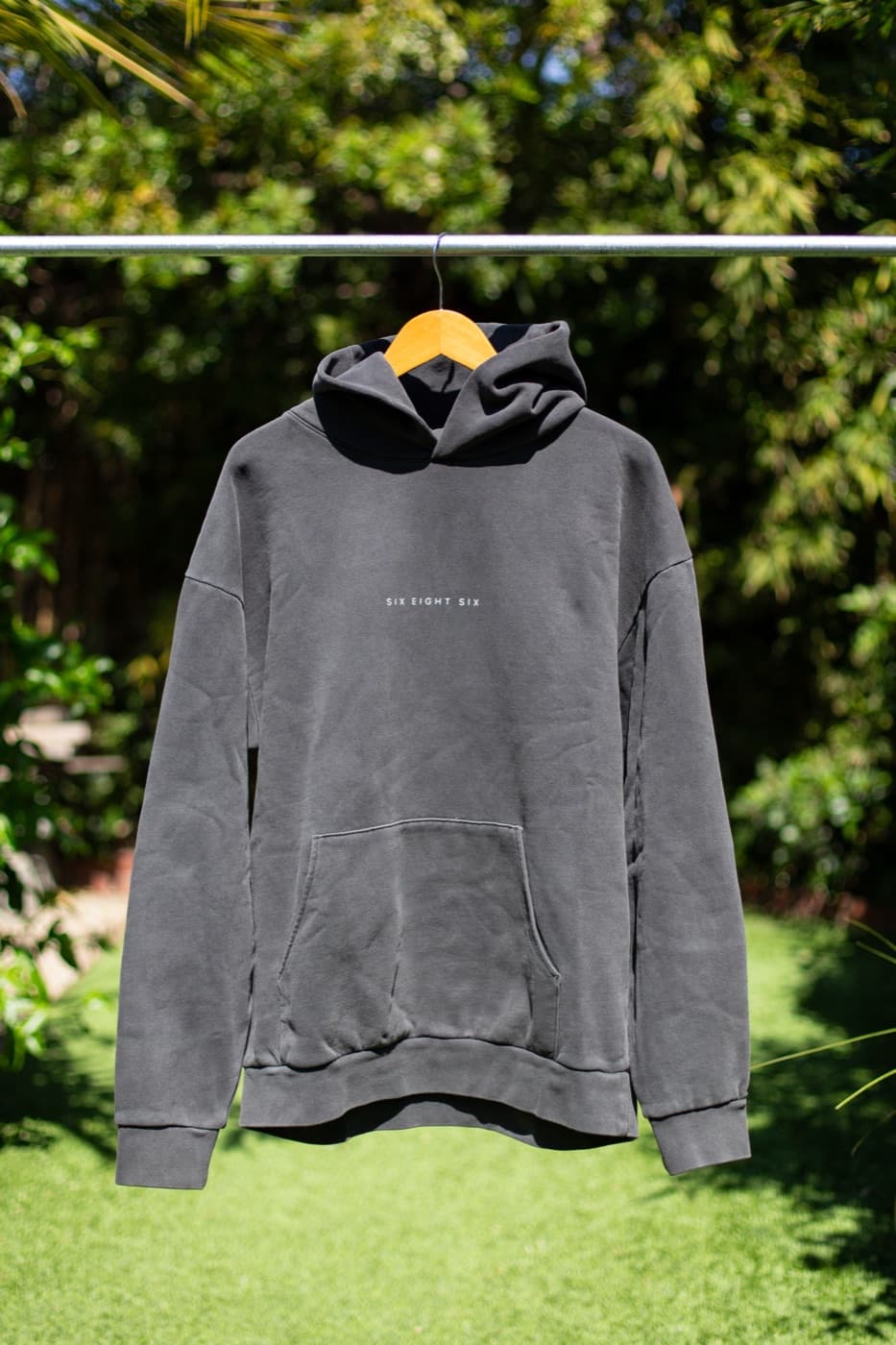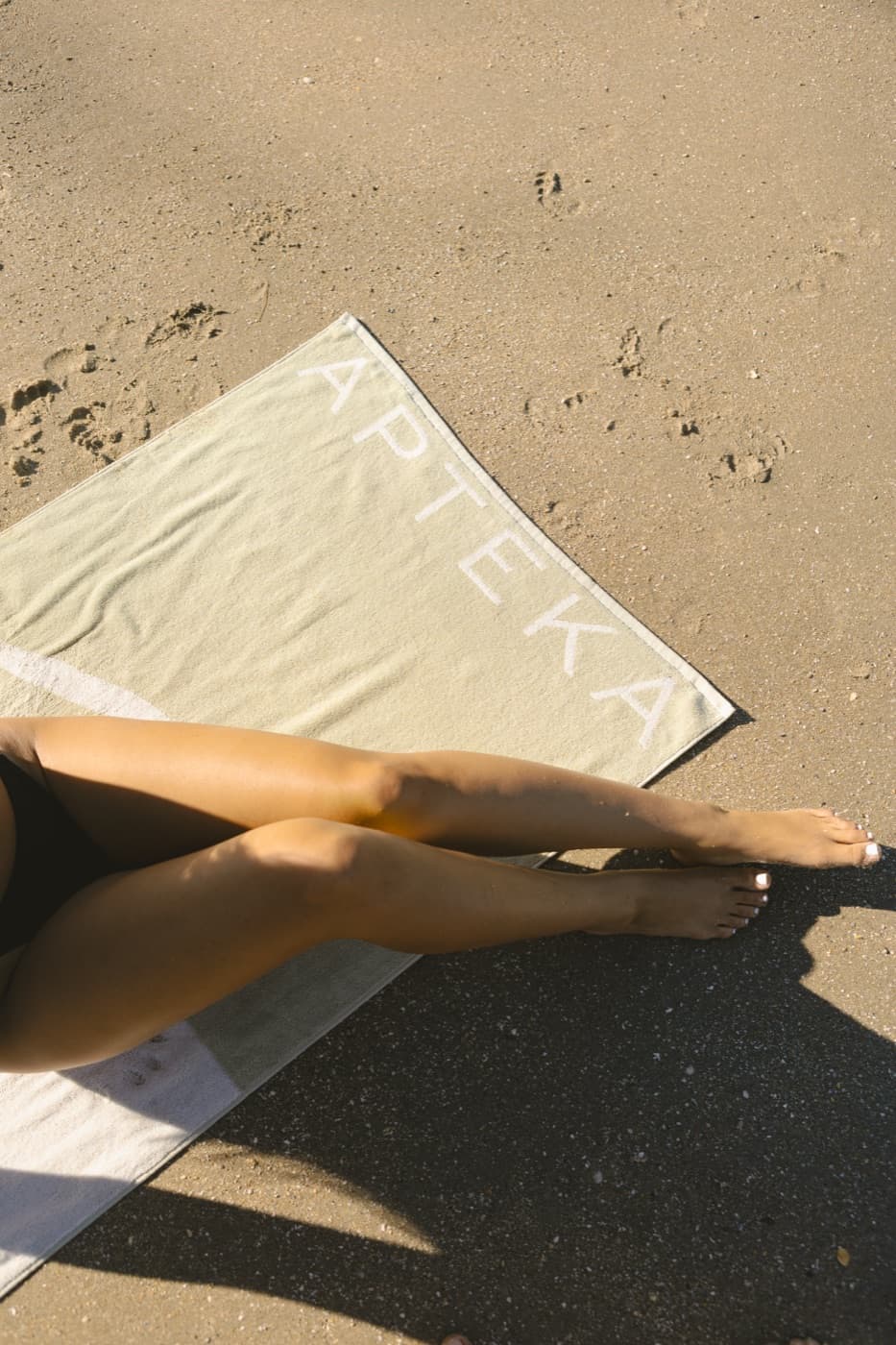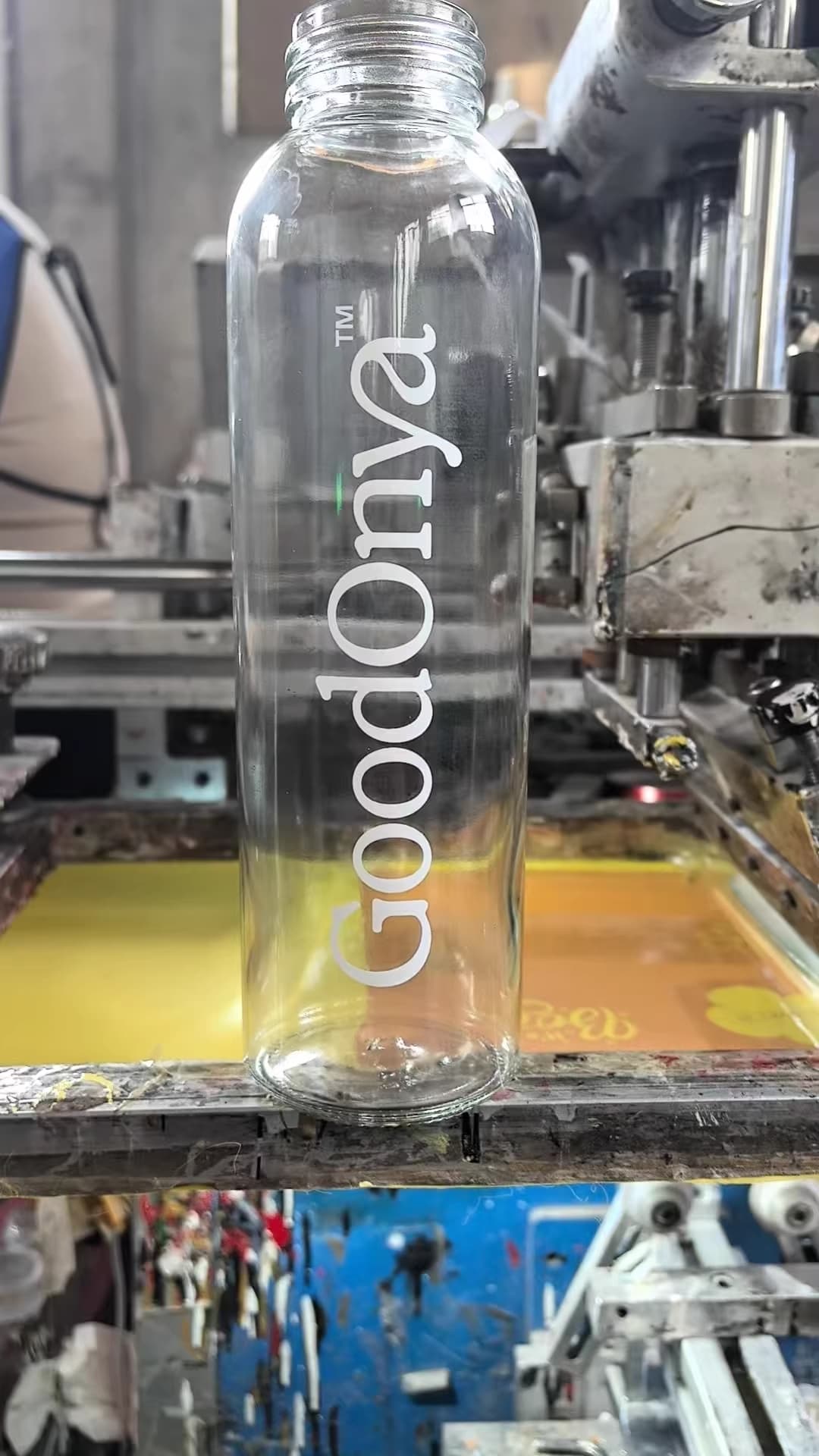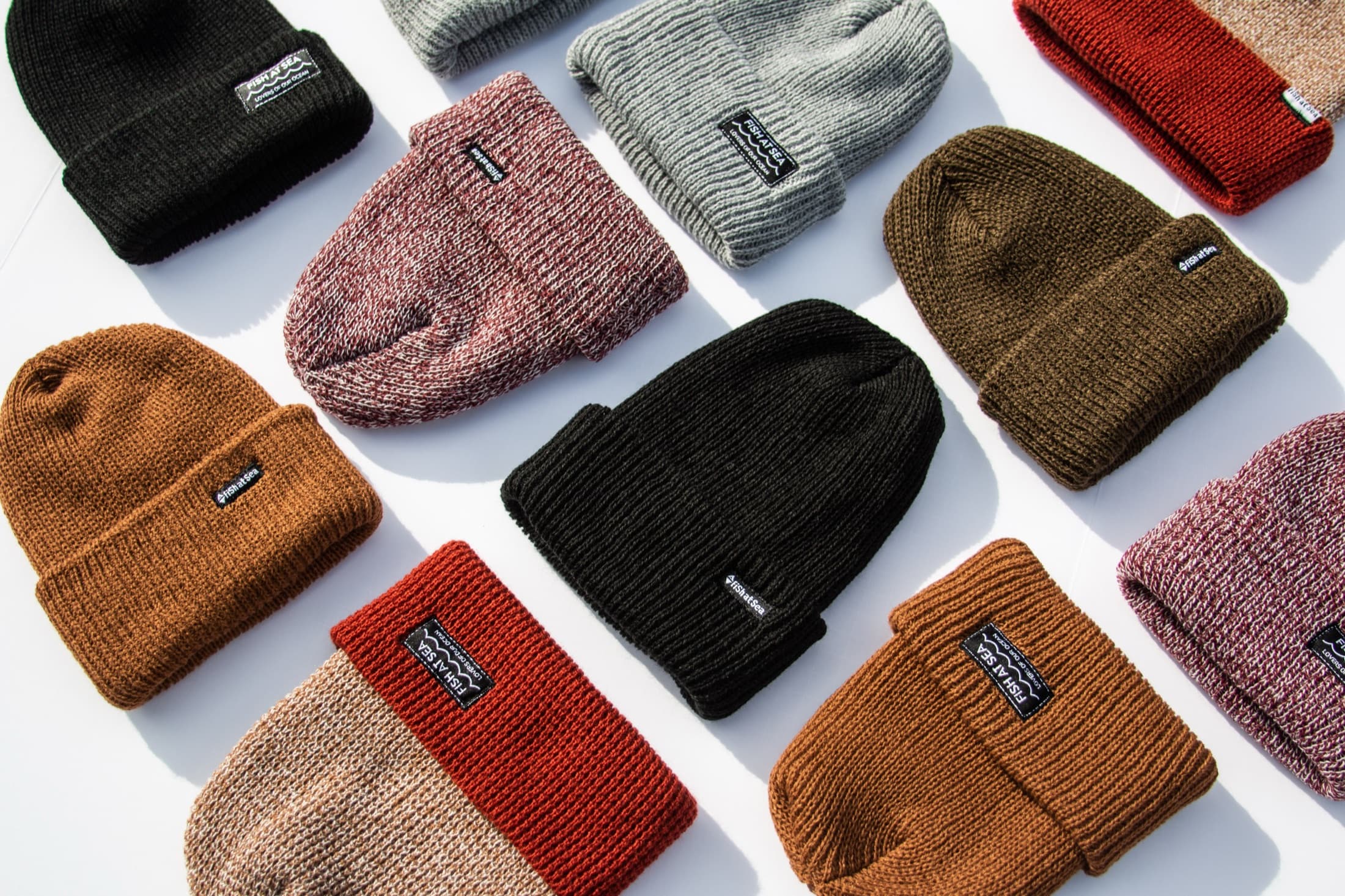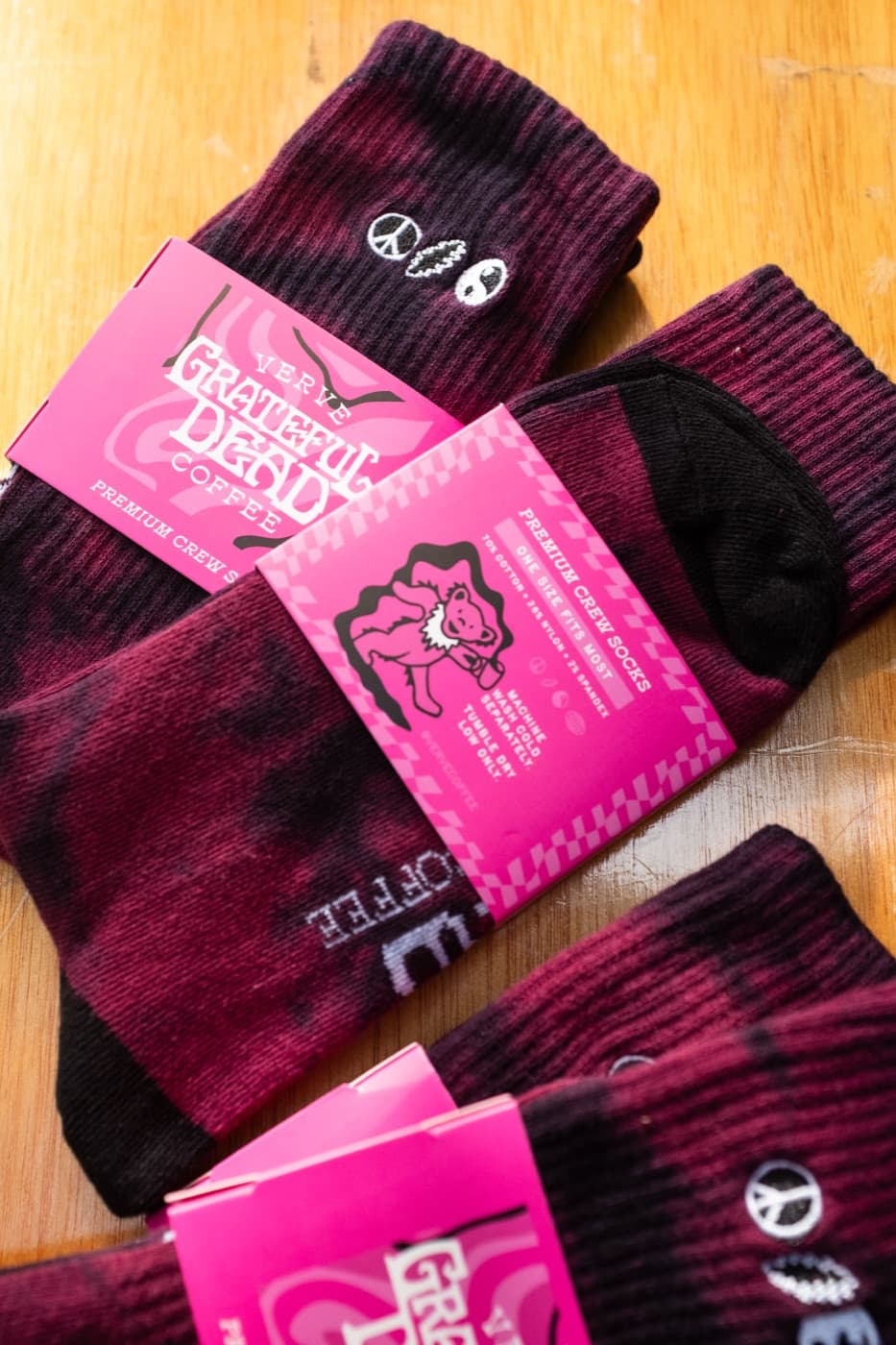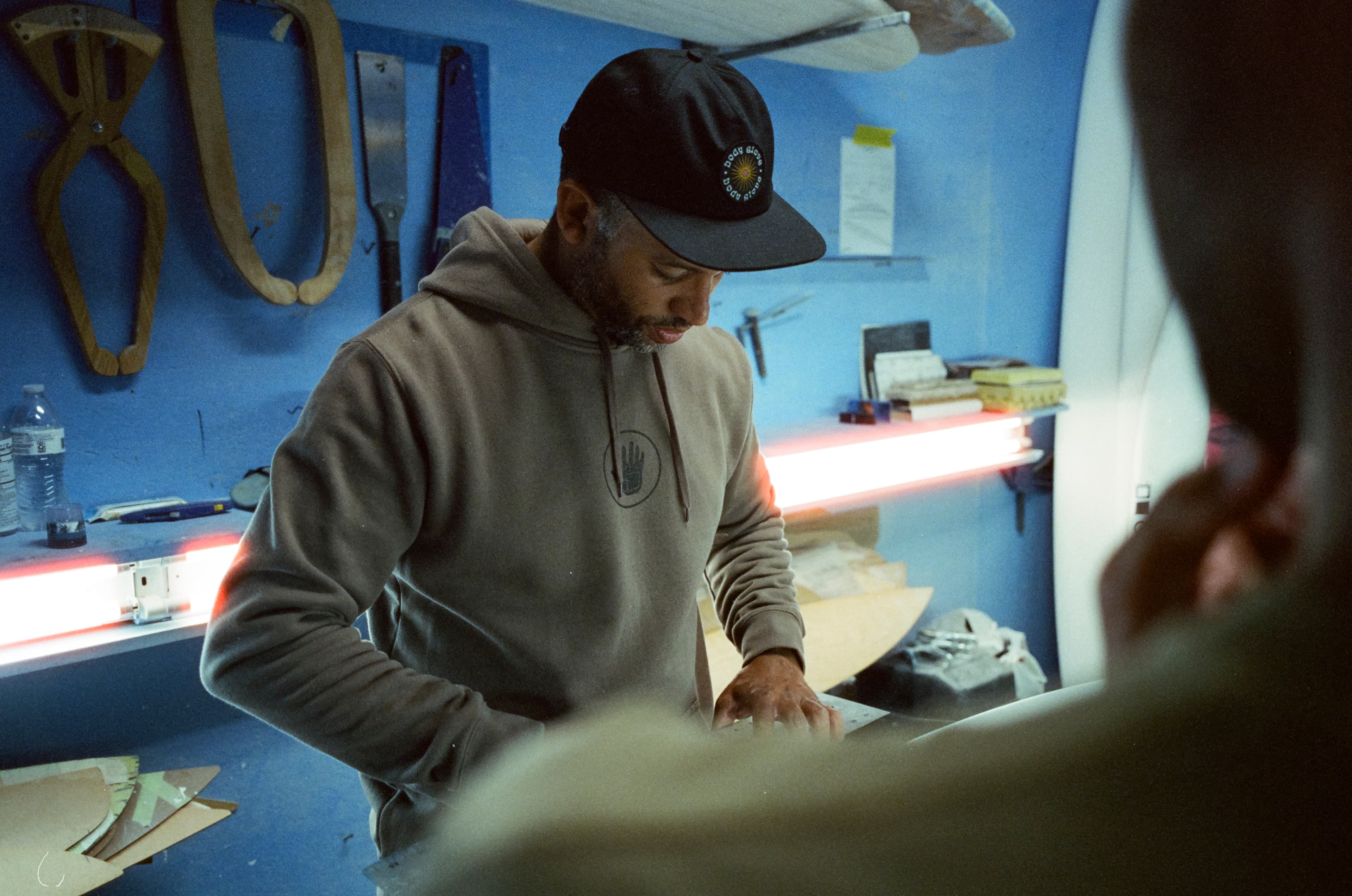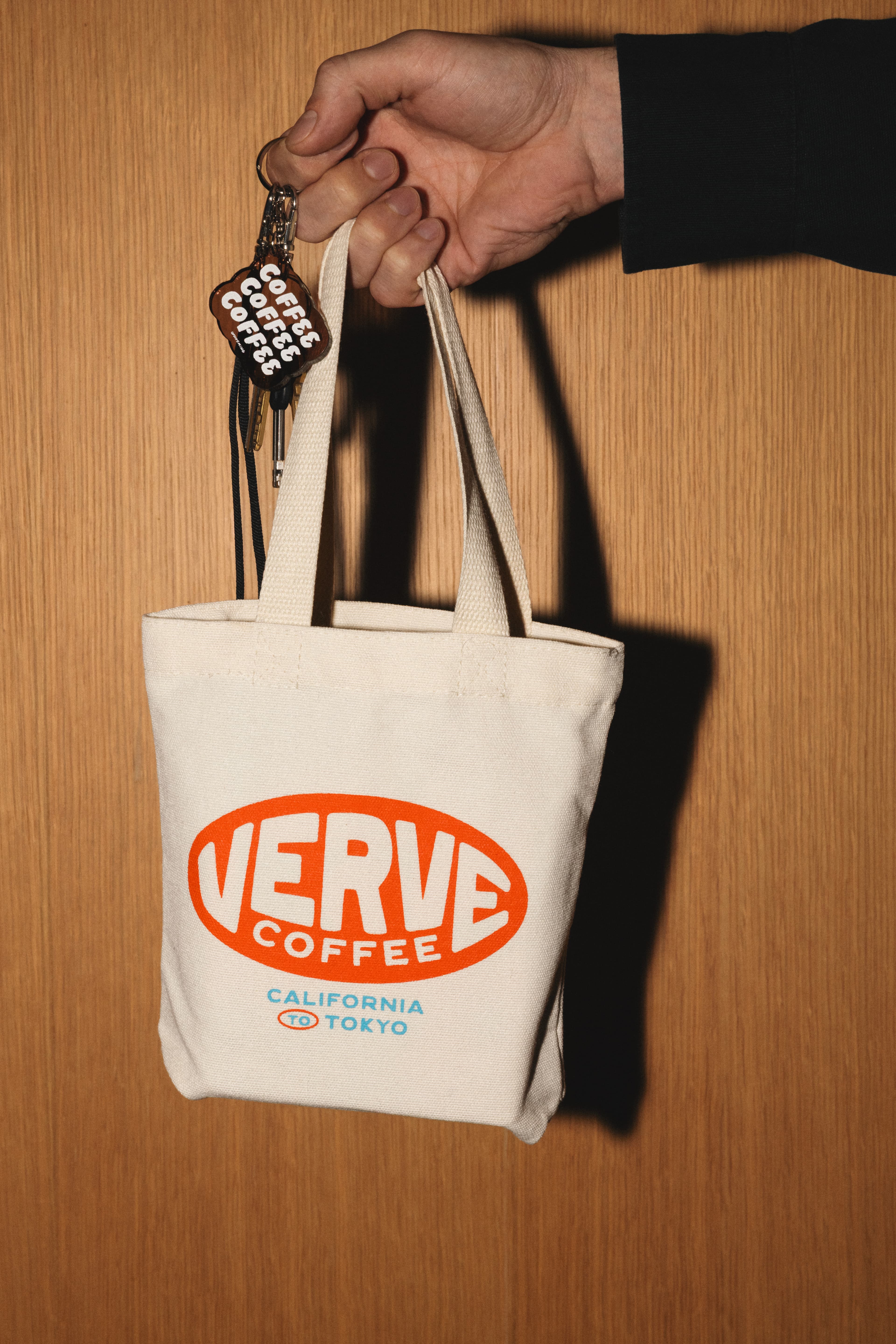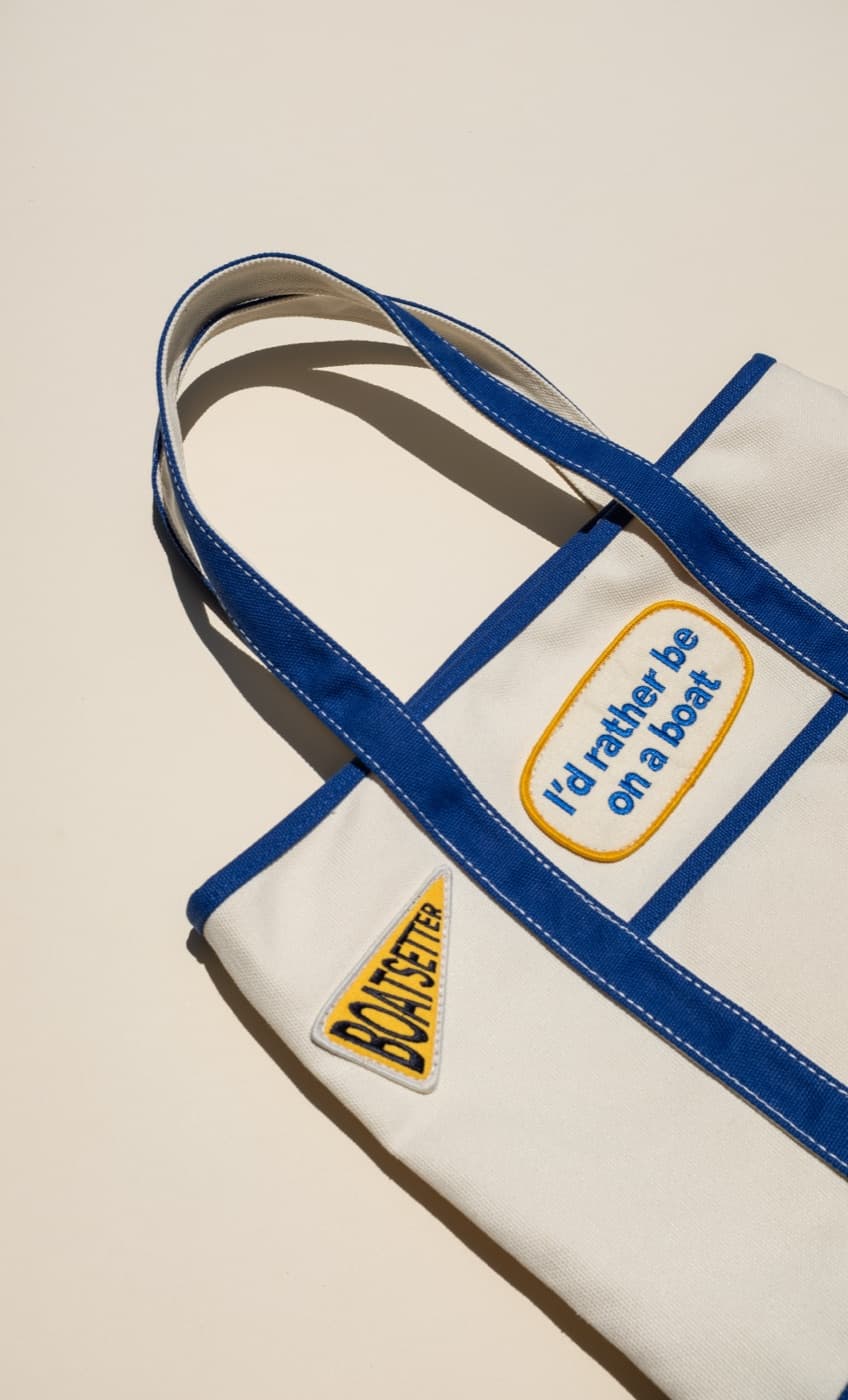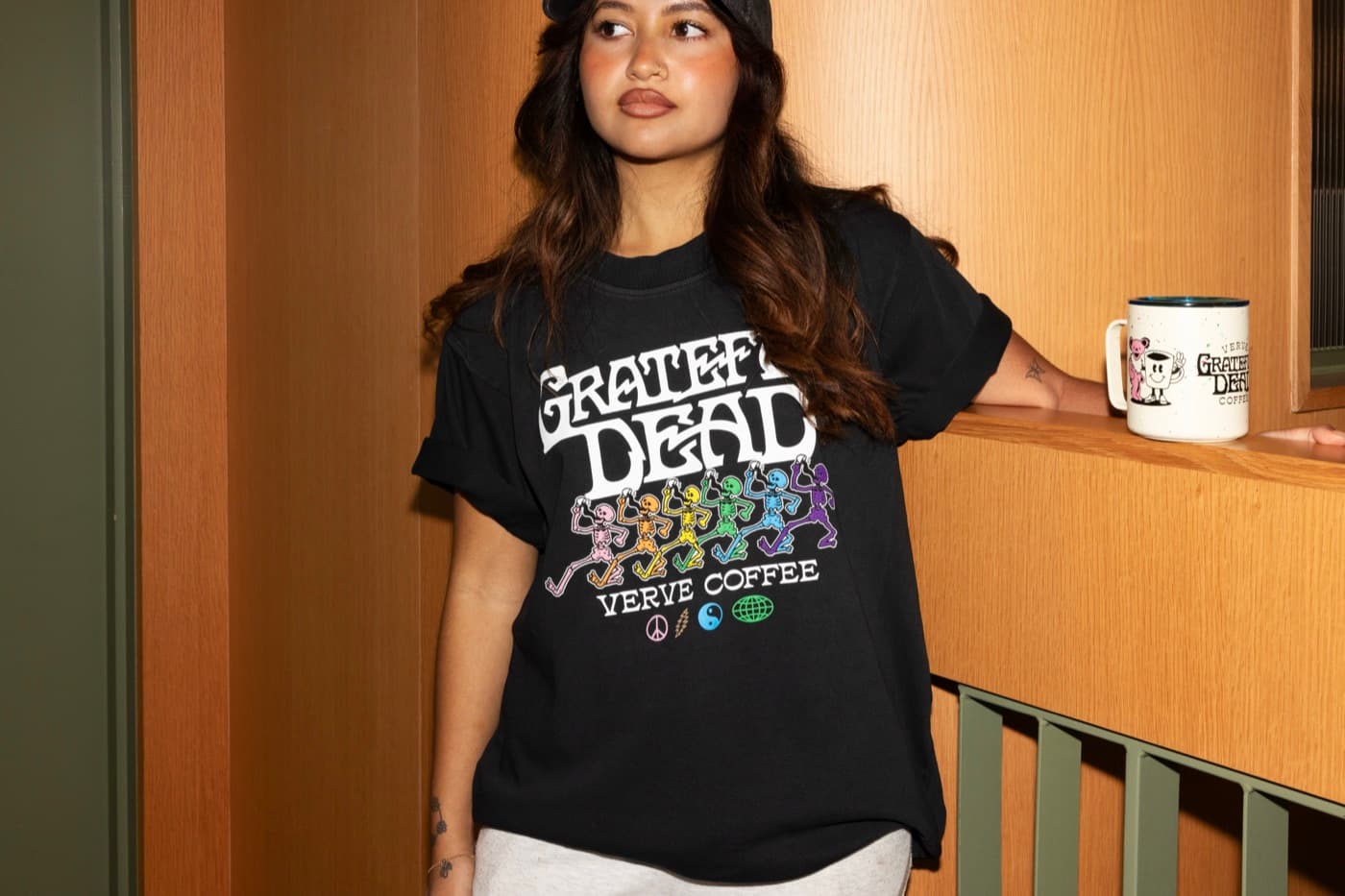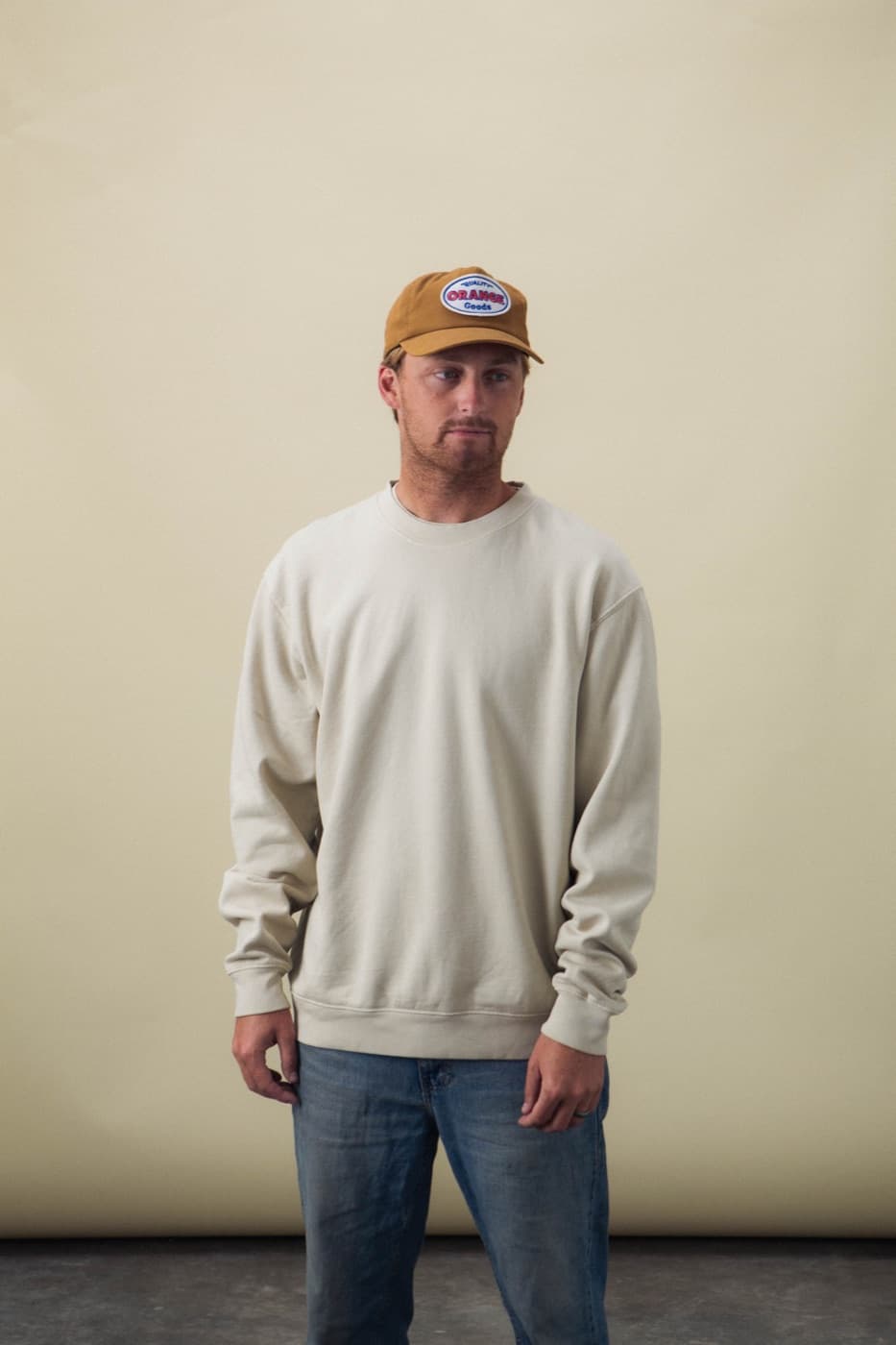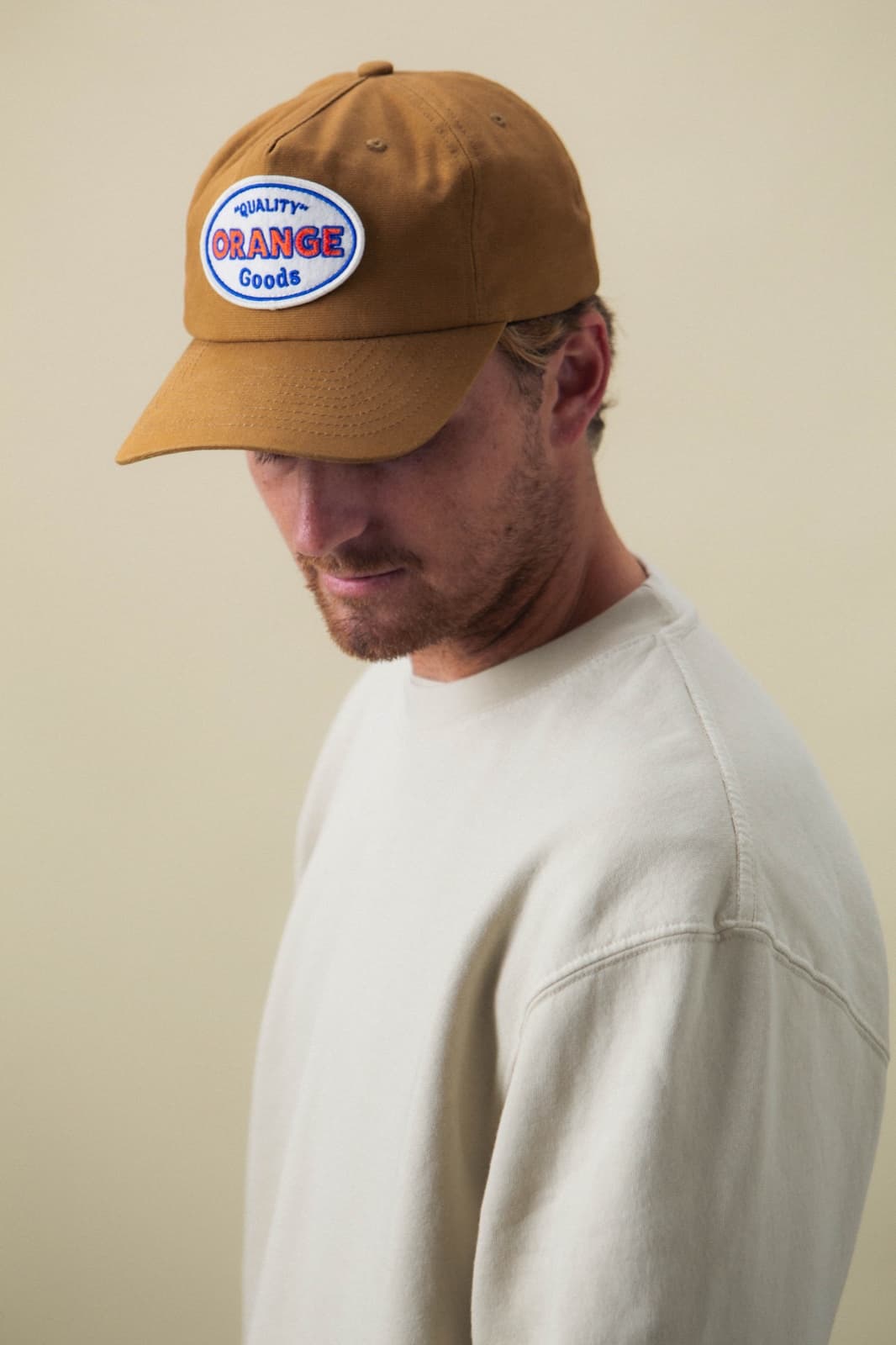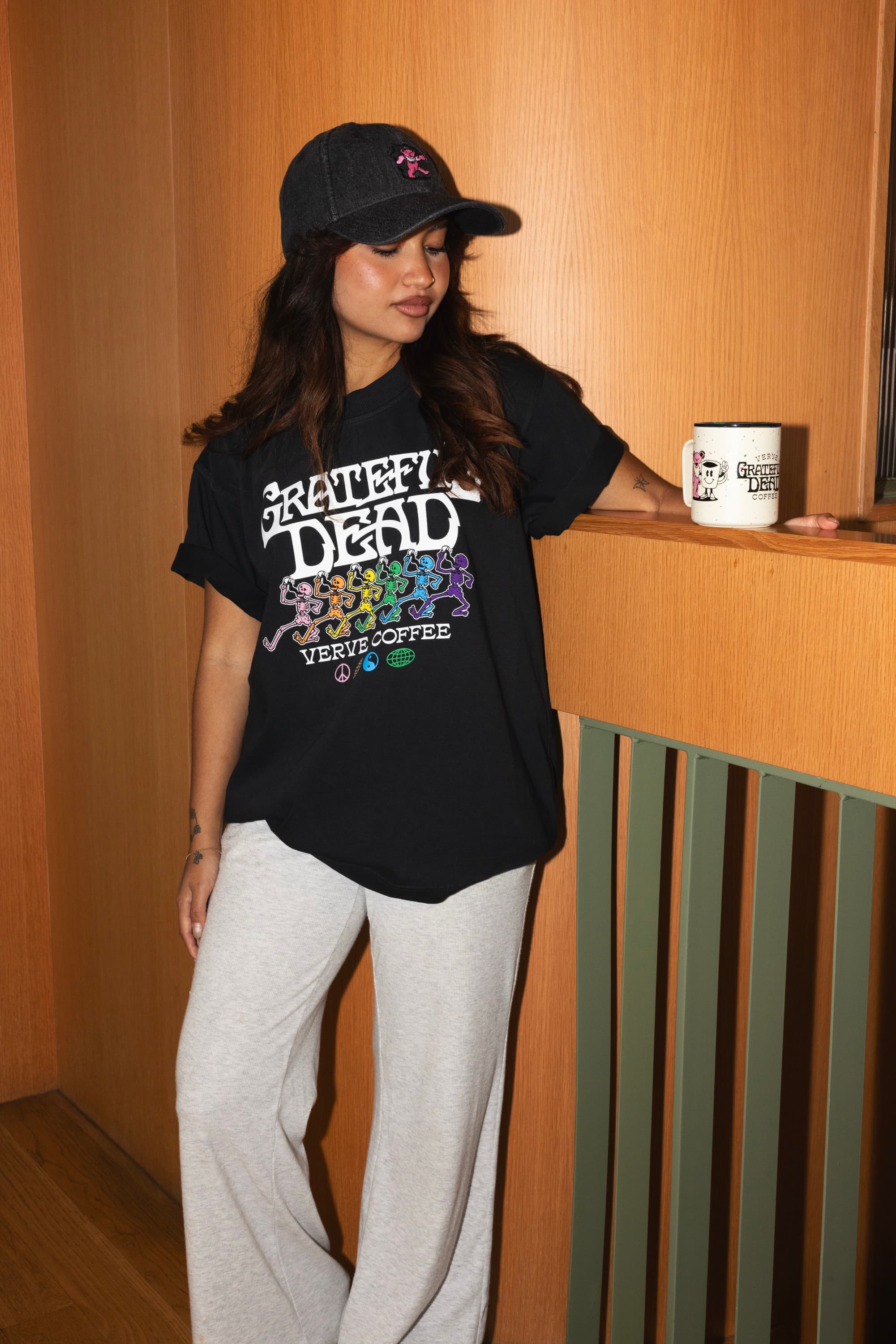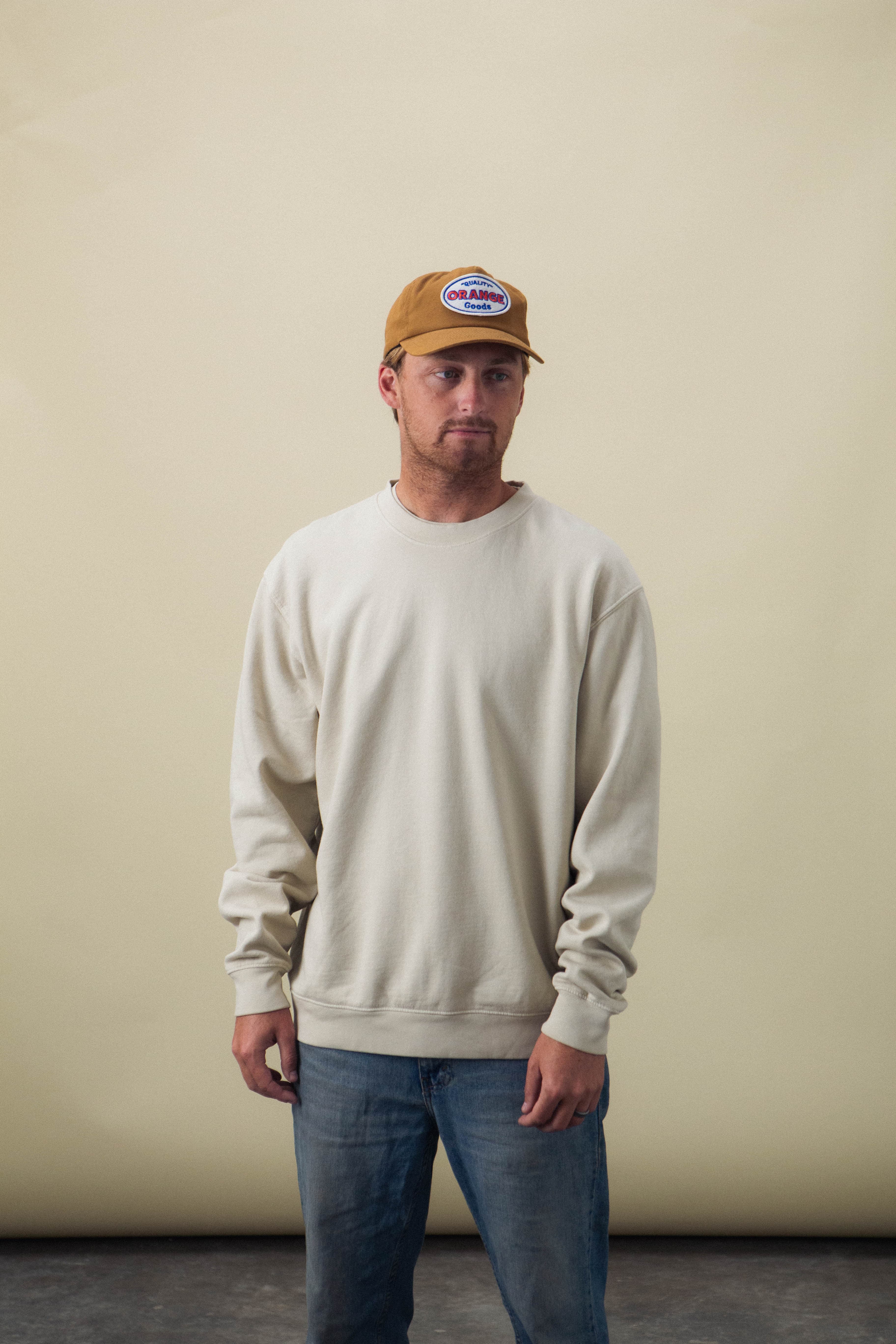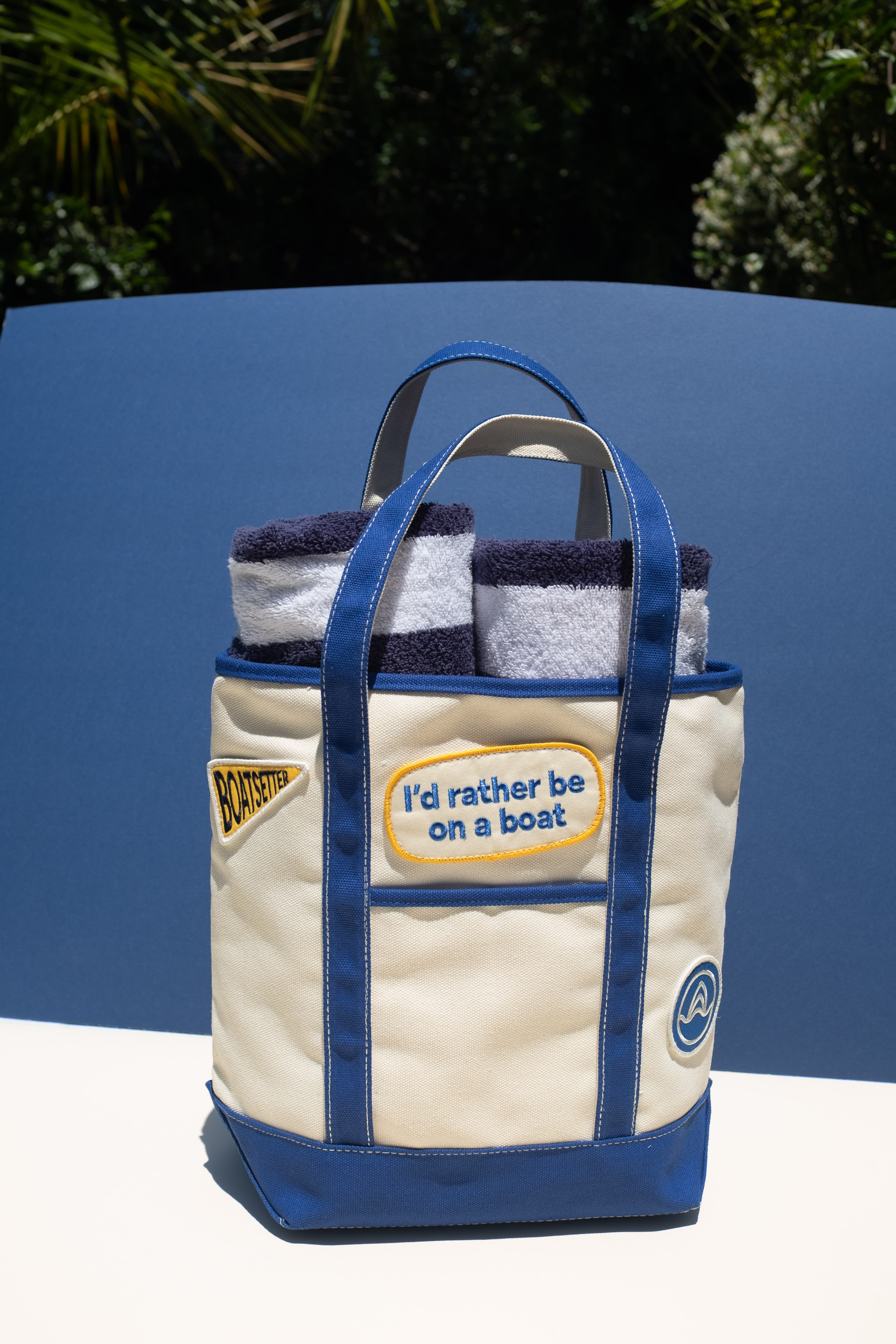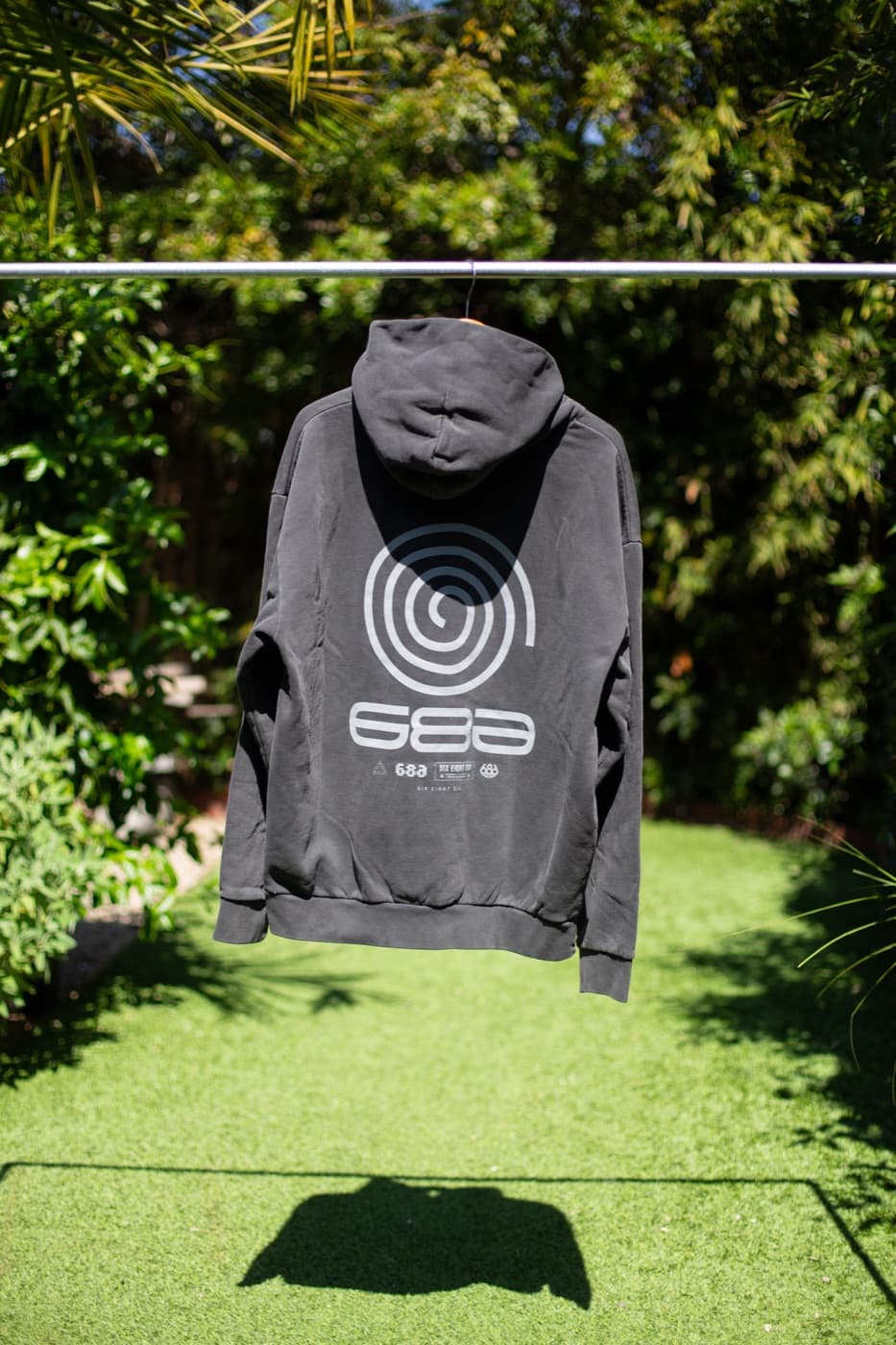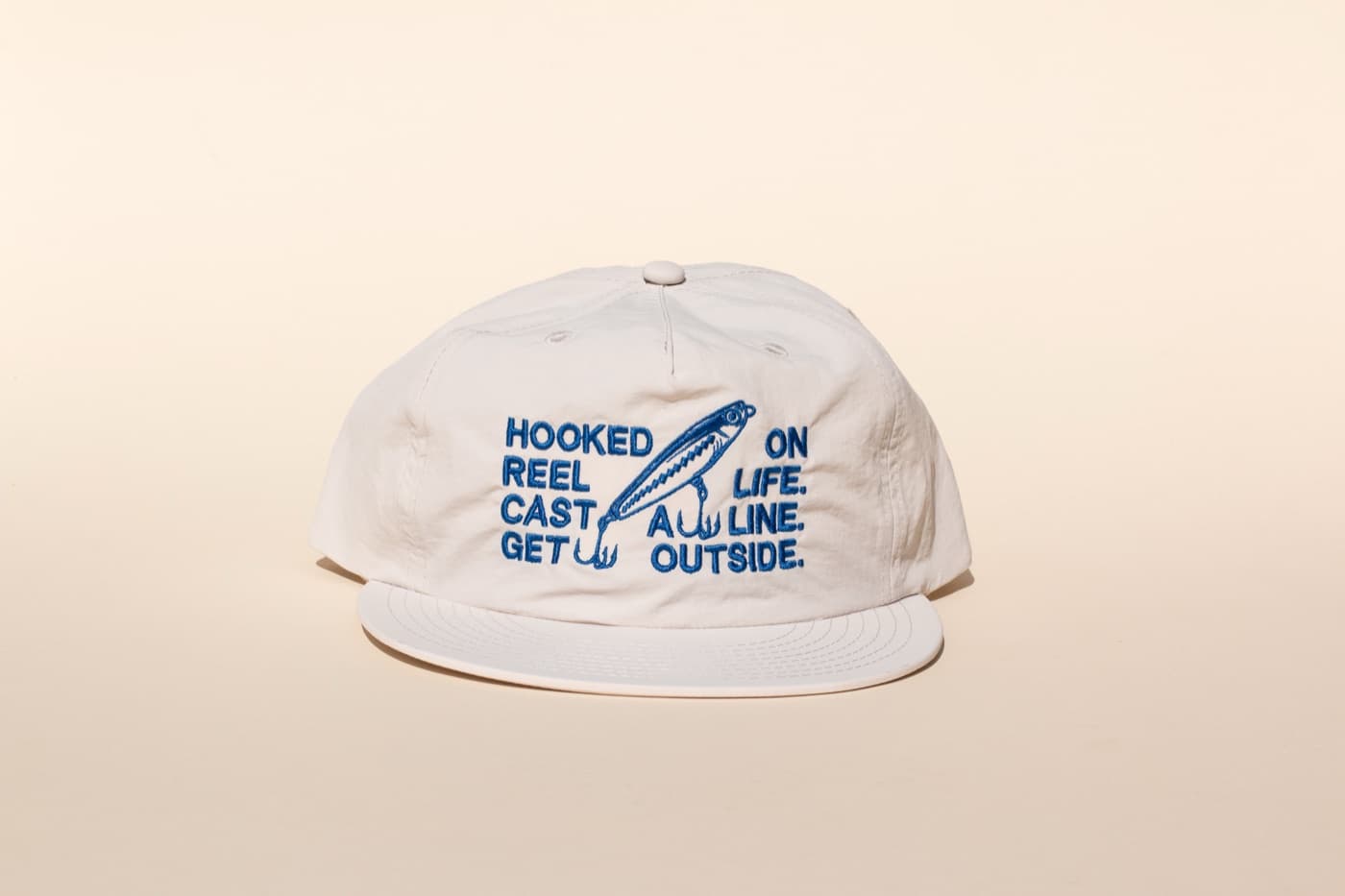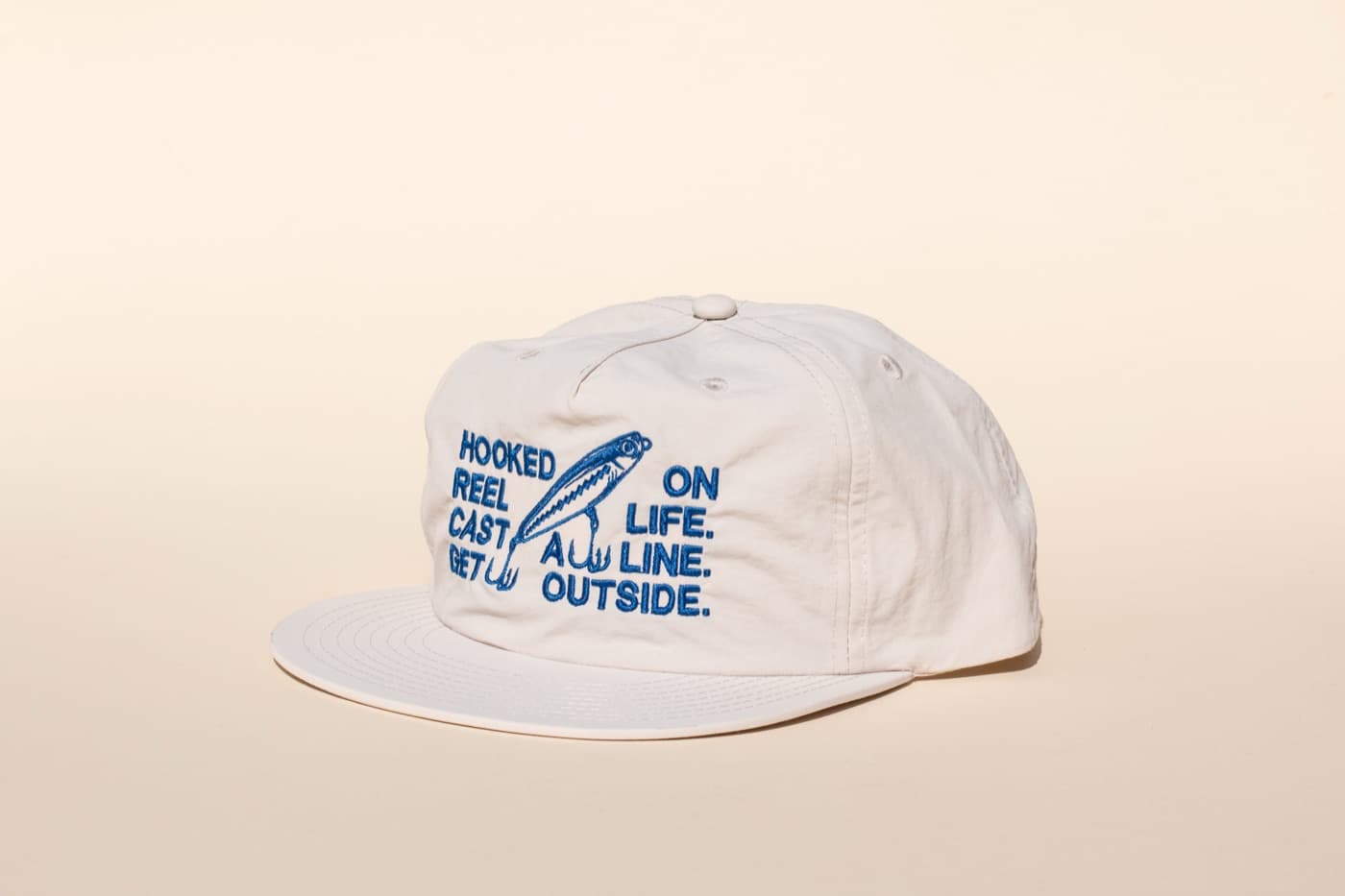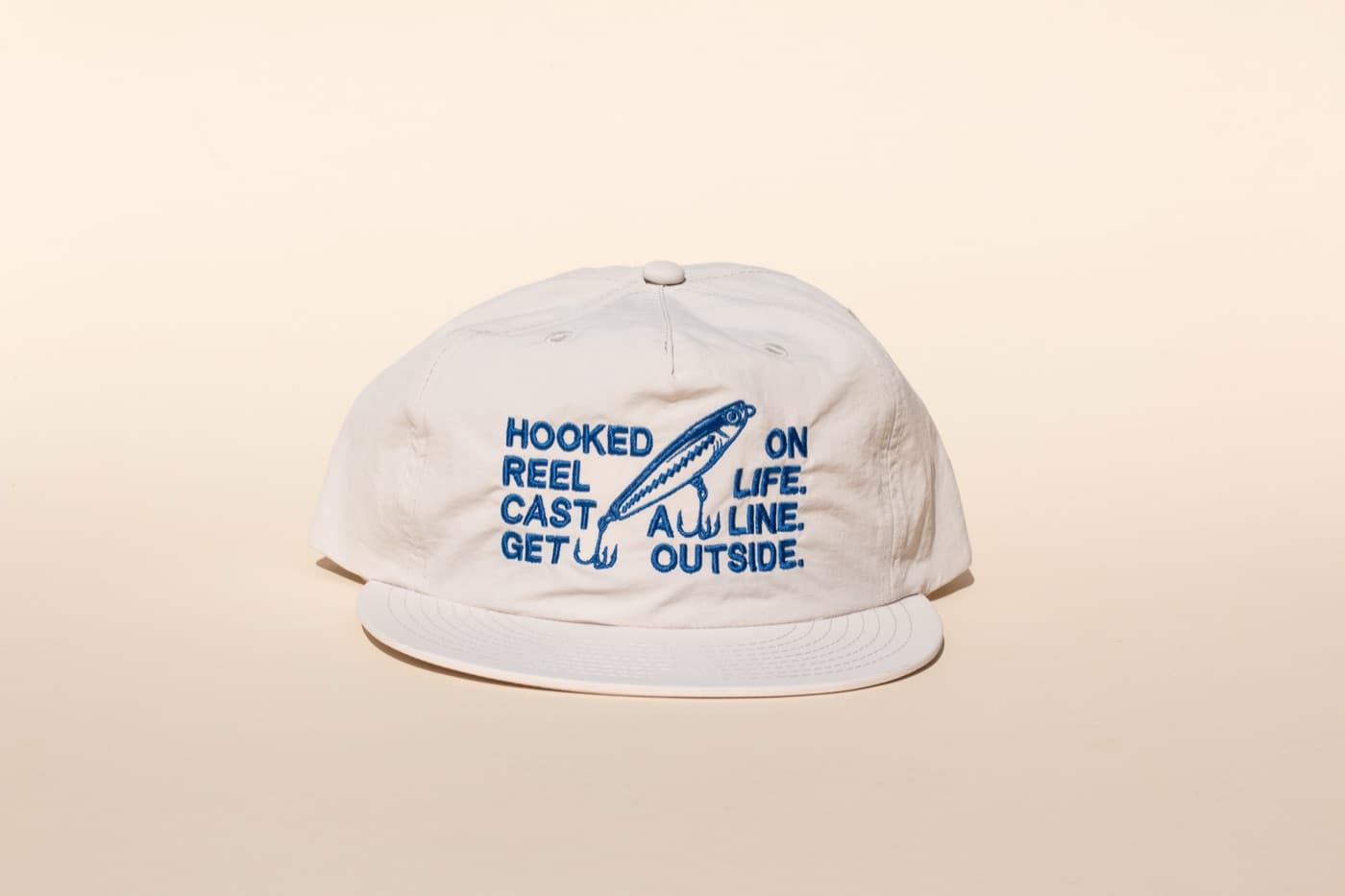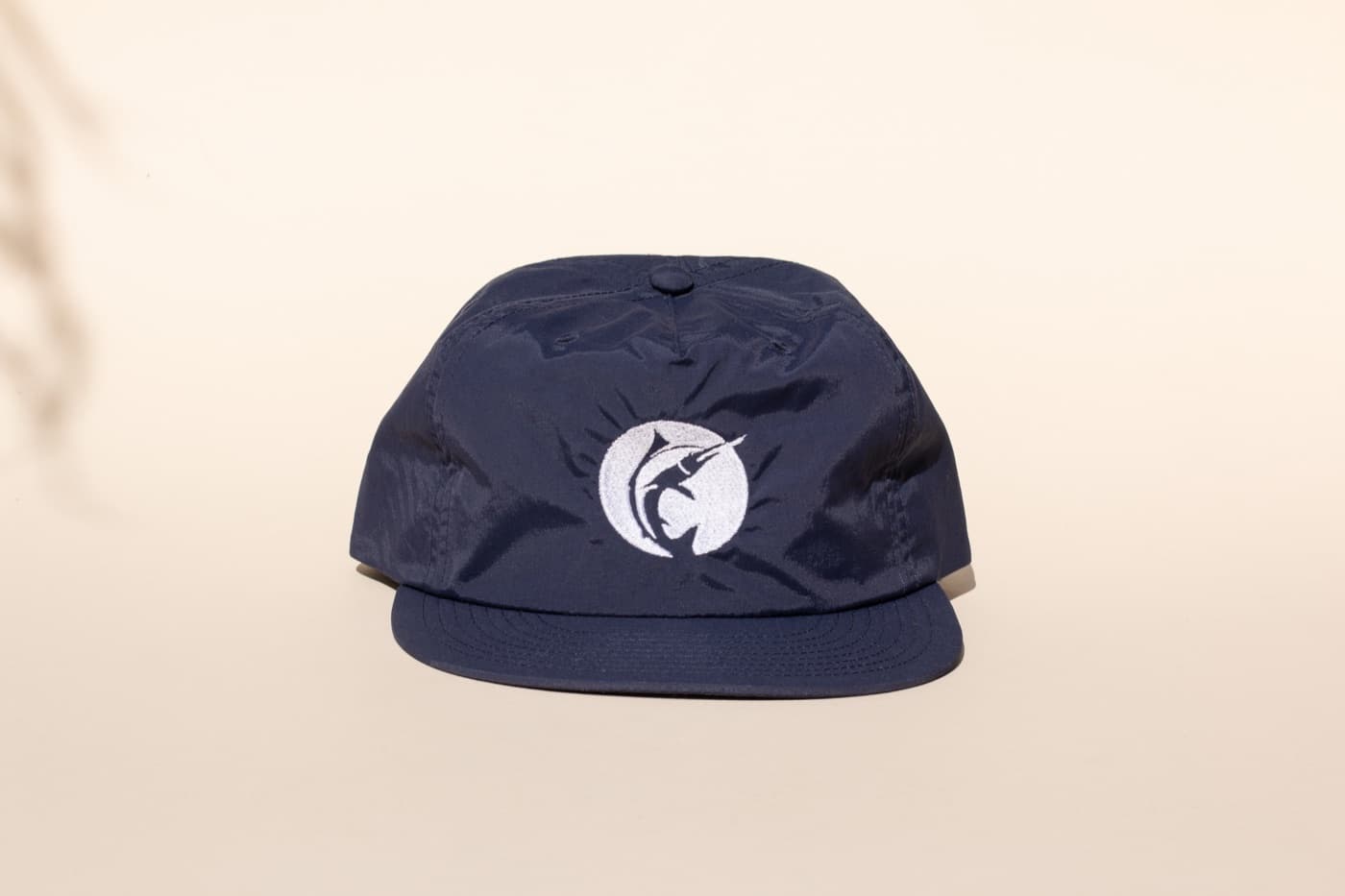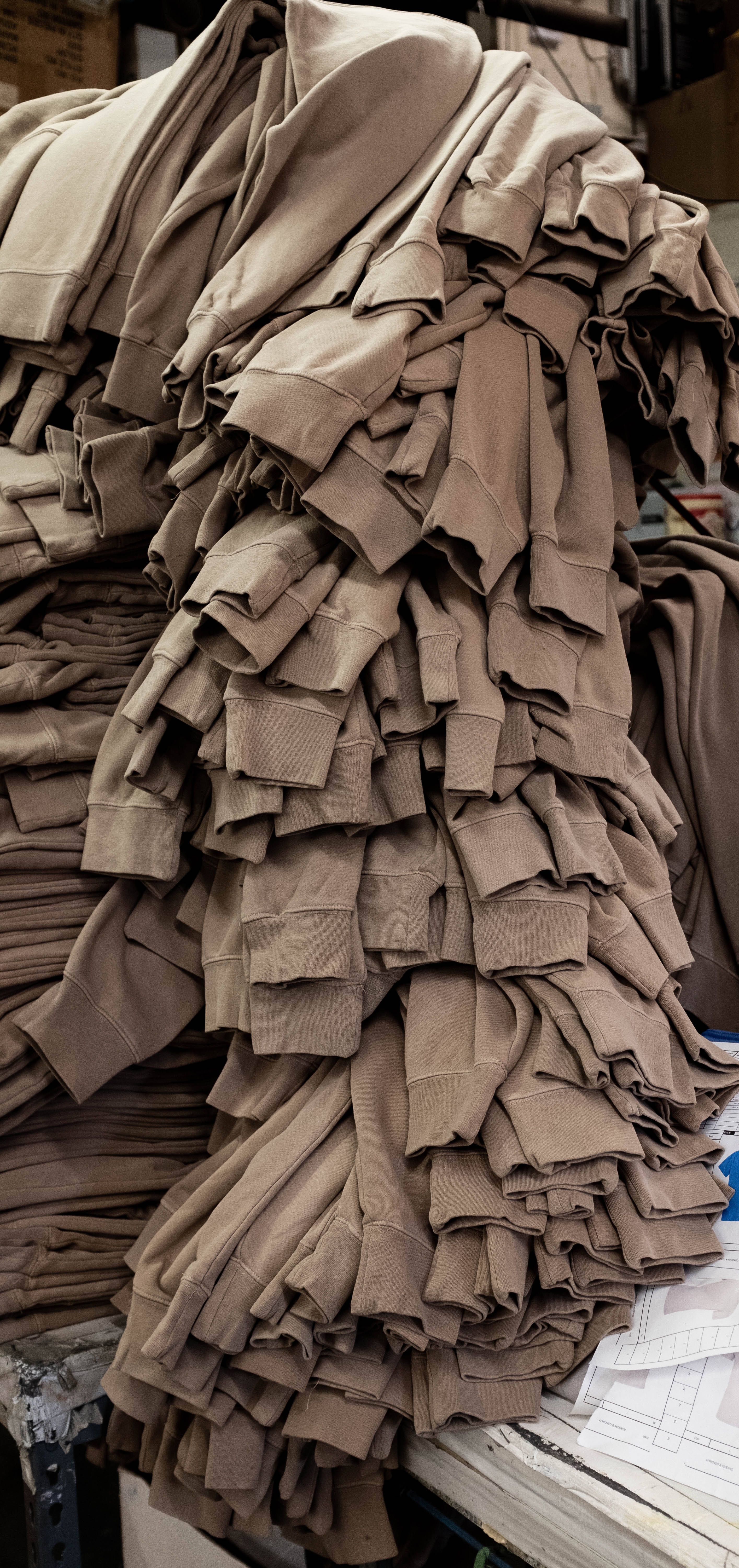
Retail-quality custom merchandise is one of those phrases that gets used so often it can start to mean nothing. For Orange Goods, it means the finished piece should feel like something a person could find in a good shop, buy with their own money, and keep using without feeling like they are wearing an advertisement.
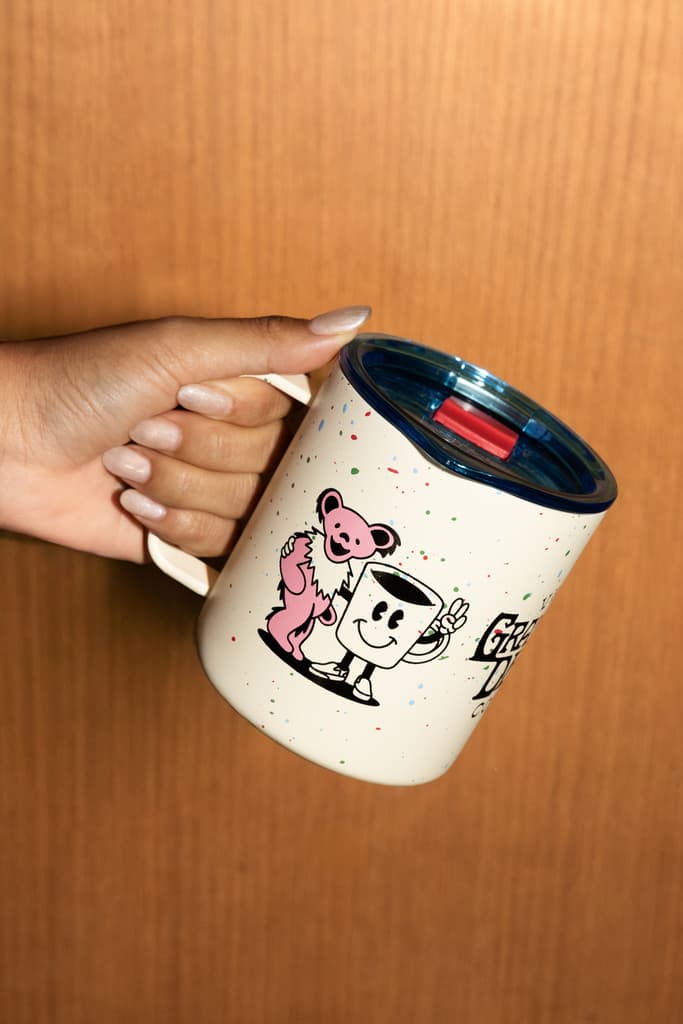
That does not always mean the most expensive product. It means the right product for the use case, finished in a way that respects the brand and the recipient. A retail-quality hat, tote, towel, hoodie, or bottle has a level of care that people can feel before anyone explains it.
The blank sets the floor
The blank is the base product before decoration. It sets the minimum quality level for the whole job. If the tee shrinks badly, the hat fits awkwardly, or the tote feels flimsy, no decoration method can fully rescue it. Better blanks give the design a stronger place to land.
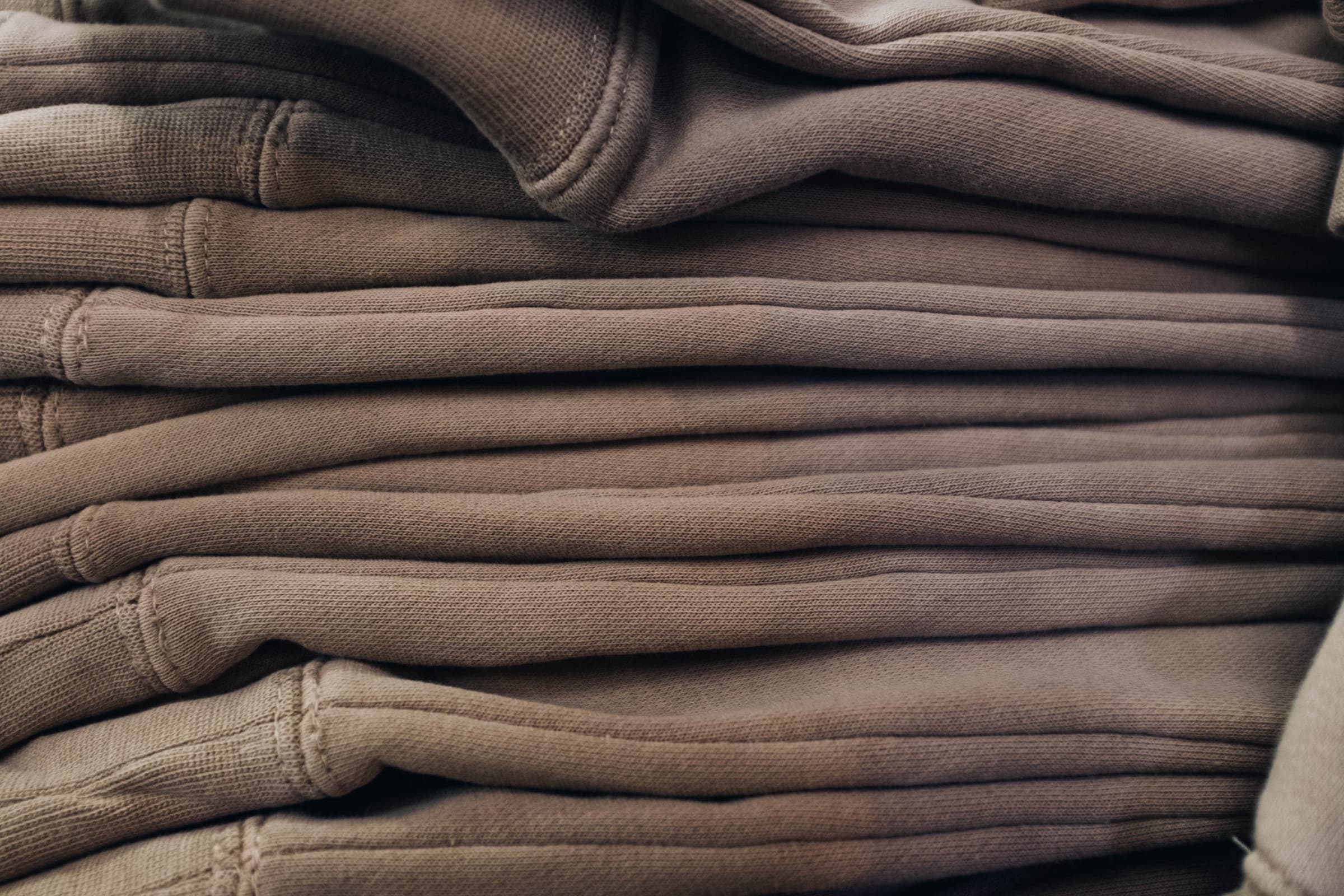
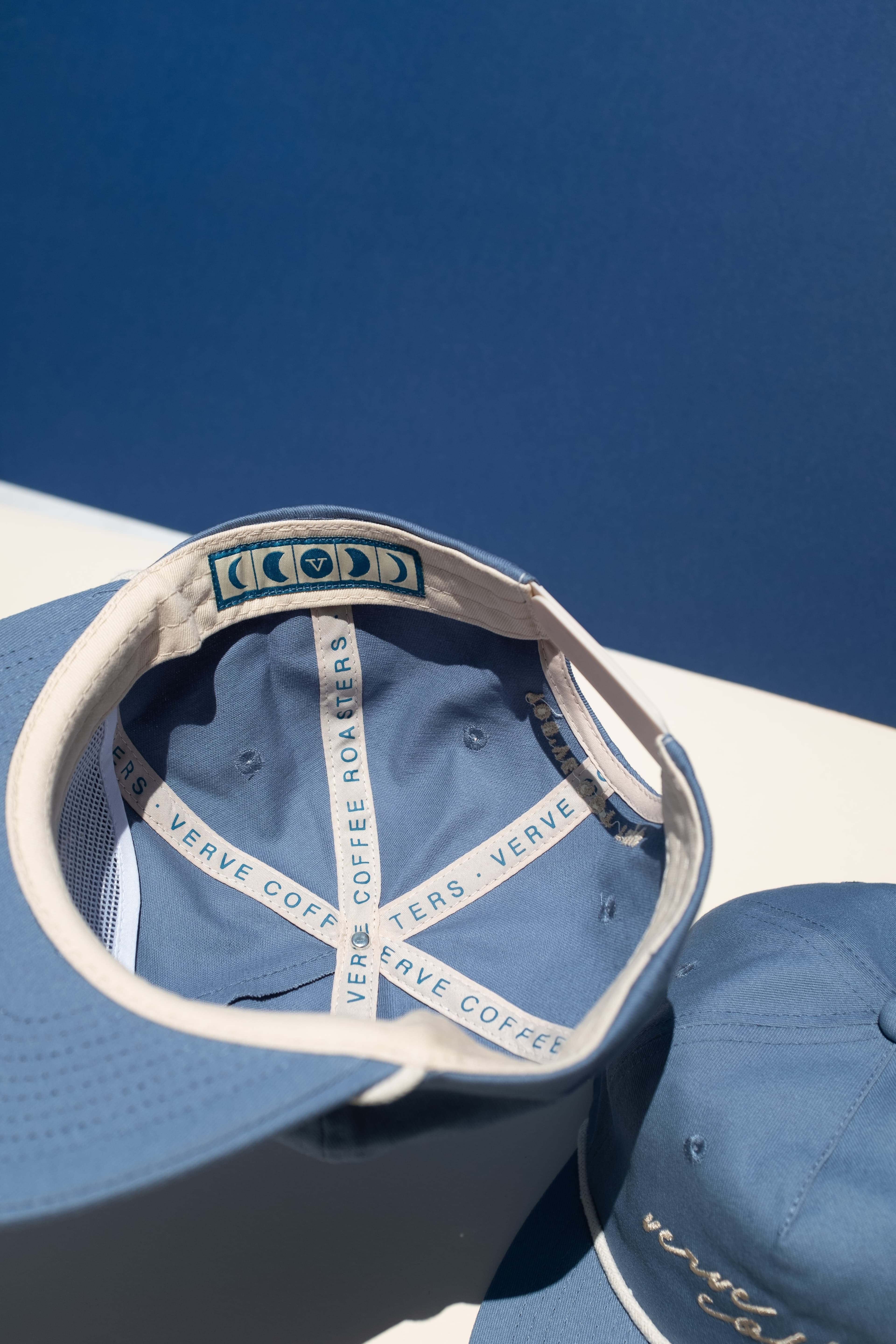
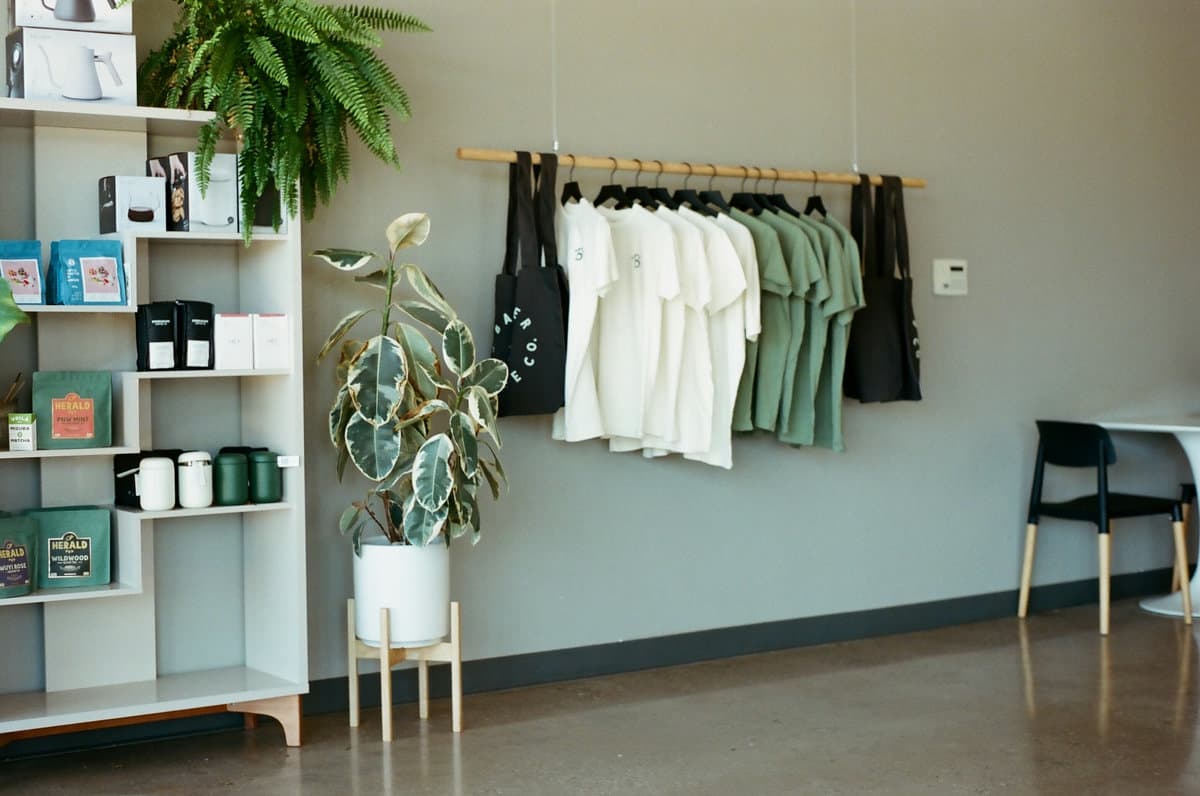
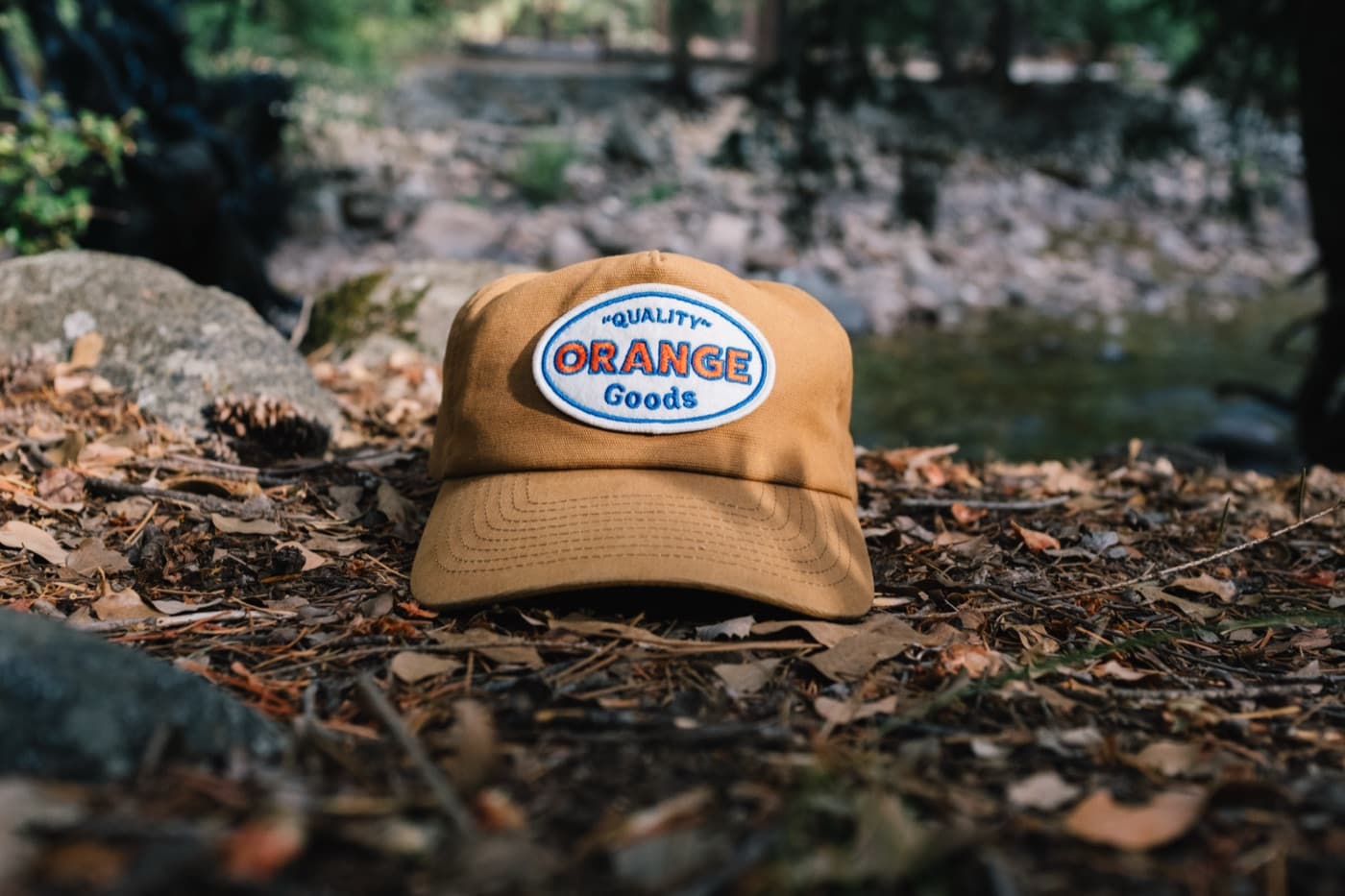
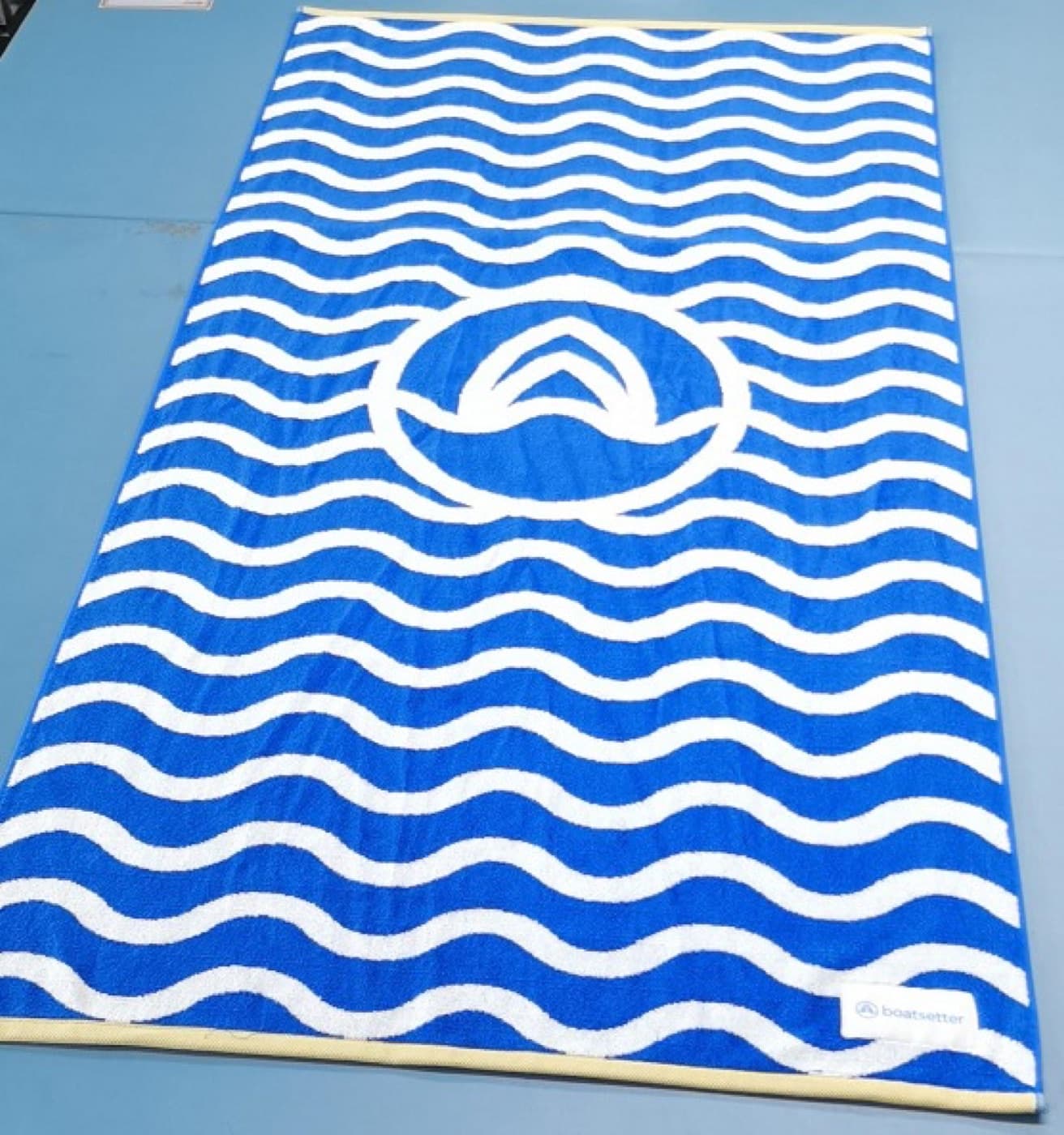
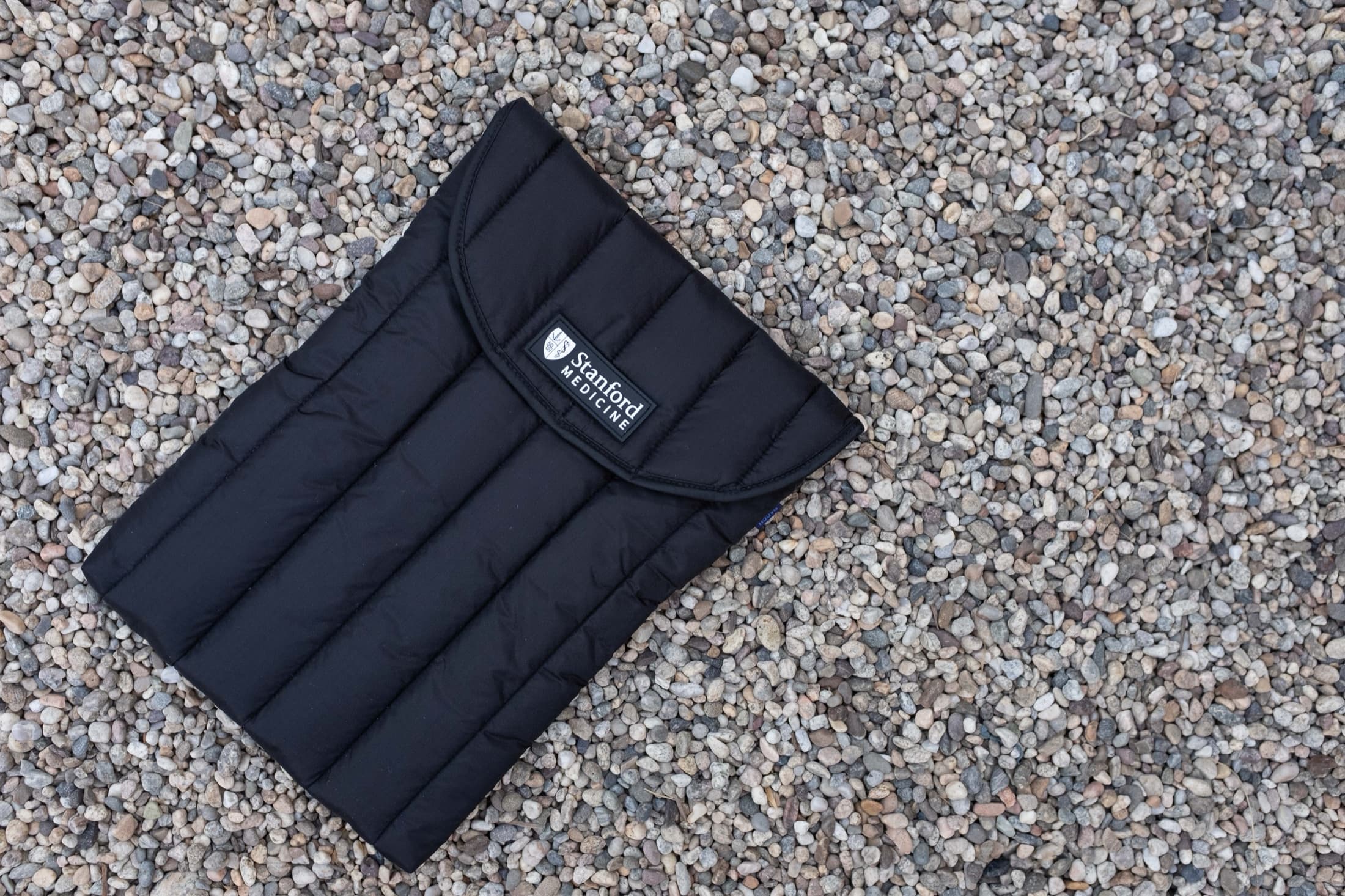
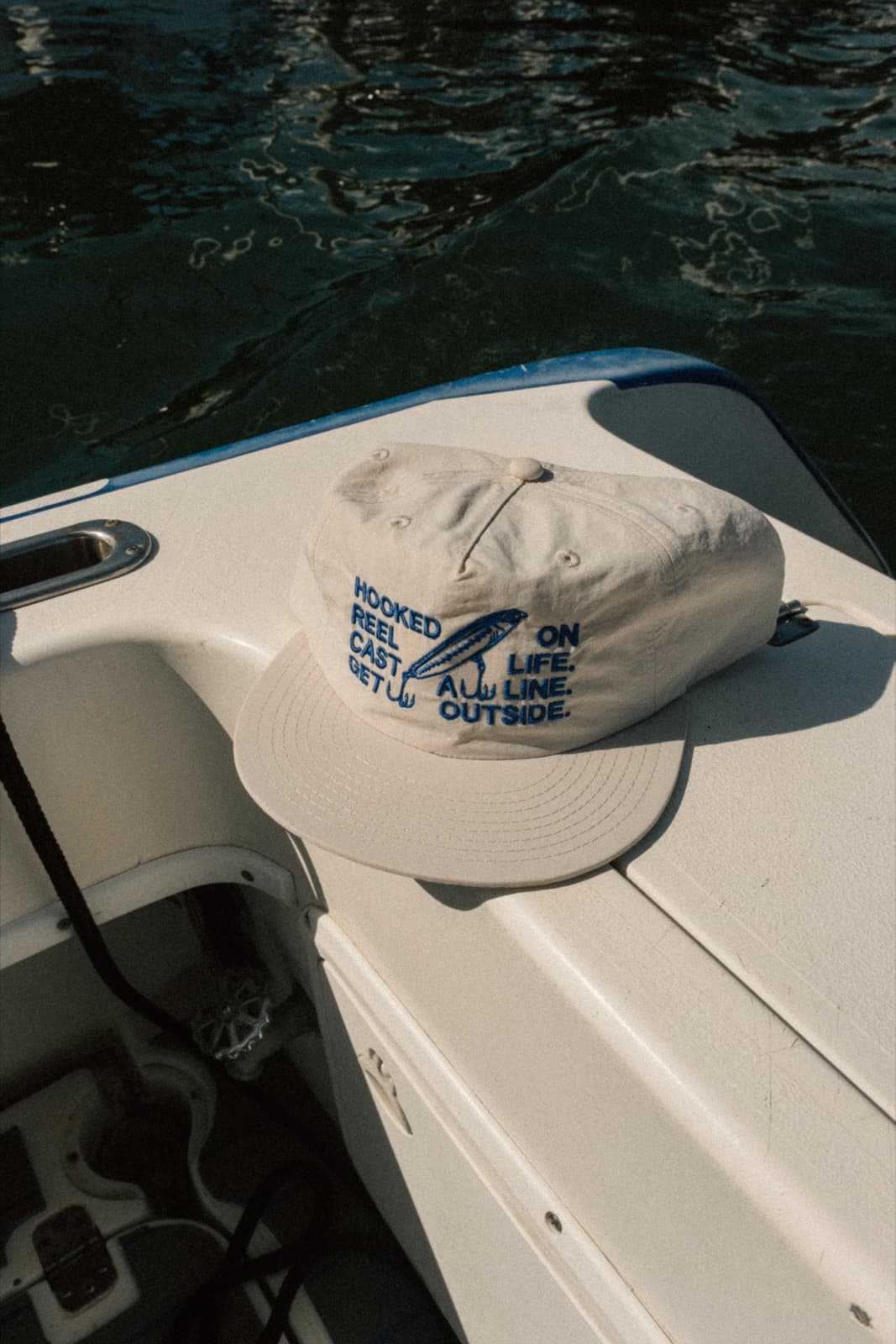
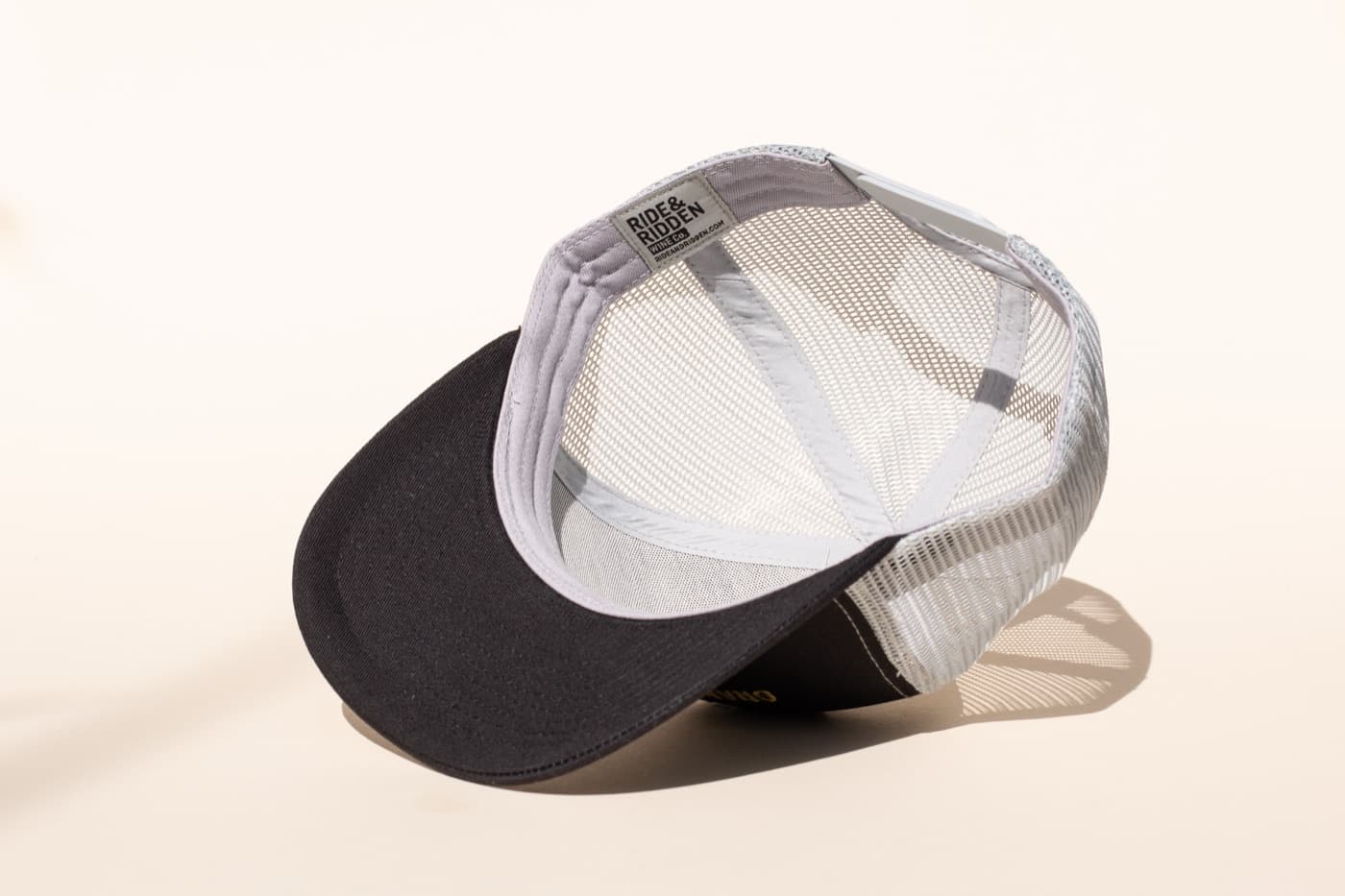
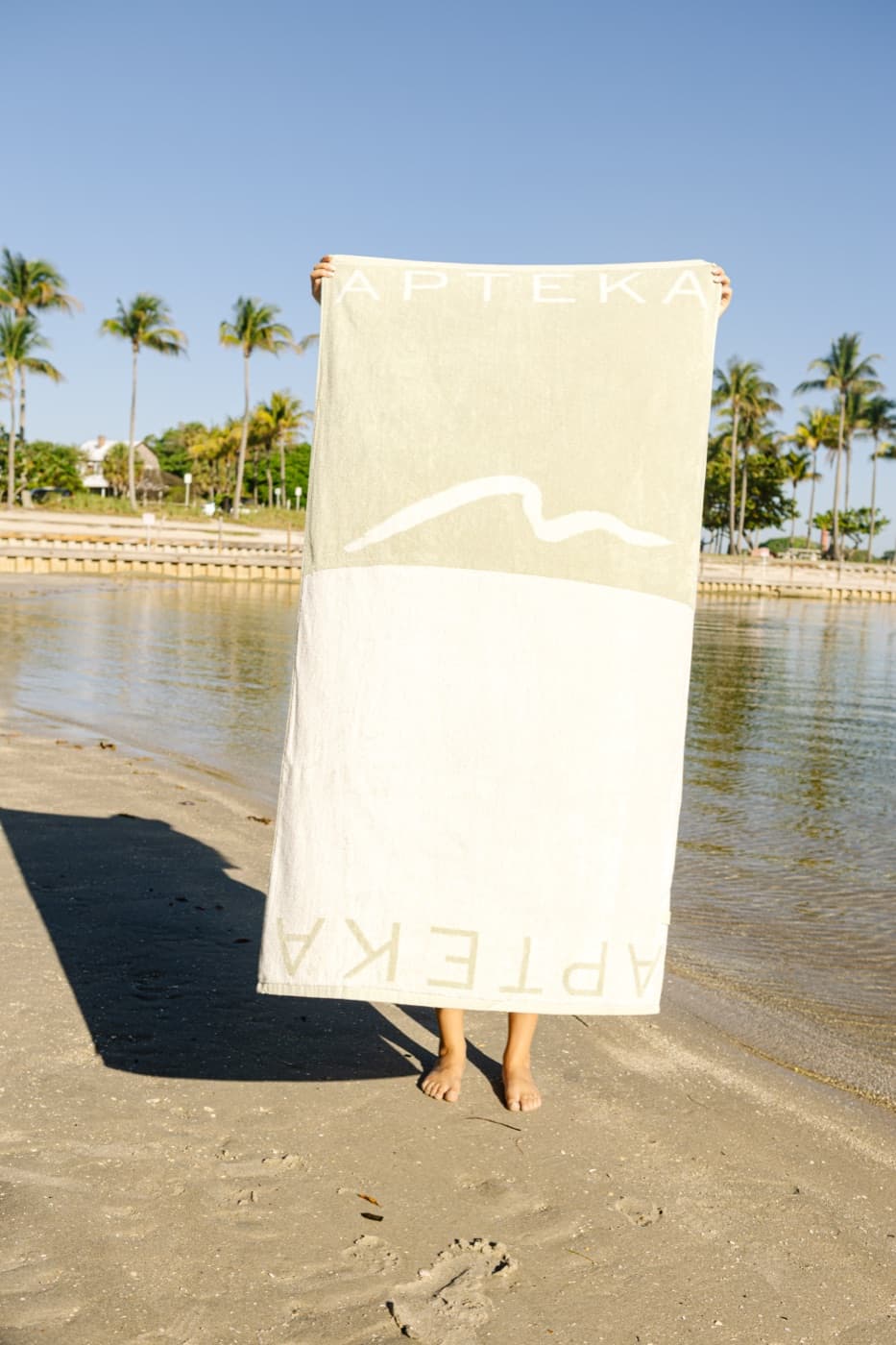
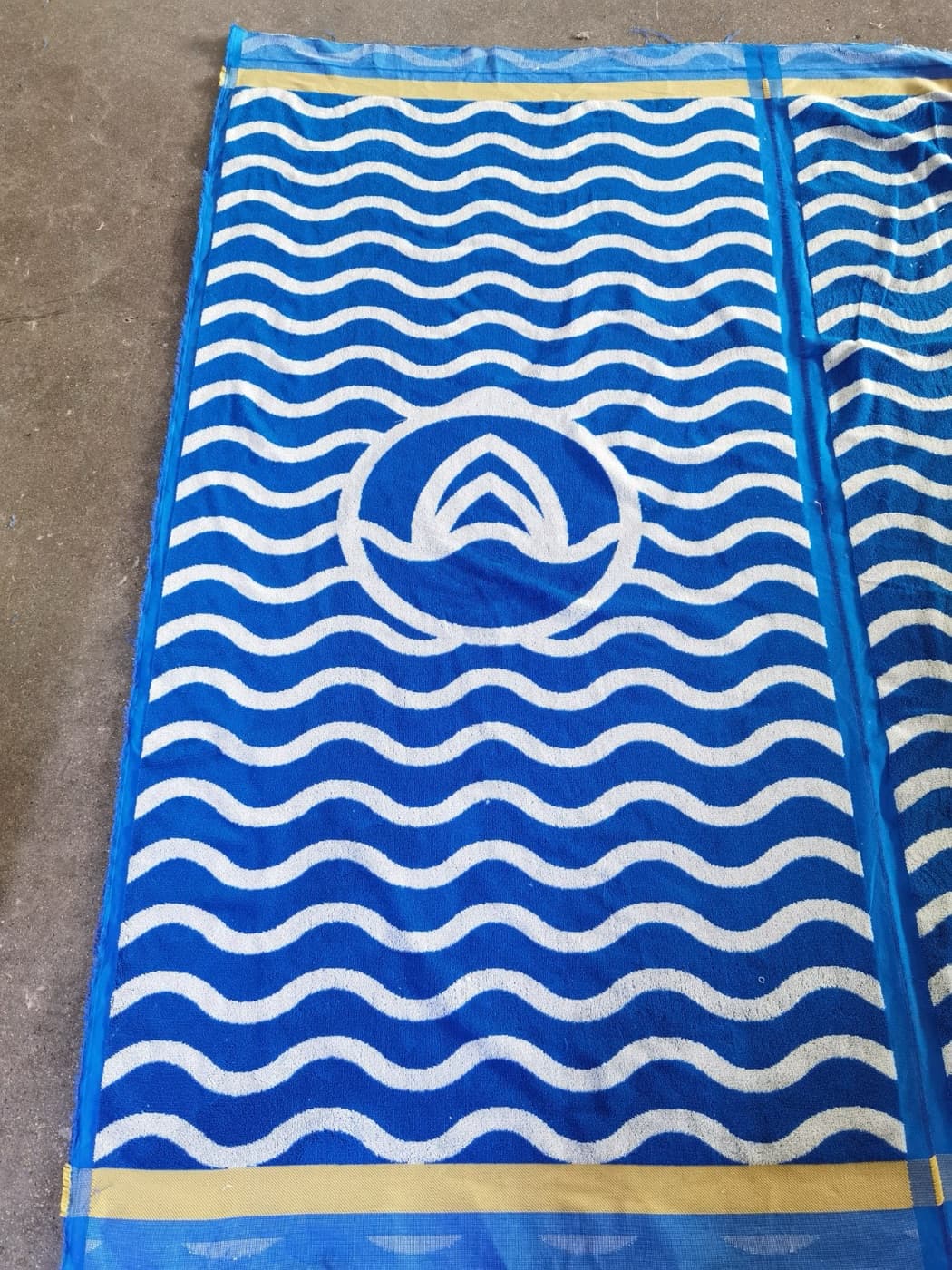
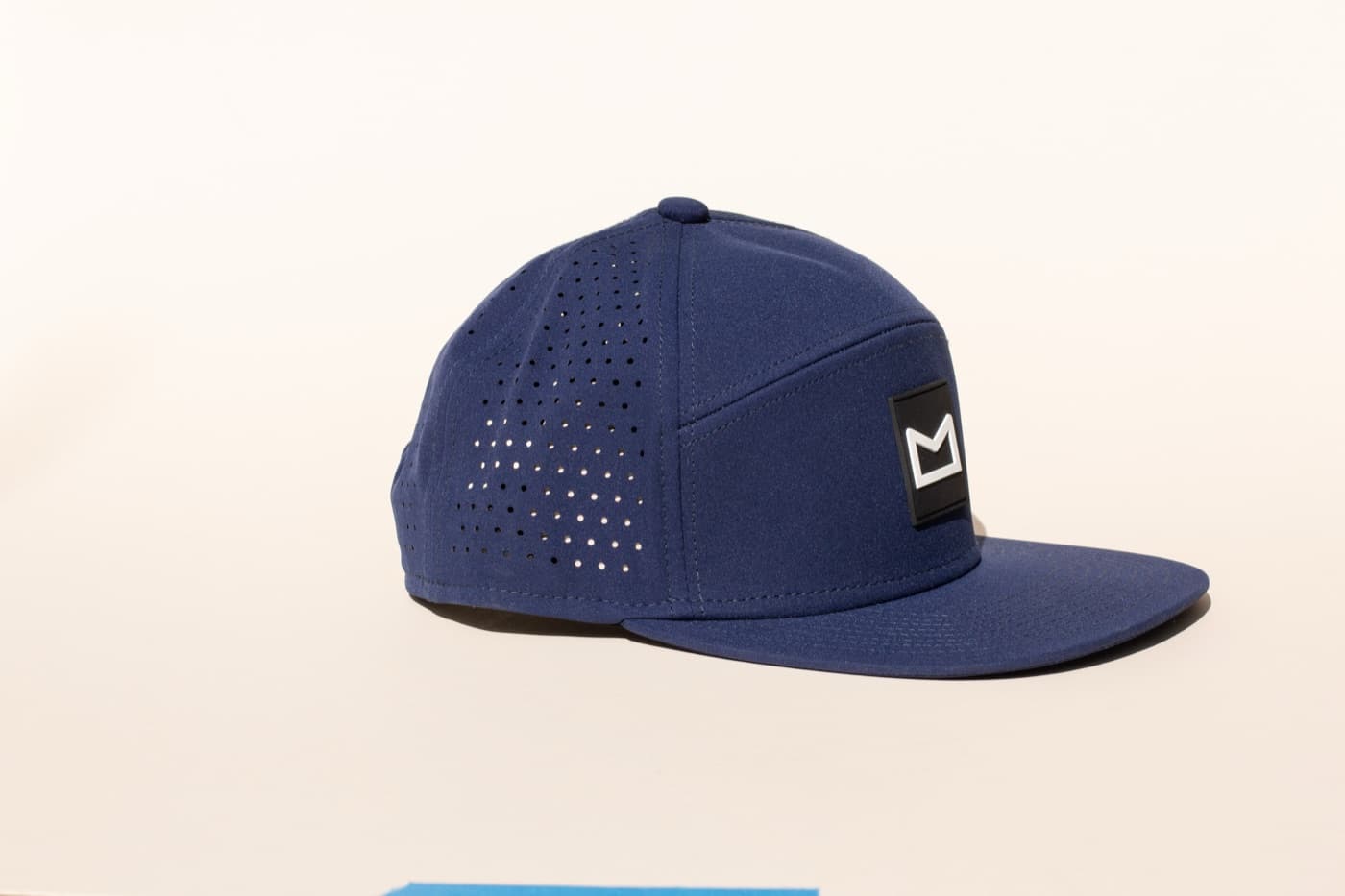
For apparel, retail quality often means better fabric weight, a more current fit, better color choices, and construction that holds up after washing. For headwear, it means a crown shape people actually like, clean stitching, a comfortable closure, and a material that matches the use case. For bags and accessories, it means the product can survive normal use without feeling temporary.
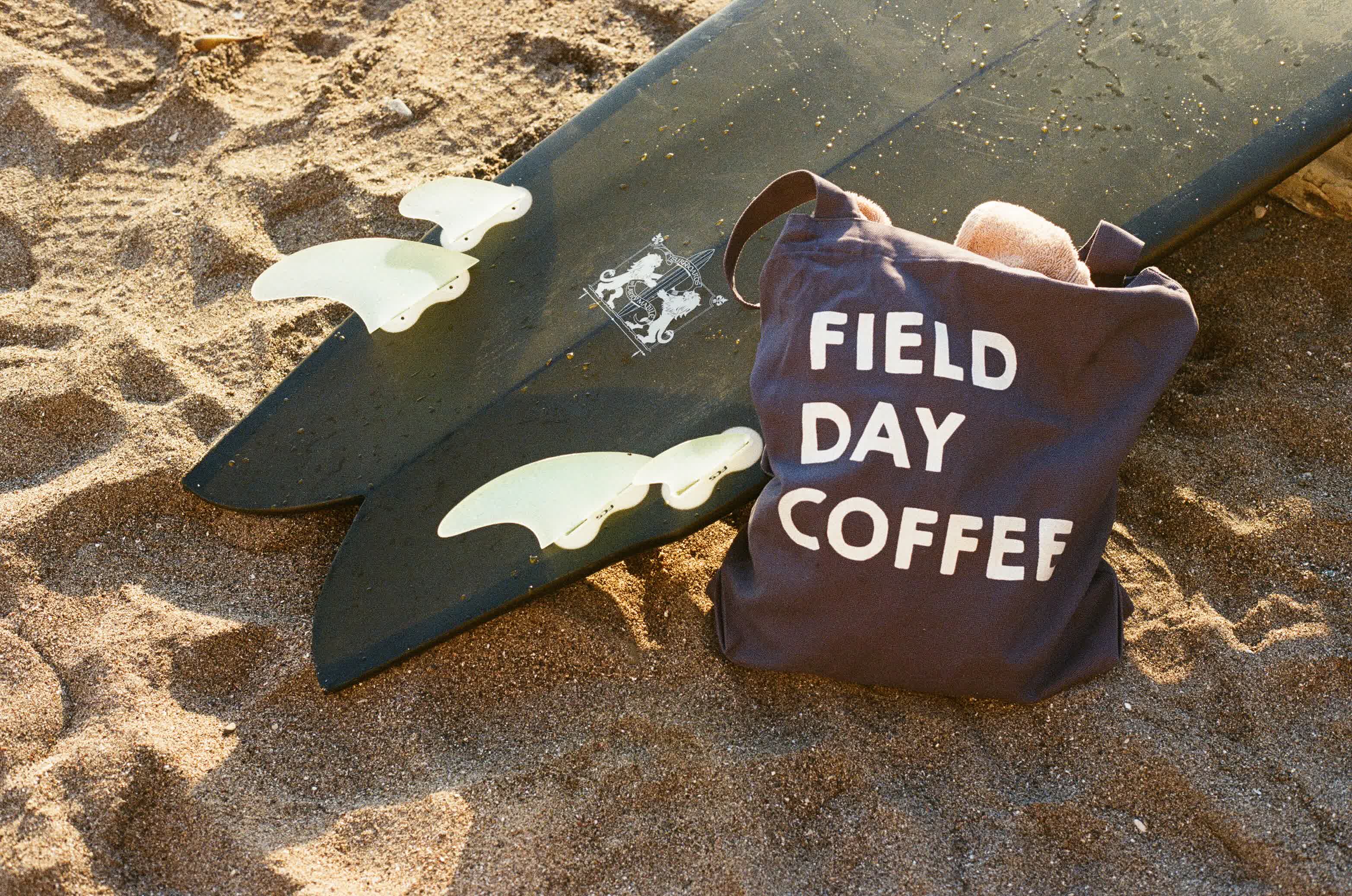
Decoration should feel integrated
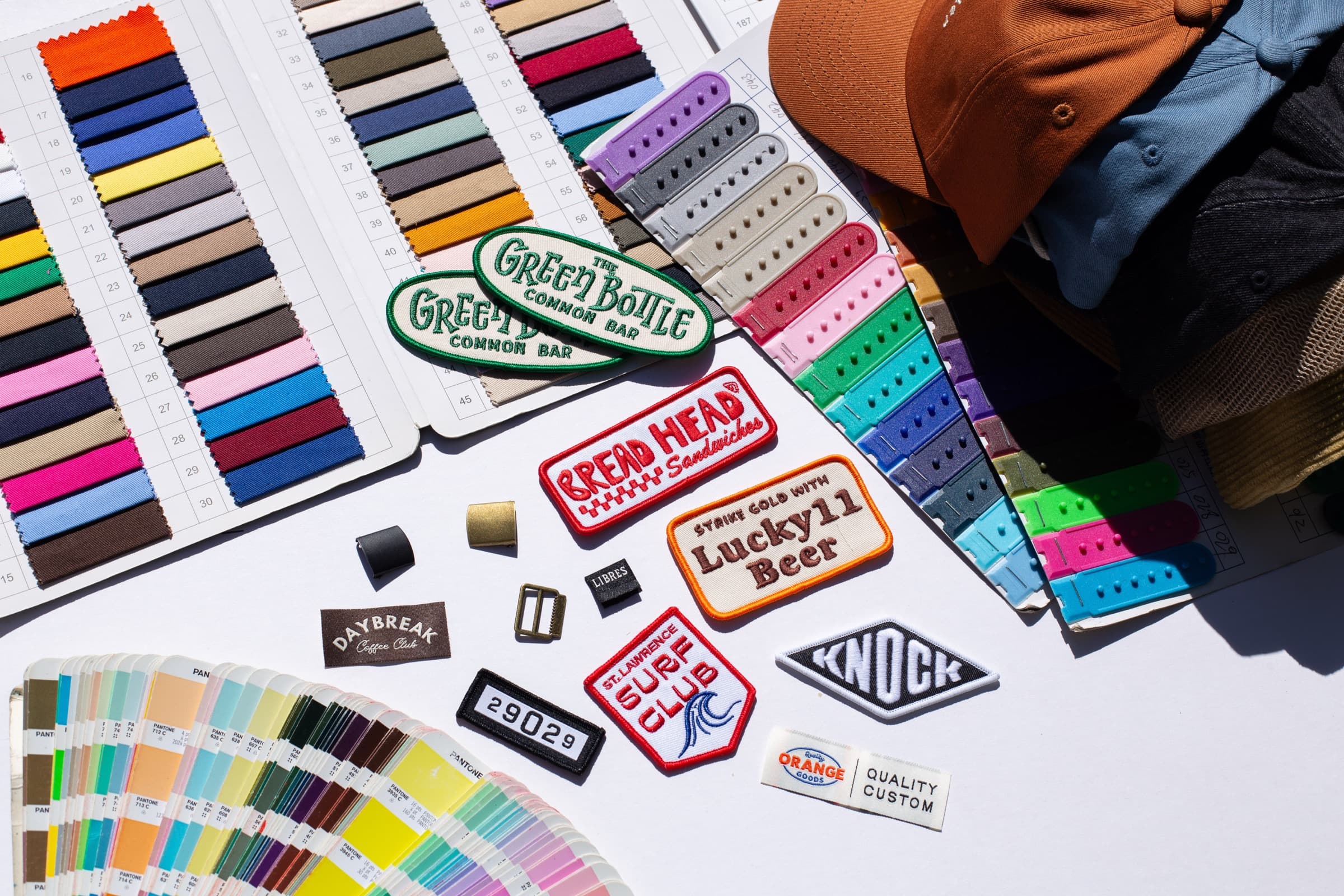
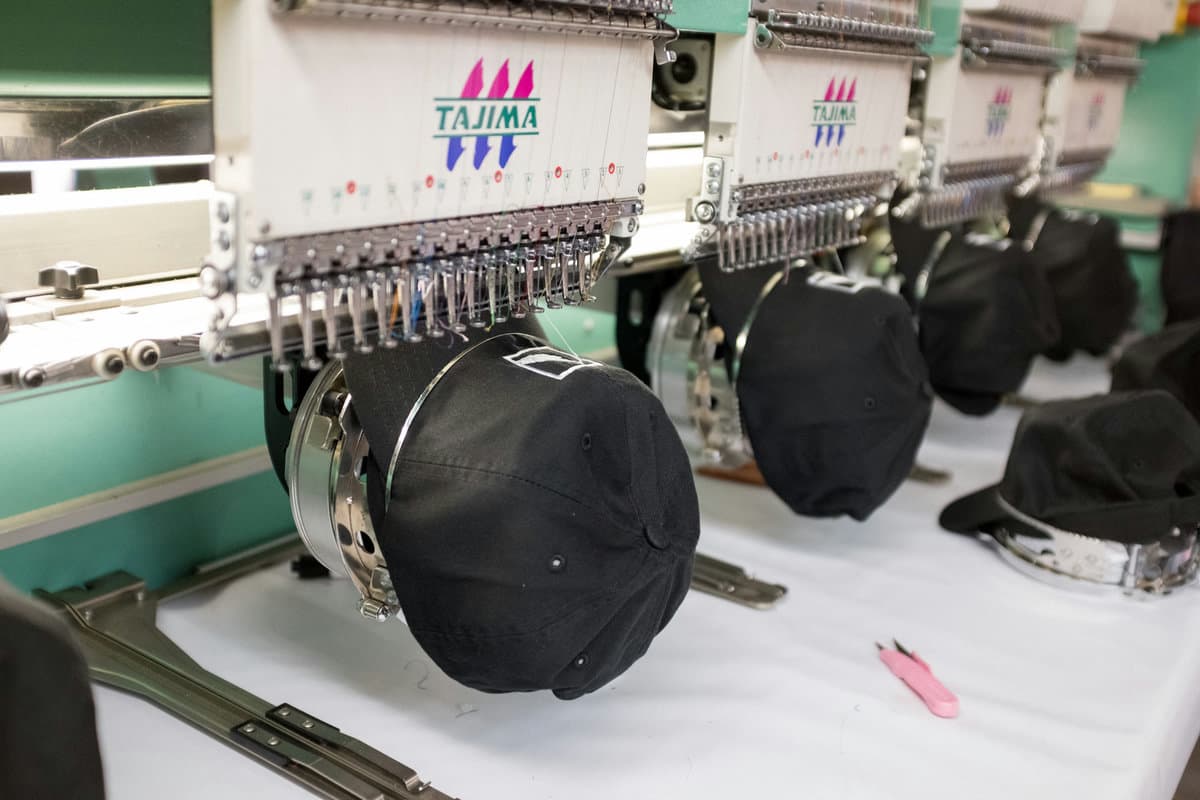
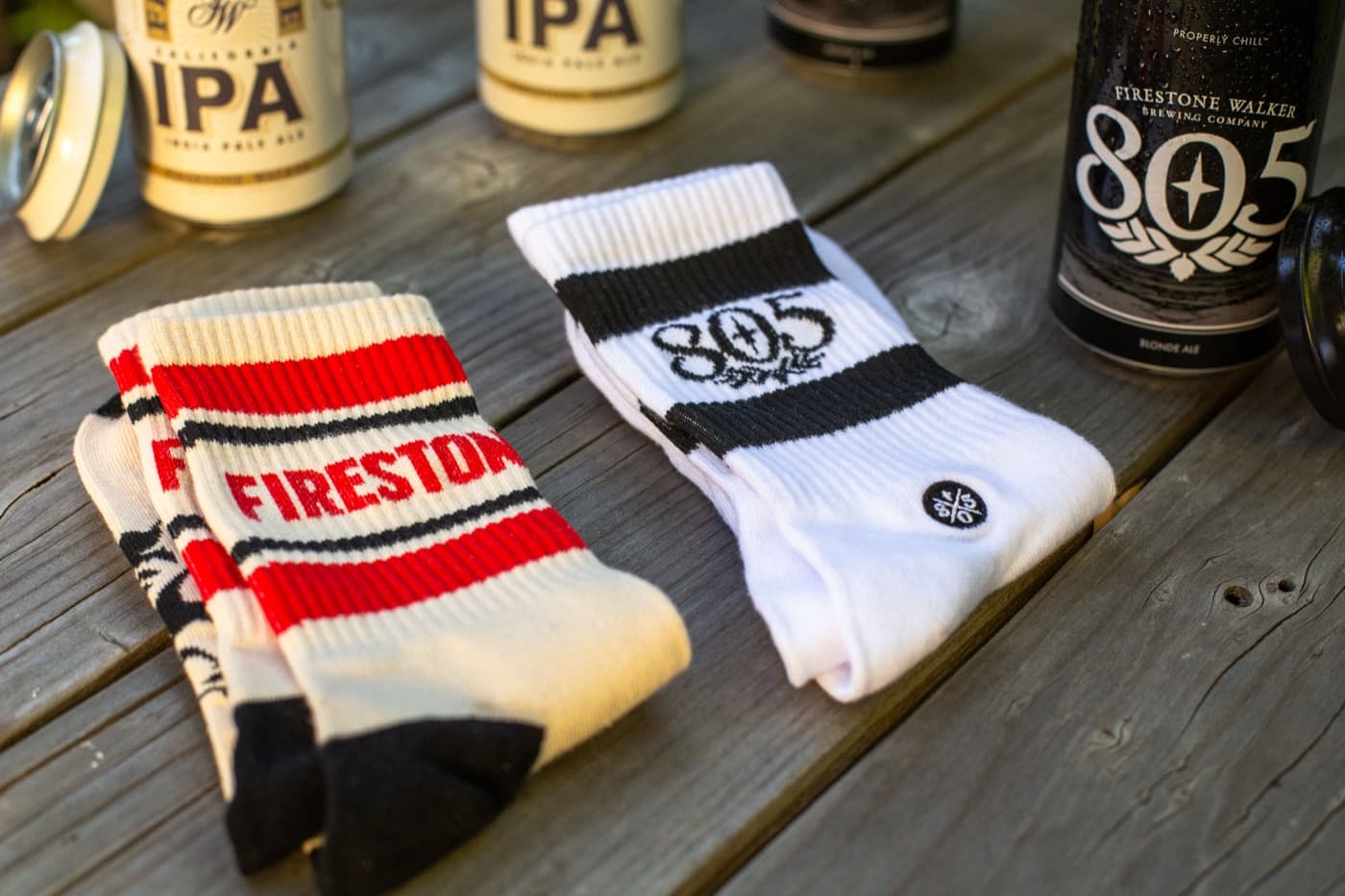
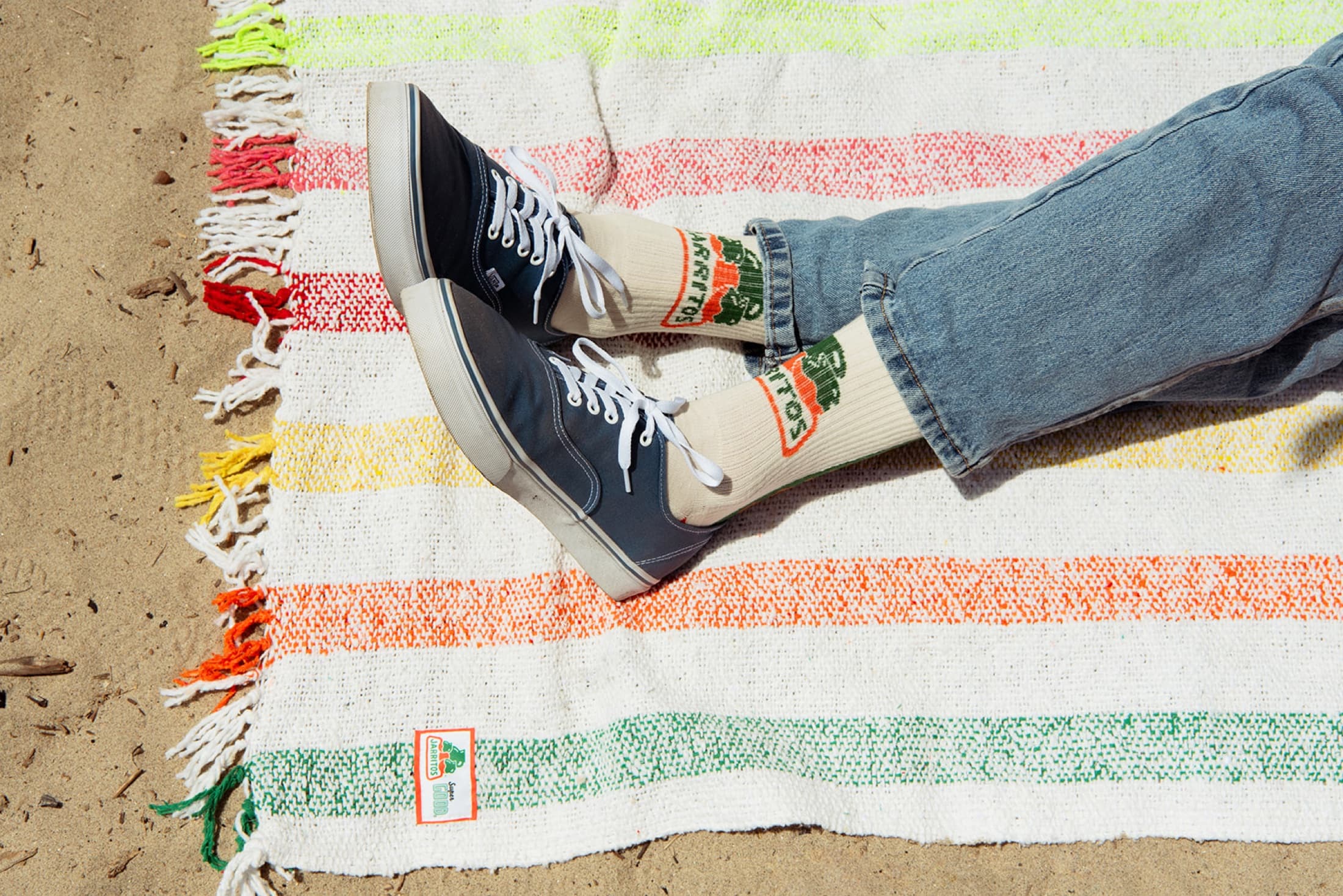
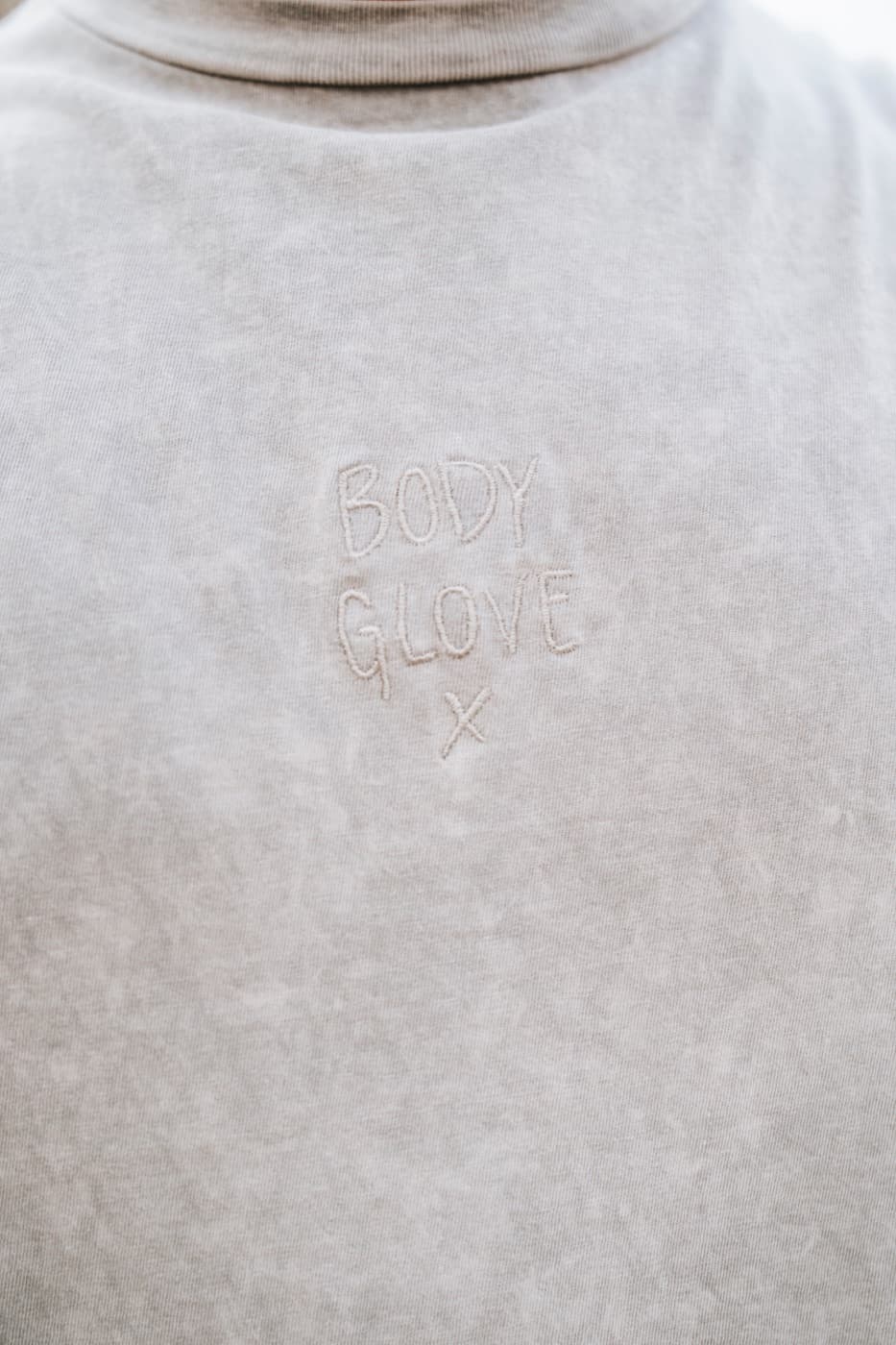
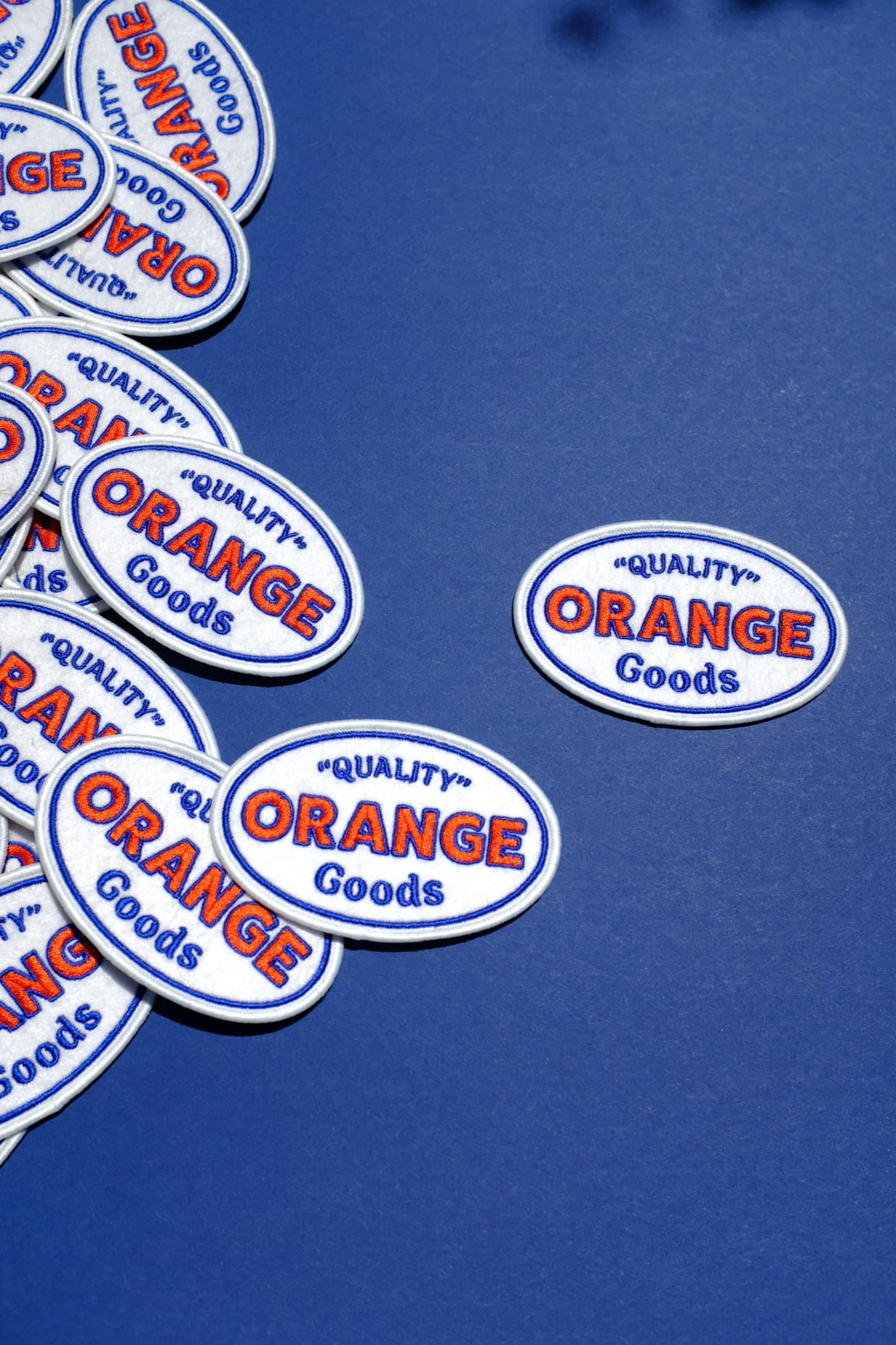
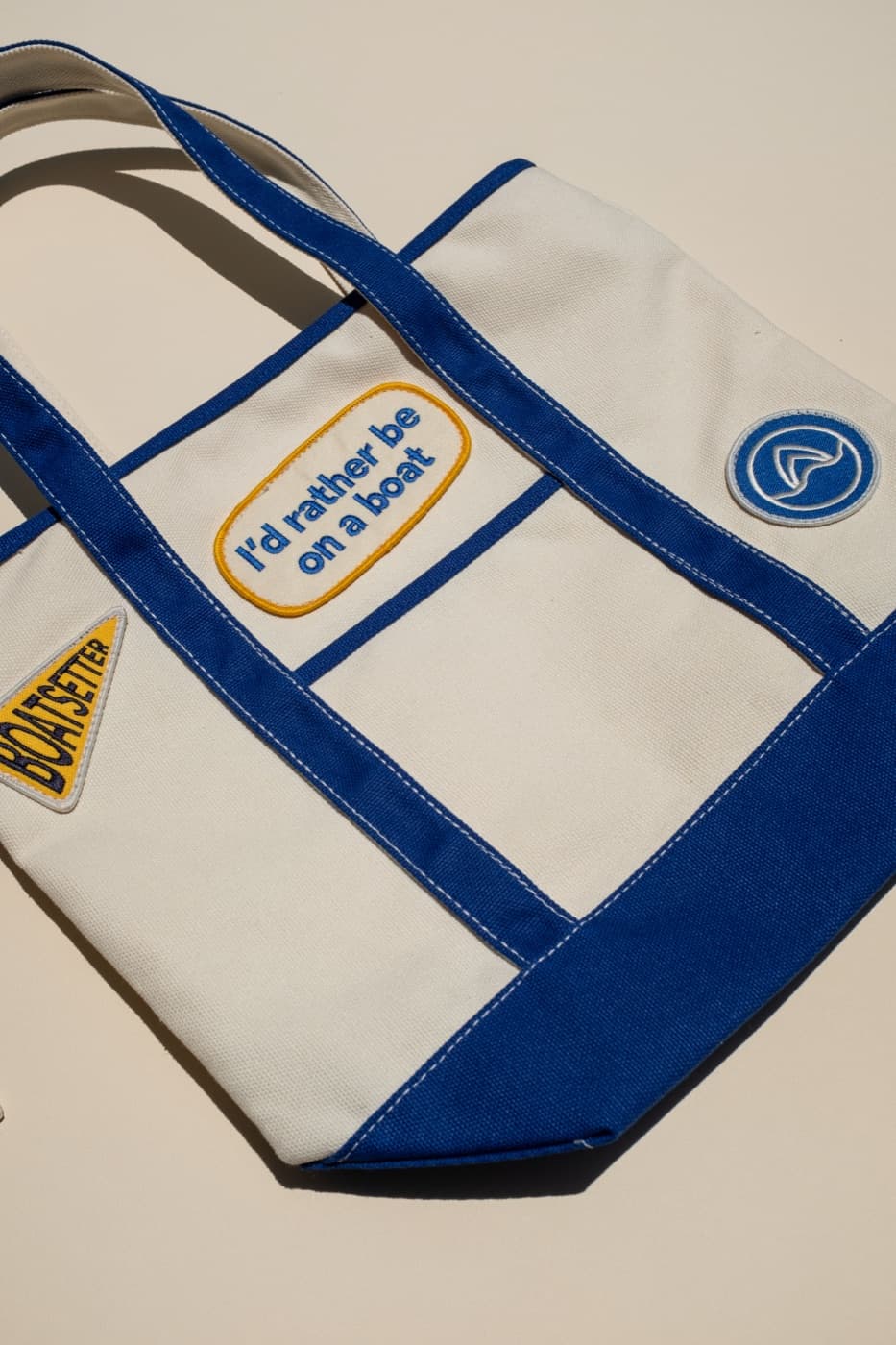
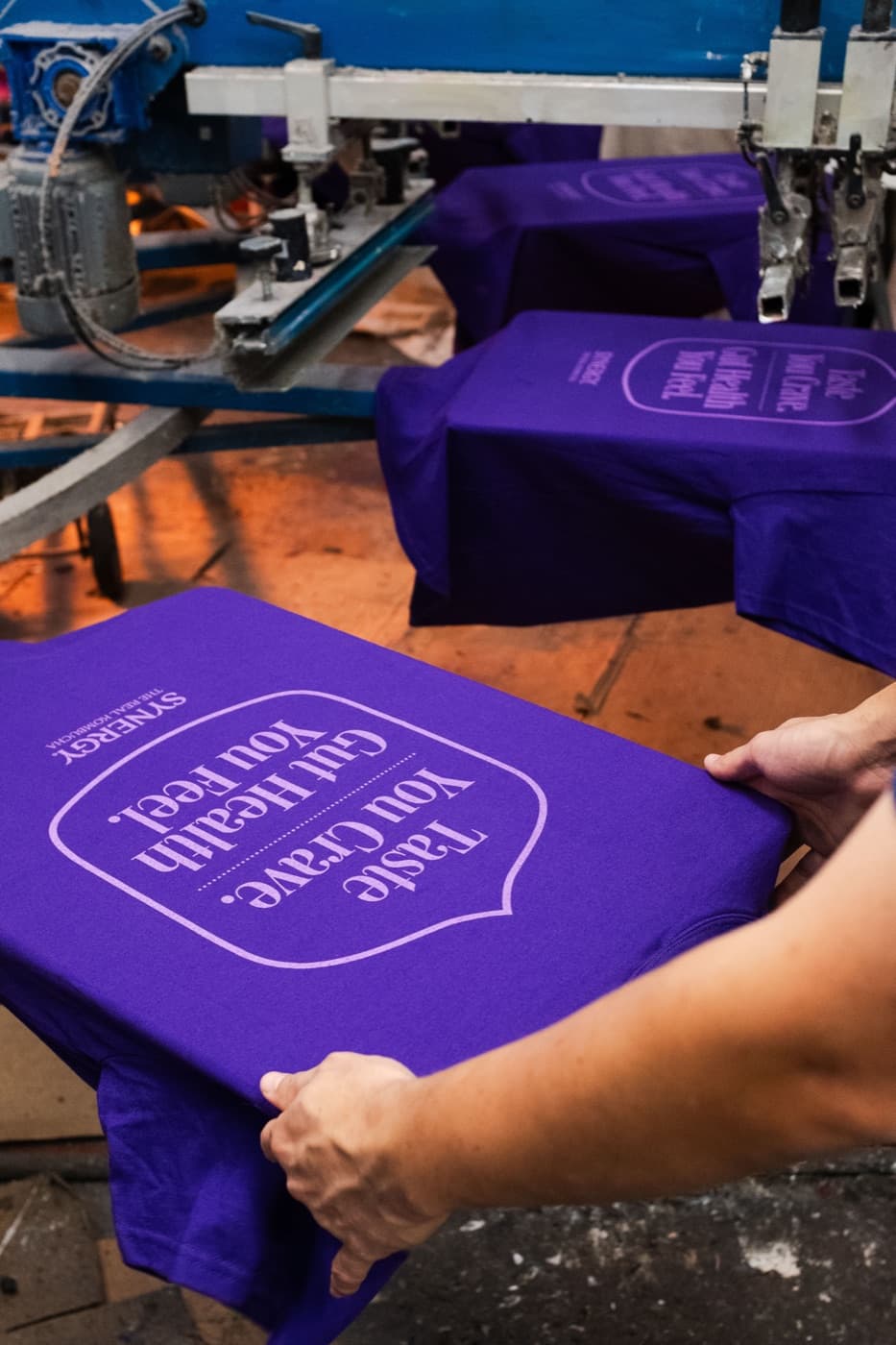
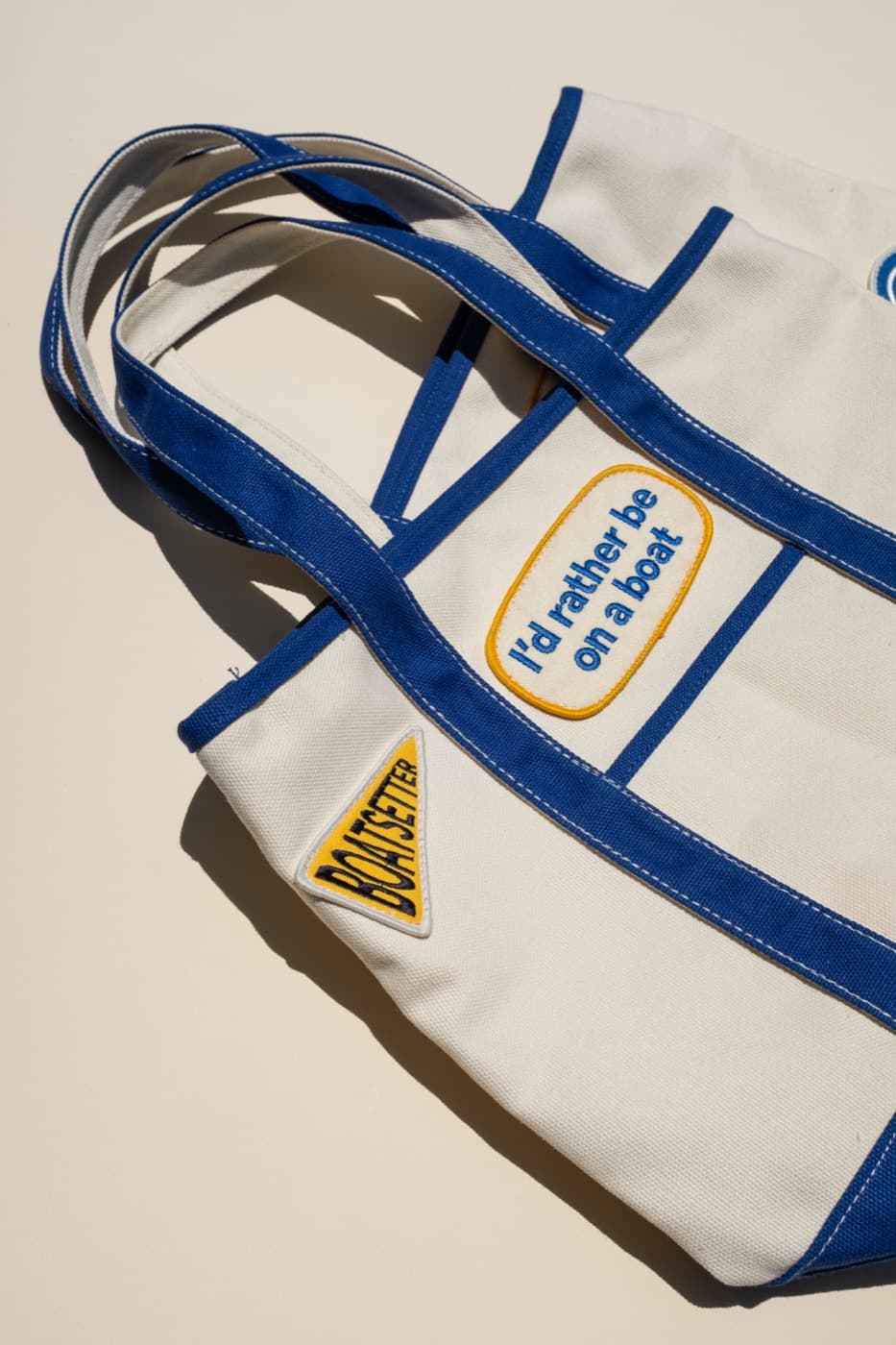
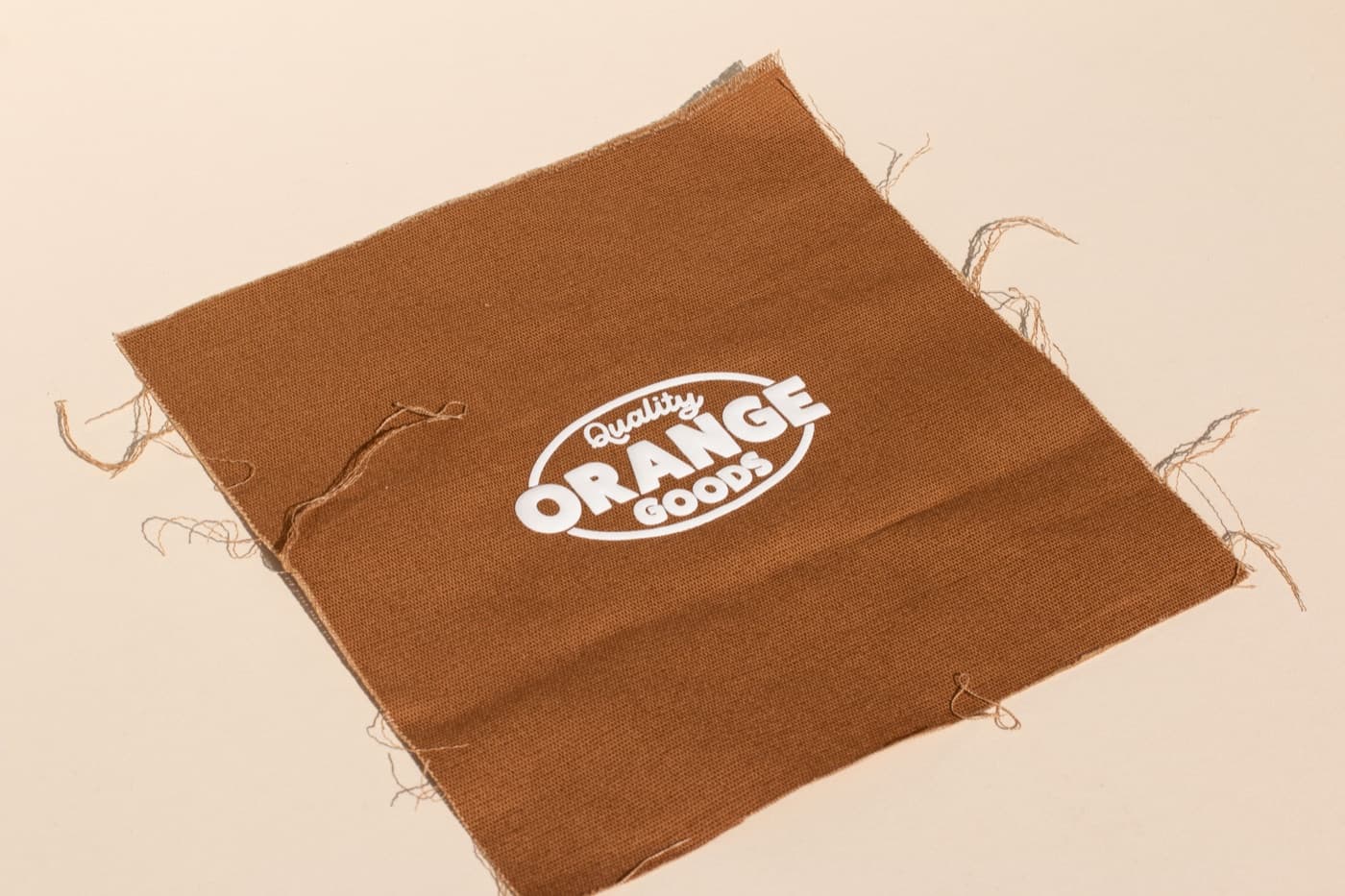
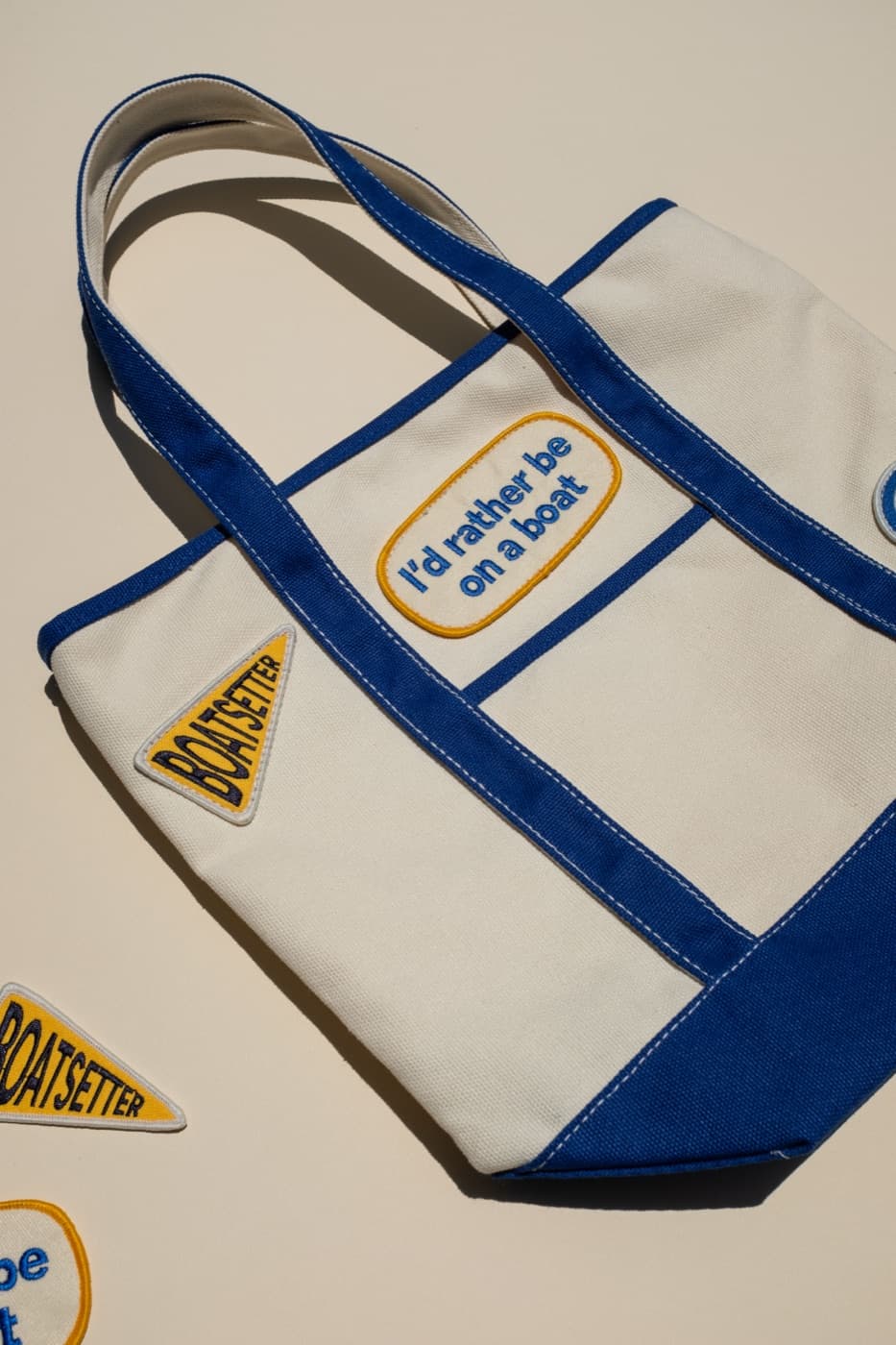
Retail-quality decoration looks like it belongs on the product. Embroidery should have the right stitch density and scale. Screen print should feel appropriate for the garment and artwork. Patches should match the material, shape, and placement. Labels and trims should add detail without making the item feel overworked.
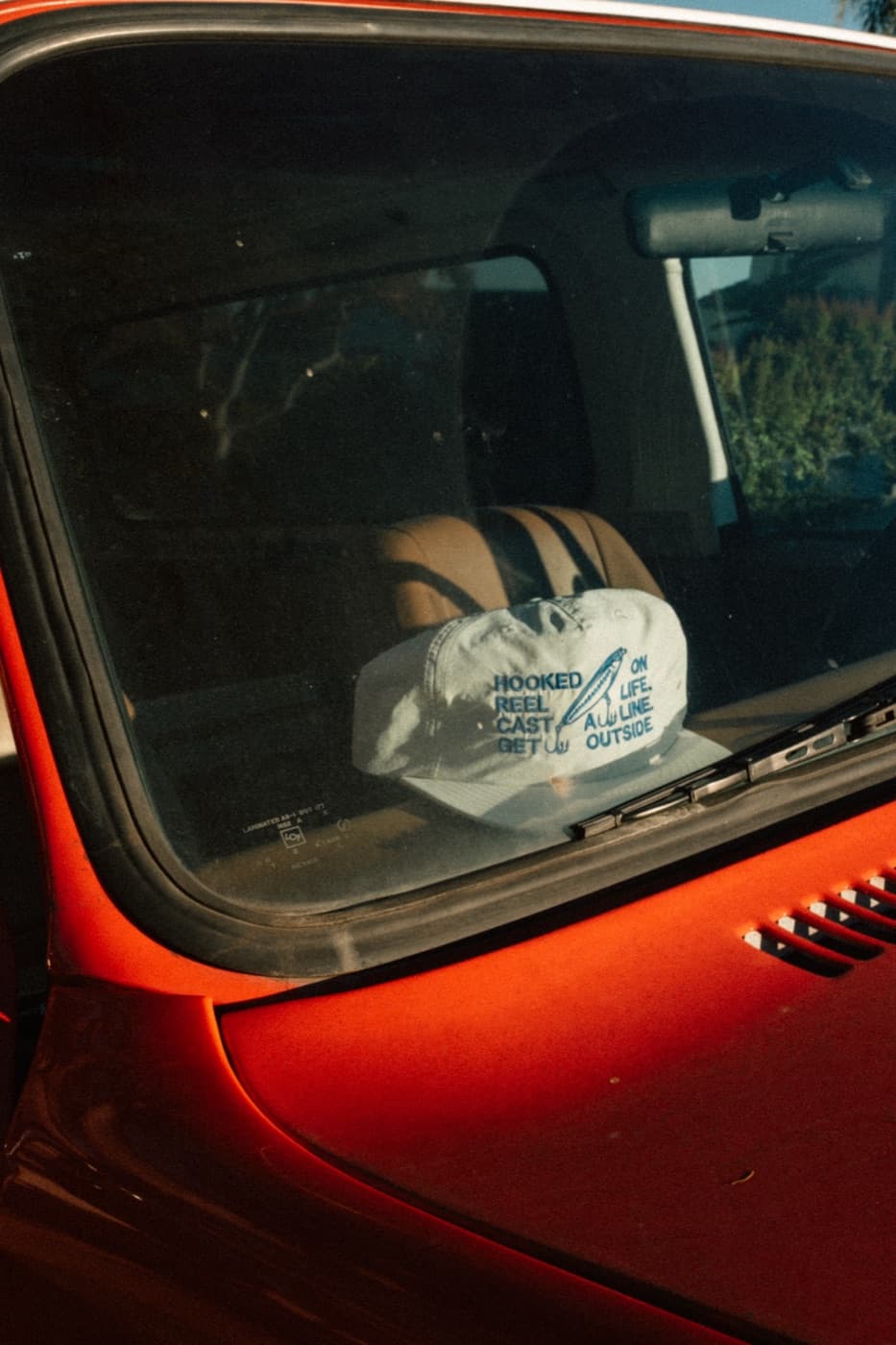
The decoration method has to be chosen around the product. A large embroidered chest graphic can feel heavy and stiff. A tiny screen print on a hat can feel flat and underbuilt. A woven patch may hold detail that embroidery would lose. The premium result comes from matching method to material, not from choosing the fanciest option in isolation.
Proofing is part of quality
Quality is not only what happens on the production floor. It starts in proofing. A clear proof should show product, color, placement, decoration method, imprint size, and any important limitations. It should make the decision easy to review before production begins.
Weak proofing creates avoidable surprises: a logo too large on a hat, a print too low on a tee, a thread color that looks different than expected, or a tote print that does not sit where the client imagined. Strong proofing slows the job down just enough to protect the final result.
Finish changes the read
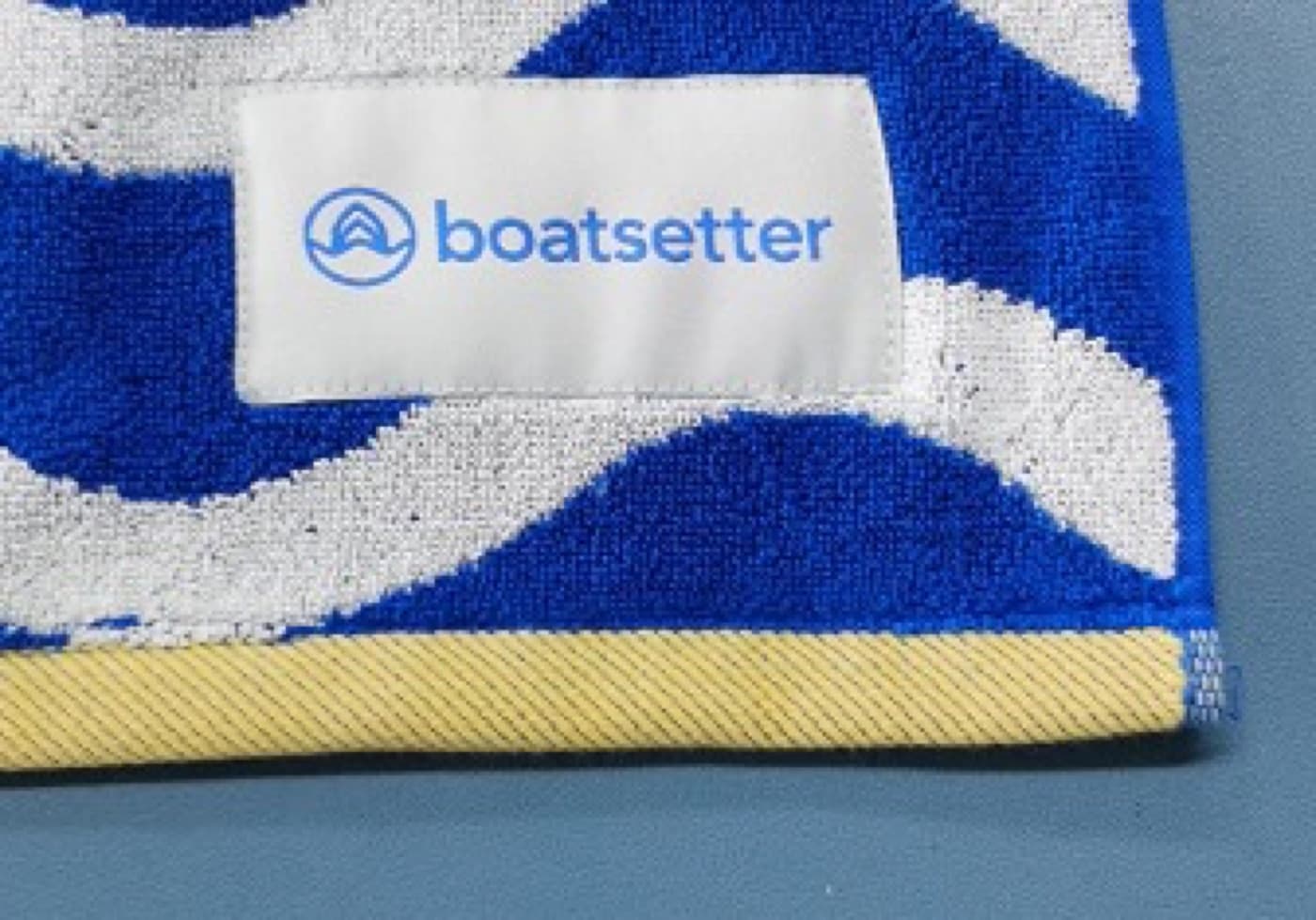
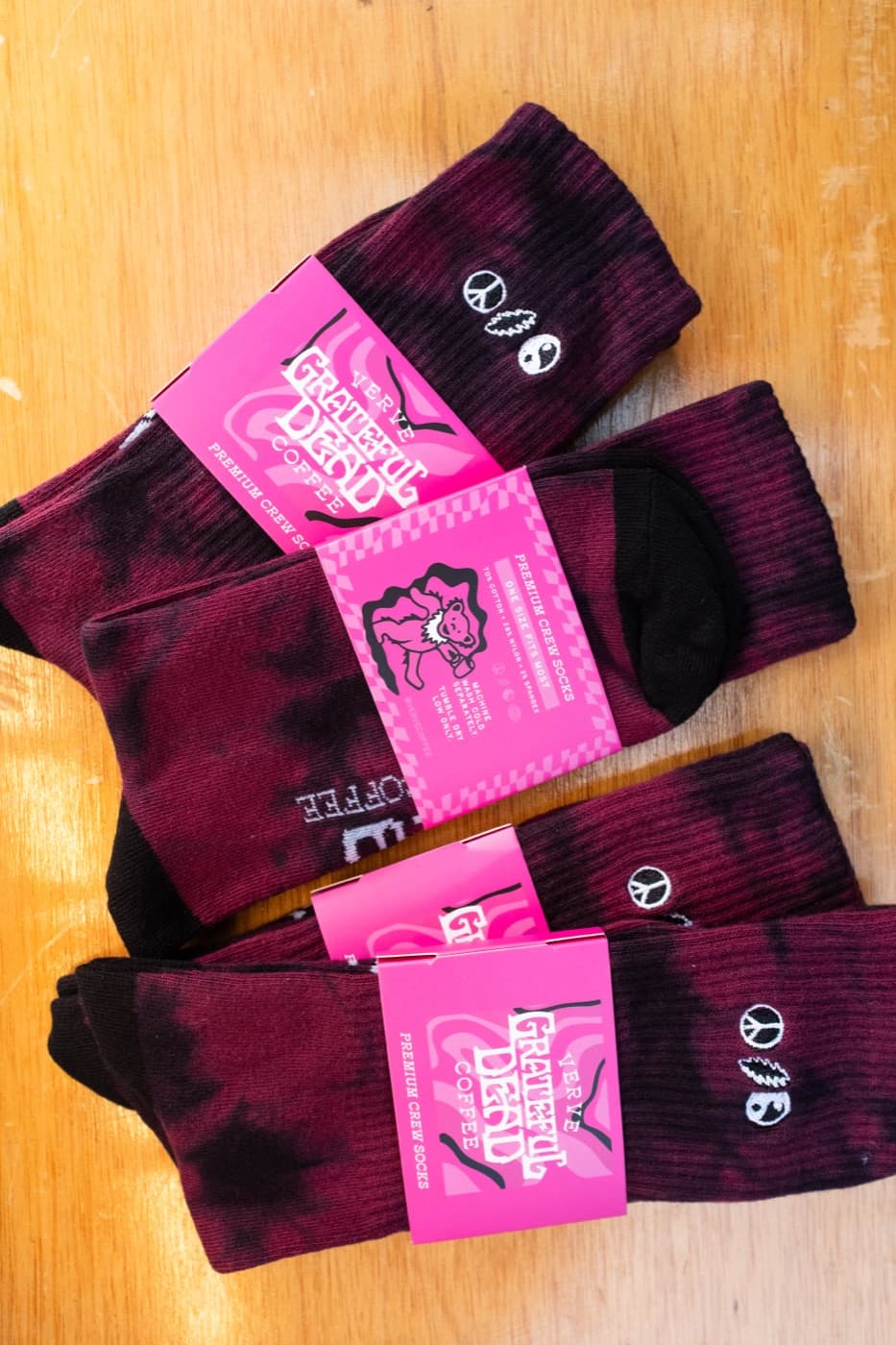
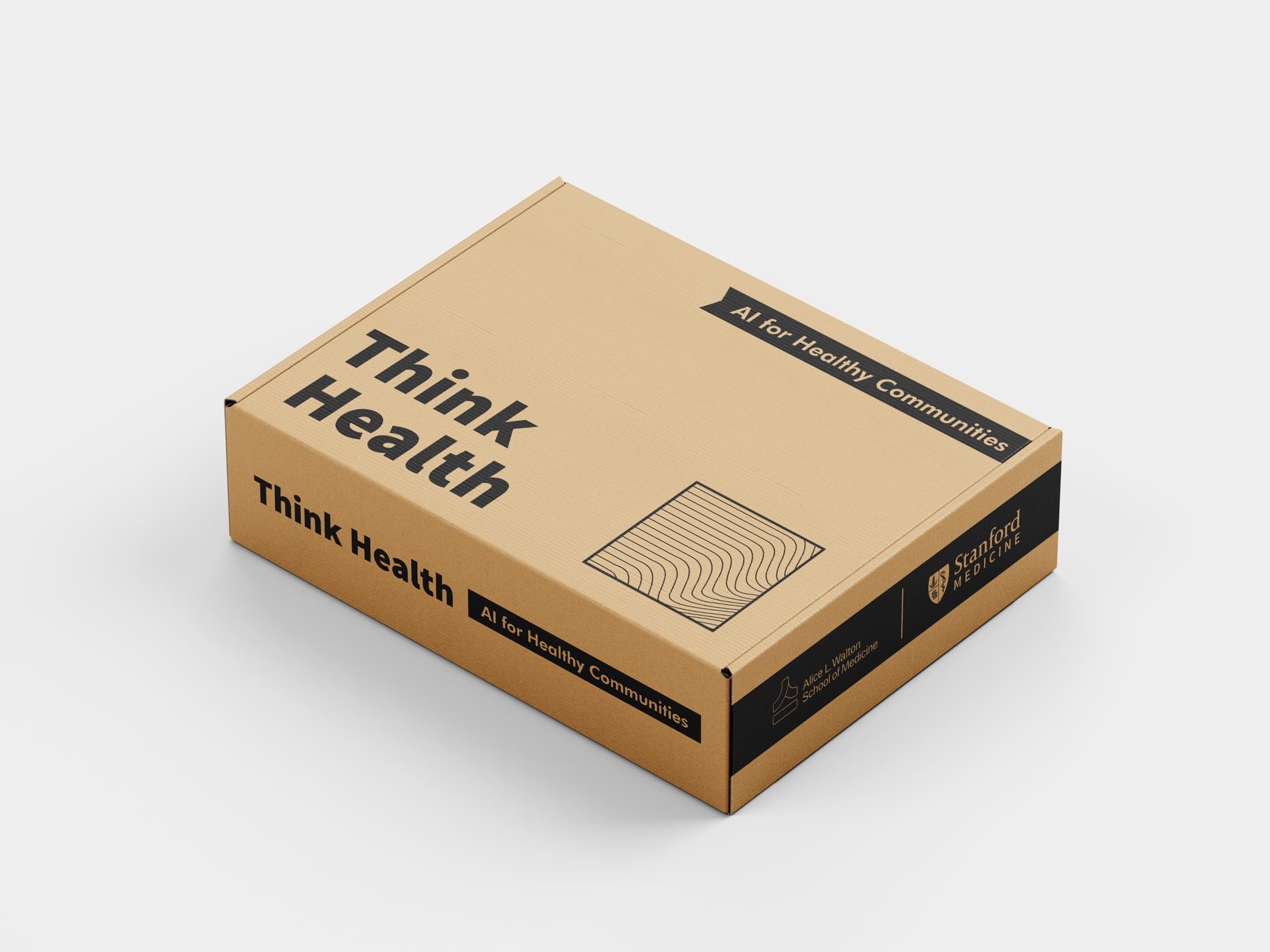
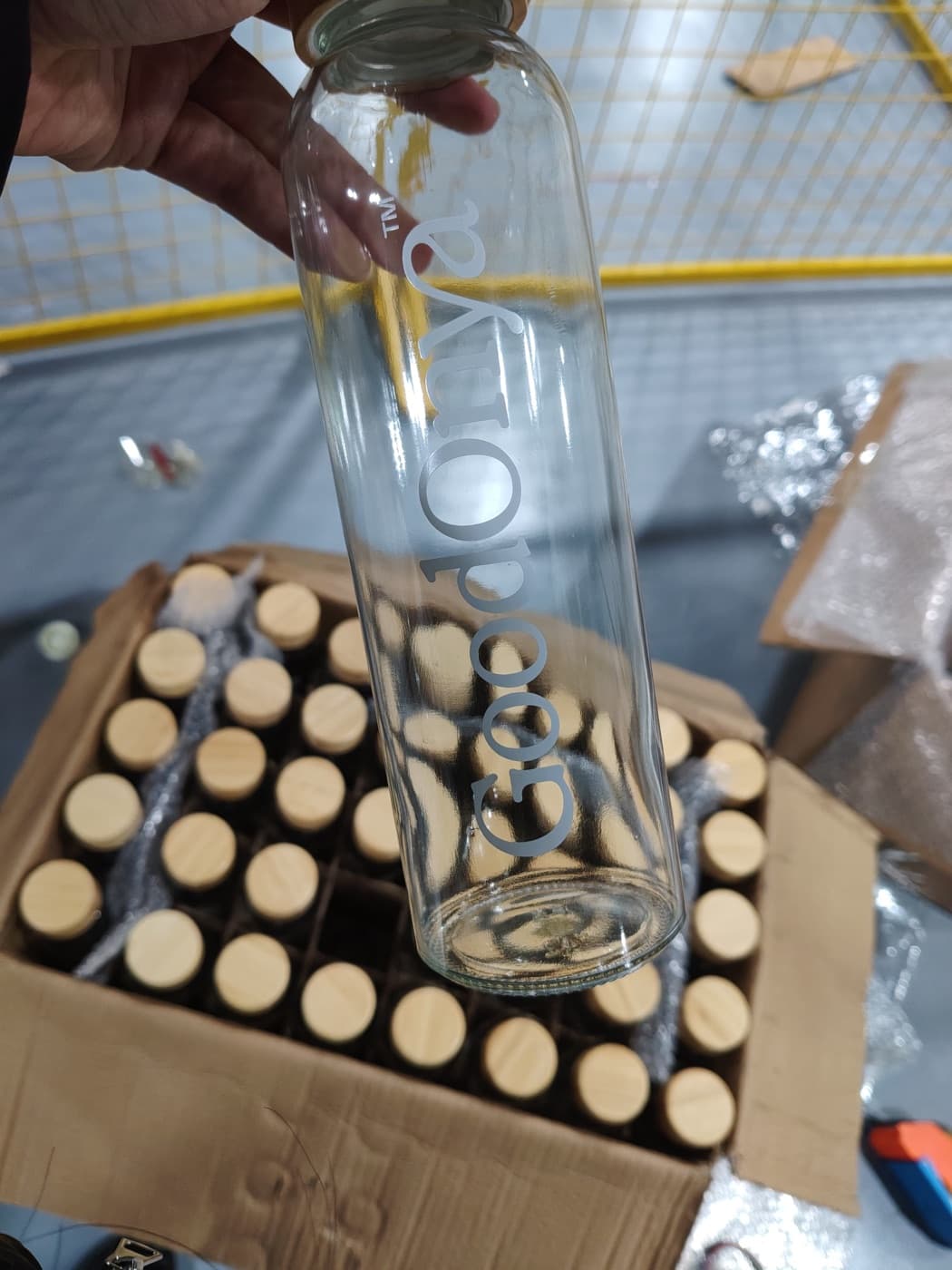
Retail quality also includes the small finishing details: hang tags, woven labels, folding, size stickers, belly bands, individual poly-free packaging, kitting, and how the goods arrive. Not every project needs all of those pieces, but the arrival experience matters when the merch is a client gift, retail product, team kit, or launch package.
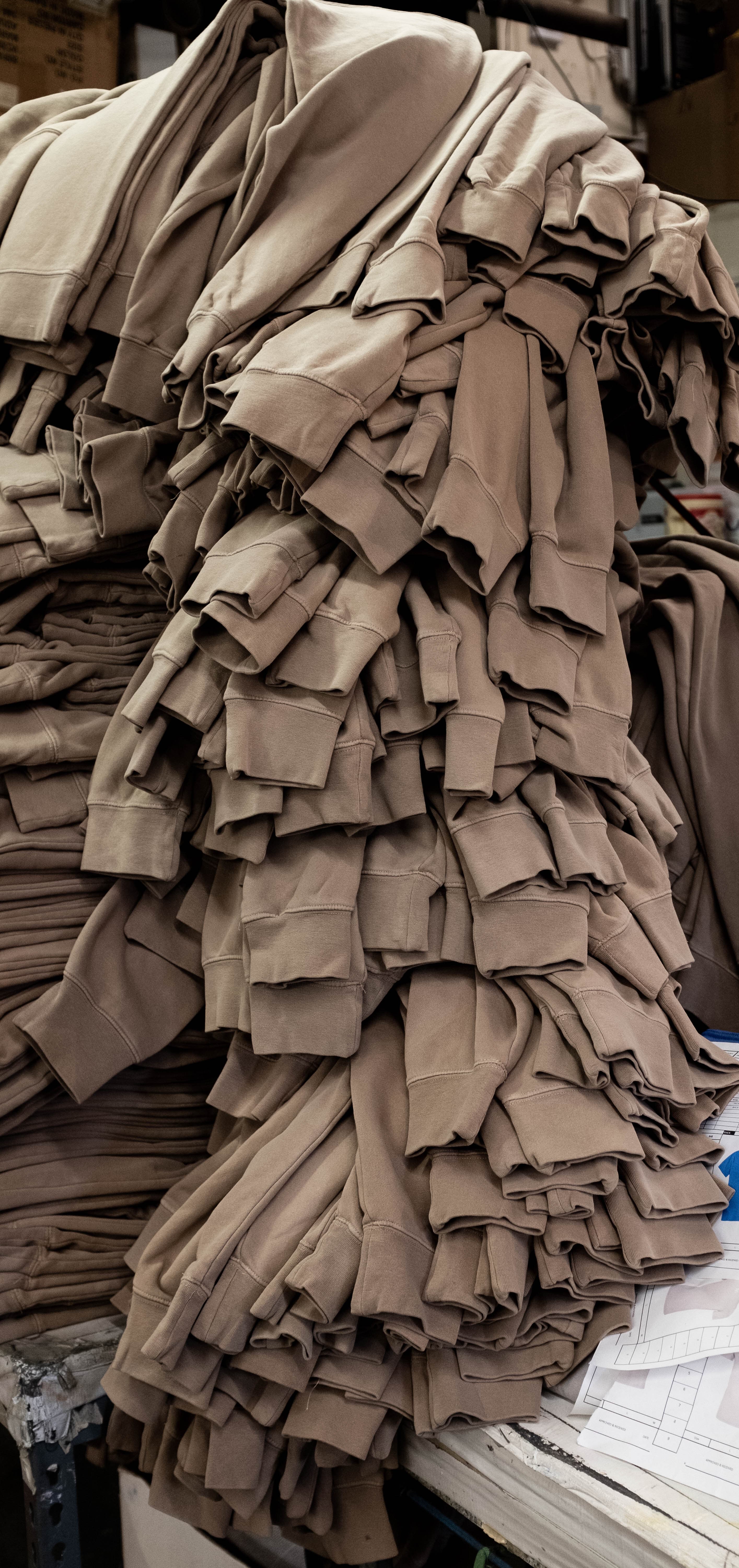
A premium hoodie tossed loose into a box can still be a good hoodie. A premium hoodie folded cleanly with a simple label and packed with care feels like a product. That difference matters when the goods are representing the brand to employees, customers, donors, or event guests.
Retail quality is restraint
One of the biggest differences between retail merch and promo merch is restraint. The logo does not always need to be huge. The design does not always need every brand color. The product does not always need five decoration locations. Often, the more premium move is cleaner: better blank, better color, better placement, better finish.
Orange Goods helps brands make those calls before production. The goal is not to make merch that looks expensive in a mockup. The goal is to make goods that still feel good when someone opens the box, wears the piece, washes it, and reaches for it again.