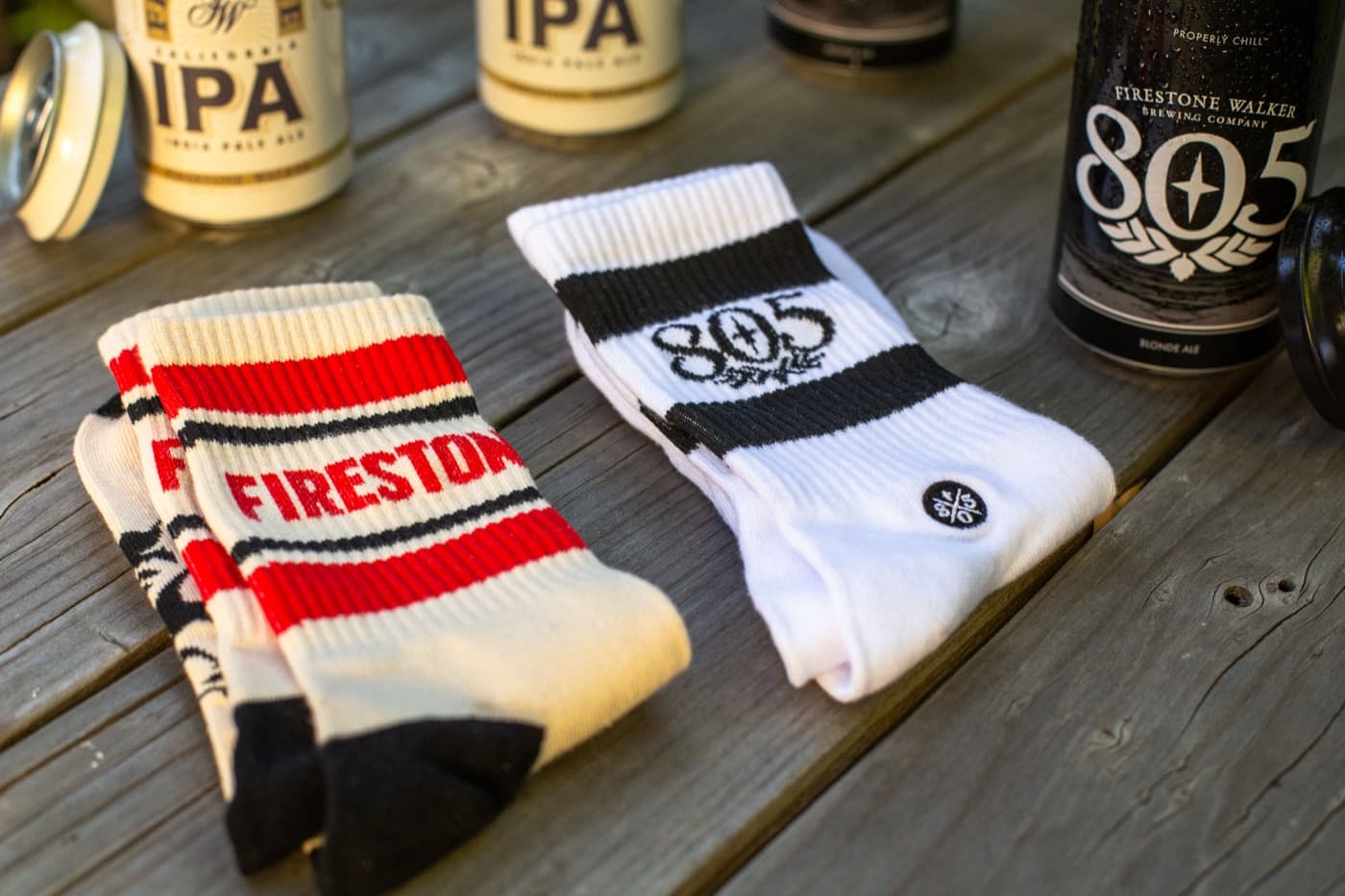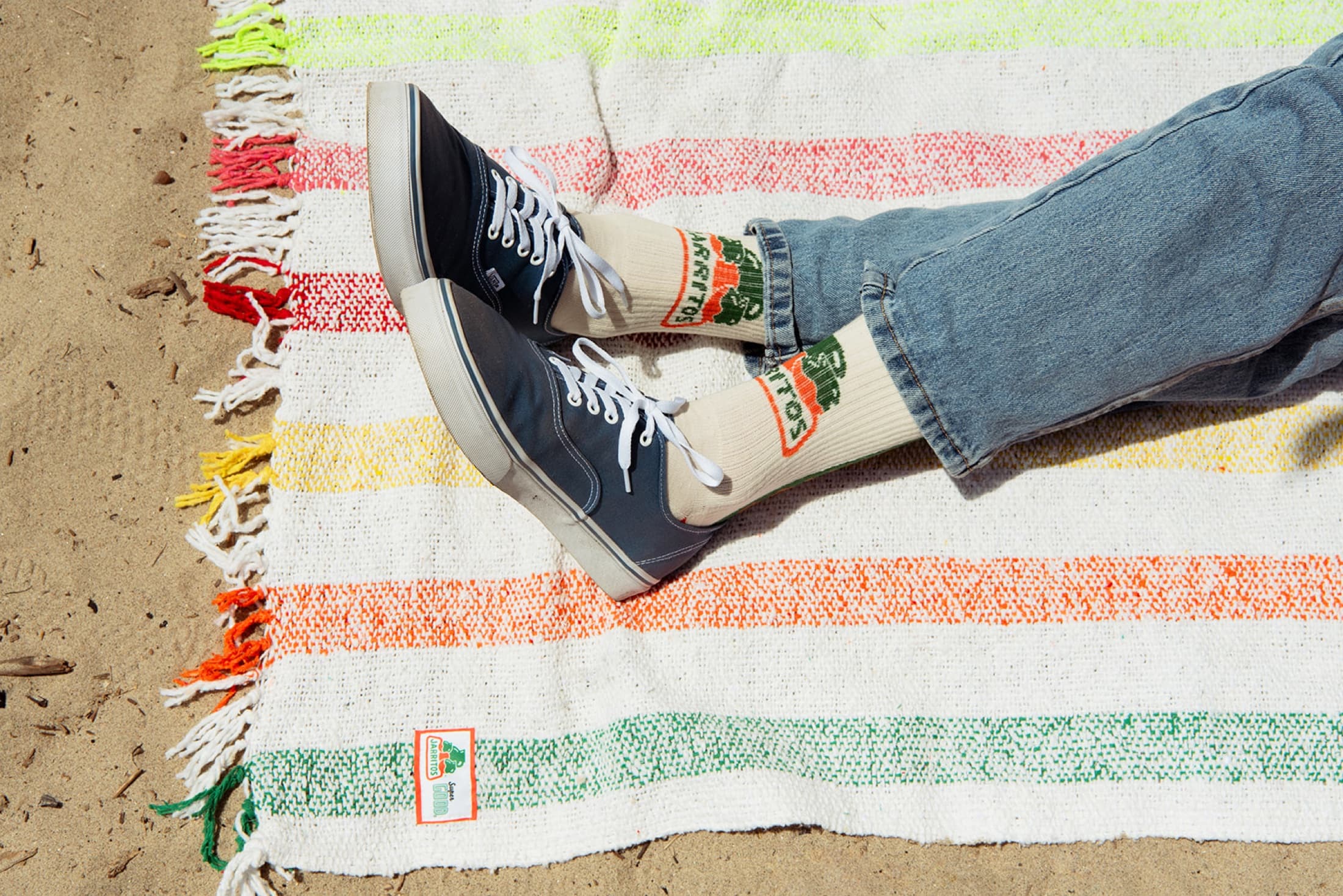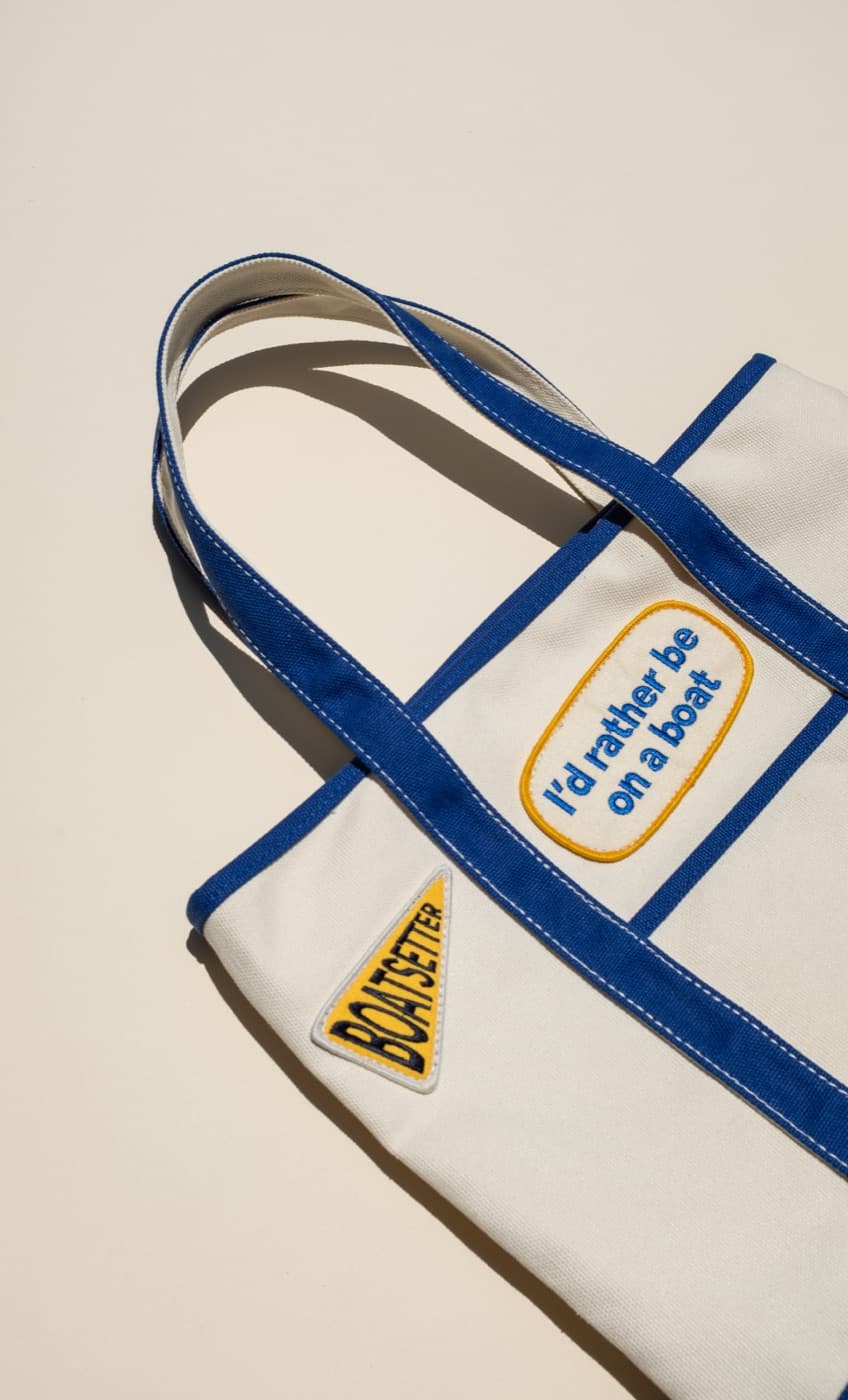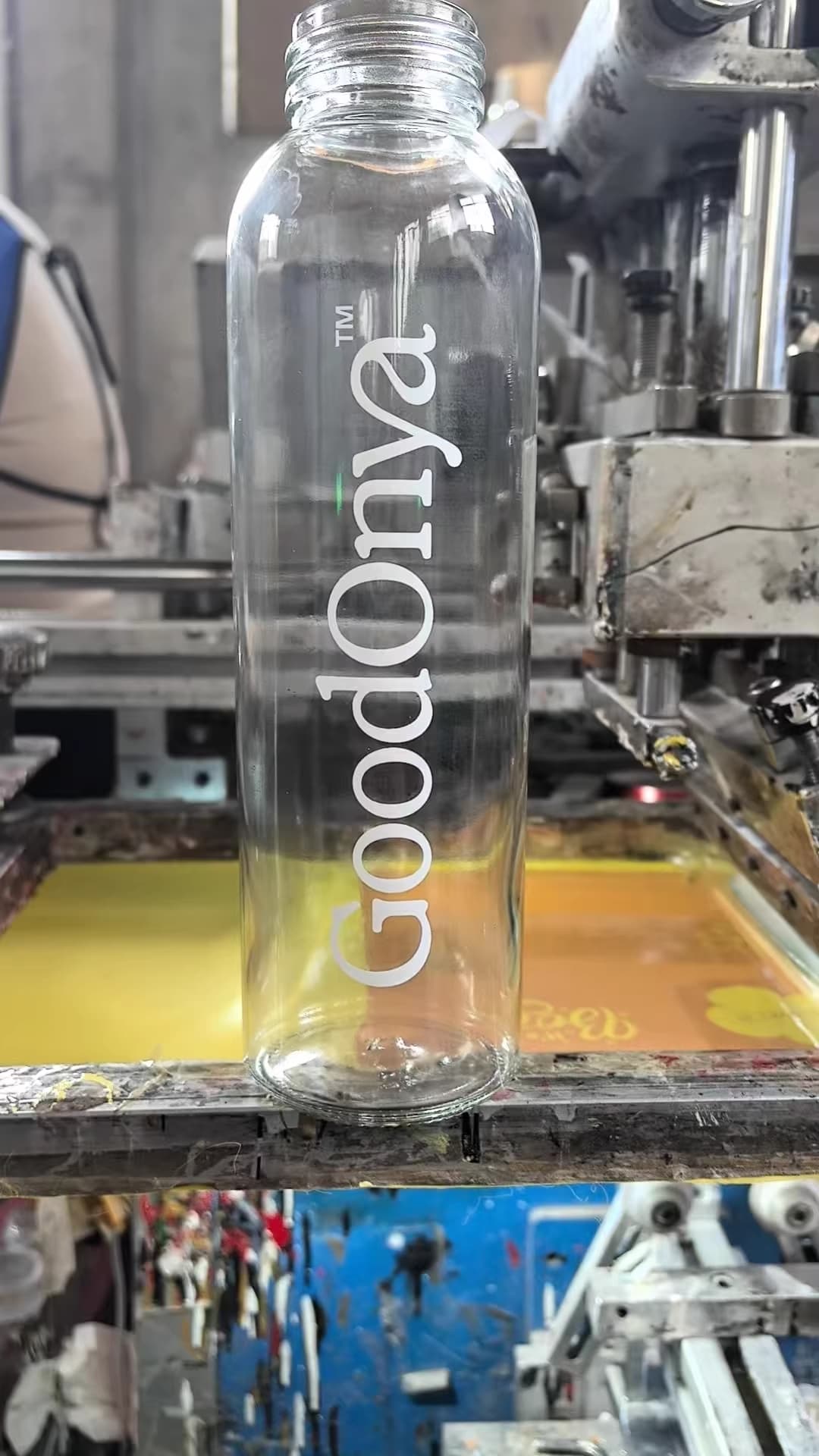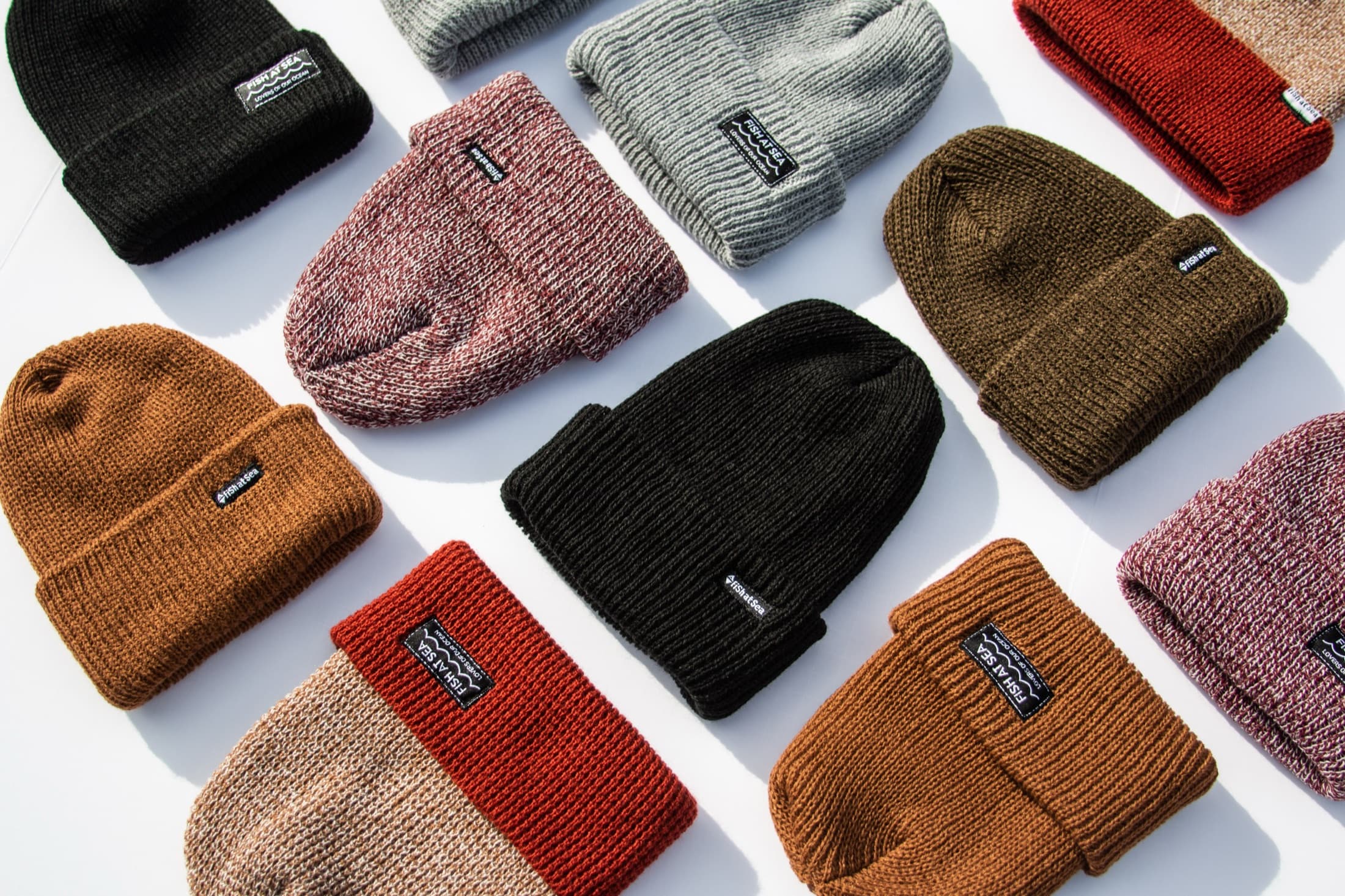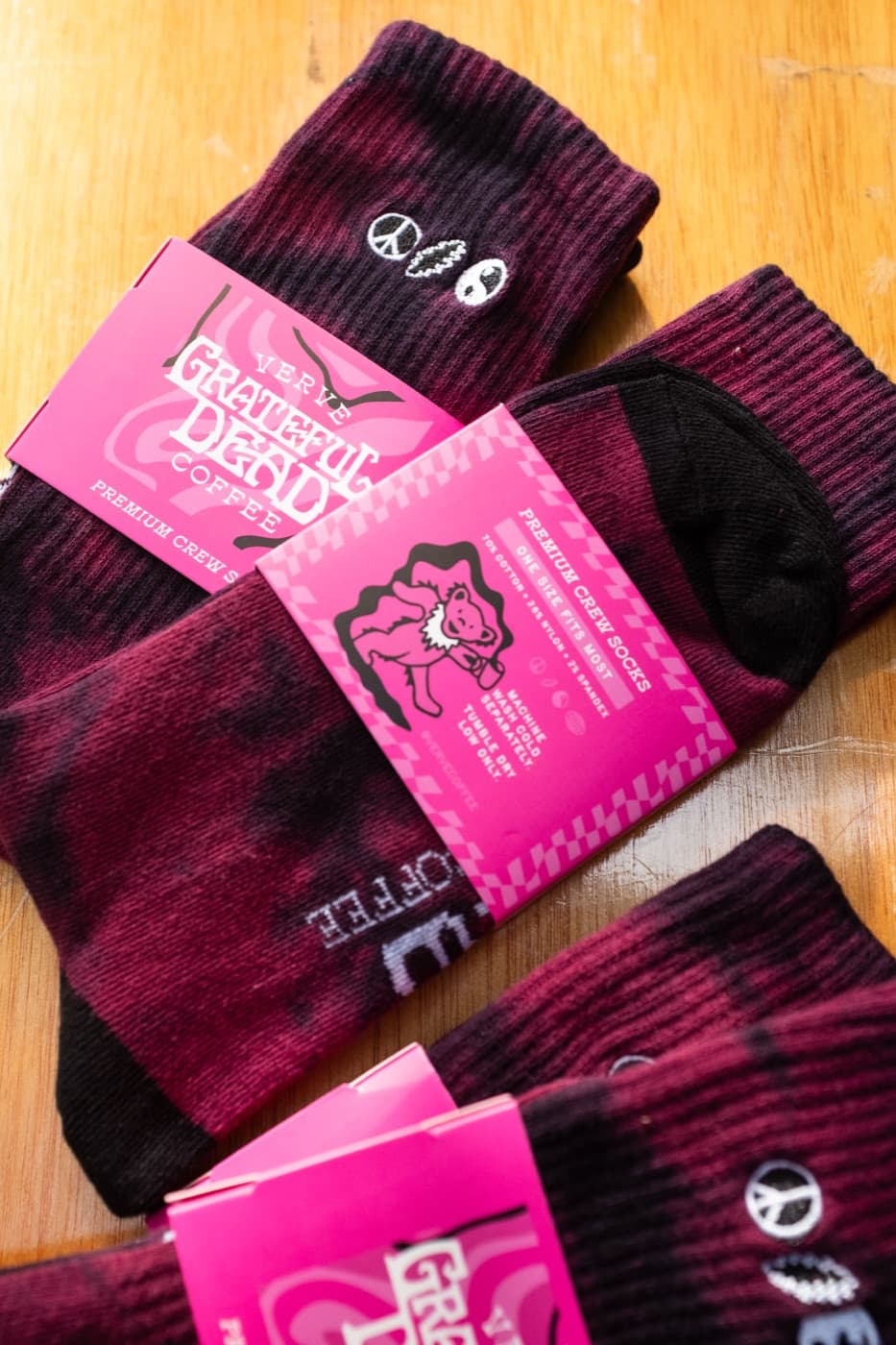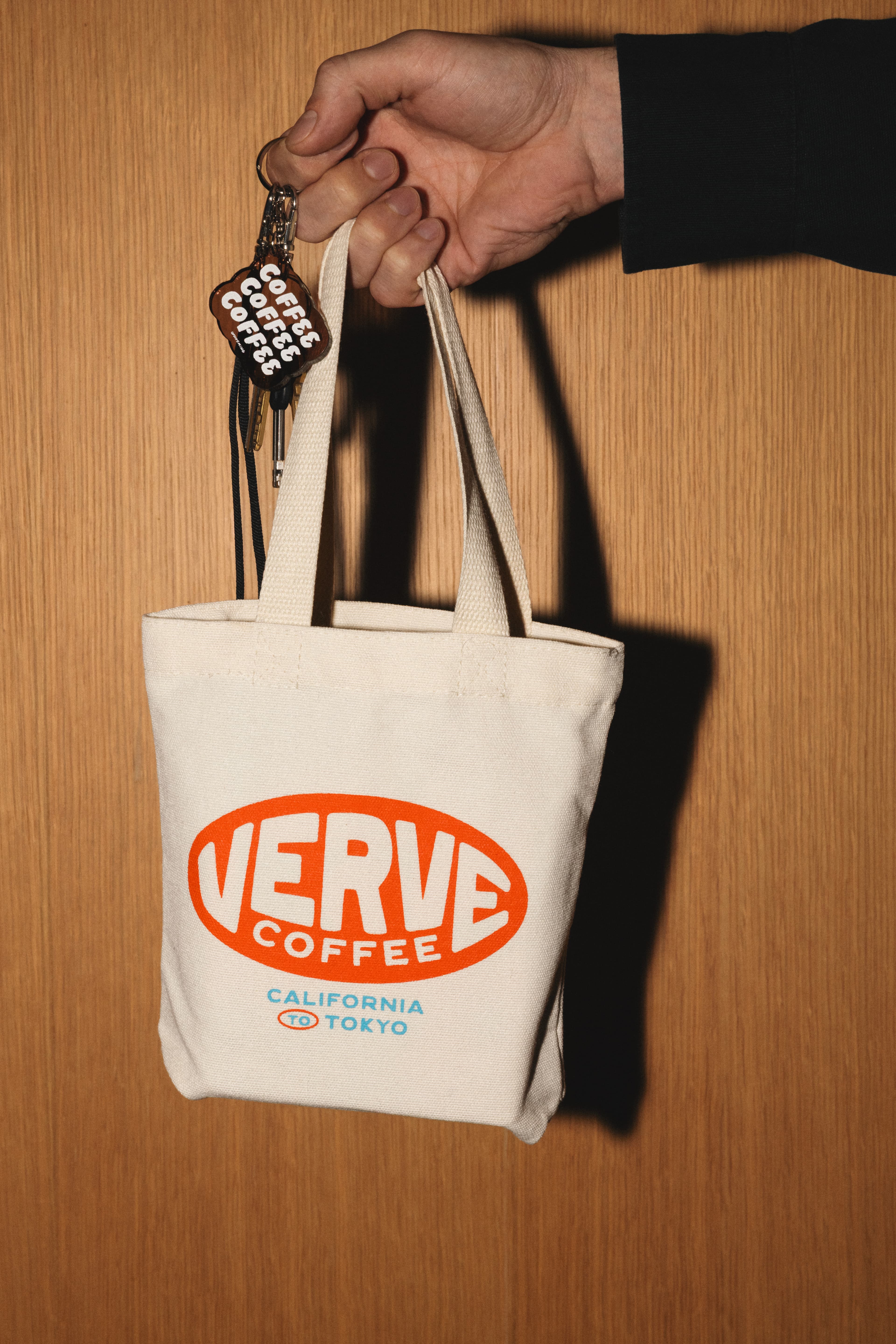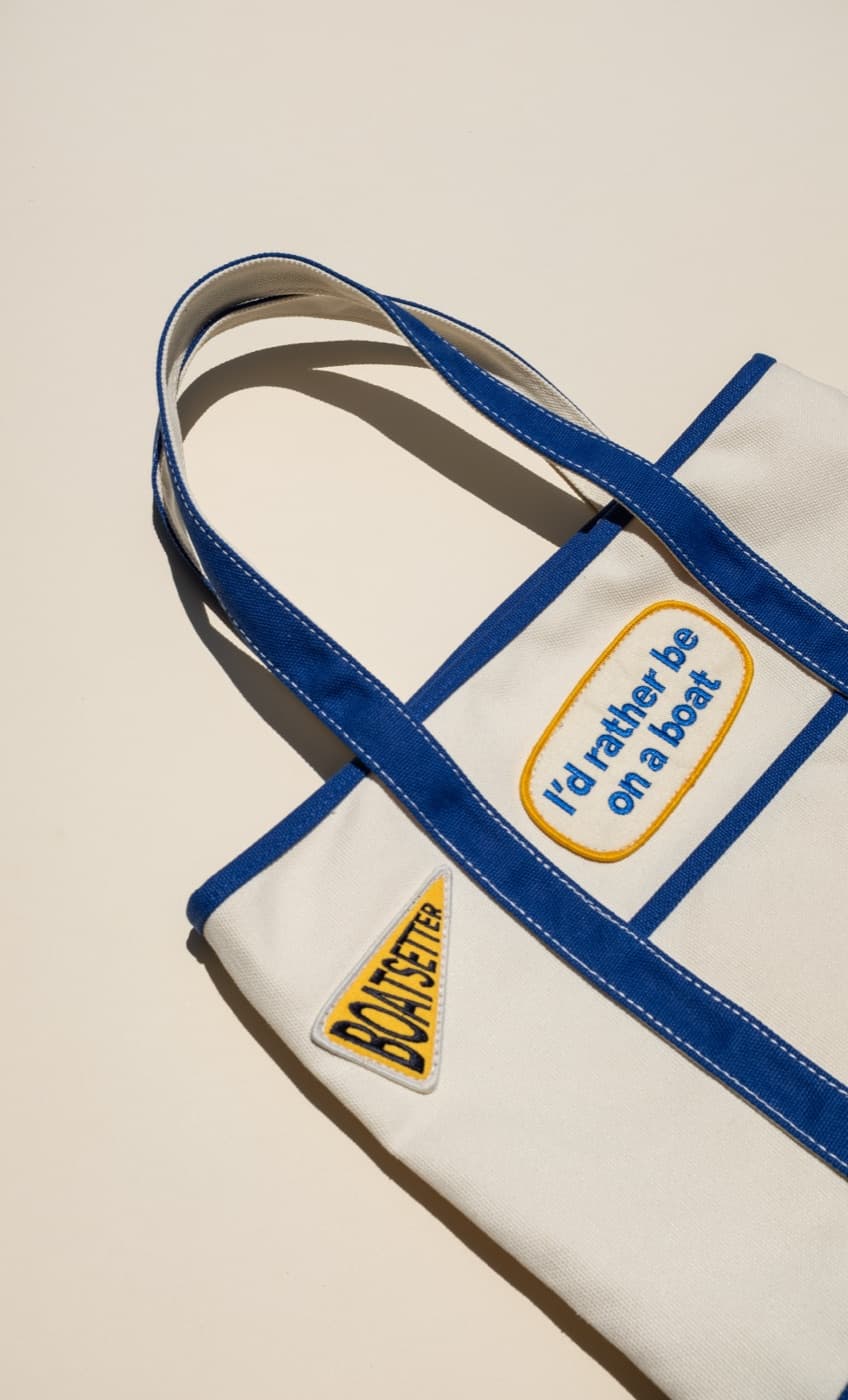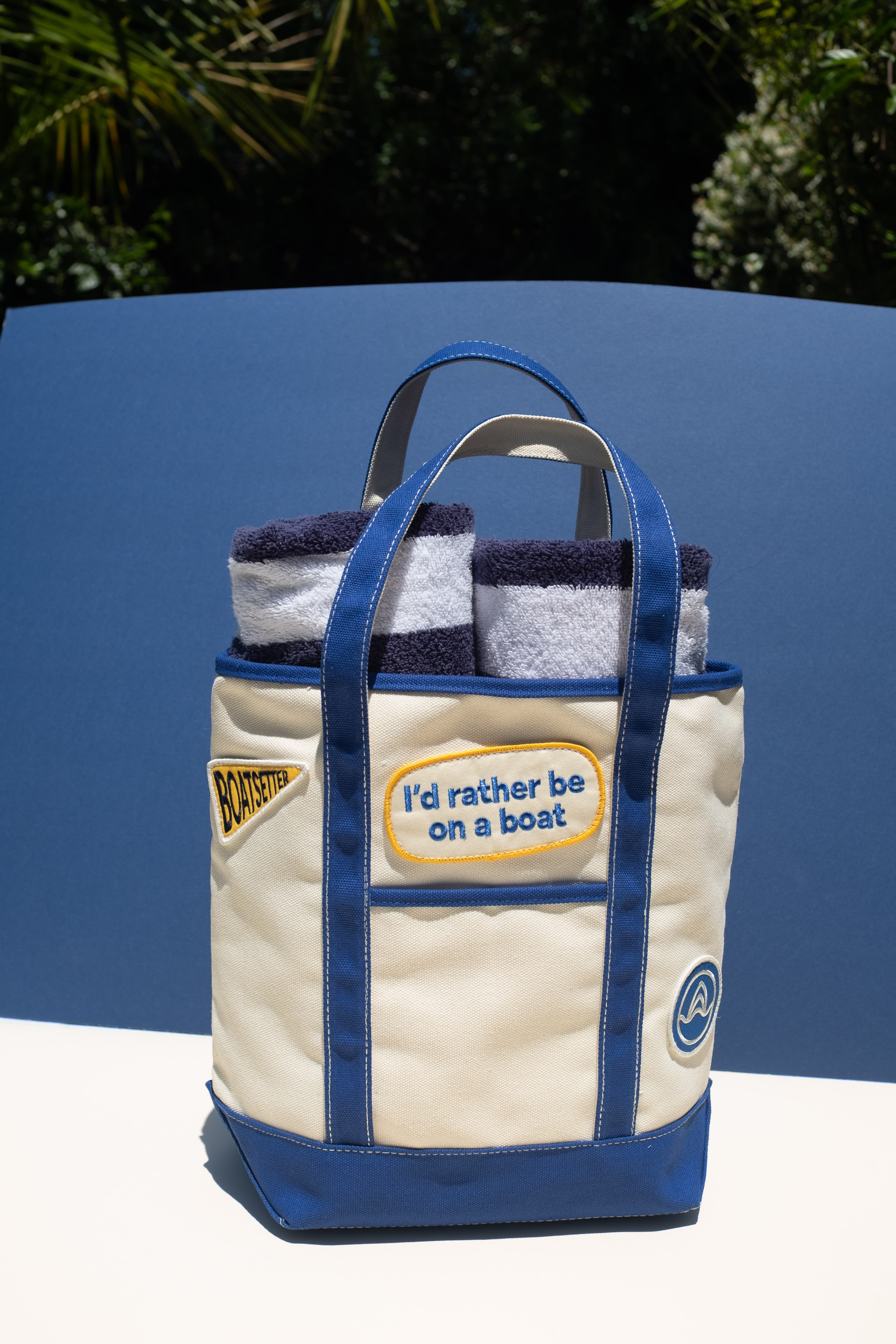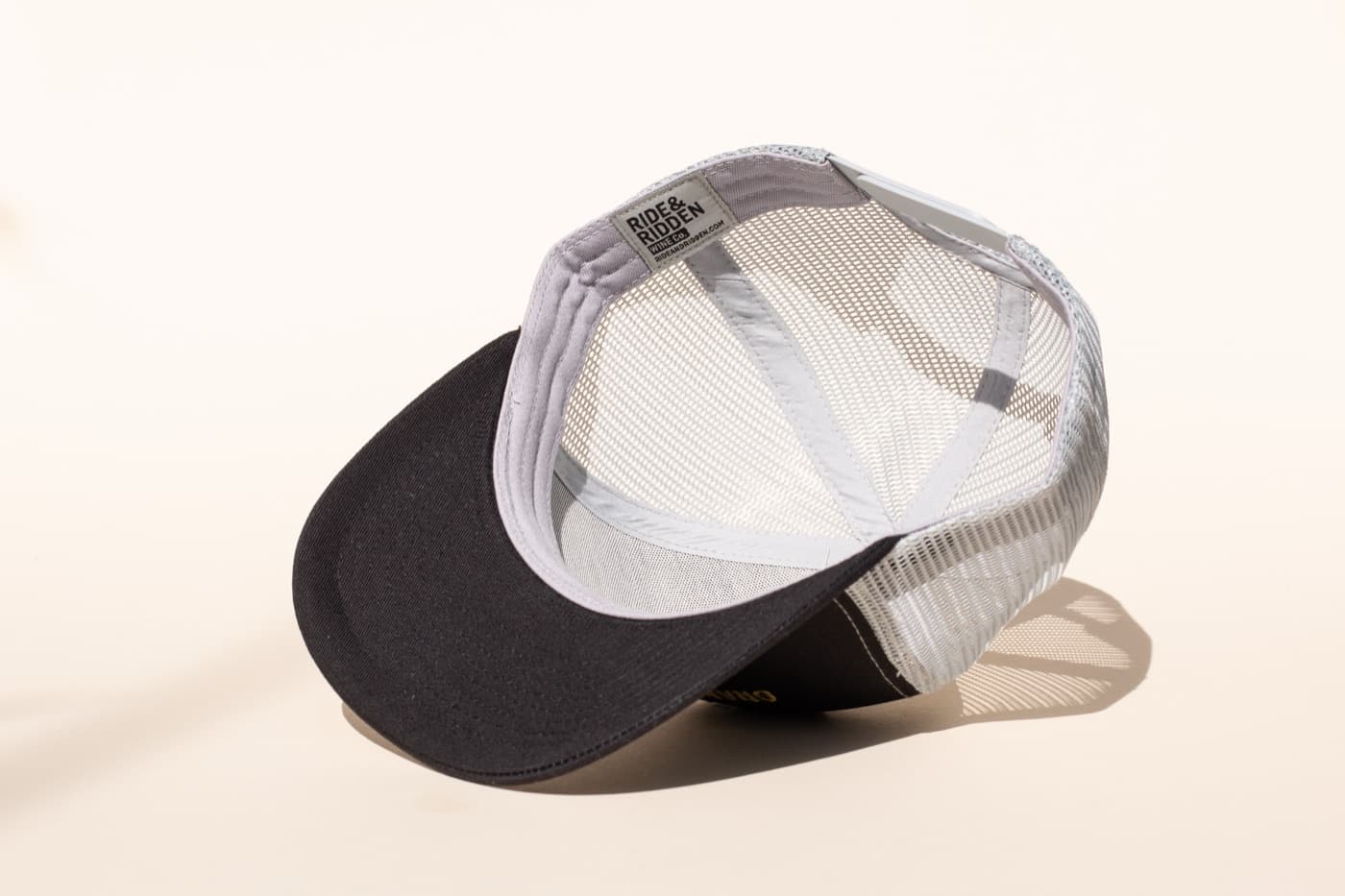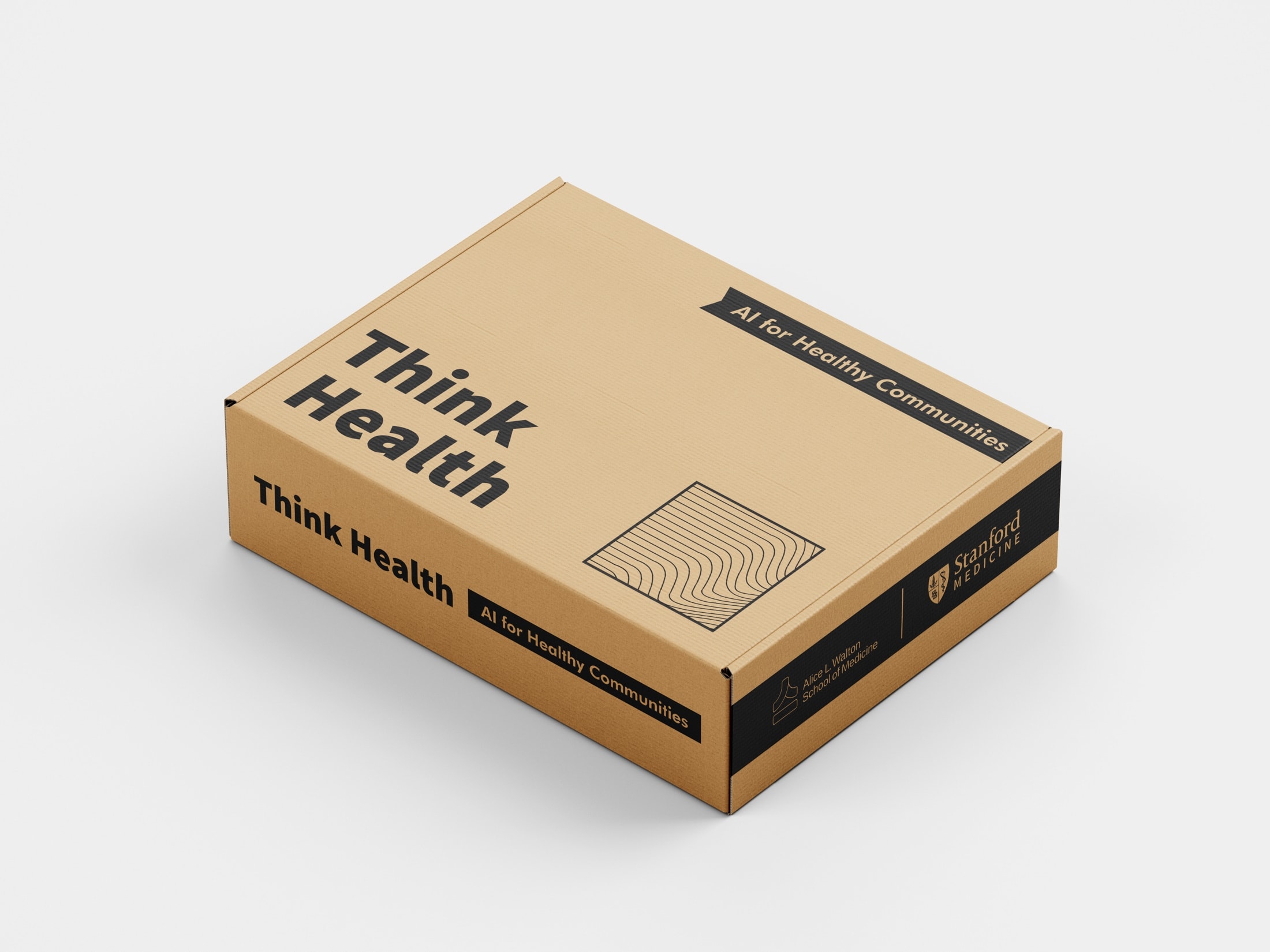
An employee welcome kit is often the first physical brand moment a new hire receives. That makes it important, but it does not mean the kit needs to be packed with products. The best kits are edited. They include useful goods, clear packaging, and a handoff that feels organized.
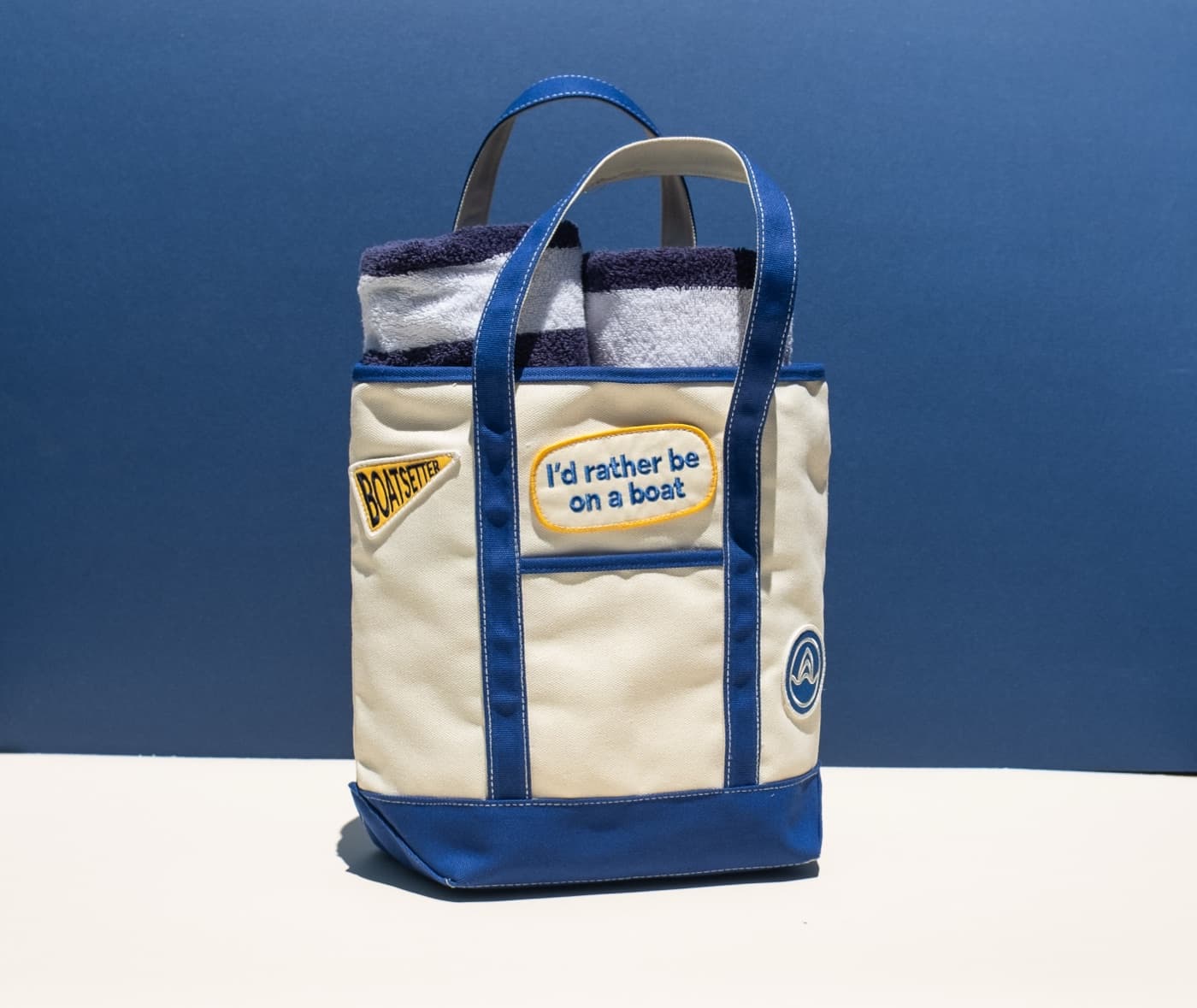
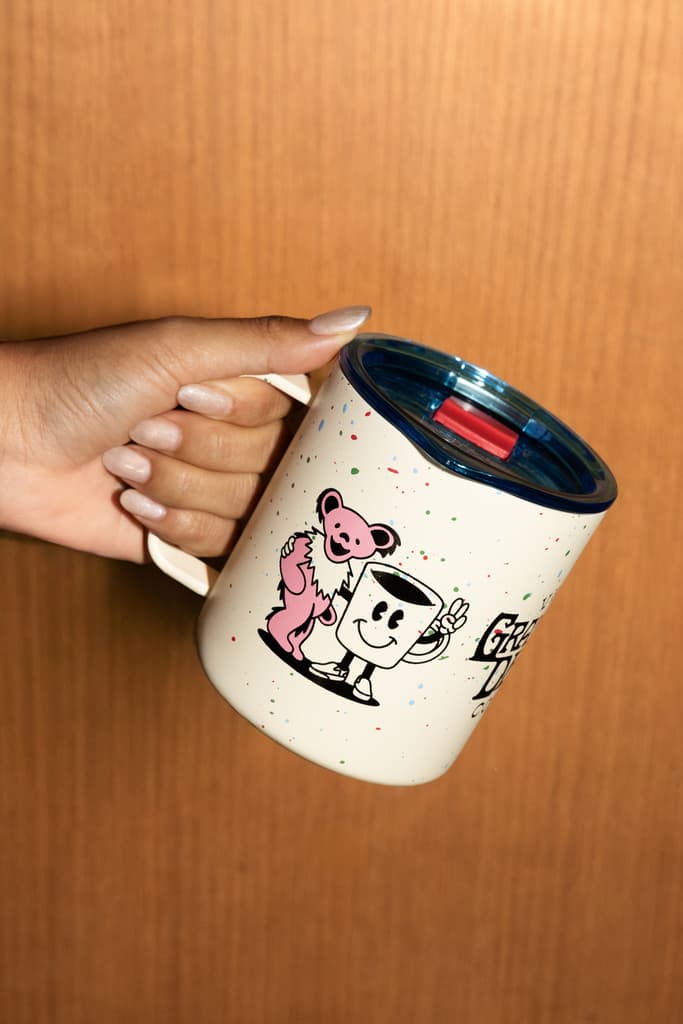
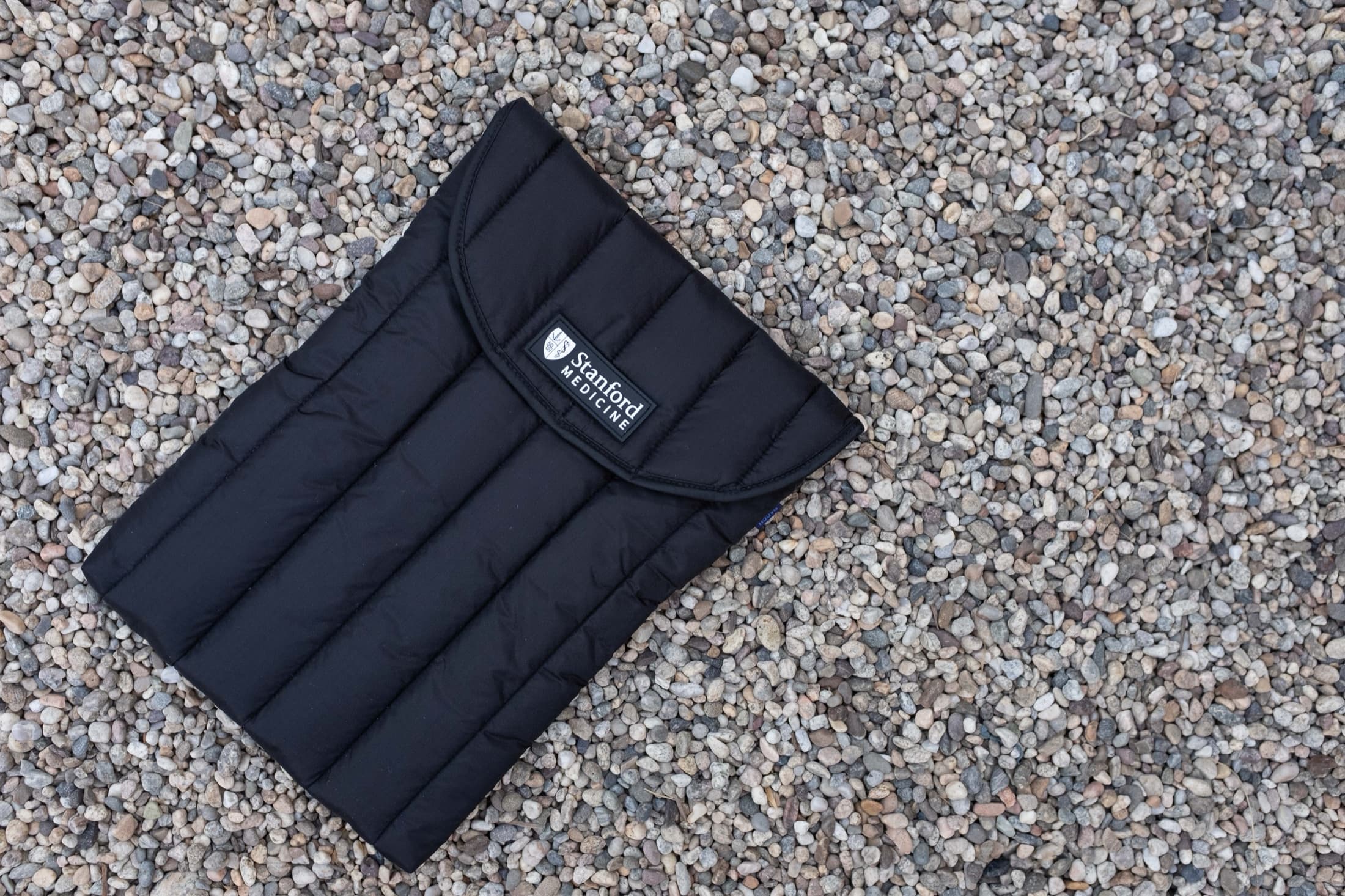
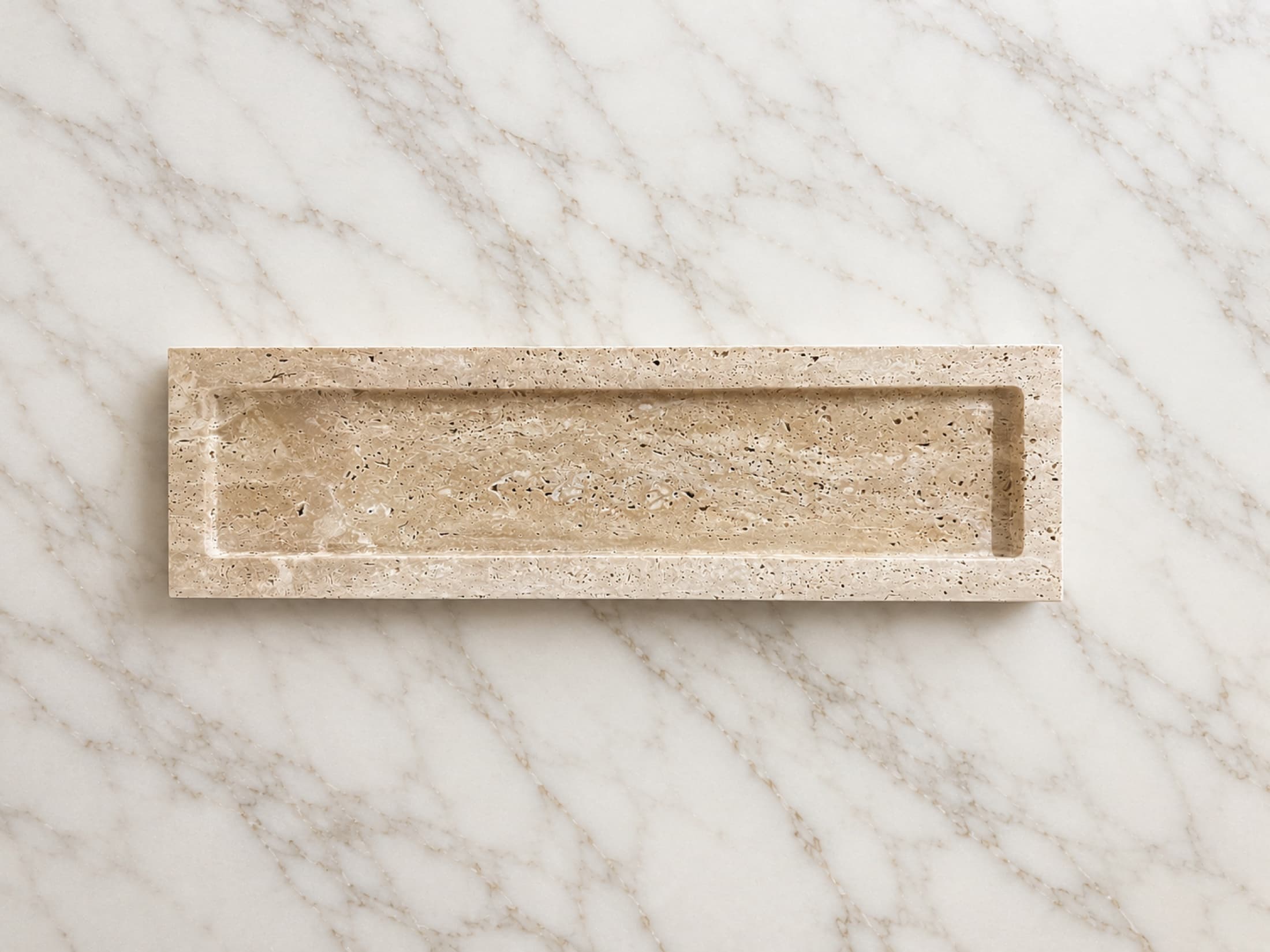
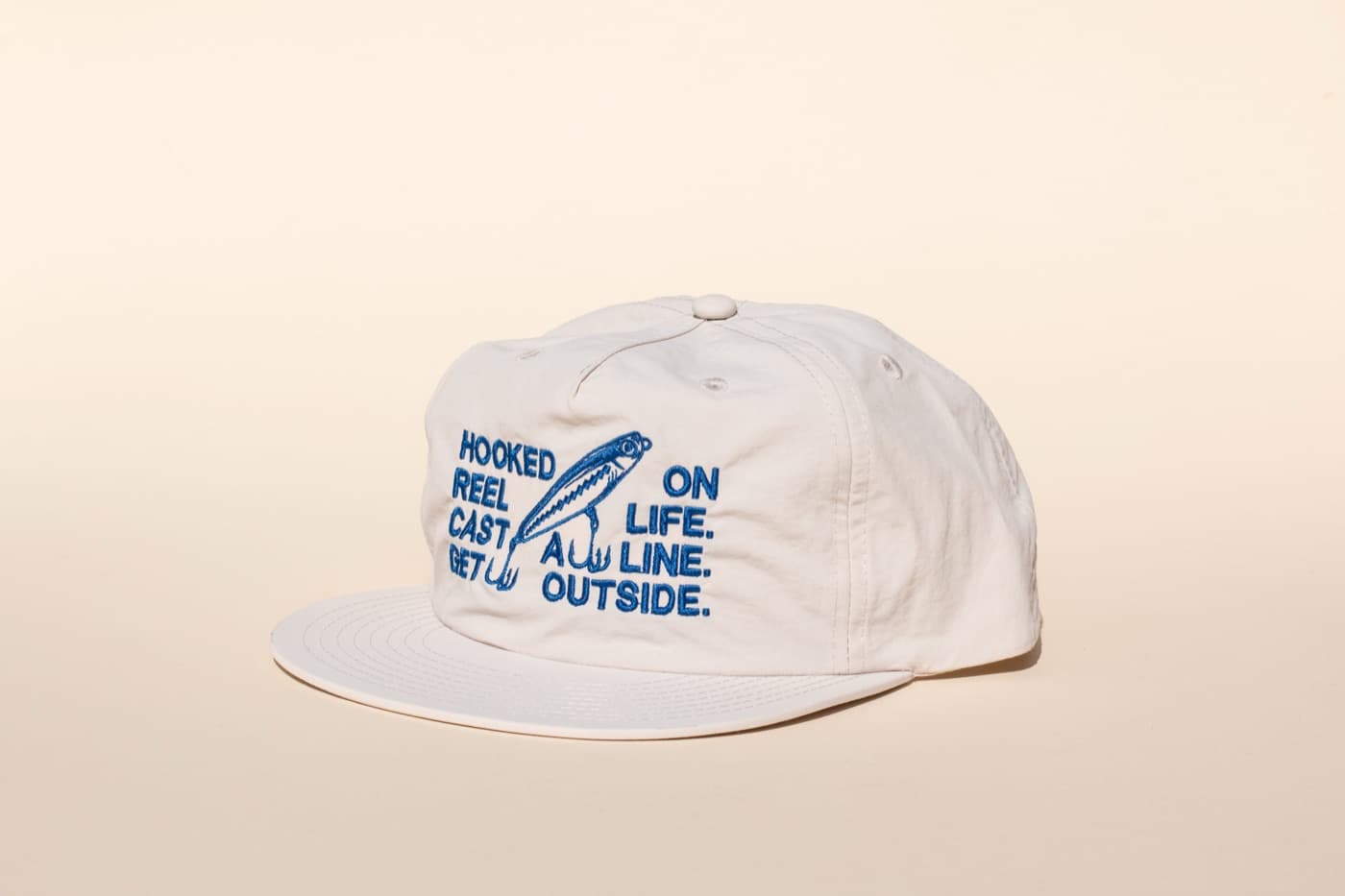
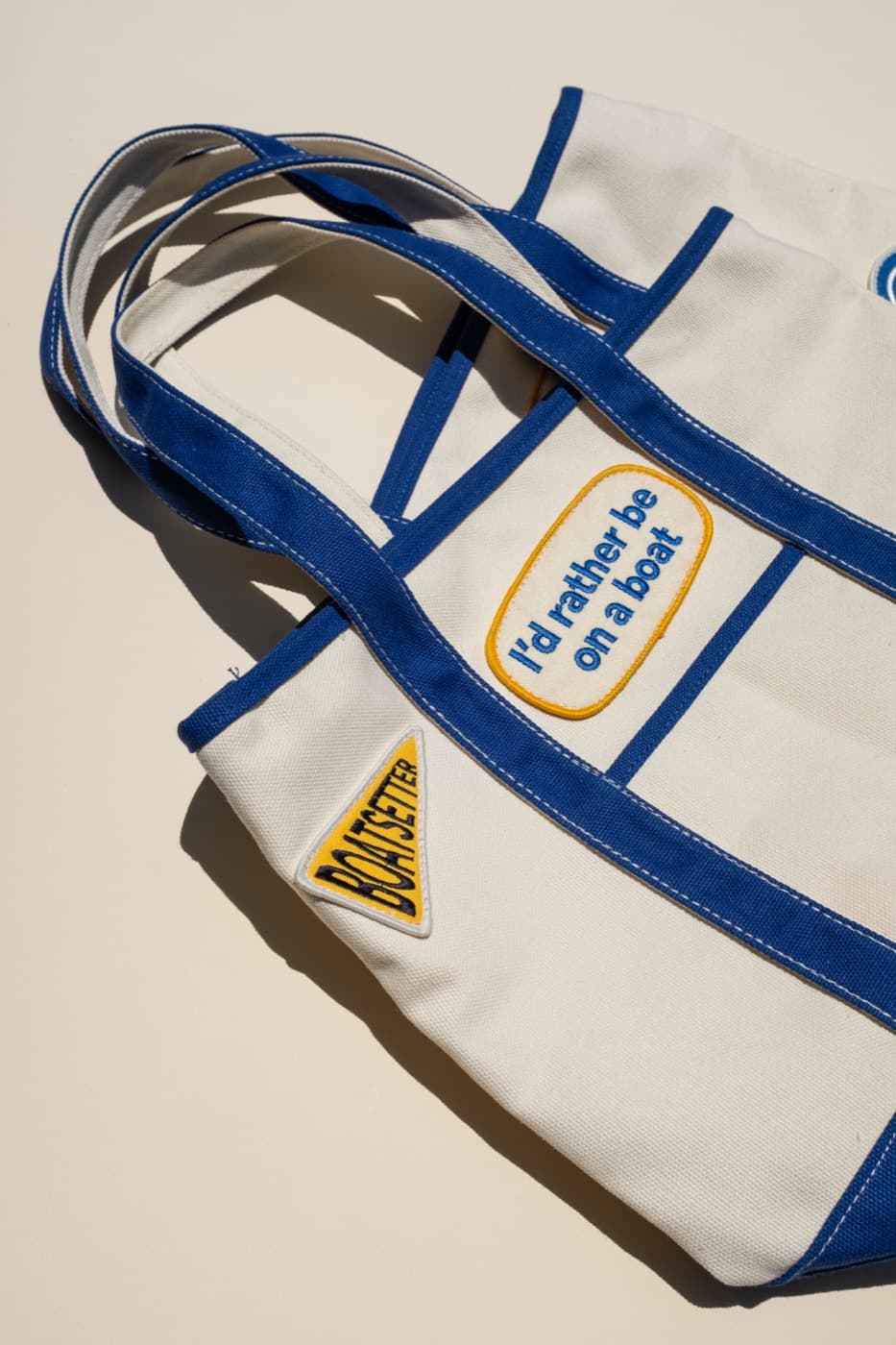
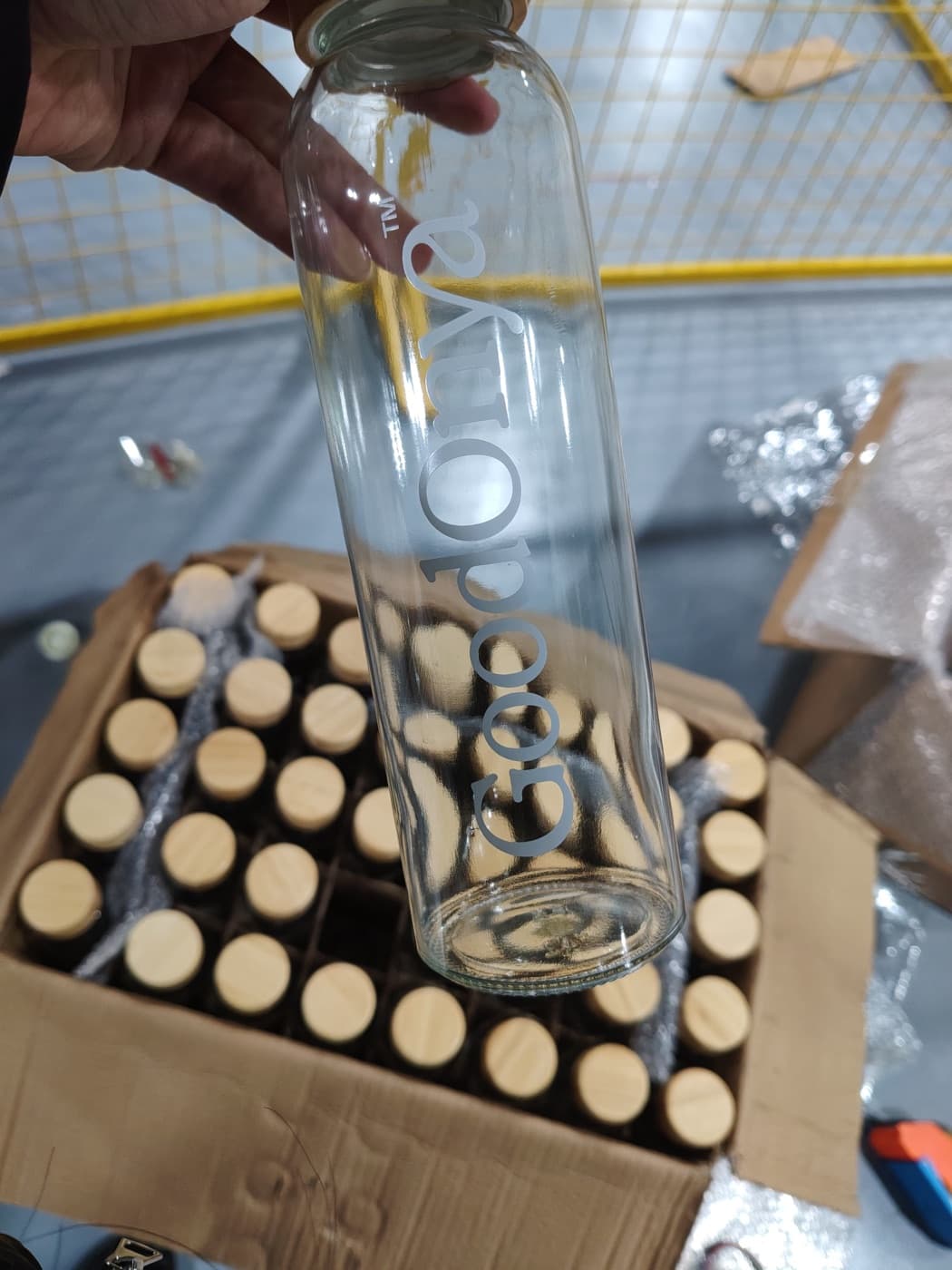
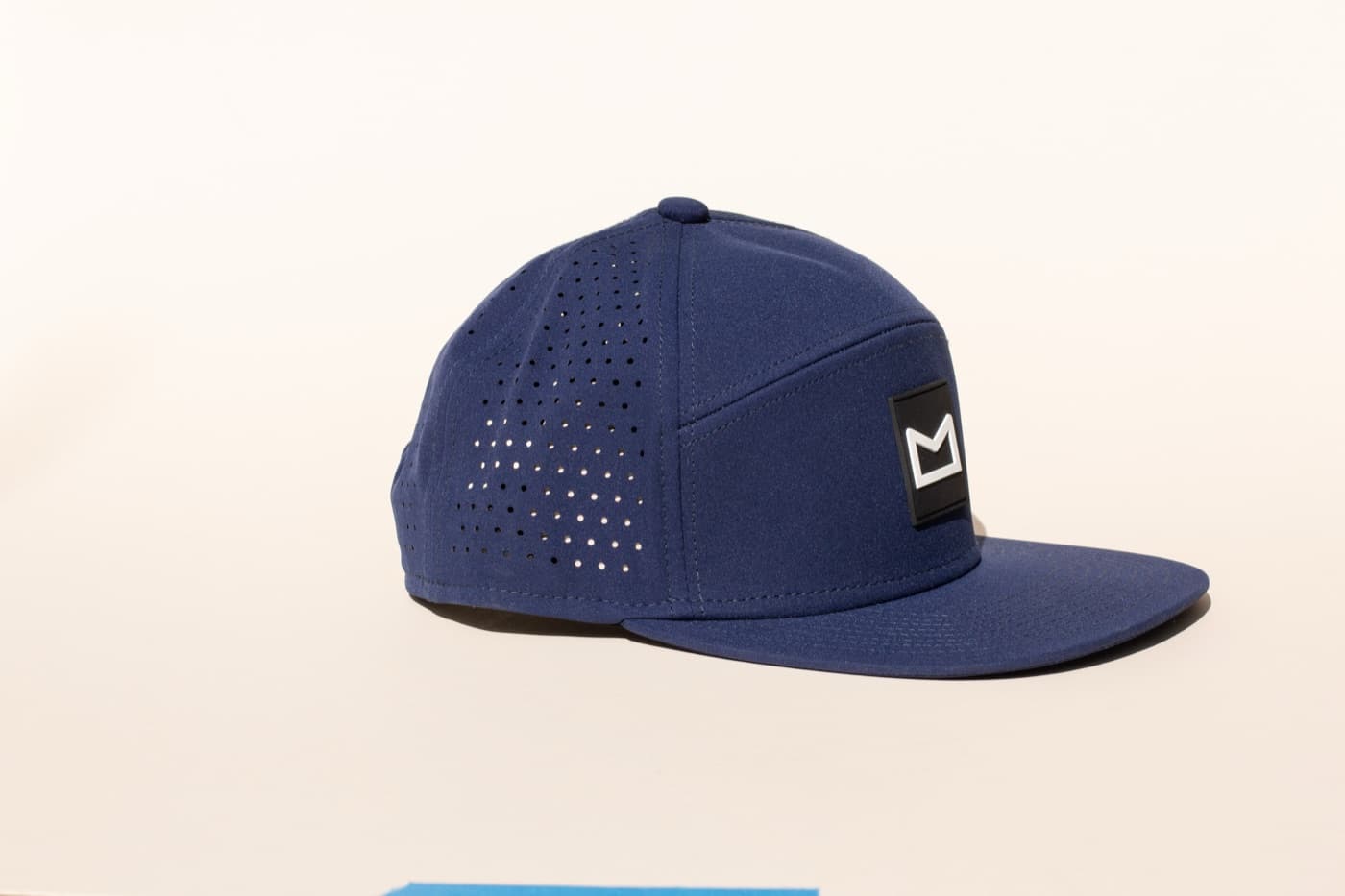
A laptop sleeve, notebook, bottle, mug, cap, tee, or desk accessory can all make sense. The product list should depend on how the team works and what the recipient will actually use after week one.
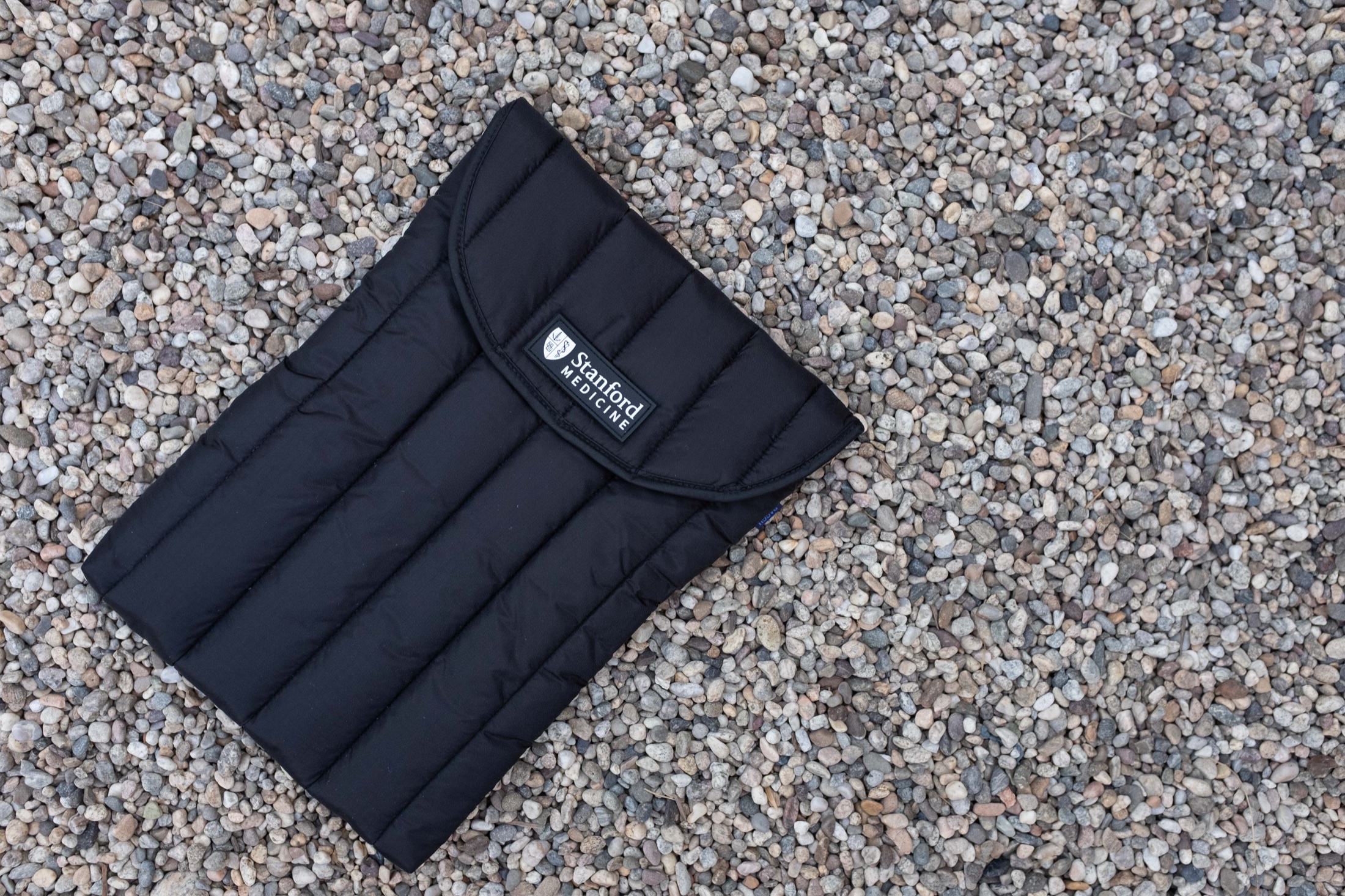
Start with usefulness
Welcome kits often fail when they chase quantity. Five average items do not feel better than two strong ones. A useful product that fits the employee's workday will last longer than a novelty item that only makes sense on the first day.
Remote teams also need to think about shipping. Individual addresses, size collection, packaging protection, and delivery timing should be part of the plan from the start.
Keep the branding calm
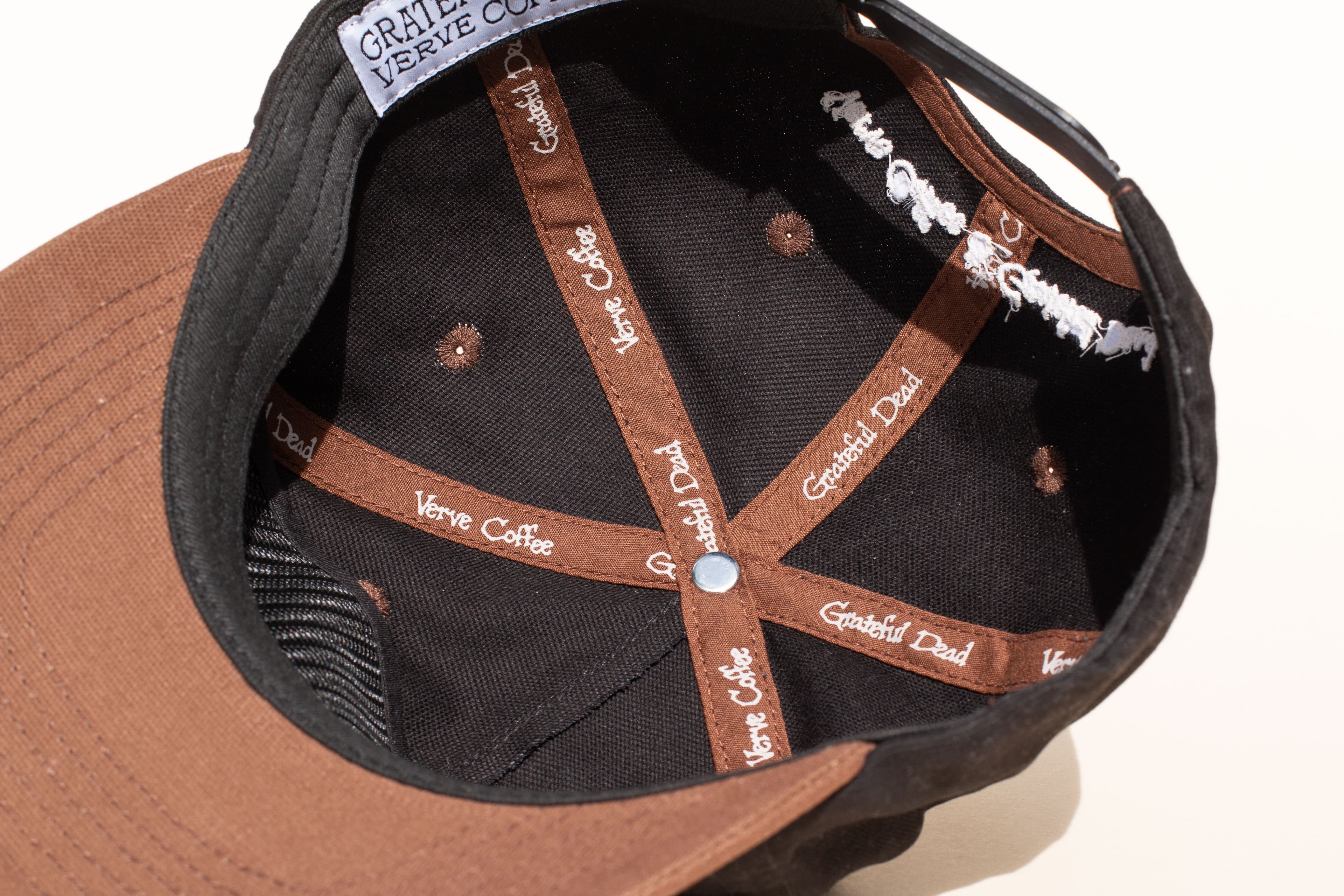
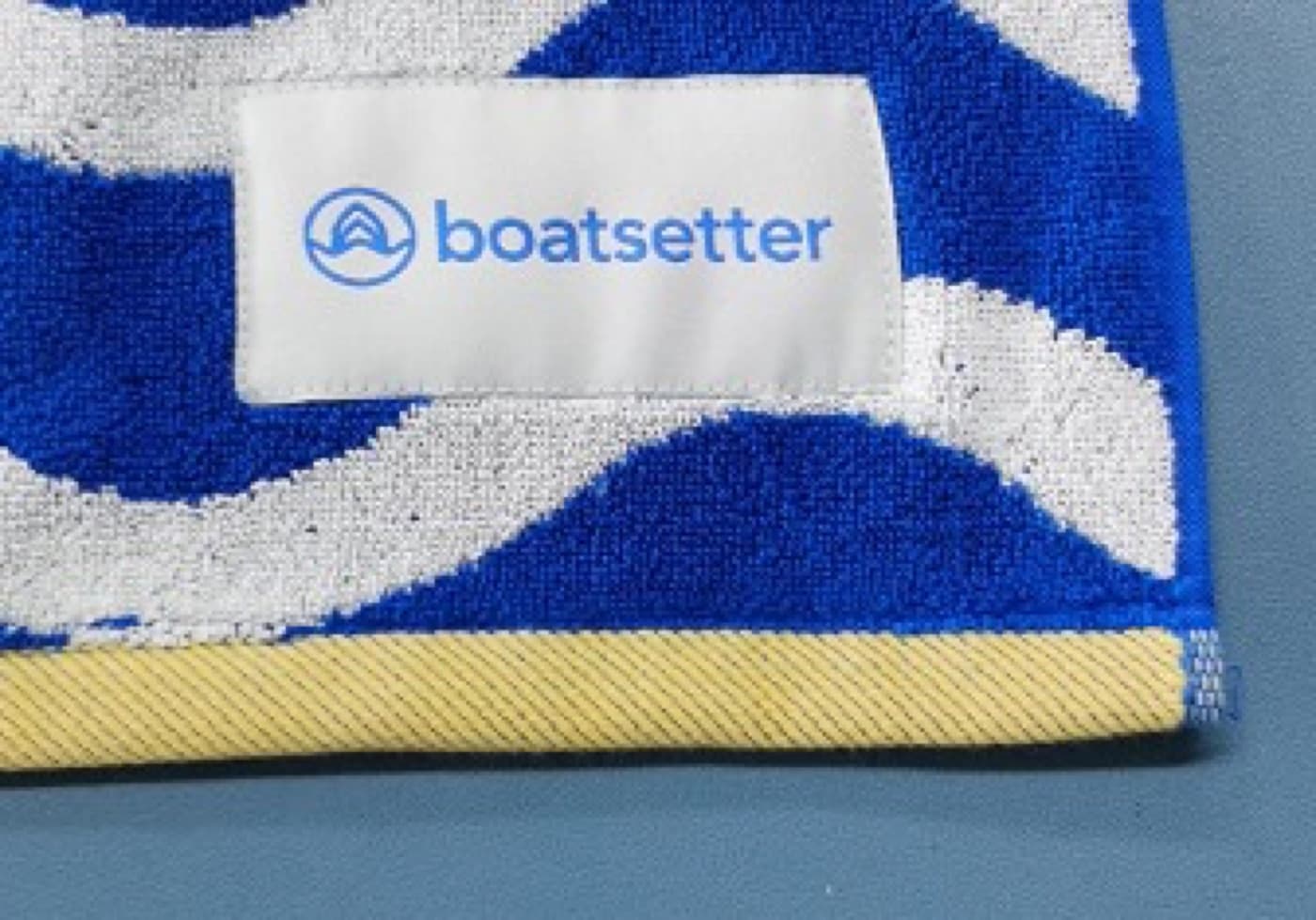
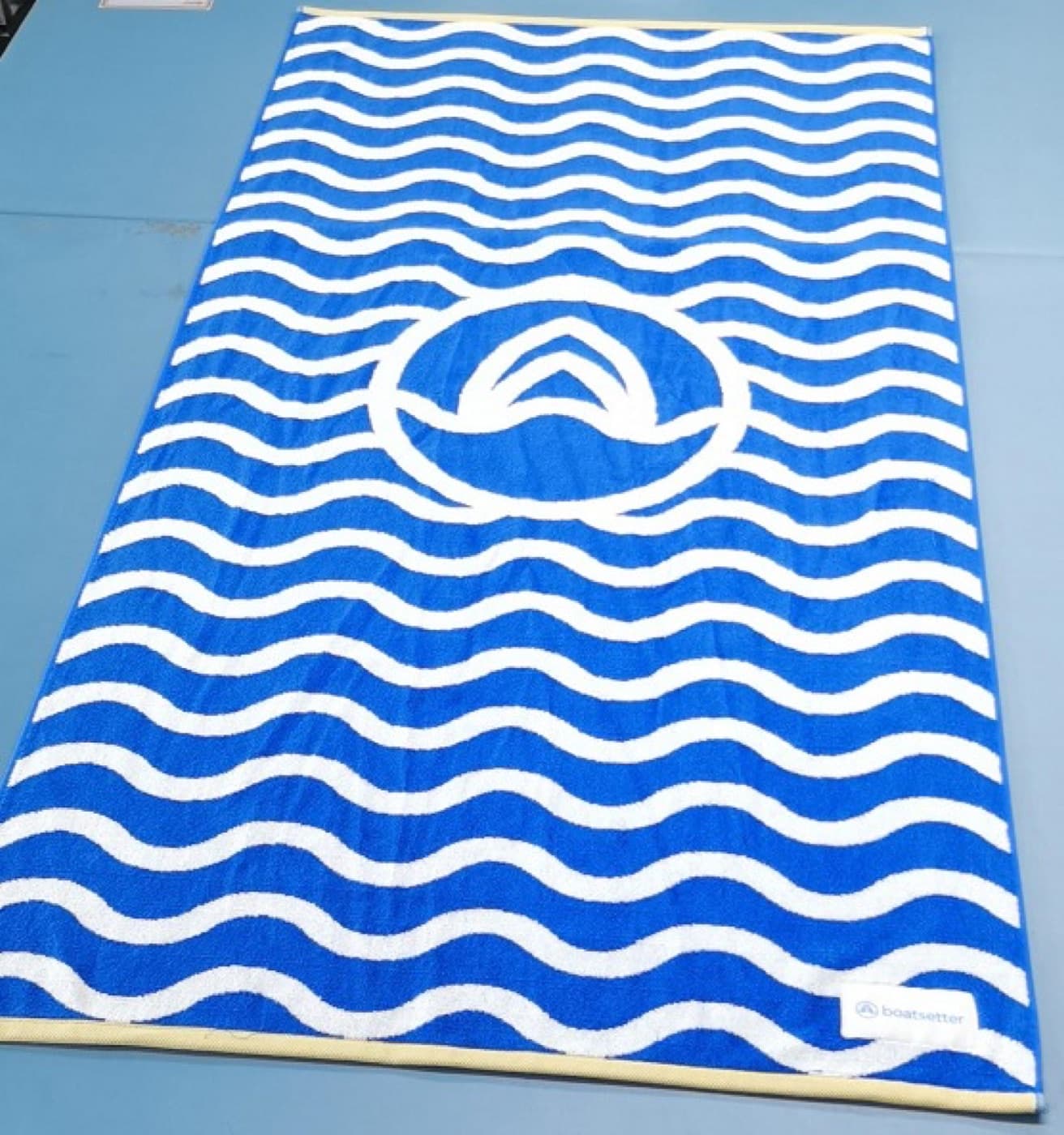
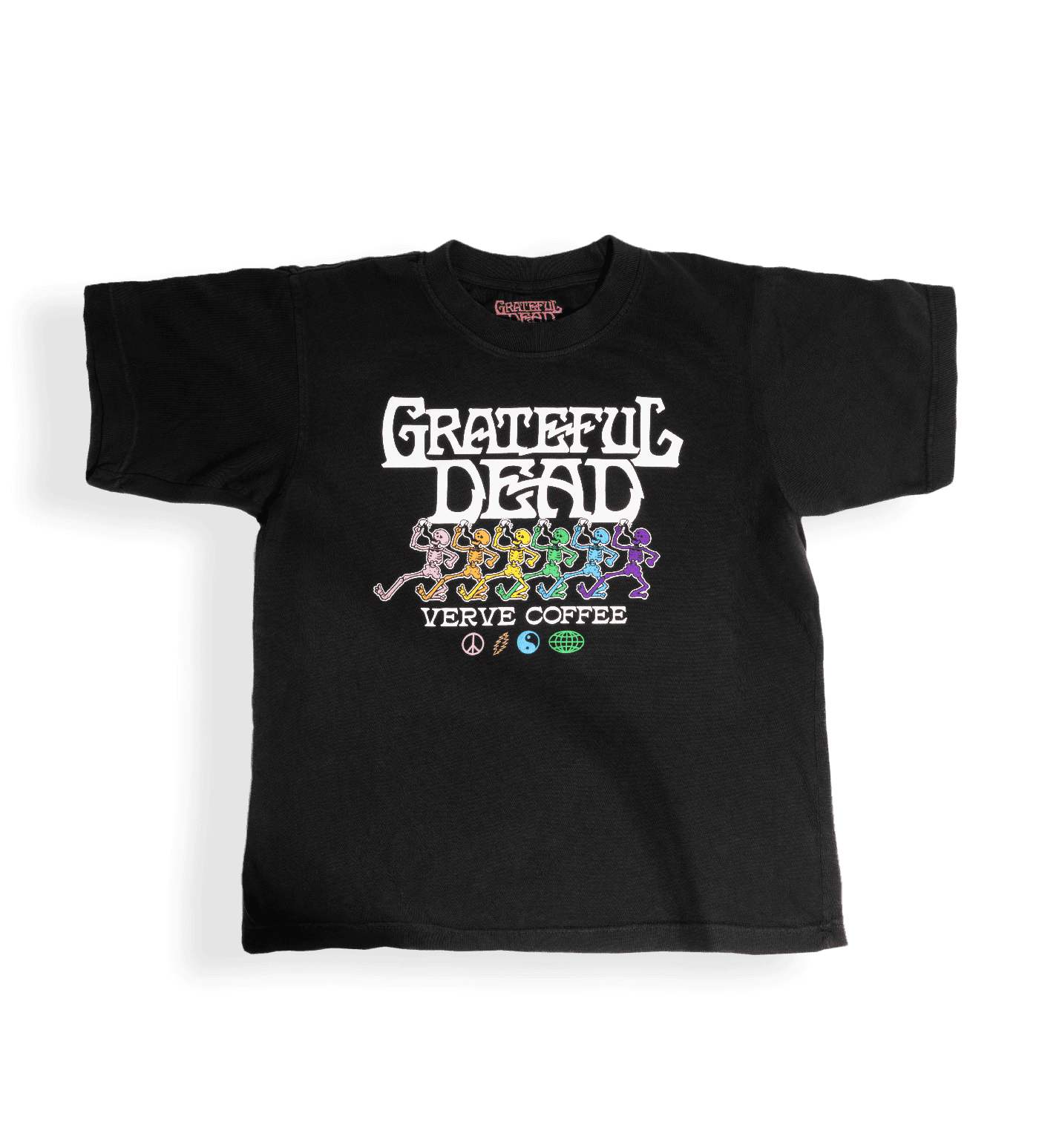
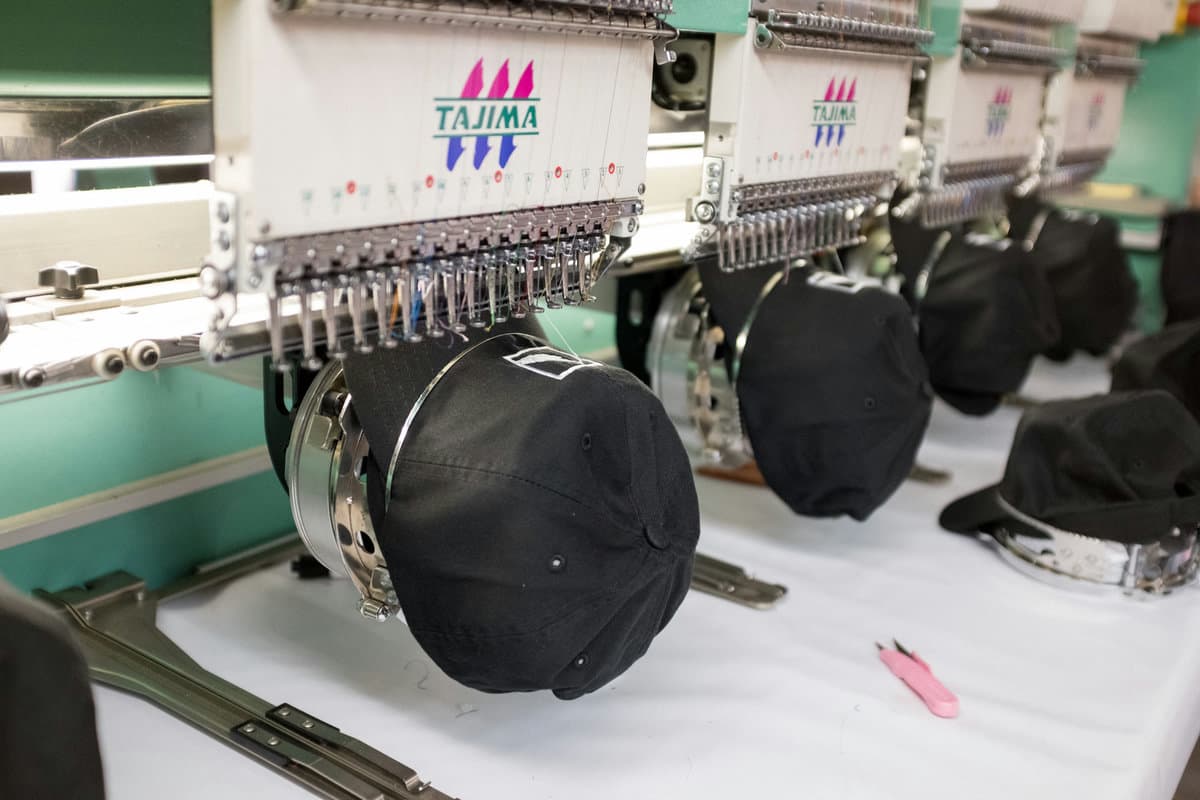
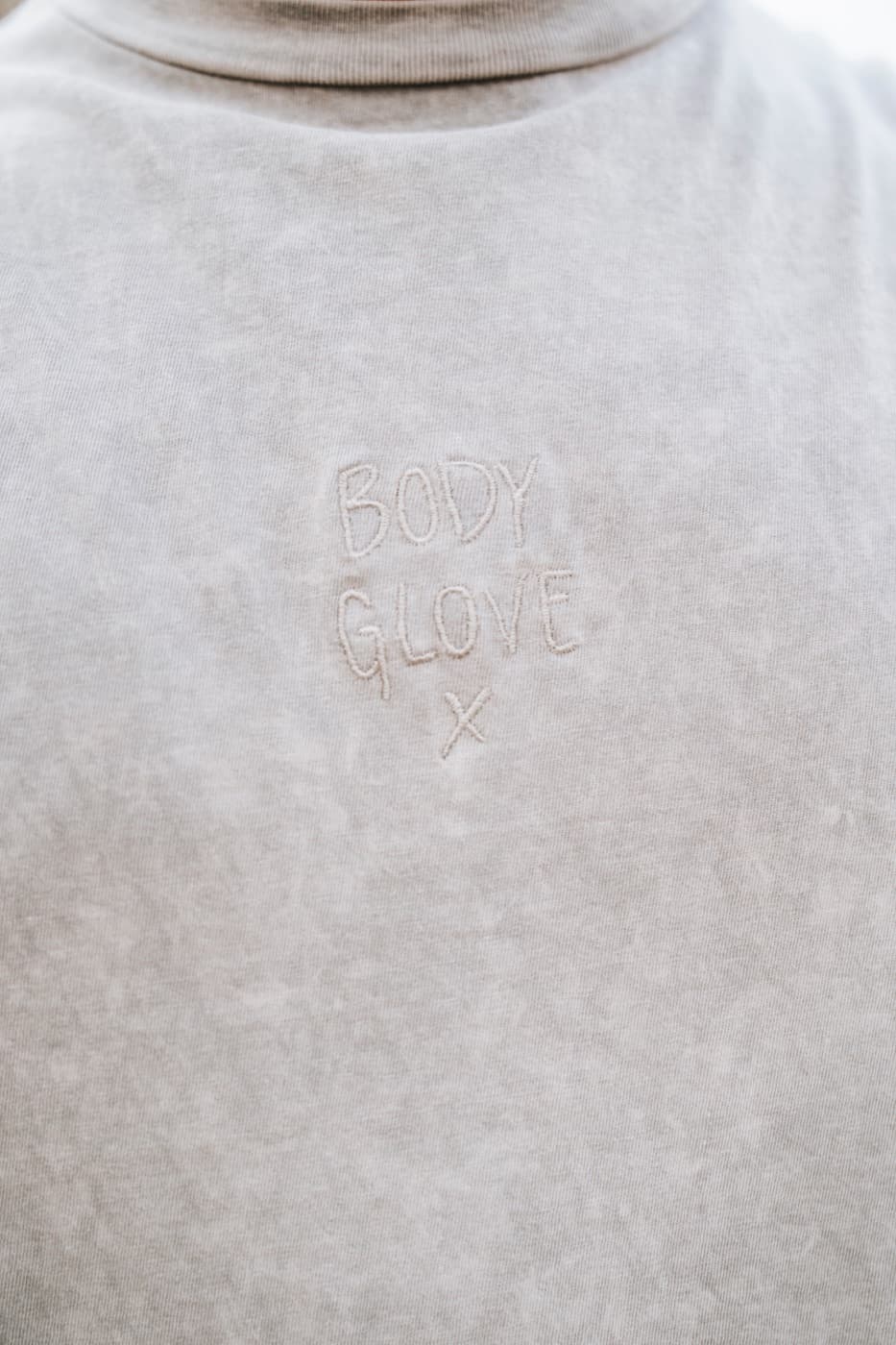
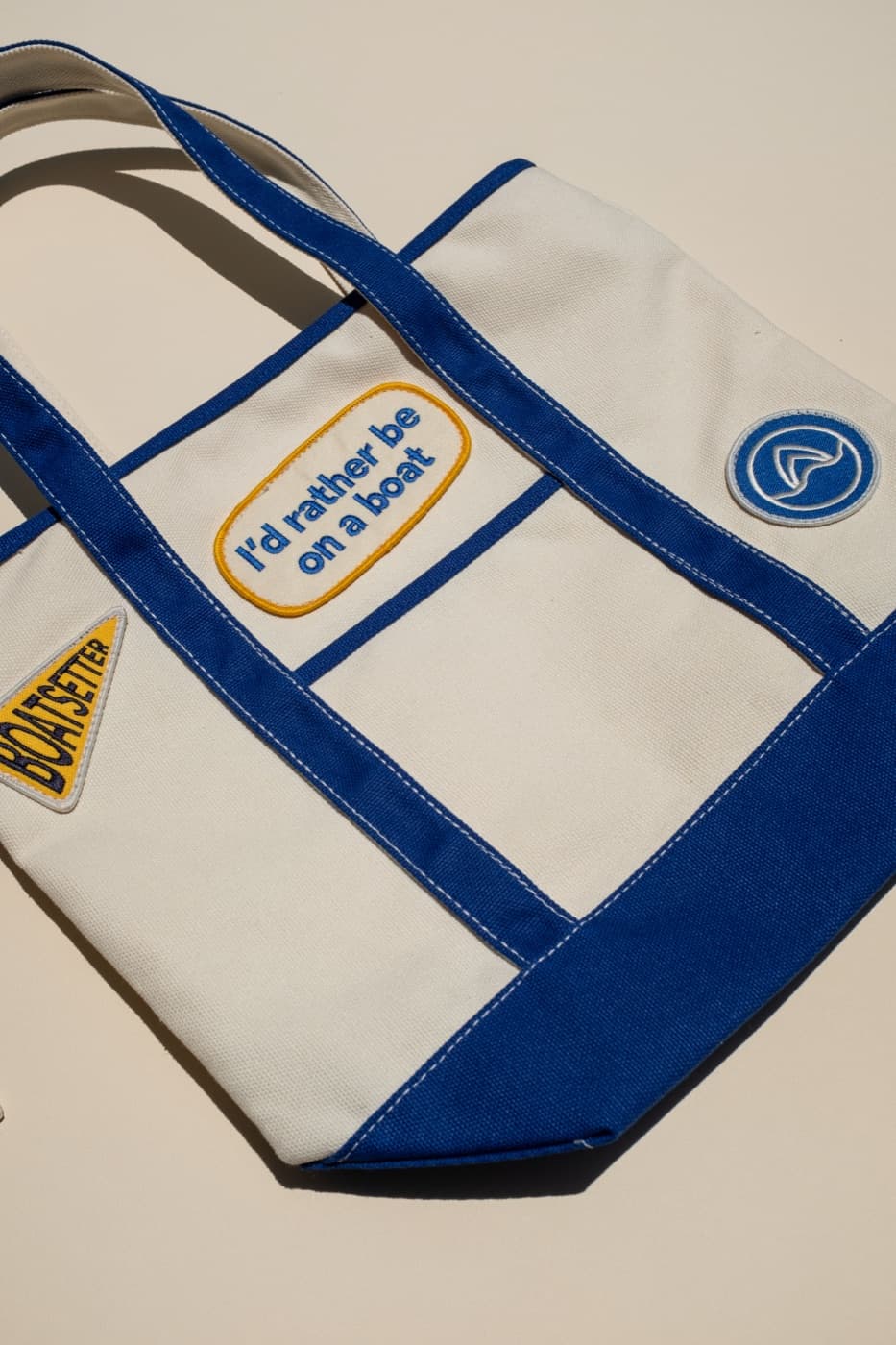
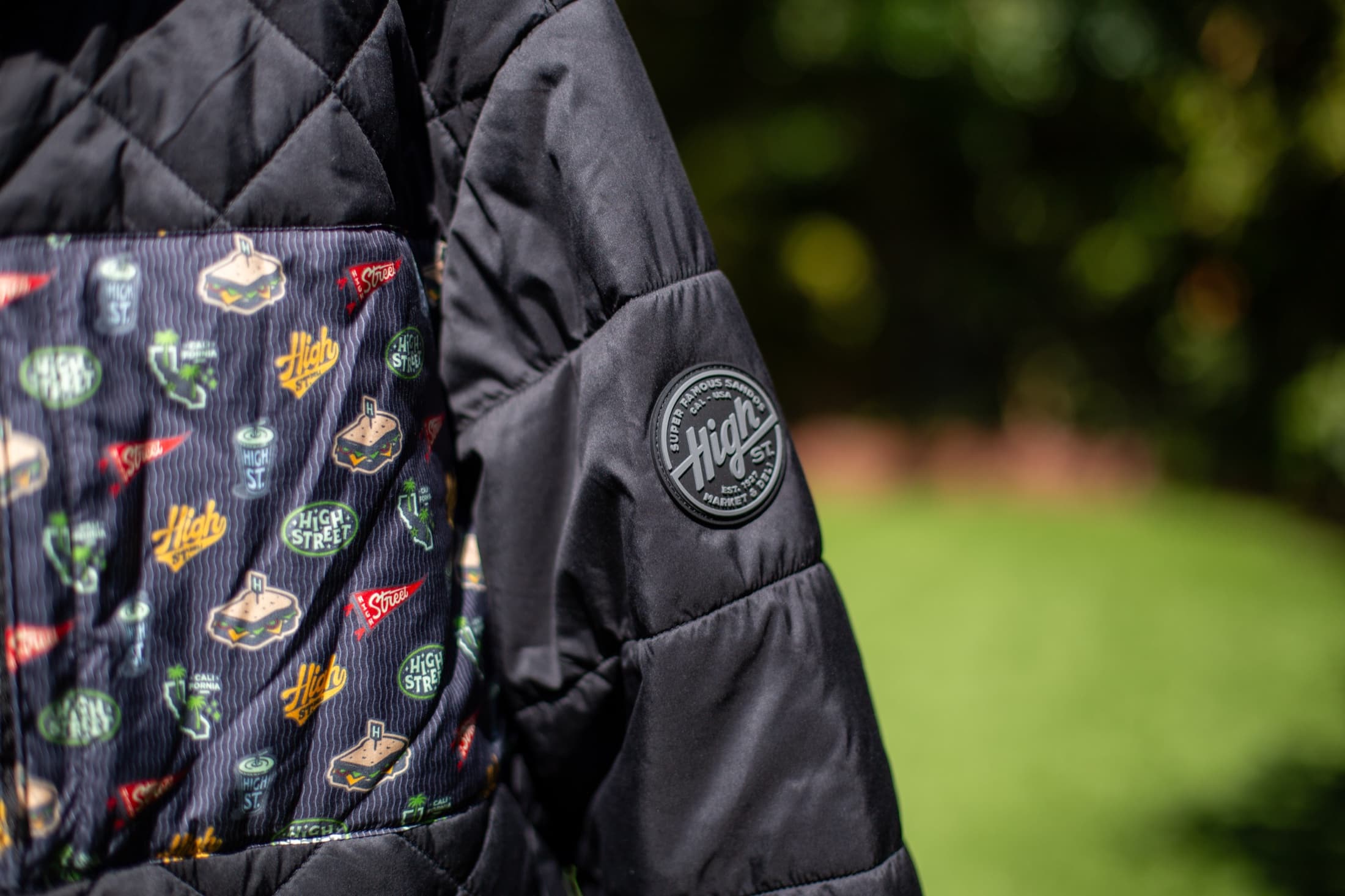
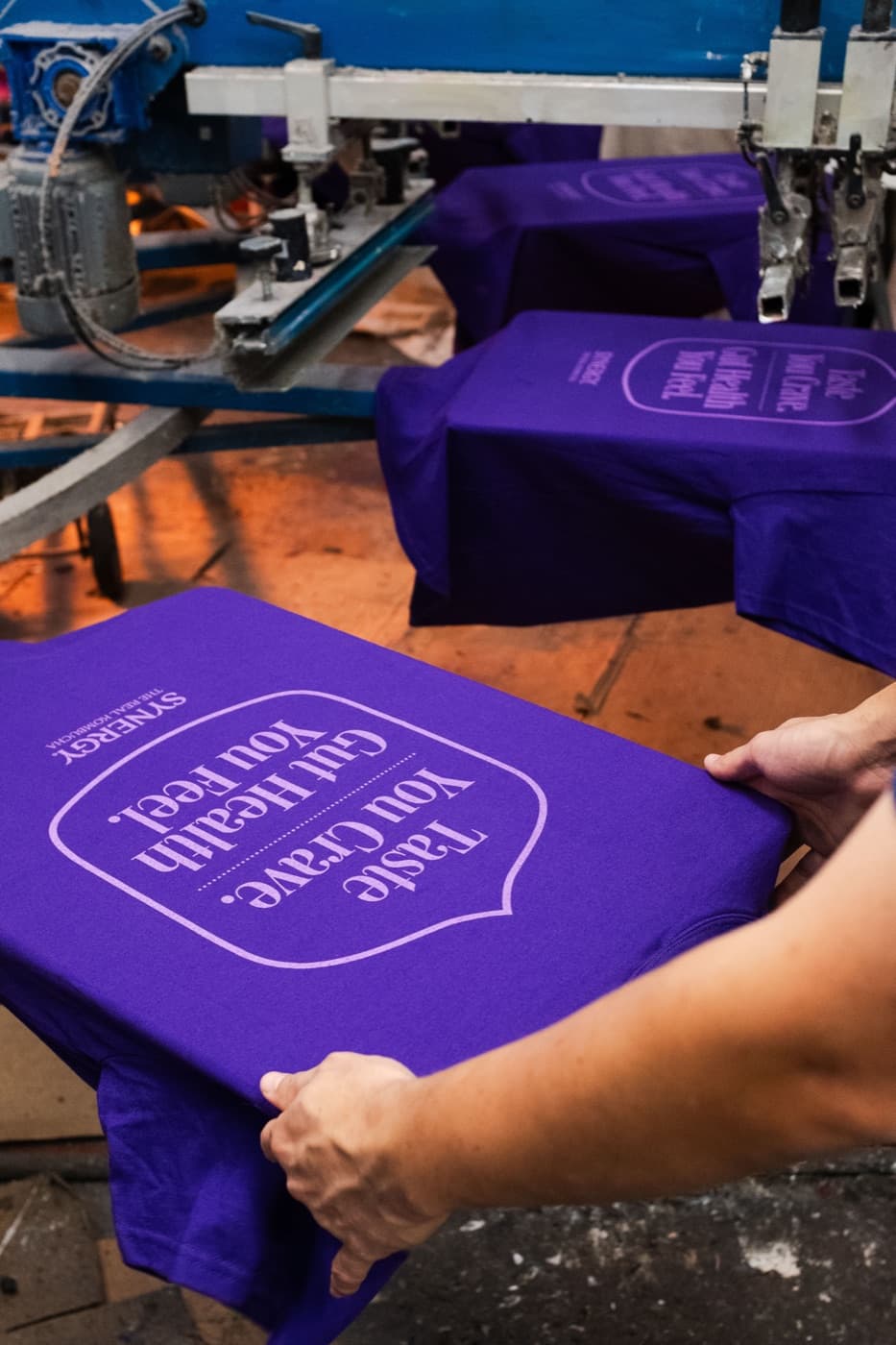
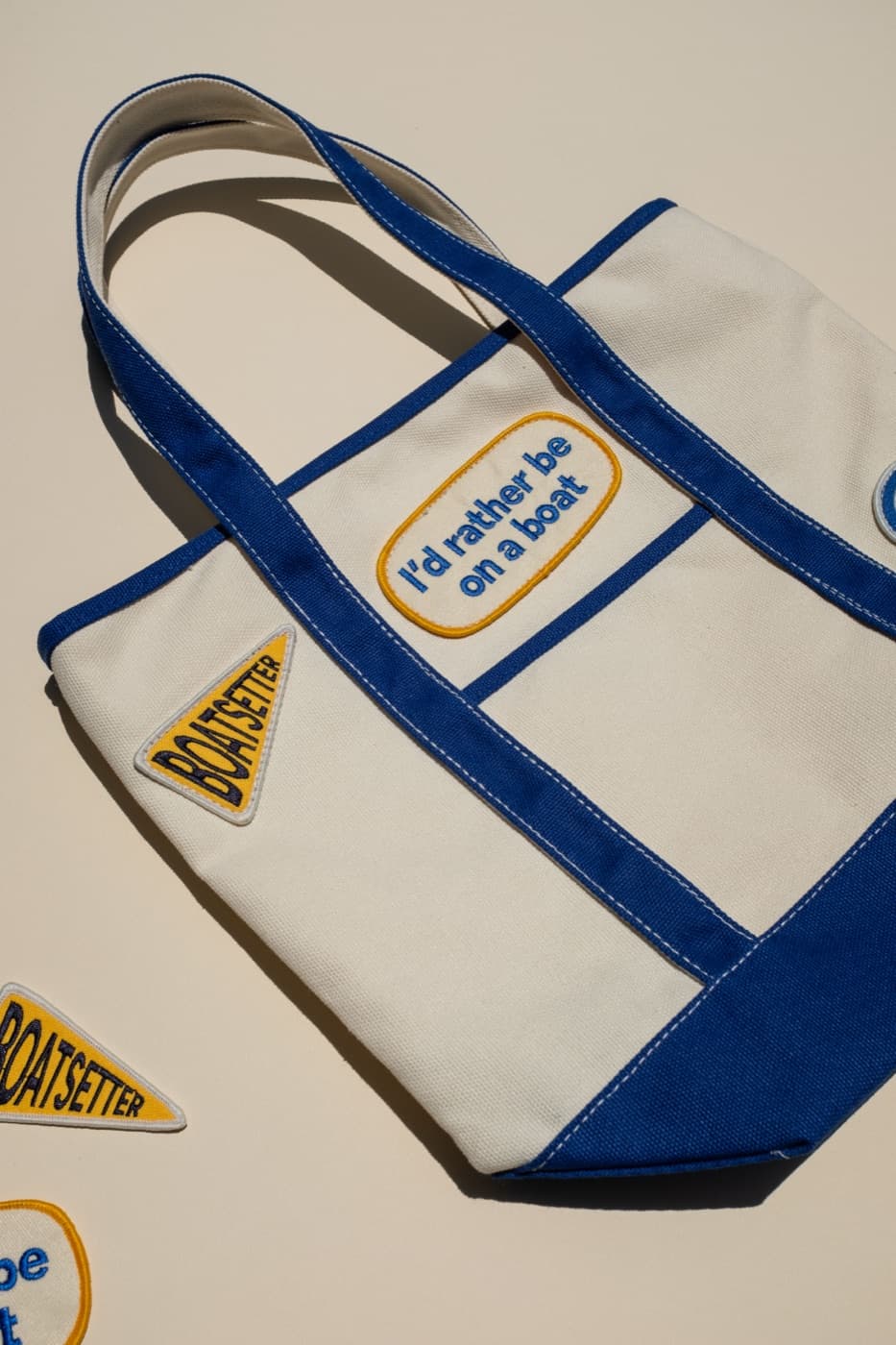
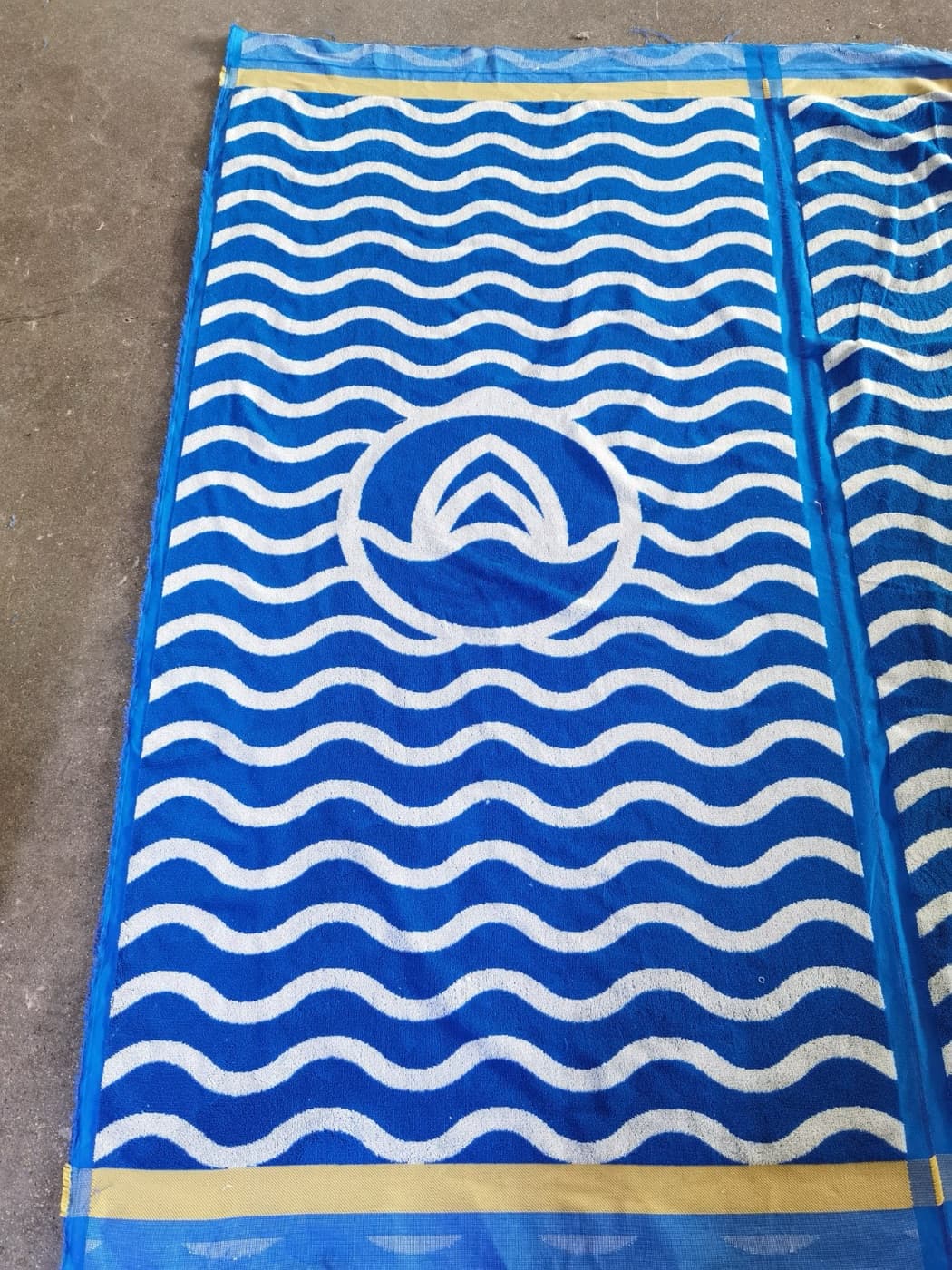
Internal goods should still be wearable and usable. A smaller mark, tonal decoration, woven label, or clean print can make the item feel more like something the employee chose rather than something they were assigned.
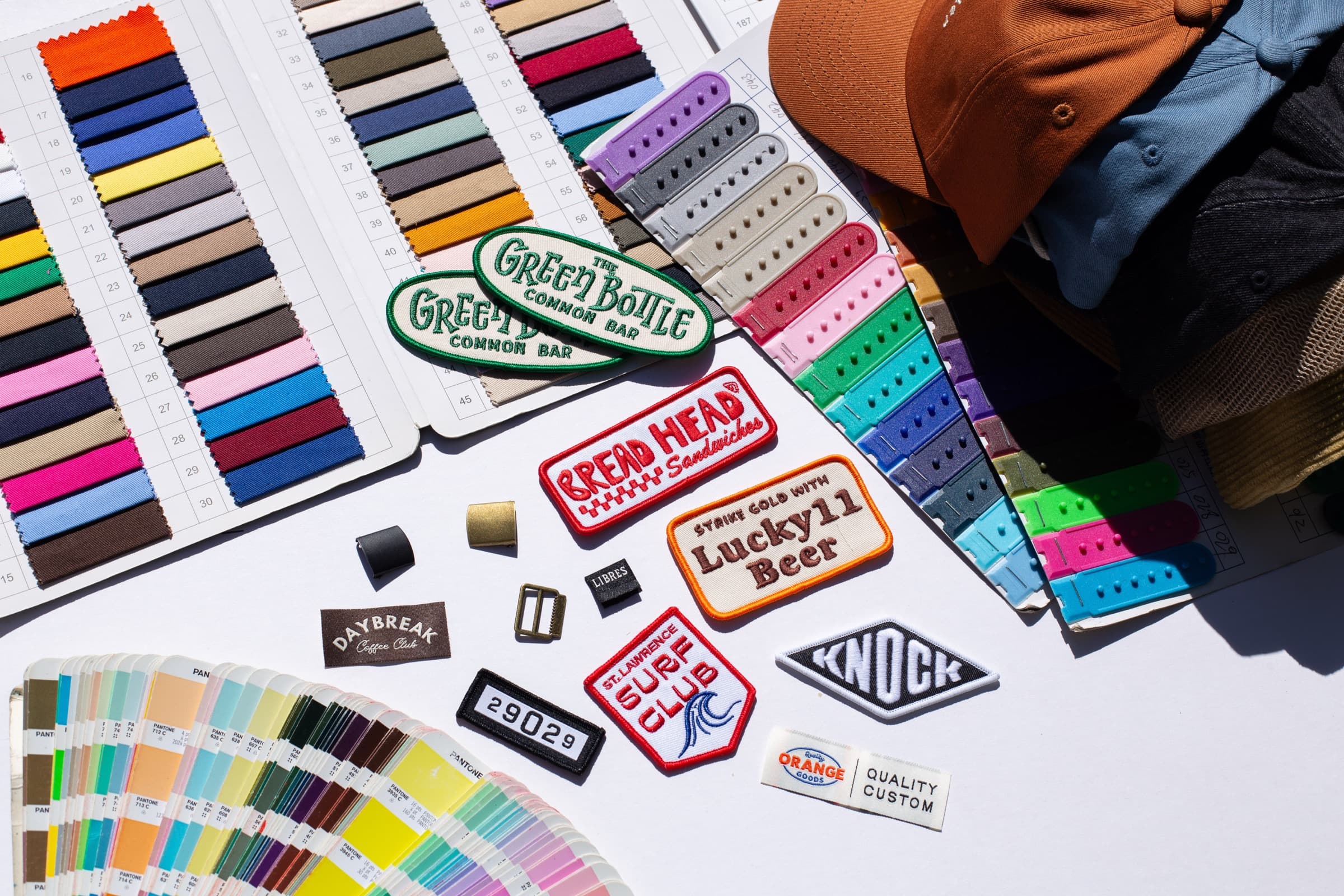
The kit can still feel branded through color, packaging, insert cards, labels, and product selection. Every item does not need the largest possible logo.
Make the handoff feel organized
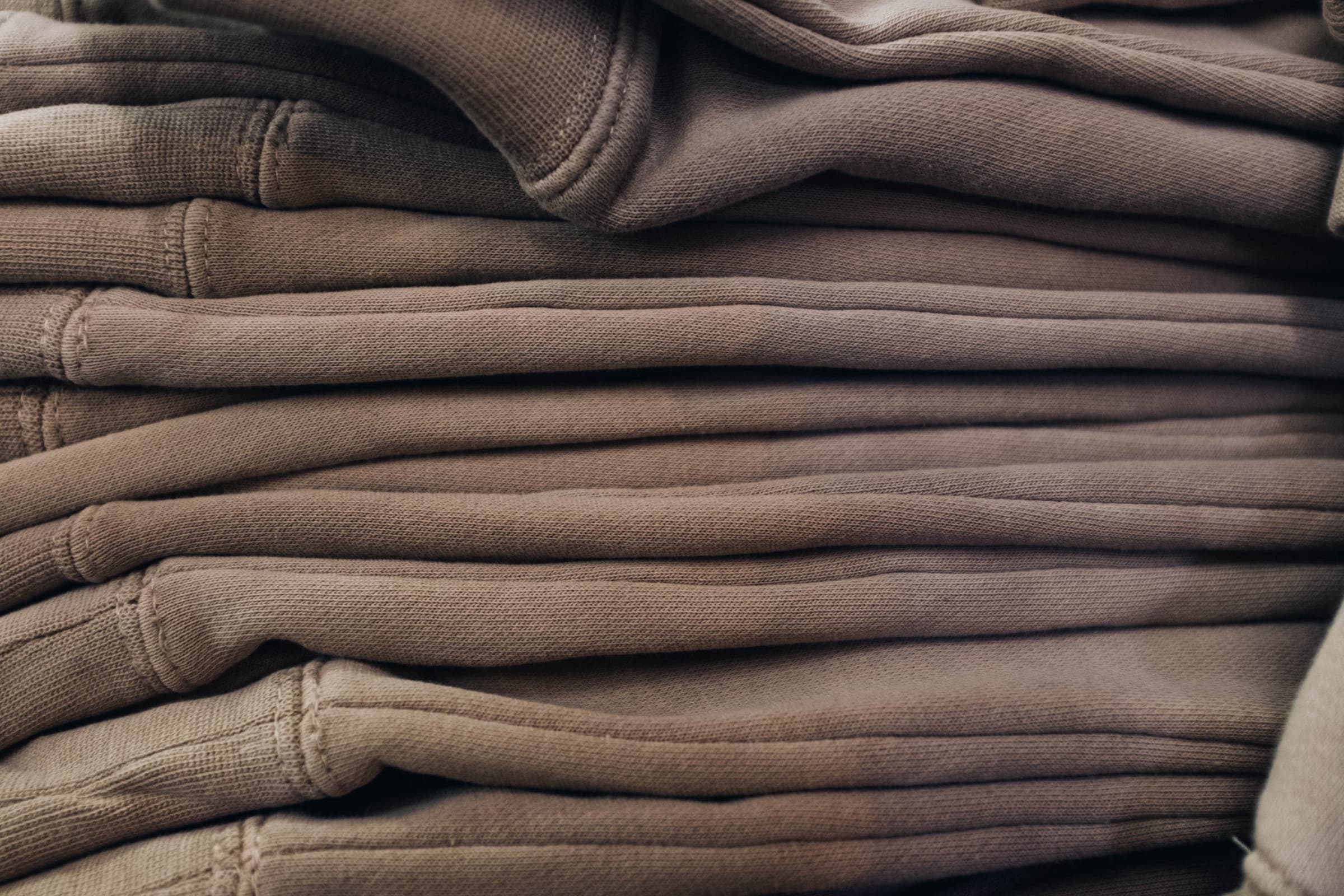
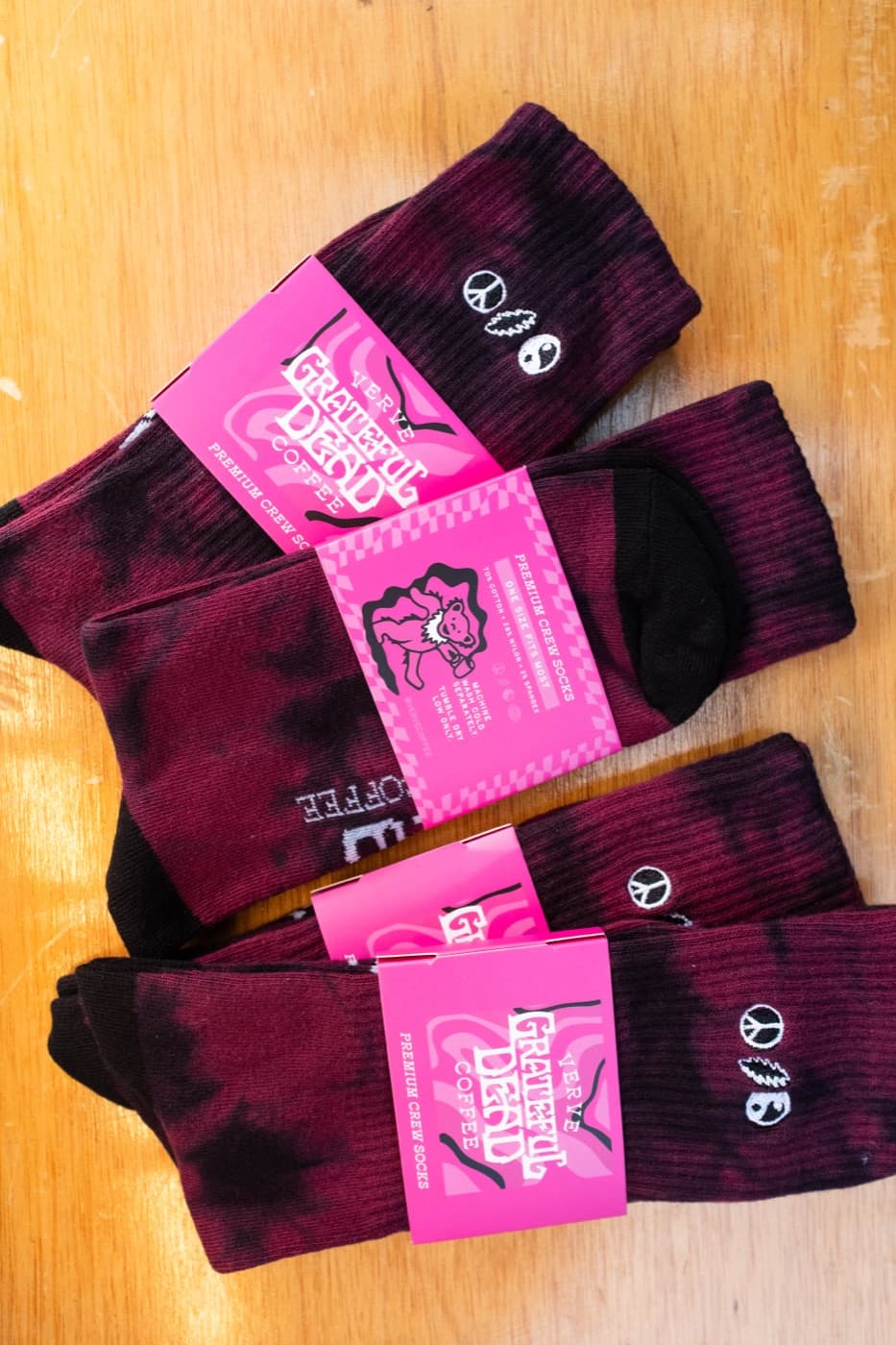
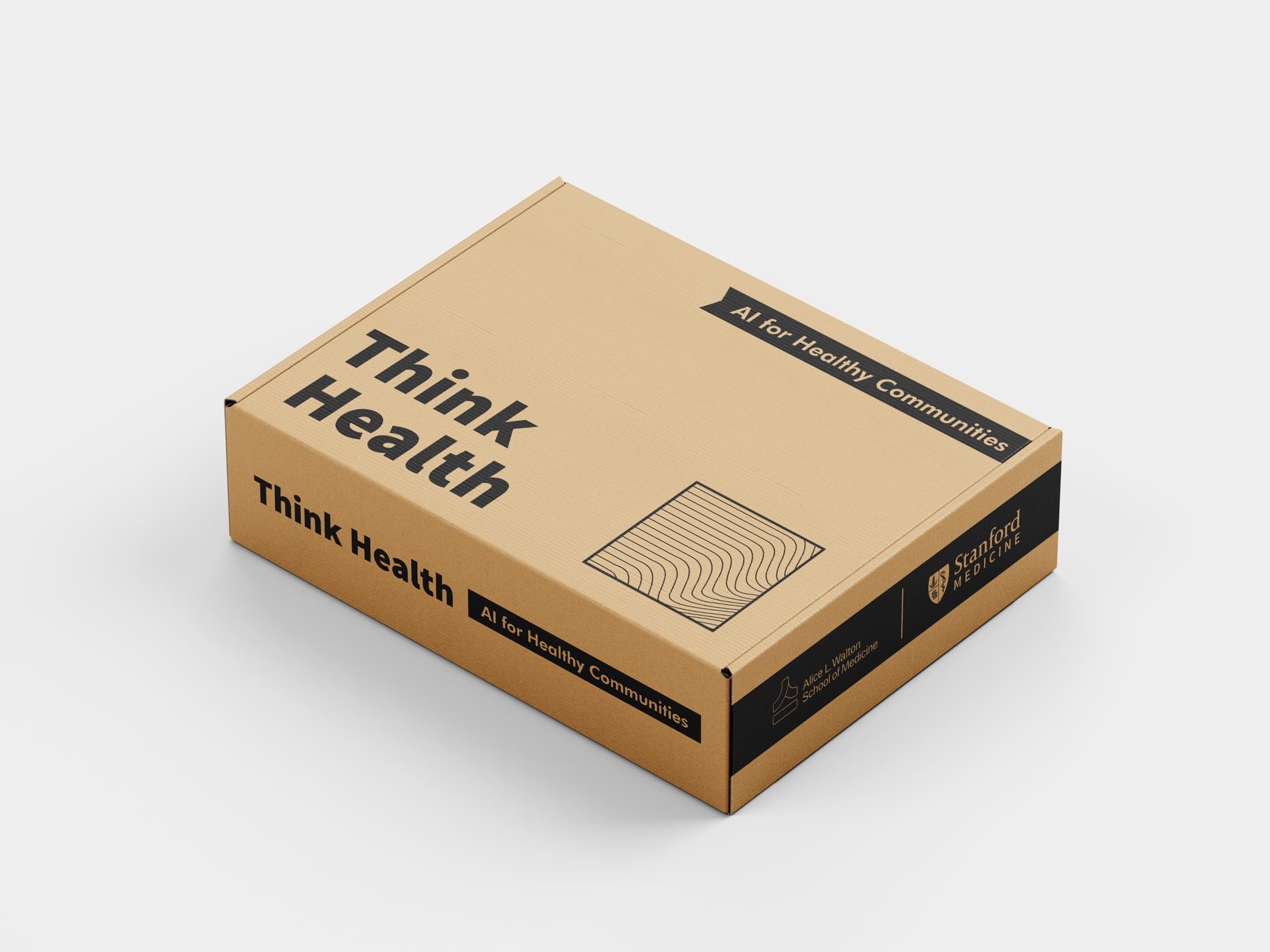
Packaging matters because it tells the recipient that the kit was handled with care. A clean box, folded apparel, labeled accessory, or simple card can make the whole program feel more considered.
The takeaway
Employee welcome kits should feel useful, organized, and easy to keep. Orange Goods helps teams choose the right goods, plan the packaging, and manage the production details so the kit arrives with the right first impression.