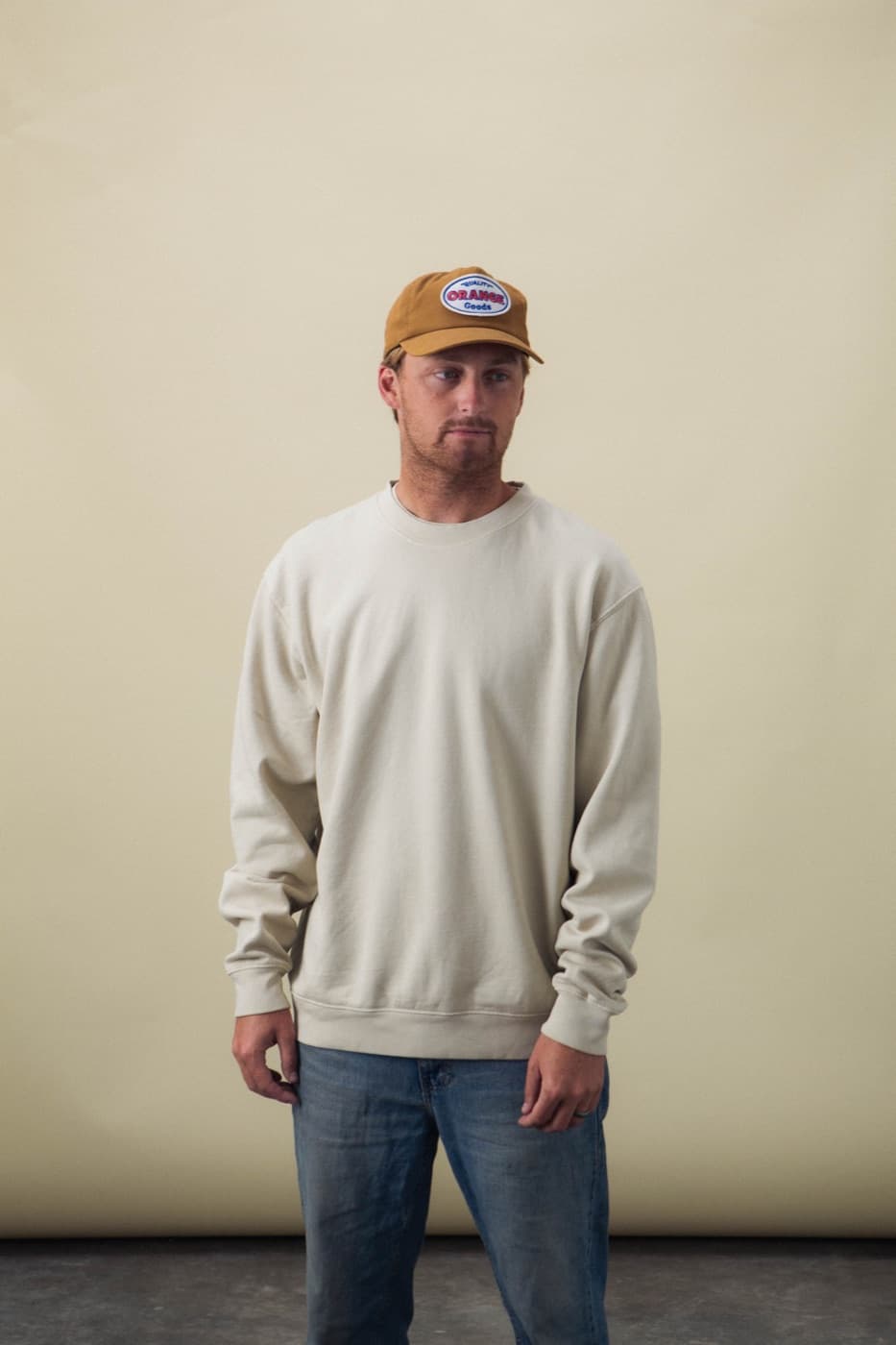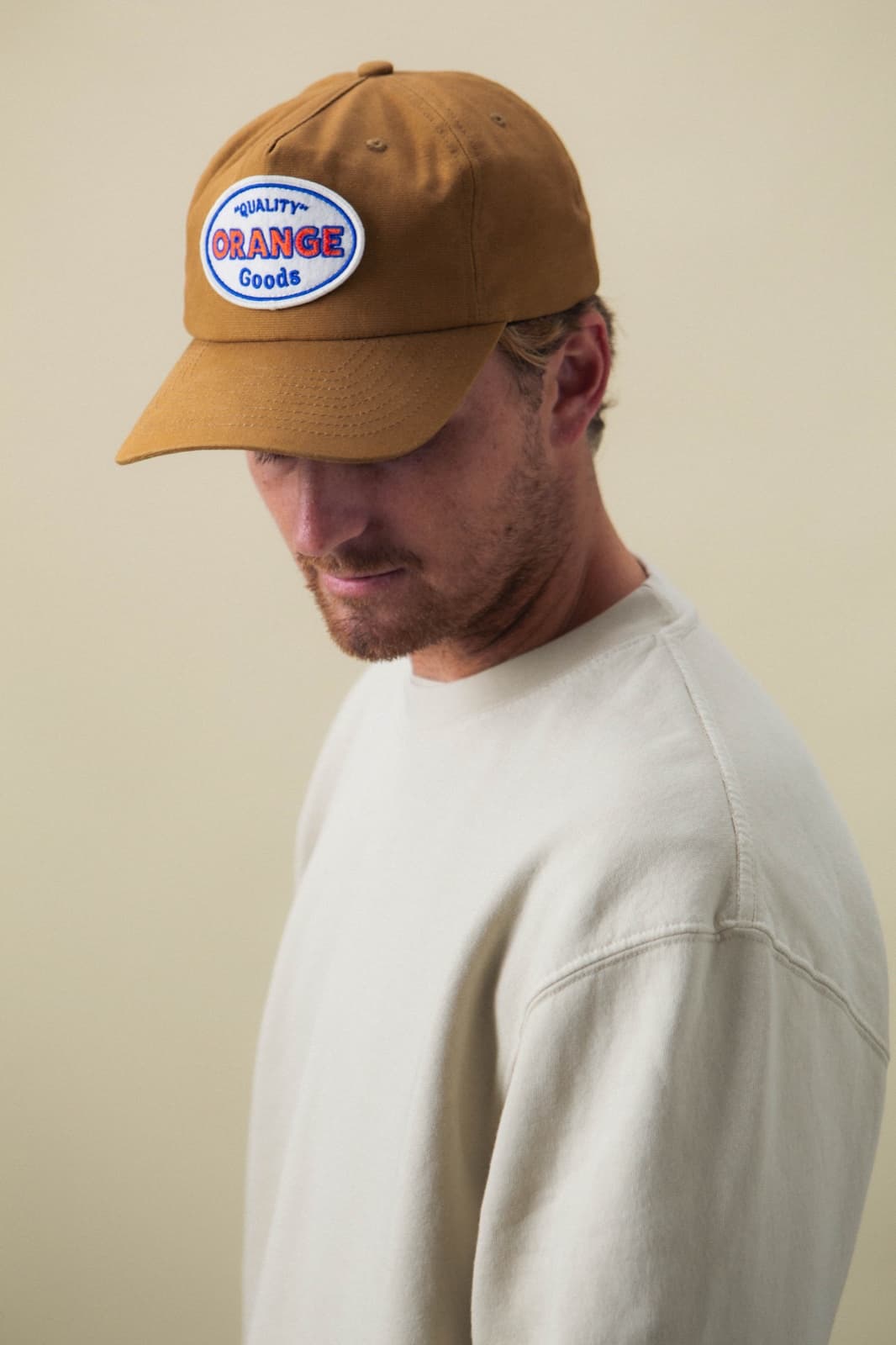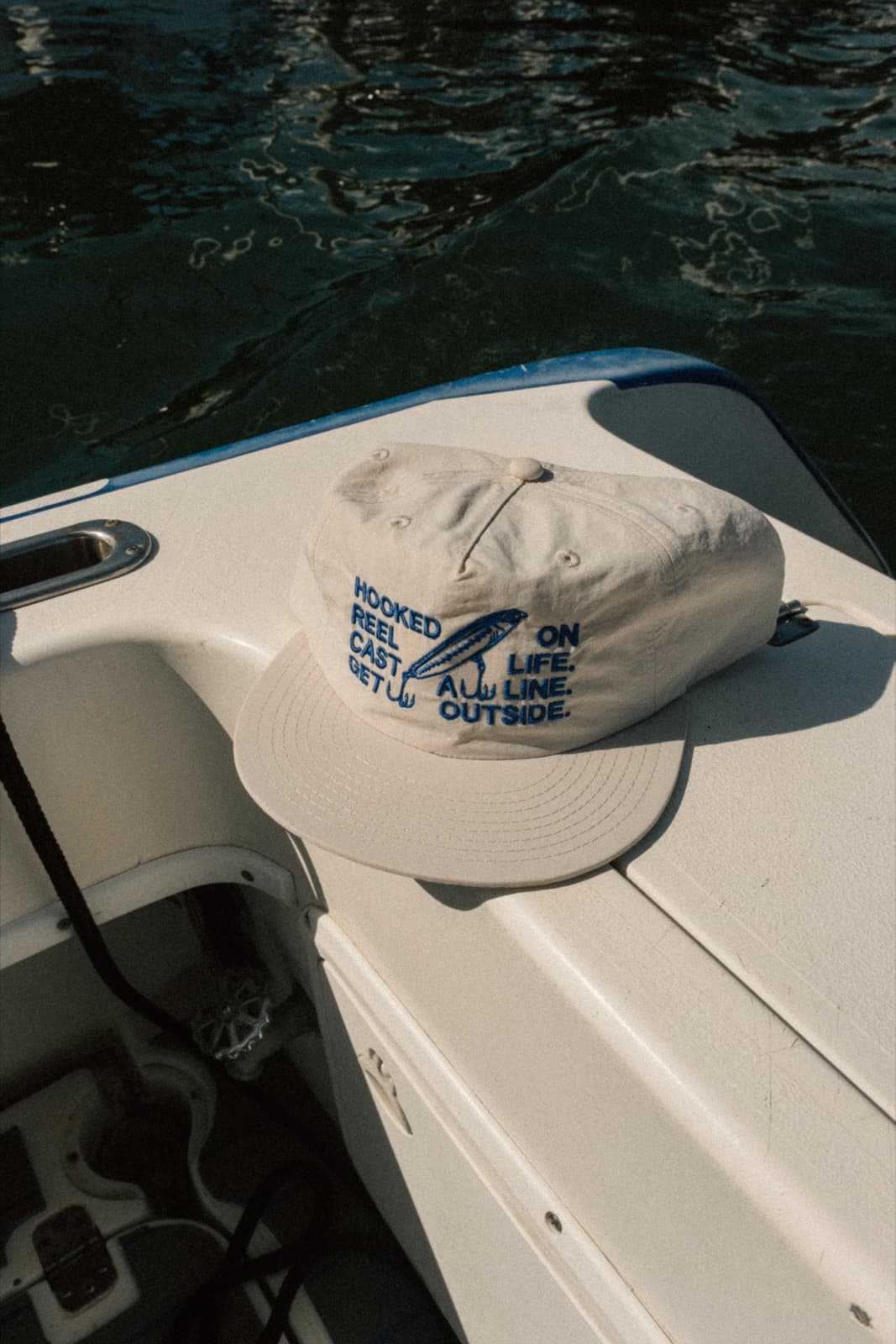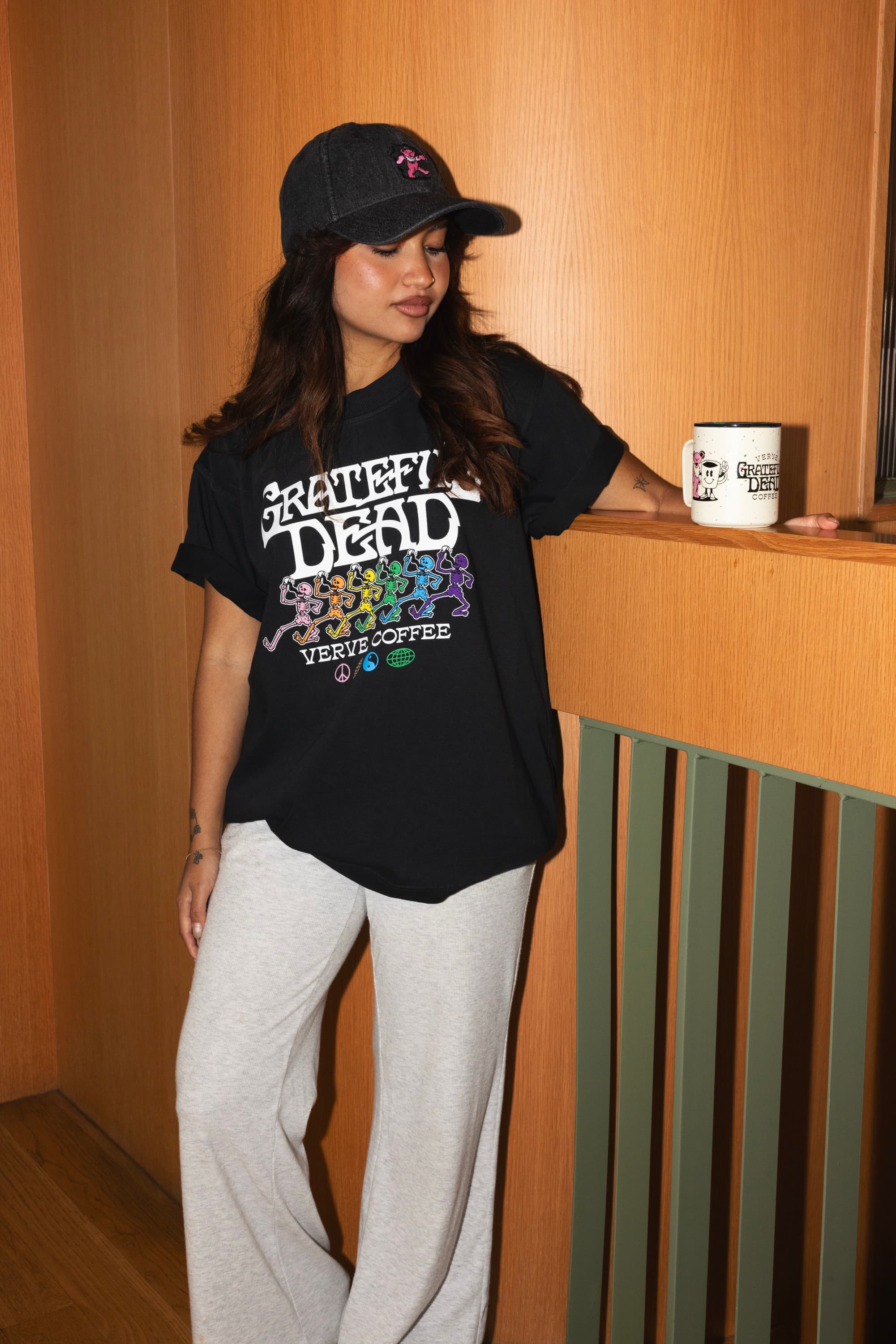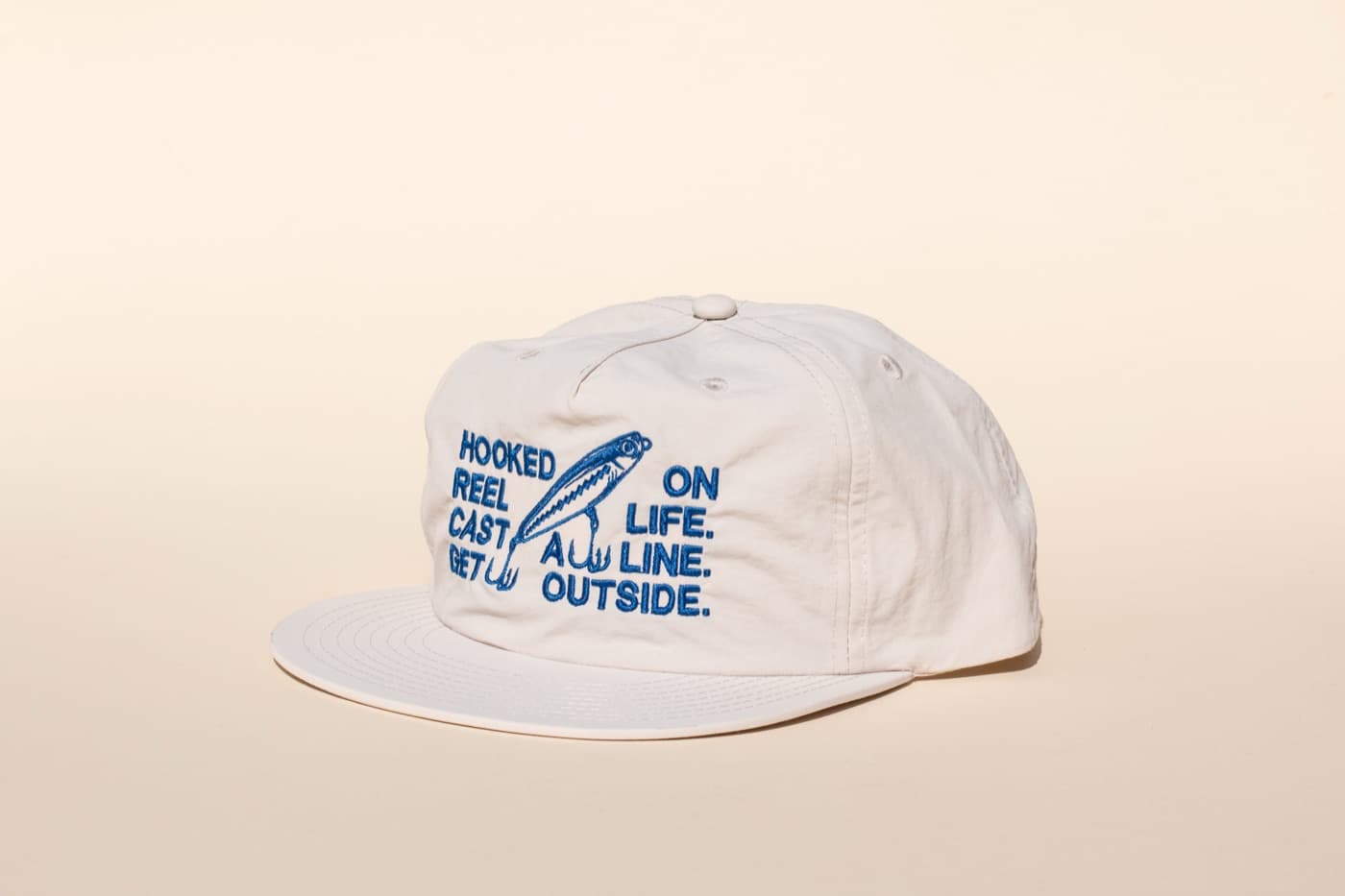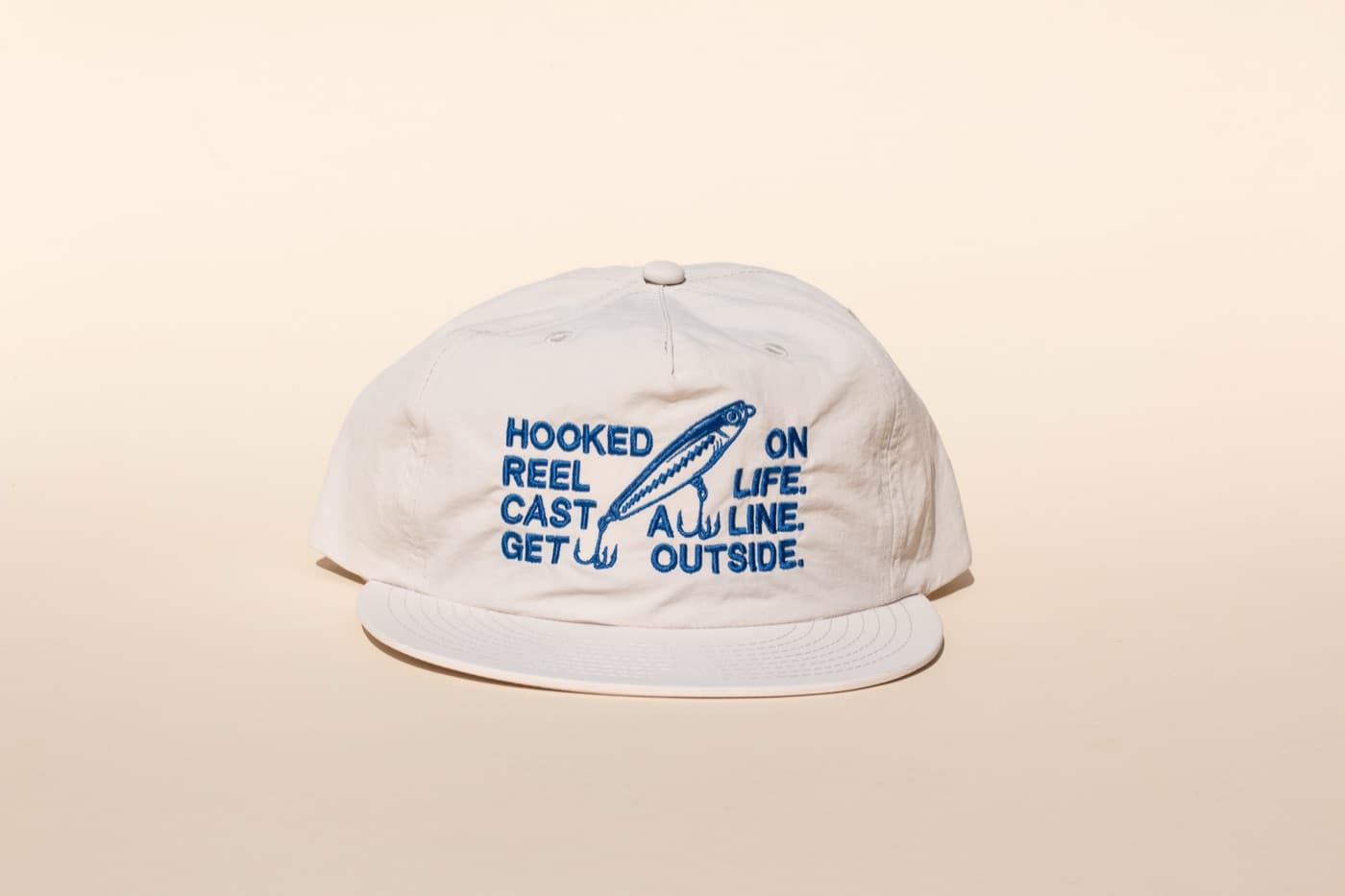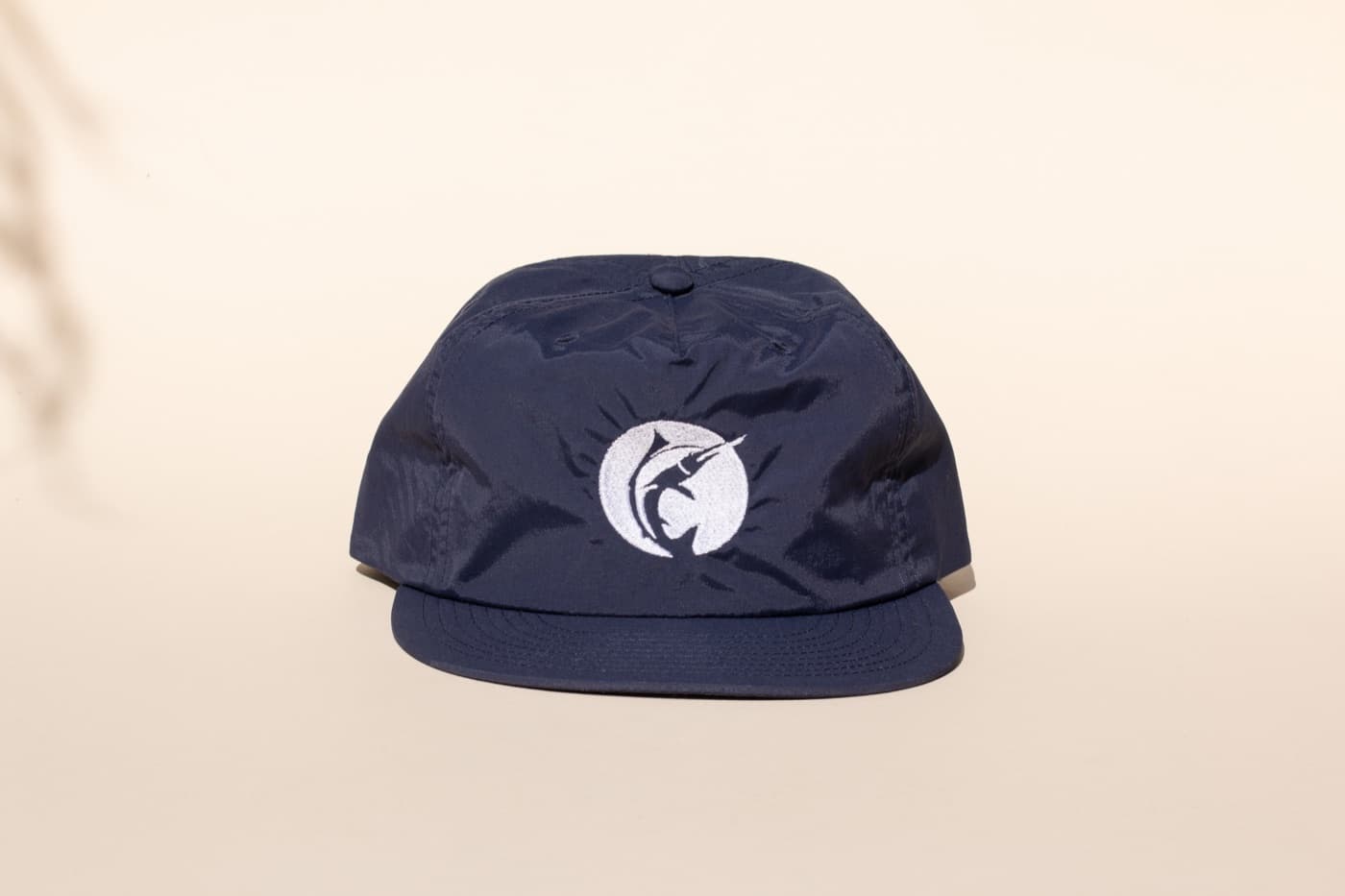
Custom embroidered hats are one of the strongest branded merchandise plays because they are visible, practical, and easy to wear when the fit is right. A good hat can stay in someone's rotation for years. A bad hat gets tried on once, judged in the mirror, and left behind. The difference is rarely one big decision. It is the combination of silhouette, material, structure, decoration, and how well the logo was prepared for embroidery.
Headwear is personal. People know quickly whether a hat works for them. That is why the best branded hats feel like real retail headwear first and promotional merchandise second.
Embroidery vs screen print for hats
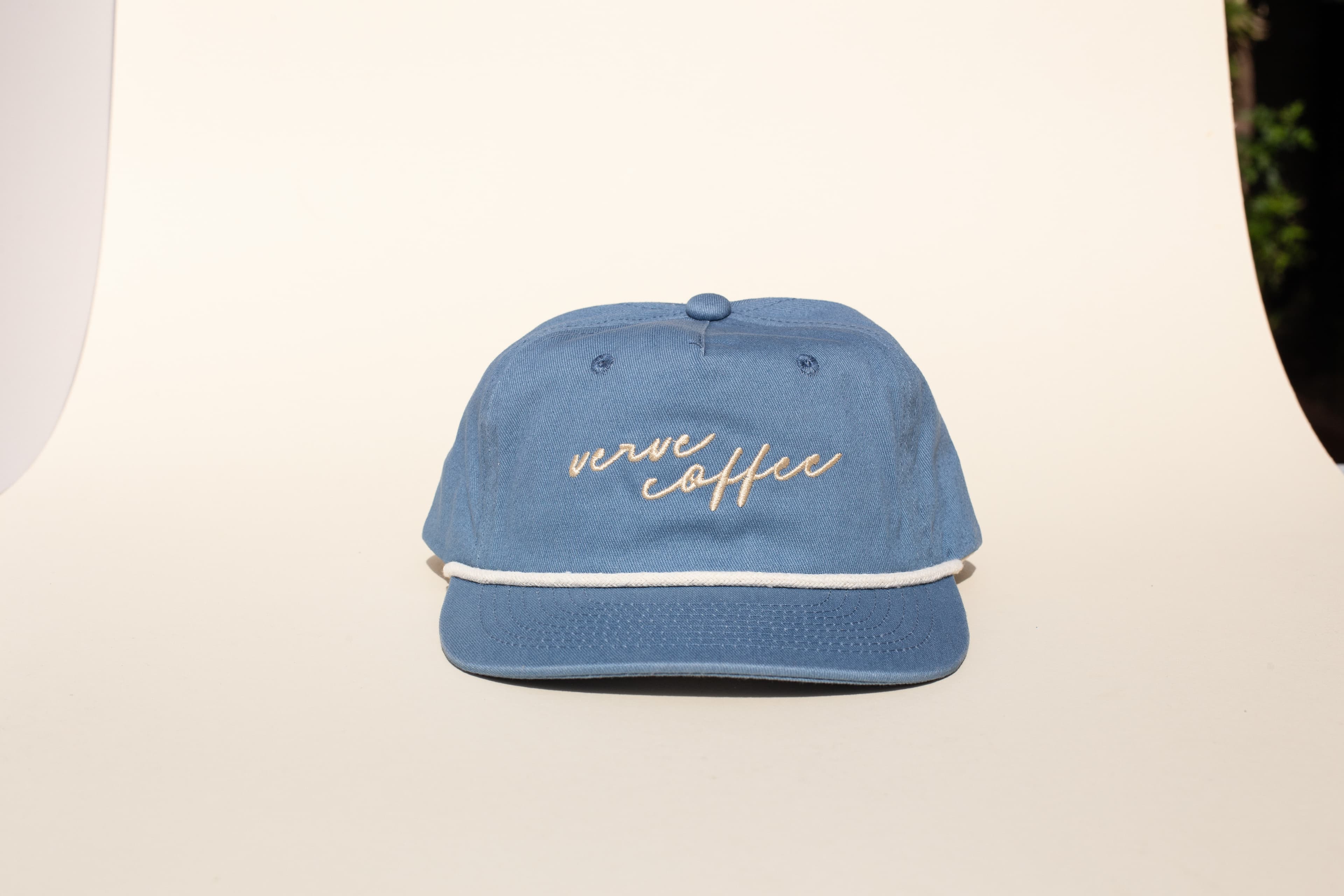
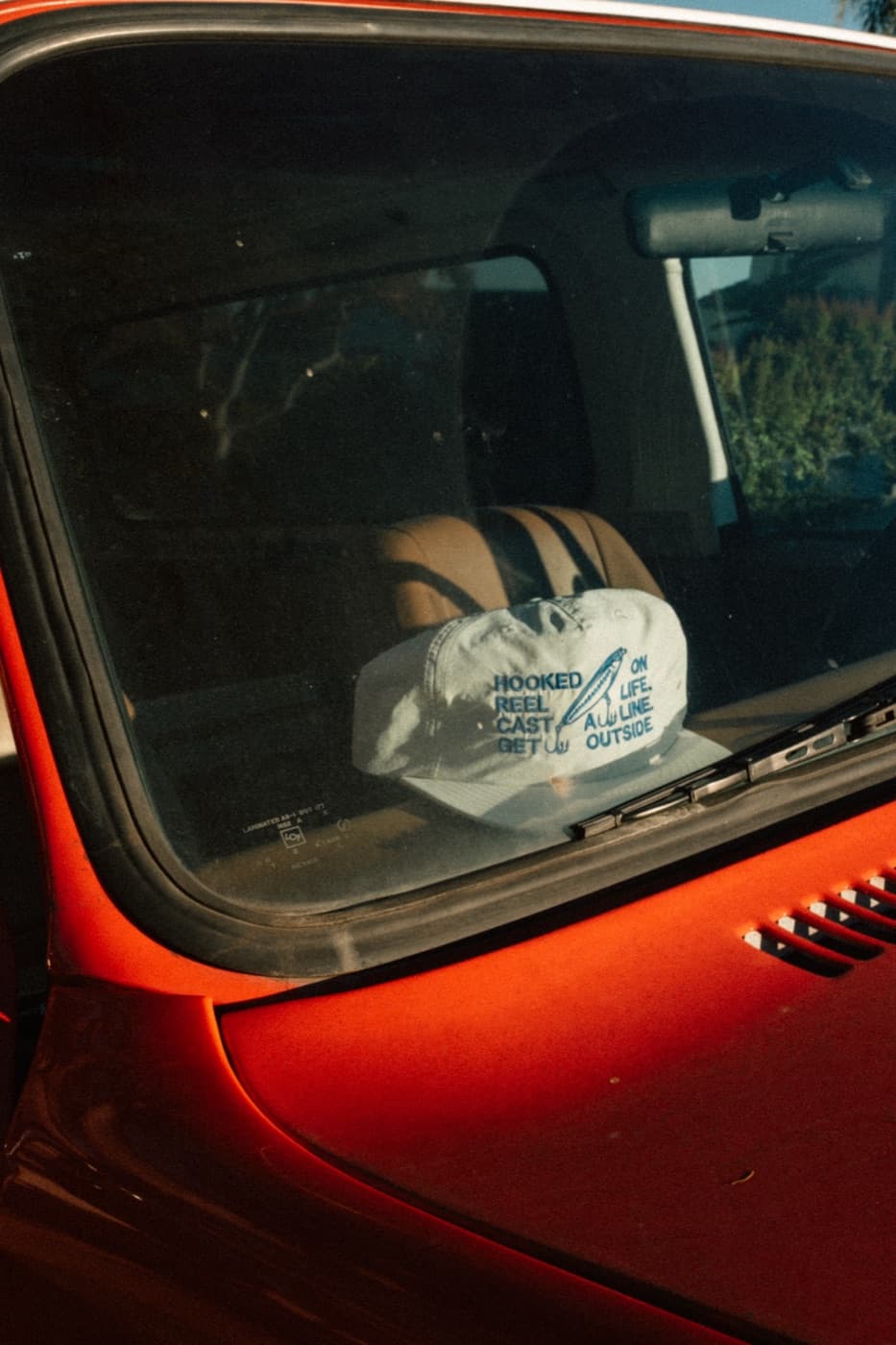
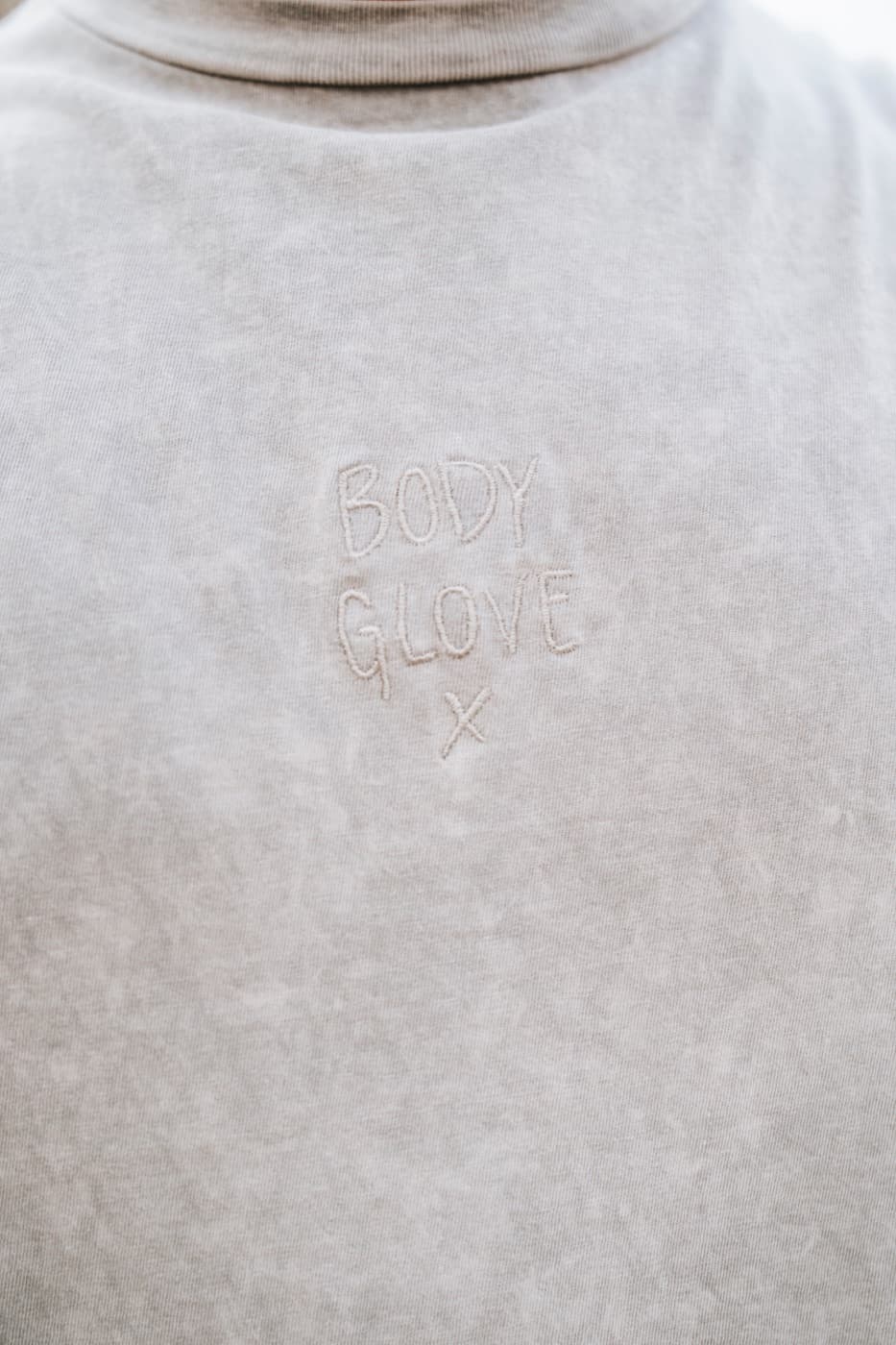
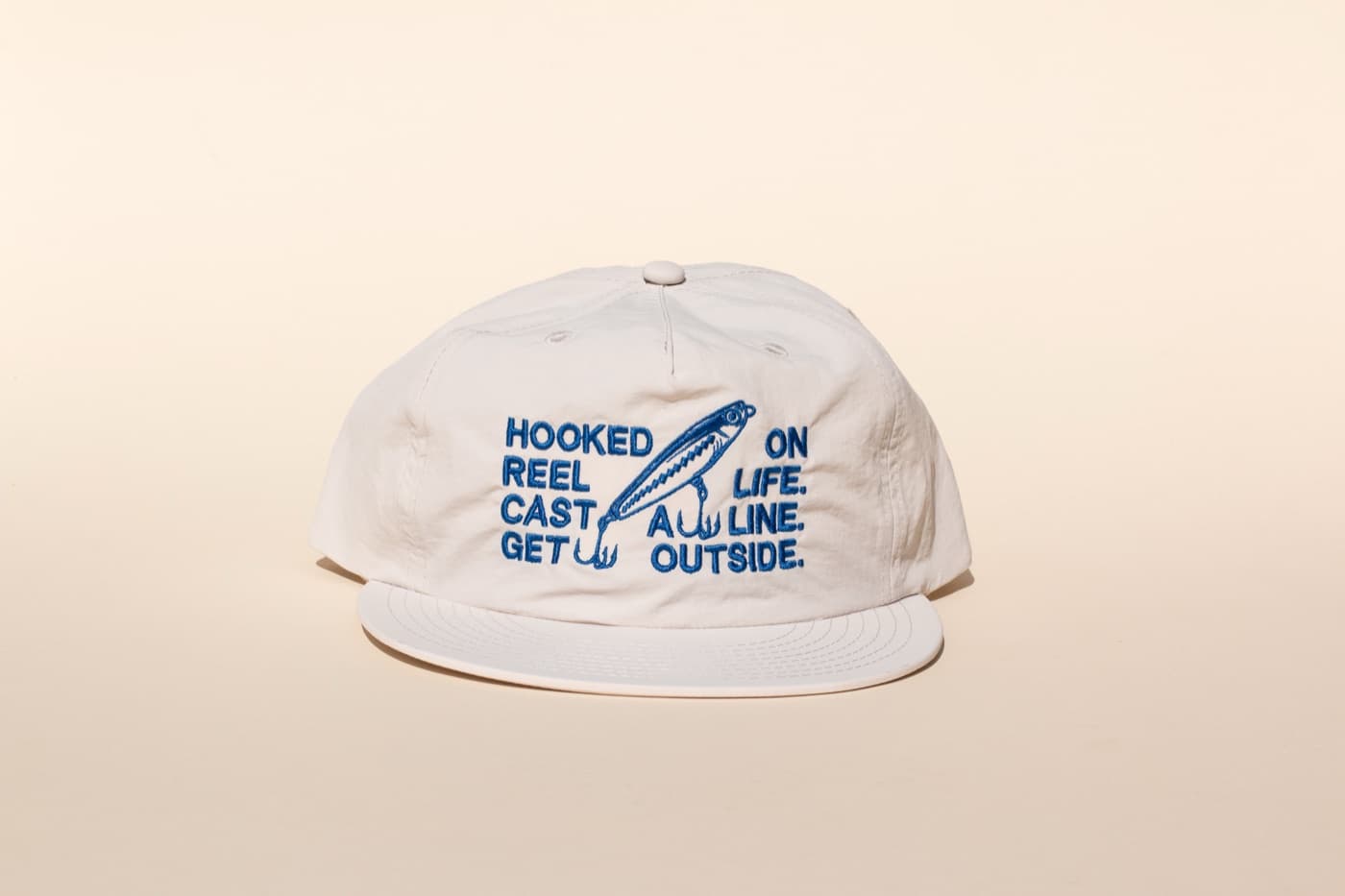
Embroidery is the standard for most branded hats because it adds texture, durability, and perceived value. Thread has dimension. It catches light. It can make a simple mark feel finished. For logos, monograms, wordmarks, and small front placements, embroidery is usually the cleanest answer.
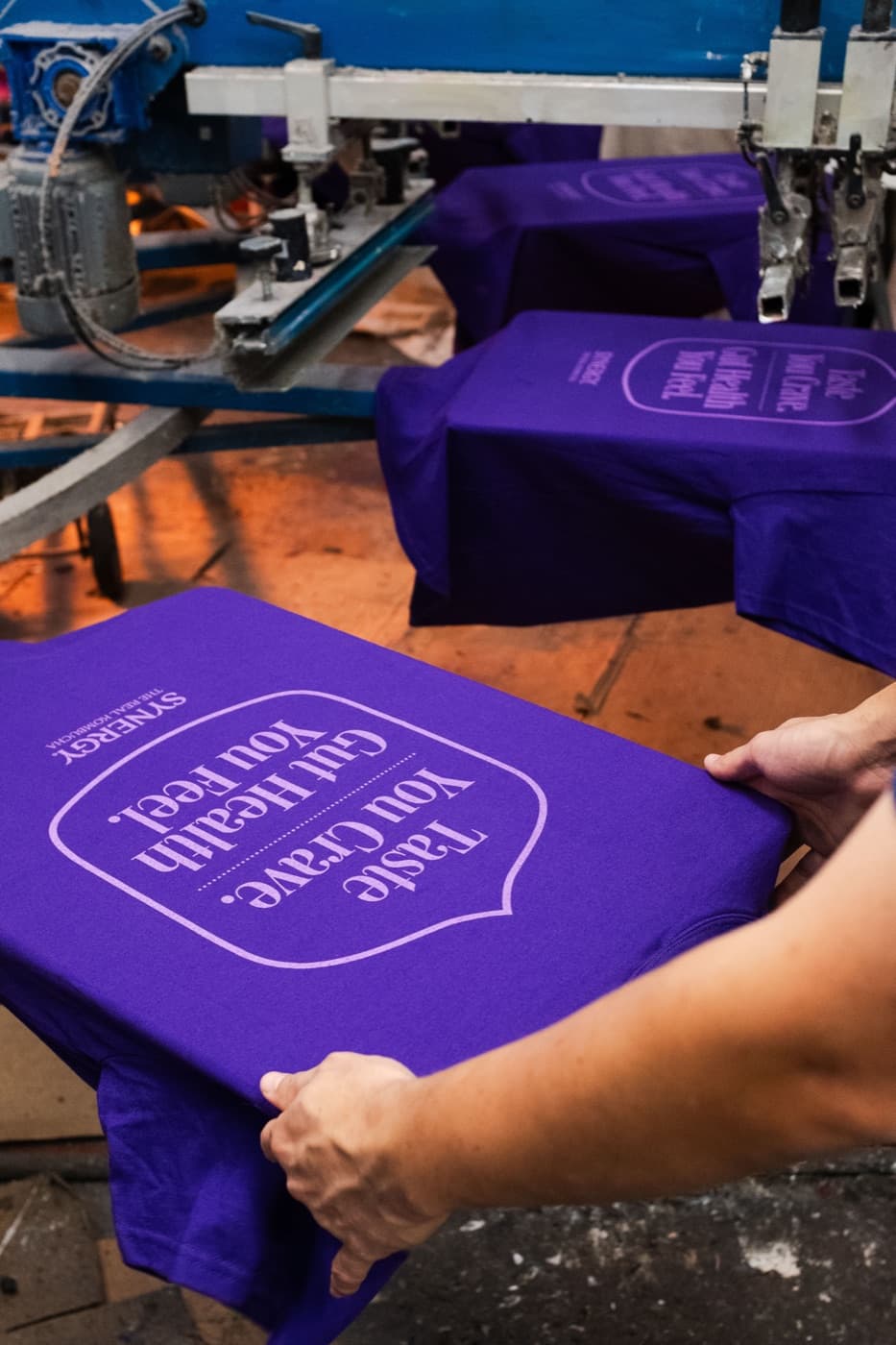
Screen printing can work on hats, especially foam truckers, flat panels, and certain cotton styles, but it has limits. It is flatter and can feel more casual. It may be right for larger graphics, event-specific pieces, or designs that need fine detail embroidery cannot hold. The product surface matters. A curved, seamed front panel is not the same as a flat foam front.
The rule is simple: match the decoration to the hat and the artwork. Do not force embroidery onto a design with tiny type and gradients. Do not screen print when the brand needs a premium, textured finish. A good merch partner will tell you when the art needs to change for the method.
Structured vs unstructured
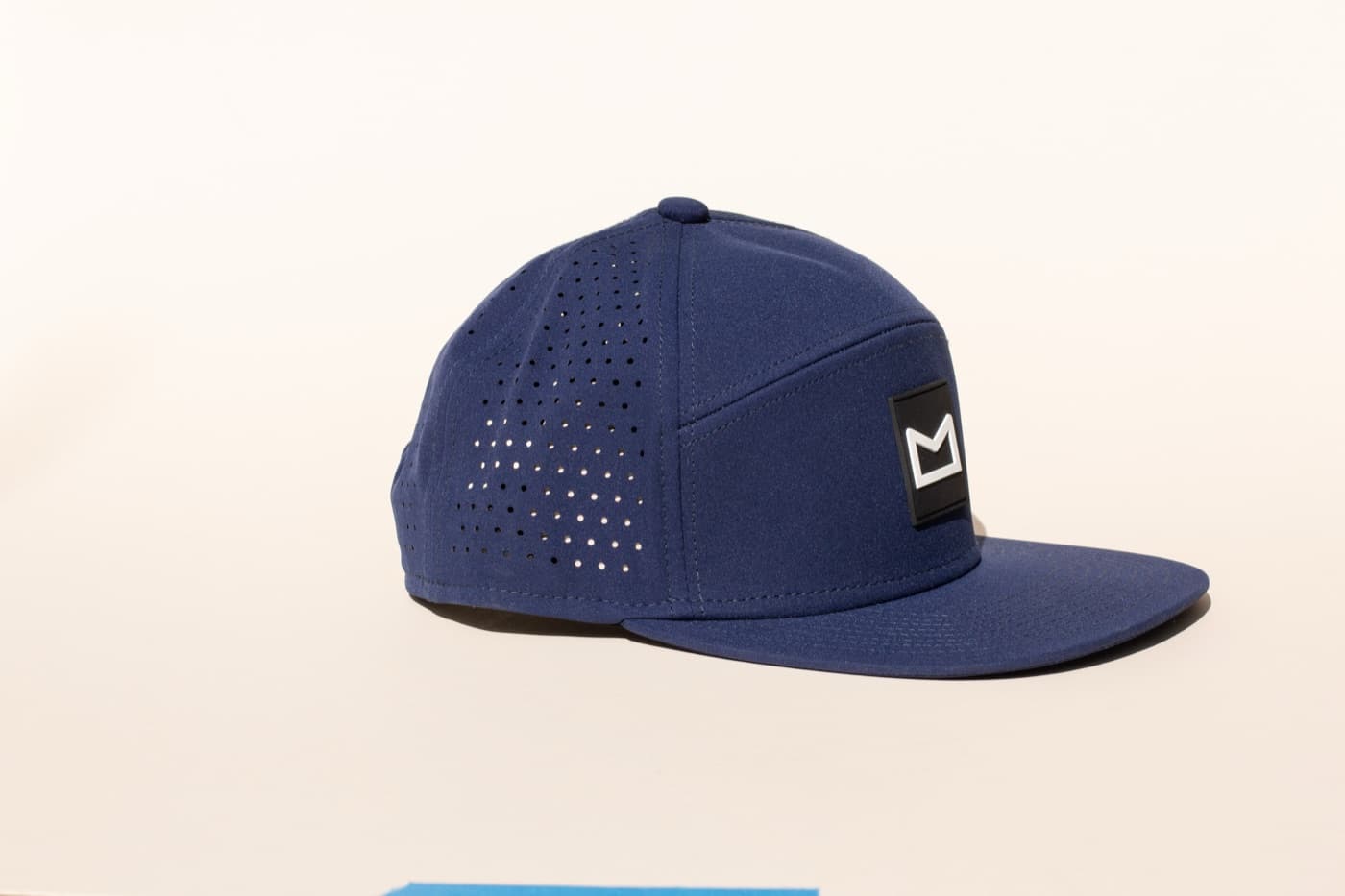
Structured hats have support in the front panels, so they hold their shape when worn. They often feel cleaner, more athletic, and more polished. They are strong for corporate teams, golf, hospitality uniforms, sports-adjacent brands, and anyone who wants a crisp front logo.
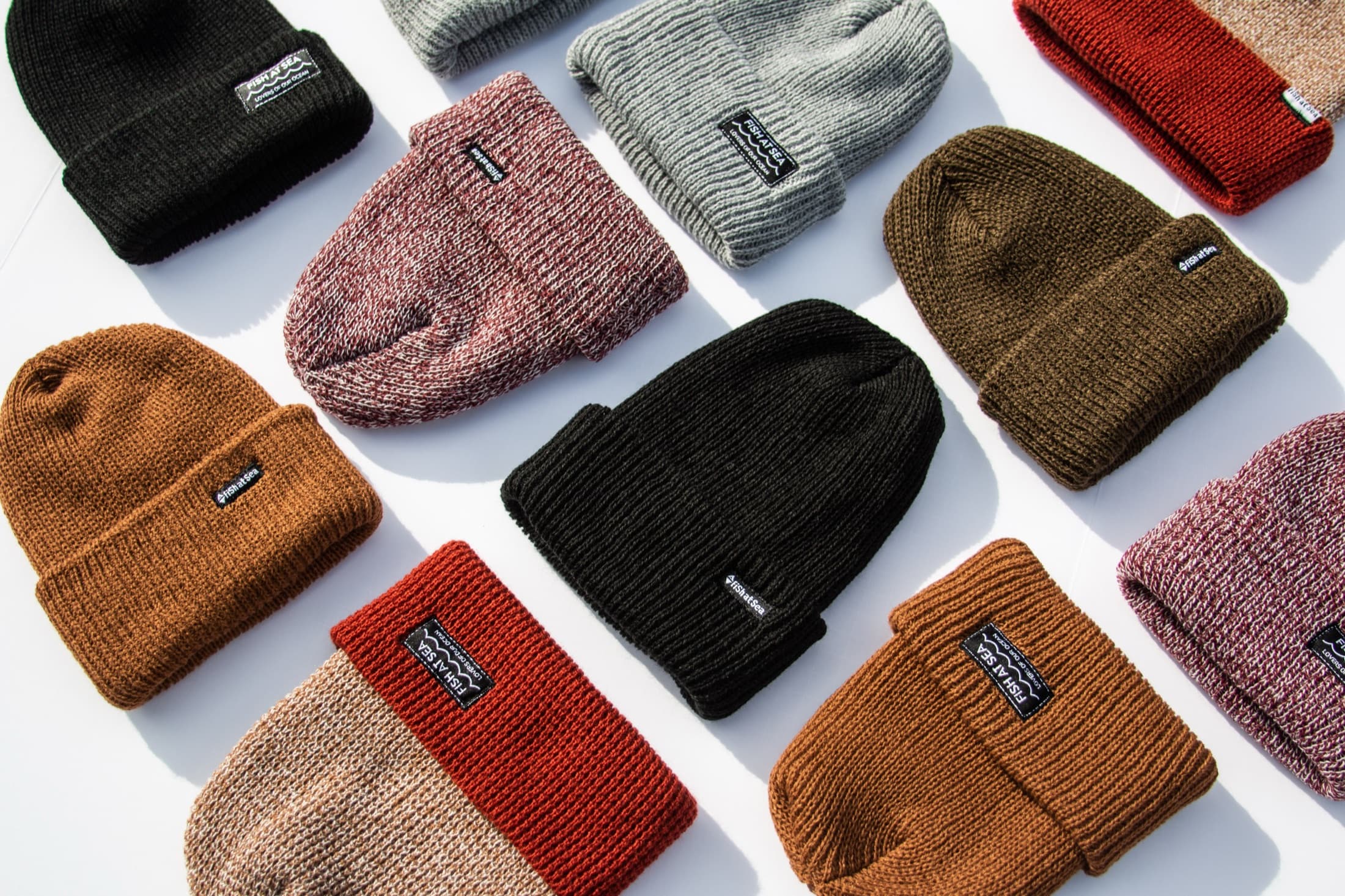
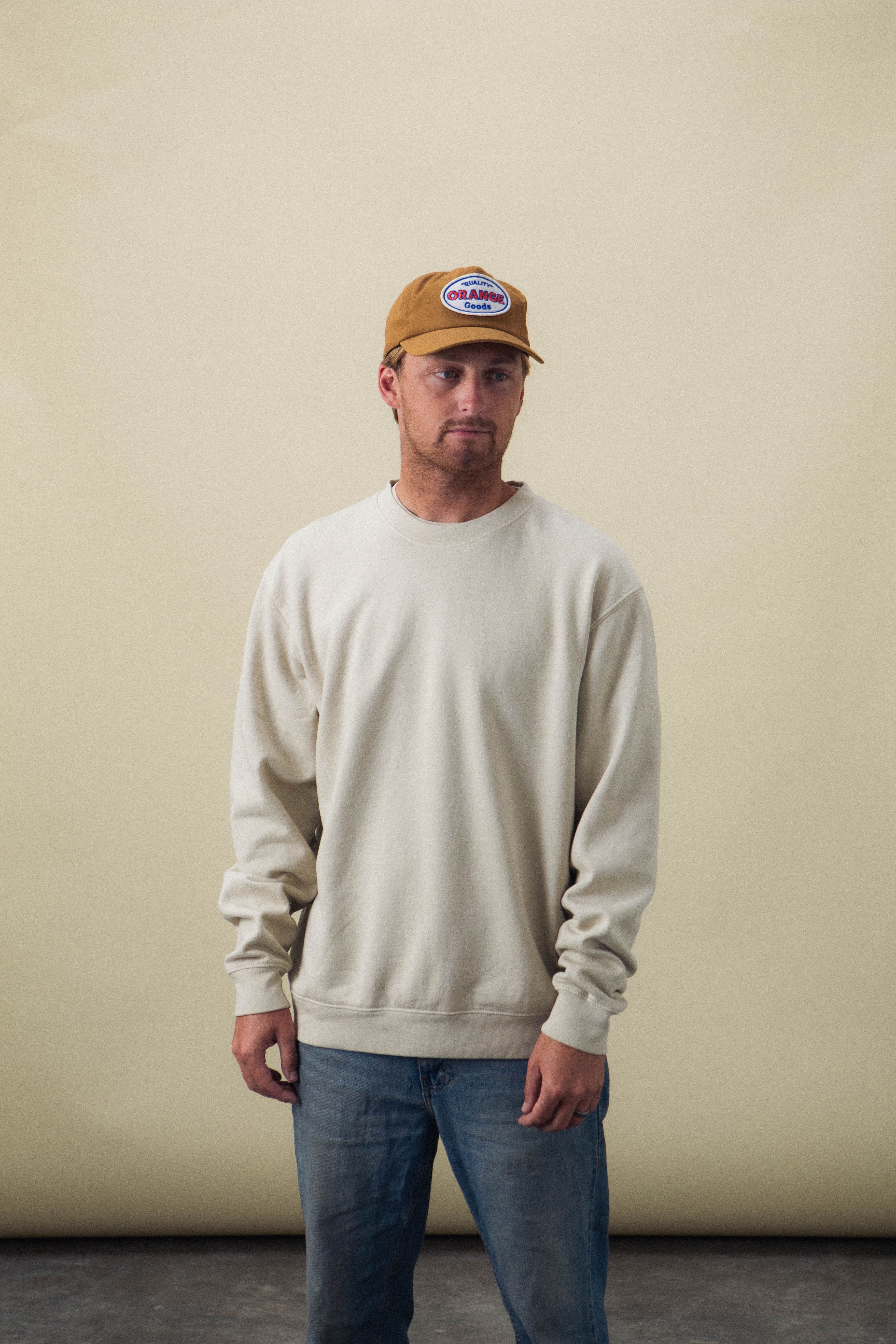
Unstructured hats are softer and more relaxed. They sit closer to the head and feel broken-in faster. Dad hats, low-profile caps, washed cotton styles, and relaxed 5-panels are all common choices. They work well for lifestyle brands, restaurants, coffee shops, creative teams, and brands that want a casual Southern California feel.
Neither is automatically better. The wrong structure for your audience is the issue. A stiff crown can feel too formal for a surf-adjacent brand. A floppy unstructured cap can feel too casual for a premium client gift. Try to choose the hat the recipient would already buy.
Fit matters more than the logo
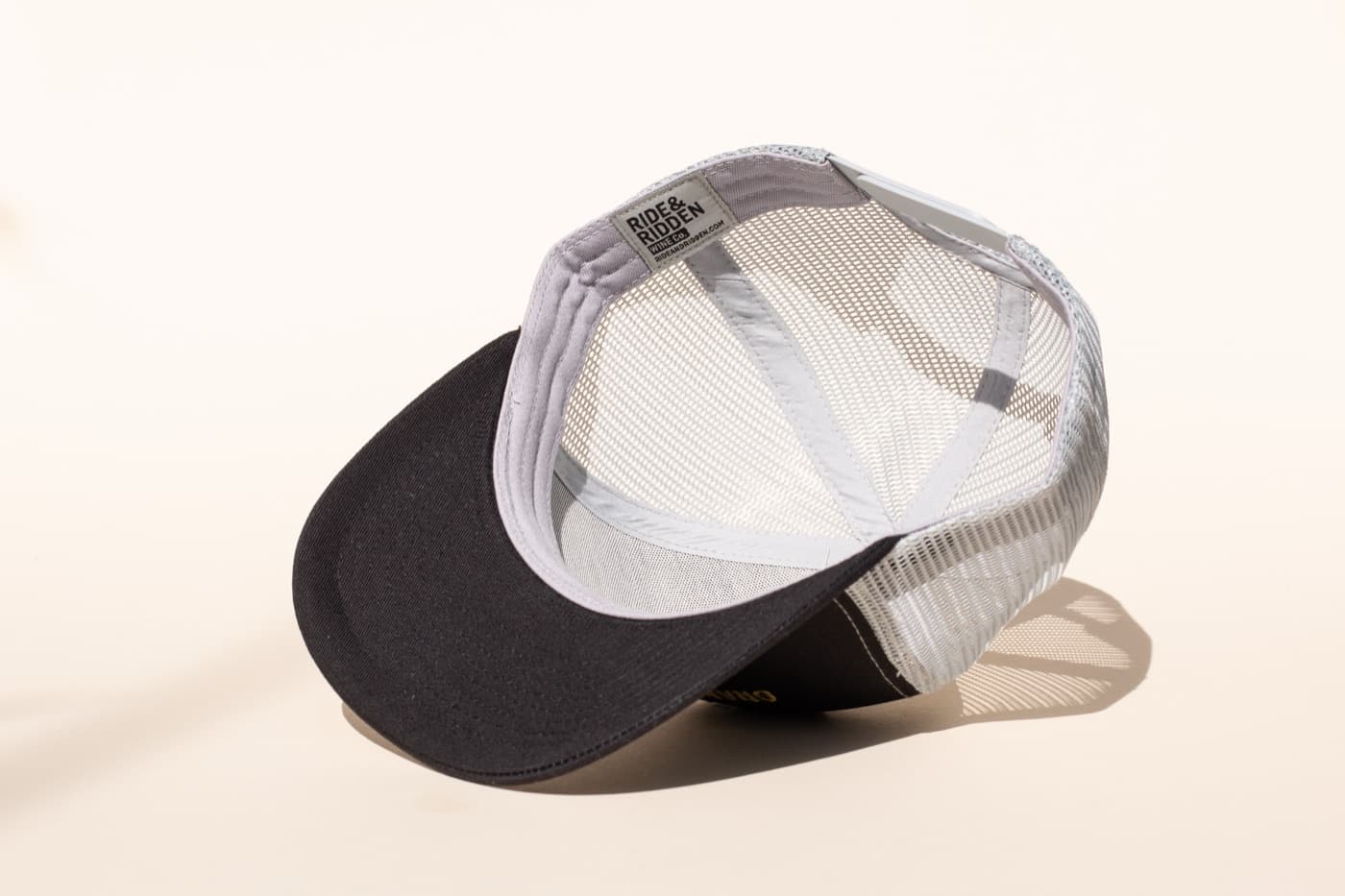
Fit is the reason hats get worn or rejected. Crown height, bill shape, closure, profile, and fabric all affect how a hat feels. A high-profile trucker has a very different attitude than a low-profile cotton cap. A flat bill feels different than a pre-curved bill. Snapback, strapback, fitted, and adjustable buckle closures all send different signals.
When ordering for a broad group, adjustable styles are usually safest. For retail, you can take a sharper point of view because the customer chooses the style. For staff uniforms, durability and washability matter. For gifting, neutral colors and wearable shapes tend to win.
Digitizing is not just file conversion
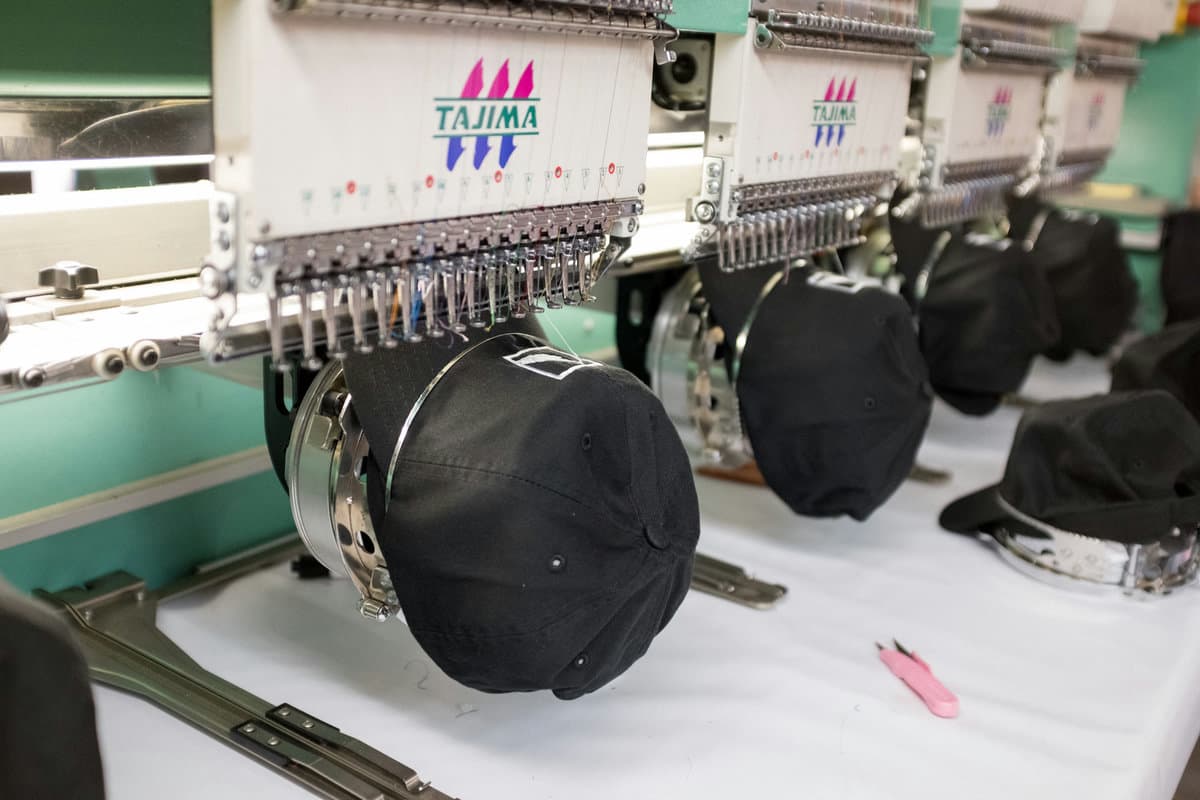
Embroidery starts with digitizing, which turns artwork into stitch instructions. Good digitizing decides stitch direction, density, underlay, pull compensation, and how small details will hold on the actual hat. A bad digitized file can make a good logo look rough. Letters close up. Circles distort. Fine lines disappear. Thread piles up and makes the front feel stiff.
Hat embroidery is especially technical because the surface is curved and often seamed. The machine usually sews from the center out to control distortion. Small type and thin outlines need to be simplified. A proof should show placement and size, but the production team also needs to know the limits of the thread and the panel.
Backing, thread, and durability
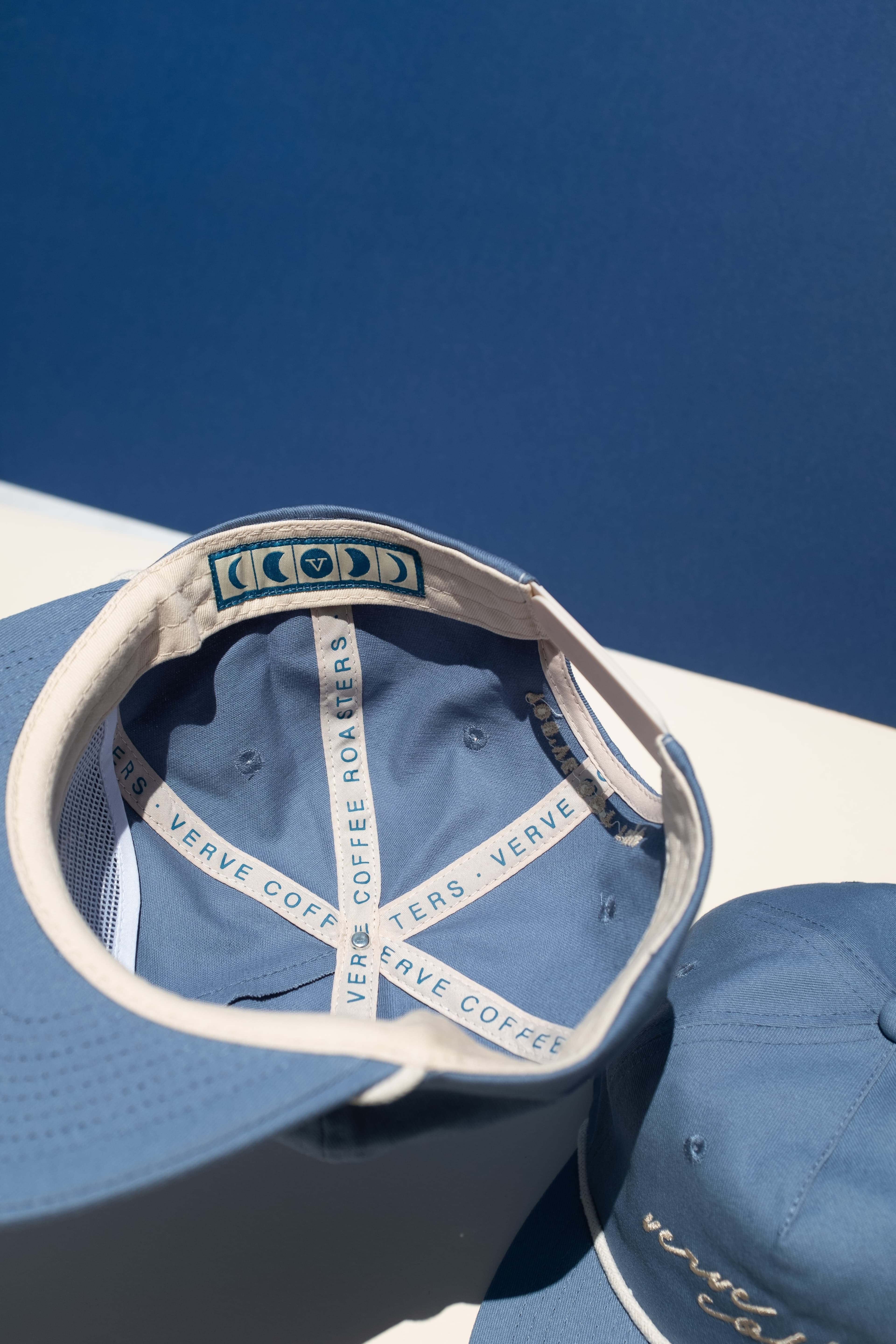
Backing supports the embroidery while the hat is being sewn and helps the finished design keep its shape. The wrong backing can create puckering or stiffness. Thread choice matters too. Standard polyester thread is durable and colorfast. Specialty threads can look interesting, but metallic or unusual finishes may not be right for every logo or every production timeline.
Durability also depends on stitch count. More stitches are not always better. Too much density can make the embroidery heavy, especially on lightweight hats. Clean art, smart sizing, and proper digitizing usually matter more than trying to force every detail into thread.
Patch options
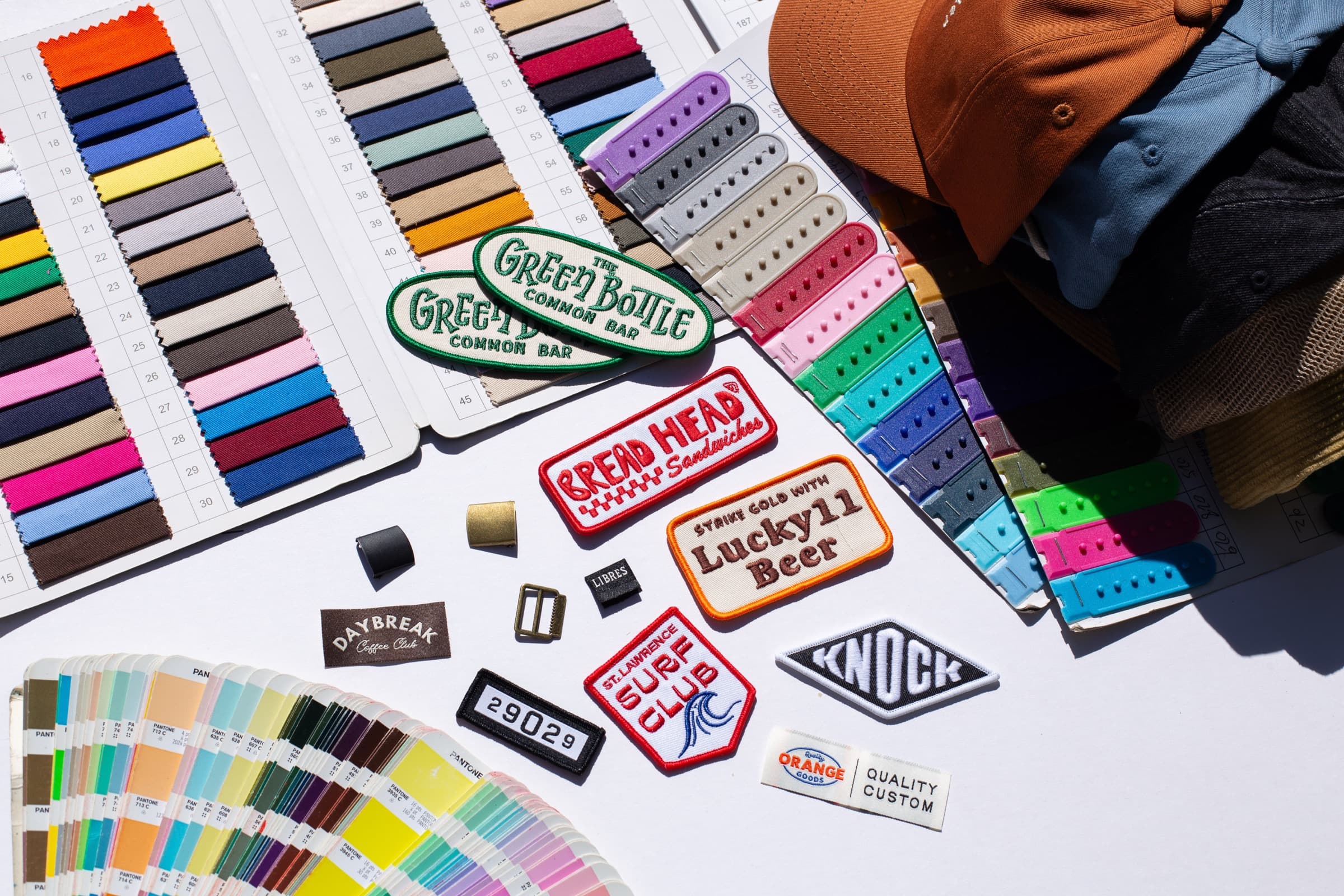
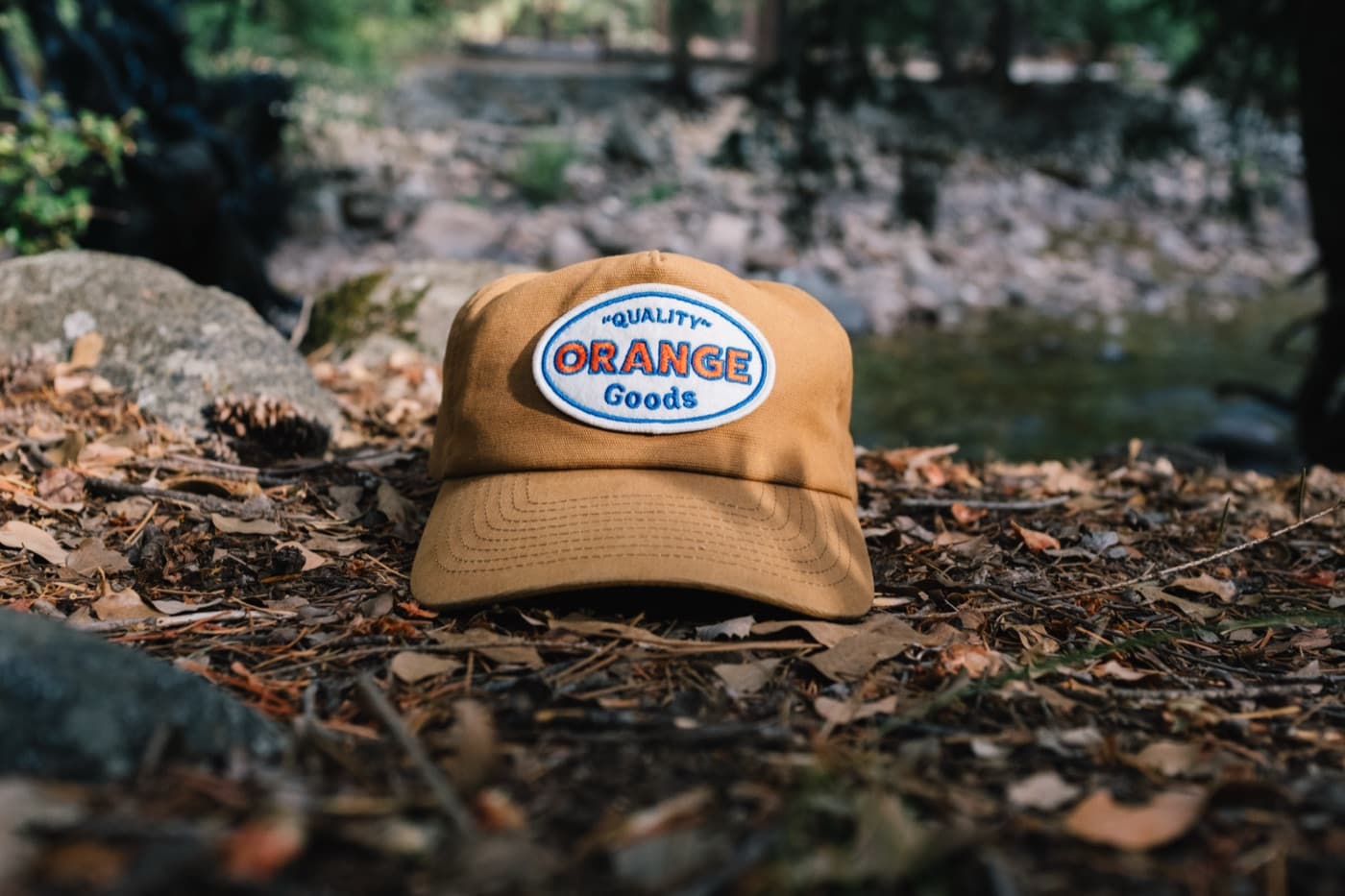
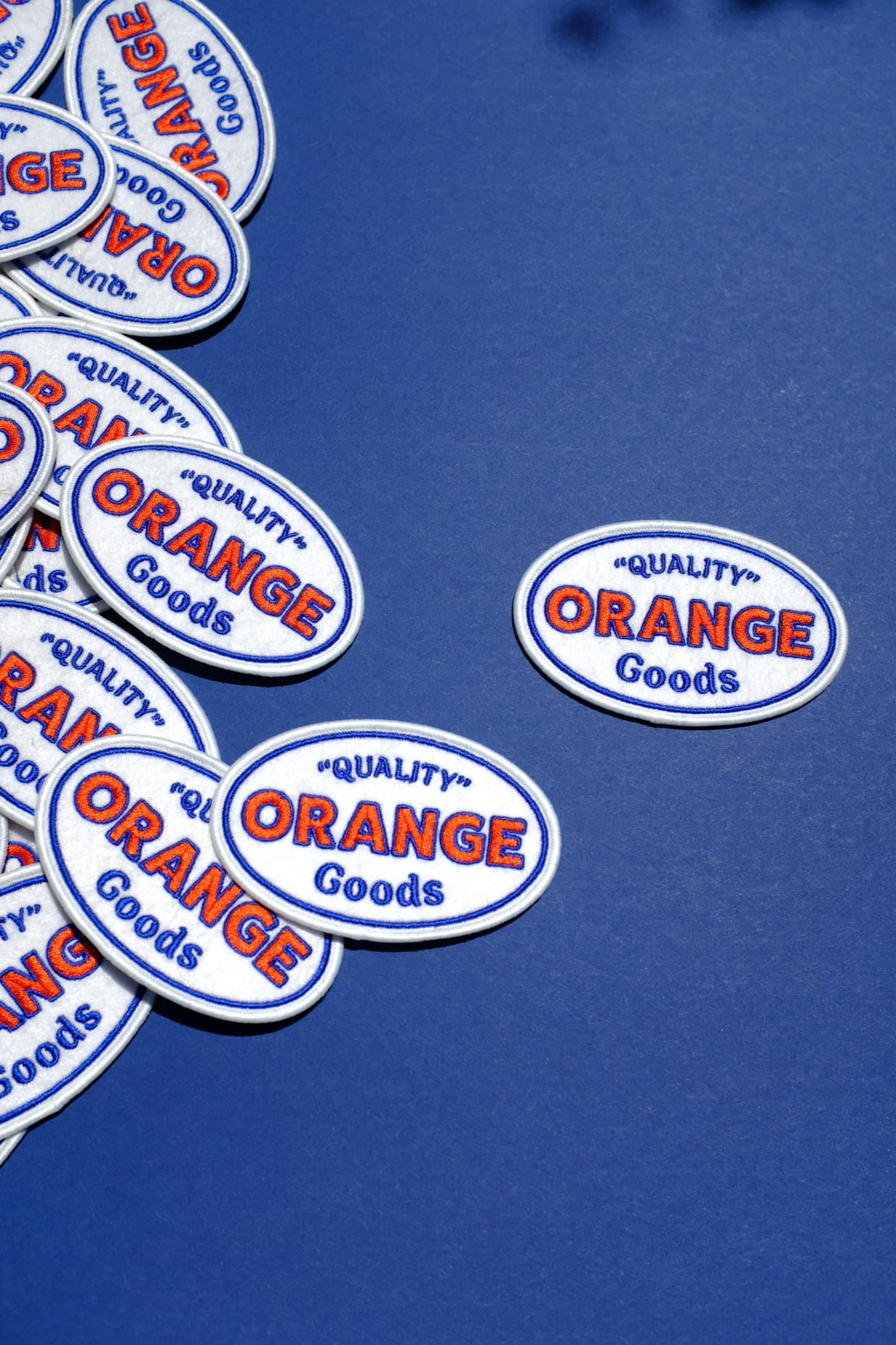
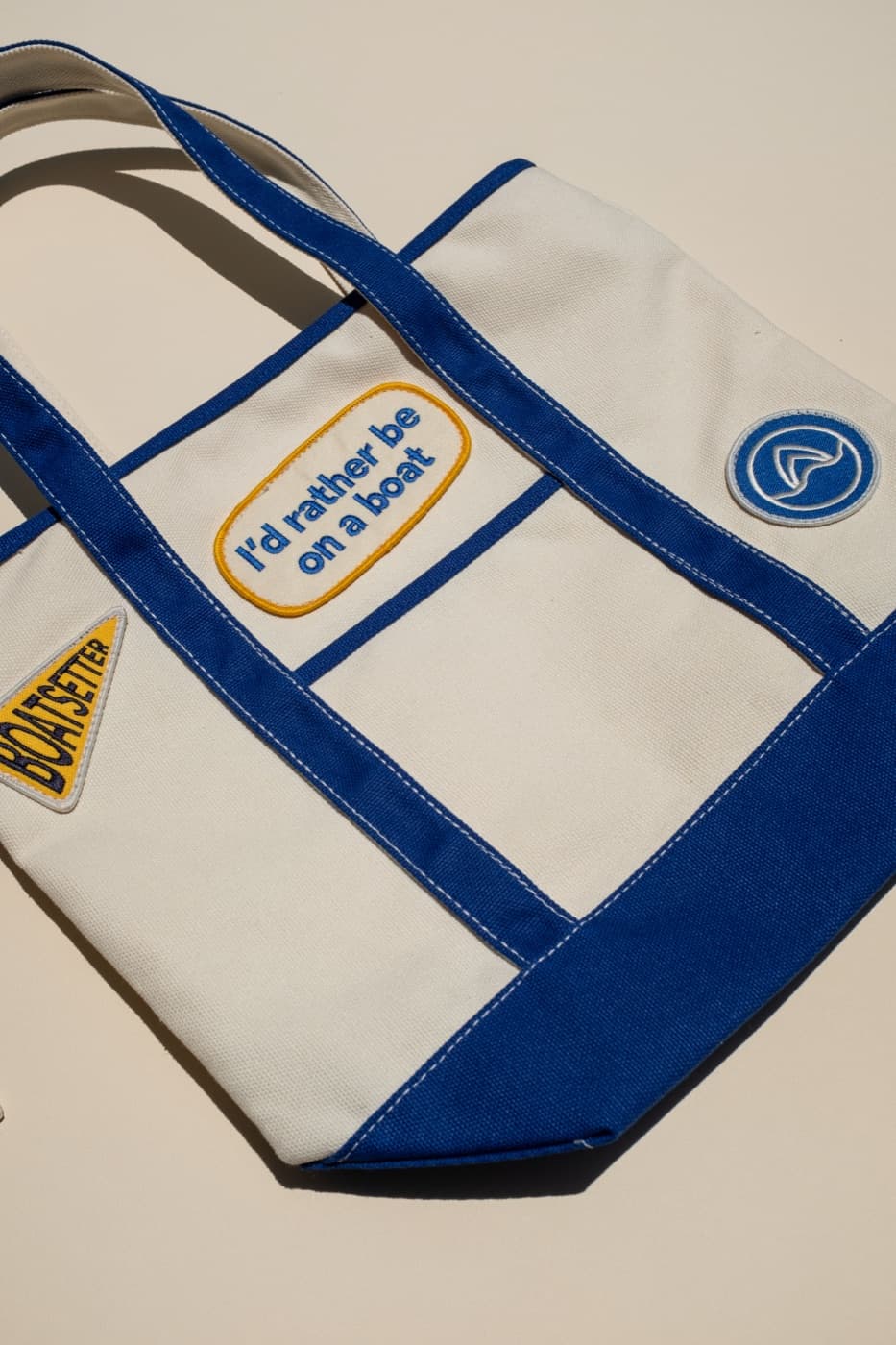
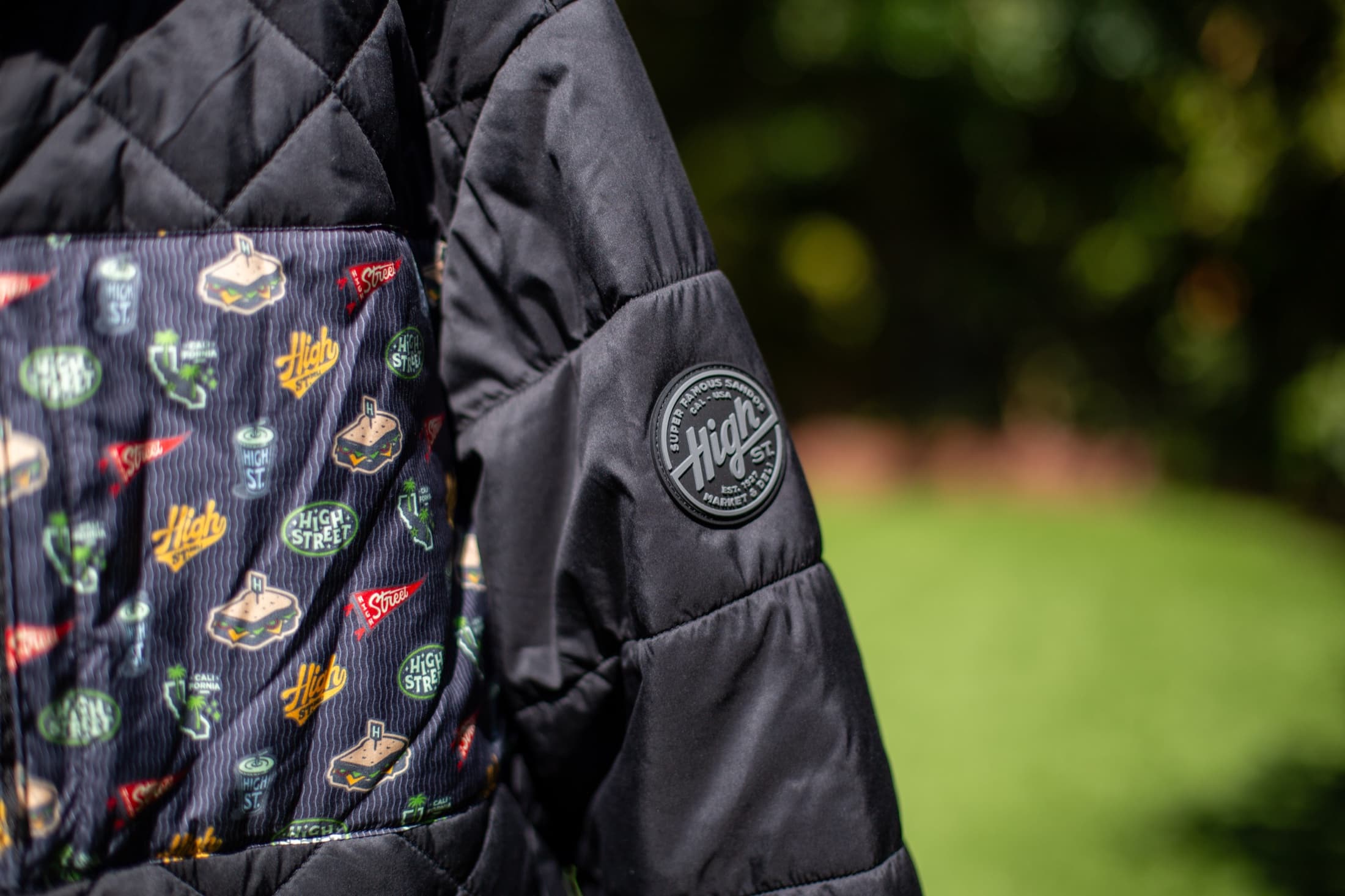
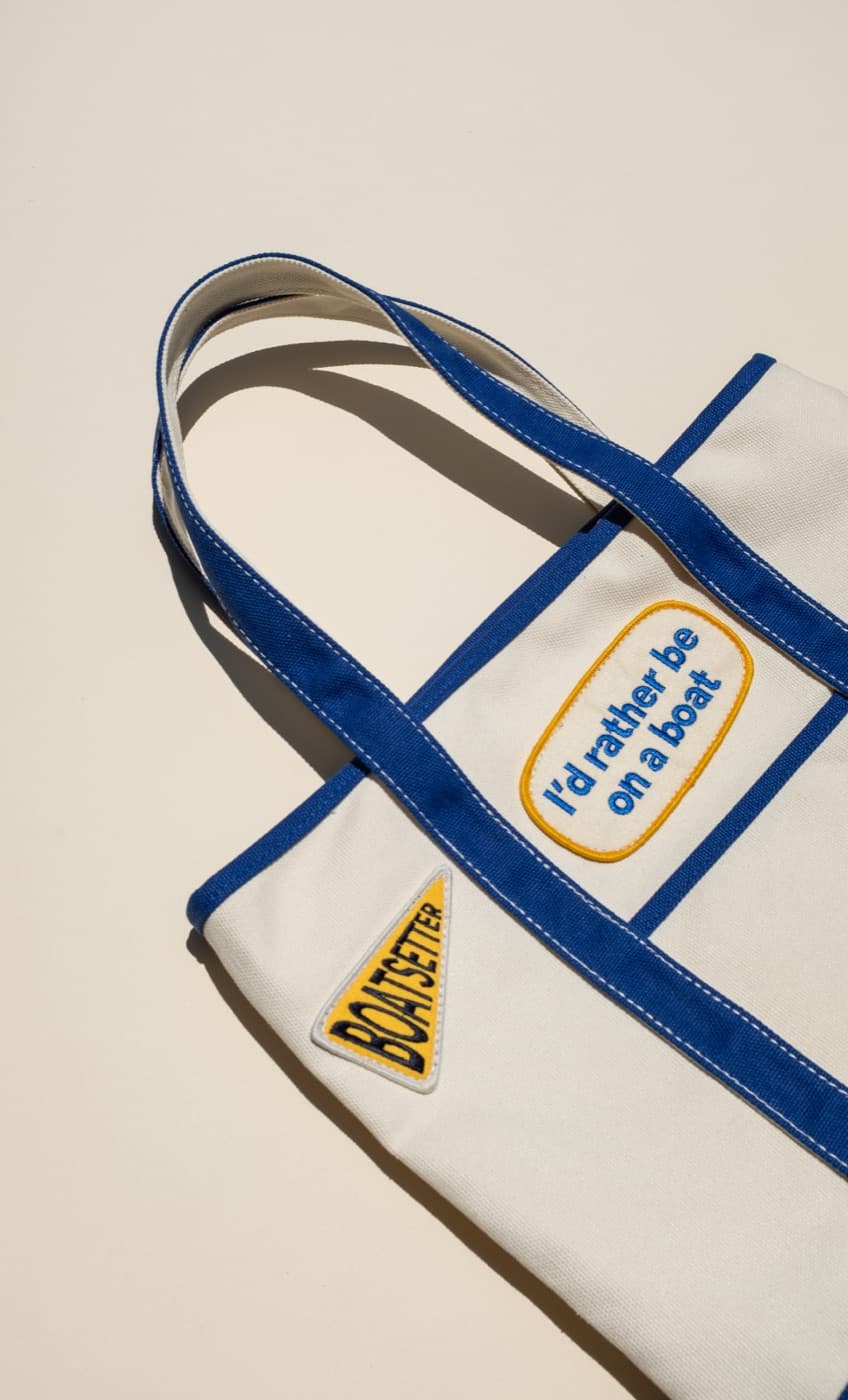
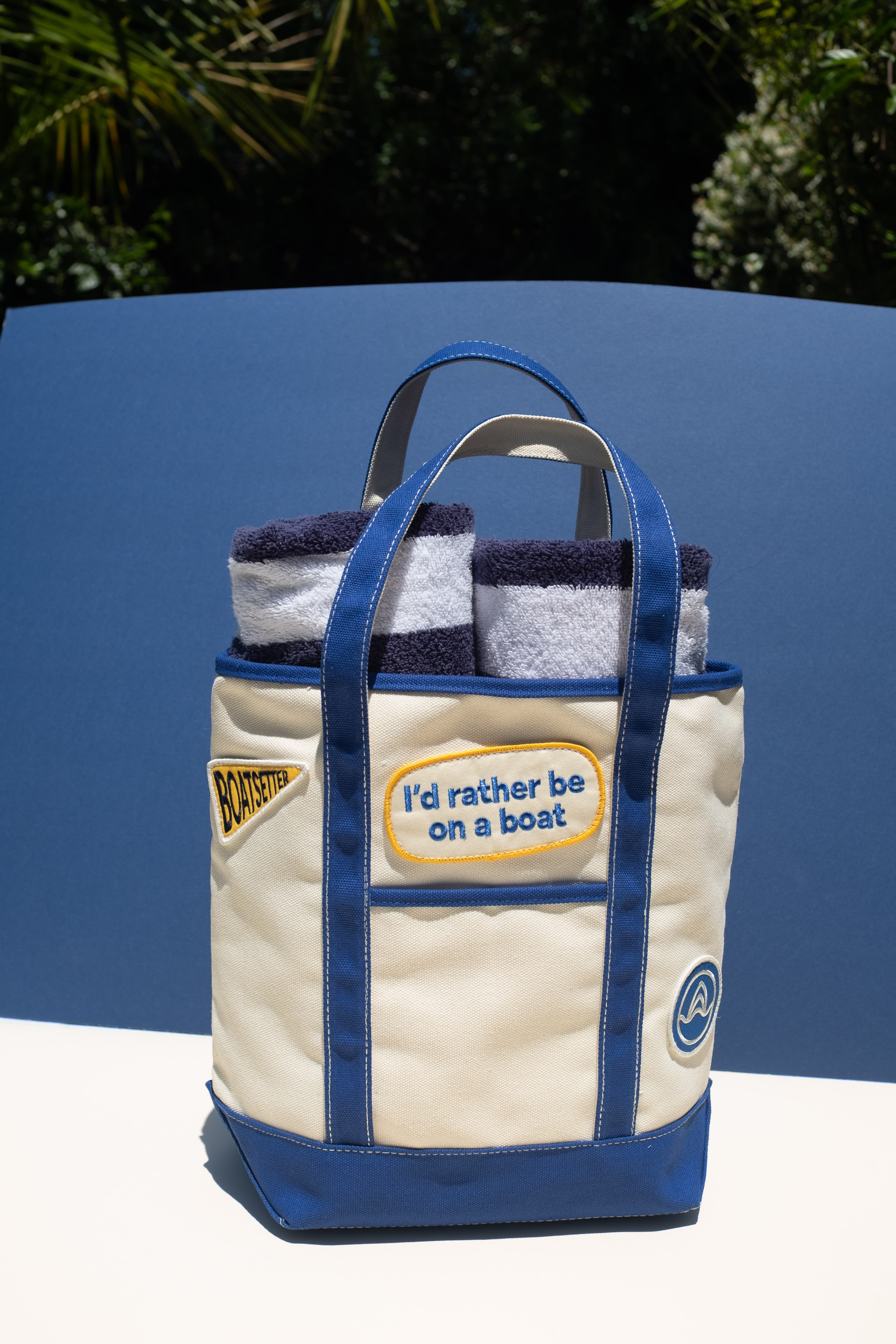
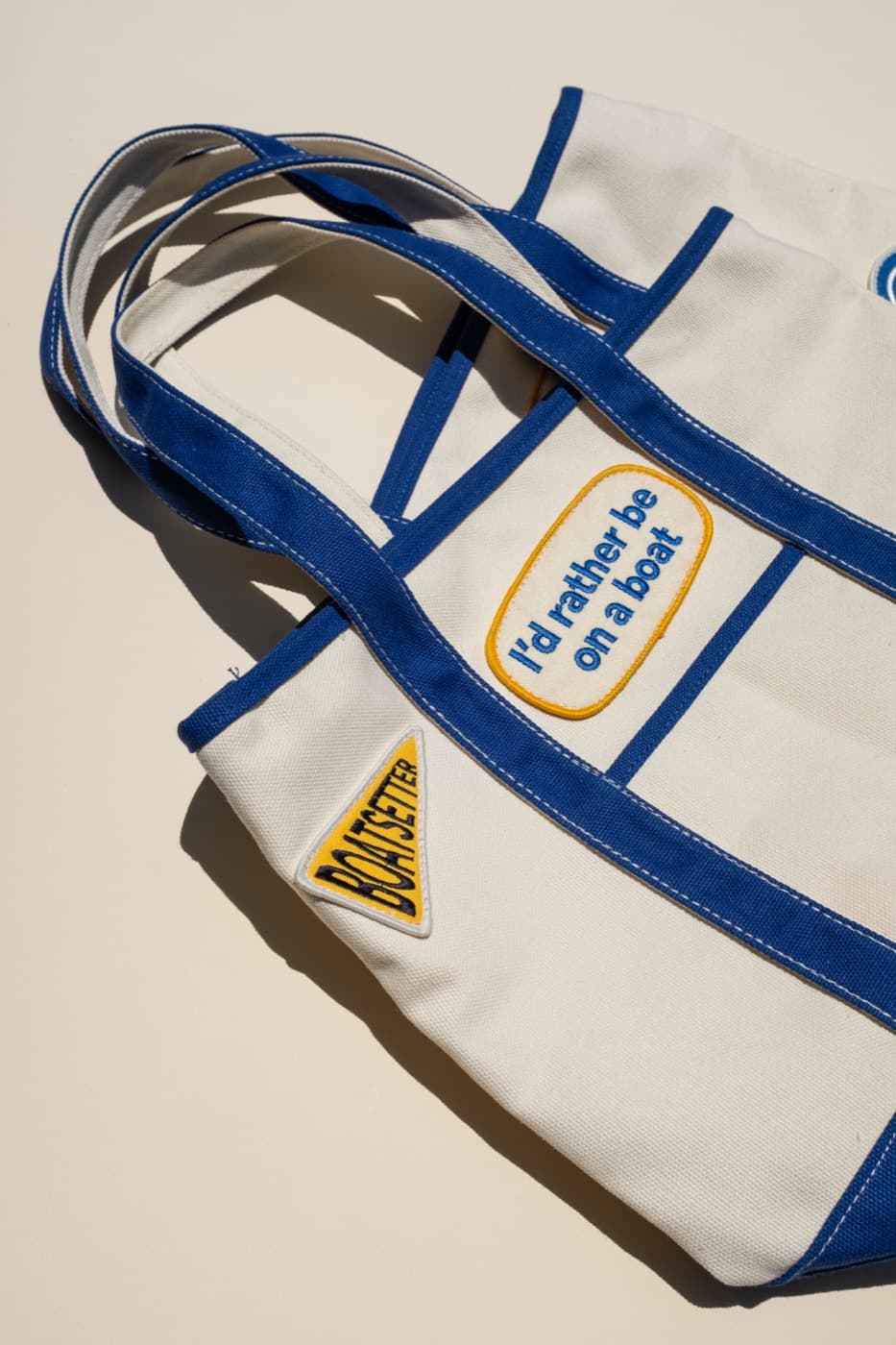
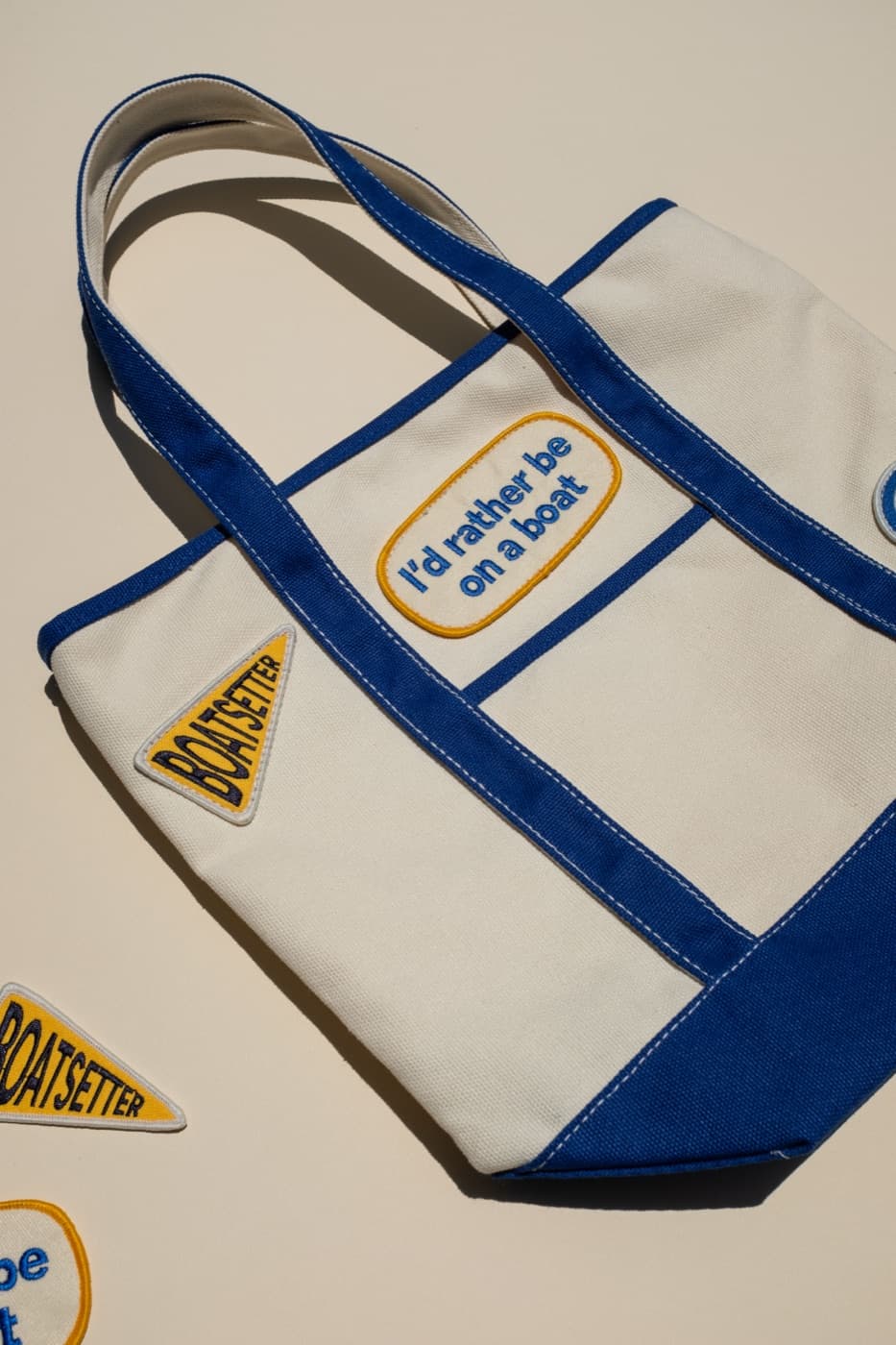
Patches are a strong option when the artwork has detail, when you want a dimensional retail feel, or when the hat material is not ideal for direct embroidery. Woven patches can hold finer detail than embroidery. Embroidered patches feel classic and textured. Leather, faux leather, PVC, and rubber patches can work when they match the brand.
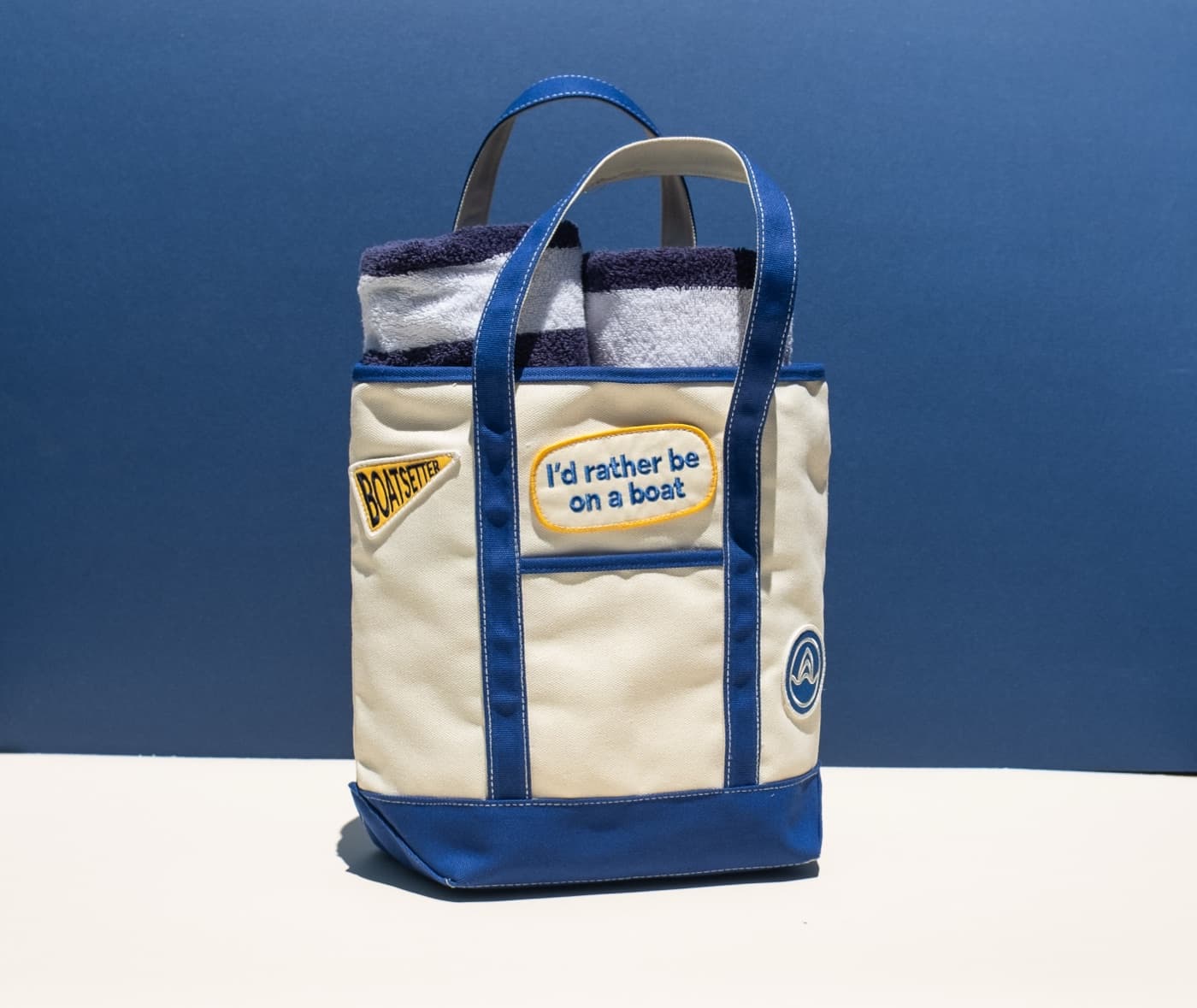
Patch shape and placement should feel intentional. A standard rectangle can look clean, but a custom shape can make the piece feel more ownable. Side patches, back hits, and small woven labels can add detail without making the front too busy.
Quick Turn vs Full Custom
Orange Goods Quick Turn uses premium blank hats decorated with your artwork. It is the right path for fast, sharp headwear with a 100-piece minimum. You can often mix and match styles as long as the decoration plan stays consistent. That means a project might include structured caps, unstructured caps, and truckers for different people without starting from scratch.
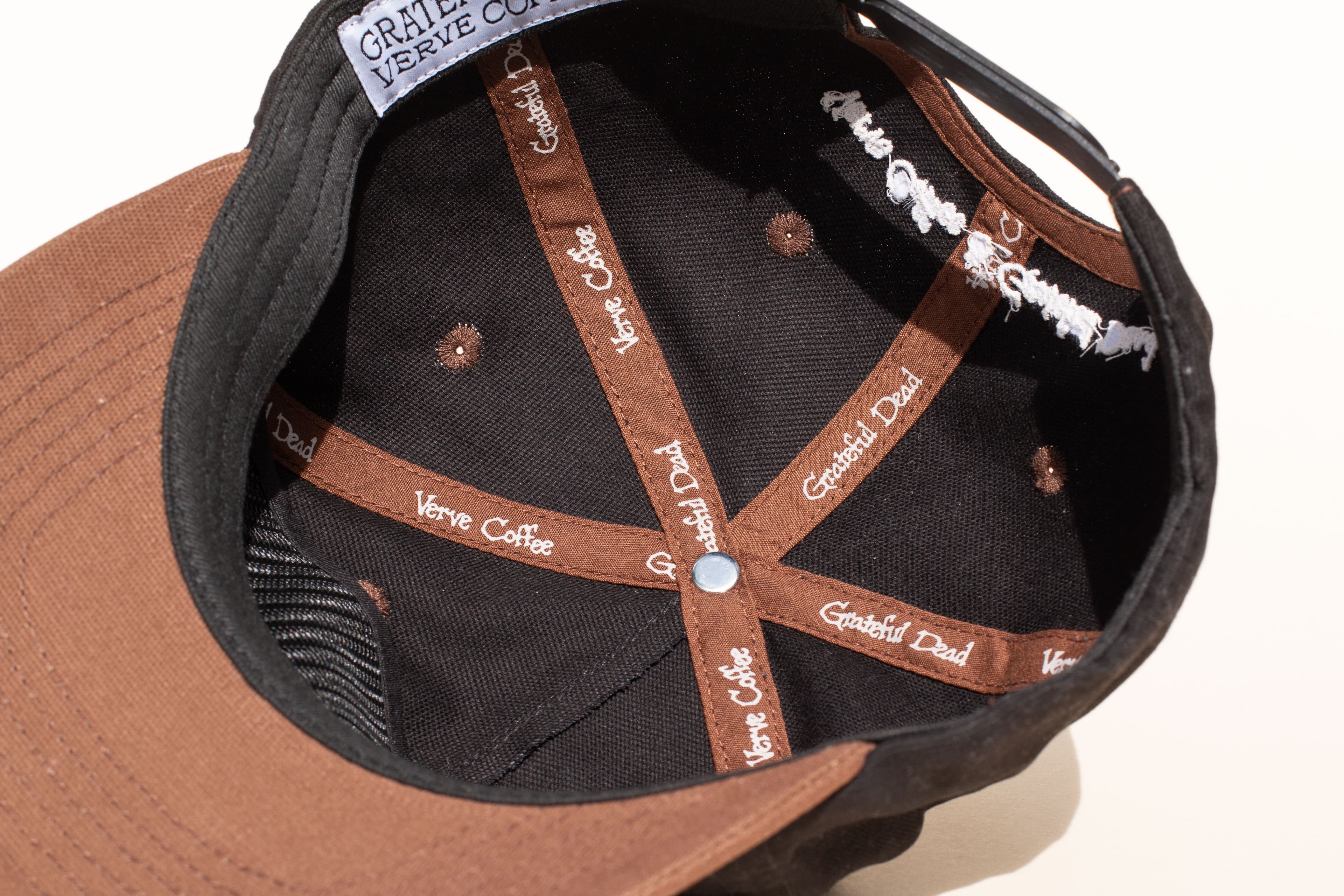
Full Custom is for fully custom headwear. That can include custom panels, fabric, bill shape, interior taping, labels, closures, patches, and packaging. It gives you more control and a more proprietary result, but it also requires more development time and planning. For many brands, Quick Turn is the practical place to start. For larger programs or retail lines, Crafted can take the product further.
The best branded hat is not the one with the biggest logo. It is the one that fits right, feels right, and carries the brand in a way people are comfortable wearing. Get the blank right, respect the embroidery process, and keep the design wearable.