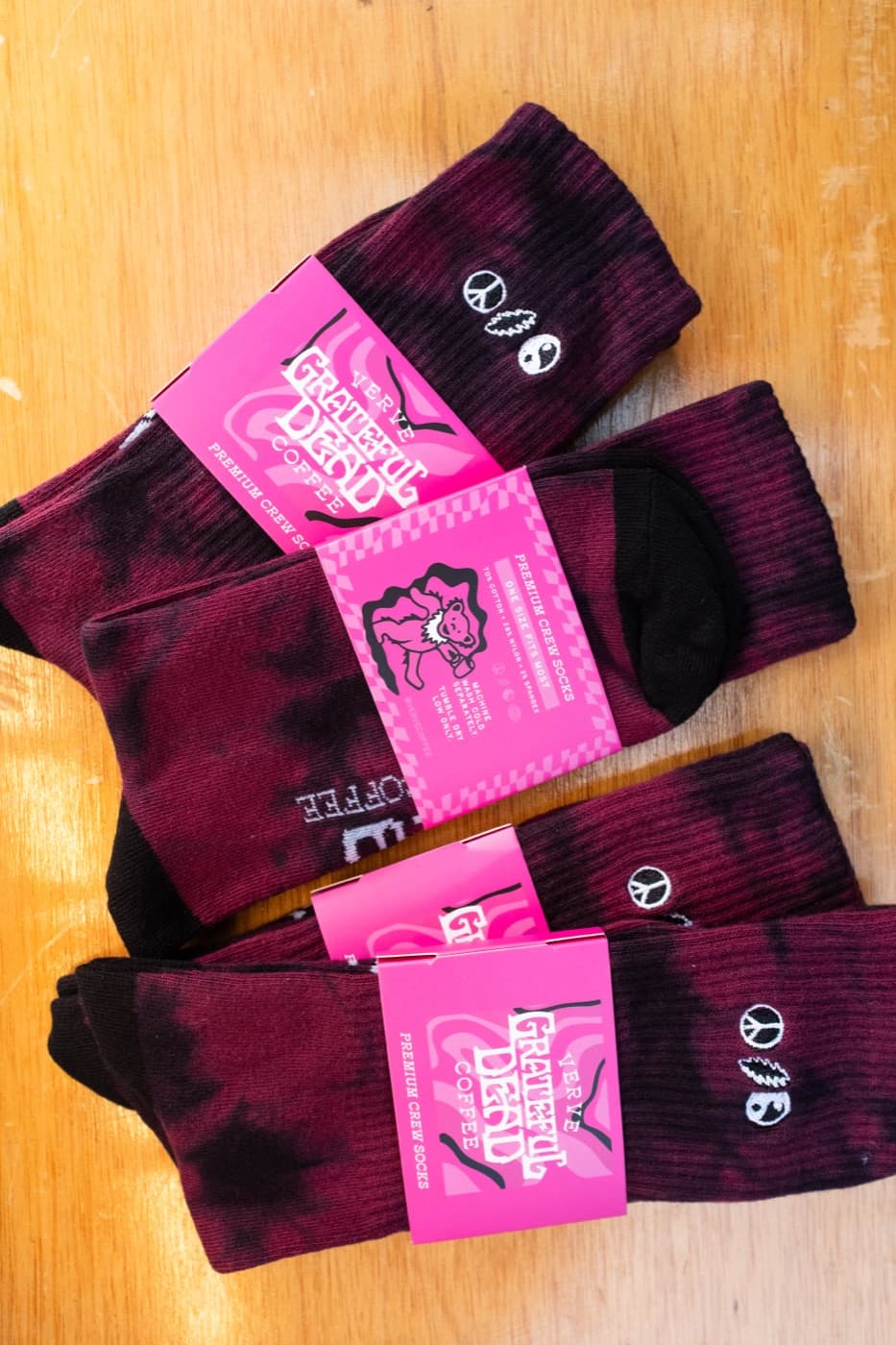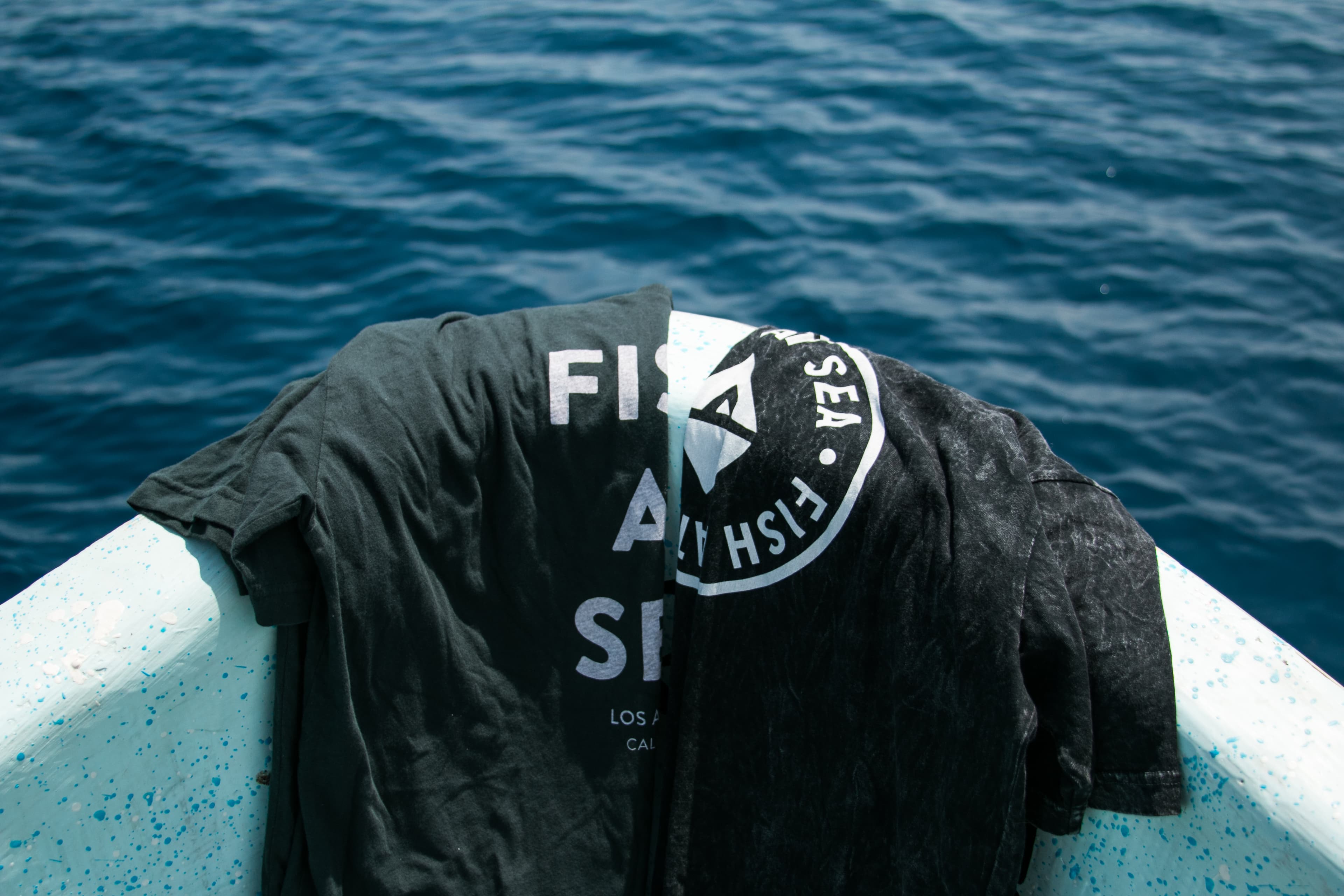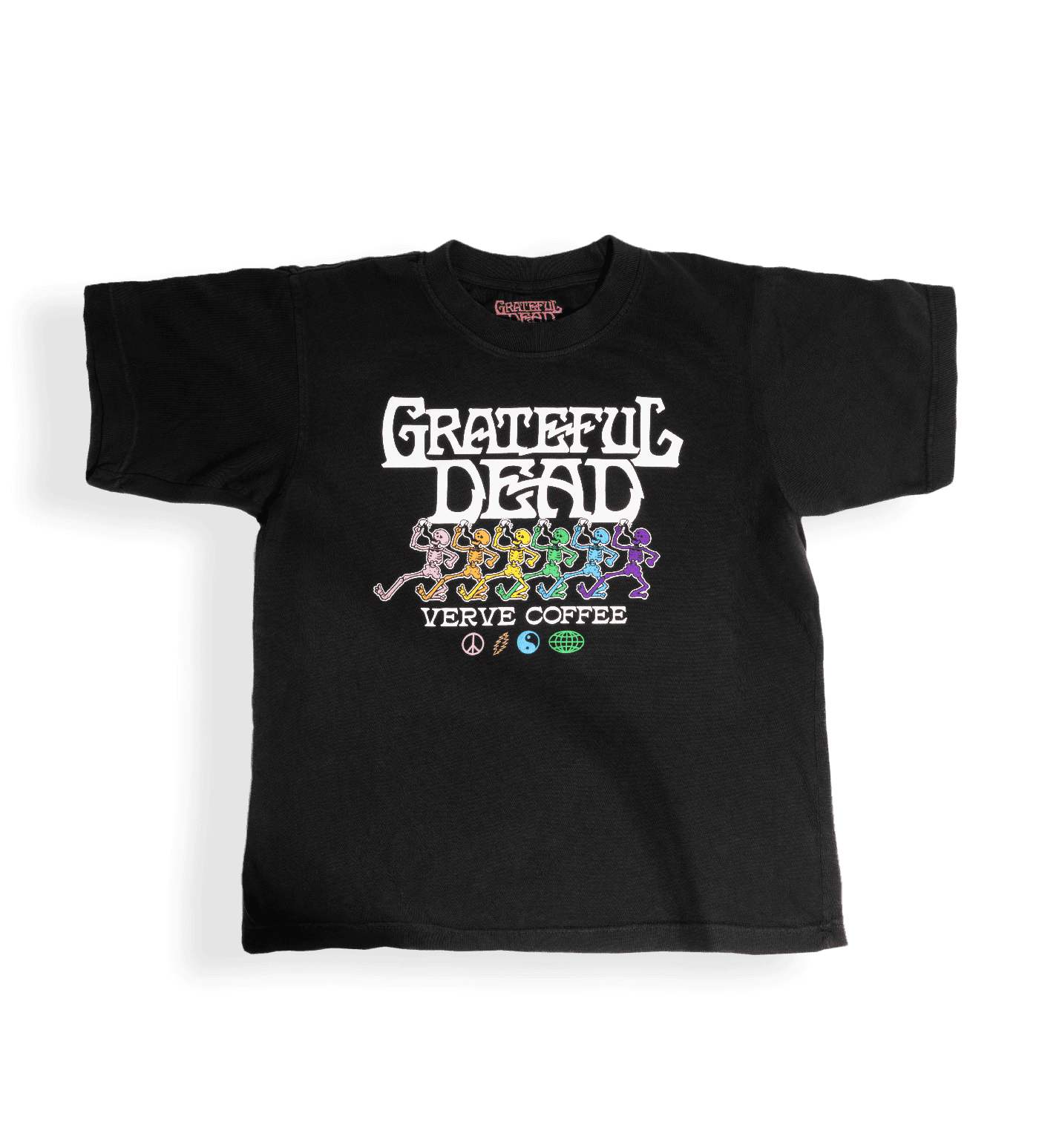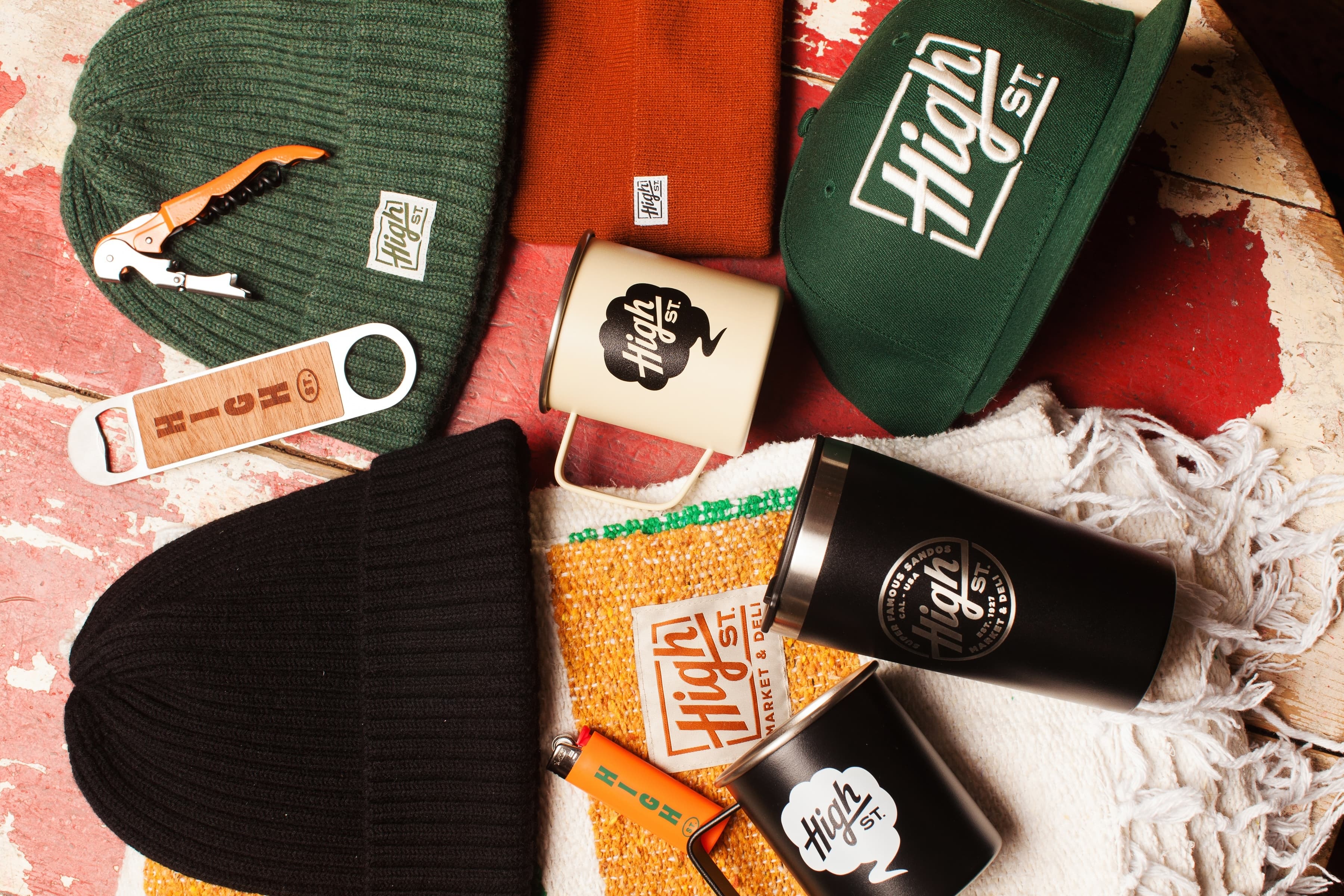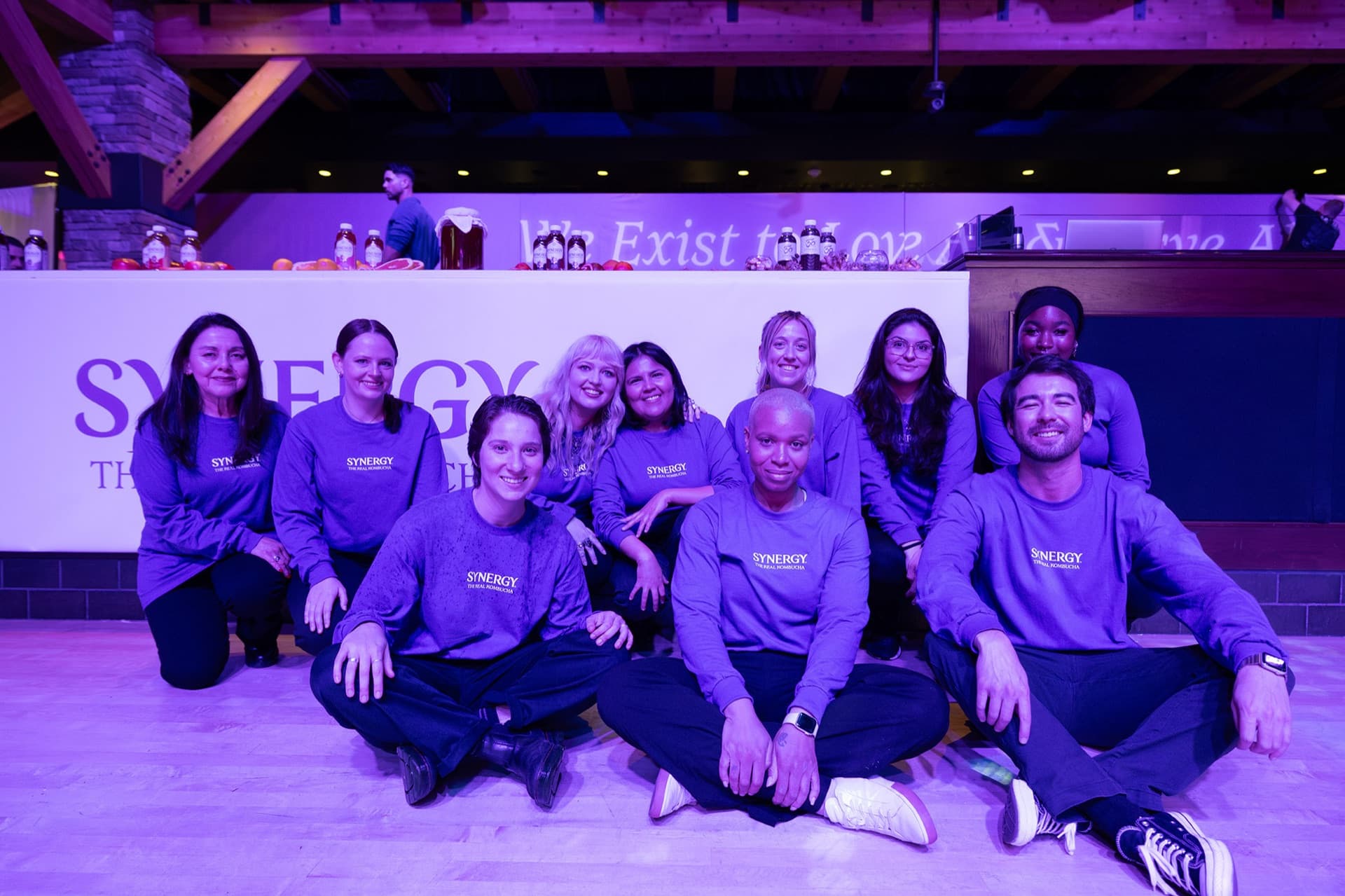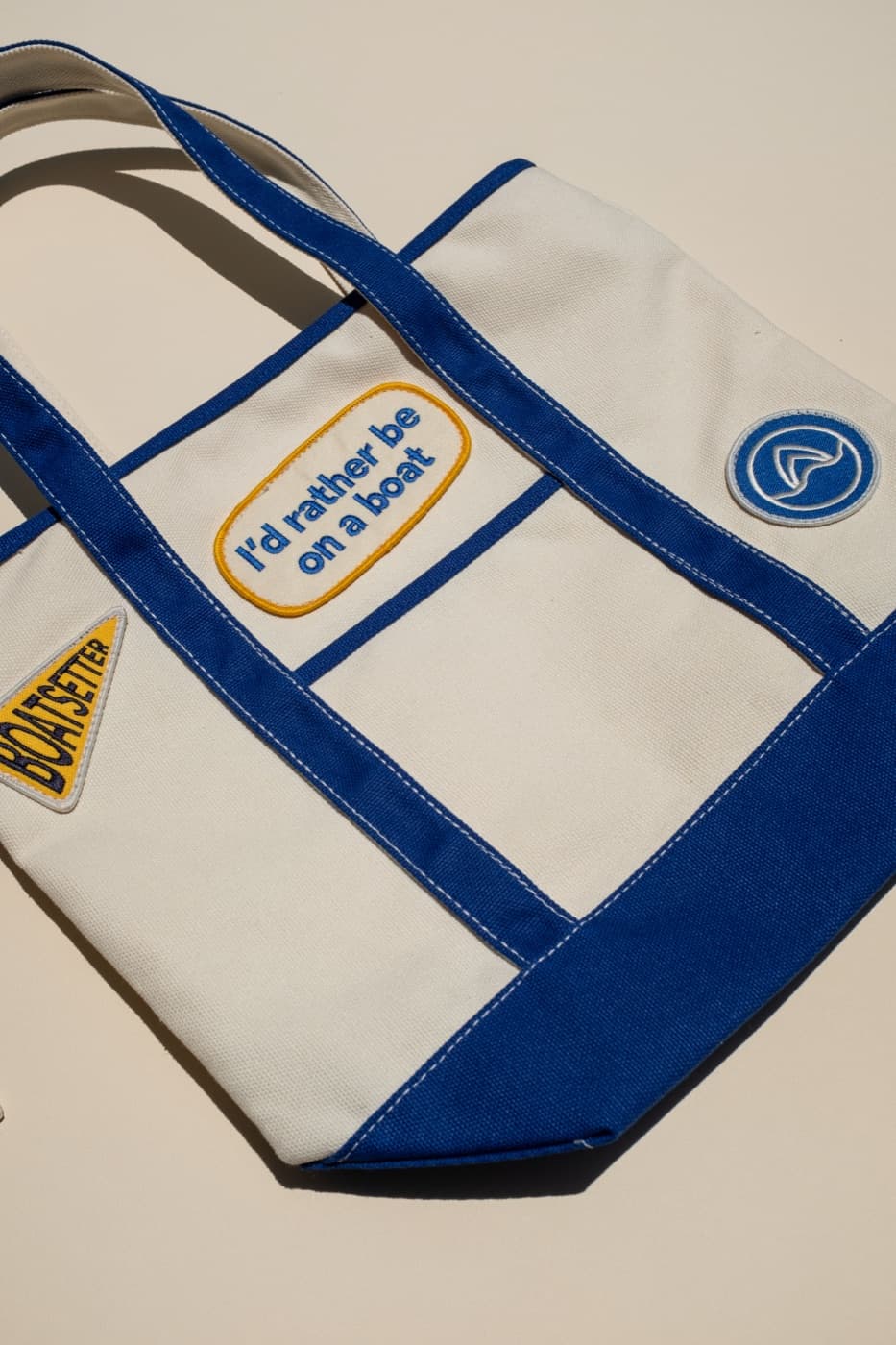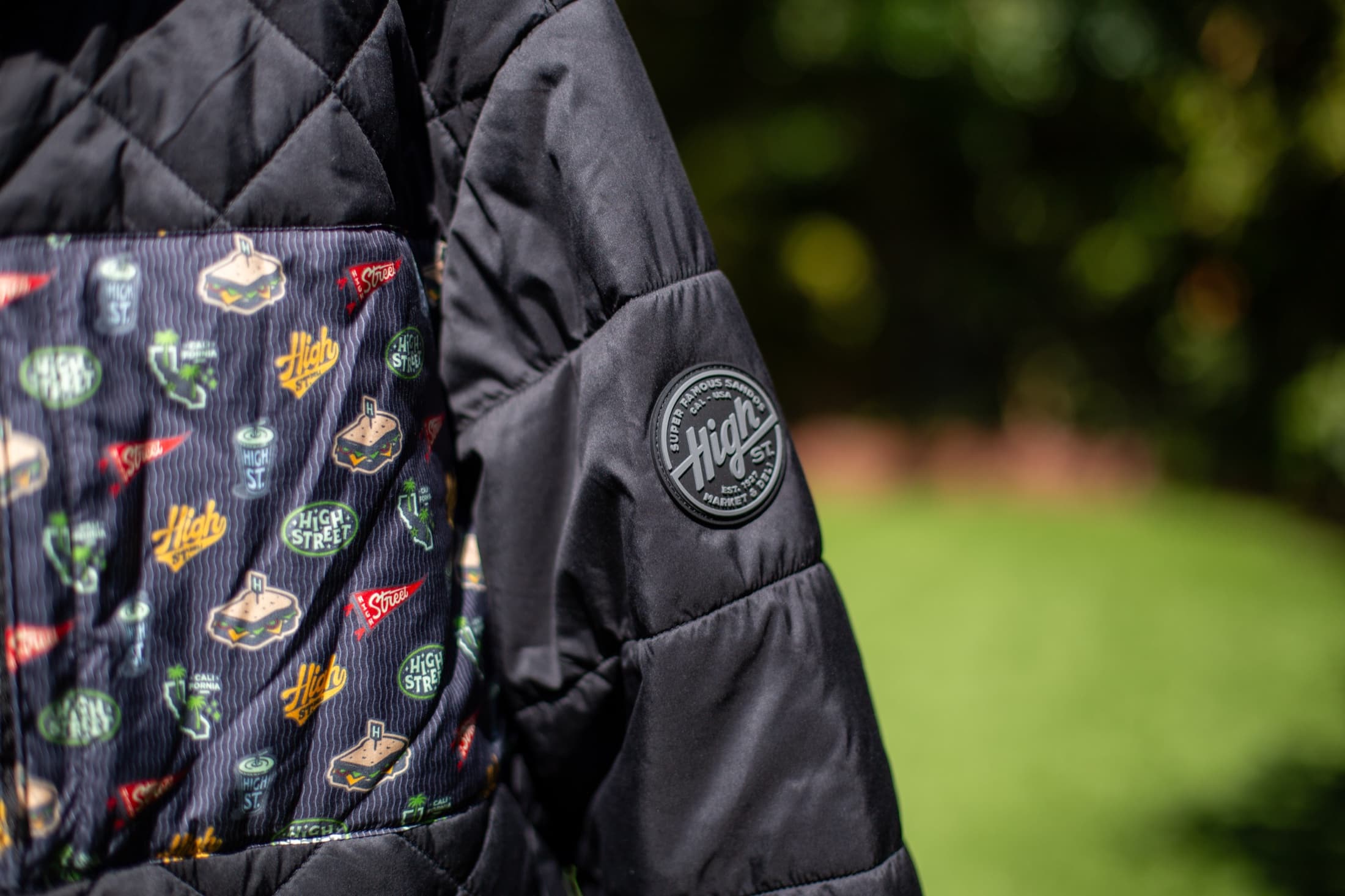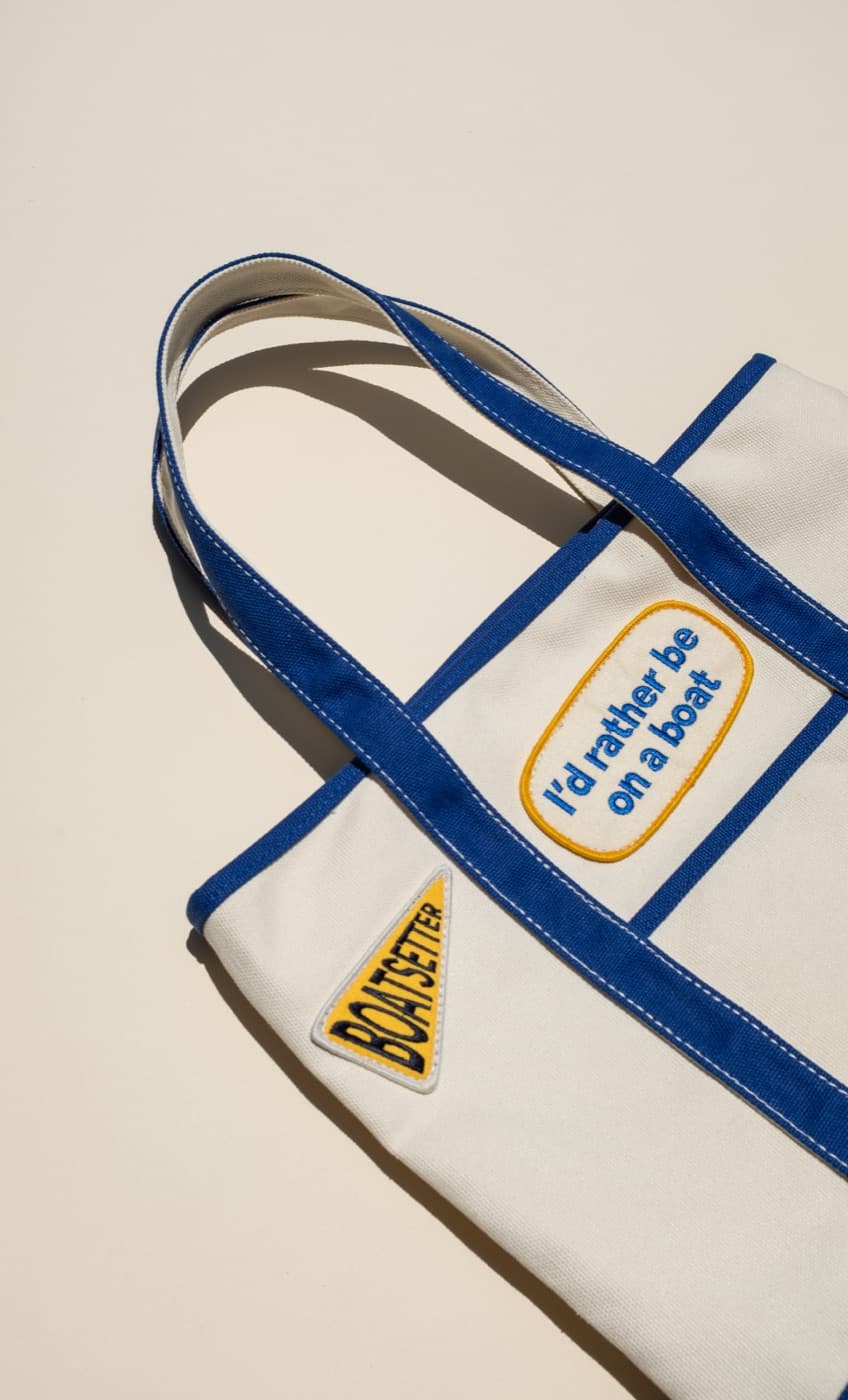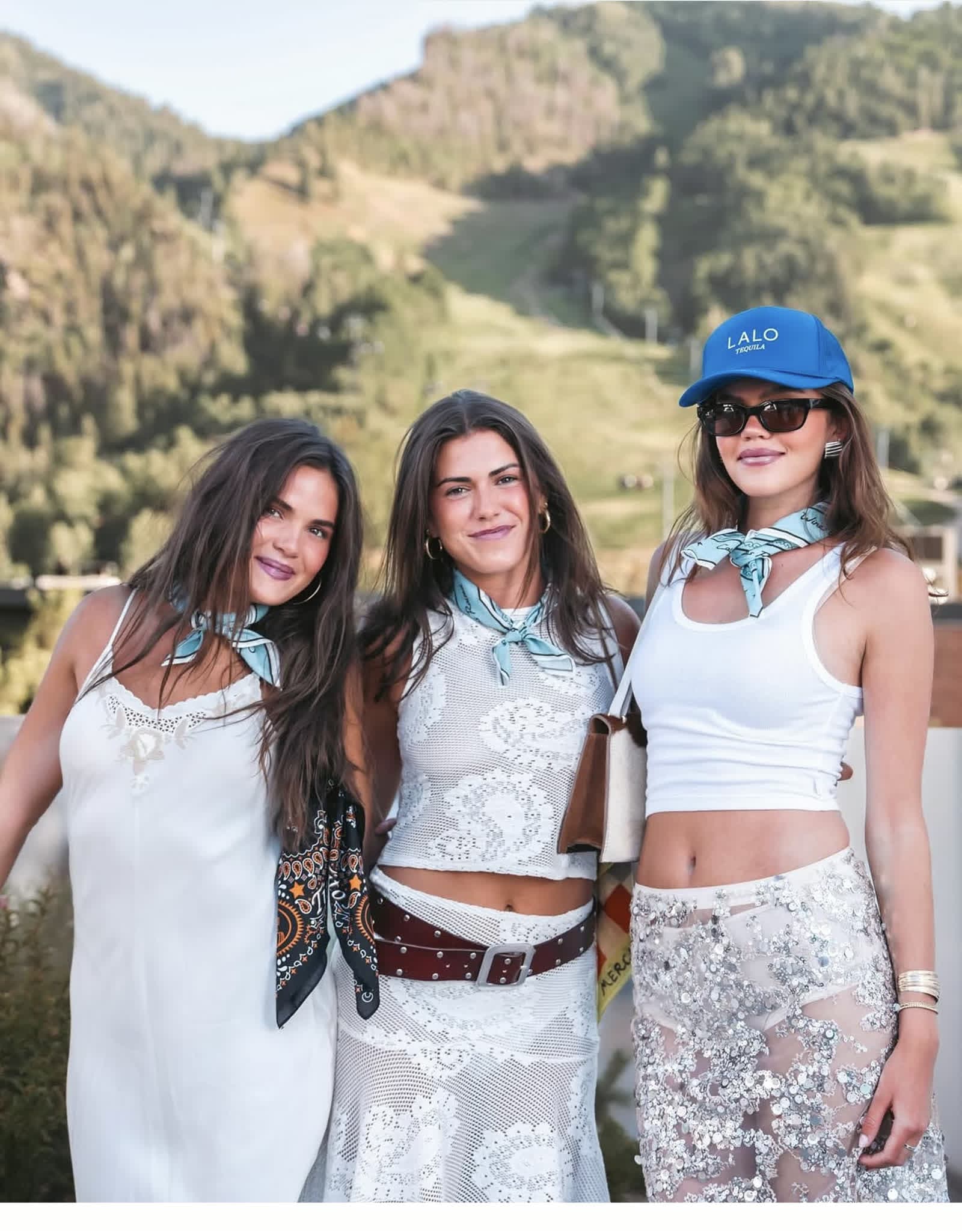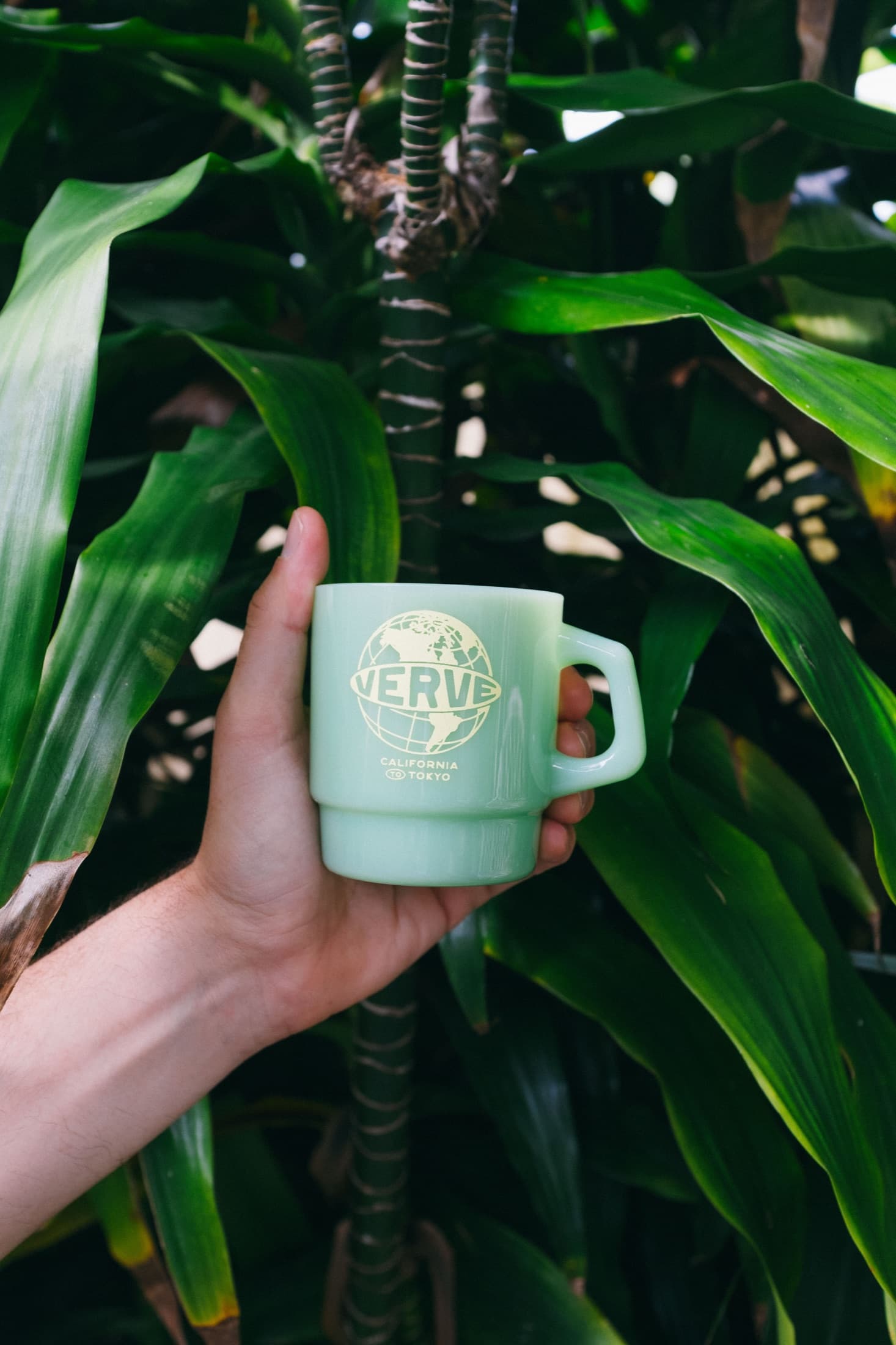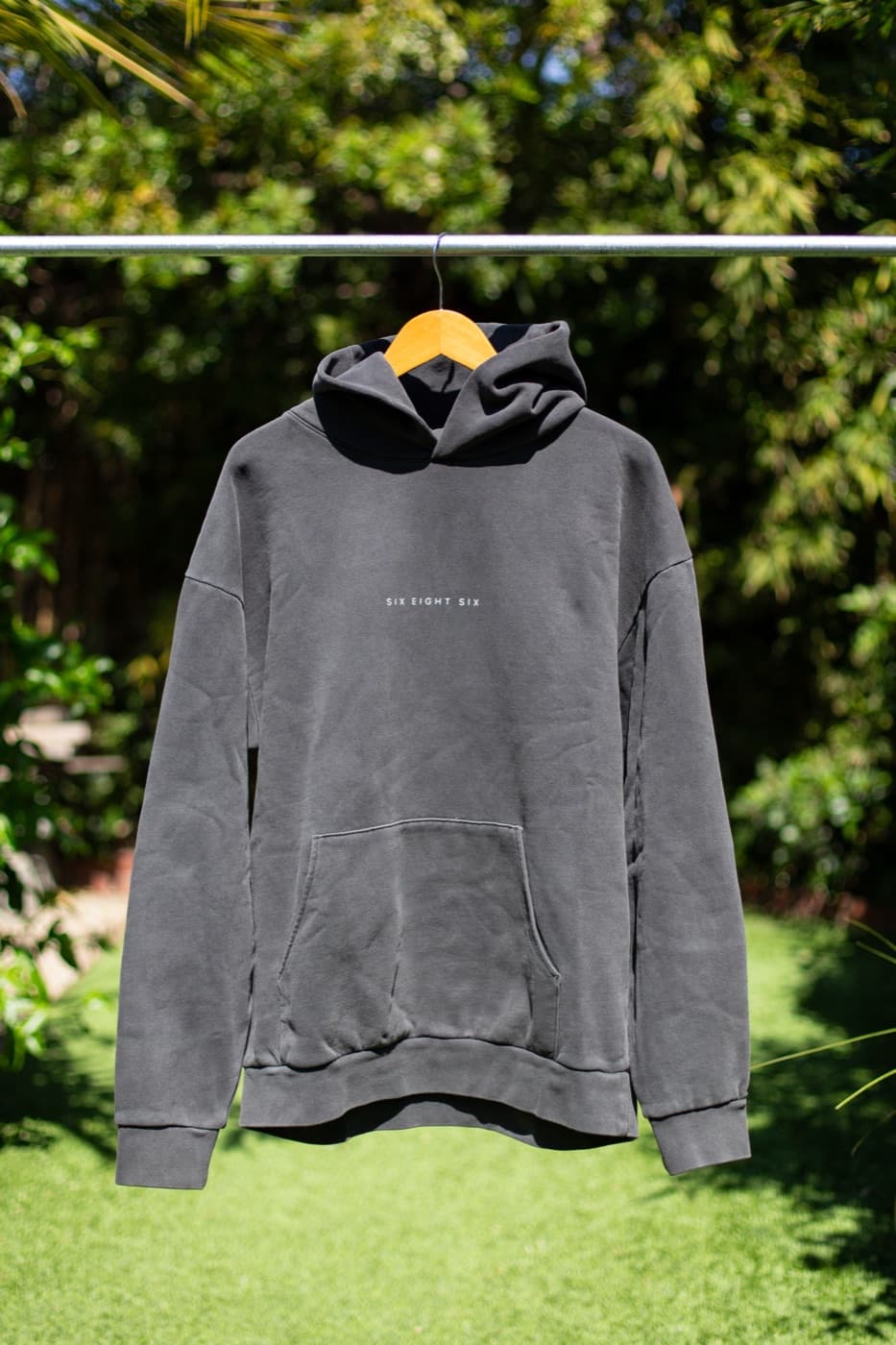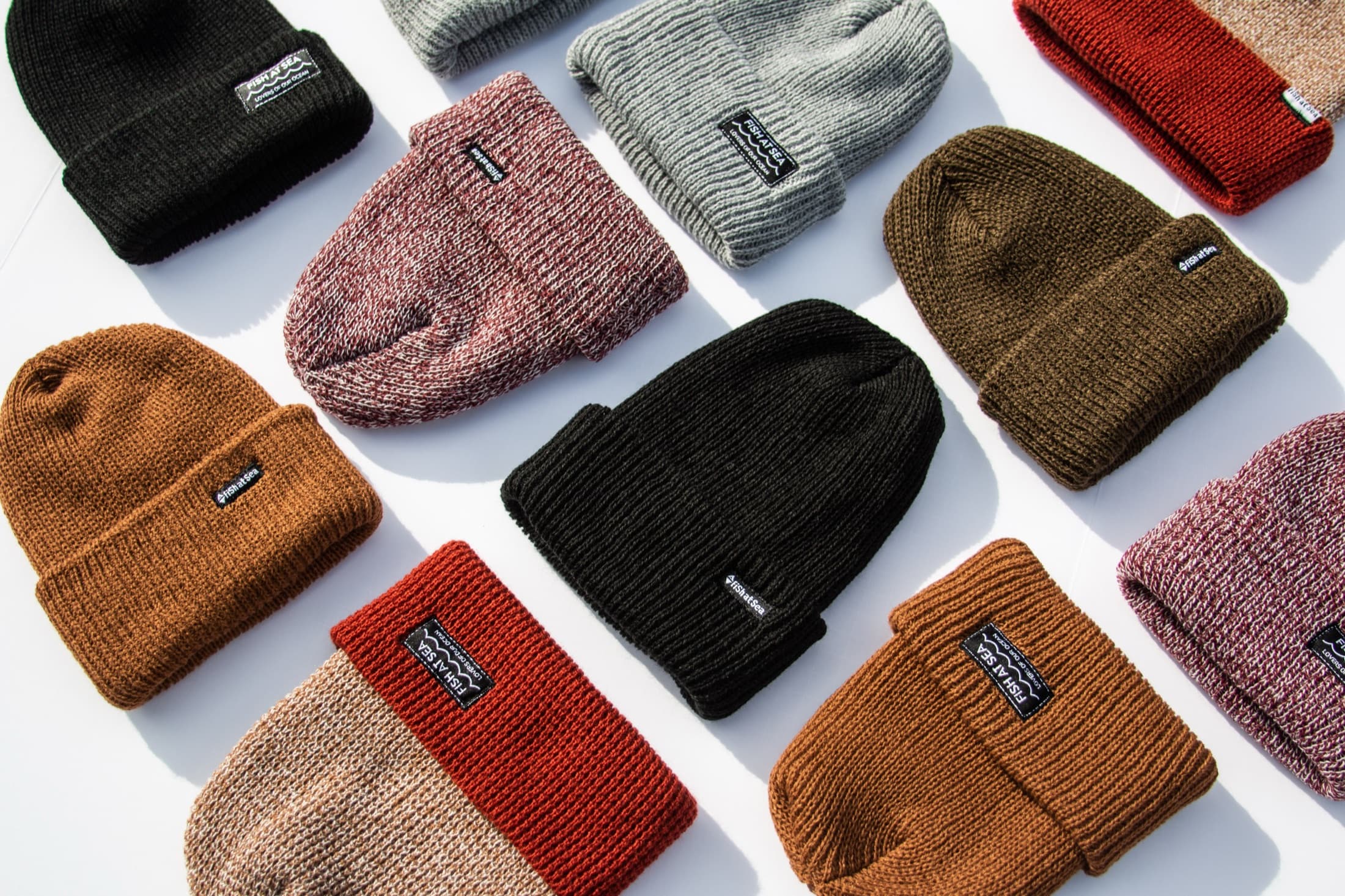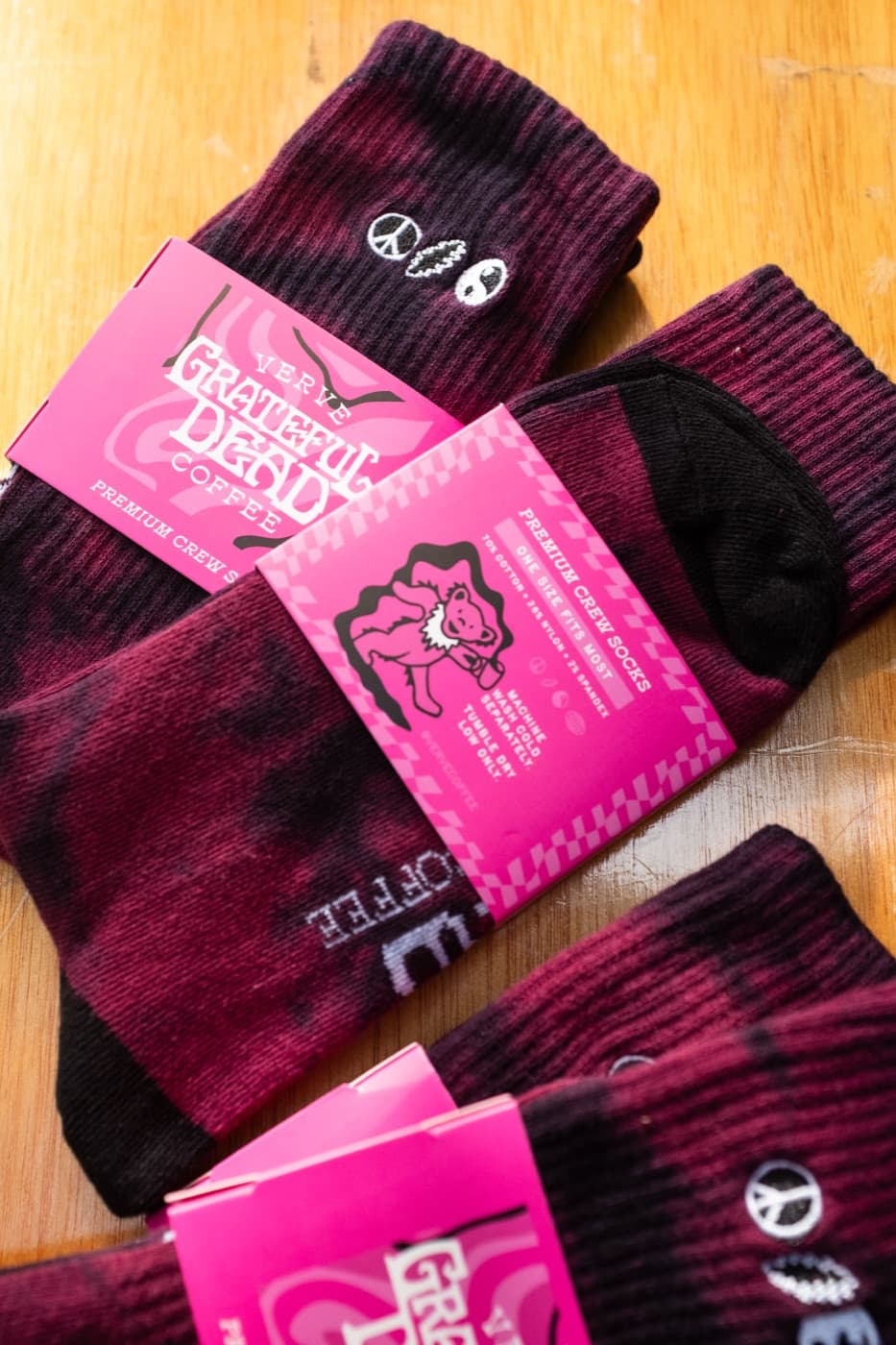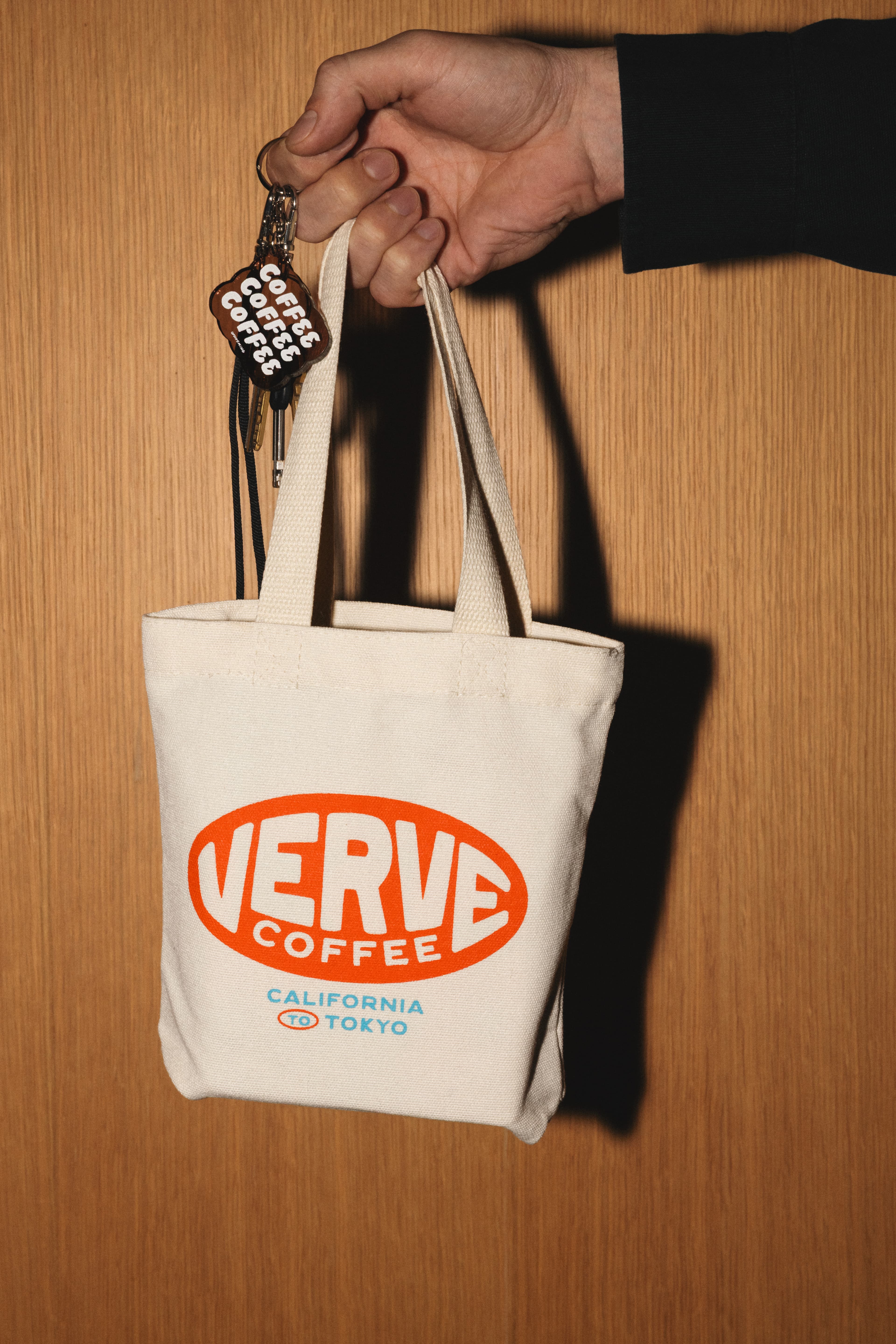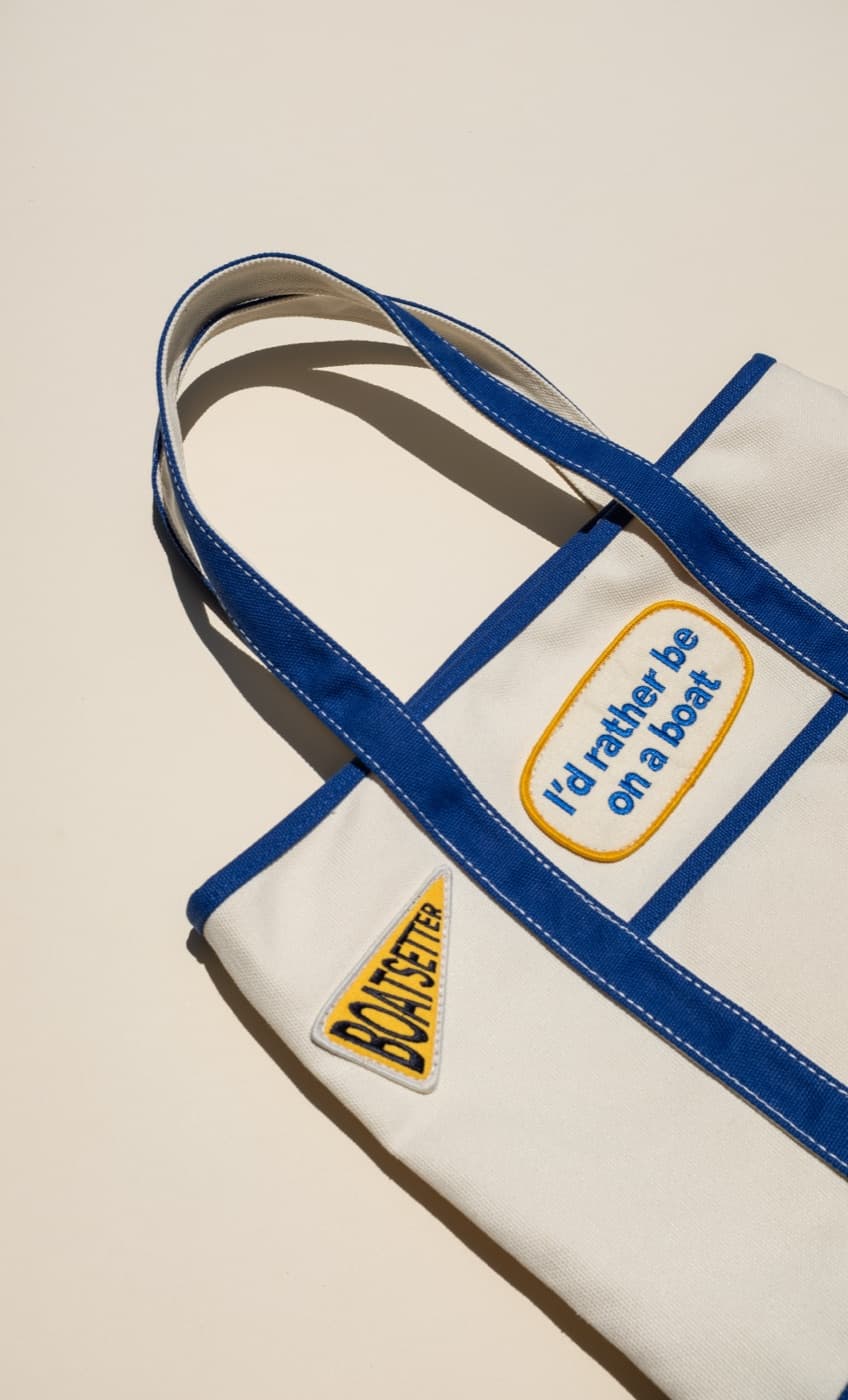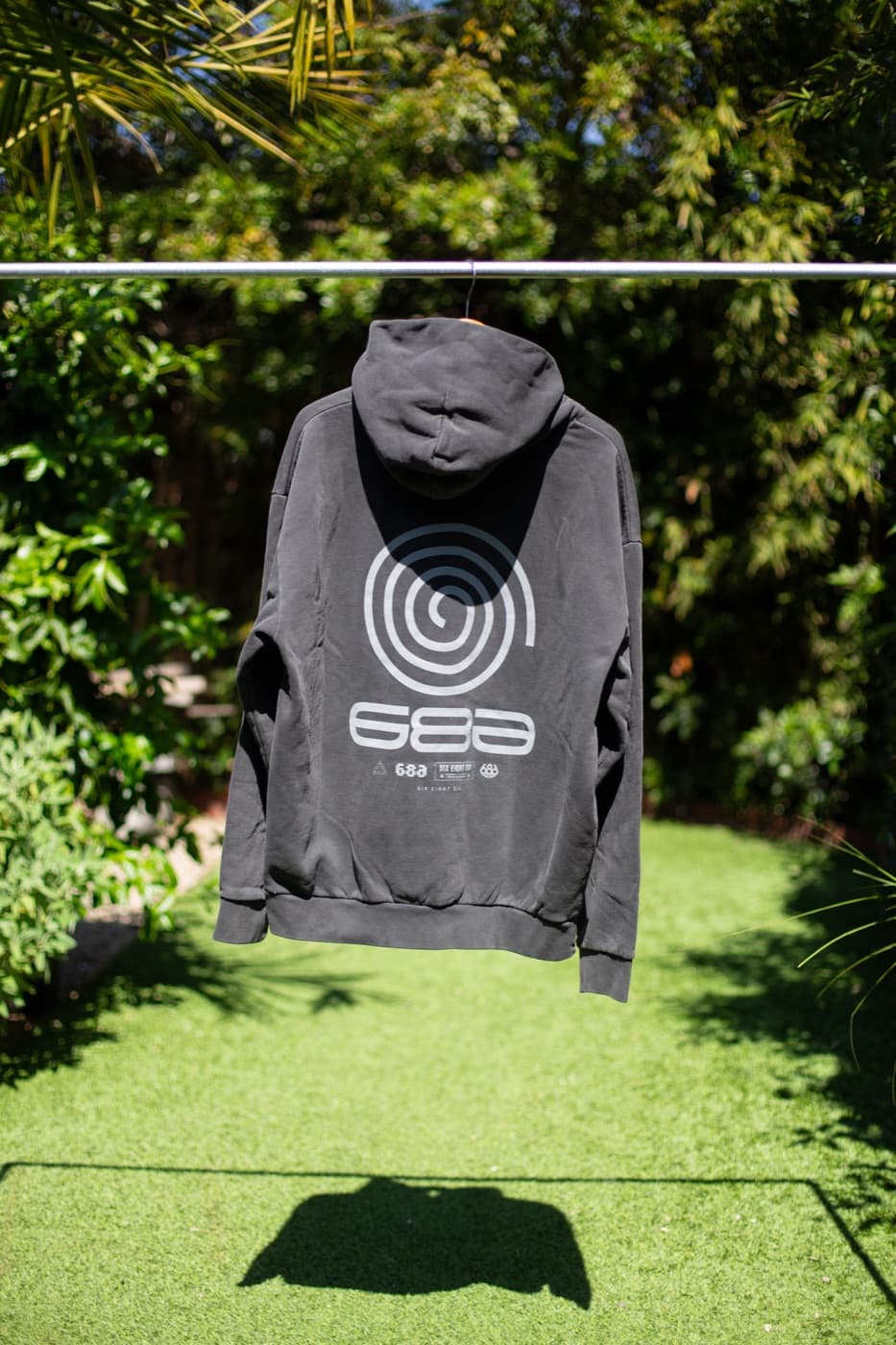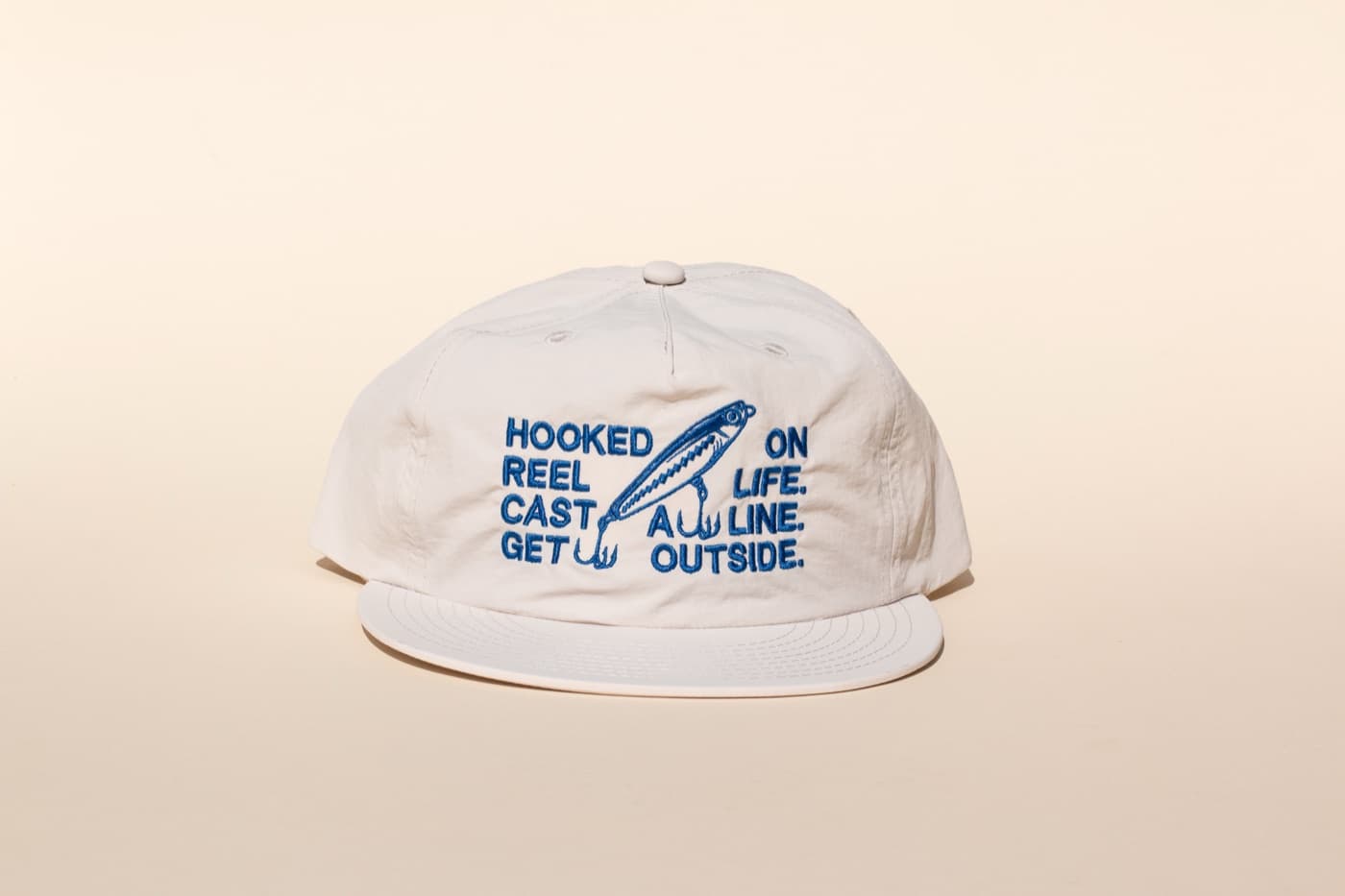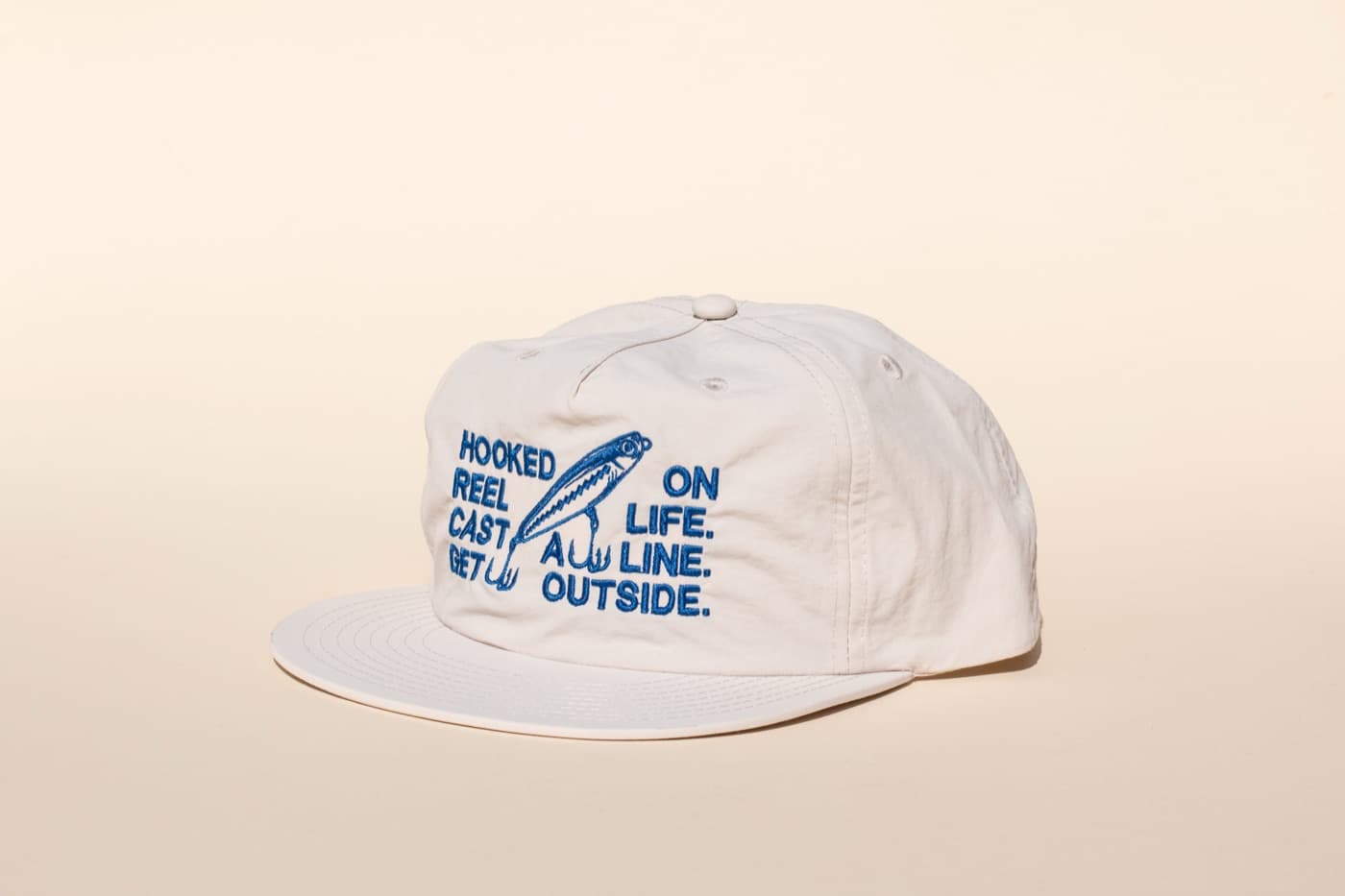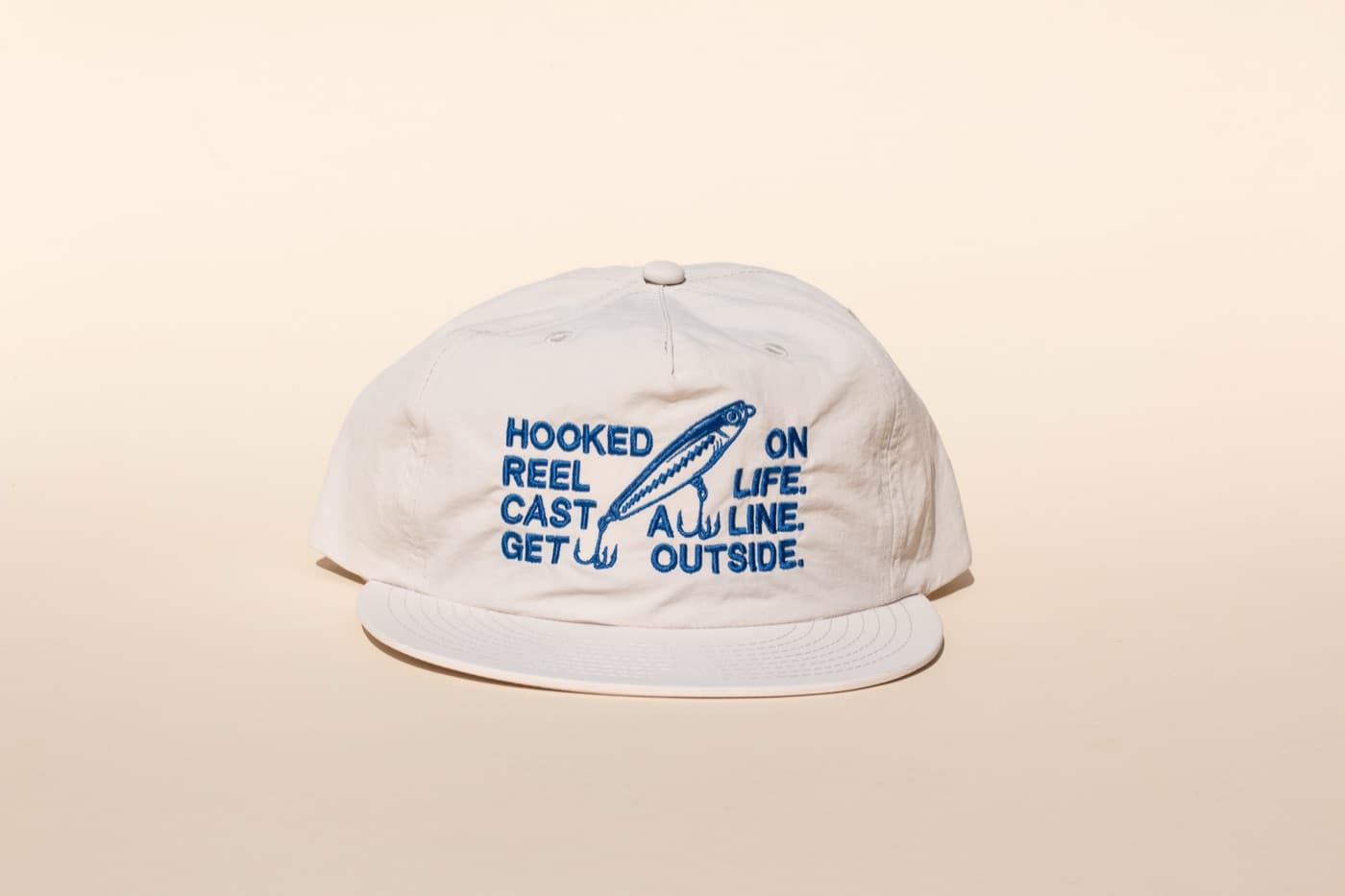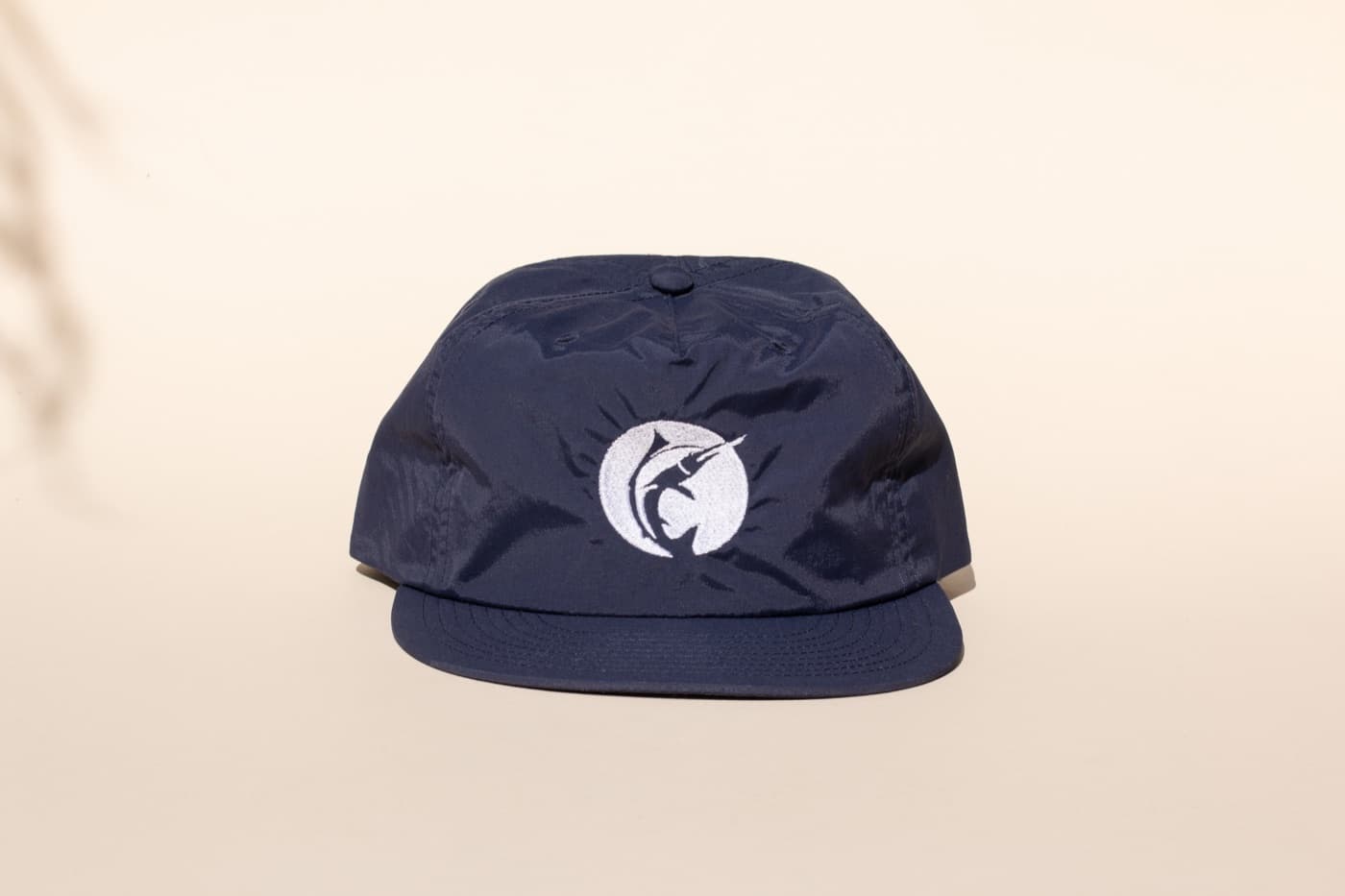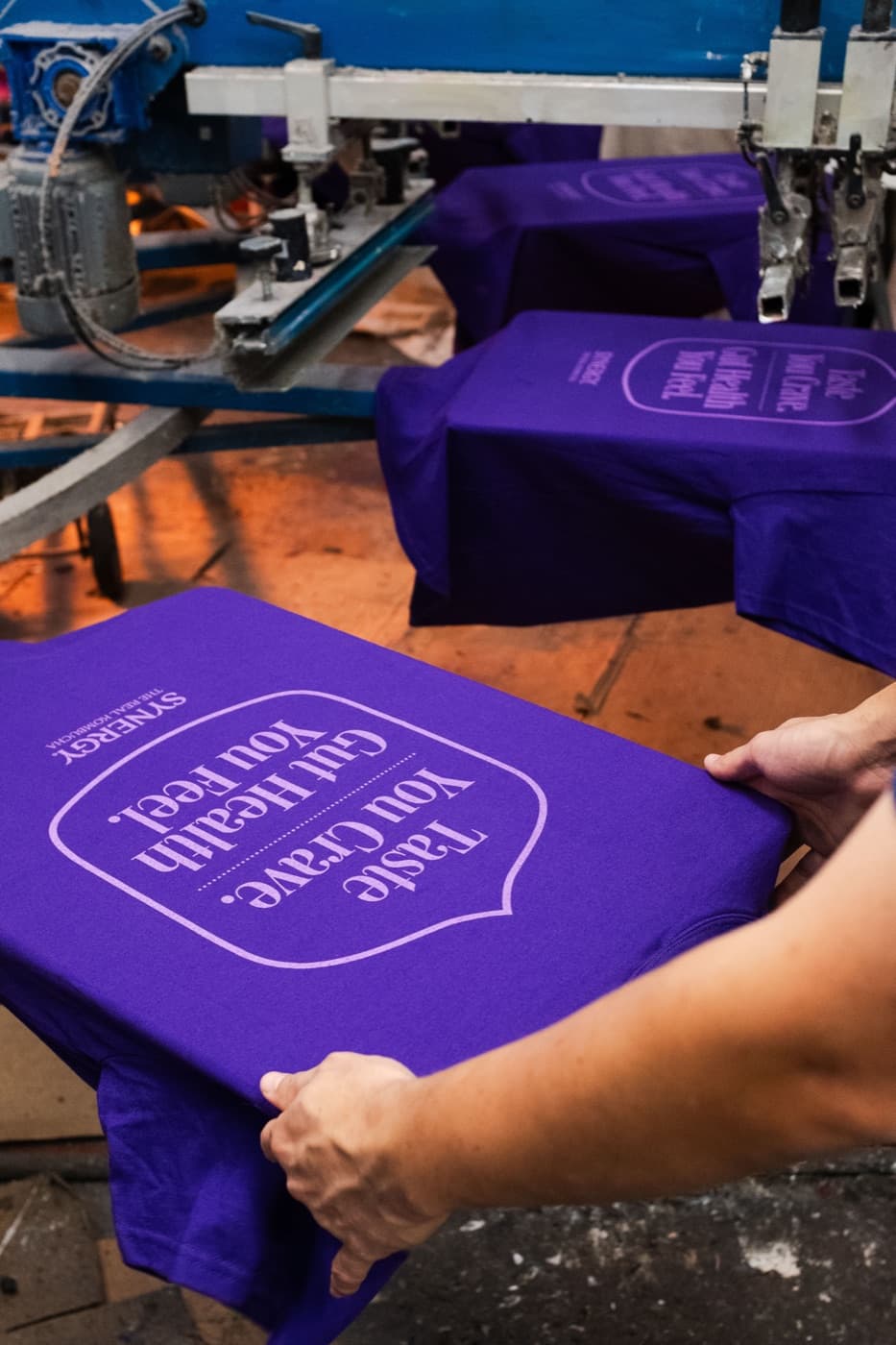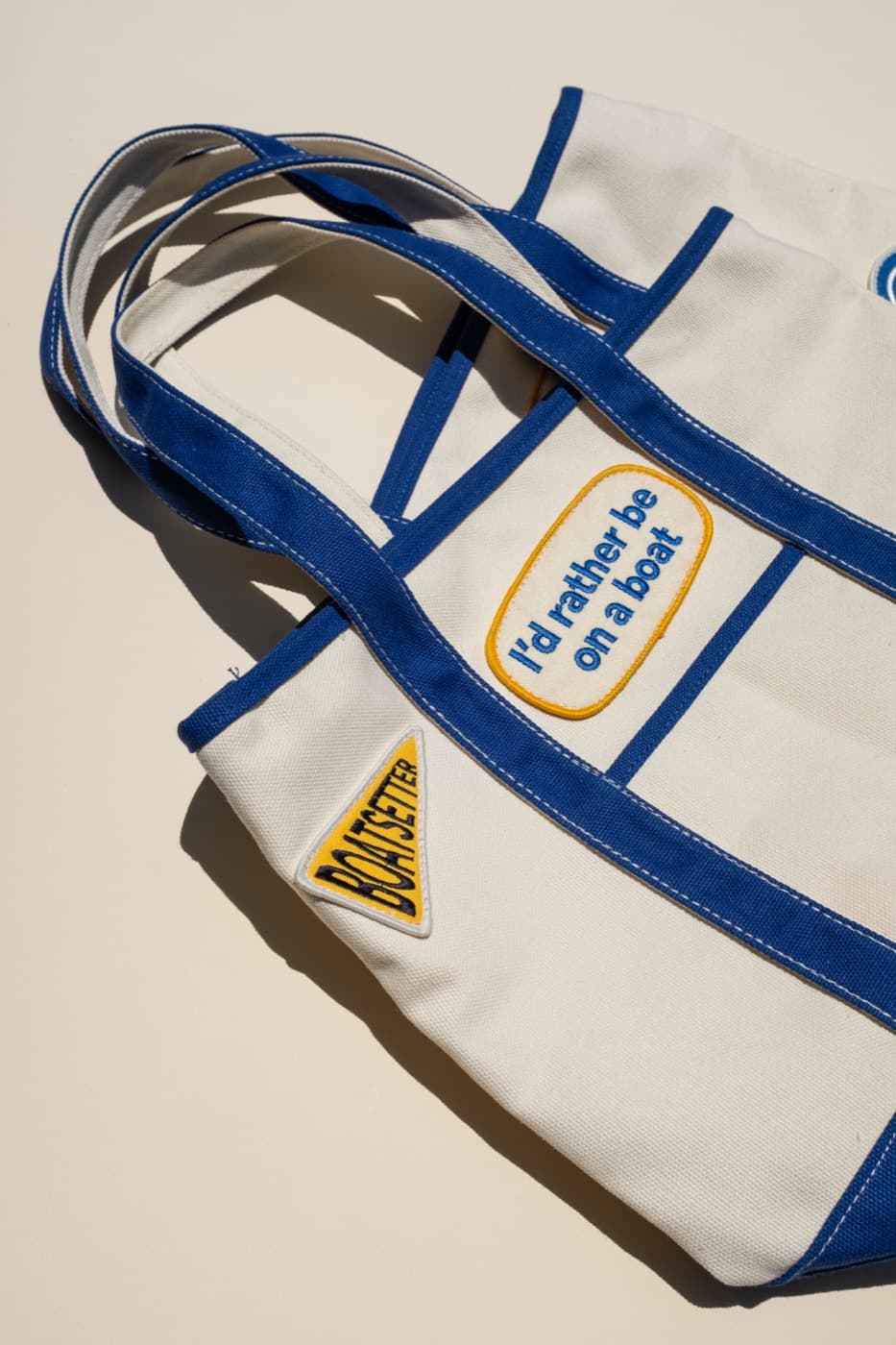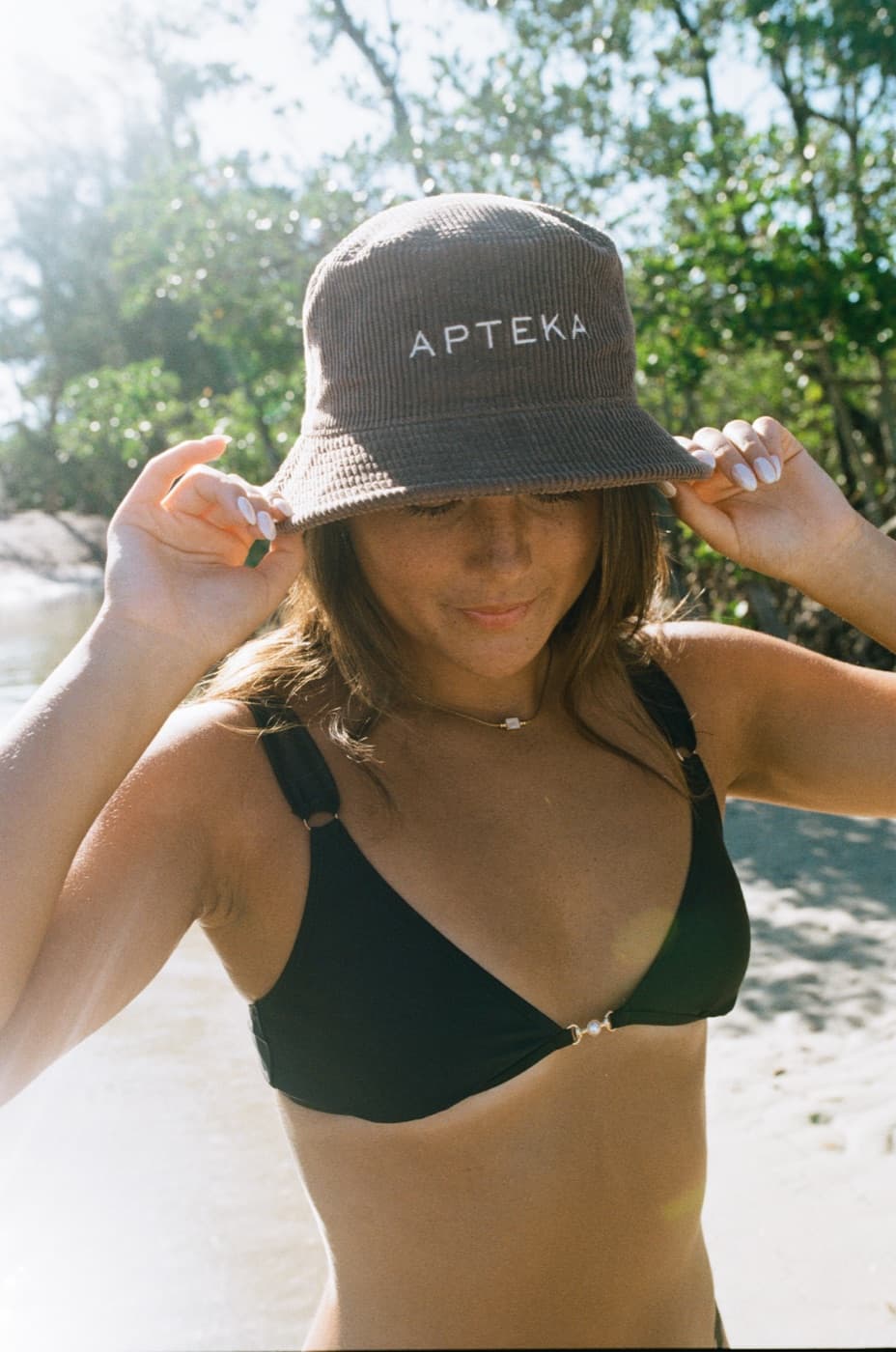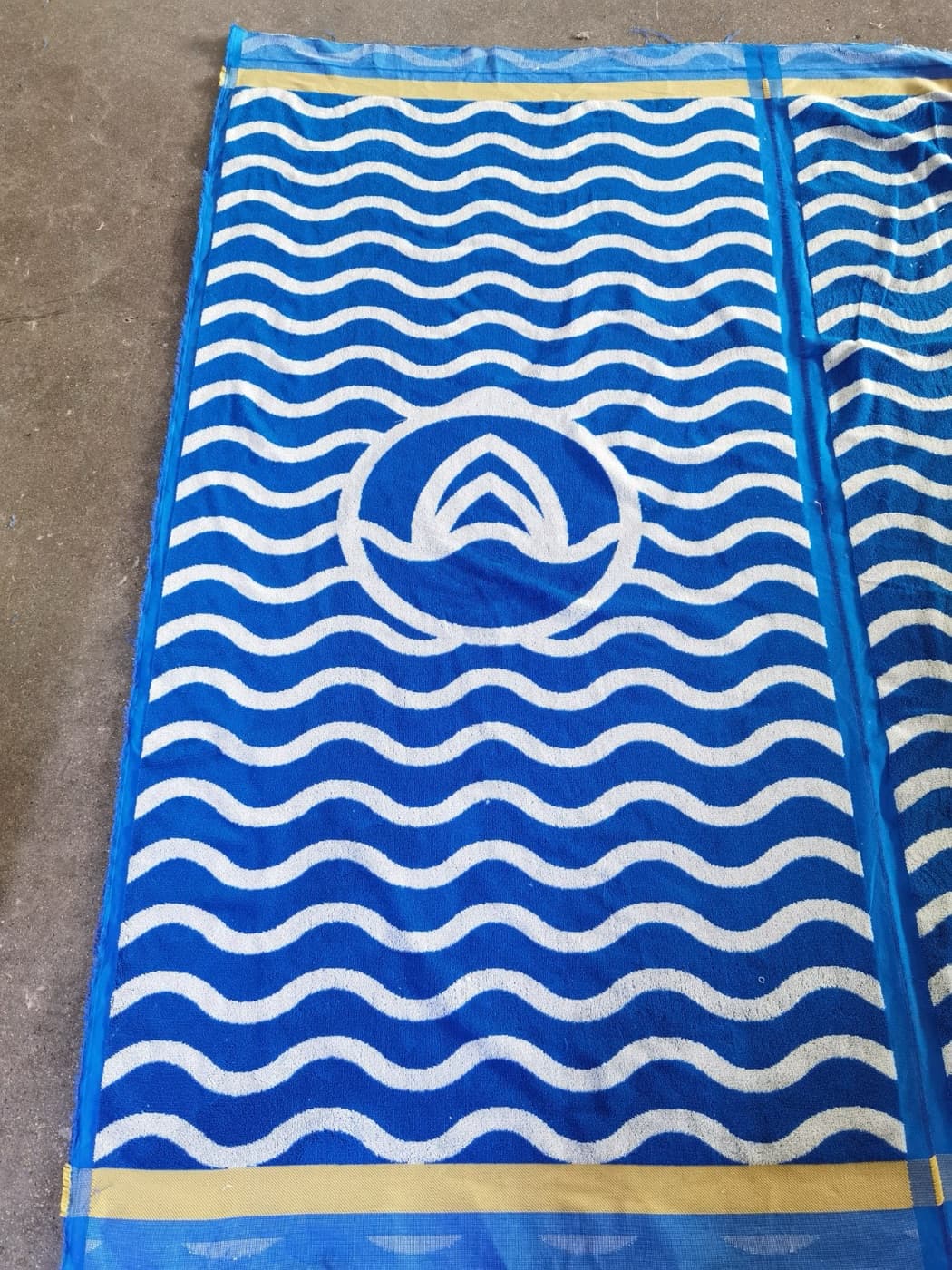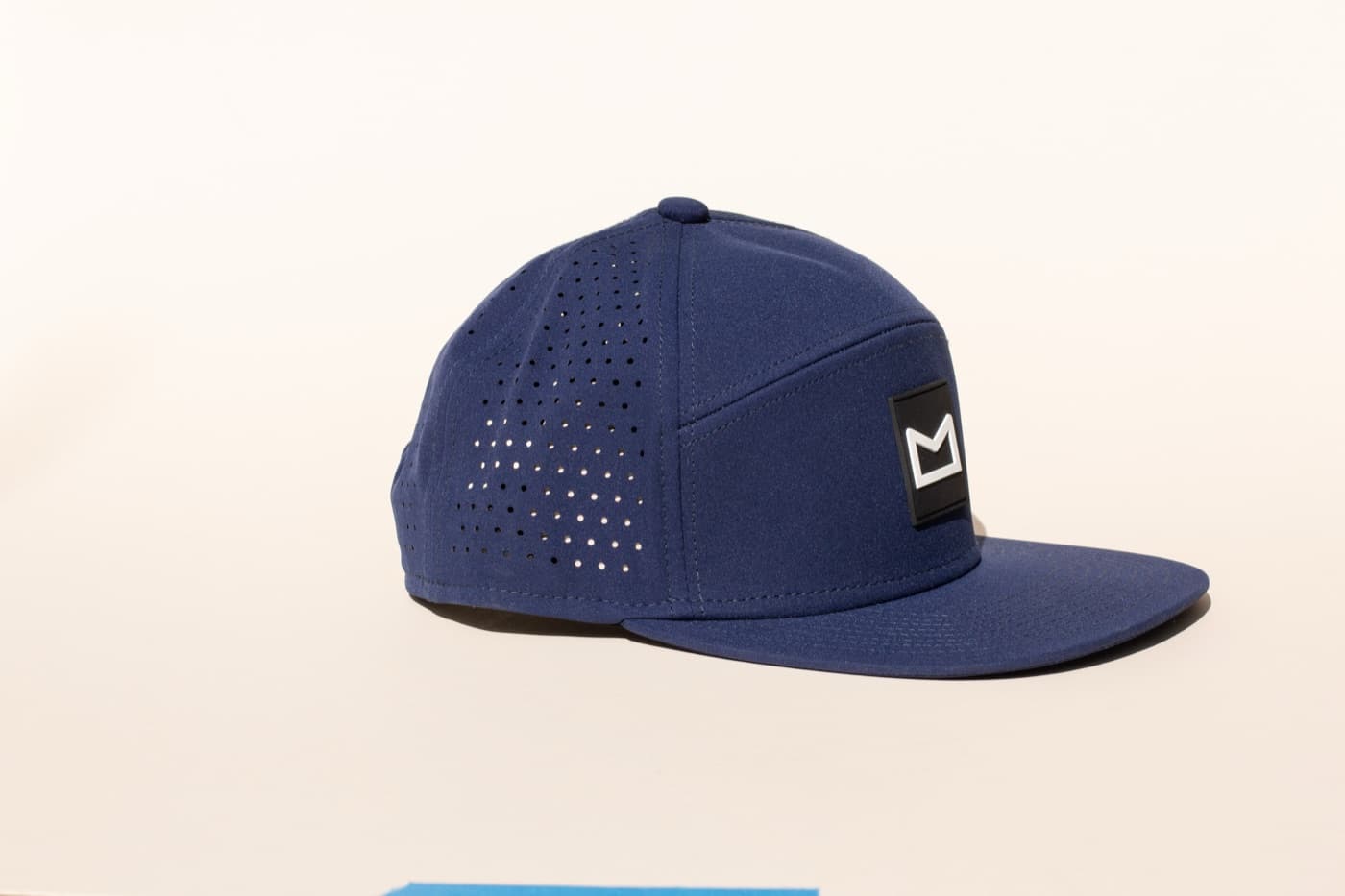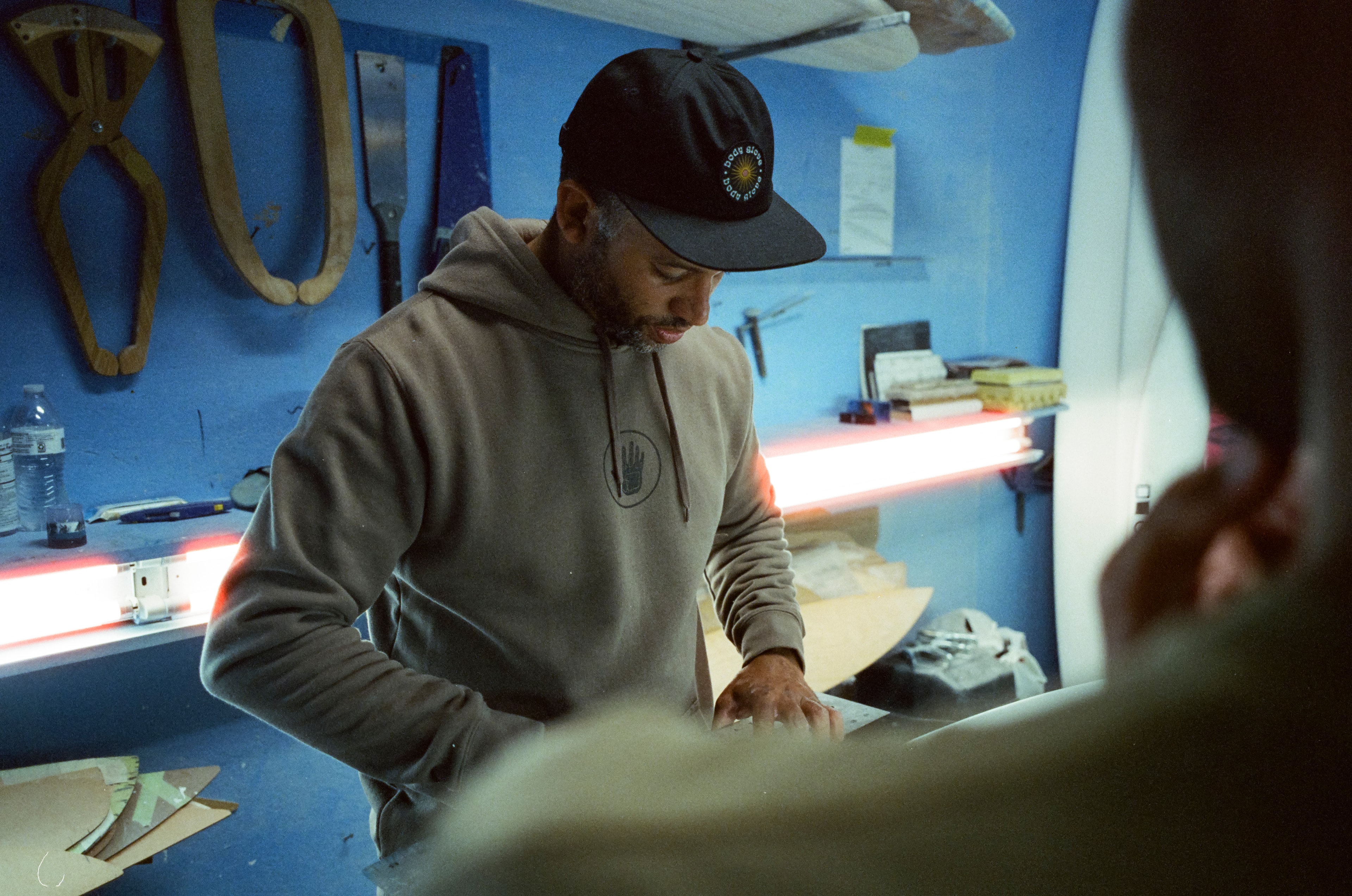
Apparel is the most familiar merch category, which is why it can be easy to rush. Pick a tee, add a logo, approve the proof, and wait for boxes. But apparel is also one of the easiest categories to get wrong. If the fit feels off, the fabric feels cheap, or the graphic feels awkward, the piece may never leave the drawer.
The best apparel merch feels like clothing first and branded content second. People wear it because the product feels good and the graphic makes sense on the body.
Start with the blank
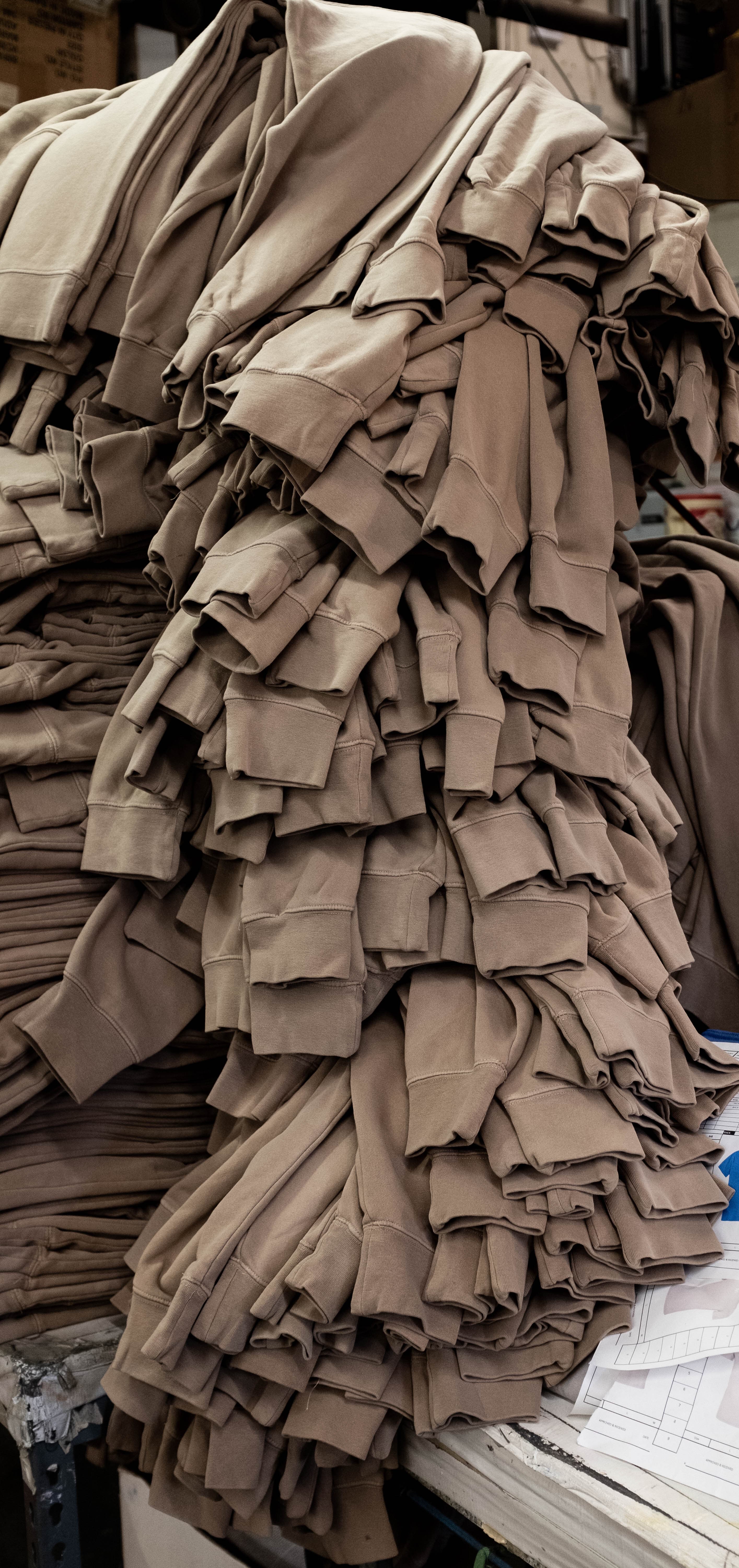
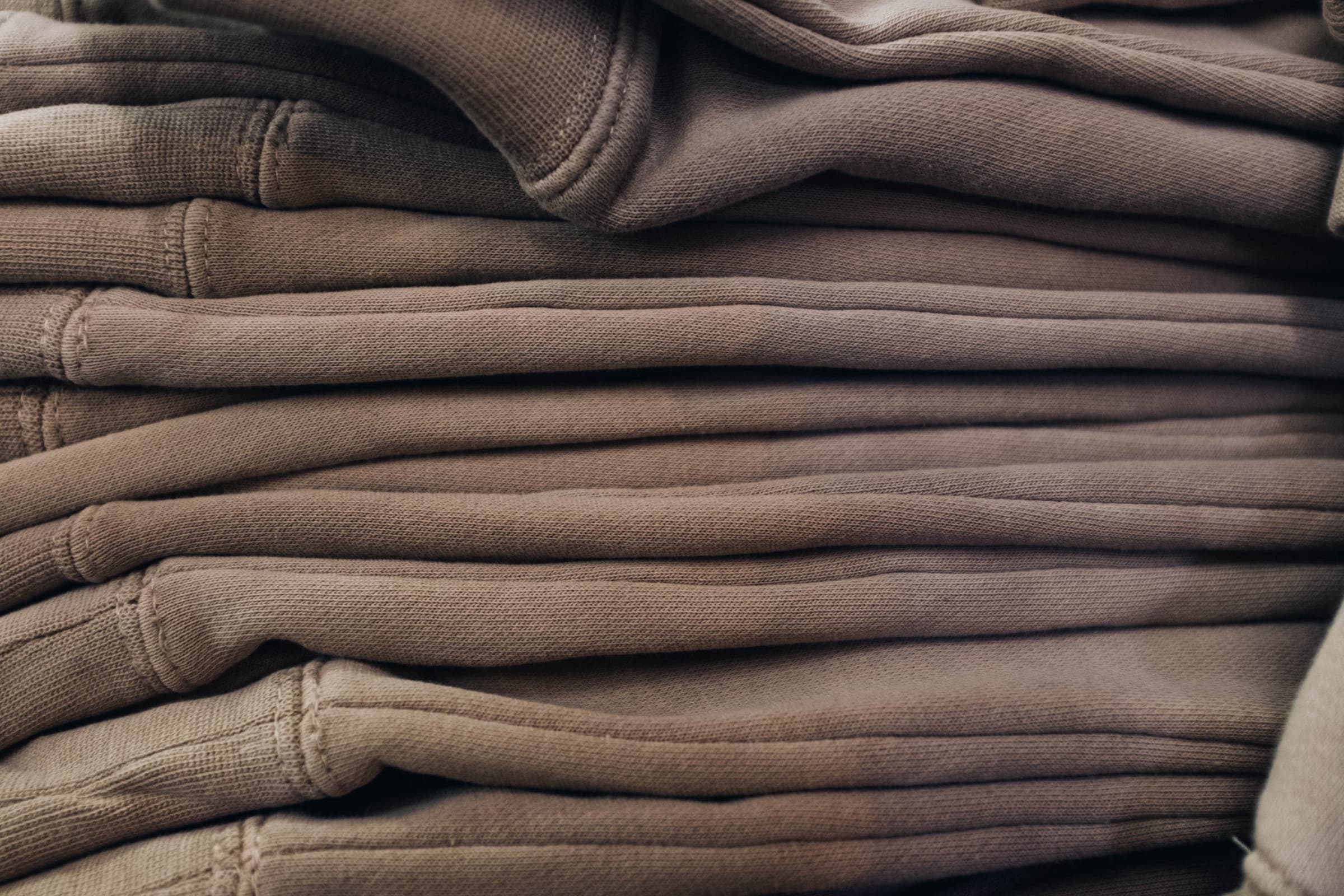
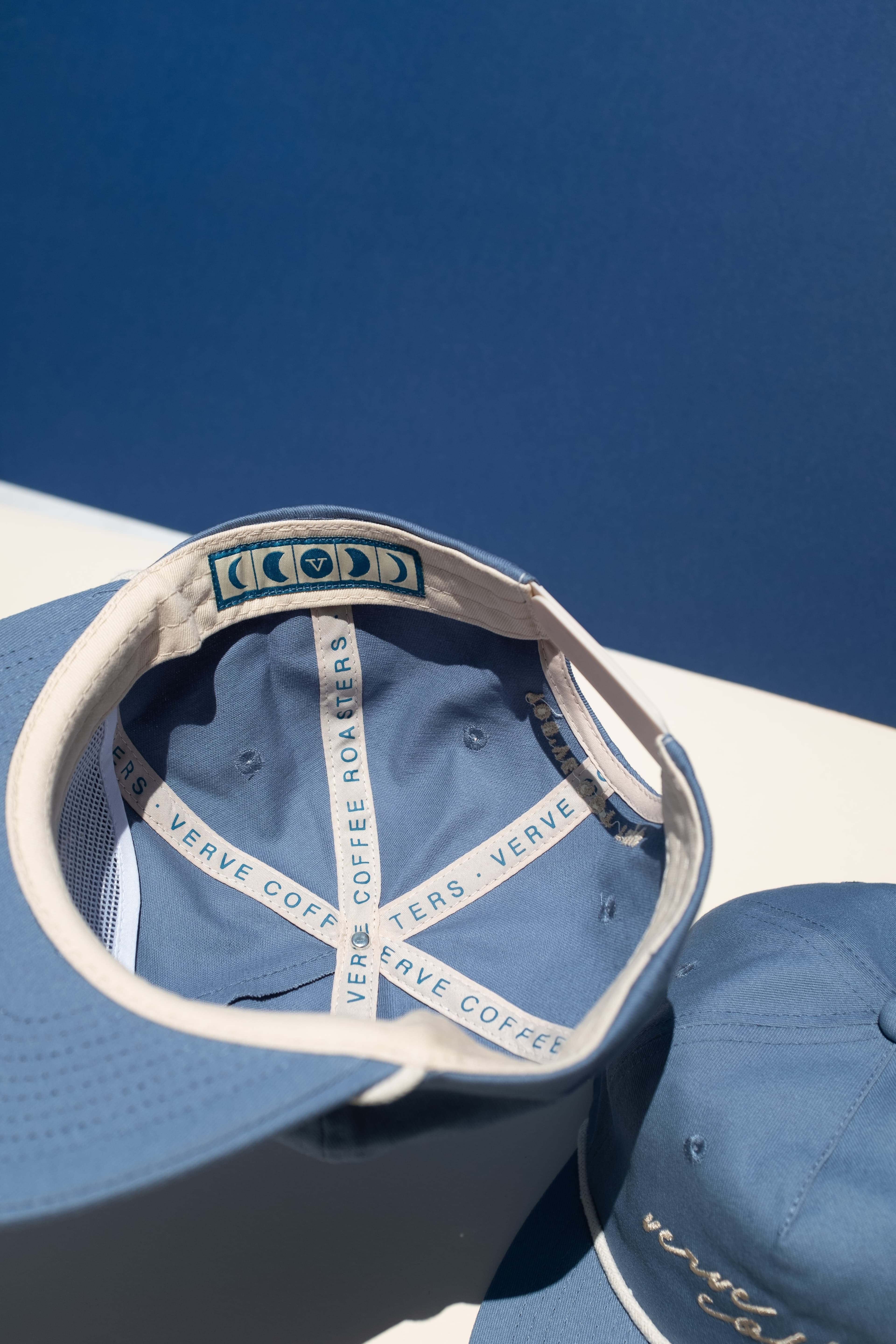
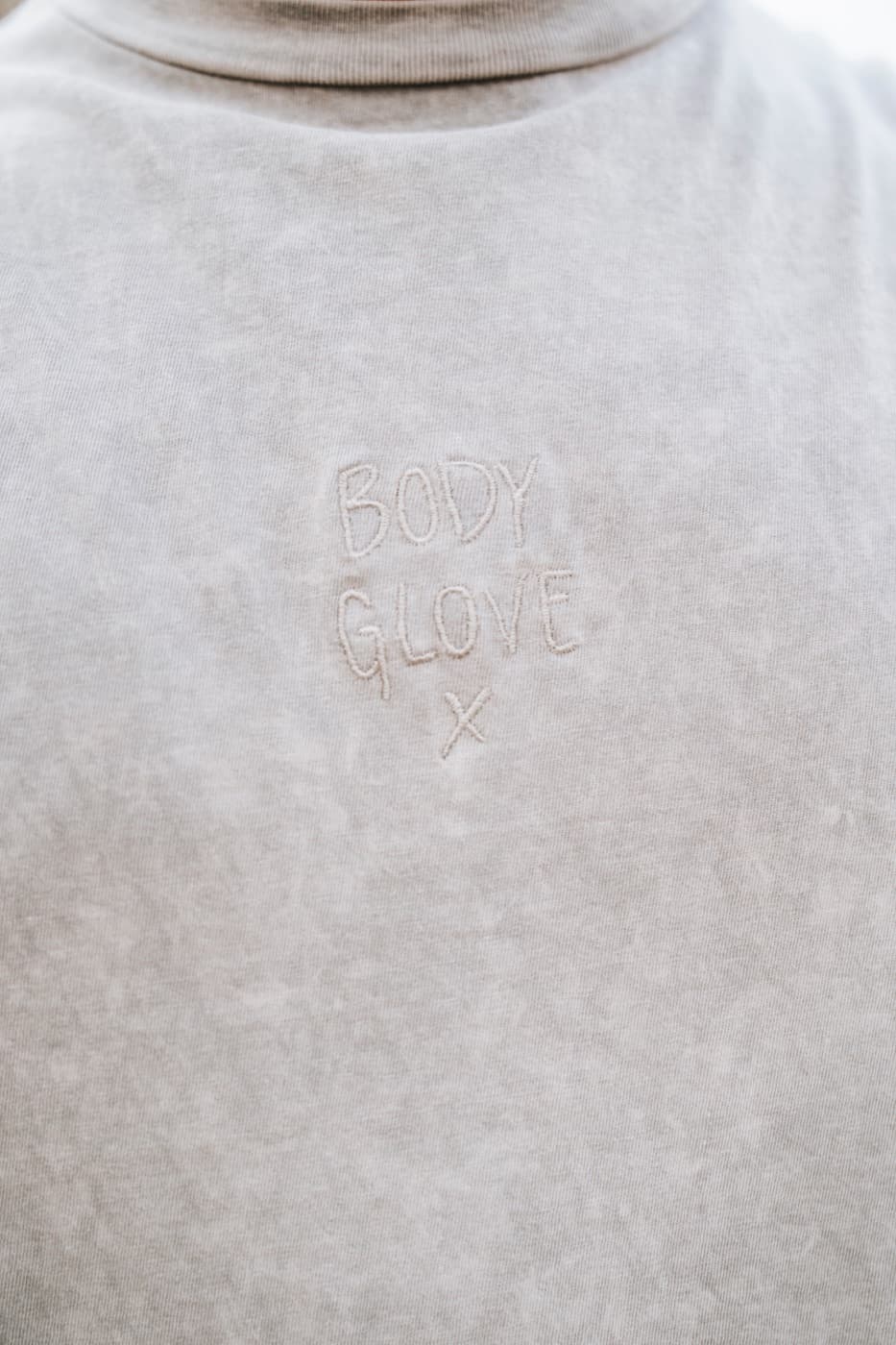
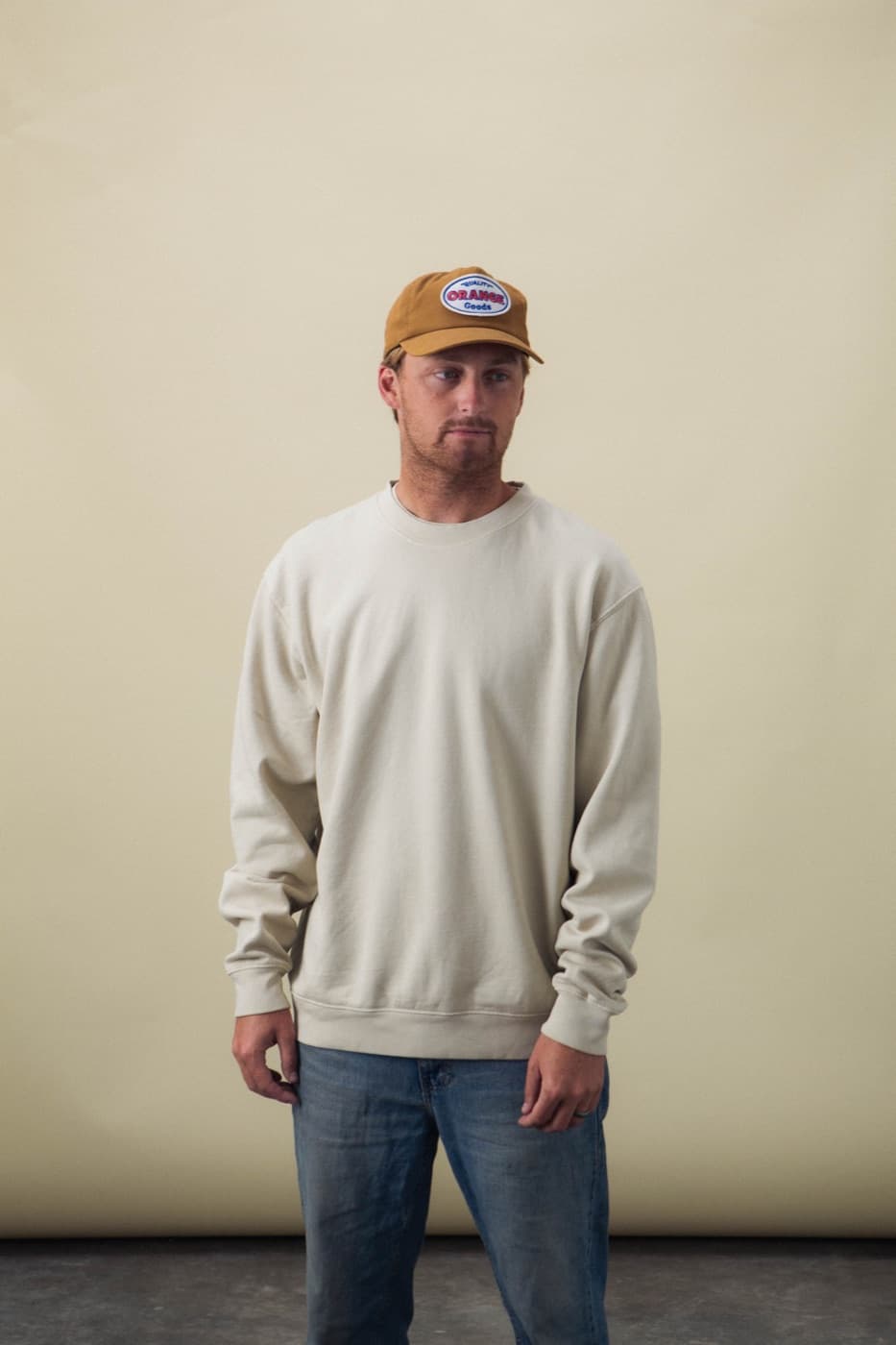
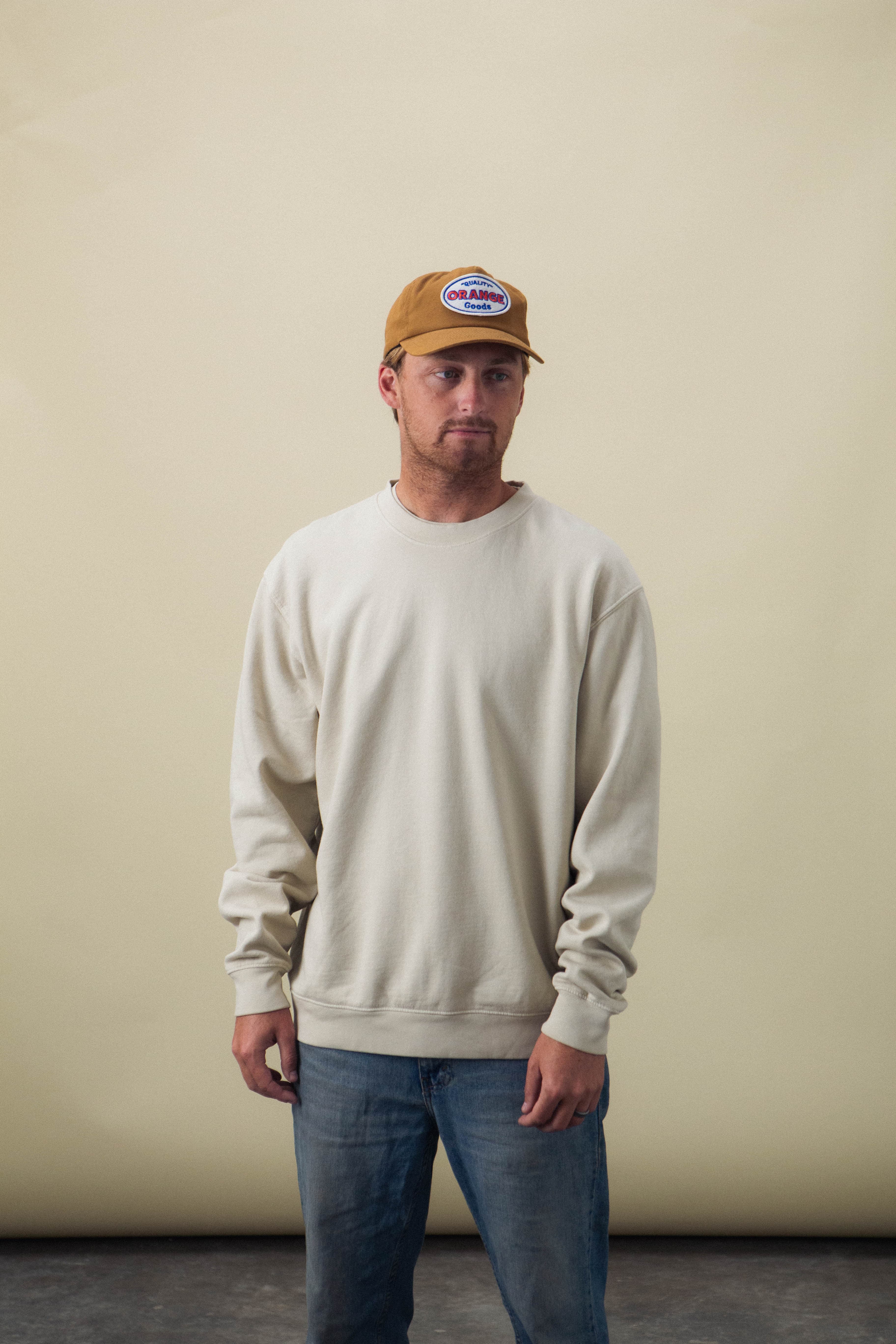
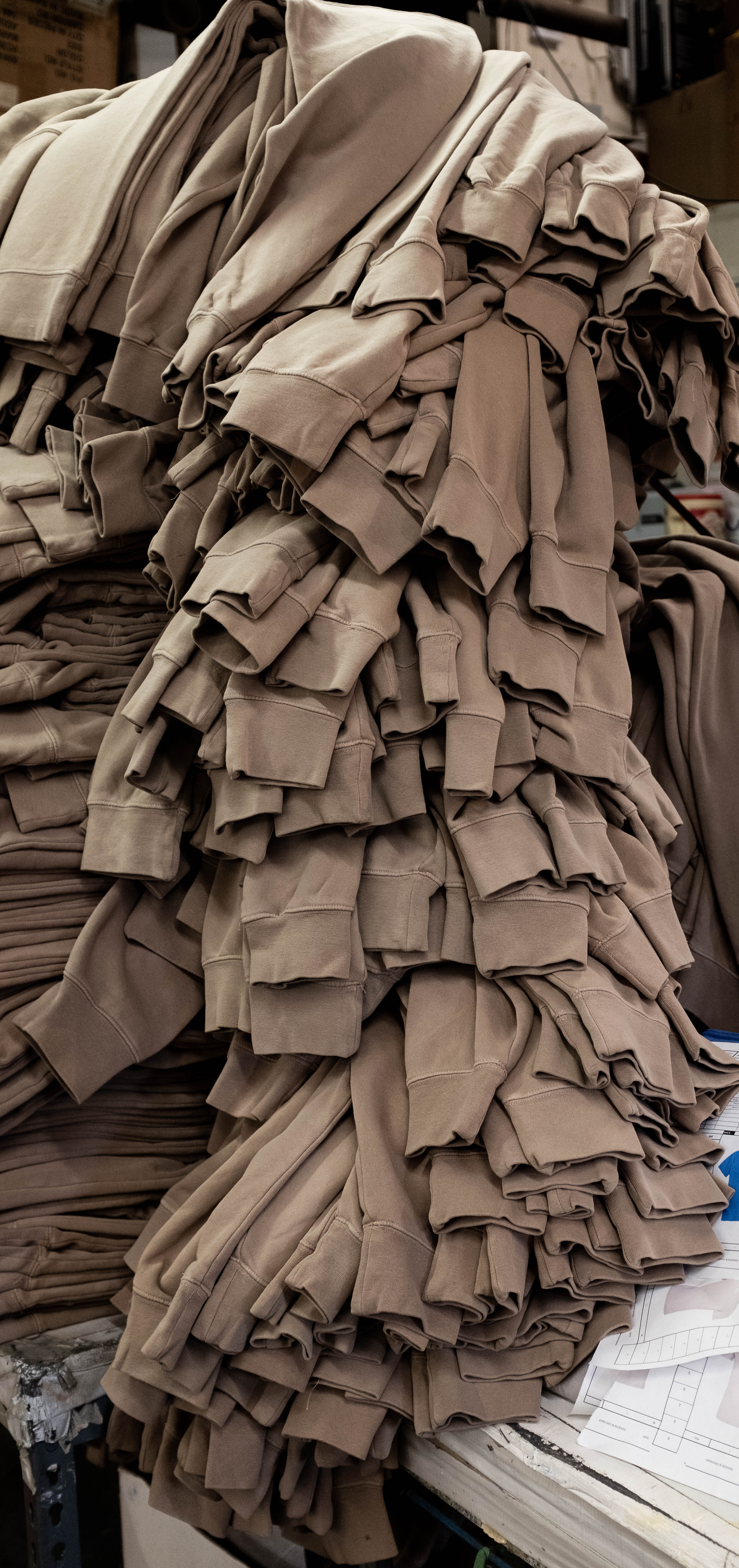
The blank controls the first impression: weight, softness, structure, shrinkage, fit, sleeve shape, collar, color, and how the garment hangs. A great print on the wrong blank still feels wrong. A better blank gives the artwork a stronger place to land.
For retail-style tees, heavier cotton, garment dye, or a more current fit can make a huge difference. For hoodies and crews, fleece weight and body shape matter. For staff apparel, durability and reorderability may matter more than trend.
Design for the body
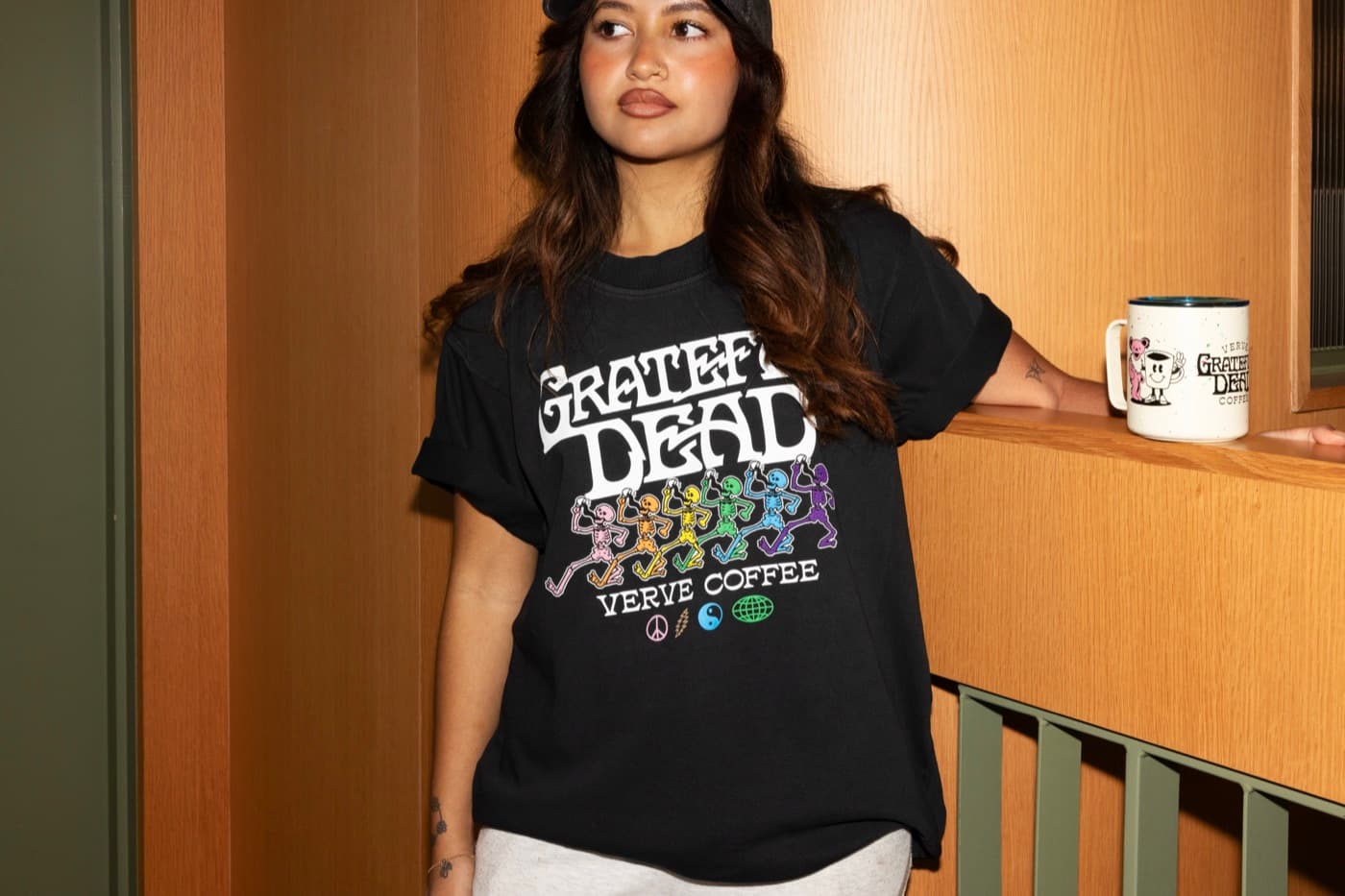
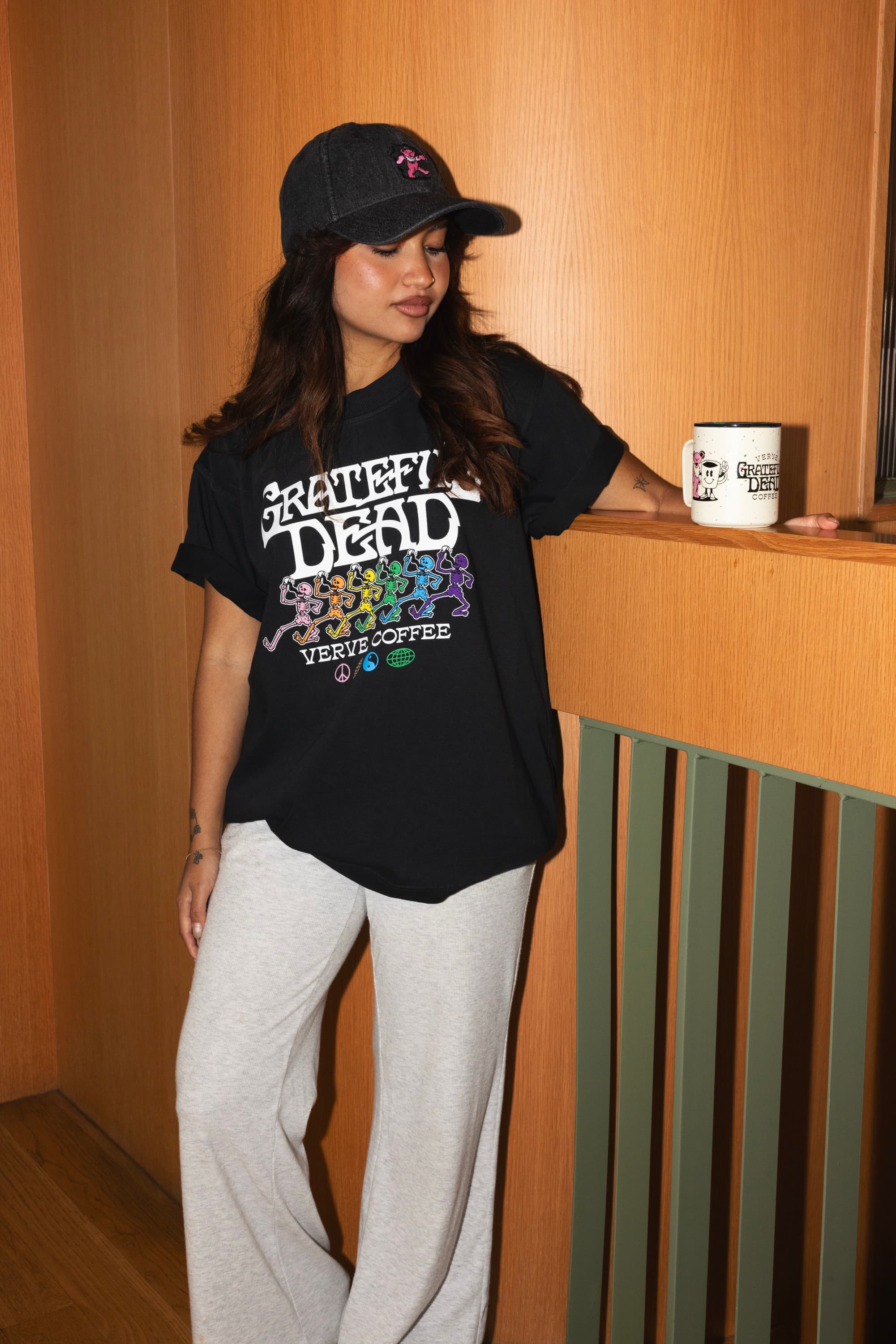
A graphic that works on a flat mockup may not work when worn. Front prints can sit too low. Back prints can feel too large. Sleeve hits can look great in photos and be difficult in production. Pocket prints need the right scale. The garment changes the artwork.
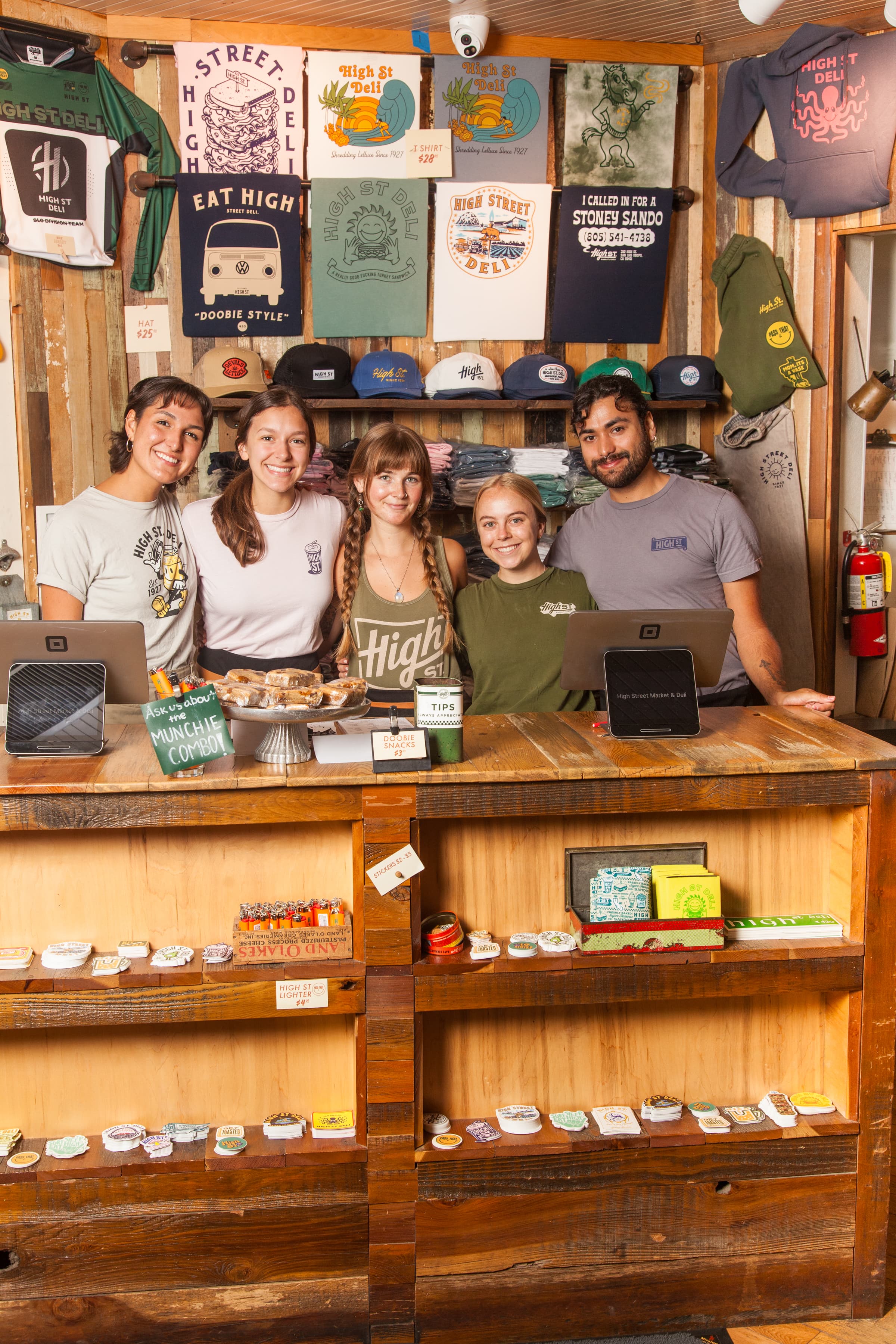
Think about where the piece will be seen: on staff, at an event, in retail photos, in a kit, or in daily life. The graphic should support that setting without making the wearer feel like a billboard unless that is the intended style.
Balance brand impact and wearability
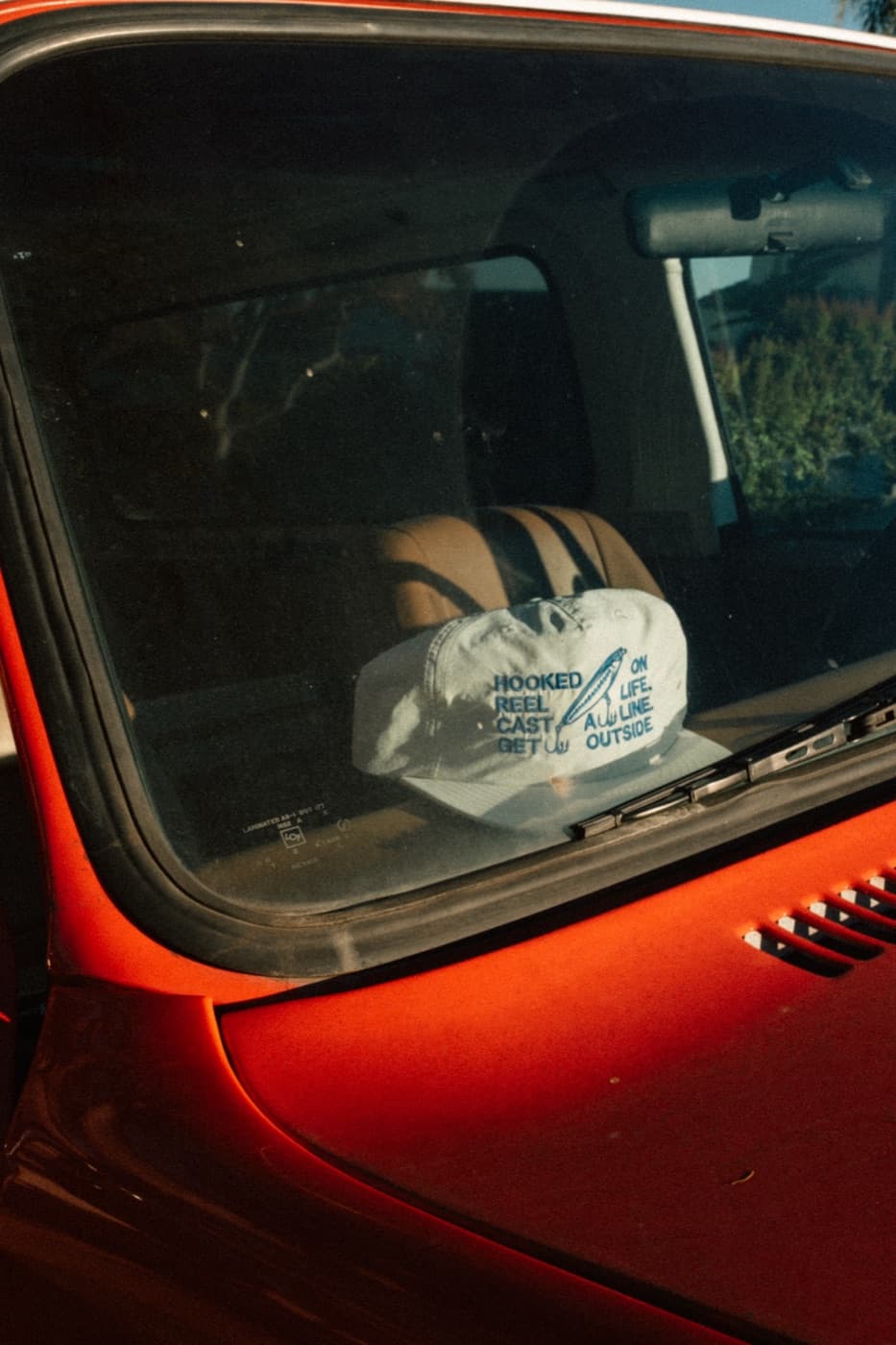
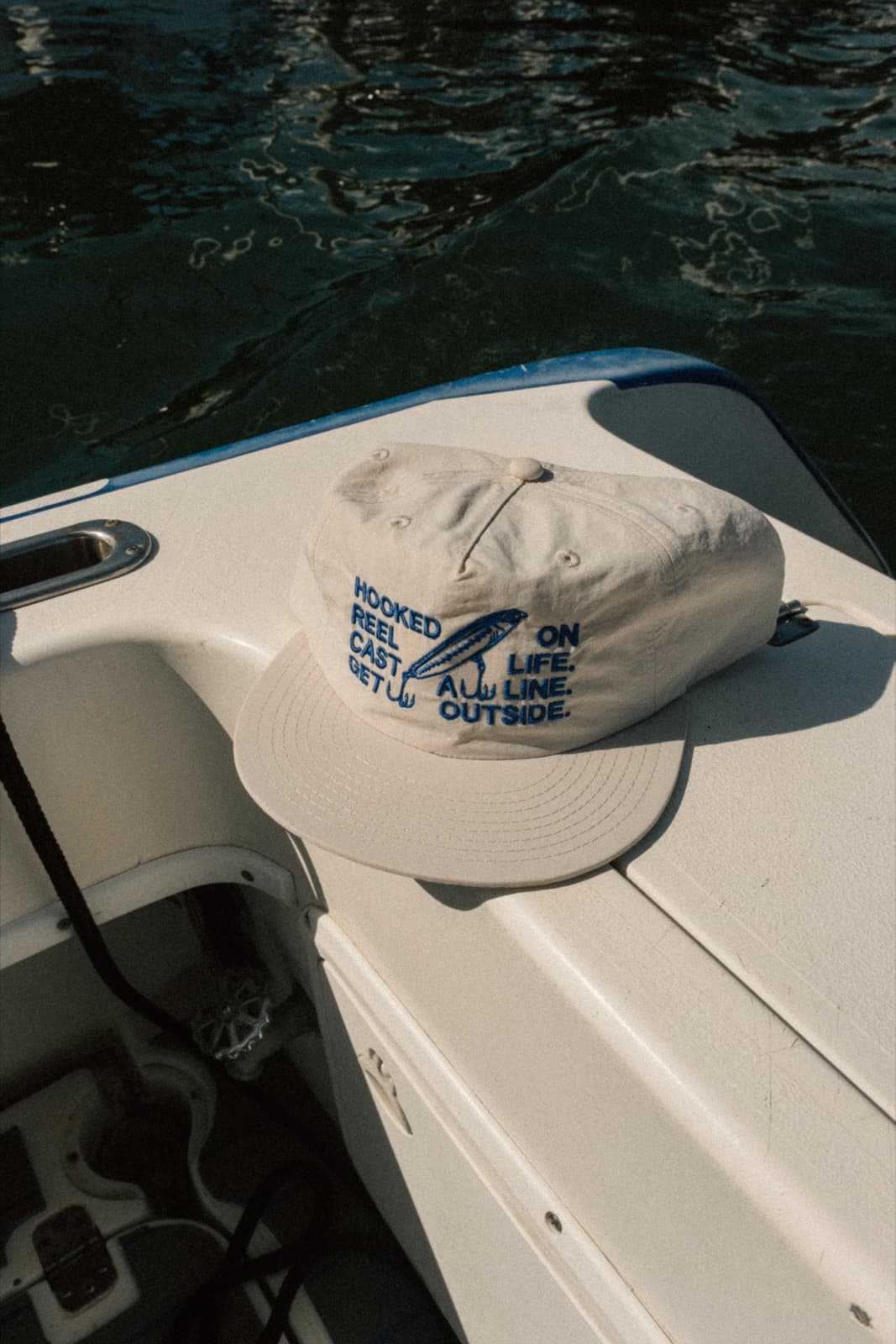
More logo is not always more brand. A smaller front mark, stronger back graphic, tonal print, sleeve detail, or inside label can sometimes create a more premium piece than a huge front logo. Wearability gives the brand more impressions because the piece gets used more often.
That balance changes by audience. A music collaboration can carry a louder graphic. A corporate retreat hoodie may need more restraint. A restaurant tee can lean into personality. A university department gift may need to stay cleaner.
Plan the first run for learning
For many brands, a 100-piece apparel run is enough to test fit, size demand, color, and design response. Track what moves, what gets worn, what sizes disappear, and what people ask for next. That feedback makes the next run smarter.
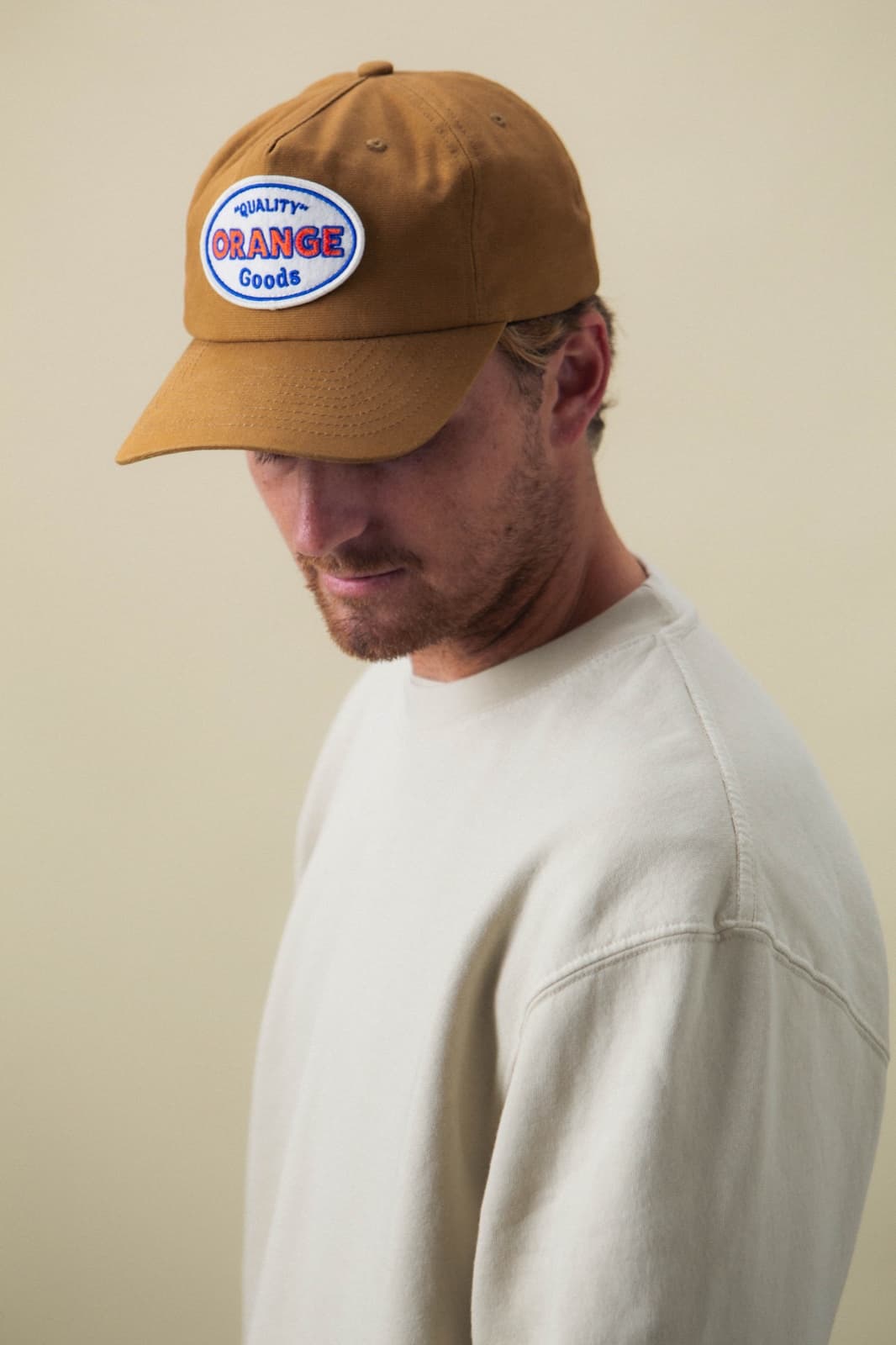
Orange Goods helps brands choose apparel with the final use in mind: the right blank, right decoration, right scale, and right production path so the finished piece feels like something people actually want to wear.