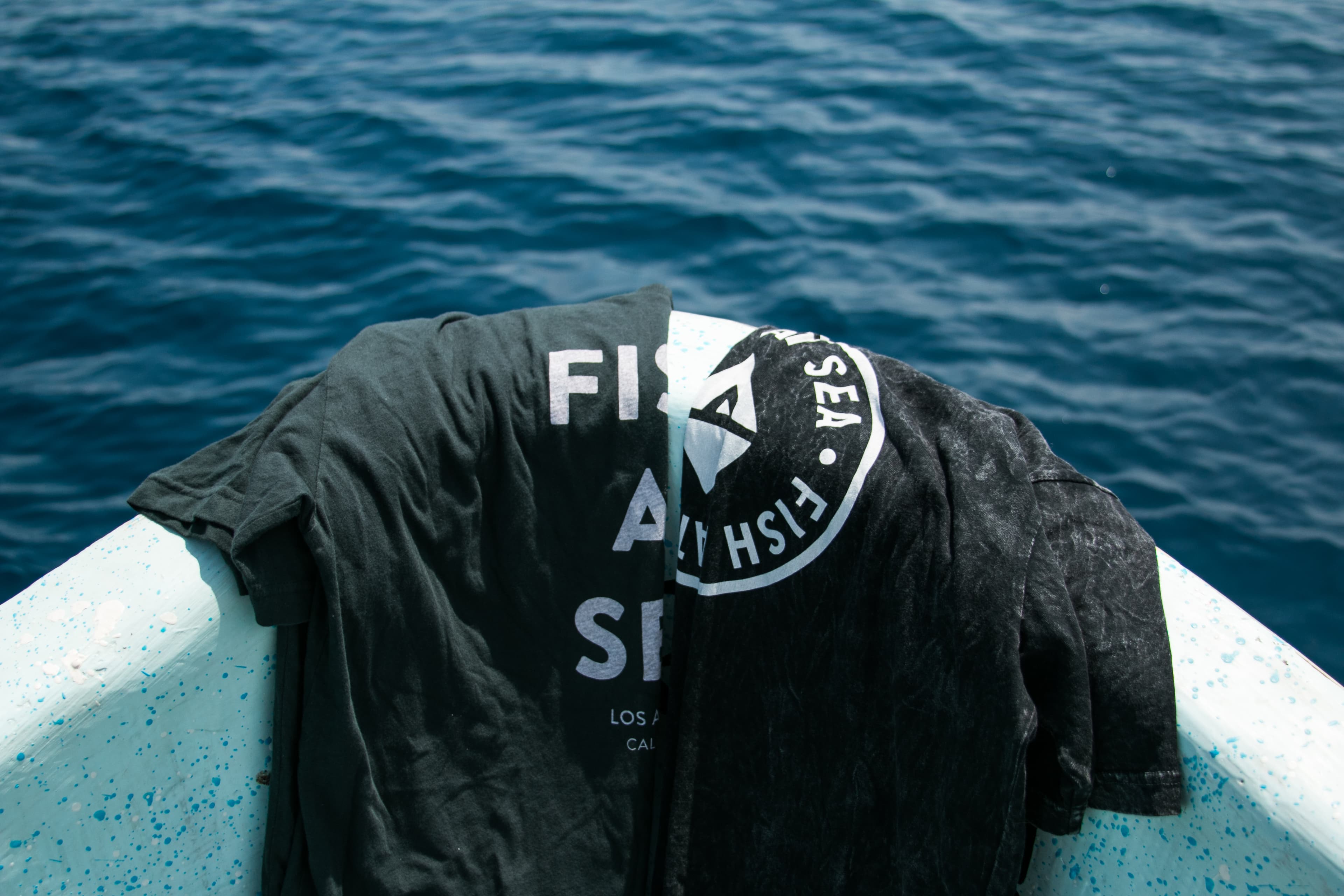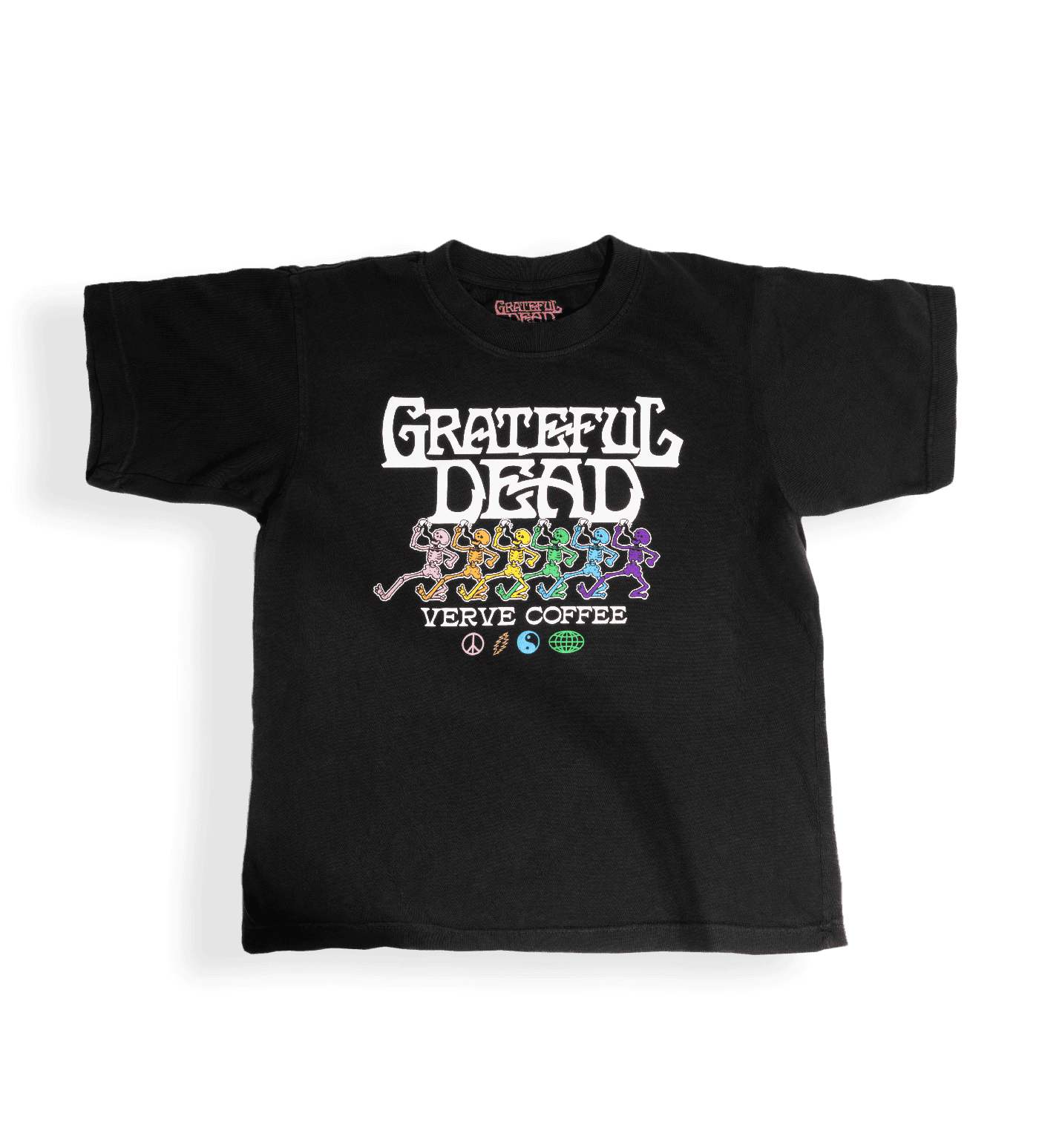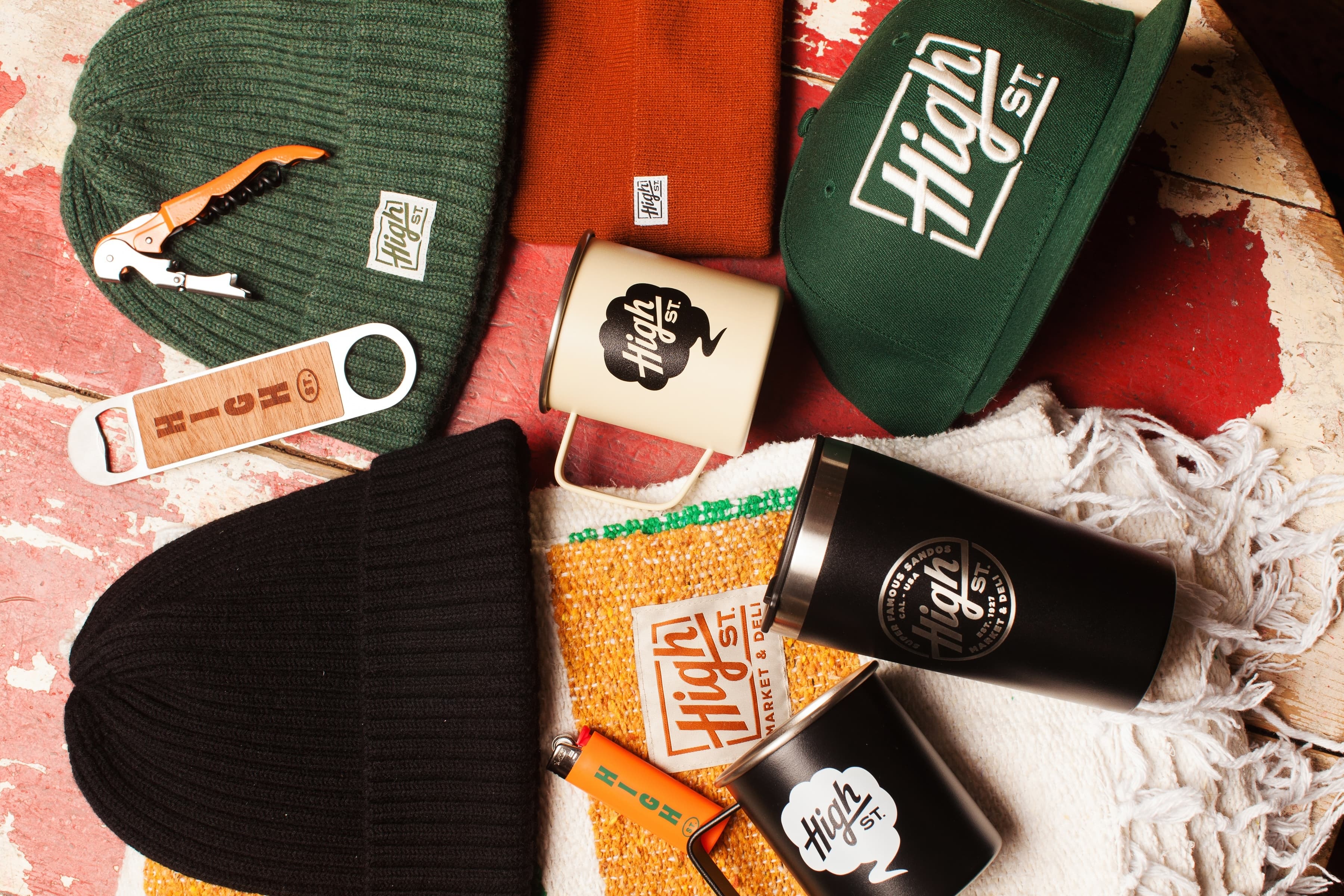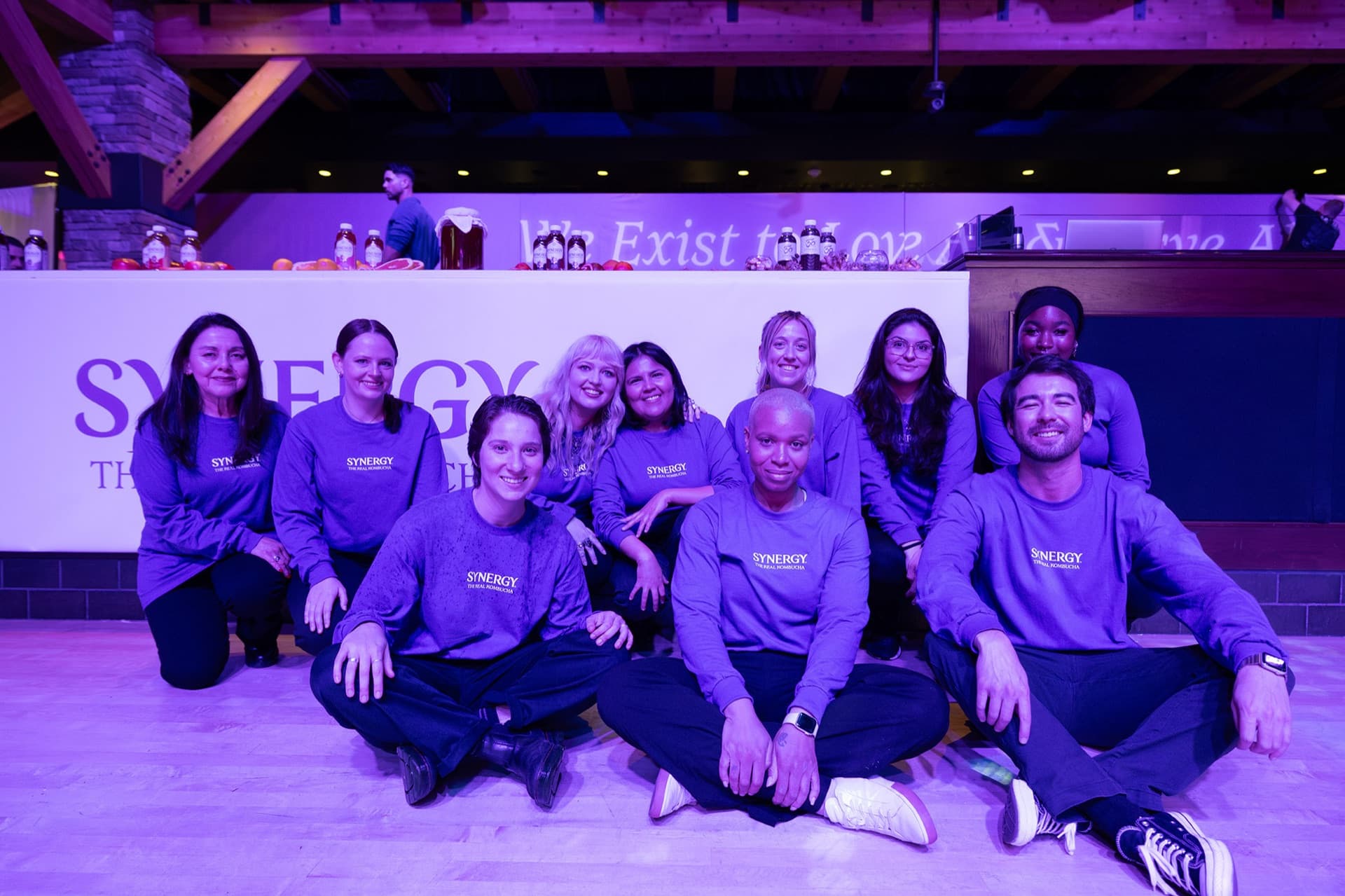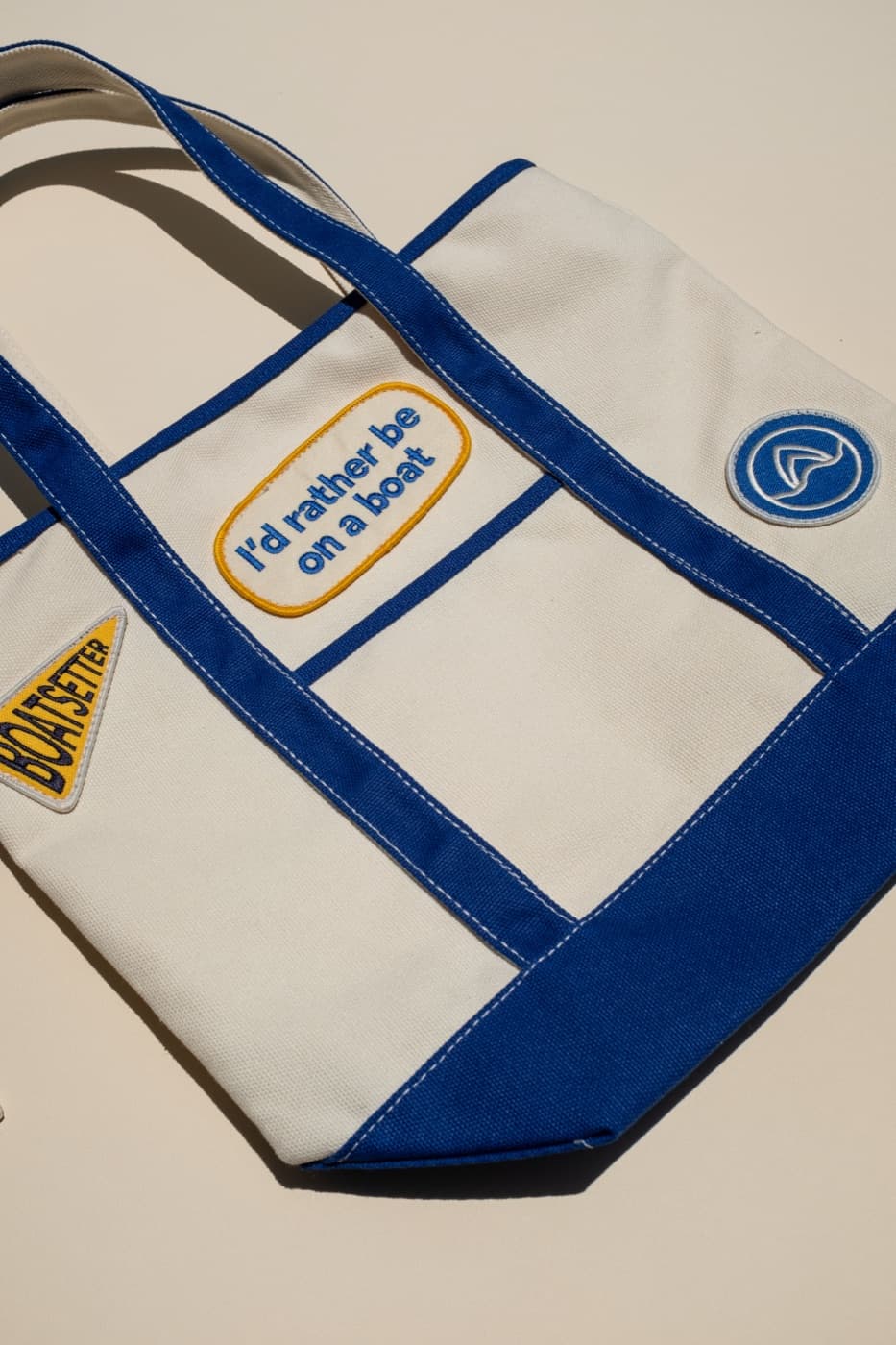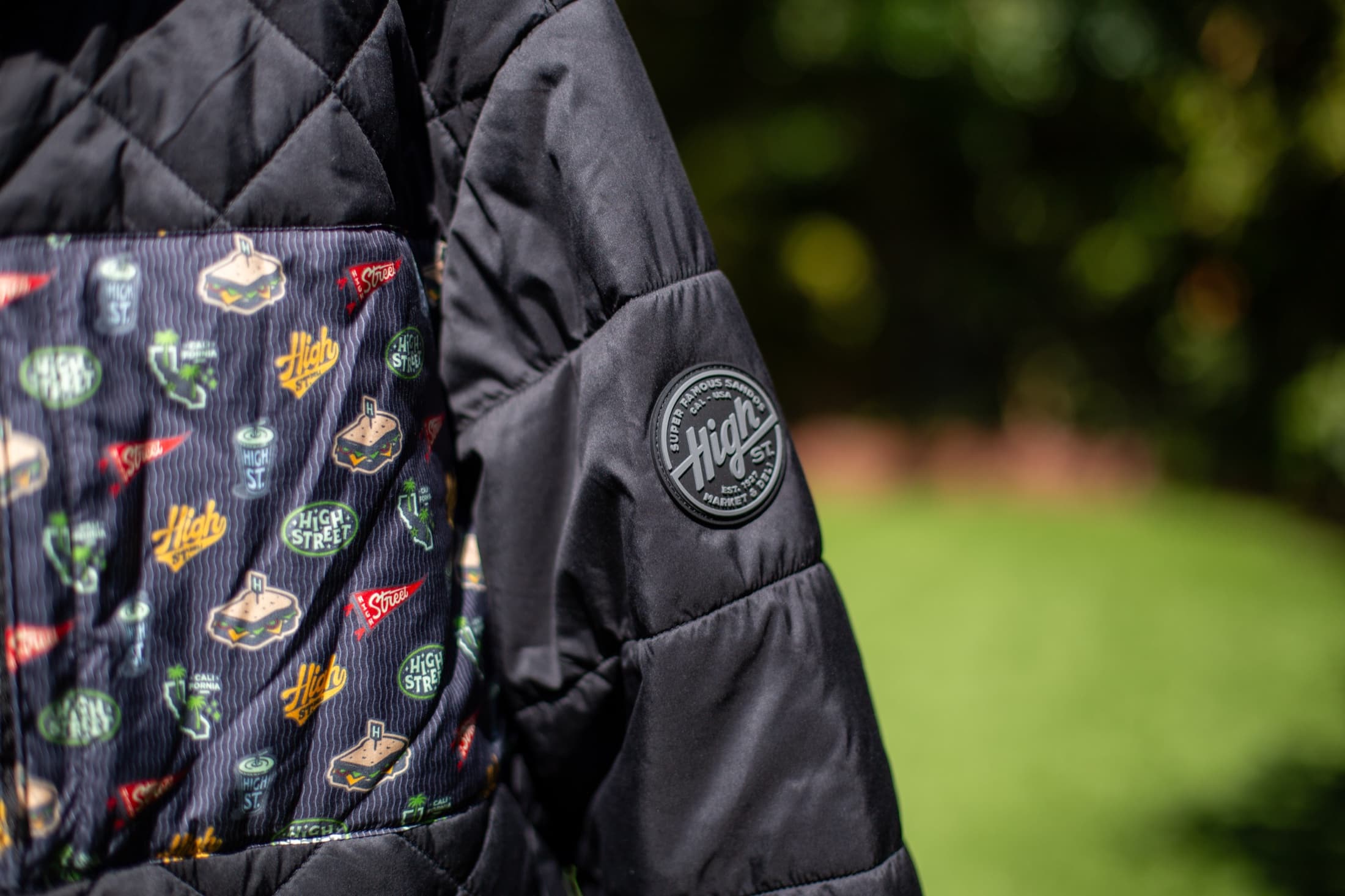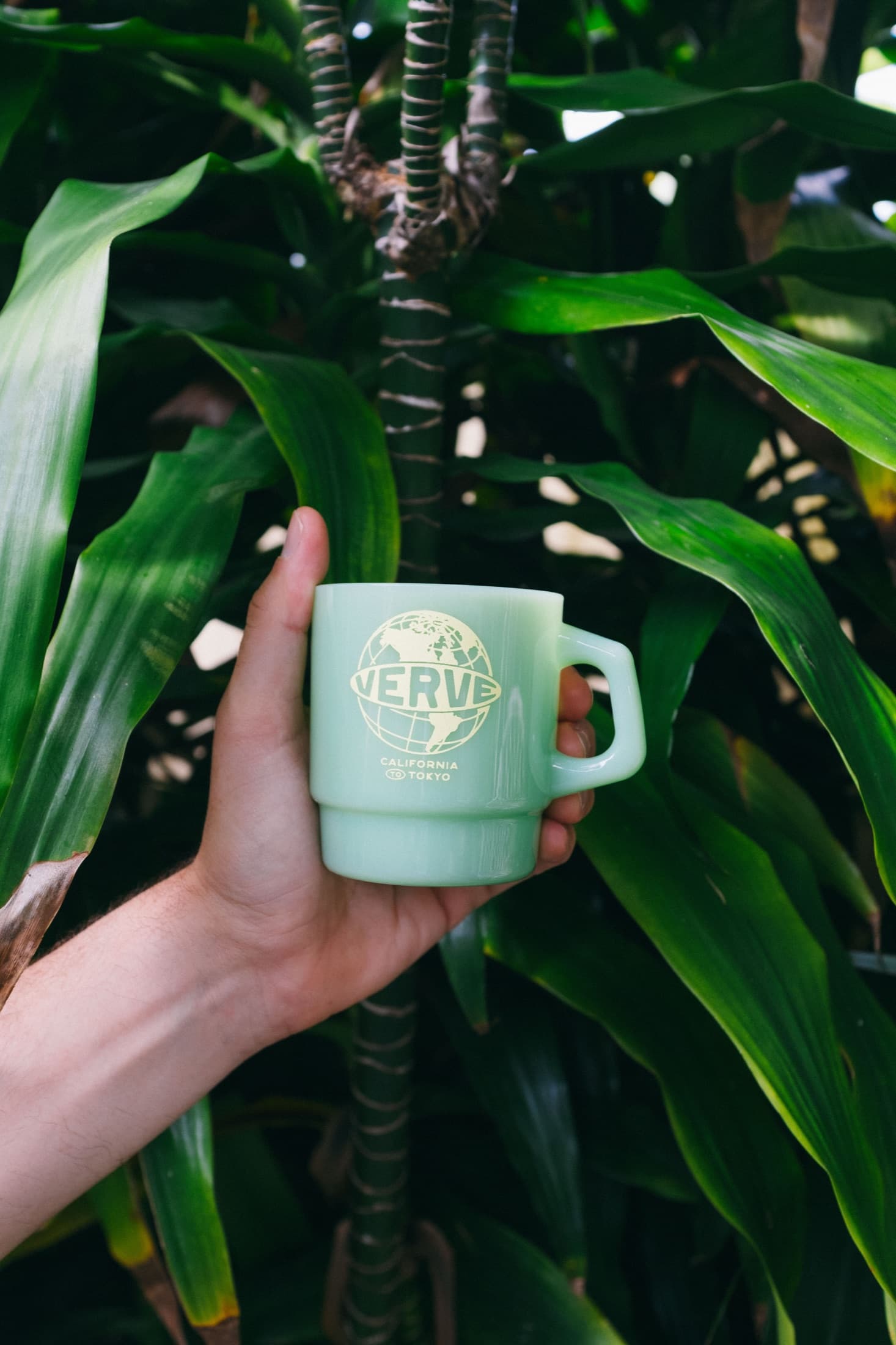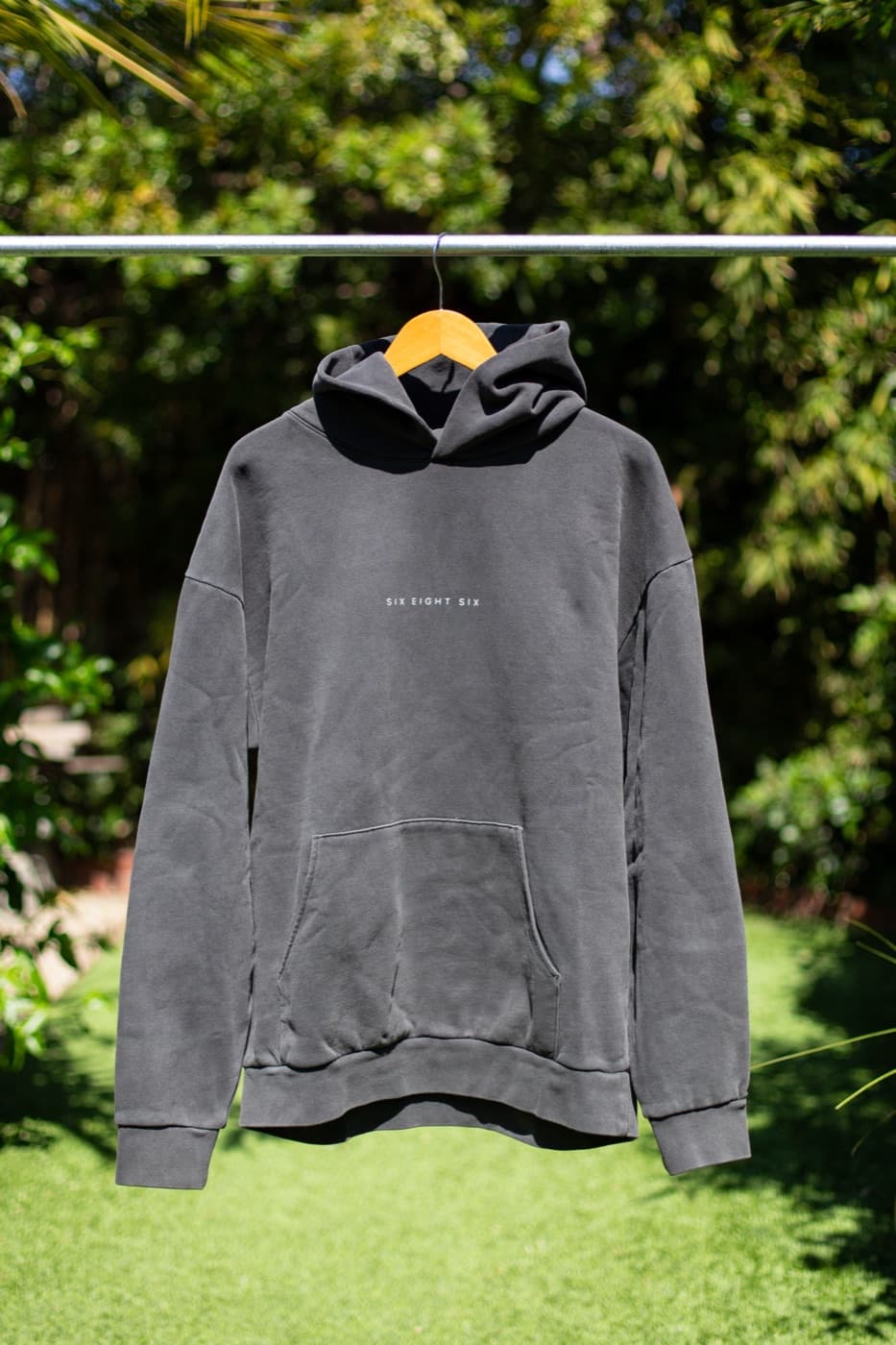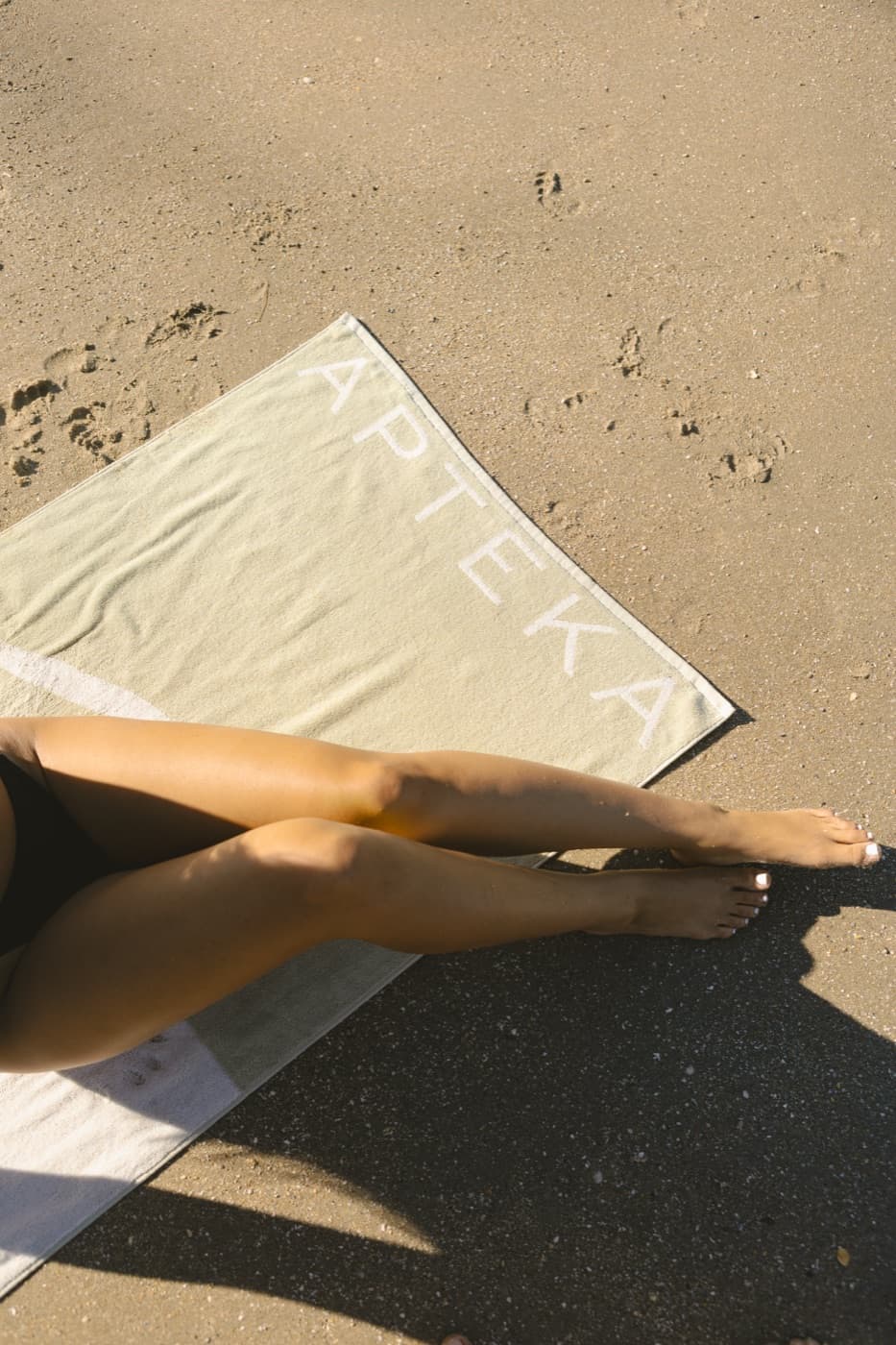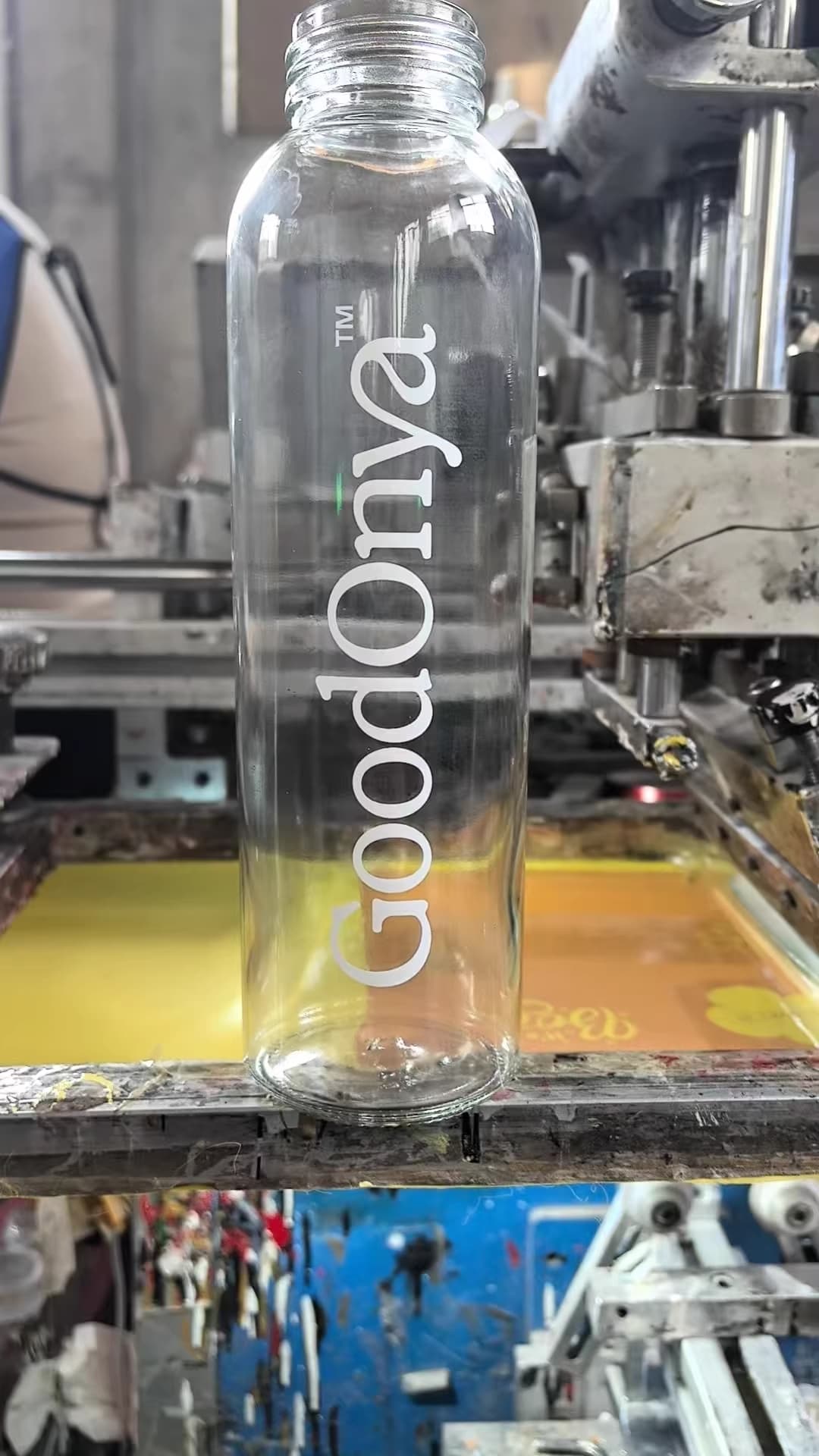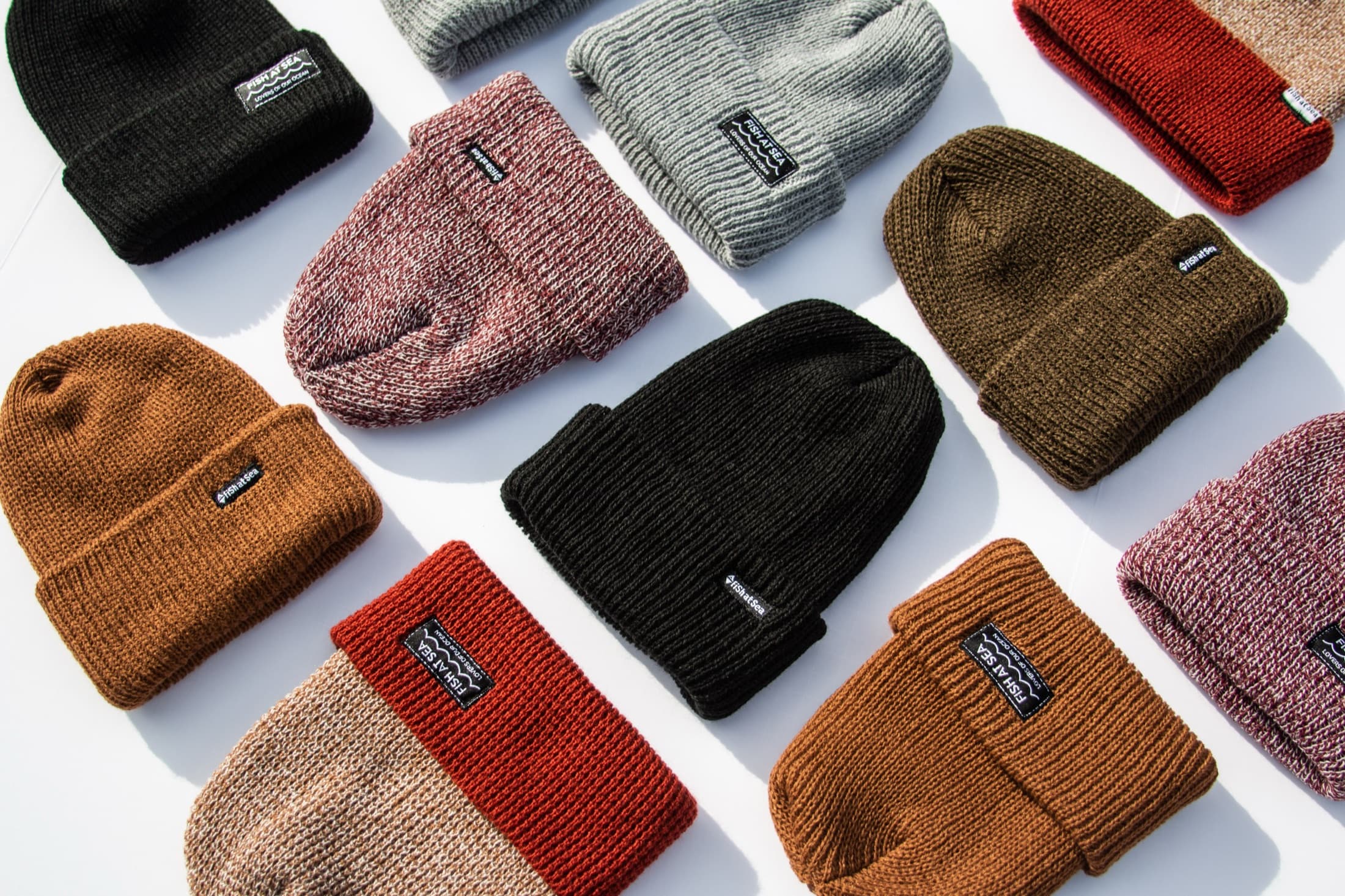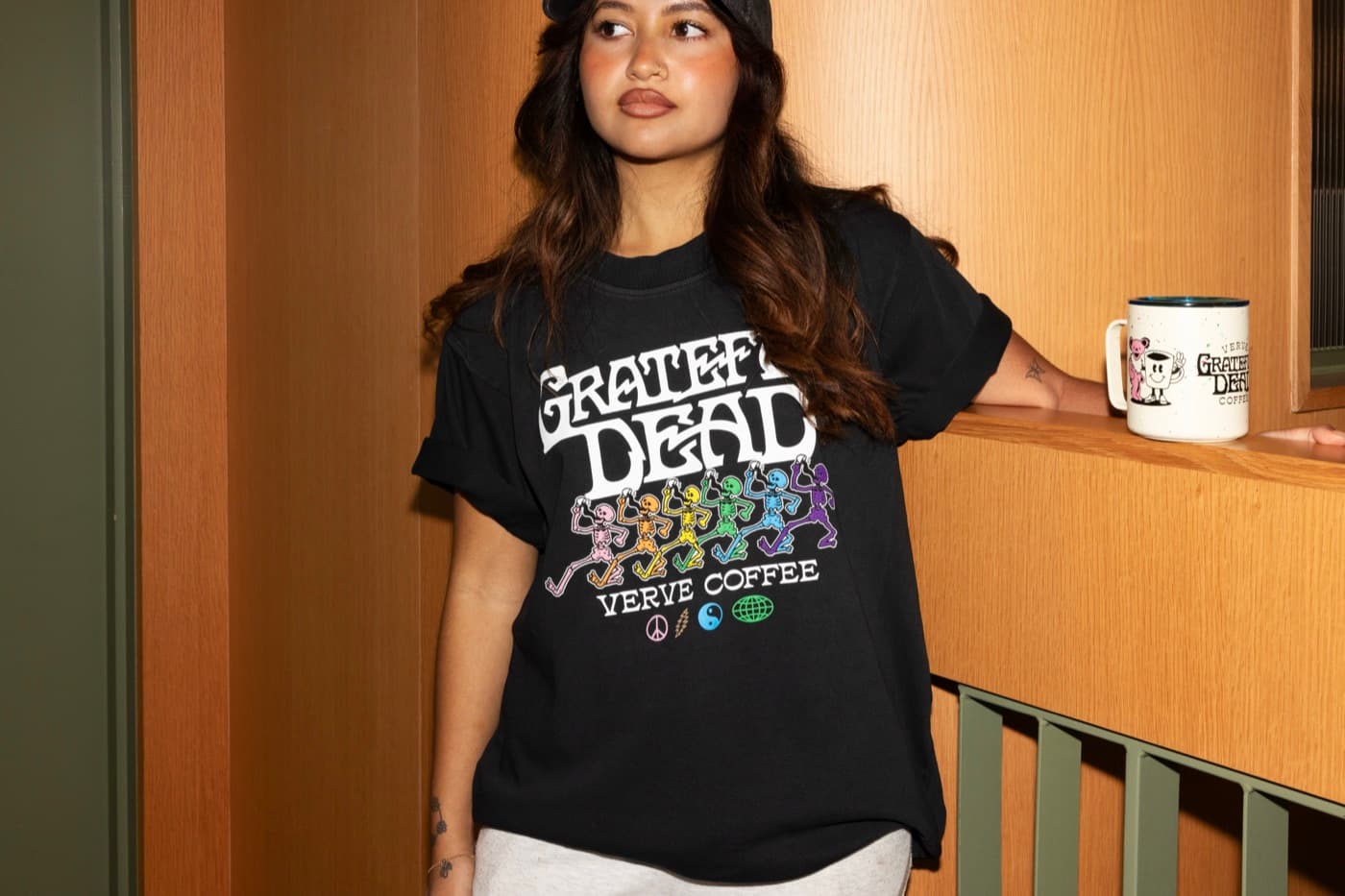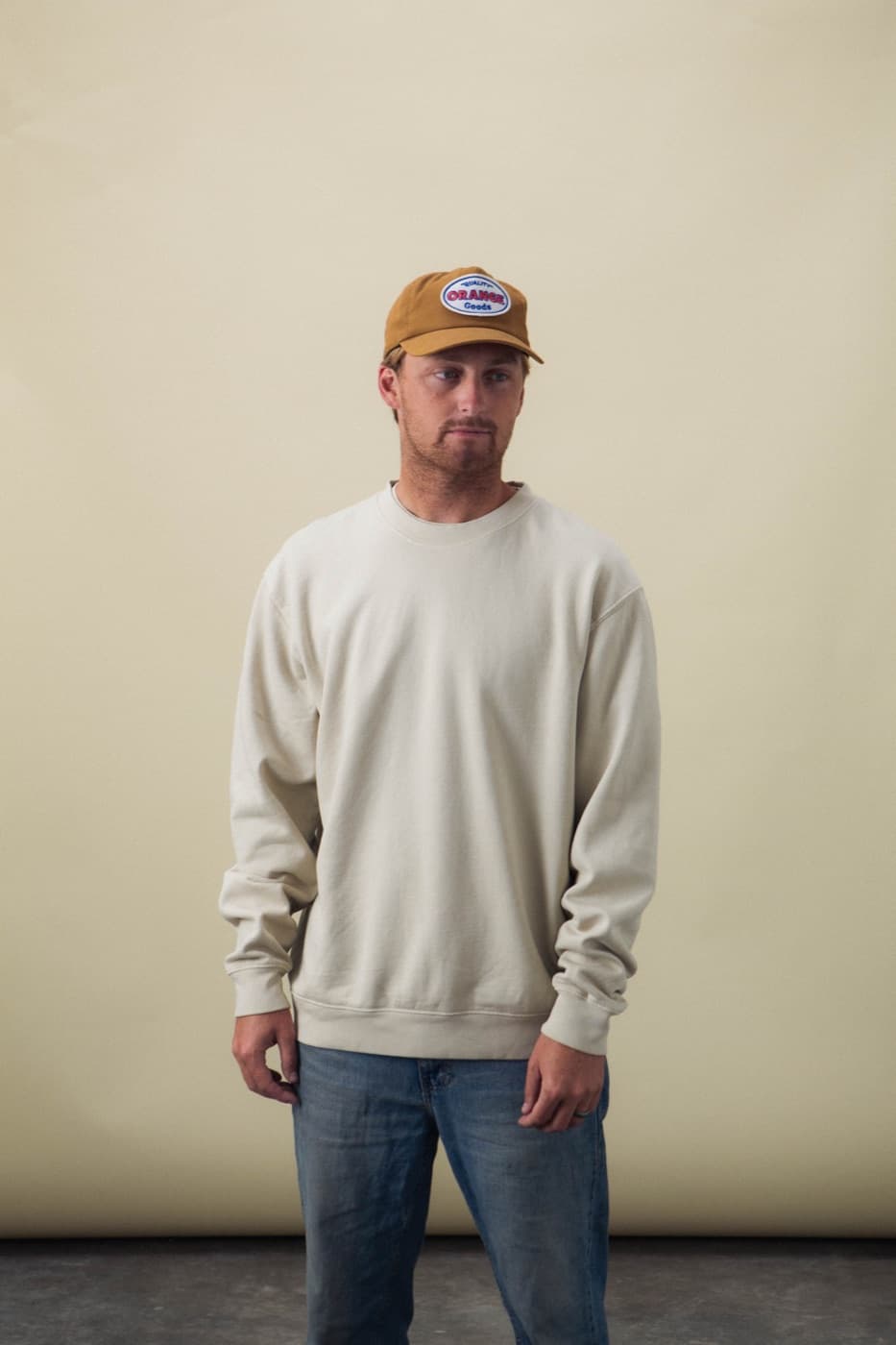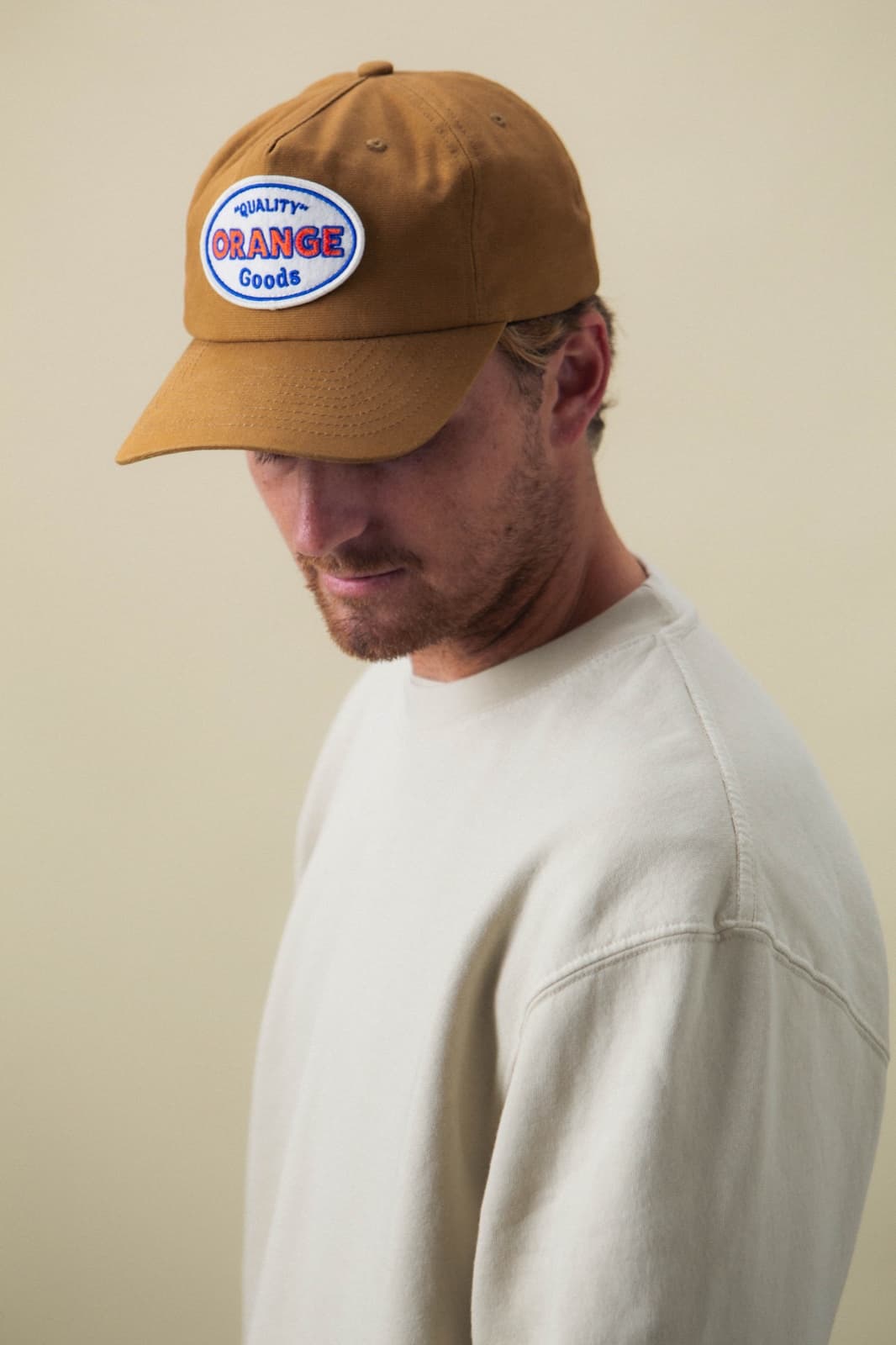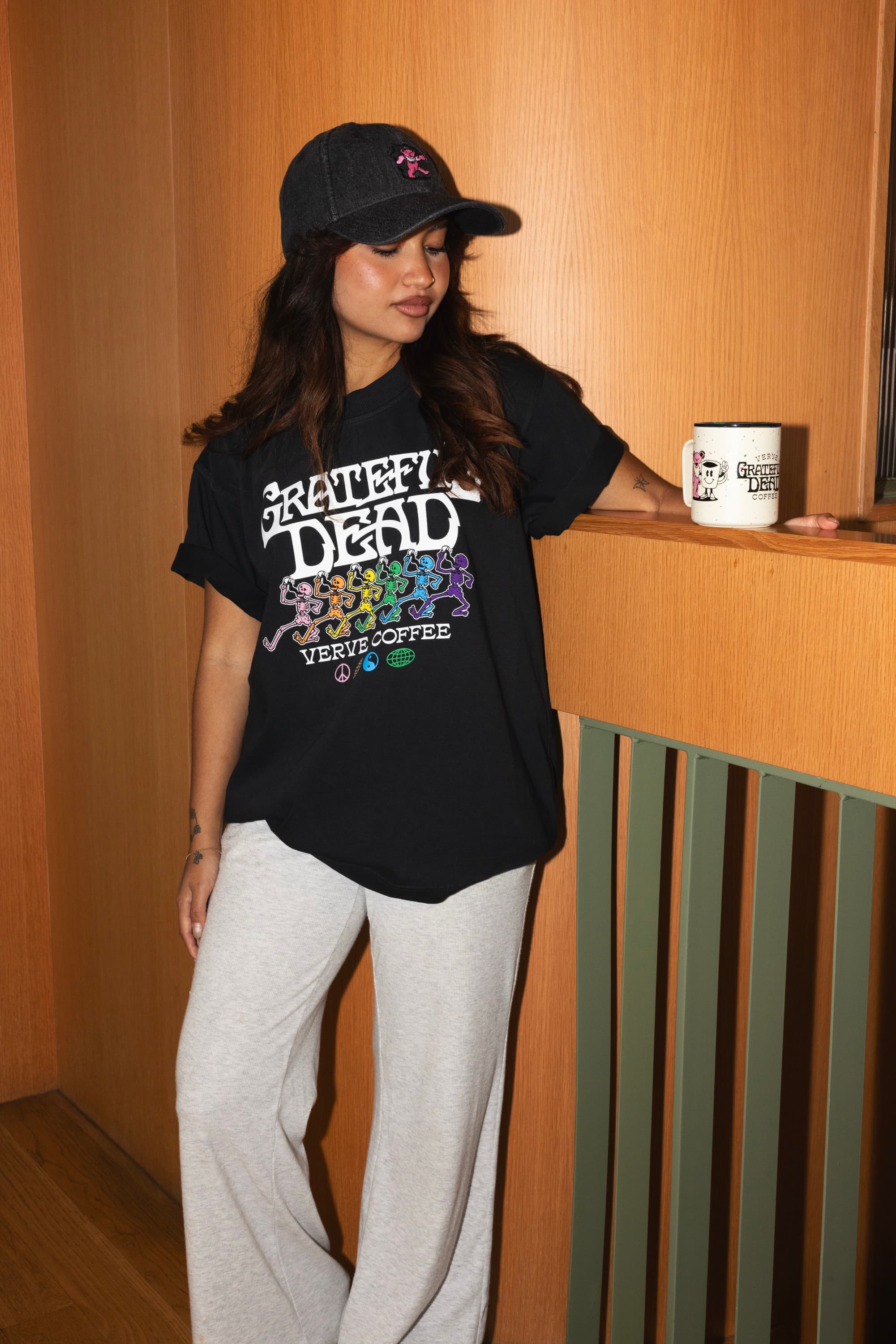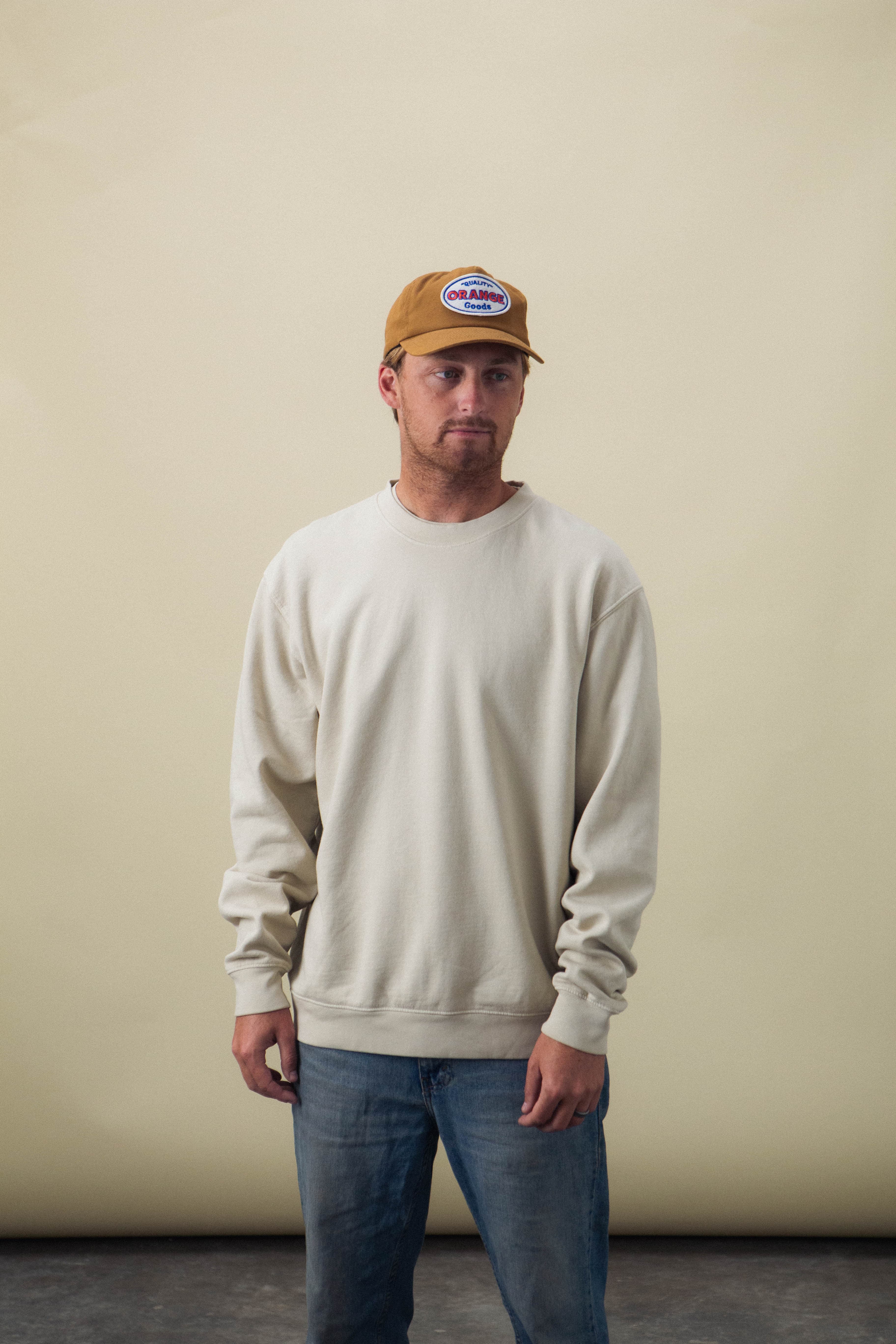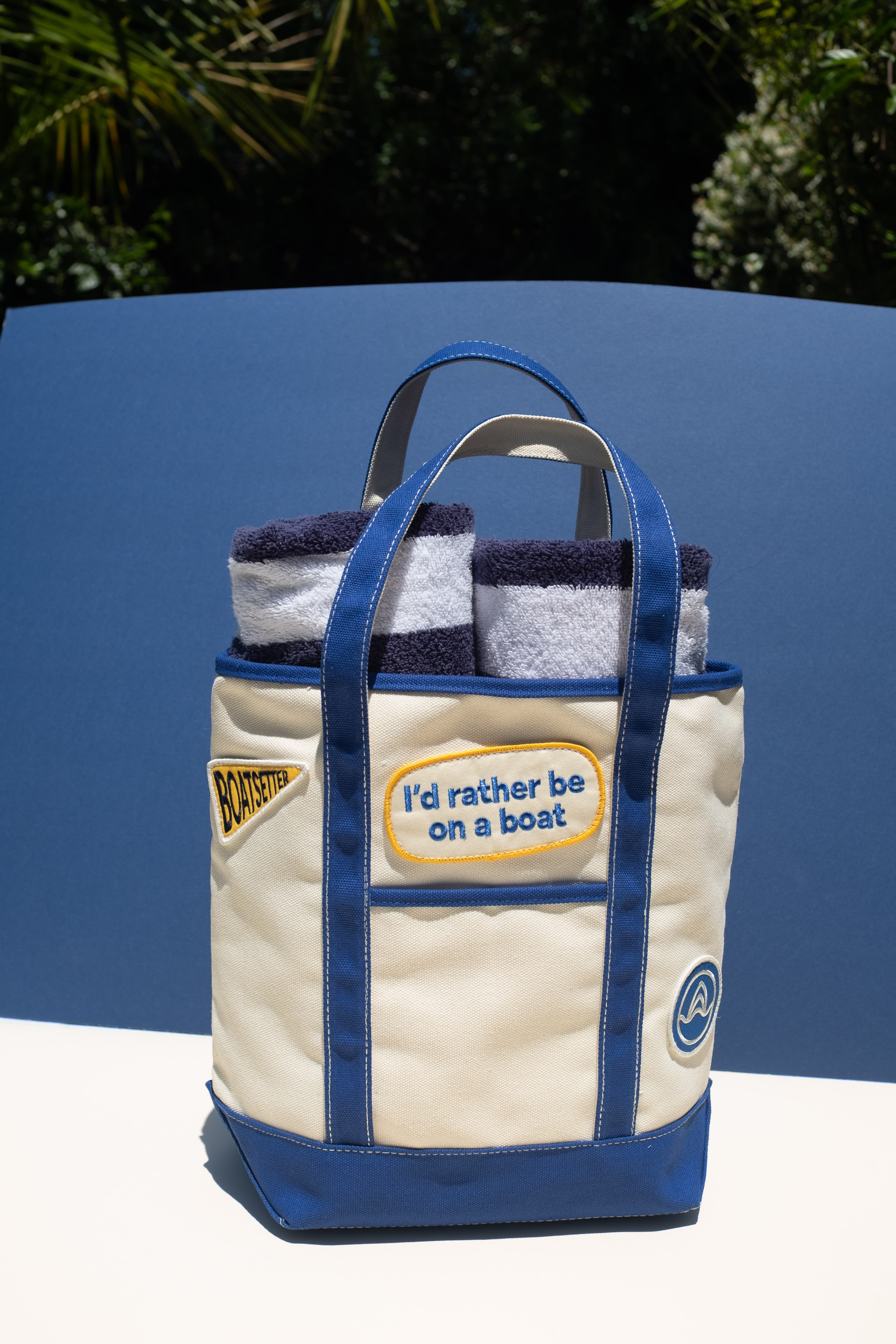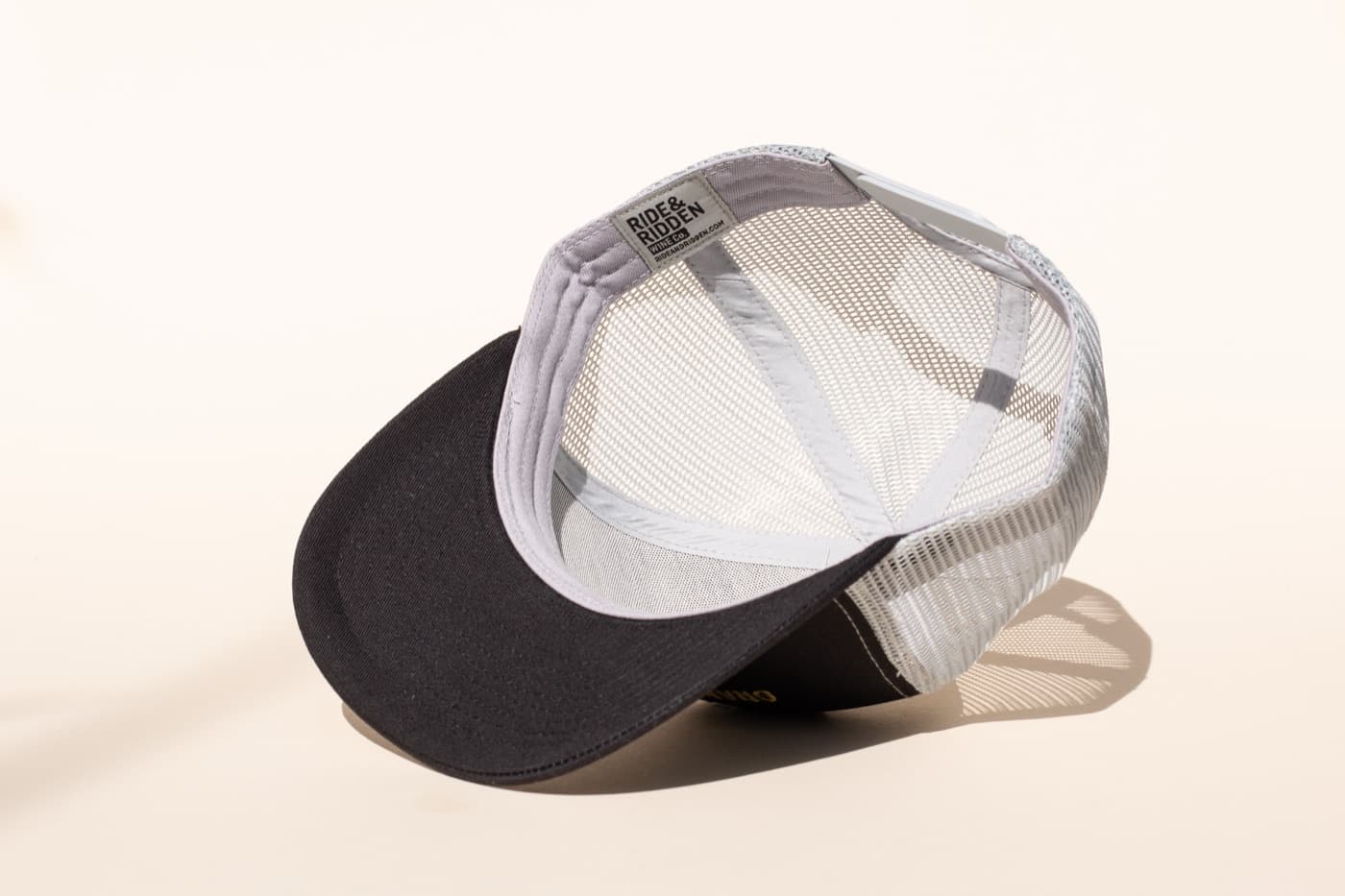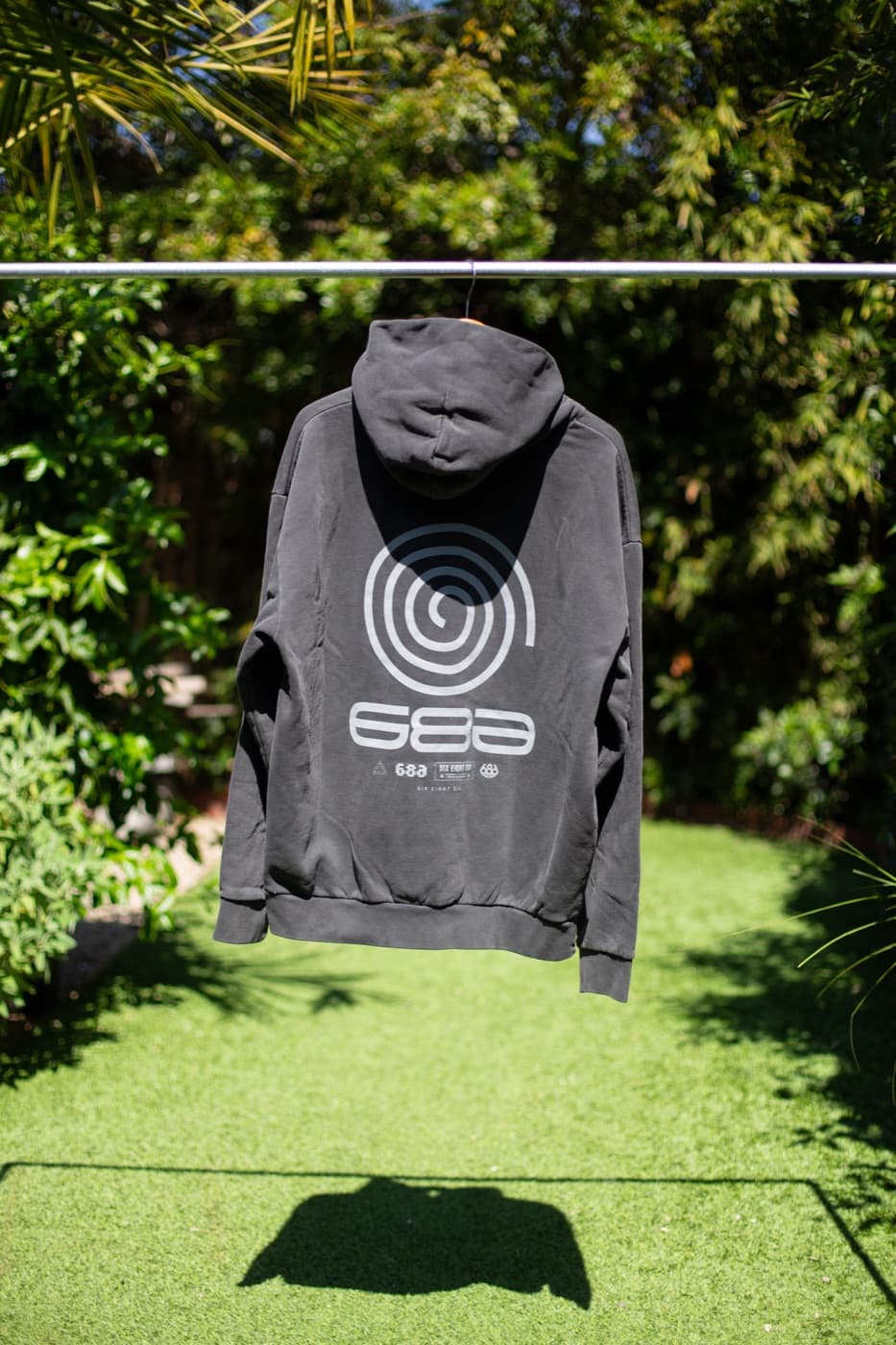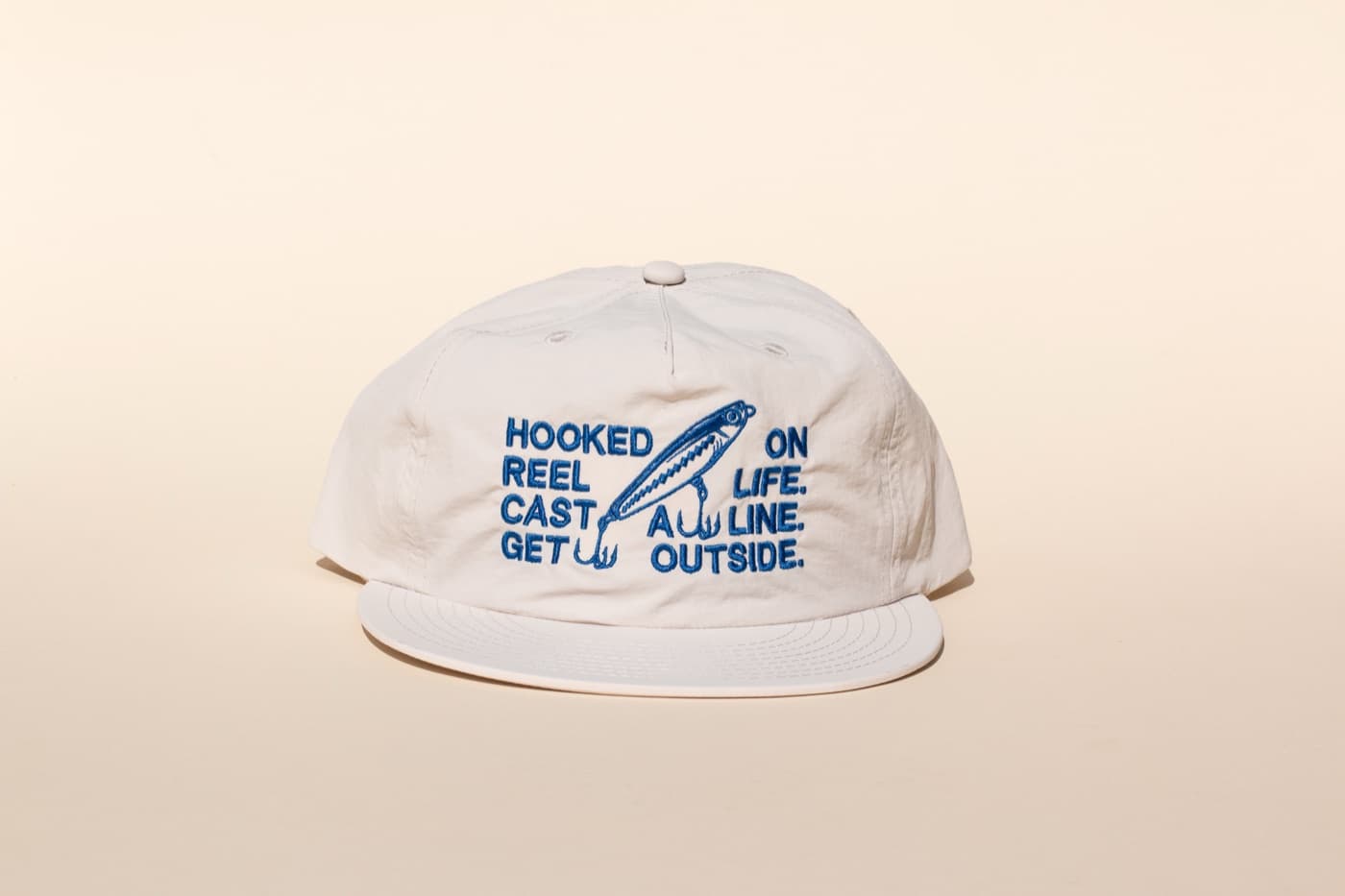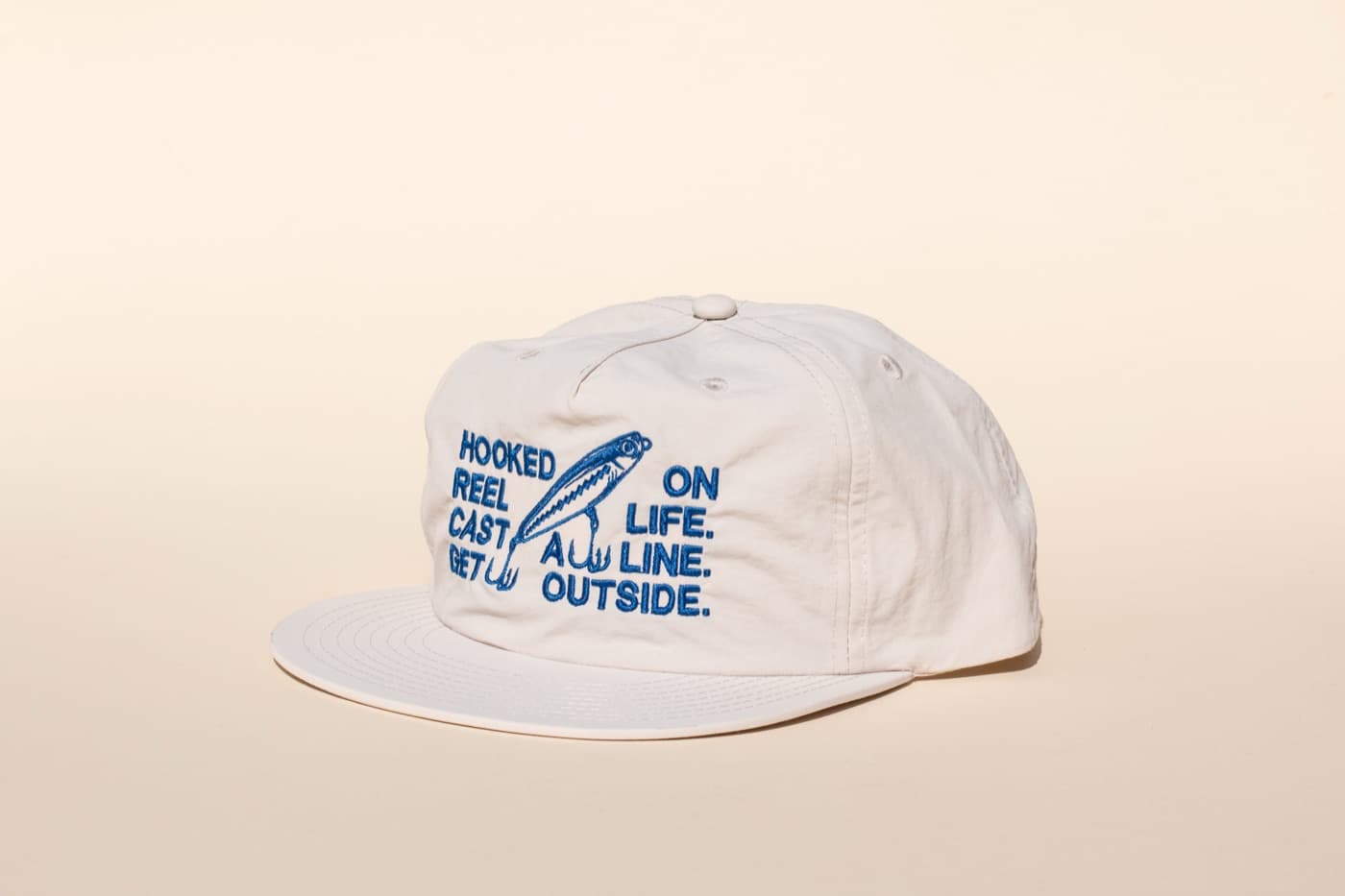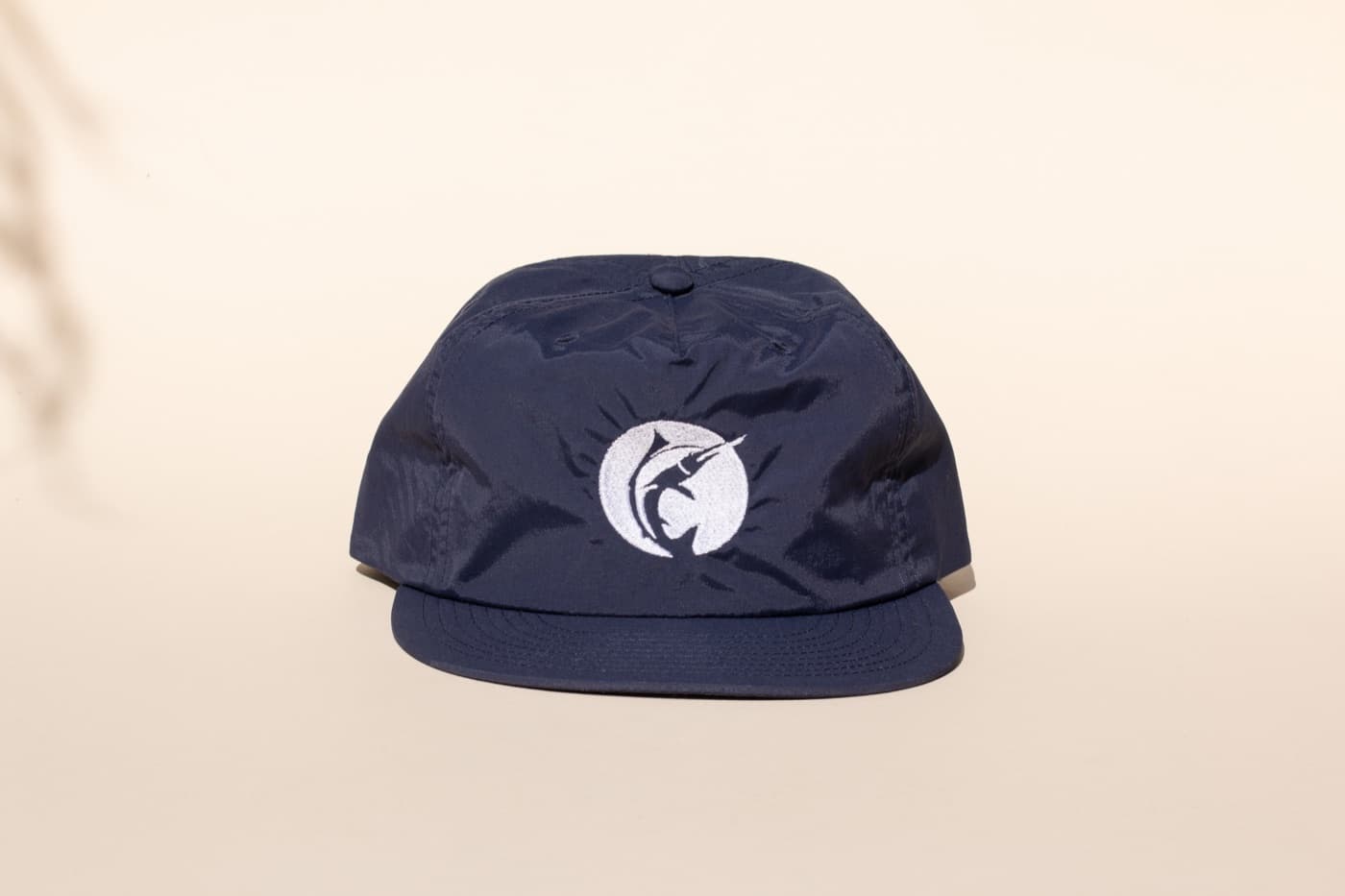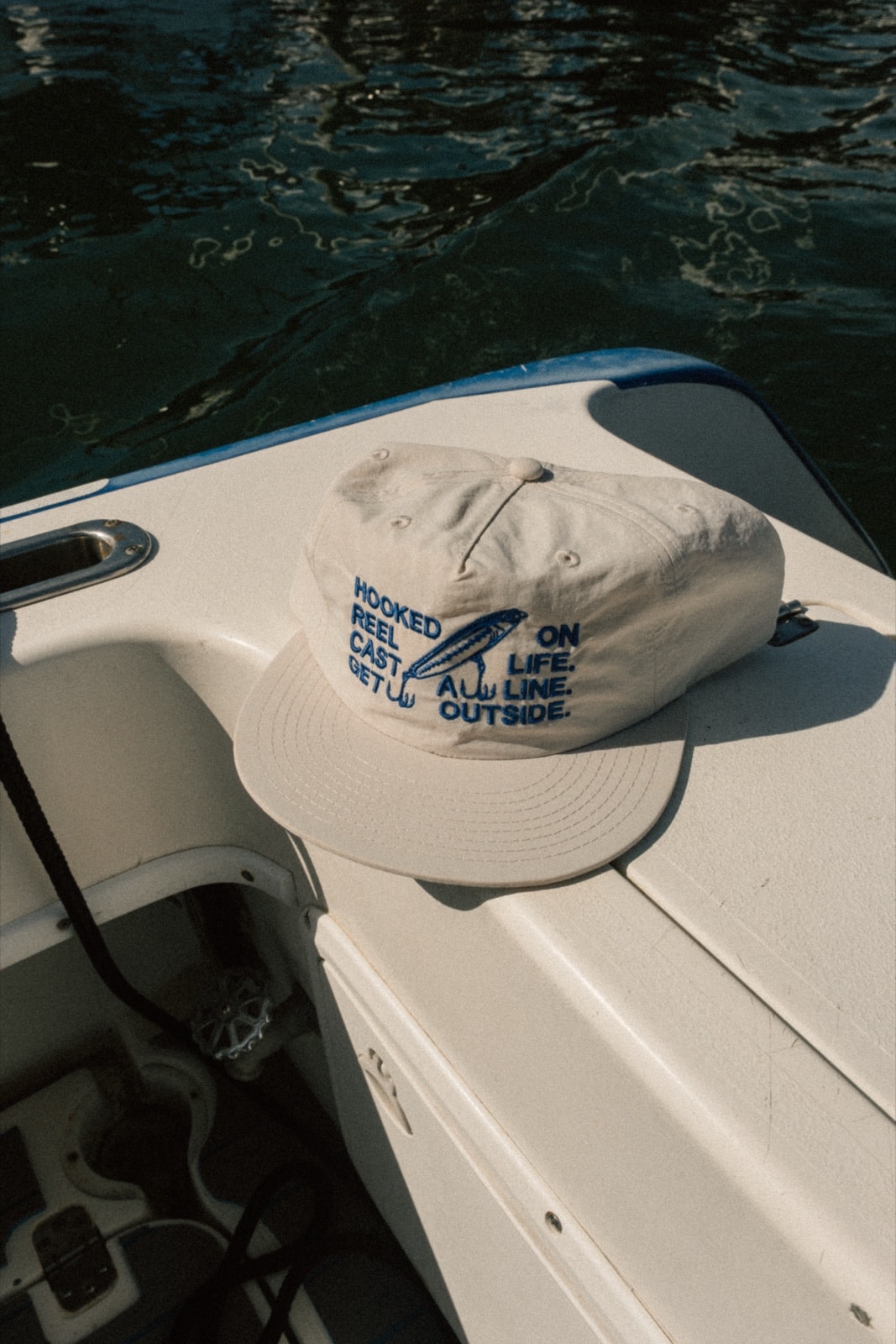
Choosing a custom merchandise company is not just choosing who can put your logo on a hat. You are choosing the team that will protect your brand in the messy middle: artwork cleanup, blank selection, decoration method, sizing, production timing, freight, quality control, and all the small decisions that turn a good idea into a piece people actually keep.
The hard part is that a lot of vendors look the same from the outside. Everyone has a catalog. Everyone says they do quality work. Everyone can send a quote. The difference shows up in how they communicate, how they proof, how they handle risk, and whether they understand the difference between cheap merch and useful brand goods.
Start with response quality
Slow replies are not automatically a deal breaker. Shops get busy. Production teams are human. But if a company takes days to answer basic questions before you have paid, that is usually a preview of what happens when your deadline gets close. Good merch requires back-and-forth. You need someone who can tell you what is possible, what is risky, and what they need from you to keep the job moving.
Look for replies that are specific. A strong partner will ask what the merch is for, when you need it, how many pieces you need, whether you have vector art, where the goods are going, and what kind of quality bar you are trying to hit. A weak partner sends a giant catalog link and waits for you to figure it out.
Red flag: no real proofing process
A proof is not a formality. It is the moment where the idea becomes production instructions. It should show the product, logo placement, imprint size, decoration method, thread or ink colors, and any important notes about limitations. If the vendor does not clearly require your approval before production, you are carrying risk you should not be carrying.
Ask how proofs are handled. Ask if you will see a digital proof before production. Ask whether physical samples are available when the project calls for them. Ask what happens if the proof is approved and the final result does not match it. The answer should be plain. If the process sounds loose, the finished goods may be loose too.
Red flag: suspiciously cheap samples
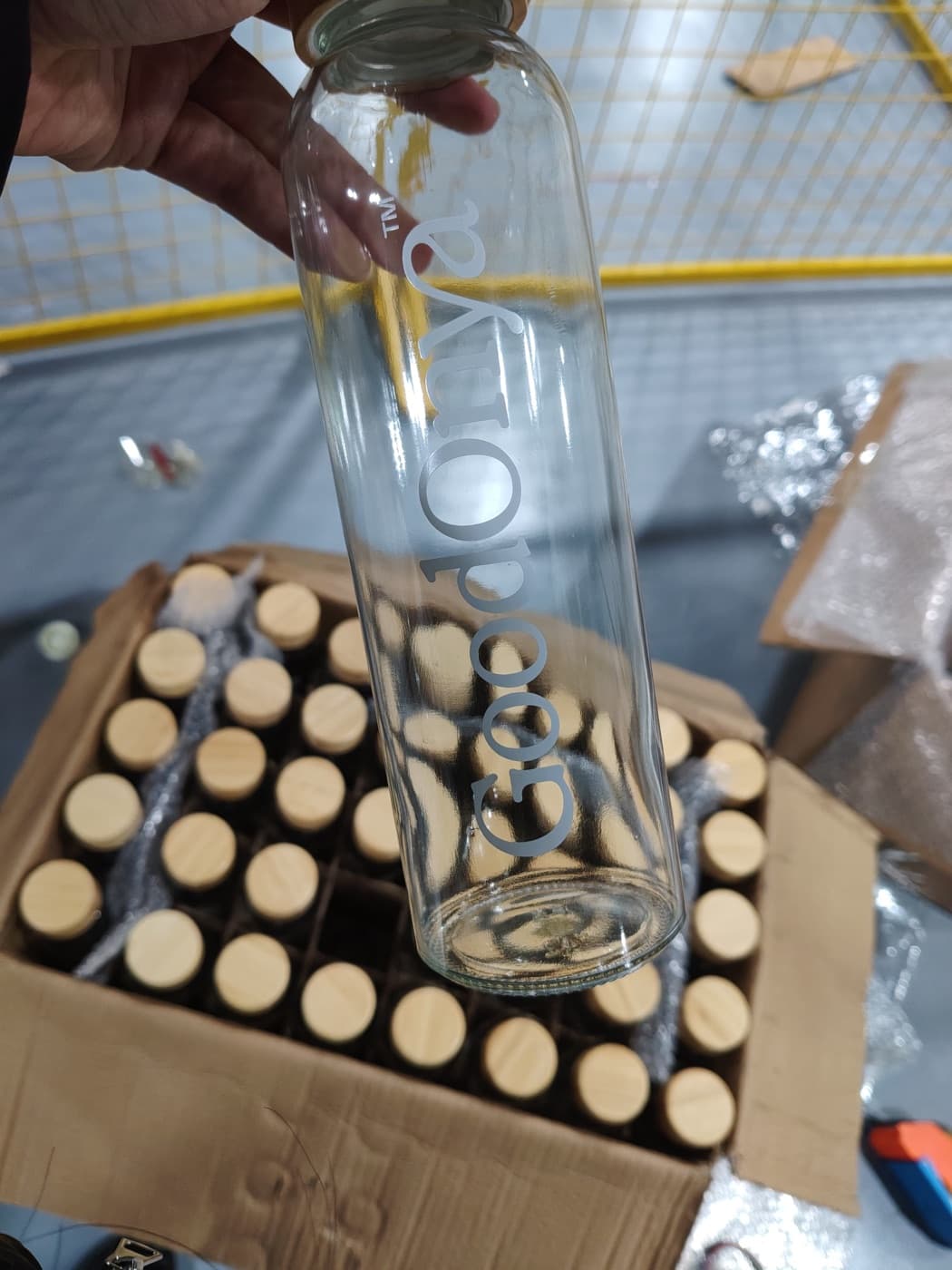
Samples are useful, but cheap samples can create false confidence. A single decorated sample made slowly and carefully is not always the same thing as a 500-piece production run. Blank samples are even more limited: they tell you about fit and hand feel, but not about imprint durability, embroidery density, or registration. When a vendor pushes cheap samples without explaining what they do and do not prove, be careful.
Better sample guidance sounds like this: for this timeline, start with blank samples so we can confirm the product; for this decoration, a pre-production sample is worth it; for this budget, a digital proof and a known blank are enough. The point is not to sample everything. The point is to use sampling intelligently.
Green flag: a human who owns the job
Custom merch has too many handoffs to run well without ownership. Sales, design, sourcing, production, decoration, packing, and shipping all touch the outcome. You want a human contact who understands the whole job, not a ticket queue where every message starts over.
A good project lead will tell you what they are checking and why. They will flag problems early: your logo has lines too thin for embroidery, the bottle you like is backordered, the low-cost tee will shrink more than you want, the full-wrap print needs a different art setup. That kind of friction is valuable. It means someone is paying attention before money and time get burned.
Green flag: production transparency
You do not need every factory detail, but you should understand where the work is happening and what the timeline depends on. Is the job being decorated locally? Is the blank shipping from a domestic warehouse? Is cut and sew involved? Are there imported components? Is the delivery date based on proof approval, payment date, or artwork receipt?
Transparency also means honest tradeoffs. Sometimes the best answer is a premium blank decorated locally. Sometimes it is a fully custom piece built from scratch. Sometimes the right move is reducing the color count, changing the placement, or choosing a different product so the job lands on time. A good company will not pretend every option is equally fast, equally durable, or equally affordable.
Questions to ask before you order
Ask these questions early: What is the minimum order? What files do you need? Can I approve a proof before production? What decoration method do you recommend and why? What is the realistic timeline after proof approval? Are taxes, freight, setup, digitizing, and packaging included in the quote? What happens if a product is out of stock? Do you inspect the goods before they ship?
The quality of the answers matters more than the exact wording. You are looking for clarity. If a company can explain the process in normal language, they probably understand it. If they hide behind vague phrases like premium quality and quick turnaround without details, keep asking.
Why a local California team matters
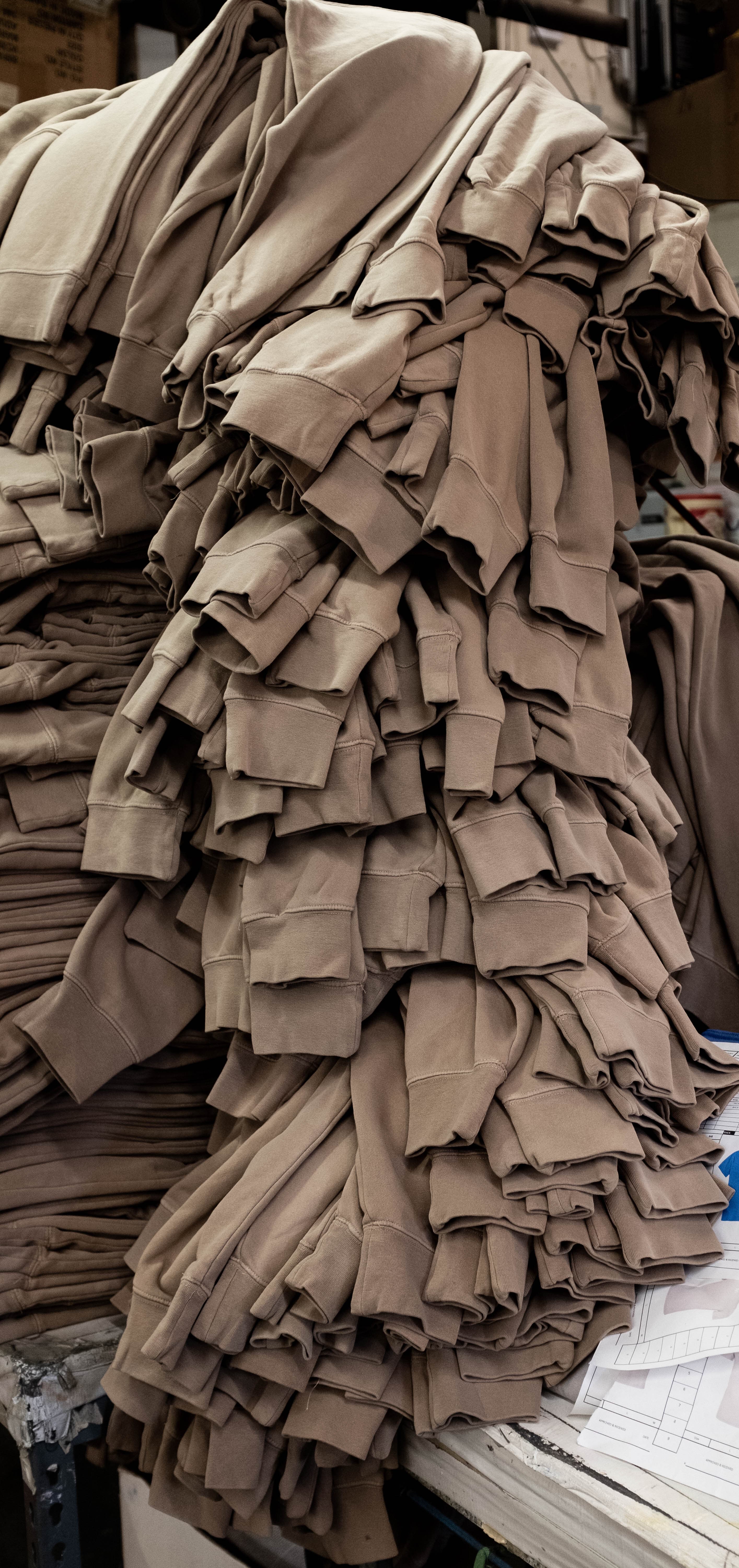
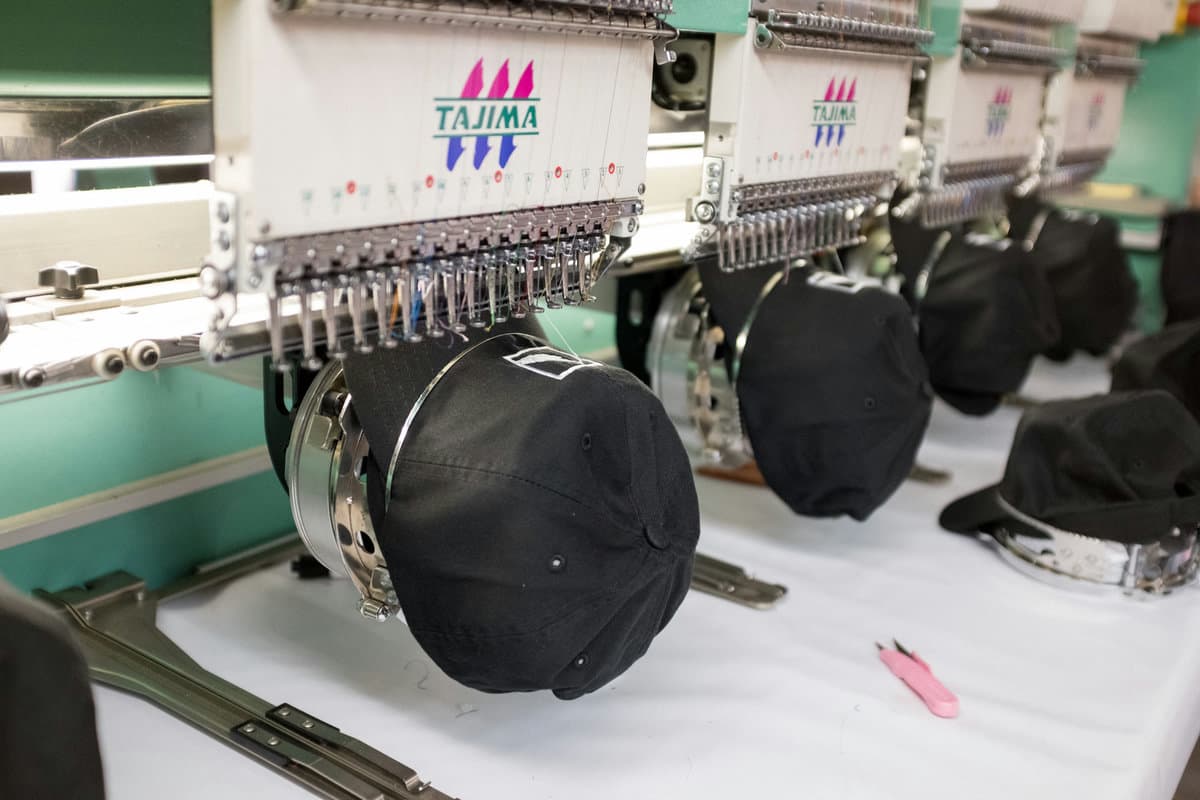
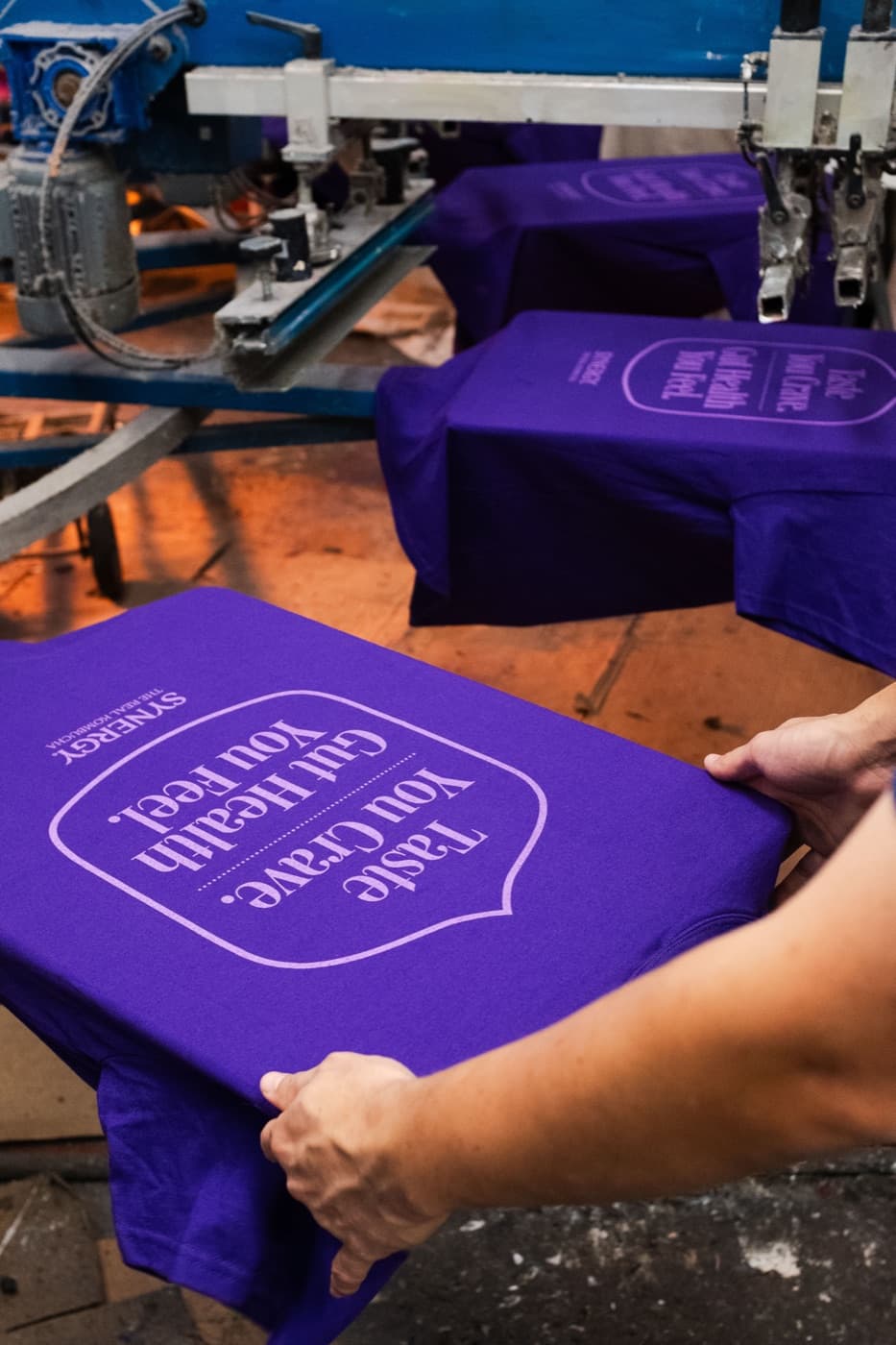
Local does not automatically mean better, but it can make a real difference. In California, especially around Los Angeles, there is deep access to apparel blanks, embroidery, screen printing, sewing, finishing, fulfillment, and creative production. When your team is close to the work, problems are easier to catch. Samples can move faster. A person can walk into a shop, check a thread color, inspect a print, or solve a packing issue without waiting through a long chain of emails.
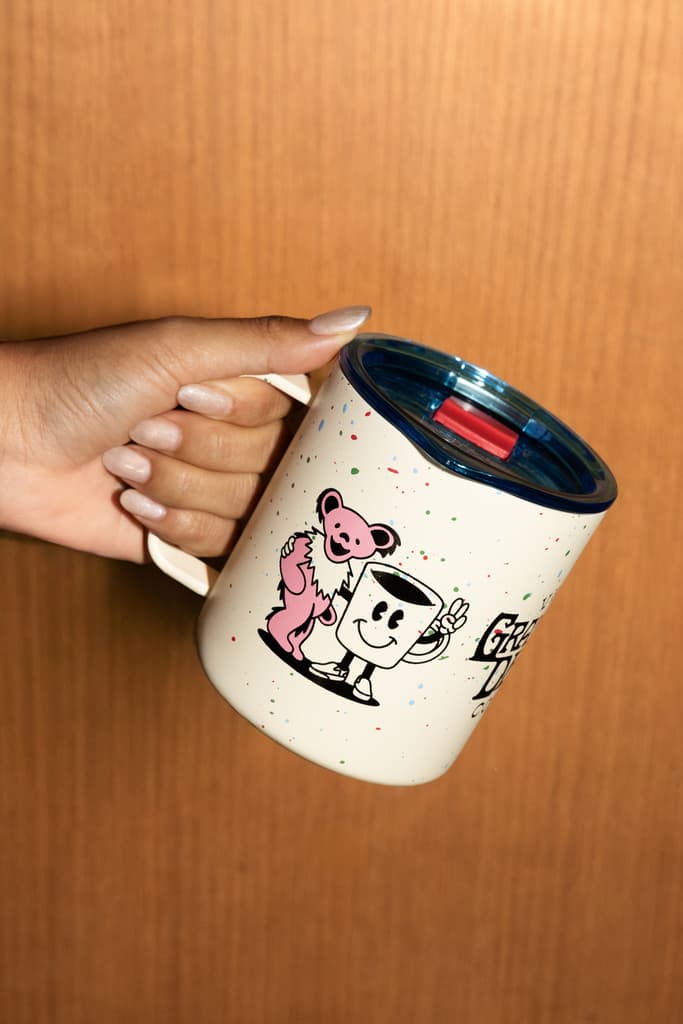
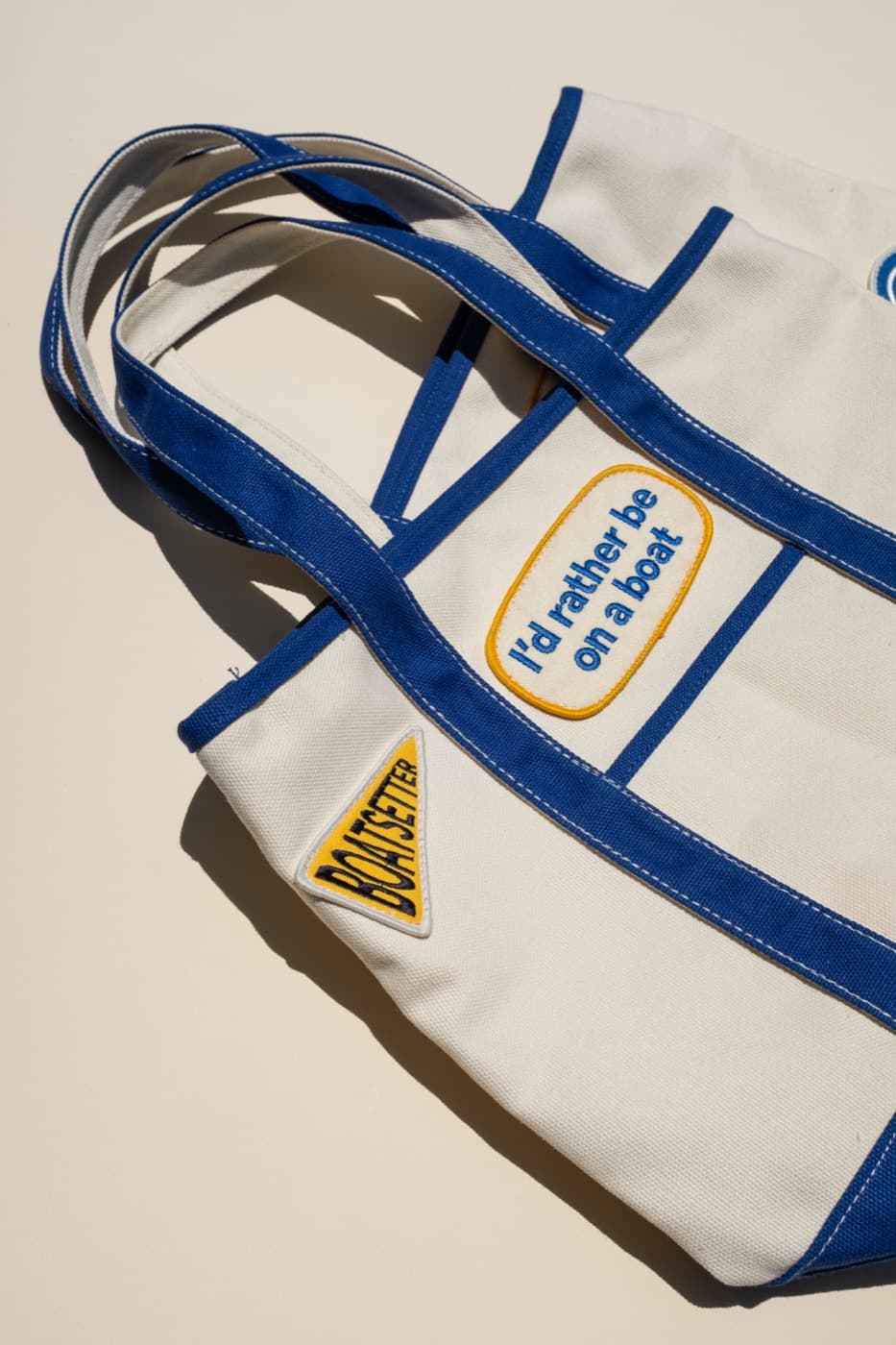
For California brands, hospitality groups, agencies, startups, and events, local context also helps. The merch has to feel right for the audience. A hat for a coastal restaurant, a tee for a wellness brand, and drinkware for a tech event should not all feel like they came from the same corporate catalog. Regional taste matters.
The Orange Goods difference
Orange Goods is built for brands that care about how the finished piece feels in real life. We start with the use case, not the catalog. Who is getting this? Where will they wear it? Is it a launch gift, staff uniform, retail item, trade show piece, or client thank-you? From there we recommend the product, decoration method, and production path that actually fit.
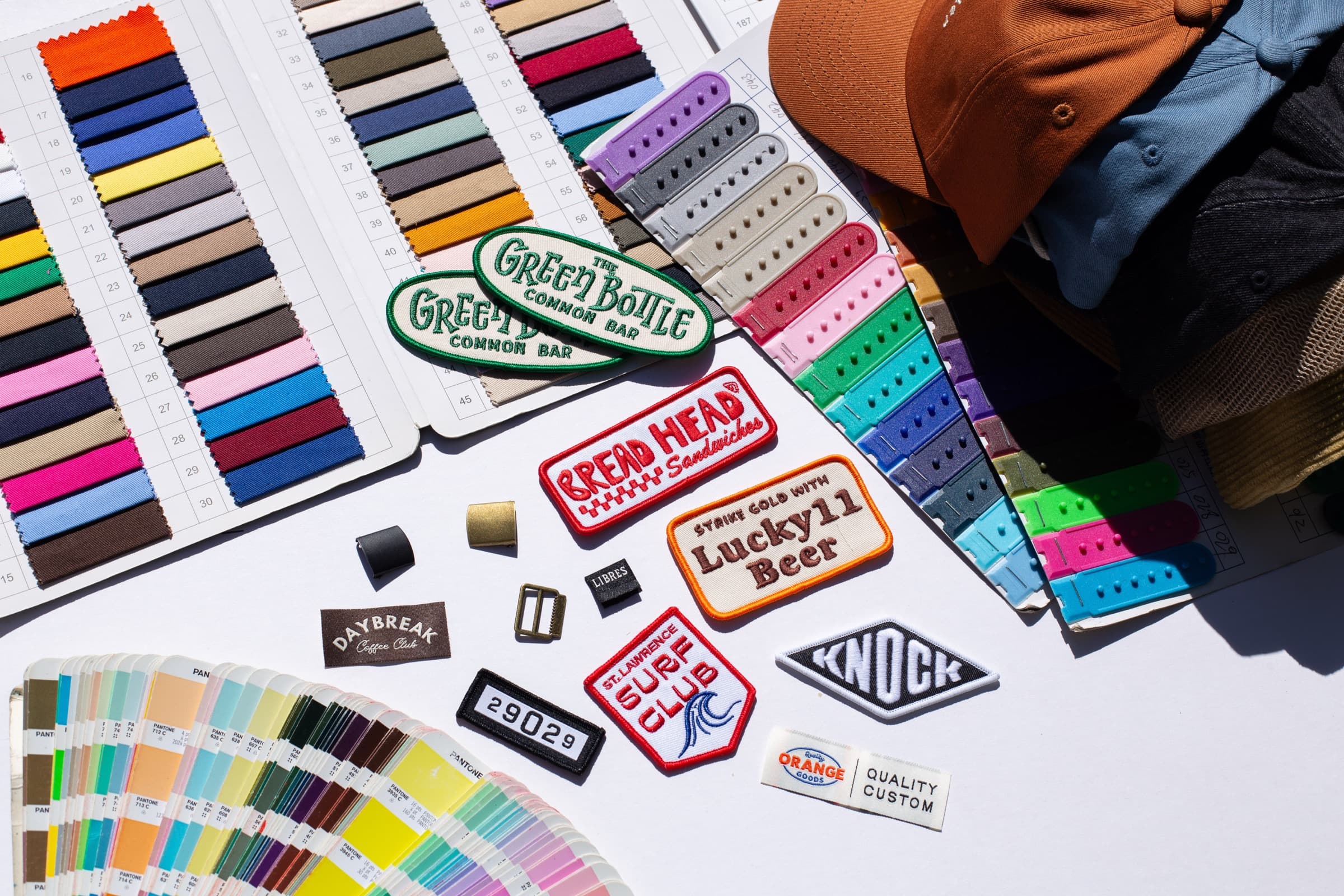
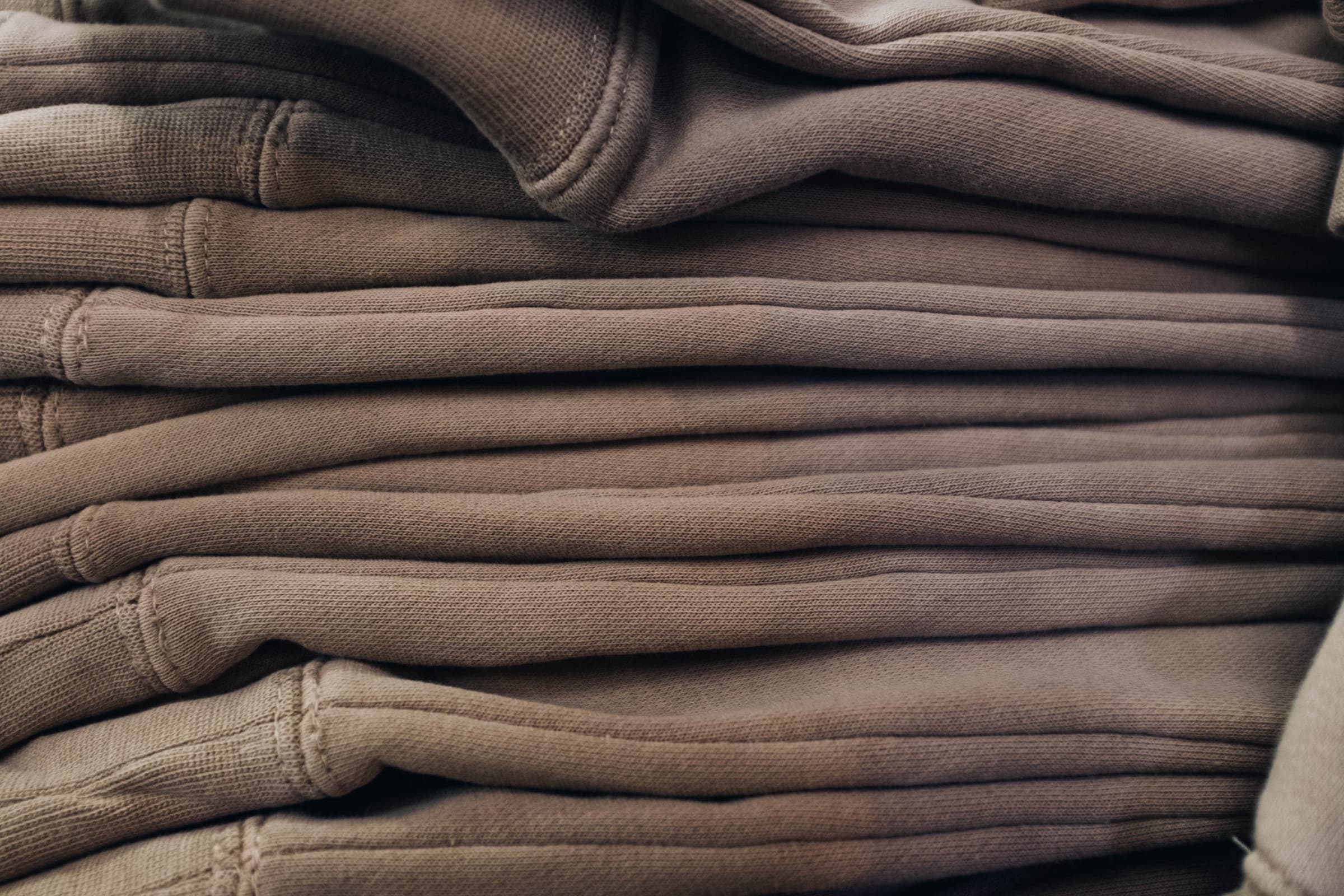
Our Quick Turn path uses premium blanks and proven local decoration for projects that need to move fast with a 100-piece minimum. Our Full Custom path is for fully custom pieces: custom fabric, shape, trims, labels, and packaging. In both cases, we keep the process human. You get clear quotes, clean proofs, practical guidance, and production visibility. The goal is simple: make merch your customers, team, or guests are glad to receive.