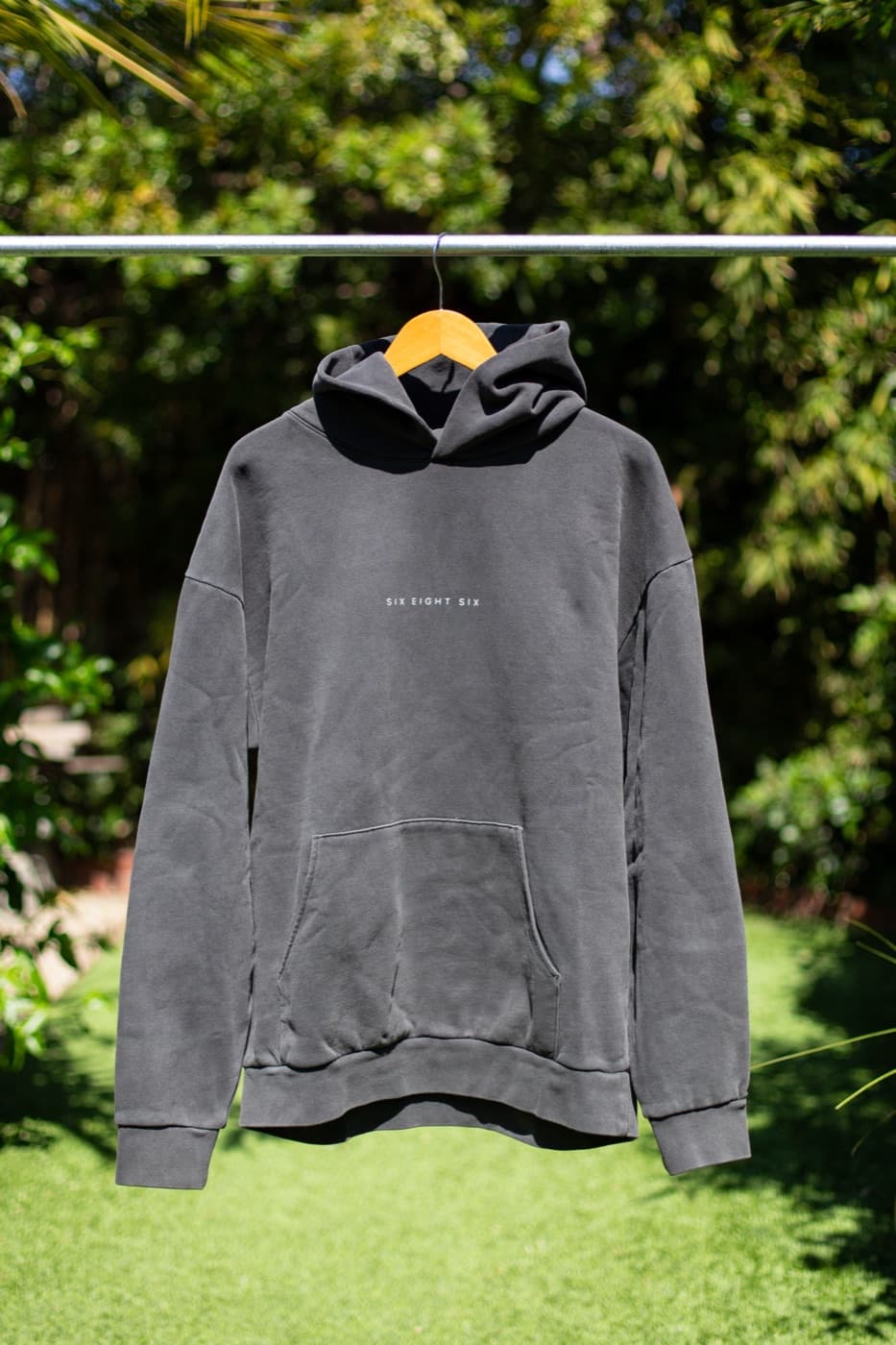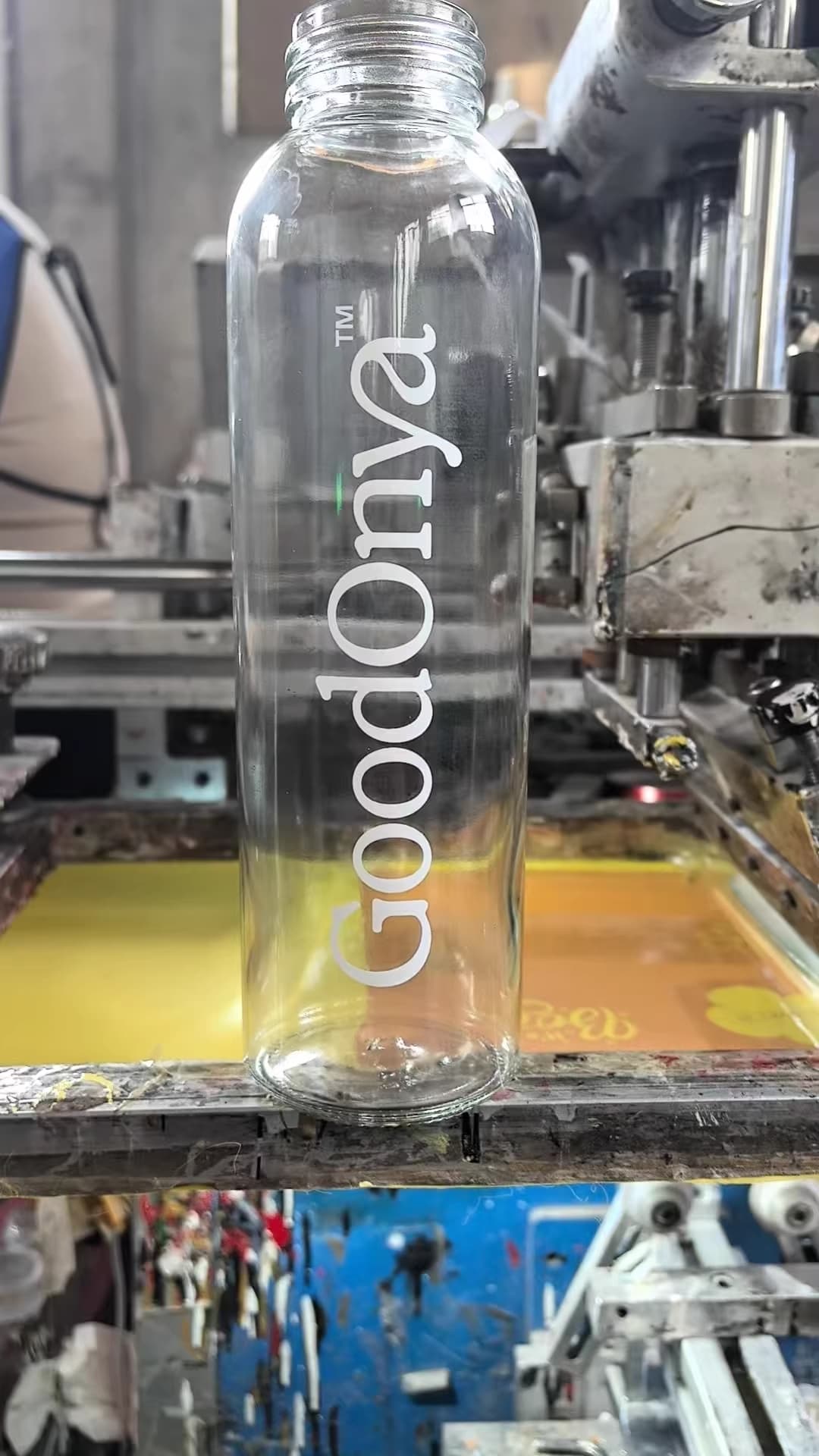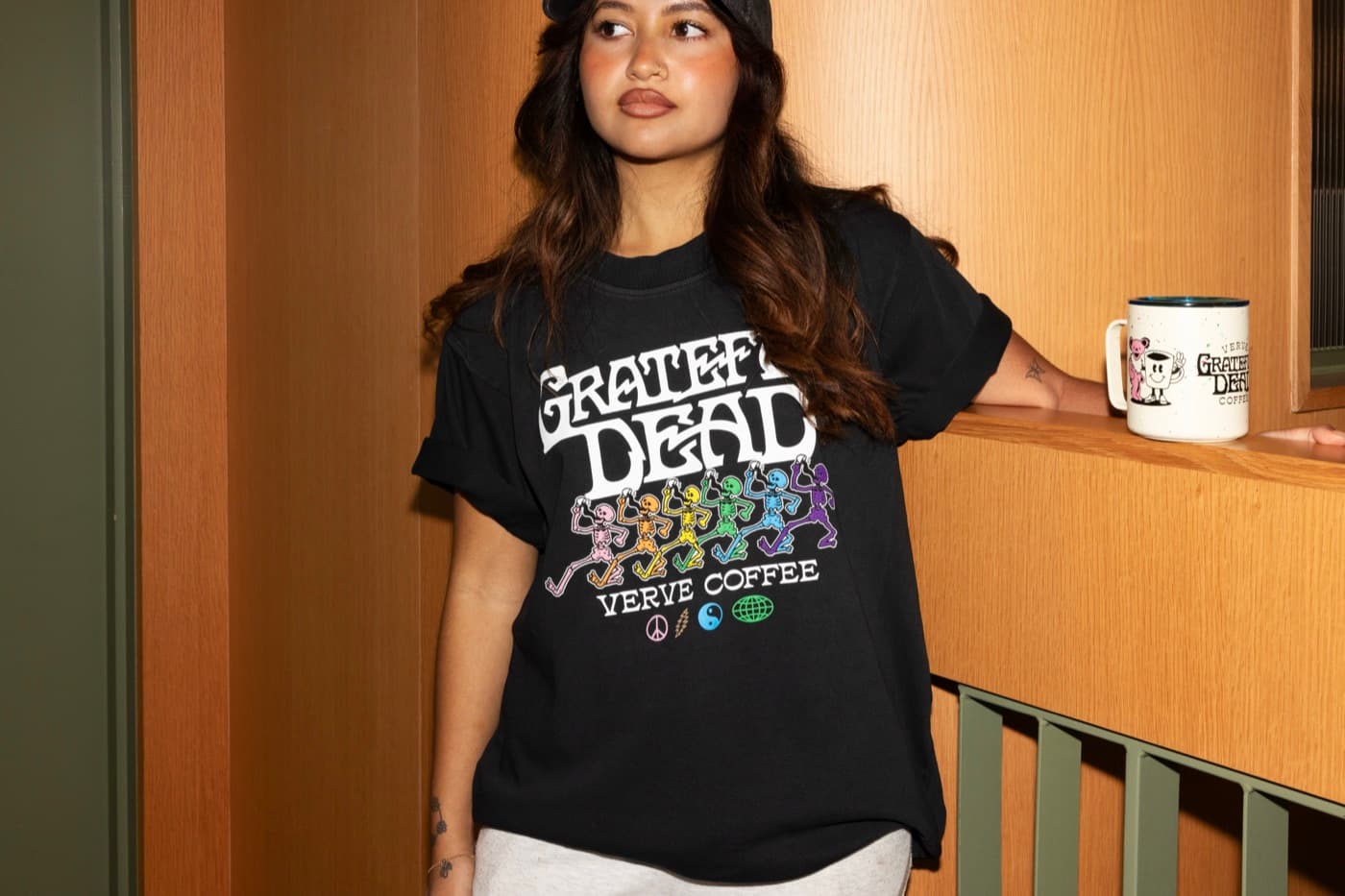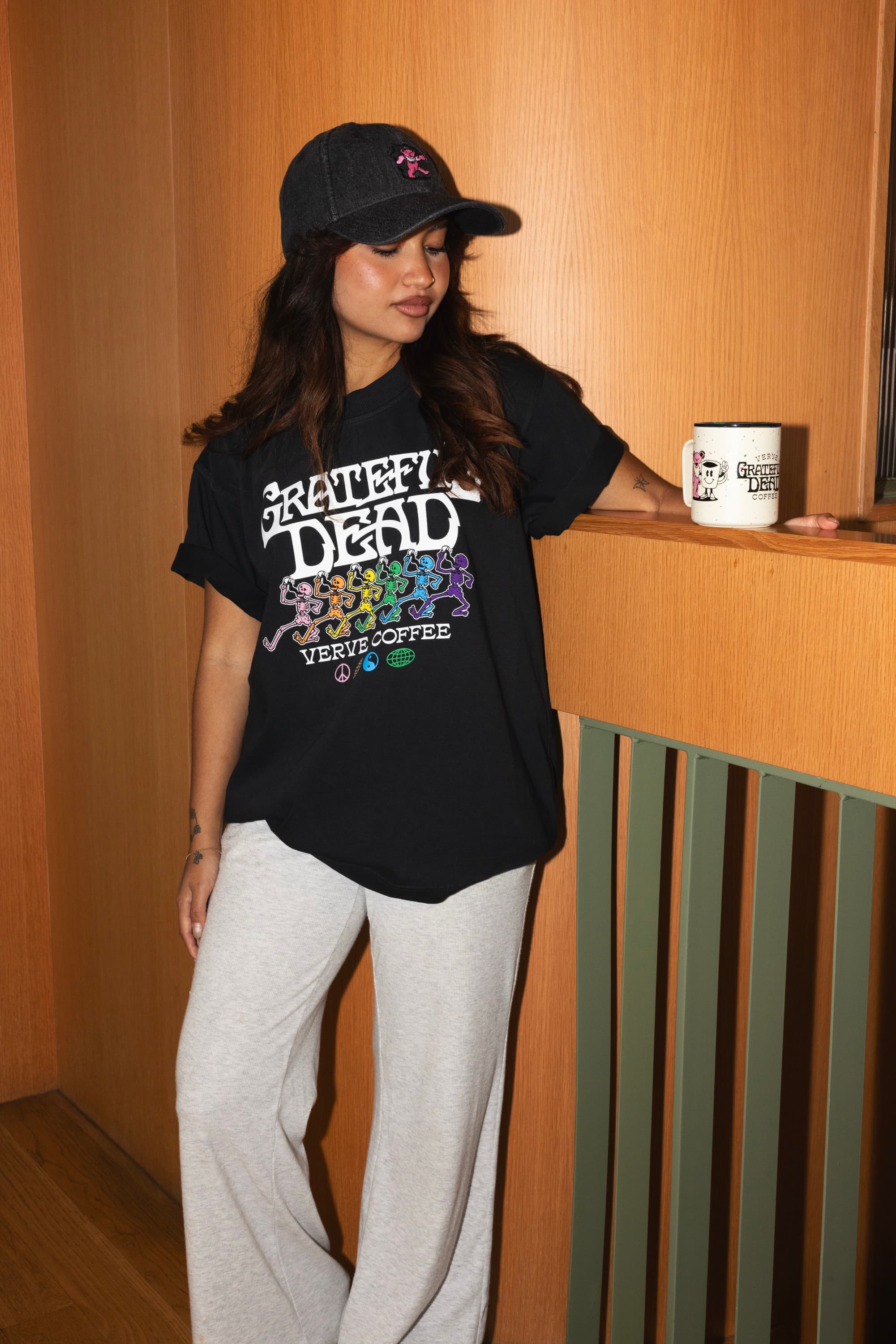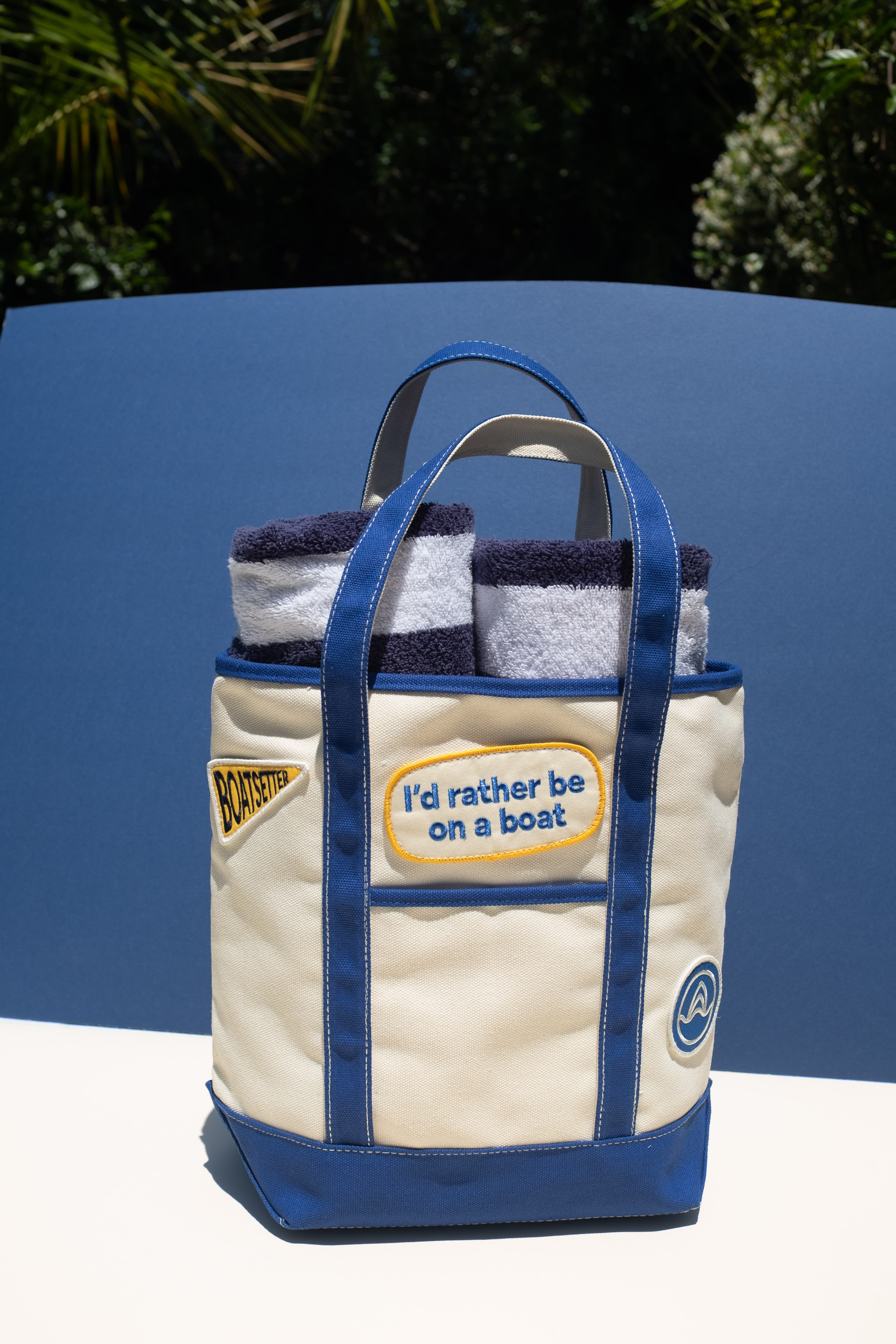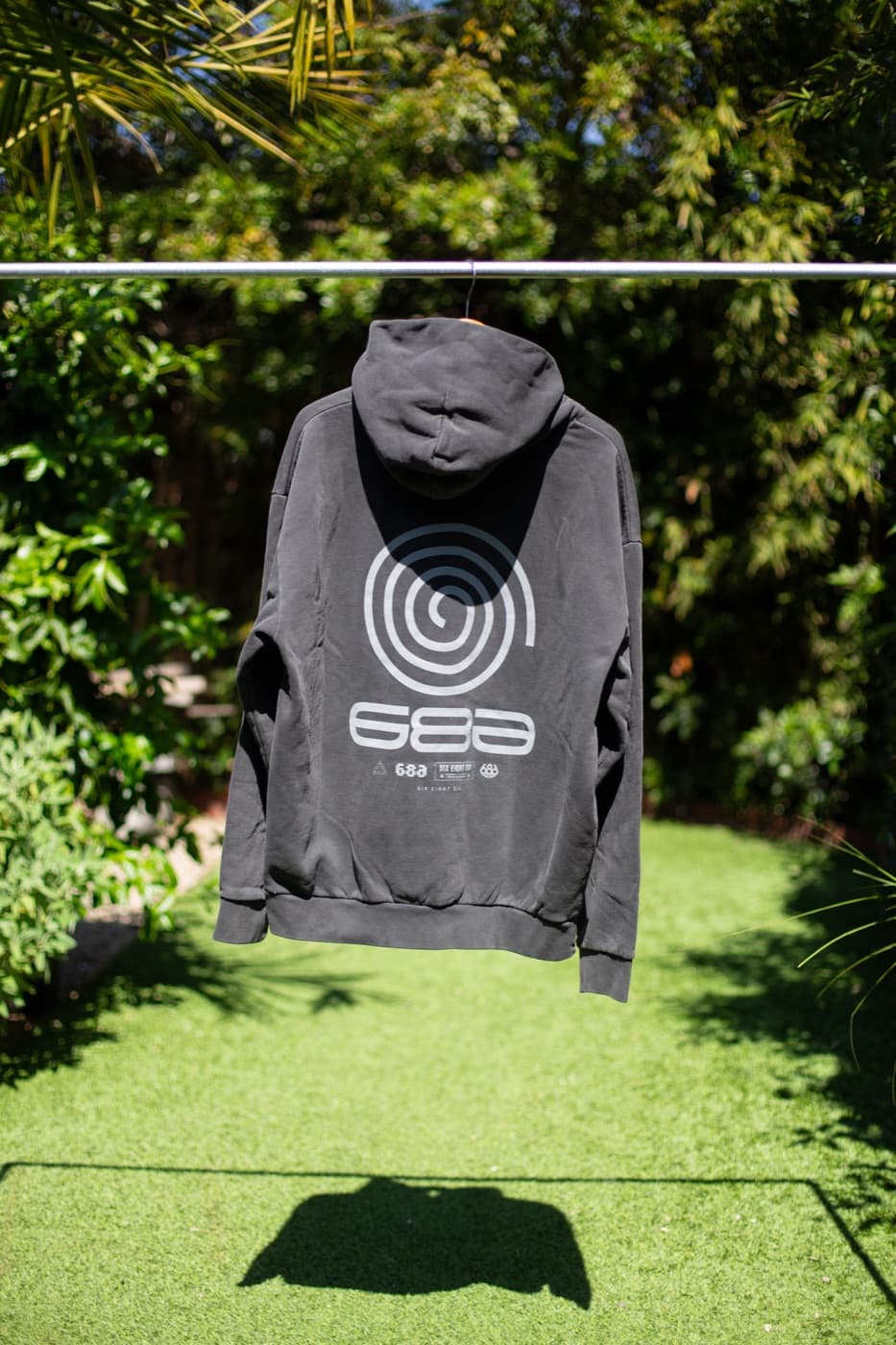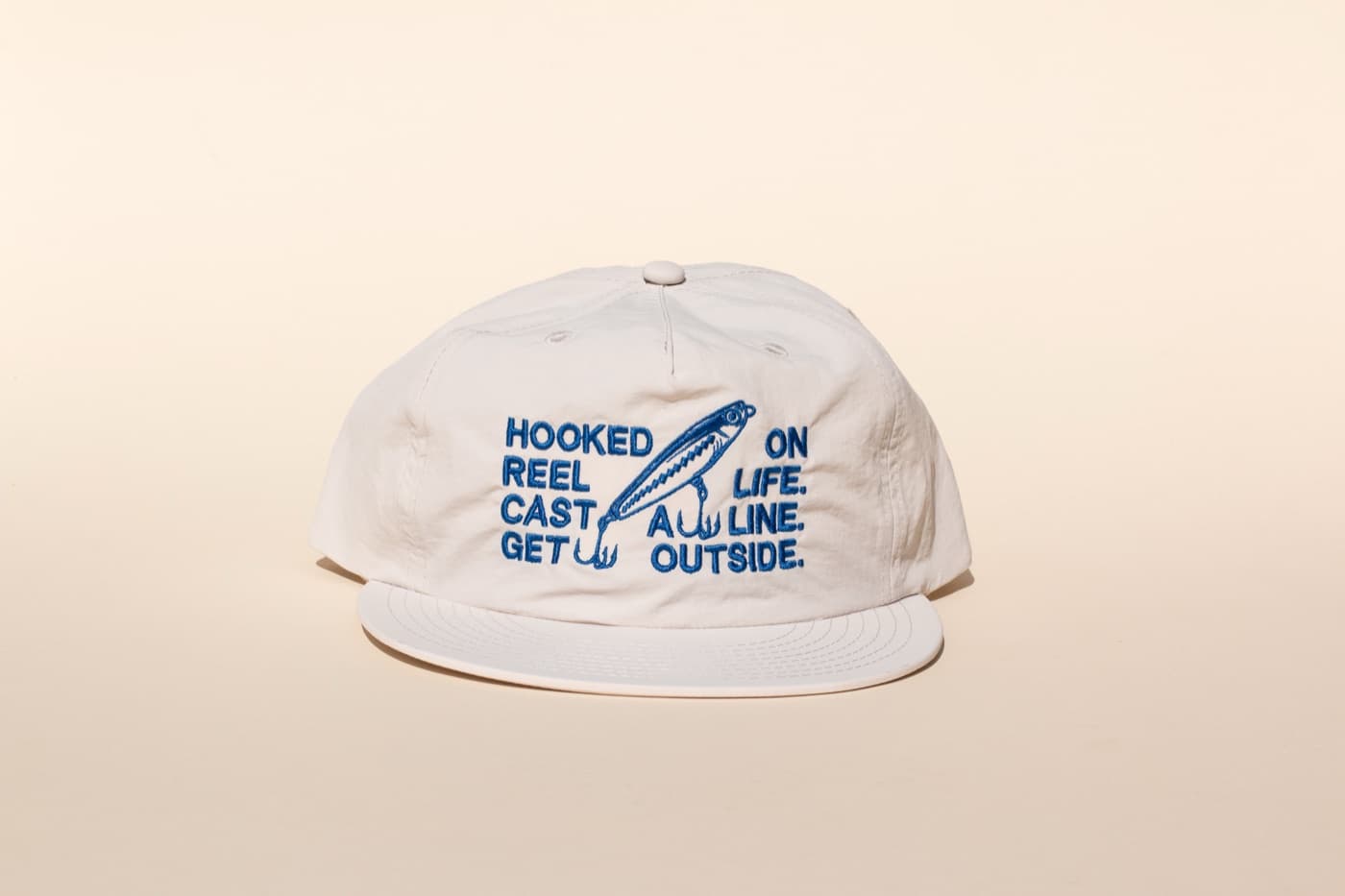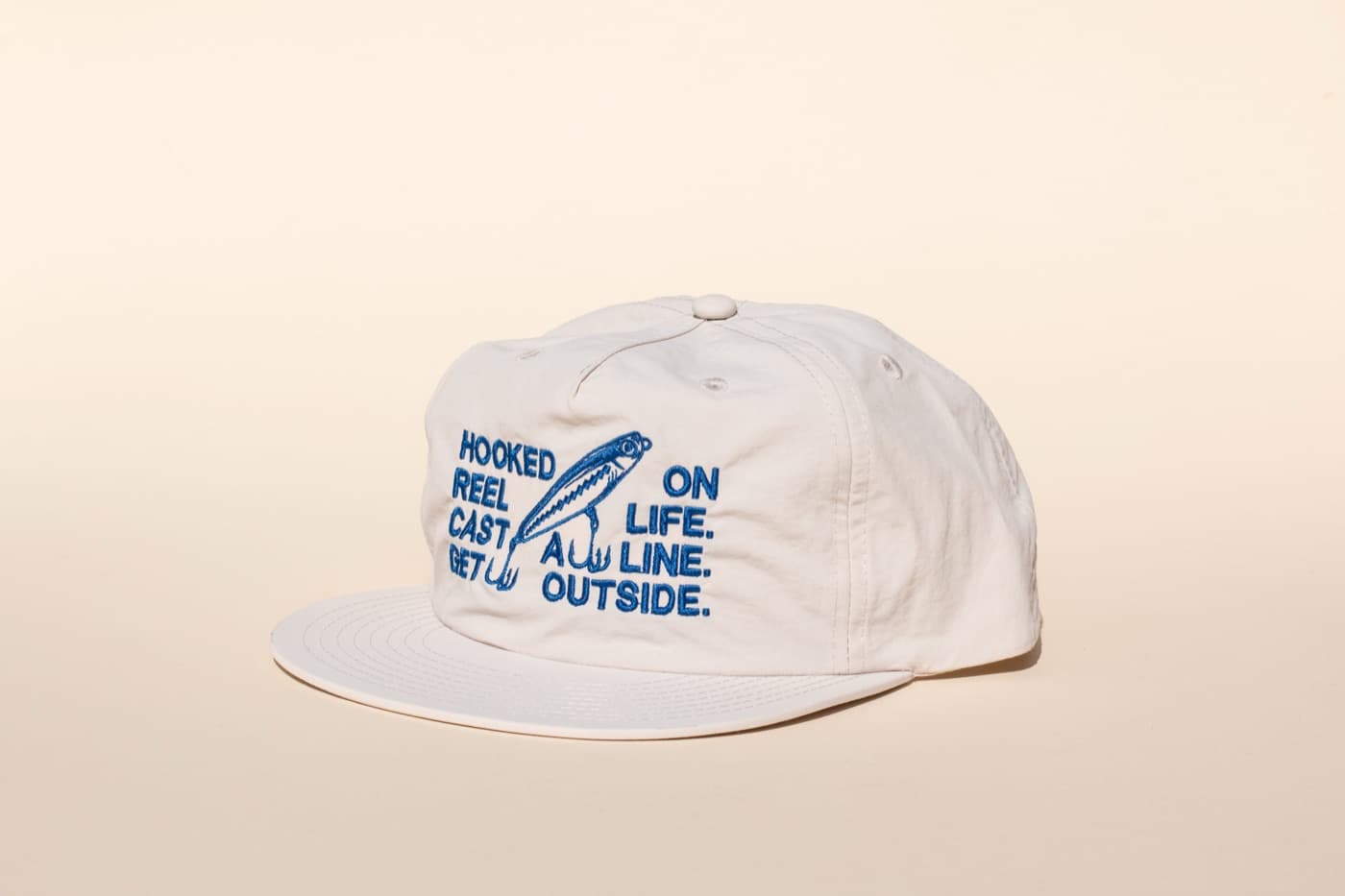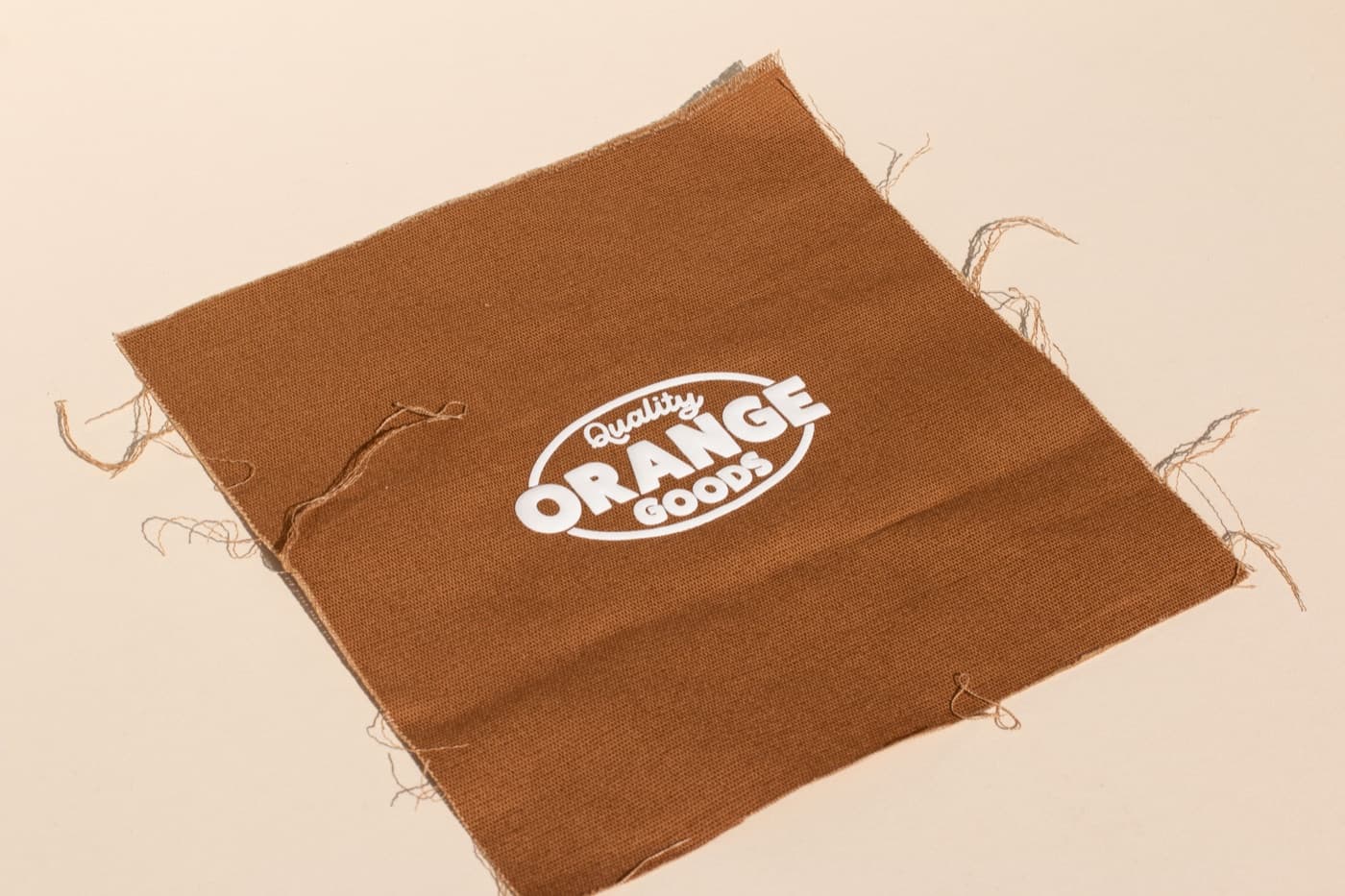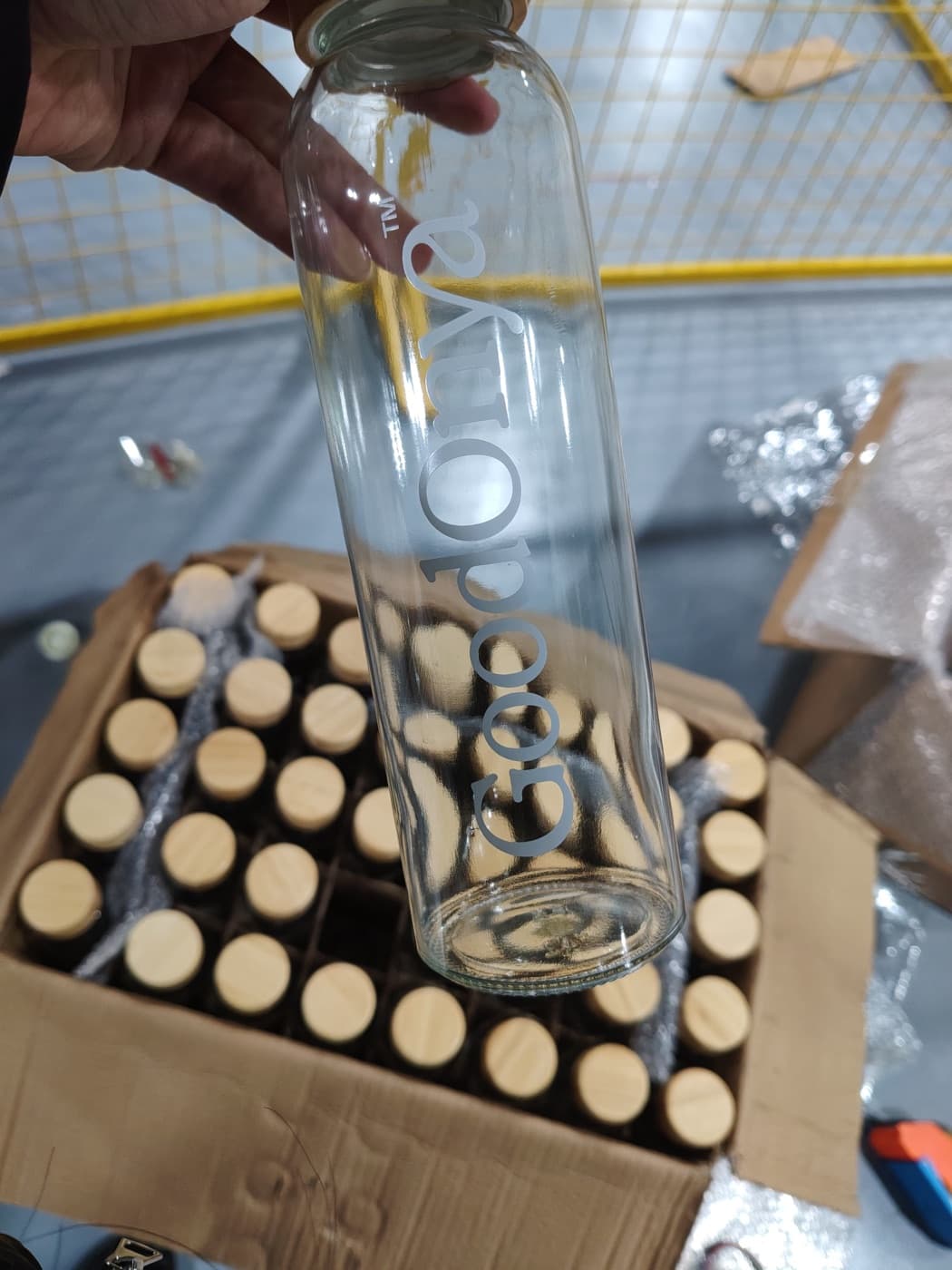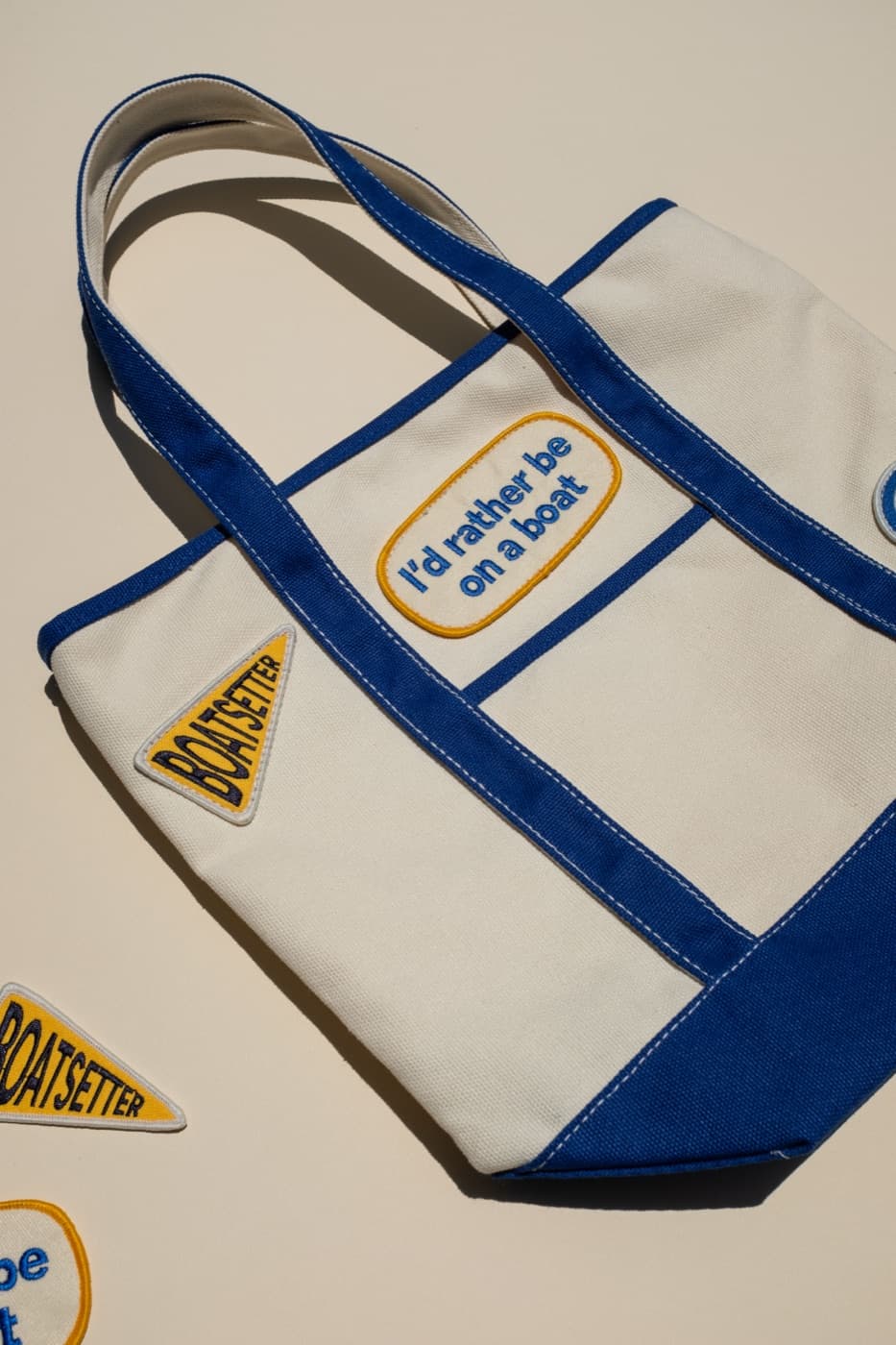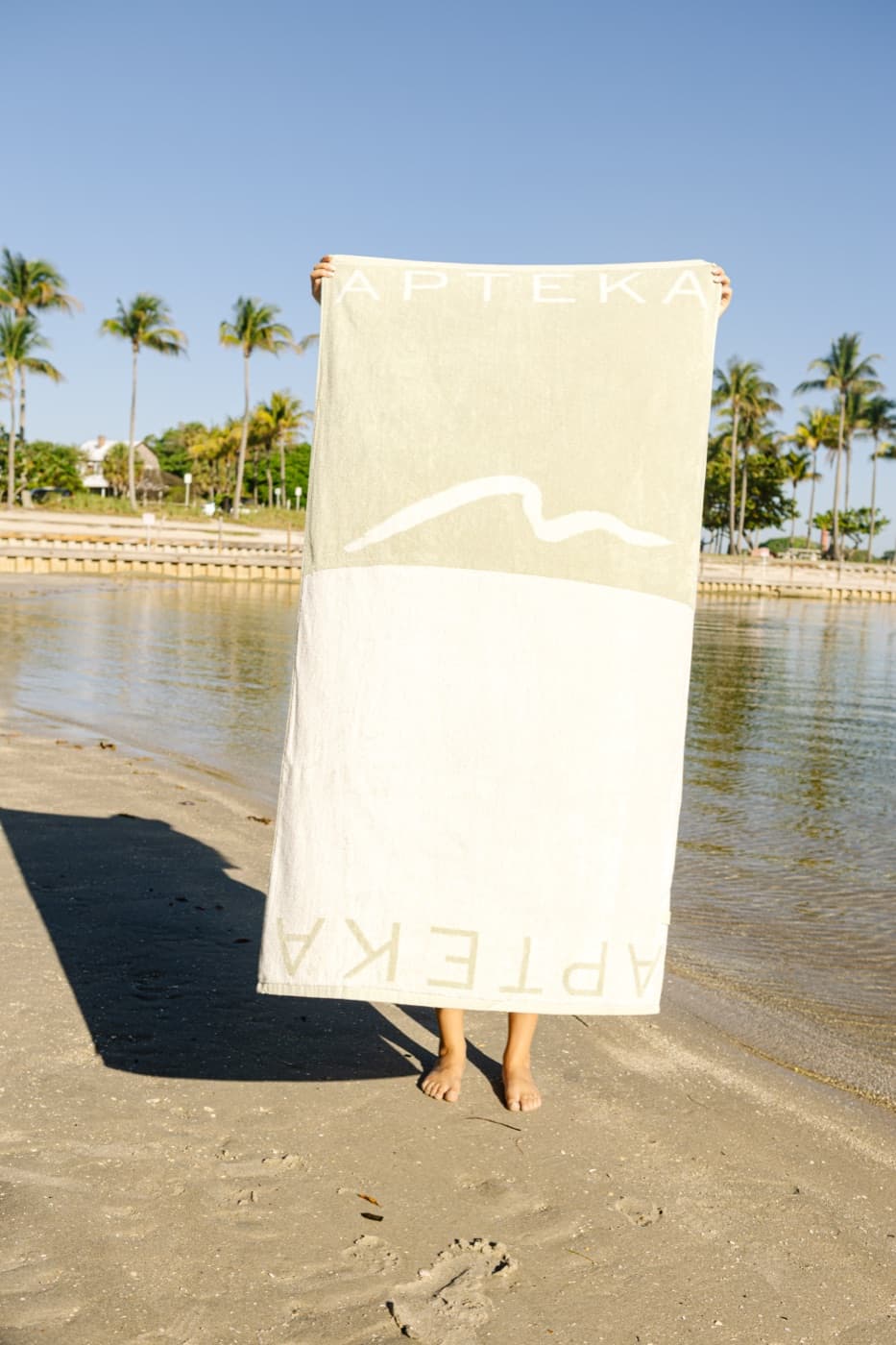
Screen printing is the dominant decoration method for custom tees, sweatshirts, and tote bags. Understanding how it works helps you give better direction, ask better questions, and avoid the most common mistakes.
How it works
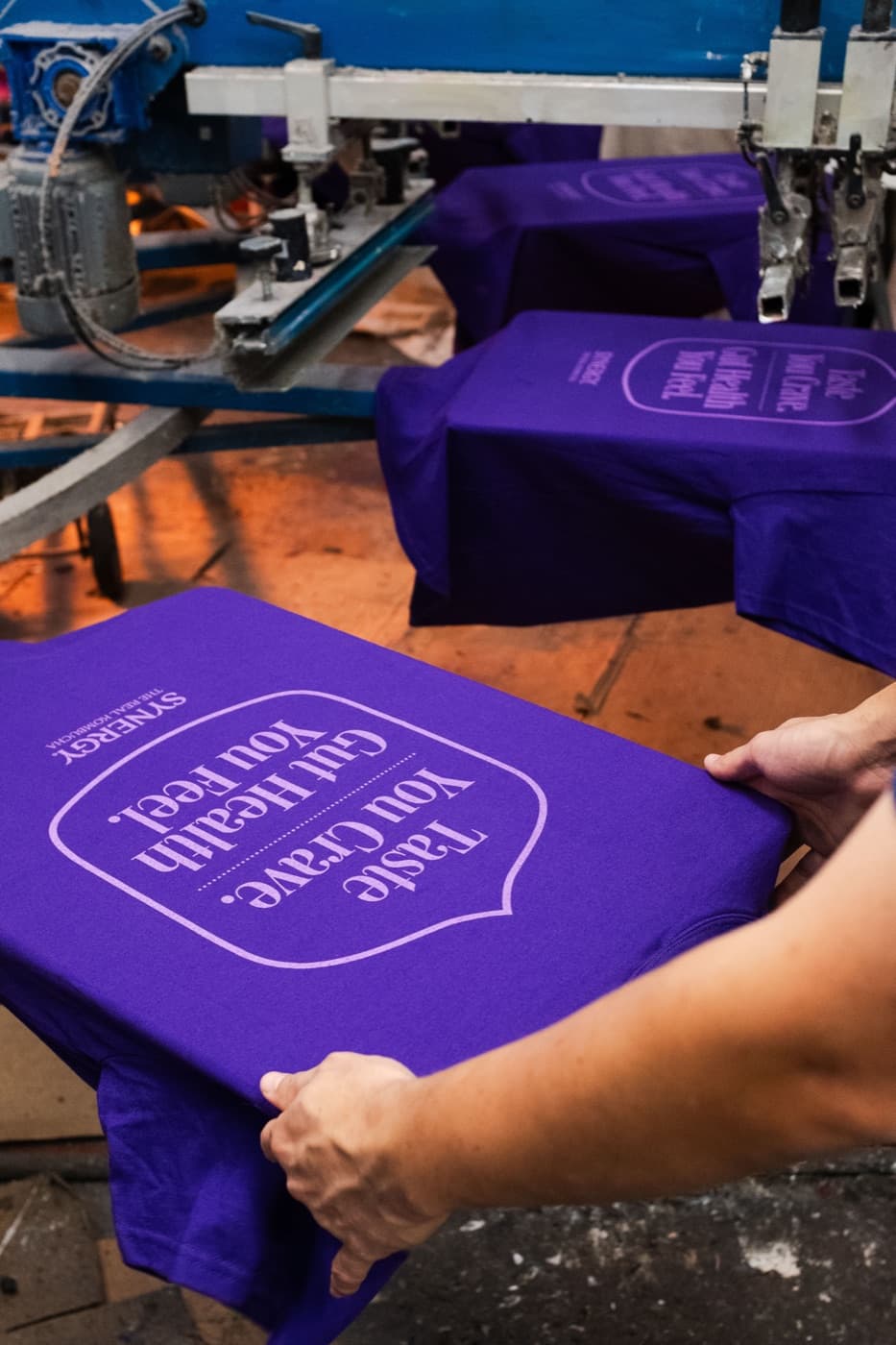
Each color in the design gets its own screen — a fine mesh stretched over a frame with a photosensitive emulsion applied to it. The design is exposed onto the emulsion, which hardens everywhere the light hits and stays soft (and washable) where the design blocks it. During printing, ink is pushed through the open areas of each screen onto the garment. Screens are applied in sequence, one color at a time, building up the final image.
The press can be manual (hand-operated) or automatic (machine-driven). Automatic presses are faster and more consistent, which is why large runs on automatics cost less per piece than small runs on manual presses.
What drives cost
Color count is the primary driver beyond quantity. Each color requires a screen, which adds setup cost. A 1-color print on 100 tees is significantly cheaper than a 5-color print on the same 100 tees. Quantity reduces per-piece cost because setup costs get spread across more units.
Specialty inks add cost: metallic, high-density, puff, glow-in-the-dark, and foil all require additional materials and process steps. Exact location requirements (centered to a particular stitch, for example) add precision setup time. Oversized prints that go outside the standard platen area require repositioning, which slows the run.
Ink types and finishes
Plastisol is the standard ink used in most screen printing. It sits on top of the fabric, is very durable, and produces consistent, vibrant color. Water-based inks absorb into the fabric instead of sitting on top, producing a softer hand feel — ideal for a vintage or retail look but slightly less durable. Discharge printing removes the dye from the fabric and replaces it with the ink color, producing an exceptionally soft result with no ink feel at all. Discharge works best on 100% cotton fabrics with reactive dyes.
Art setup requirements
Every color in the design gets a separate film positive or CTP plate. This means the artwork needs to be color-separated — each color on its own layer, with clean edges and no gaps. A designer experienced in print production will set up art this way naturally. A designer who only works digitally may need to revise the file before production can begin.