Custom tote bags with a logo work because they are useful in public. A good tote goes to the farmers market, the office, the gym, the beach, the bookstore, the trade show floor, and the trunk of the car. It carries your brand while carrying something real. That is why totes have stayed relevant even as other giveaway items come and go.
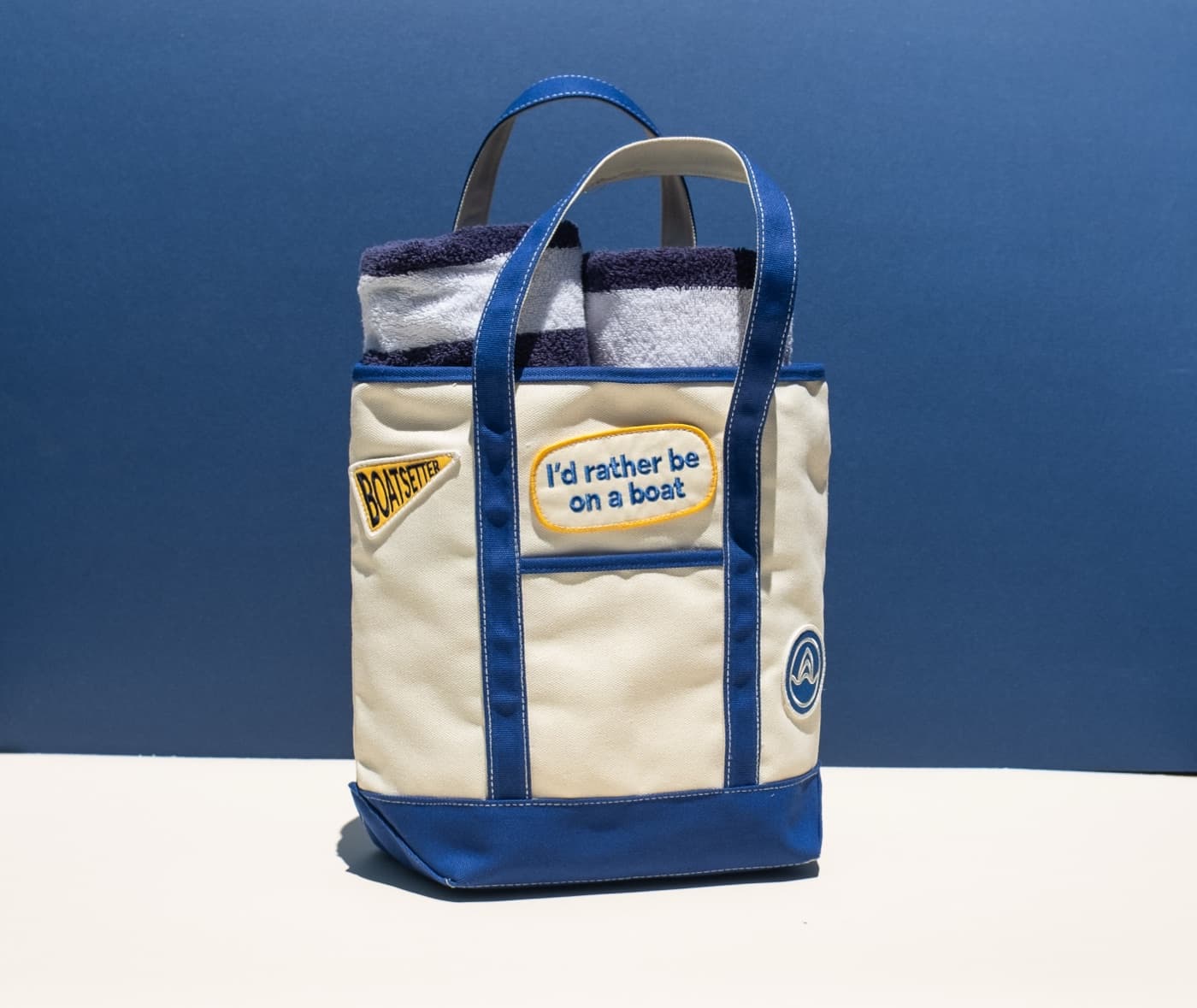
The catch is that not all totes are worth keeping. A thin bag with weak stitching and a giant logo may technically be merch, but it will not earn much use. A well-built canvas tote with the right size, handle length, and decoration can feel like a small retail product. That is the standard to aim for.
Why totes work for brand gifting
Totes are easy to understand. They do not require sizing. They are useful across ages and industries. They can hold other gifts, event materials, retail purchases, or daily essentials. For brands, they are also one of the few merch items that naturally creates visibility without asking someone to wear apparel.
They are especially strong for hospitality, food and beverage, wellness, education, design, real estate, conferences, markets, and retail. A cafe tote can become a neighborhood signal. A hotel tote can become a beach bag. A studio tote can become a daily laptop-and-notebook carry. The more naturally it fits the recipient's life, the more often it shows up.
Canvas weight matters
Canvas weight is one of the first quality signals. Lightweight cotton totes can be fine for simple event handouts, but they often feel temporary. Midweight canvas gives the bag more structure and durability without becoming too expensive. Heavy canvas feels more premium and retail-ready, but it costs more and may be too stiff for certain uses.
Think about what the bag needs to carry. If it is holding brochures for a one-day event, a lighter tote may be enough. If it is meant to carry groceries, bottles, books, or everyday gear, step up the weight. A bag that stretches, sags, or tears under normal use is not doing the brand any favors.
Stitching and construction
Look at the seams, handle attachment, bottom shape, and overall finish. Reinforced stress points matter because handles take the most abuse. Box stitching or bar tacks can add strength. A flat, basic tote may be enough for a small giveaway, but a gusseted tote gives more volume and stands up better when filled.
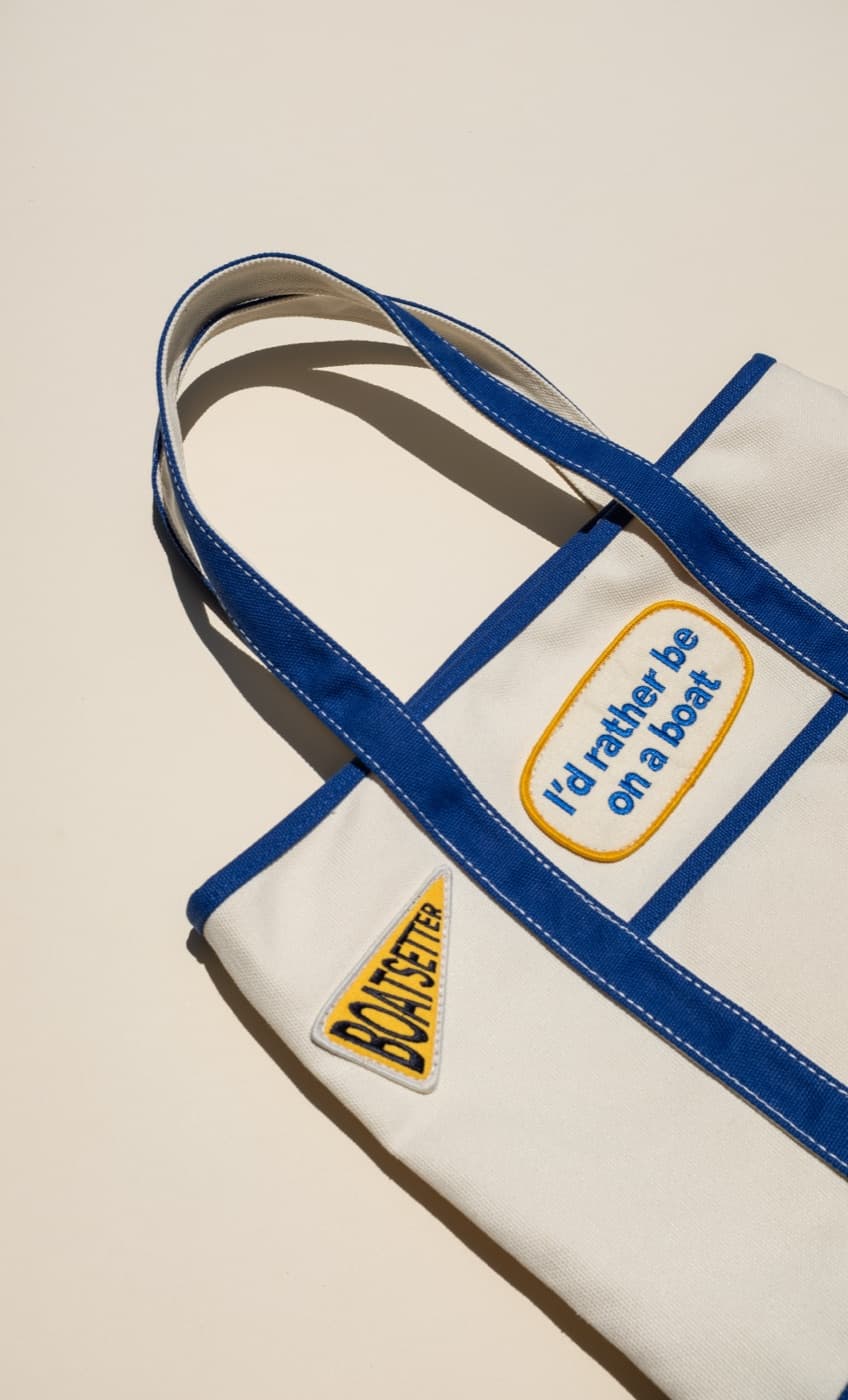
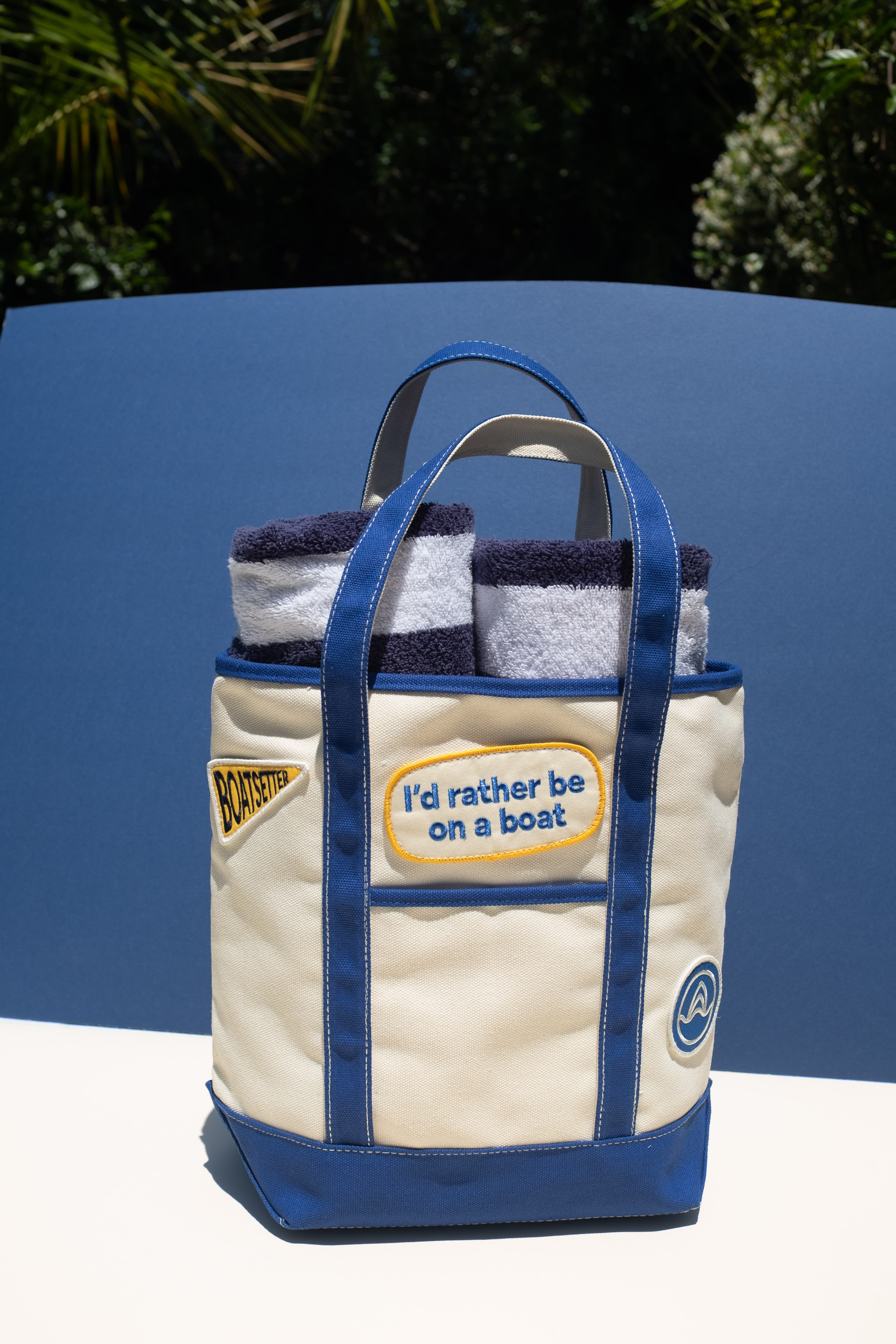
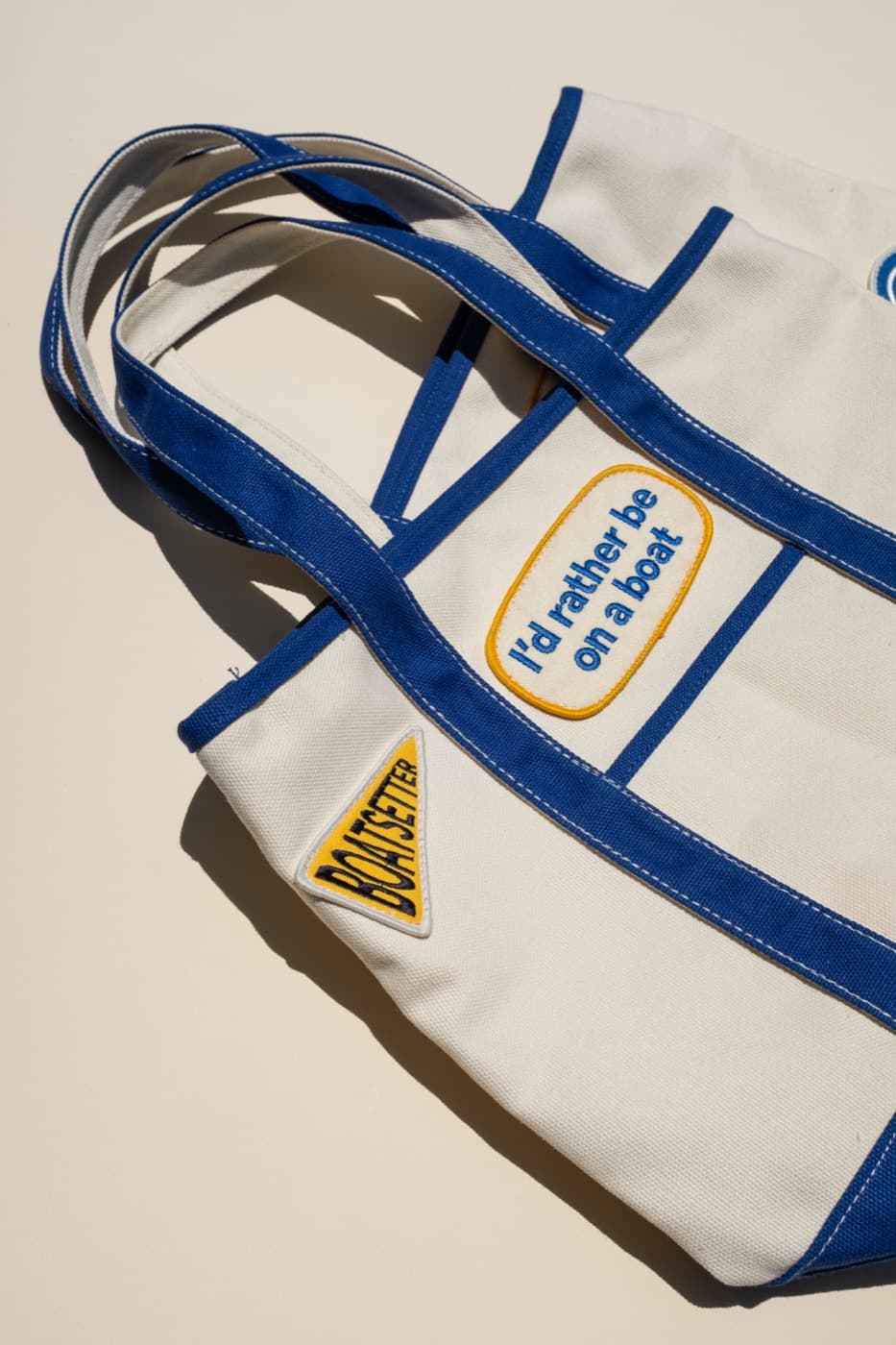
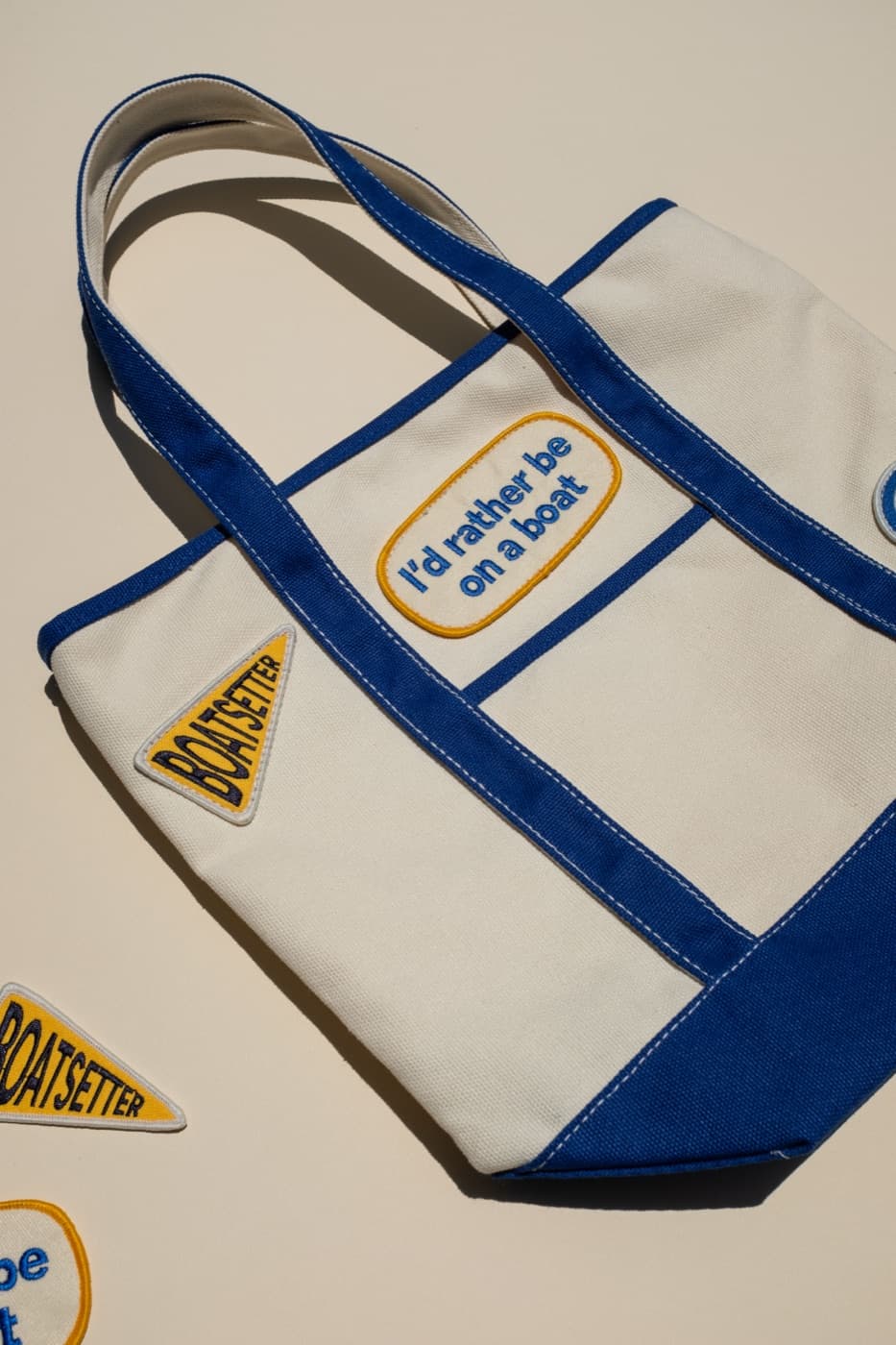
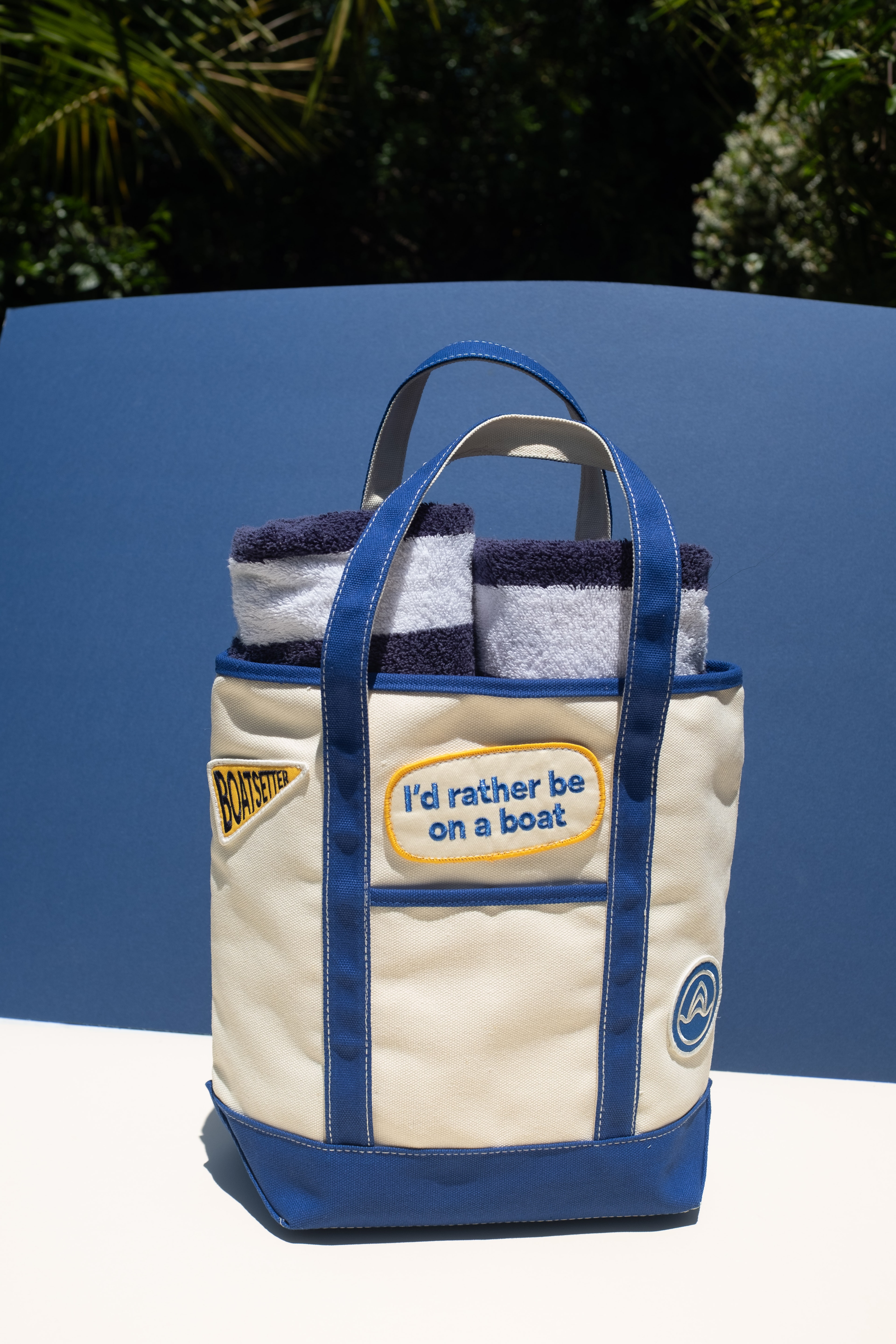
Construction also changes the perceived value. A lined tote, interior pocket, zipper, snap, contrast handles, or custom label can move the piece from giveaway to retail. You do not need every detail. You need the right details for the purpose. A clean, sturdy canvas tote with good handles often beats an overbuilt bag that does not match the audience.
Screen print vs embroidery
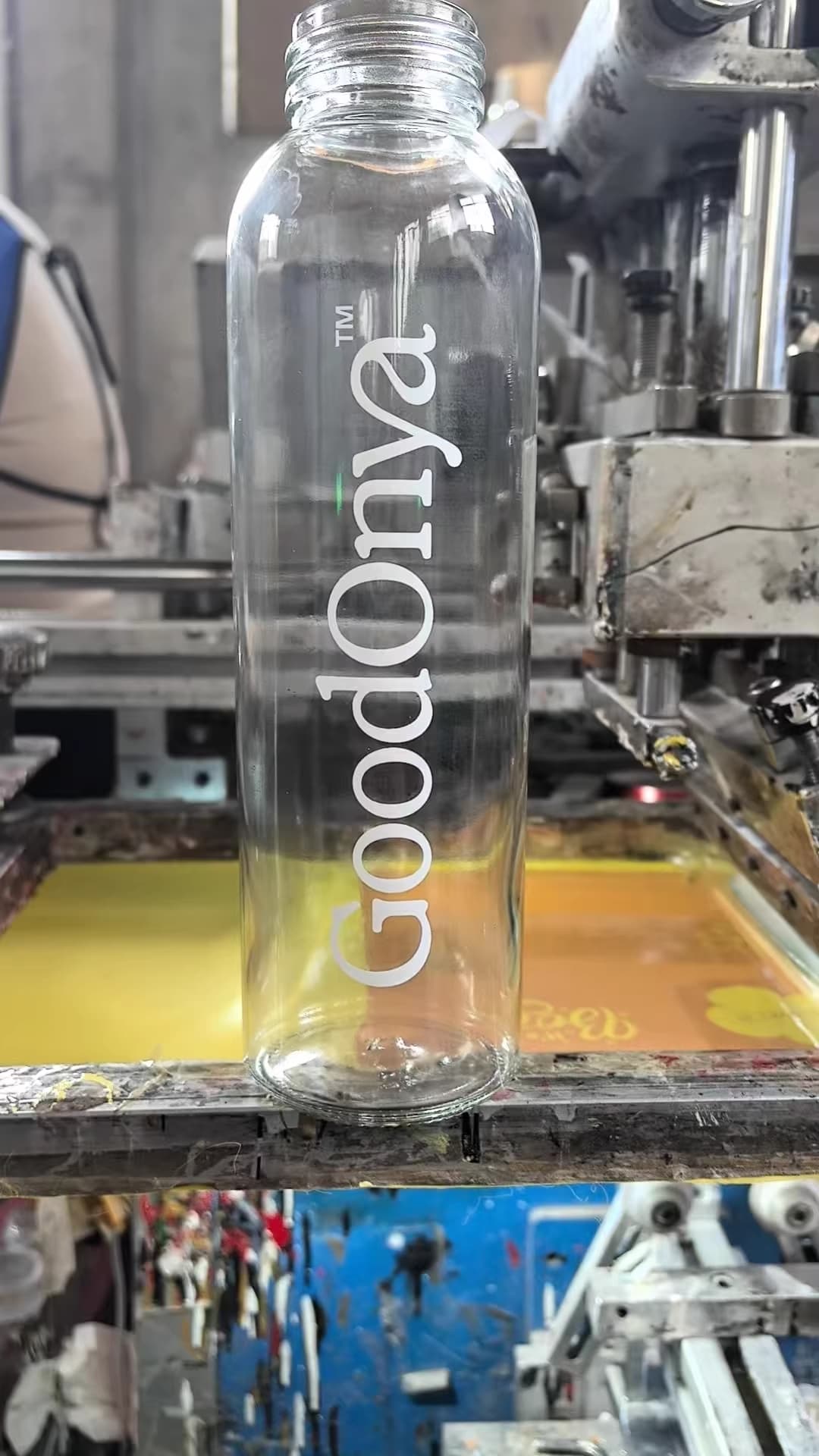
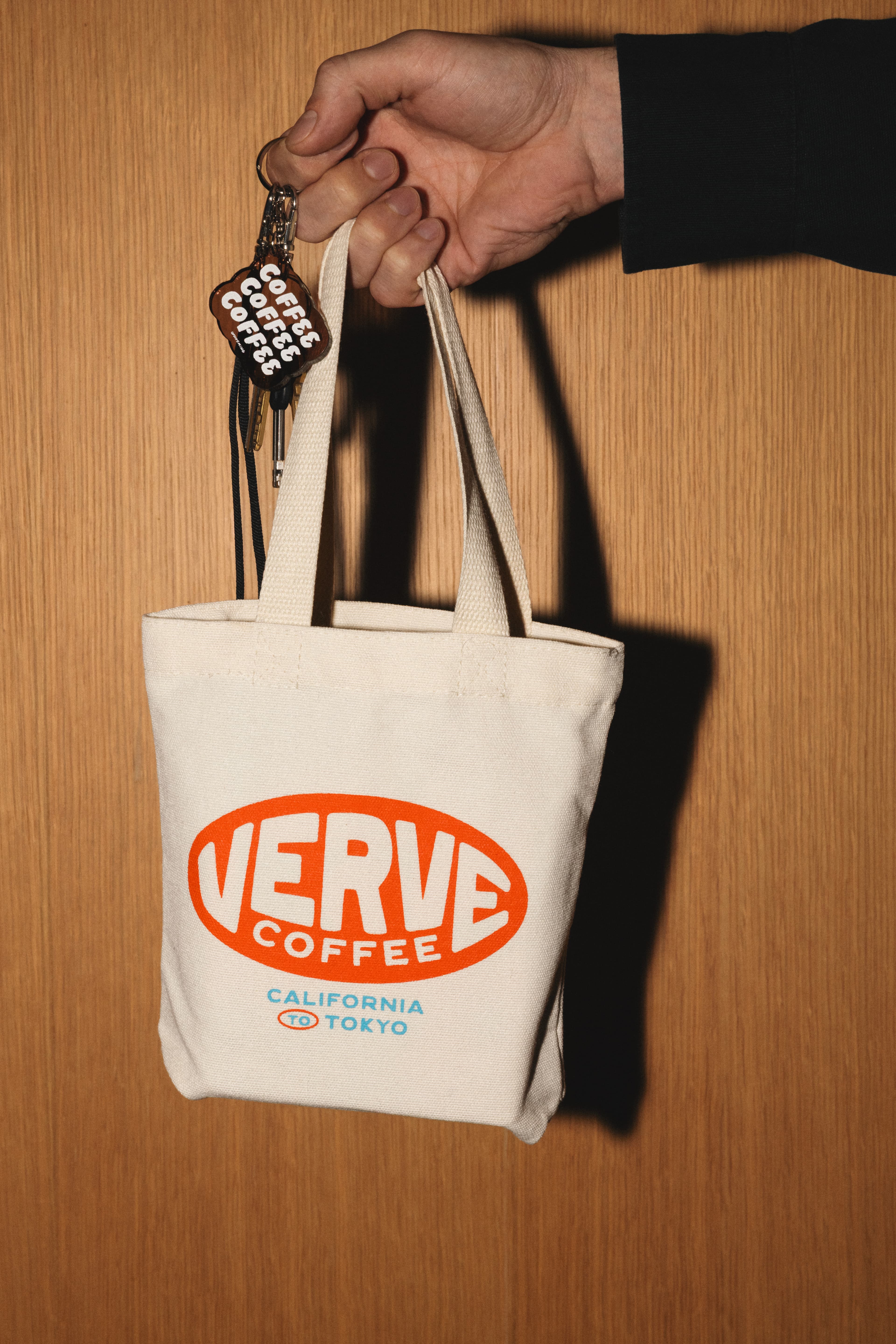
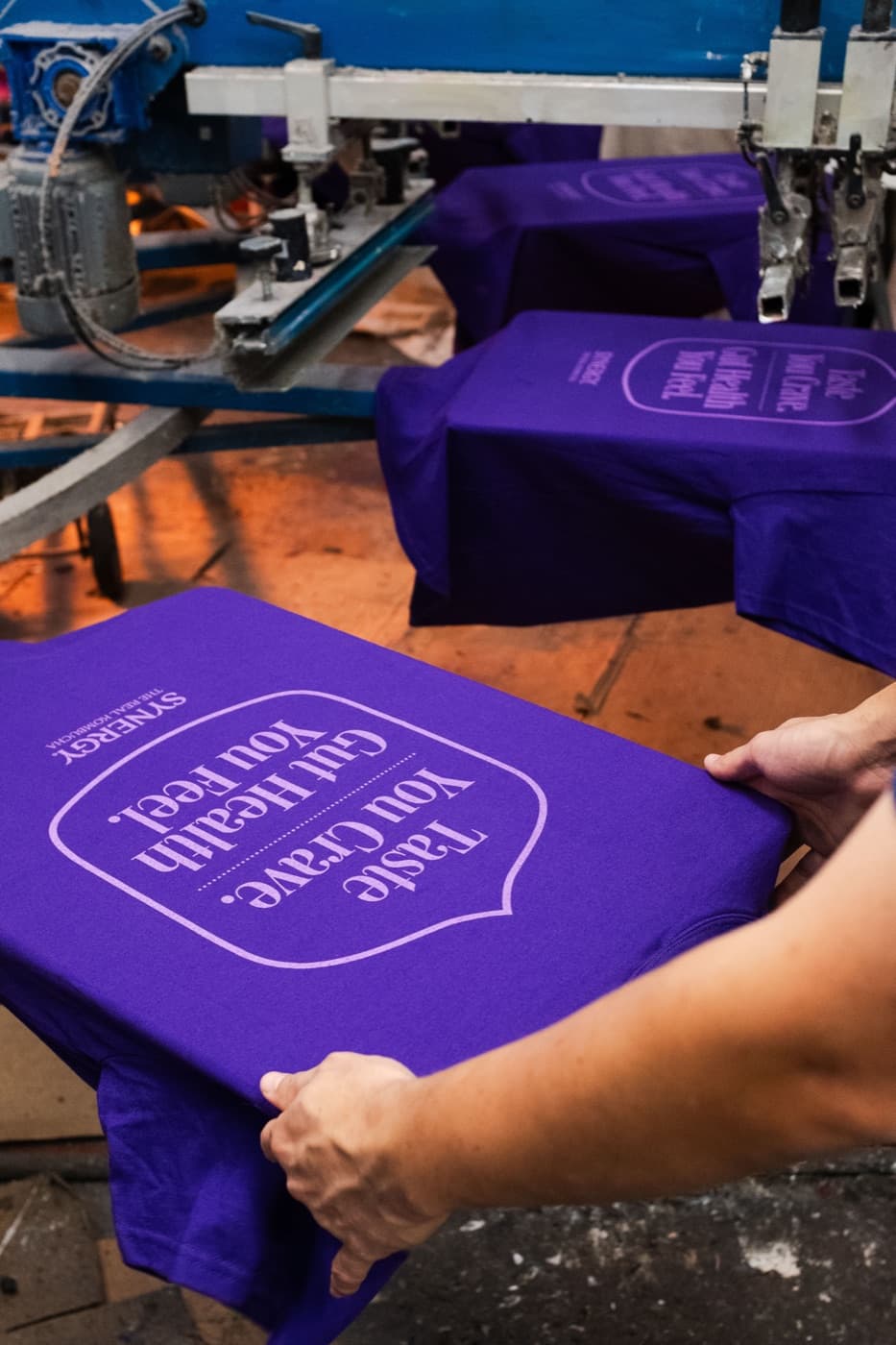
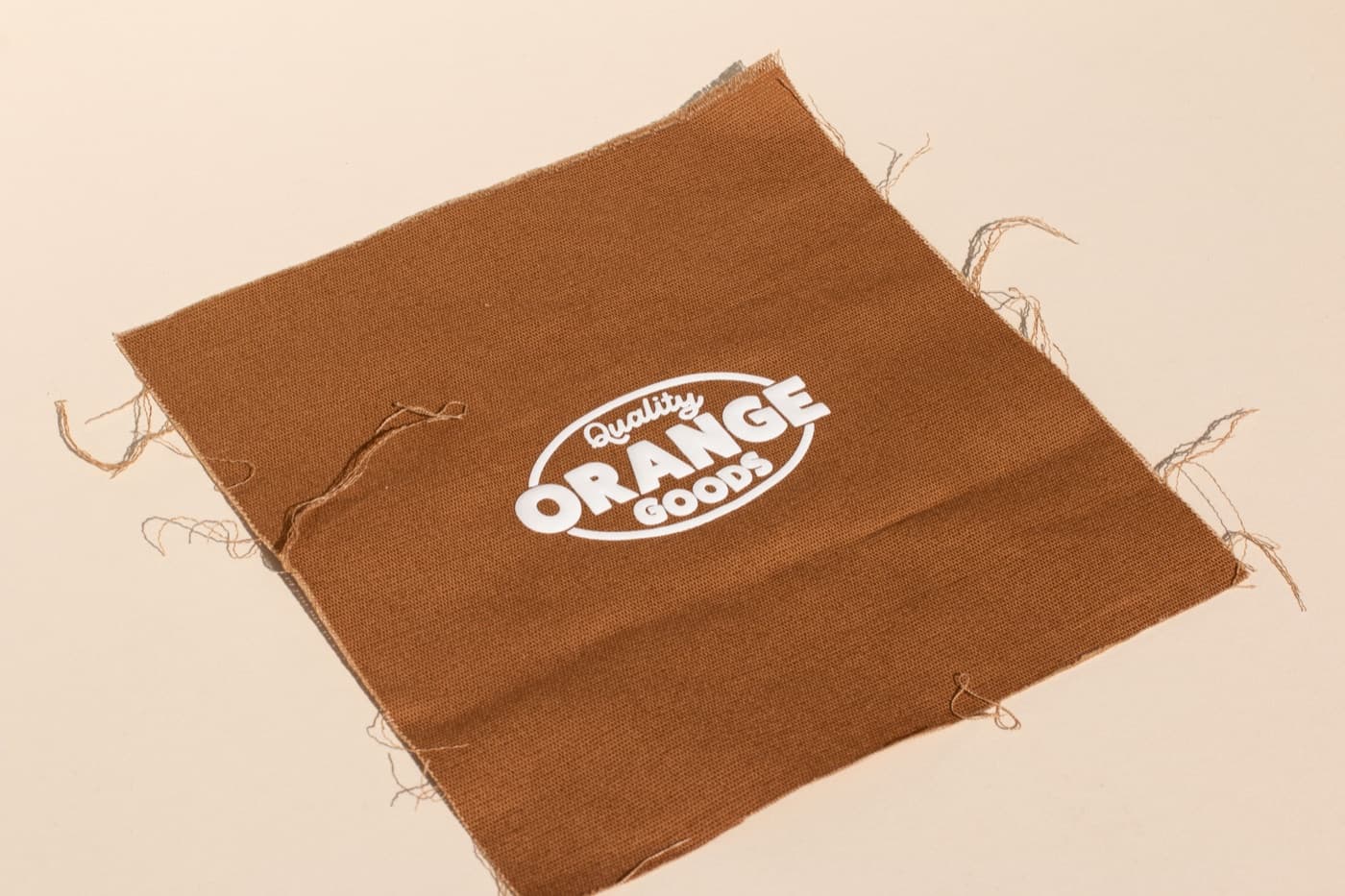
Screen printing is the most common decoration method for canvas totes. It is strong for logos, type, illustrations, and bold graphics. It gives you scale and color control, especially on flat cotton surfaces. For larger front graphics, screen print is usually the right choice. It can feel clean, graphic, and very on-brand when the artwork is prepared well.
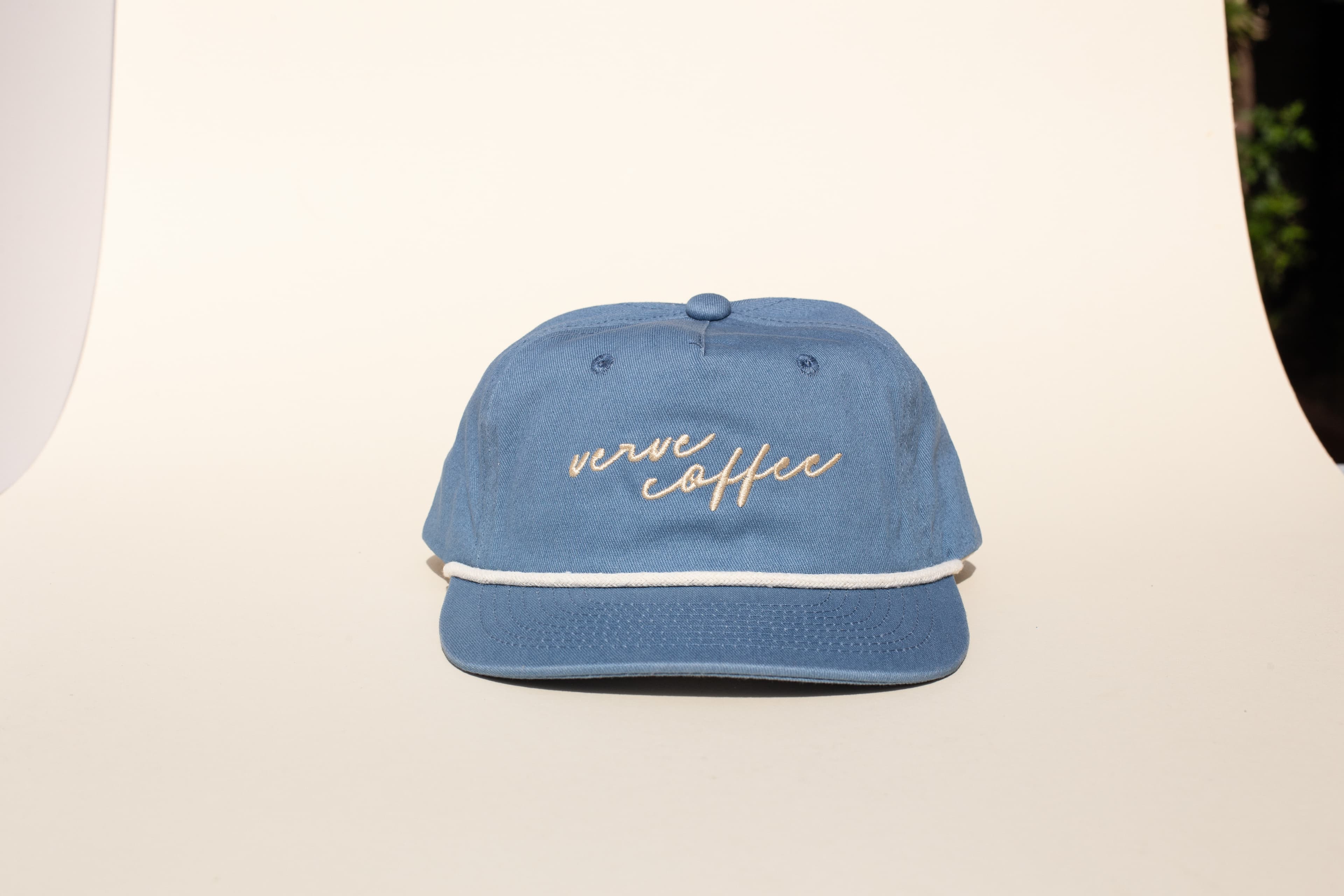
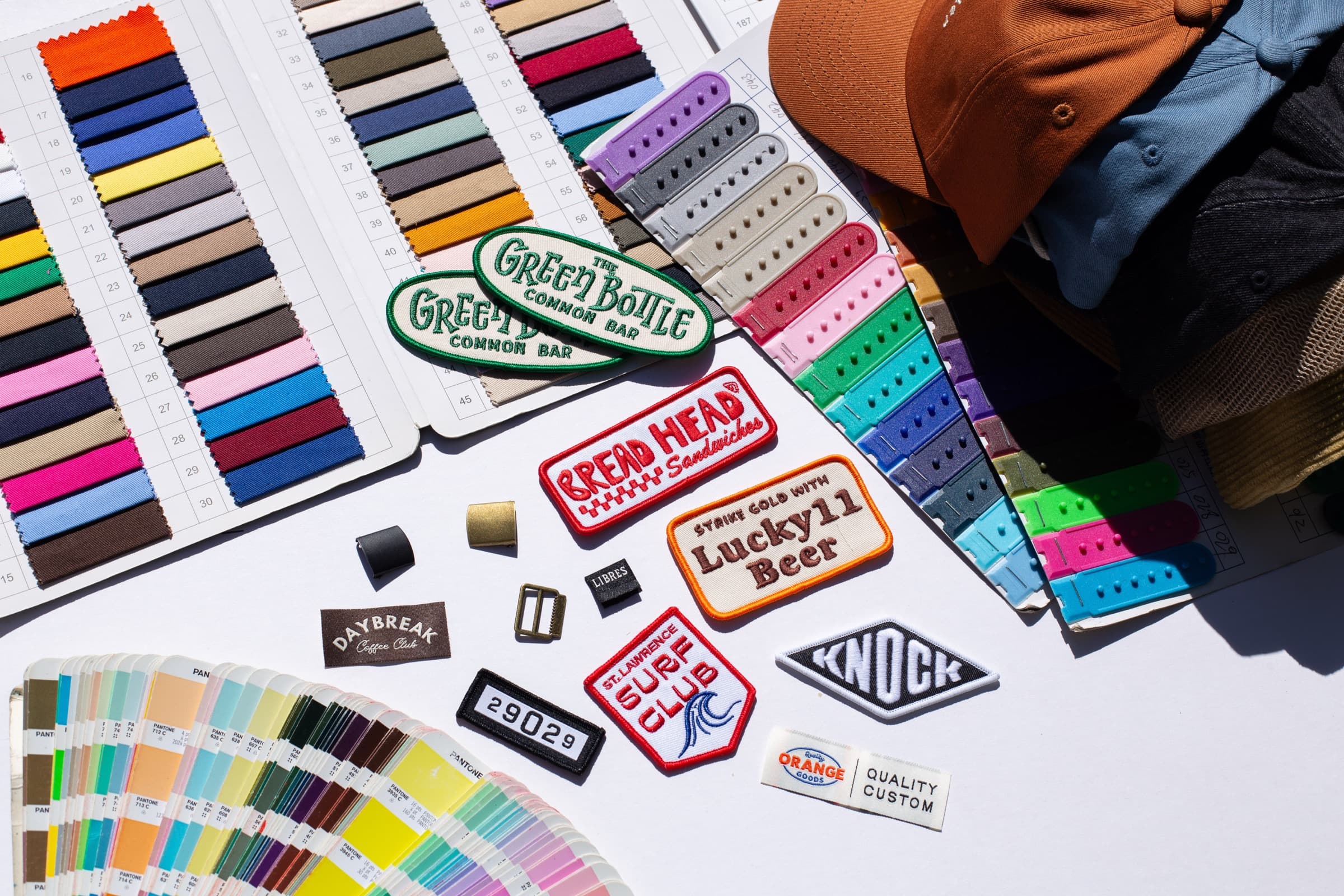
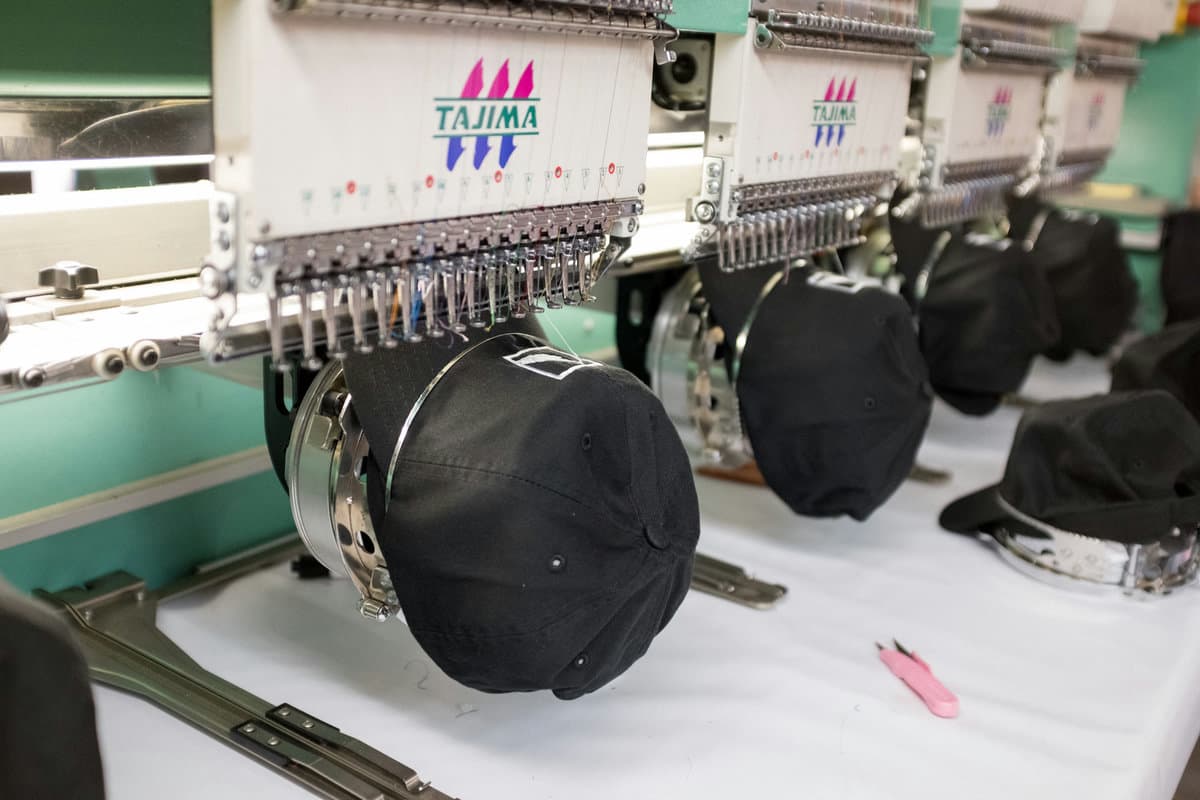
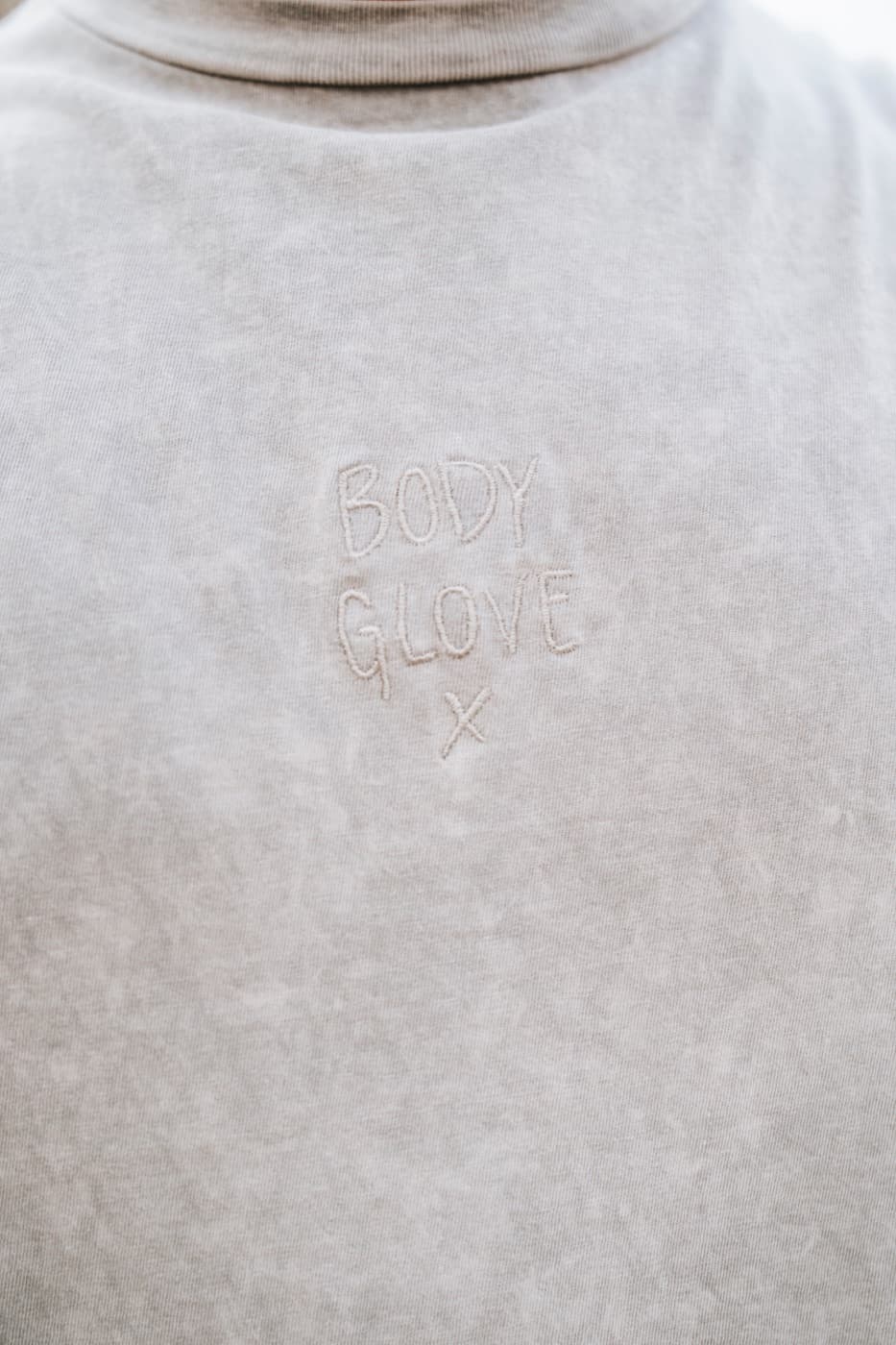
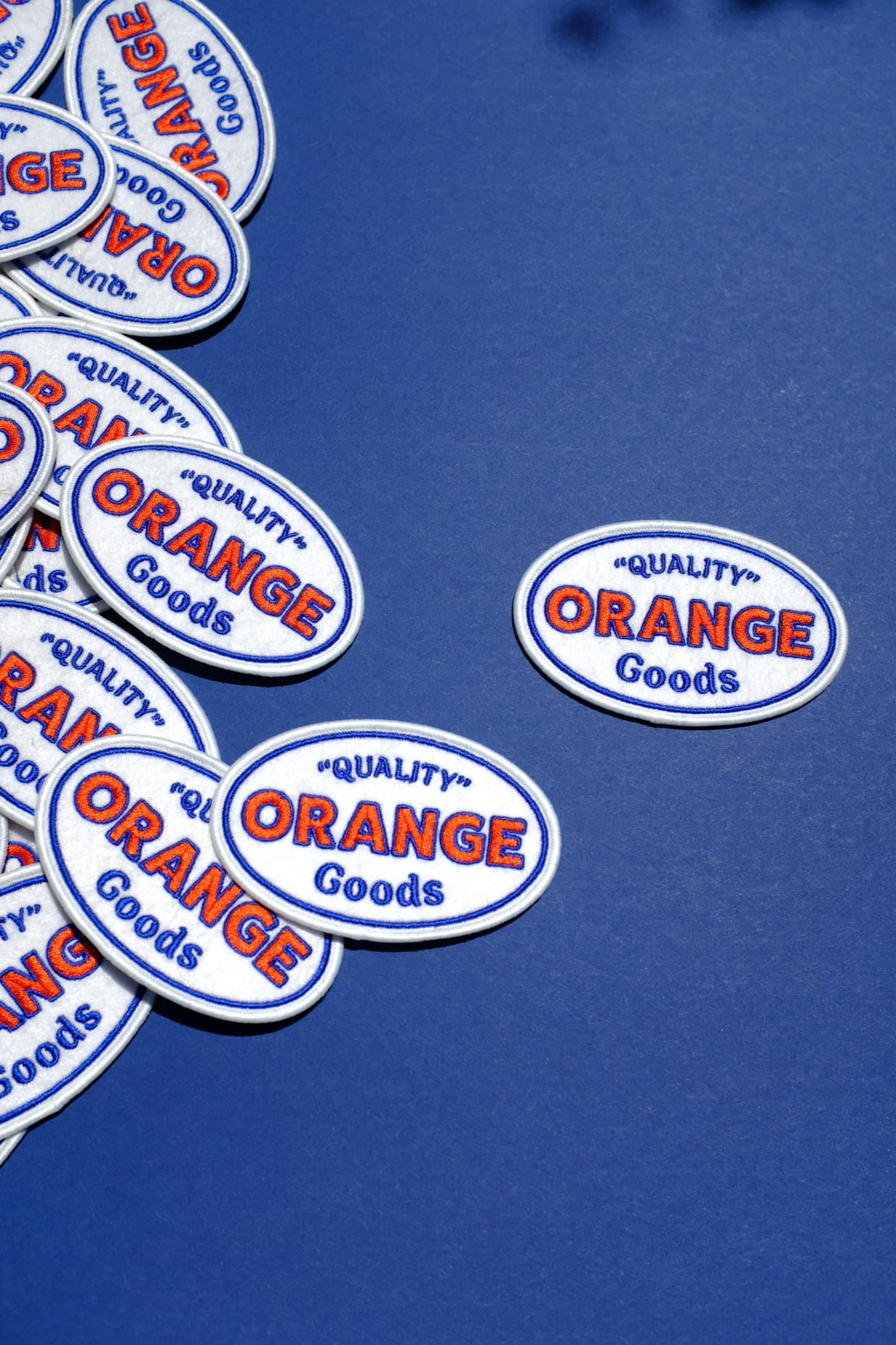
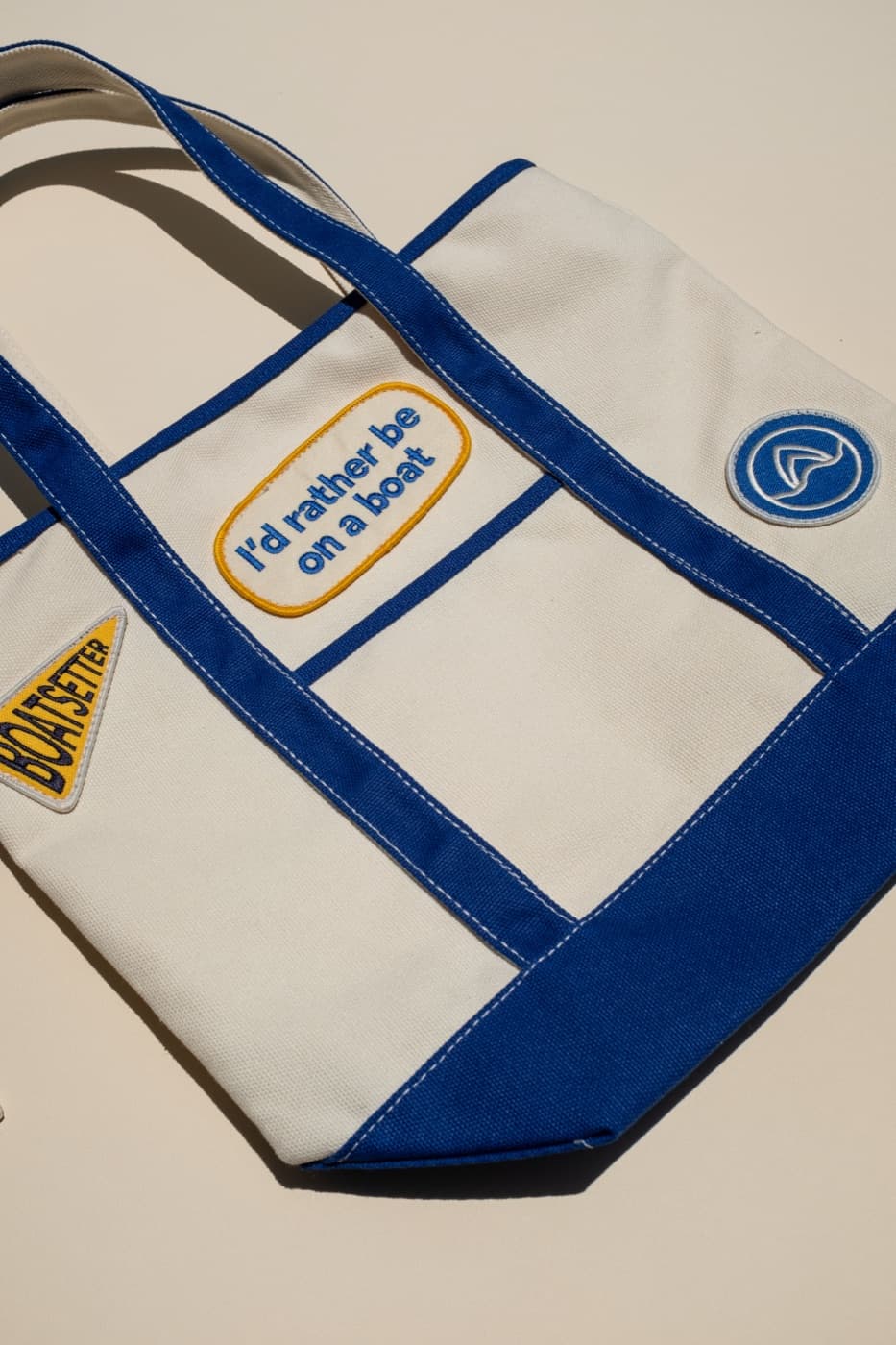
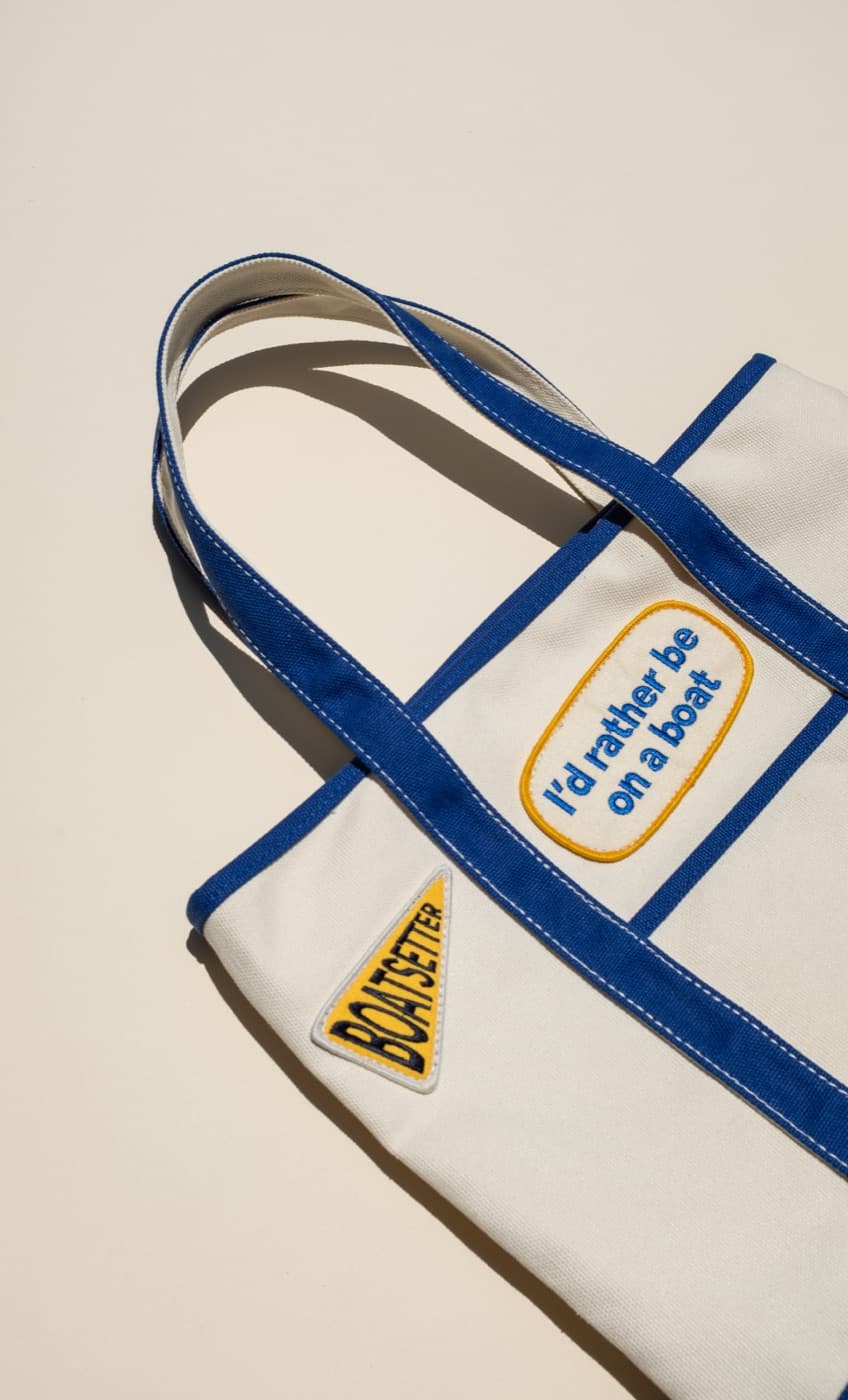
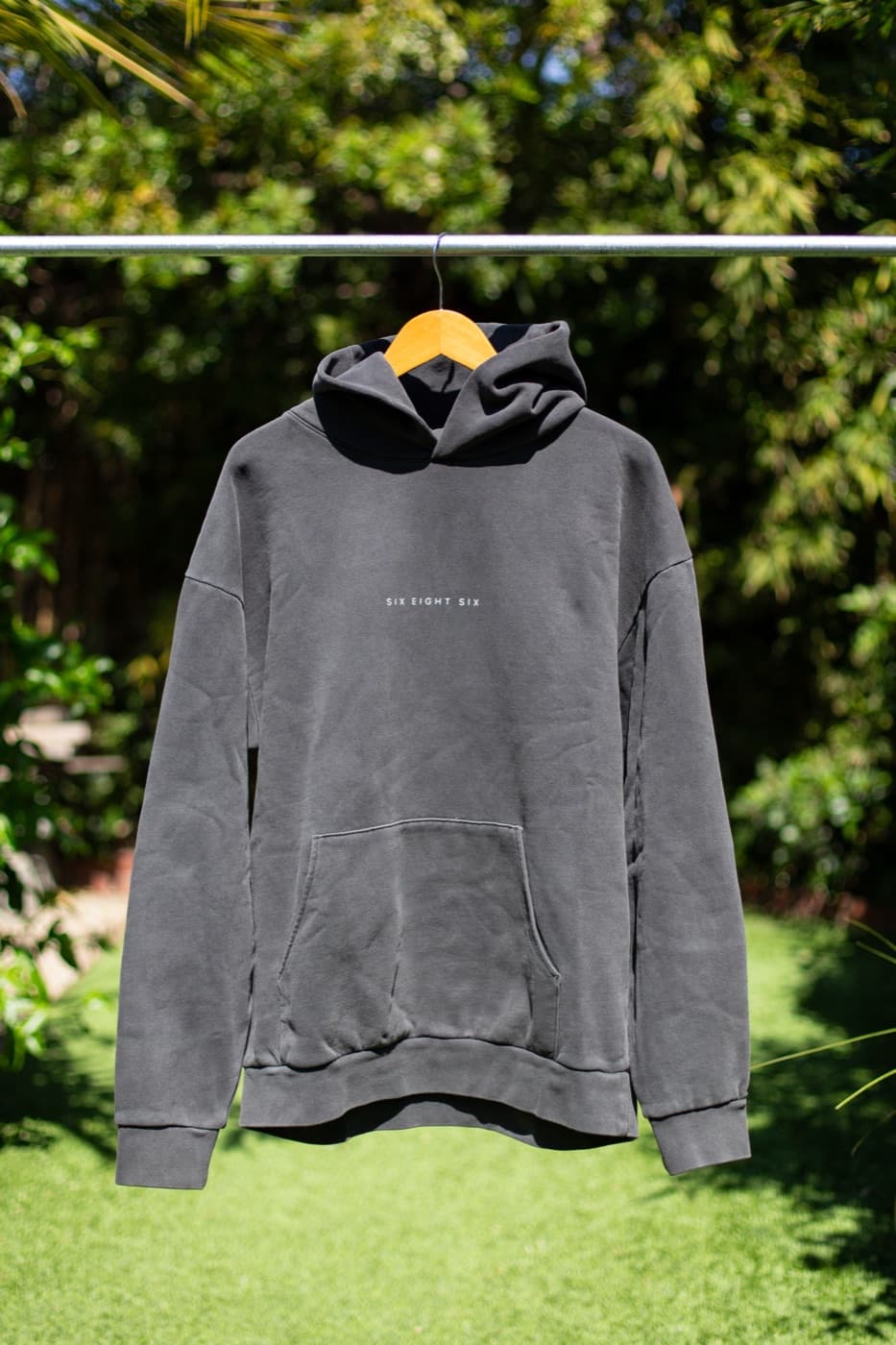
Embroidery can make a tote feel more premium, but it is better for smaller marks, monograms, patches, or simple logos. Large embroidered areas can get expensive and heavy. Fine detail may not hold well on loose canvas. When embroidery is used with restraint, it can create a nice retail finish.
Full-color transfers and specialty methods can also work, but durability and hand feel matter. A big plastic-feeling transfer on a soft canvas bag may make the tote less enjoyable to use. The decoration should support the bag, not fight it.
Retail finishing changes the read
If the tote is being sold, gifted to clients, or included in a premium kit, finishing matters. Folding, hang tags, belly bands, woven labels, inner tags, and simple packaging can make the bag feel considered. A tote thrown loose in a box can still be useful, but a finished tote feels more like a product.
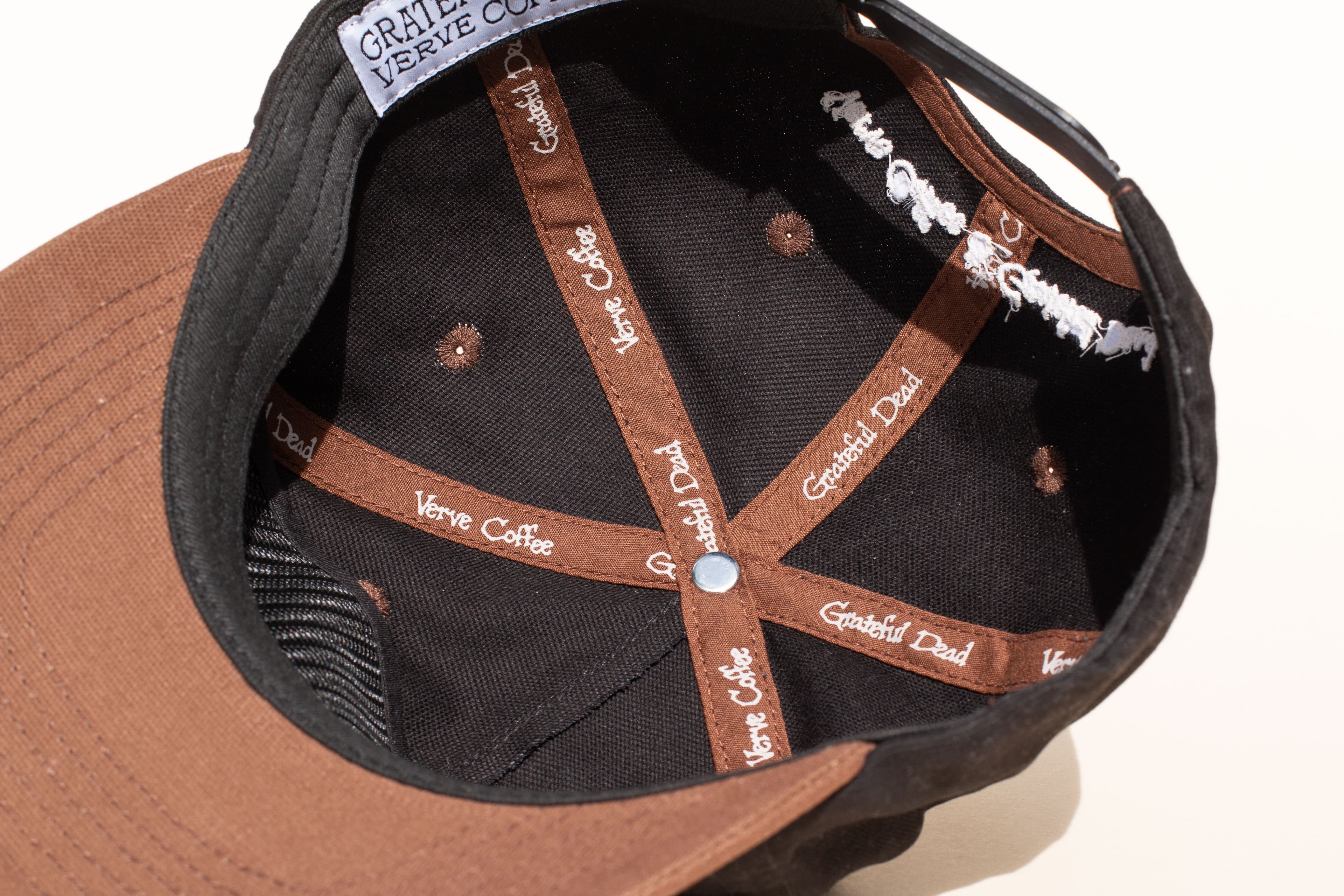
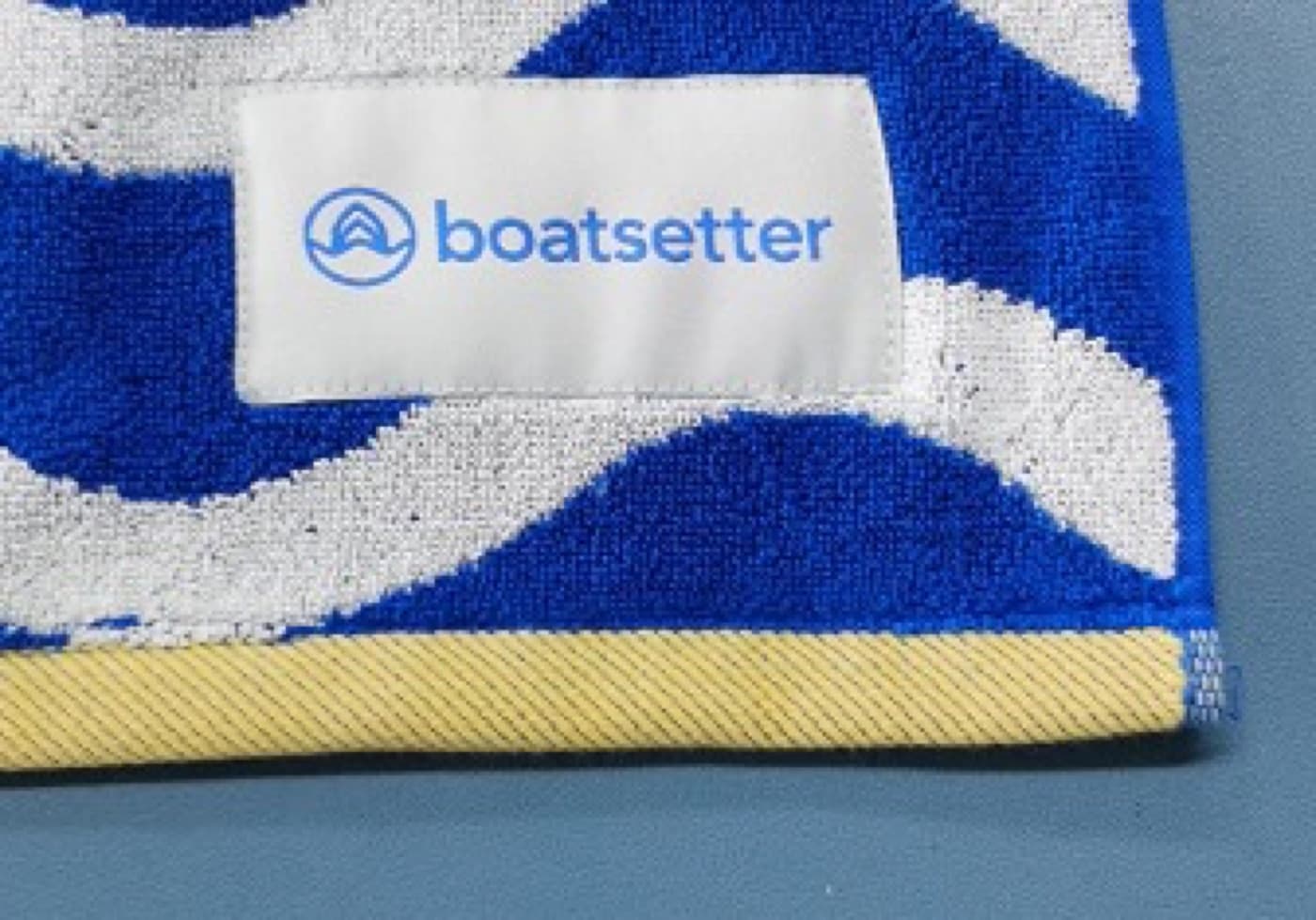
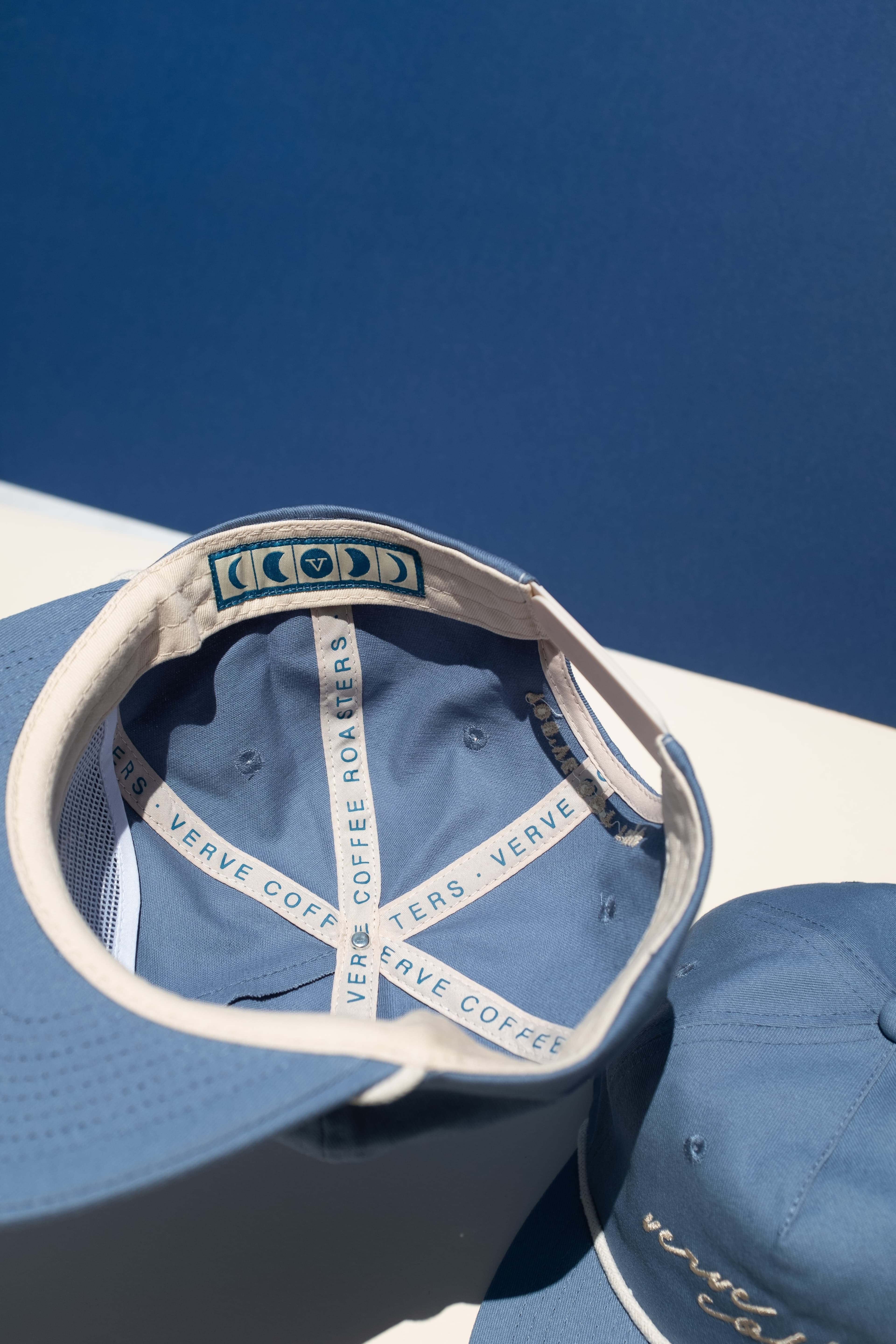
Retail finishing is also a place to add brand detail without overprinting the bag. A small woven label, a custom hang tag, or a printed inside message can carry personality while keeping the outside wearable. This is useful when the main logo needs to stay clean.
Size and handle length
Size decisions should come from use. A small tote is good for light retail, books, wine, coffee, or event materials. A larger tote works for groceries, beach use, gym gear, and travel. Gussets add capacity and make the bag easier to pack. If the tote needs to hold boxed goods, bottles, or folded apparel, check dimensions before ordering.
Handle length is just as important. Short handles are hand-carry only. Longer handles can go over the shoulder, which makes the bag more useful for daily life. If the audience will be walking around a conference or market, shoulder carry is usually better. If the tote is a small retail bag, short handles may be fine.
Color and artwork choices
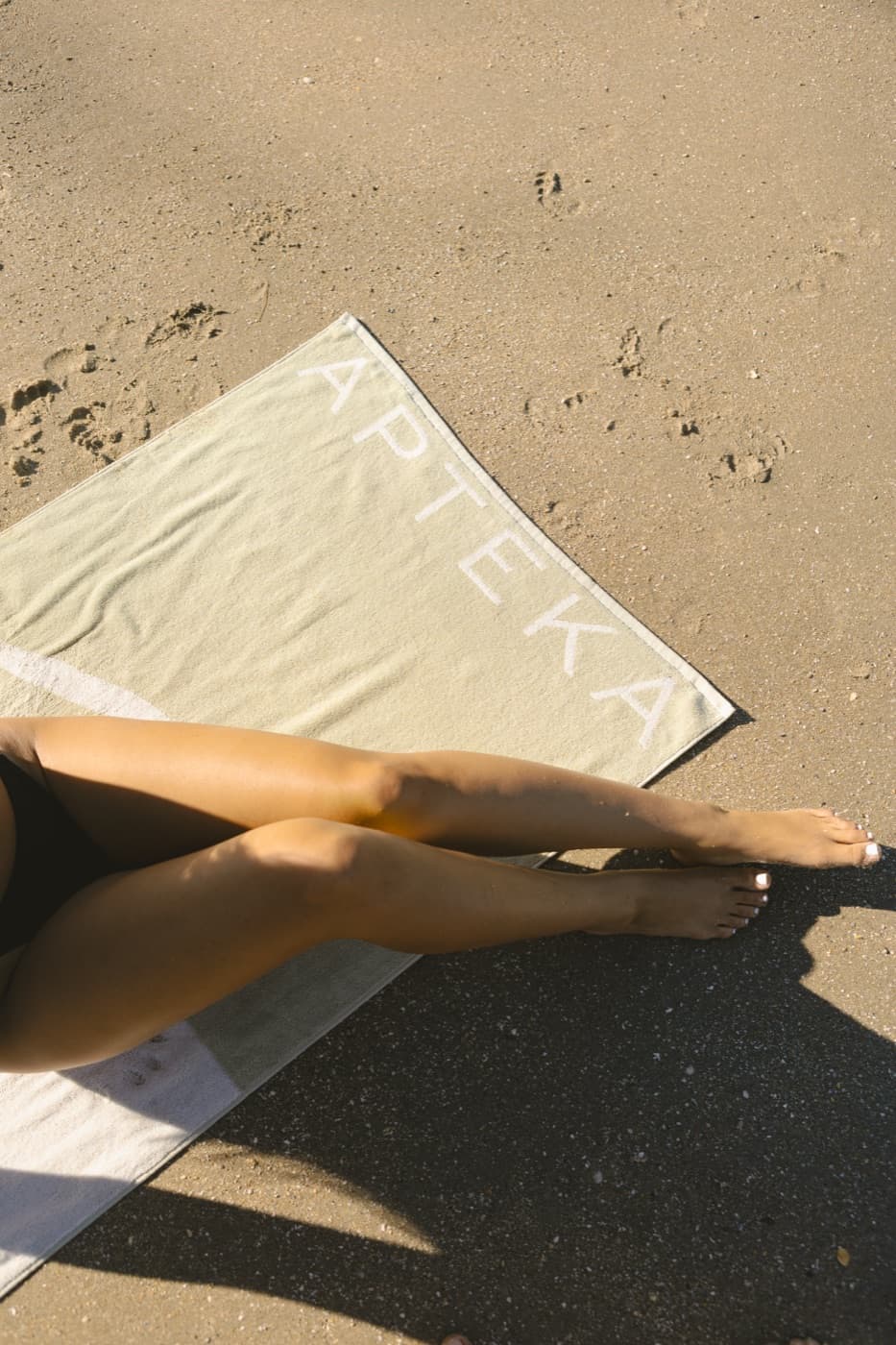
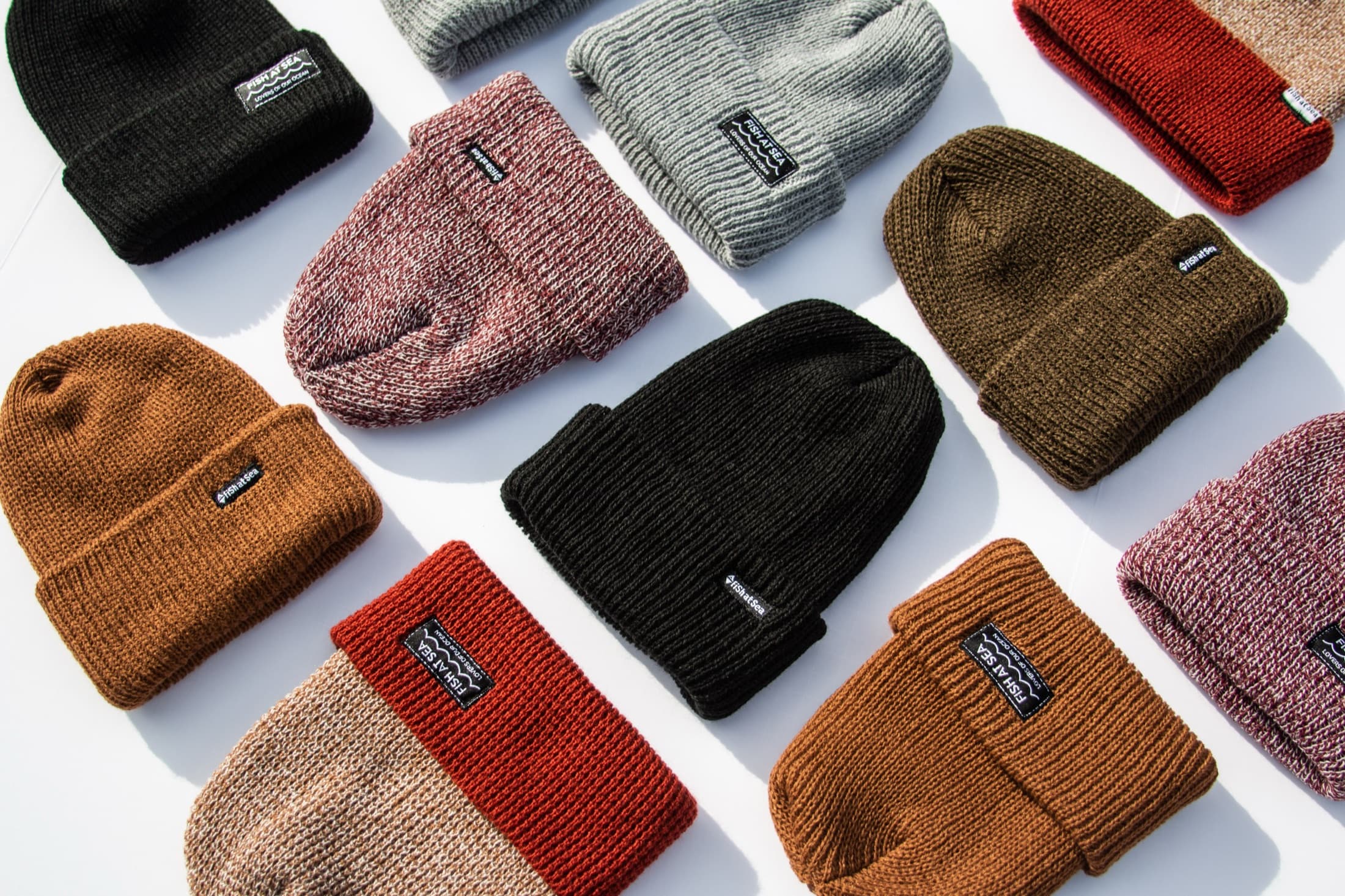
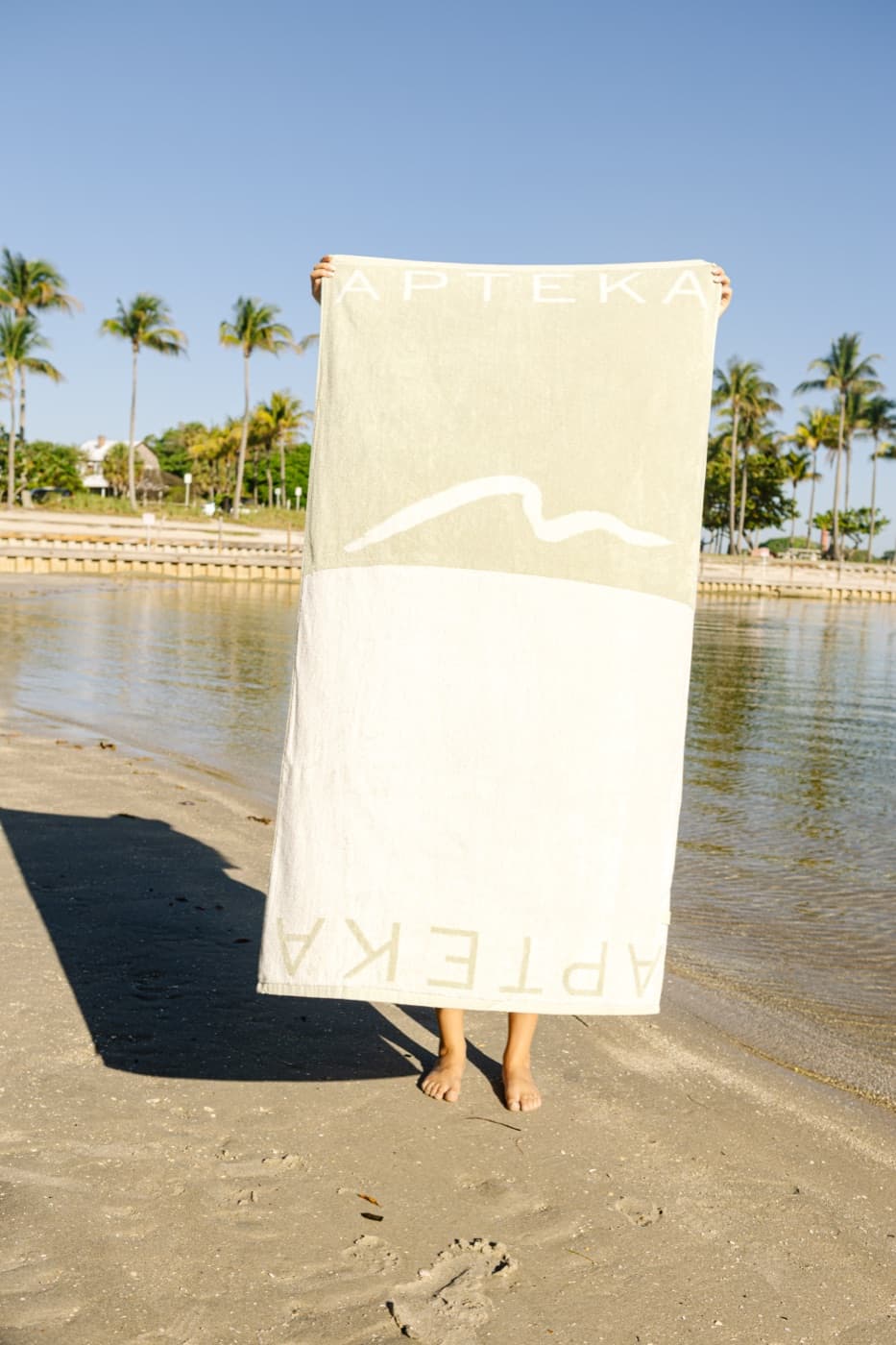
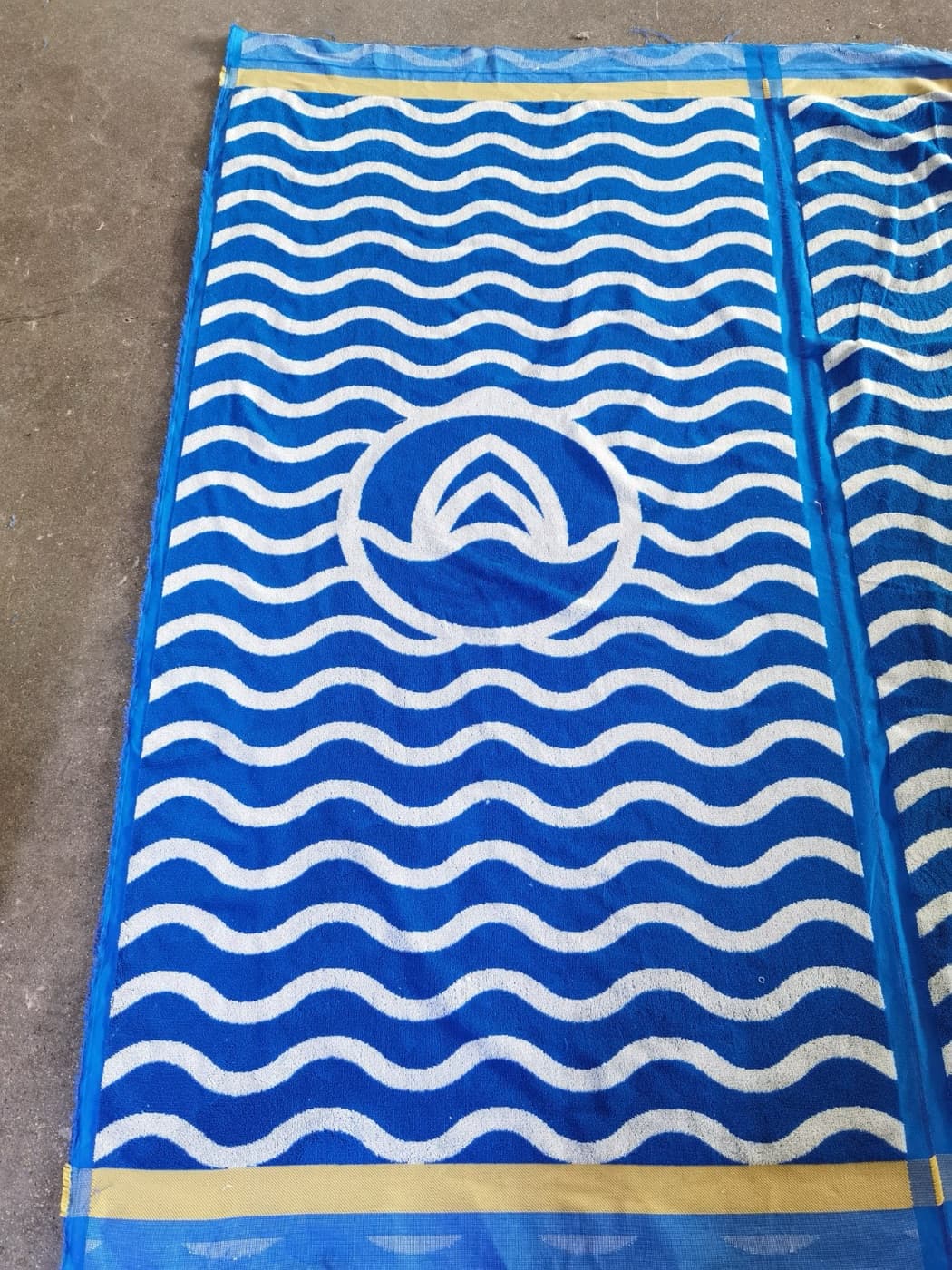
Natural canvas is classic, but it is not the only answer. Black, navy, red, green, and custom-dyed options can make a tote feel more connected to the brand. Ink color should consider contrast and wear. A subtle tonal print can feel premium, while a bold orange or blue mark can create strong visibility. The right move depends on whether the tote is meant to be quiet and stylish or loud and event-driven.
Keep the artwork wearable. A tote has a large print area, but that does not mean every inch needs to be filled. Strong type, a simple illustration, a well-placed logo, or a front-and-back concept can all work. Design it like something someone would choose to carry in public.
Minimums and the OG approach
For Orange Goods tote projects, plan around a 100-piece minimum. That quantity gives enough room for a proper production run while staying realistic for events, small retail drops, staff gifts, and customer programs. We help choose the right canvas weight, size, handle length, and decoration method, then proof the artwork before production.
A tote is only valuable if it gets used. Build it with real-life carry in mind, choose materials that can handle the job, and keep the design worth showing in public. That is how a logo tote becomes a keeper instead of another bag at the back of the closet.