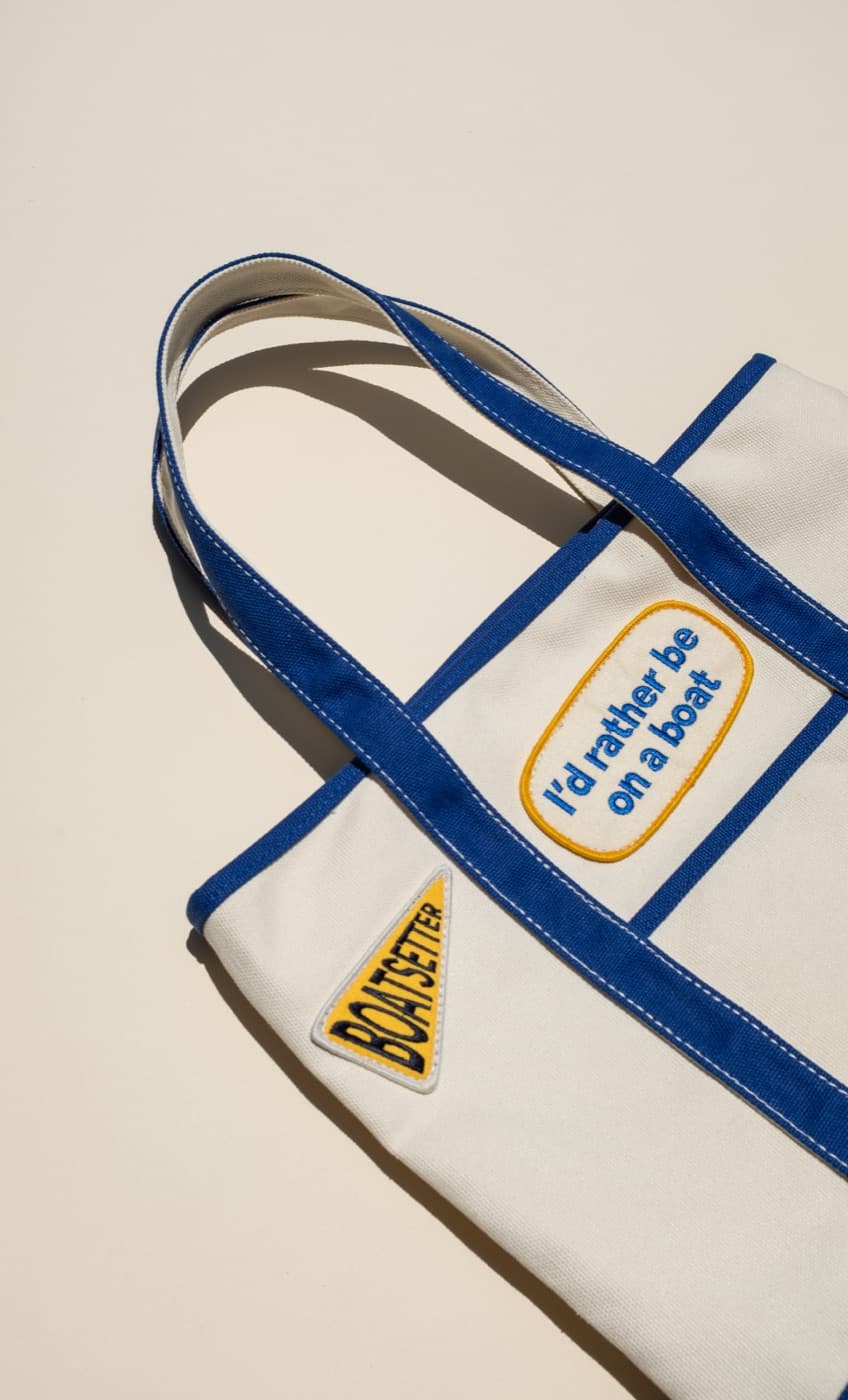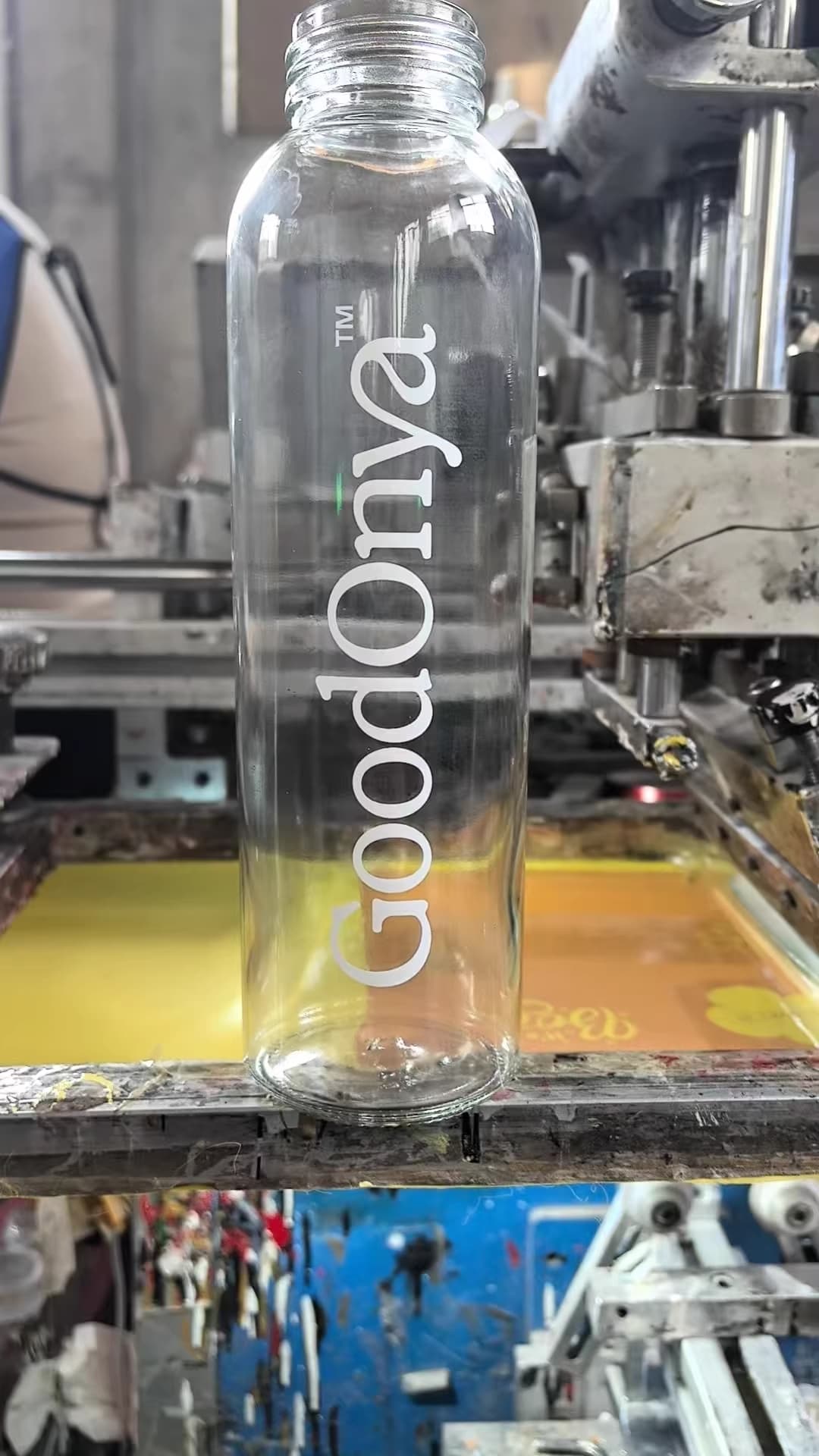
Gym merch has evolved from logoed tees at the front desk to full retail programs with wait lists. The brands driving that shift understood something early: if you make something people actually want to wear, the gym becomes a distribution network. Every member in the parking lot, at the coffee shop, or at the farmers market is a moving advertisement.
What gym members want
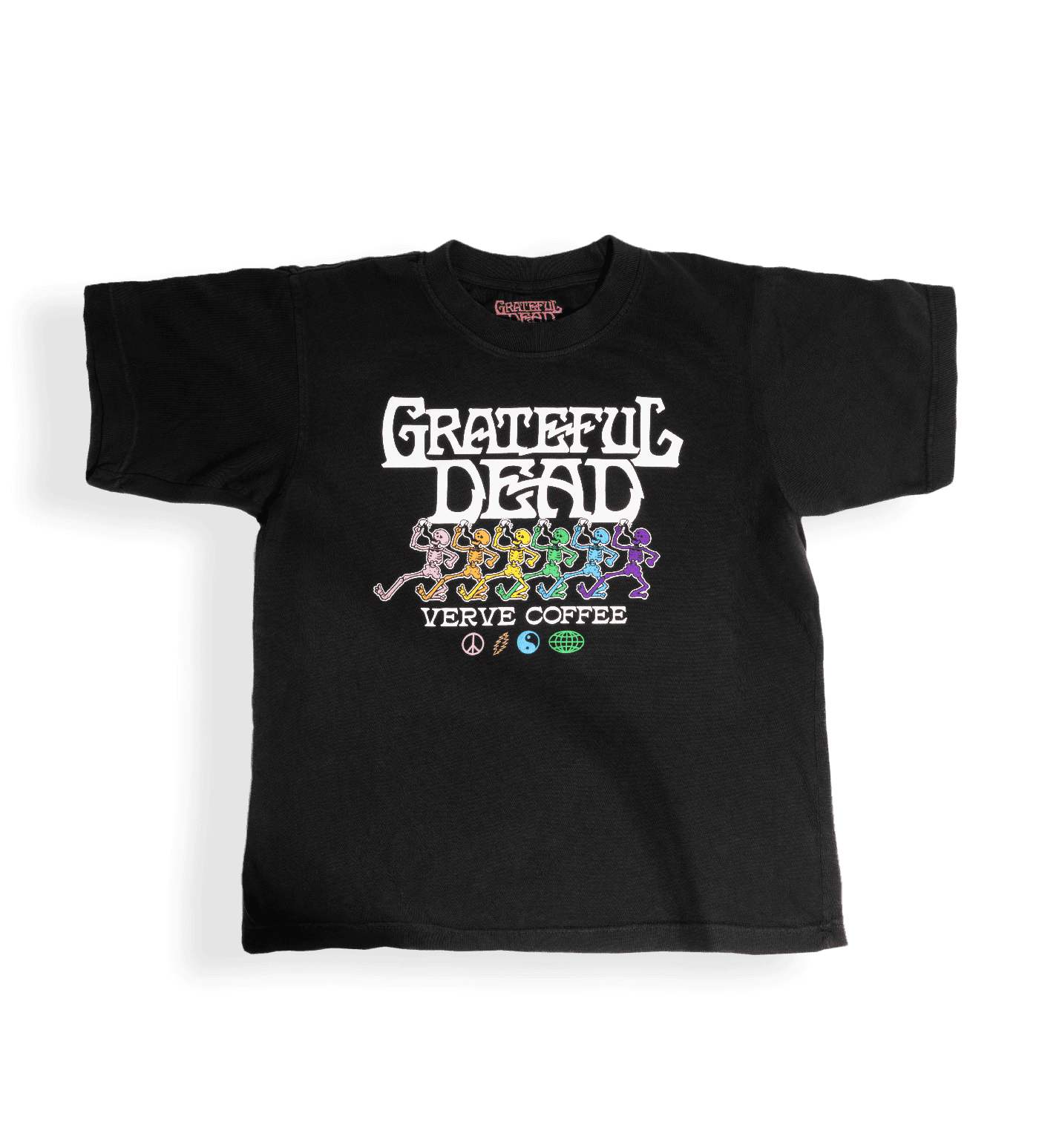
Performance and comfort are the minimum. No one wants to work out in a stiff, scratchy tee. But beyond functional basics, gym members want to feel like they belong to something. Merch that signals community — a limited run tee for a challenge, a hat tied to a specific training program, a hoodie that feels like a team uniform — sells better than generic branded goods.
Lifestyle items matter here too. A gym member who loves the community will wear the hoodie to get coffee on Saturday. That is the target behavior. Build for that moment, not just for the workout.
Core product categories
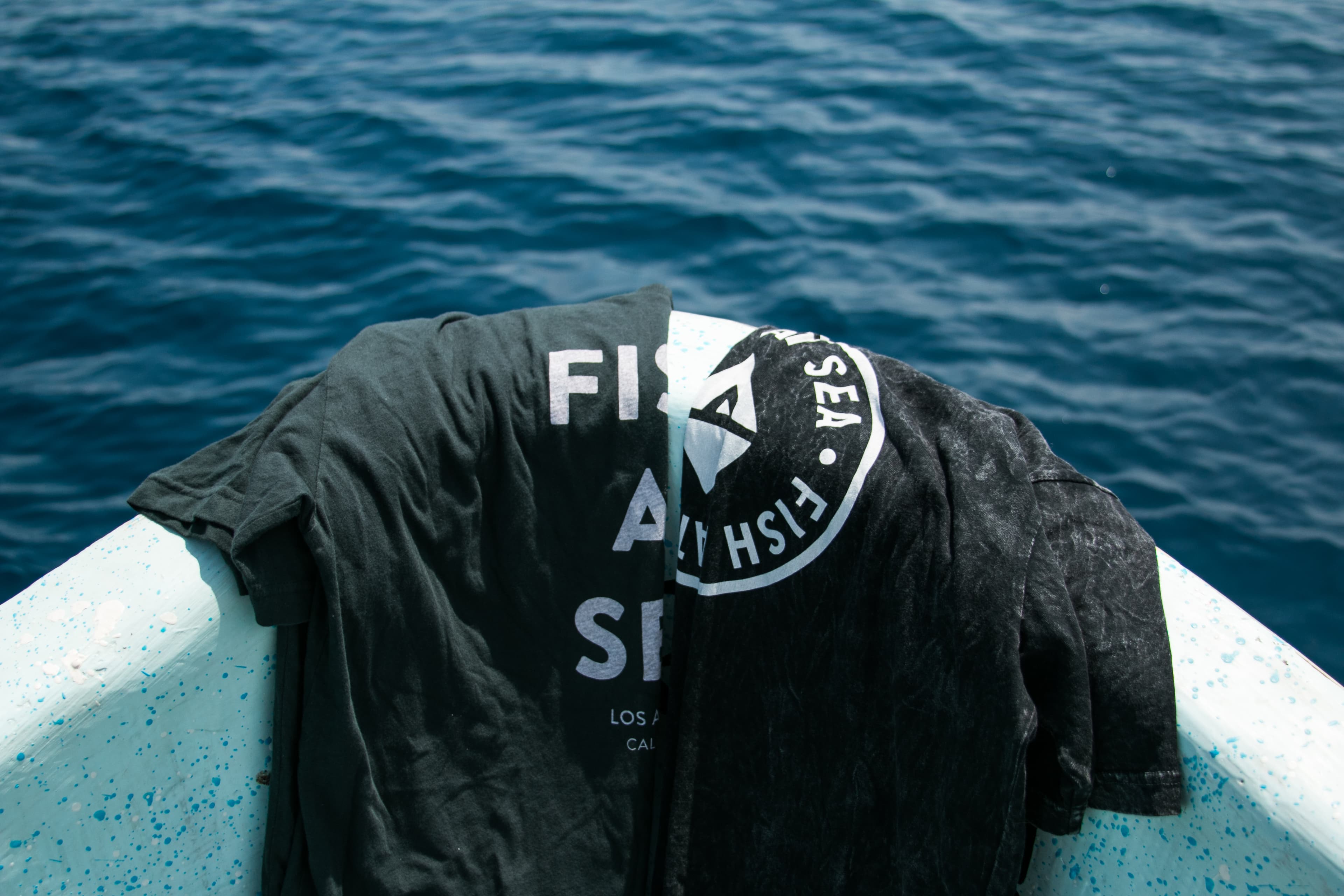
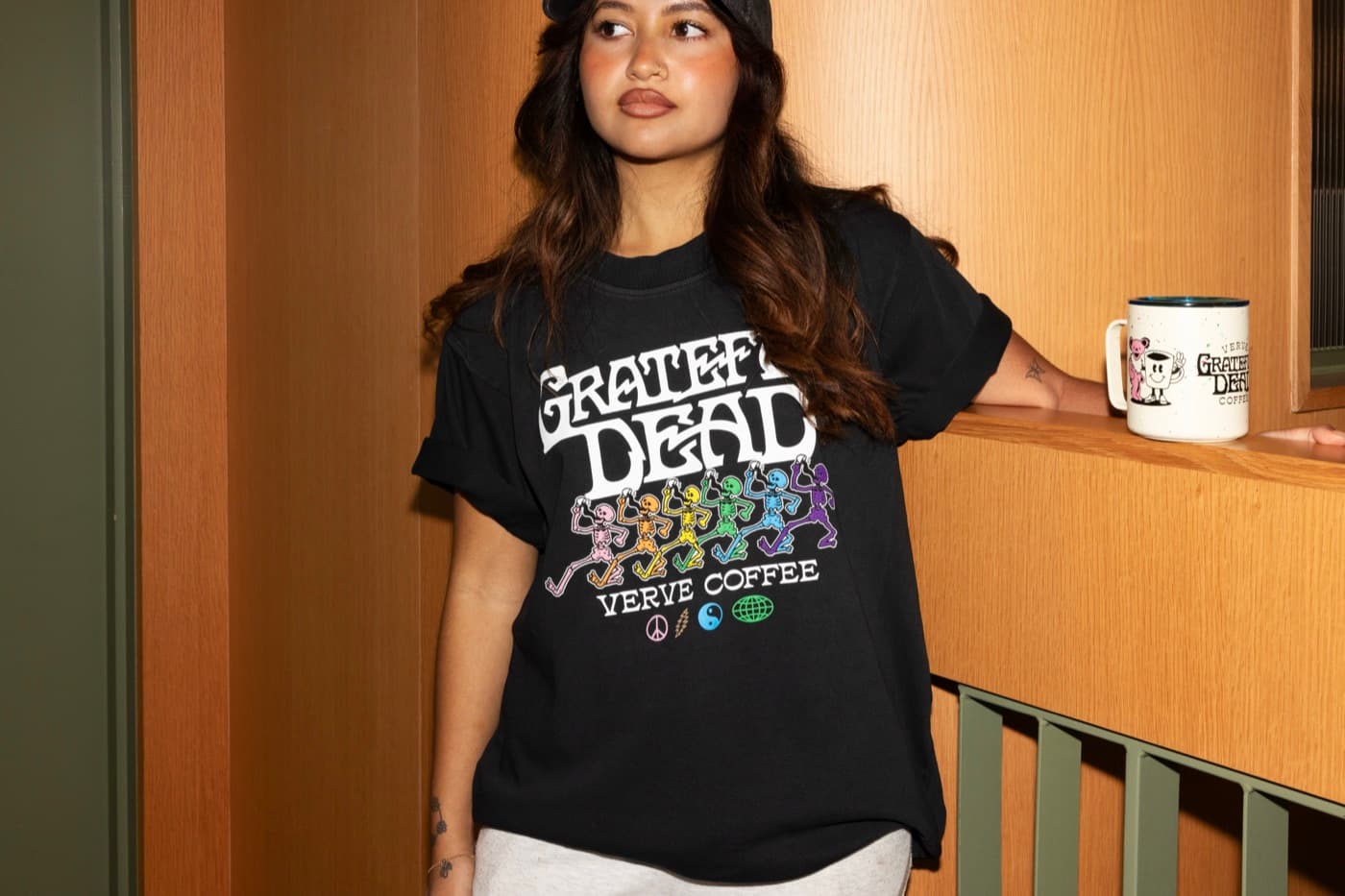
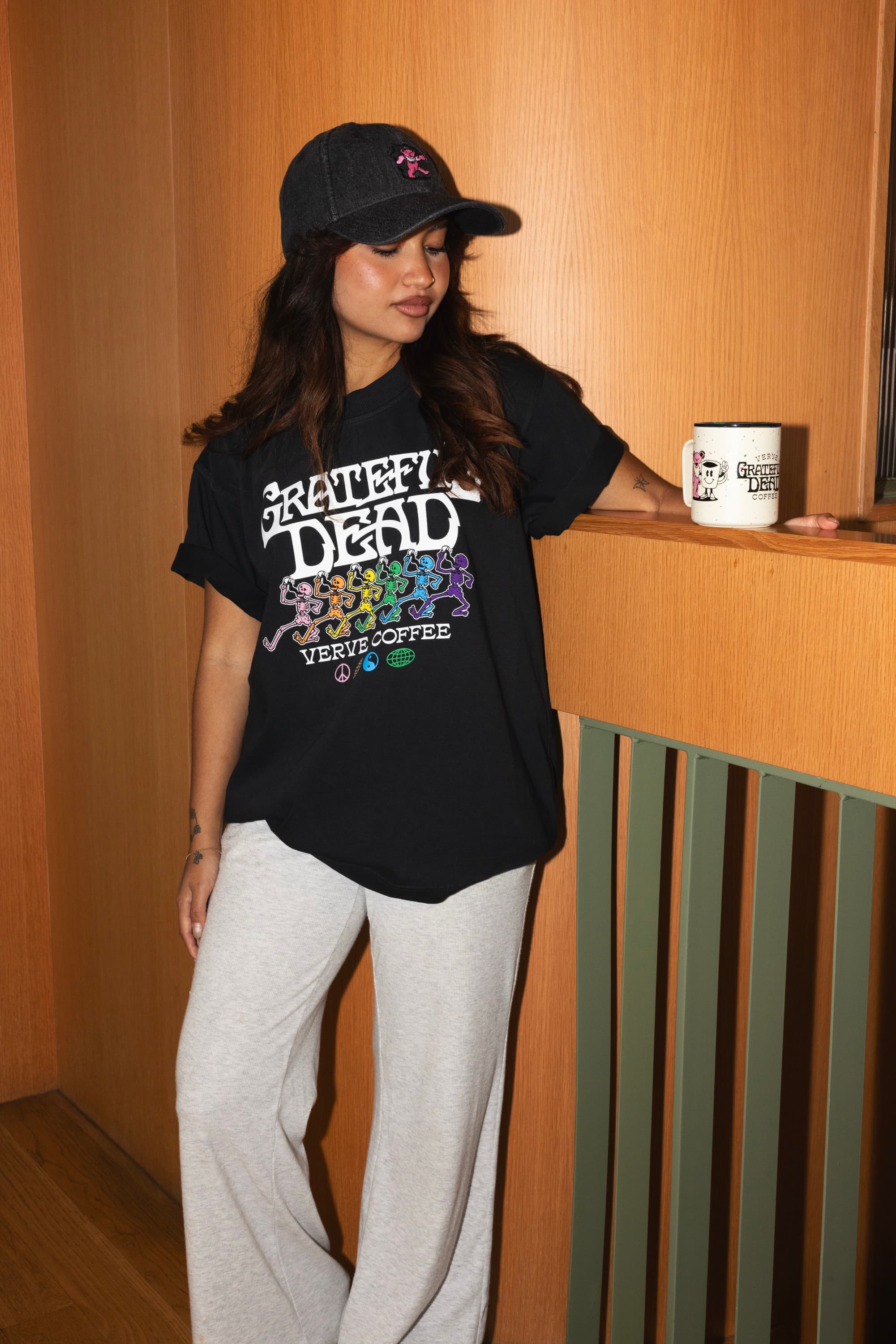
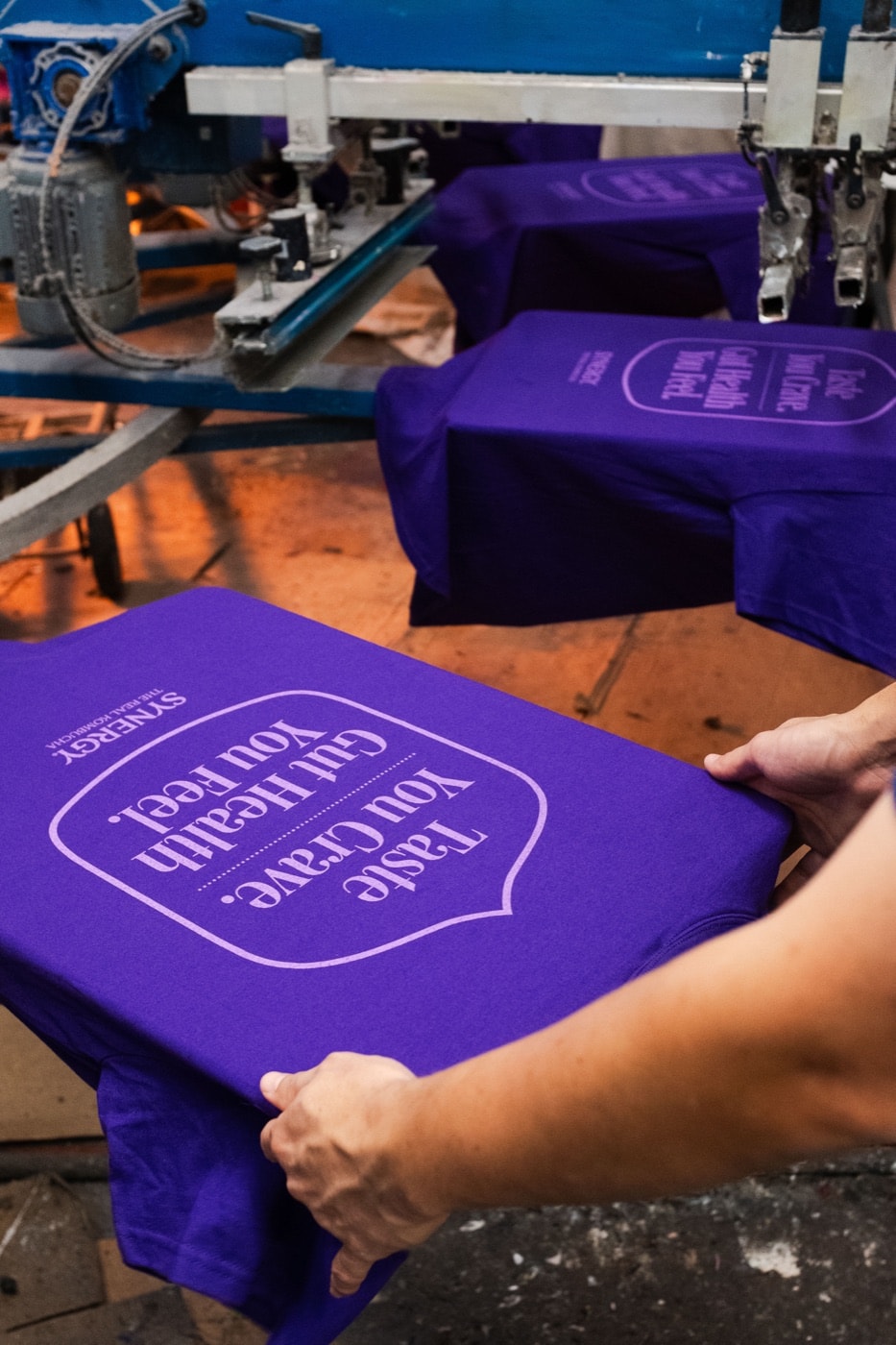
Tees and tanks are the backbone. They are affordable, high-use, and function as both workout gear and casual wear. Choose a soft-hand blank with good recovery — something that does not pill, lose shape, or cling uncomfortably after washing. Fitted tanks for studio-style gyms. Relaxed tees for strength and CrossFit communities. Know your audience.
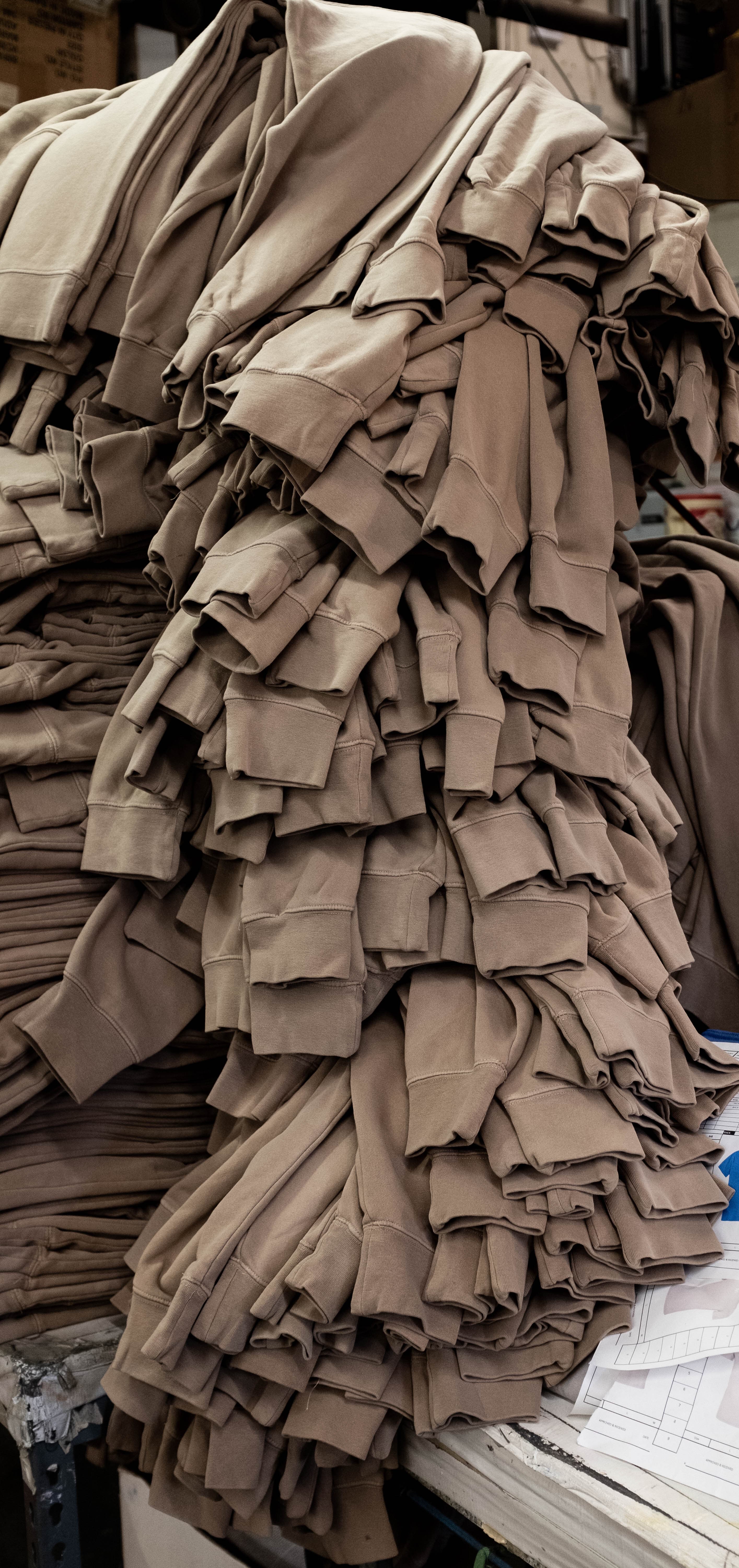
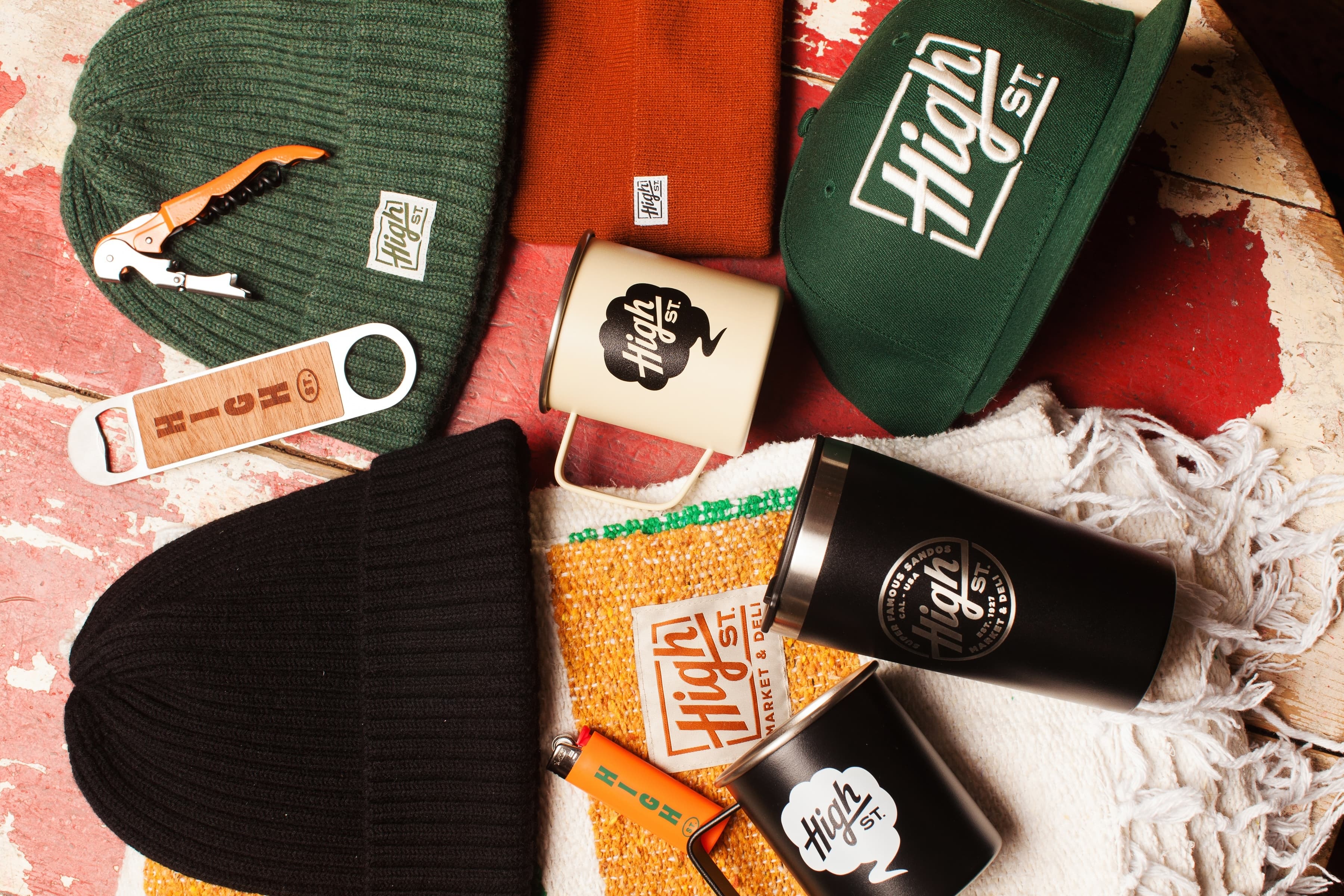
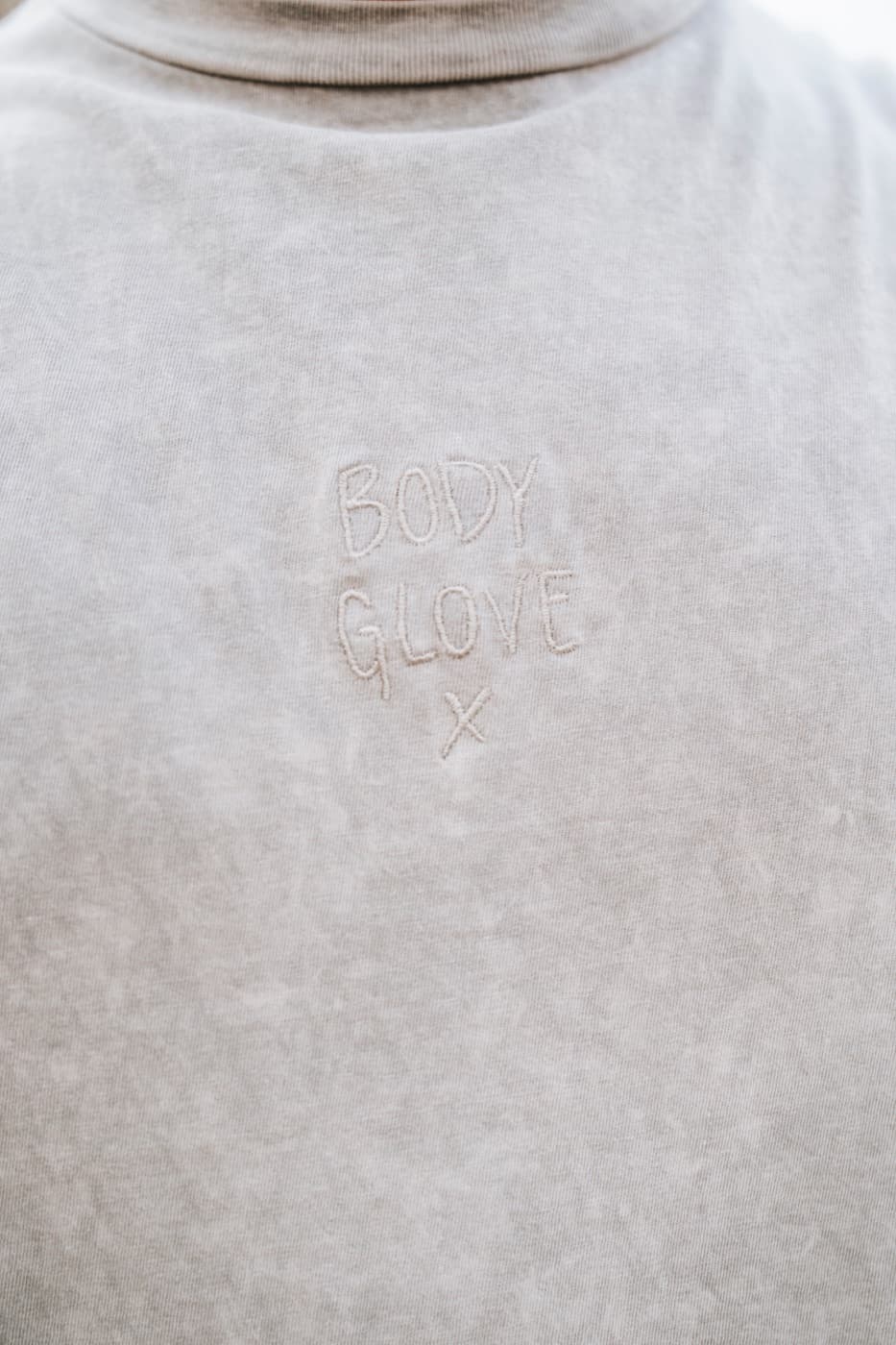
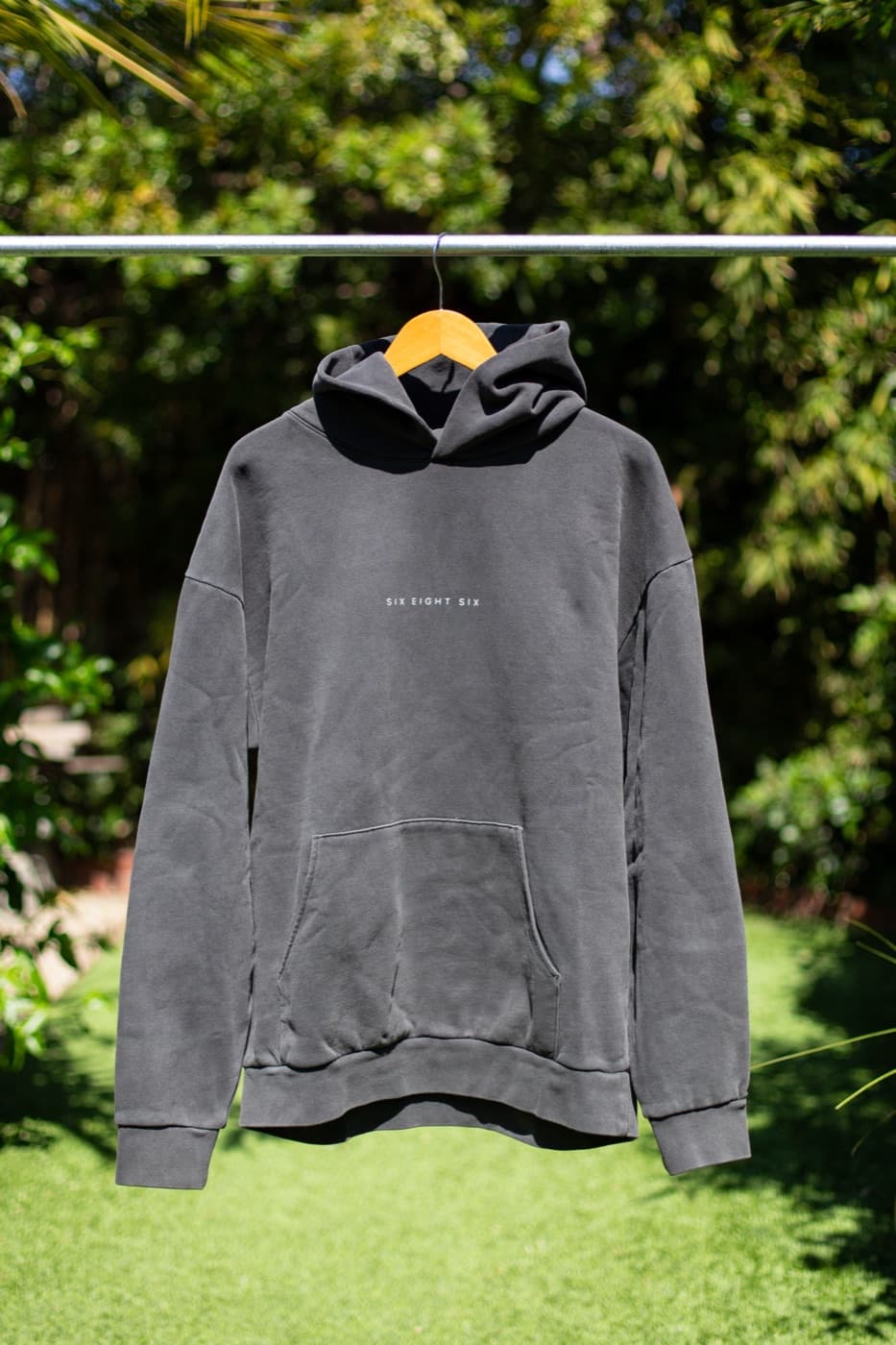
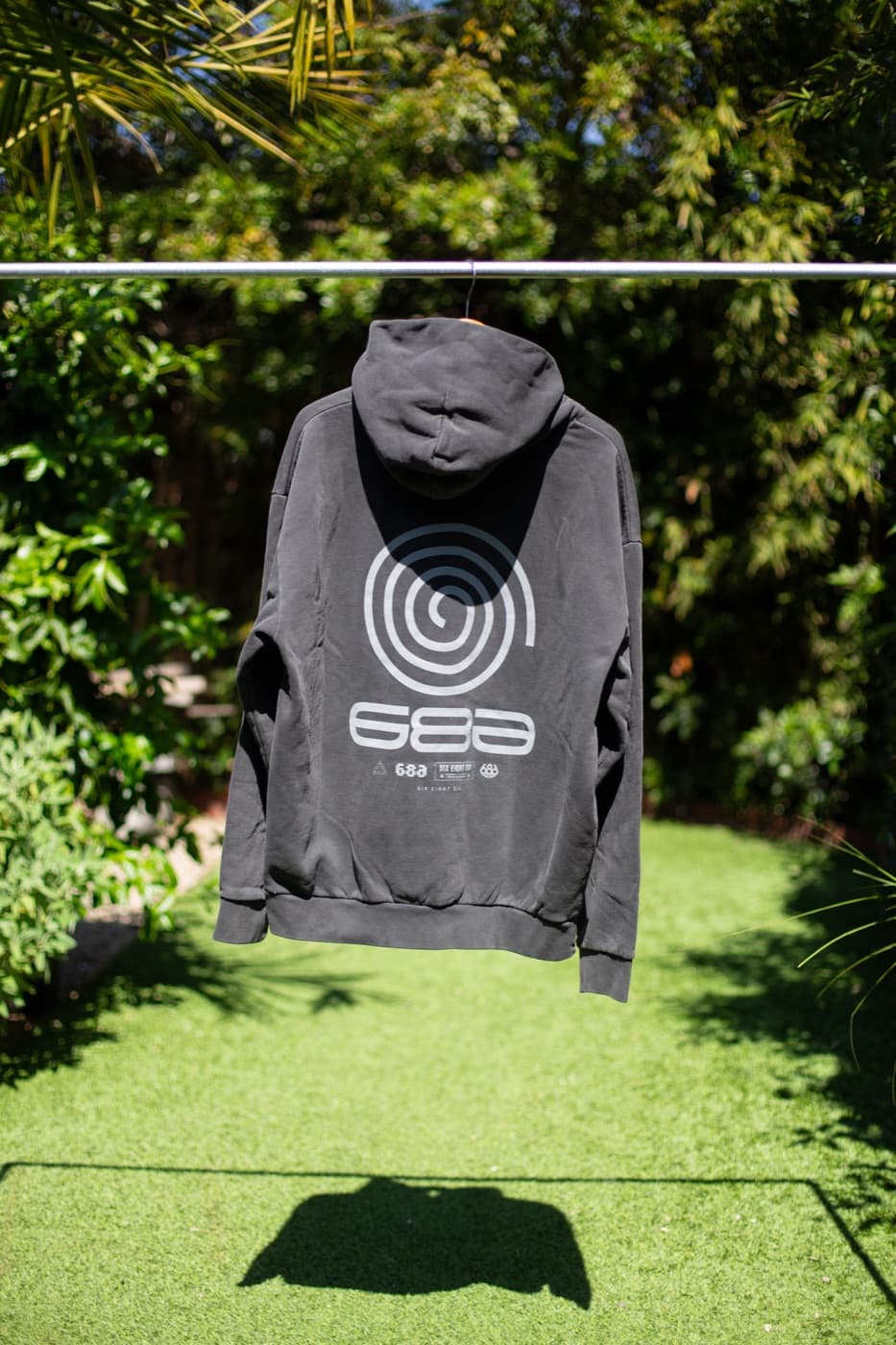
Hoodies and crewnecks are strong sellers for fall and winter and double as recovery wear. A heavyweight crewneck with a clean embroidered logo can become a gym signature piece that members specifically ask about.
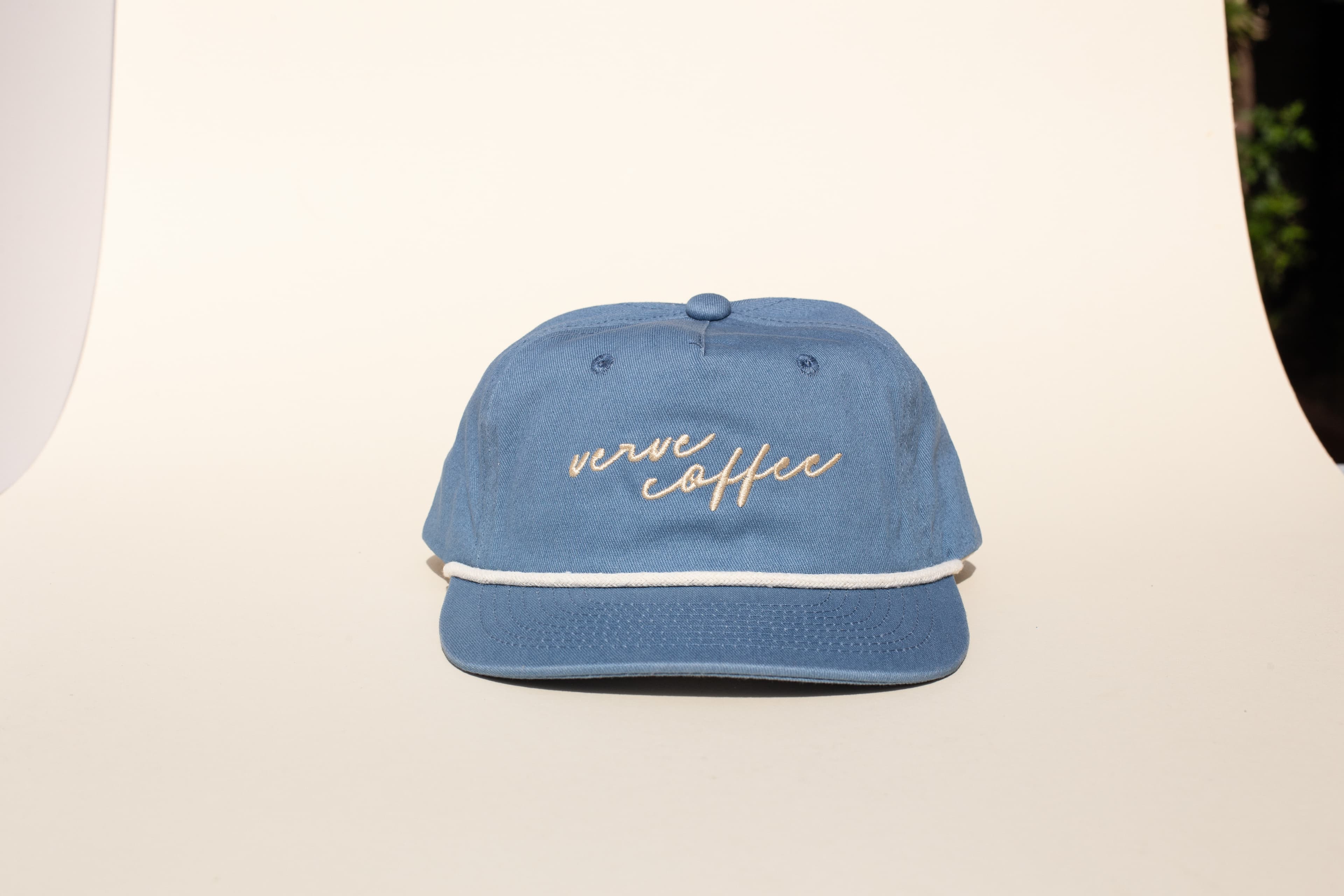
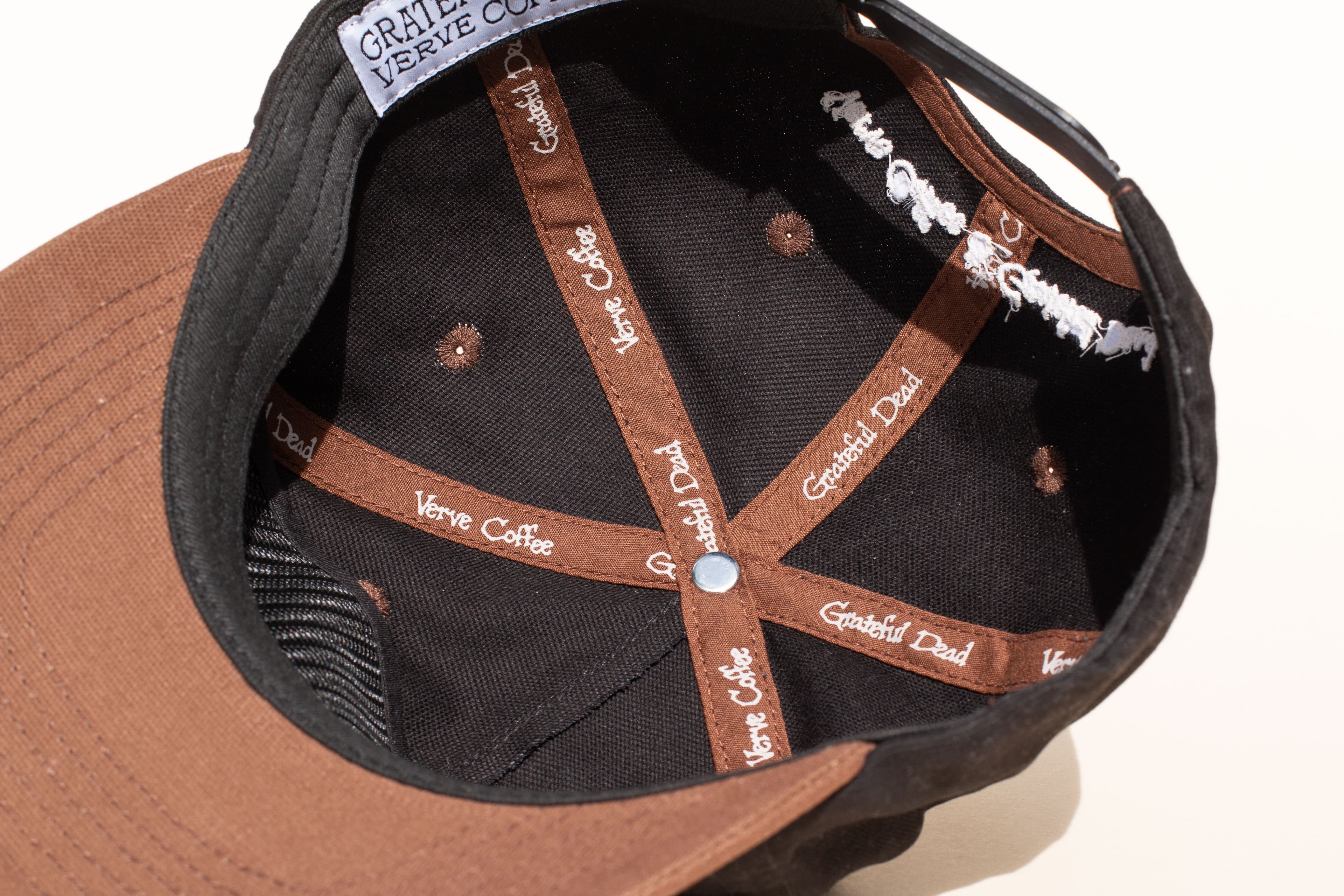
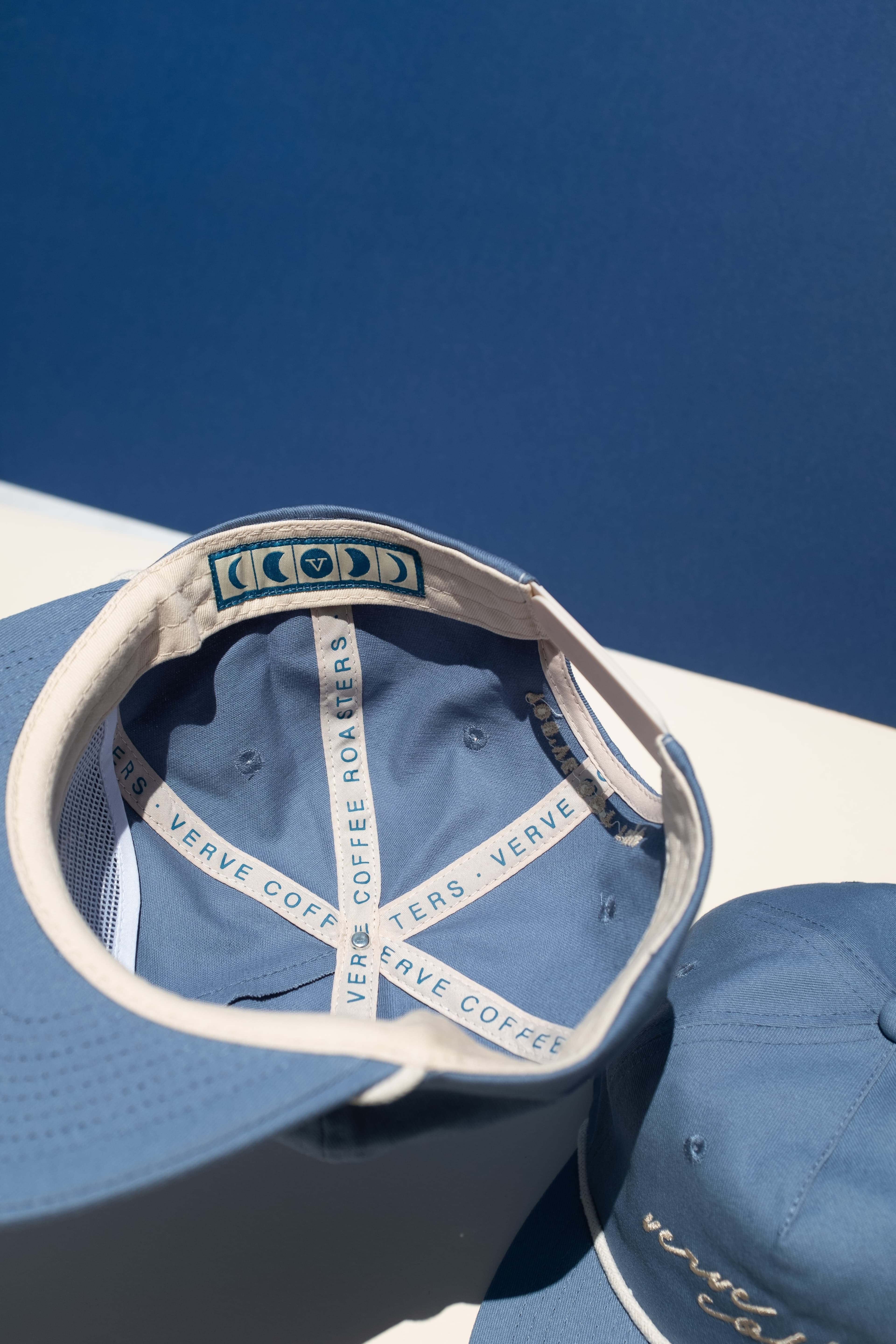
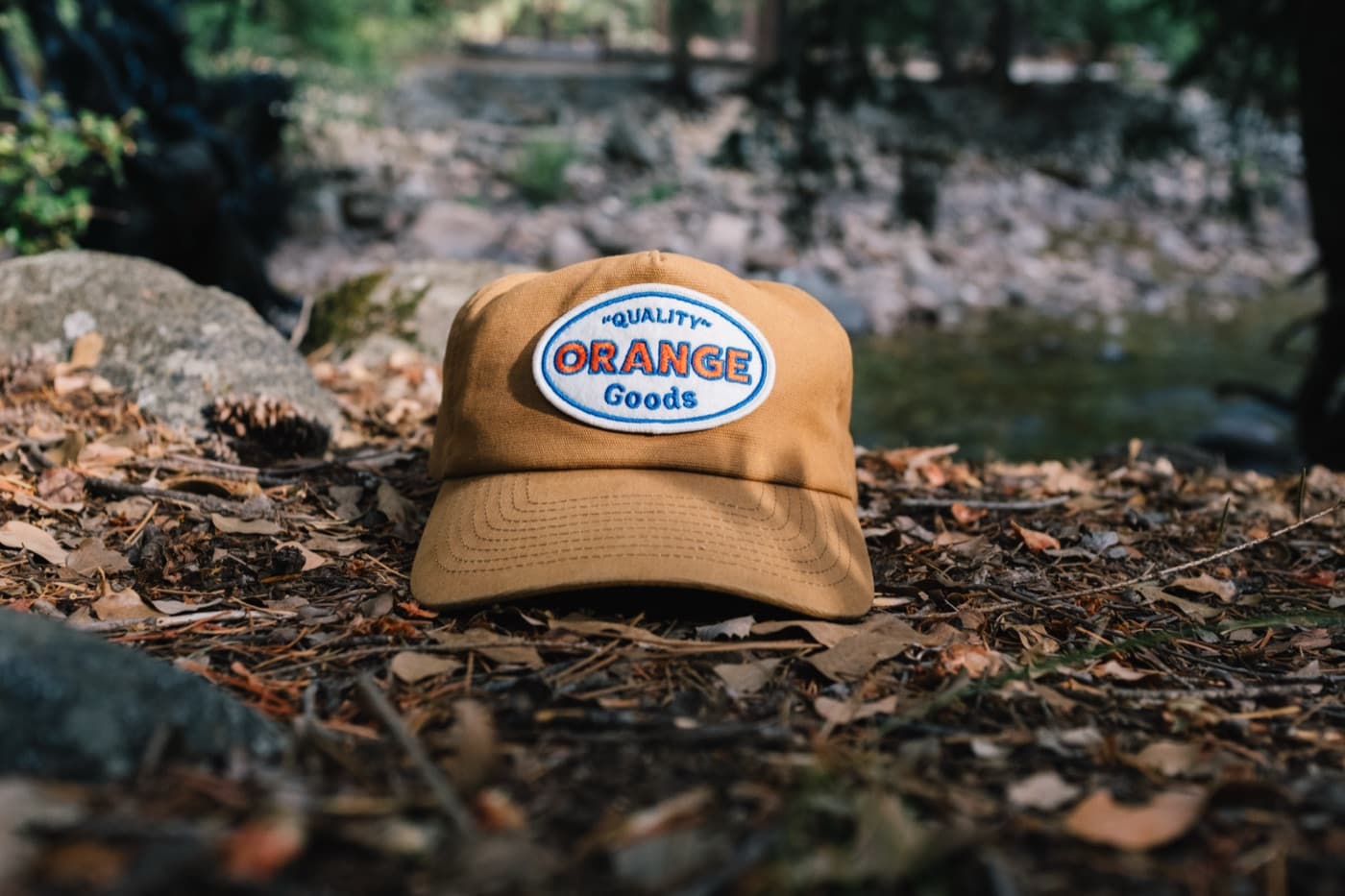
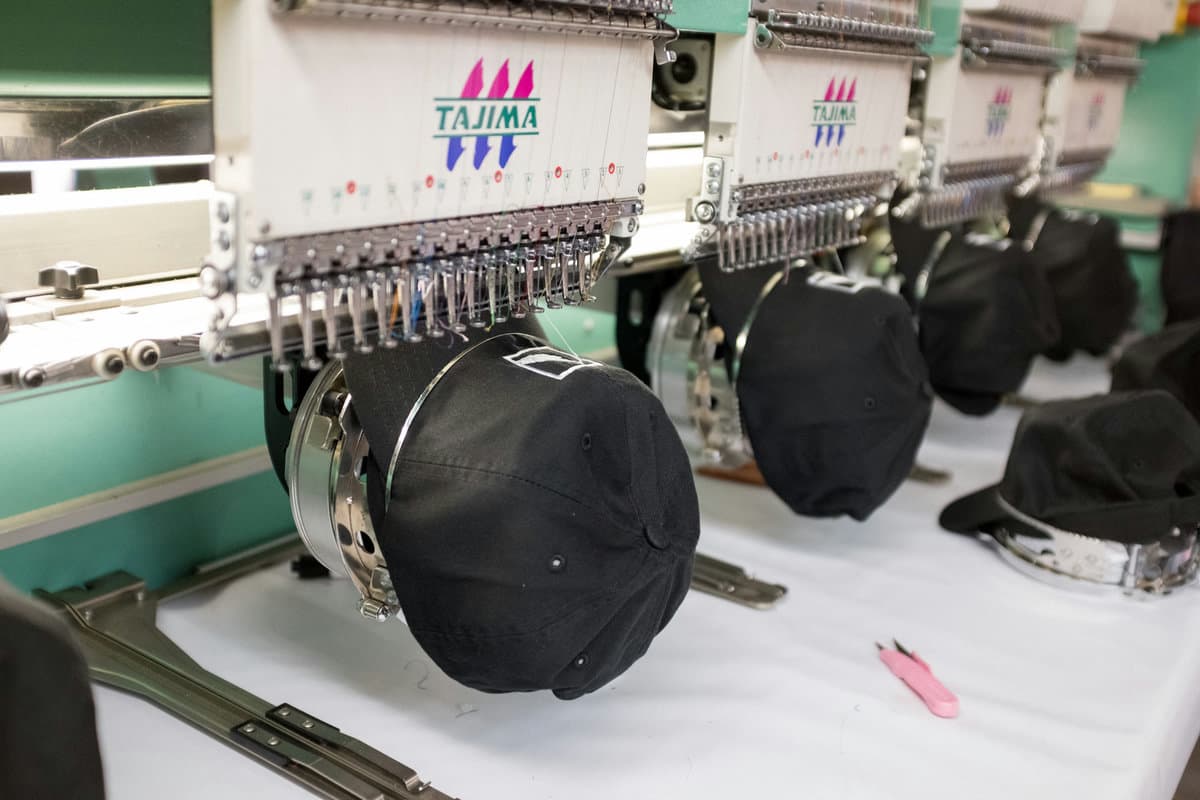
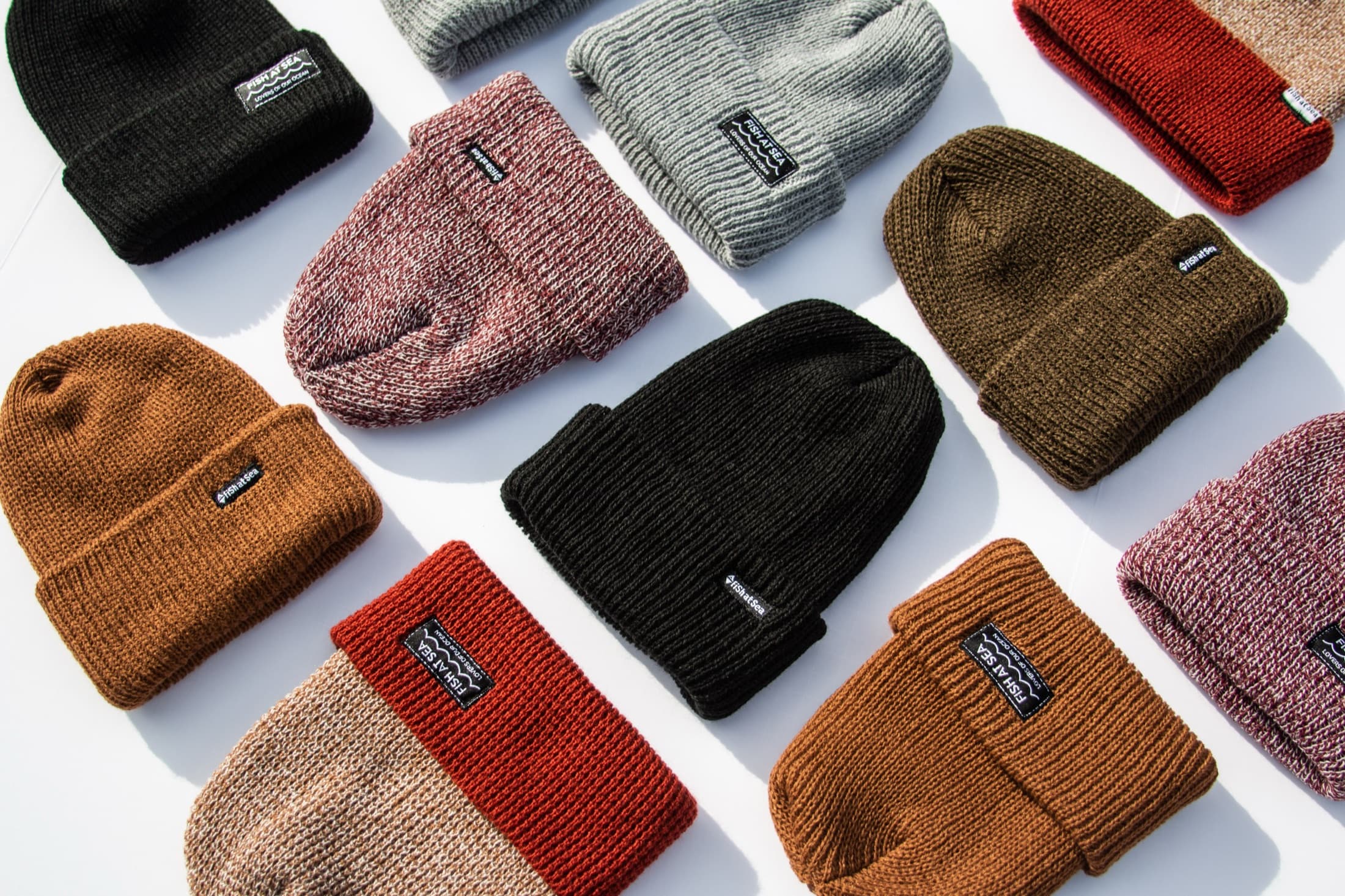
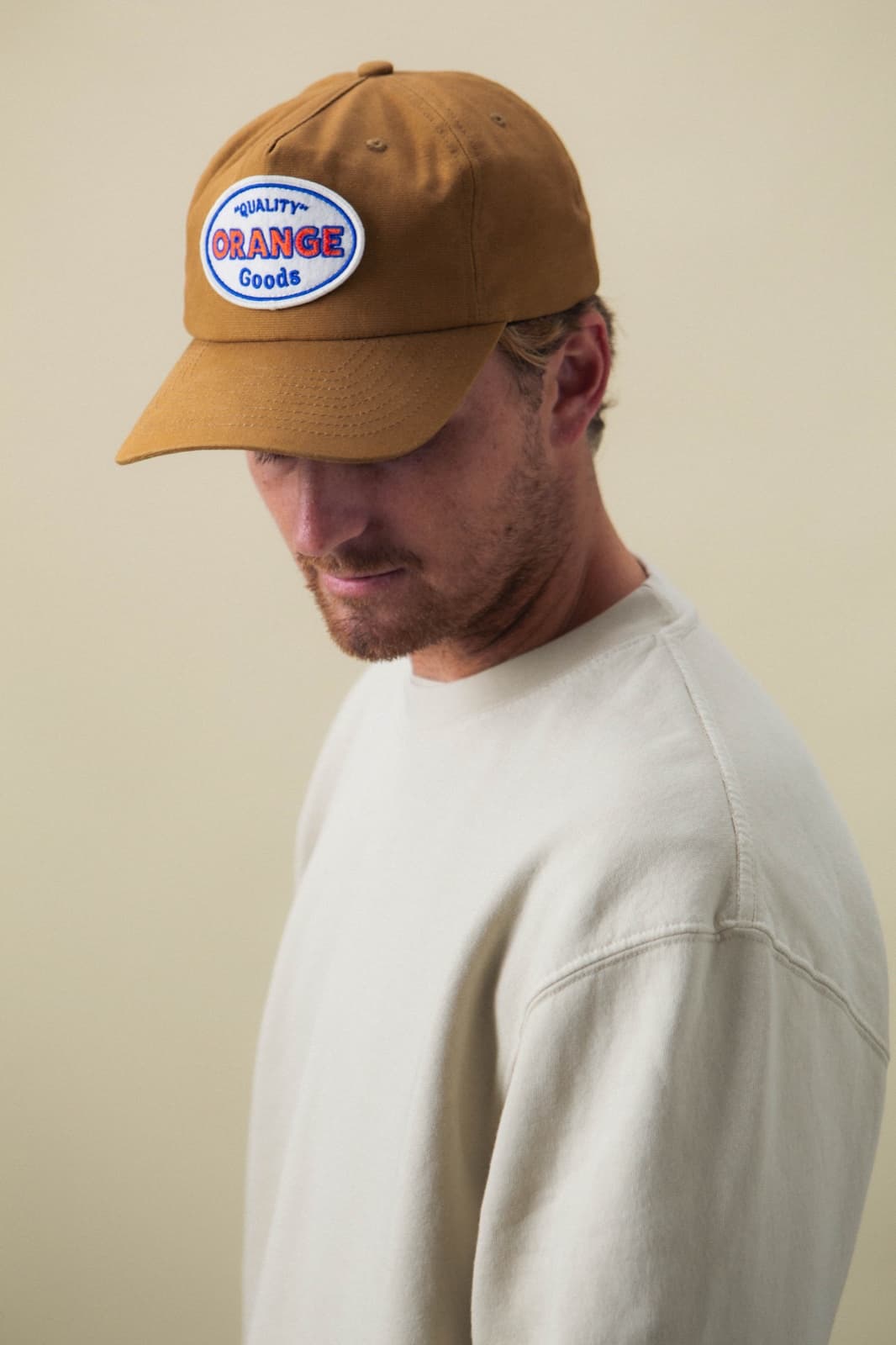
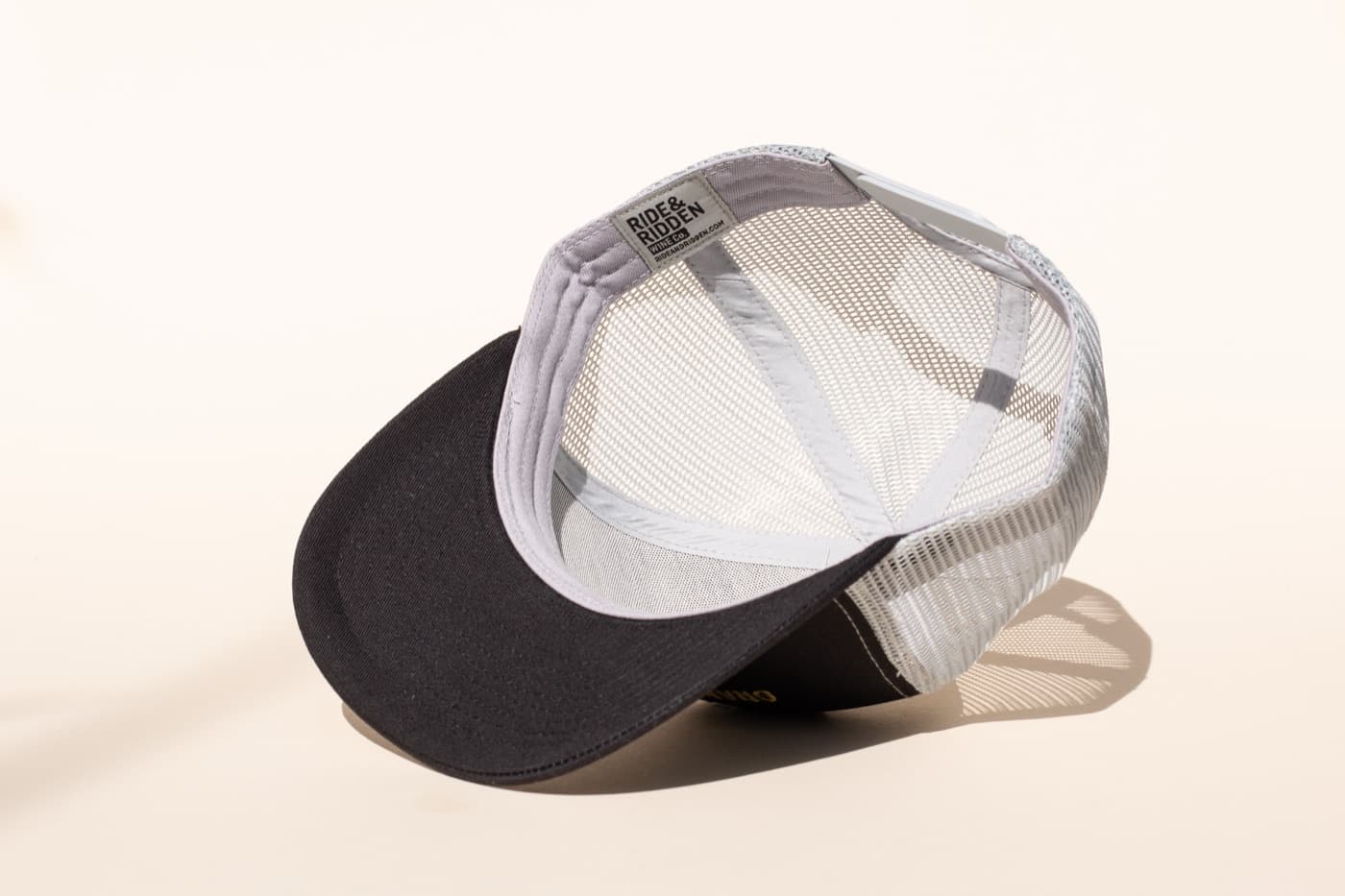
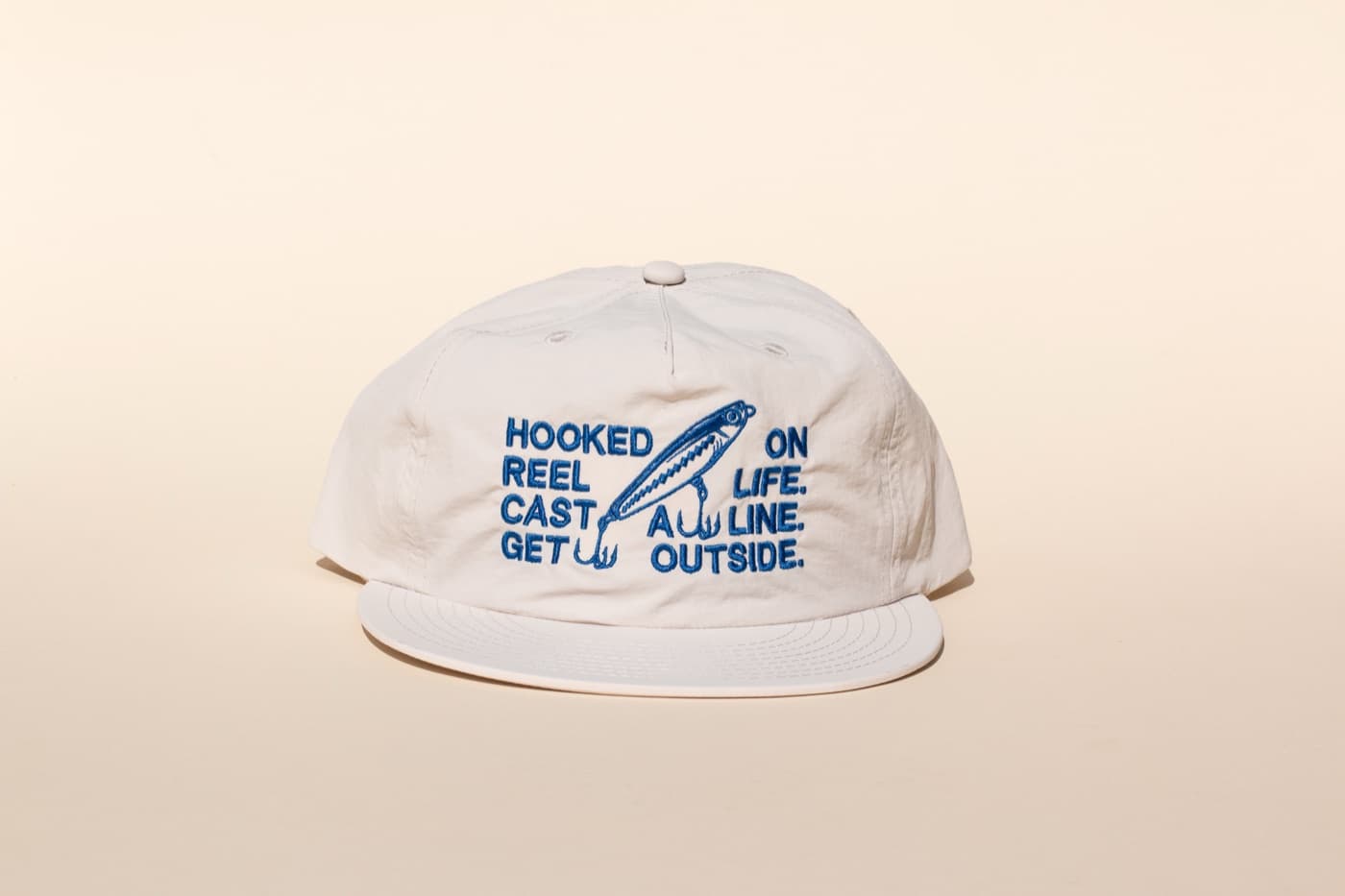
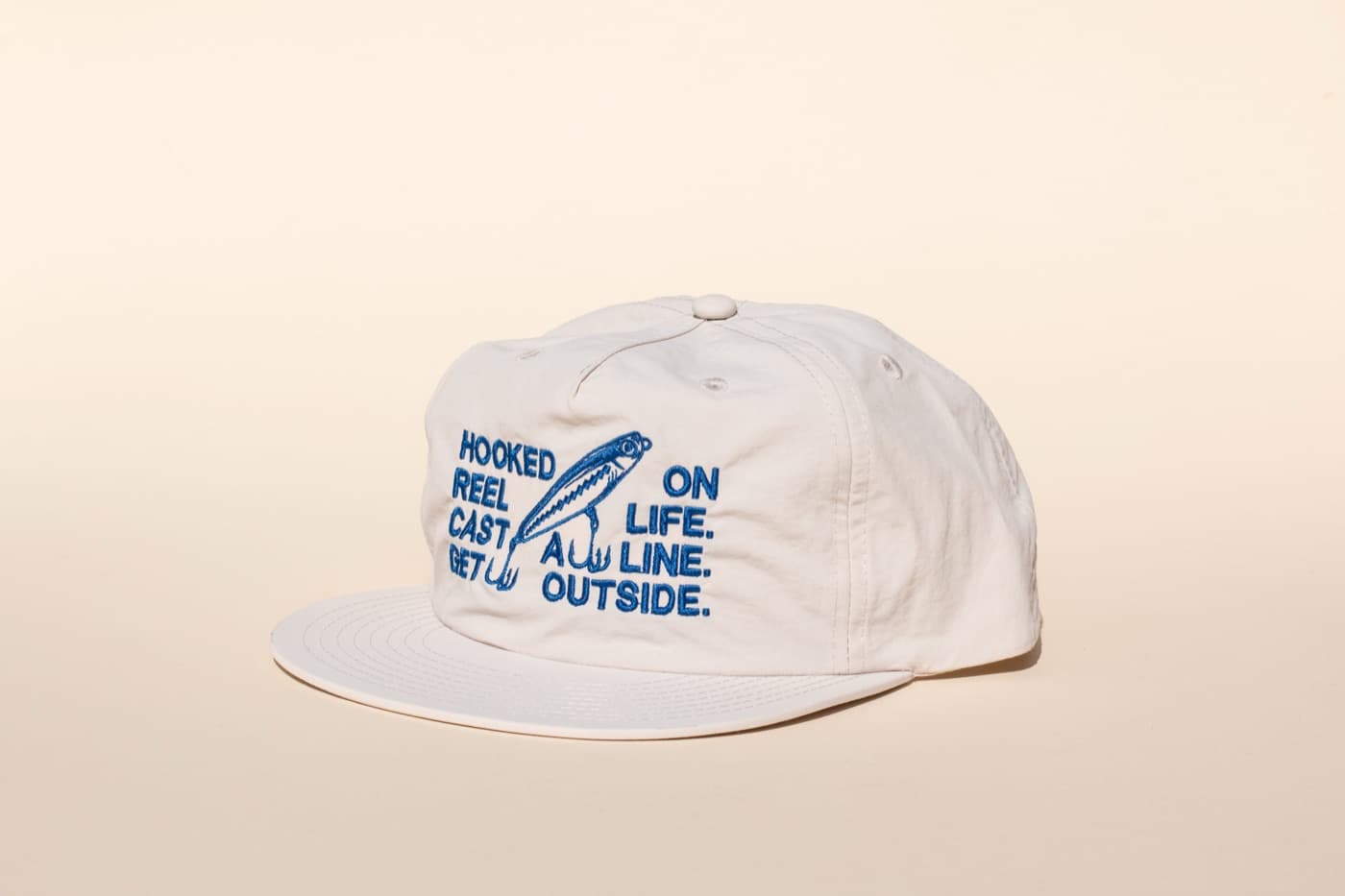
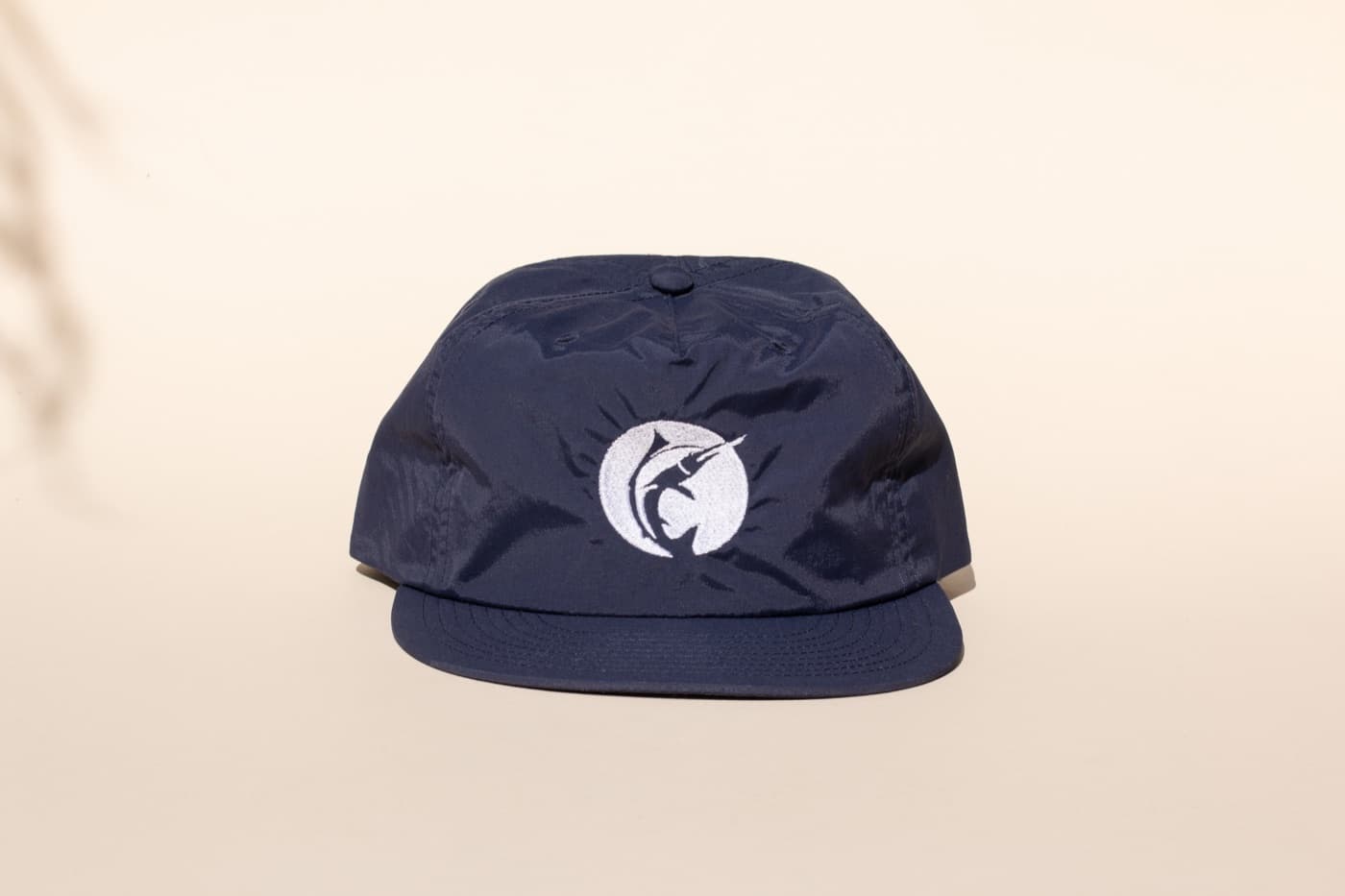
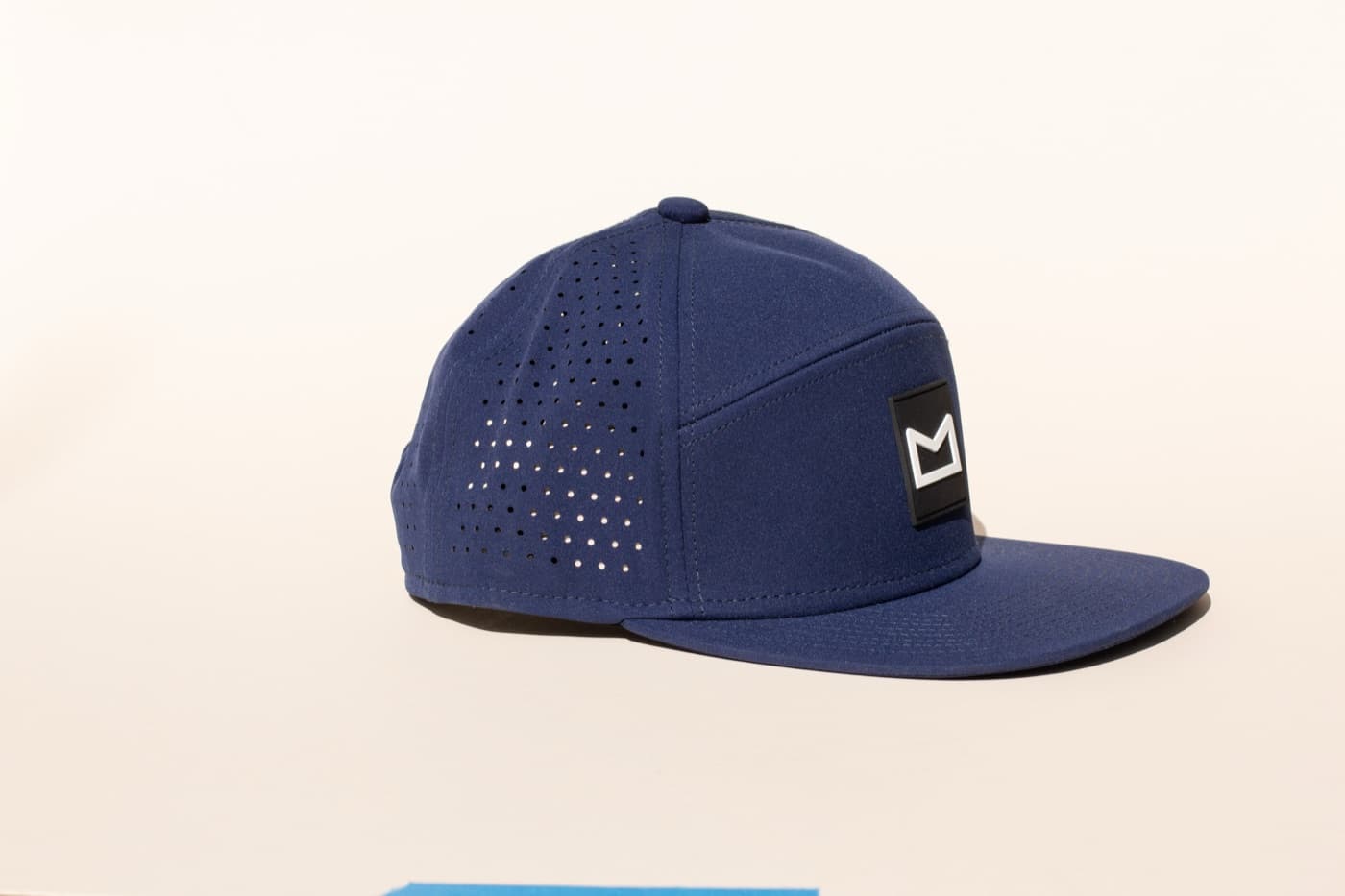
Hats are underutilized by most gyms but perform well when the branding is right. A clean embroidered cap with a bold gym mark is a year-round item that gets worn well beyond the training floor.
Limited drops and community programs
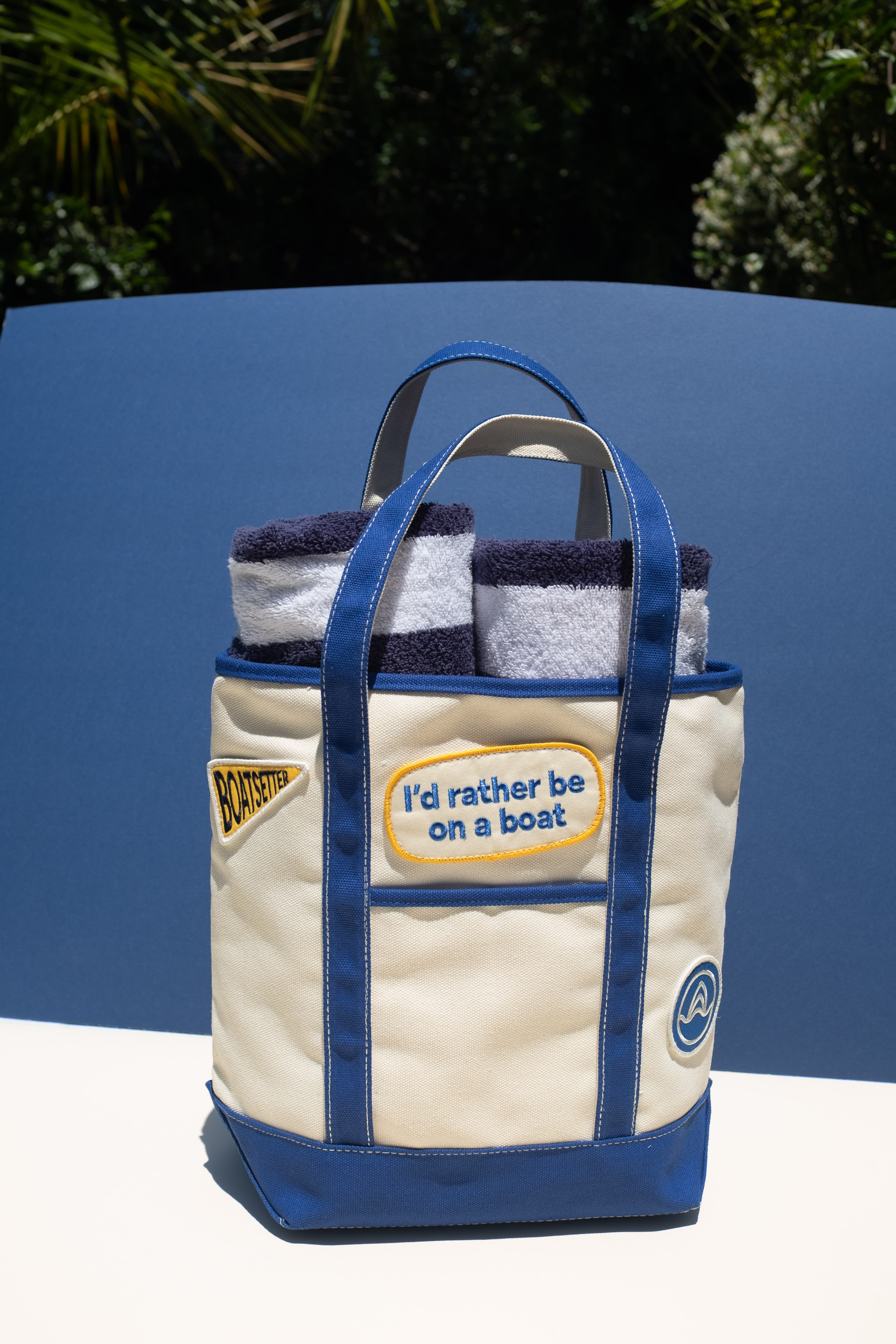
Gyms with strong community culture can leverage limited drops to drive urgency and exclusivity. A 48-hour pre-order for a new colorway, a members-only run tied to a training milestone, or a seasonal piece that signals you were there for a specific challenge — these create emotional connection and sell through faster than catalog stock.
Pricing for retail
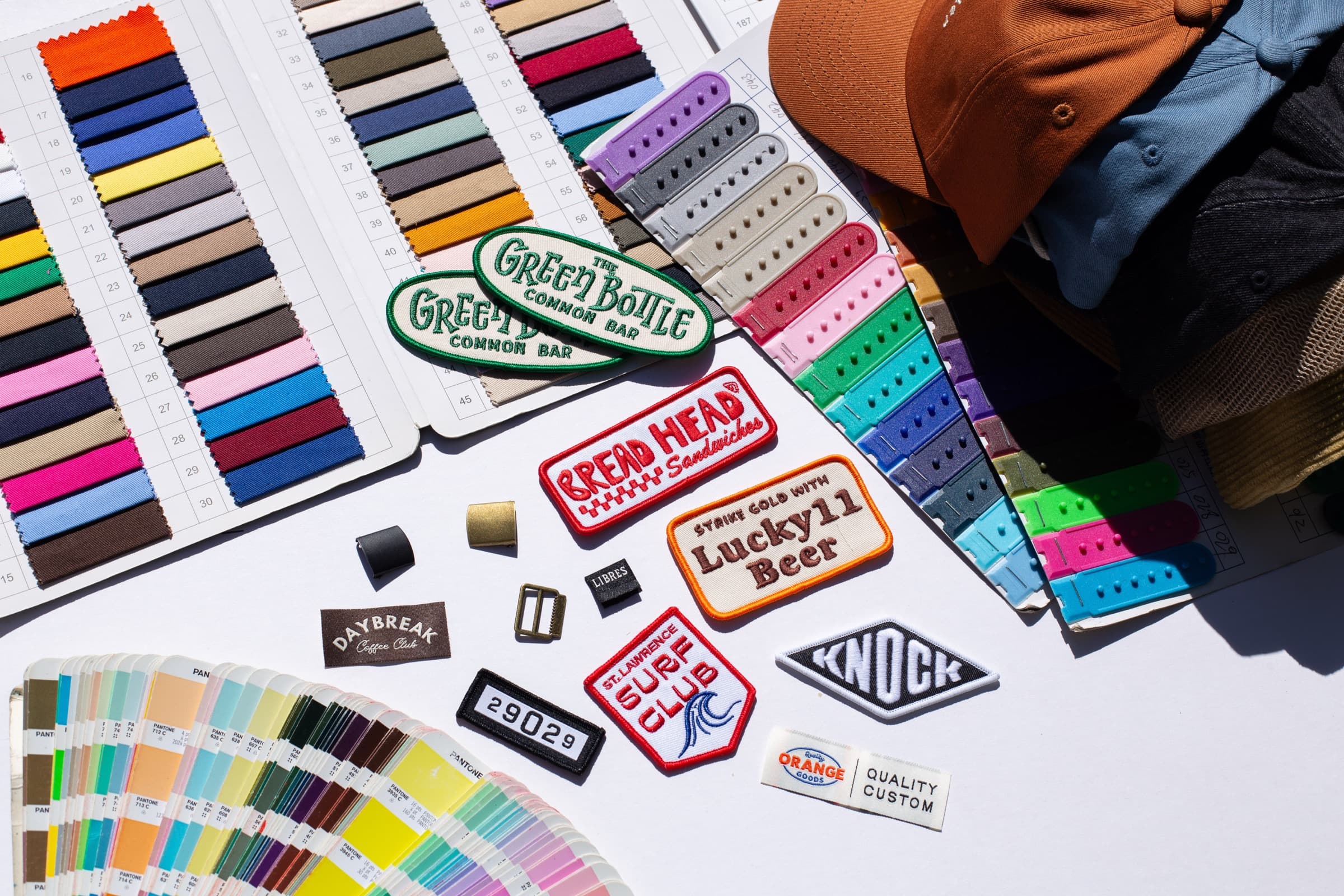
Members will pay retail prices for gym merch that feels premium. A well-made hoodie at $75, a quality tee at $35, a hat at $40 — these are defensible price points when the product backs them up. The mistake is racing to the bottom with cheap blanks and thin decoration. Members notice quality. The ones who buy the expensive hoodie talk about it. That is the marketing strategy.