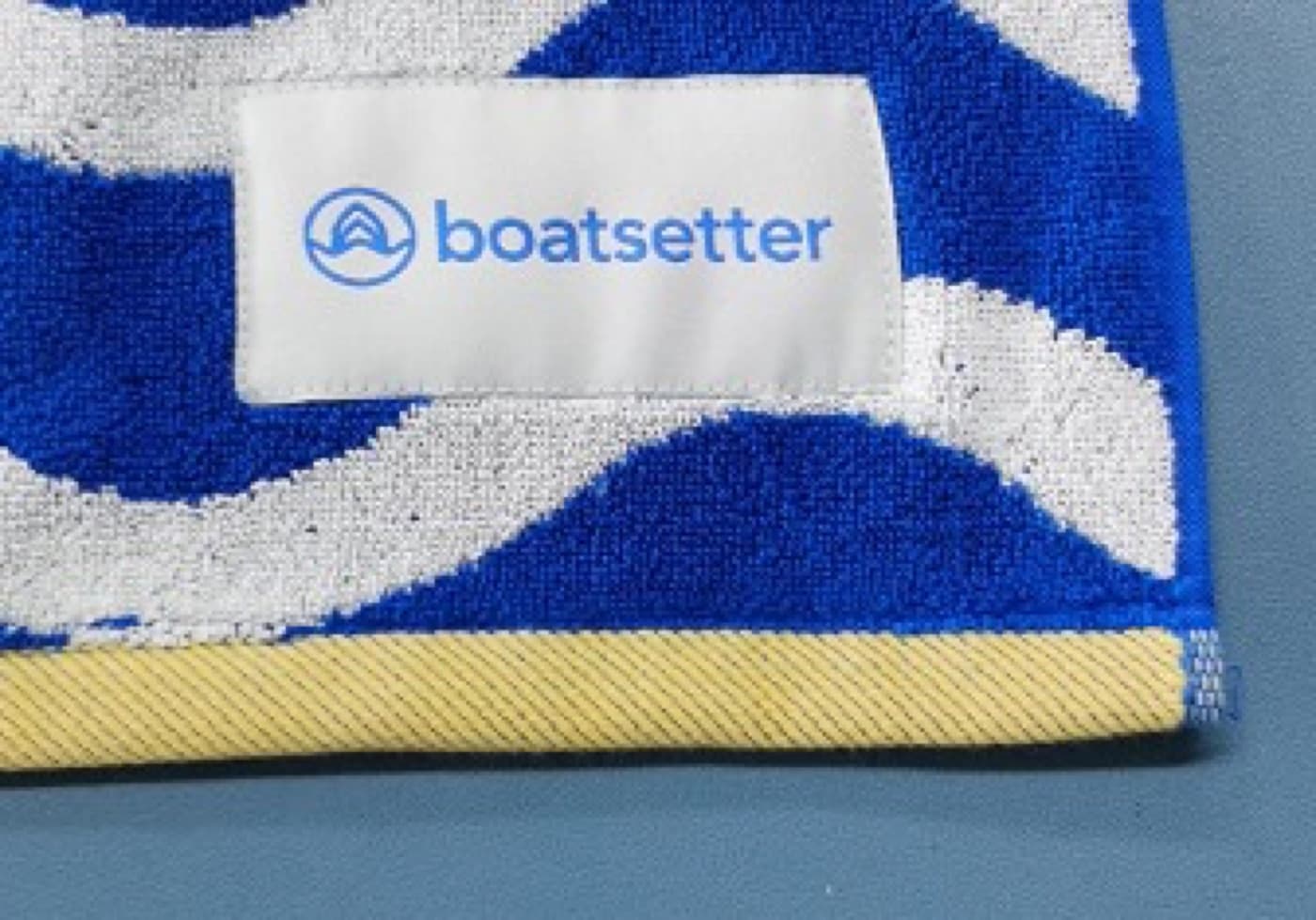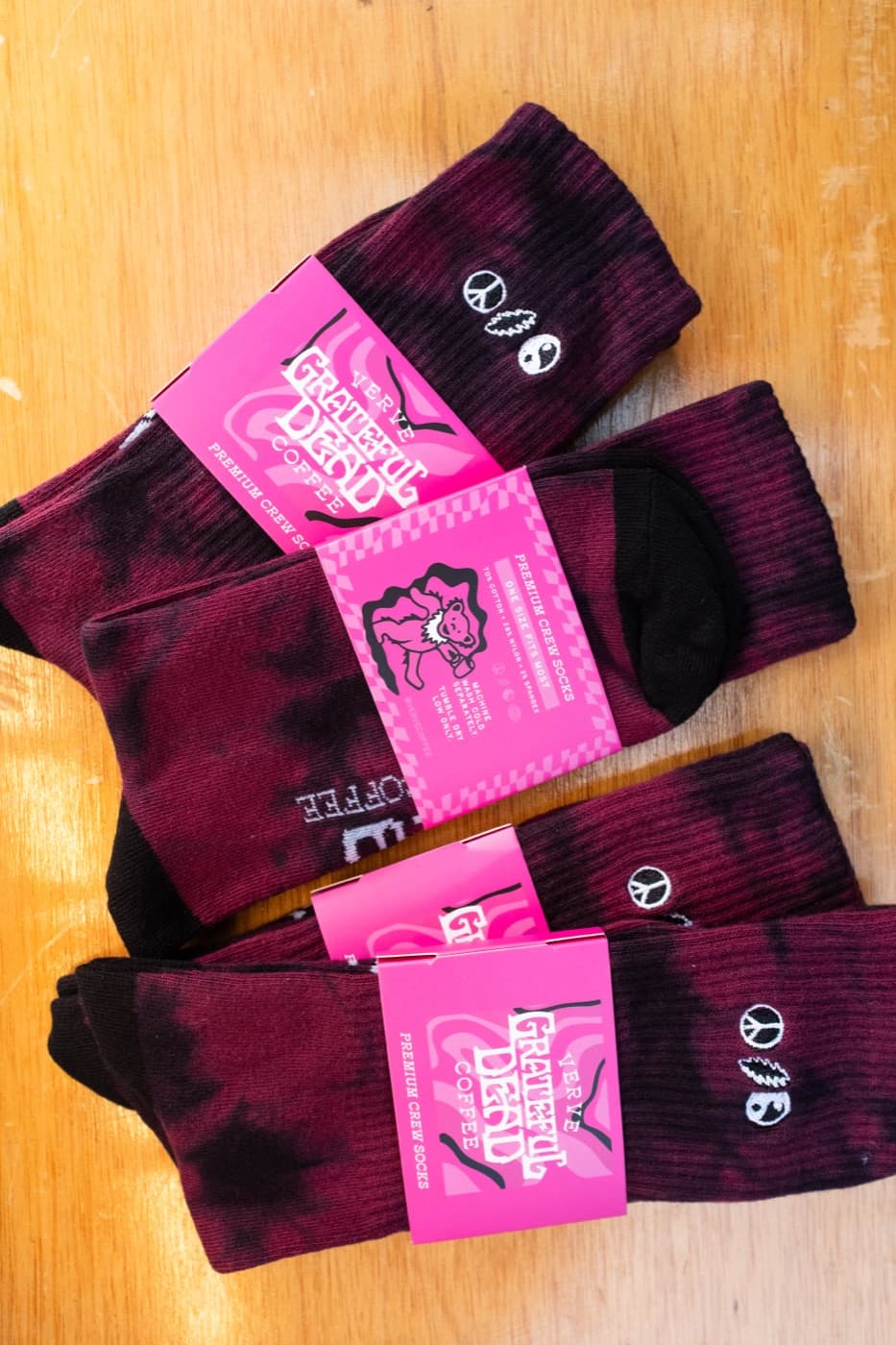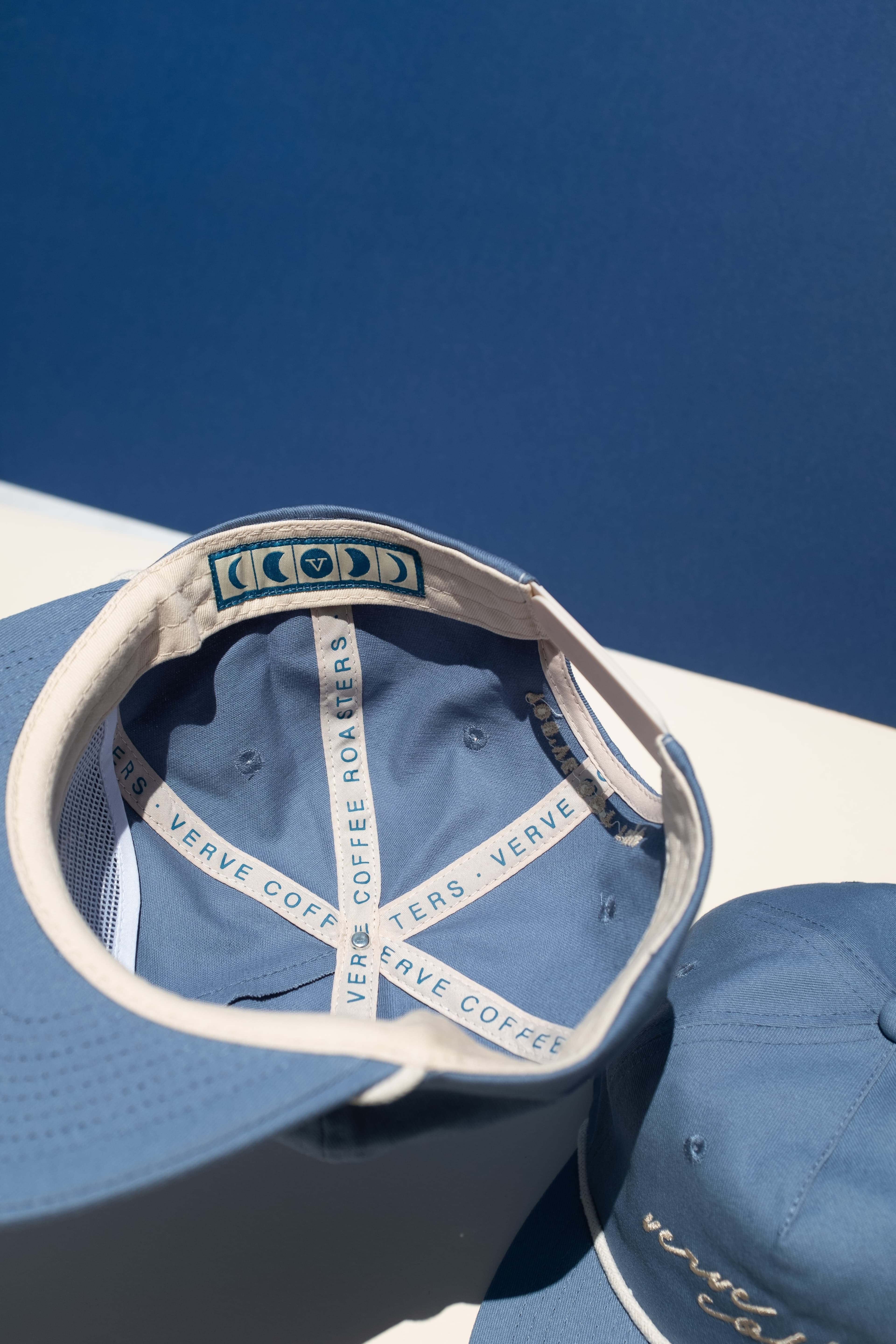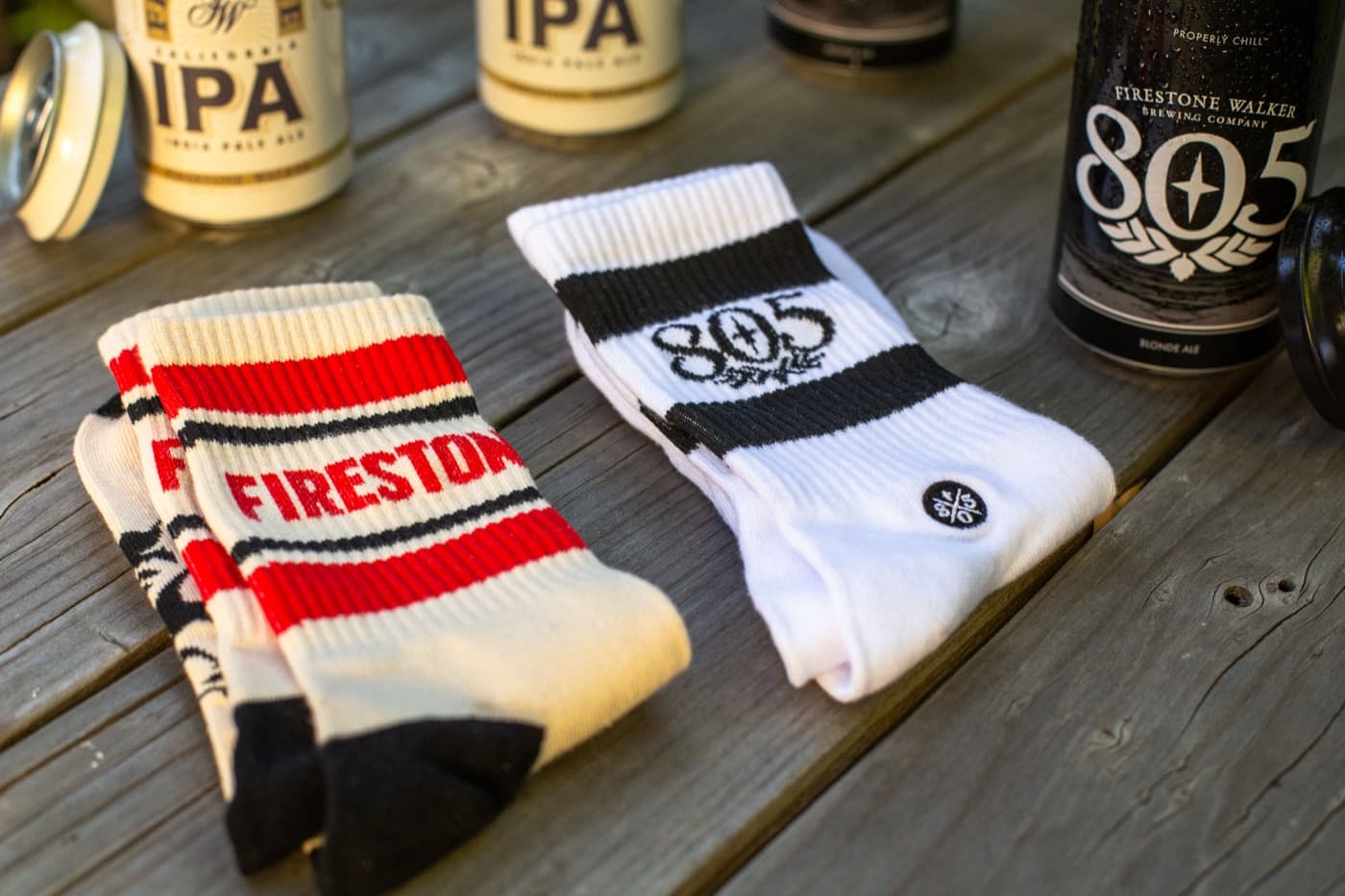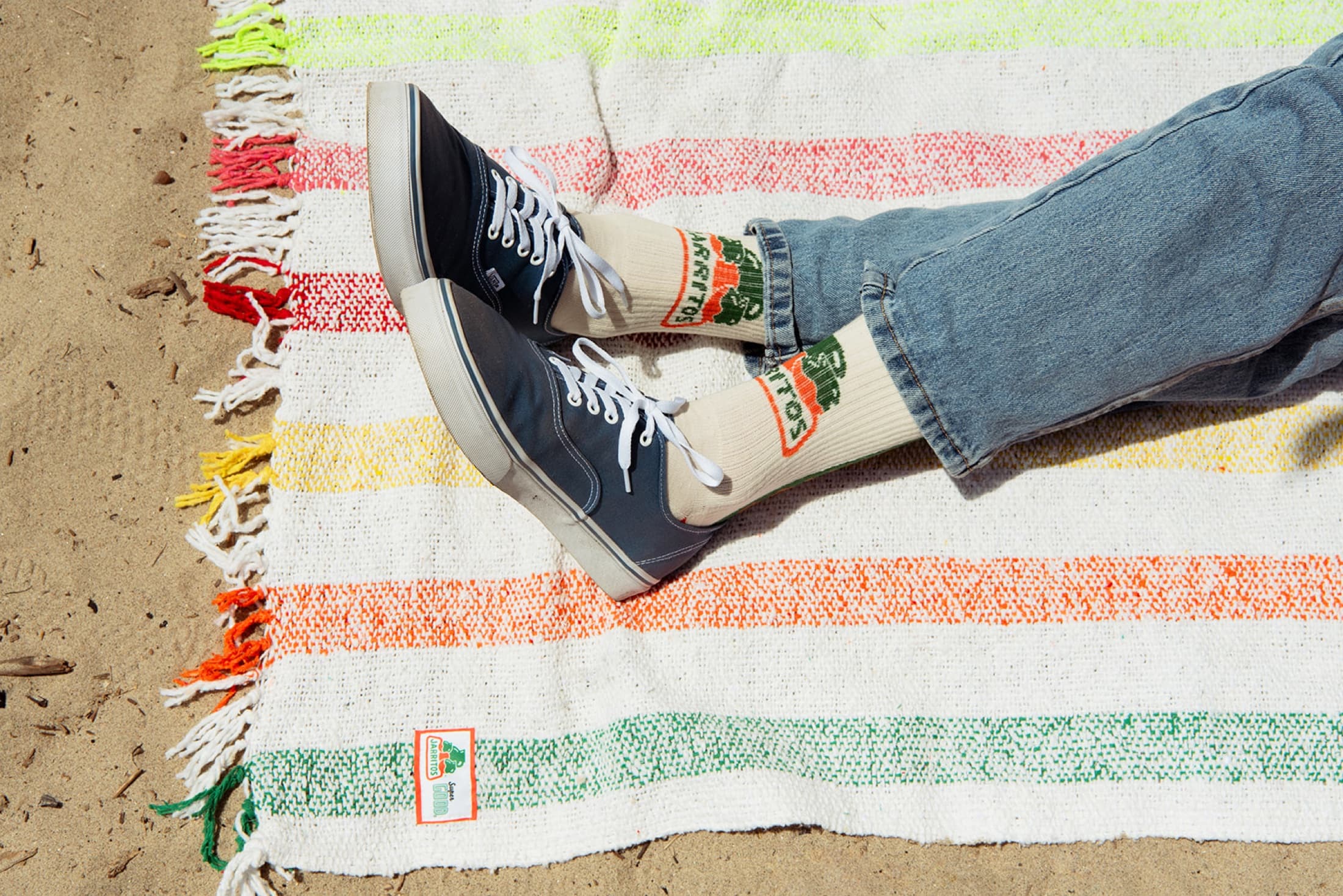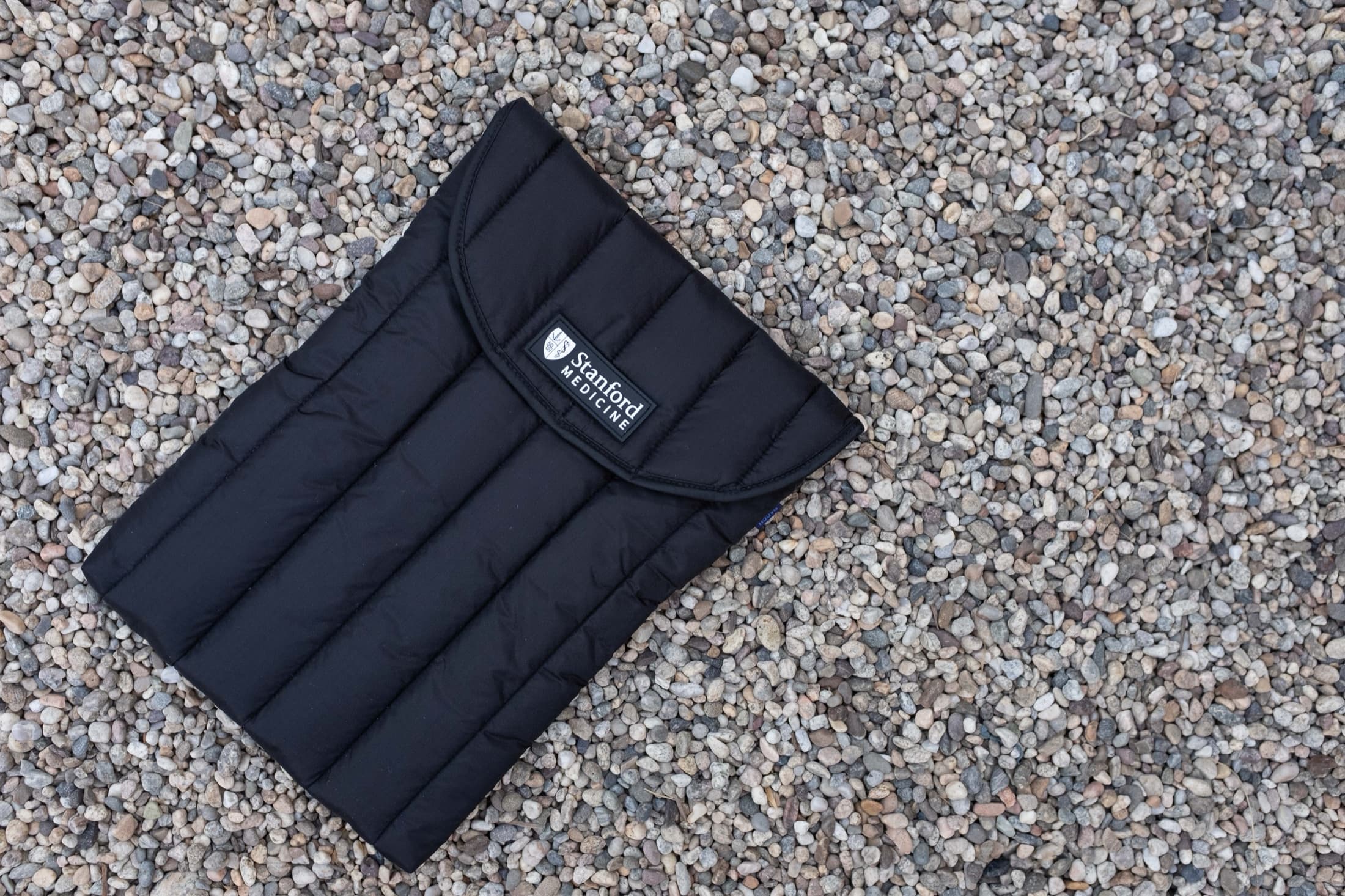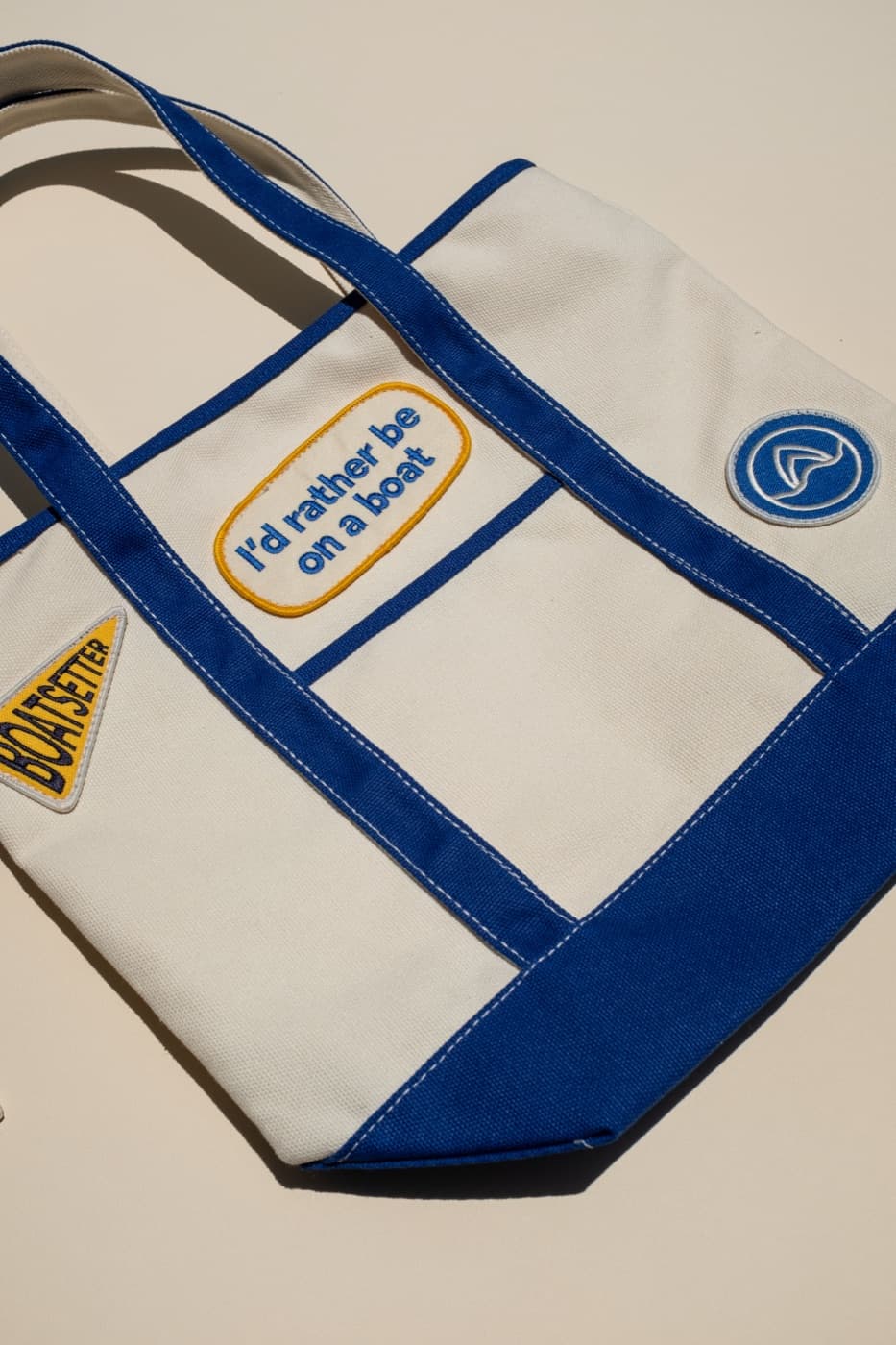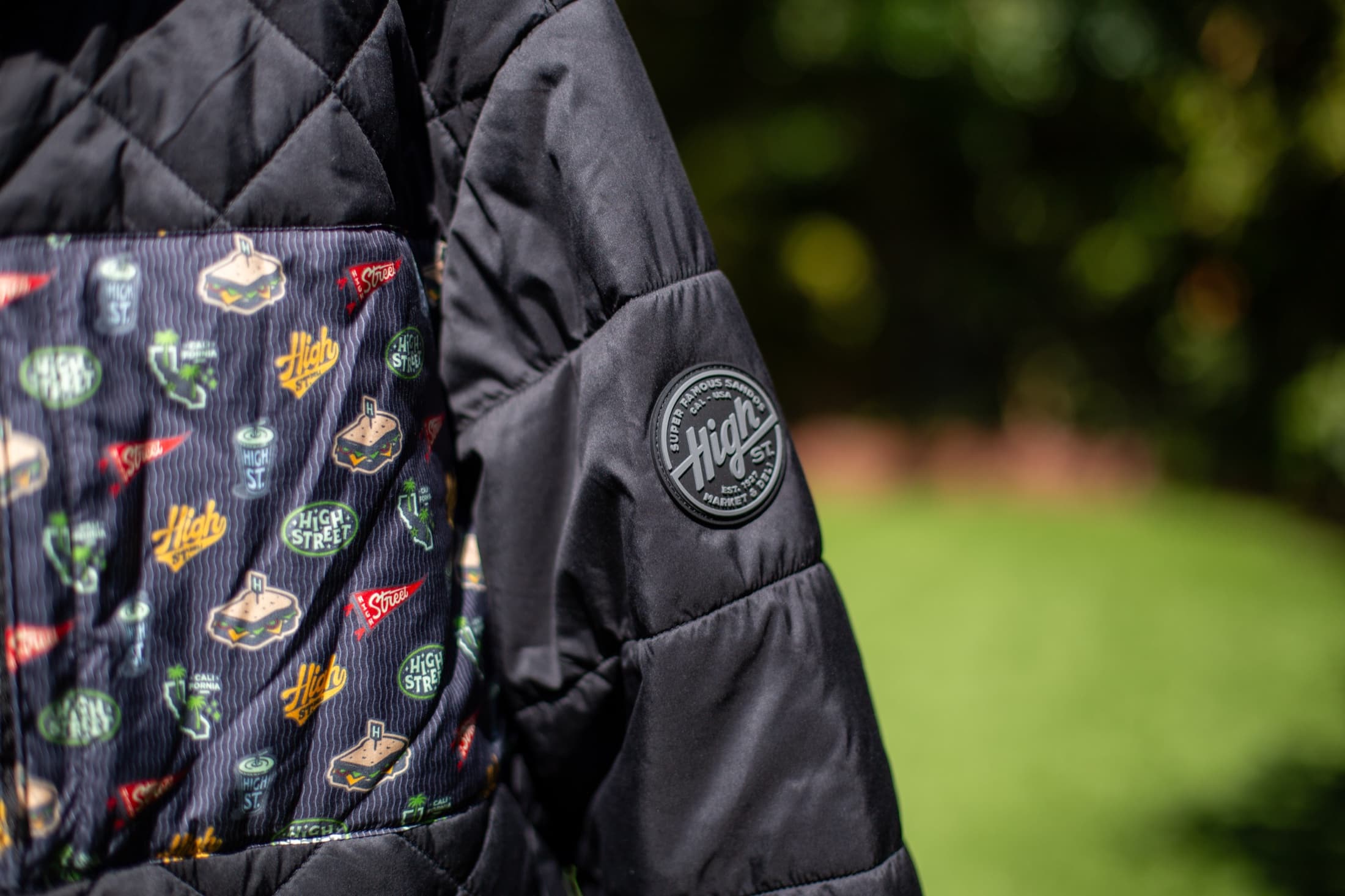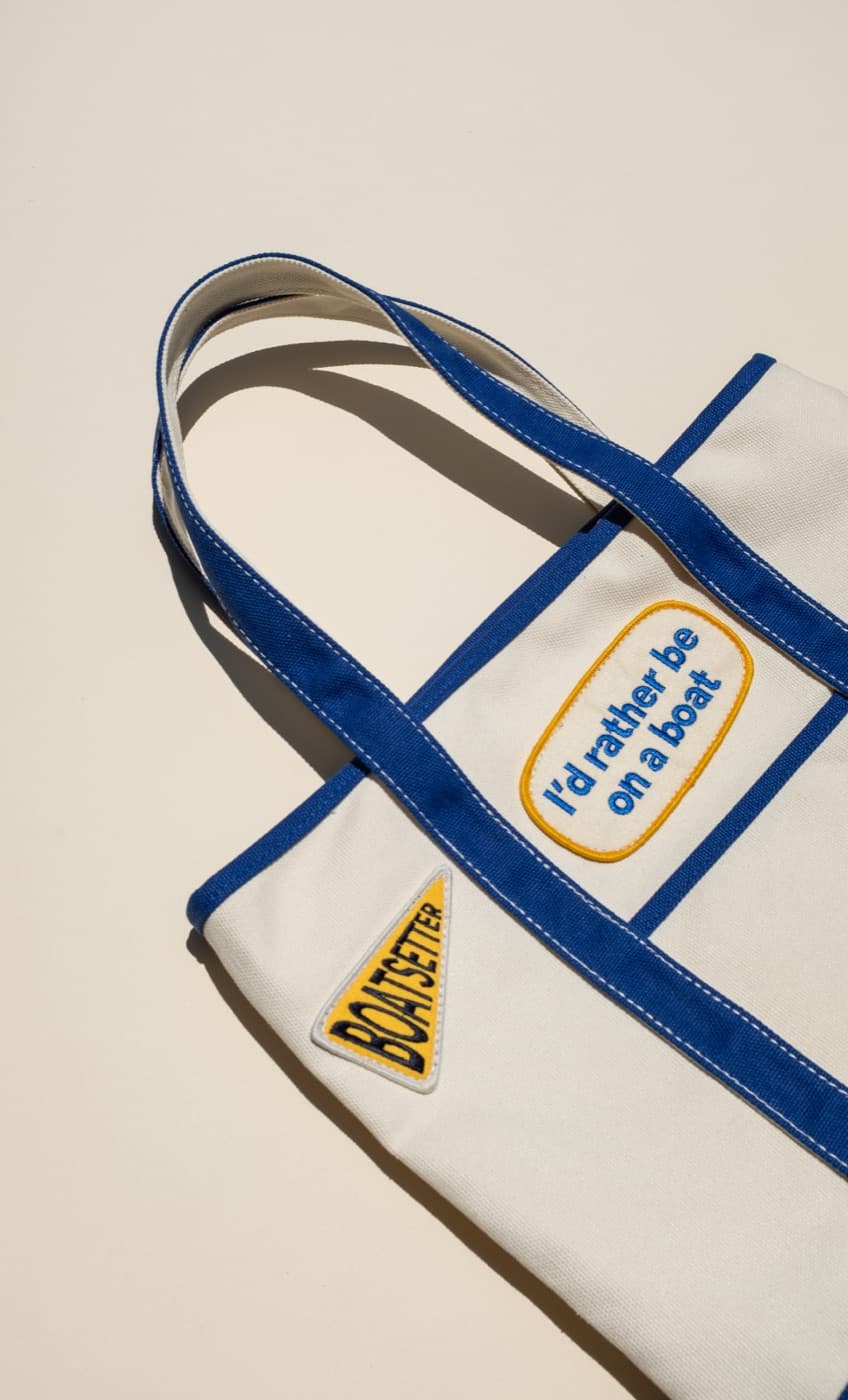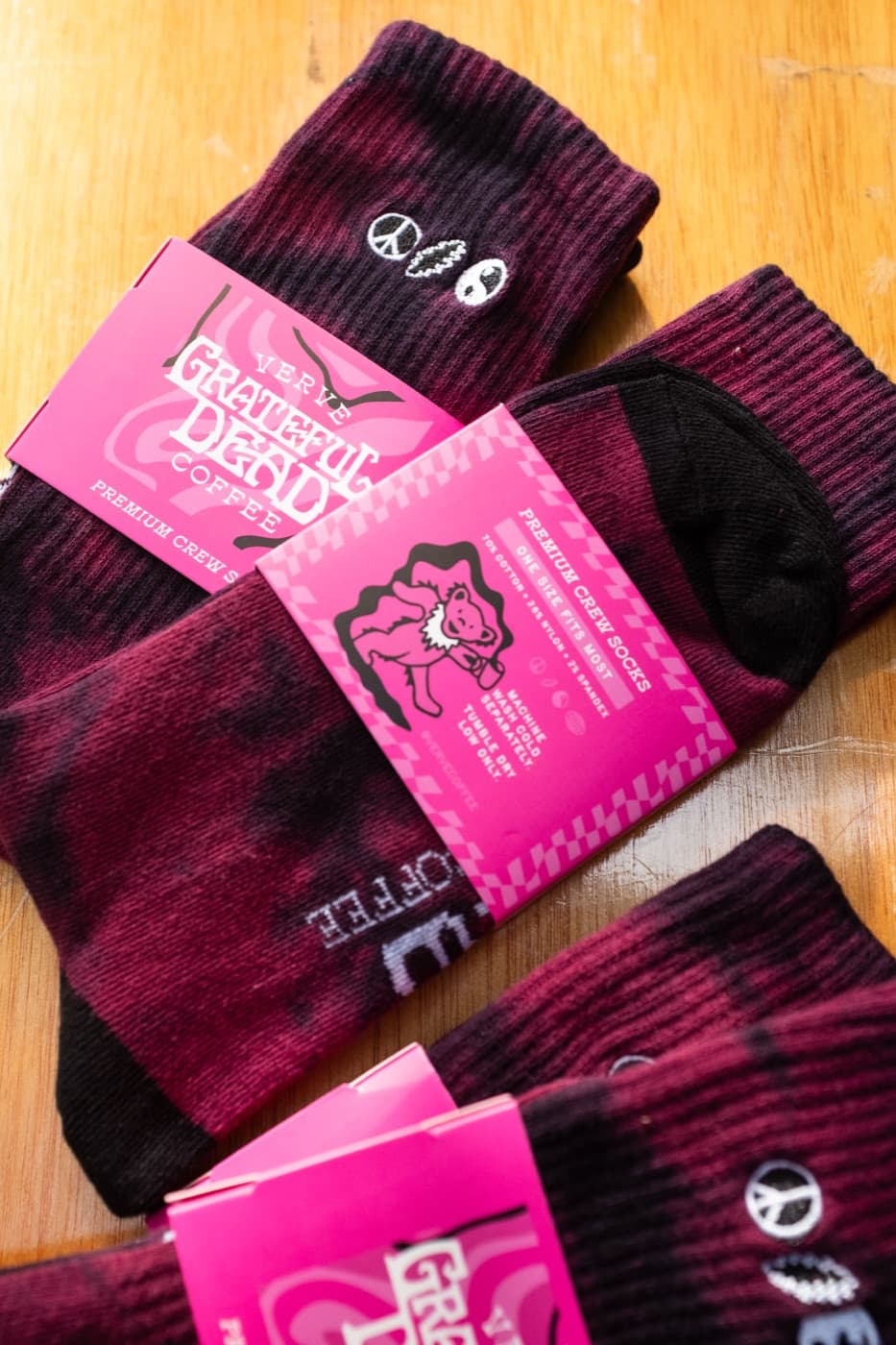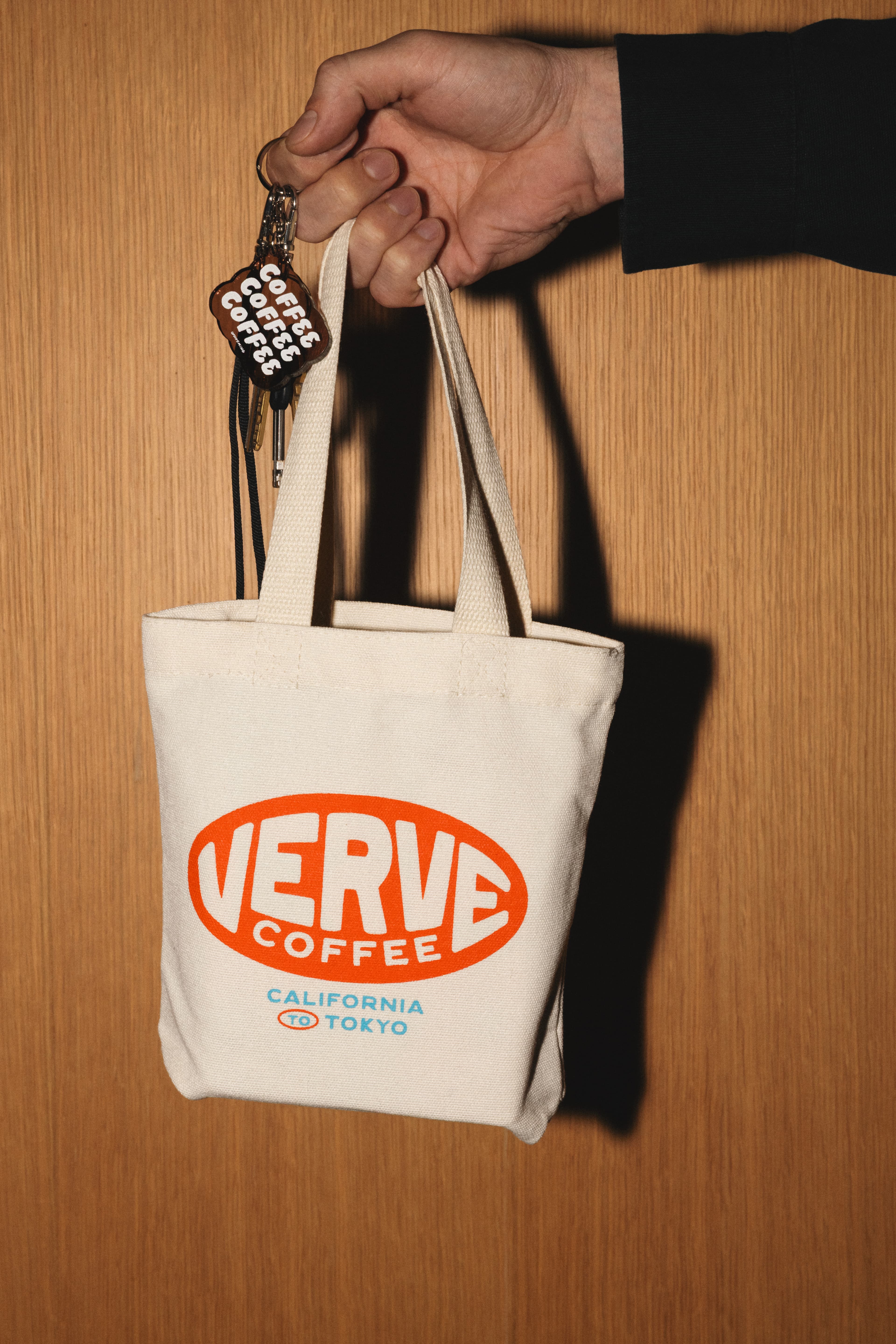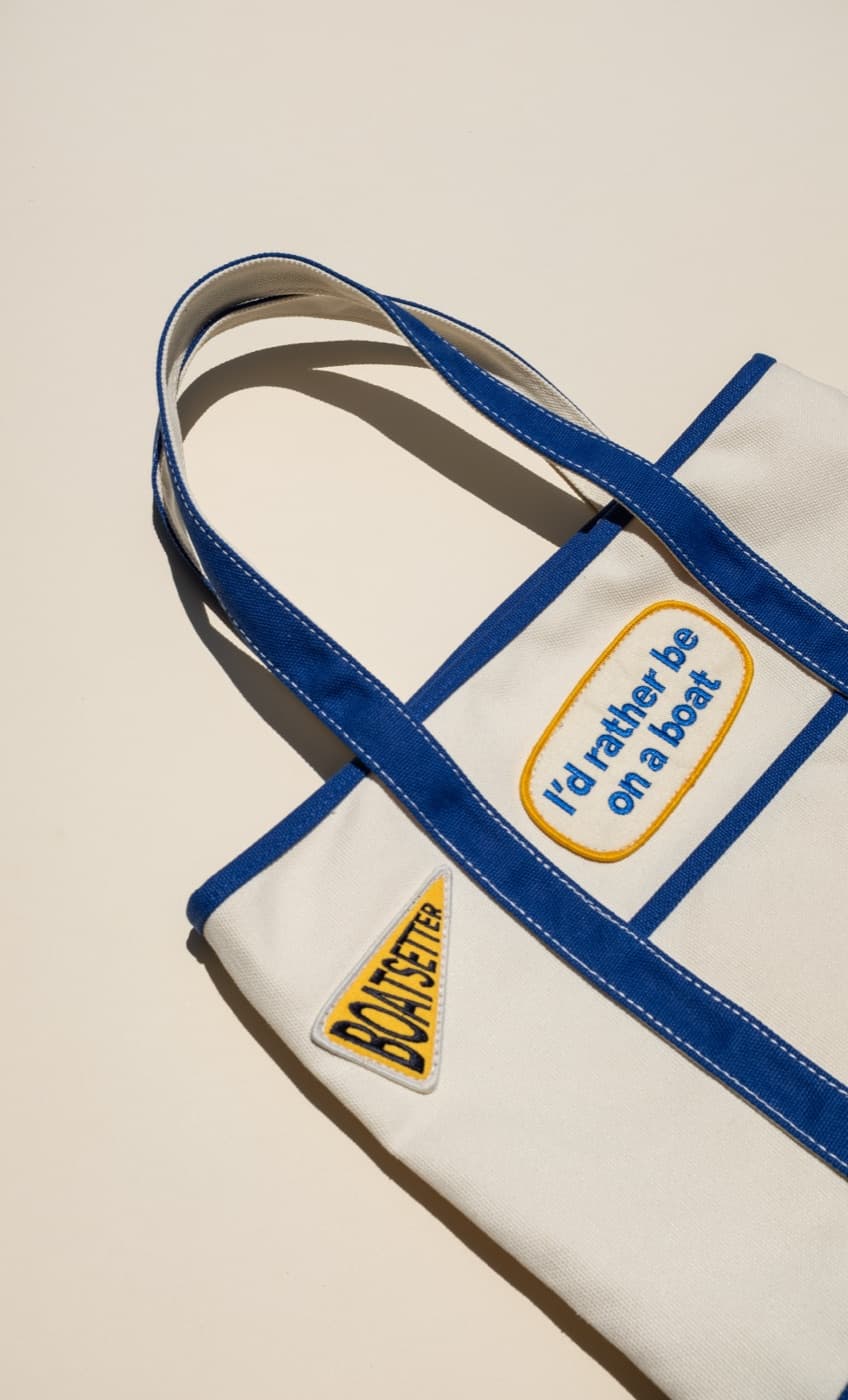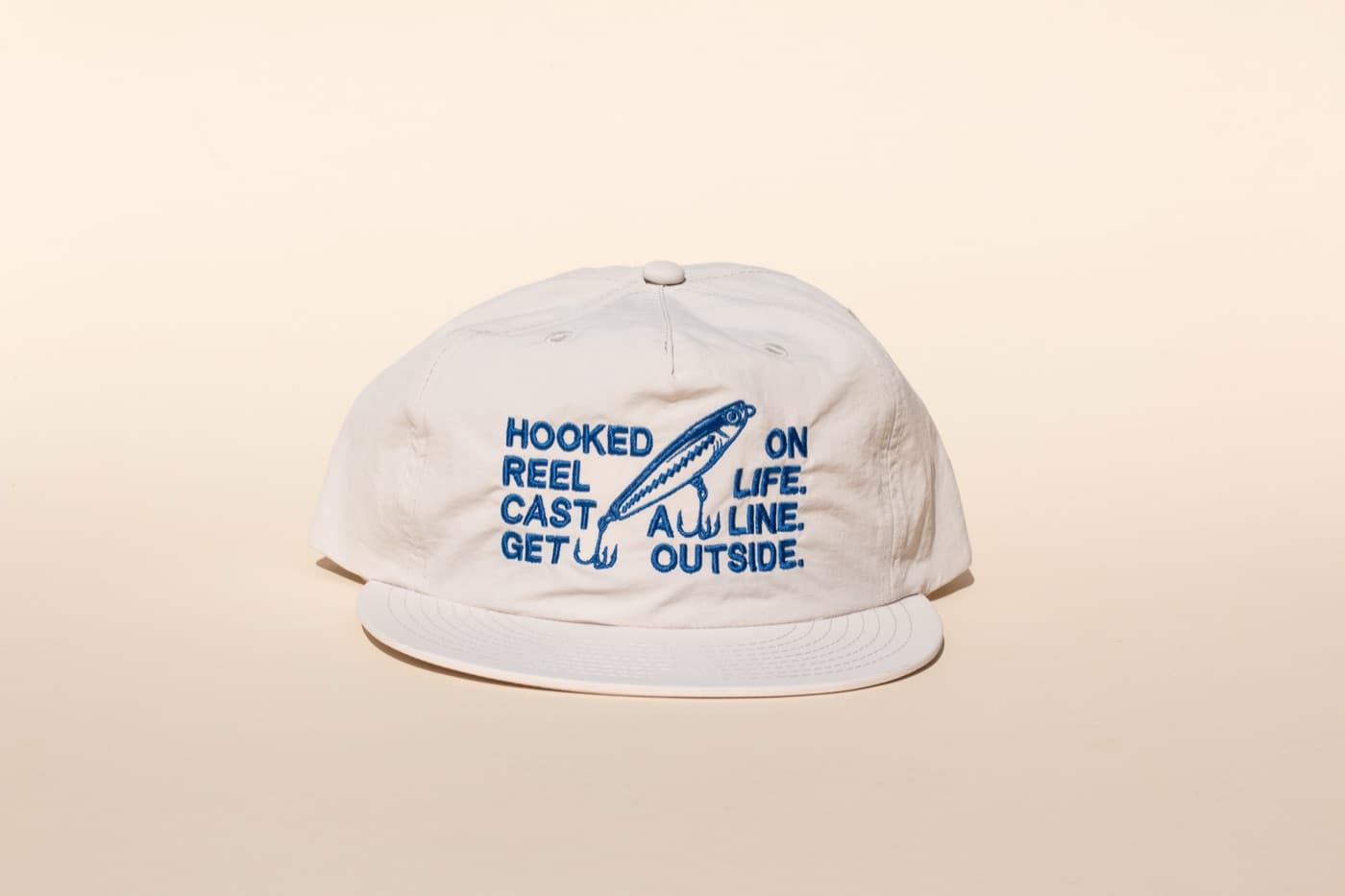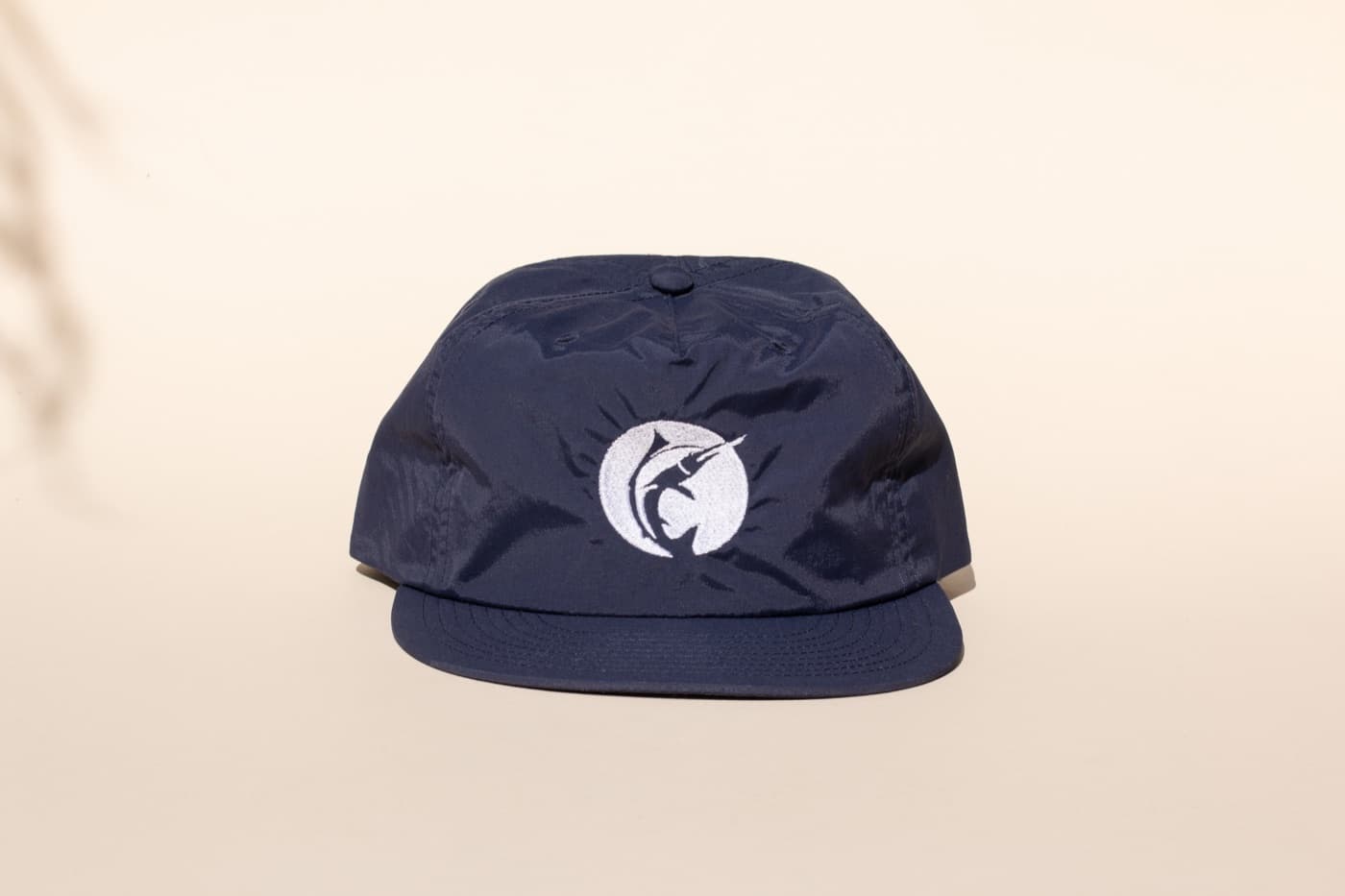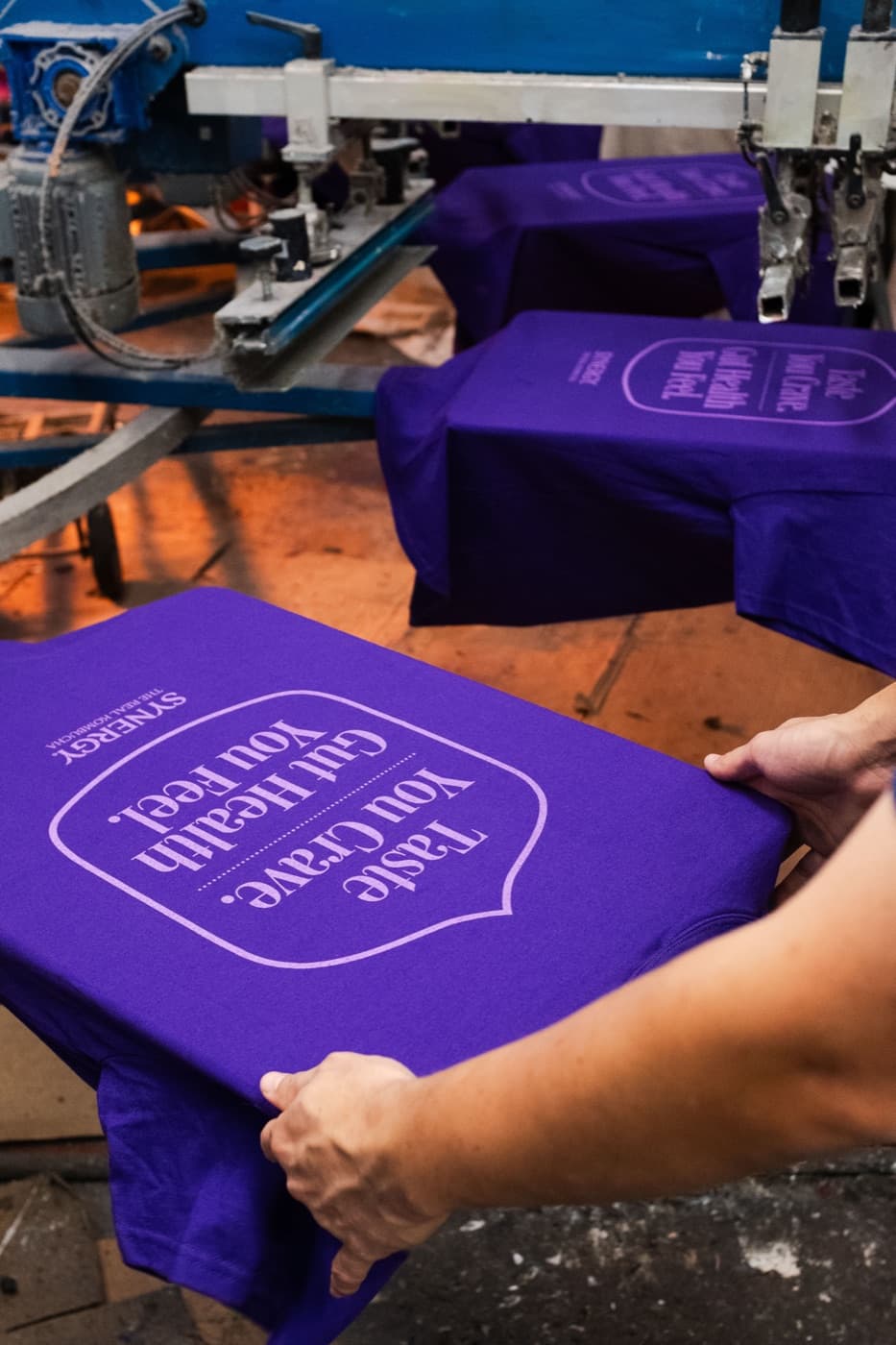
Corporate event merch has a credibility problem. The category is flooded with forgettable branded pens, thin totes, and boxy polo shirts that nobody asked for. When attendees see another tote bag in their conference packet, they are already thinking about whether it is worth carrying to the airport.
That bar is actually a low one. Clear it and the merch stands out. Here is how.
Solve a real problem
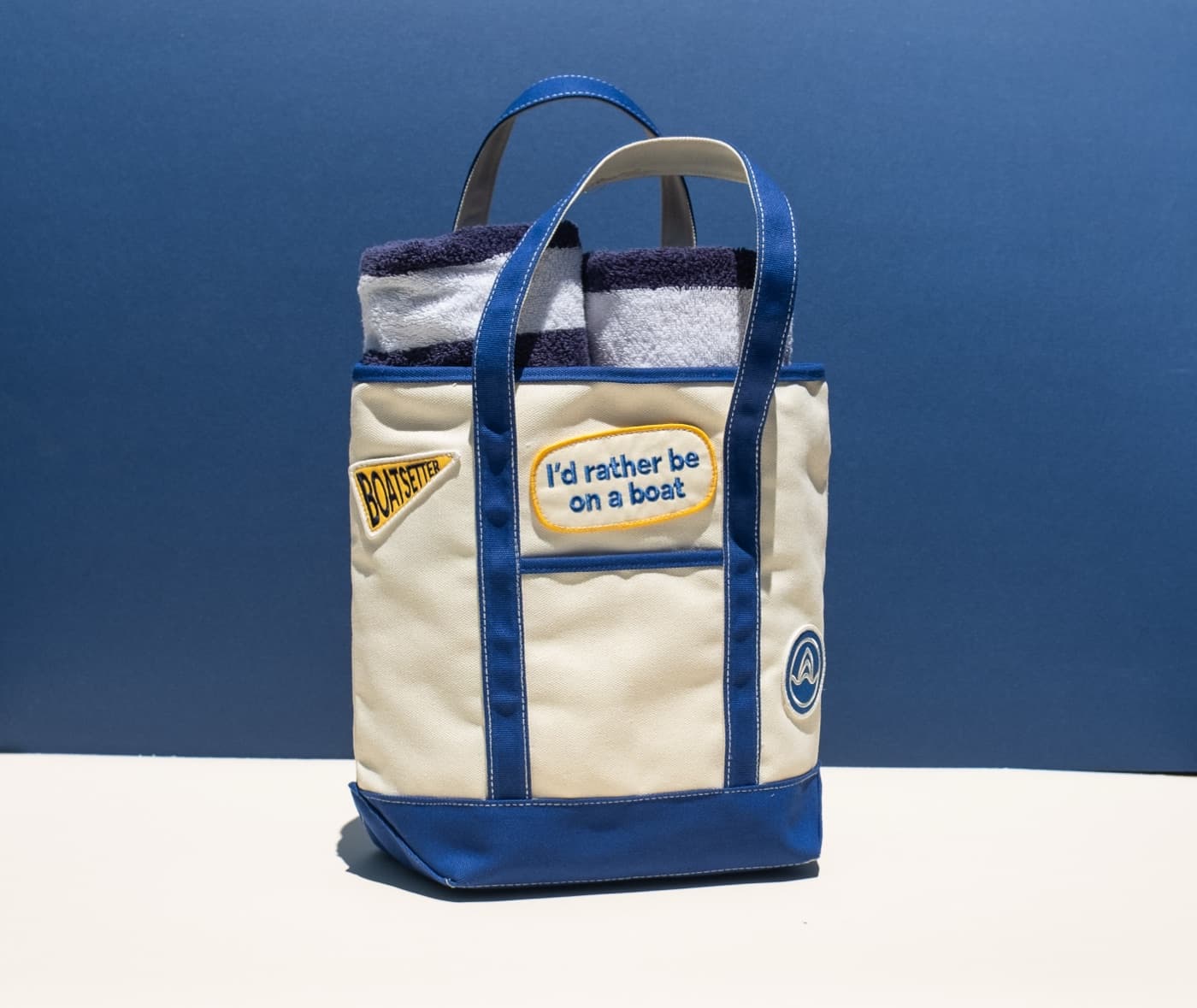
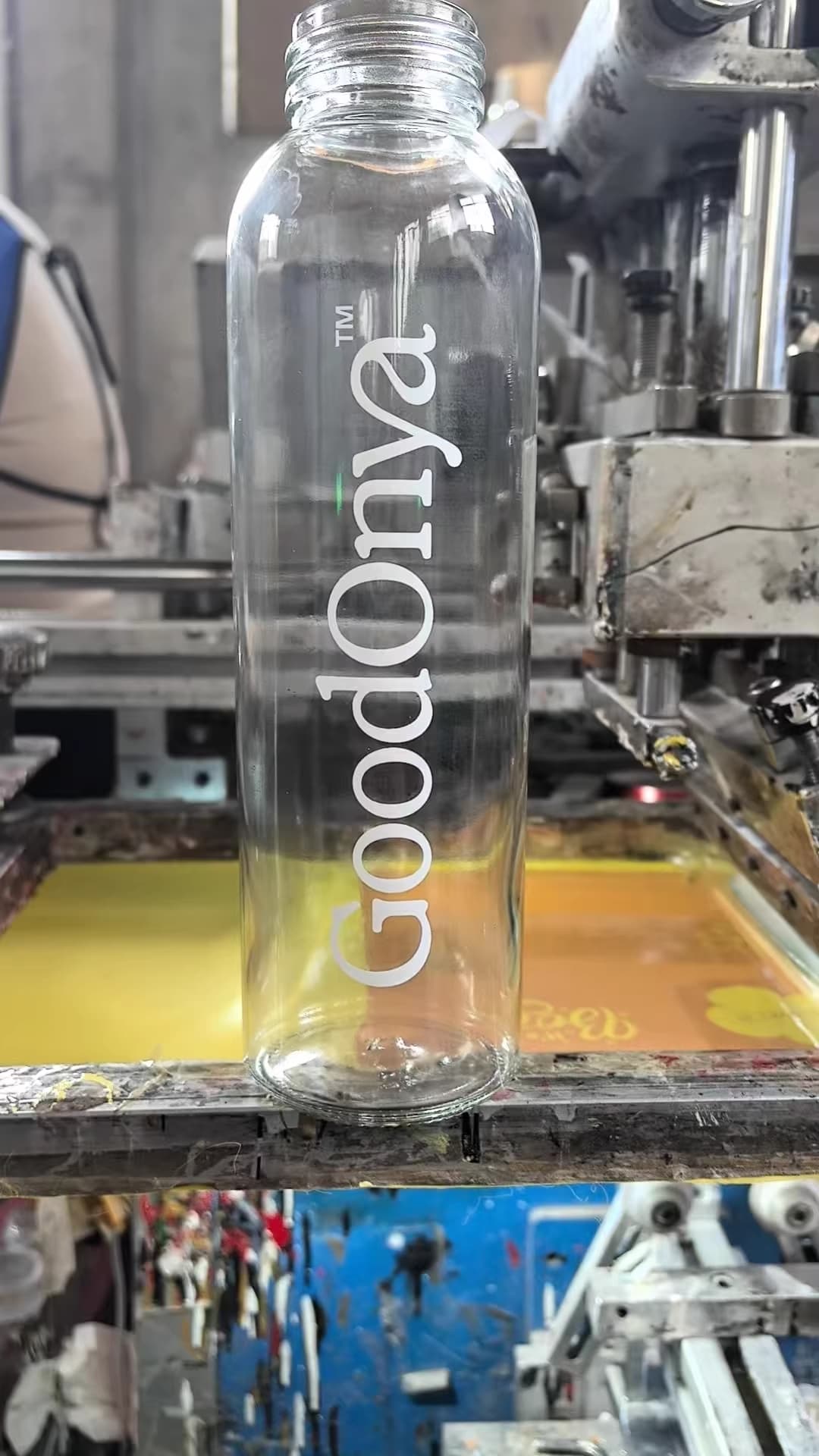
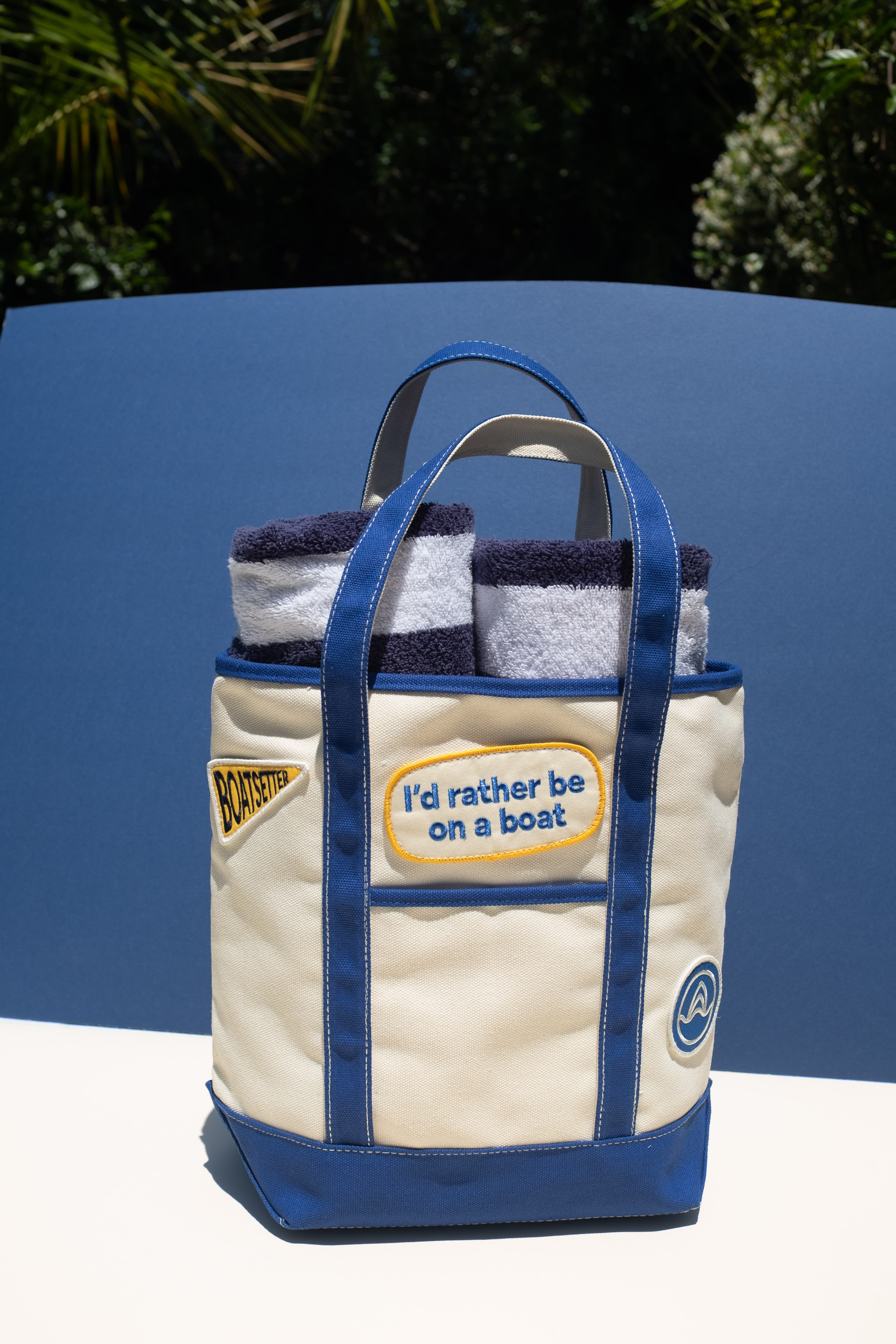
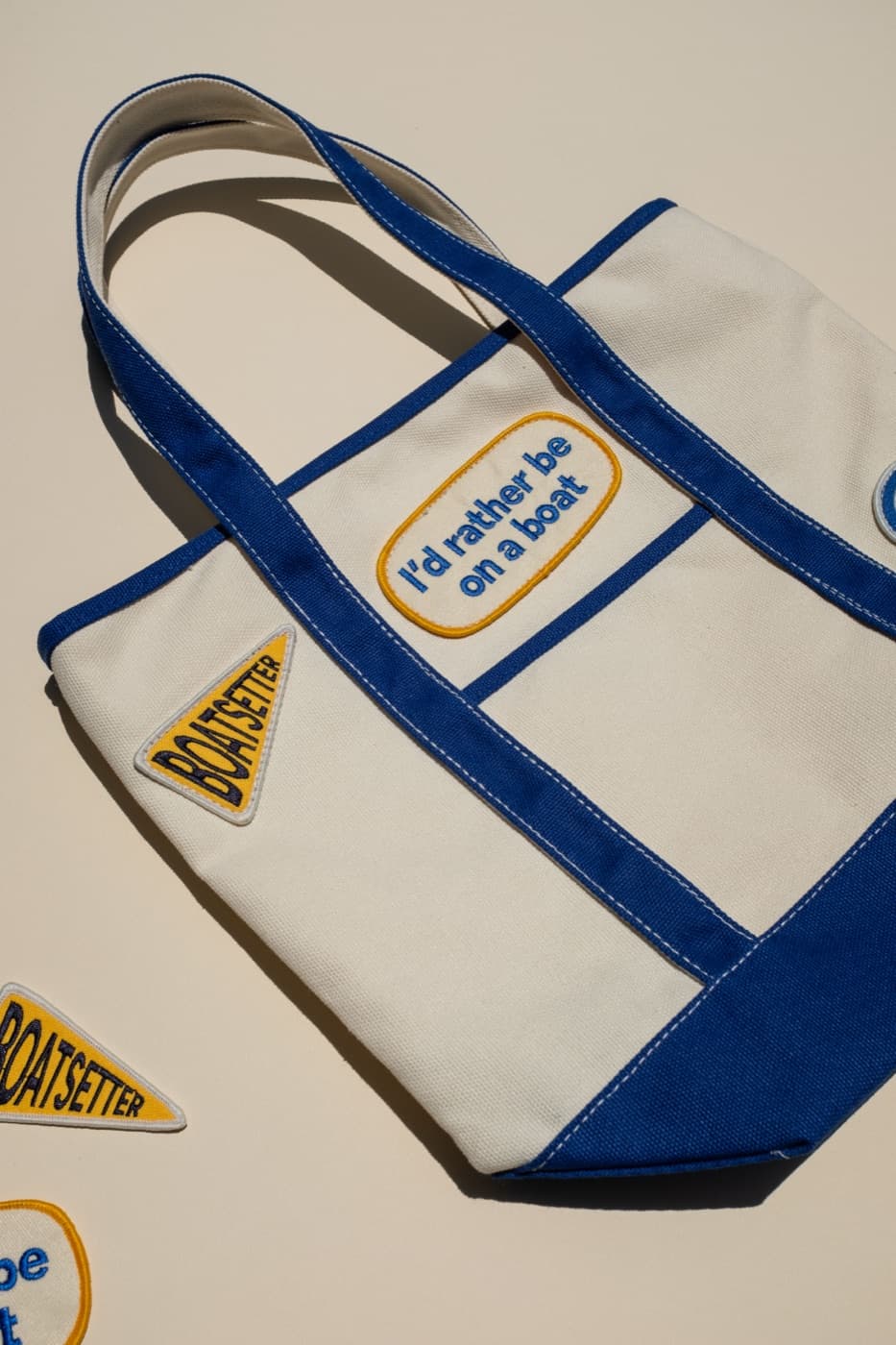
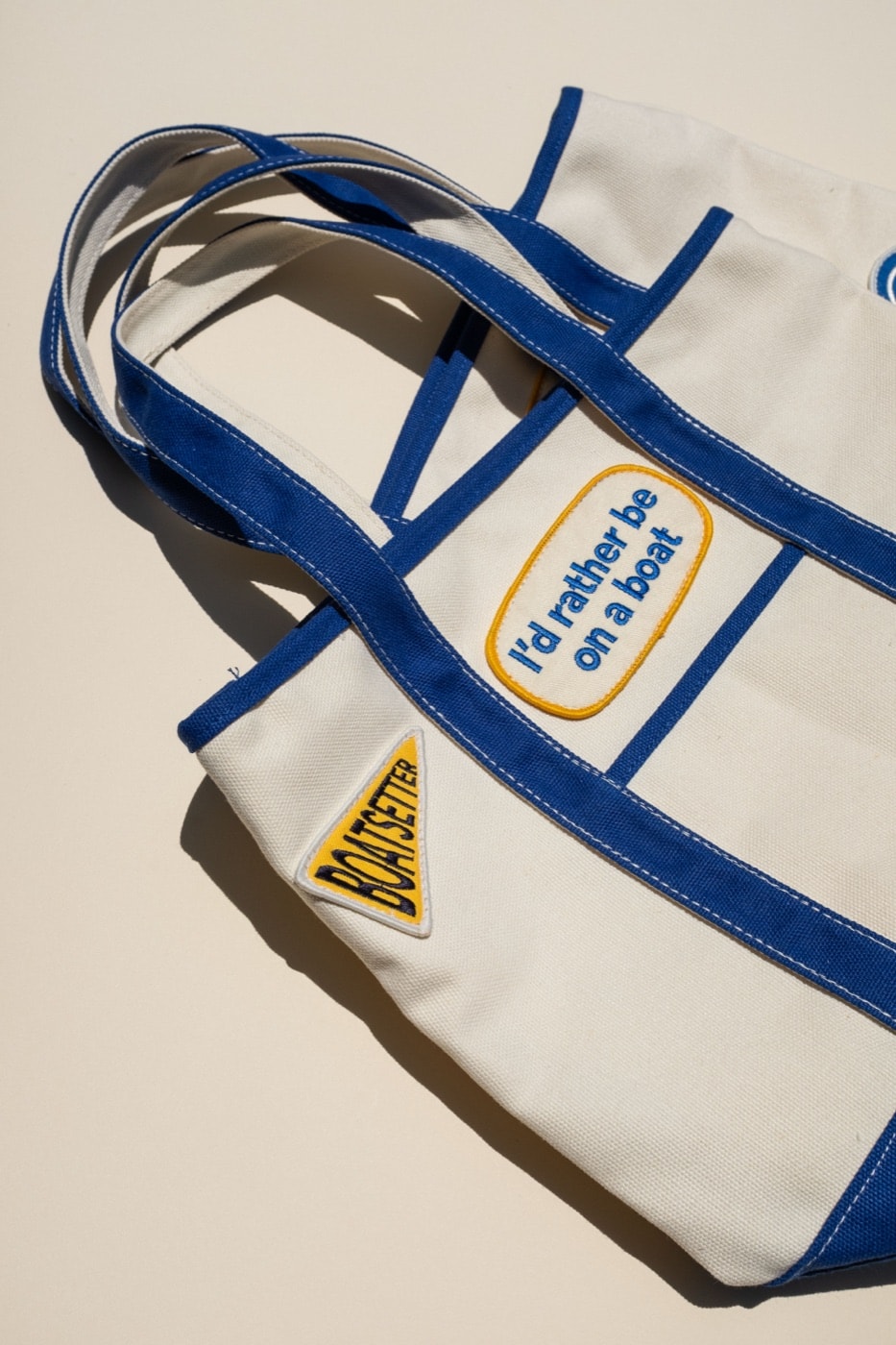
The best event merch is useful at the event itself. A well-made tote that handles a full day of conference materials and still looks good at dinner. A quality insulated bottle that makes the afternoon session more bearable. A notebook that someone actually writes in. These items earn their place because they are functional, and they keep the brand visible through the event and after it.
Novelty items with the company logo solve nothing. A branded stress ball does not help someone carry their materials, stay hydrated, or remember the keynote. It gets left at the table when someone packs up.
Quality signals matter at senior levels
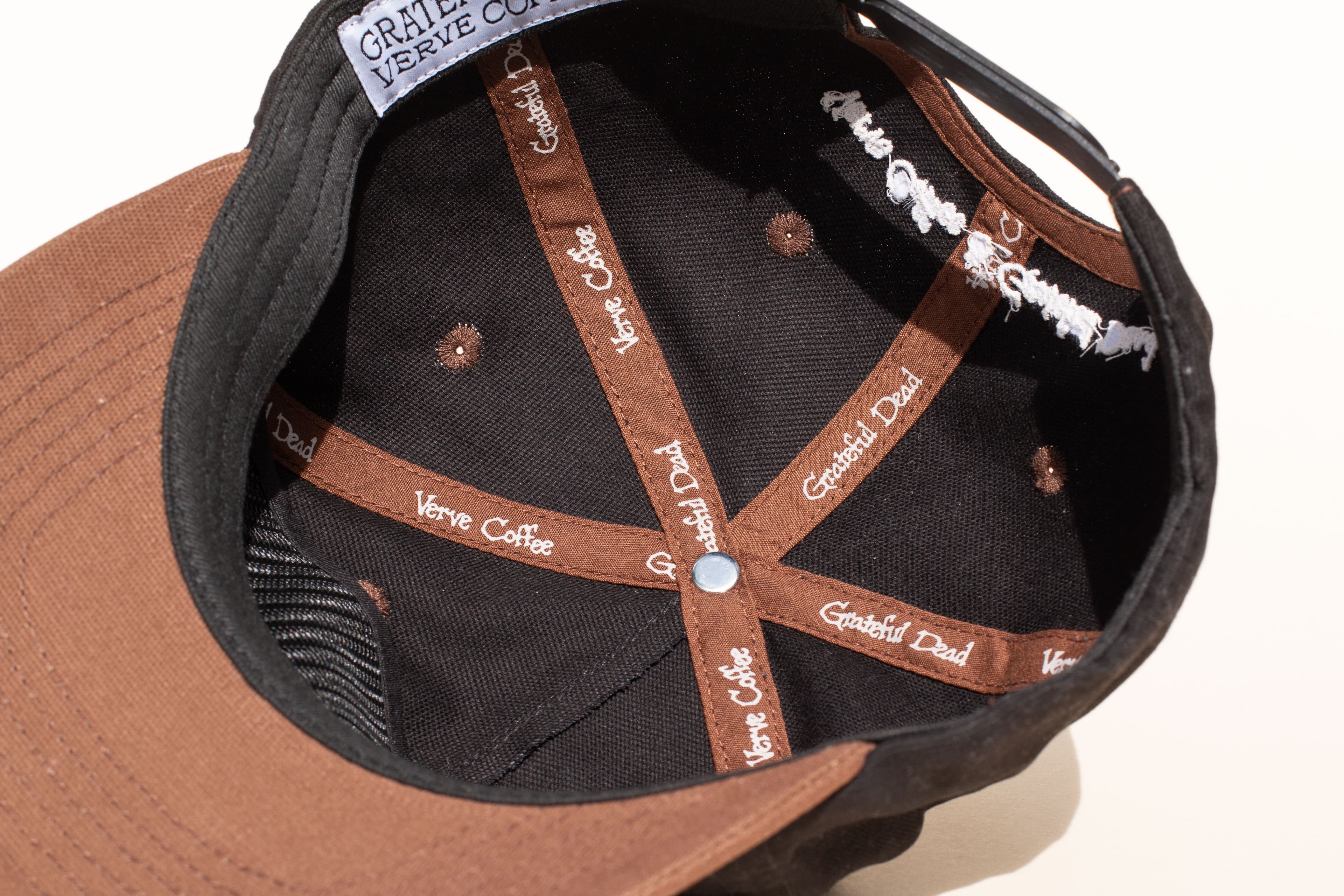
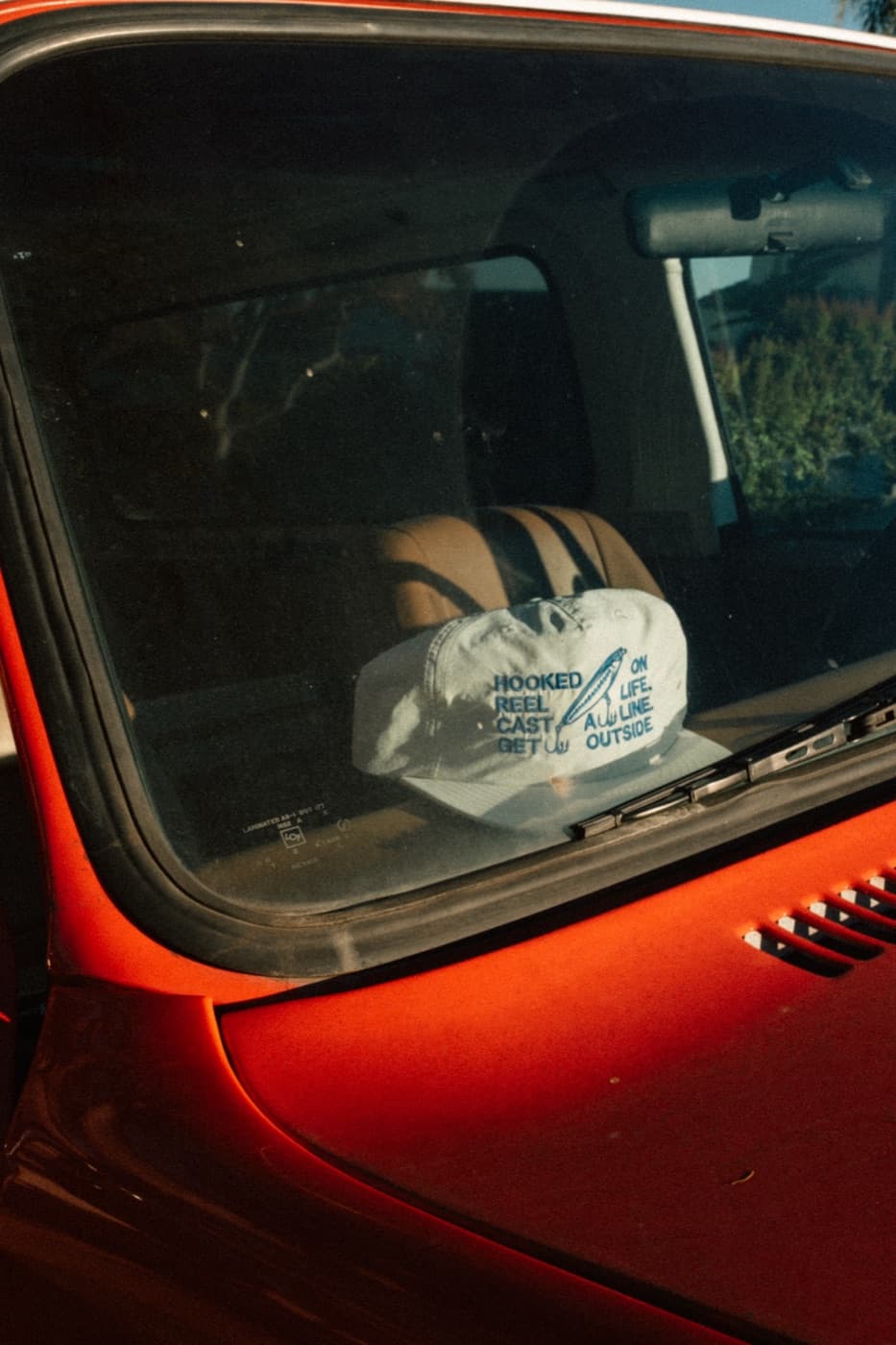
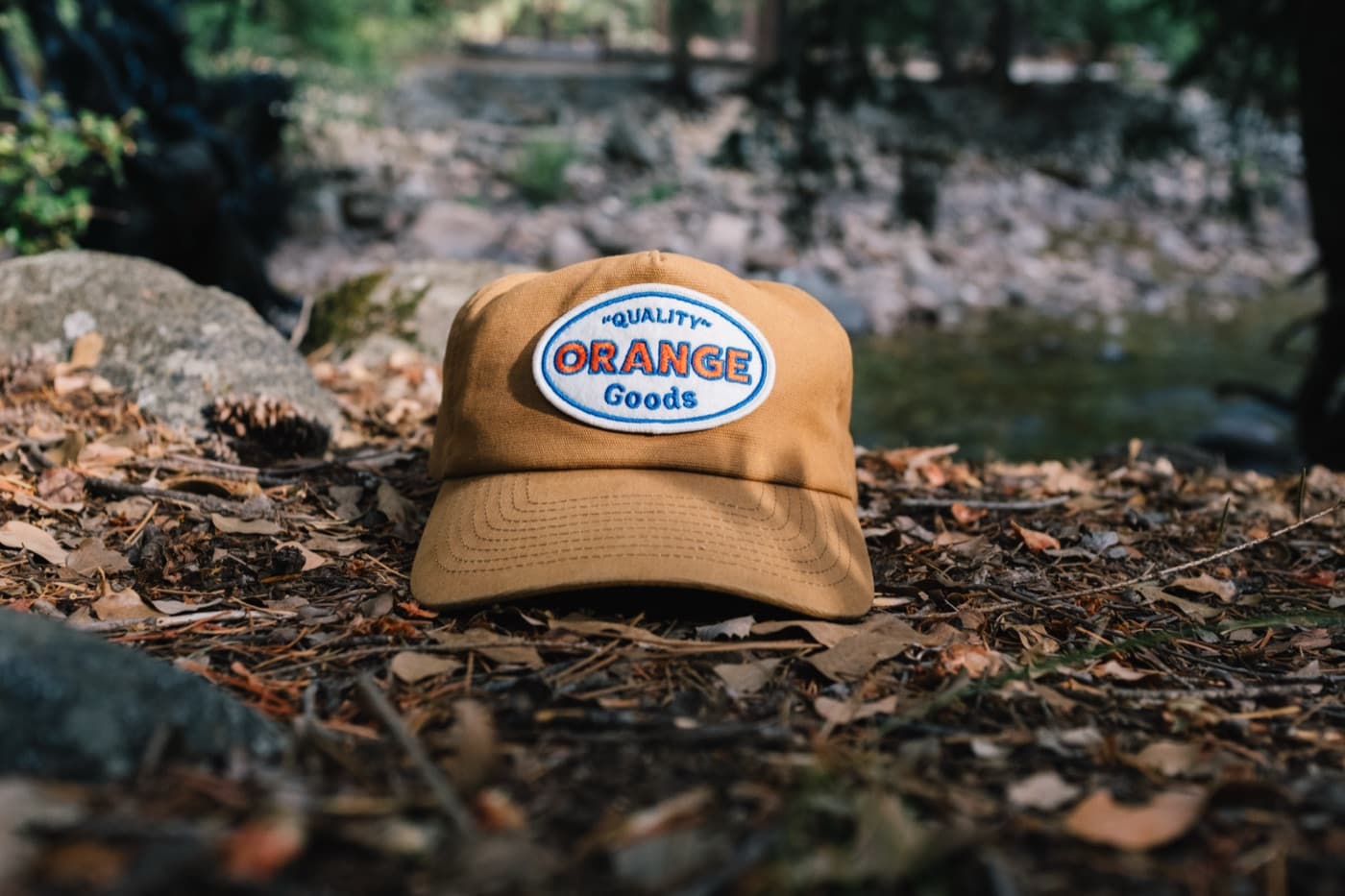
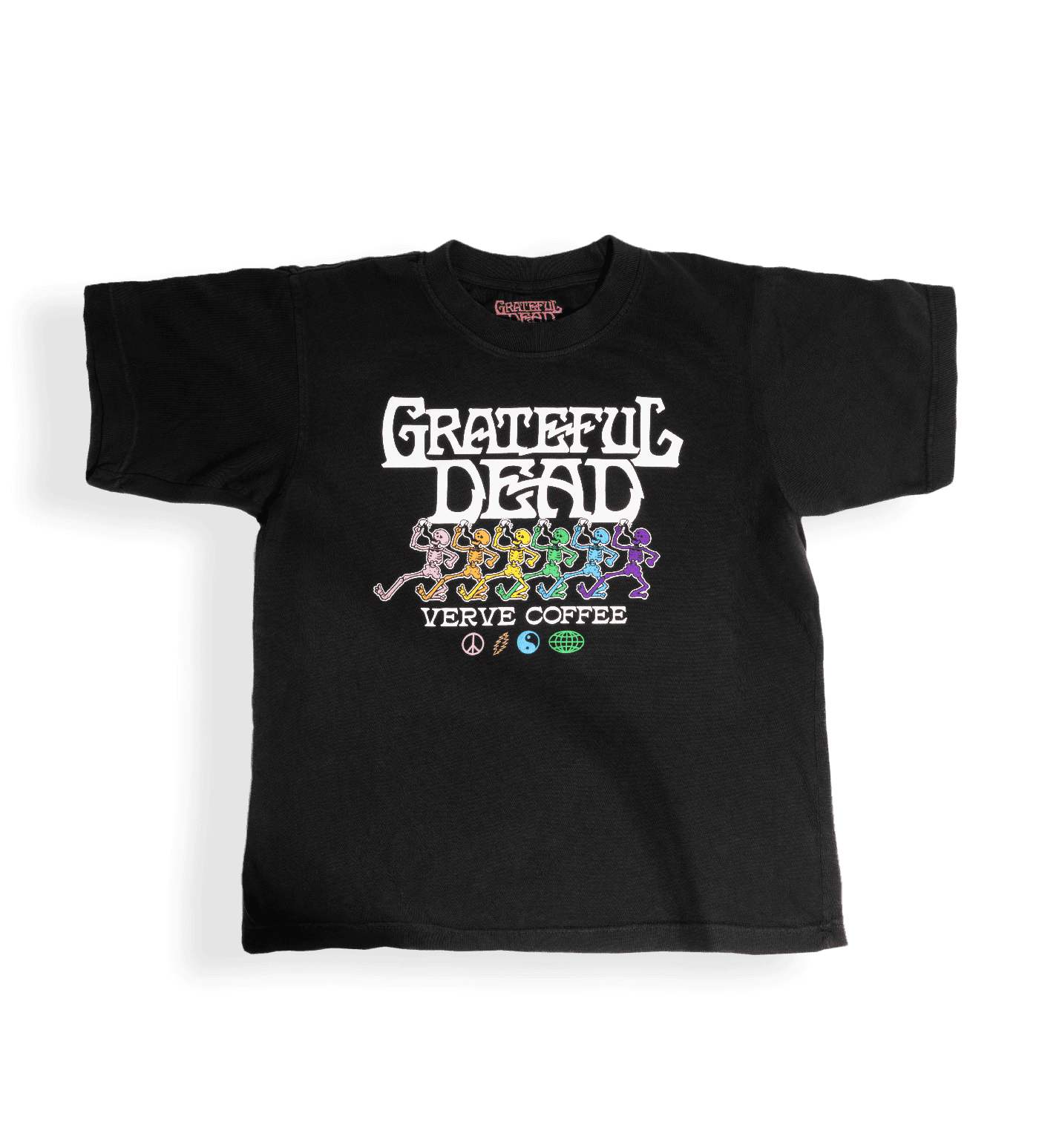
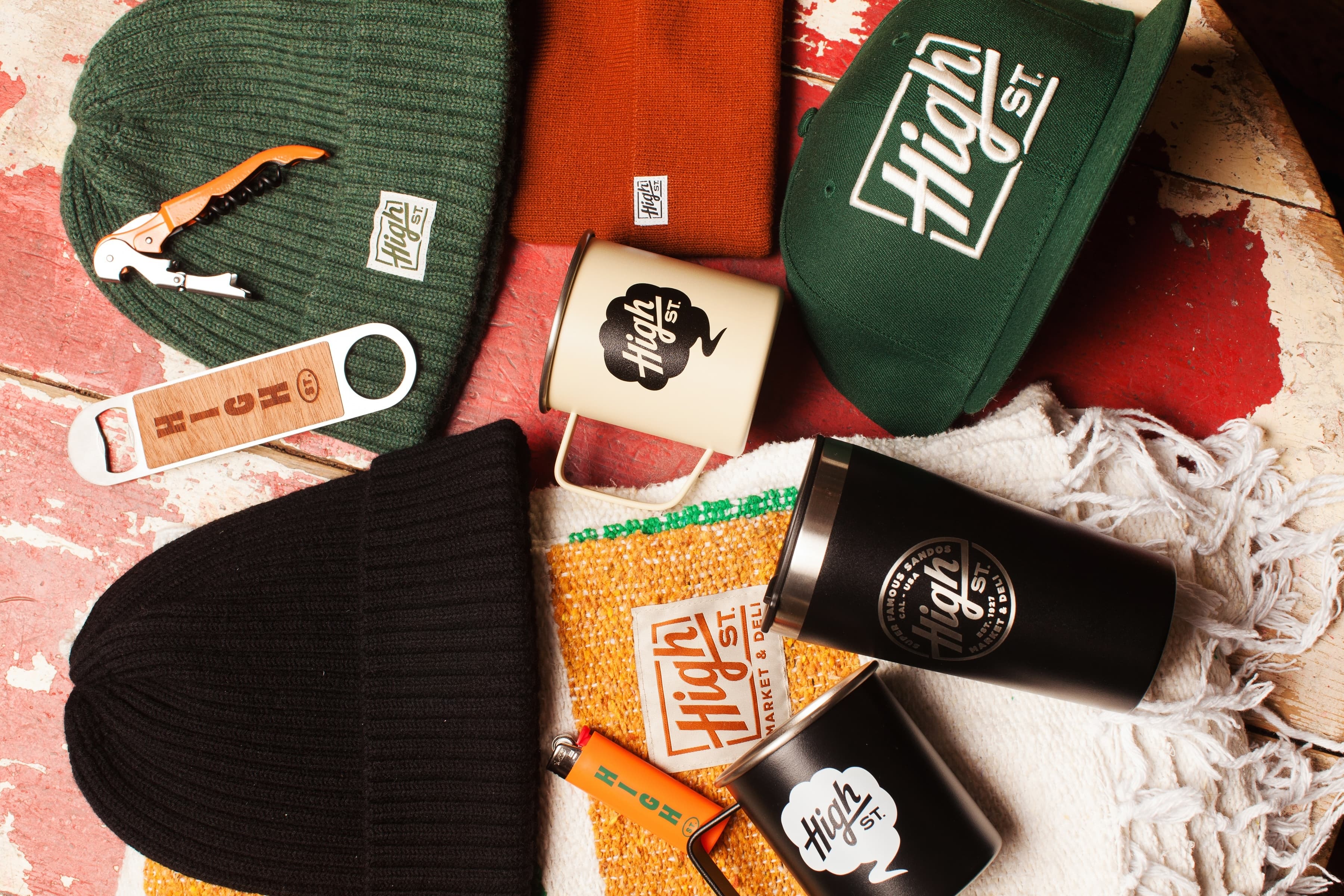
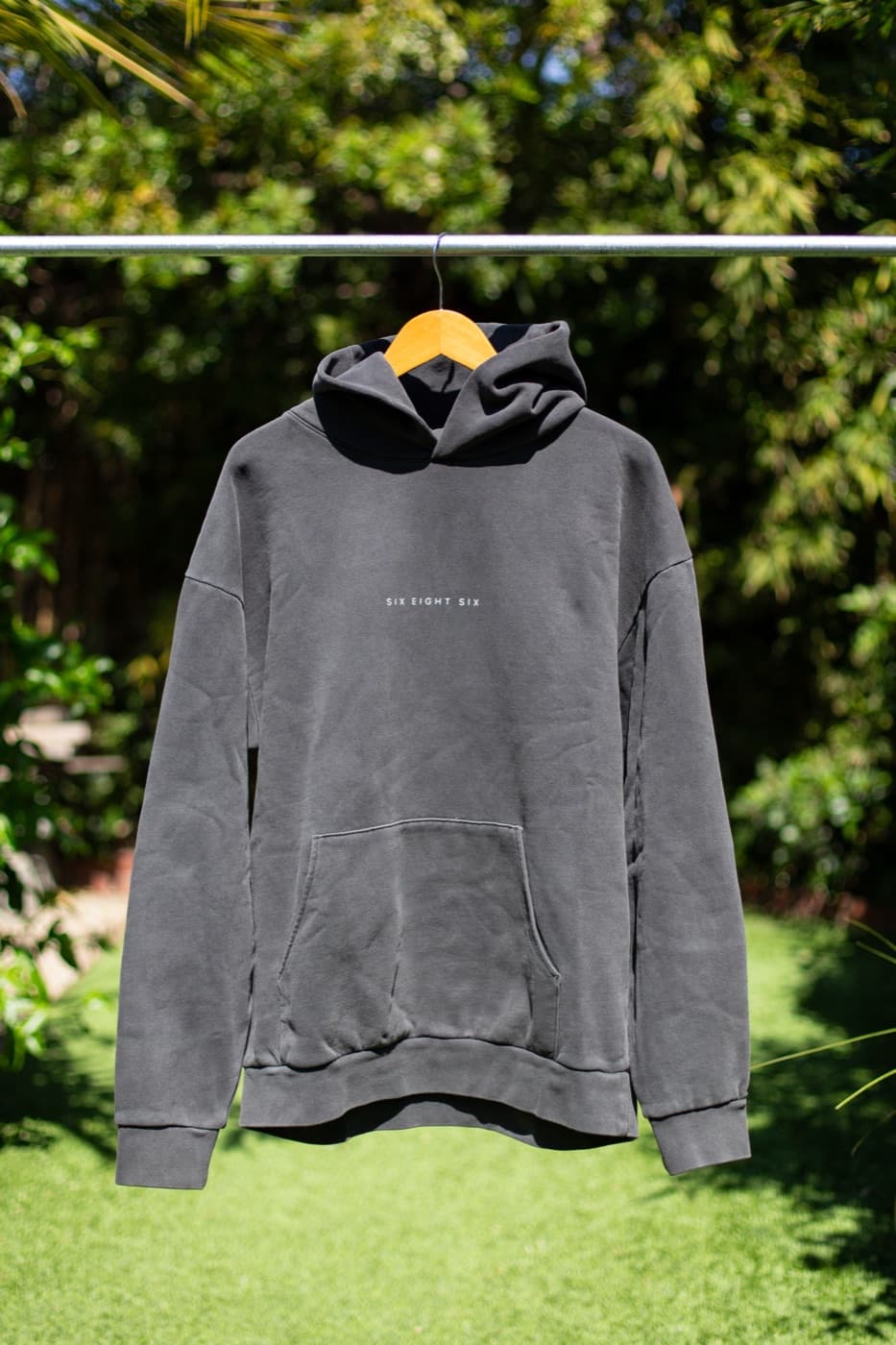
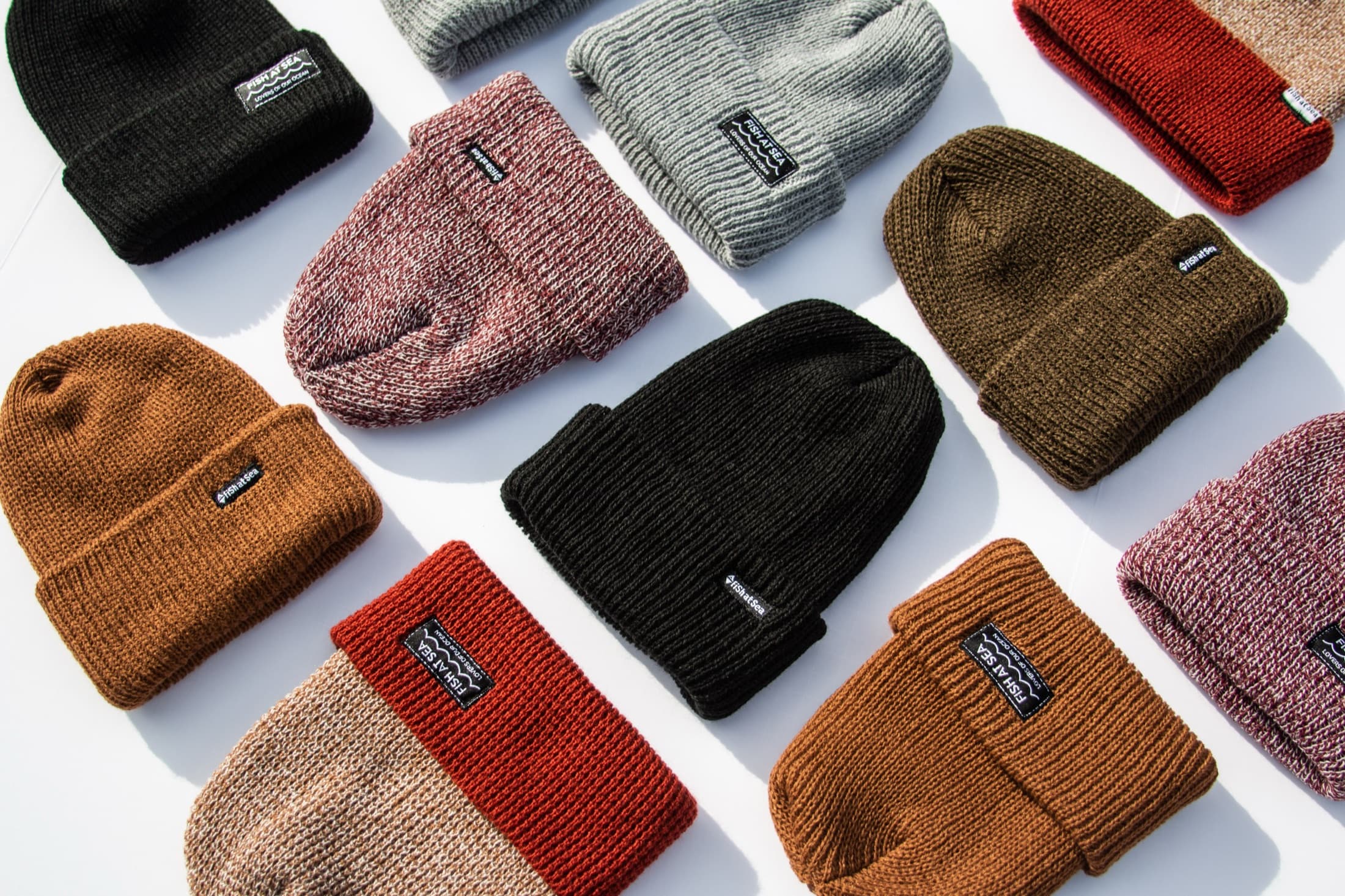
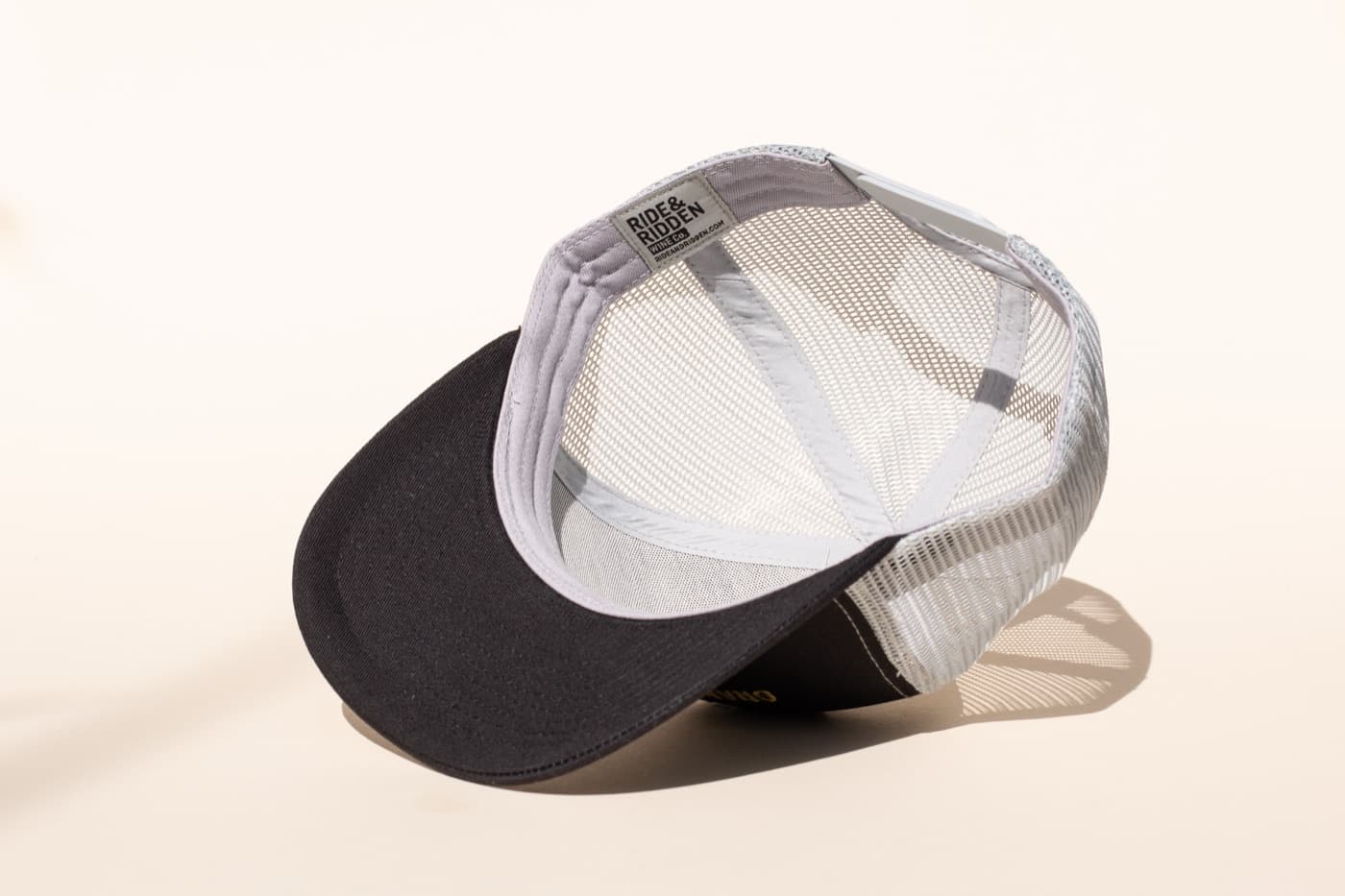
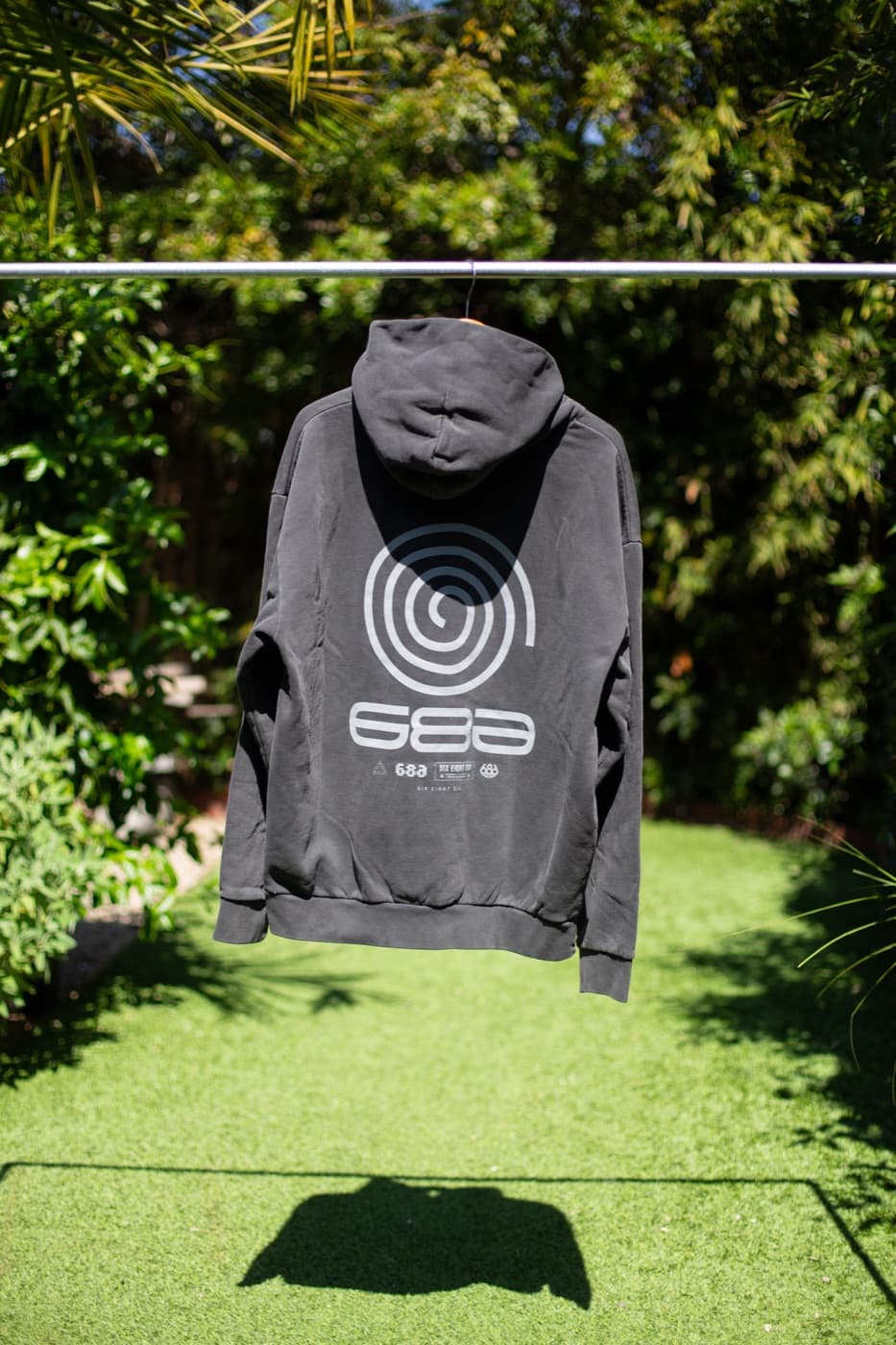
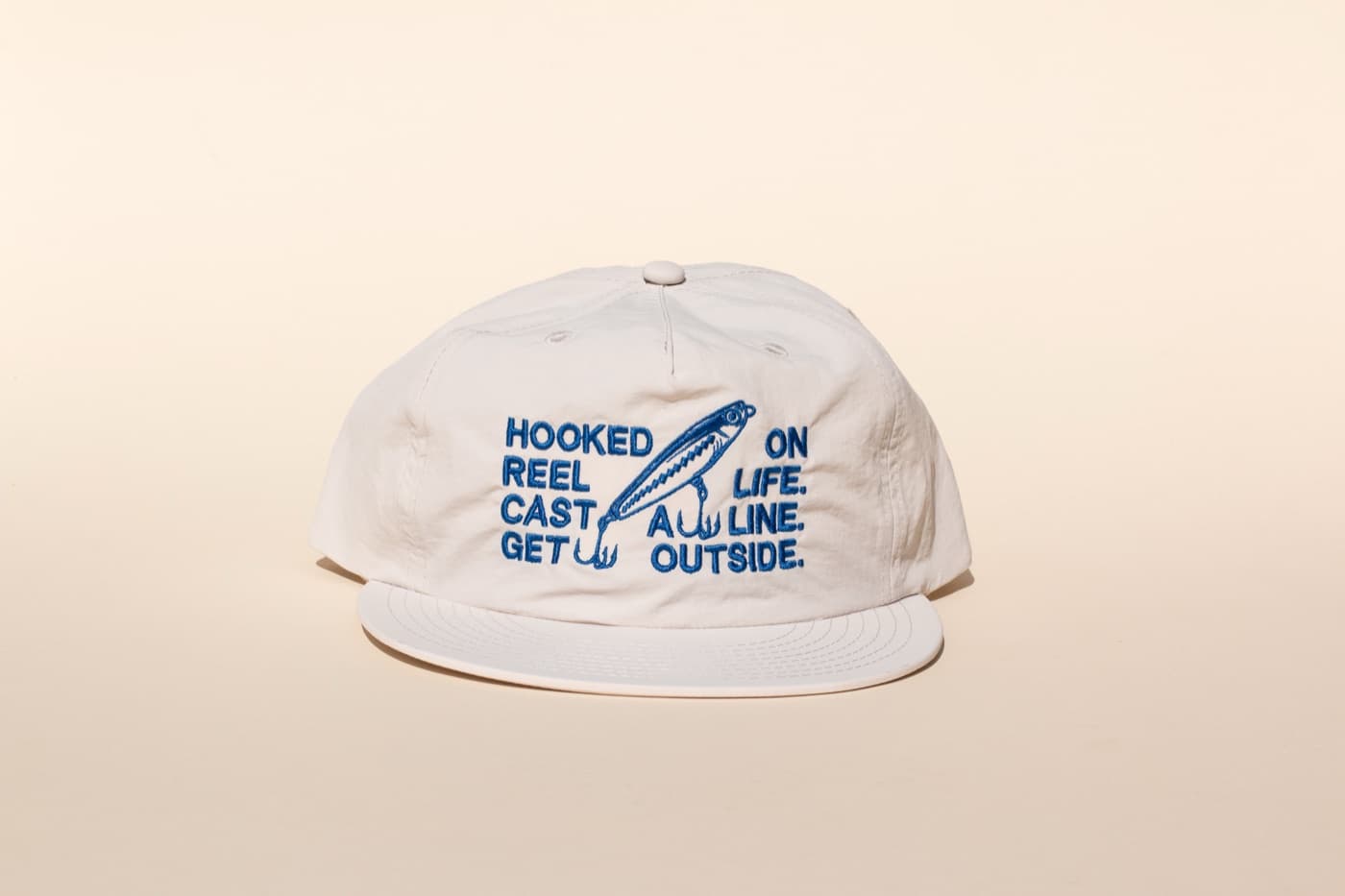
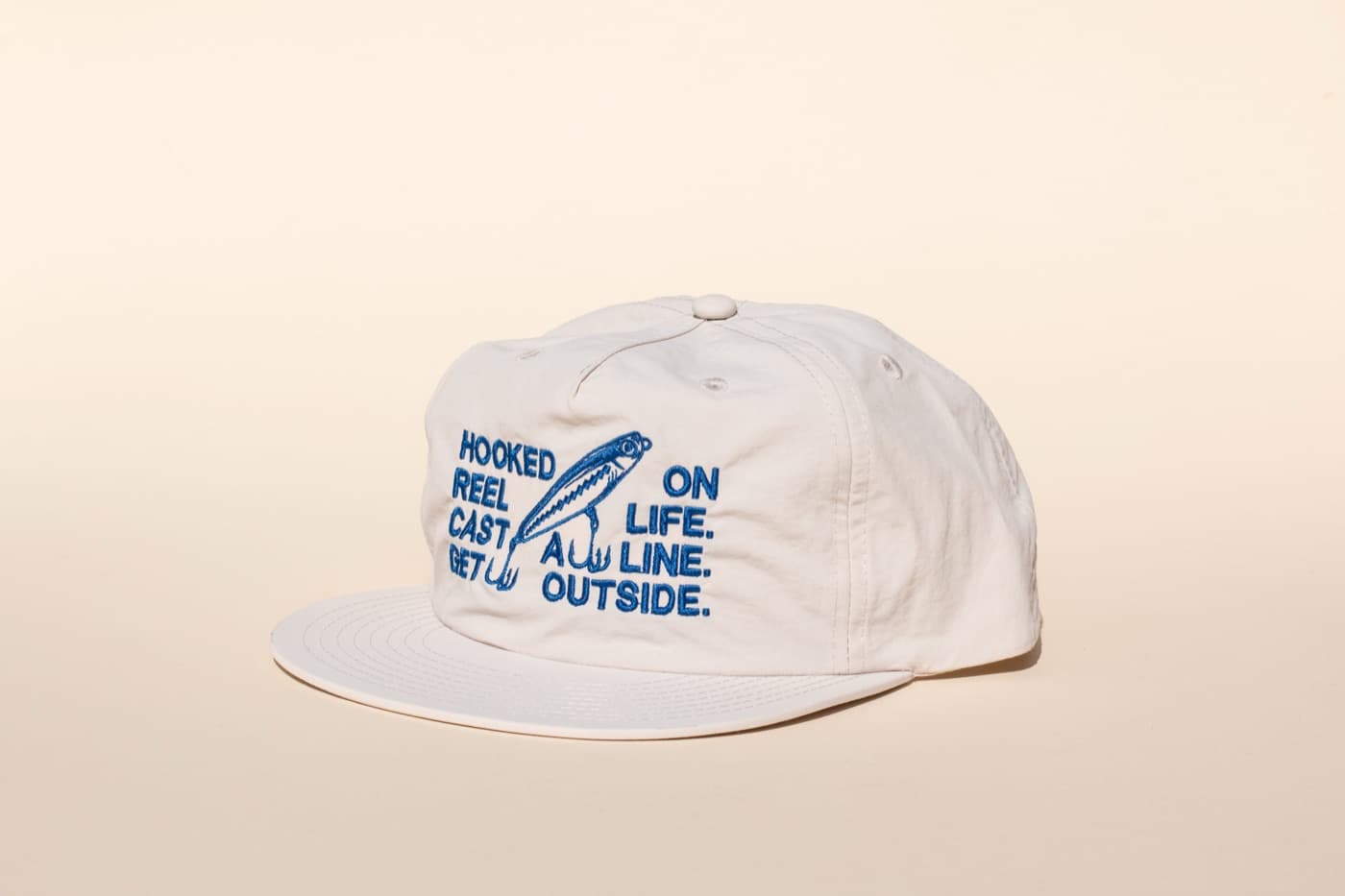
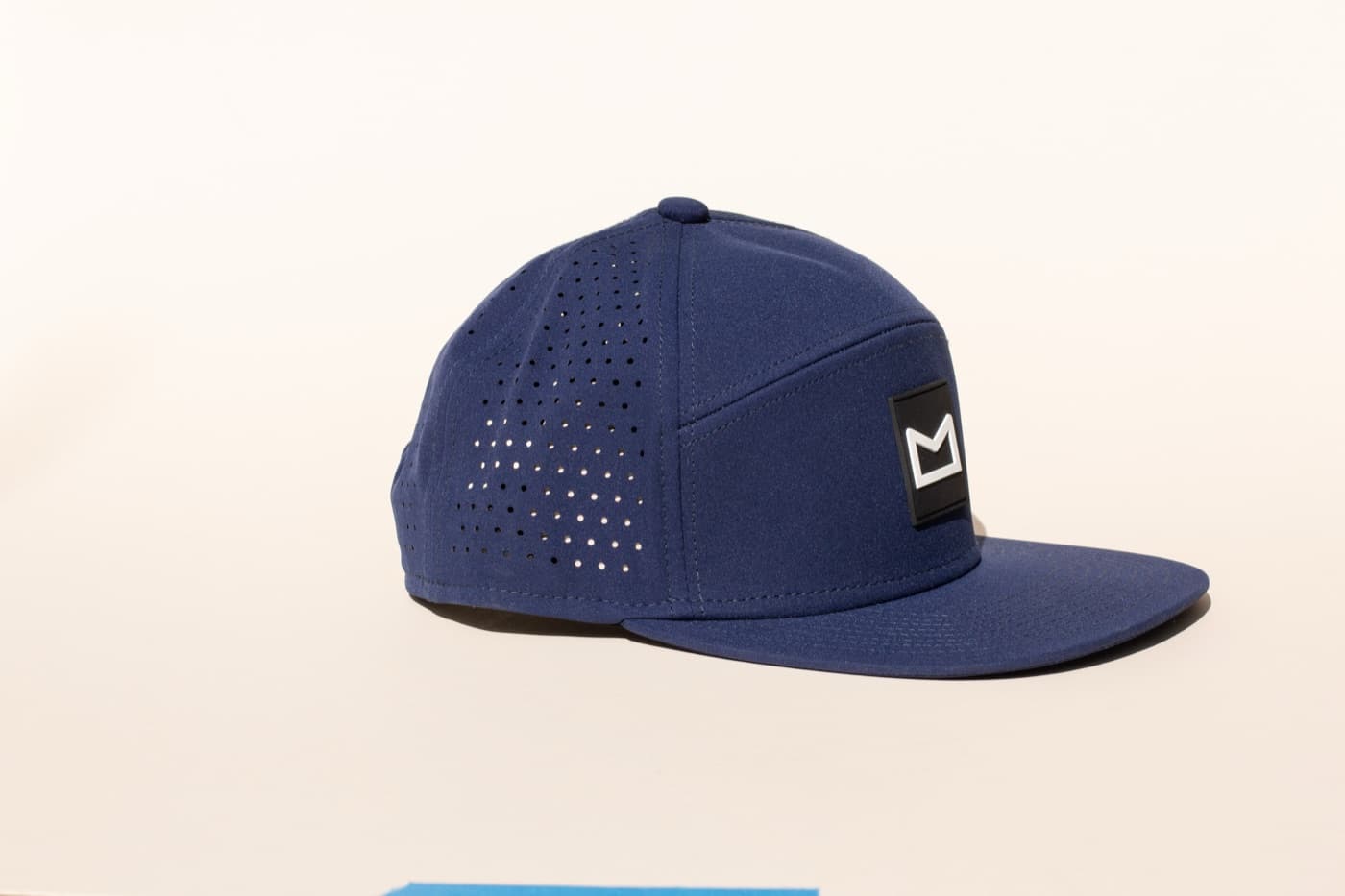
The merch bar rises with the seniority of the audience. A sales kickoff for 500 reps can use a solid mid-tier tee and hat program. A C-suite retreat or investor summit needs something that communicates care and attention to detail. A premium insulated tumbler, a leather-patch hat, a heavyweight crewneck, a quality canvas bag — these read differently than conference swag. They say the company thought about this.
Pre-event vs on-site distribution
Pre-event shipping — getting merch into attendees' hands before they arrive — is more complex but often more effective. A well-packaged welcome kit that arrives at someone's home three days before the event creates anticipation. It also guarantees the merch makes the trip, which is not guaranteed with on-site distribution for attendees who are flying in.
On-site distribution is simpler but requires planning around logistics: table space, size options for apparel, staff to manage distribution, and timing relative to the event flow. Giving out hoodies at the beginning of a summer outdoor event and at the end of a cold evening awards dinner are very different logistics problems.
Reducing the waste problem
Order closer to actual attendance rather than planning for maximum. The merch left over from a corporate event is a literal cost with no return. Gather size data before ordering apparel. Use adjustable or one-size products like hats, bags, and drinkware when exact attendance is uncertain. The less waste the program generates, the more sustainable and cost-effective the budget becomes.