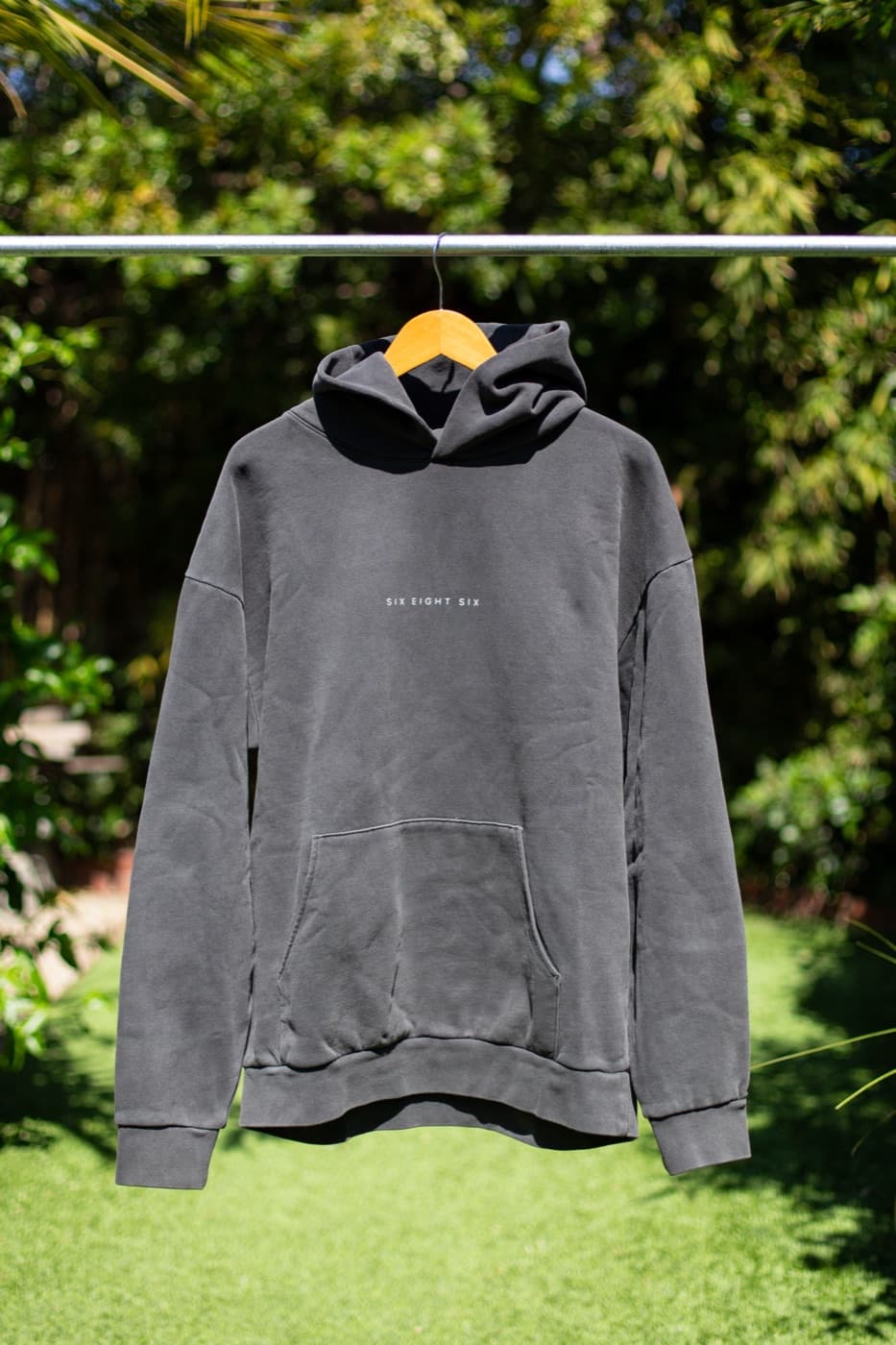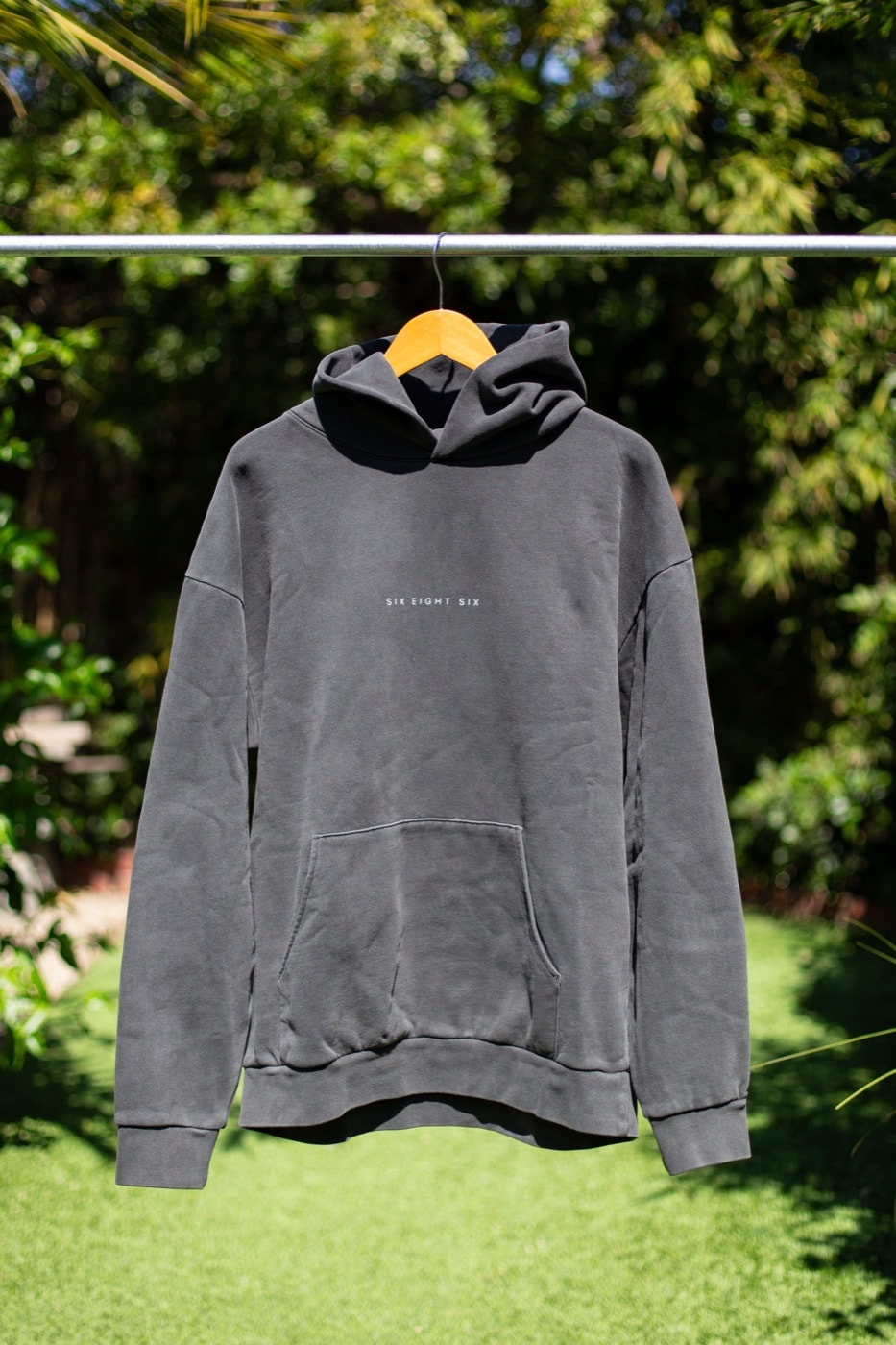
A hoodie is one of the highest-perceived-value pieces in branded apparel. Done well, it becomes the item people actually reach for on cold mornings, on weekends, on travel days. Done poorly, it becomes a storage problem. The difference is the blank and the execution.
The blank matters most
Most branded hoodies underdeliver because the blank is too light. A 7–8 oz fleece hoodie in a standard pullover or zip-up style is the workhorse of the category. It feels substantial, holds its shape after washing, and has enough body to make decoration look intentional. Anything much lighter than that starts to feel like a promotional item rather than a real garment.
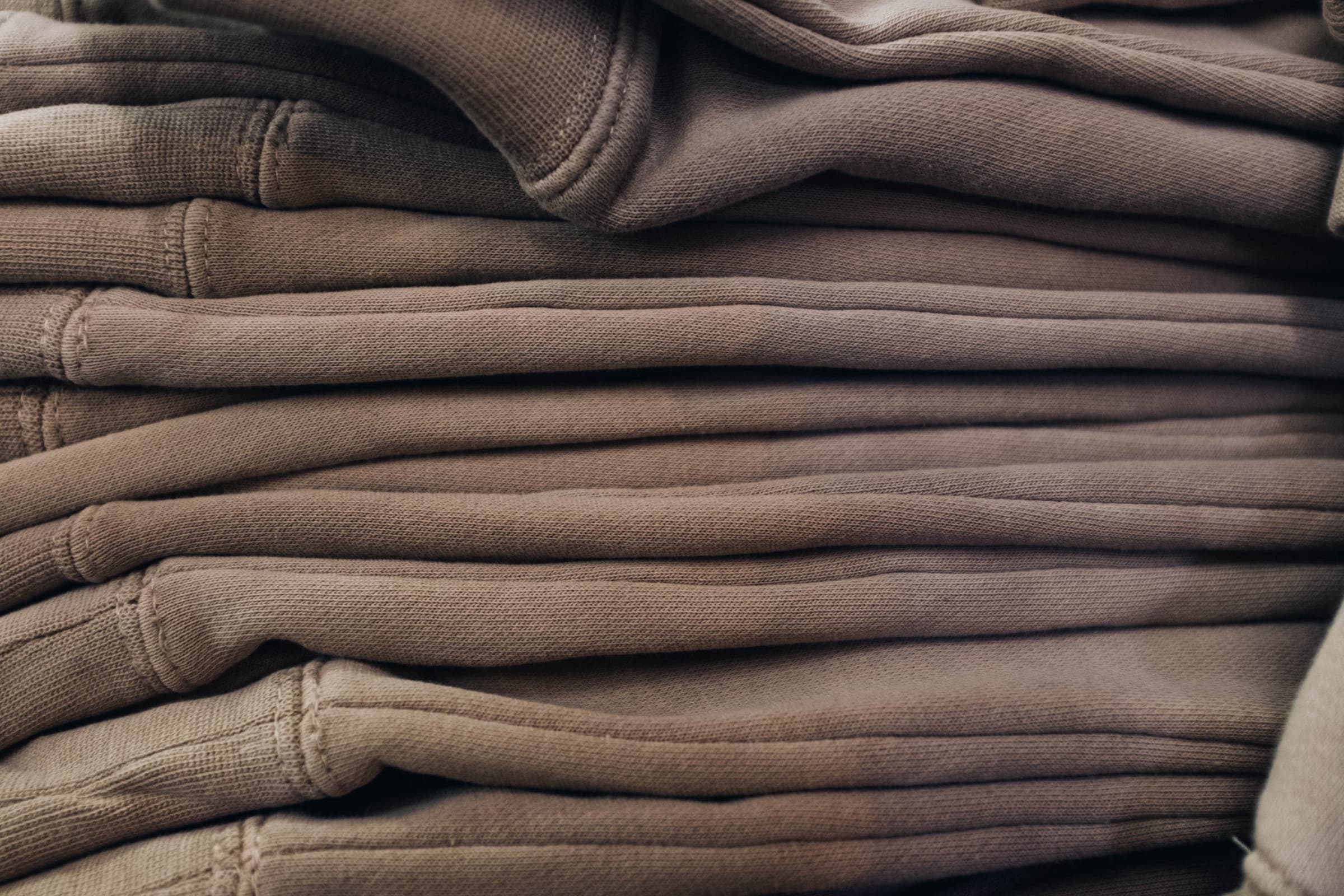
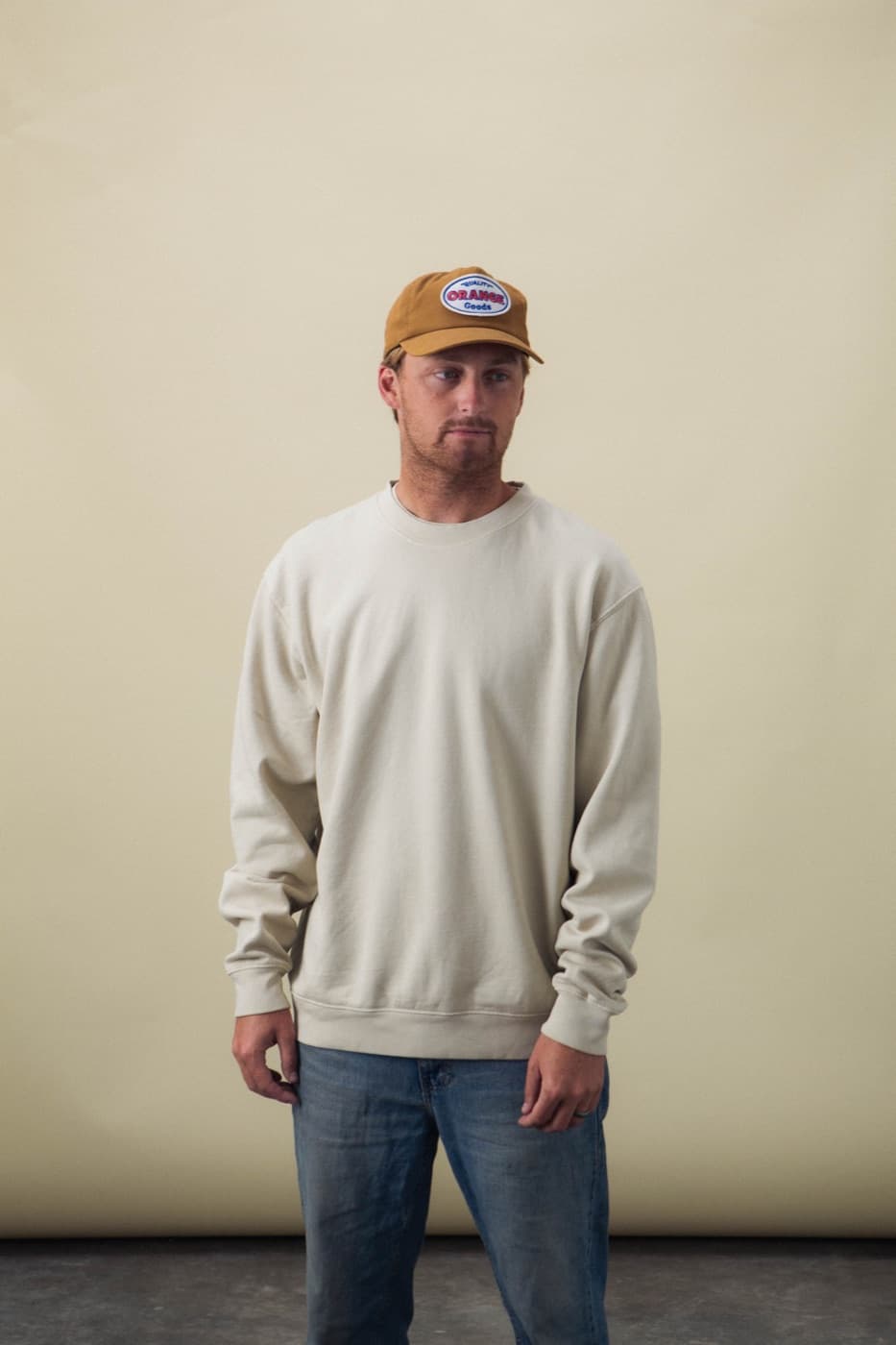
Fabric composition also affects feel. 100% cotton is classic but tends to shrink. An 80/20 or 75/25 cotton-polyester blend adds recovery and reduces shrinkage without losing warmth. French terry, fleece, and brushed-back blends all feel different in hand and communicate different things about the brand. A premium French terry crewneck reads very differently than a standard midweight pullover, even with the same decoration.
Fit and sizing
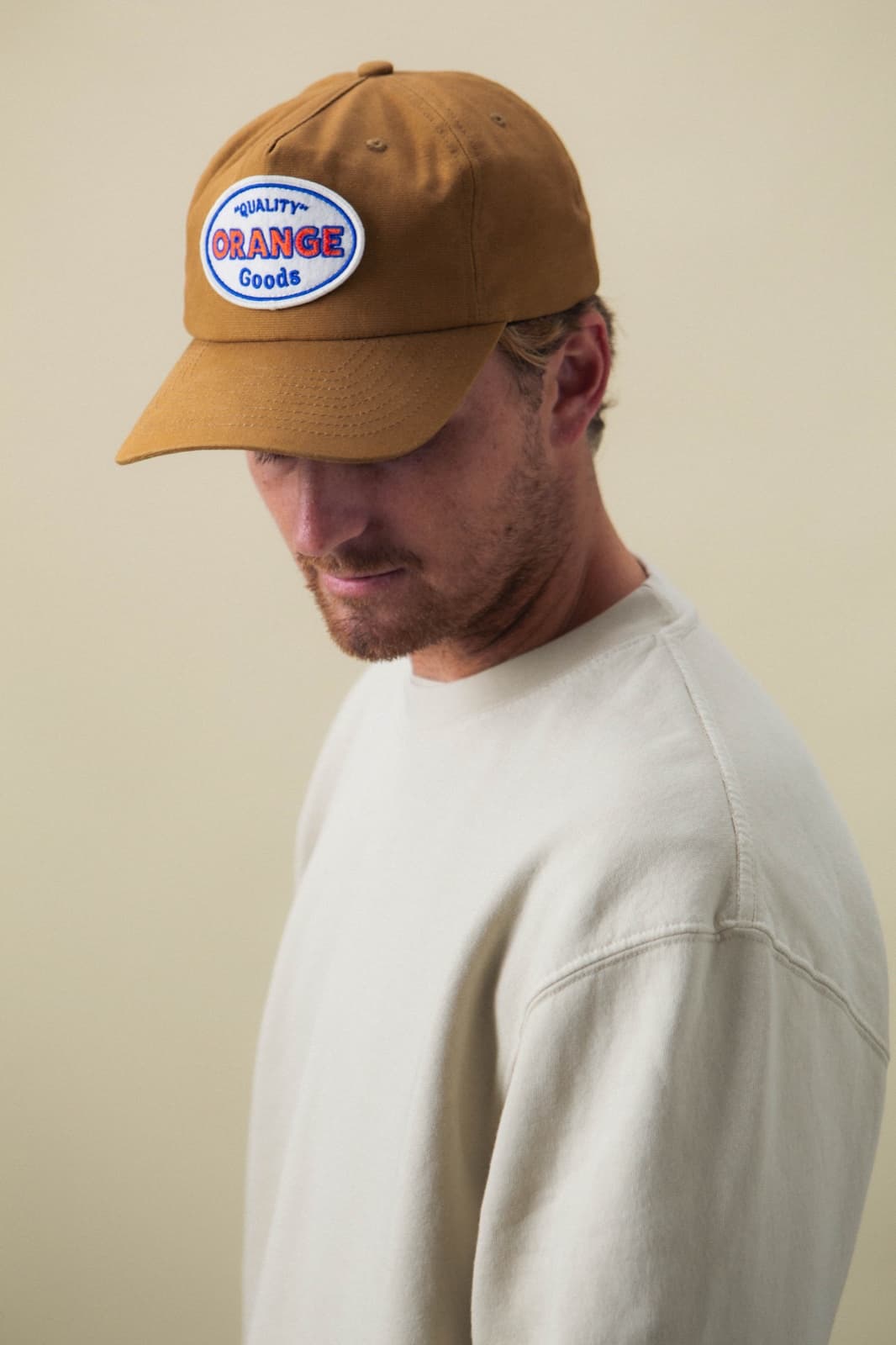
Oversized fits have been dominant for several years and show no signs of reversing. For brands targeting younger audiences or fashion-forward customers, an oversized or boxy fit adds desirability. For corporate or workwear applications, a more traditional fit is usually more appropriate. Whatever fit you choose, order a sample and size it before committing to a full run.
Sizing distribution is a common mistake. Many brands order too many mediums and not enough larges. If you are ordering for a general audience without size-specific data, a typical distribution might be: XS 5%, S 15%, M 25%, L 30%, XL 15%, XXL 10%. Adjust based on what you know about your audience.
Decoration placement
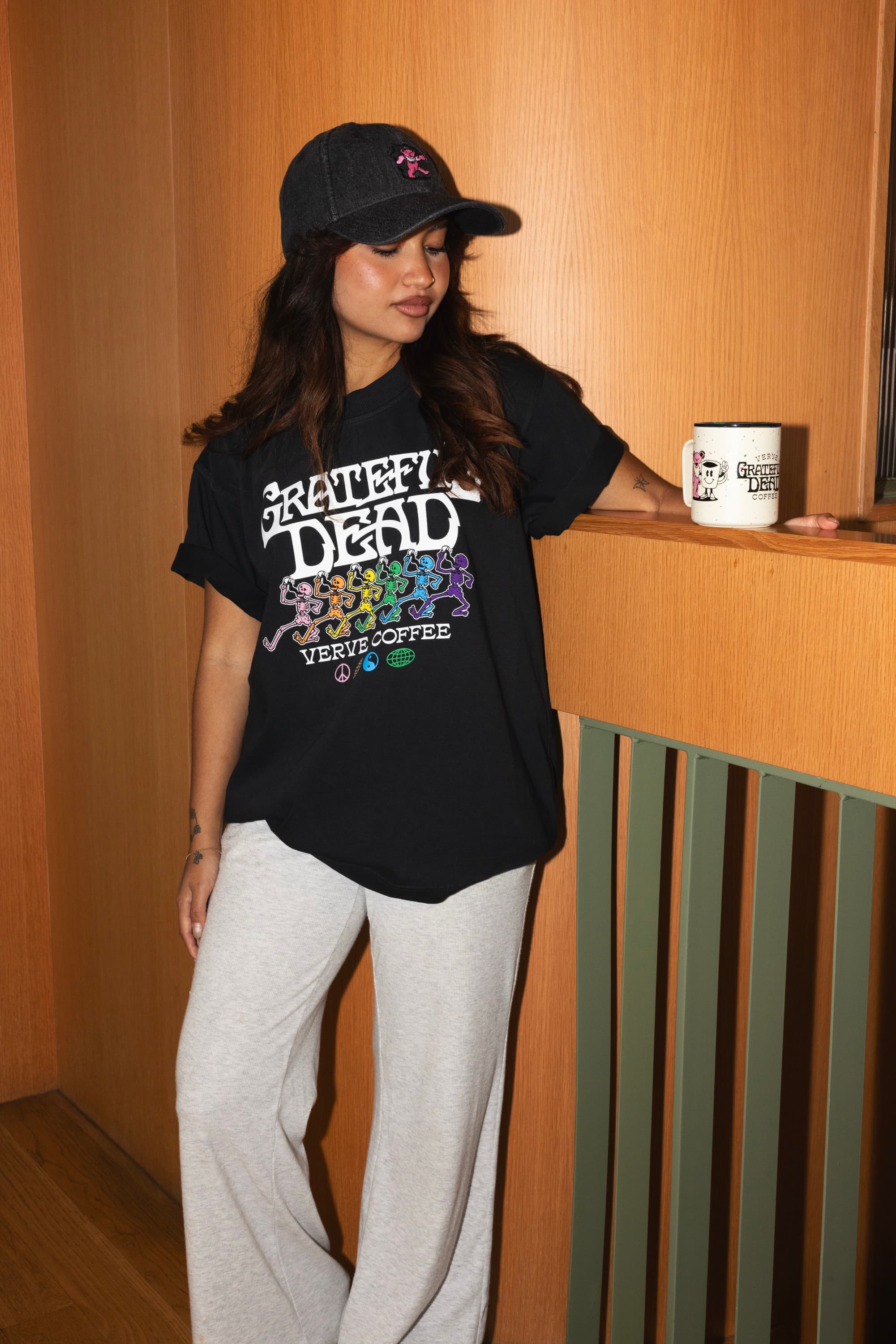
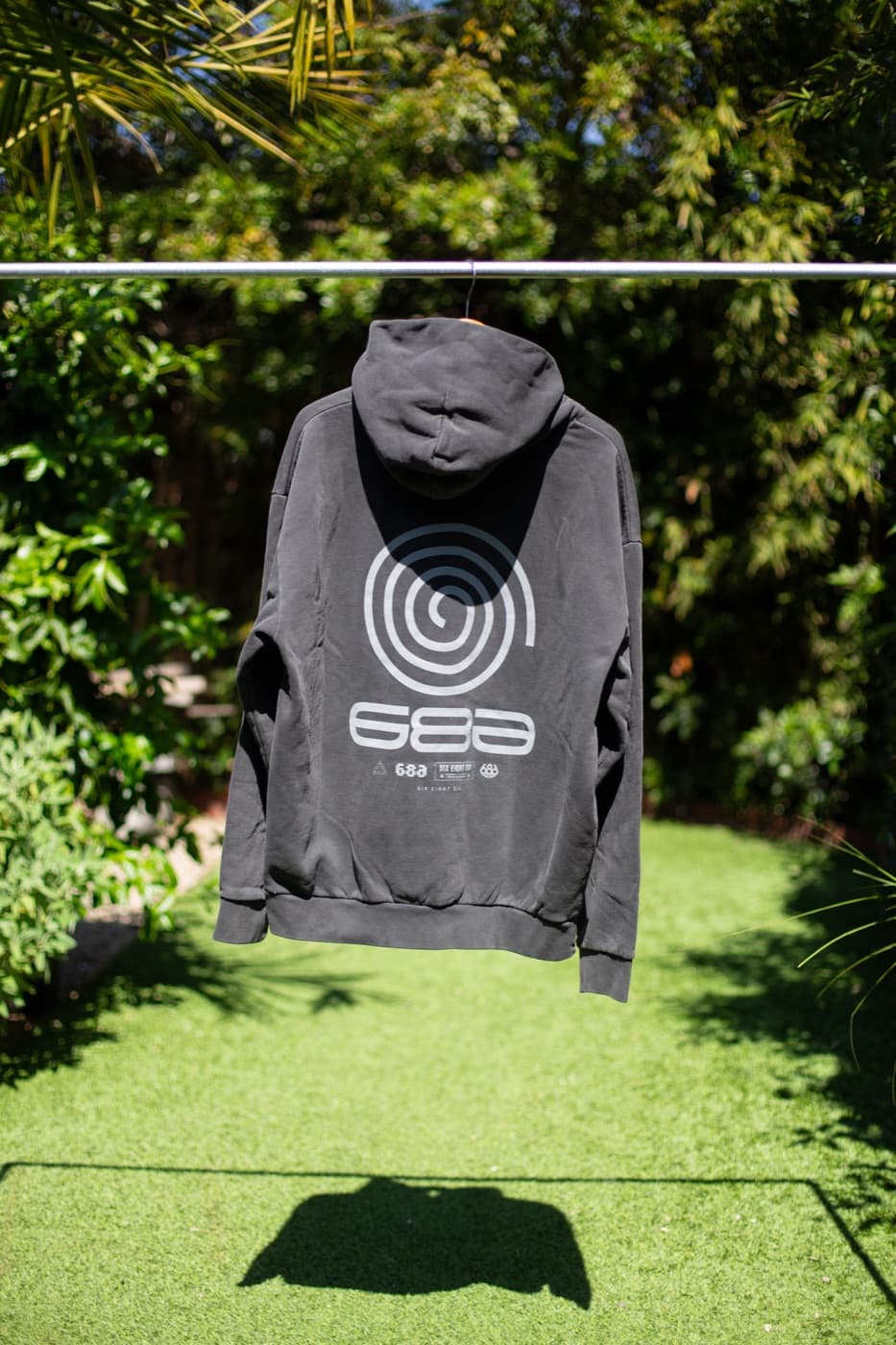
The standard placement is left chest, center chest, or full front. Left chest embroidery is clean and professional. Center chest screen print or embroidery is bold and wearable. A full front graphic is a statement. Back hits — center back, yoke, or full back — can complement a front placement or stand alone.
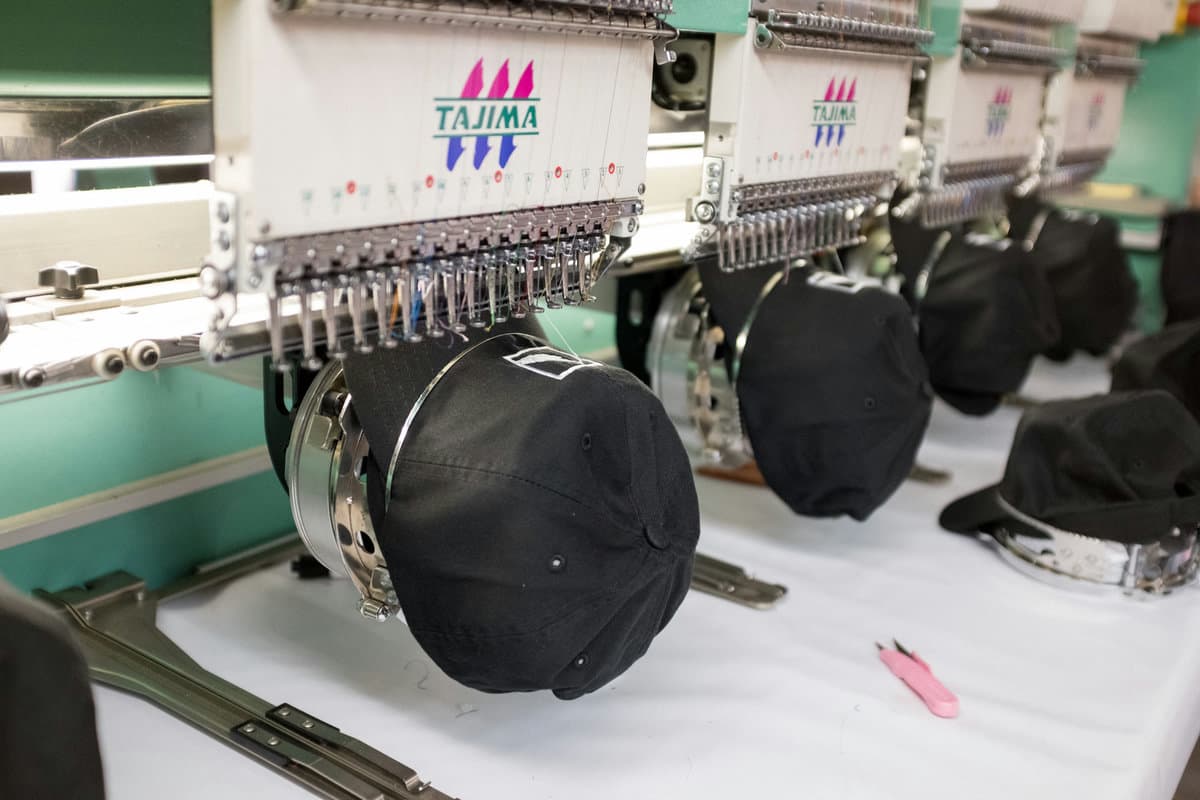
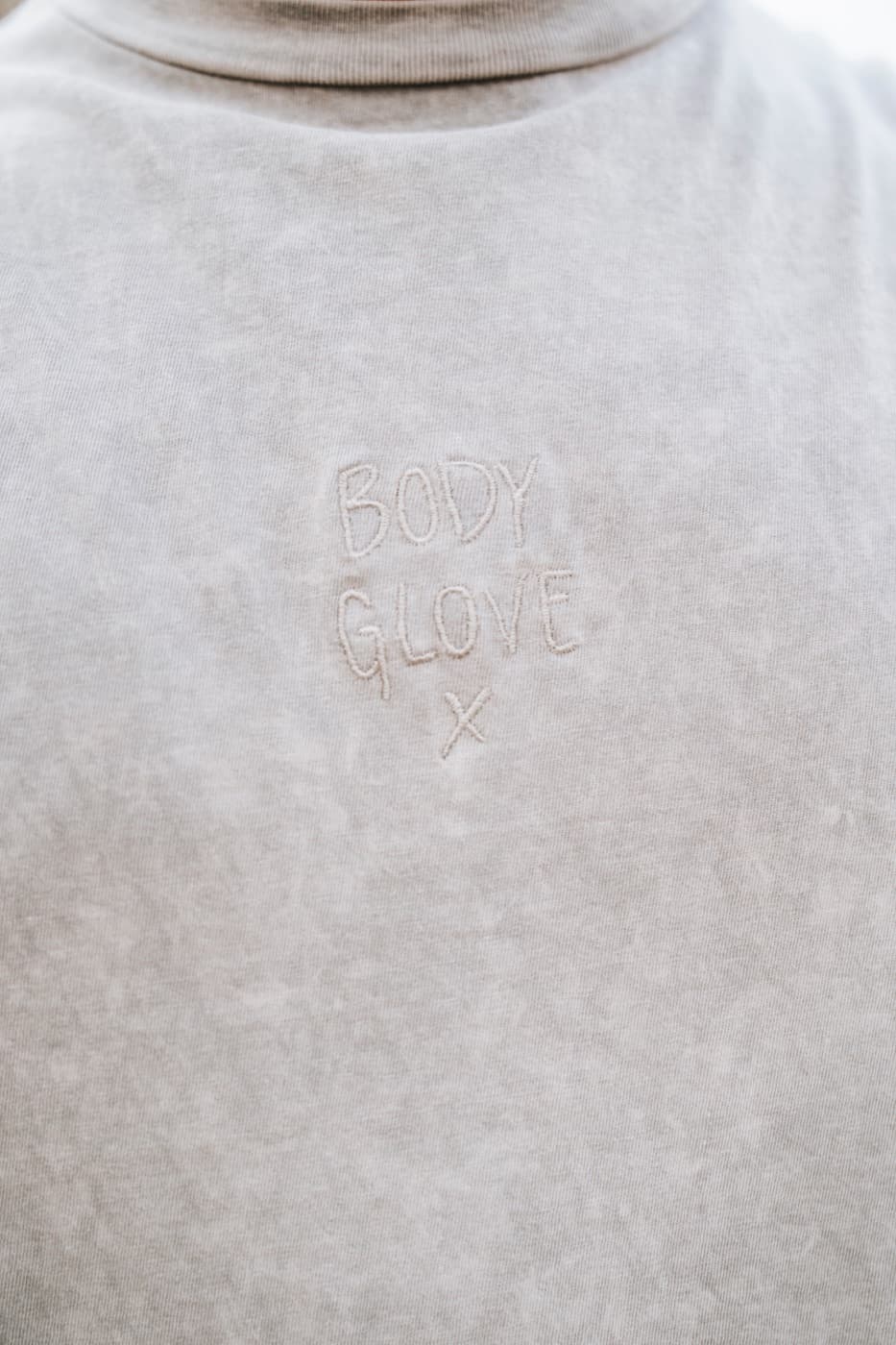
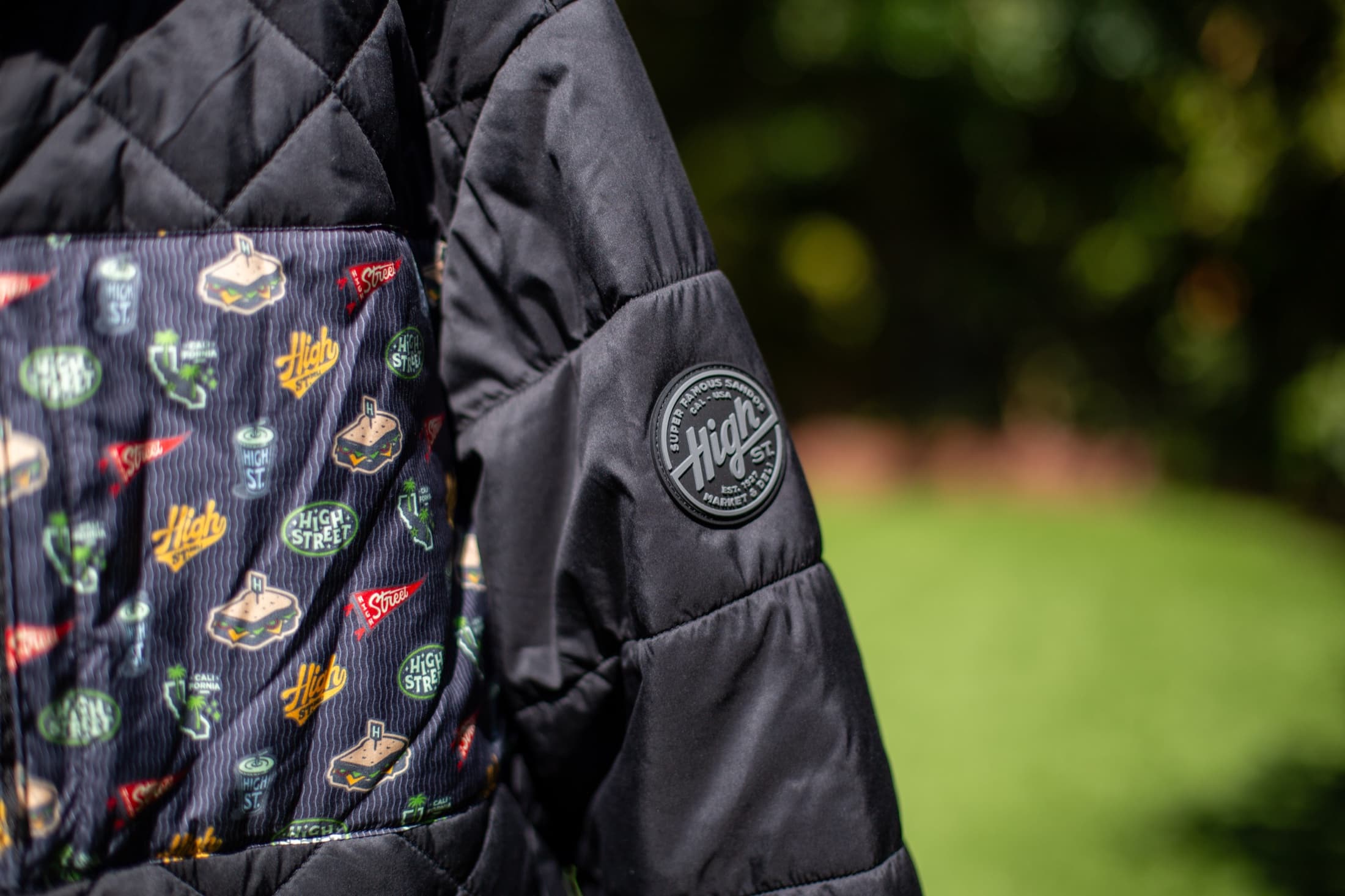
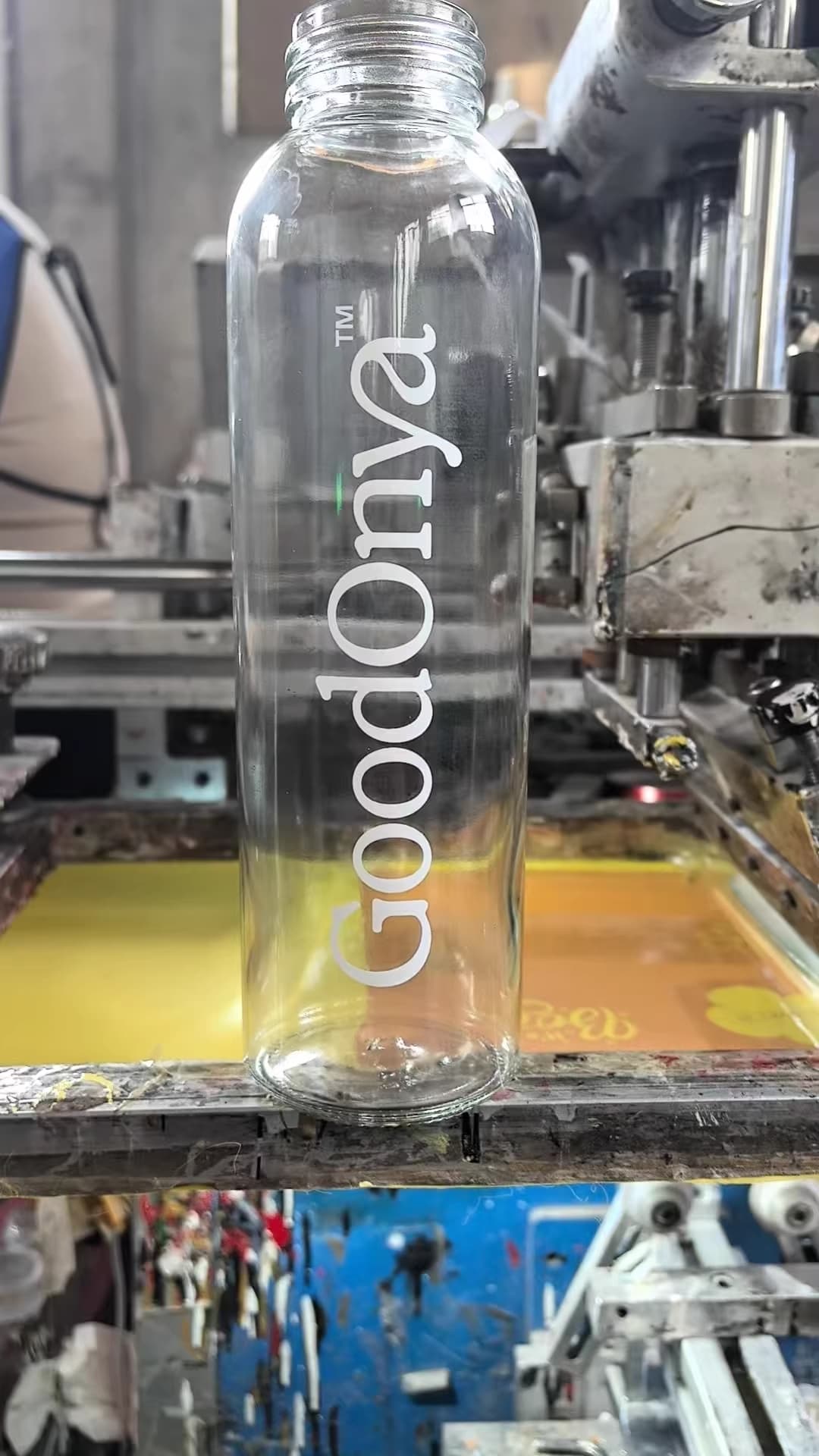
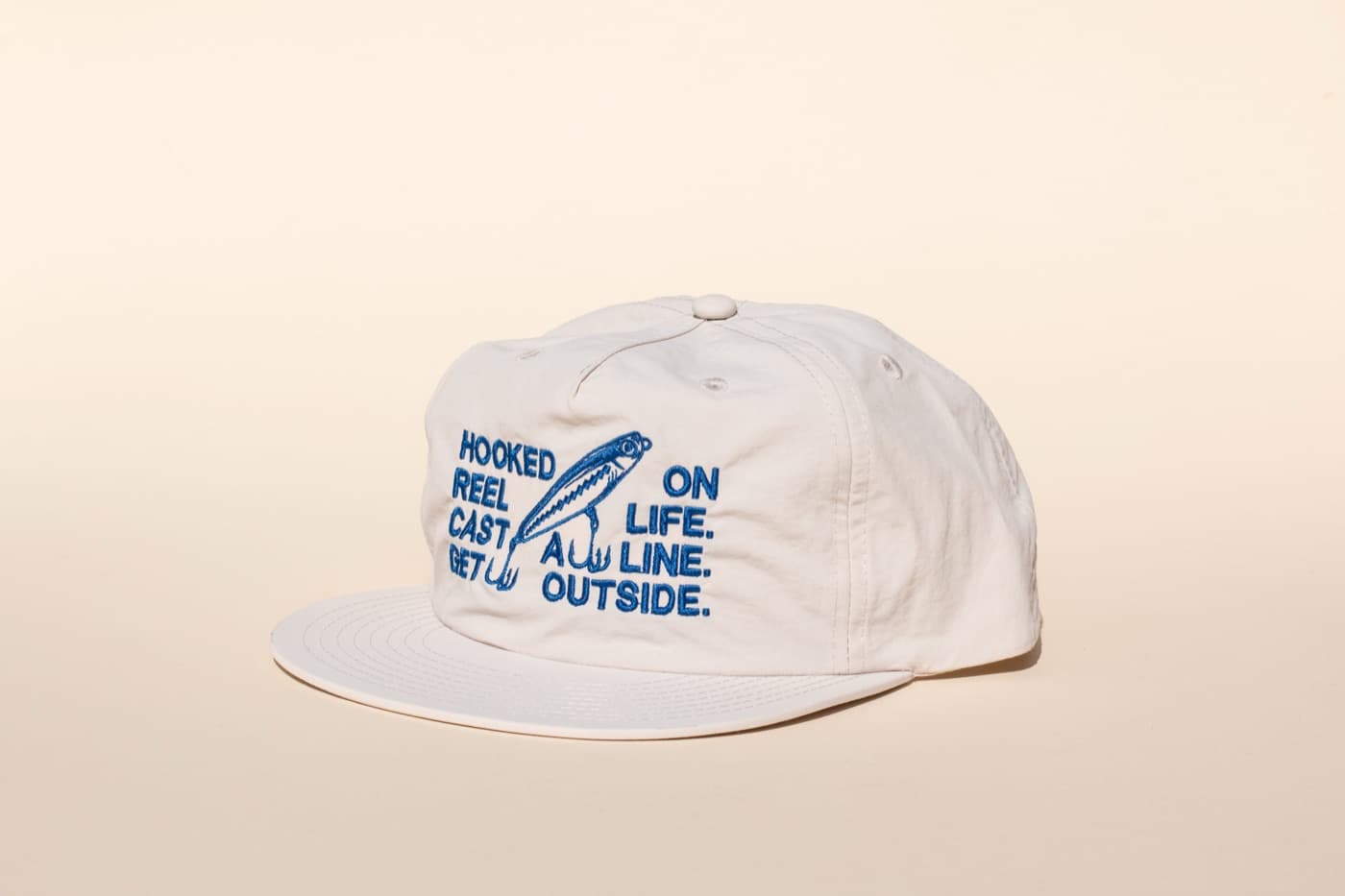
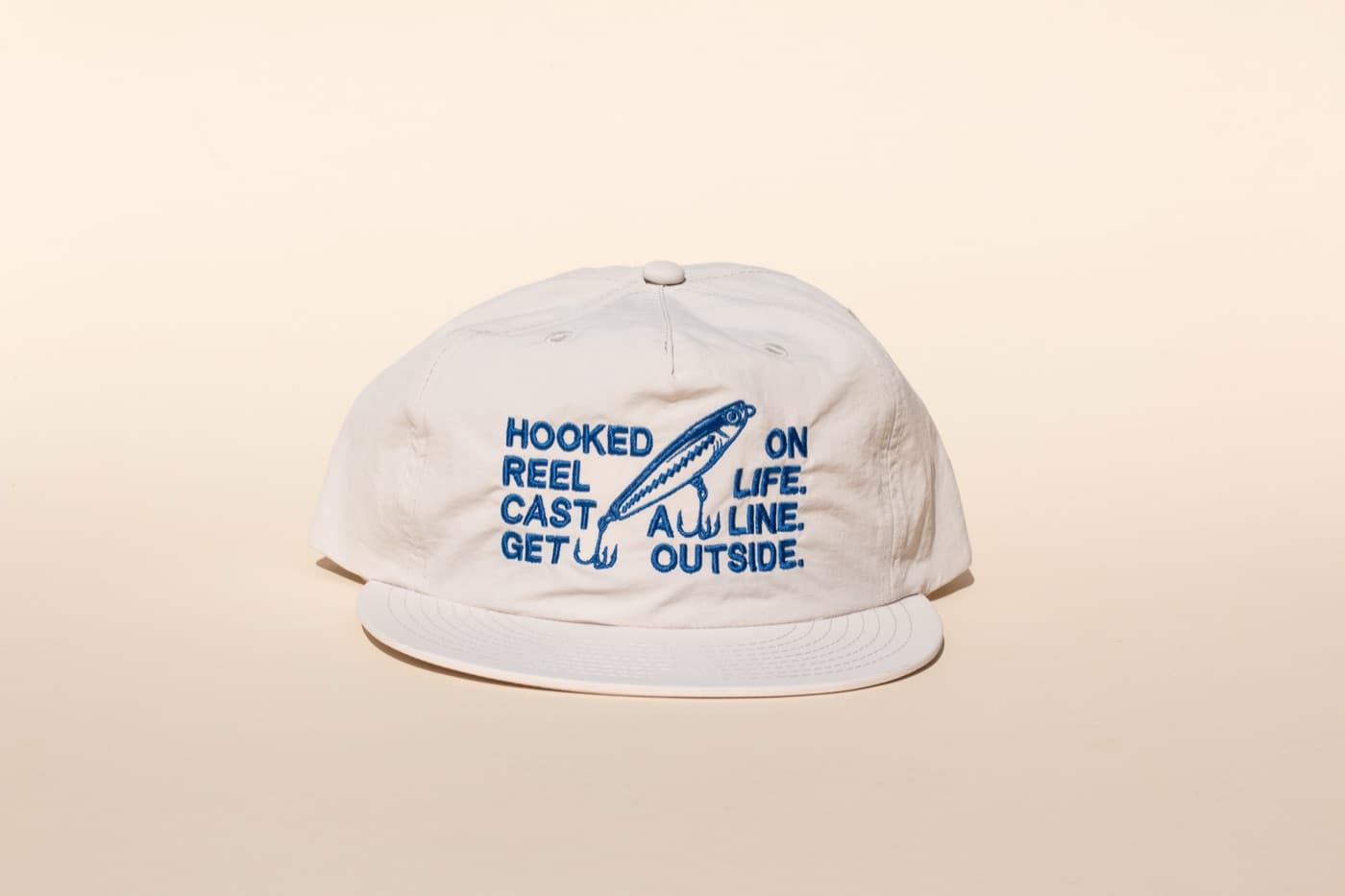
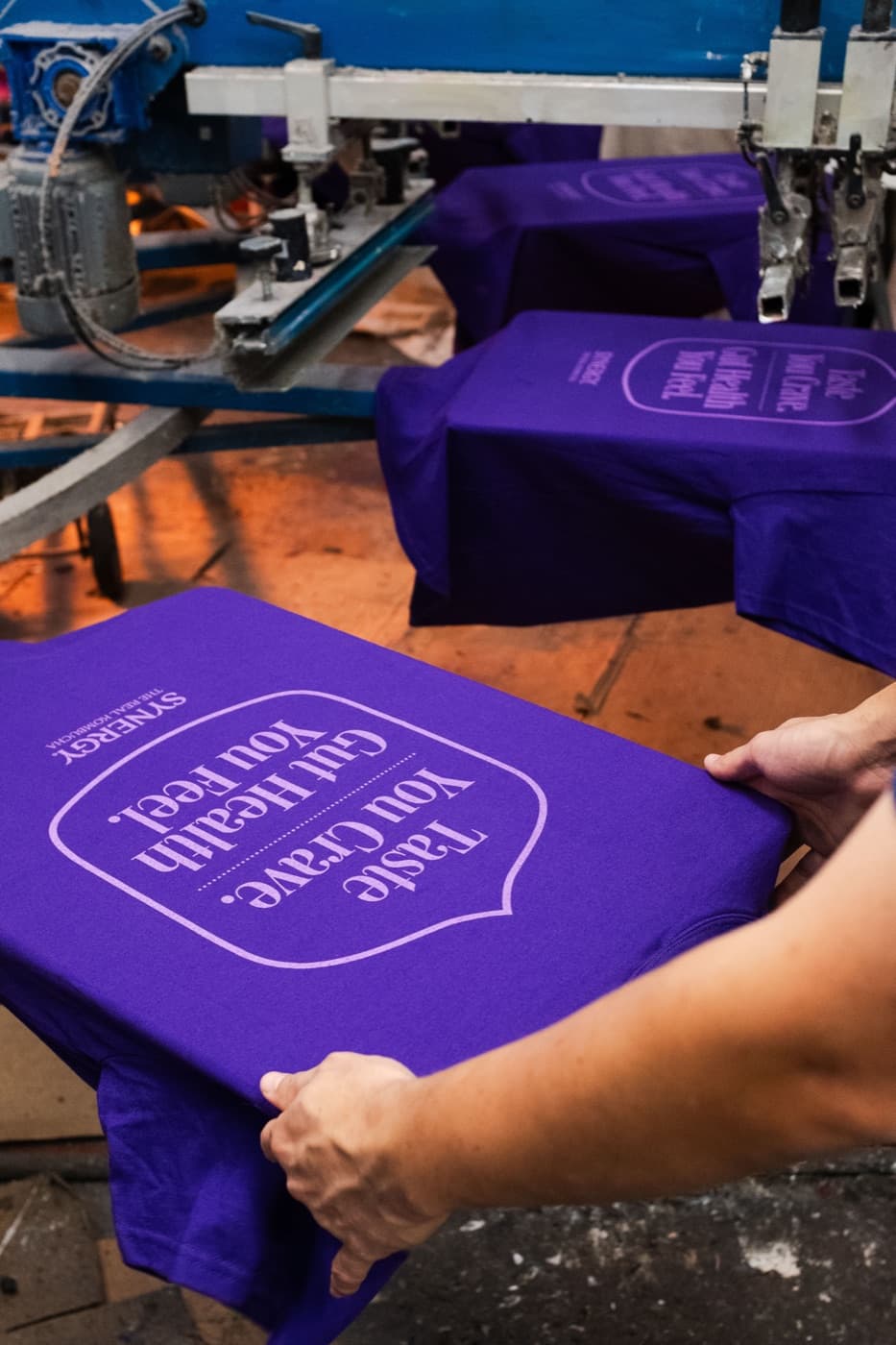
Embroidery on a hoodie has weight and texture that reads premium in person. Screen printing can cover larger areas and handle more complex artwork. For sleeves and kangaroo pocket hits, embroidery tends to hold up better through washing than screen print on curved surfaces.
When a hoodie makes sense
Hoodies are most effective as team rewards, premium gifts, retail drops, and seasonal event merchandise. They are harder to justify as mass giveaways because the cost per piece is higher. A well-made hoodie for a product launch team, a VIP customer gift, or a limited retail drop is money well spent. A stack of cheap hoodies handed out at a tradeshow is not.
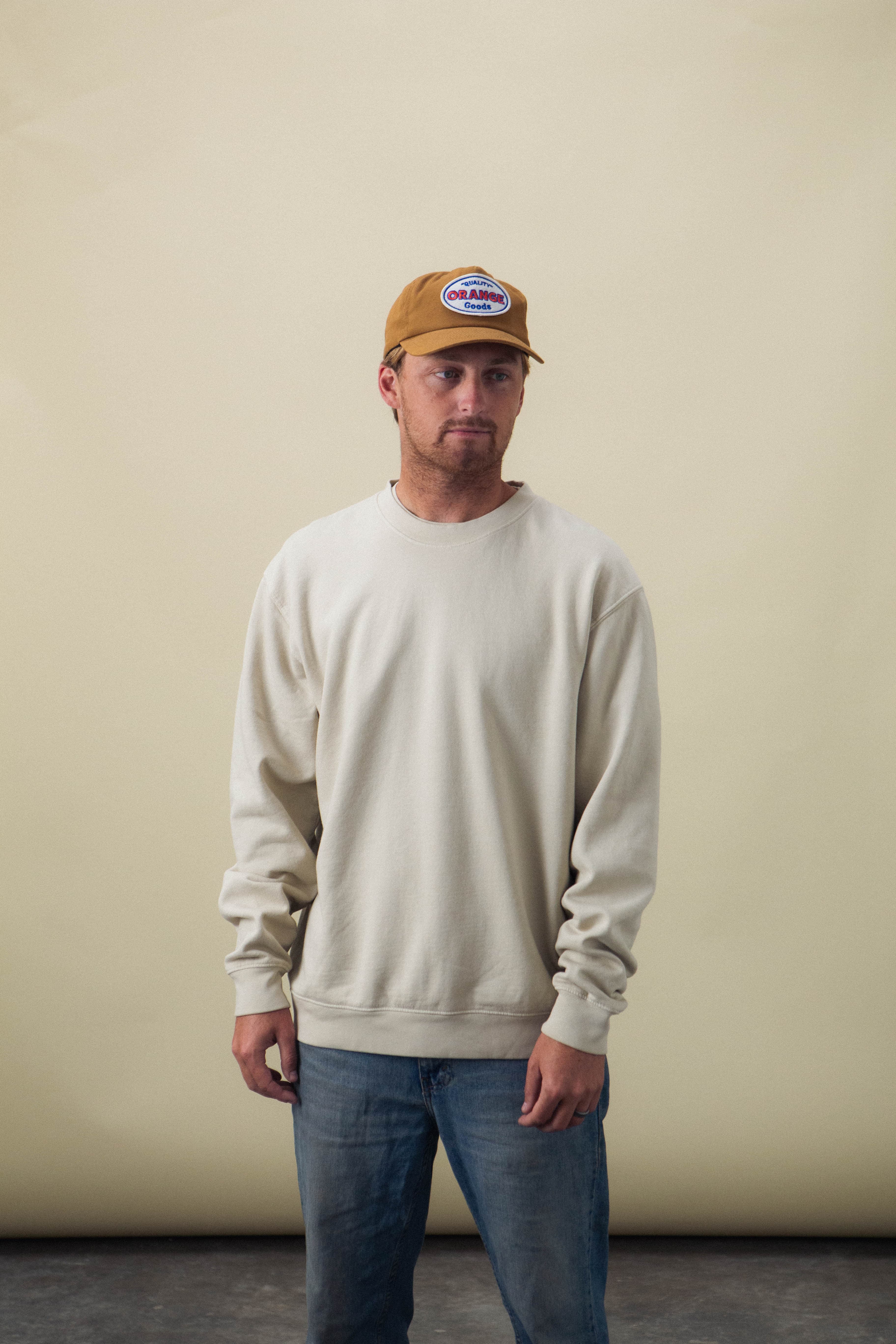
If budget is a constraint, consider a crewneck sweatshirt instead. It carries similar quality signals at a lower price point and can be easier to style. Some brands build an entire identity around a strong crewneck and add the hoodie later as the flagship piece.