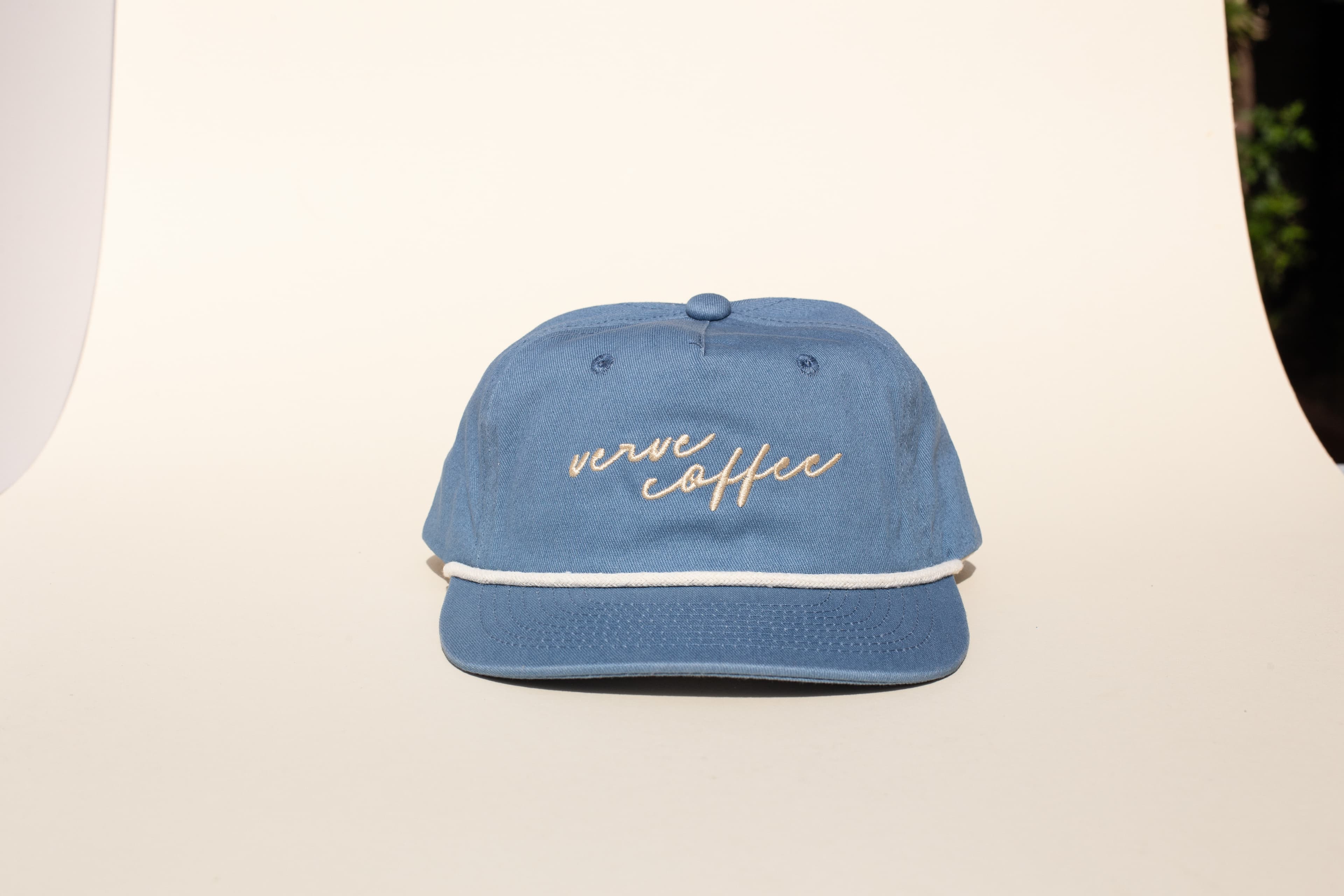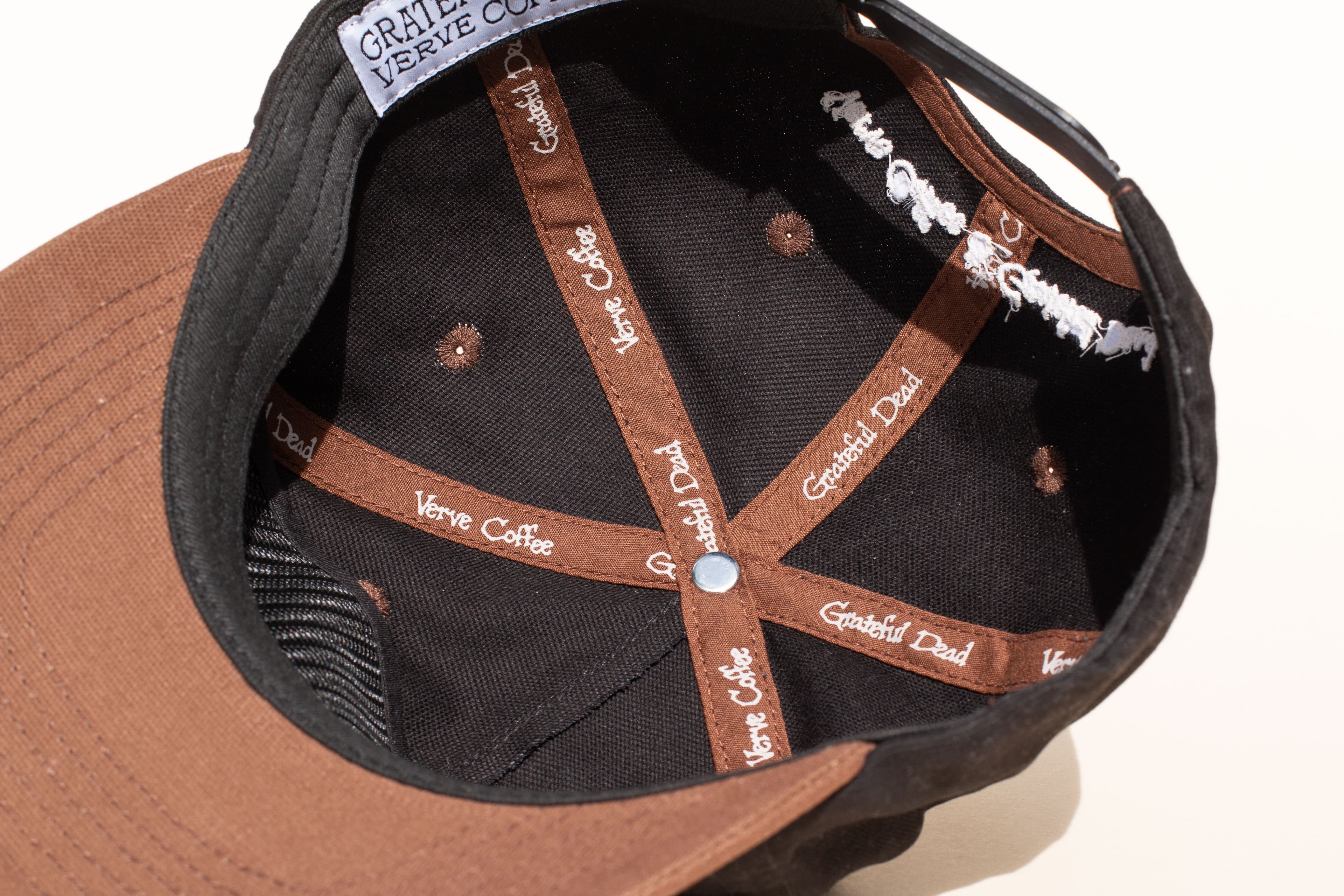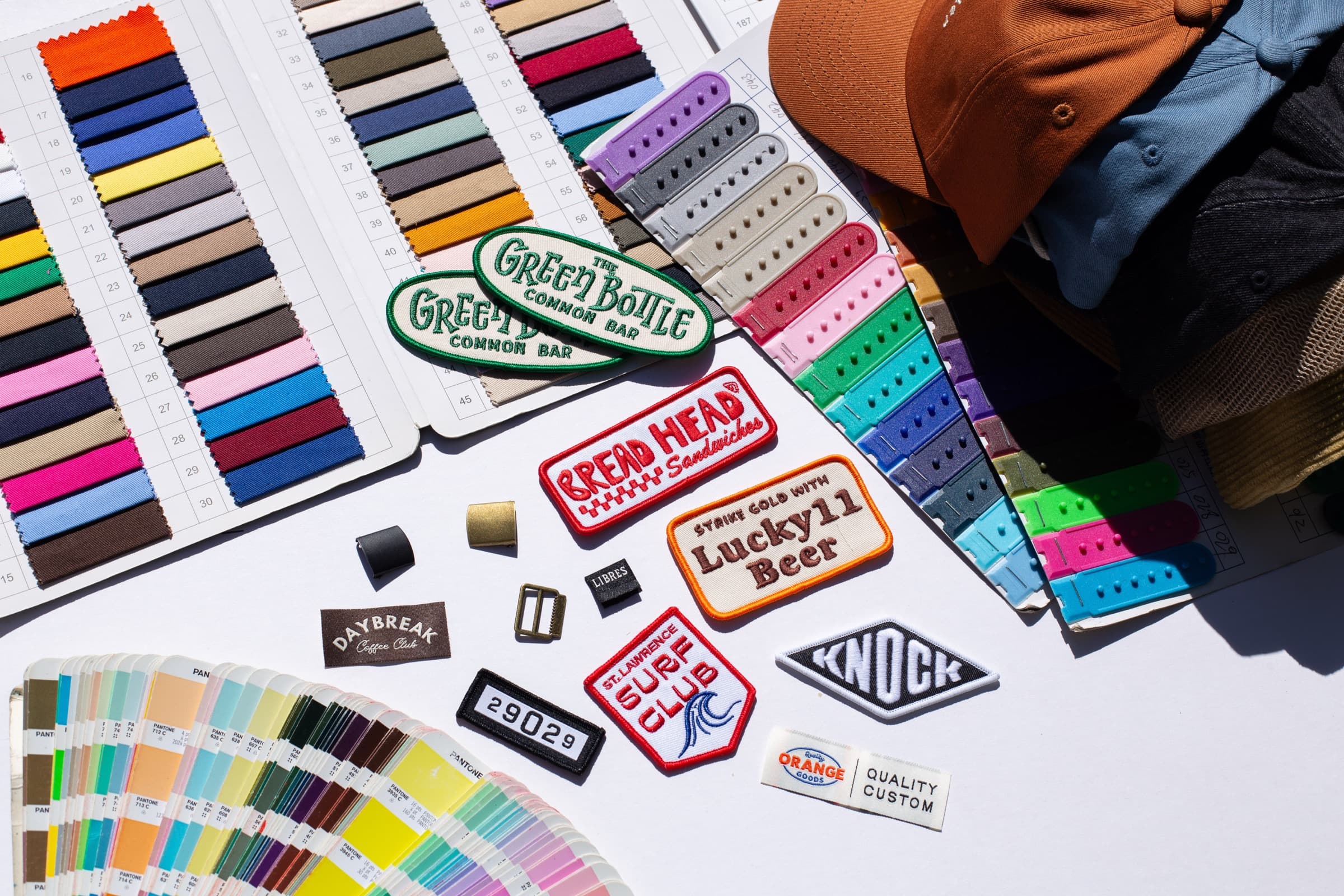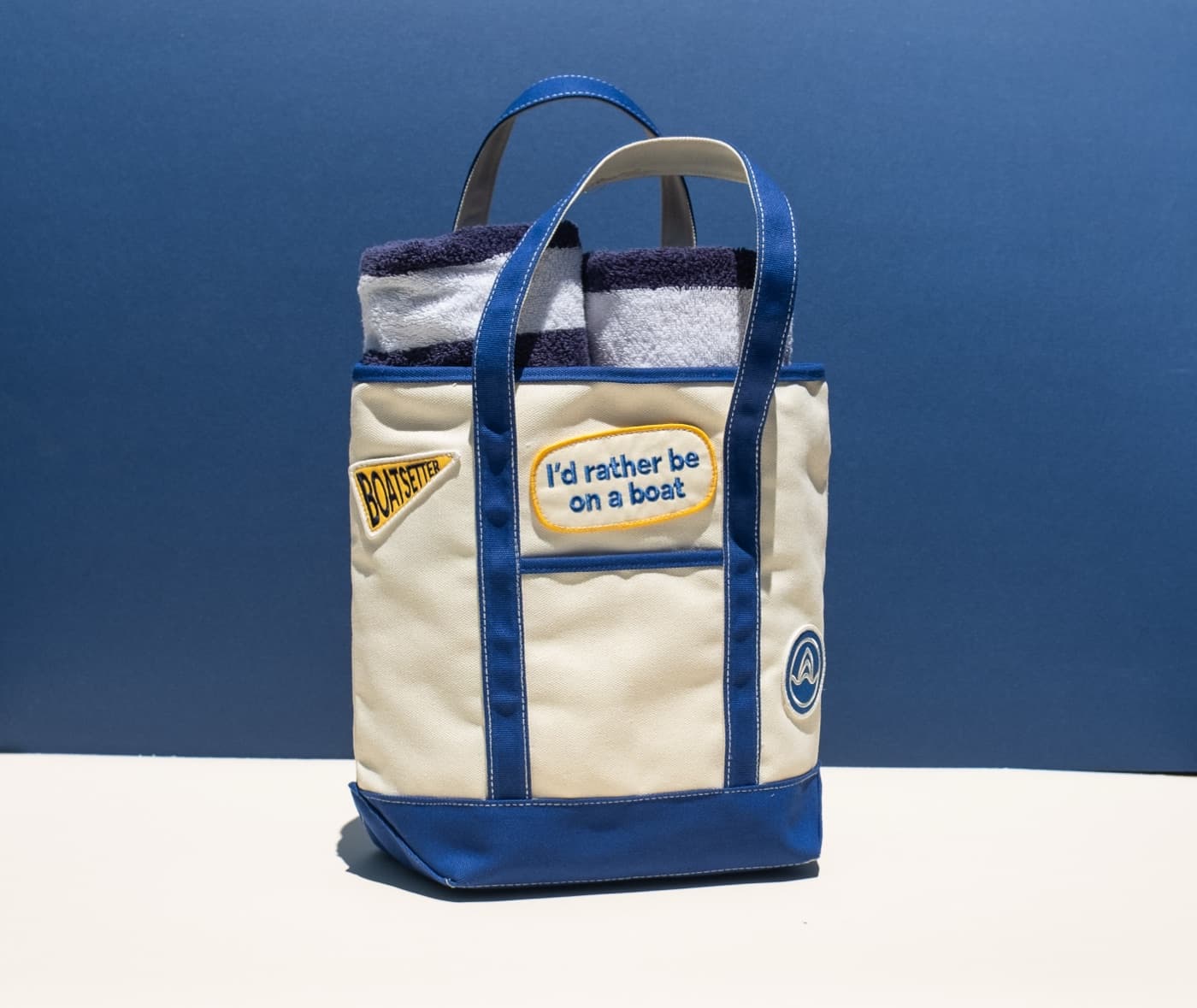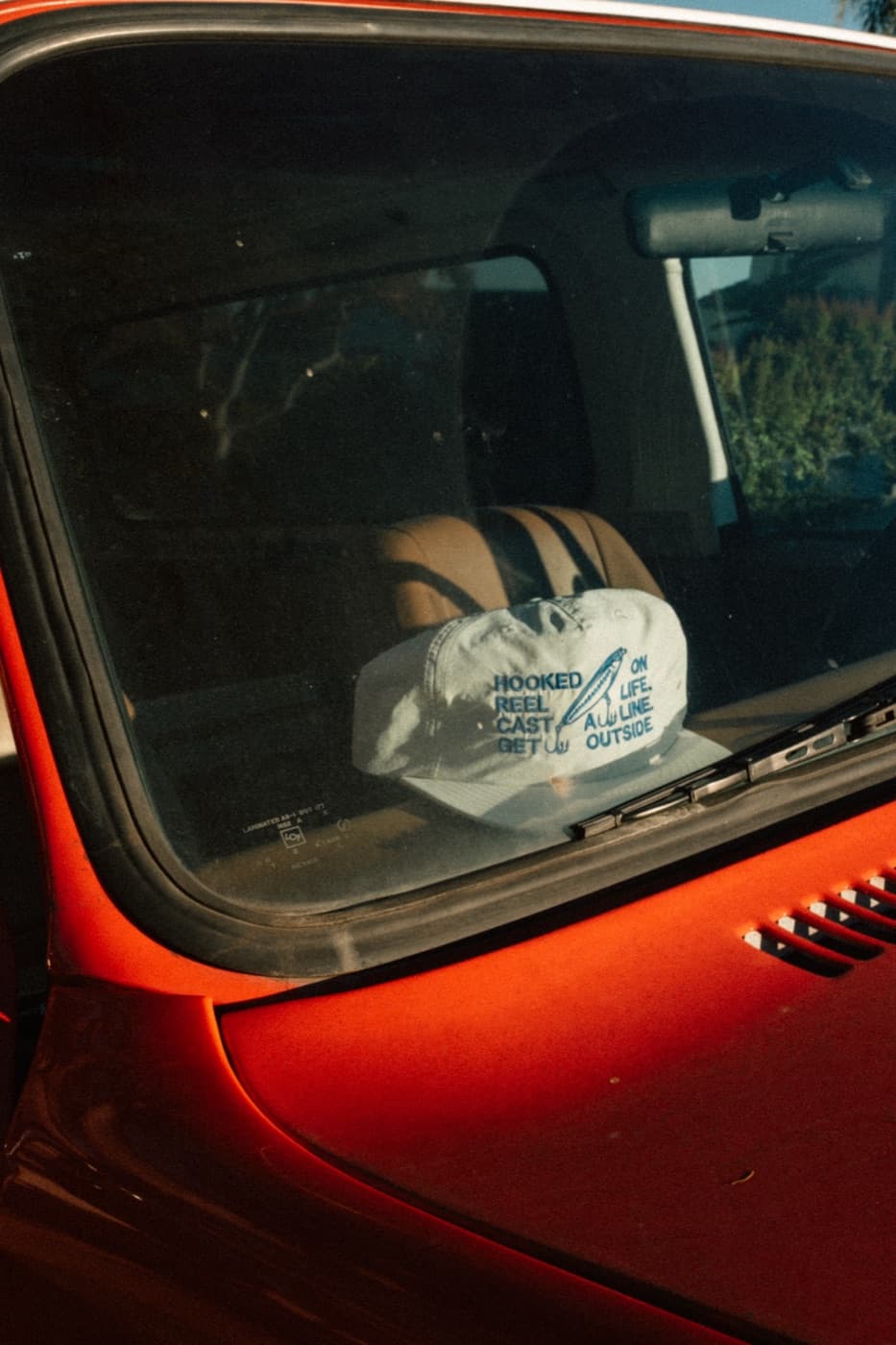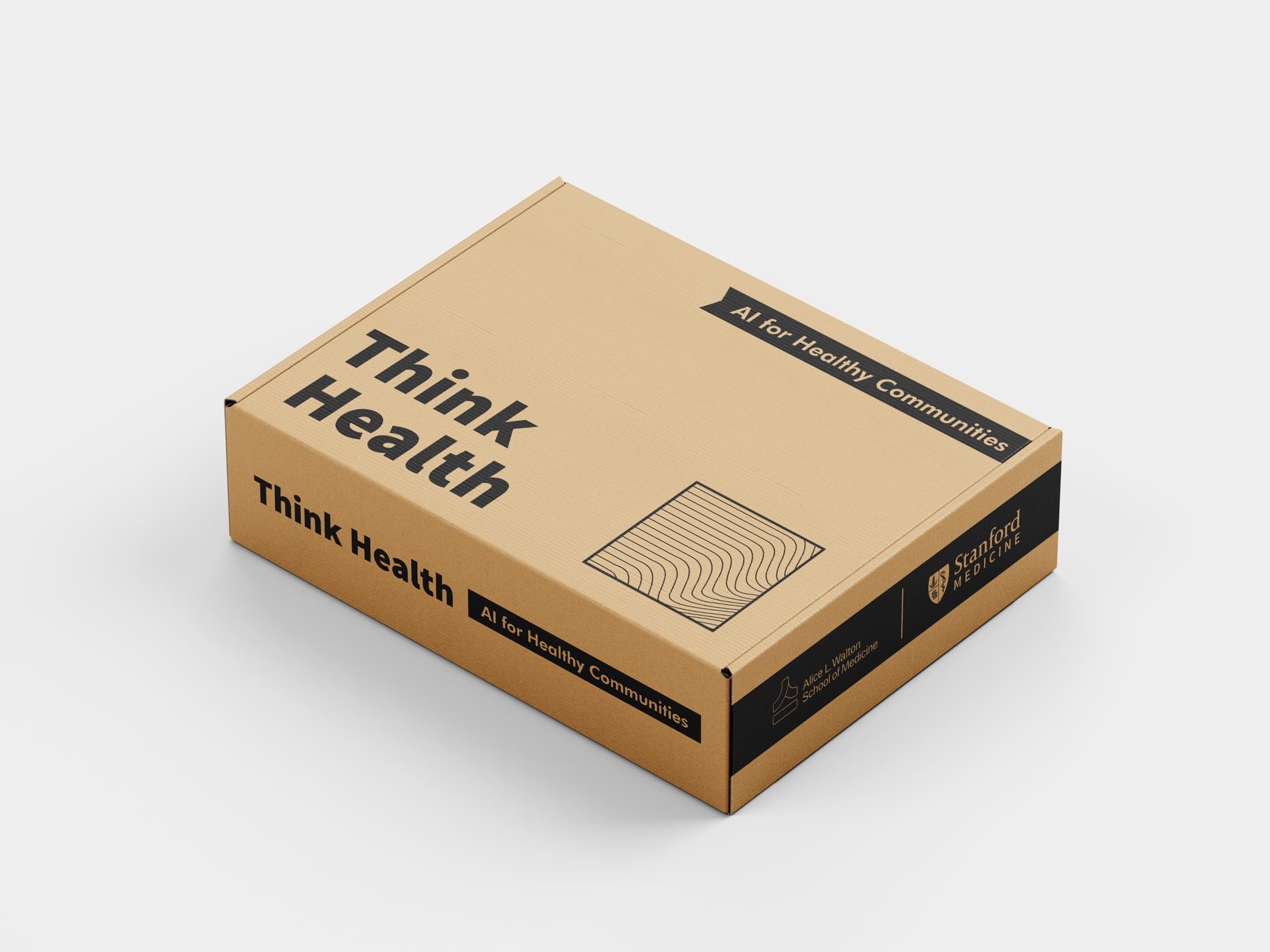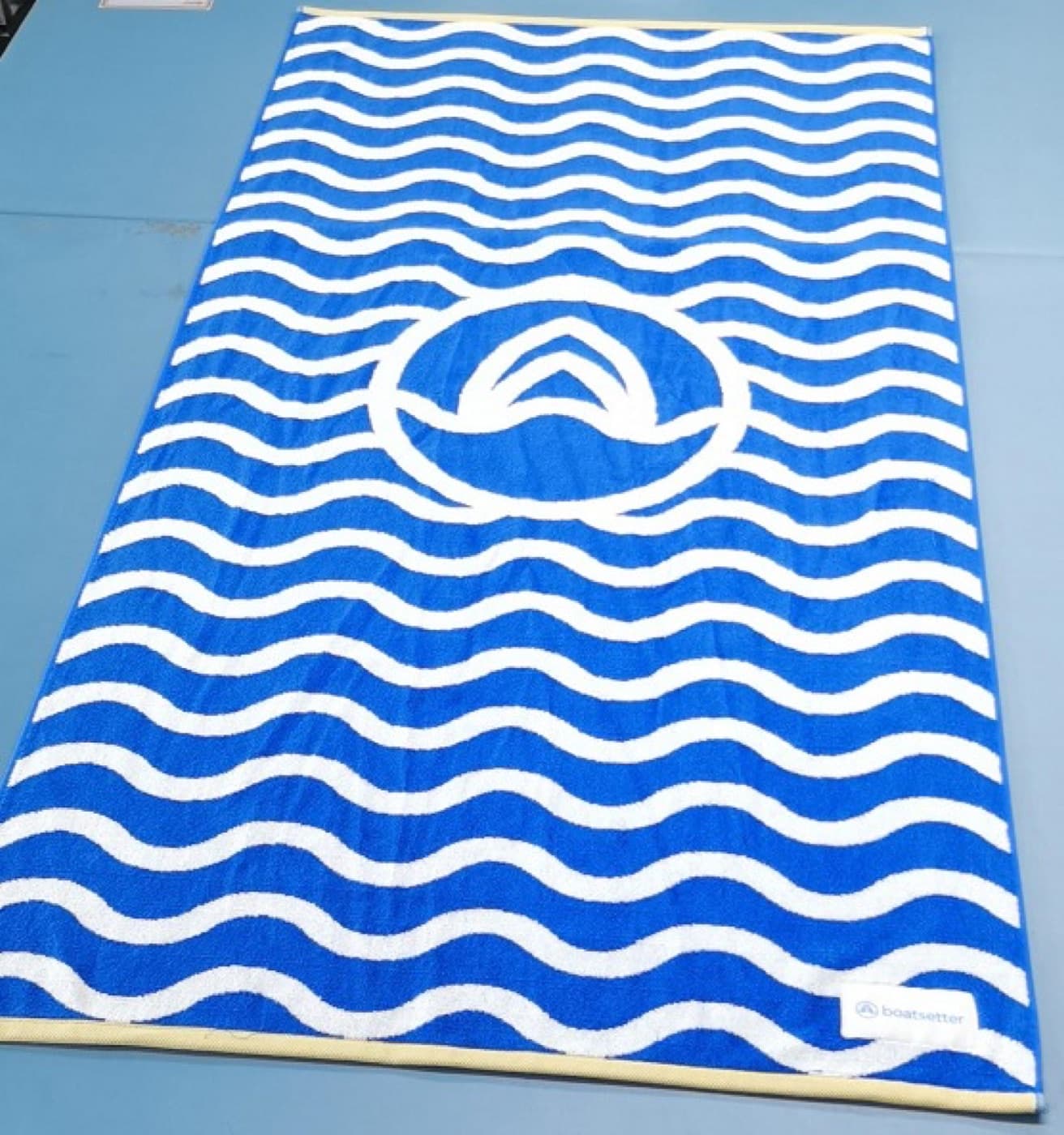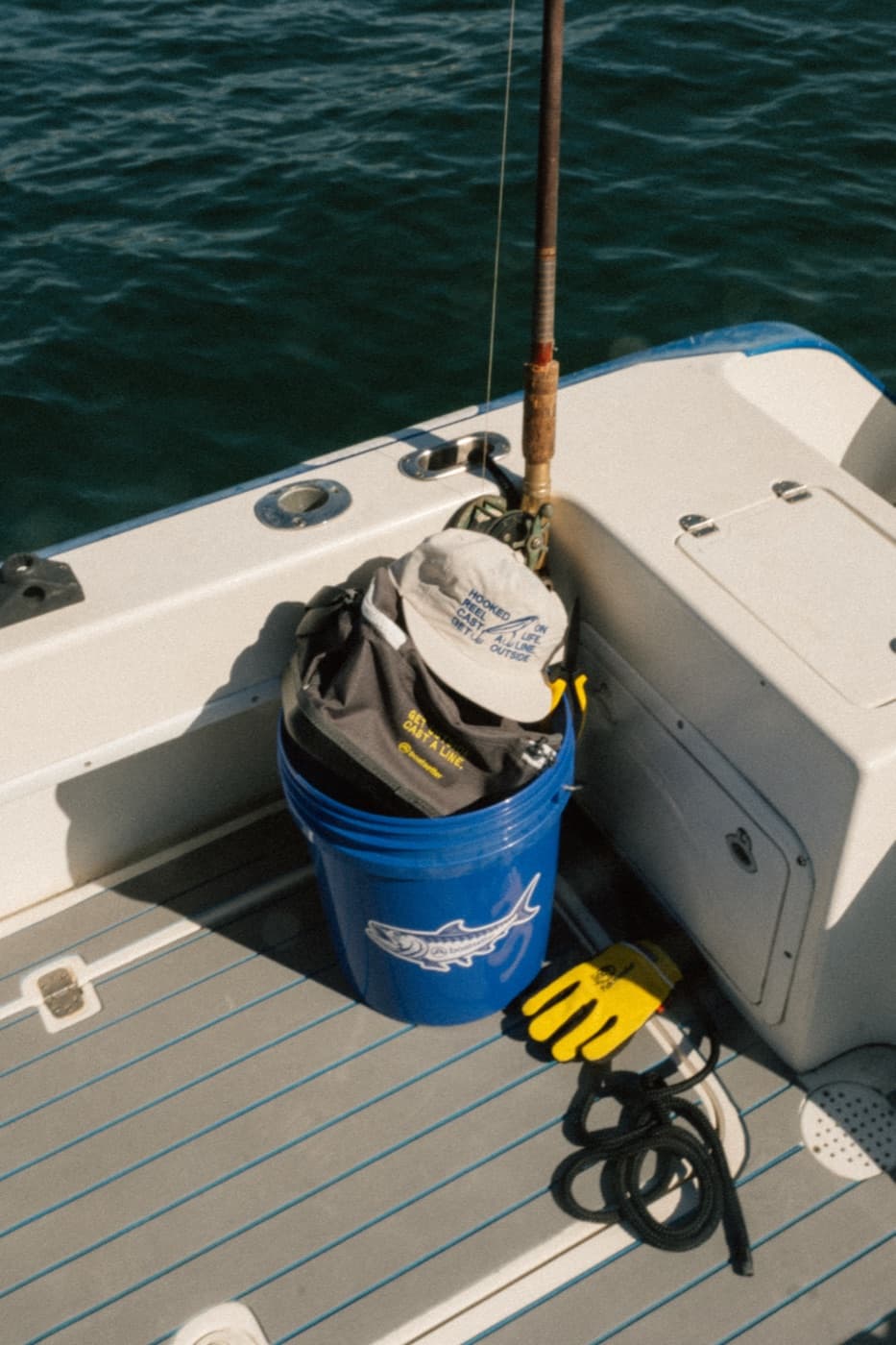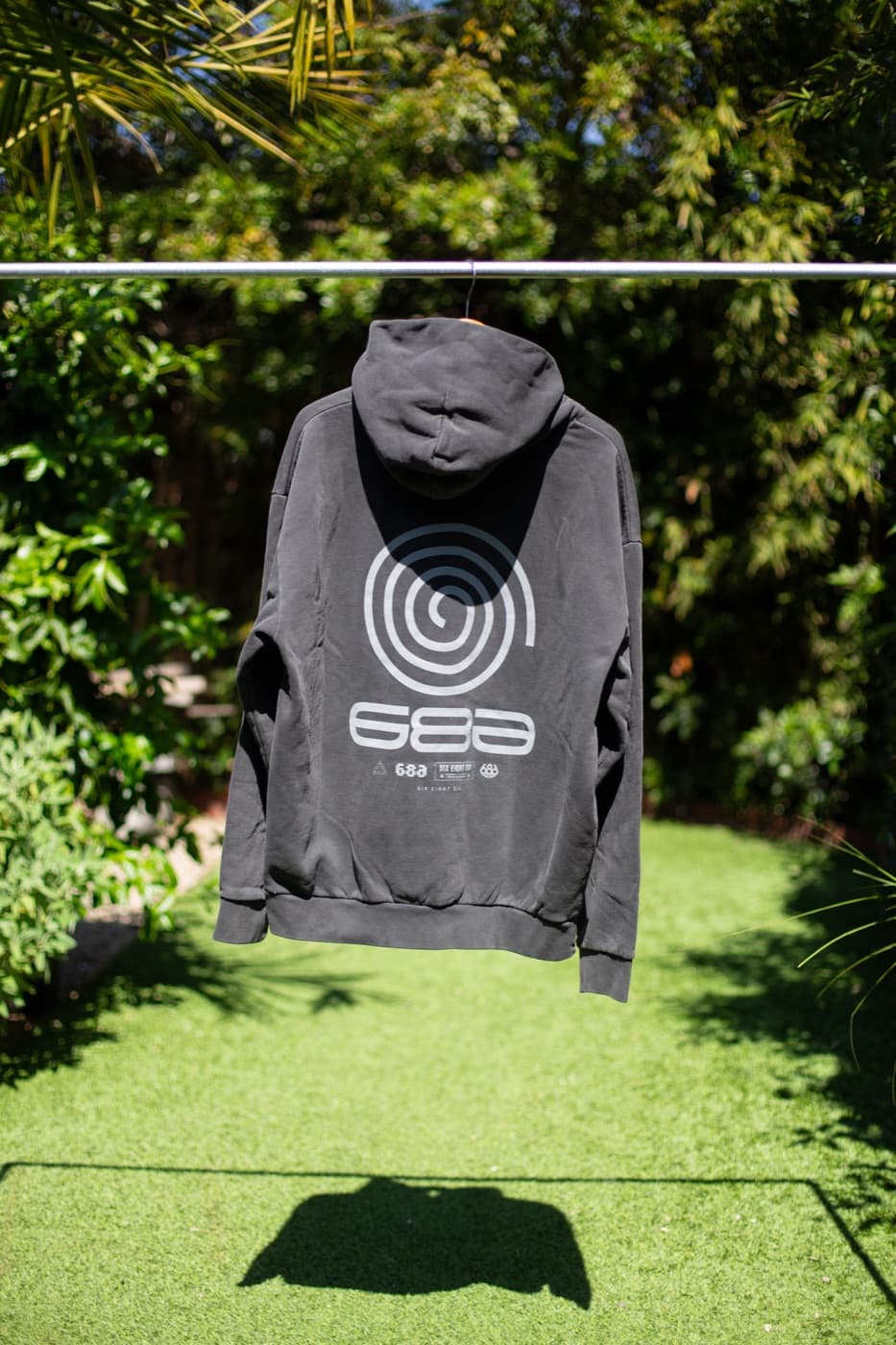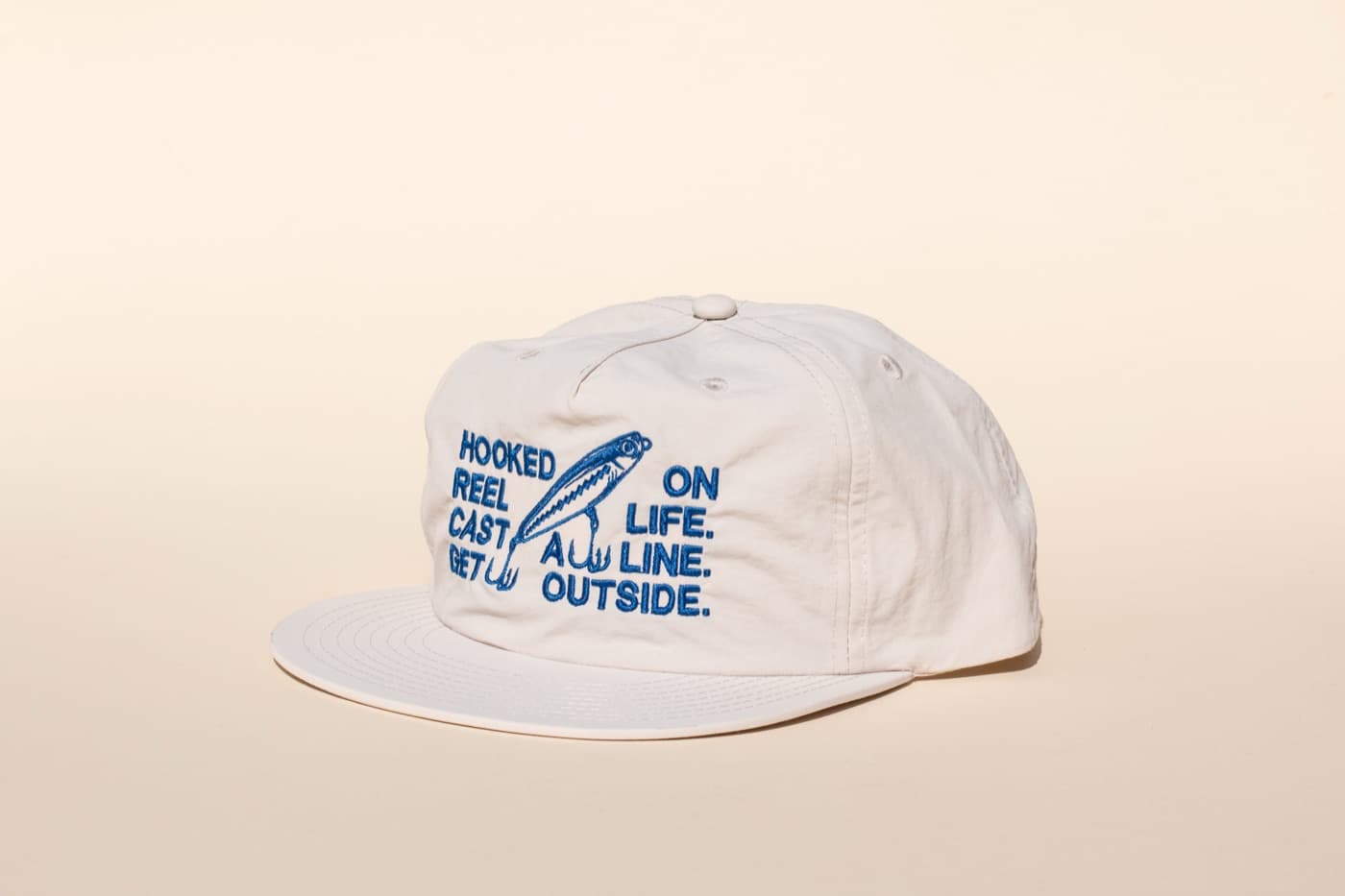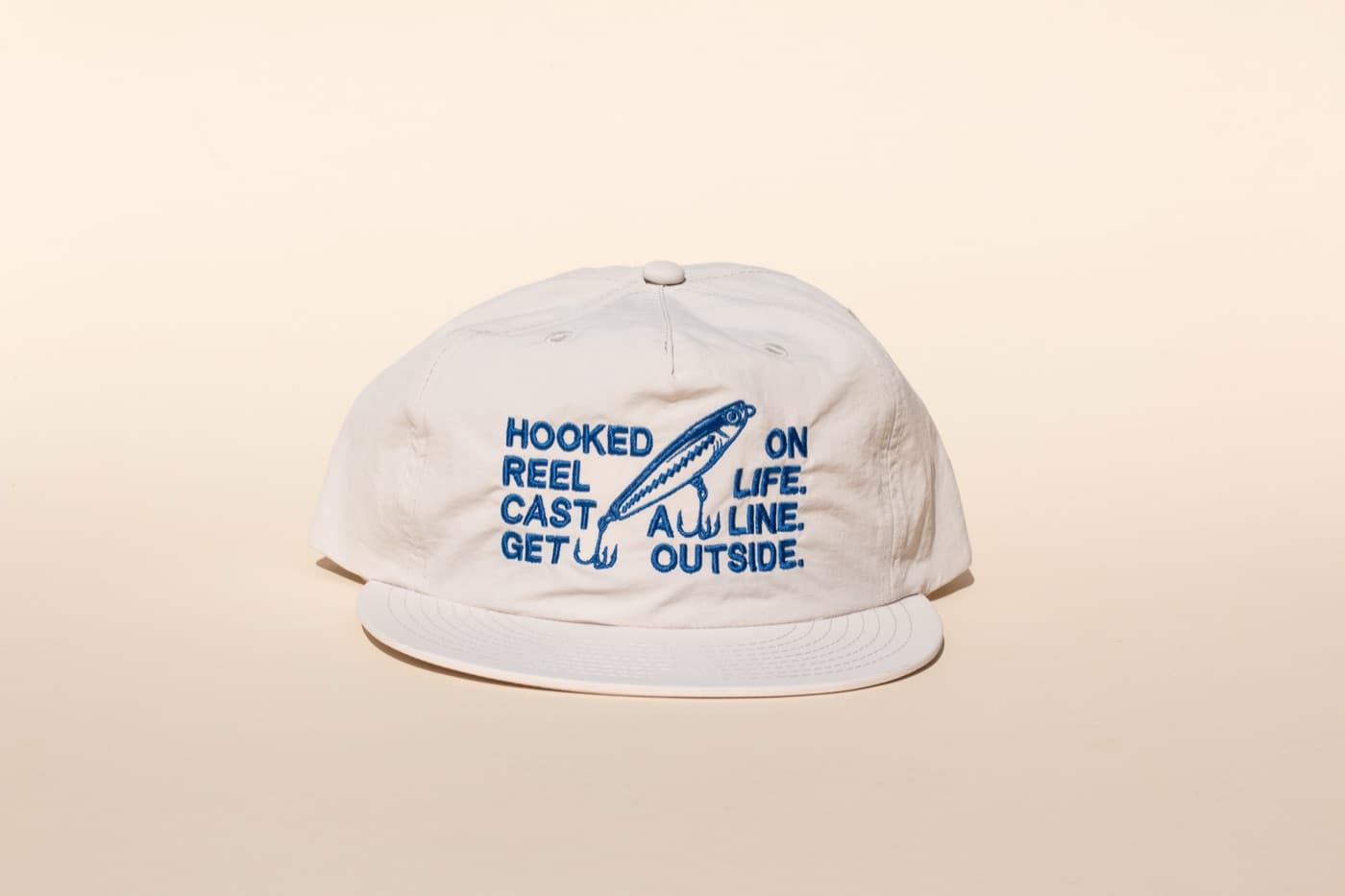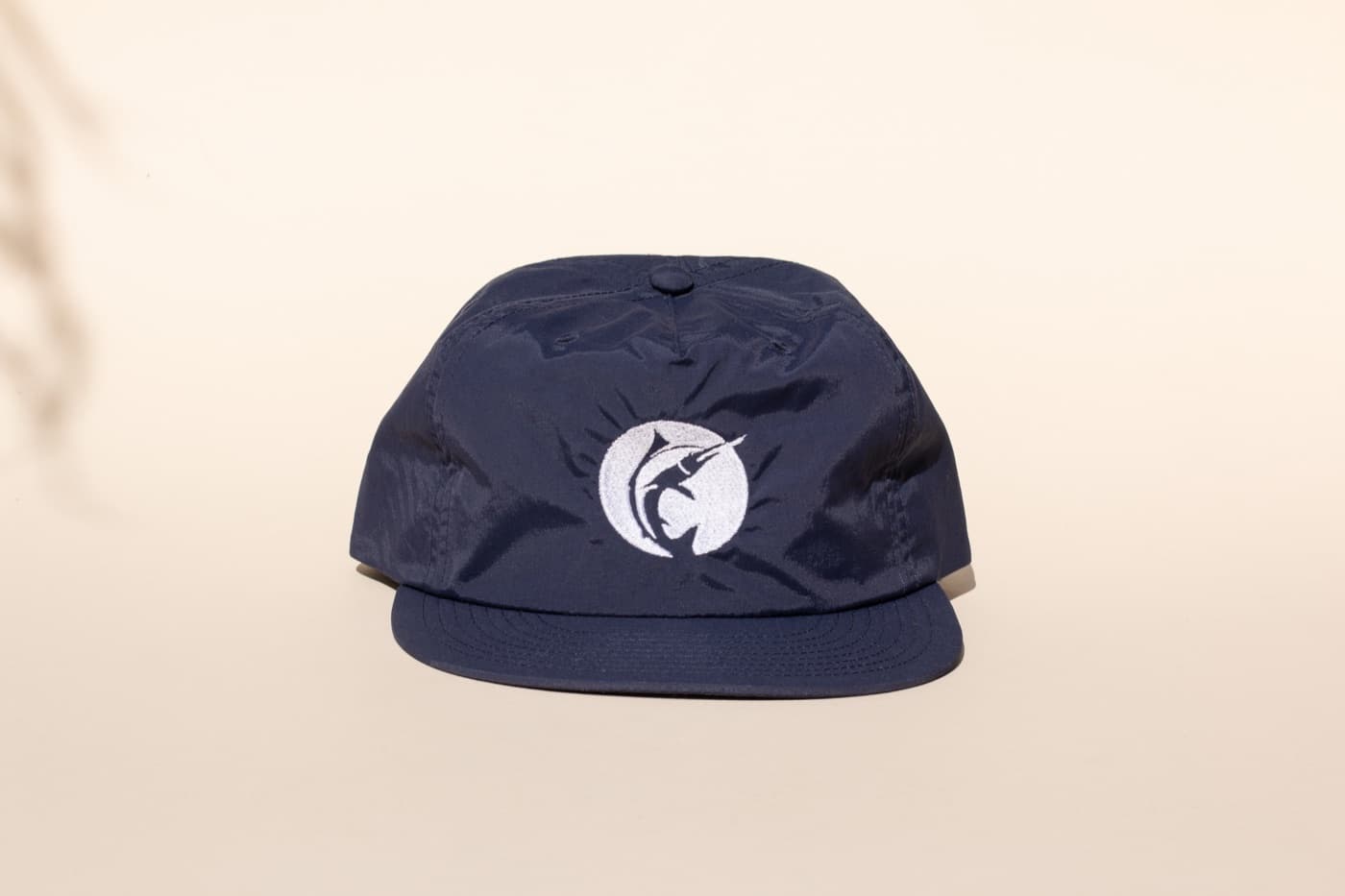
A clear brief saves time, prevents miscommunication, and almost always results in a better product. You do not need a formal document — but you do need to answer a handful of questions before production can begin. Here is what to include.
What you are making
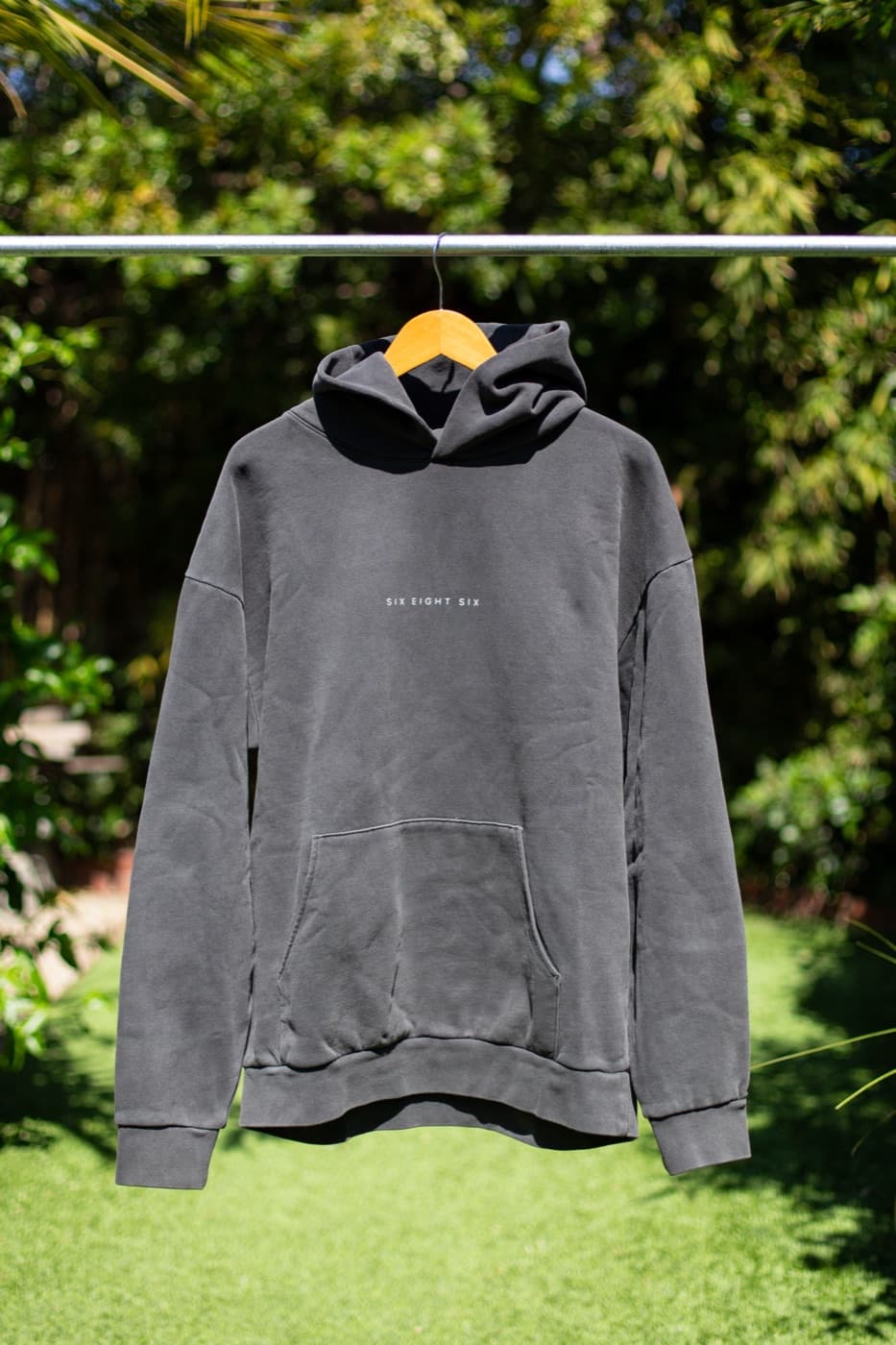
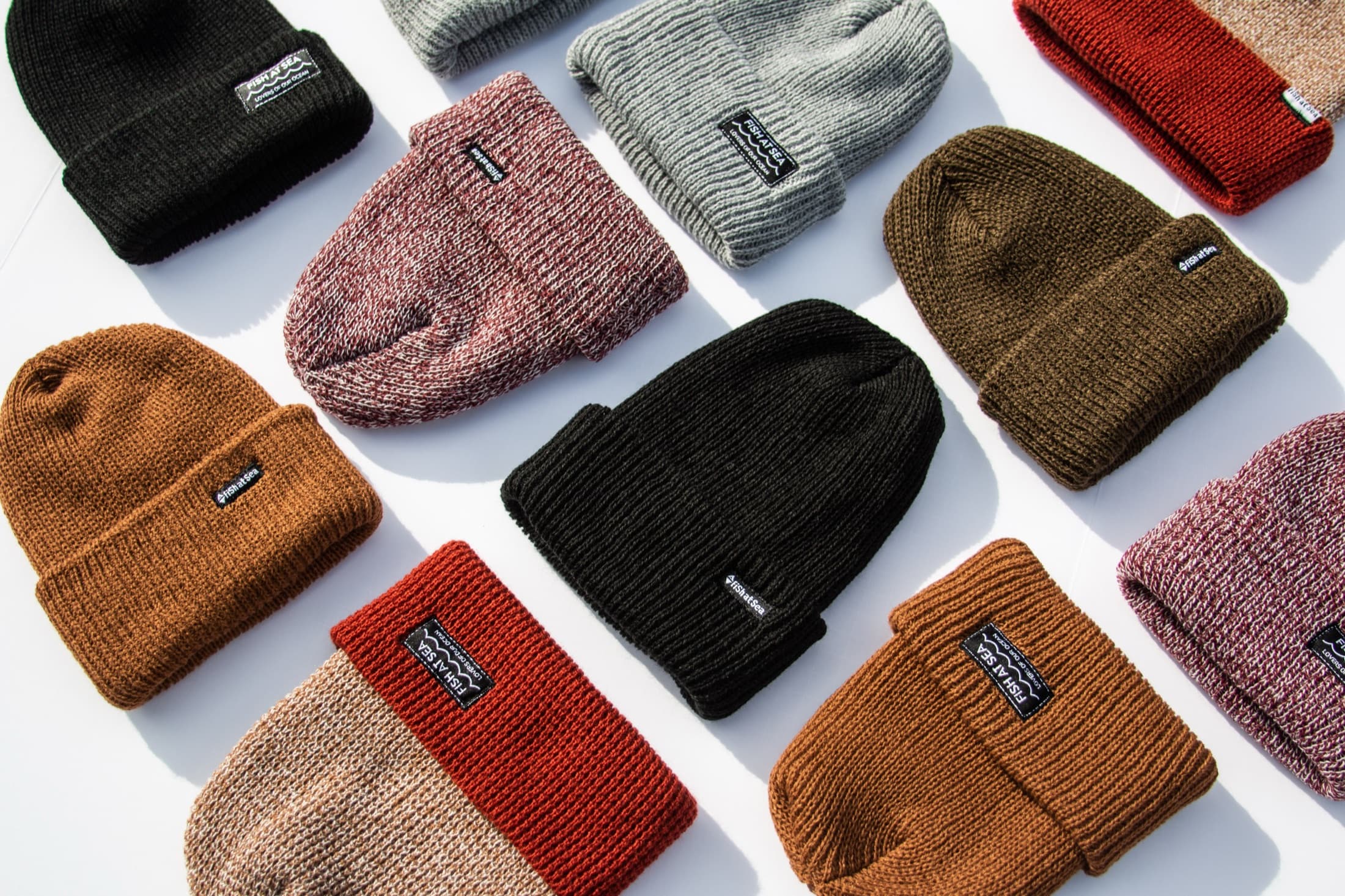
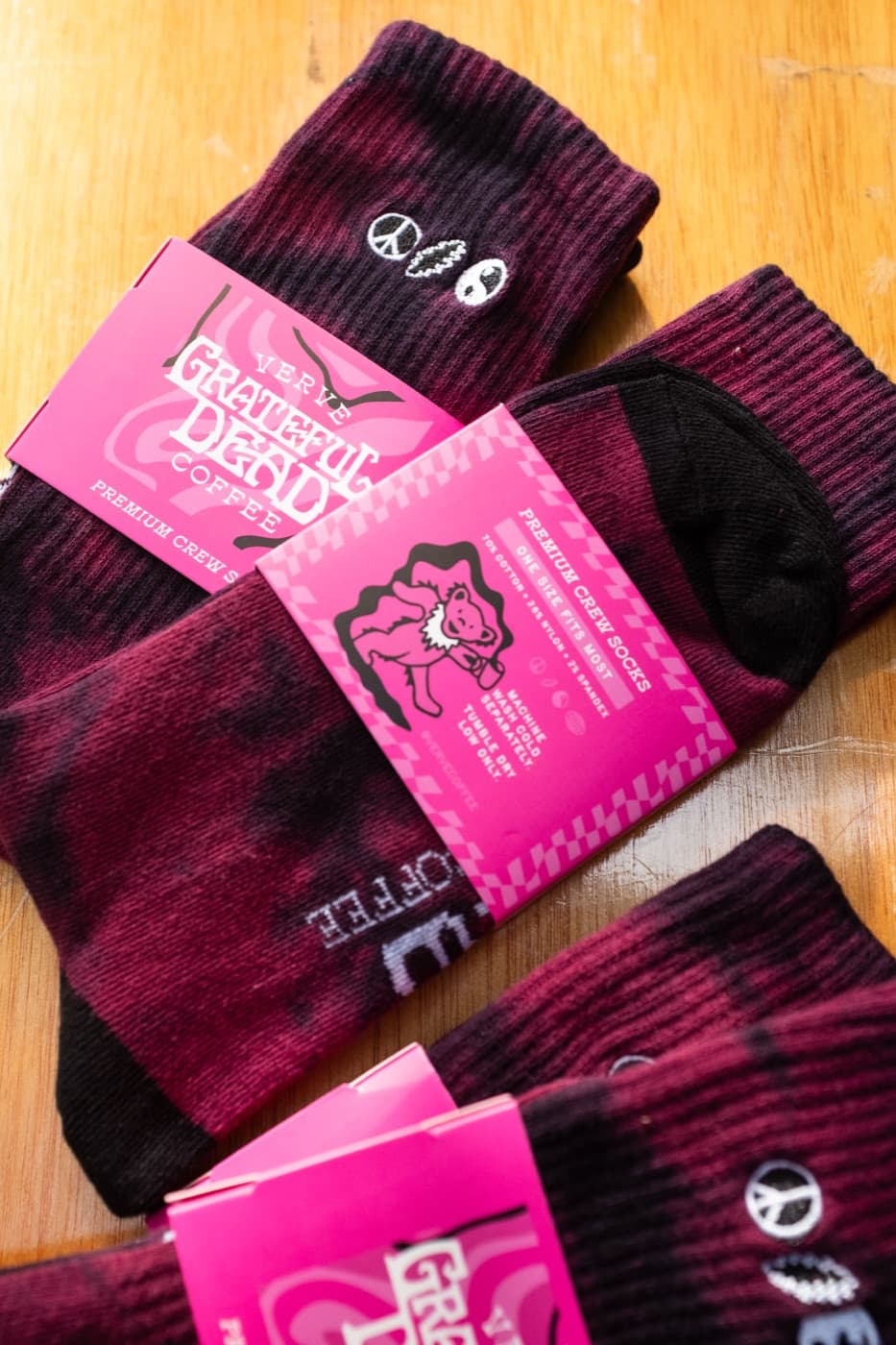
Product type, quantity, and intended use. Are these staff uniforms? Event giveaways? Retail merch? A customer gift? The intended use shapes every decision that follows — blank selection, decoration method, quality tier, packaging, and lead time.
Who it is for
Recipient profile matters. A corporate client gift program is different from a brand drop targeting 18–25 year olds. A staff program for a restaurant is different from VIP gifts for a product launch. The audience determines what premium means, what sizes to order, and what design approach will land.
Artwork status
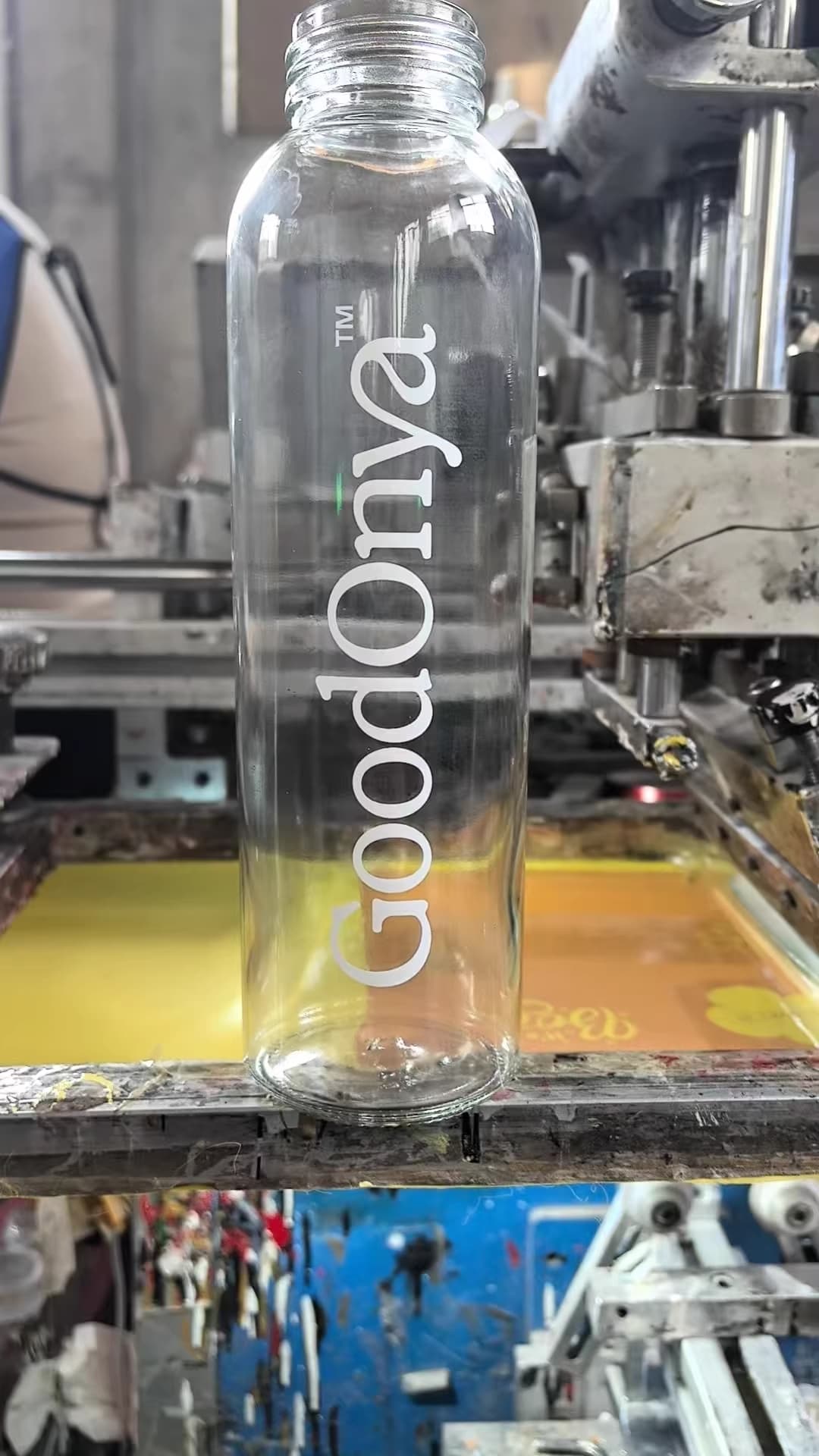
Do you have final logos and artwork, or does it need to be created? If you have files, what format are they in? Vector files — AI, EPS, or high-resolution PDF — are ideal for embroidery and screen printing. If you only have a low-resolution PNG, that is a conversation to have early so it does not delay production.
If you need design help, say so upfront. Some projects need minor art prep — cleaning up a file, adjusting colors for embroidery, separating a design into print layers. Other projects start from scratch. Knowing this early allows the right people to be involved from the start.
Timeline
When do you need the finished goods? Work backward from the in-hand date, not the order date. Standard production timelines for decorated apparel and headwear typically run 3–5 weeks from approved proof. Rush production is available but adds cost. If you have a hard event date, share it immediately — that date drives everything.
Budget
You do not need an exact number, but a range helps. Knowing whether the budget is $1,000 or $10,000 changes what blanks, quantities, and decoration options make sense. A good production partner will not try to spend your full budget — they will help you allocate it to get the best result for the money available.
Approval process
Who signs off on the proof? Is it one person or a committee? Does it require legal review? Understanding the approval chain upfront prevents last-minute delays. A proof sitting in someone's inbox for two weeks eats directly into production time.
A solid brief takes 15 minutes to write and can save days of back-and-forth. The more clearly you communicate what the project needs to accomplish, the better the result.