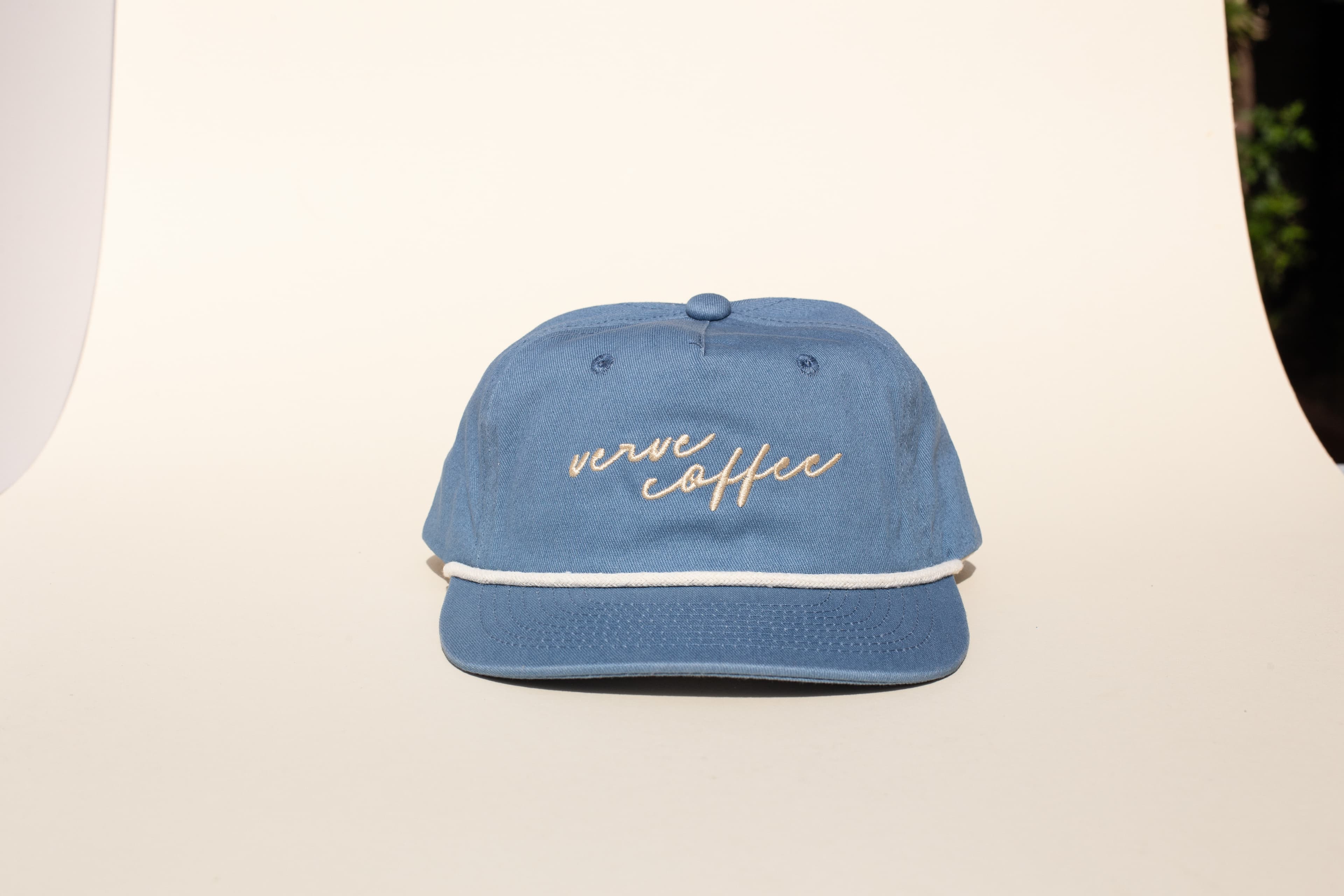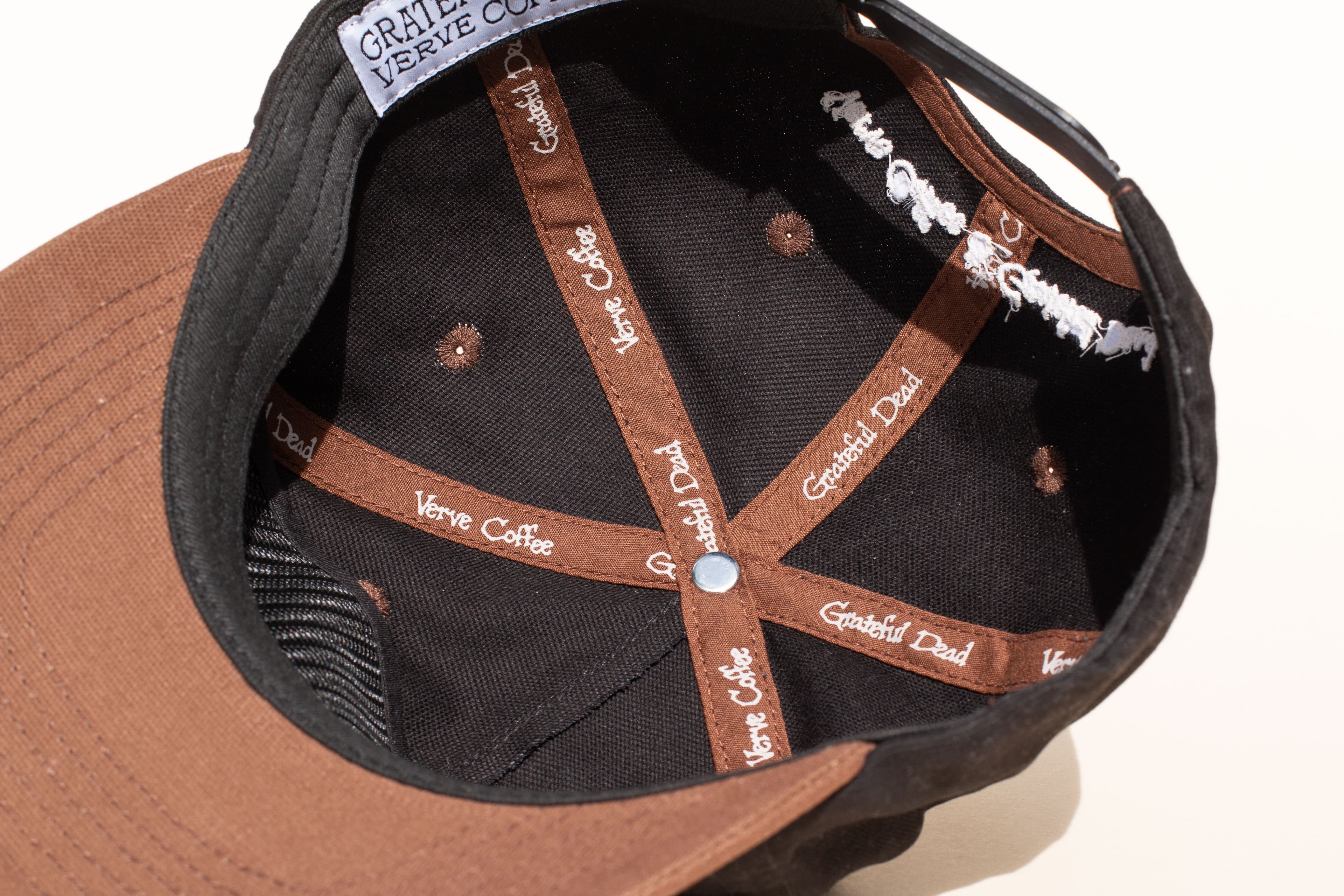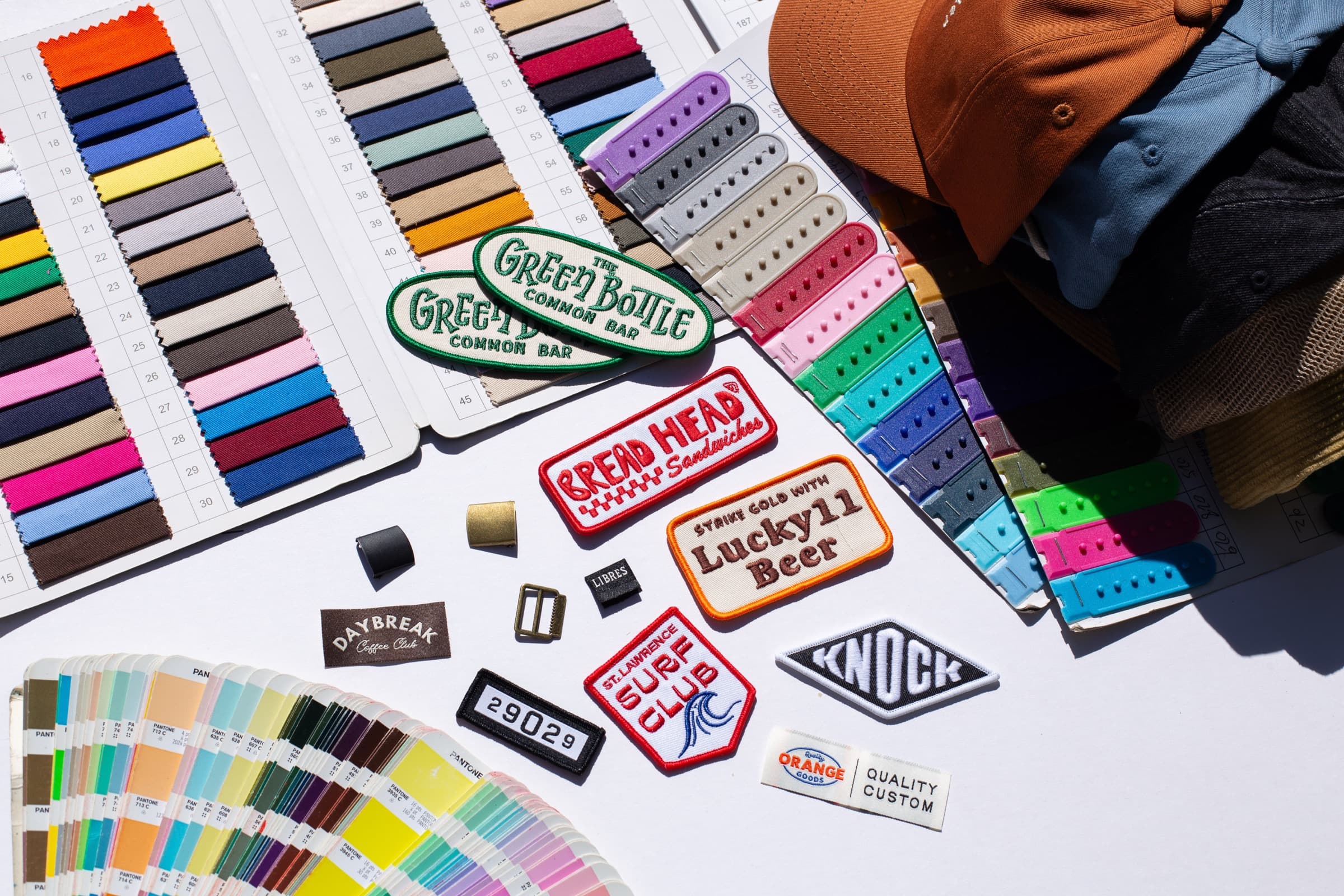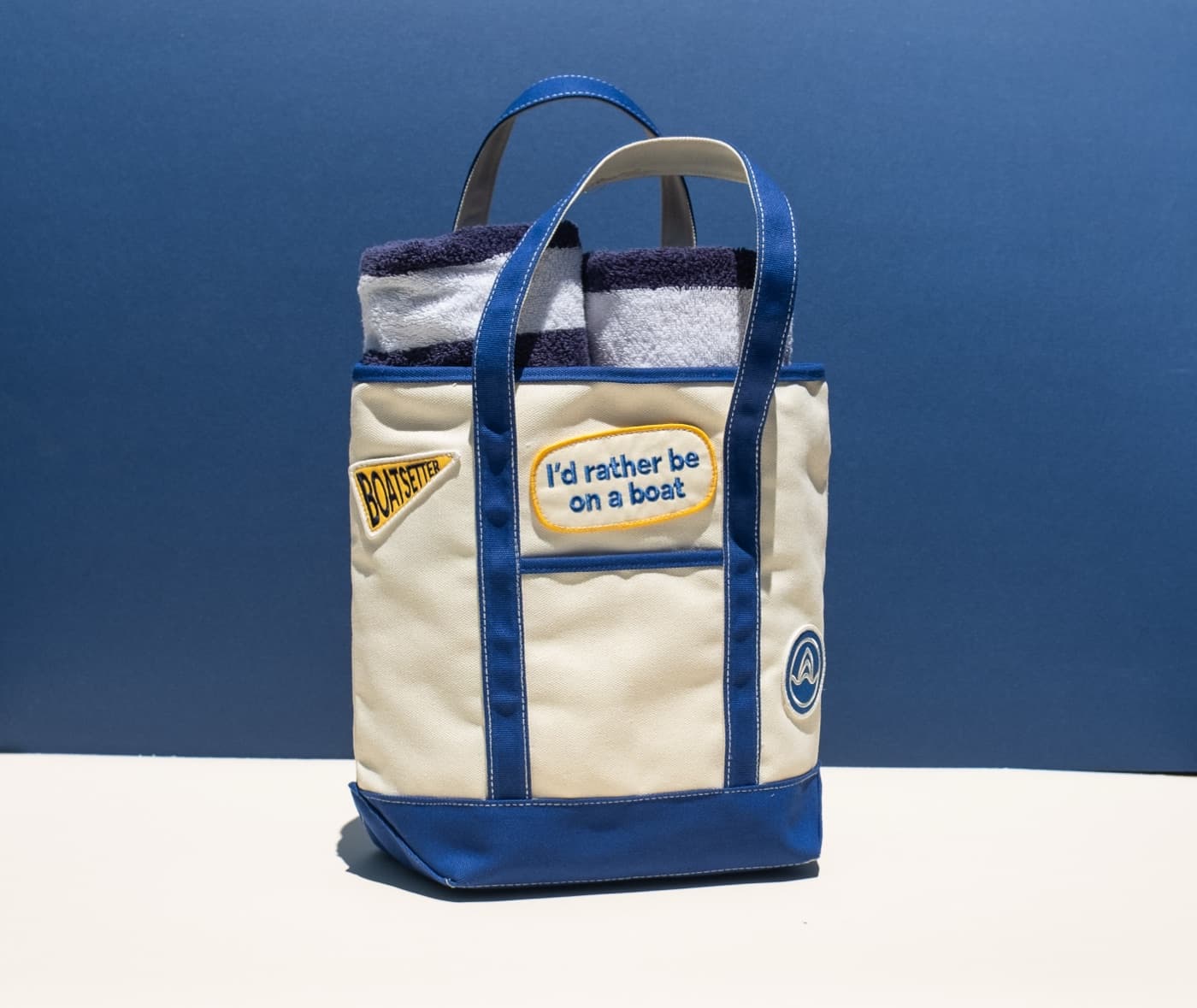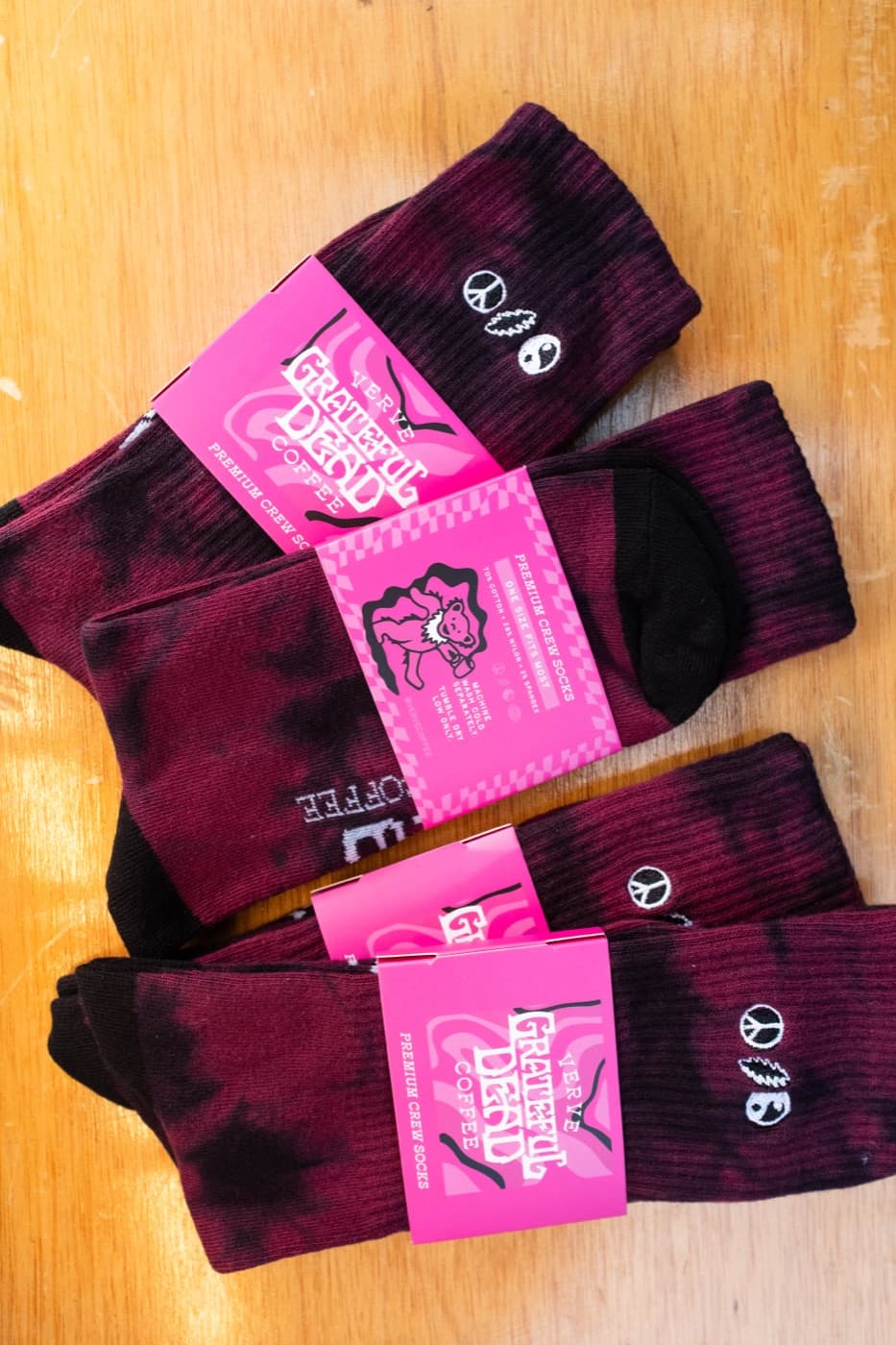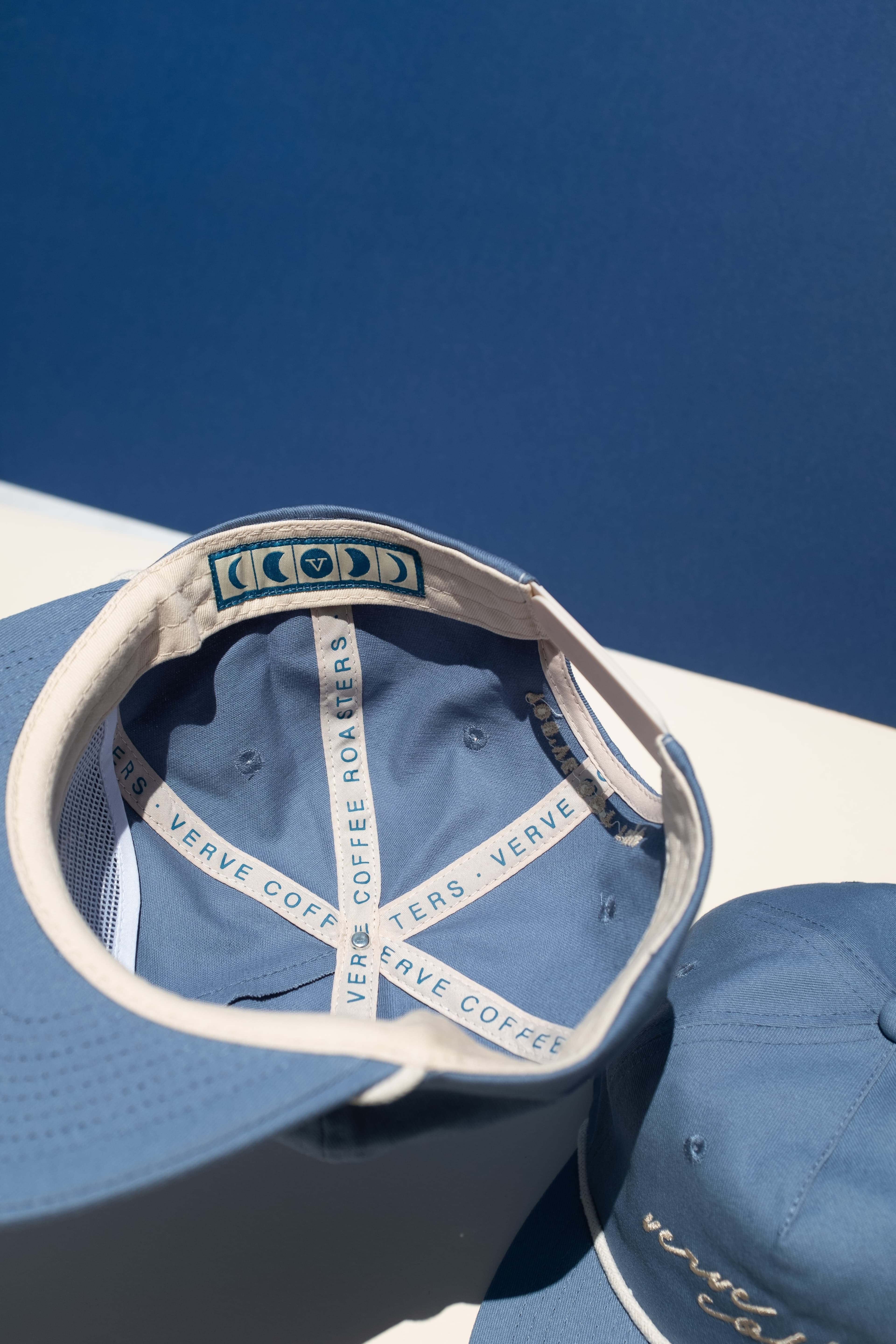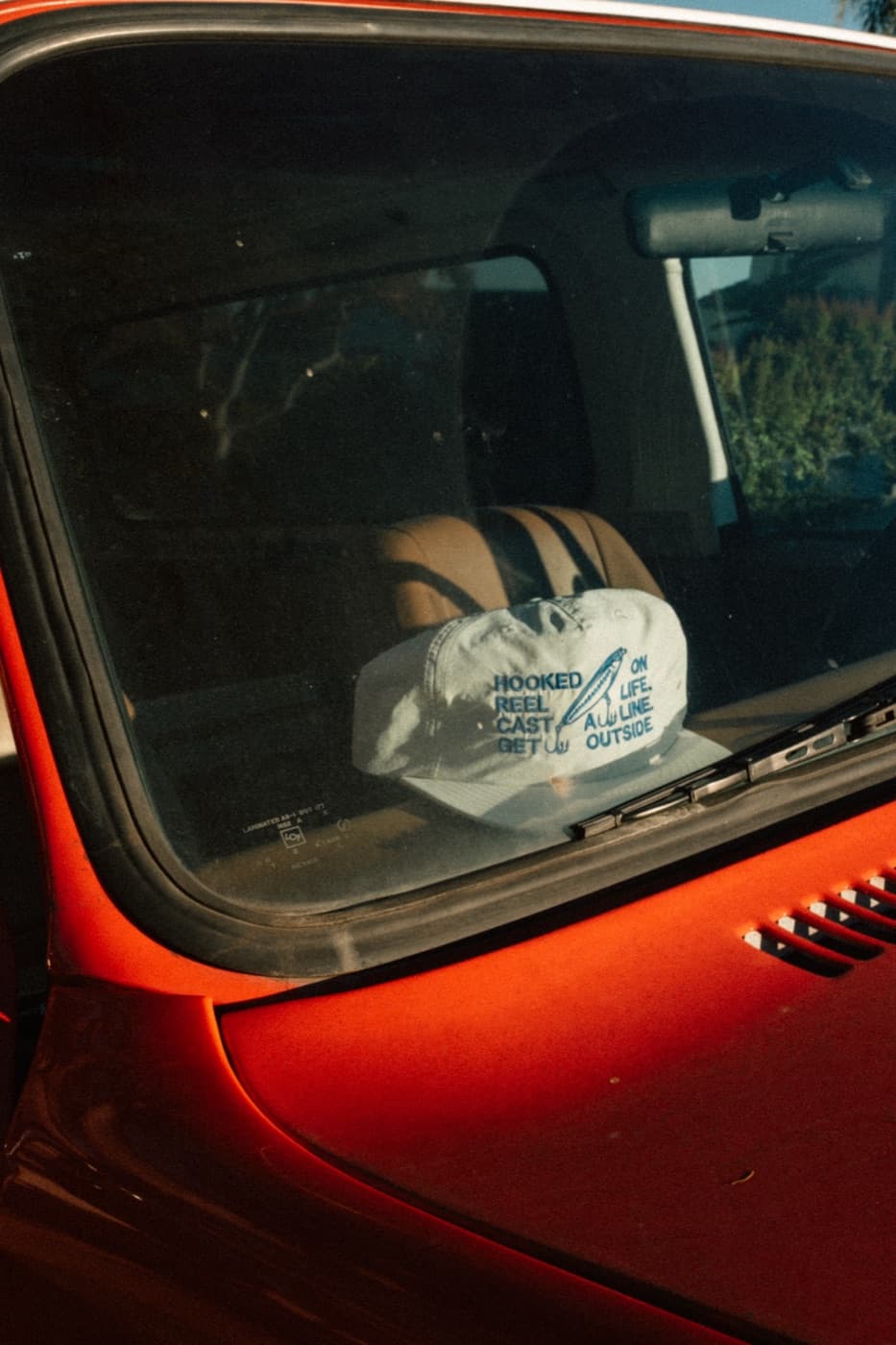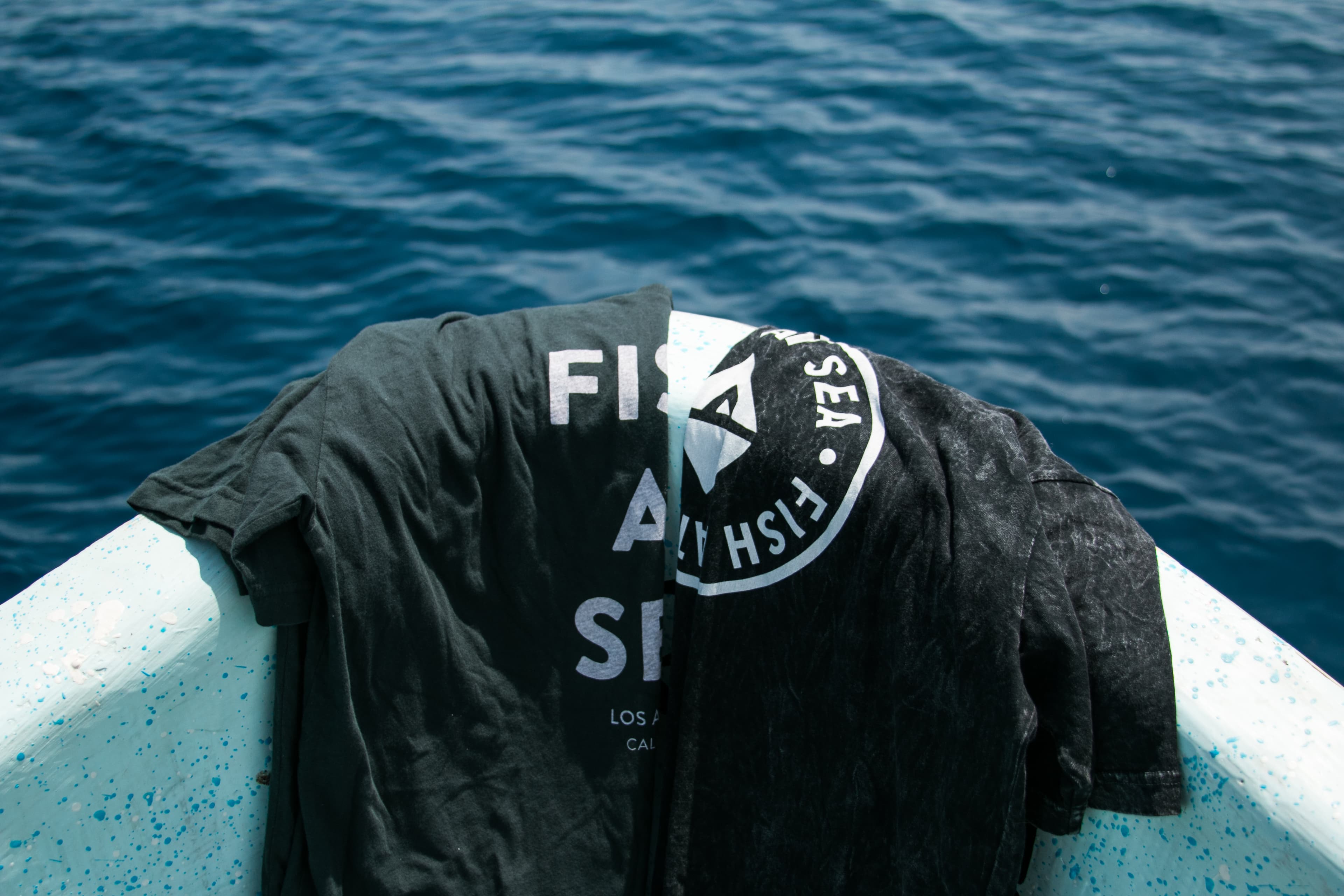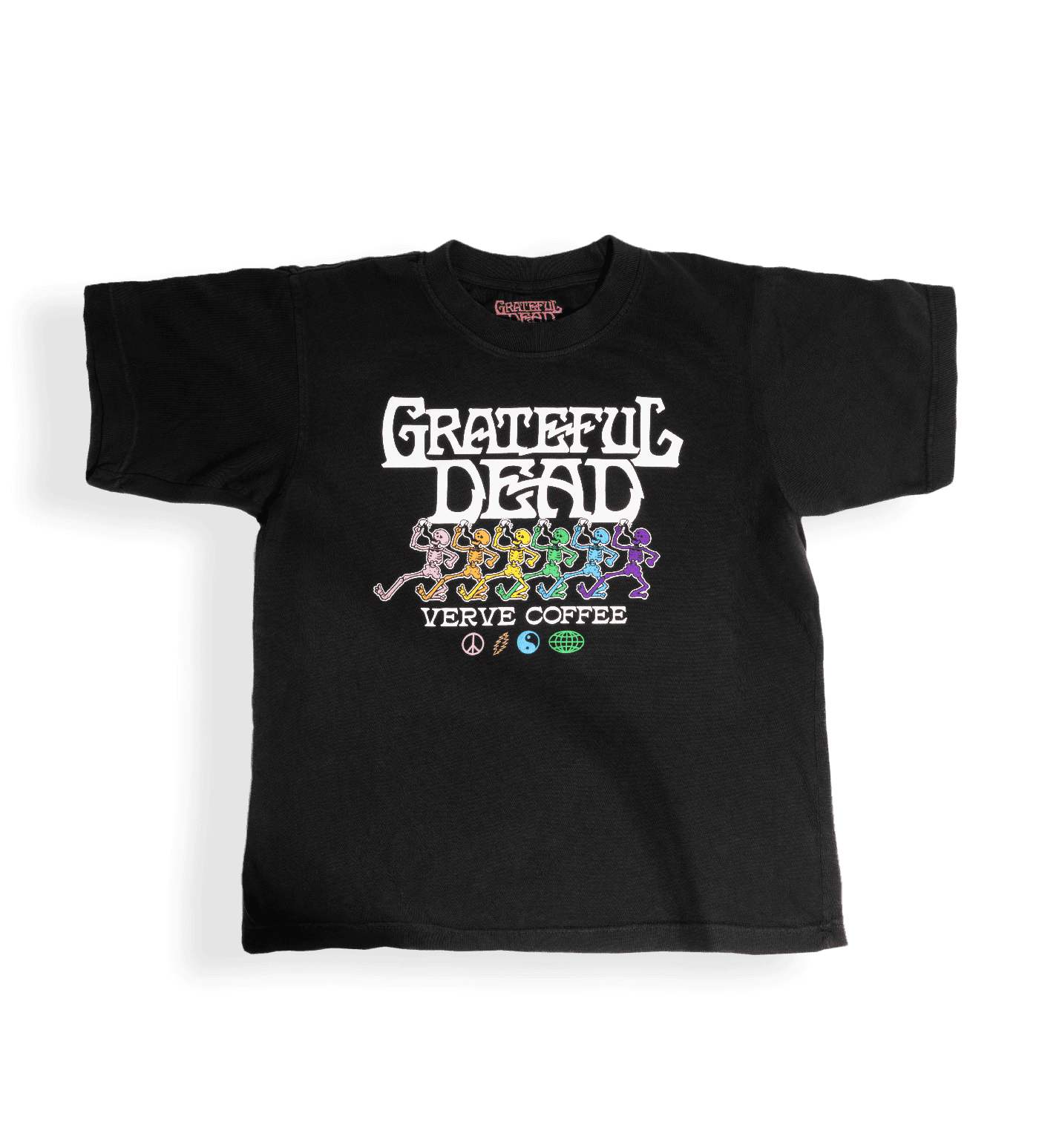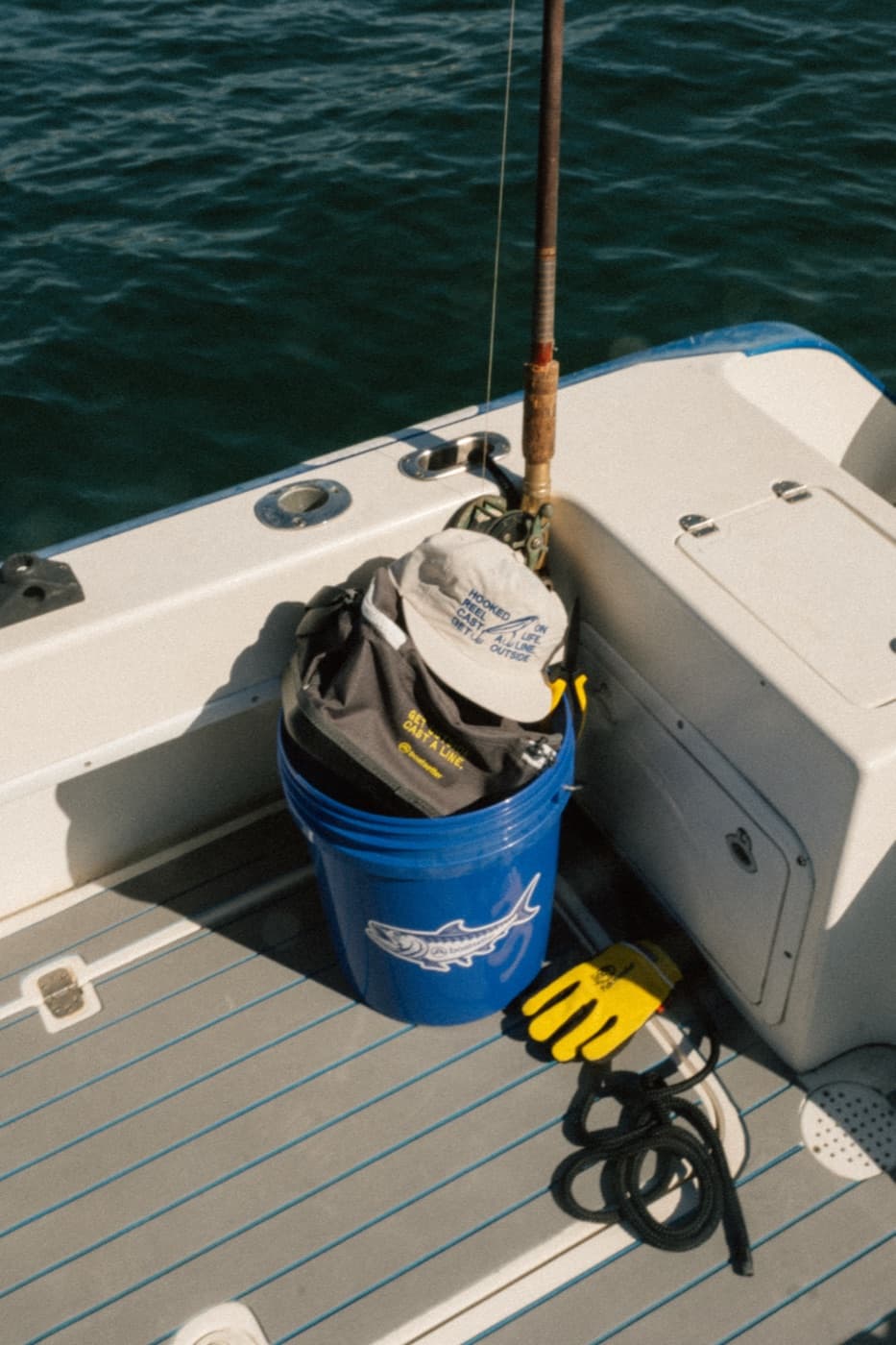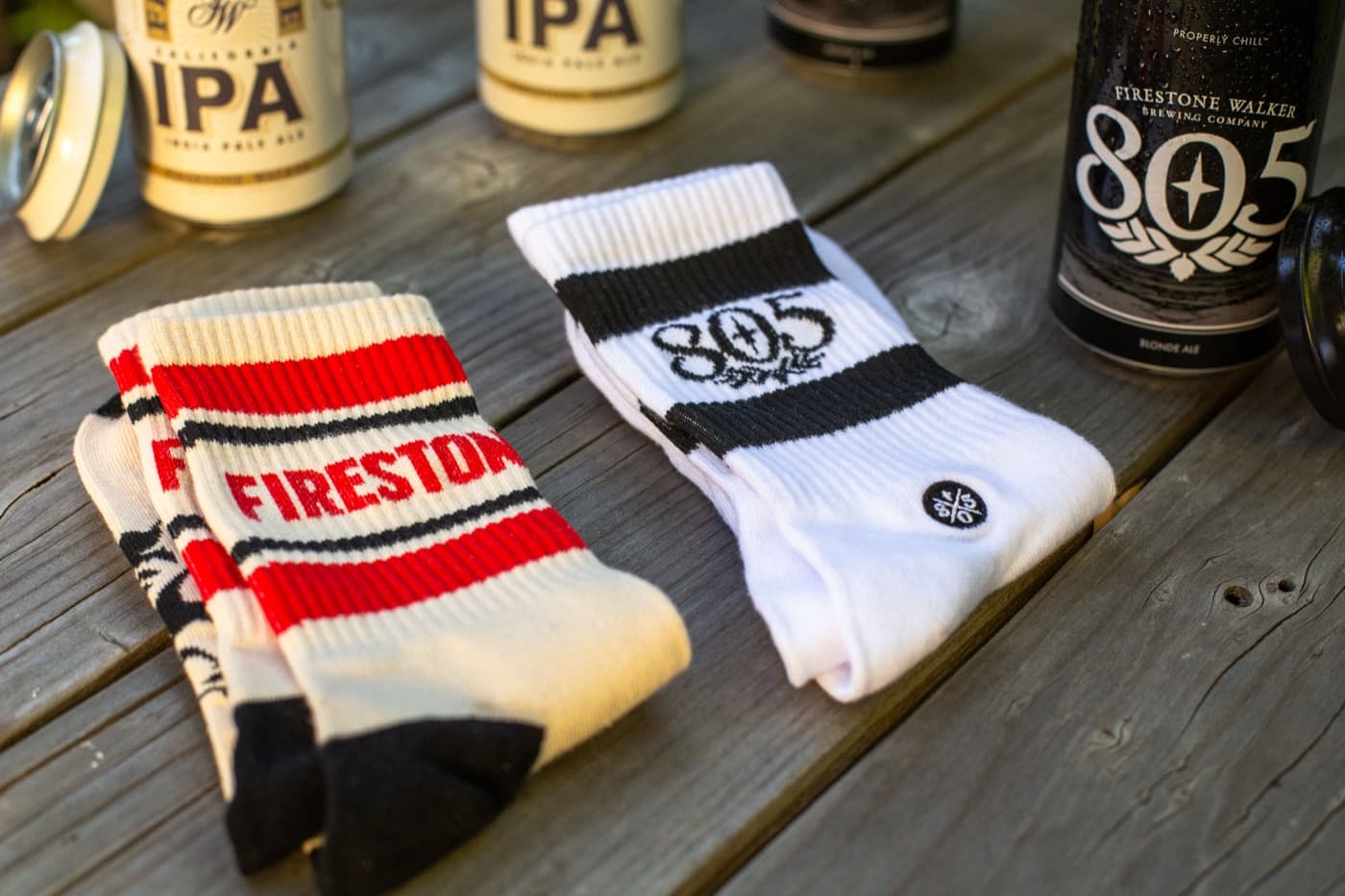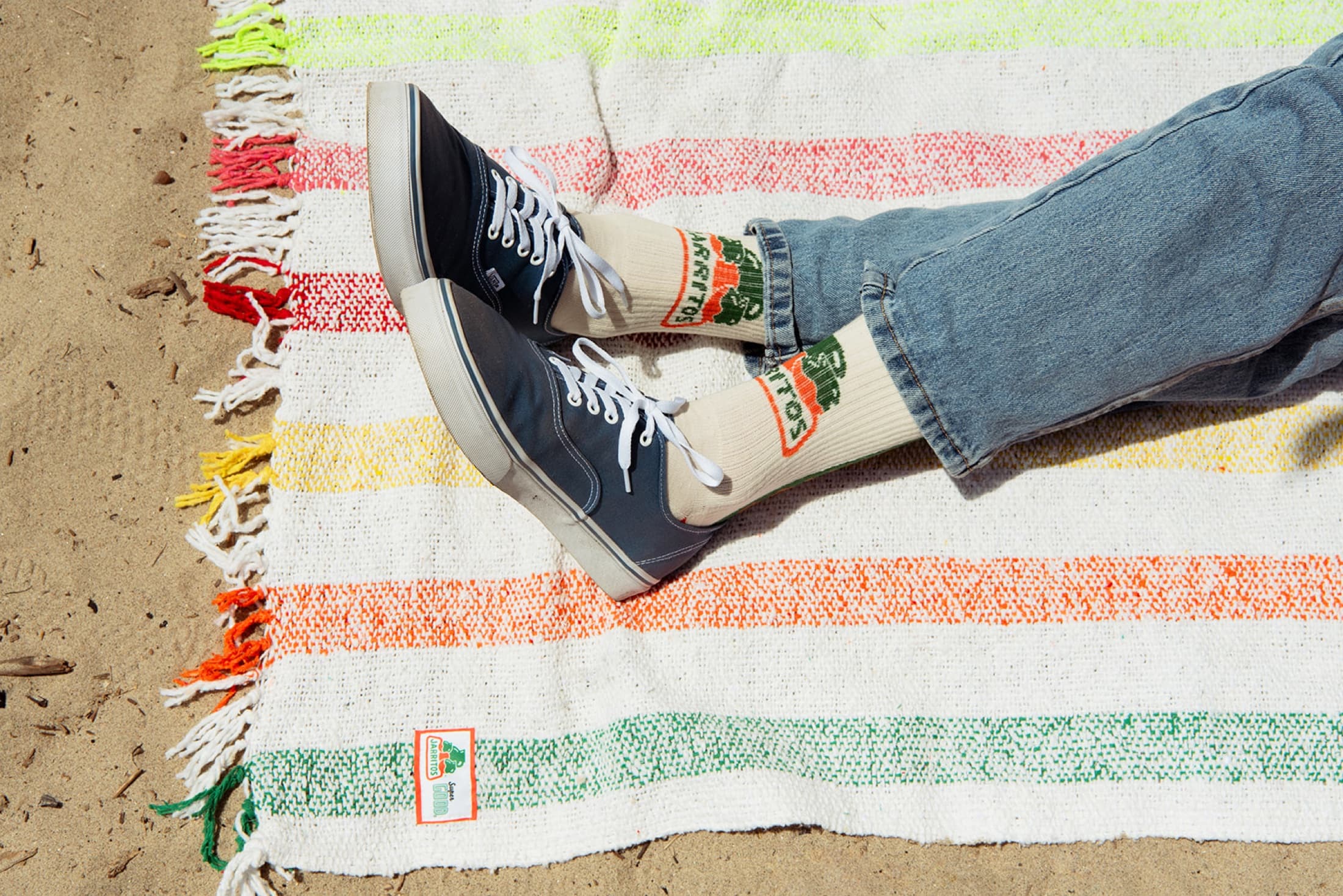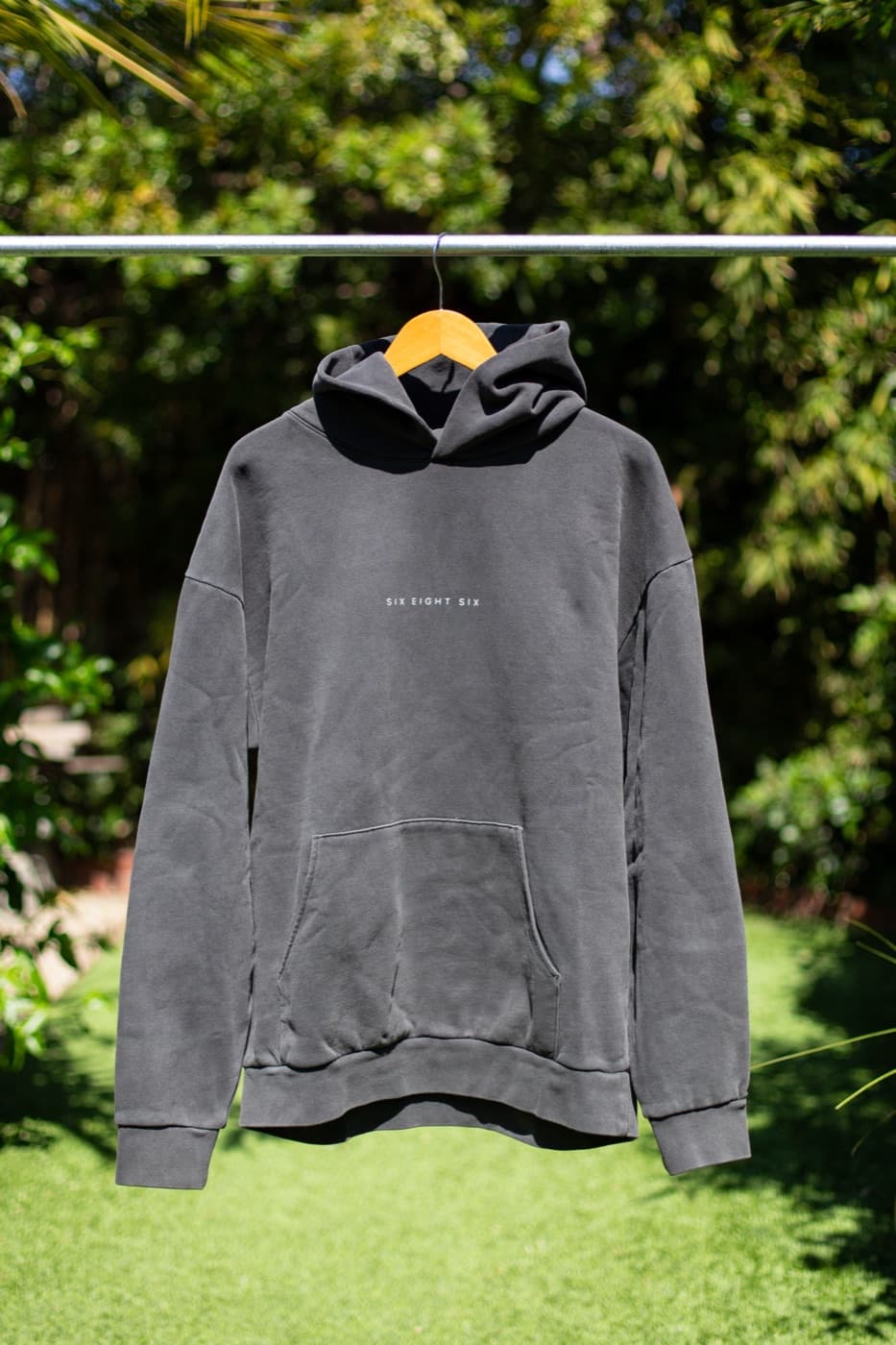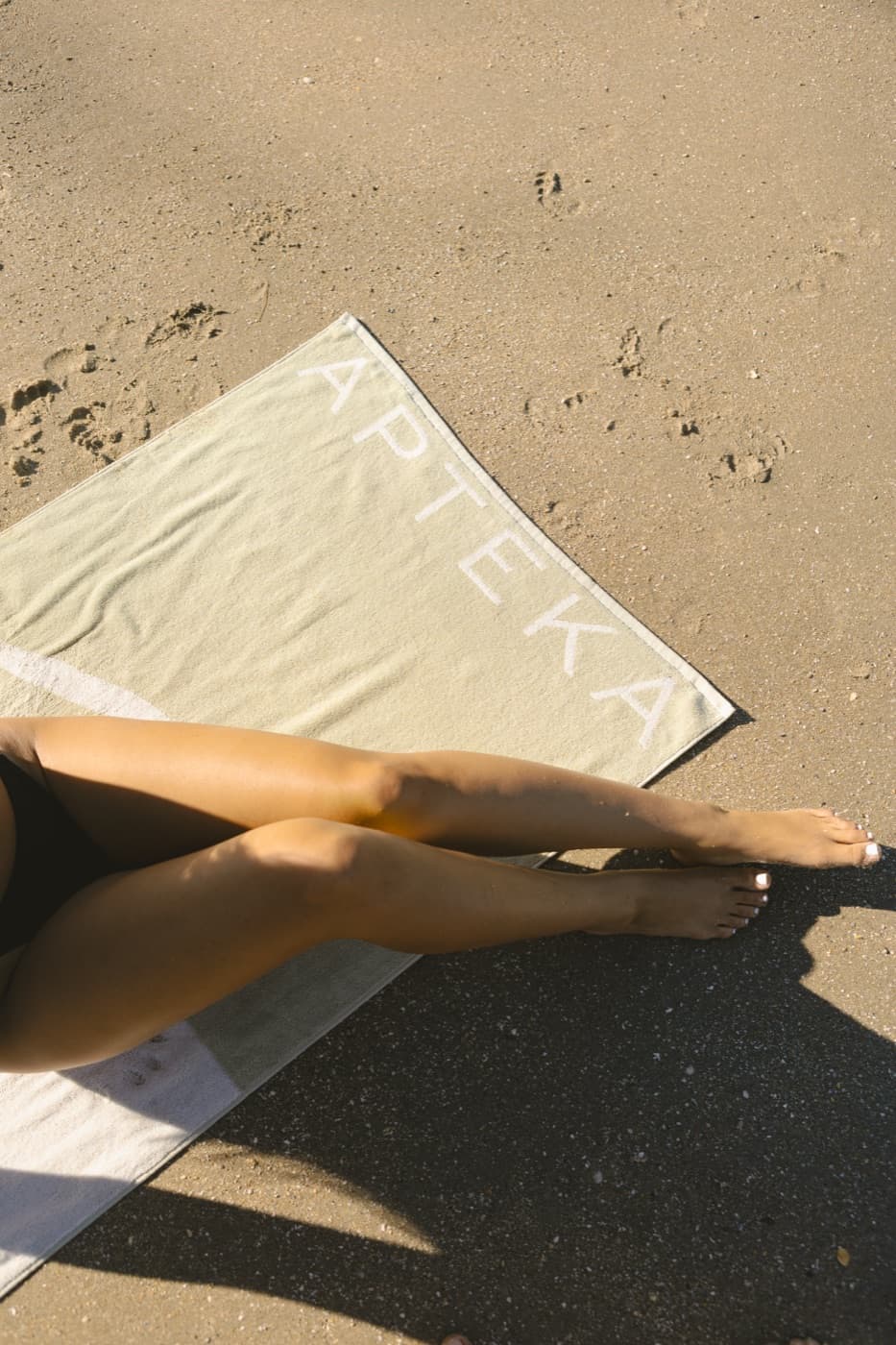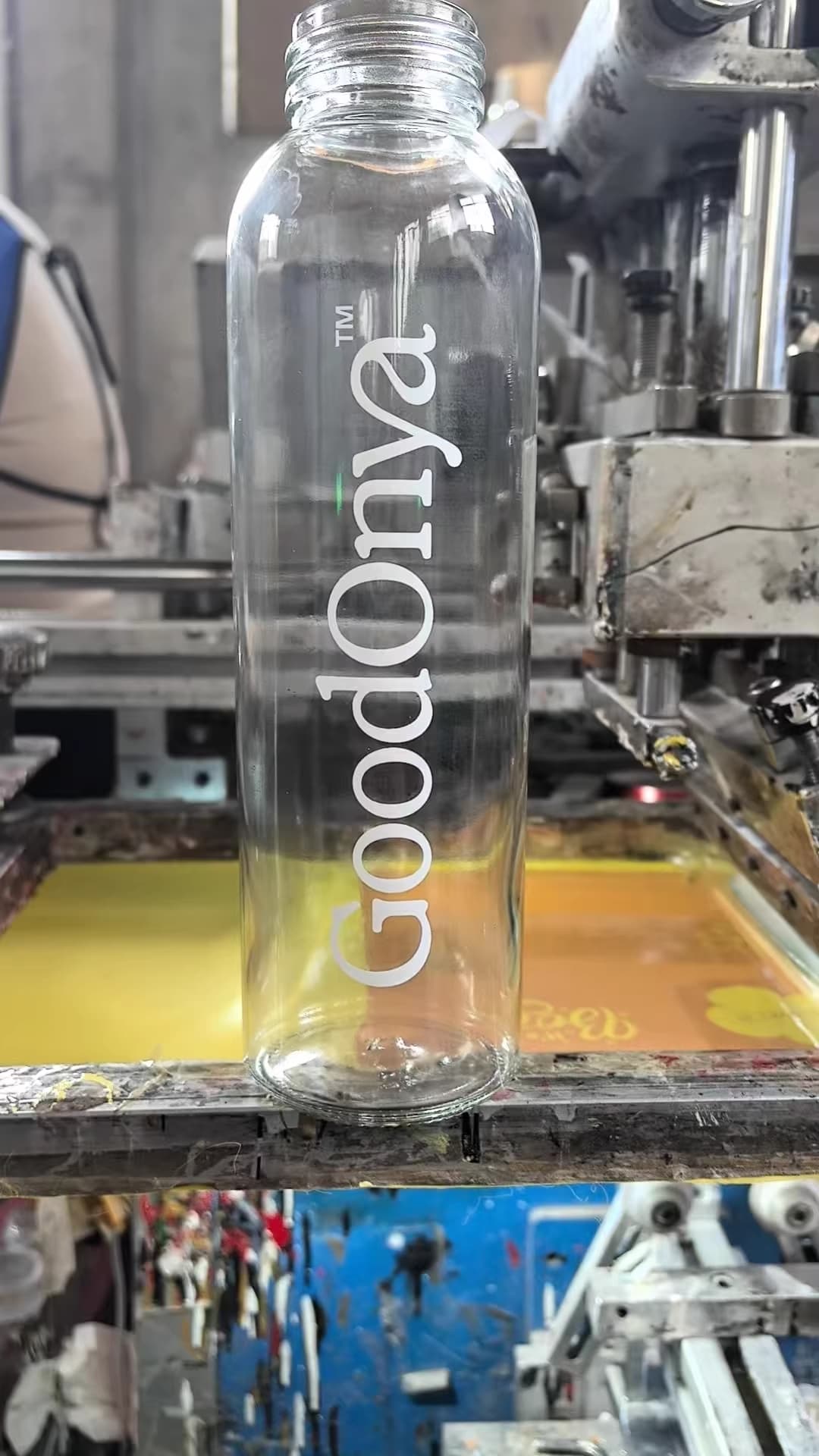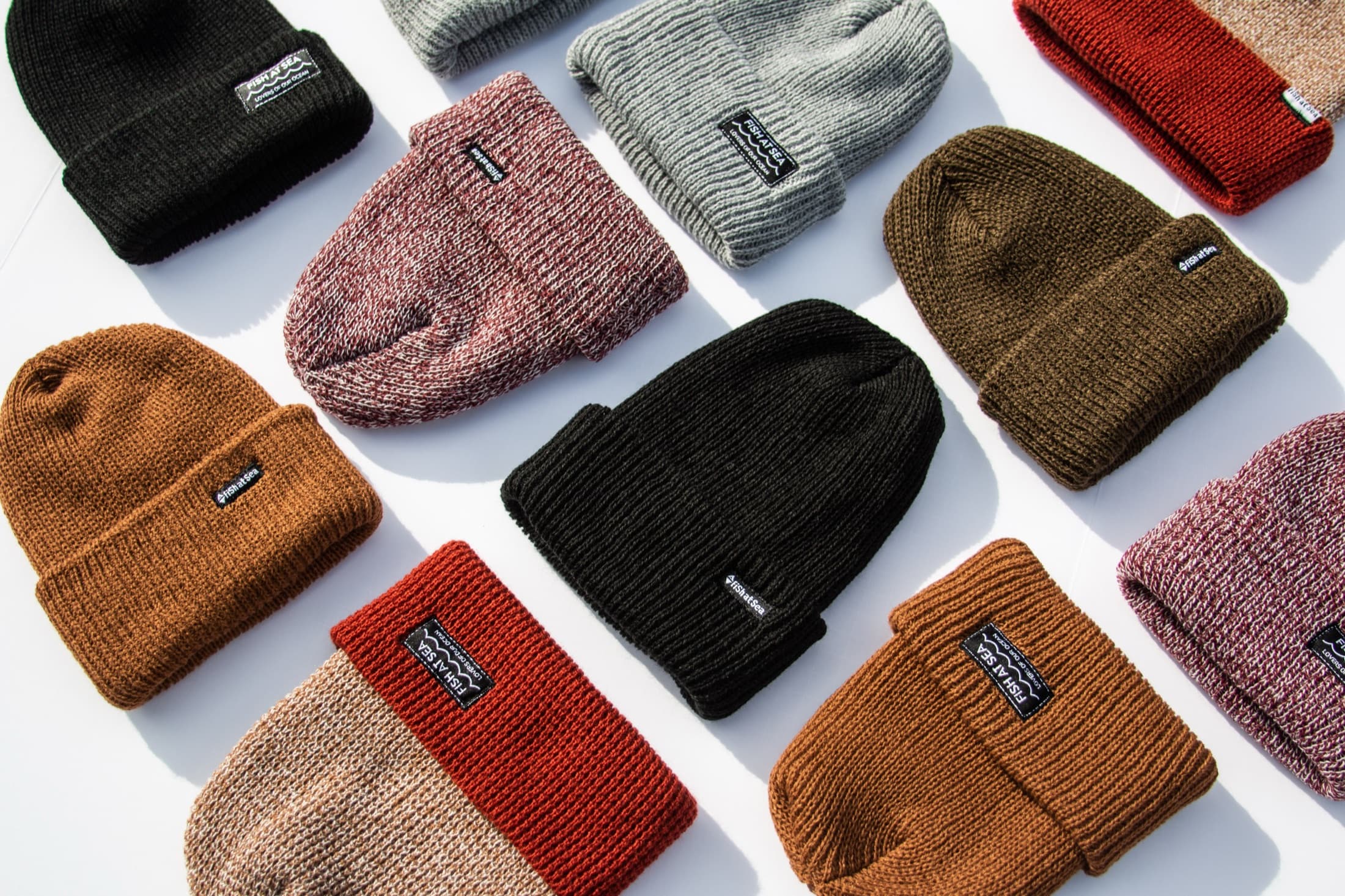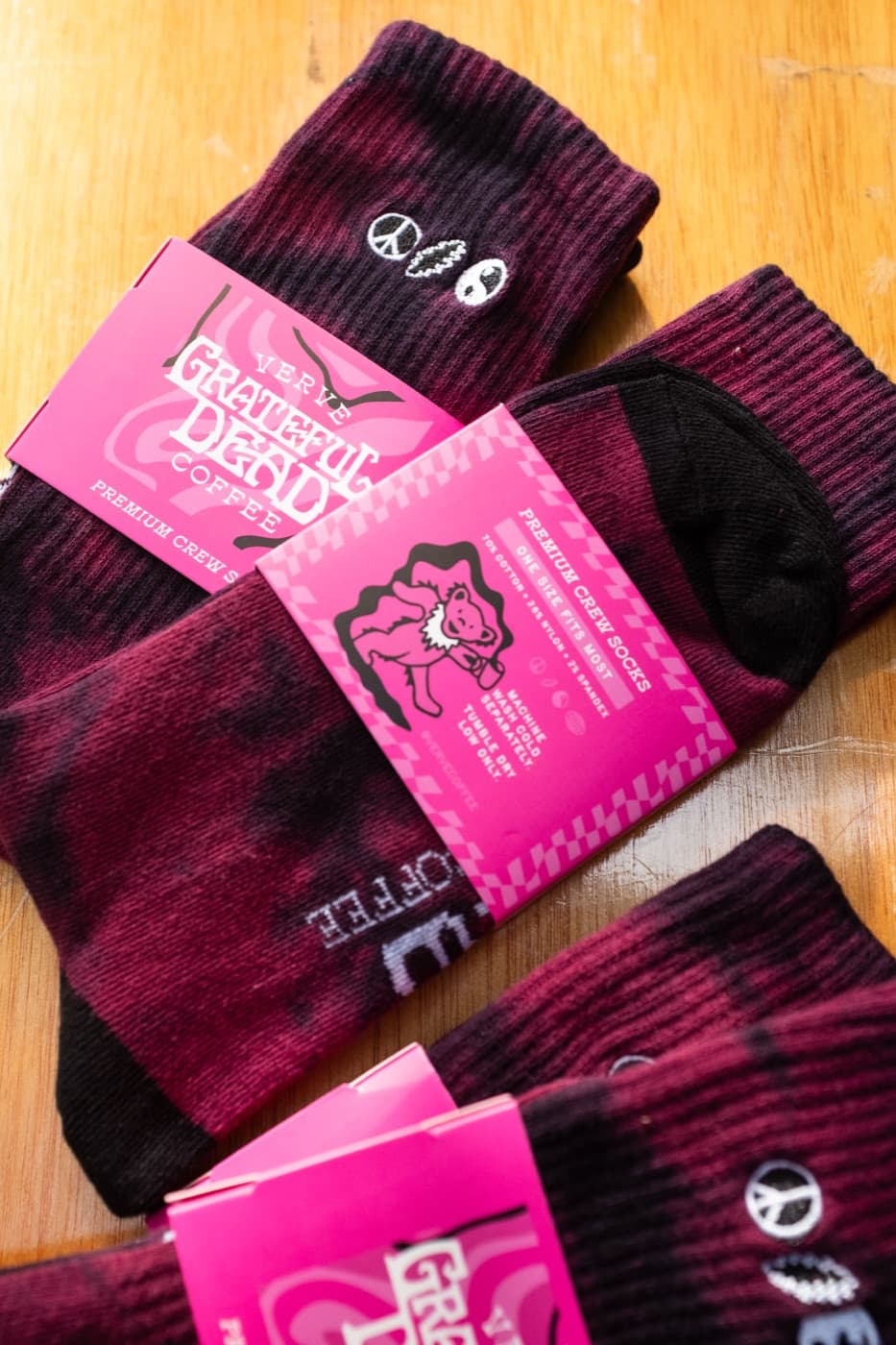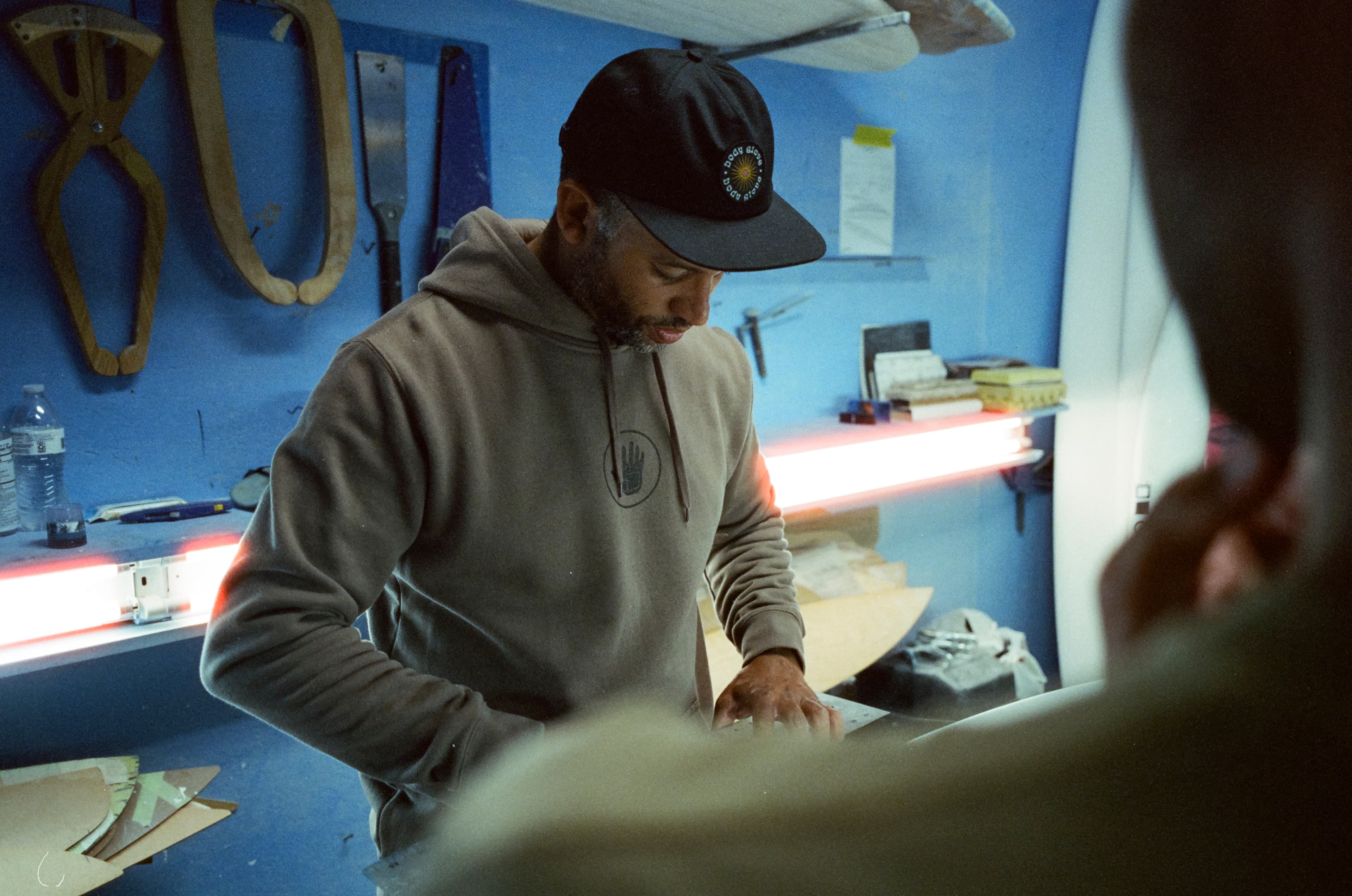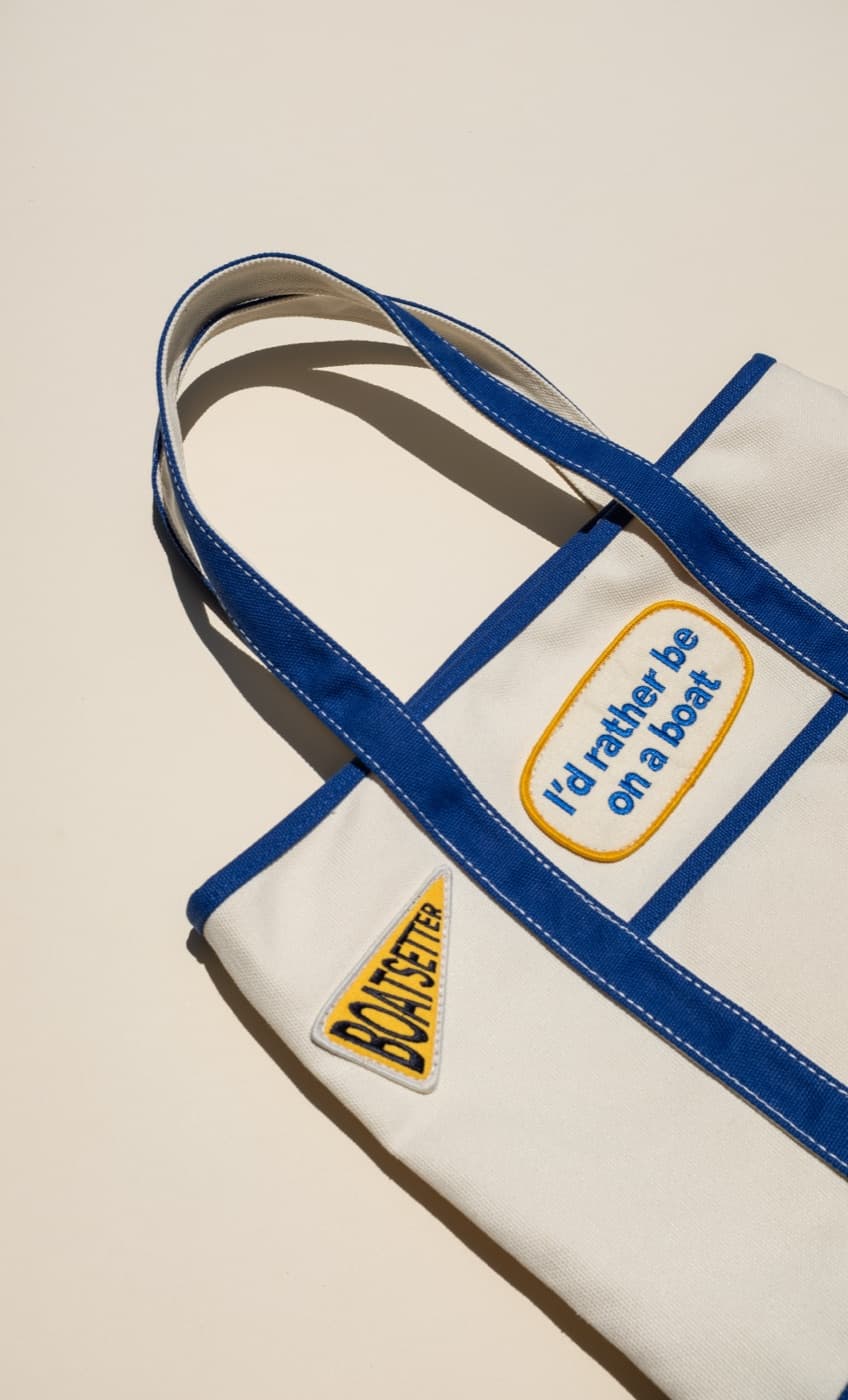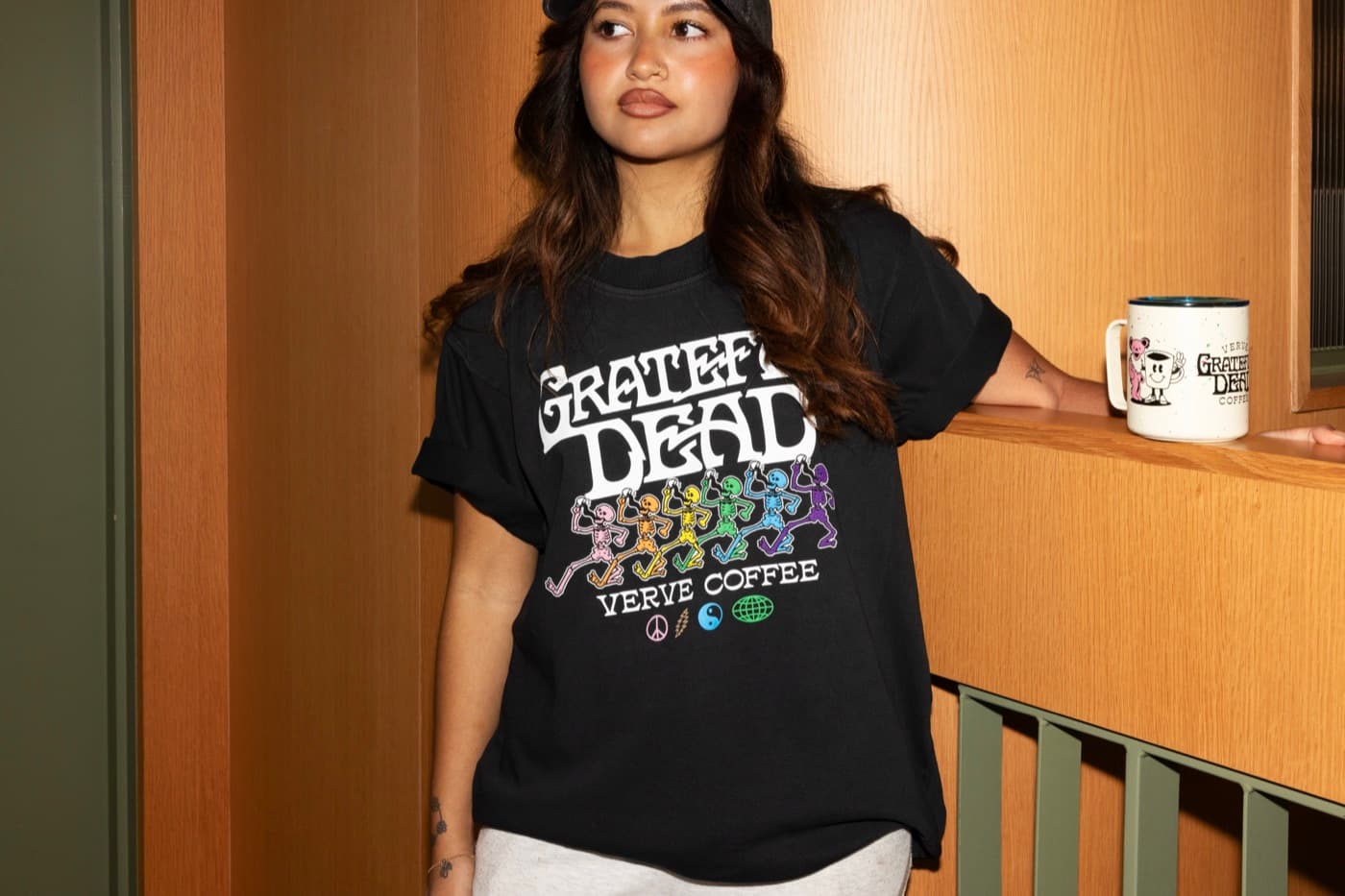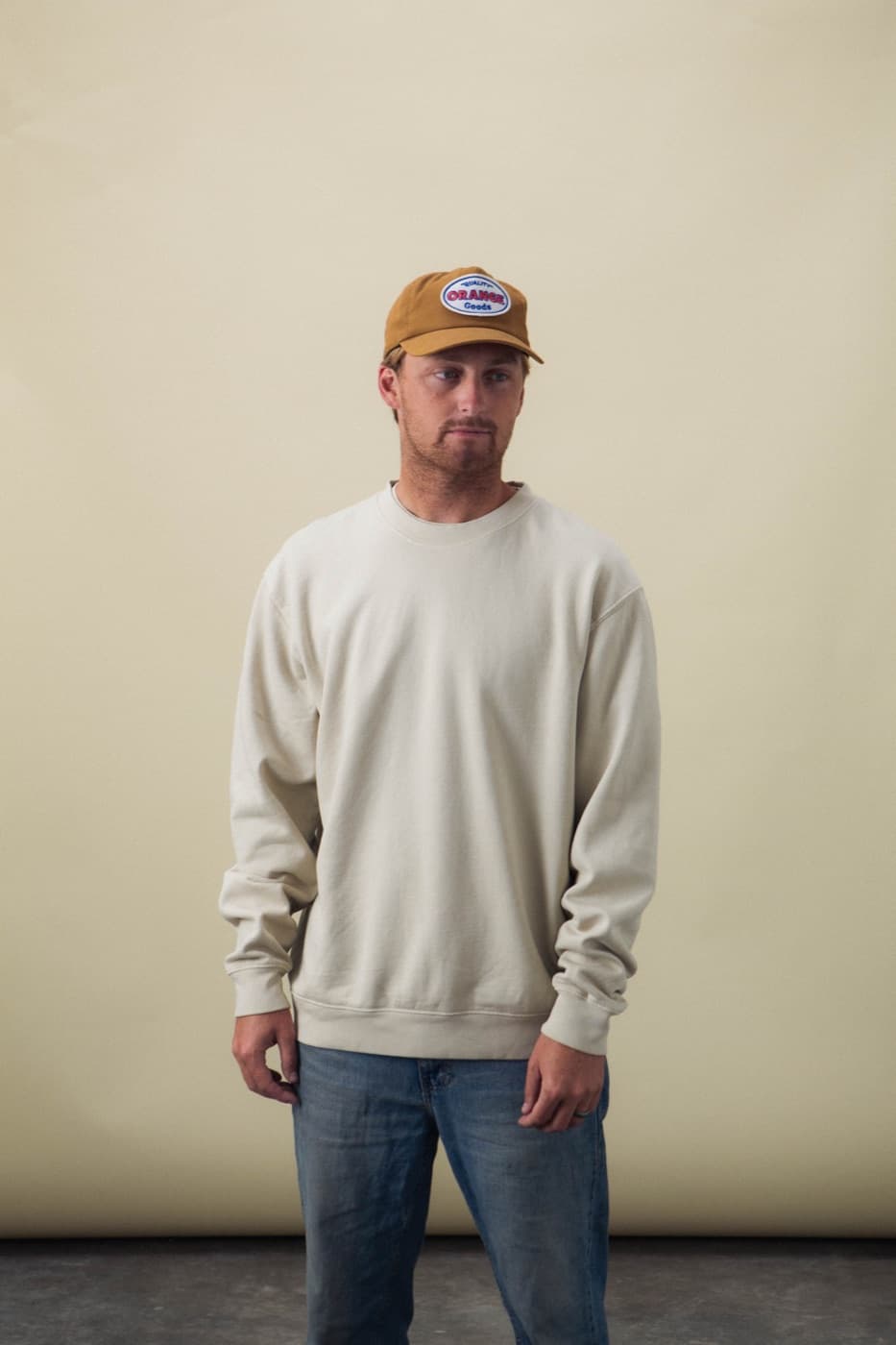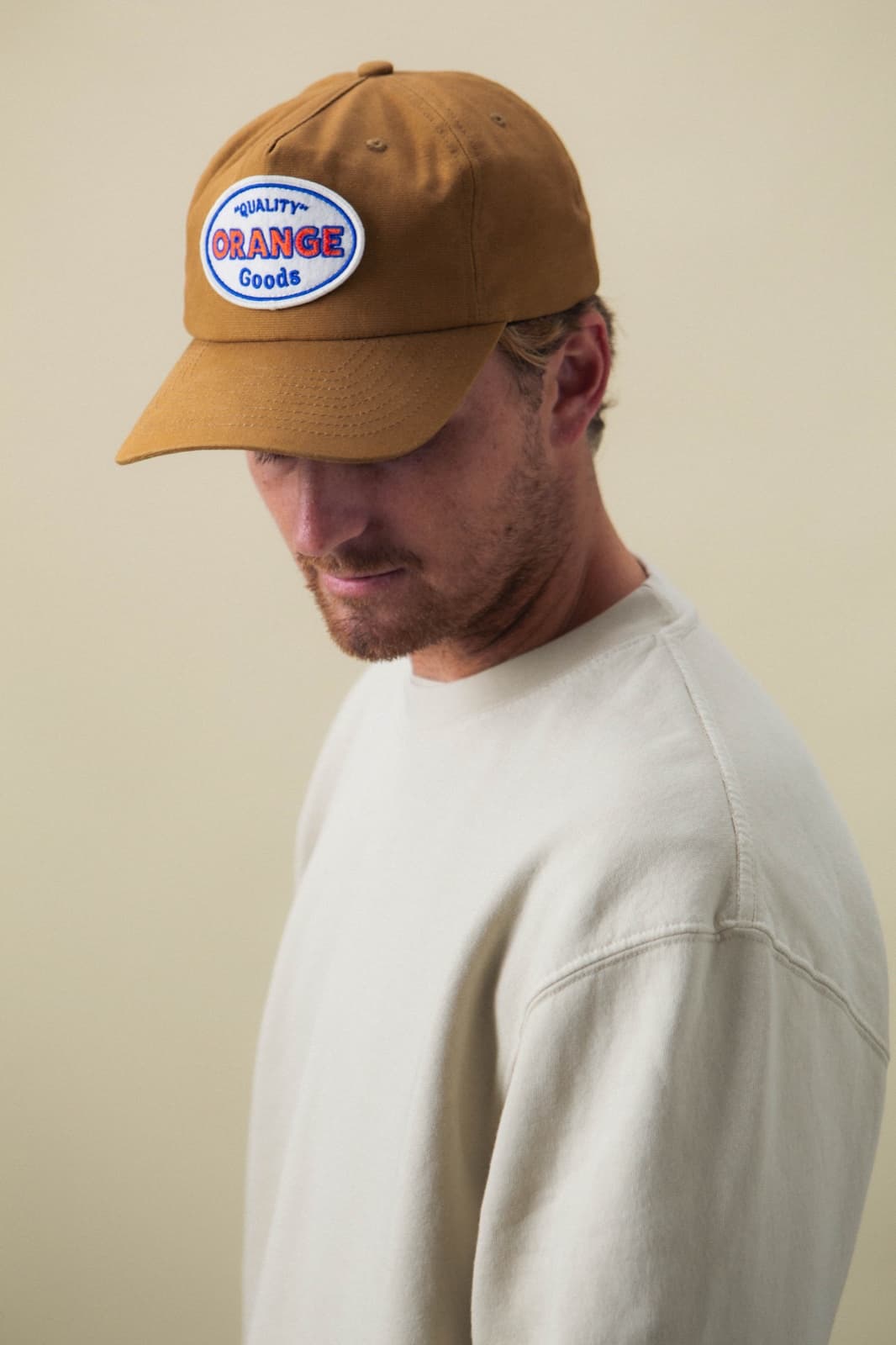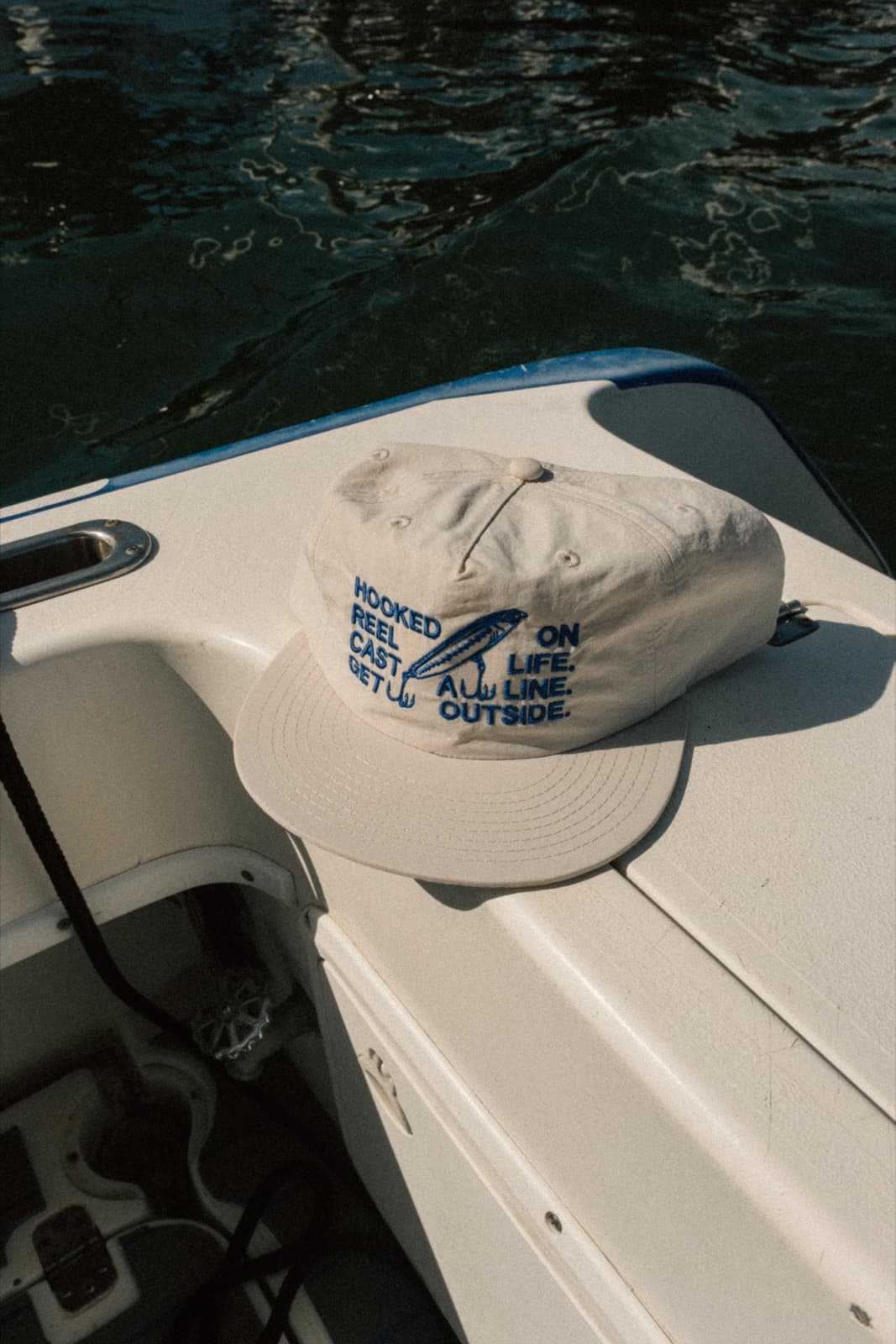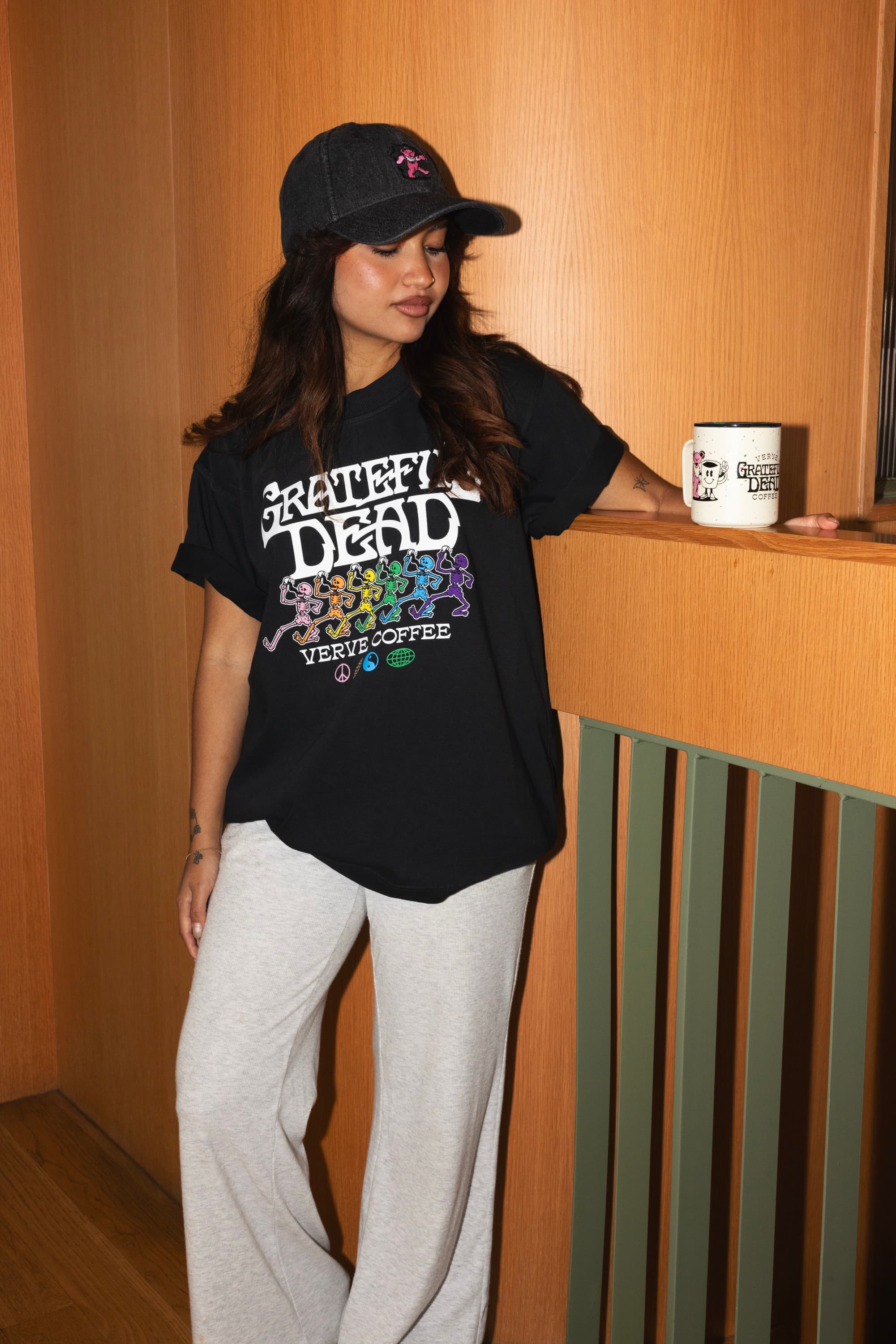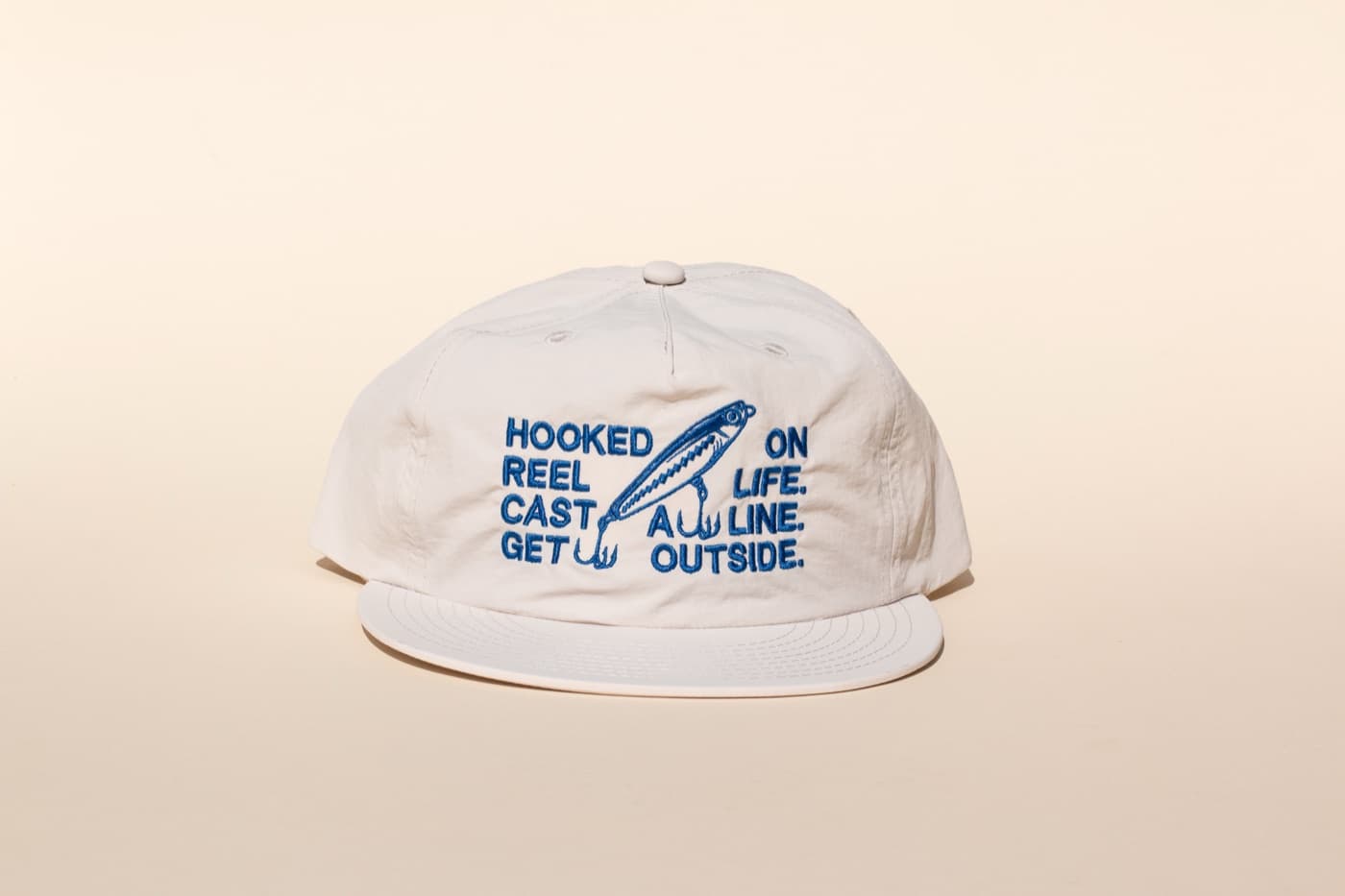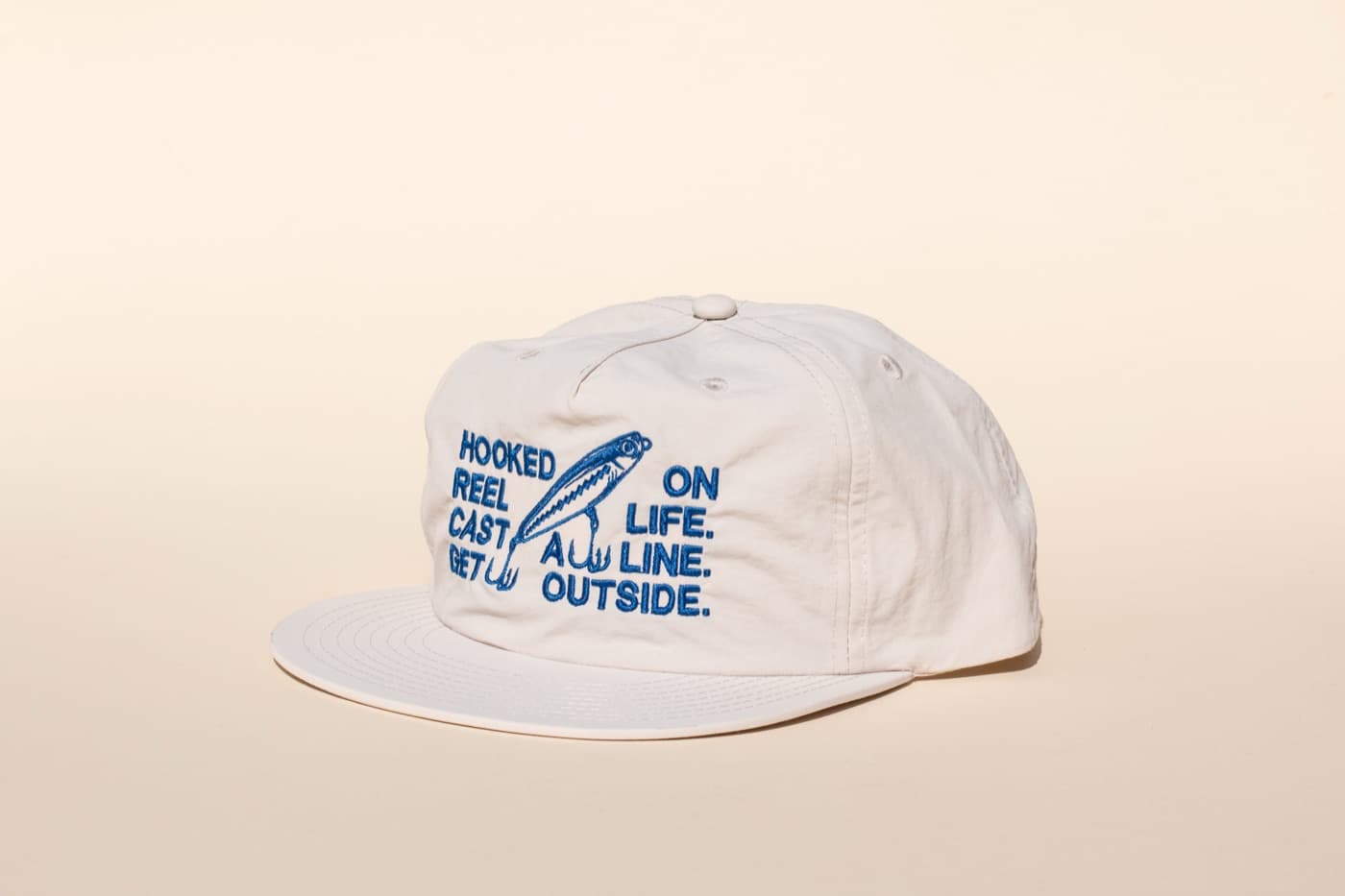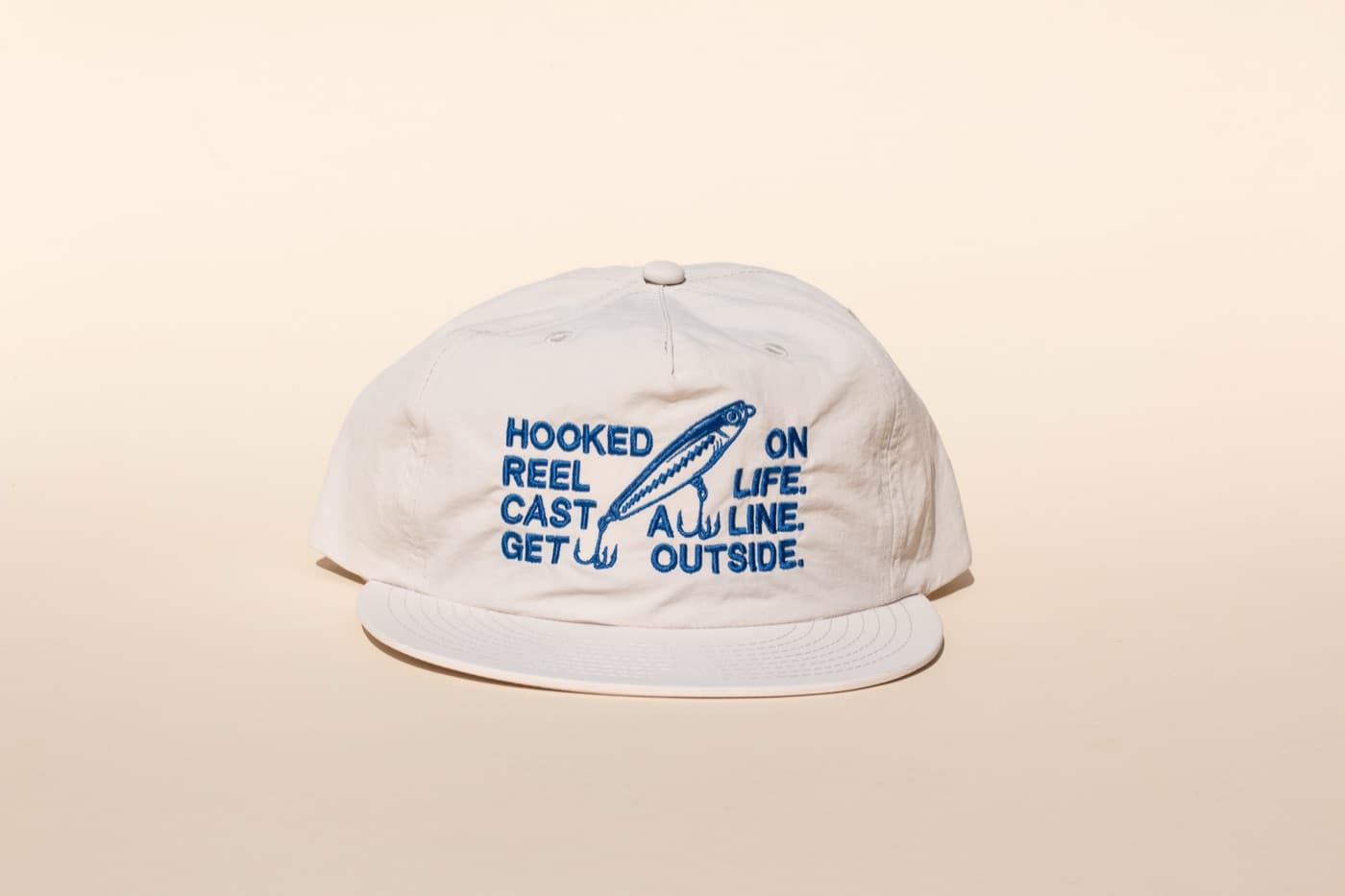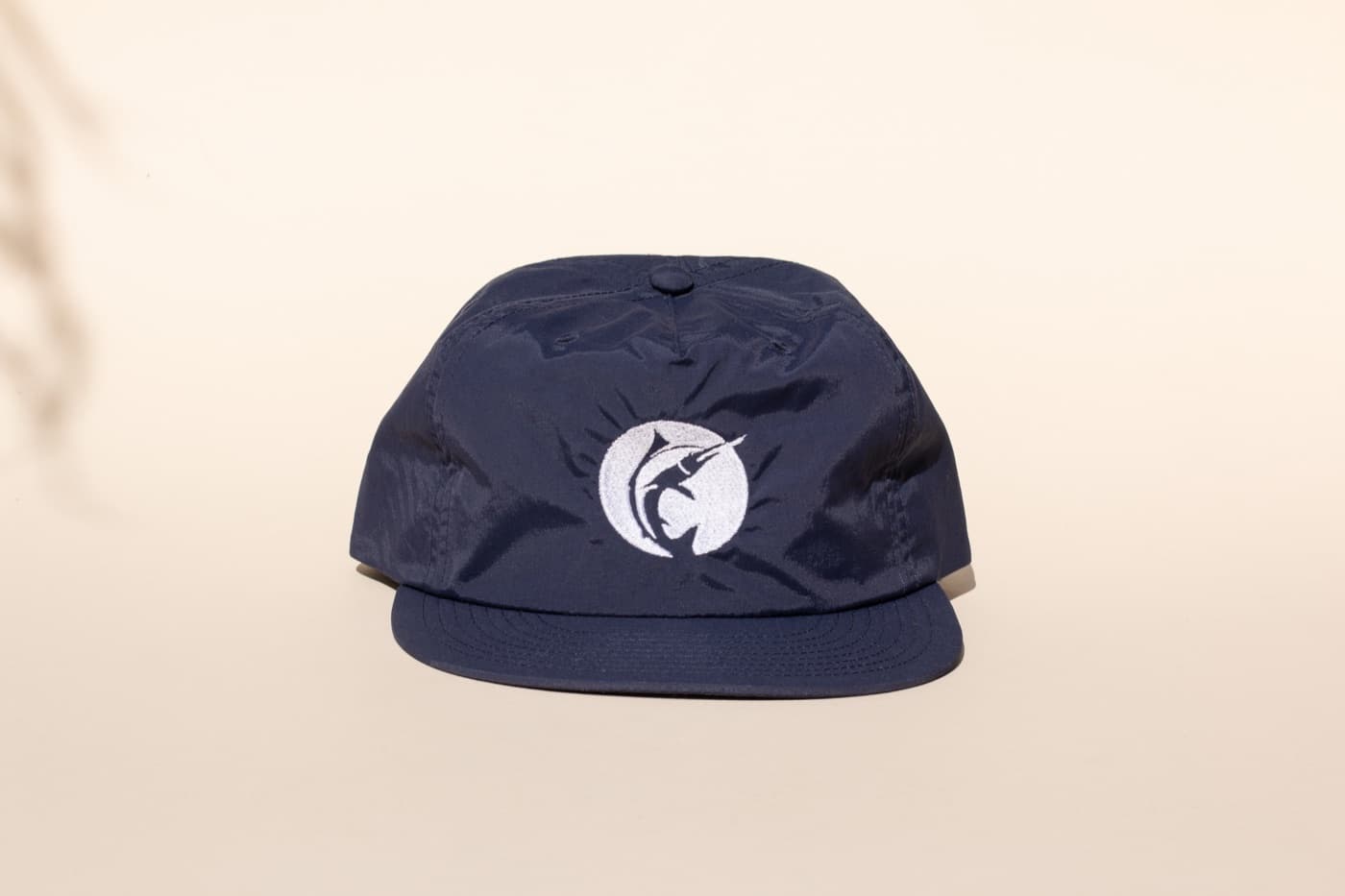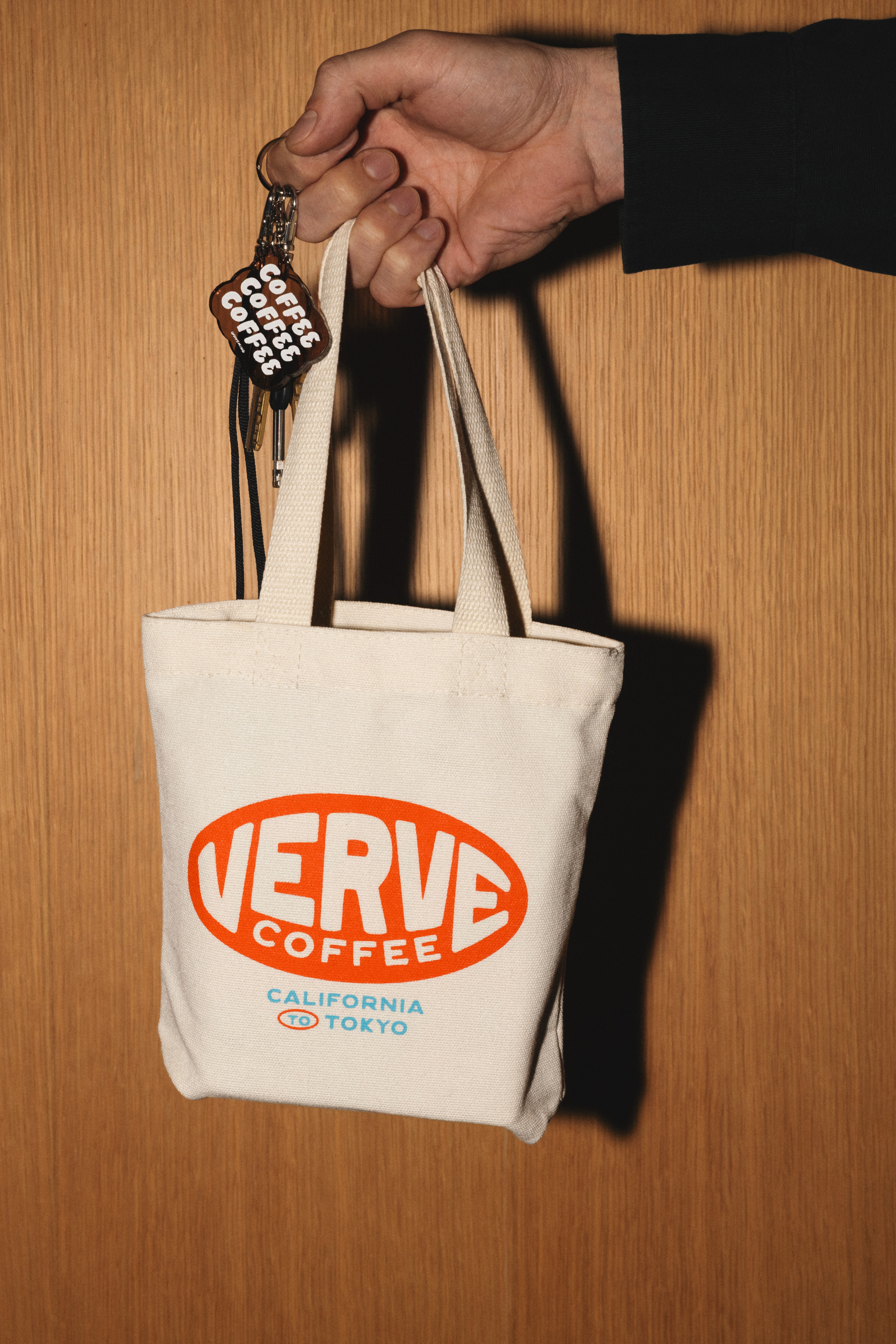
A merch concept can look great in a deck and still fail in production. The artwork may be too detailed for embroidery. The colors may not translate to thread or ink. The placement may look right on a flat mockup and wrong on the body. The product may not support the finish the design needs.
Production-ready design keeps the original idea alive by building it for the final object from the start. It is creative work and technical work at the same time.
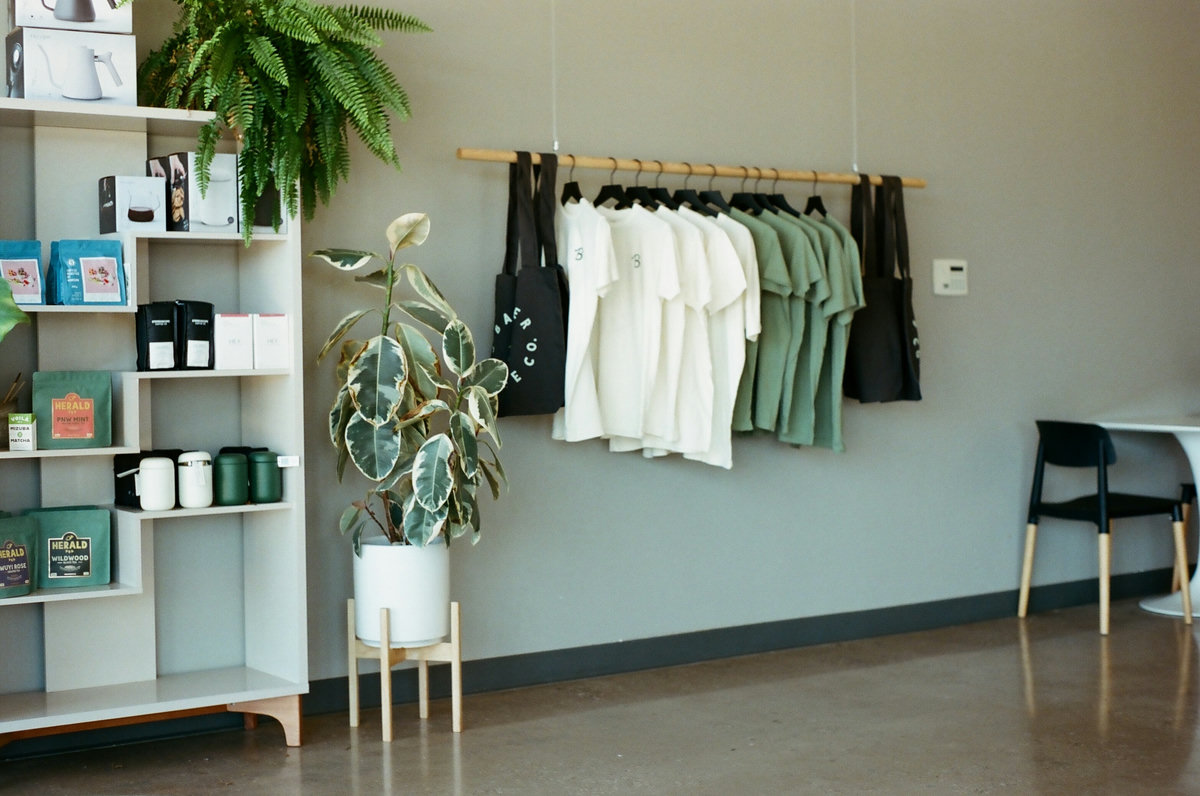
Define the product before final art
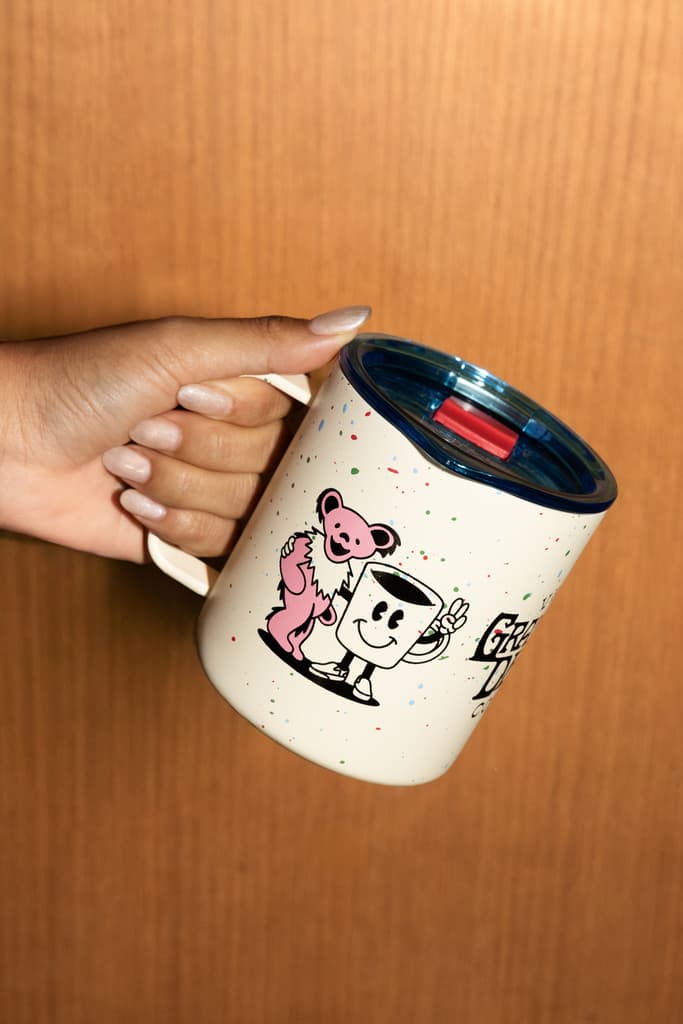
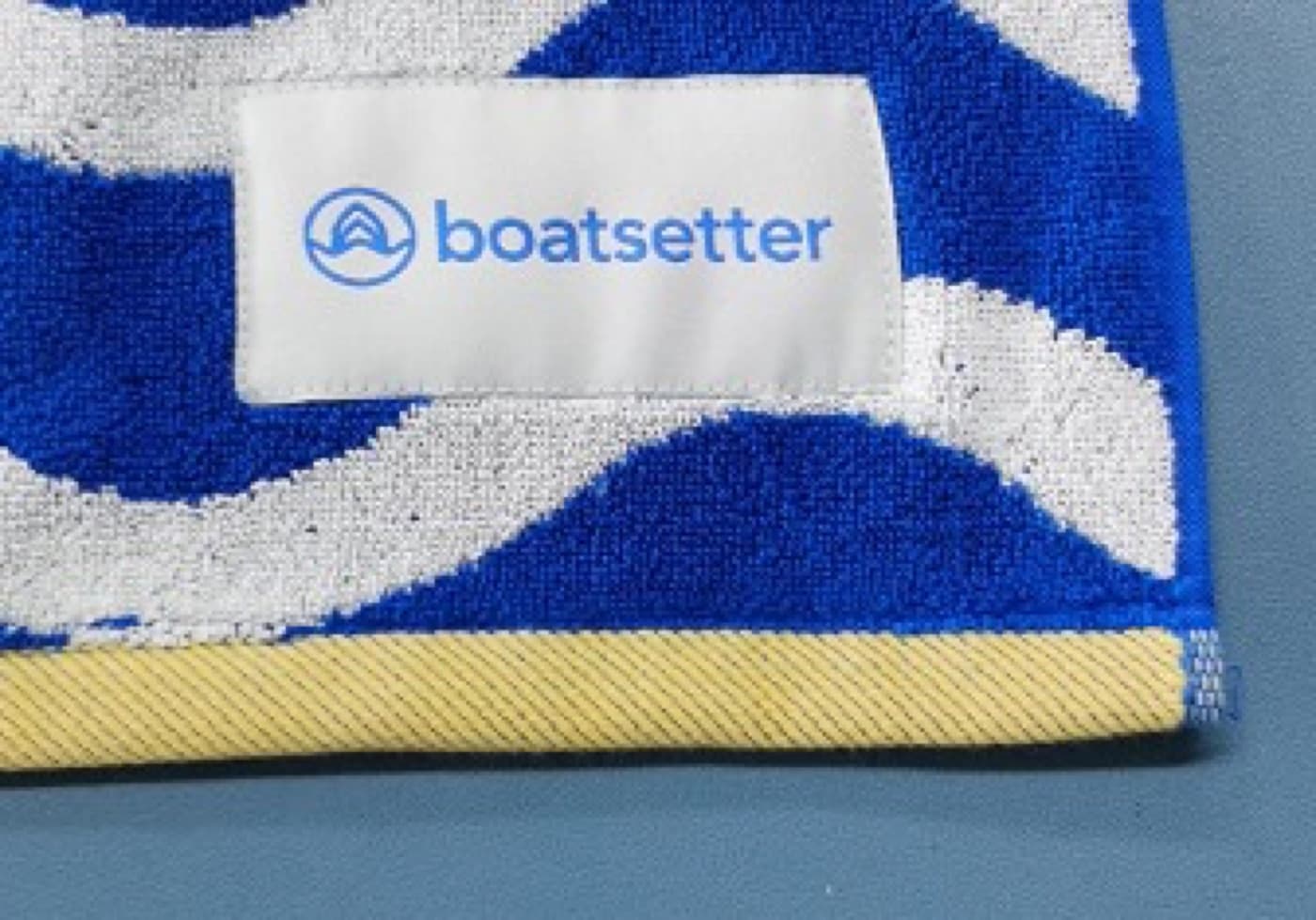
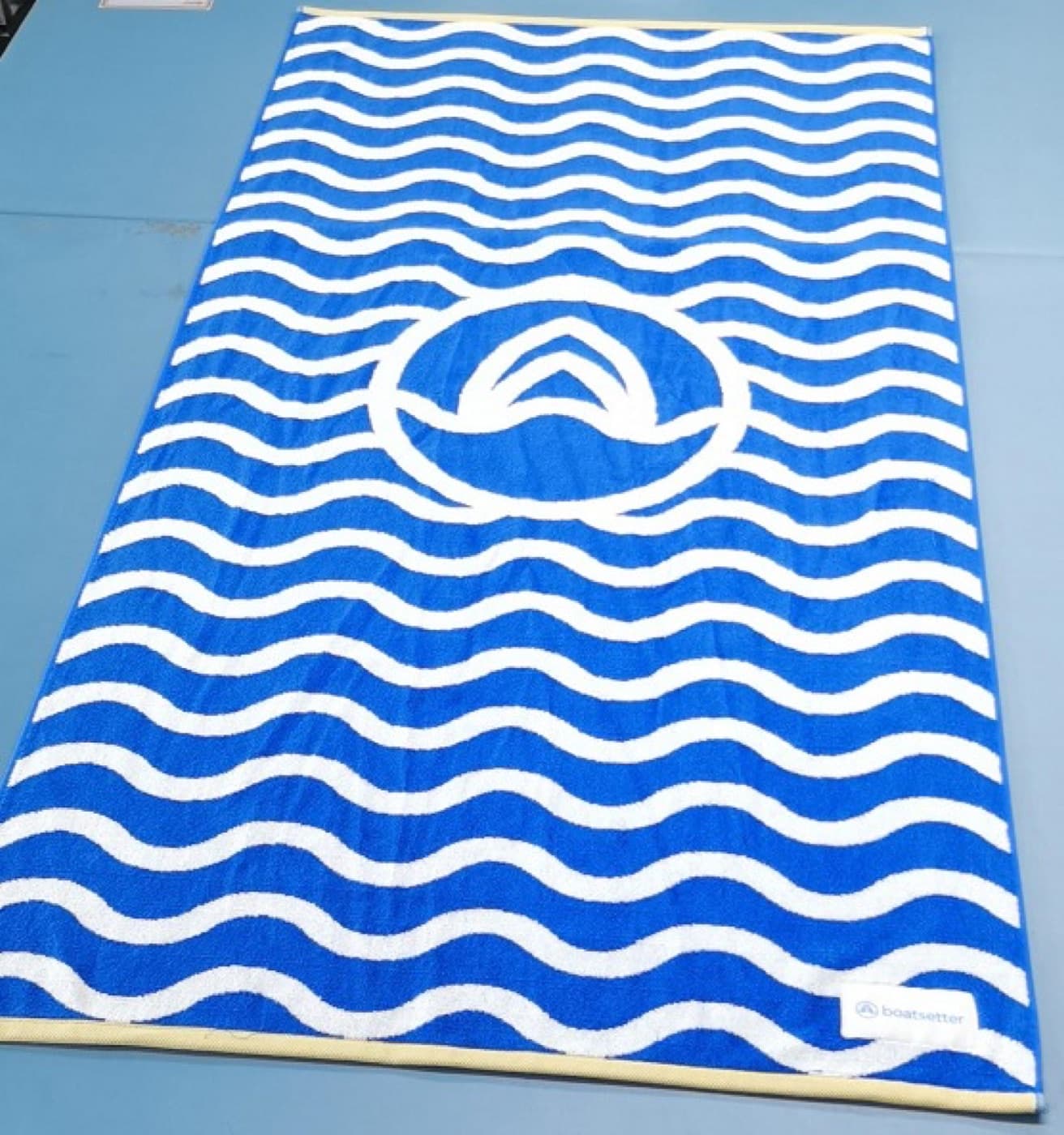
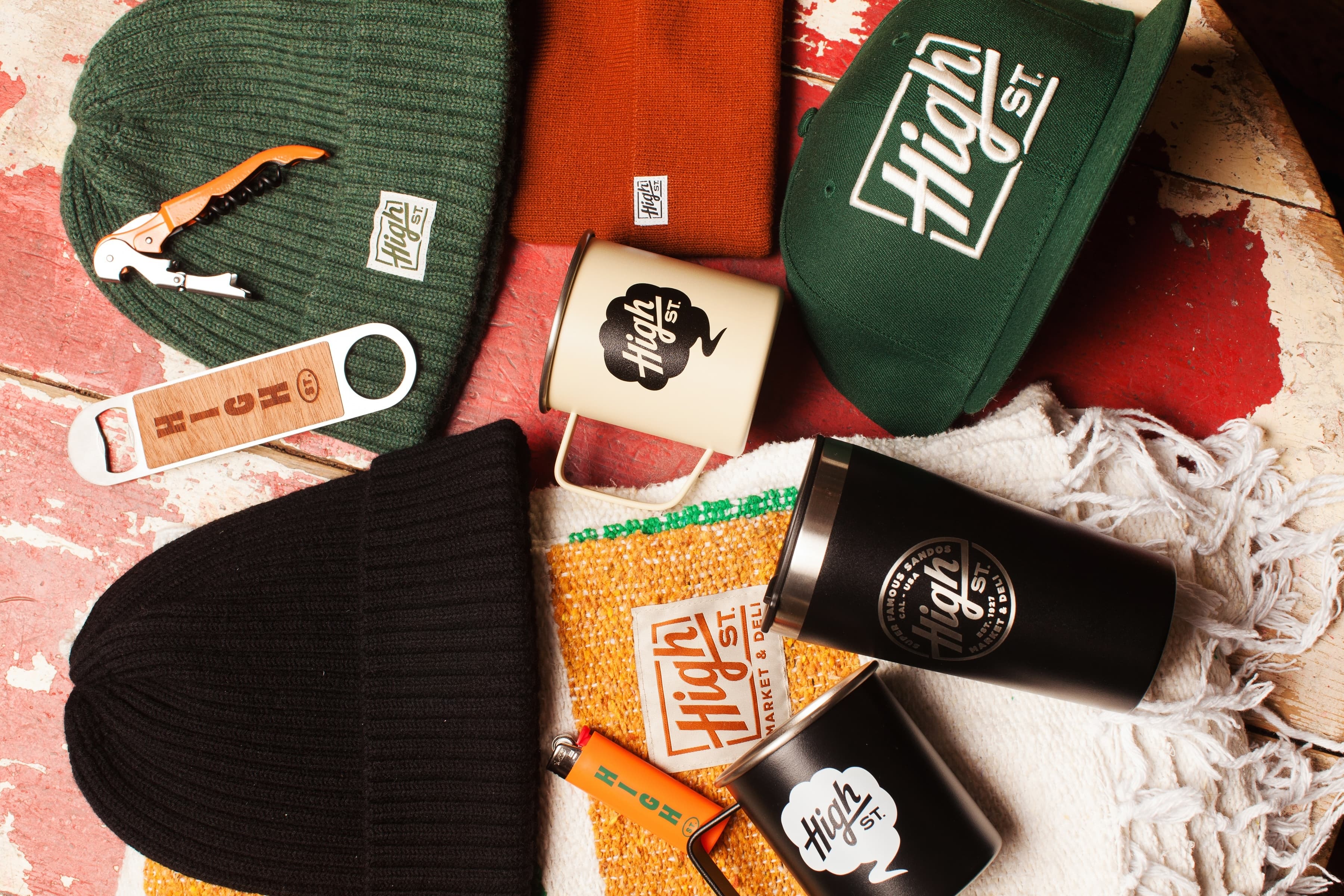
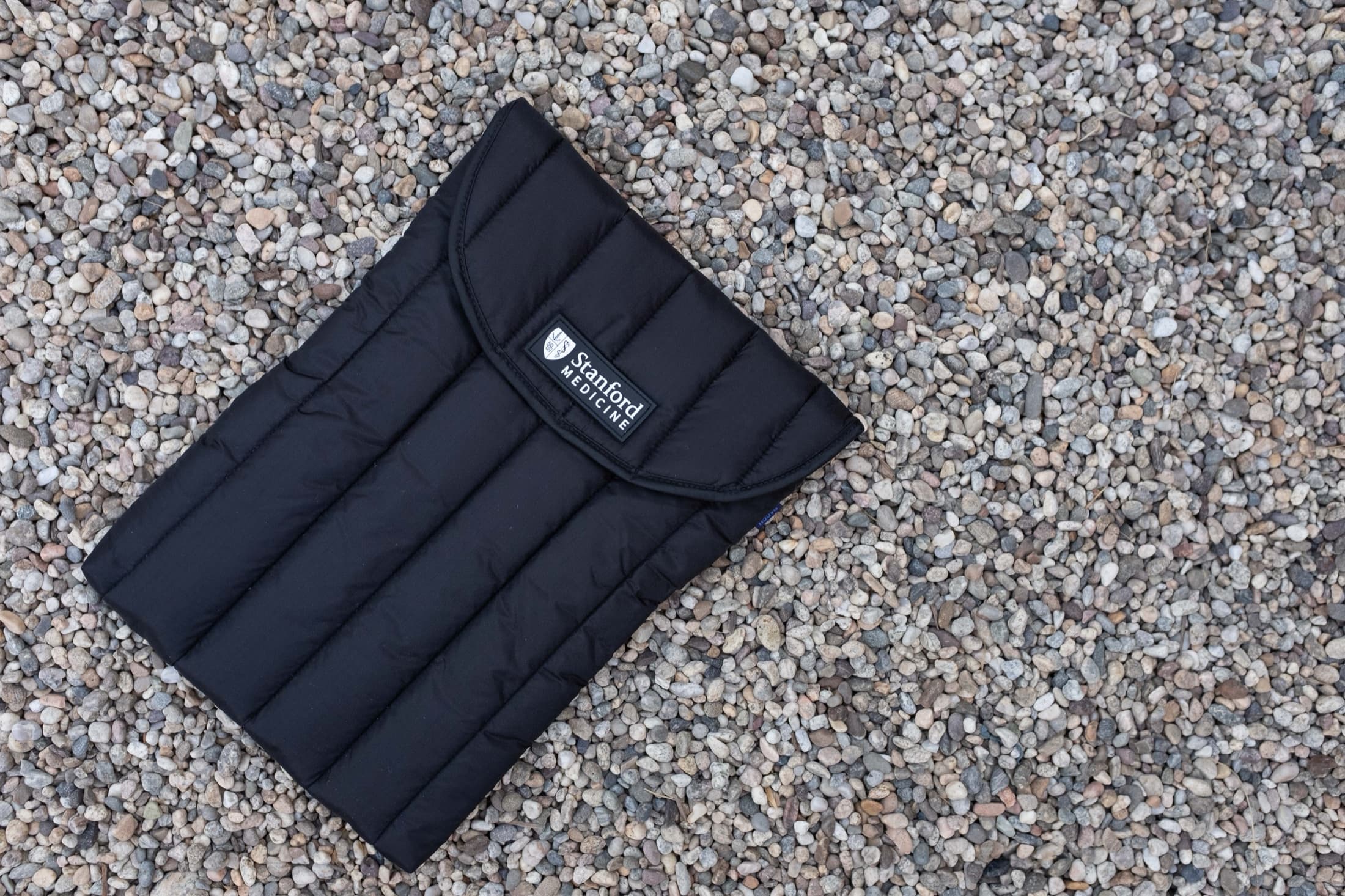
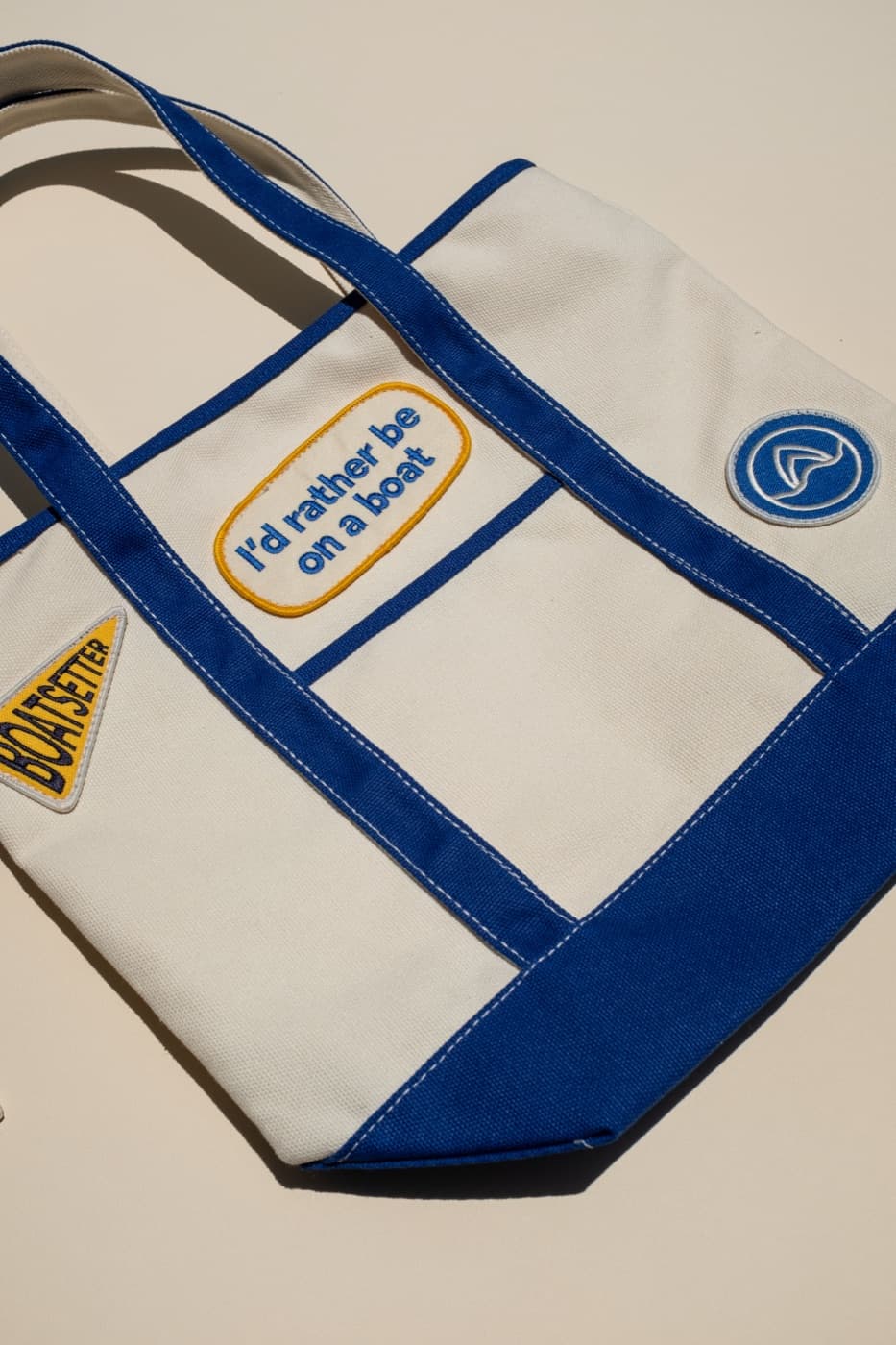
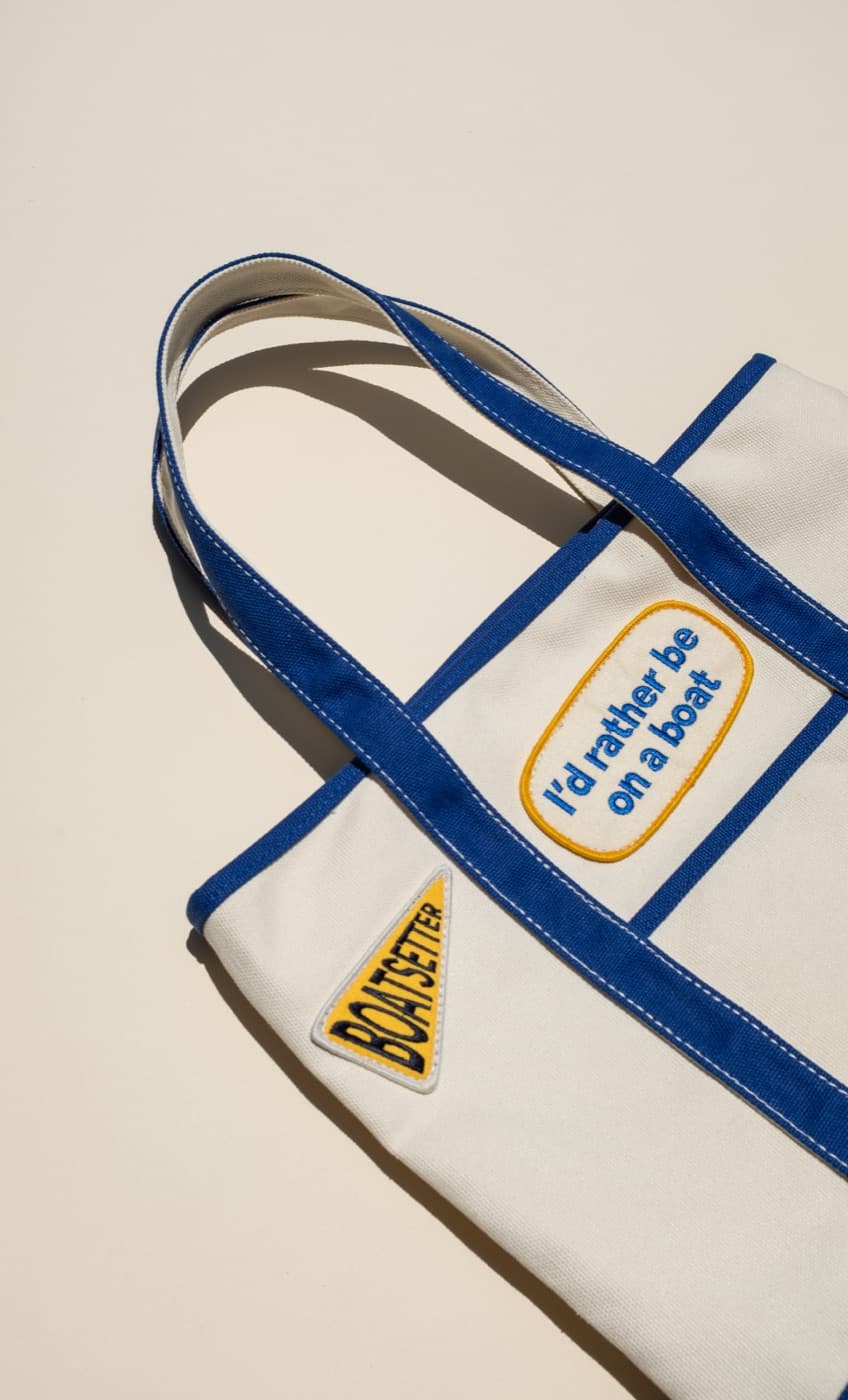
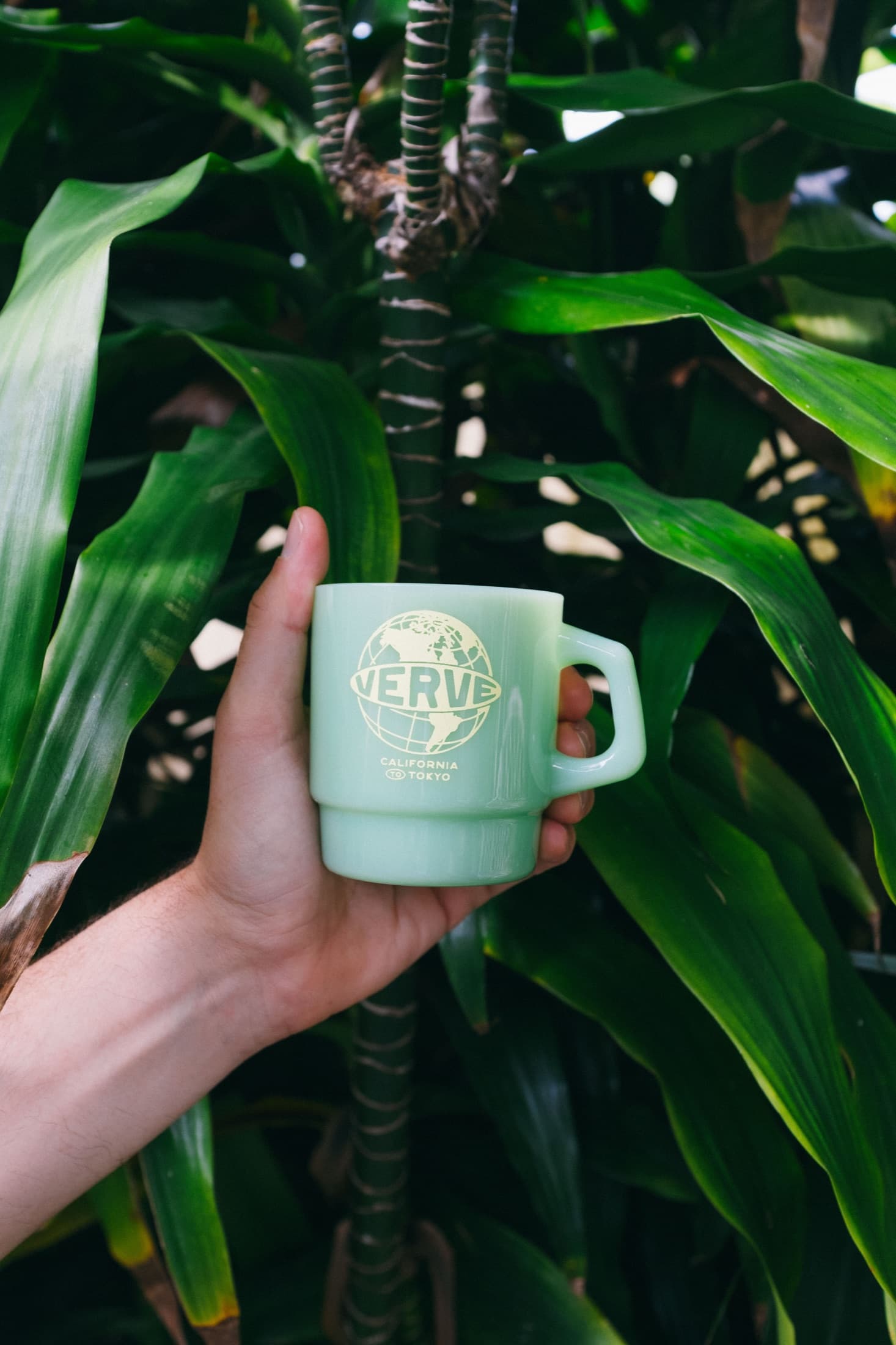
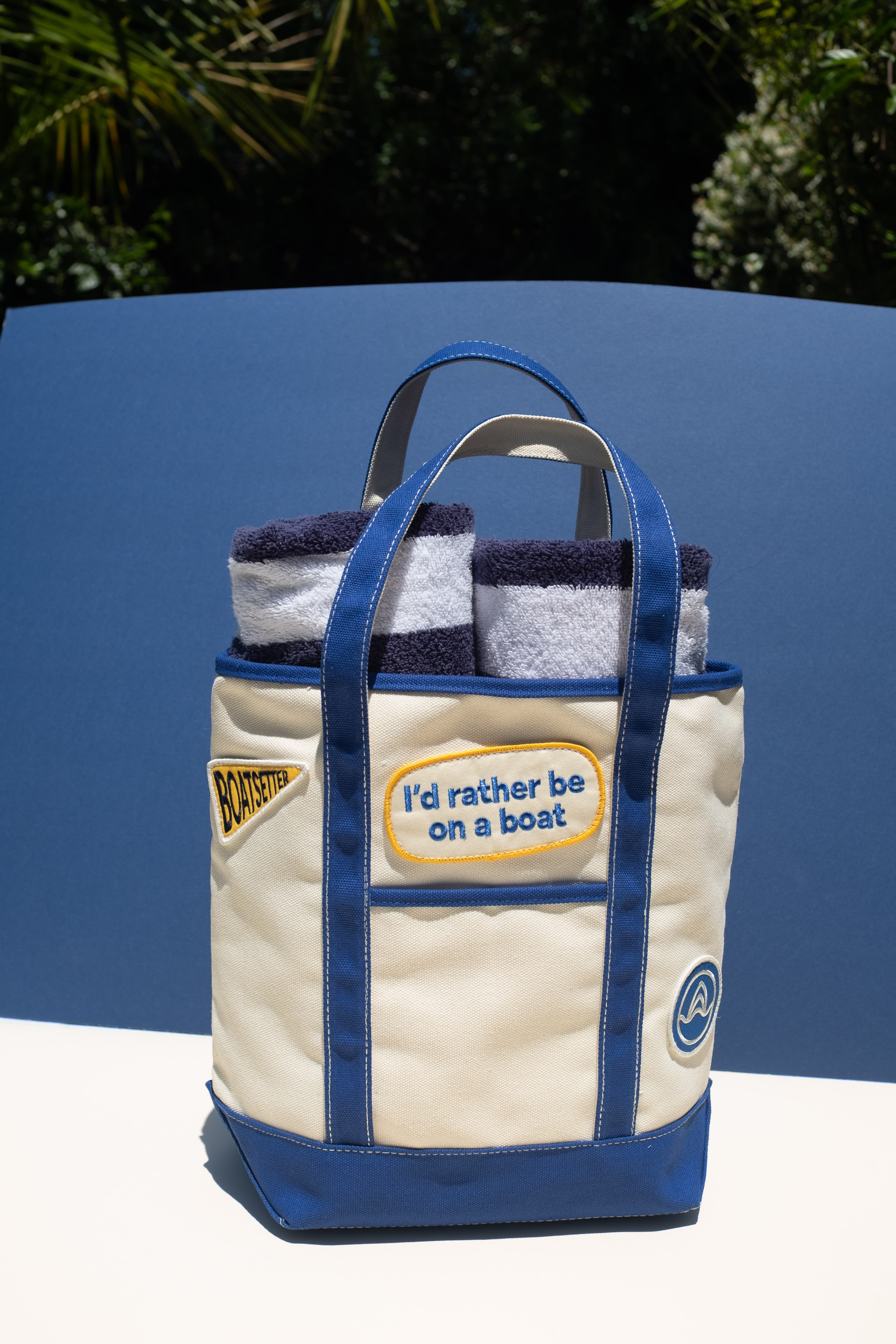
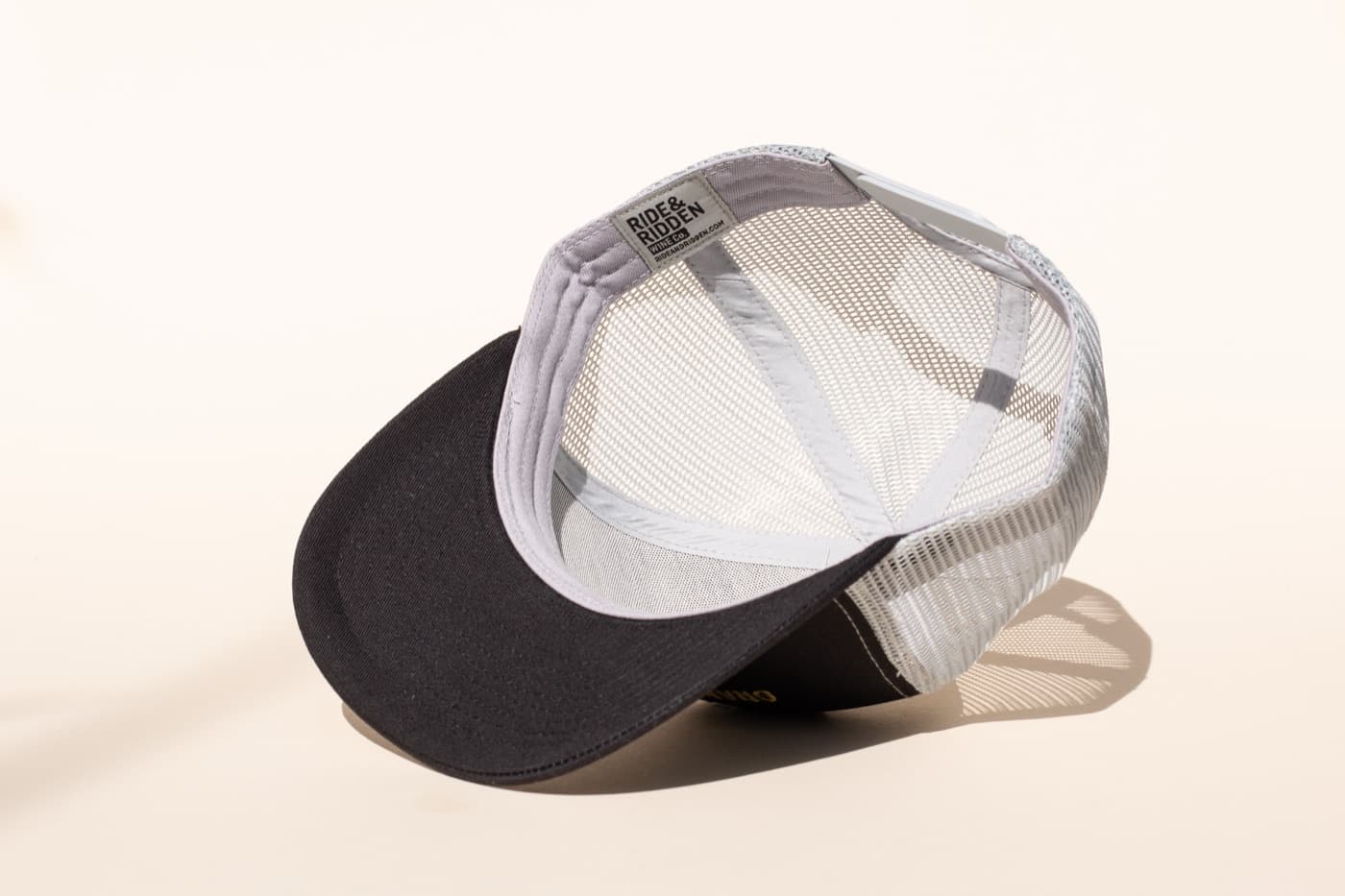
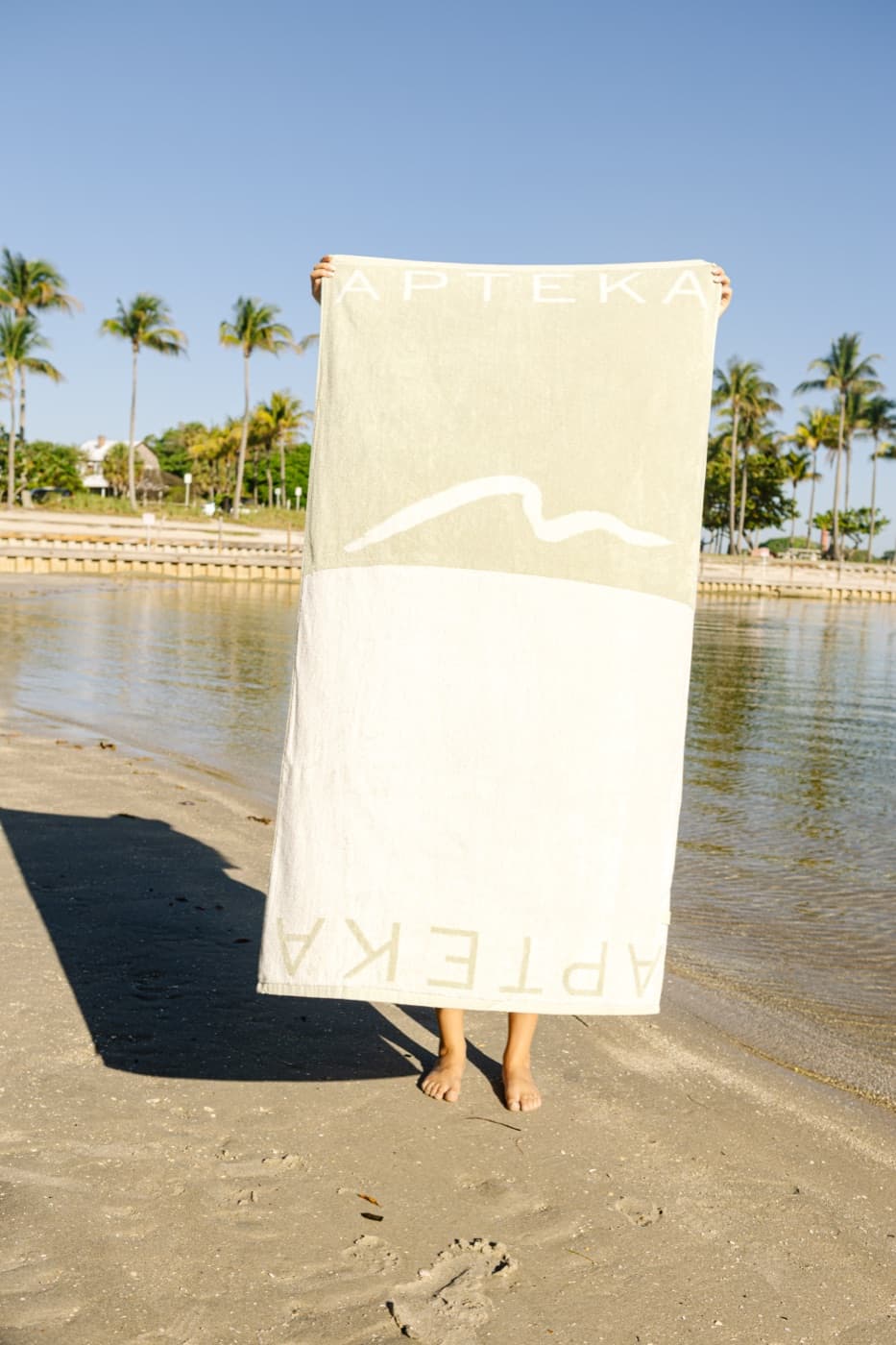
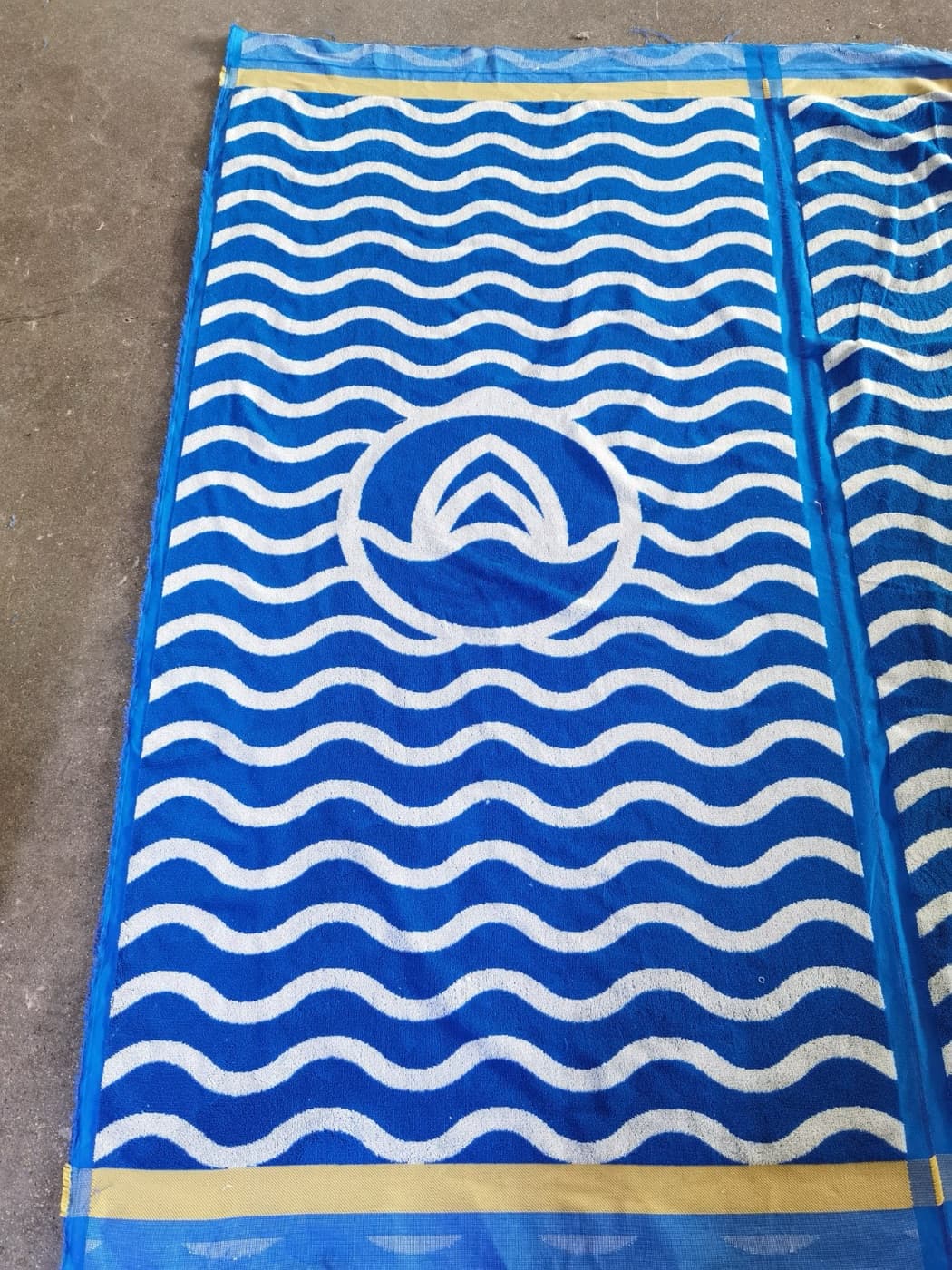
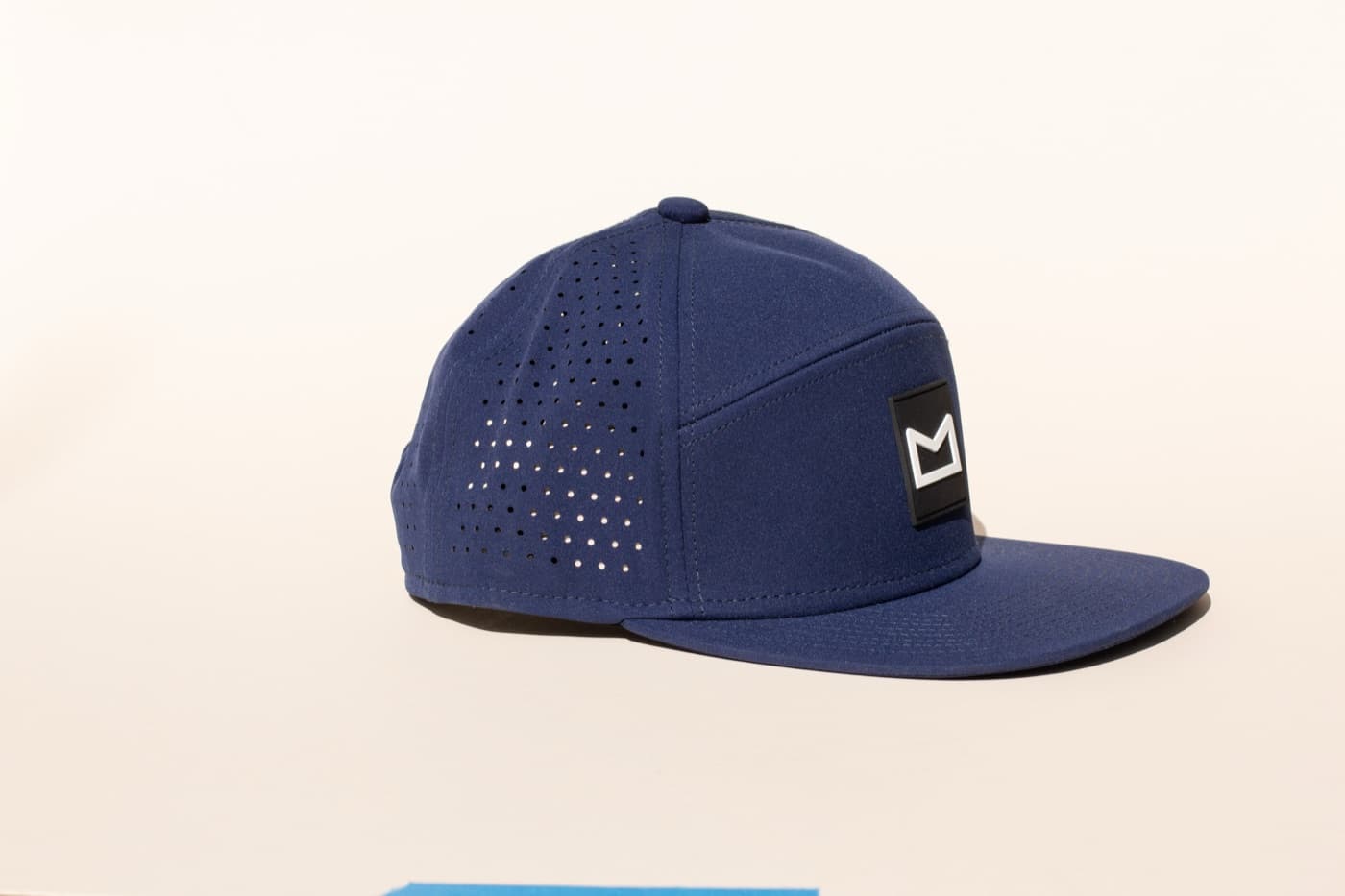
A tee graphic, hat patch, tote print, woven label, towel layout, and mug mark all have different constraints. If the product is still unknown, the artwork can drift into a format that does not make sense later. Defining the product early gives the designer real boundaries.
Boundaries help. They determine scale, color count, line weight, placement, decoration method, and file setup. A good merch concept becomes more specific as soon as the product is chosen.
Choose the decoration method honestly
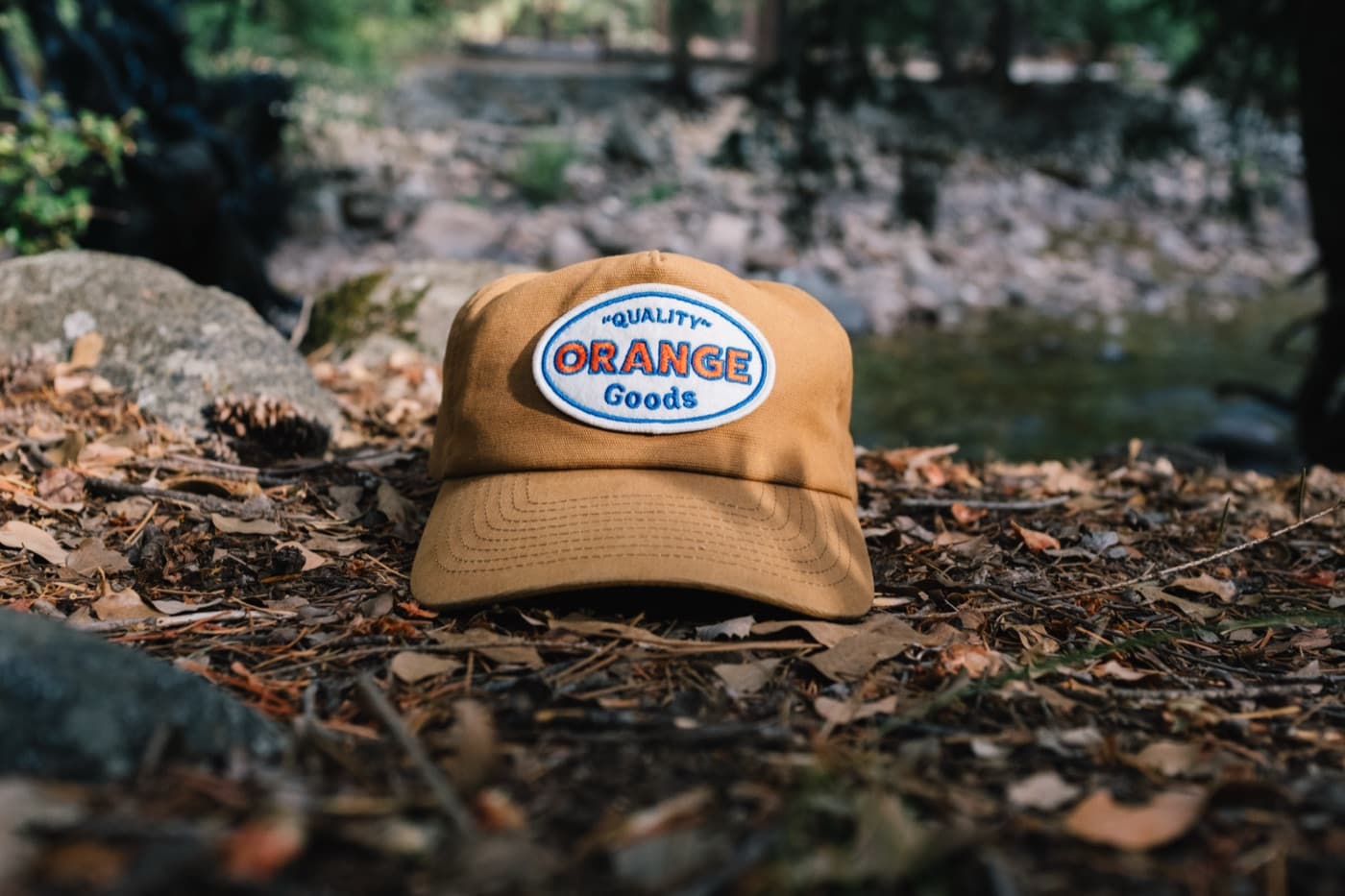
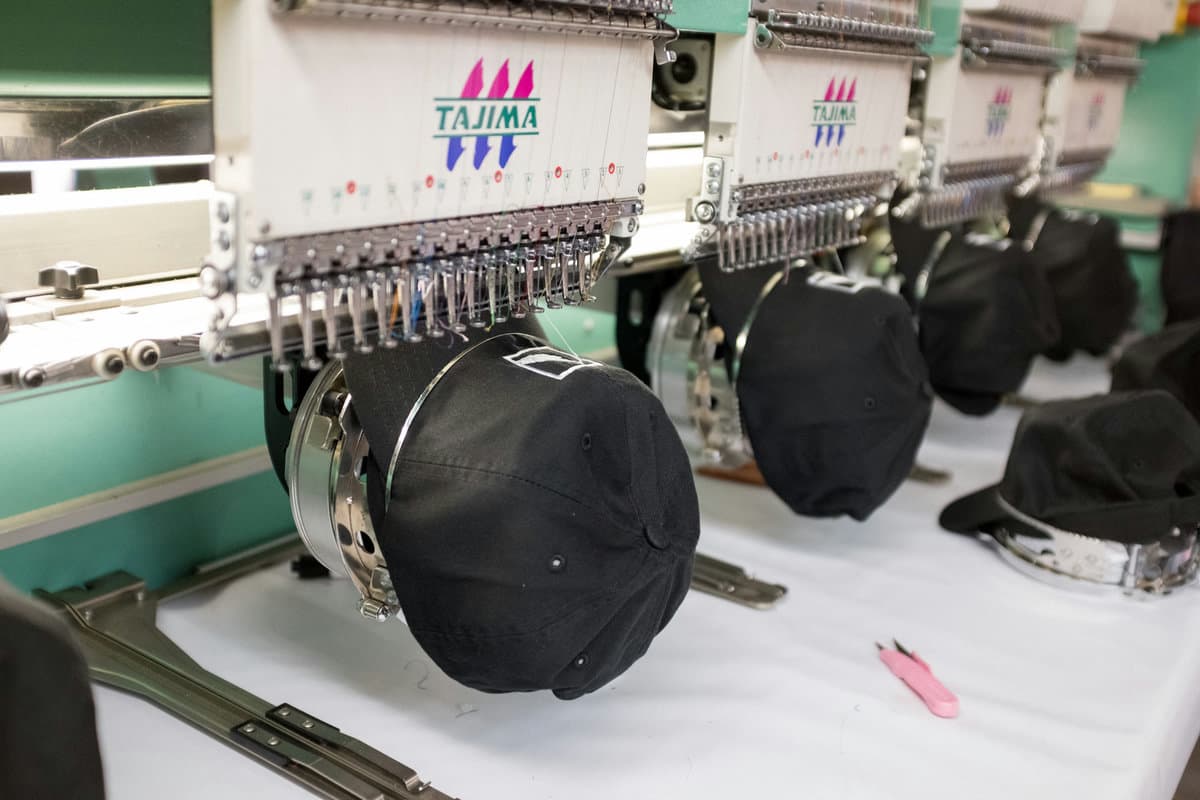
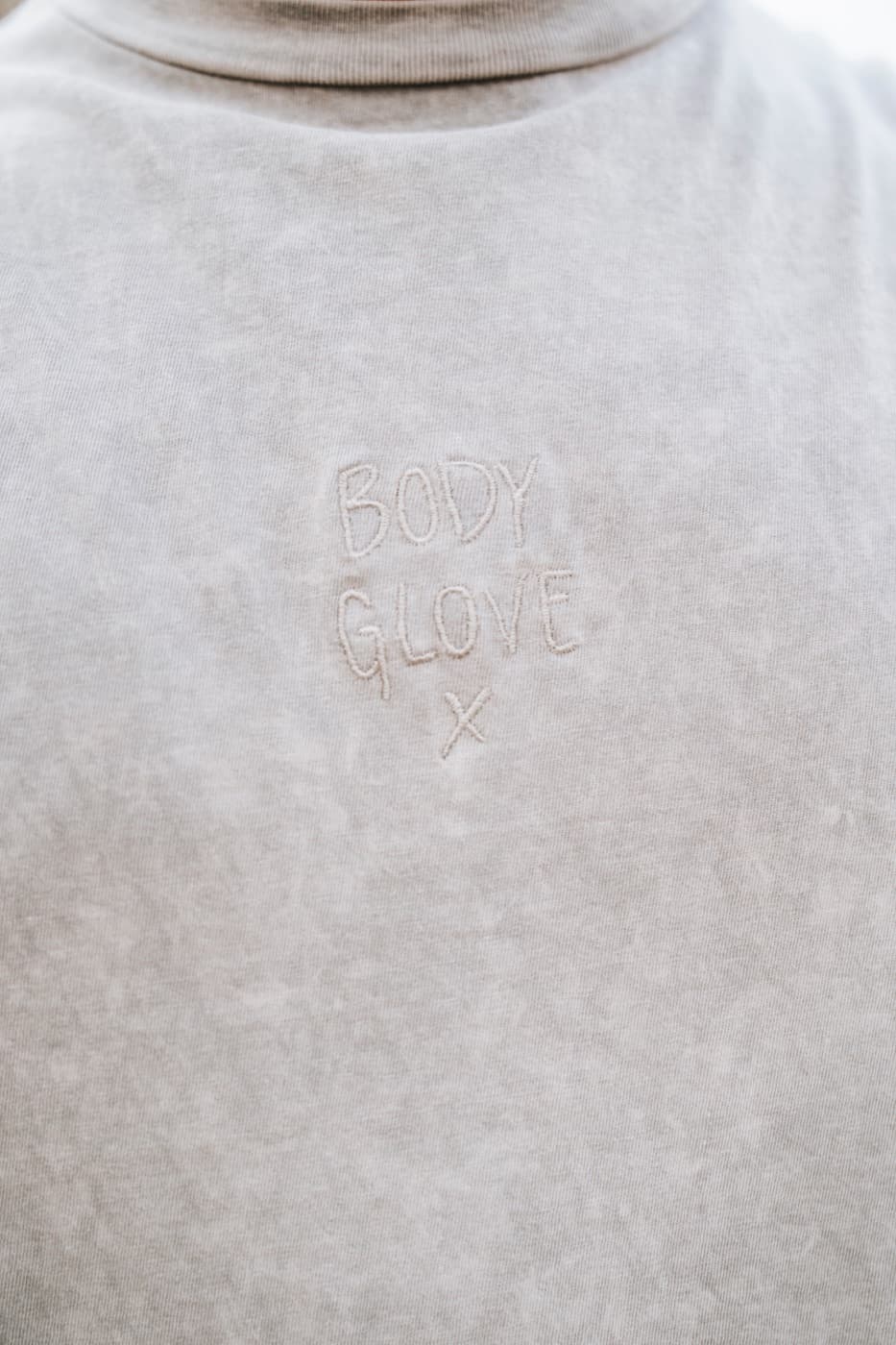
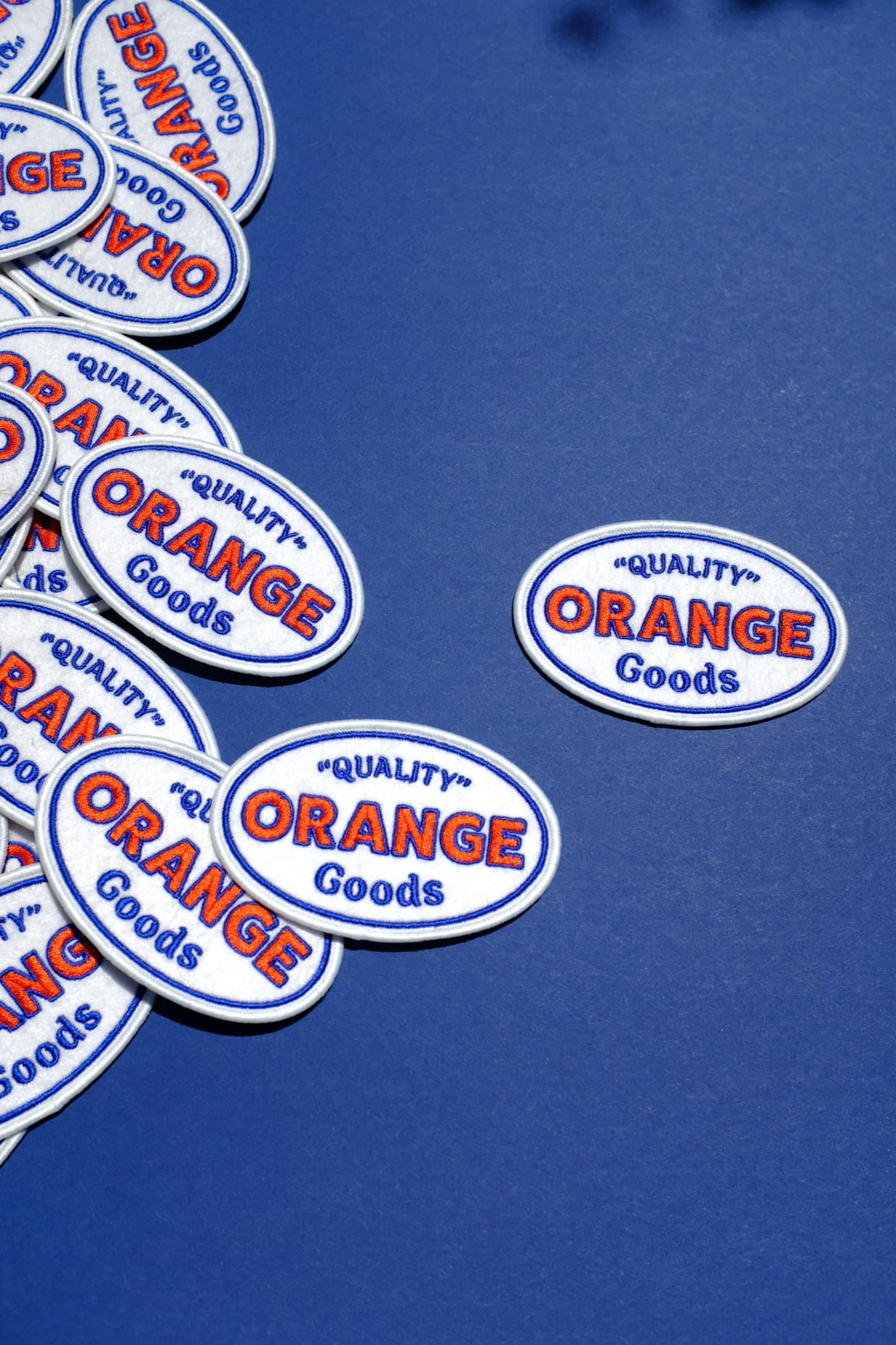
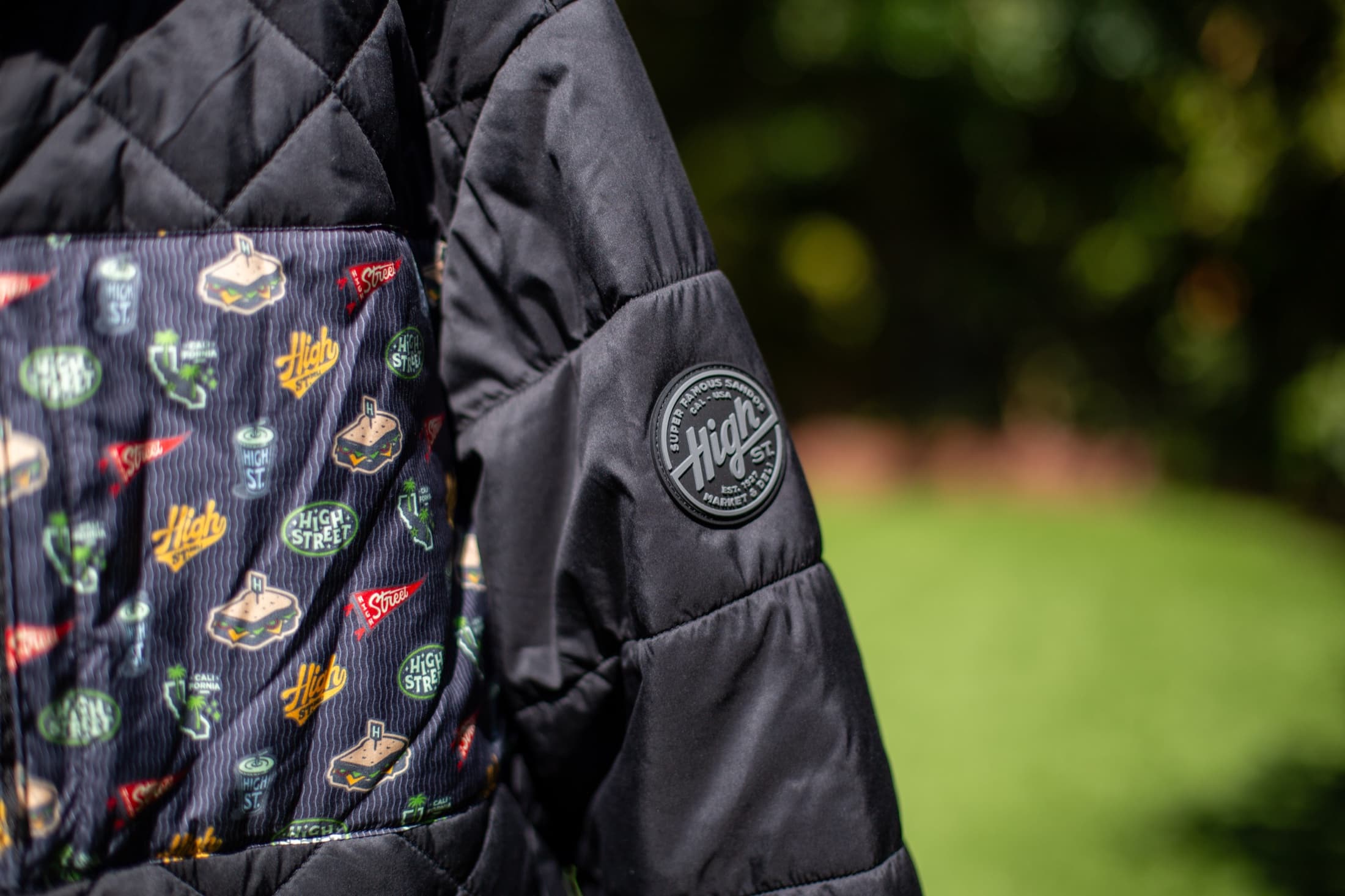
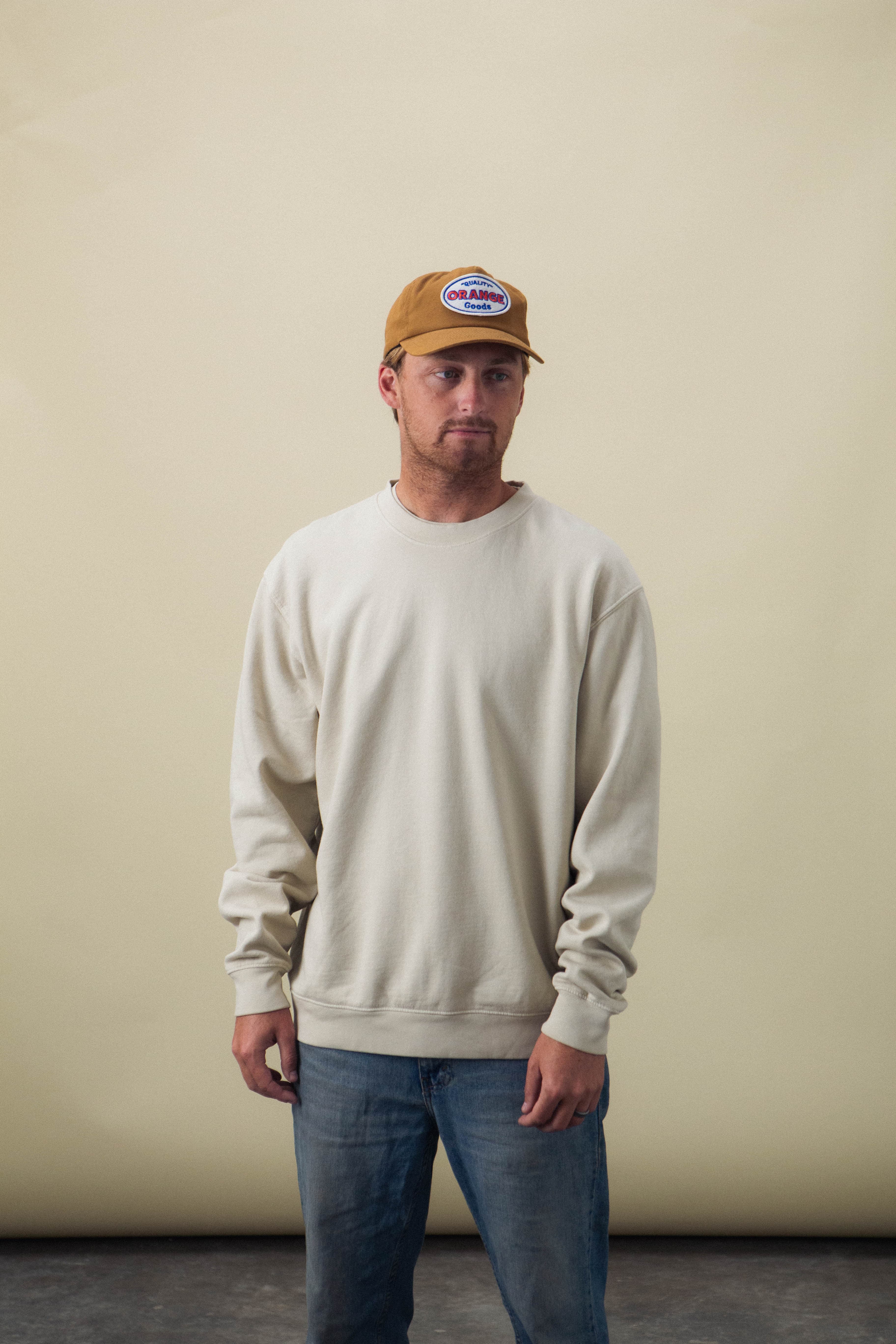
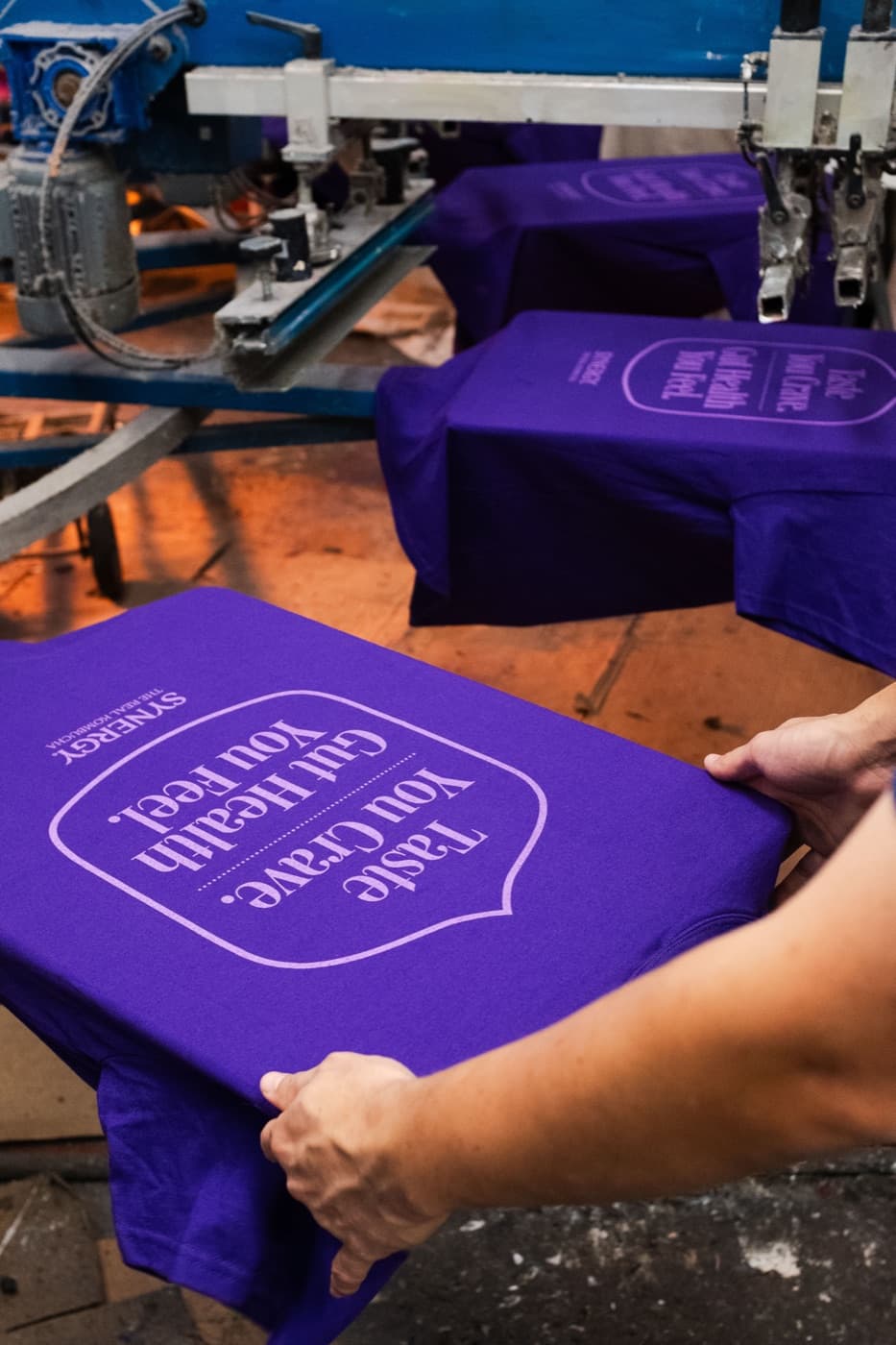
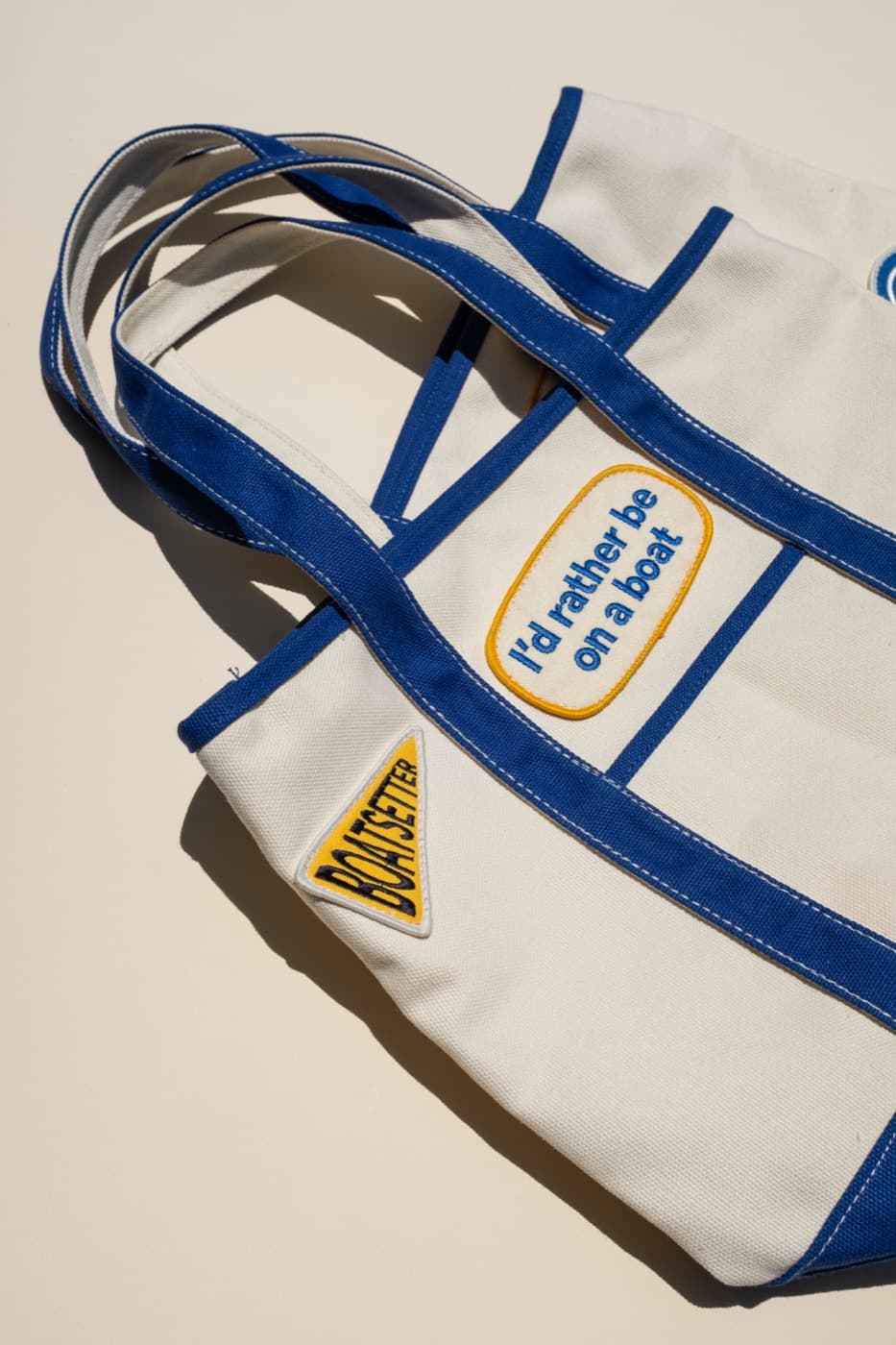
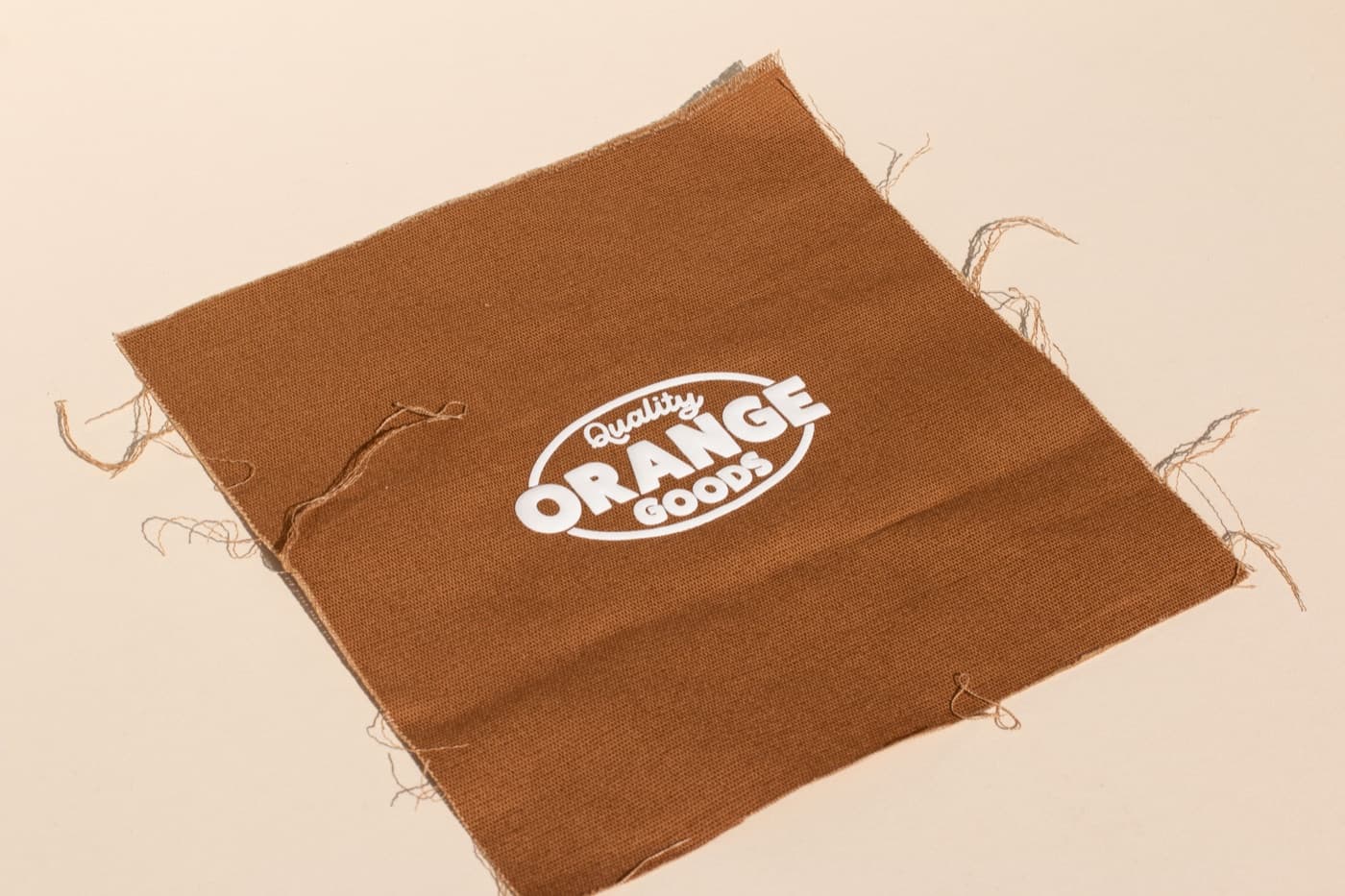
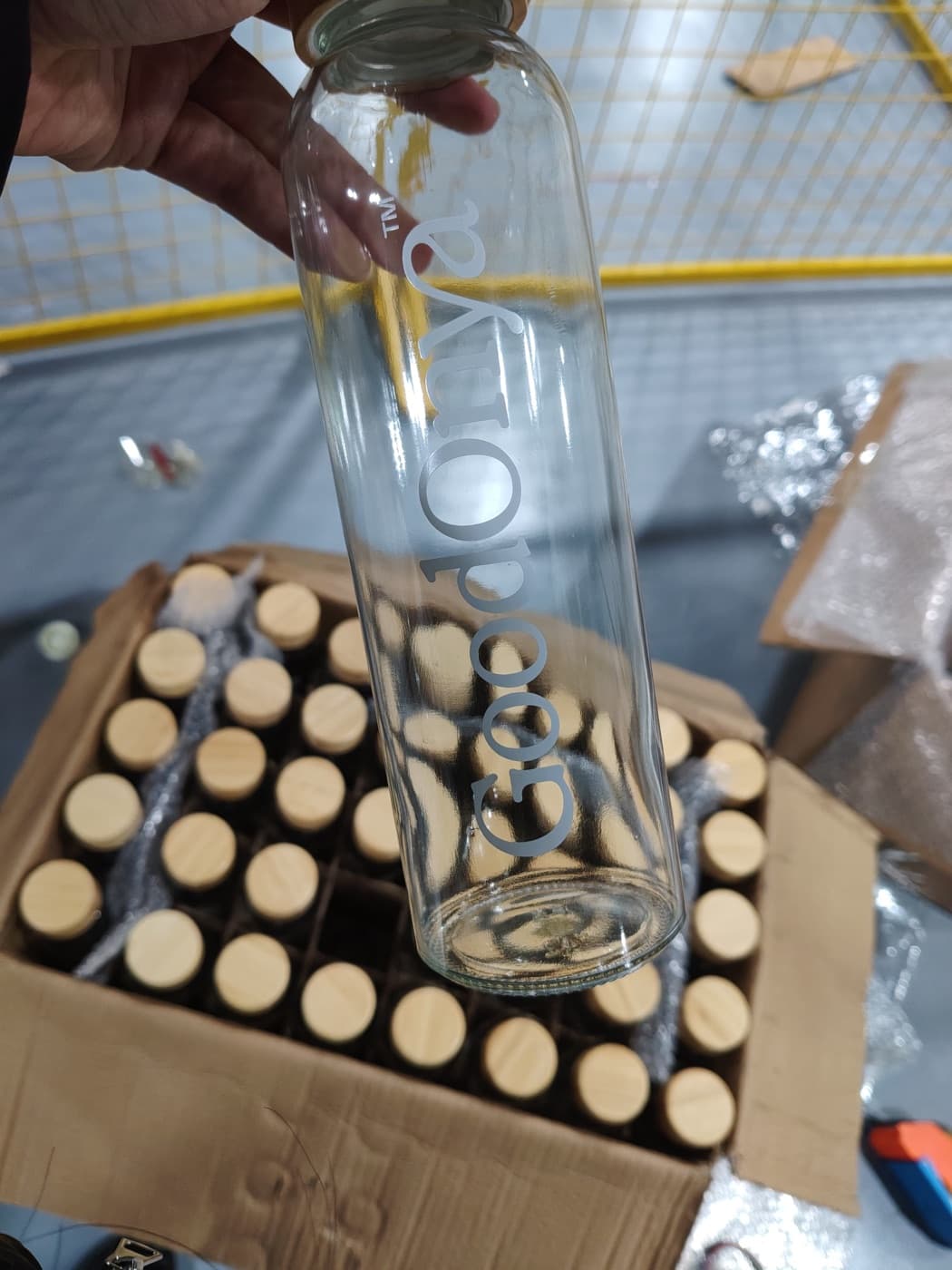
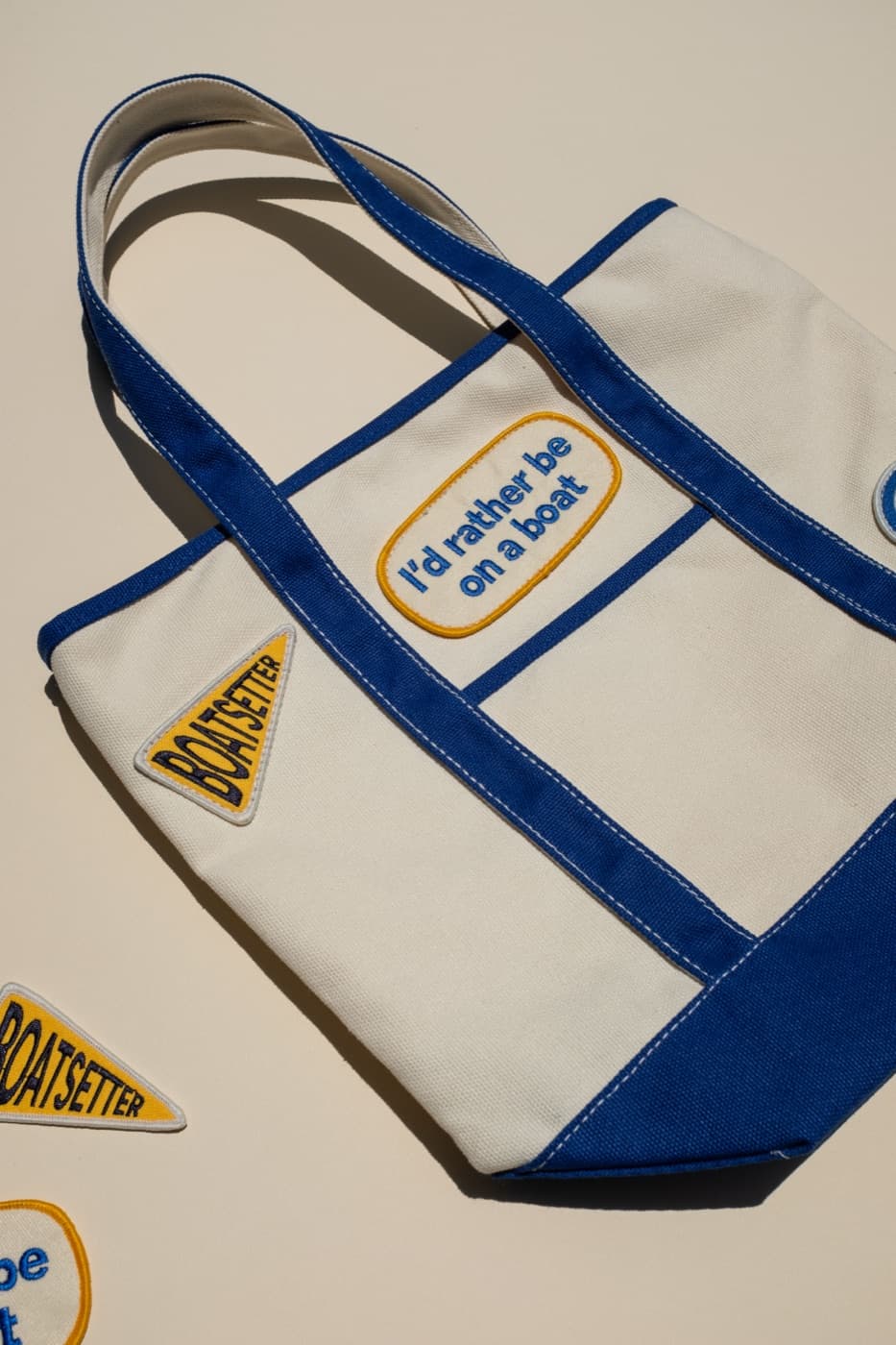
Screen print, embroidery, woven patches, printed patches, labels, engraving, and transfers all have strengths. The right method should serve the artwork and the product. Forcing a detailed illustration into embroidery or forcing a tiny logo into a large print area usually weakens the result.
Honest production planning may mean simplifying a graphic, changing a color, increasing line weight, switching to a patch, or moving a mark. Those decisions protect the finished piece.
Mock up scale, not just style
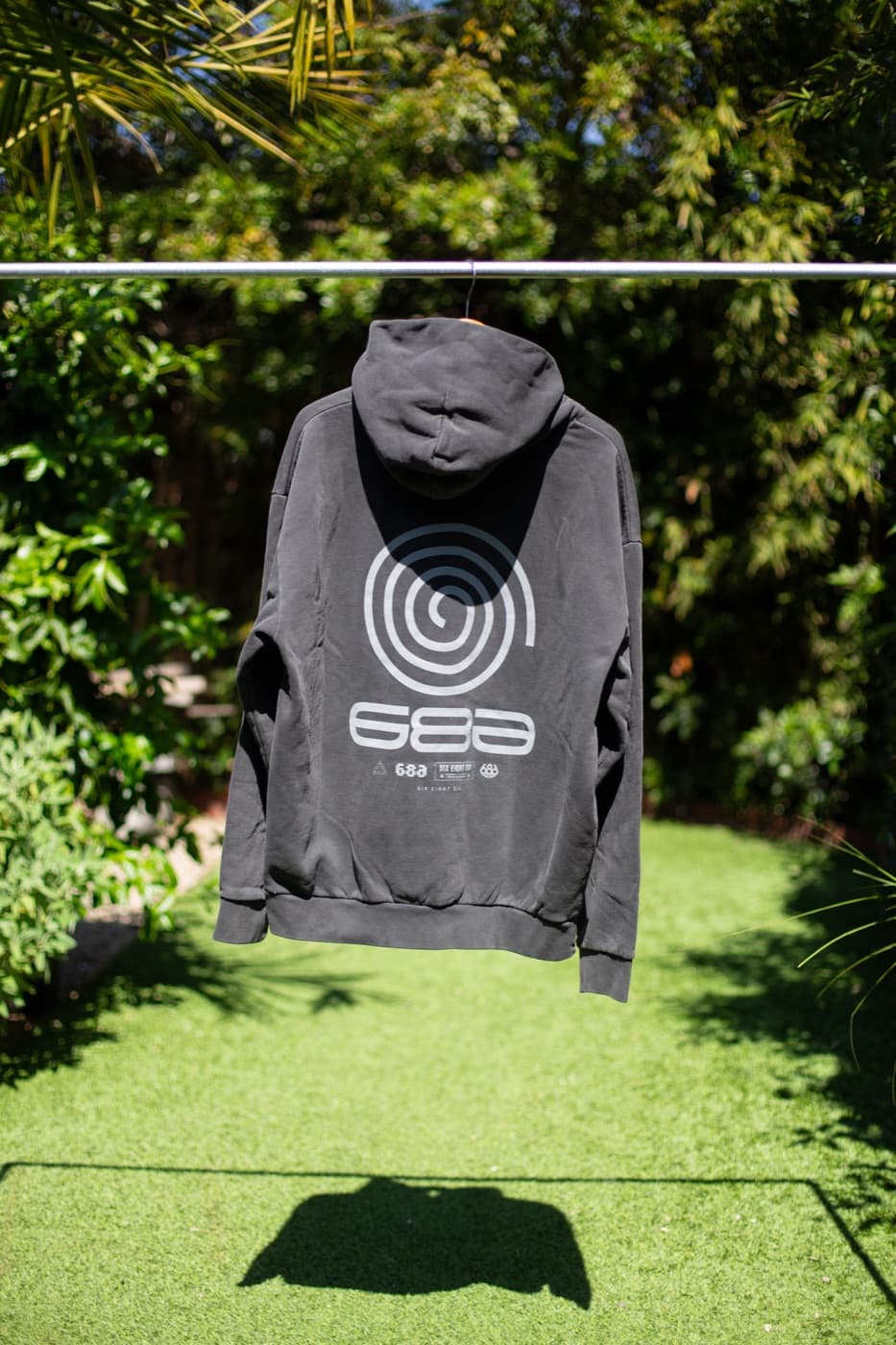
A mockup should show the client how the goods will really feel. It should make scale, placement, and product color clear. Beautiful but misleading mockups create problems later when the proof looks different from the presentation.
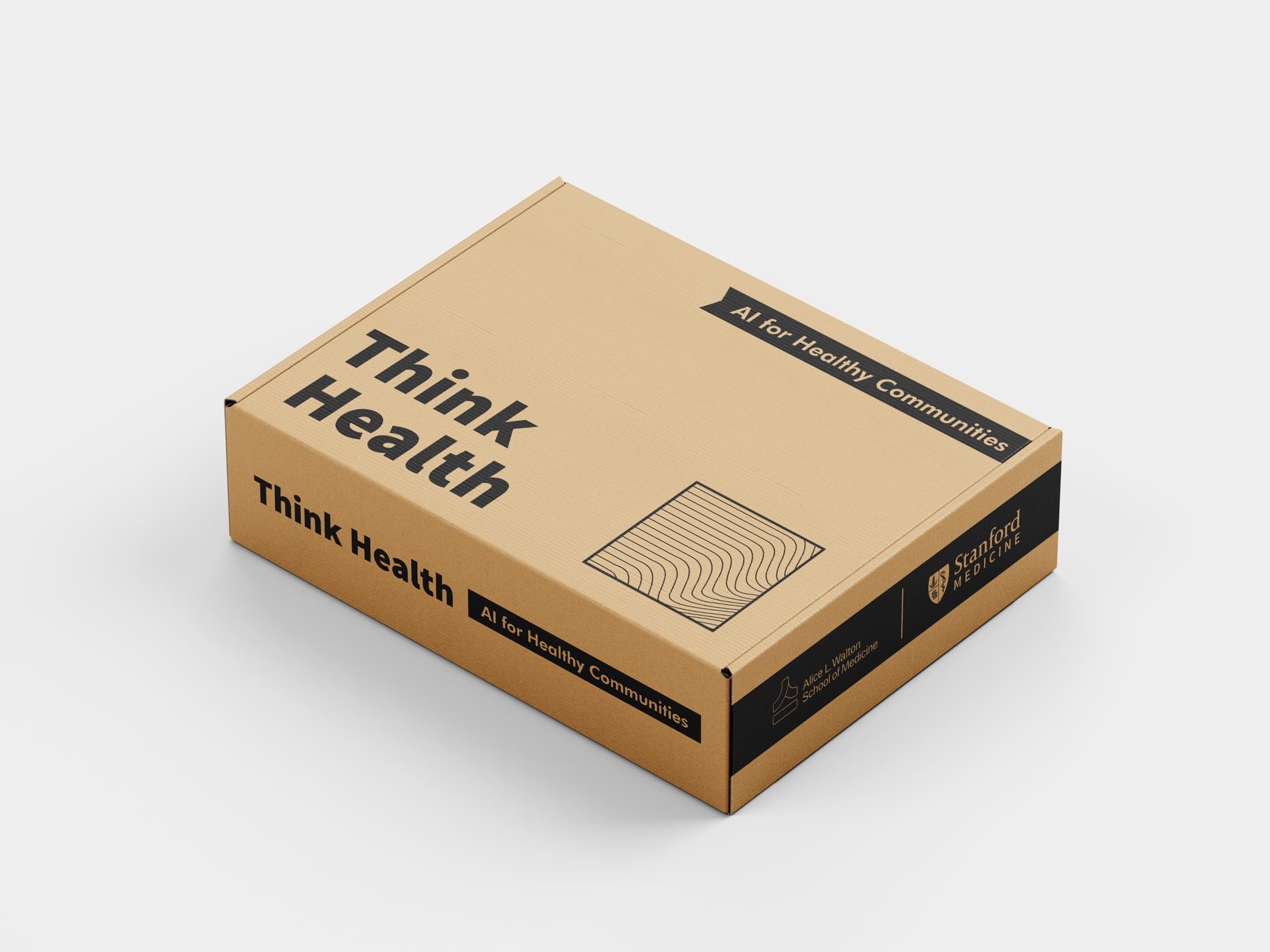
Use mockups to make decisions: front size, back size, patch shape, label placement, sleeve hit, packaging layout, and how the product will photograph or be worn. The mockup should reduce surprises.
Keep design and production connected
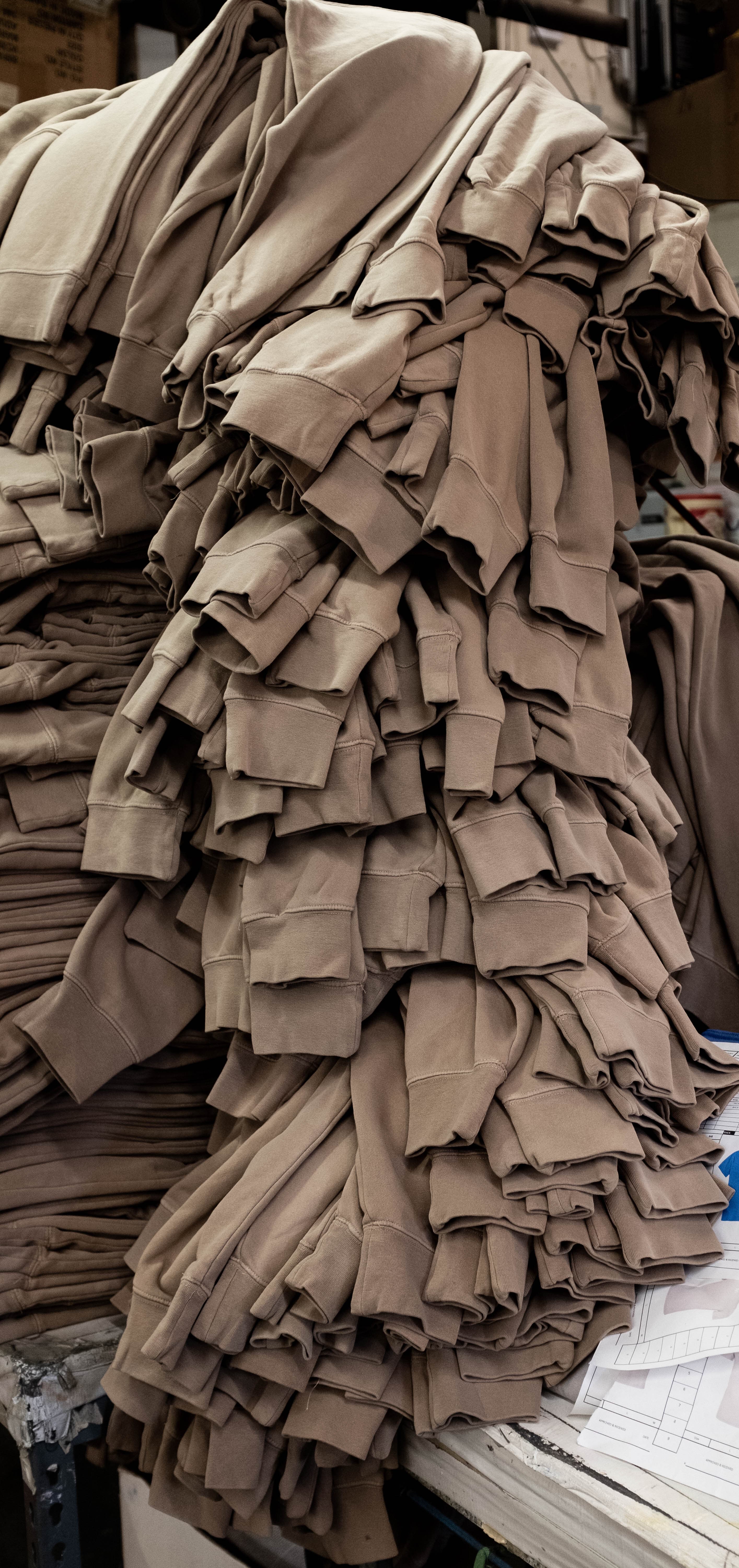
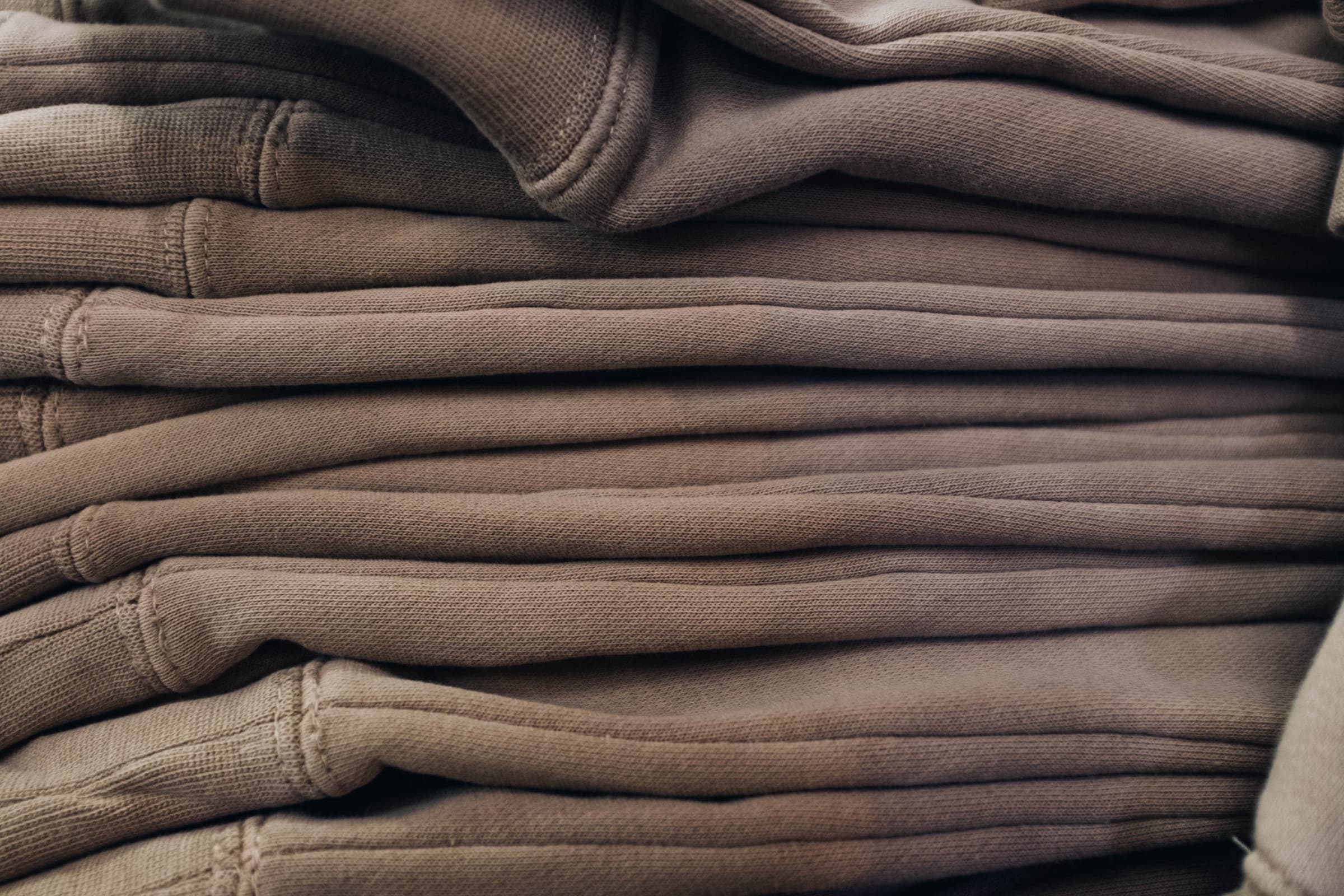
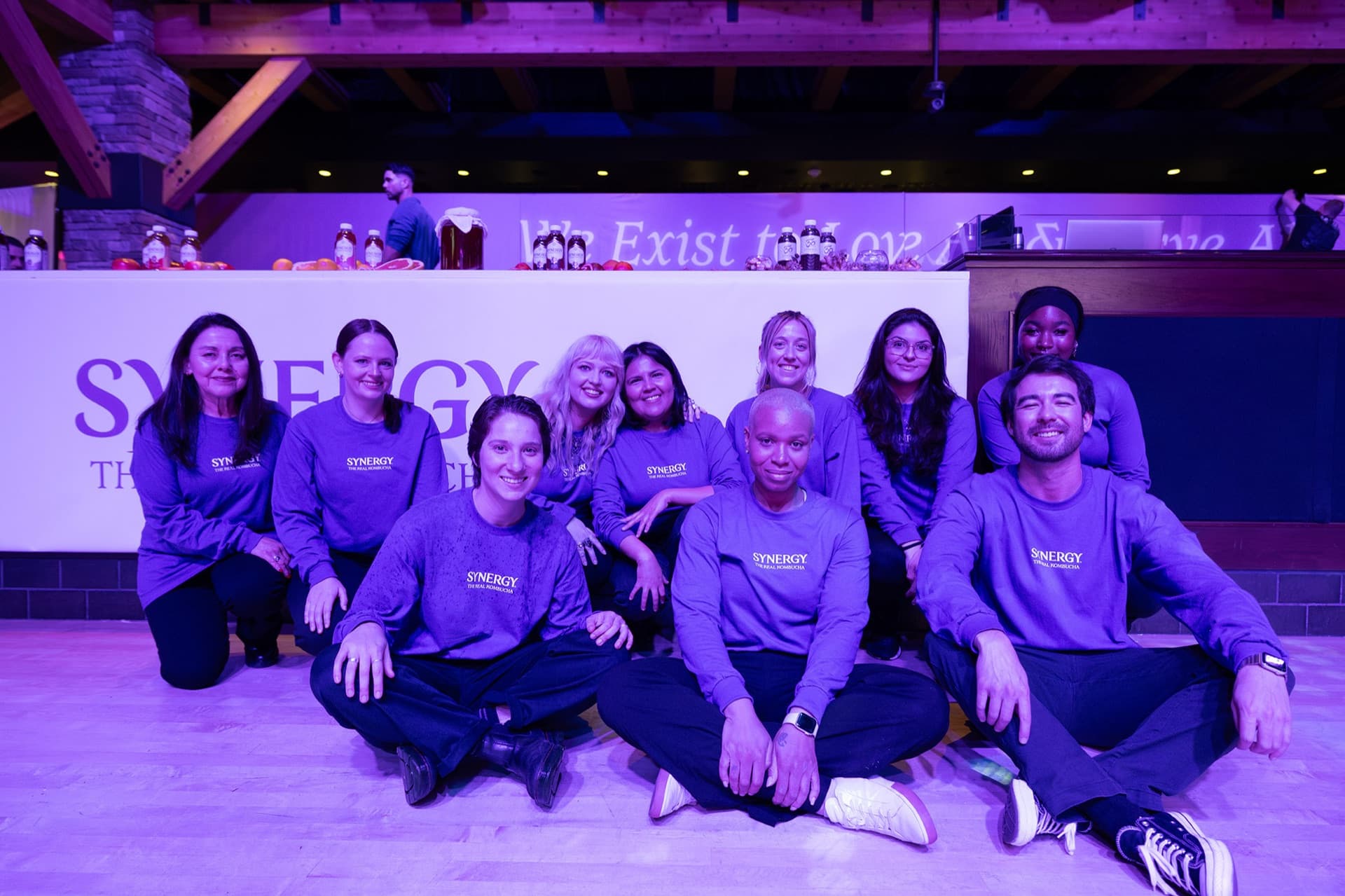
The best merch happens when design and production are not separate handoffs. The designer needs to know what will stitch, print, fold, ship, and wear well. The production team needs to understand the creative goal so the final goods do not become generic.
Orange Goods connects those steps: concept, product selection, production-ready artwork, proofing, decoration, and delivery. That is how a strong idea survives the move from screen to real goods.