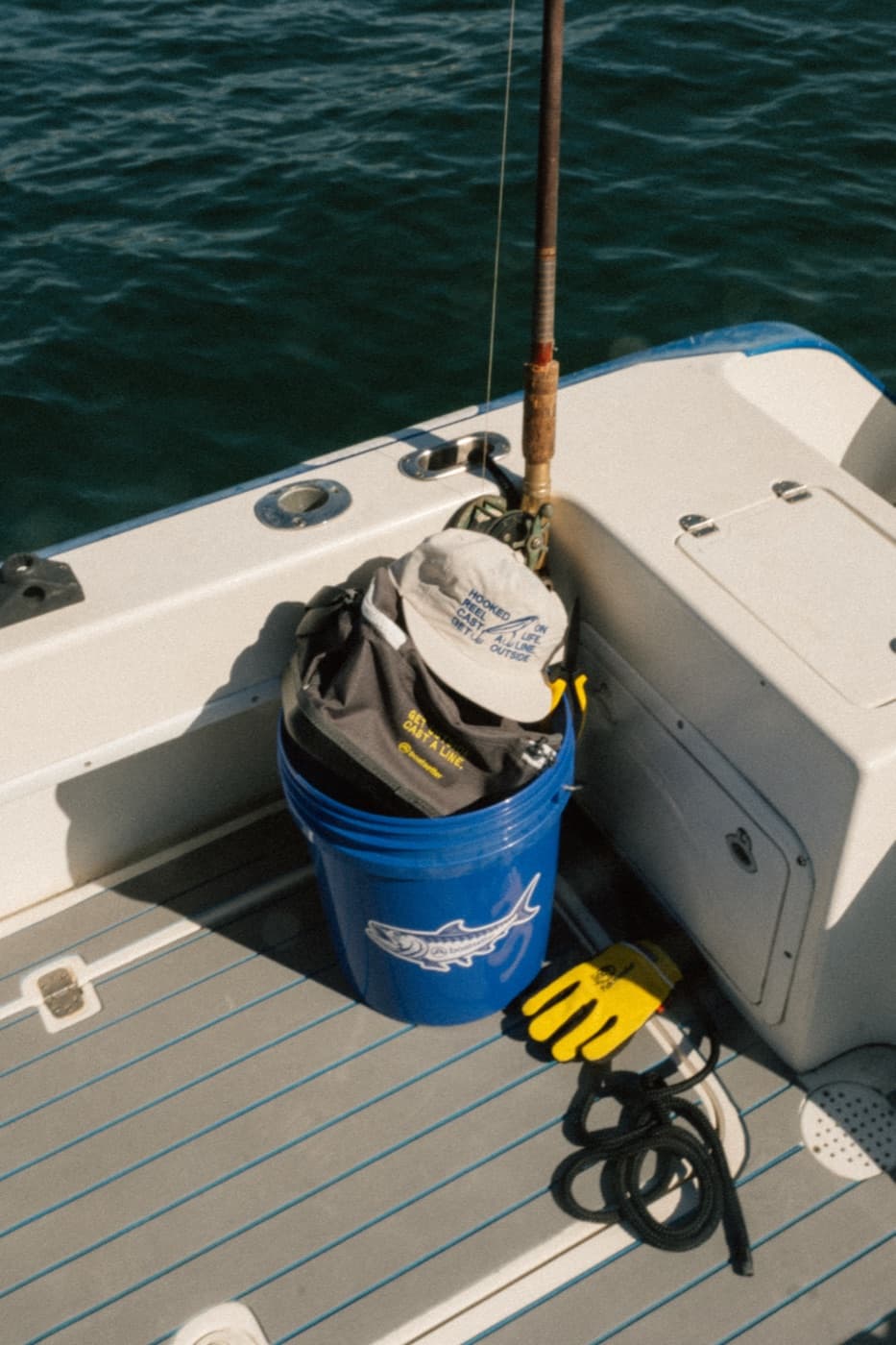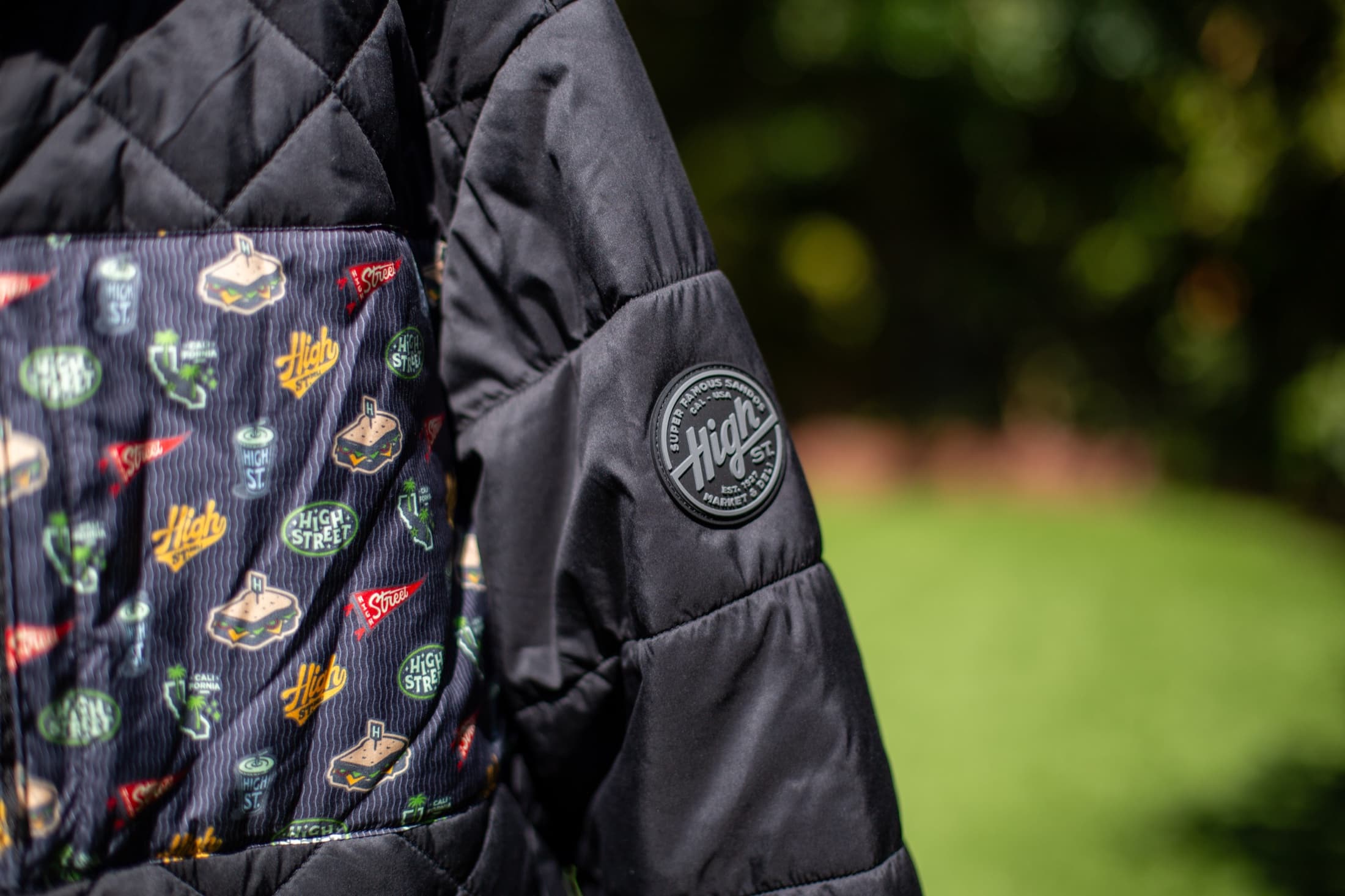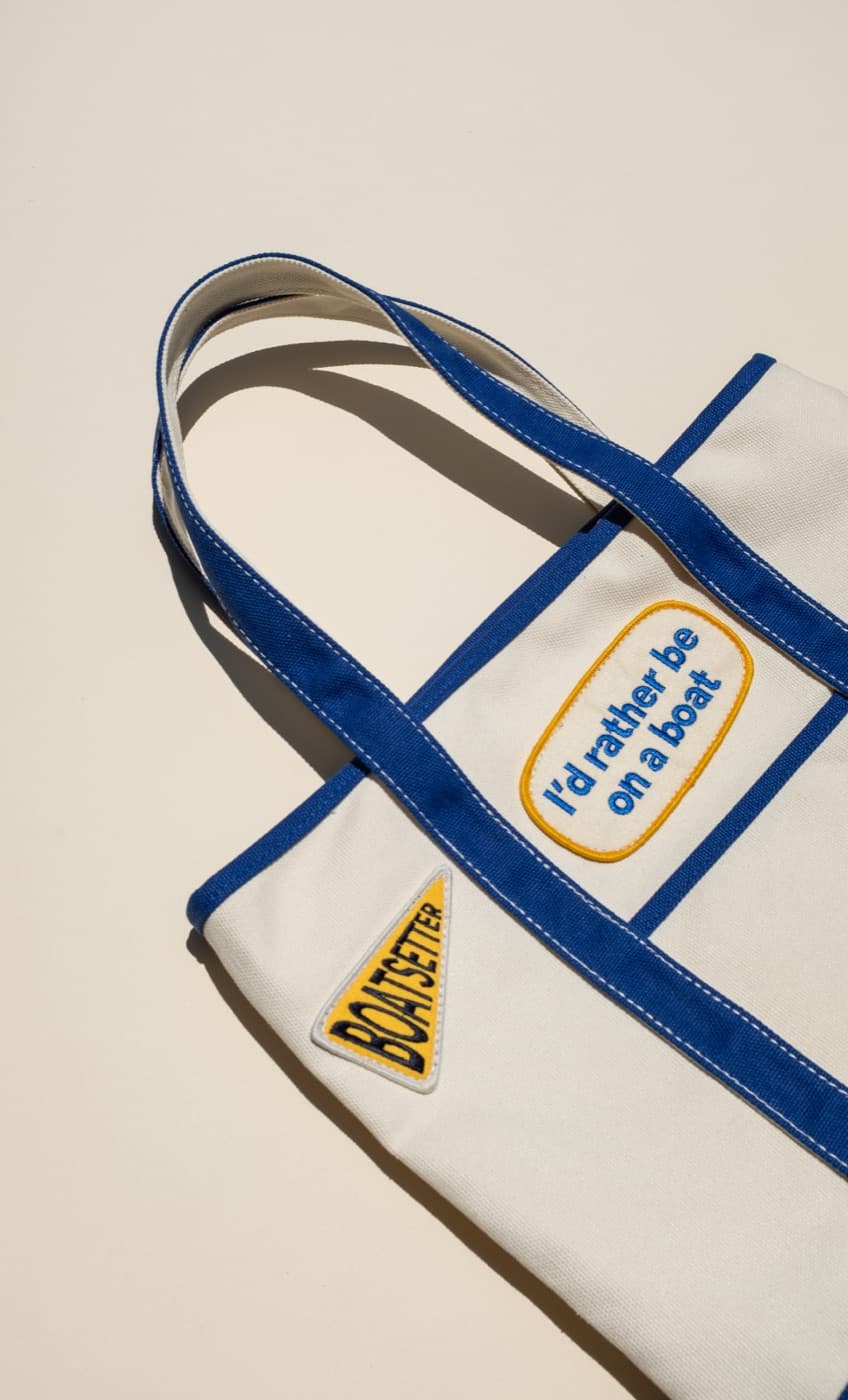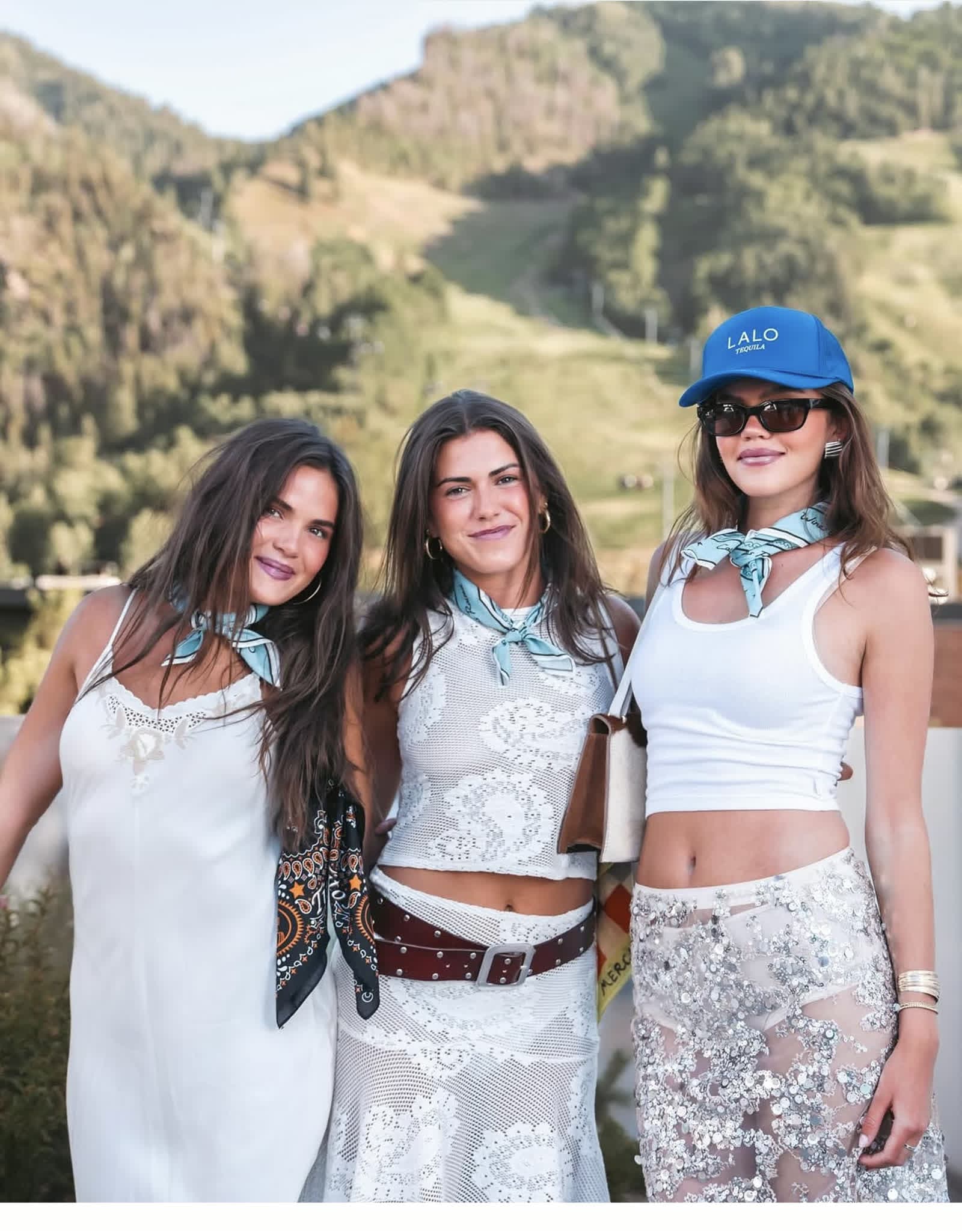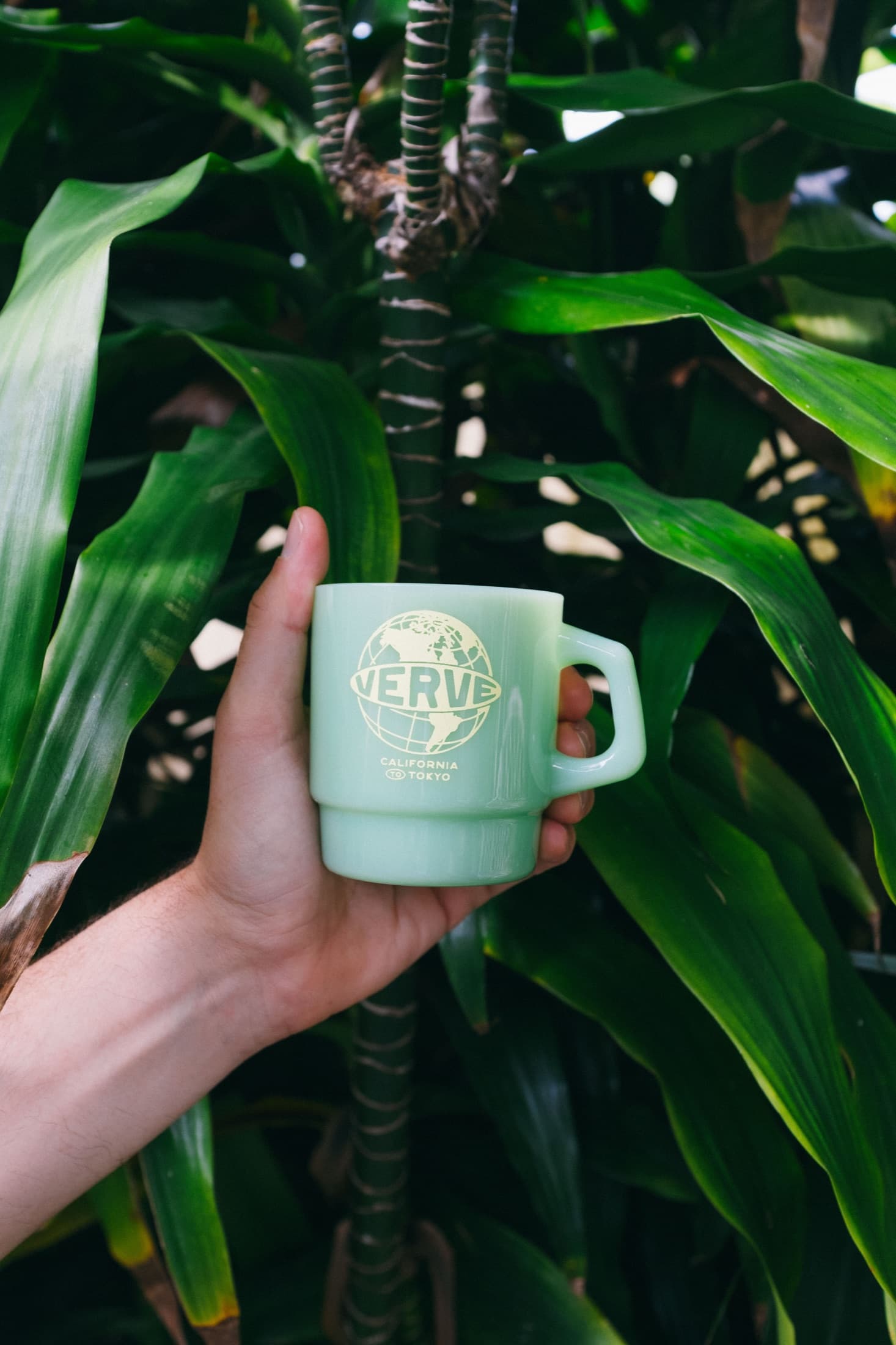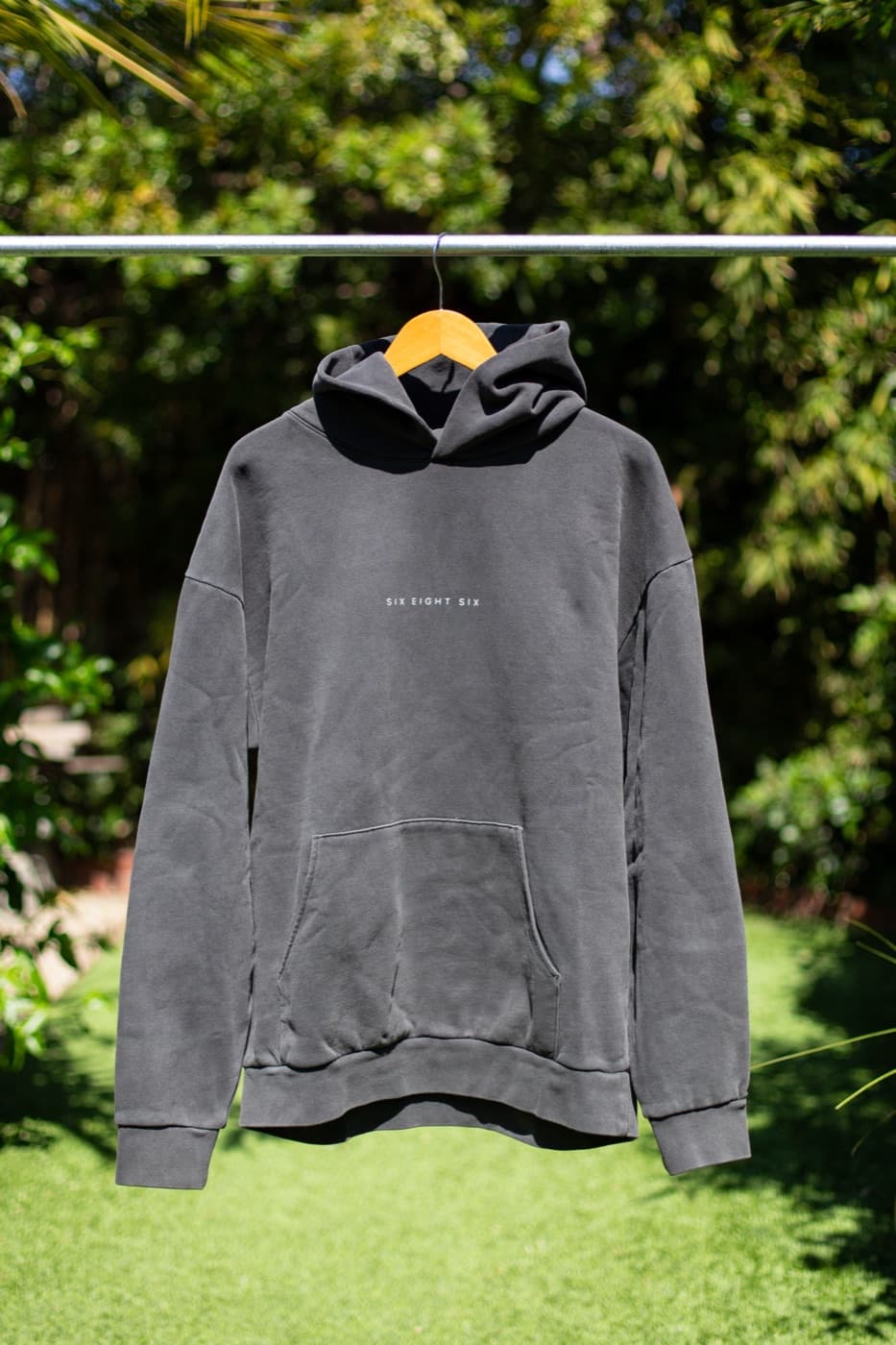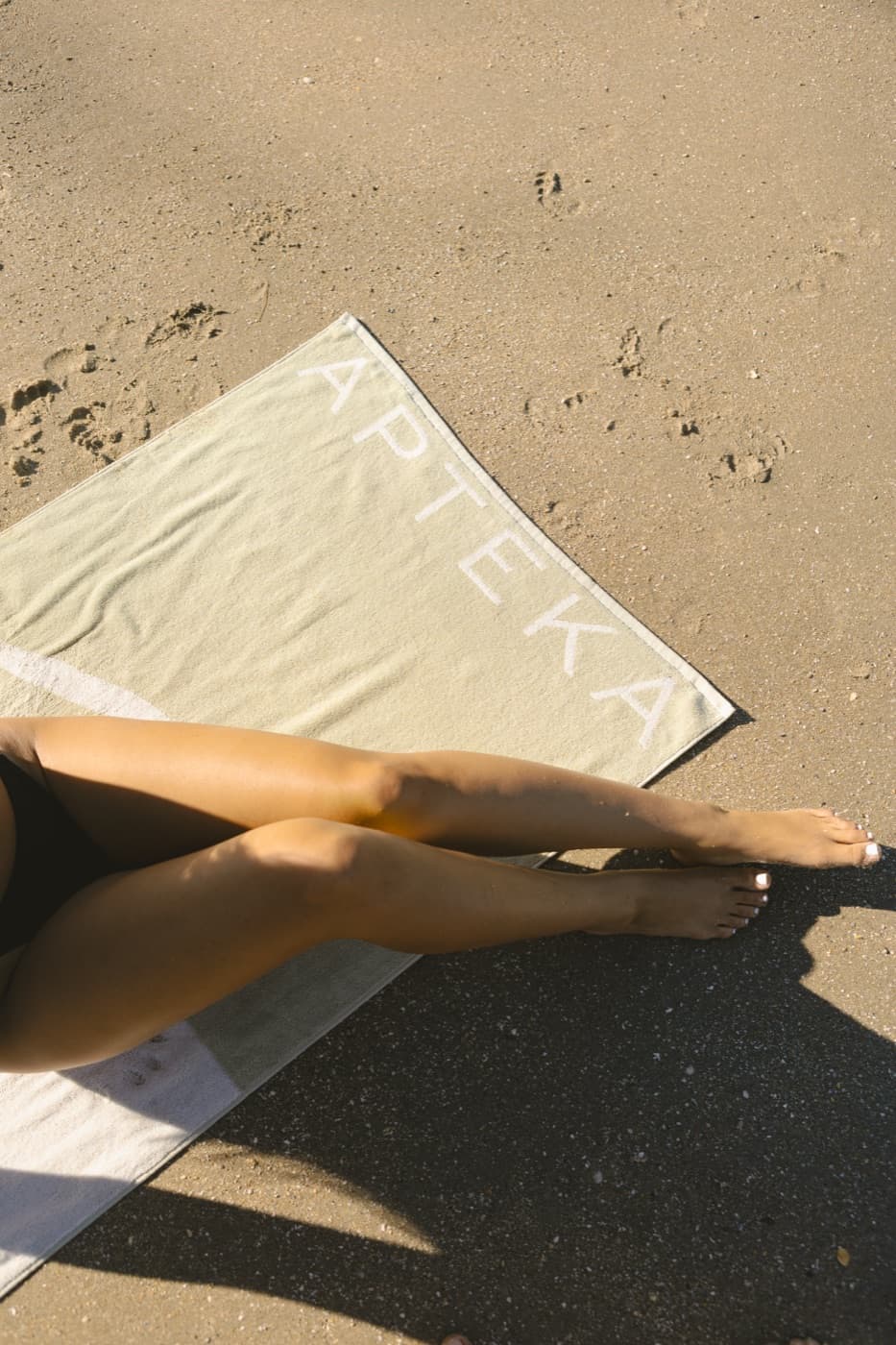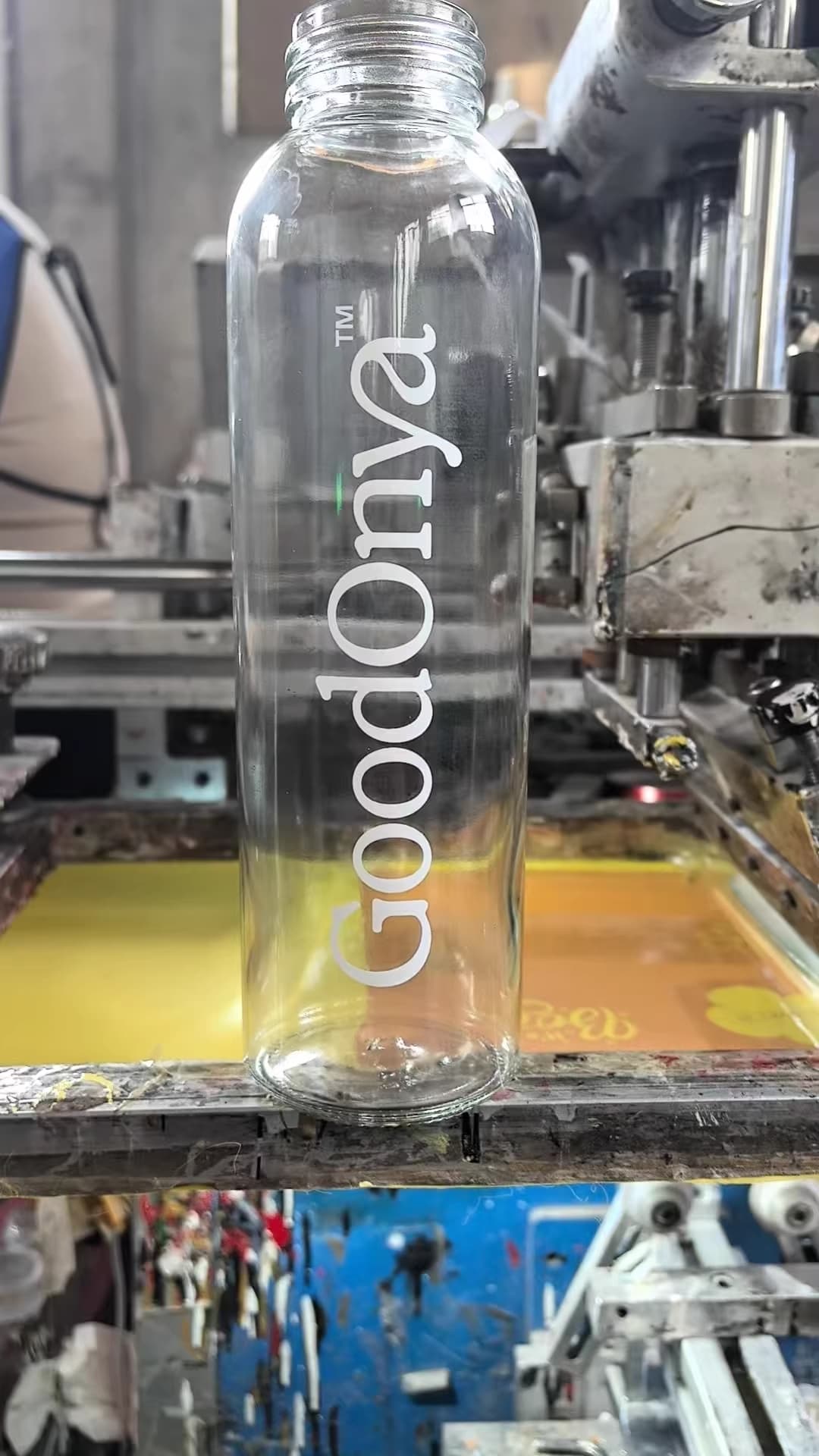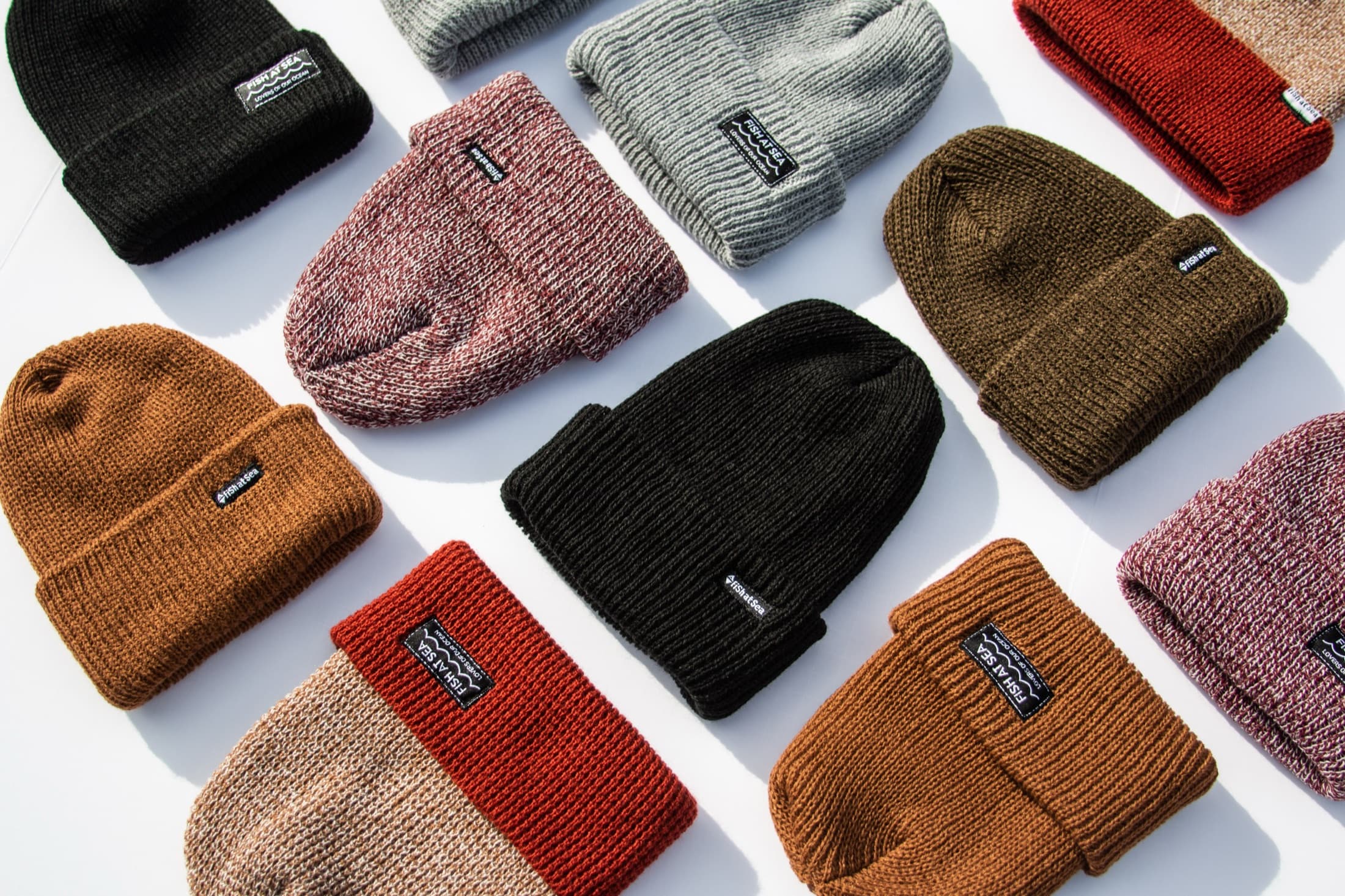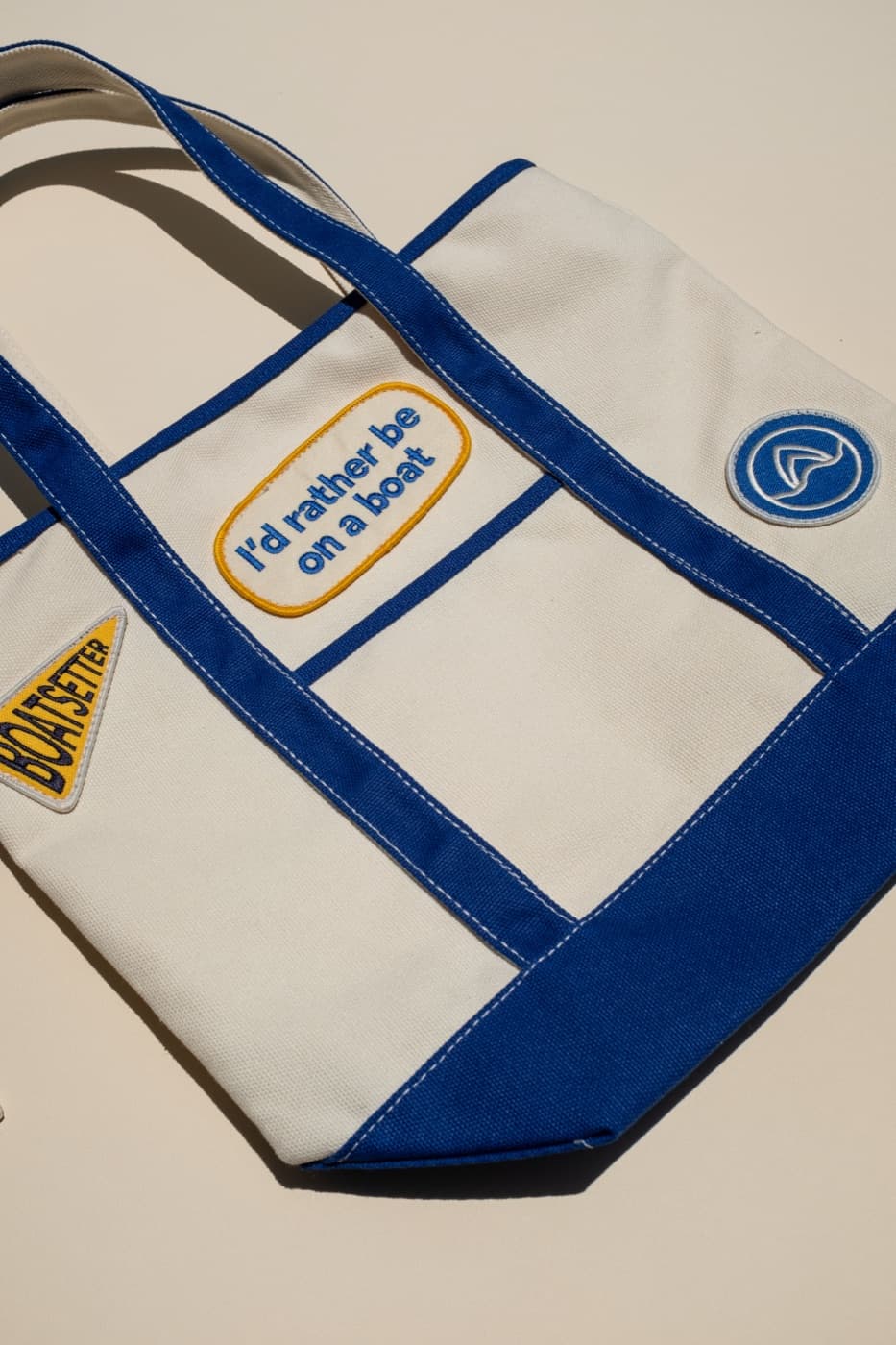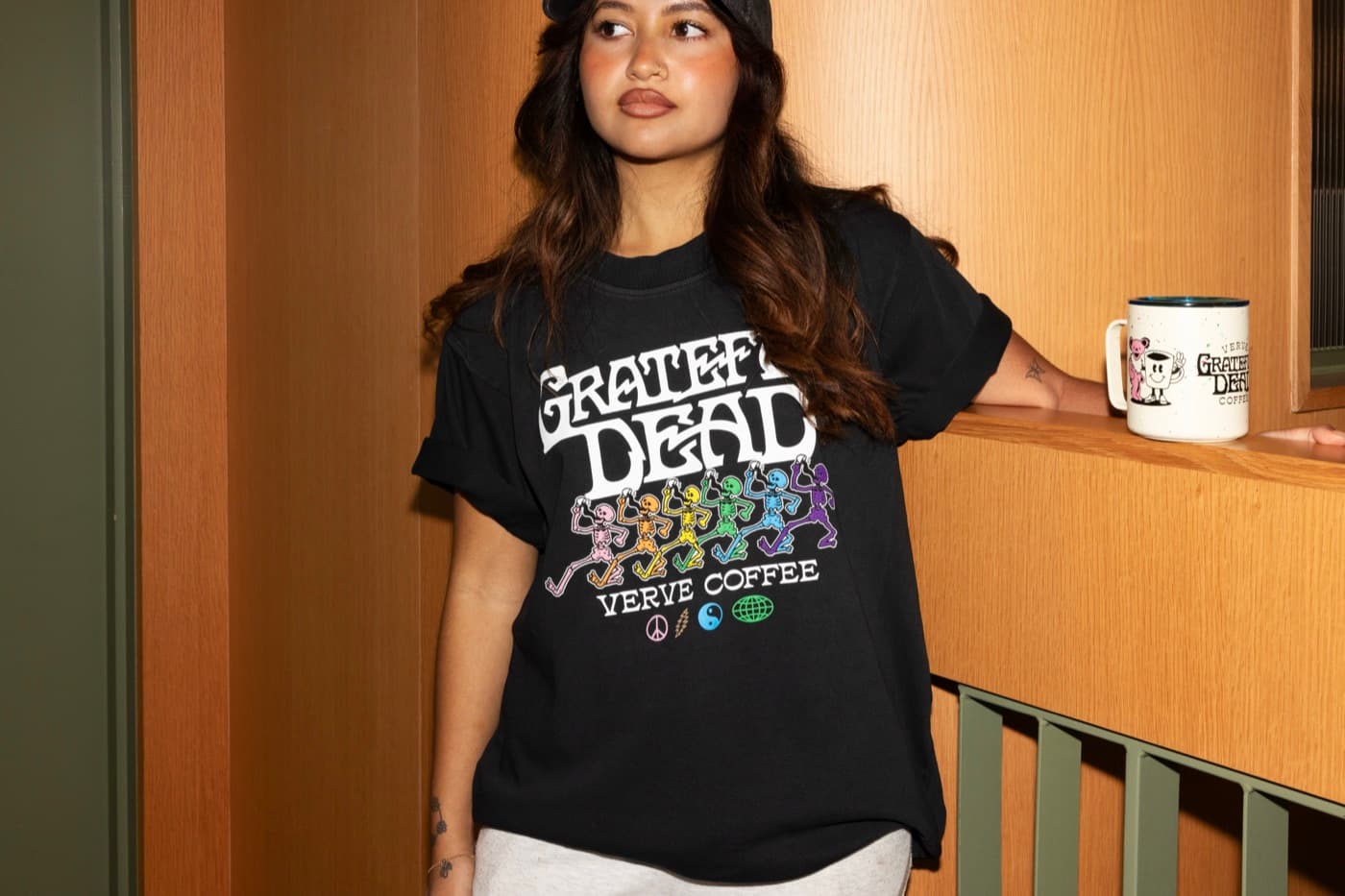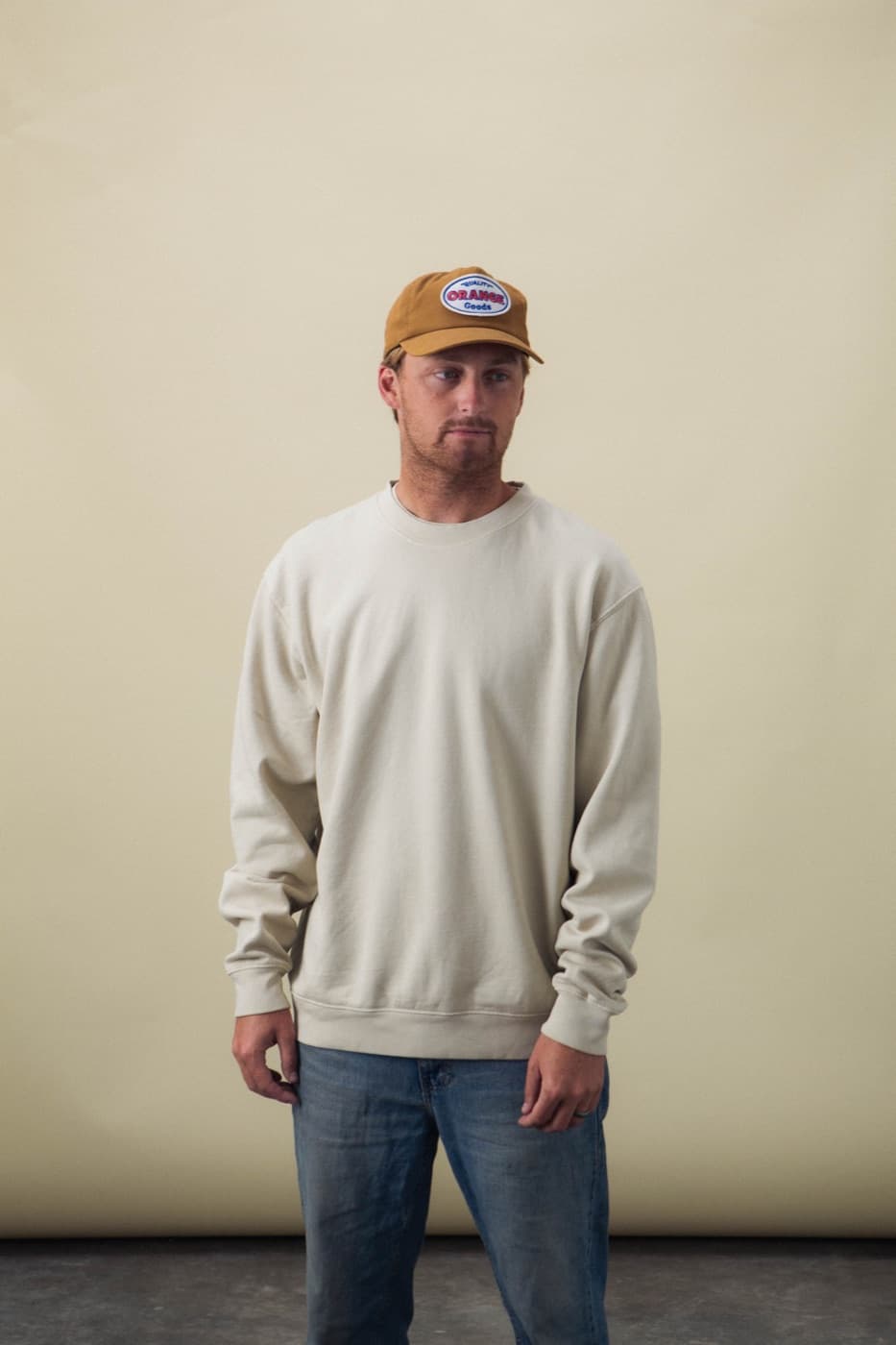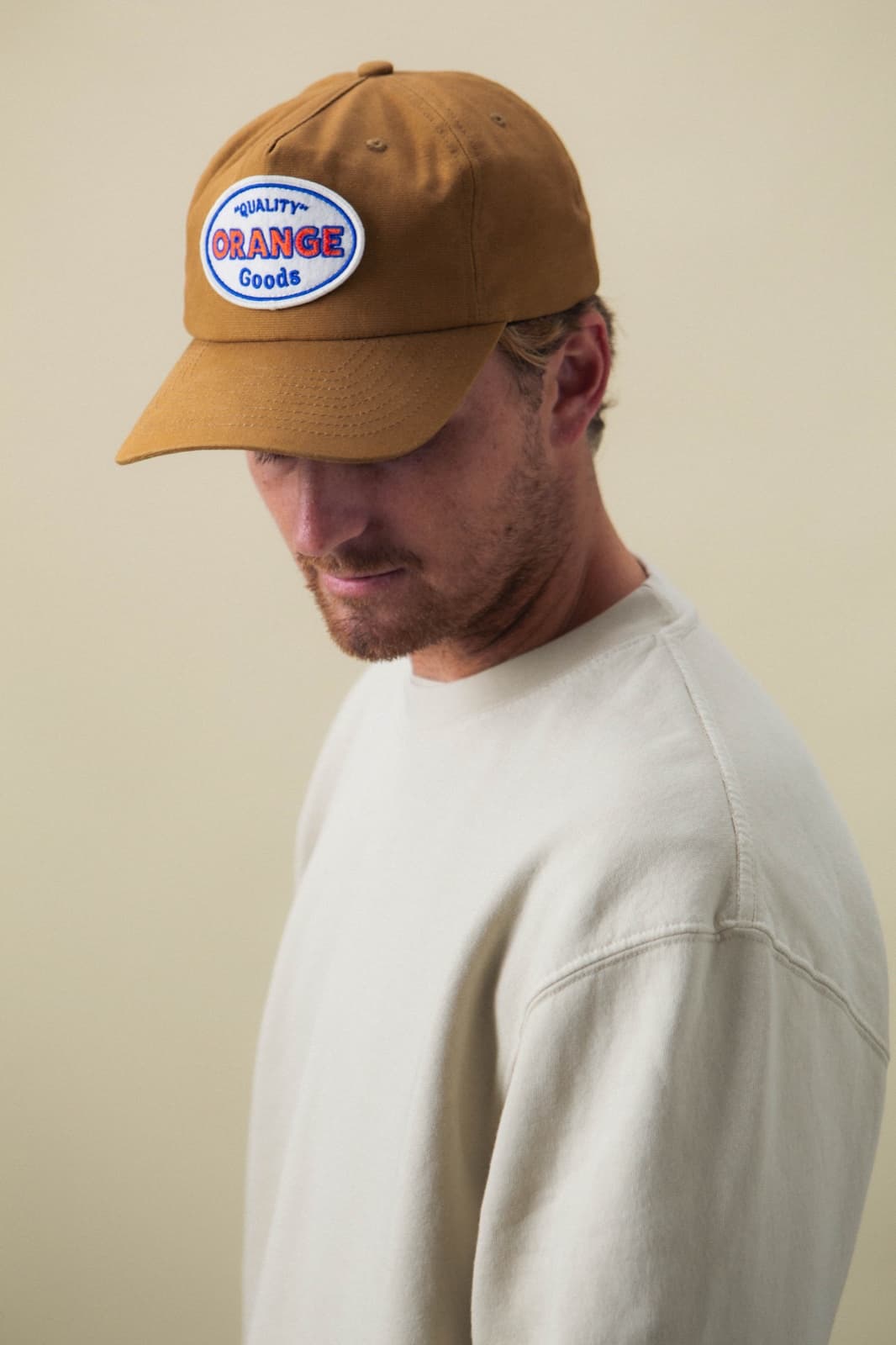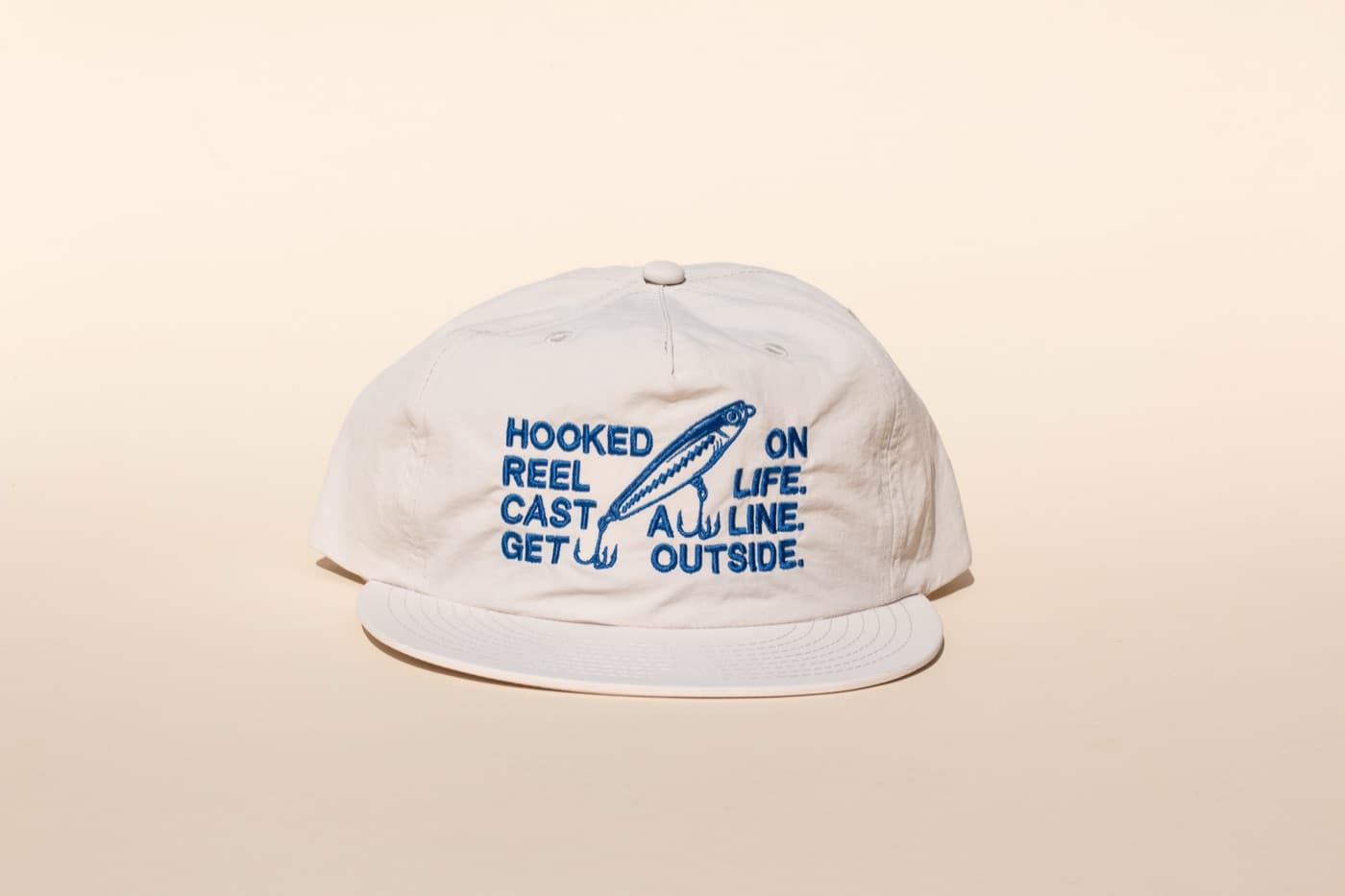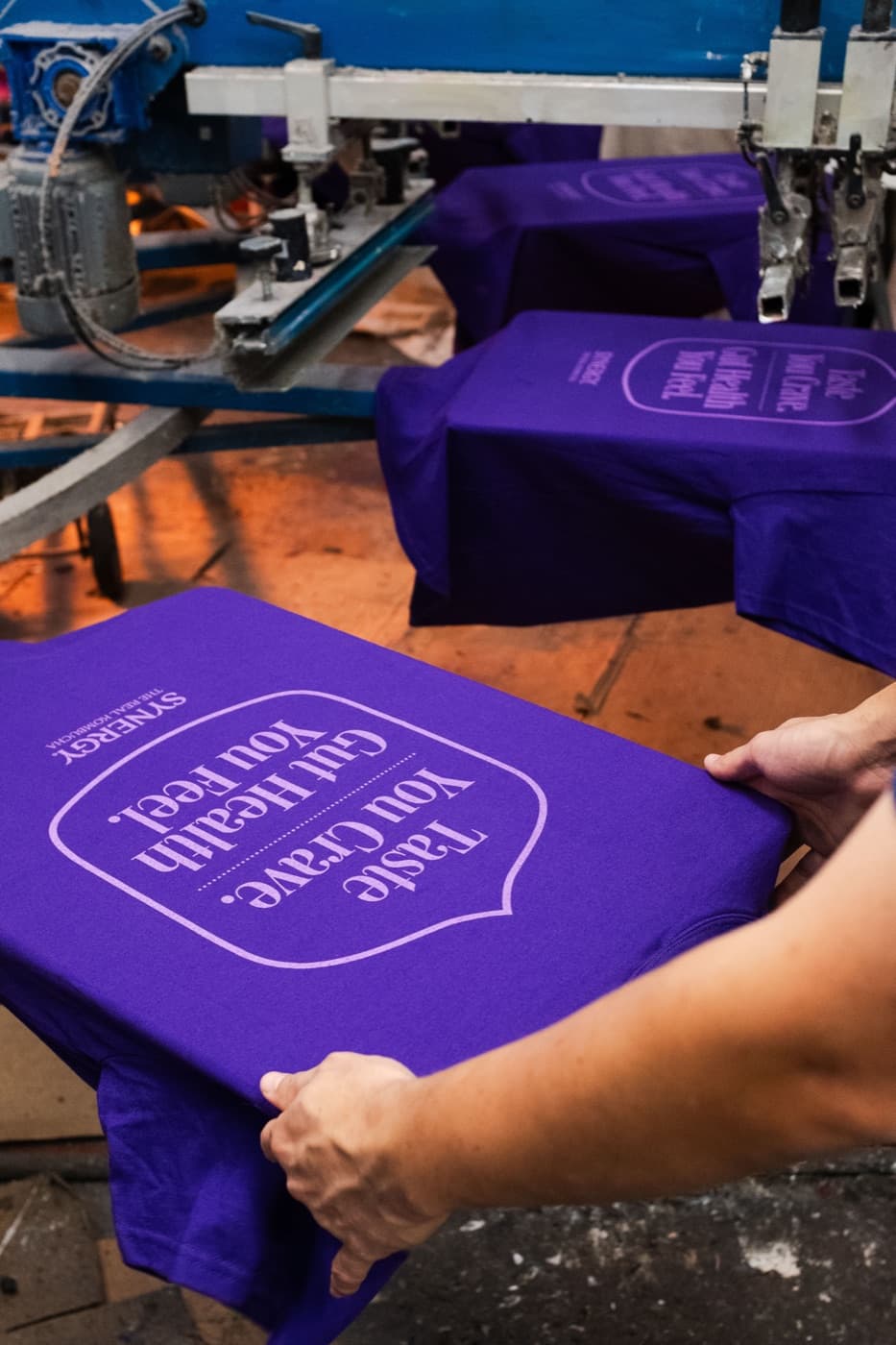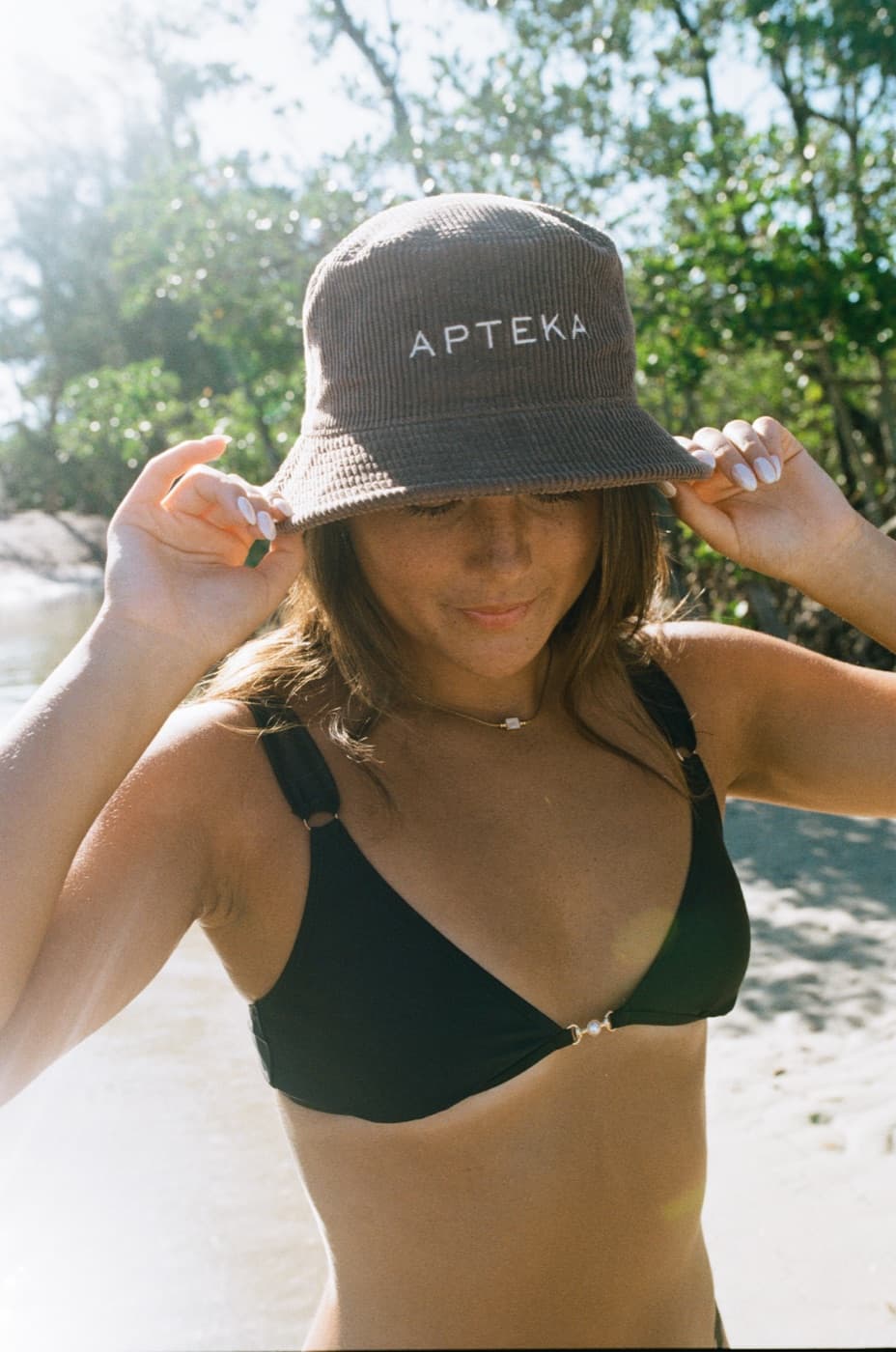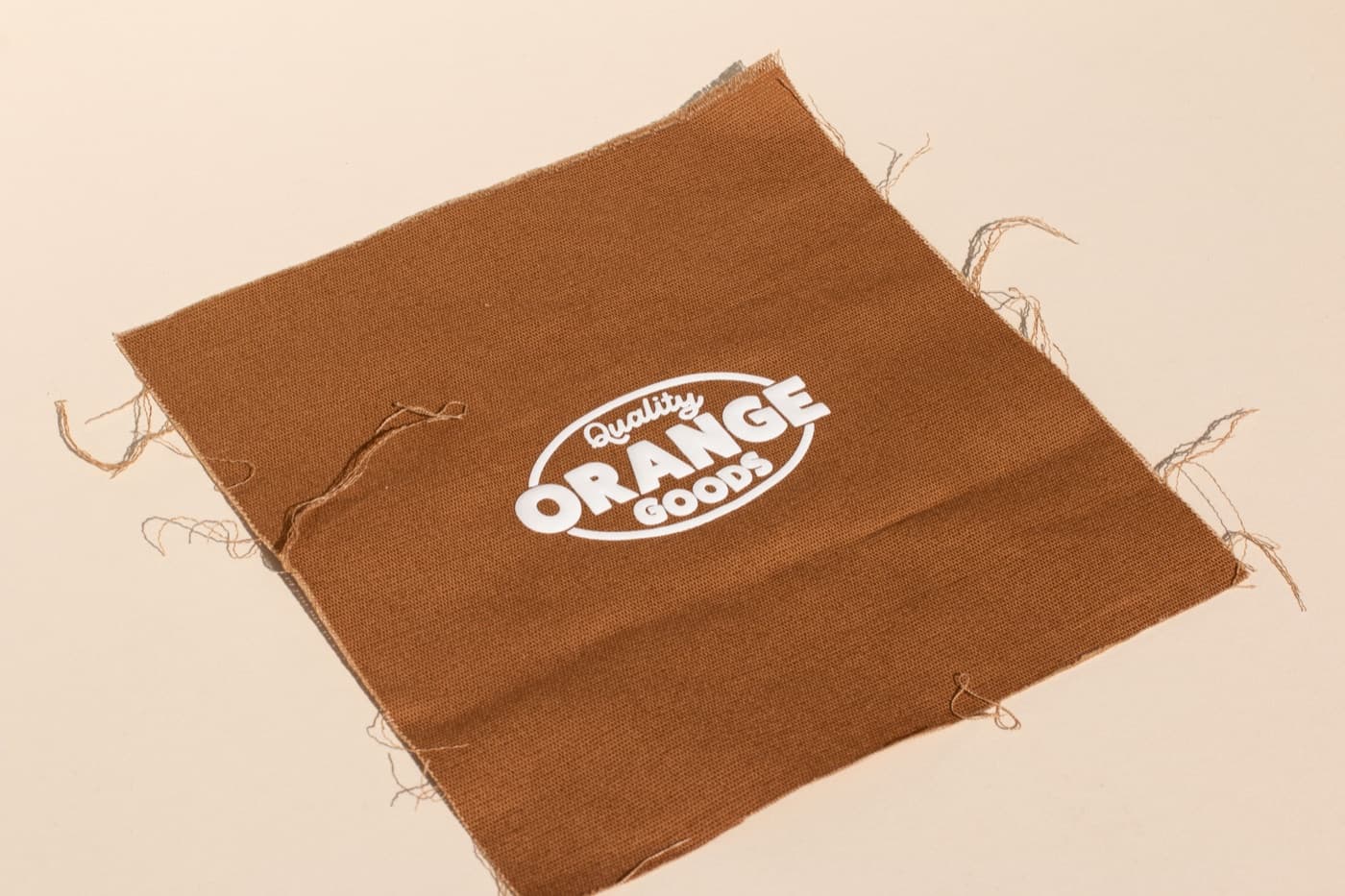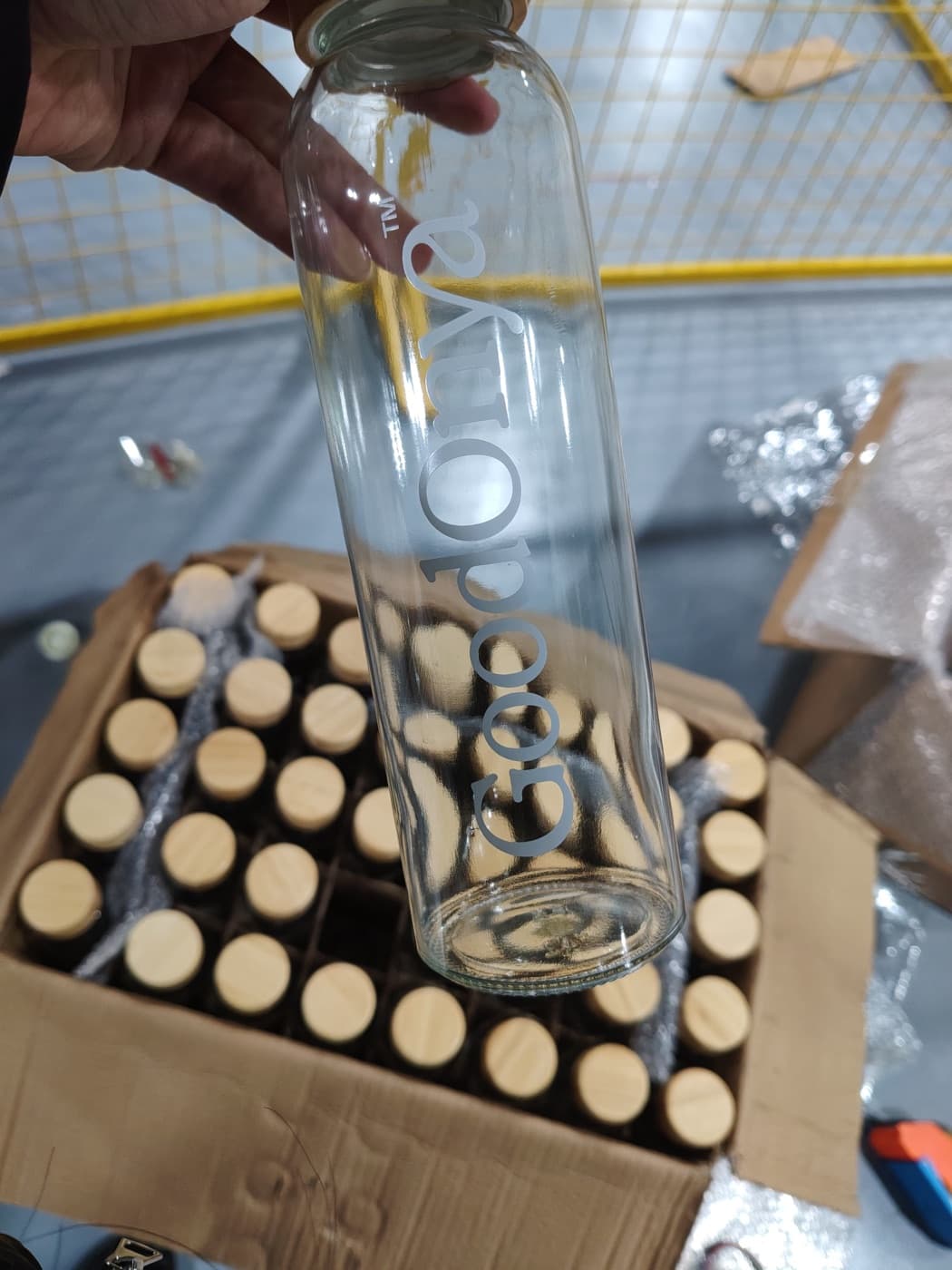
For coastal, travel, and outdoor brands, a custom bag is not just packaging. It can become part of the trip. A tote, market bag, dry bag, pouch, backpack, or carryall has a job to do, and the better it performs that job, the more visible the brand becomes in real life.
The best bag programs start with the carry use case. What will the recipient put inside? Where will they take it? Does it need to hold towels, bottles, apparel, produce, gear, samples, or event materials? Those answers shape the format.
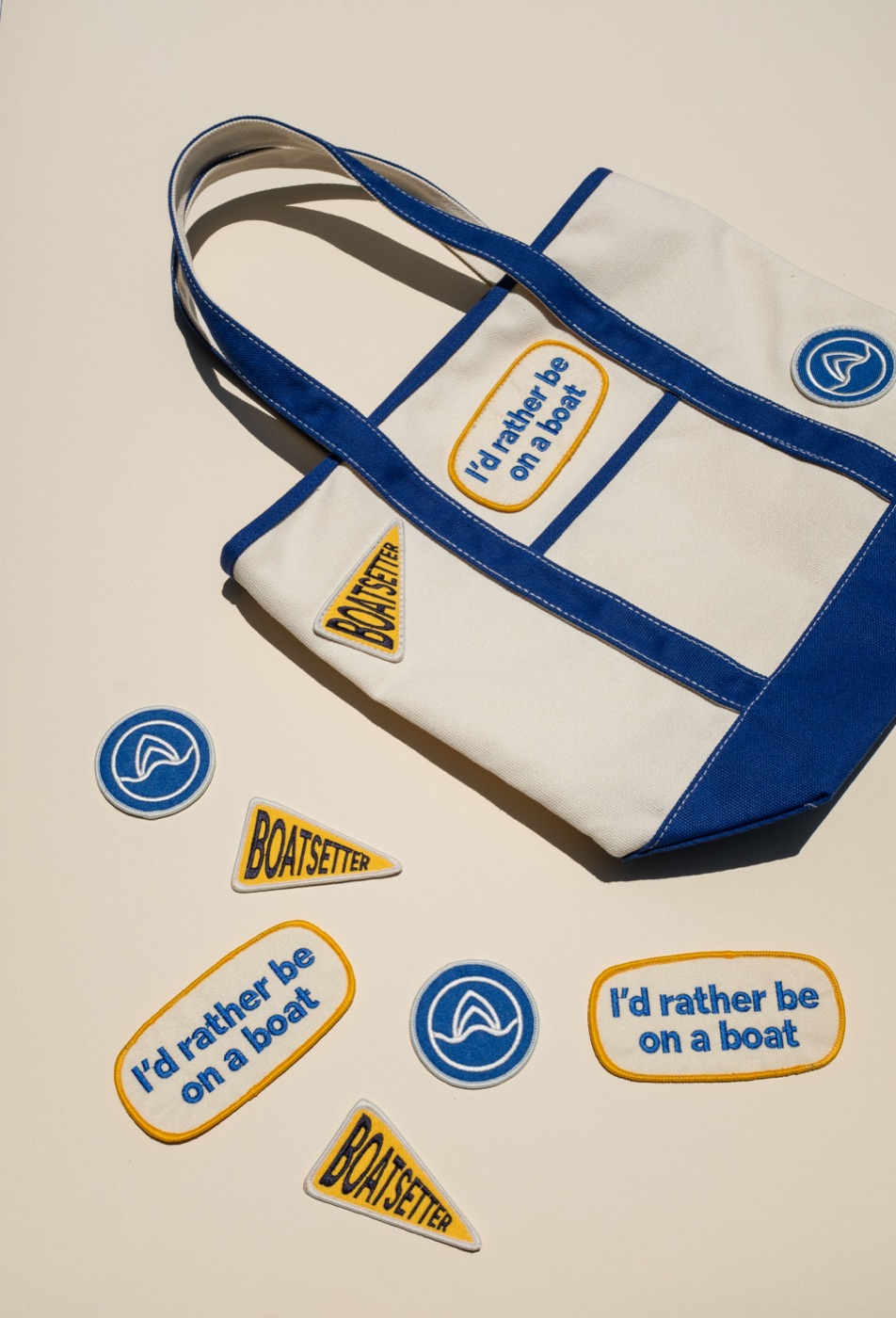
Choose material for the setting
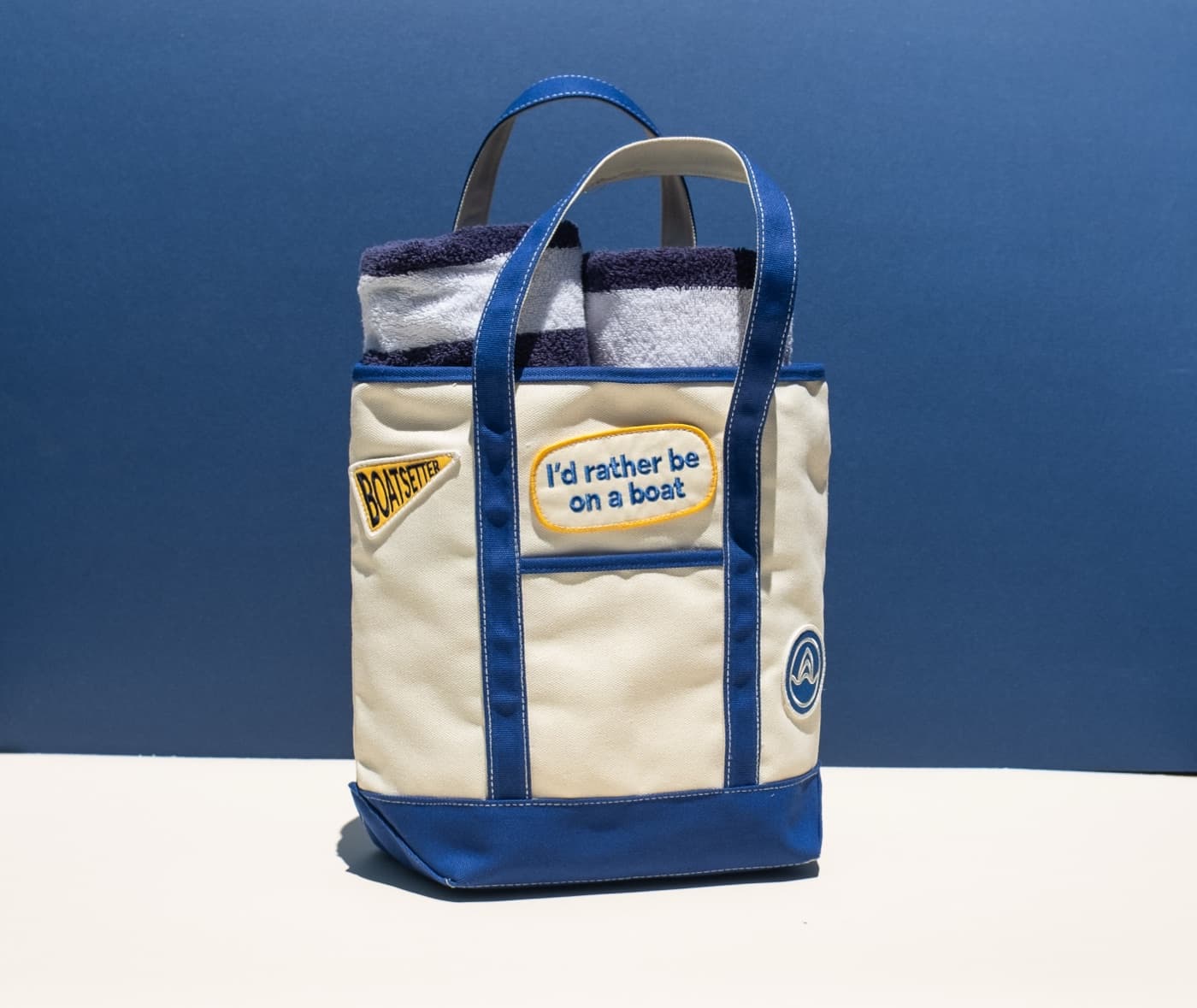
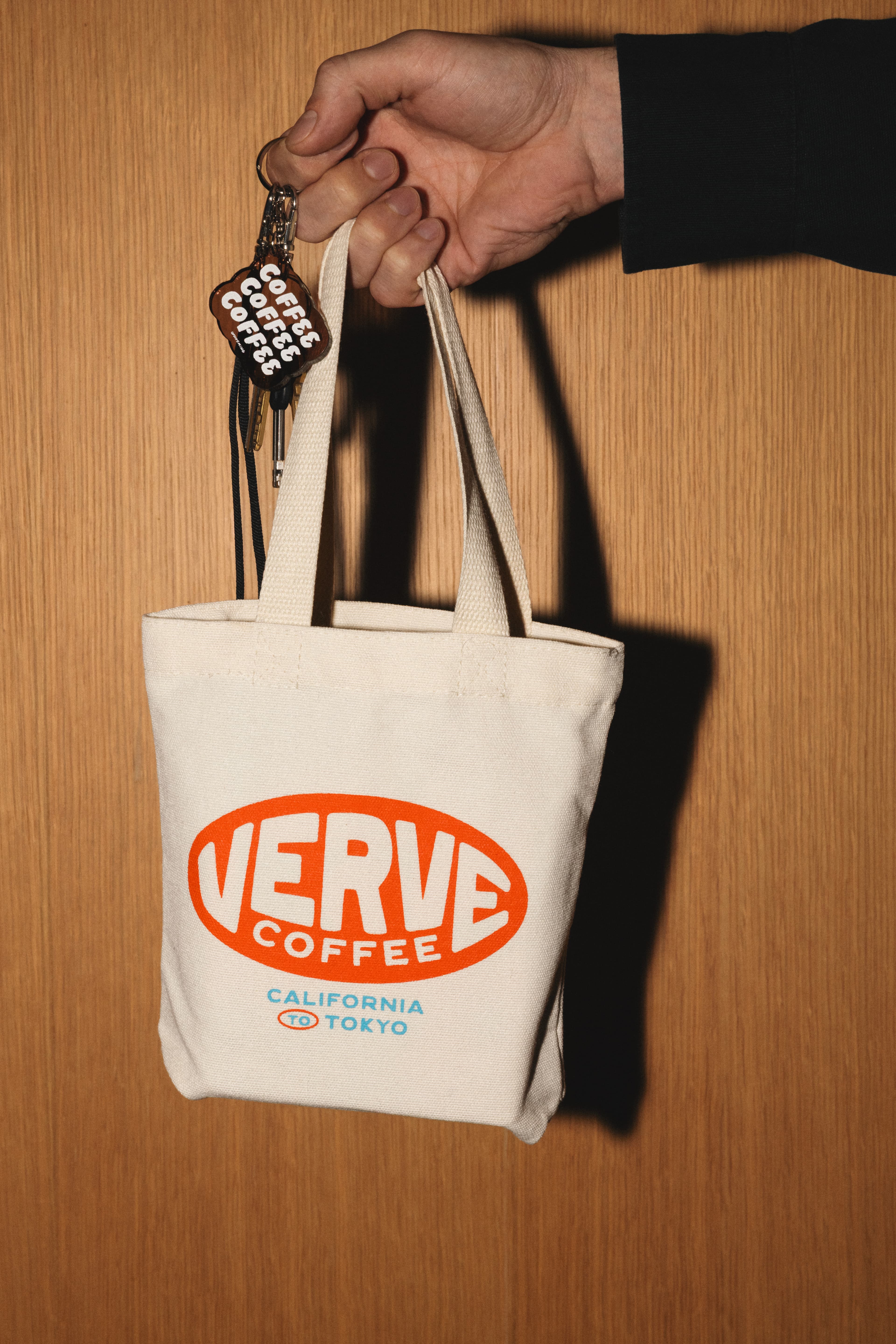
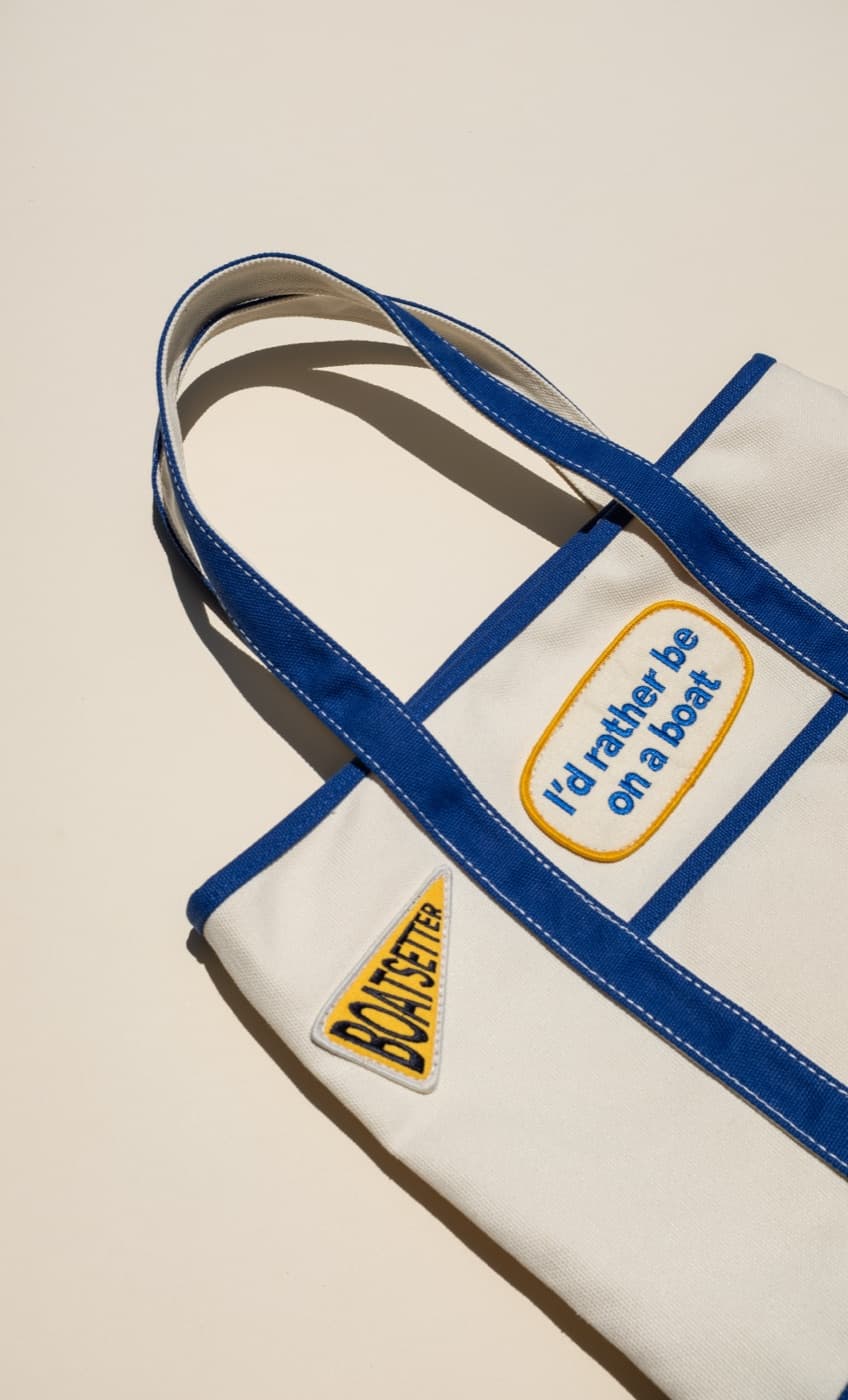
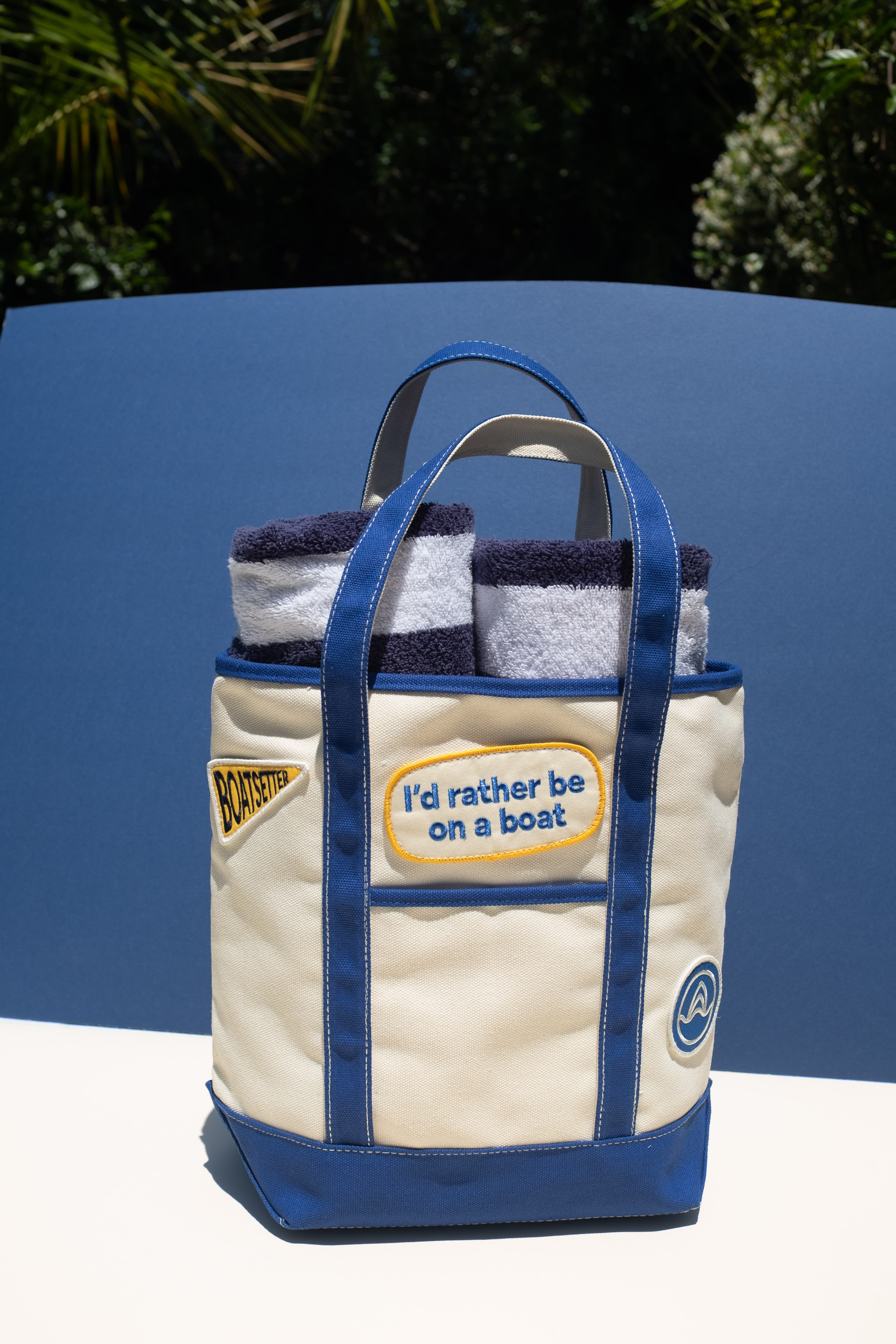
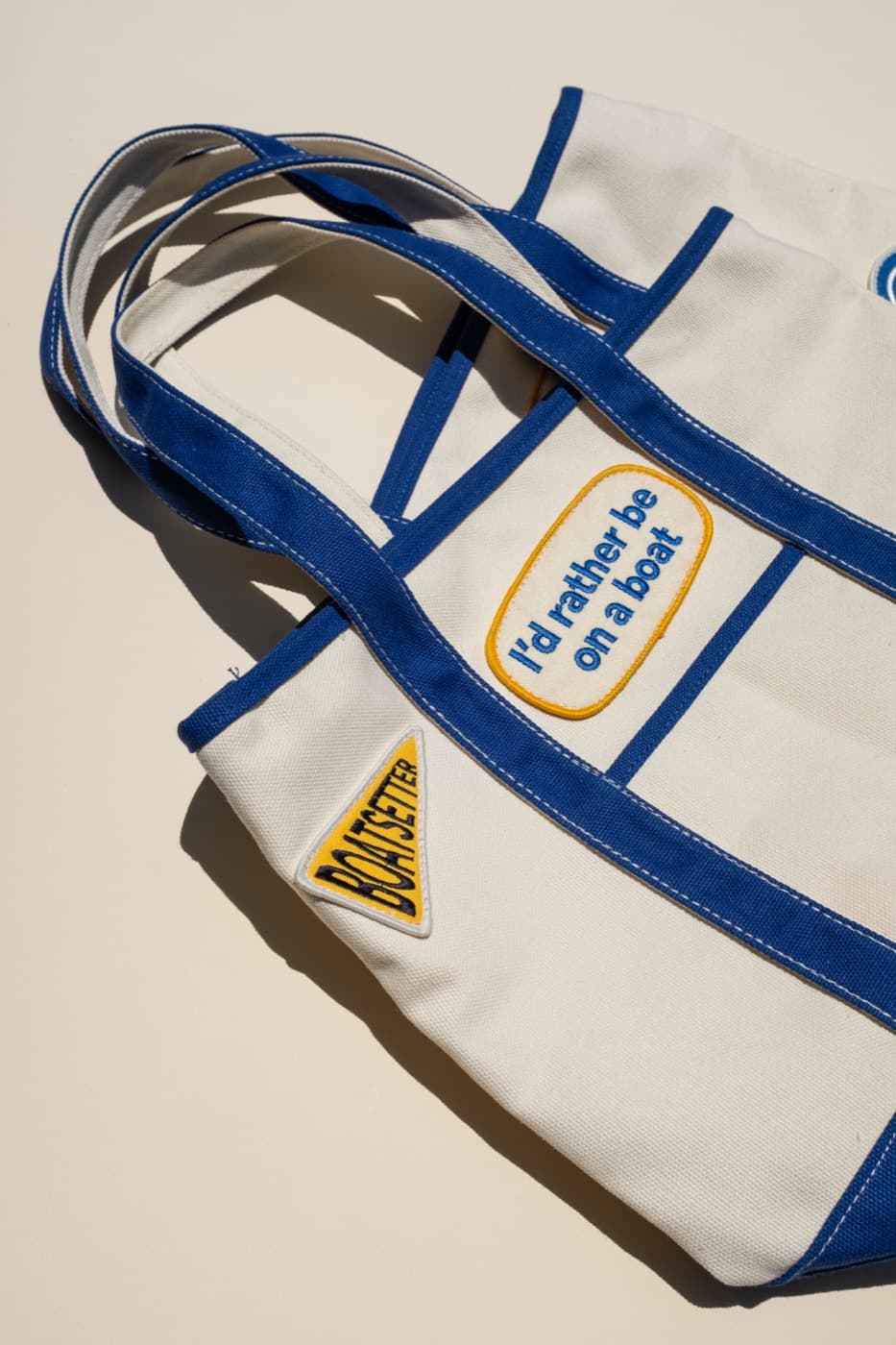
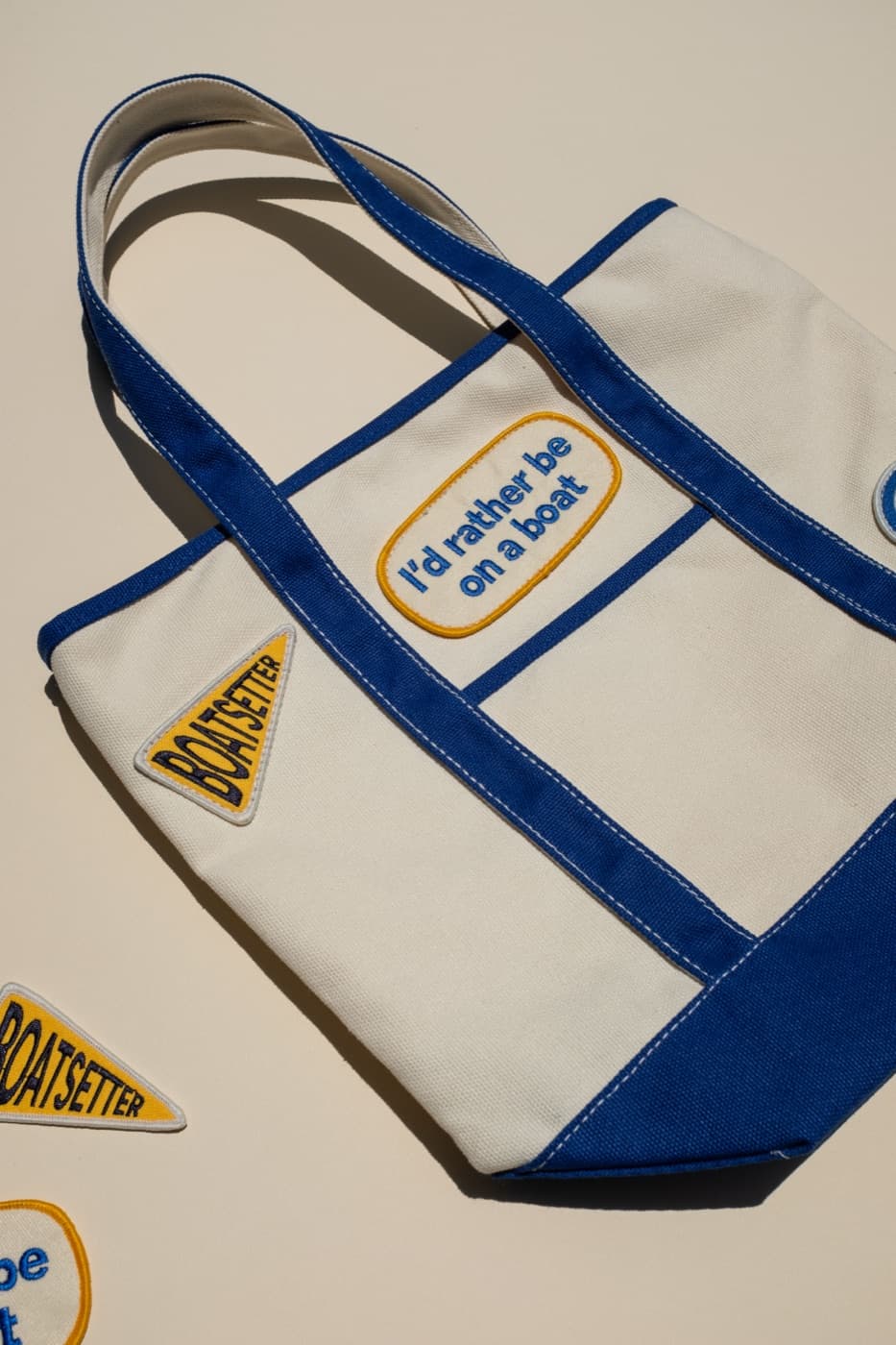
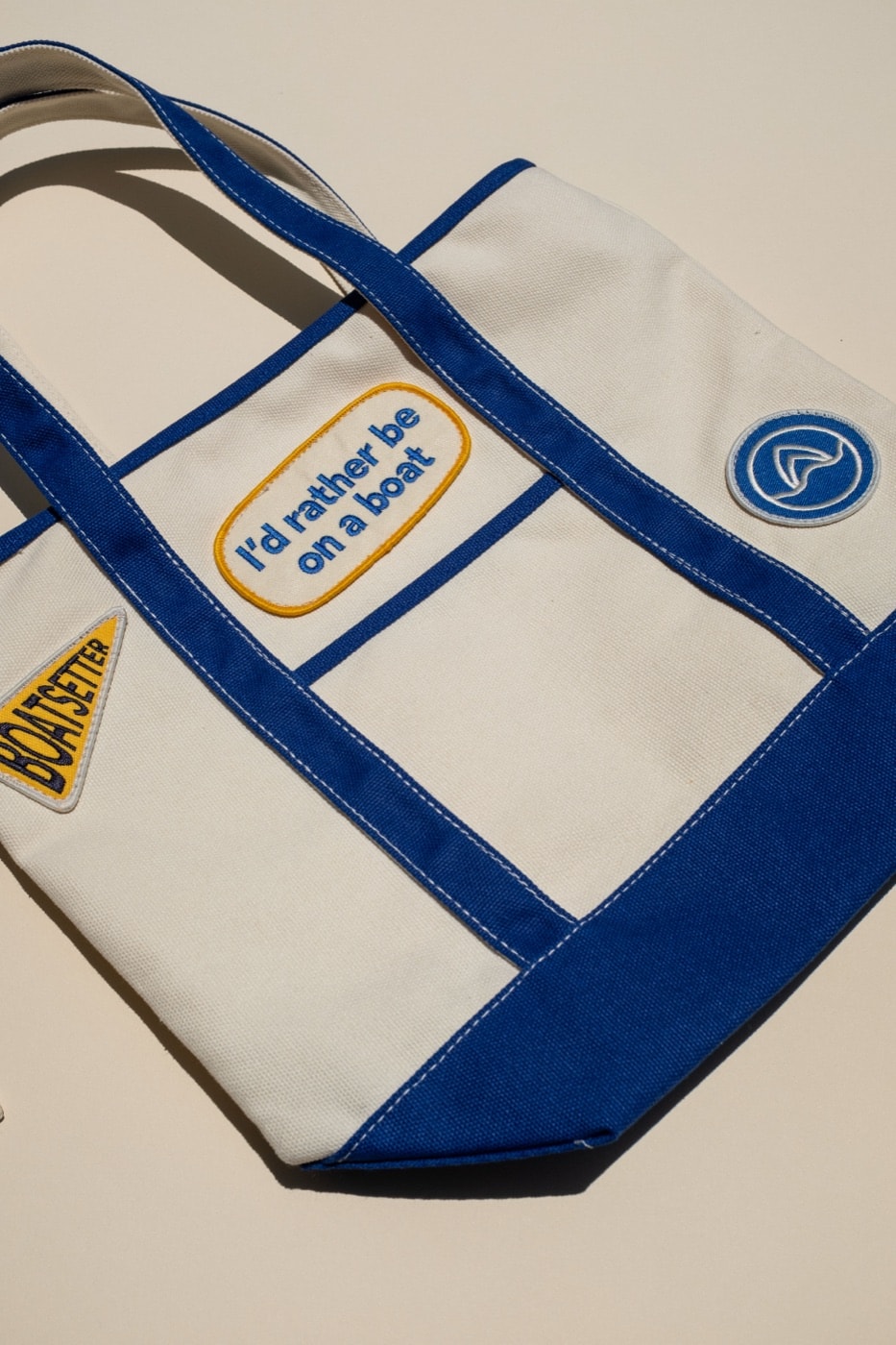
Natural canvas feels classic and retail-friendly. Heavy canvas can carry more weight. Nylon or recycled poly can make sense for travel, outdoor, or wet settings. A structured boat tote feels different from a flat cotton tote. The material tells the customer where the bag belongs.
Design for the shape
Bags have seams, gussets, handles, folds, pockets, and curves. Artwork should be placed with those realities in mind. A mark that looks balanced on a flat mockup can feel low, crowded, or off-center once the bag is filled and carried.
Use bags as the start of a kit
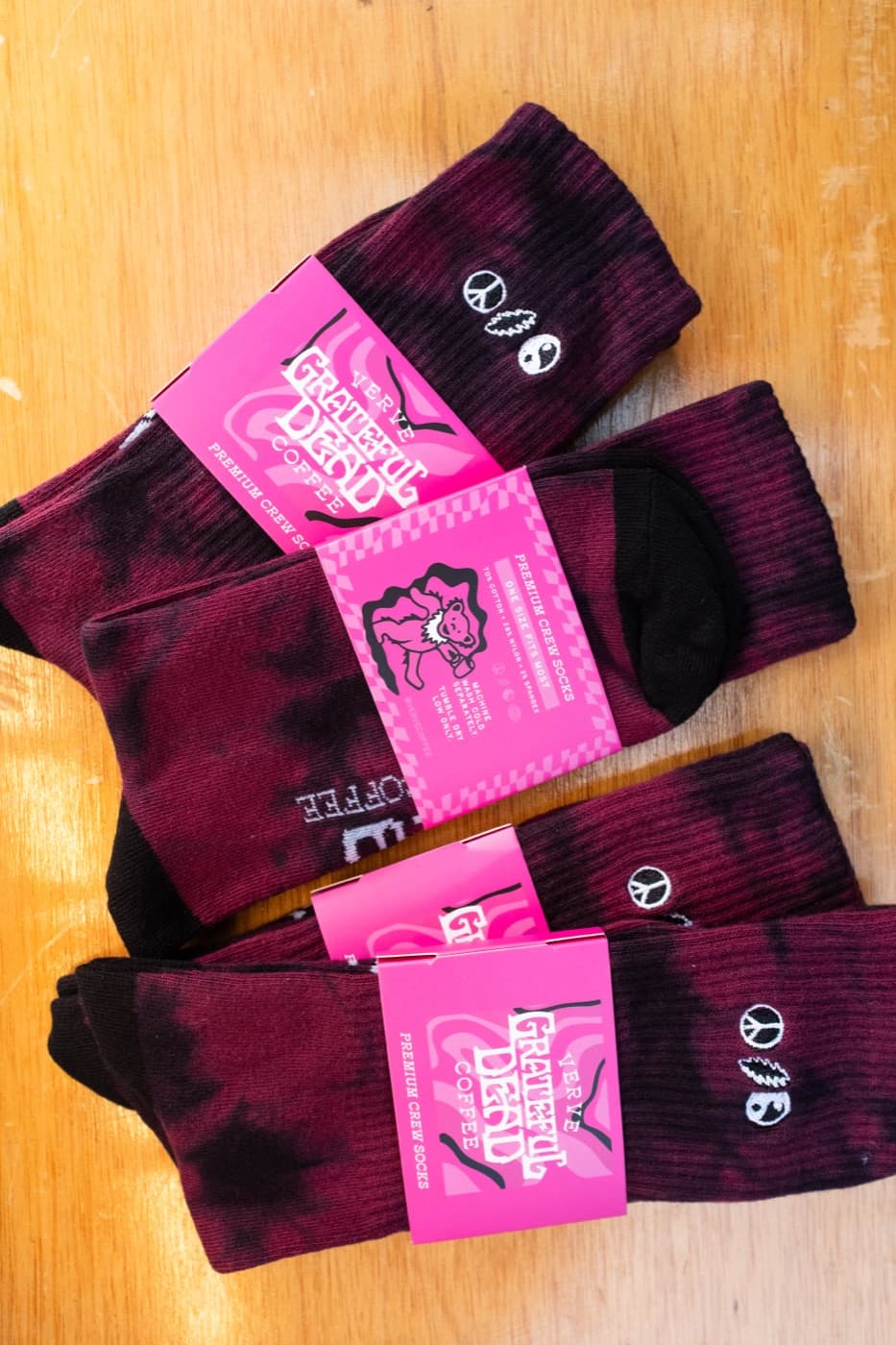
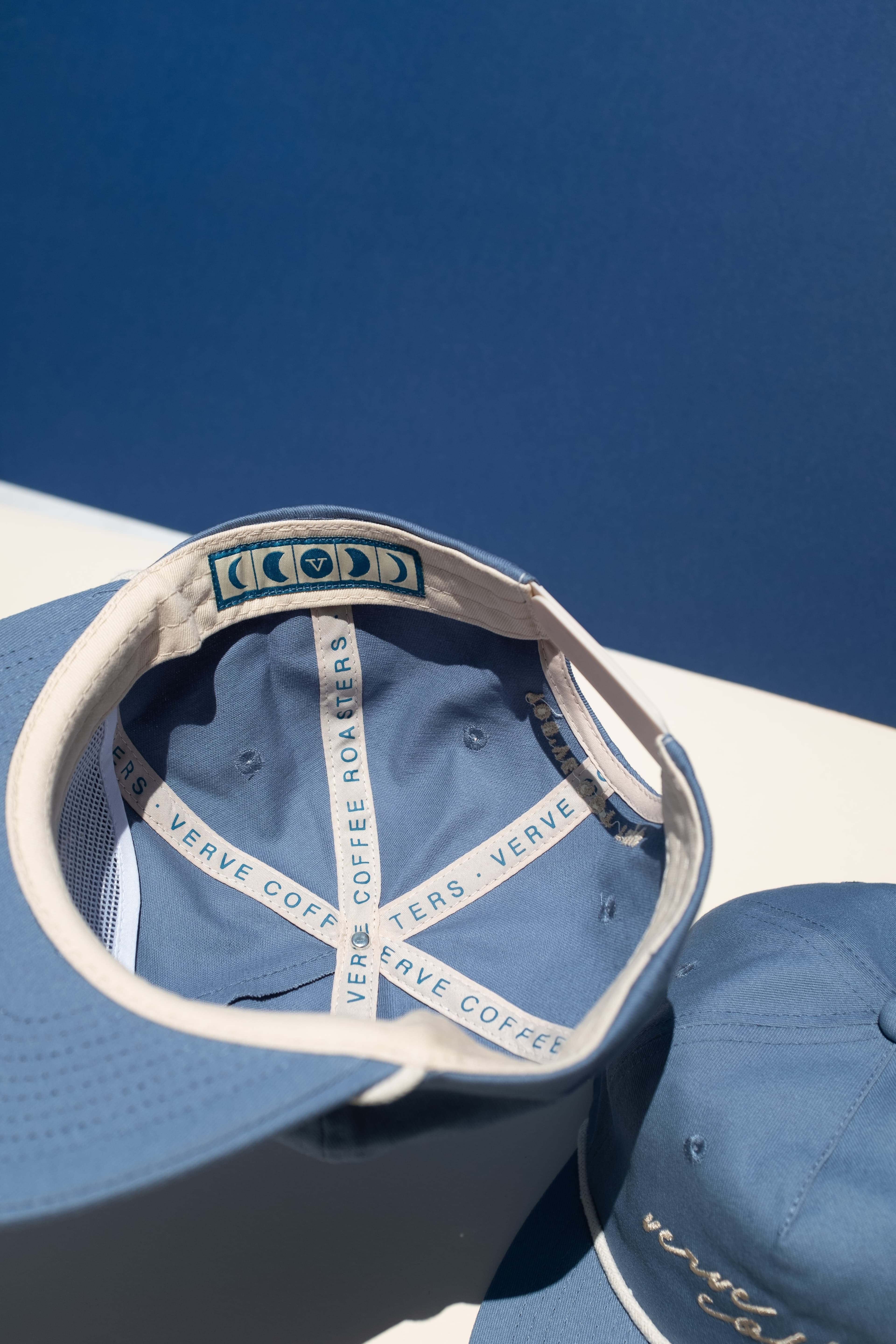
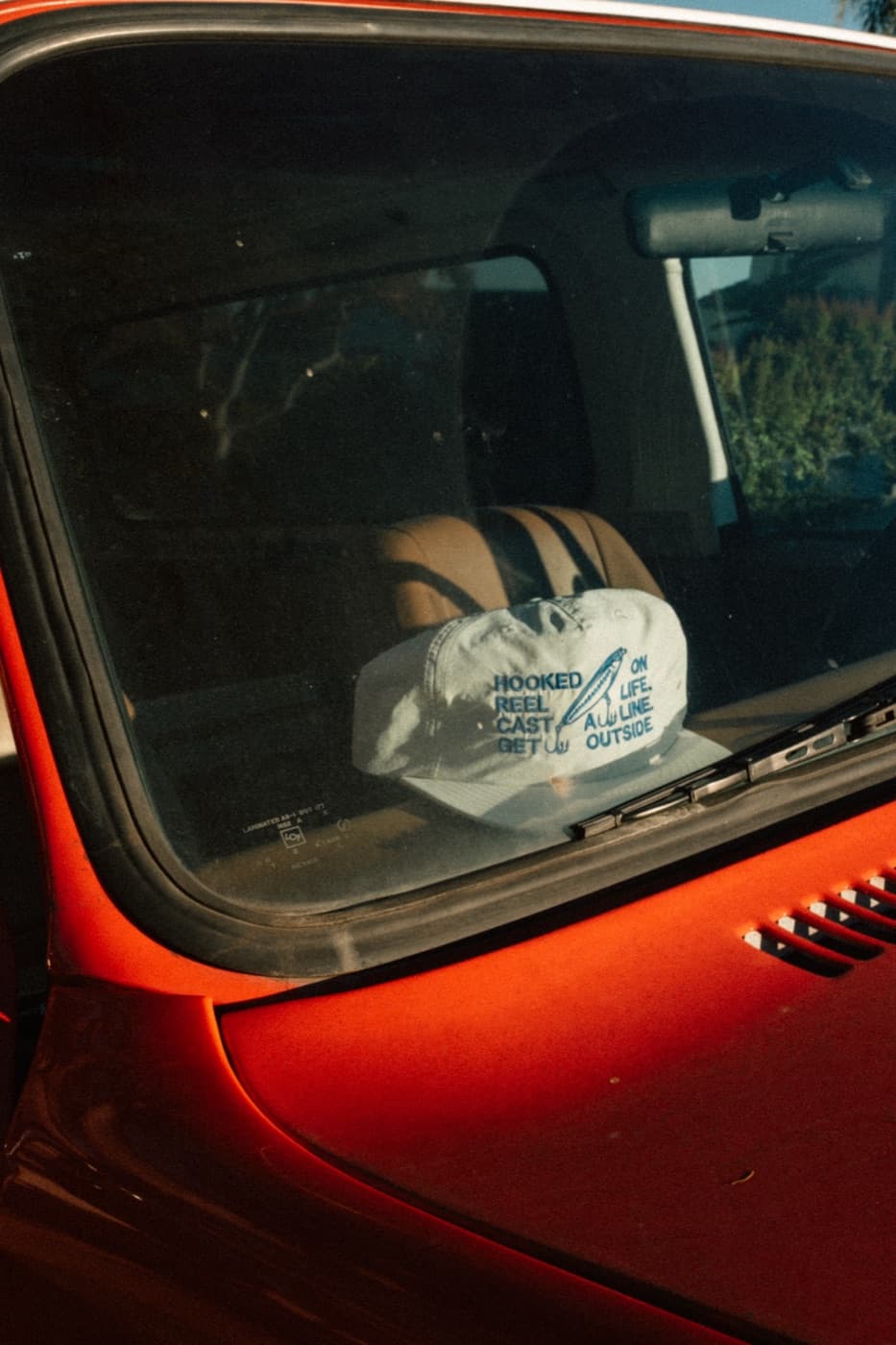
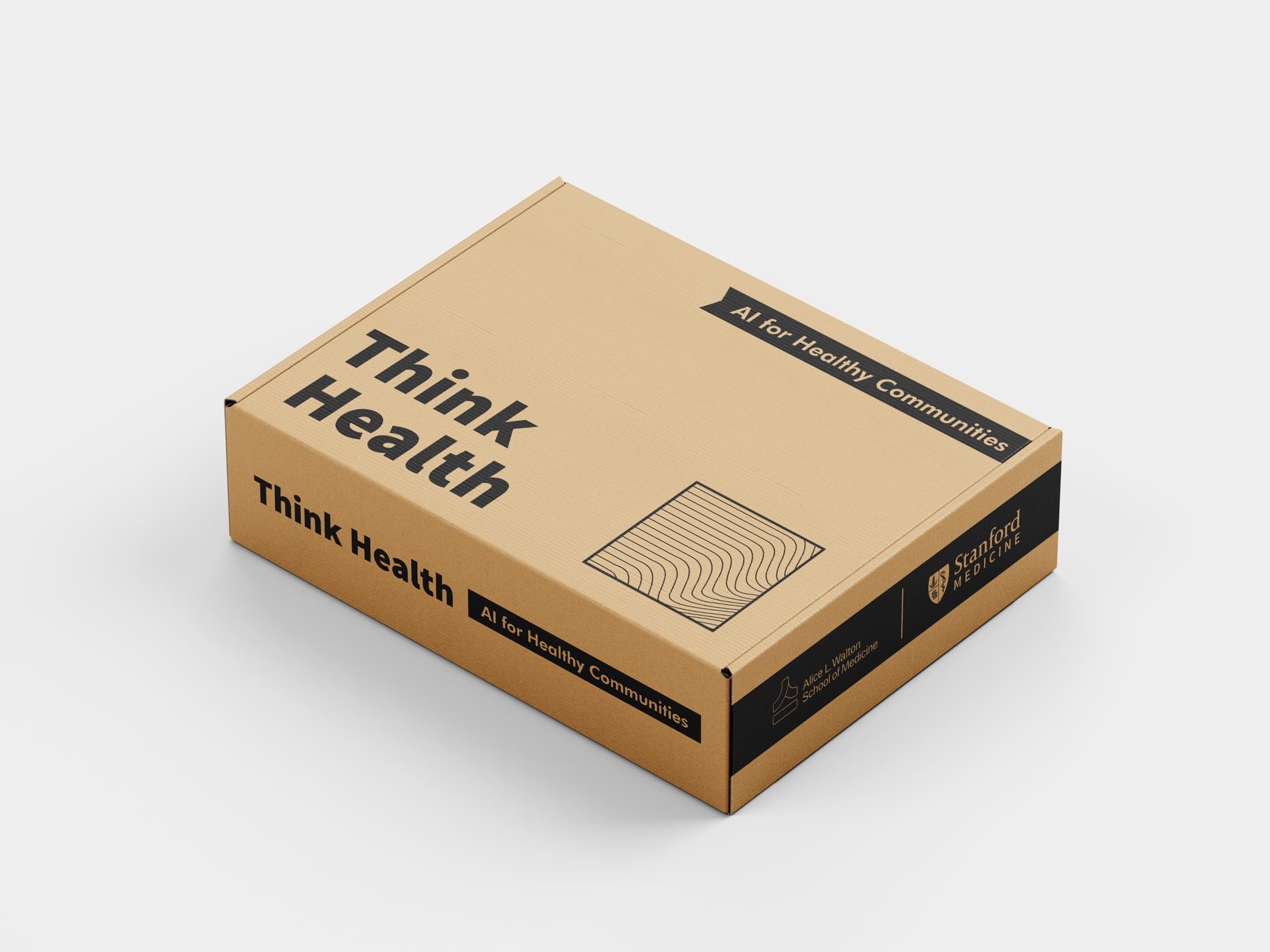
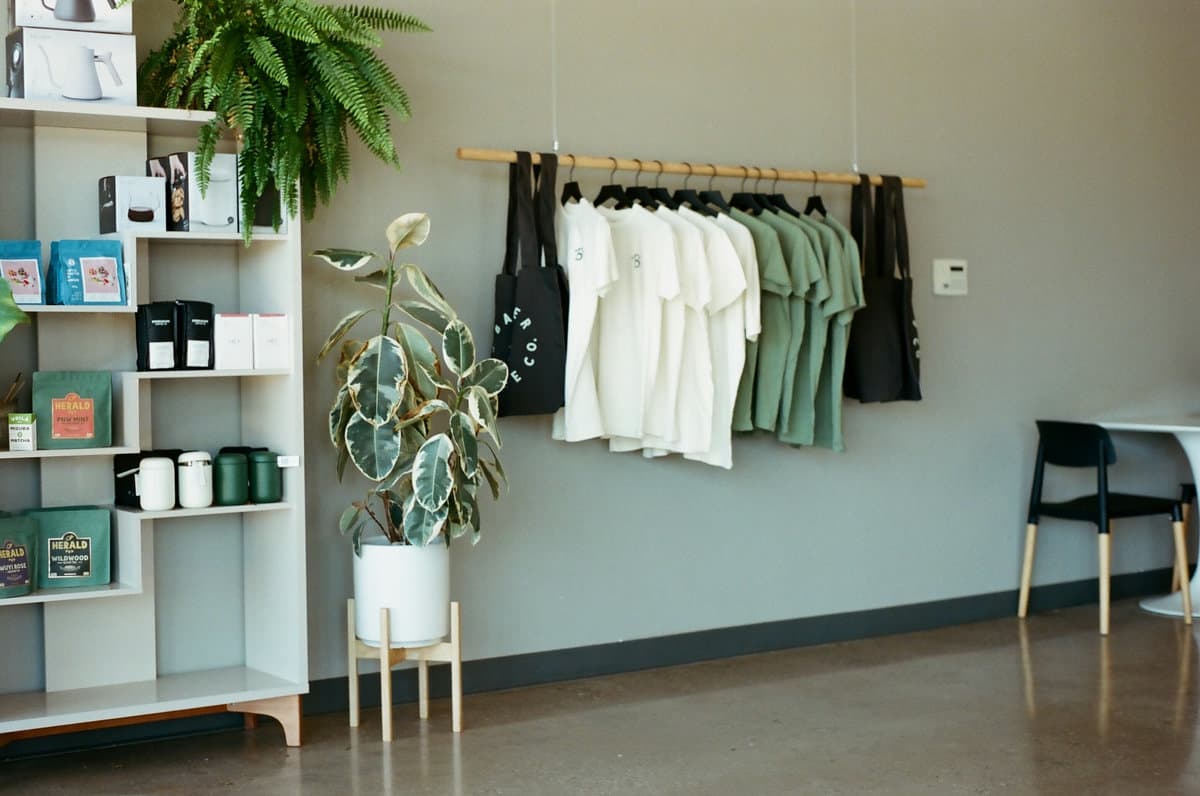
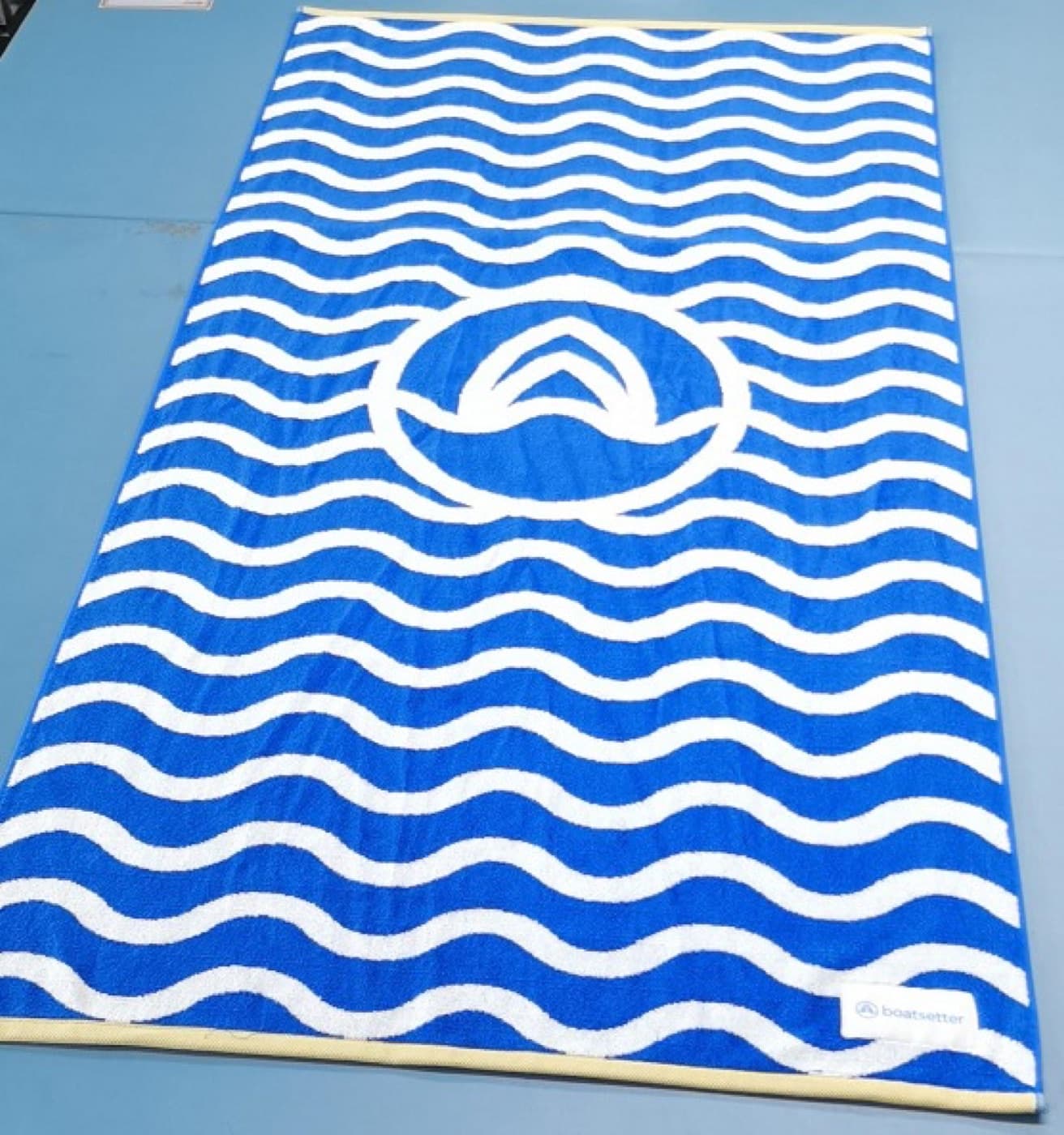
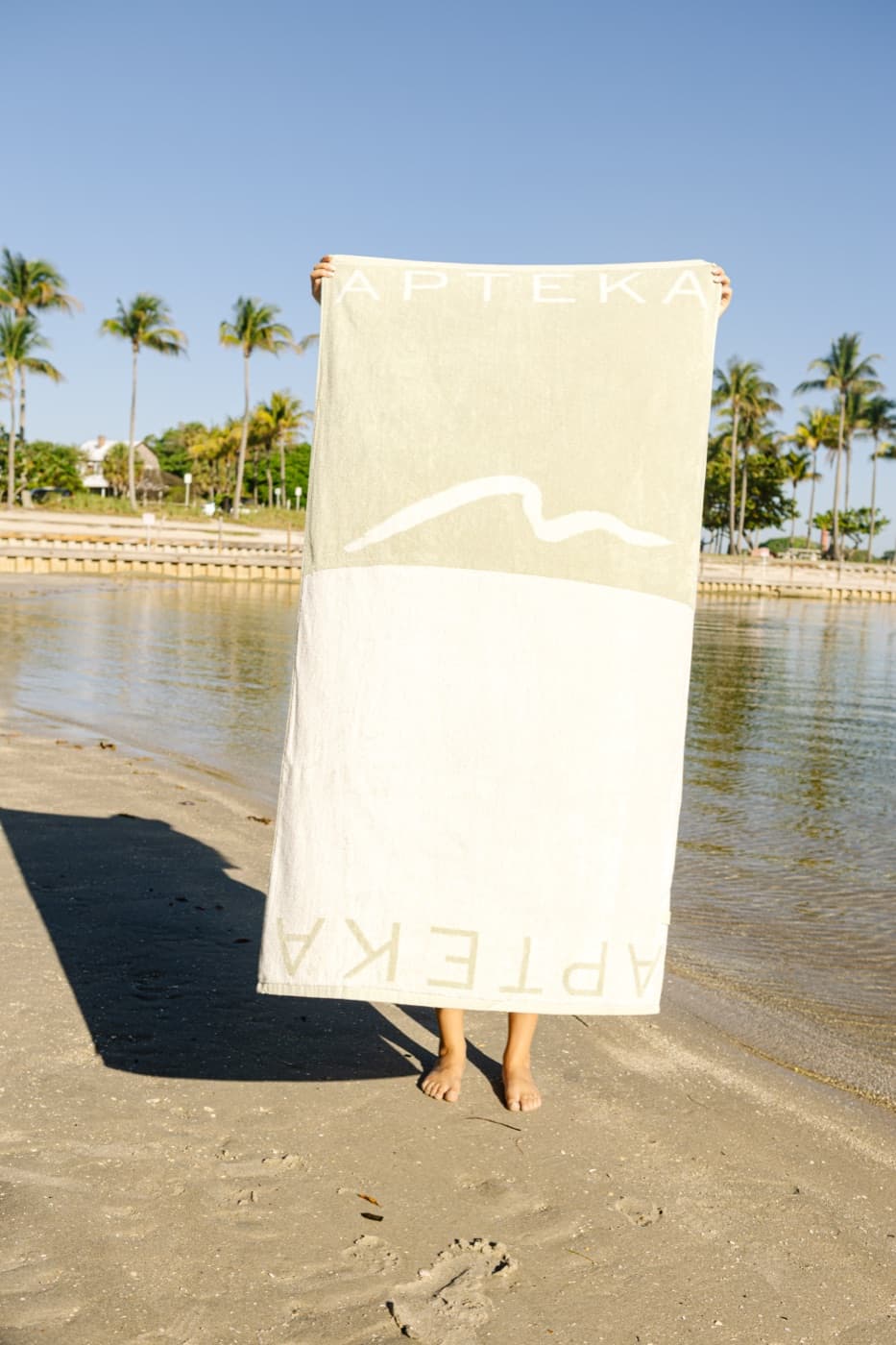
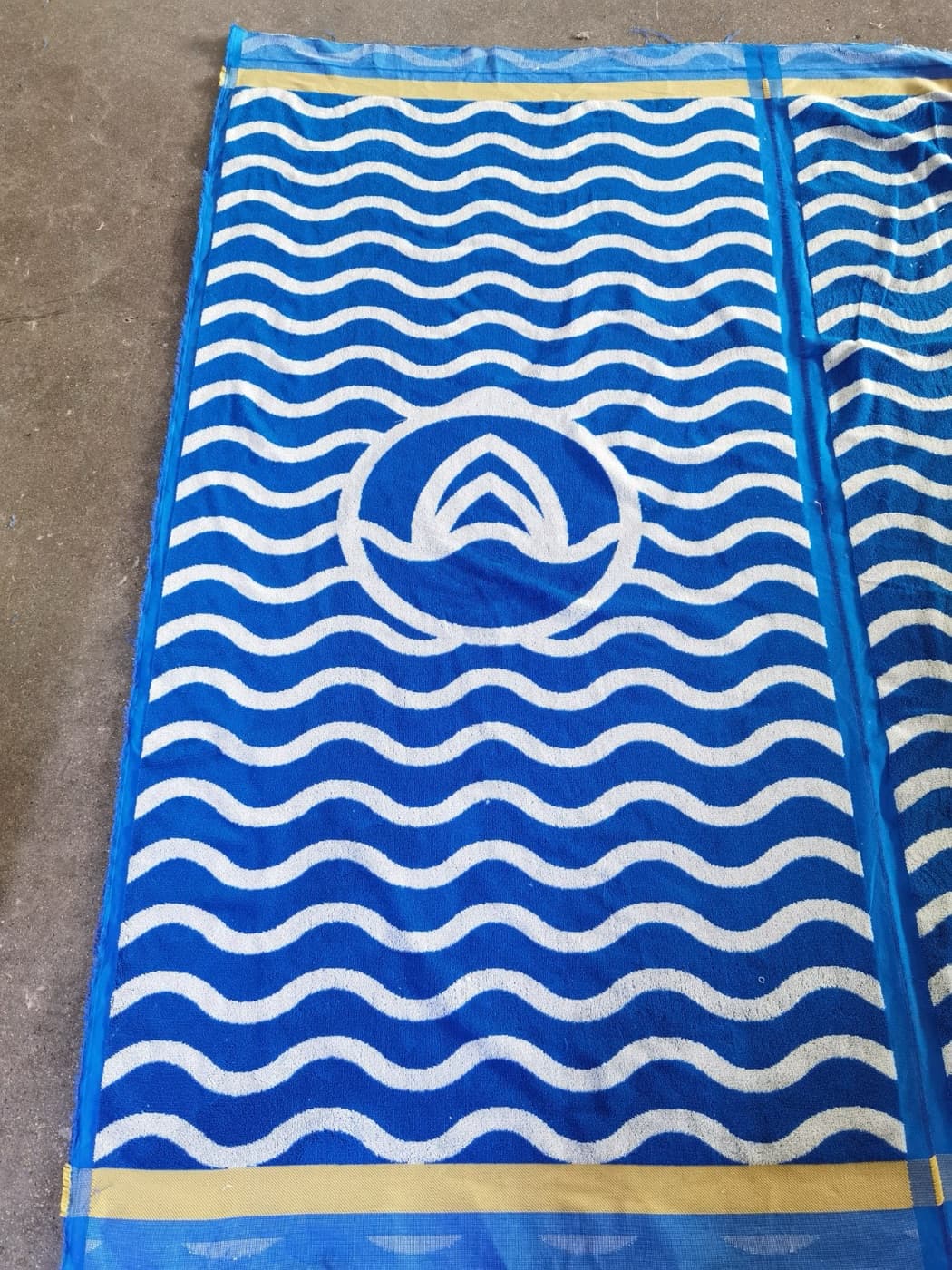
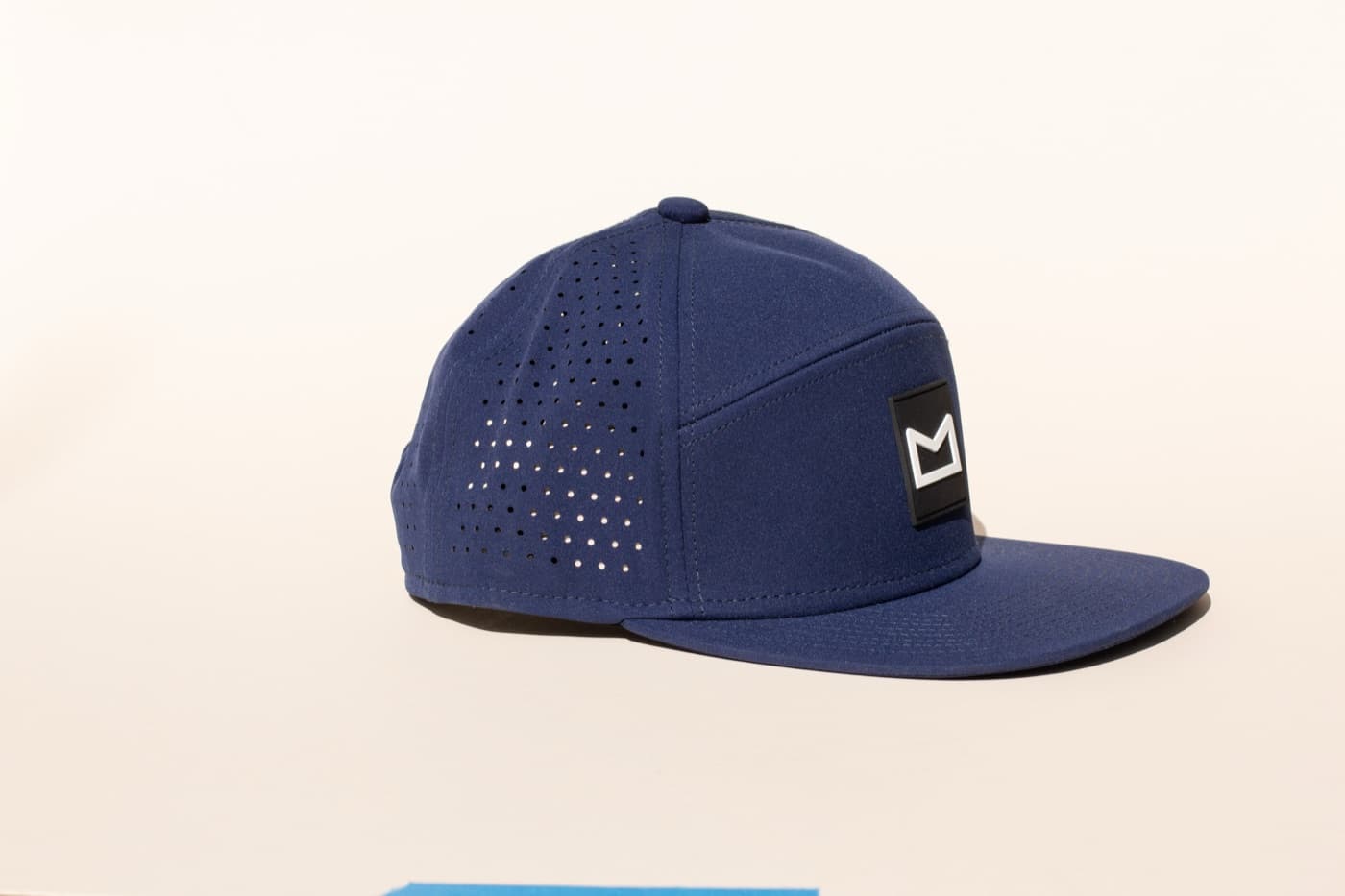
A strong tote can hold the rest of the merch program. Towels, hats, bottles, snacks, apparel, cards, and small accessories all become easier to hand off when the carry item is part of the concept. The bag can be both product and packaging.
The takeaway
Custom bags work when they are built around real carrying behavior. Orange Goods helps coastal, travel, and outdoor brands choose the right format, material, decoration, and kit strategy so the bag gets used beyond the first handoff.