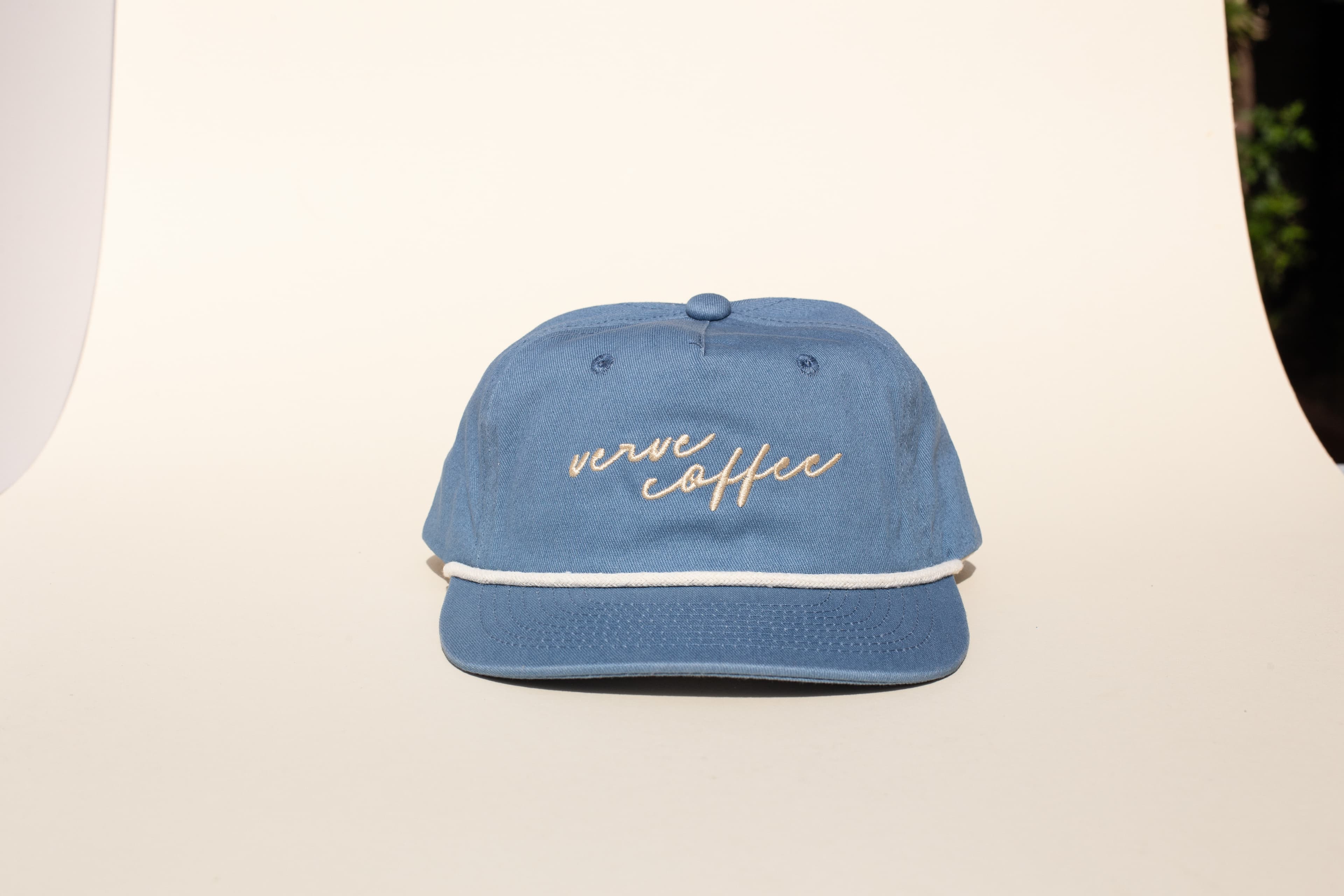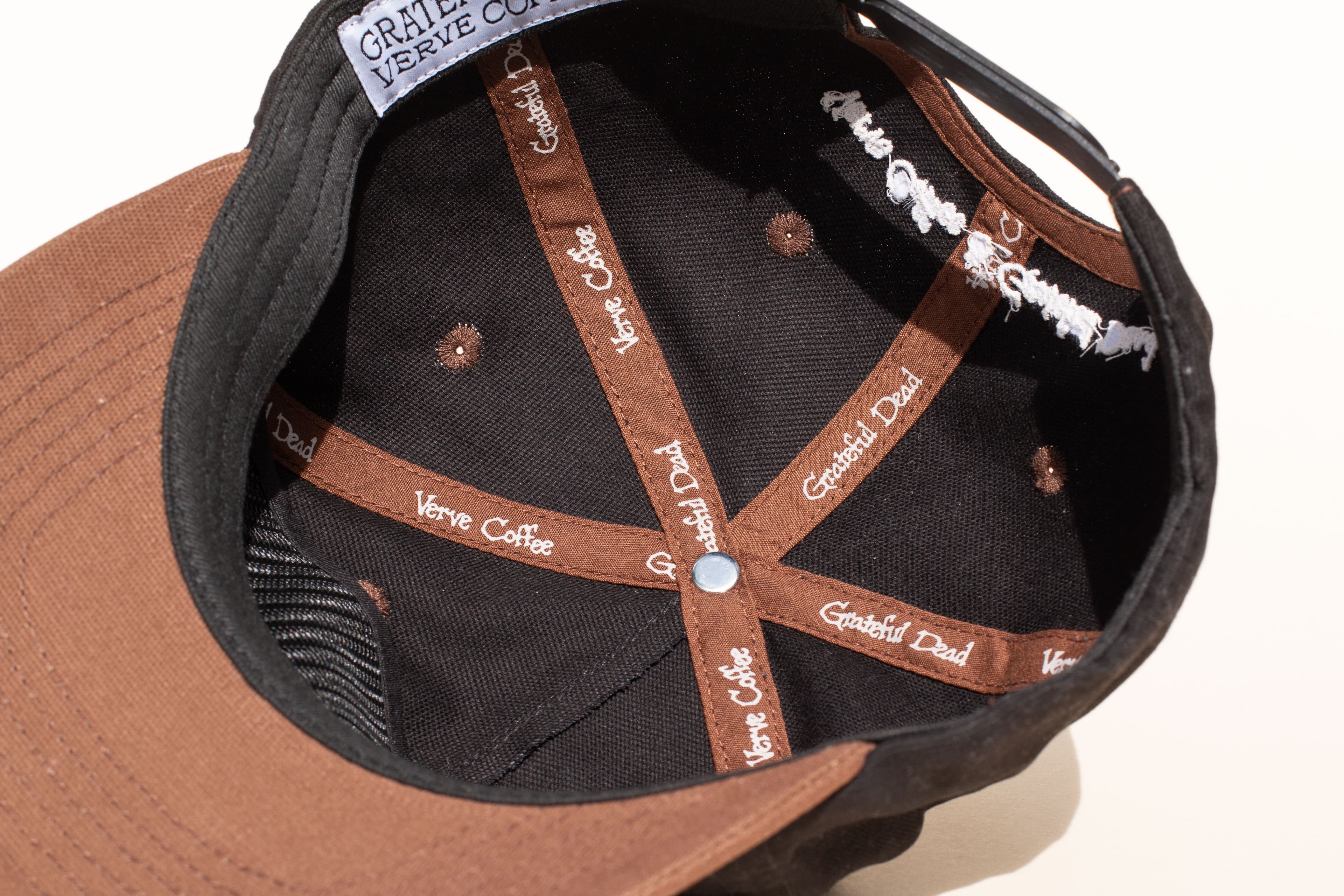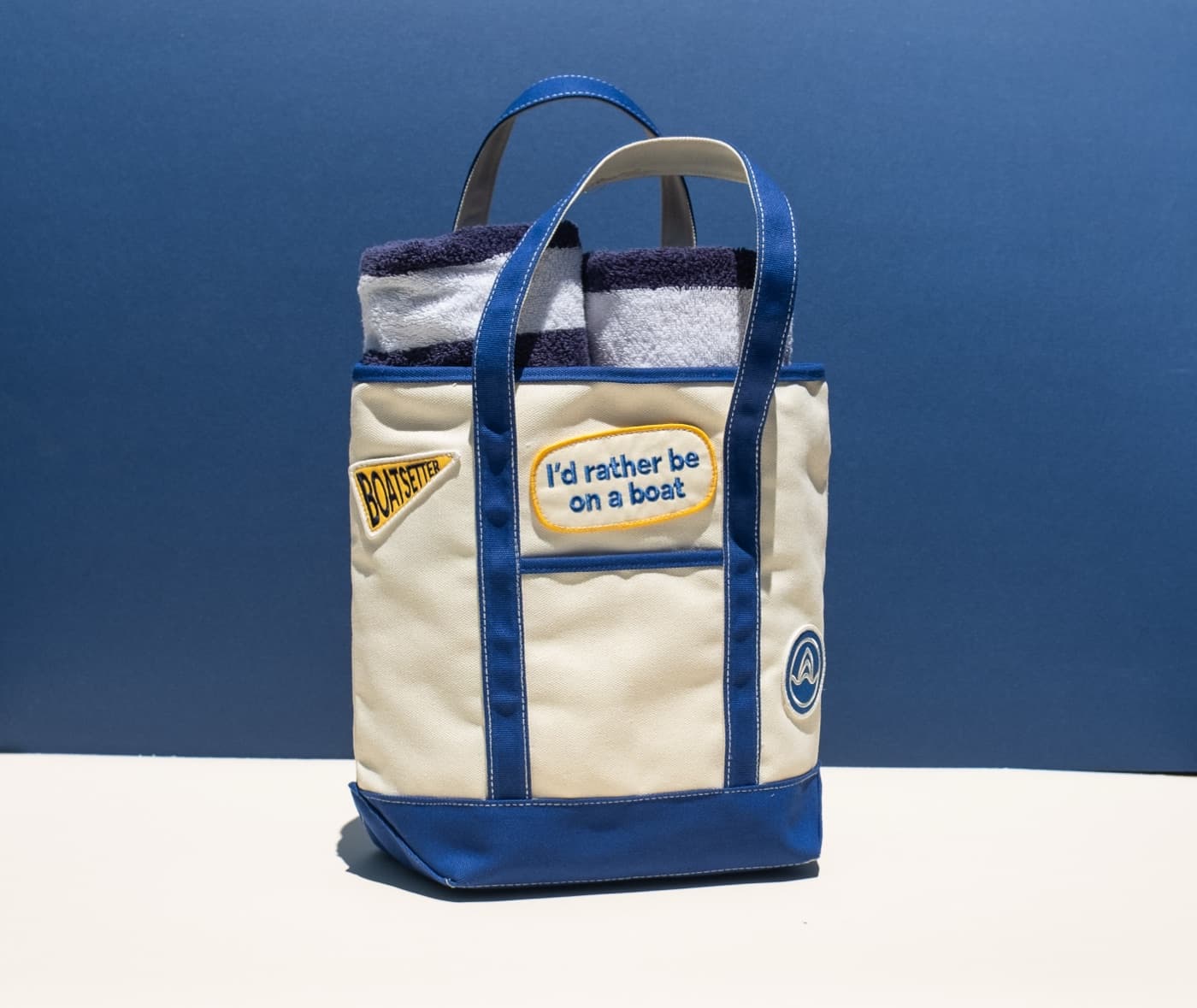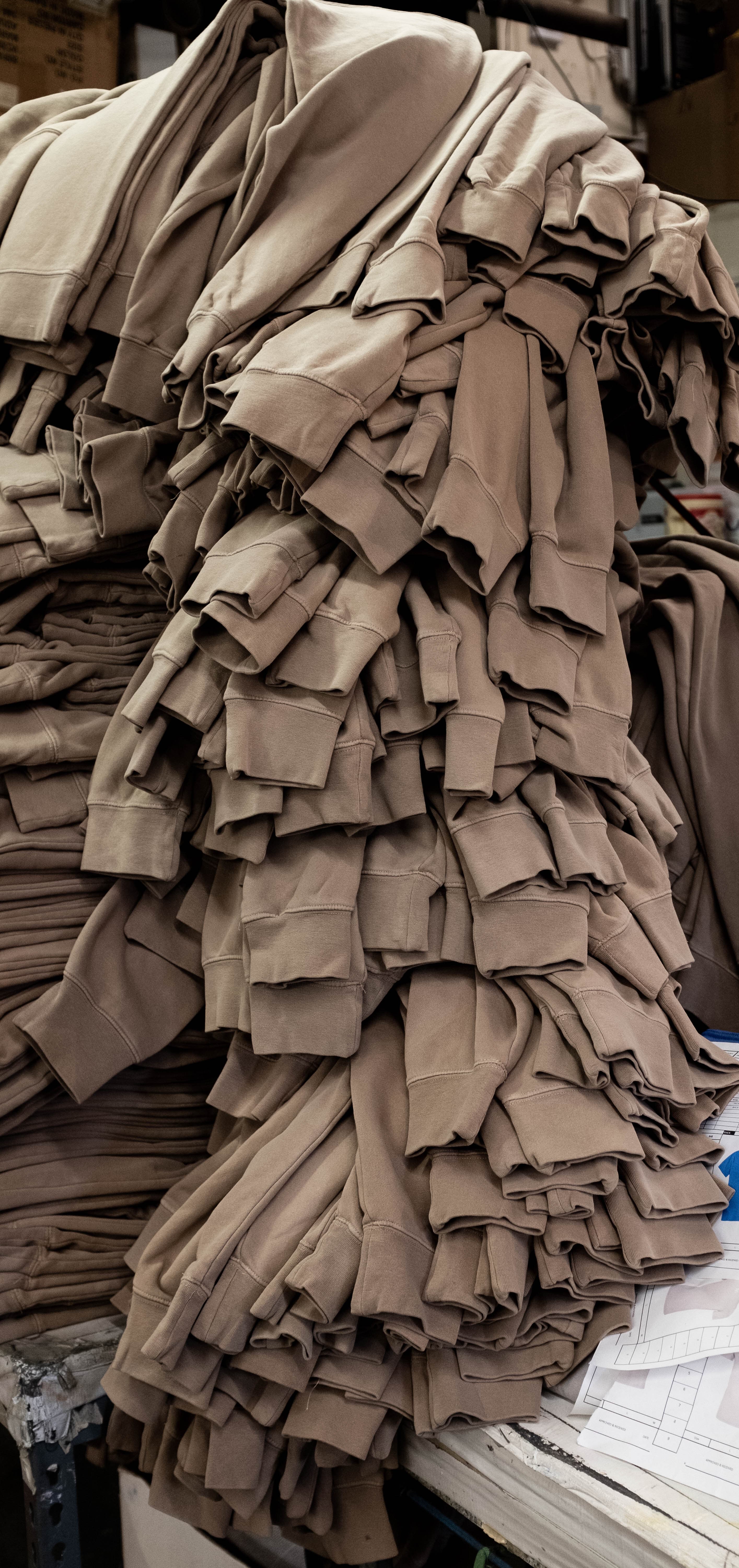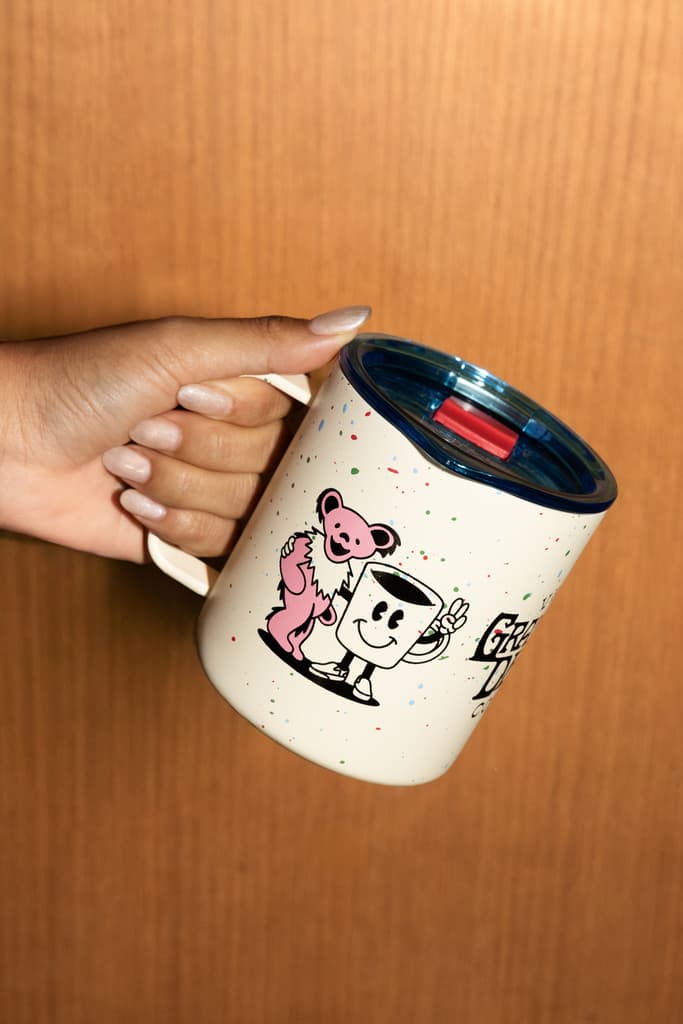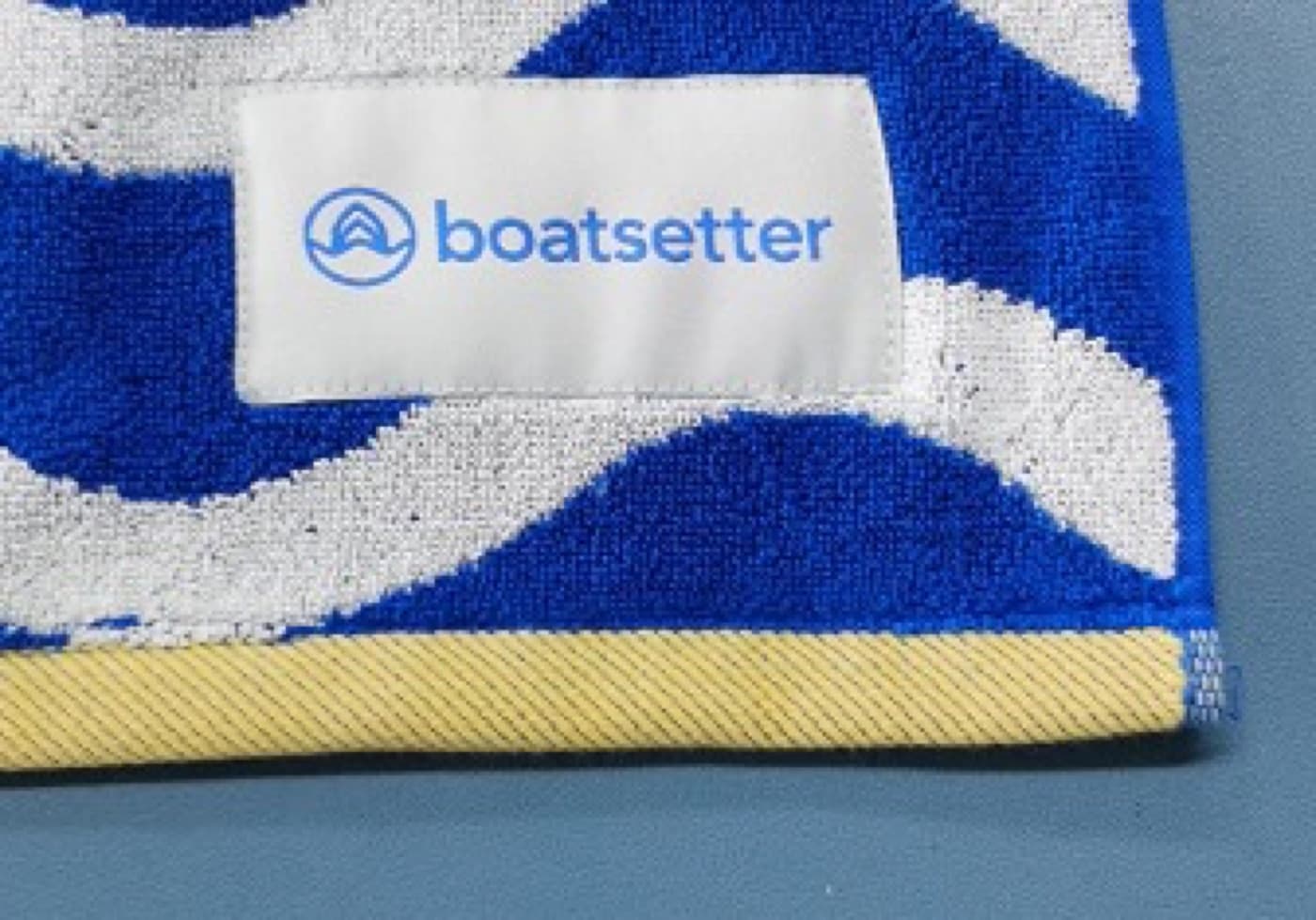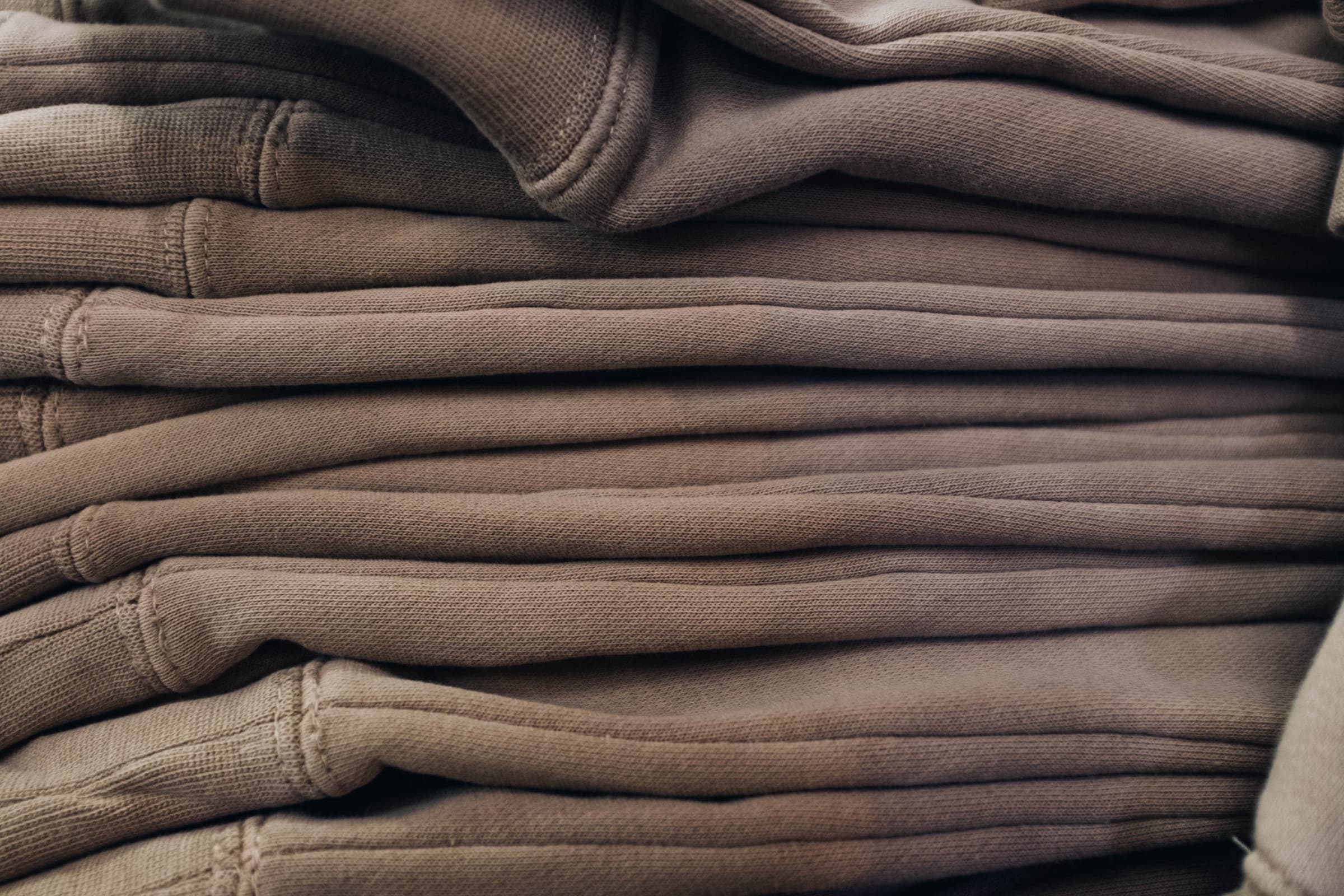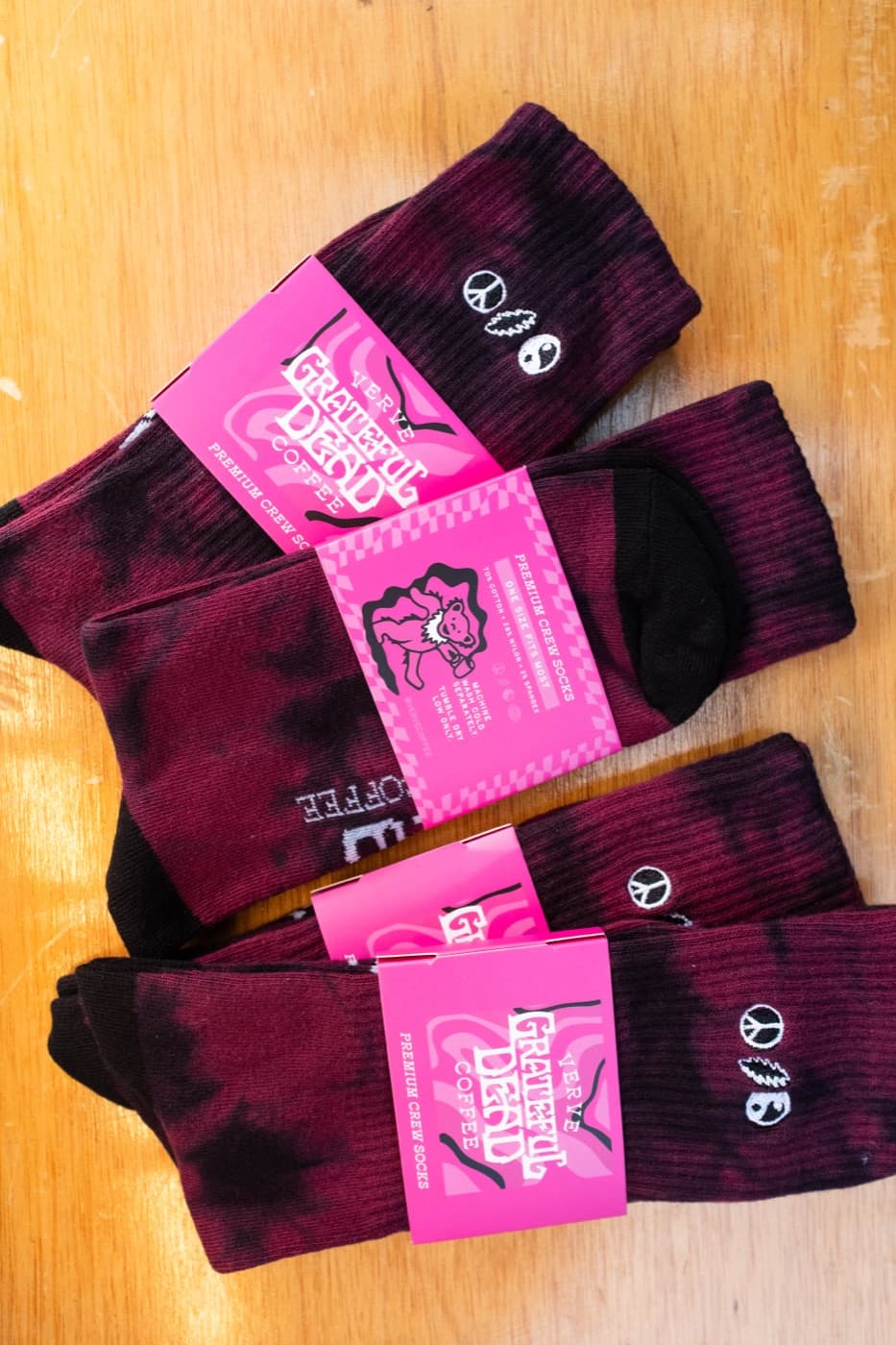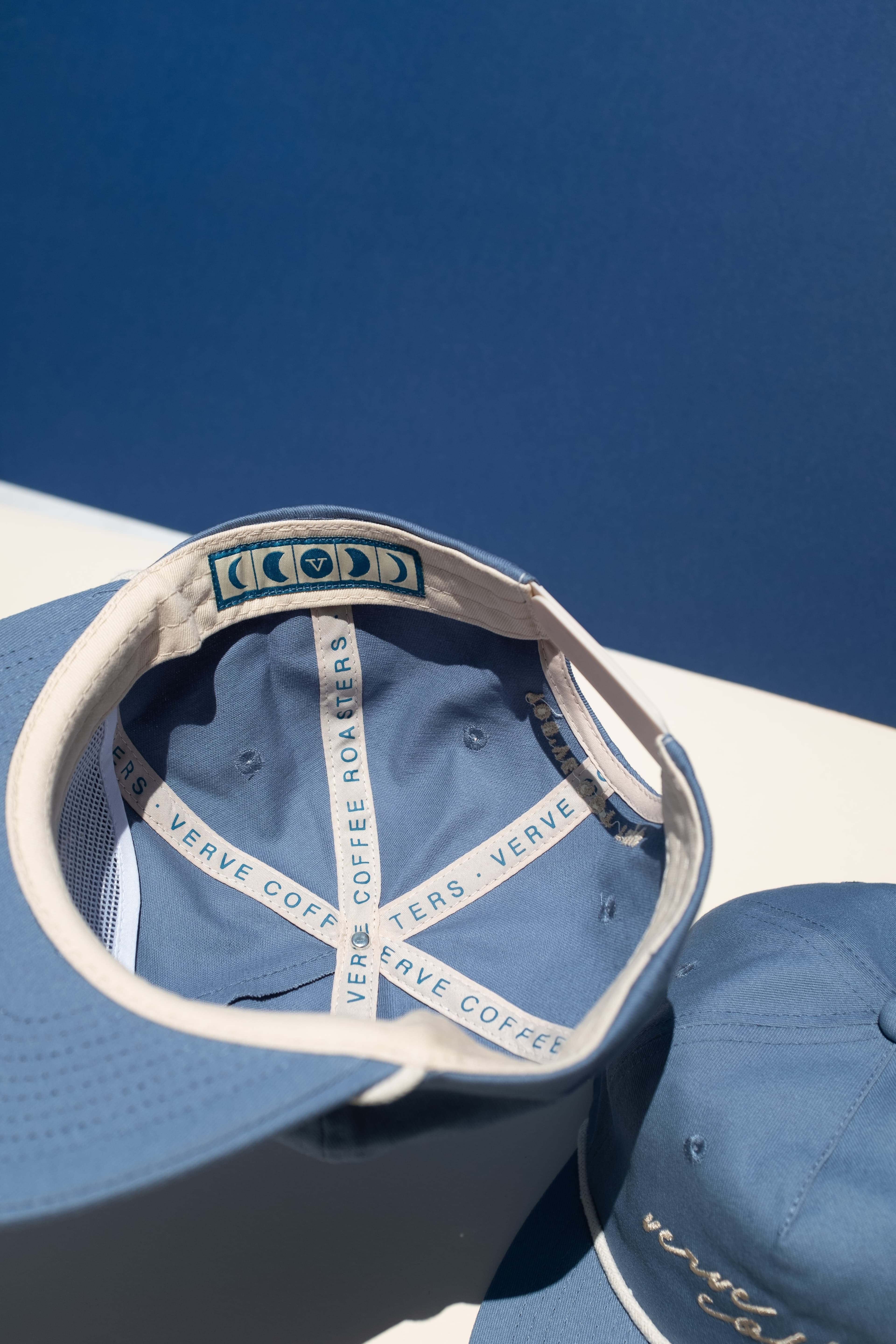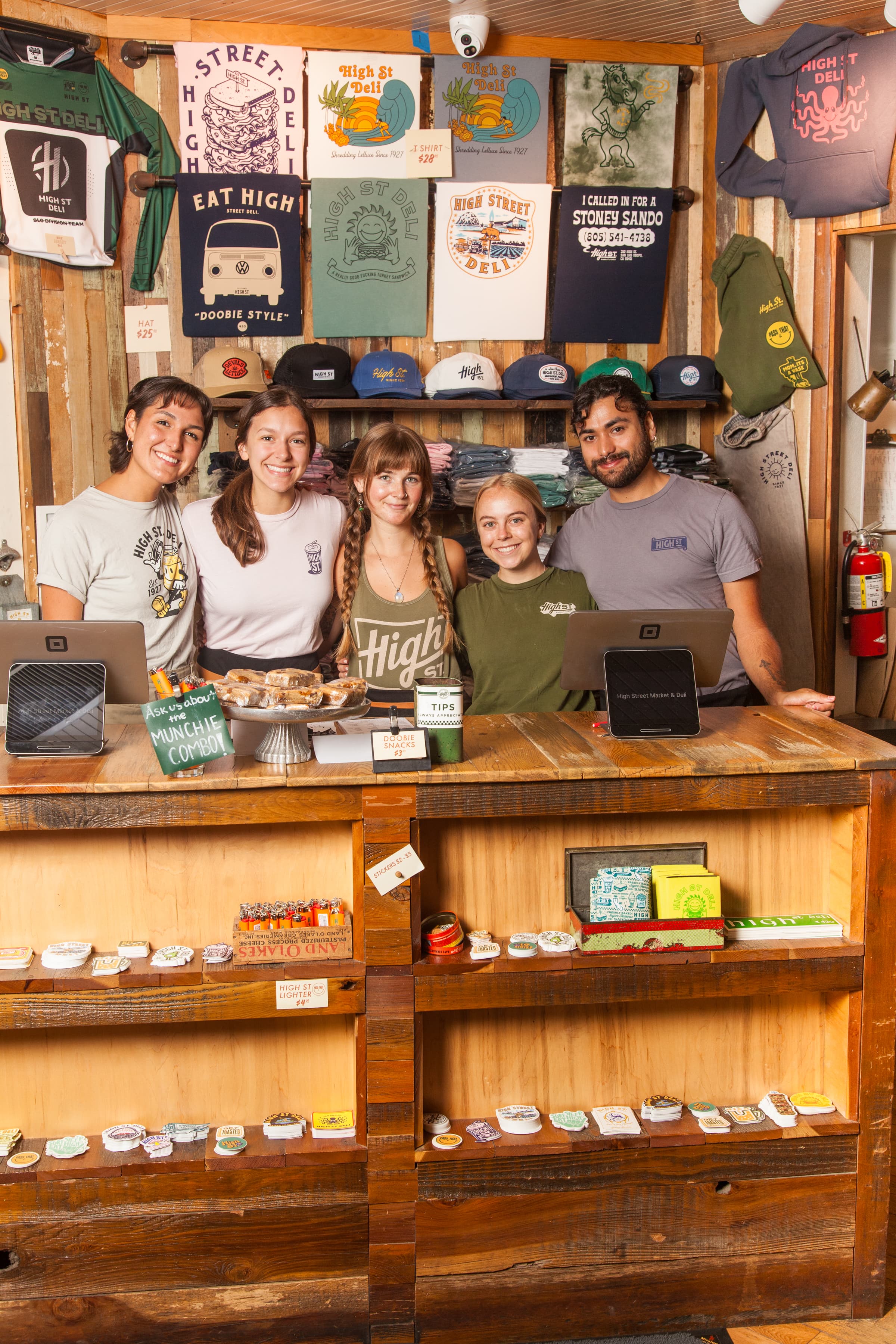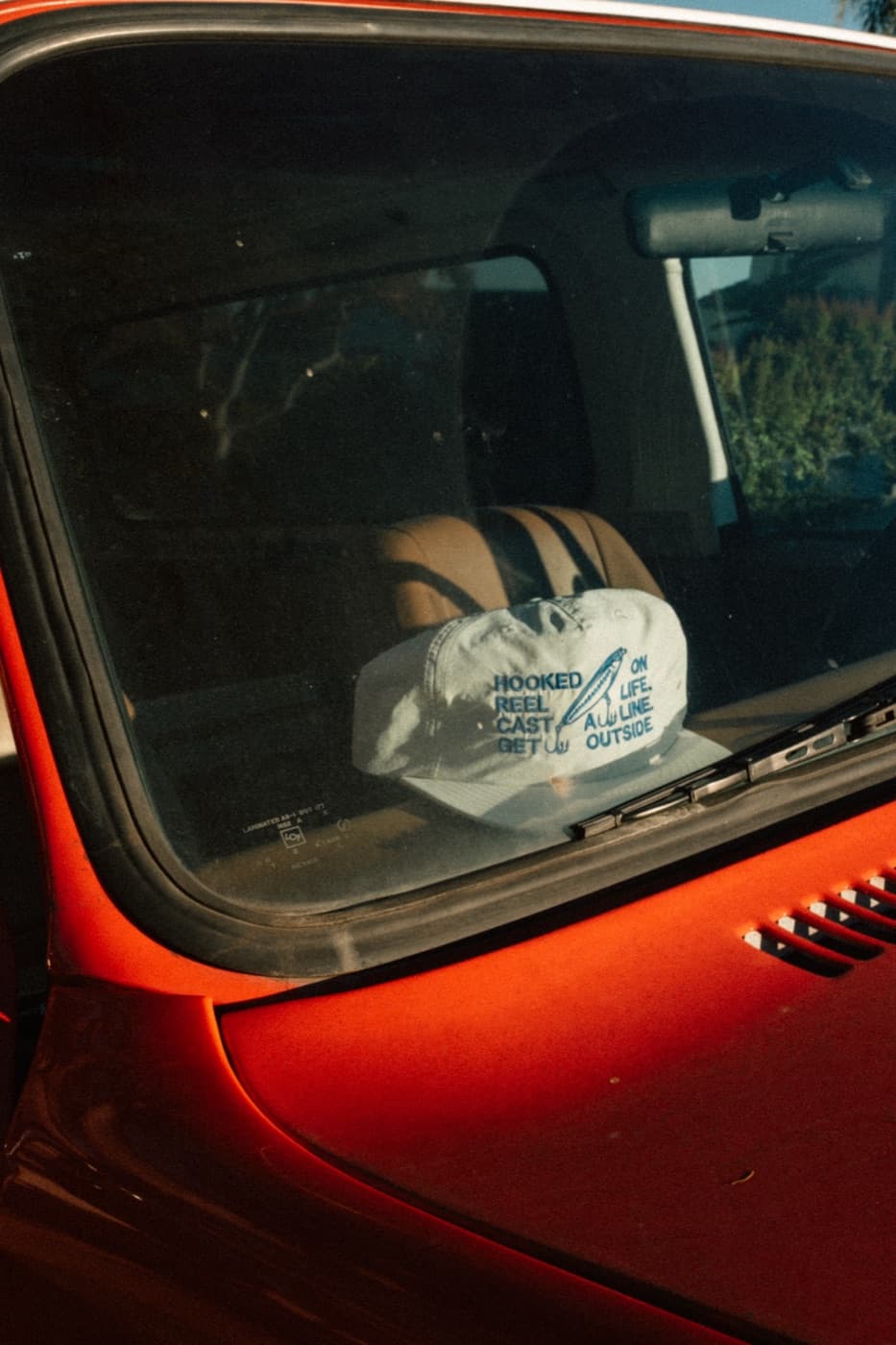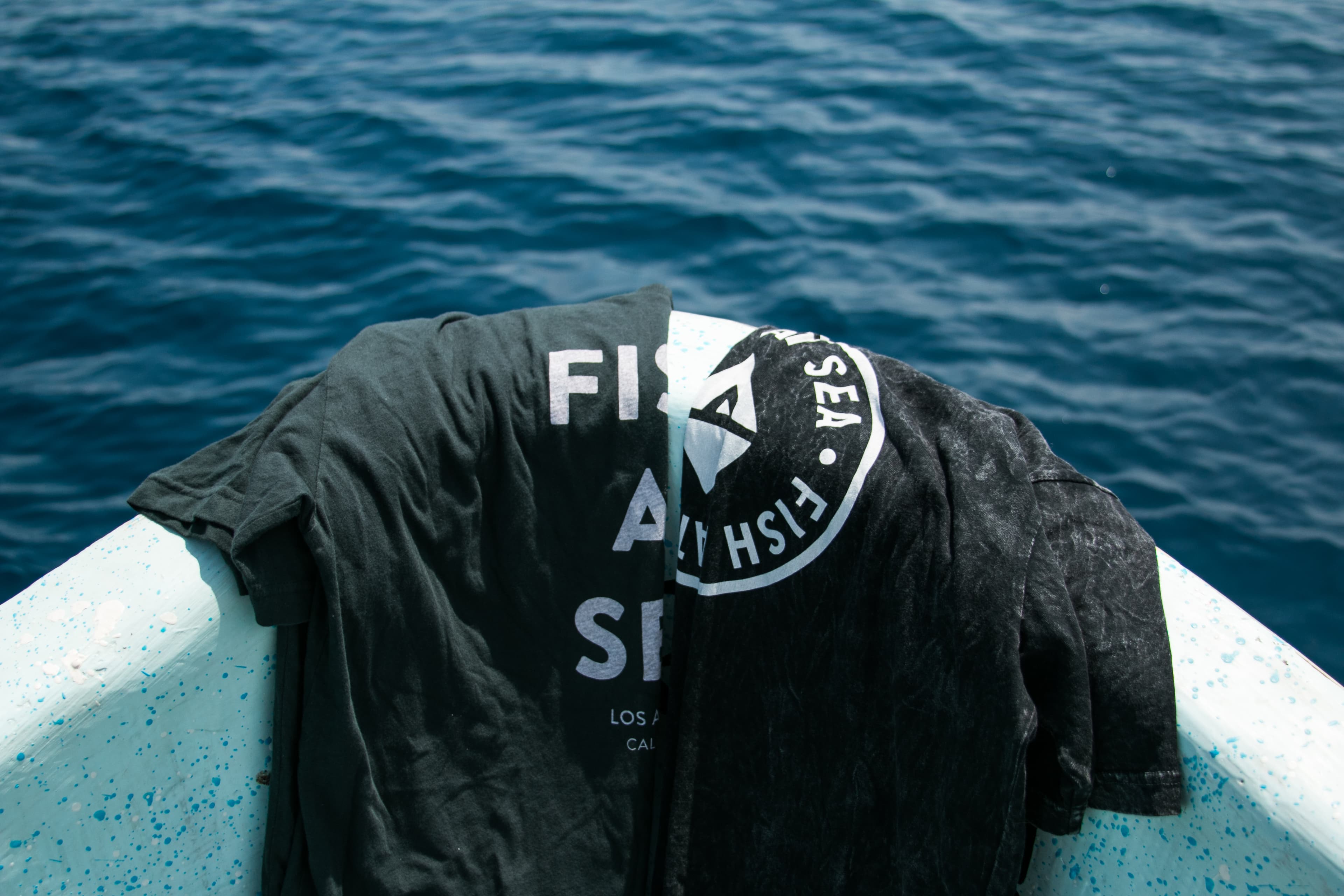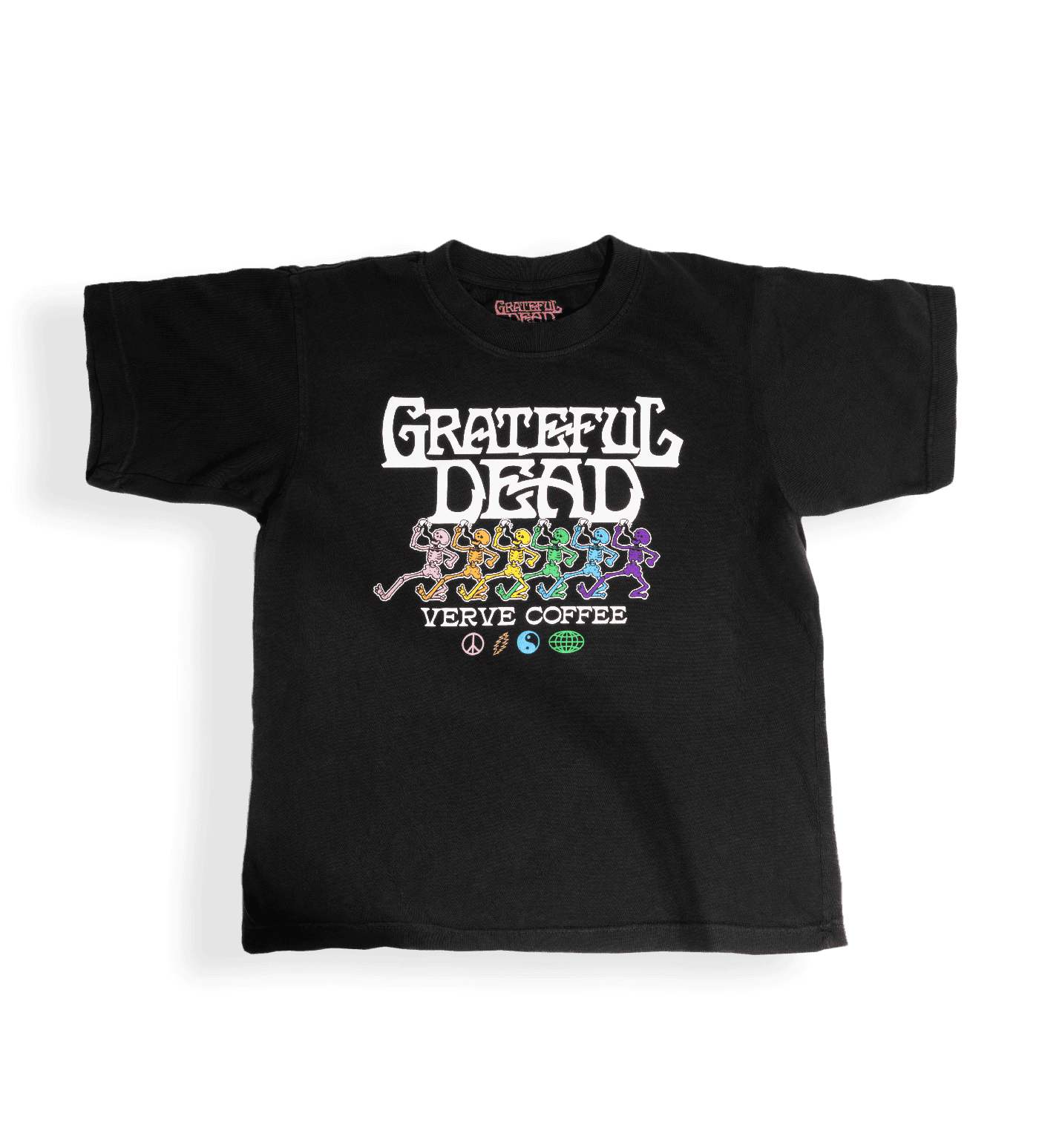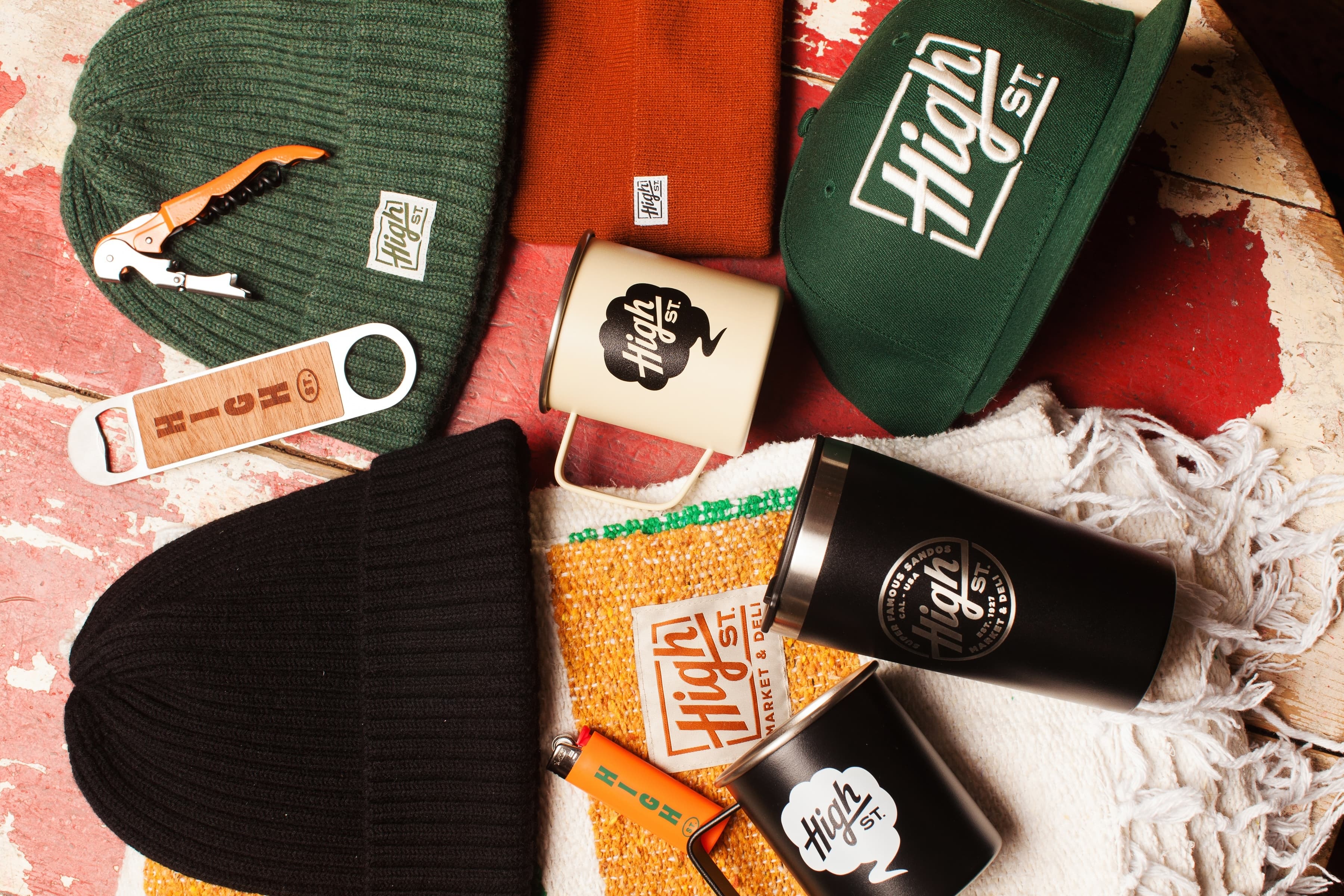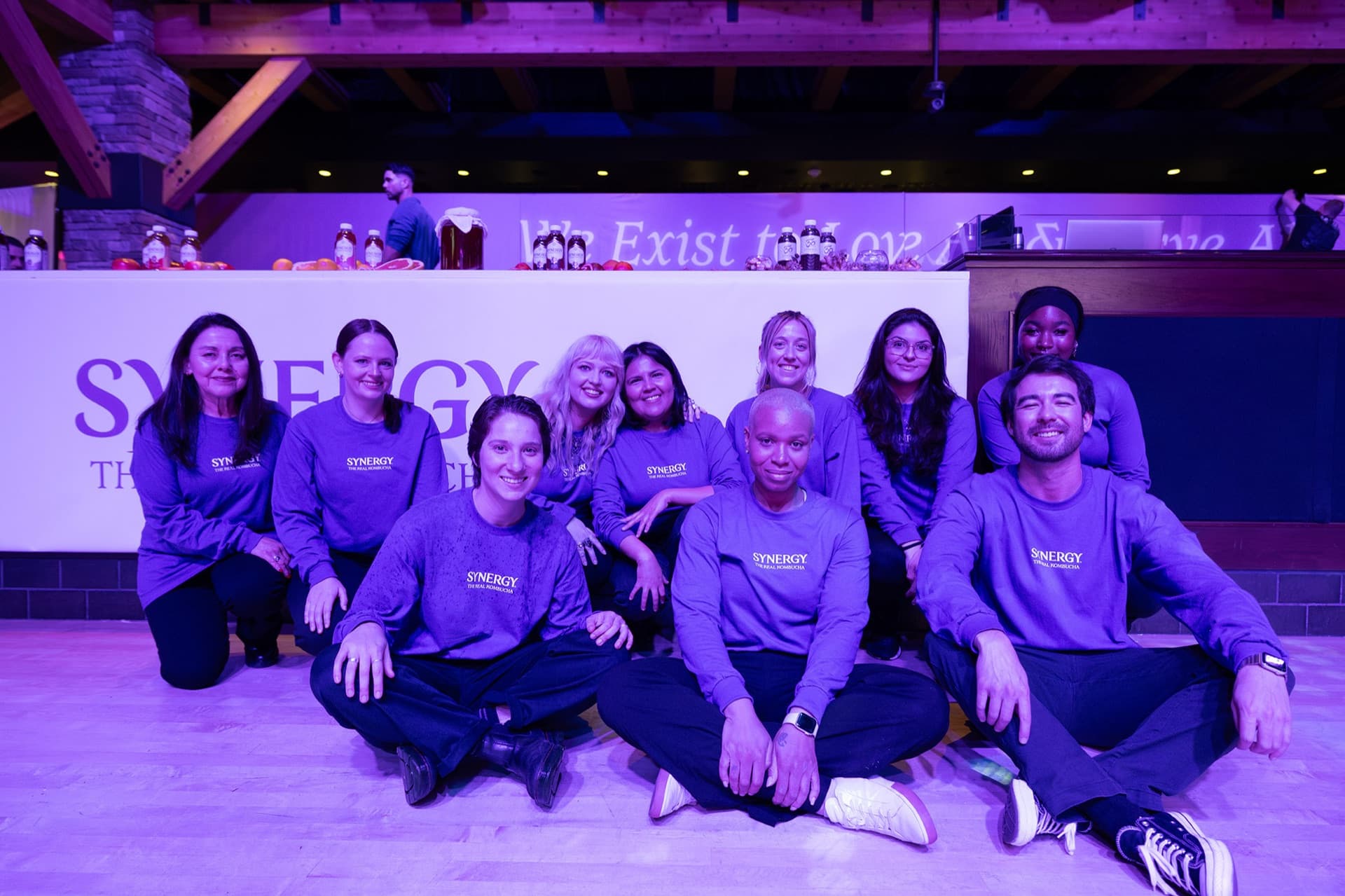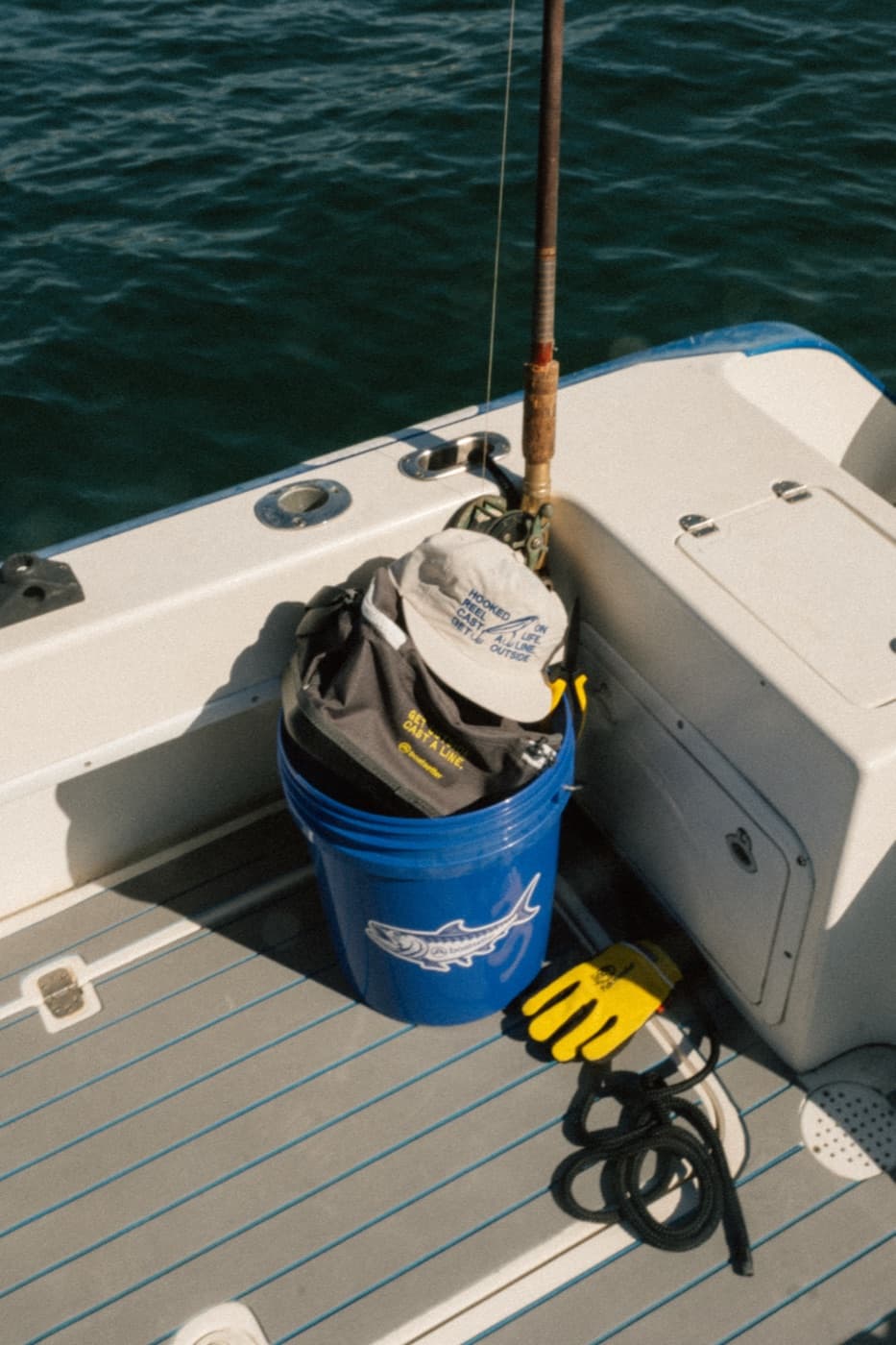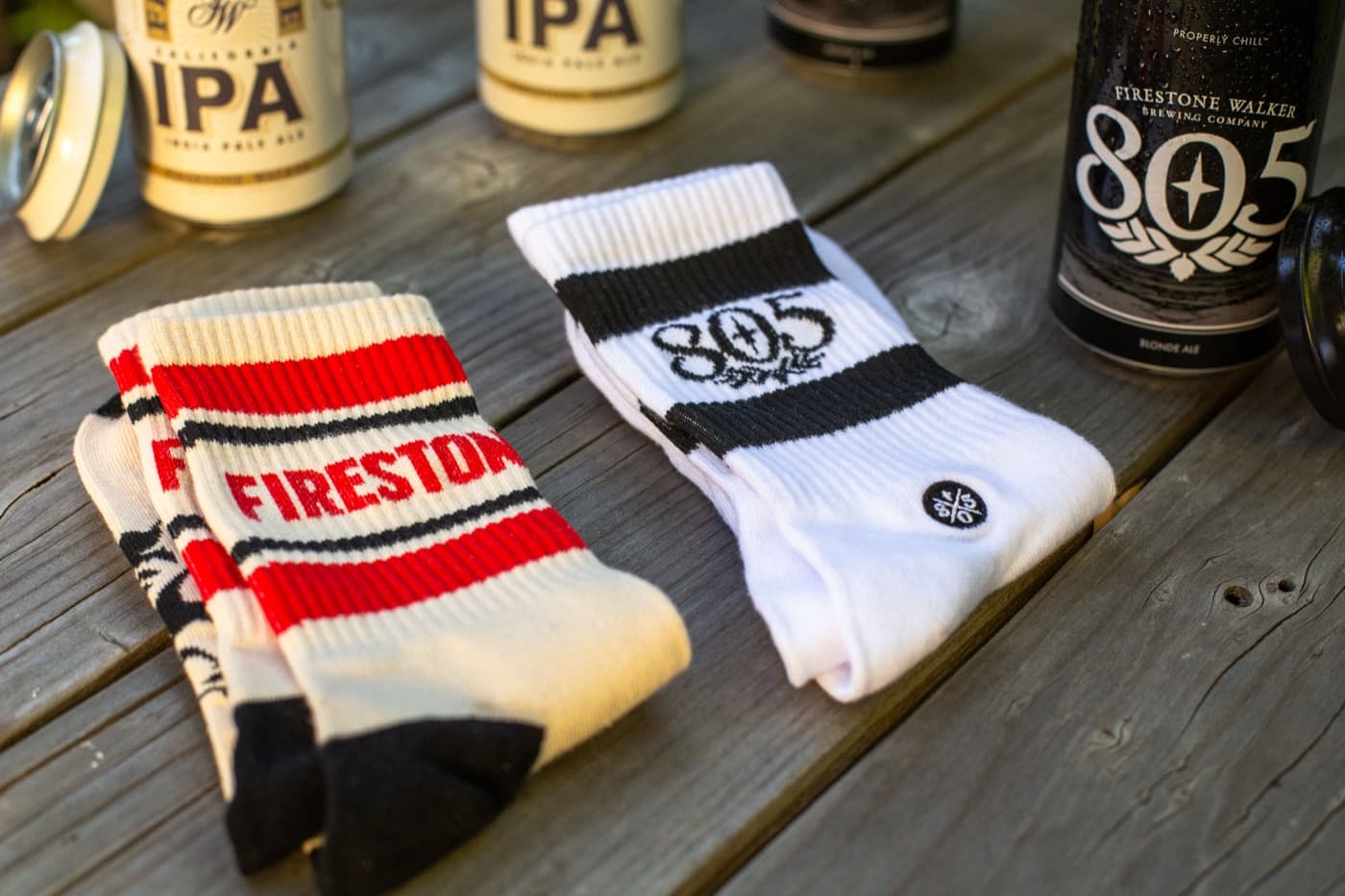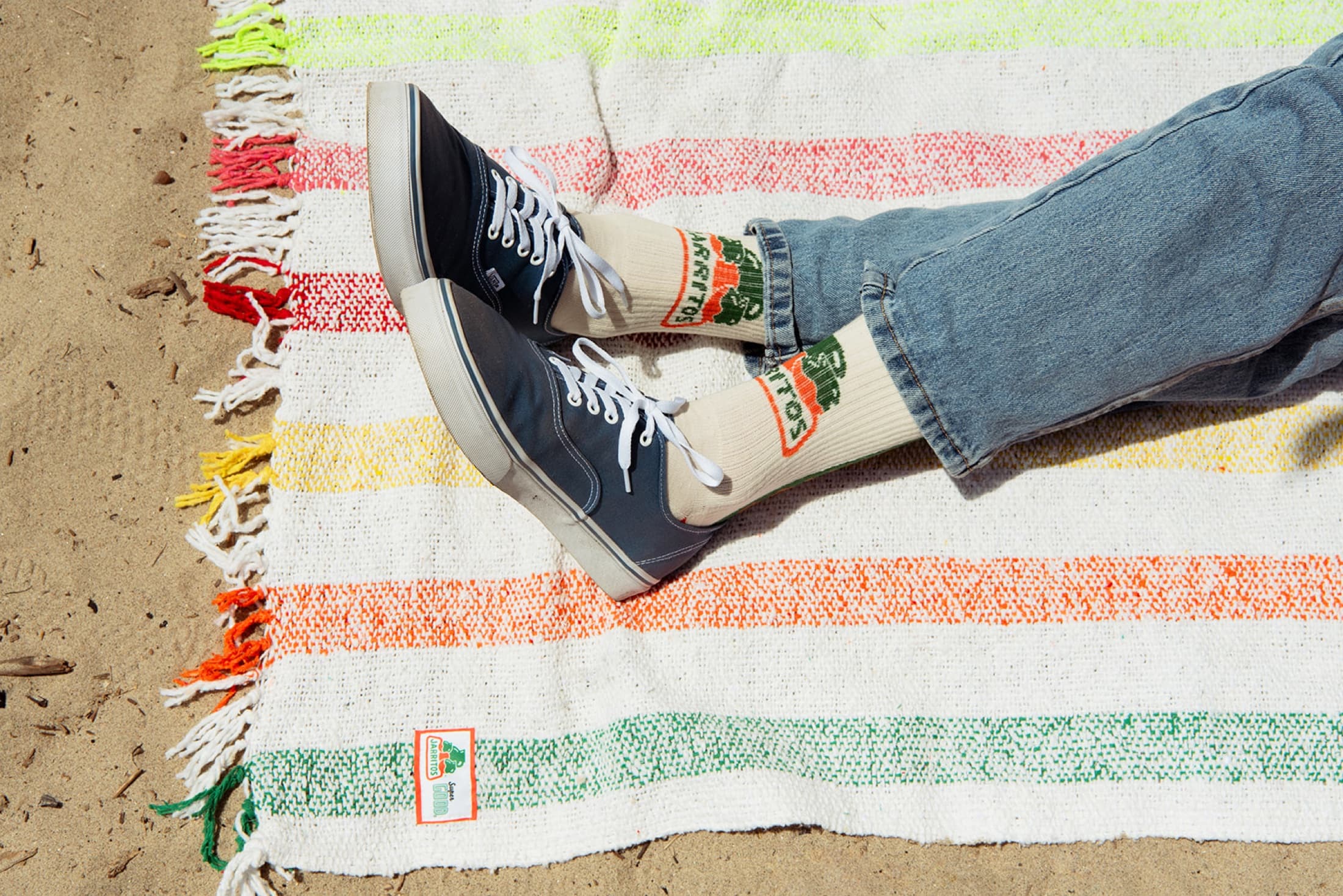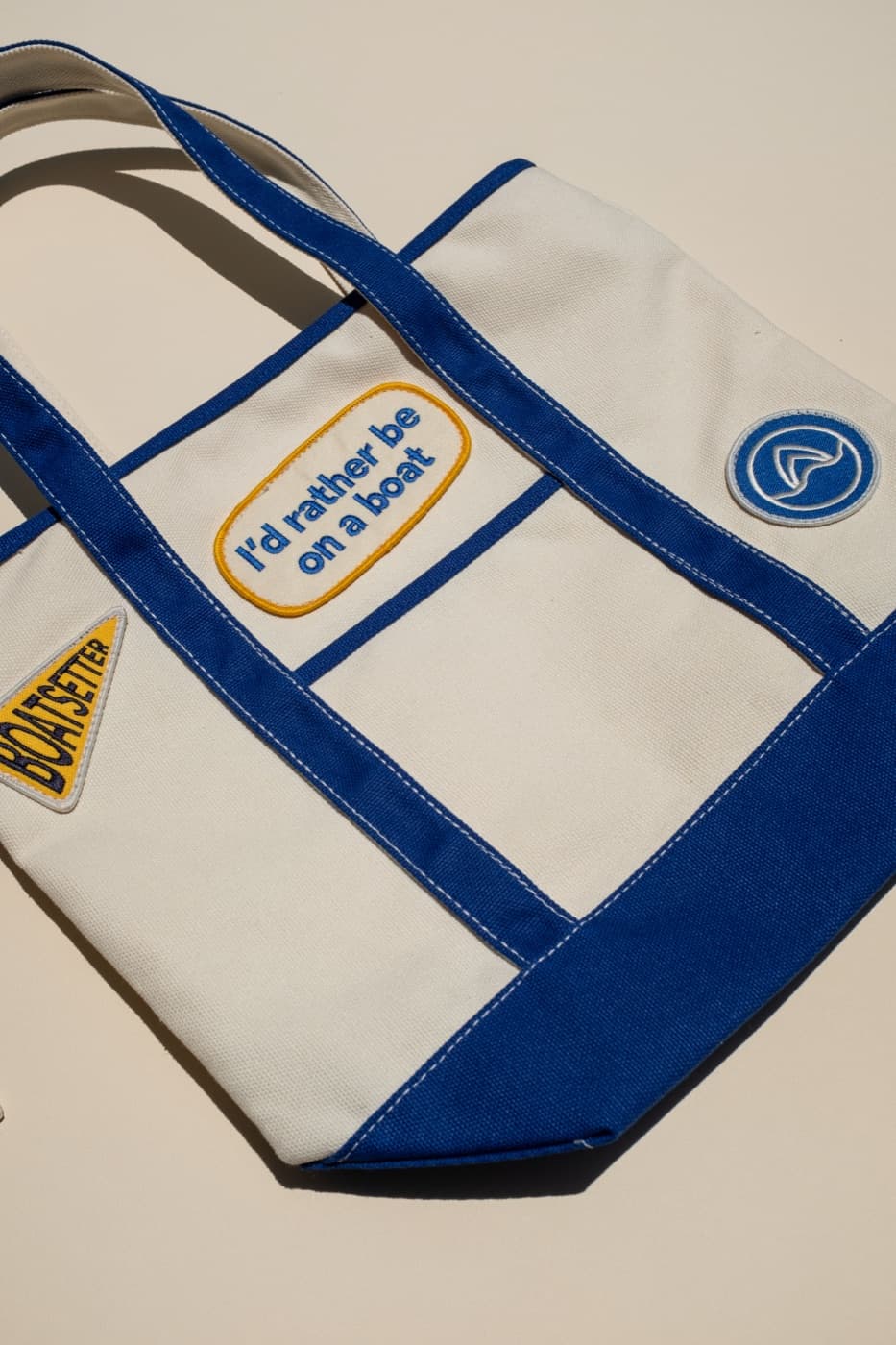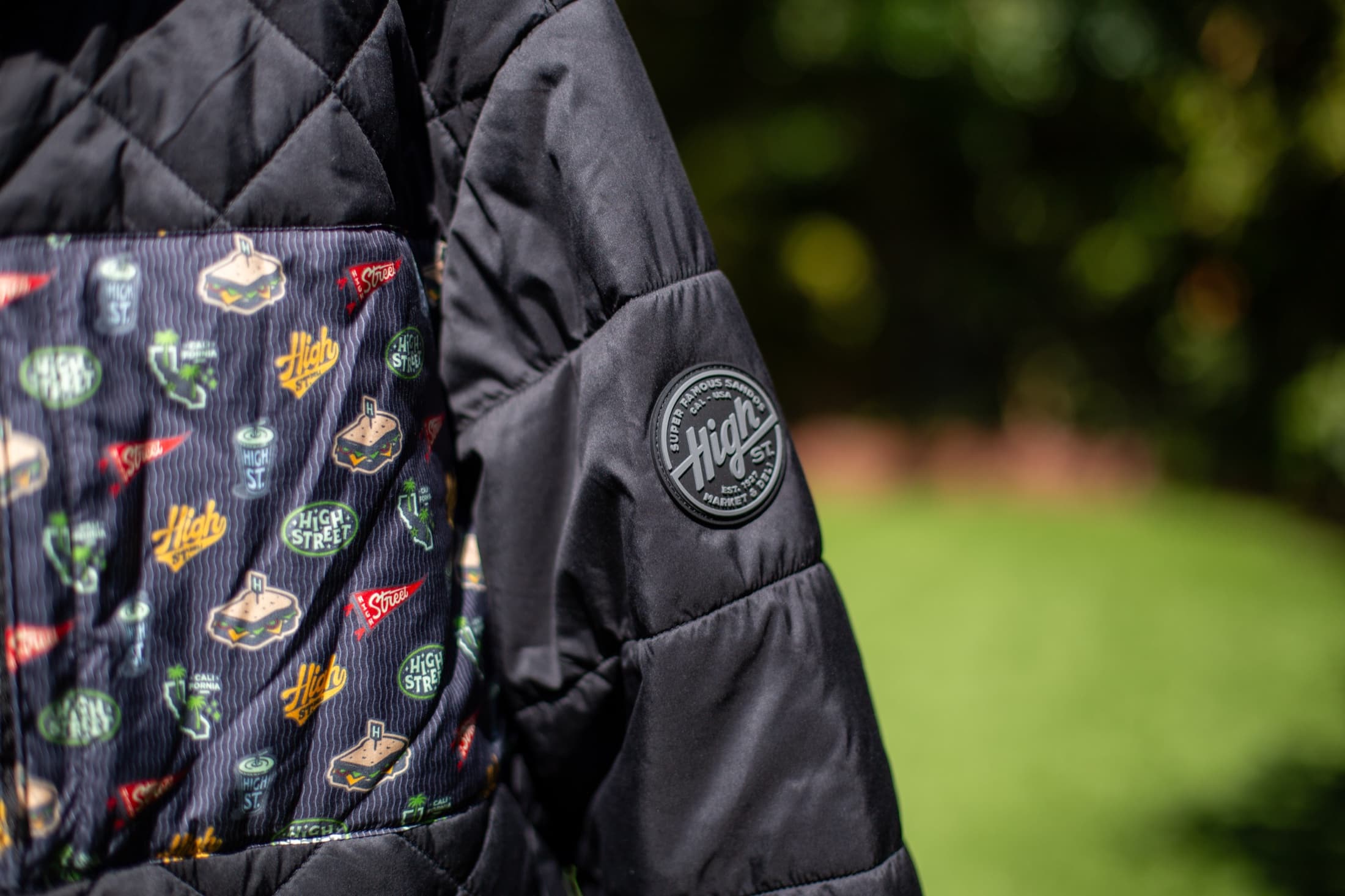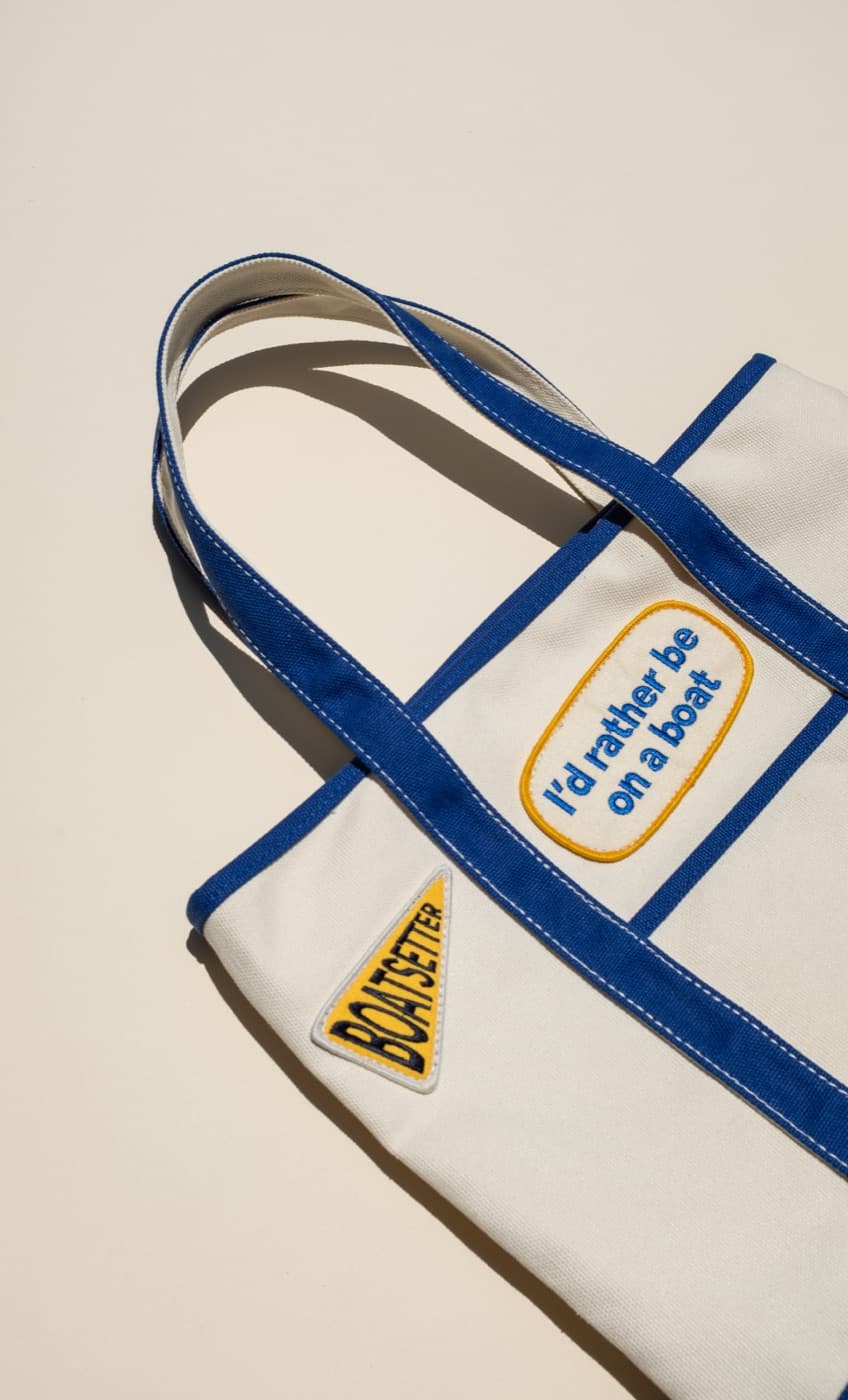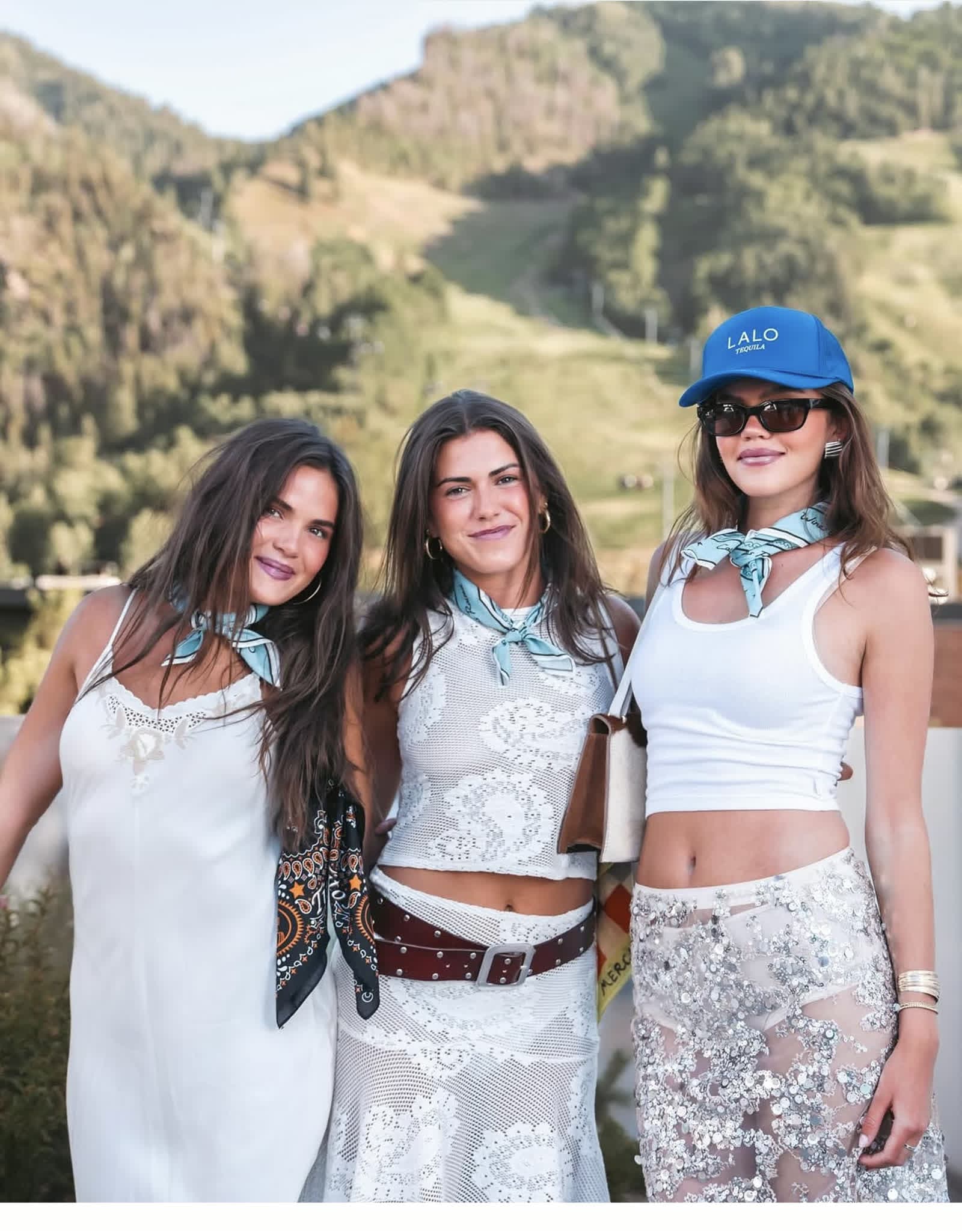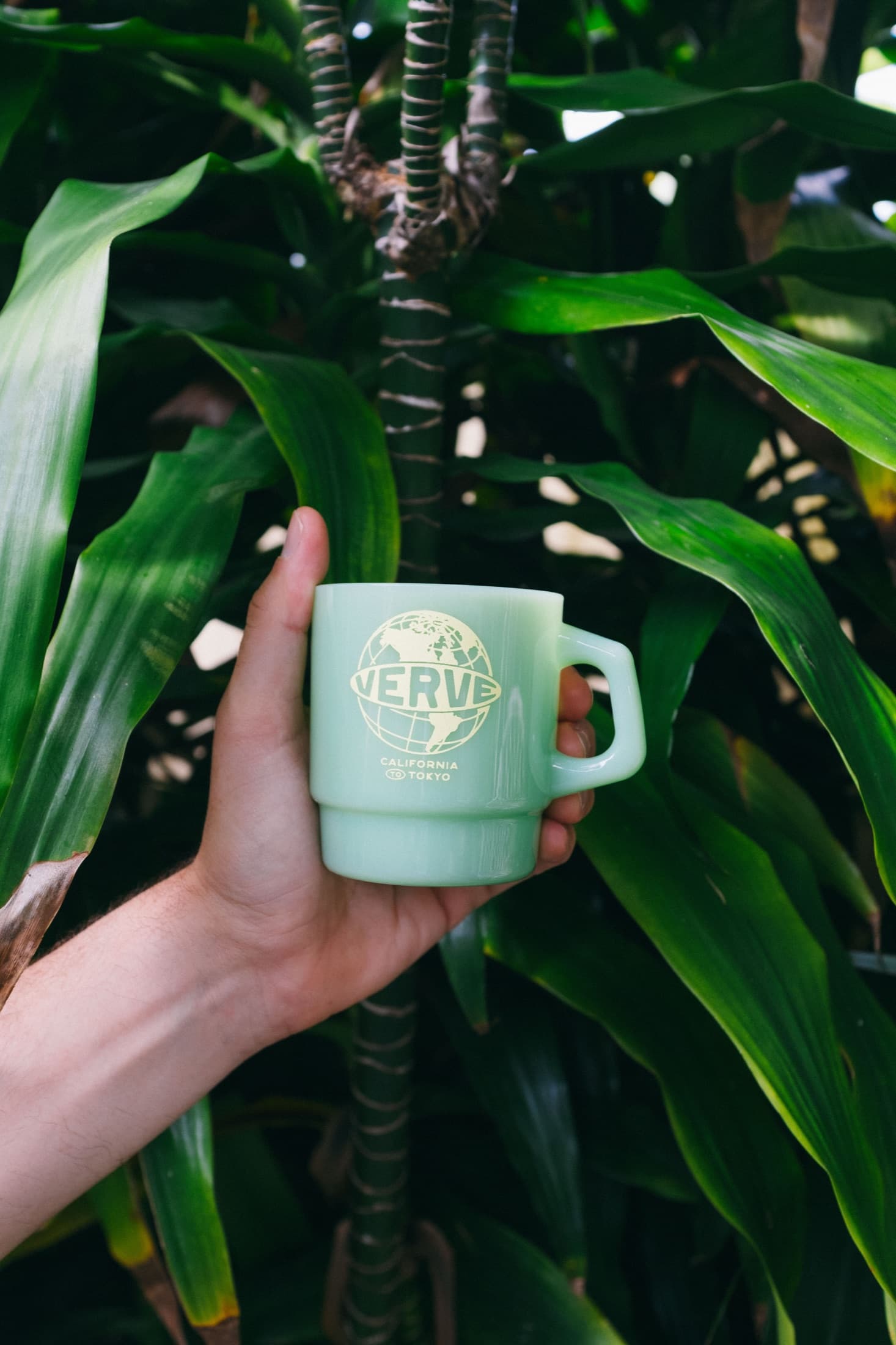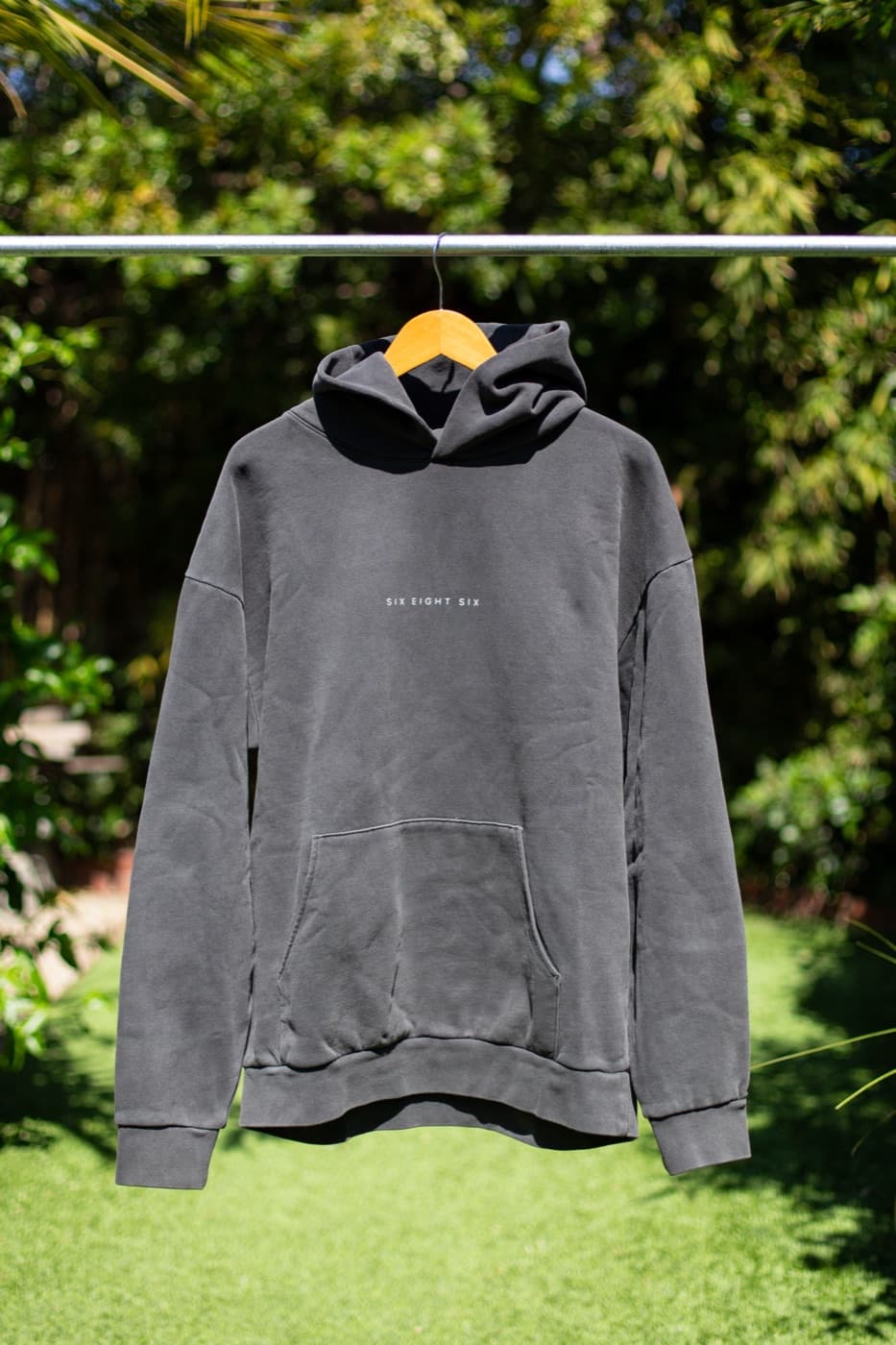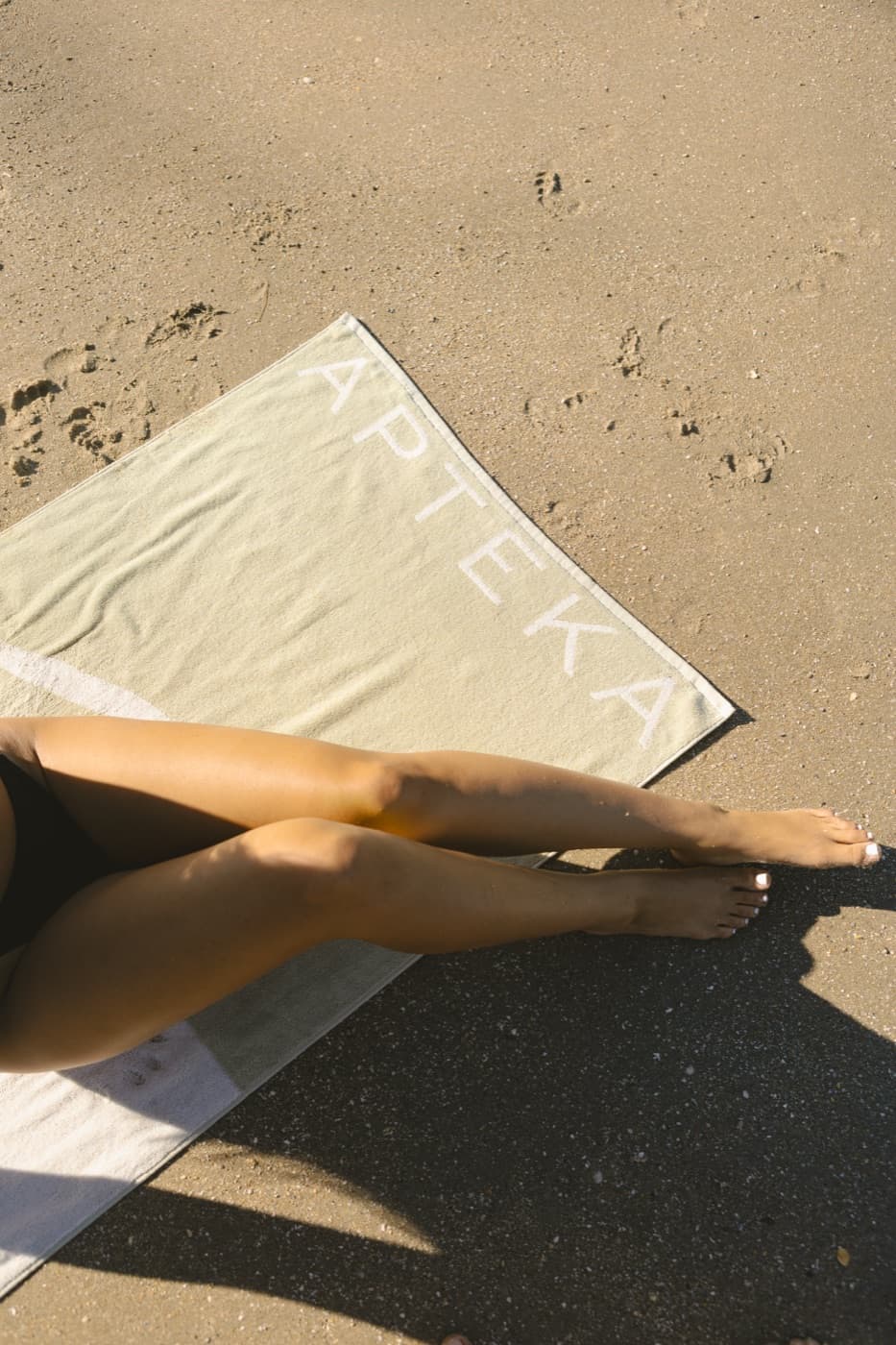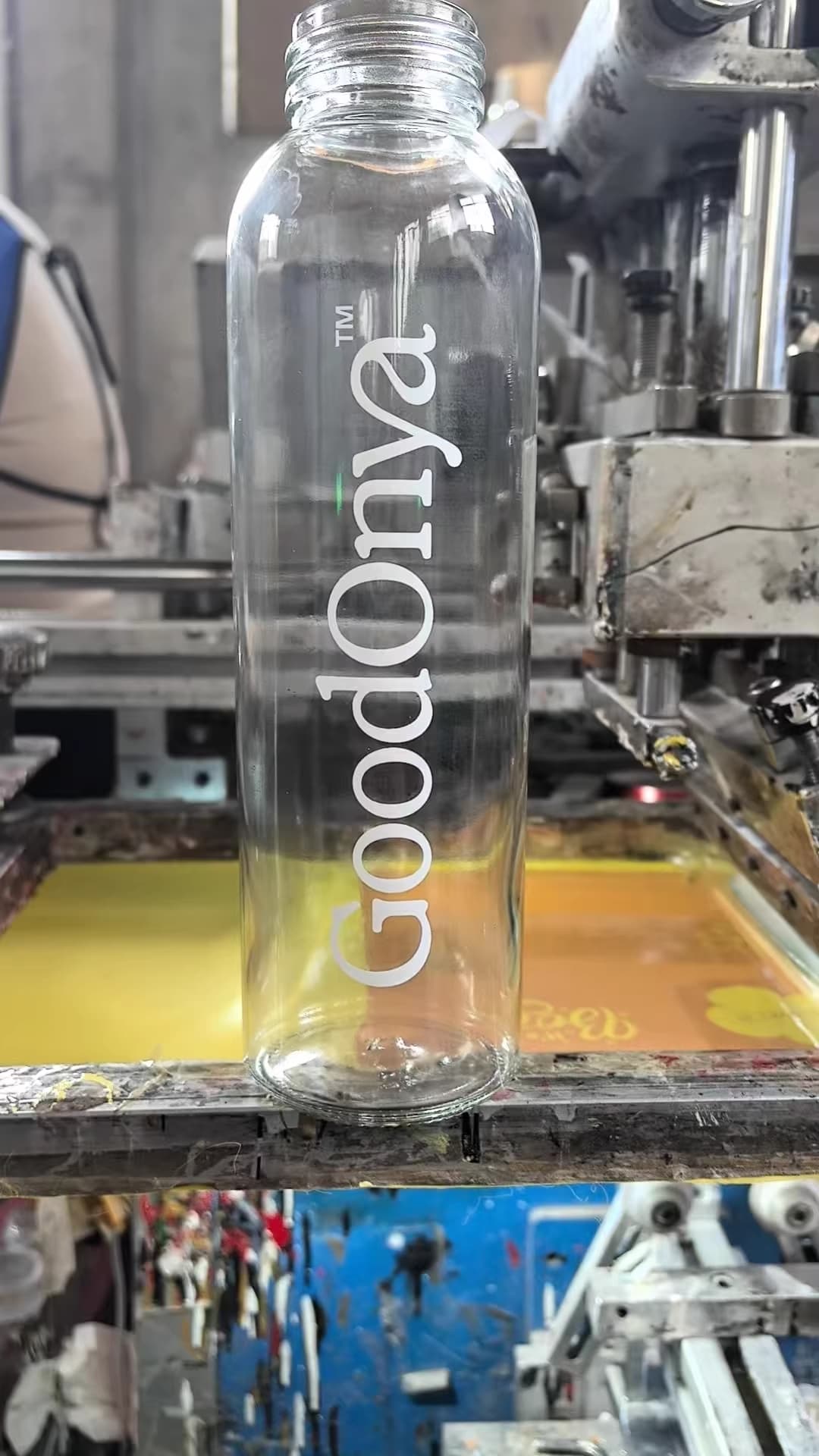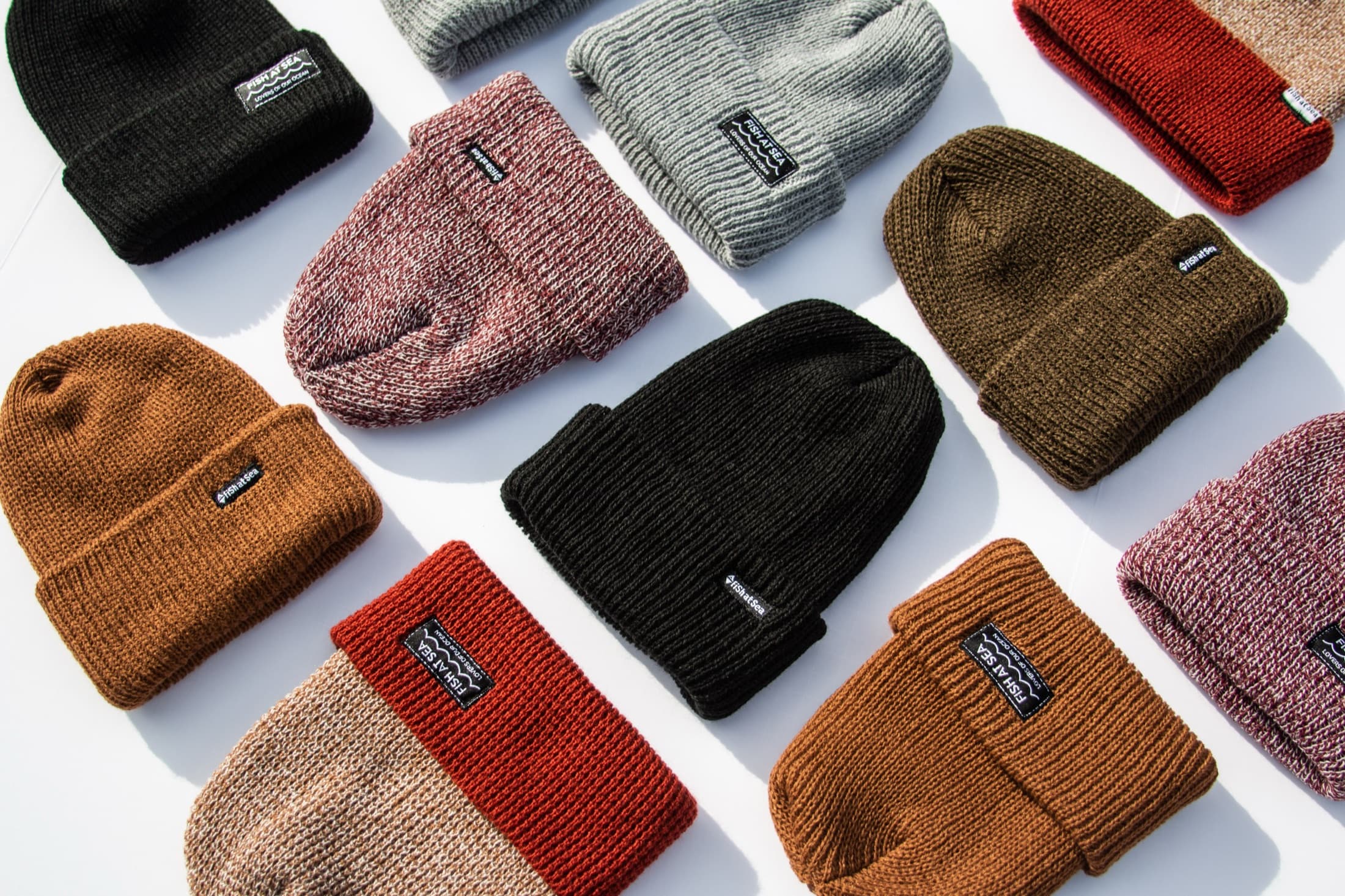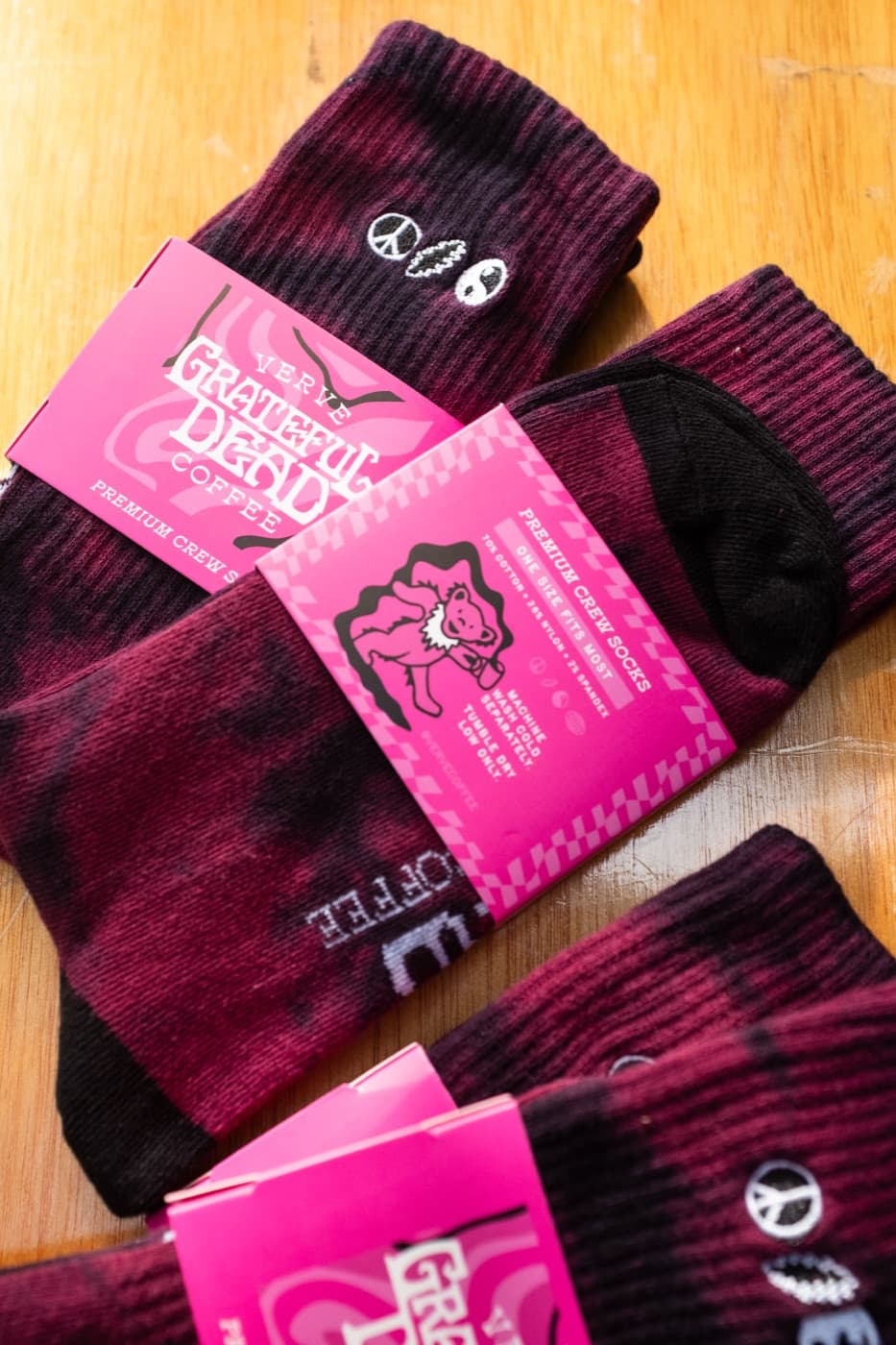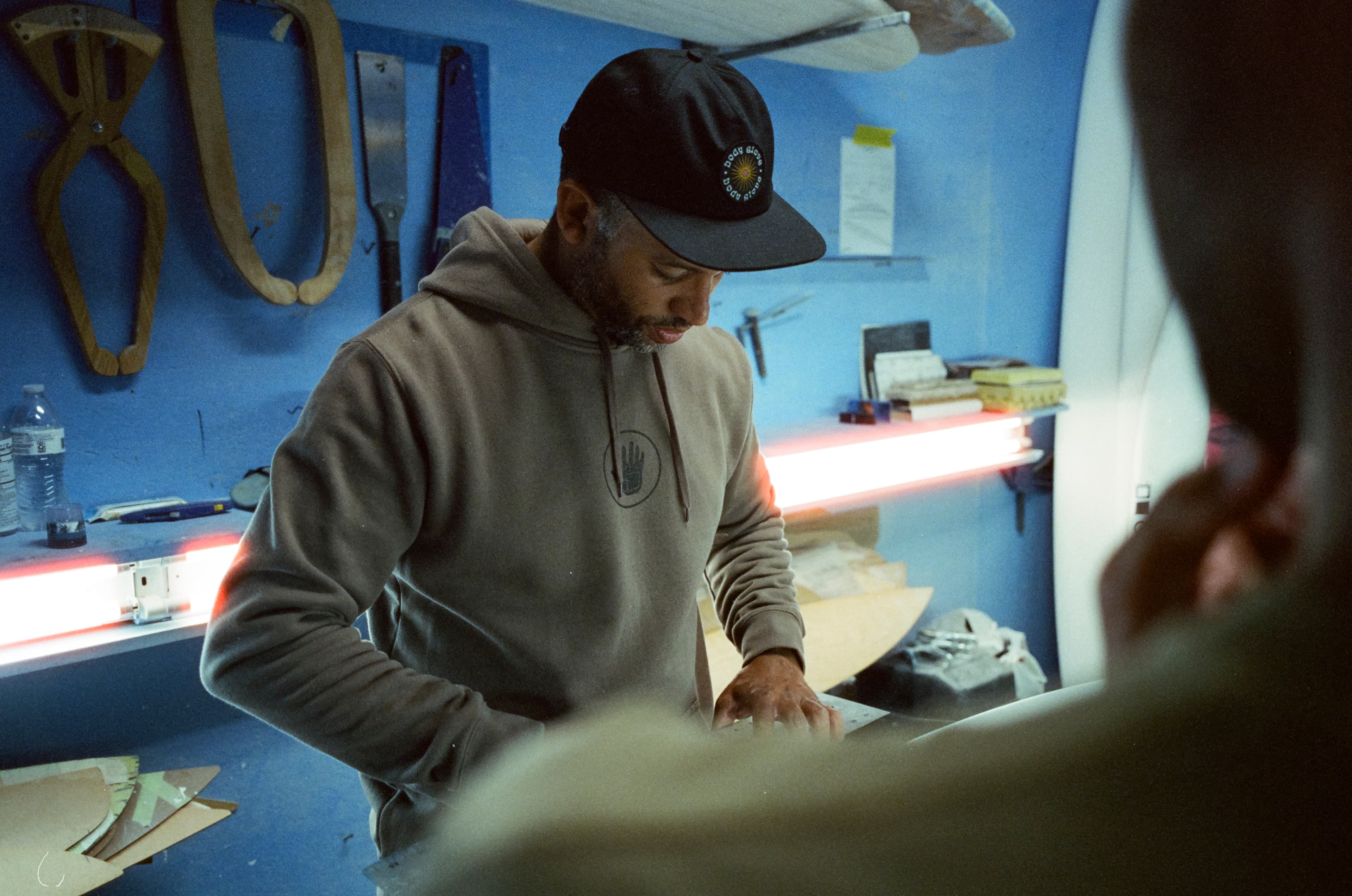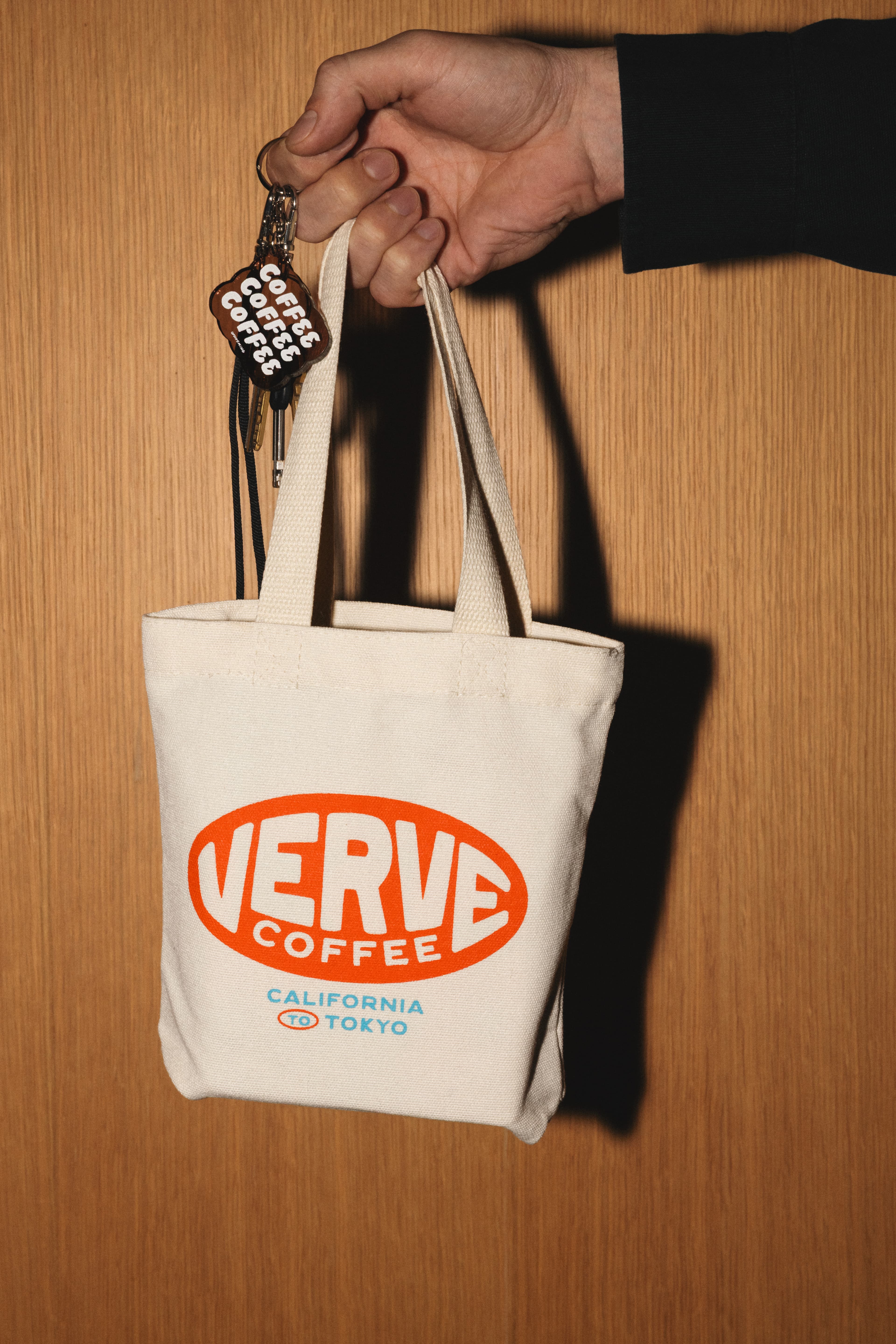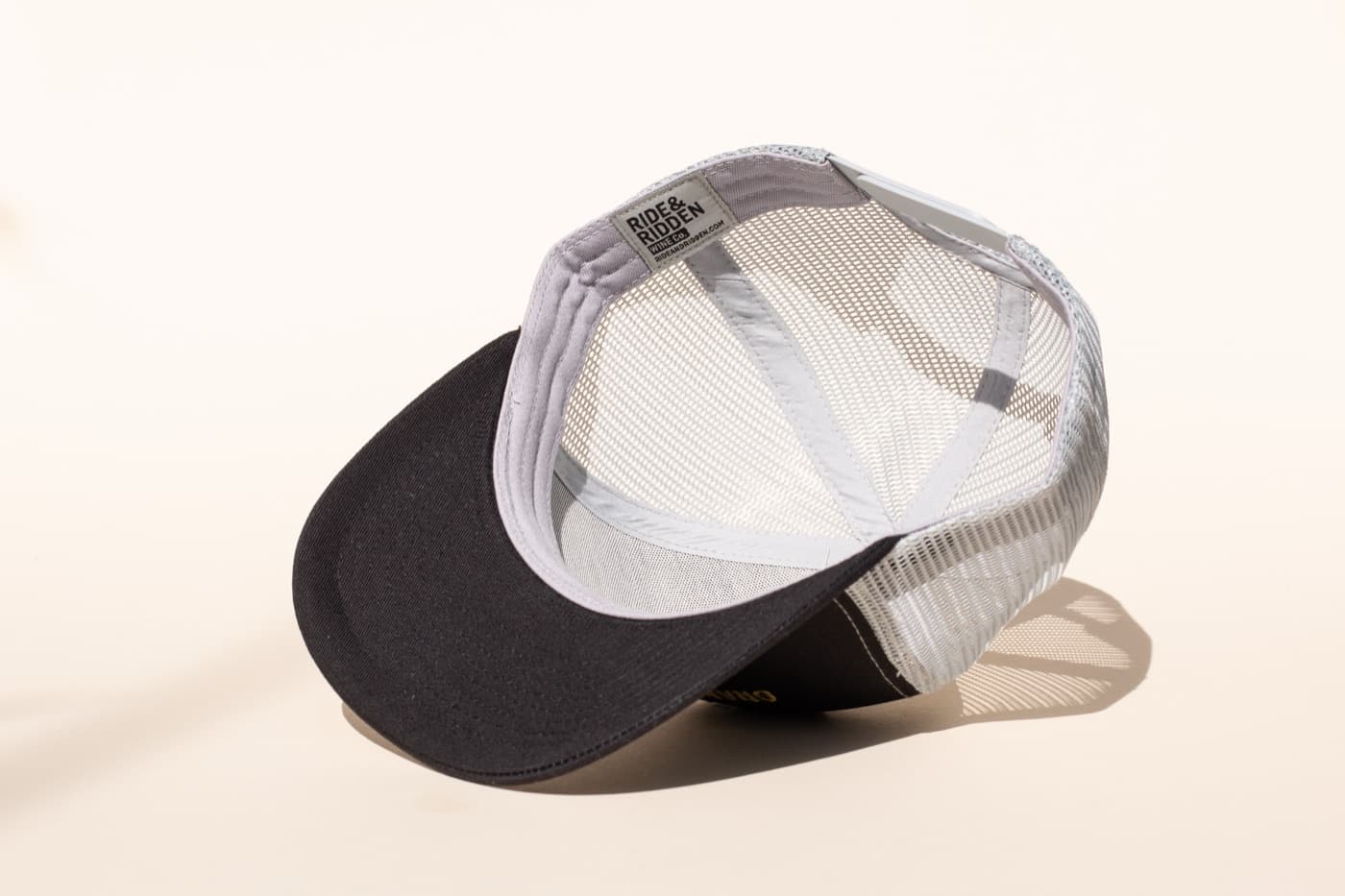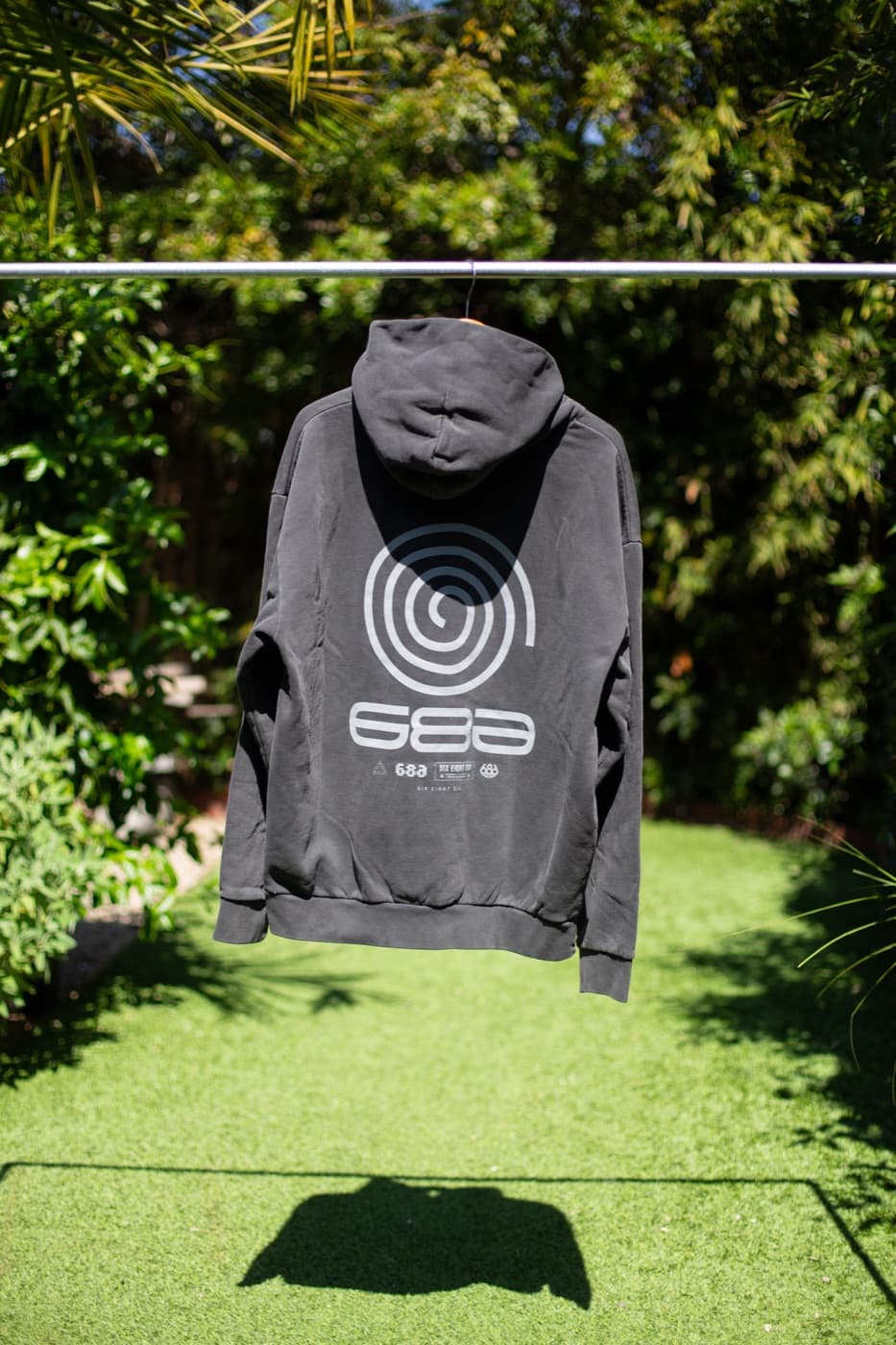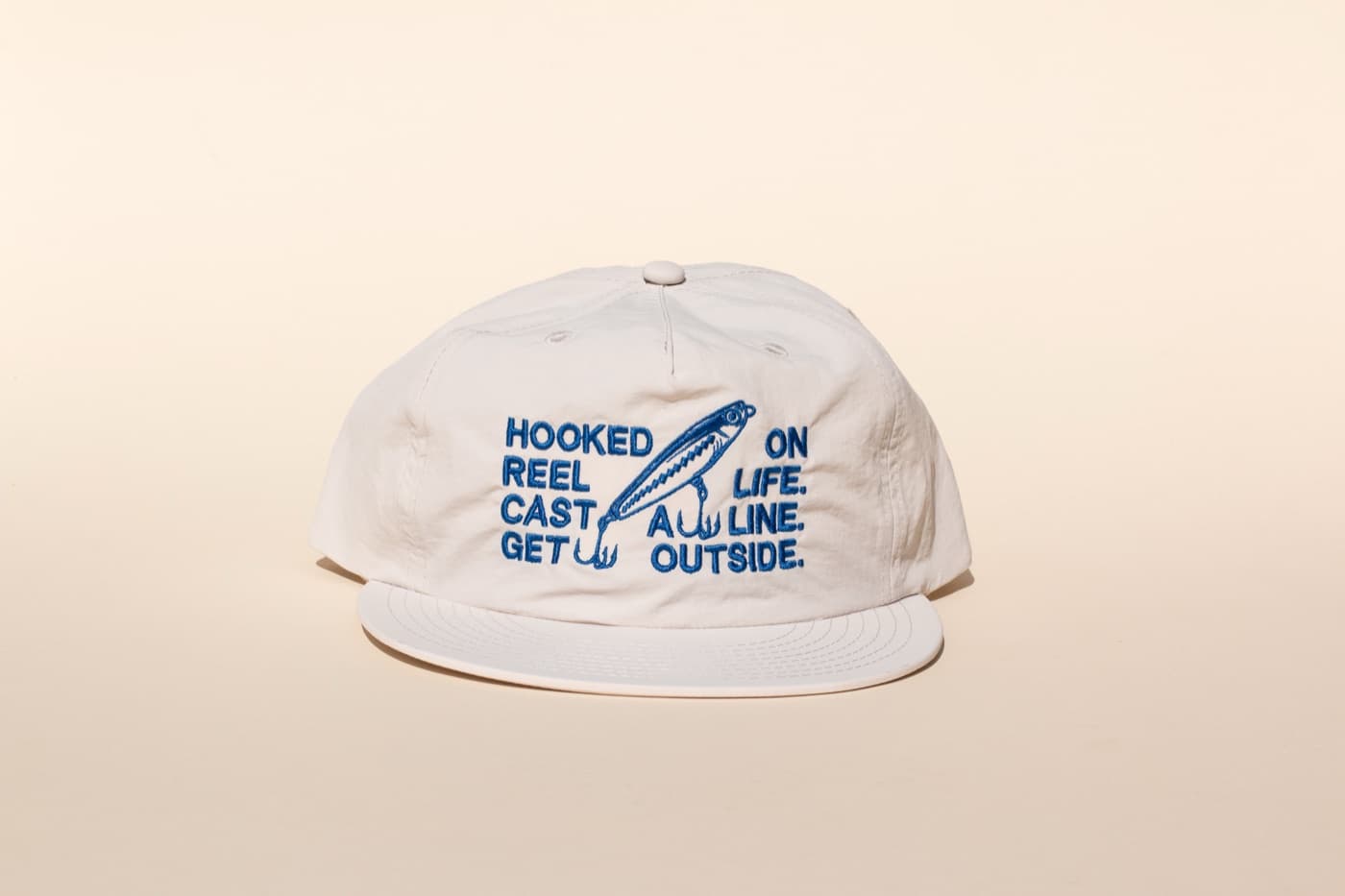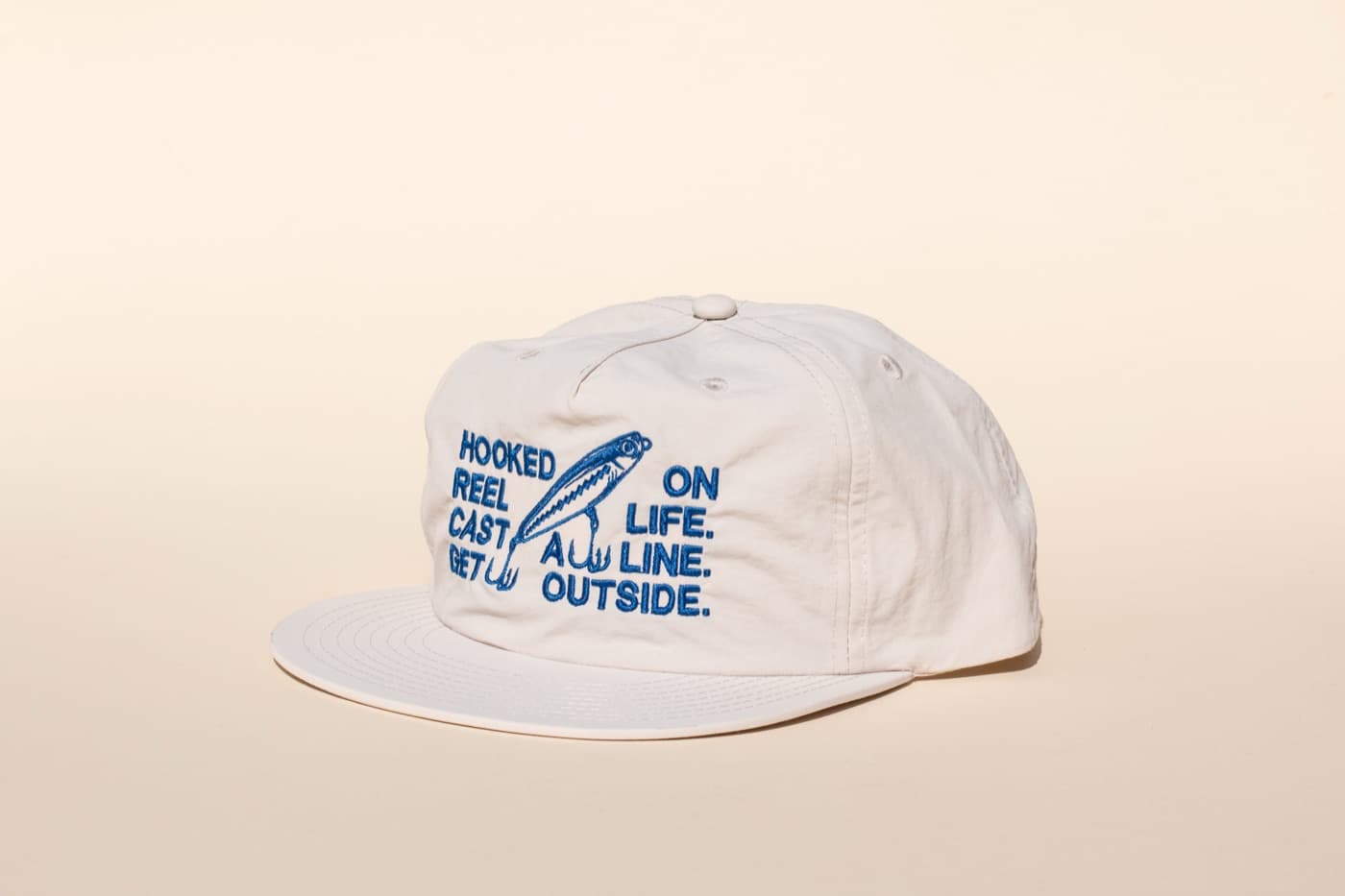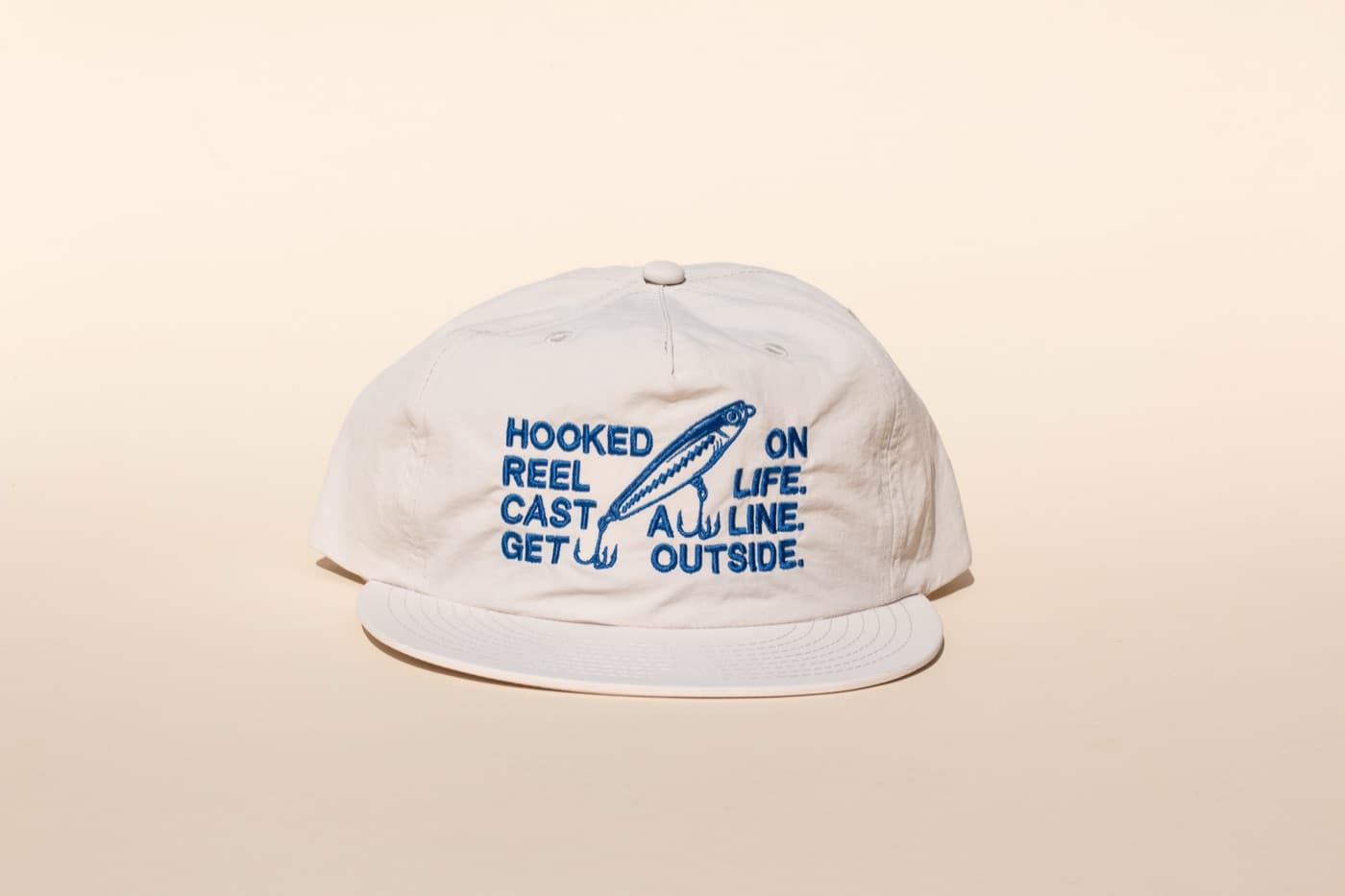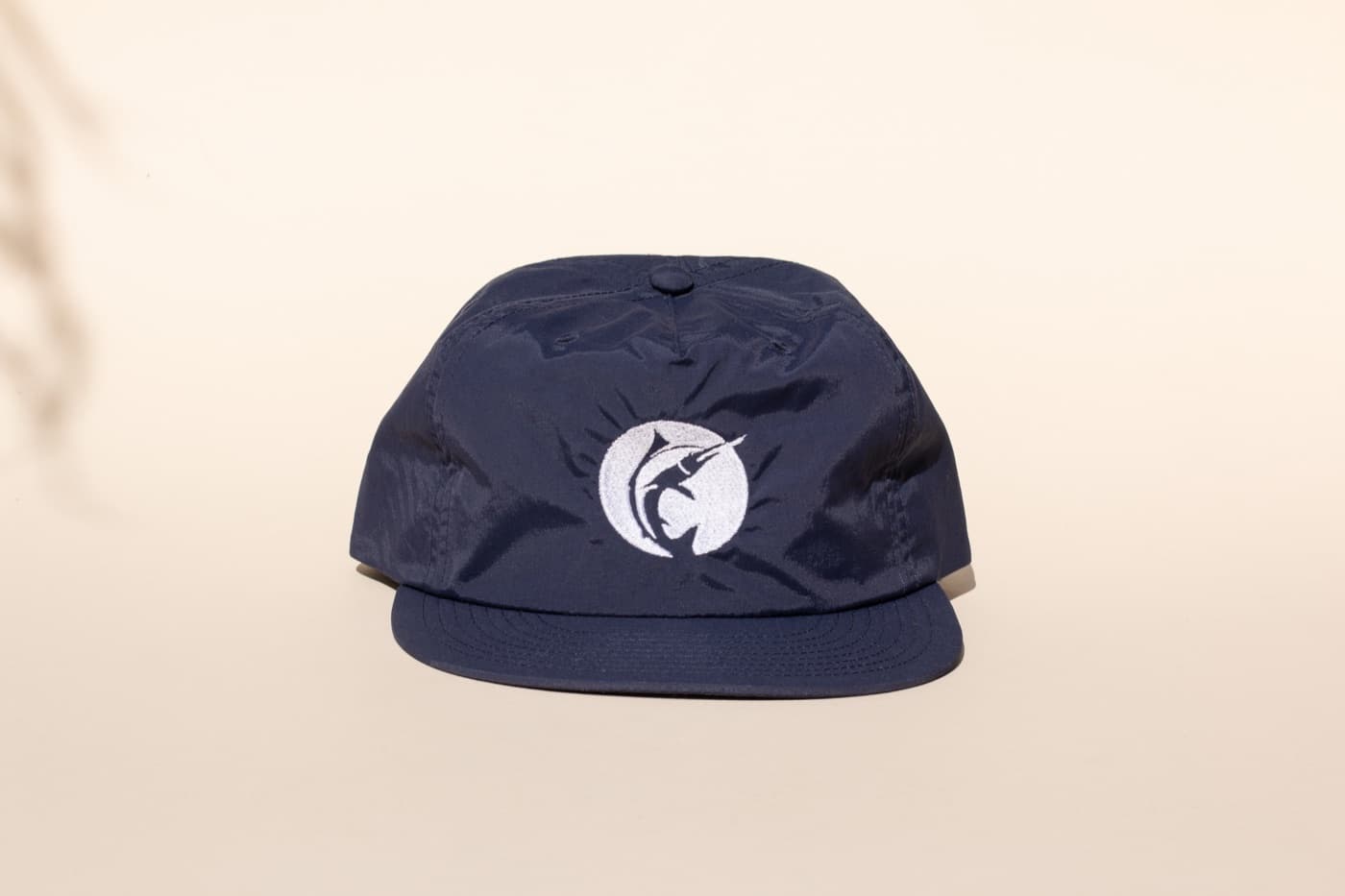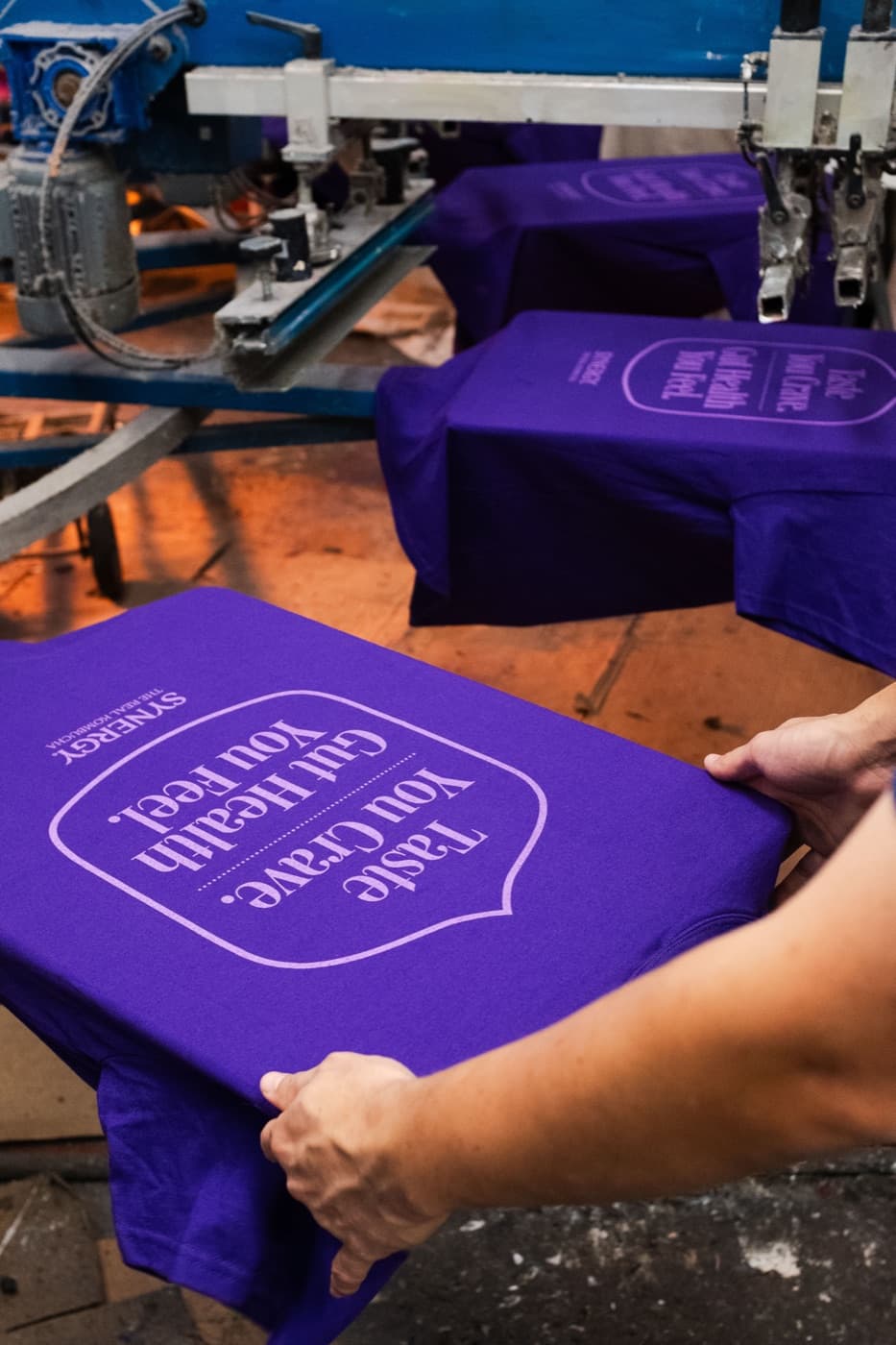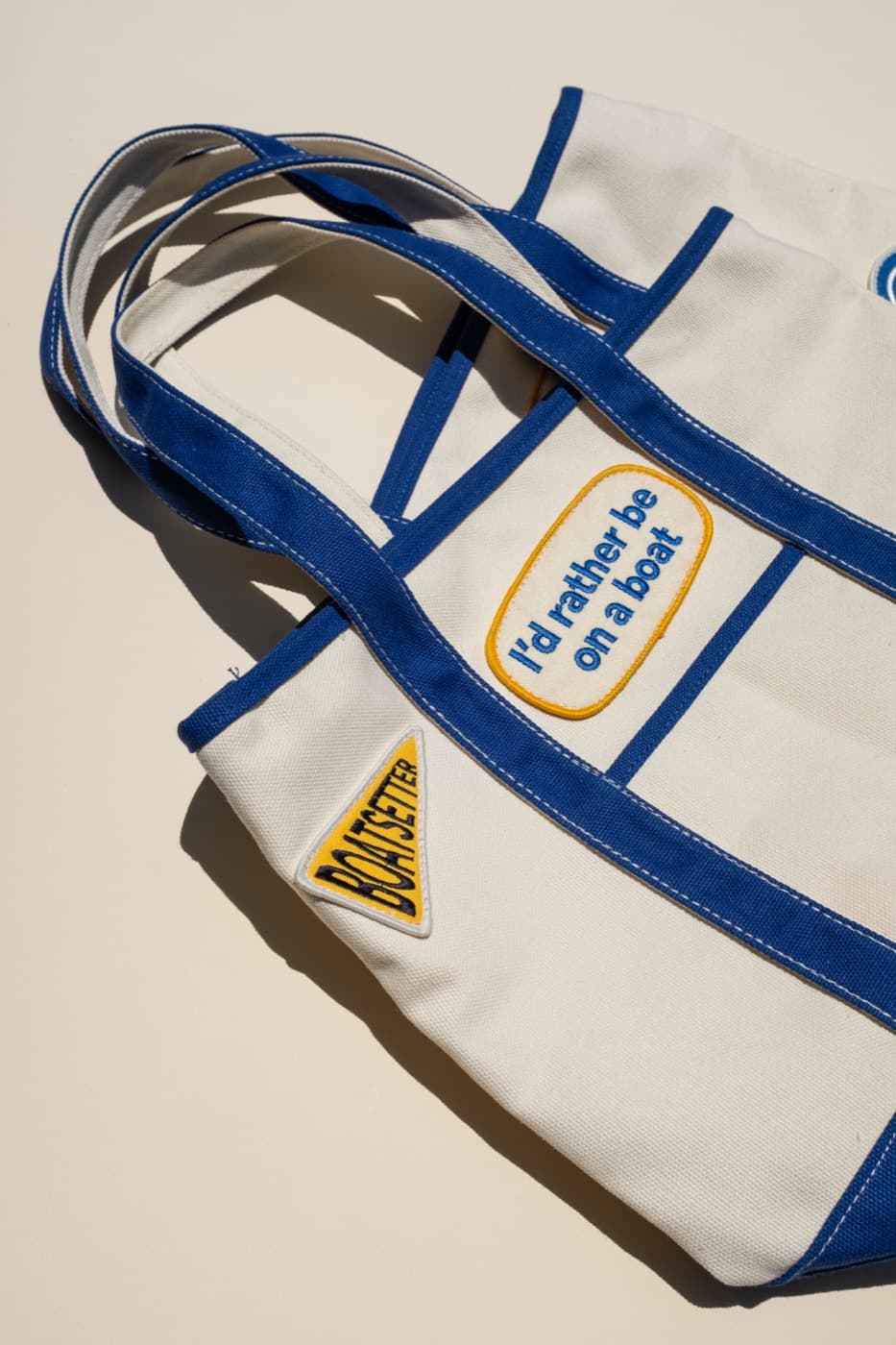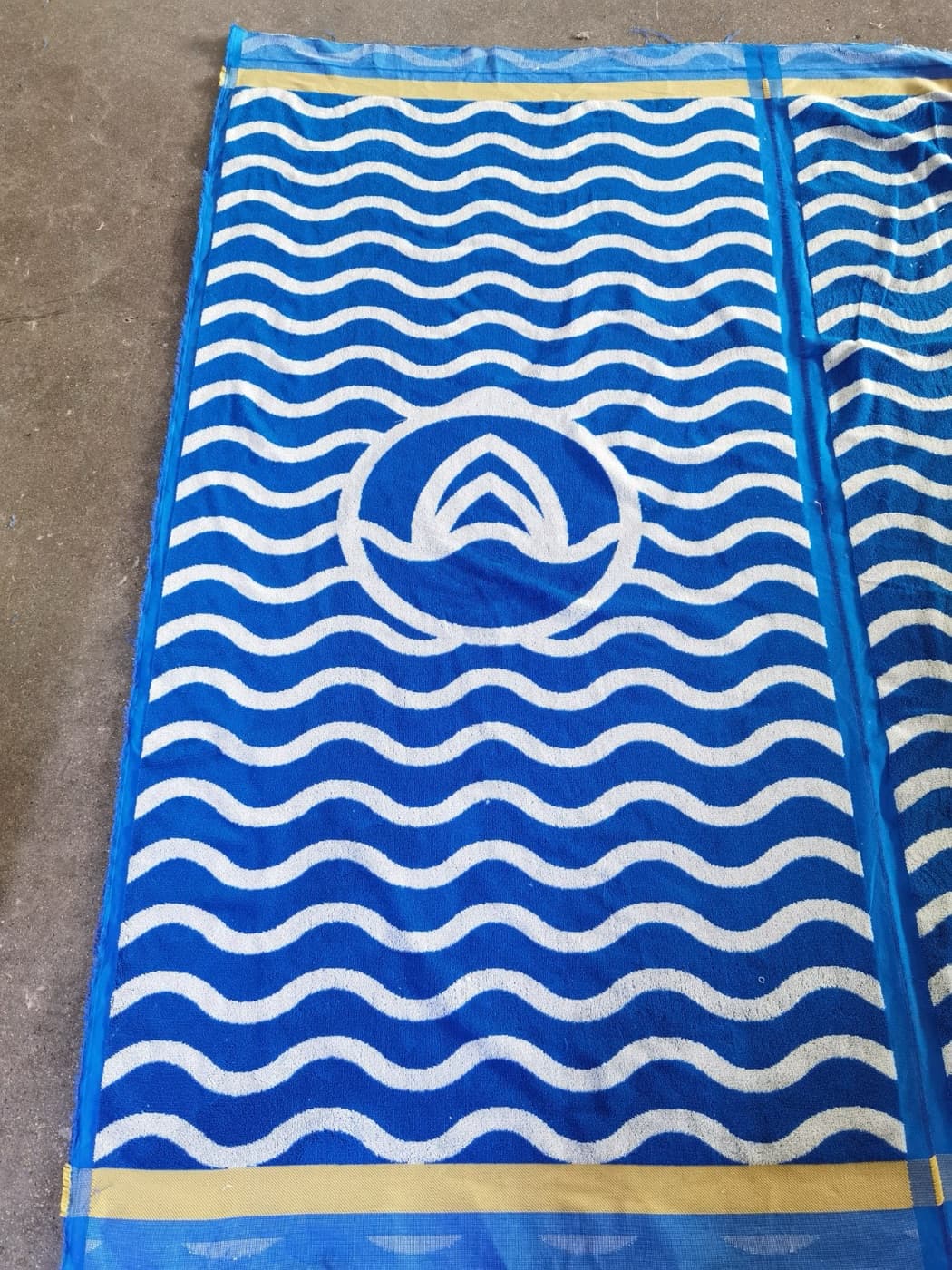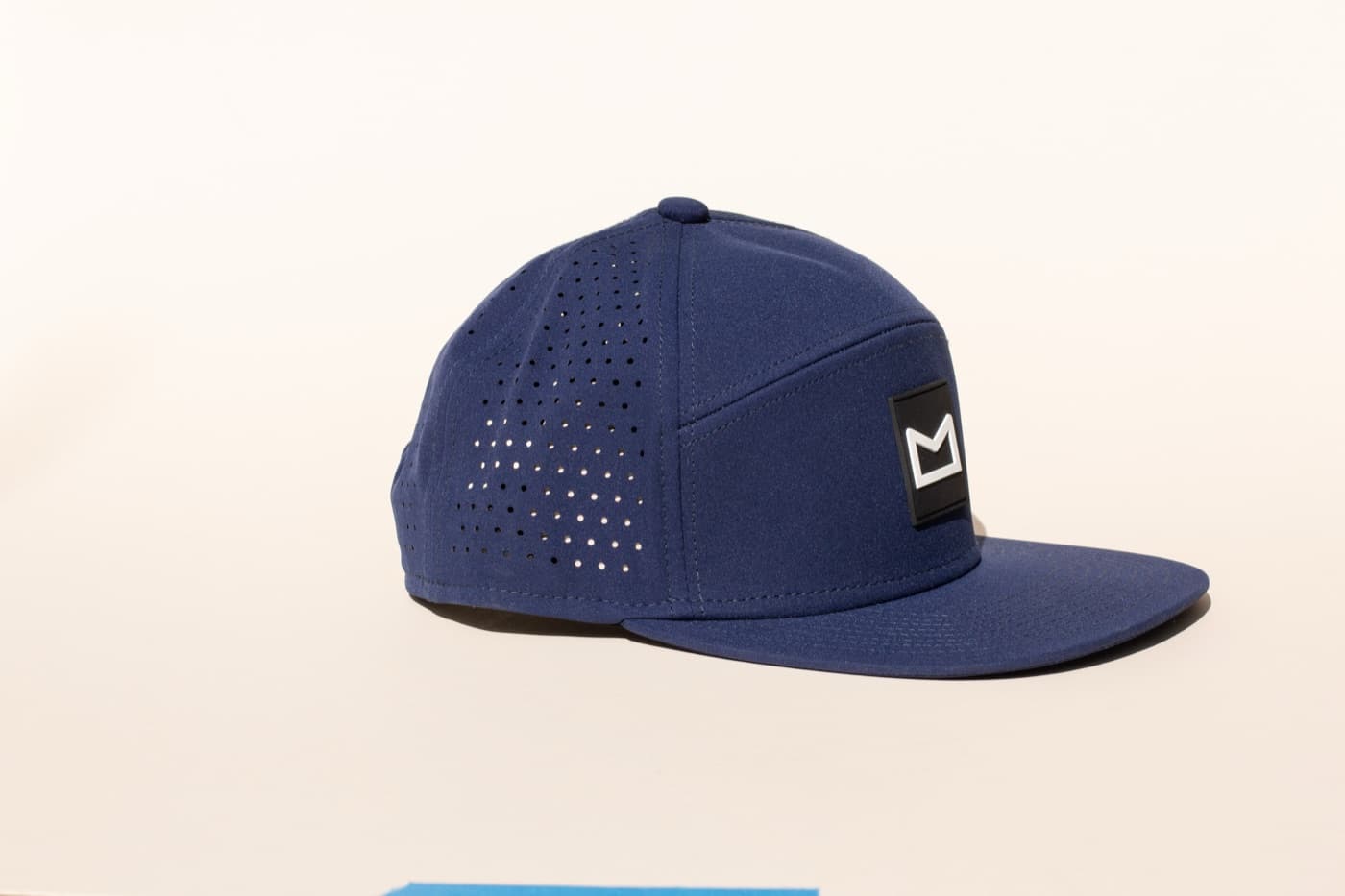
The best test for branded merch is simple: would someone keep it if the logo were not theirs? If the answer is no, the product is probably doing too much work for the brand and not enough work for the person receiving it. Worth-keeping merch earns a place in someone's real life. It gets worn, carried, reused, washed, photographed, packed for a trip, or grabbed on the way out the door.
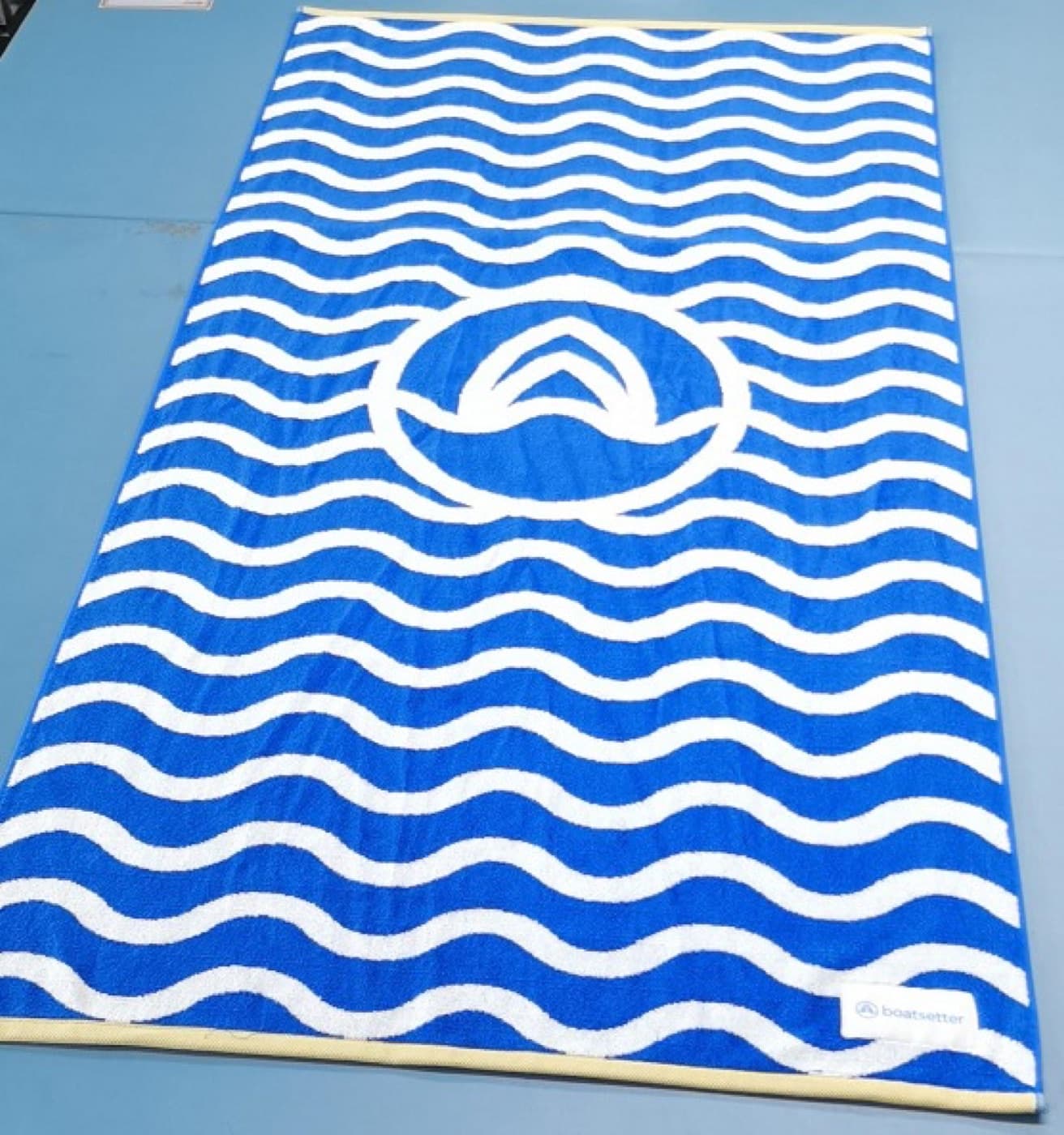
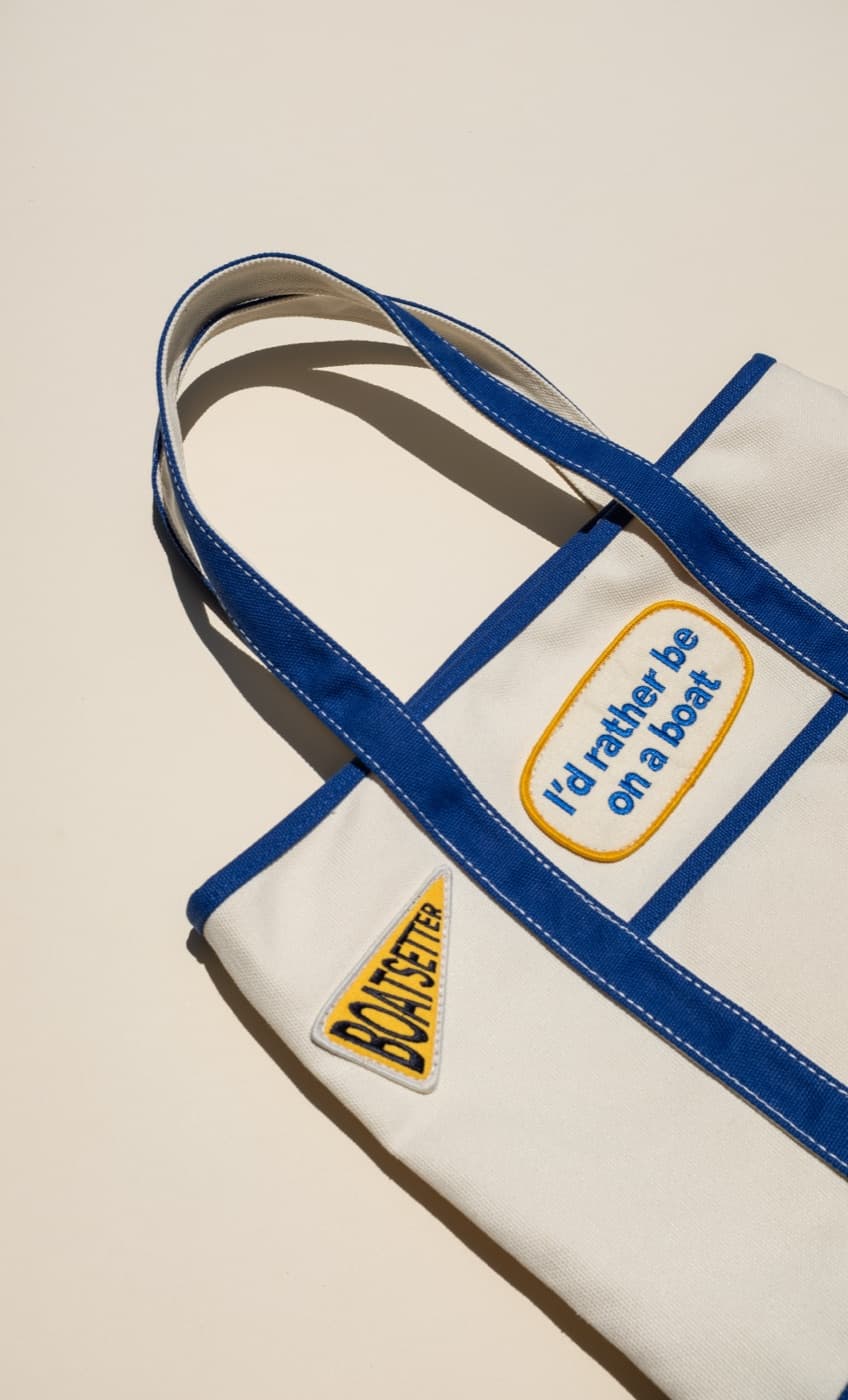
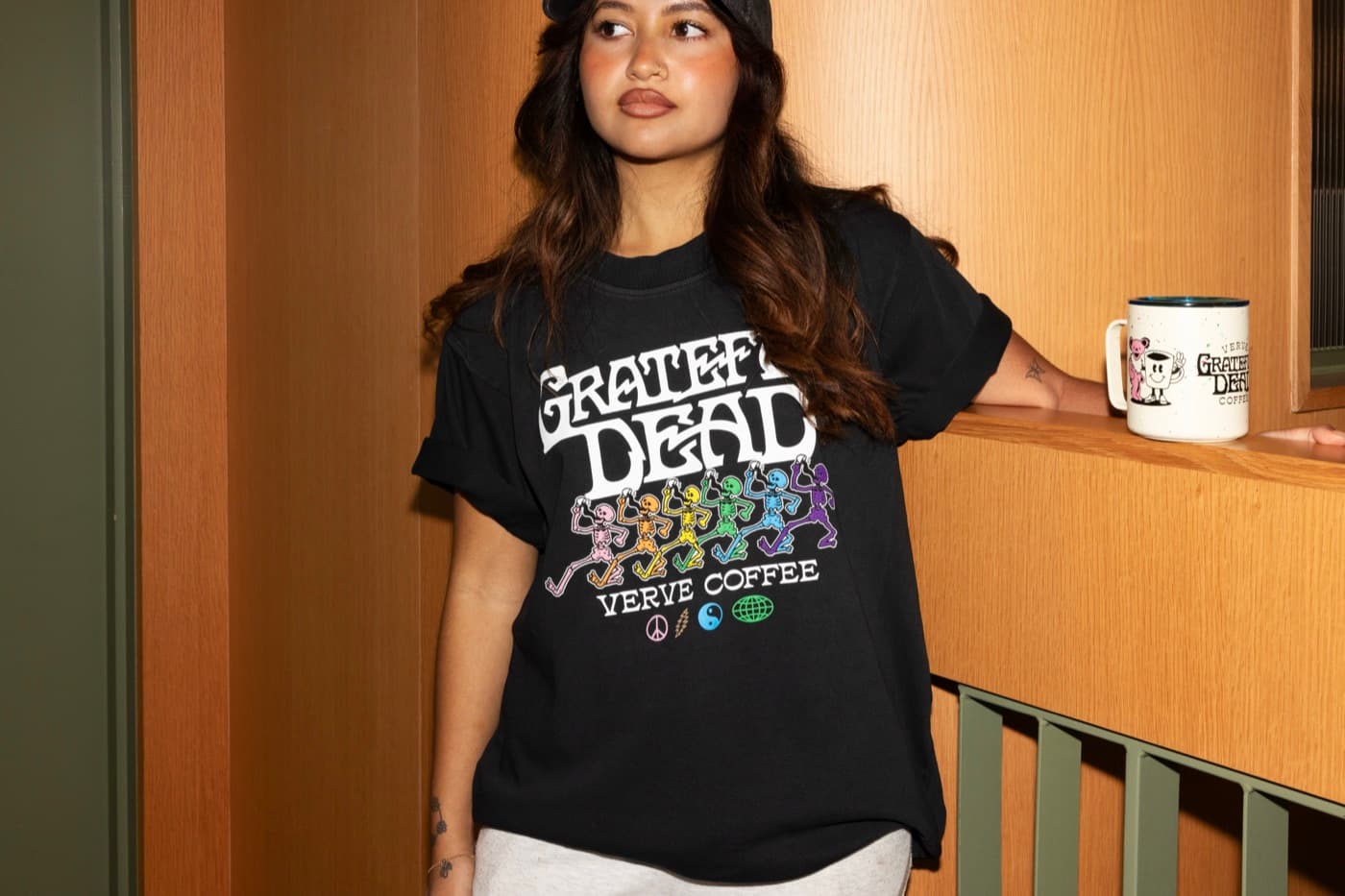
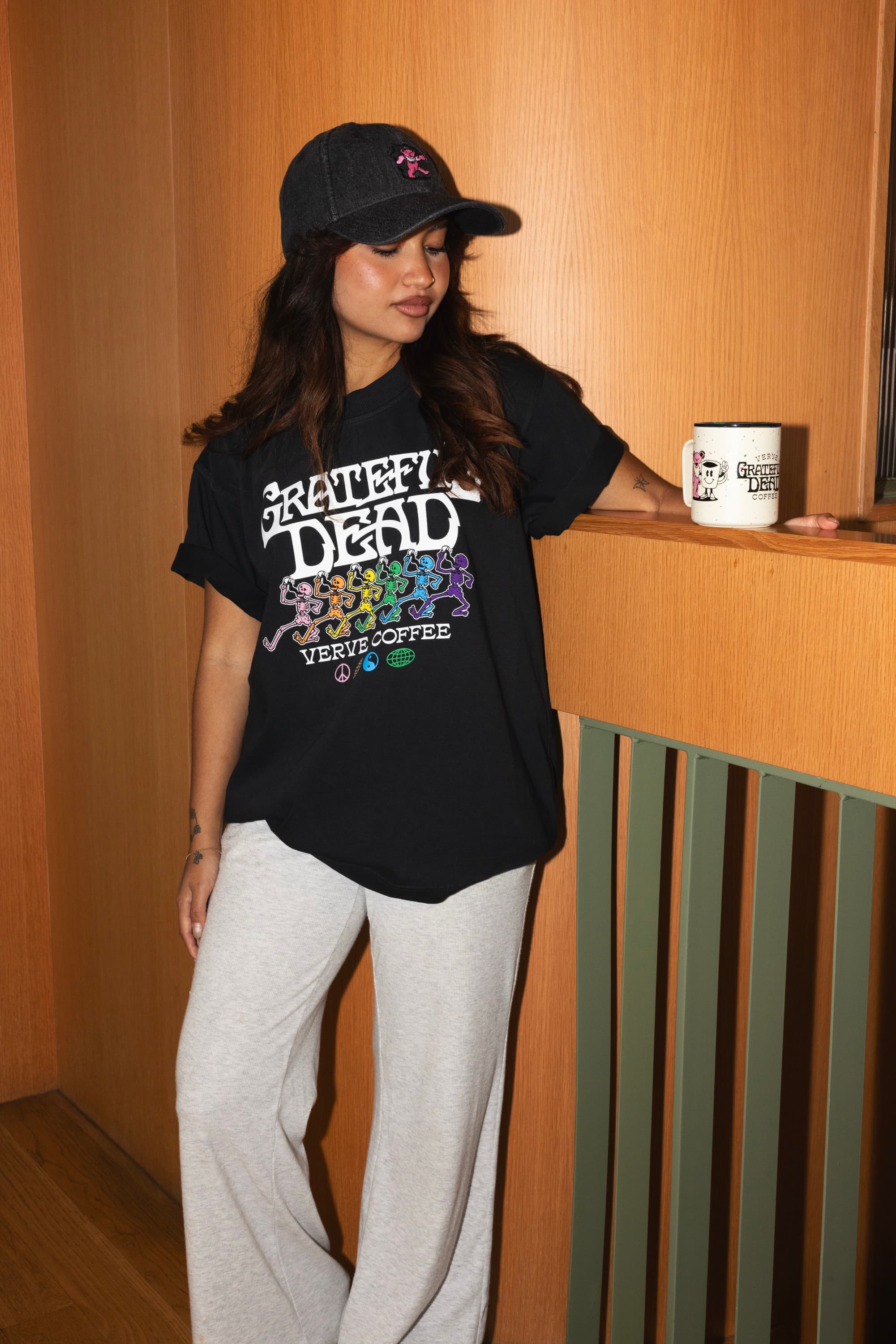
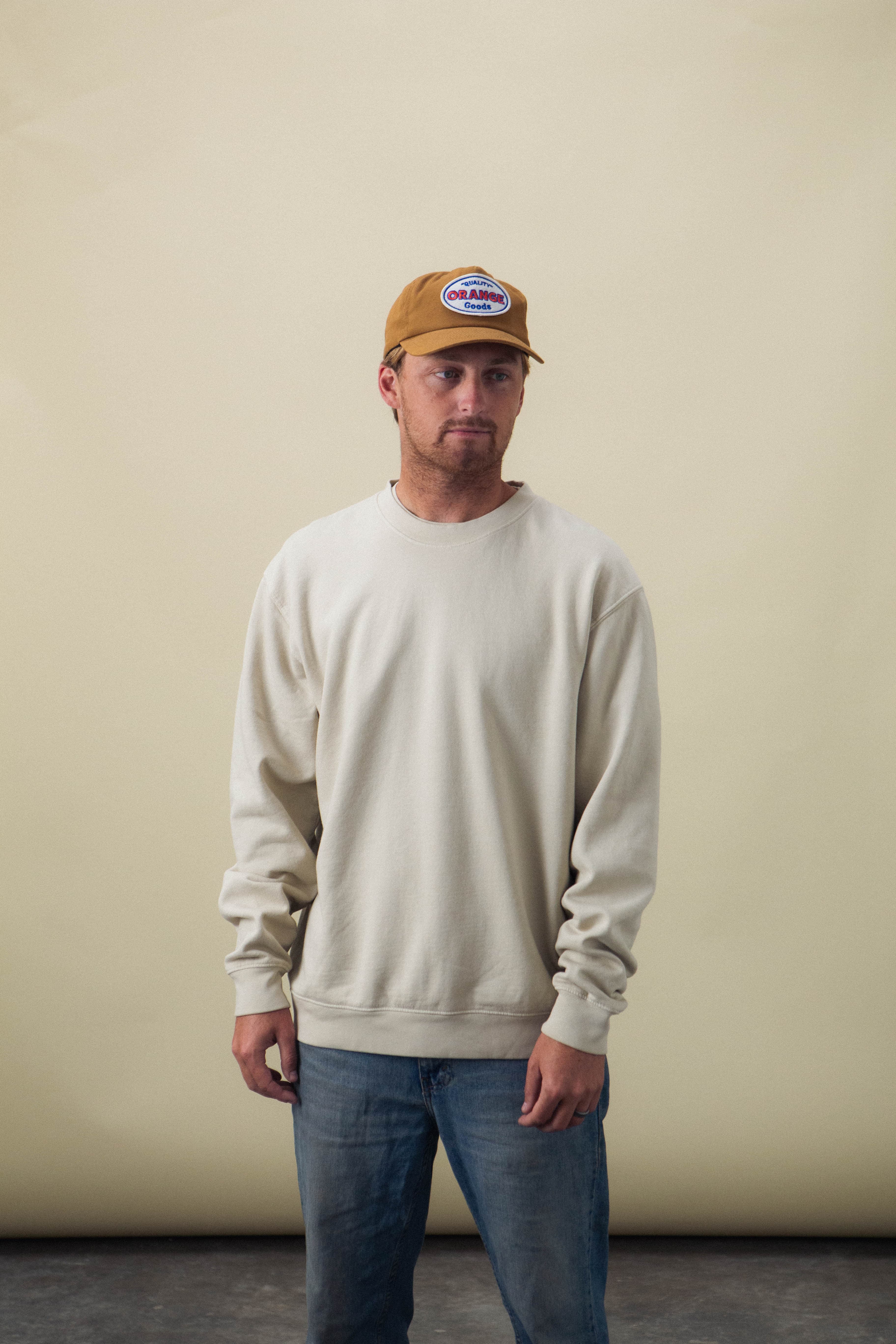
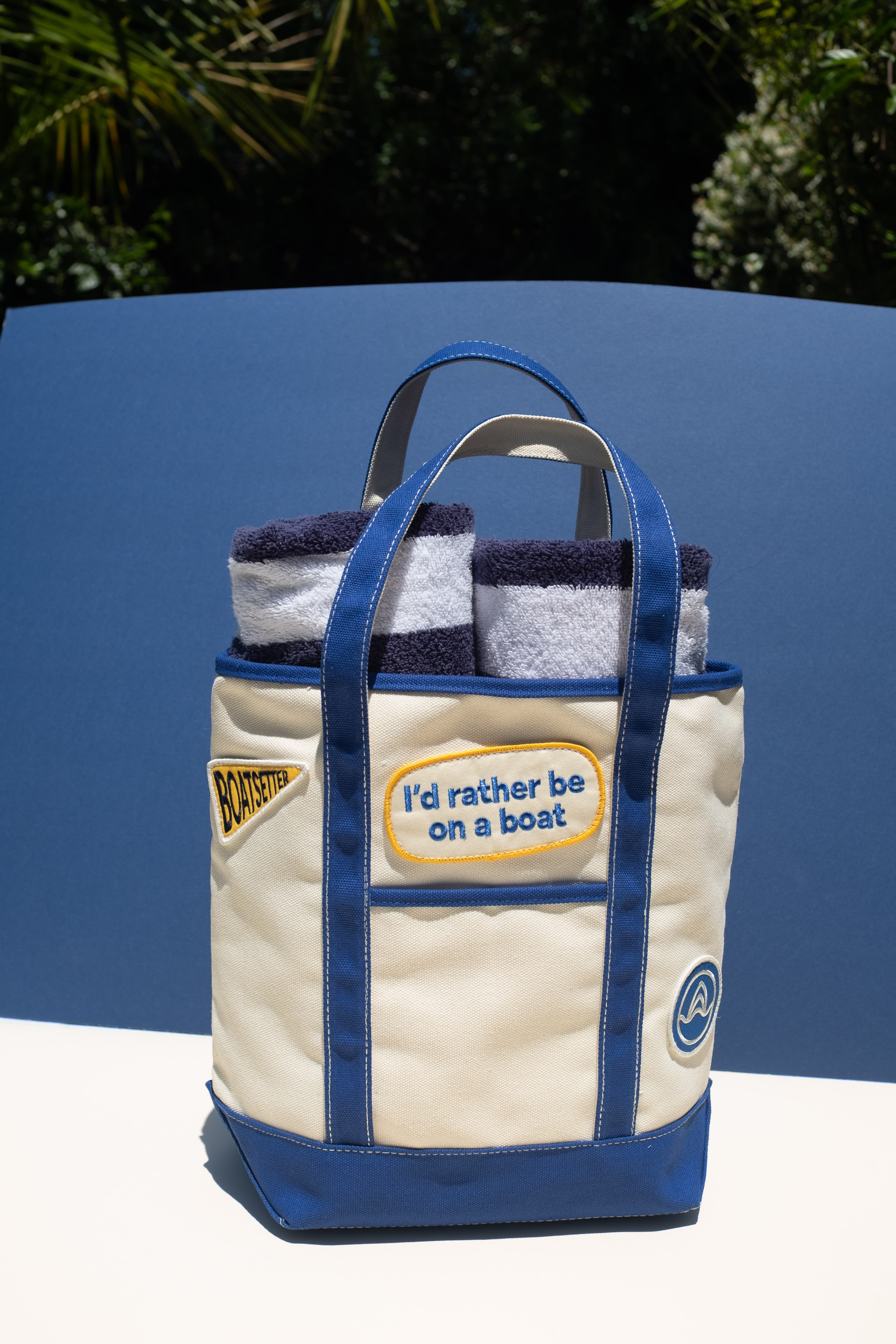
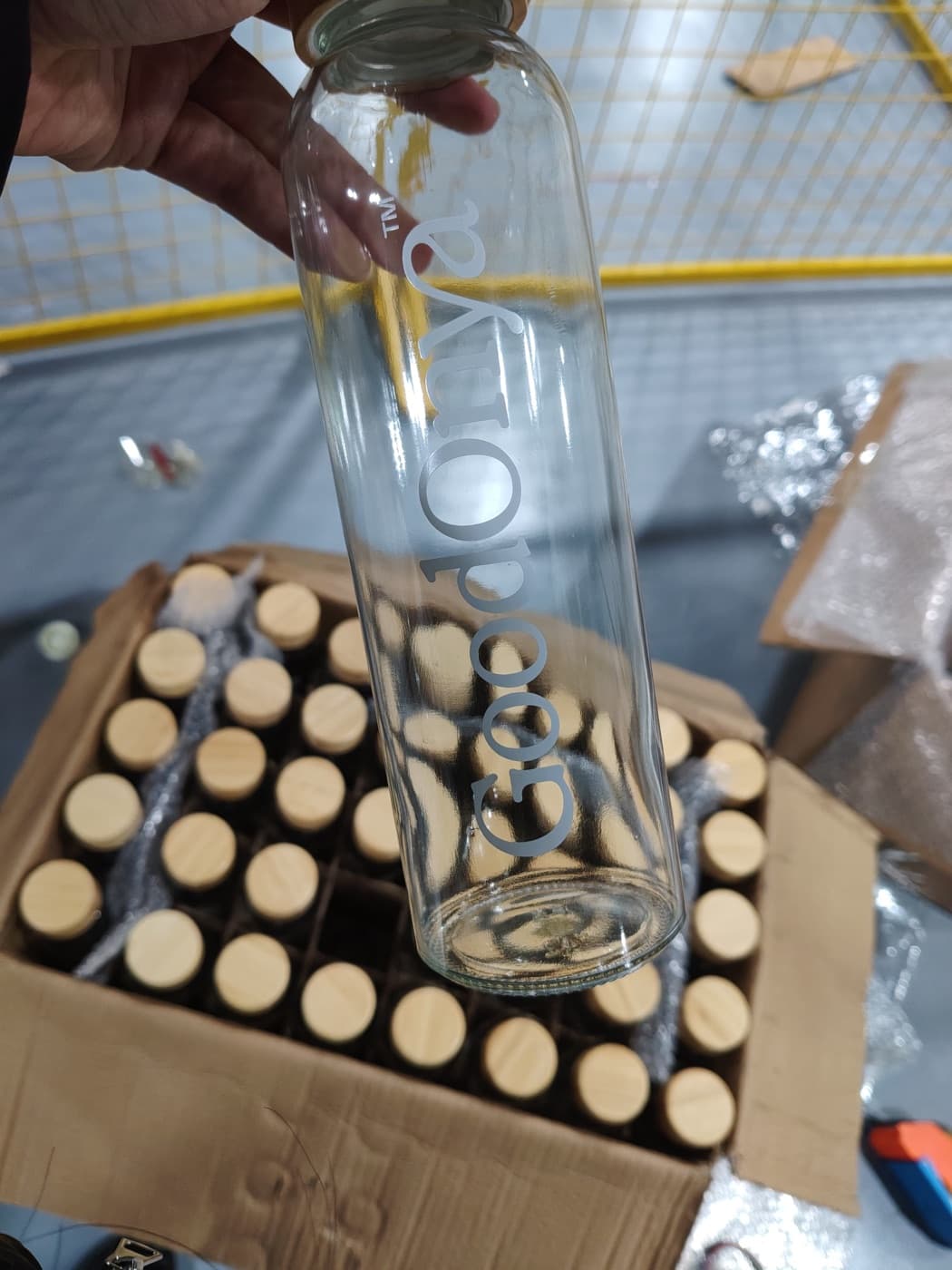
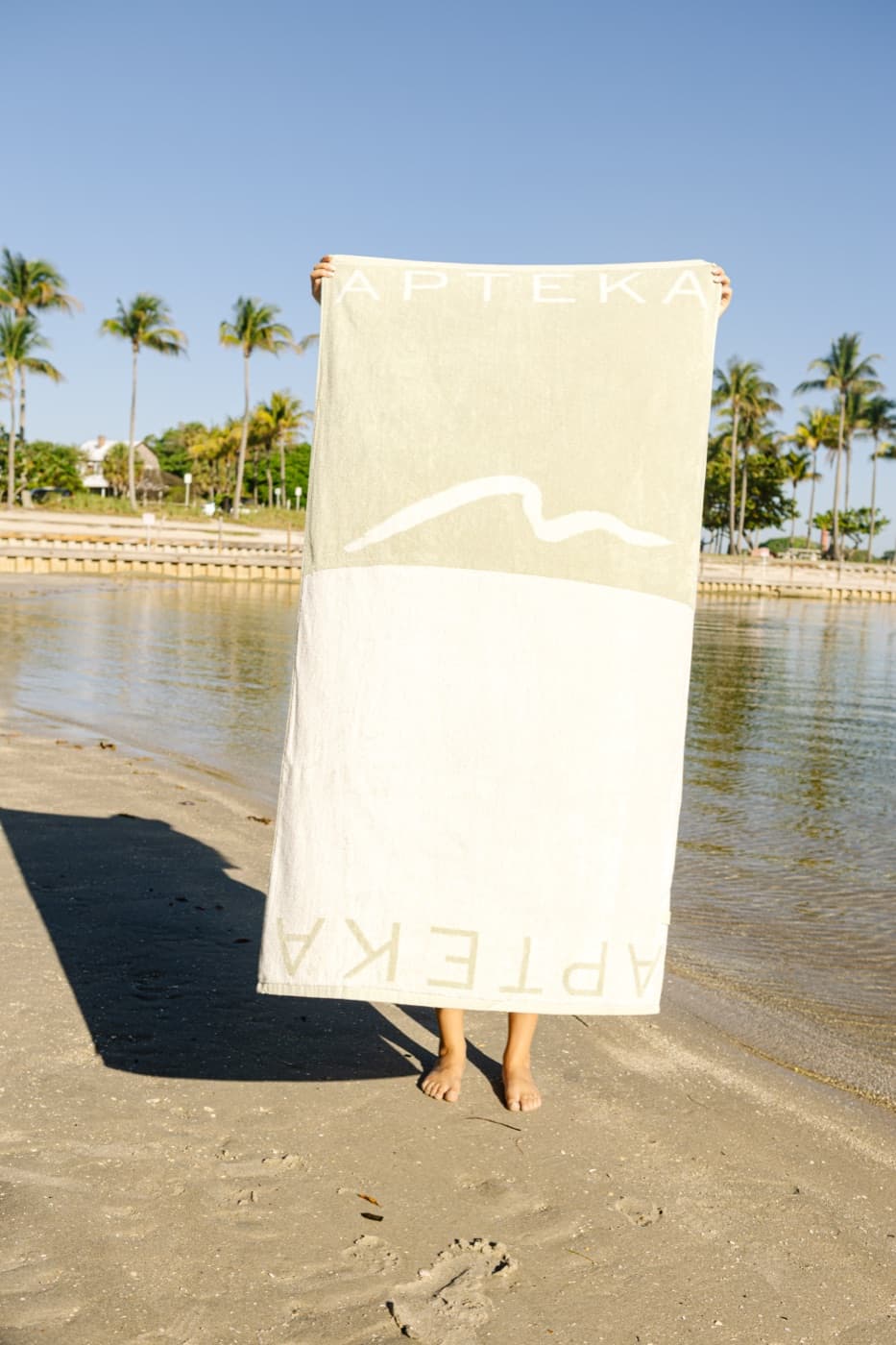
That standard changes the whole project. Instead of asking what item can carry the biggest logo, the better question is what item someone will actually want. A soft heavyweight tee. A hat with the right crown shape. A tote that holds real weight. A towel that looks good at the beach. A drinkware piece with a lid that does not leak. The logo matters, but the usefulness gets the piece into rotation.
Start with the product, not the imprint
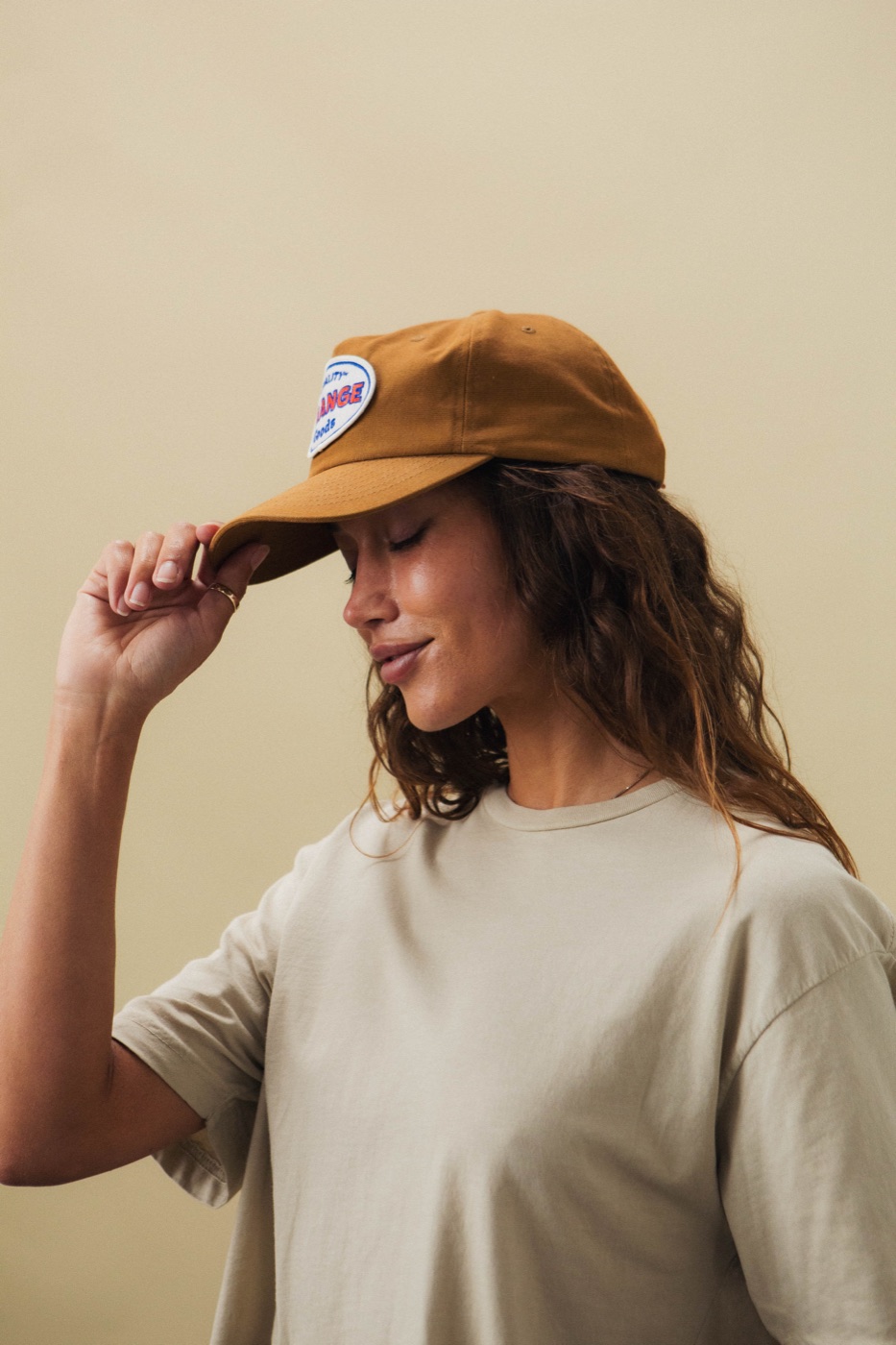
A lot of promotional merch starts with the decoration area. How big can the logo be? How cheap can the unit get? How many pieces can fit in the budget? Those are real questions, but they should not lead. The product choice sets the quality signal before anyone reads the mark.
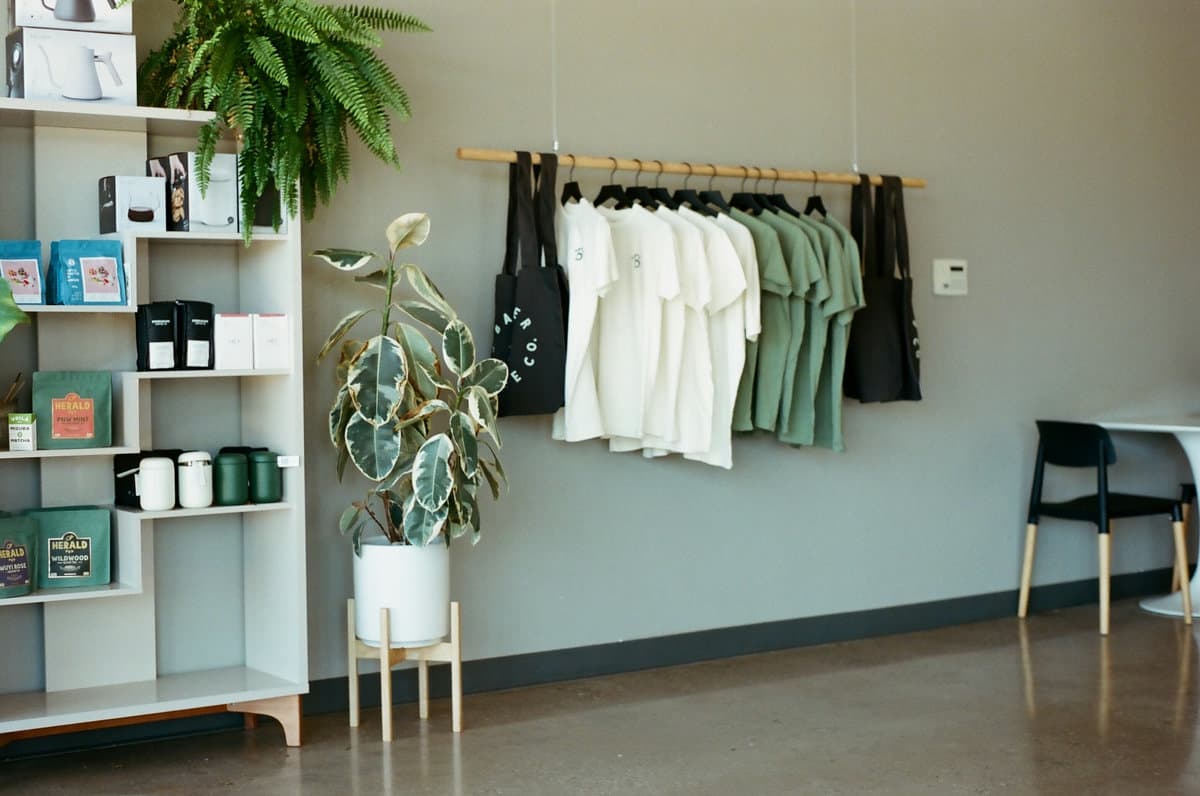
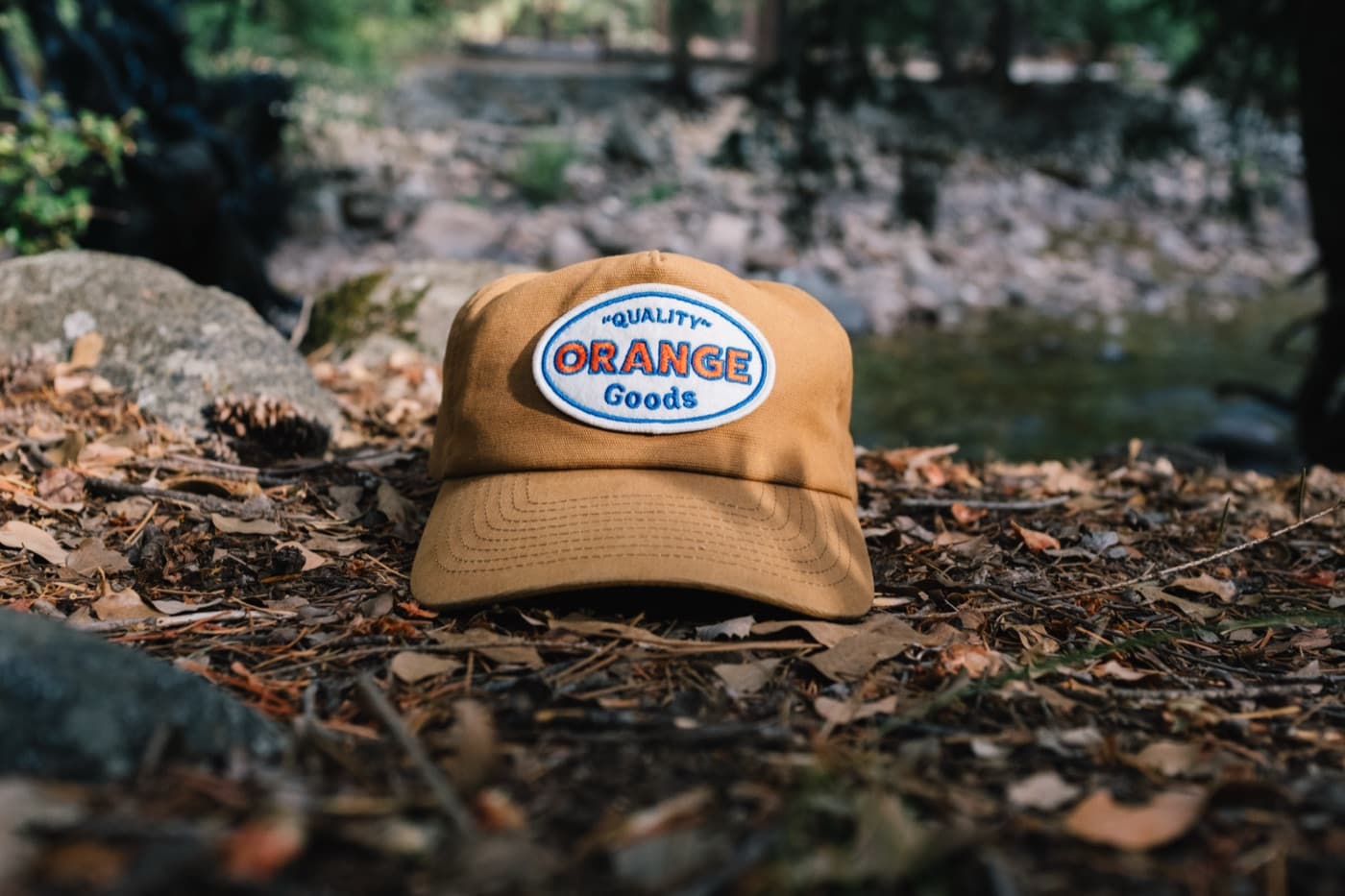
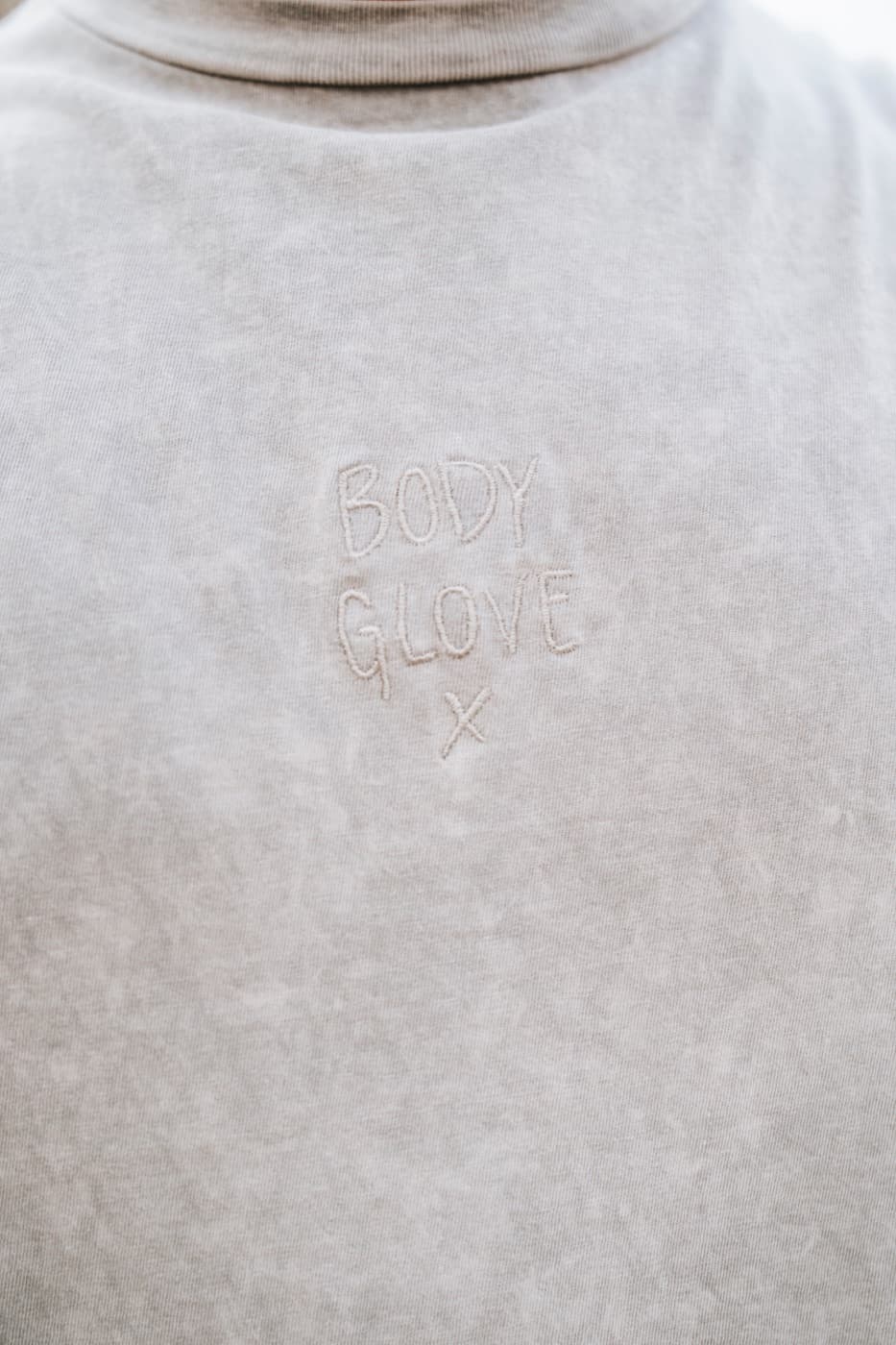
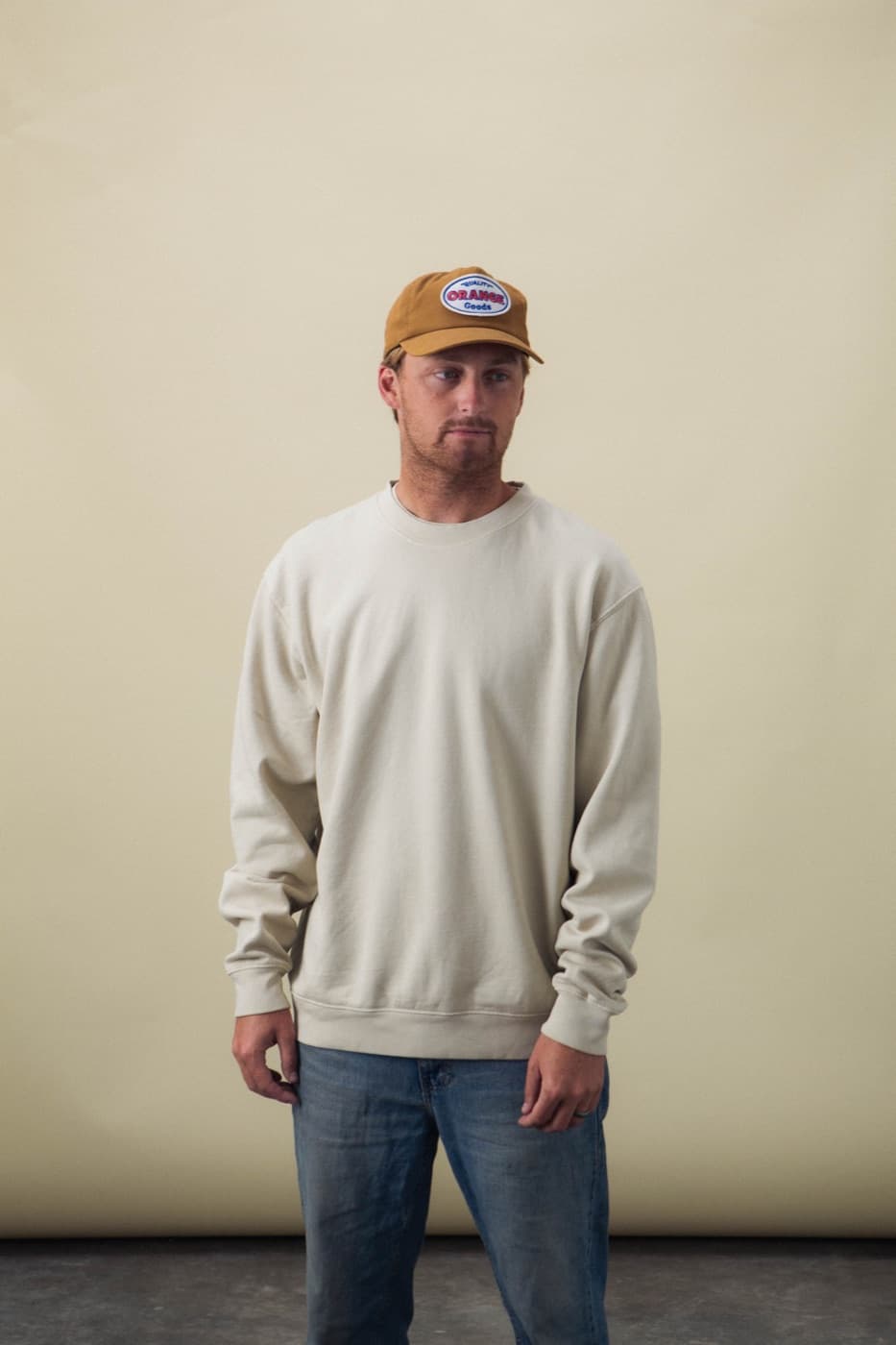
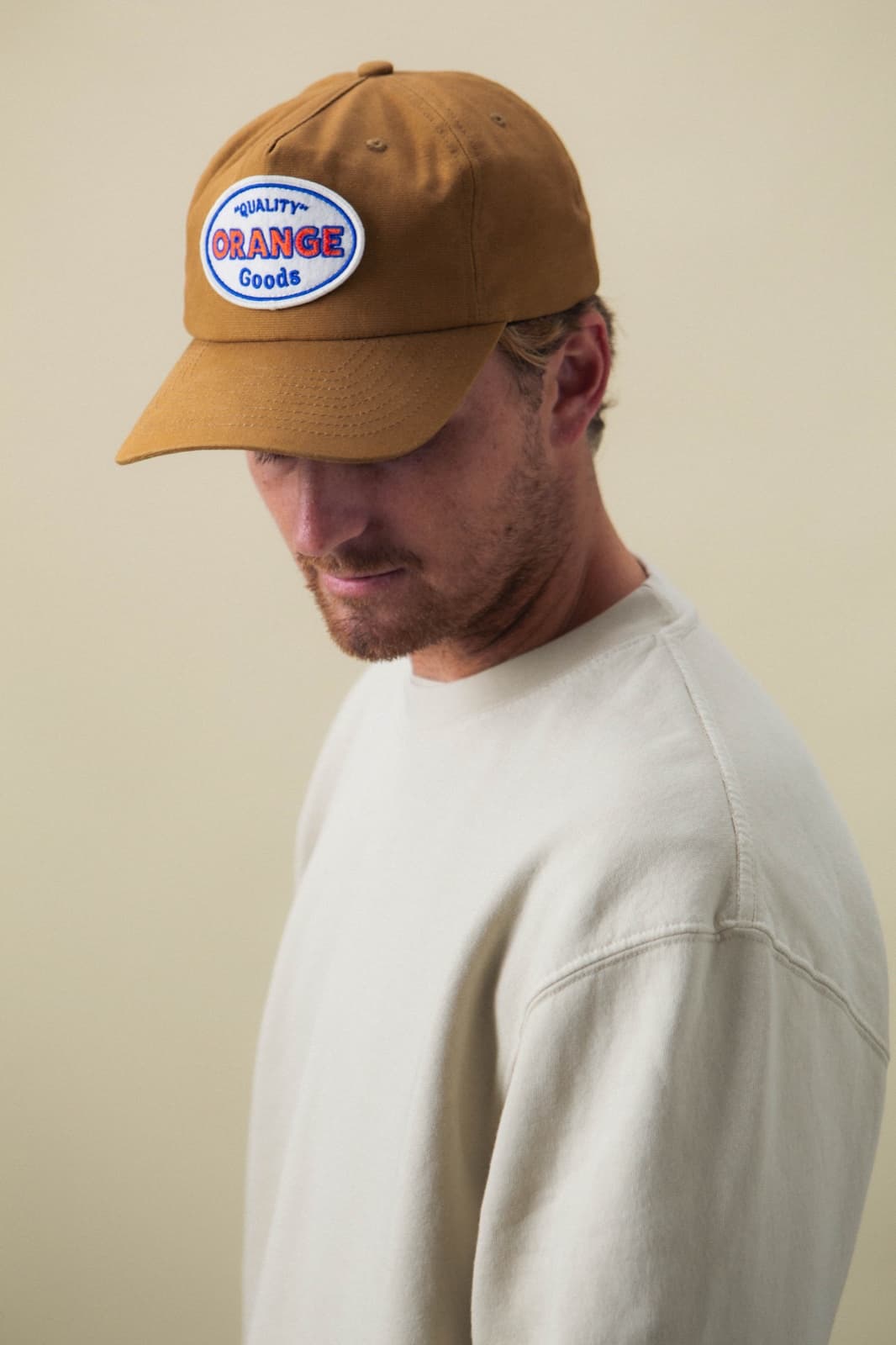
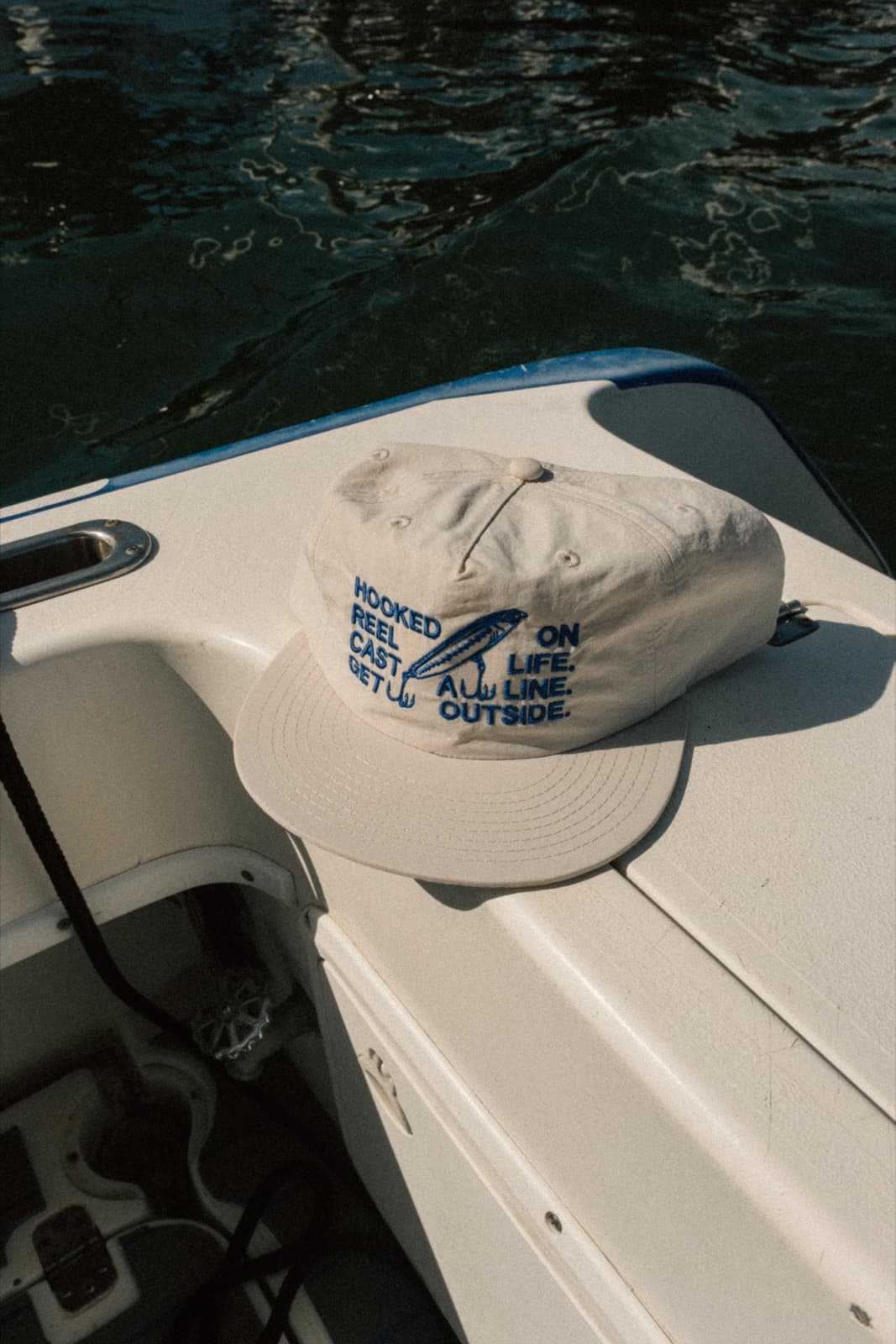
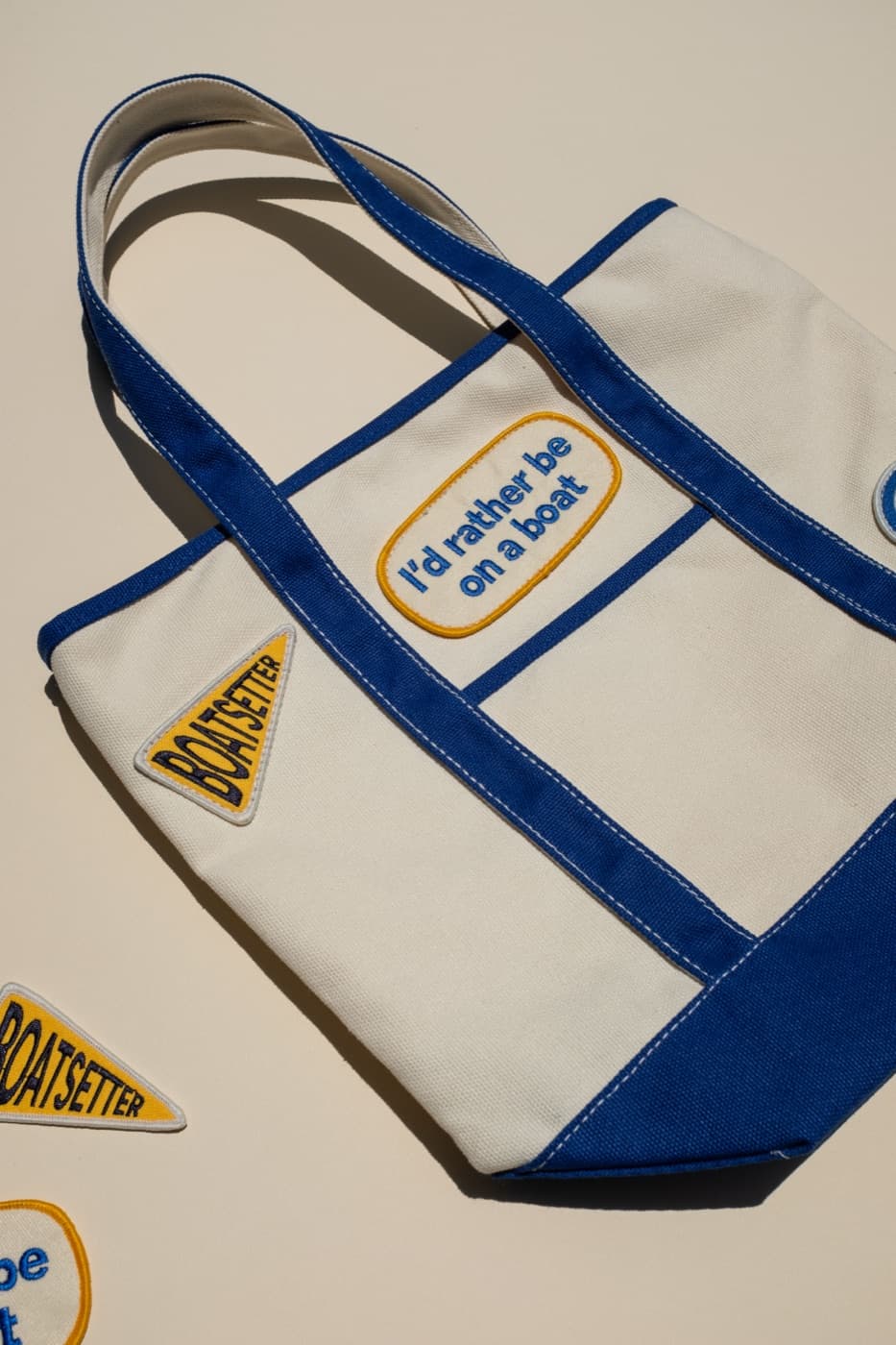
For apparel, that means fit, fabric, weight, color, shrinkage, and hand feel. For hats, it means profile, structure, crown height, closure, bill shape, and decoration compatibility. For bags, it means canvas weight, handle length, stitching, and whether the bag actually carries what it needs to carry. The blank is not neutral. It is part of the brand message.
Usefulness beats novelty
Novelty can create a quick reaction, but usefulness creates repeated impressions. A clever one-time gadget can get a smile and disappear. A clean tote, hat, tee, towel, or bottle can keep showing up for months. This is why the strongest merch programs usually start with familiar categories and make them better instead of chasing the strangest product possible.
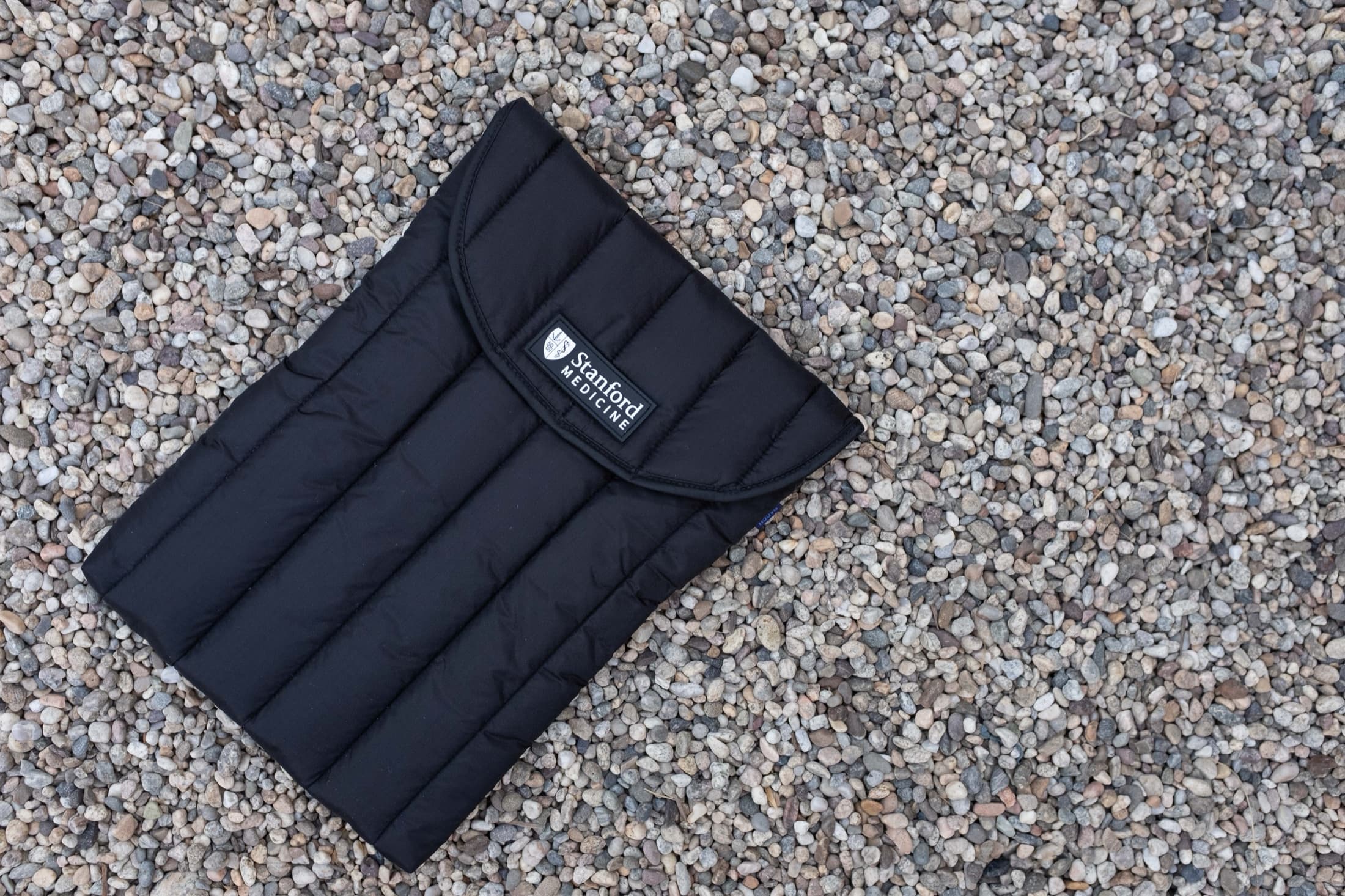
Useful does not mean boring. It means the item solves a real-life need and still has a point of view. A restaurant hat can be useful and stylish. A university gift kit can be practical and polished. A company retreat tote can be functional and memorable. The job is to make the everyday object feel connected to the brand.
Design has to survive production
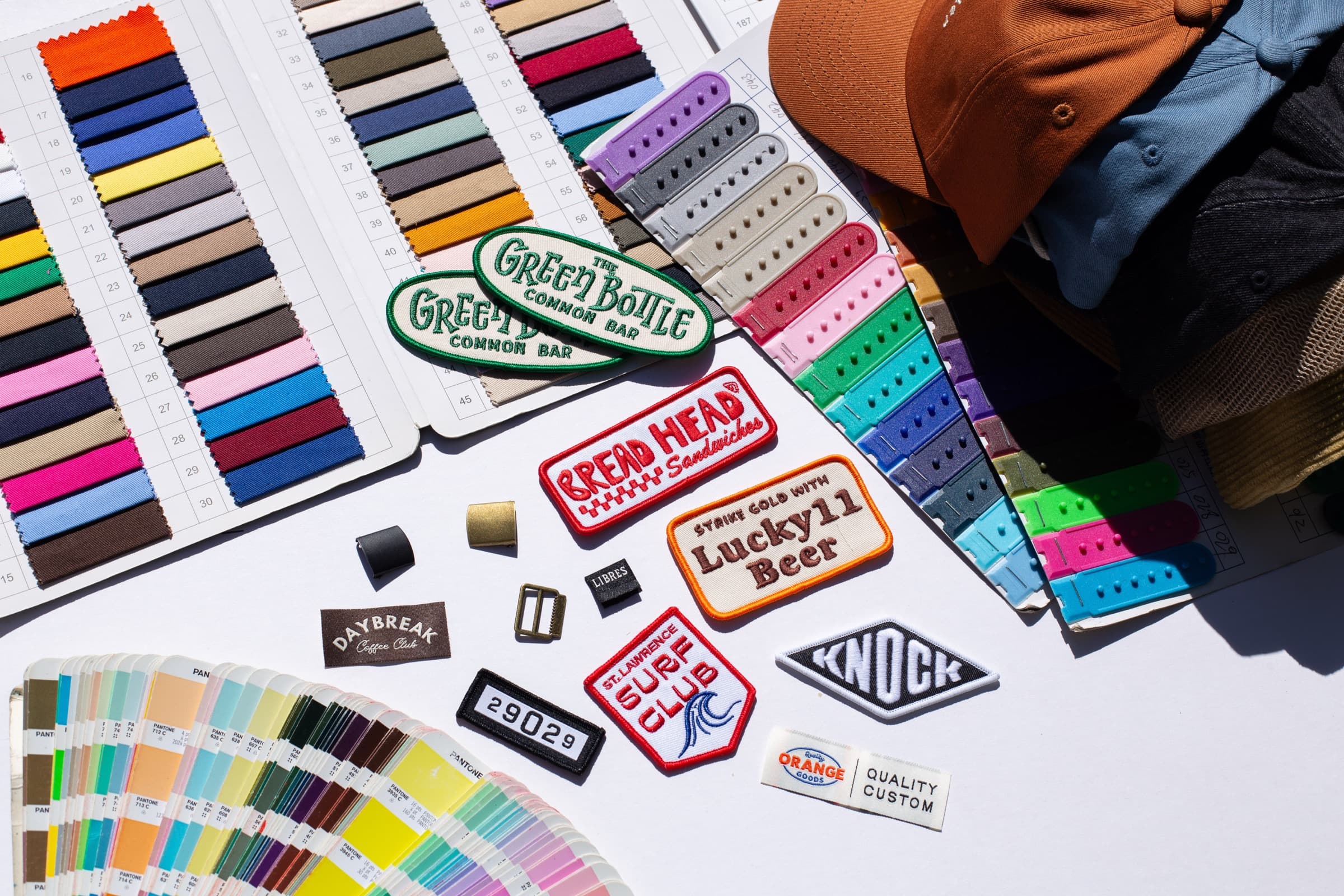
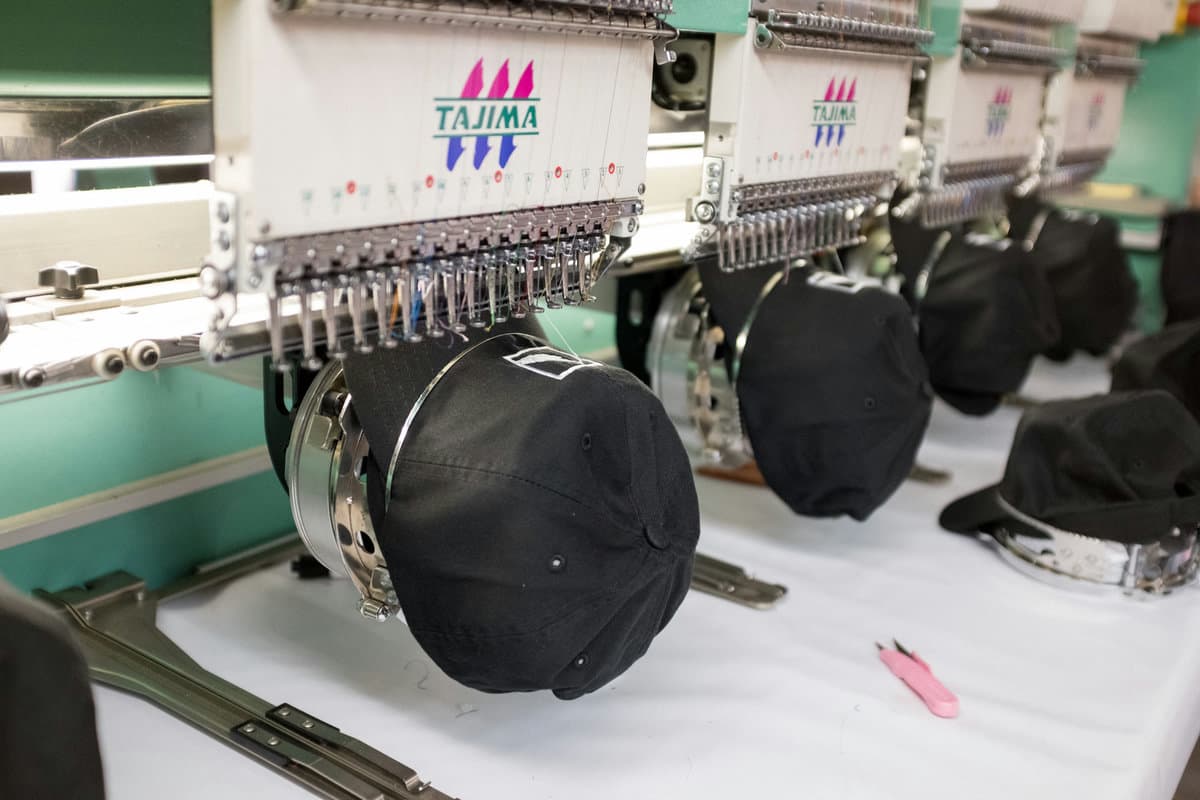
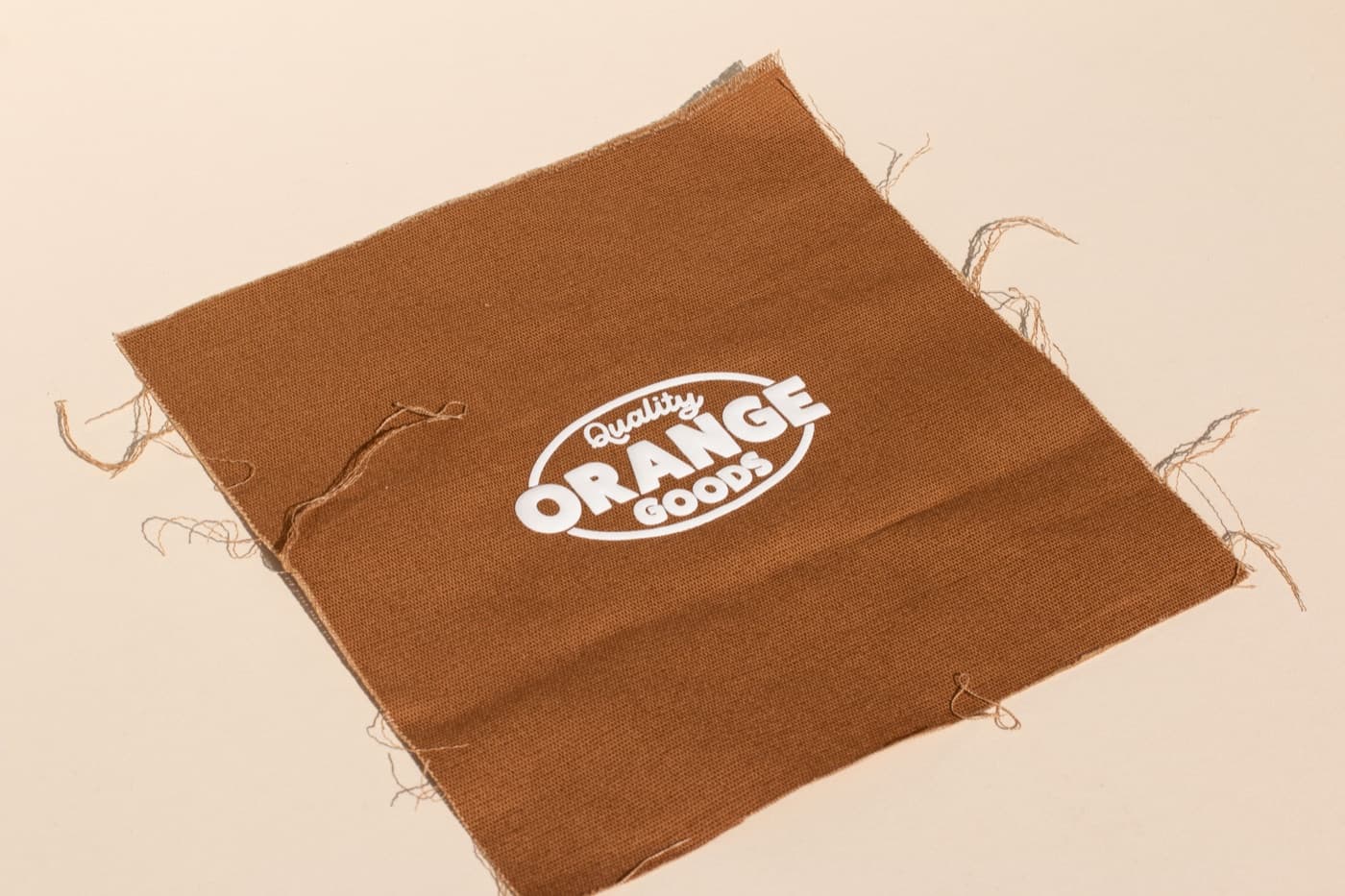
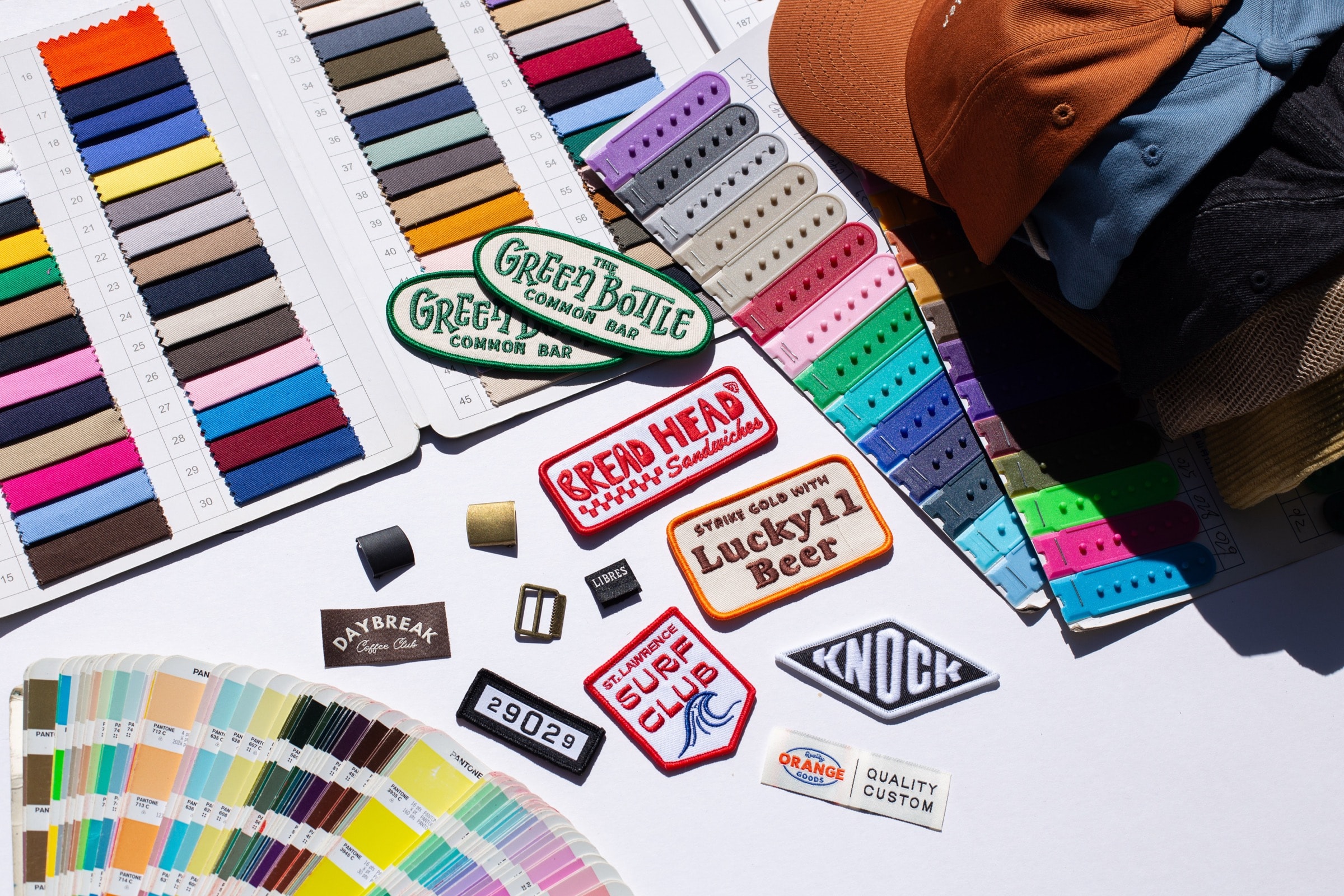
A design can look great on screen and fail on goods. Fine lines can disappear in embroidery. A six-color print can push a small tee run out of budget. A detailed logo can turn muddy on a curved hat panel. Worth-keeping merch respects the production method early, before the proof stage forces compromises.
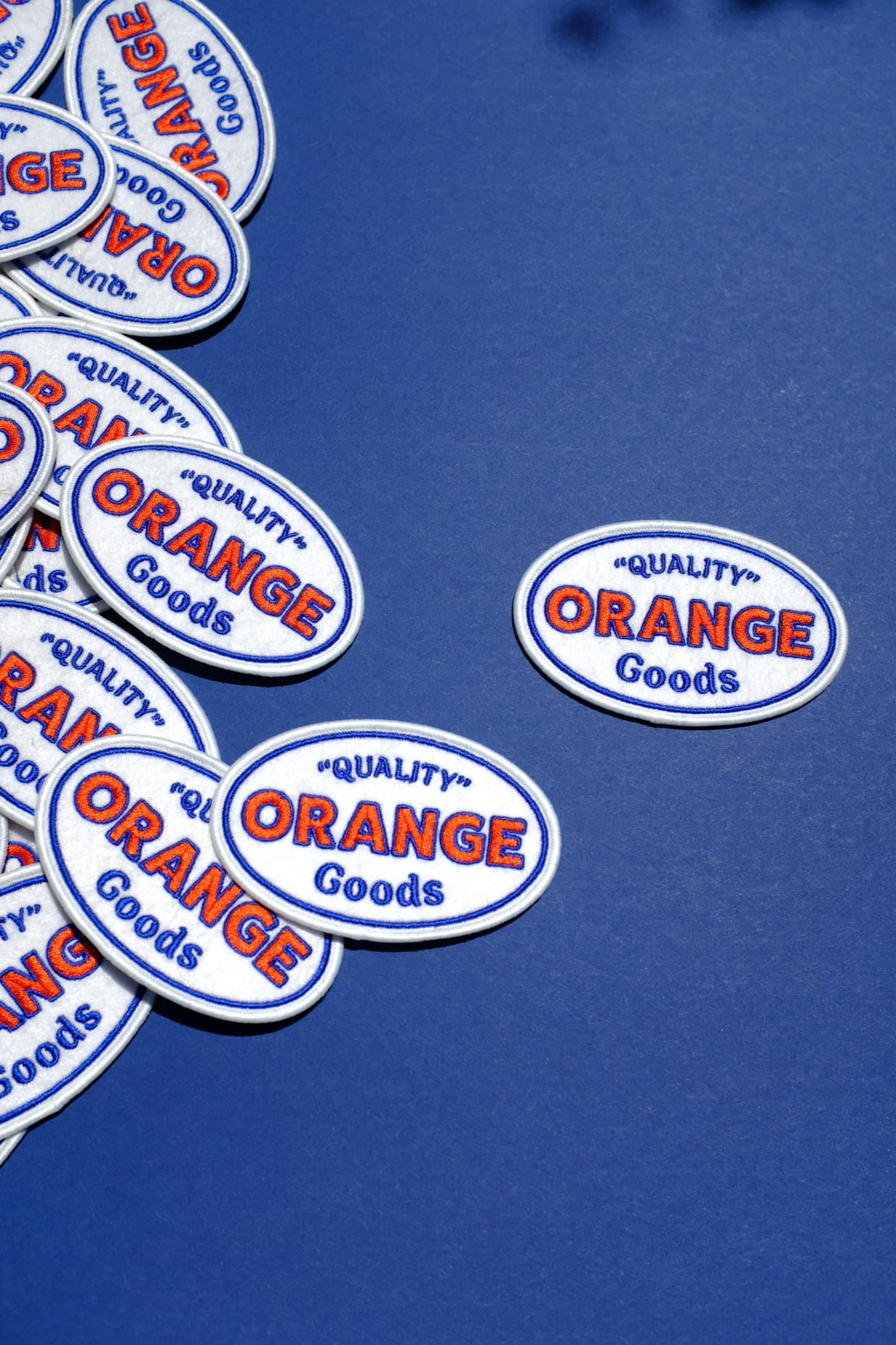
Good merch design is not just making a pretty mockup. It is choosing the right scale, placement, color, decoration method, and product surface so the finished piece feels intentional. Sometimes that means making the logo smaller. Sometimes it means using a patch instead of direct embroidery. Sometimes it means moving from a full-color graphic to a one-color print that feels cleaner and wears better.
The 100-piece starting point
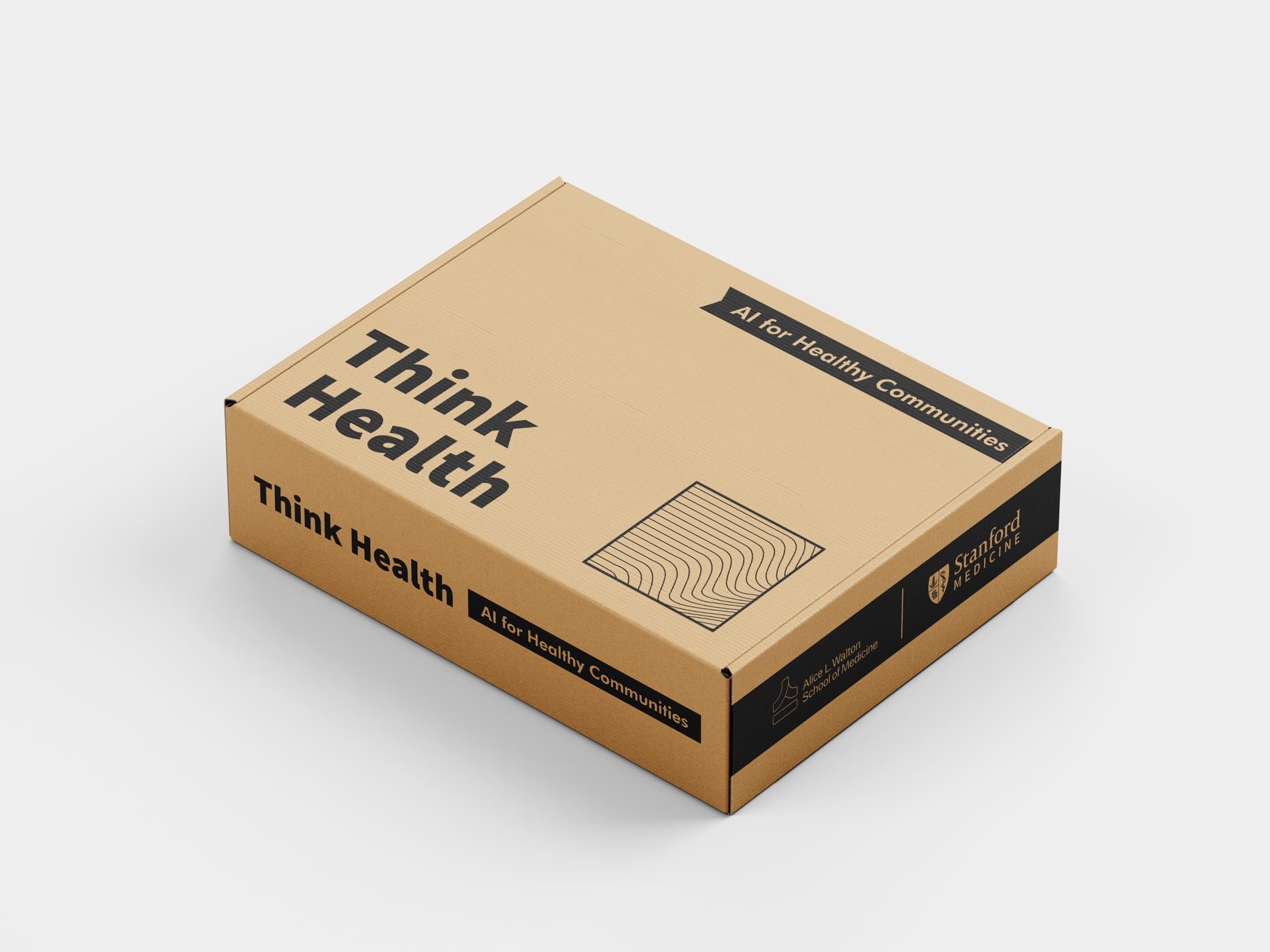
At Orange Goods, most custom programs start around 100 pieces because that is where the project can be small enough to manage and large enough to produce properly. It gives the run enough volume for real decoration, proofing, quality control, and practical pricing without forcing a brand into thousands of units before it knows what will work.
A 100-piece run can outfit a team, support a launch, seed a market, sell through a small retail drop, or create a focused customer gift. The key is to make the first run strong enough that the next order is based on what people actually used, bought, and asked for again.
Worth keeping is a brand position
When the product is good, the brand gets credit. When the product is cheap, the brand gets blamed. That is why merch is not just a line item or a giveaway. It is a physical expression of how much the company cared about the person receiving it.
Orange Goods builds merch around that standard: goods people keep, wear, and use. The work is not only sourcing the item. It is guiding the details that make the item feel right in hand, look right in photos, and represent the brand well after the box arrives.