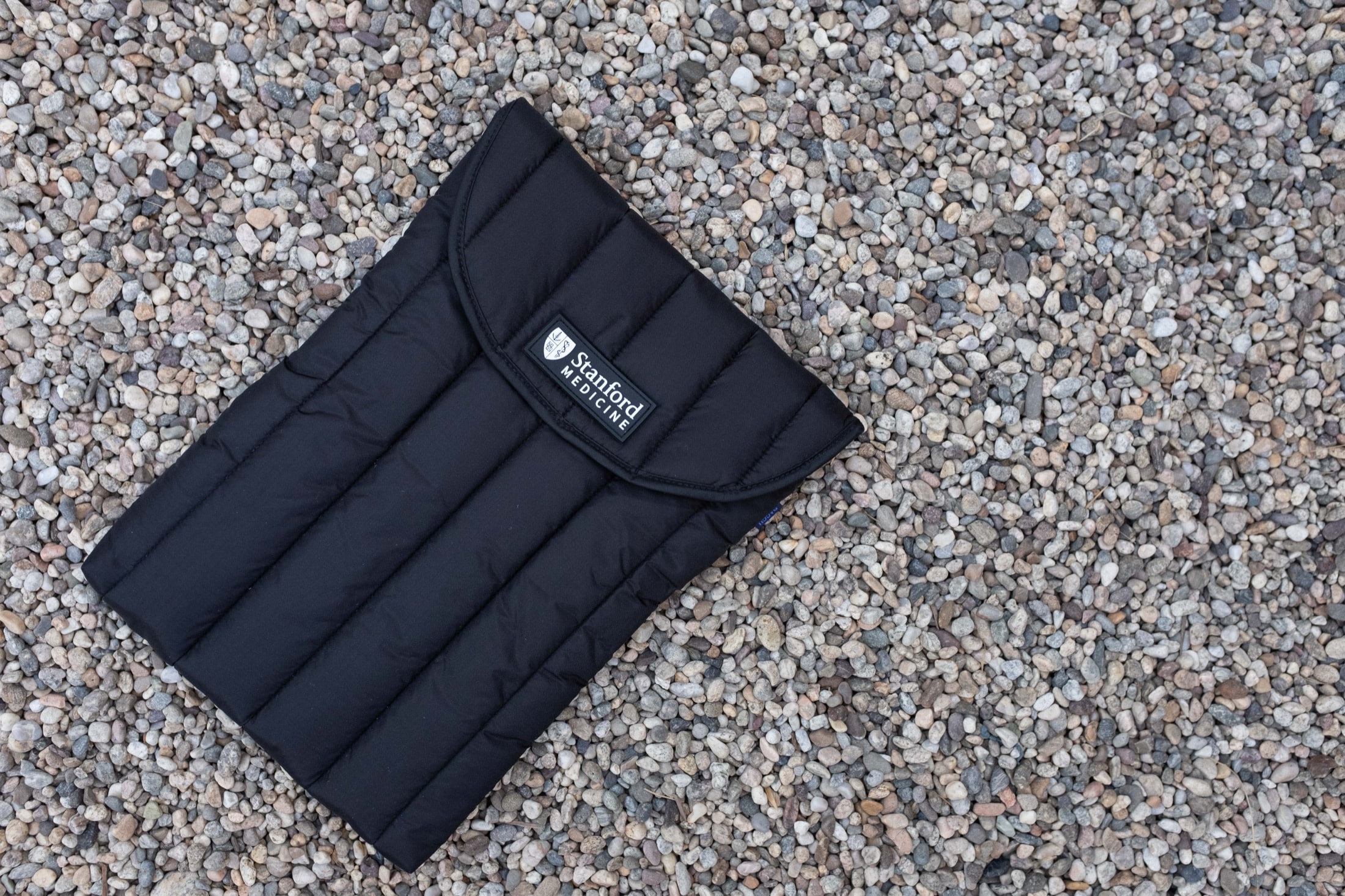
Campus and institutional merch has to serve a wide range of people. Students, faculty, alumni, donors, researchers, event guests, and internal teams may all interact with the same brand, but they do not need the same goods. The best programs are useful, credible, and easy to distribute.
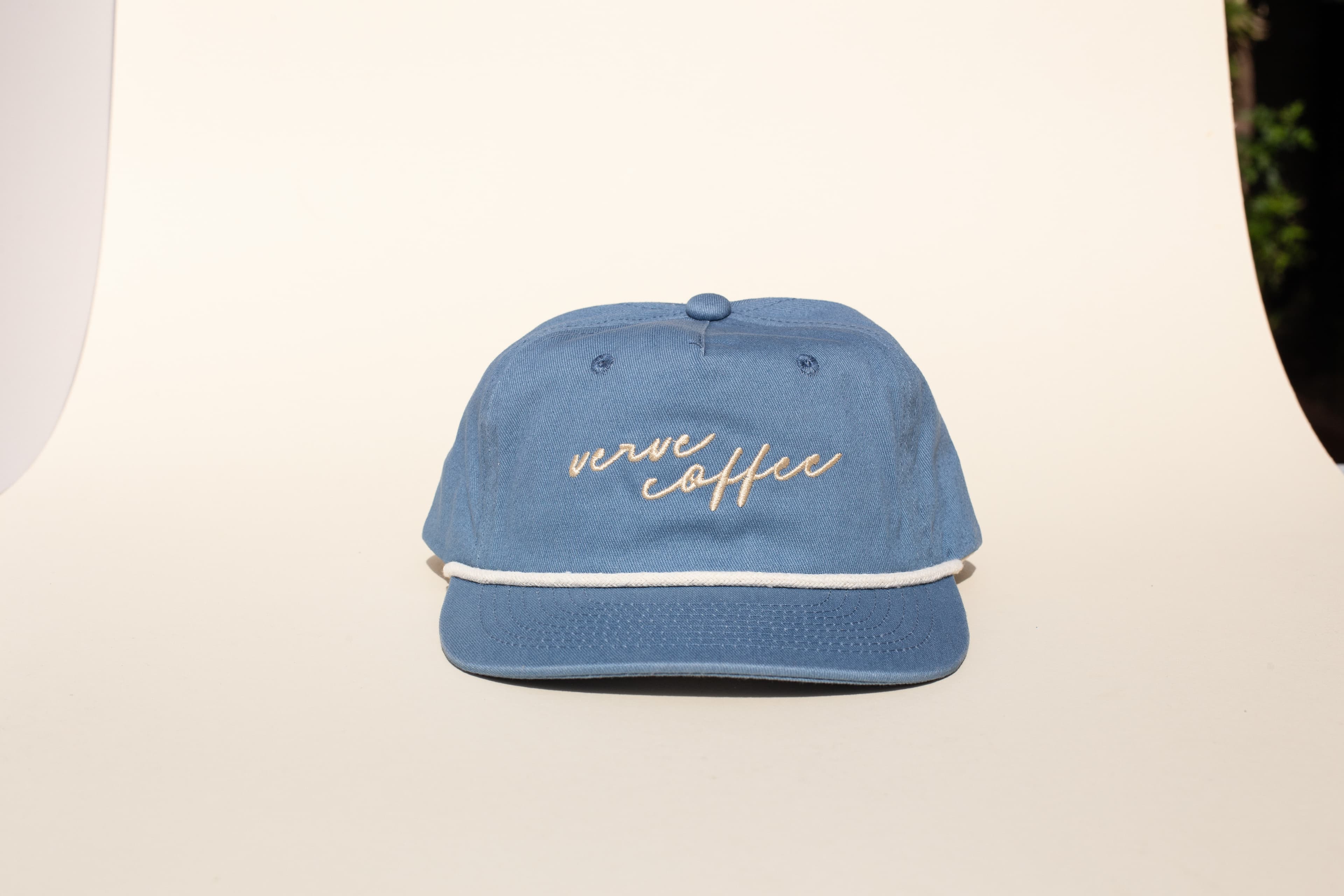
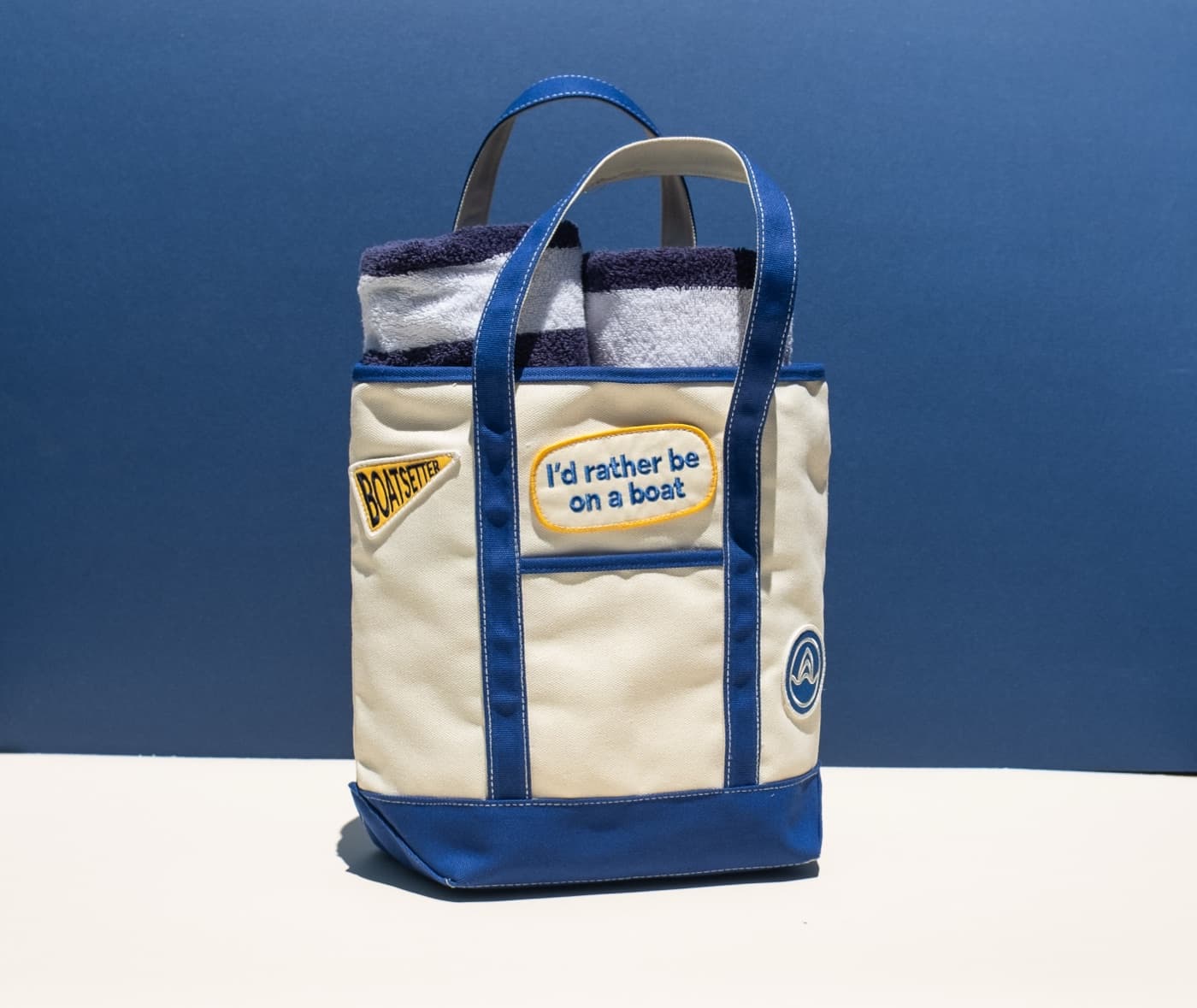
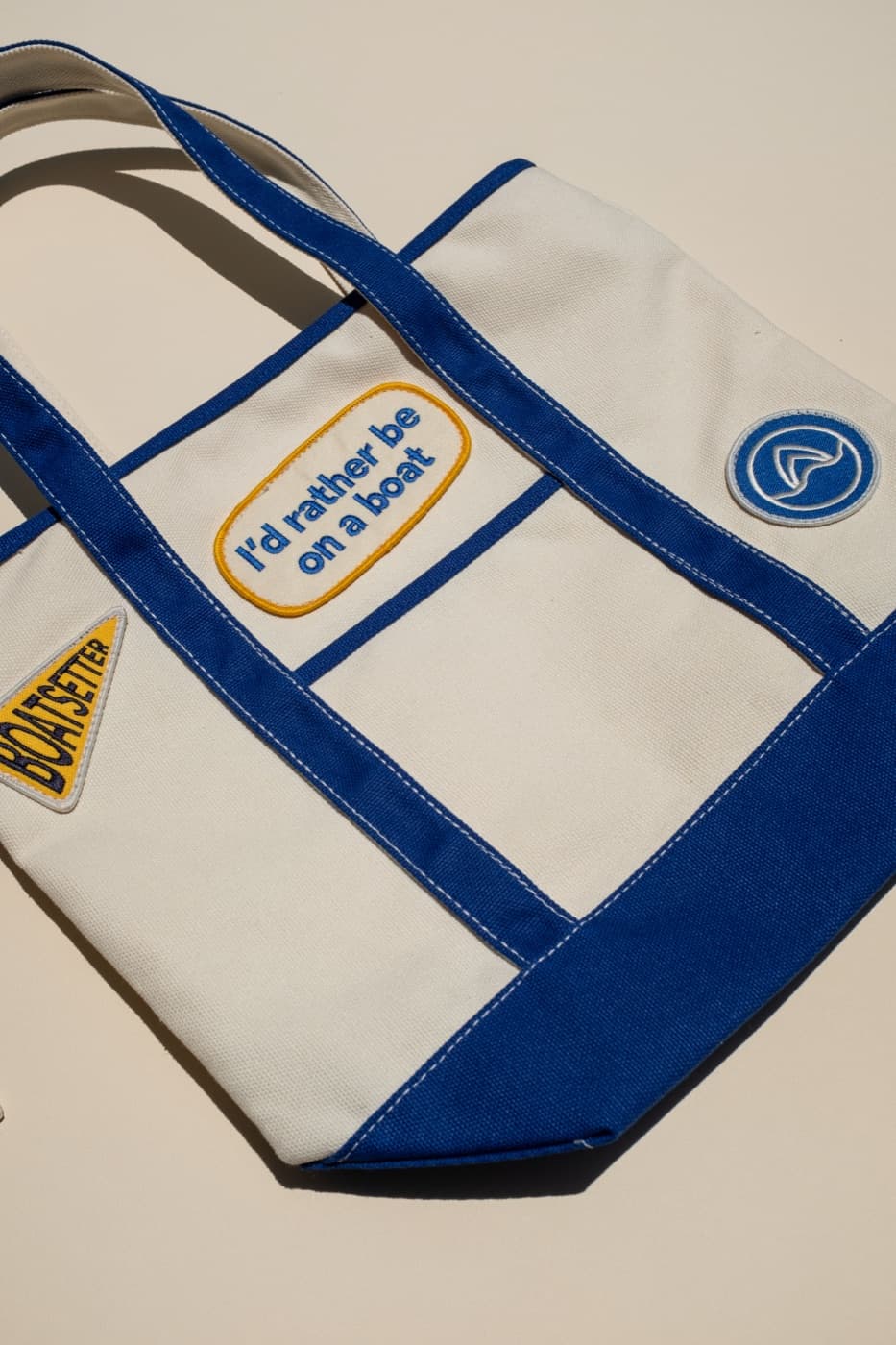
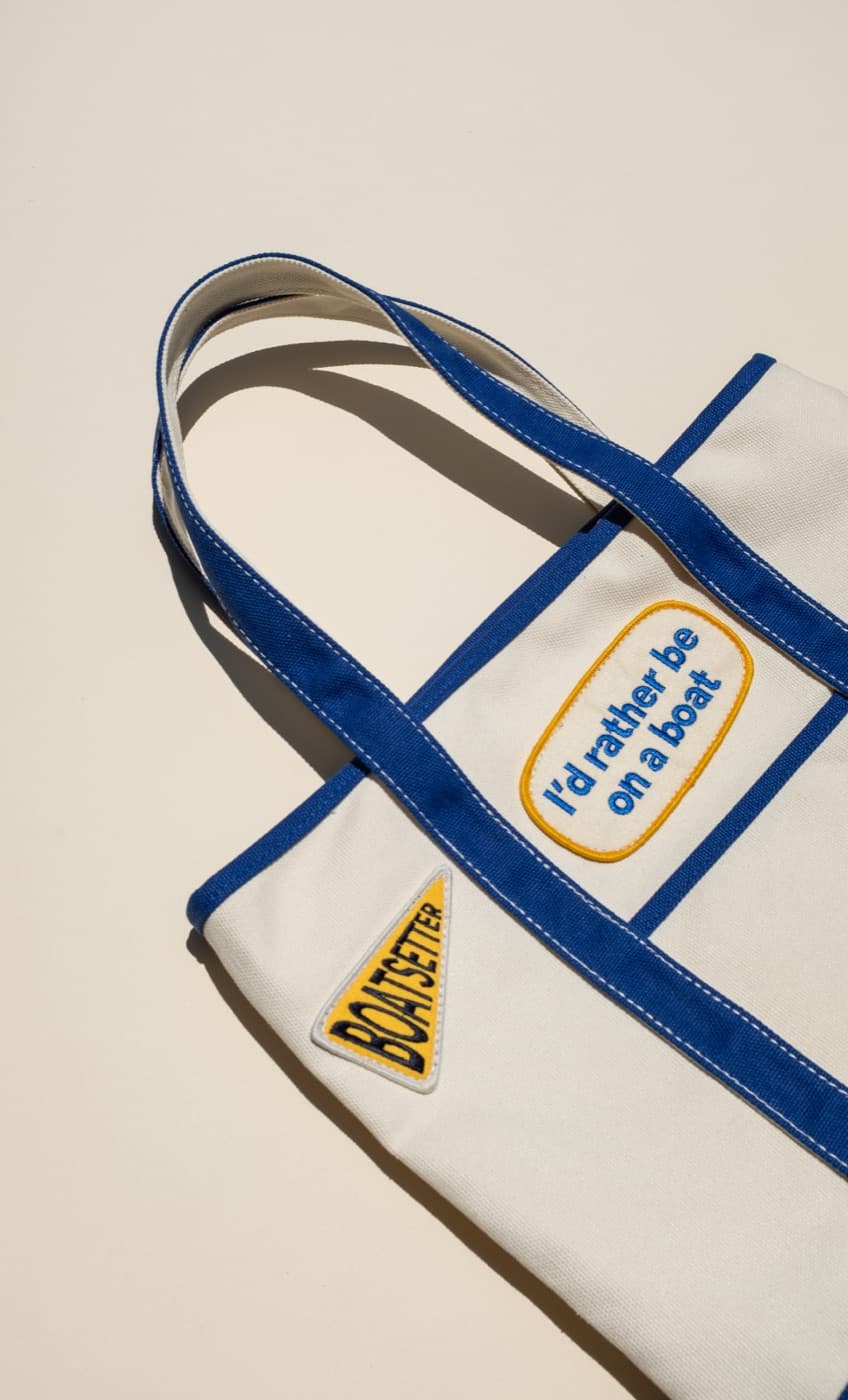
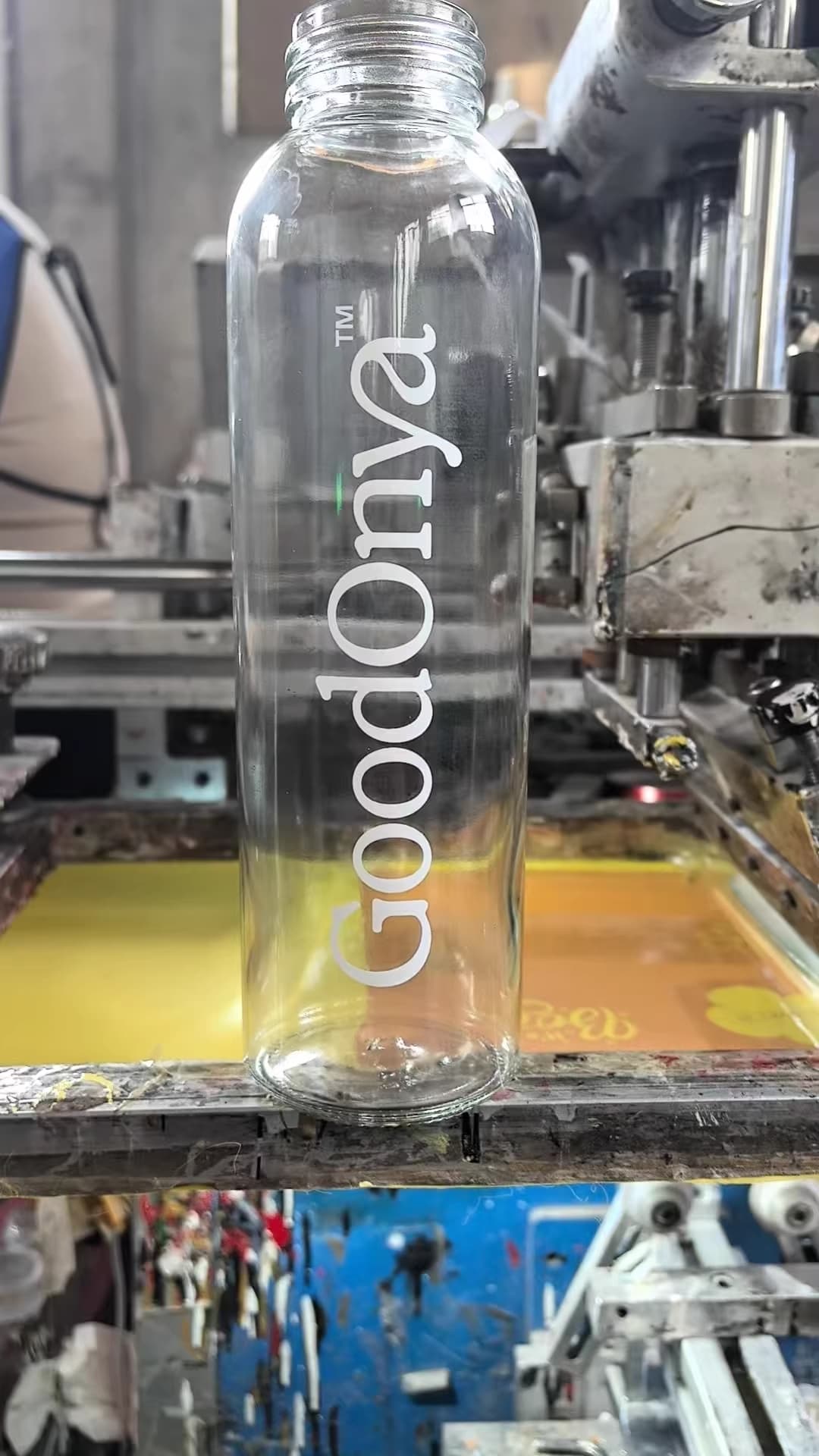
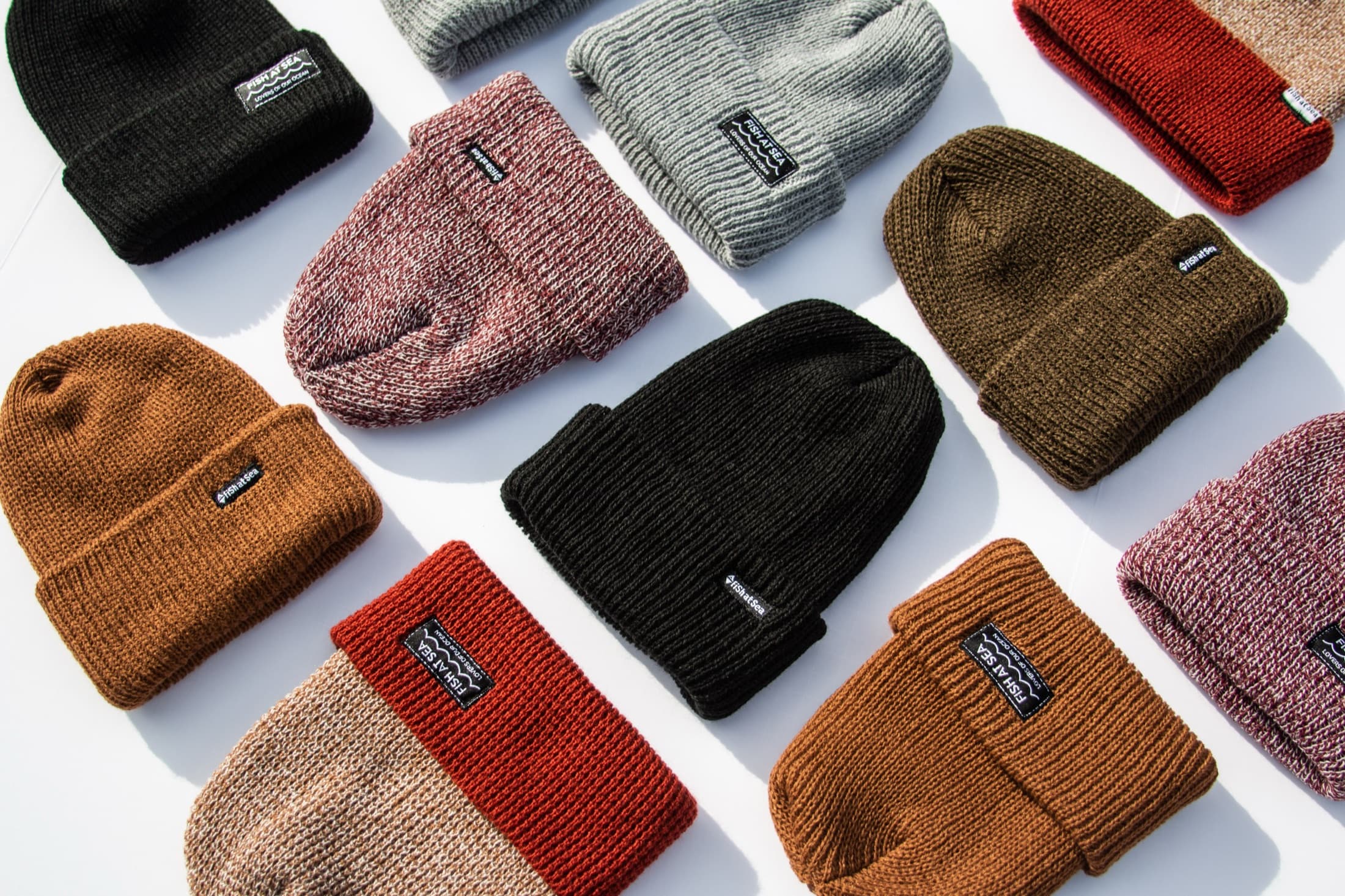
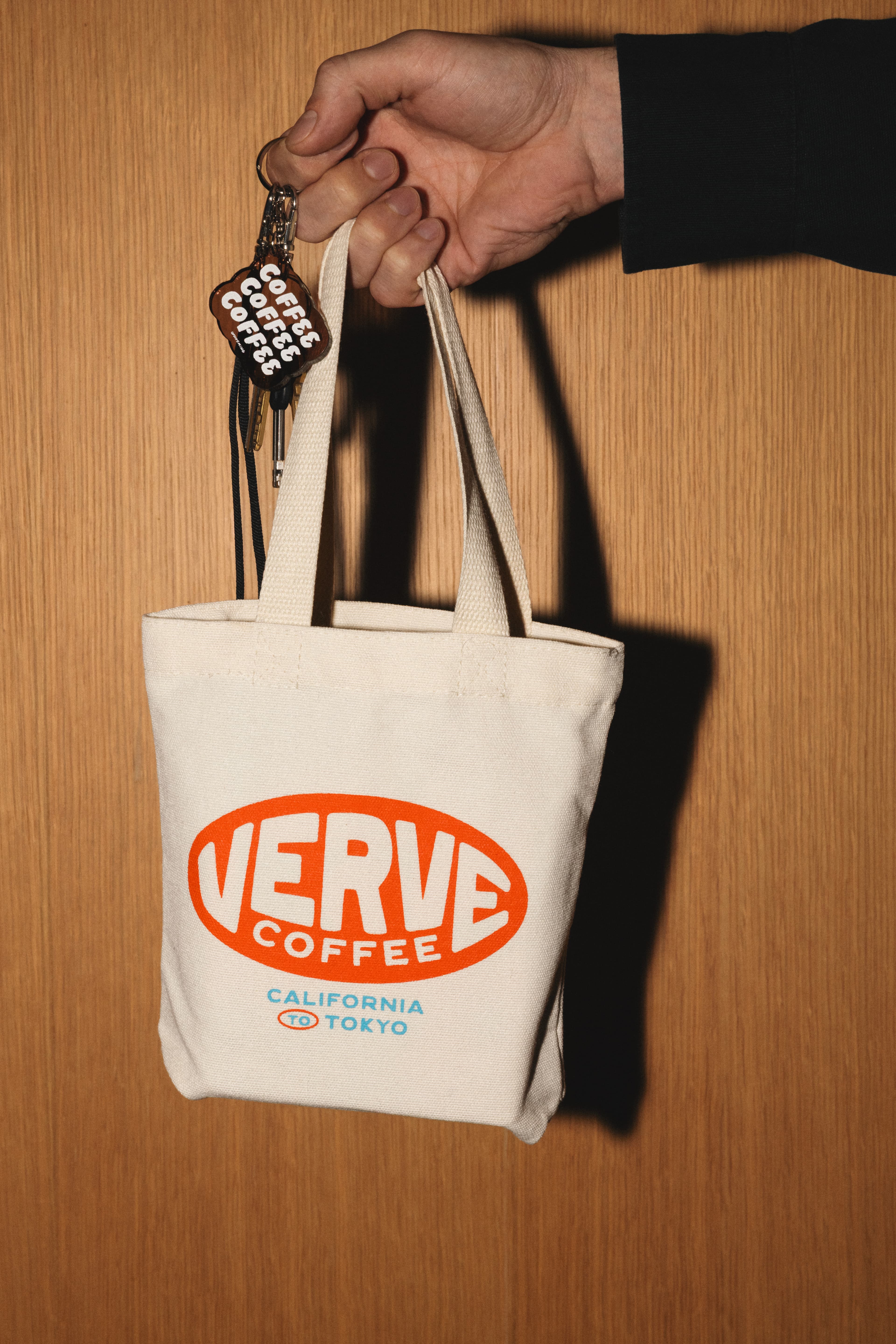
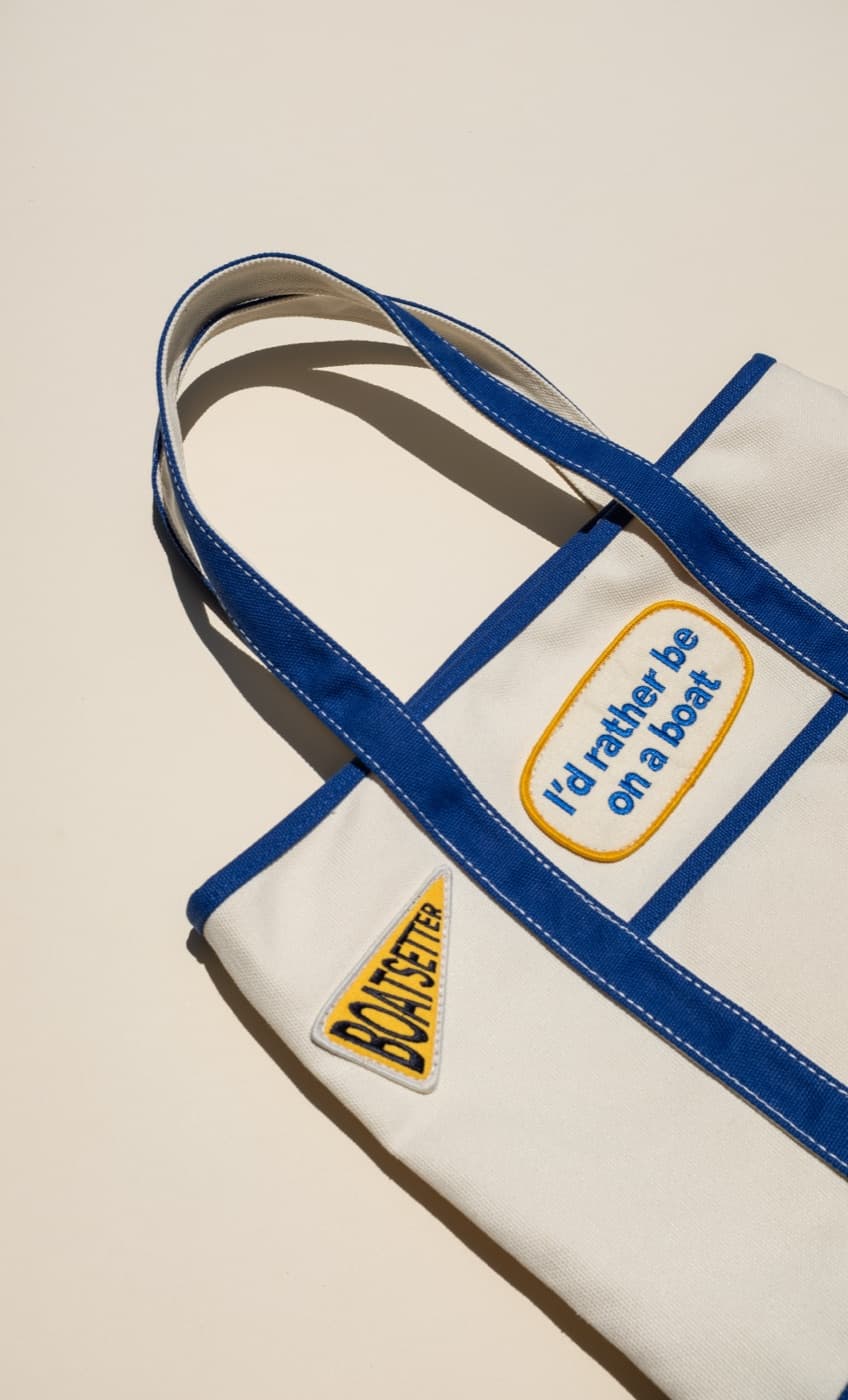
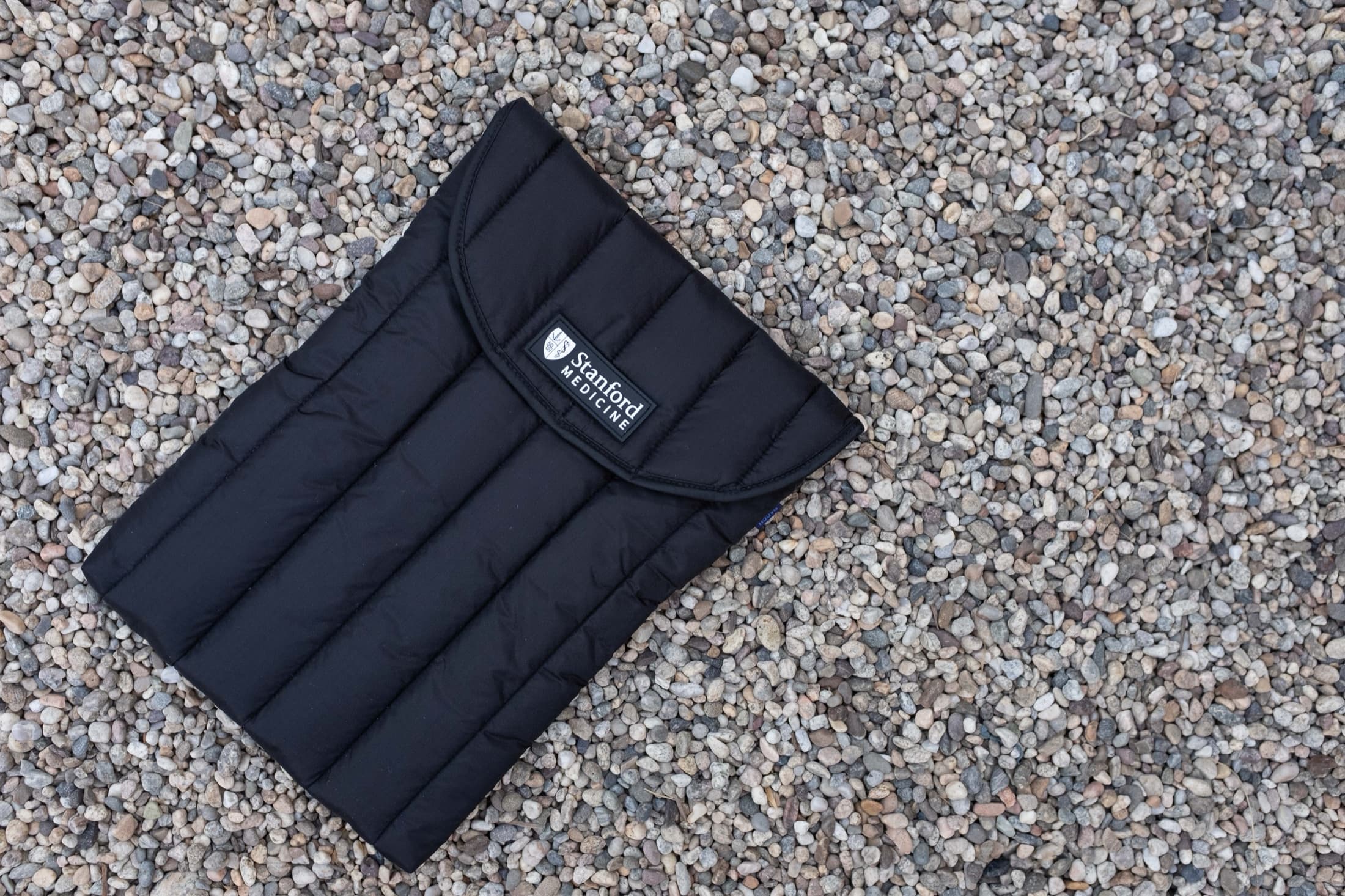
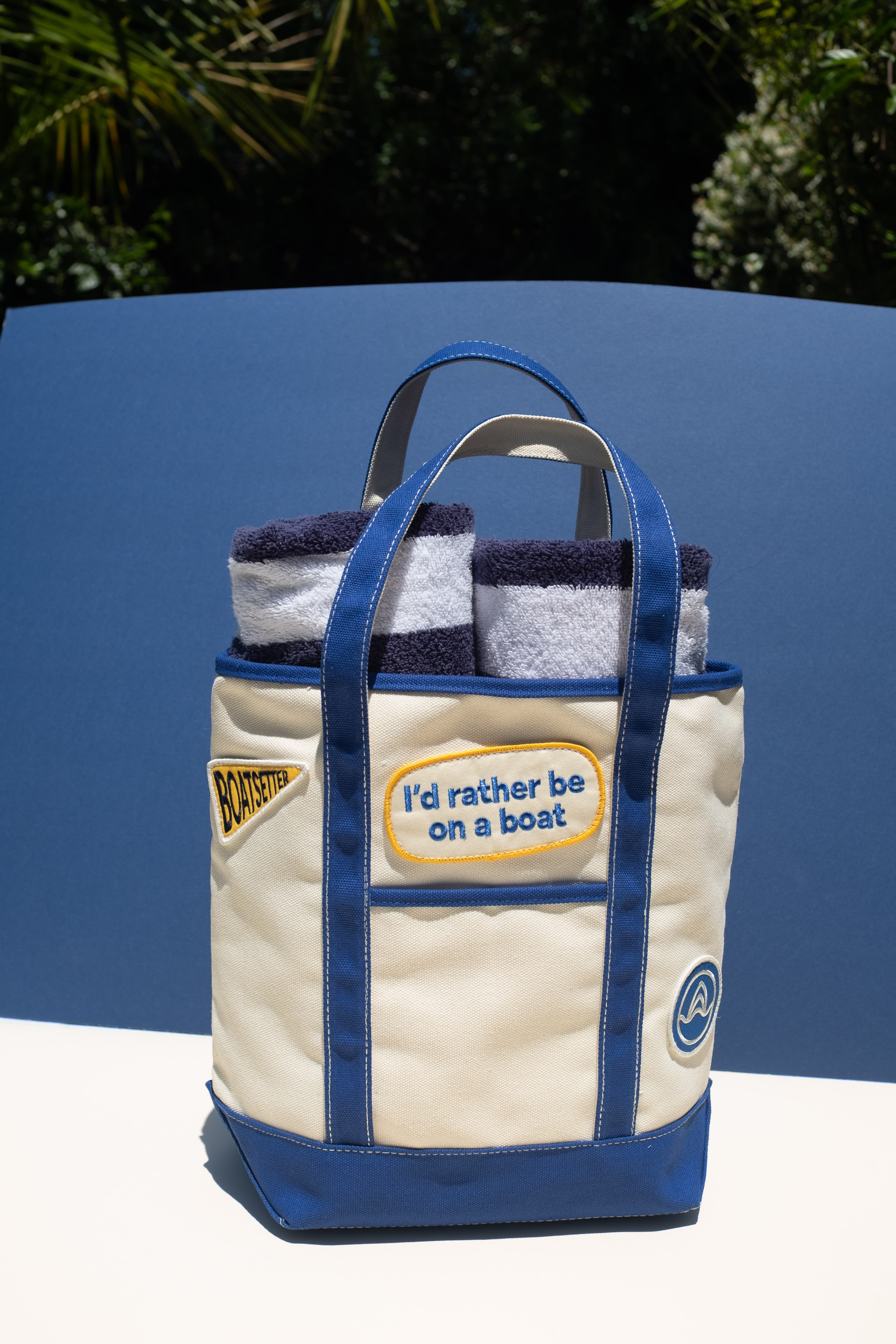
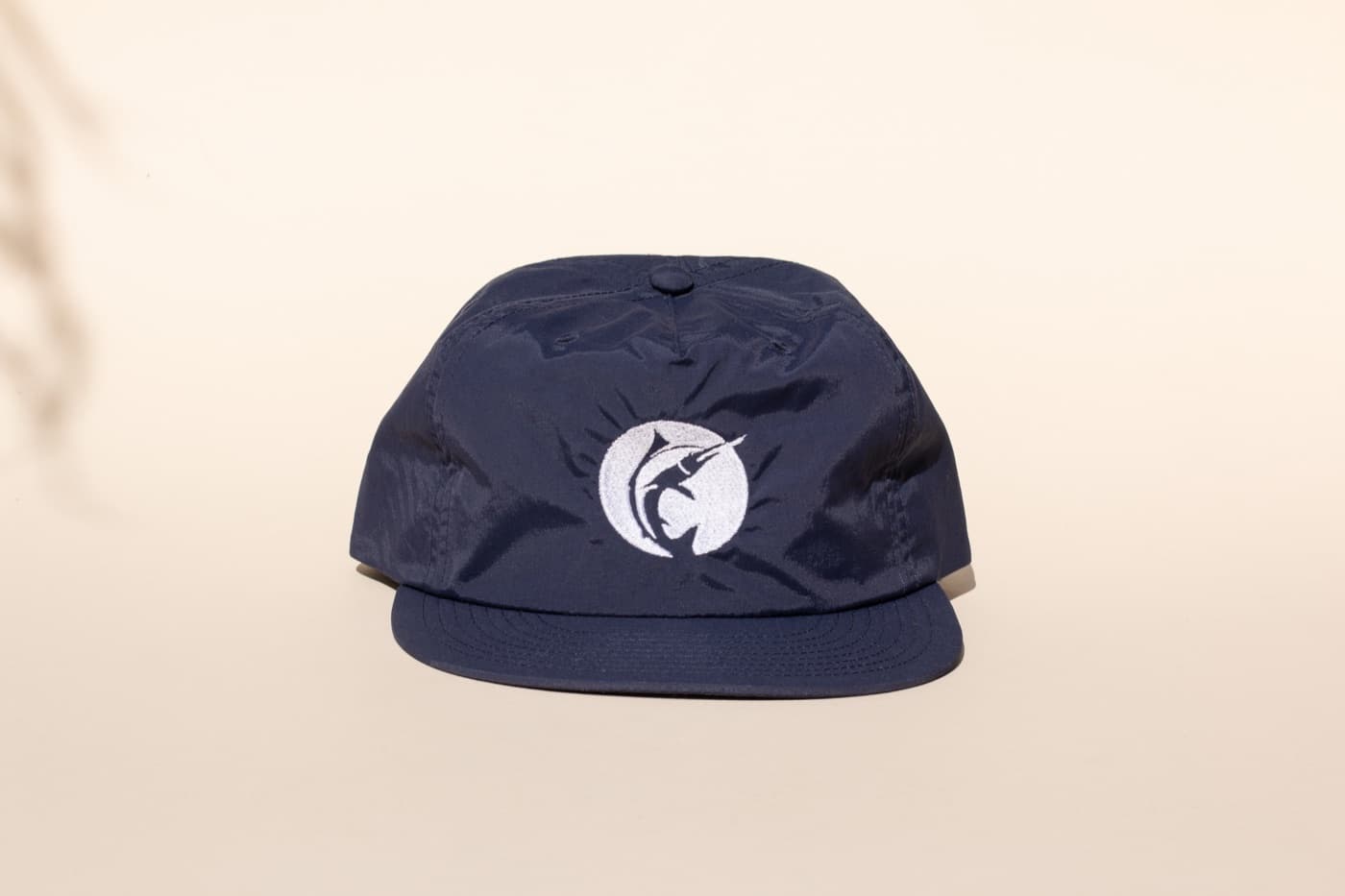
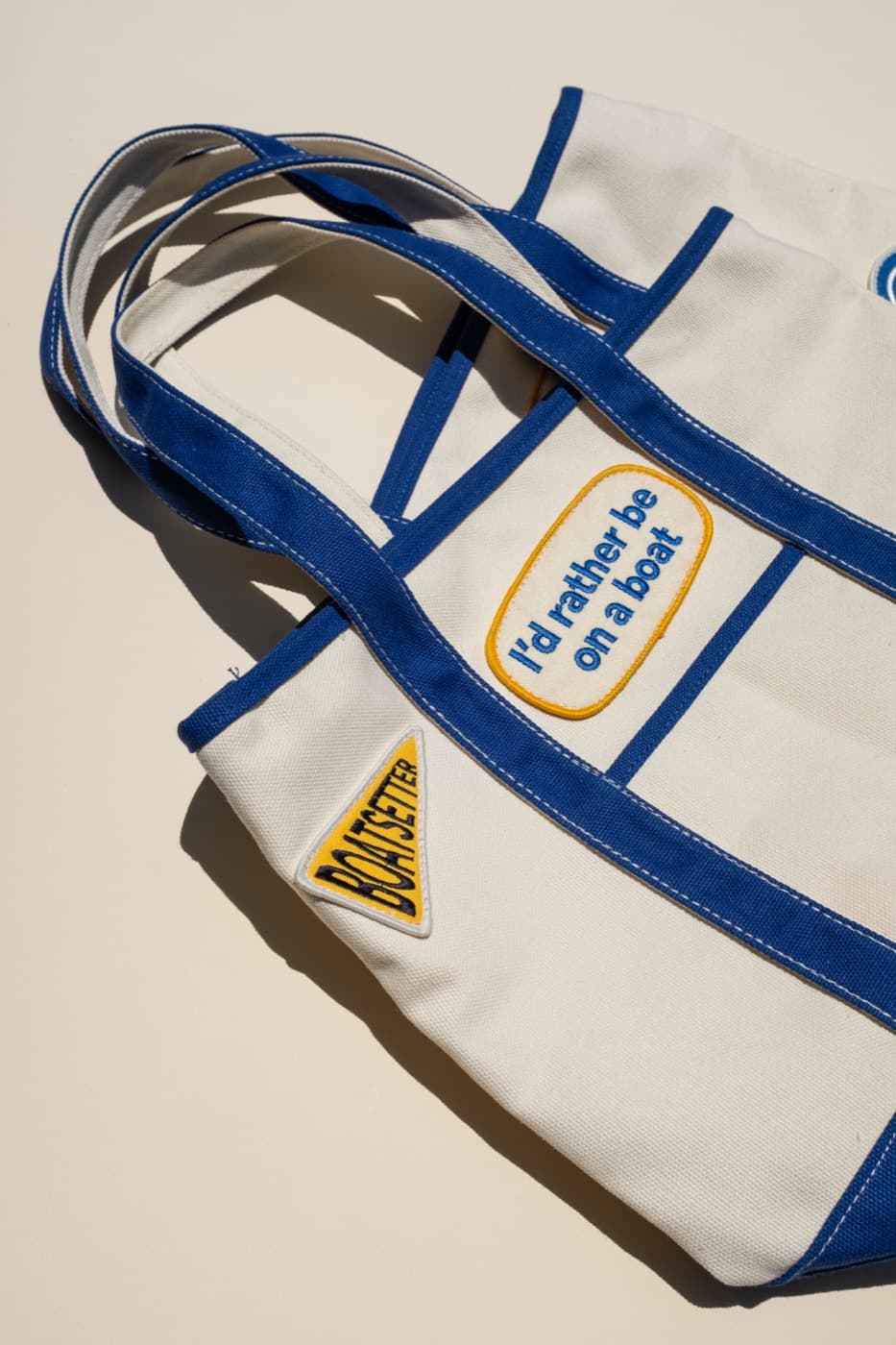
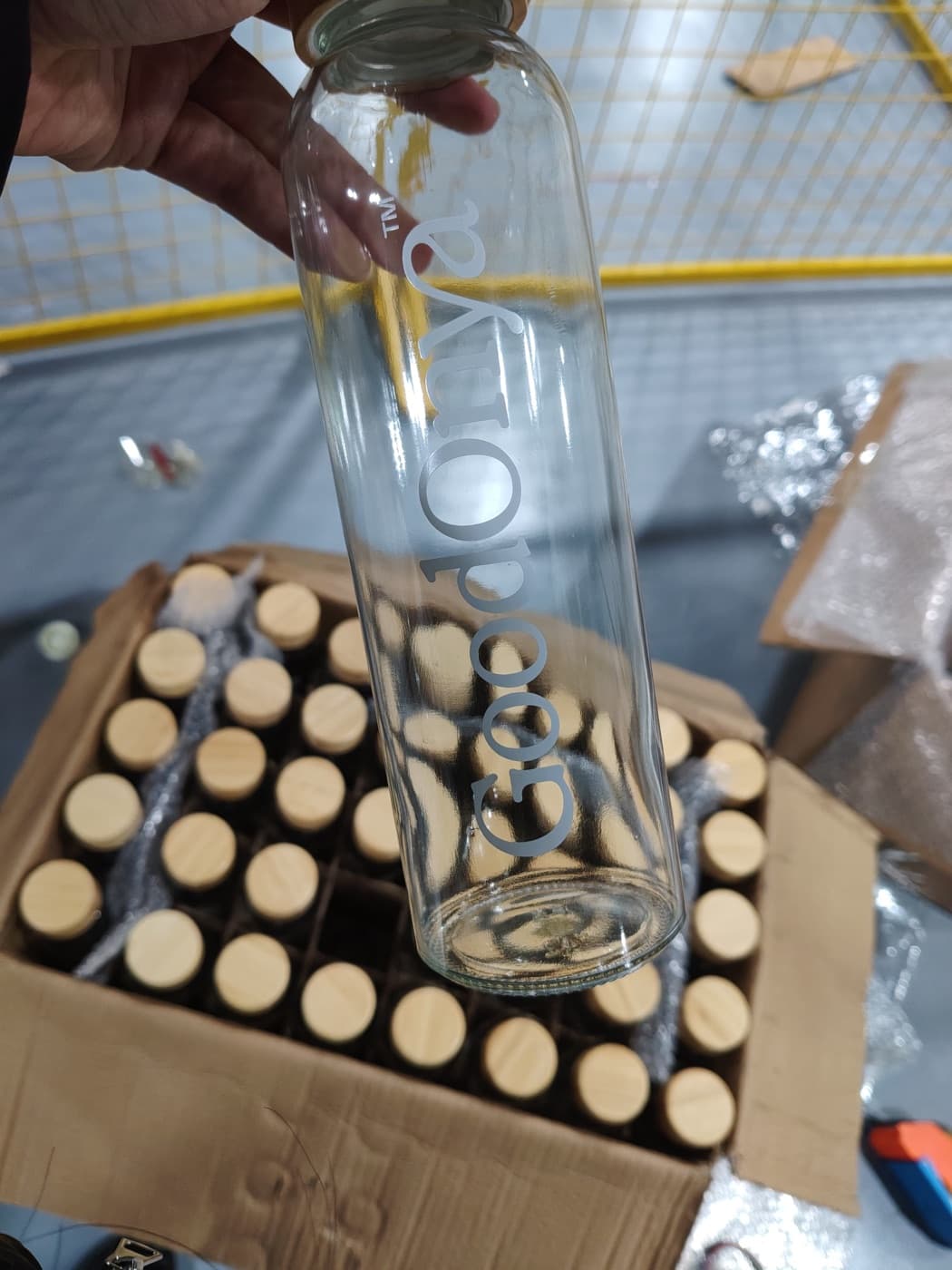
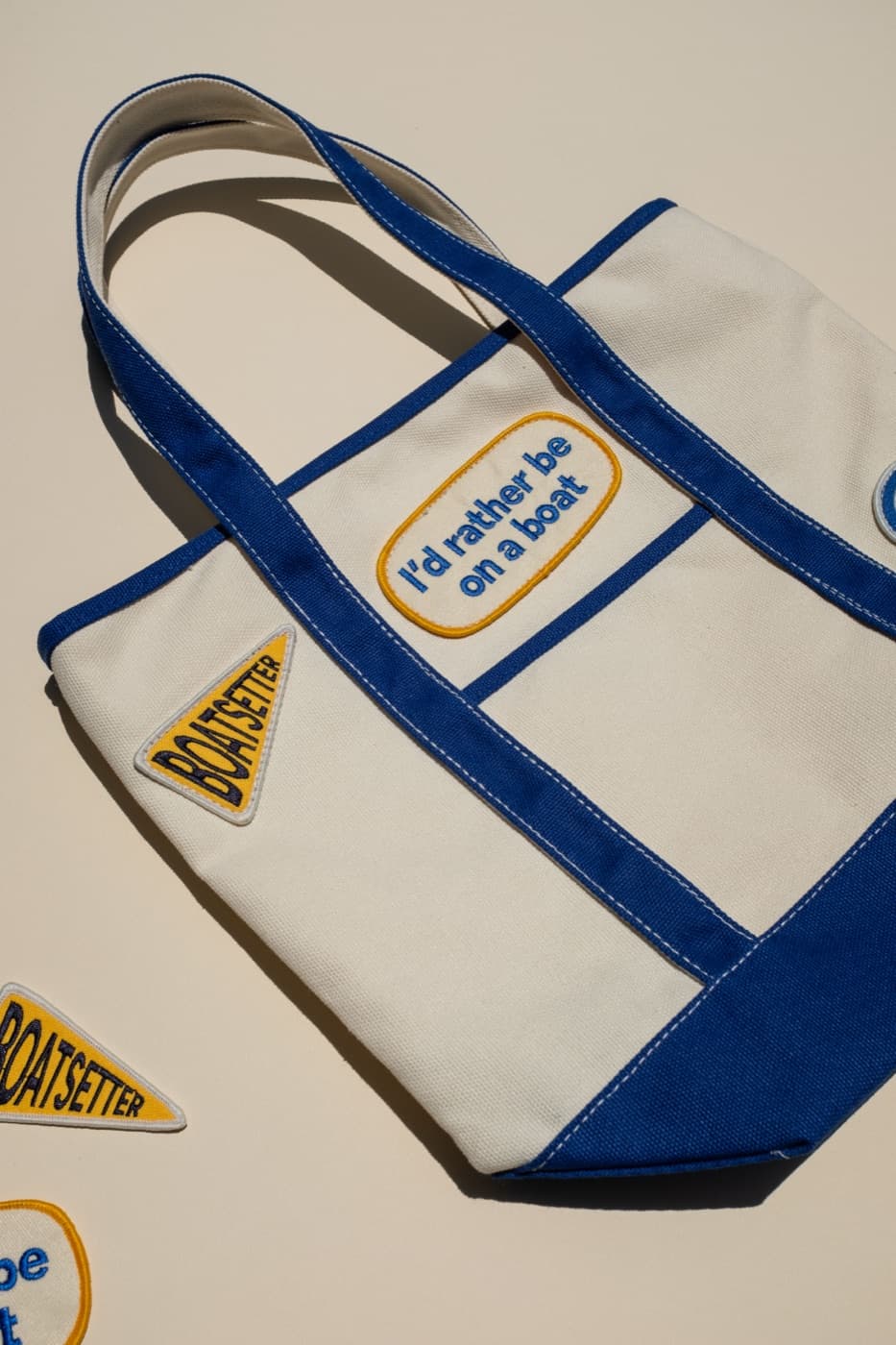
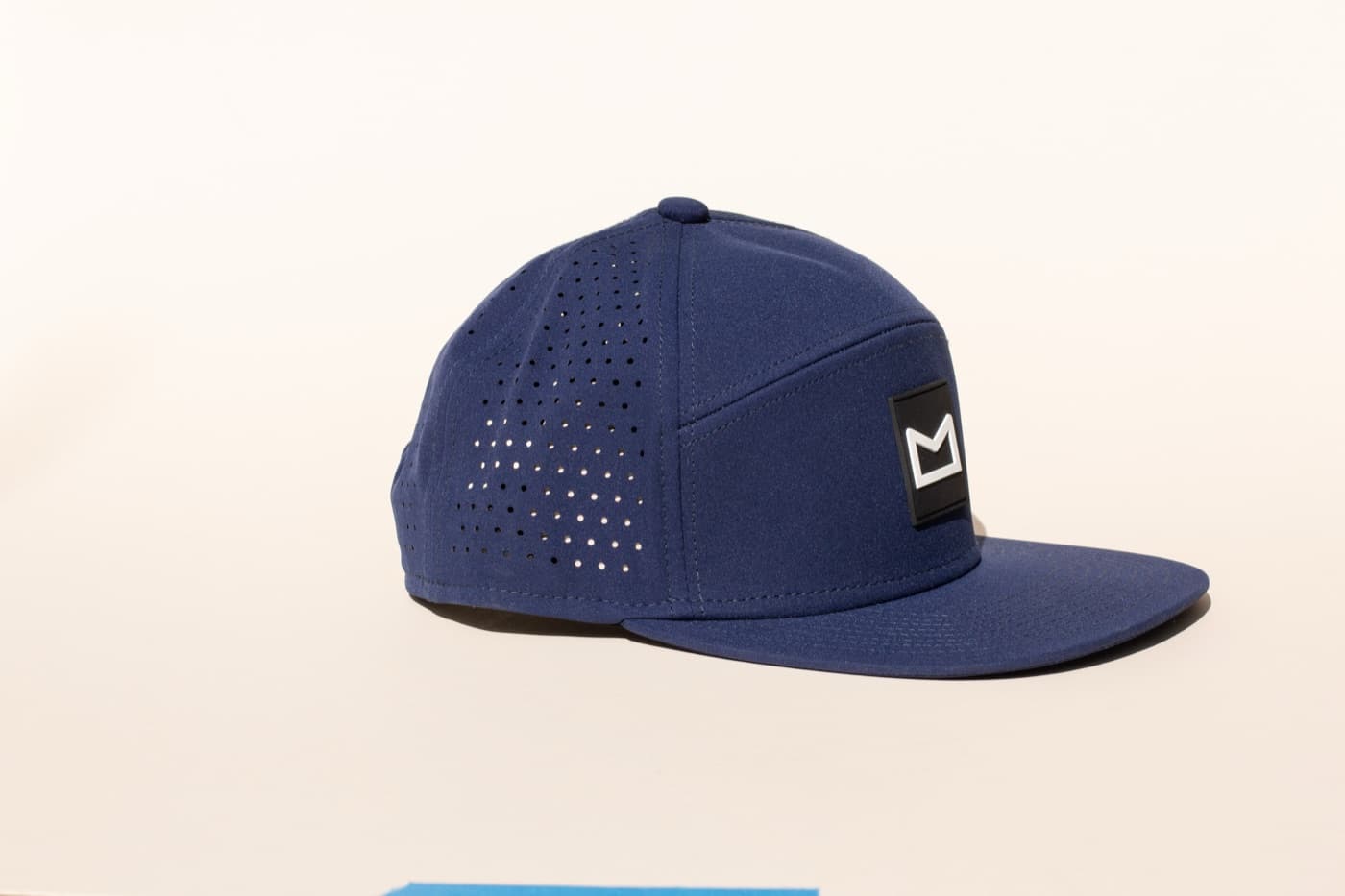
That usually means choosing products that fit real campus life: laptop sleeves, totes, drinkware, notebooks, hats, fleece, desk items, and organized kits. The product should make sense in classrooms, offices, labs, conferences, and travel.
Respect the brand system
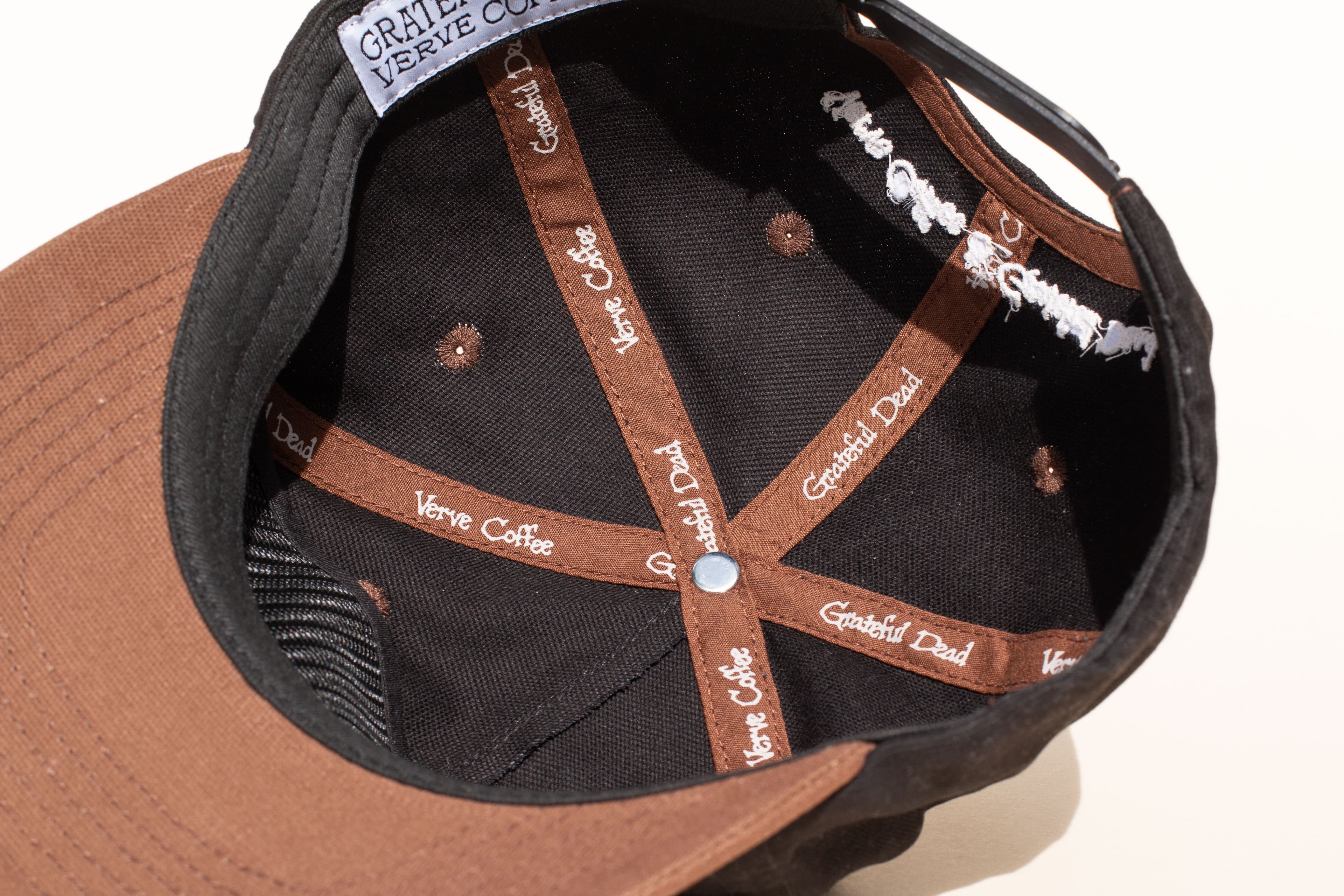
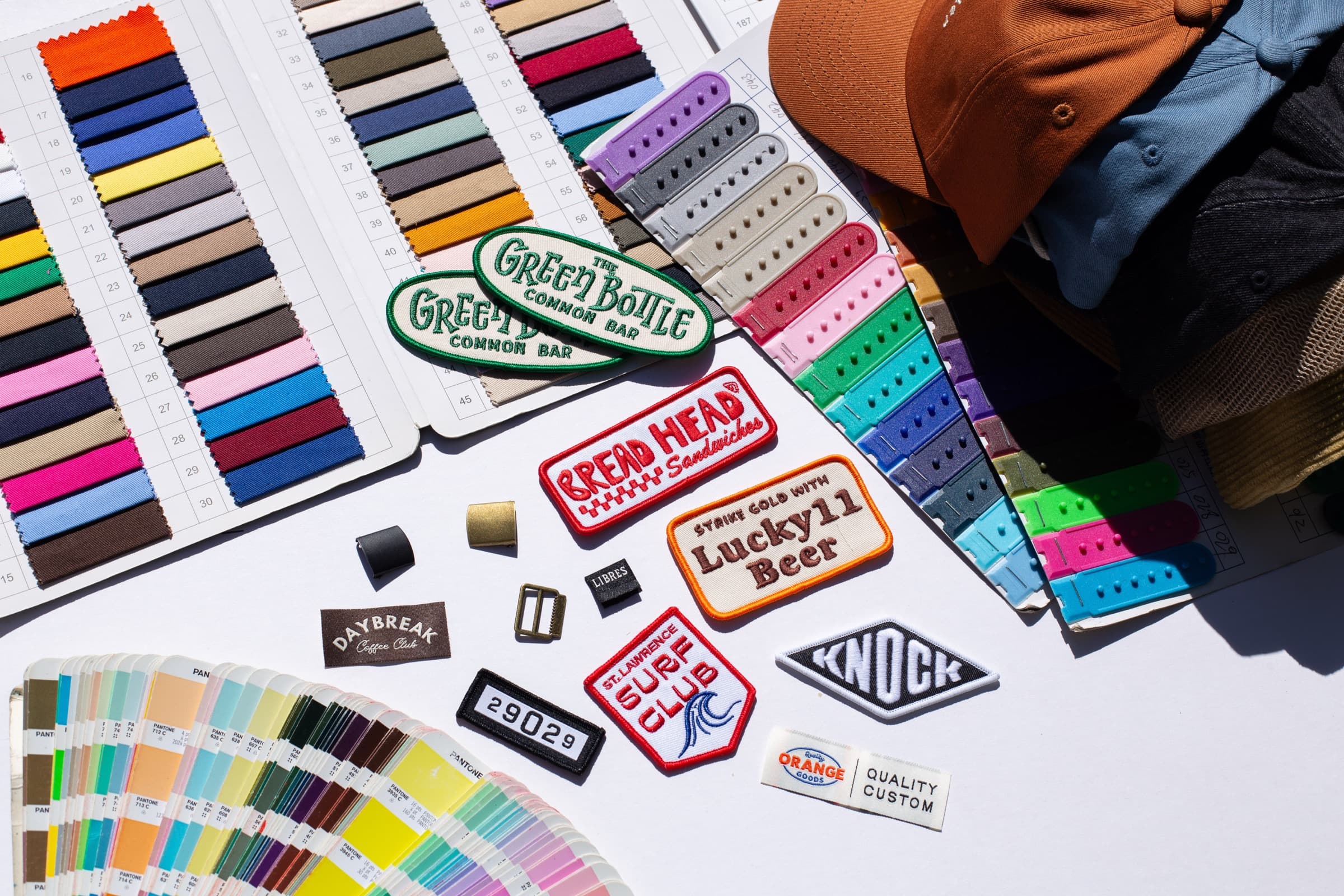
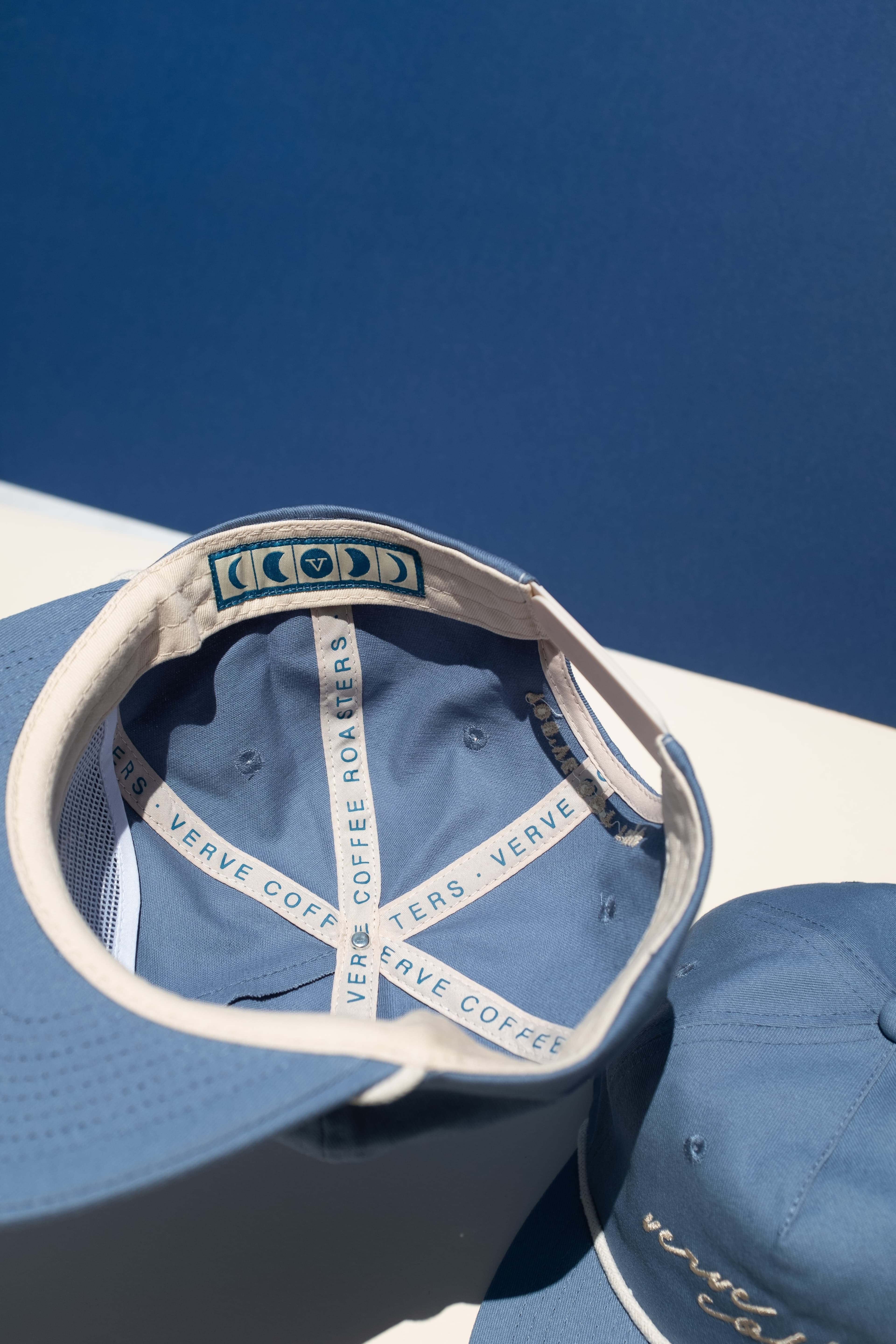
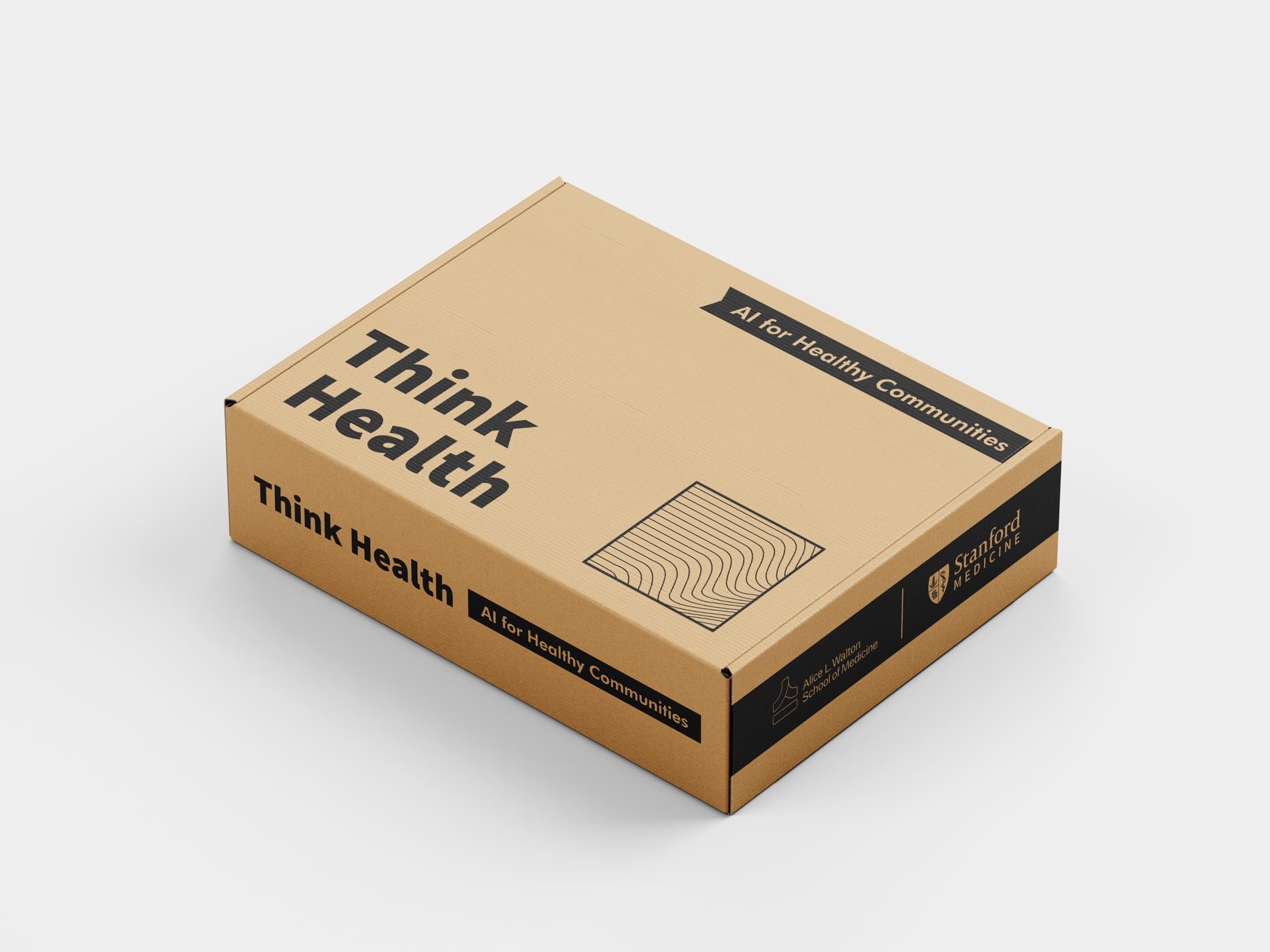
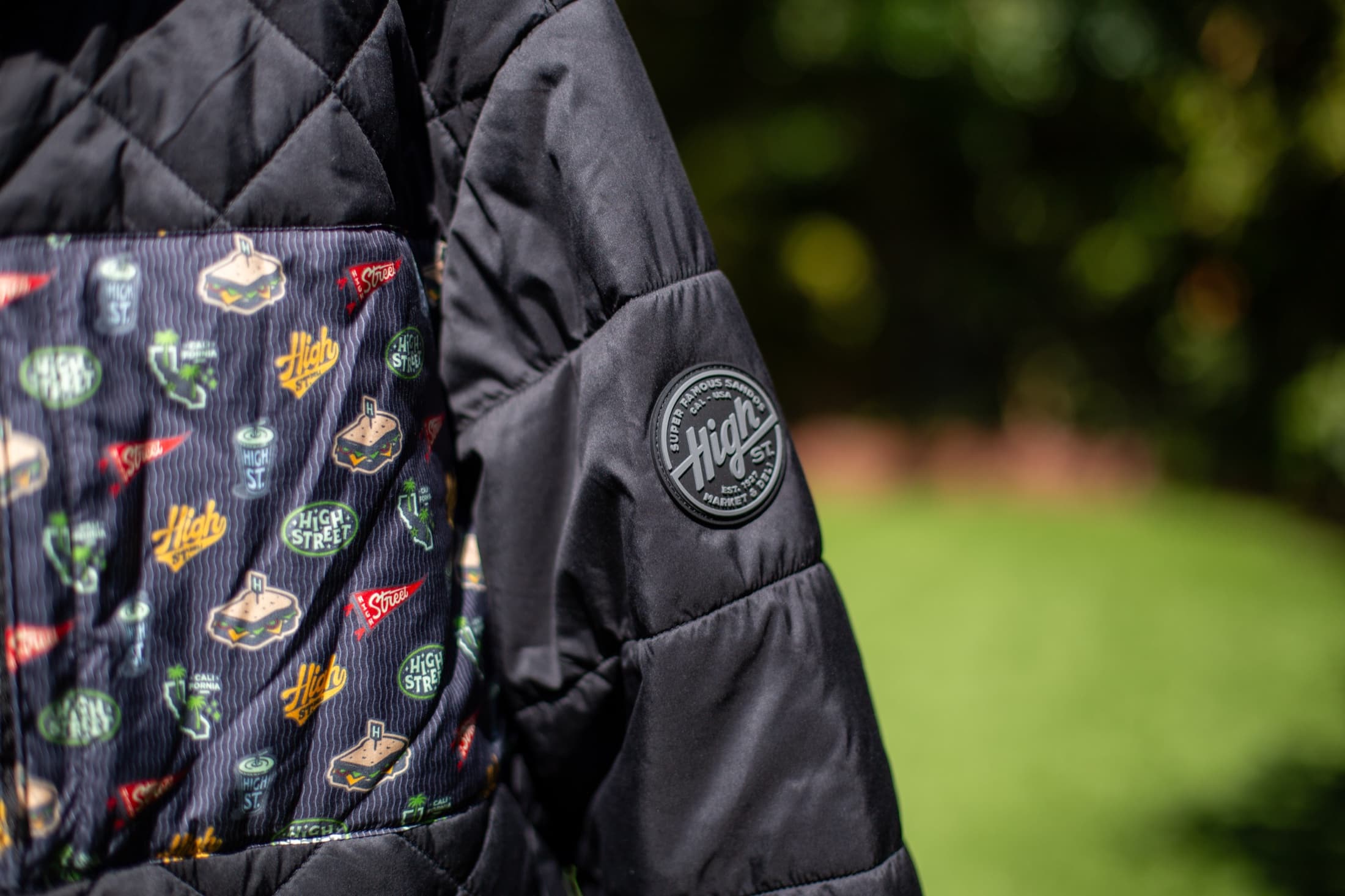
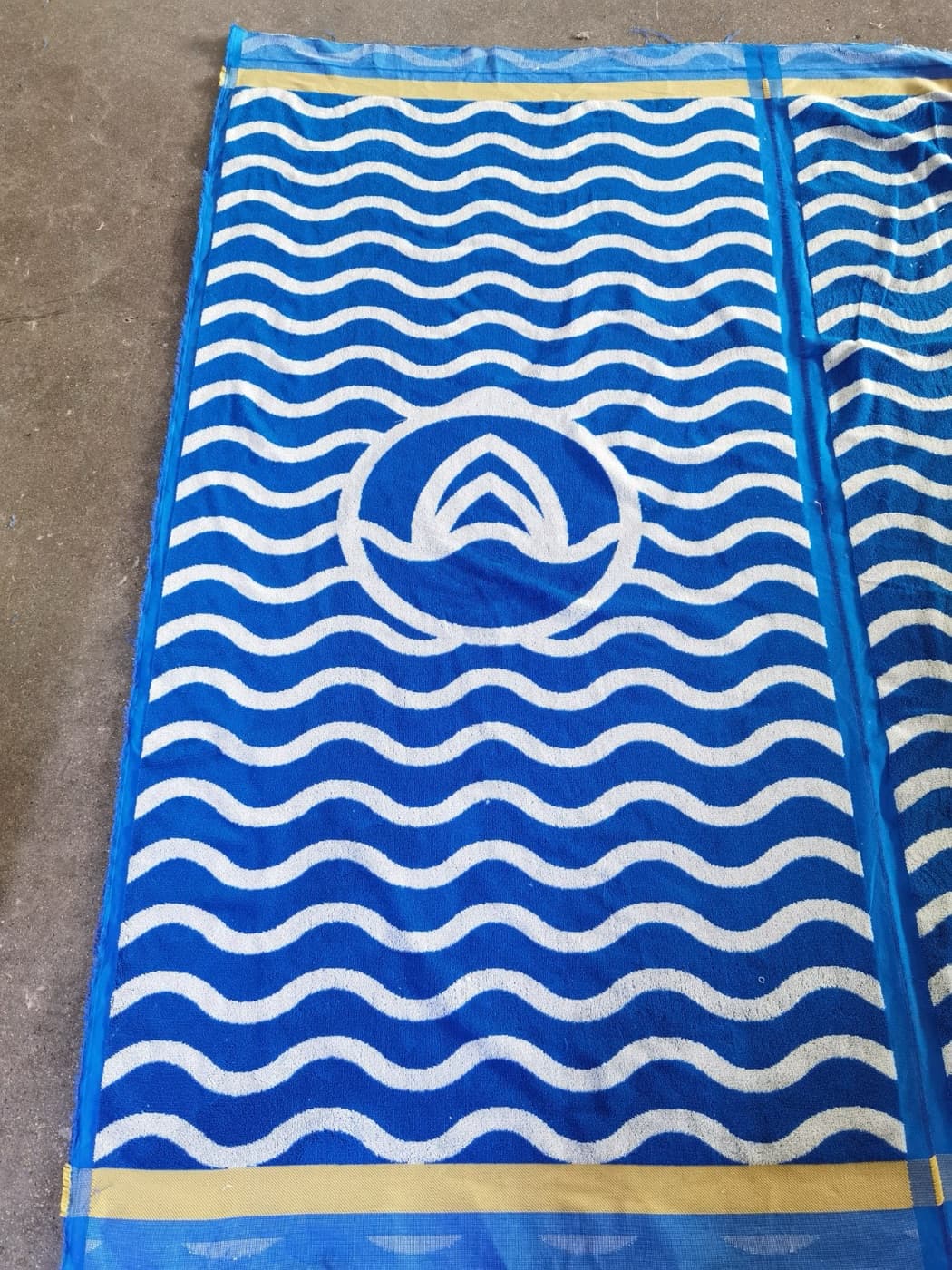
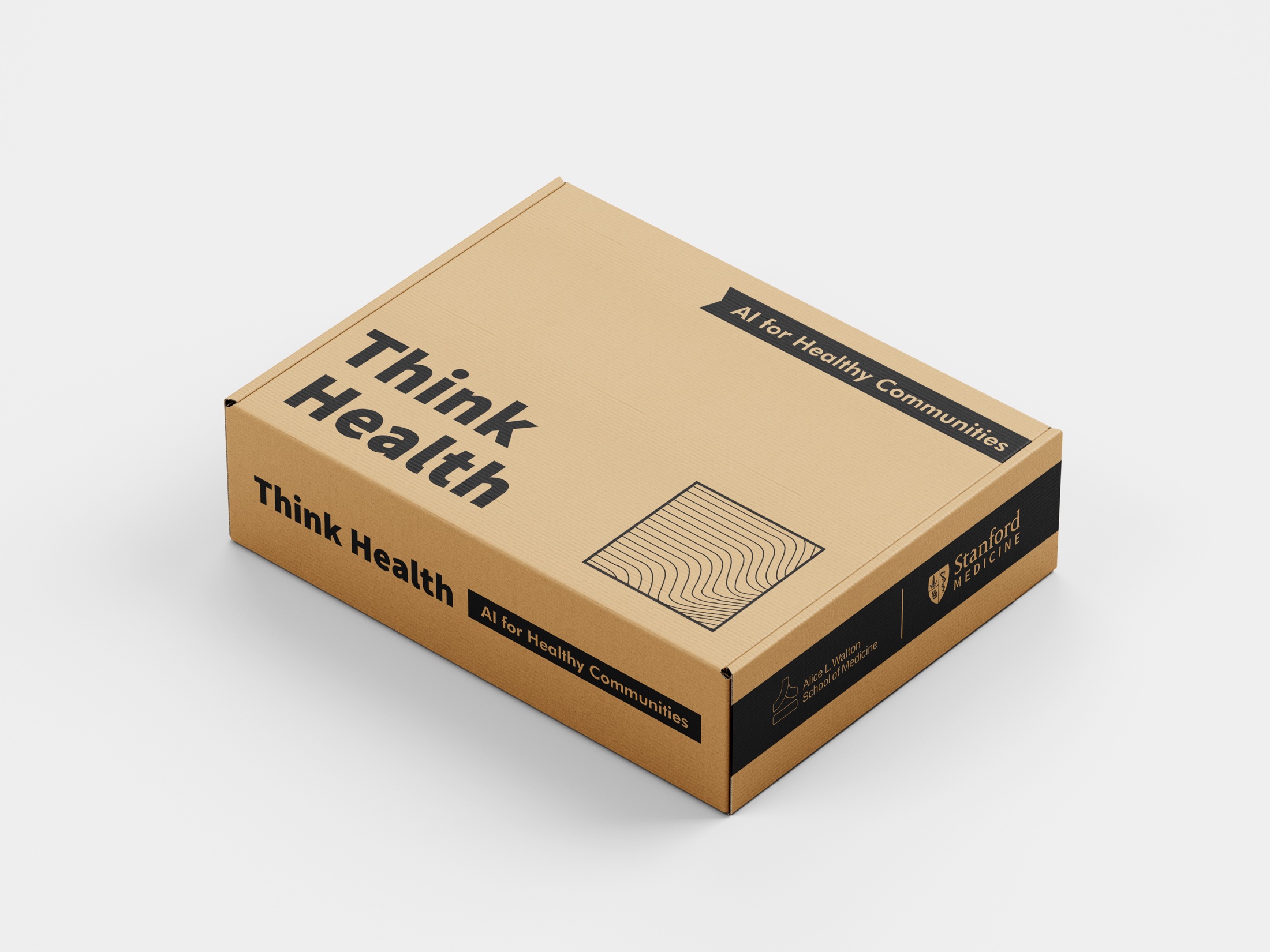
Universities and institutions often have strict logo, color, and naming rules. Those rules matter. The creative work is in translating them into physical goods without making everything feel generic. Material, placement, product color, packaging, and scale can all make a compliant item feel better.
Choose products for broad use
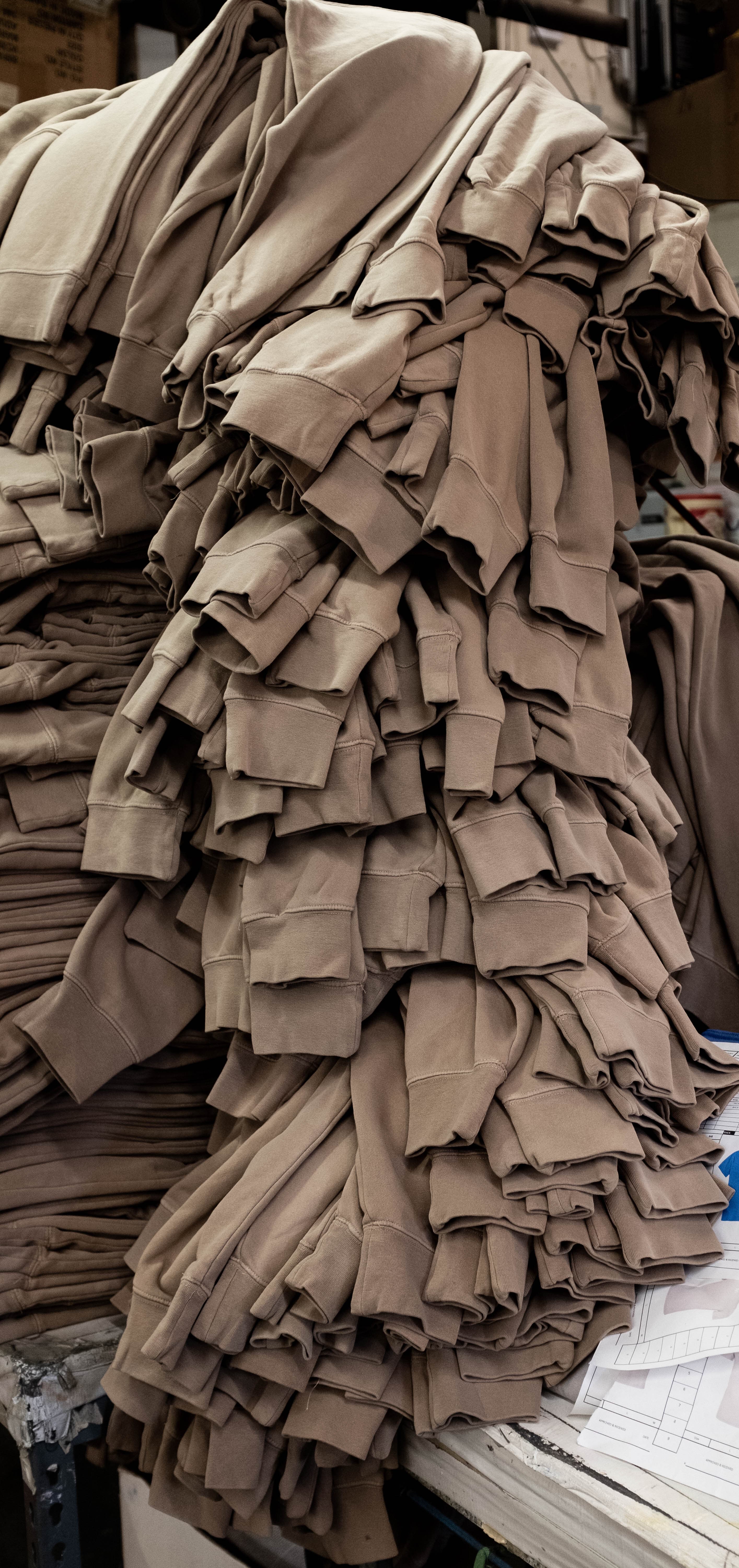
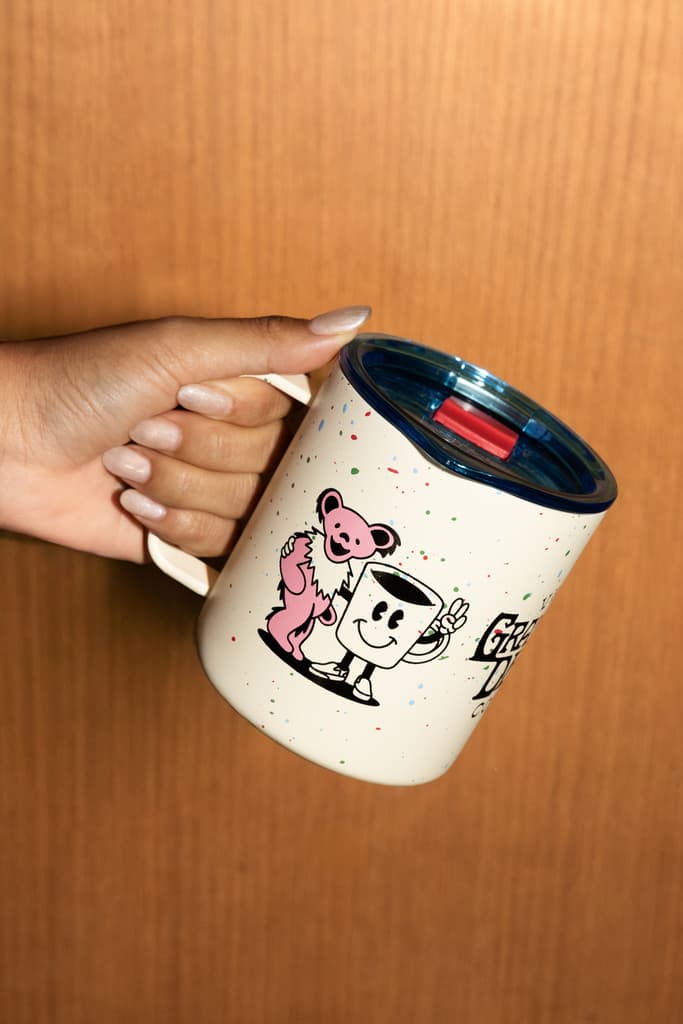
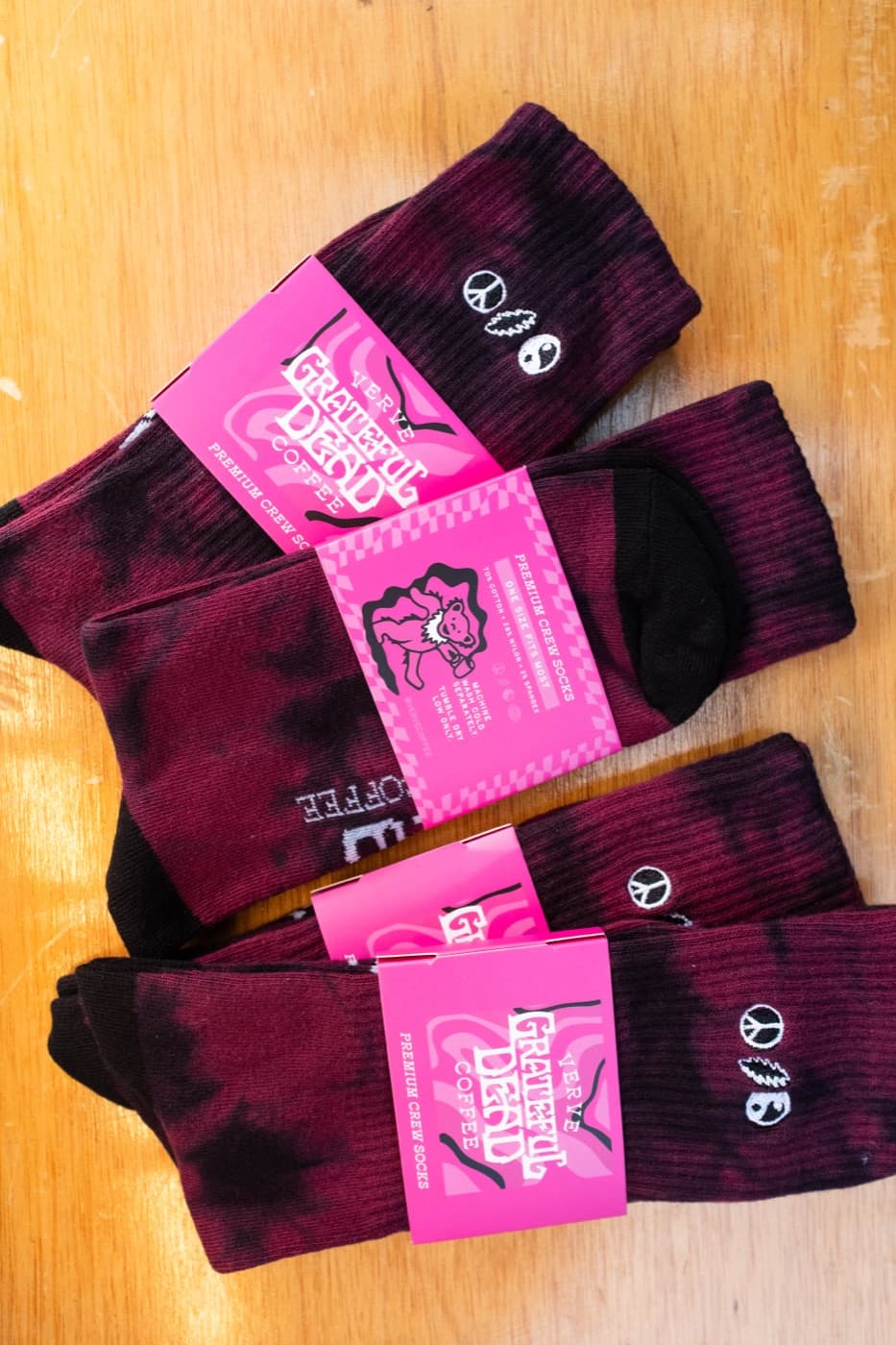
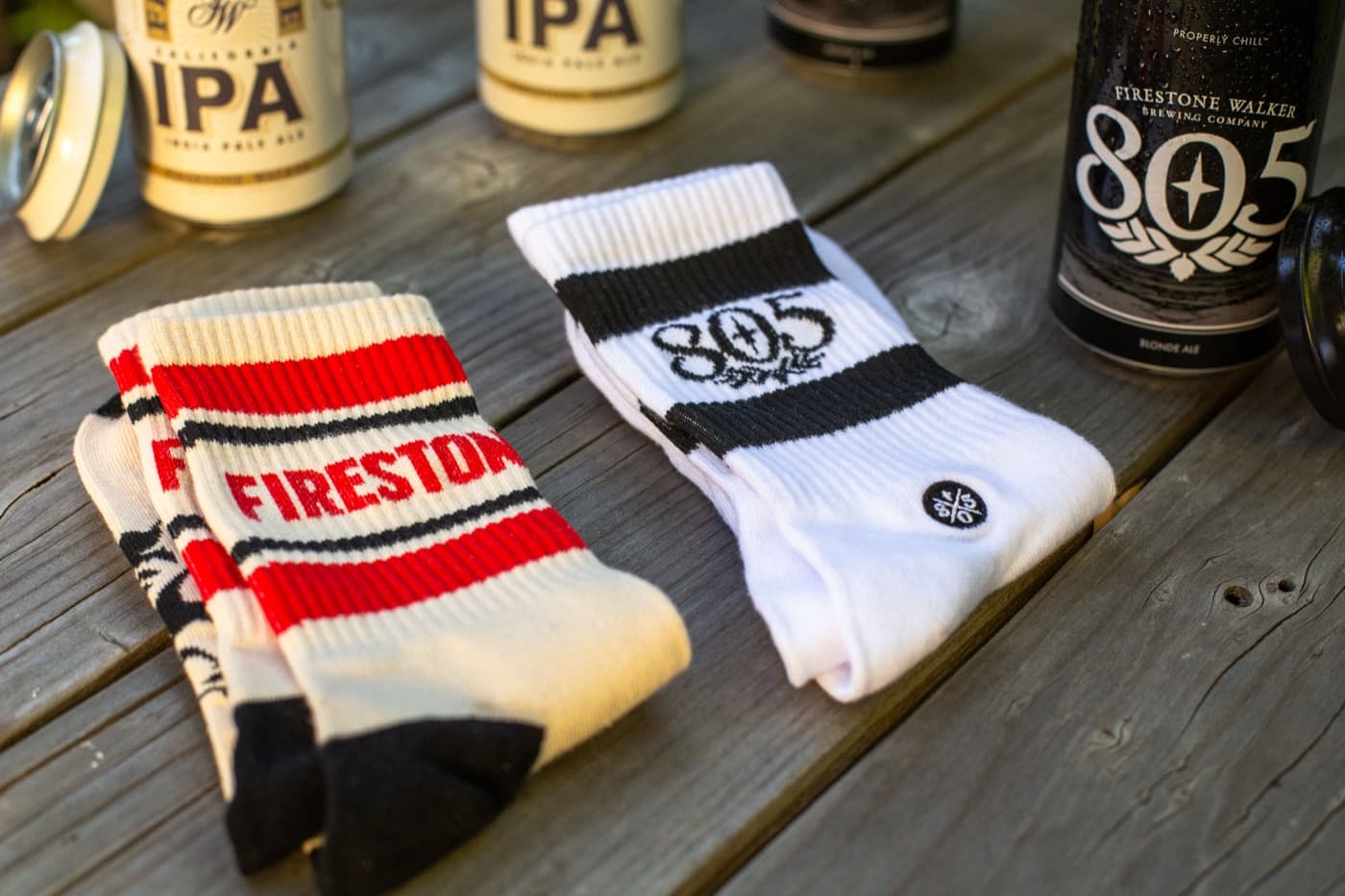
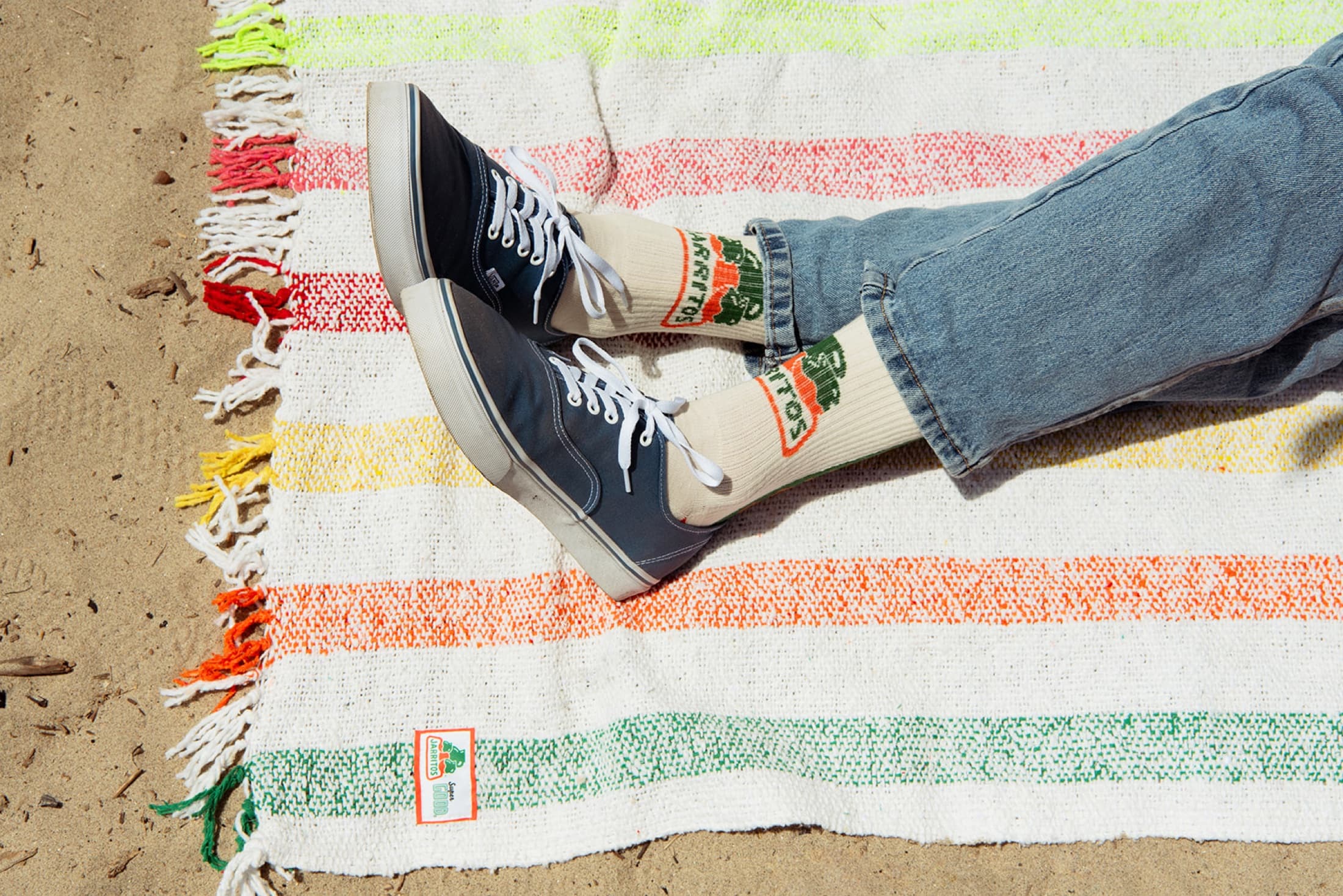
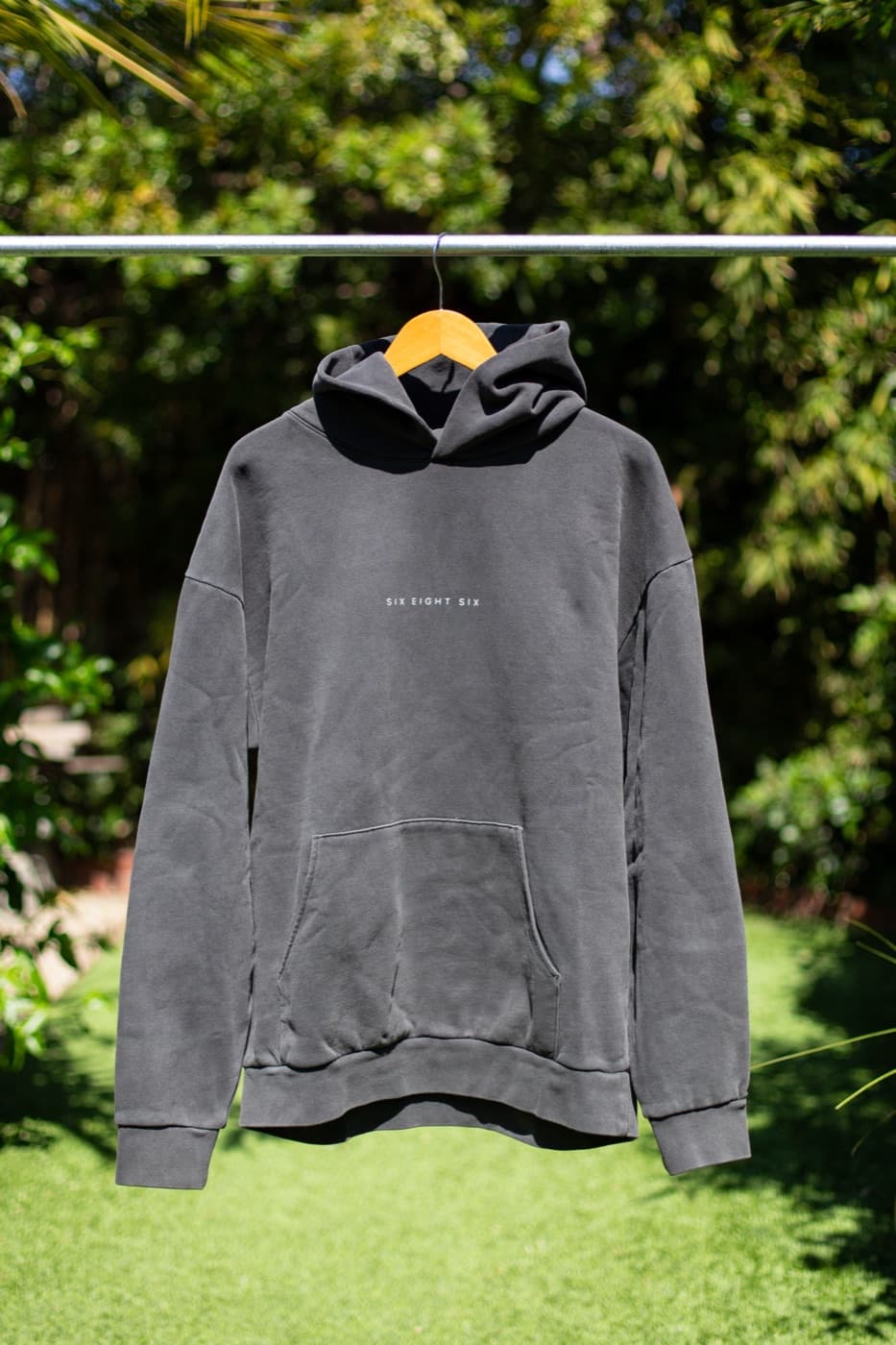
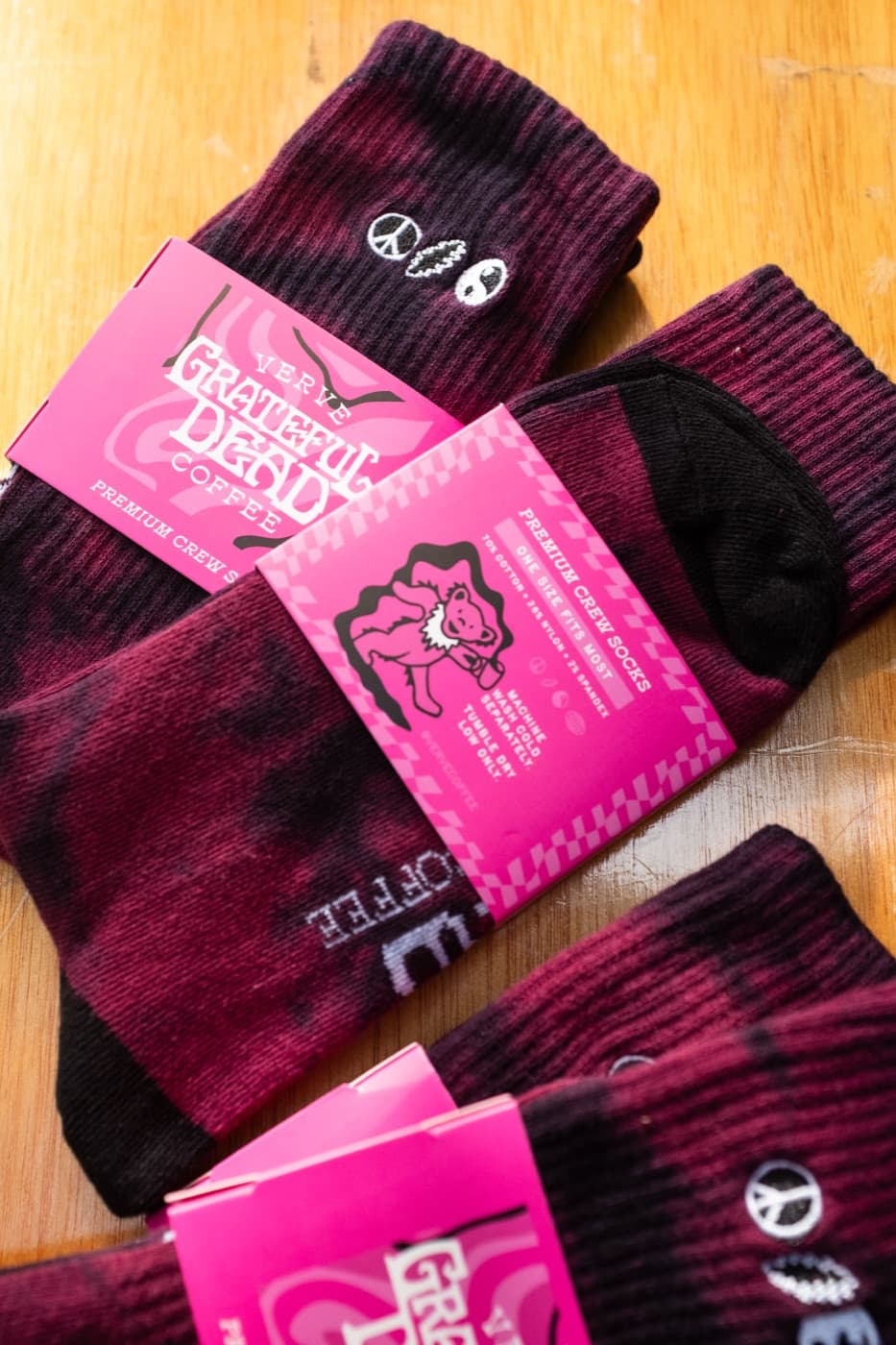
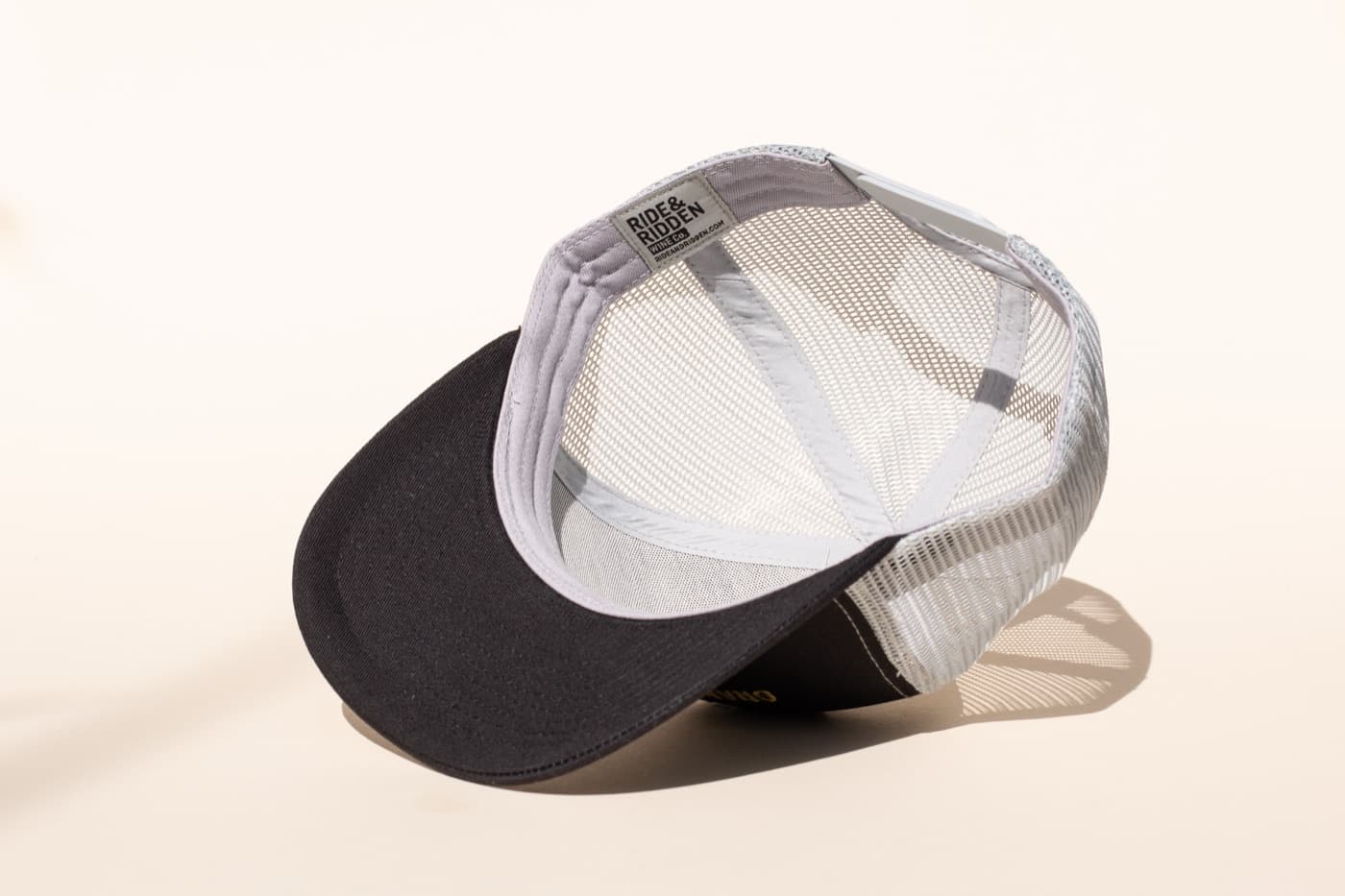
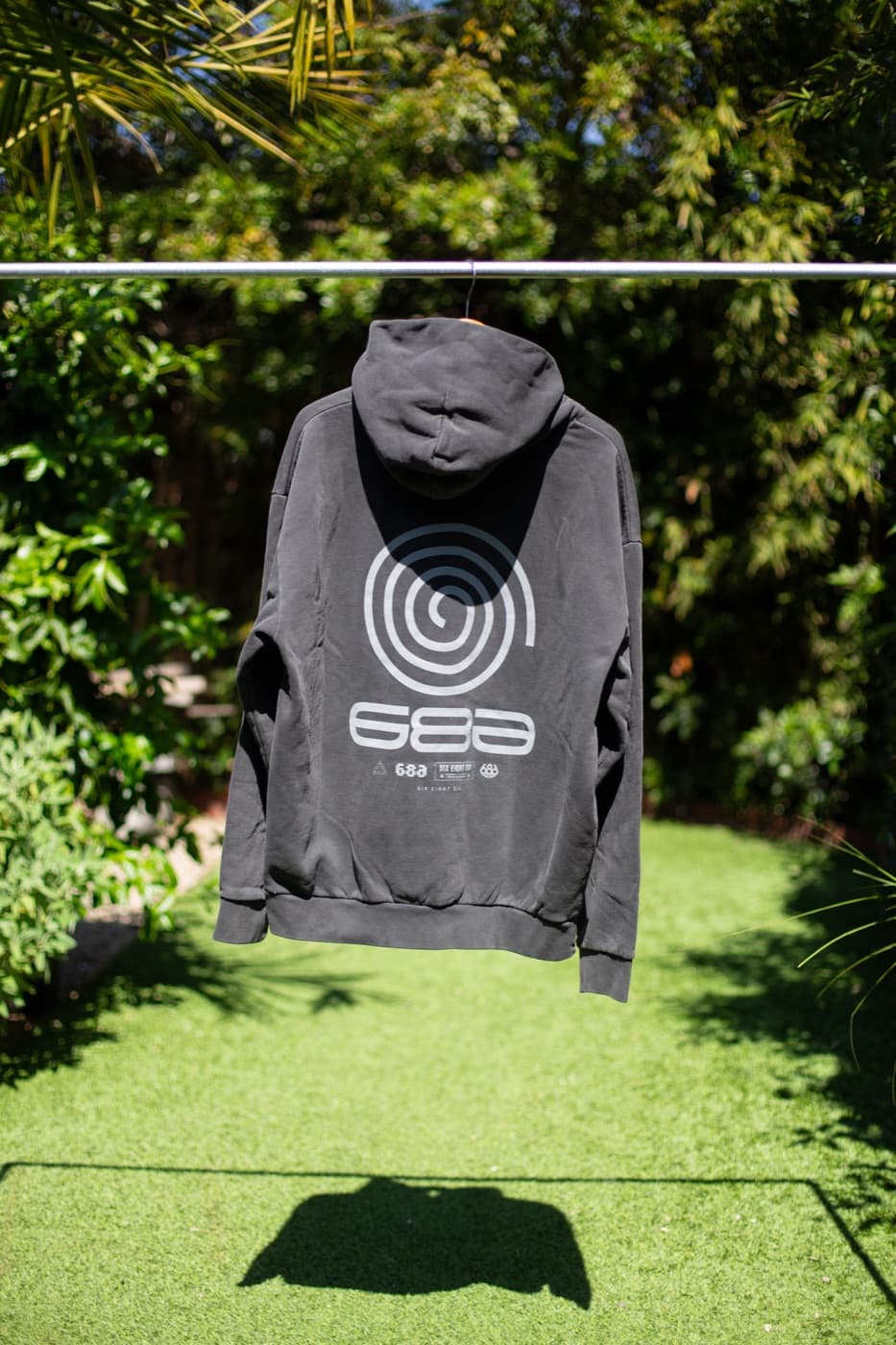
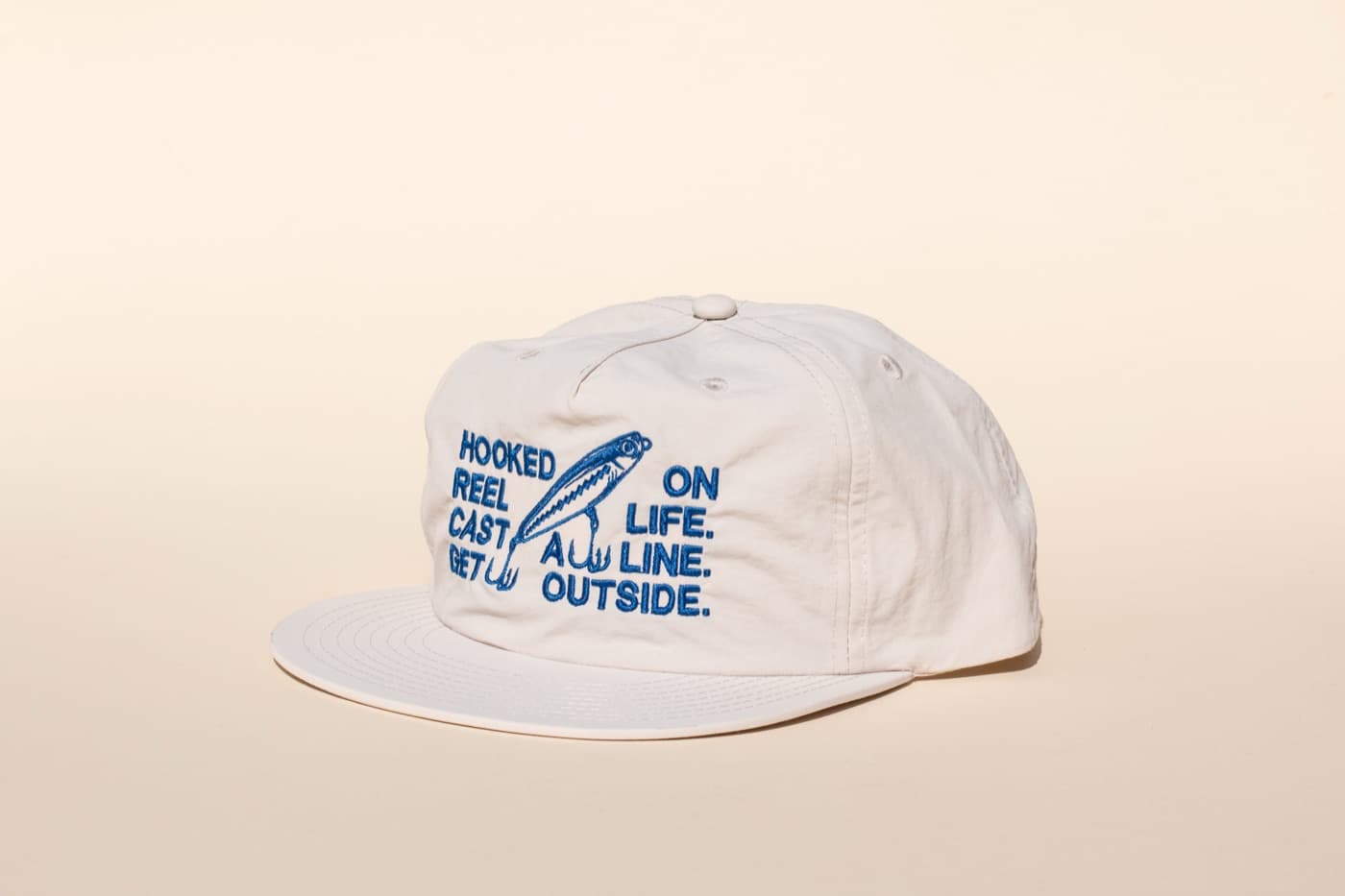
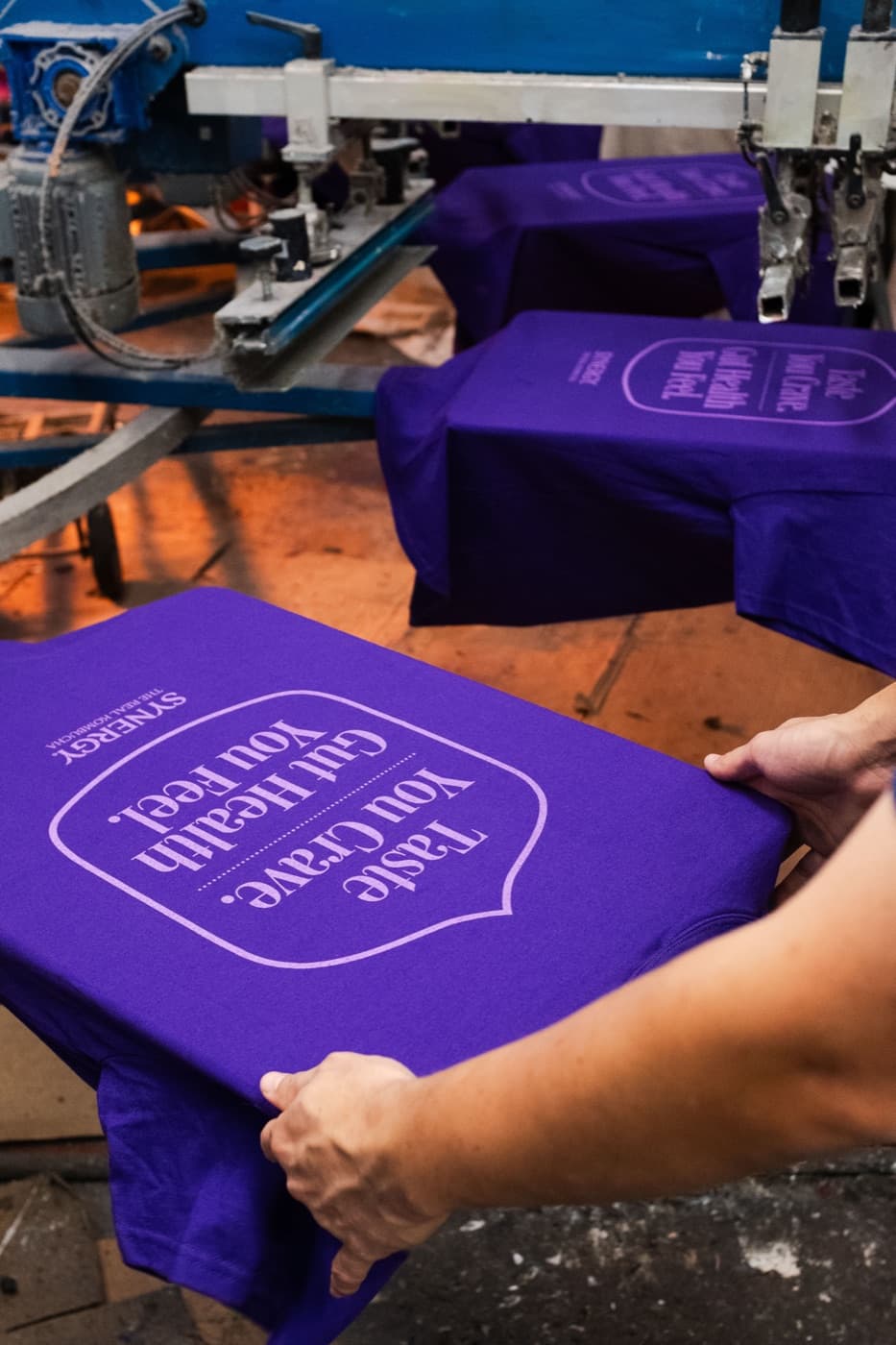
Because campus audiences can be diverse, lower-friction products often work well. Totes, bottles, mugs, laptop sleeves, socks, and hats avoid some of the sizing complexity of apparel. When apparel is needed, a clear size plan and reorder strategy help prevent waste.
Make events easier to run
Campus programs often involve conferences, donor events, orientations, department meetings, research showcases, and alumni gatherings. The merch should support the event team, not create extra confusion. Clear quantities, labeled boxes, easy handoff, and organized packaging matter.
The takeaway
Custom campus merch succeeds when it feels credible and useful across many contexts. Orange Goods helps institutions choose practical goods, respect brand standards, and create handoffs that feel organized from production through delivery.