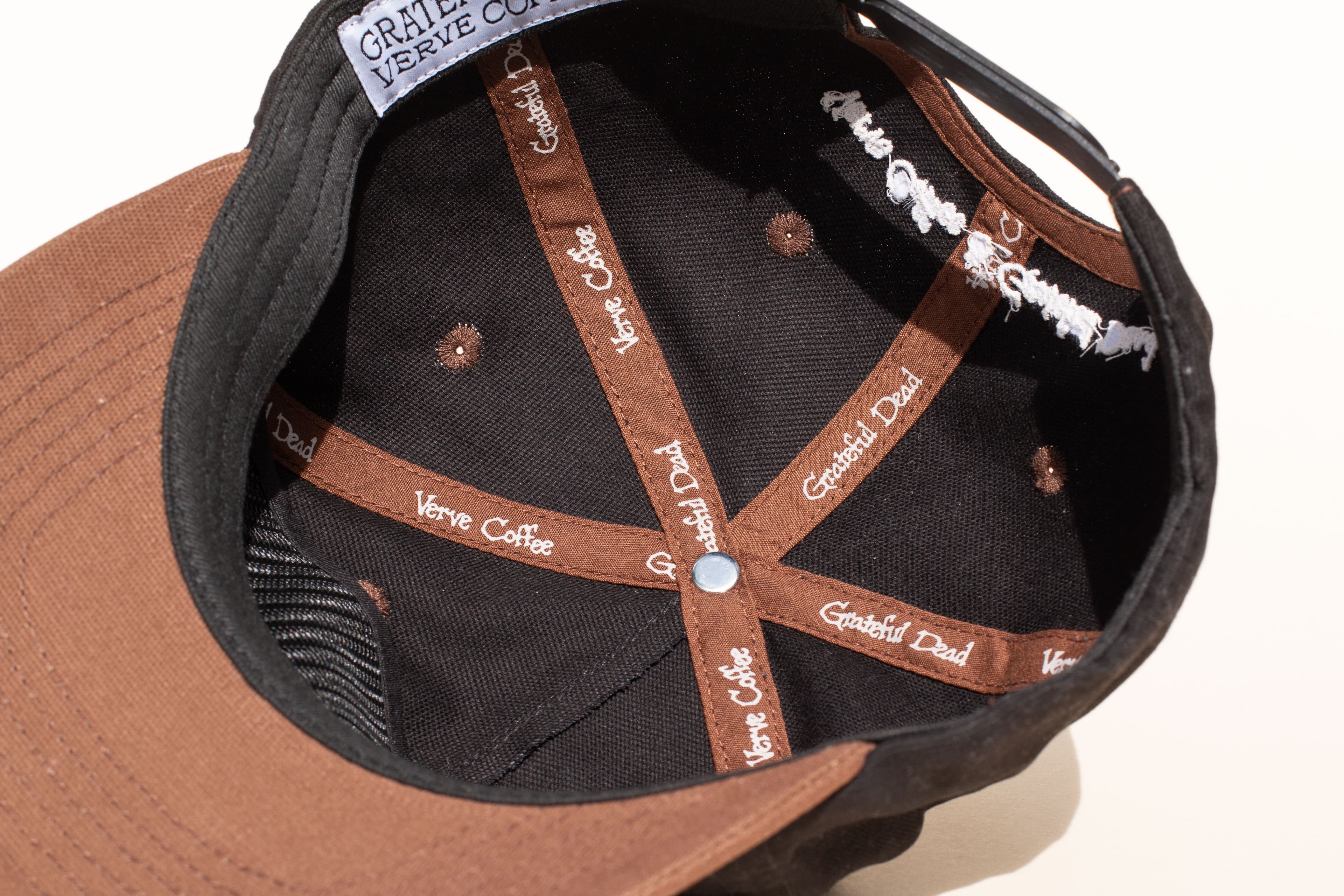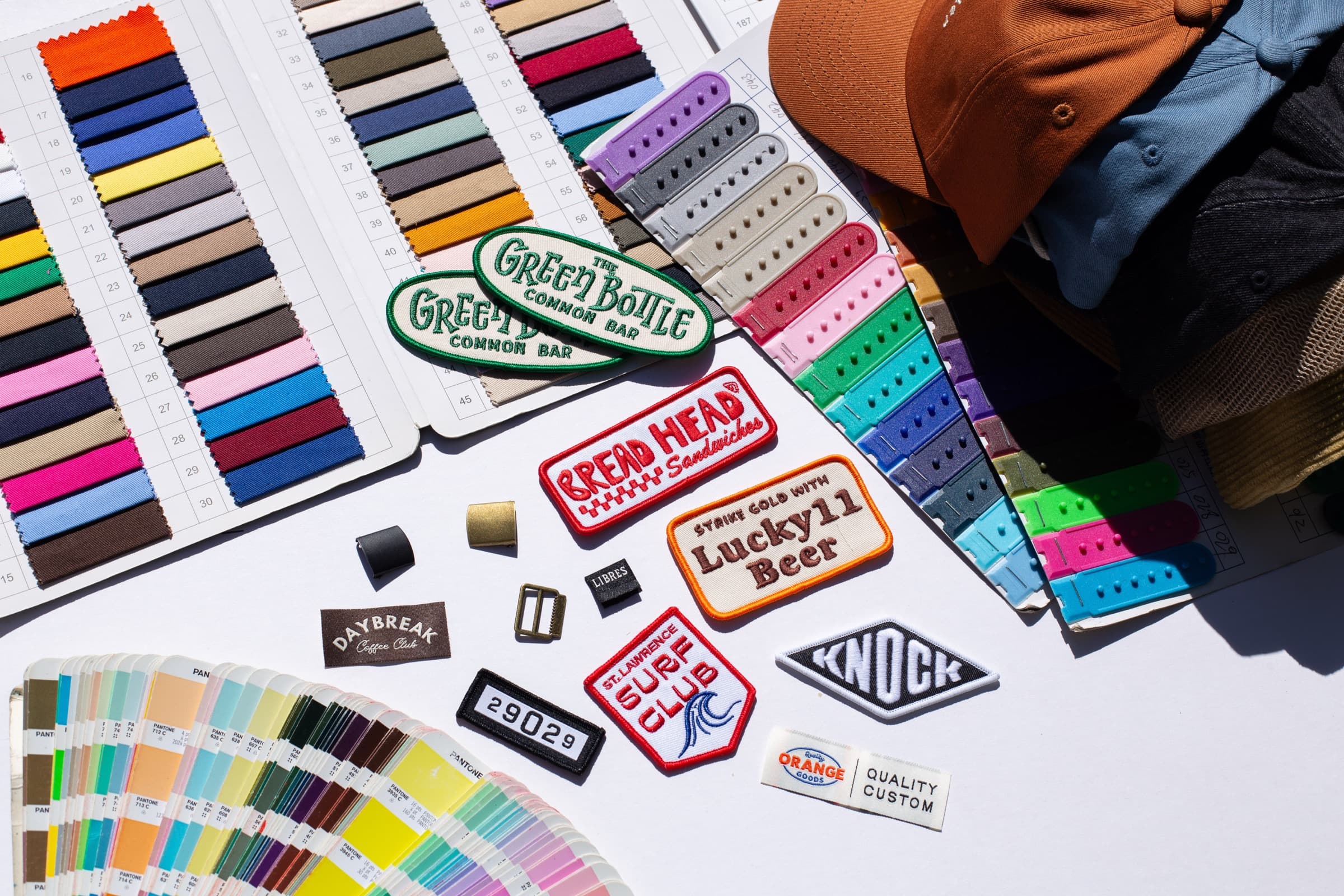
Nonprofit merch has to do double duty: it needs to function as a fundraising tool and as a community signal. The people wearing or carrying a nonprofit's merch are displaying their values publicly. That creates a higher bar for design and quality than most organizations expect going in.
Merch as fundraising
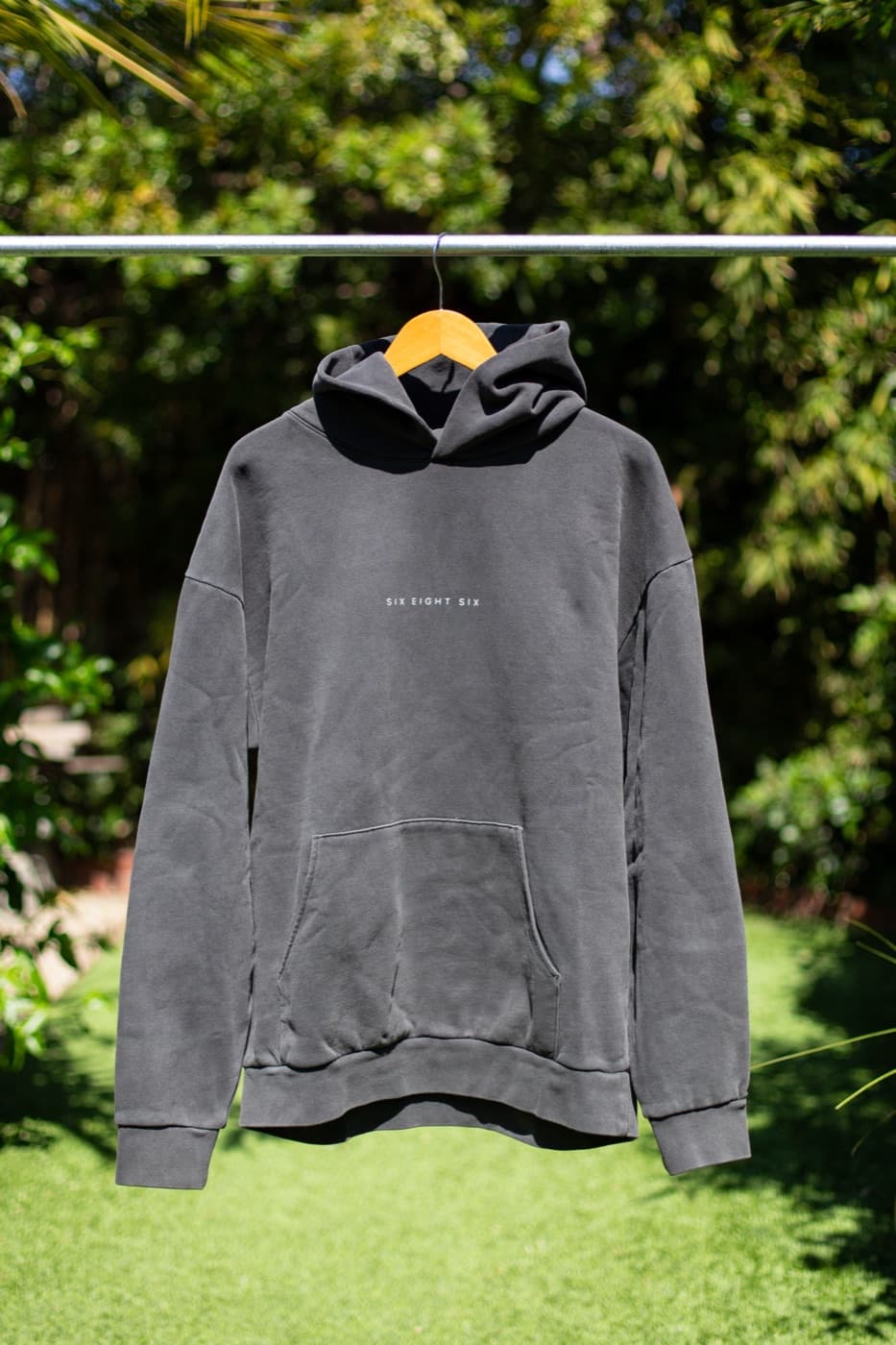
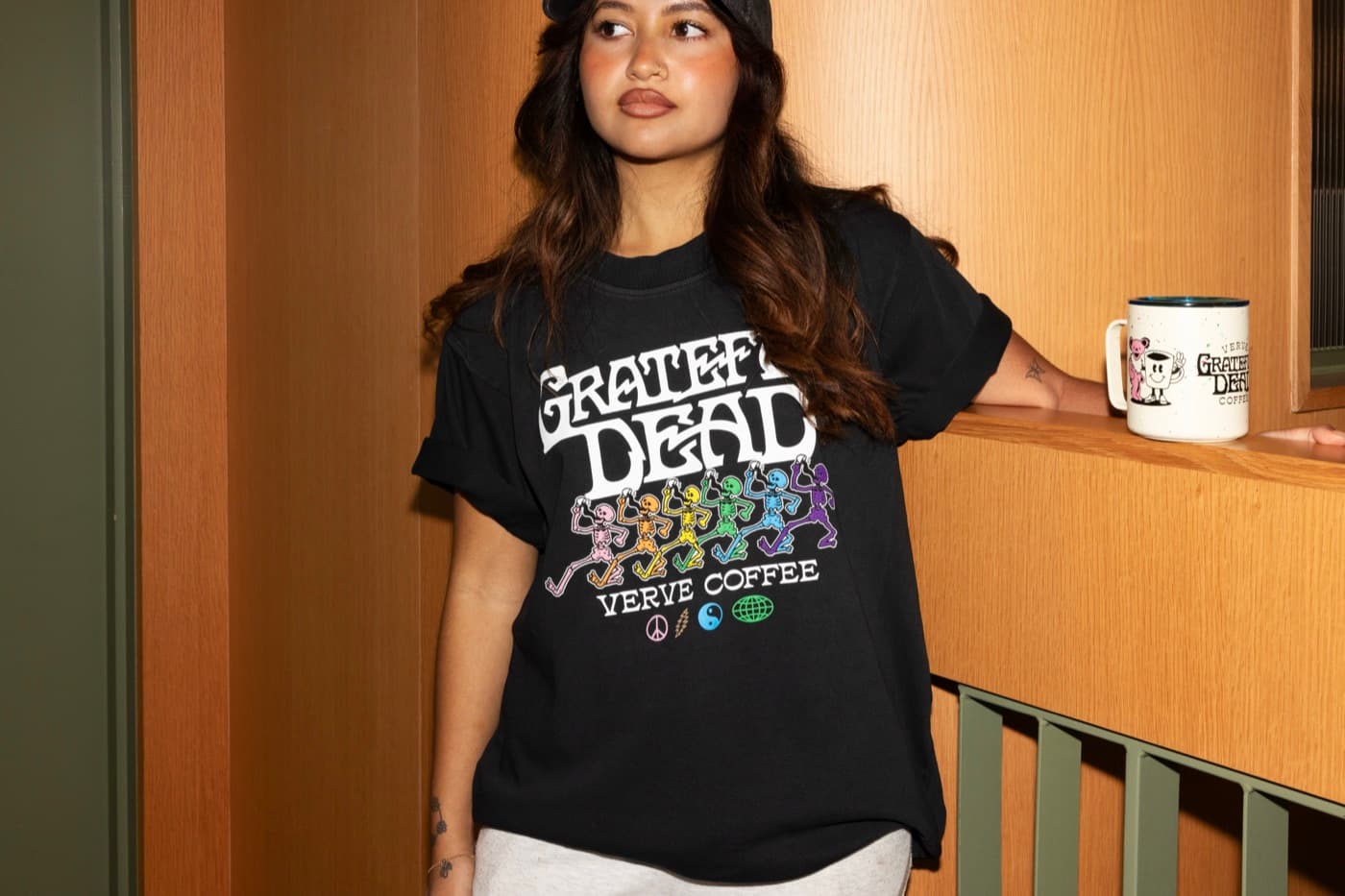
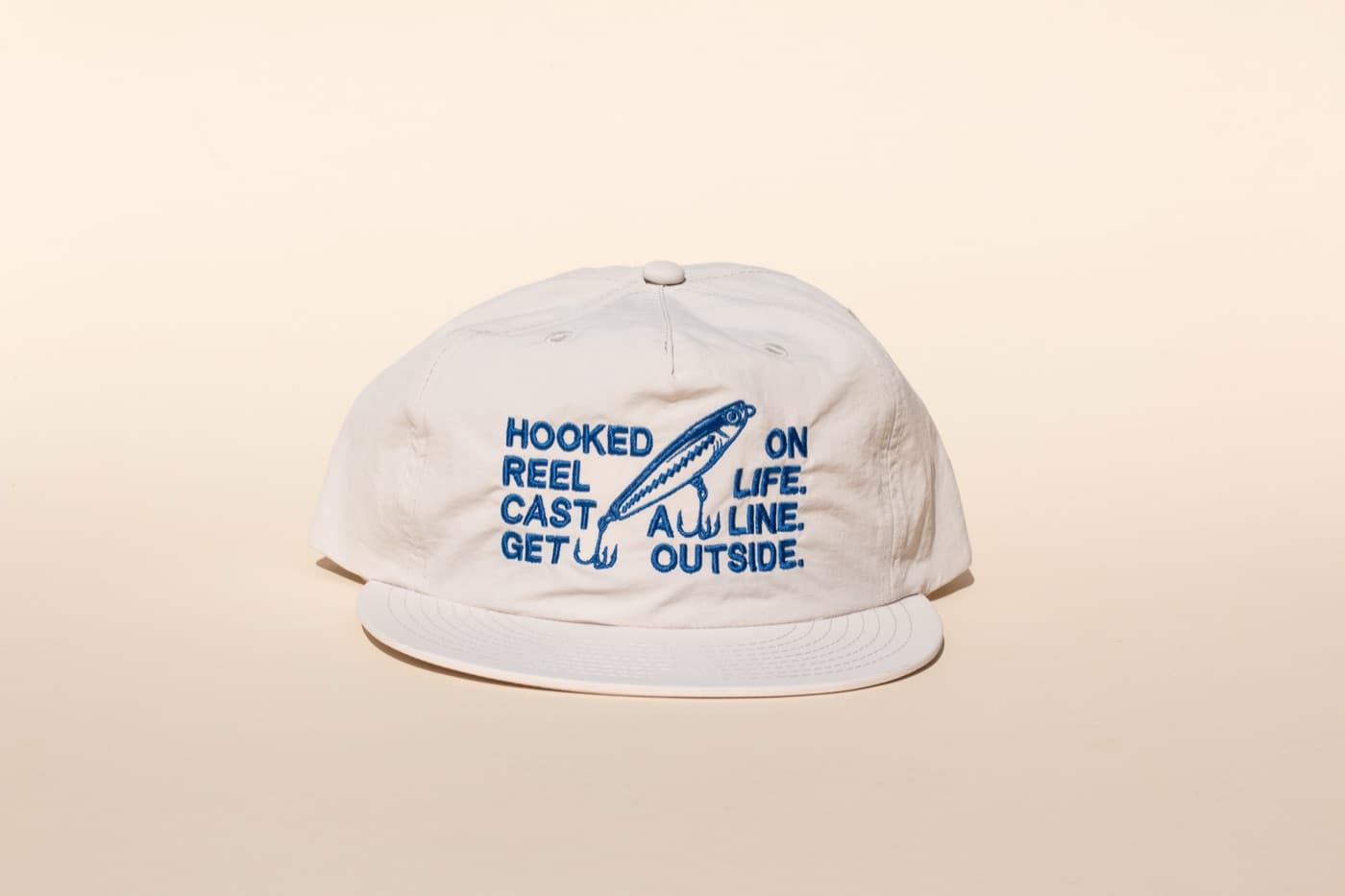
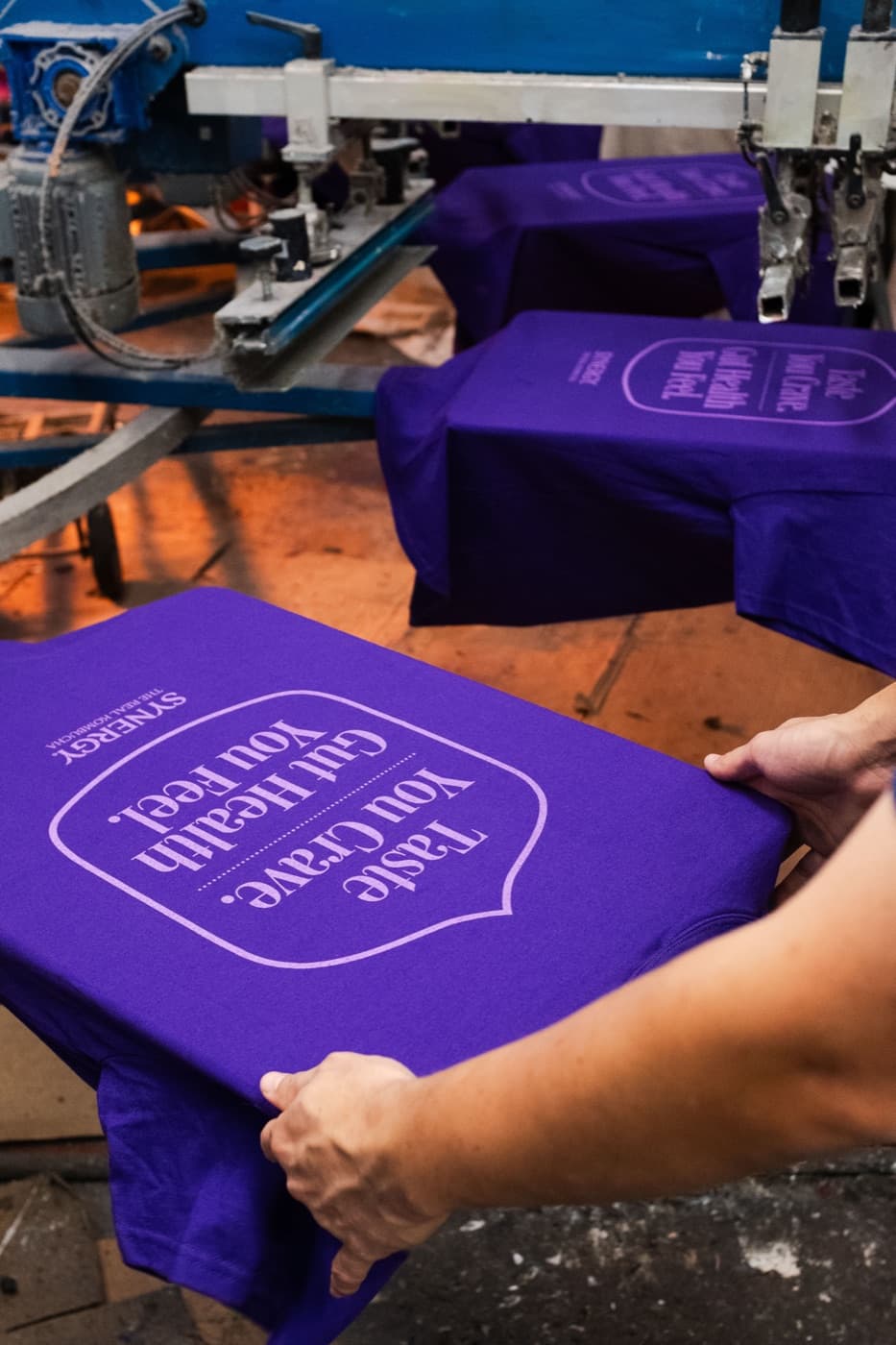
The simplest nonprofit merch program is a direct sale: hats, tees, and tote bags with the organization's mark, priced at a level that covers cost and generates margin for the mission. The math only works if the per-piece cost leaves room for meaningful margin at a price donors will pay. A $15 tee with mediocre quality sold at $25 raises $10. A $22 premium tee sold at $45 raises $23 and creates a product people actually want to wear — which means it sells through faster and generates more total revenue.
Quality pays. The instinct to minimize cost often minimizes fundraising effectiveness at the same time.
Tote bags as outreach
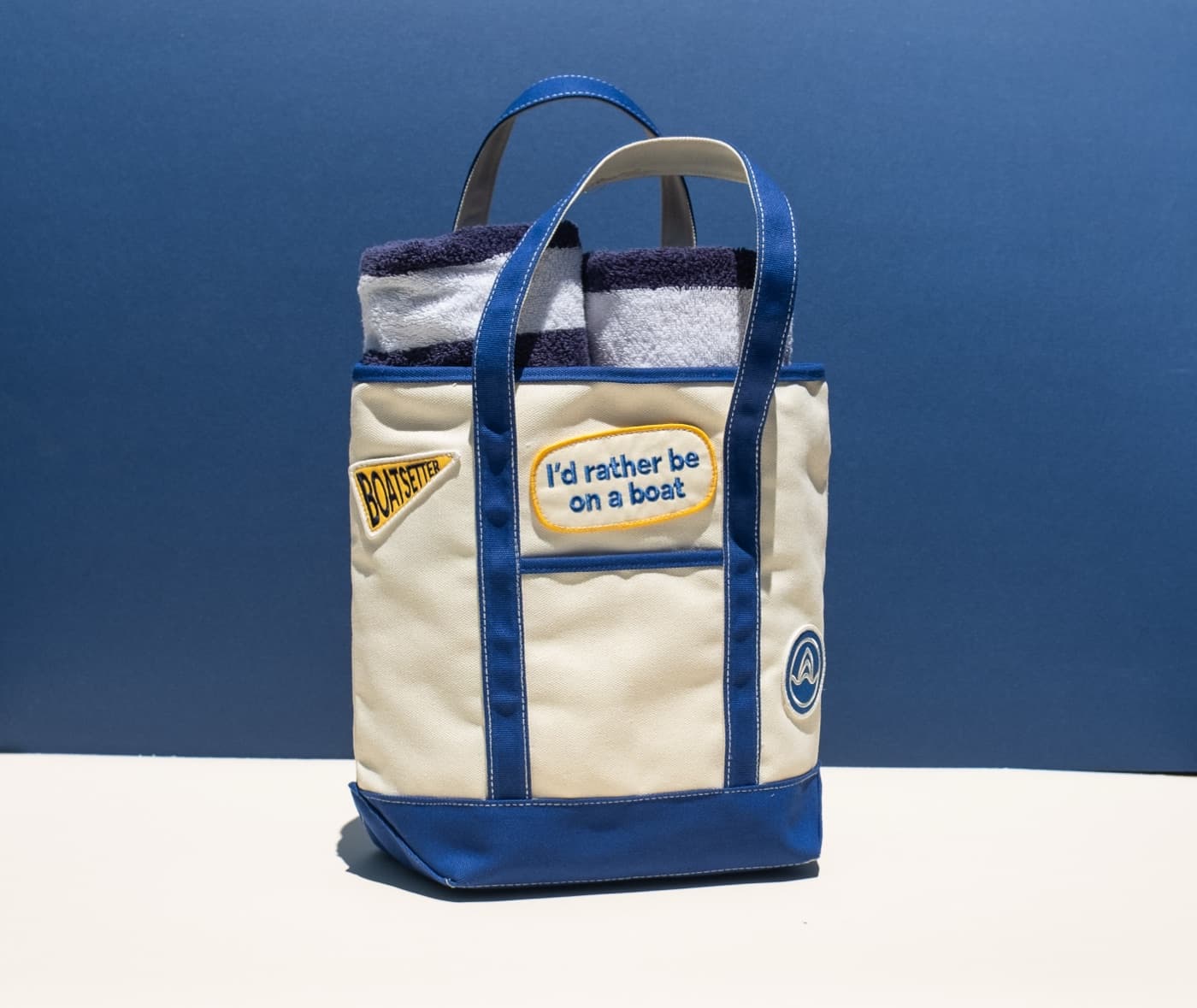
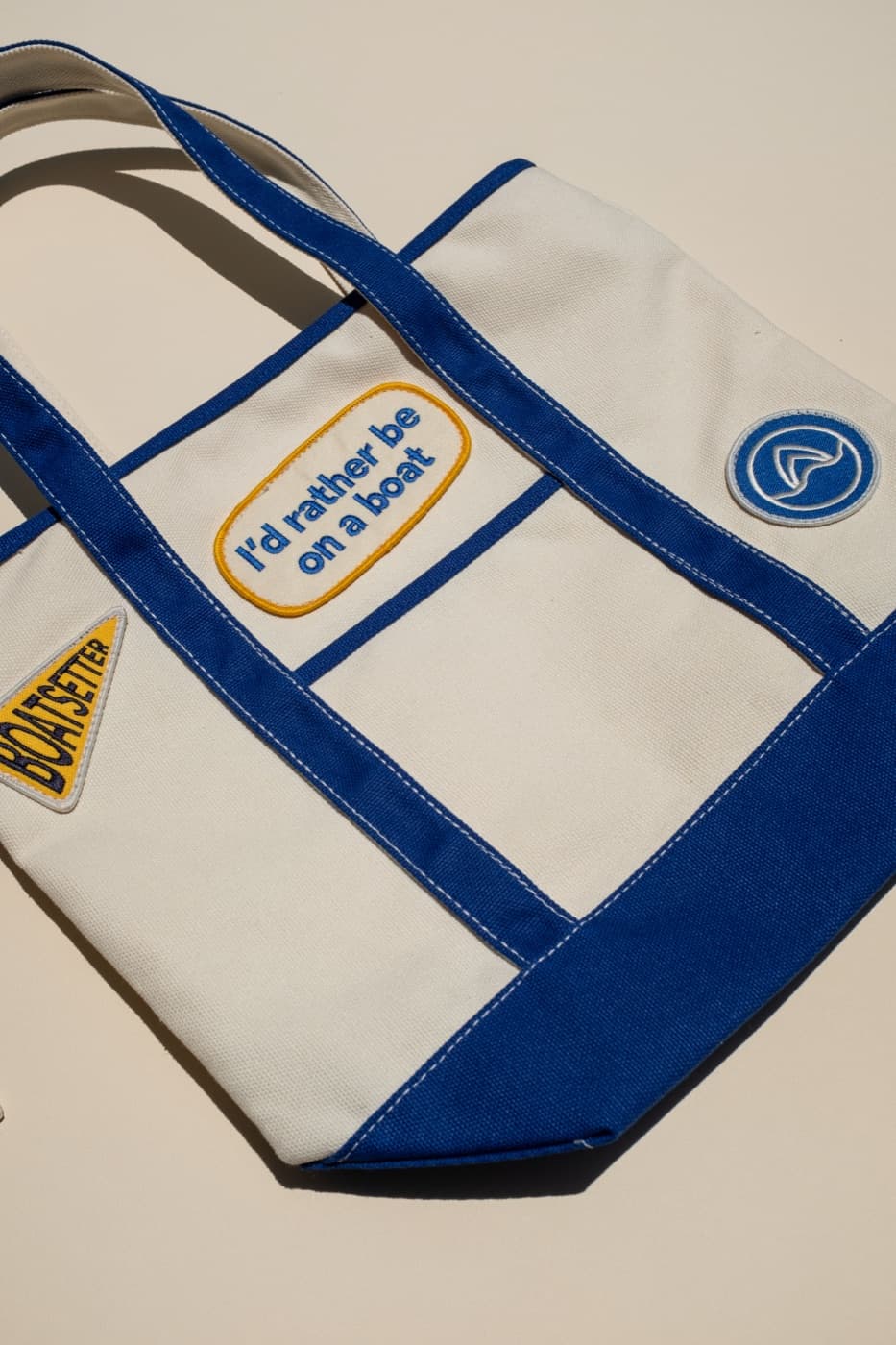
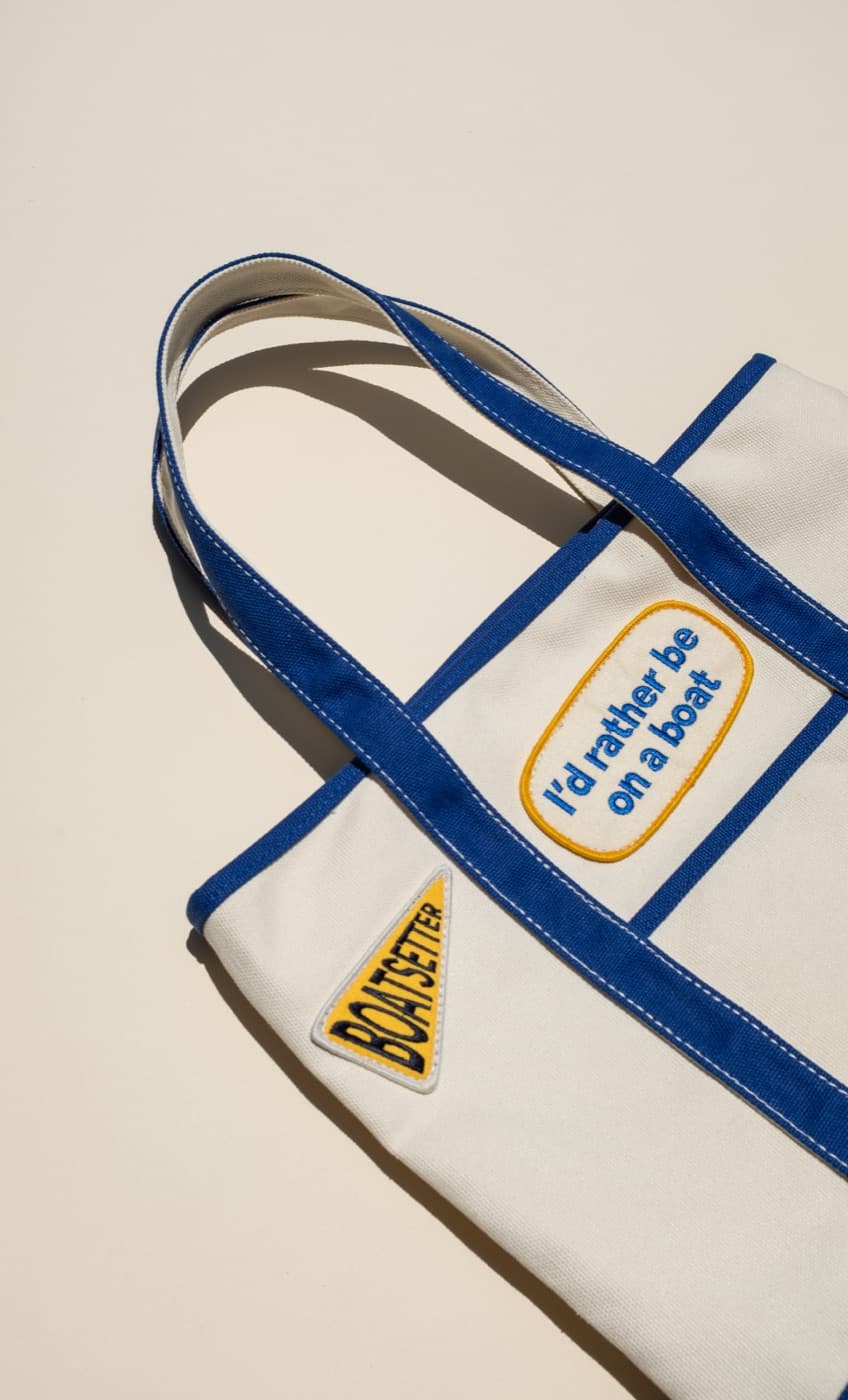
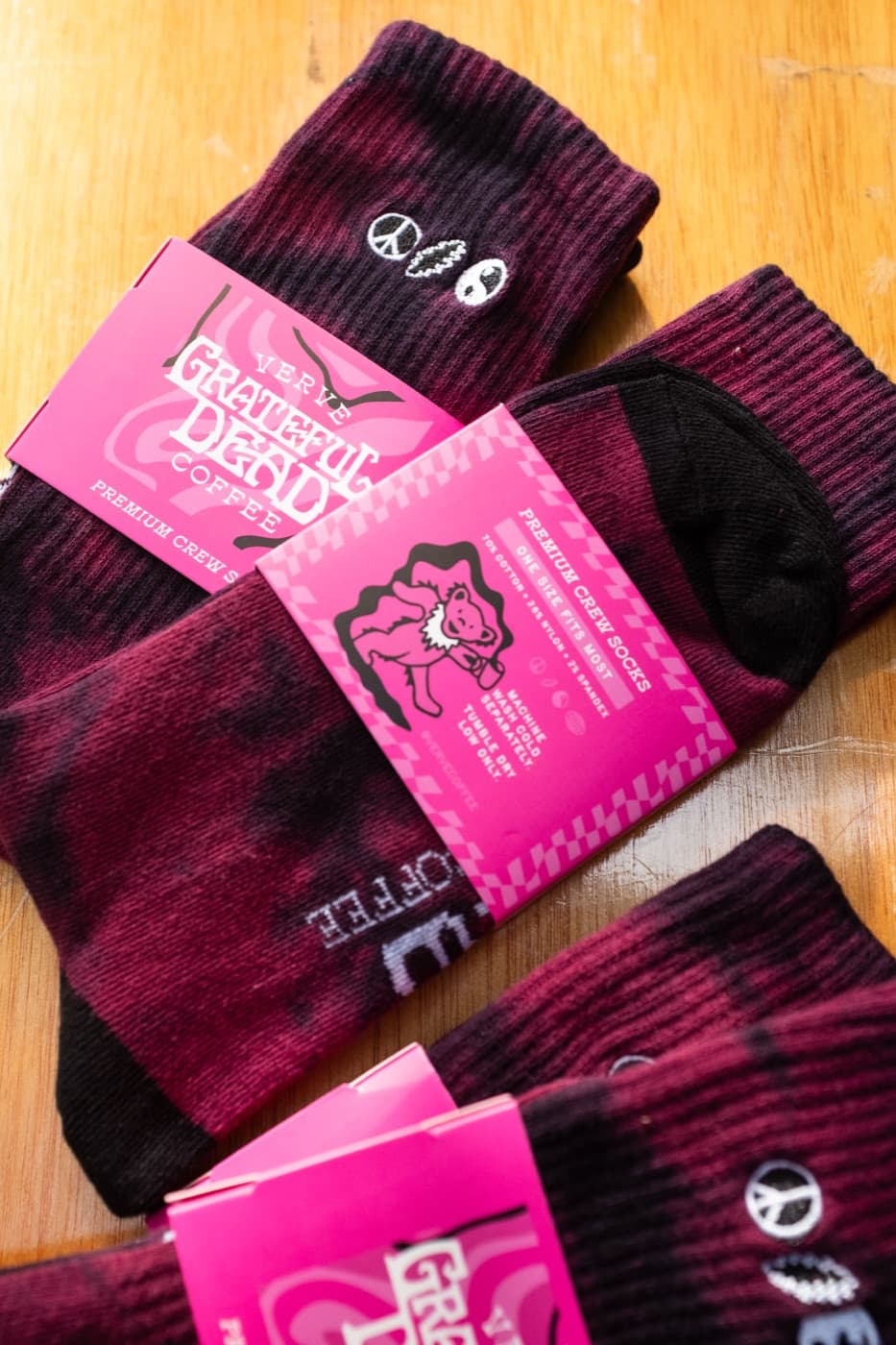
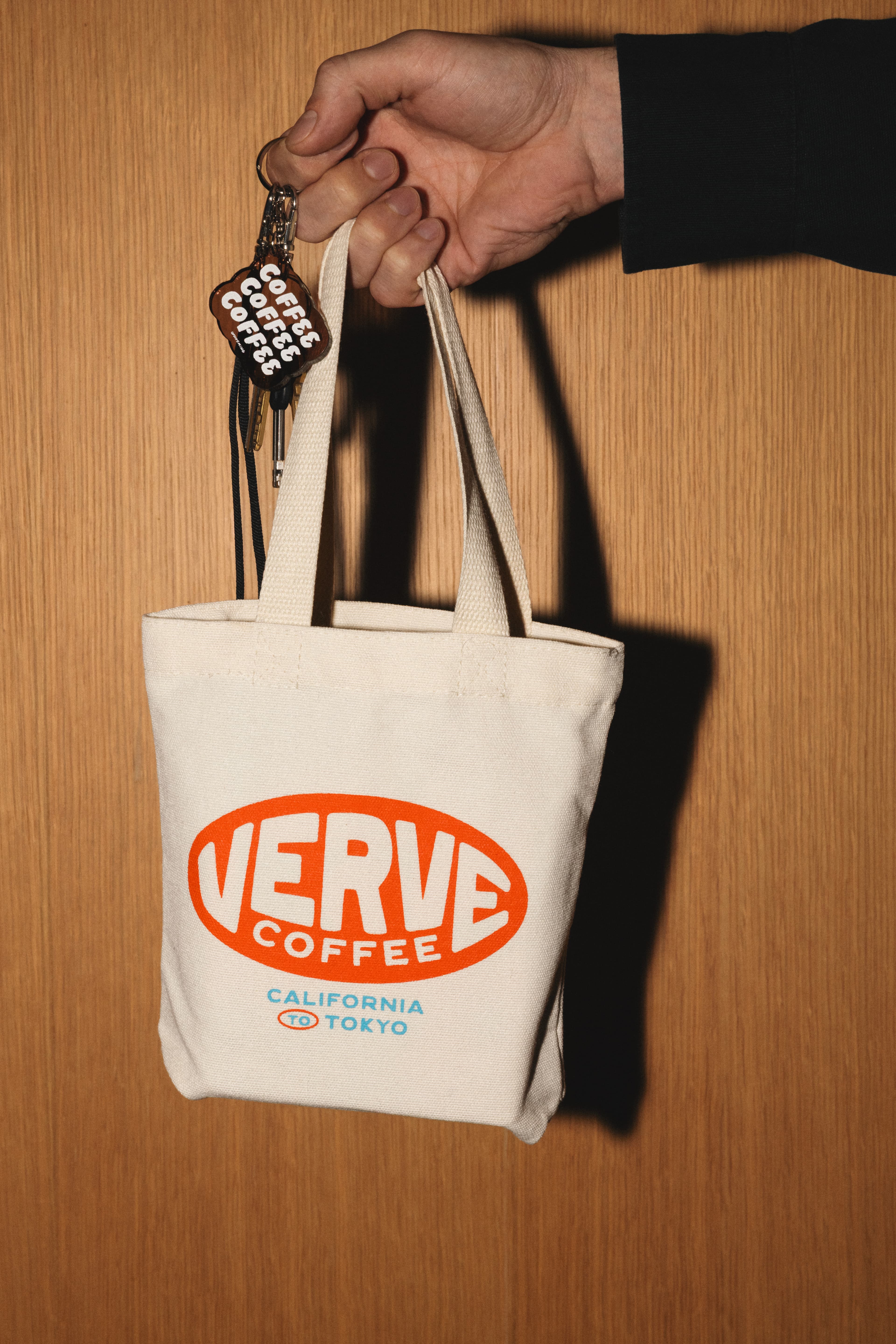
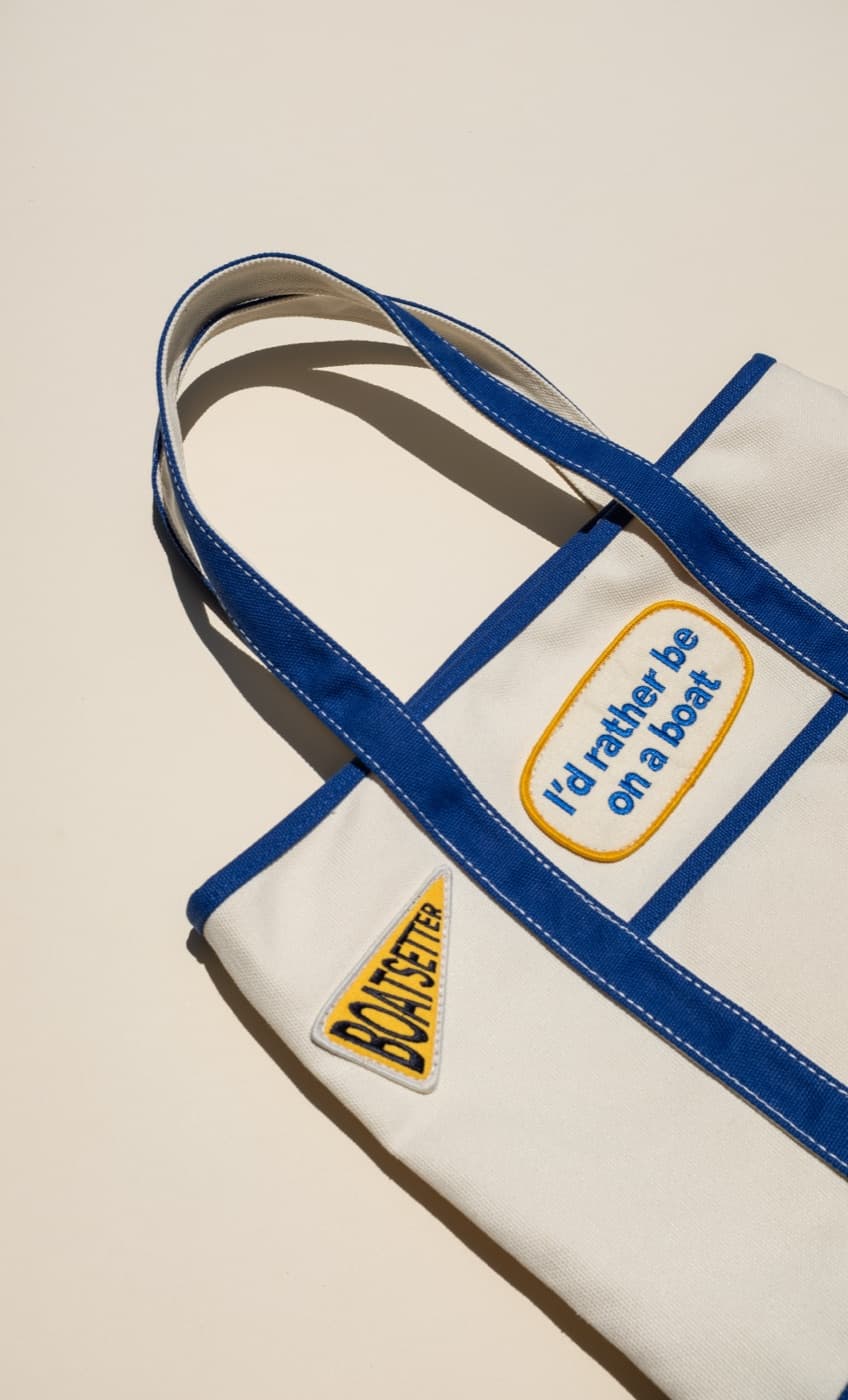
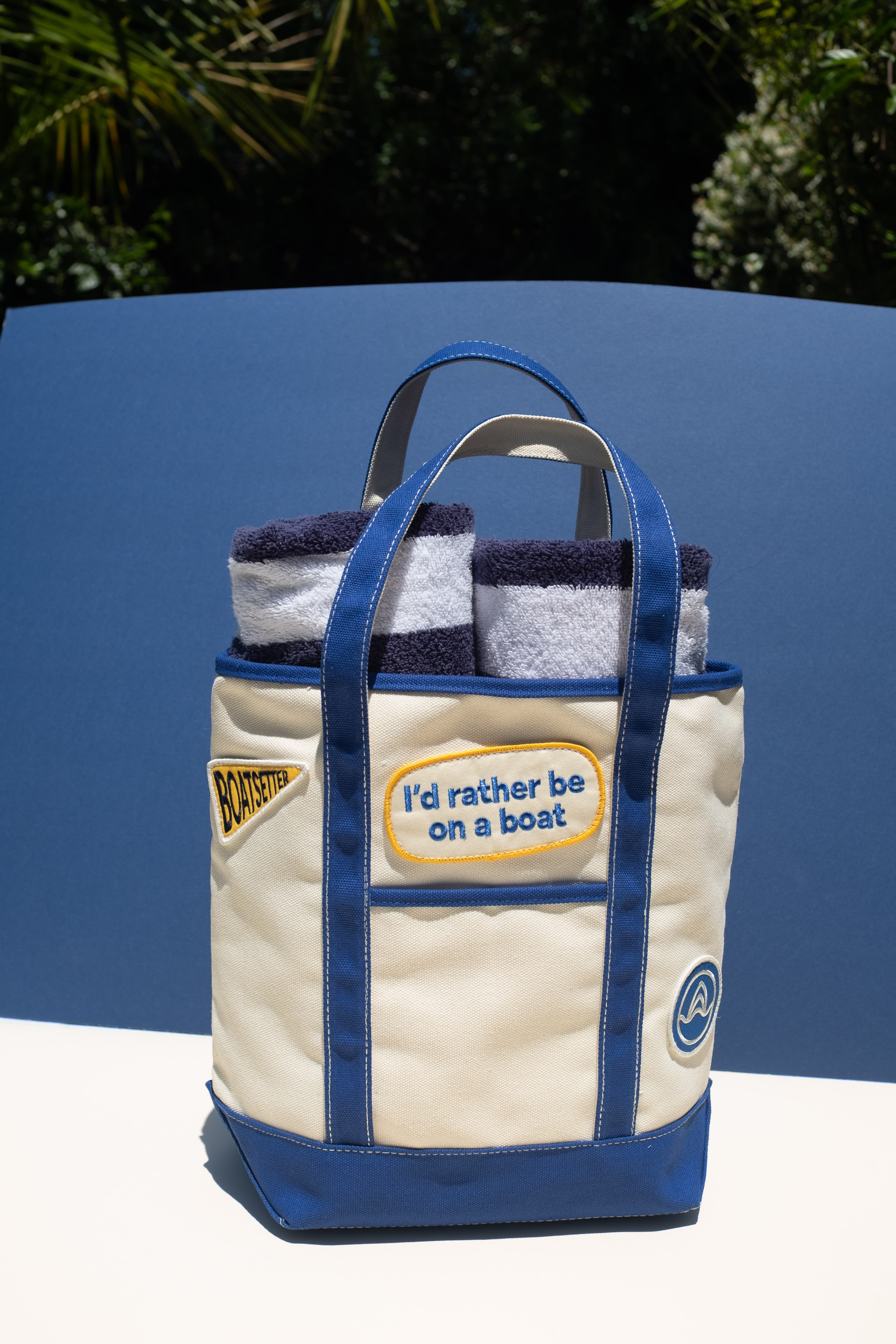
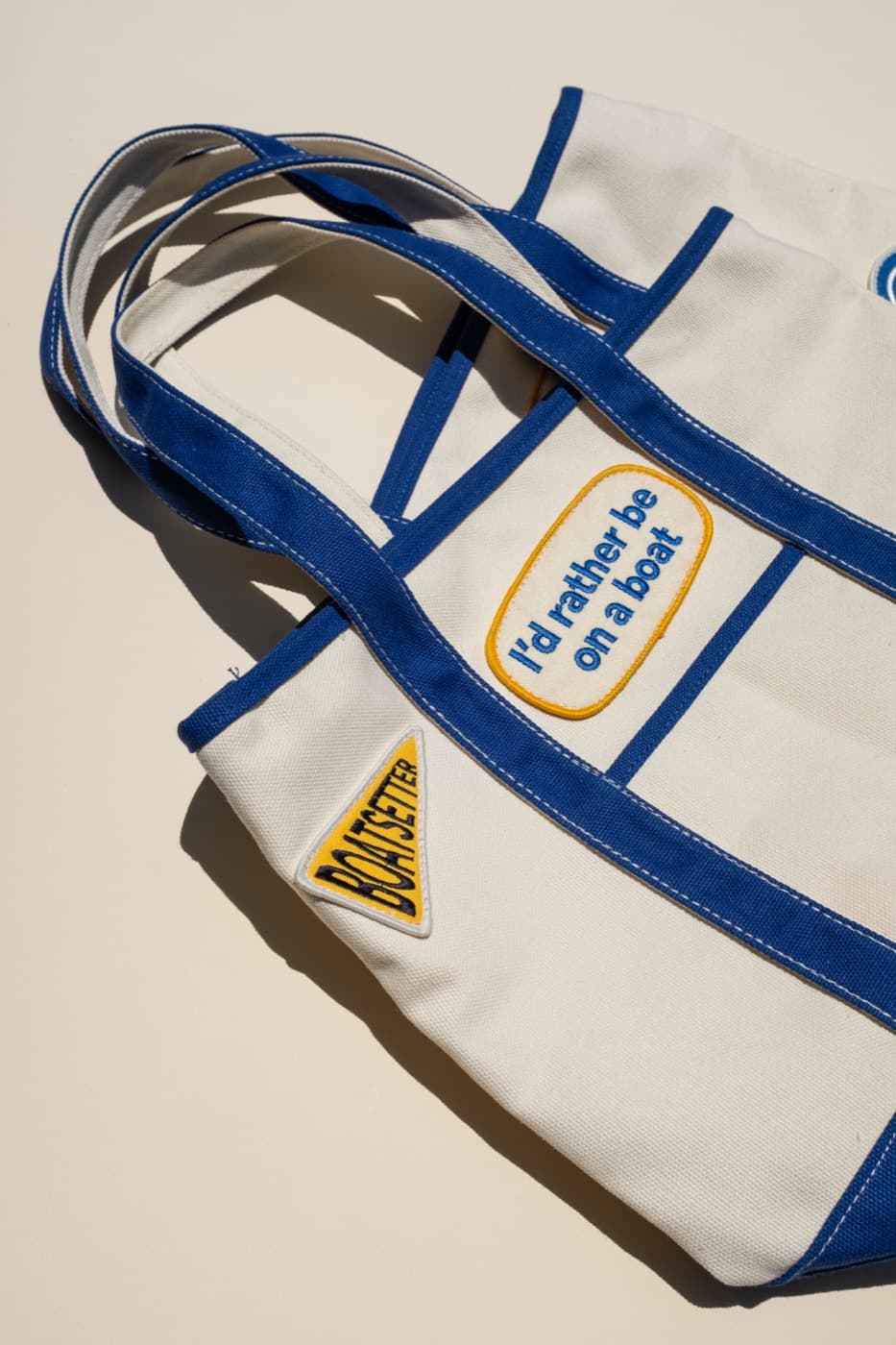
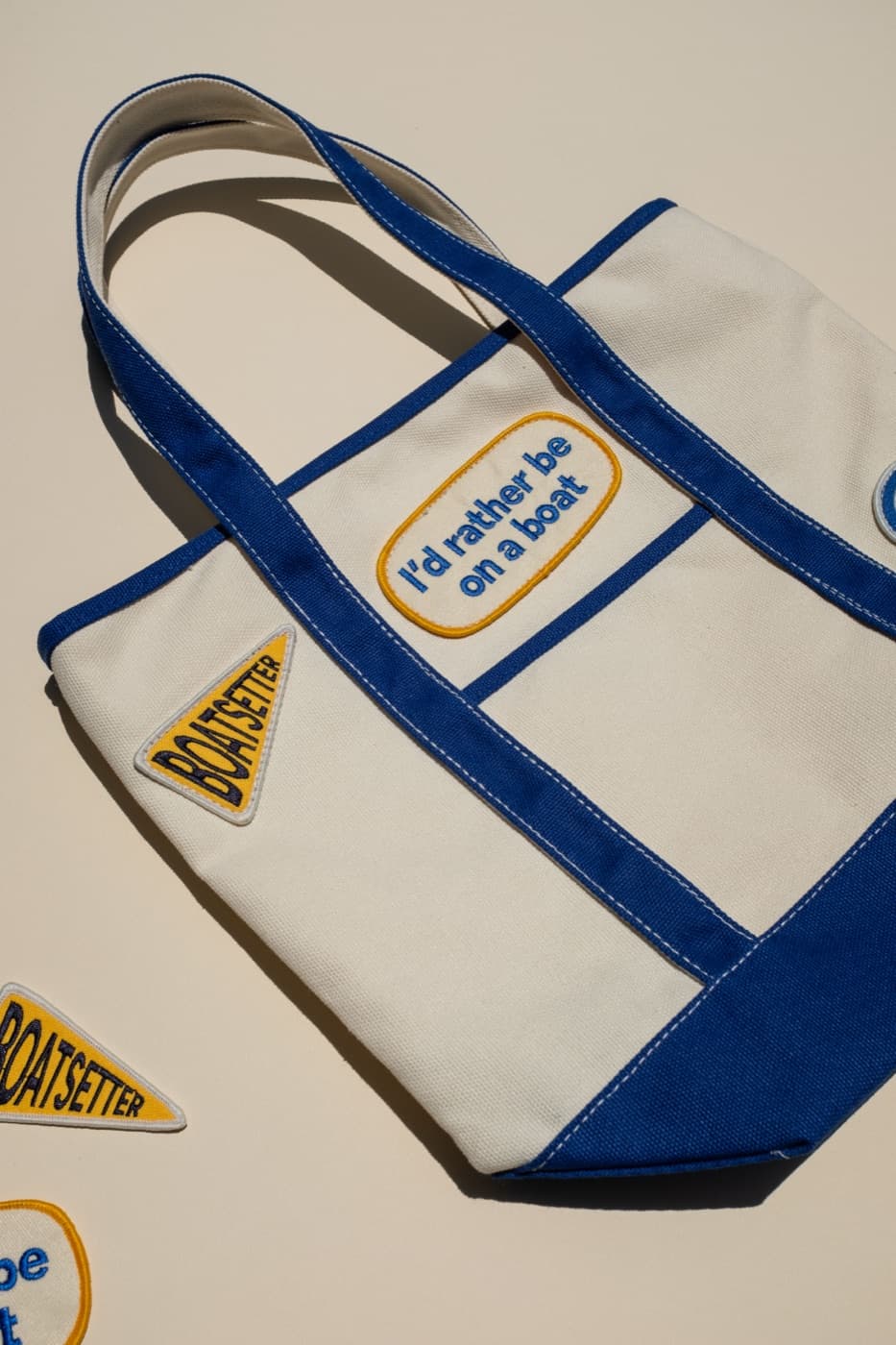
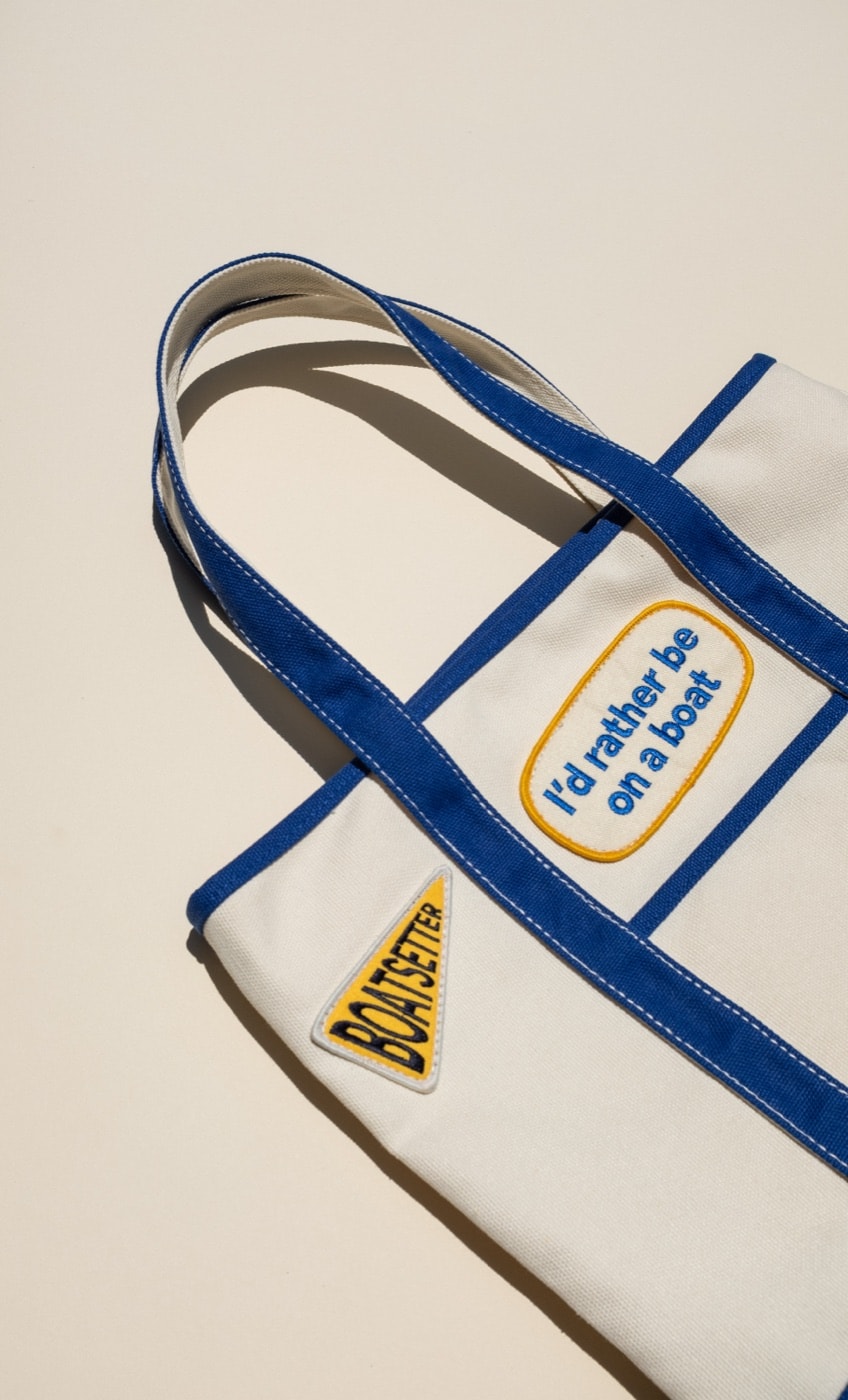
Tote bags are the most visible carry item in daily life. A well-designed tote with a nonprofit's mark travels to grocery stores, schools, farmers markets, and offices. Every carry is an impression. The organizations that have thought carefully about tote design — a strong graphic, a memorable phrase, a design that someone would choose to carry even without the charity connection — see their brand spread in ways that paid advertising cannot replicate.
Event and campaign merch
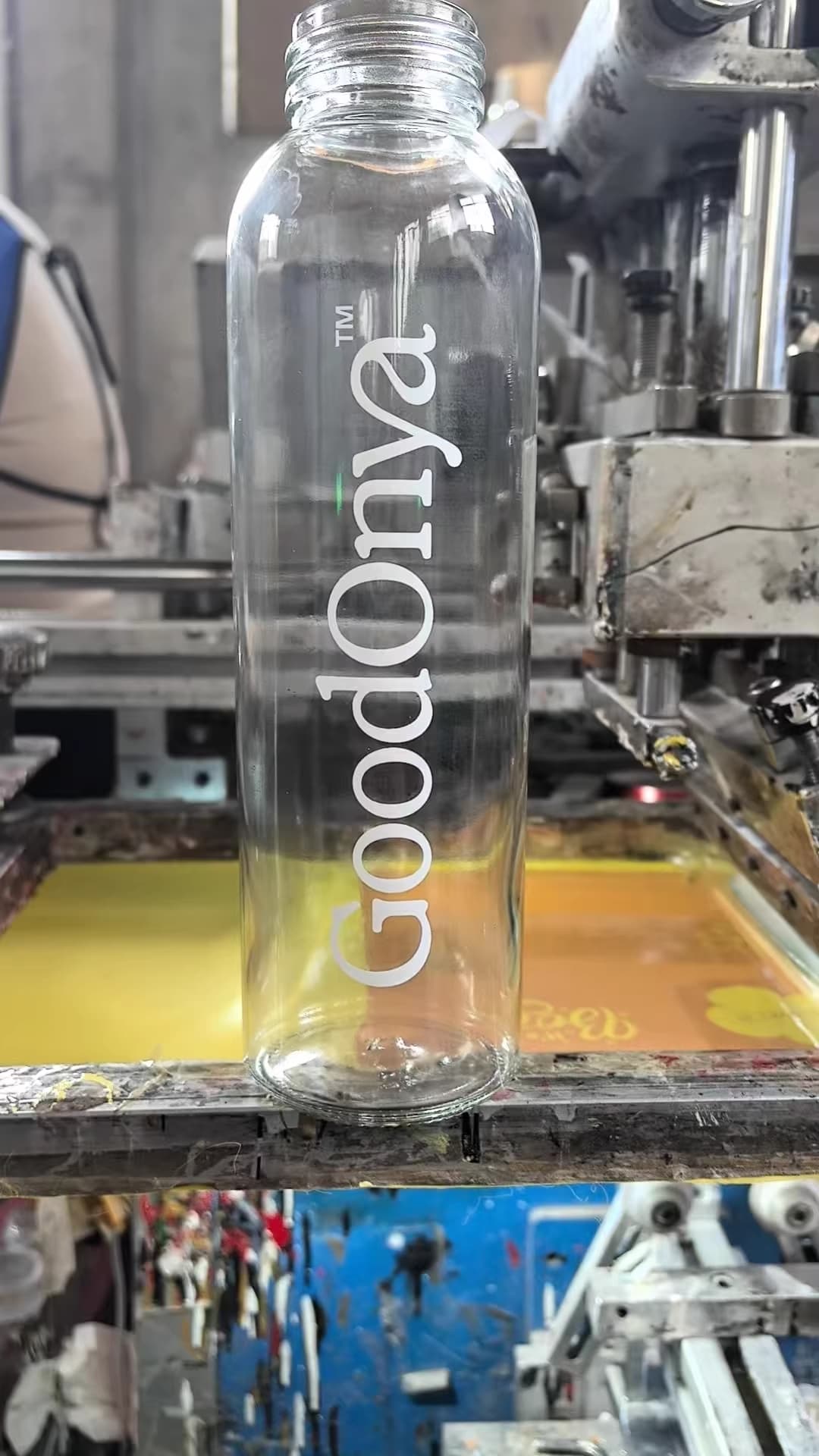
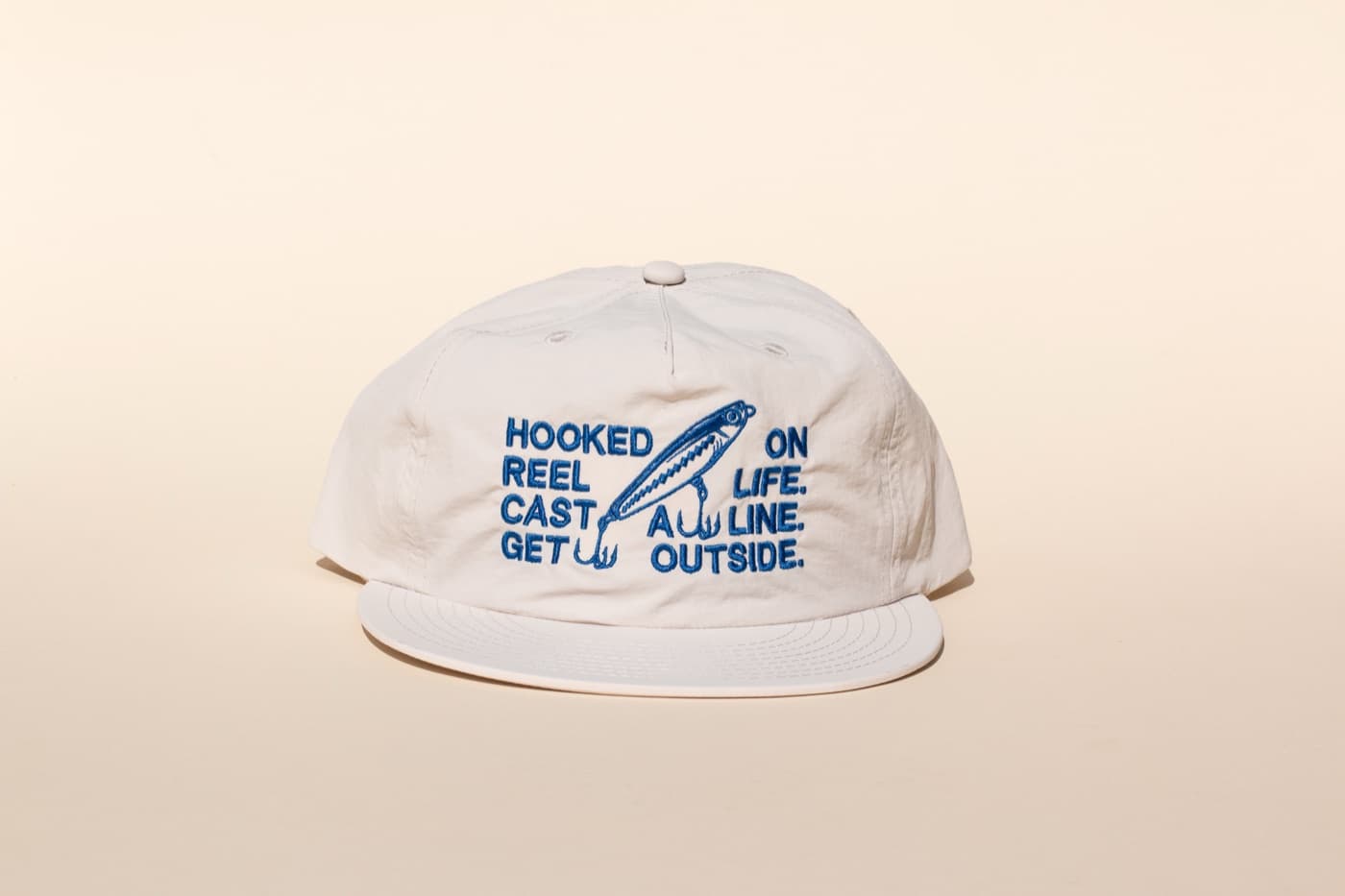
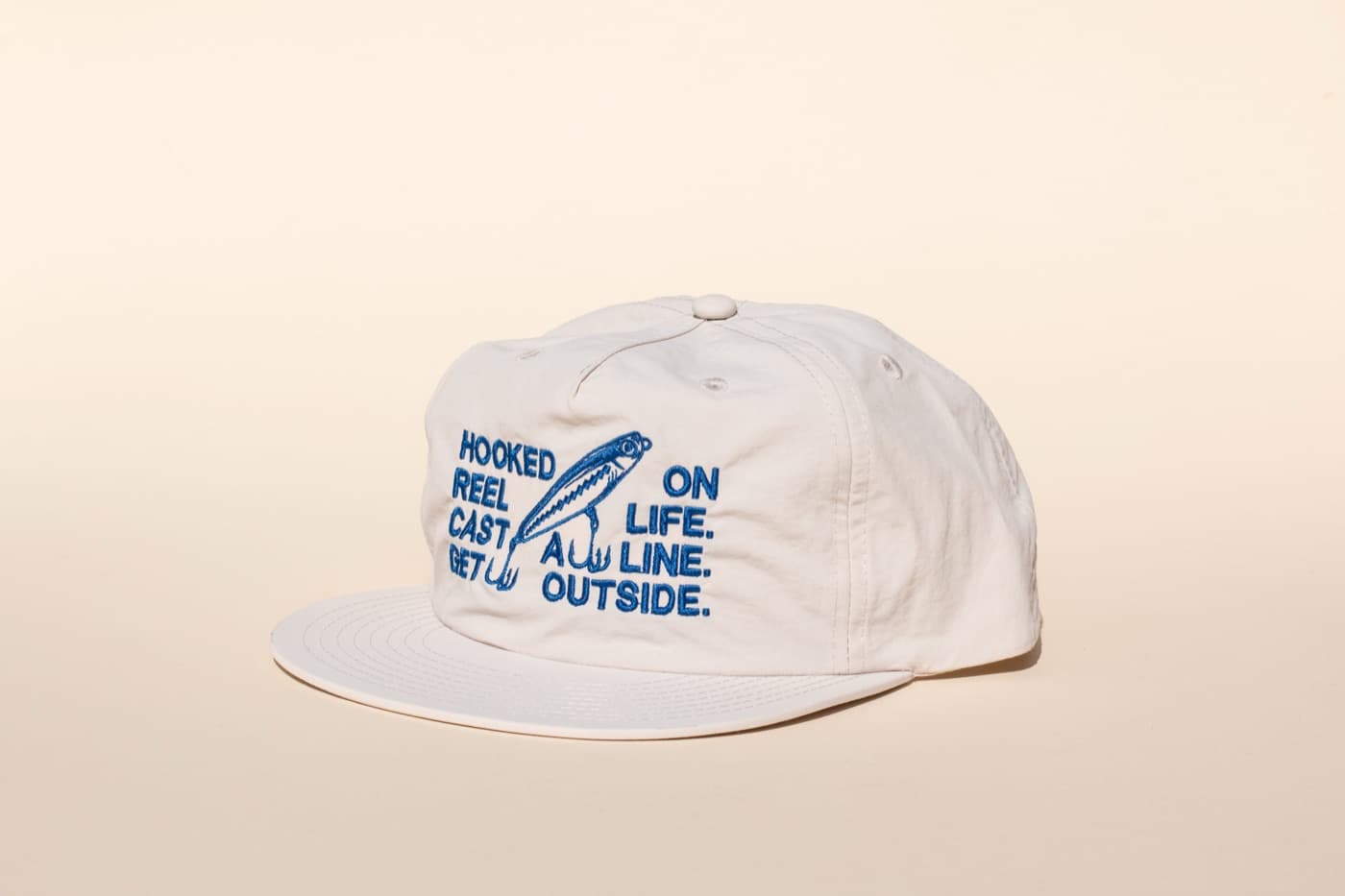
Annual events — walks, runs, galas, auctions — are natural moments for limited merch. A hat or tee tied to the event creates a collectible artifact. A tote as part of a gala gift bag is functional and visible. A branded drinkware item for a fundraising run or walk is practical during the event and keeps the brand present afterward.
Working with a constrained budget
The nonprofit budget reality is real: every dollar spent on merch is a dollar that did not go to programming. The counter-argument is that well-executed merch returns more than it costs through fundraising and visibility. The way to make that case to a board or executive director is to bring a clear plan: product, quantity, cost per piece, retail price, total projected revenue, and projected margin. Numbers win the argument when gut feelings do not.