Every custom merch project has a minimum order quantity — a floor below which production does not make economic sense. Understanding why minimums exist helps you plan better and make smarter decisions about what to order and when.
Why minimums exist
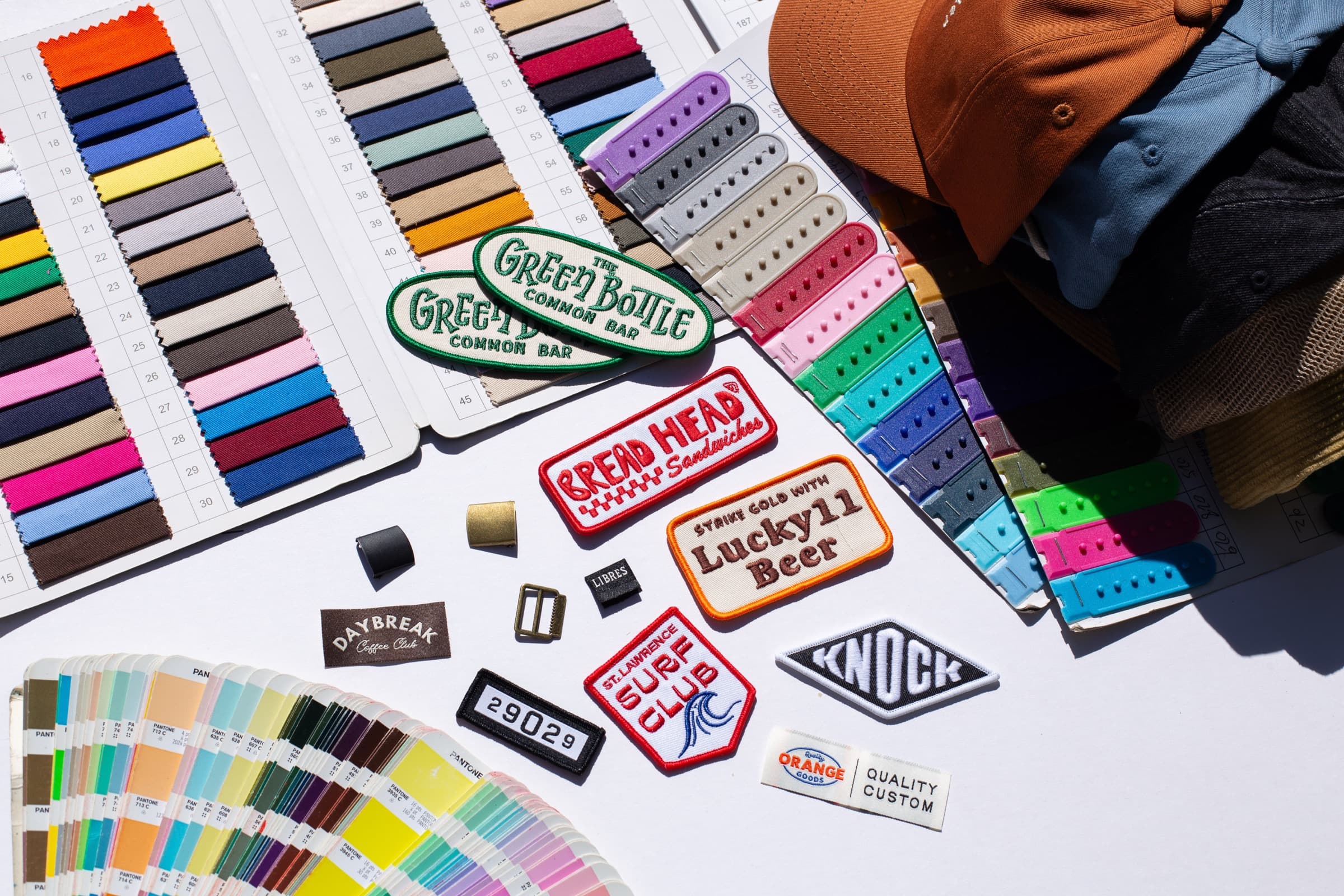
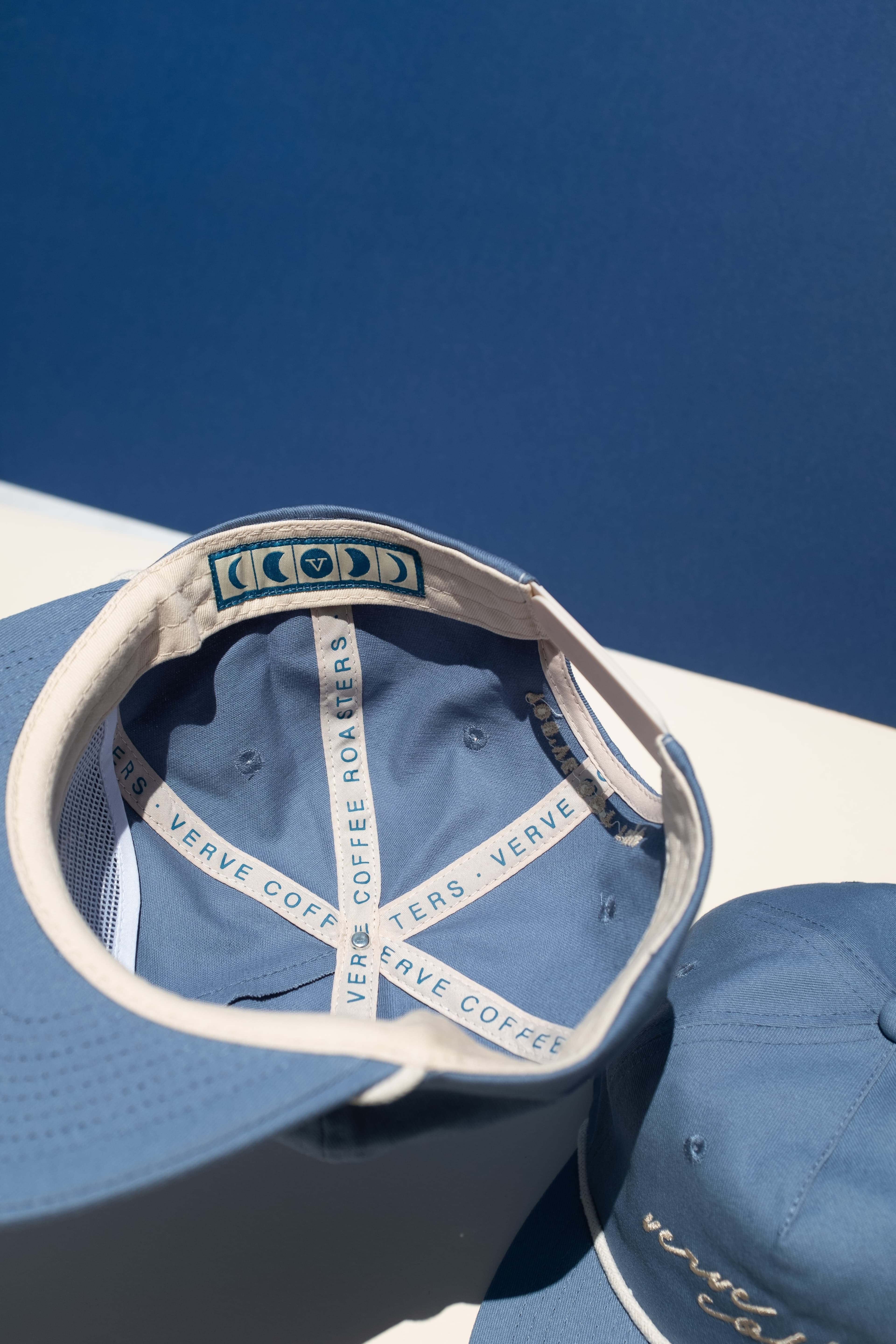
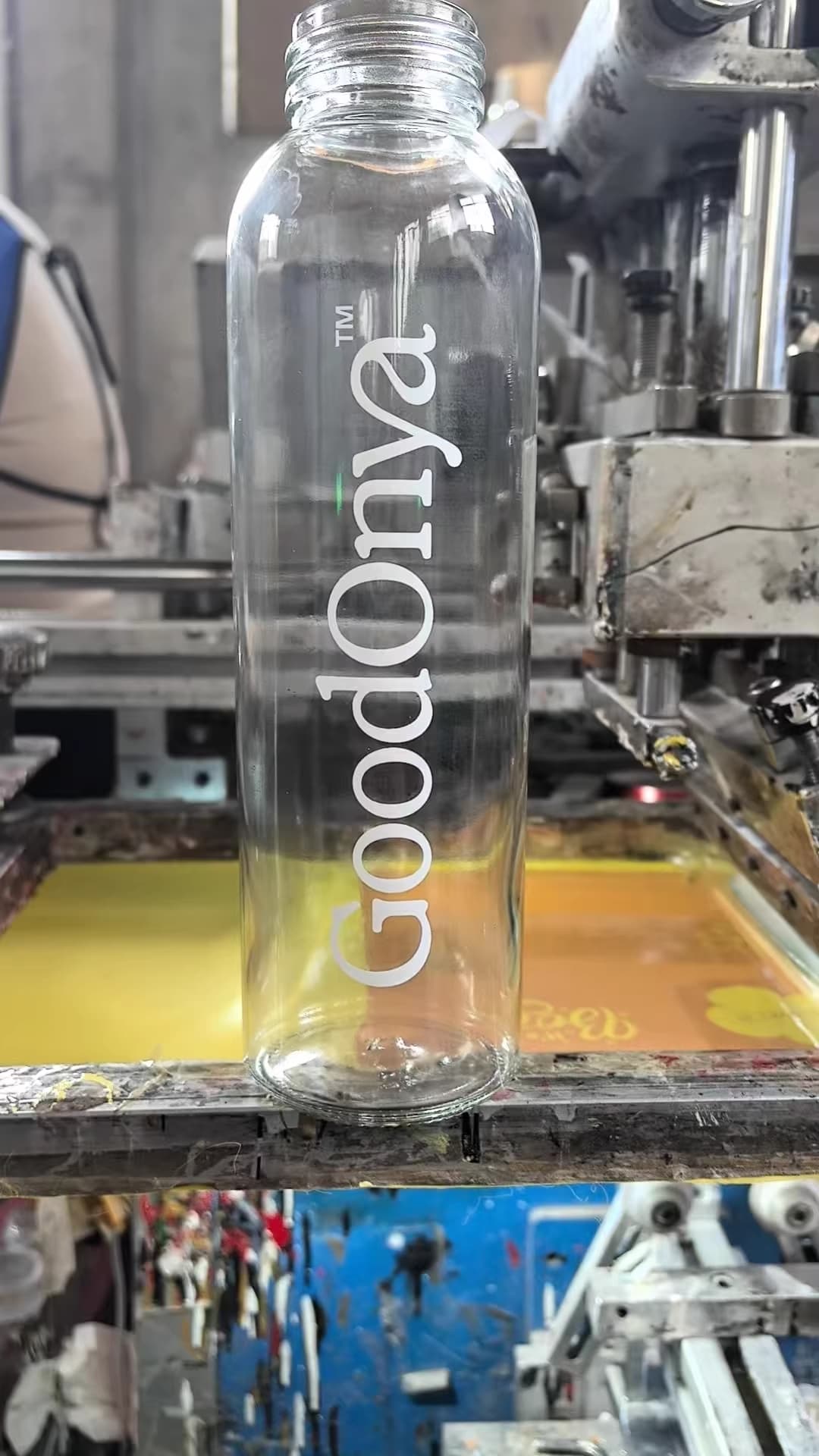
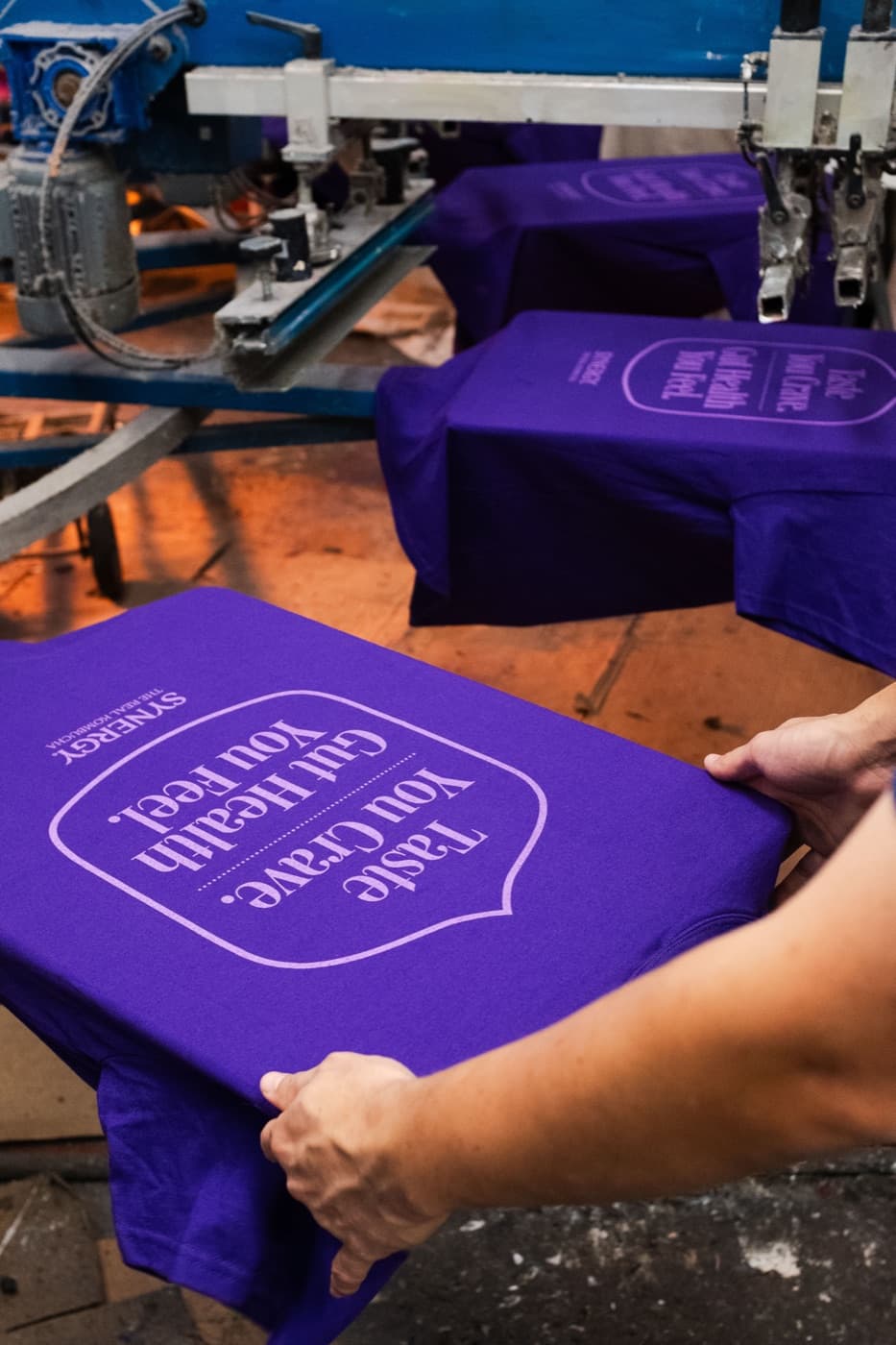
Custom decorated goods involve fixed costs that exist regardless of quantity. Screen printing requires screens to be made — one per color, per location. Embroidery requires a digitized stitch file. Woven labels need a setup loom. These costs are the same whether you make 12 pieces or 1,200 pieces. Below a certain quantity, those fixed costs make the per-piece price impractical.
There is also production efficiency. A print shop running a press cannot profitably print 10 tees and then reset for the next job. The economics of custom production require volume to amortize setup, press time, and labor across enough units that the result is priced realistically for everyone.
Common minimums by product
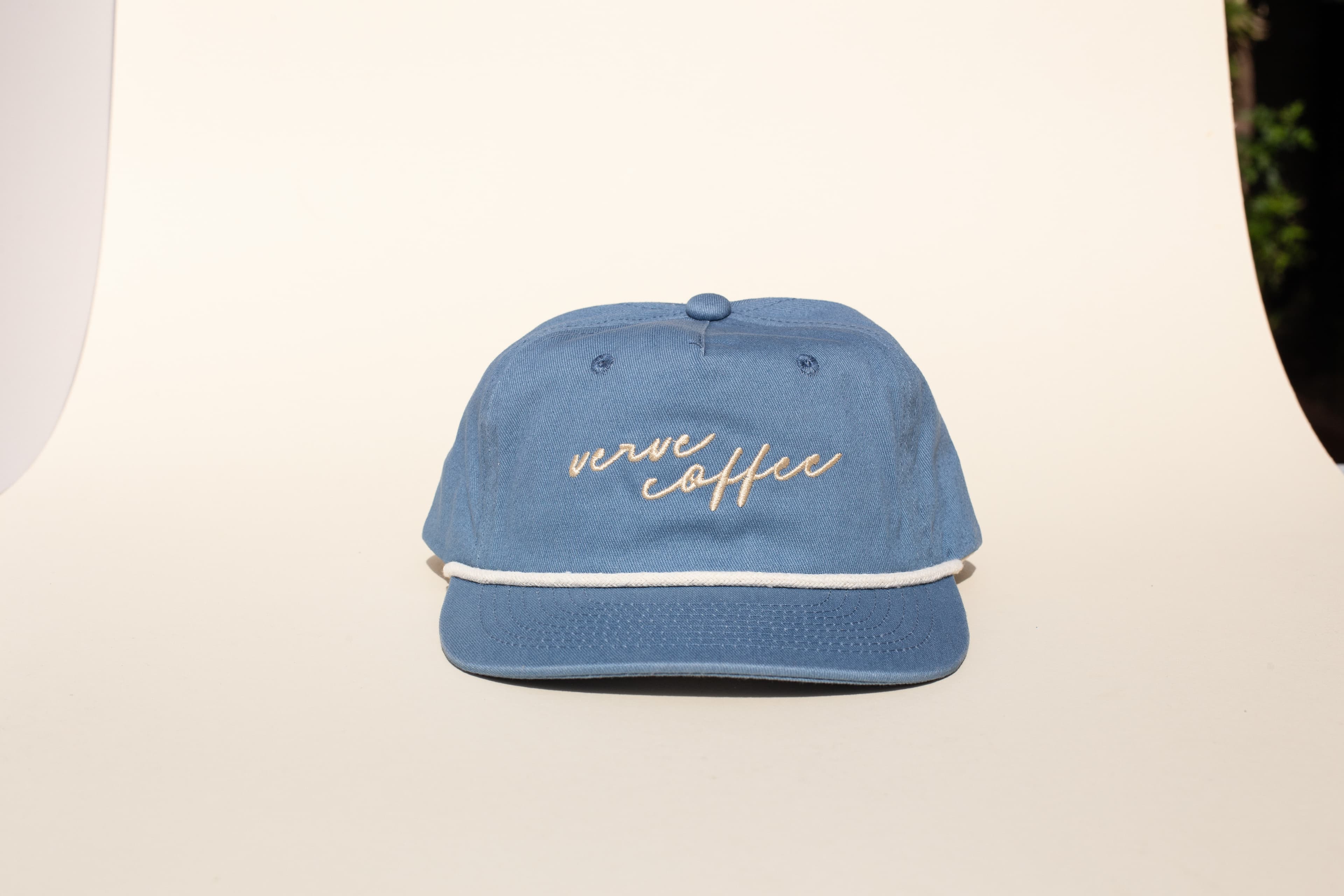
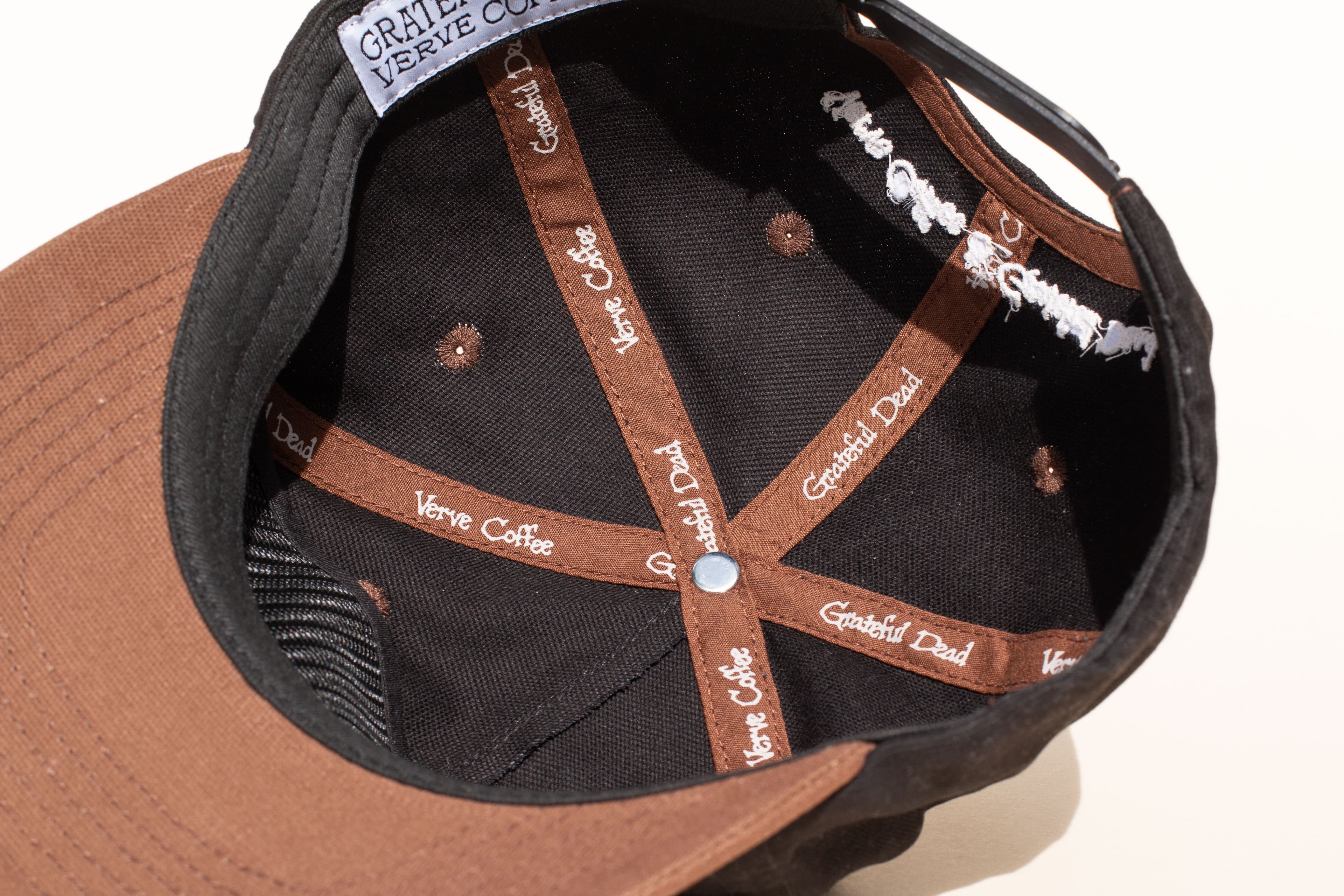
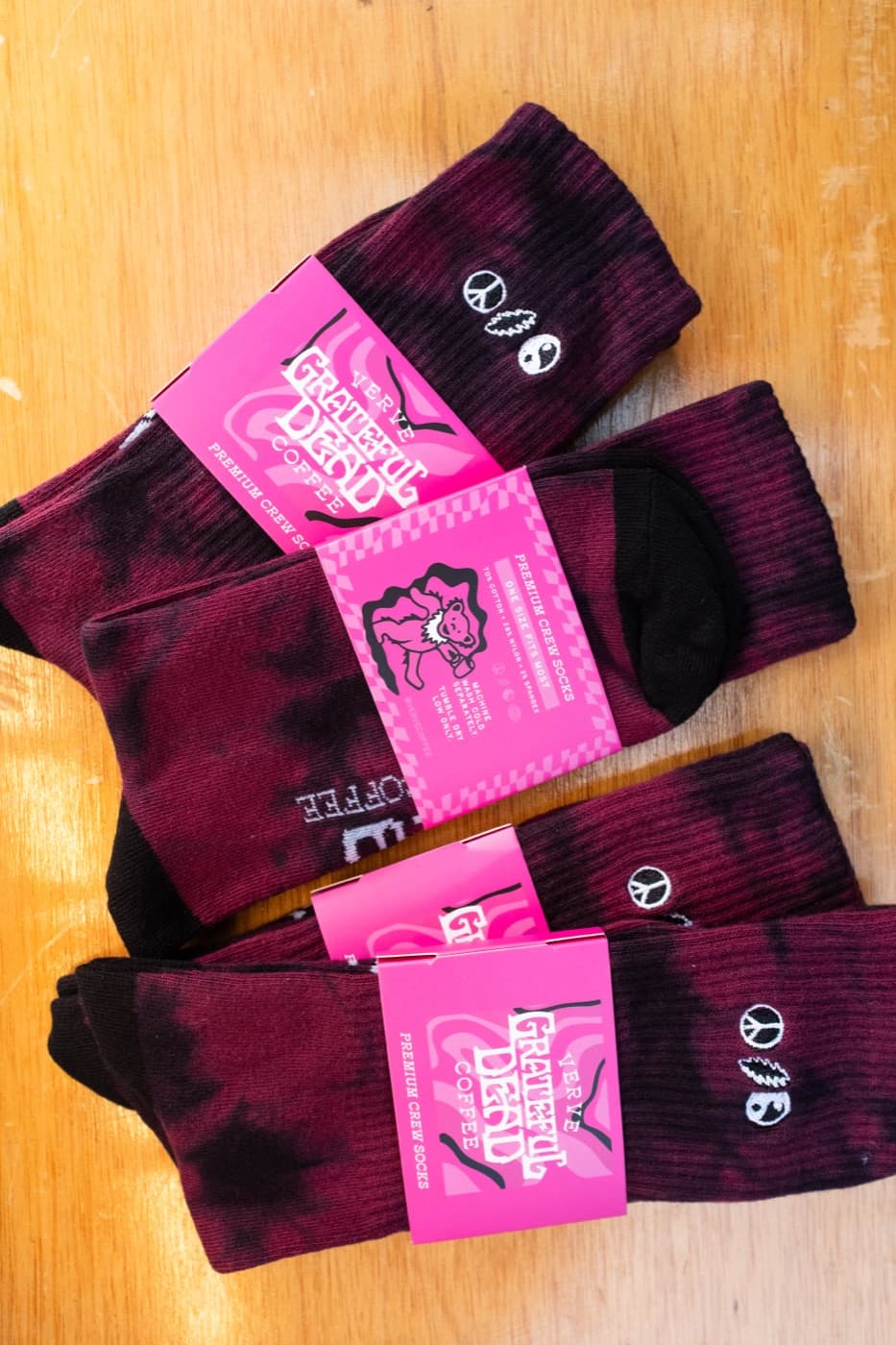
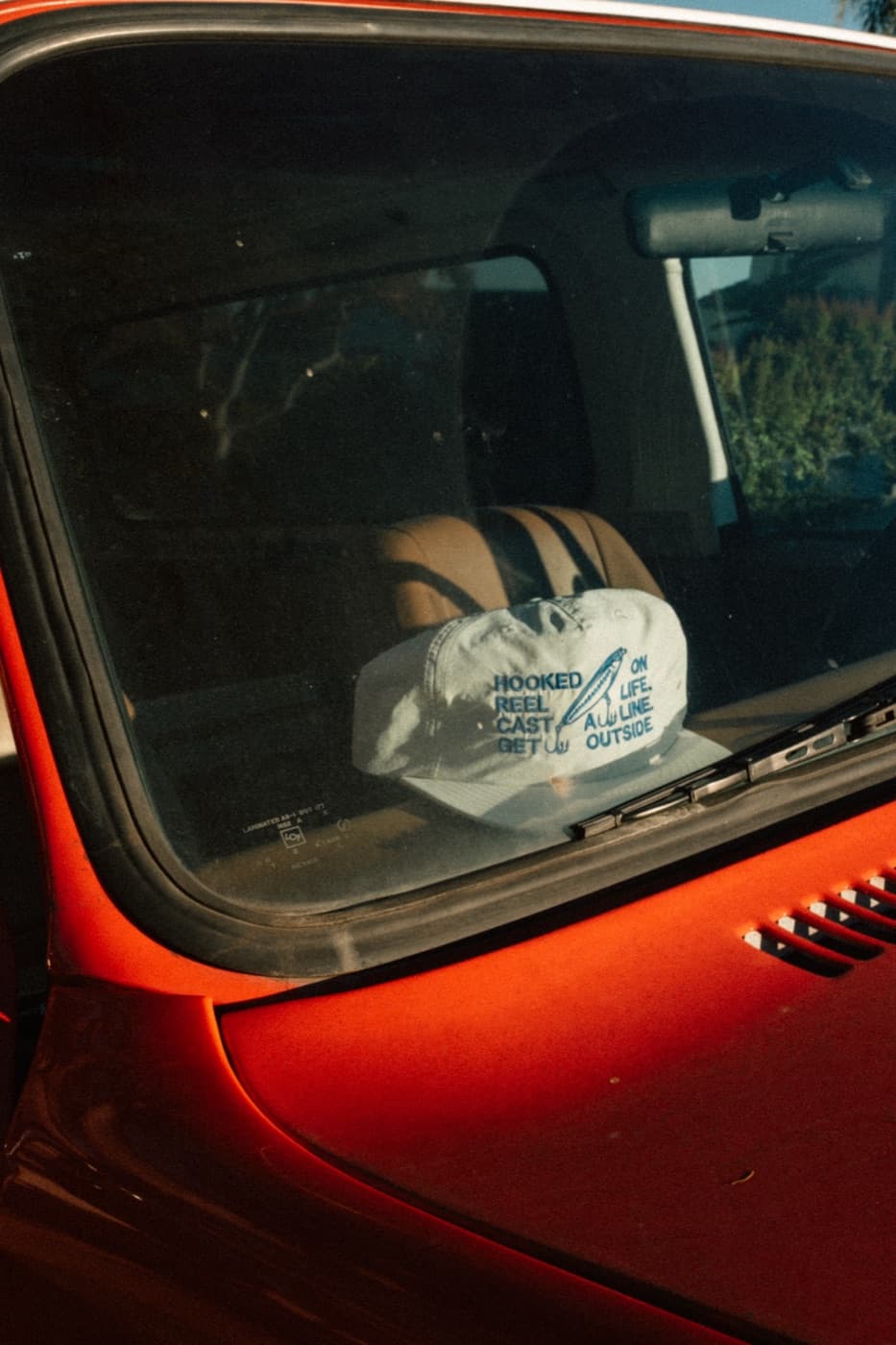
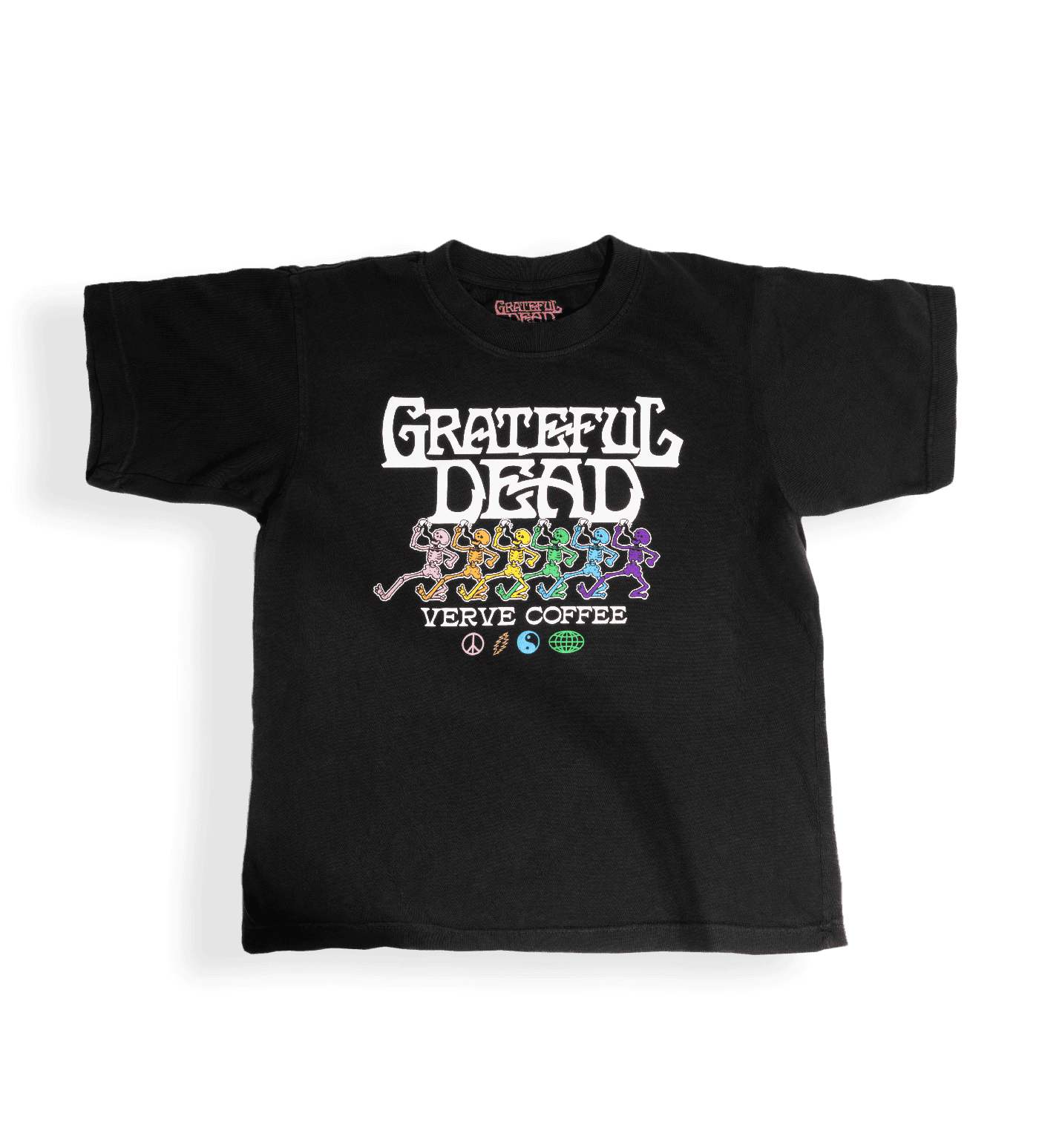
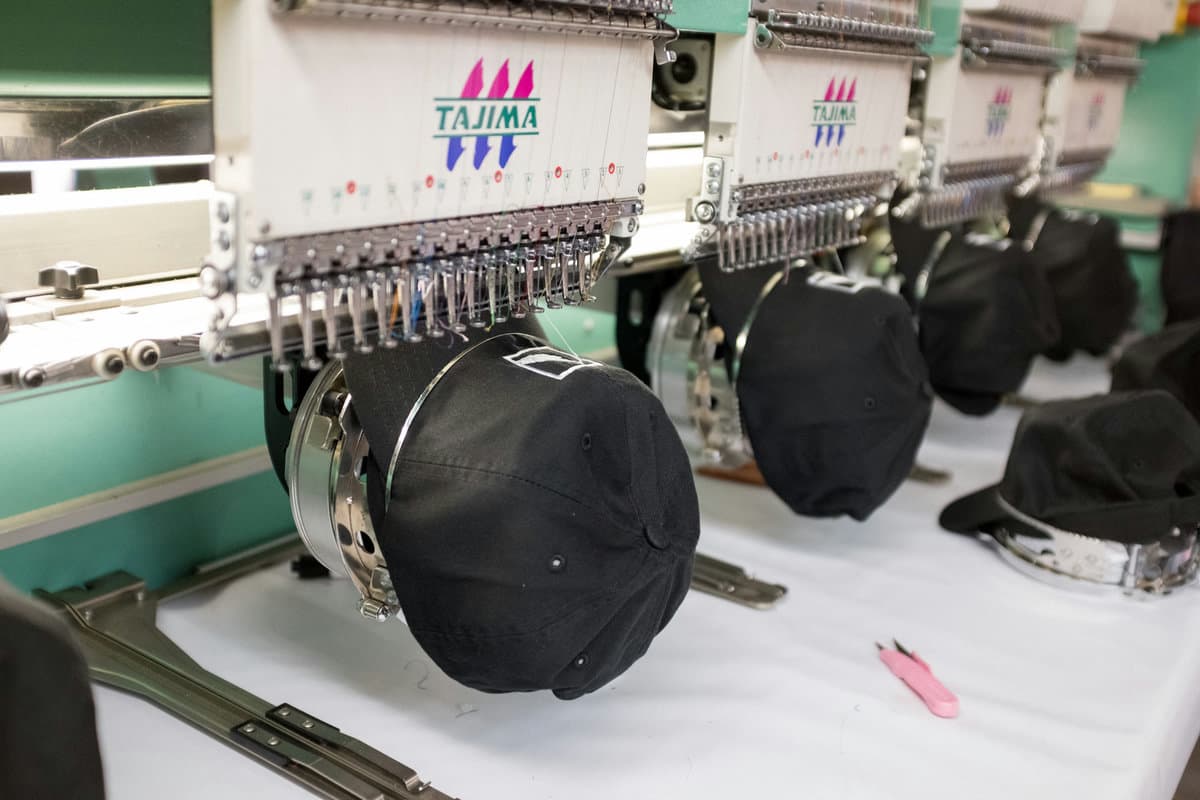
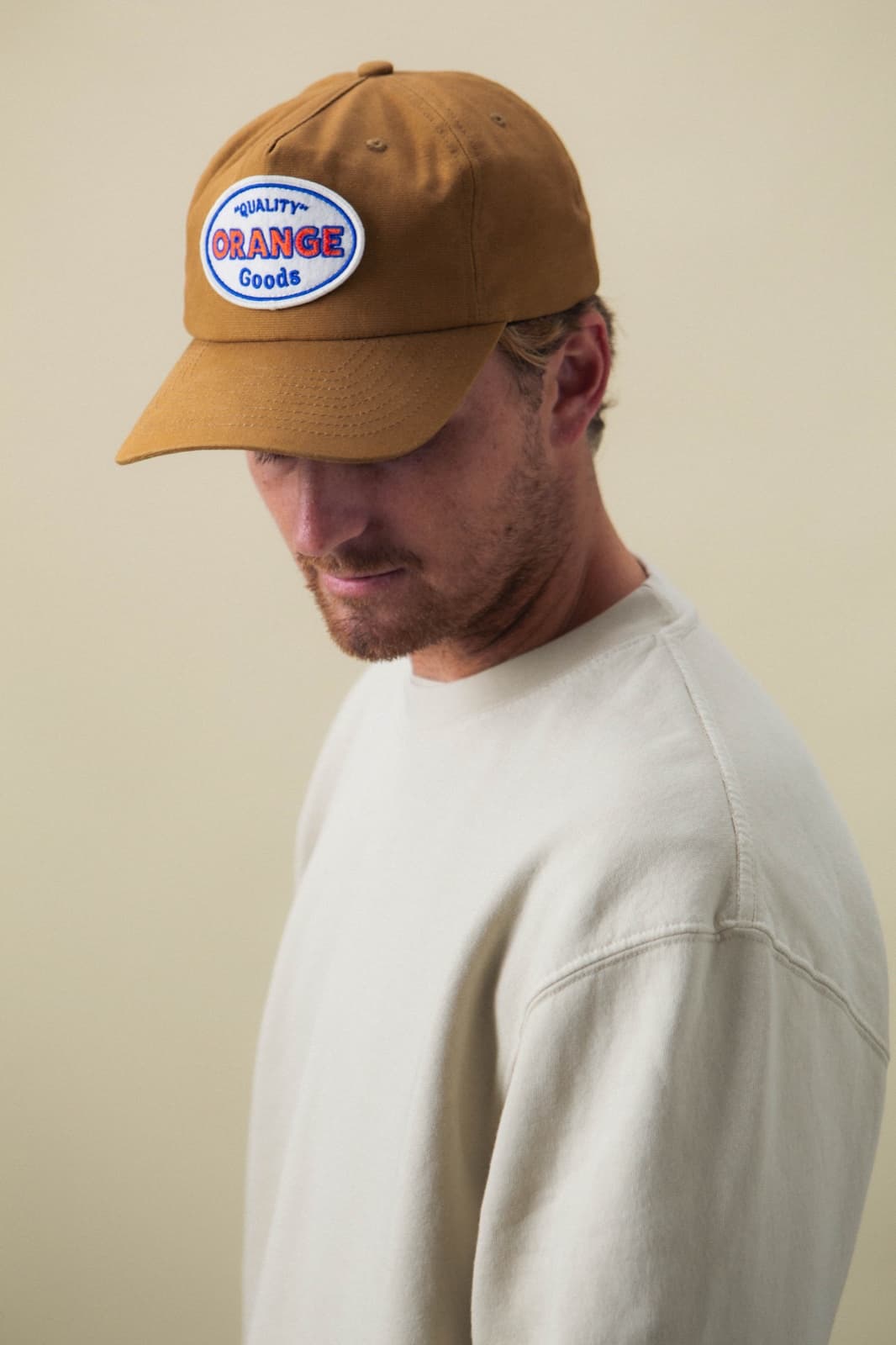
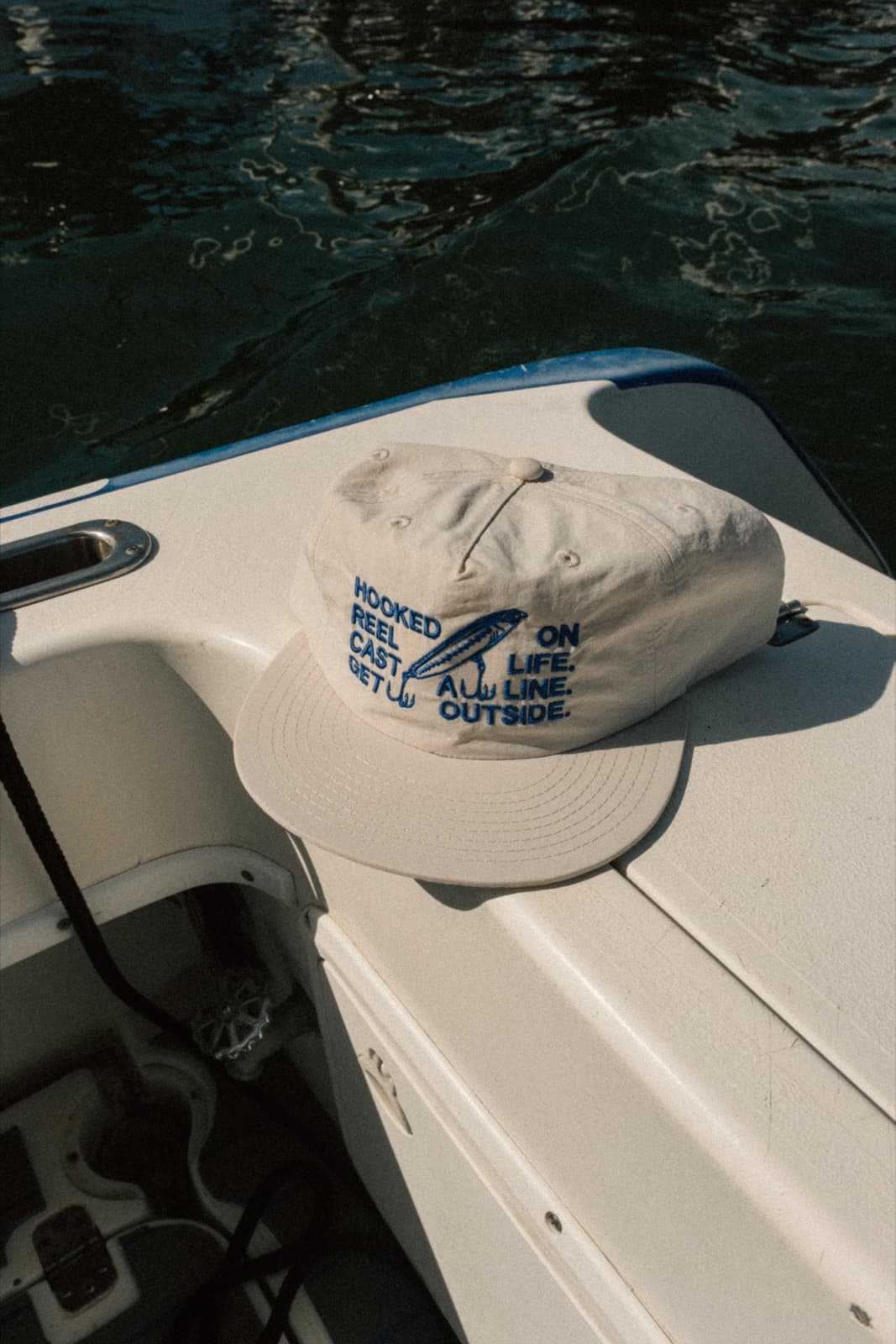
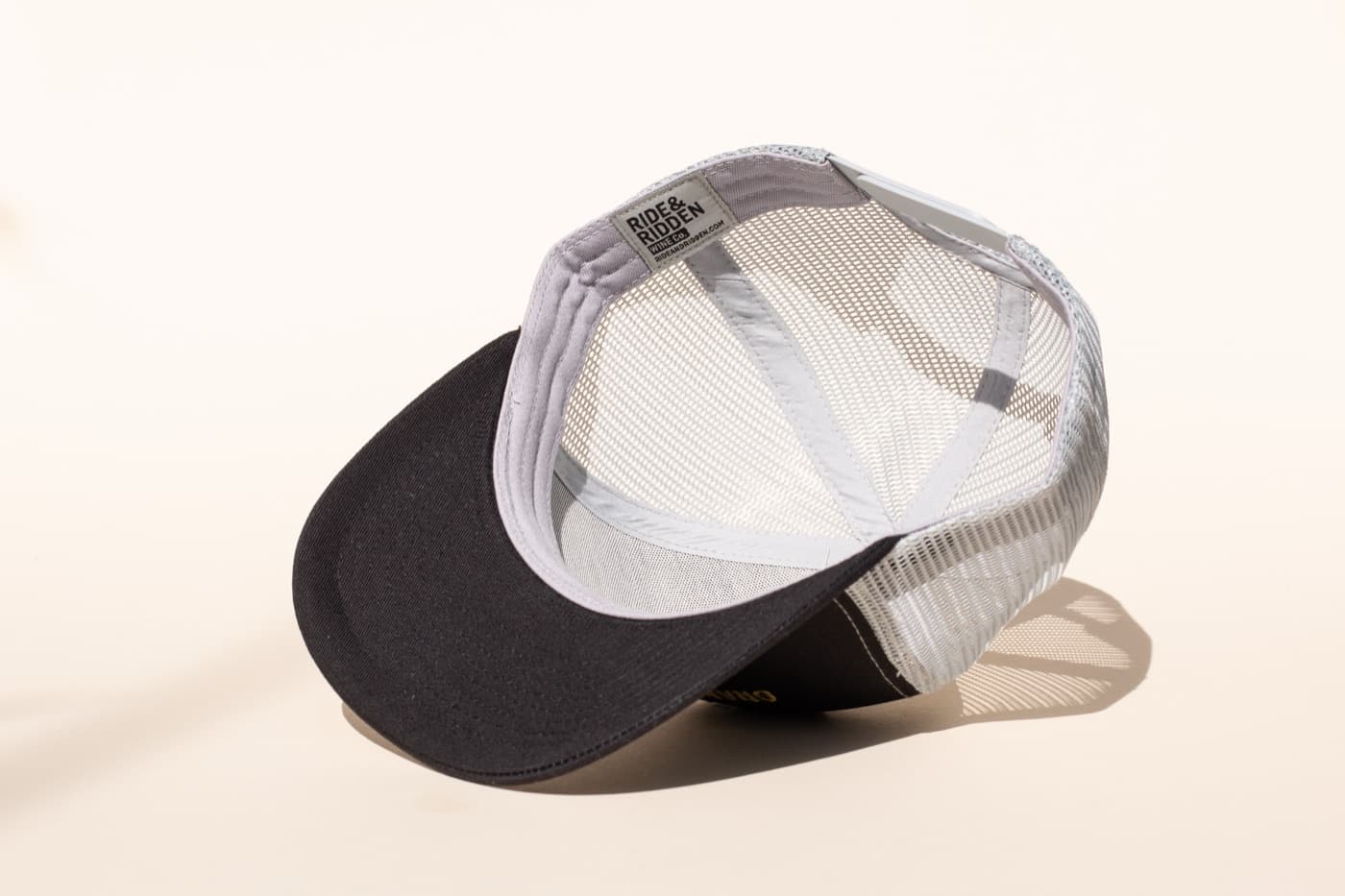
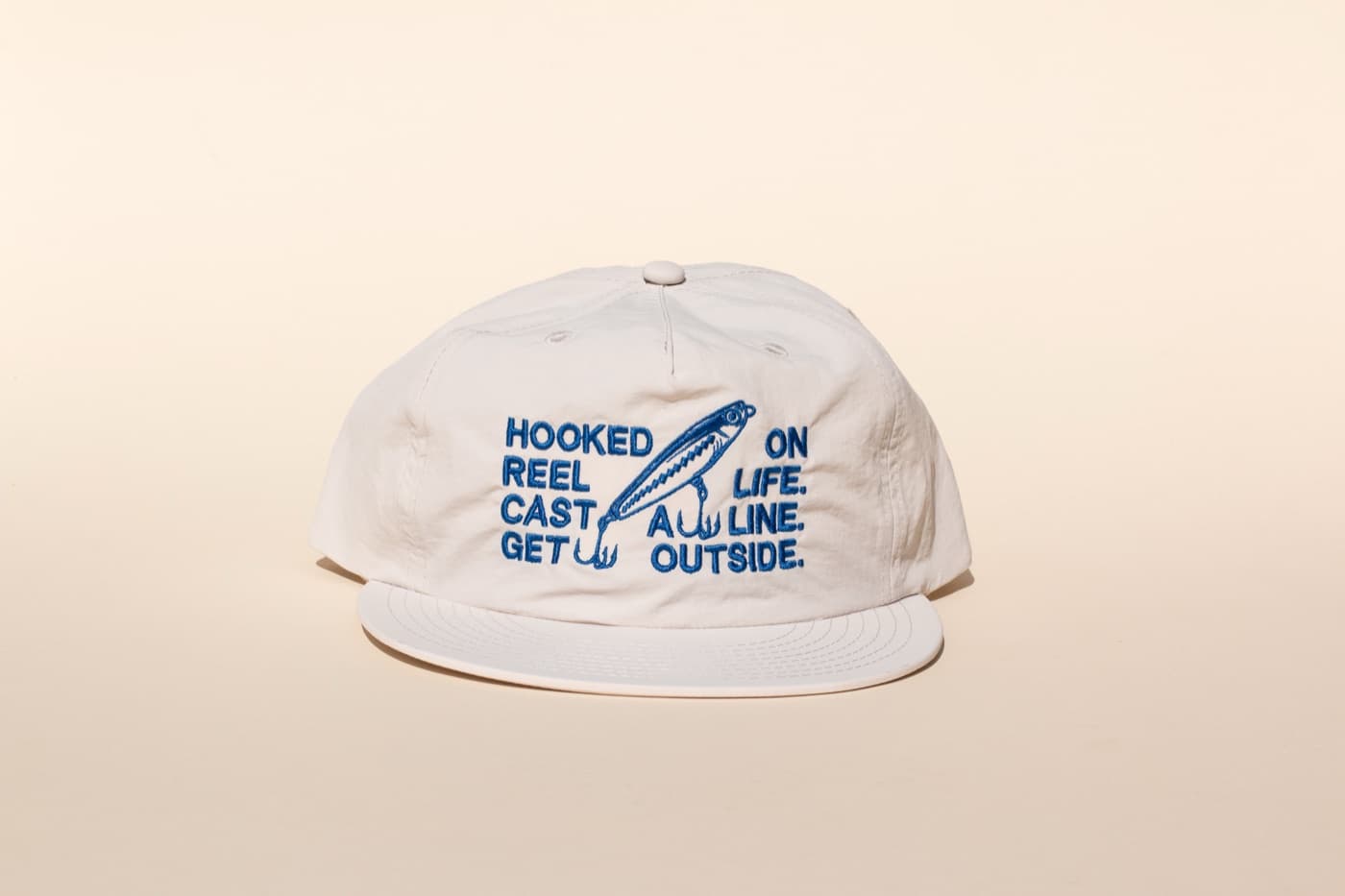
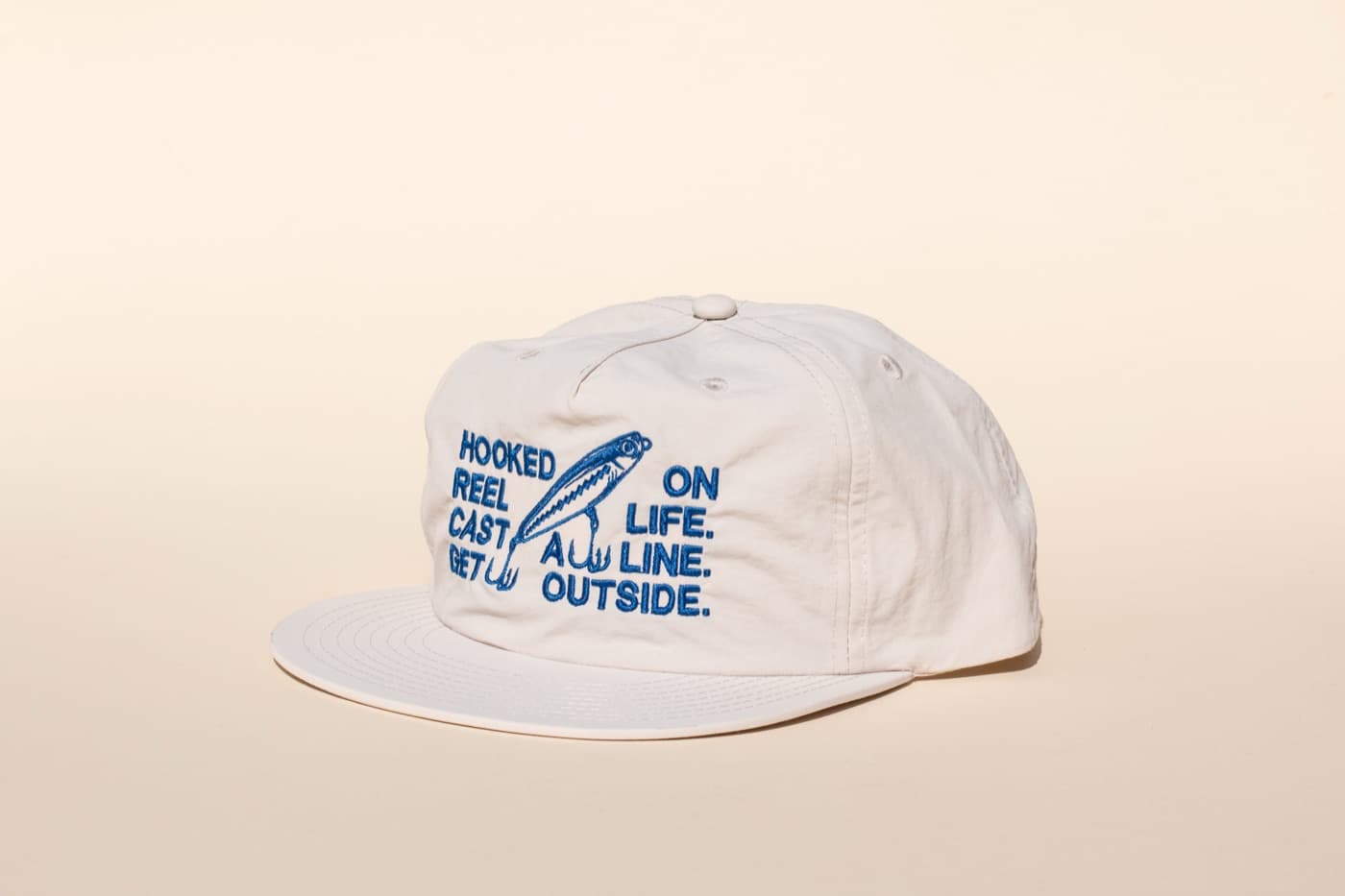
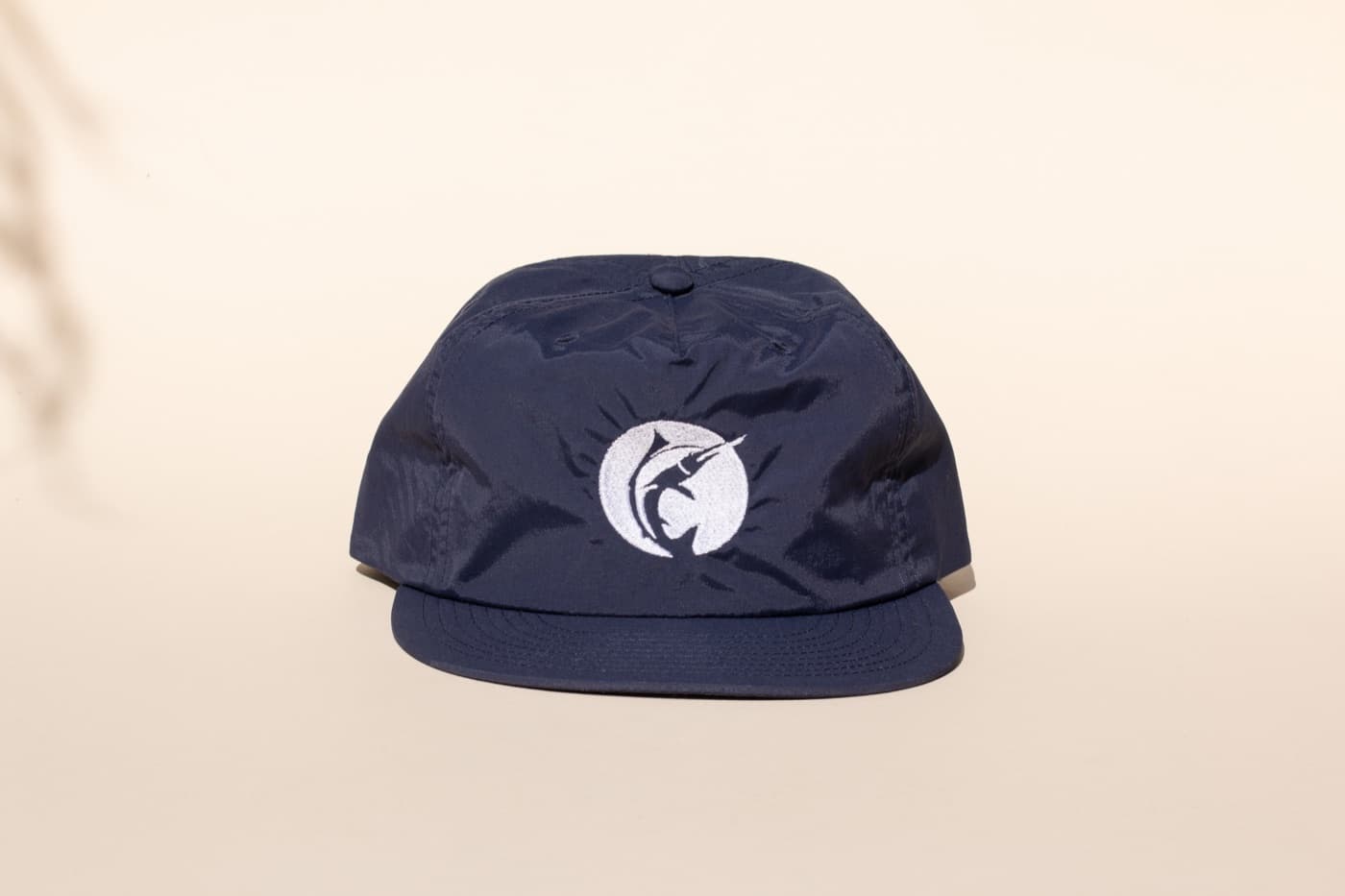
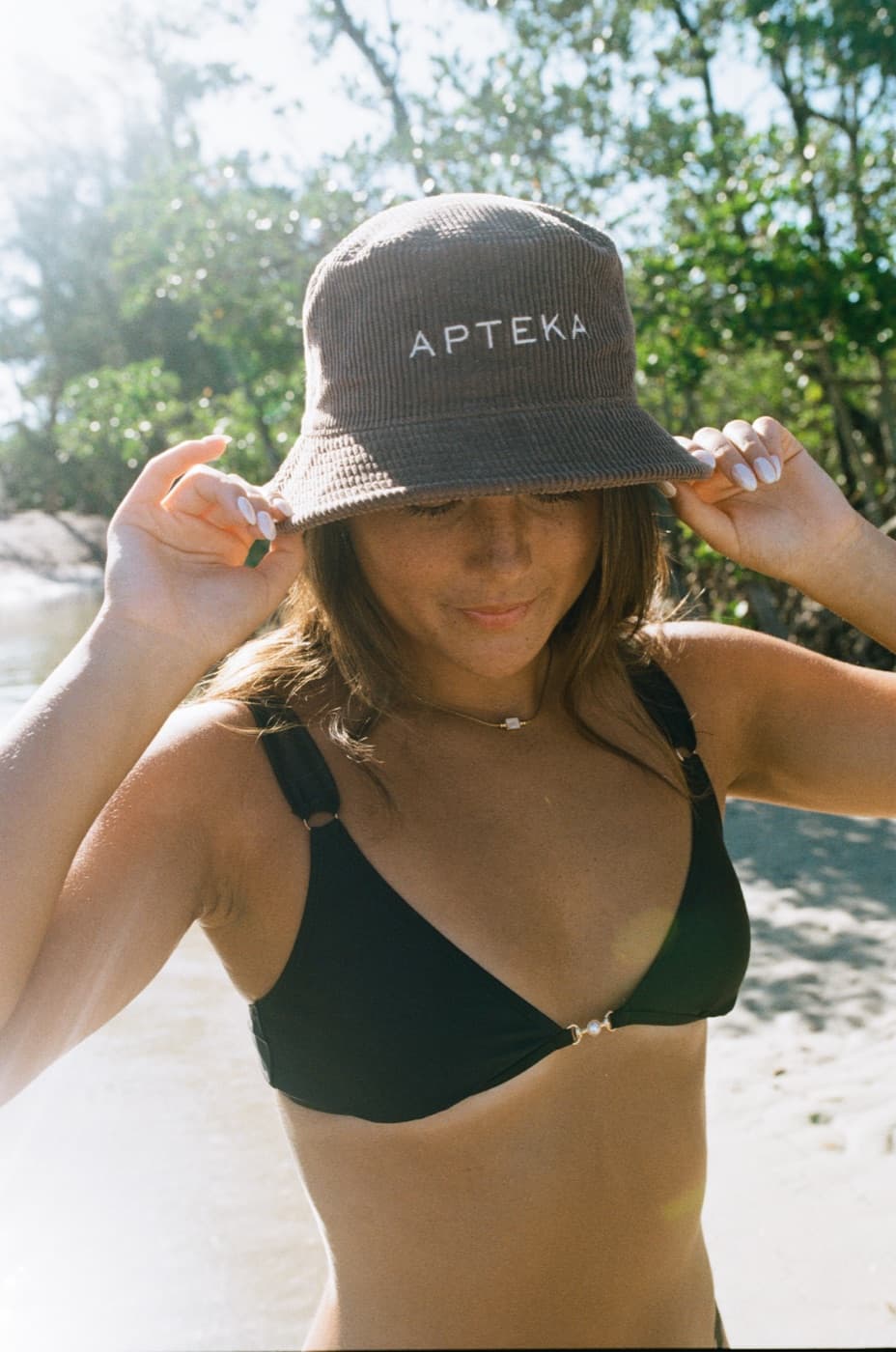
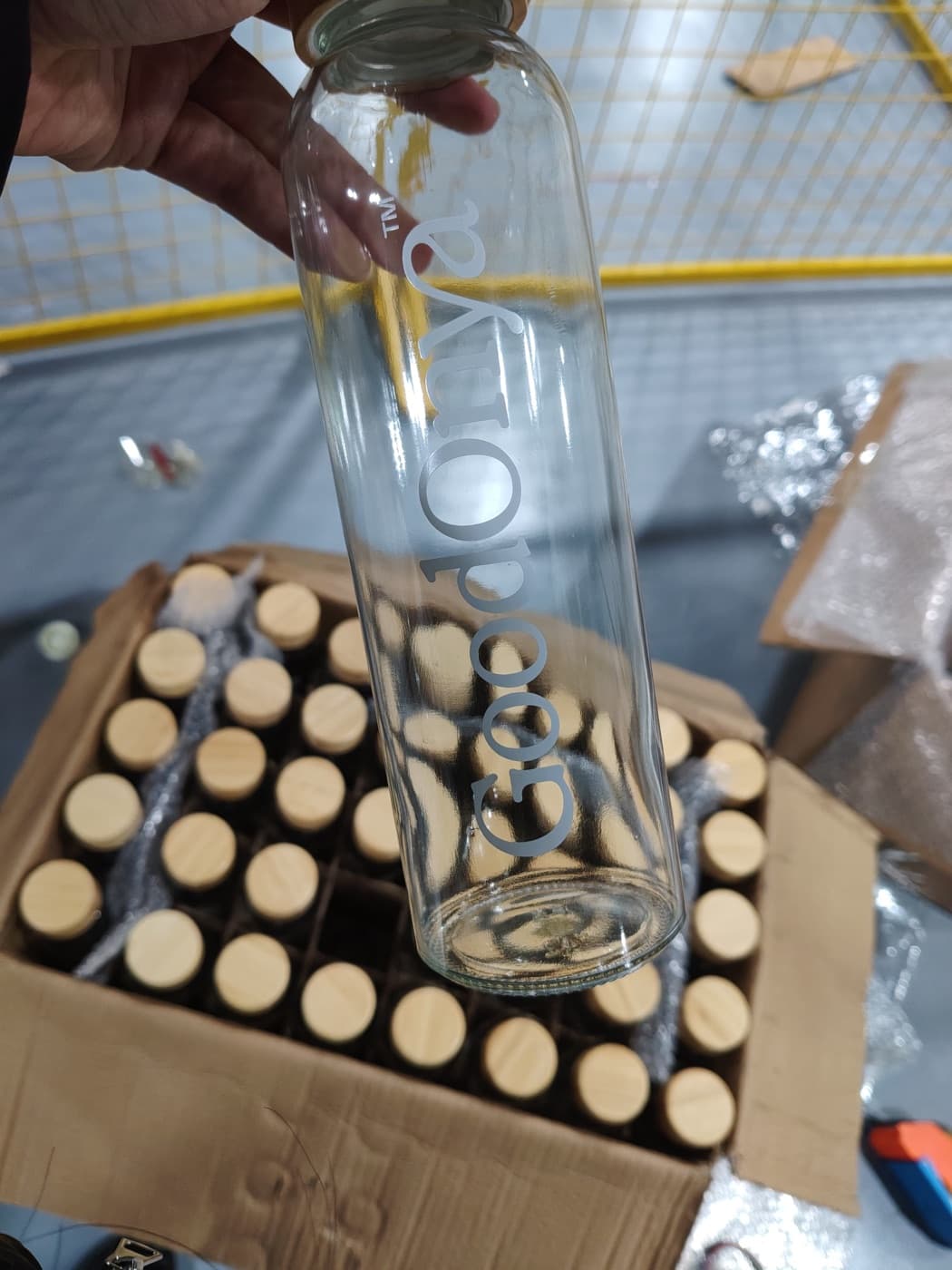
Screen printed tees typically start at 24–48 pieces, with pricing improving significantly at 72 and 144 pieces. Embroidered hats usually have a 24–48 piece minimum for standard styles. Custom woven labels often start at 100 pieces. Full-color sublimation products may start as low as 12 pieces because there is no screen or setup cost per color. DTG printing can go lower but has different quality and durability characteristics.
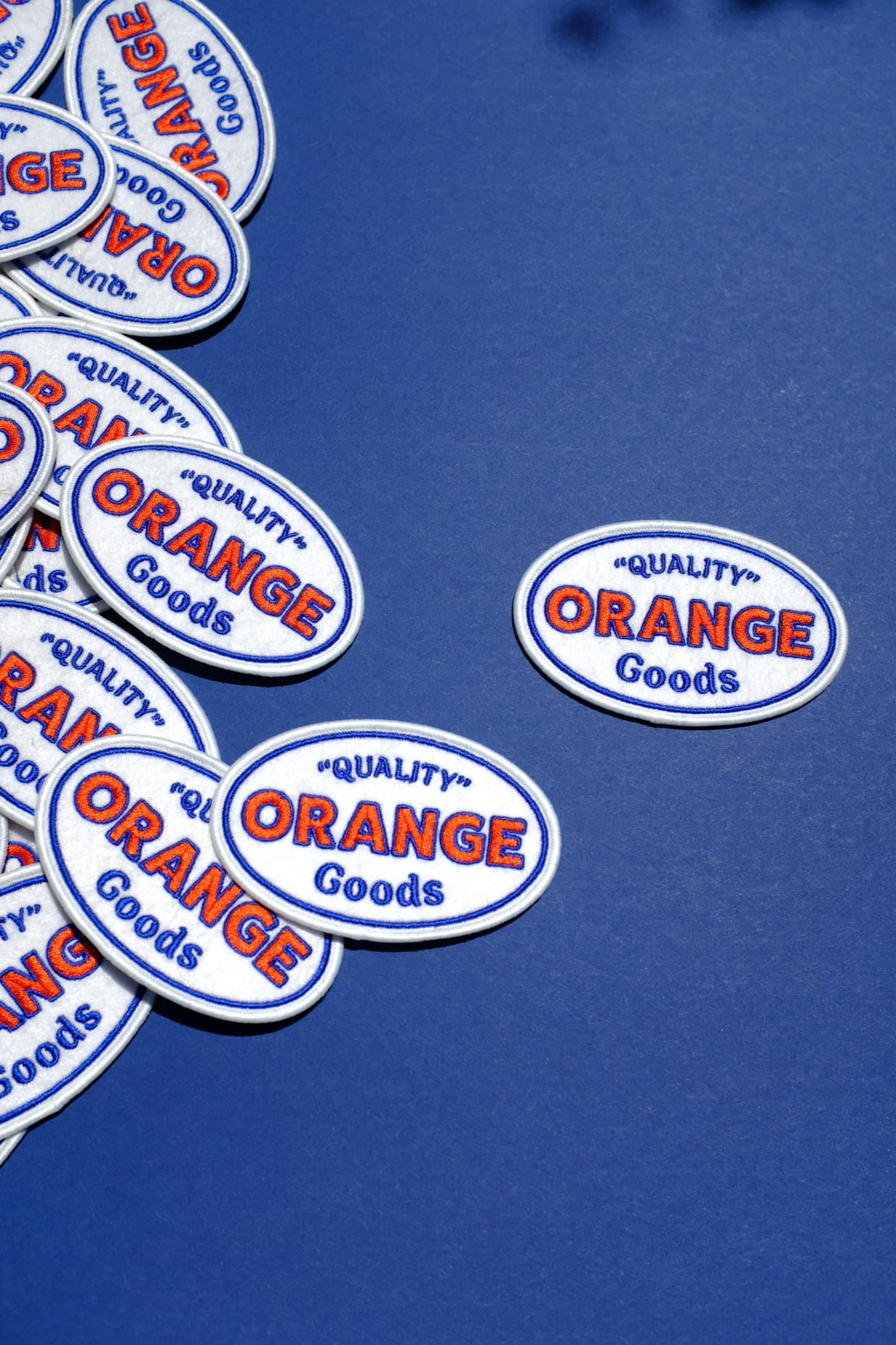
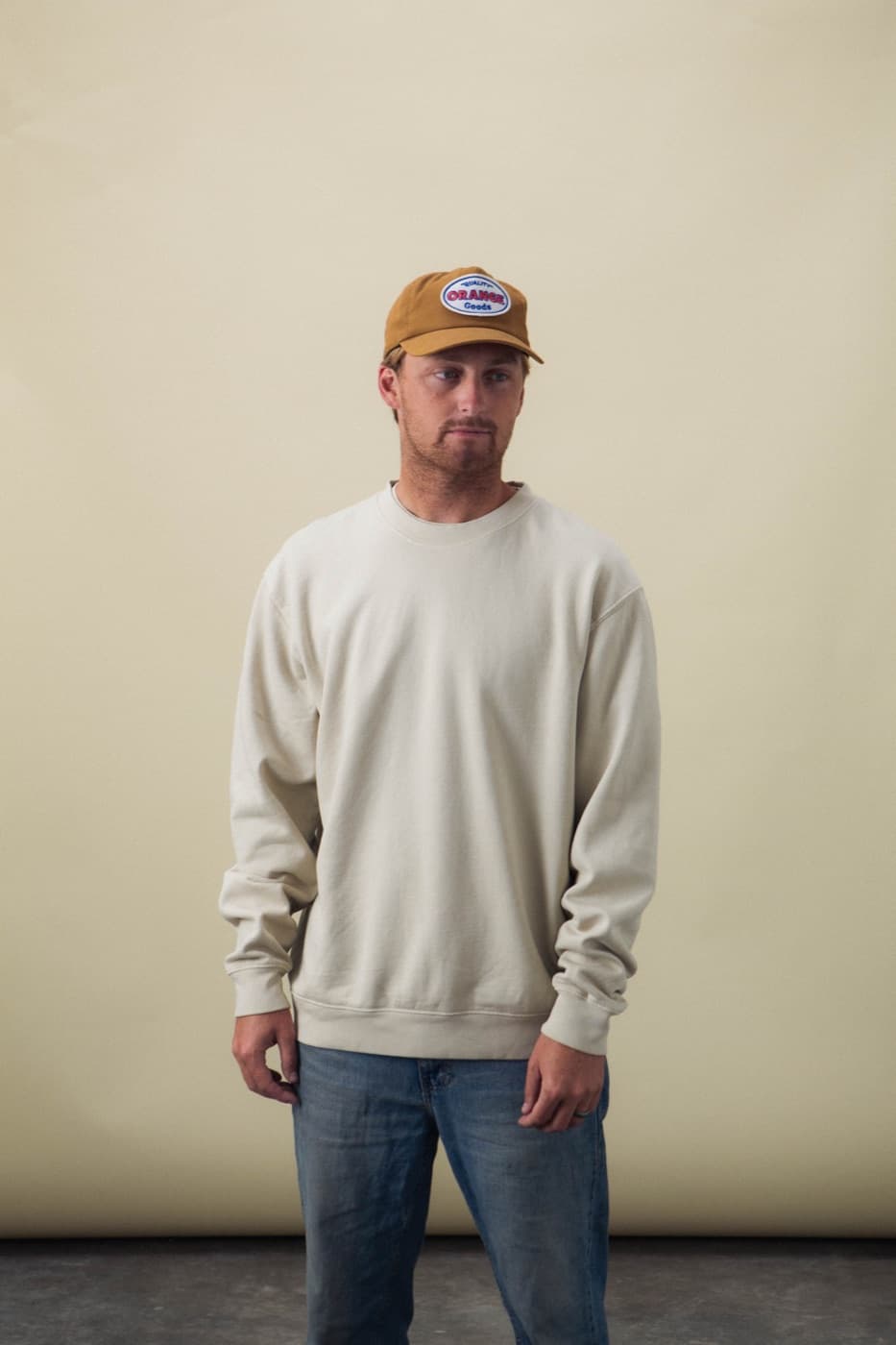
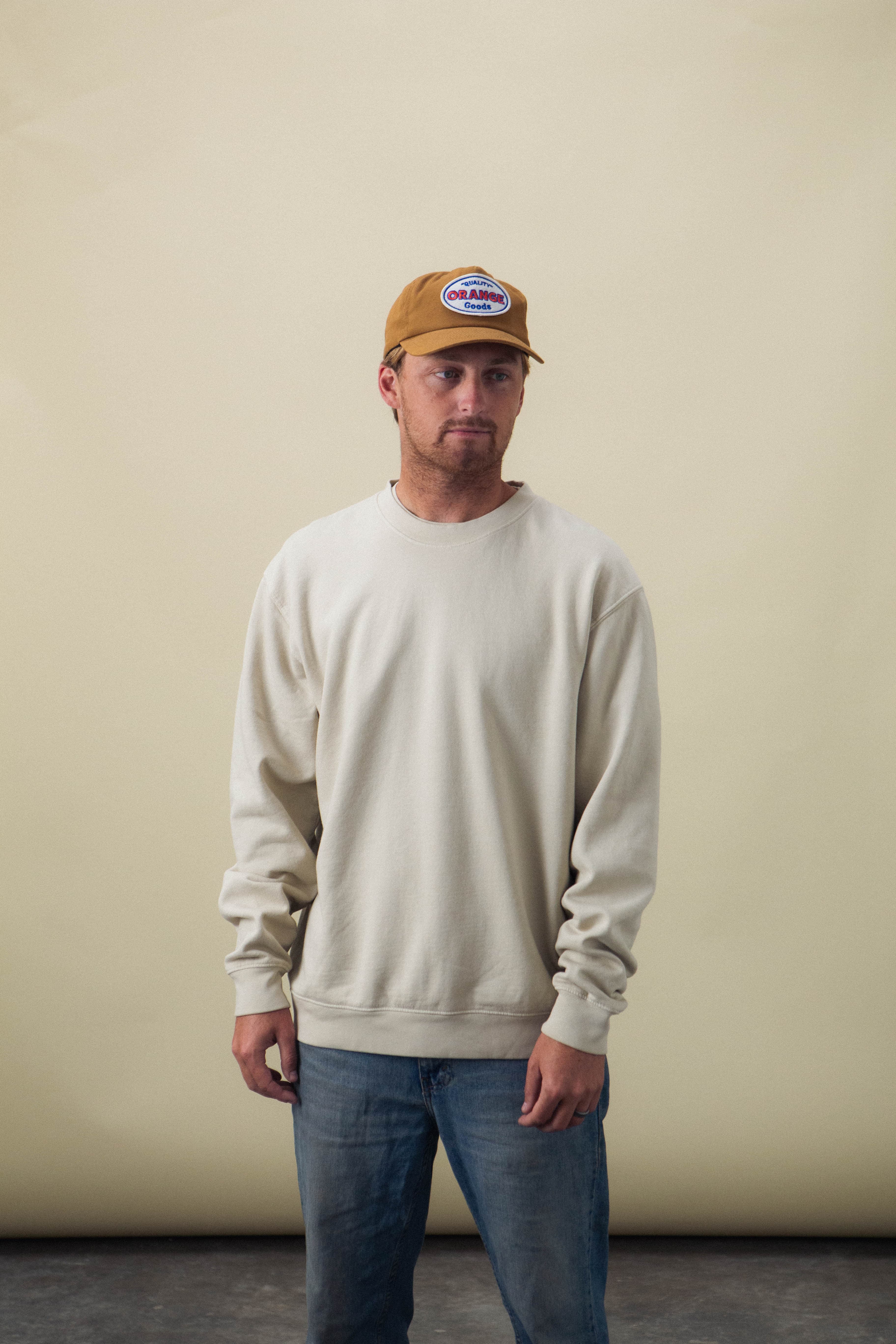
At Orange Goods, most projects are built around a 100-piece starting point. That quantity is large enough to get real production pricing, small enough to stay manageable for a first run, and provides enough inventory to actually use the goods — outfit a team, seed a market, support an event, and still have stock left for reorders.
Mixing sizes and styles
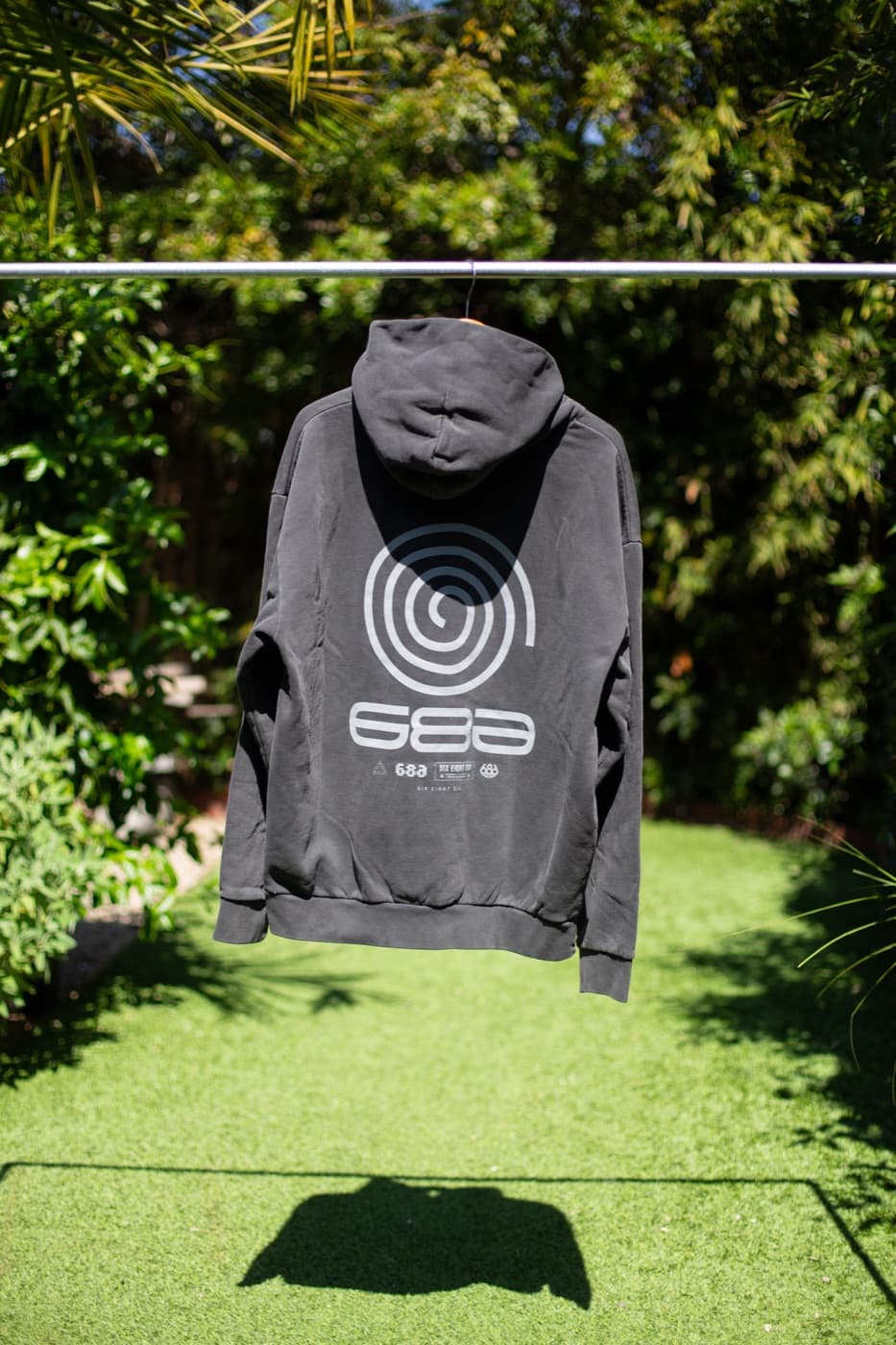
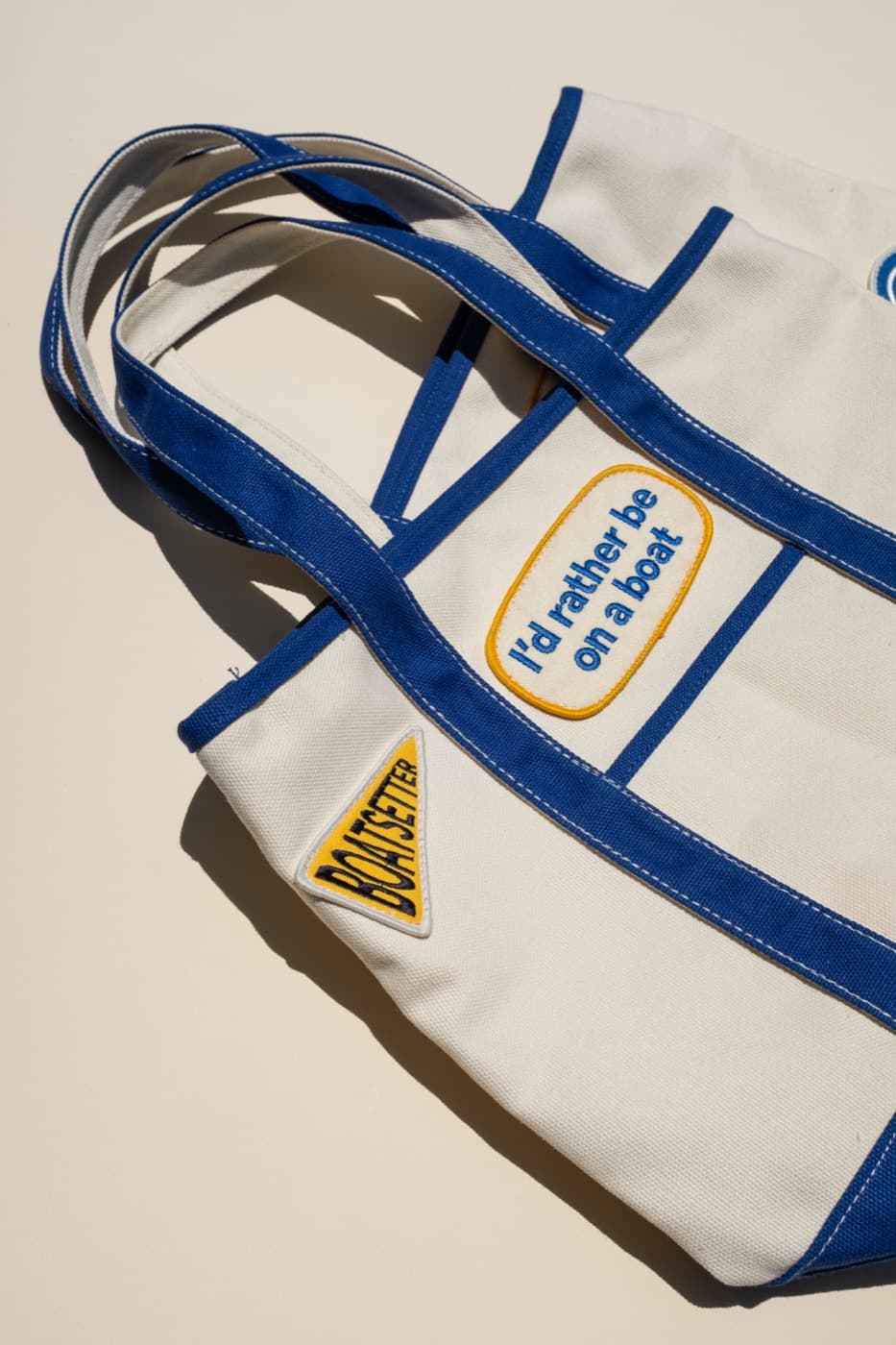
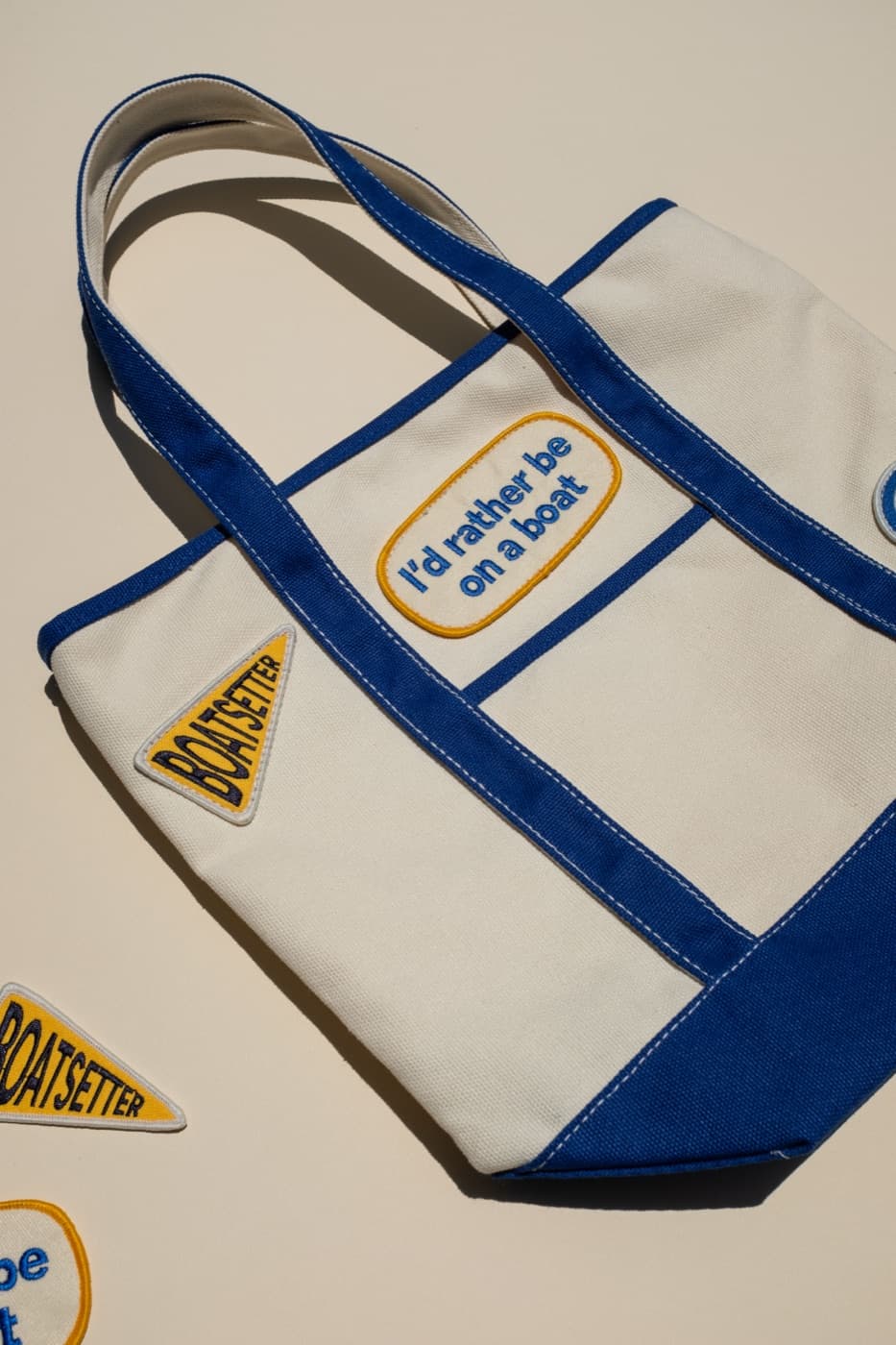
Minimums typically apply to the total run, not to each size. You can order 100 tees across six sizes and meet the minimum. What you usually cannot do is mix completely different styles — a hoodie and a tee are different products with different setups, so they typically have separate minimums.
Planning around minimums
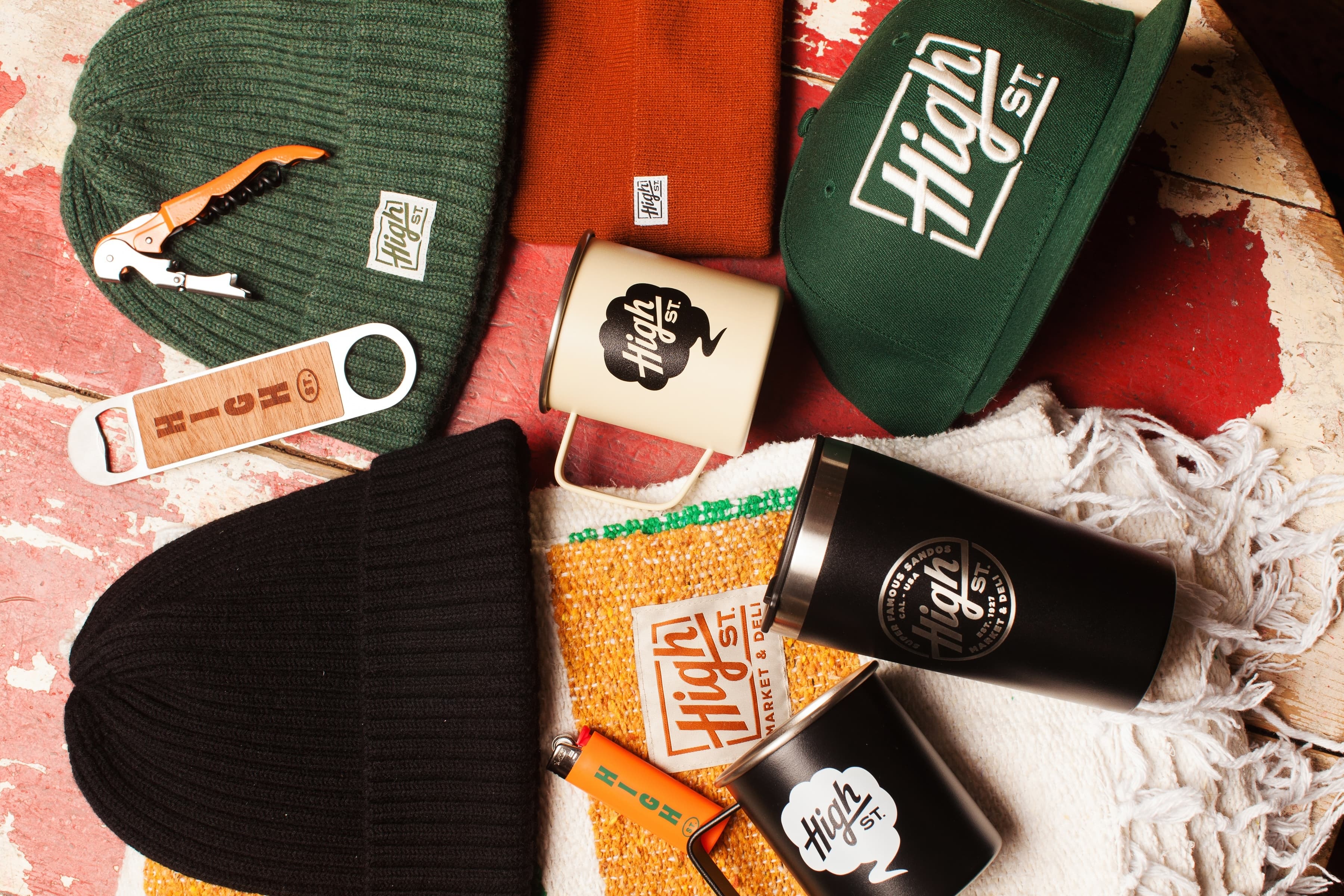
The best approach is to anchor on a realistic minimum and choose a product that makes sense at that quantity. A 100-piece hat order with good embroidery is almost always a stronger move than a 24-piece hat order with the same design. The per-piece cost is lower, the inventory lasts long enough to be useful, and the program feels more intentional.
If the budget truly cannot support 100 pieces, DTG printing on blanks you source separately is one option. Print-on-demand services are another — useful for a single SKU with unpredictable demand but not practical for a large event or staff program. Know the trade-offs and plan accordingly.