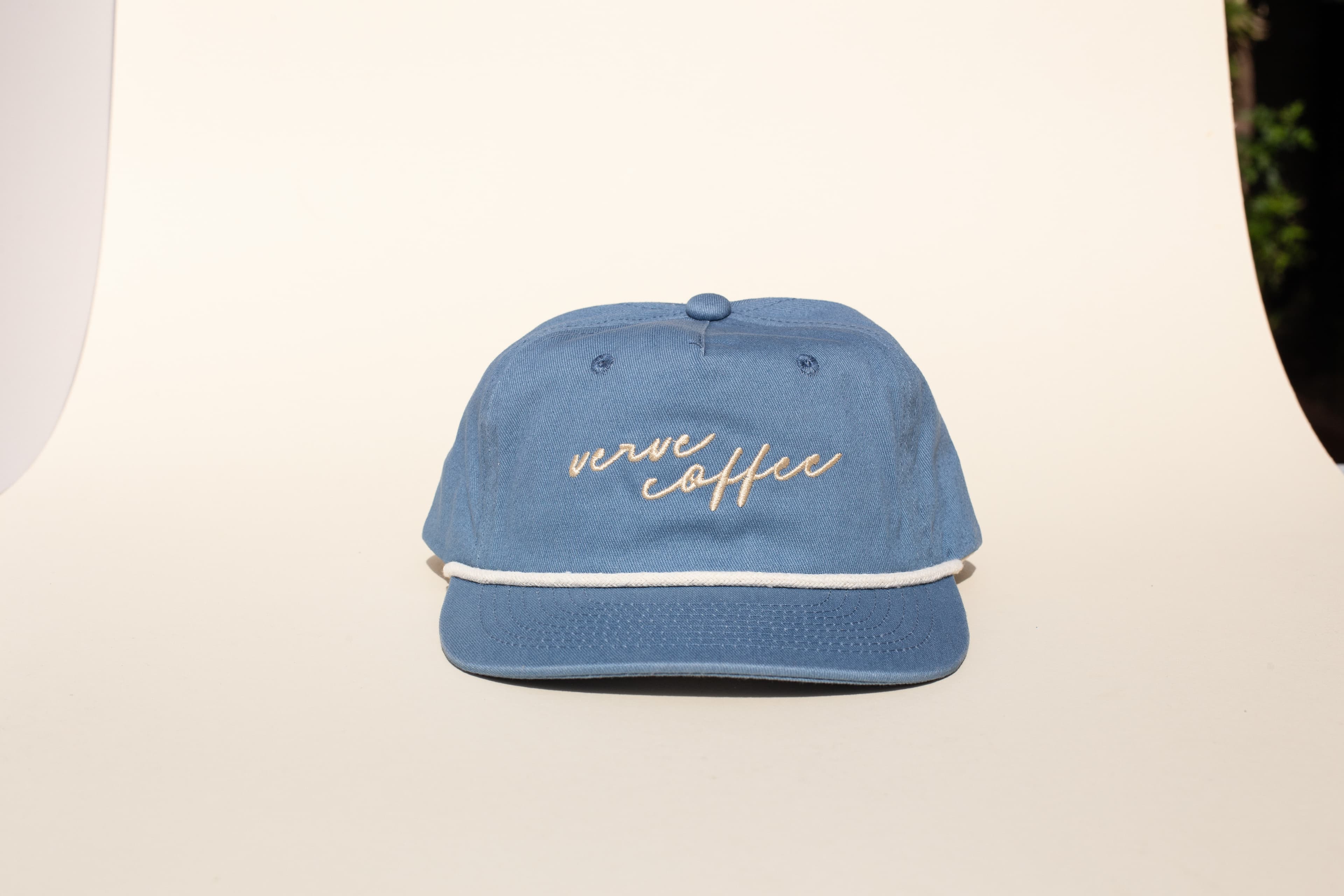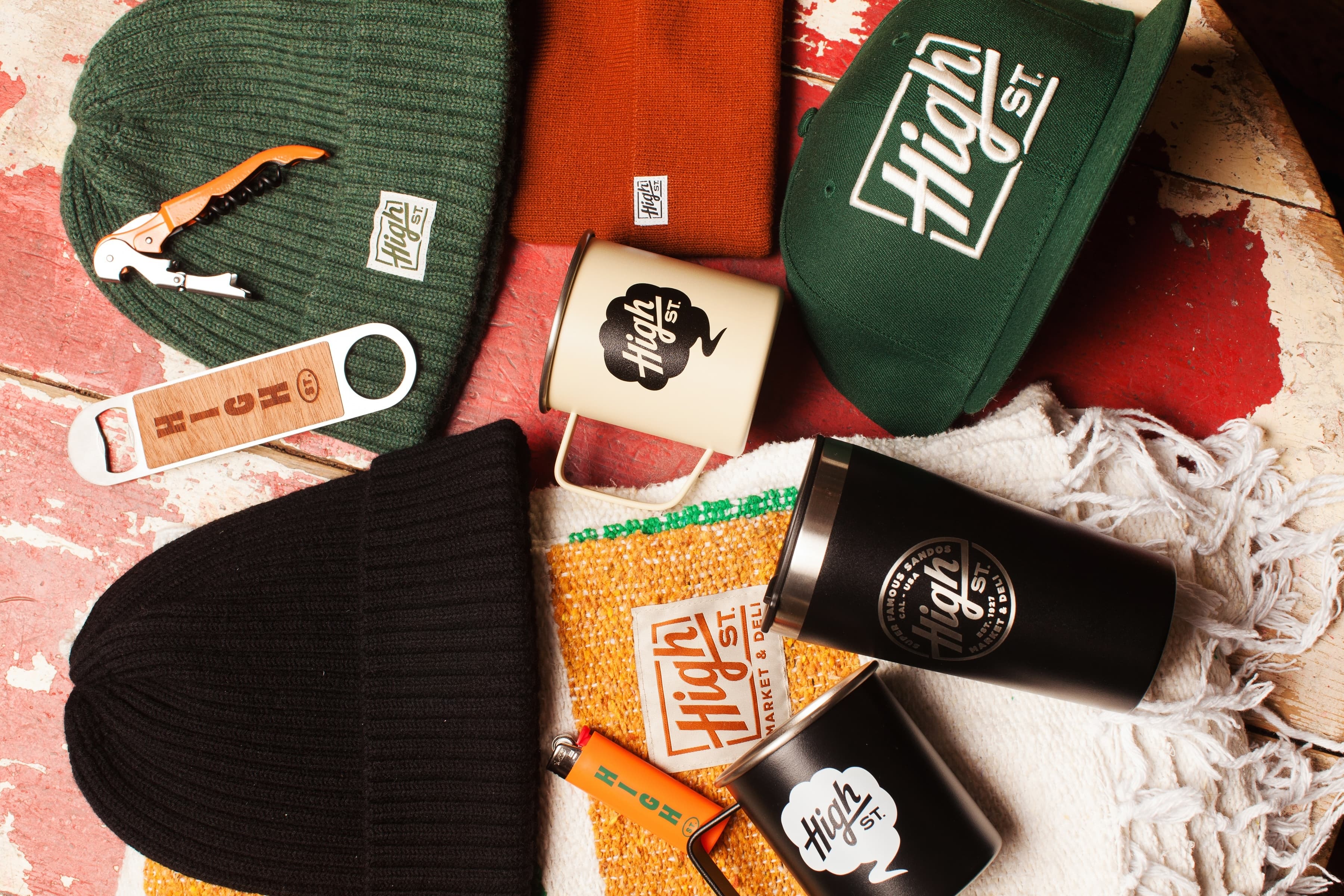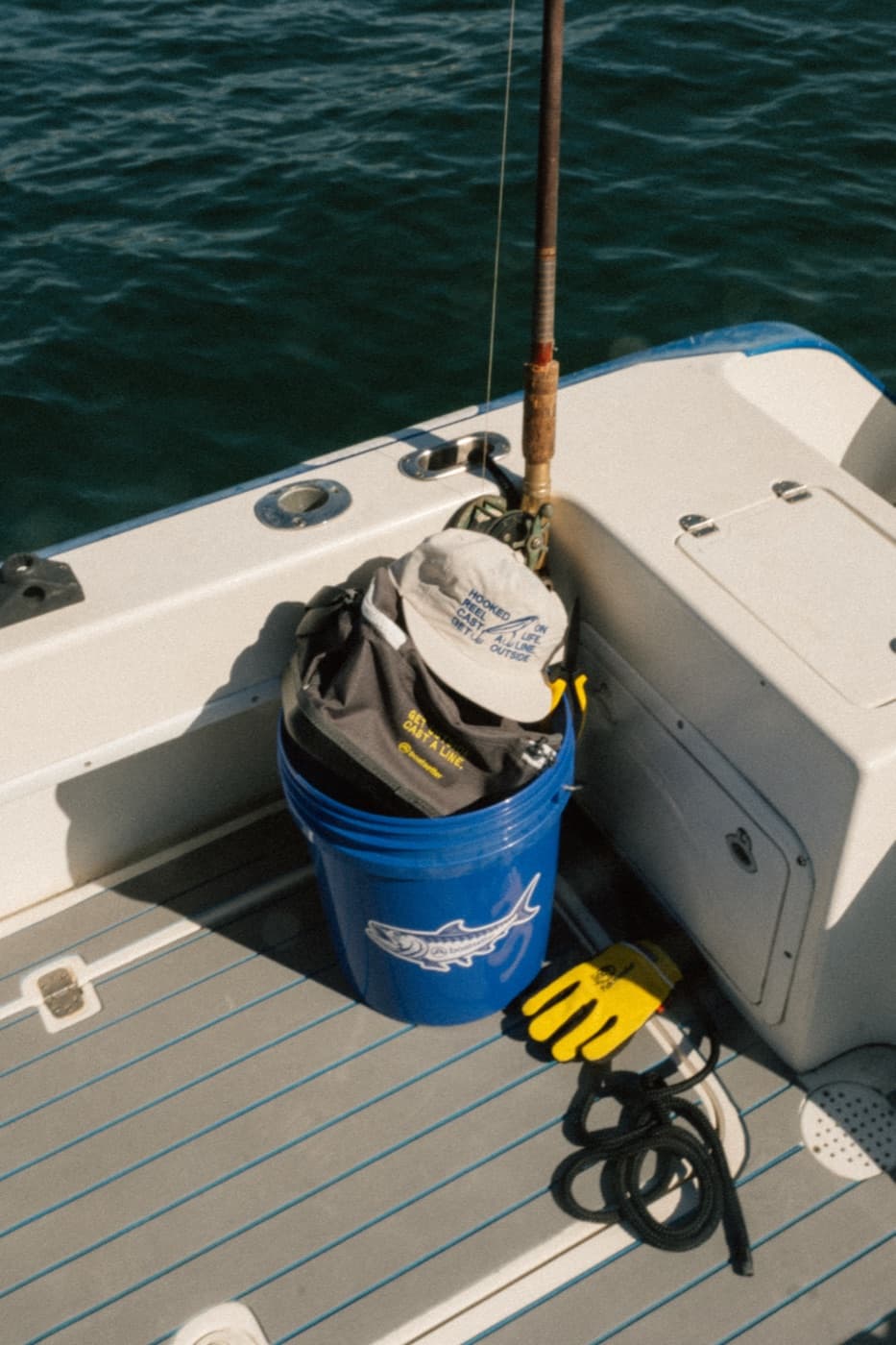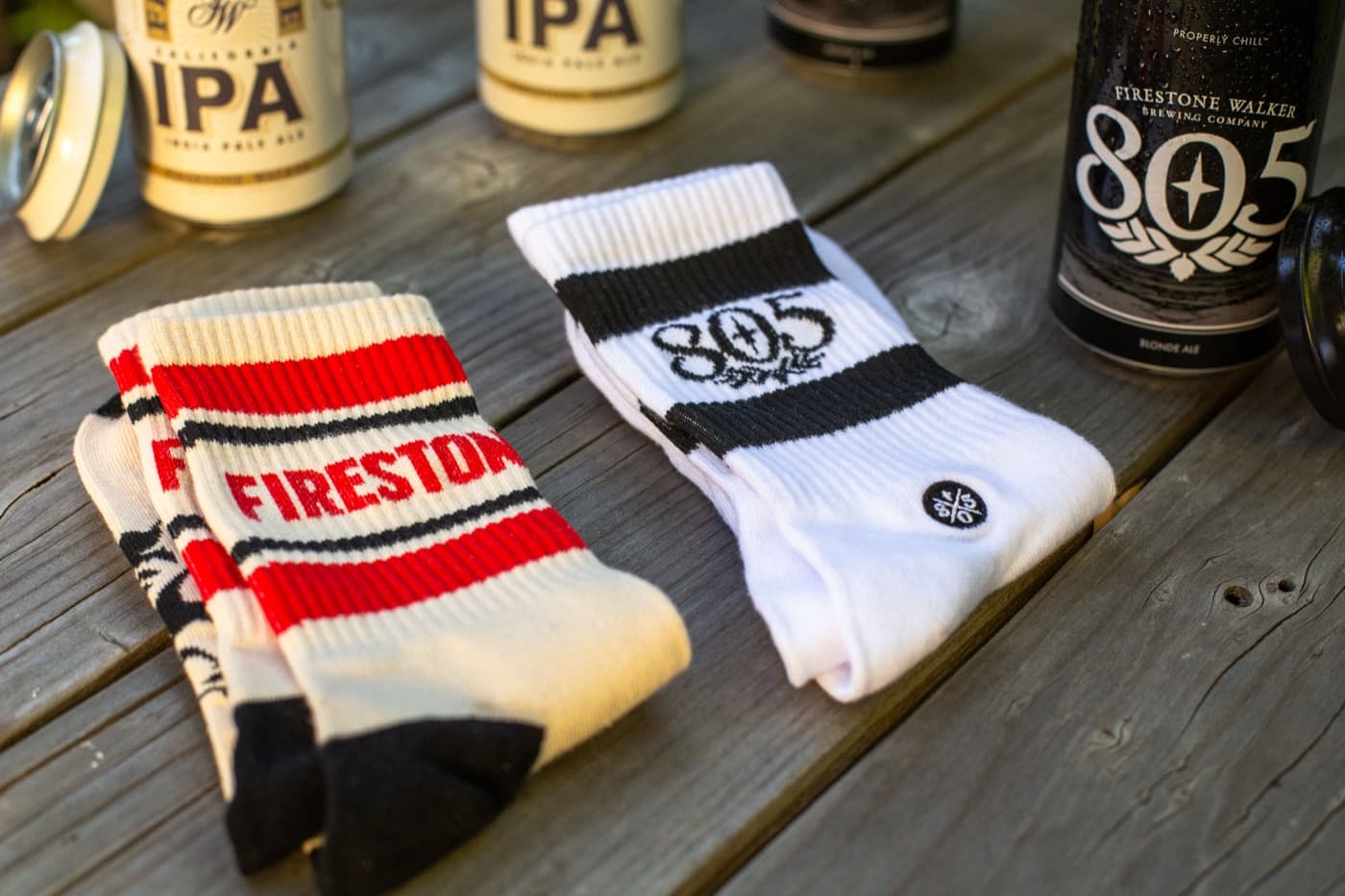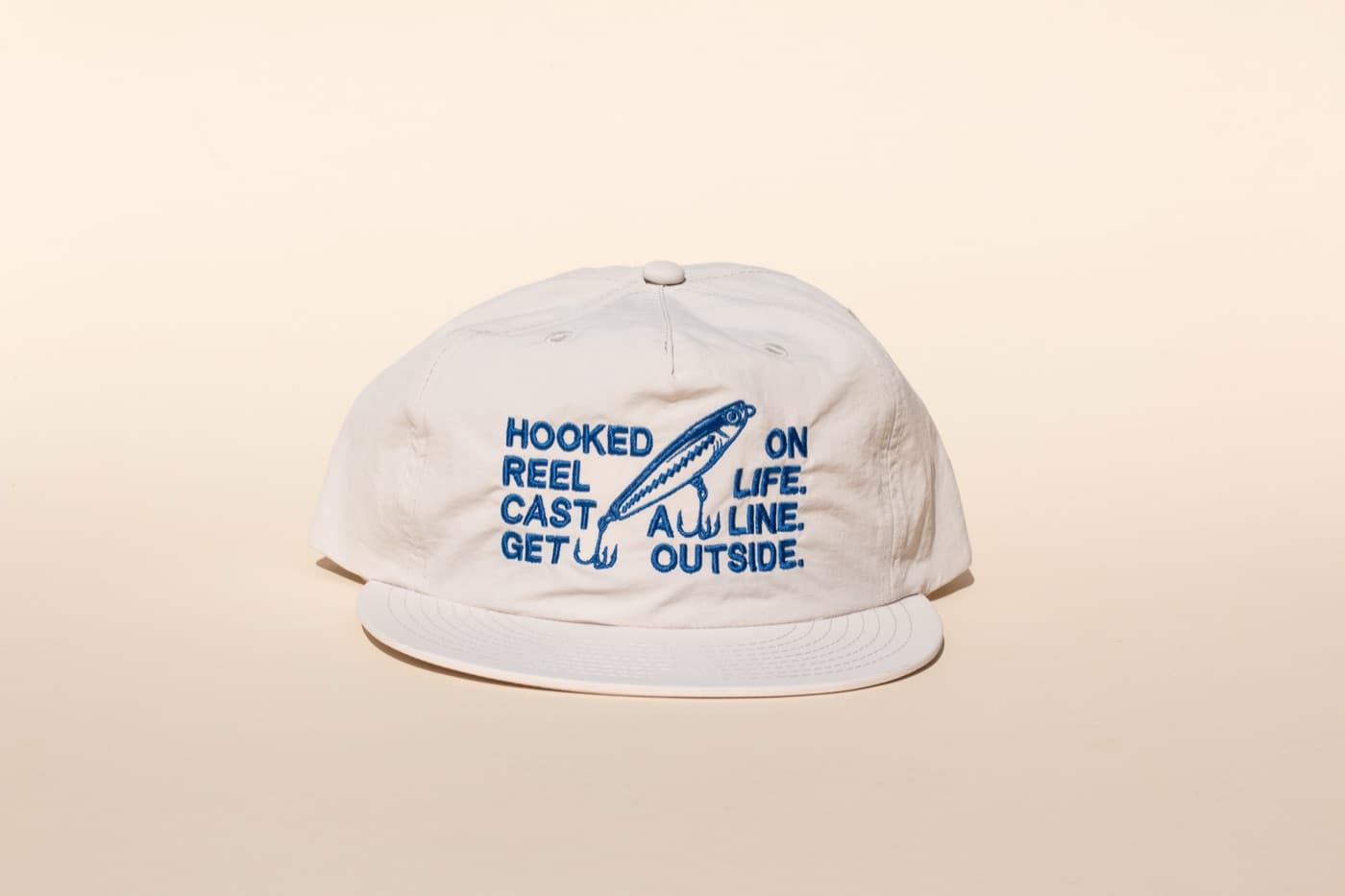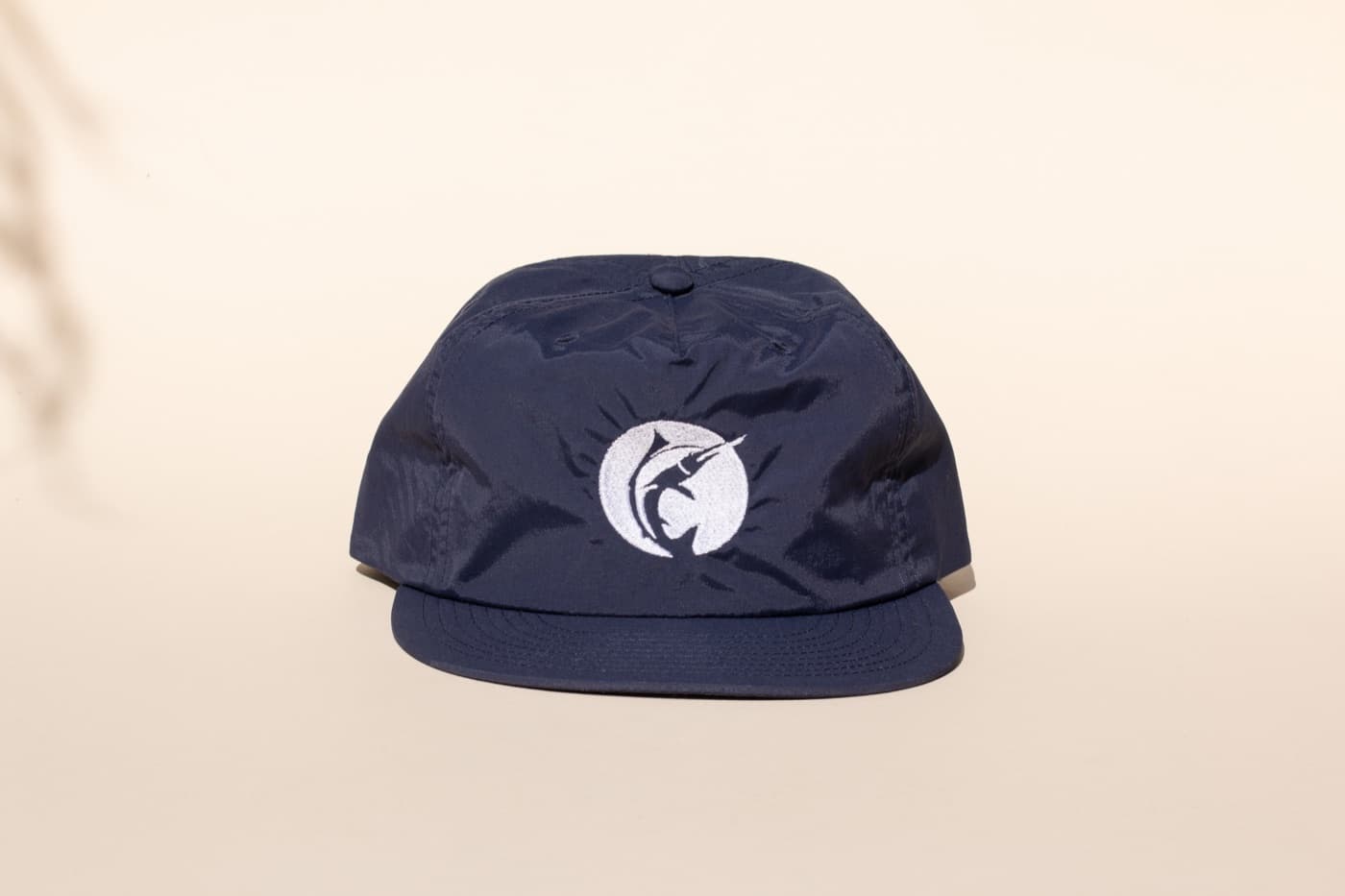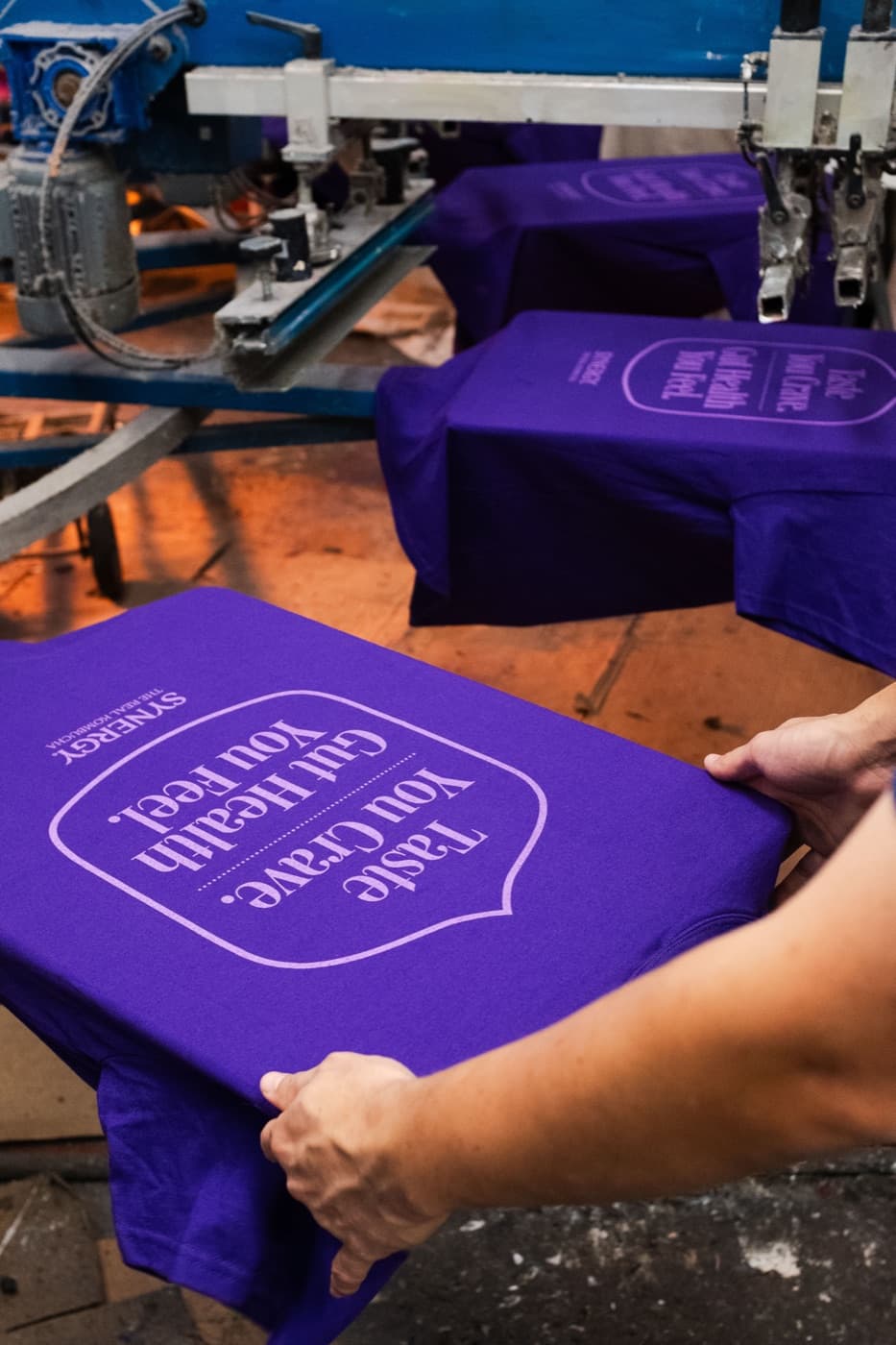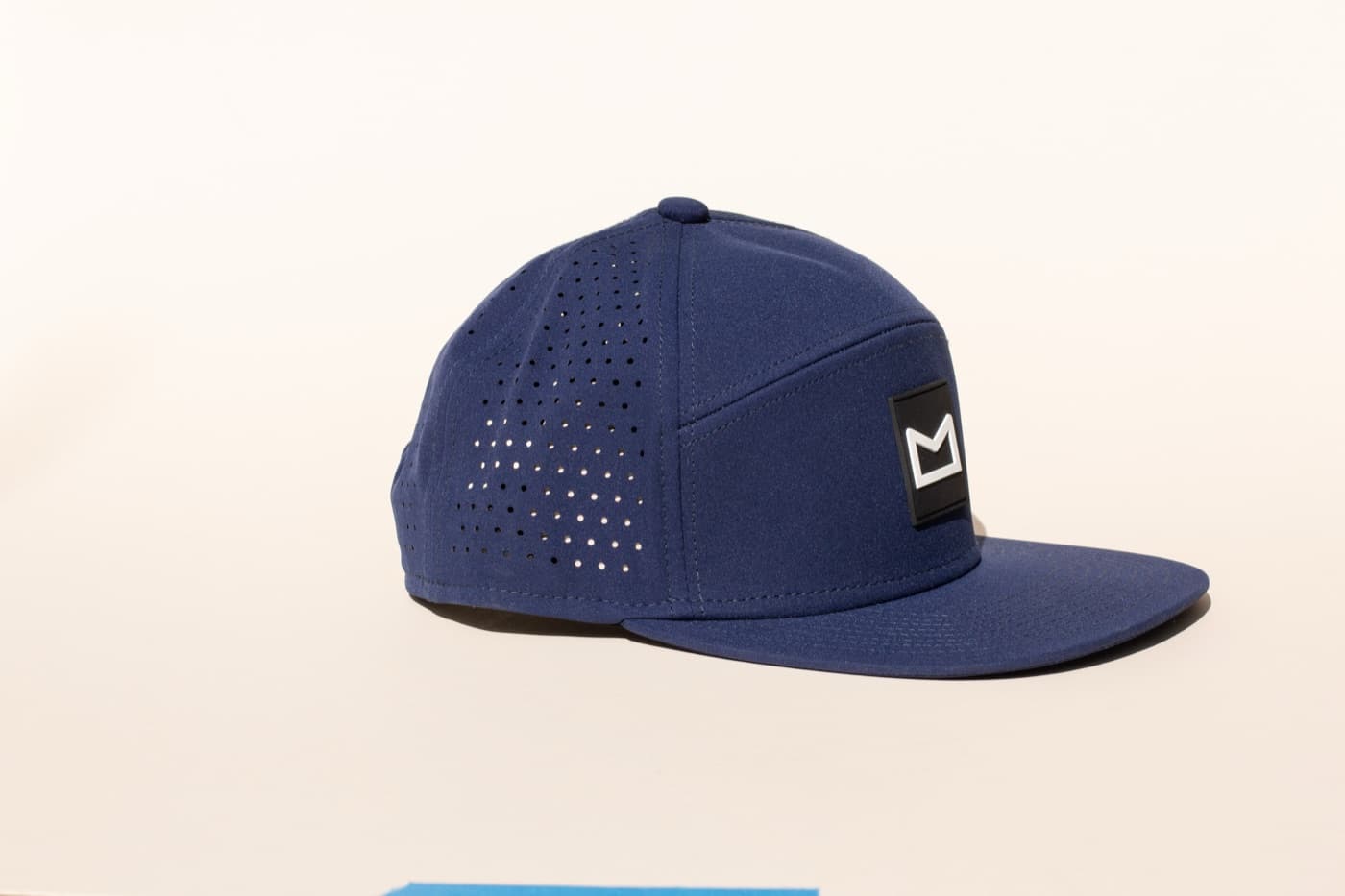
Custom headwear is not one decoration decision. It is a chain of decisions: cap shape, fabric, color, front structure, artwork, decoration method, placement, side or back details, interior labels, and packaging. The finish should match the hat.
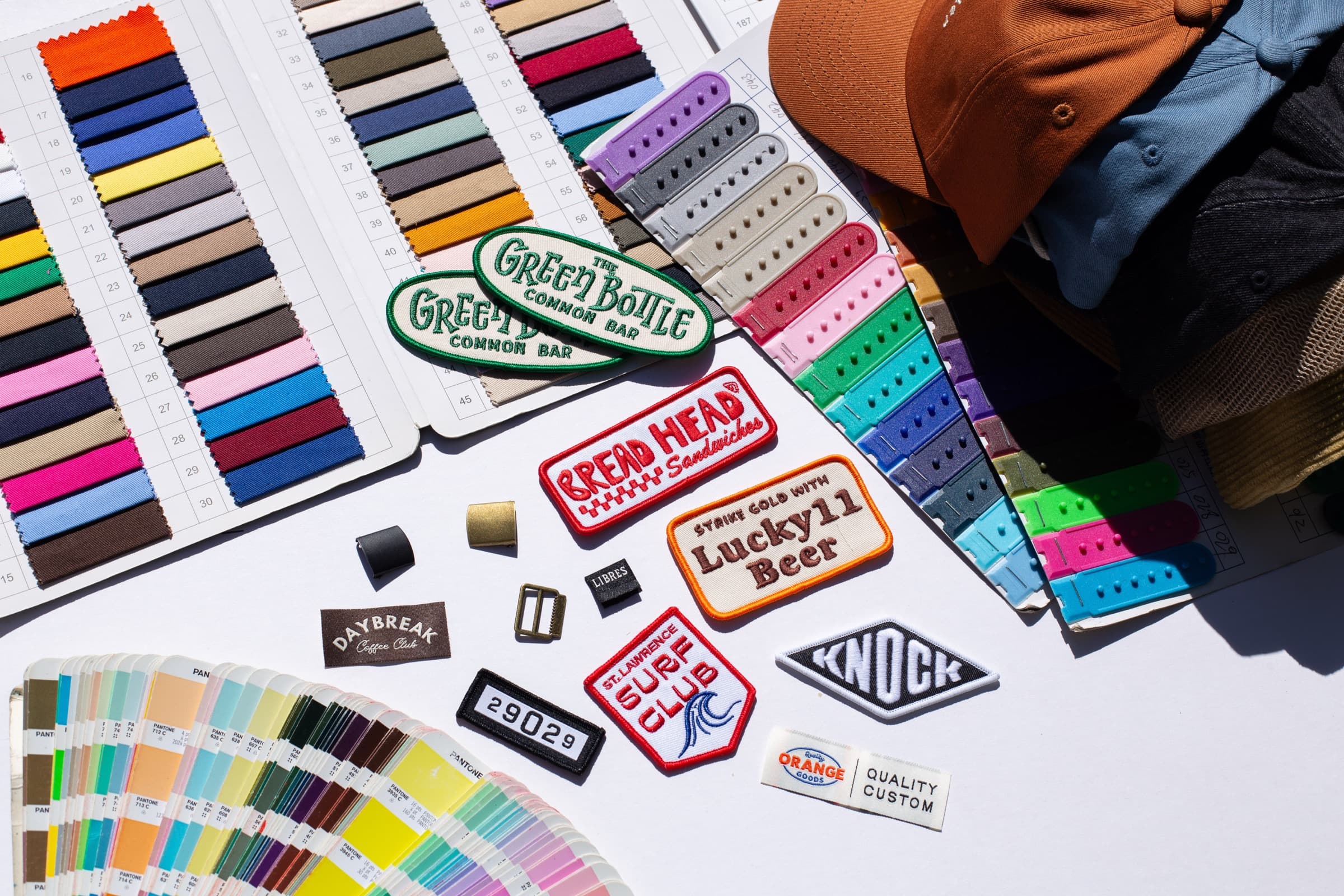
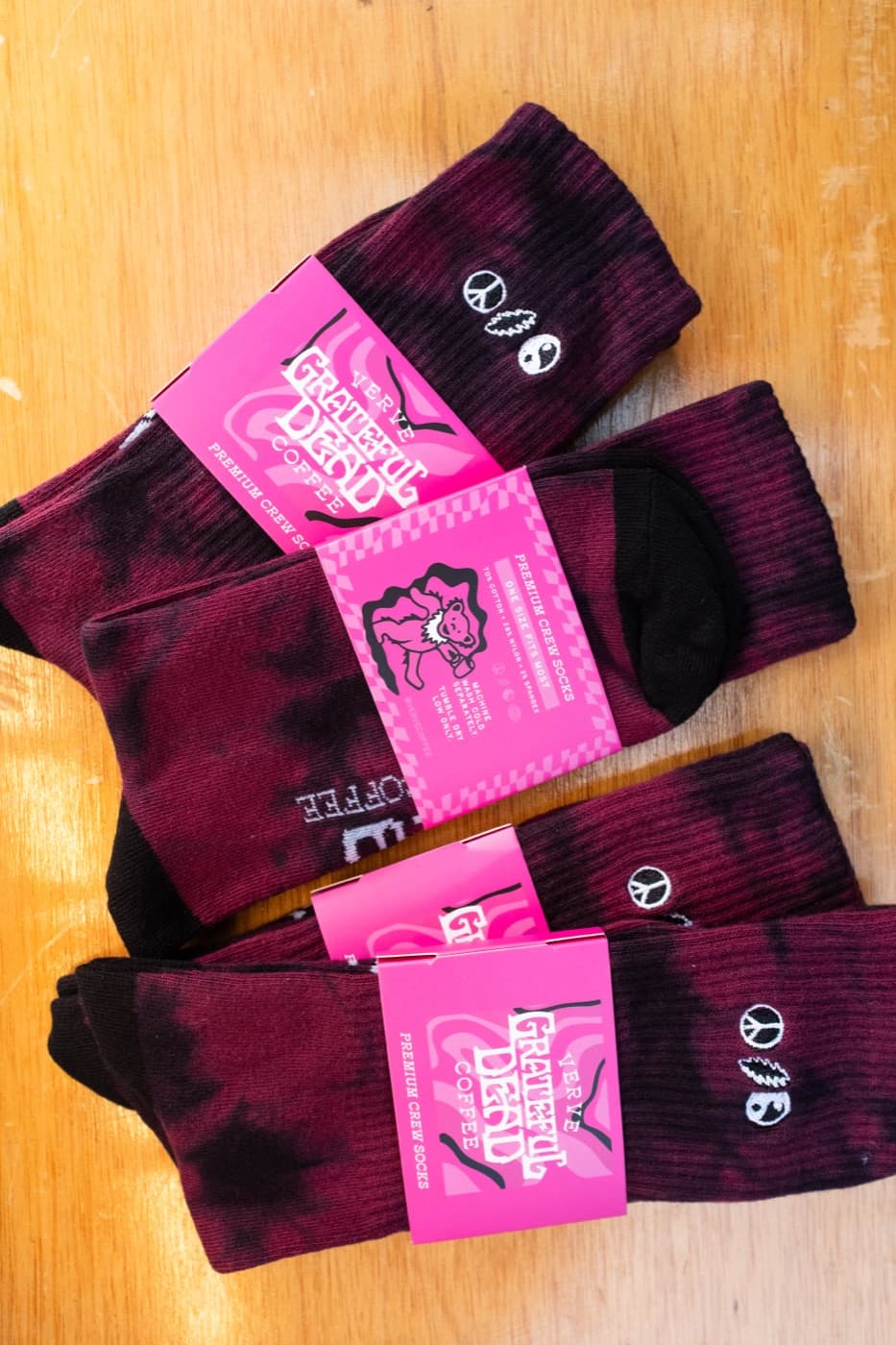
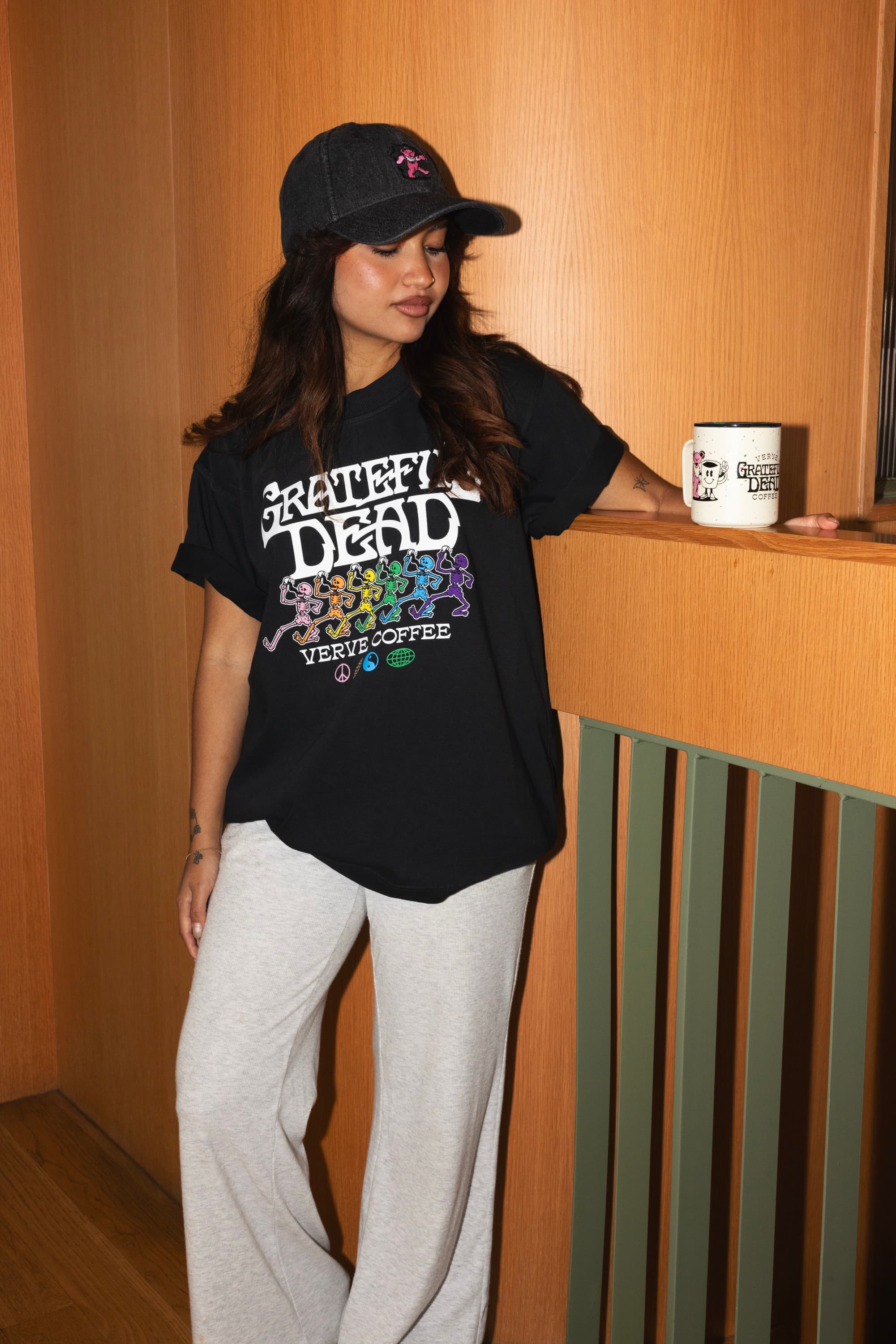
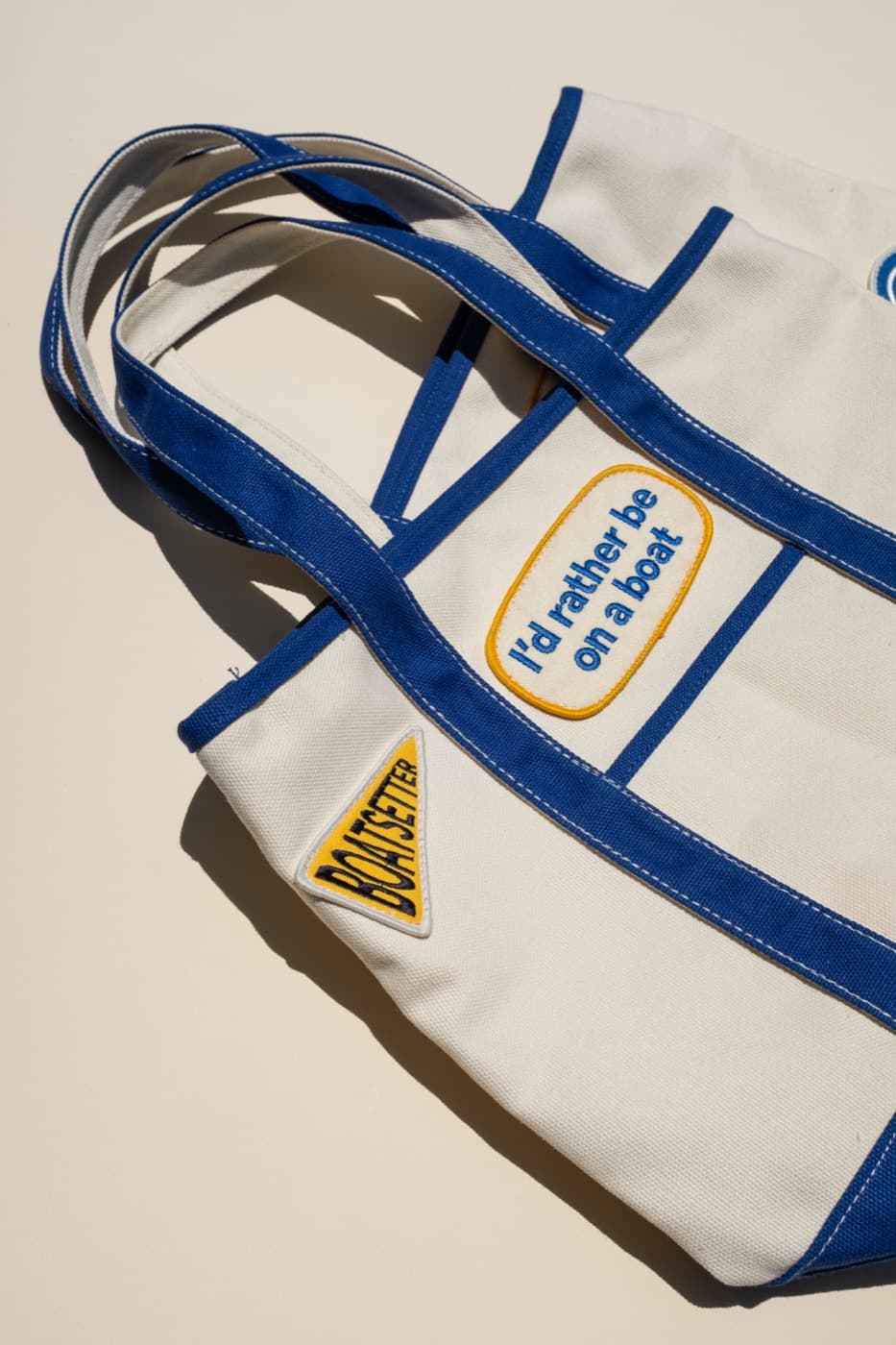
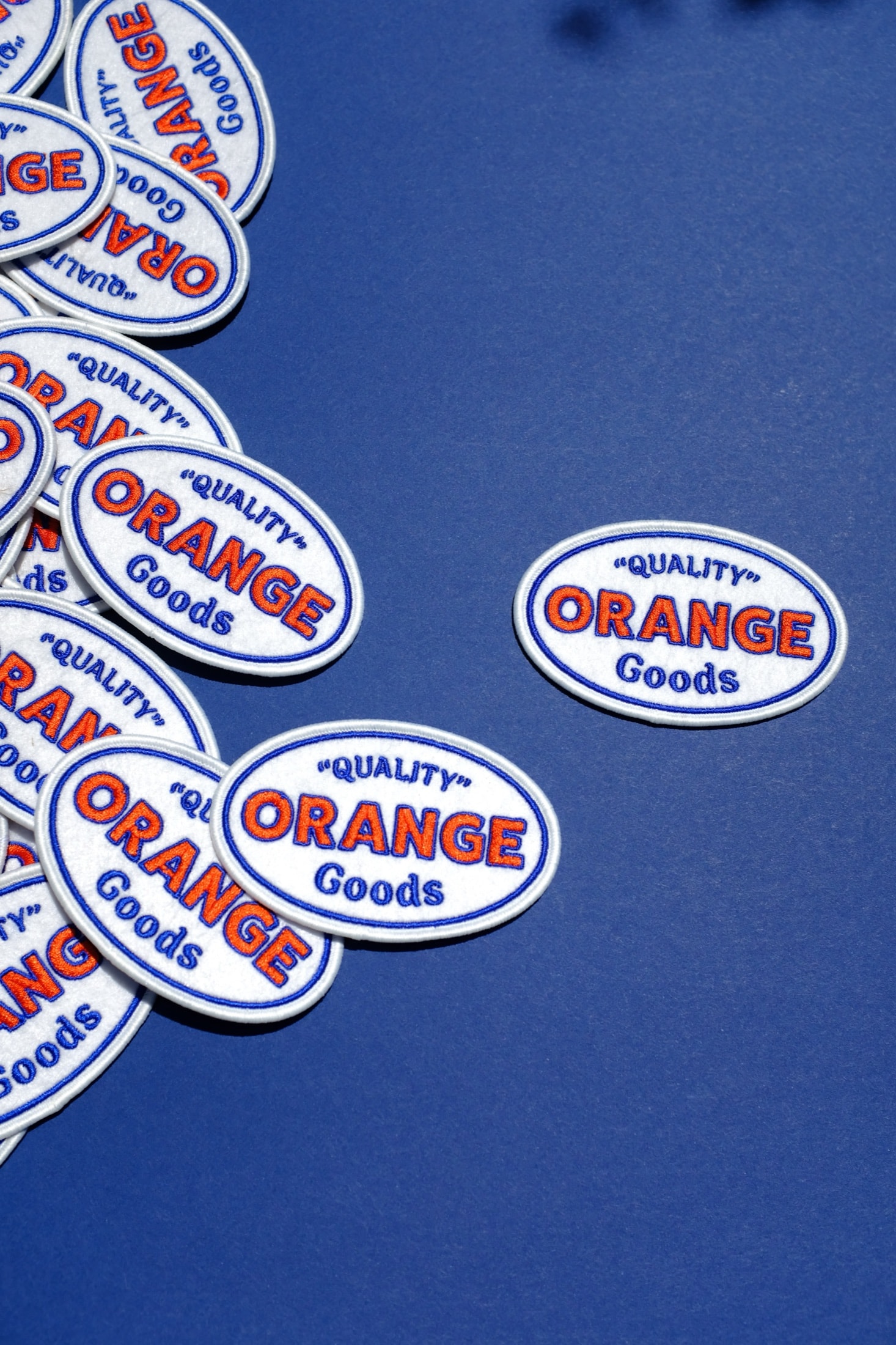
Embroidery, woven patches, embroidered patches, leather patches, printed patches, felt, PVC, and woven labels can all work. The right choice depends on what the artwork needs to do and how the finished hat should feel.
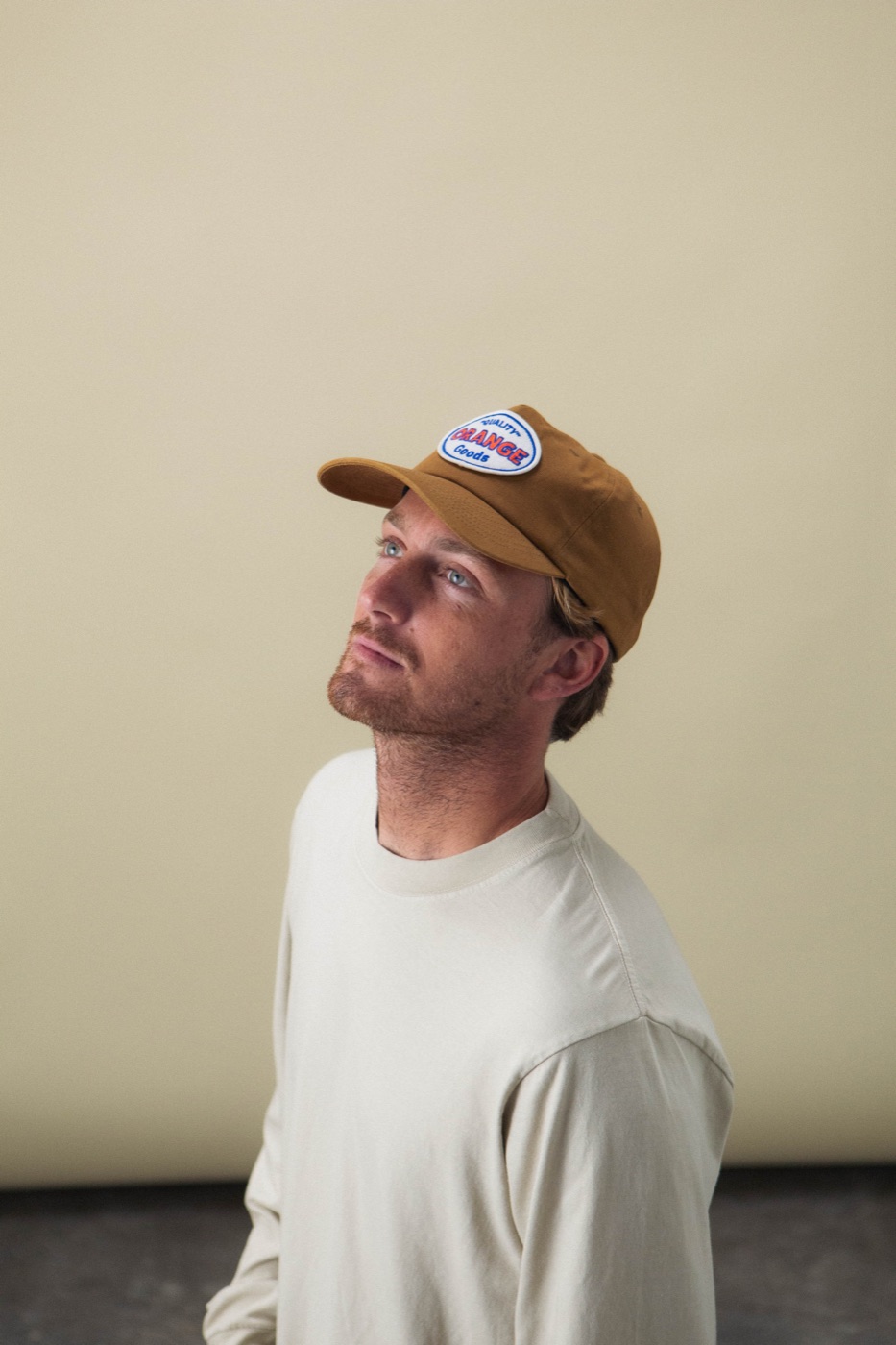
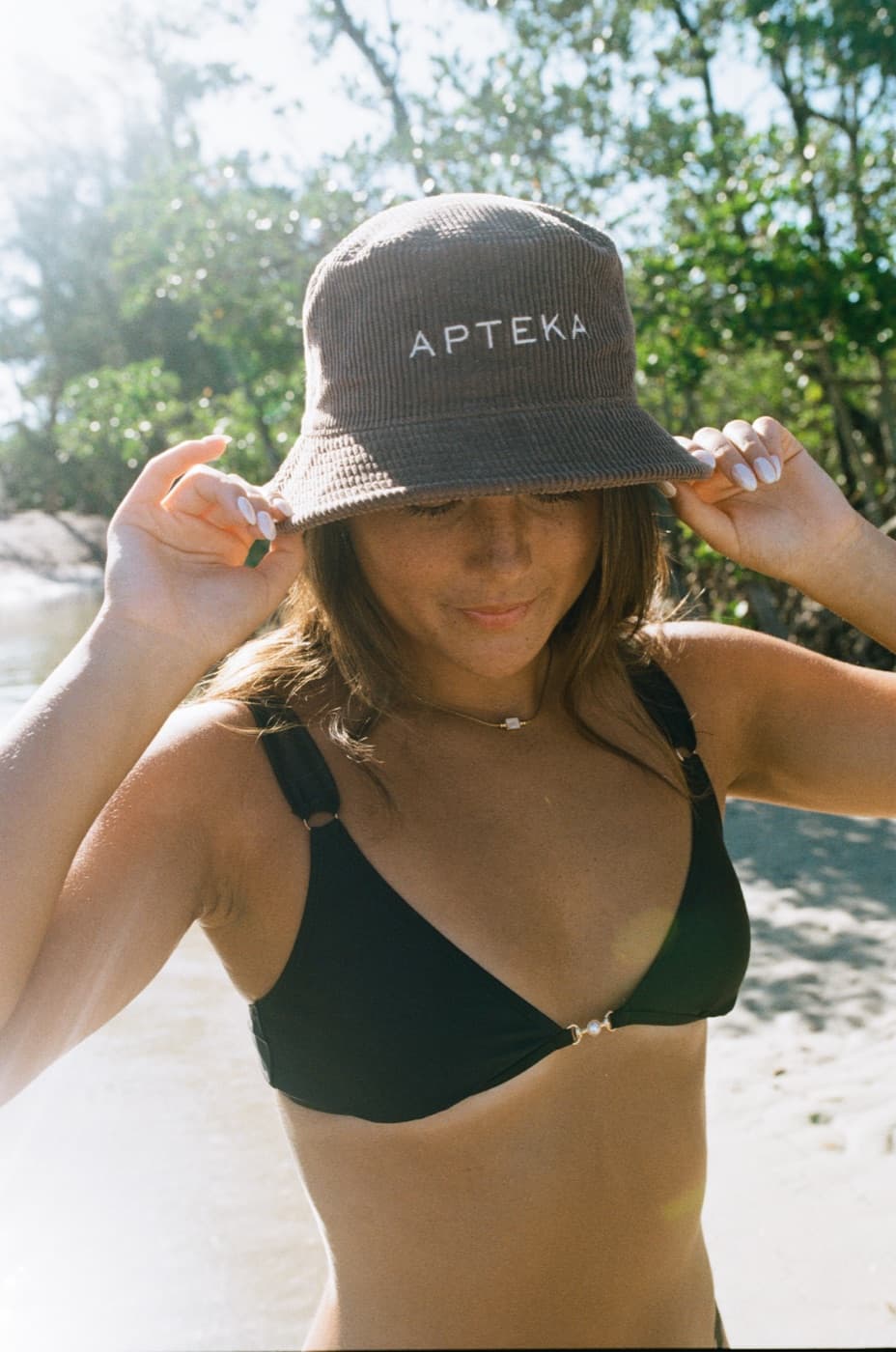
Use embroidery for clean, direct marks
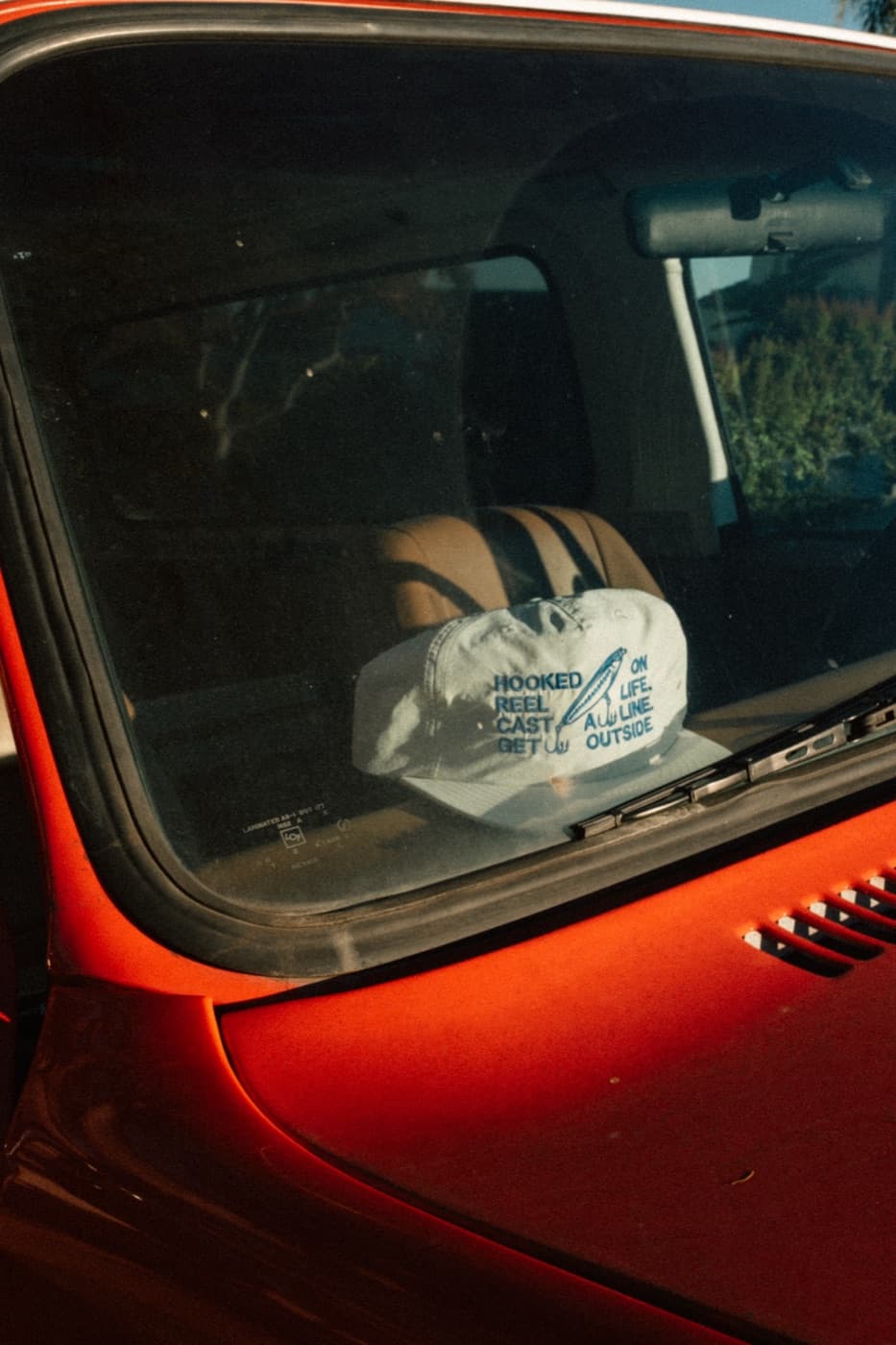
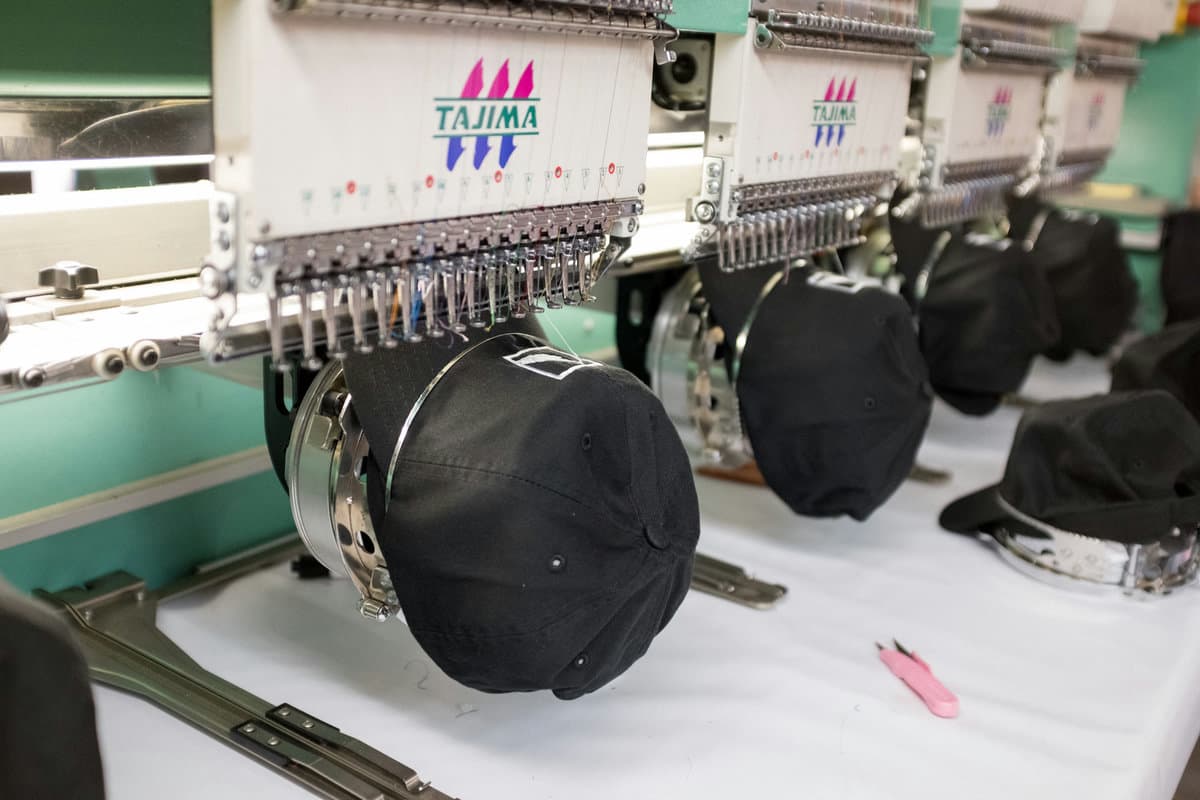
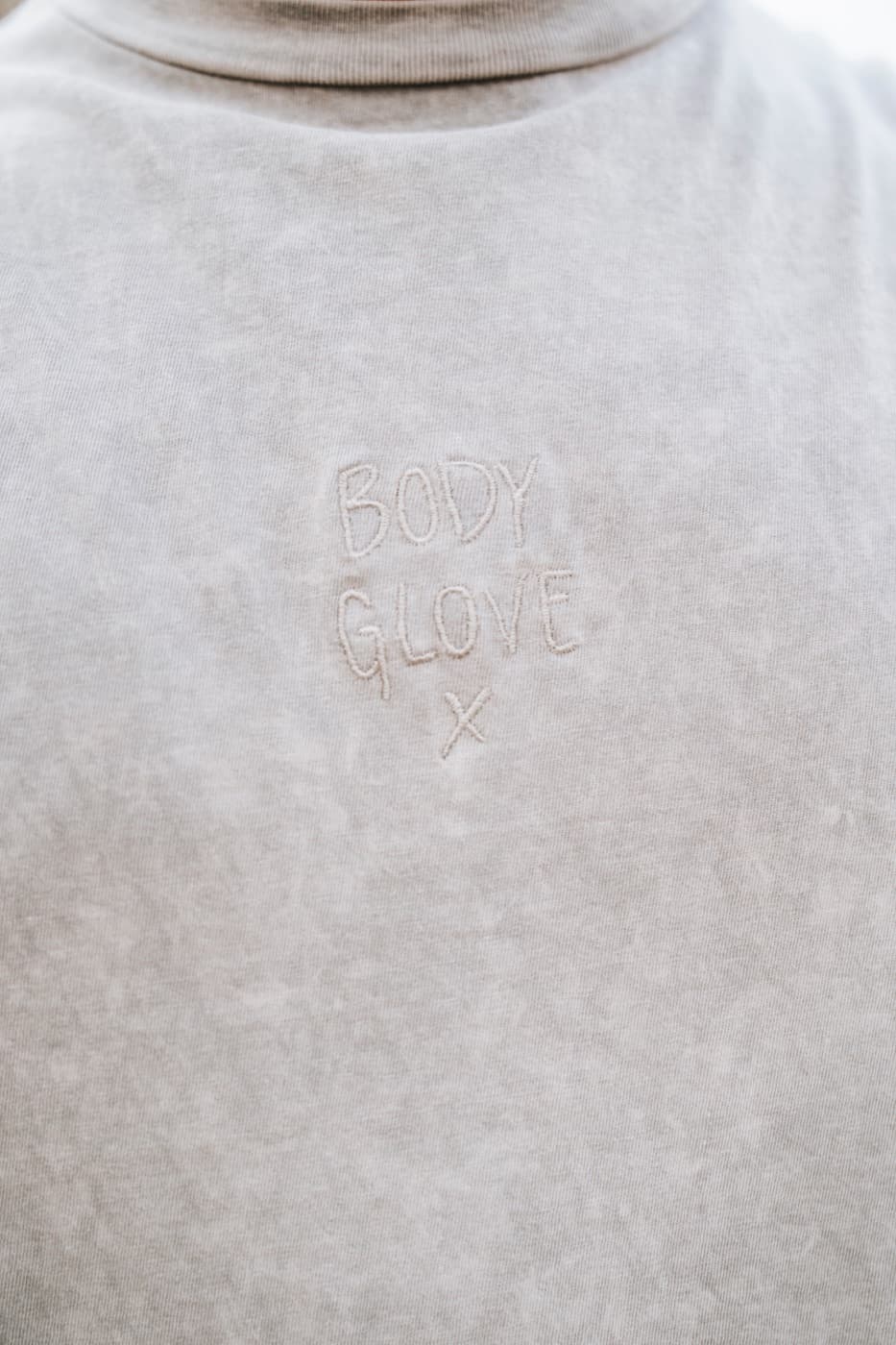
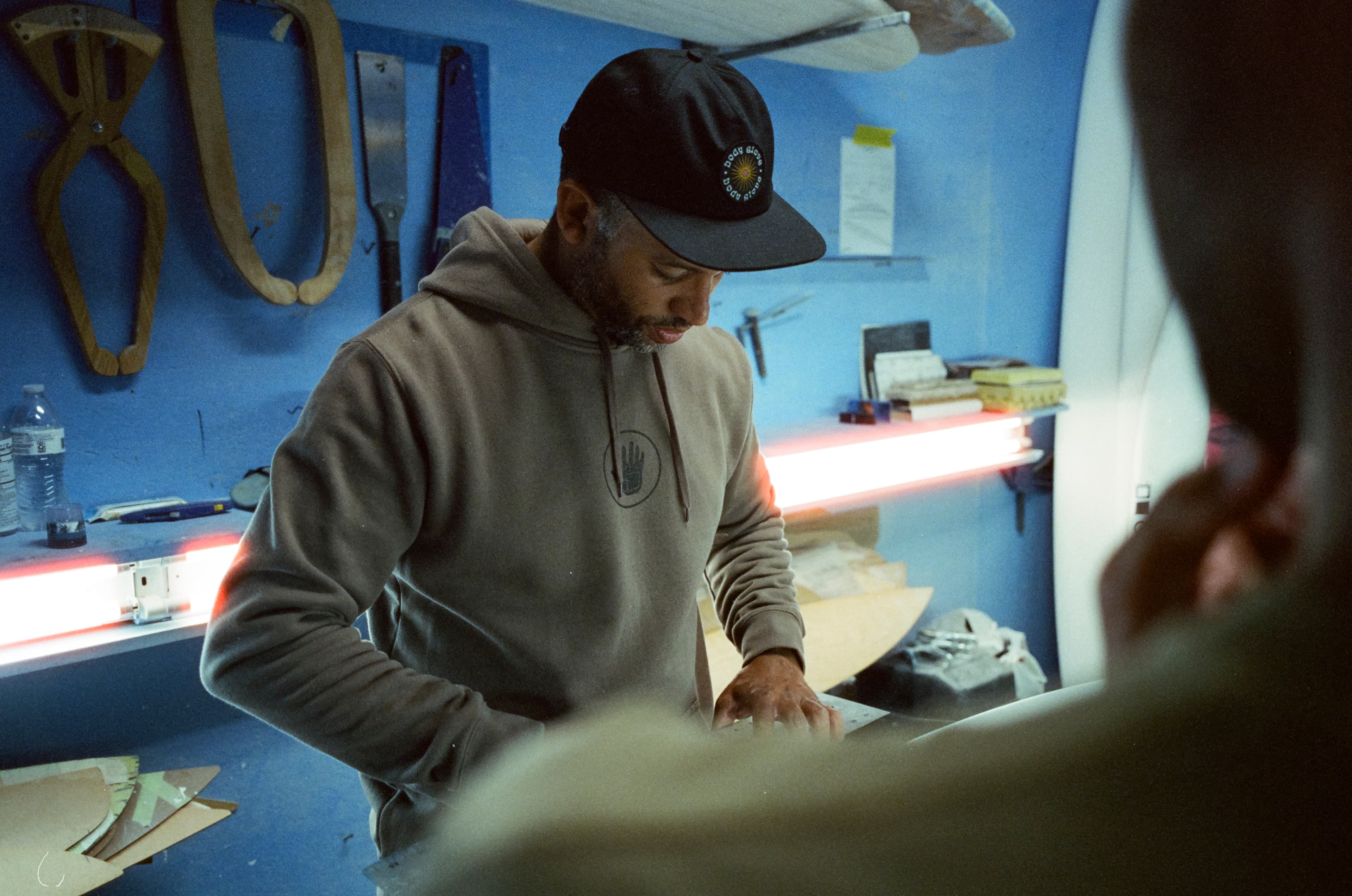
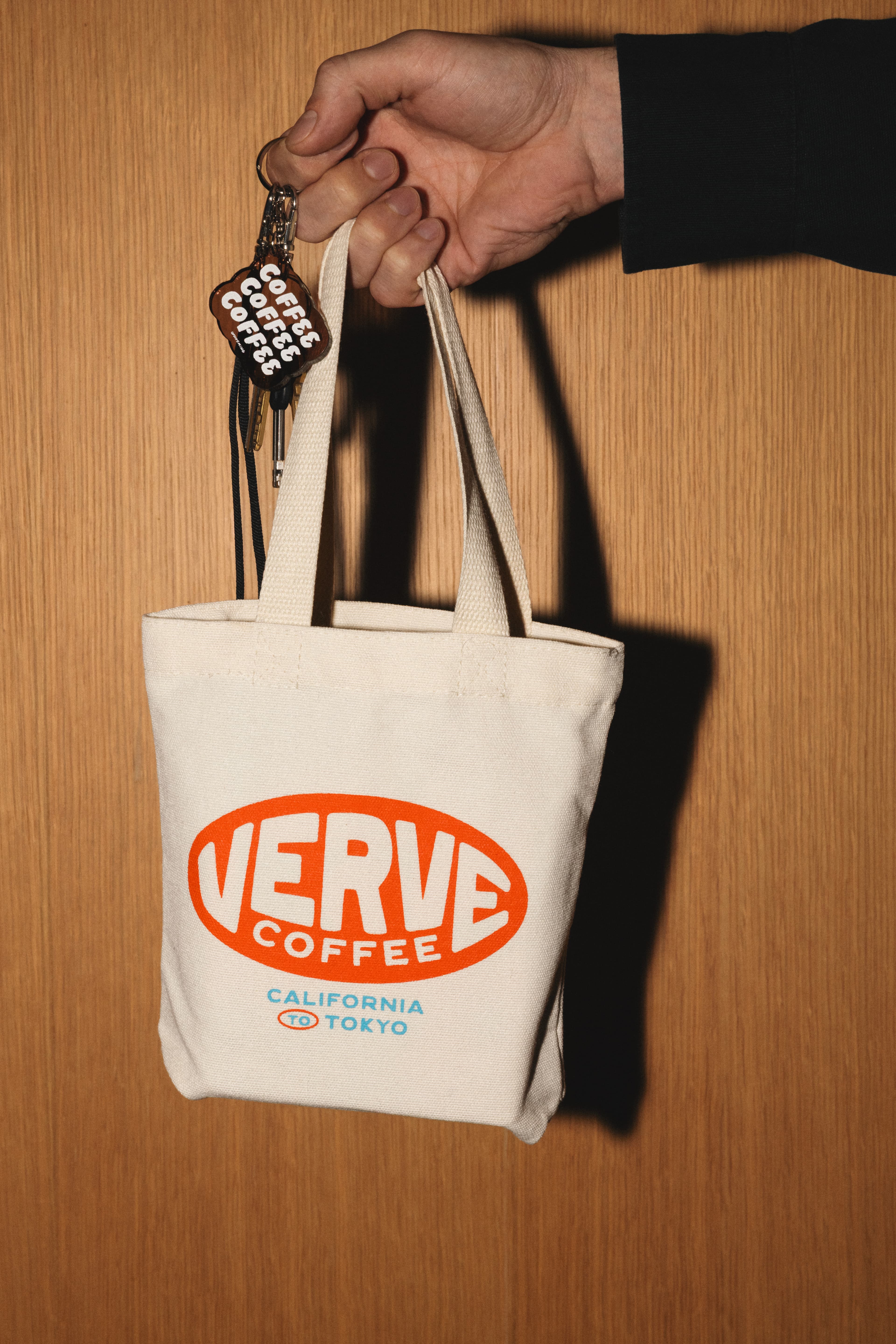
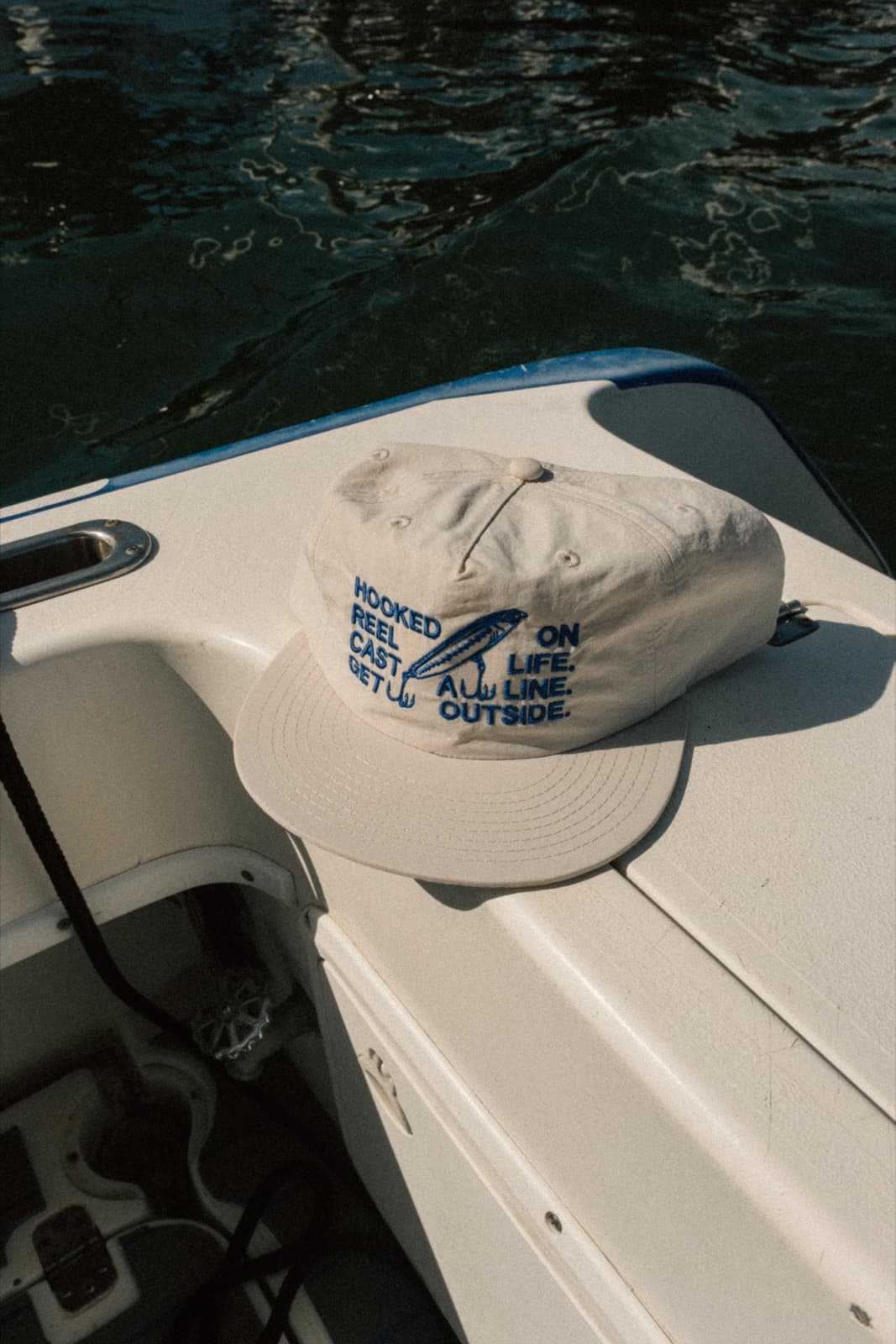
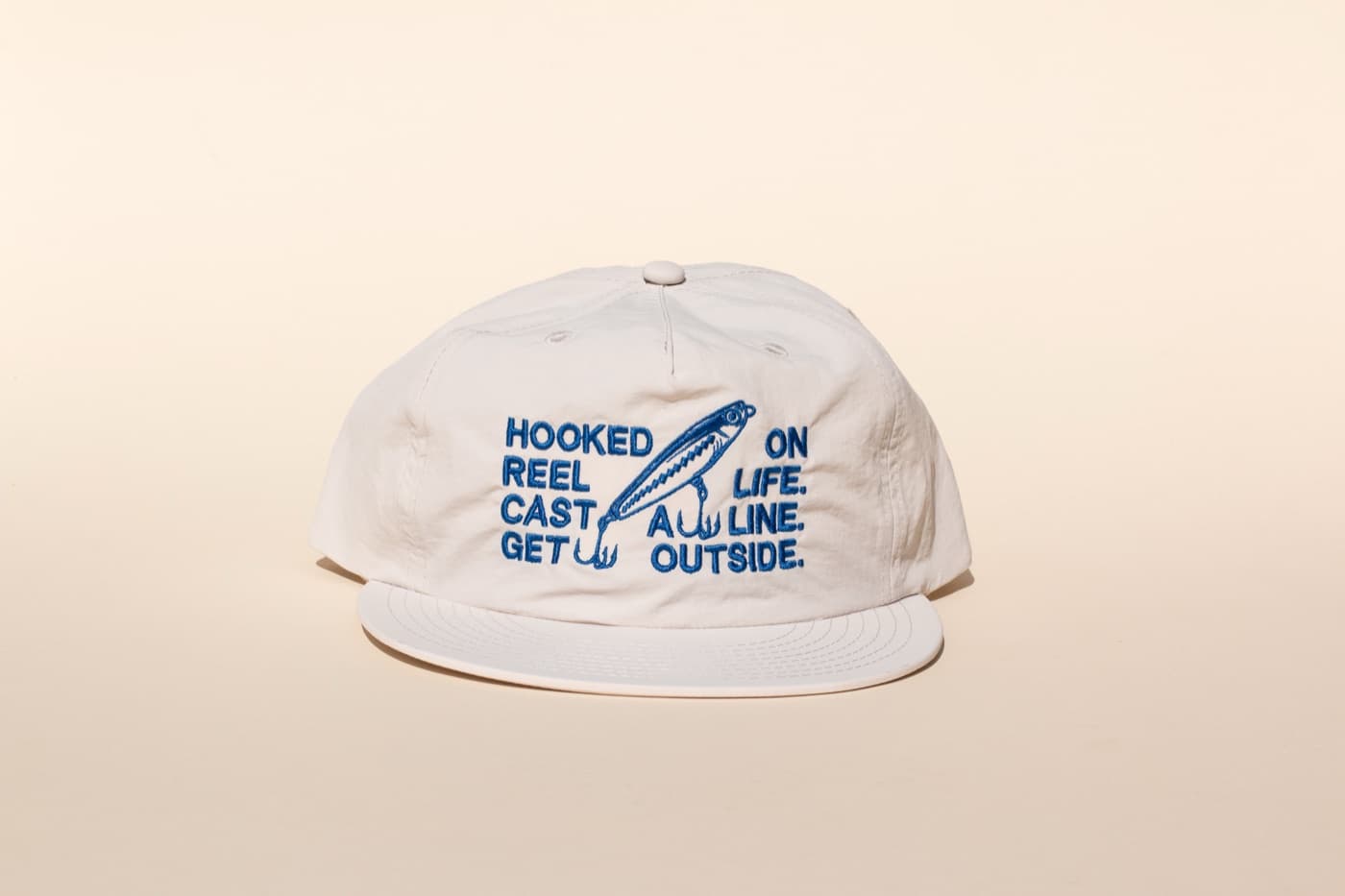
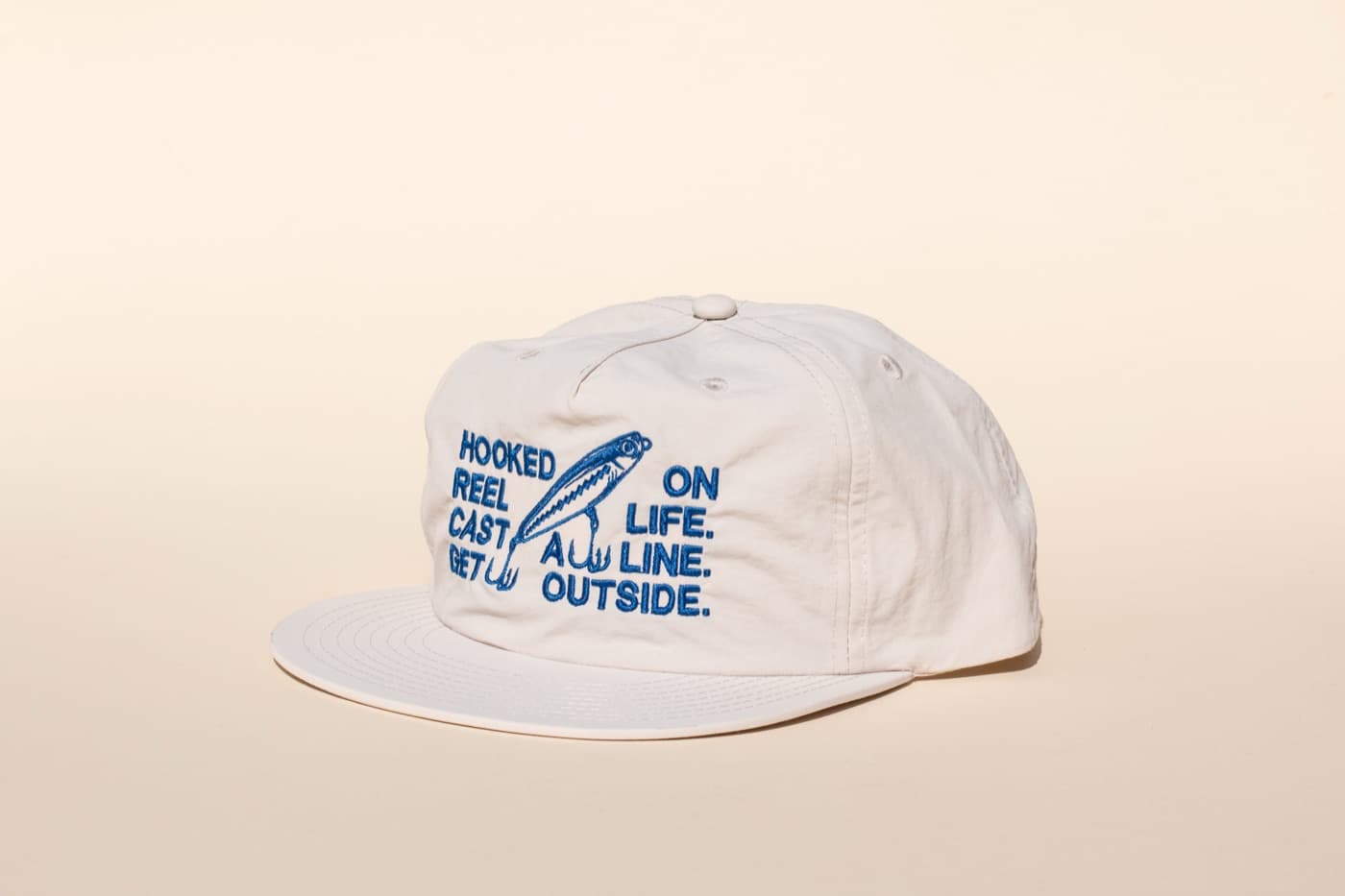
Embroidery is strong for simple logos, short type, small icons, and classic headwear programs. It adds texture and durability, but it does not handle tiny detail or gradients well. Good digitizing is the difference between a clean stitch and a muddy one.
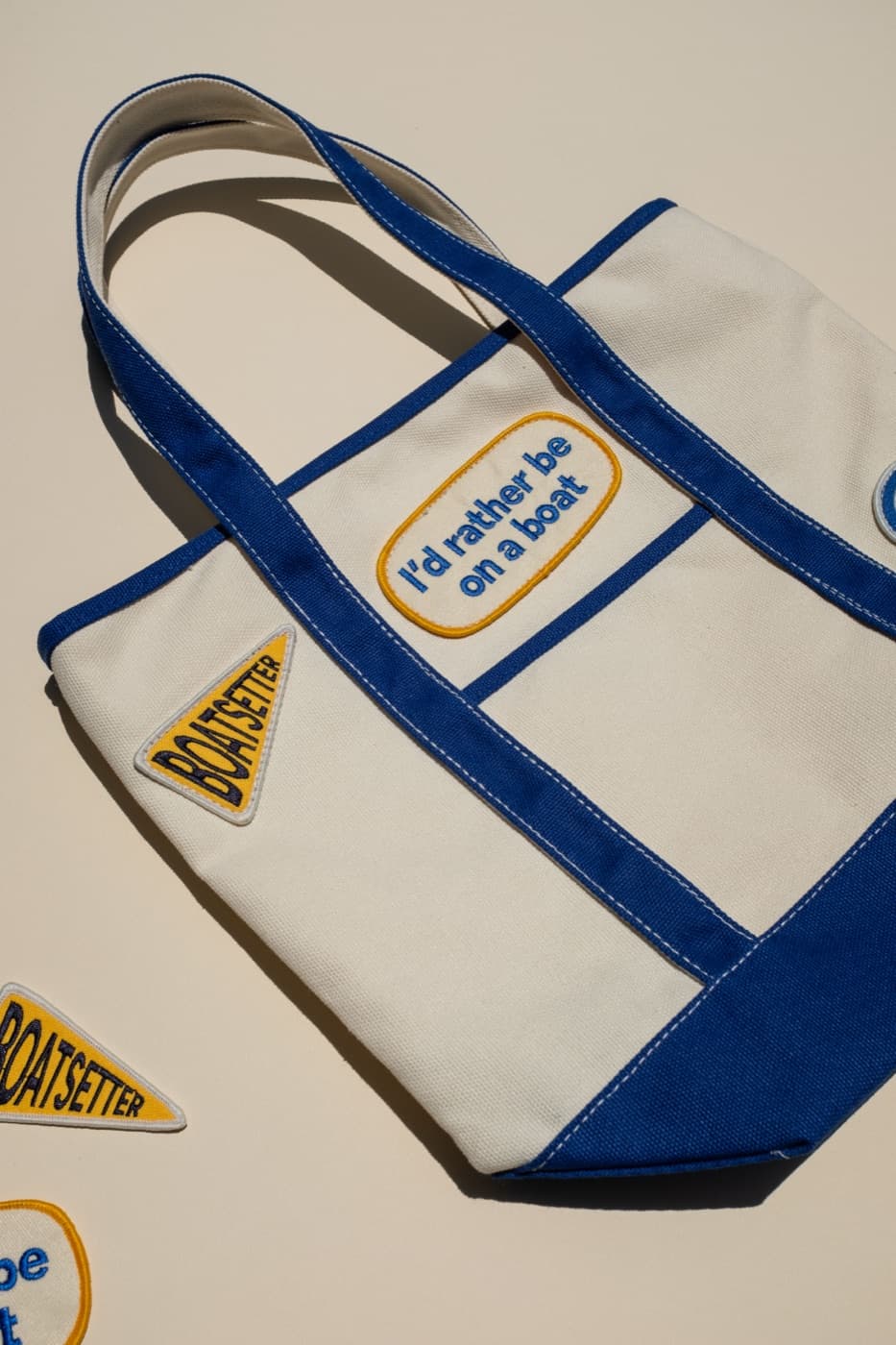
Use patches when the artwork needs a frame
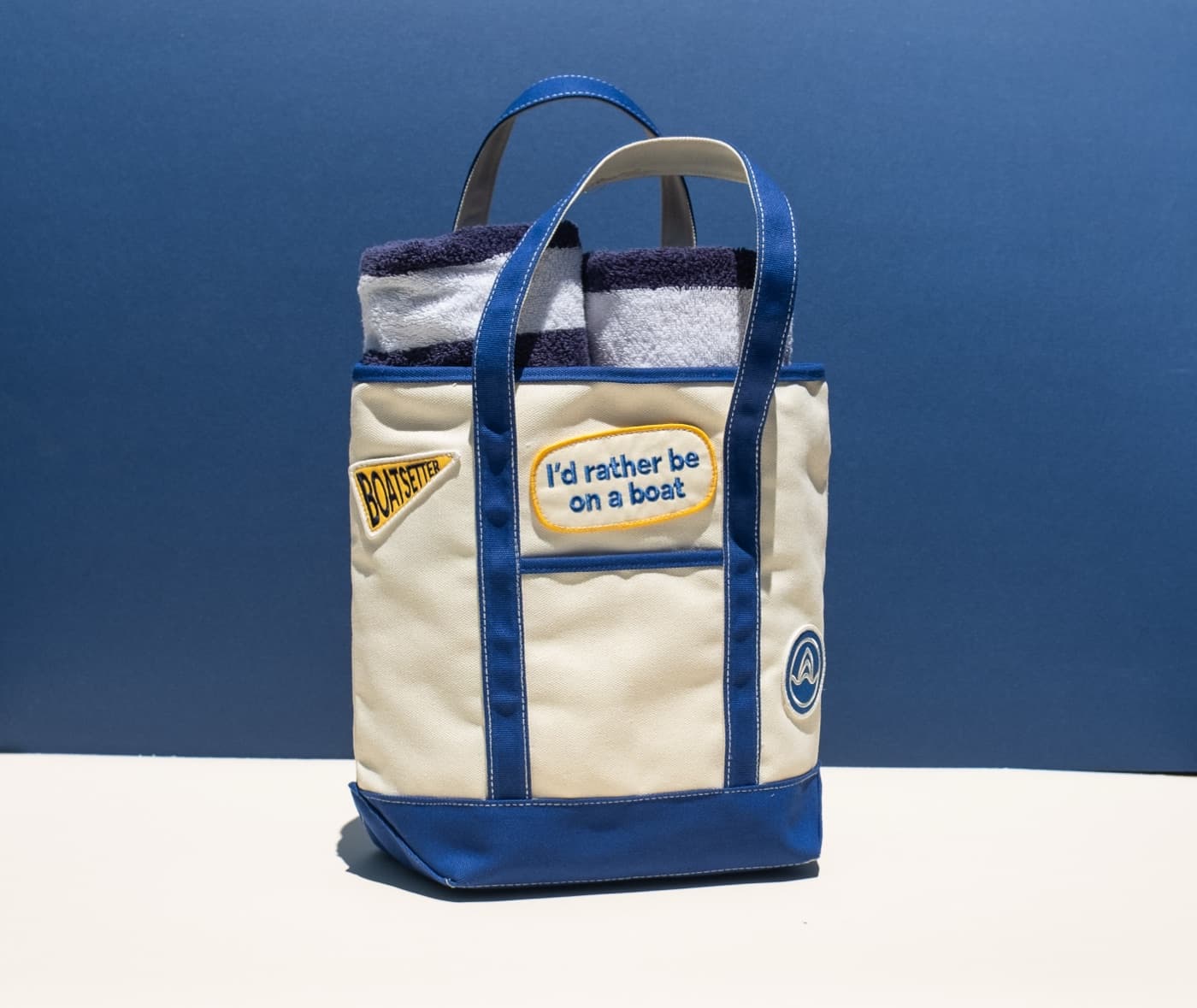
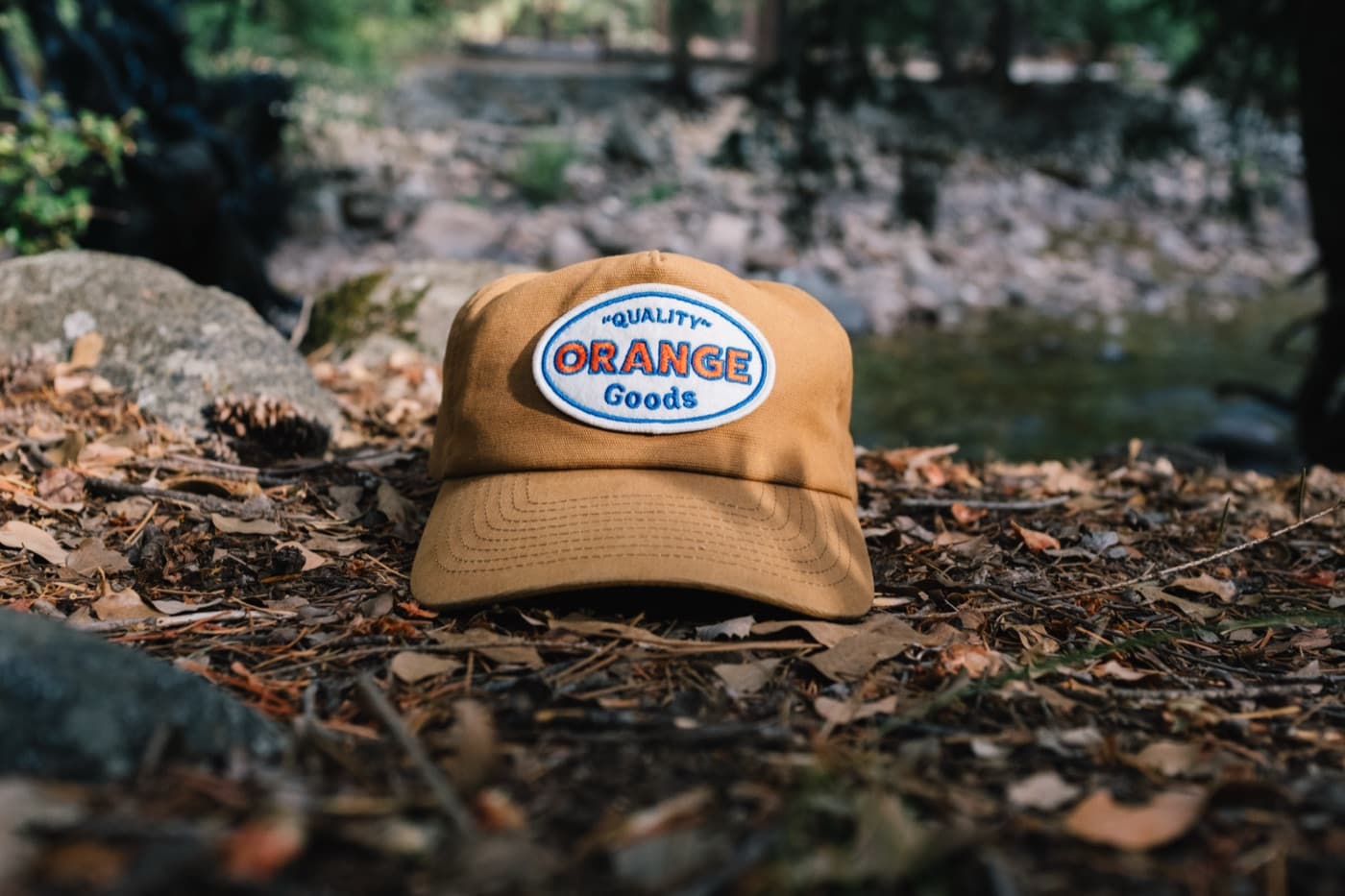
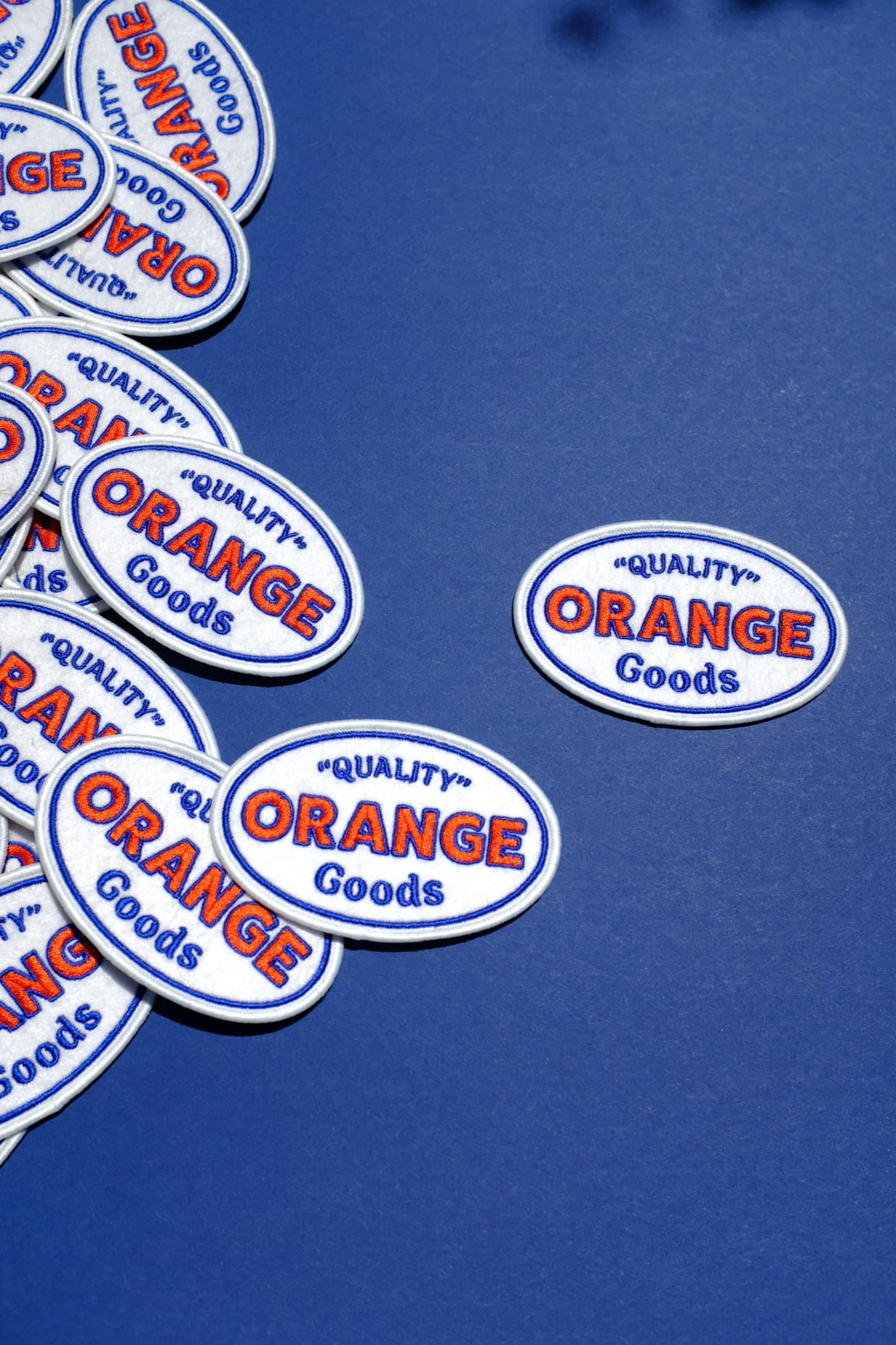
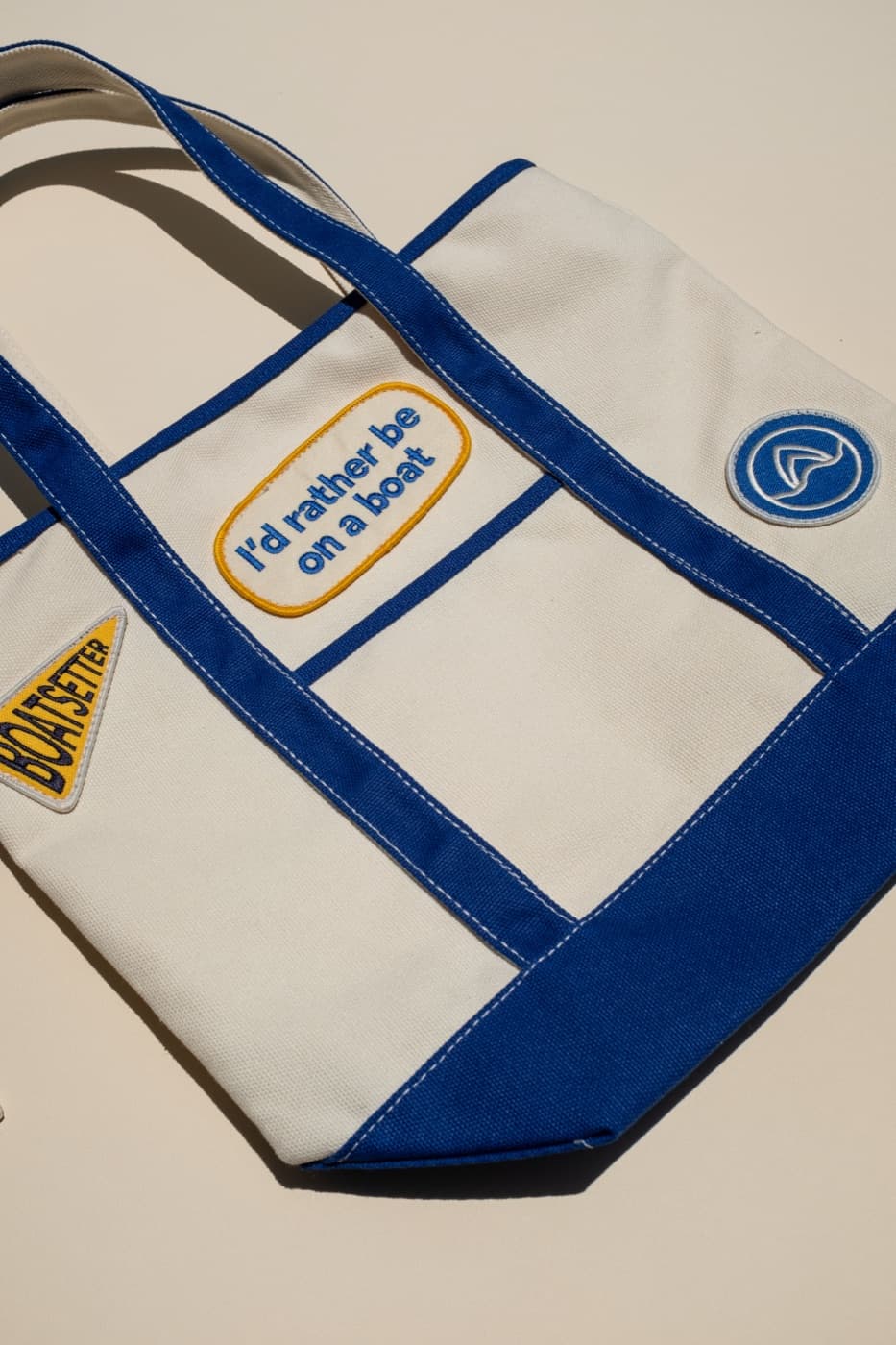
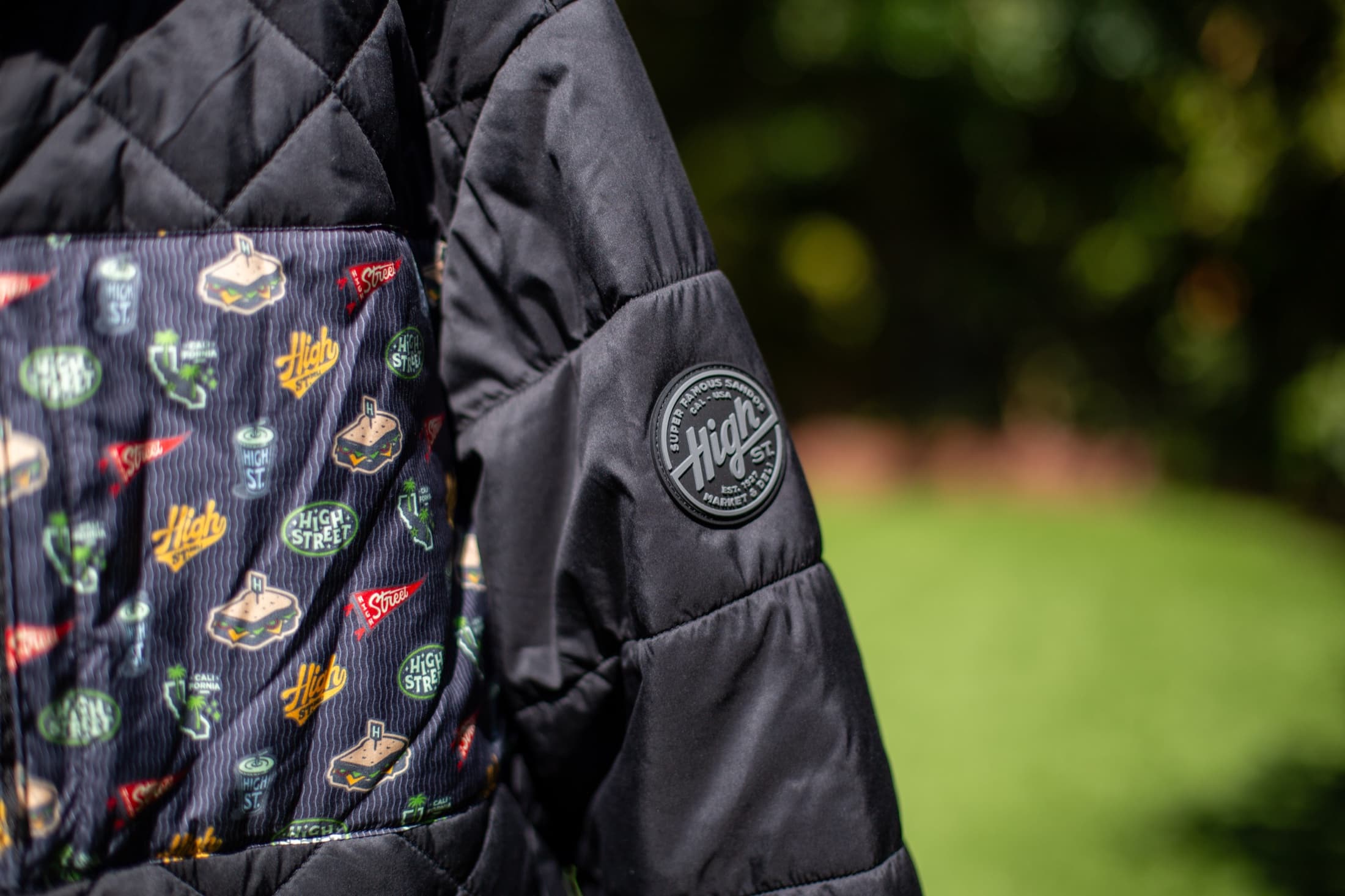
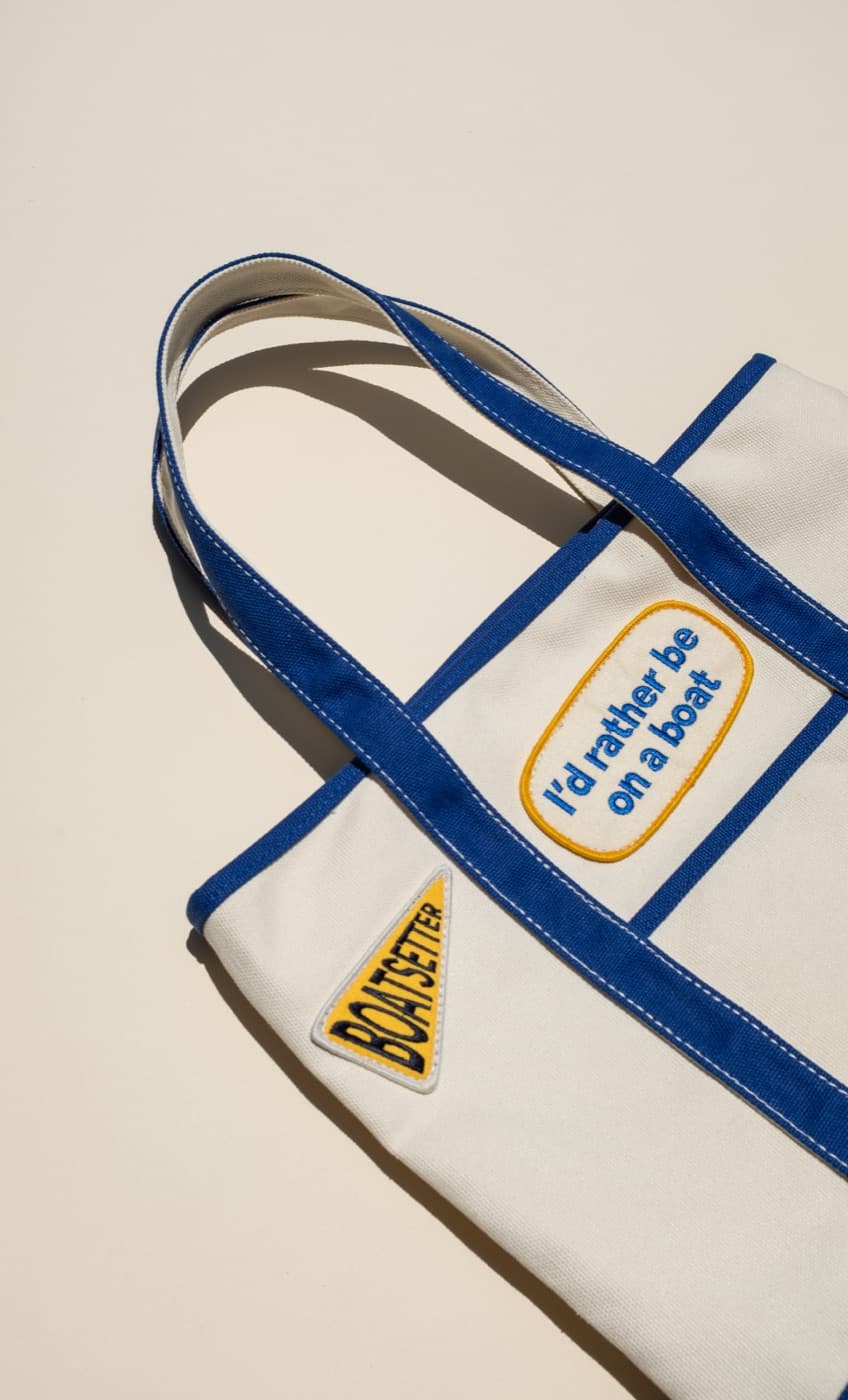
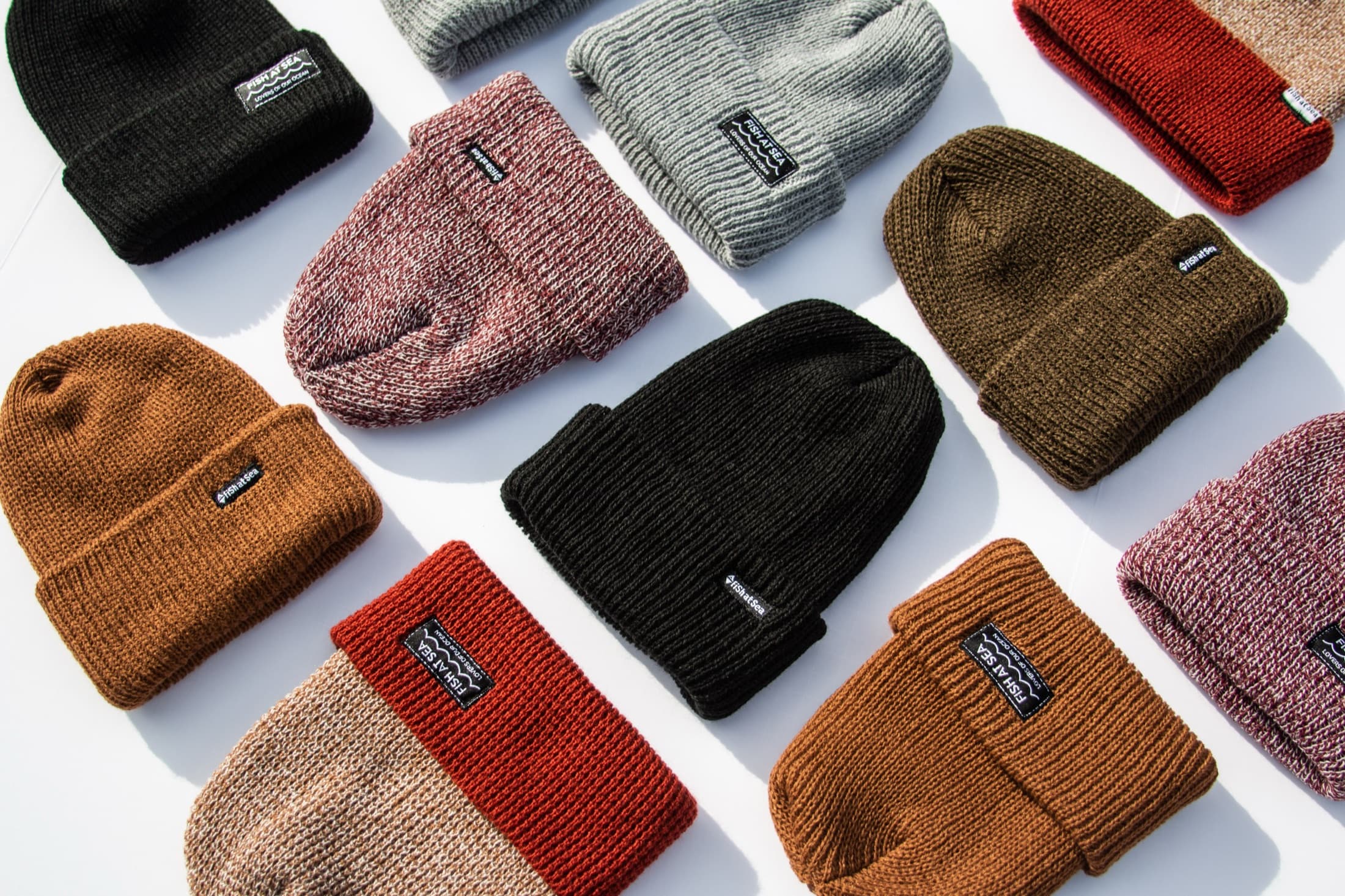
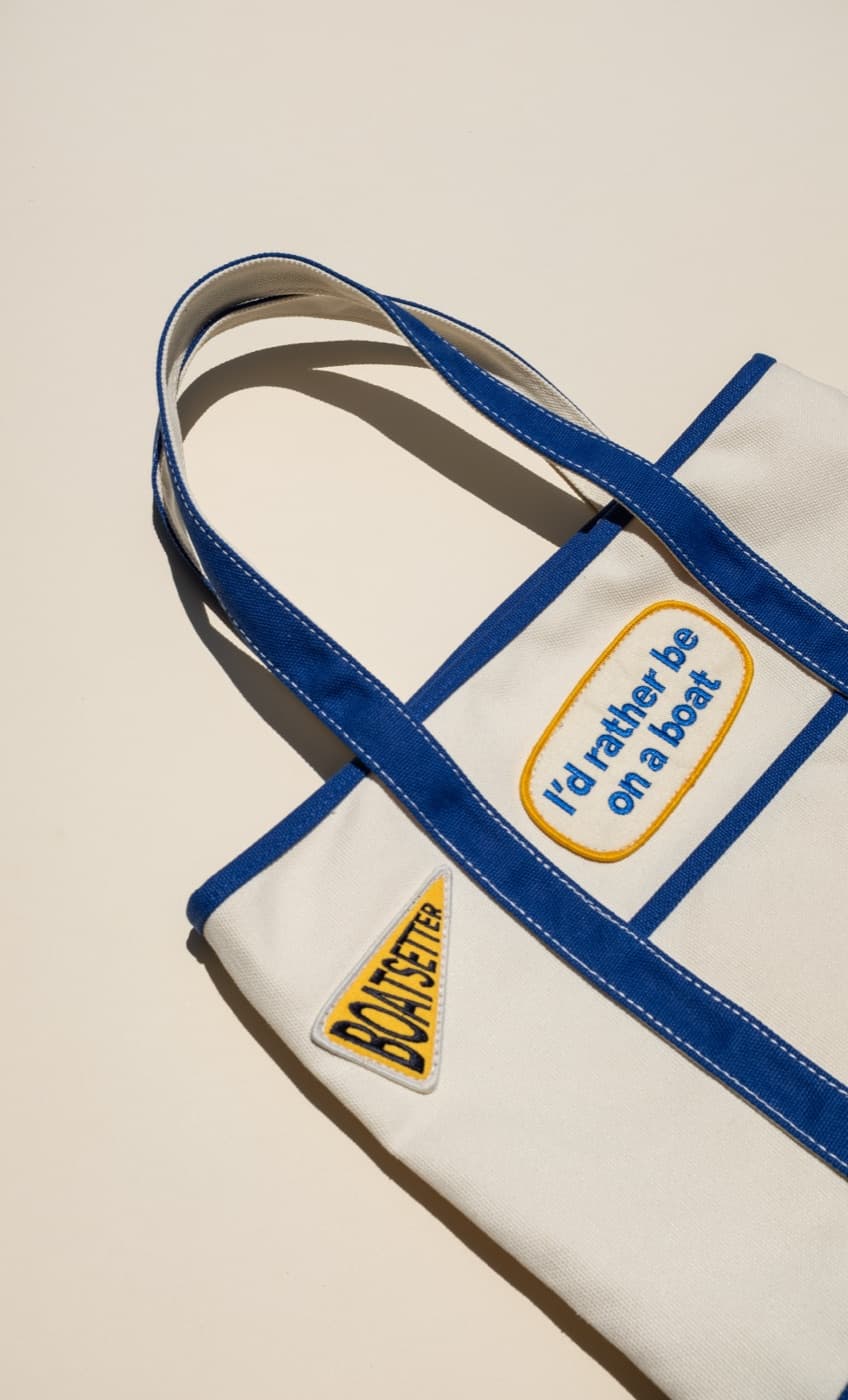
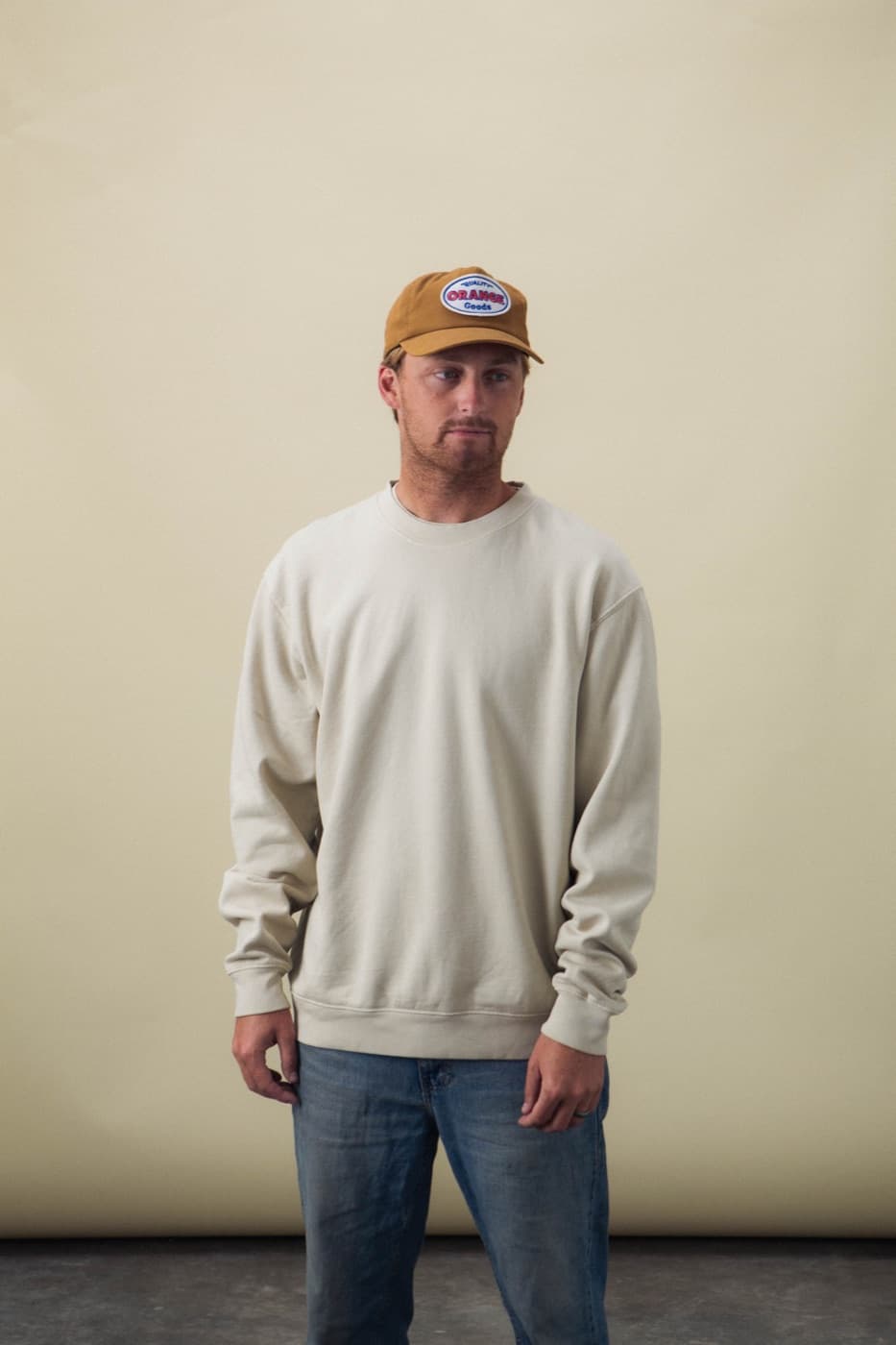
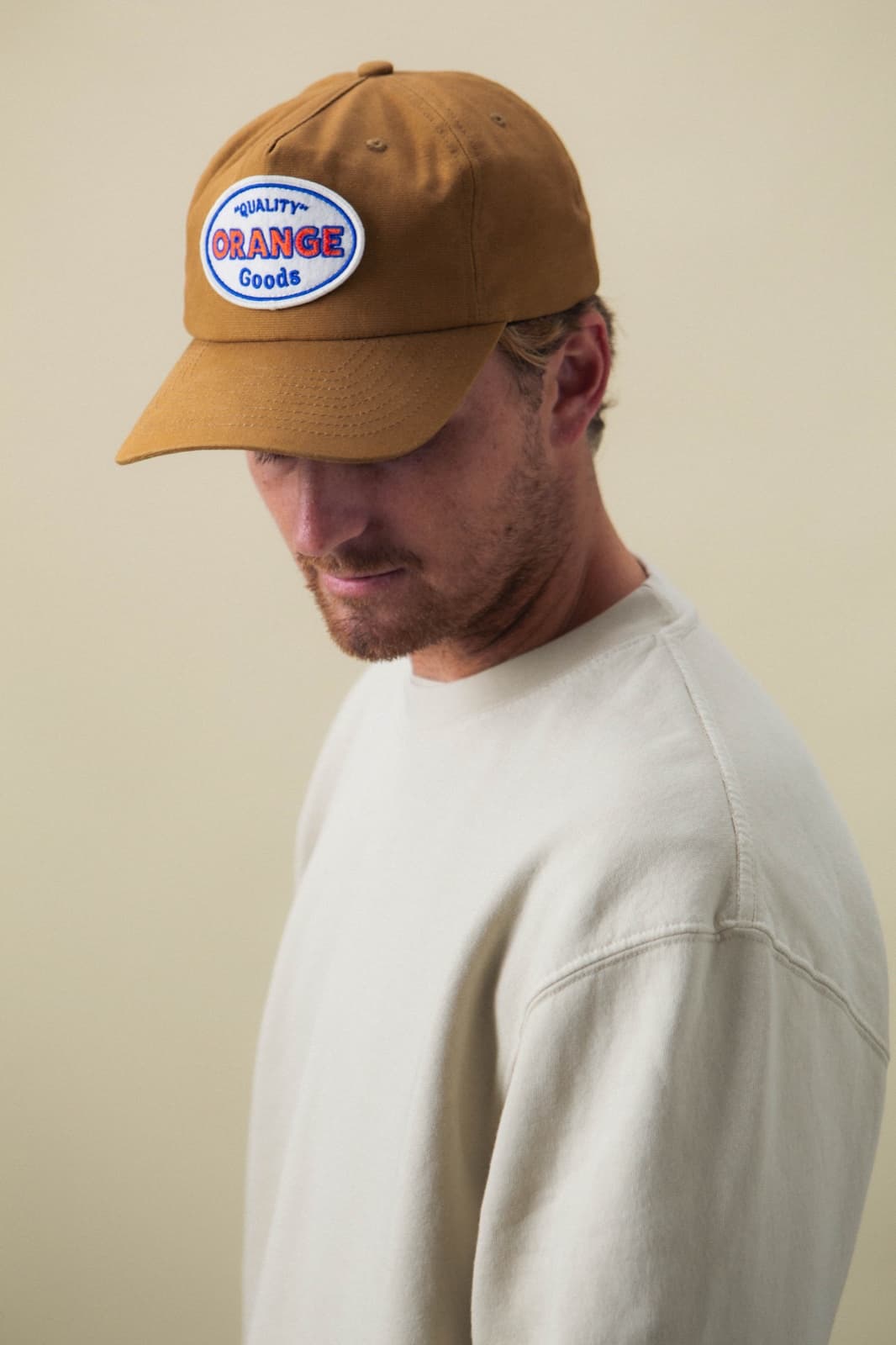
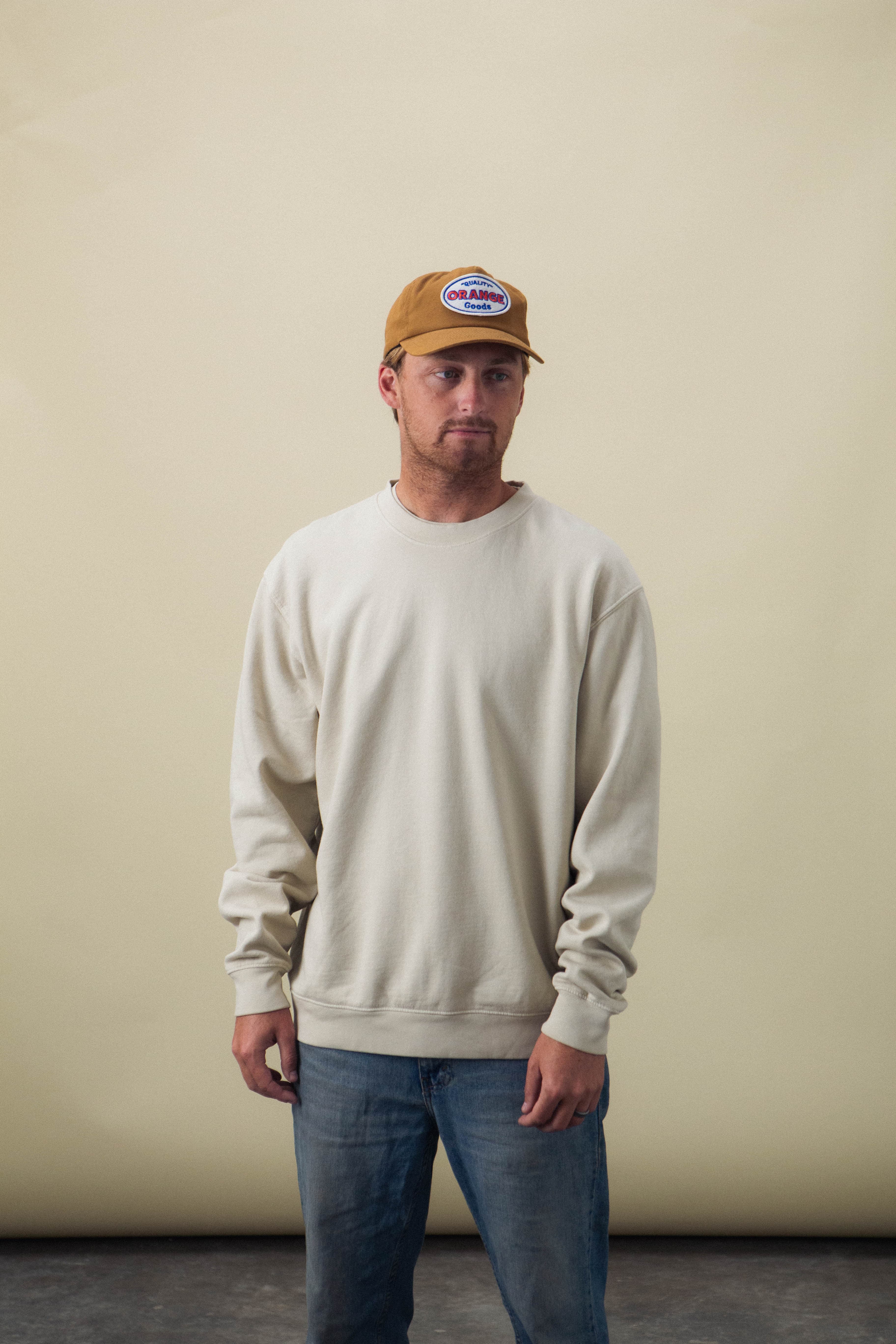
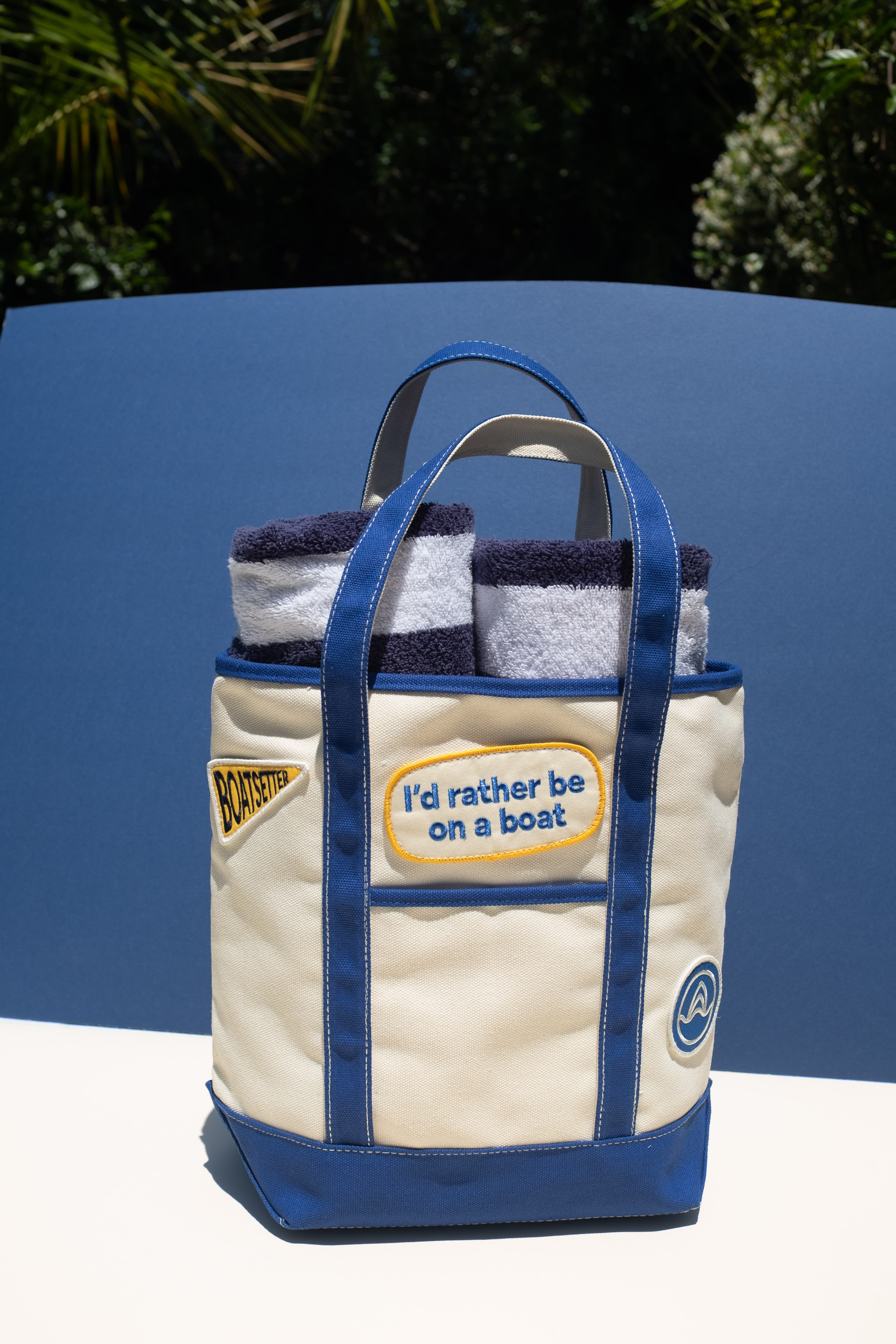
Patches can make a hat feel more finished, especially when the artwork benefits from a border, shape, or material contrast. Woven patches are better for fine detail. Embroidered patches feel more dimensional. Leather and faux leather can work for outdoor, hospitality, and lifestyle programs when the brand fits that signal.
Do not forget labels and small details
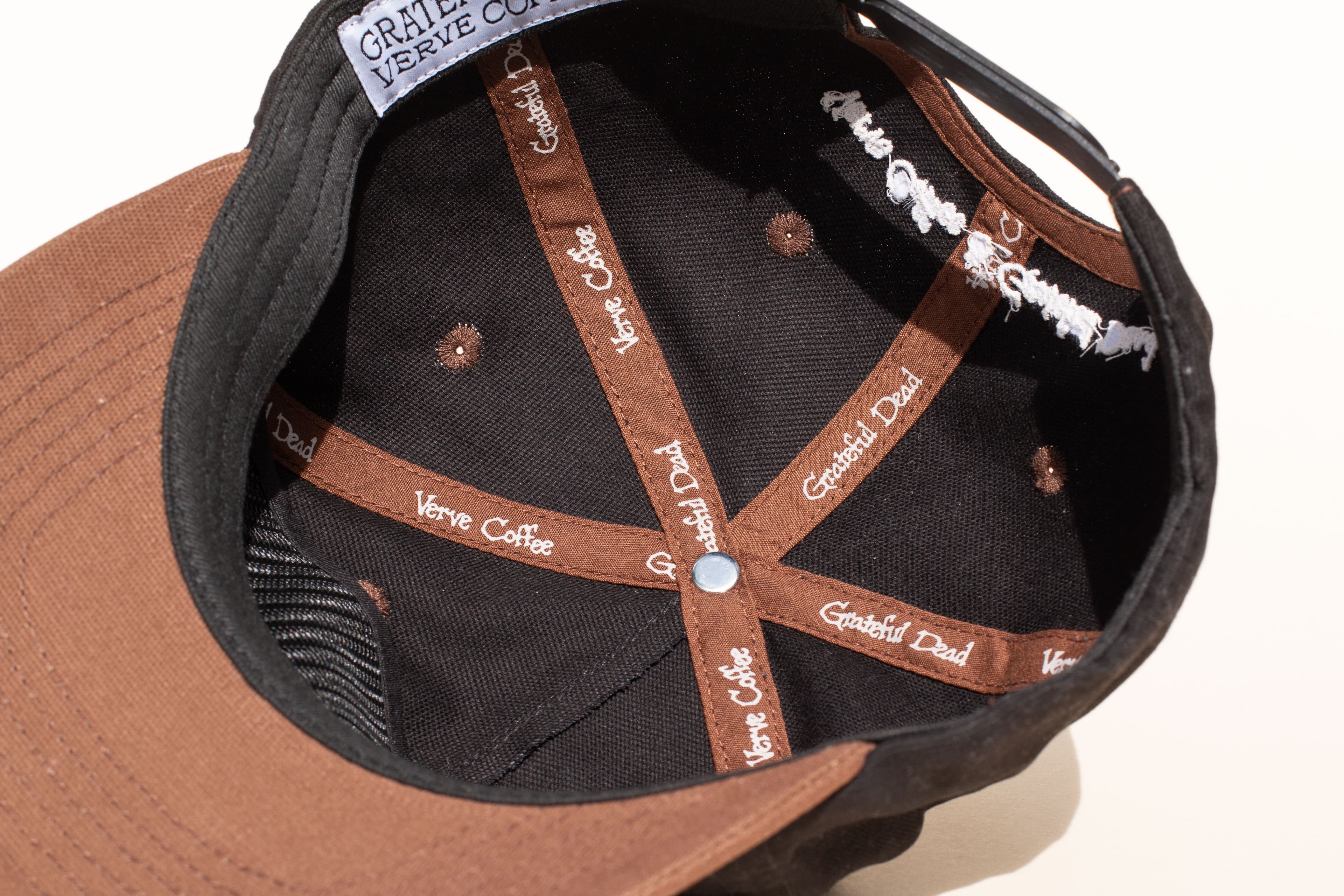
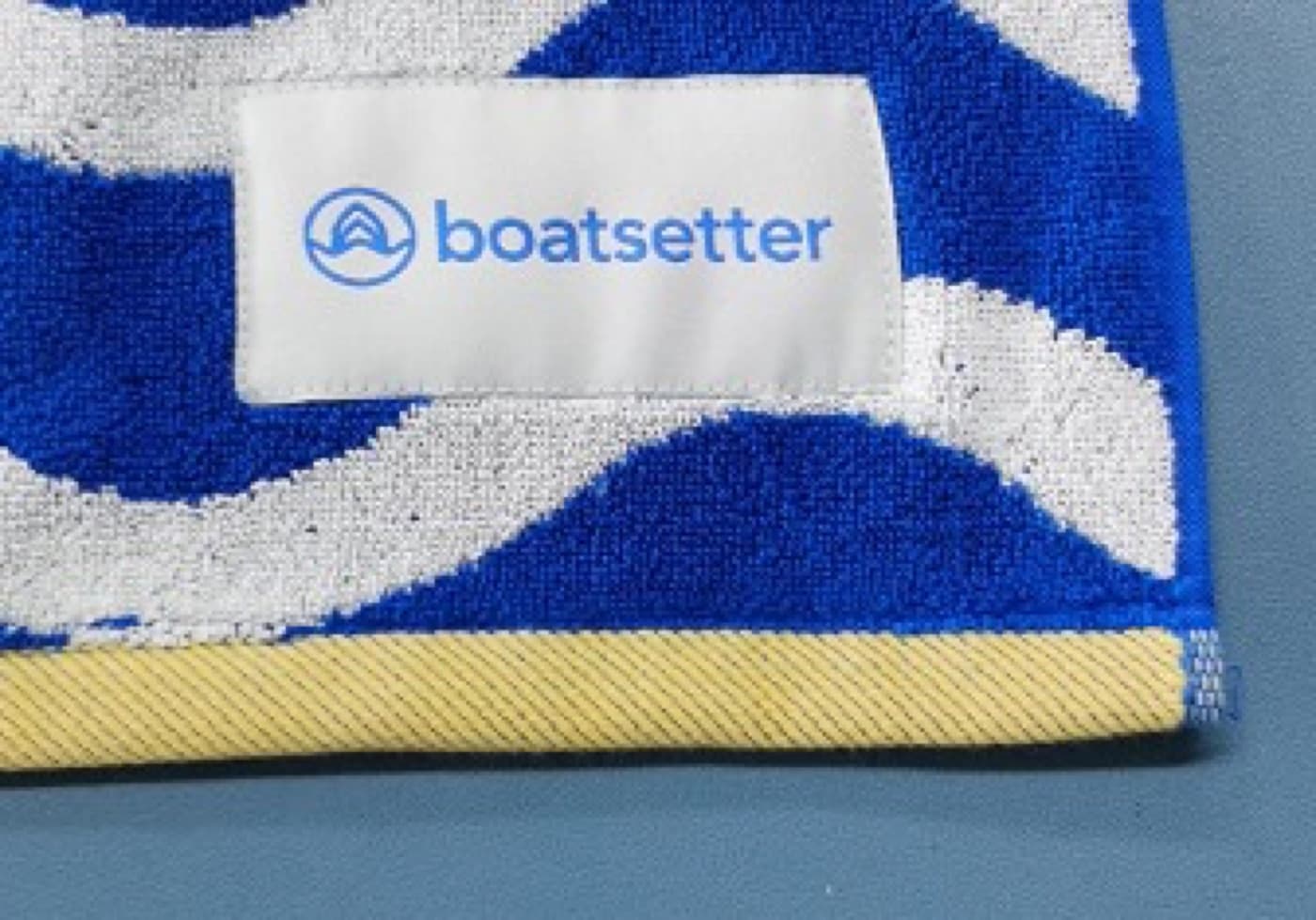
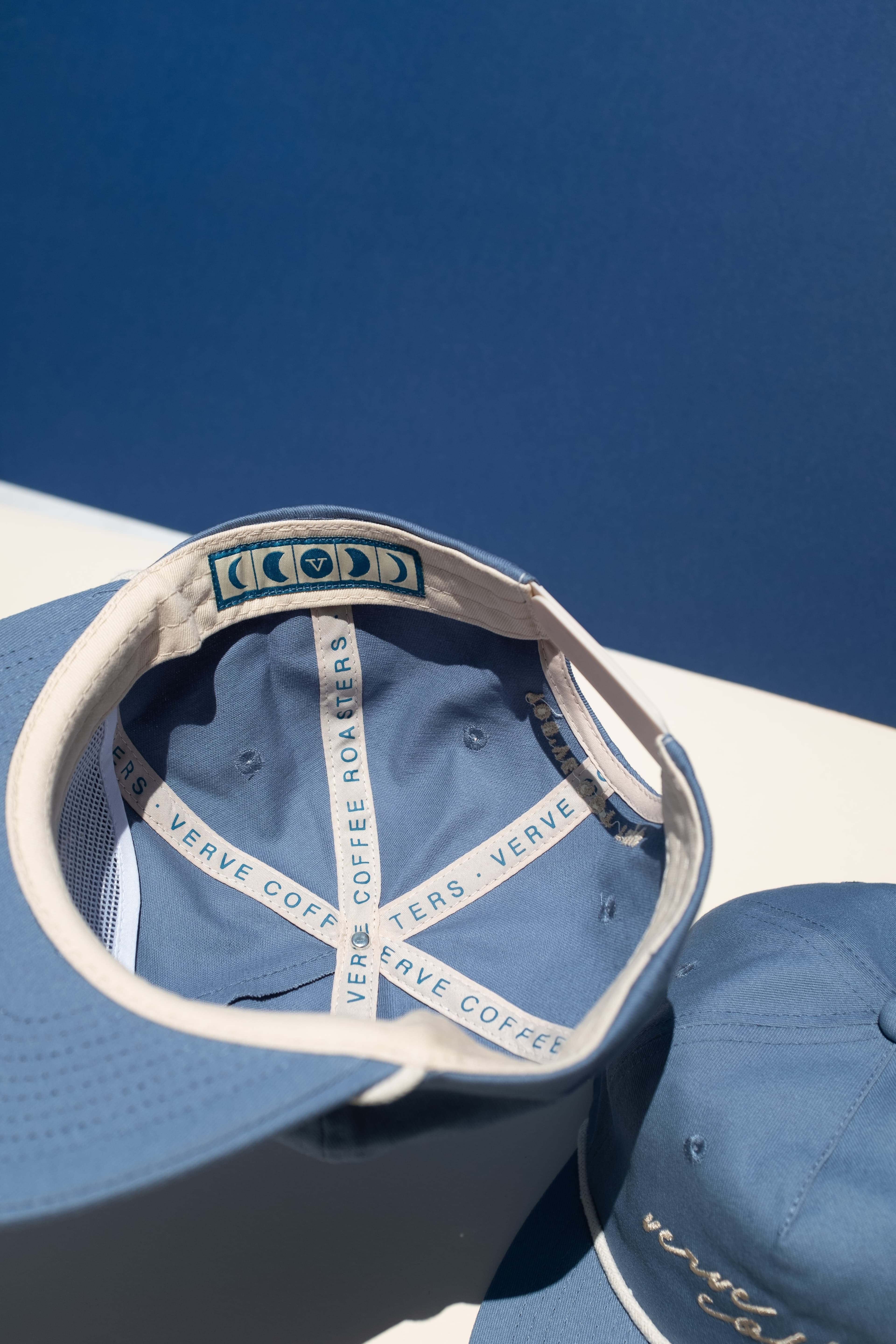
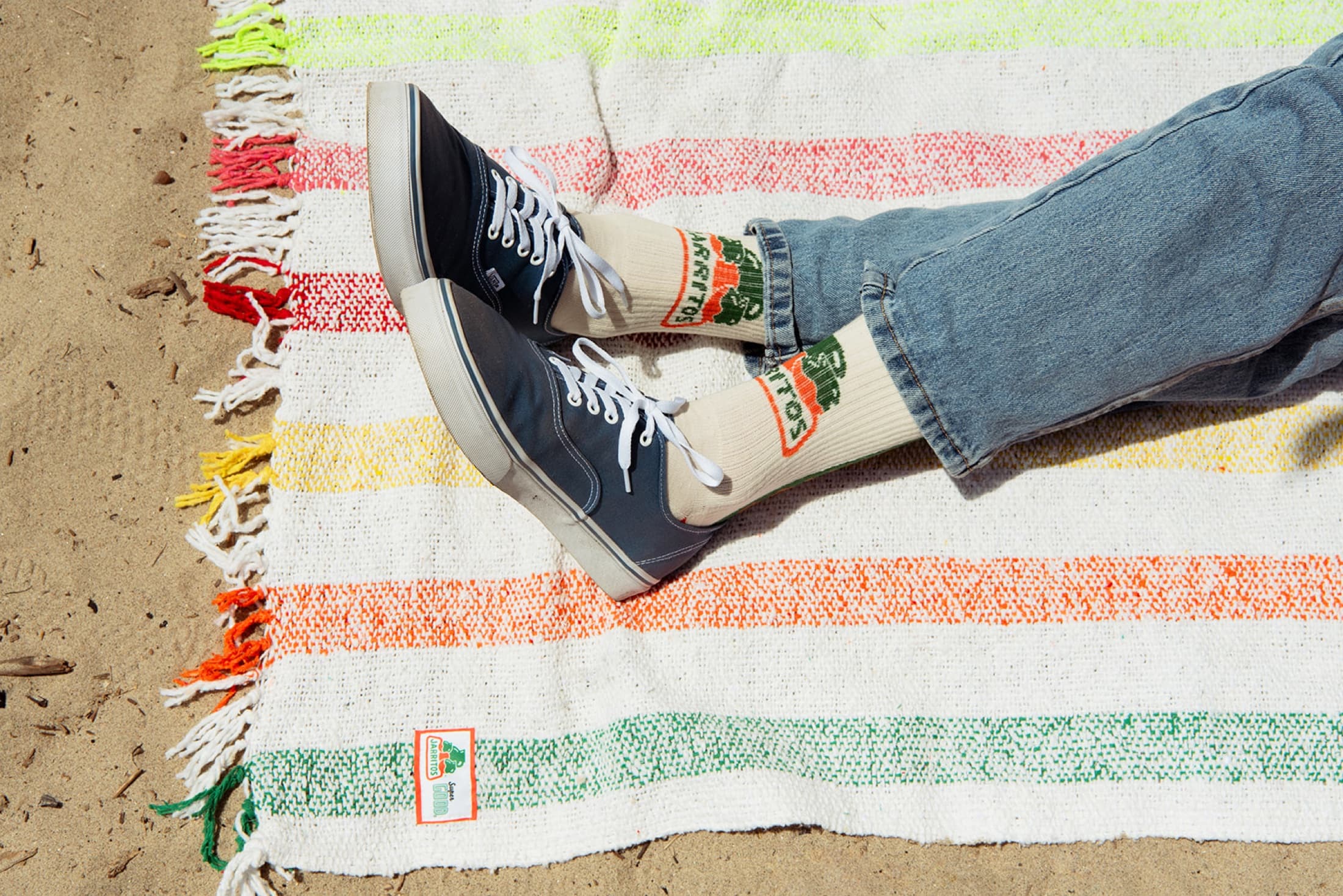
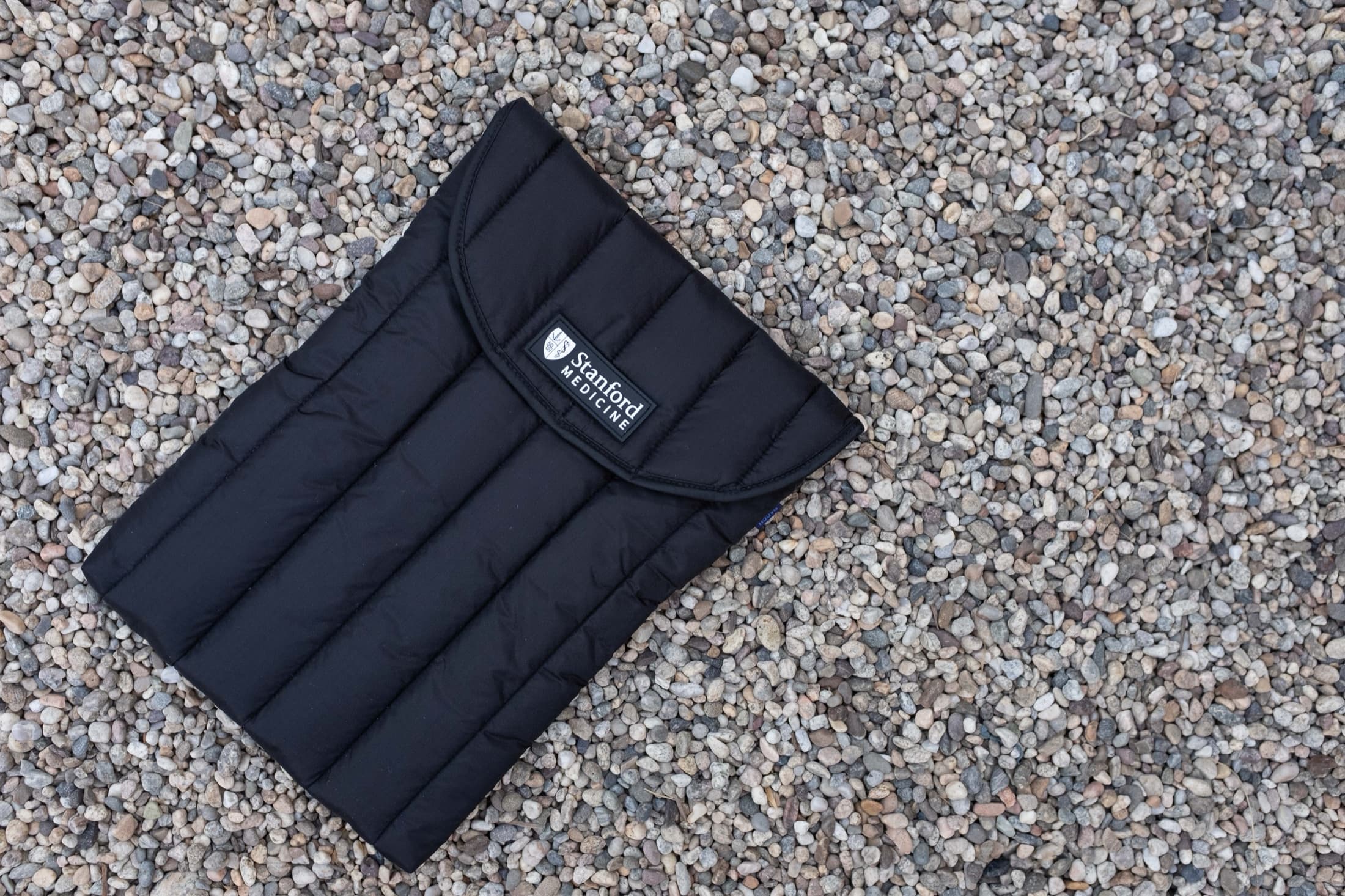
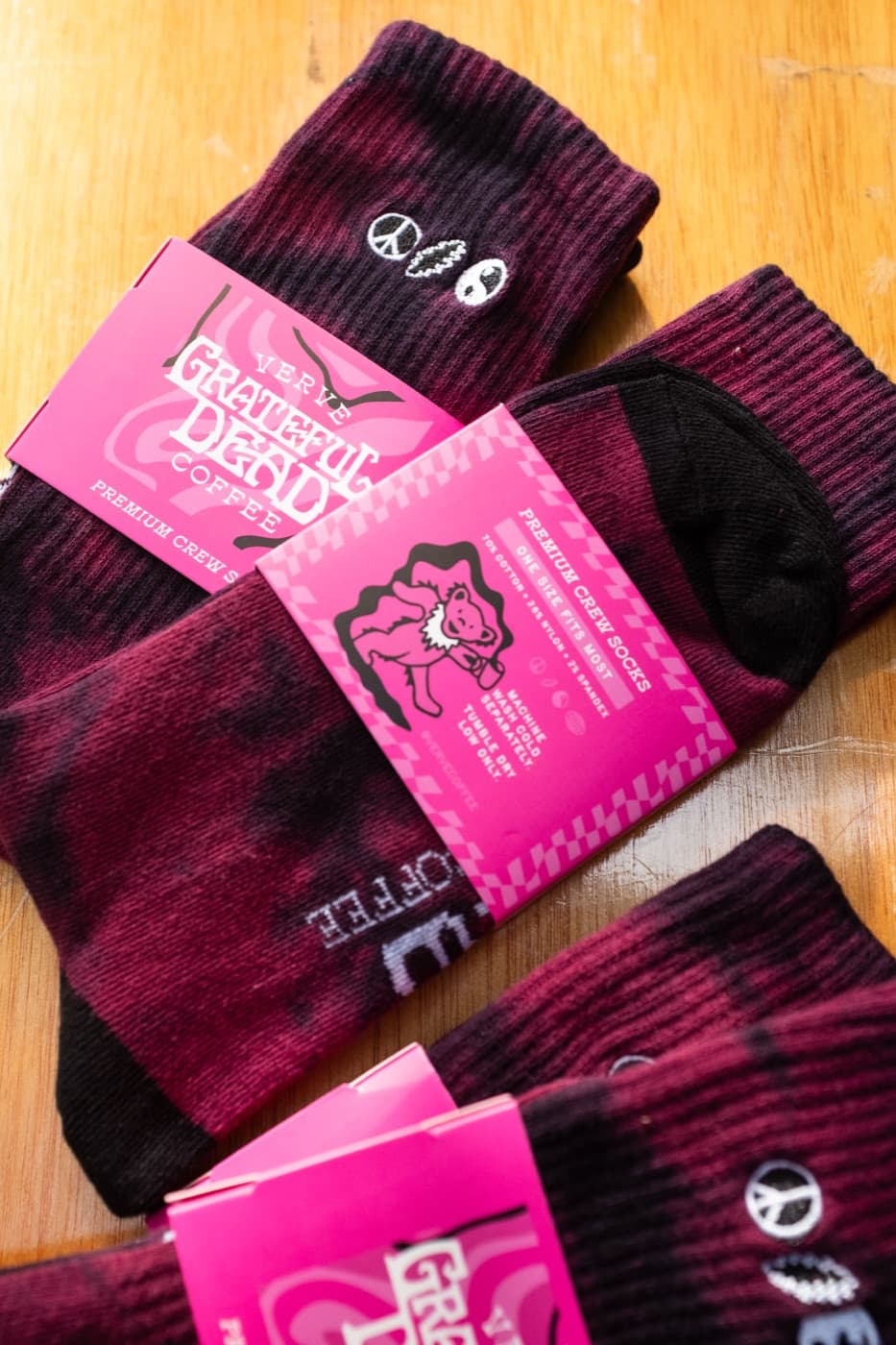
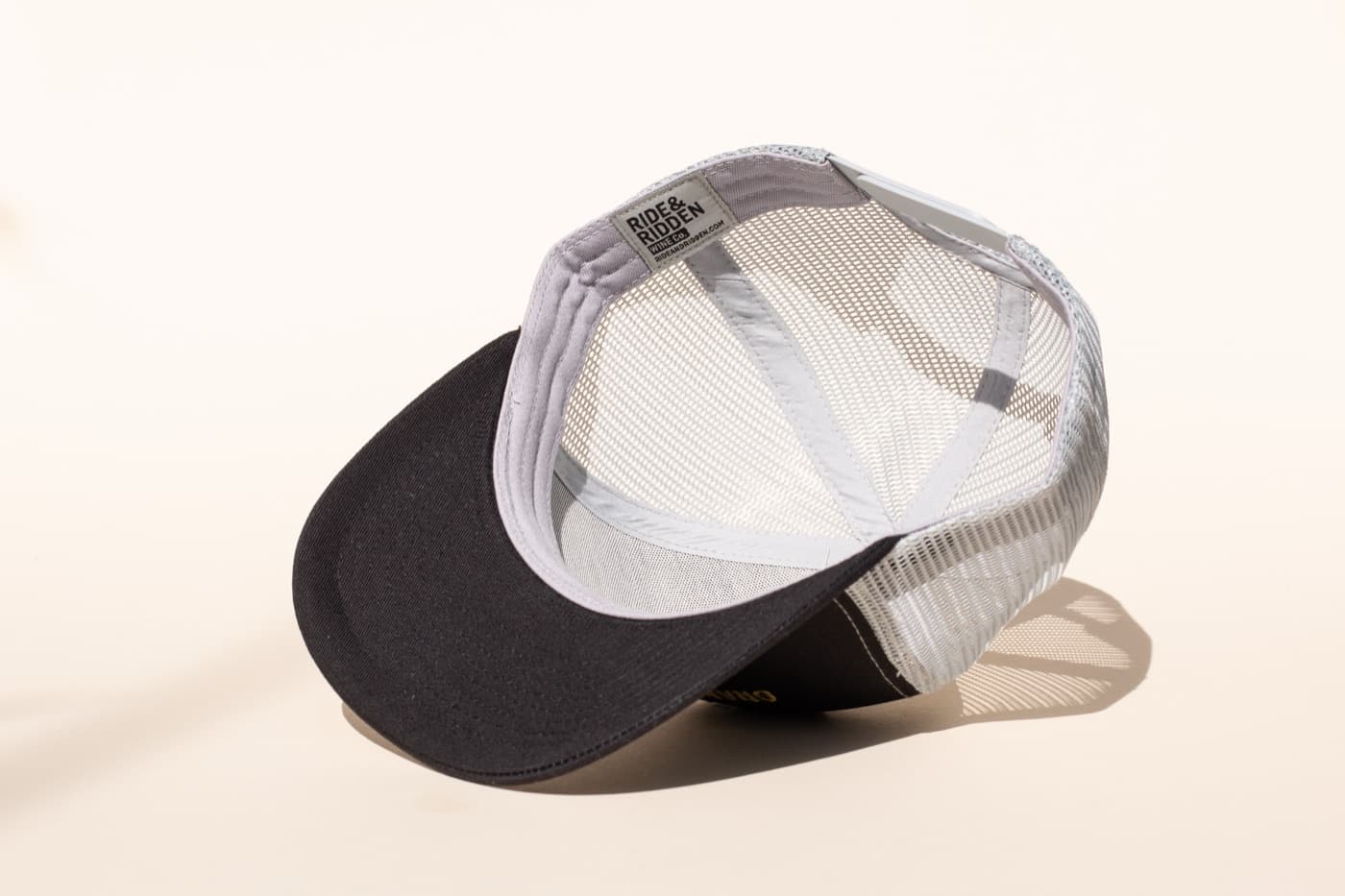
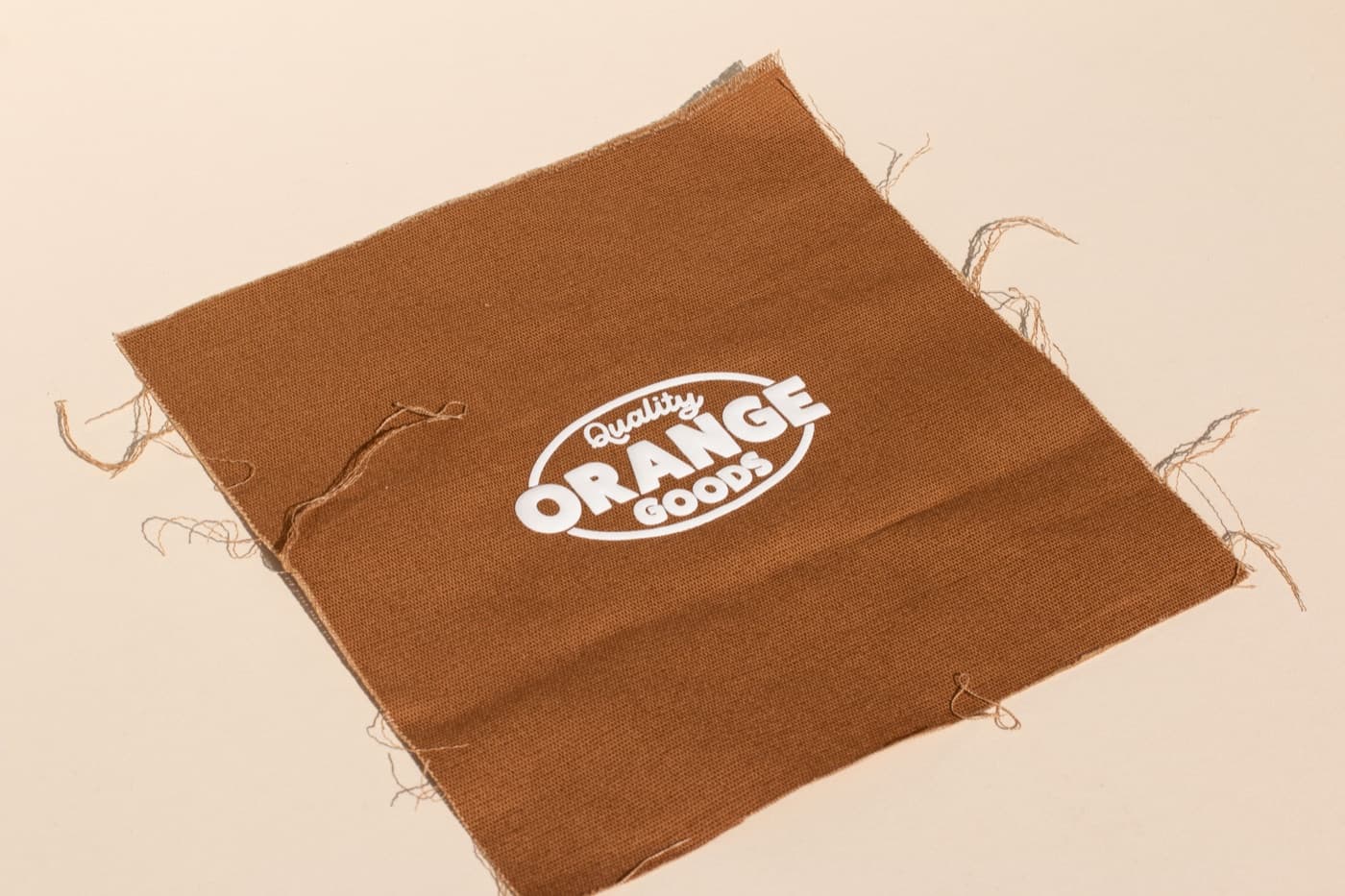
A woven side label, back tag, interior seam tape, or custom closure detail can make headwear feel more retail-ready without making the front artwork larger. Small trim decisions can carry a lot of perceived value.
The takeaway
Great custom headwear comes from matching the finish to the hat and the audience. Orange Goods helps brands choose the cap shape, decoration method, patch style, and trim details that make the finished piece feel intentional.