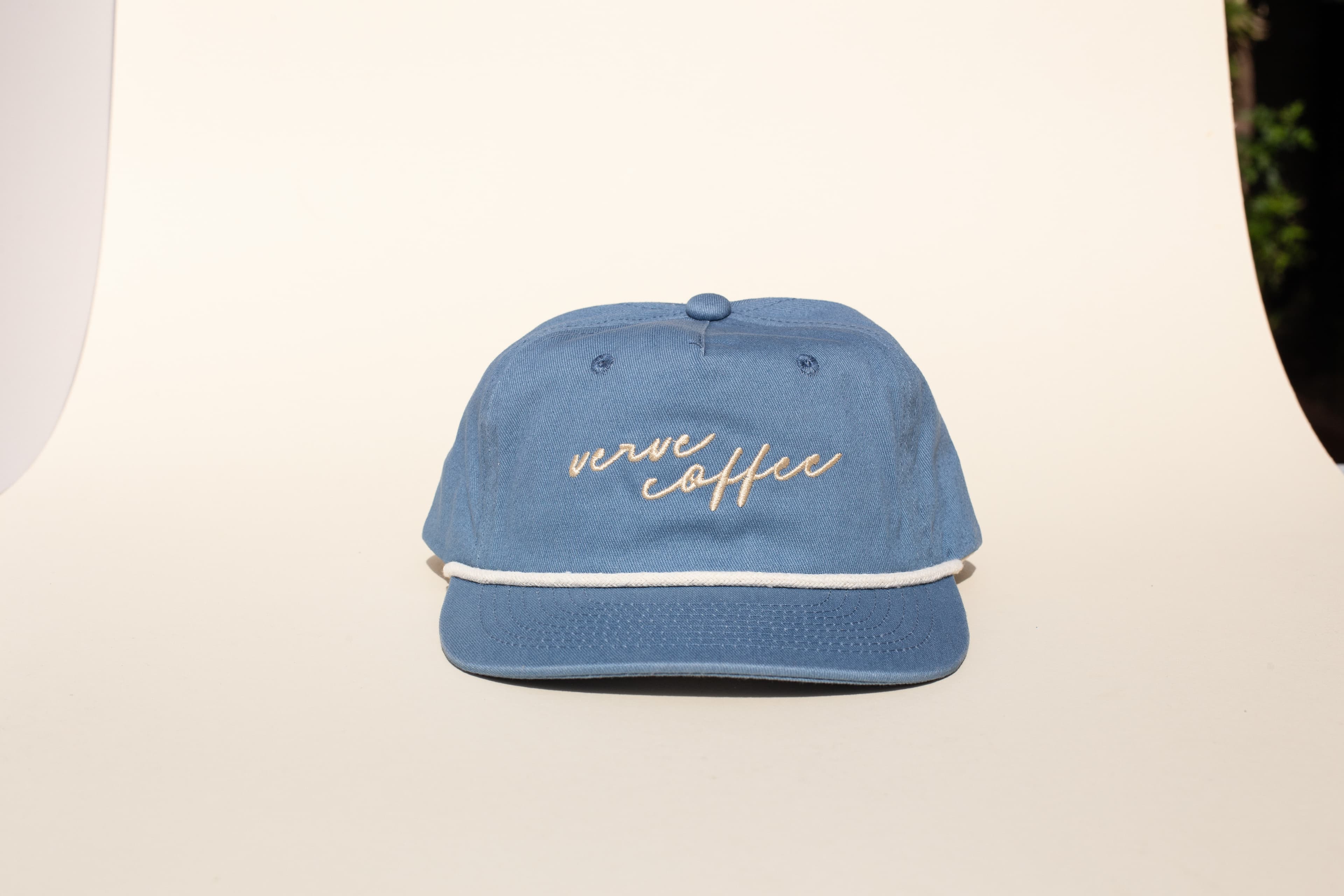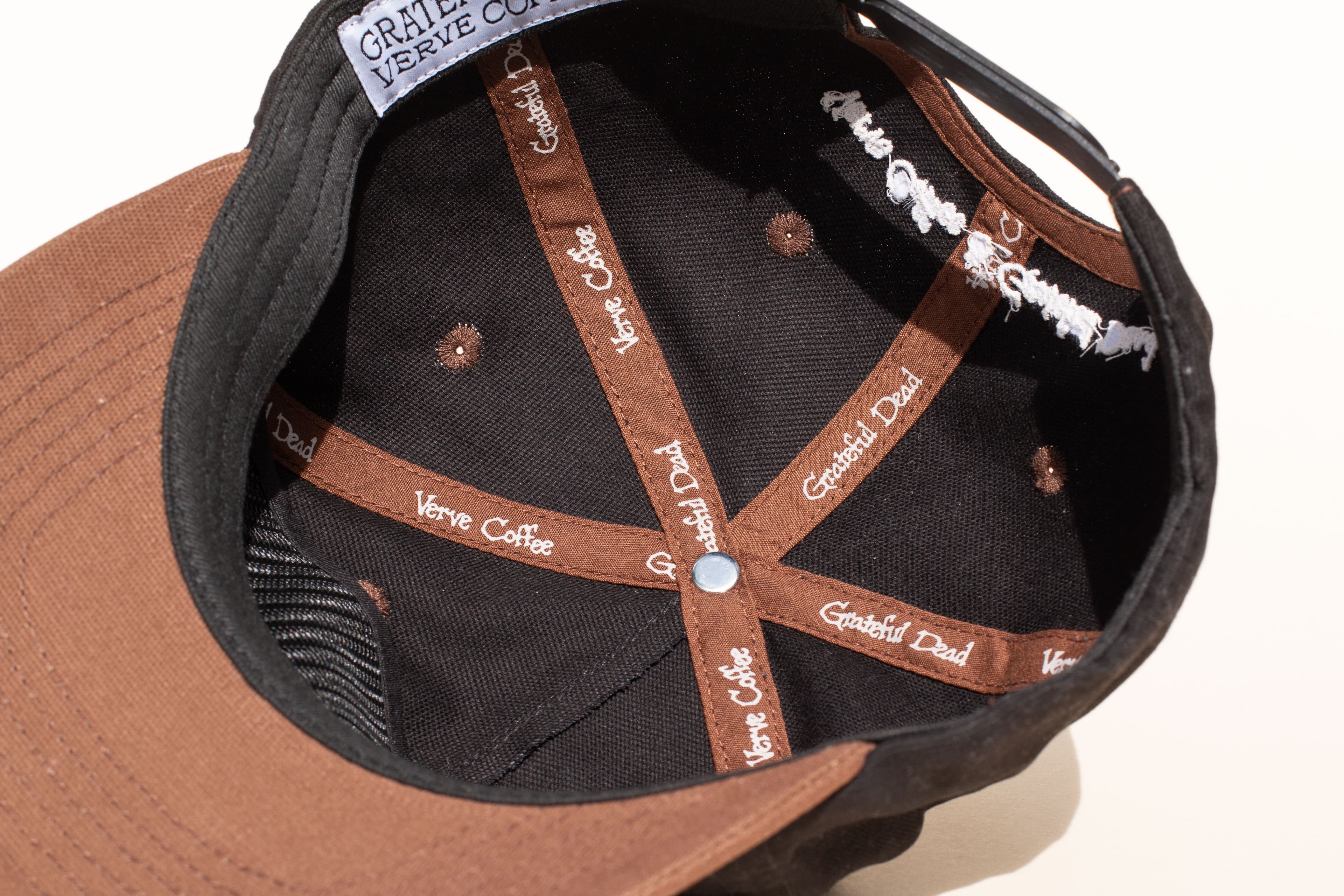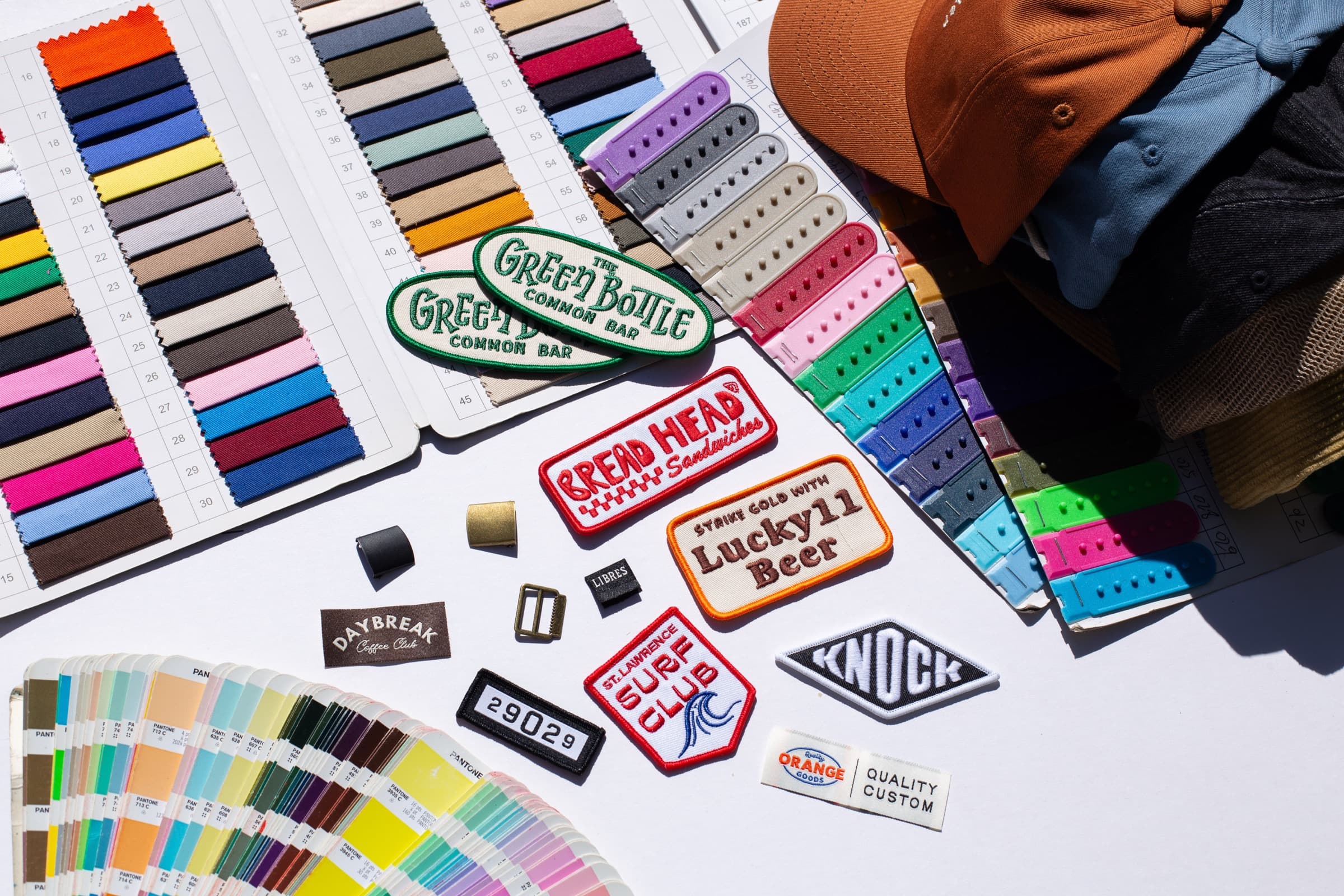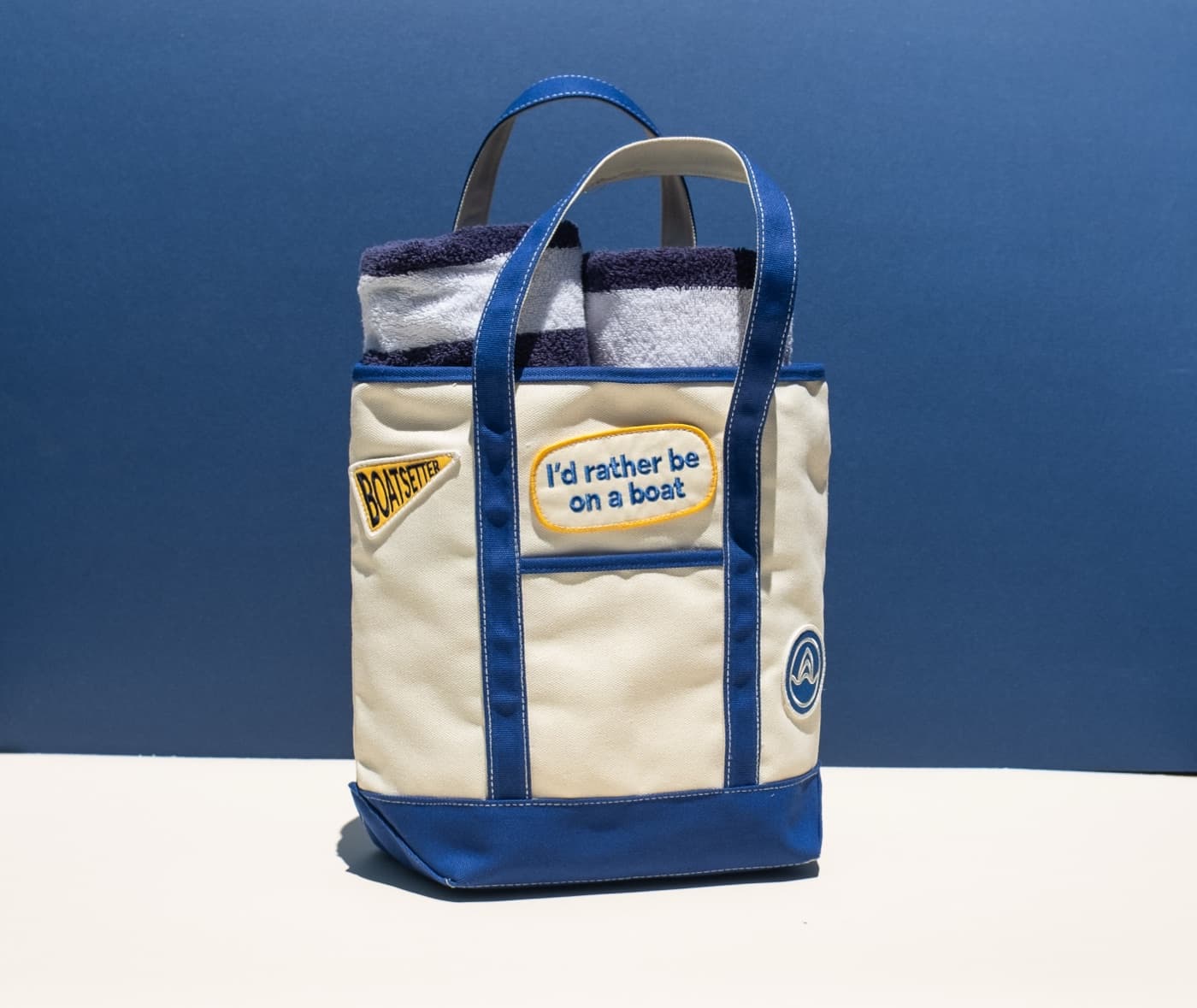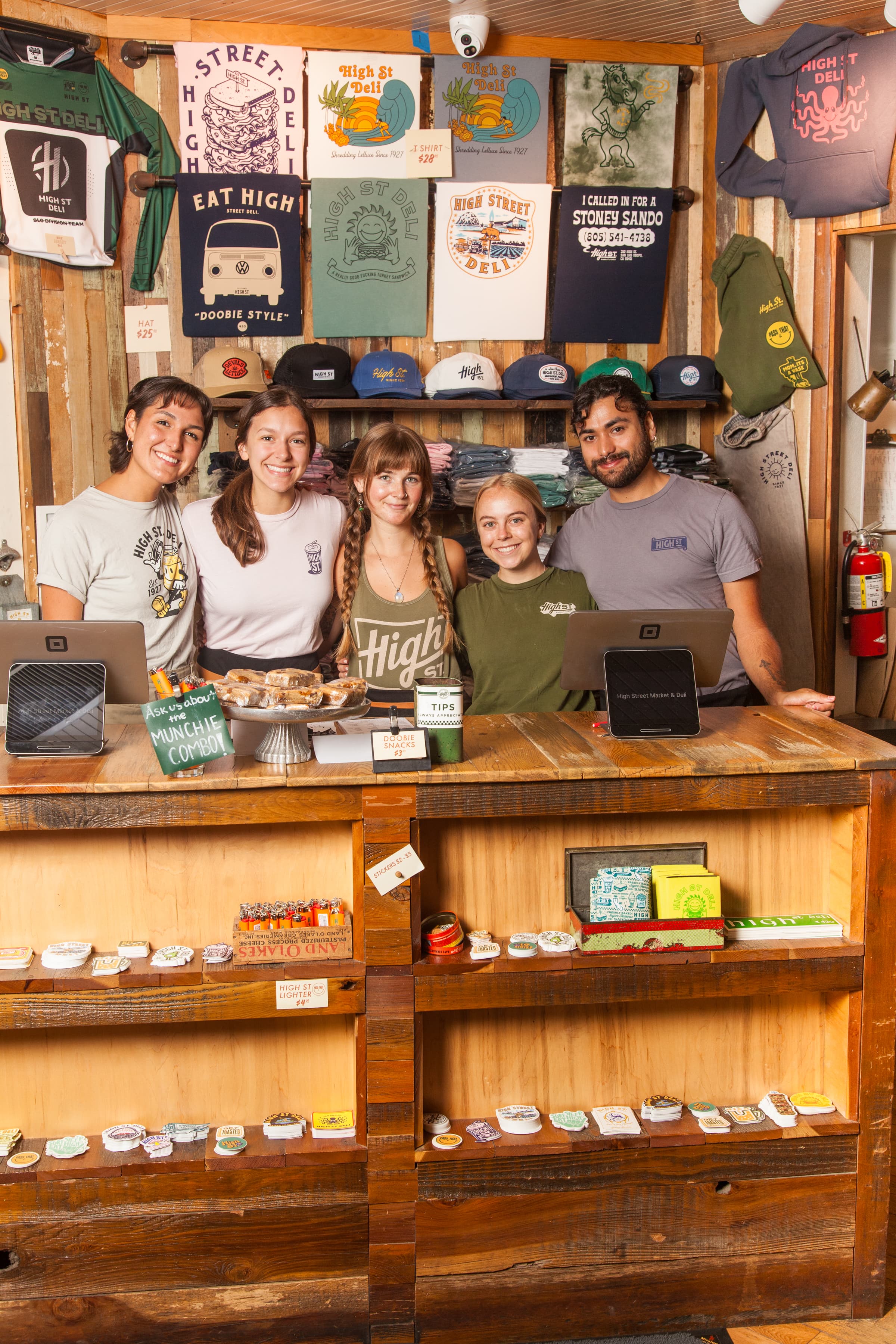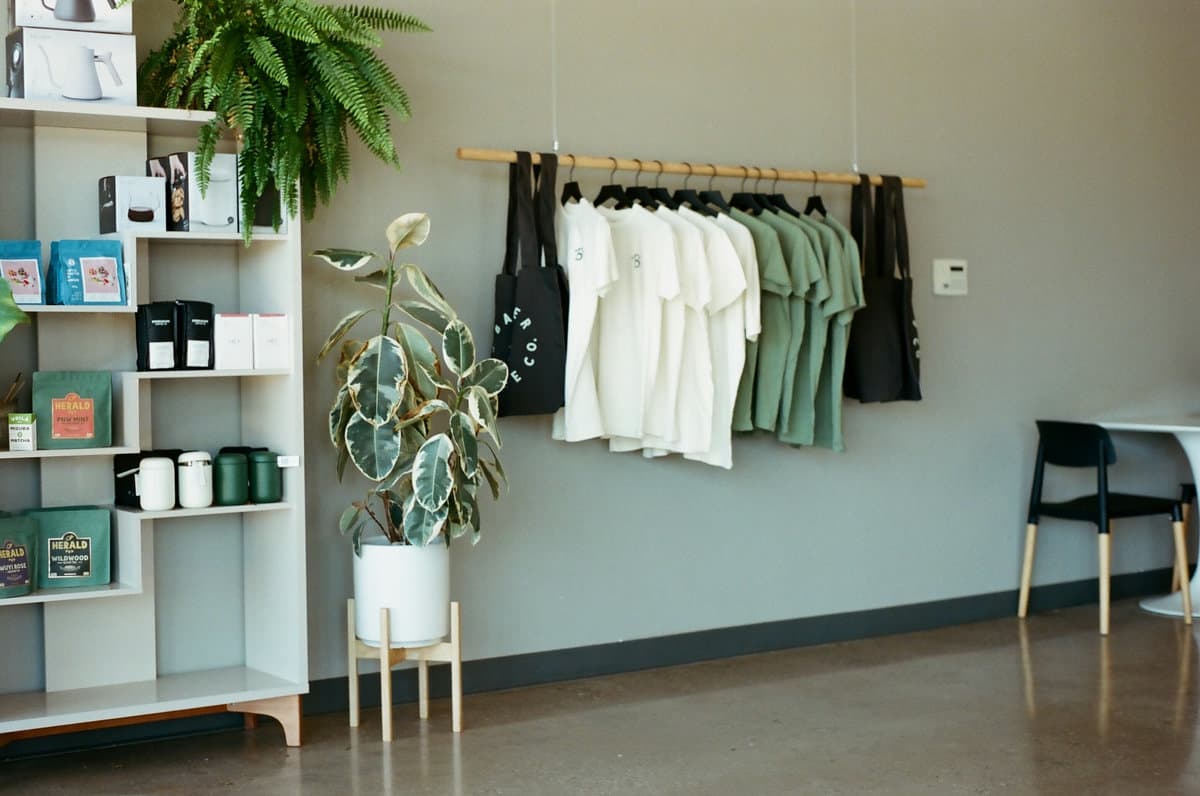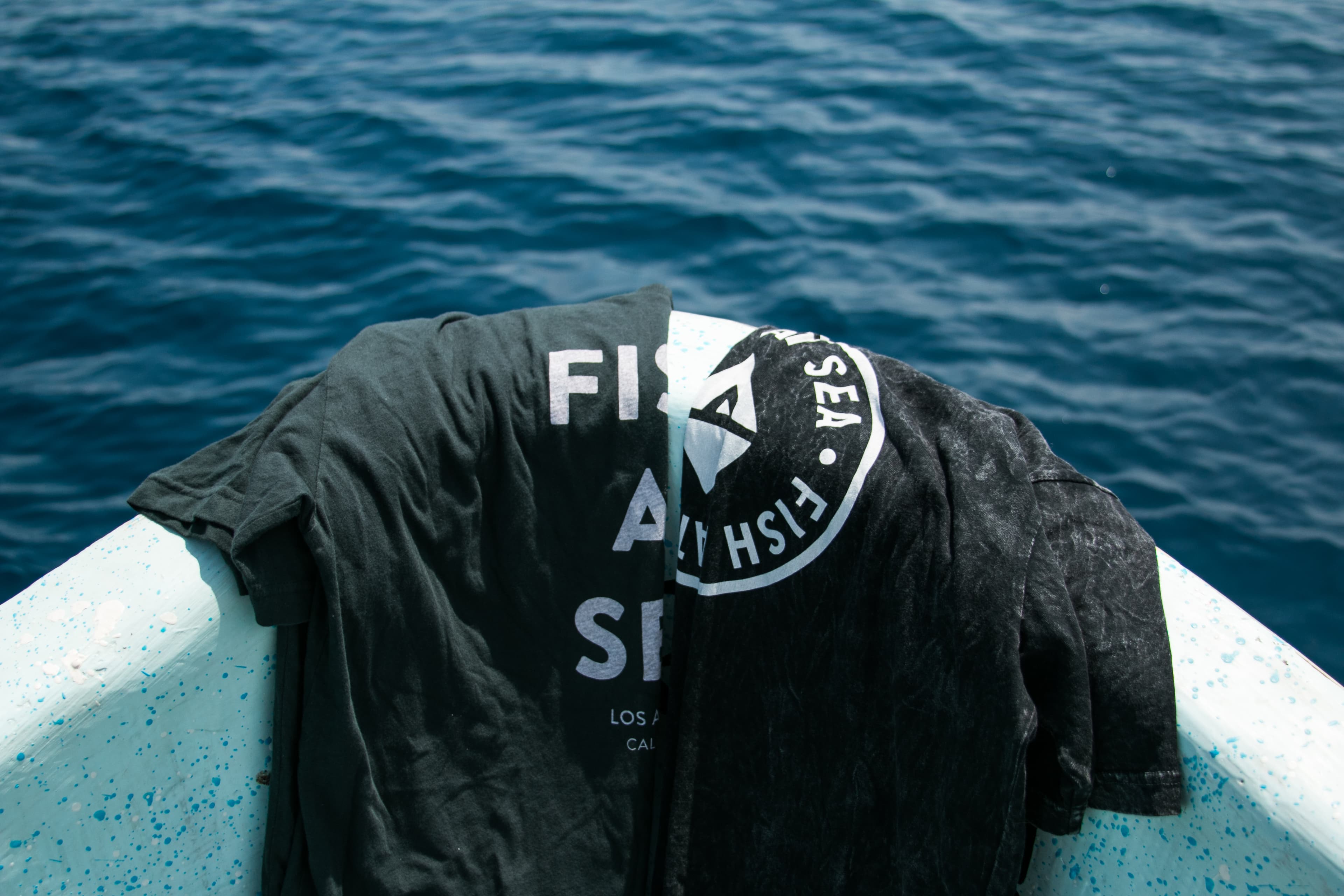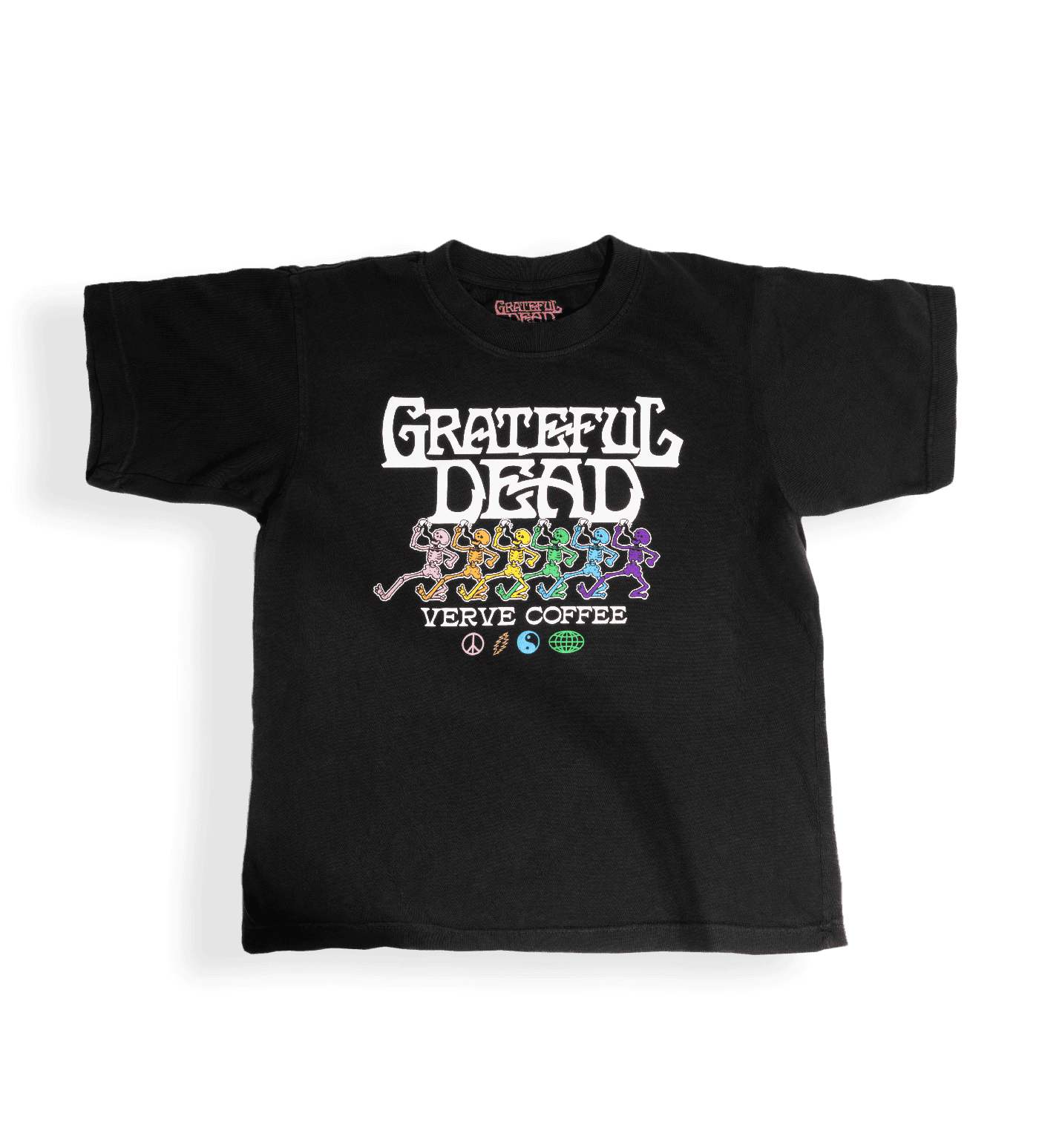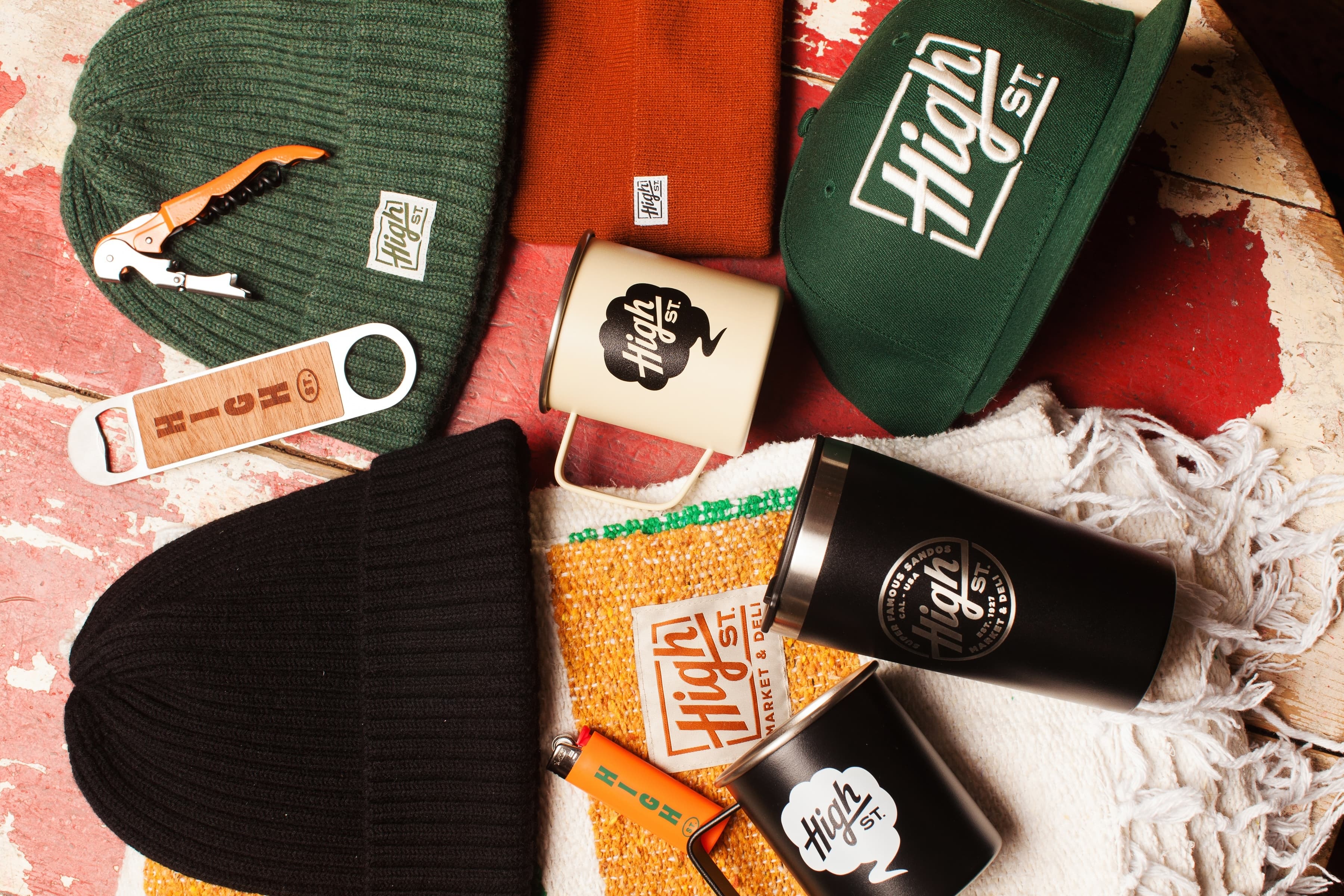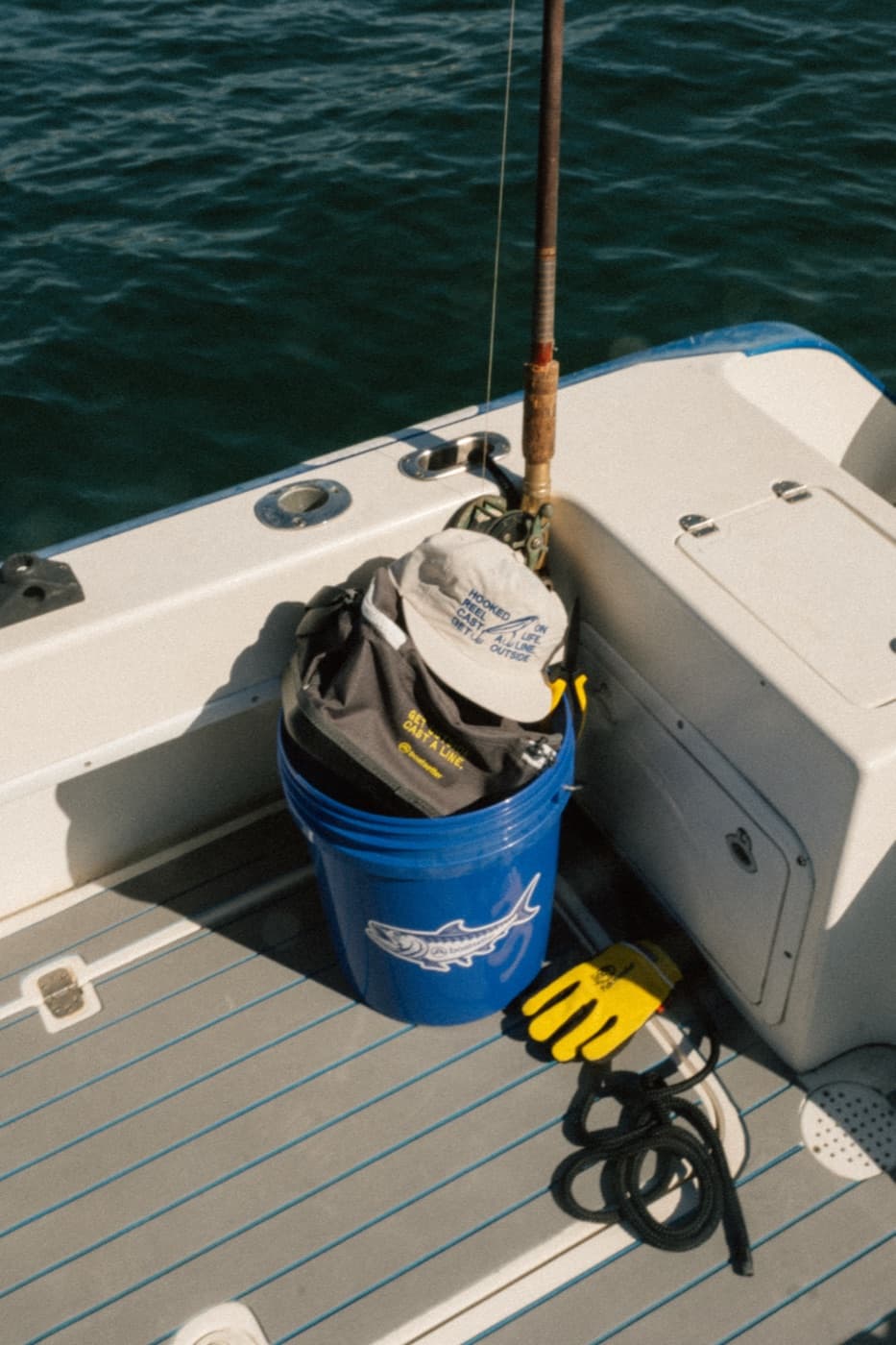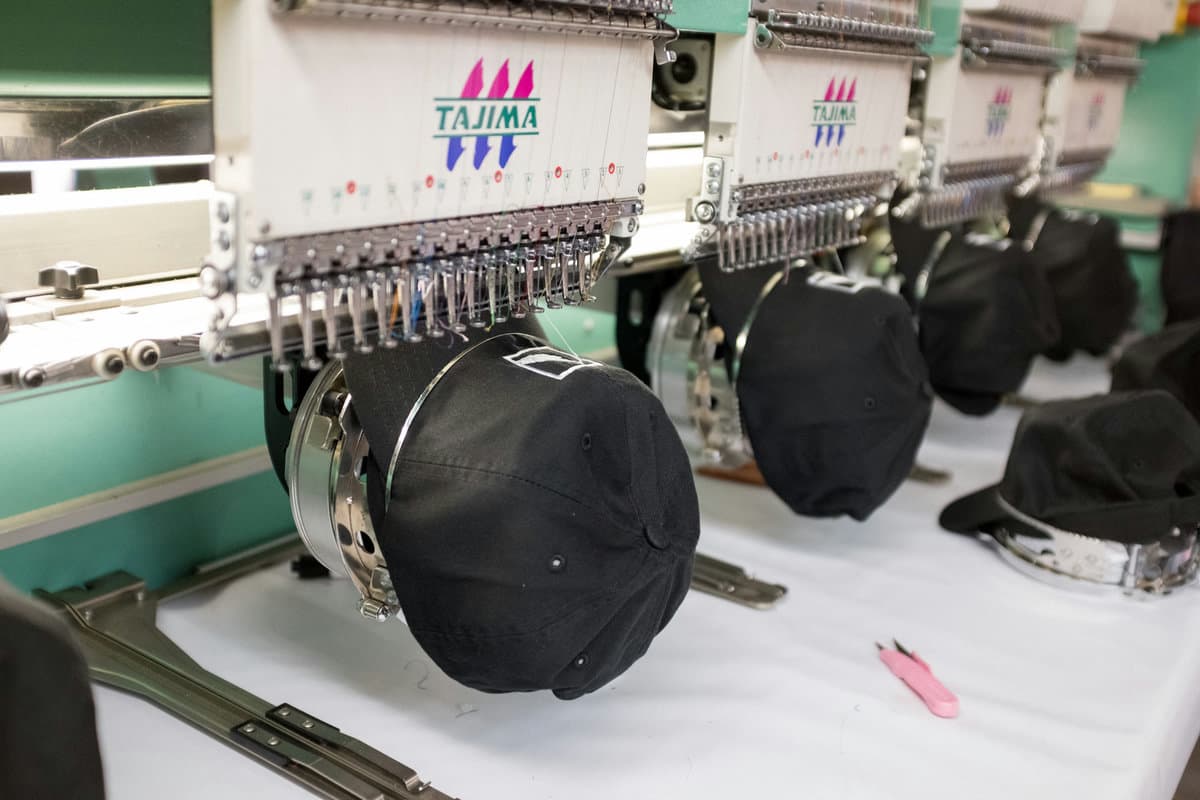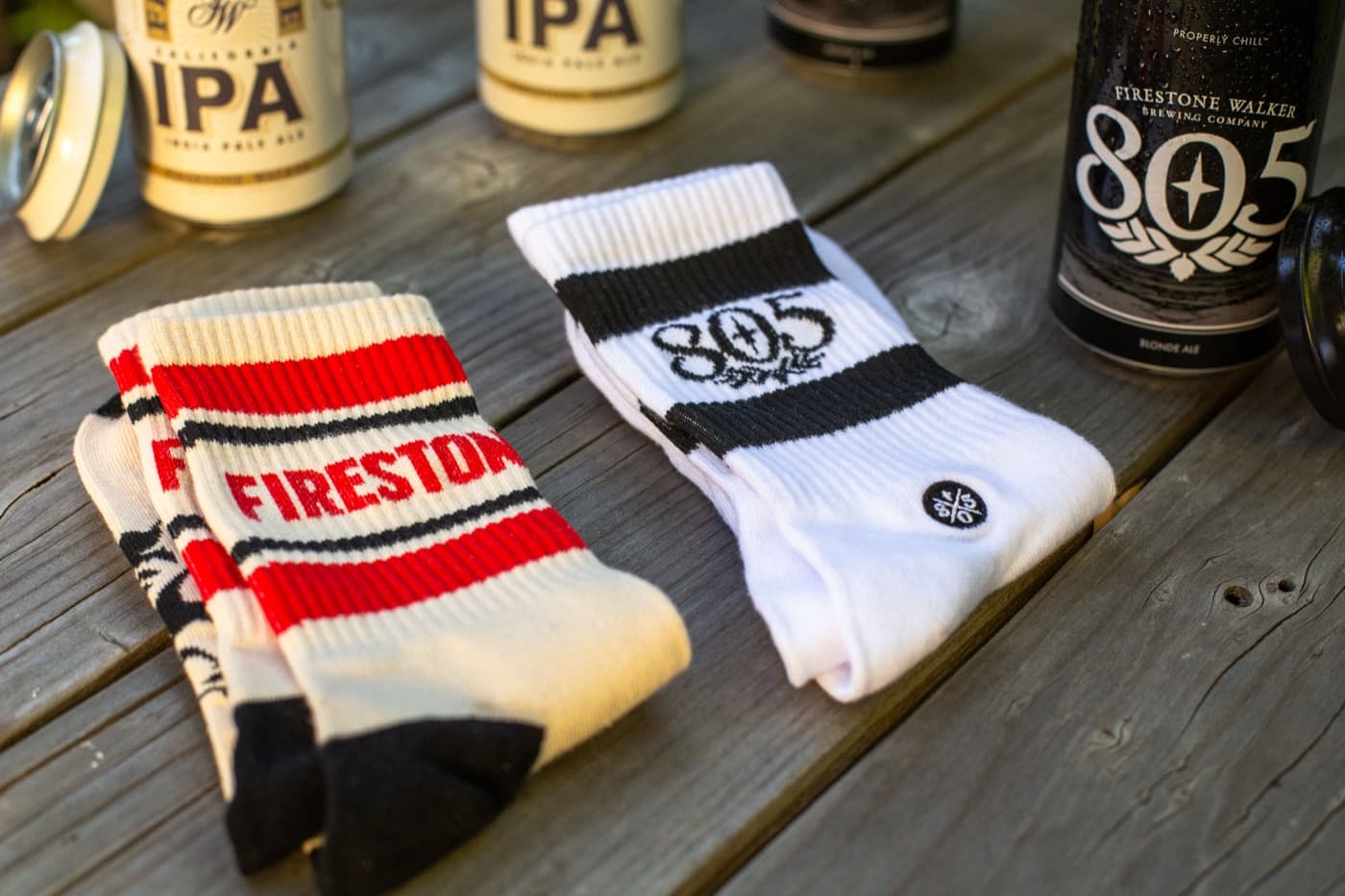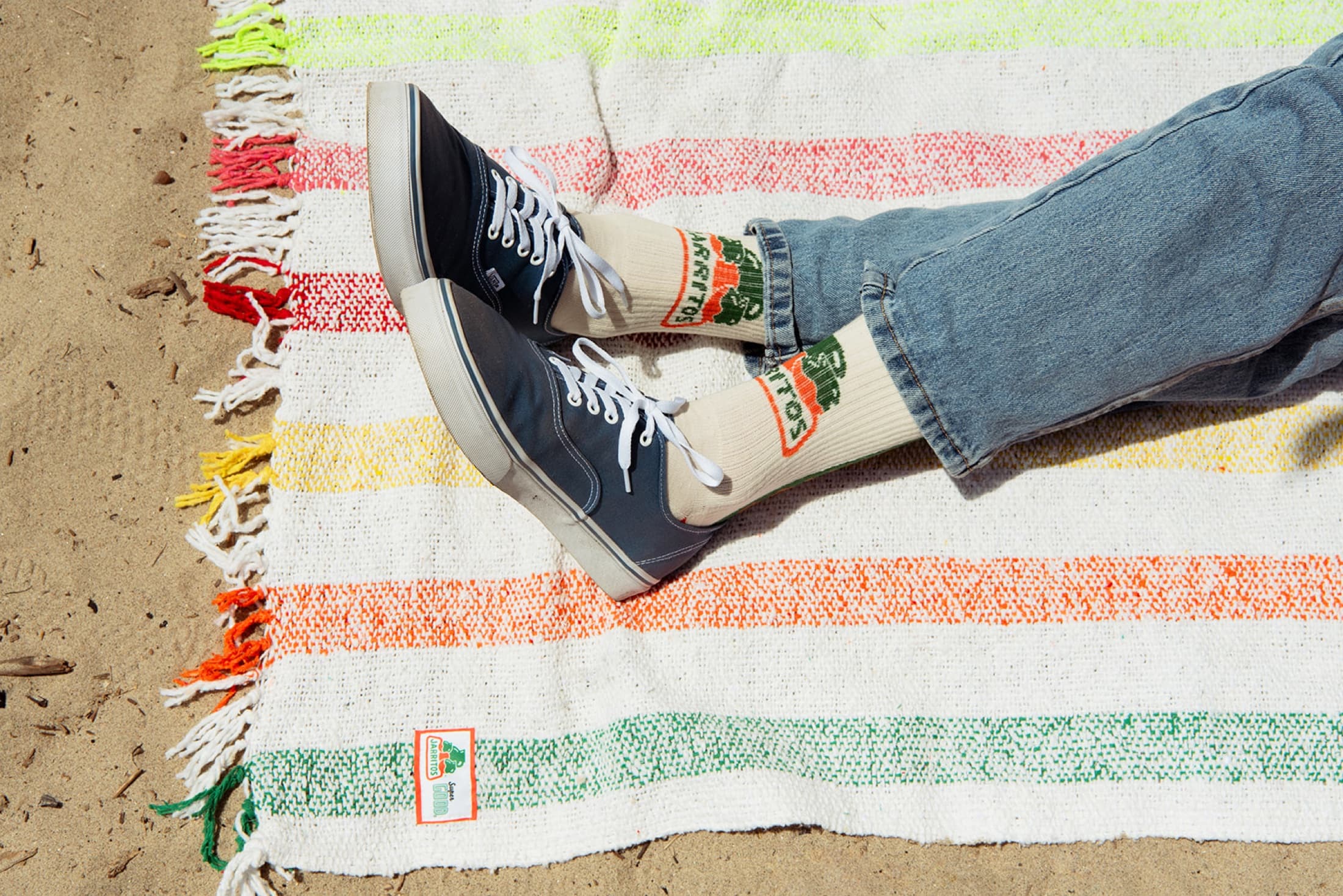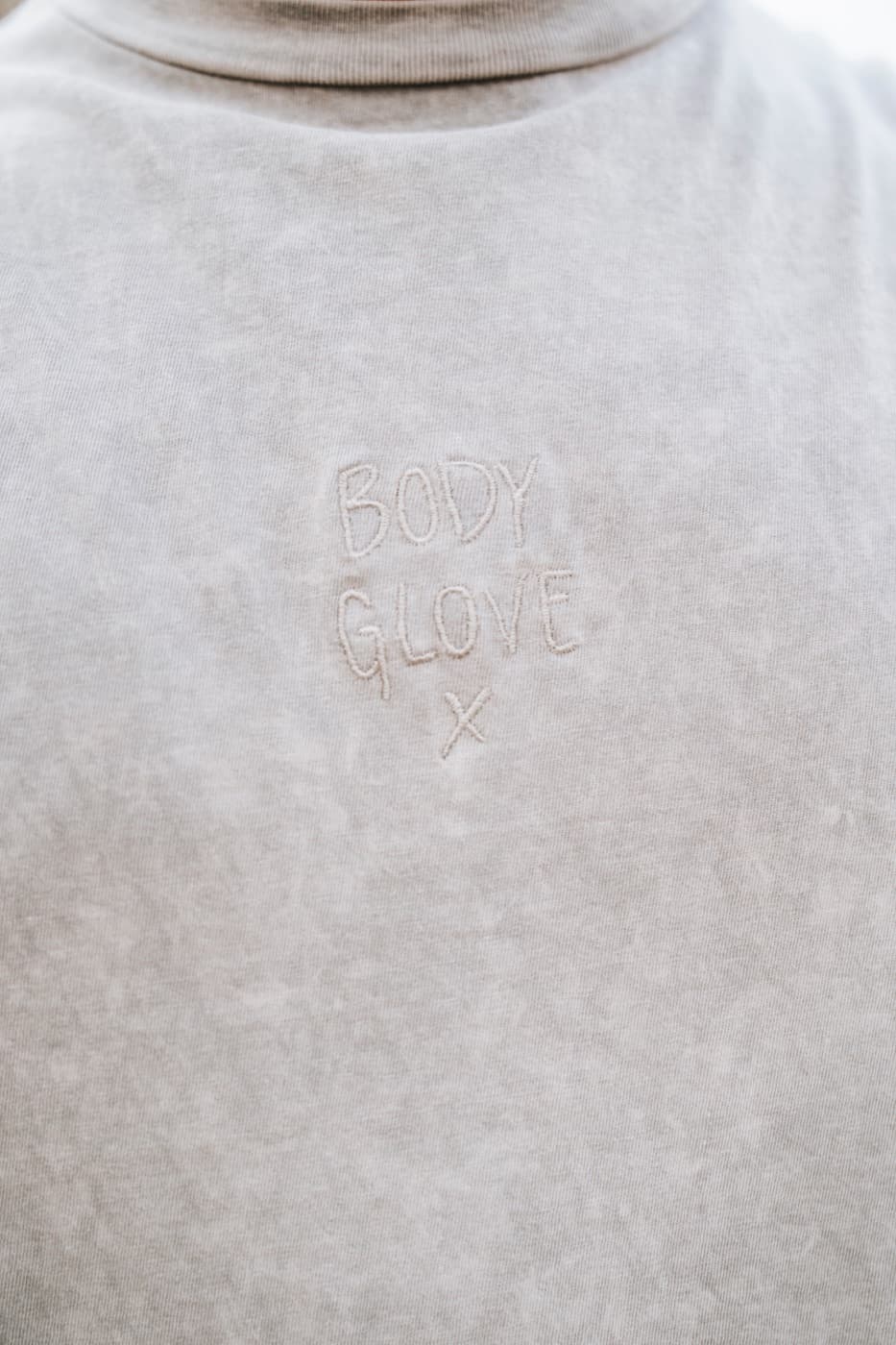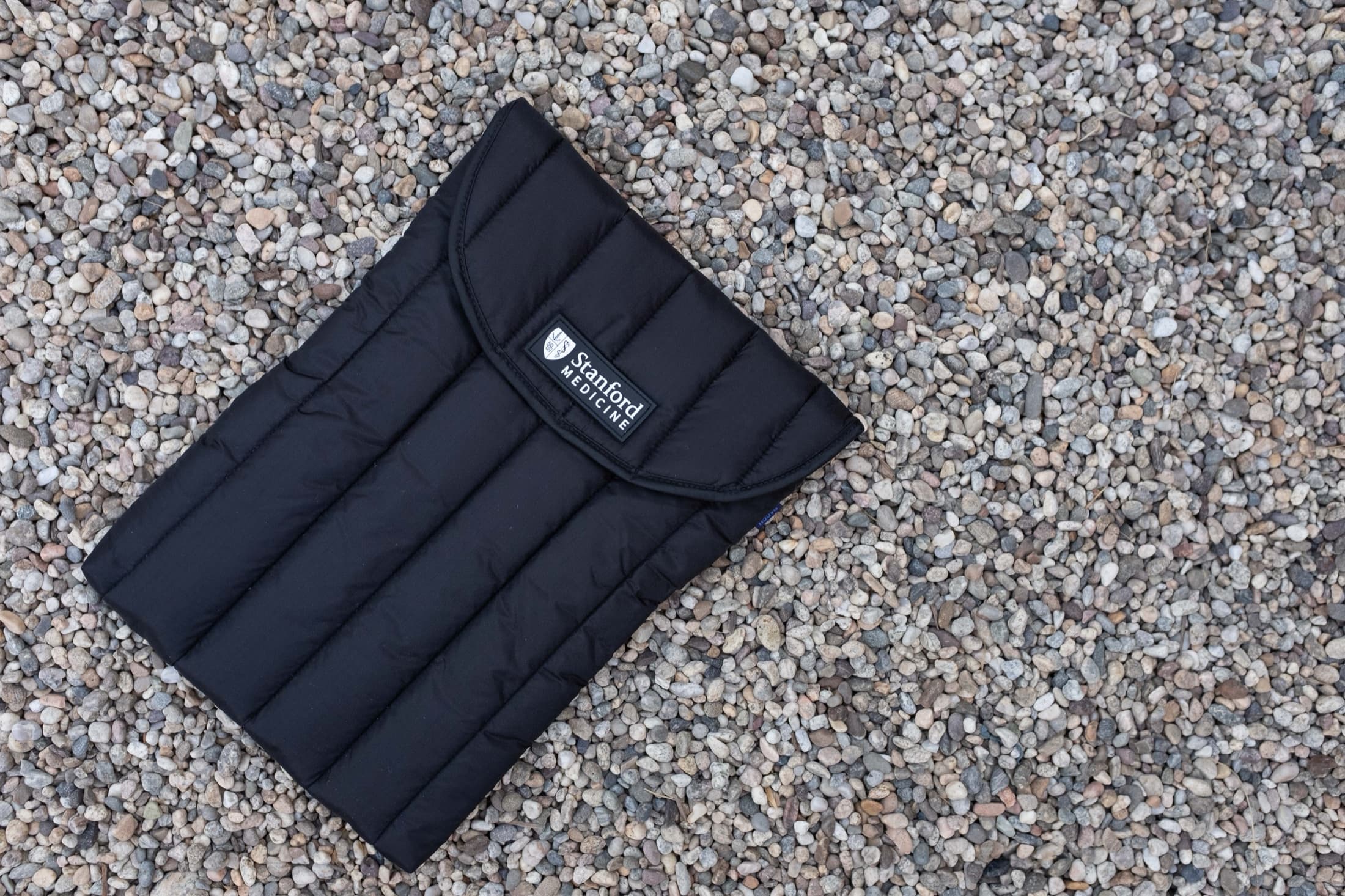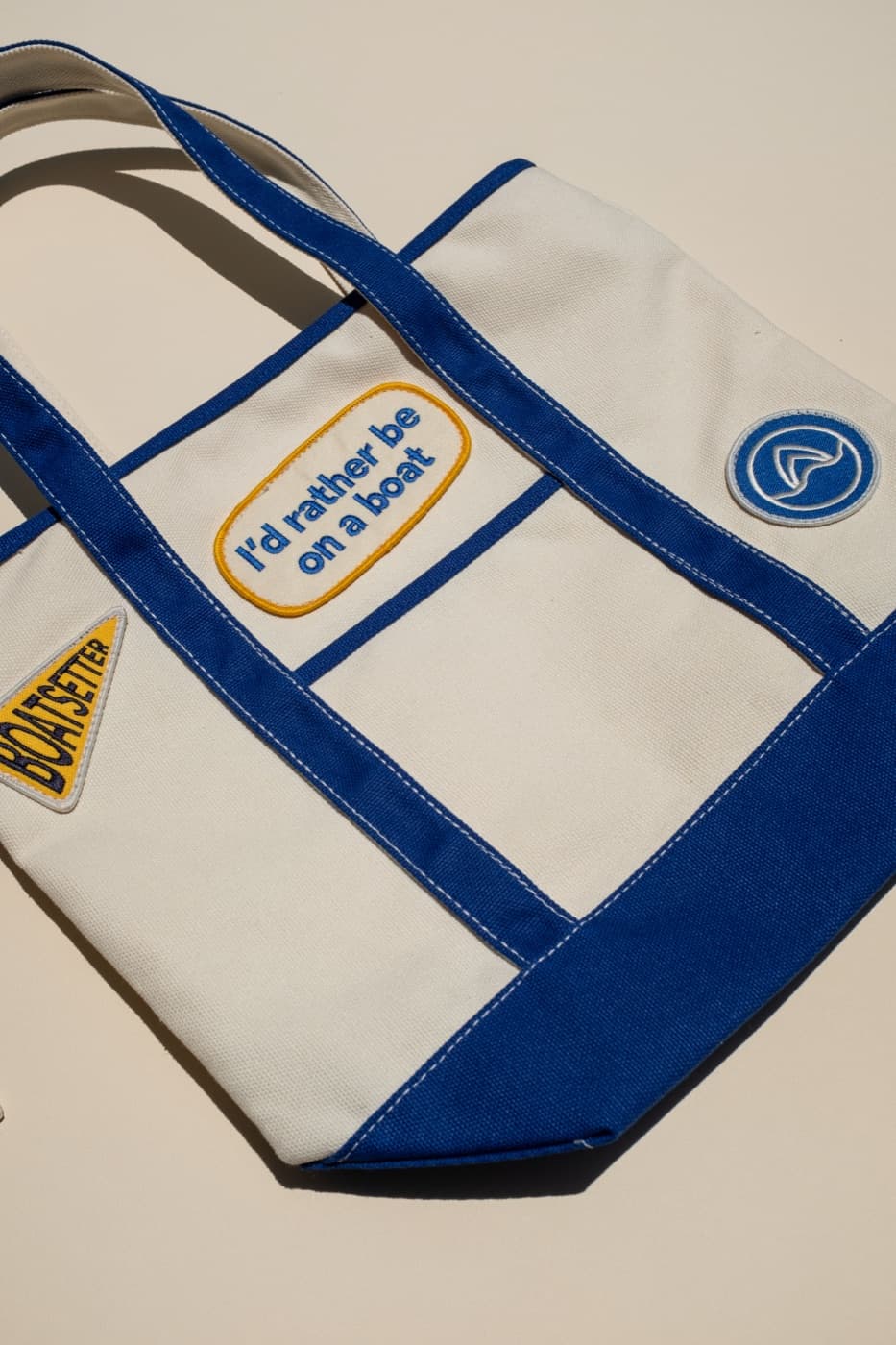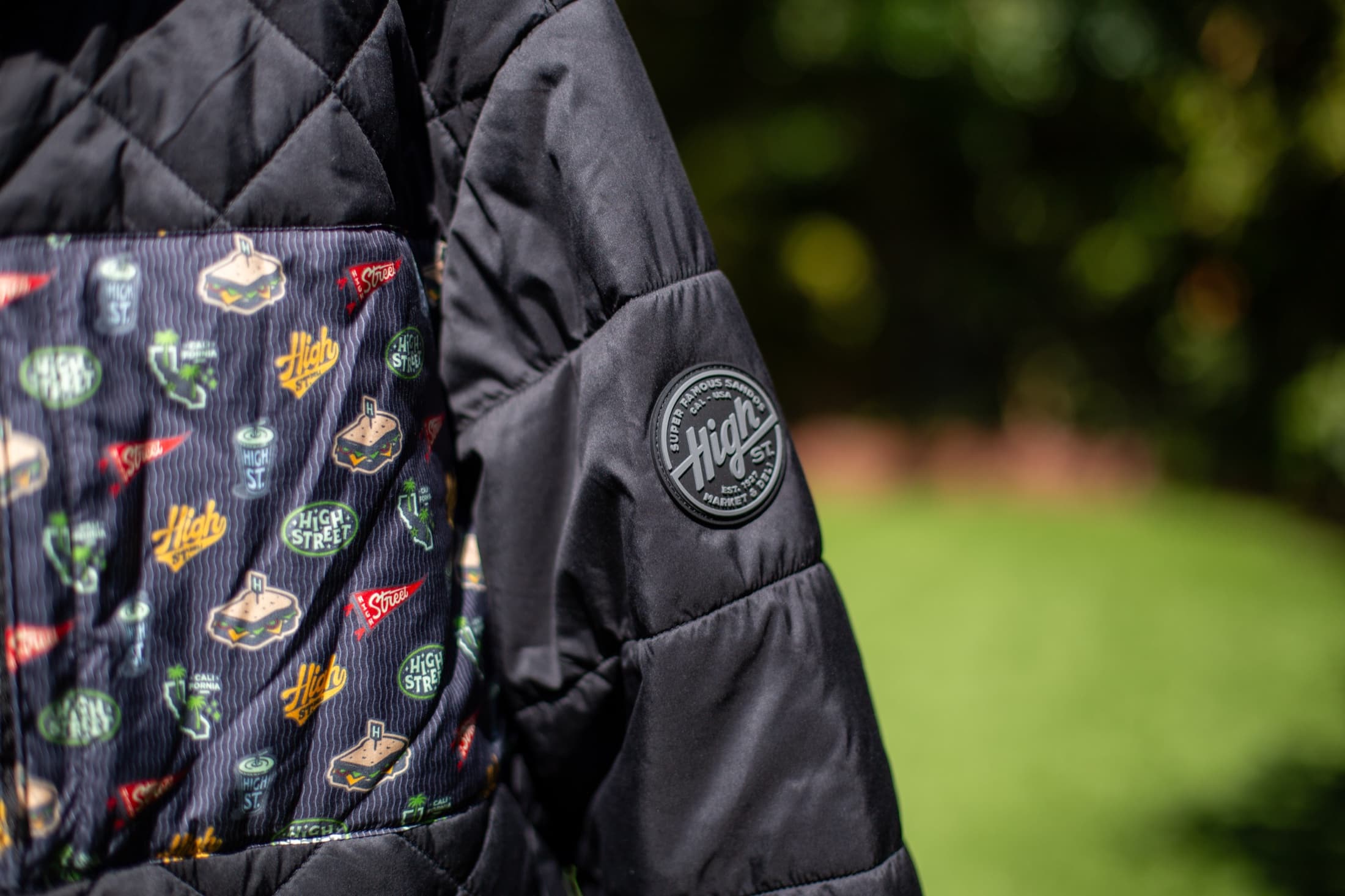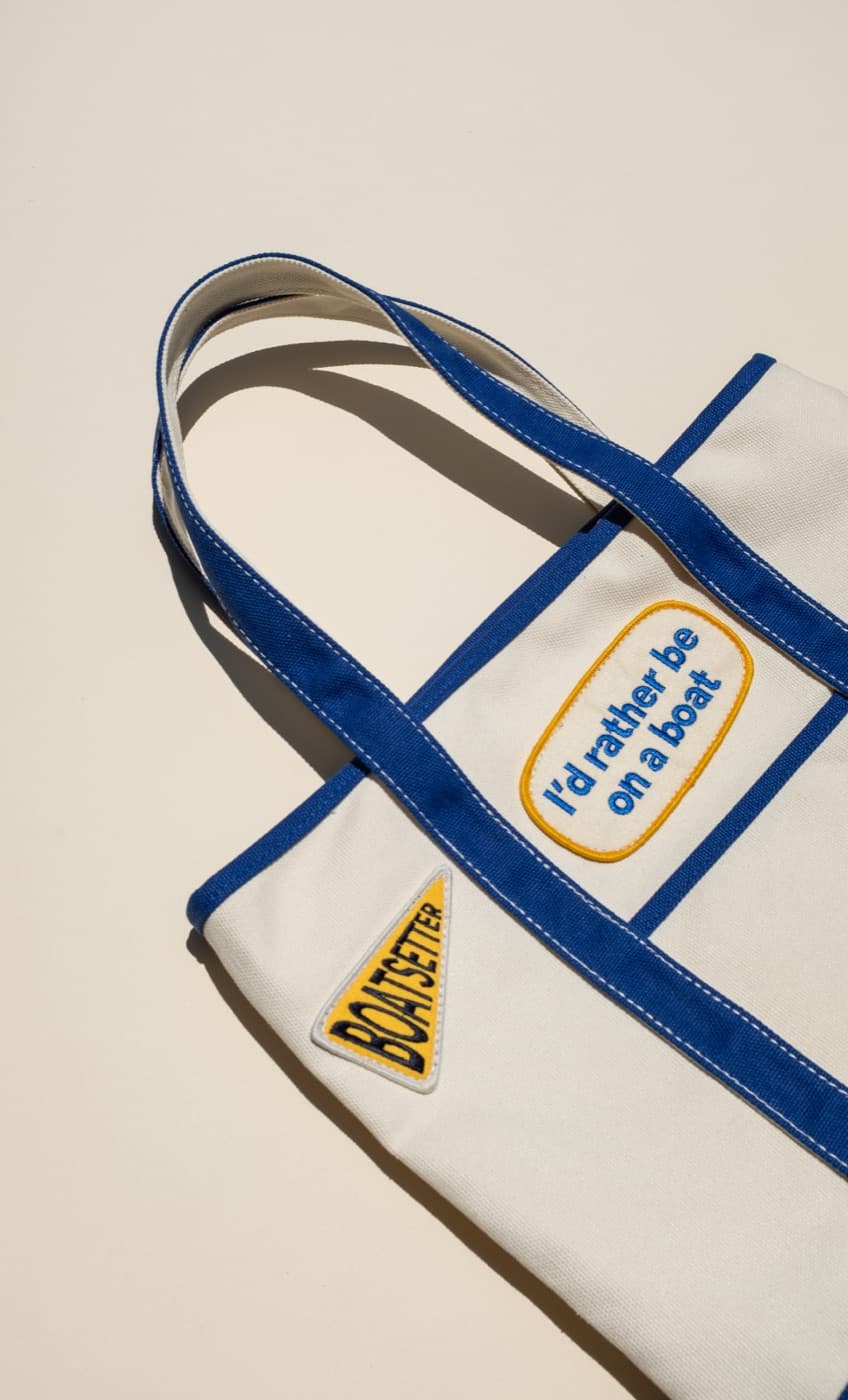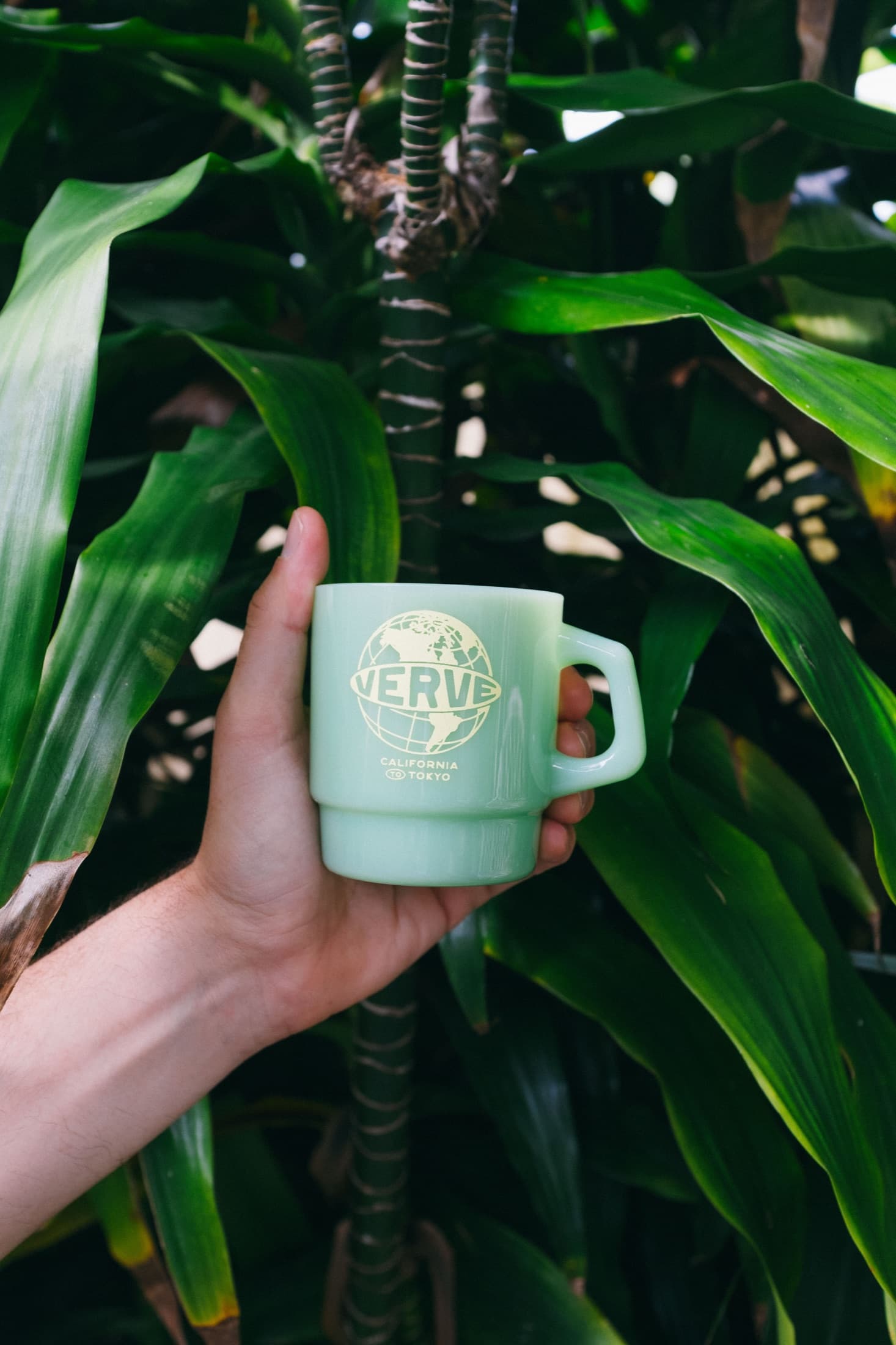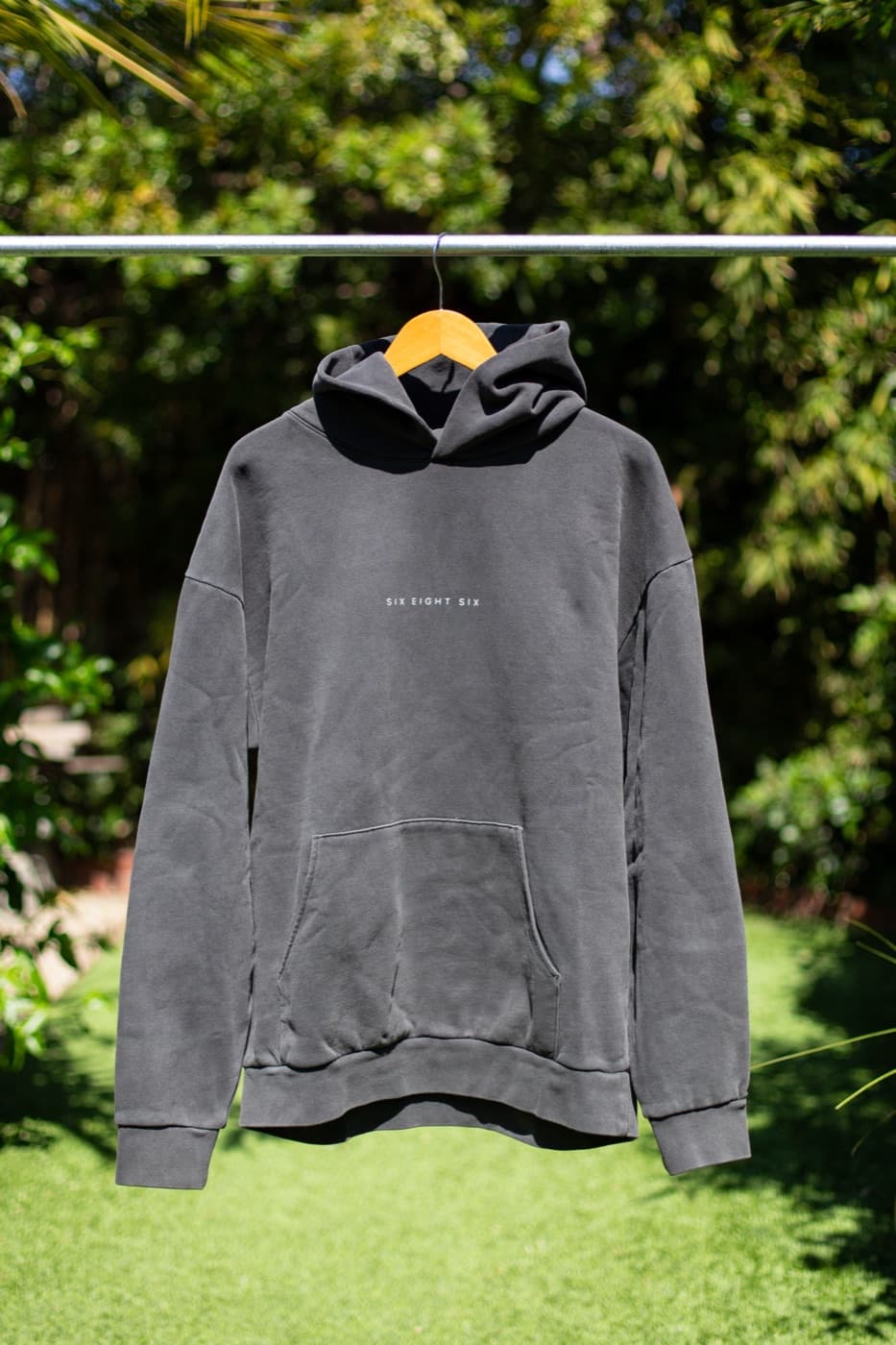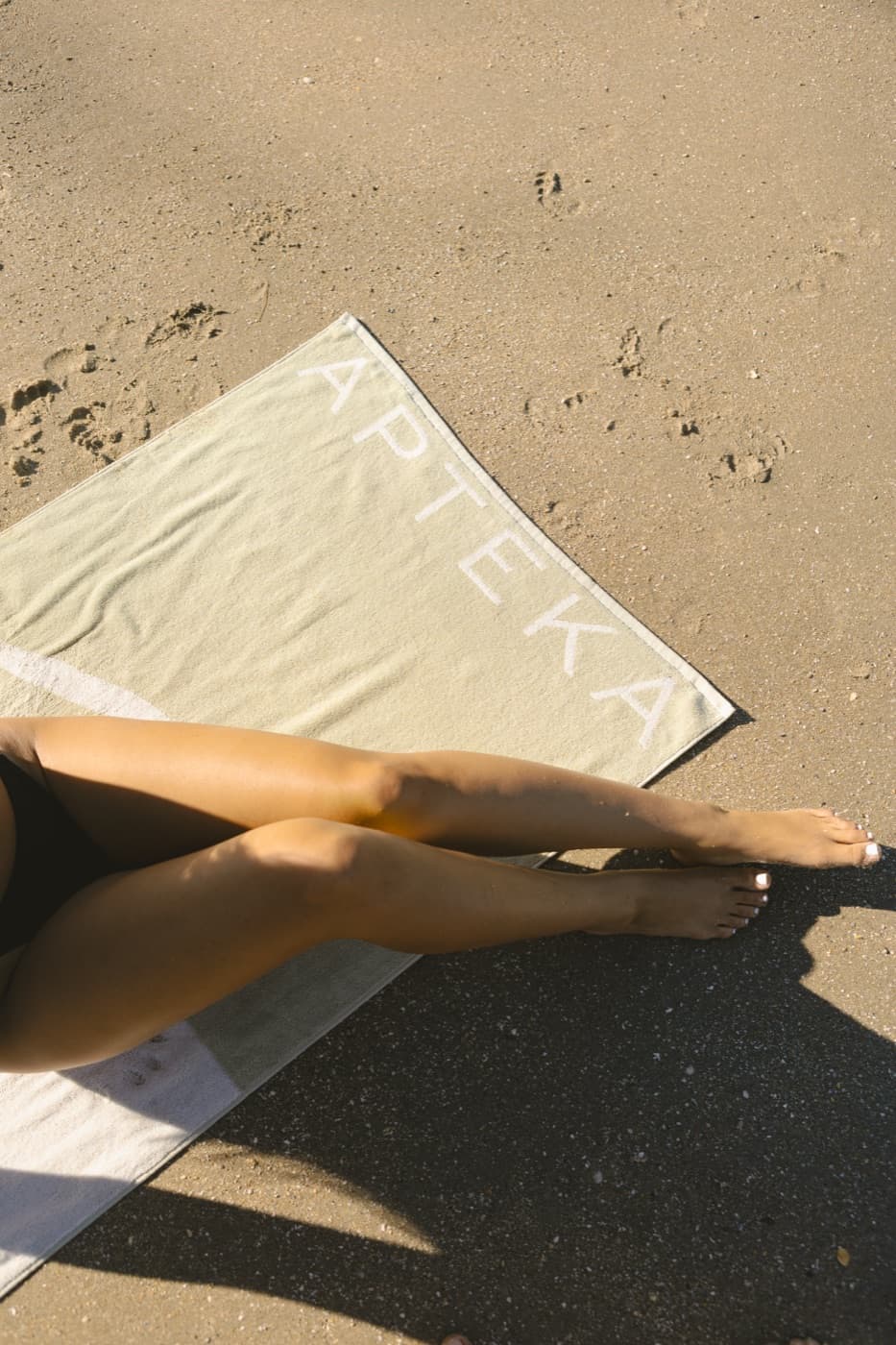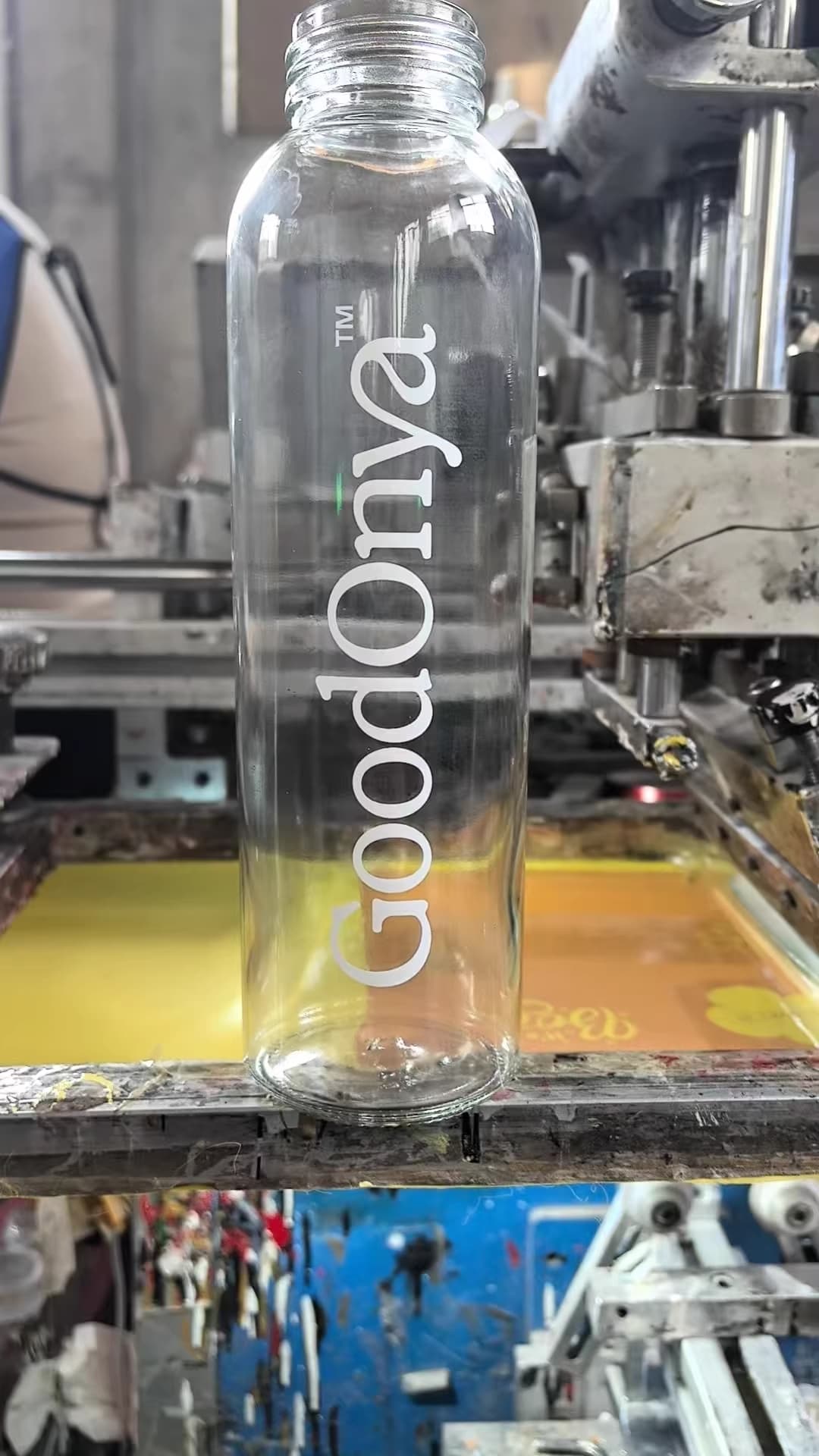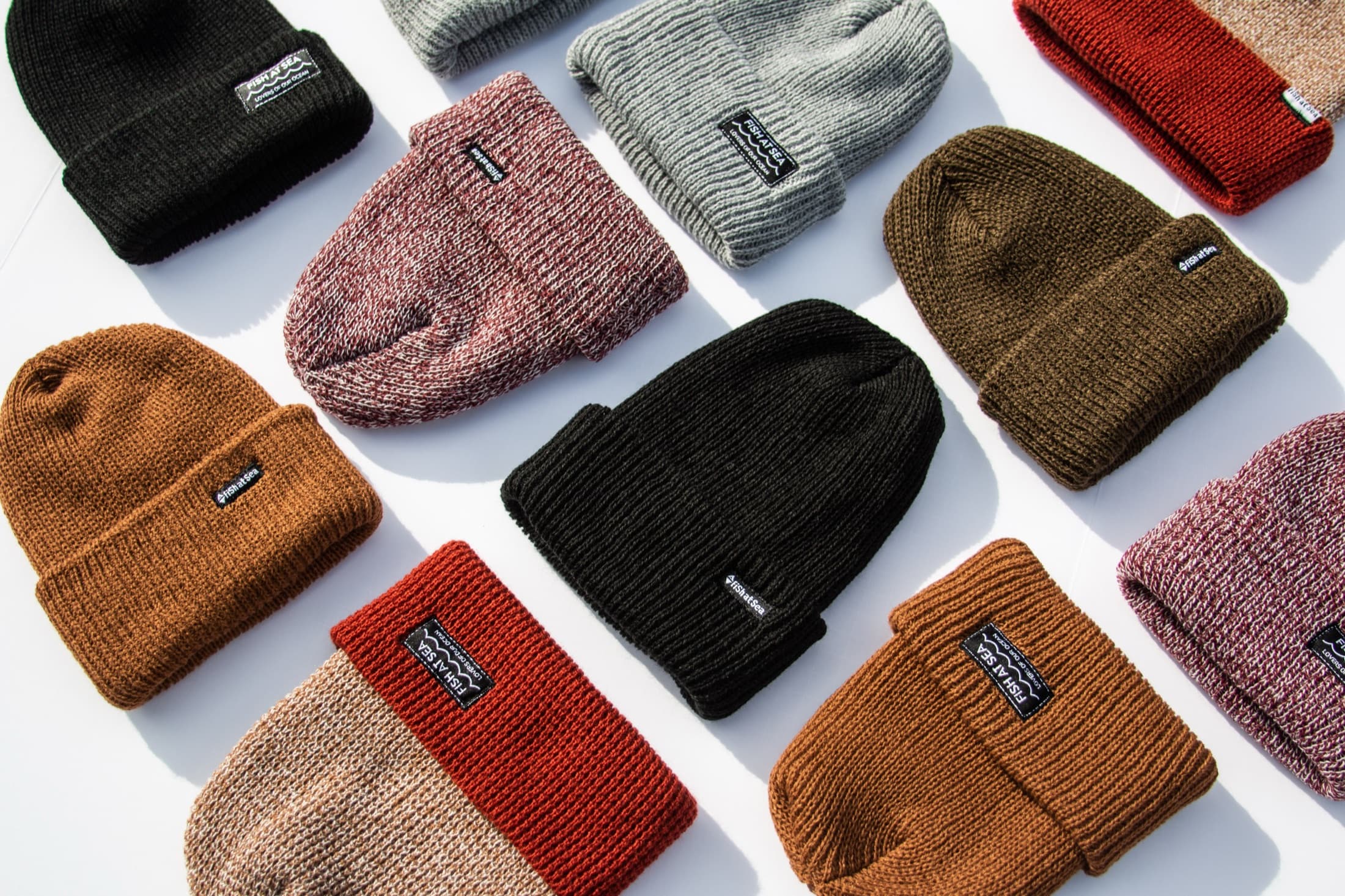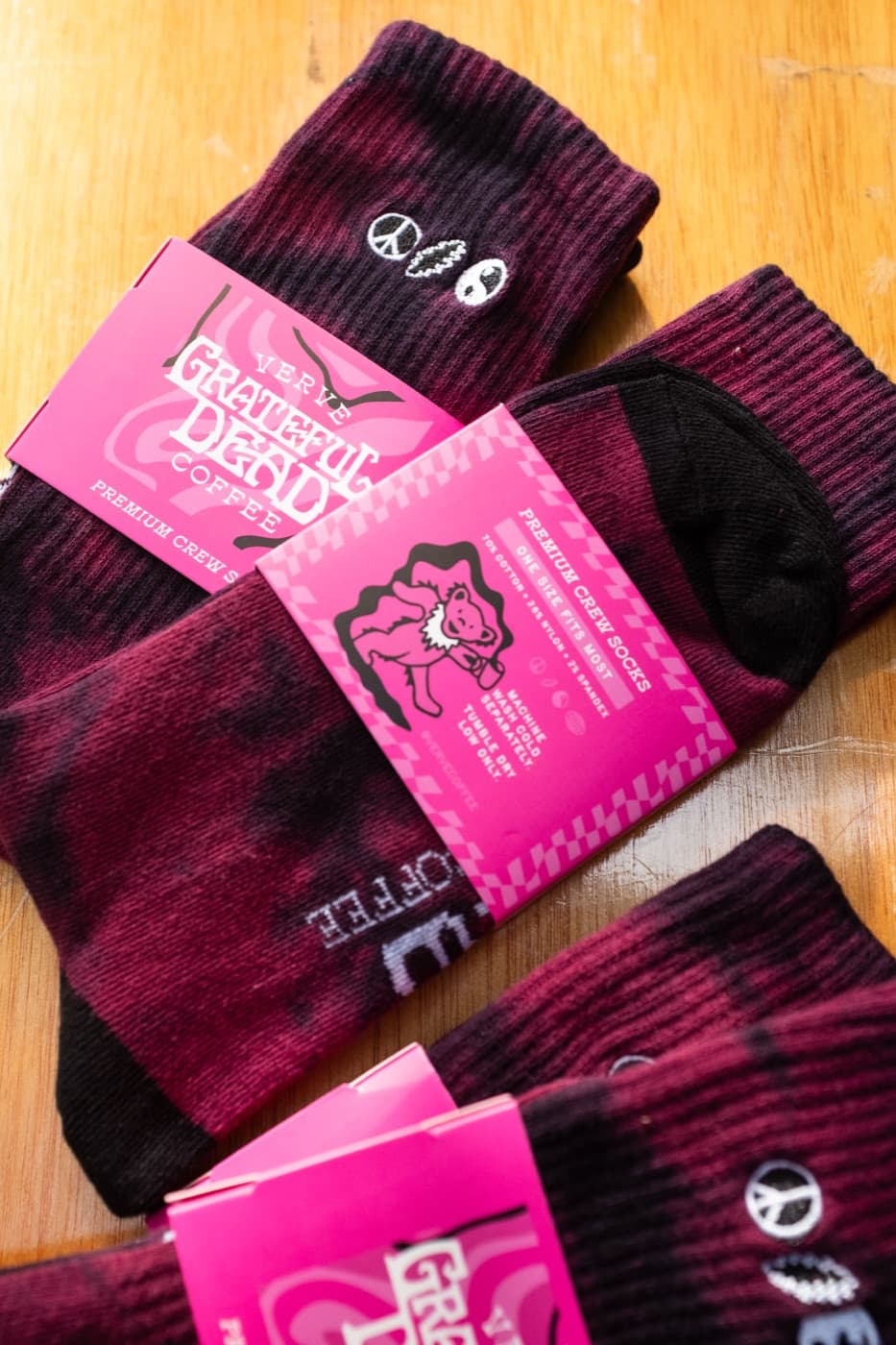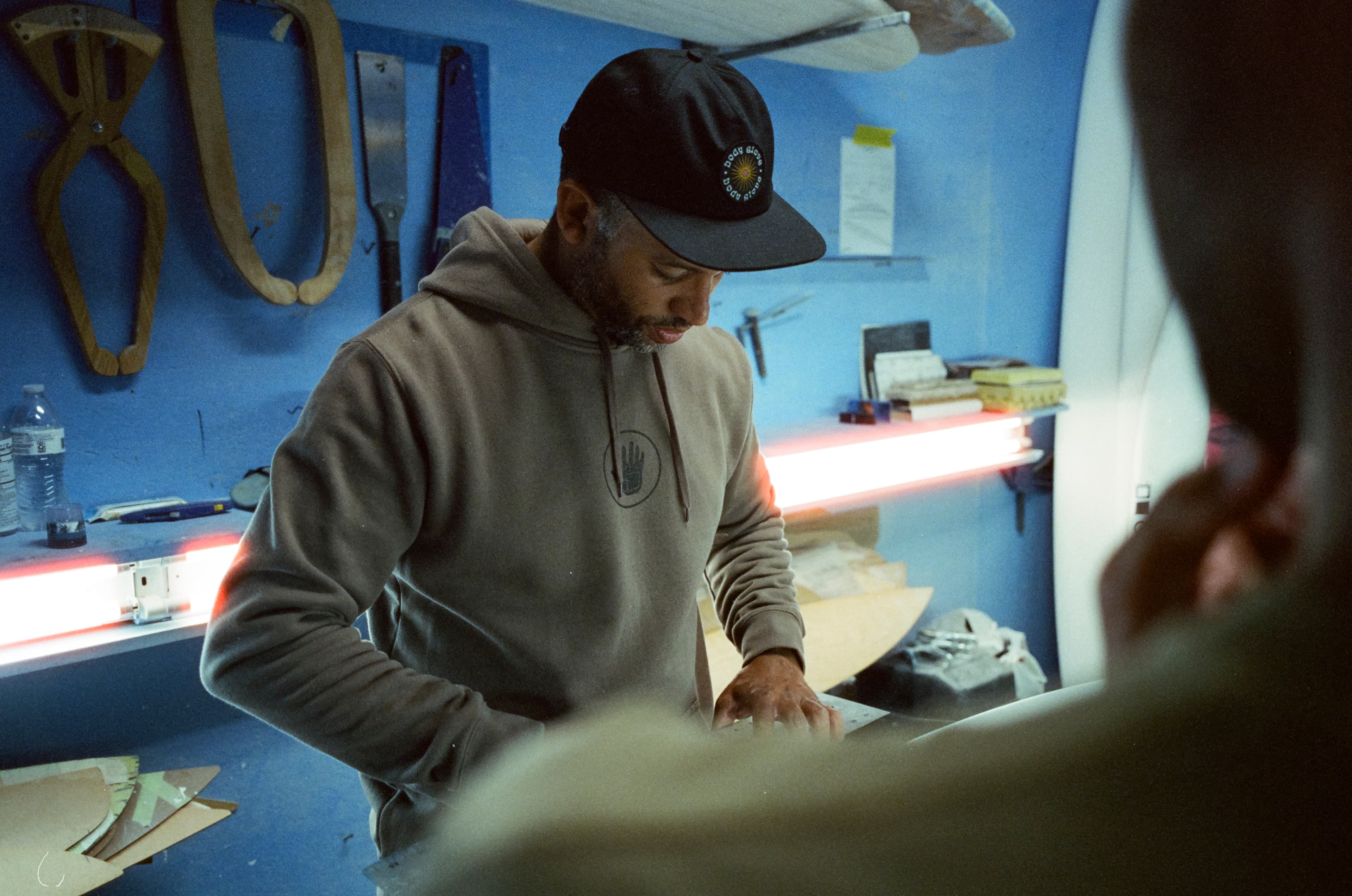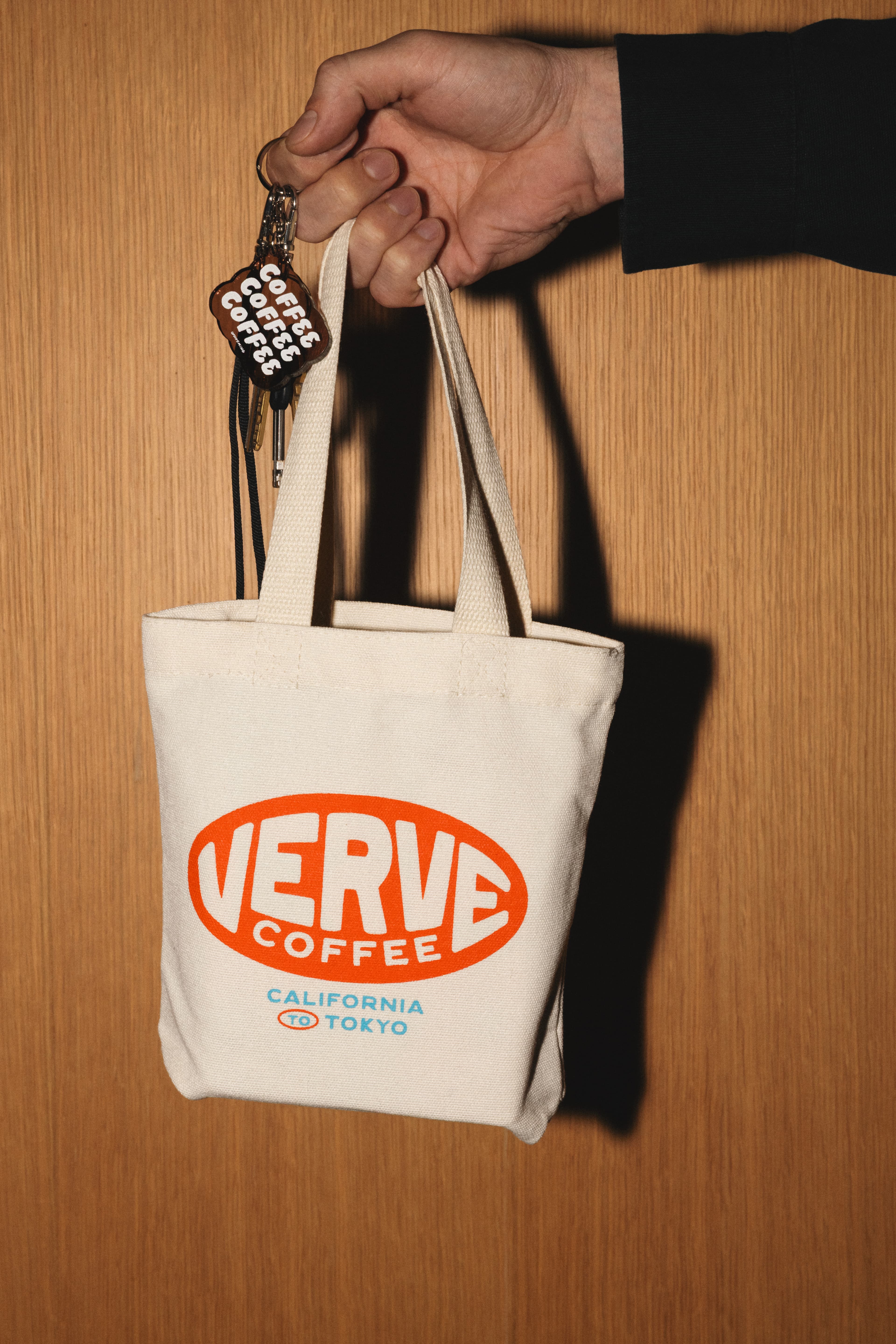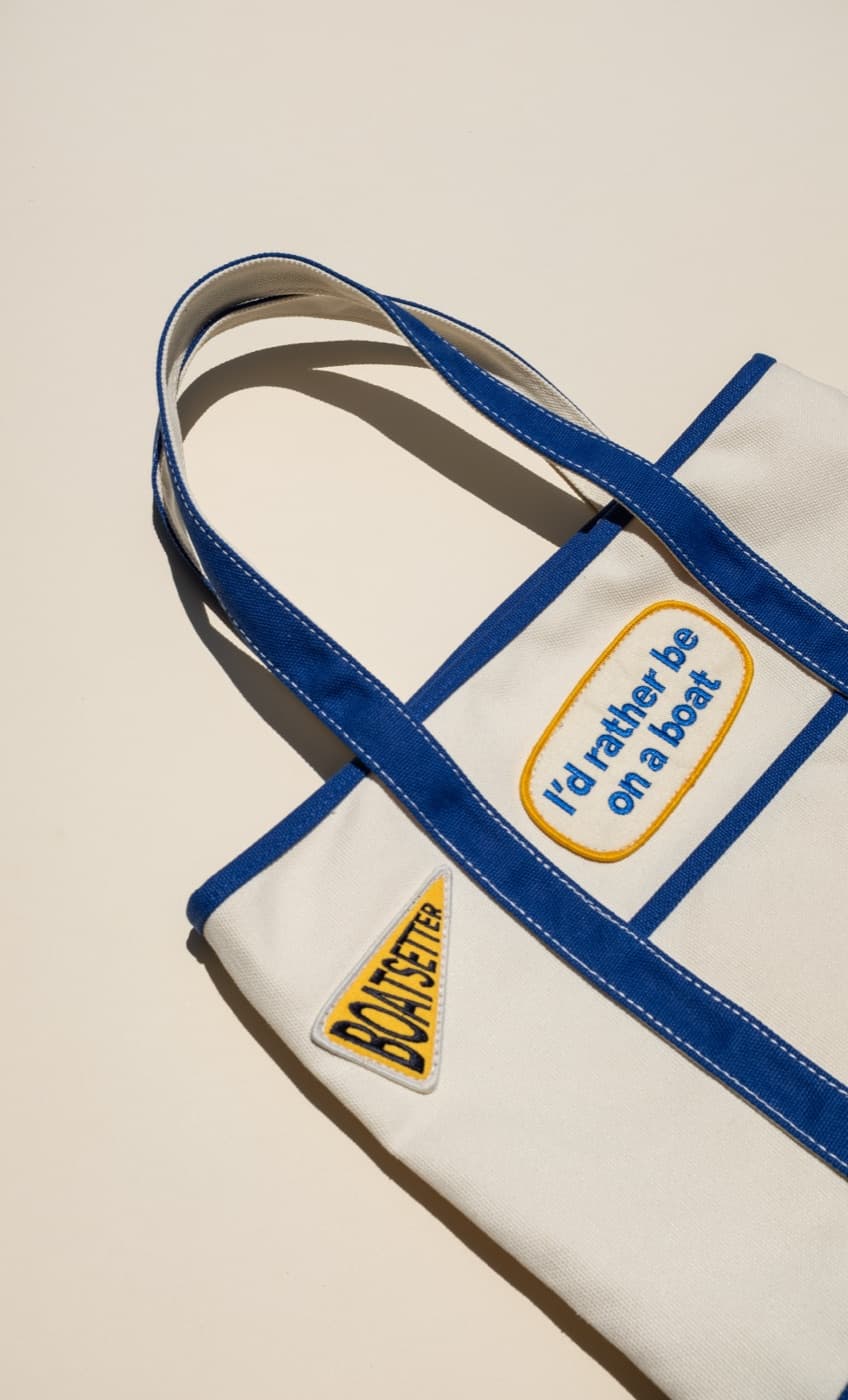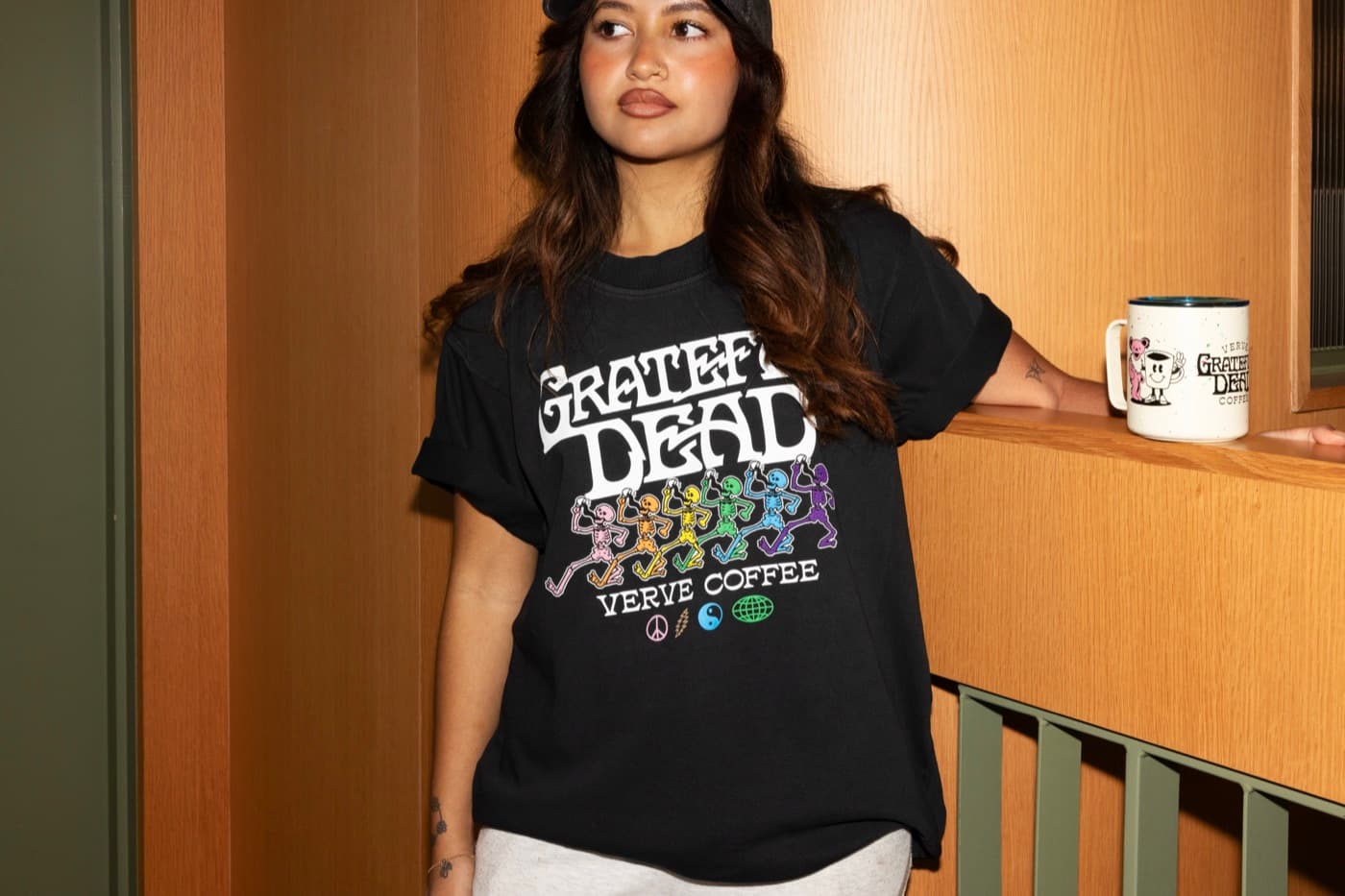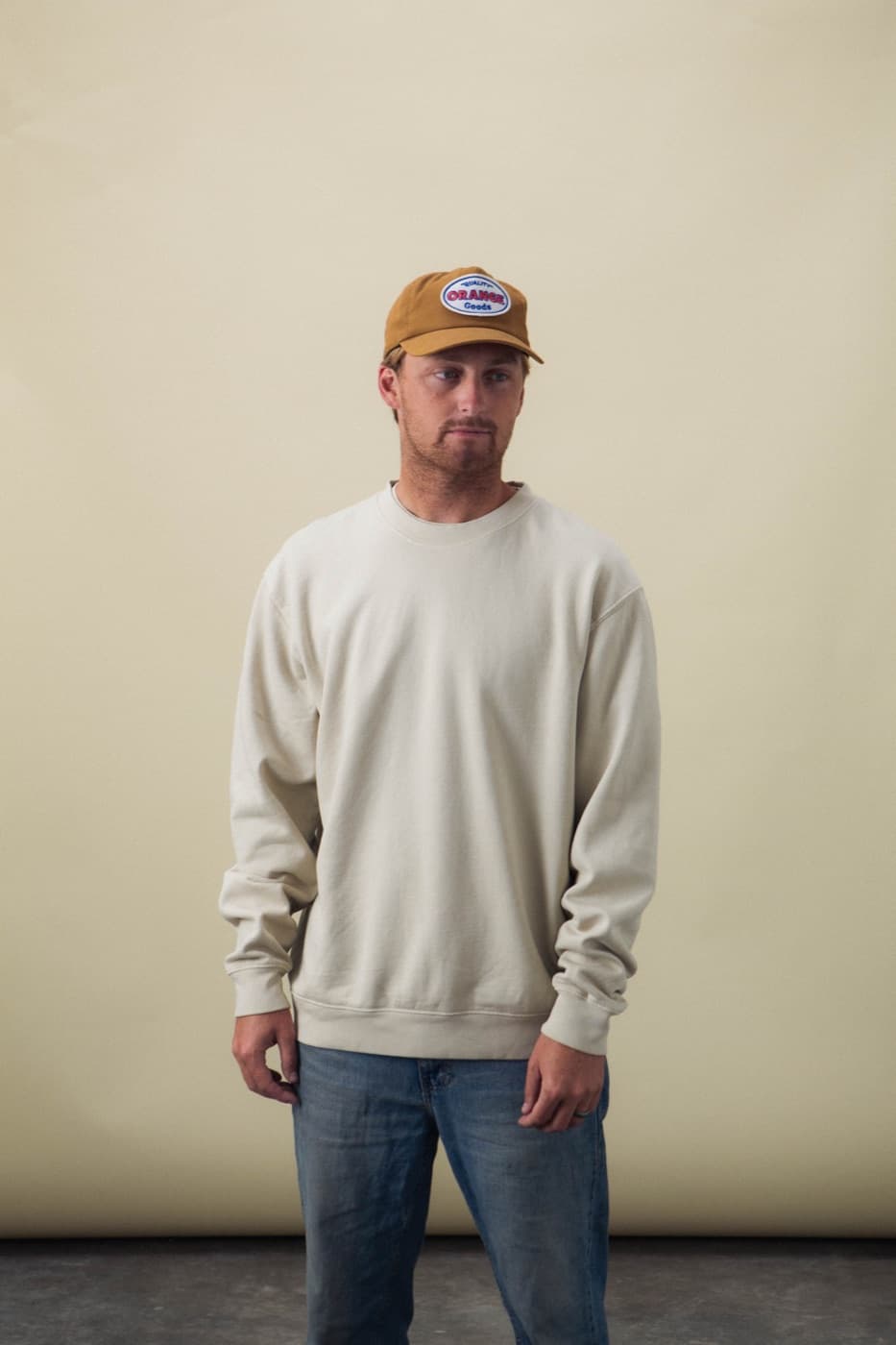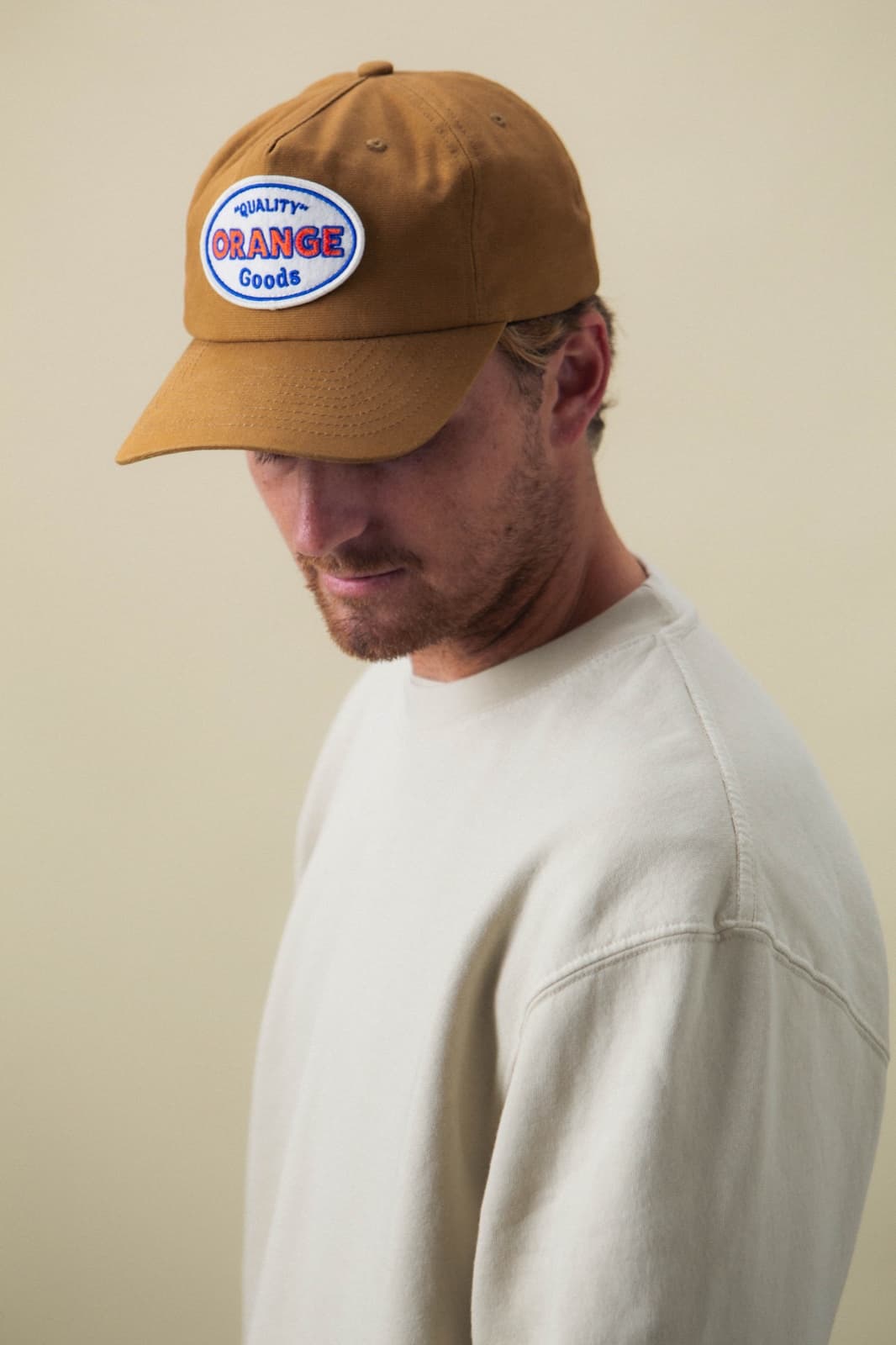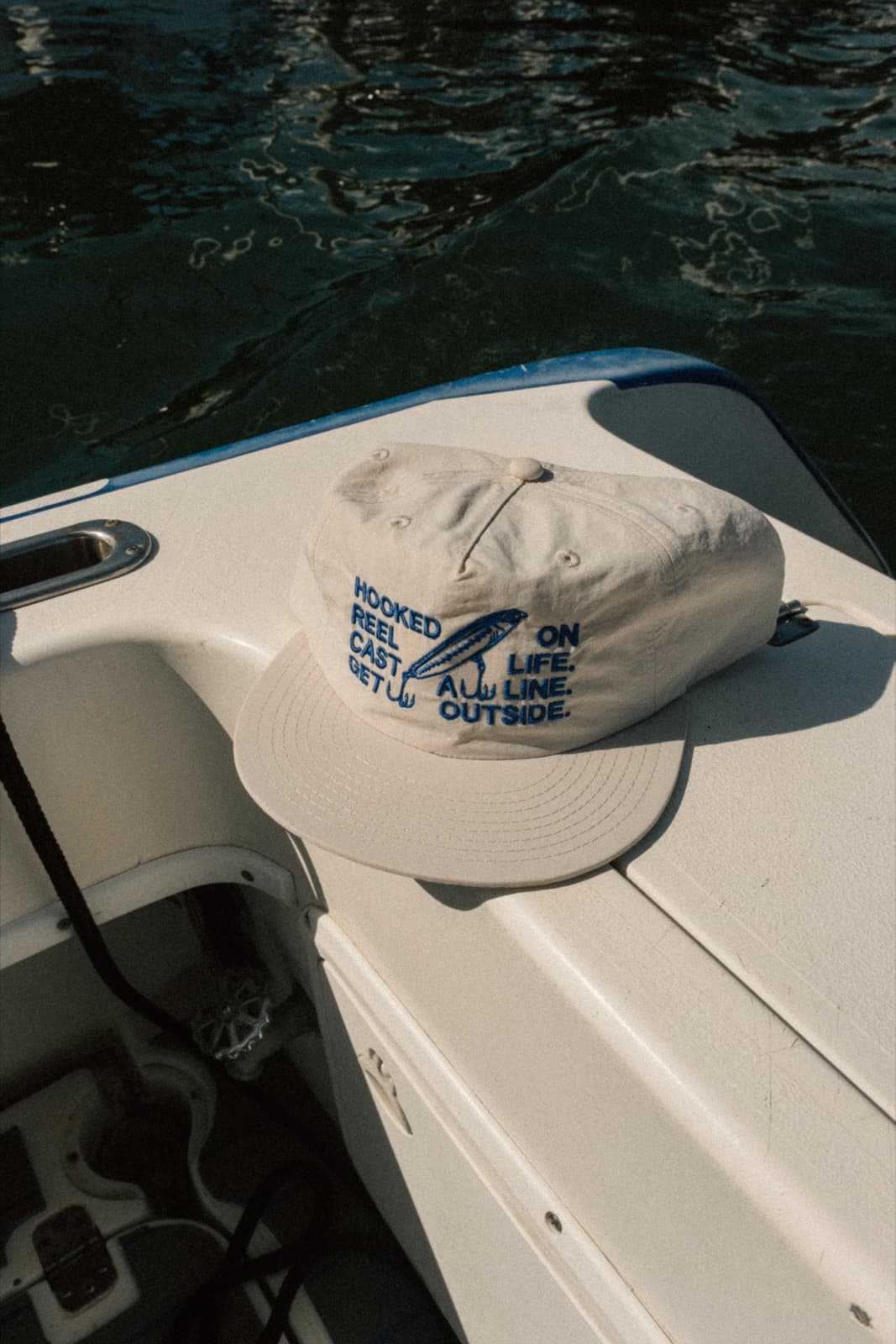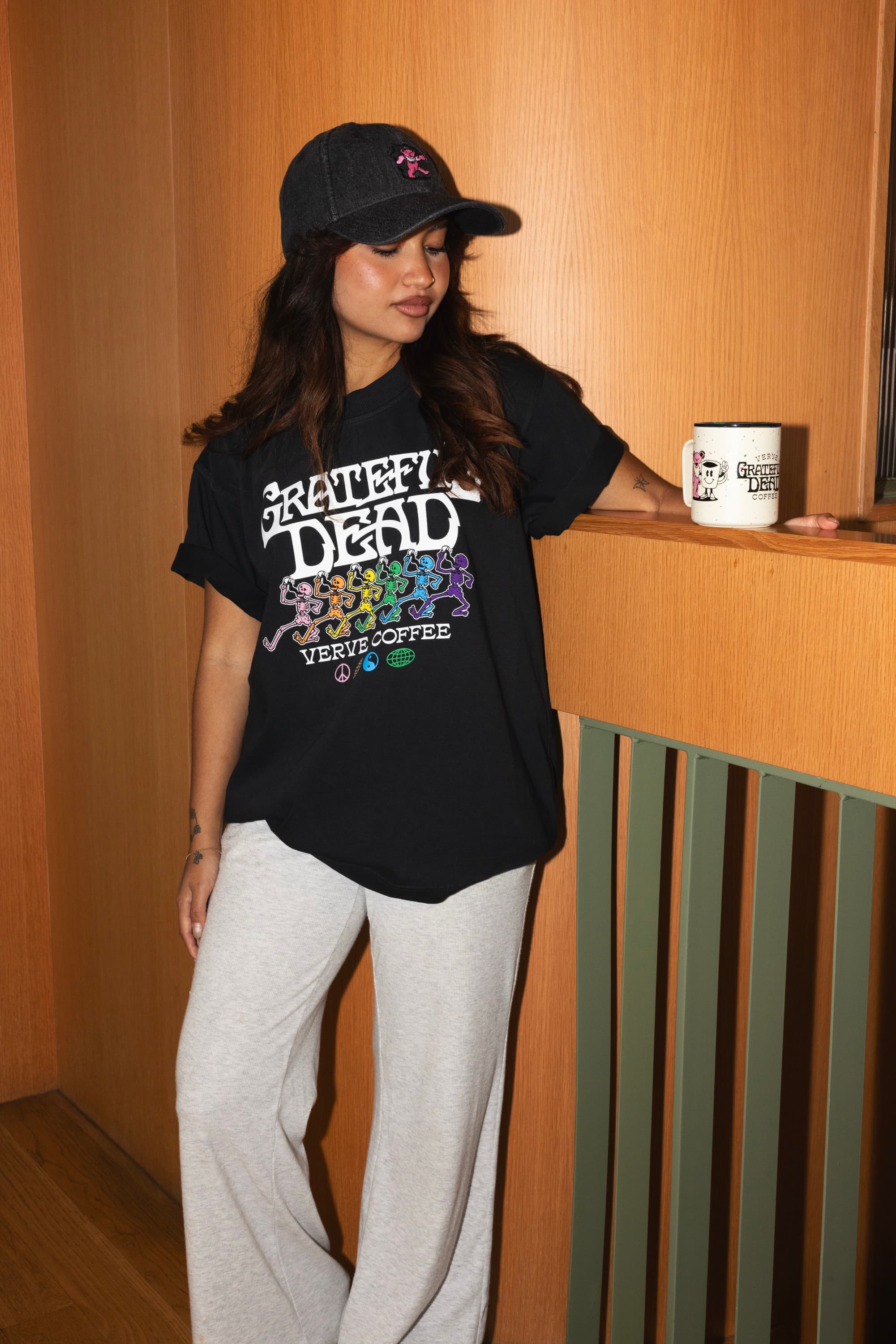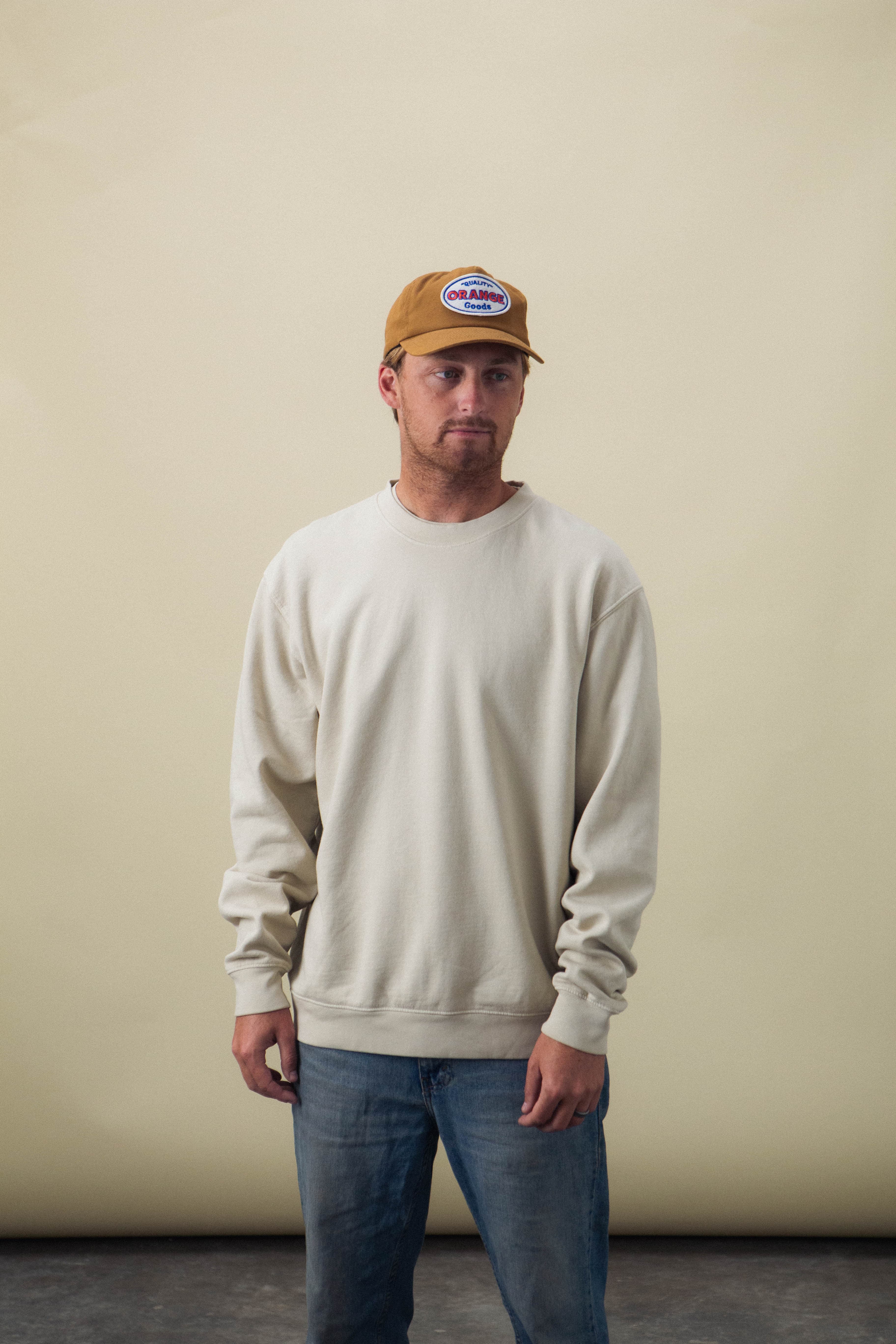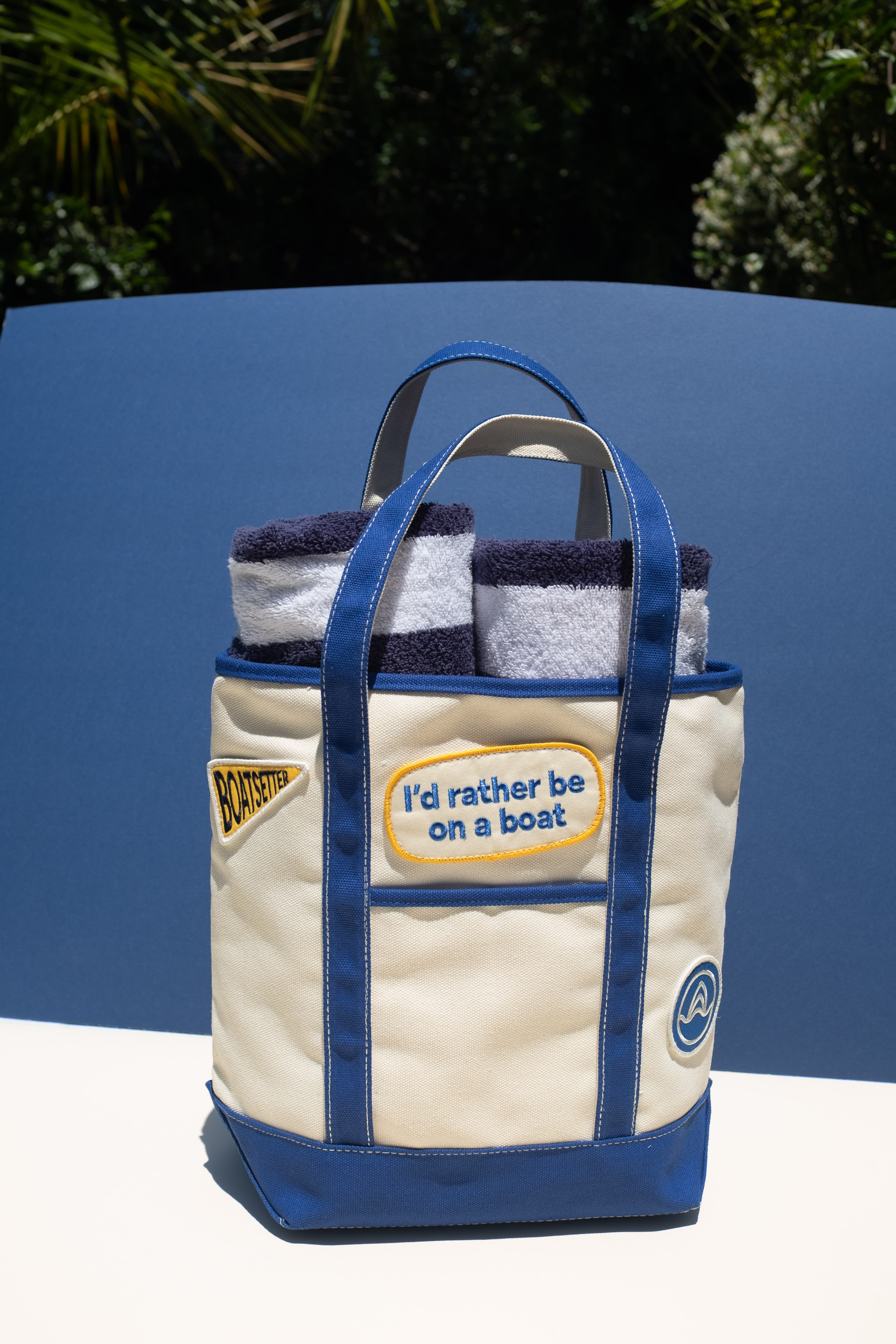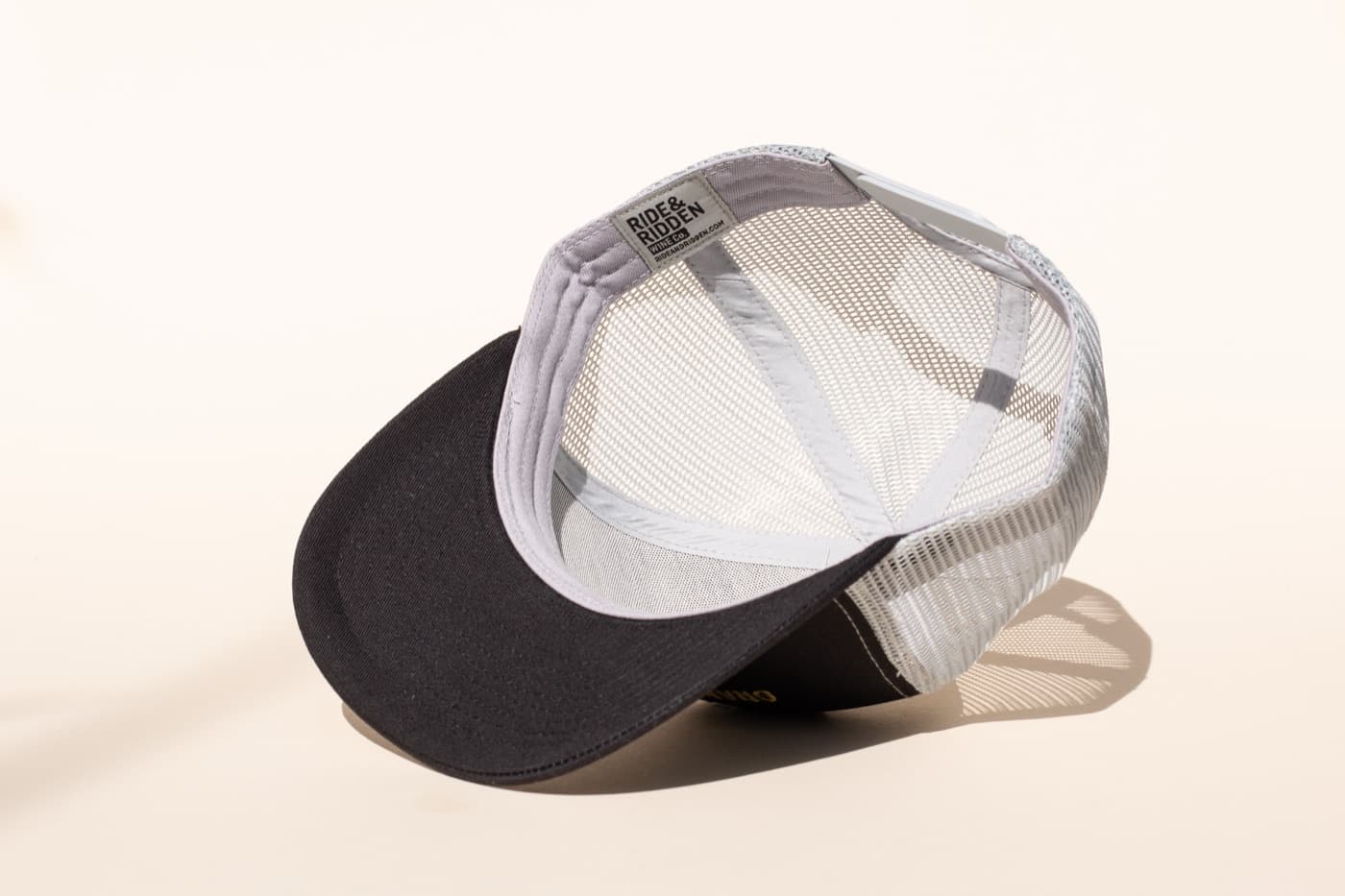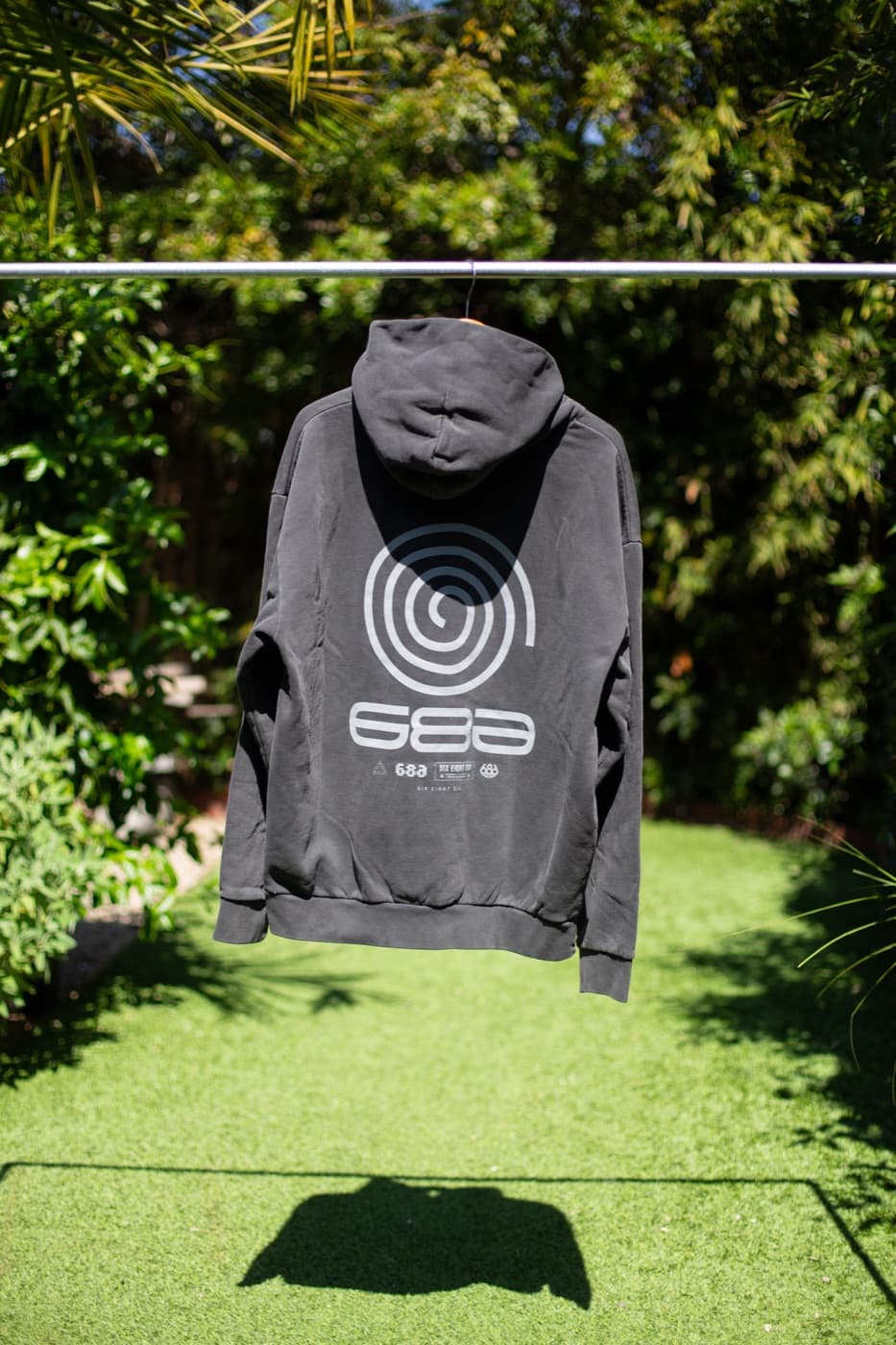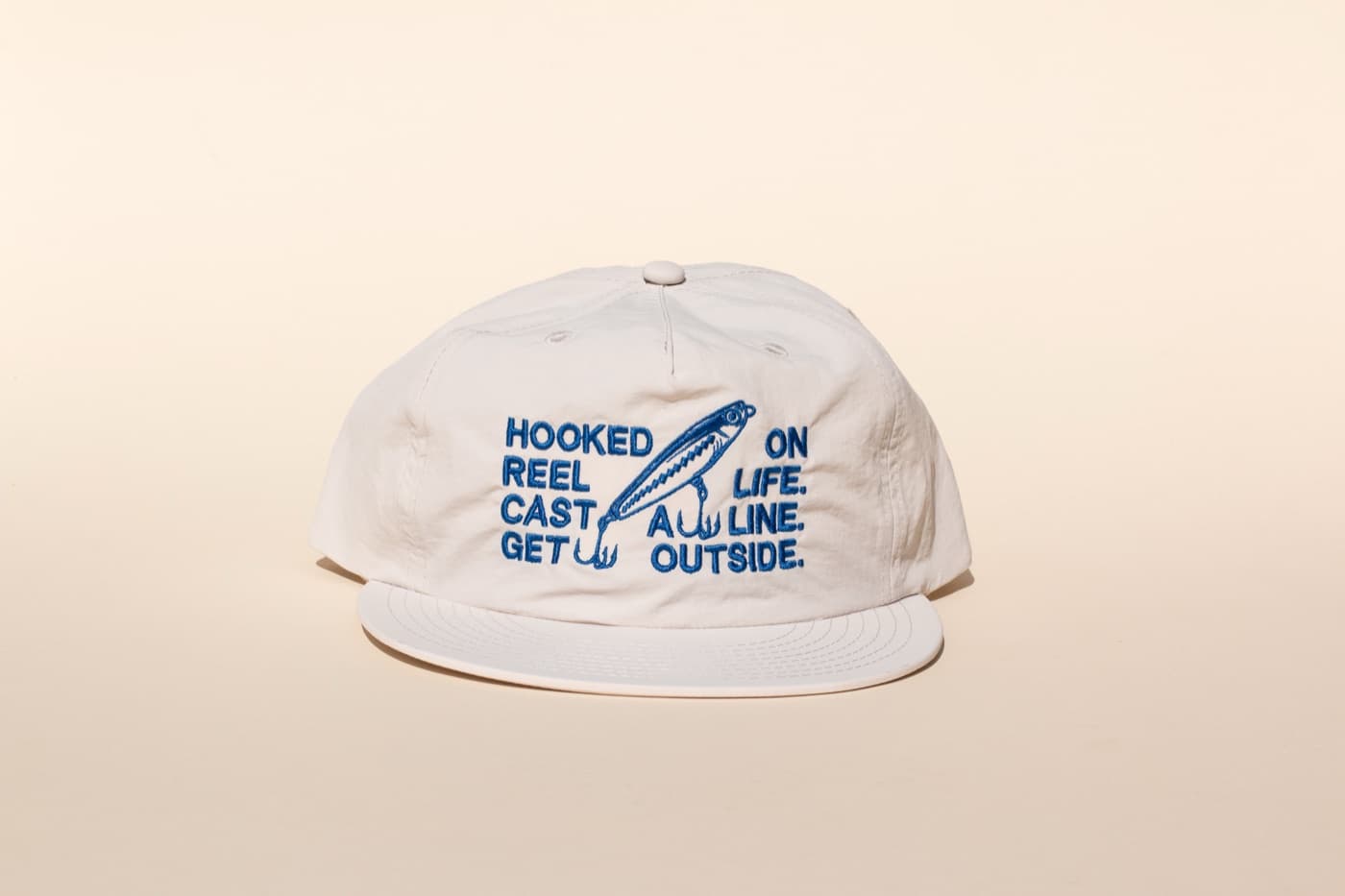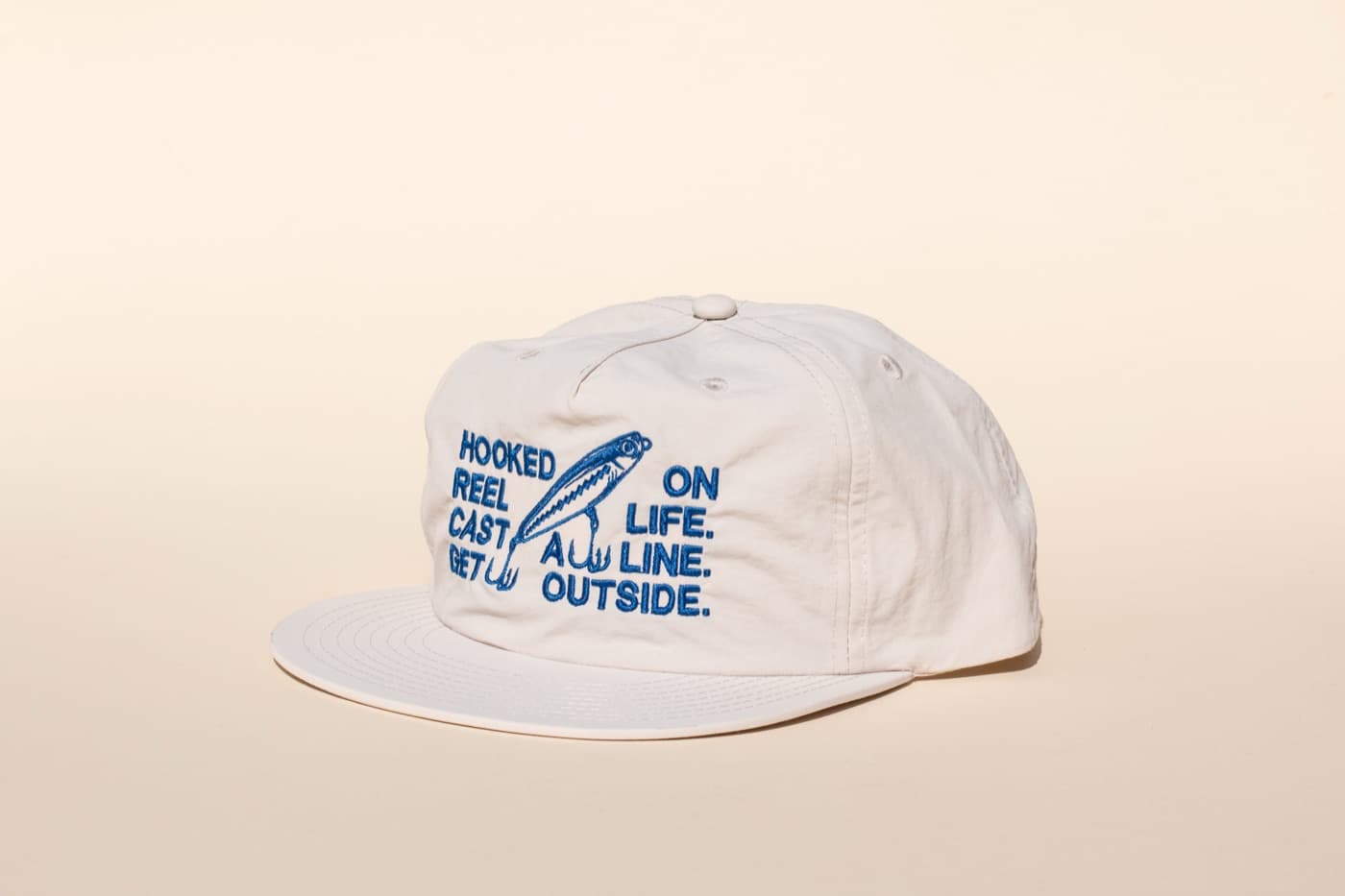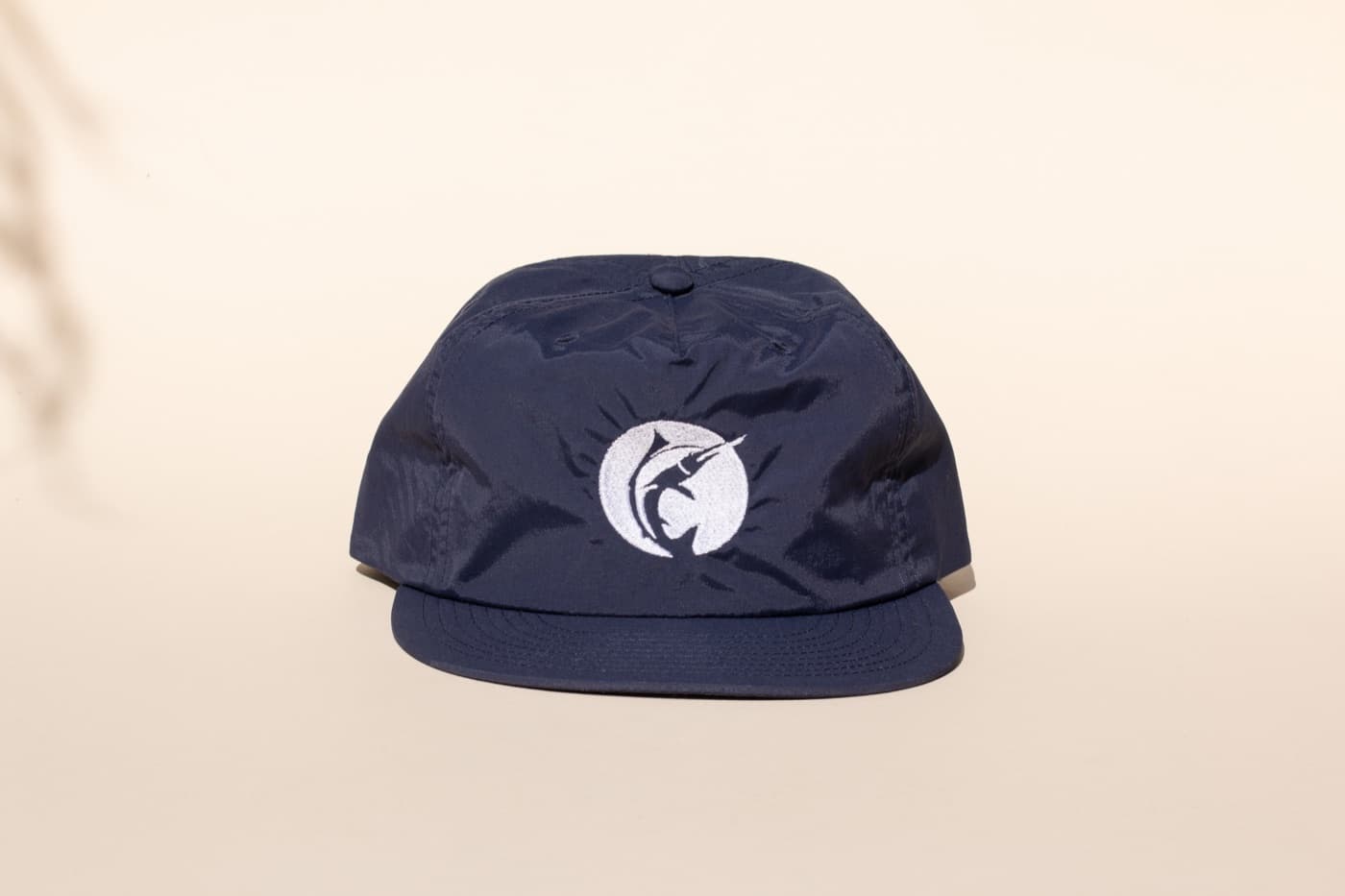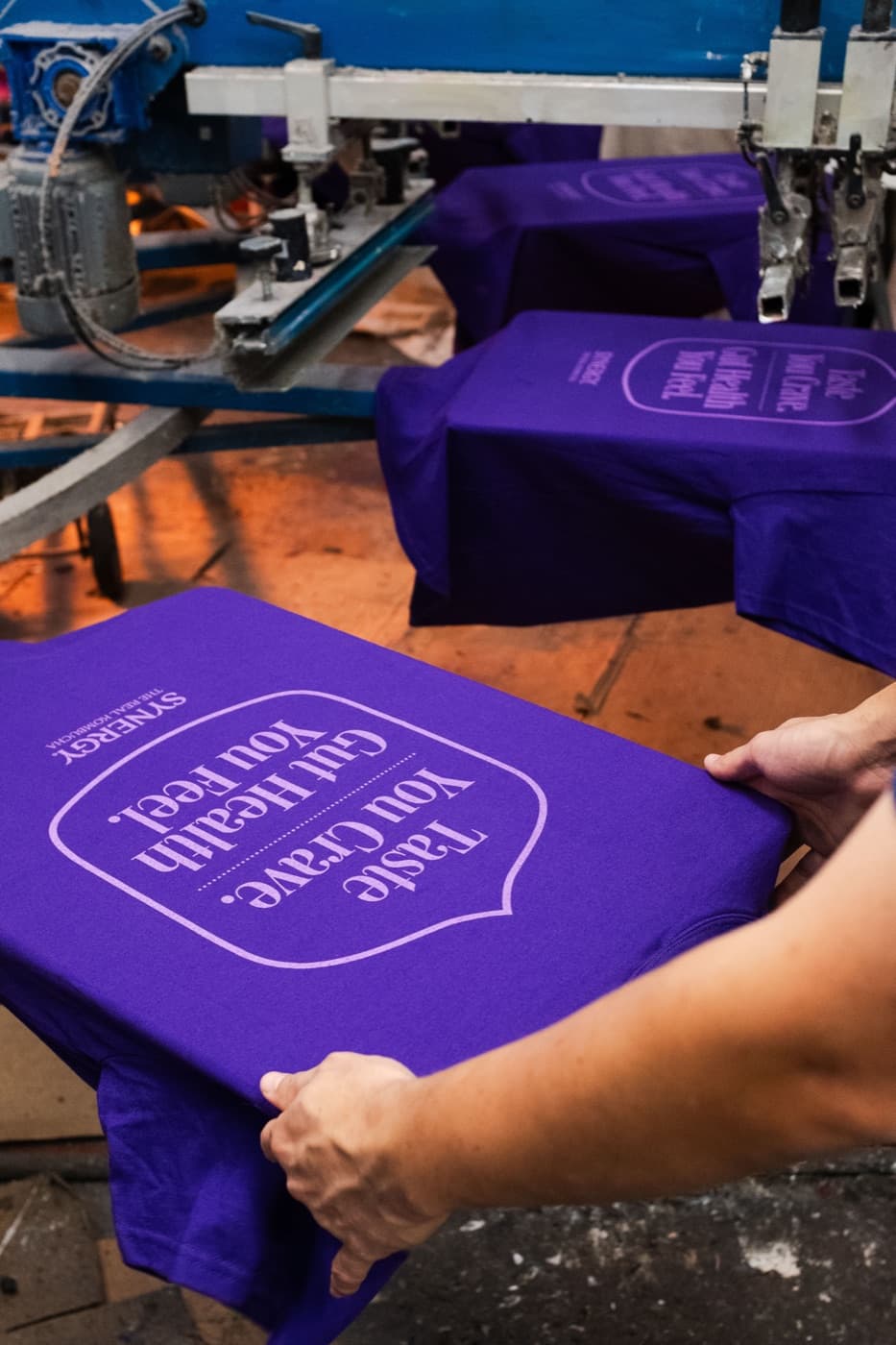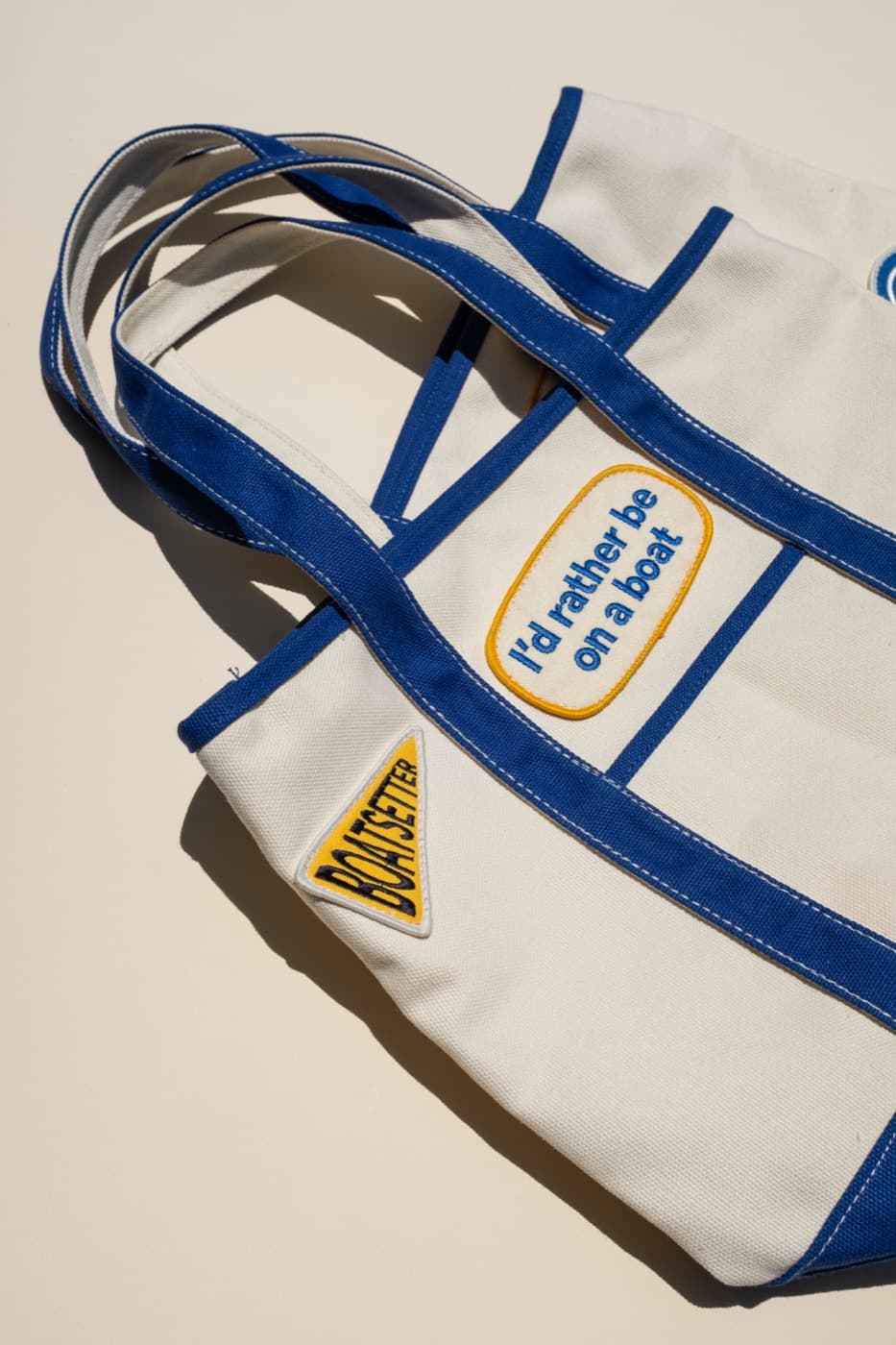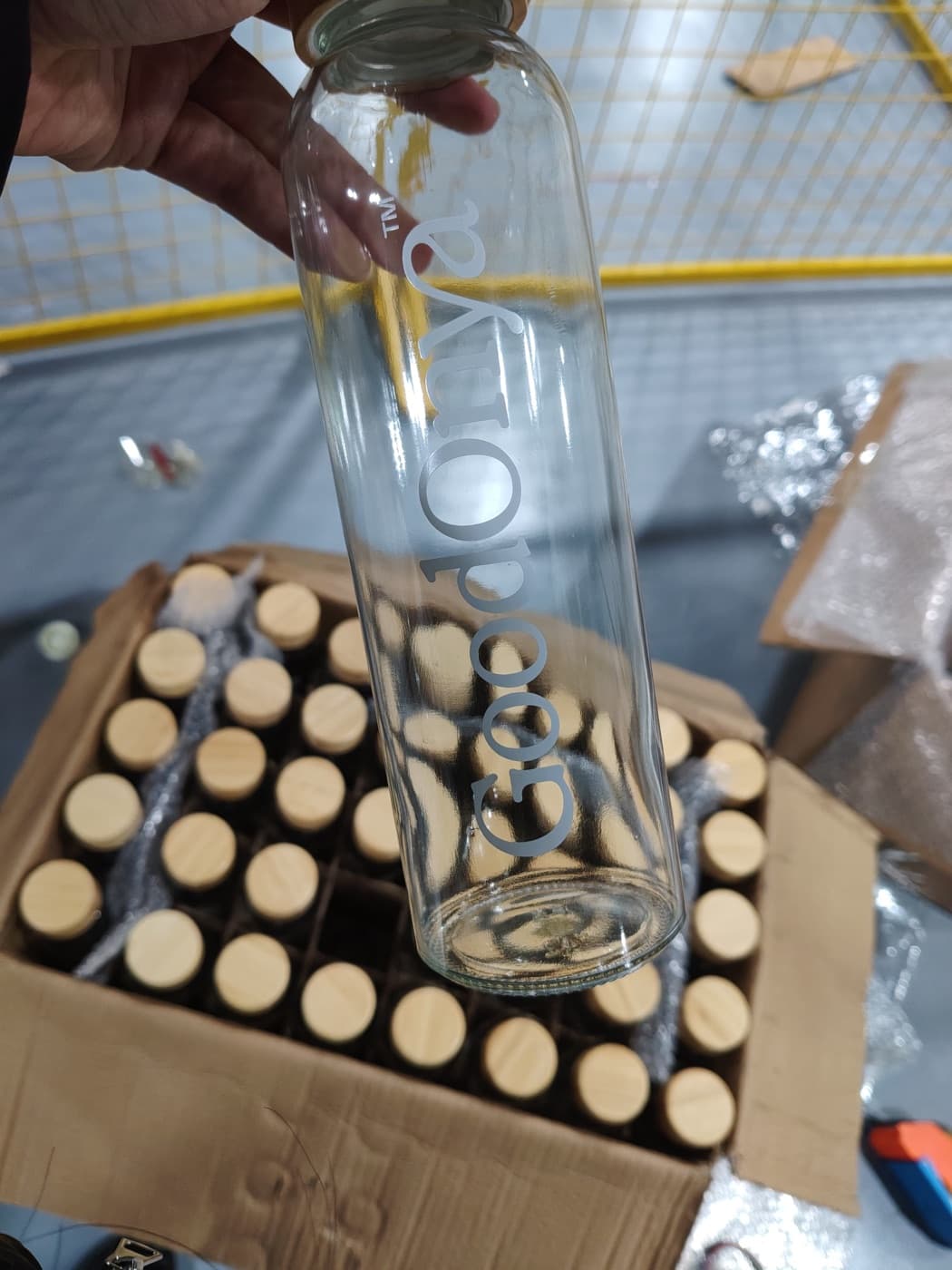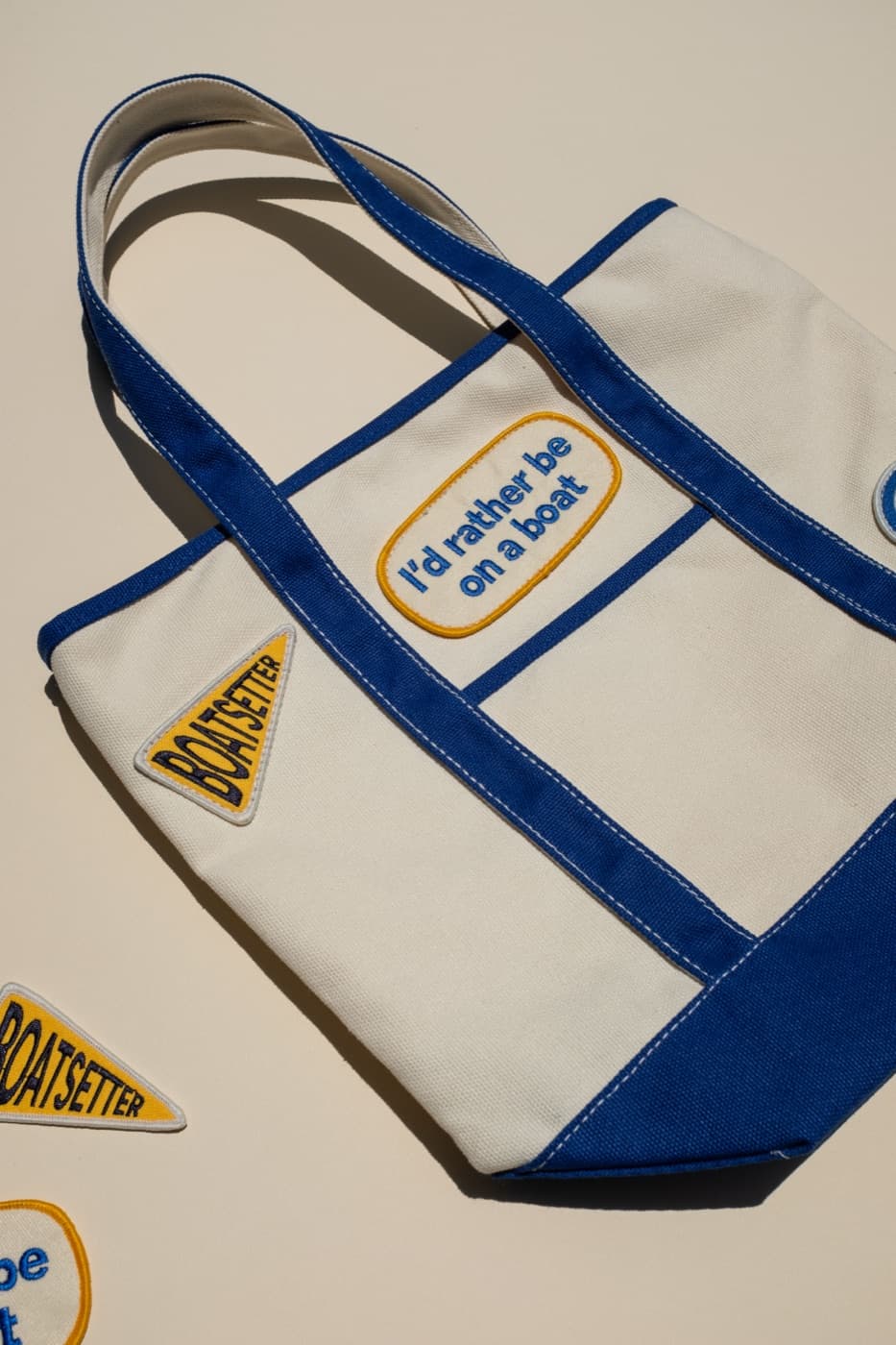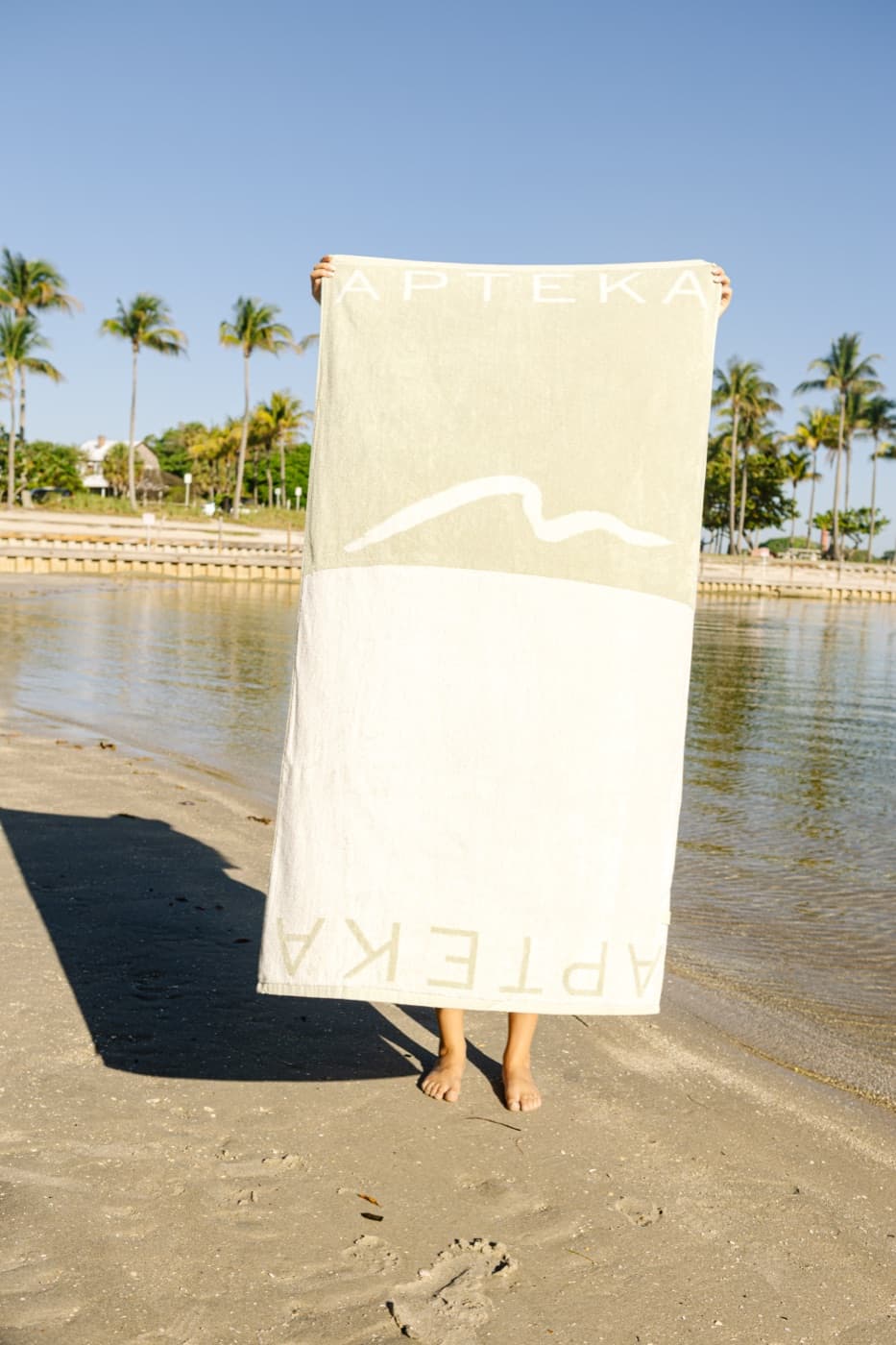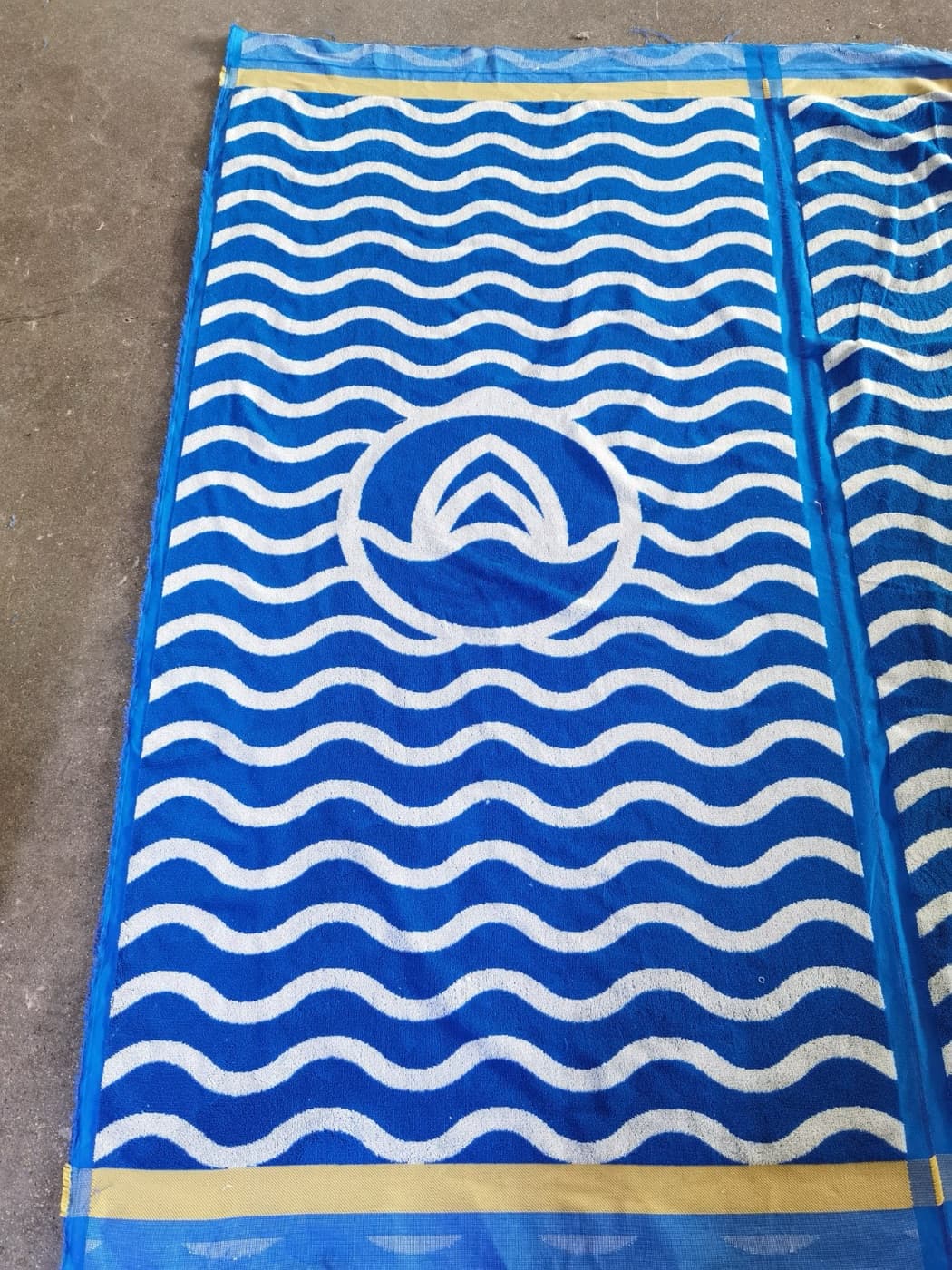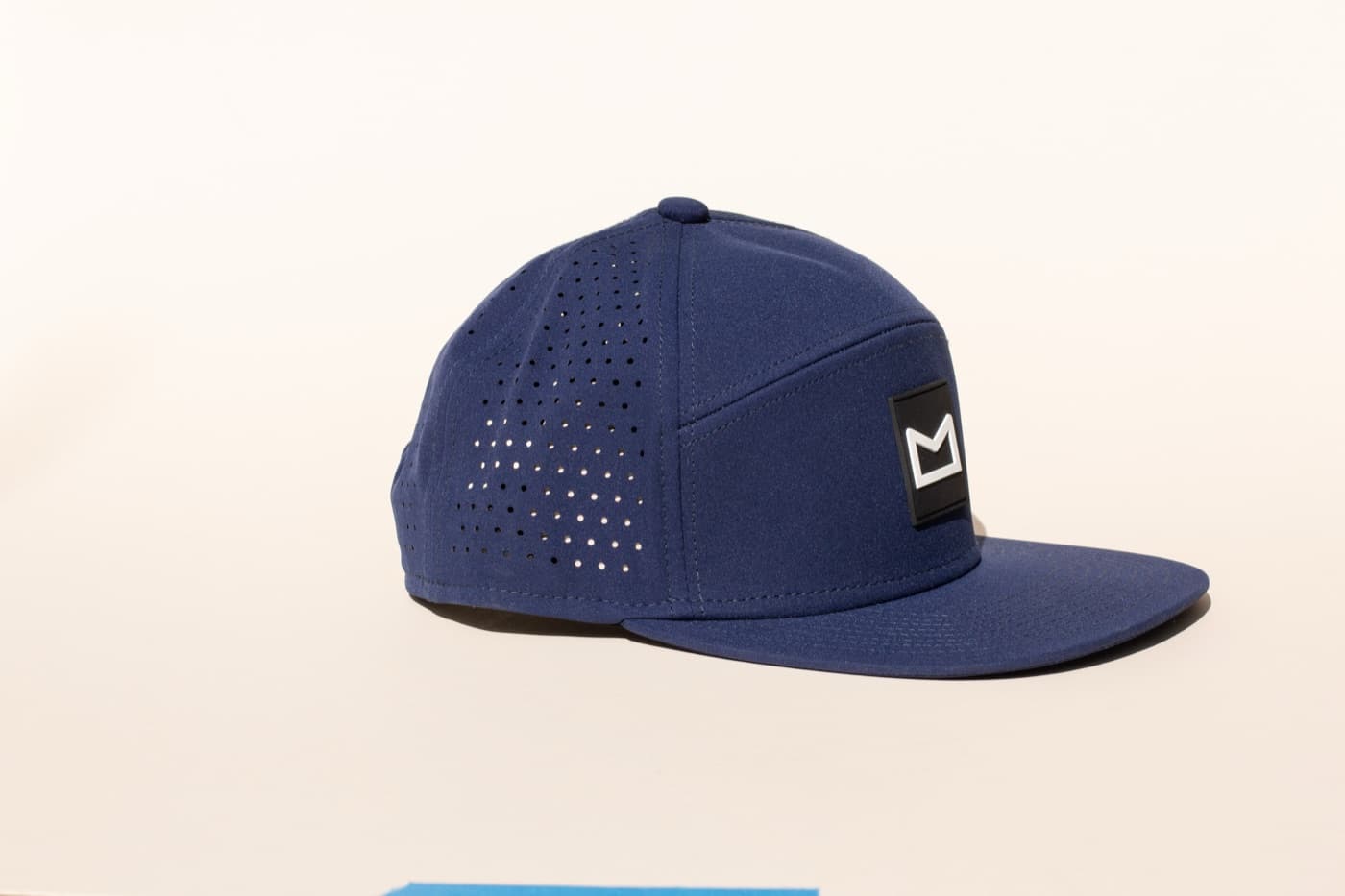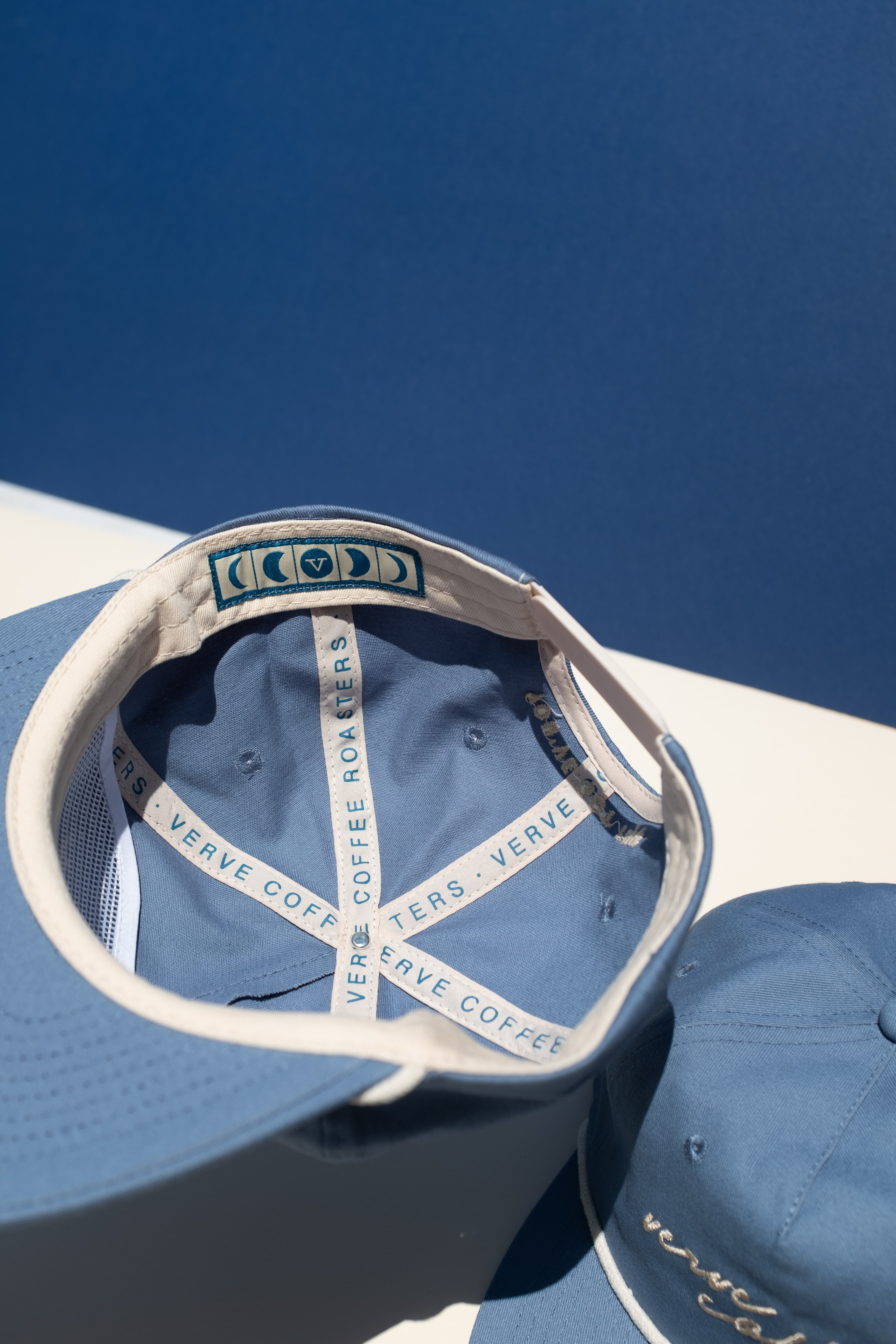
Retail merch has a different standard than giveaway merch because the customer has to choose it. Whether the goods live in a cafe, tasting room, hotel shop, ecommerce store, campus bookstore, or pop-up, the product needs to feel worth buying. That means the blank, decoration, packaging, photography, and price all matter.
A retail program can start small, but it should still be planned like product. The goal is not to fill shelves. The goal is to create a few goods people actually want.
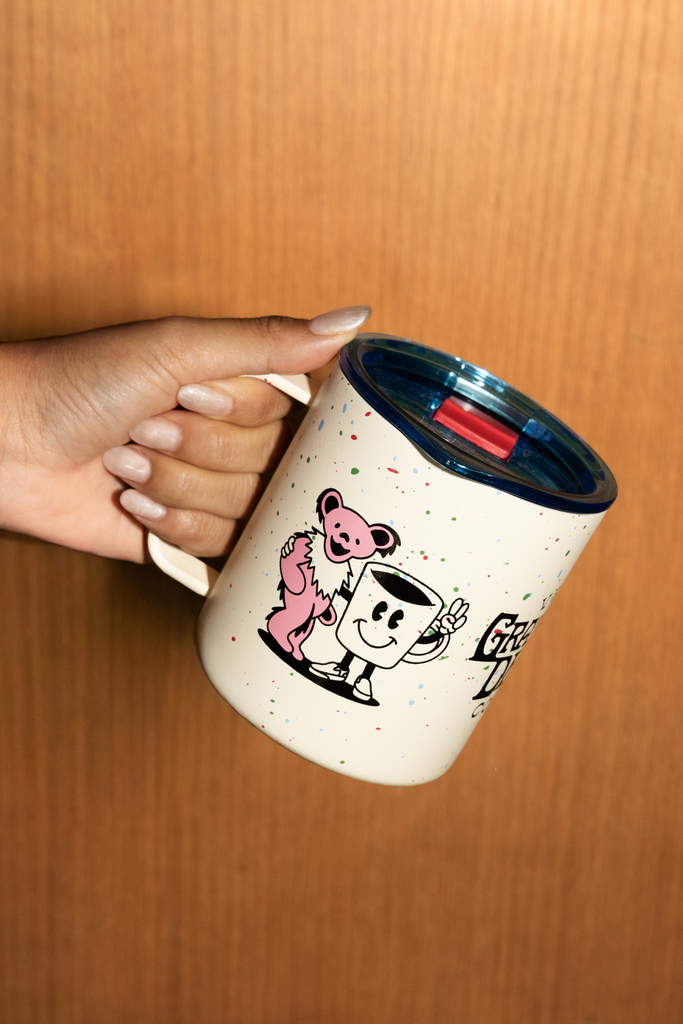
Start with one strong product lane
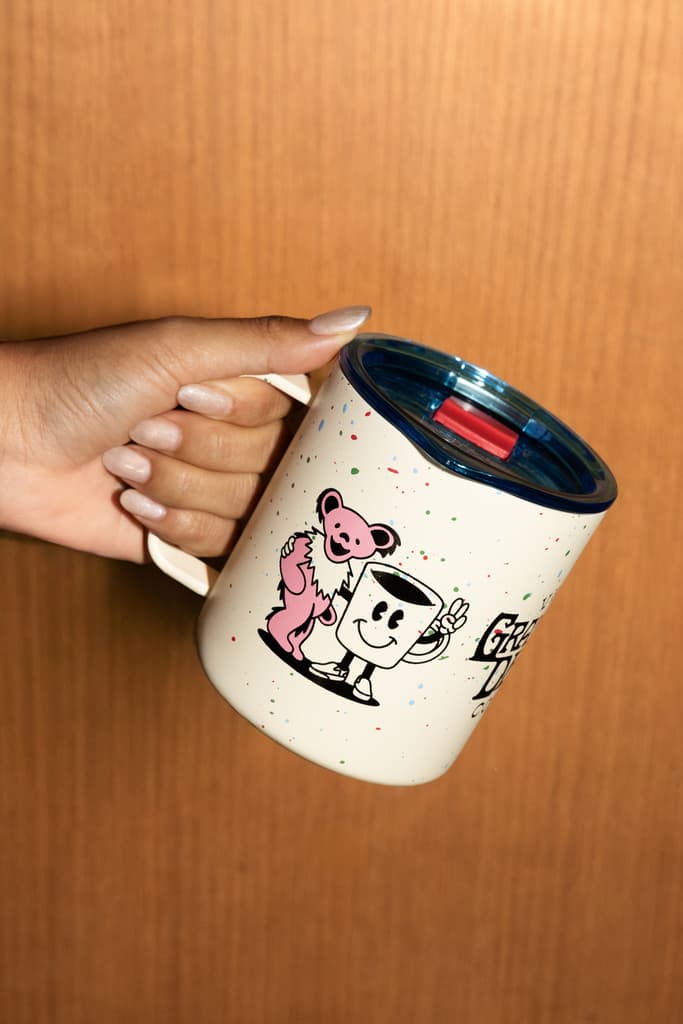
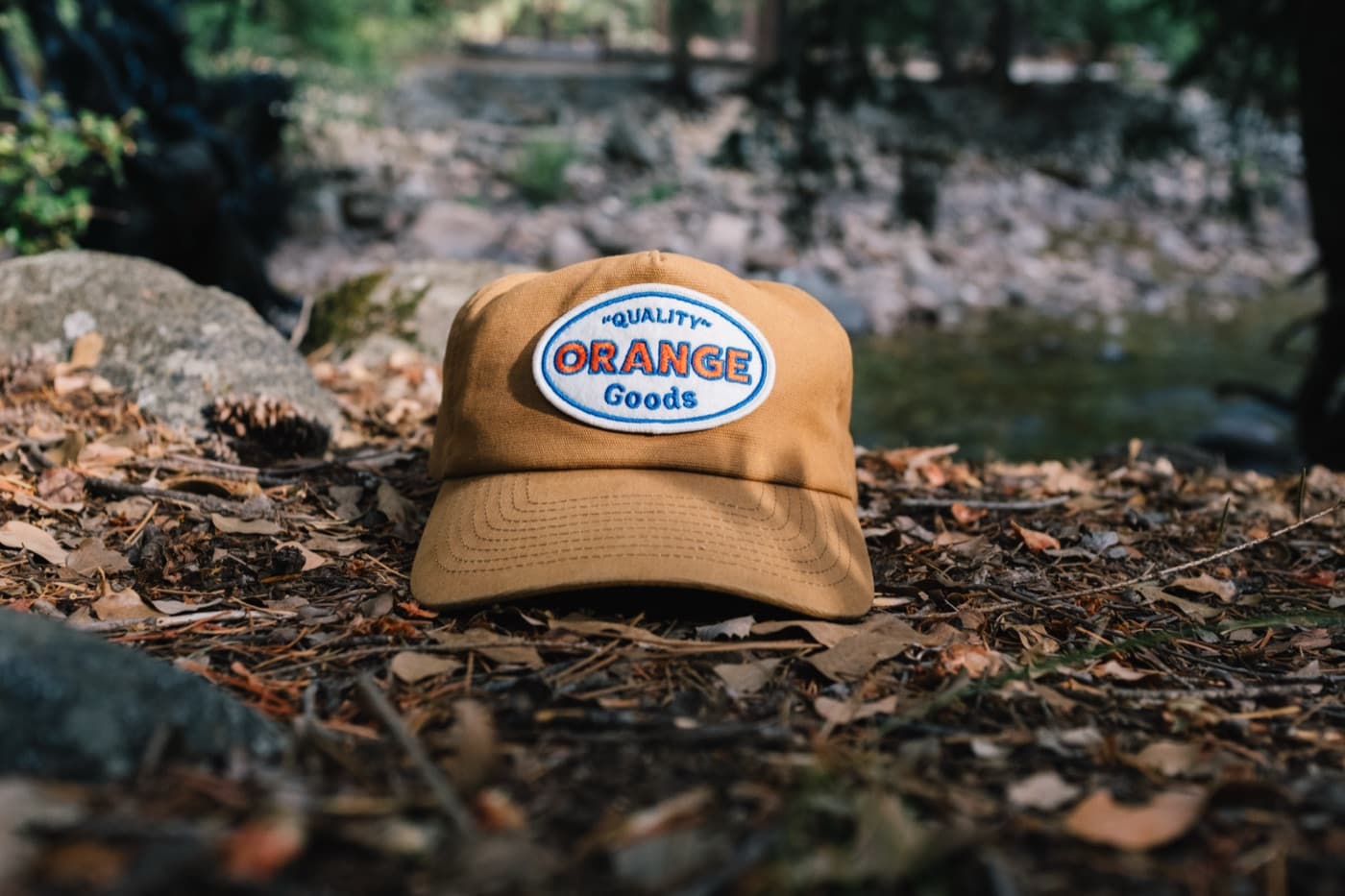
A brand shop does not need ten items at launch. A focused hat, tee, mug, tote, sock, or hoodie can do more than a broad assortment that spreads the budget thin. Starting with one or two proven categories also makes inventory easier to manage.
Price backward from the shelf
Retail merch has to account for cost of goods, decoration, freight, packaging, photography, platform fees, and desired margin. If the final price would feel too high for the audience, the product direction needs to change before production starts.
Design for display and content
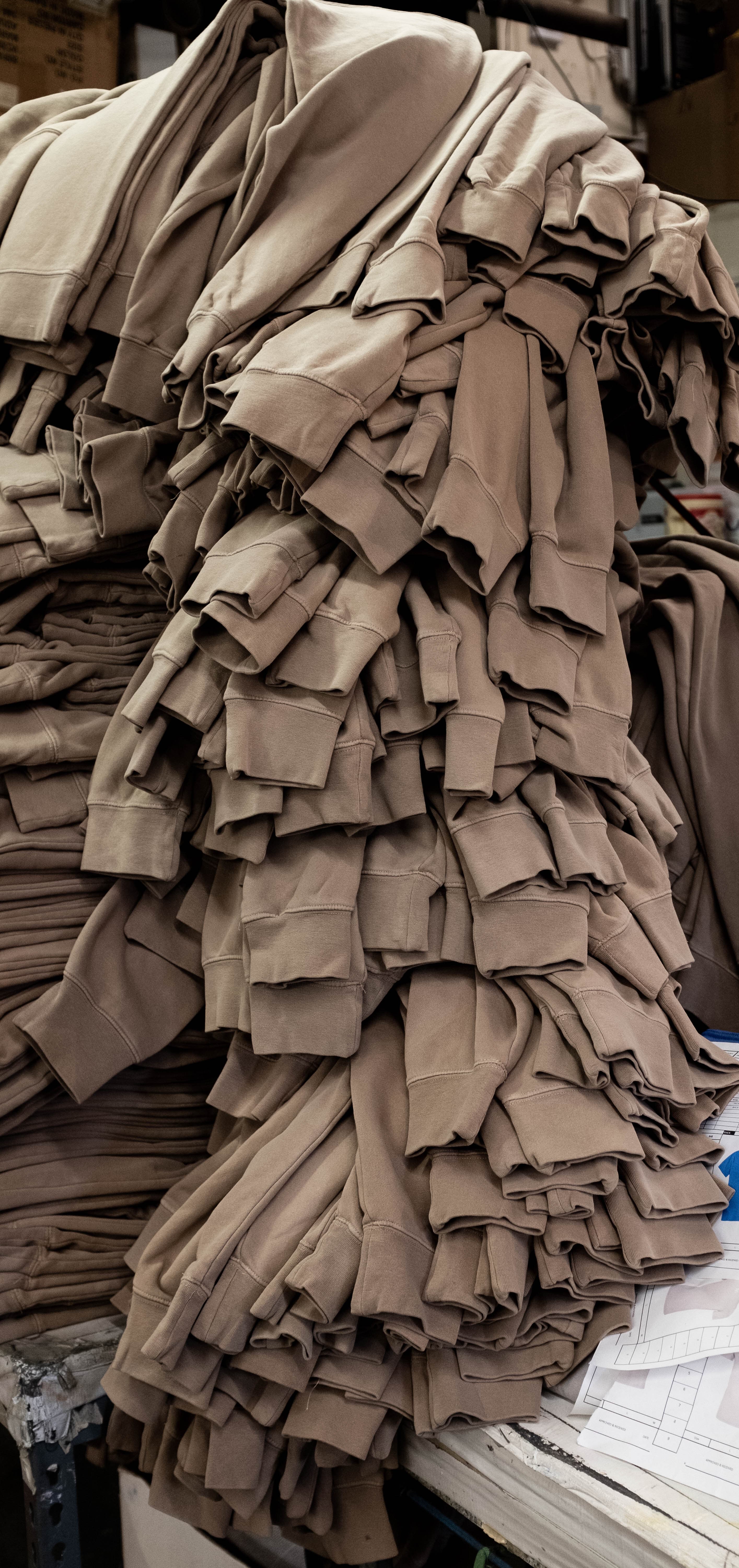
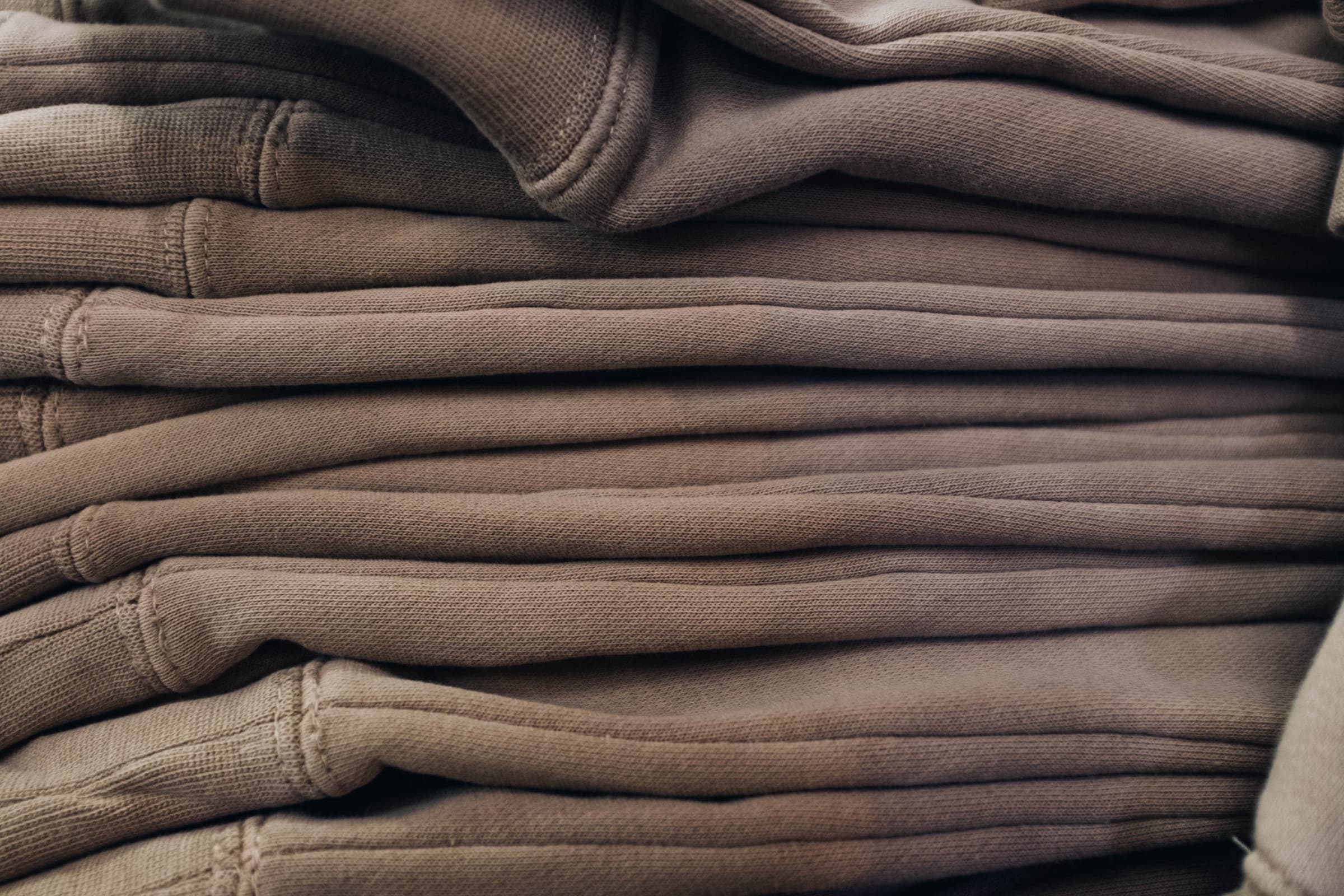
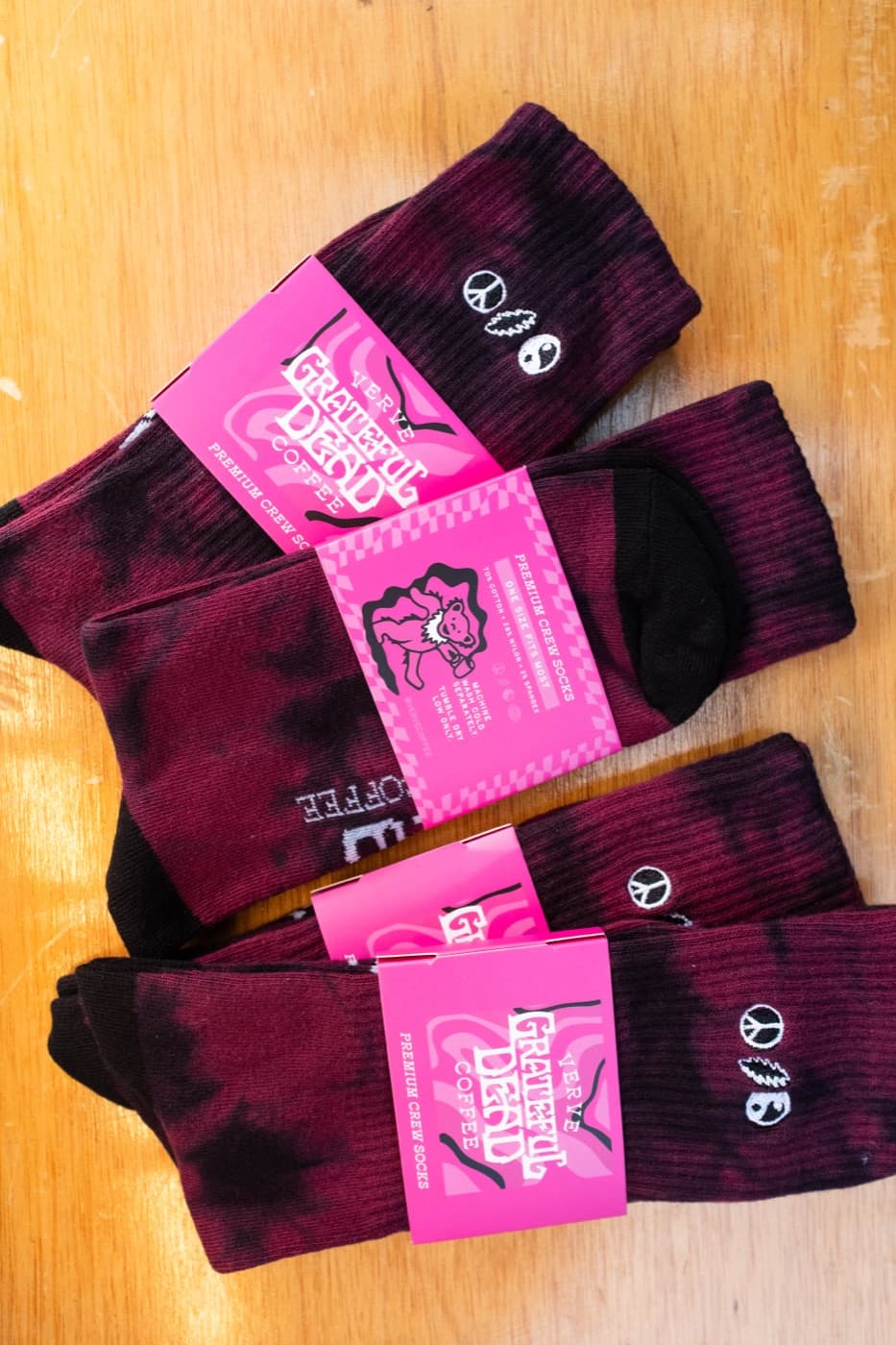
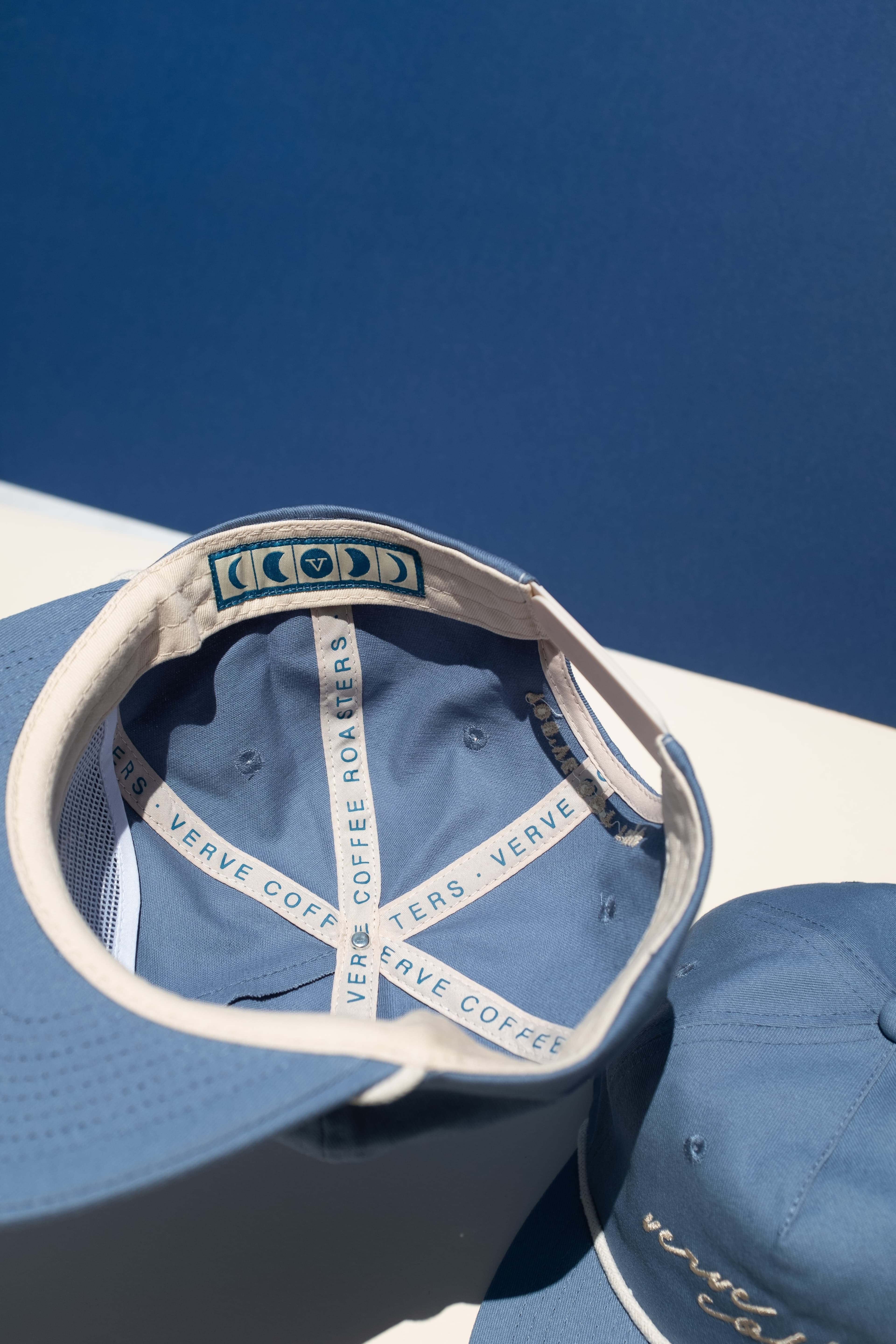
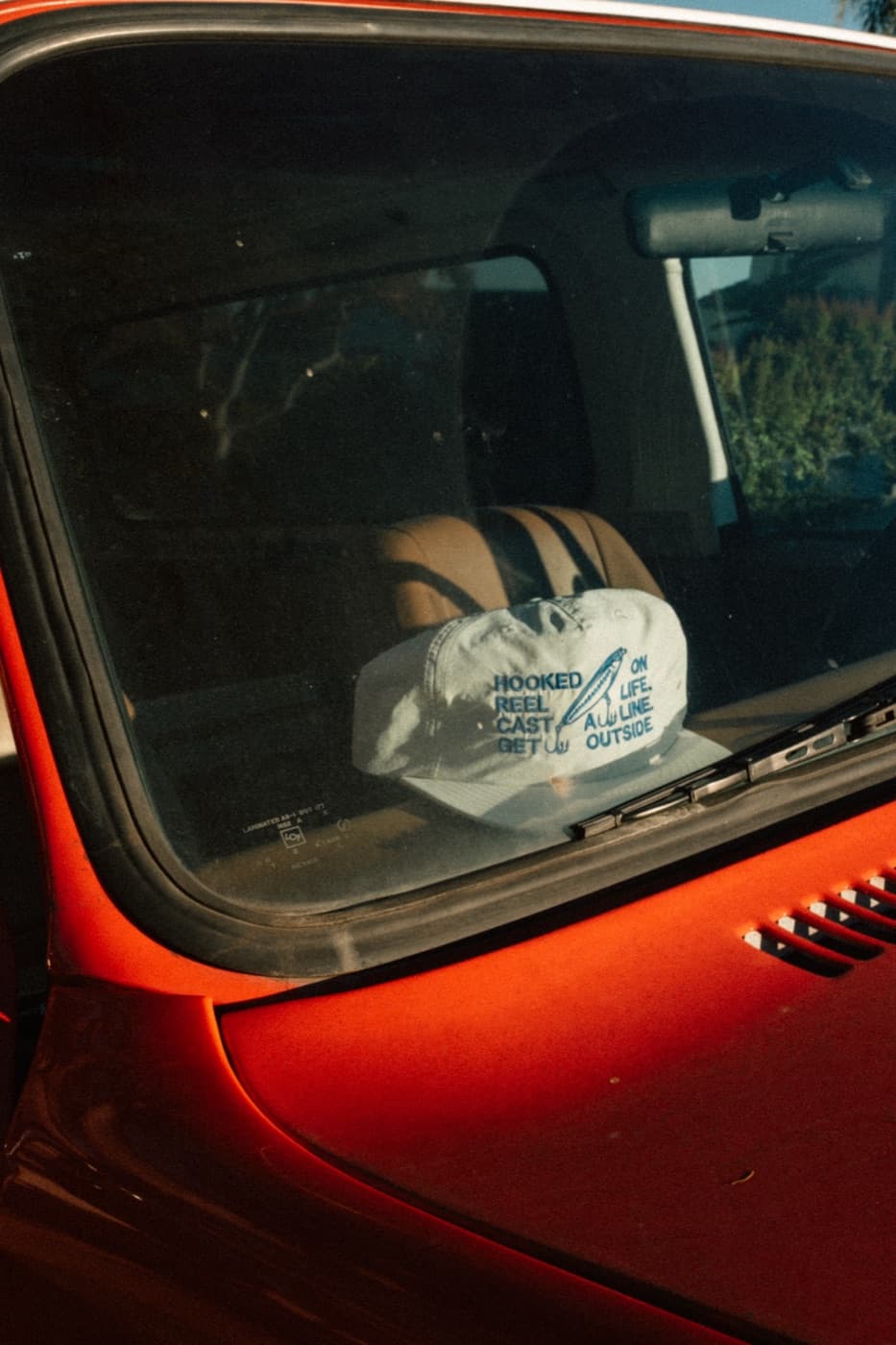
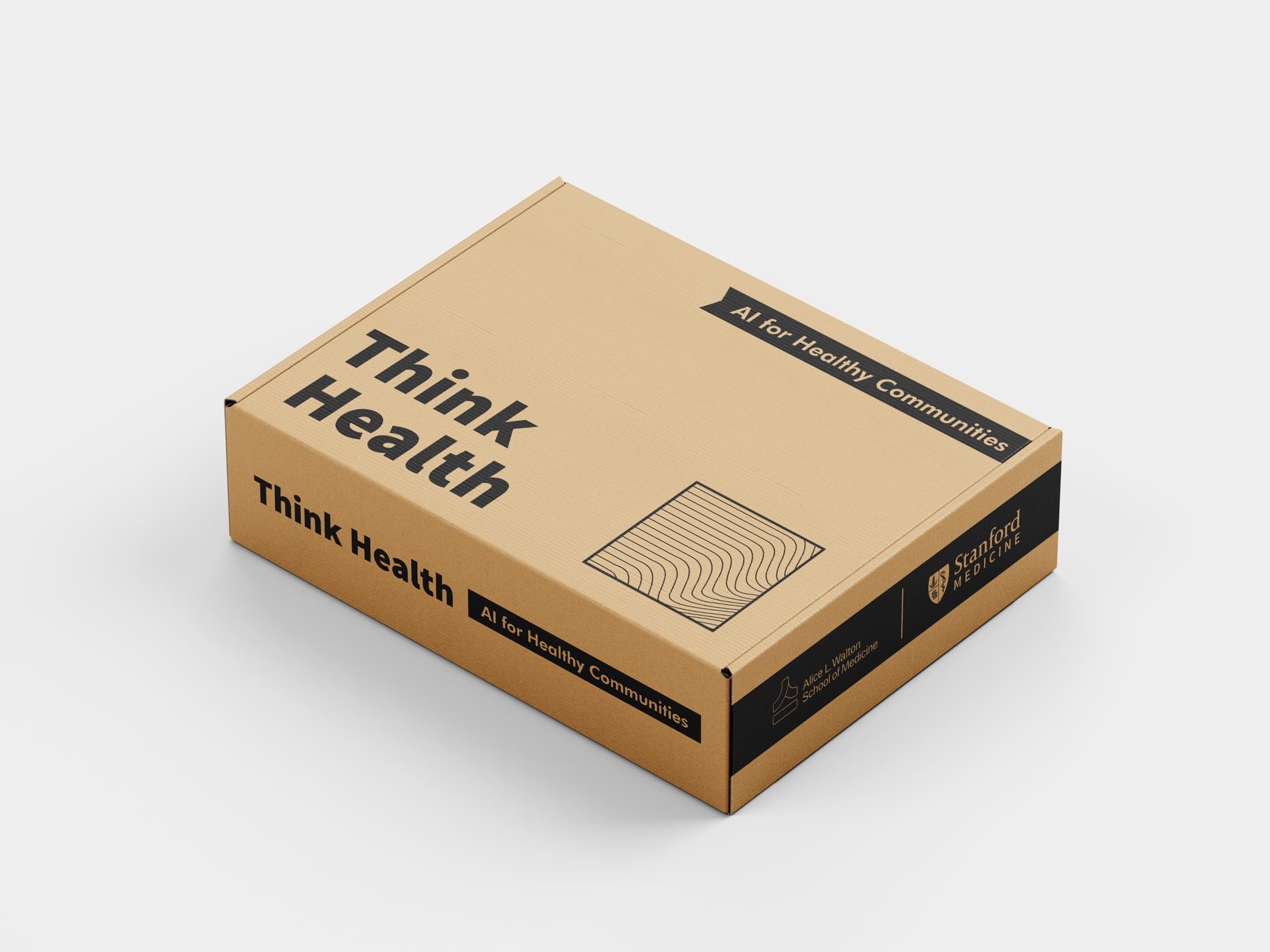
Goods that sell in a shop need to look good folded, hung, stacked, on a shelf, and in a product photo. Hang tags, labels, belly bands, and packaging can help communicate value, but they should support a product that already feels strong.
Use sell-through to guide reorders
The first run should teach the brand what people actually buy. Which size sold first? Which color stayed behind? Did the hat move faster than the tee? Did the mug create gift purchases? Reorders should be based on evidence, not guesswork.
The takeaway
Retail merch works when it is treated like sellable product. Orange Goods helps brands choose the right starting assortment, tune the decoration, plan the presentation, and build goods that can earn their place in a shop.