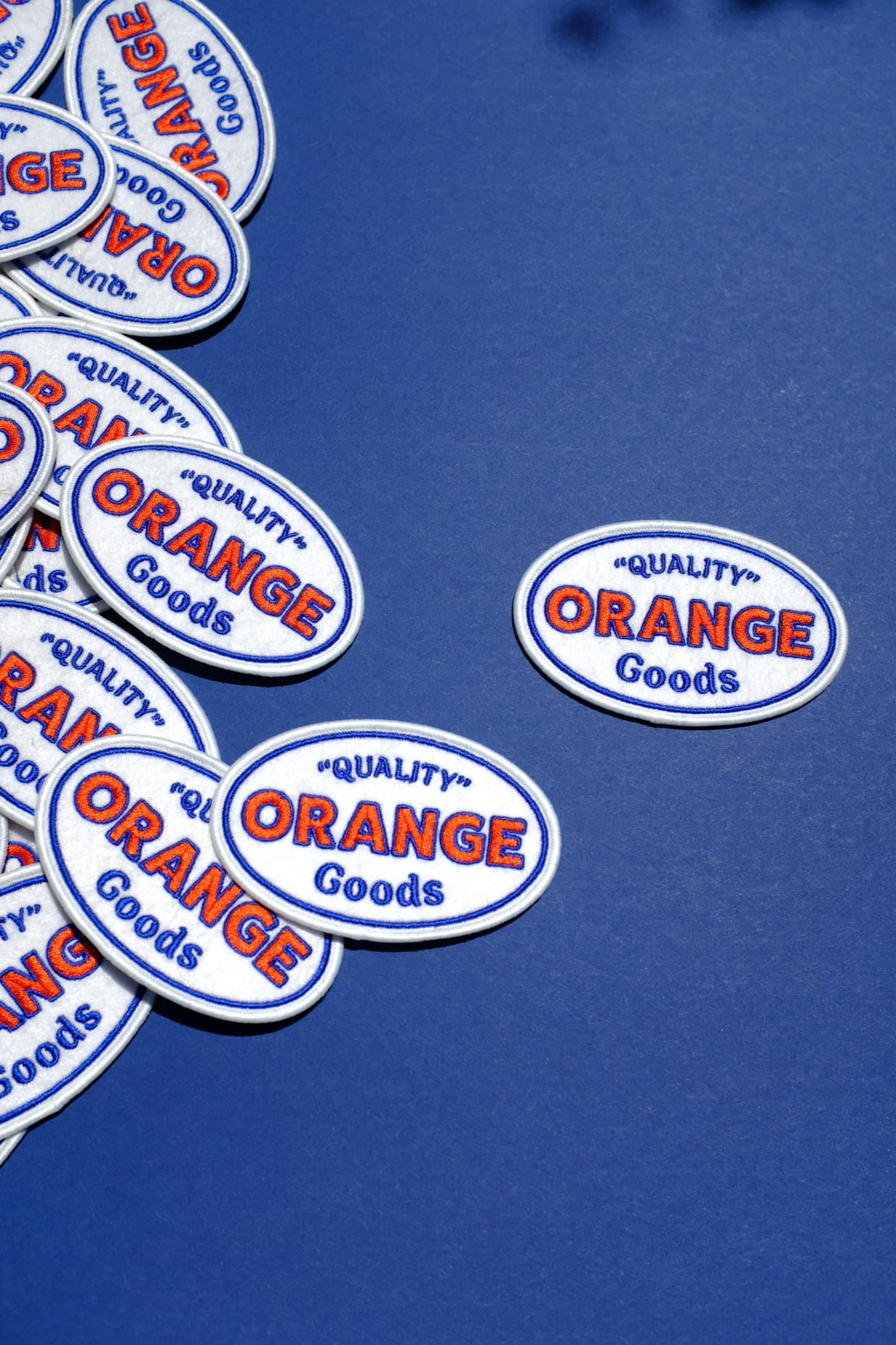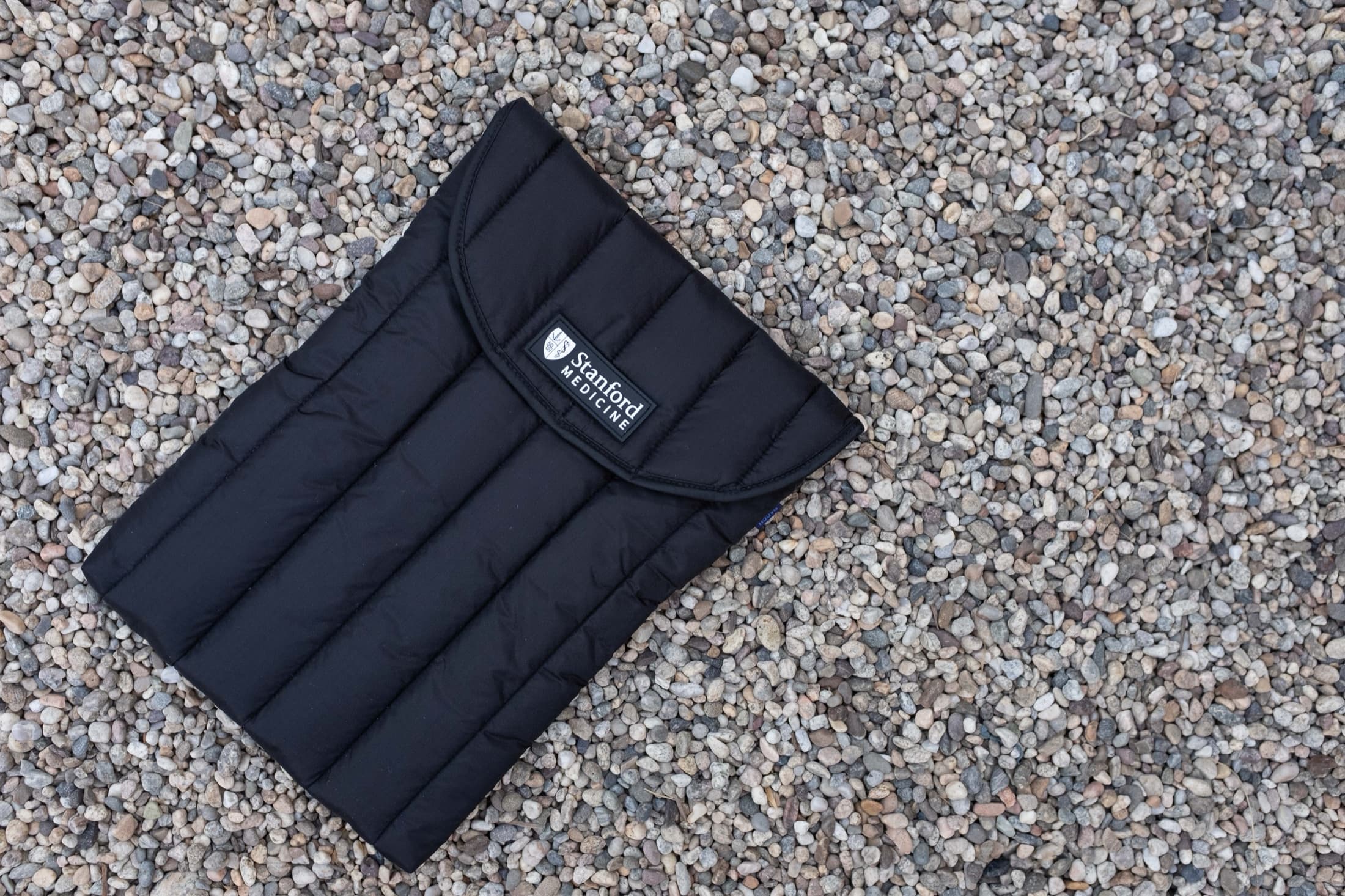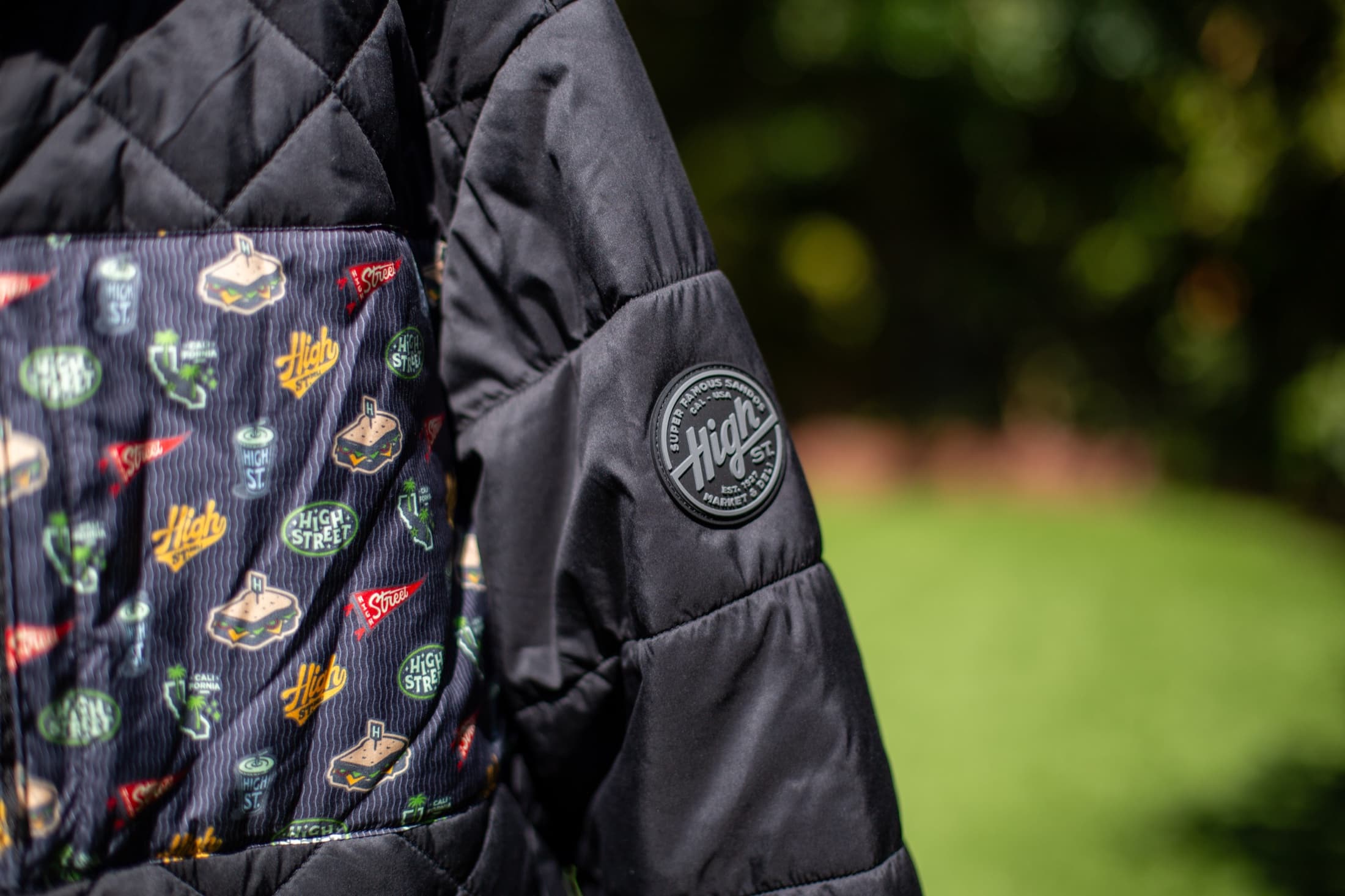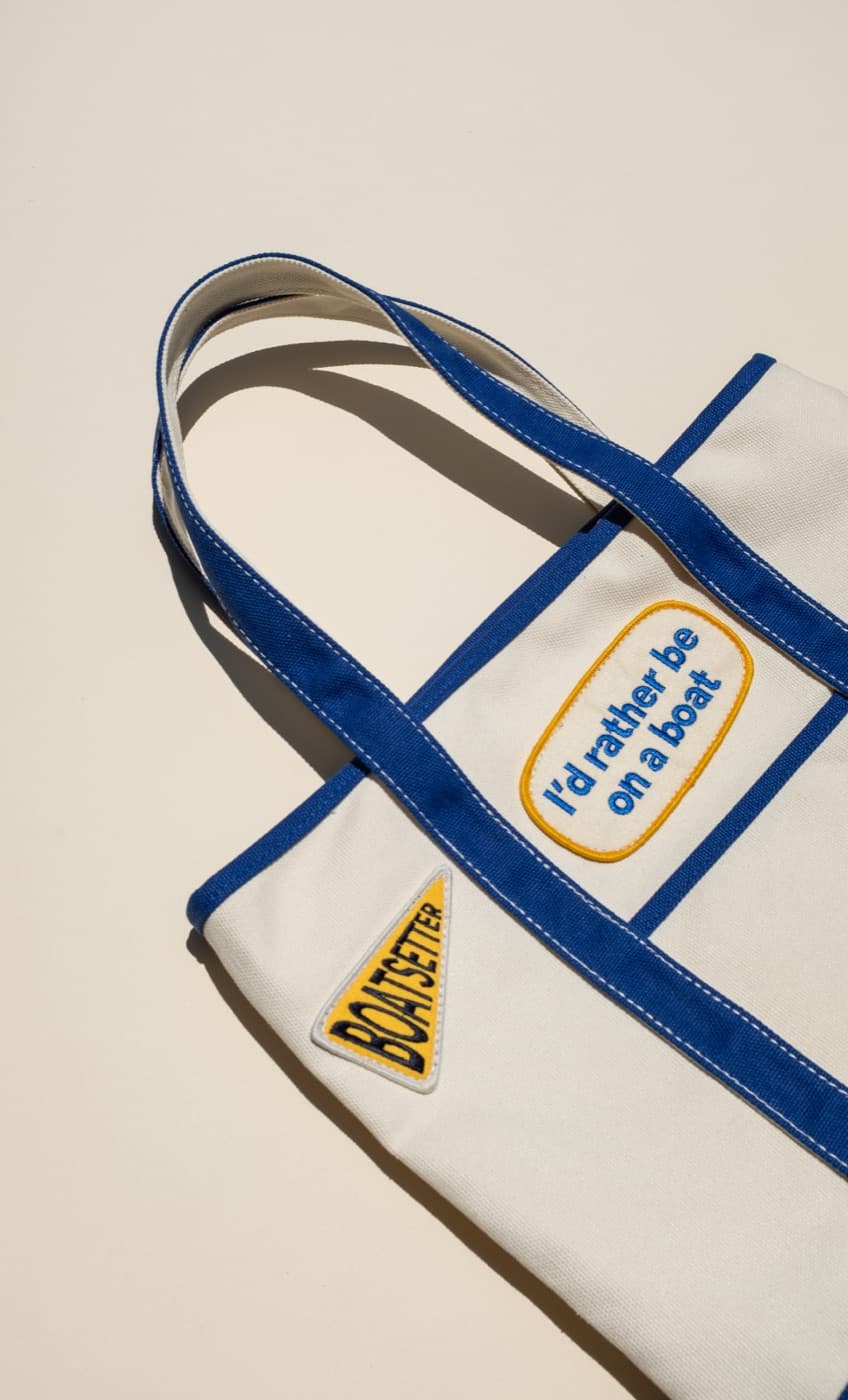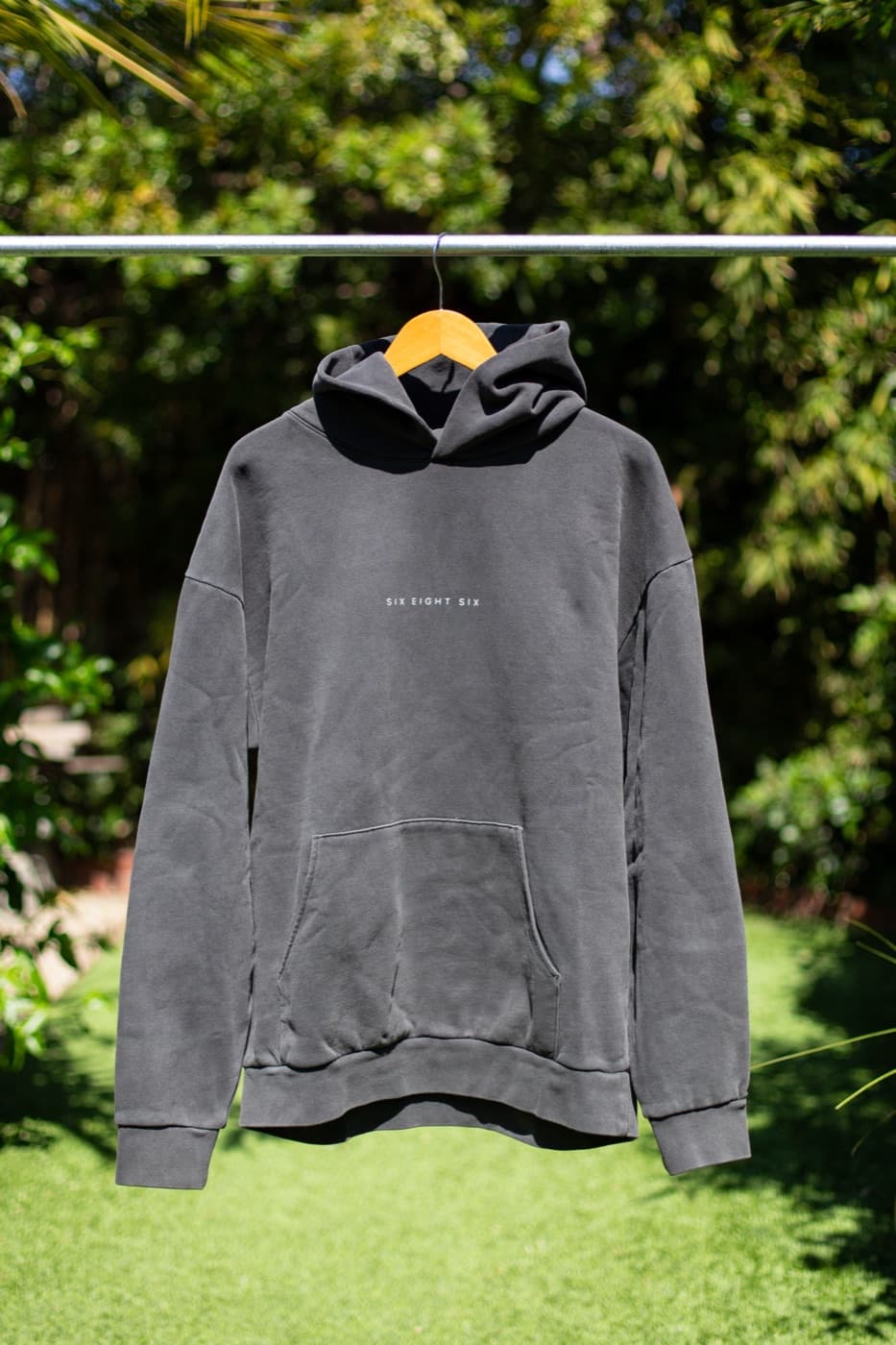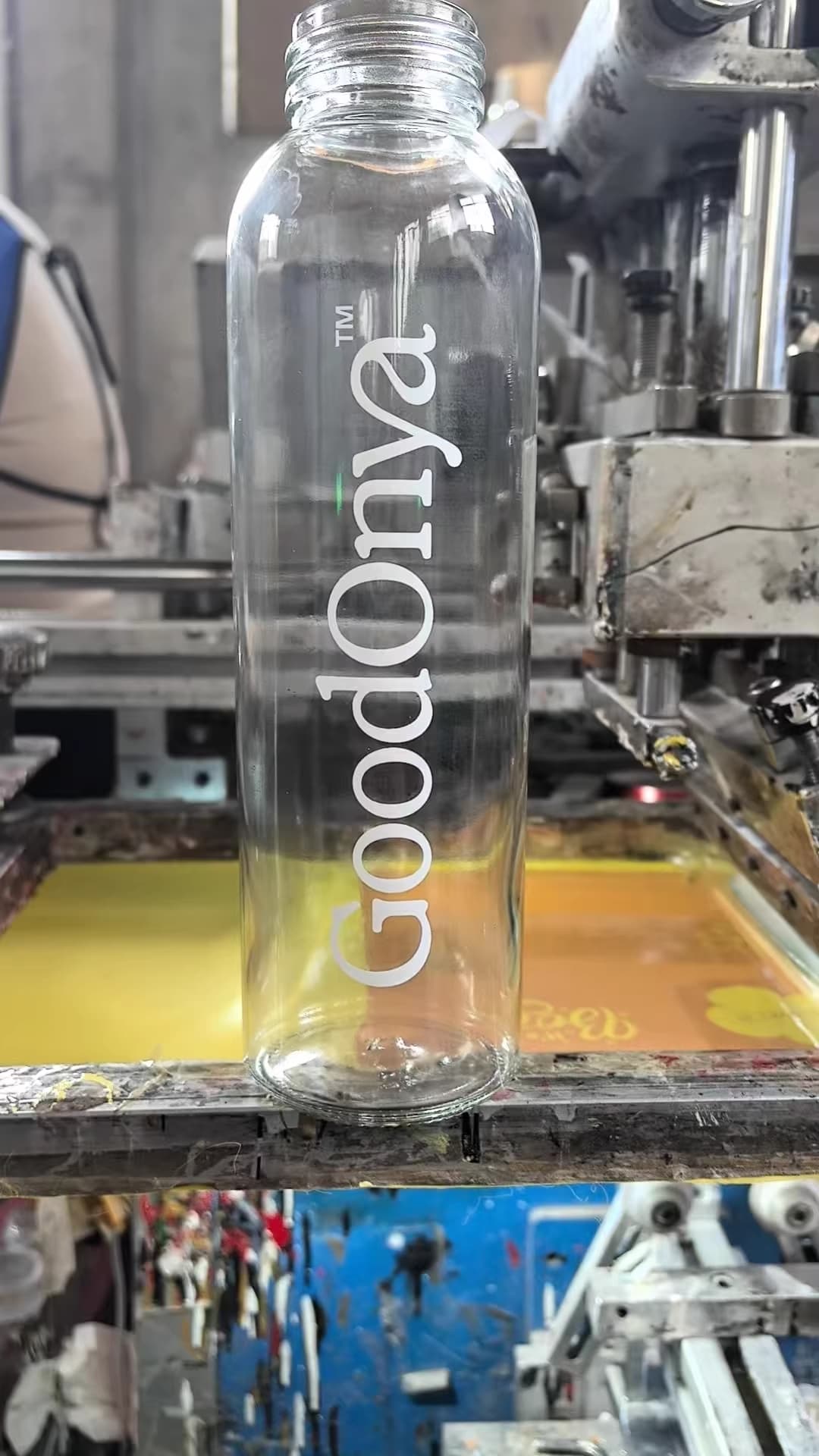
The generic tech swag bag — a thin zip-up, a branded pen, a stress ball, a lanyard — is so ubiquitous it has become a punchline. The brands doing merch well in the tech space have moved away from that entirely. They treat merch like a product launch: with intention, quality standards, and an actual audience in mind.
The cultural shift
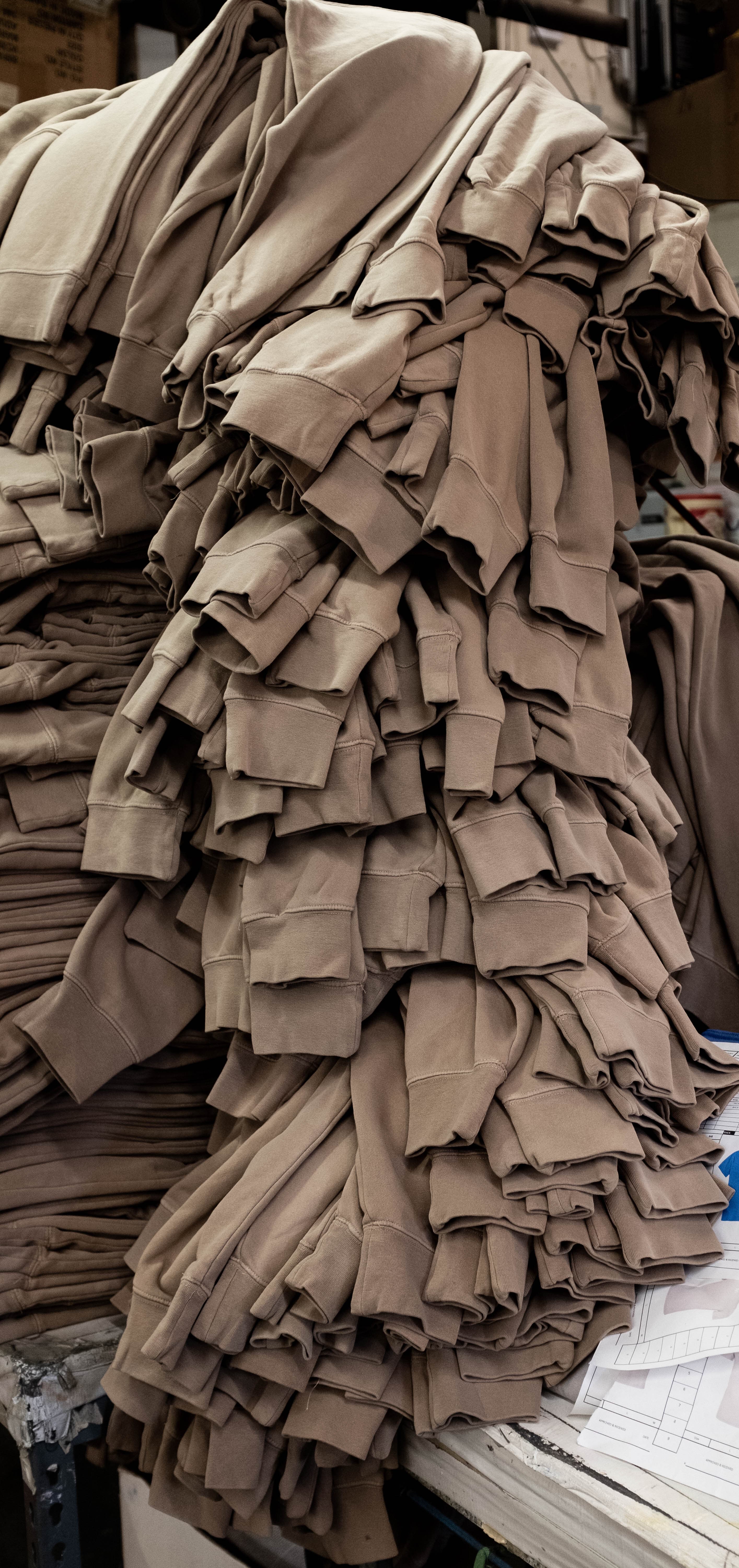
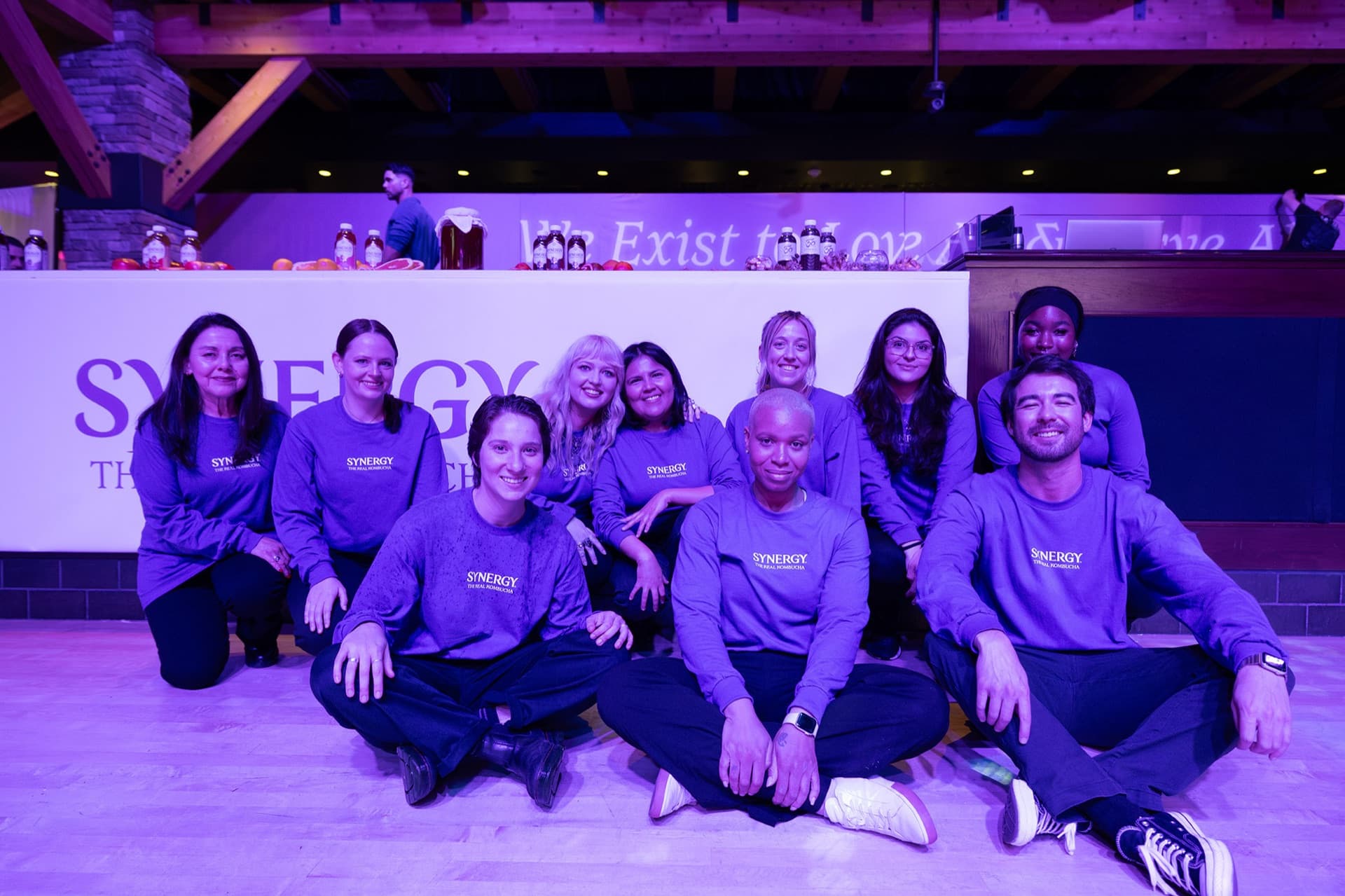
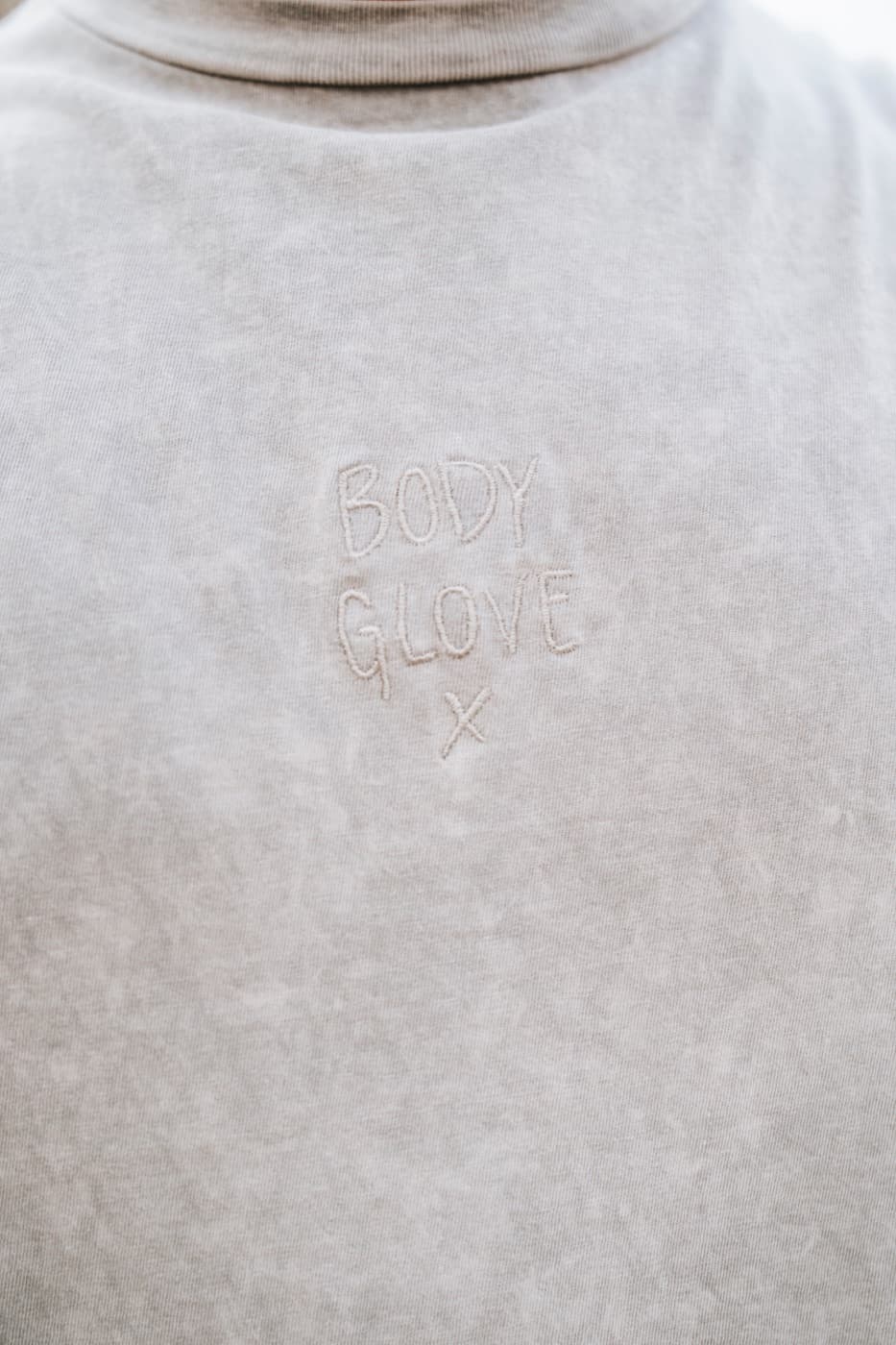
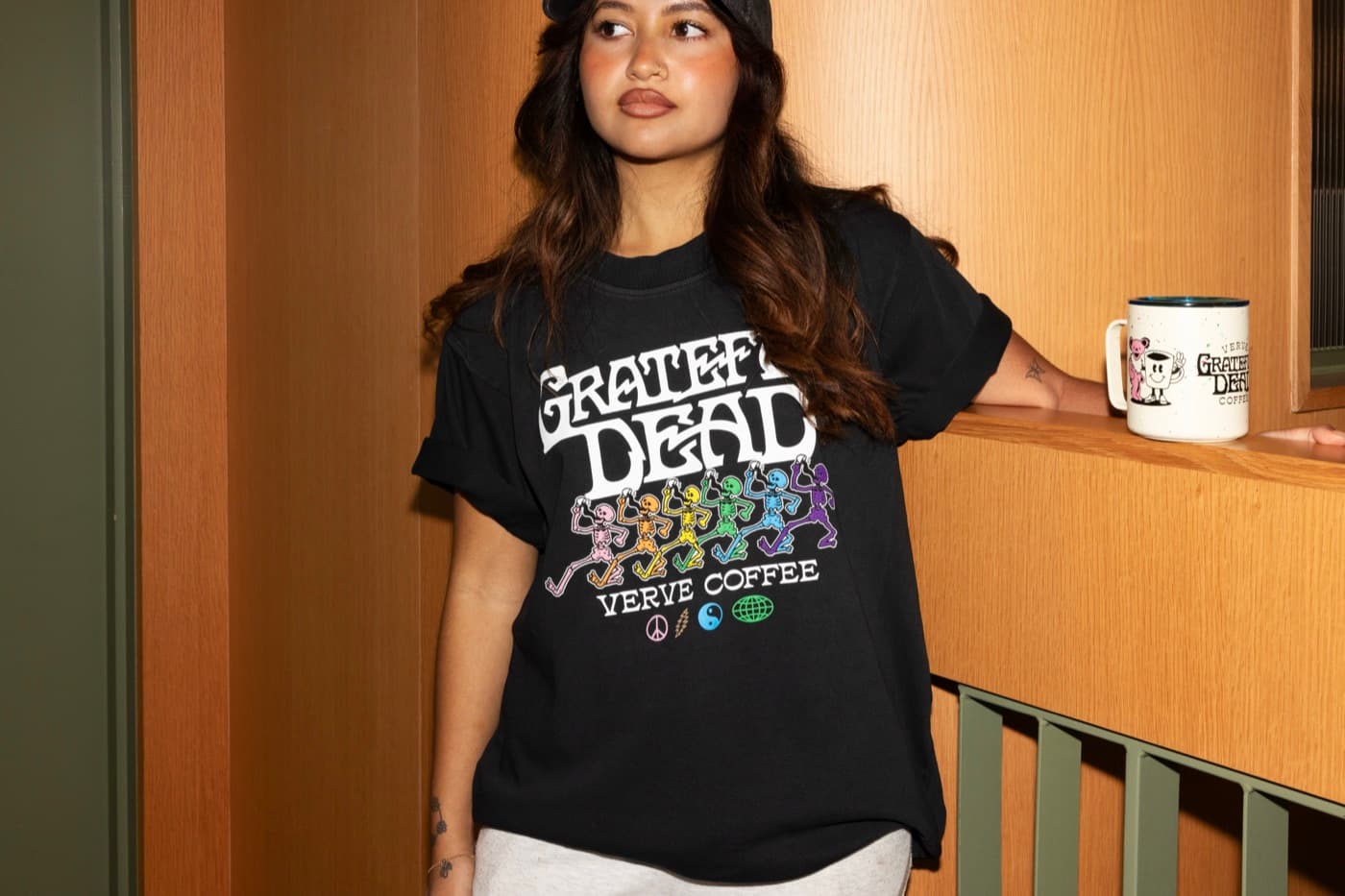
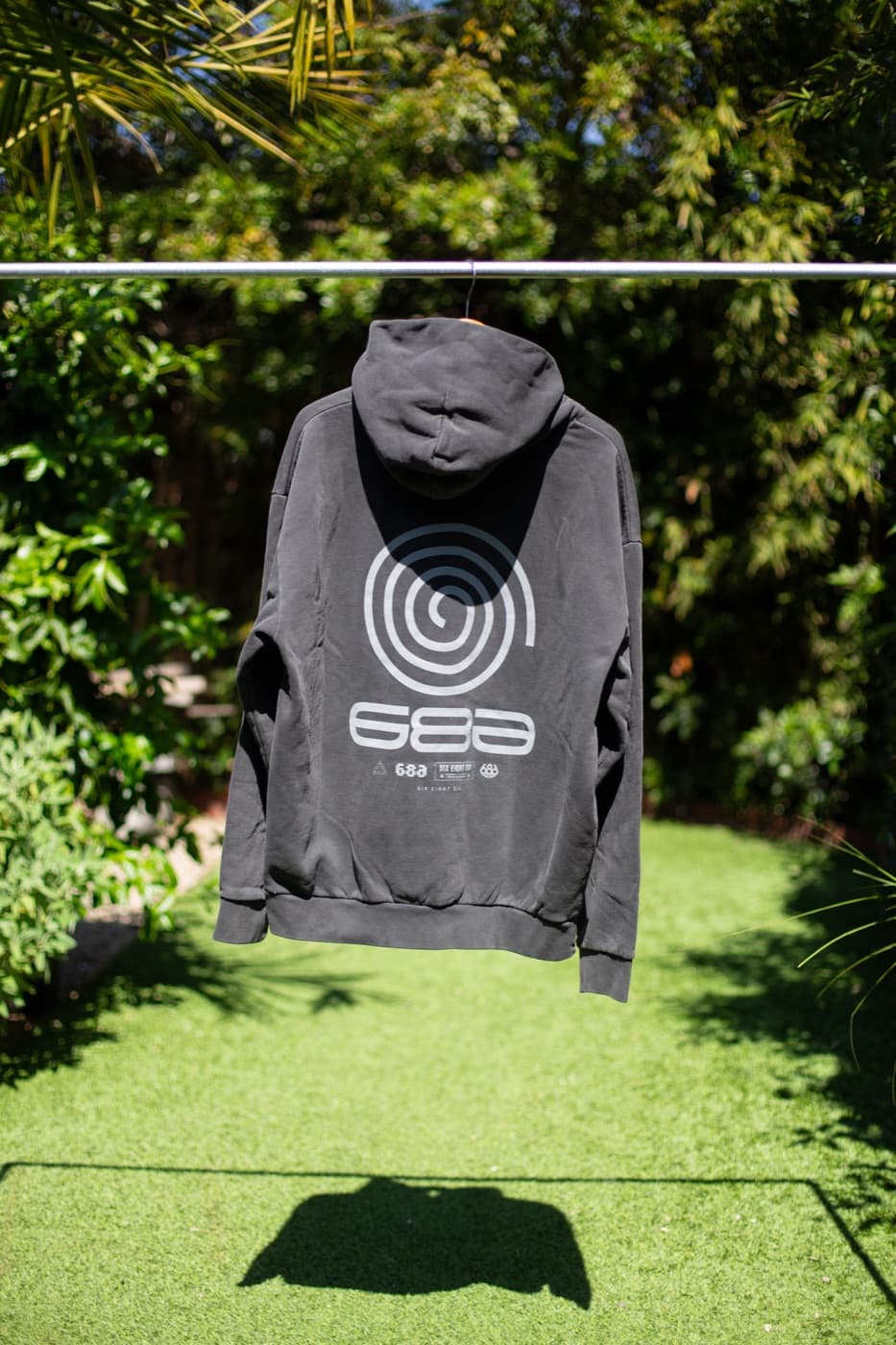
Tech employees are sophisticated consumers. They have seen enough branded hoodies to know immediately whether one is worth wearing. If the brand sends a scratchy fleece with a chest logo and calls it merch, people know. If it sends a heavyweight premium crewneck that feels good and fits well, people wear it. That distinction drives everything.
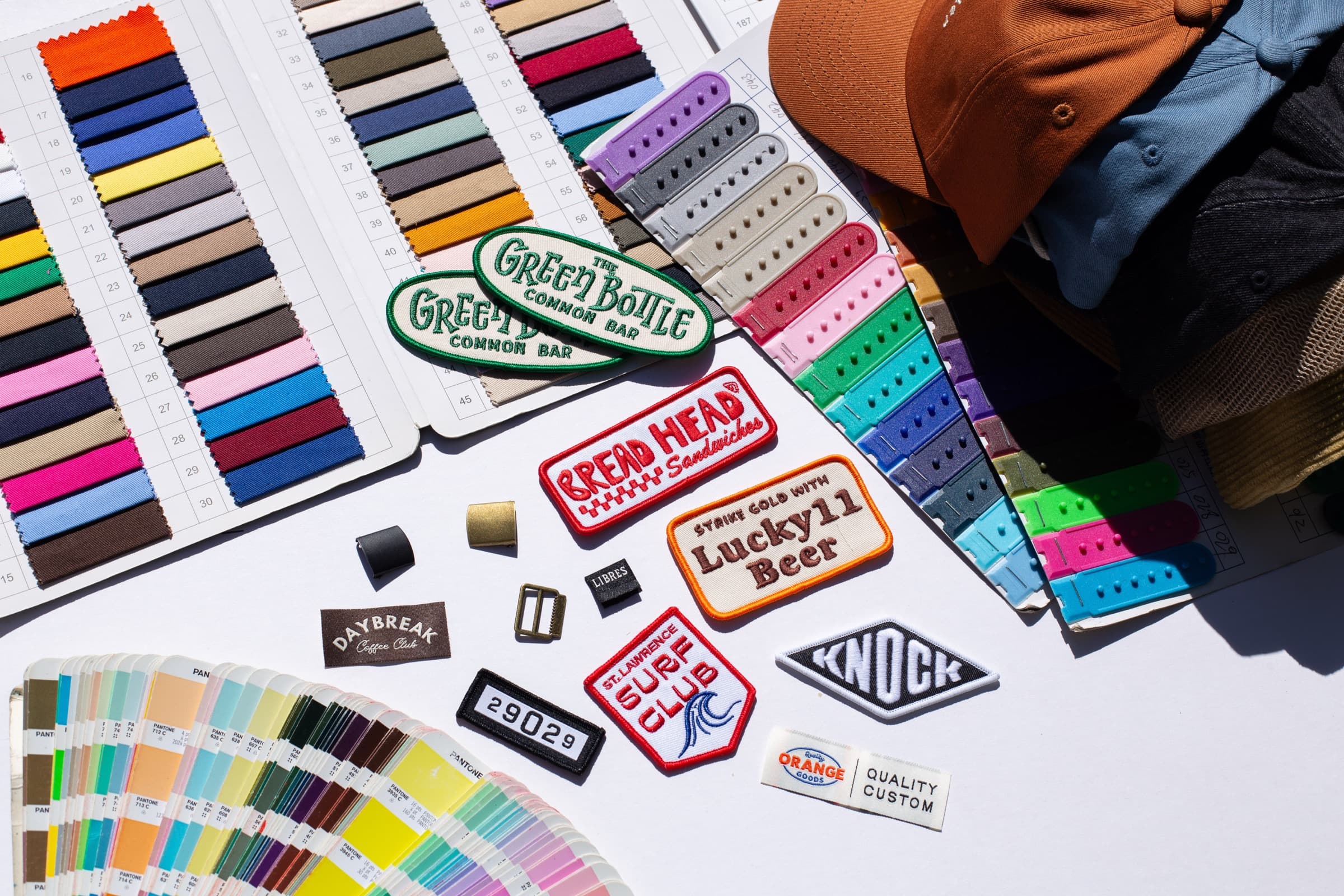
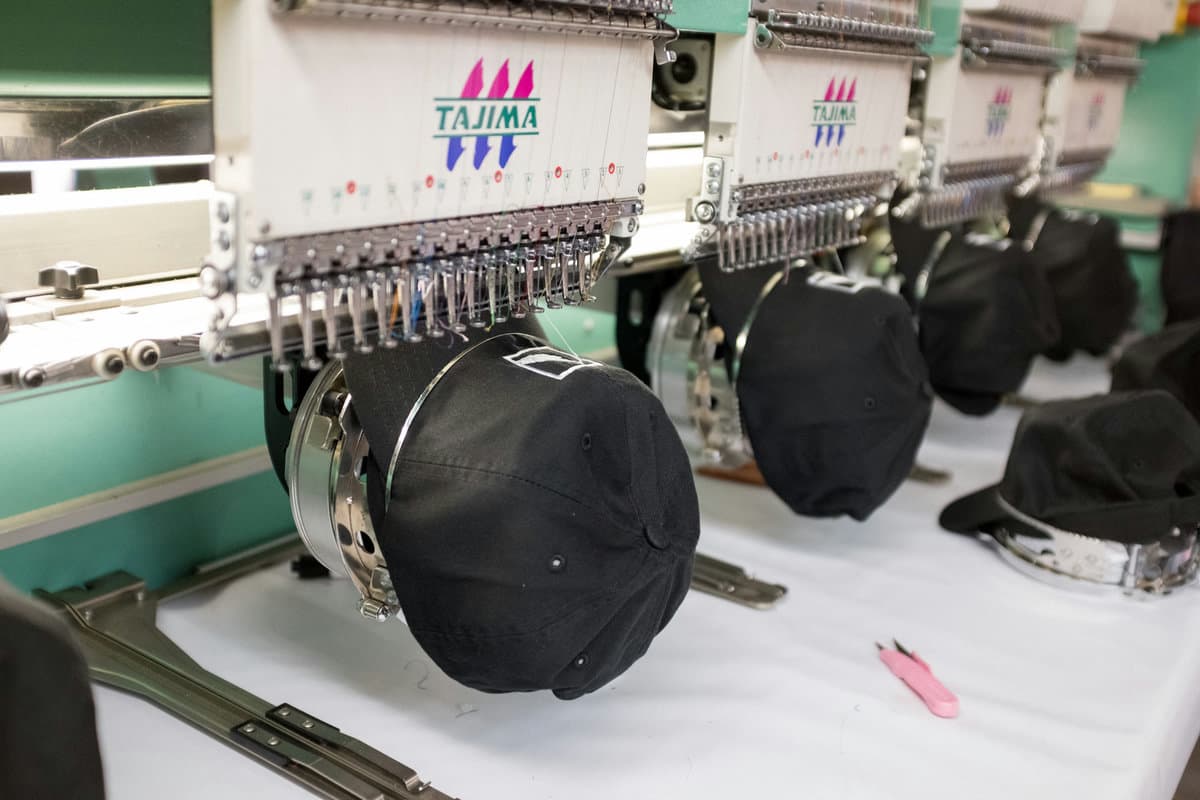
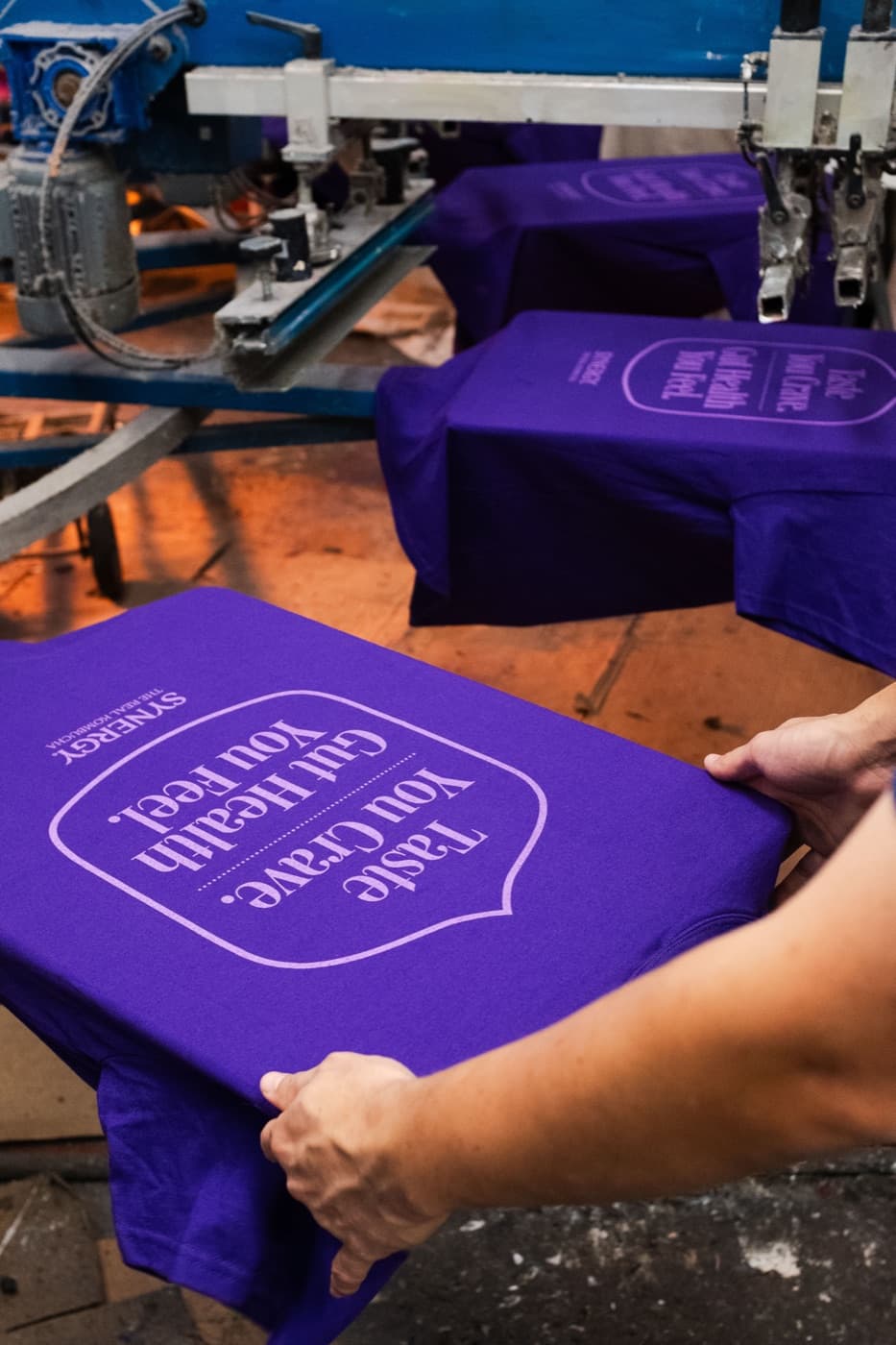
The strongest tech merch programs treat the blank and the decoration as equally important. A great heavyweight tee with a mediocre print is better than a mediocre tee with a great print, but neither is as good as both being right.
Remote team gifting
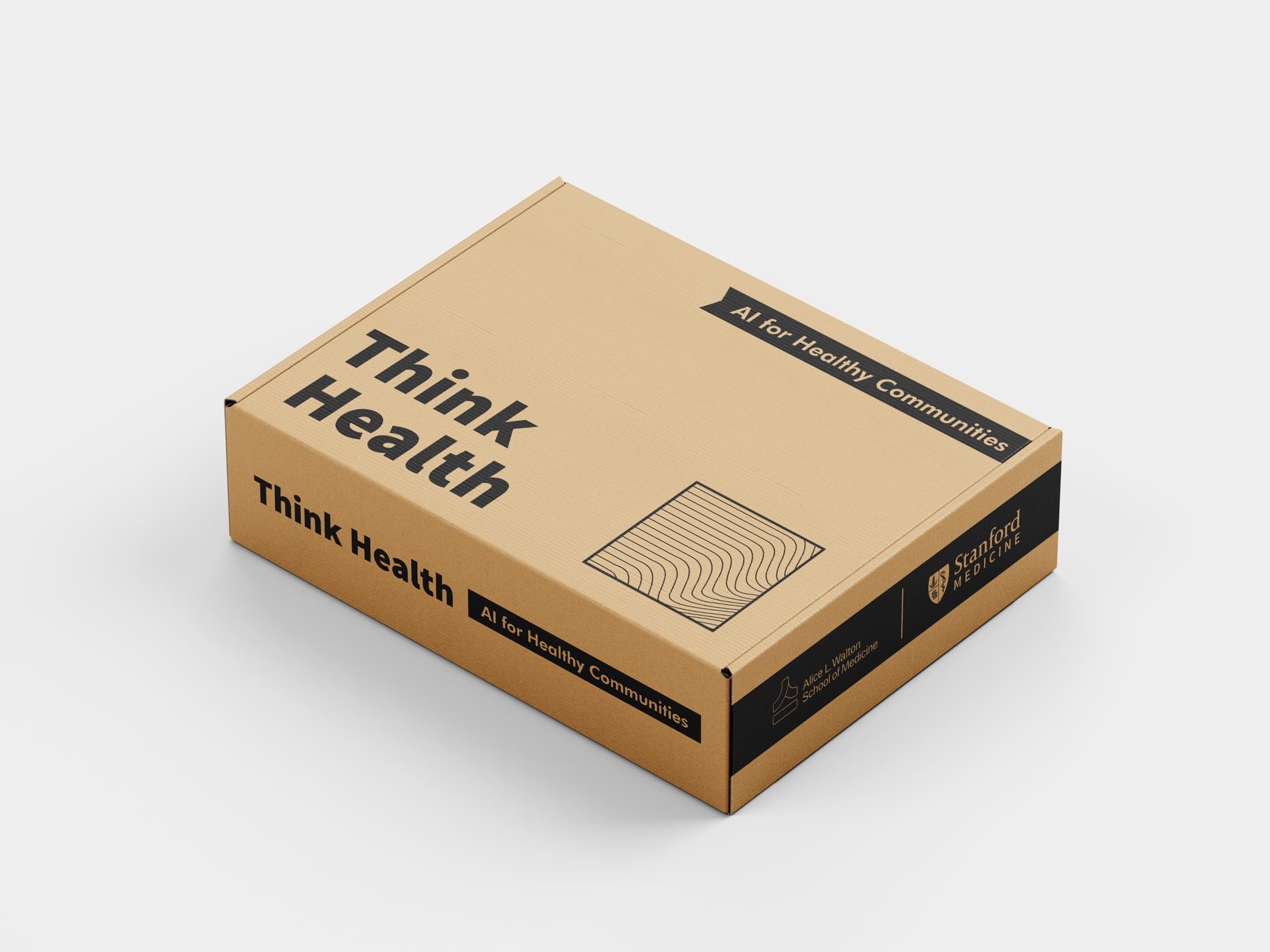
Distributed teams have changed the tech merch logistics problem. Sending a welcome kit to a new employee's home requires size collection, individual packaging, and reliable shipping to multiple addresses. This is a different operation than handing out tees at a company offsite. It requires either a fulfillment partner or a platform that handles individual orders — and it needs to be planned well in advance of the new hire's start date.
Welcome kits that land with good timing and thoughtful packaging create a strong first impression. A kit that arrives two weeks late, damaged, or in the wrong size does the opposite.
Conference and event strategy
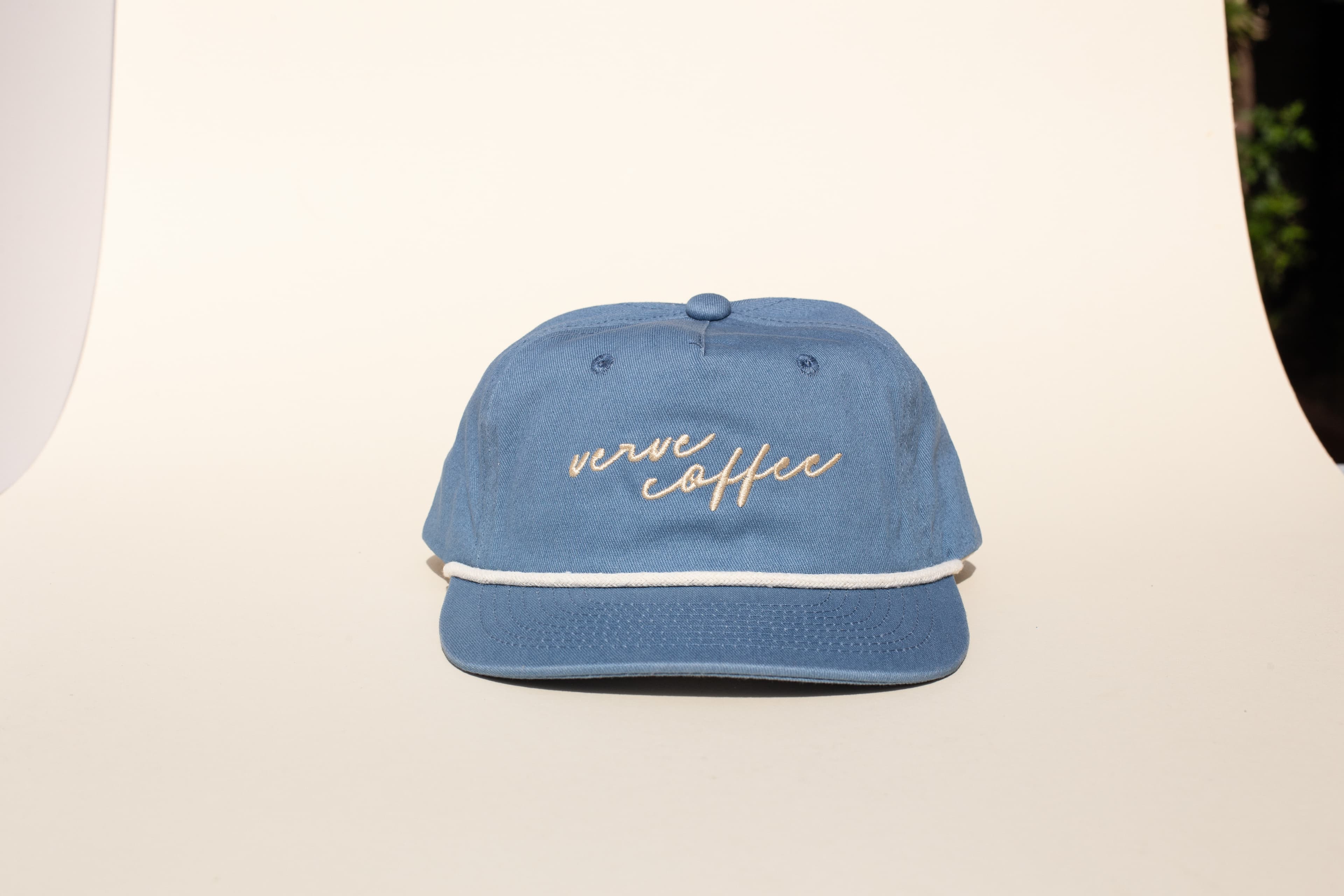
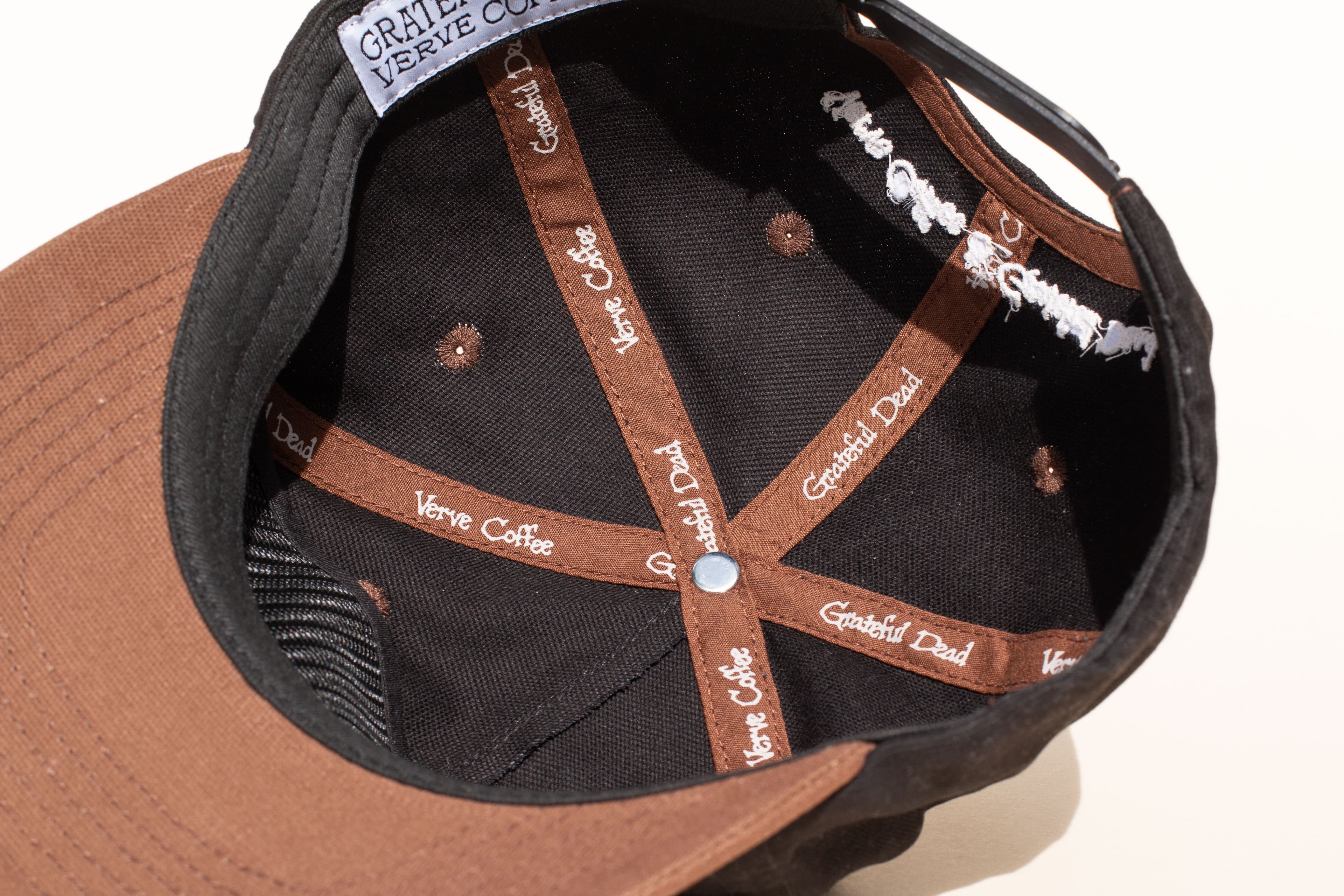
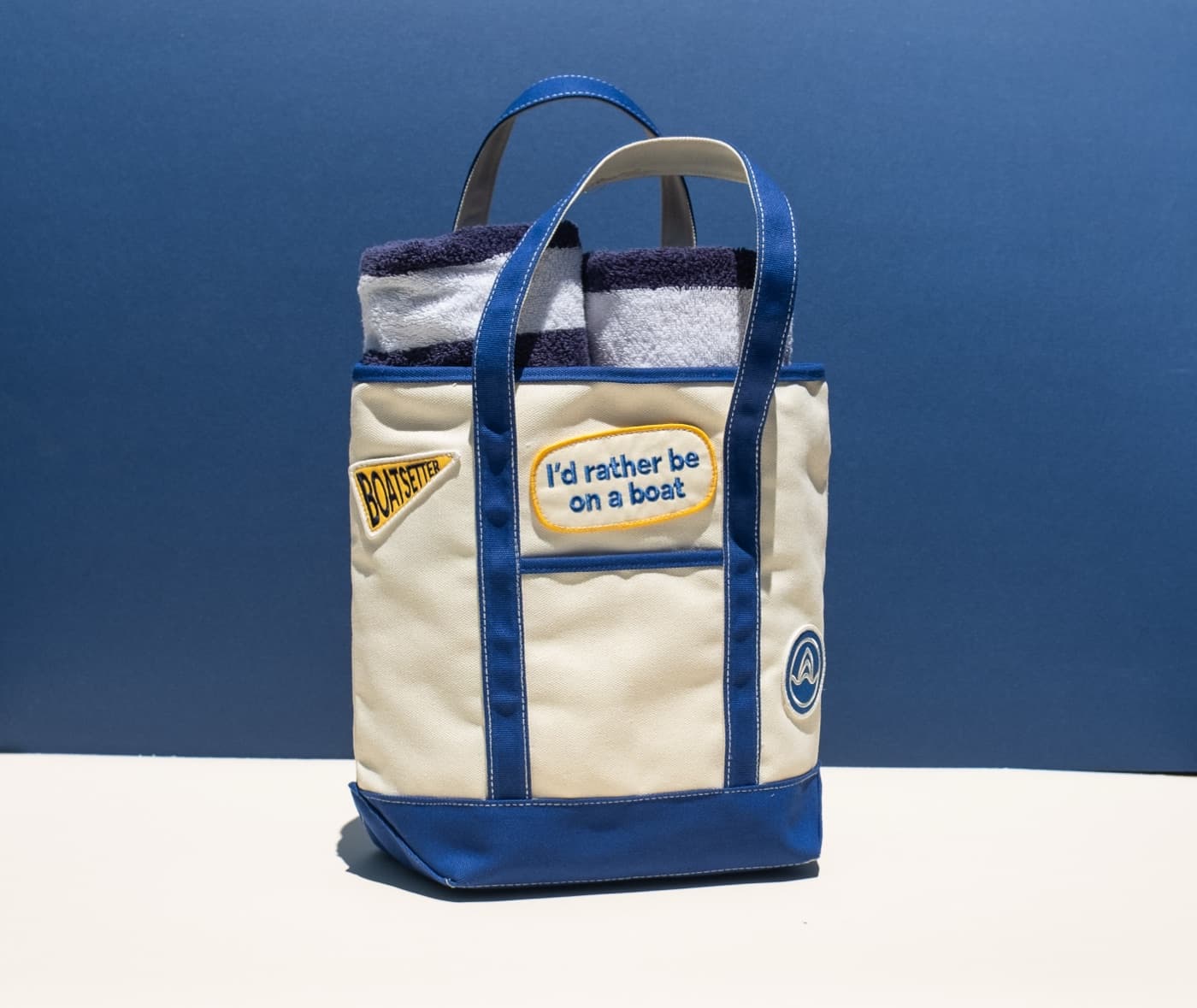
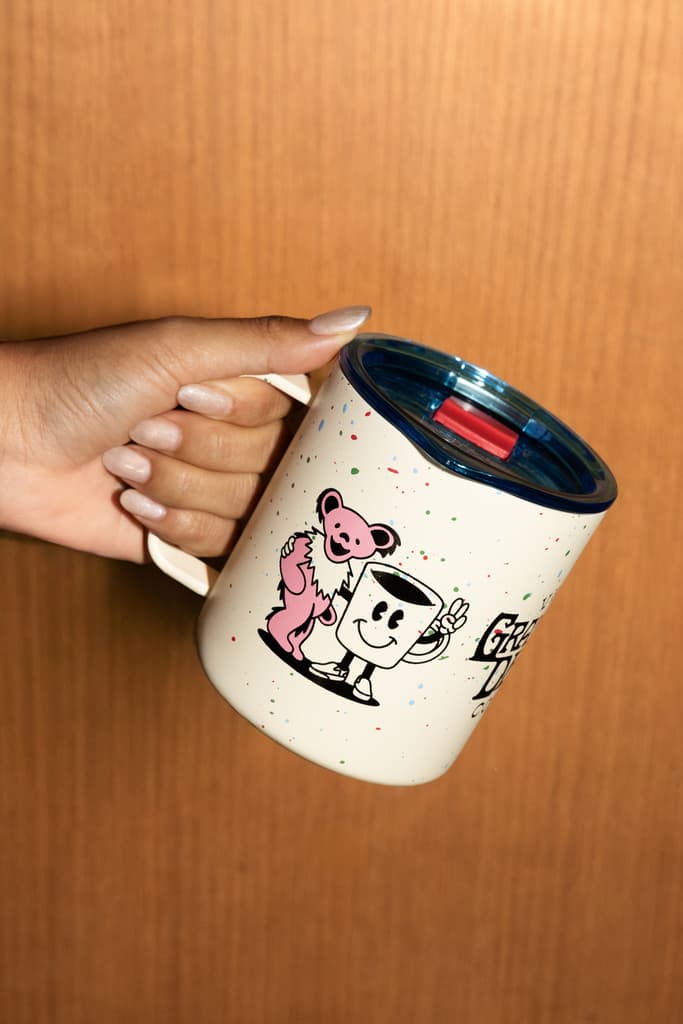
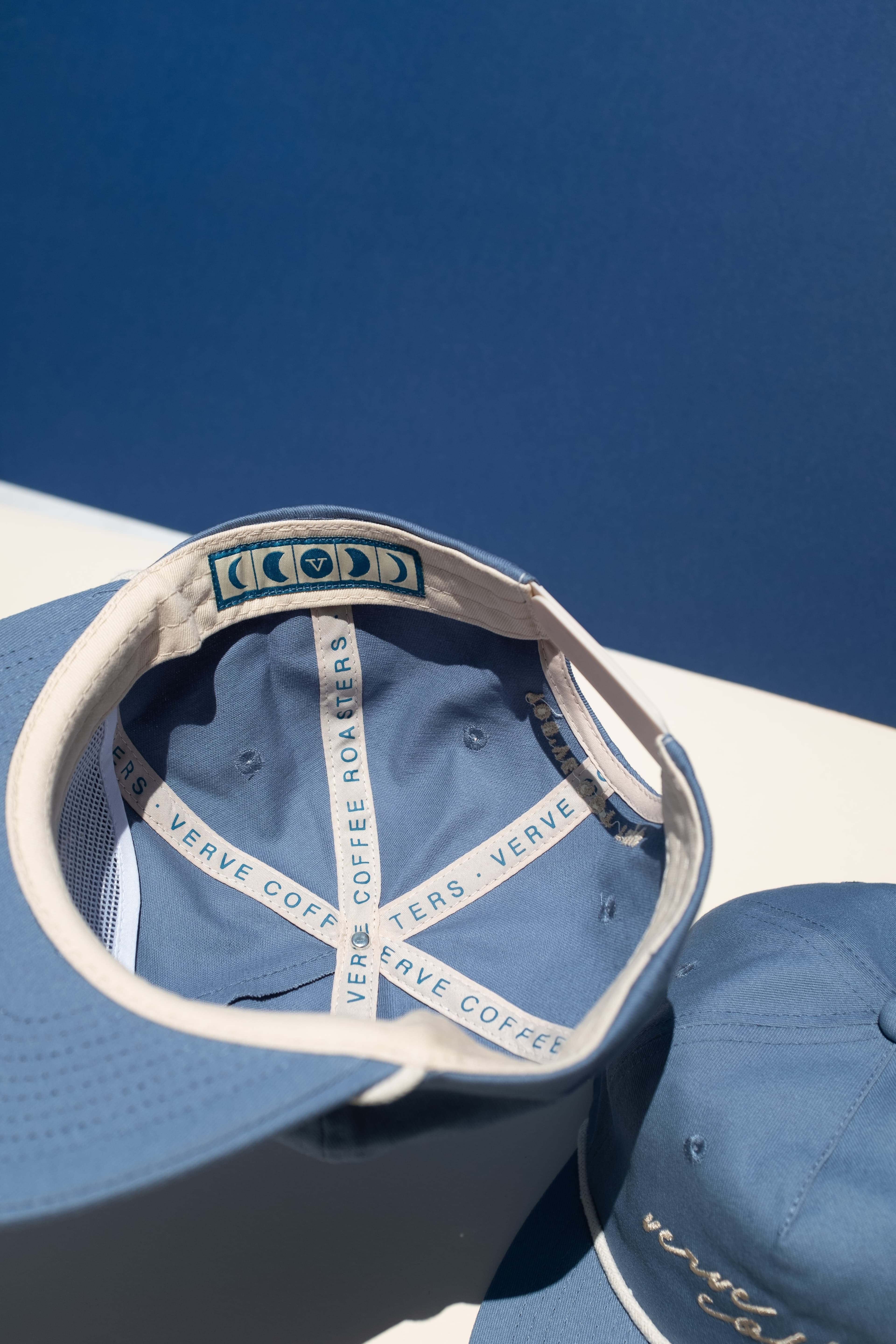
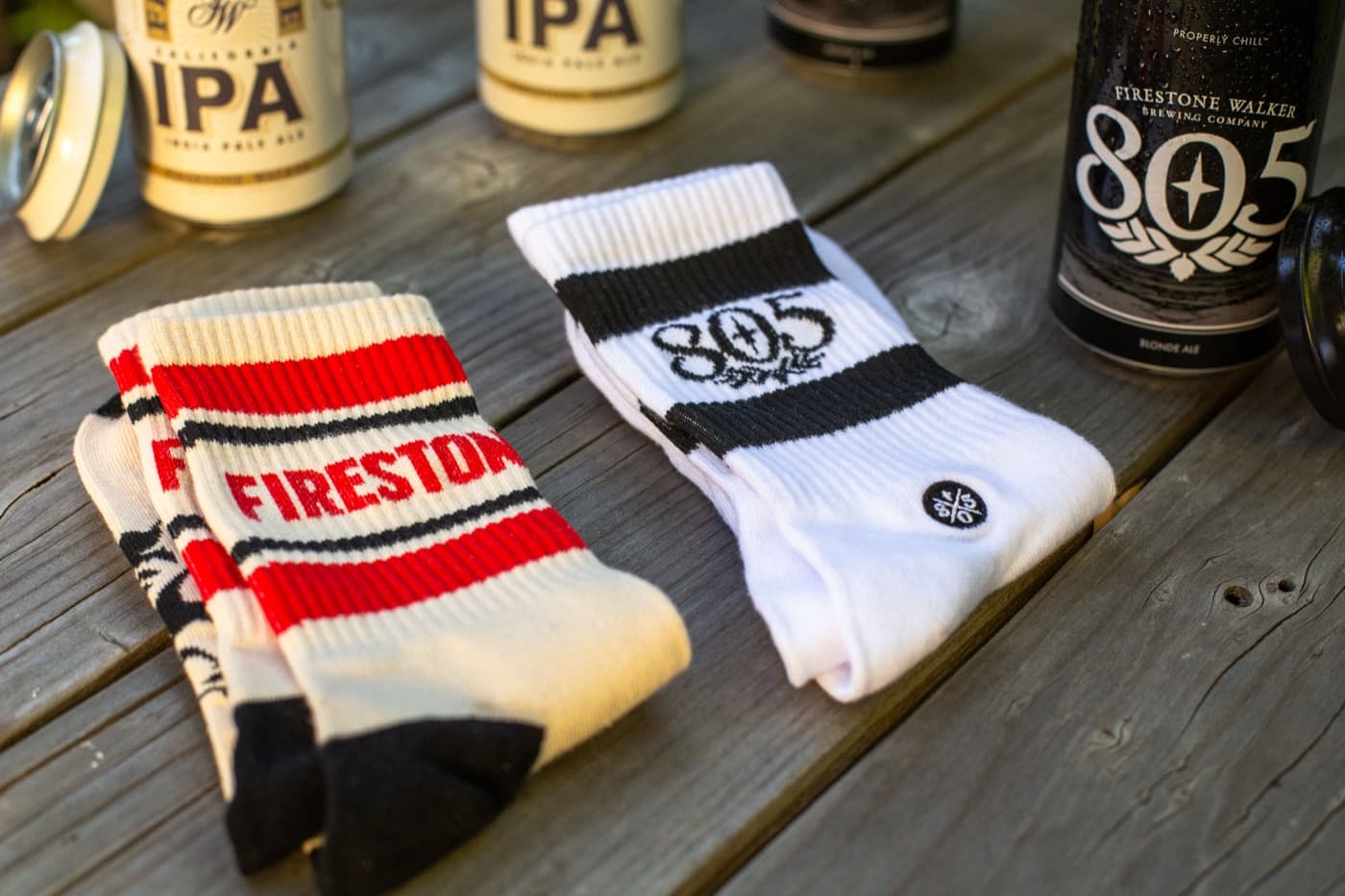
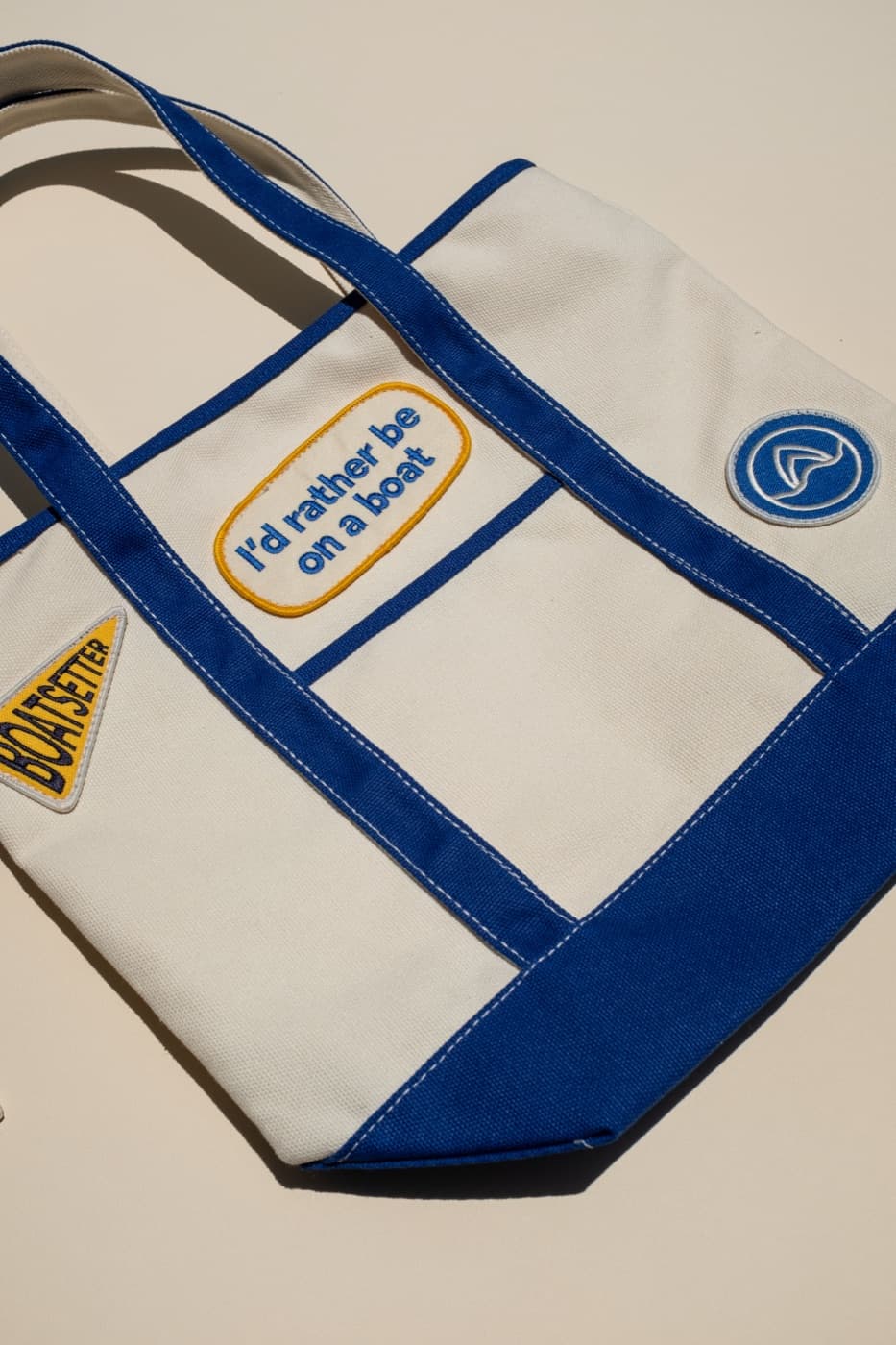
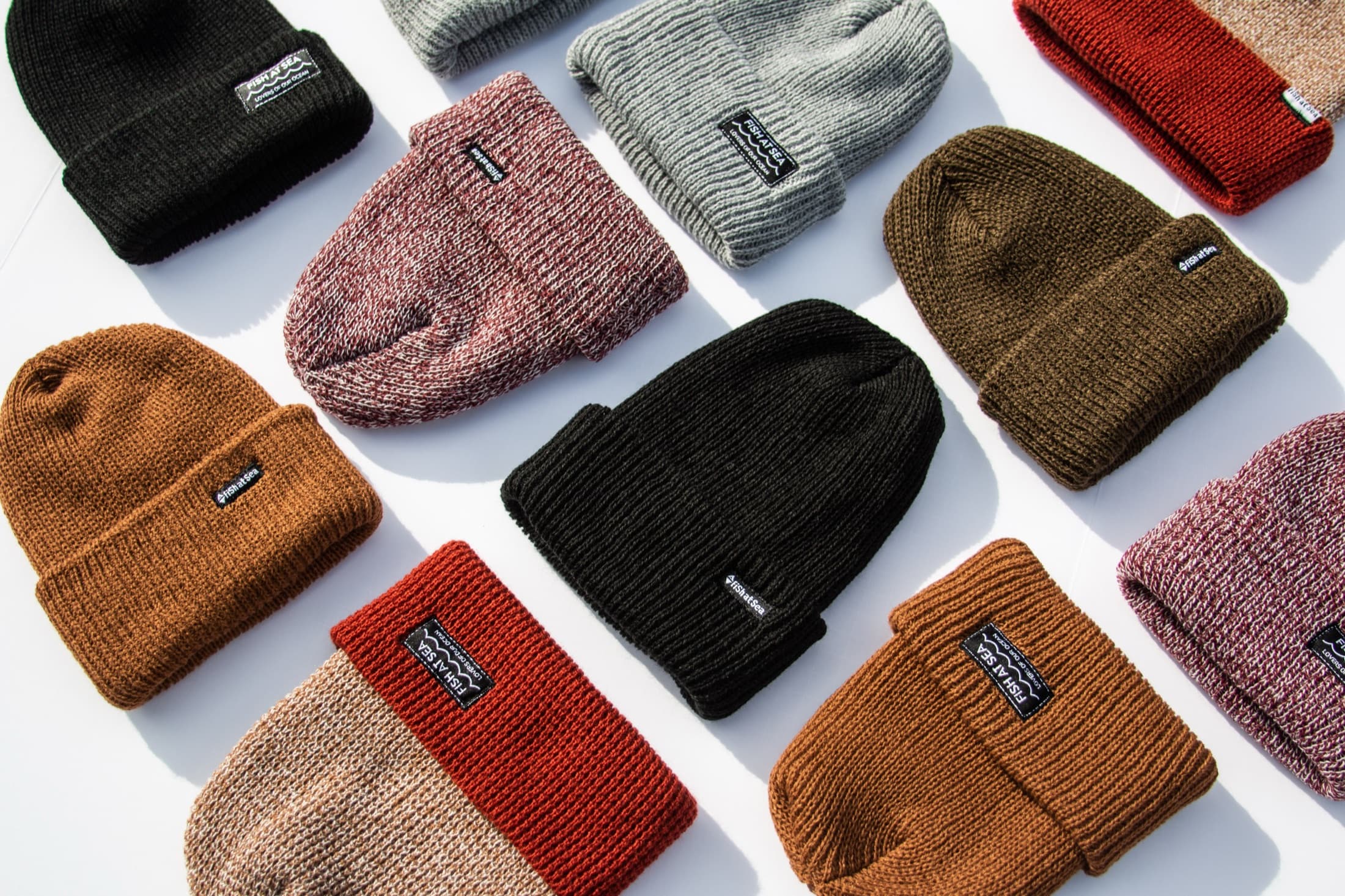
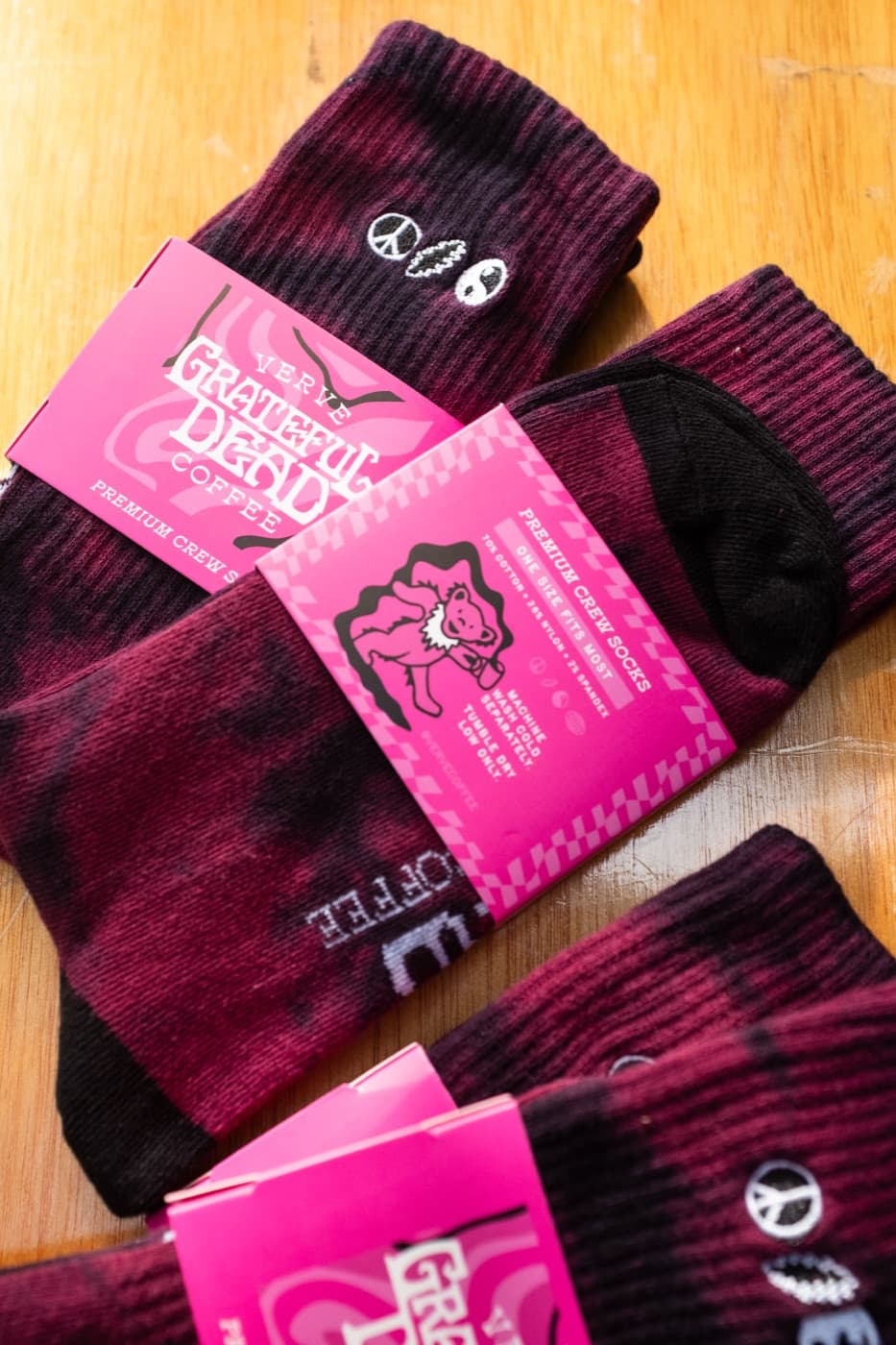
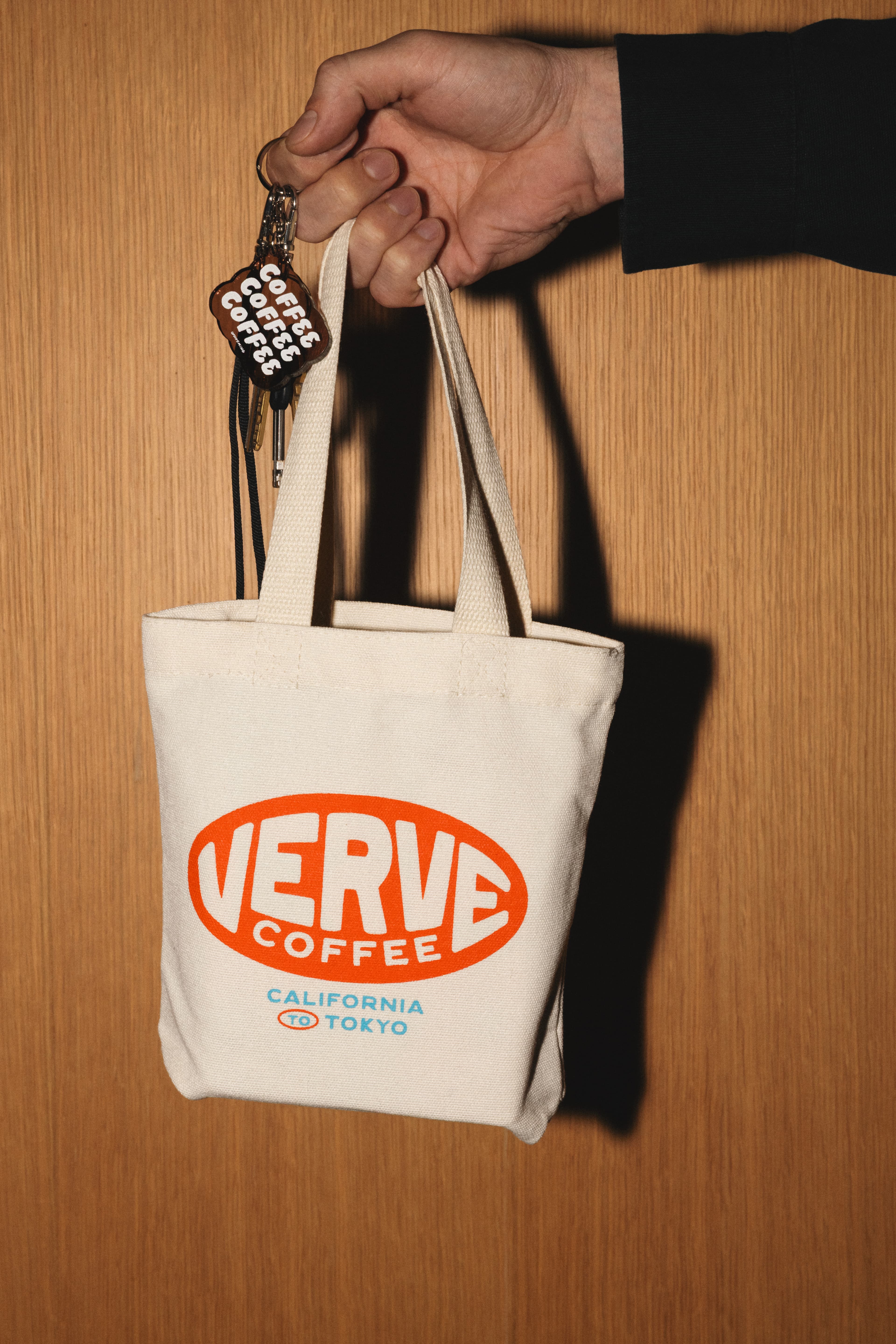
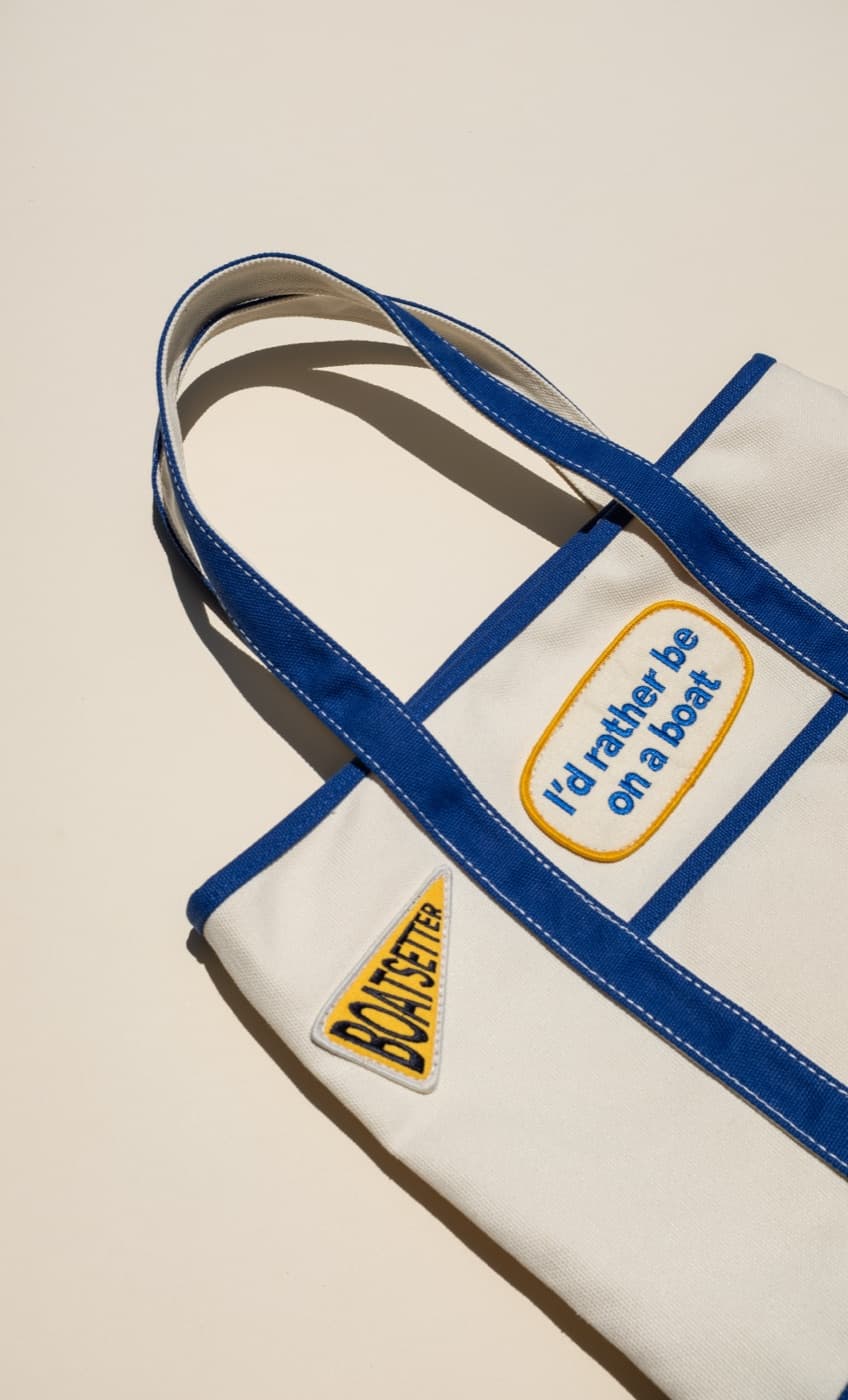
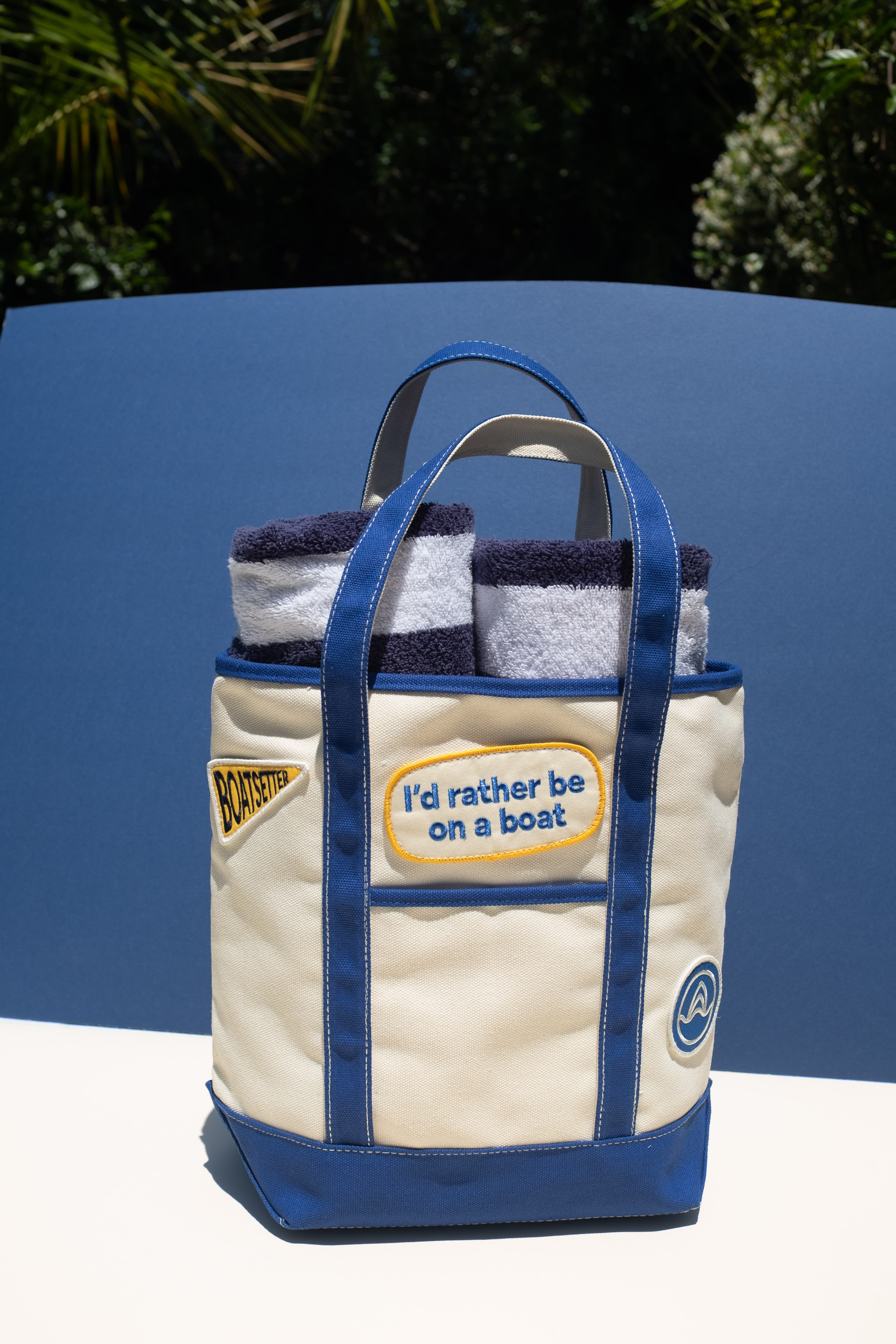
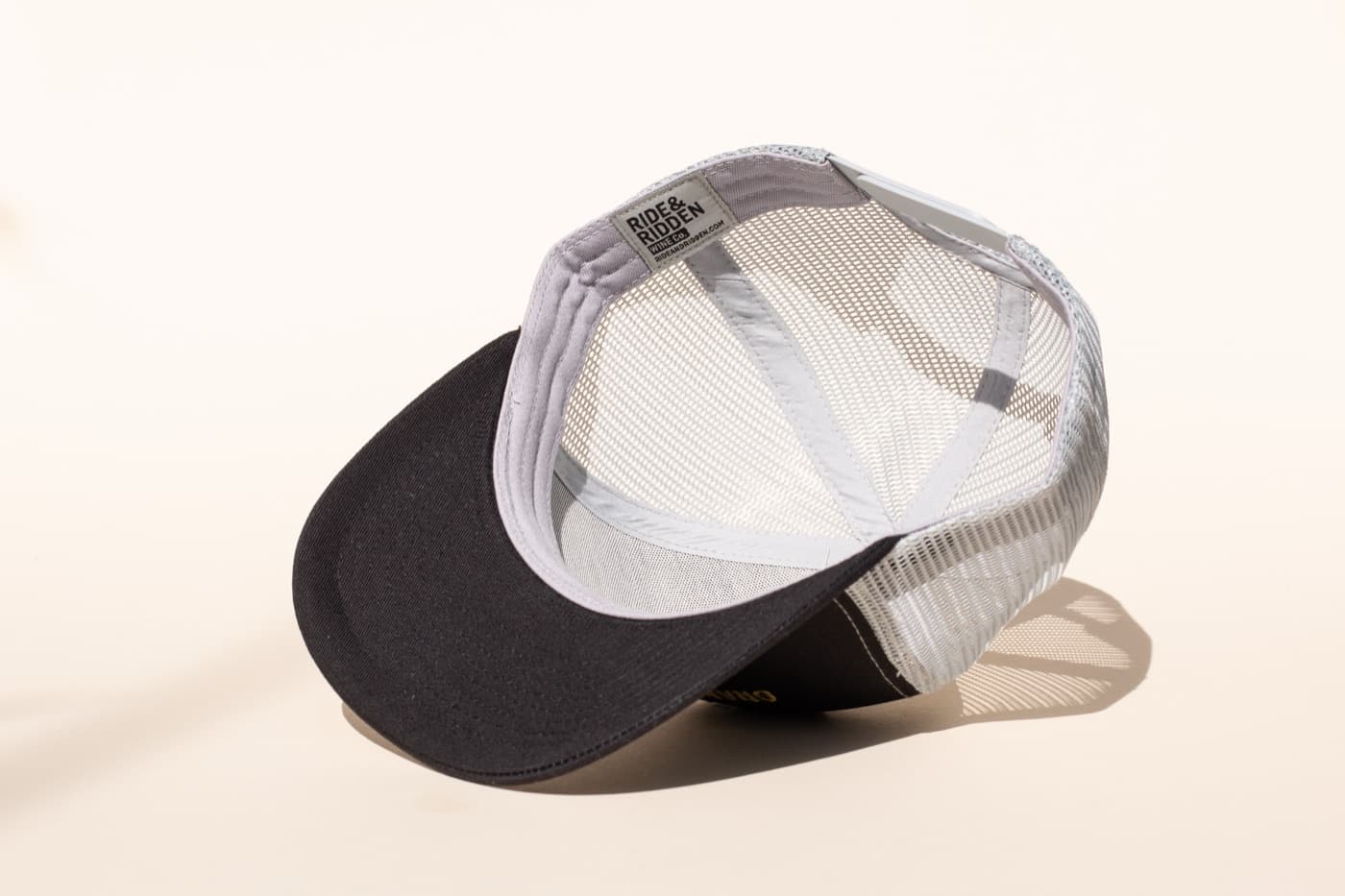
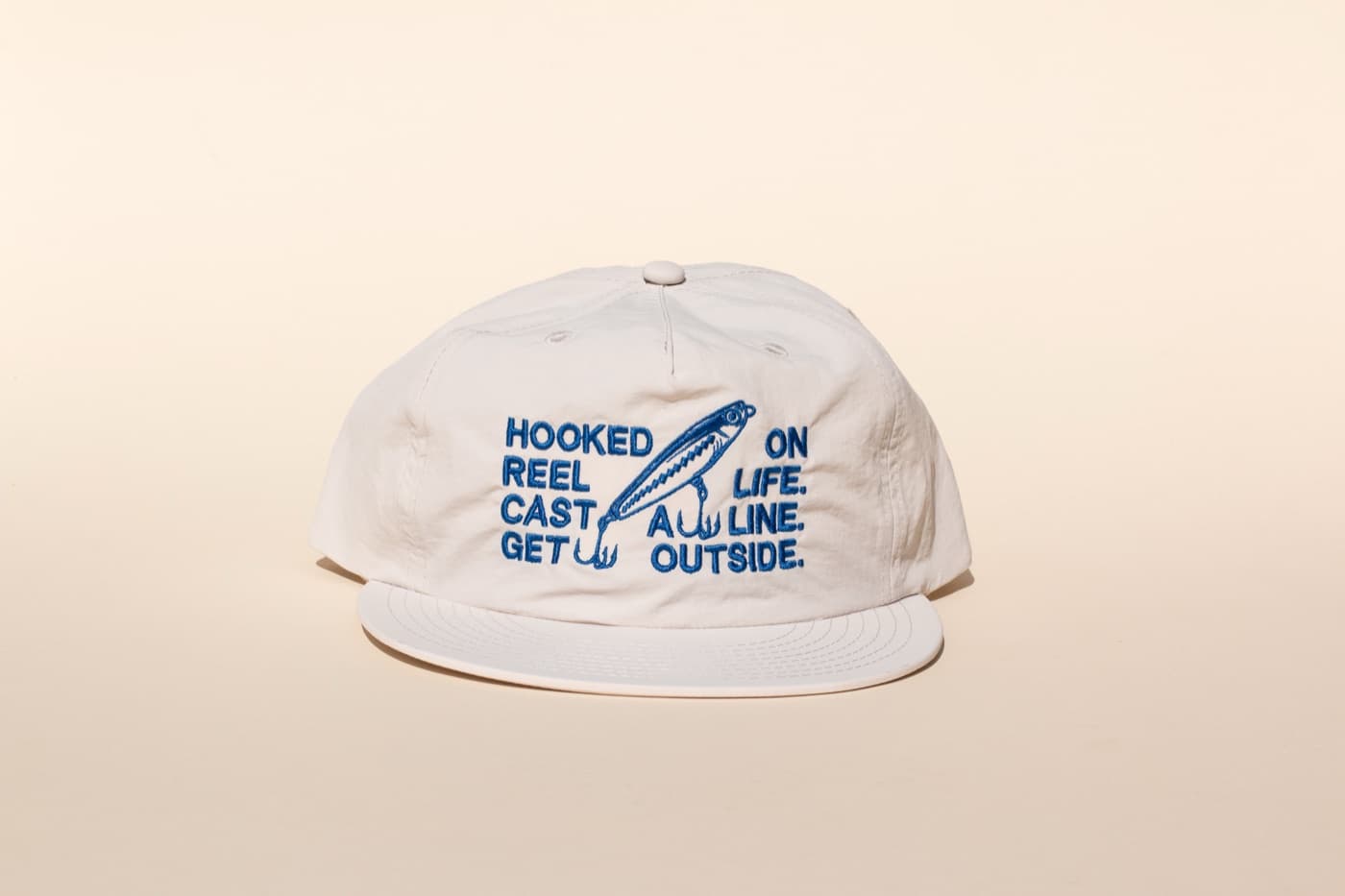
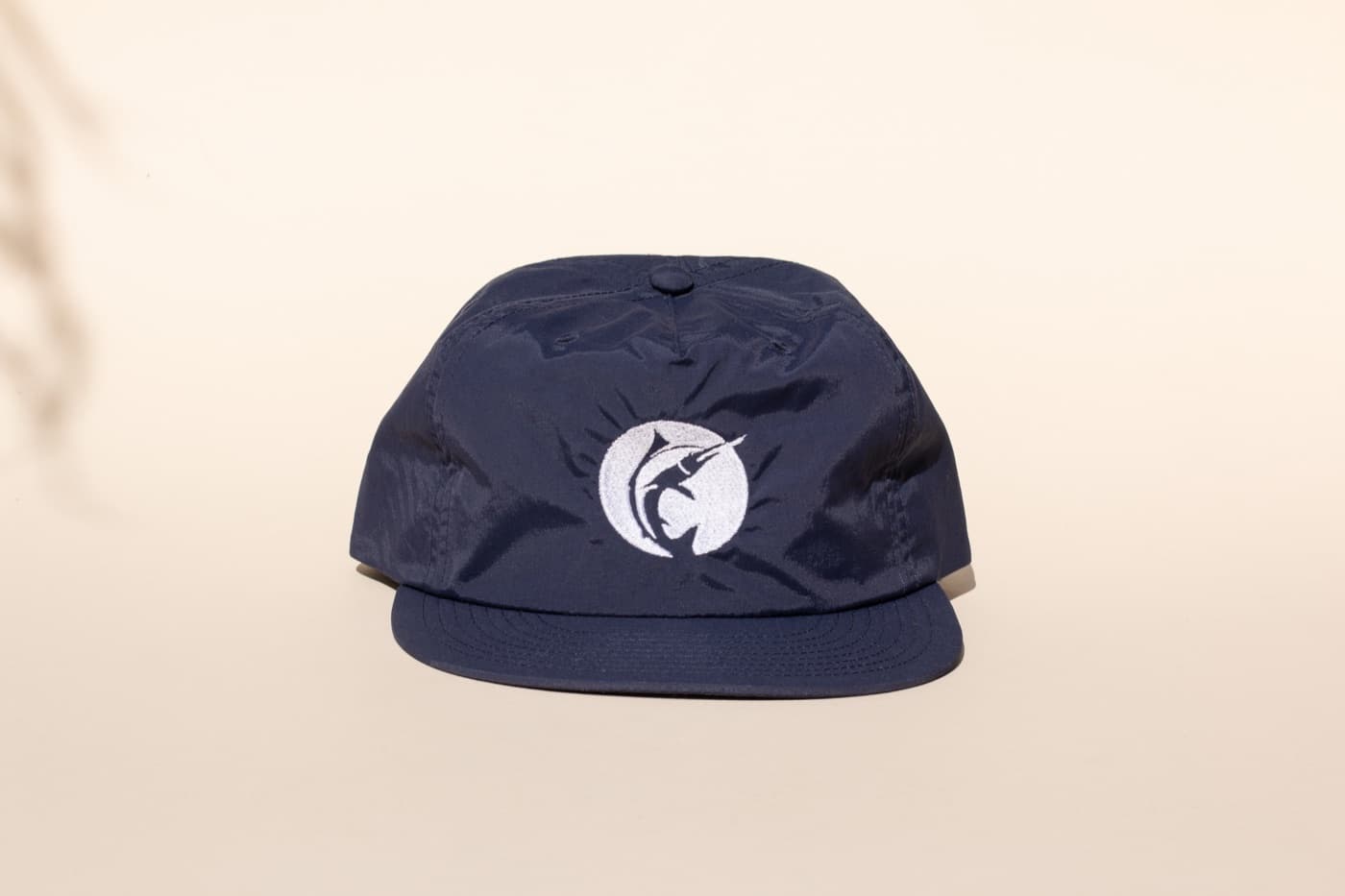
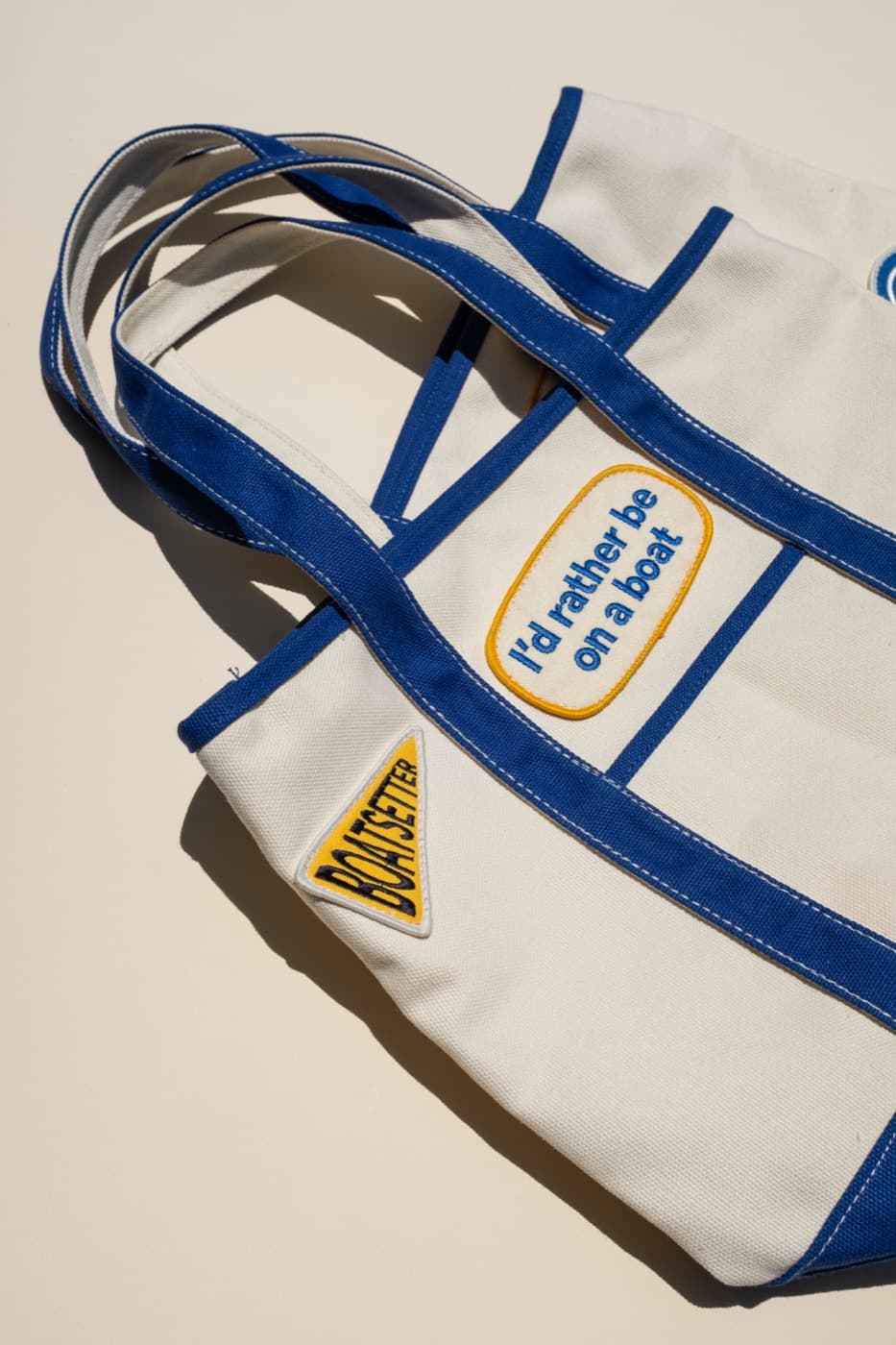
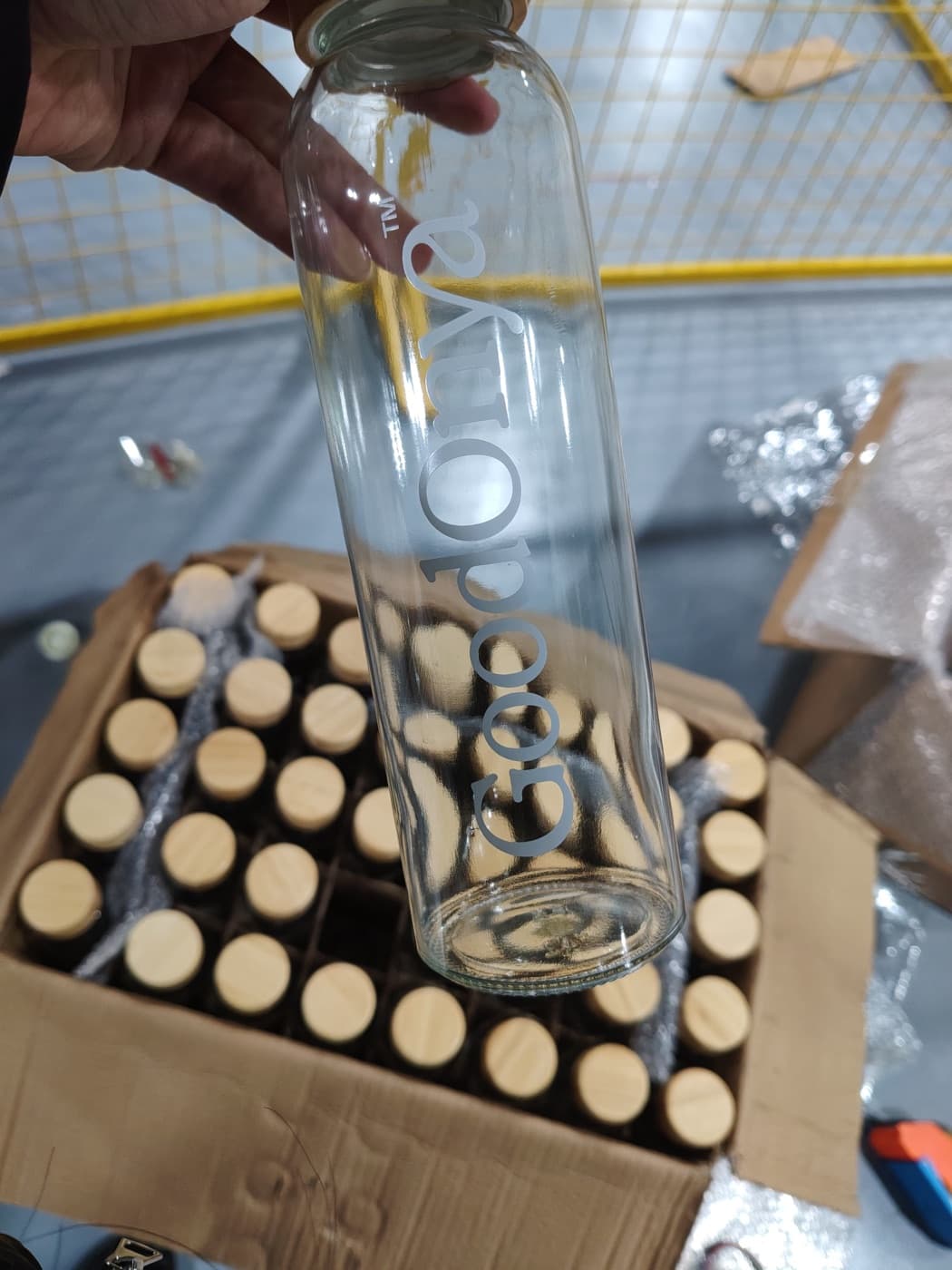
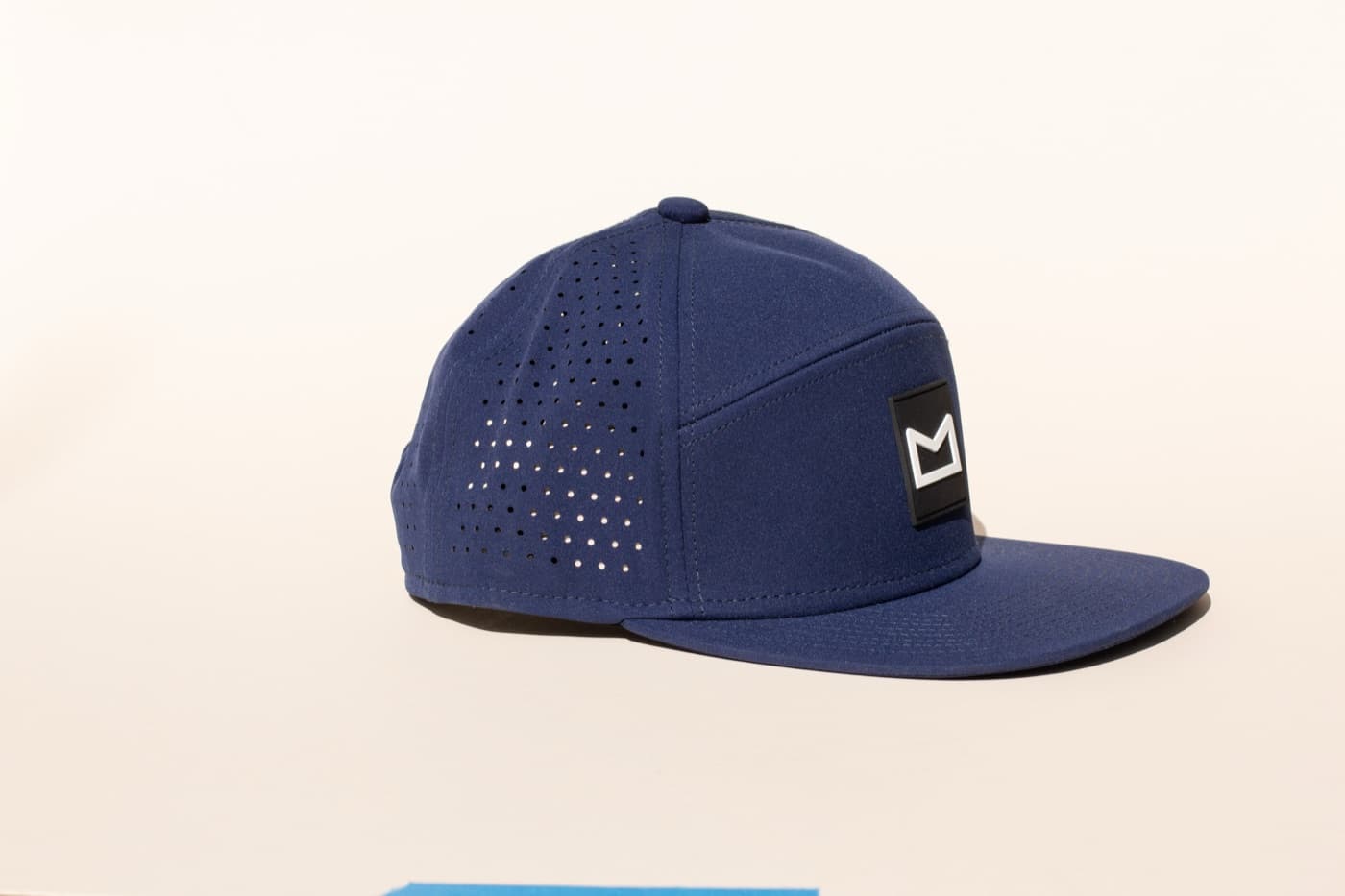
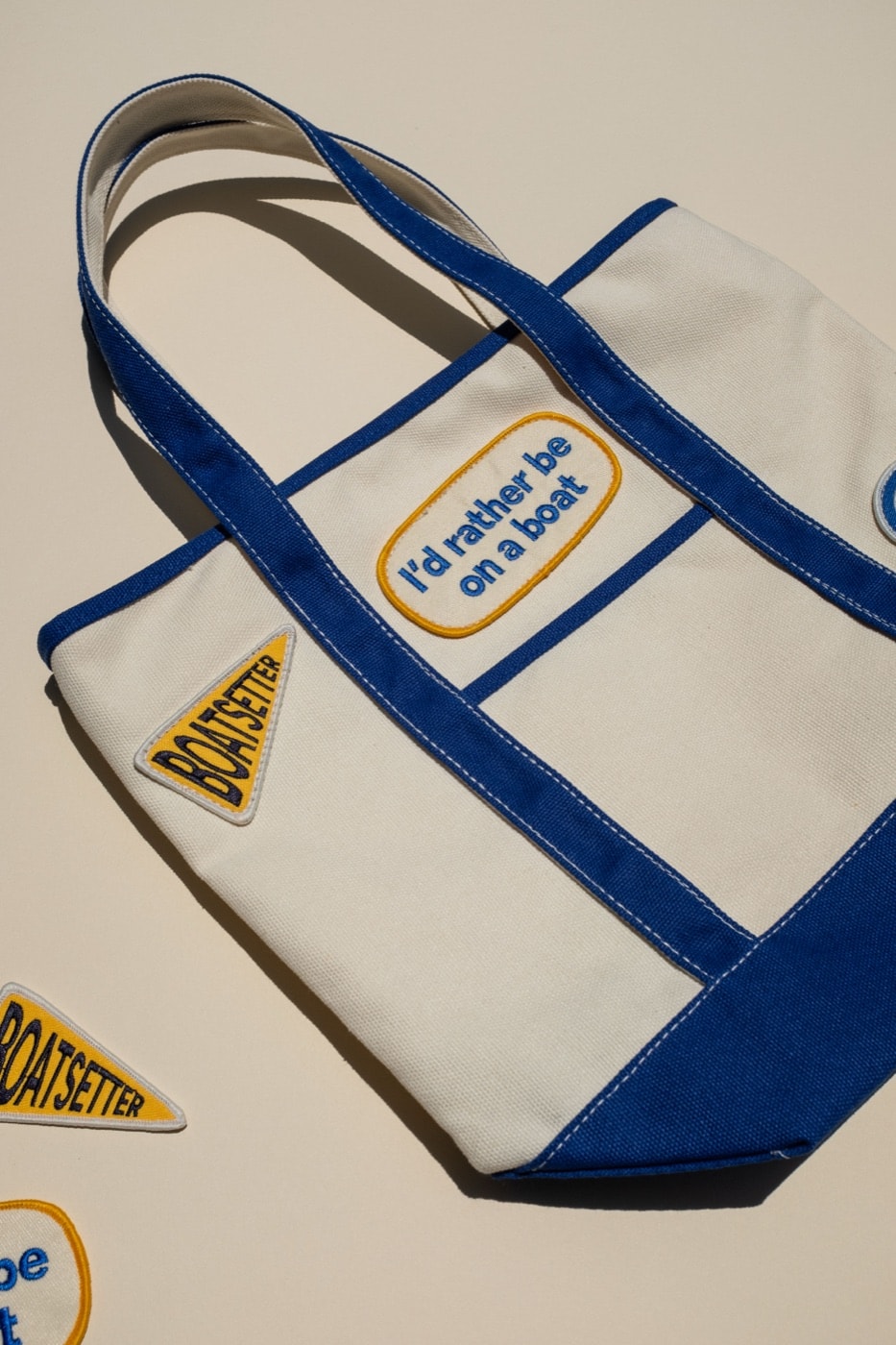
At a major tech conference — a developer conference, a product launch event, a summit — the merch bar is high because the competition is visible. Everyone at the event is comparing swag. A distinctive hat, a premium tote with a real graphic, or a quality insulated bottle with a clean laser mark stands out. The goal is to be the merch people keep, not the merch that fills the hotel trash can.
Limited drops for product launches
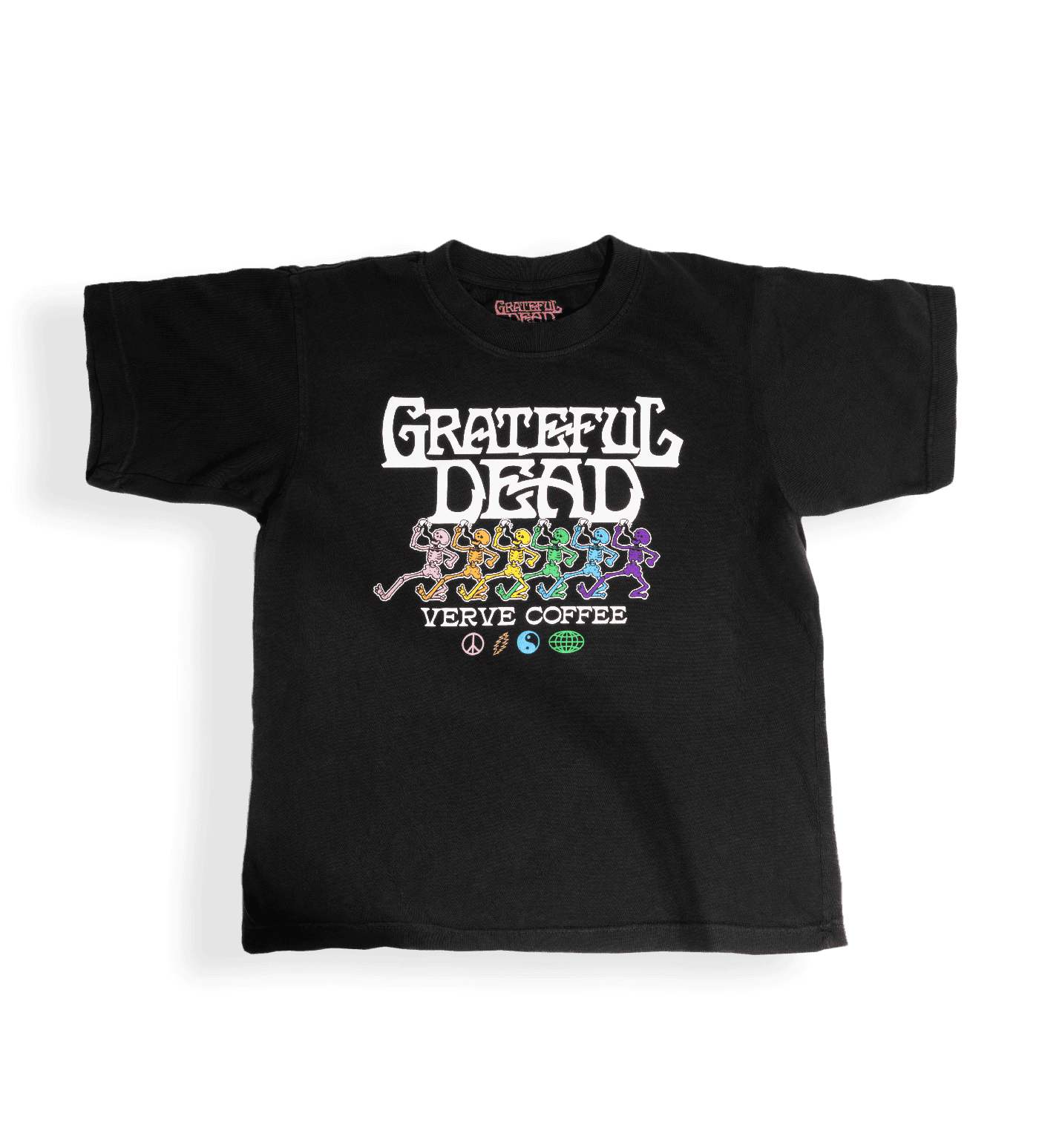
Limited merch drops tied to product launches have become a strong play for consumer-facing tech brands. A run of 200 tees with a distinctive launch graphic, available only to early customers or beta users, creates community and generates organic social content. The scarcity does the marketing work. The quality keeps the brand in someone's regular rotation.