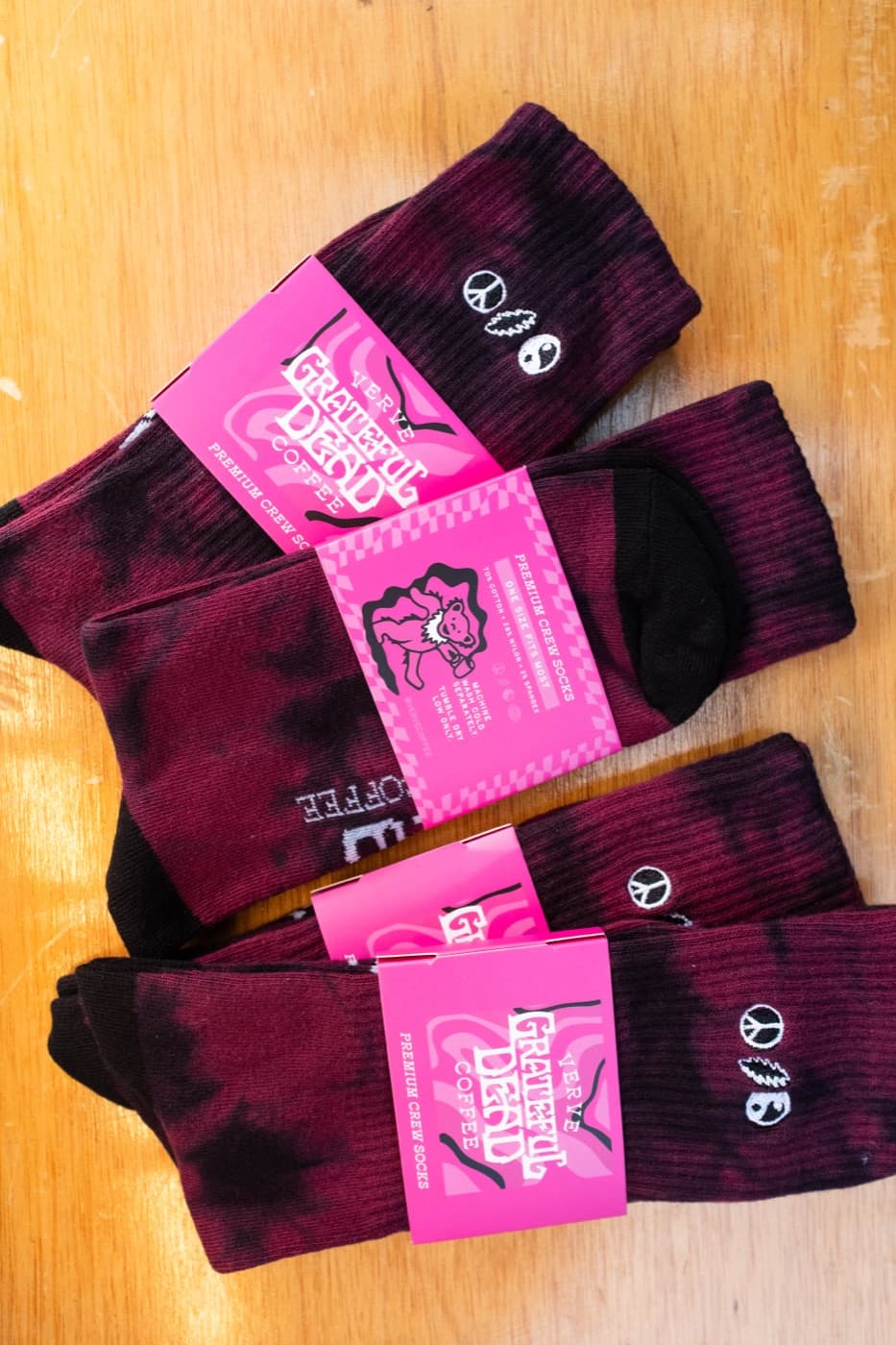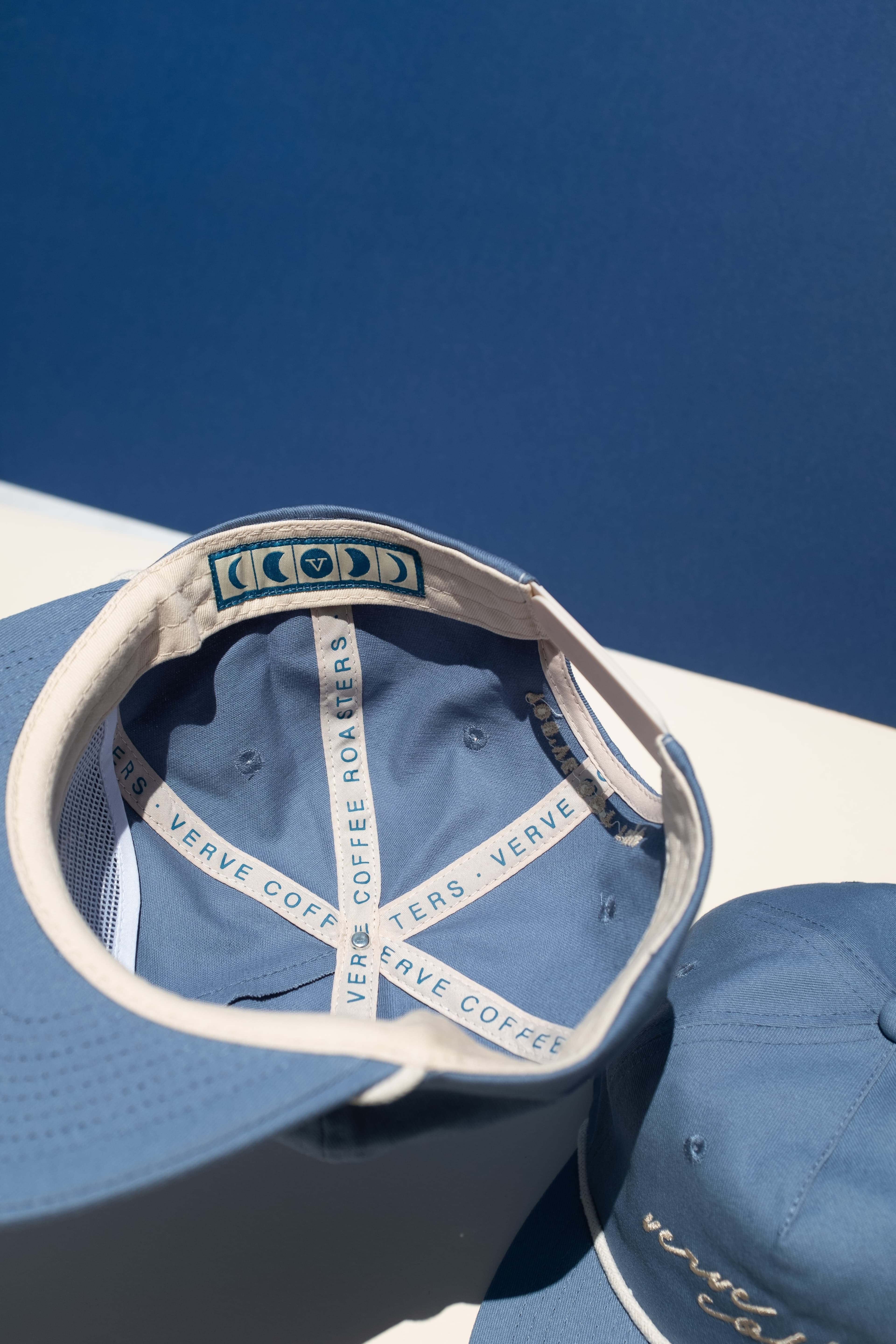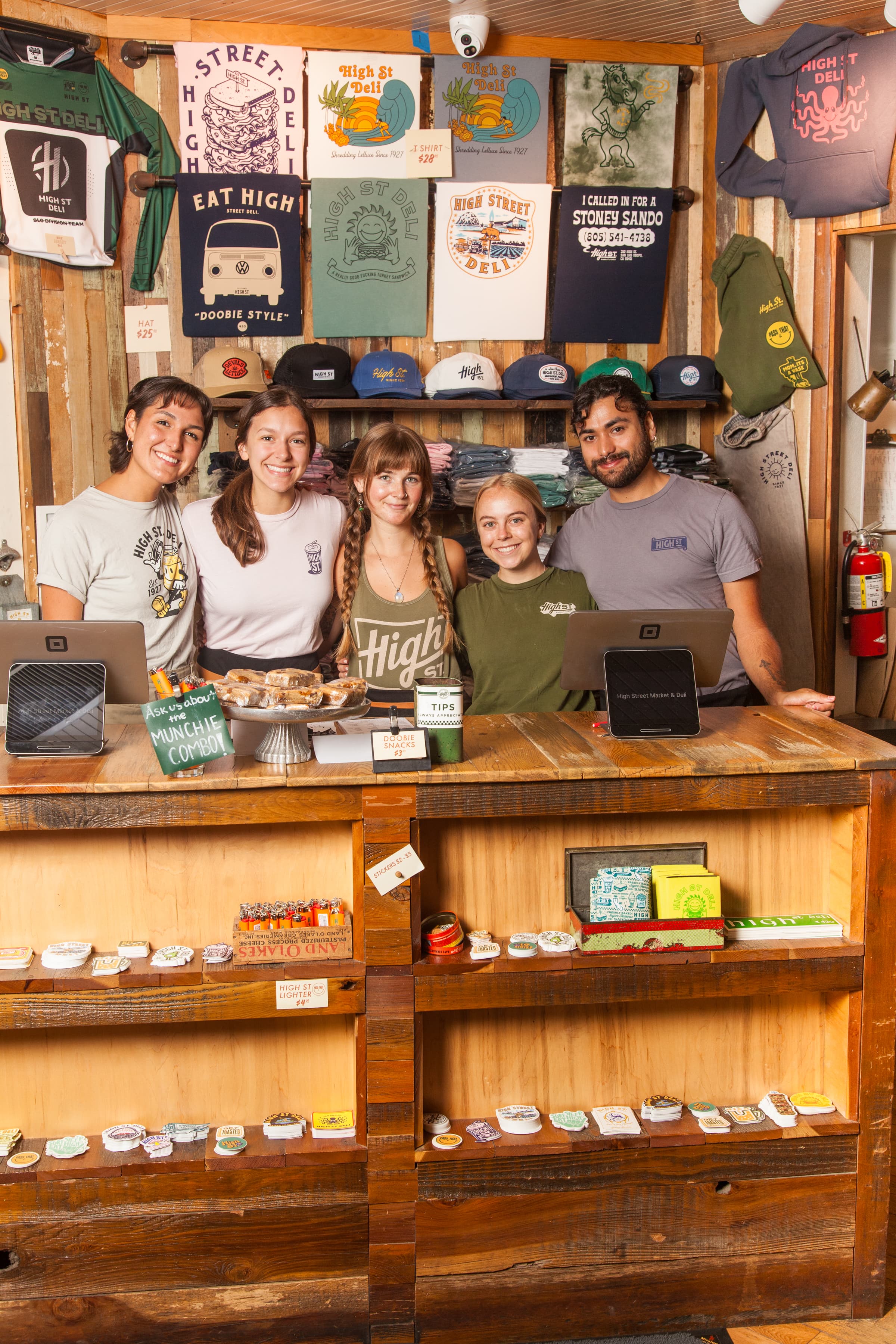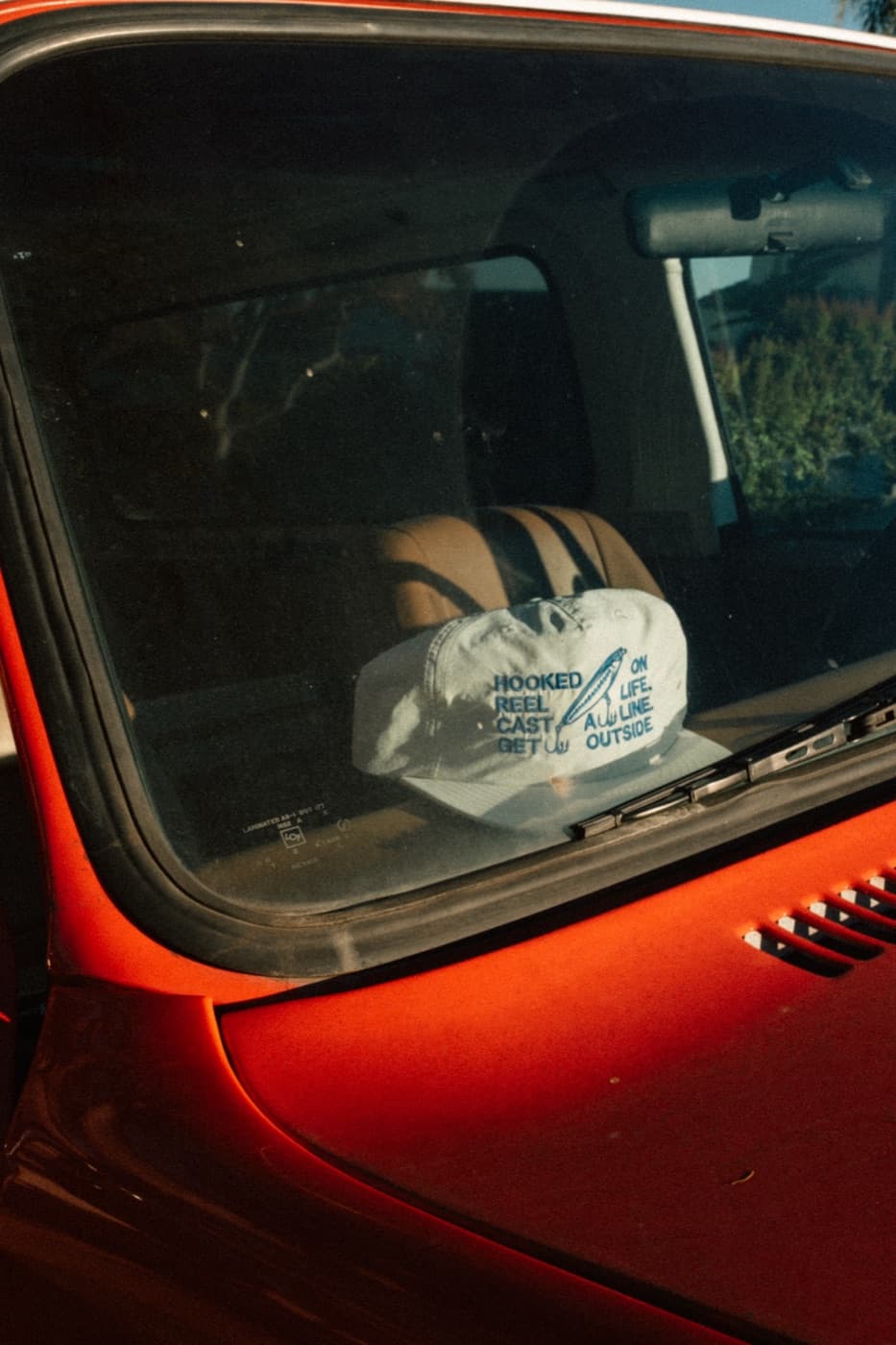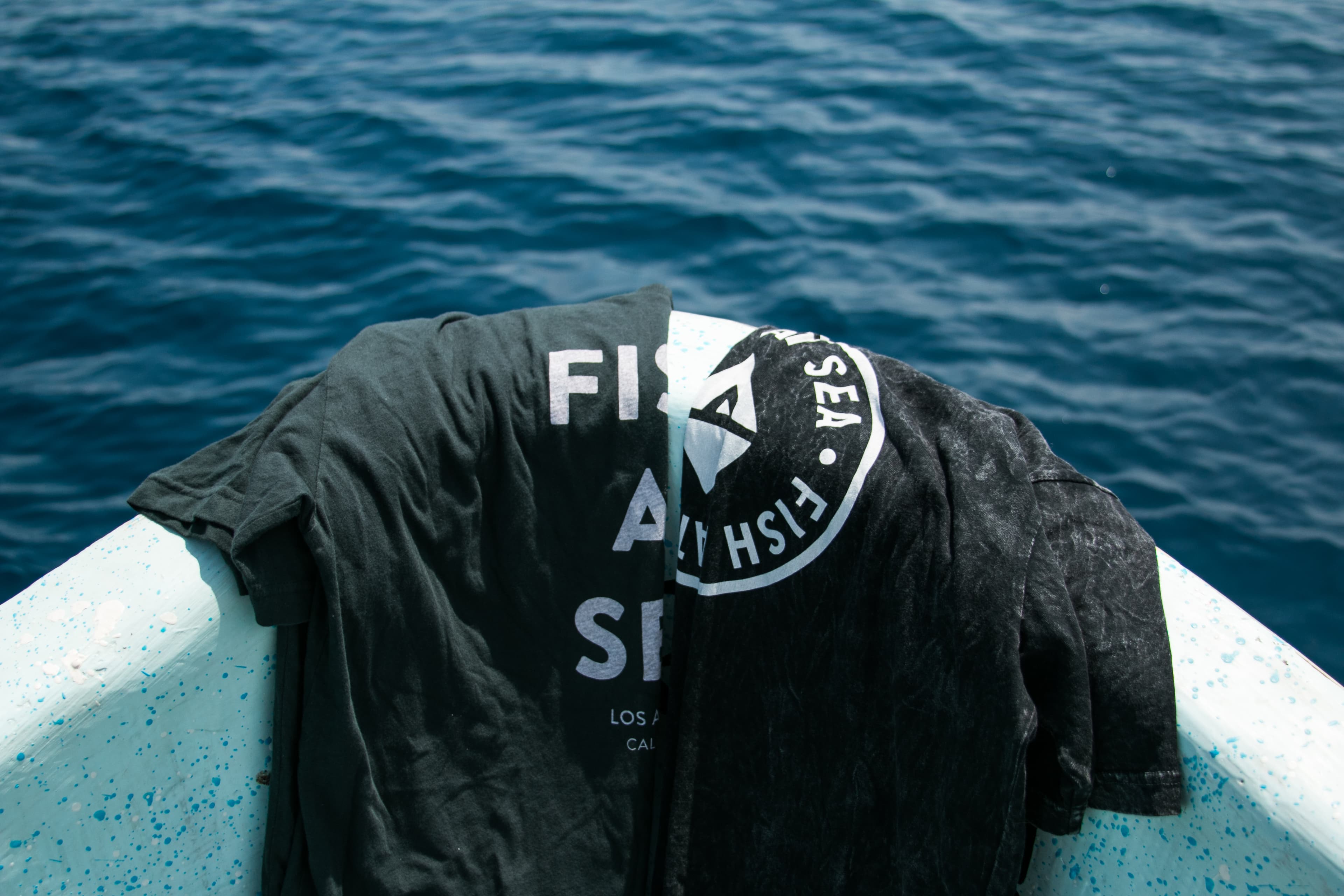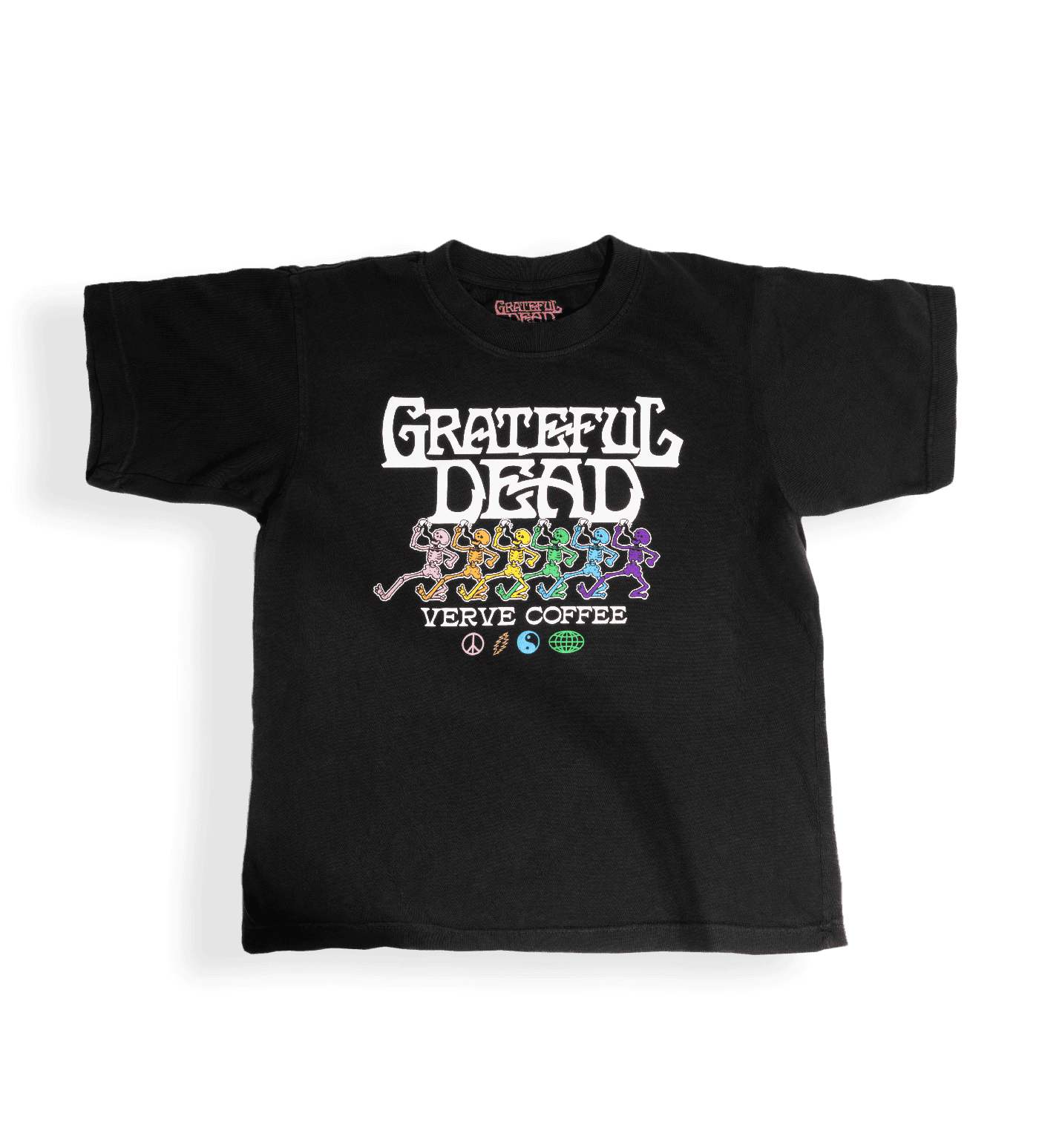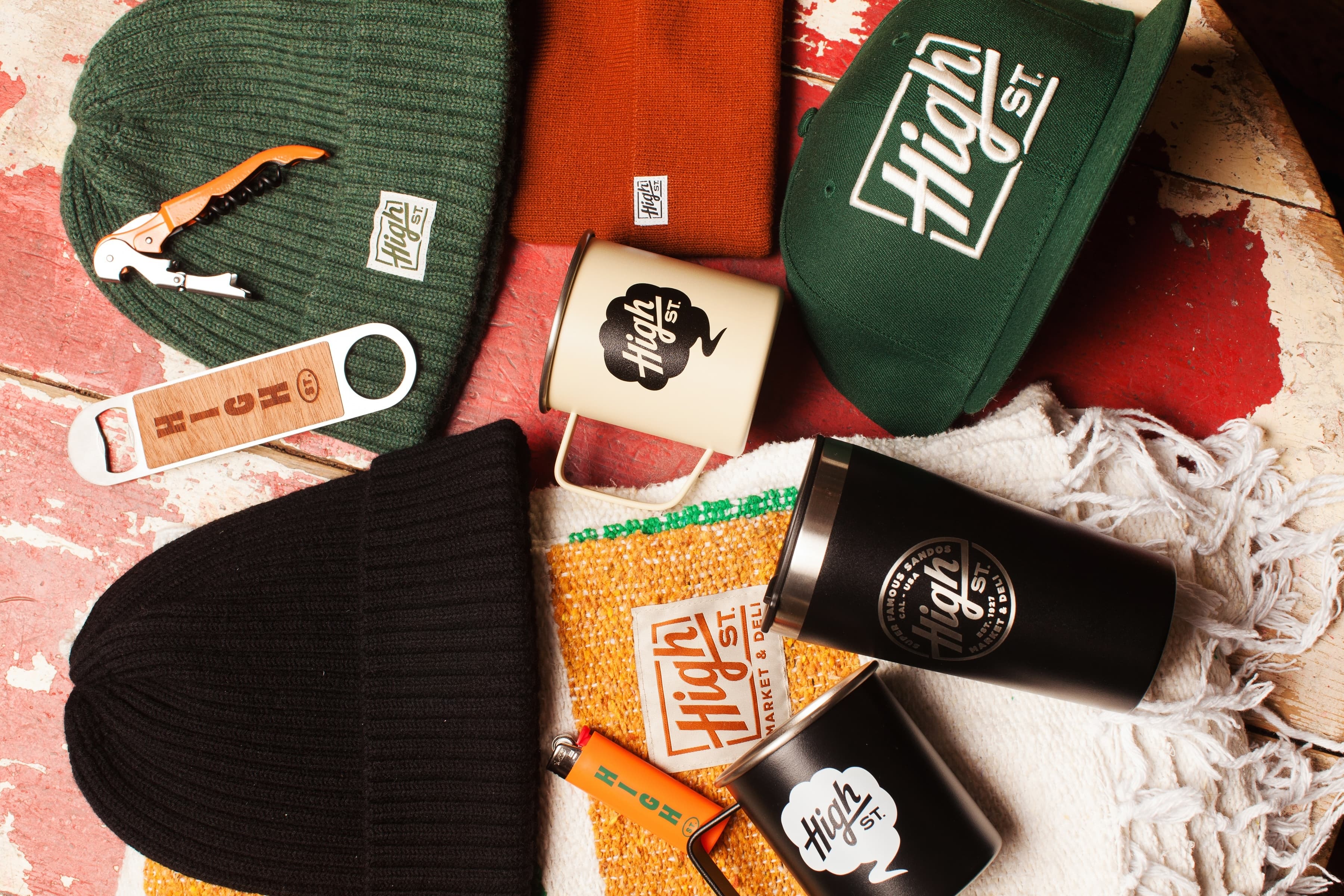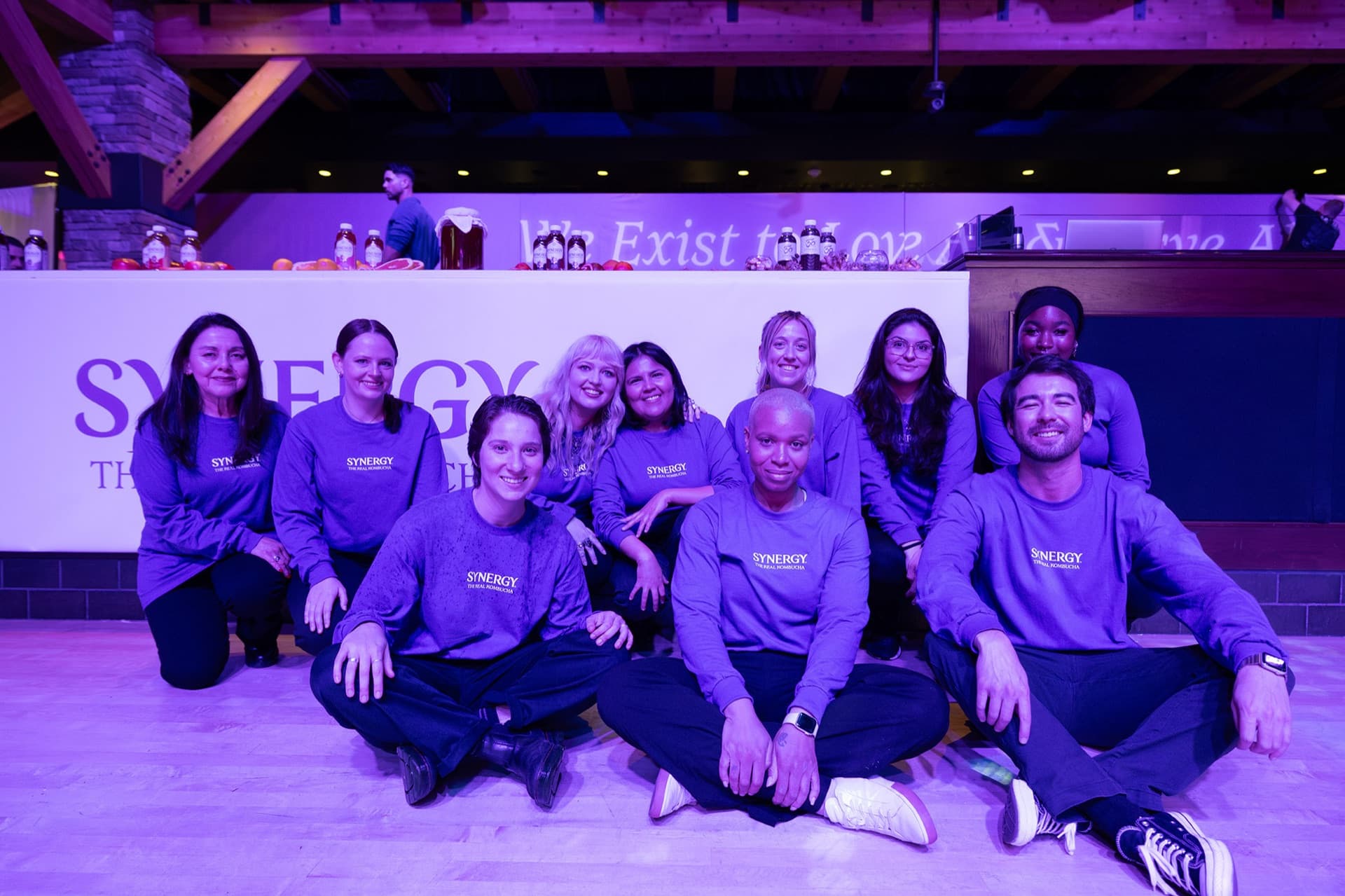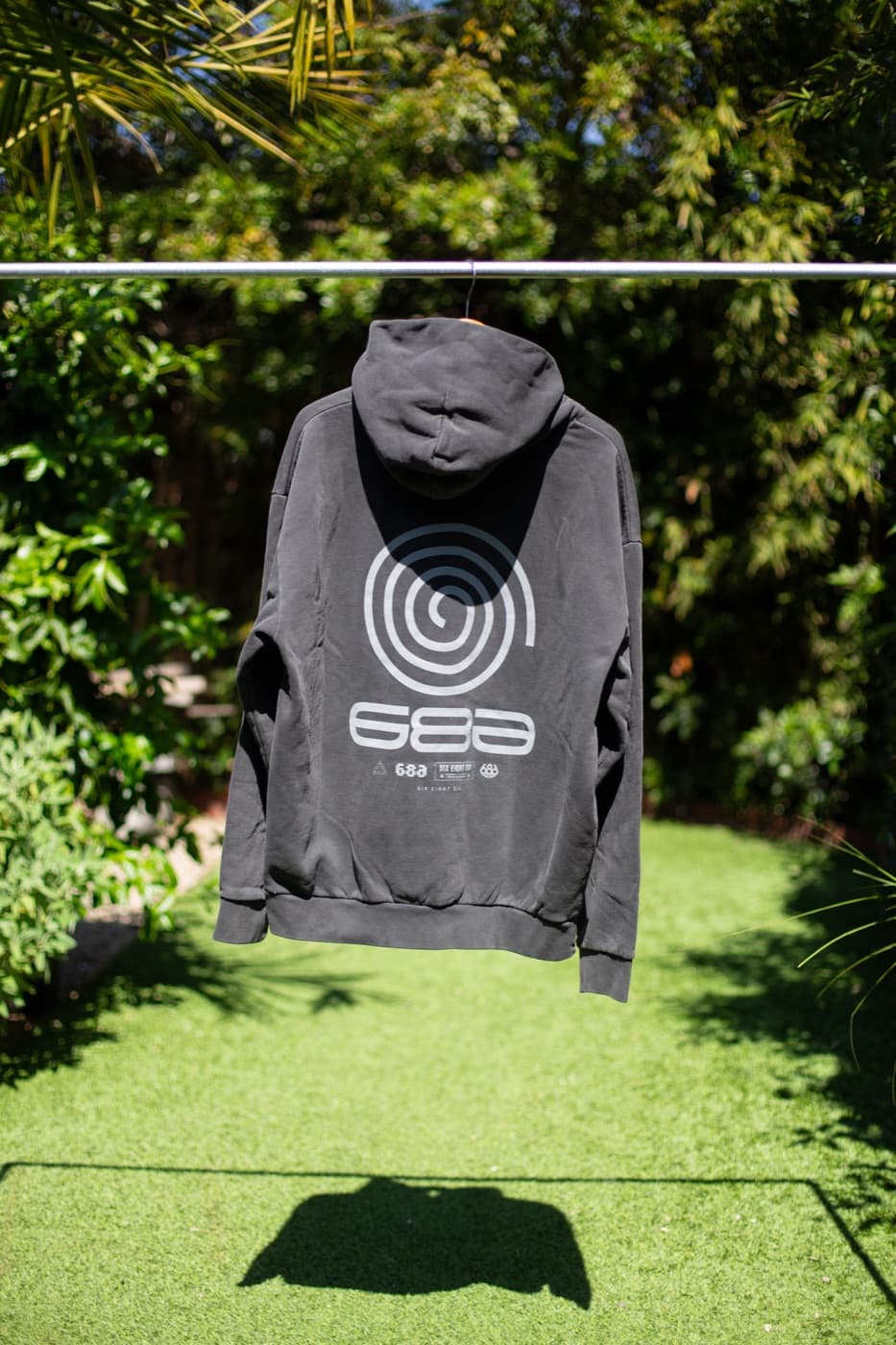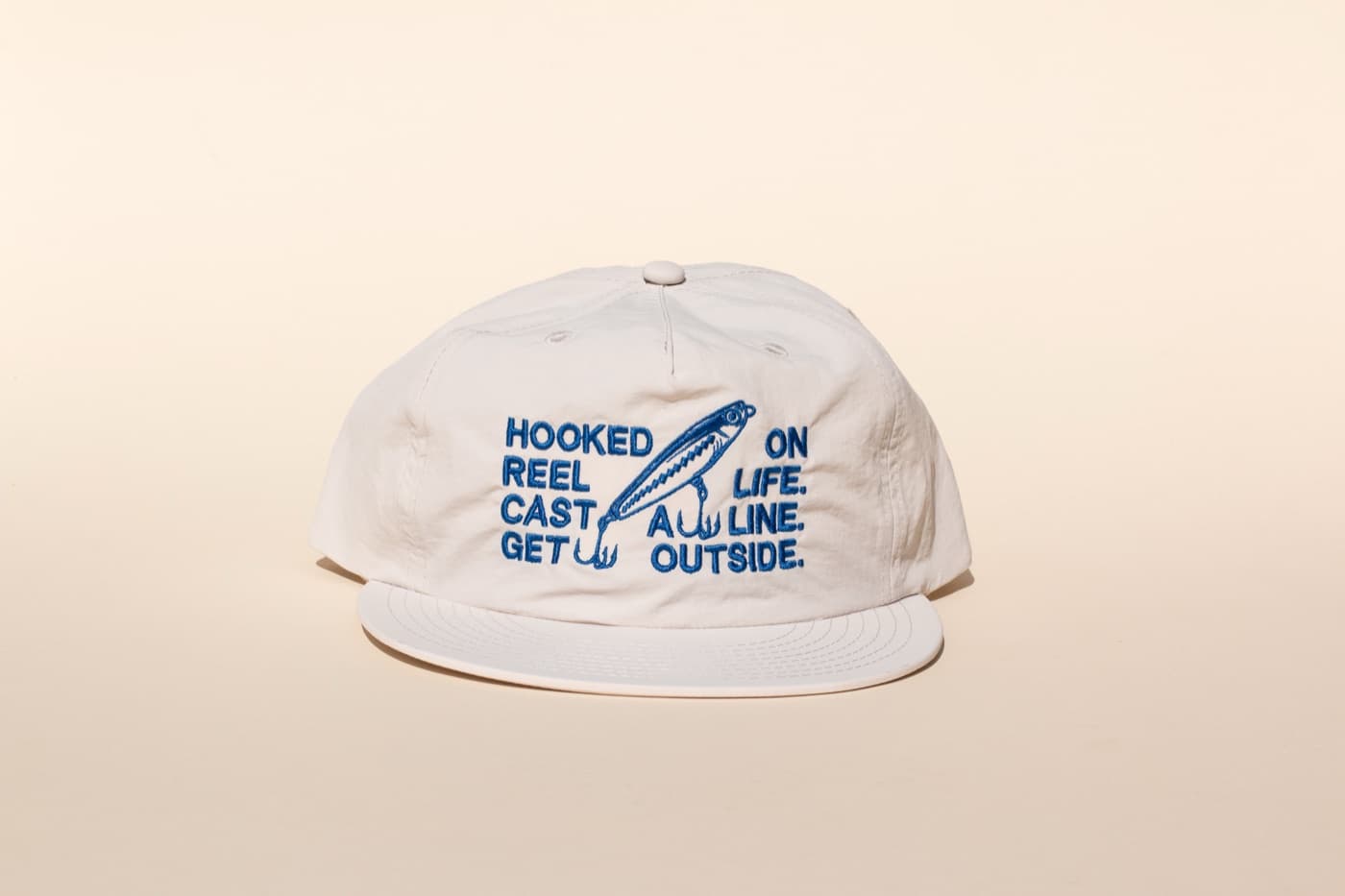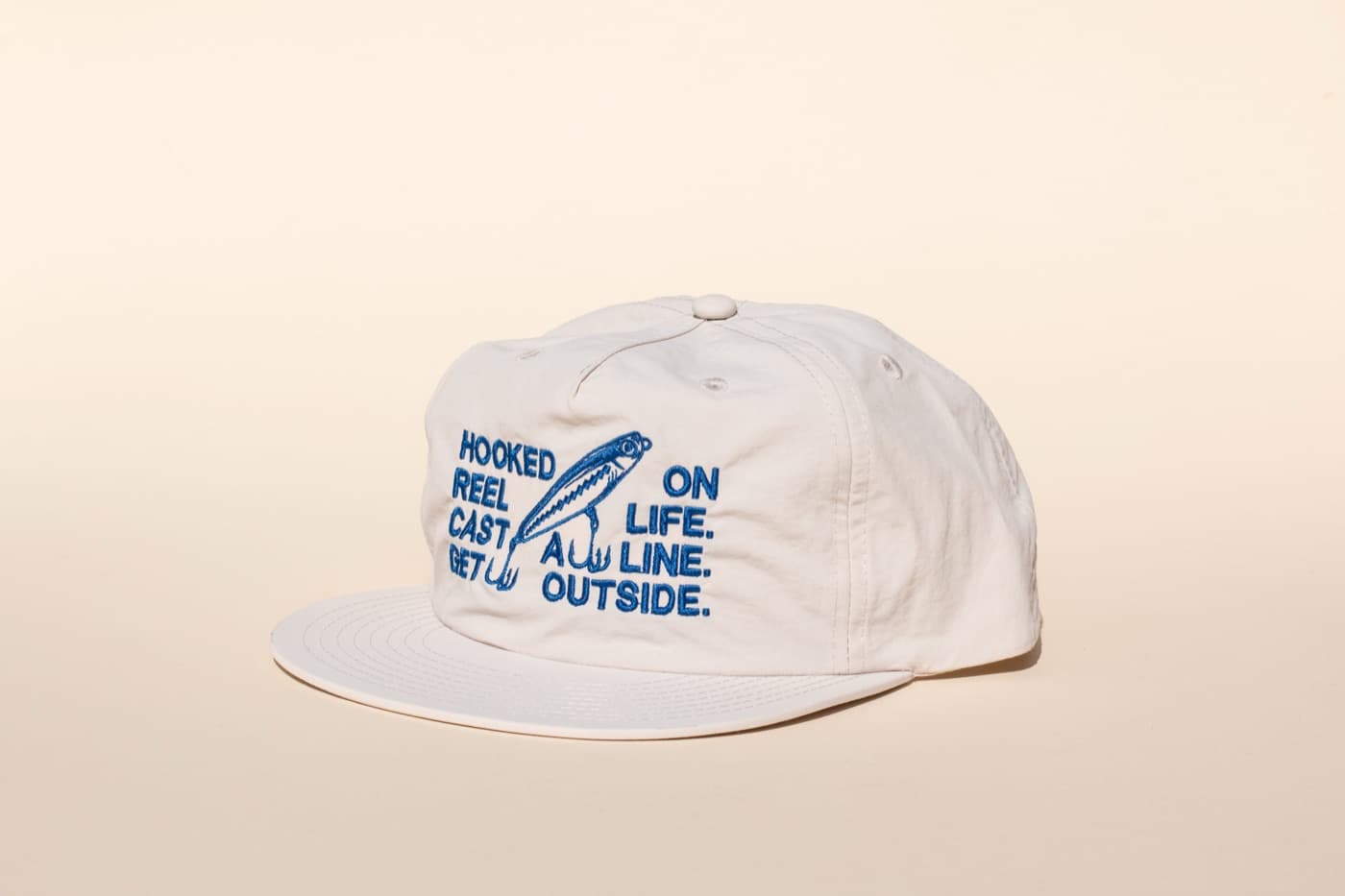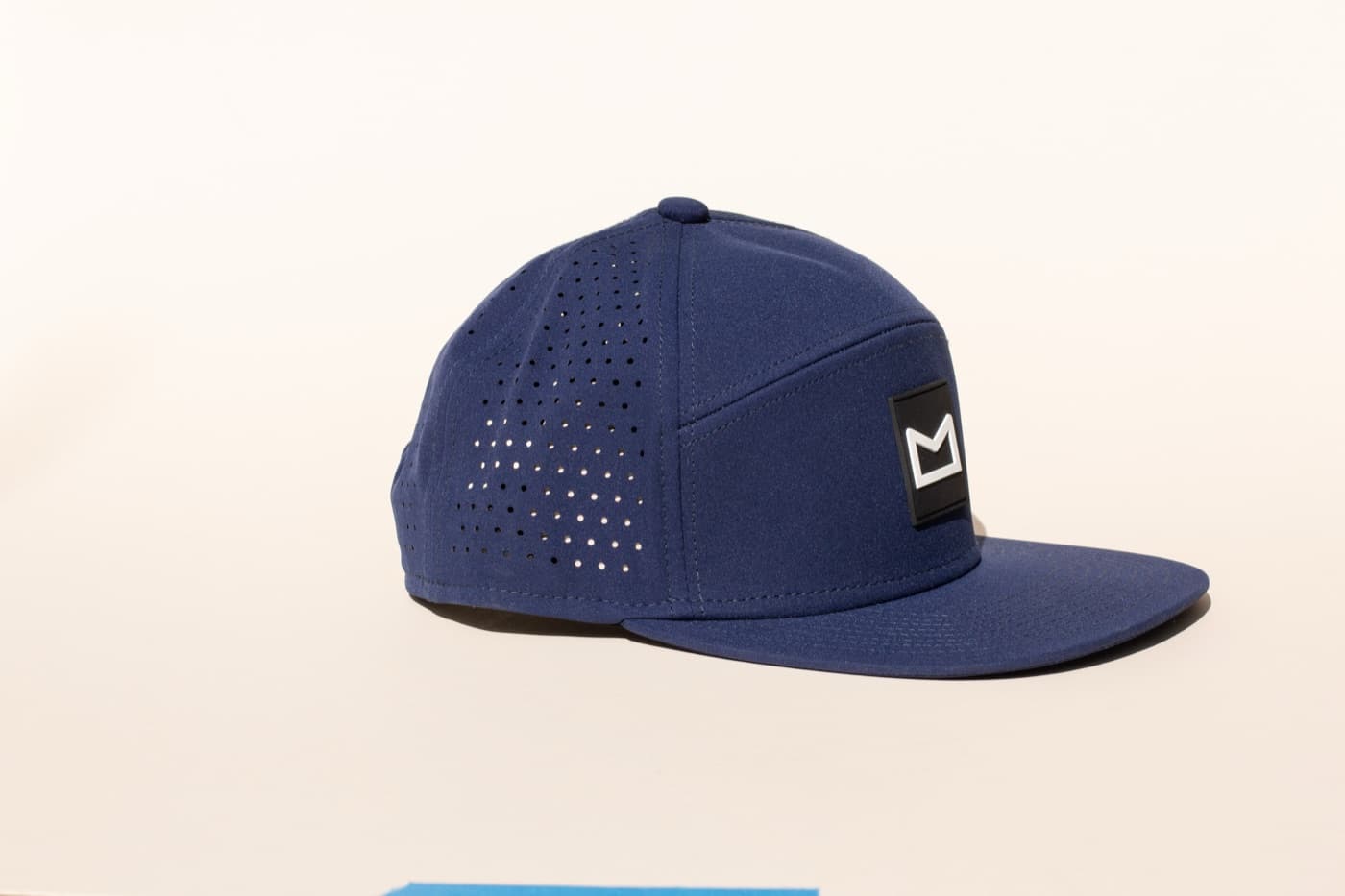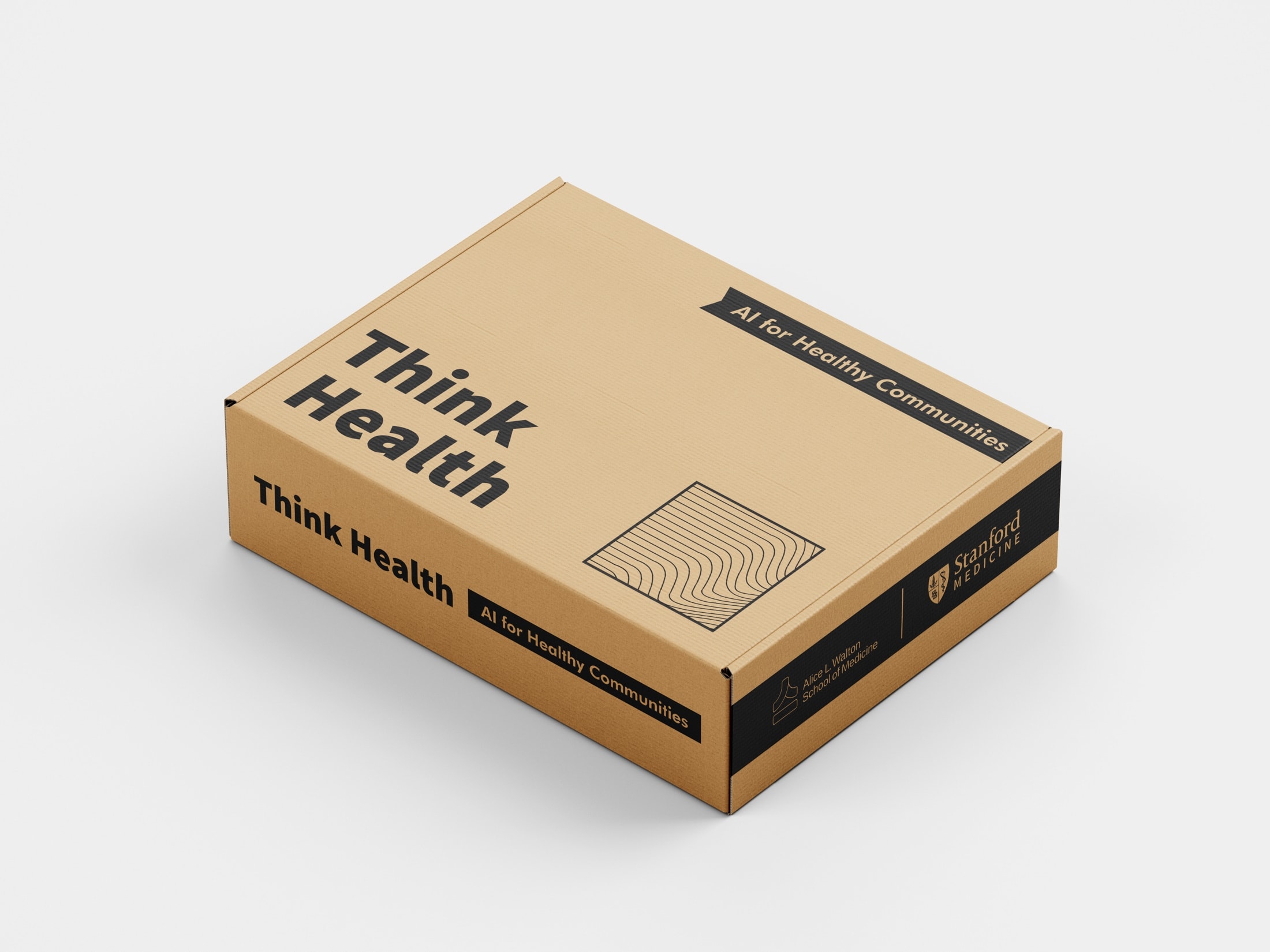
A launch merch kit should feel like part of the campaign, not a last-minute box of branded things. The strongest kits help people understand the moment, carry the story into photos, and keep using the goods after the launch ends. That takes more planning than choosing five products from a catalog.
The simple rule is this: every item in the kit needs a job. One item might create the first impression. Another might be useful during the event. Another might be the piece someone keeps on their desk or wears all year. When the jobs are clear, the kit feels edited instead of crowded.
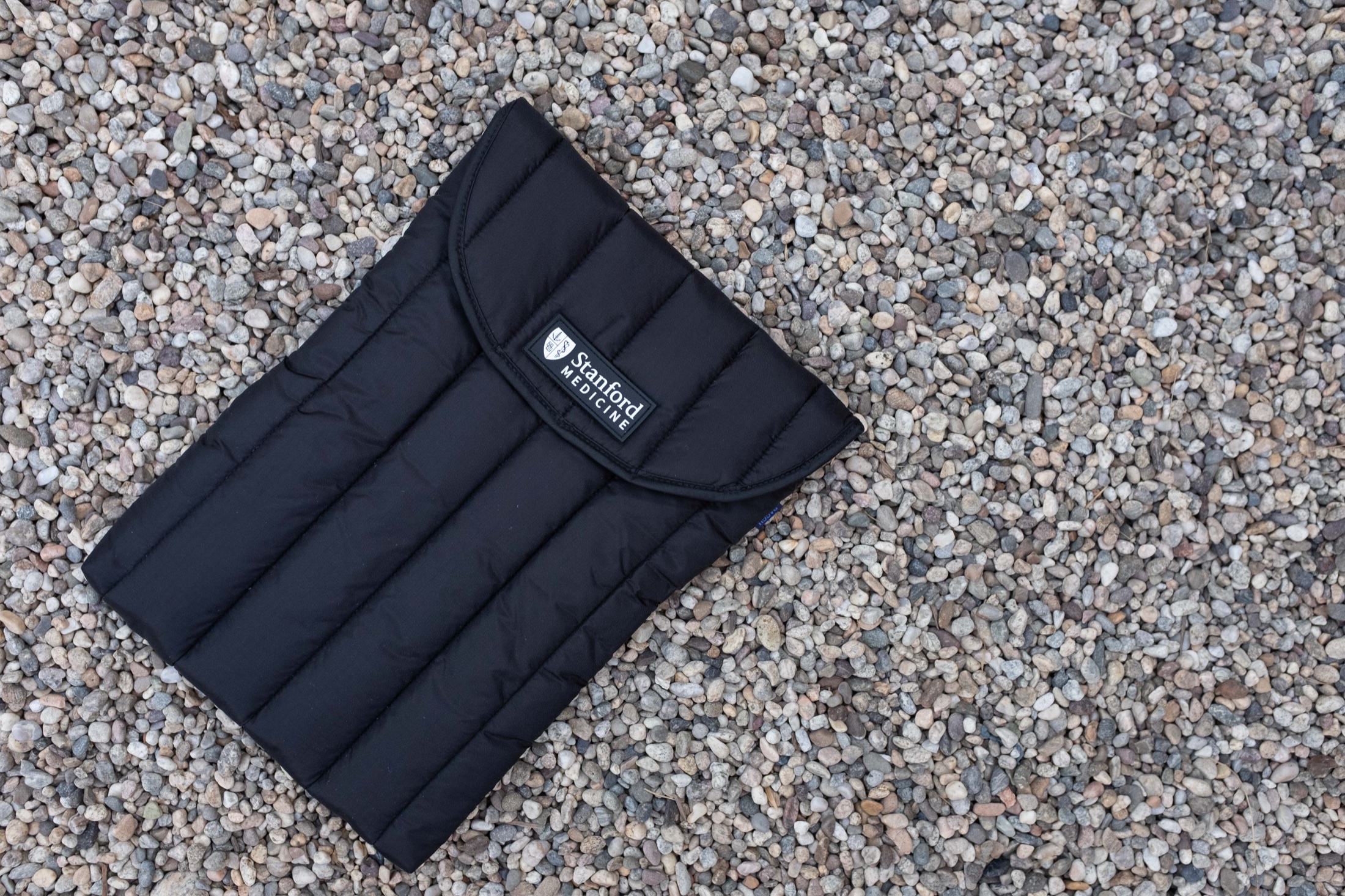
Start with the launch audience
A kit for press, employees, investors, creators, retail buyers, donors, or event guests should not be built the same way. A press kit may need packaging and photography value. An employee kit may need apparel sizing and daily-use goods. A creator kit may need a stronger unboxing moment. A retail-buyer kit may need product proof and clear brand context.
Before choosing products, define who is opening the box and what you want them to do next. Do they need to post it, wear it, bring it to an event, gift it onward, or remember the launch later? That answer should drive the product mix.
Build around one anchor item
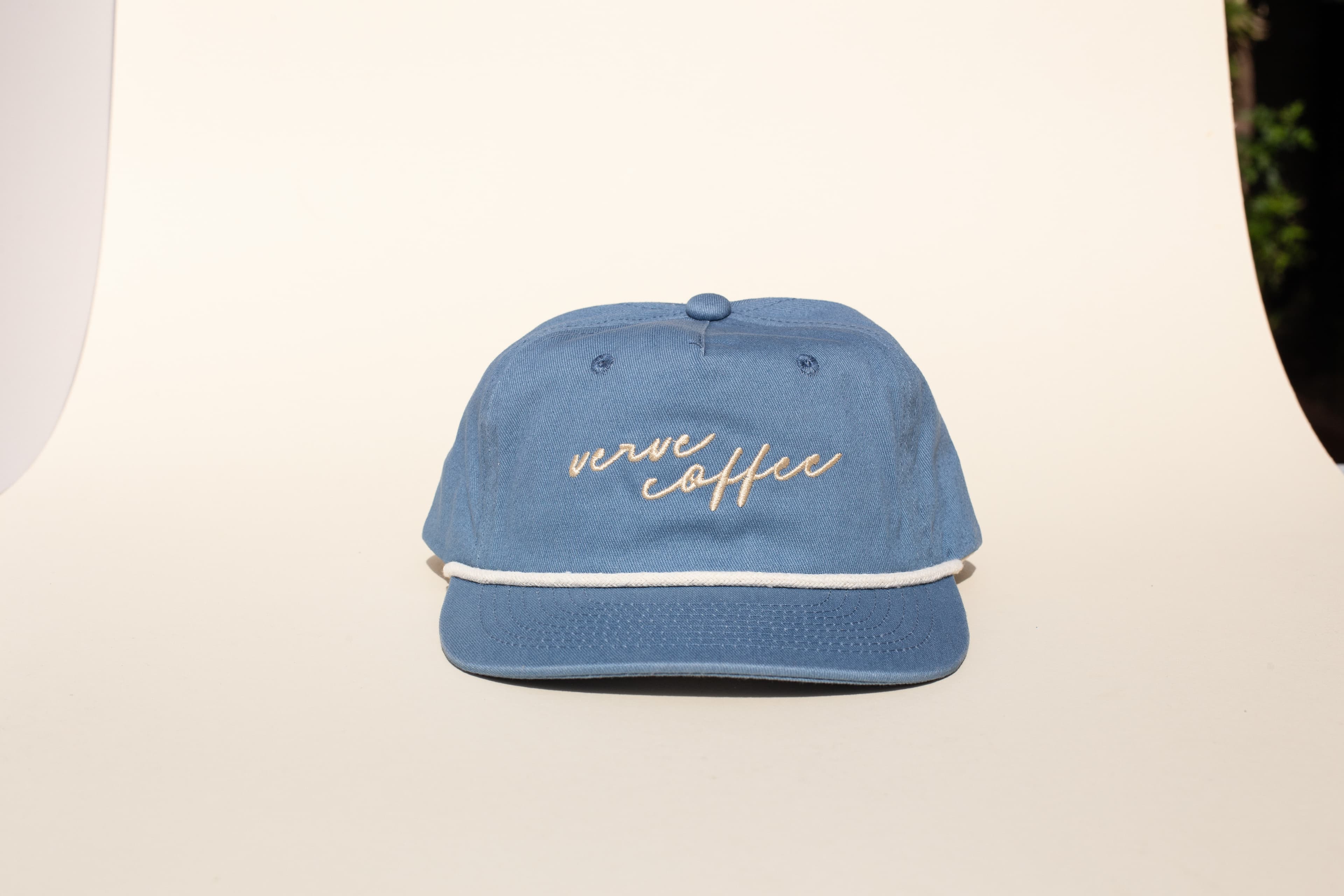
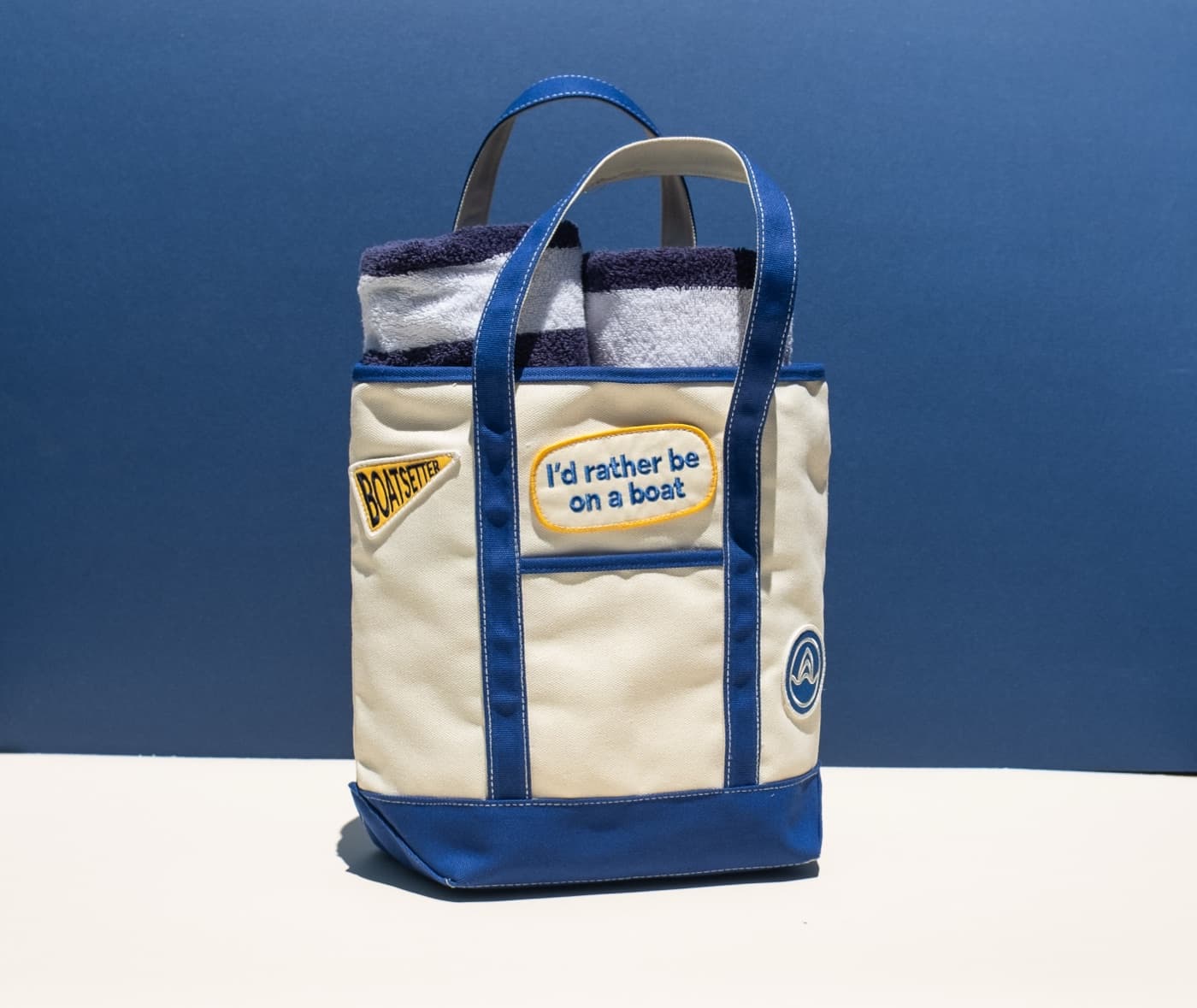
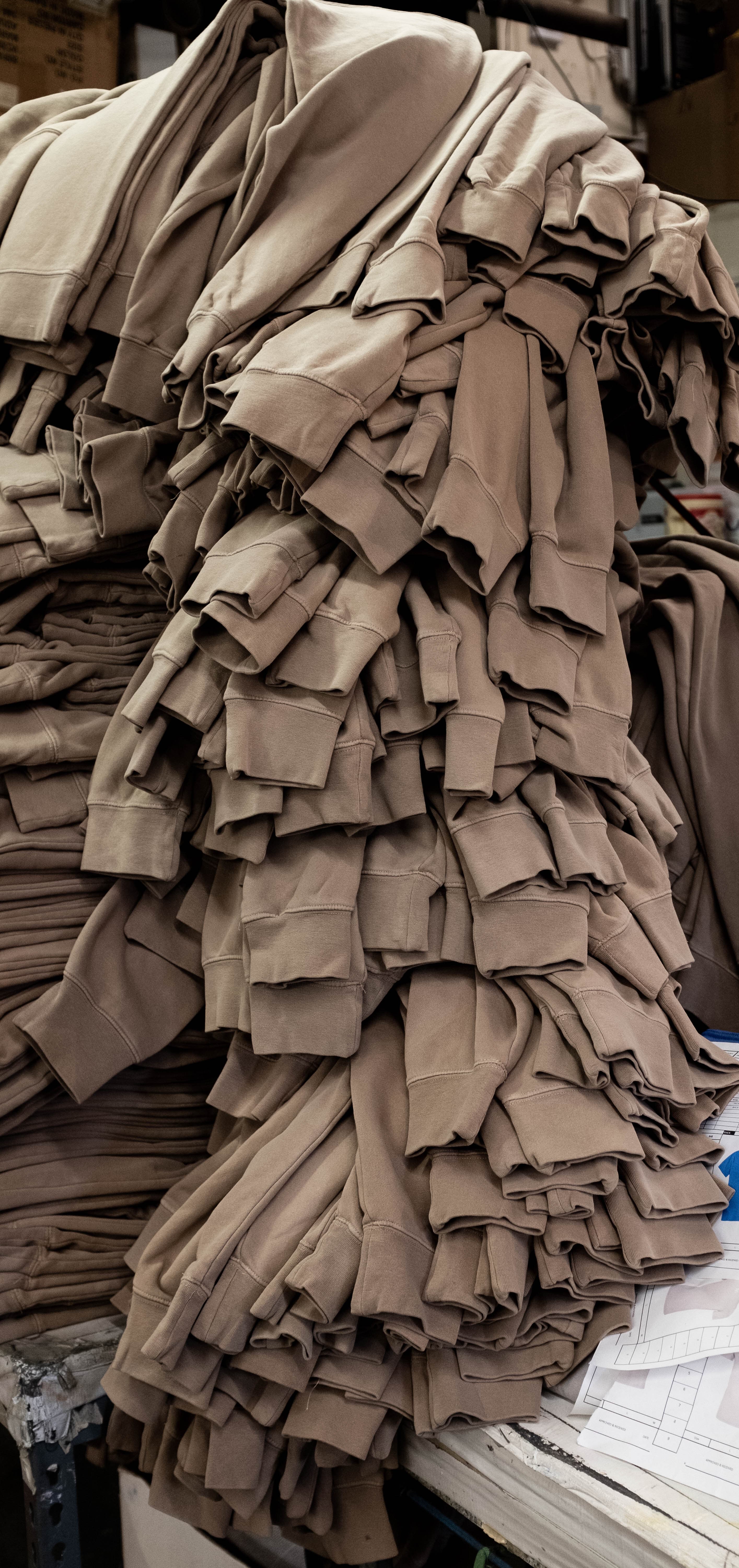
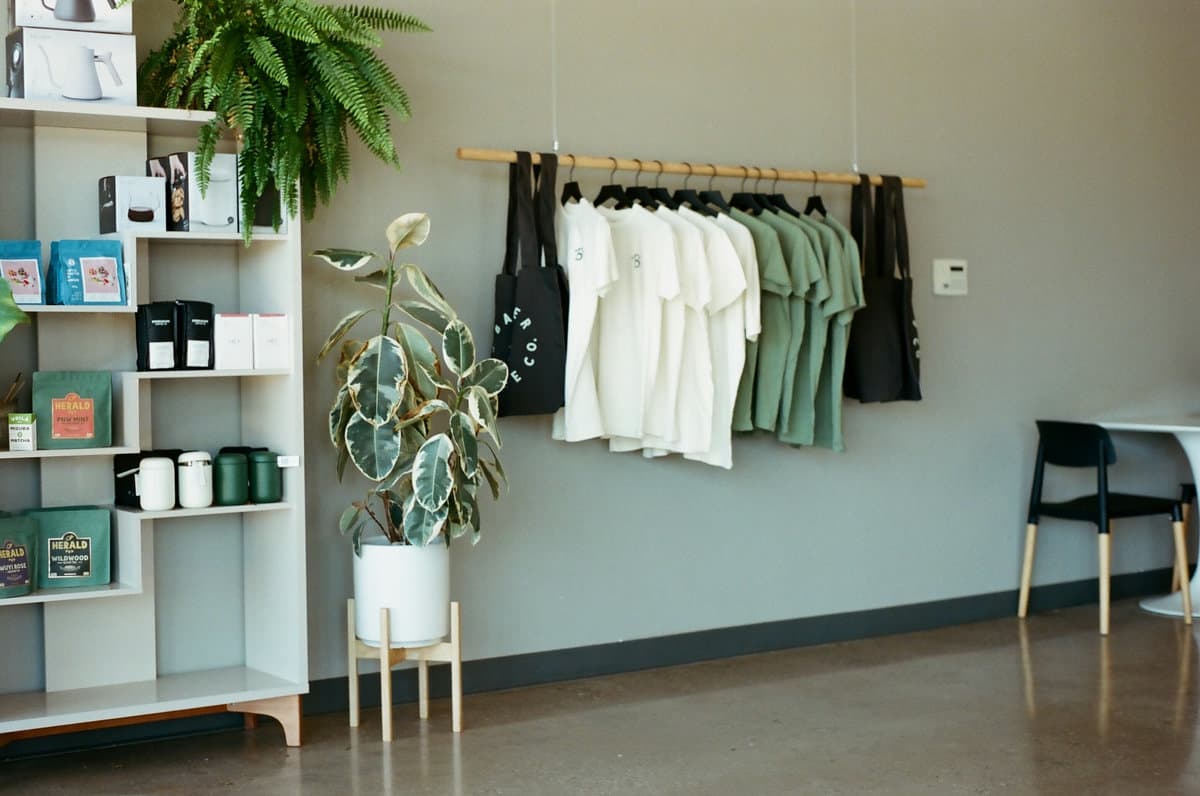
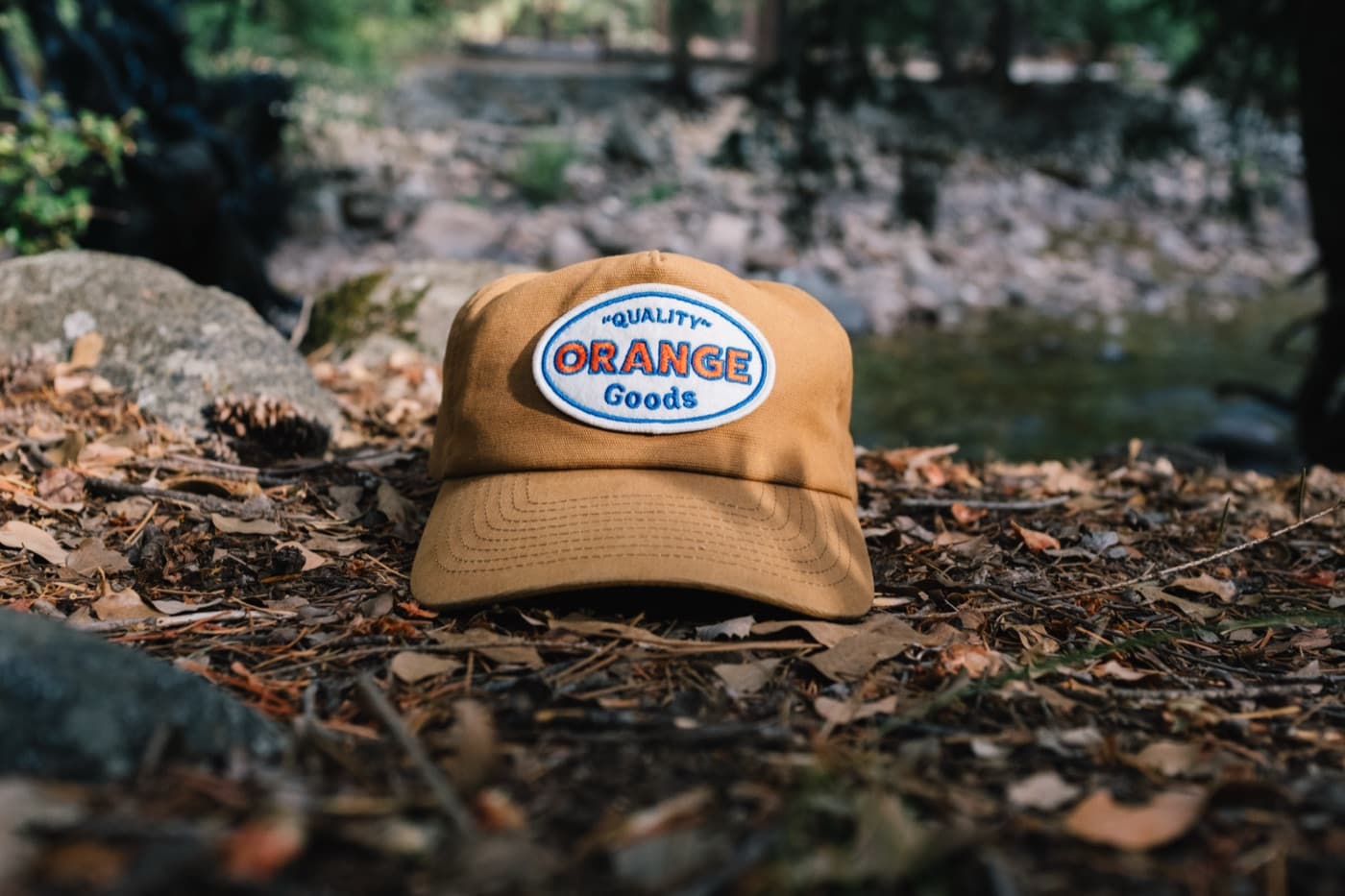
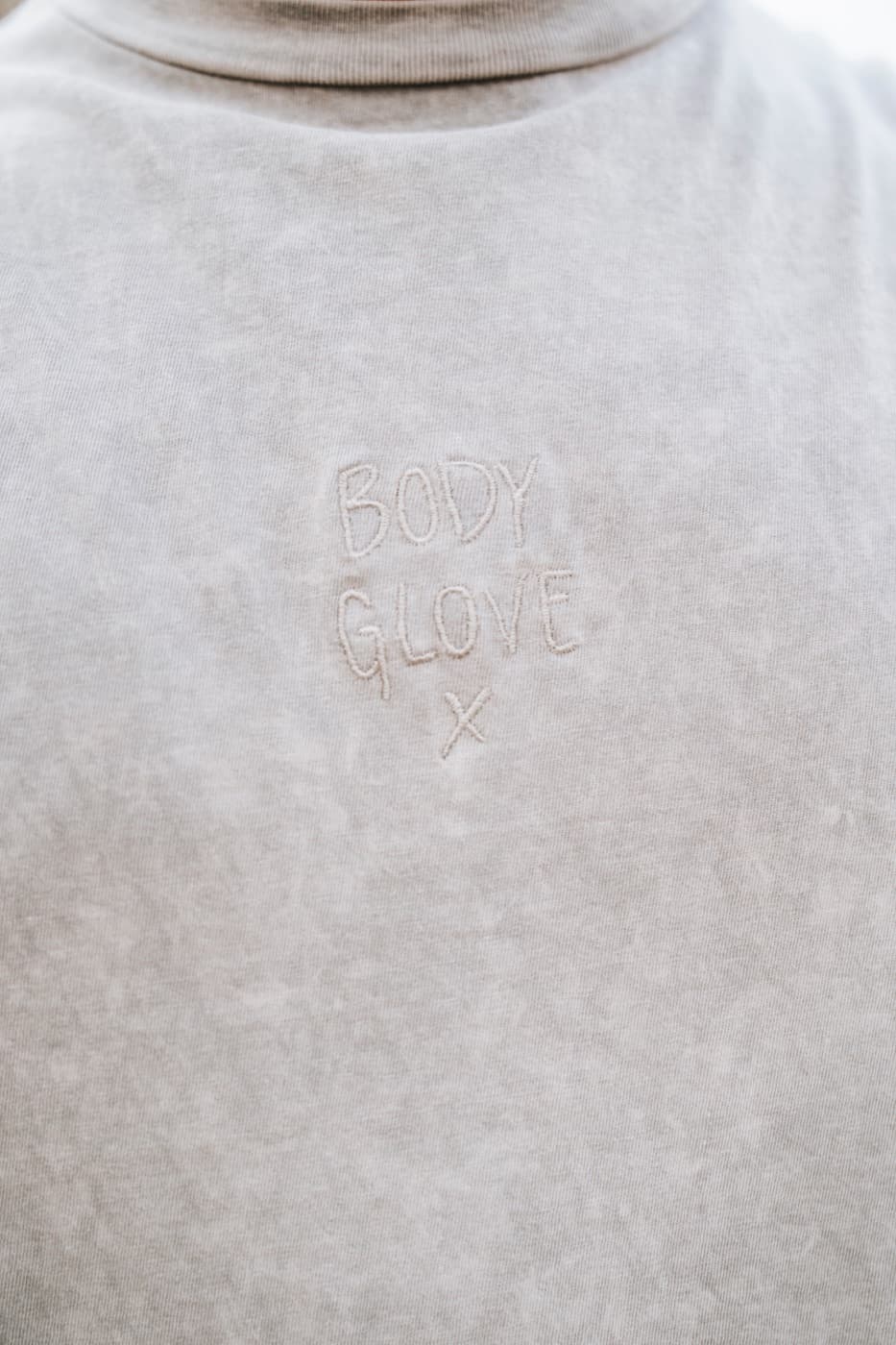
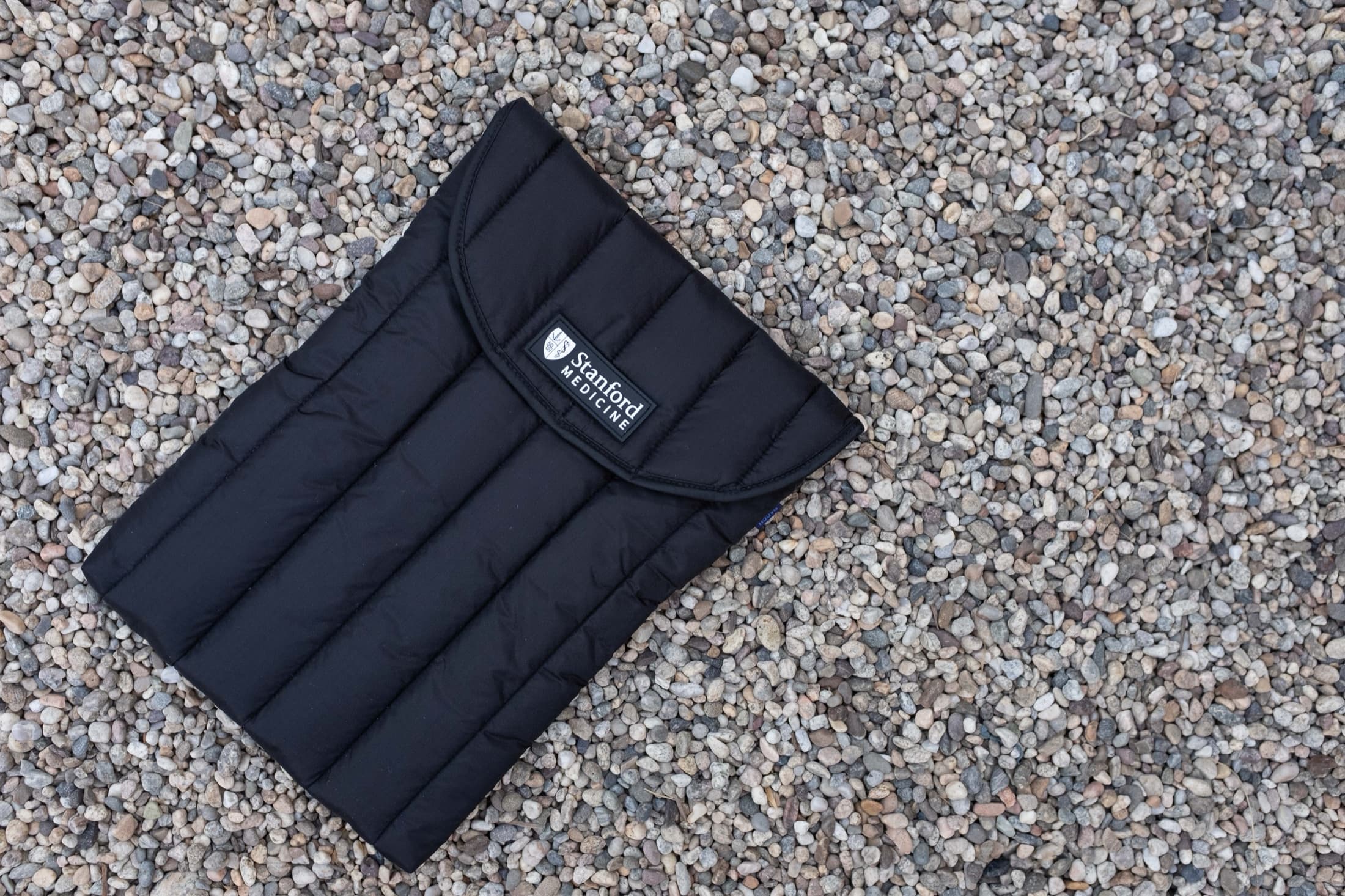
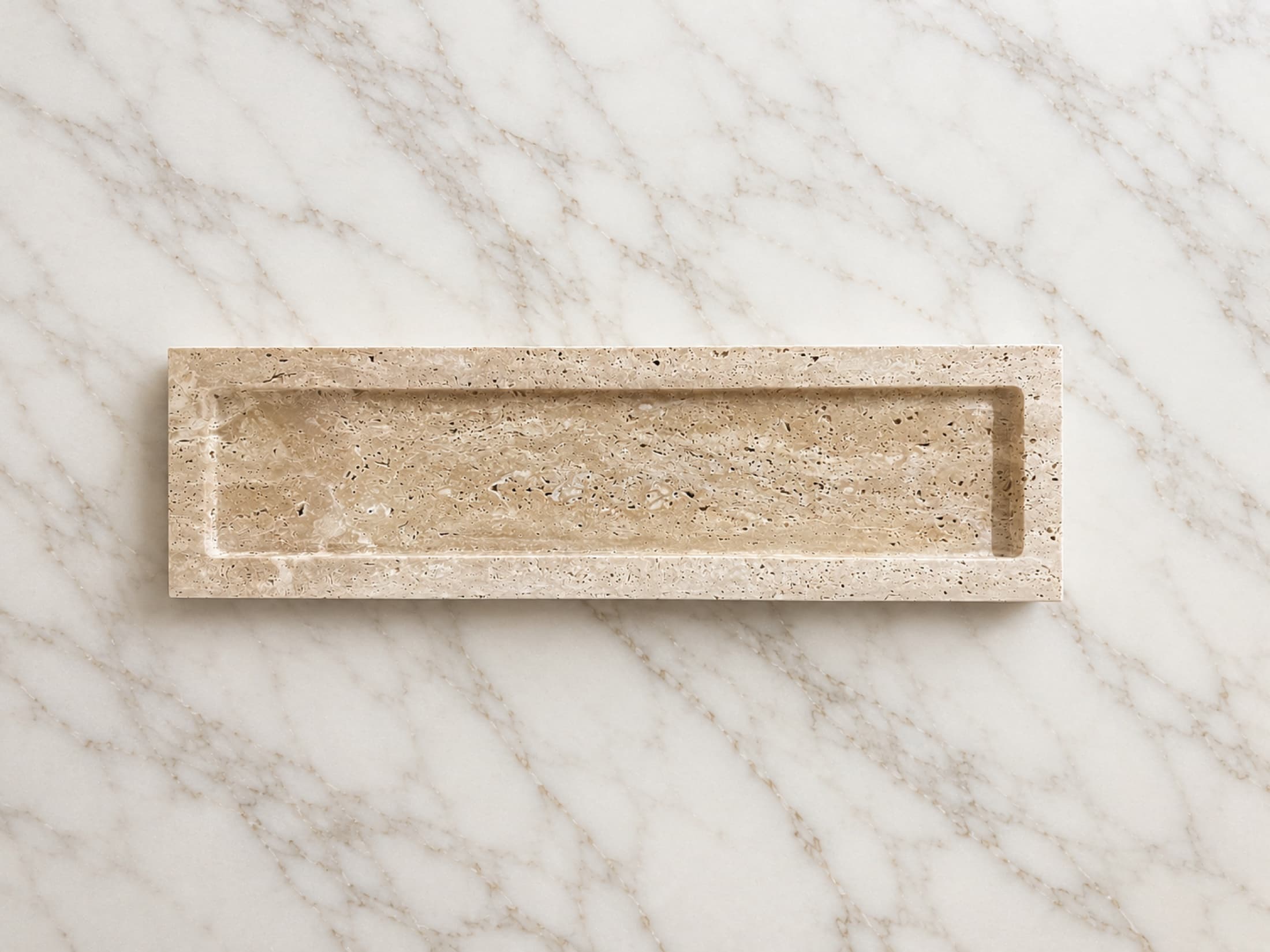
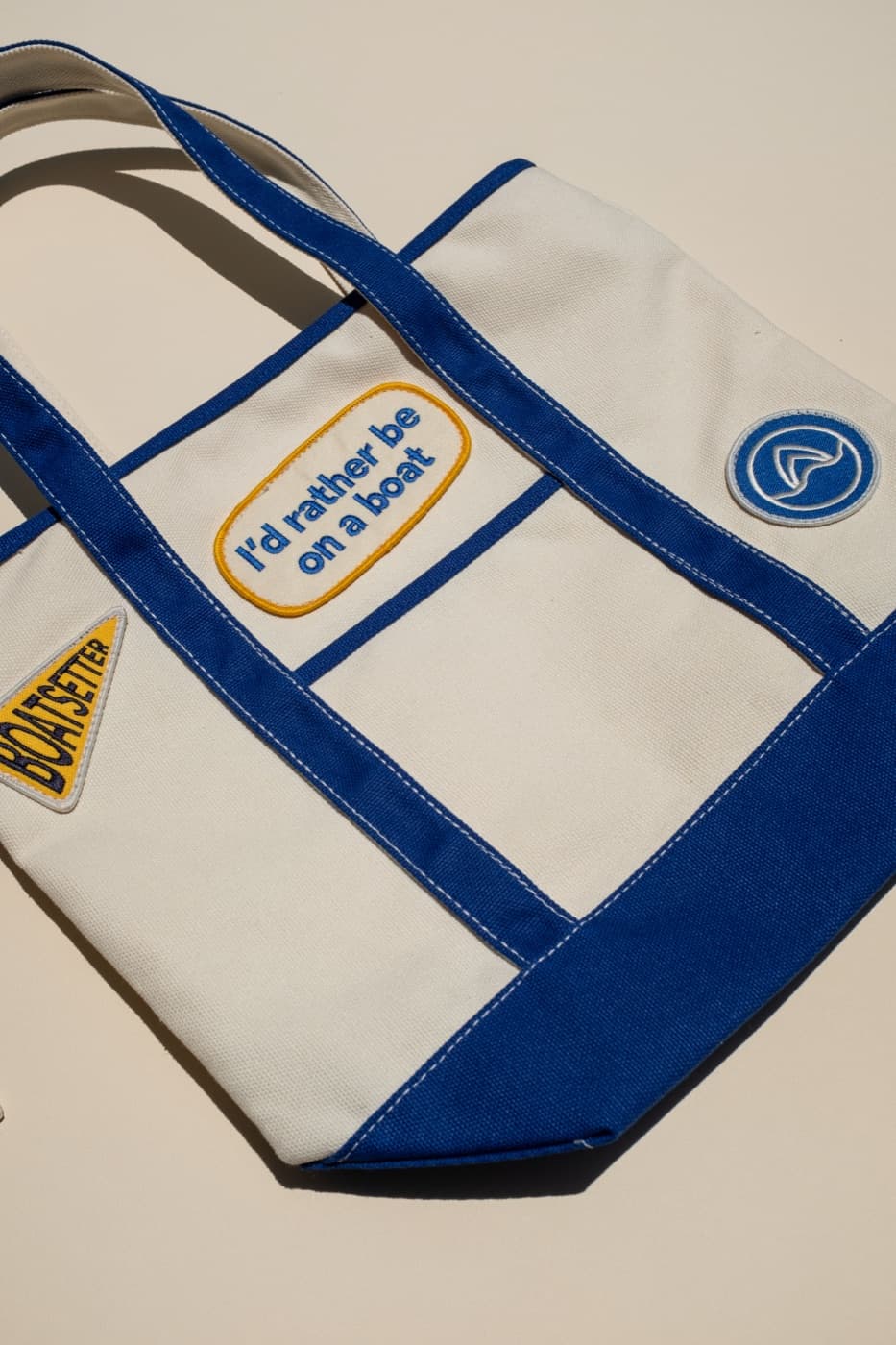
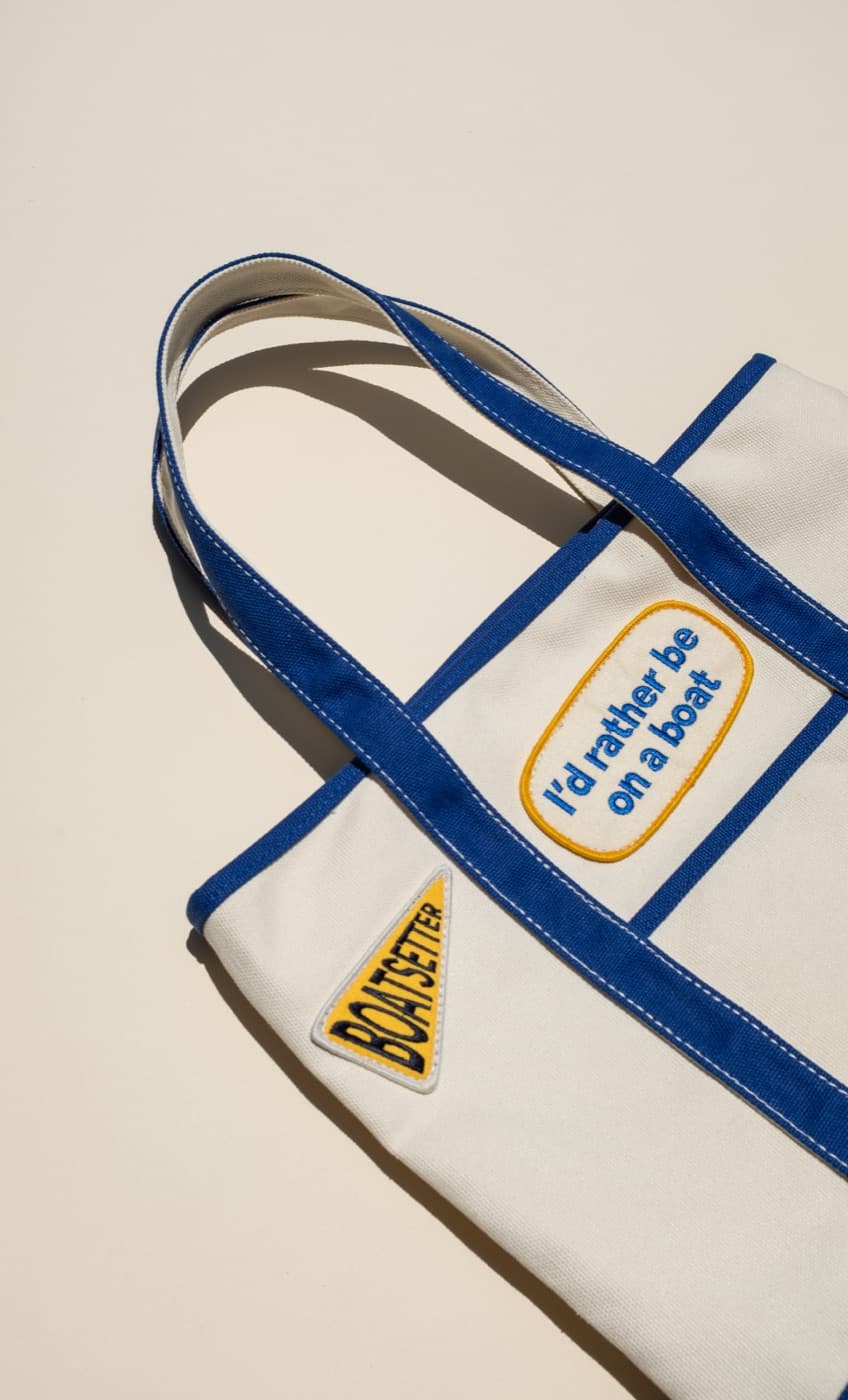
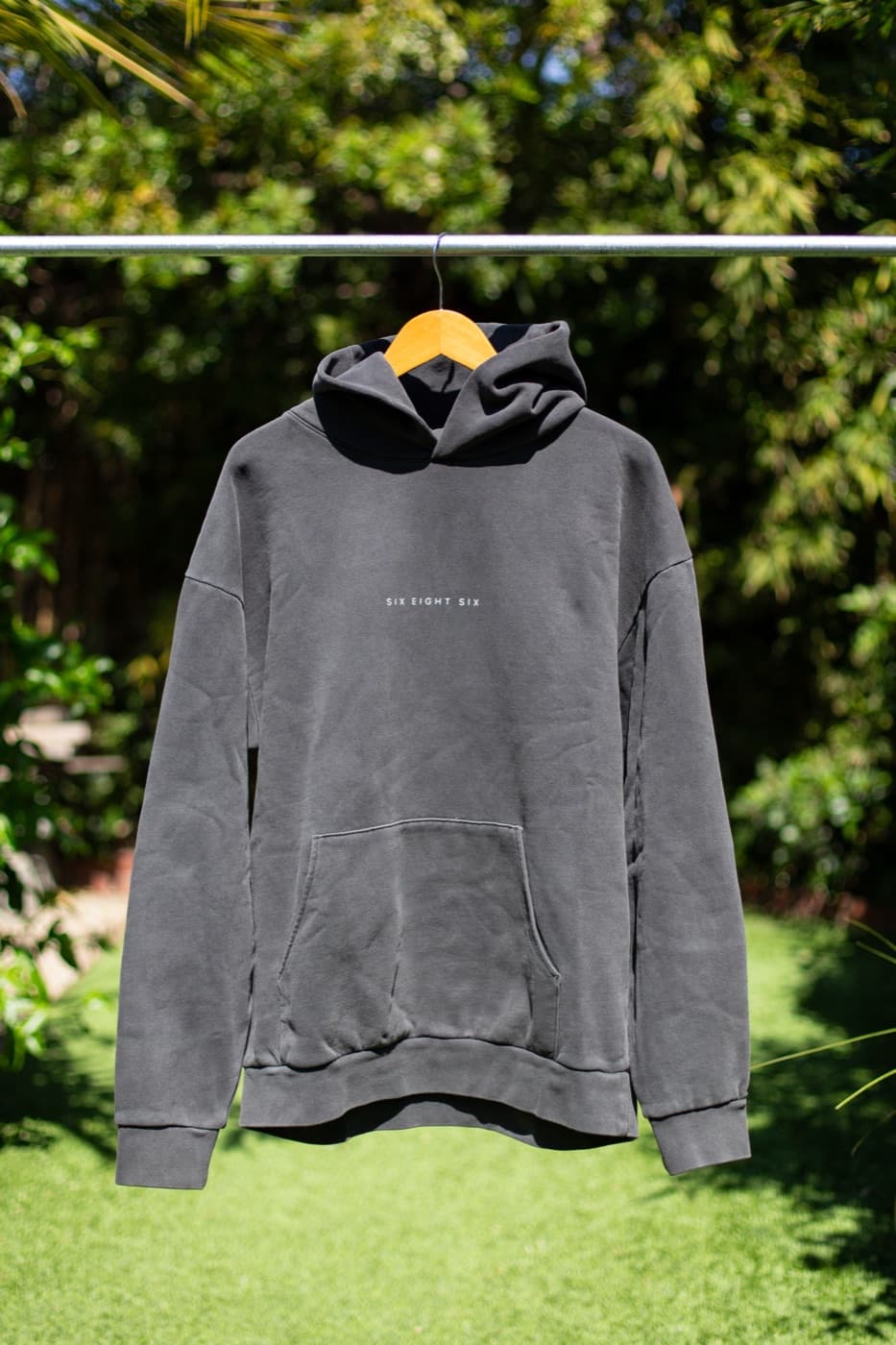
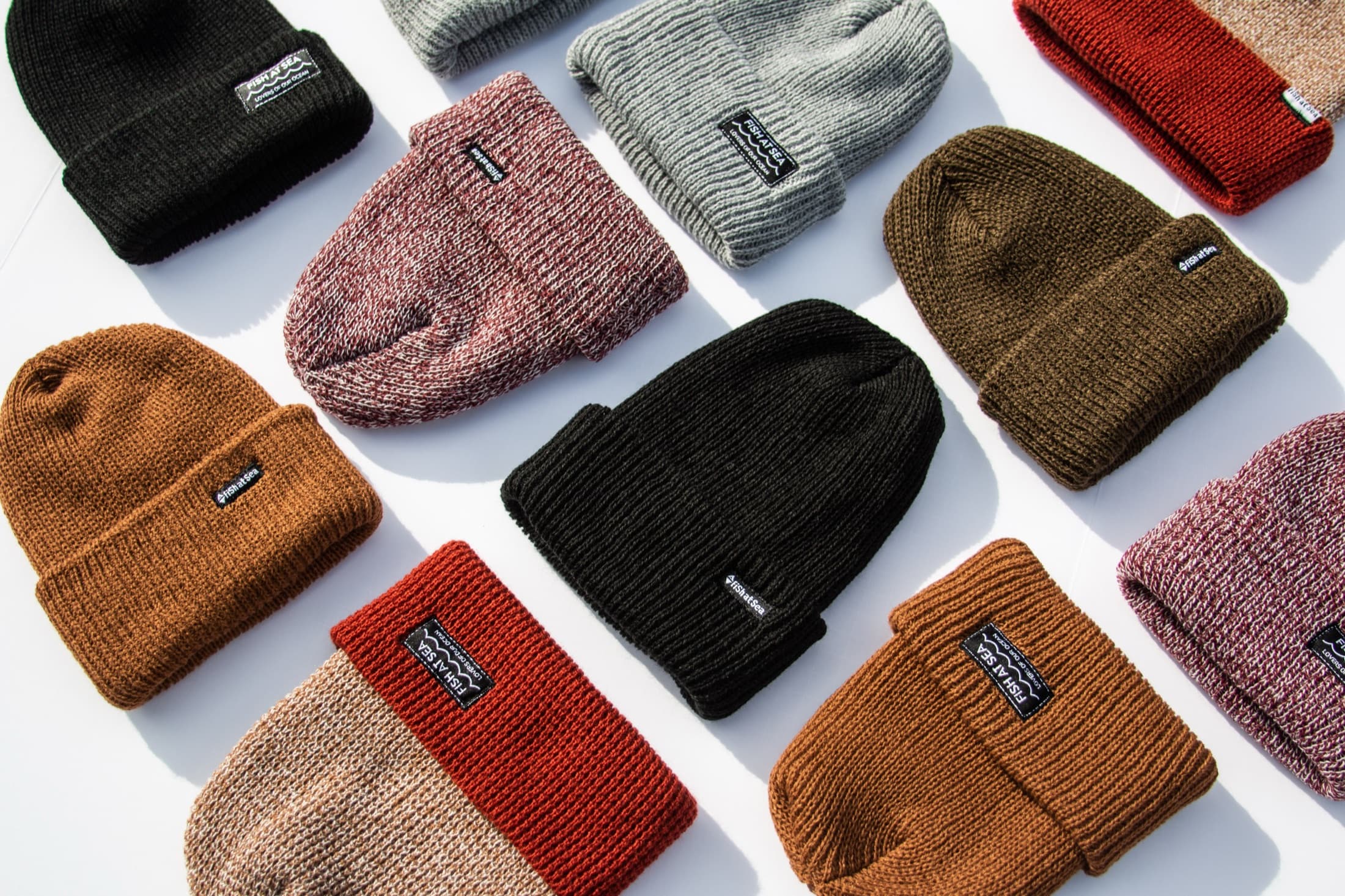
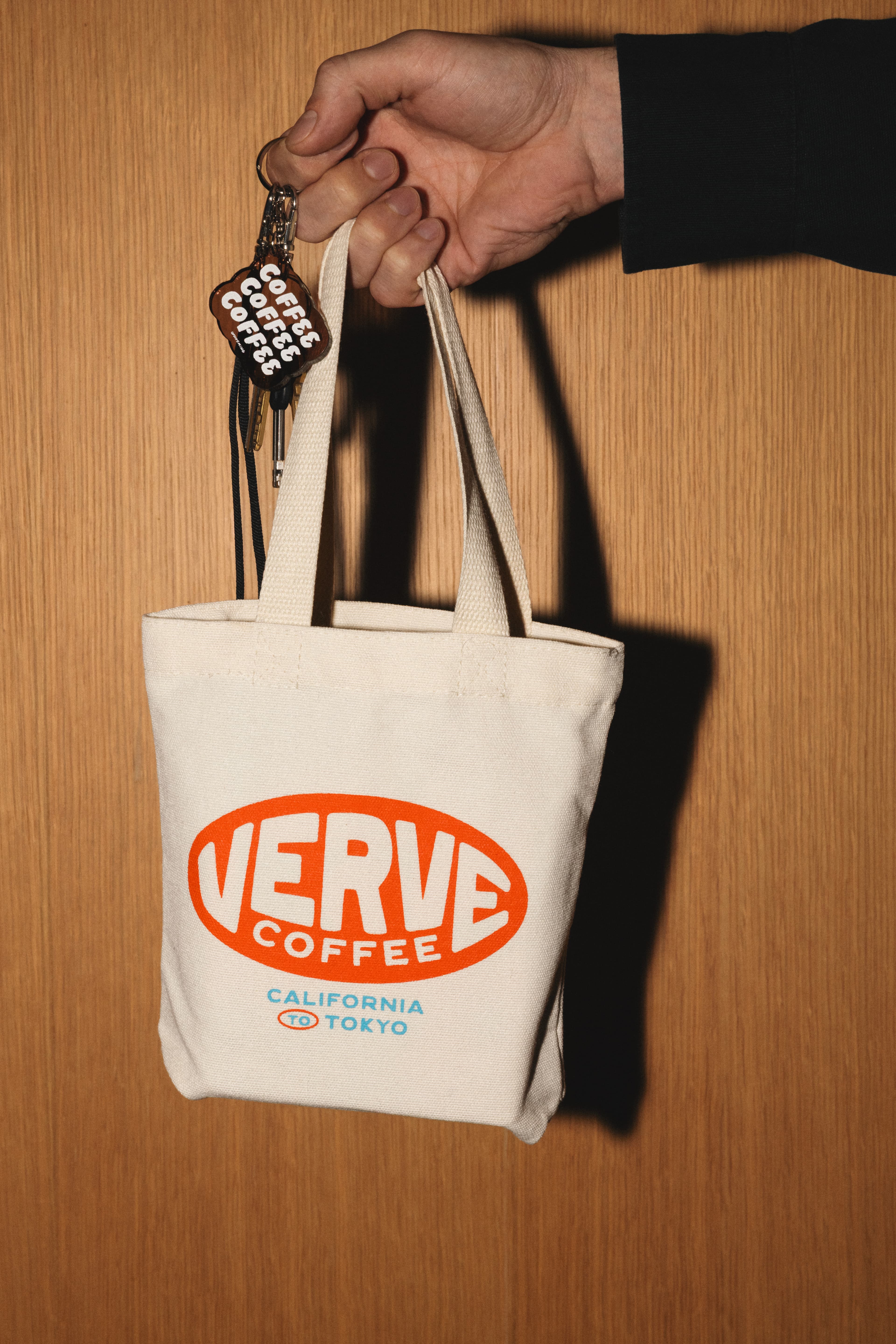
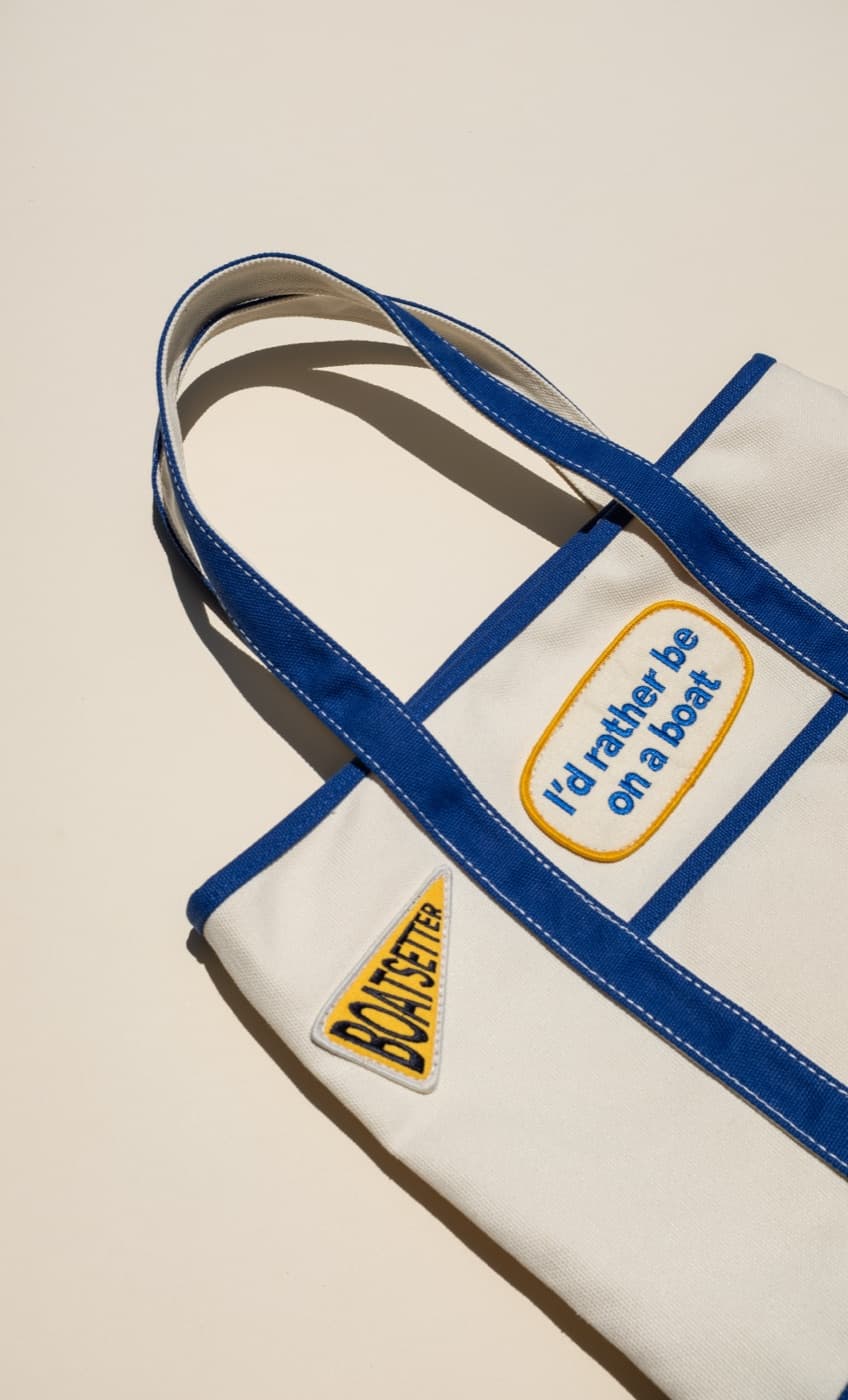
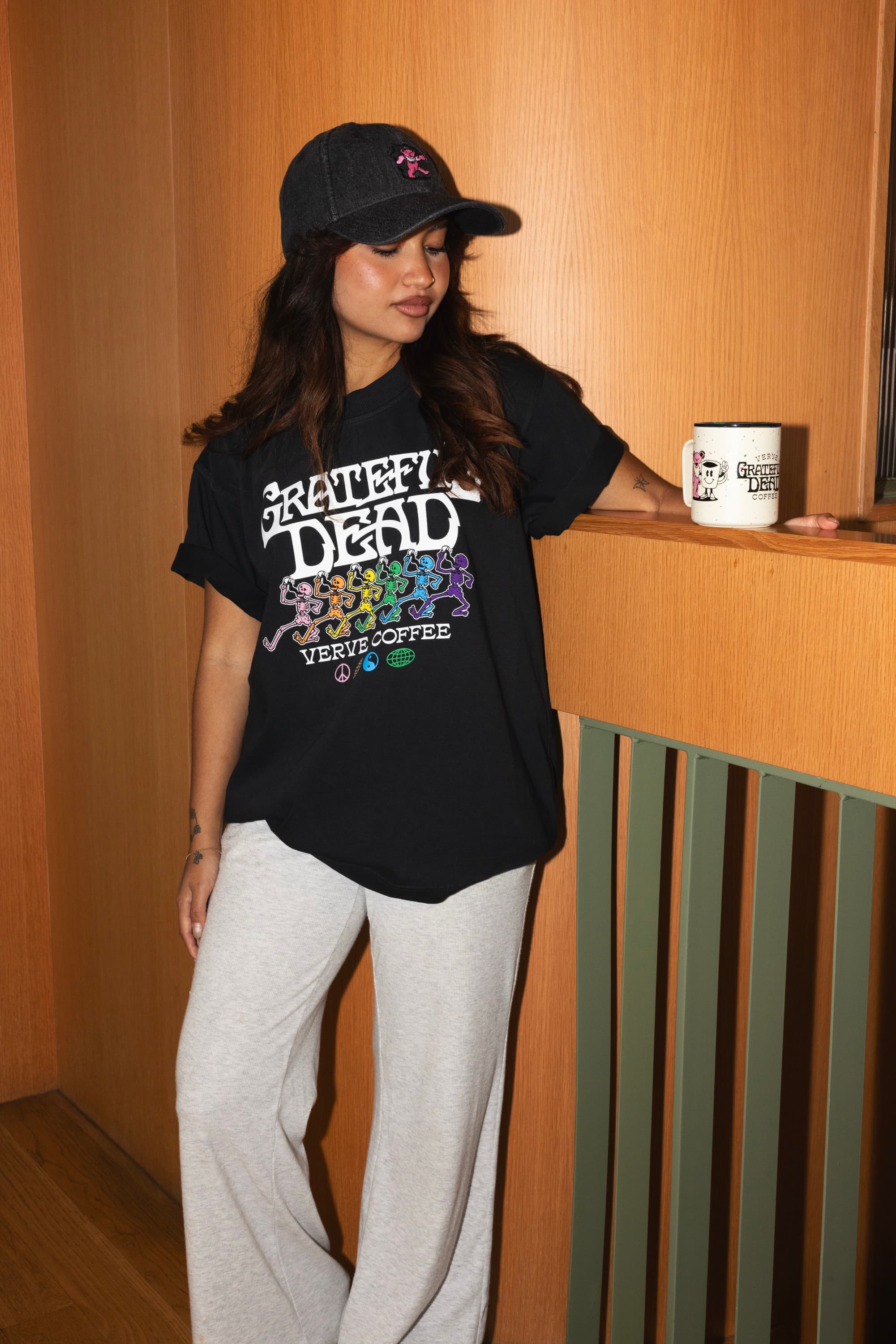
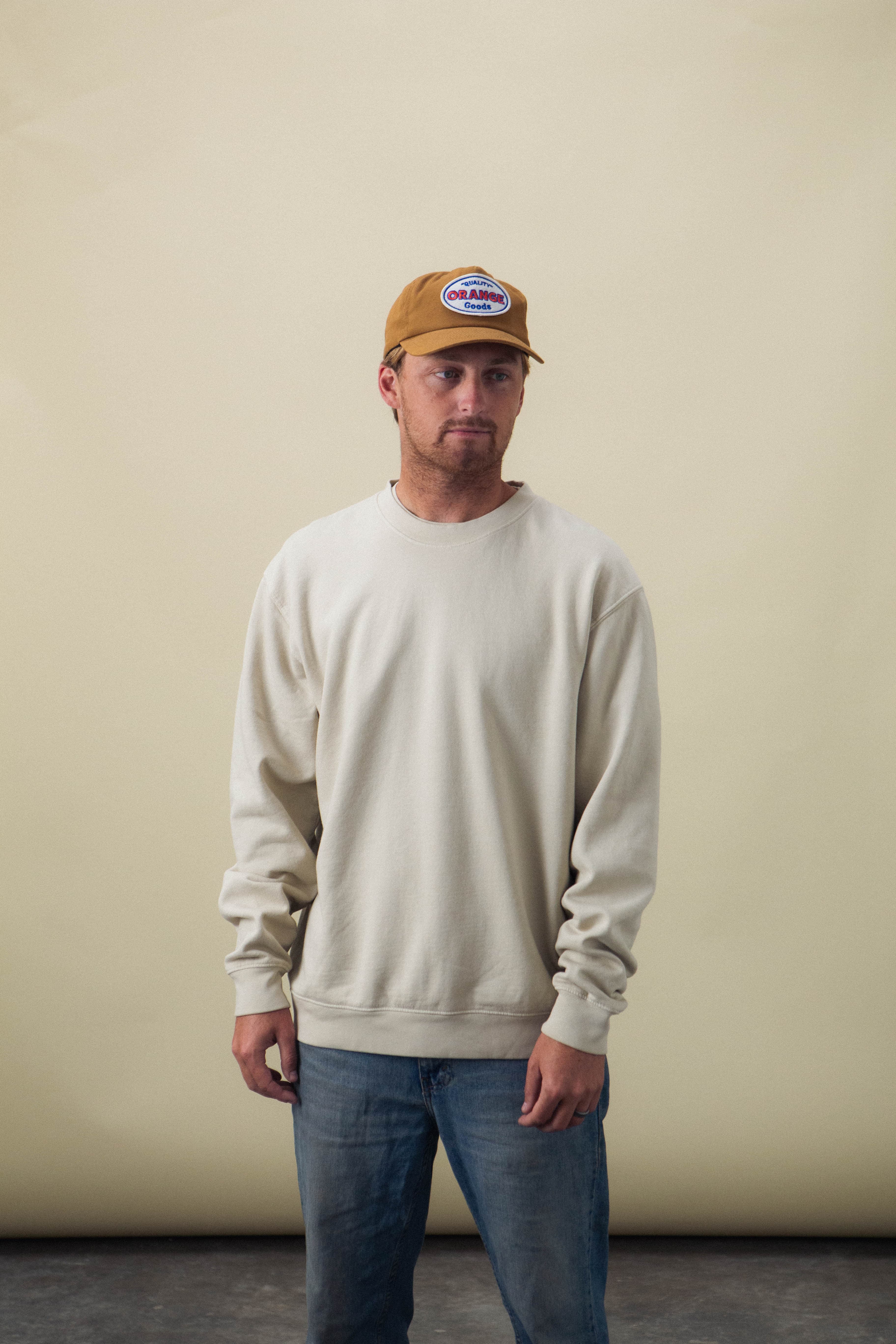
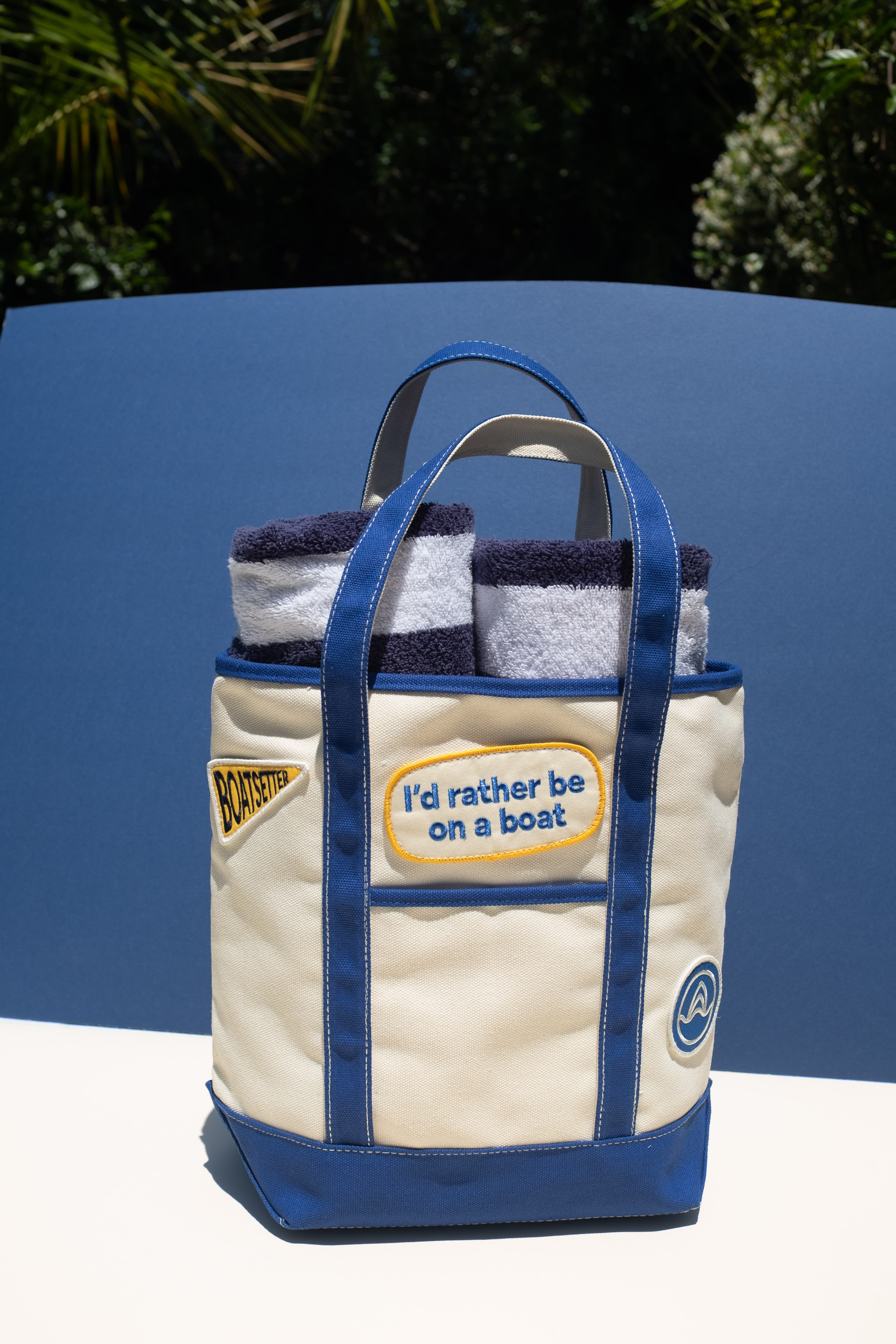
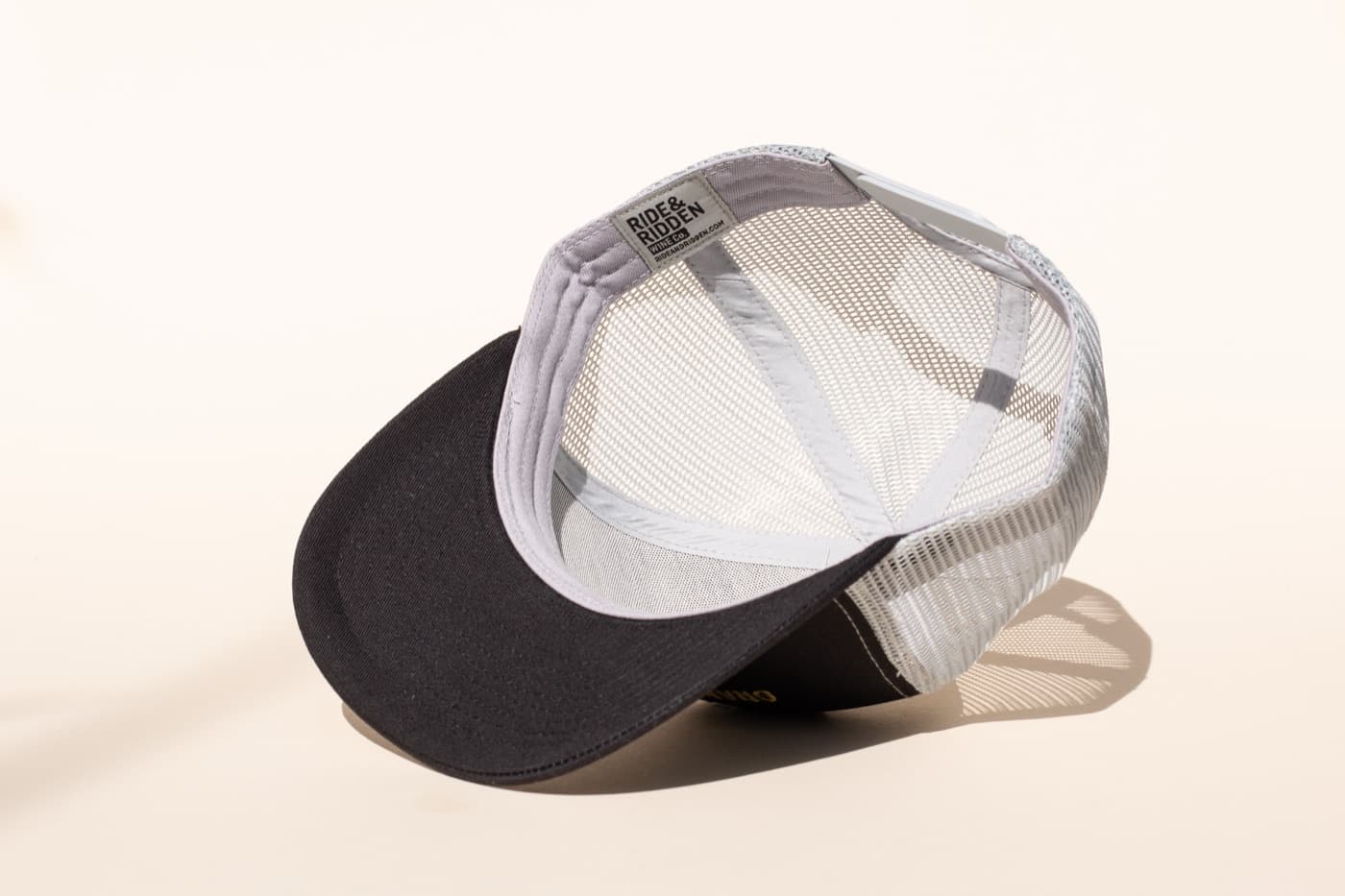
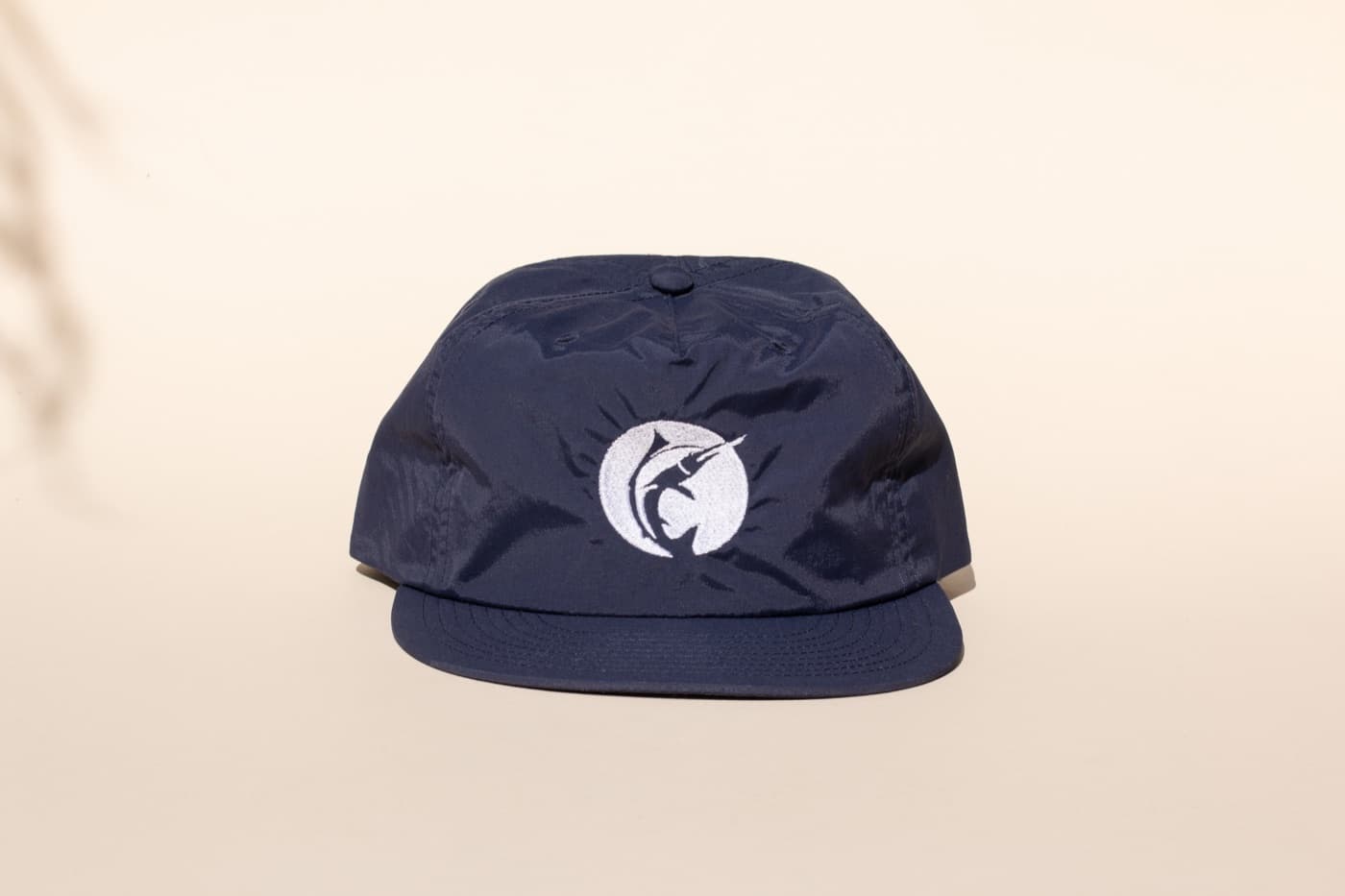
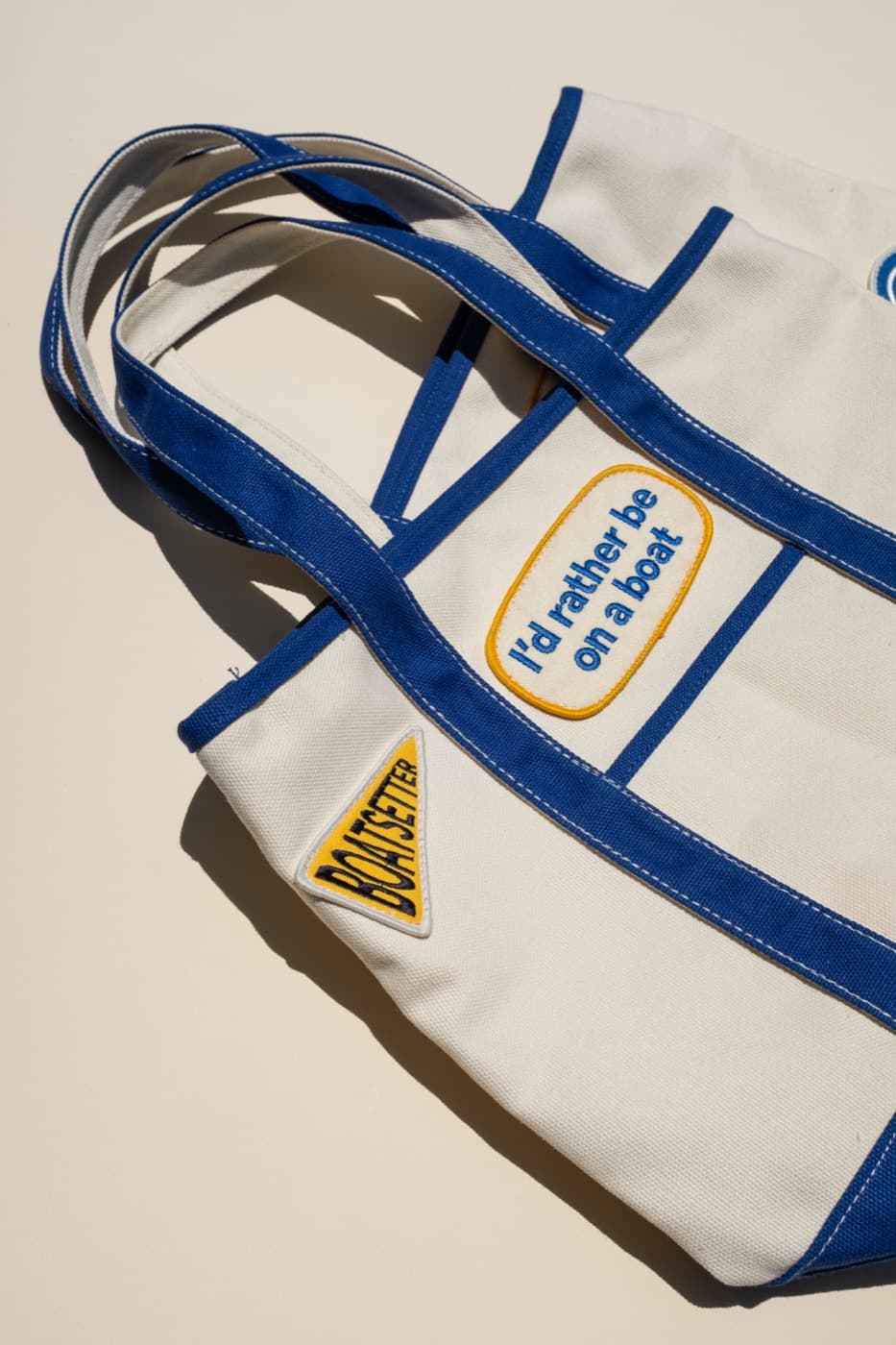
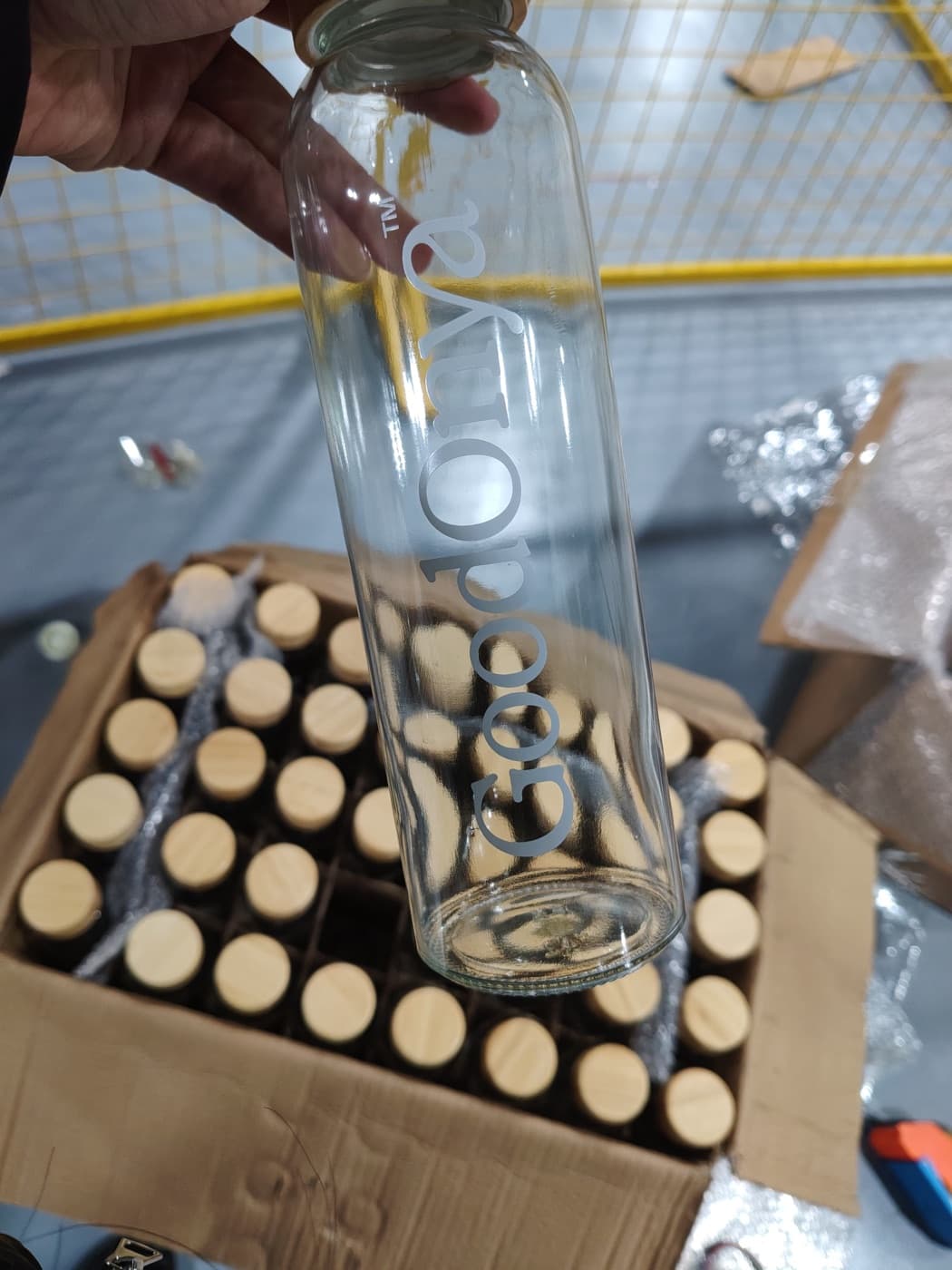
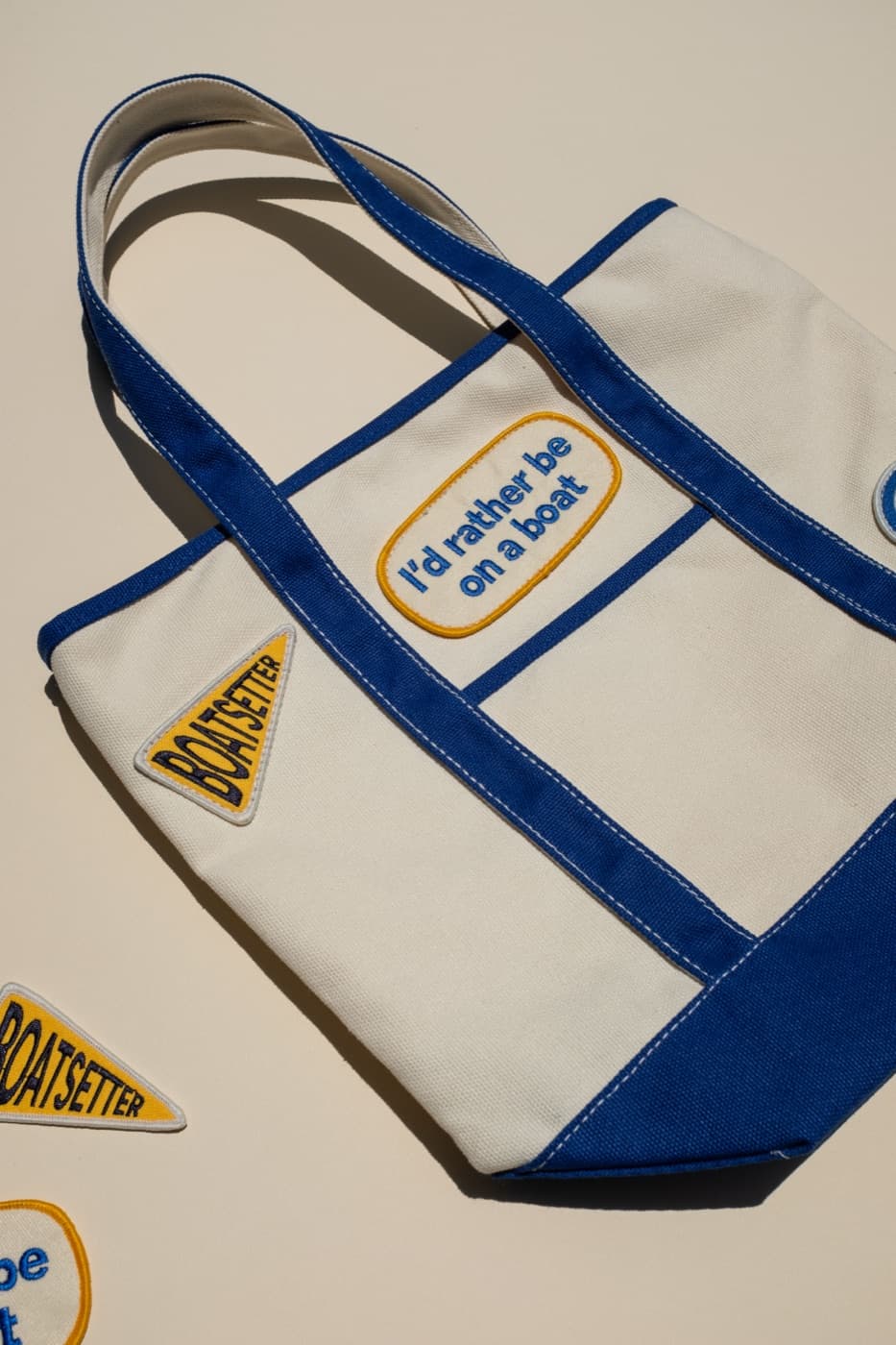
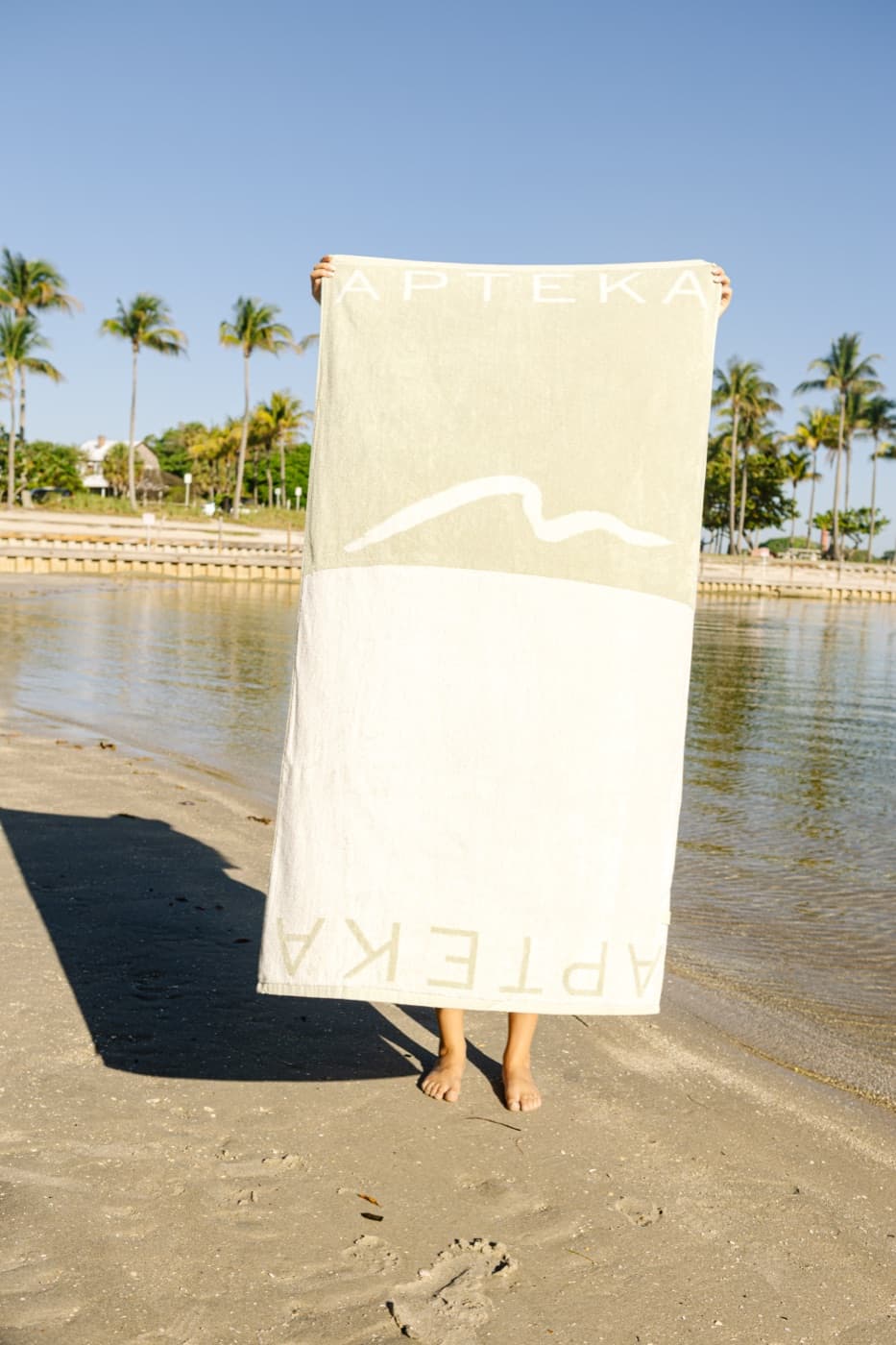
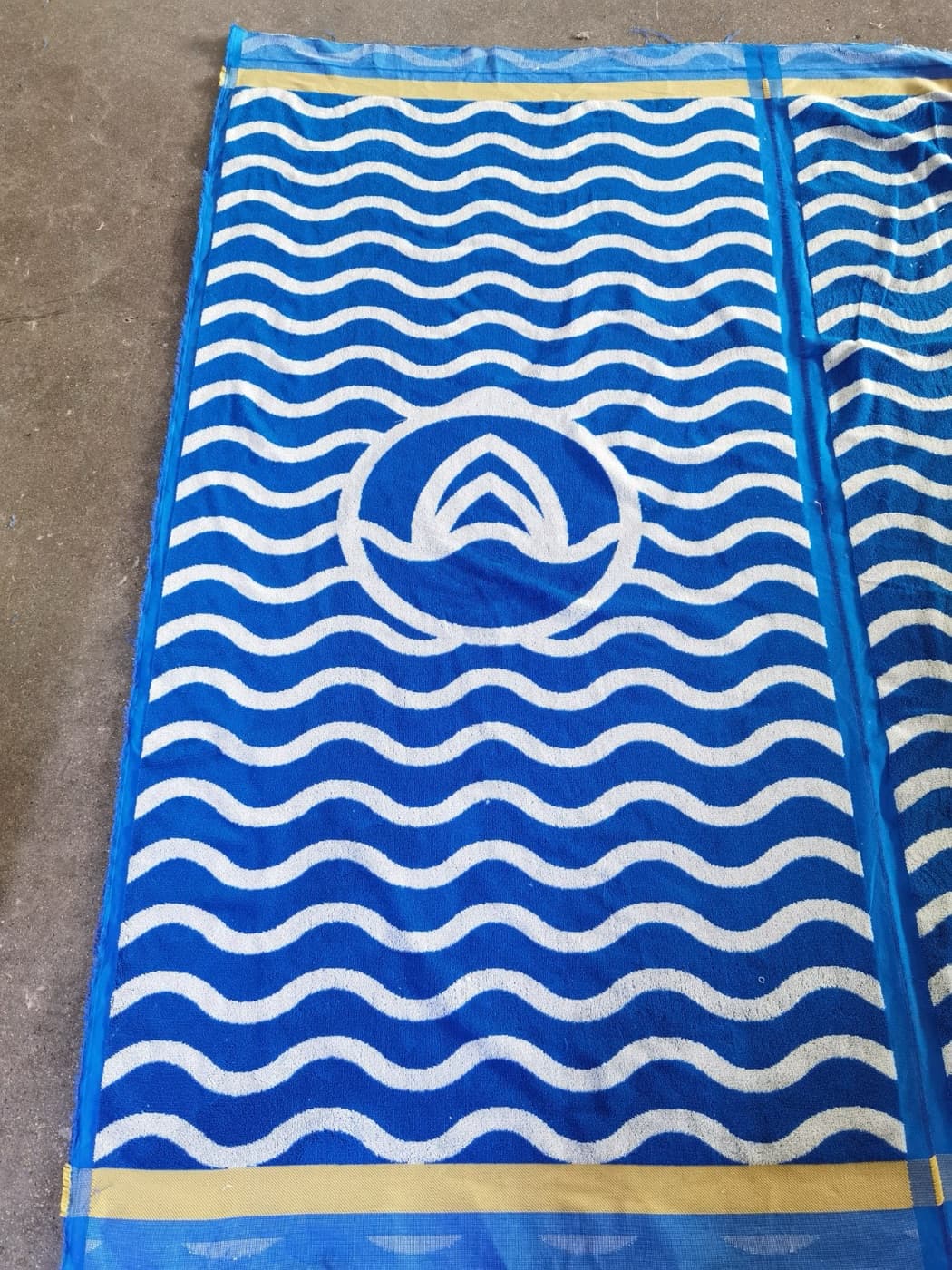
Most kits get stronger when they have one anchor. It could be a tote, hoodie, hat, bottle, towel, laptop sleeve, blanket, or tray. The anchor gives the kit structure and sets the quality signal. If the anchor feels good, the rest of the kit has room to be simpler.
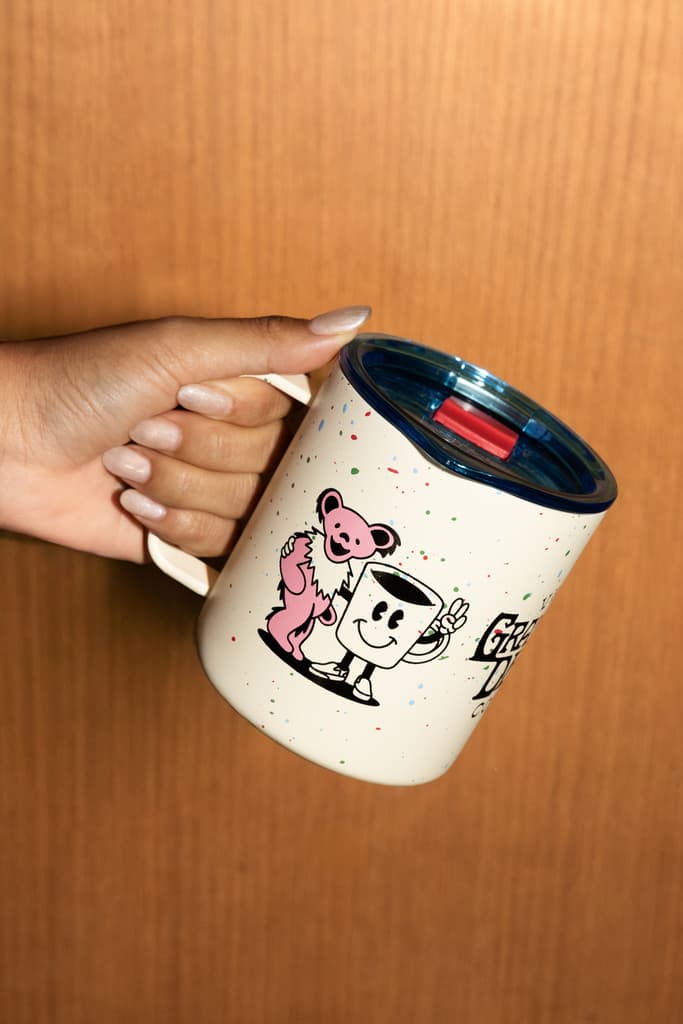
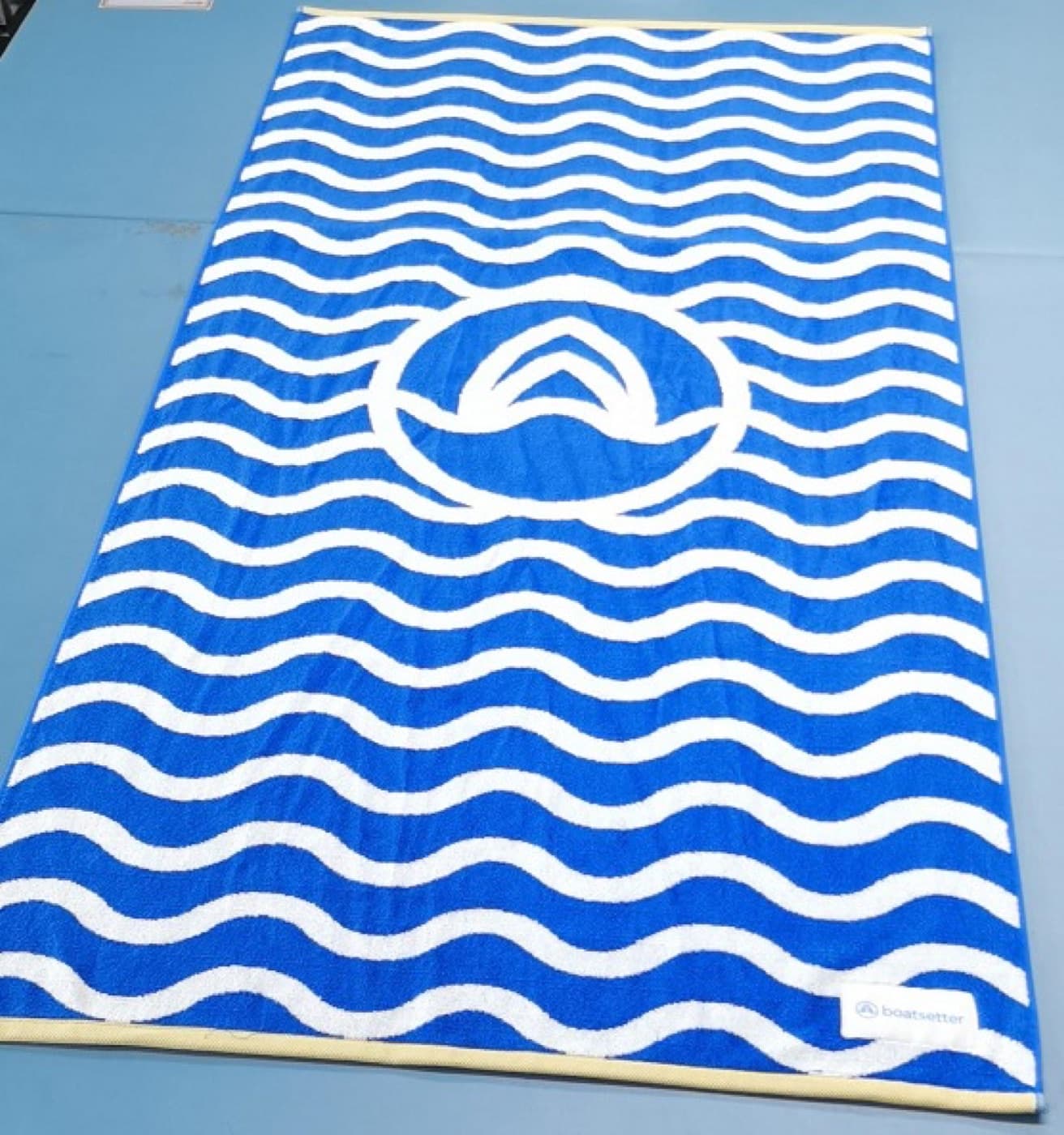
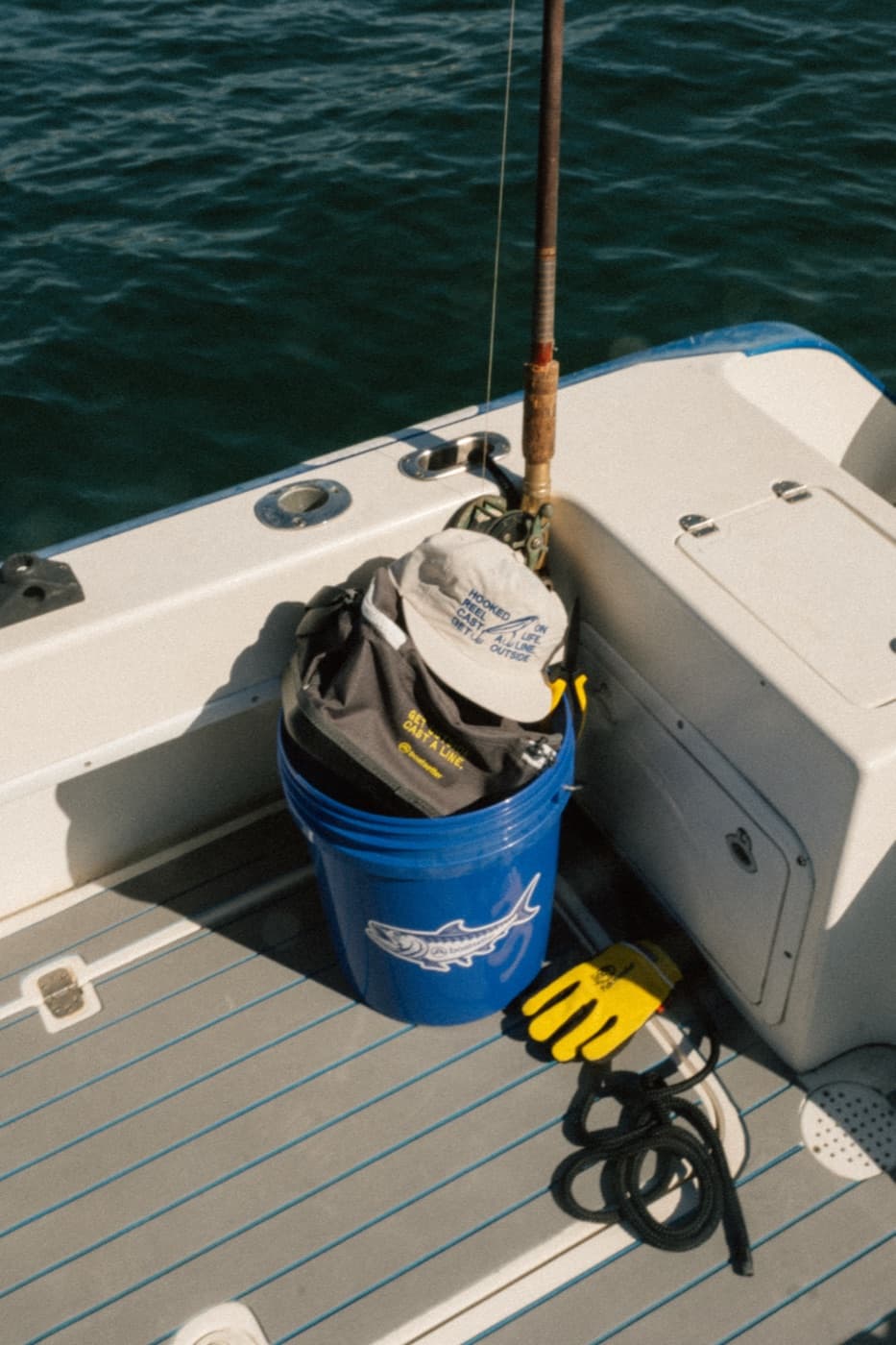
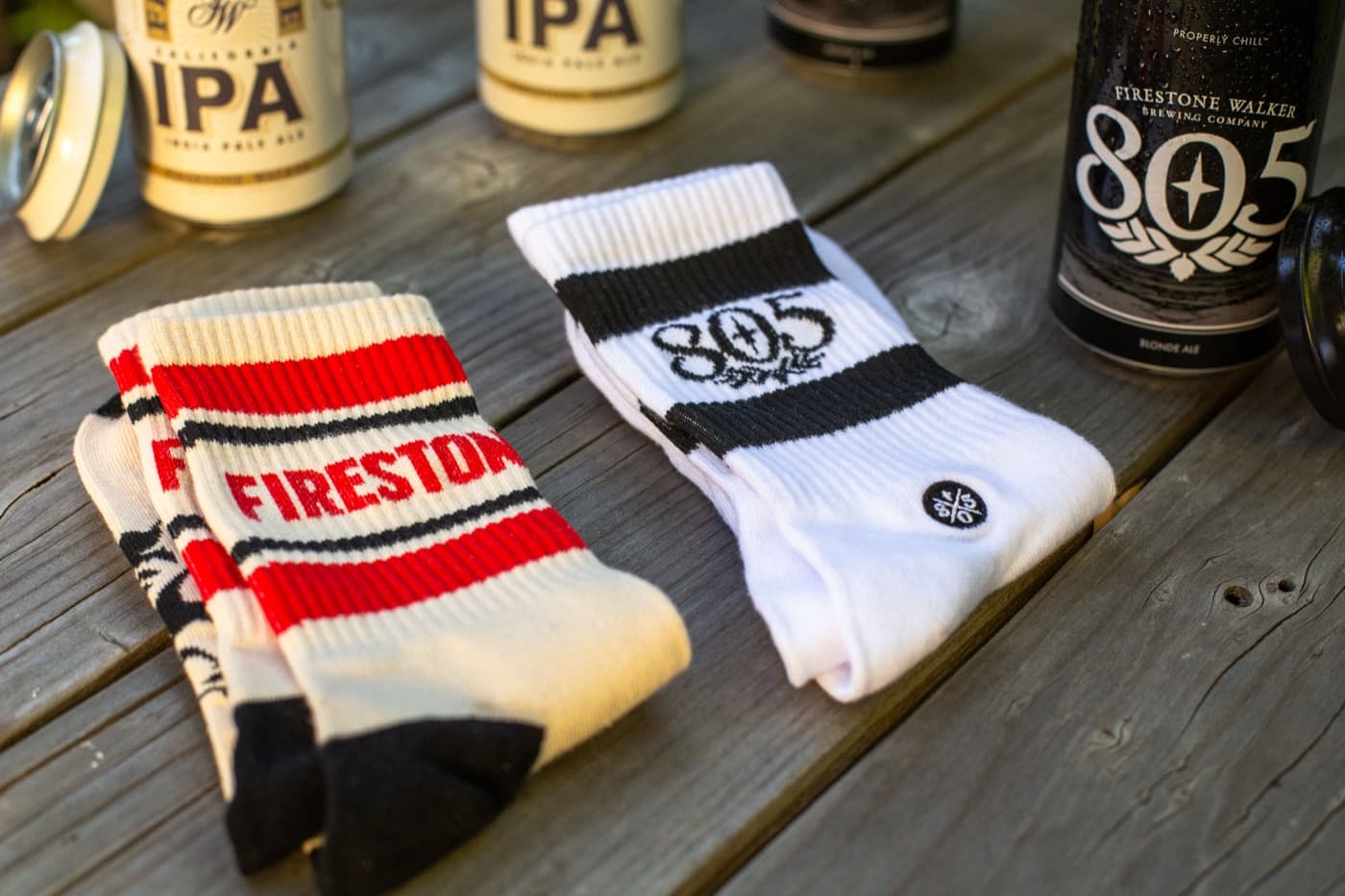
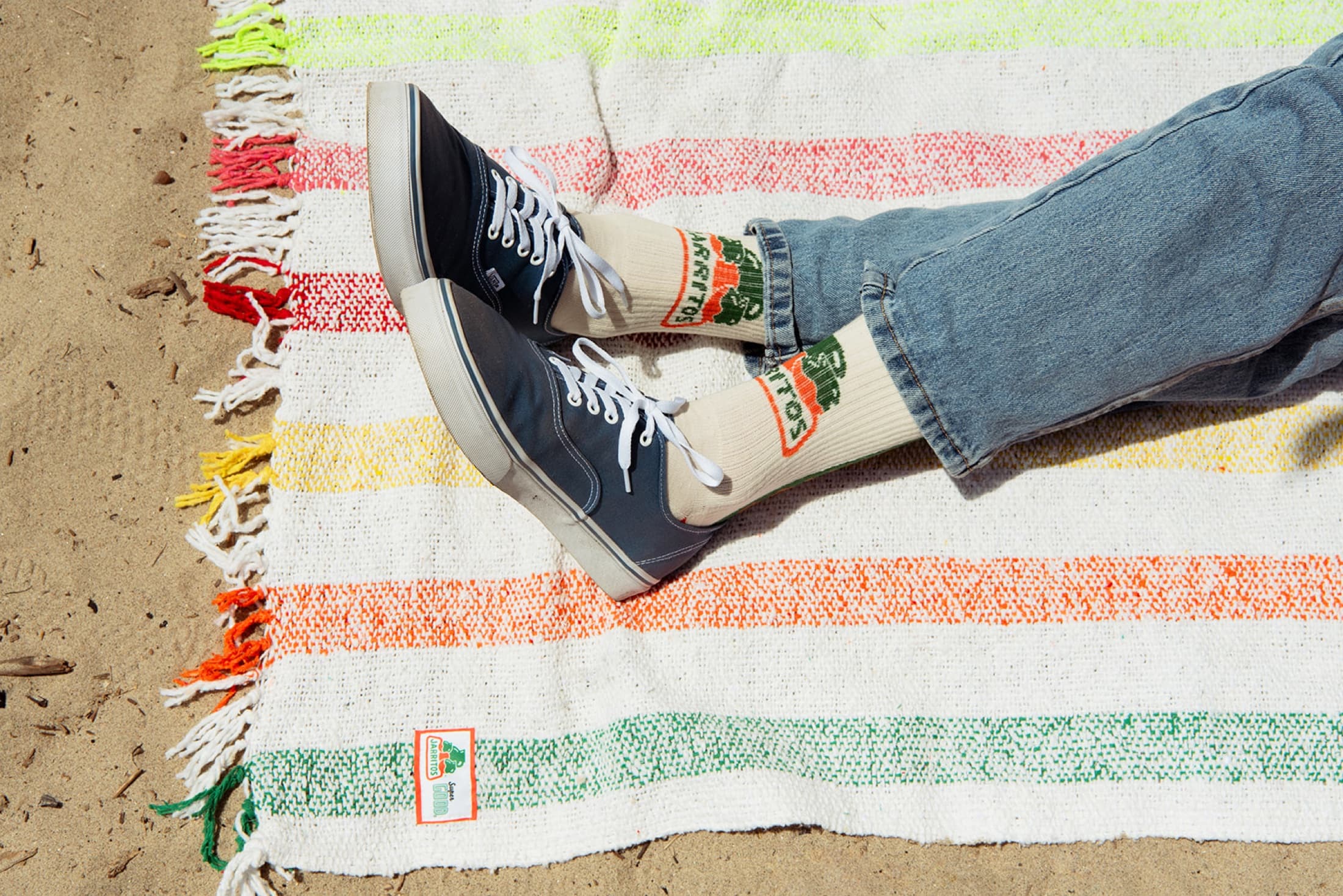
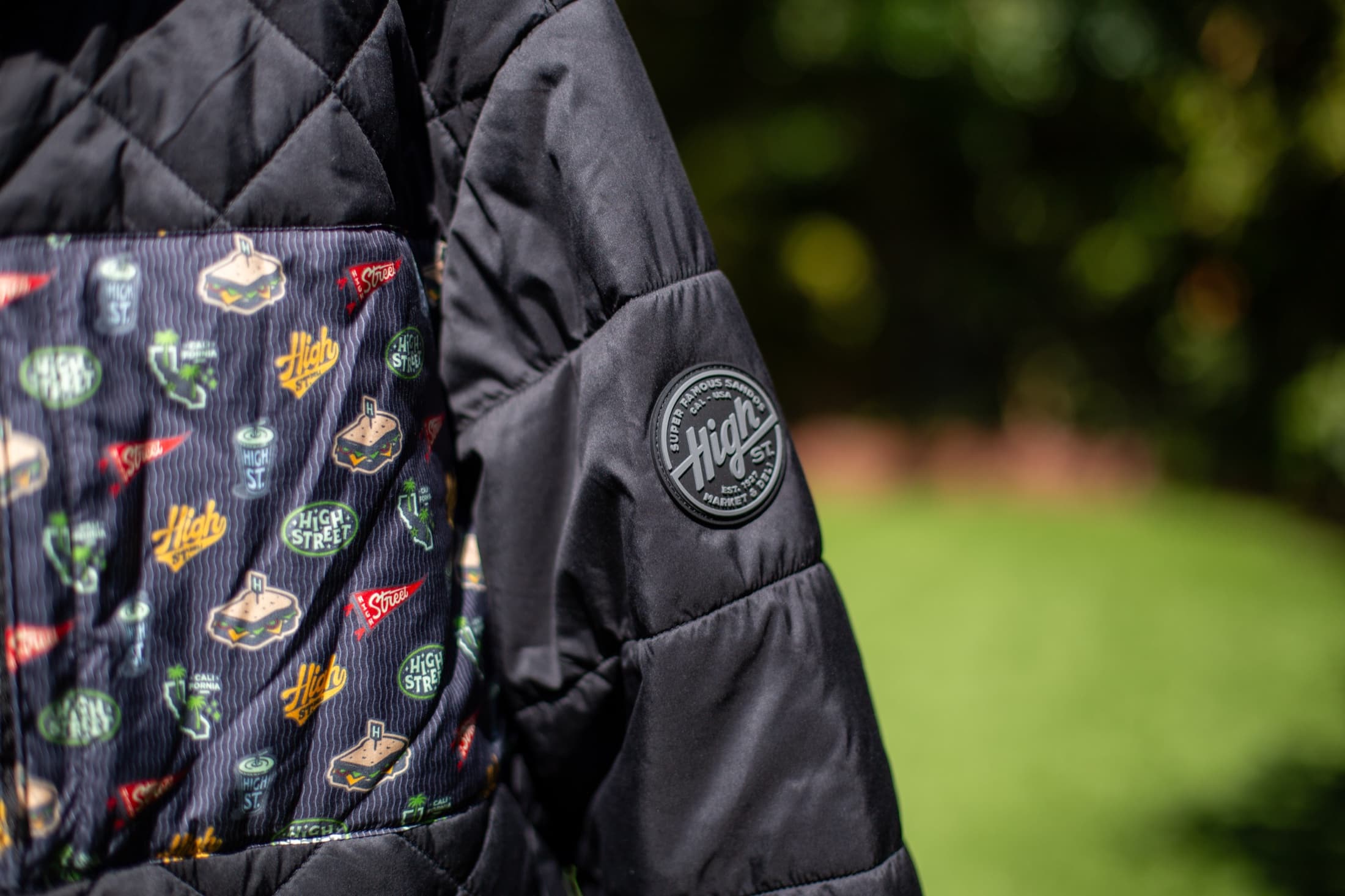
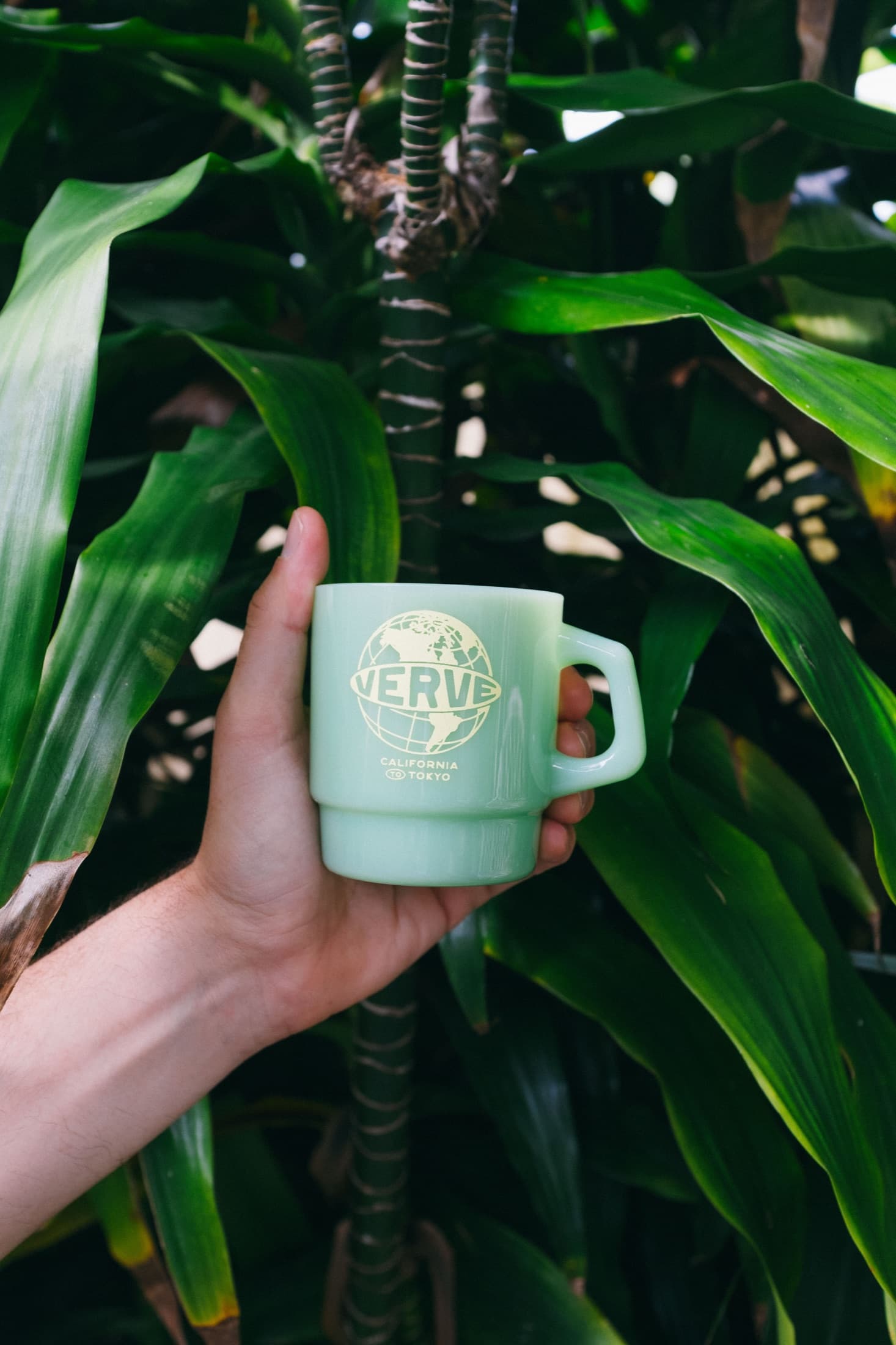
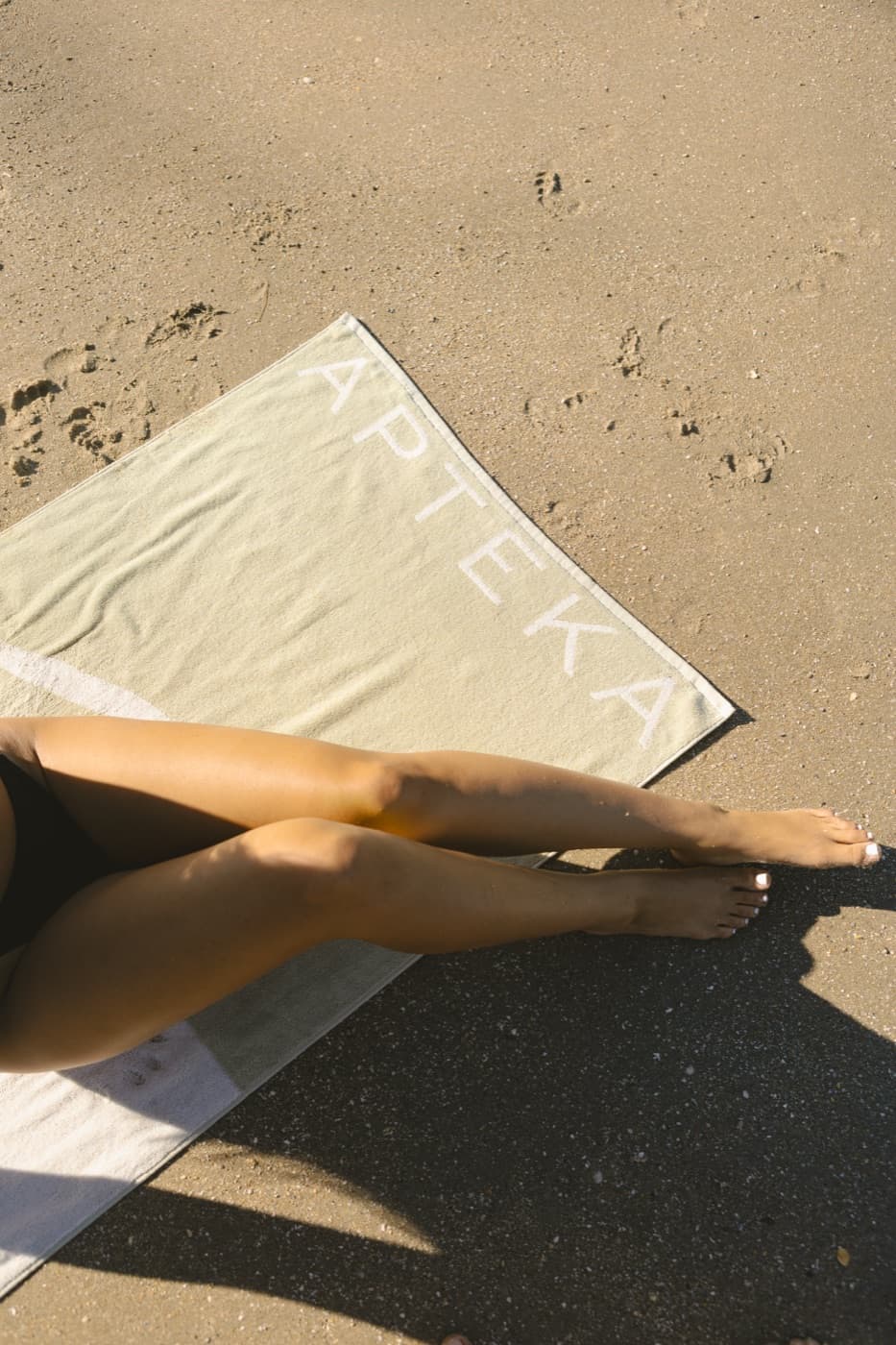
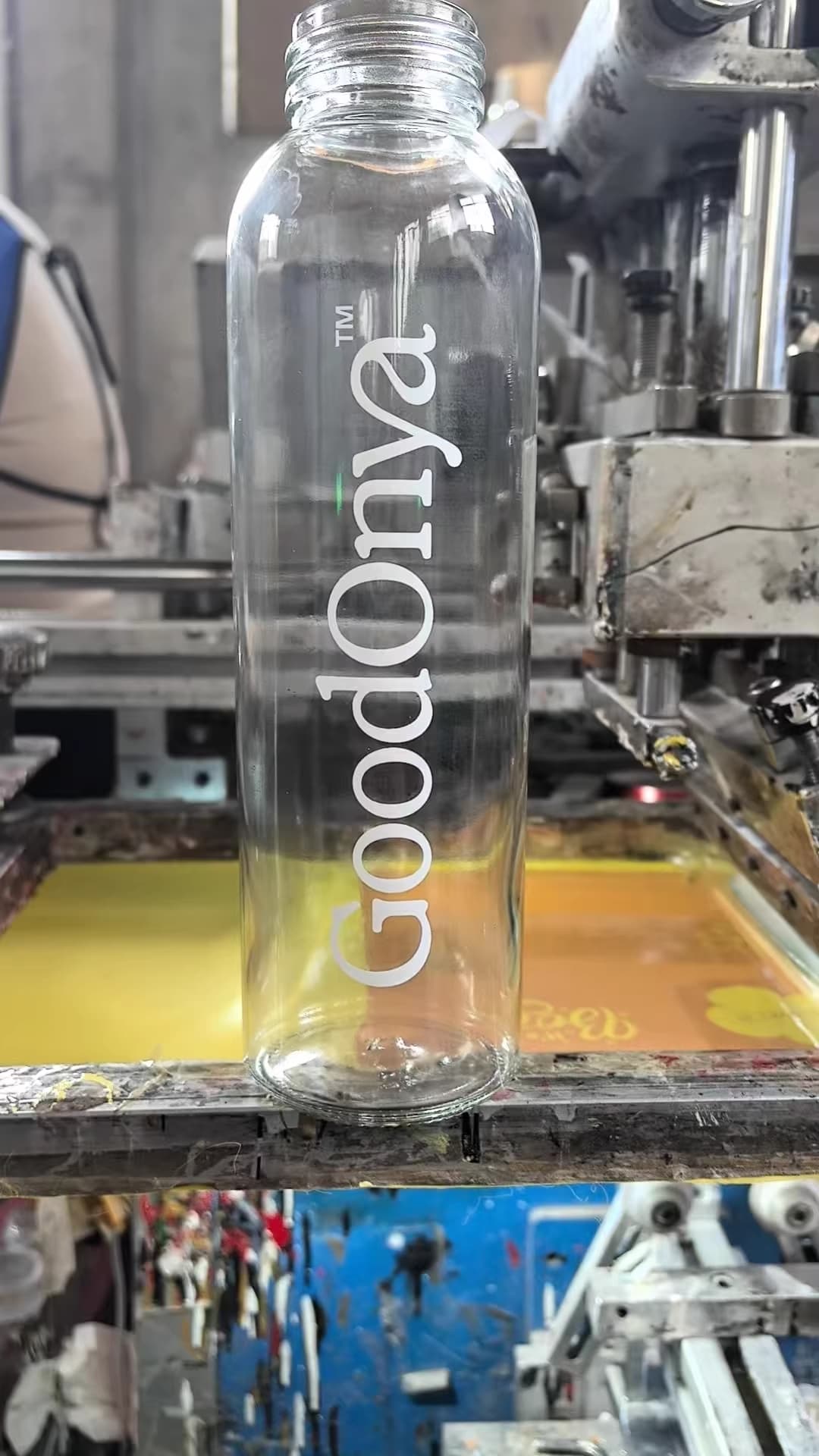
The anchor should connect to the use case. A beach launch can lead with a towel or tote. A campus or medical program can lead with a laptop sleeve or desk item. A food and beverage launch can lead with drinkware, apparel, or a carry item. The product should make sense before the logo is added.
Use packaging as a guide, not a disguise
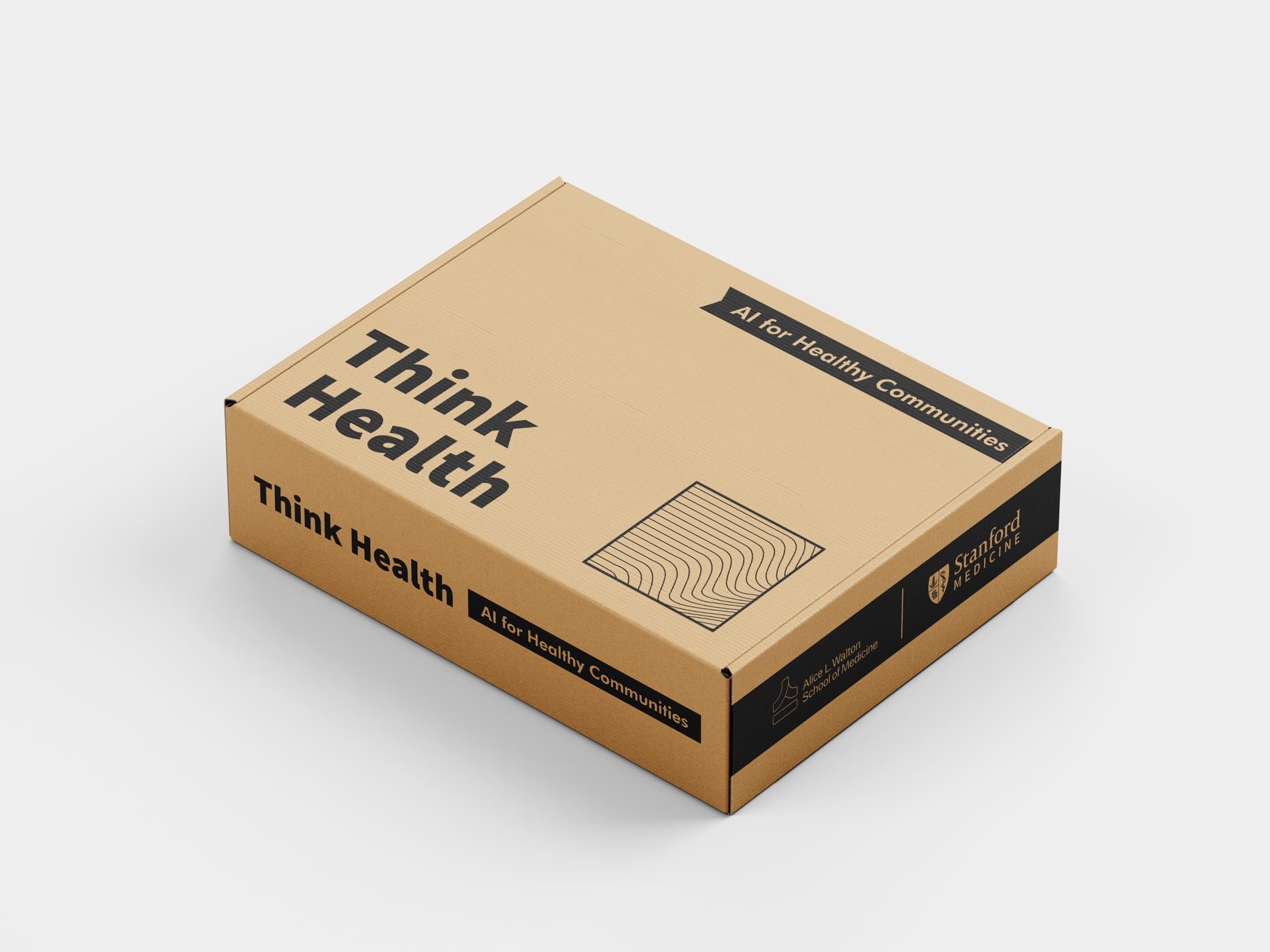
Good packaging helps the recipient understand the kit. It can sequence the goods, hold a card, protect the products, and make the handoff feel finished. It should not be used to hide weak products. If the items inside feel cheap, the box only makes the disappointment more obvious.
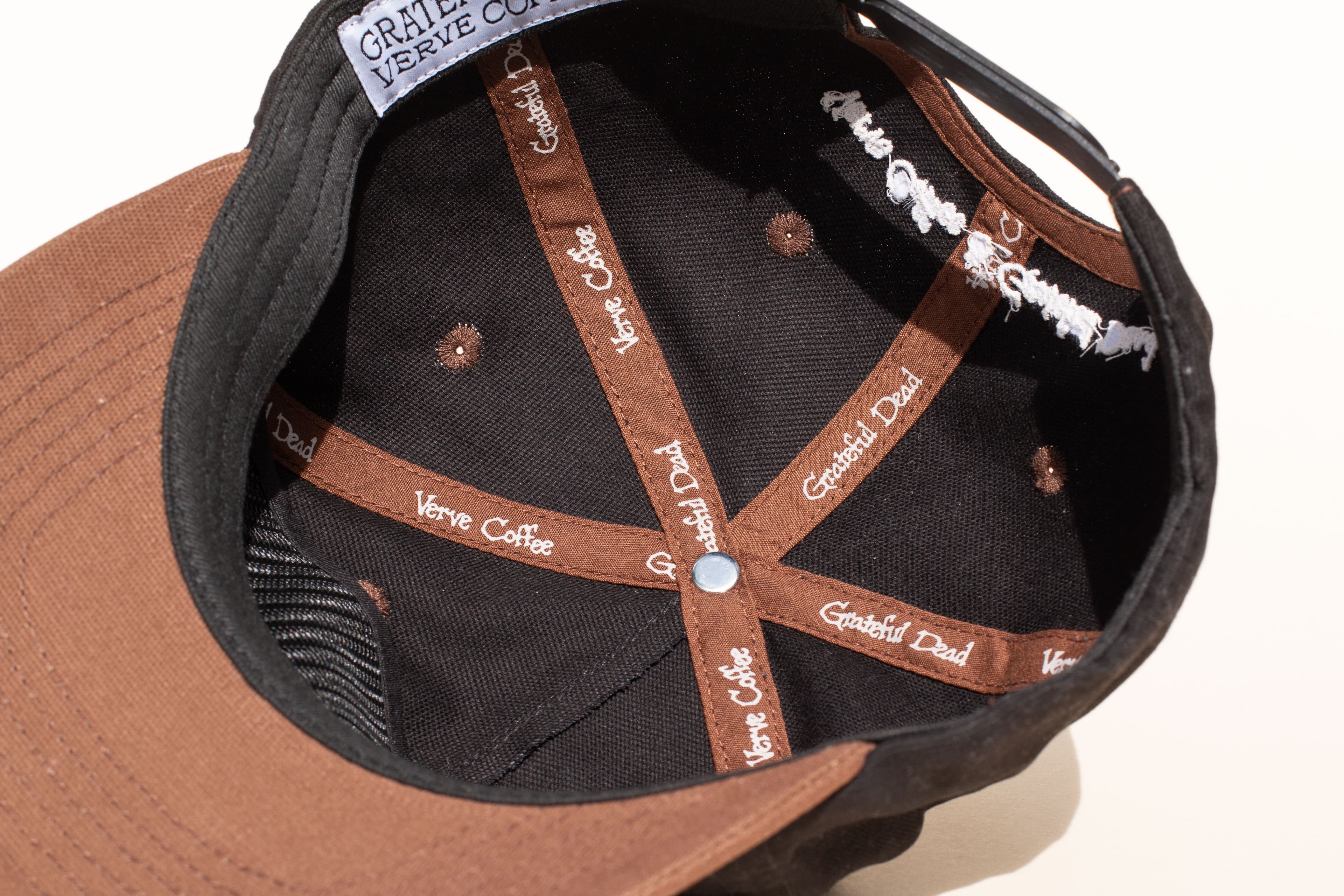
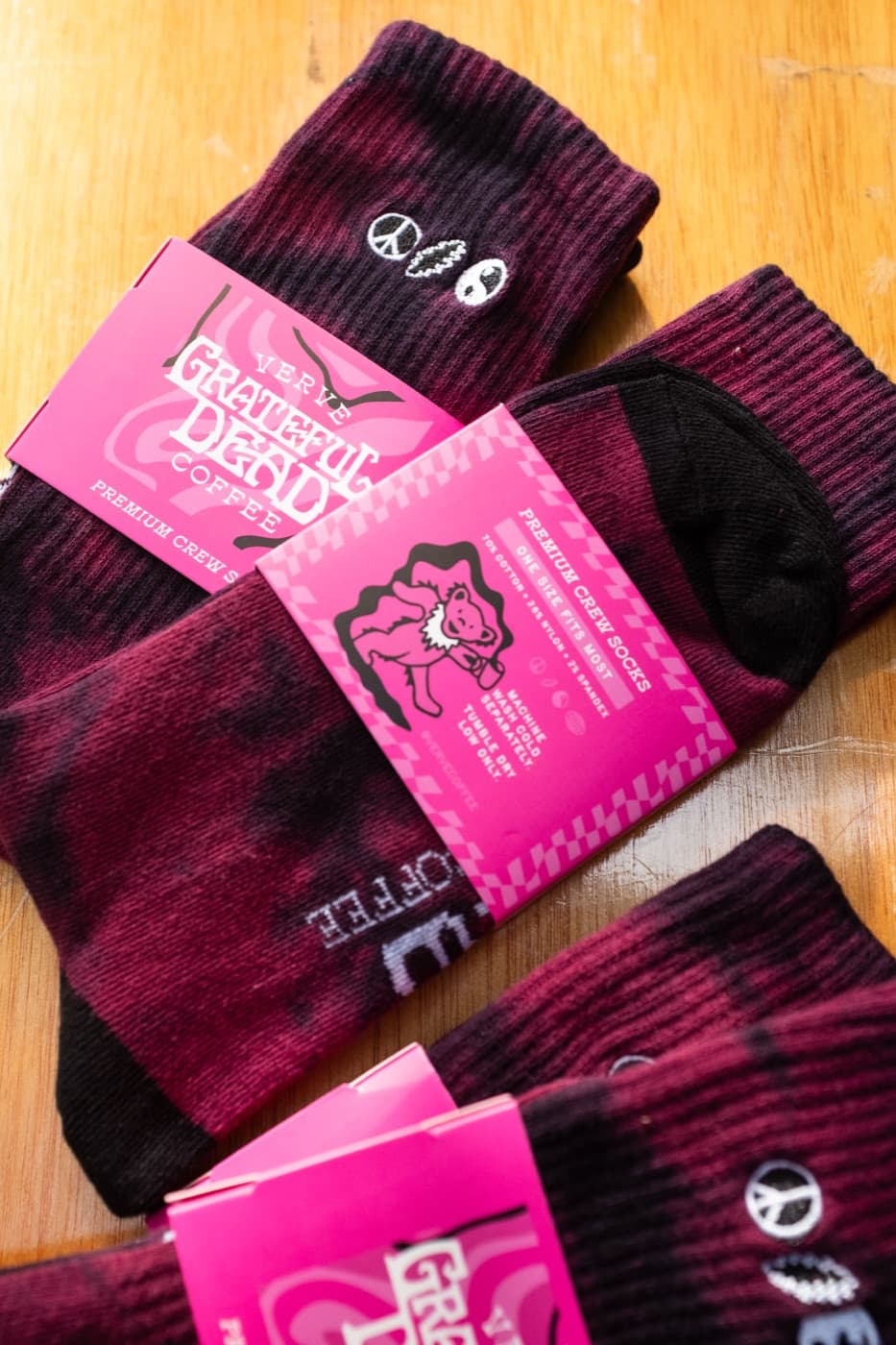
Think about how the kit will be packed, shipped, stacked, photographed, and opened. A simple belly band, insert card, label, sticker, or custom mailer can do a lot when the goods already feel considered.
Plan the kit like production
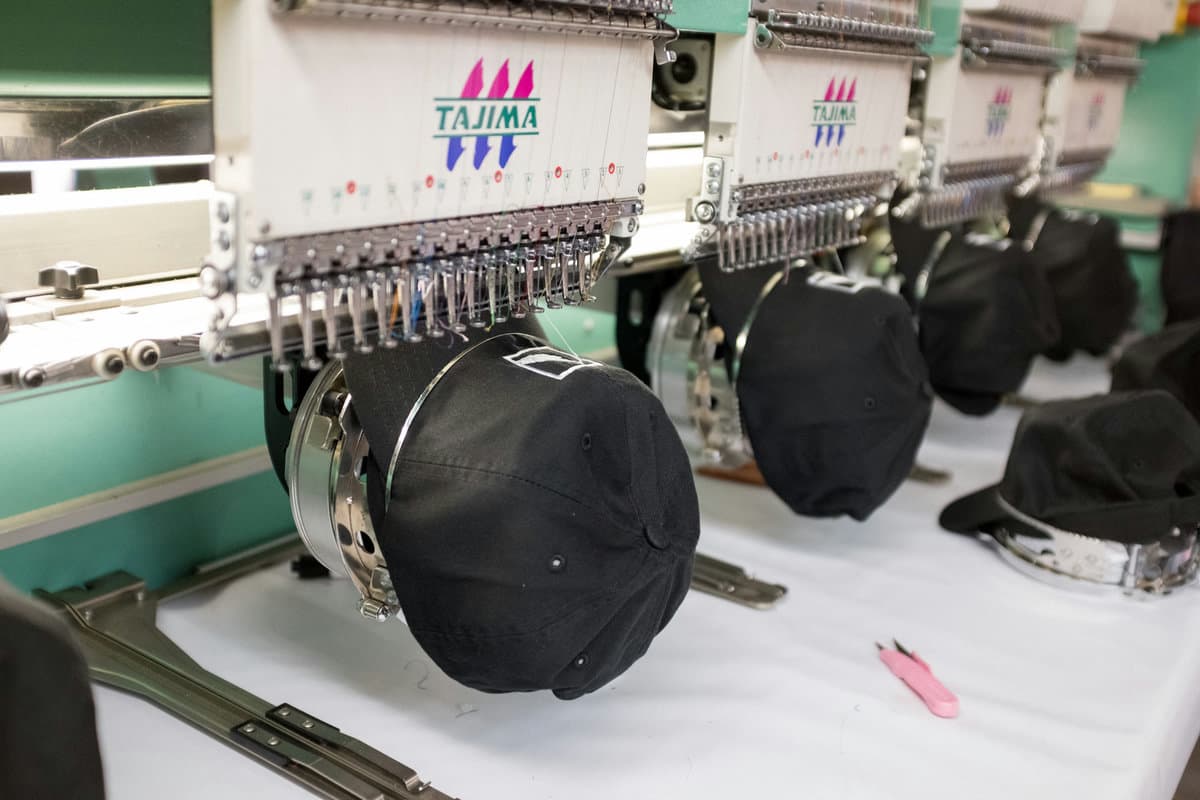
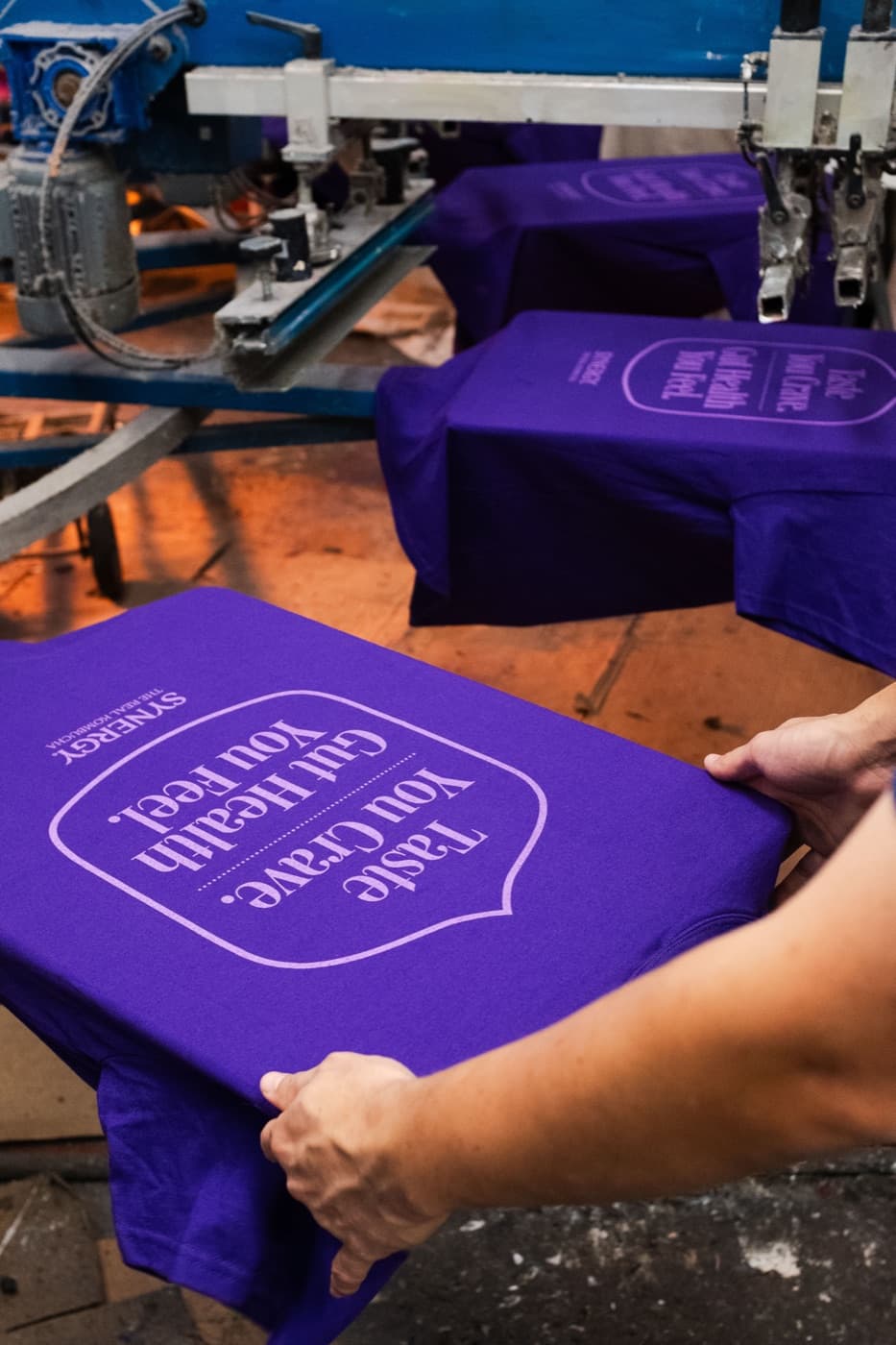
Kits add more moving parts than single-item merch. You need product lead times, decoration lead times, packaging, receiving, assembly, freight, and potentially individual shipping. A beautiful concept can miss the launch if the schedule is not built backward from the in-hand date.
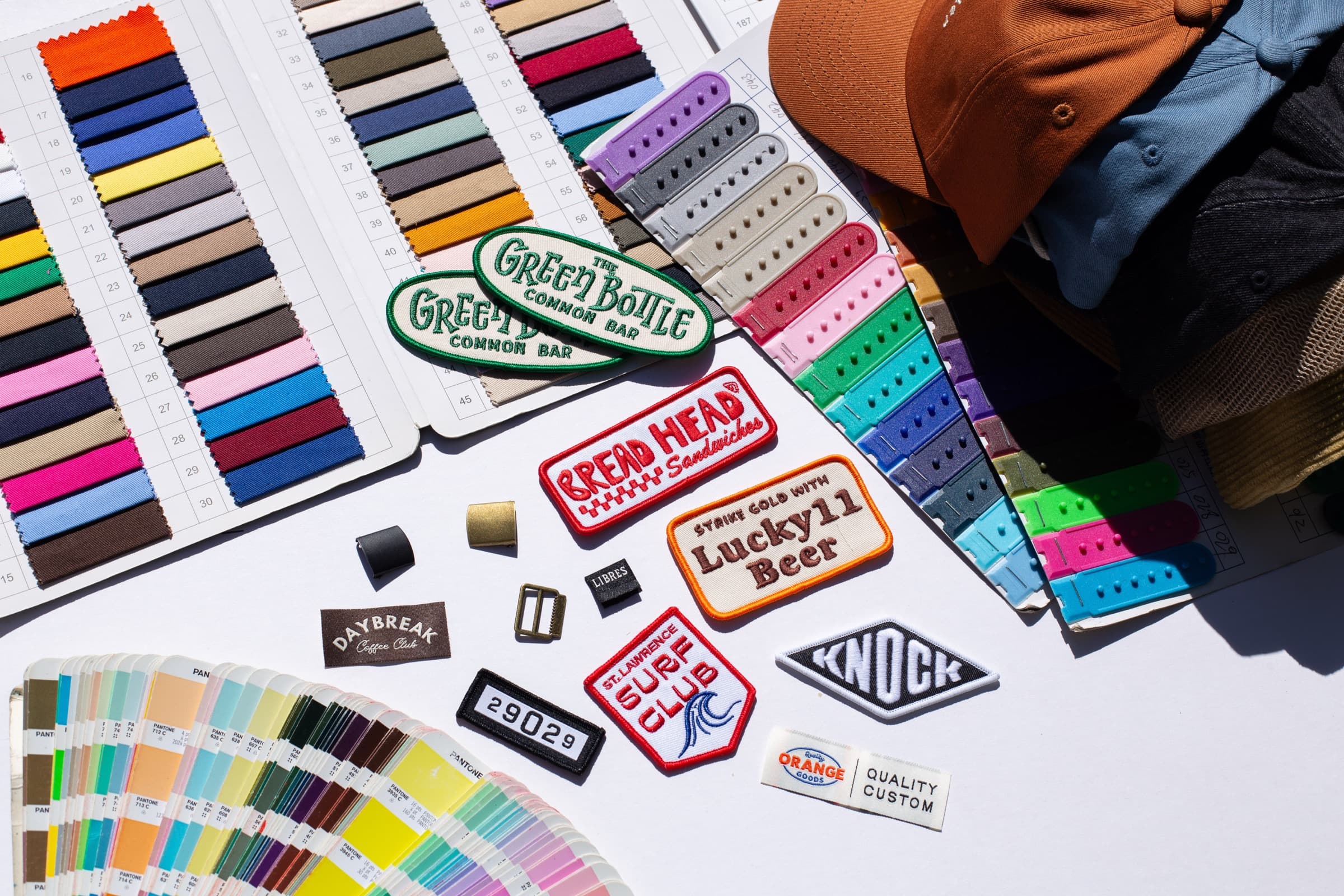
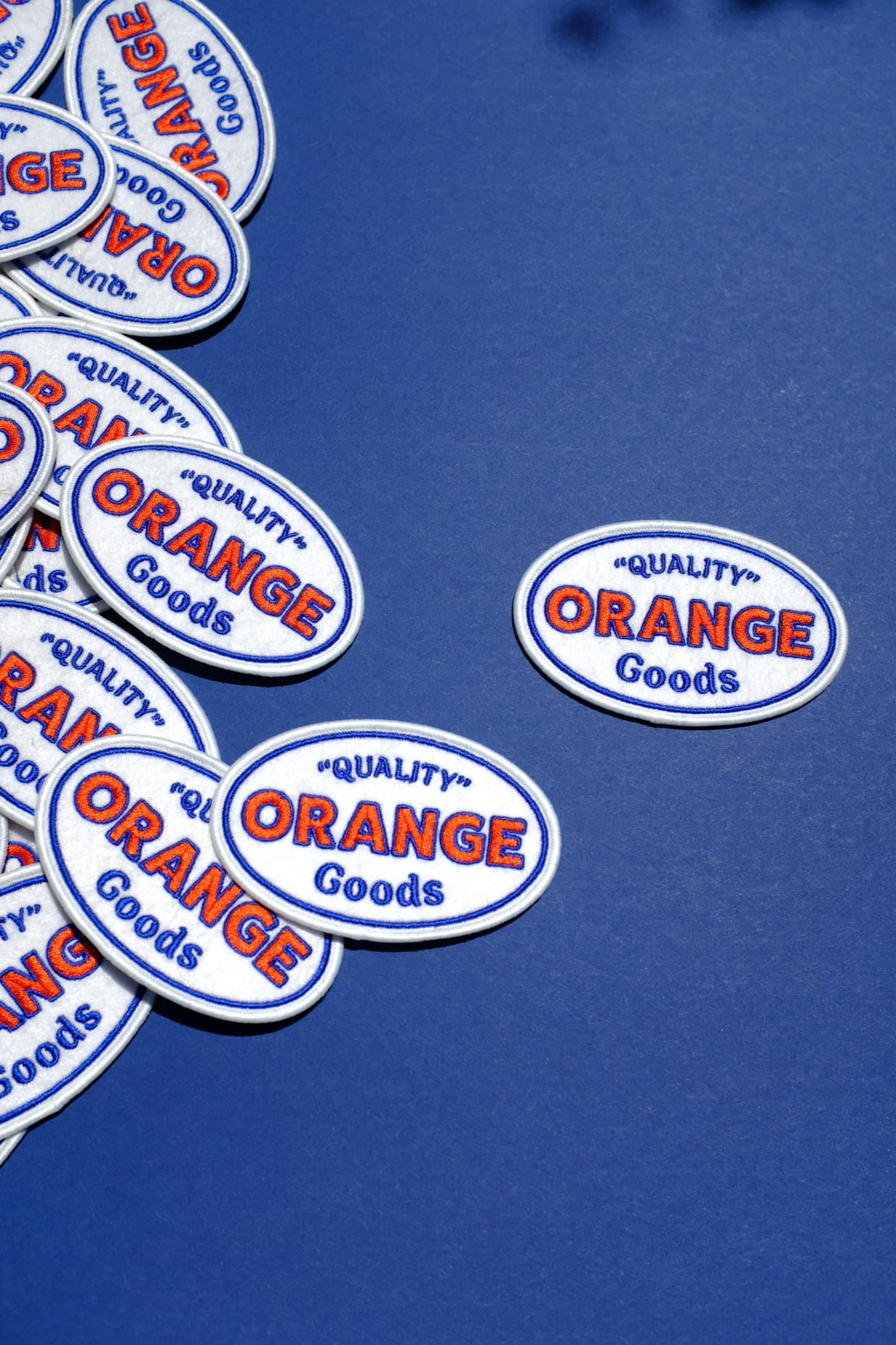
Orange Goods helps brands turn launch ideas into physical kits by narrowing the product mix, designing for the final materials, proofing the details, and planning the packout. The goal is a kit that feels coordinated, useful, and ready for the real moment.