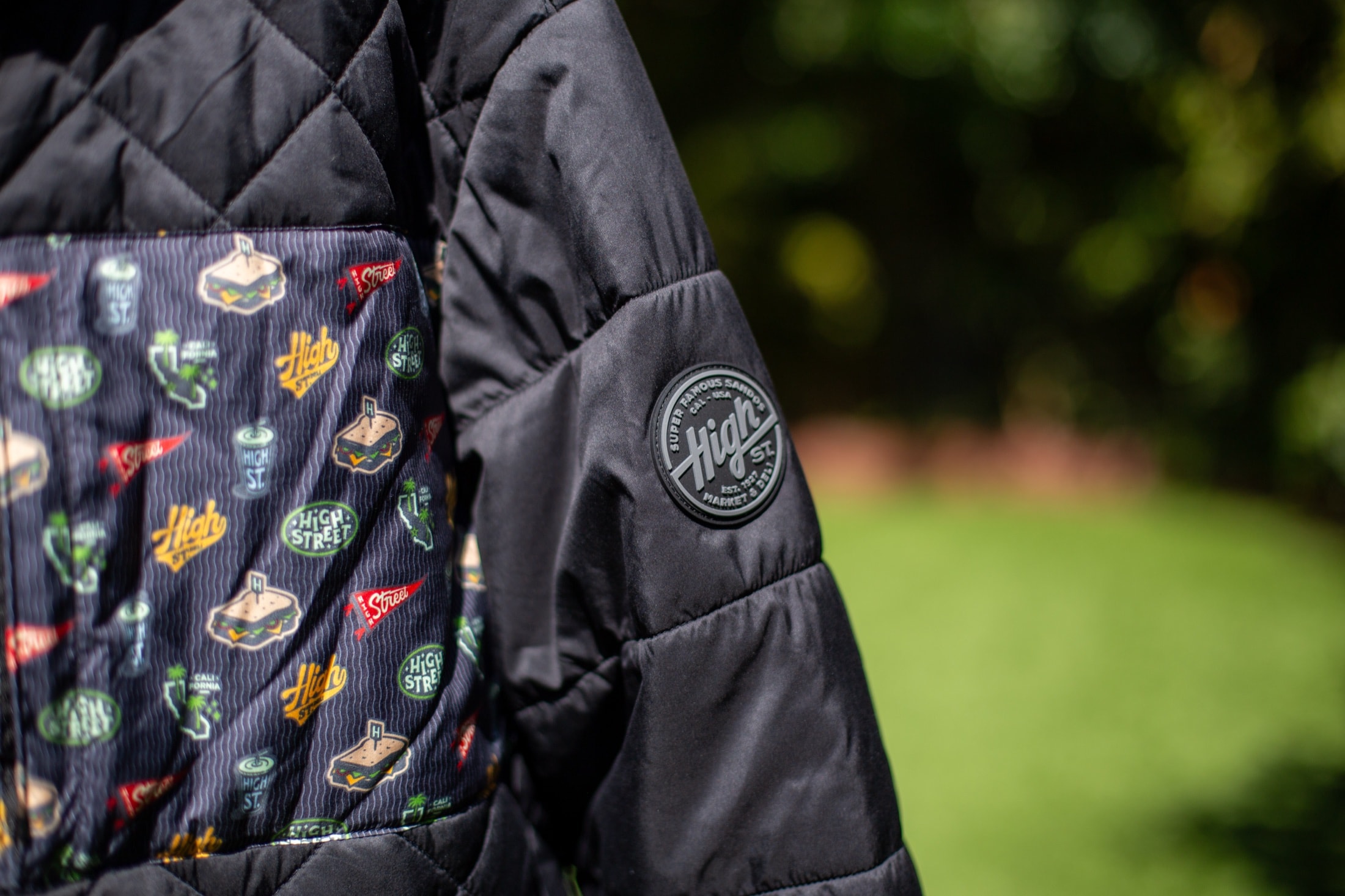
Outerwear is one of the fastest ways to make a merch program feel more substantial. A jacket, puffer, vest, windbreaker, or chore coat has more perceived value than a standard tee, and it tends to stay visible in real life. The tradeoff is that the details matter more.
Fit, weight, weather use, decoration placement, and size range all affect whether the piece becomes part of someone's rotation or sits in a closet. Outerwear should be selected like a product, not treated like a bigger blank.
Match the garment to the audience
A coaches jacket feels different from a puffer. A work jacket feels different from a lightweight windbreaker. The best choice depends on where the audience lives, how they dress, and what role the piece needs to play.
Restaurant brands, outdoor companies, campuses, hotels, beverage brands, and internal teams can all use outerwear well, but the product direction should not be identical. The jacket should feel natural next to the brand's existing world.
Use decoration with restraint
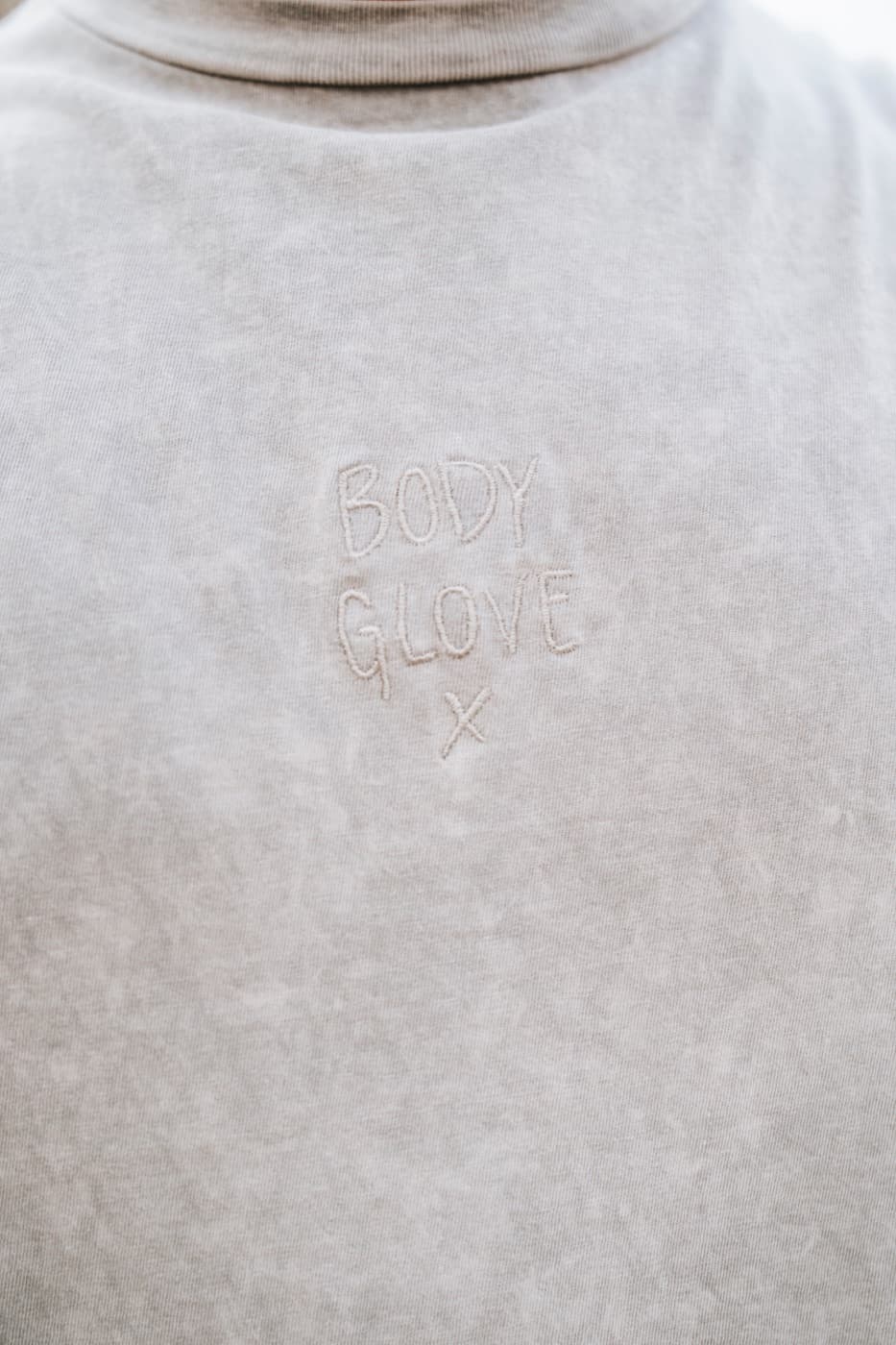
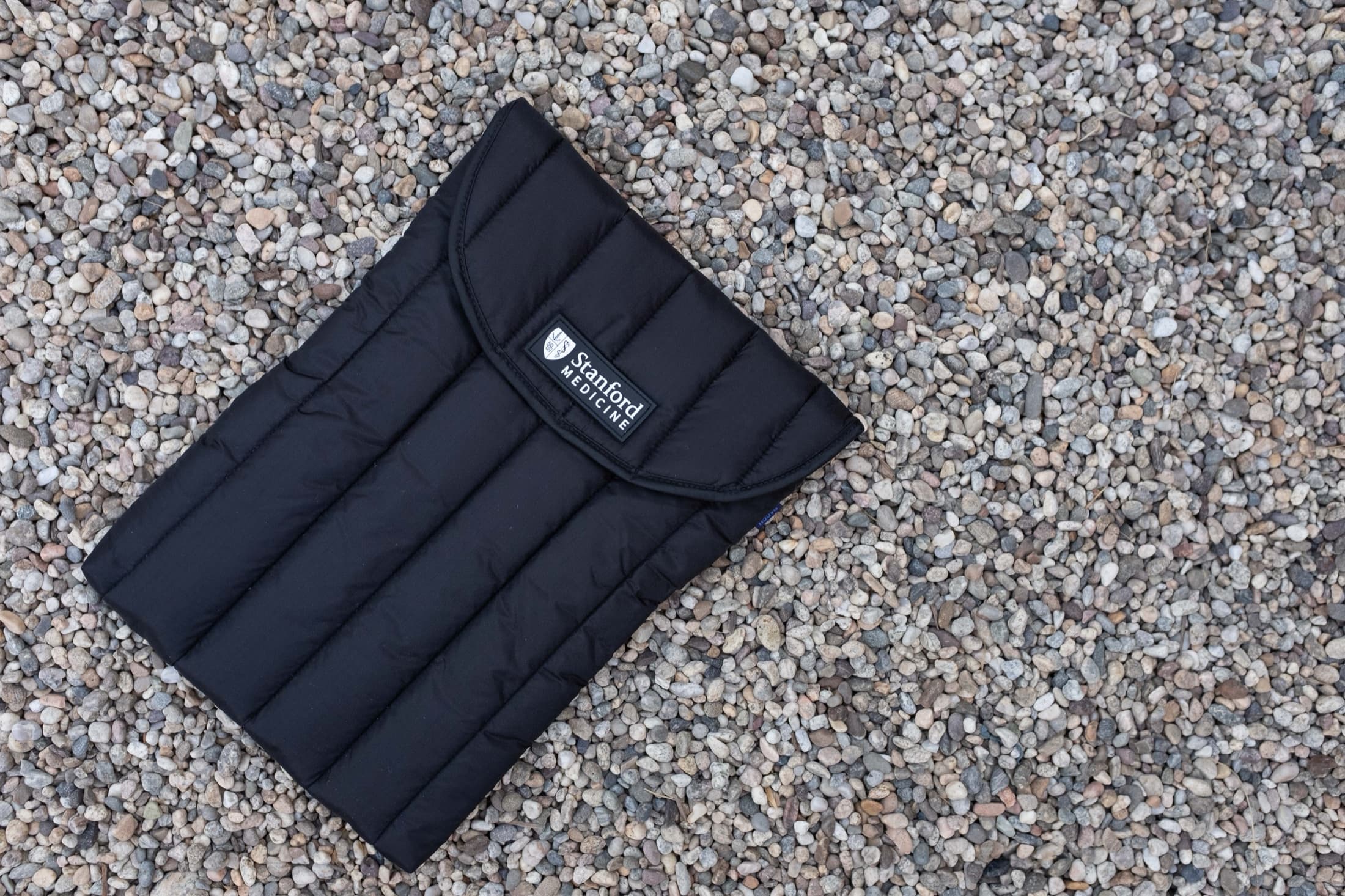
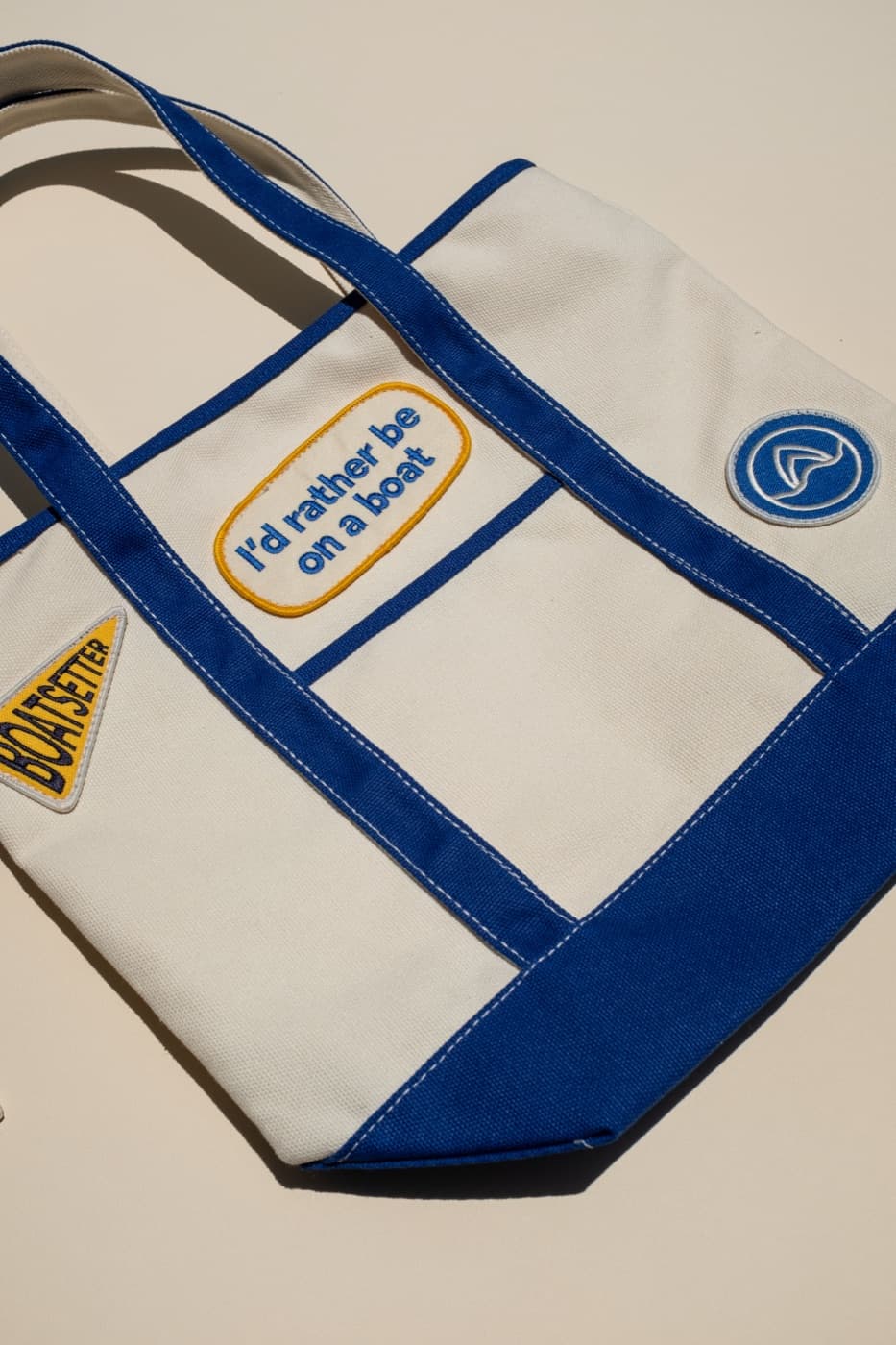
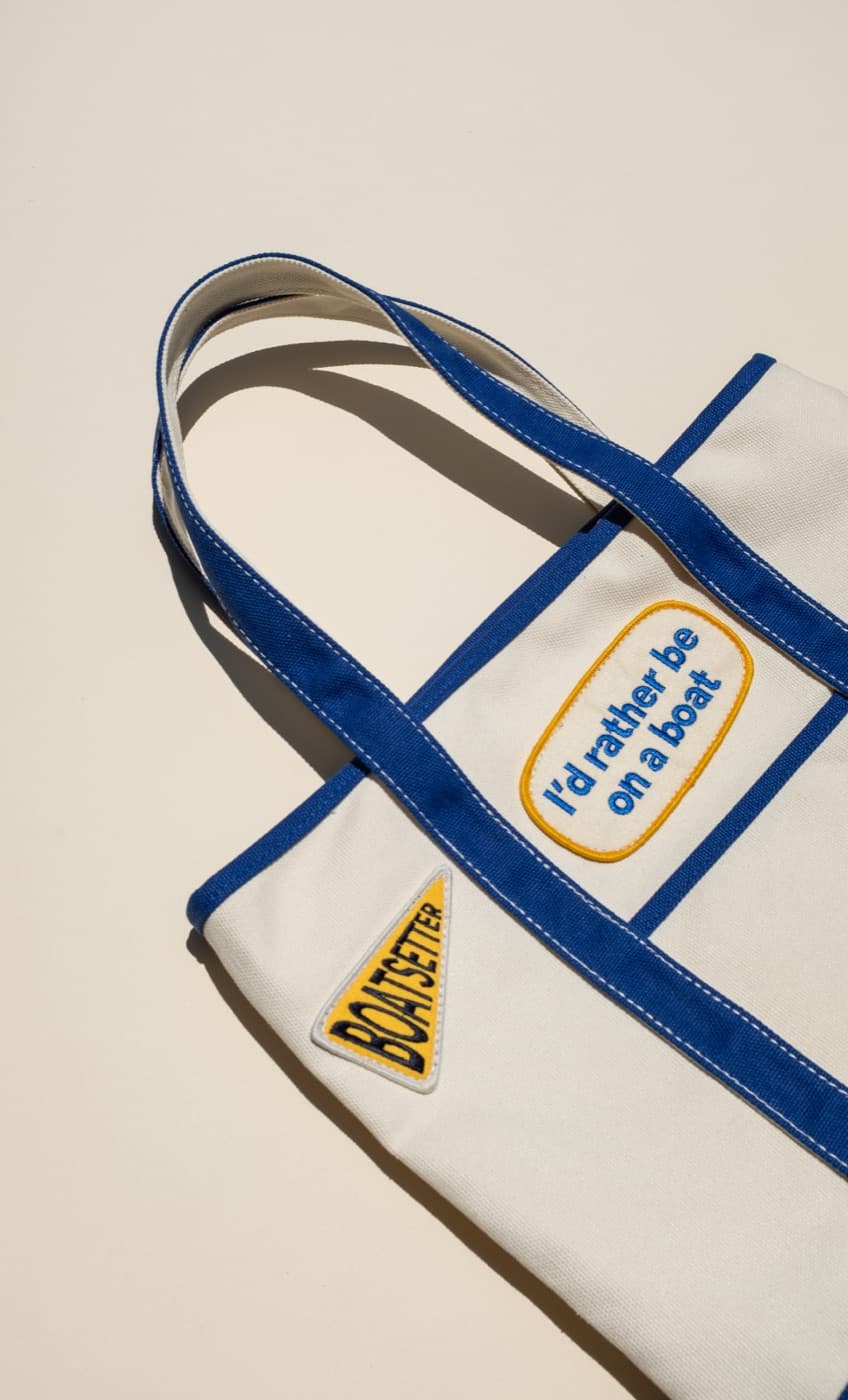
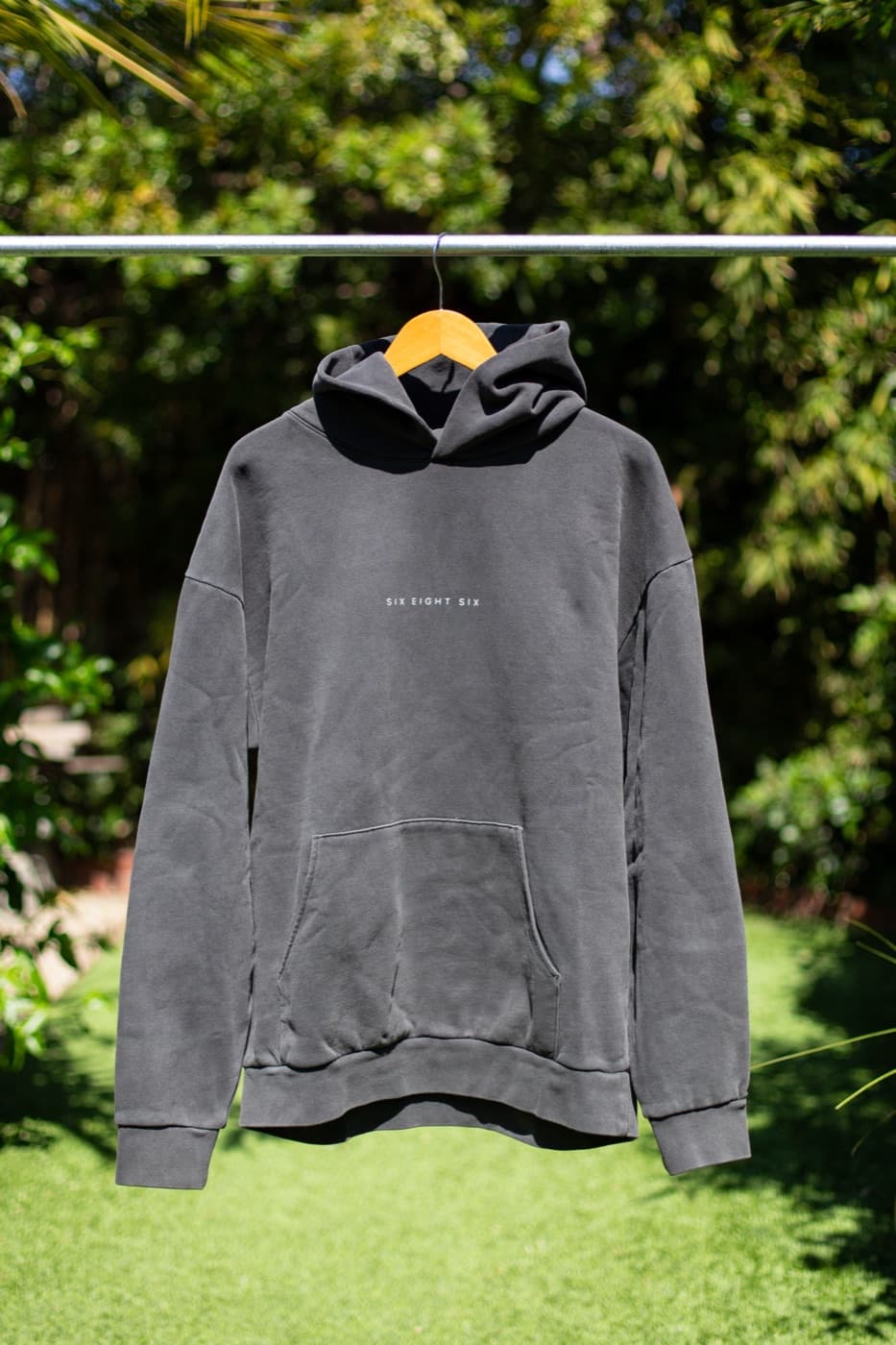
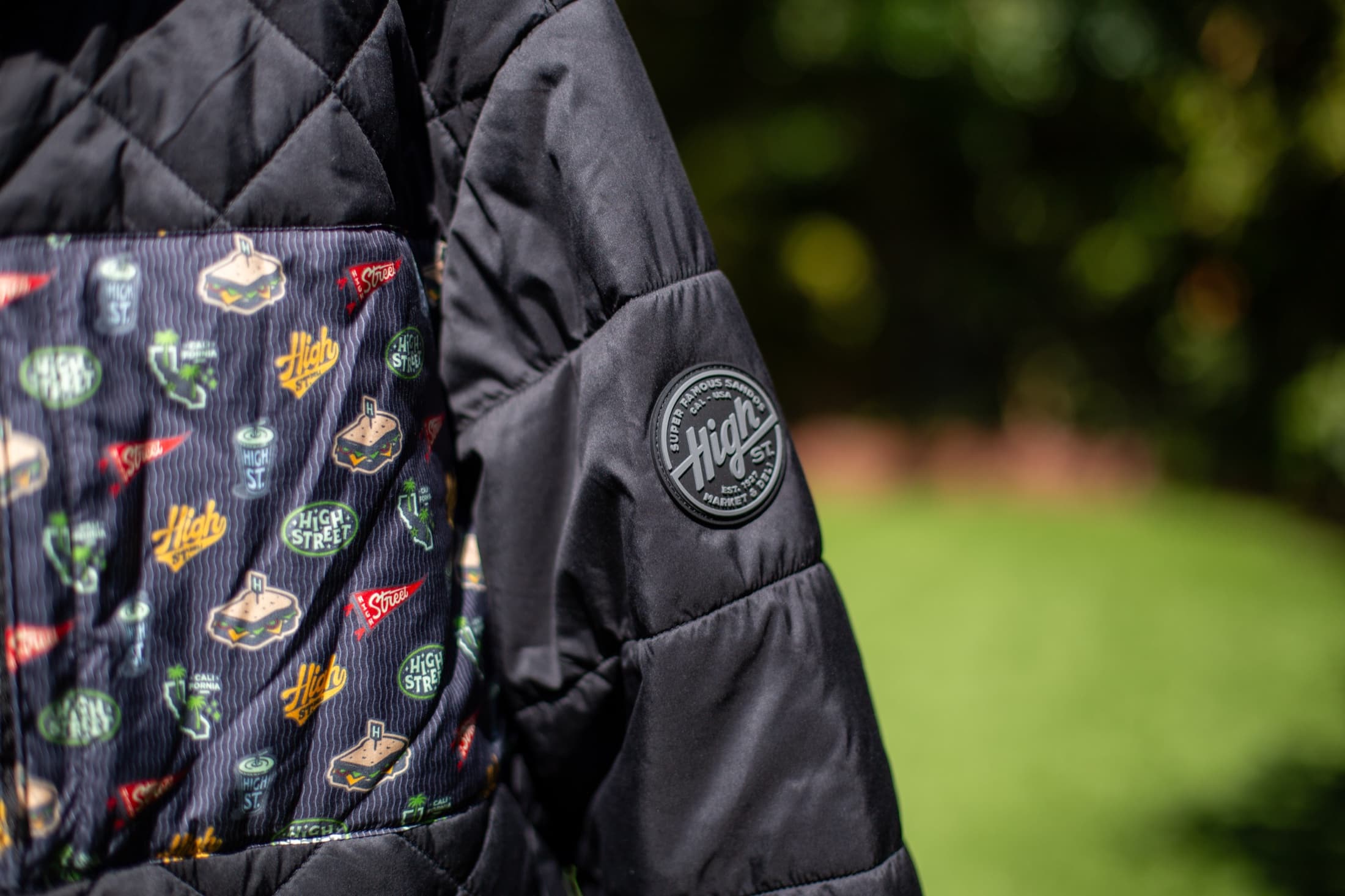
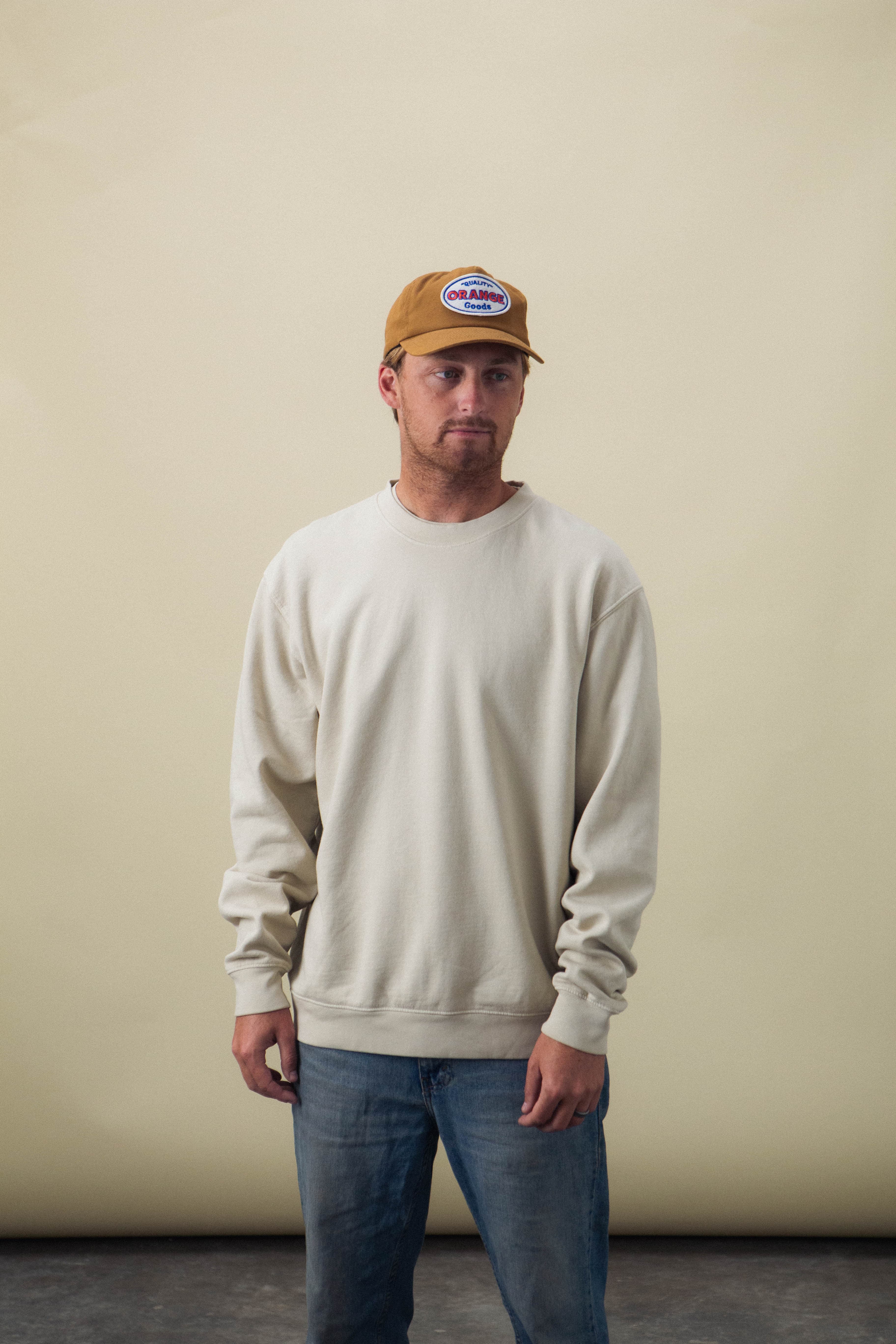
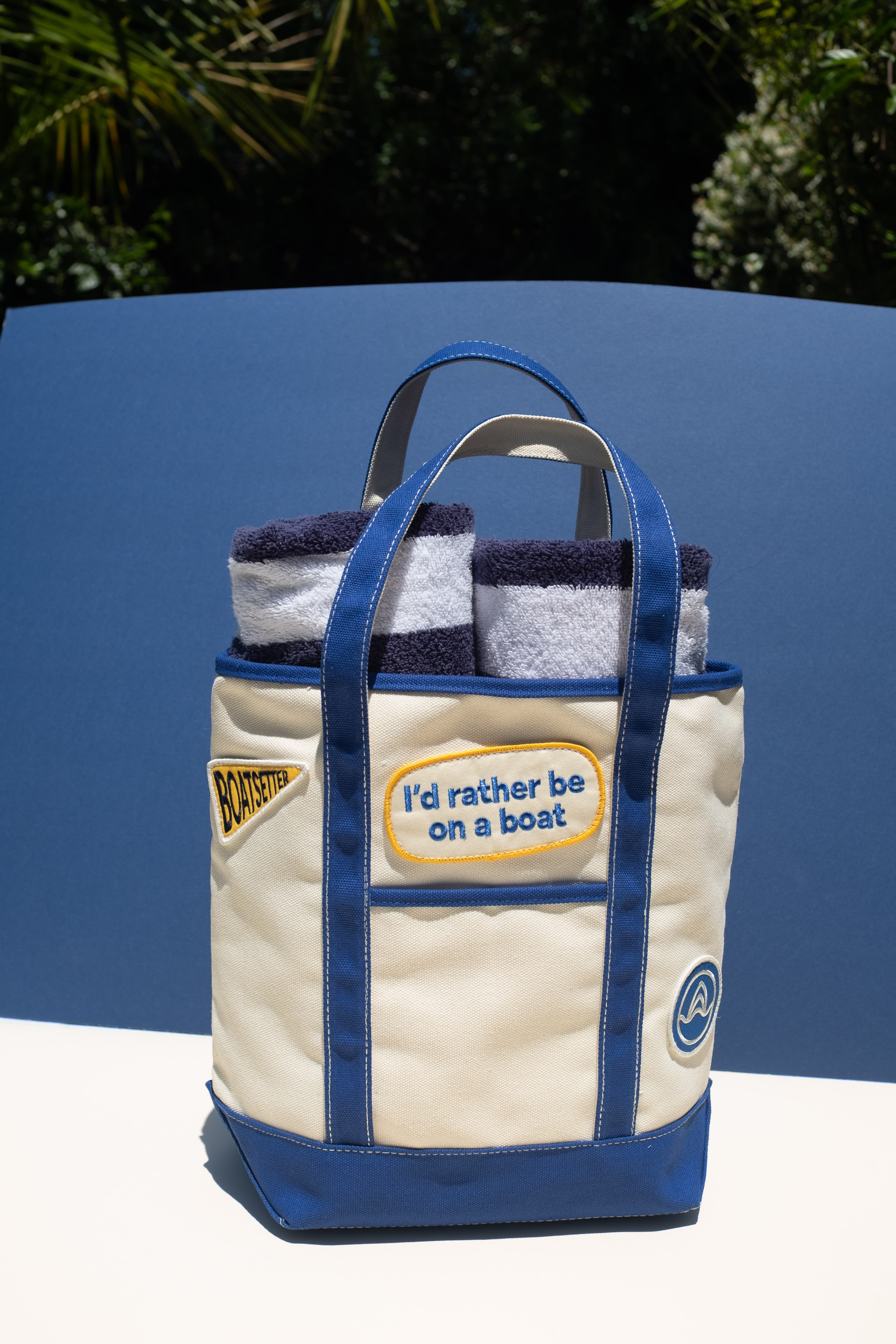
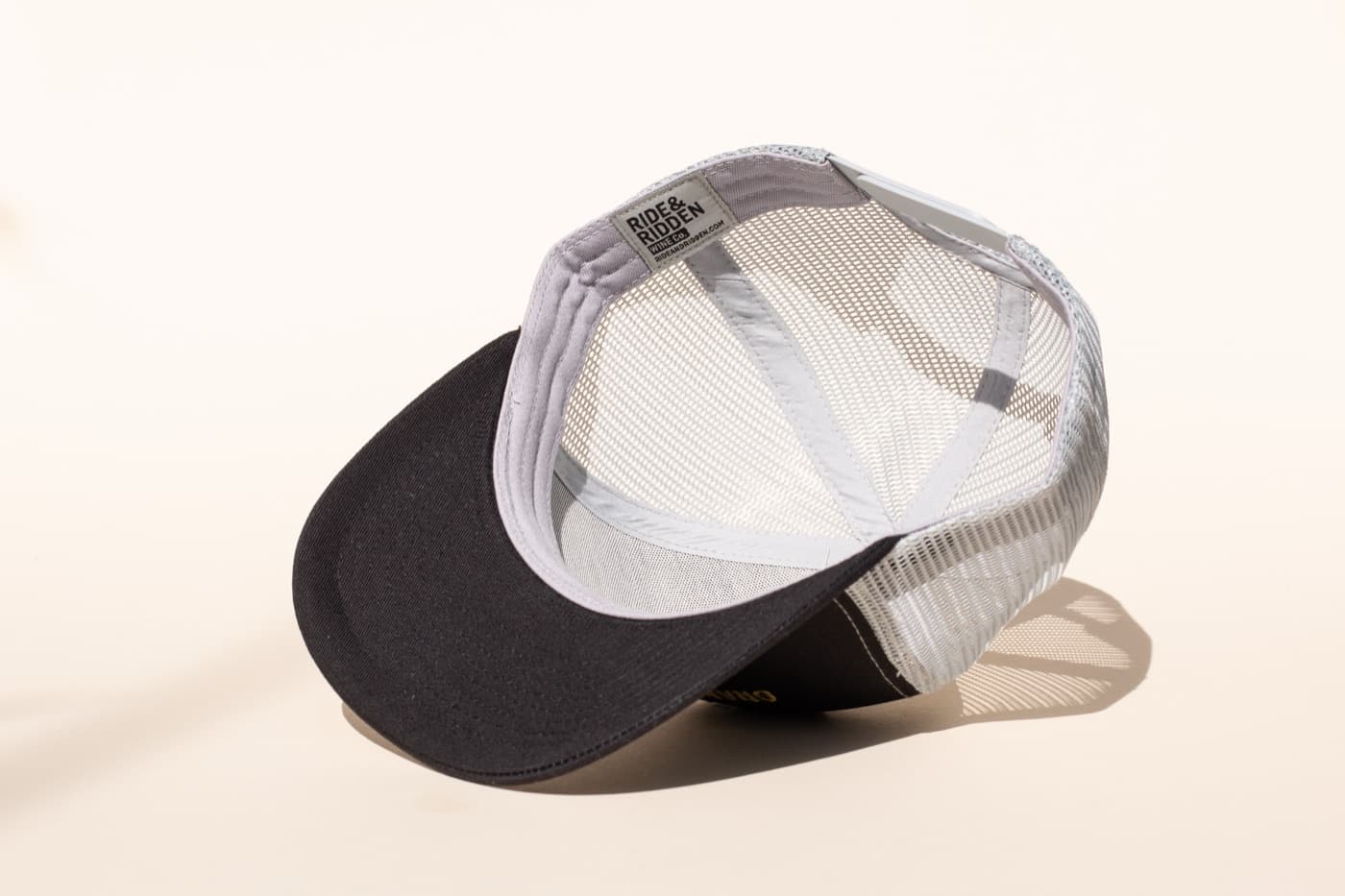
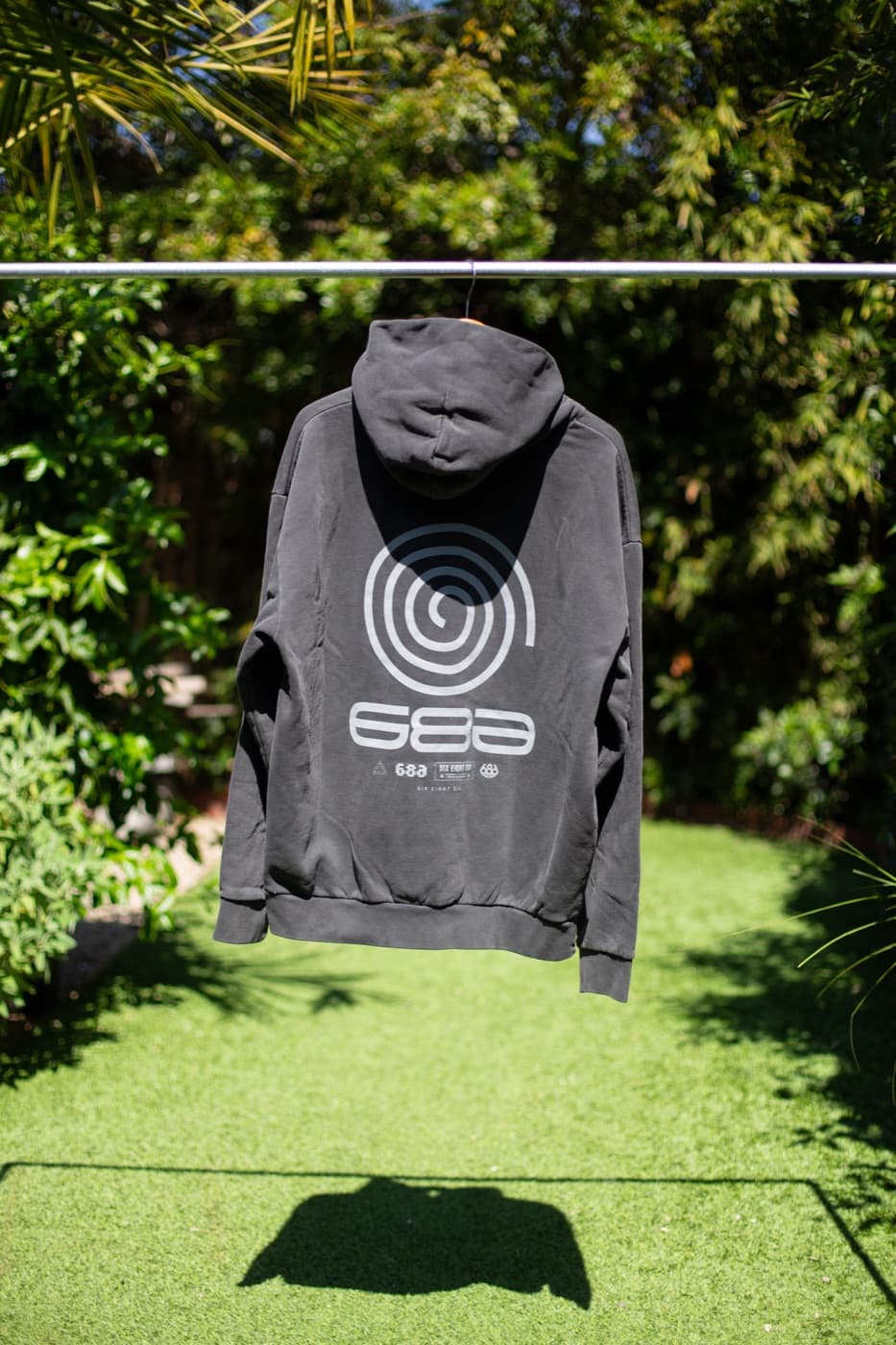
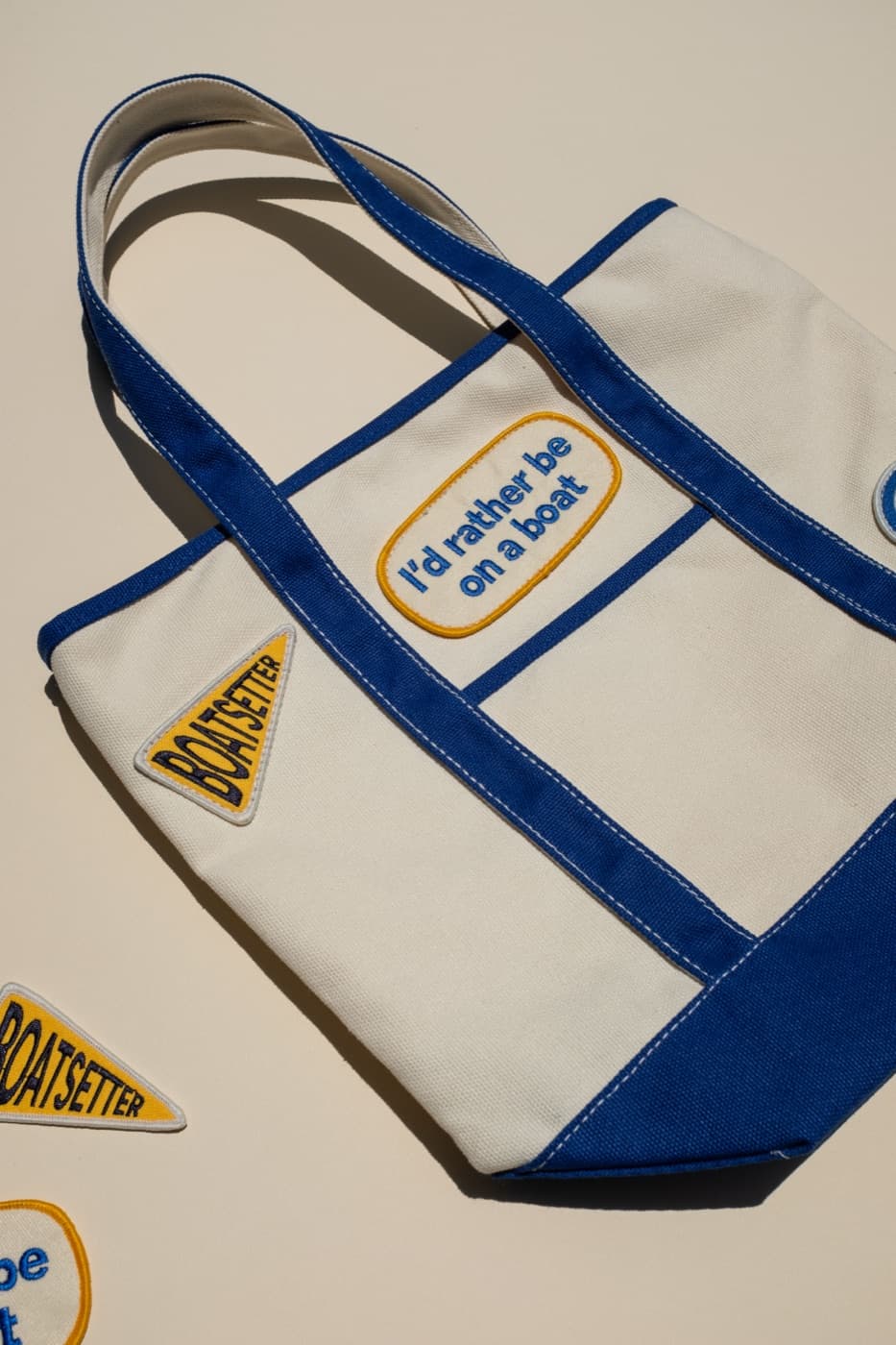
Outerwear often gets stronger when the branding is controlled. A chest embroidery, woven patch, sleeve hit, inside label, or back print can all work, but the garment should not feel overloaded. Higher-value pieces usually benefit from cleaner marks and better placement.
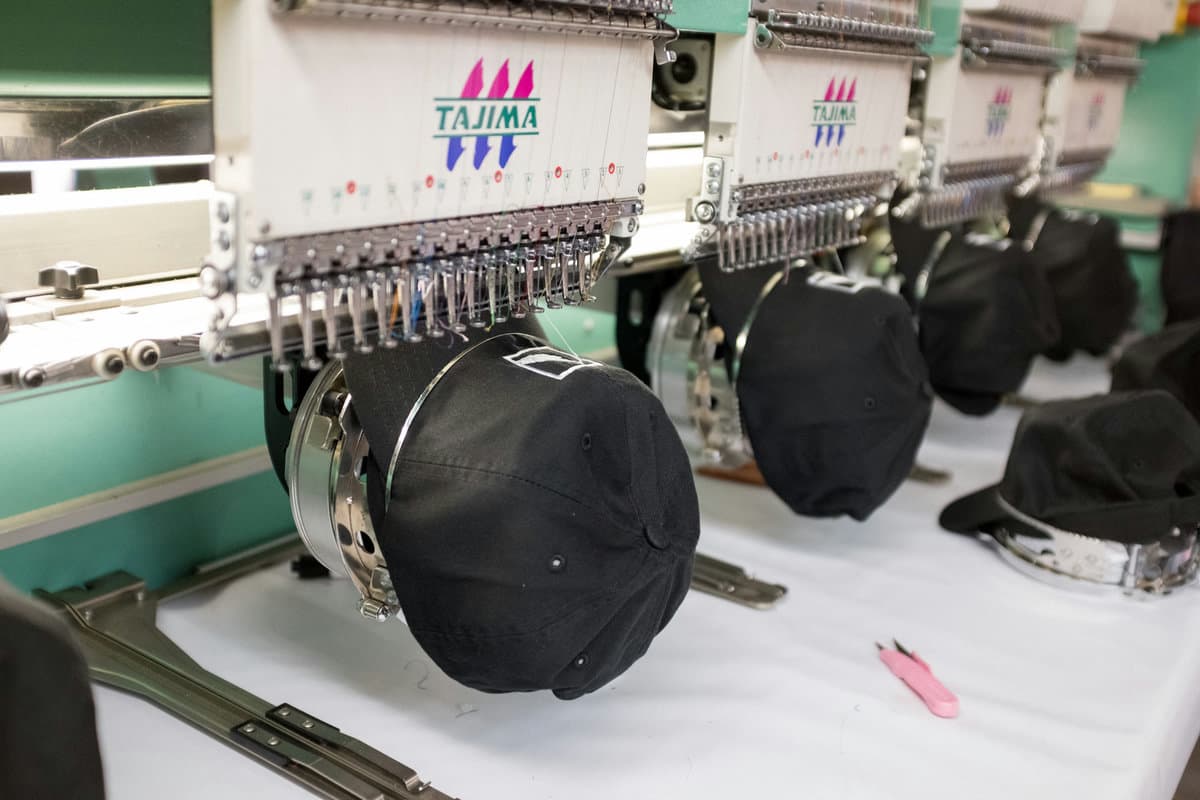
Decoration also has to respect the fabric. Quilted panels, seams, zippers, pockets, and insulation can limit where embroidery or print belongs. Proofing on the actual garment matters.
Plan sizing and quantities carefully
Outerwear costs more and usually has more sizing risk than accessories. A good size curve, clear audience assumptions, and realistic reorder plan help protect the budget. For employee programs, pre-collection can be worth the extra step. For retail drops, conservative depth by size is often smarter at first.
The takeaway
Custom outerwear can make brand merch feel premium, but only when the garment earns the decoration. Orange Goods helps brands choose the right layer, place the artwork, manage sizing, and build outerwear that feels intentional instead of overproduced.