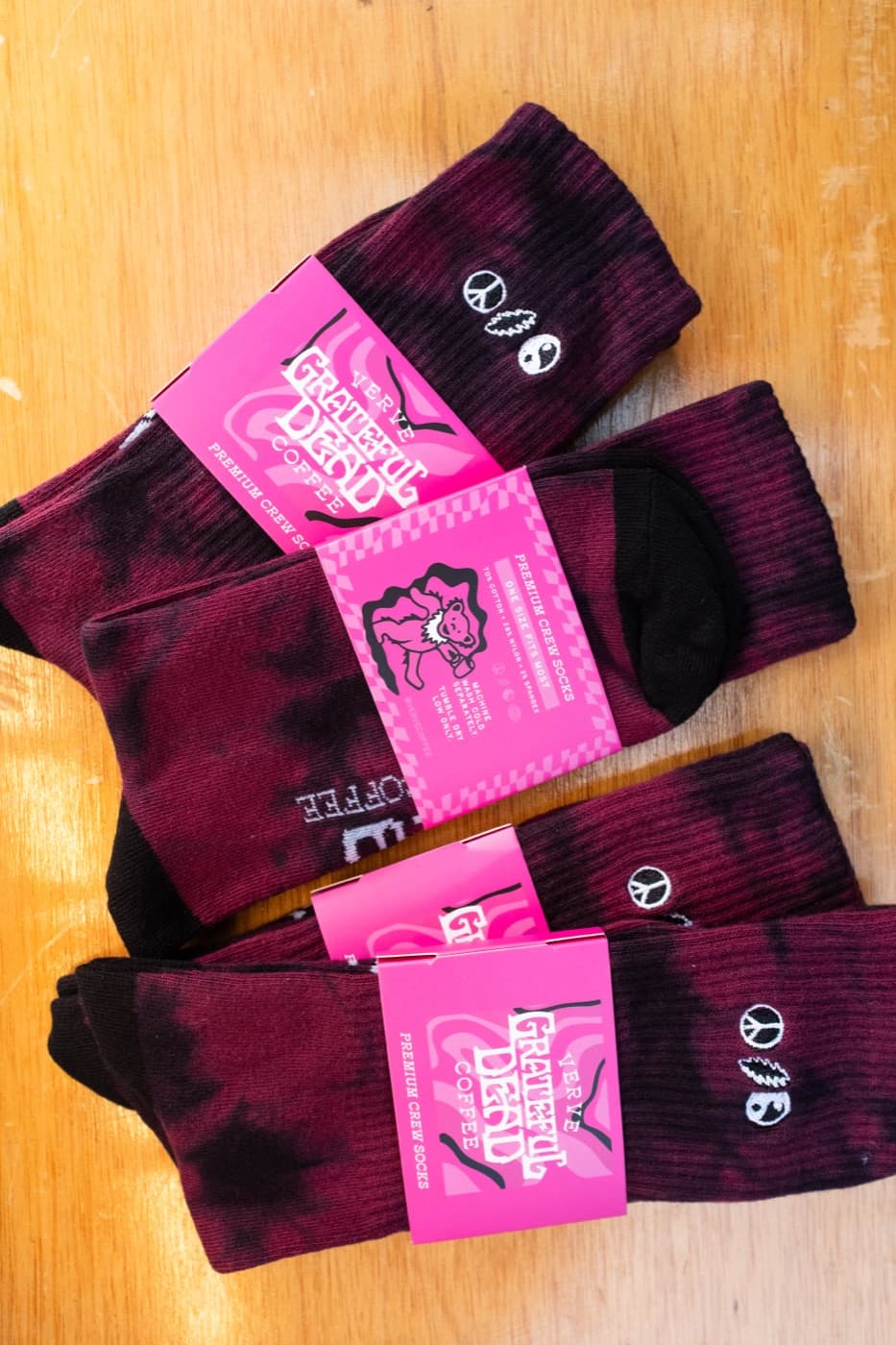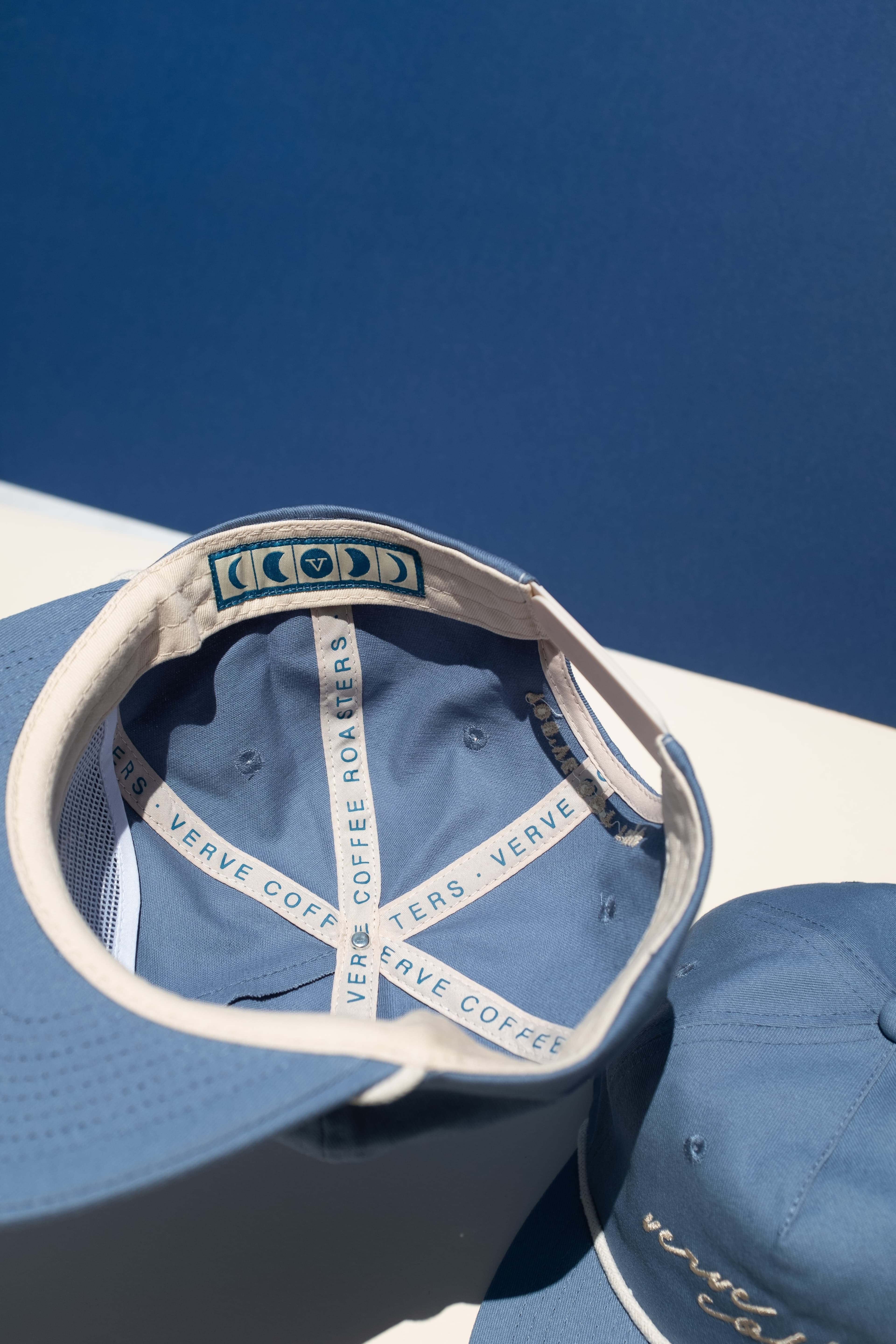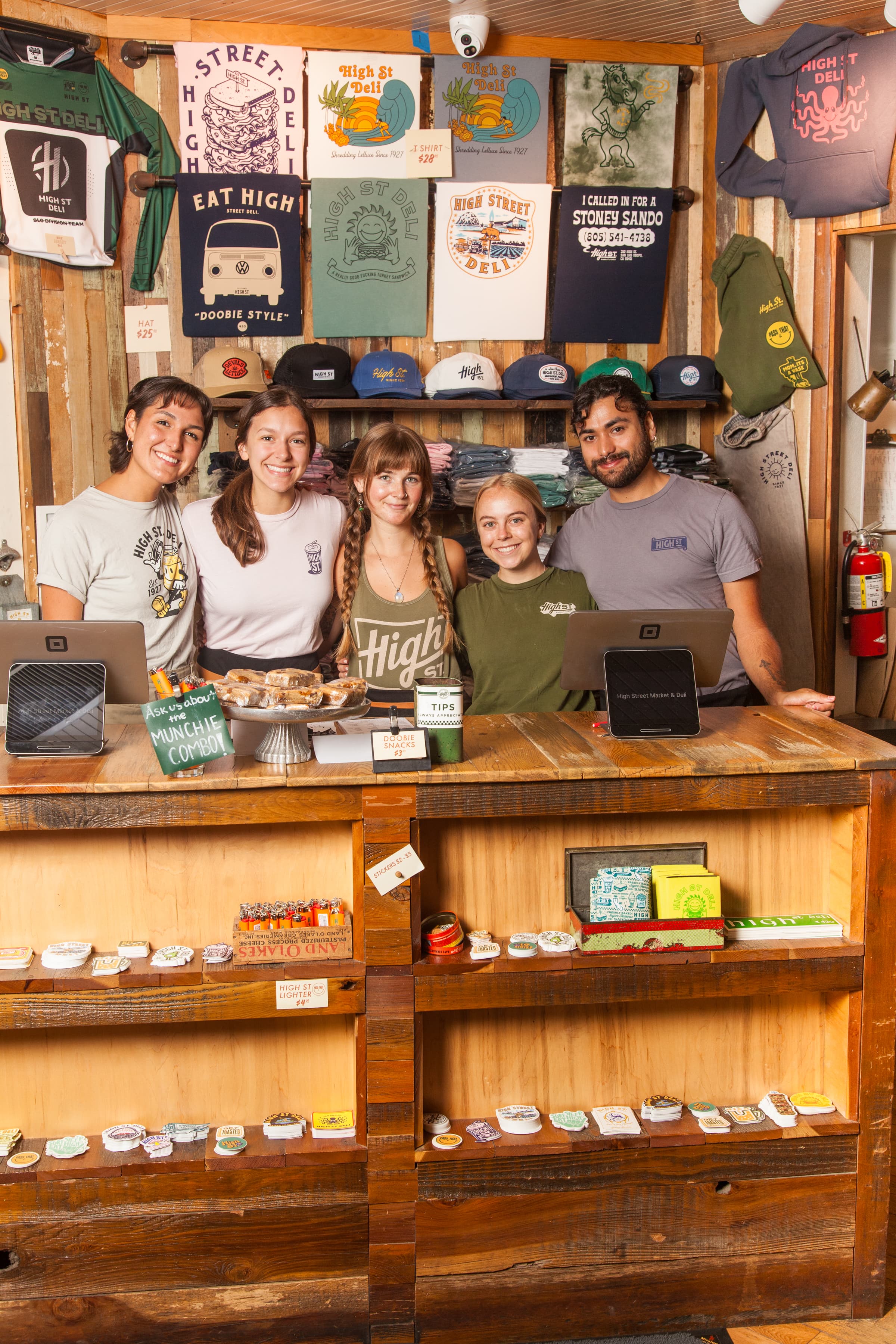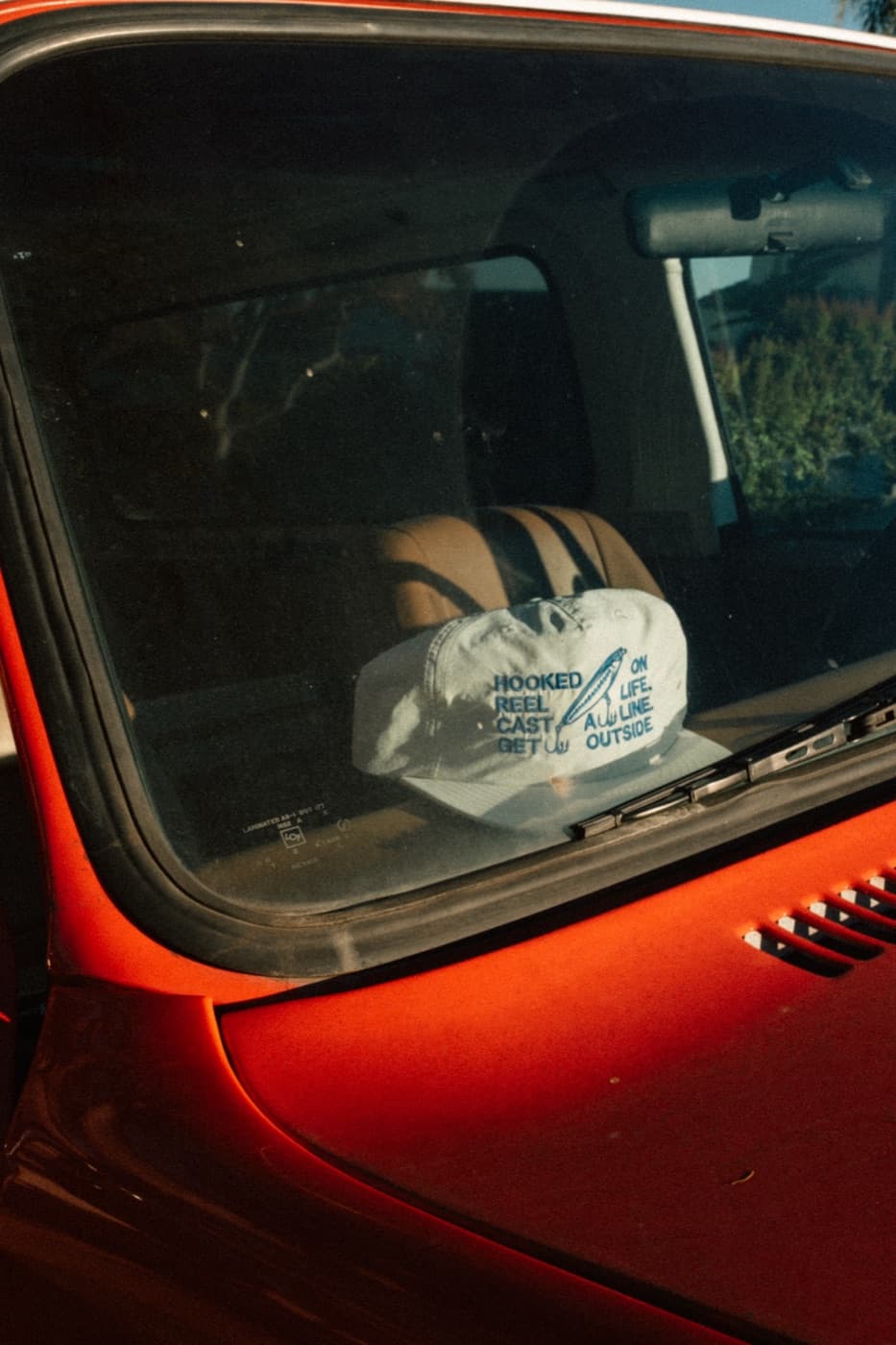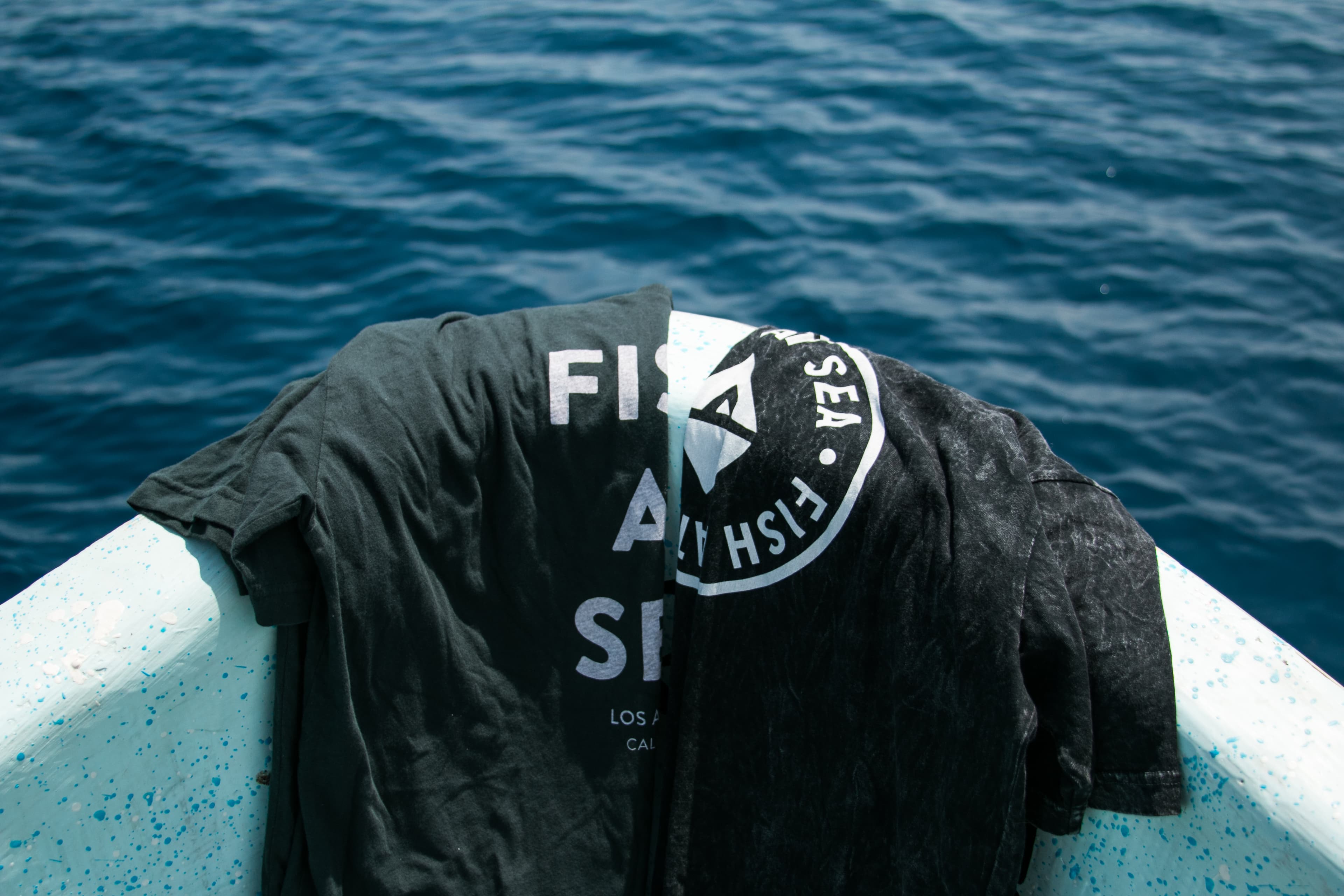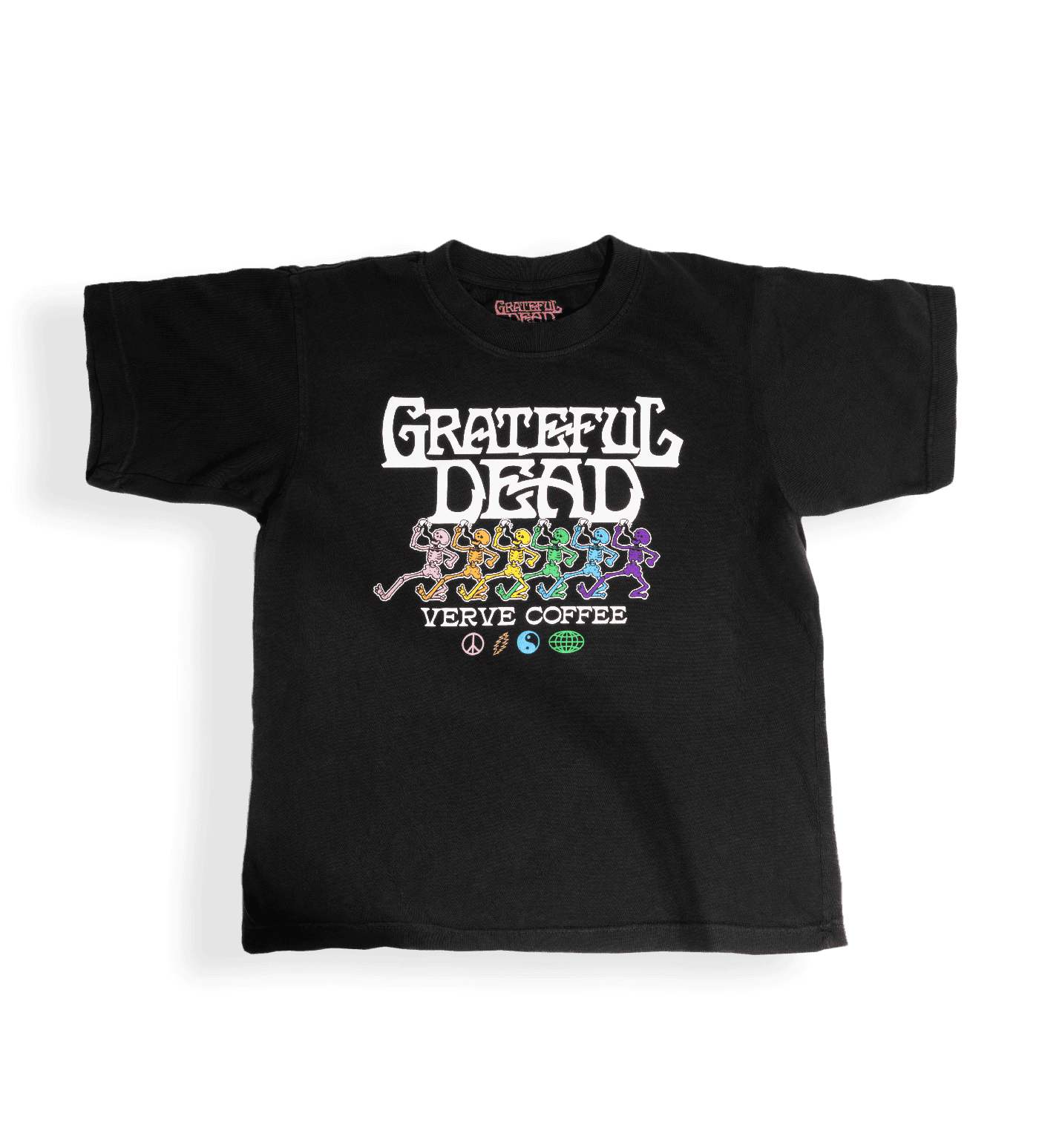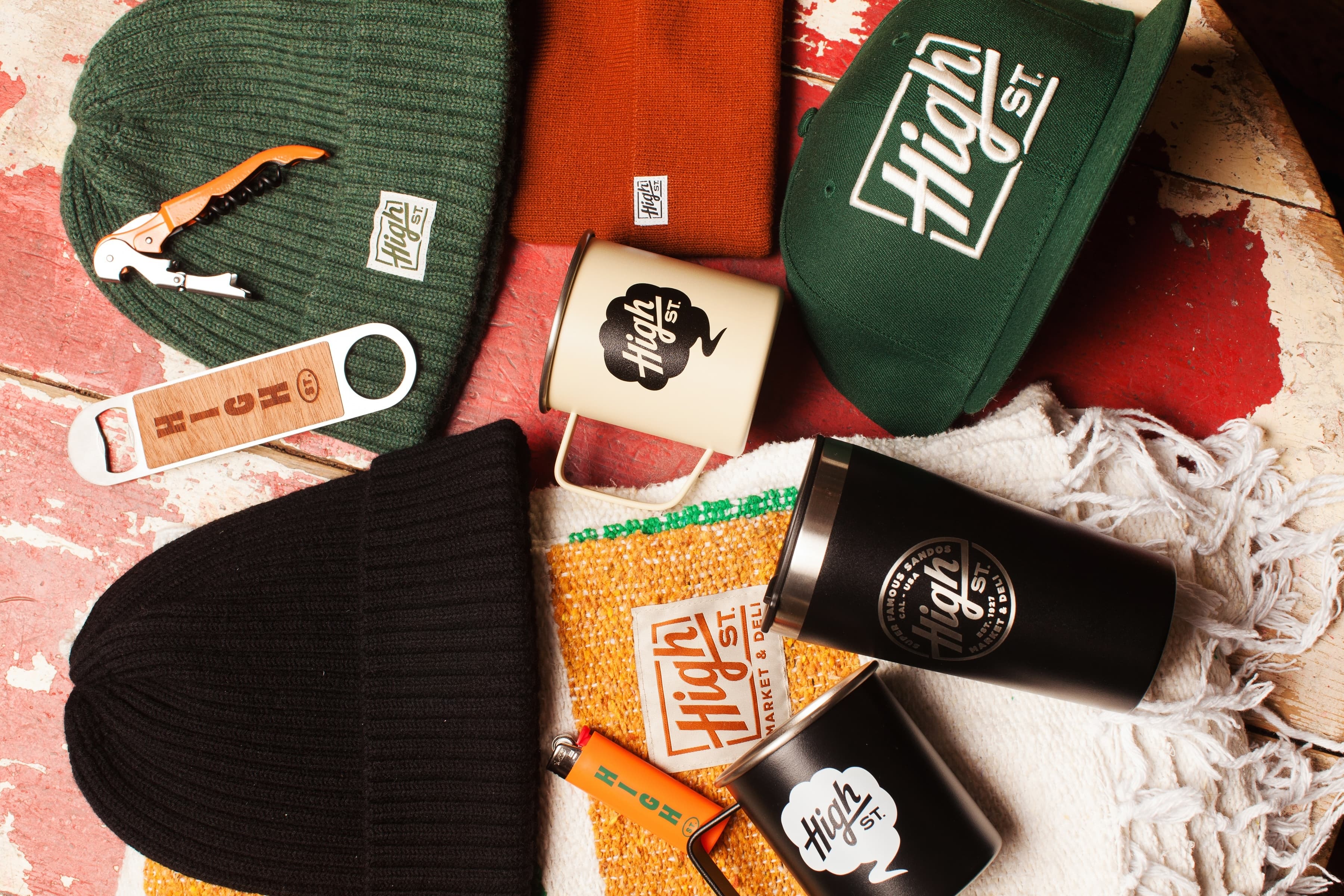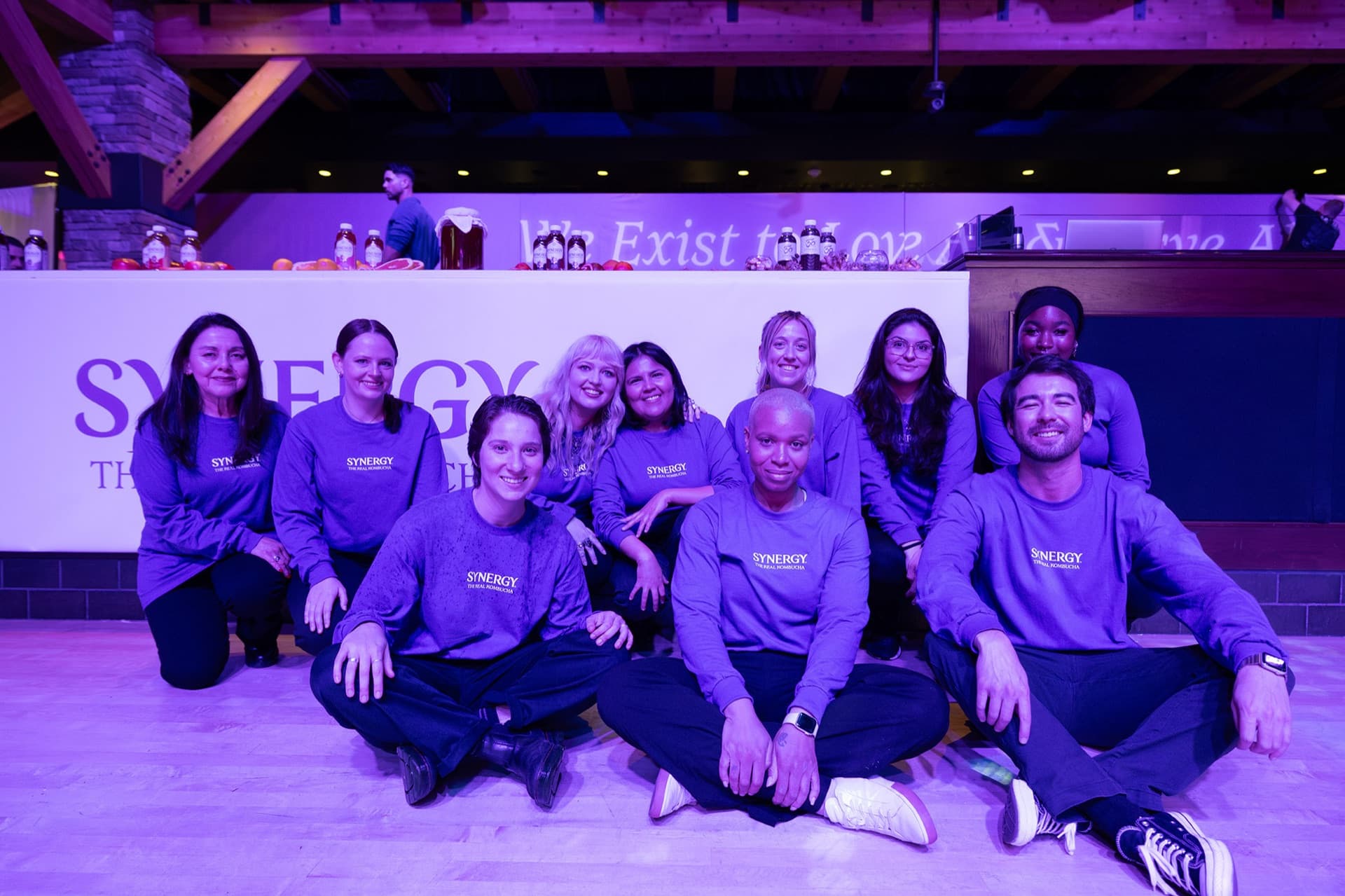
Branded merchandise for a small business has to earn its budget. You do not have unlimited room for experiments, and you probably do not have a warehouse waiting for slow-moving inventory. The goal is not to make every possible item with your logo on it. The goal is to make a focused set of pieces that people actually want, that fit your brand, and that support a real business moment.
Good merch can help a small business look more established, reward loyal customers, outfit staff, sell a retail add-on, or turn a local event into something memorable. Bad merch does the opposite. It burns budget, clutters storage, and quietly tells people the brand did not think very hard about what they were handing out.
Start with the budget reality
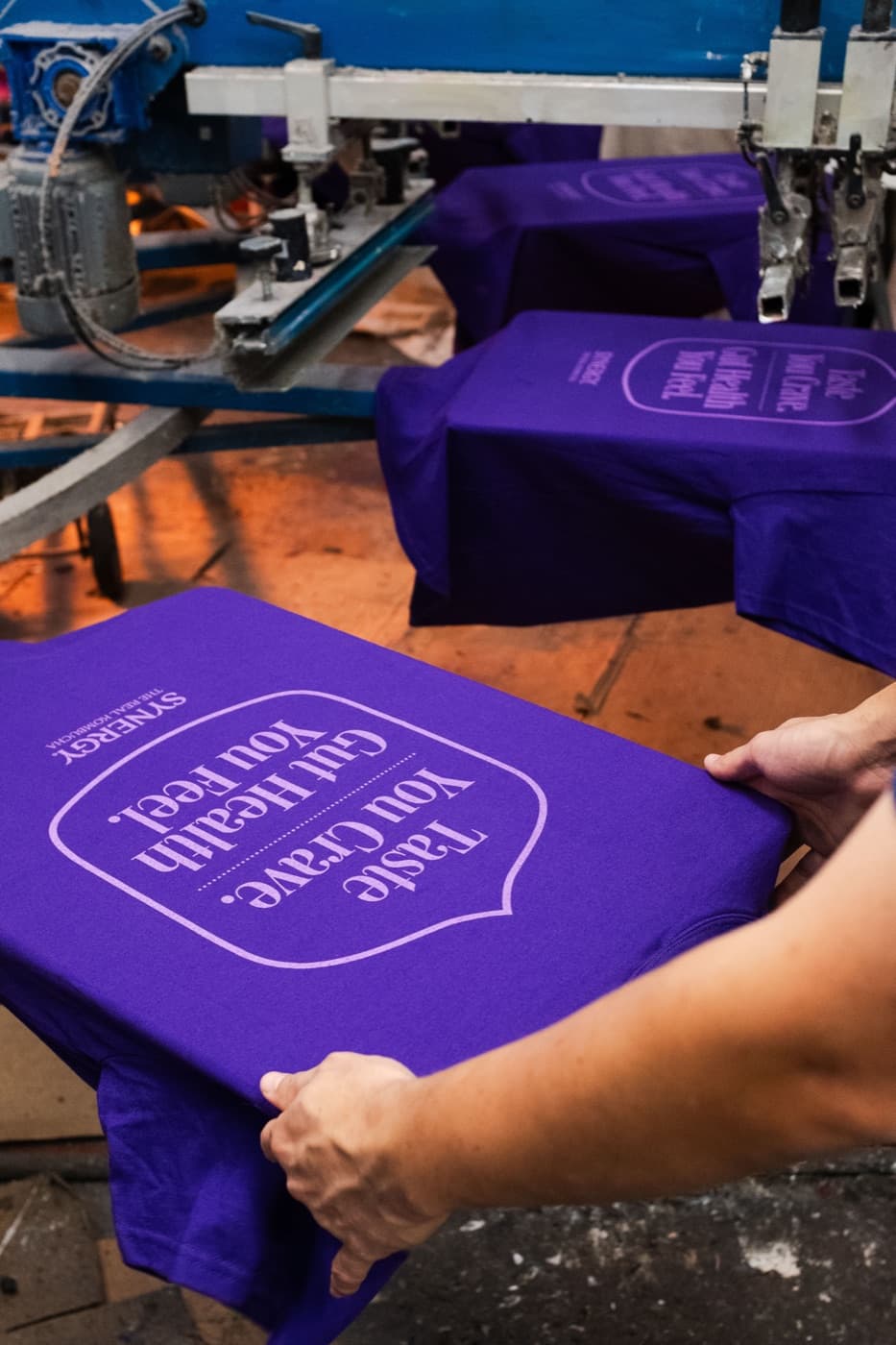
Small runs cost more per piece than large runs. That is normal. Setup, art prep, proofing, decoration, and project management all exist whether you make 100 pieces or 10,000. The mistake is trying to fight that reality by choosing the cheapest possible product. A low-cost tee that no one wears is not cheaper. It is just waste with a logo.
Instead, set a realistic budget and decide what the merch needs to do. If the goal is staff uniforms, prioritize comfort, fit, and reorderability. If the goal is a customer gift, prioritize perceived value. If the goal is resale, think like a retail buyer: silhouette, fabric, art, sizing, margin, and display all matter.
What gets worn
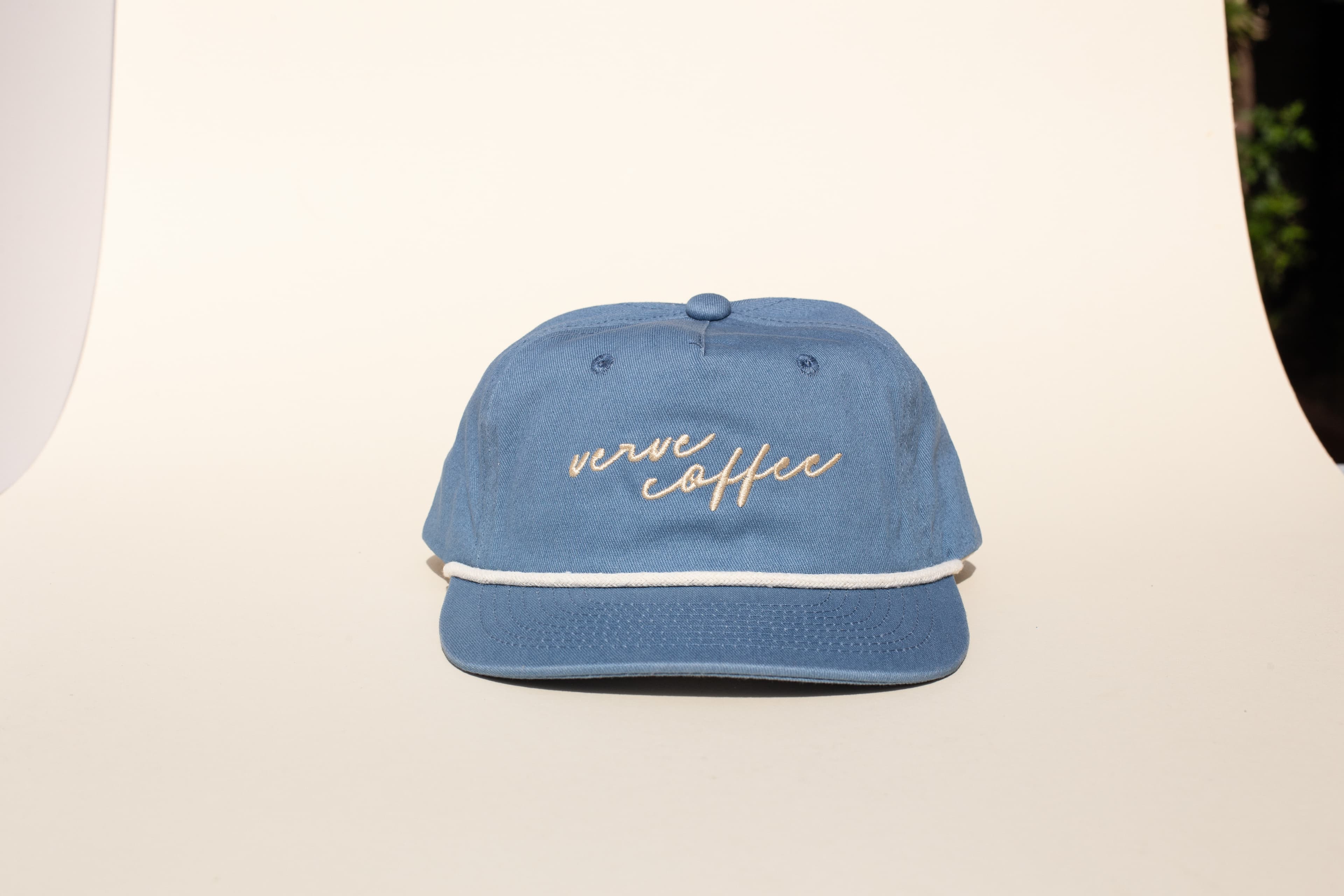
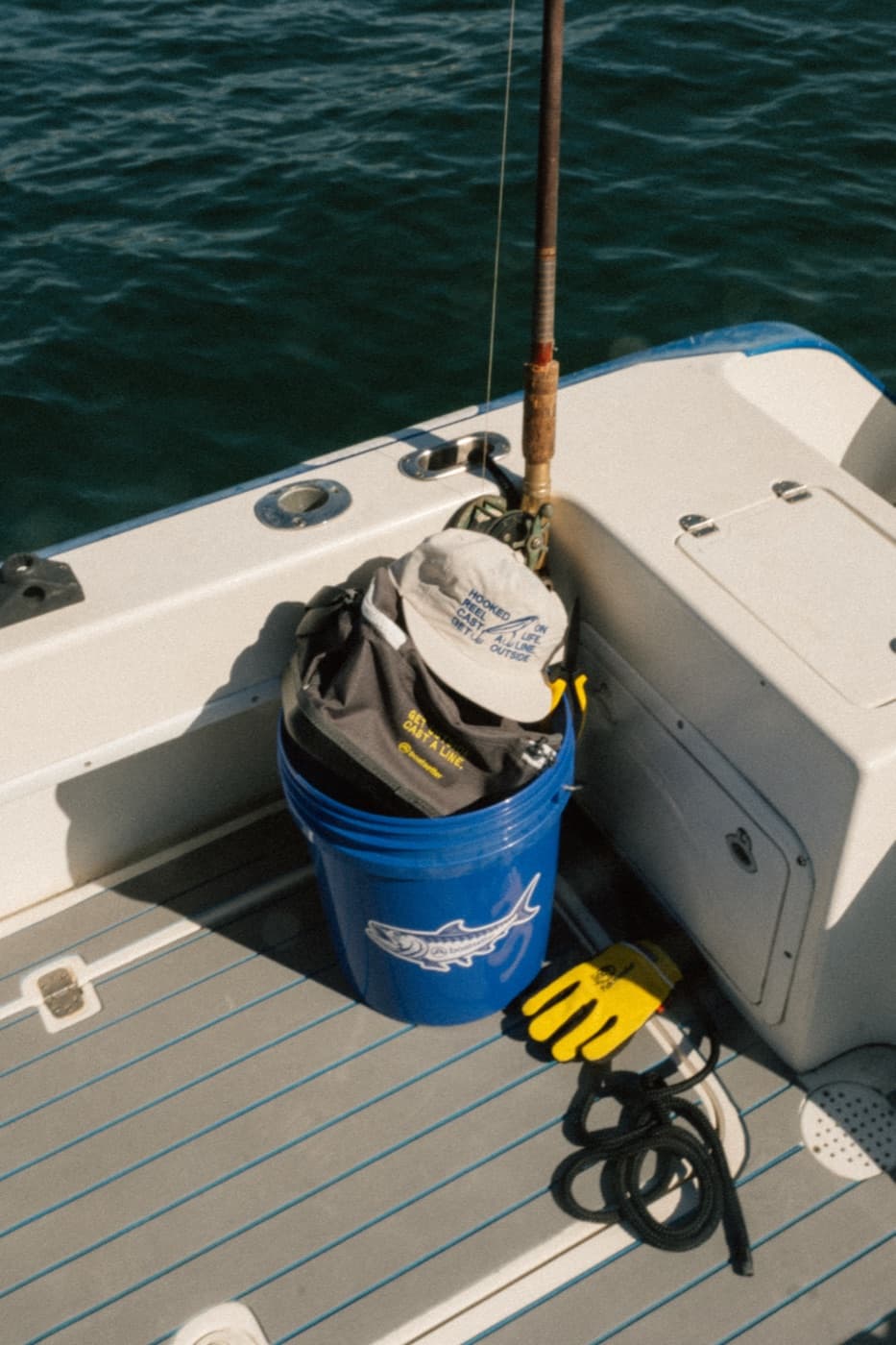
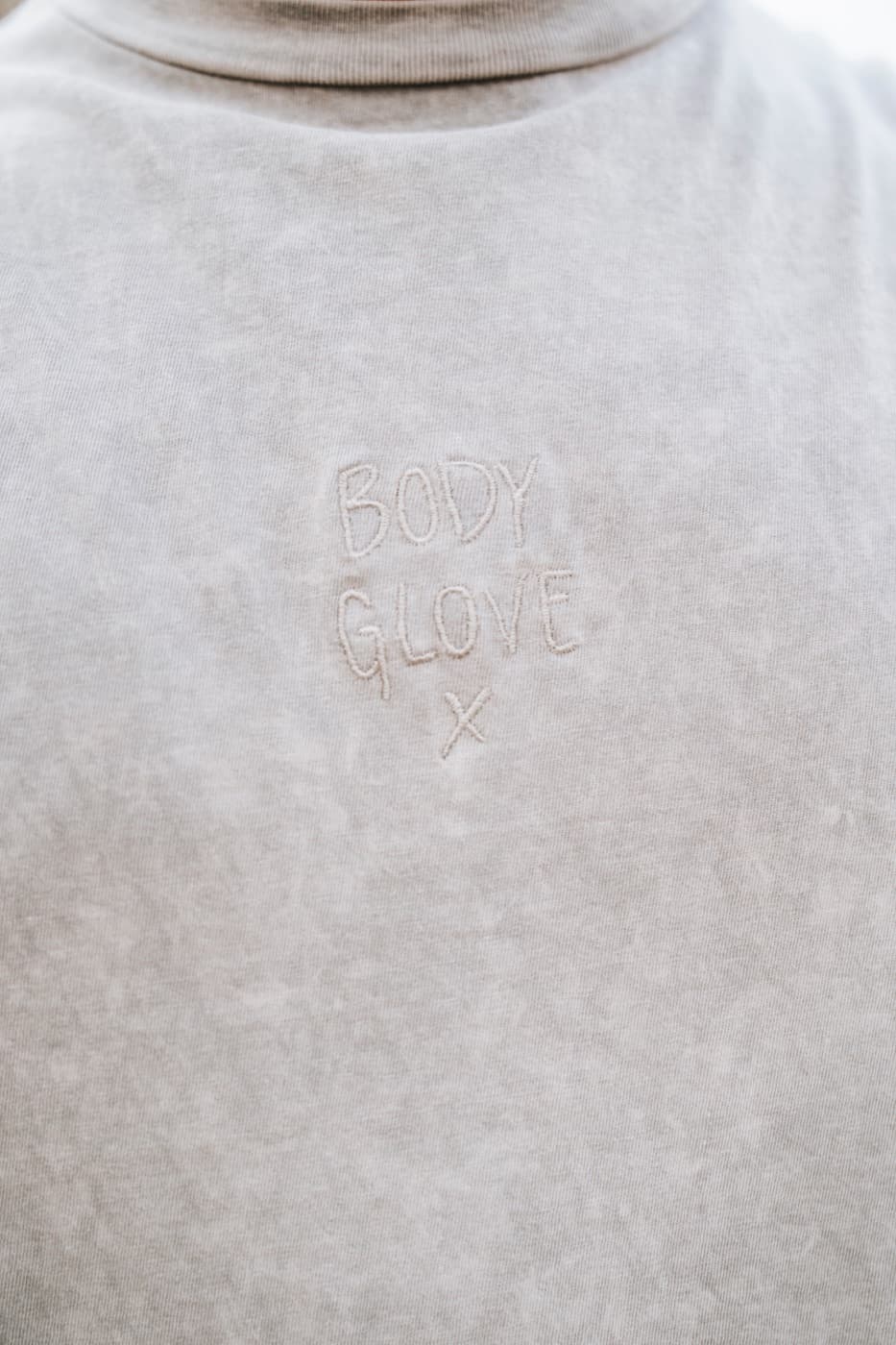
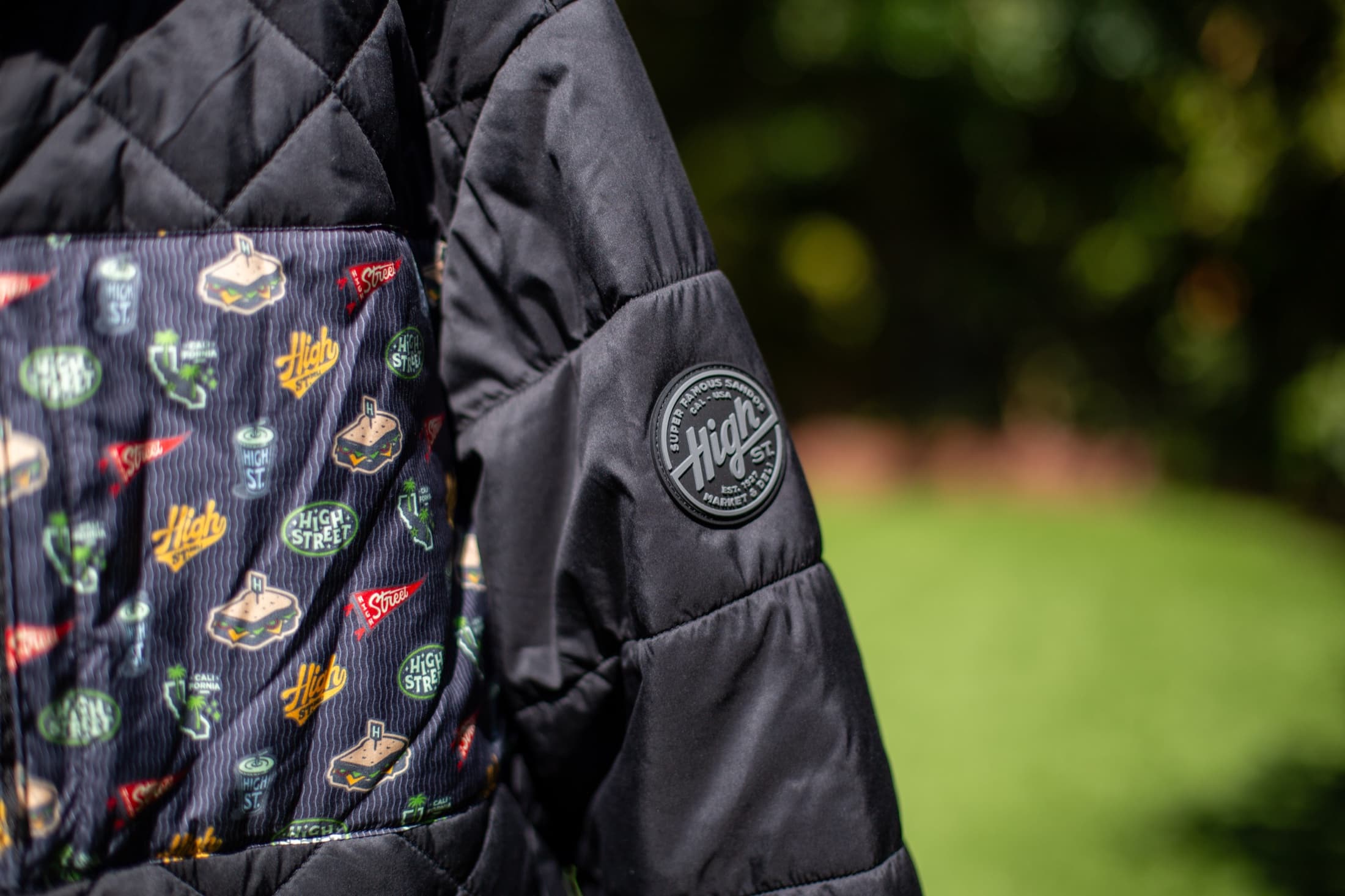
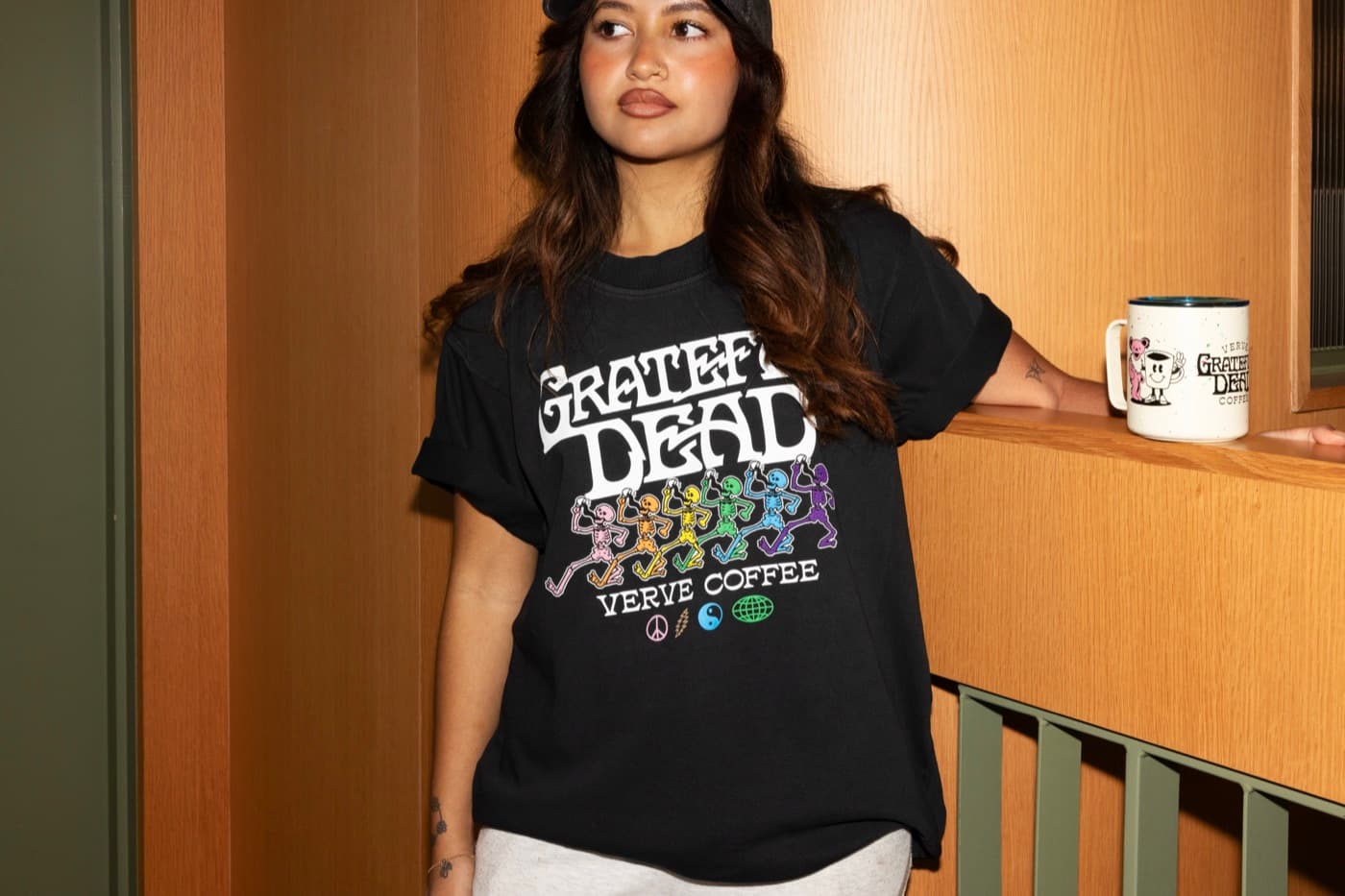
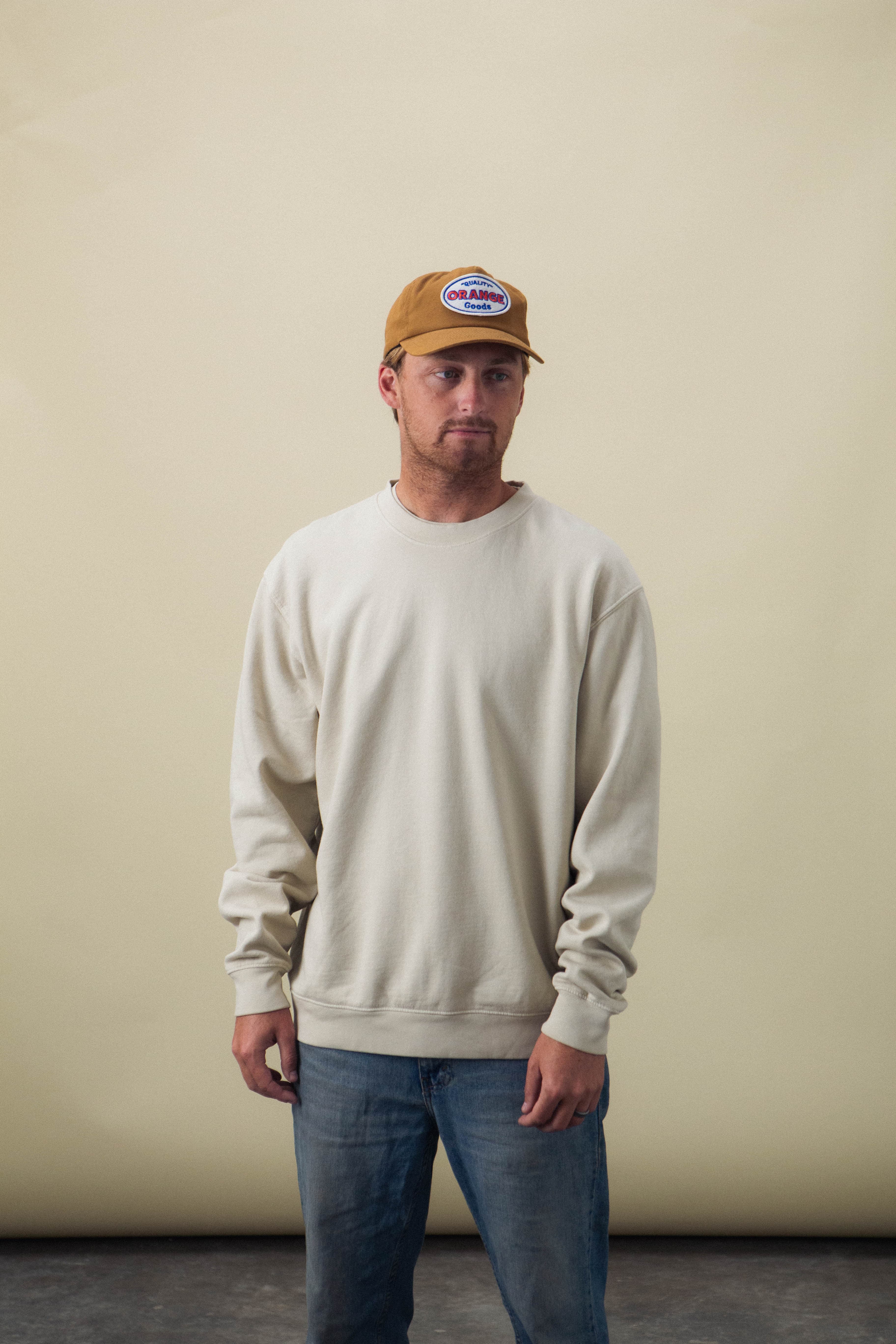
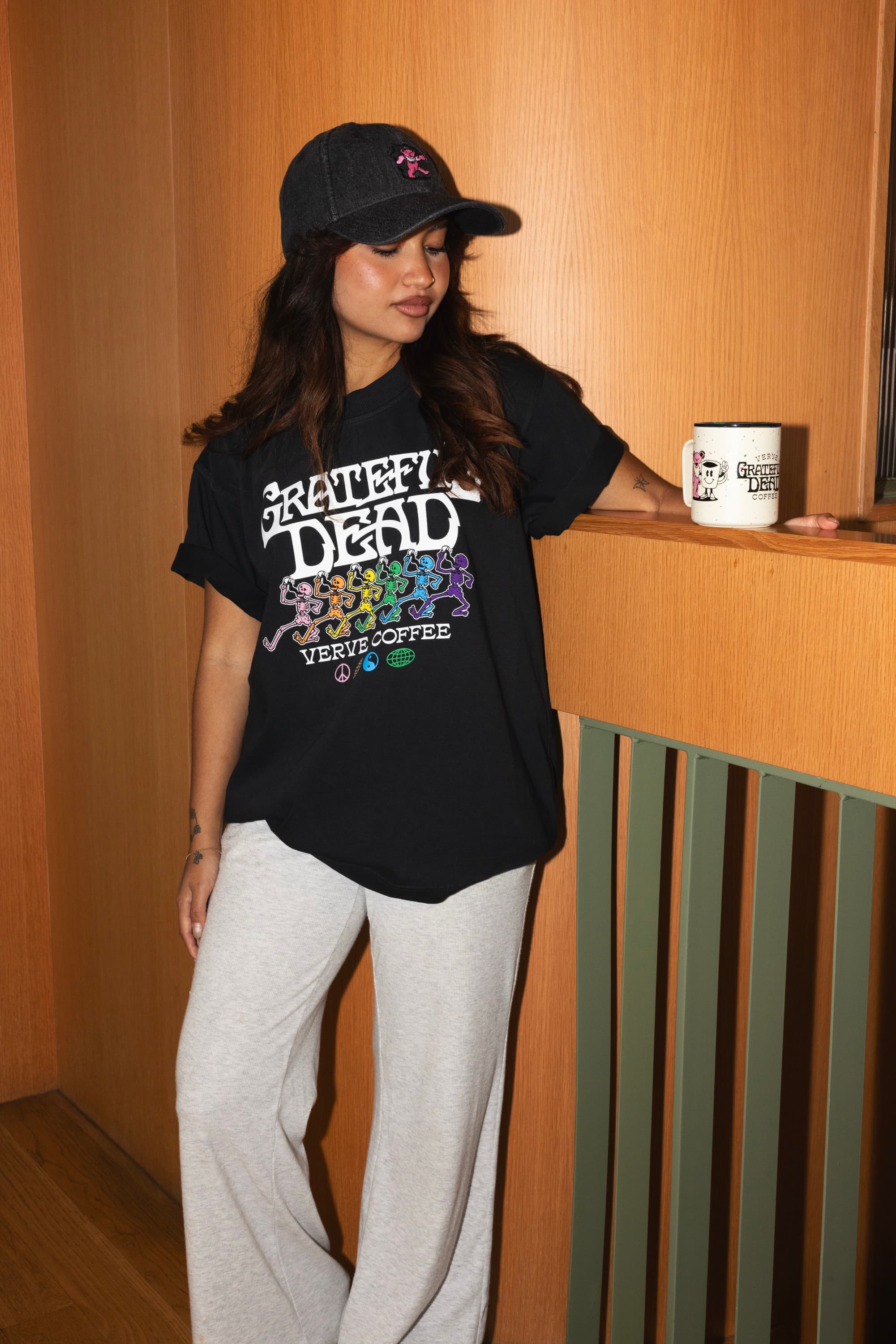
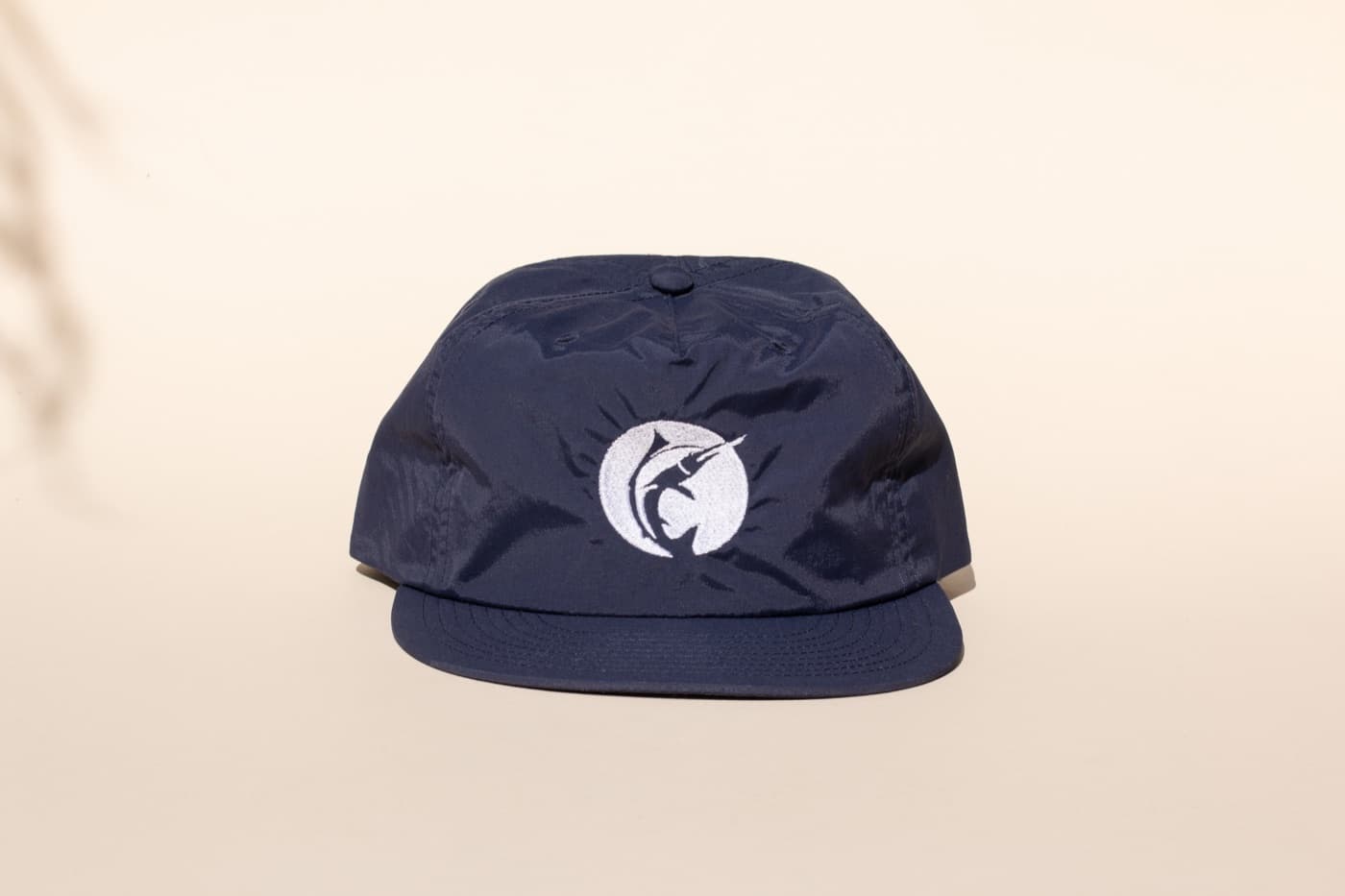
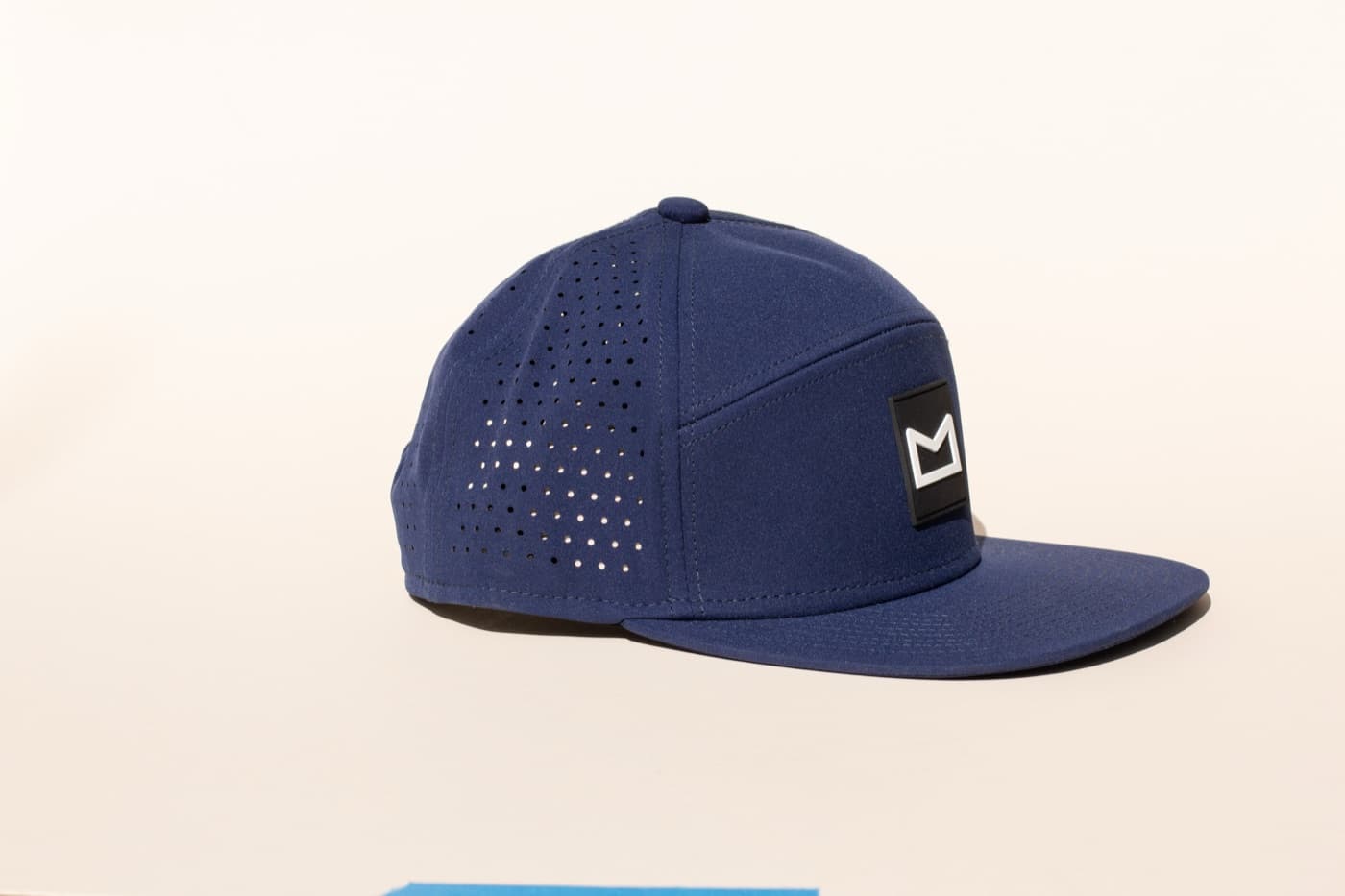
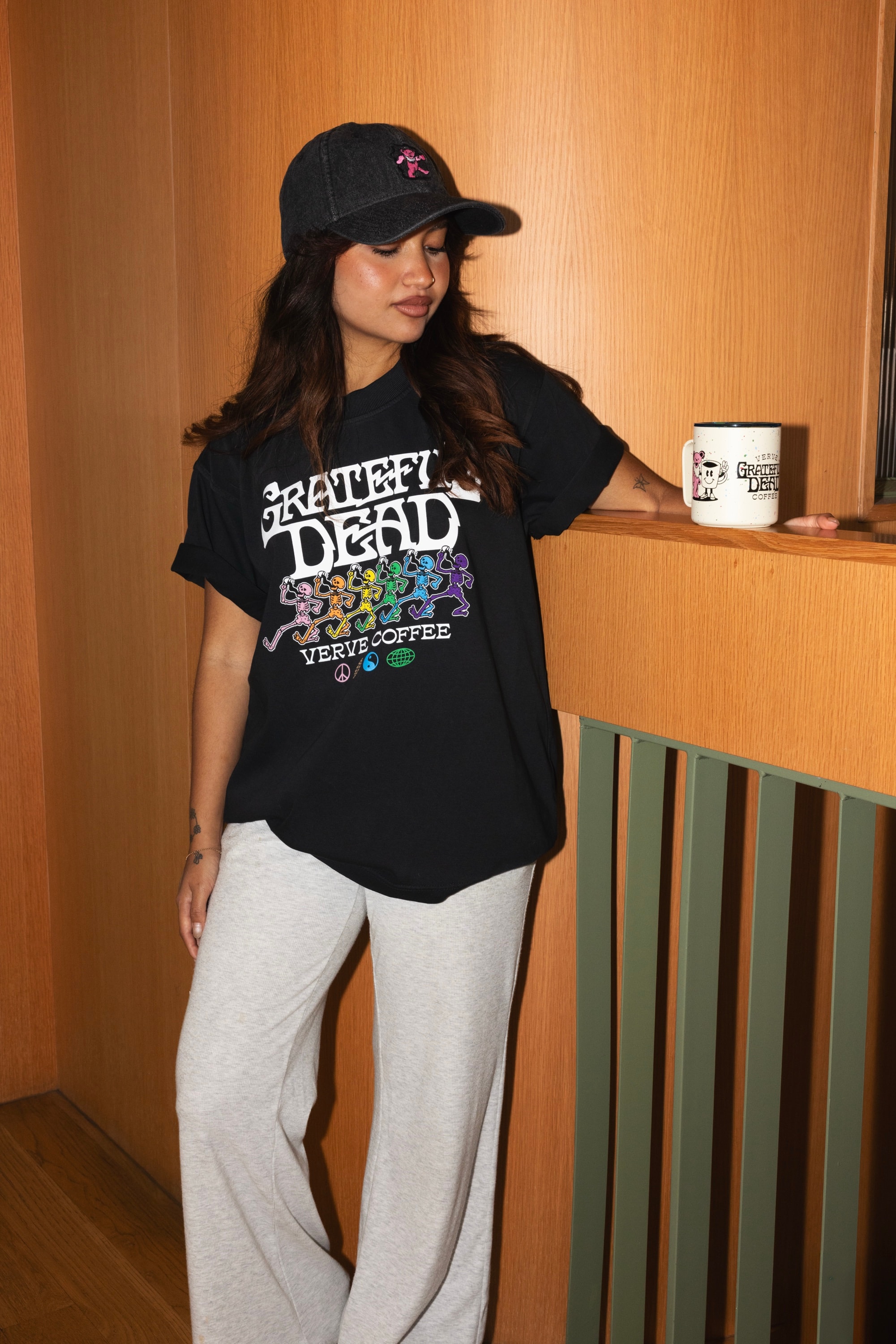
People wear merch when the blank feels right, the design feels wearable, and the brand has some emotional pull. The logo does not have to disappear, but it should not make the person feel like a walking ad unless that is the point. For most small businesses, the strongest pieces are simple: a good tee, a good hat, a sweatshirt when the budget allows, and a tote or bottle if it fits the audience.
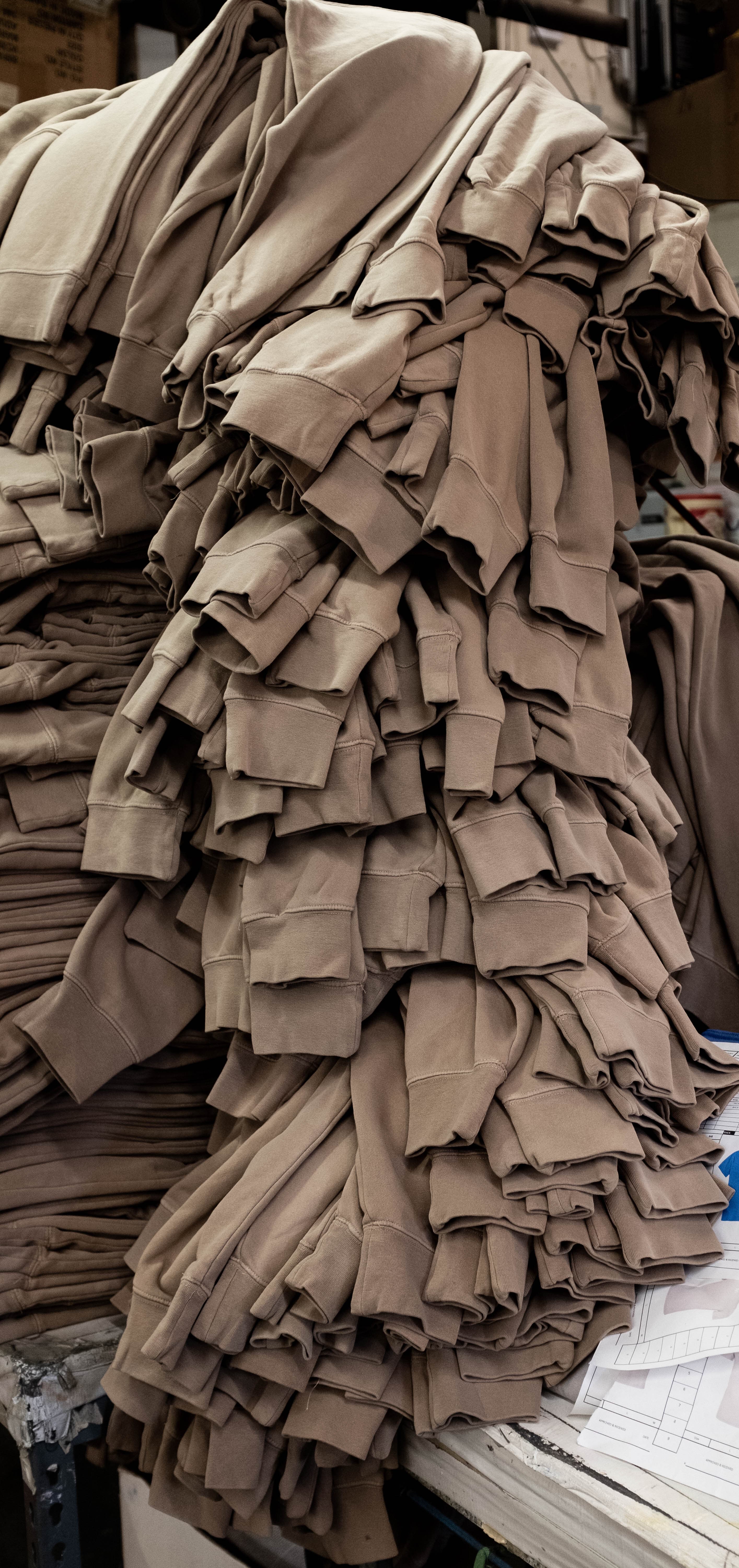
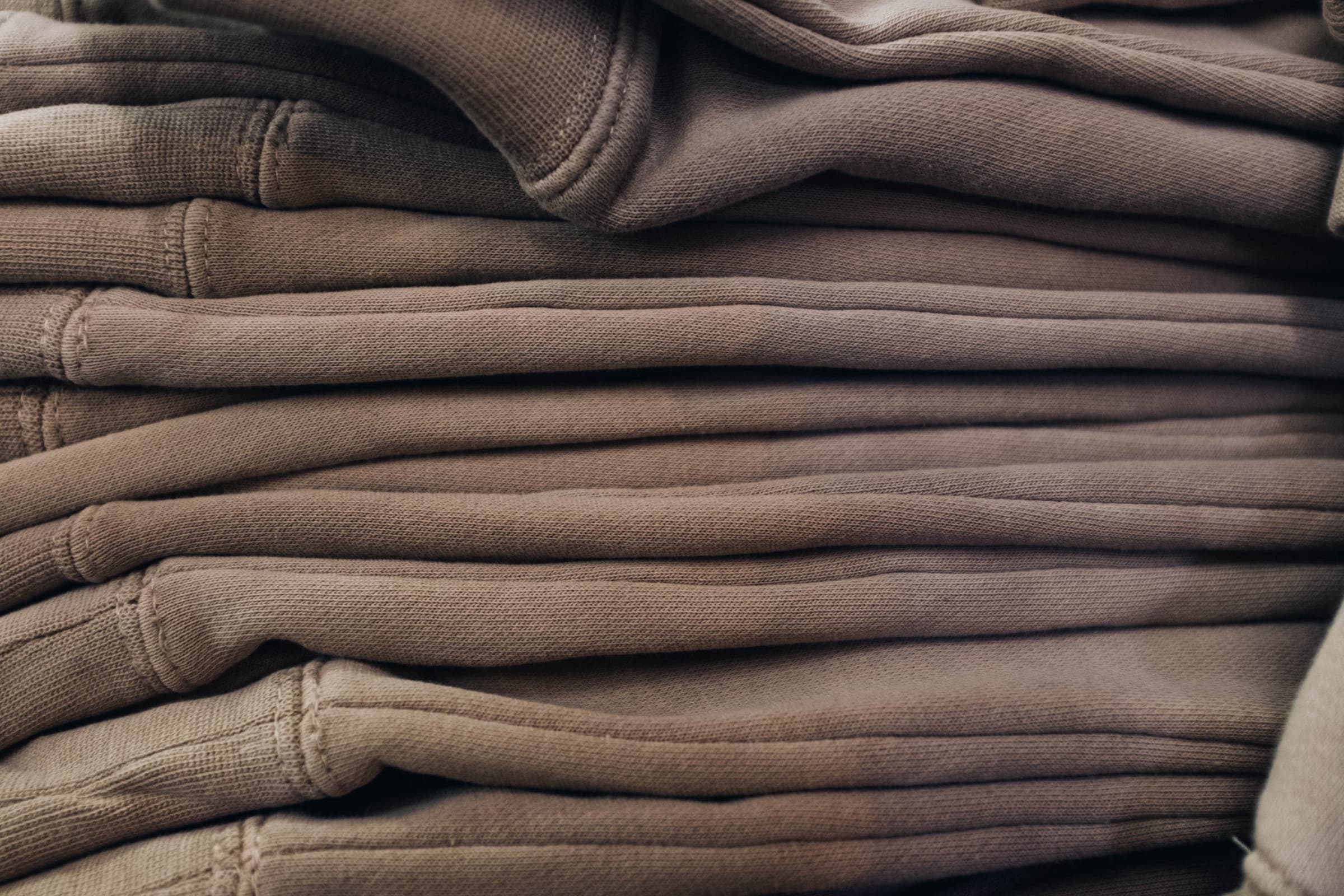
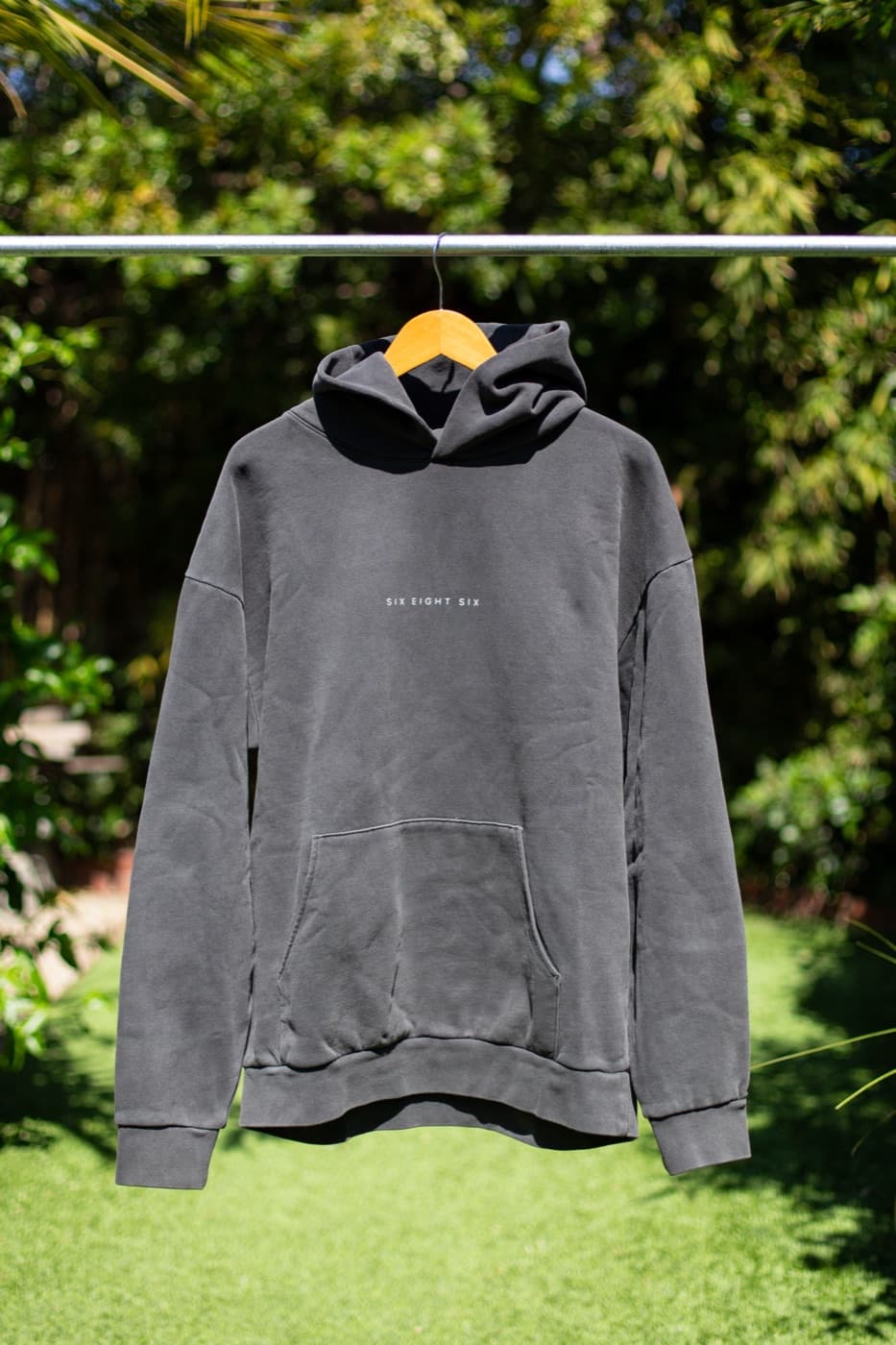
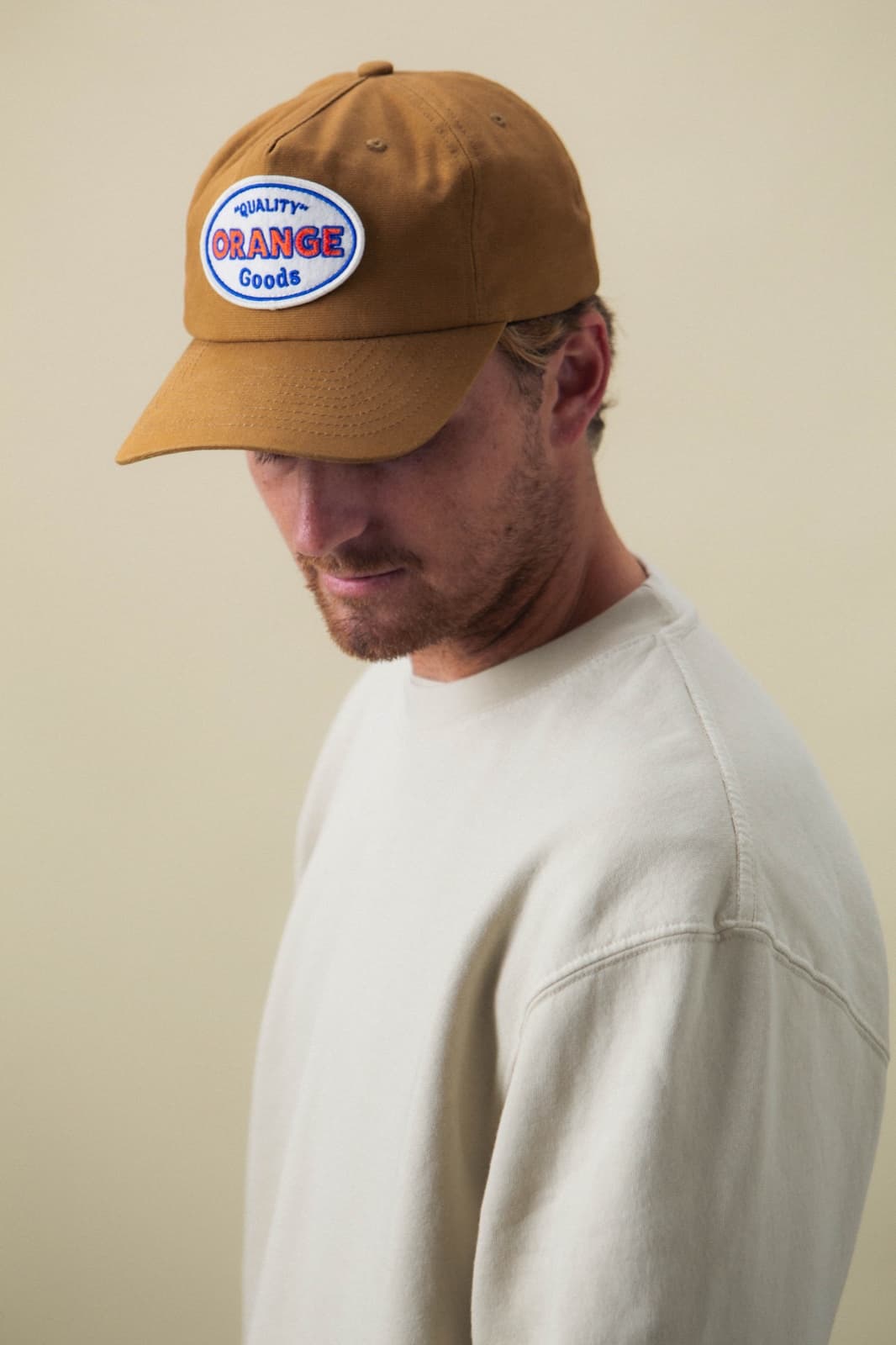
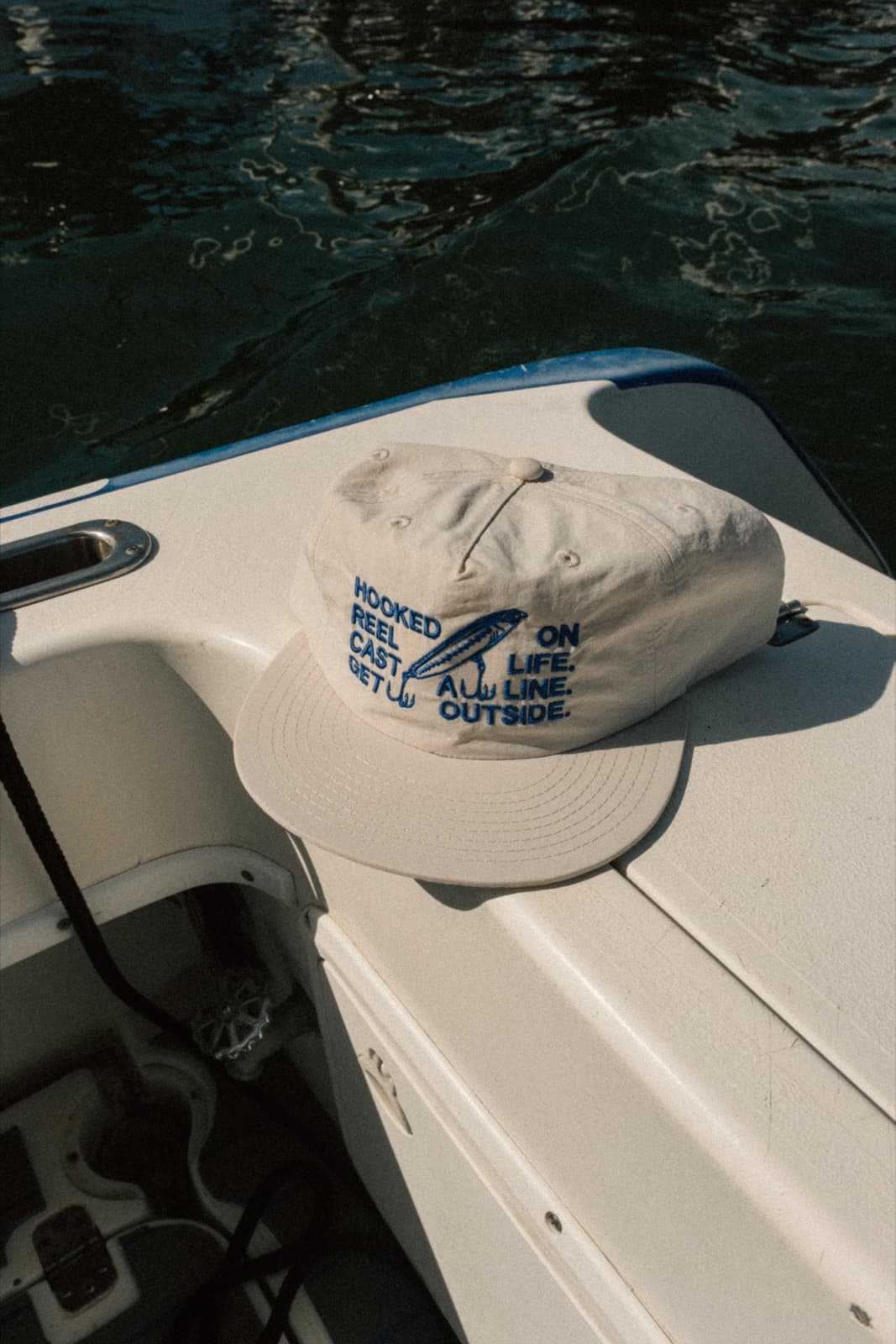
Fit matters more than many brands expect. A boxy heavyweight tee says something different than a soft retail tee. A structured cap says something different than an unstructured dad hat. A hoodie that feels substantial can become a favorite. A thin one becomes an emergency layer in the trunk. Your product choice is part of your brand language.
What becomes drawer trash
Skip items that only exist because they are cheap. Ultra-thin tees, scratchy hats, flimsy totes, tiny plastic gadgets, and novelty items with no real use usually end up in a drawer, a junk bin, or the trash. The same goes for products that do not match your business. A premium coffee shop does not need bargain pens. A design studio probably should not hand out a generic stress ball. A fitness brand should not make a bottle that leaks.
Also be careful with overly specific event dates. A dated piece can be great when it is collectible, but it can also expire immediately. If you are making a small run, consider whether the design can live beyond the event. A tee that says summer launch 2026 may be fun for one weekend. A stronger graphic tied to the same launch may keep working for years.
Event merch vs retail merch
Event merch has a clear job: create a moment, help people participate, and keep the brand visible after the event. It can be simpler and more direct. Staff tees, volunteer hats, tote bags, drinkware, and limited giveaway items can all work if they are useful during or after the event. The key is planning around distribution. How will people receive it? Will they carry it easily? Does it need size options? Does it need individual packaging?
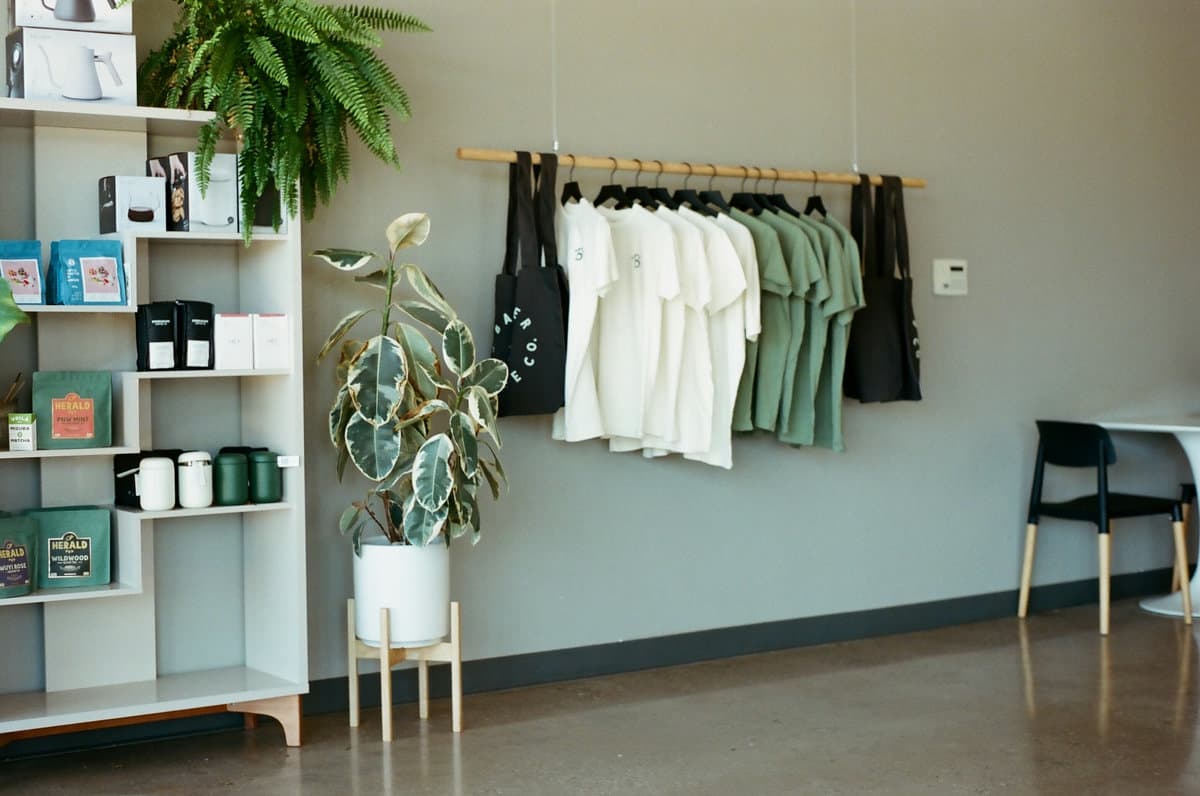
Retail merch has a different standard because people are paying for it. The product has to stand on its own. The art needs to feel intentional. The blank needs to justify the price. Labeling, folding, hang tags, size stickers, and display can affect whether the merch feels like an afterthought or a real product line.
Start small, but do it right
A 100-piece run is a practical starting point for many small businesses. It is enough to get real use, support a launch, sell through a small retail drop, or outfit a team without overcommitting. Starting small also teaches you what your audience responds to. Which sizes moved fastest? Did people choose hats over tees? Did the natural tote sell better than black? Did staff ask for another color?
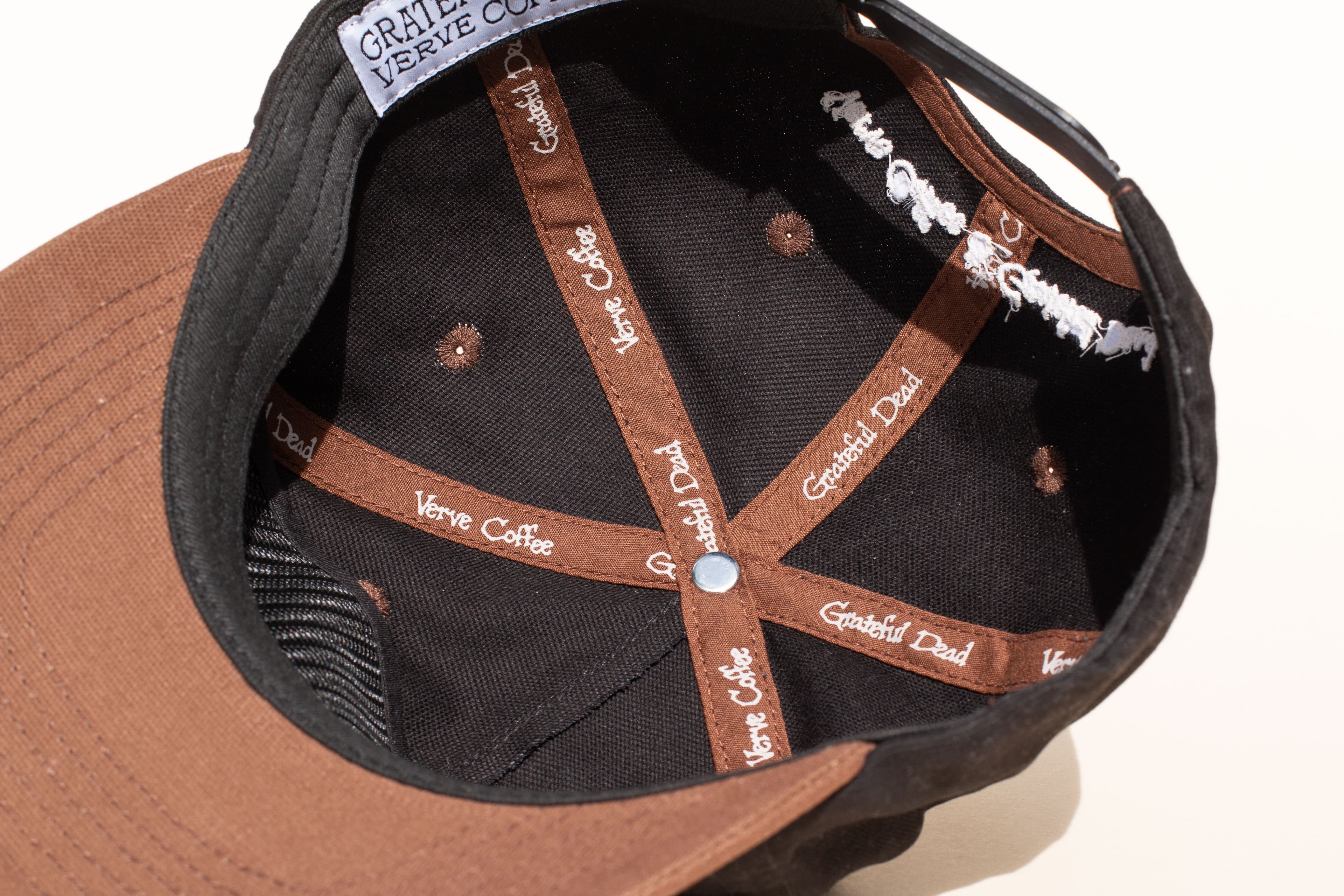
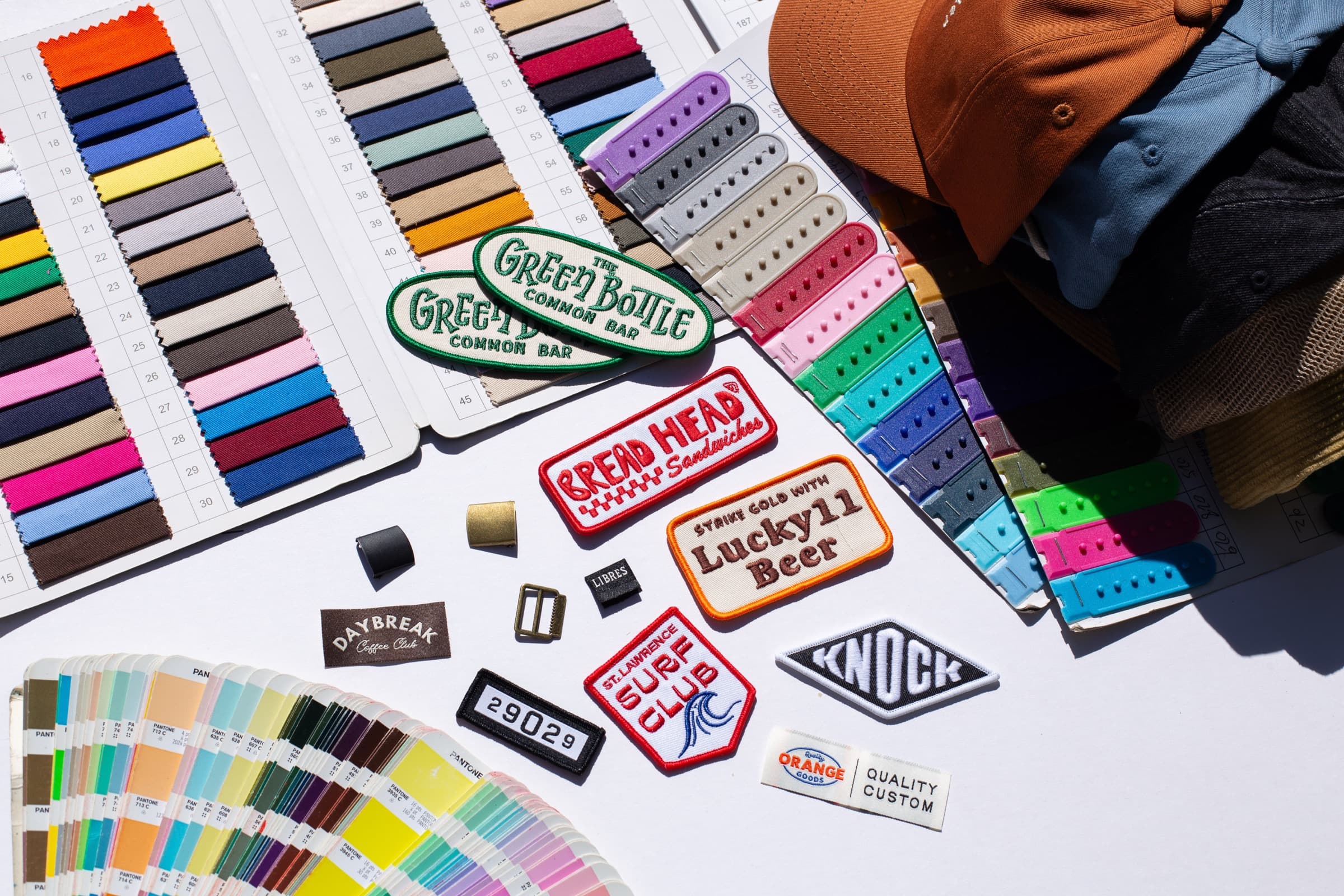
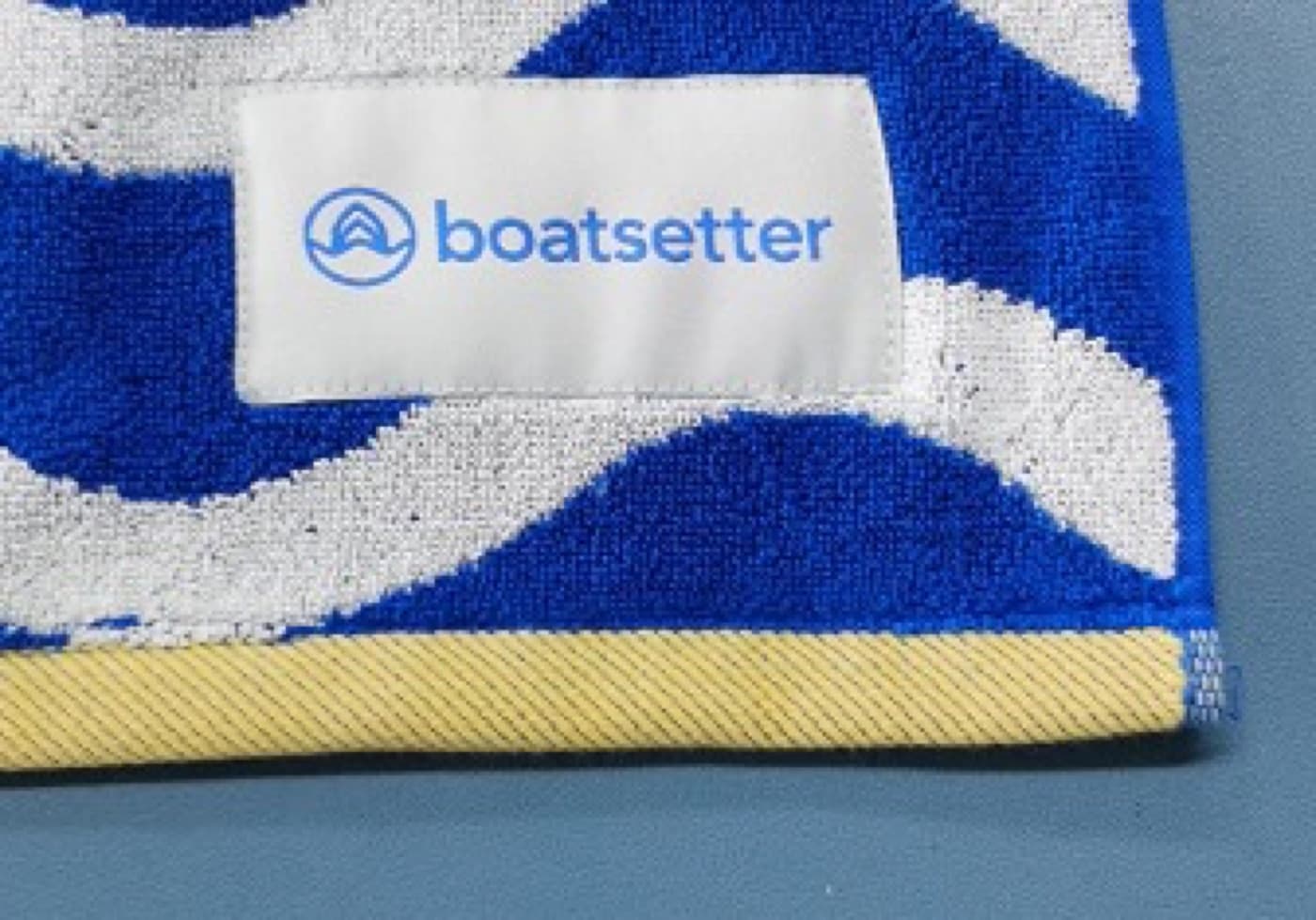
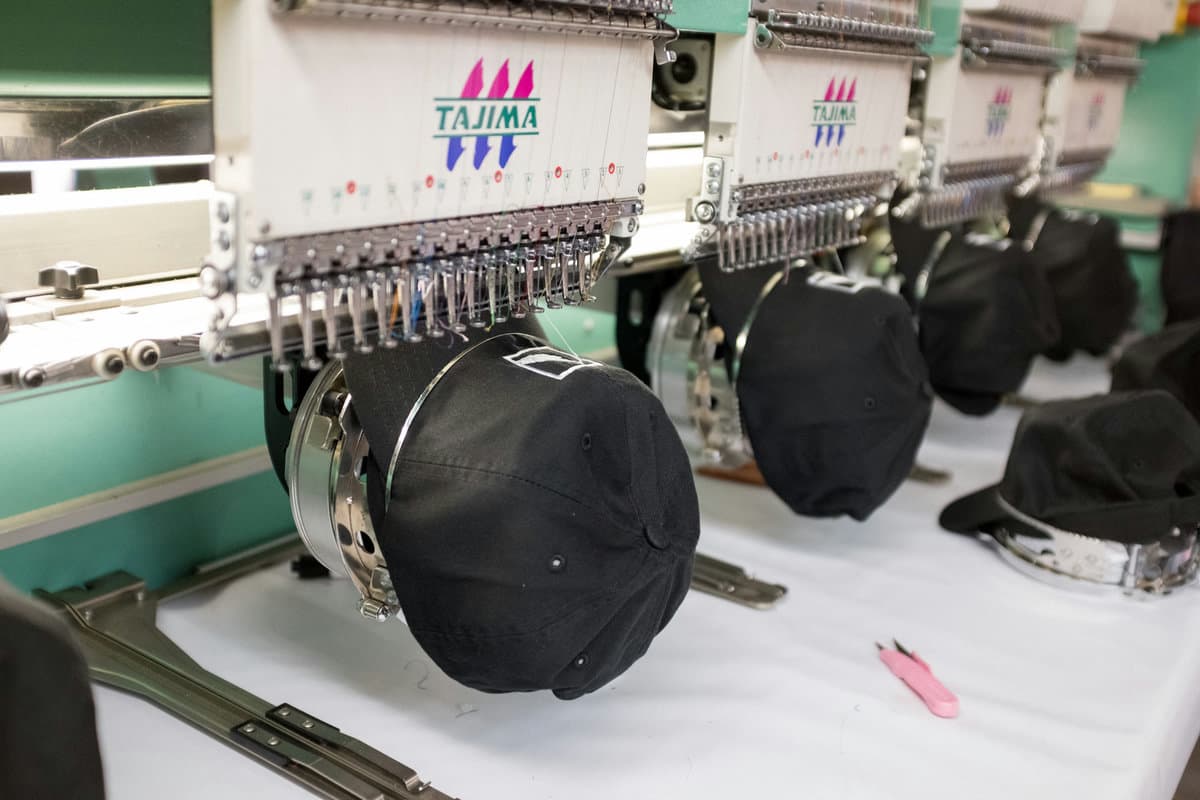
Small does not have to mean basic. With the right blanks and decoration, a 100-piece order can feel polished. You can mix sizes, choose a better garment, add a woven label, or create a clean proofing process that avoids surprises. The discipline is choosing fewer things and making them stronger.
Hats and tees are the core
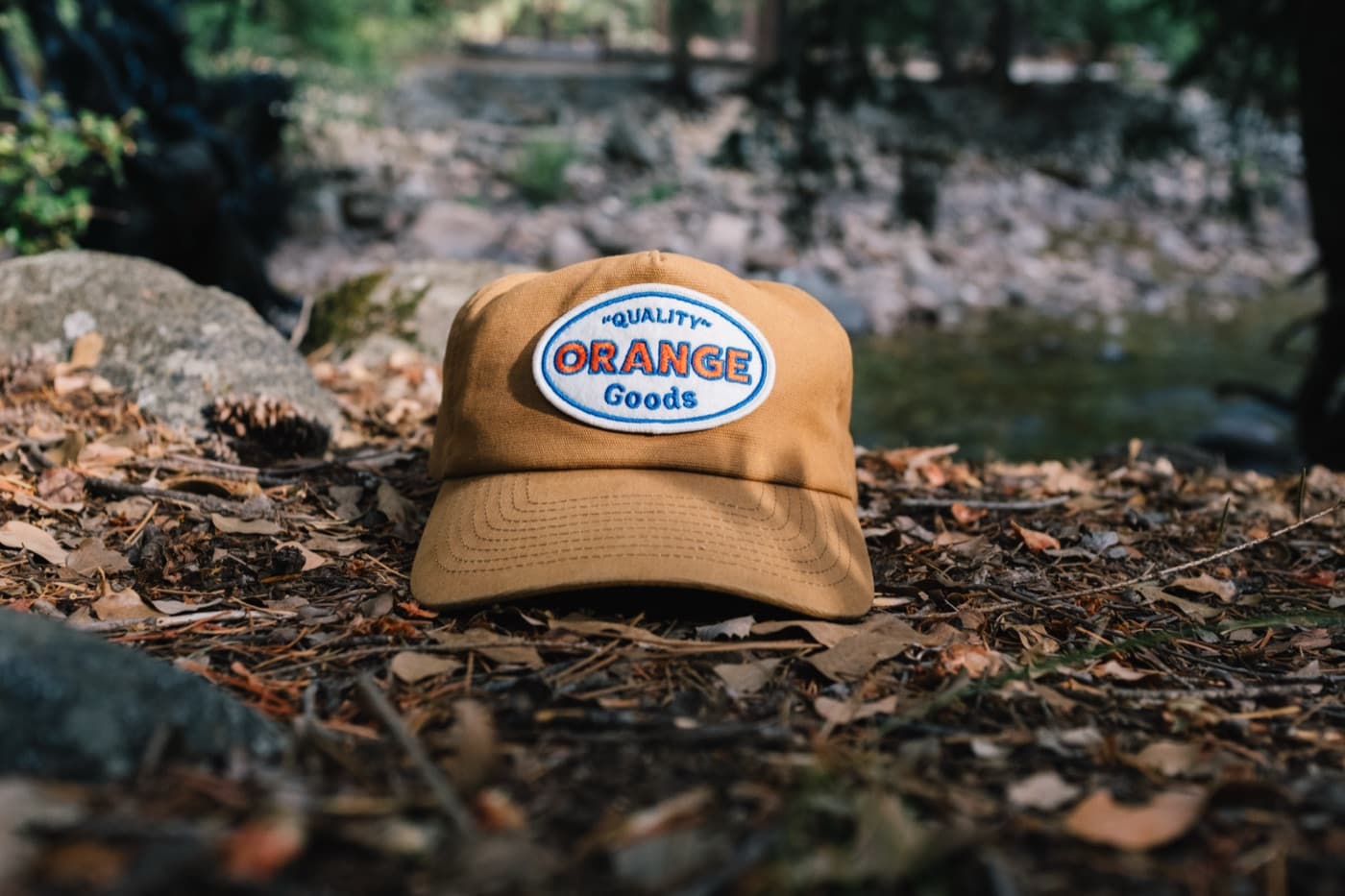
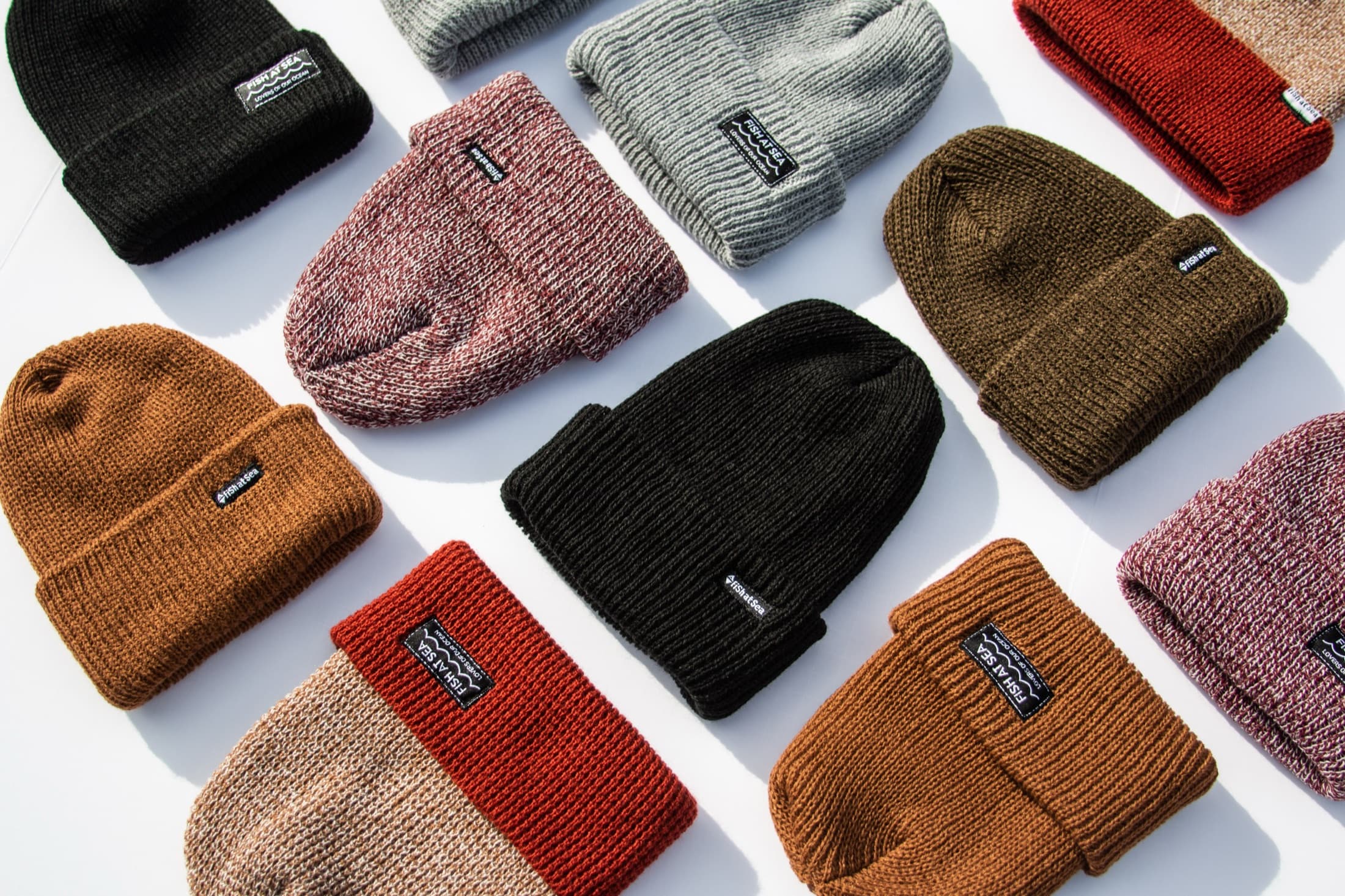
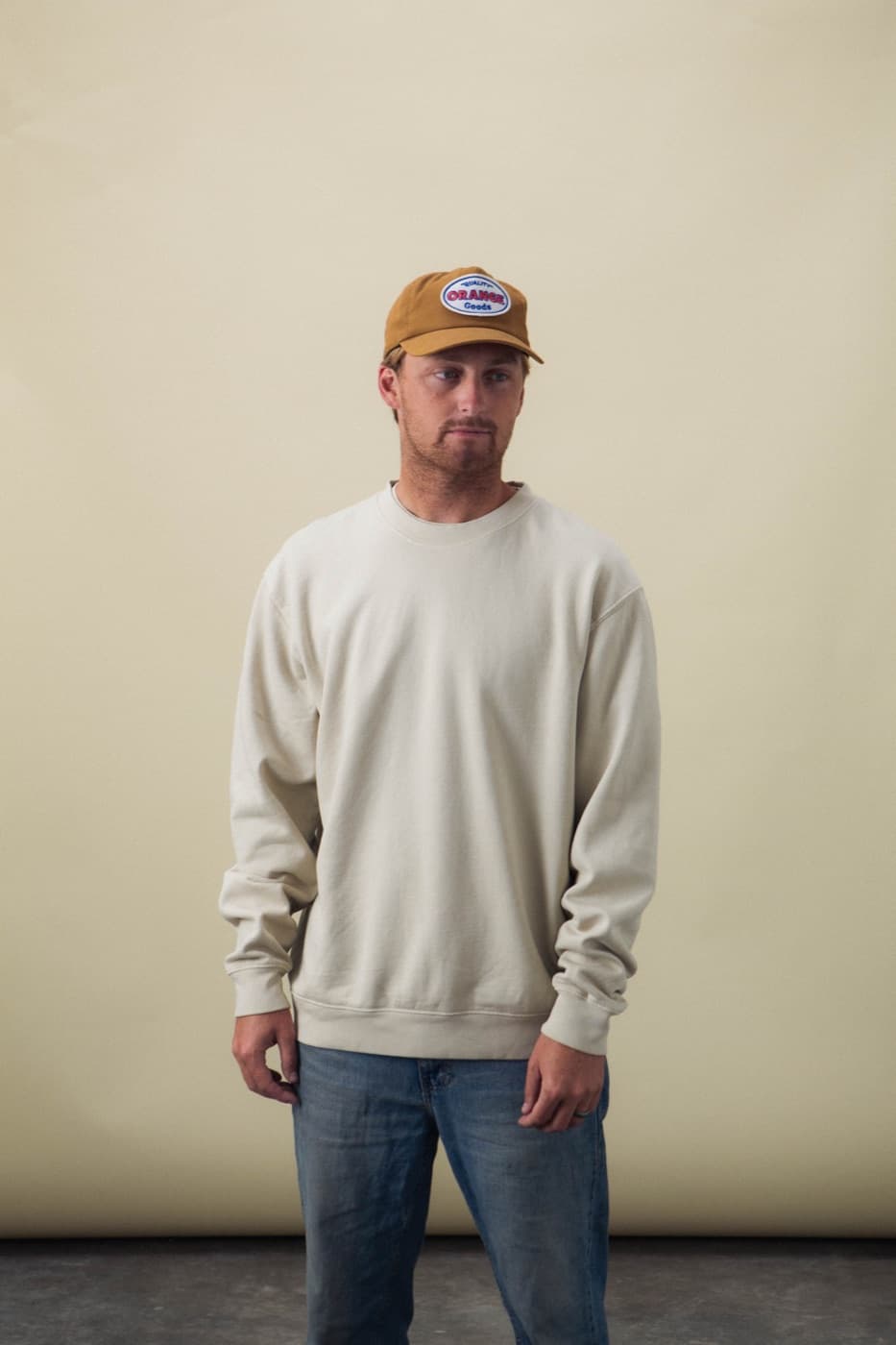
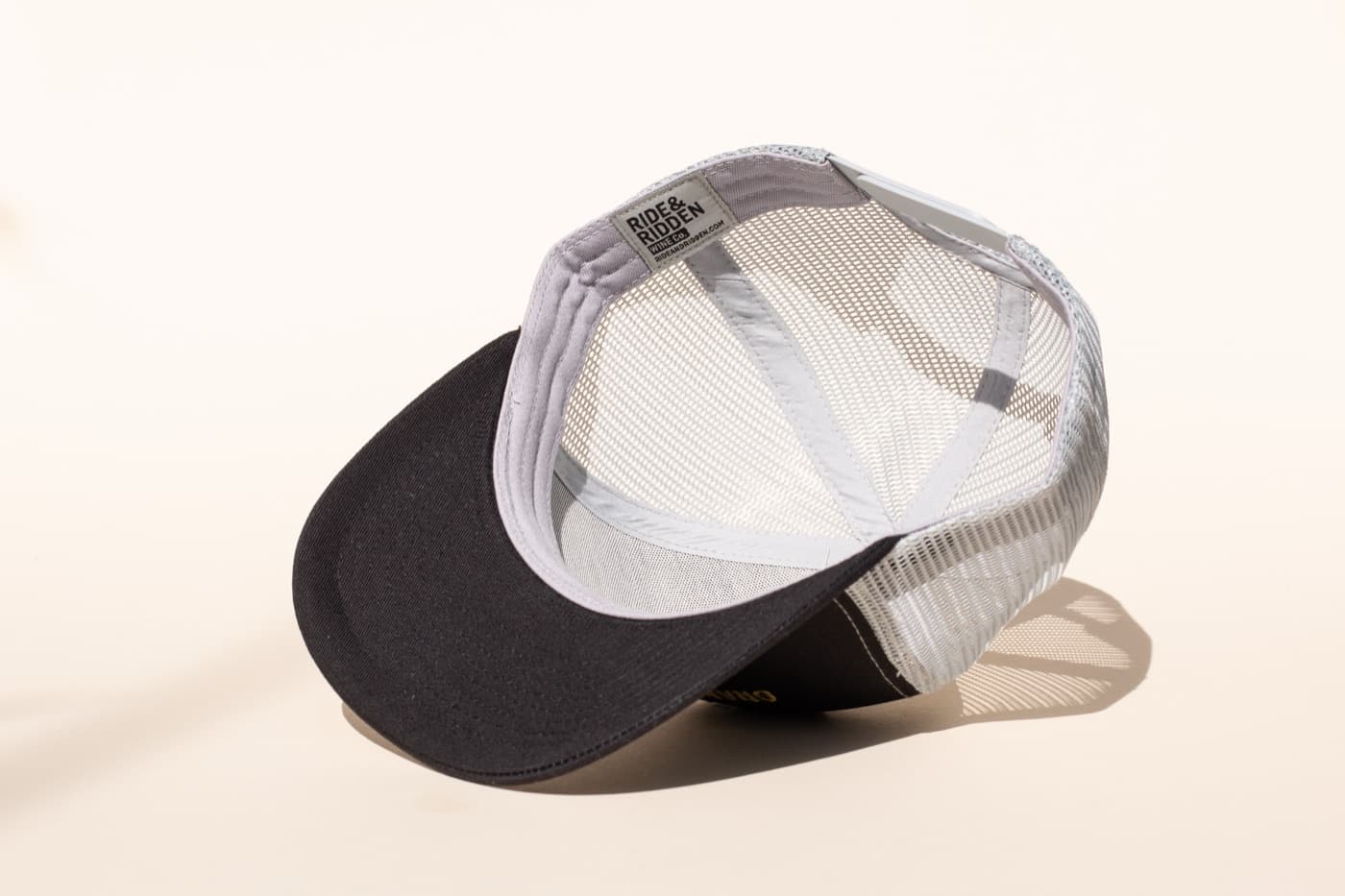
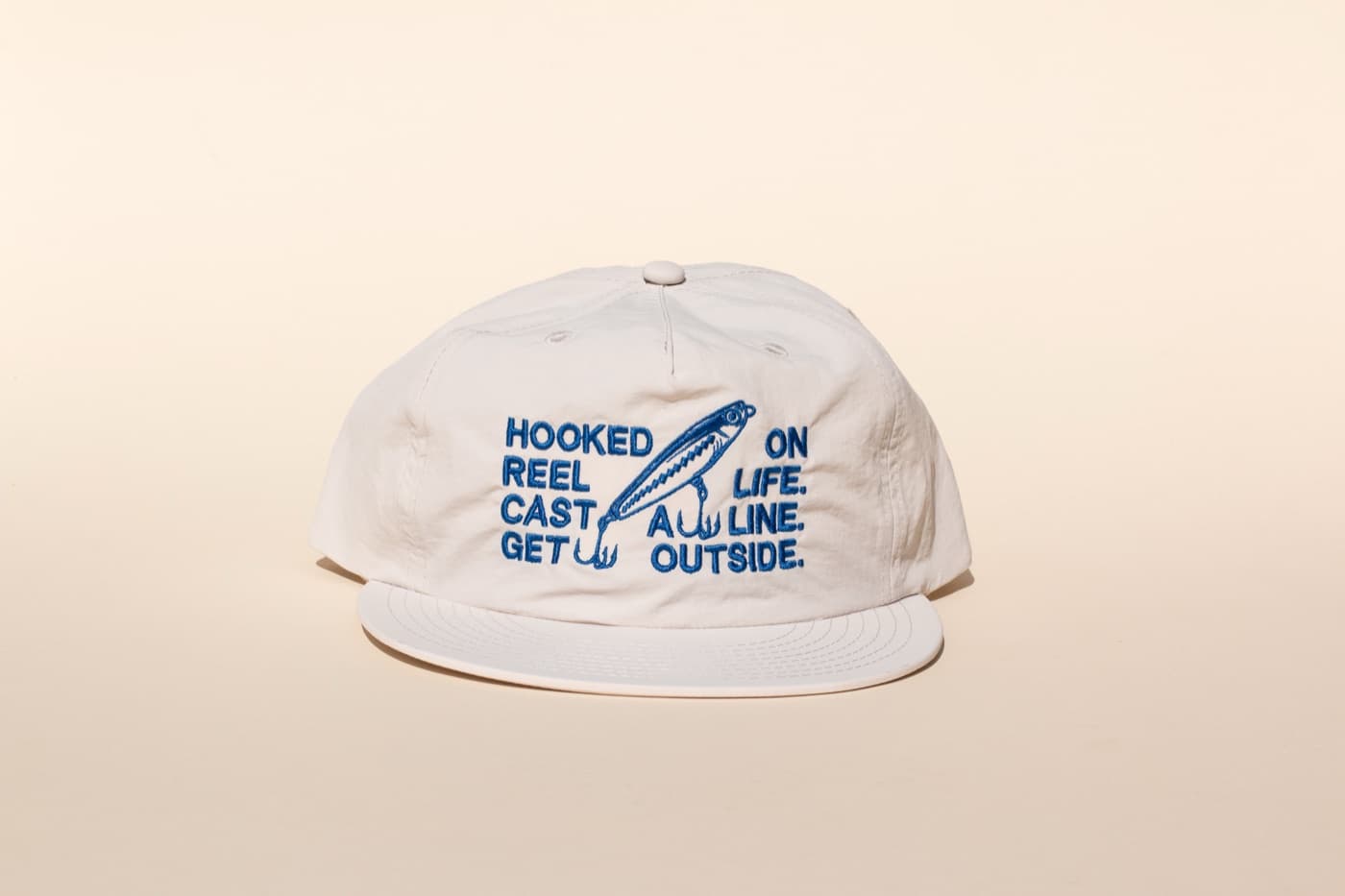
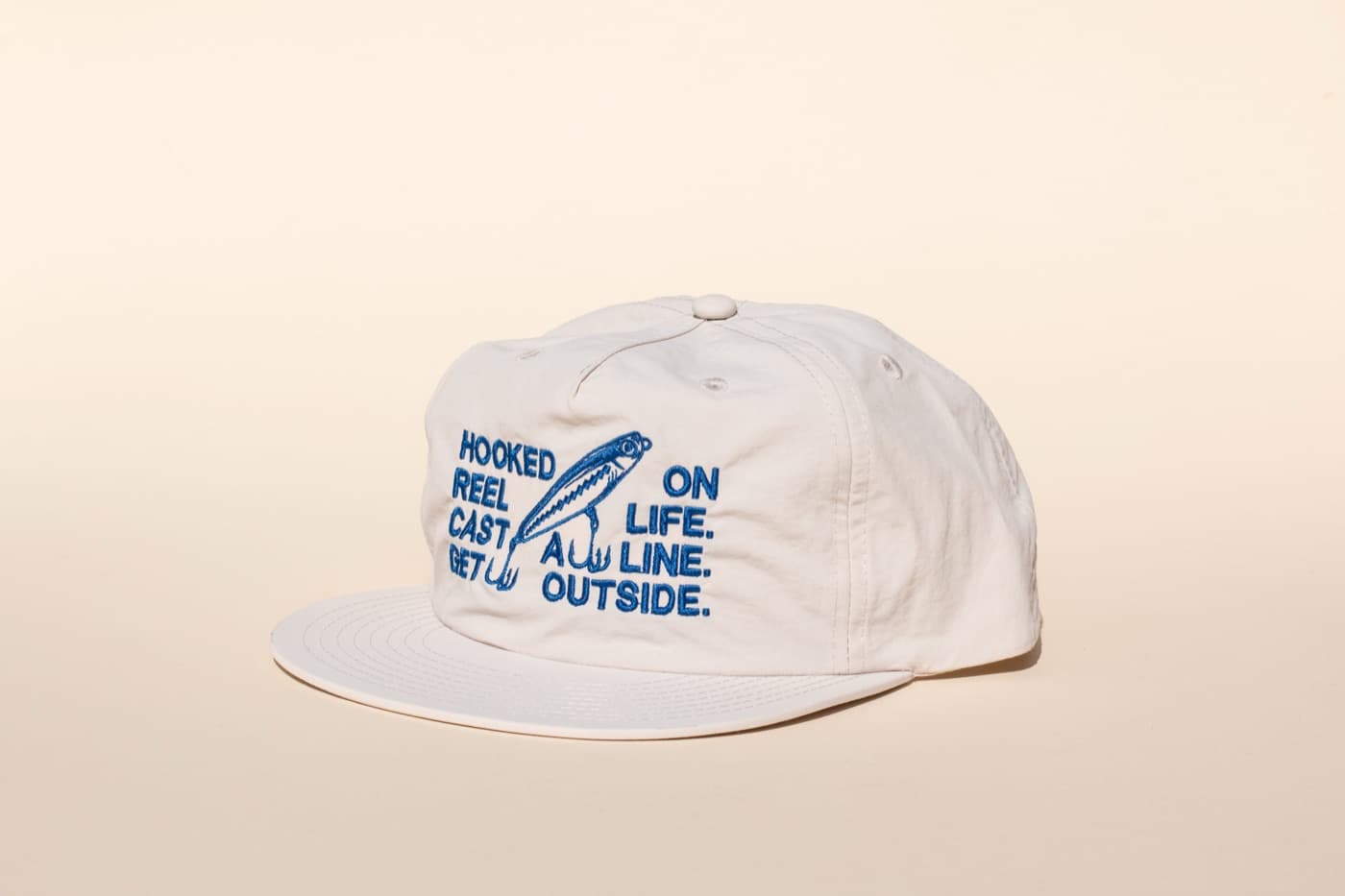
For most small businesses, hats and tees are the strongest place to begin. They are familiar, wearable, easy to explain, and useful across staff, customers, and events. A good tee gives you a walking billboard without feeling forced when the graphic is right. A good hat often gets more repeat wear because sizing is easier and the logo placement is natural.
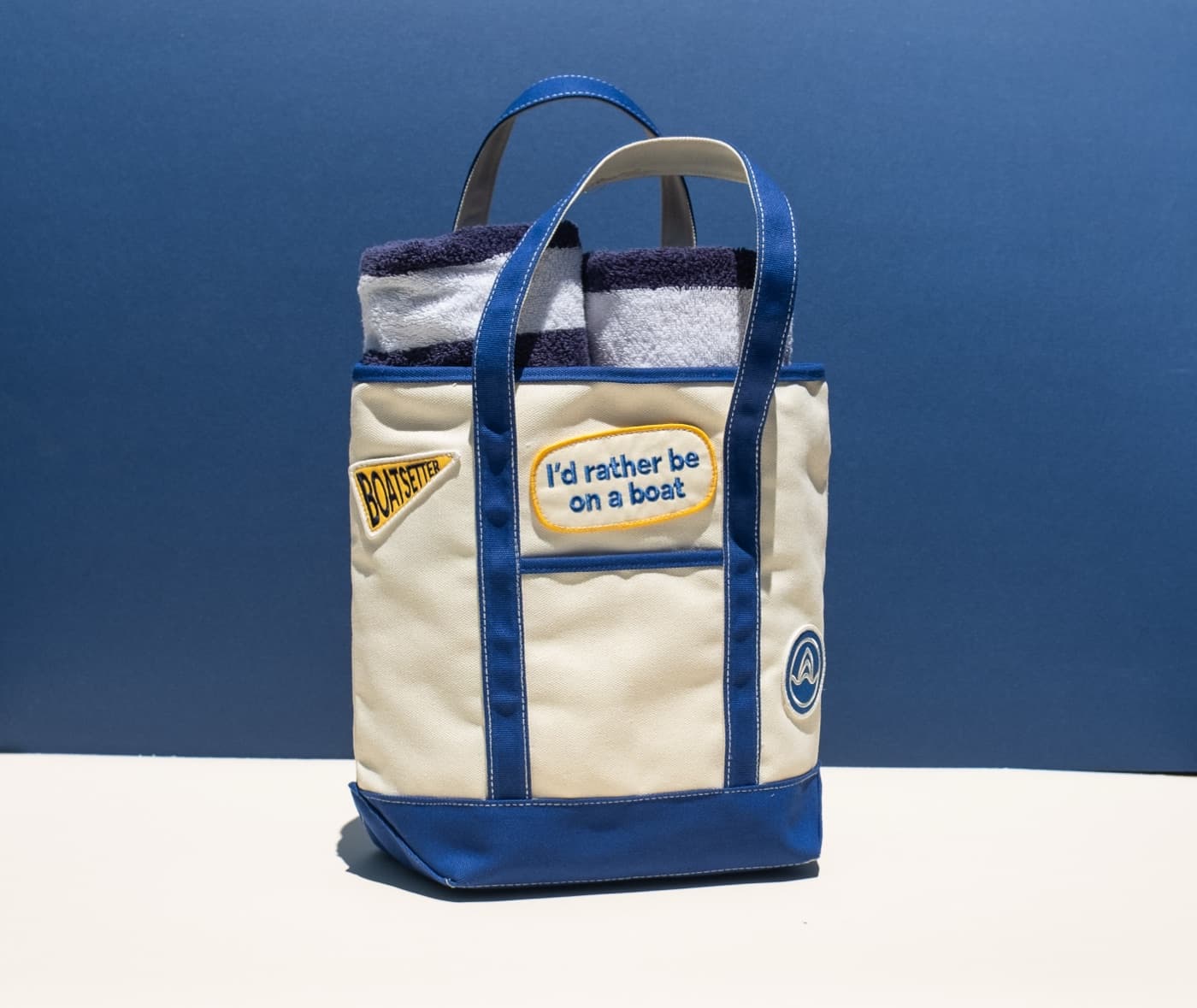
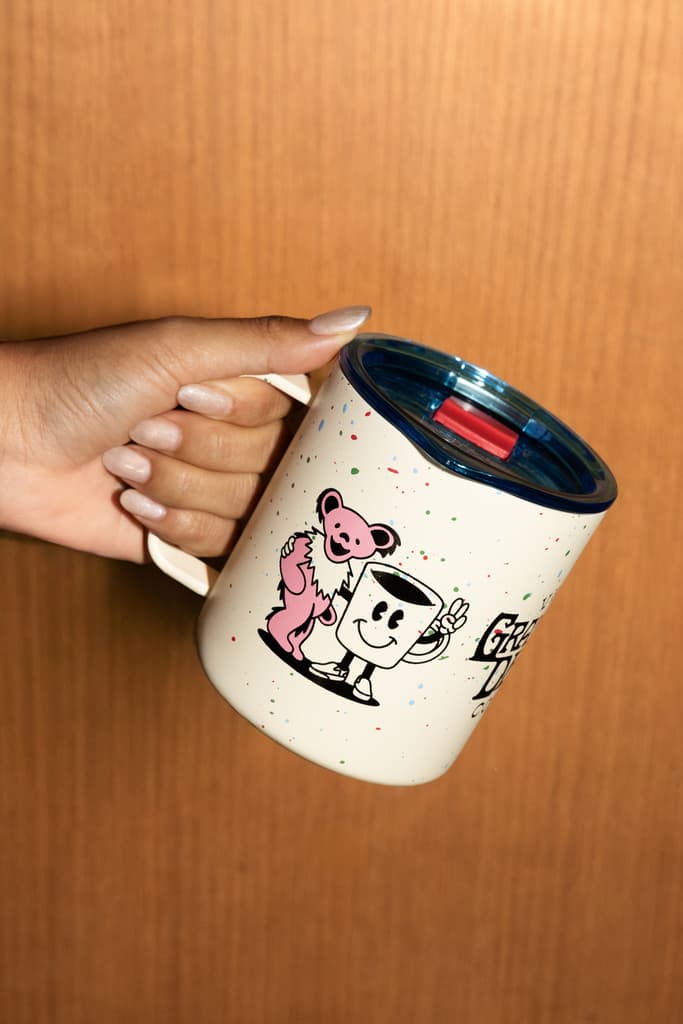
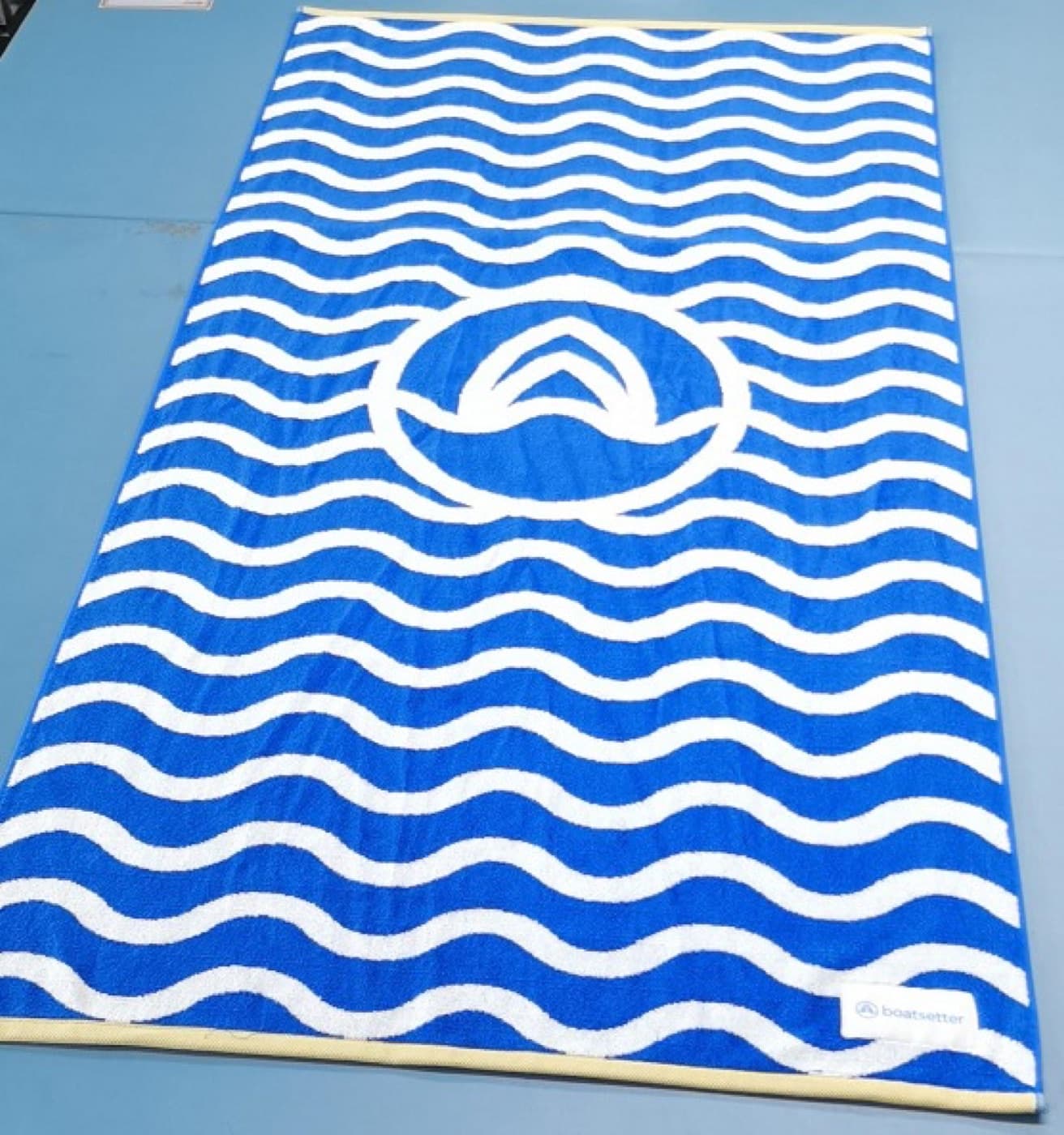
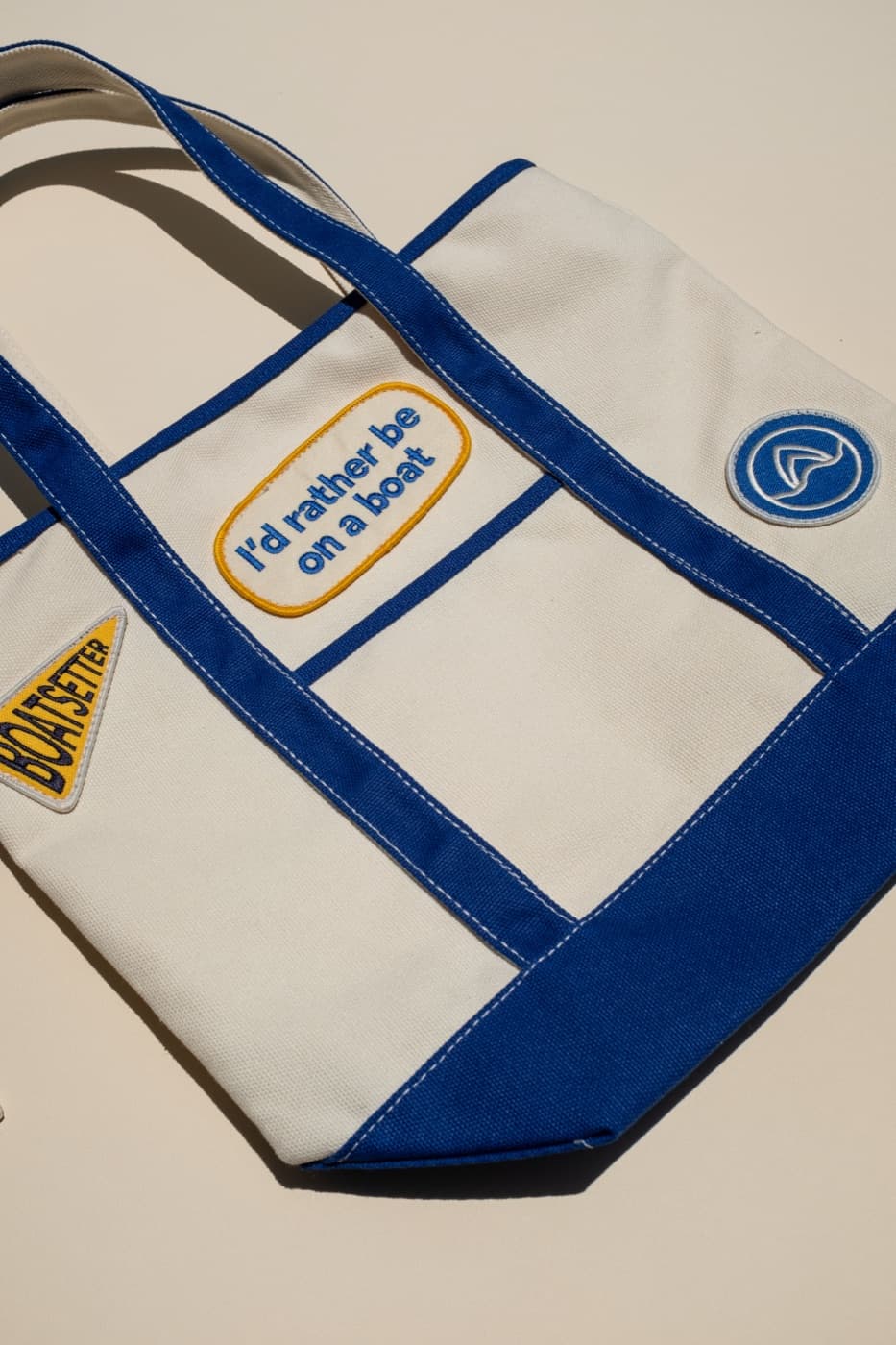
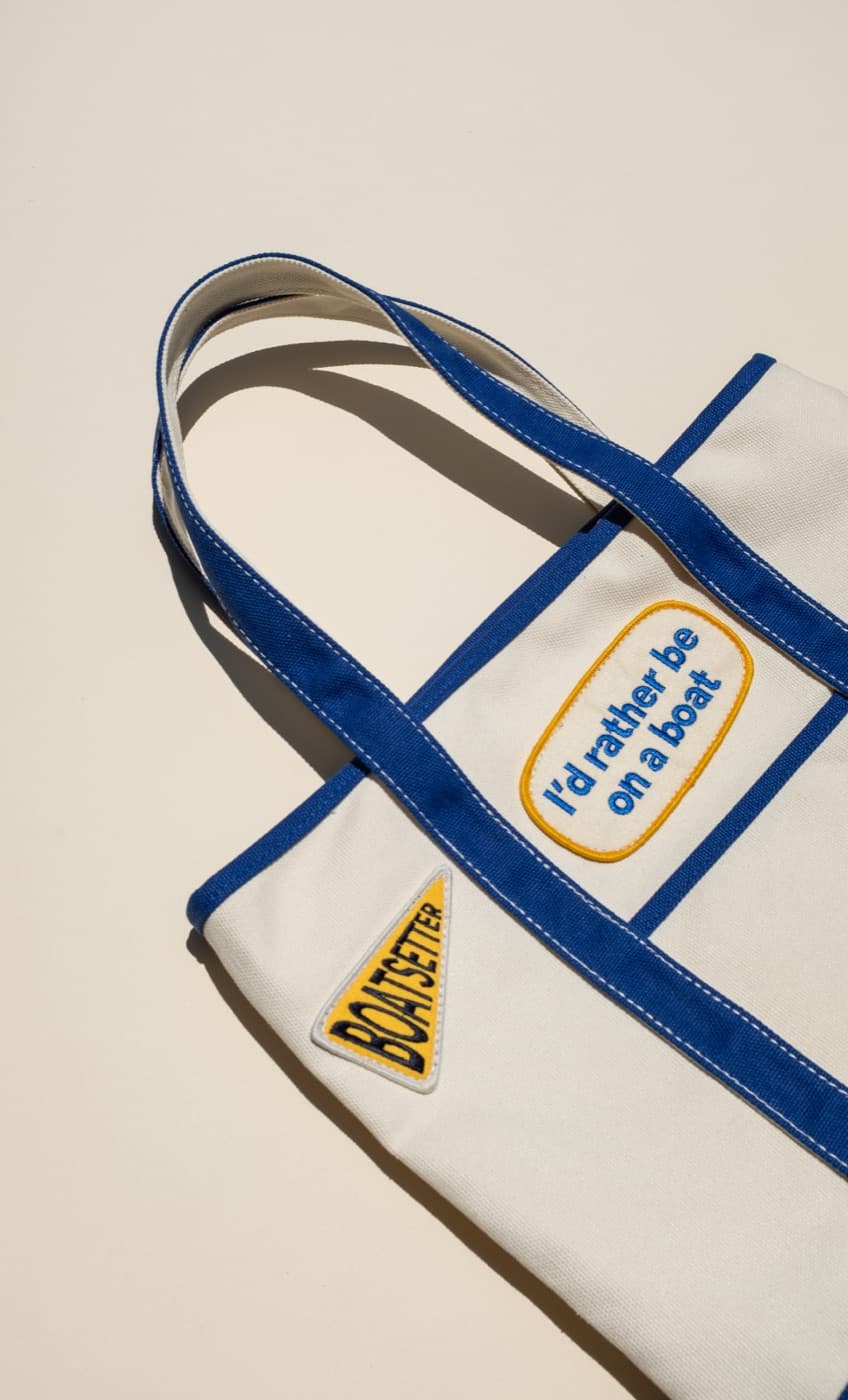
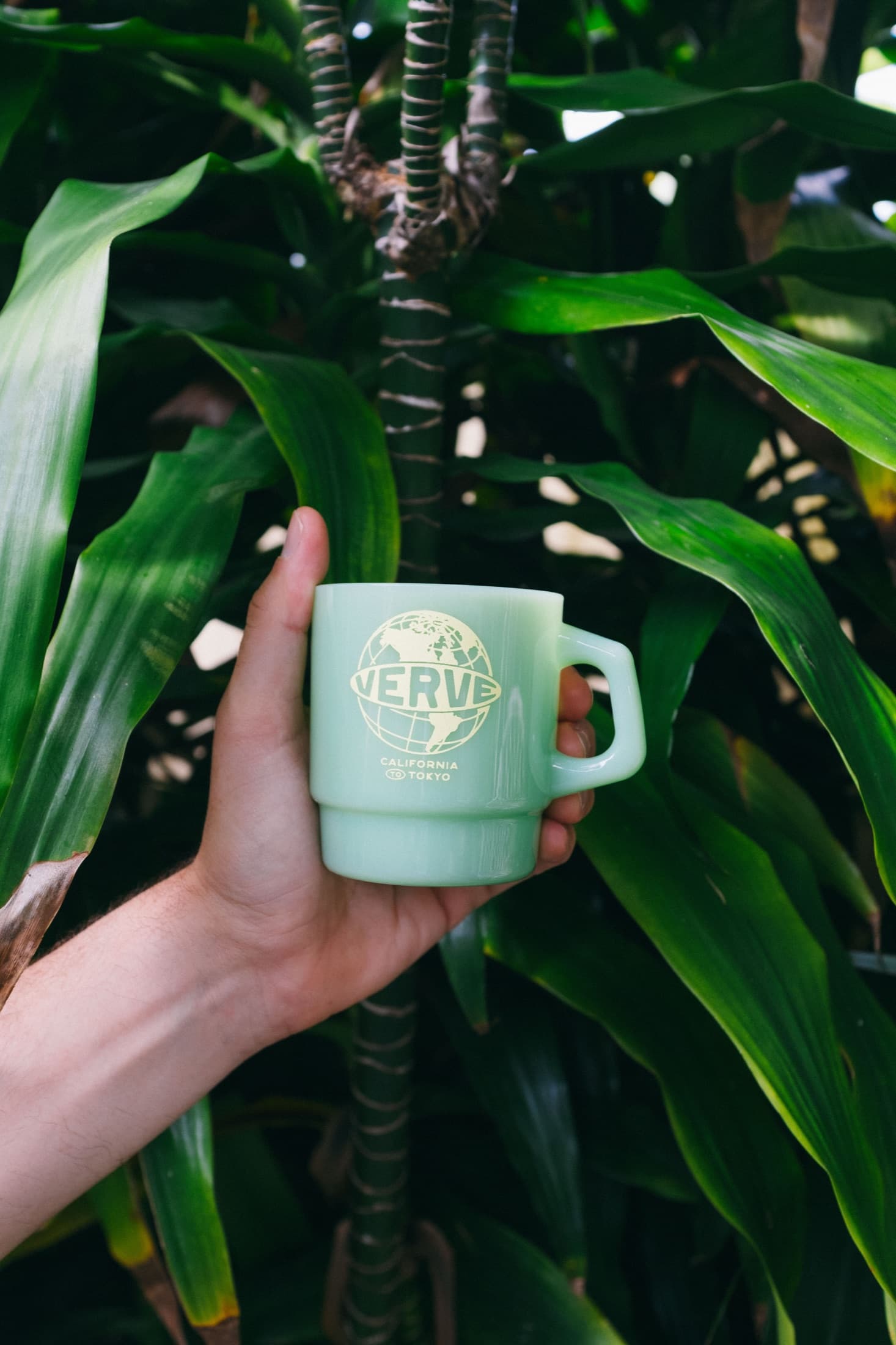
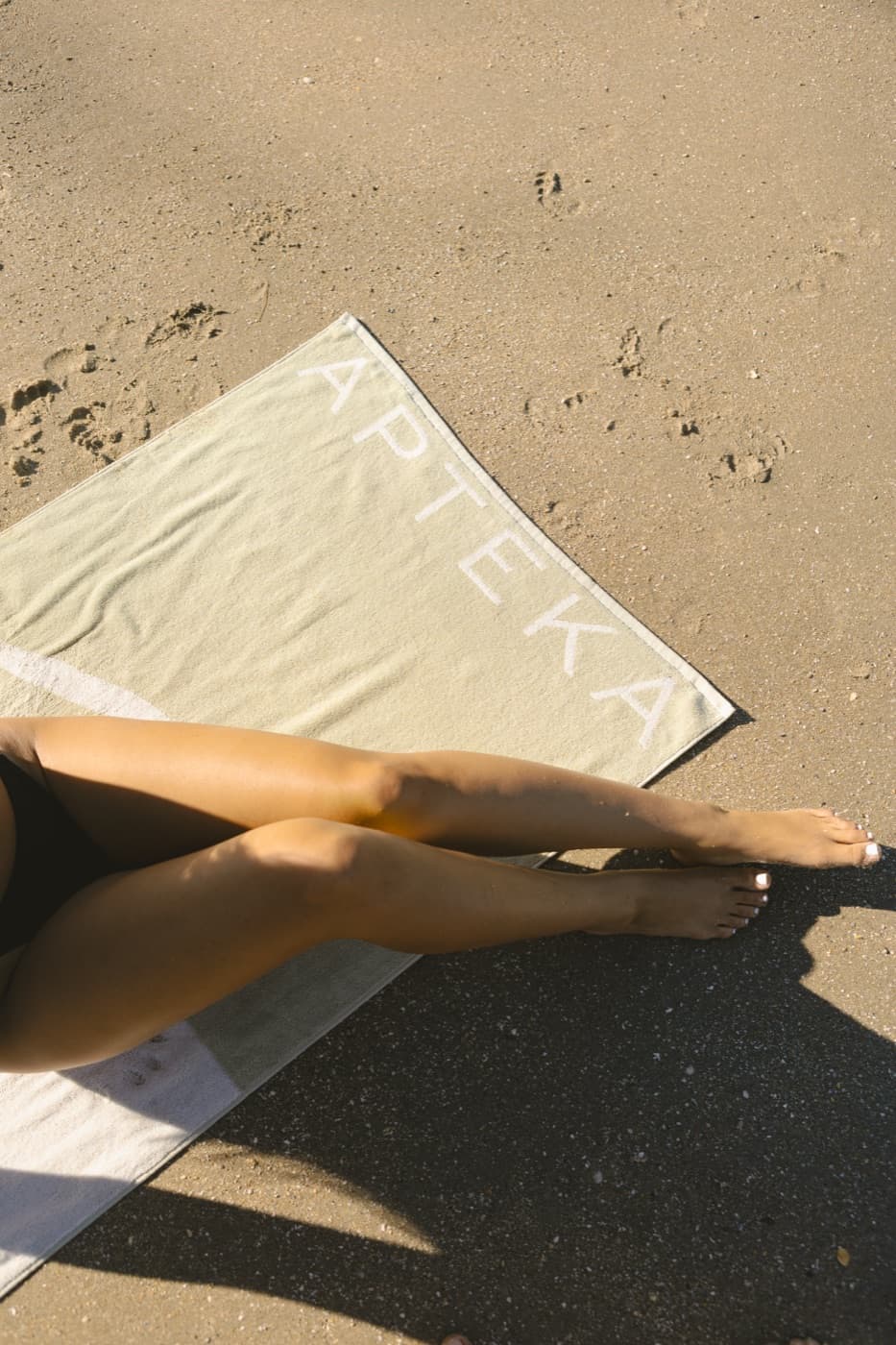
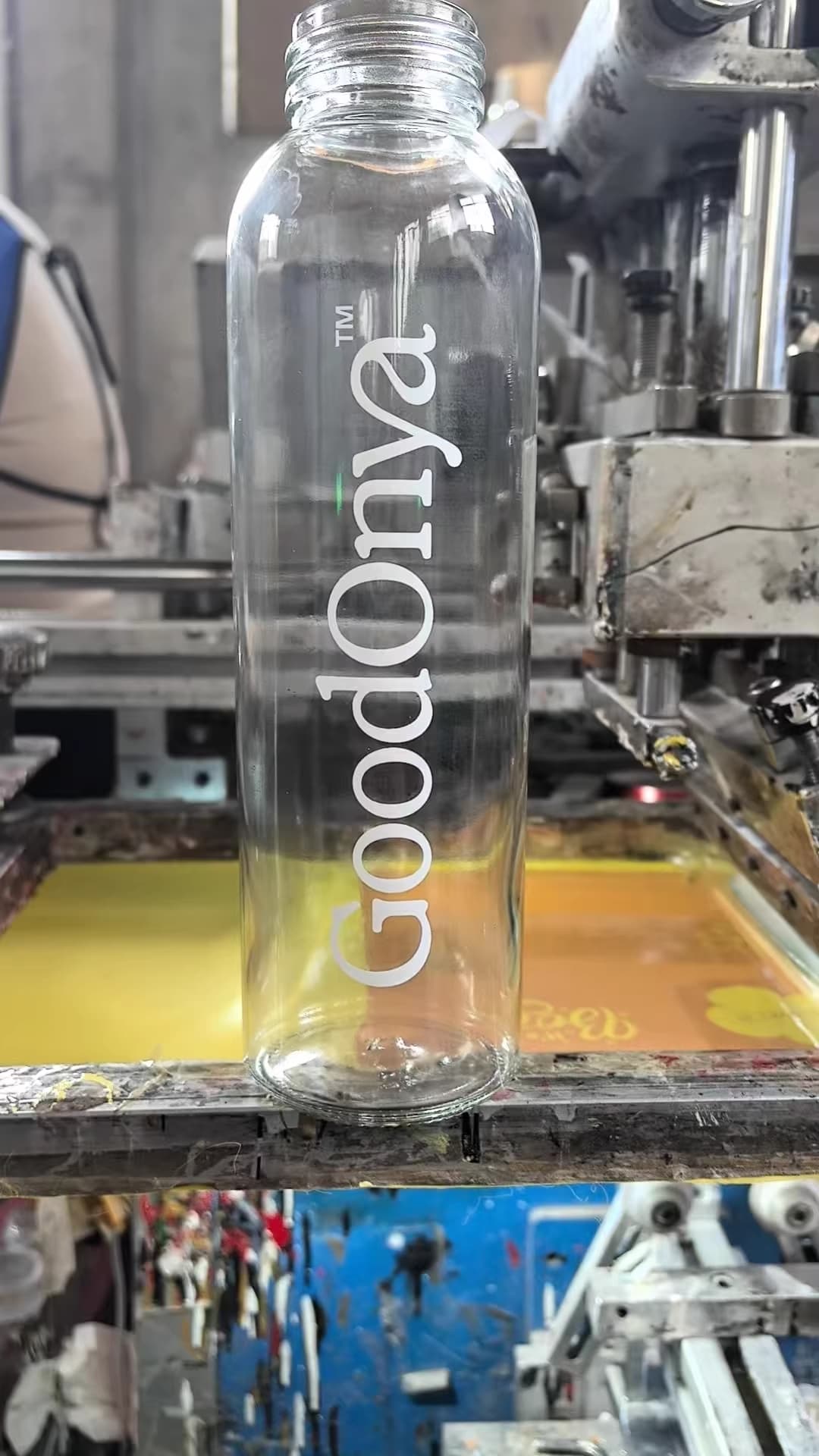
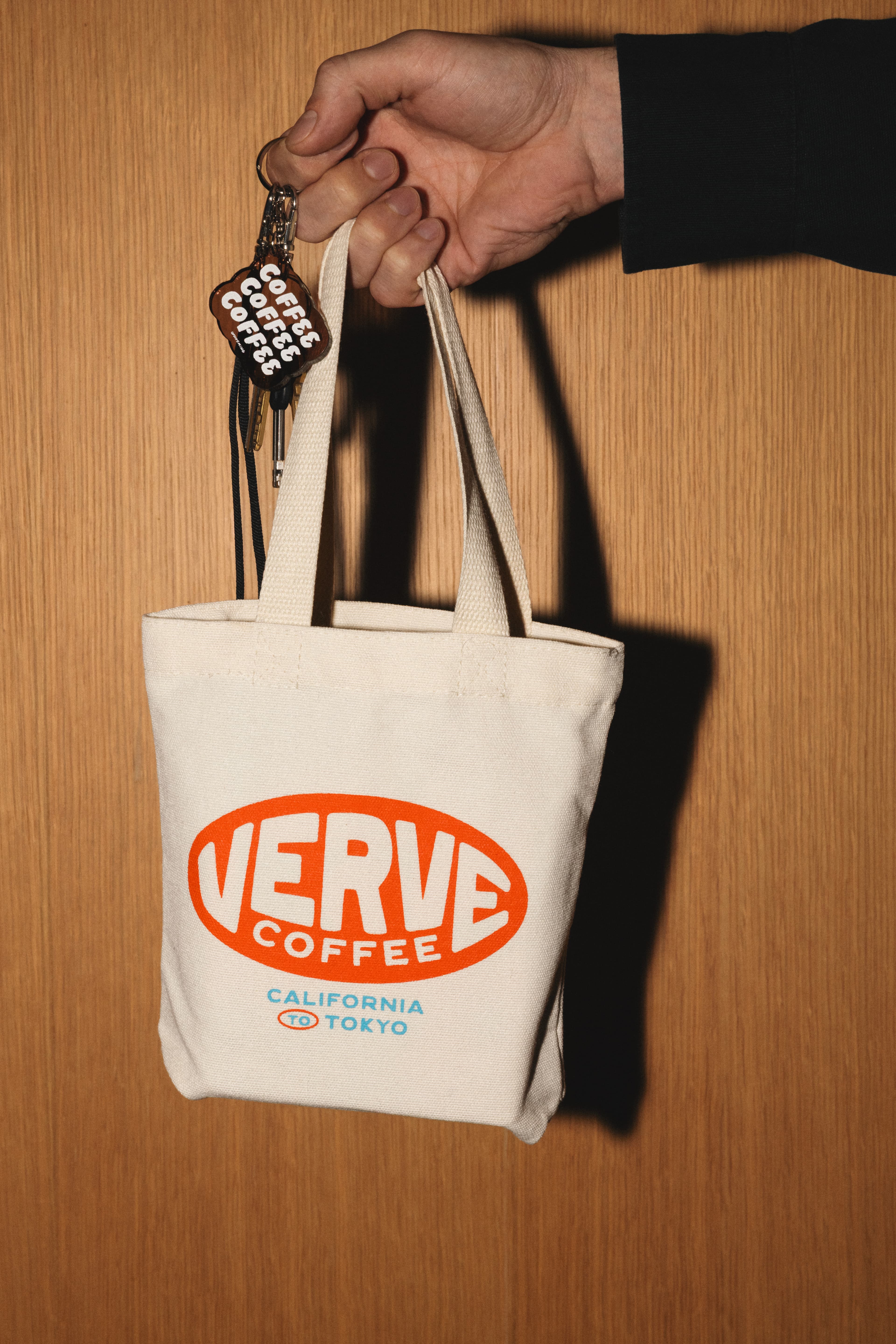
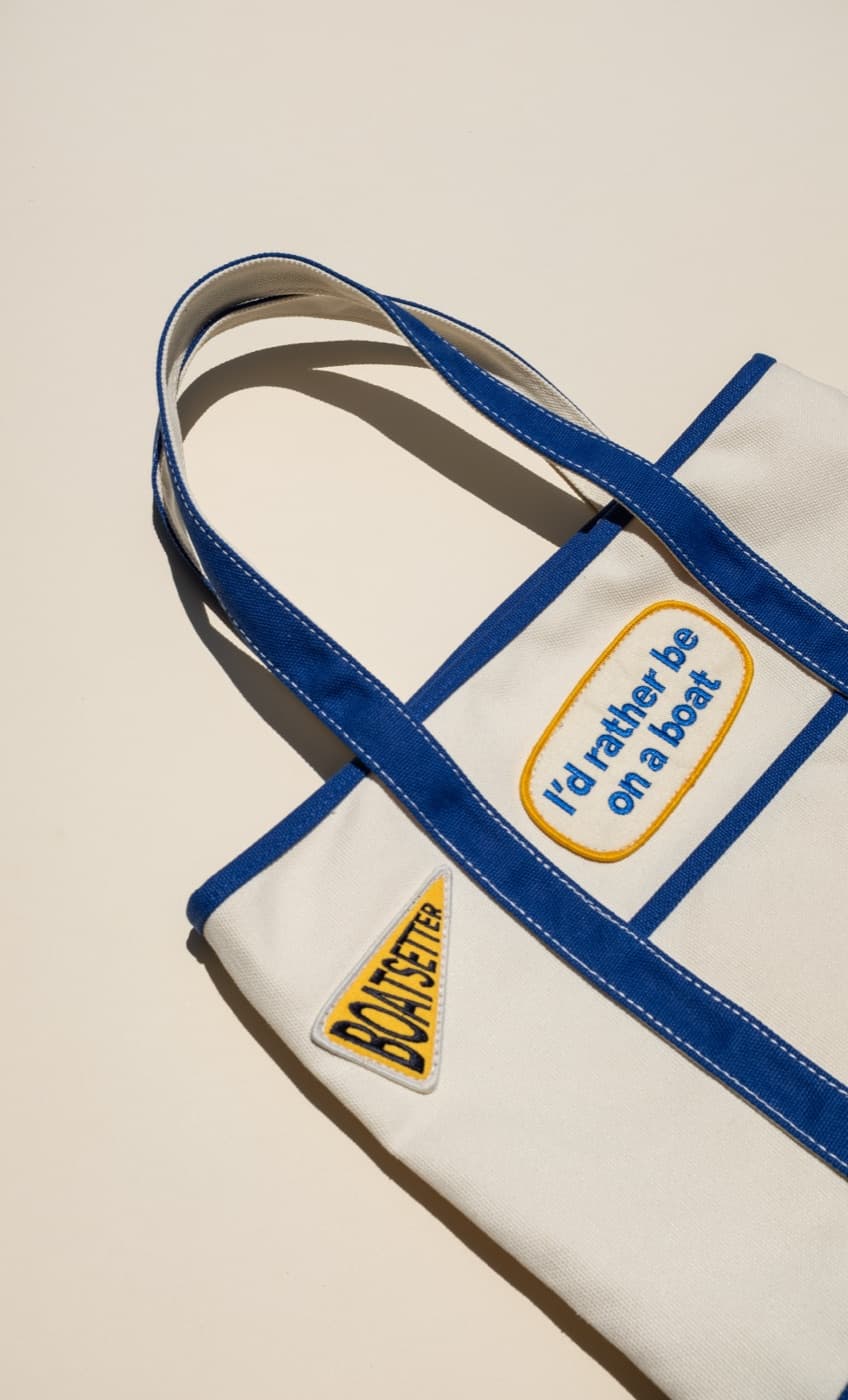
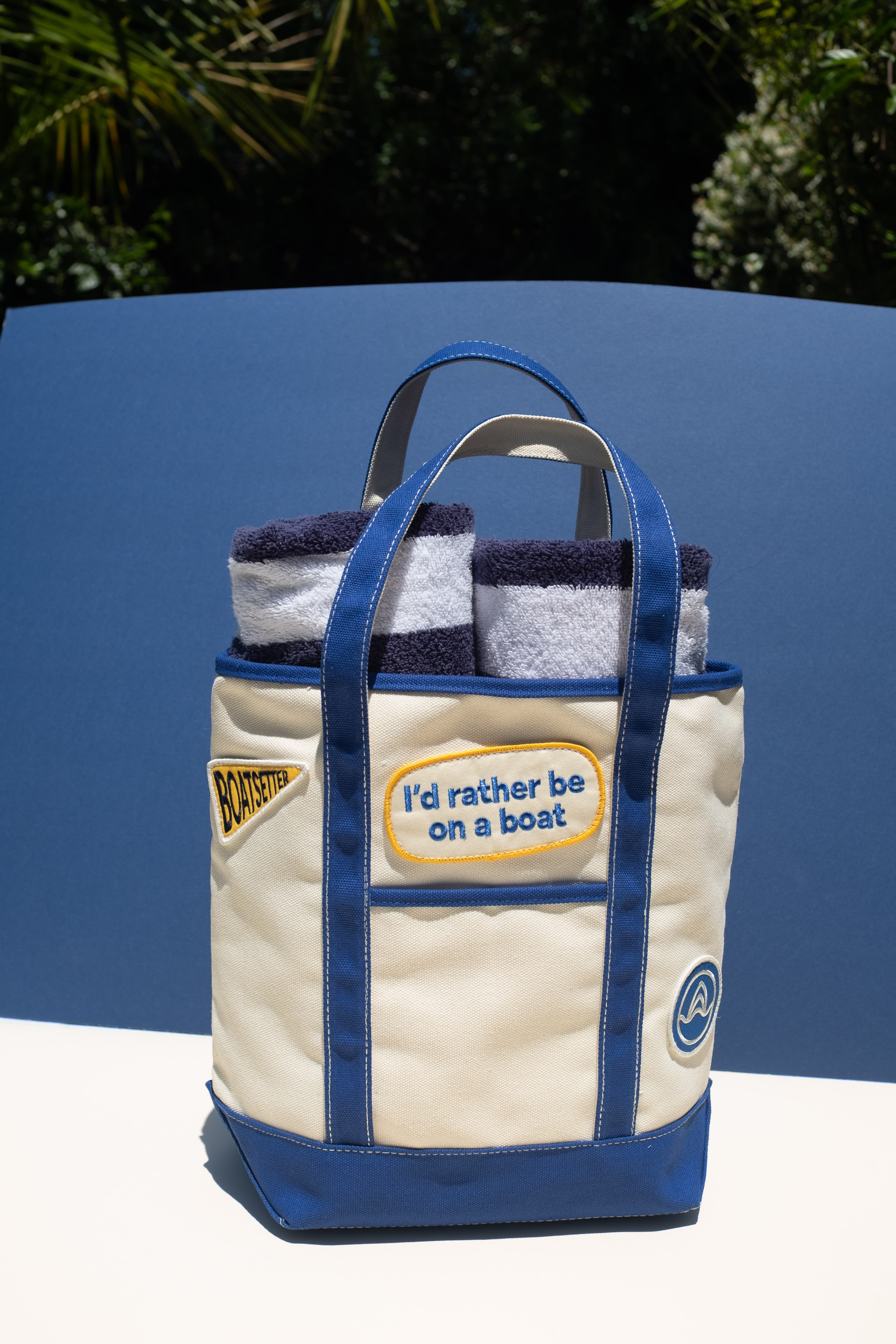
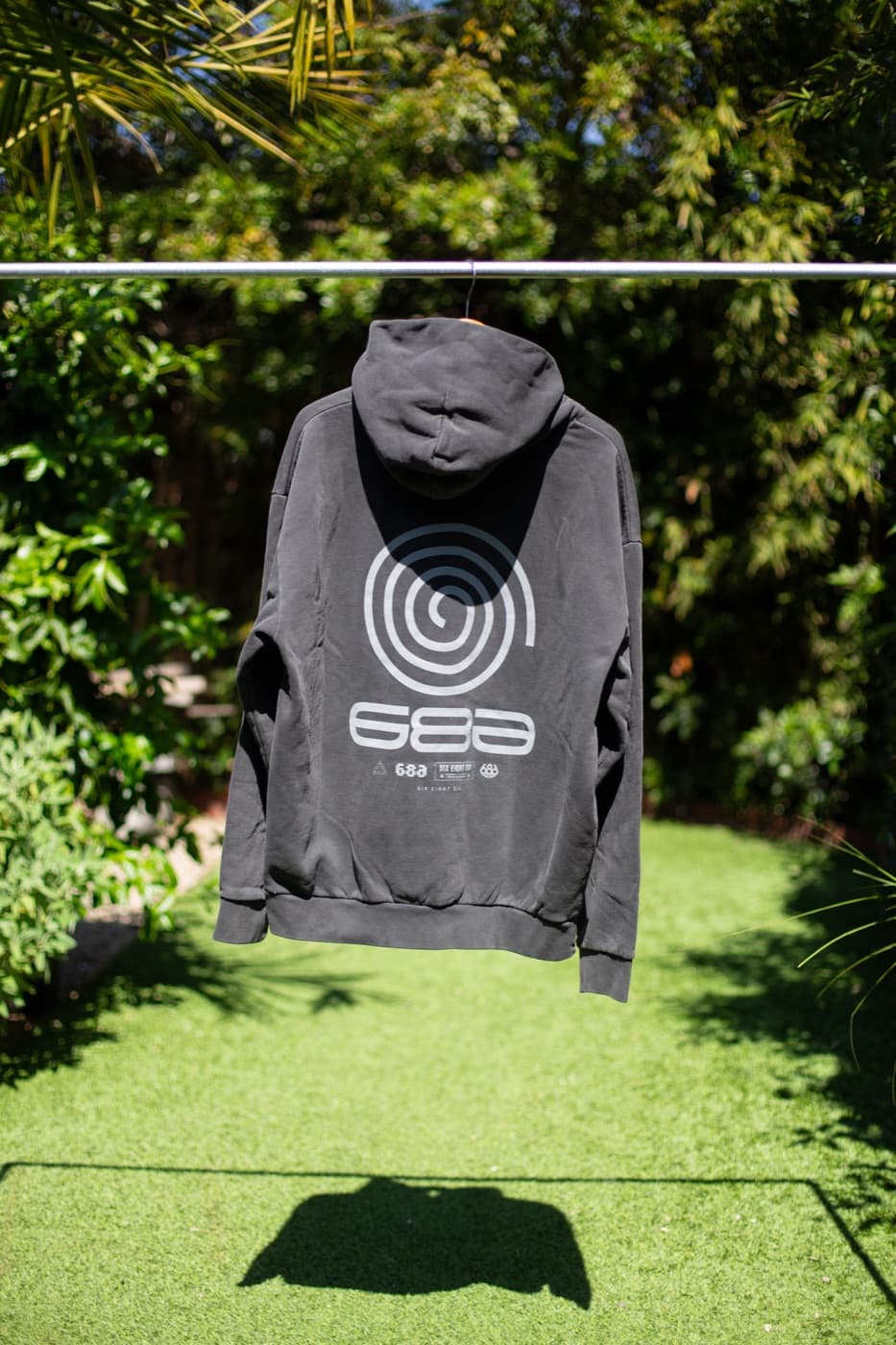
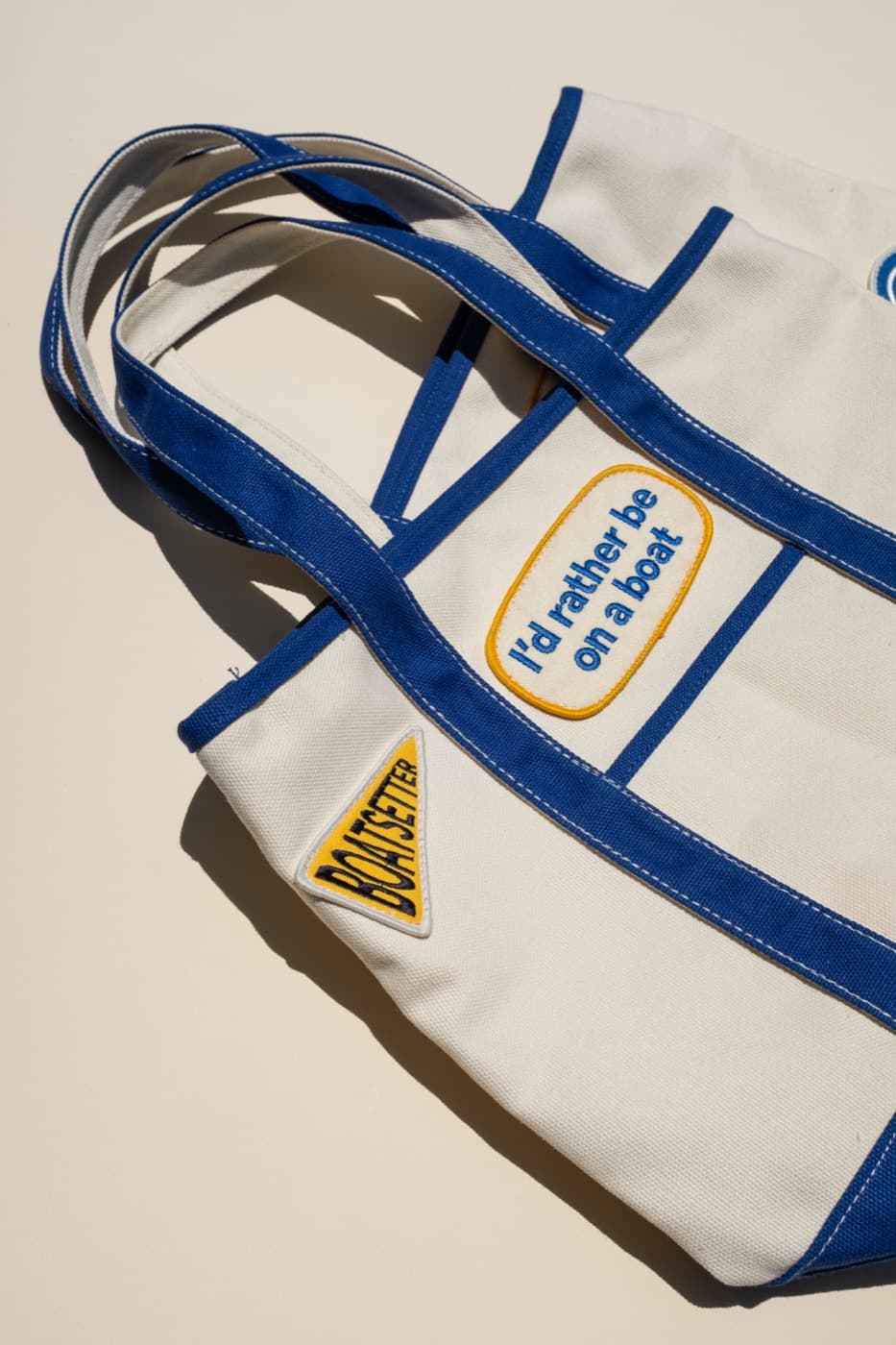
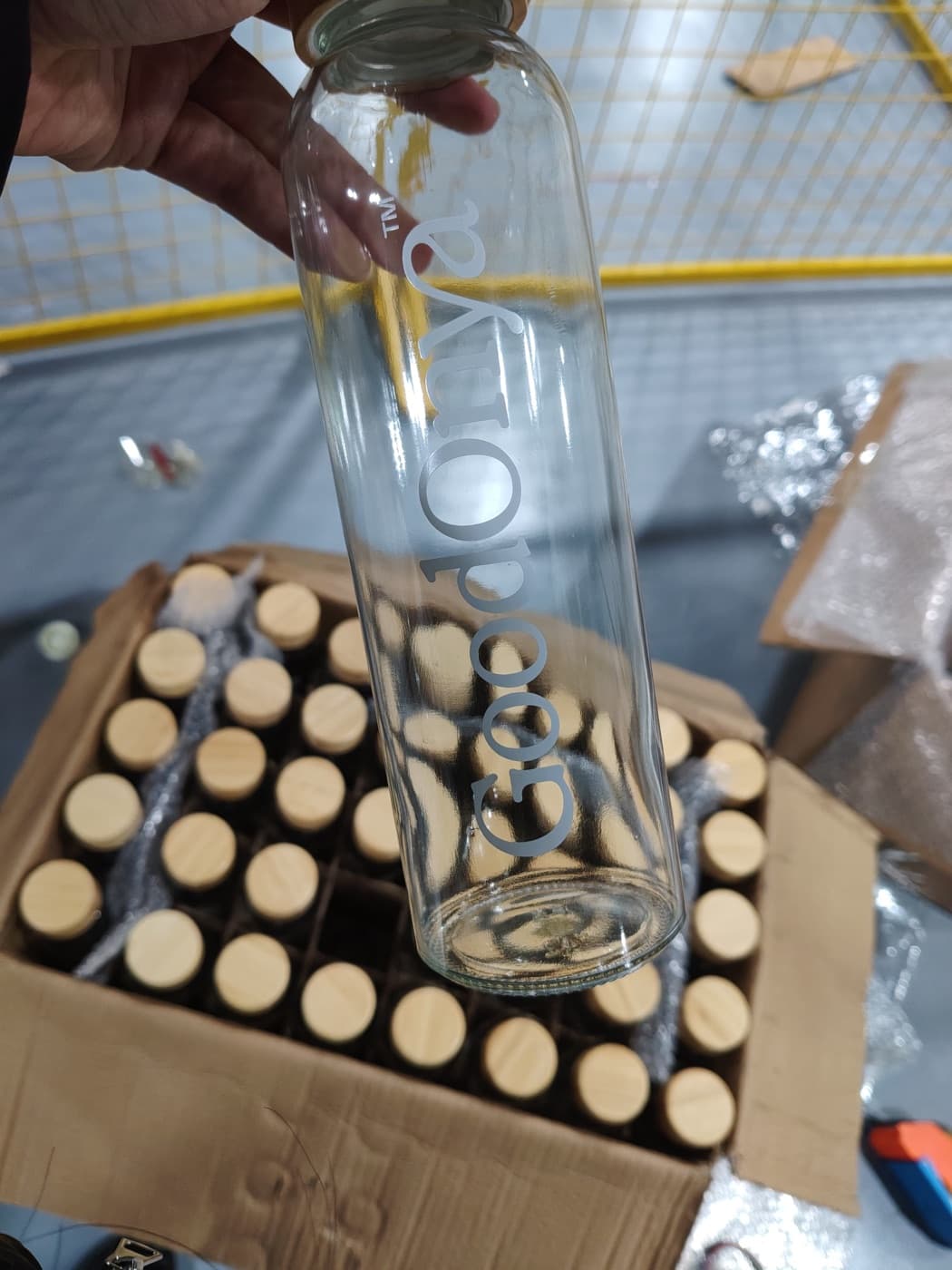
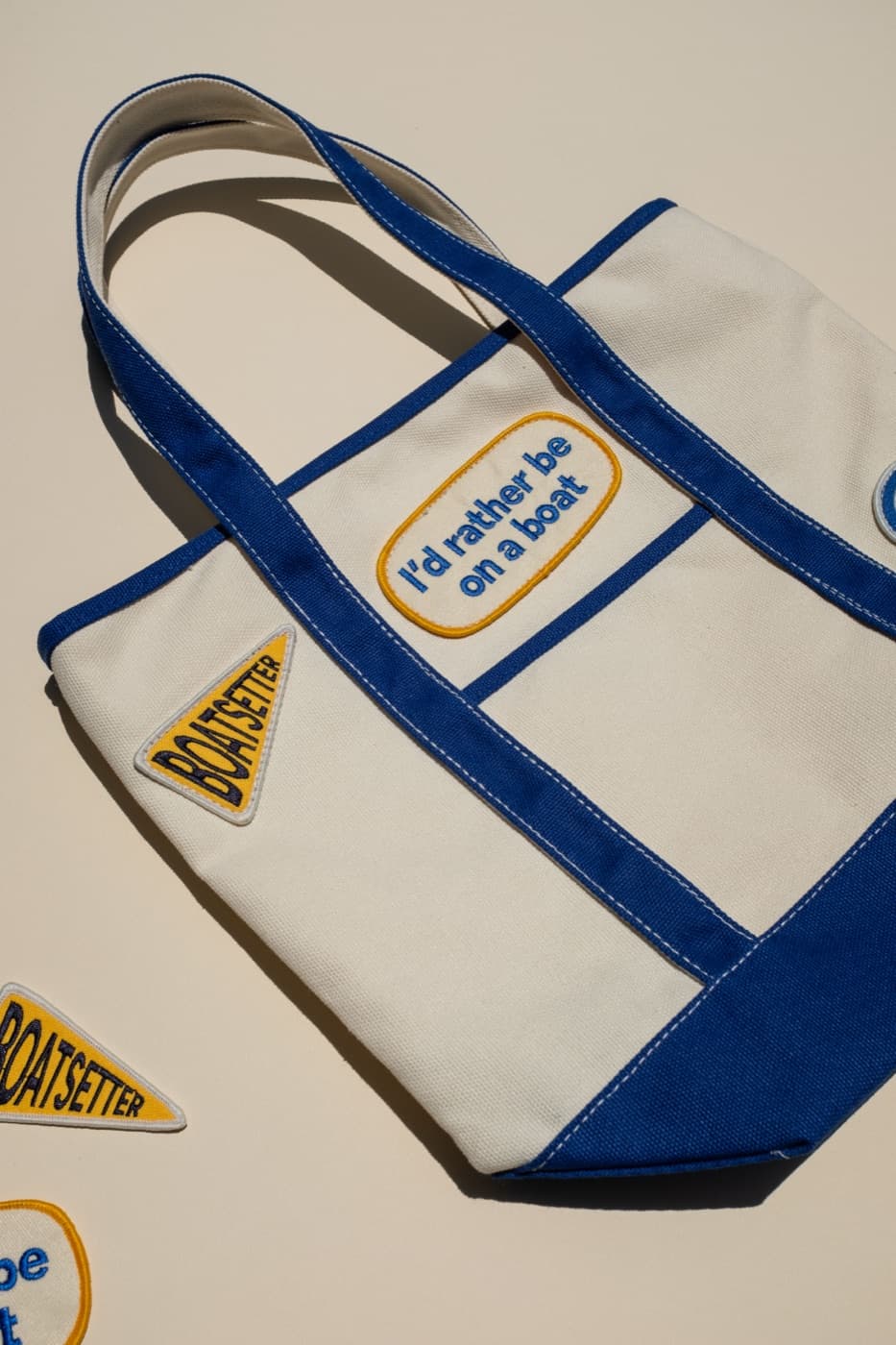
From there, expand only when there is a reason. Totes work well for markets, retail shops, bookstores, cafes, wellness studios, and events where people carry things. Drinkware works for offices, gyms, cafes, and customer gifting. Hoodies are great when the brand has enough pull or the audience will pay for the quality. More items do not automatically make the program better.
The worth keeping standard
Before you order, ask one hard question: would someone keep this if it did not have our logo on it? If the answer is no, fix the product, the artwork, or the plan. That standard cuts through a lot of noise. It pushes you toward better blanks, cleaner design, smarter decoration, and merch that respects the person receiving it.
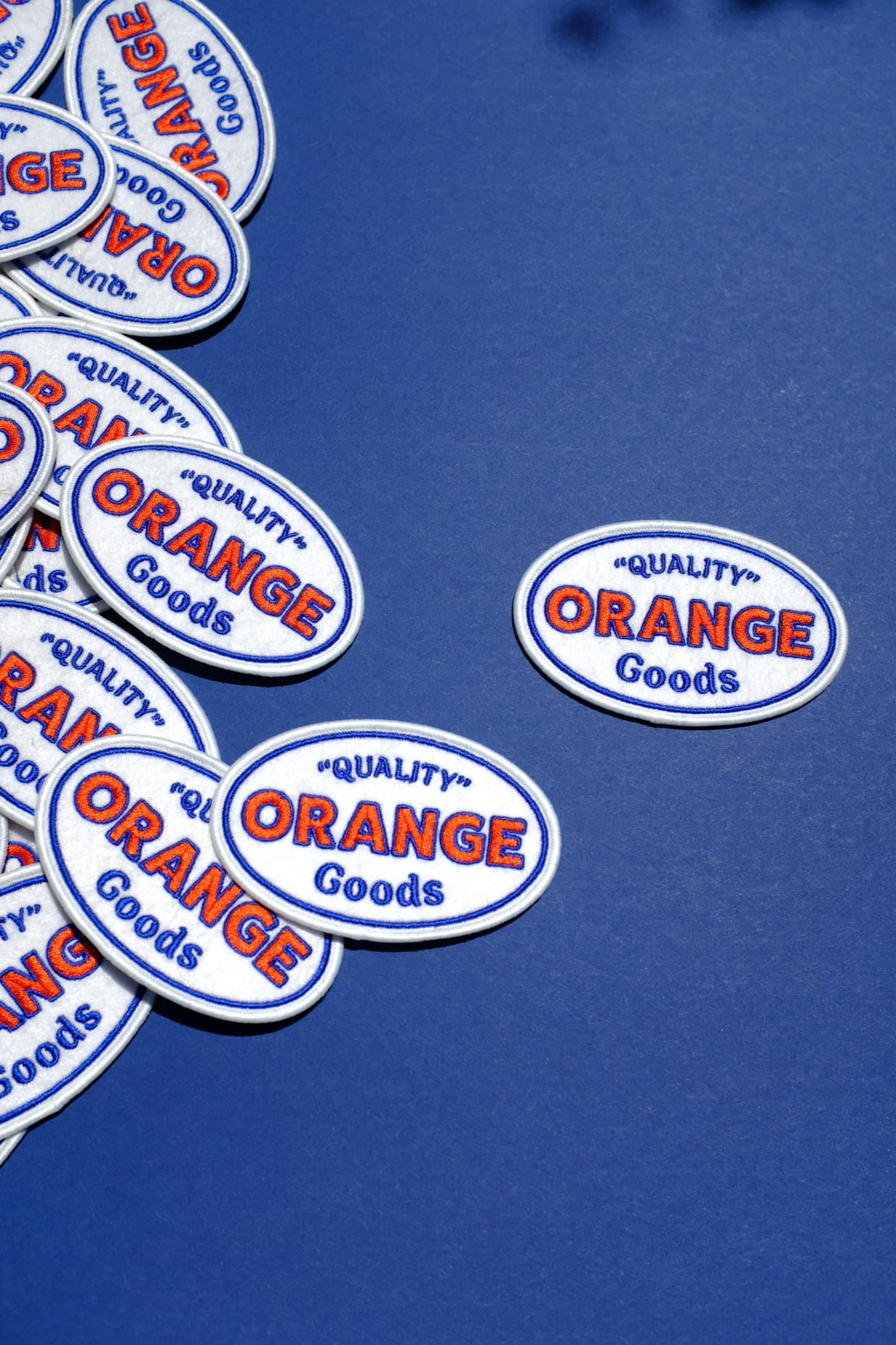
Orange Goods helps small businesses make focused merch that feels useful and intentional. We can start with 100 pieces, recommend hats and tees that match your budget, and build from there when the demand is real. The best small business merch is not the biggest order. It is the piece someone grabs again because it feels like theirs.