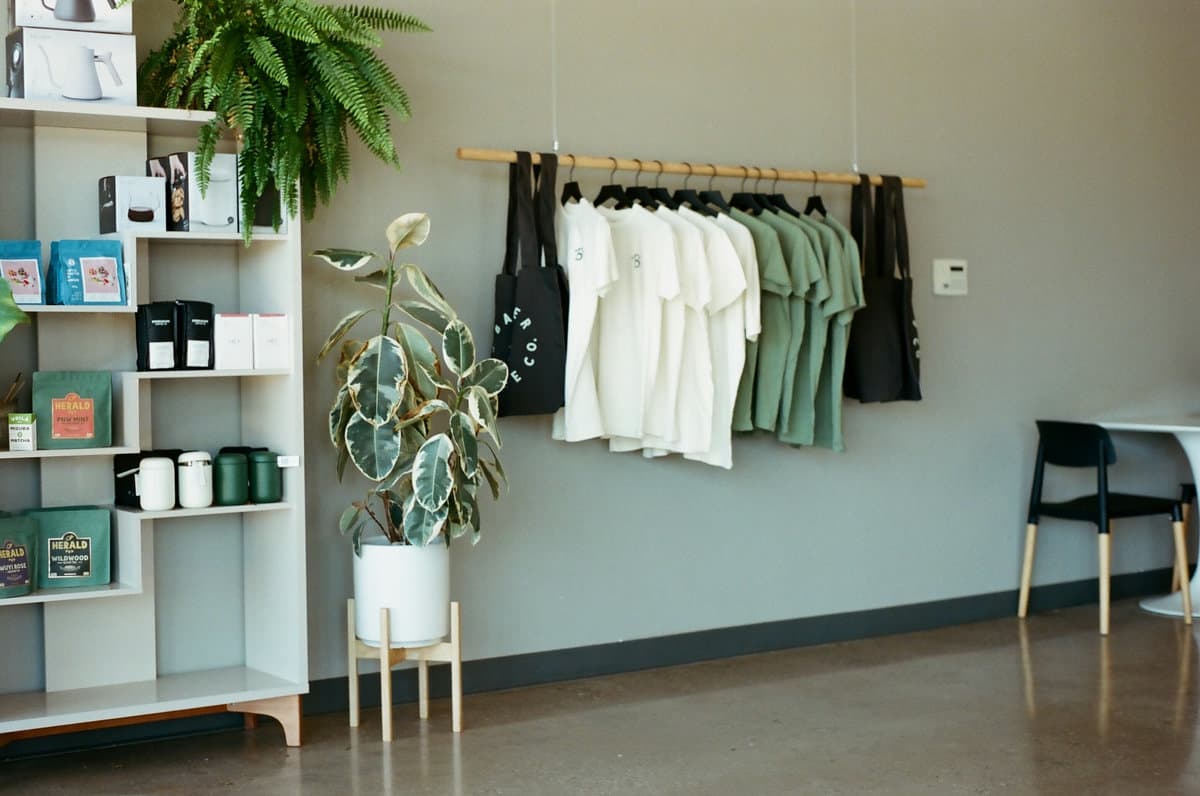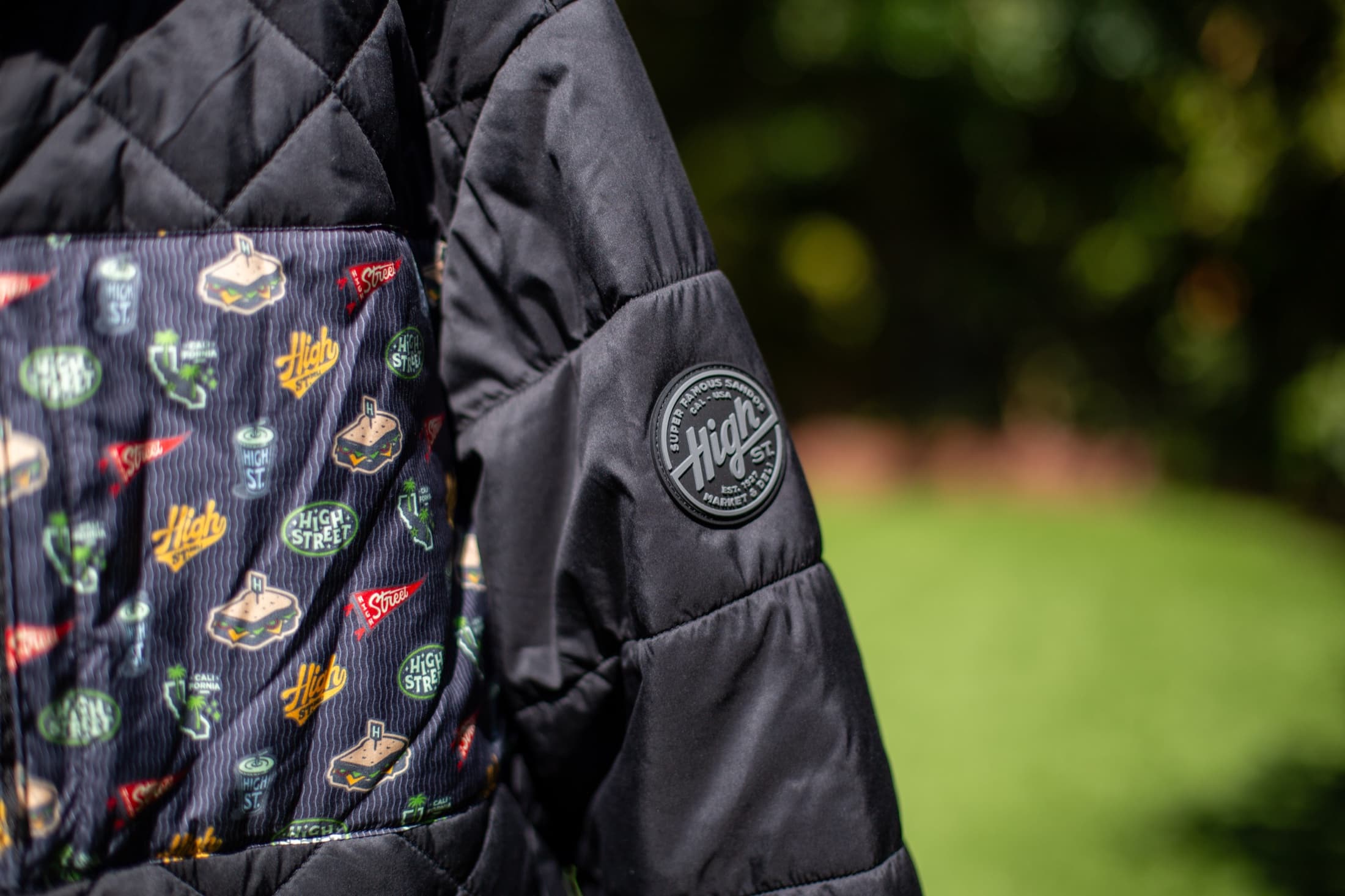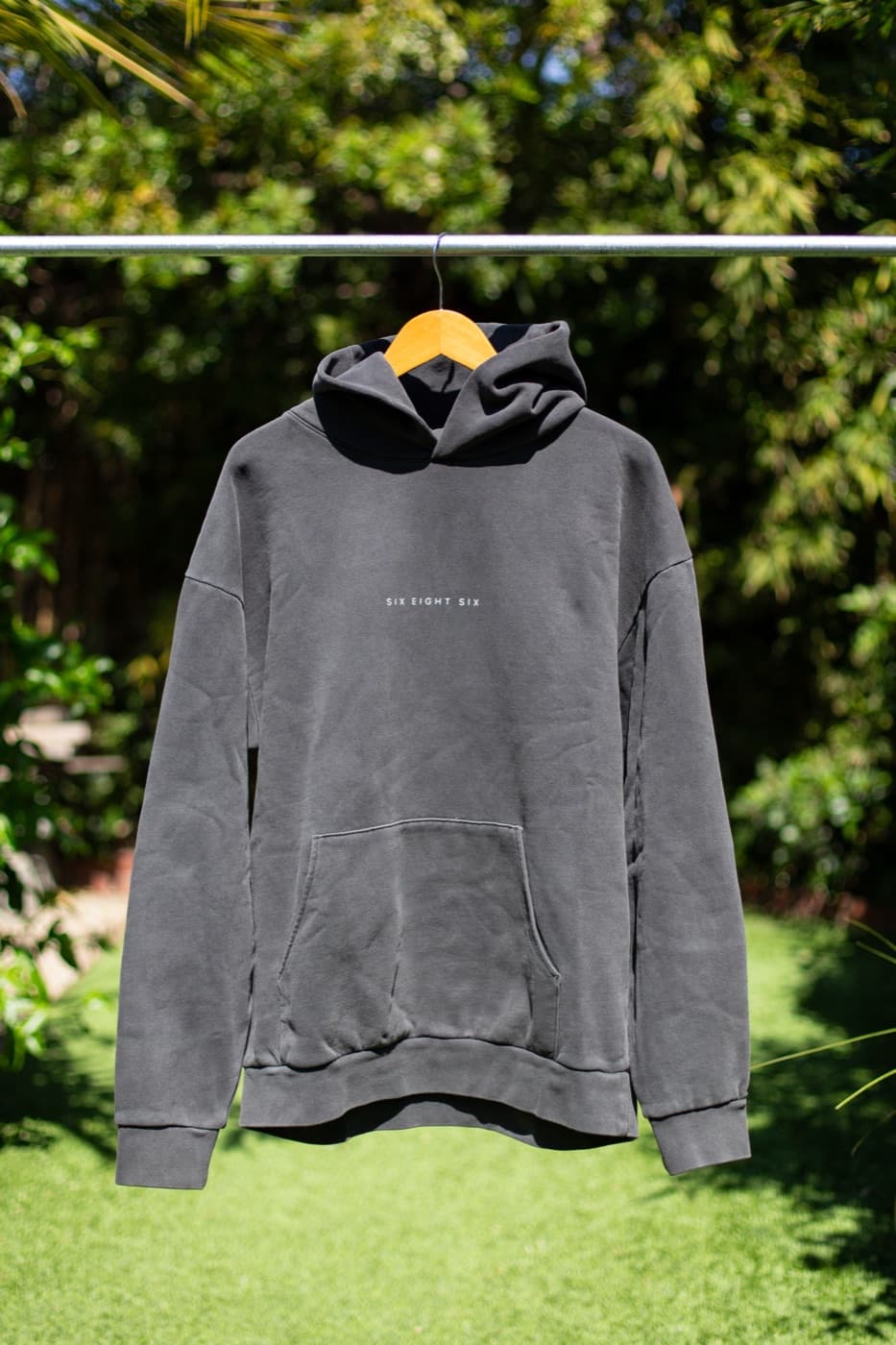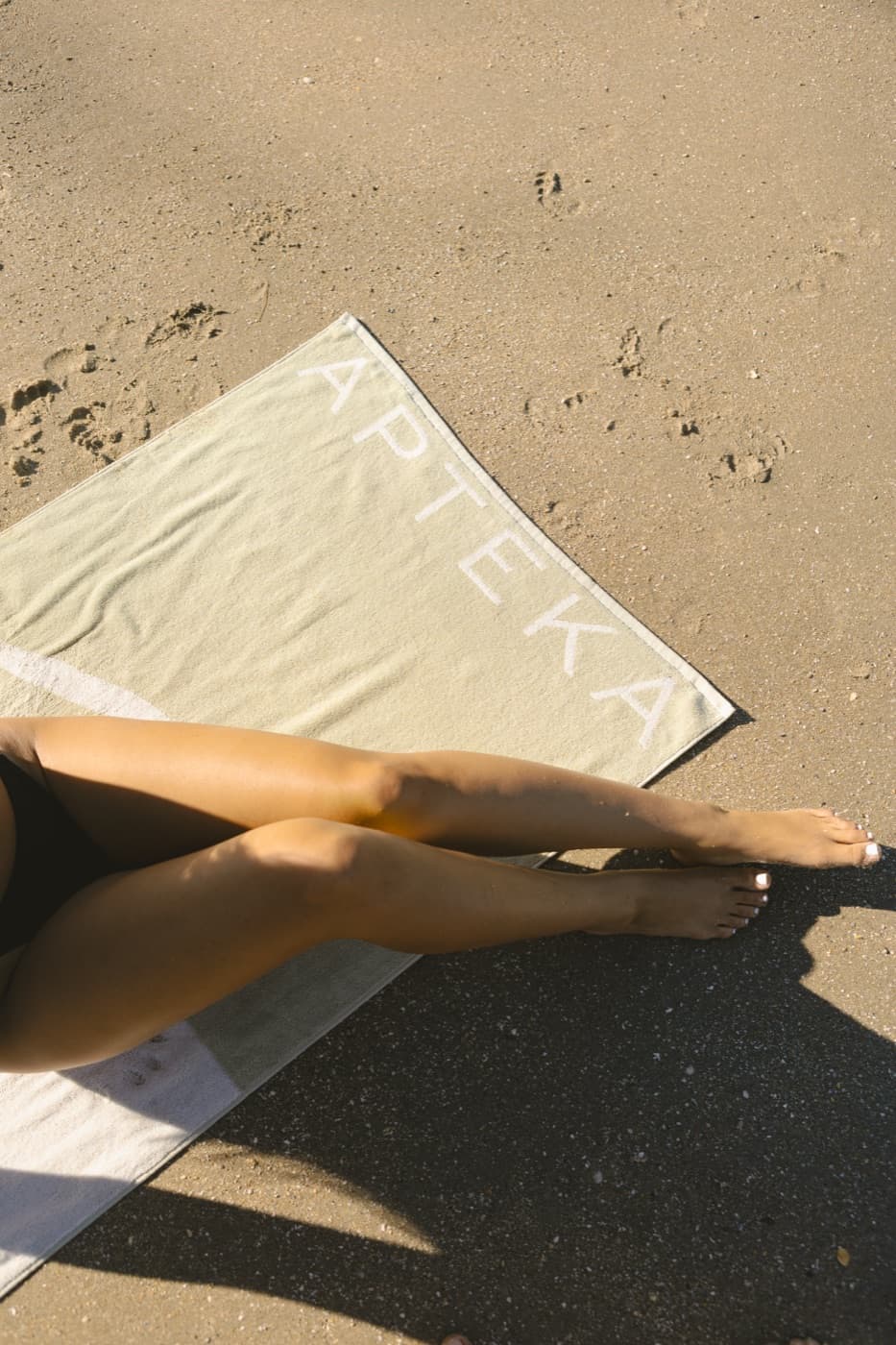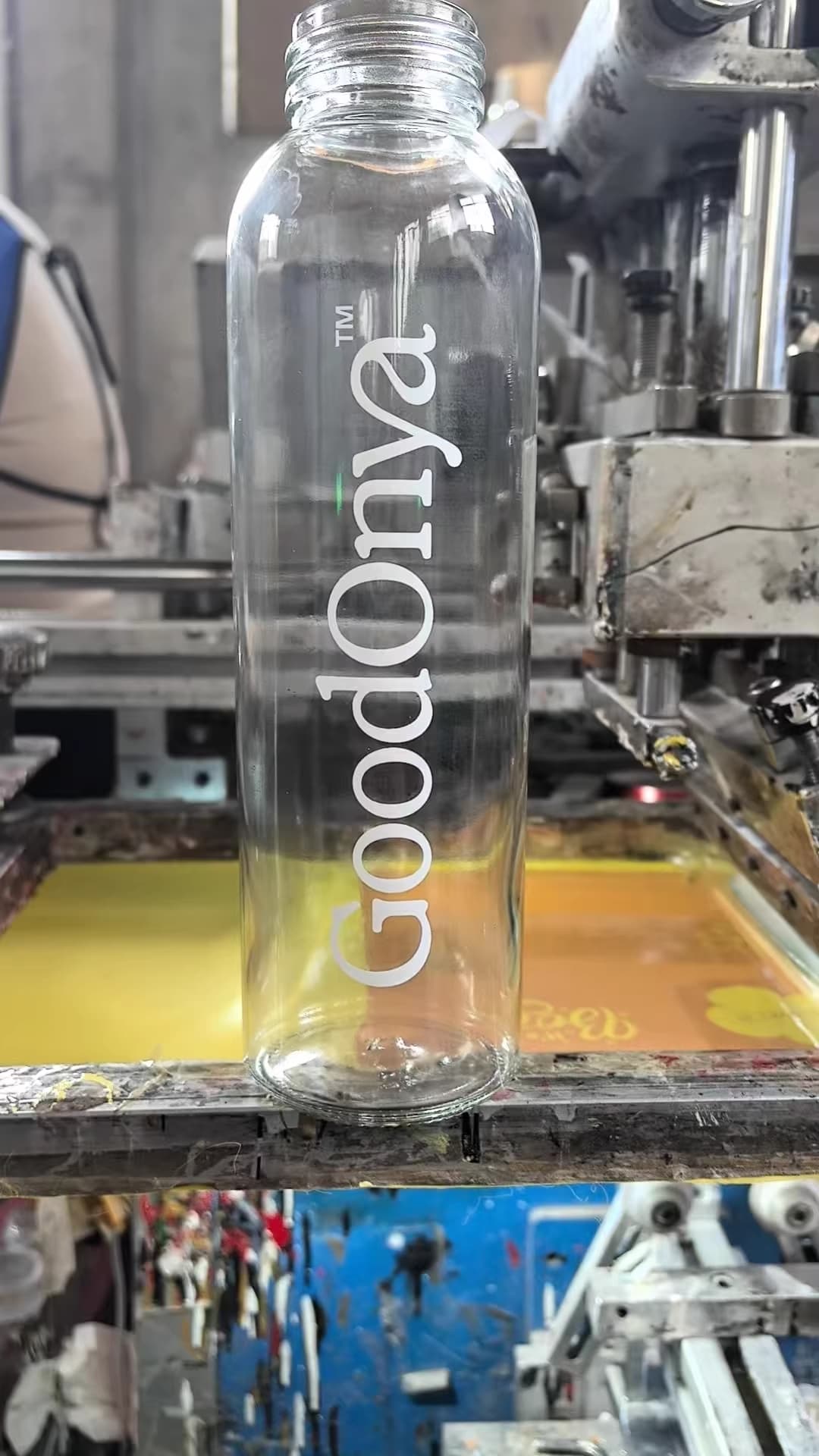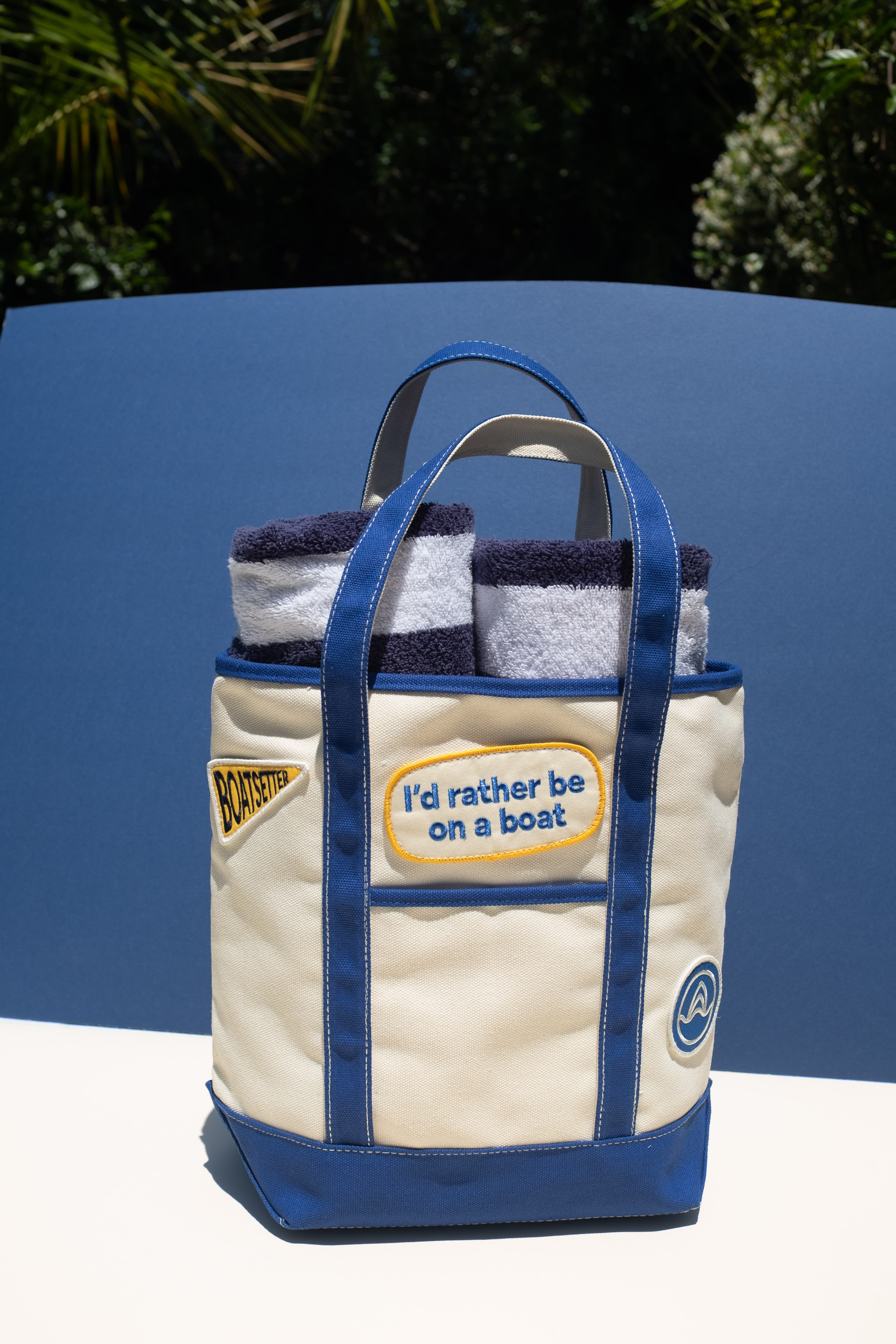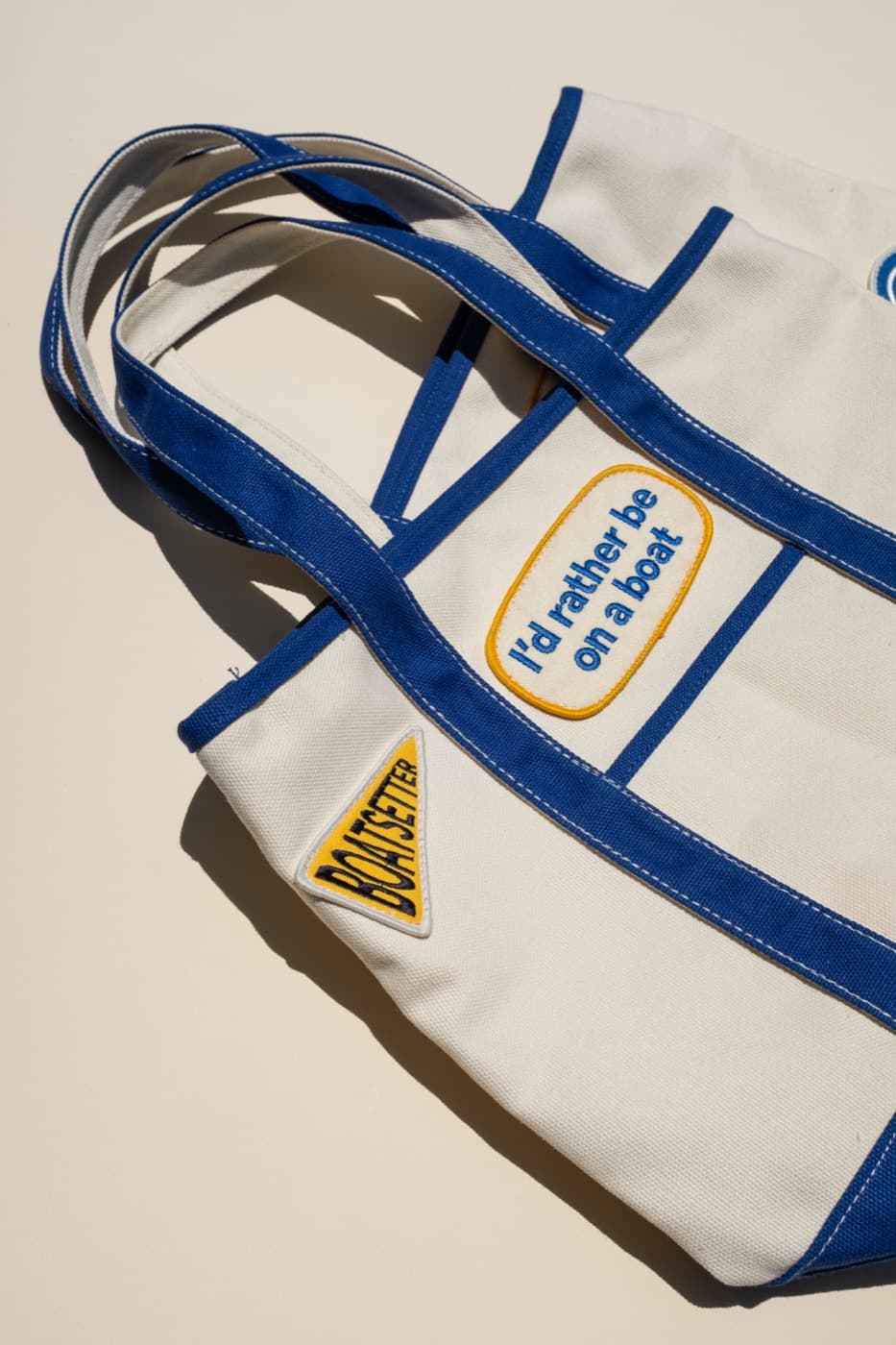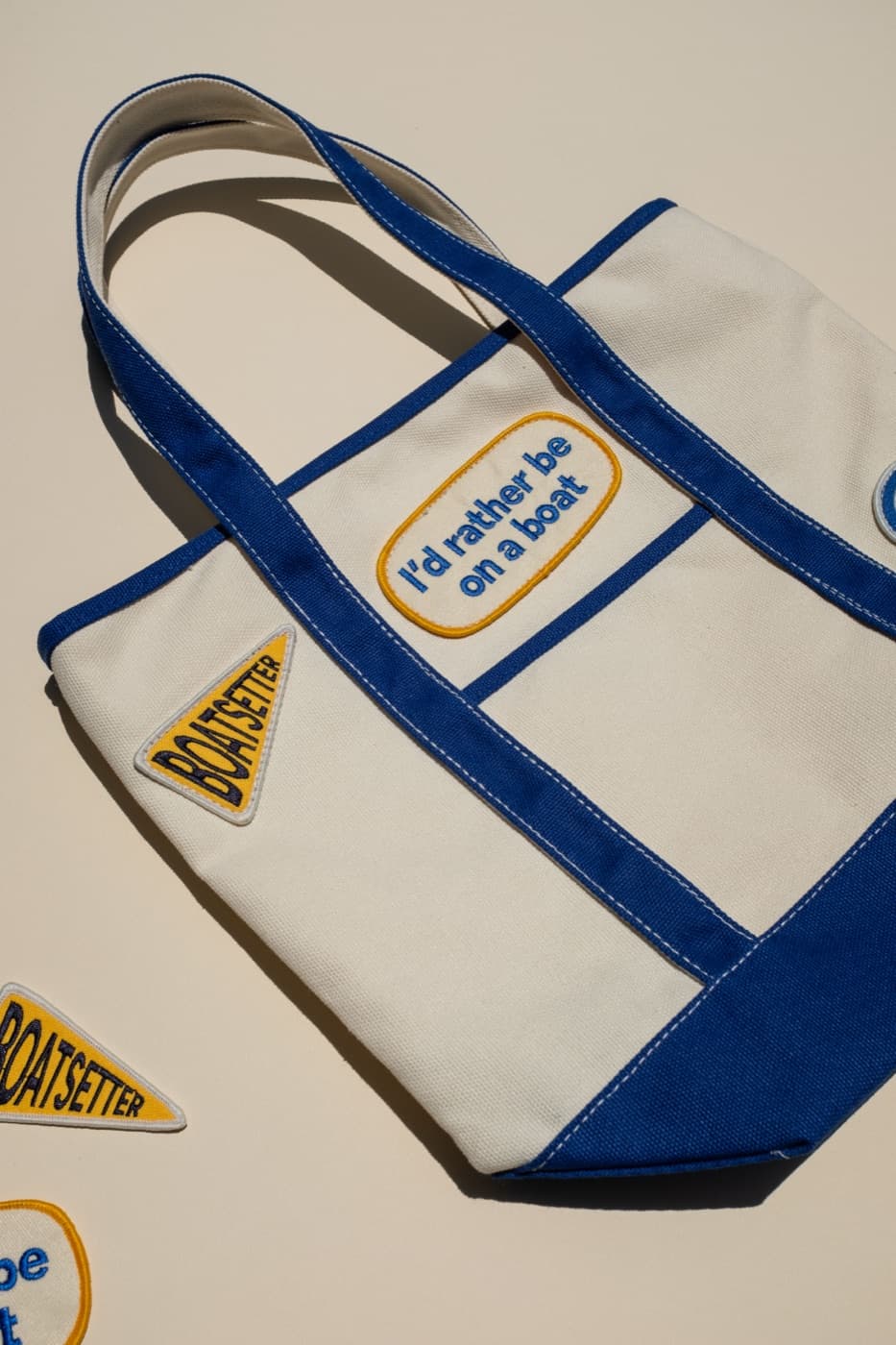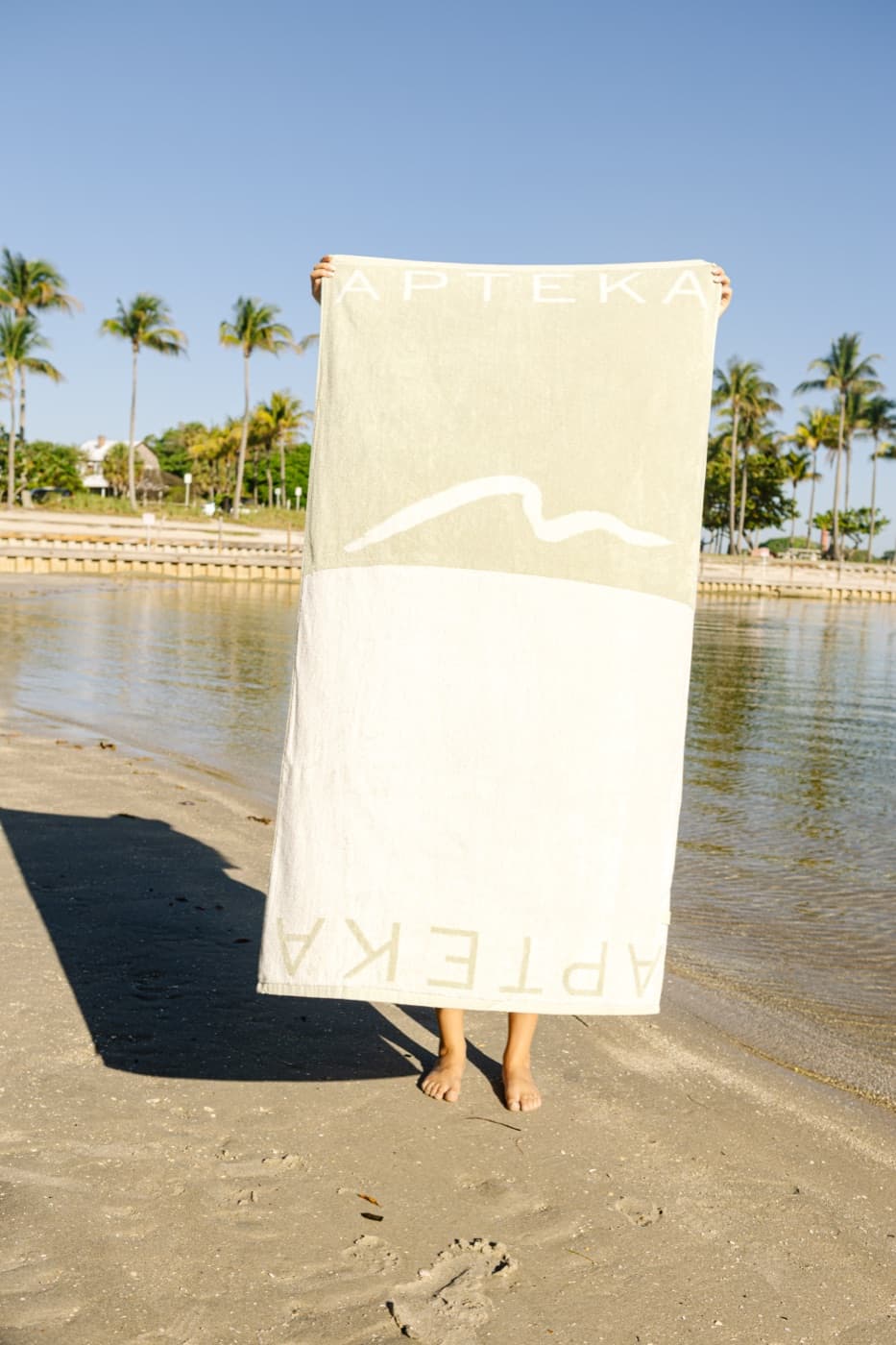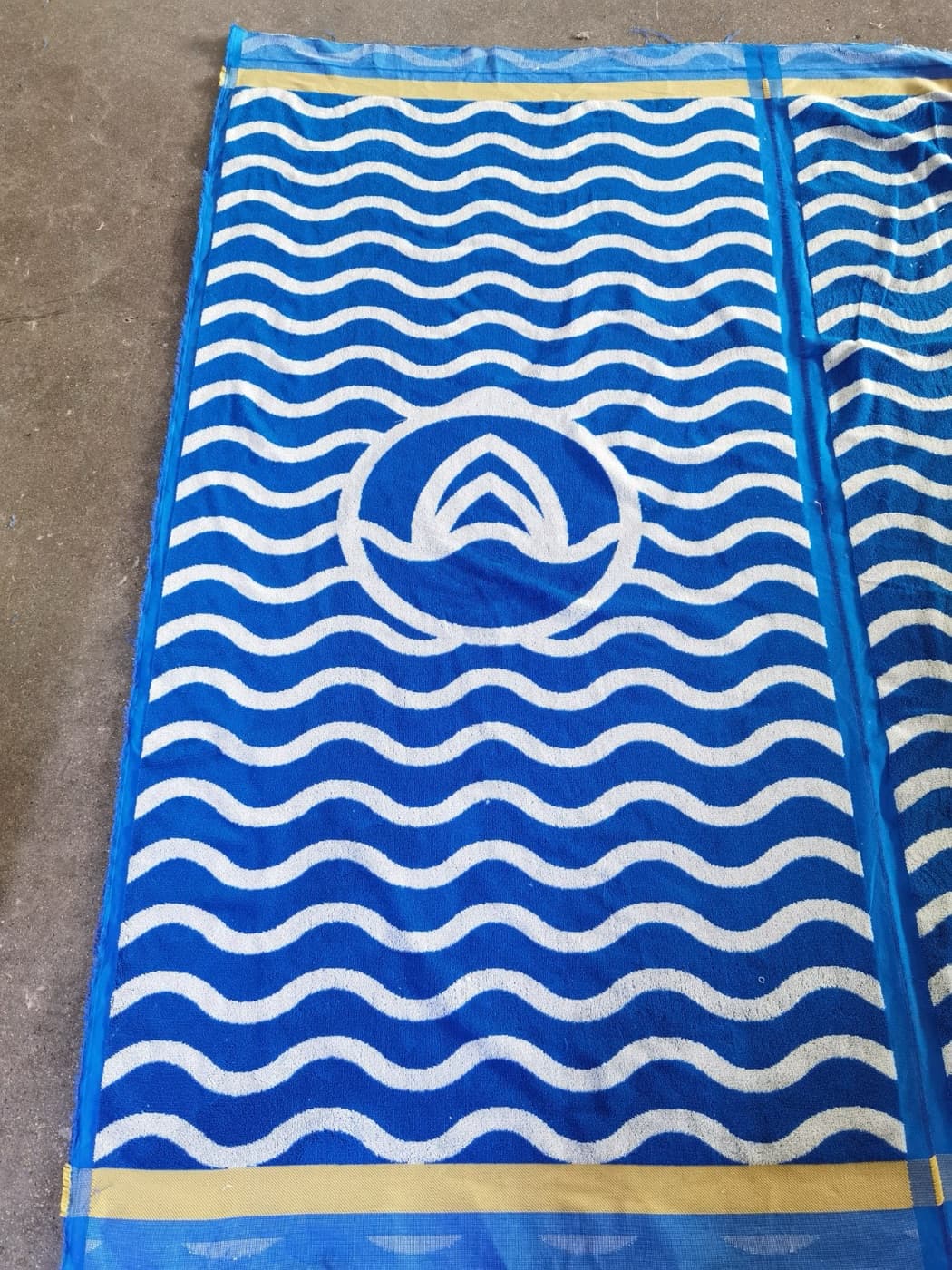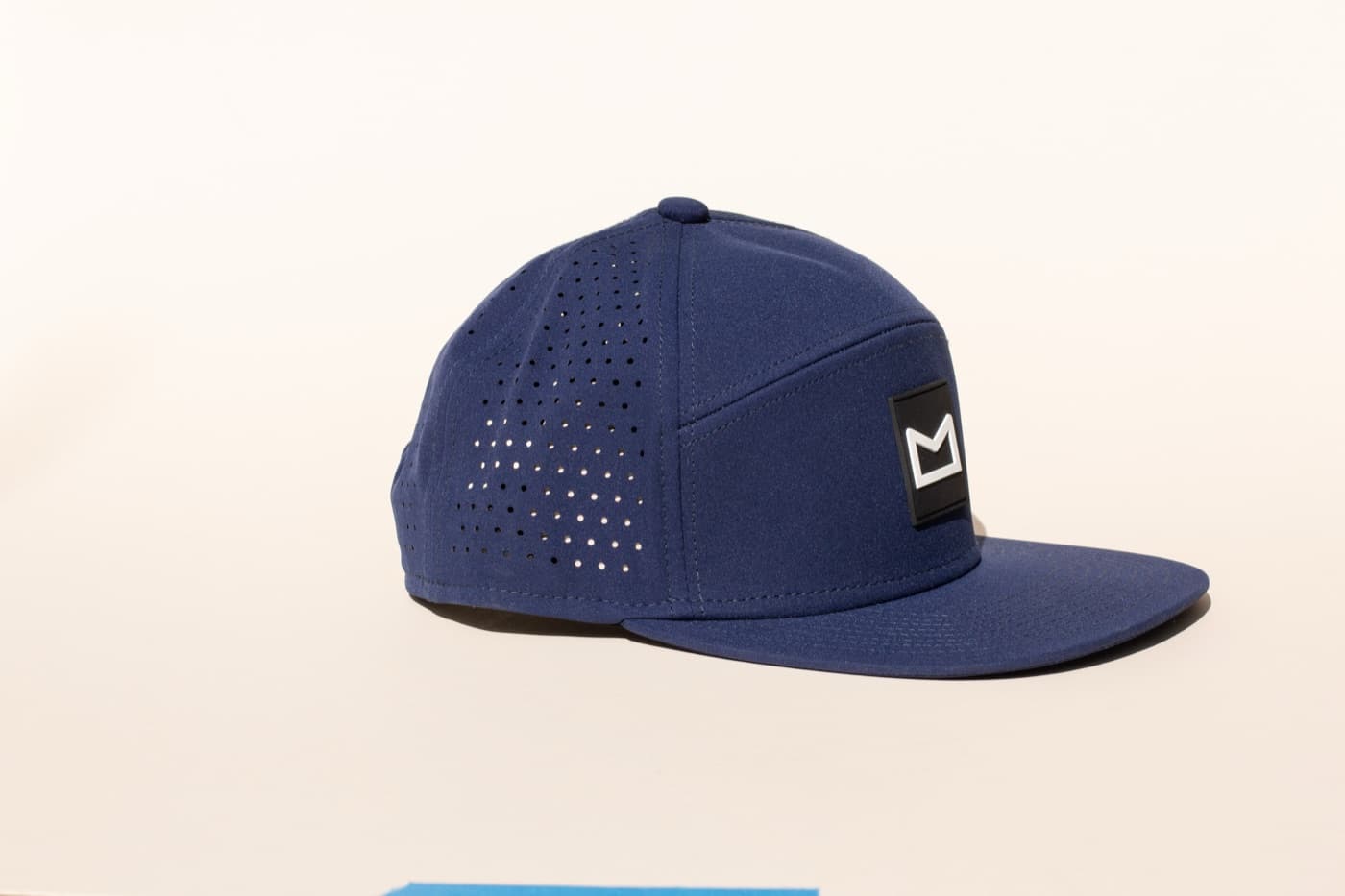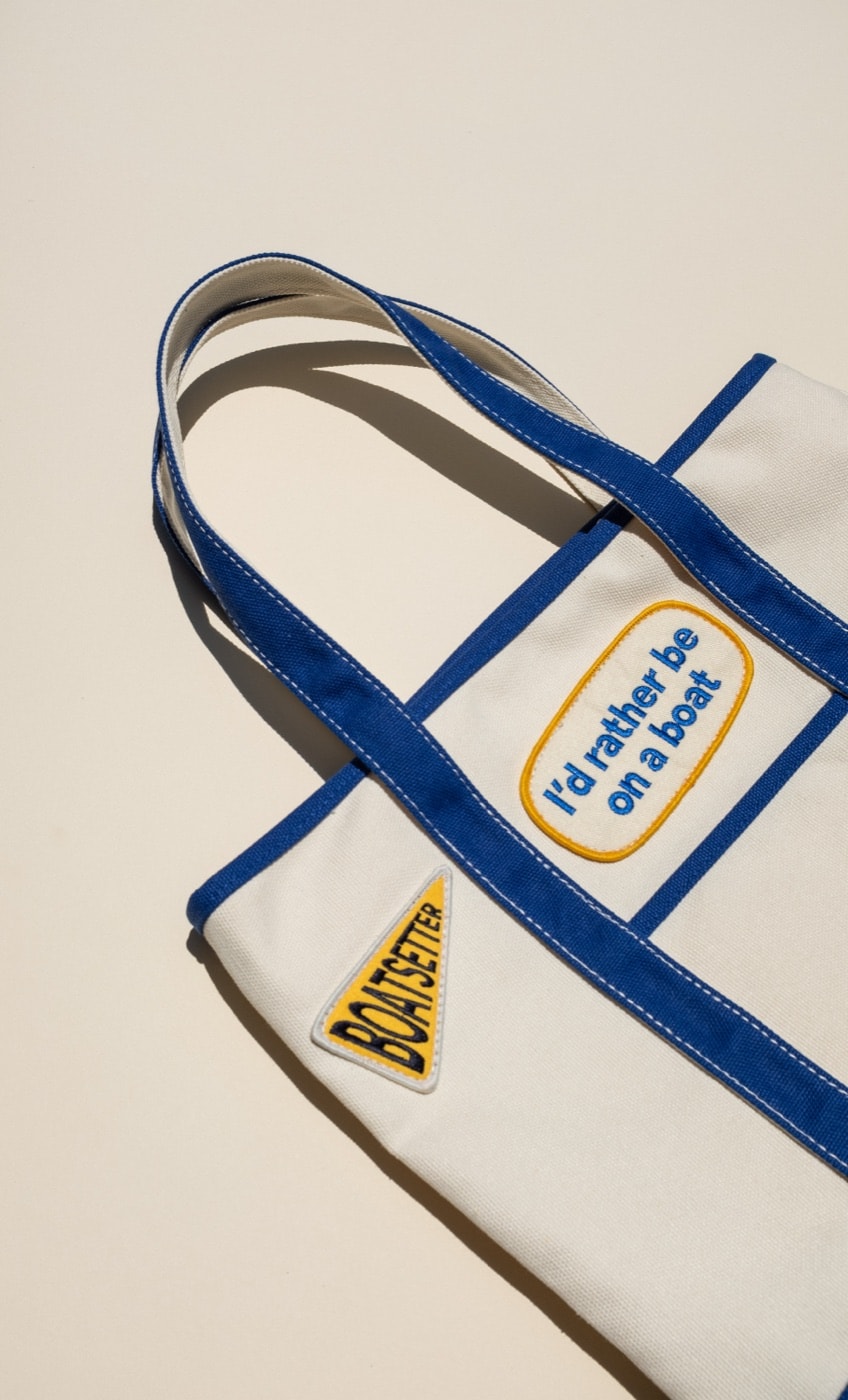
Custom tote bags are one of the most useful branded goods because they have a clear job. They carry things. That sounds simple, but it is exactly why they keep working for events, retail drops, customer gifts, hospitality programs, and internal teams.
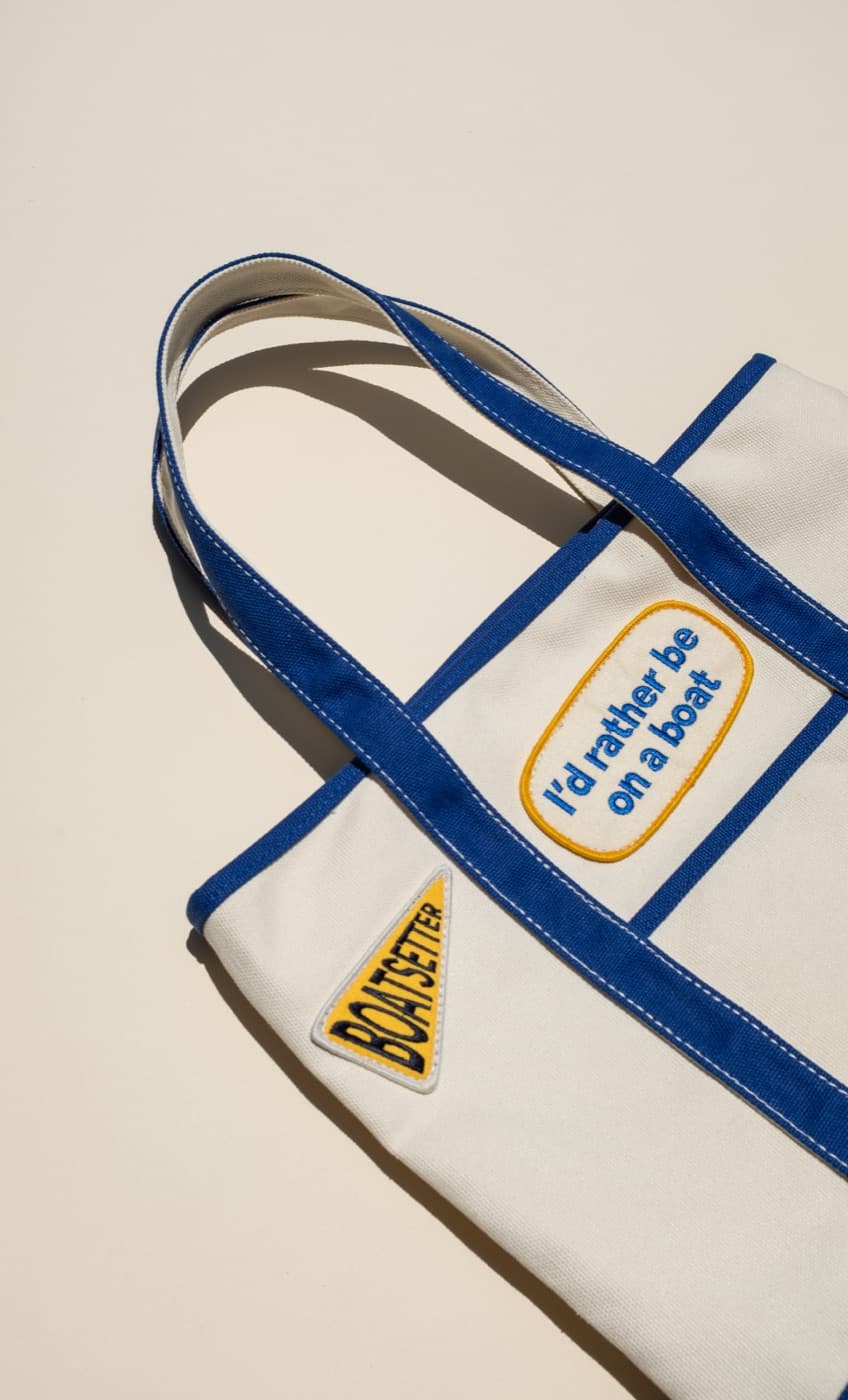
The difference between a tote that gets reused and a tote that gets left behind is usually quality and context. Fabric weight, handle length, gusset, decoration scale, and artwork all decide whether the piece feels like a real bag or a disposable container.
Pick the right tote format
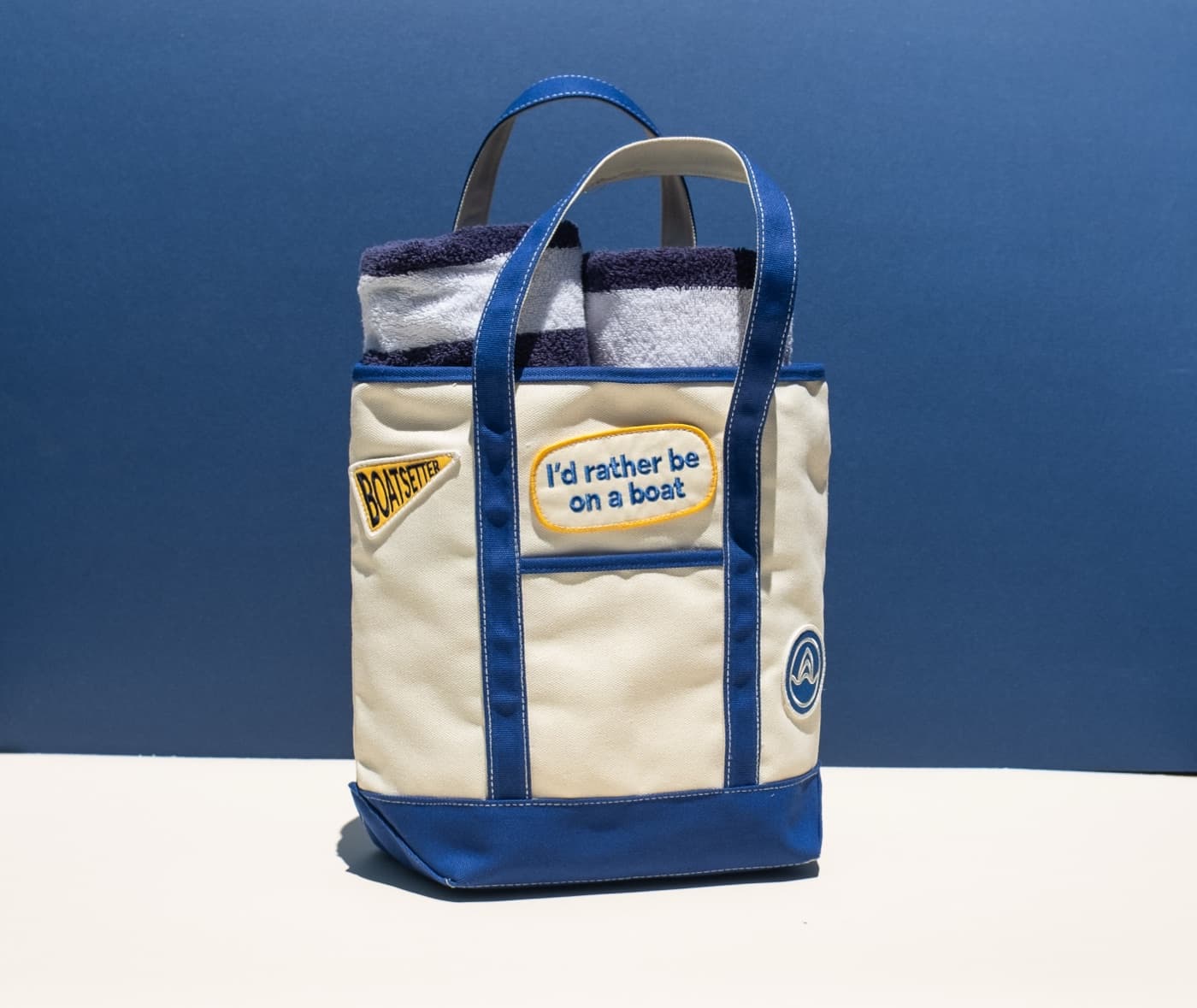
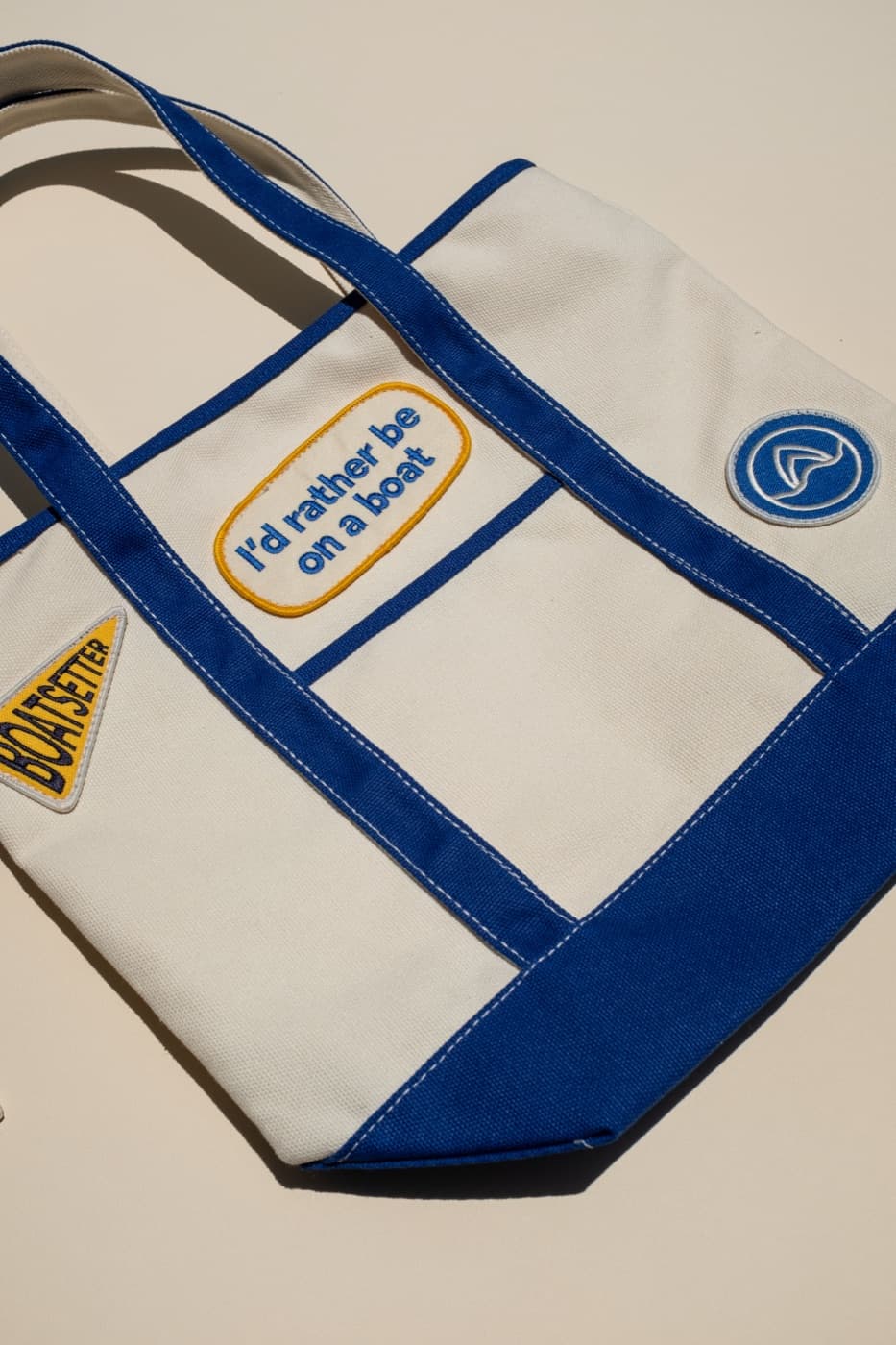
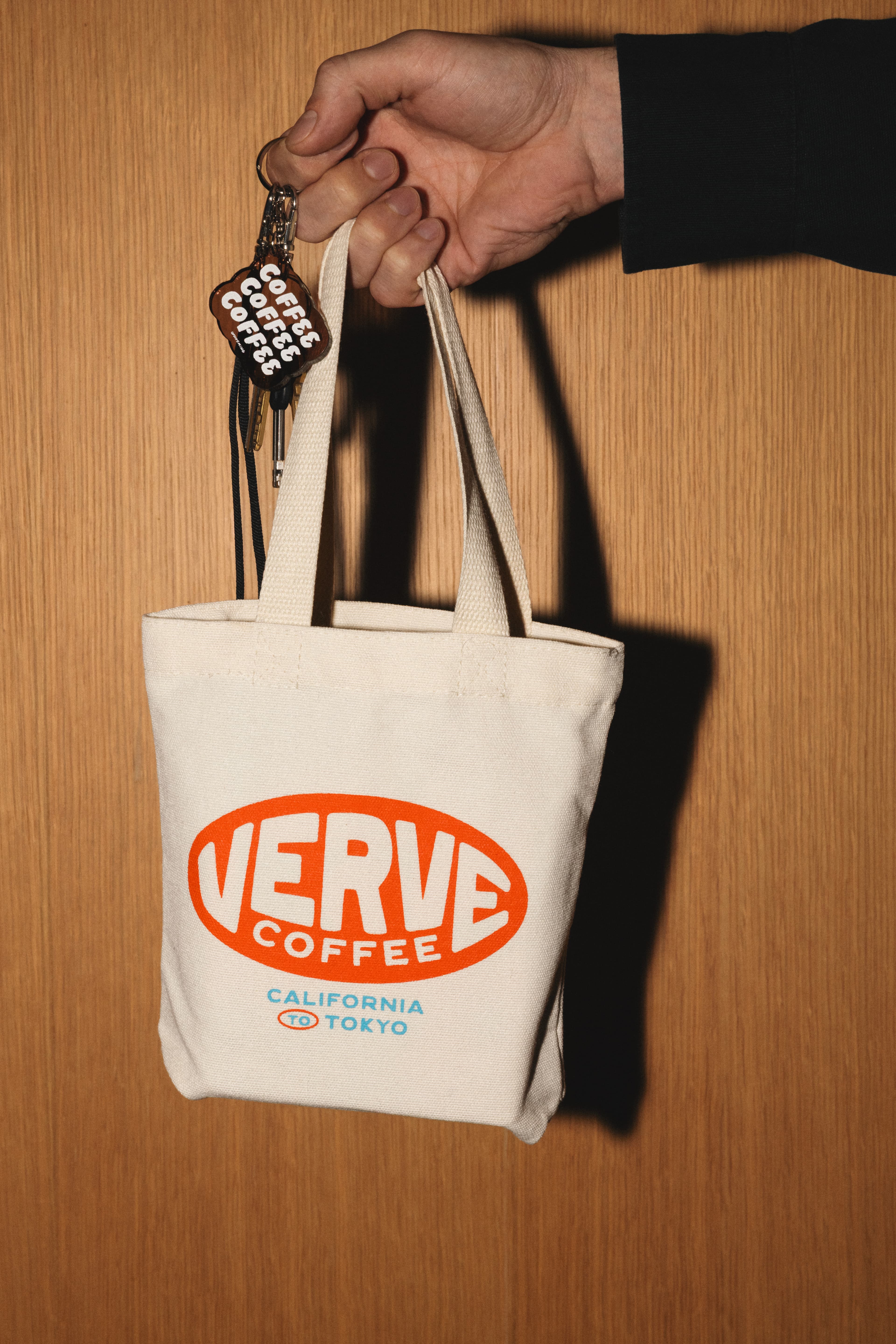
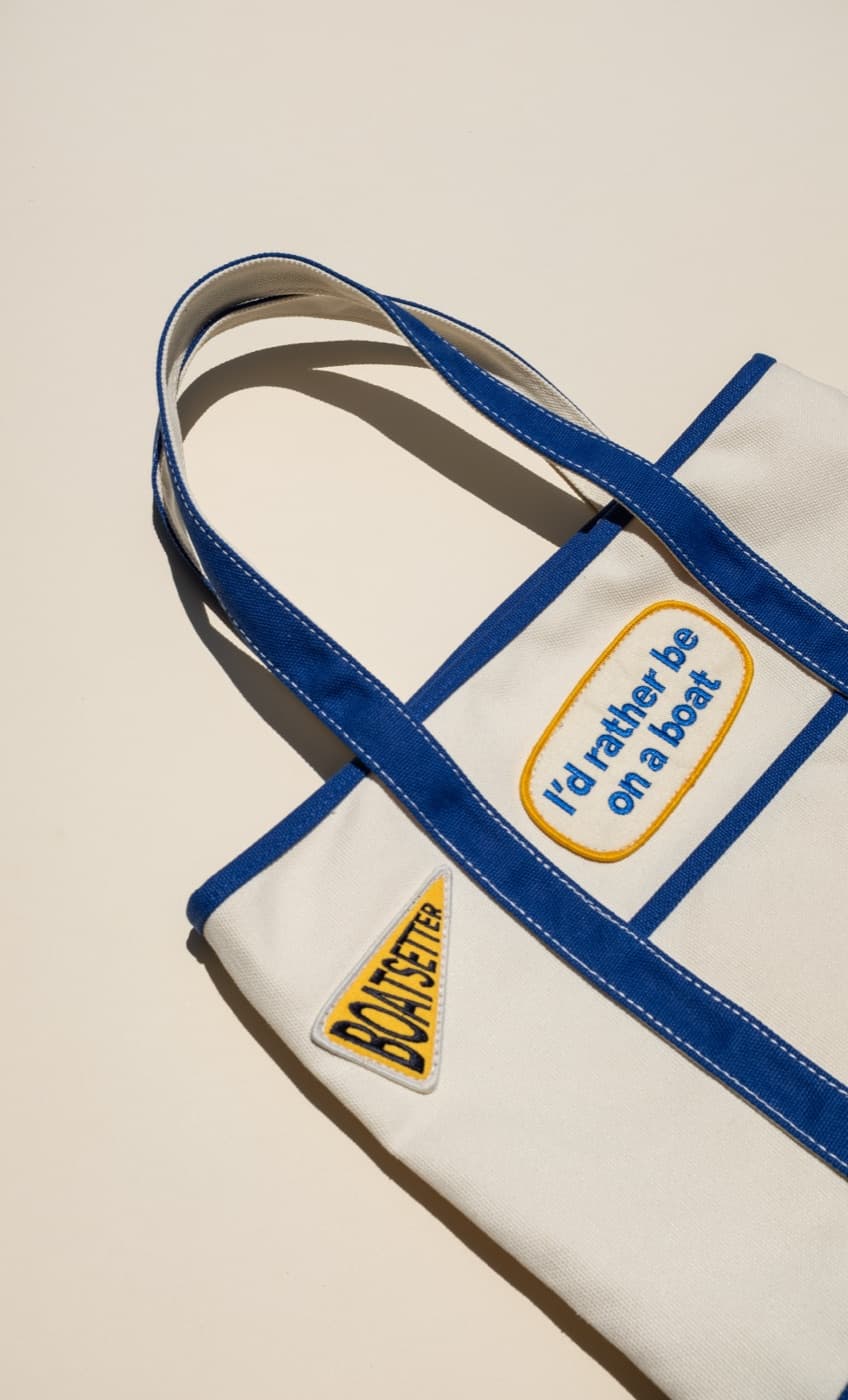
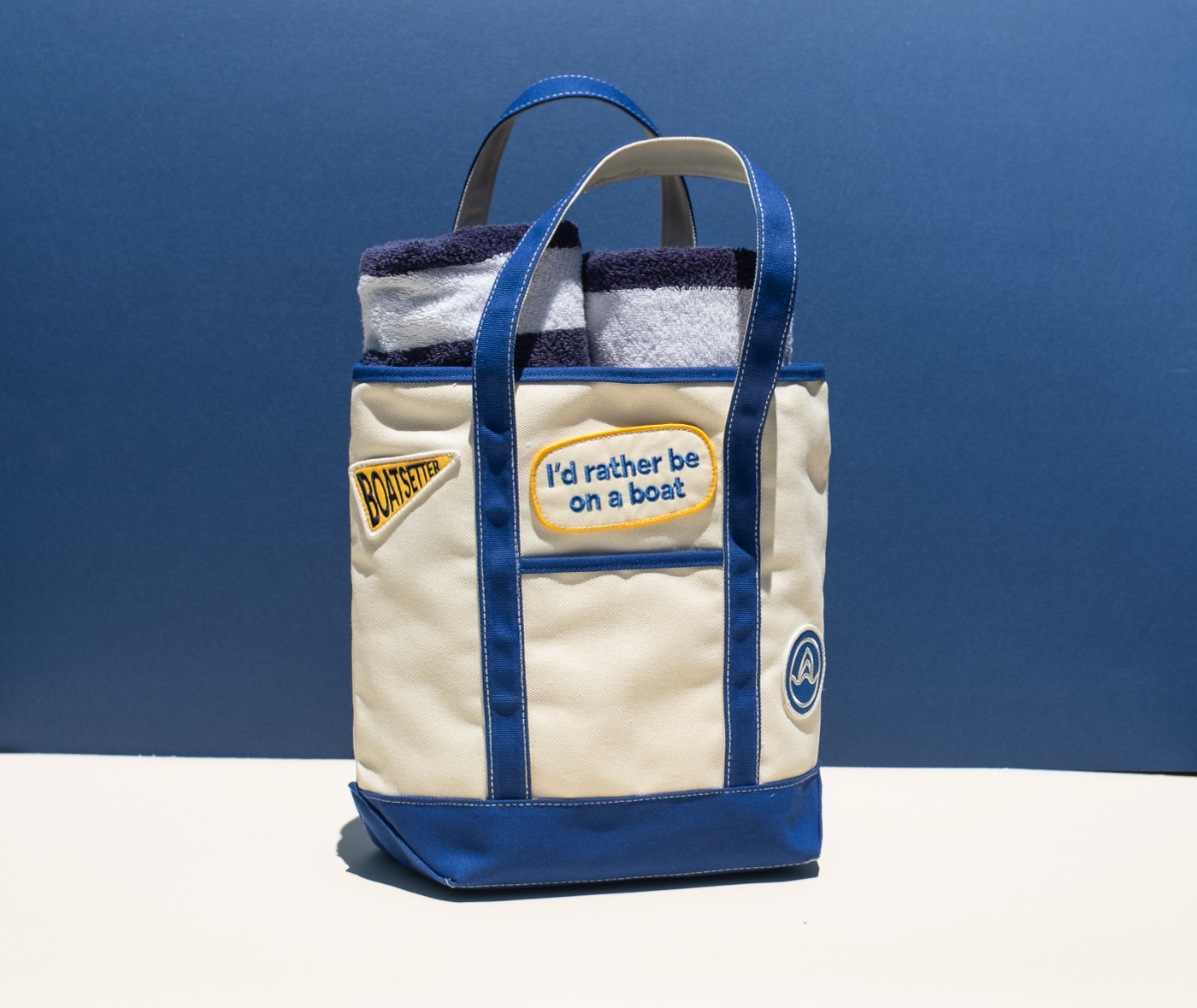
A flat cotton tote is simple and inexpensive. A heavier canvas tote feels more retail-ready. A boat tote or structured carryall can become a higher-value gift. A market bag works for food, beverage, and retail settings. The right format depends on the expected use.
If the bag needs to carry event materials, packaging, bottles, or apparel, size and weight capacity matter. If the bag is meant to be sold, the material and finishing need to feel worth the price.
Use the surface area well
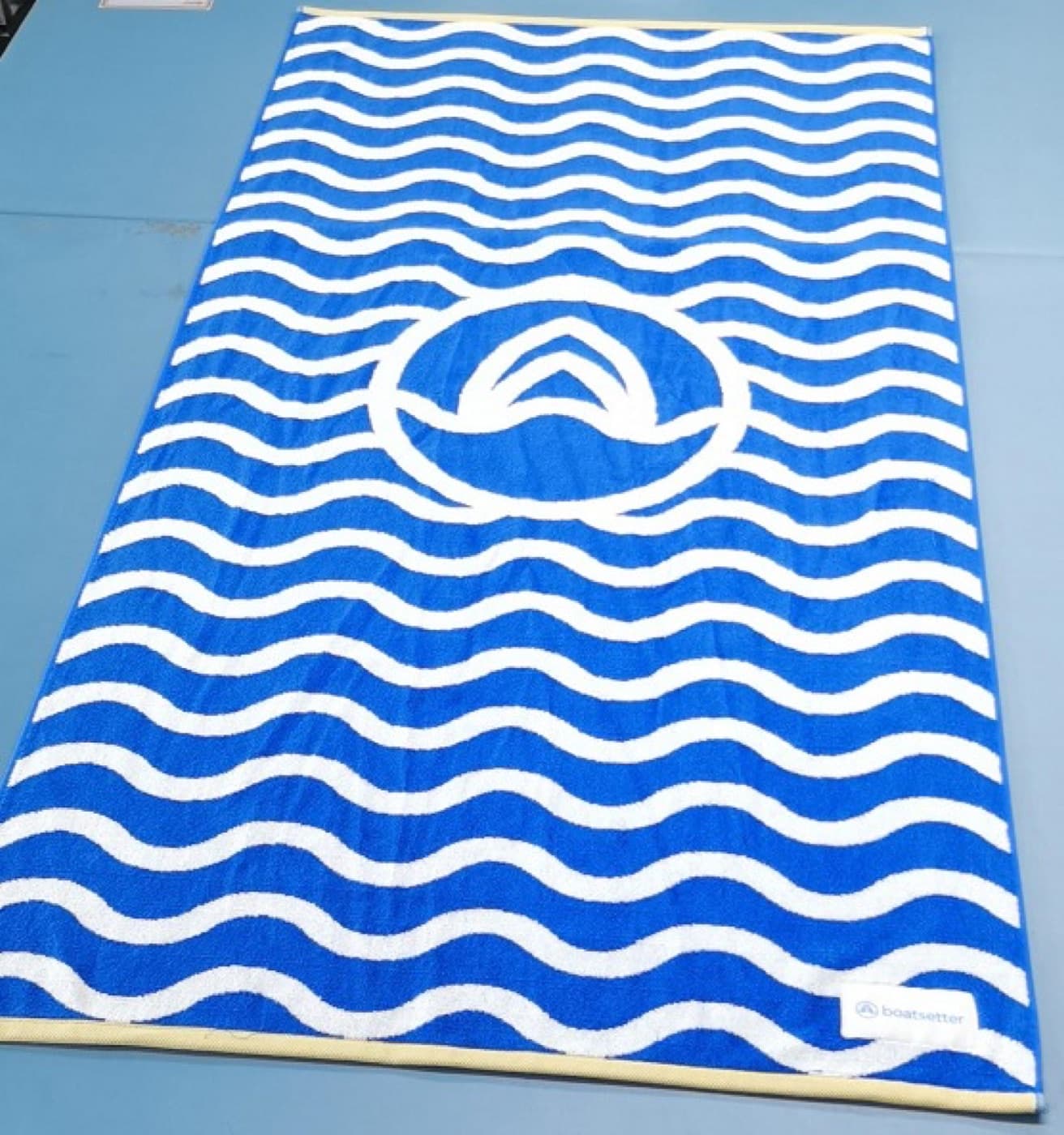
Totes give brands more space than most small goods, but that does not mean the design should simply be bigger. A large graphic, pattern, campaign line, or illustration can work beautifully when it fits the bag. A small mark can work too when the blank is strong enough.
The goal is to make the tote feel designed for its shape. Handles, seams, gussets, and folds all affect the final read.
Connect totes to a bigger program
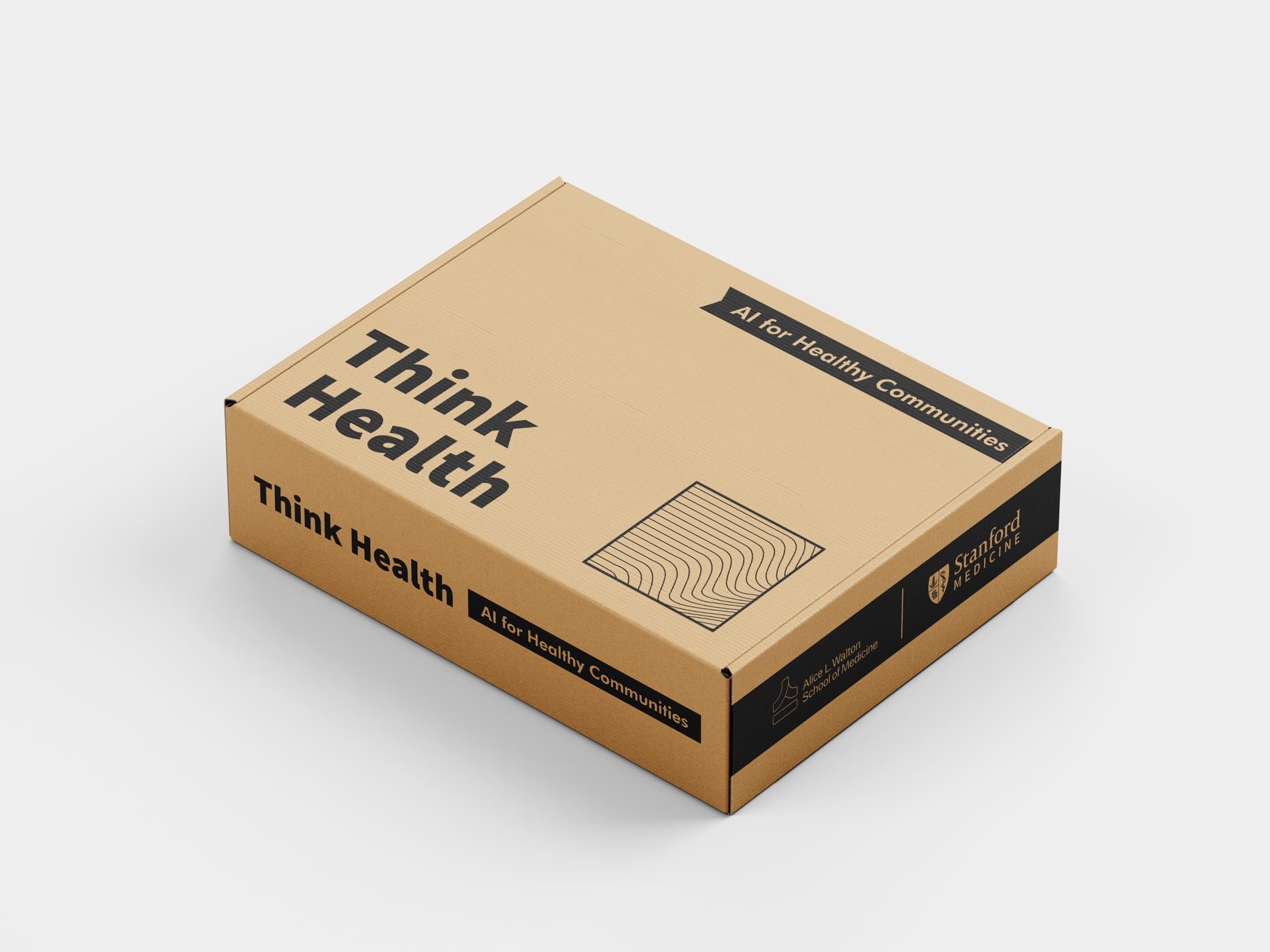
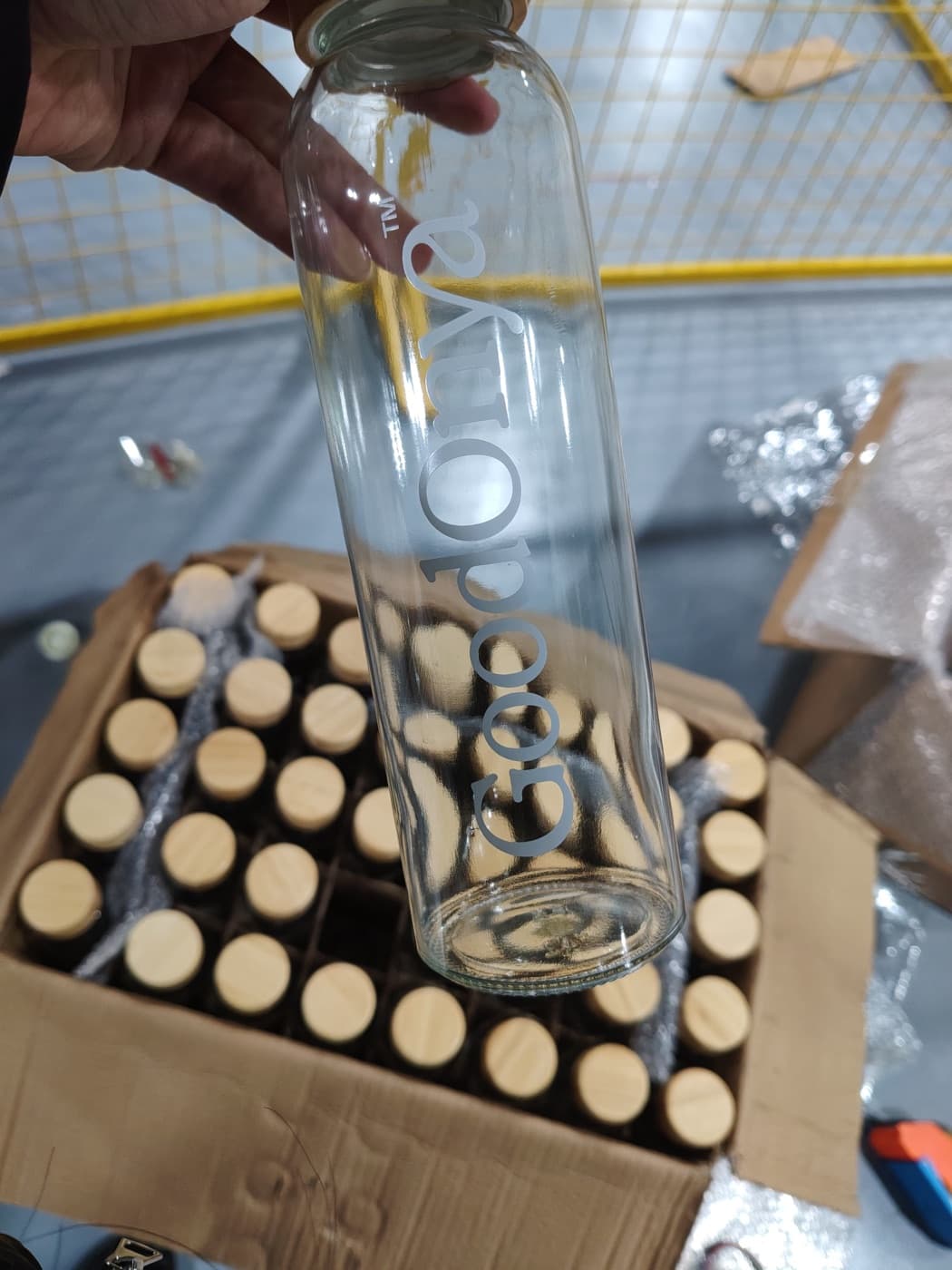
Totes are especially strong inside kits and product drops. They can hold the rest of the goods, support the unboxing, and keep the brand visible after the handoff. For events, the tote can become both packaging and the first usable item.
The takeaway
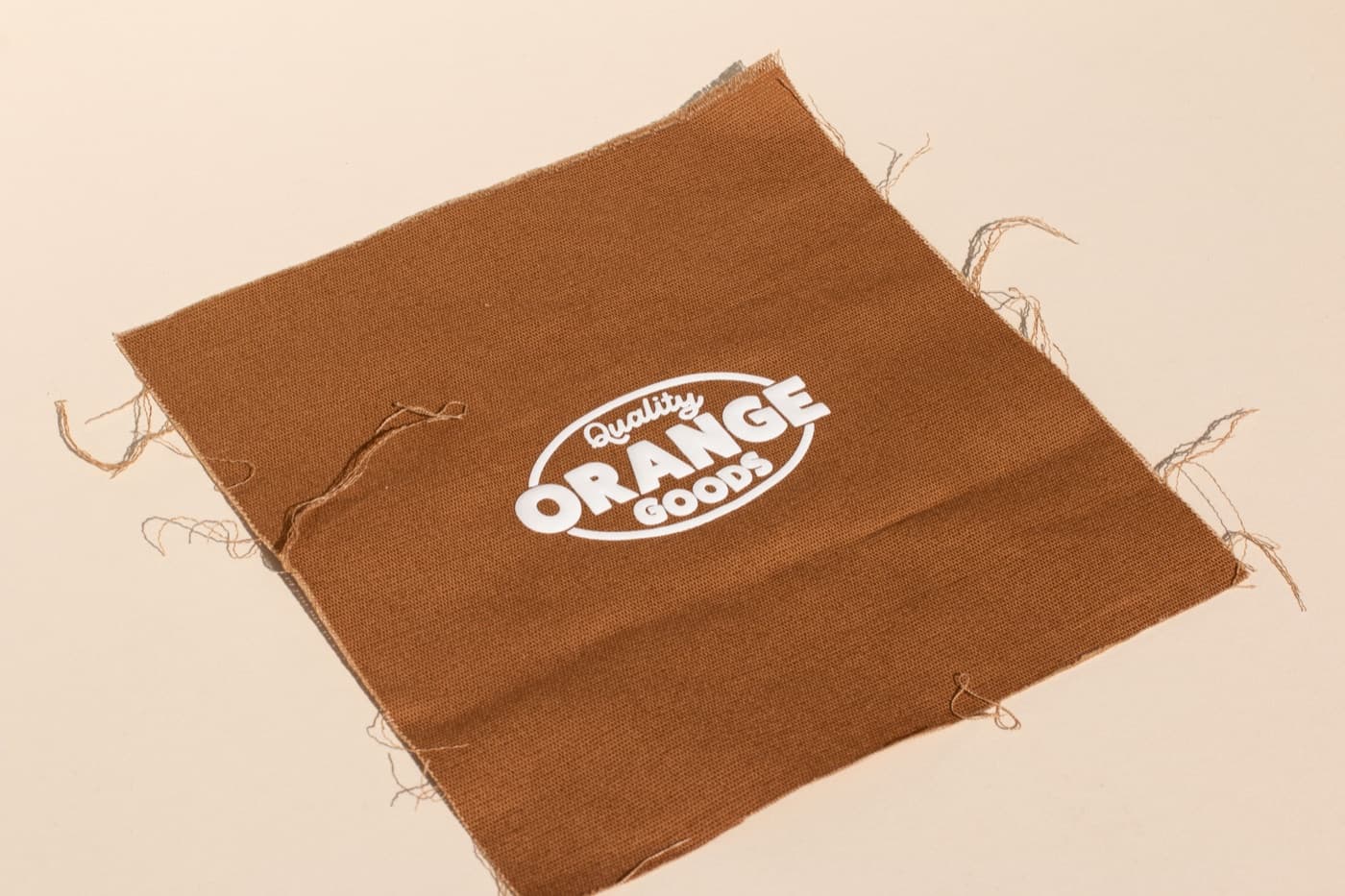
Custom tote bags work because they are useful, visible, and easy to build into a larger merch system. Orange Goods helps brands choose the bag, tune the artwork, and make sure the final piece feels good enough to keep carrying.