Music merch is one of the few categories where fans are actively looking to spend. The challenge is not generating demand — it is making something worth the money and the space in someone's wardrobe. A well-made artist tee gets worn. A cheap one gets donated.
What makes music merch sell
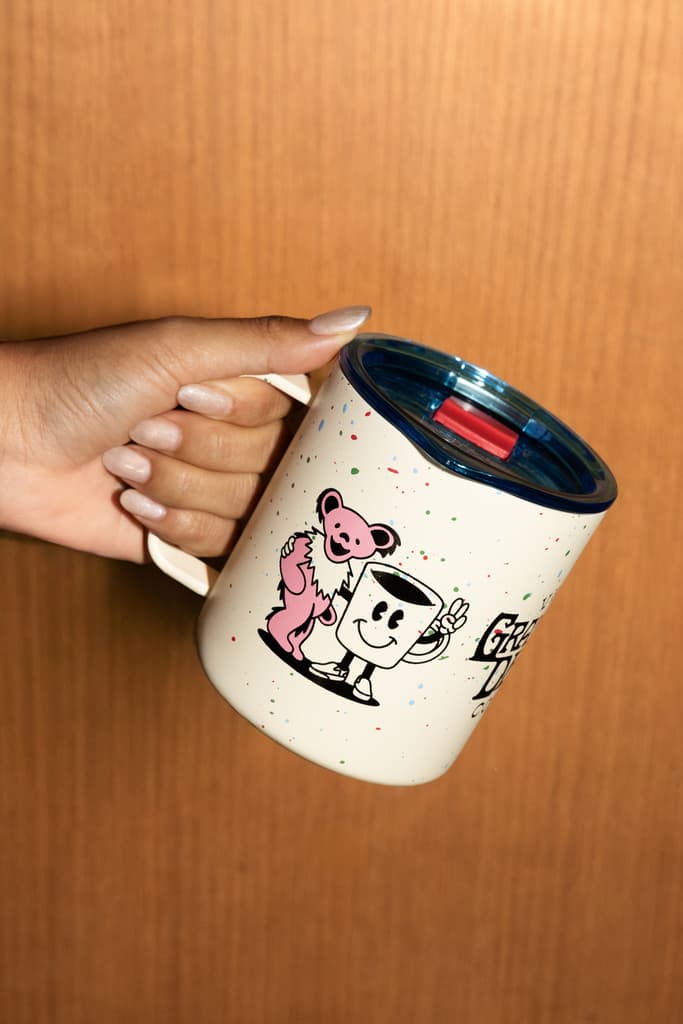
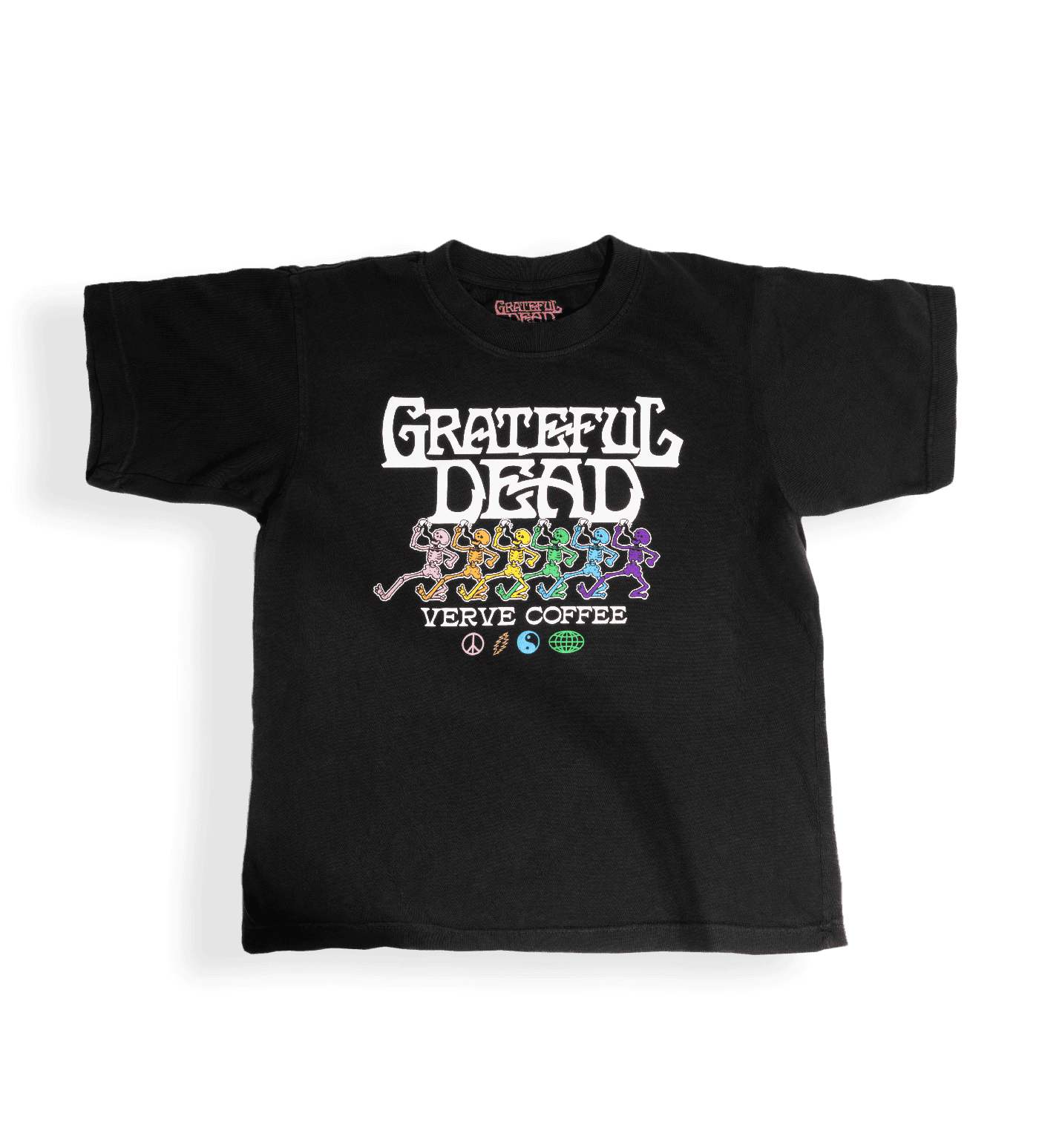
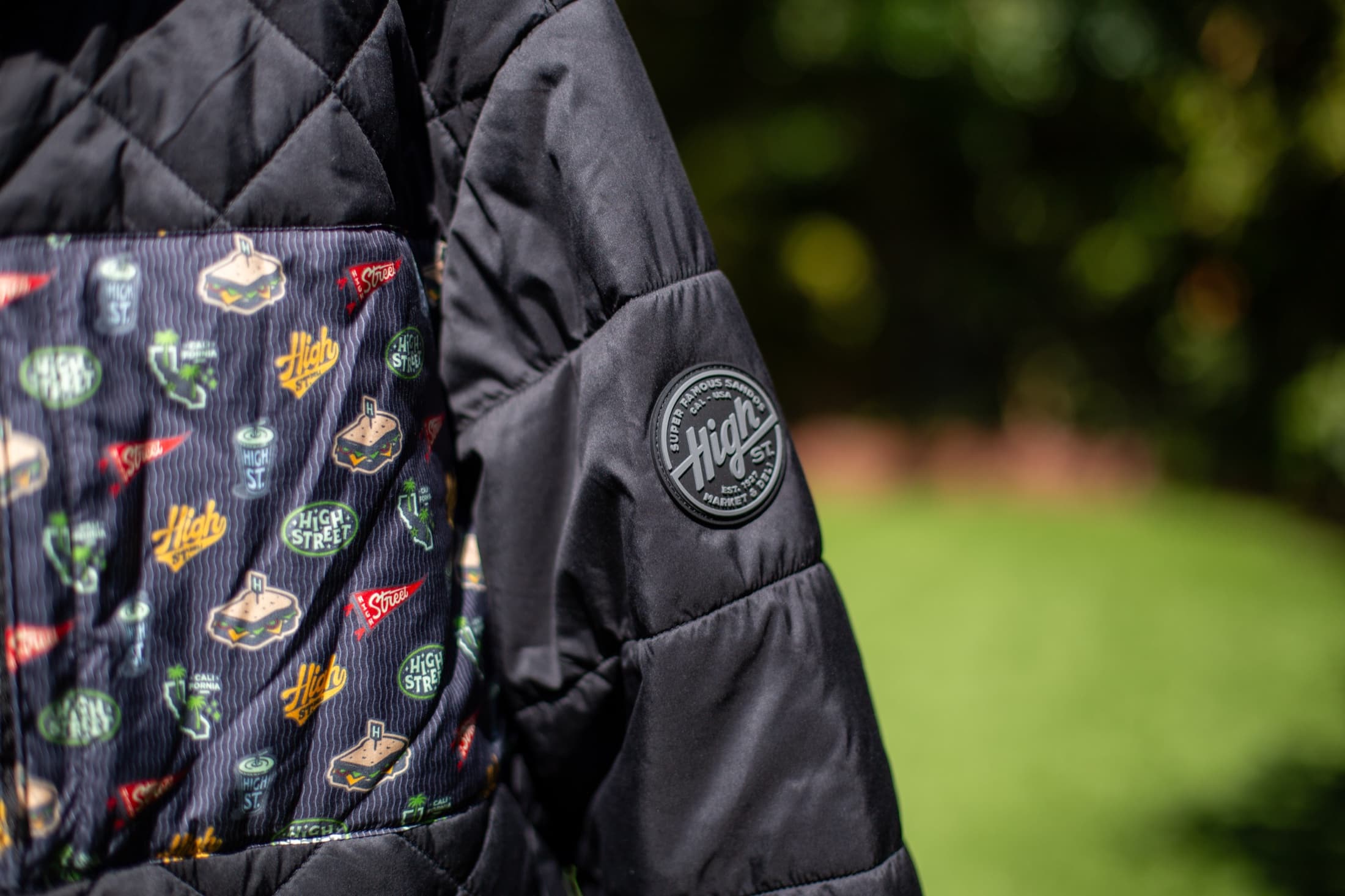
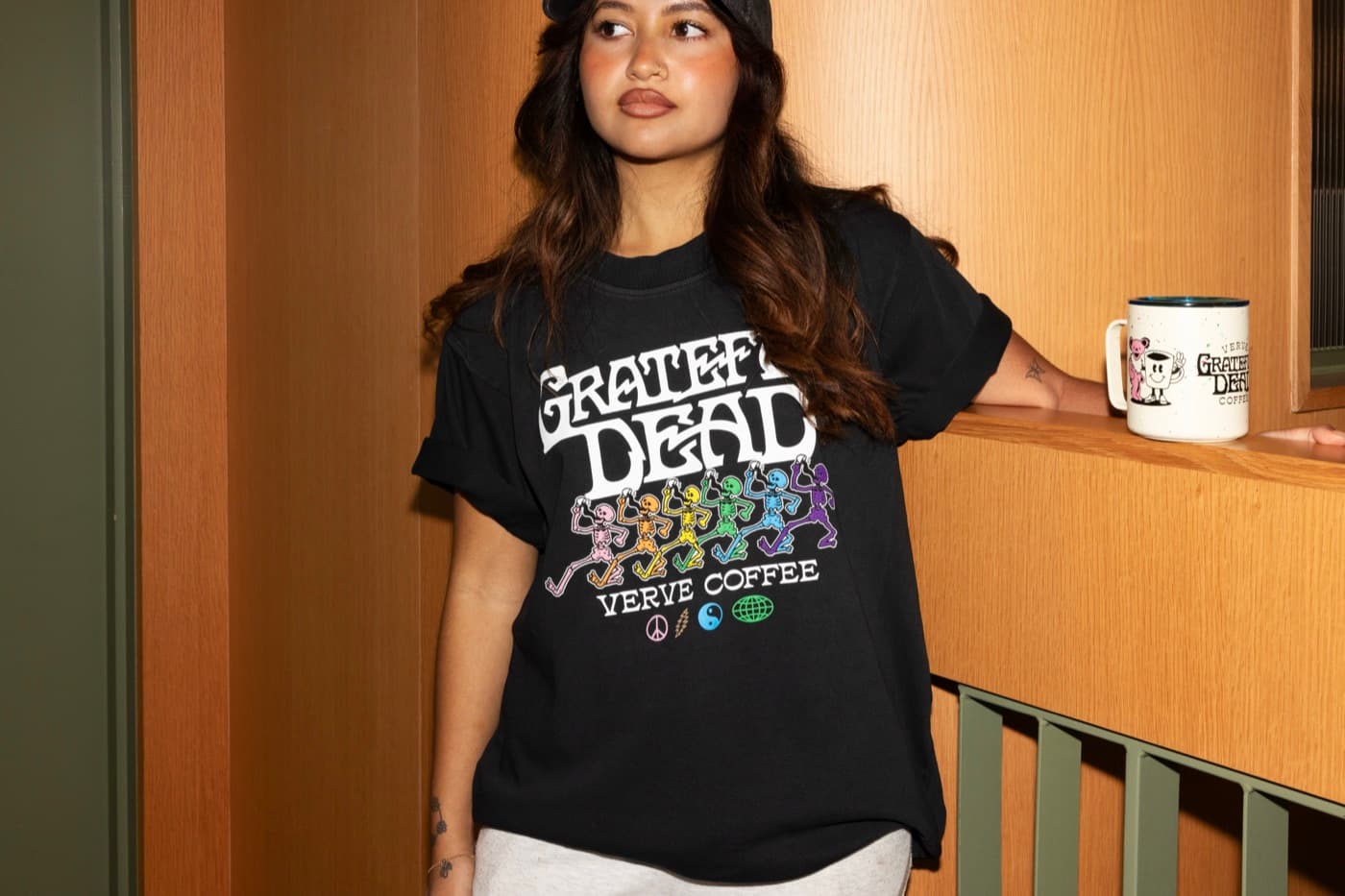
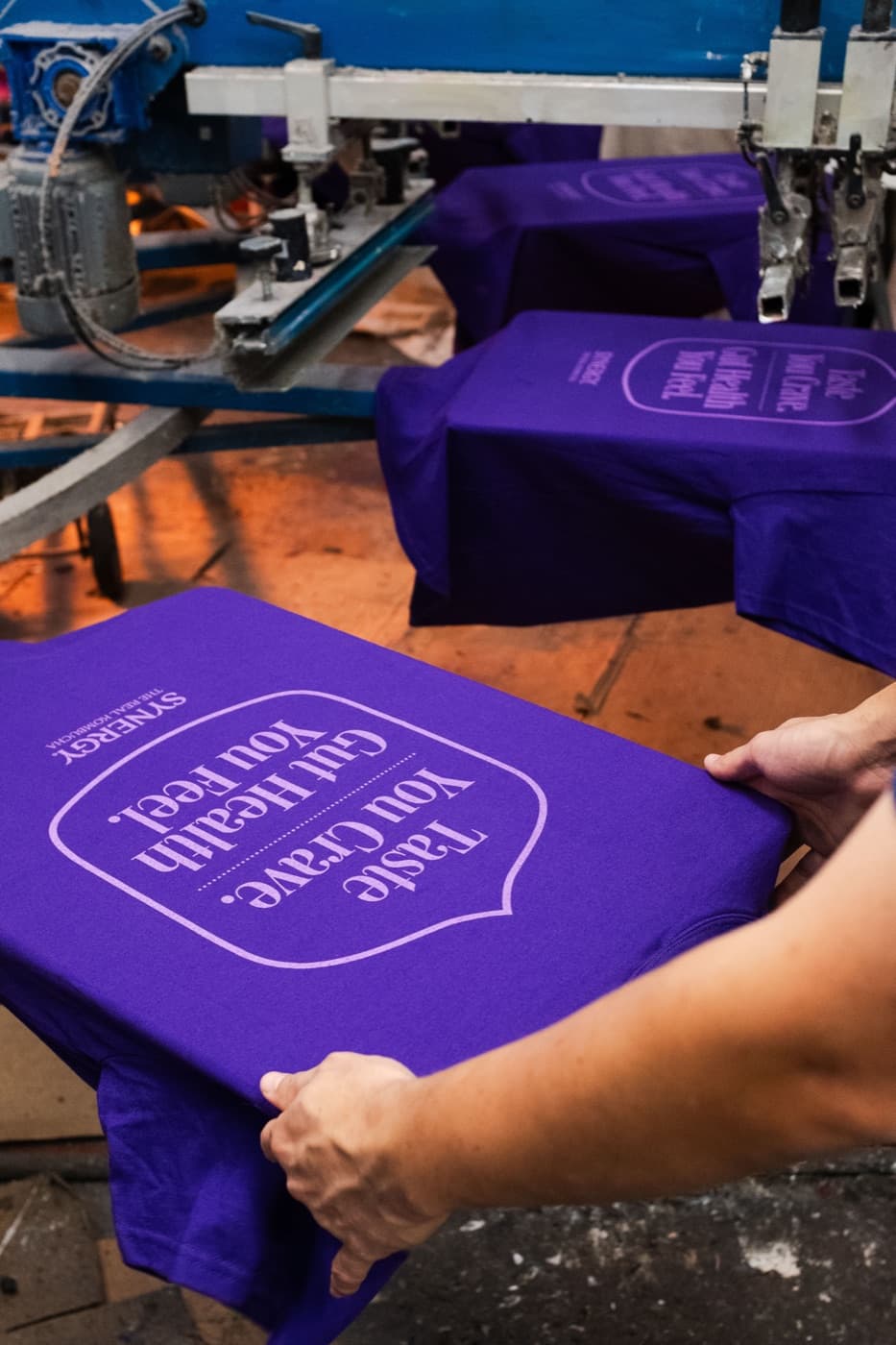
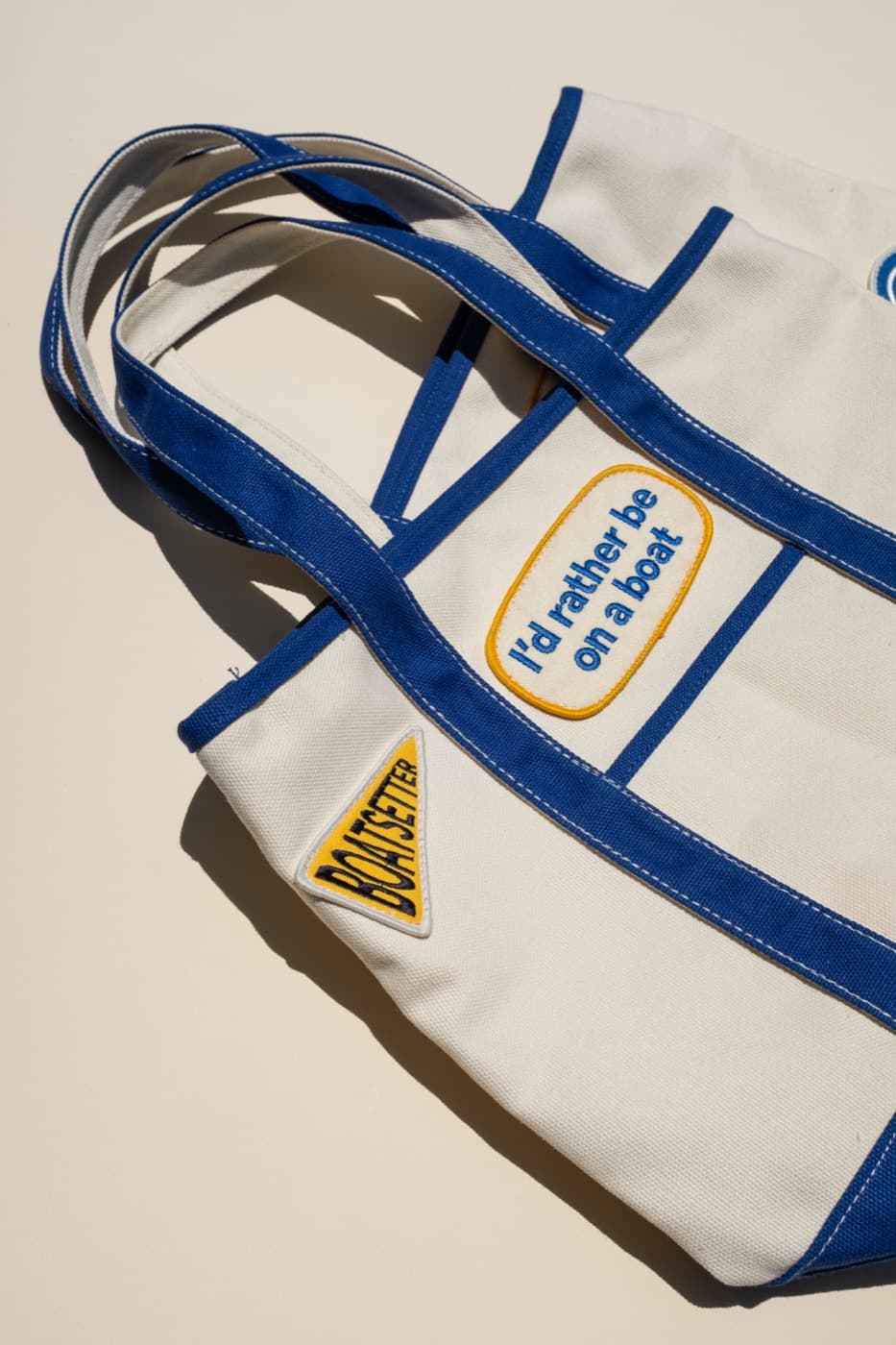
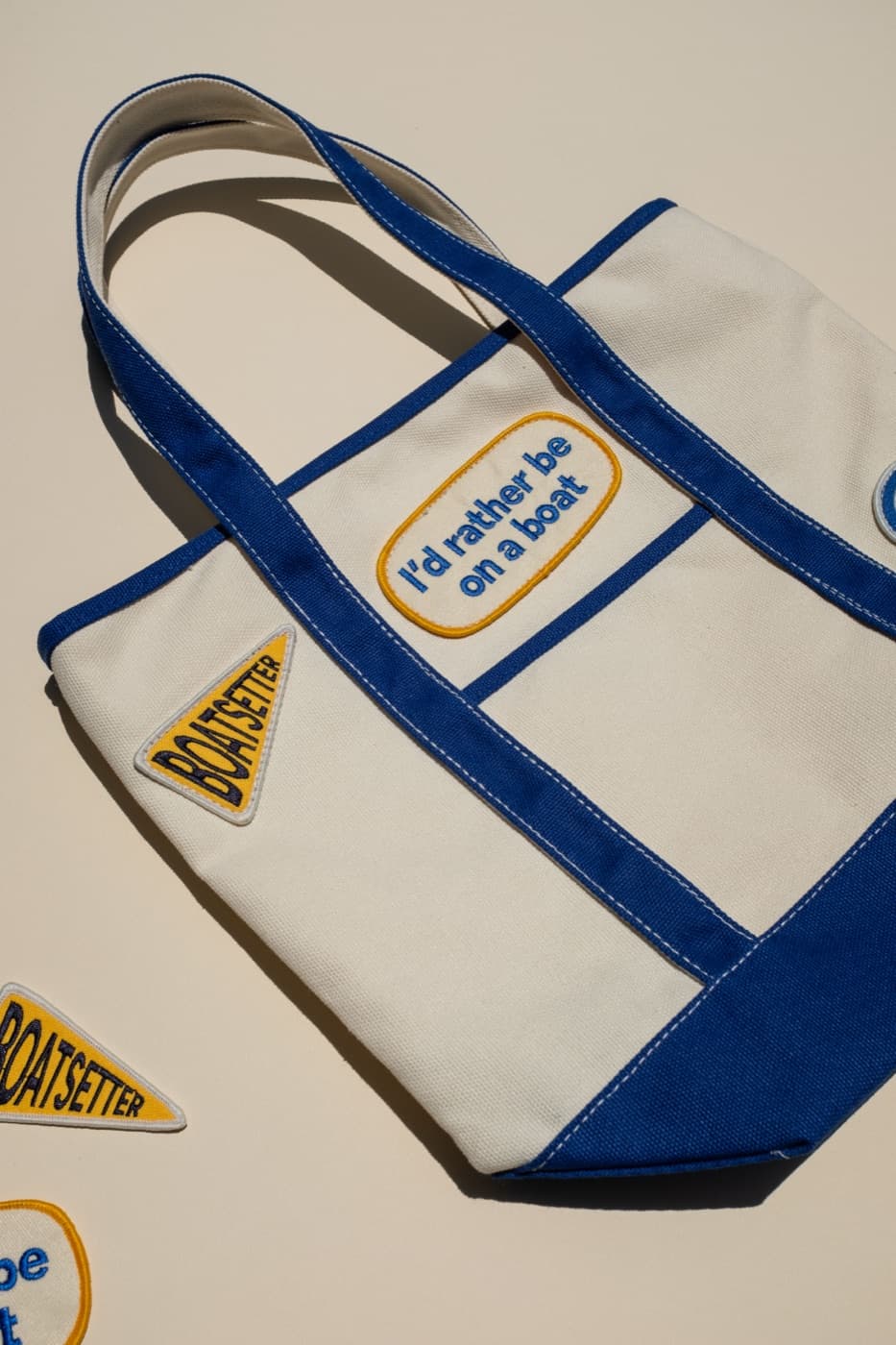
Strong artwork is the single biggest driver. People buy the graphic as much as they buy the brand. If the art is compelling — a great illustration, a memorable phrase, a design that works as a standalone piece without knowing the artist — the merch will move. If it is just a name and a tour date on a generic tee, it has to rely entirely on fan loyalty, which is a limited pool.
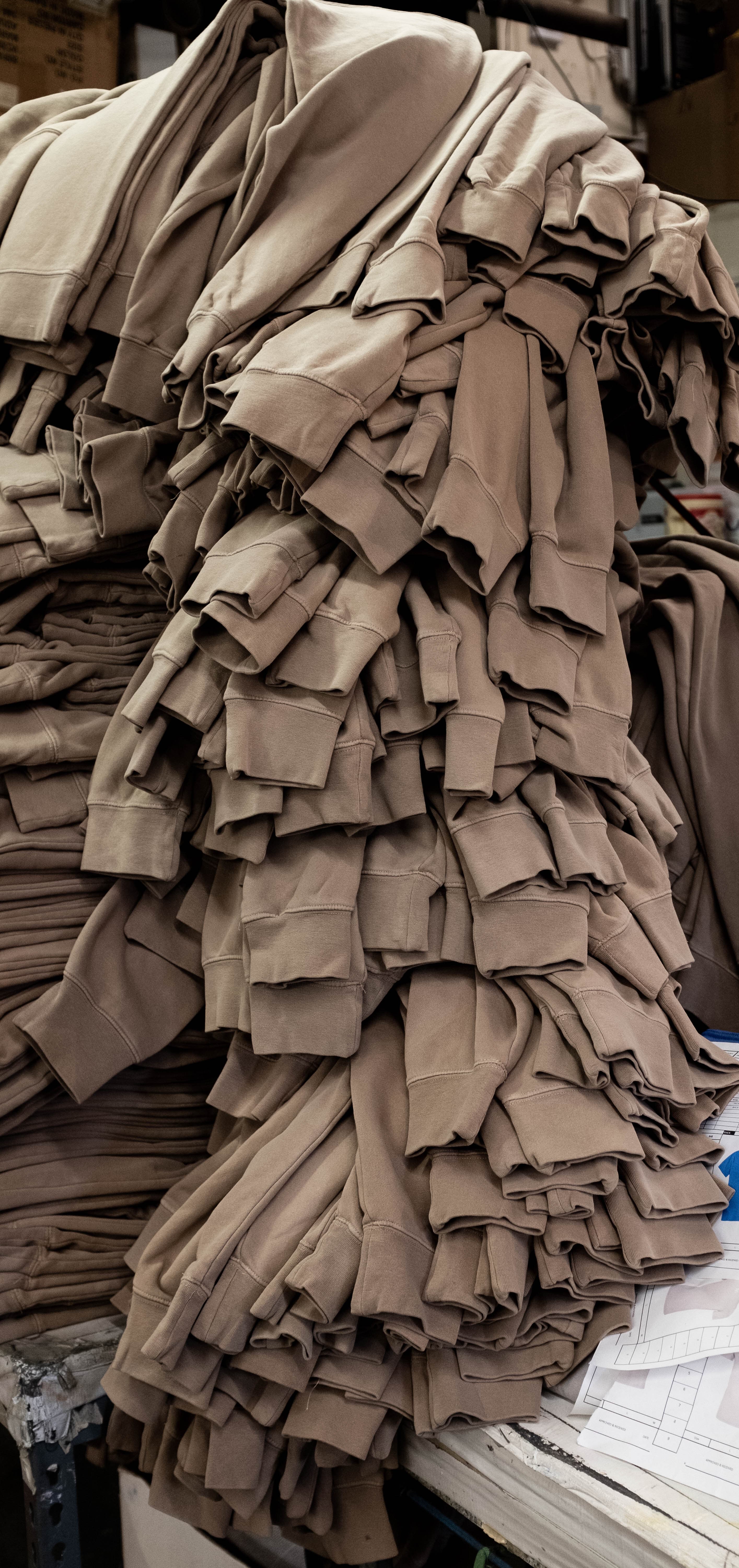
The blank matters too. A soft, well-cut heavyweight tee in a wearable colorway communicates that the artist put thought into the product. A scratchy thin tee says otherwise. Fans notice. The ones who show up in the artist's gear are walking endorsements — they should be wearing something they chose because it is genuinely good.
Tour merch vs catalog merch
Tour merch has a built-in reason to buy: the moment. A limited run tied to a specific tour, city, or show creates urgency and collectability. Date backs, venue names, and show-specific designs give the piece context that a generic catalog item does not have.
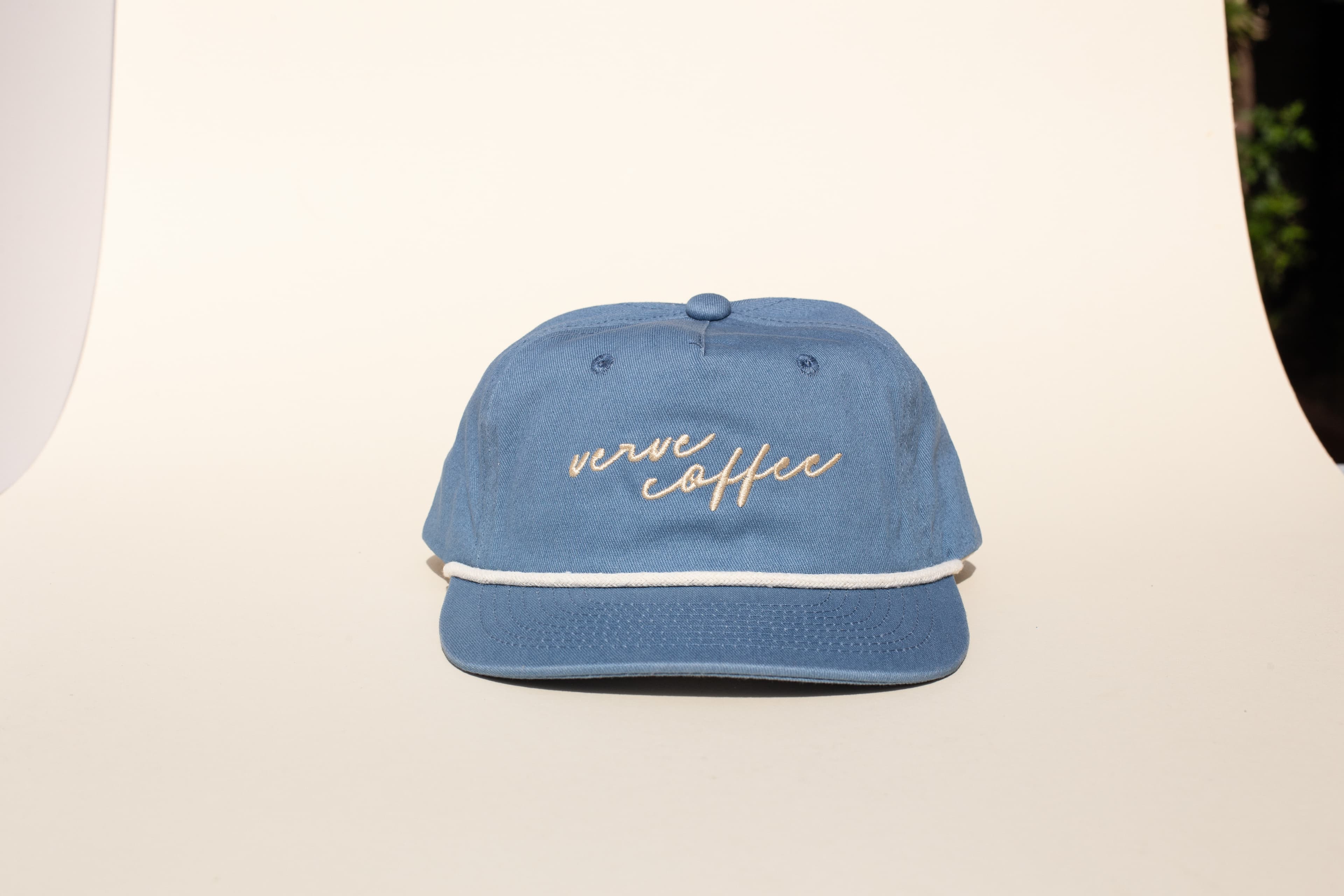
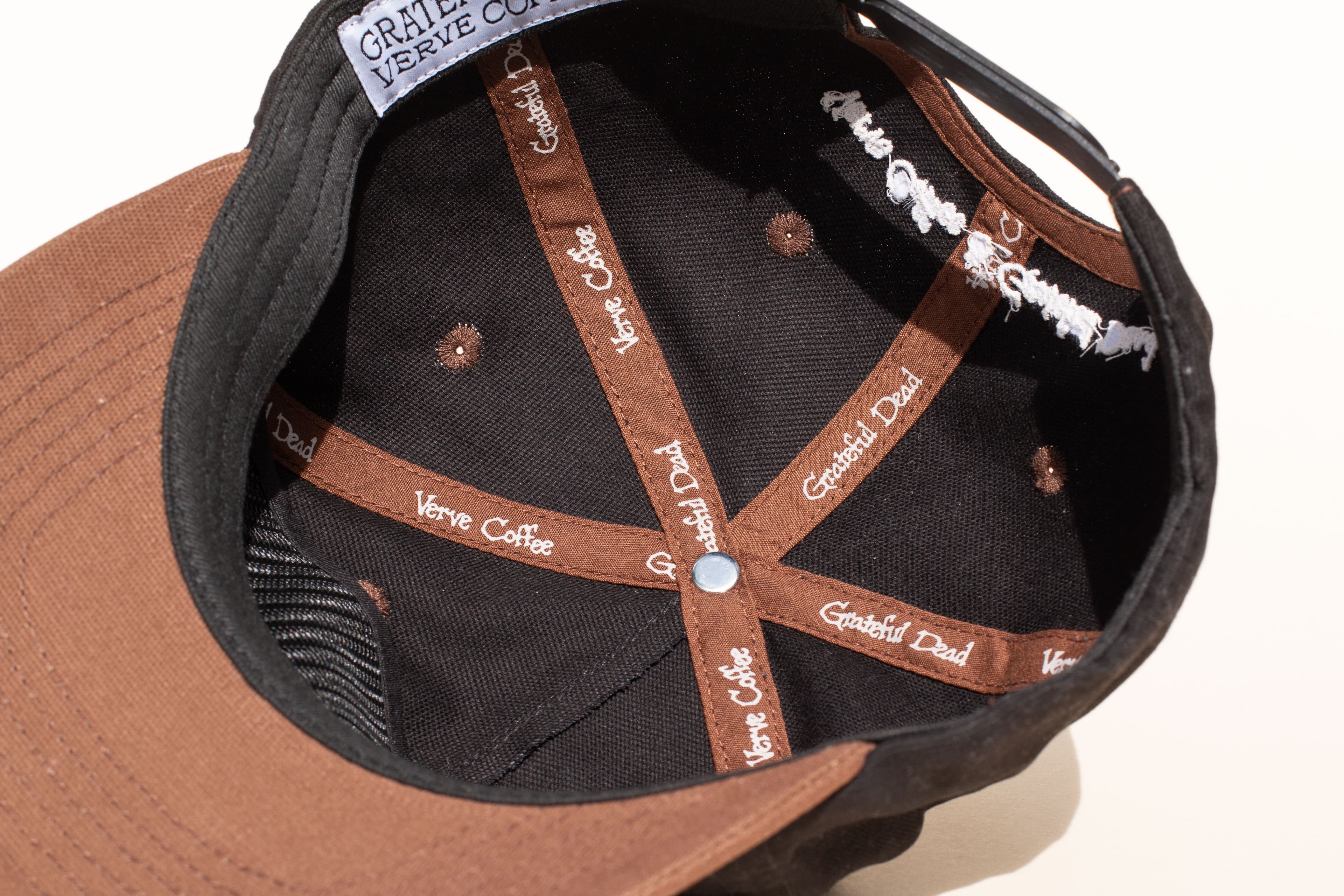
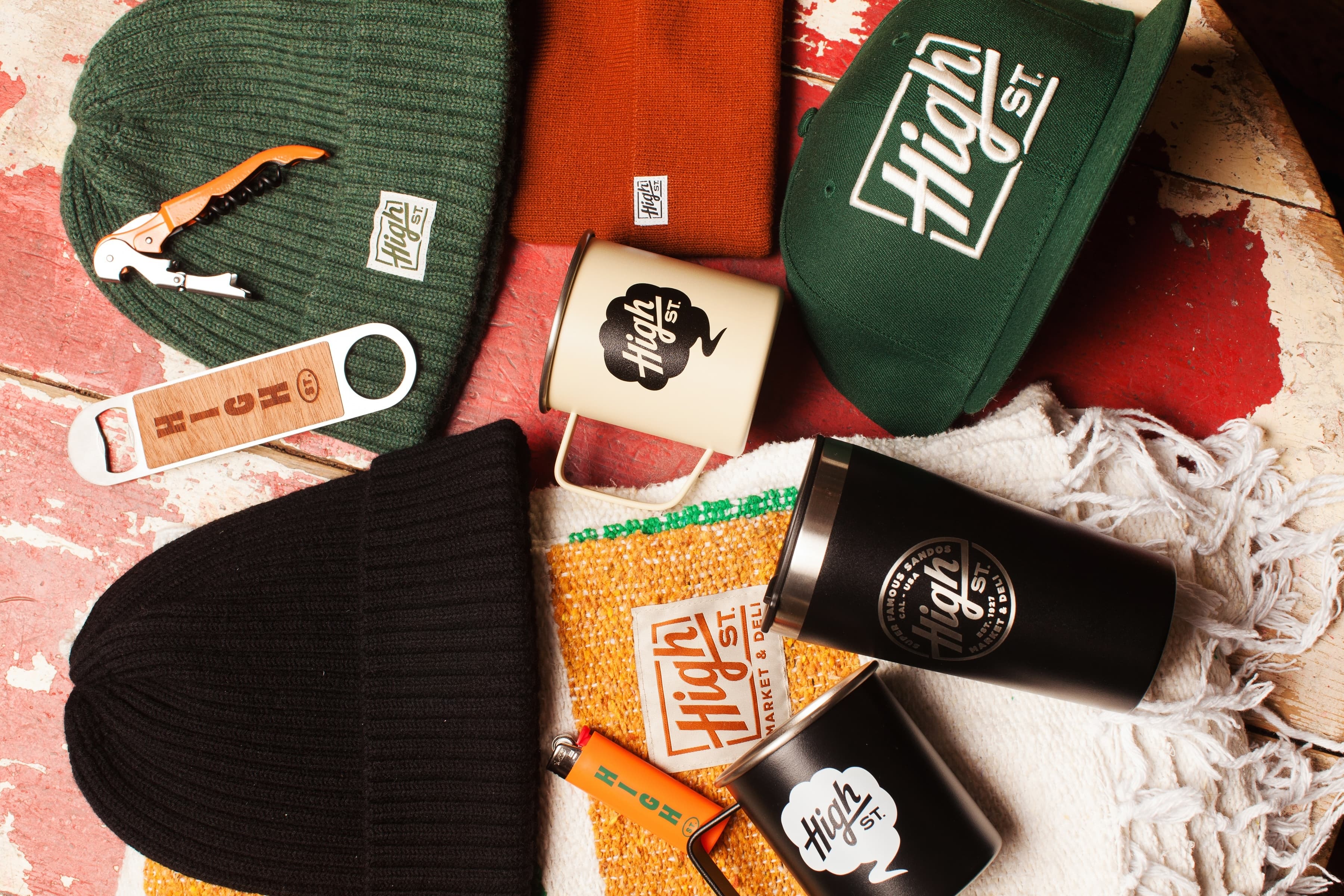
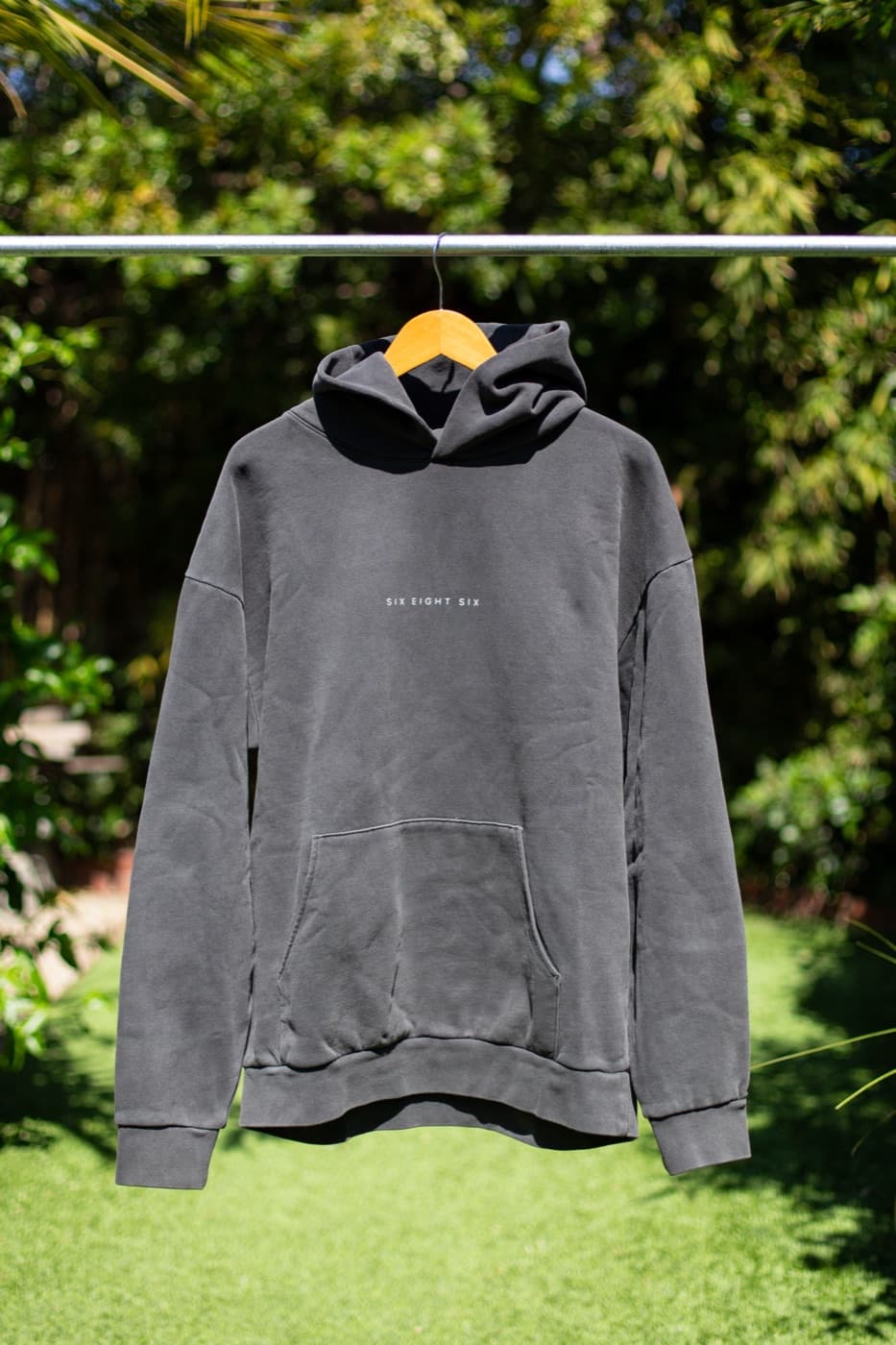
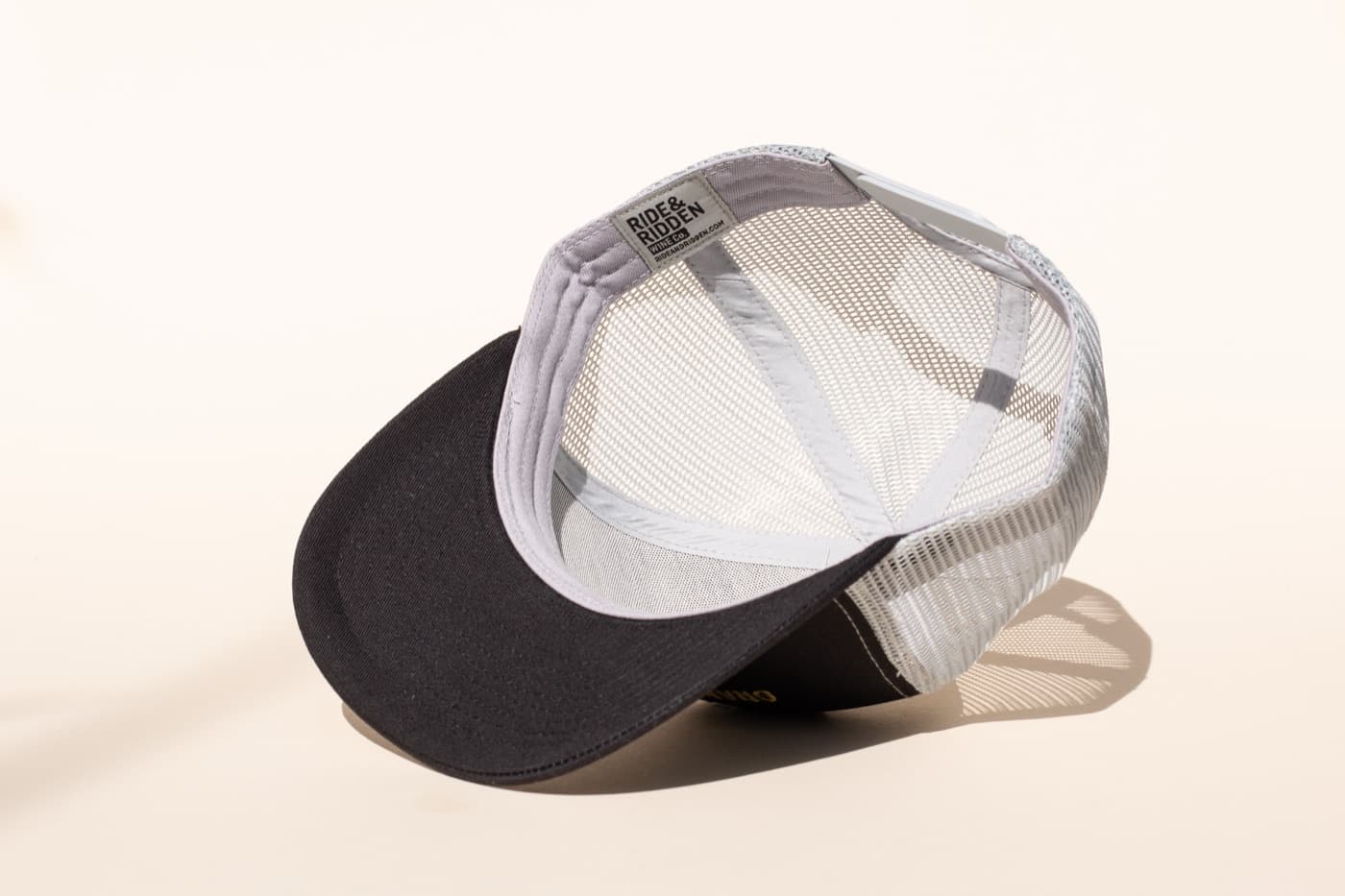
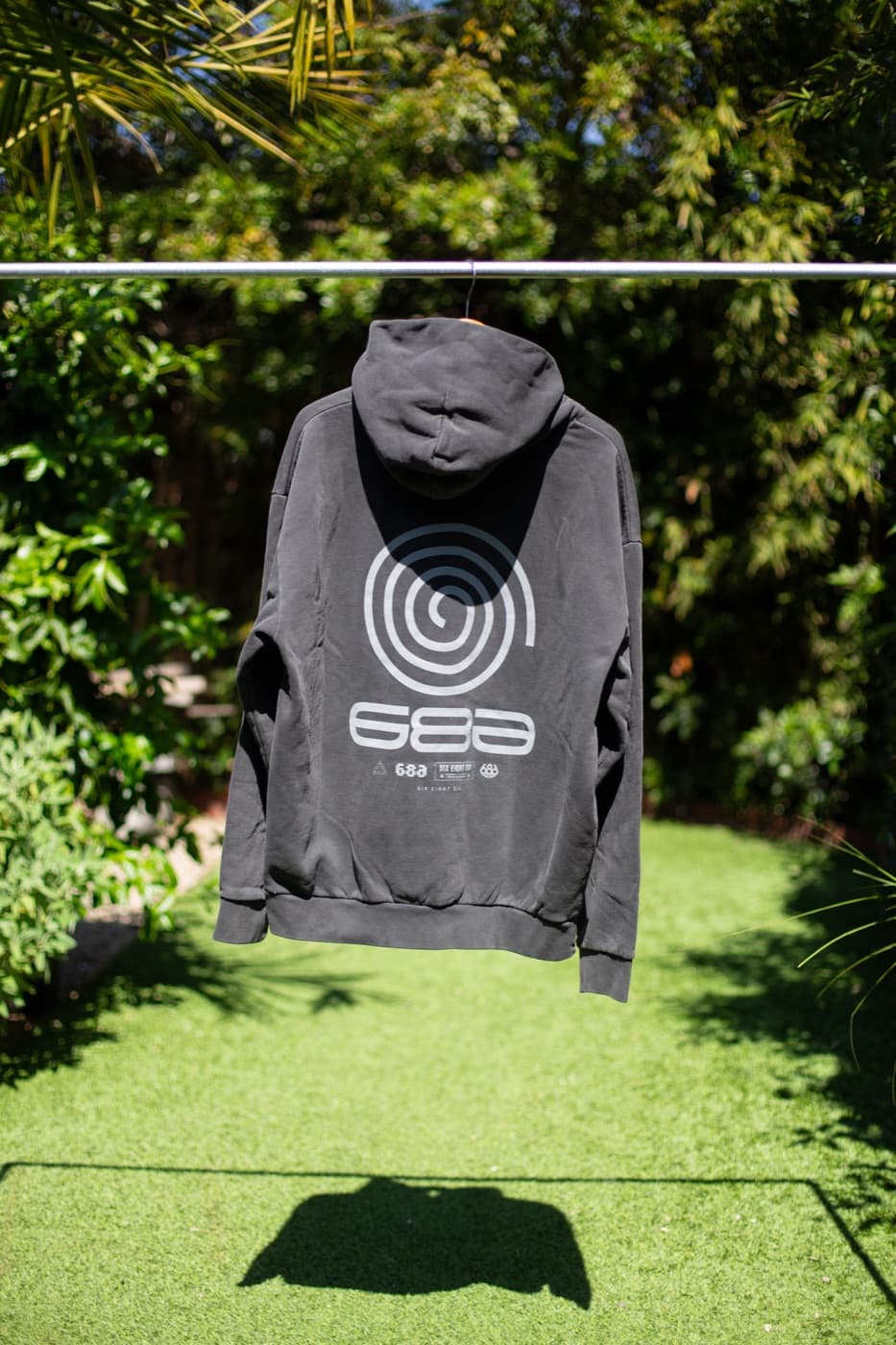
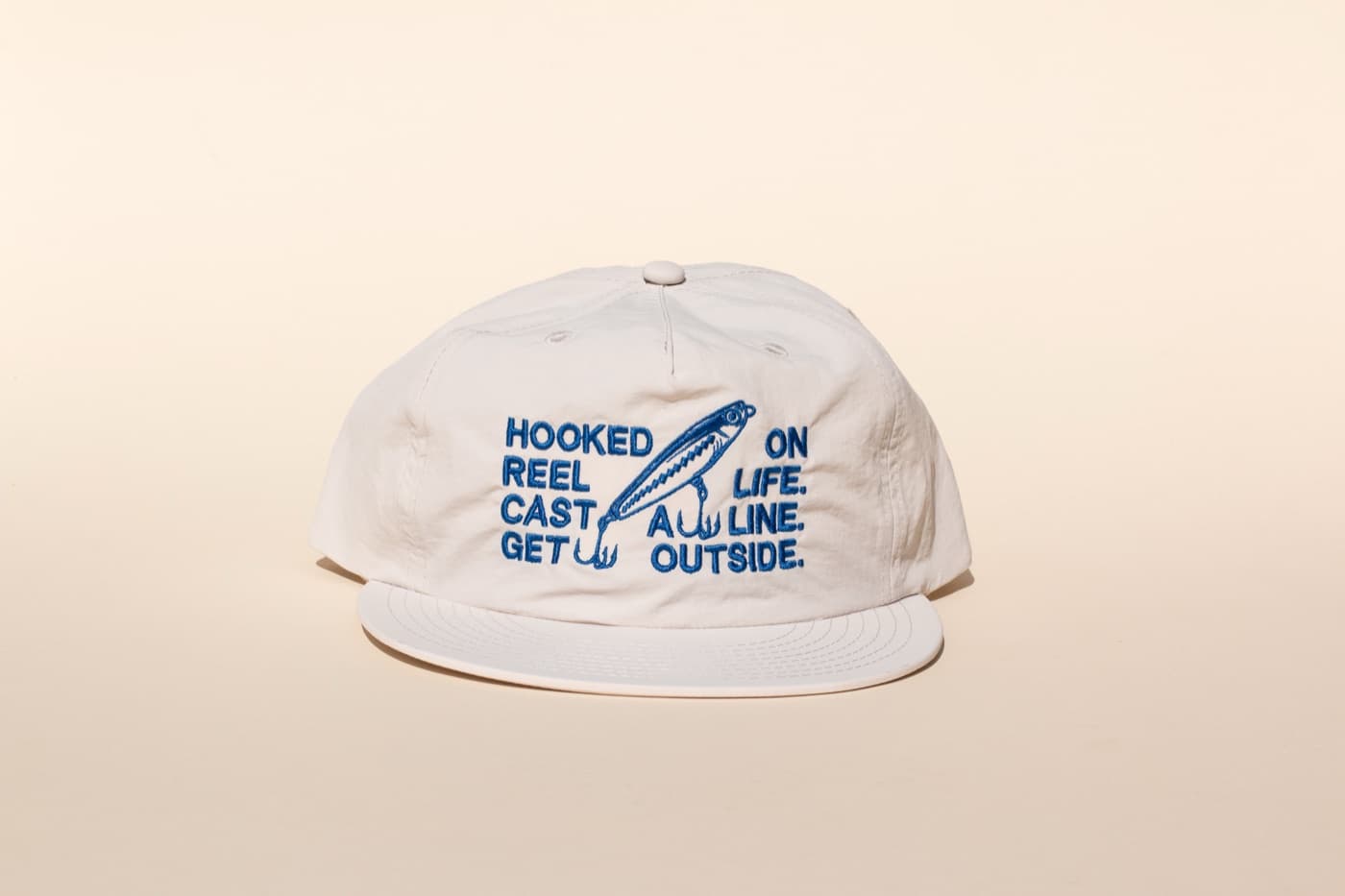
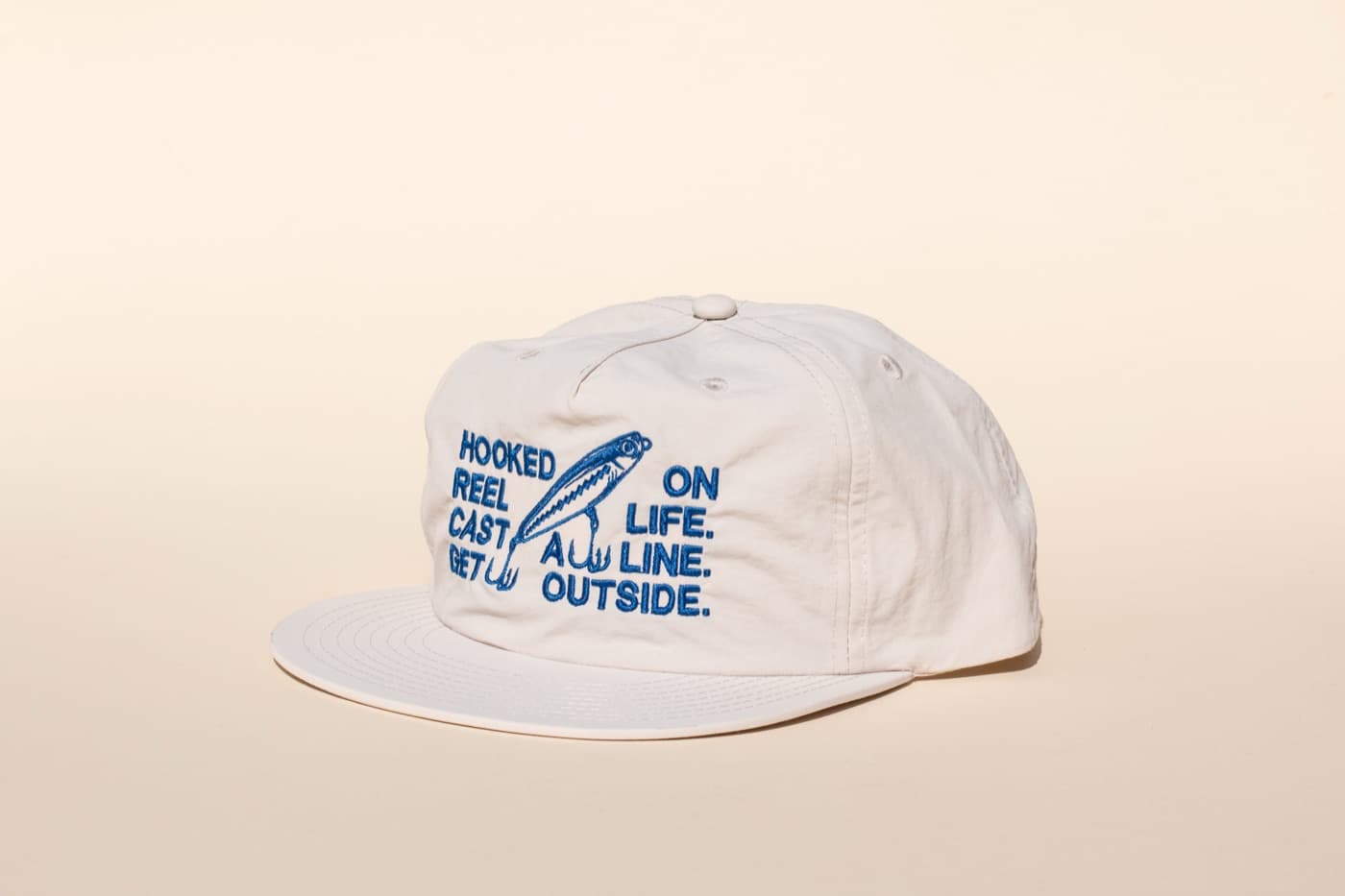
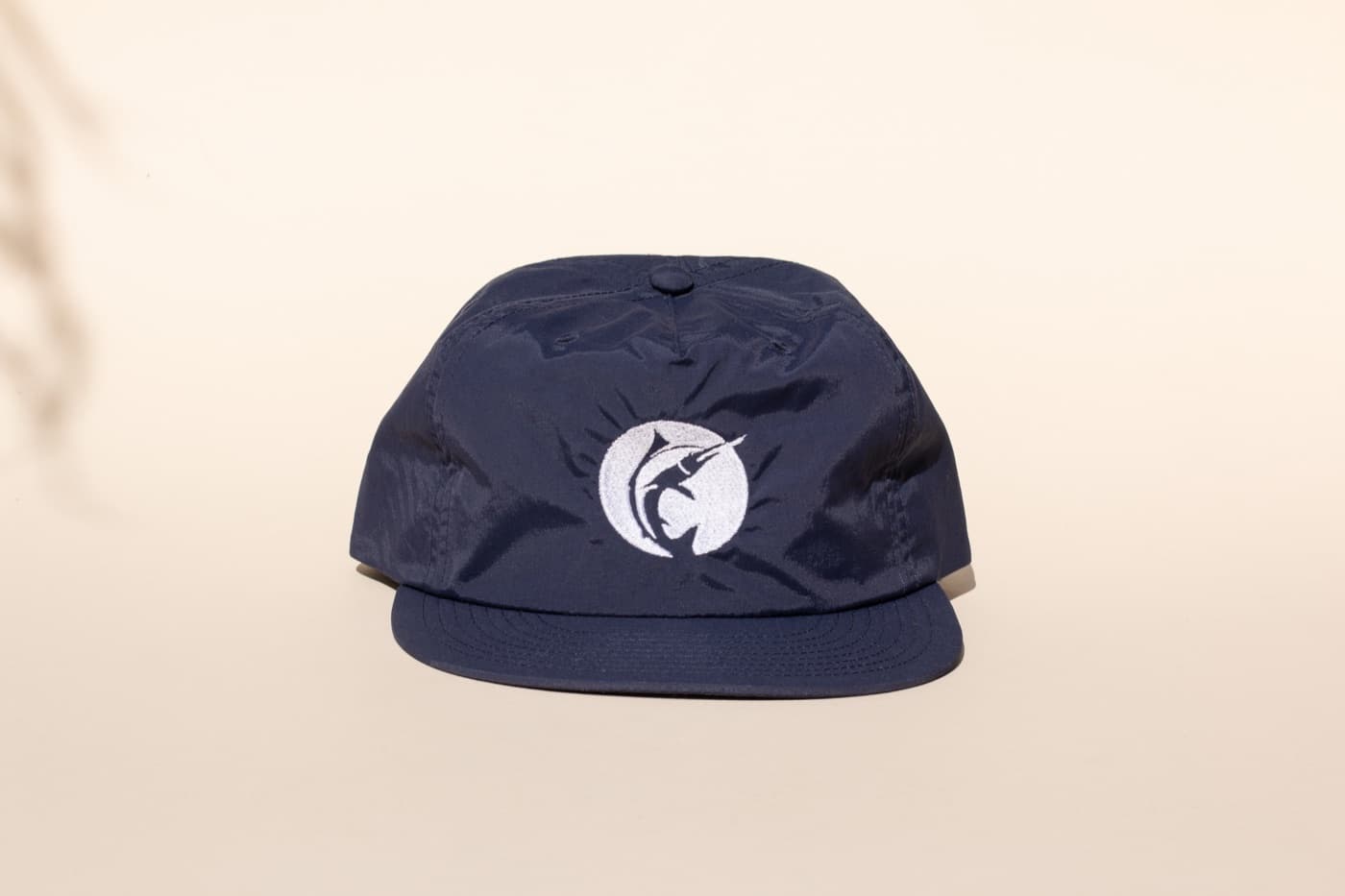
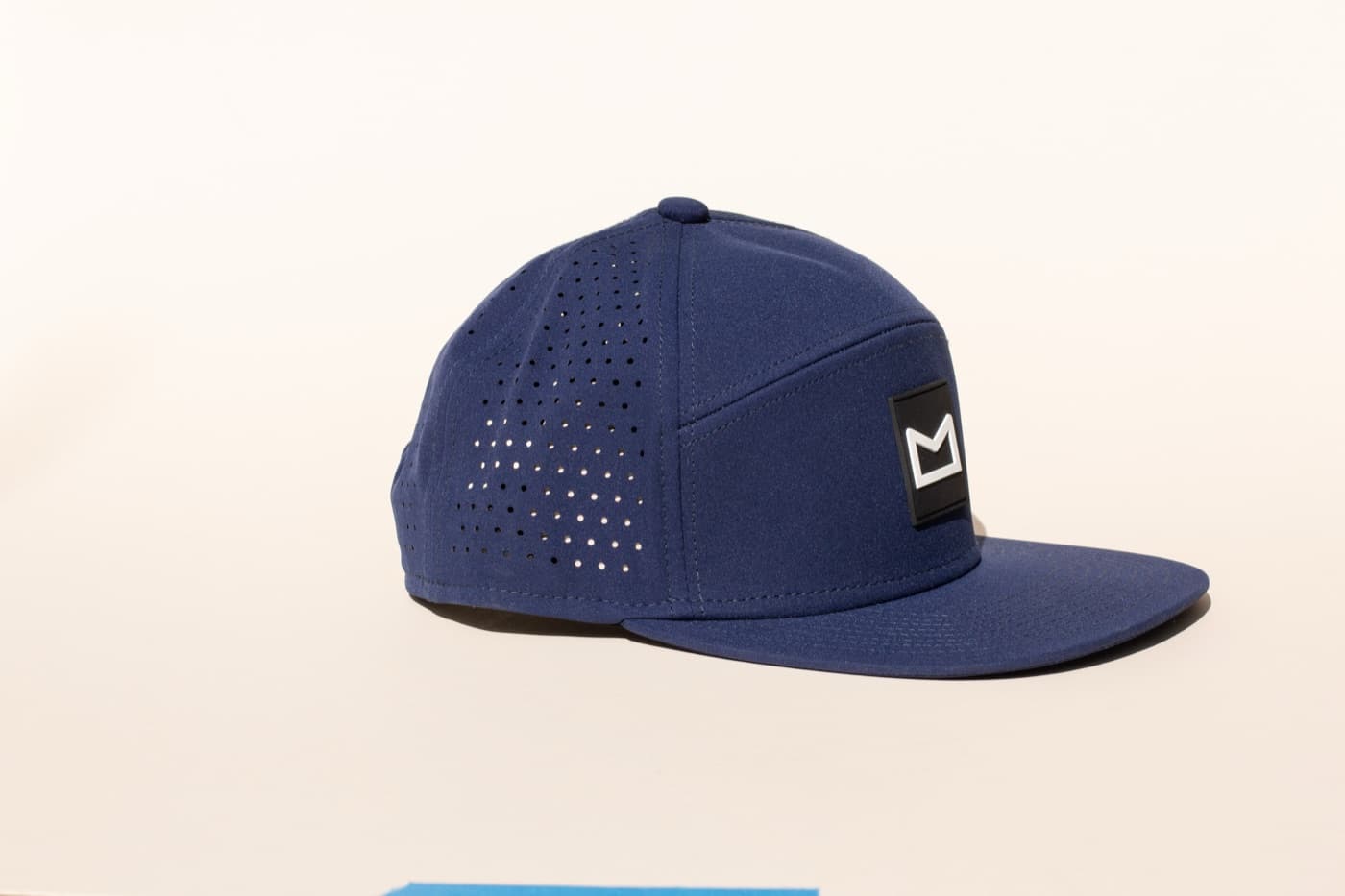
Catalog merch has to earn its place on its own. It does not have the event context. The design needs to stand up, the quality needs to justify the price, and the item needs to be something people want beyond the show experience. Longevity items — a heavyweight hoodie, a strong hat, a quality tee with timeless artwork — tend to work best as catalog pieces.
Sizing and runs
Artist merch skews toward M, L, and XL with significant demand for oversized fits. Women in the audience often want smaller fits or women's-specific cuts. If the audience is mixed, consider offering both a unisex and a women's option in the top-selling items. For small runs, 72–100 pieces per design is a common starting point.
Selling at the show
Table setup, payment options, and float planning are all part of merch logistics at a show. Mobile payment processing (Square, Stripe) makes cash alternative easy. Clear pricing, a small sign with item names and prices, and folded and stacked sizing displays all reduce friction at the table. The less time it takes someone to find their size and pay, the more you sell.