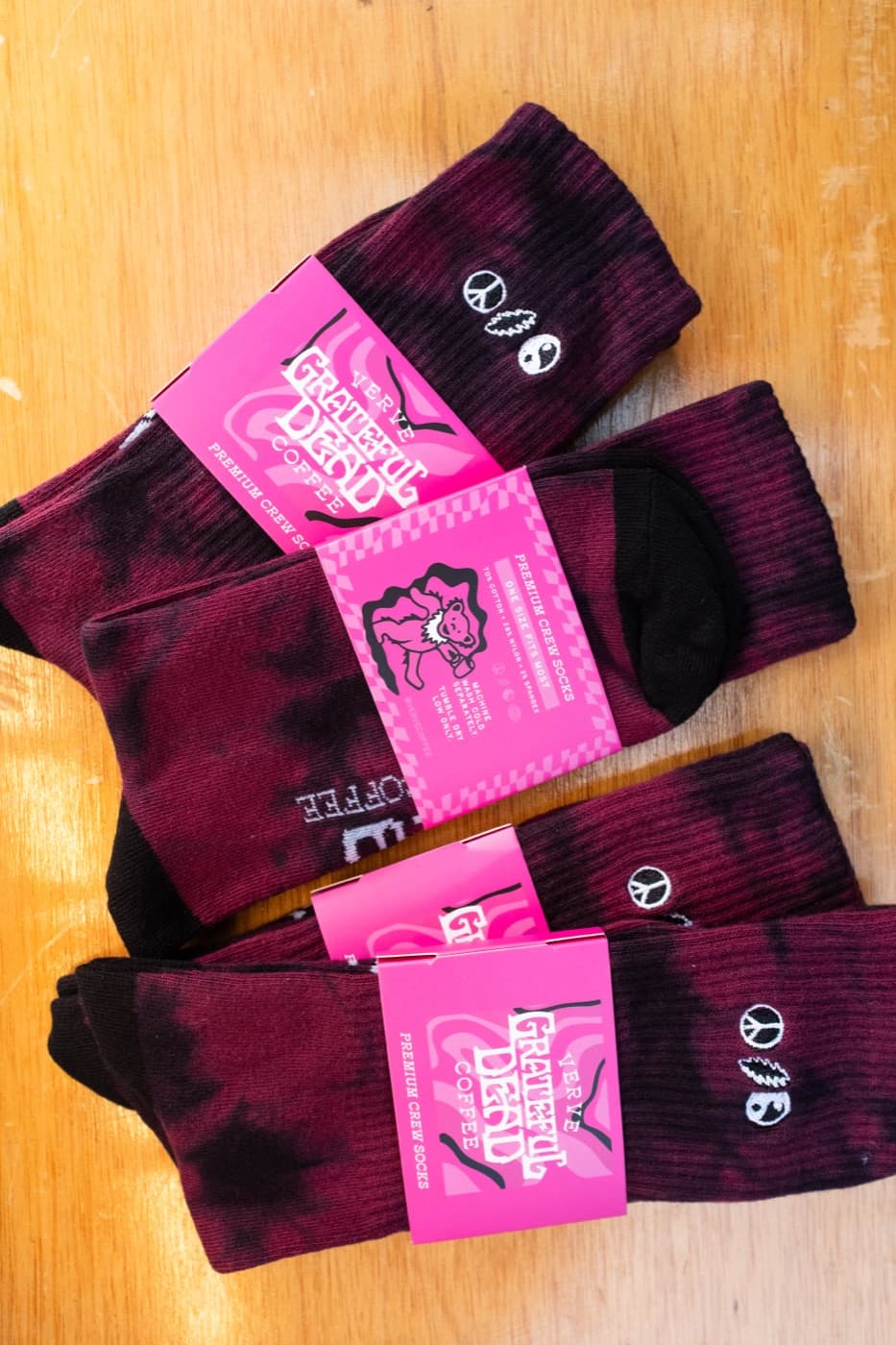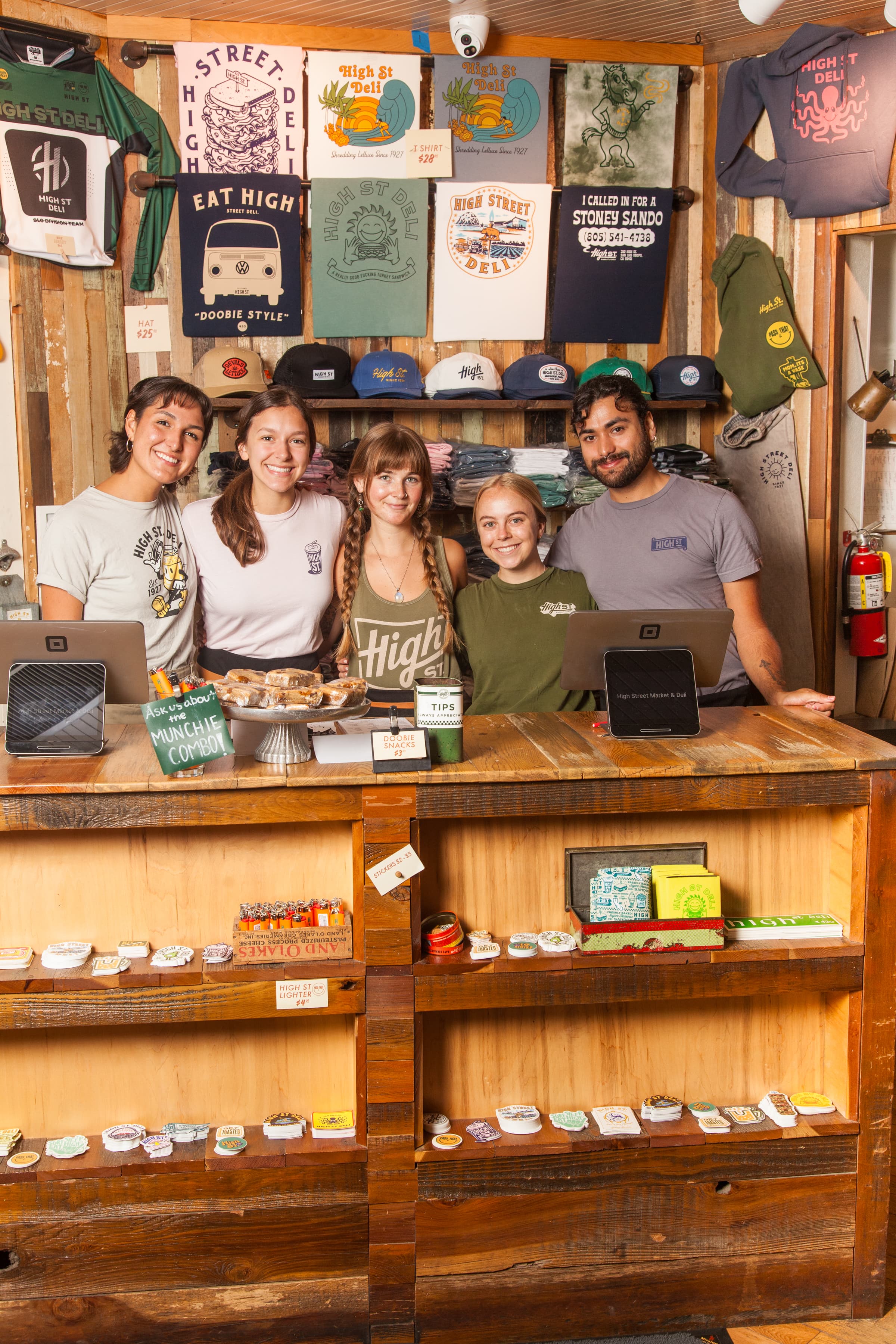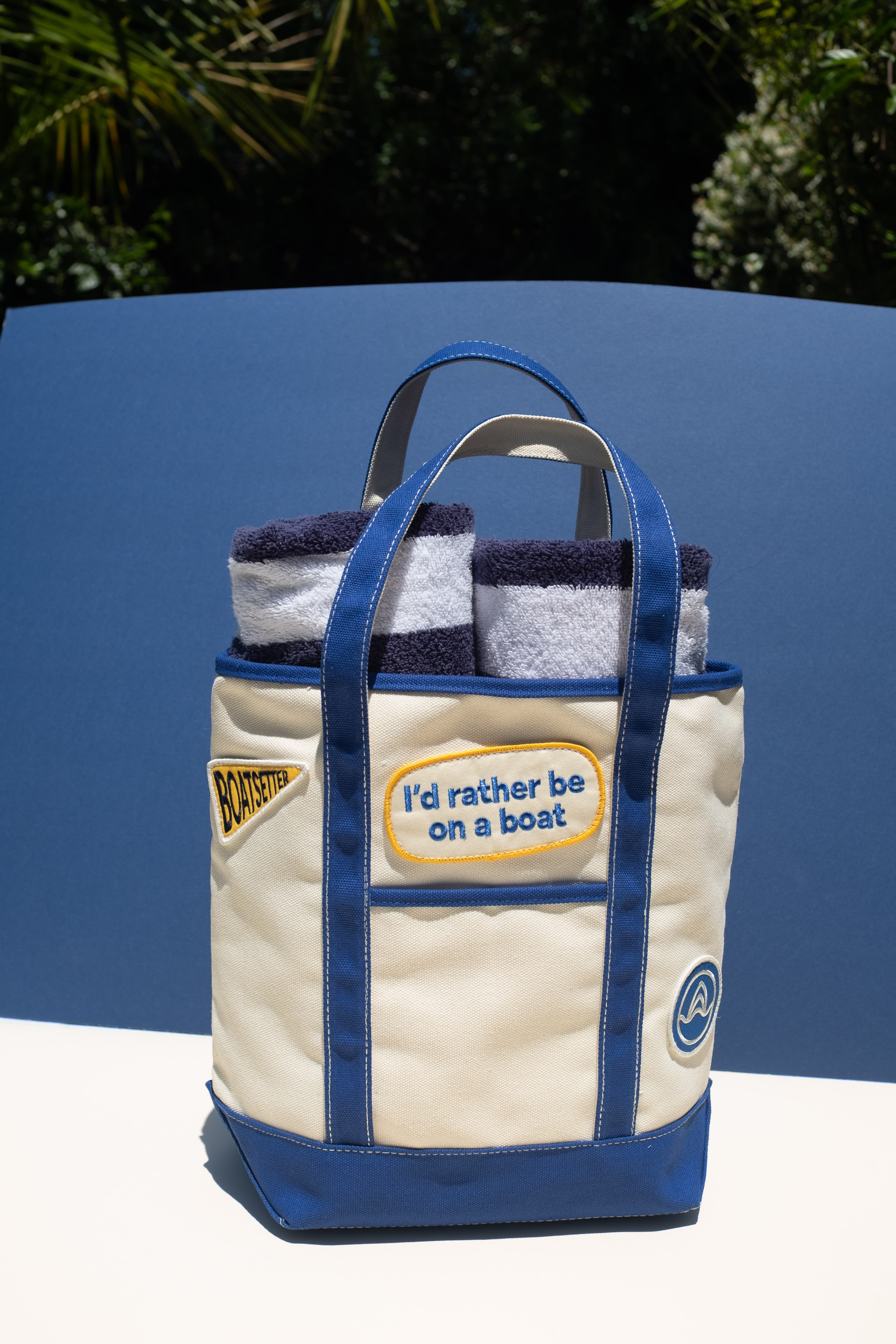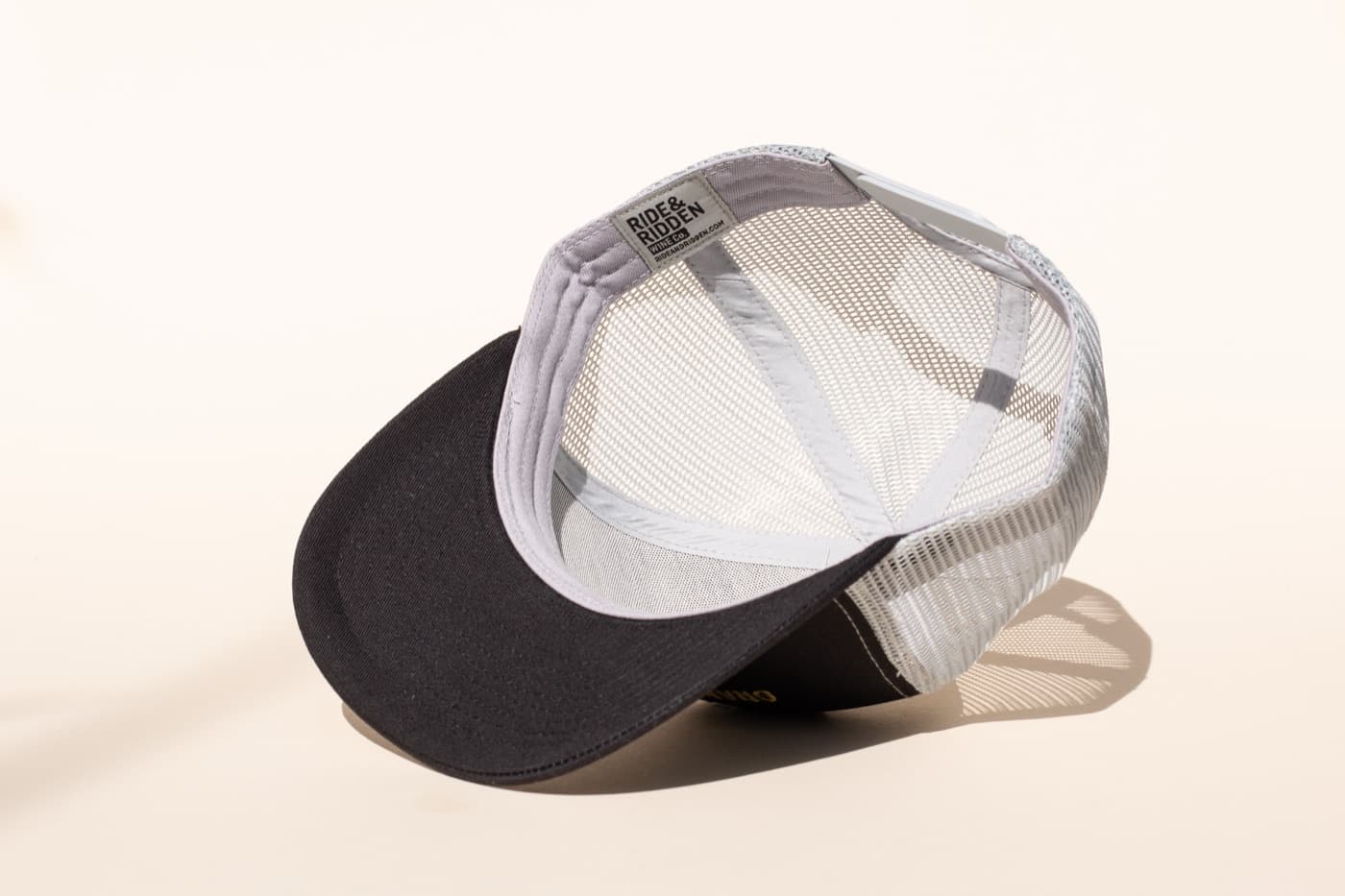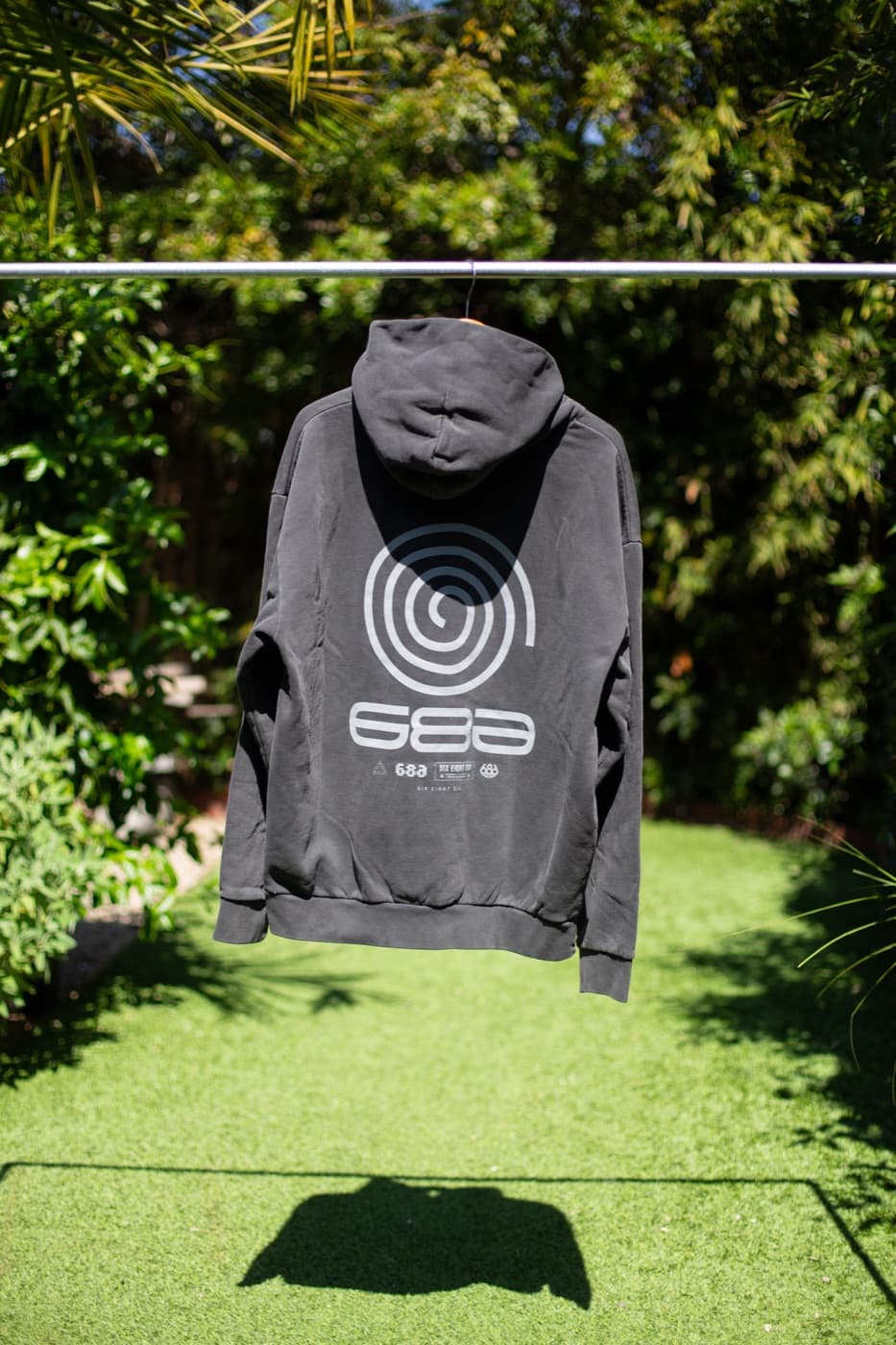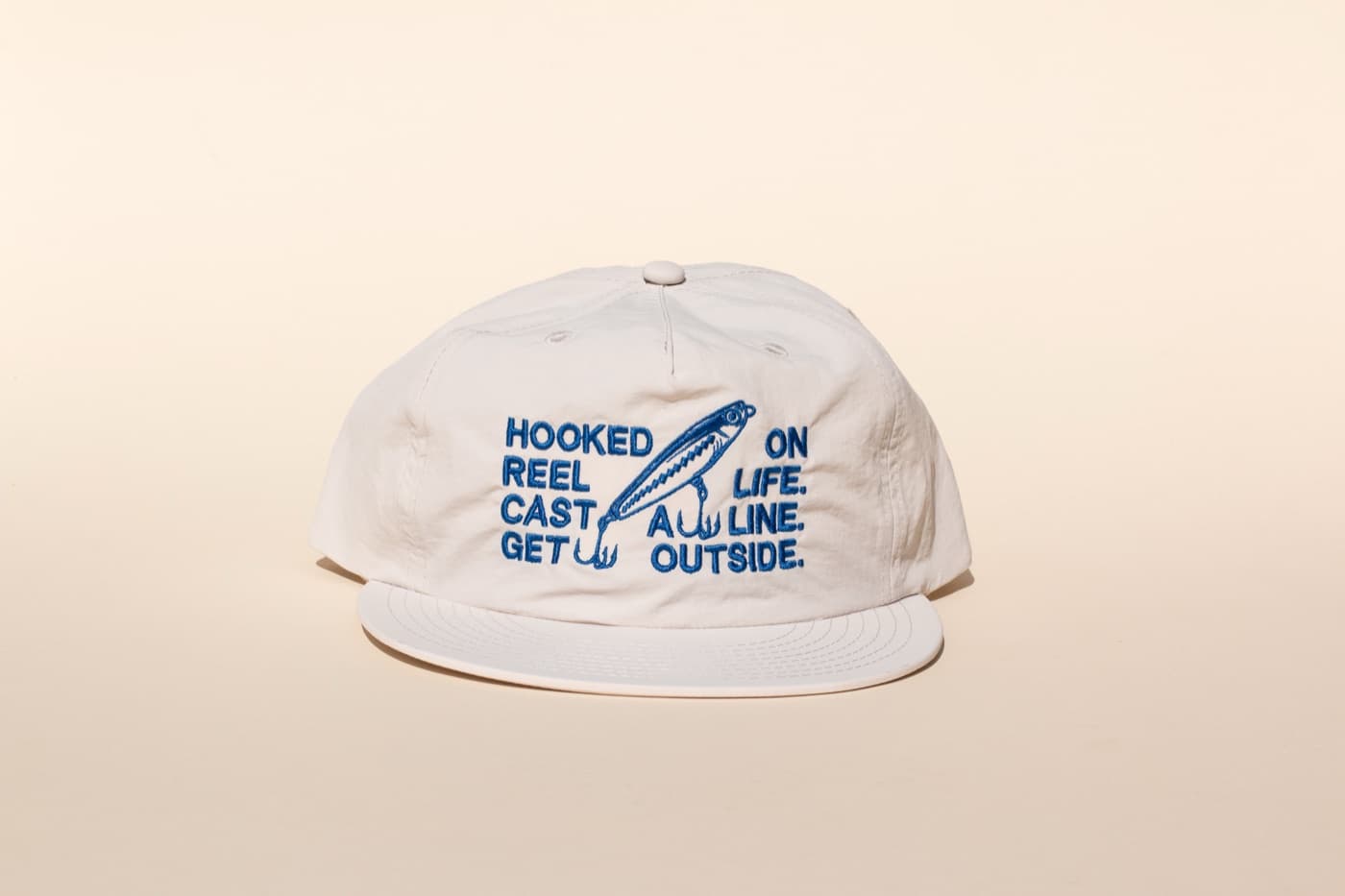
A merch reorder sounds simple until the first run creates real data. Which sizes sold first? Which color sat? Did customers ask for a second product? Did the team run out before the event ended? Did freight or packaging create surprises? A good reorder strategy turns those answers into a better next run.
The goal is not just to buy more. The goal is to buy smarter.
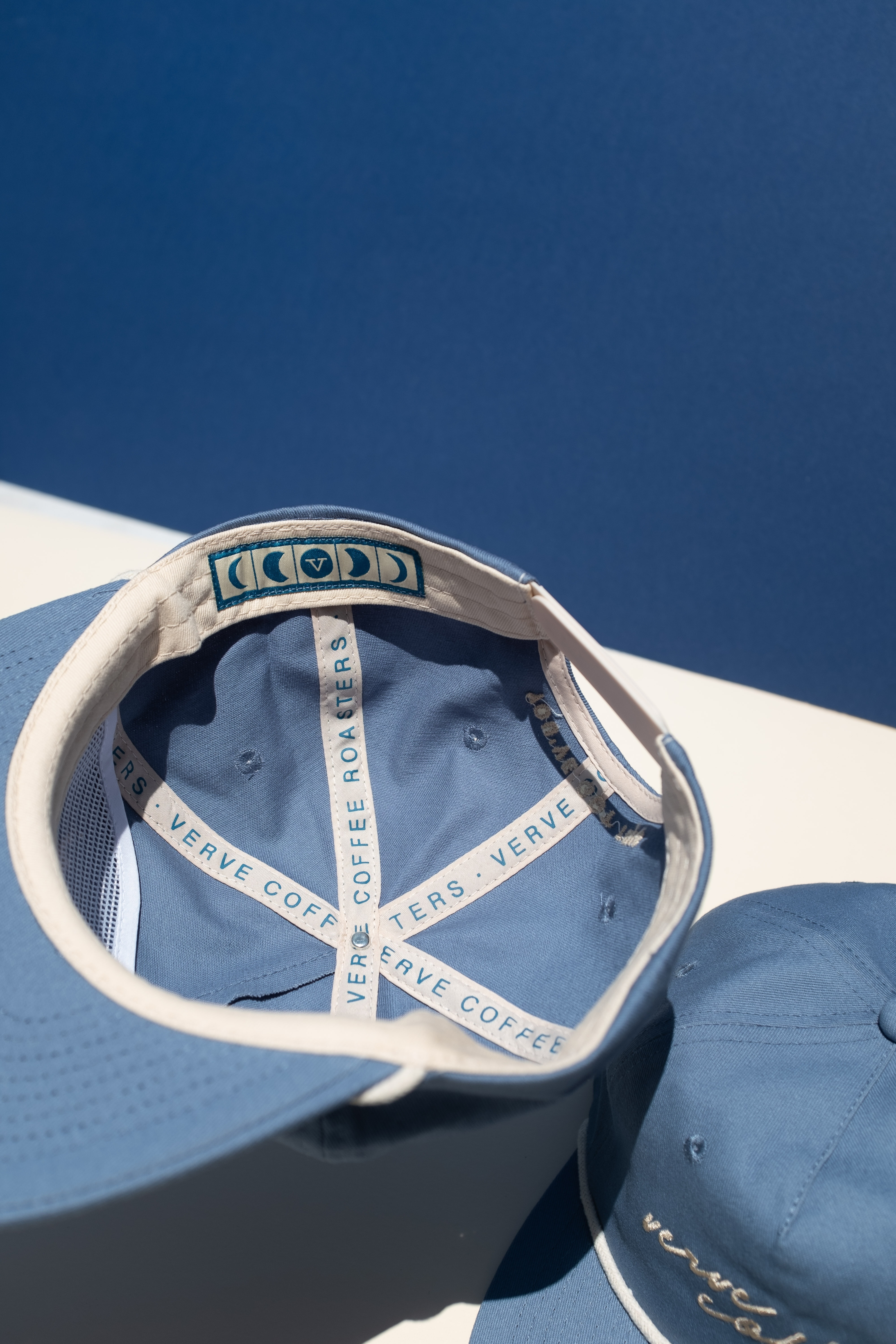
Track sell-through by product and size
Total units sold is useful, but it is not enough. Apparel needs size-level tracking. Hats need color and style tracking. Retail goods need price and channel notes. If medium and large tees disappeared while smalls stayed behind, the reorder should change the curve rather than repeat the original split.
Keep proofed details consistent
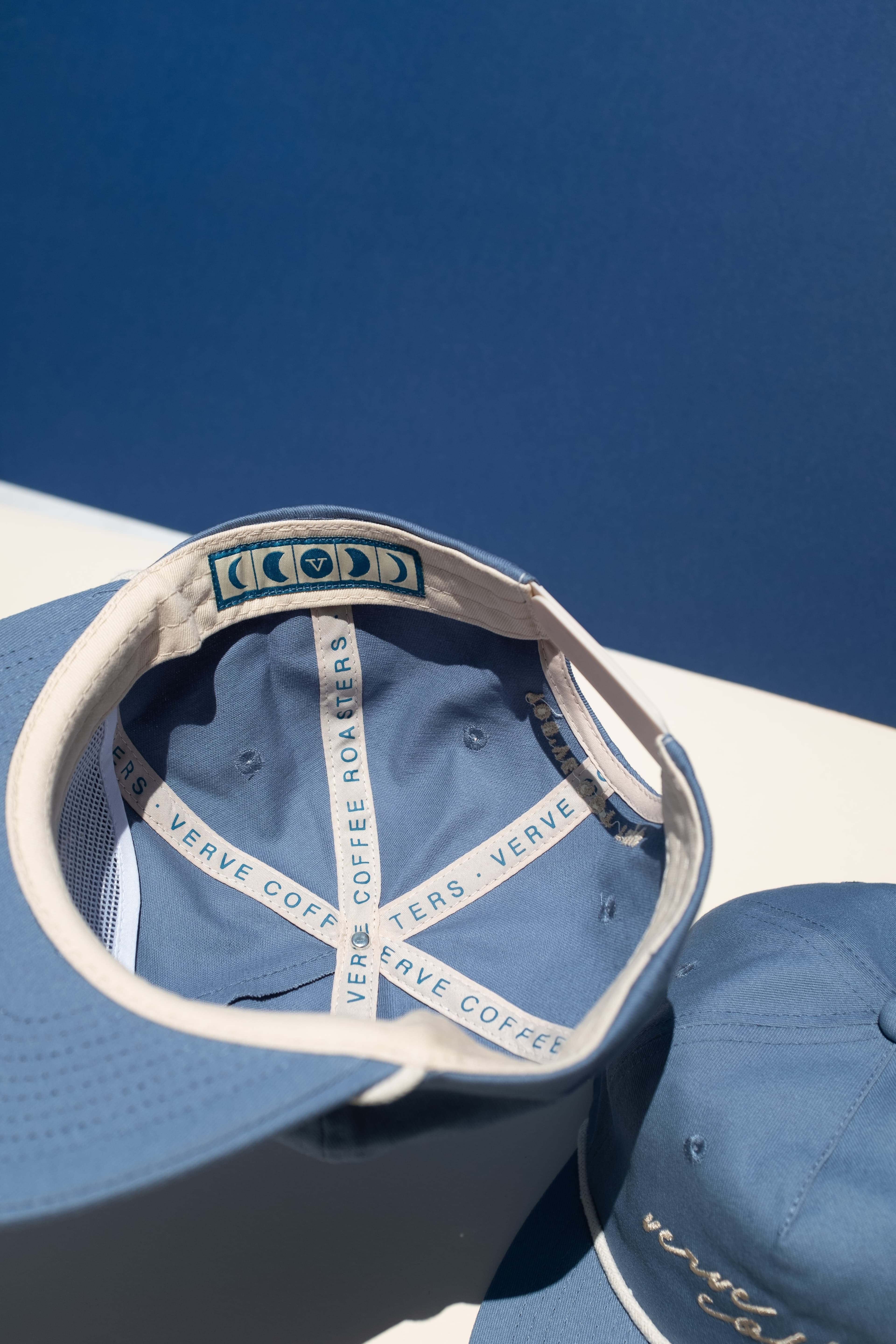
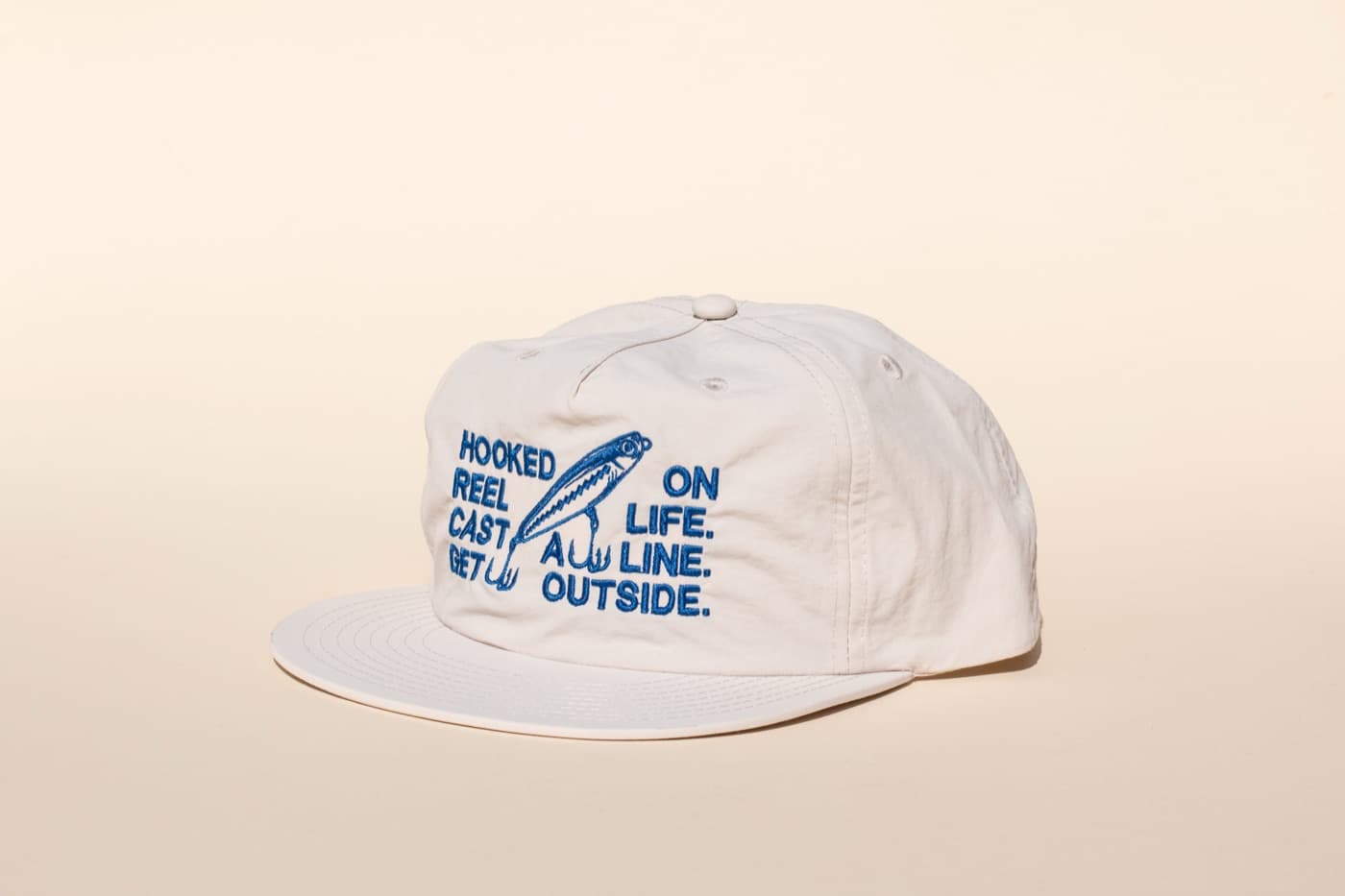
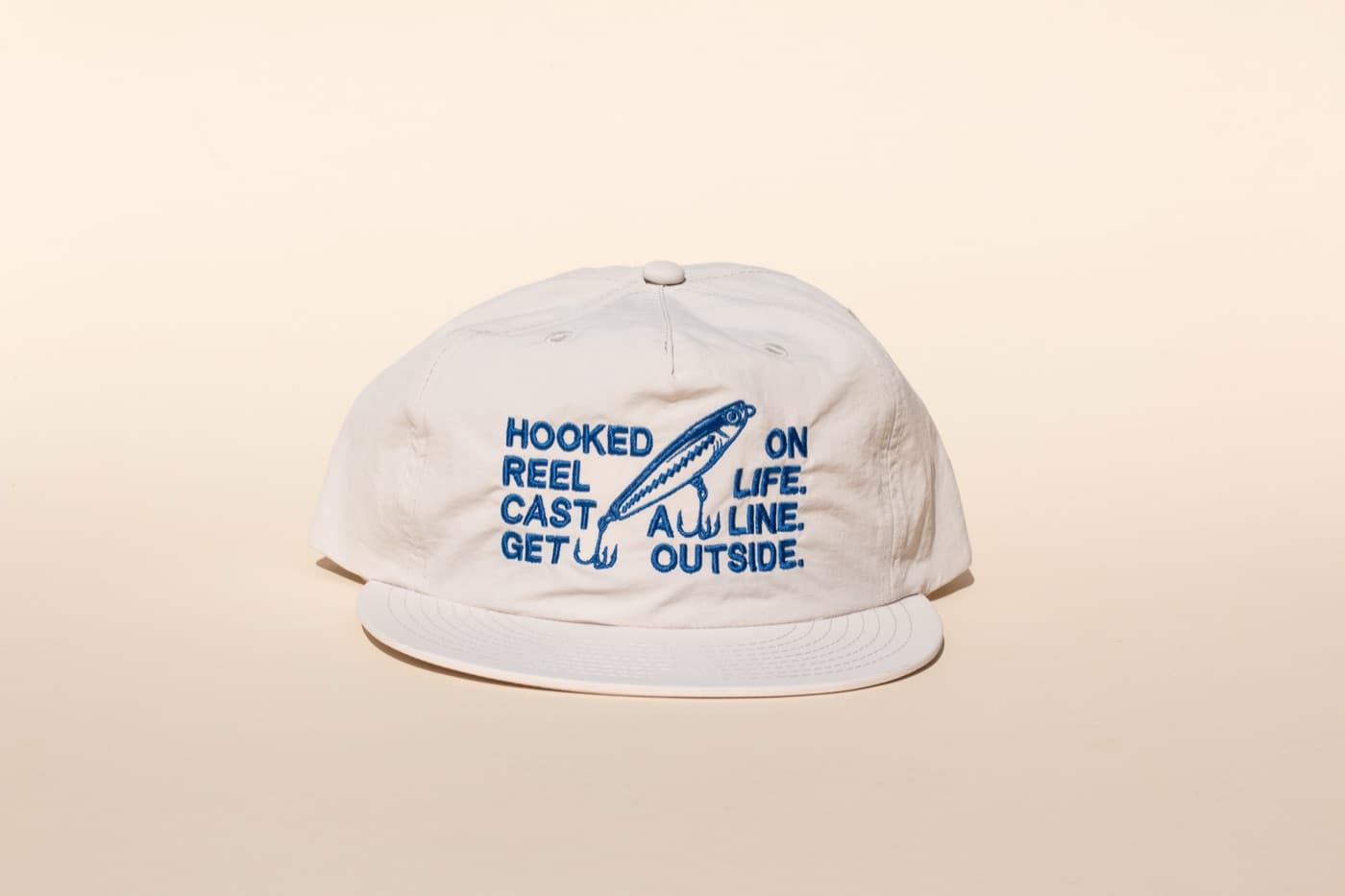
A reorder can drift if the blank, thread, ink, label, packaging, or placement changes without anyone noticing. Save the approved proof, product specs, decoration notes, and photos from the first run. Consistency is especially important when customers expect the same item to return.
Use reorders to add one controlled test
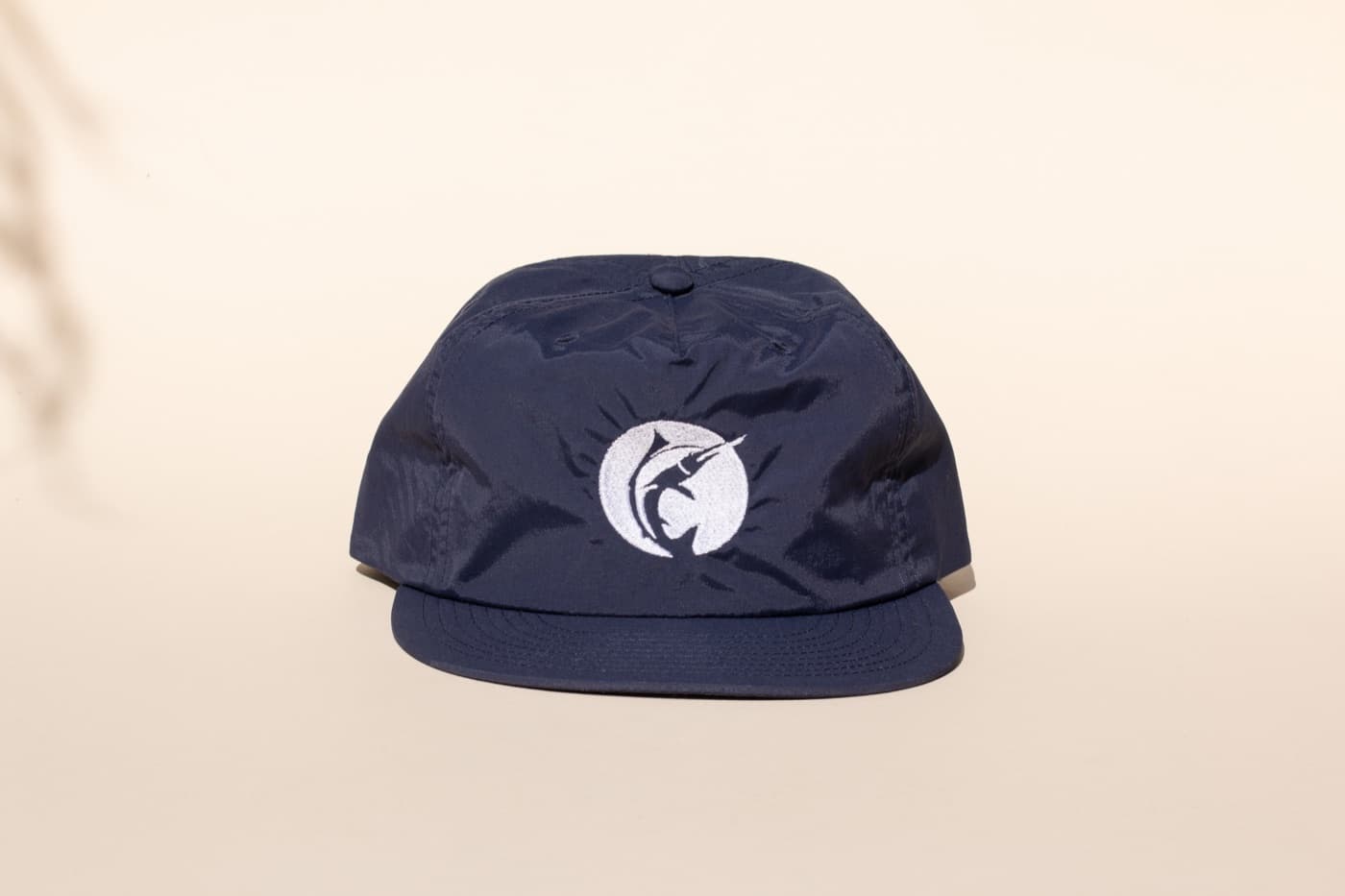
A reorder is also a chance to learn. Add one new color, one accessory, one updated graphic, or one premium version while keeping the proven item available. Too many changes at once make it hard to know what worked.
The takeaway
Strong reorder strategy protects momentum and reduces waste. Orange Goods helps brands read the first run, adjust quantities, preserve production details, and plan the next merch drop with better information.