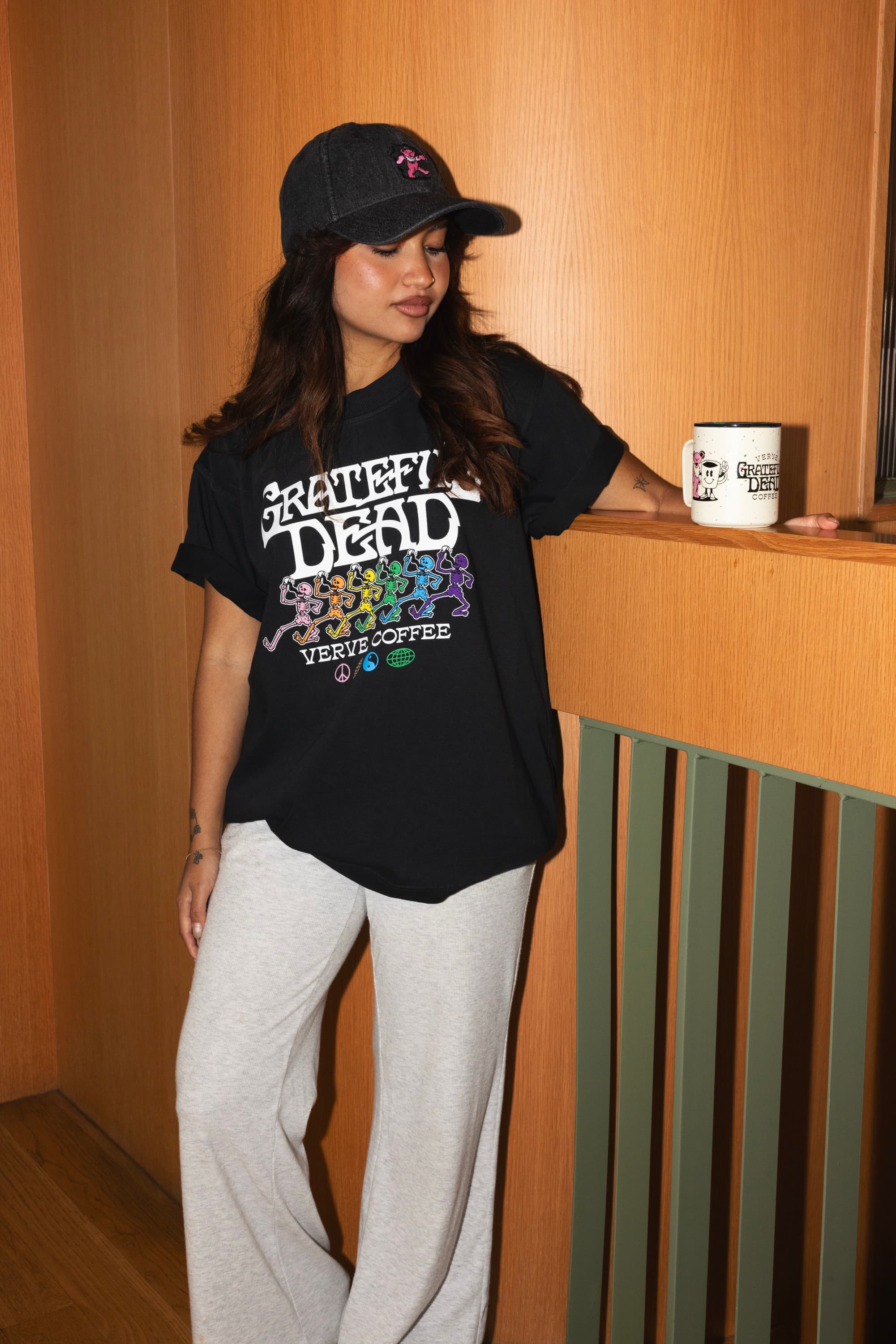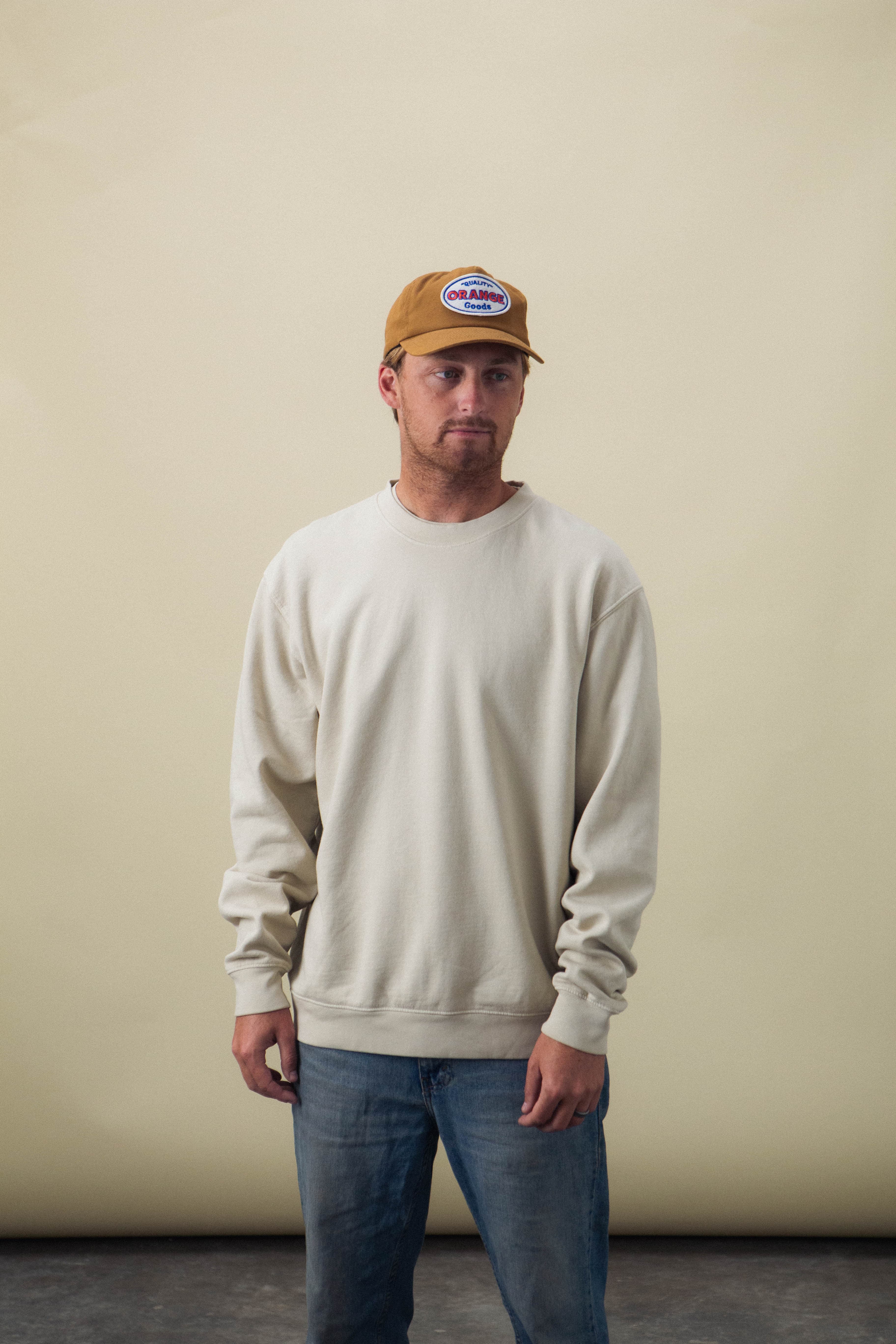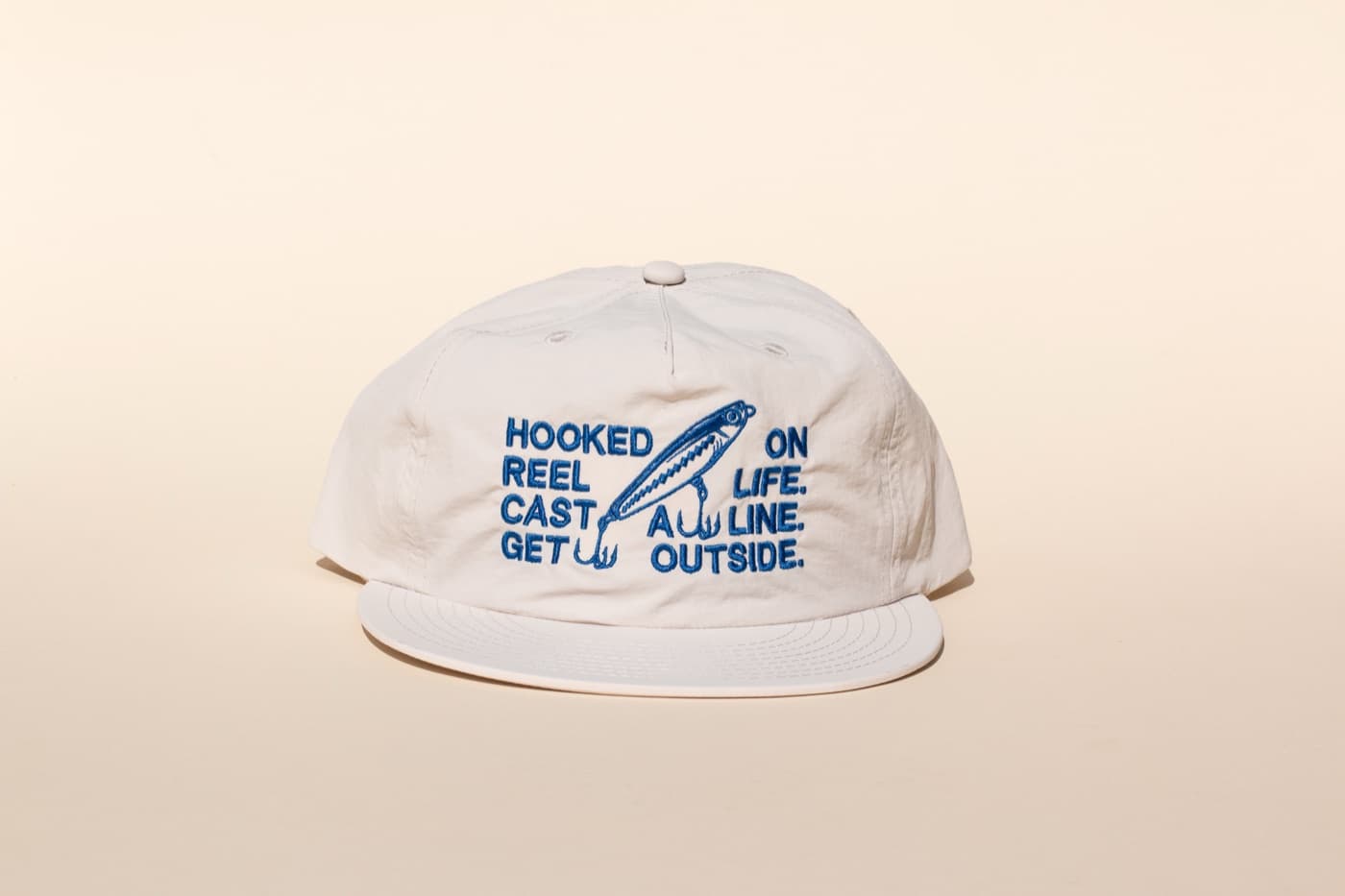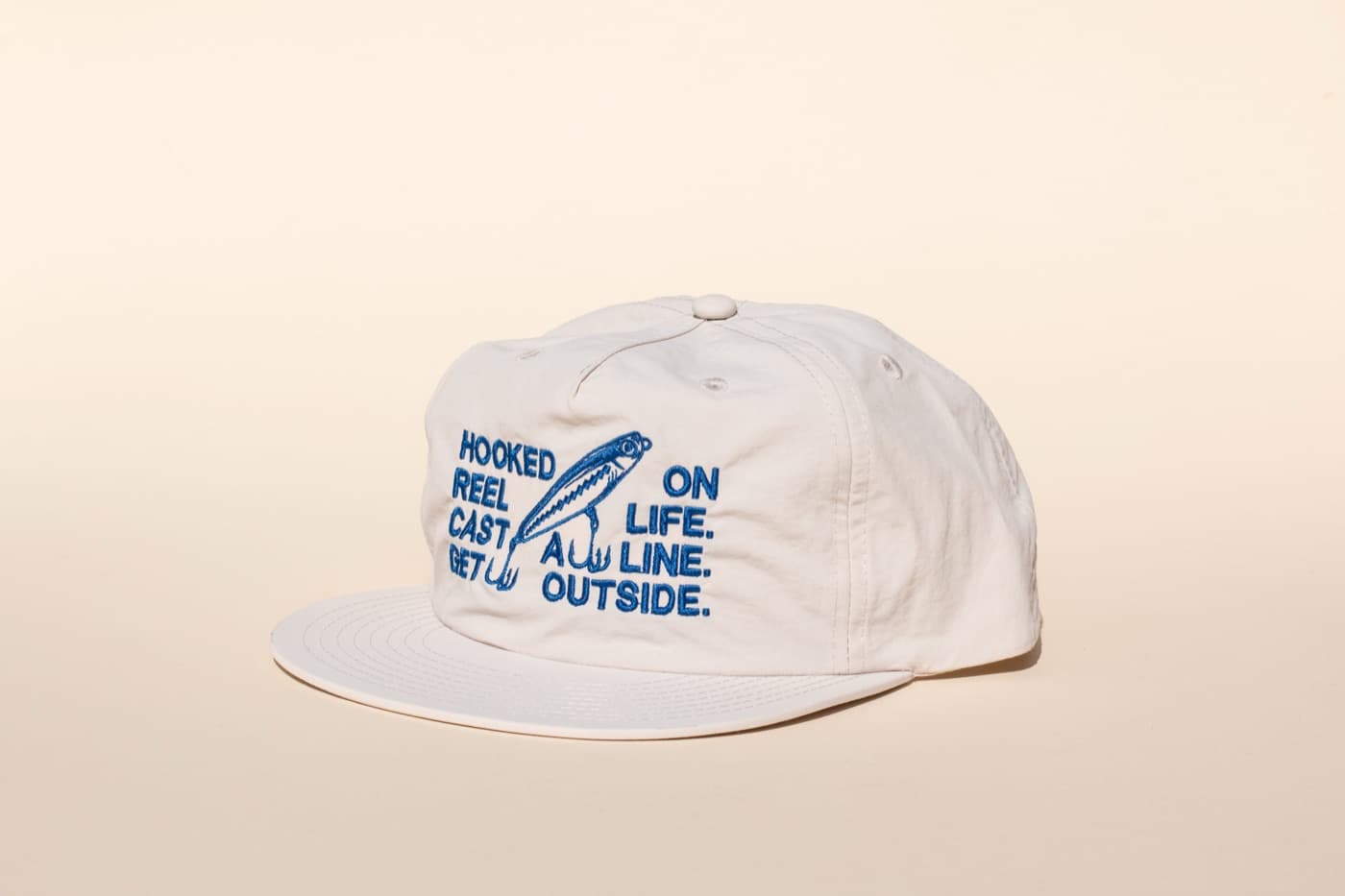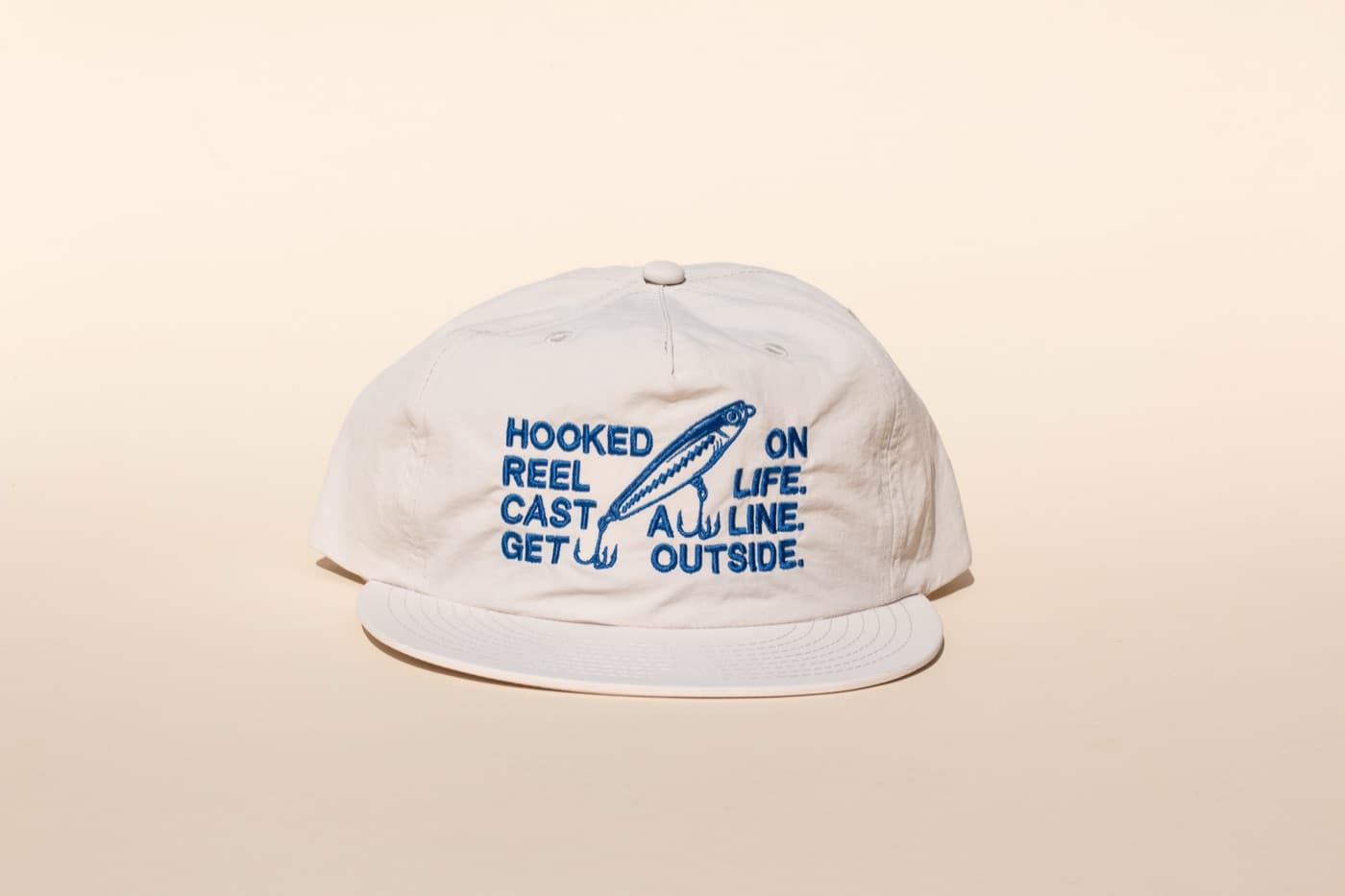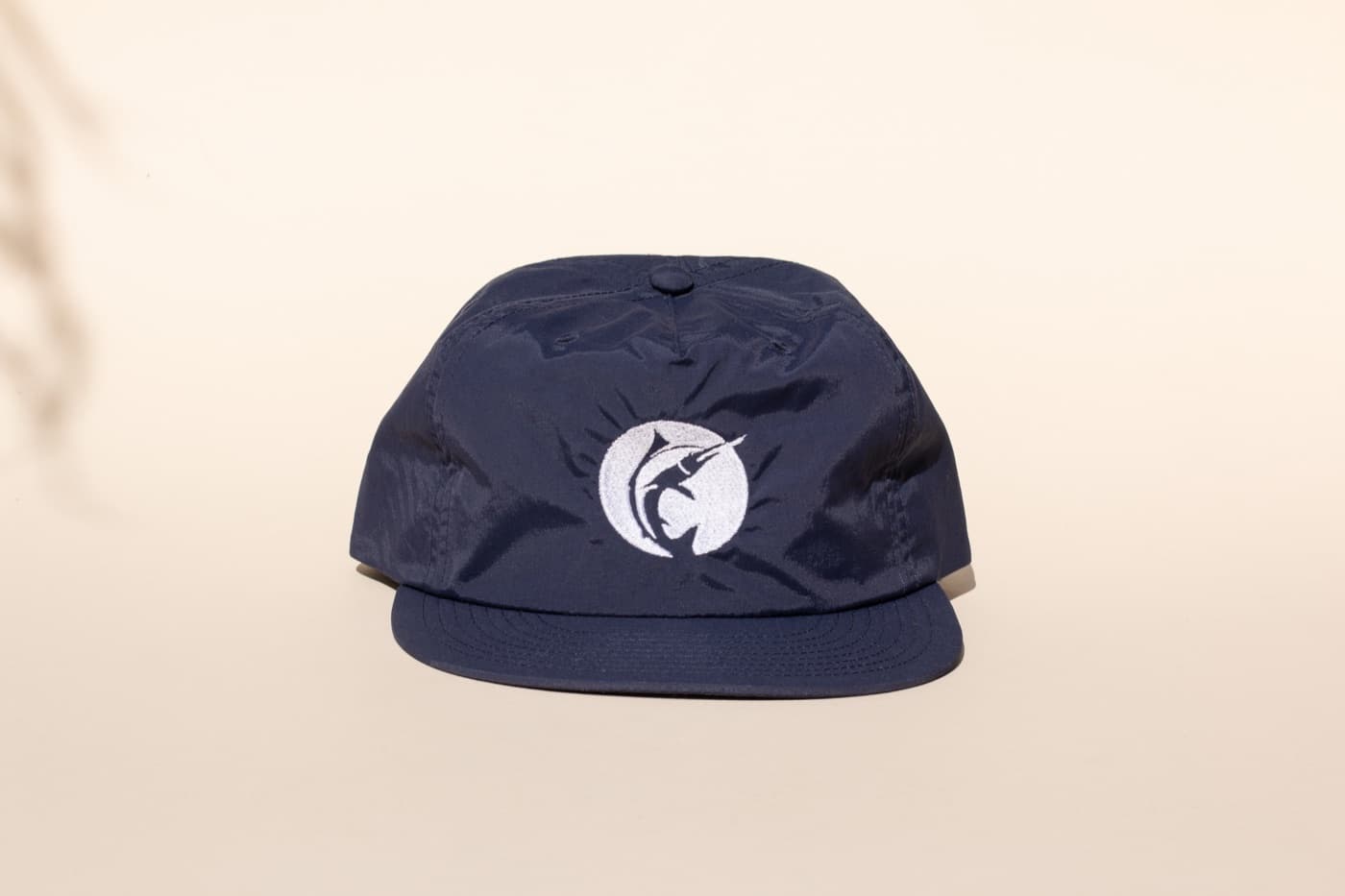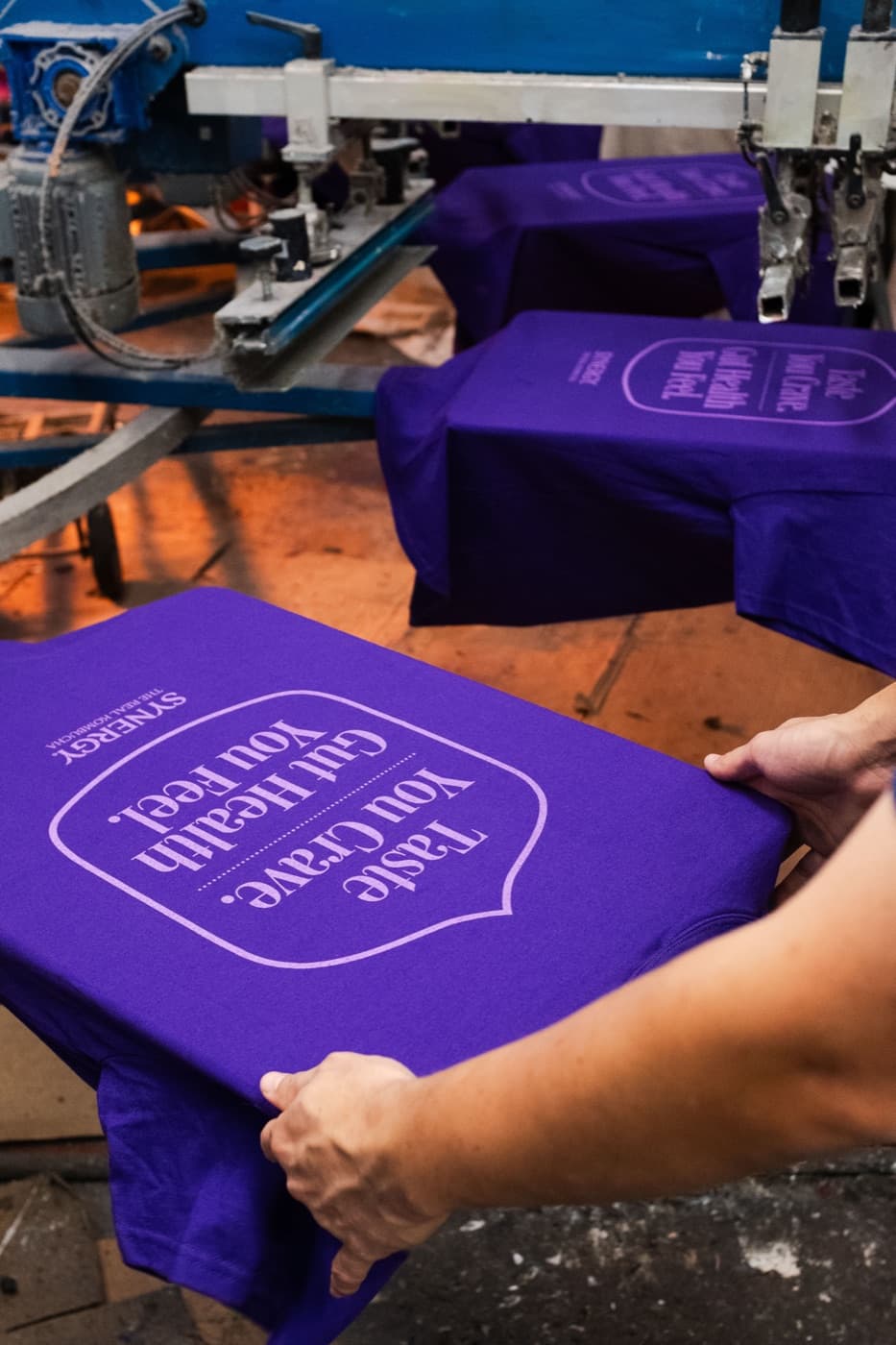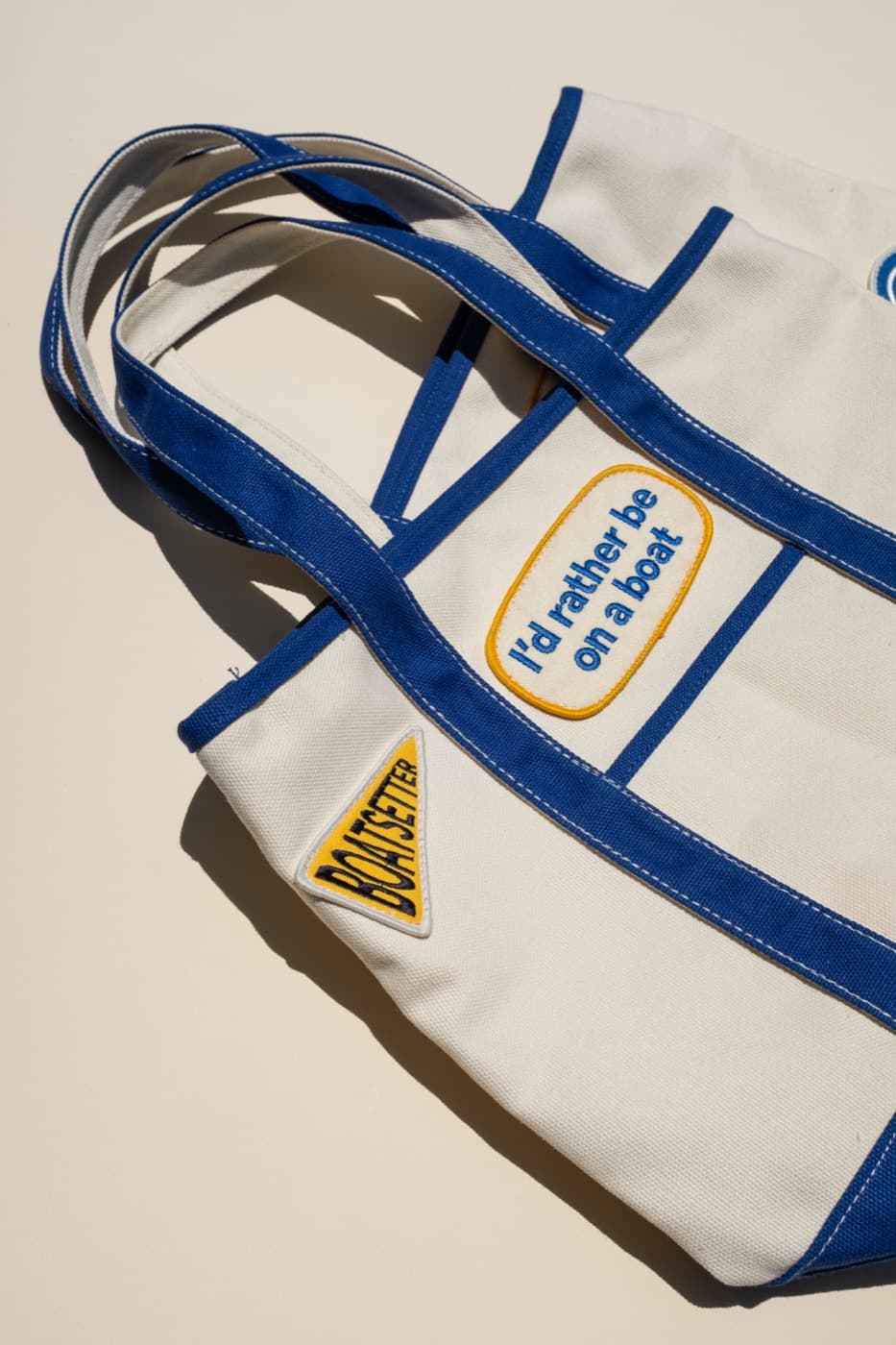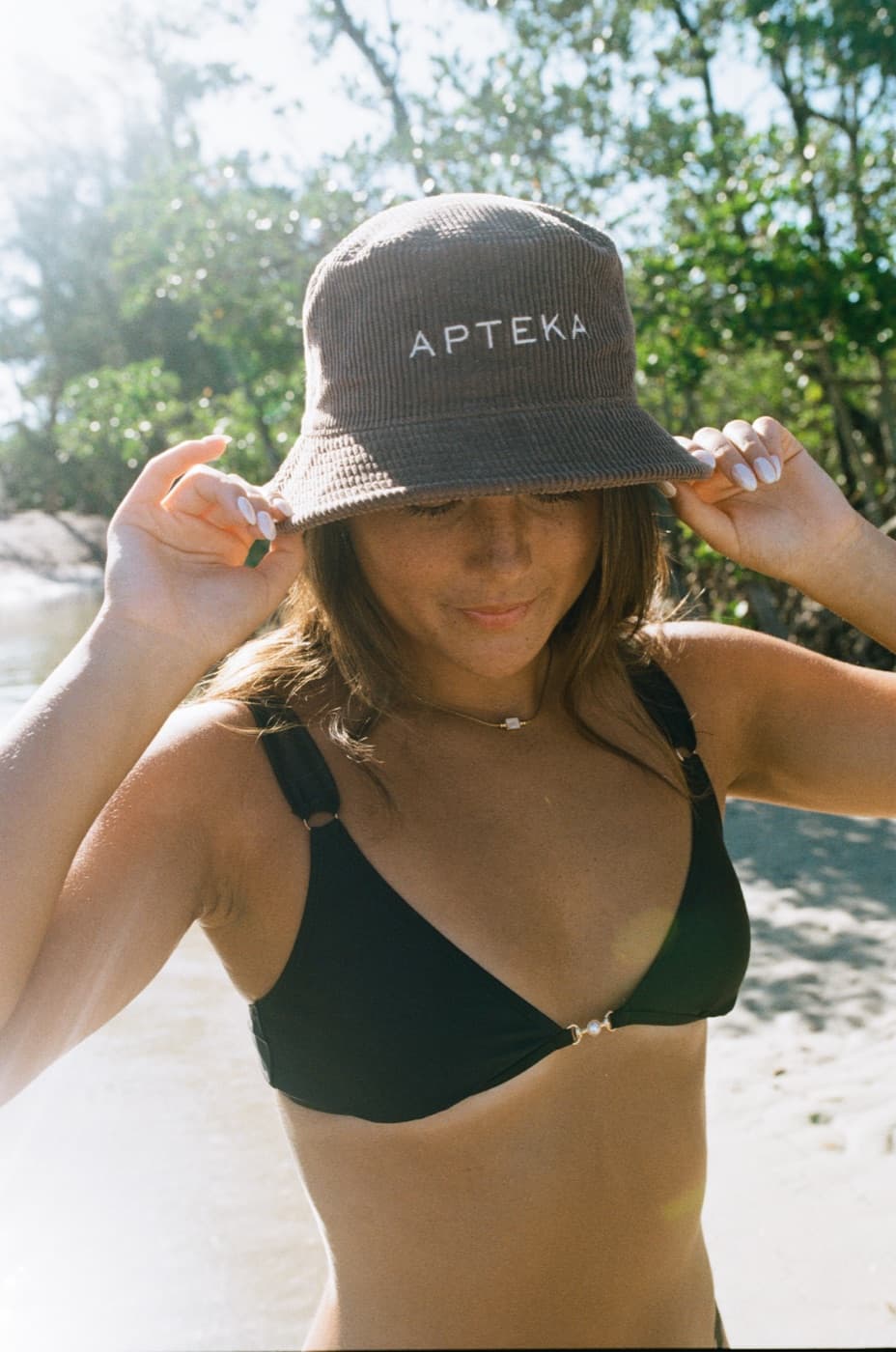
Restaurants and bars have something most brands spend years trying to build: a community of people who genuinely care about the place. A great hat taps into that. It turns regulars into walking ambassadors and gives the staff something worth wearing on days off.
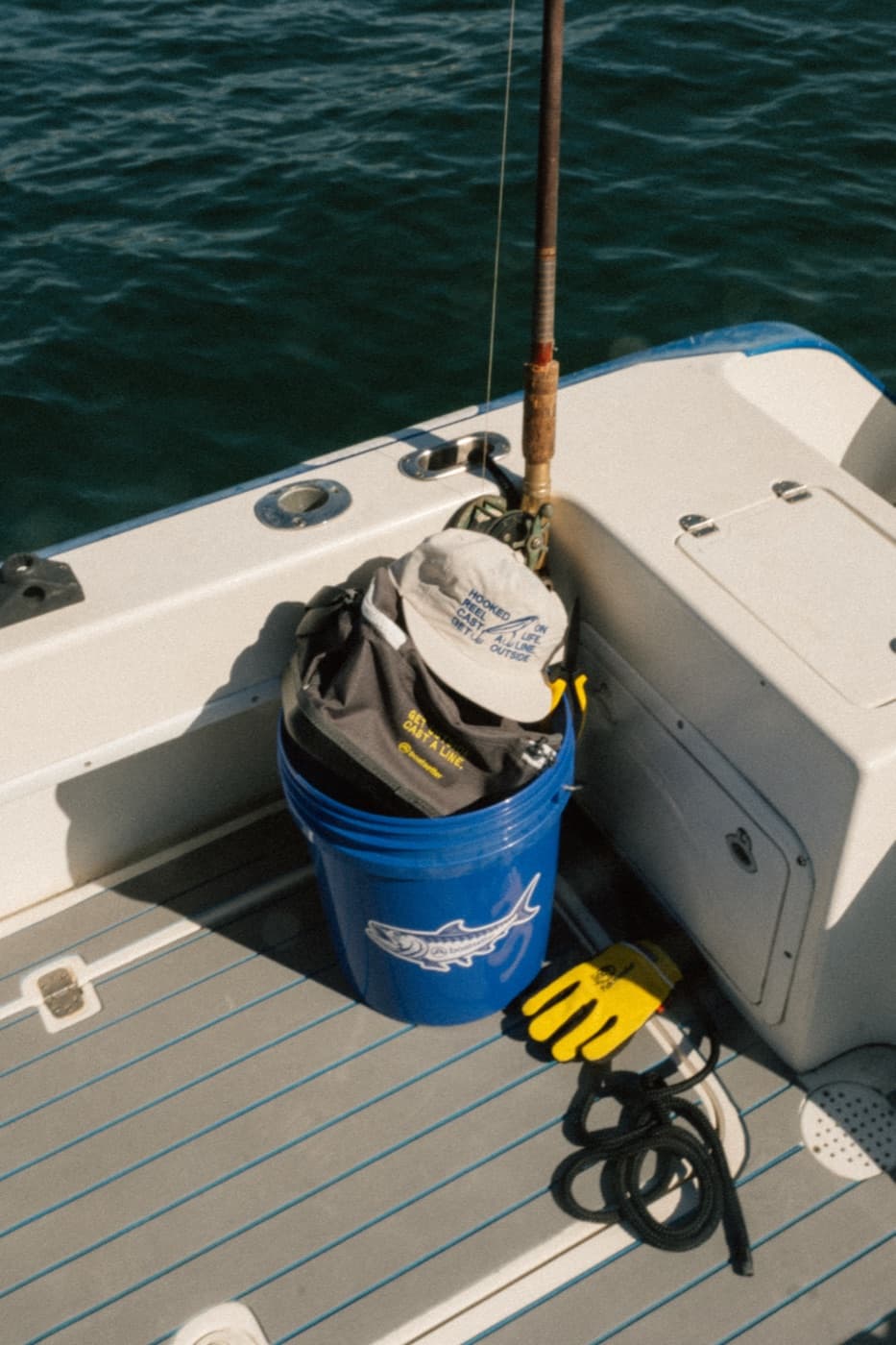
The strongest restaurant hats are not generic. They feel like they belong to the place. A dive bar hat looks different from a fine dining hat. A coffee shop hat is different from a BBQ joint hat. Getting that right starts with understanding what the brand actually communicates — not just the logo, but the vibe, the crowd, and what the place means to its regulars.
Staff hats vs merch hats
These are two different briefs. A staff hat needs to be durable, comfortable for long shifts, and fit a wide range of head sizes. A merch hat needs to look good enough that someone pays money for it and wears it outside. Sometimes one hat can serve both roles, but often it is worth separating them. Staff hats can prioritize function. Merch hats should prioritize desirability.
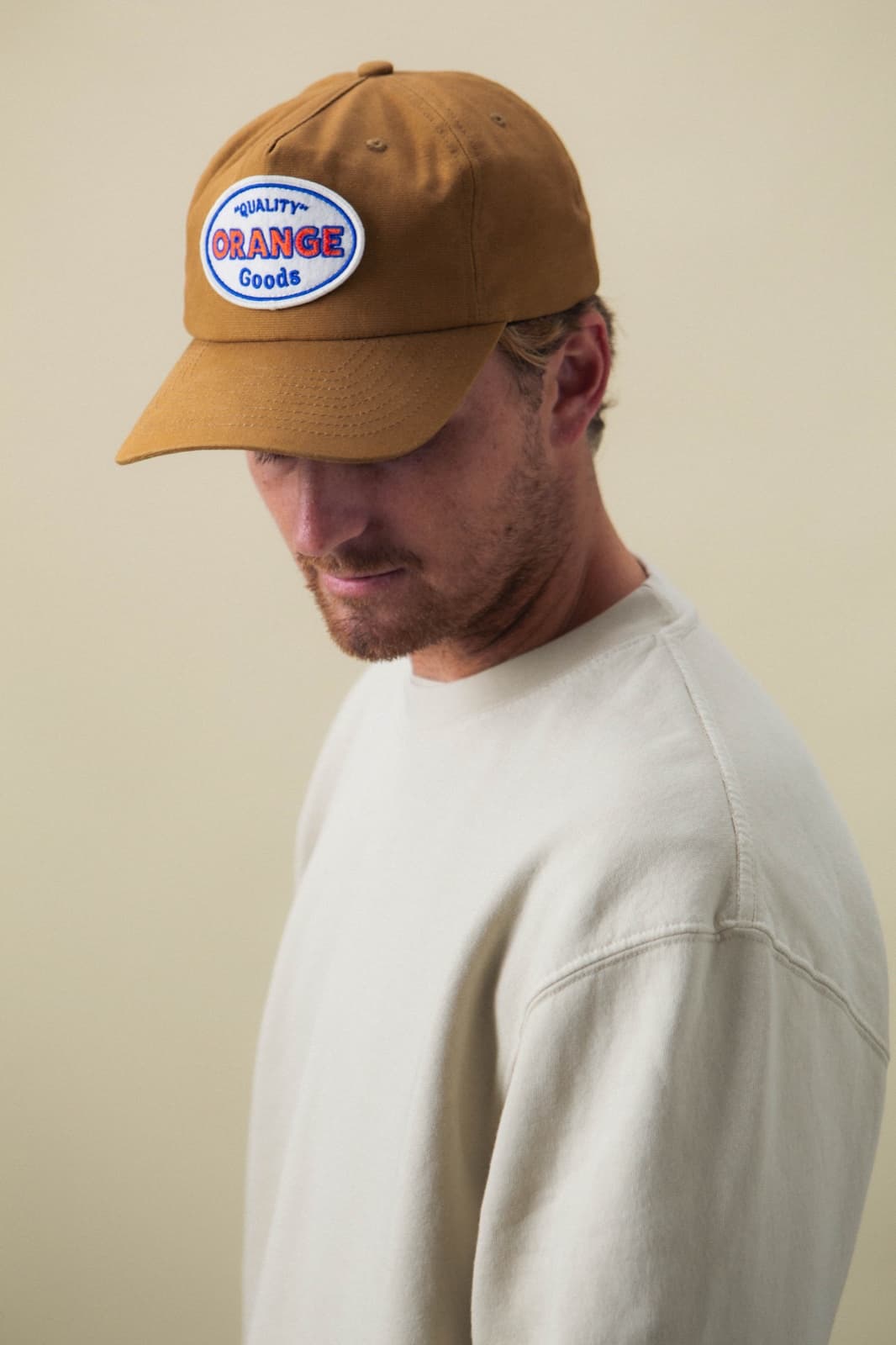
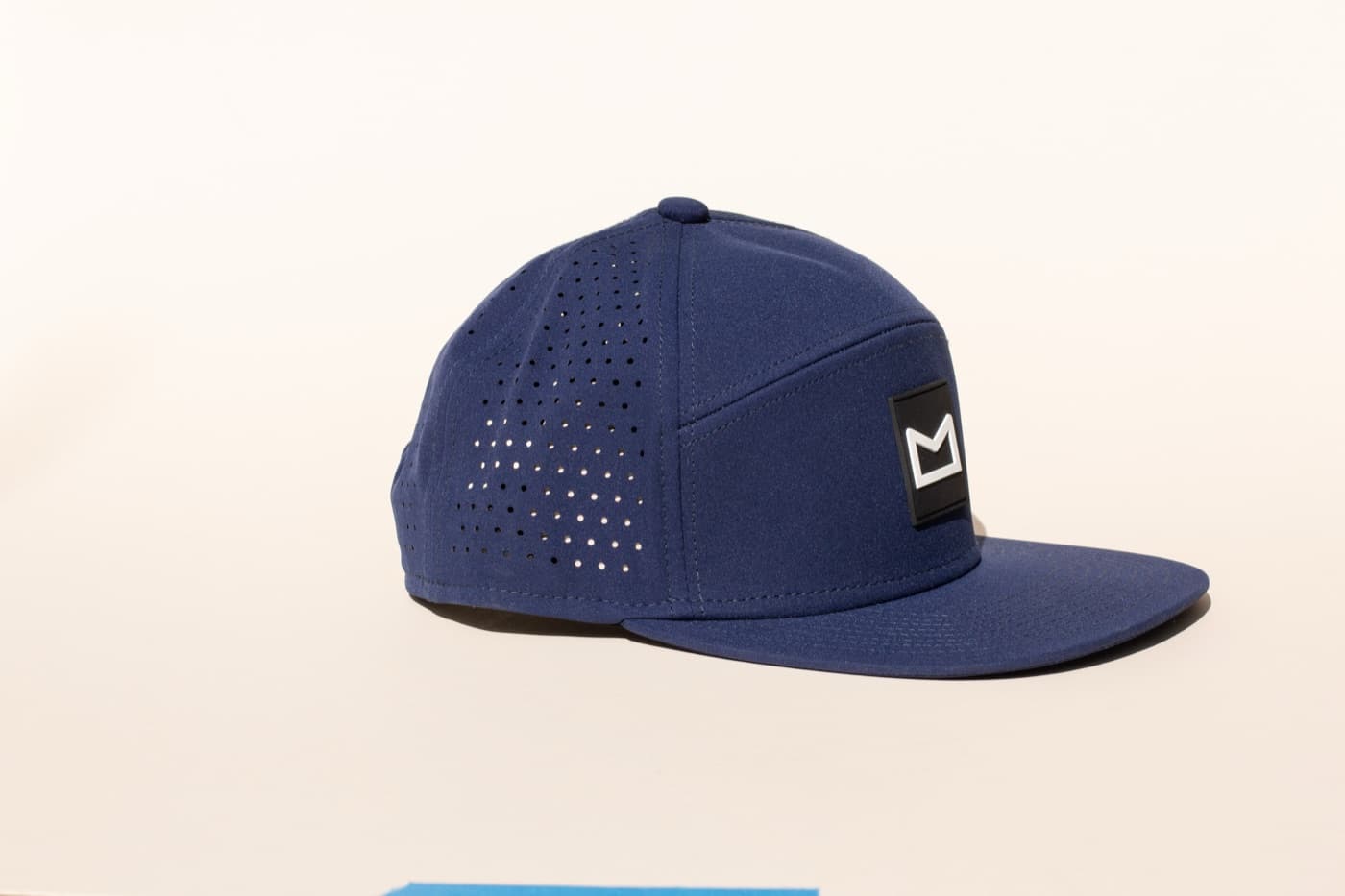
For staff, structured caps with adjustable closures tend to work best. They are easy to size, hold their shape through a service, and can be ordered in consistent quantities as the team grows. For merch, an unstructured dad hat, a bucket hat, or a premium curved brim can feel more intentional and retail-worthy.
Logo placement and art direction
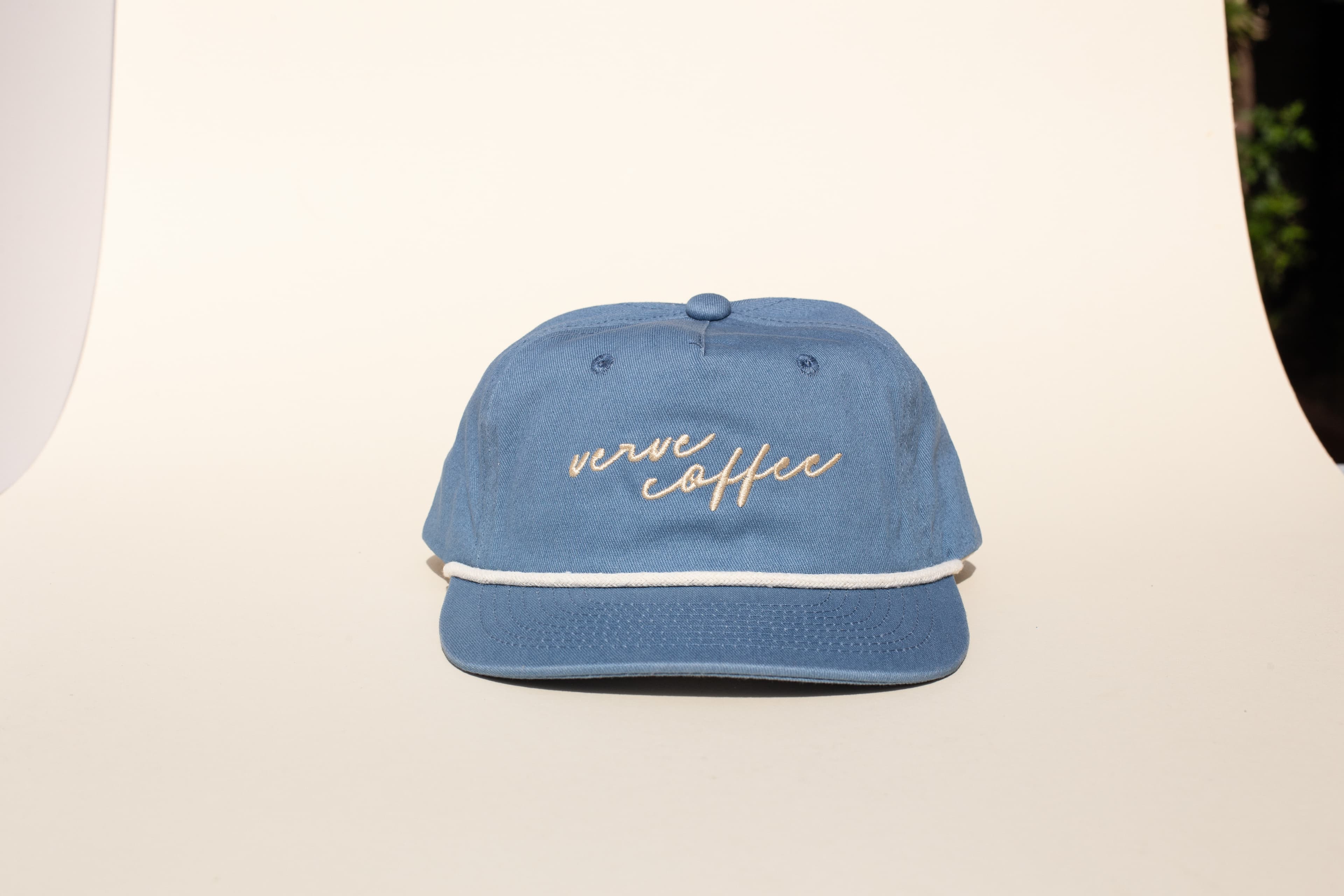
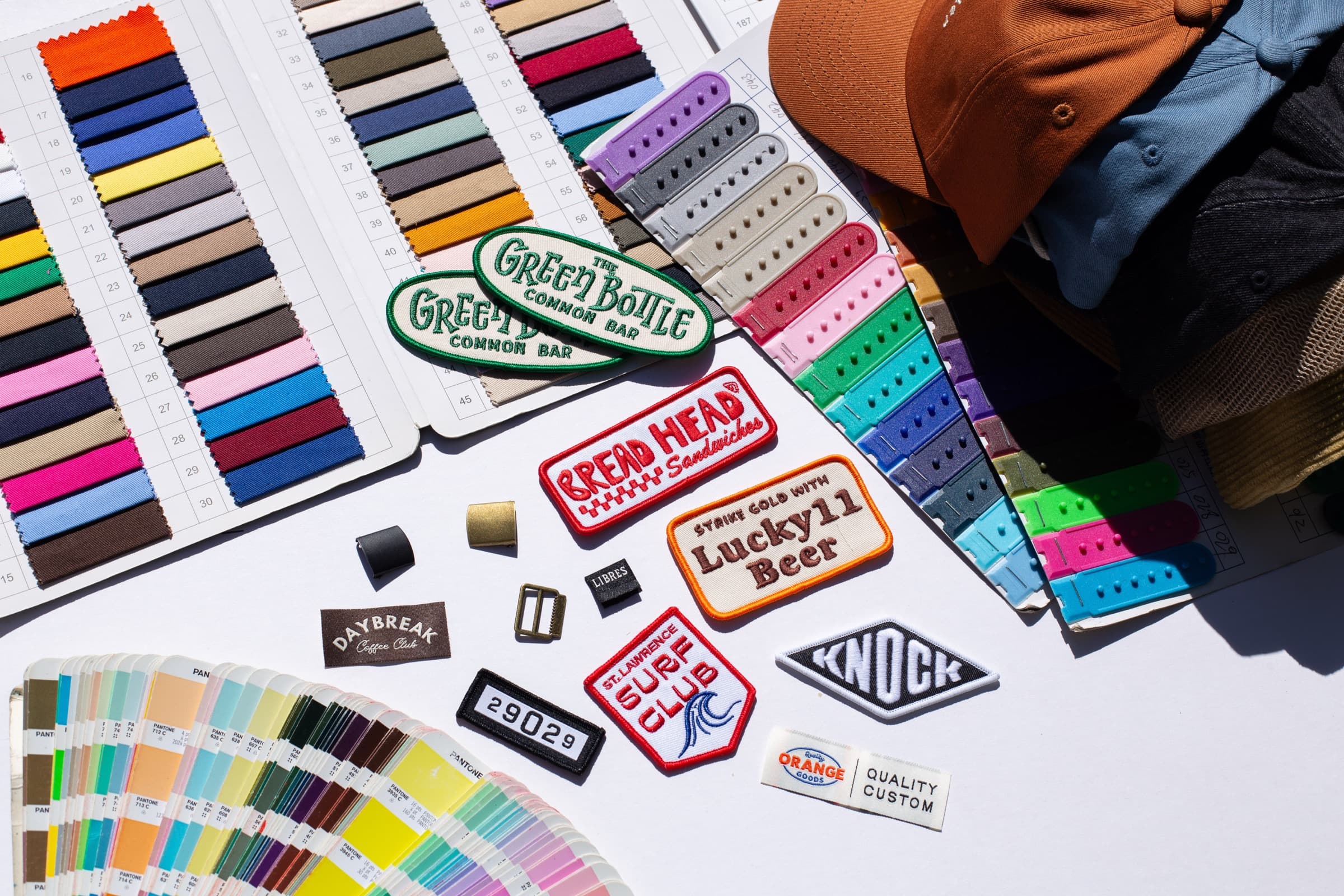
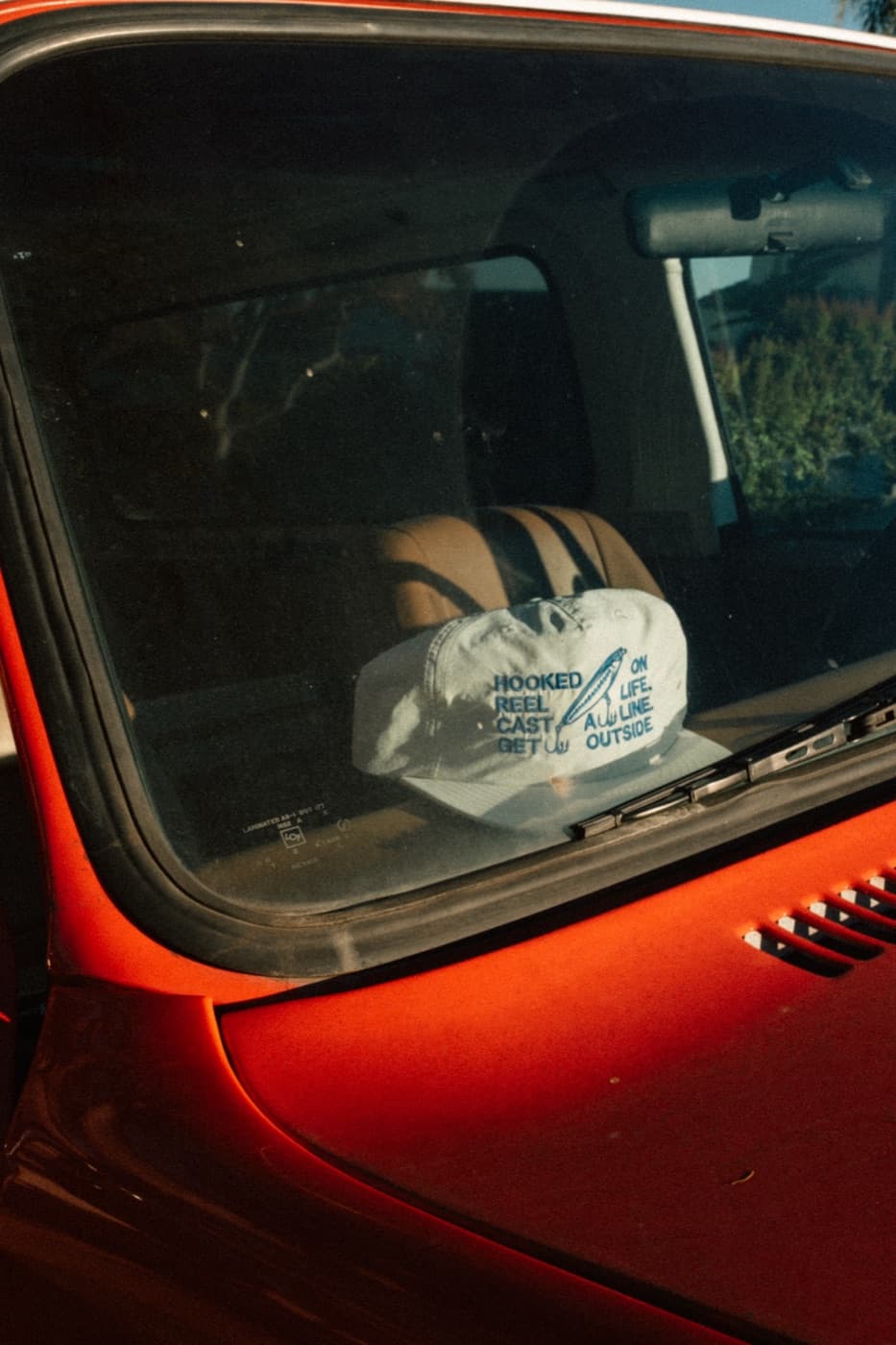
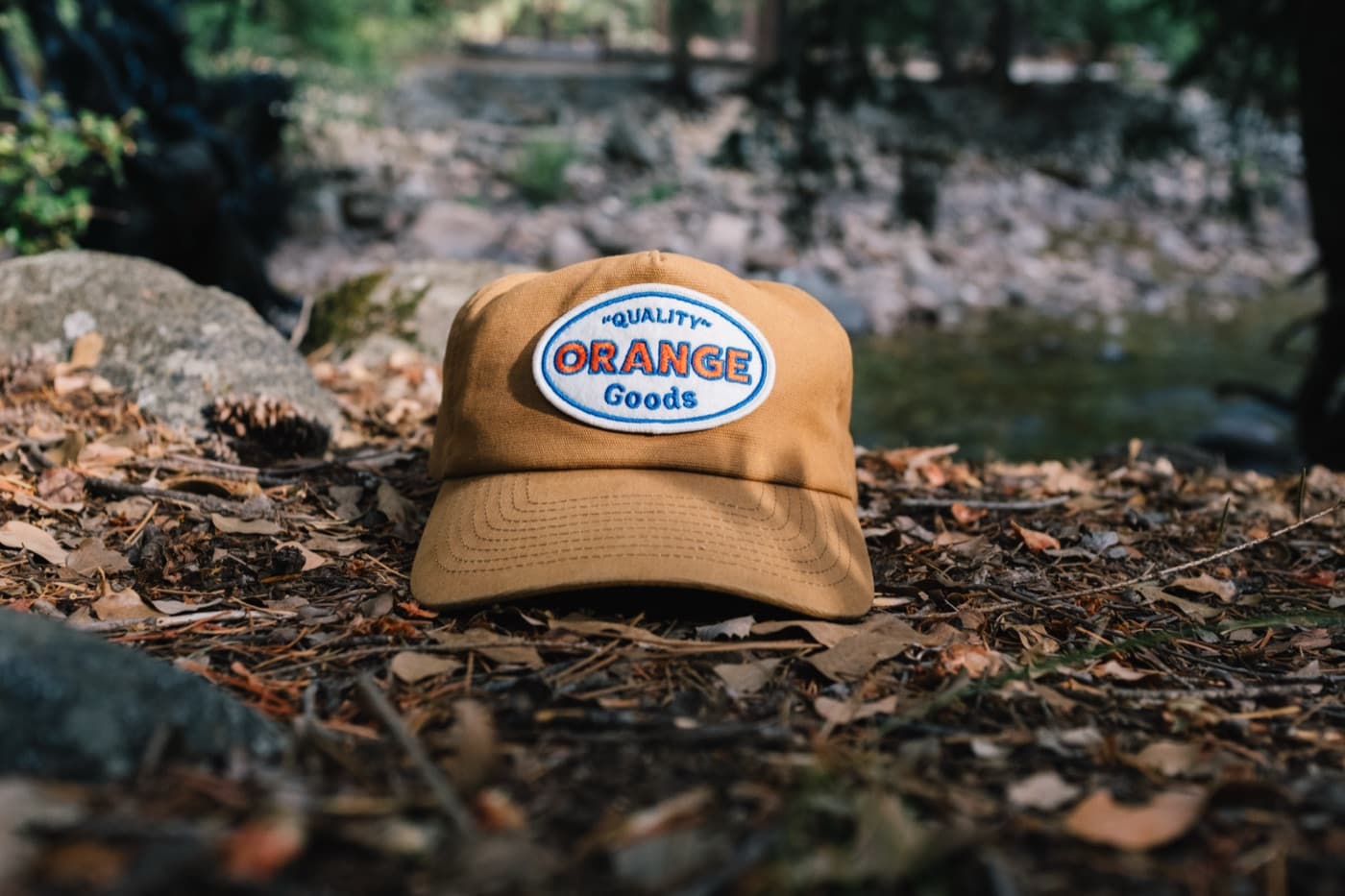
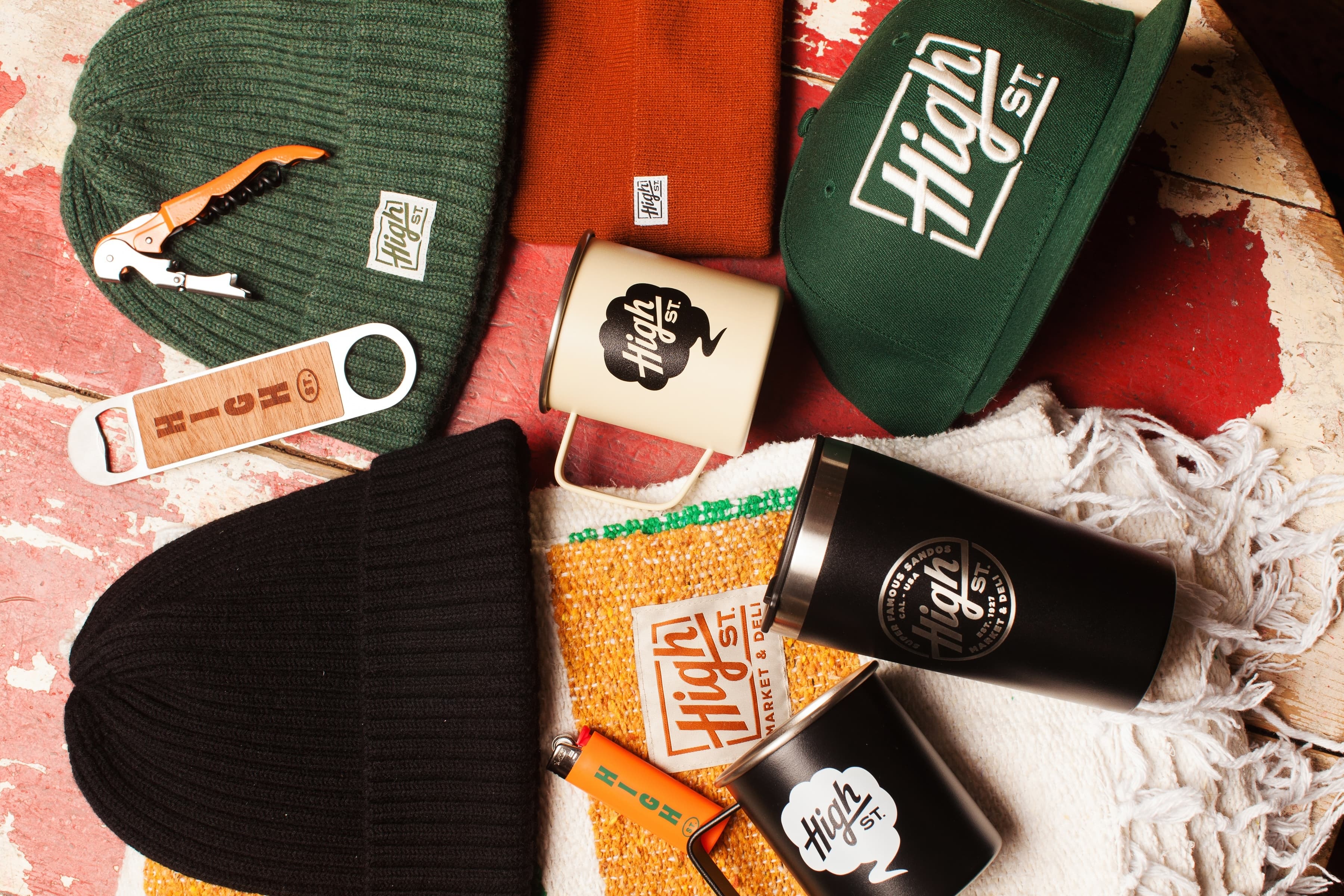
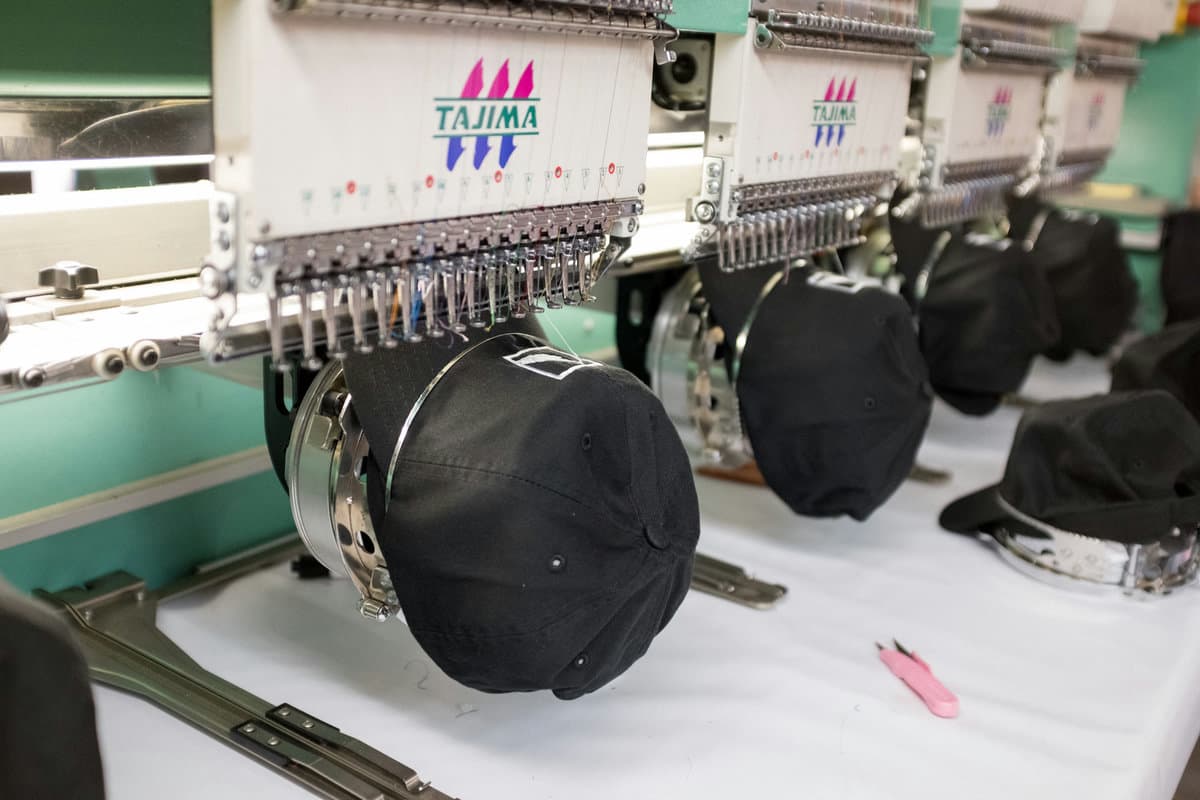
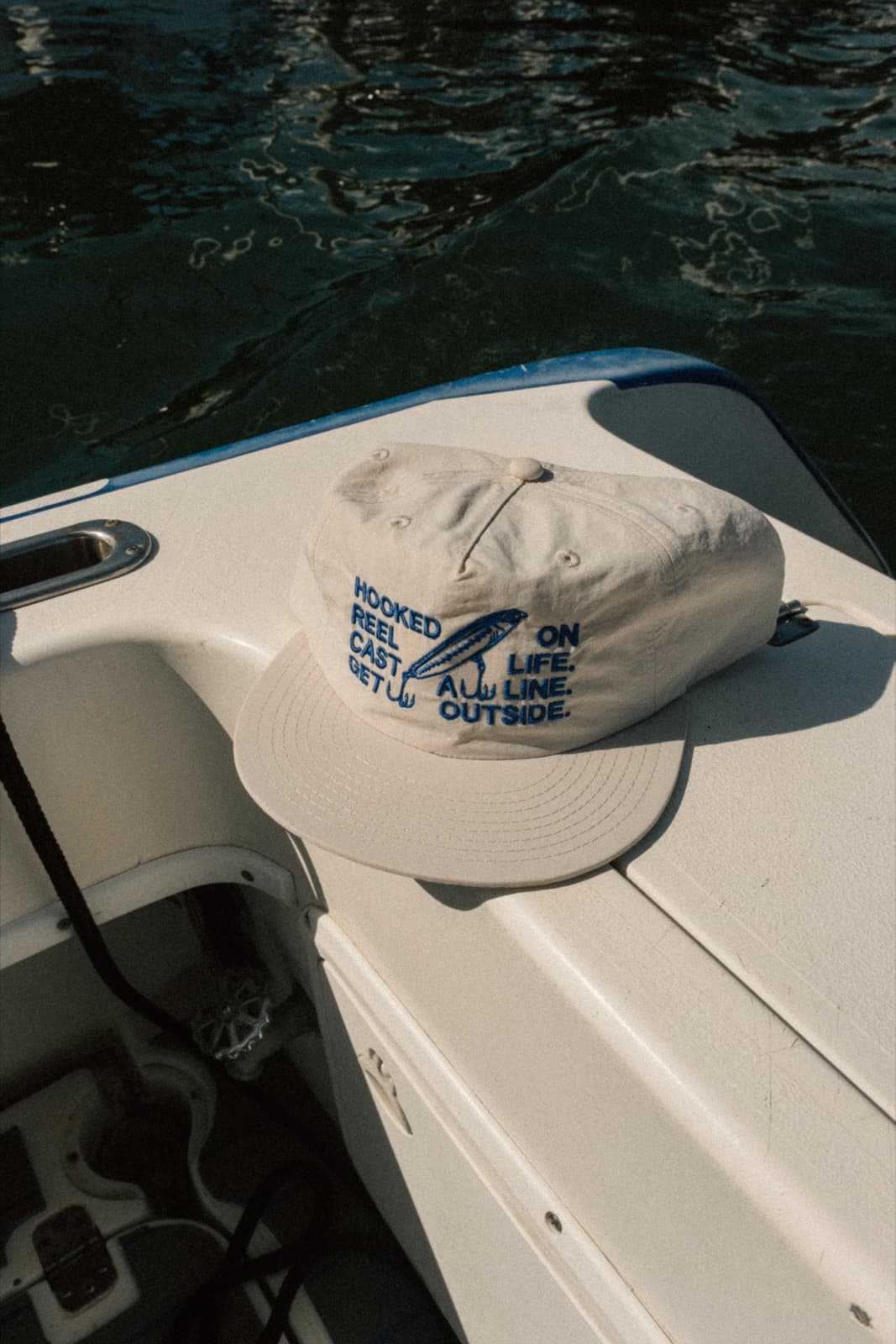
The front panel of a hat is valuable real estate. A clean embroidered logo there is always a safe move. But restaurants with strong brand identities often do more — a mascot, a phrase the regulars know, a skyline detail, a graphic that tells the story of the place without saying the name. Some of the best bar hats have art that someone would wear even if they had never visited, because the design is just that good.
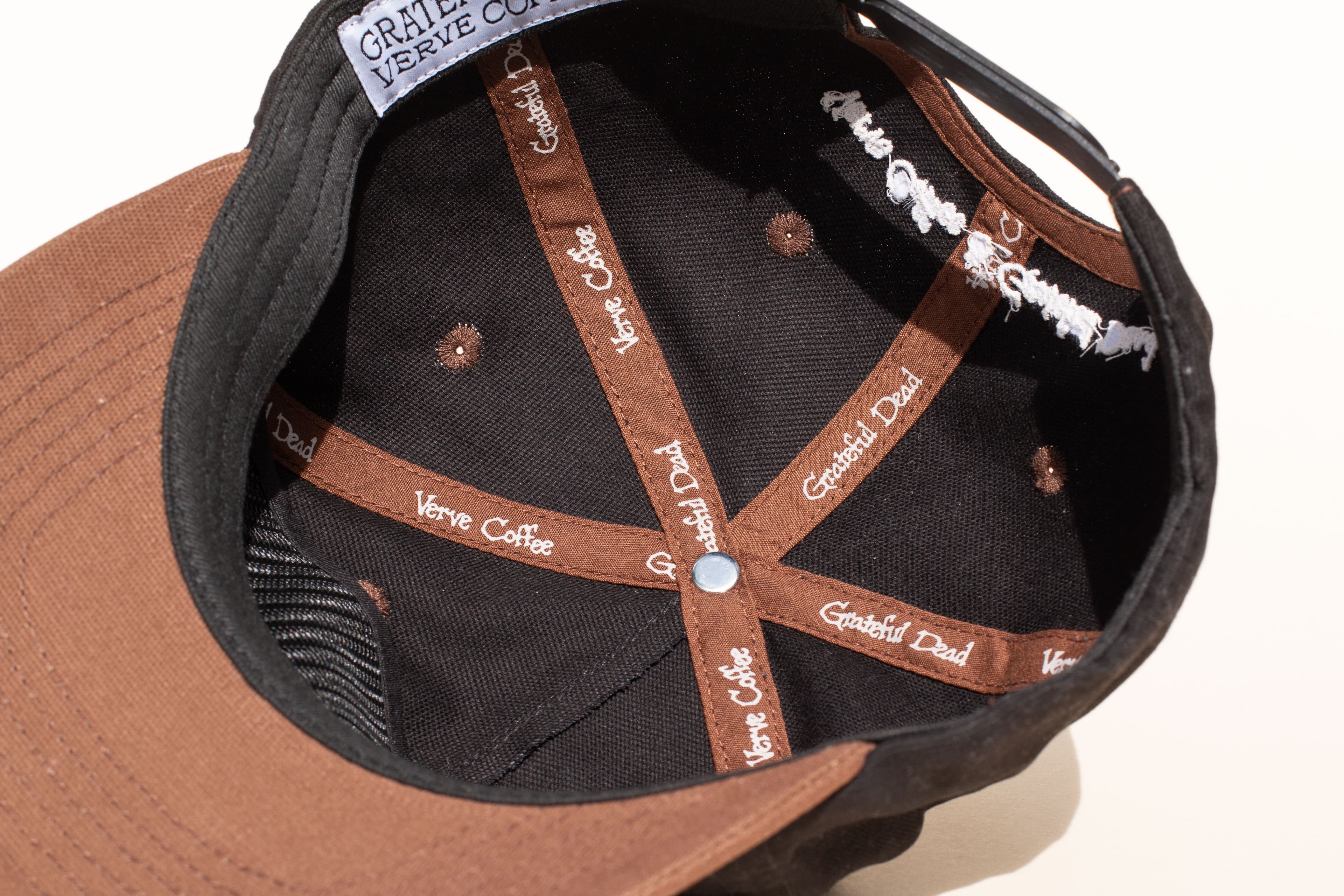
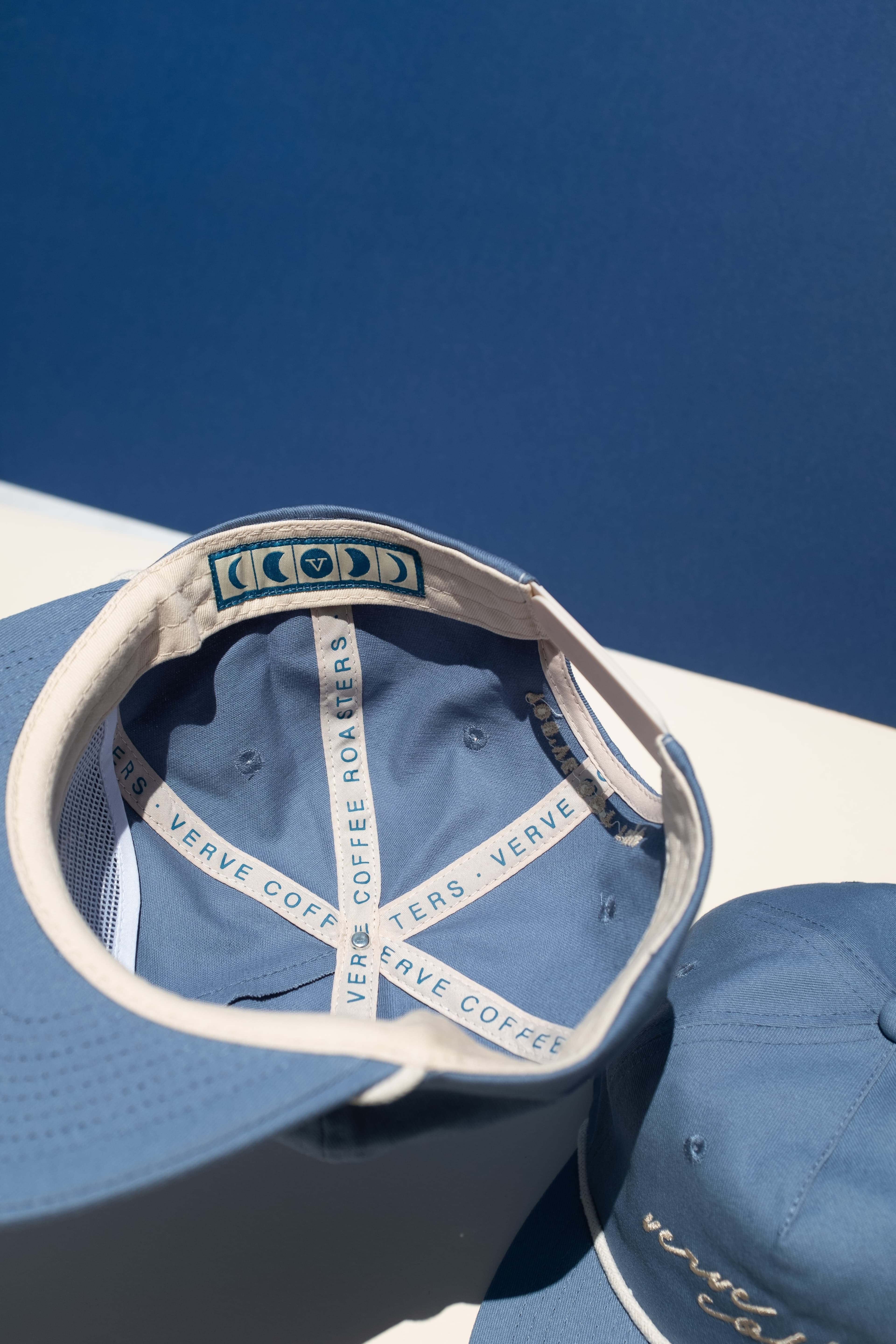
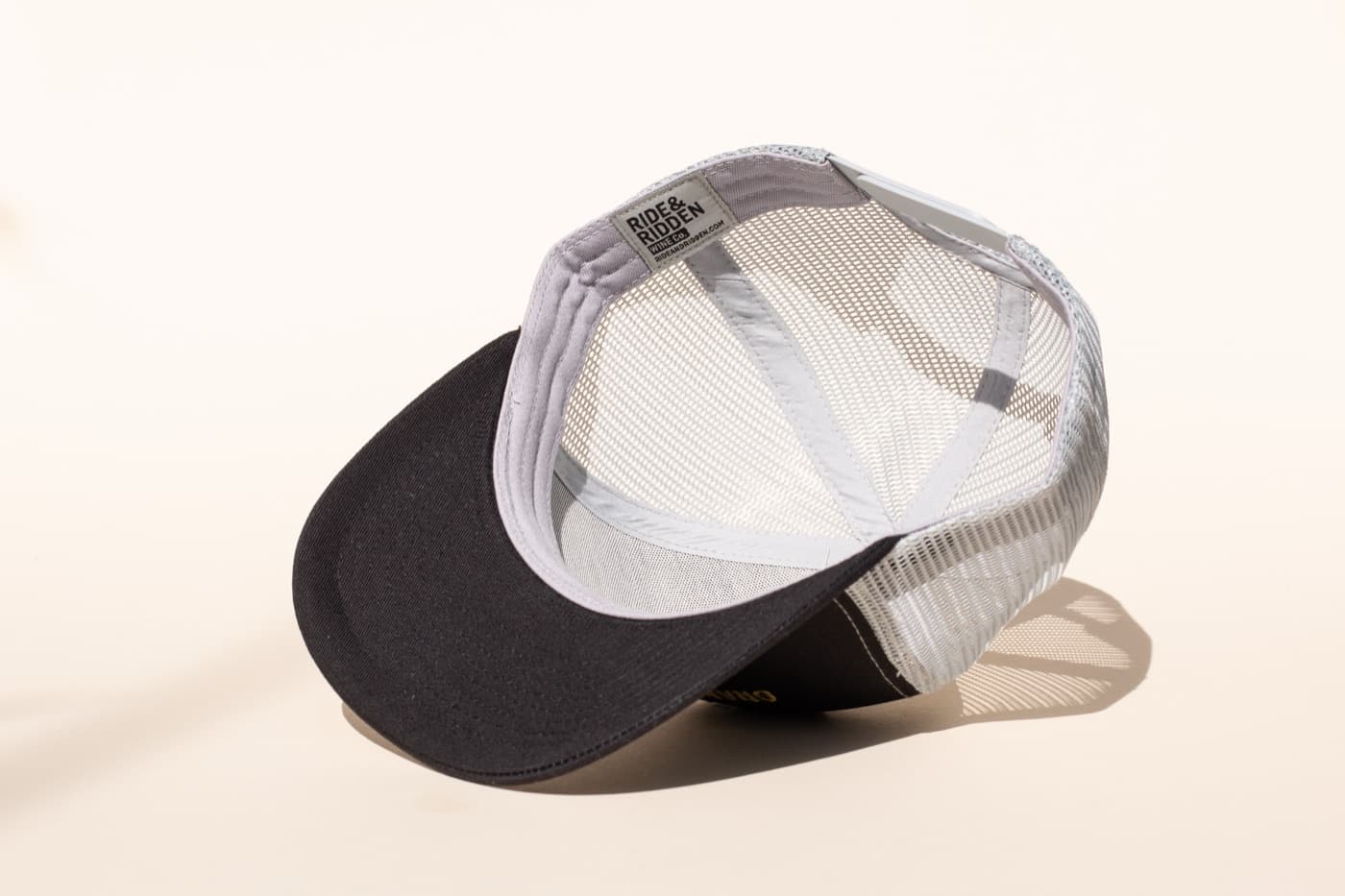
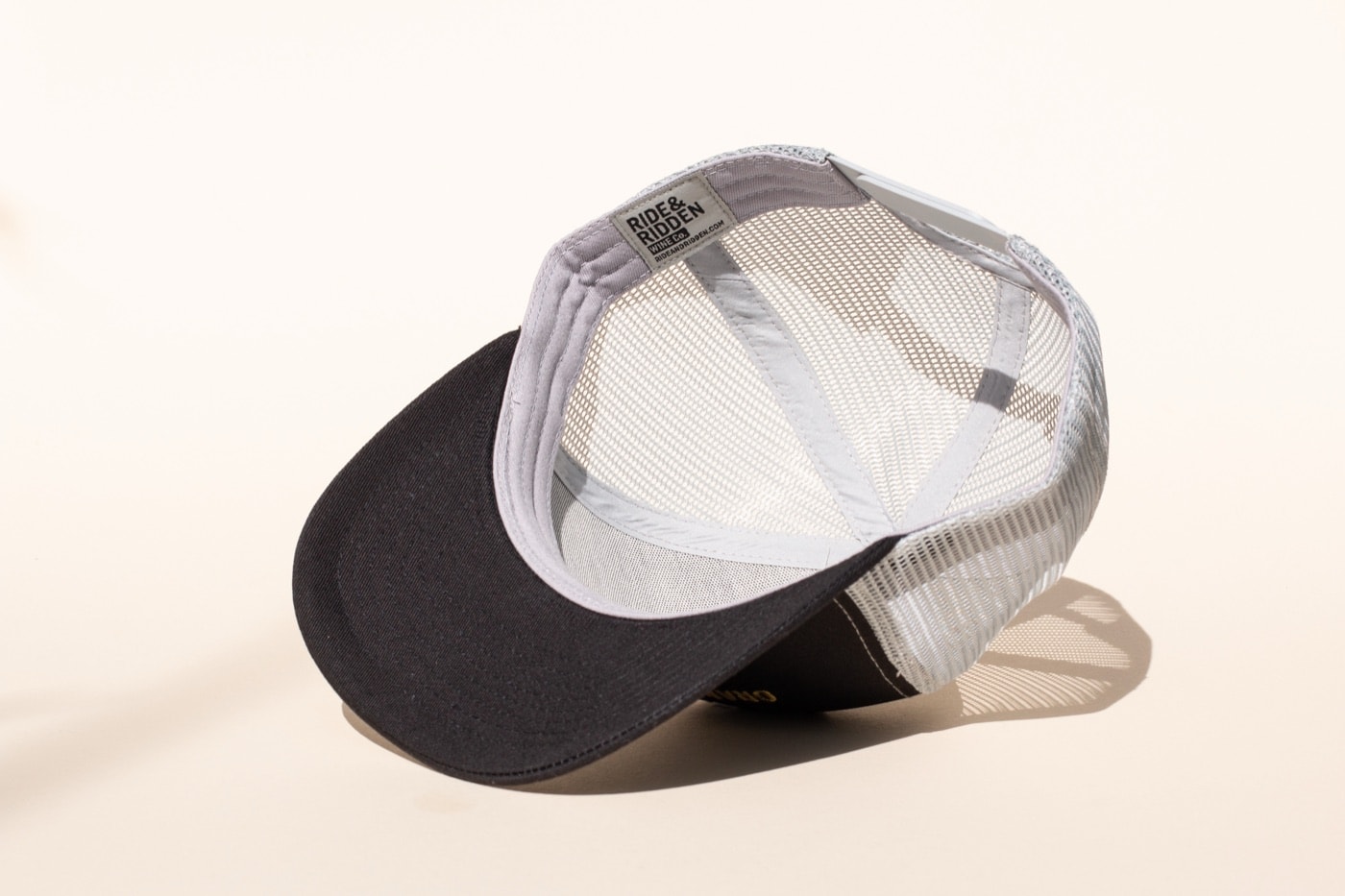
Back hits, side panels, and underbrim printing are all options worth considering. A small hit on the back — a year, a neighborhood, a tagline — can turn a simple hat into something that feels complete. Underbrim color or print is a detail that regulars notice even if newcomers do not.
Quantity and reorder planning
Most restaurant hat programs start at 100 pieces. That is enough to outfit a full staff, set aside inventory for the bar or host stand, and see how the merch moves. The key is planning a reorder timeline before the first run sells out. A hat that is consistently out of stock trains regulars to stop asking. Keep at least a few months of stock on hand and track what sizes move fastest.
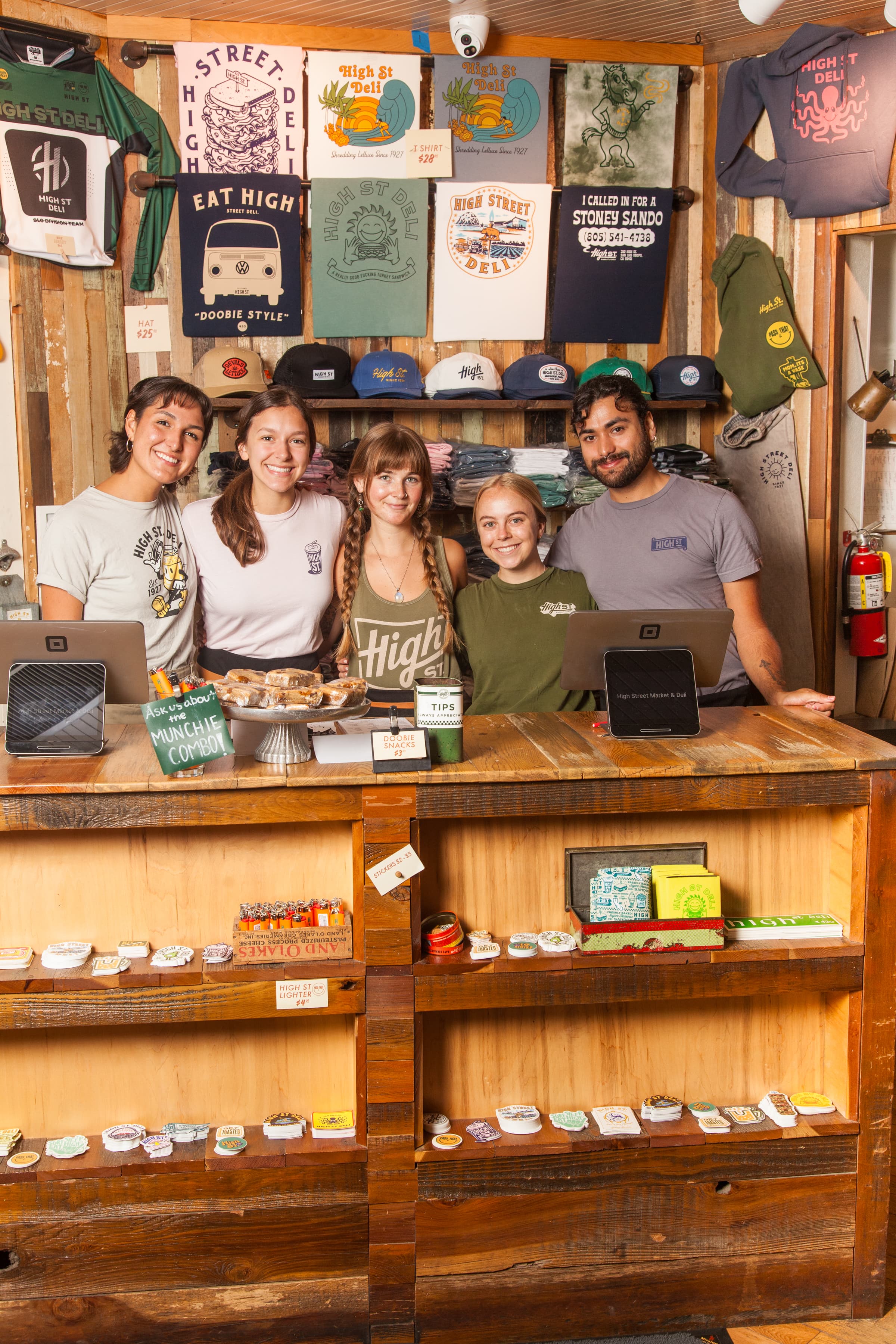
If the hat is good, it will sell. Bars with strong local followings have moved hundreds of hats through the counter alone, with no online store, no ads, and no real effort beyond stacking them near the register. The product does the work when the design is right and the quality justifies the price.
Pricing and margin
A quality branded hat can retail for $30–$45 and still carry a healthy margin at 100 pieces. The key is not chasing the cheapest blank. A hat that sells for $35 with great embroidery on a strong blank is a better business move than a $28 hat on a flimsy blank that people wear once. Price for the product, not the markup. Regulars will pay for quality if the design earns it.