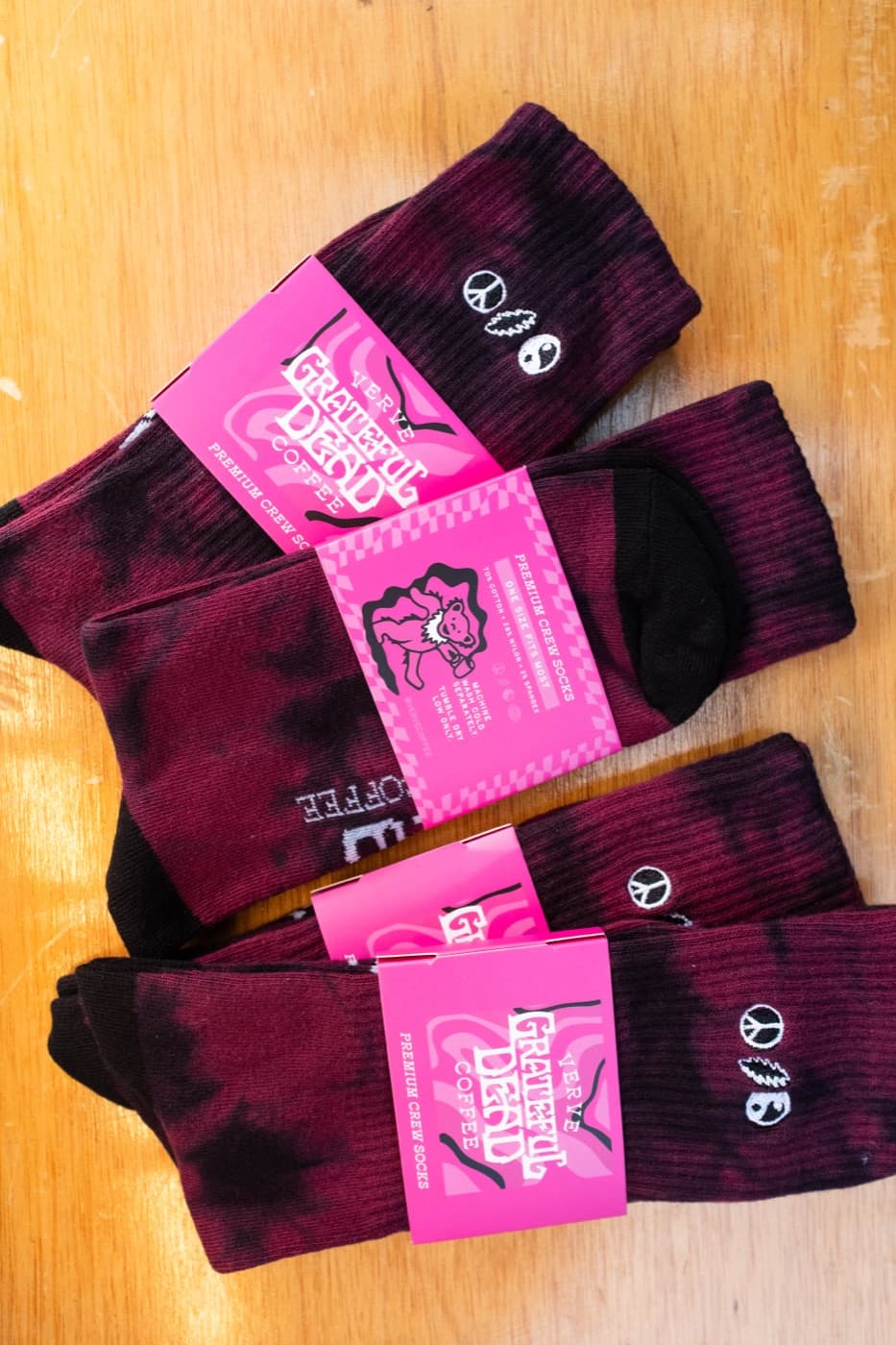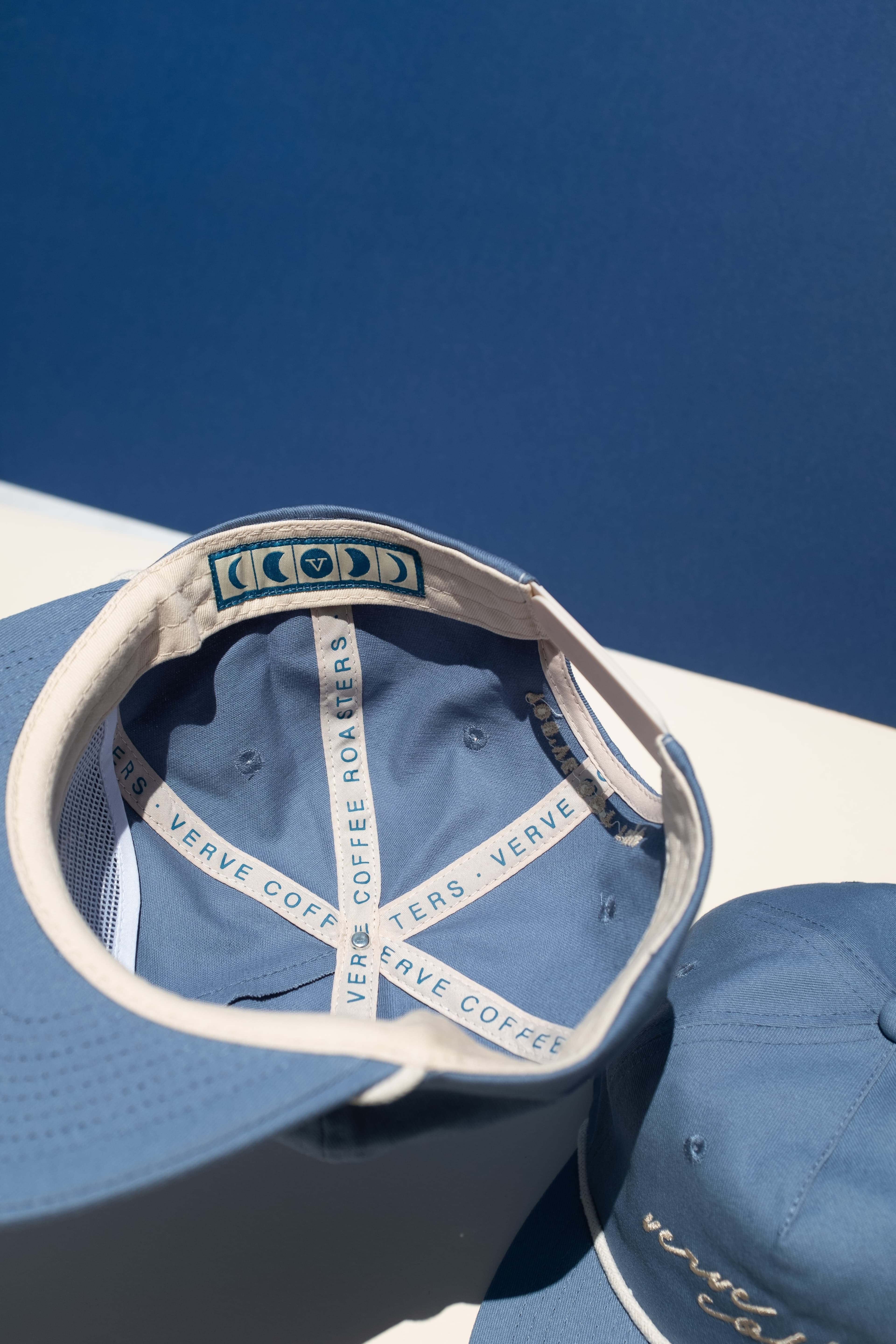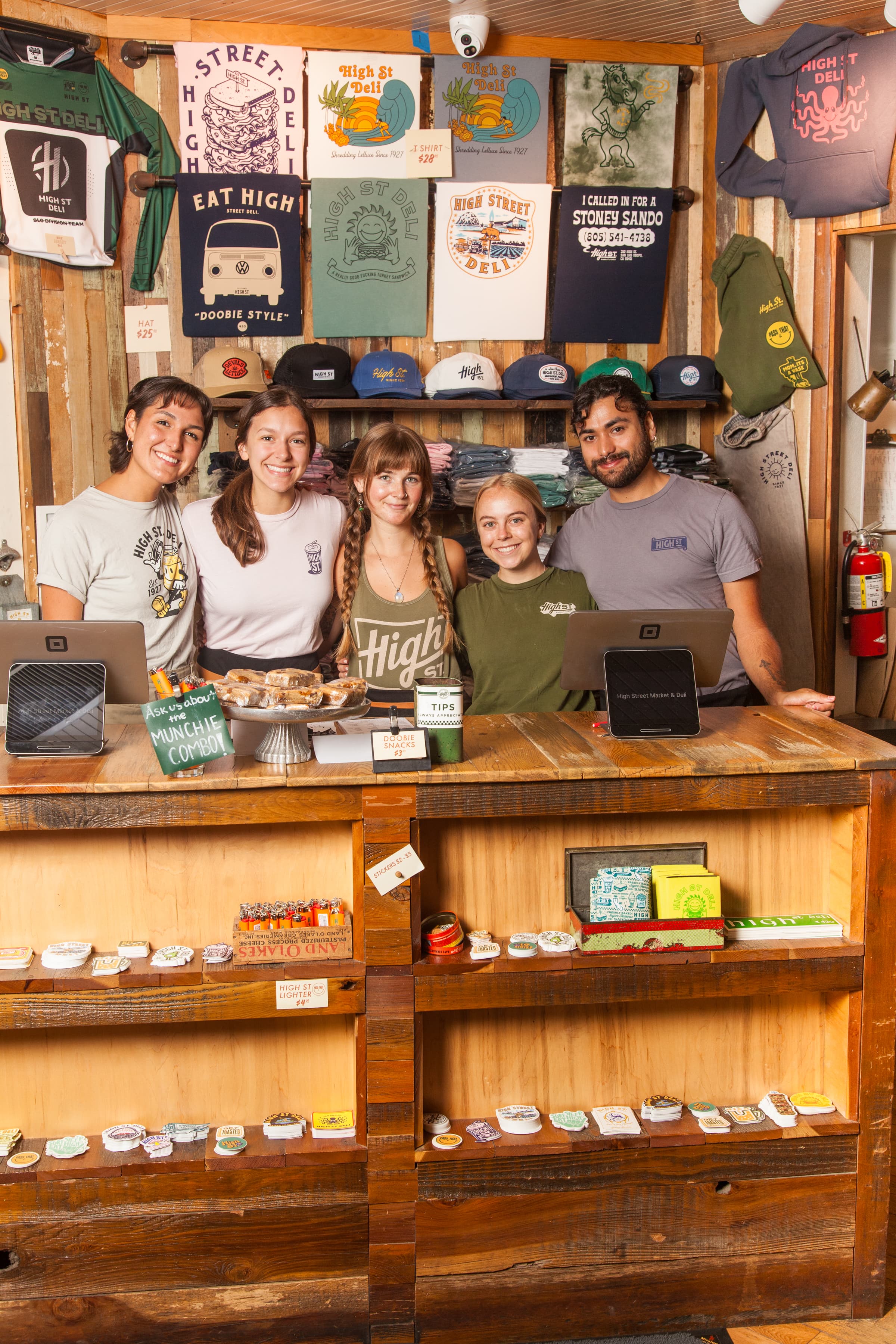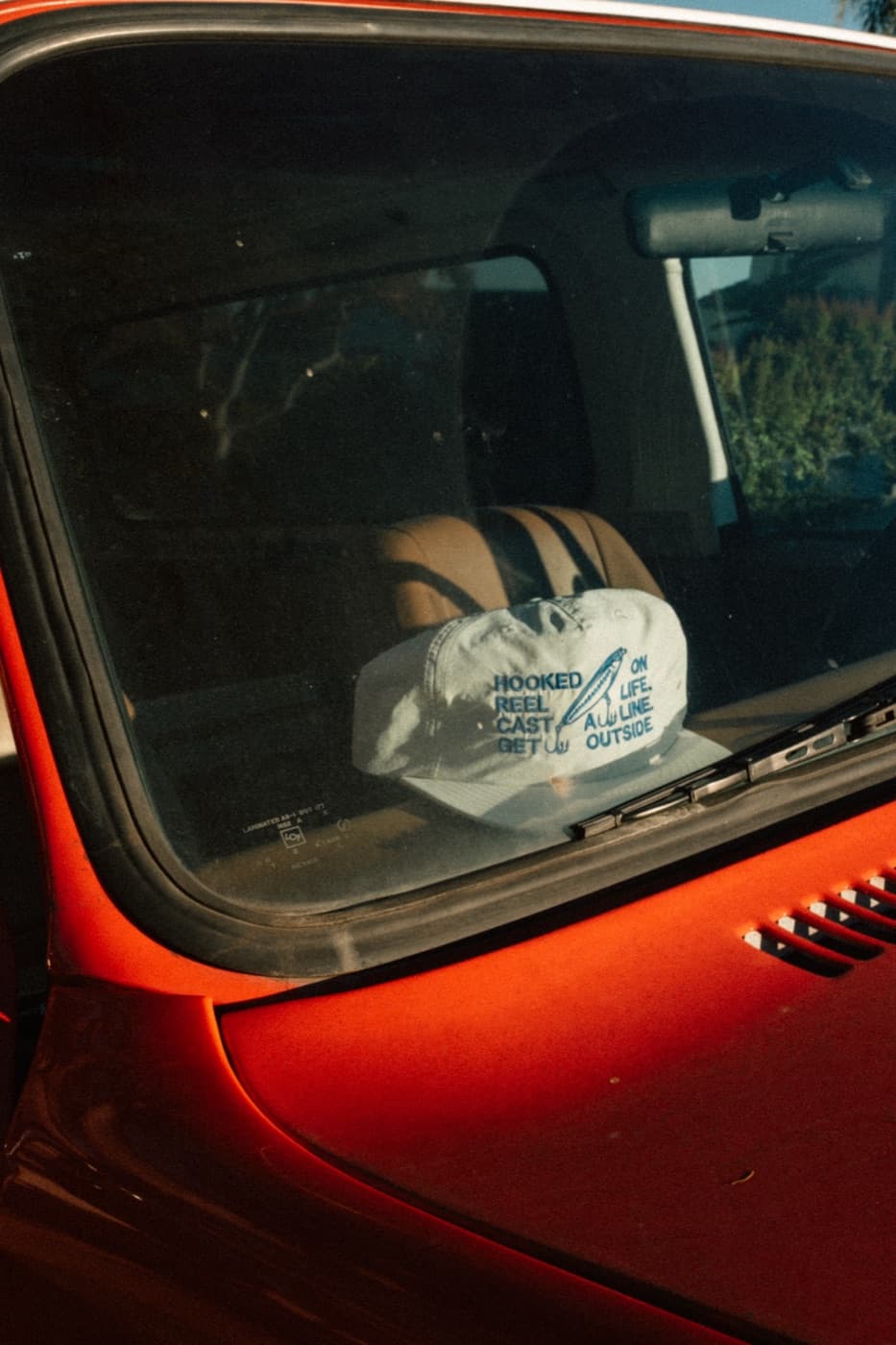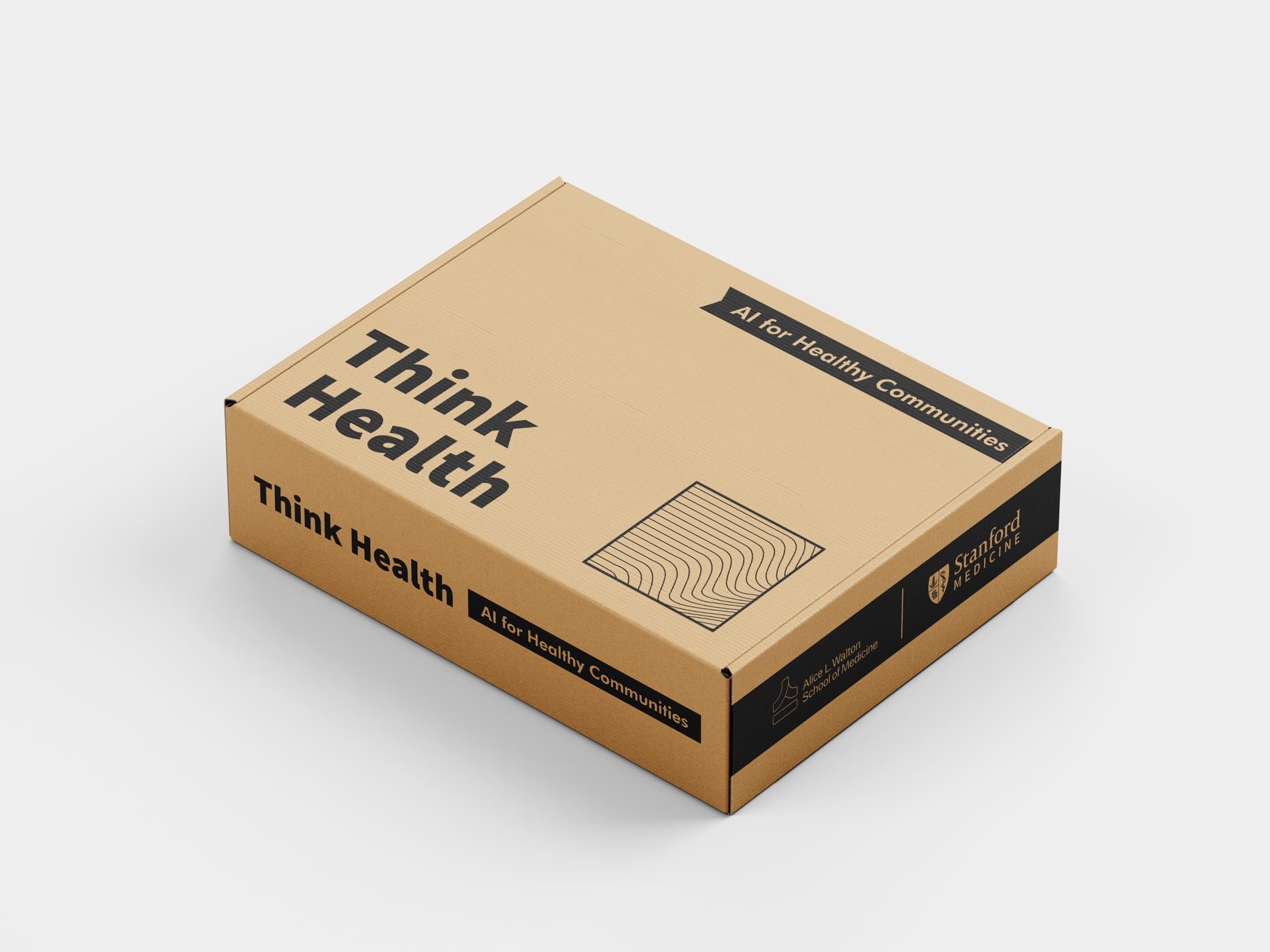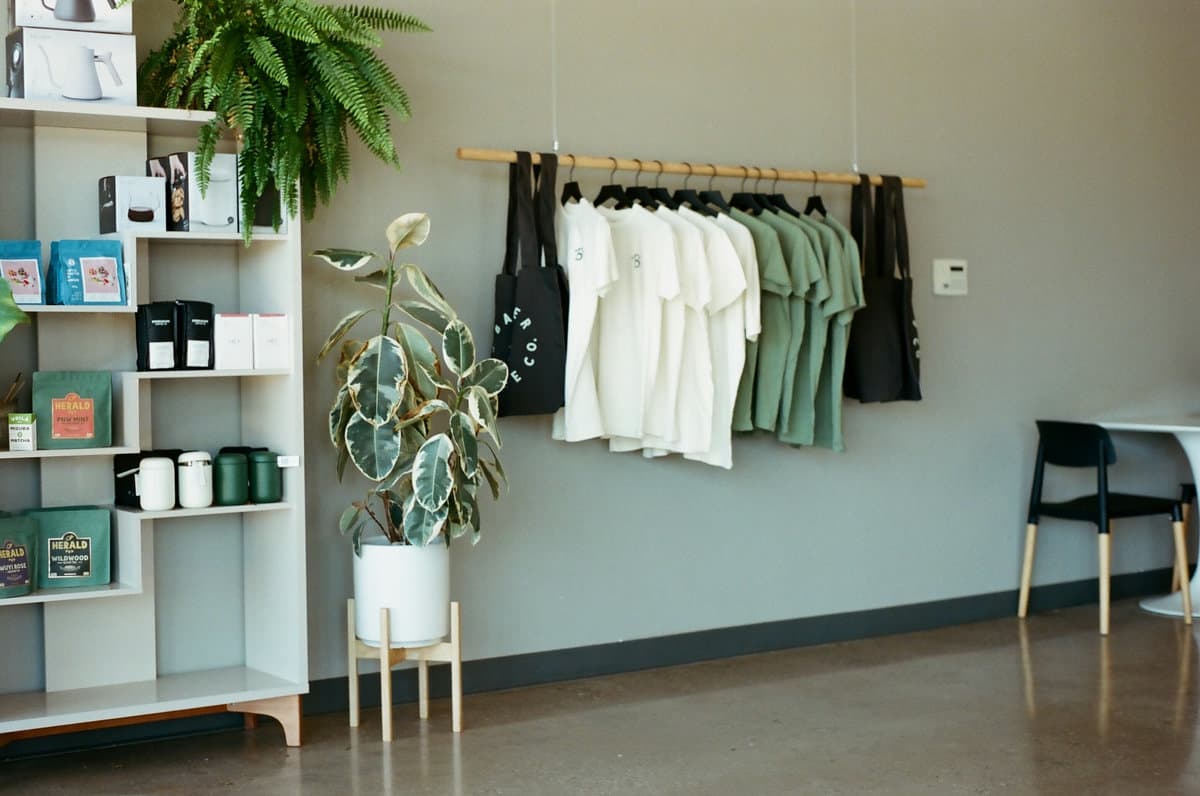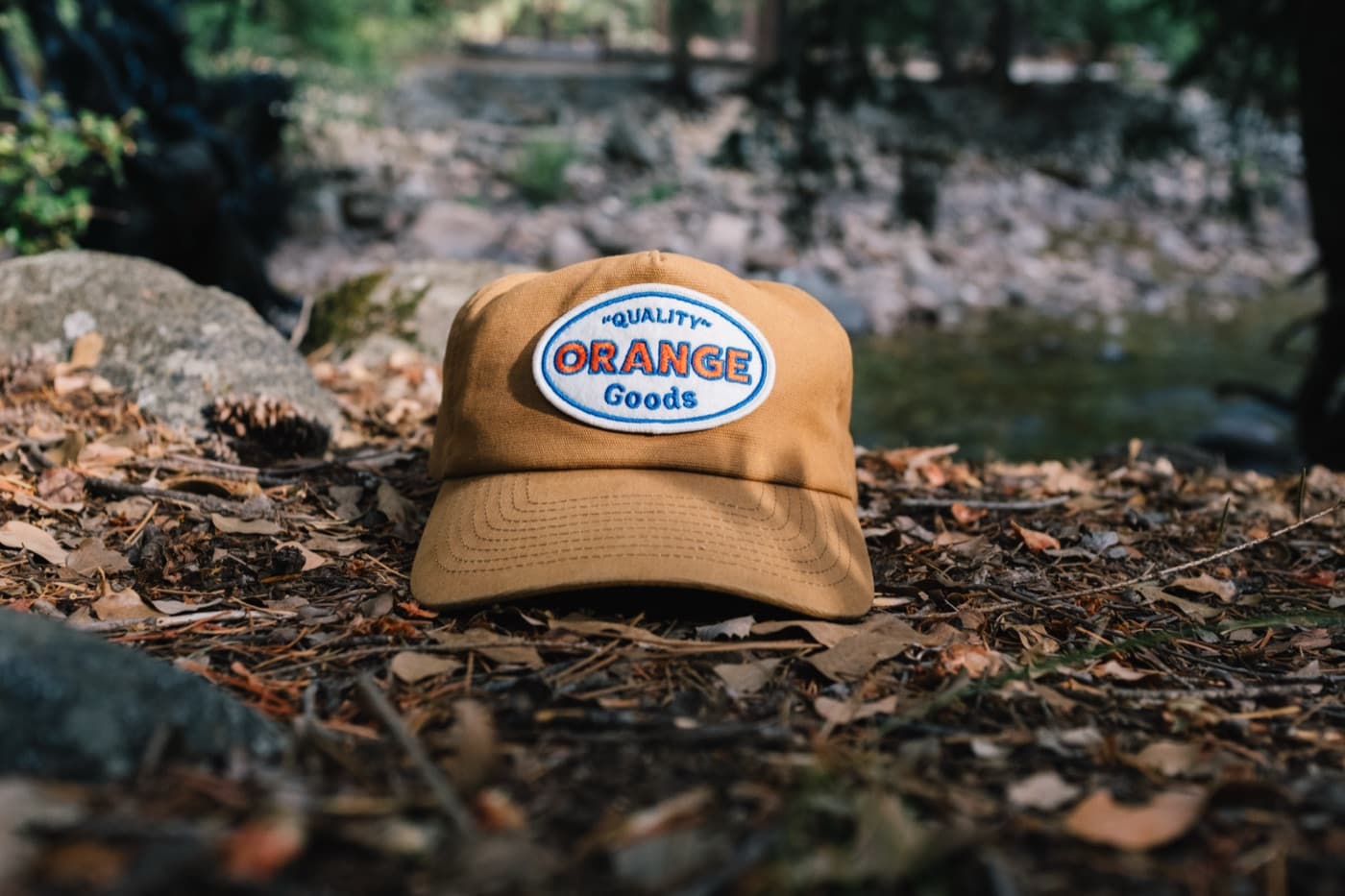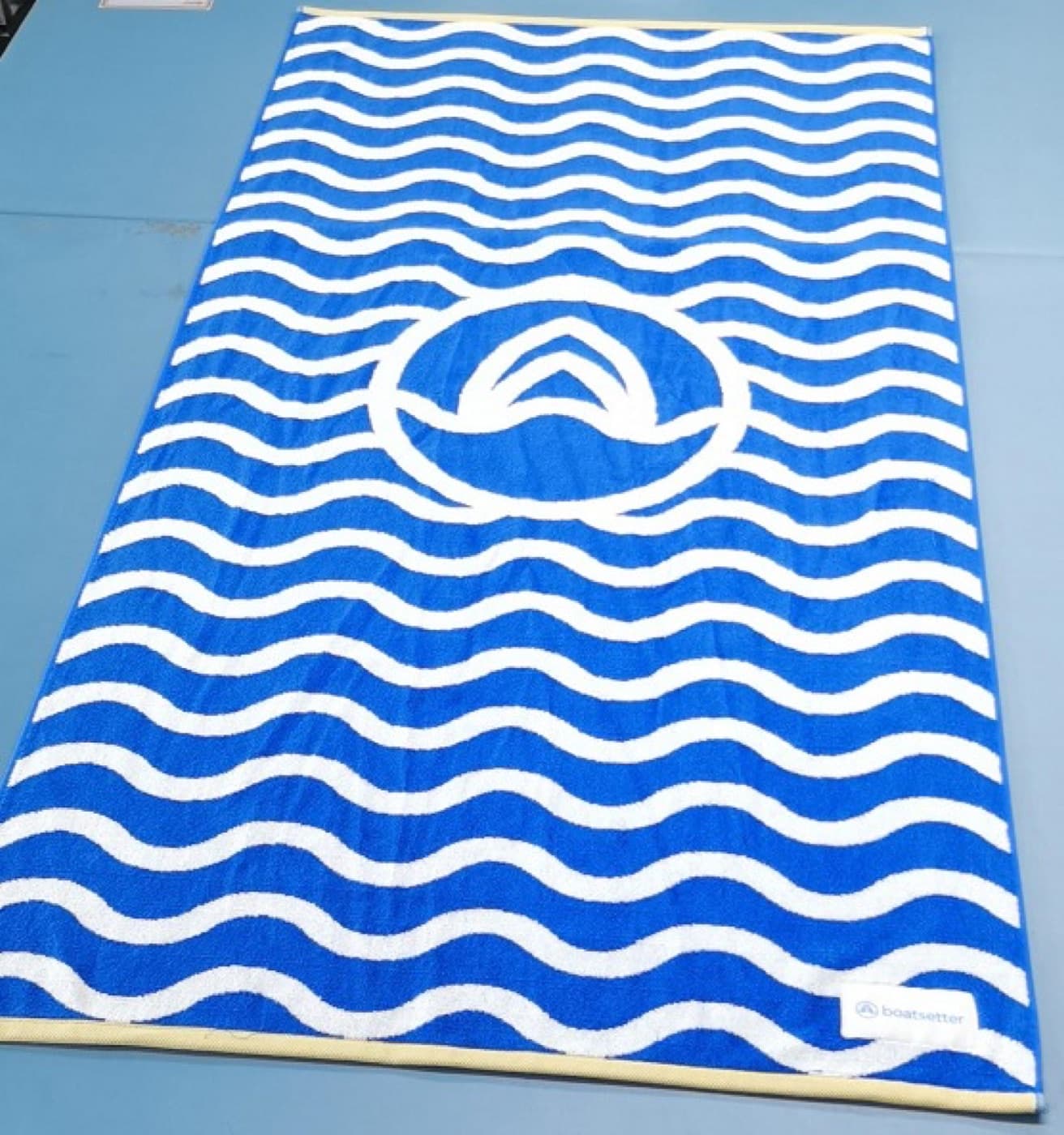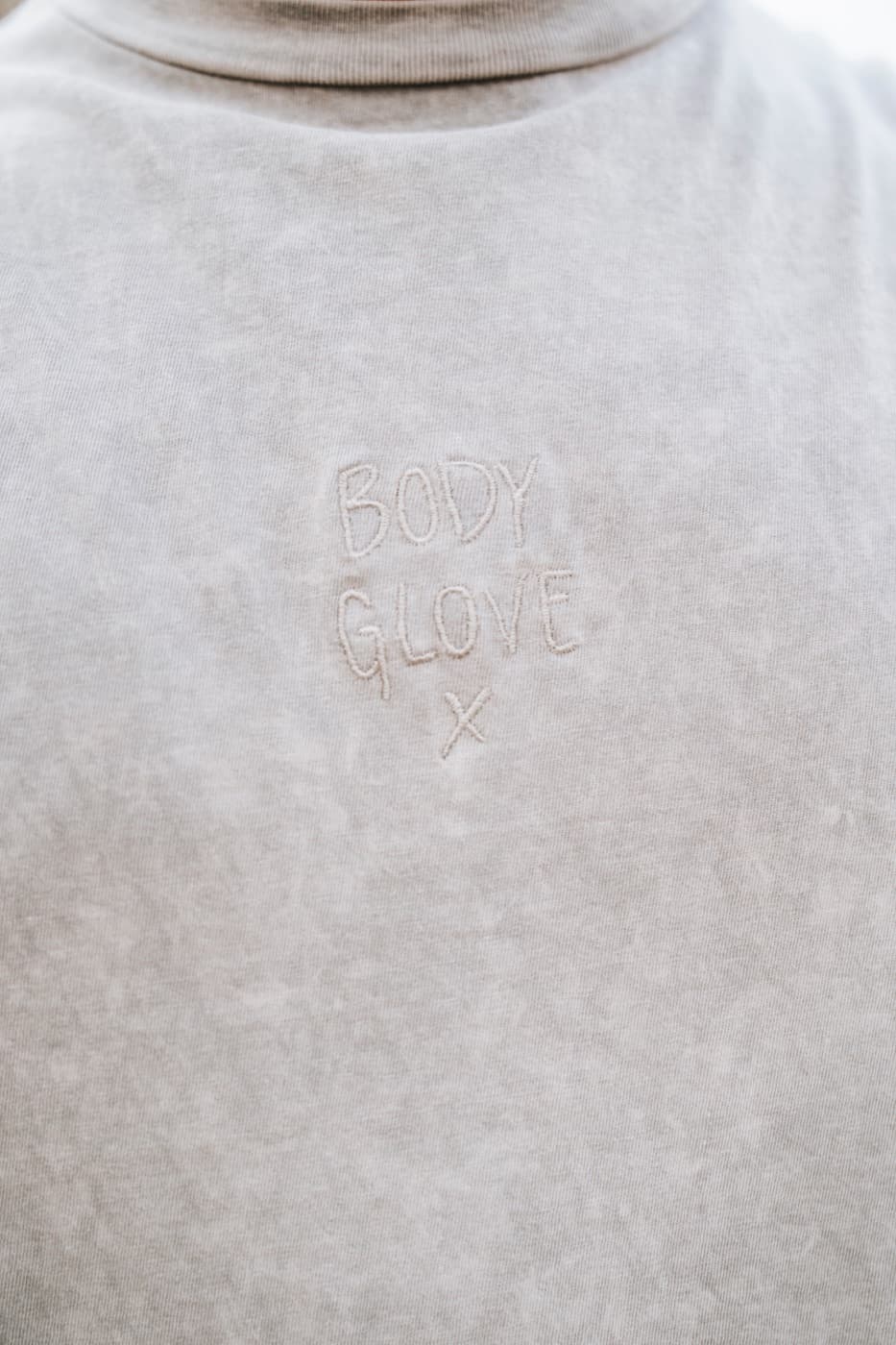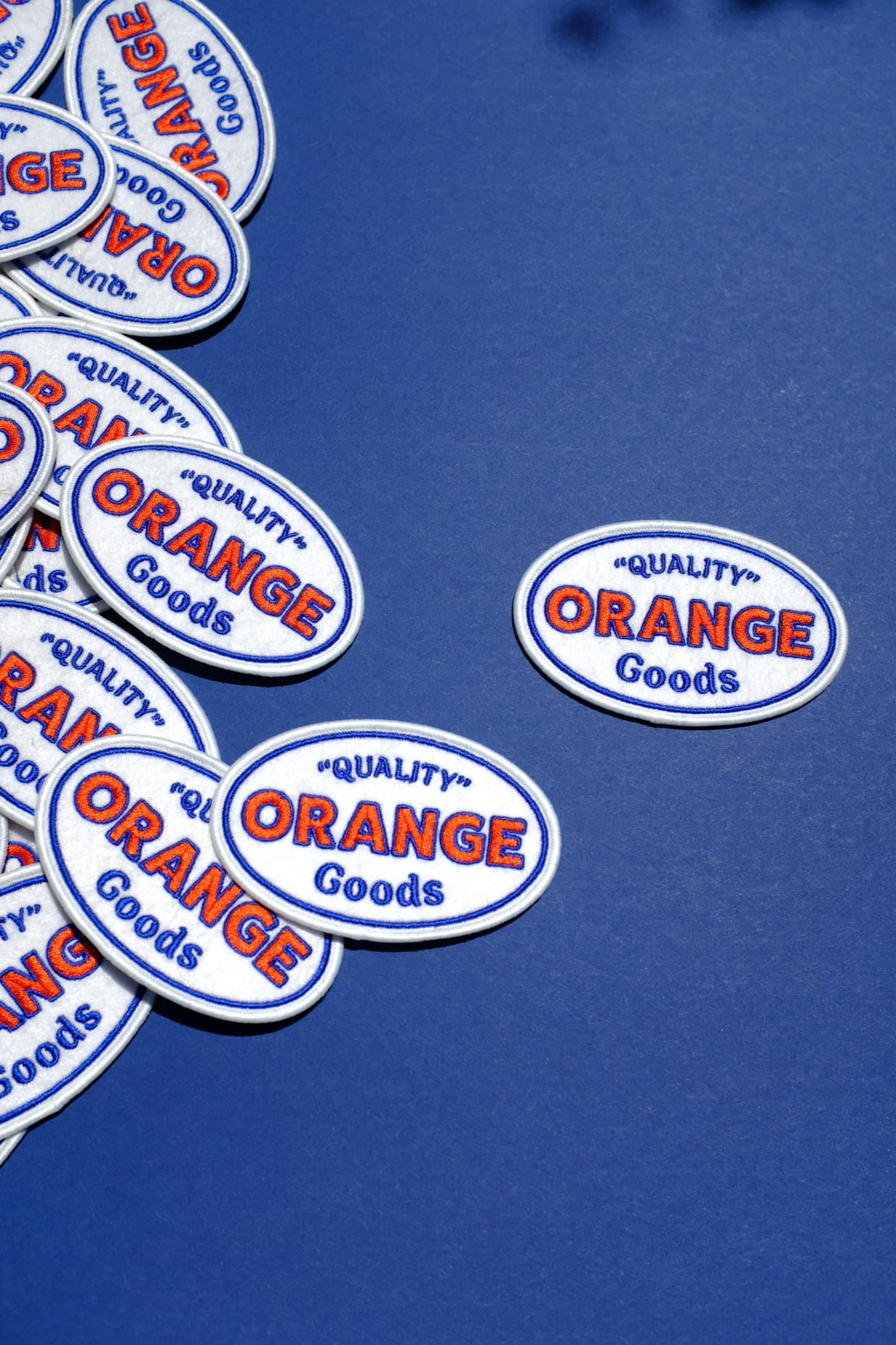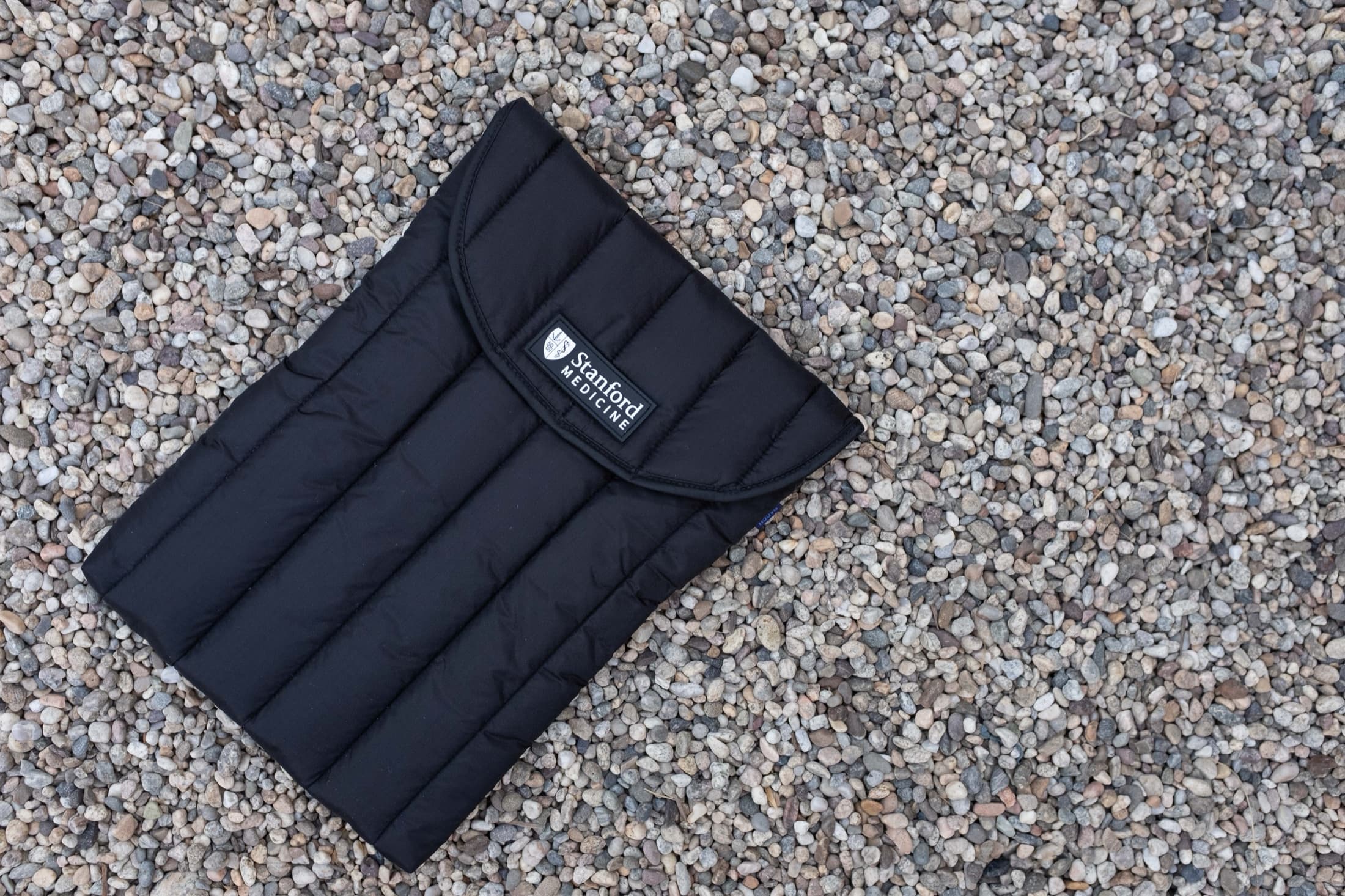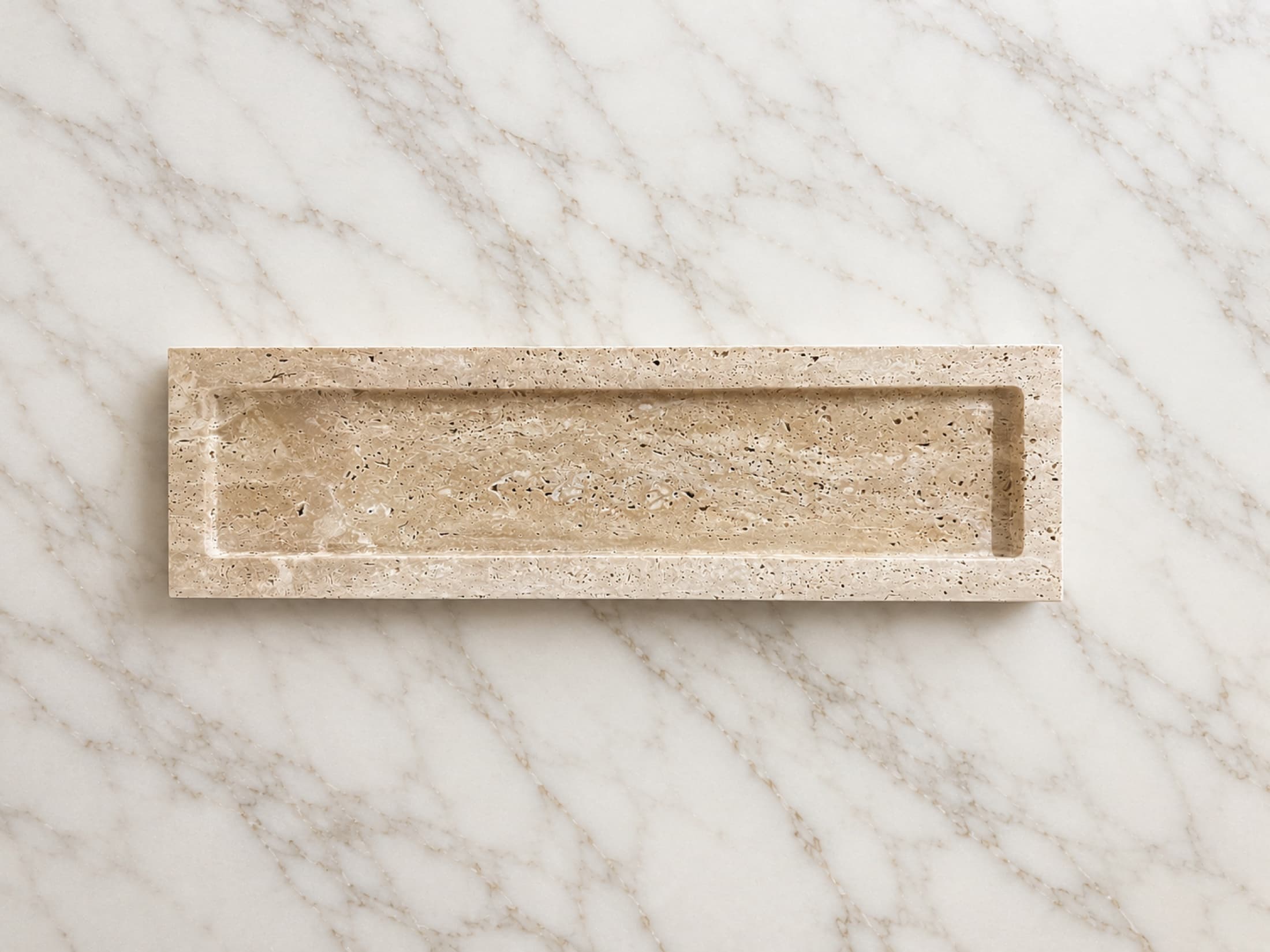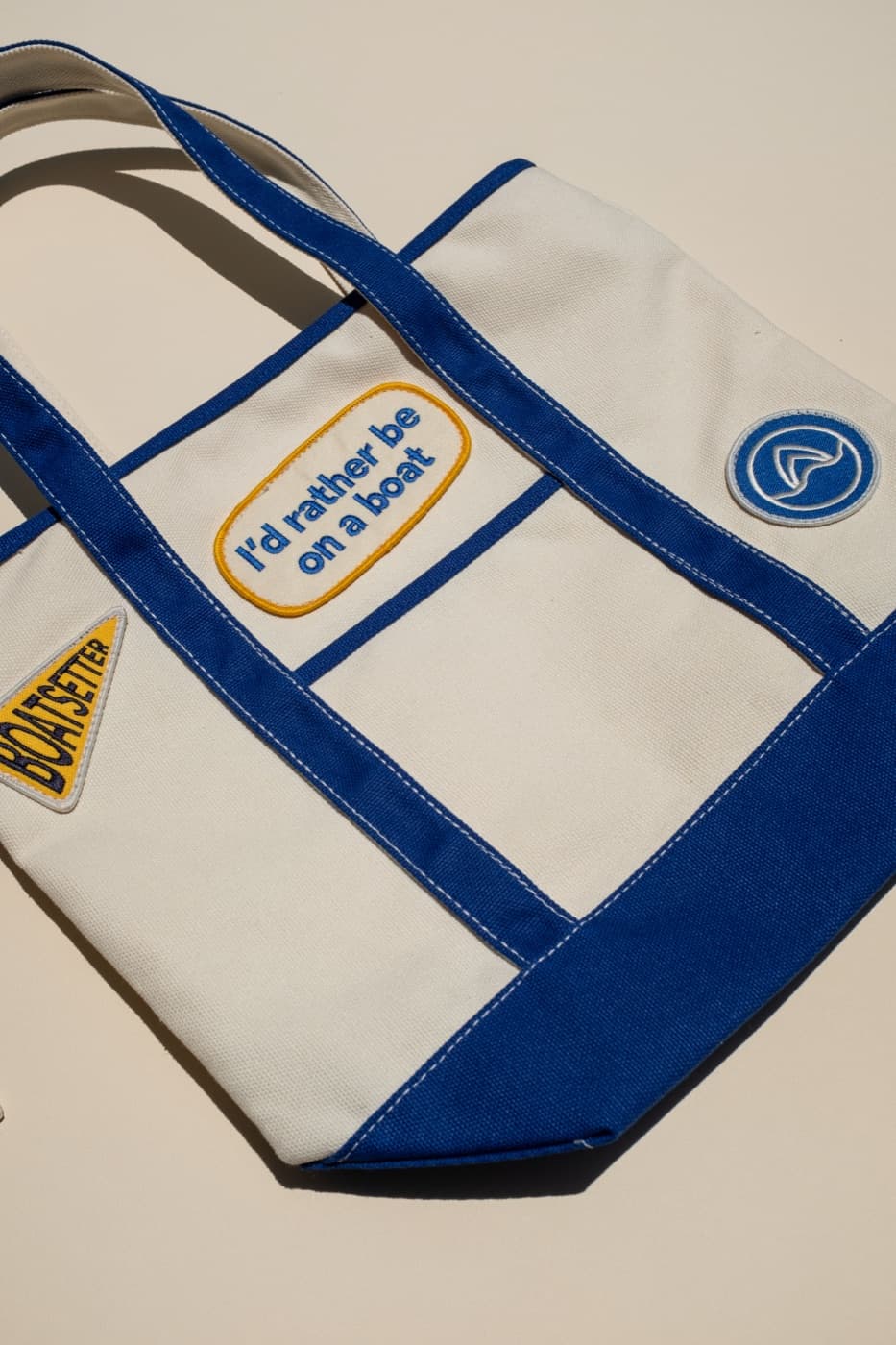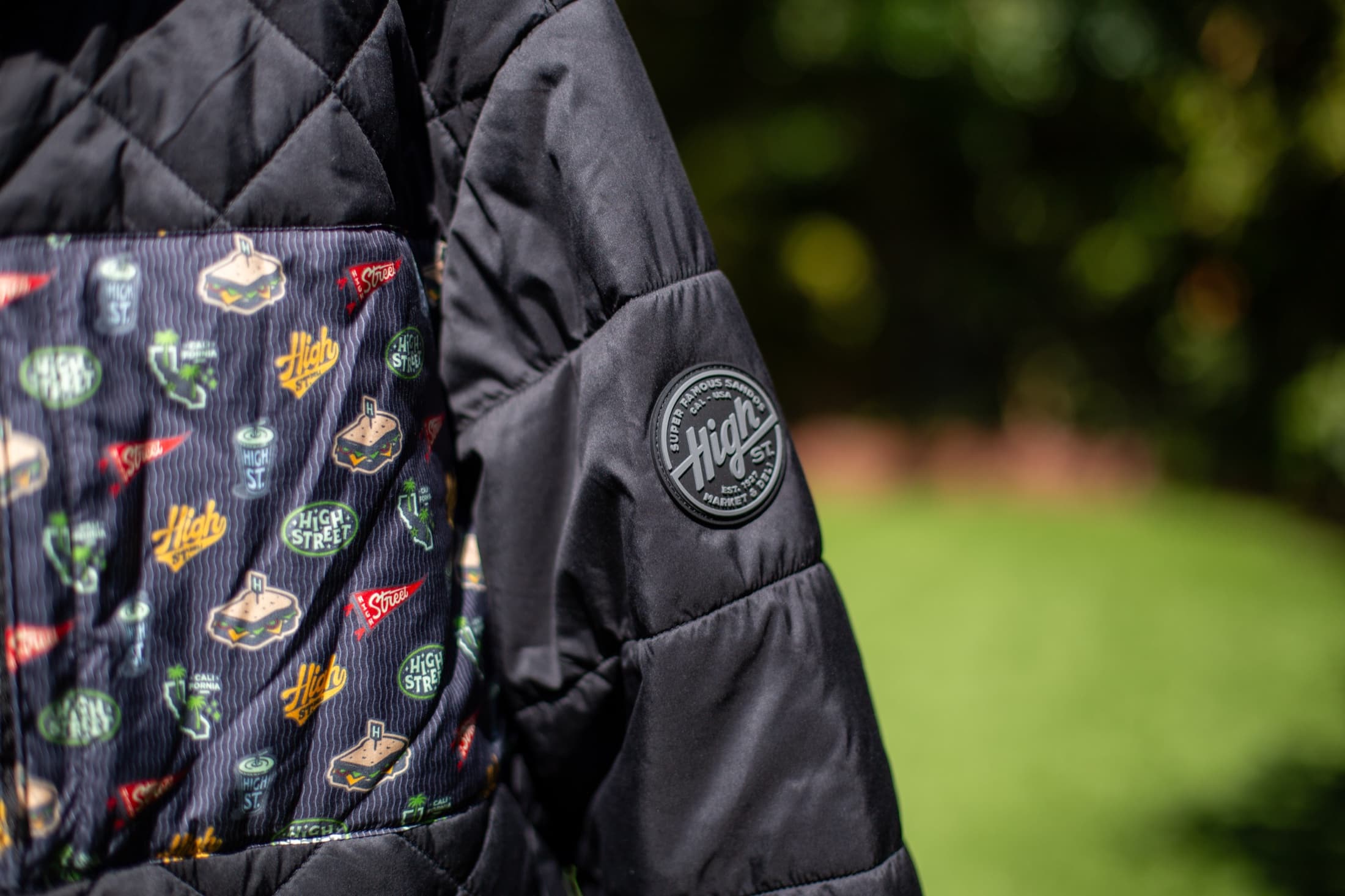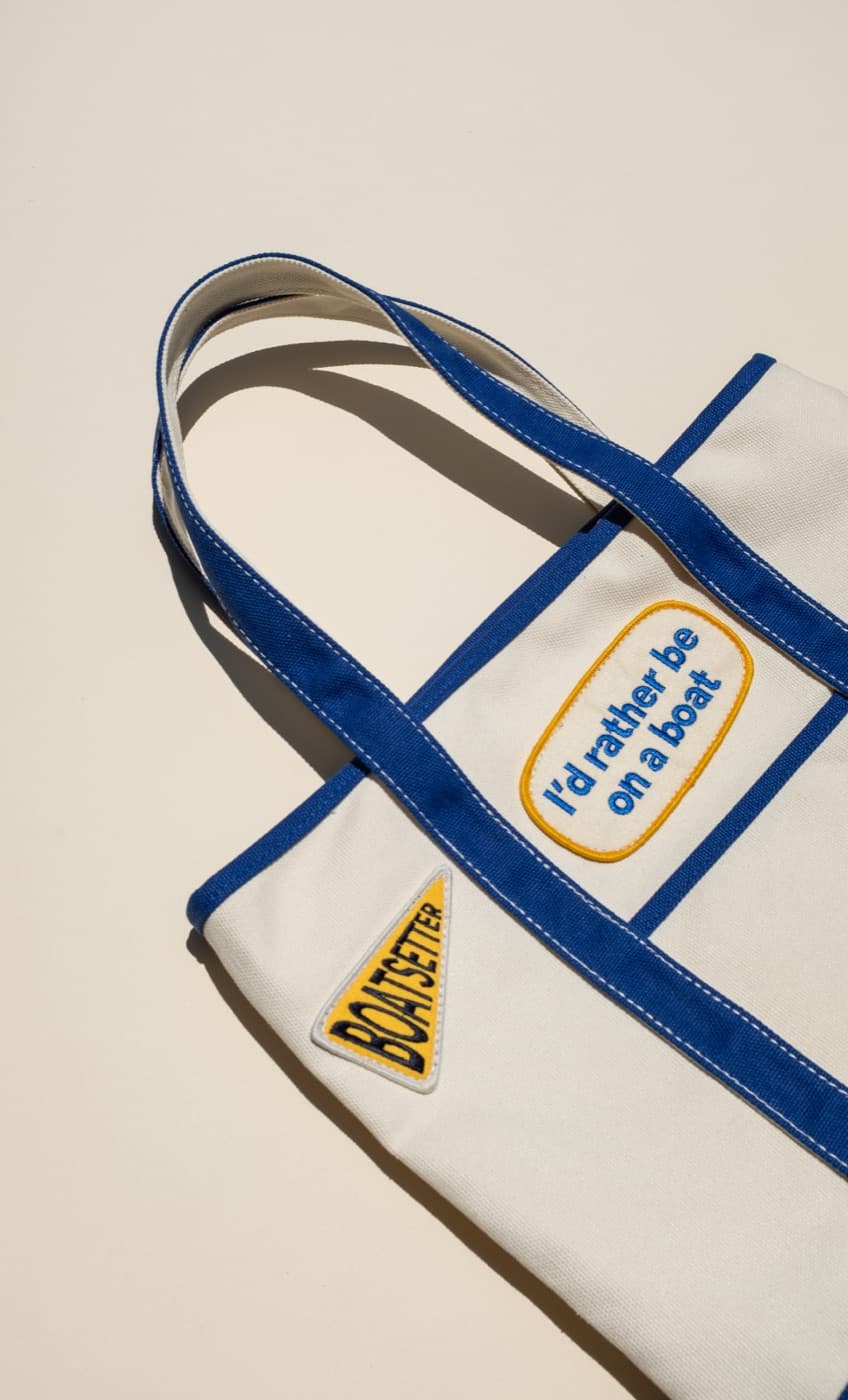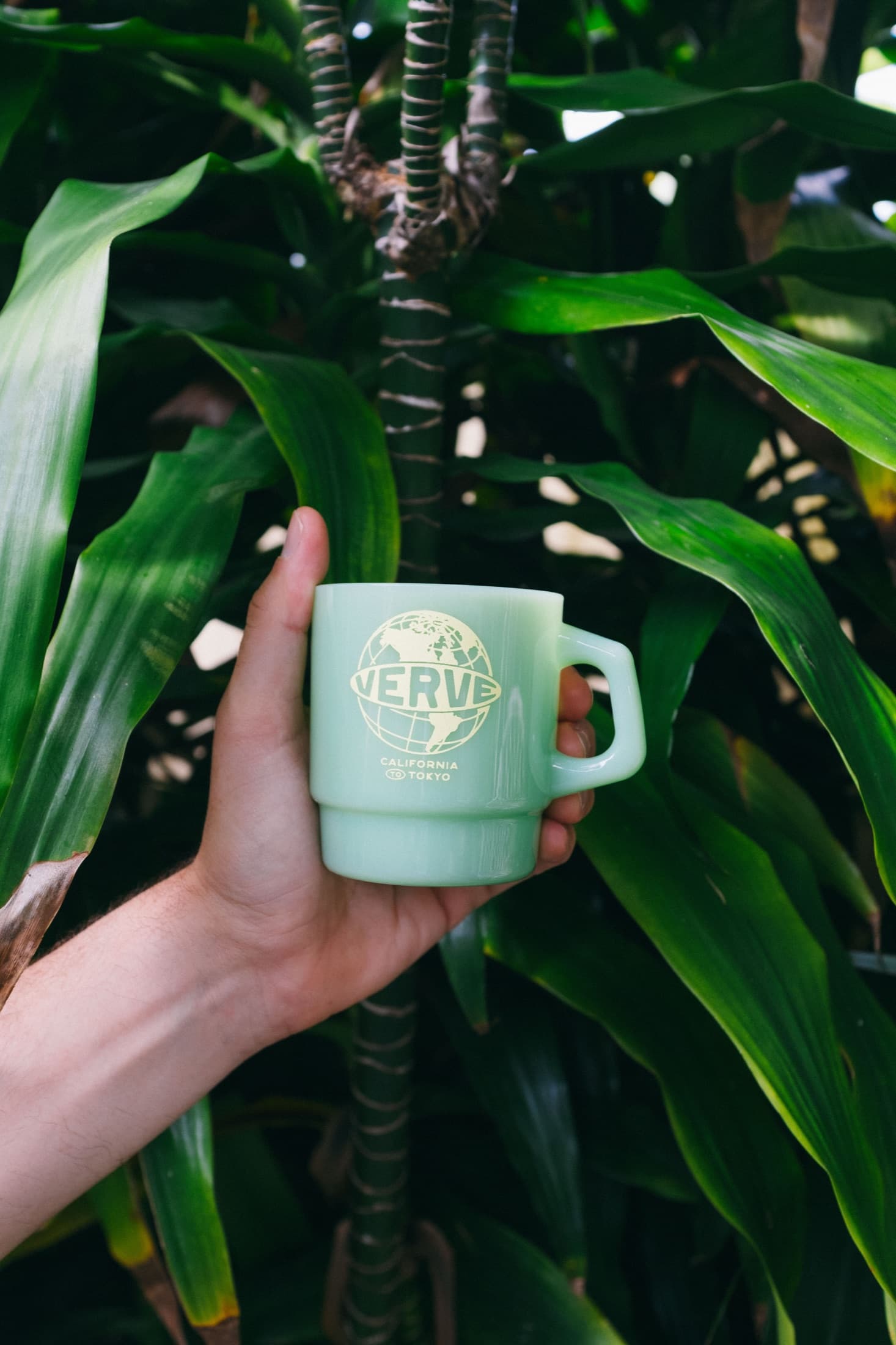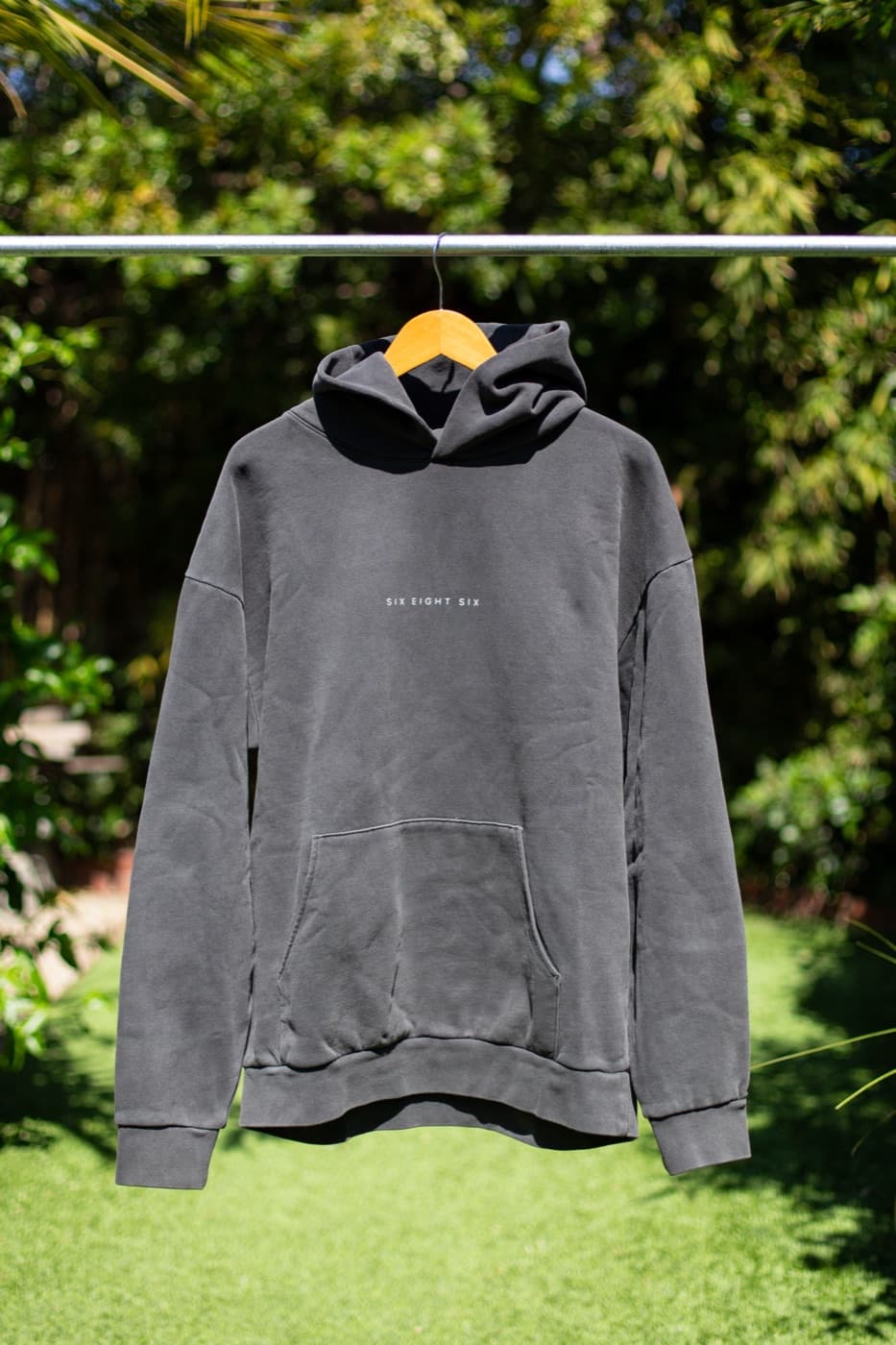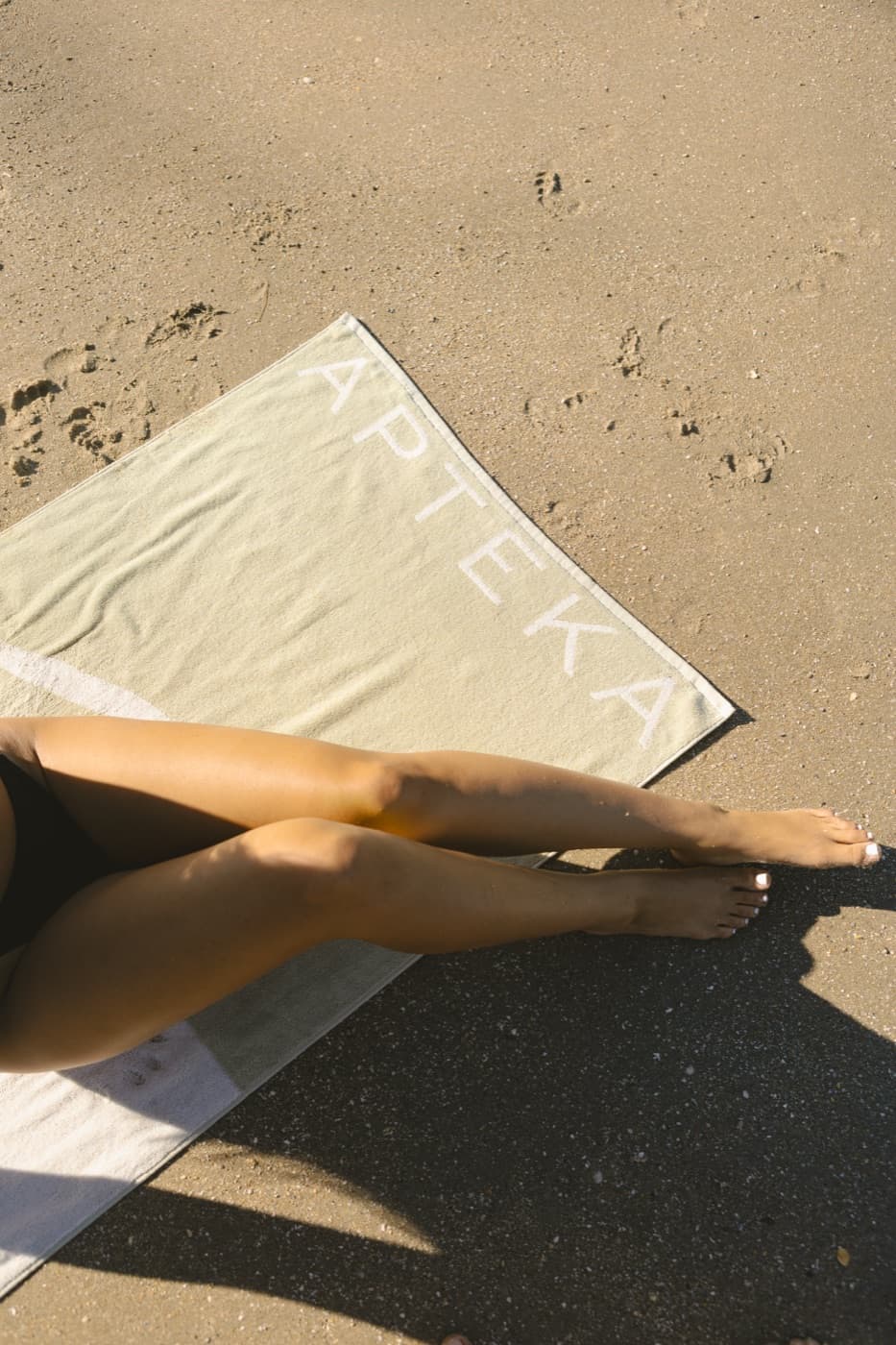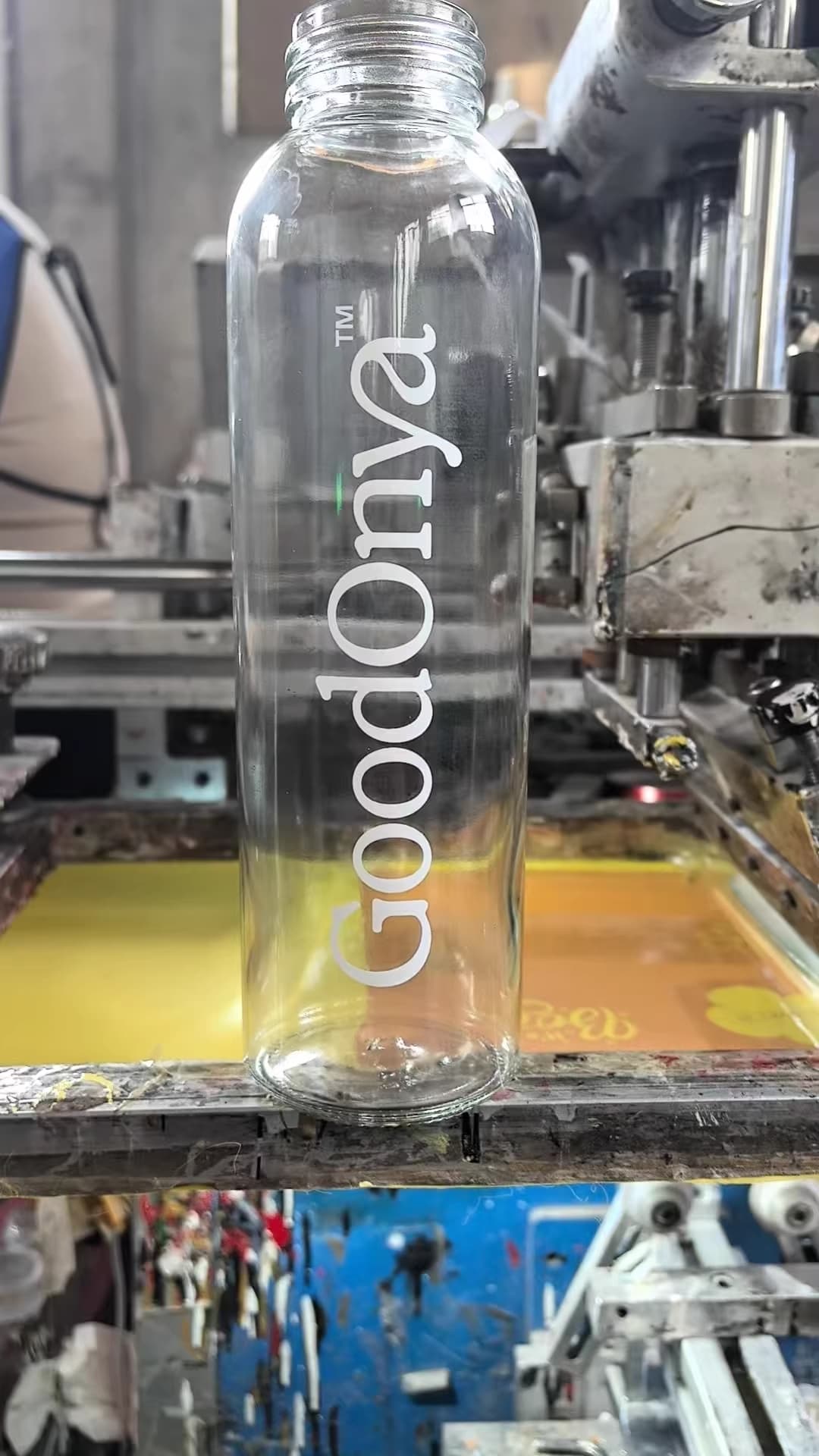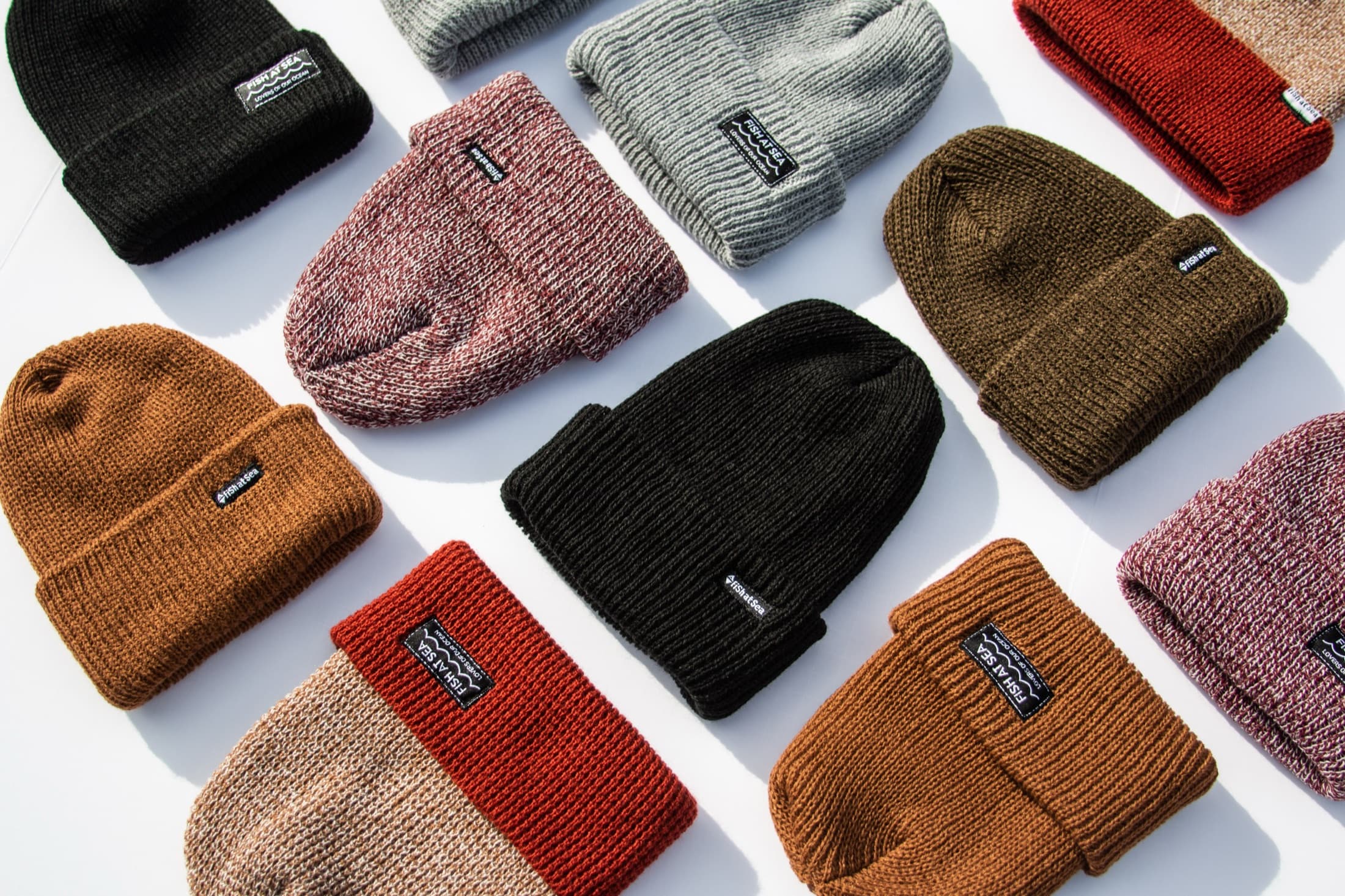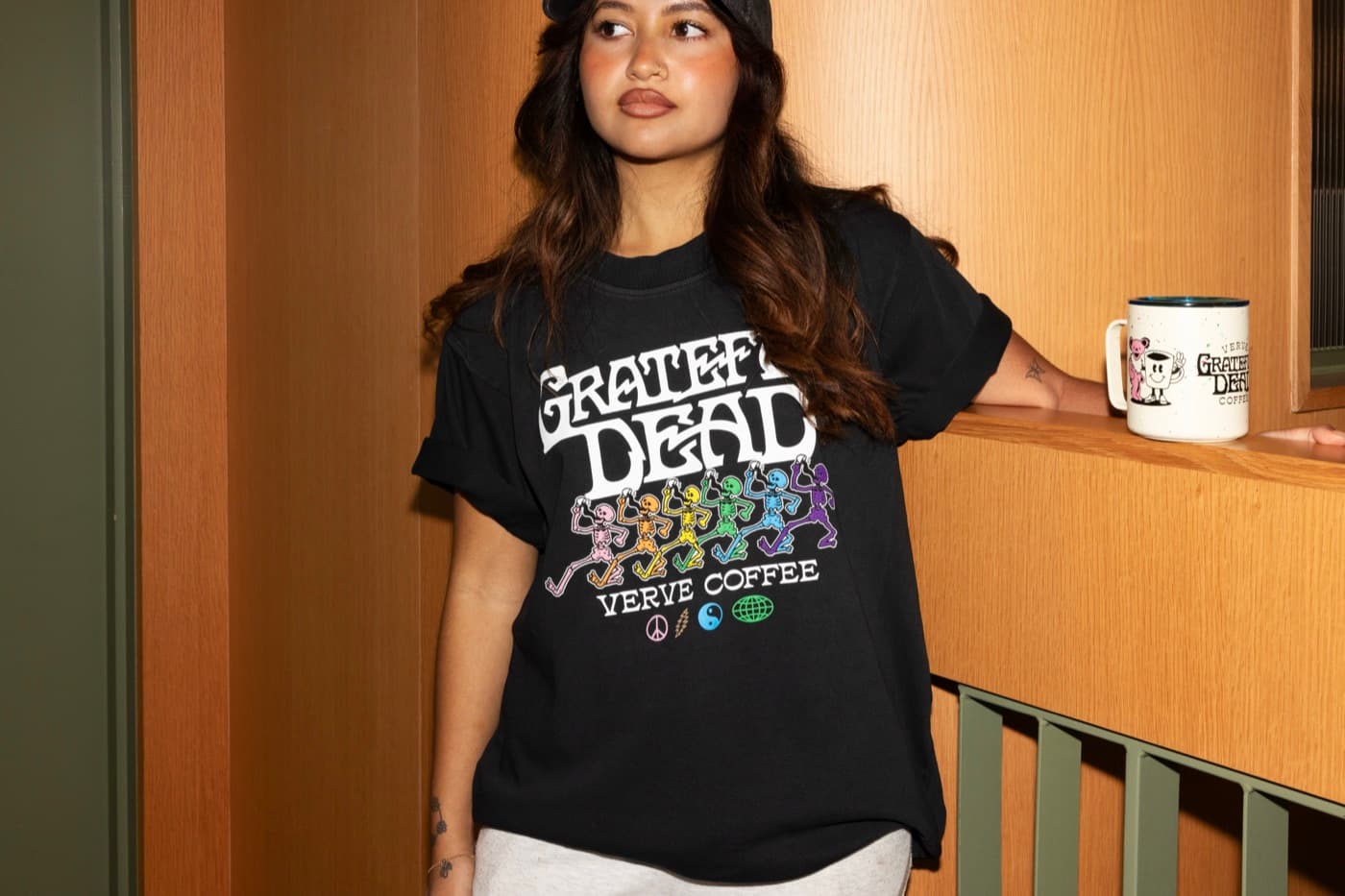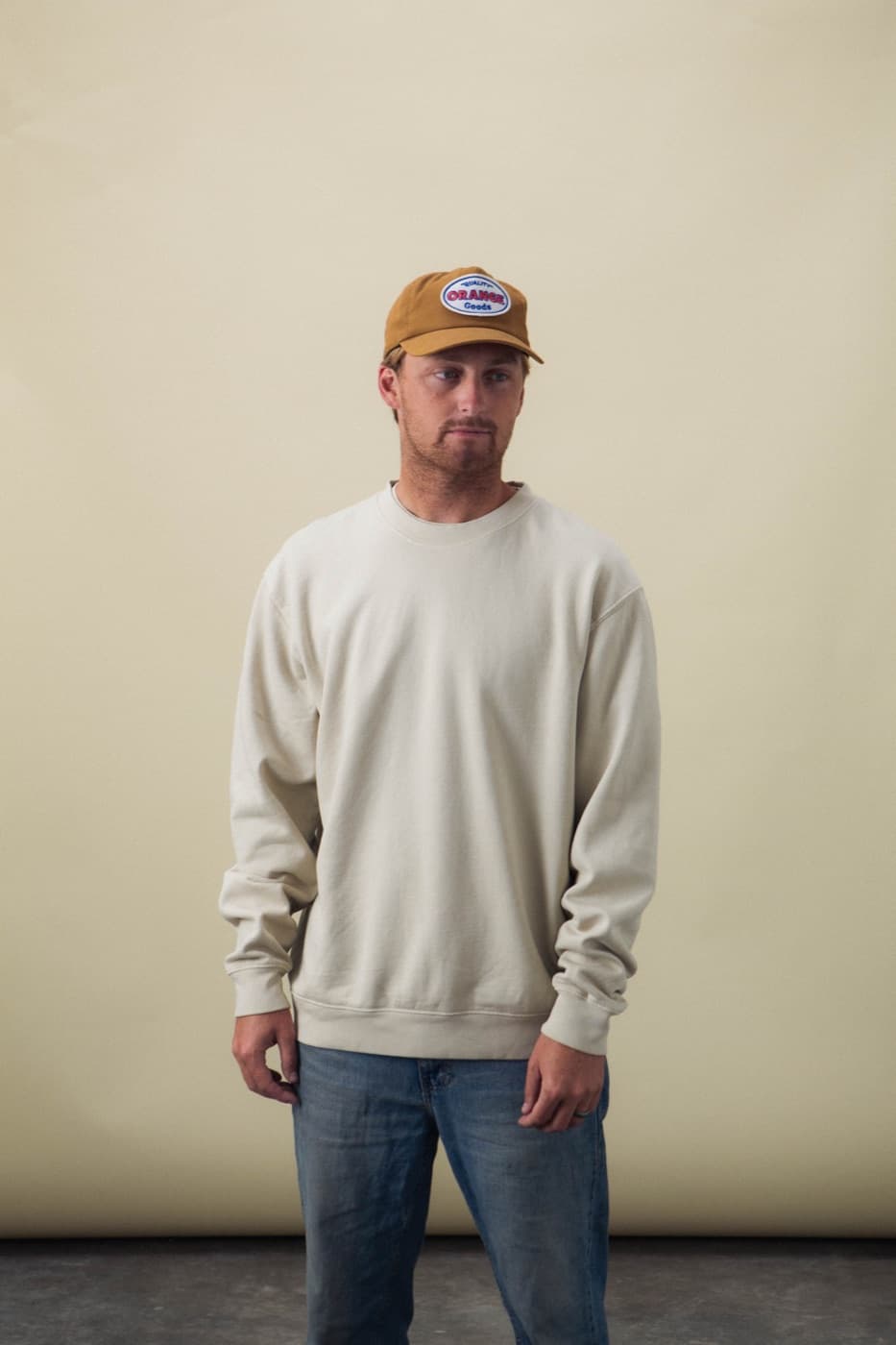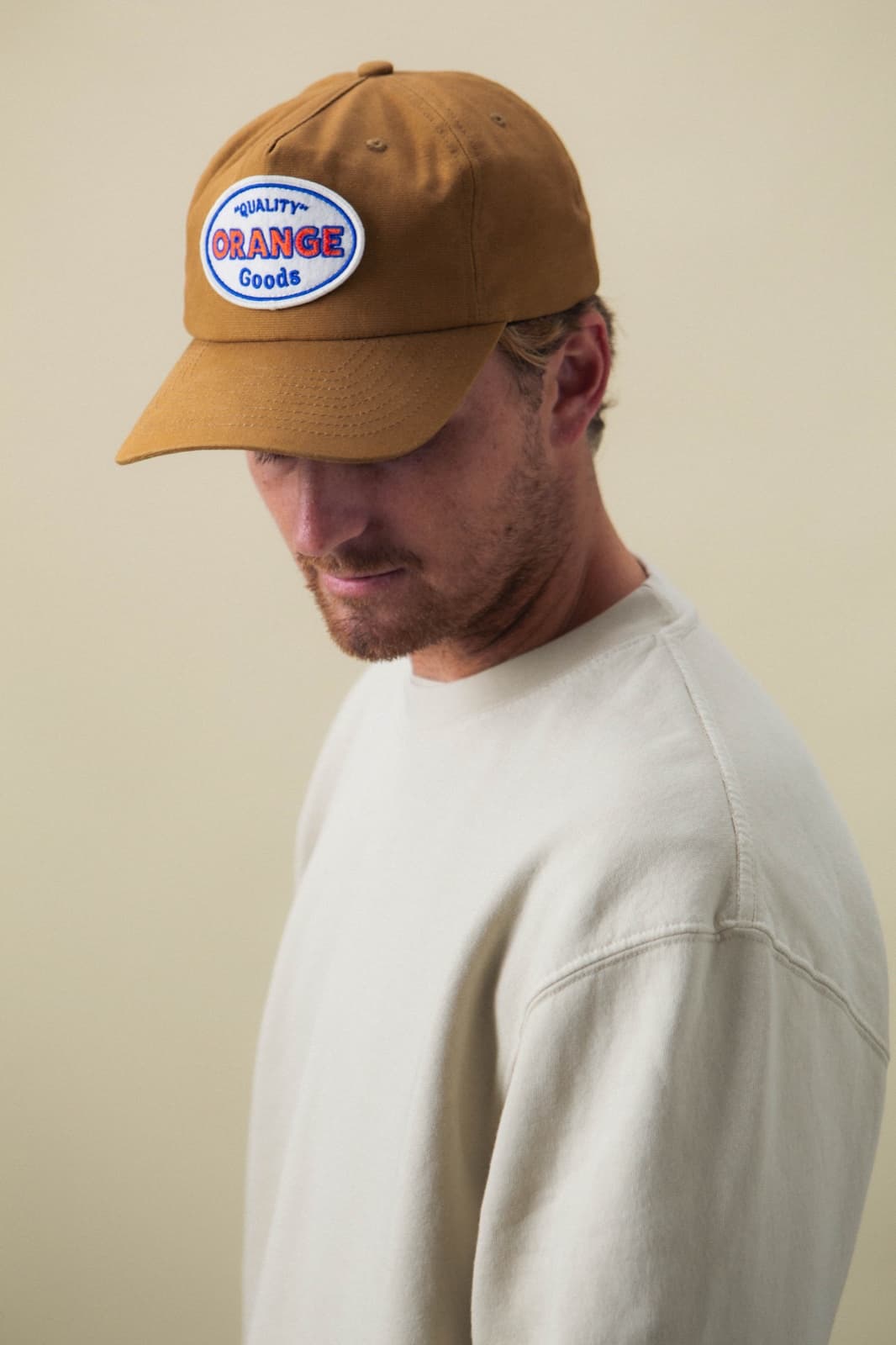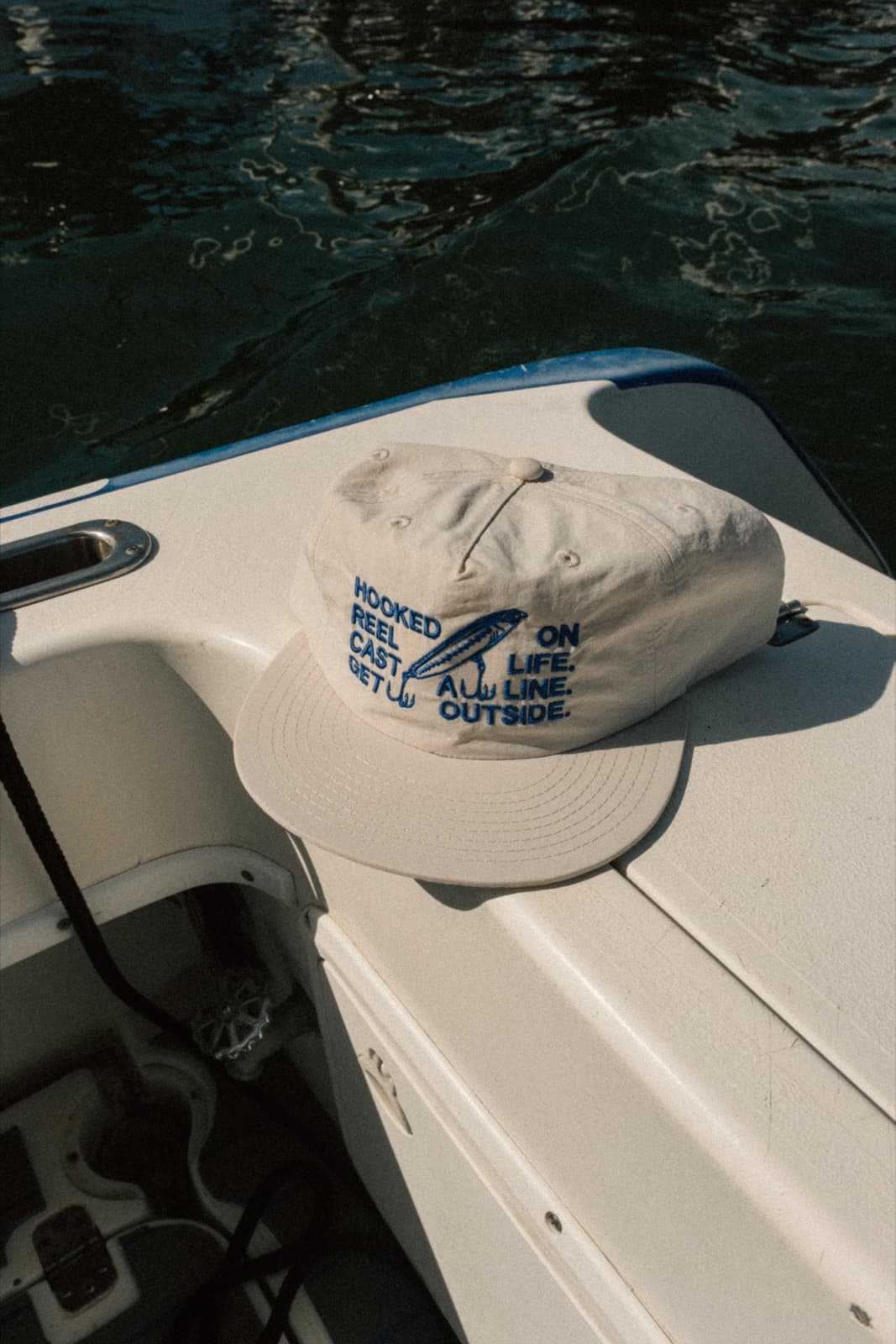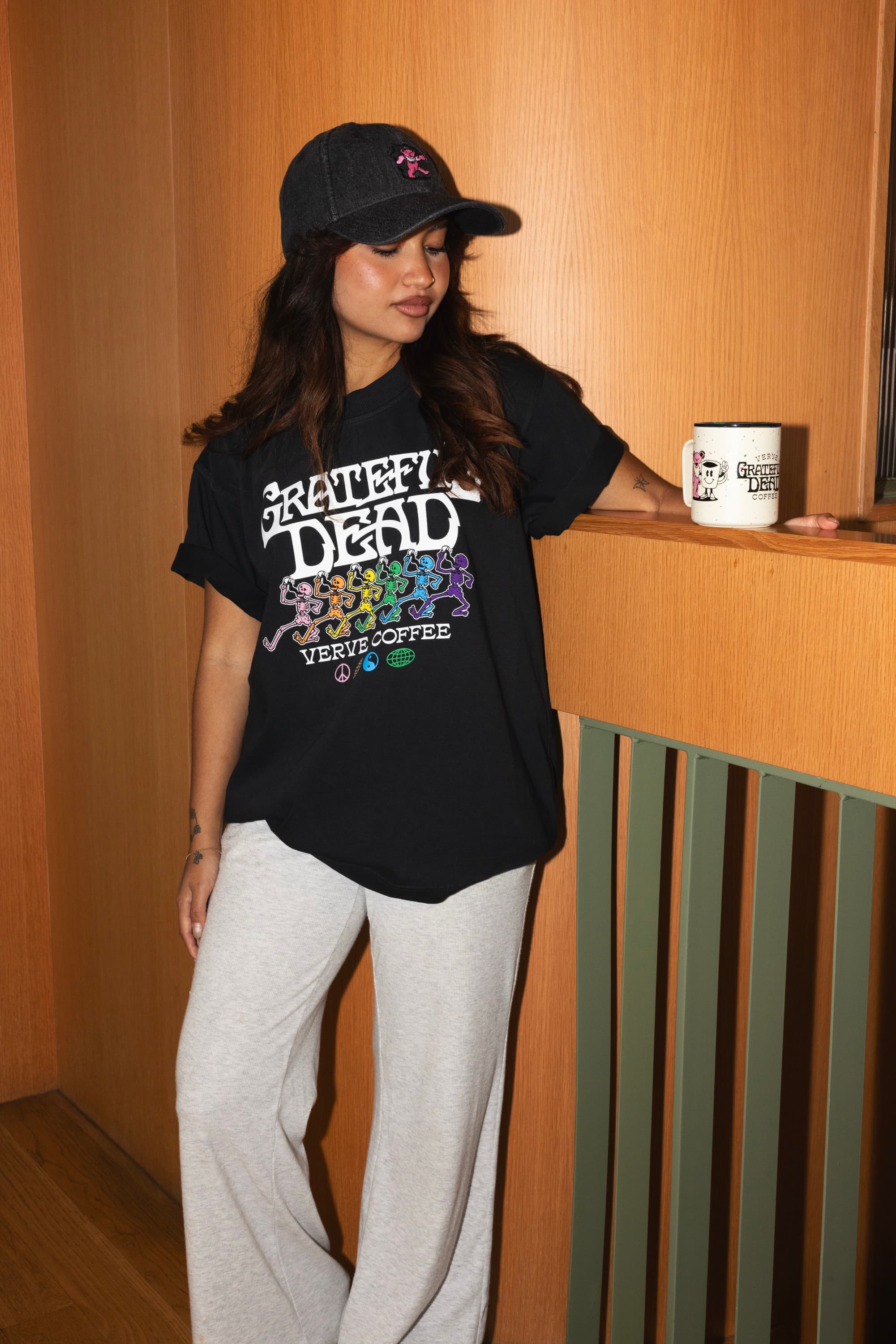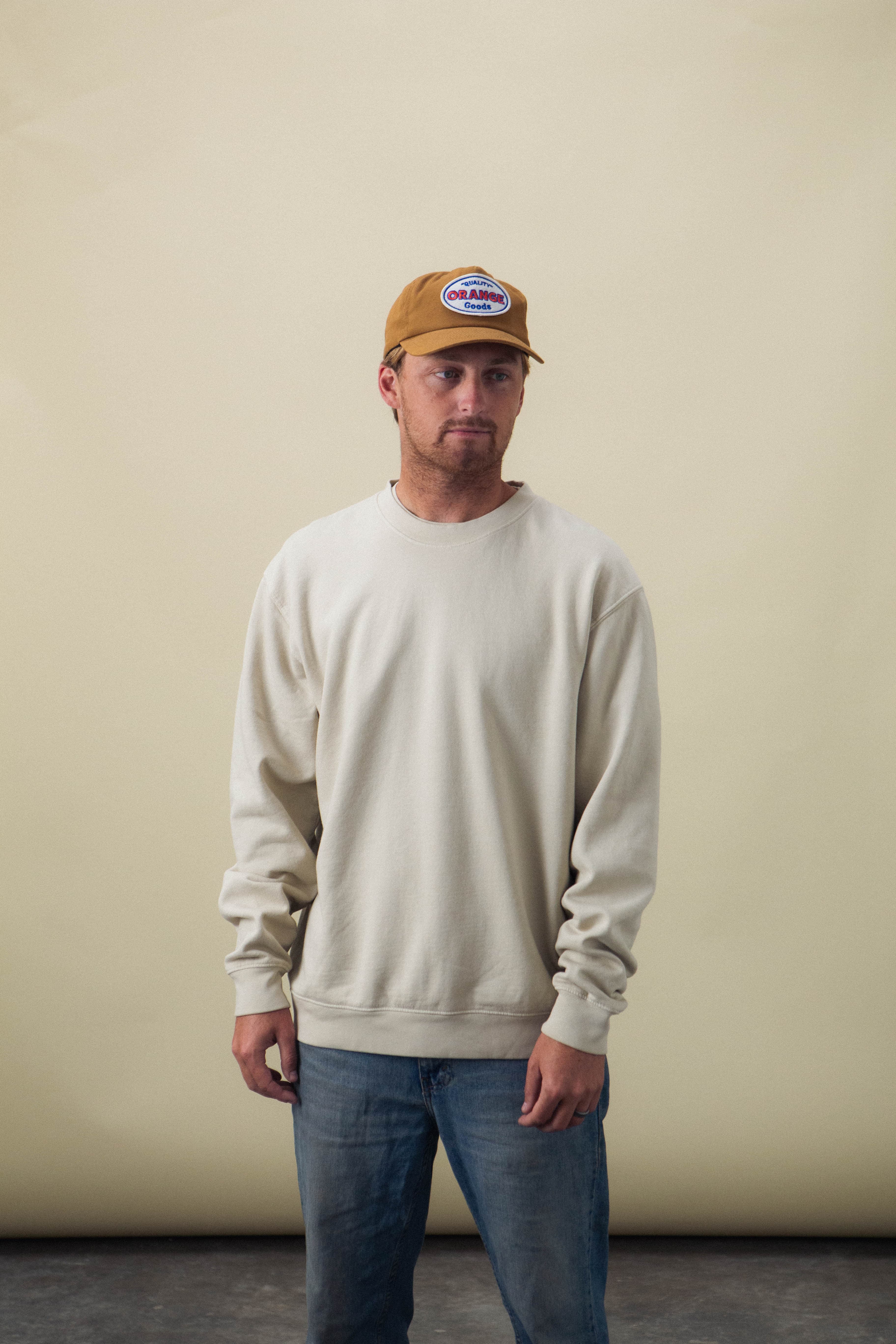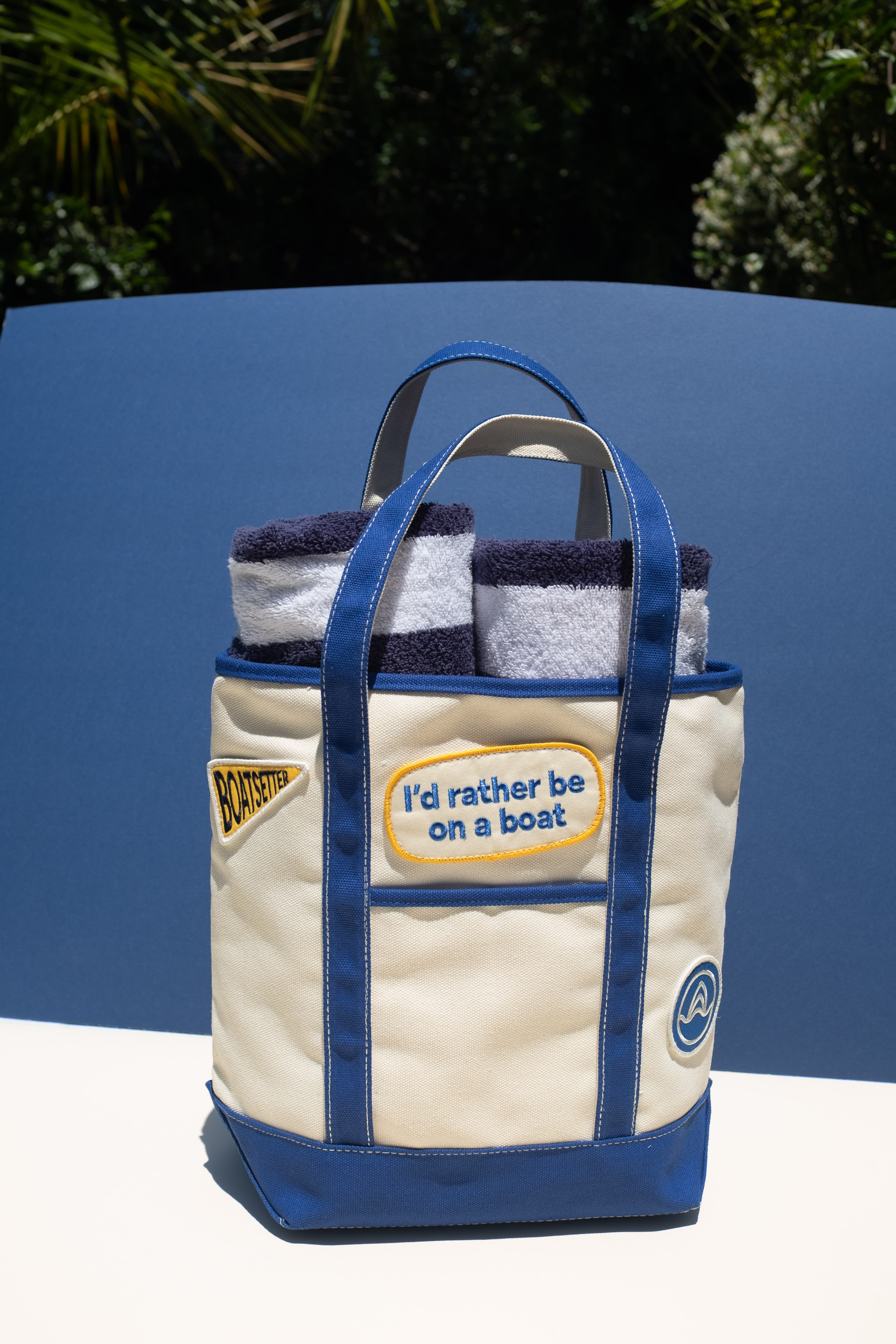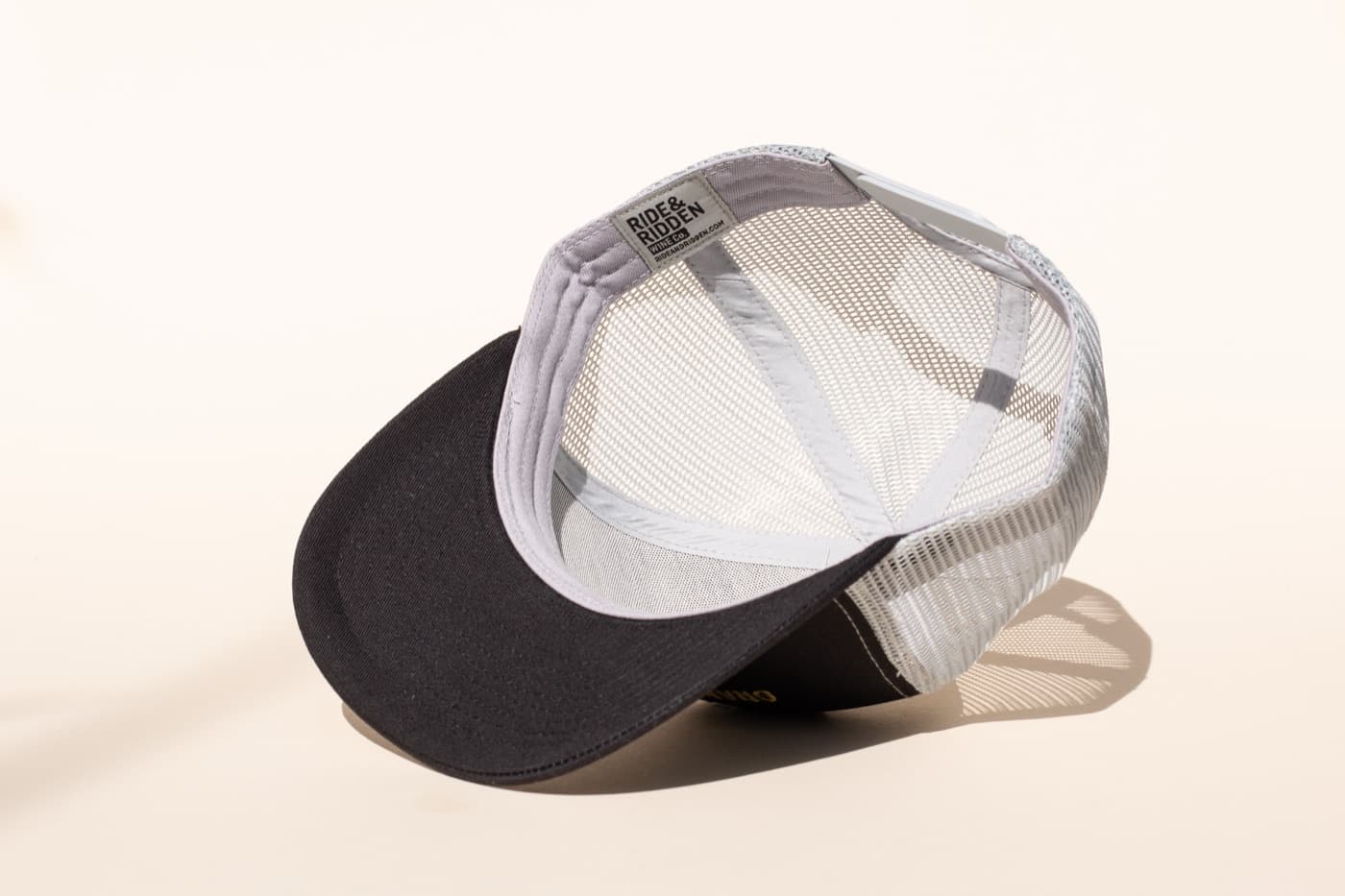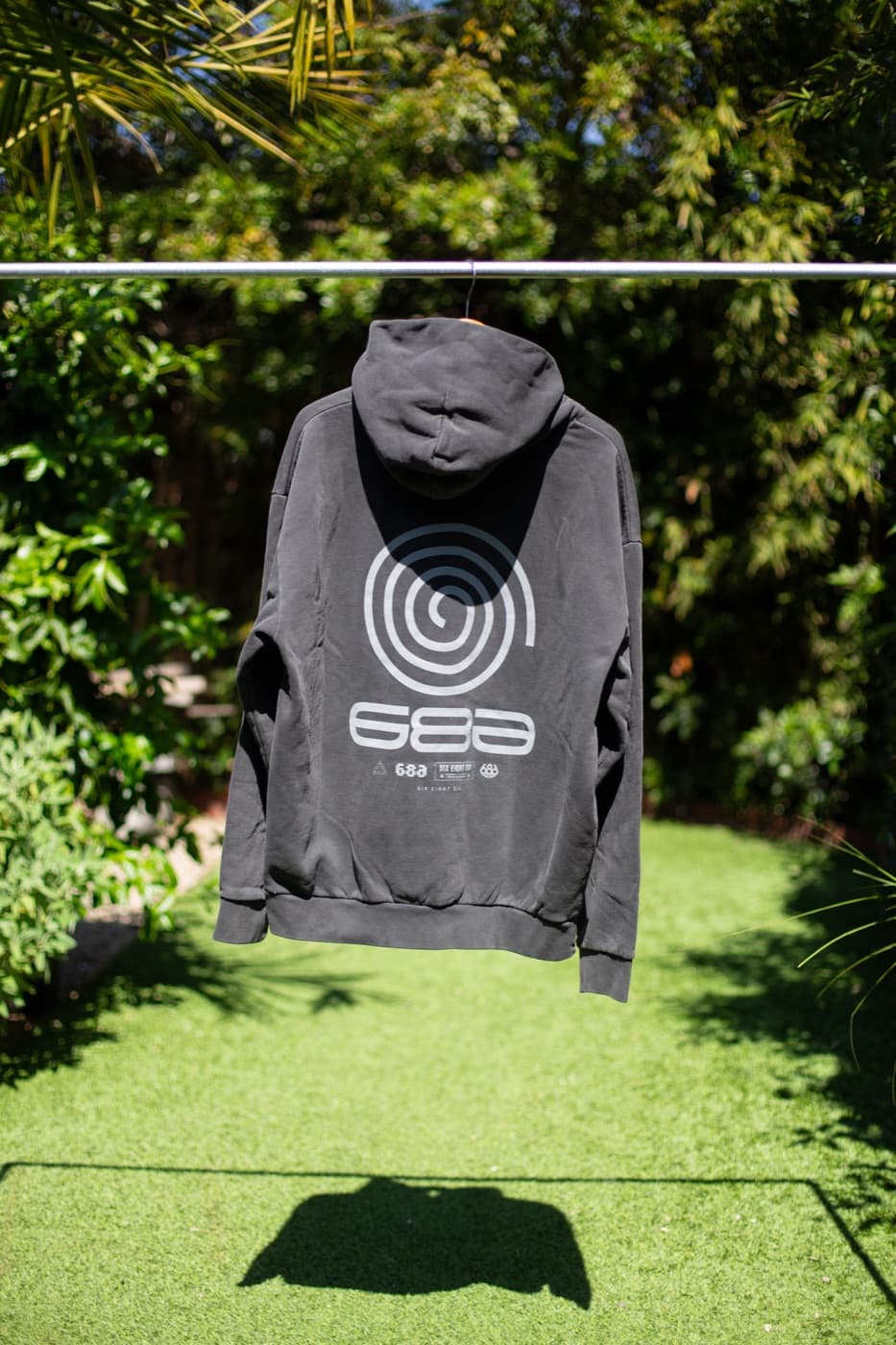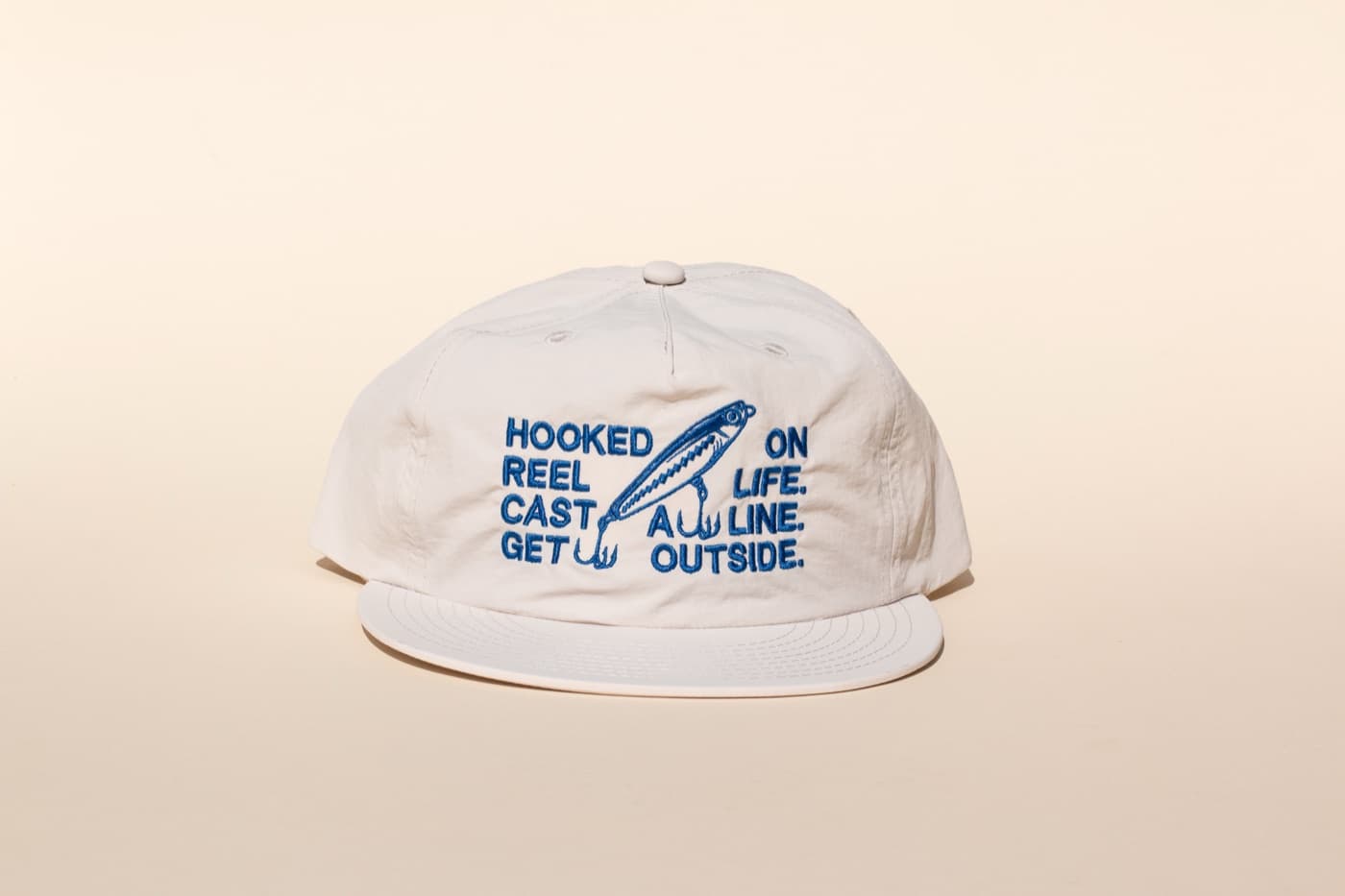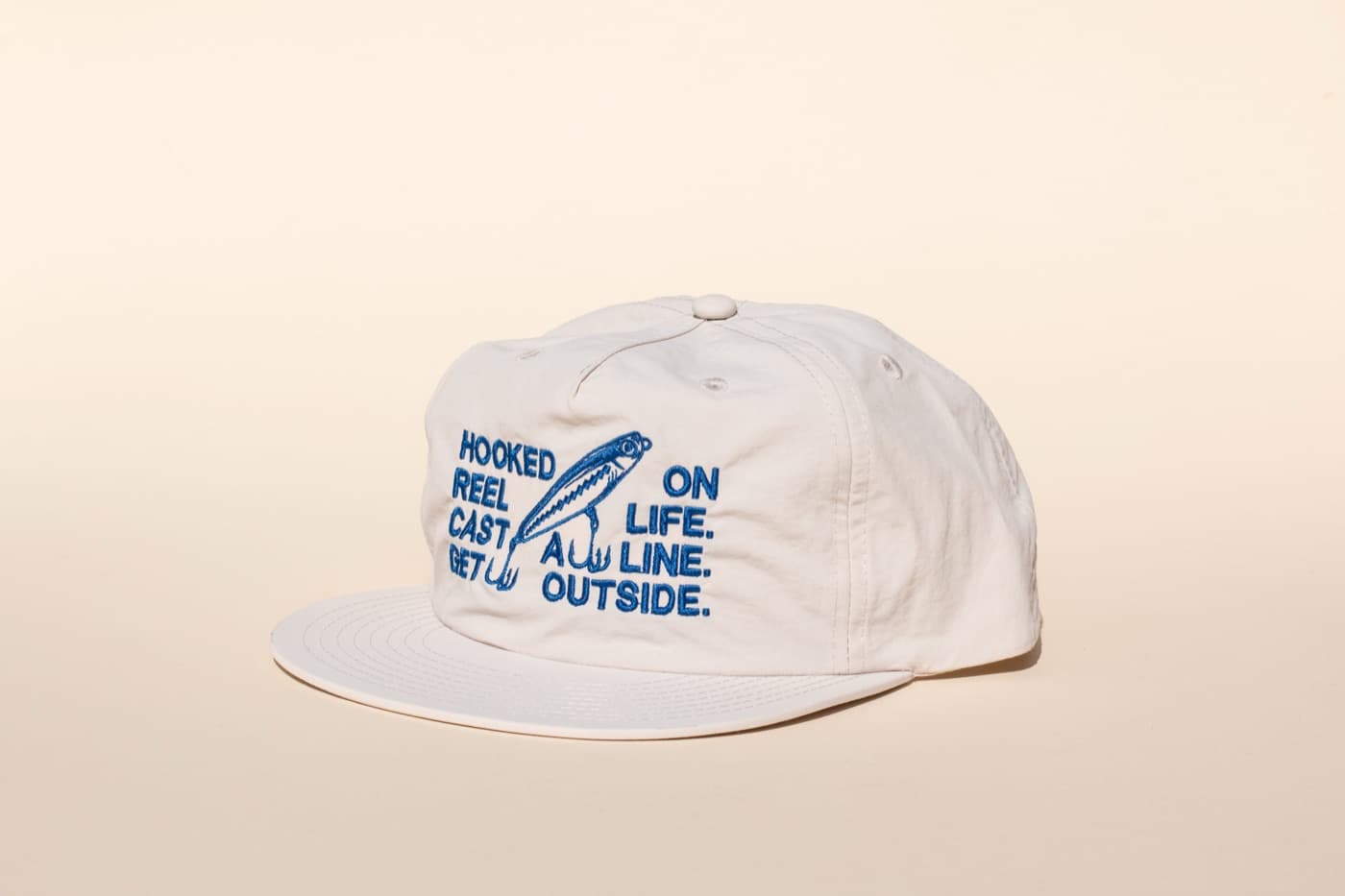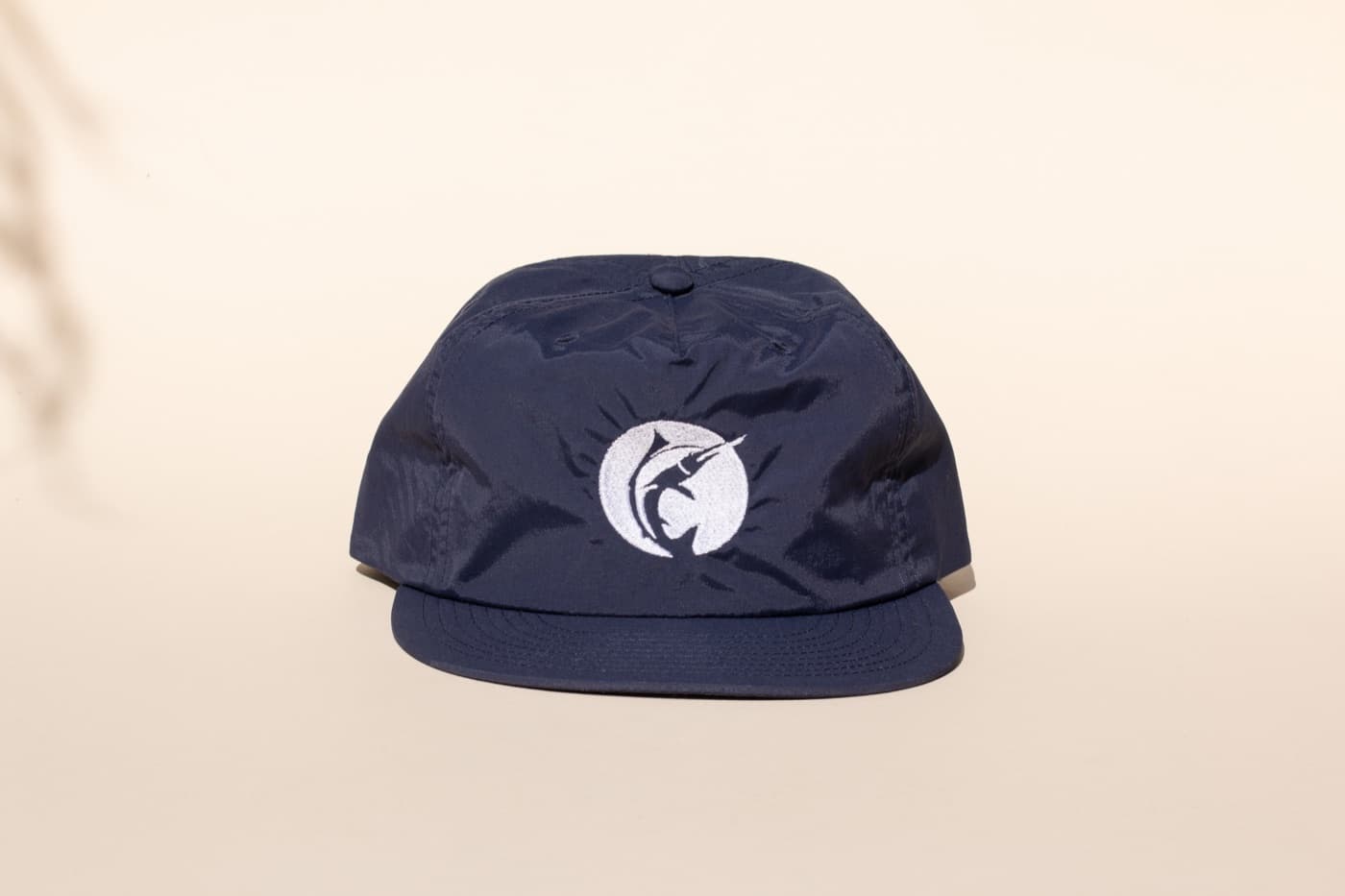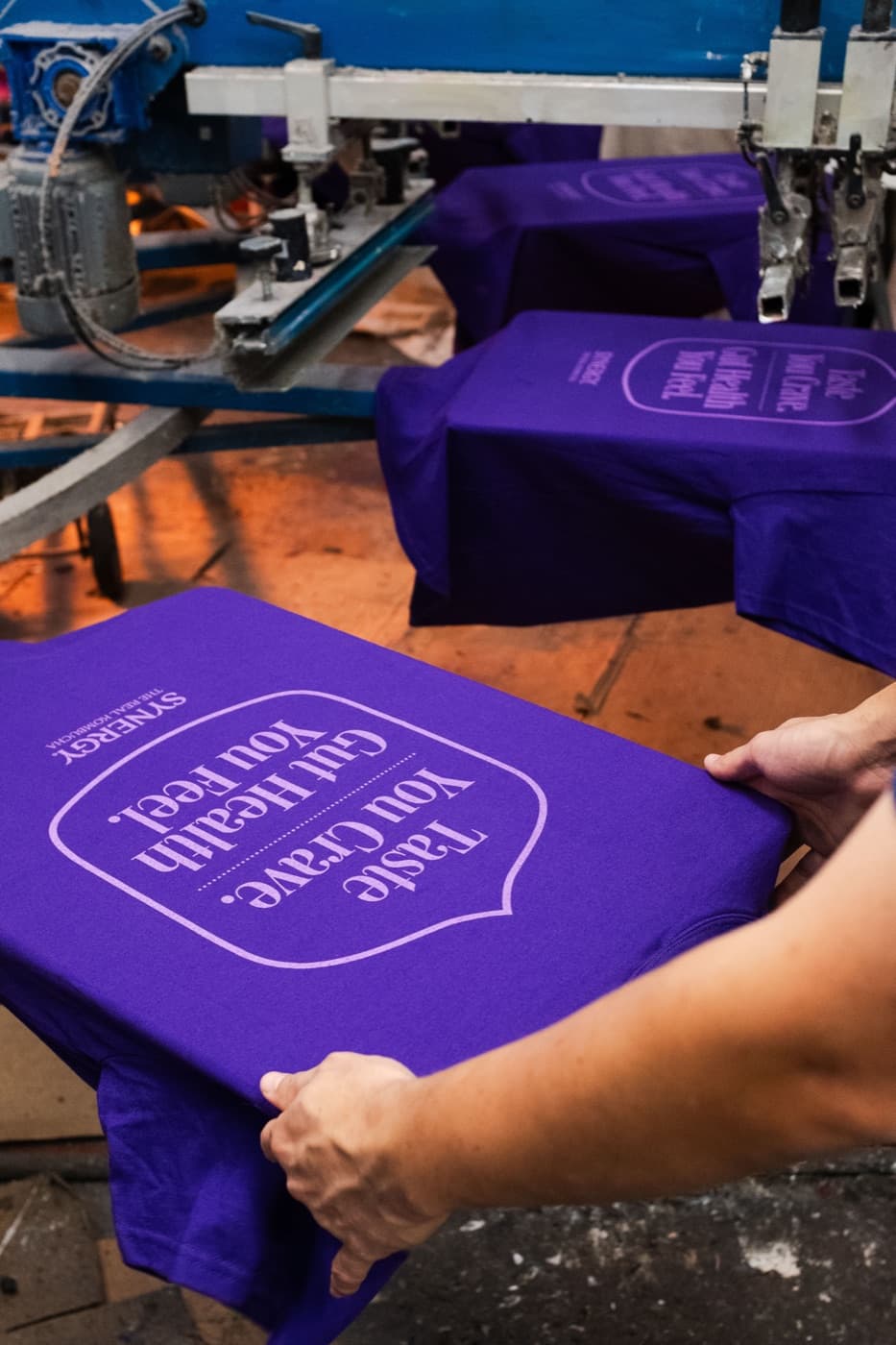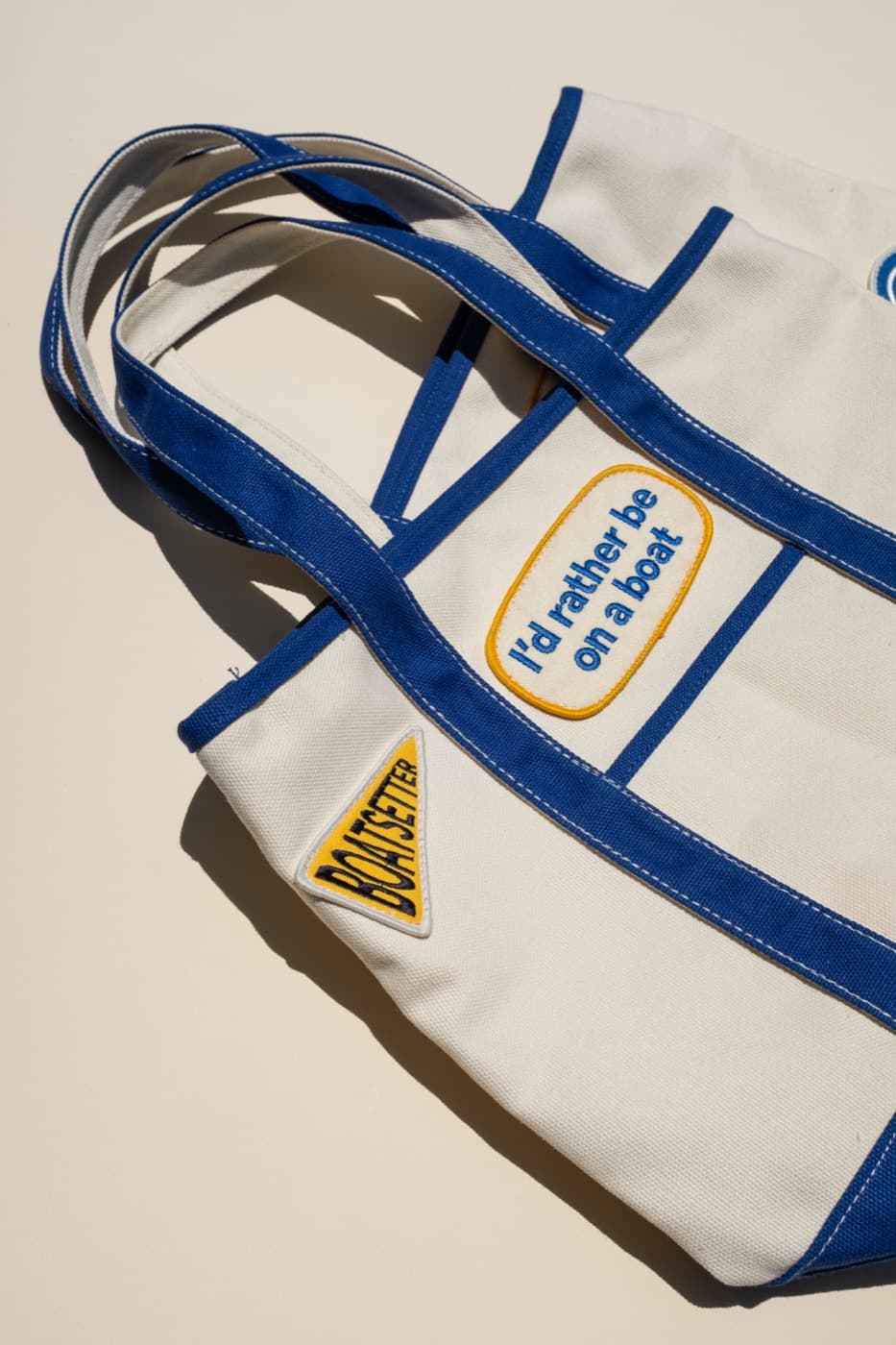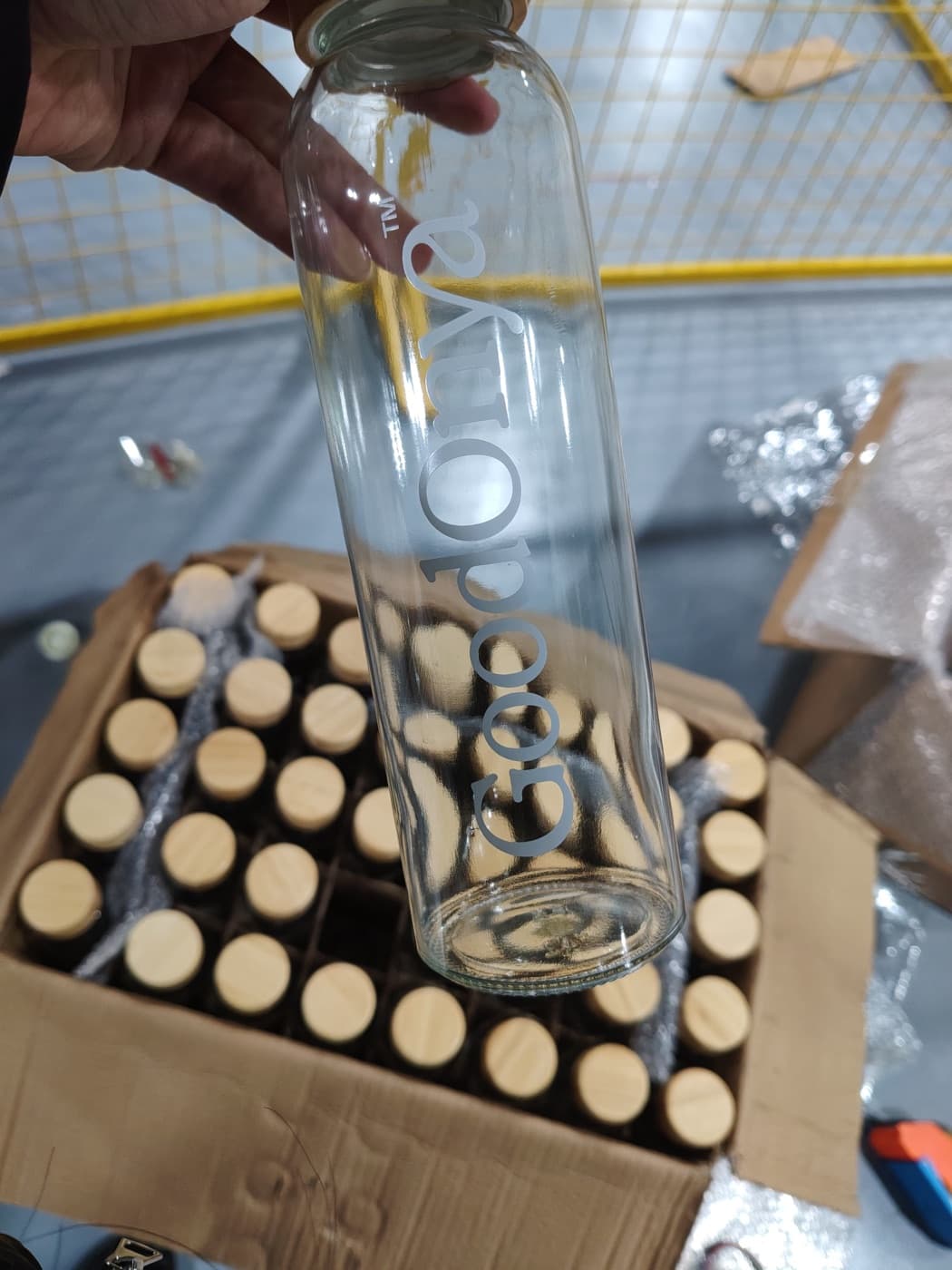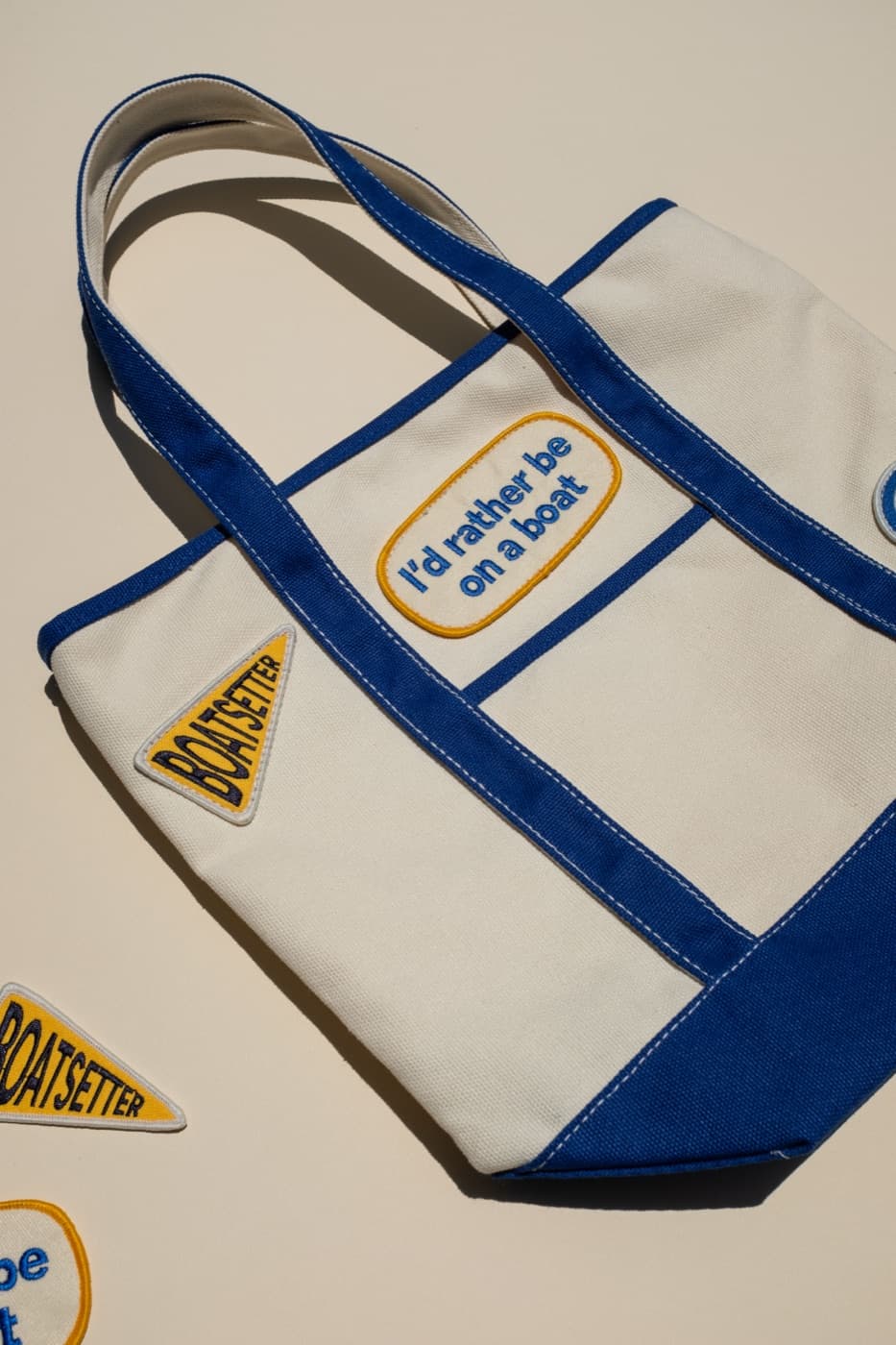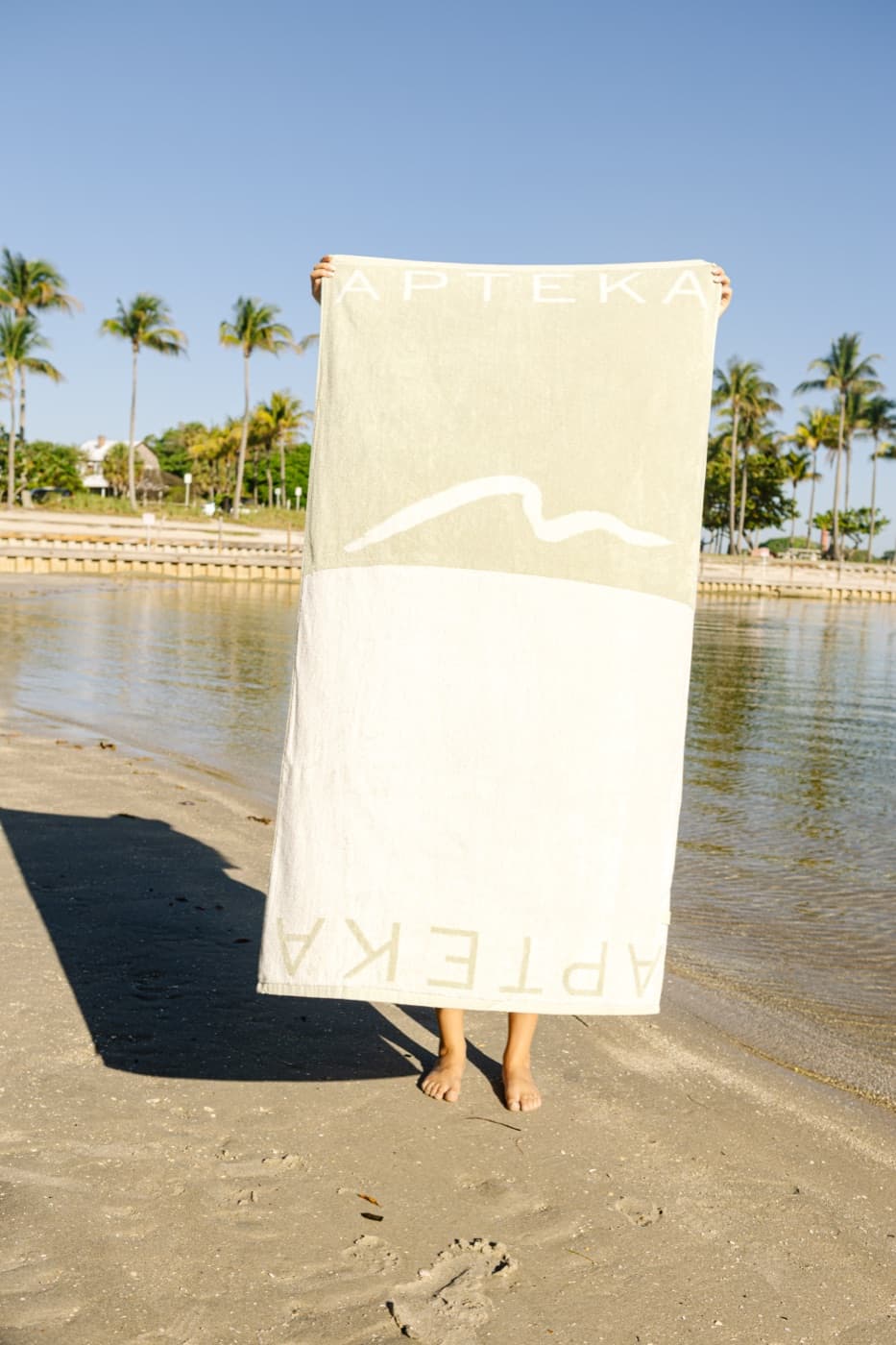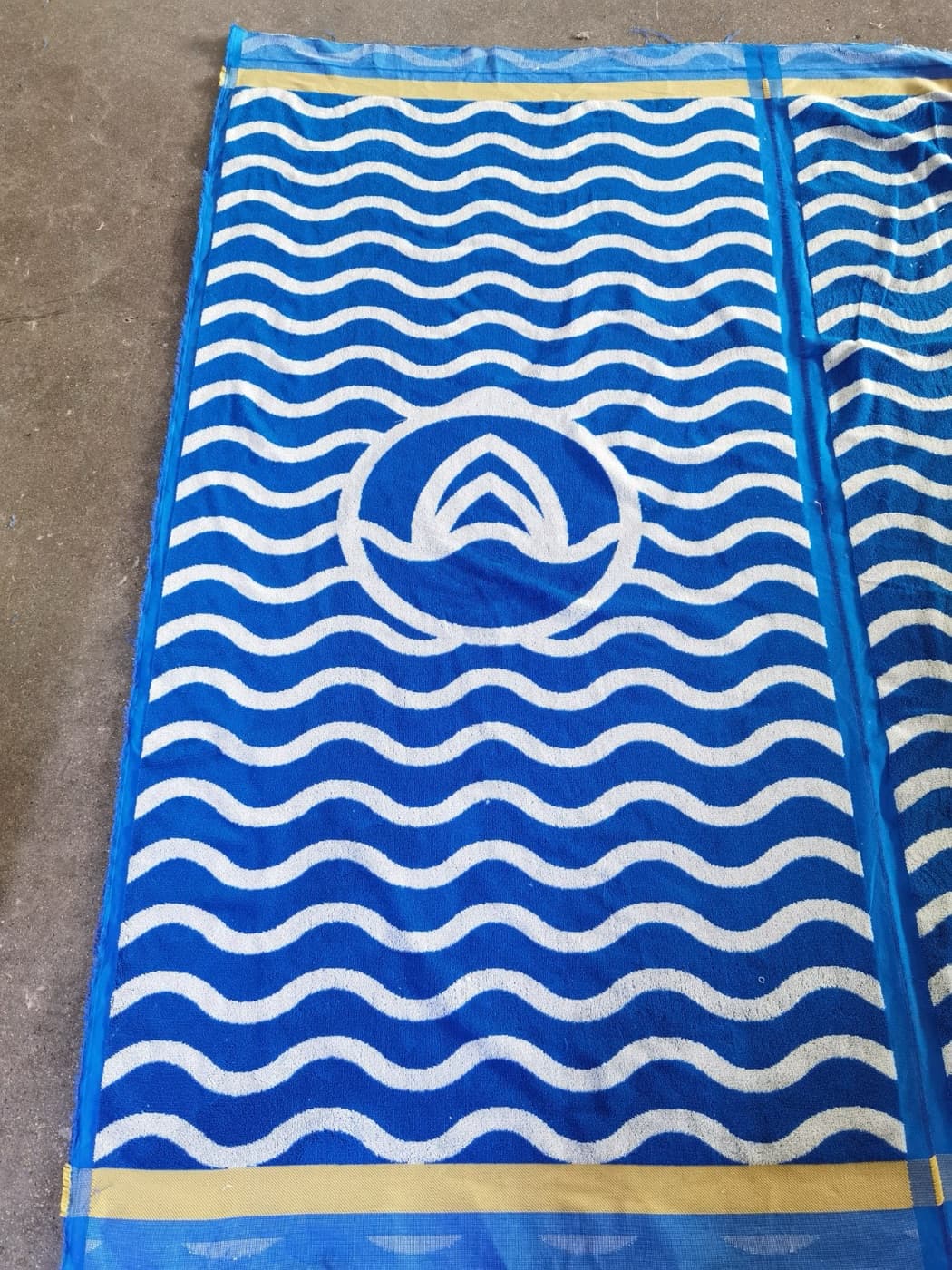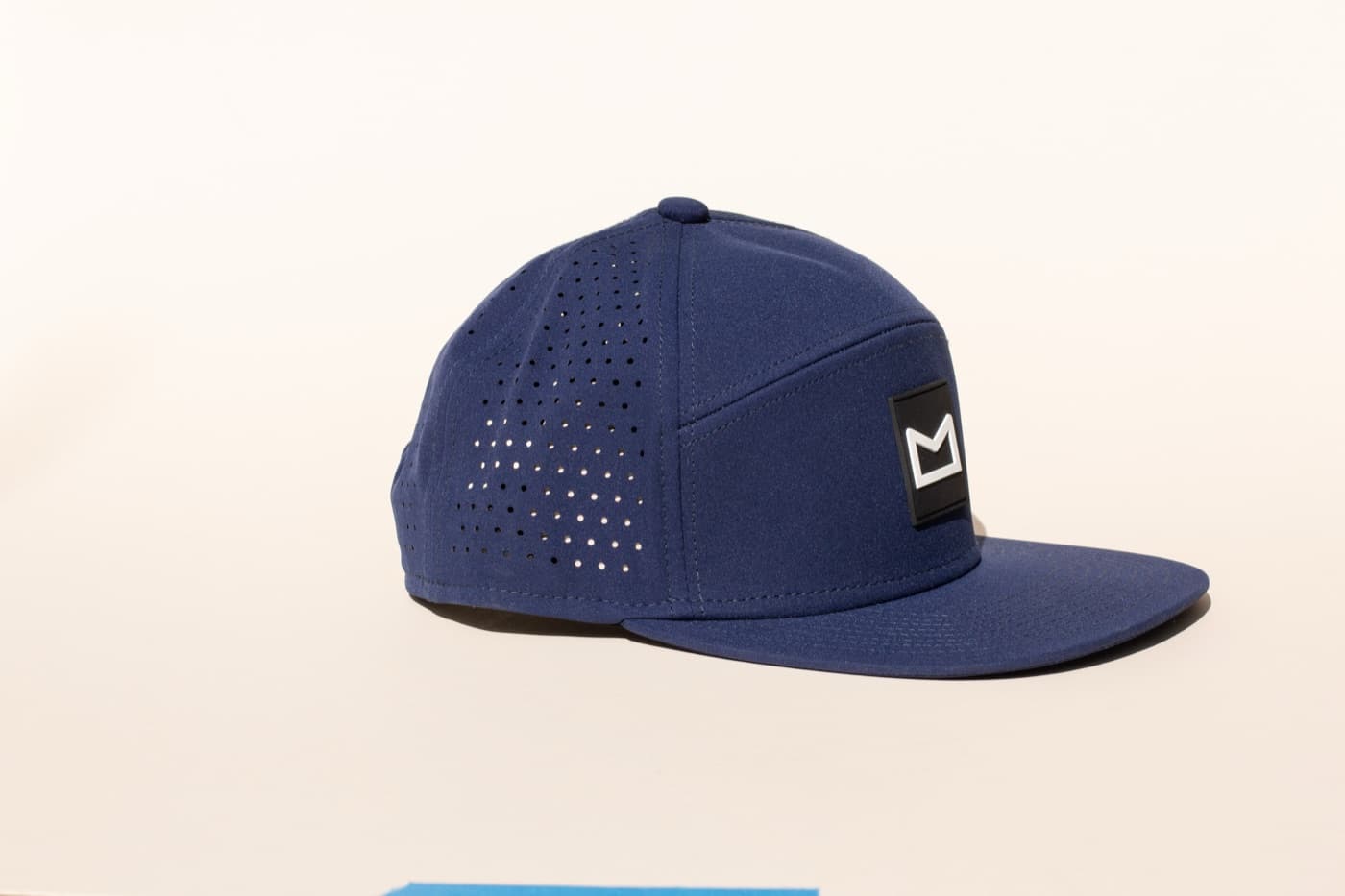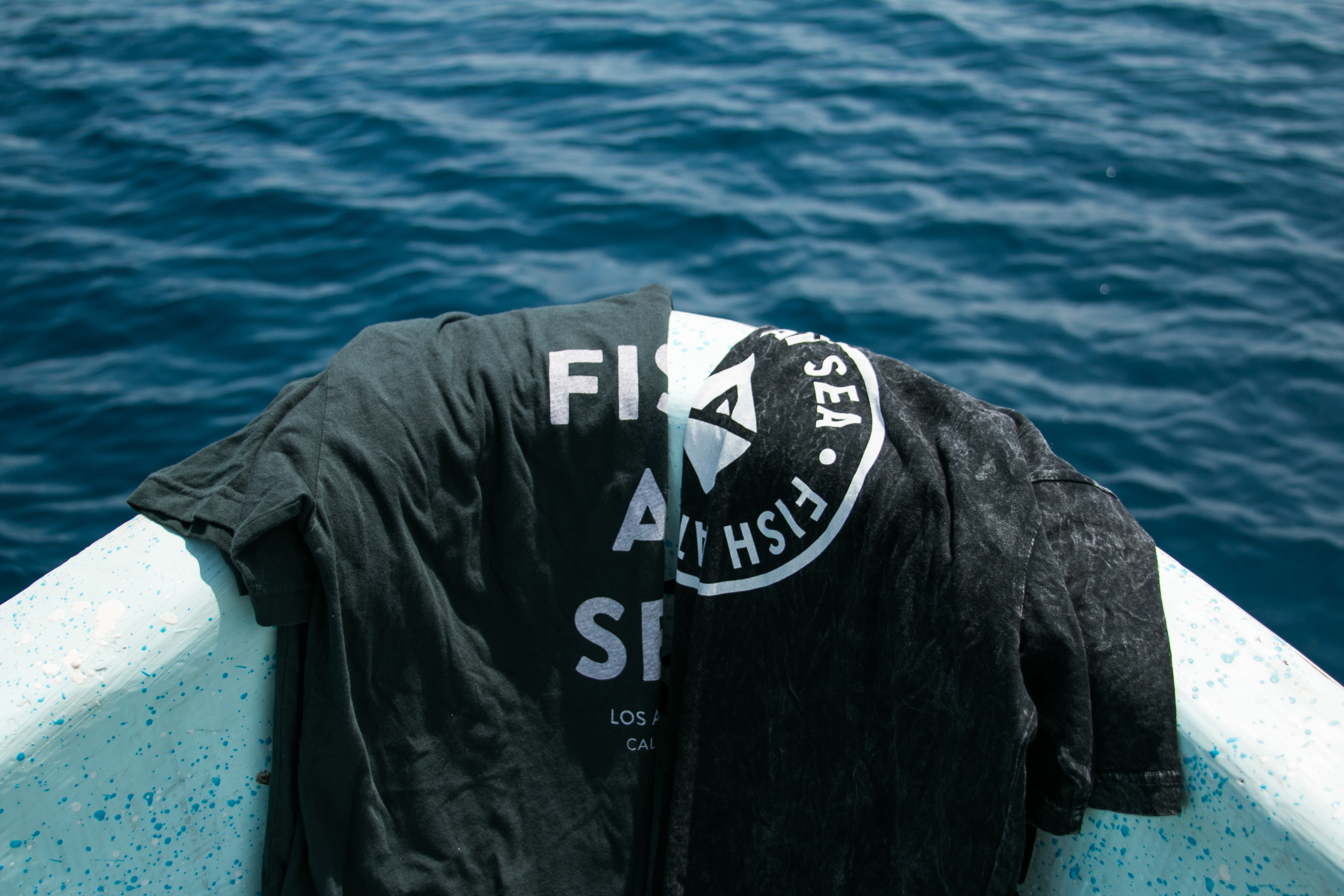
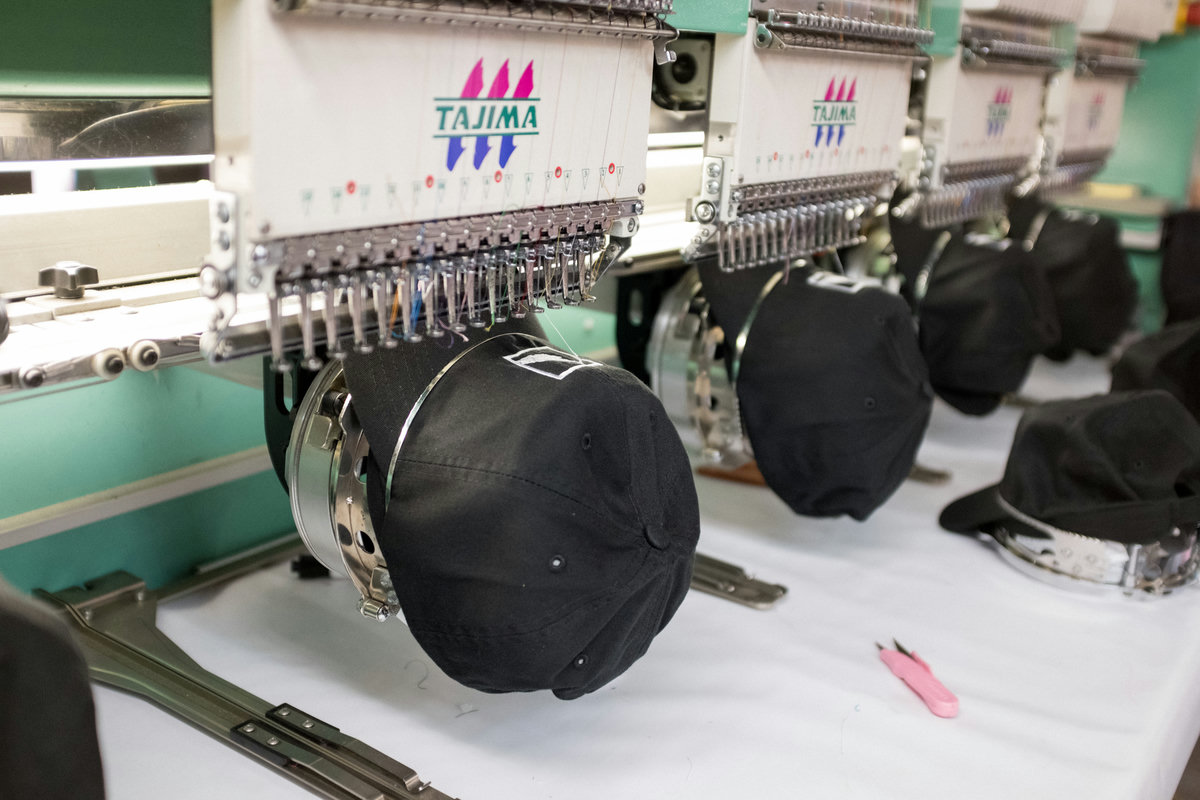
The best custom merch projects usually start before anyone picks a blank. They start with a useful brief. A good brief does not need to be long, but it does need to make the real decisions visible: who the goods are for, what the moment is, how the brand should feel, when the goods need to arrive, and what constraints matter.
Without that structure, the project can drift into catalog browsing. A hoodie, hat, tote, bottle, and patch all might be good ideas, but the right choice depends on the audience and the job the merch needs to do.
Start with the use case
A retail drop, employee kit, event giveaway, donor gift, restaurant merch program, and product launch should not begin with the same product list. The use case tells the team what quality level, quantity, timeline, packaging, and decoration approach make sense.
It also clarifies the standard for success. A retail piece needs to be sellable. A welcome kit needs to feel useful. A launch item needs to photograph well and arrive on time. A staff piece needs to be comfortable, durable, and easy to reorder.
Define the audience honestly
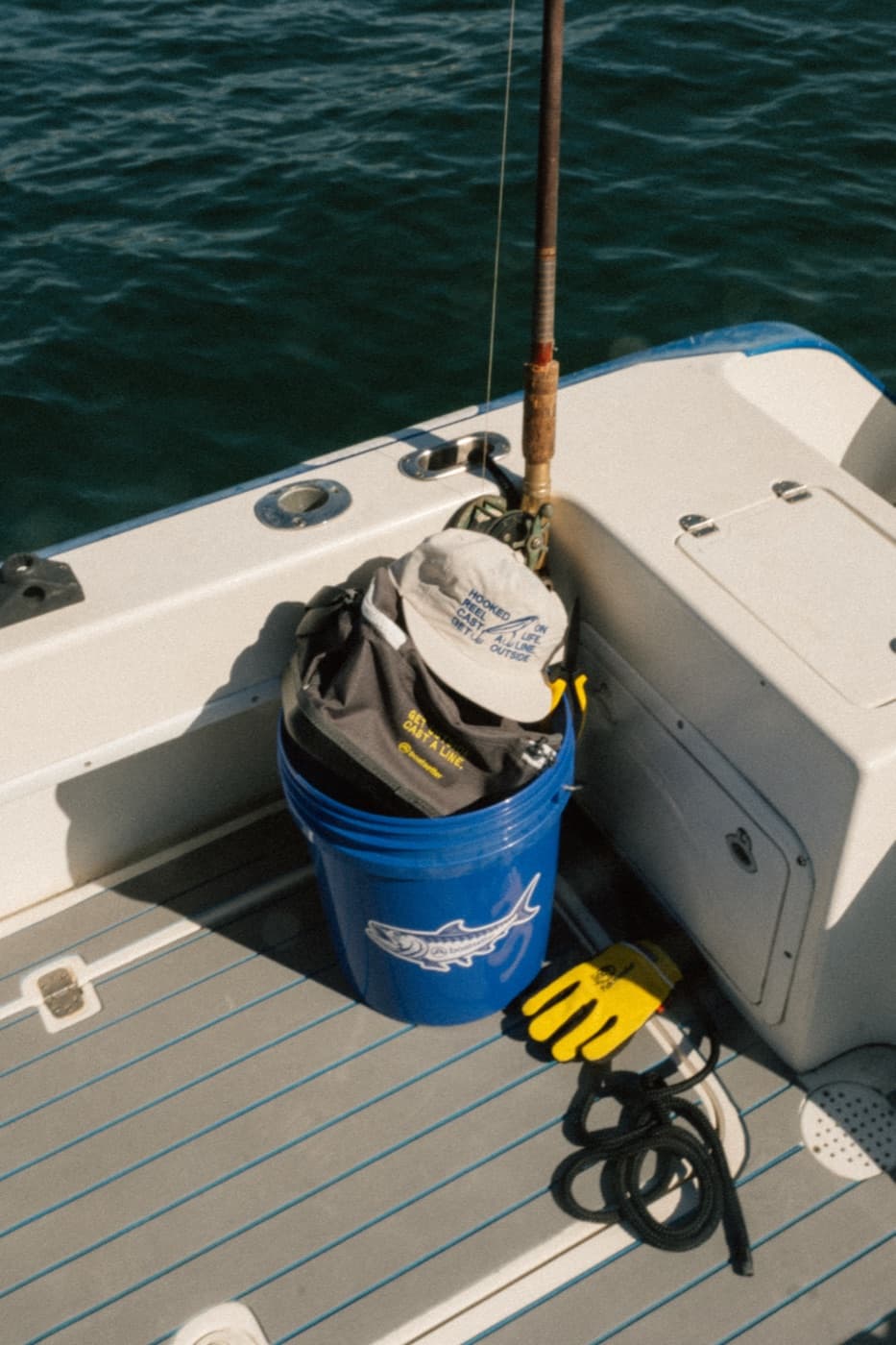
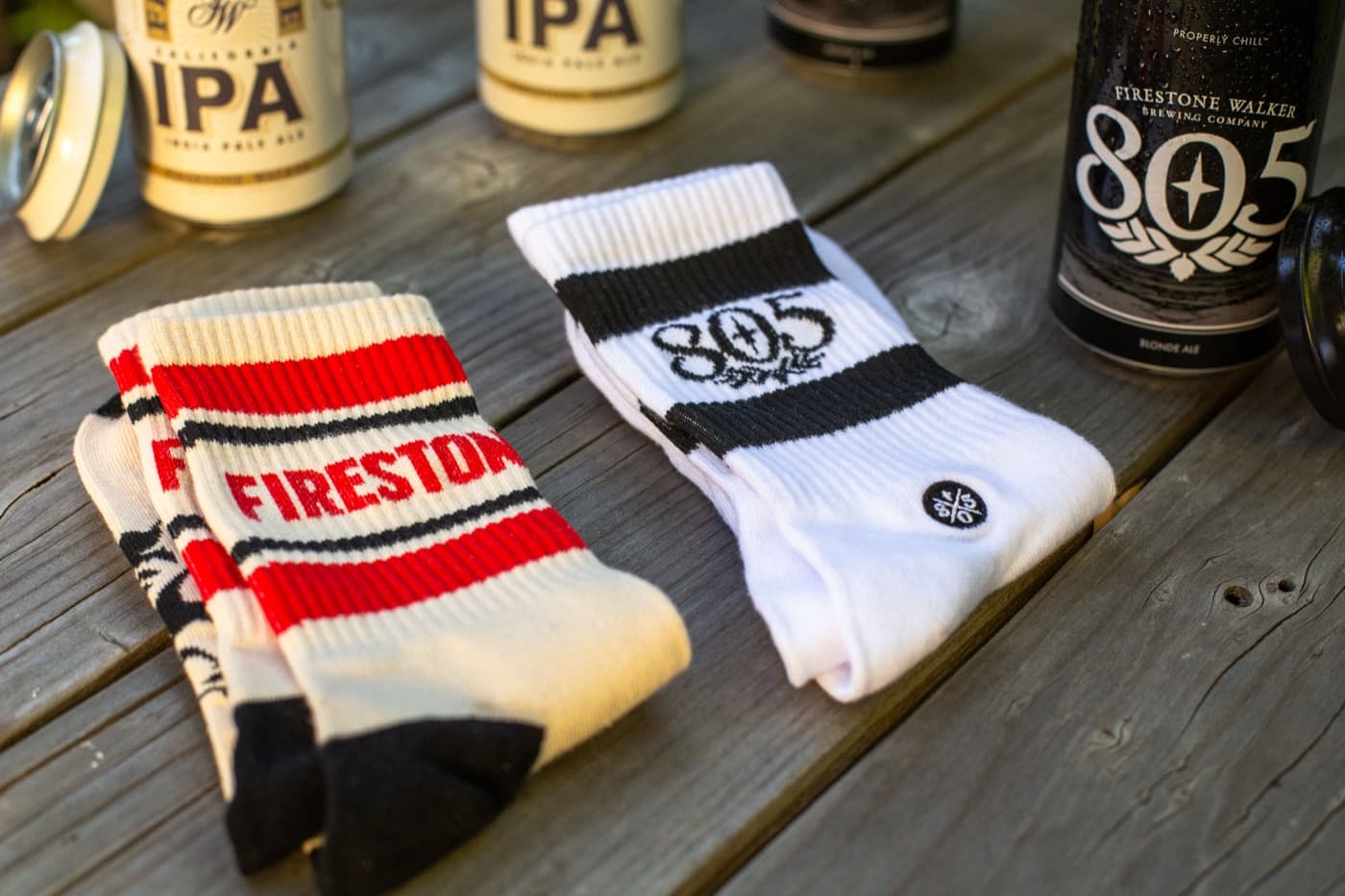
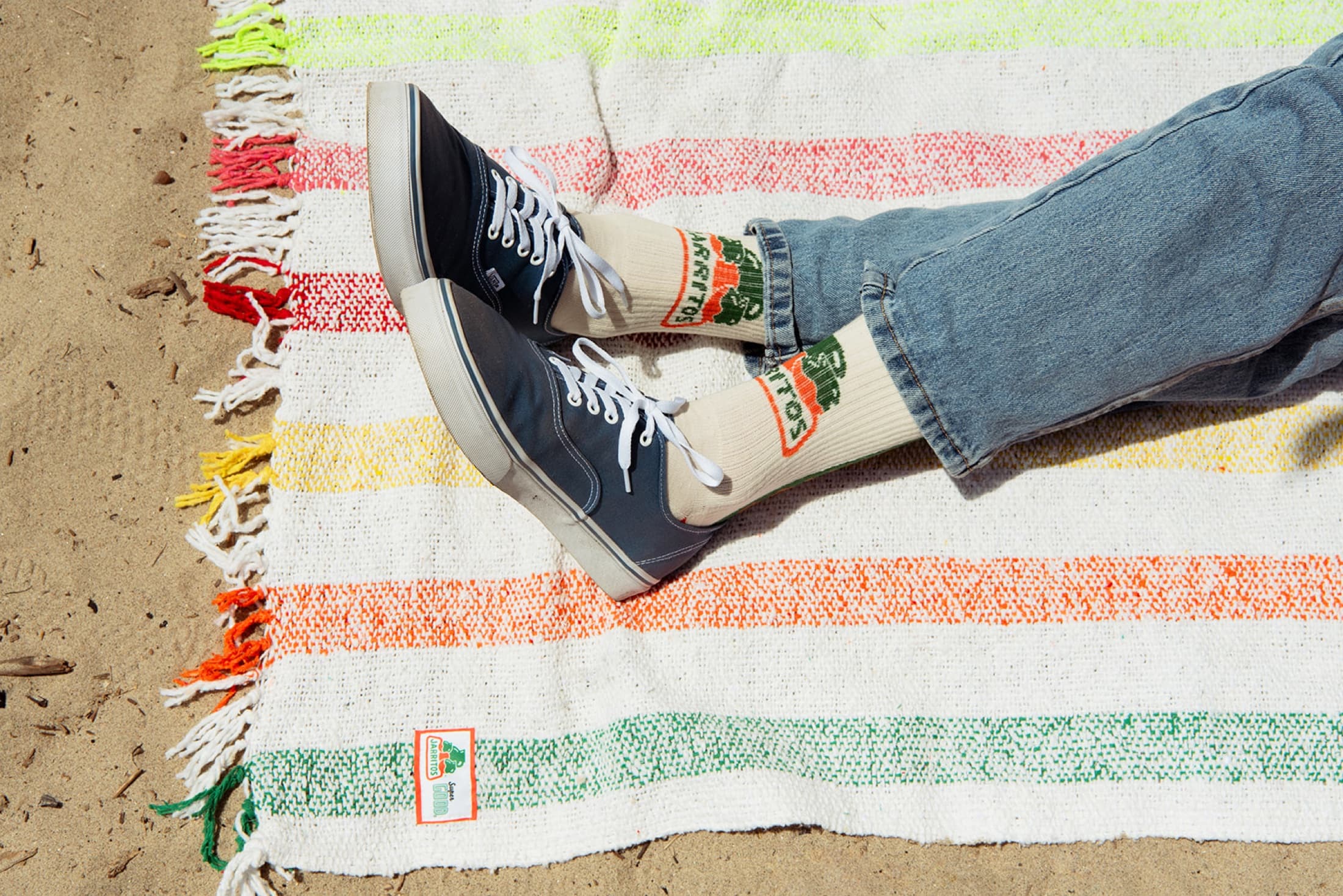
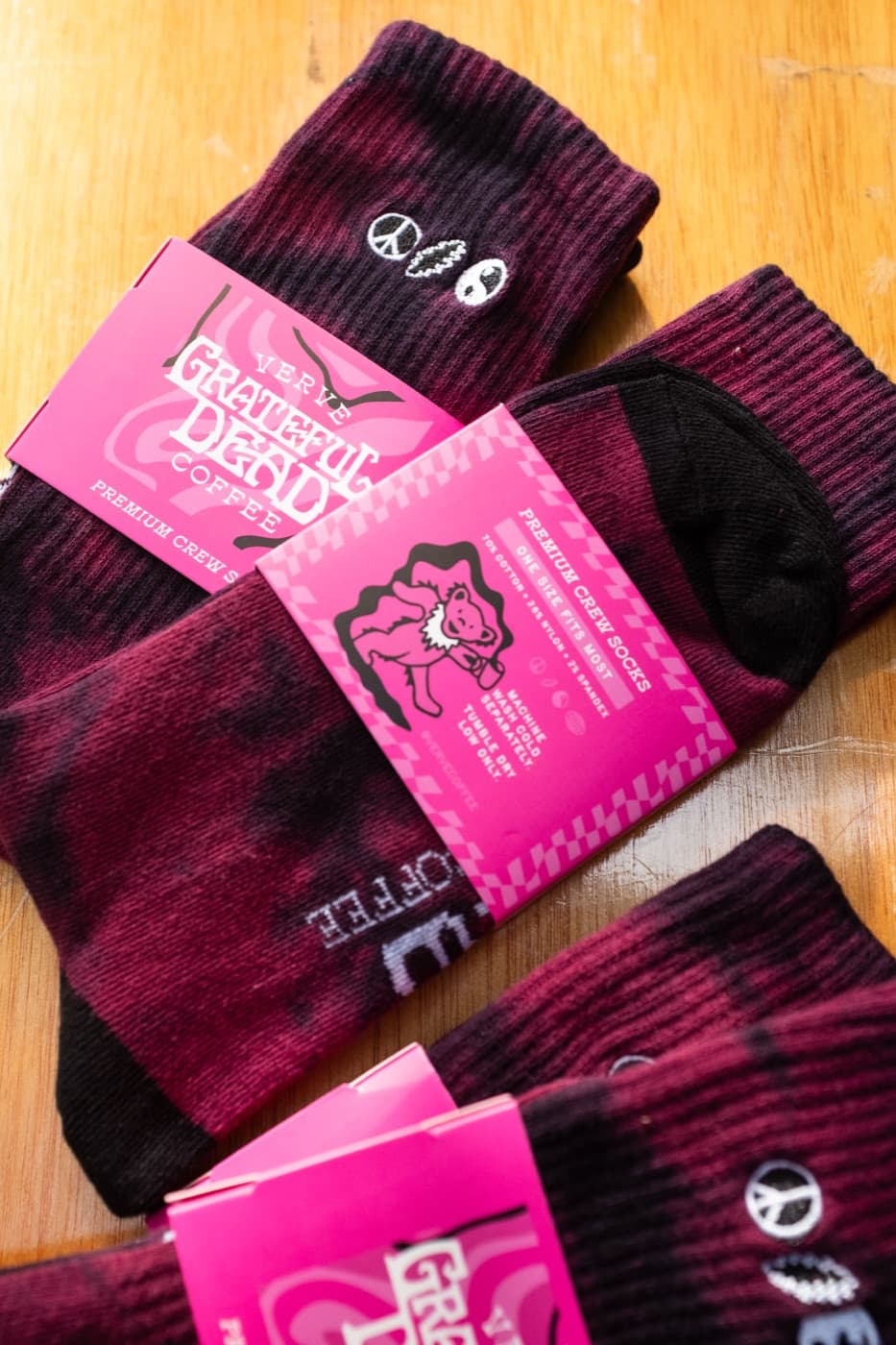
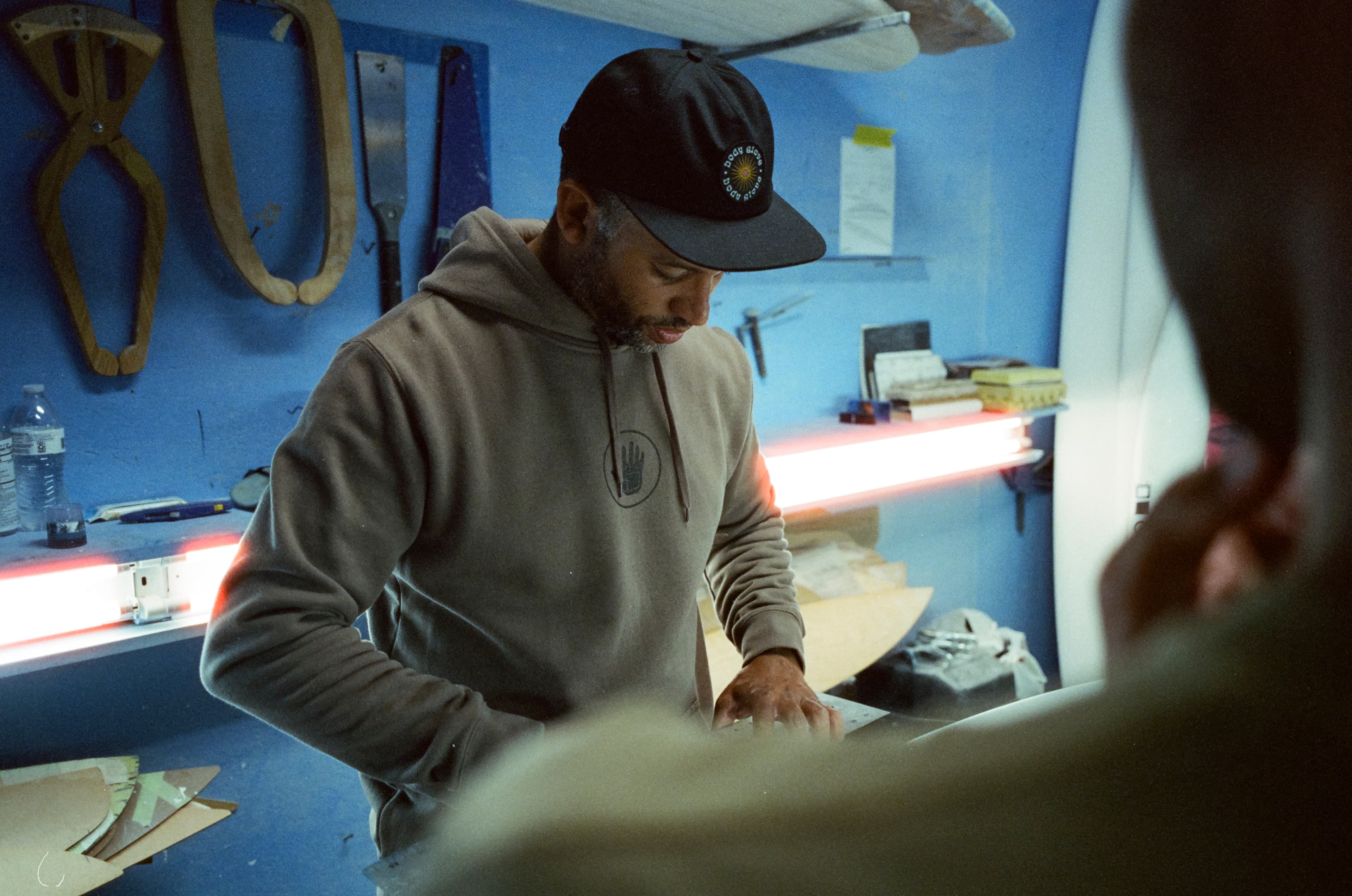
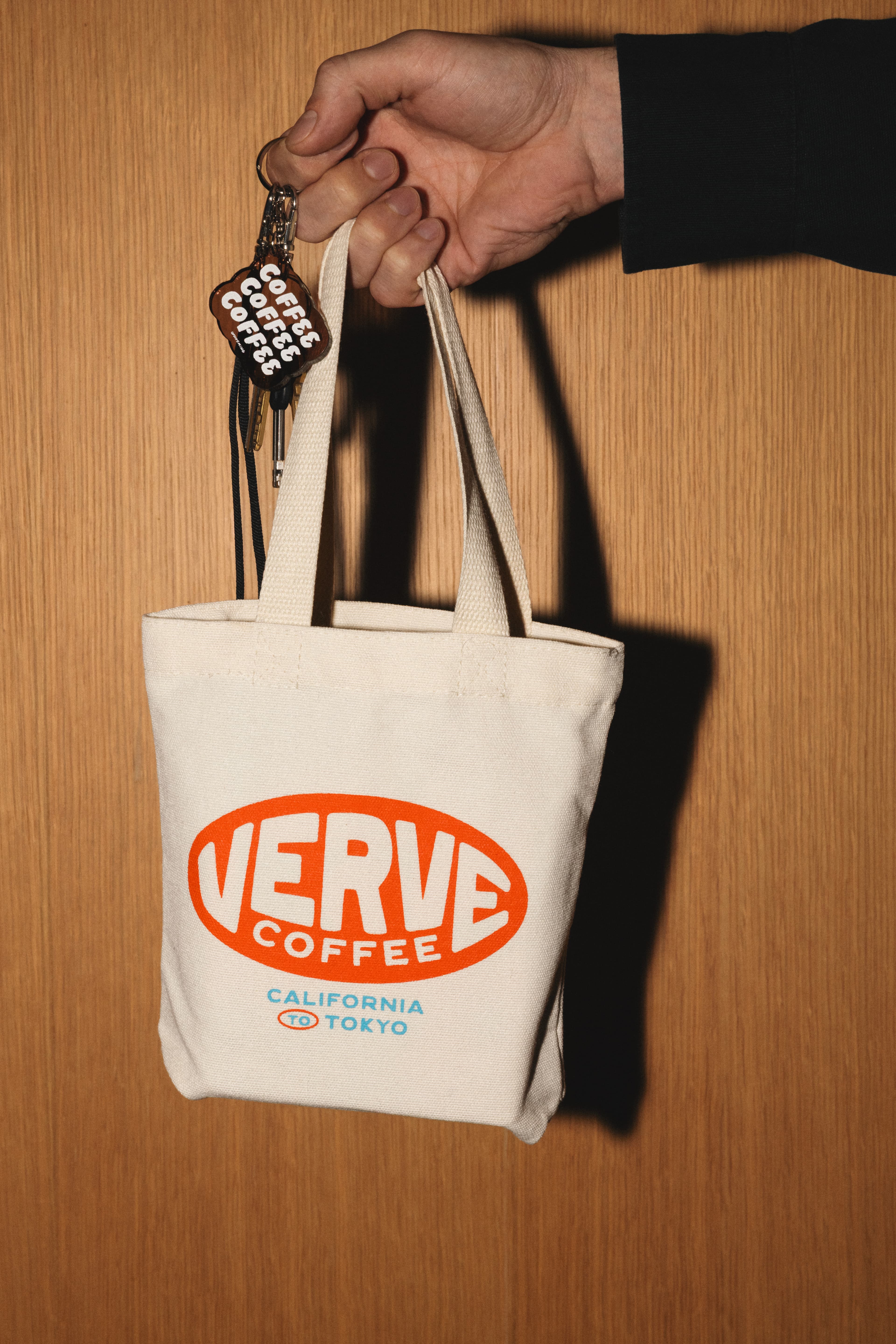
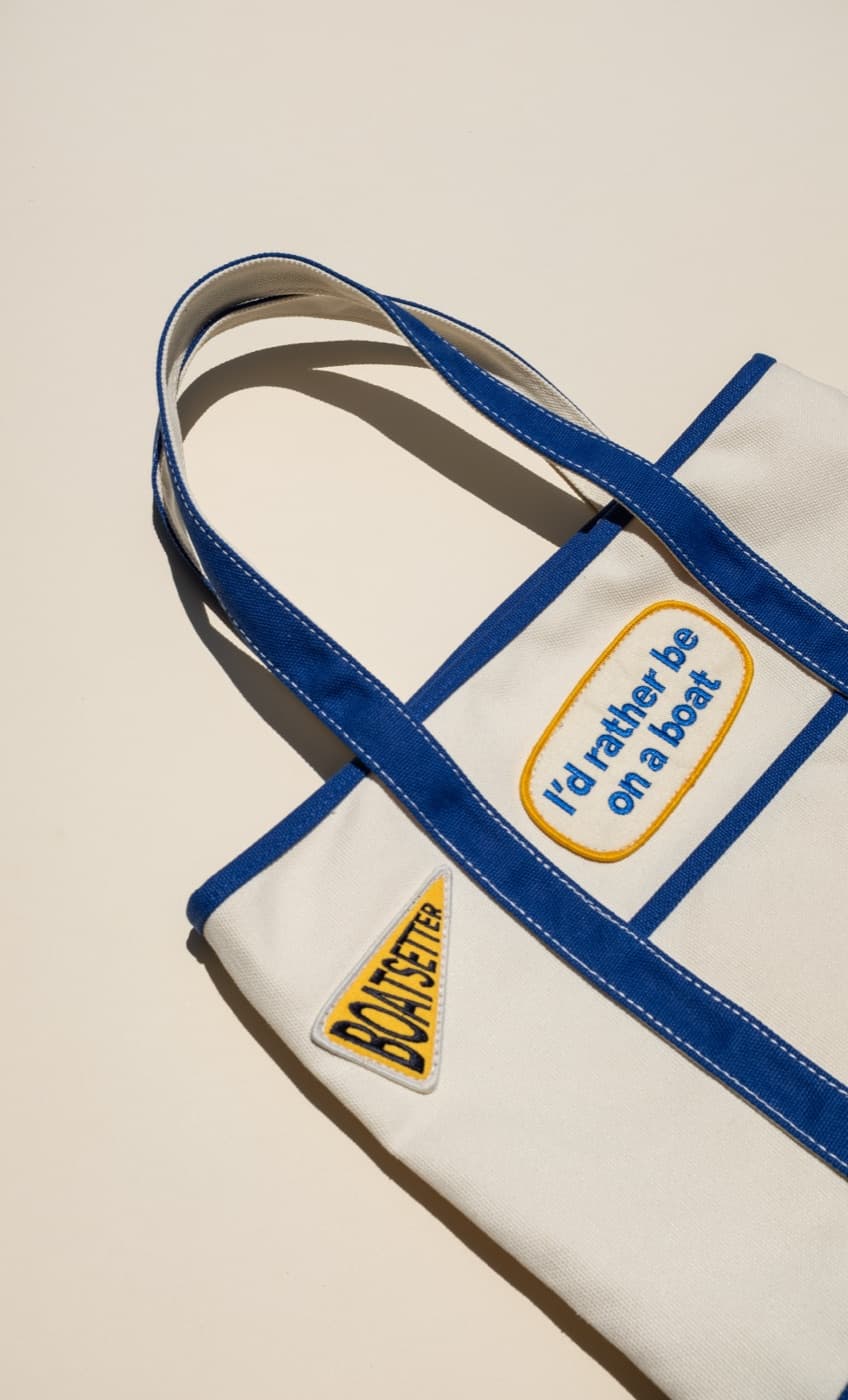
Merch works when it fits the recipient's real life. That means understanding age, setting, climate, style, size needs, how the product will be handed out, and whether the audience would choose the item without the logo. A broad audience usually benefits from safer goods like hats, totes, drinkware, socks, and accessories. A more specific audience can support a stronger apparel direction.
Share references, not just rules
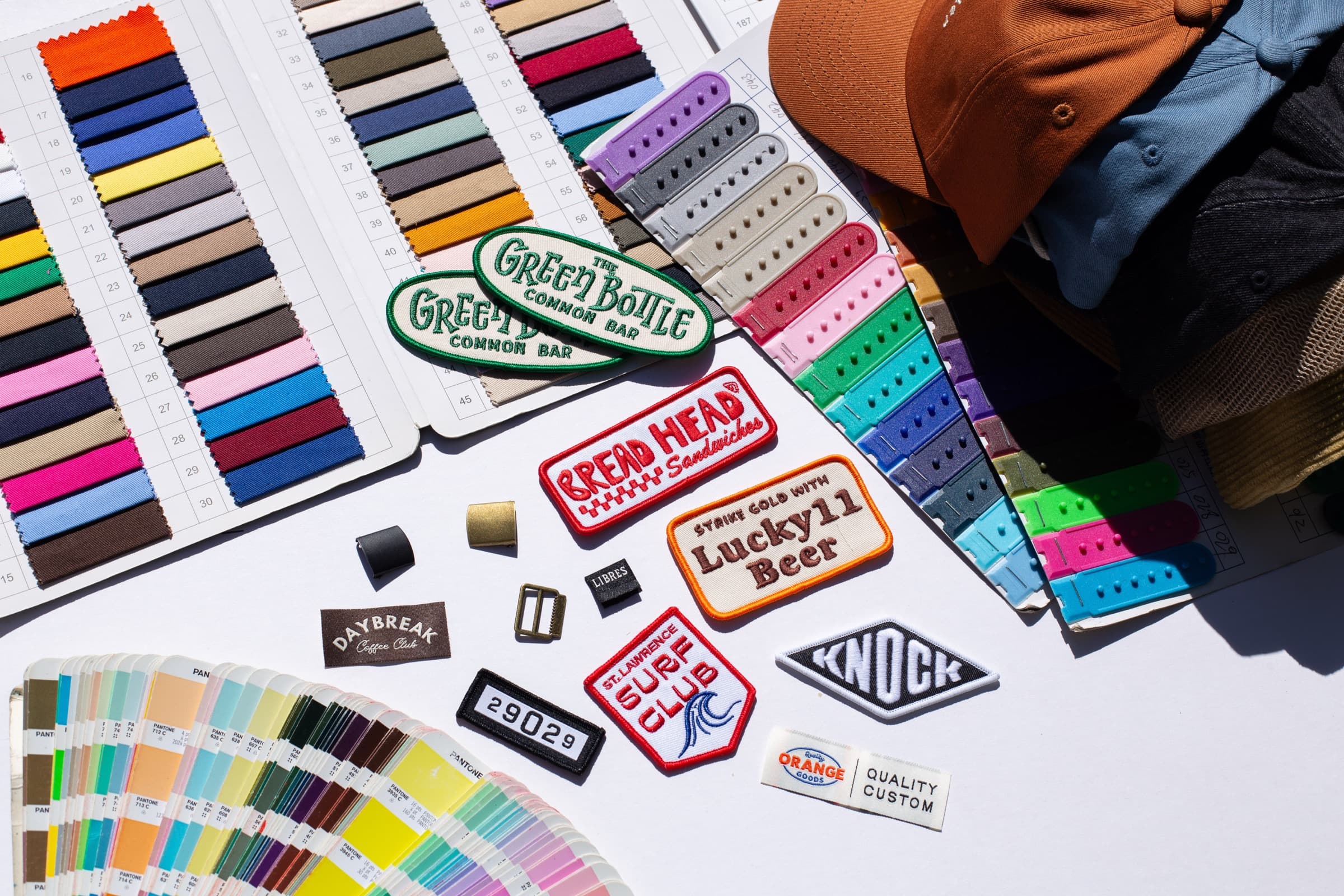
Brand guidelines are useful, but physical goods need taste references too. Photos of liked apparel, favorite retail products, packaging examples, color direction, and past merch results help translate the brand into real materials. A reference can show whether the project should feel quiet, playful, technical, premium, outdoorsy, nostalgic, or retail-driven.
The goal is not to copy the references. The goal is to shorten the path to a shared visual language.
Bring timing and budget in early
Timeline and budget are creative inputs because they shape what is realistic. A complex overseas custom item, individual kitting, specialty packaging, or multi-location delivery needs more runway than a domestic decorated tee. If the in-hand date is firm, the product recommendation has to respect that from the beginning.
The takeaway
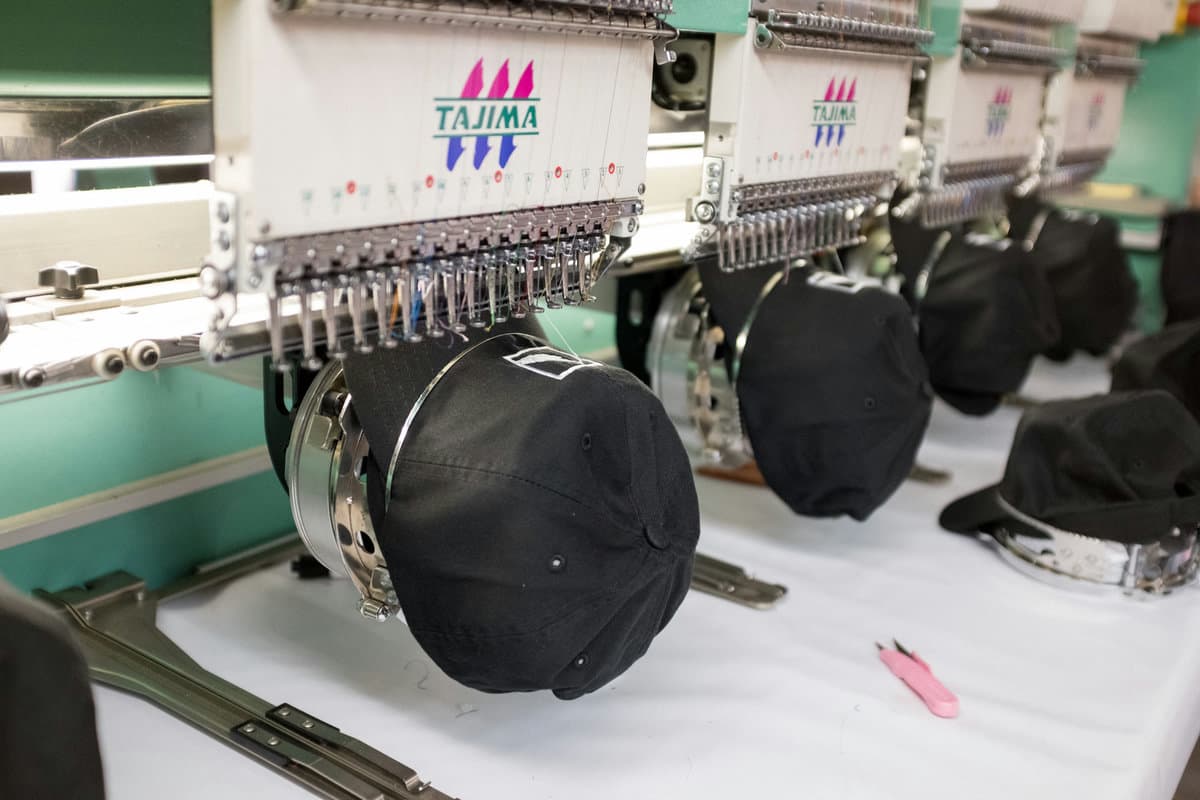
A strong merch brief gives the project enough direction to move quickly without boxing out good ideas. Orange Goods helps brands turn the brief into product recommendations, artwork direction, proofs, and production decisions that feel aligned from the first concept to the final box.