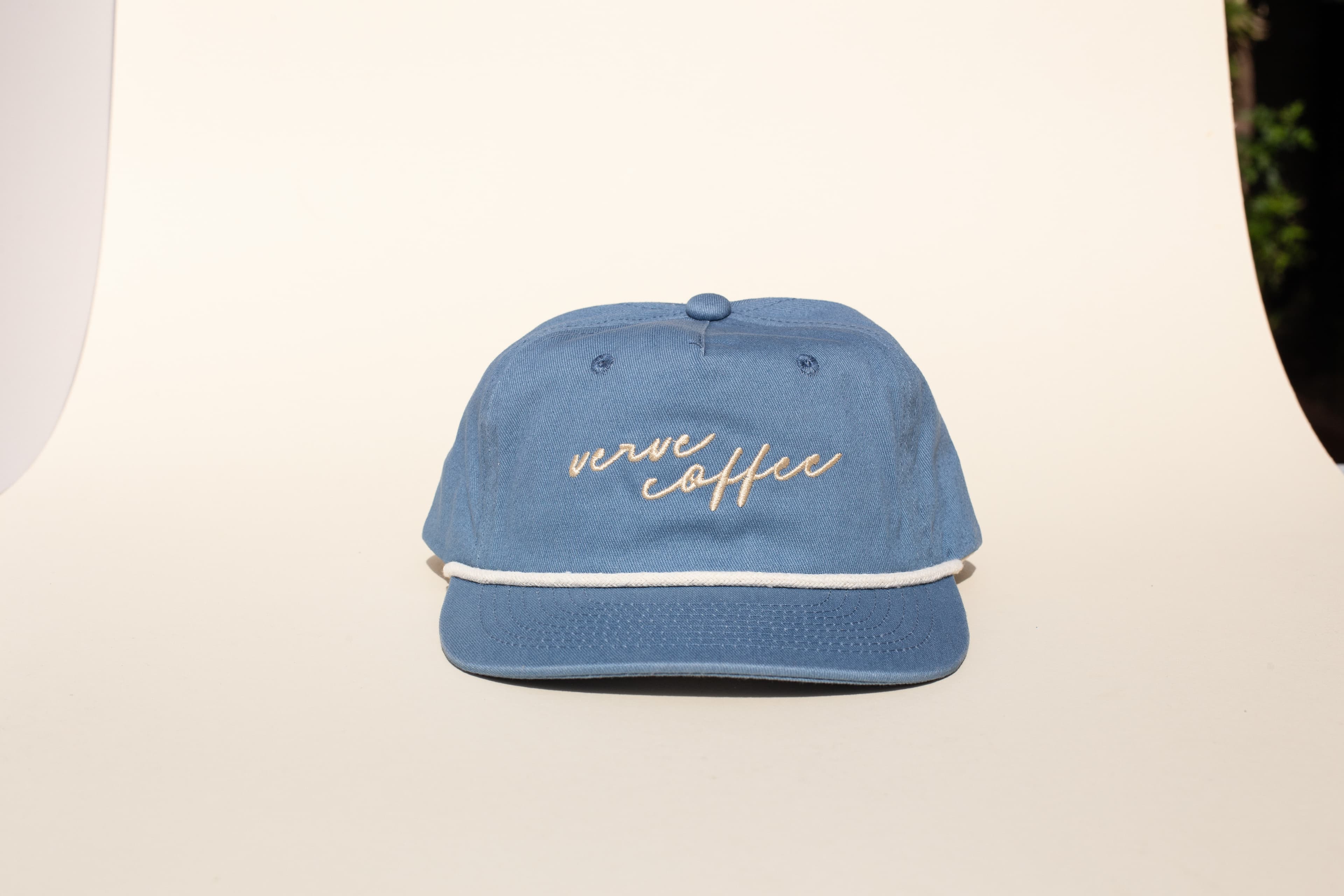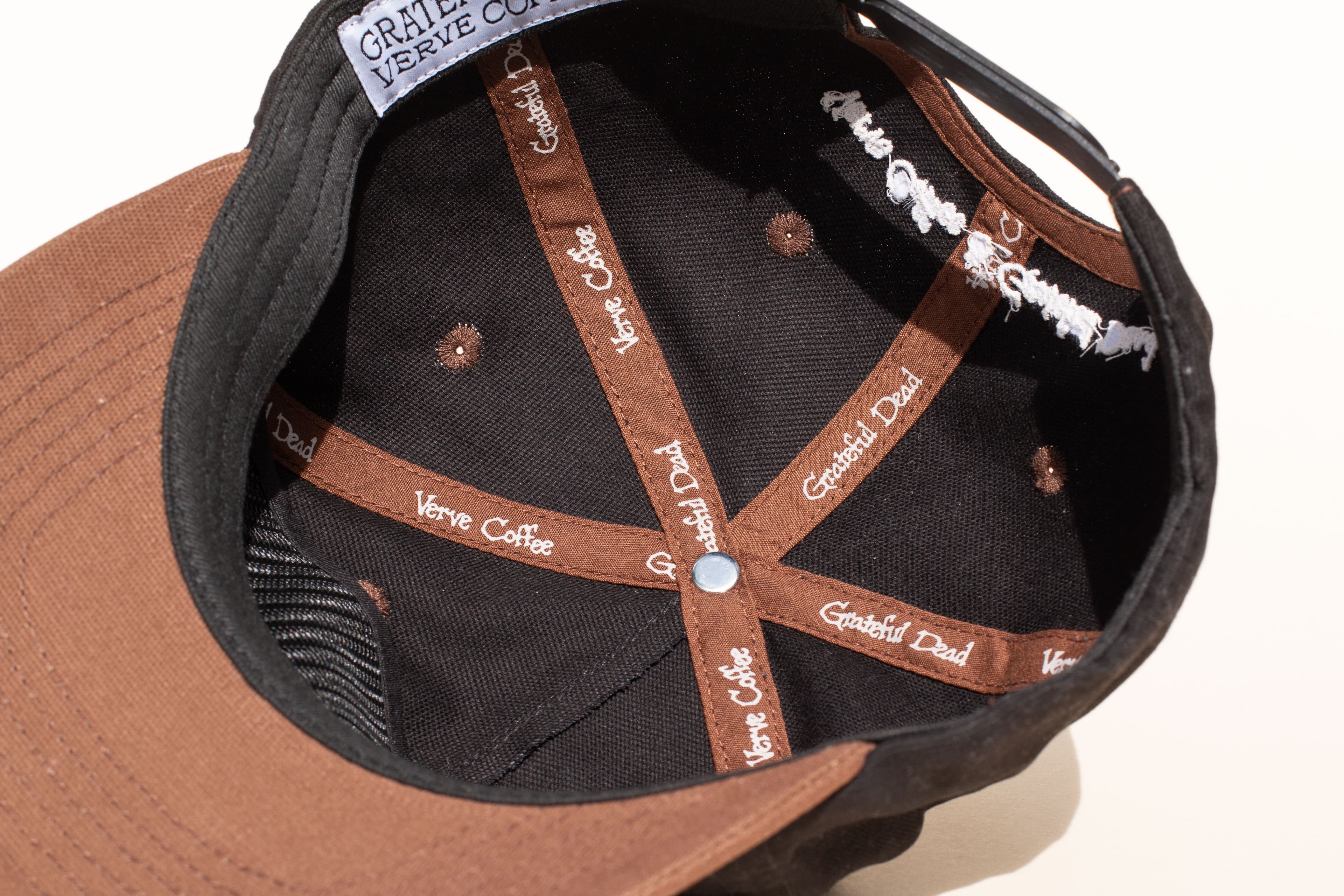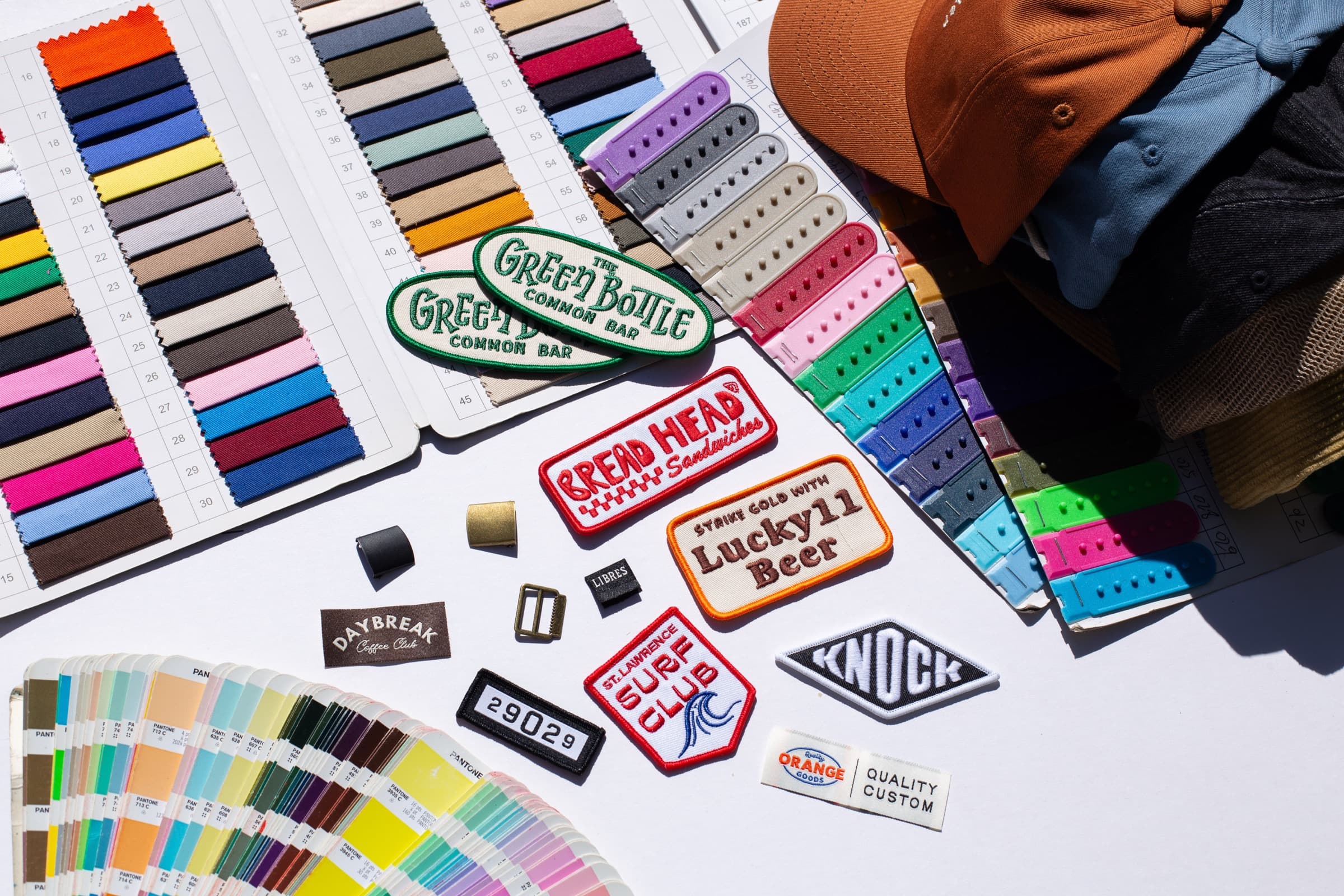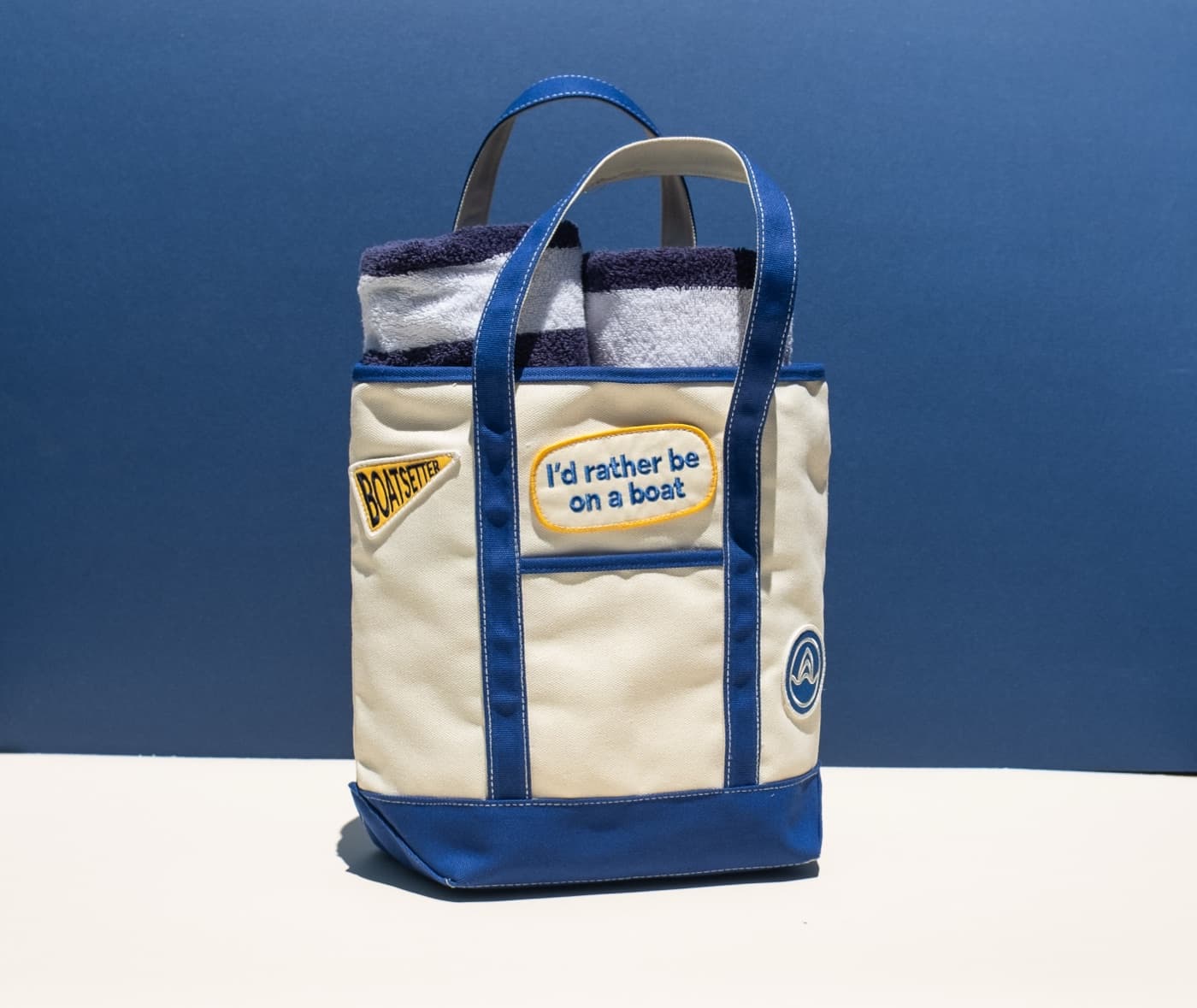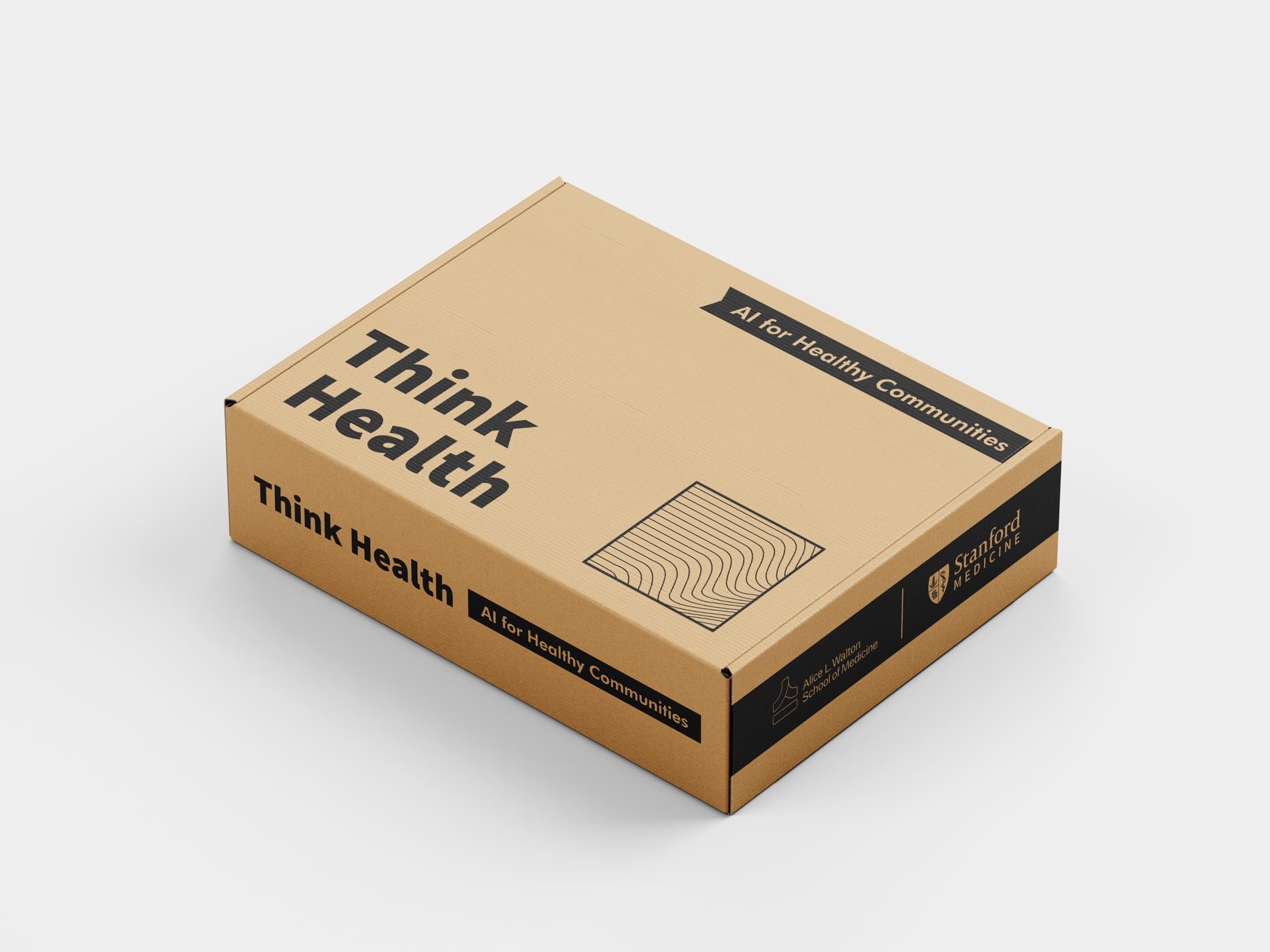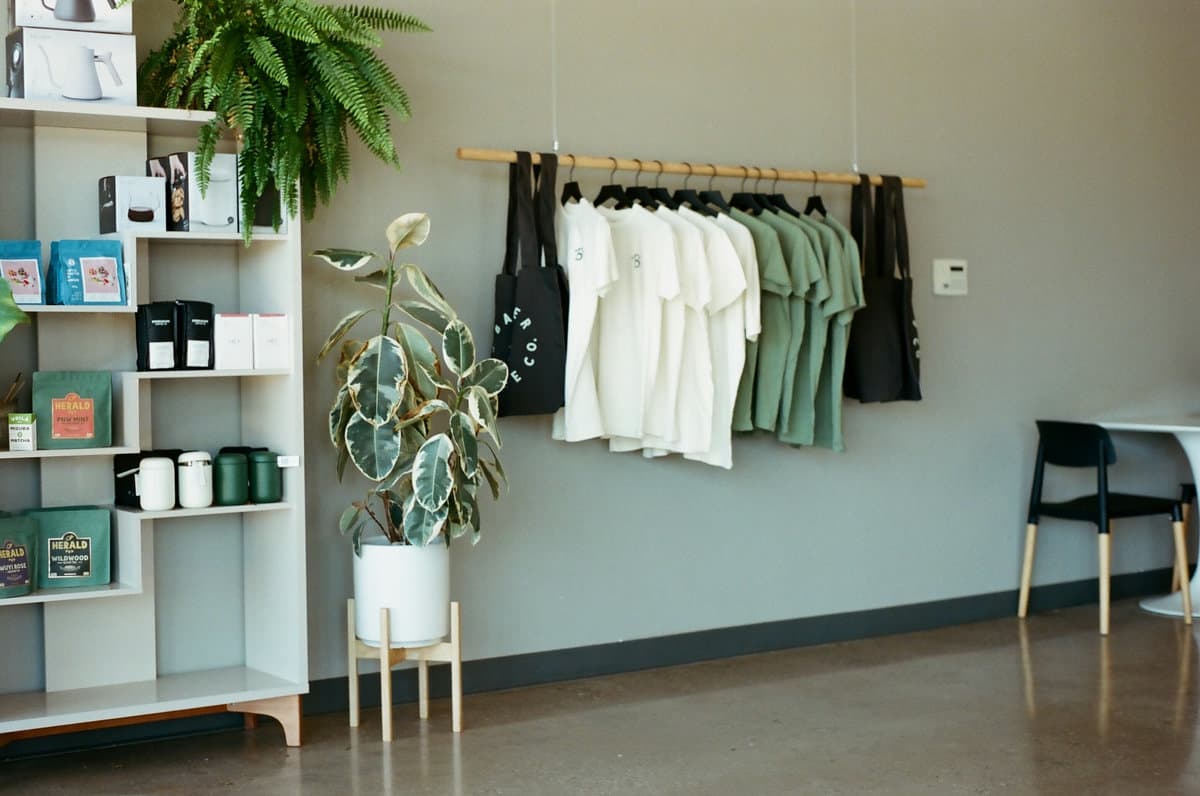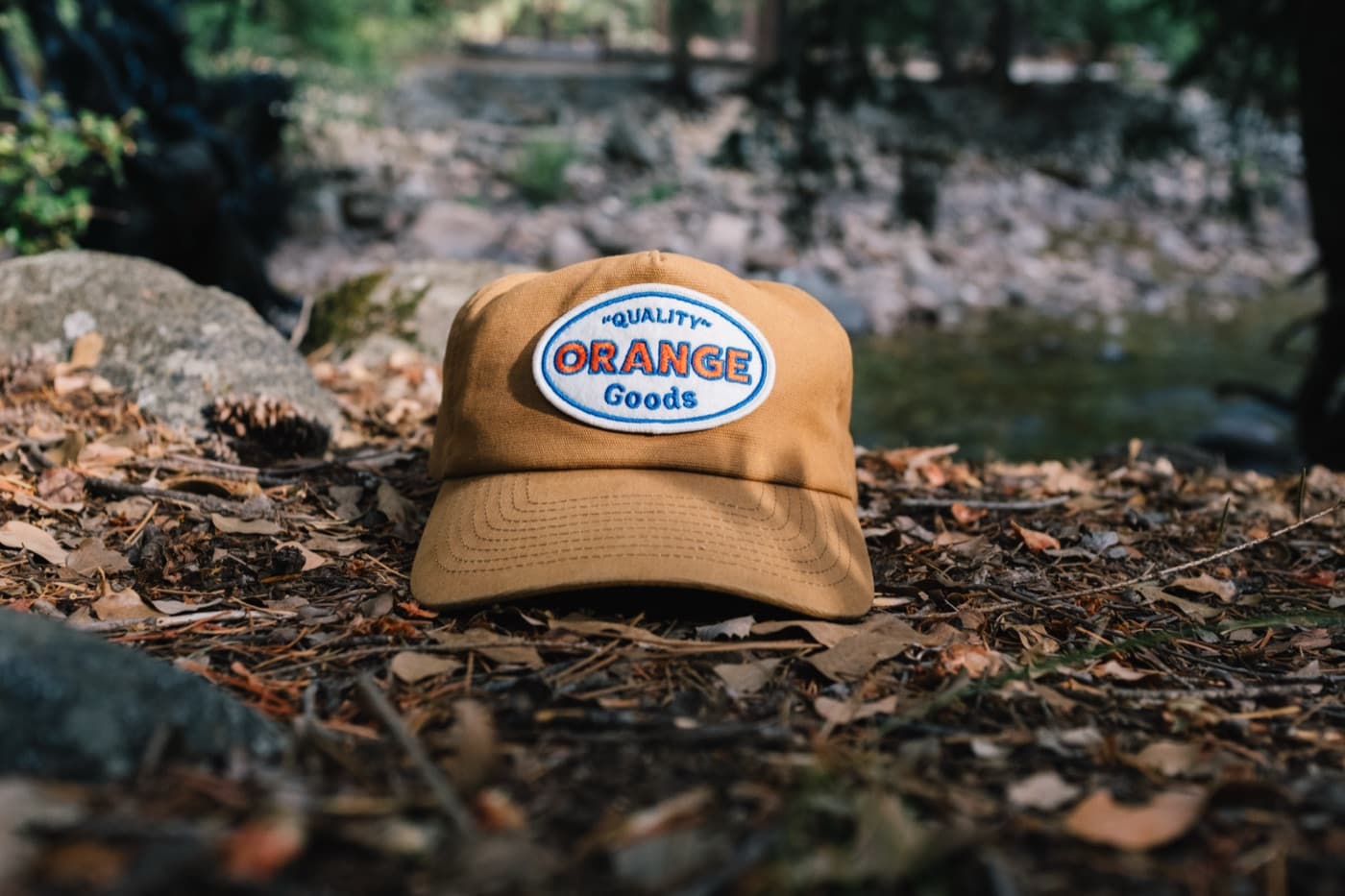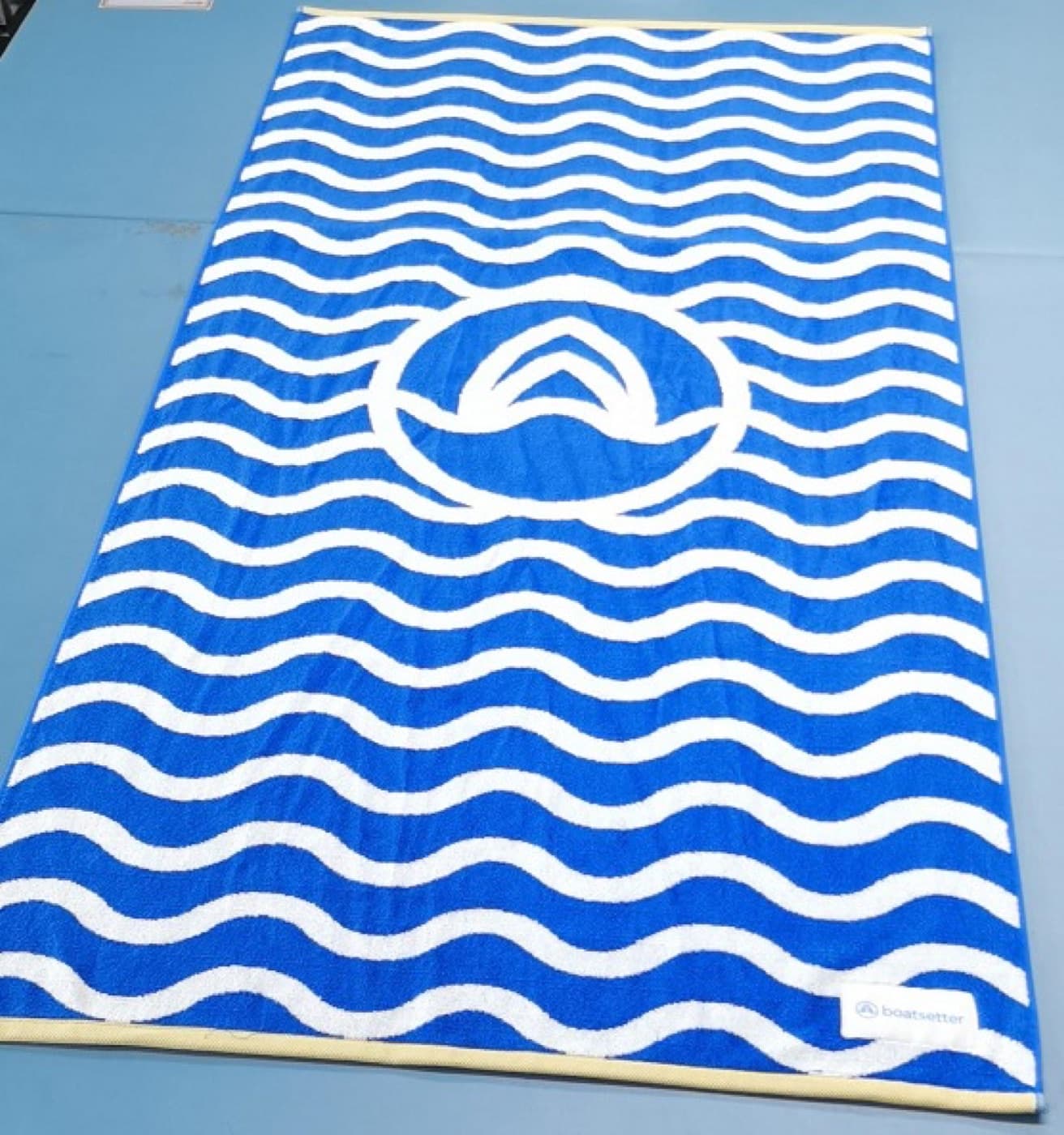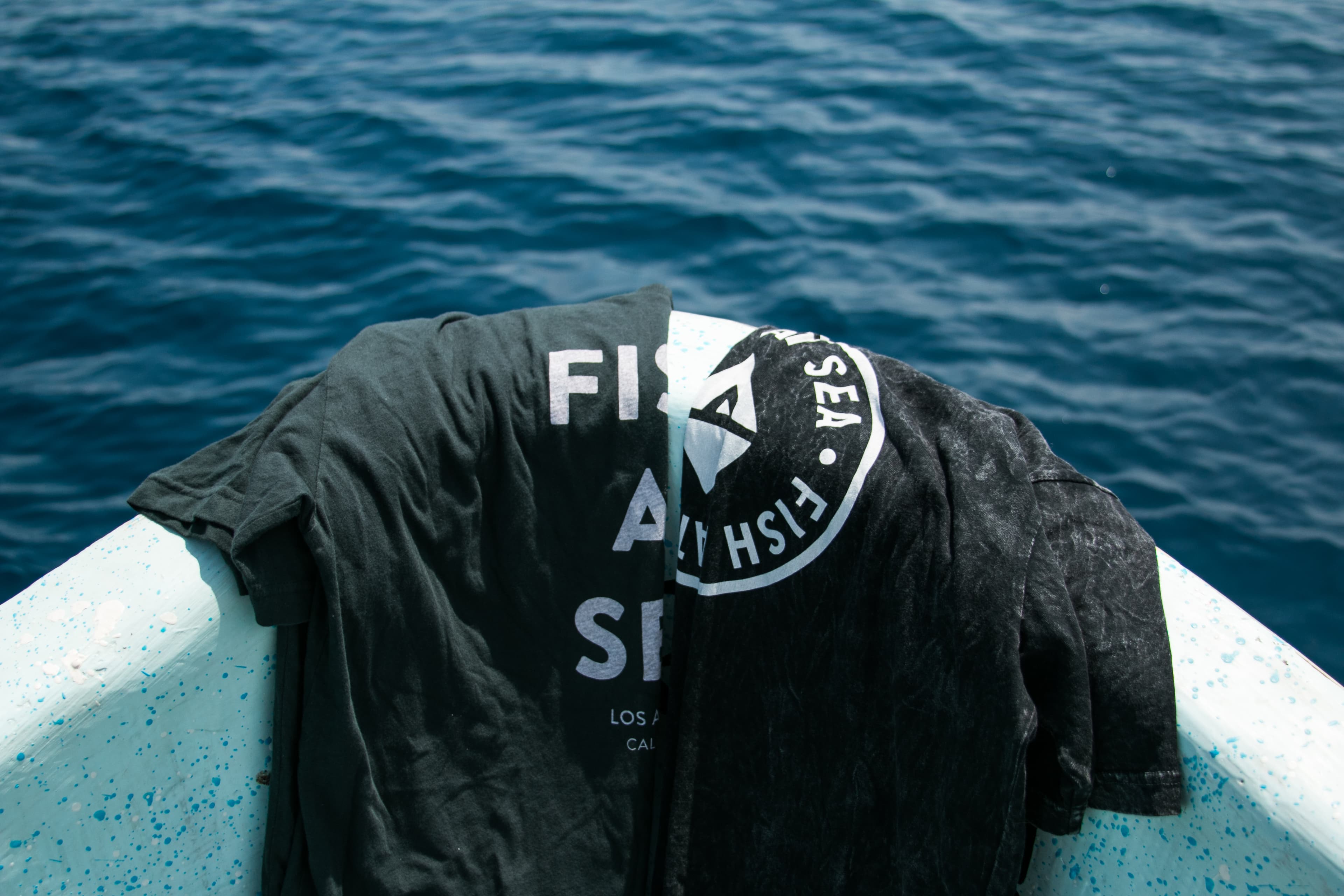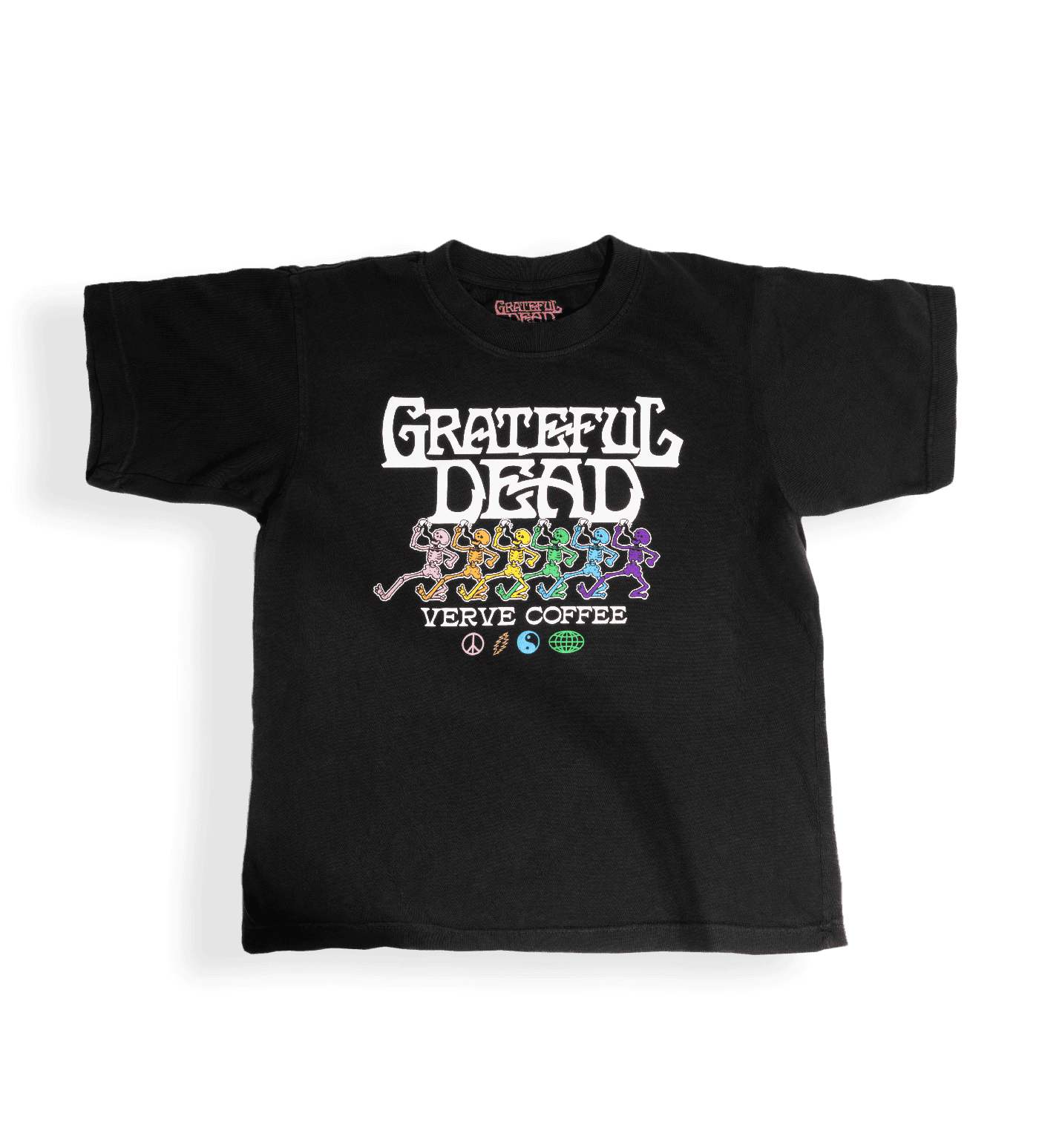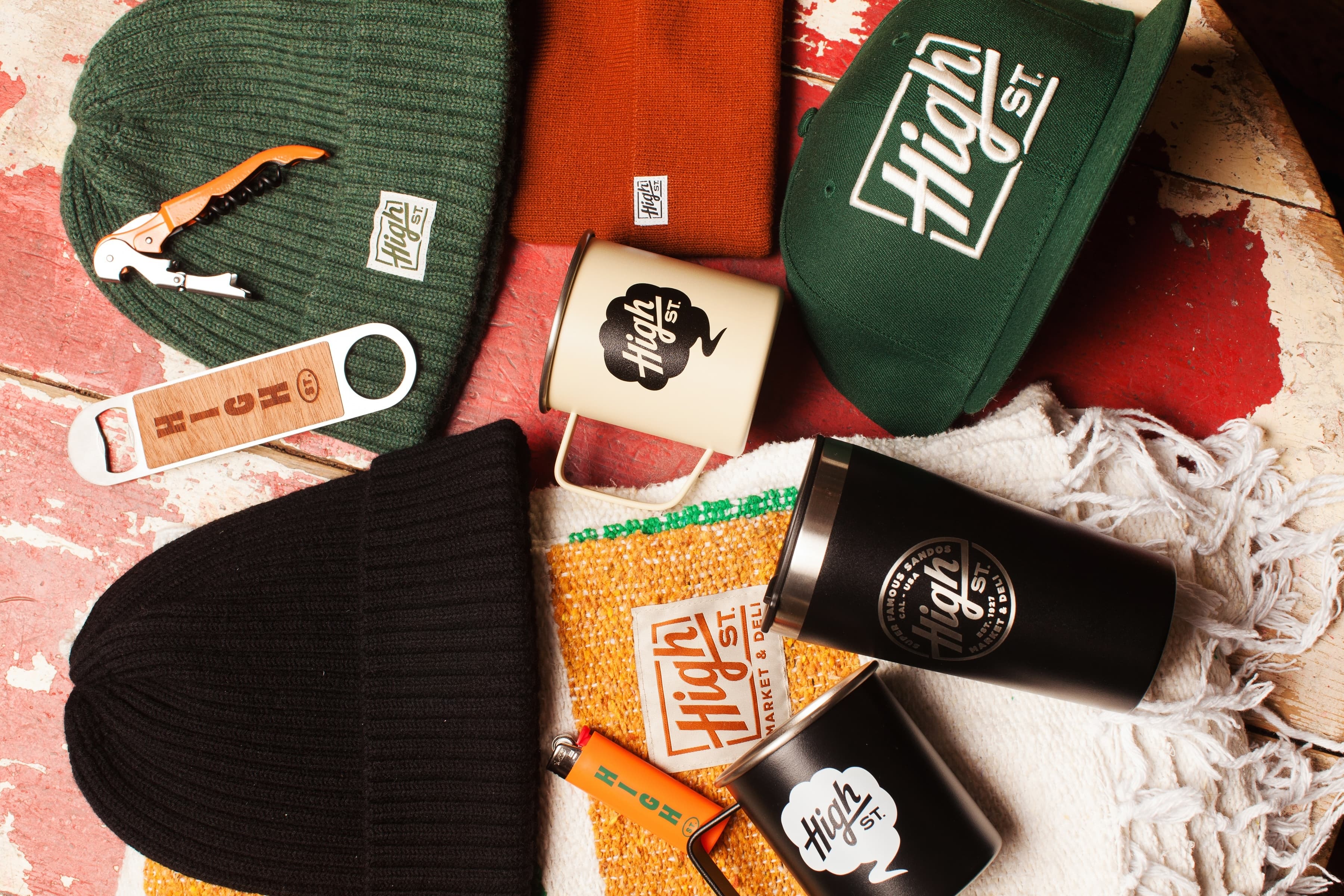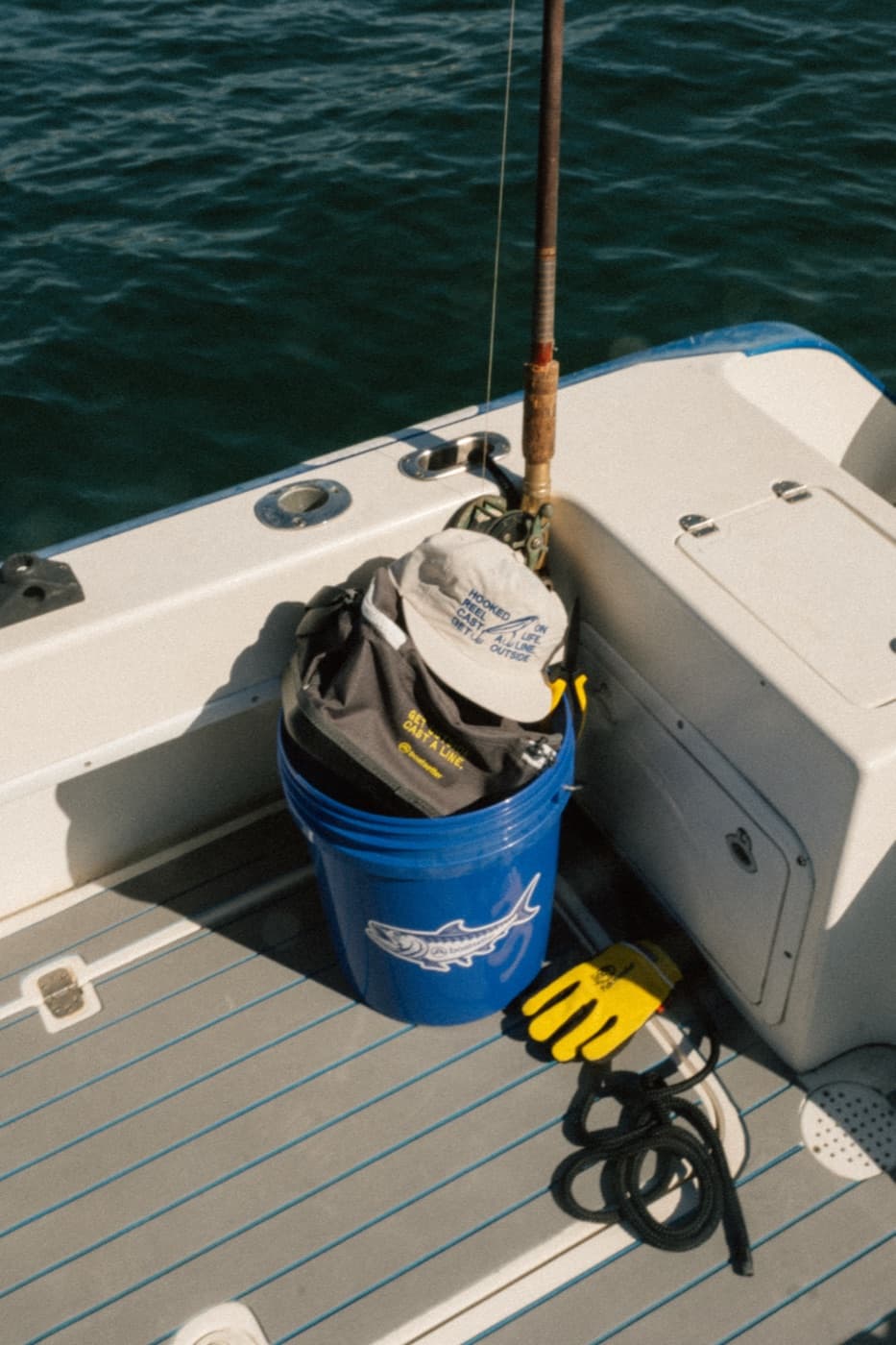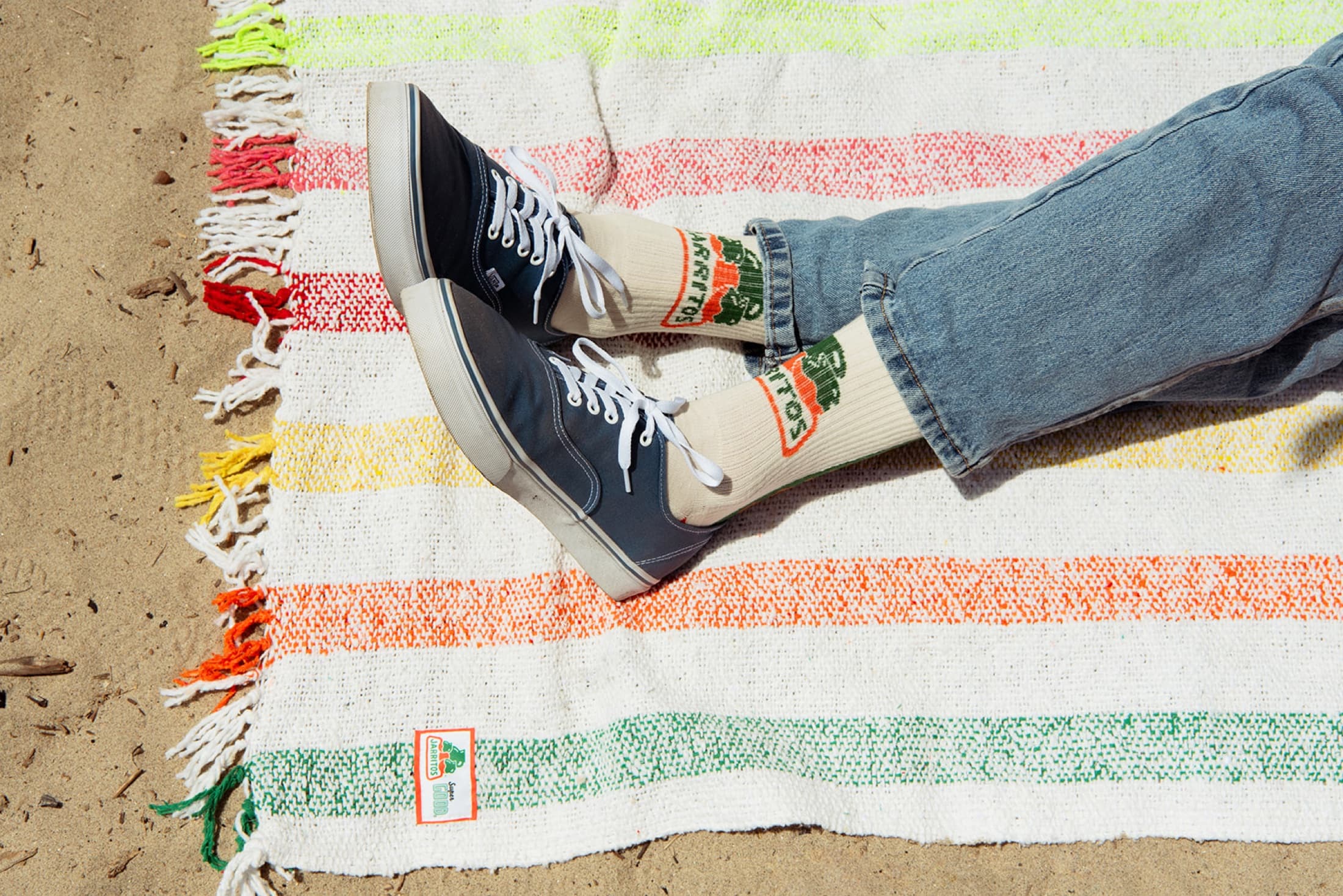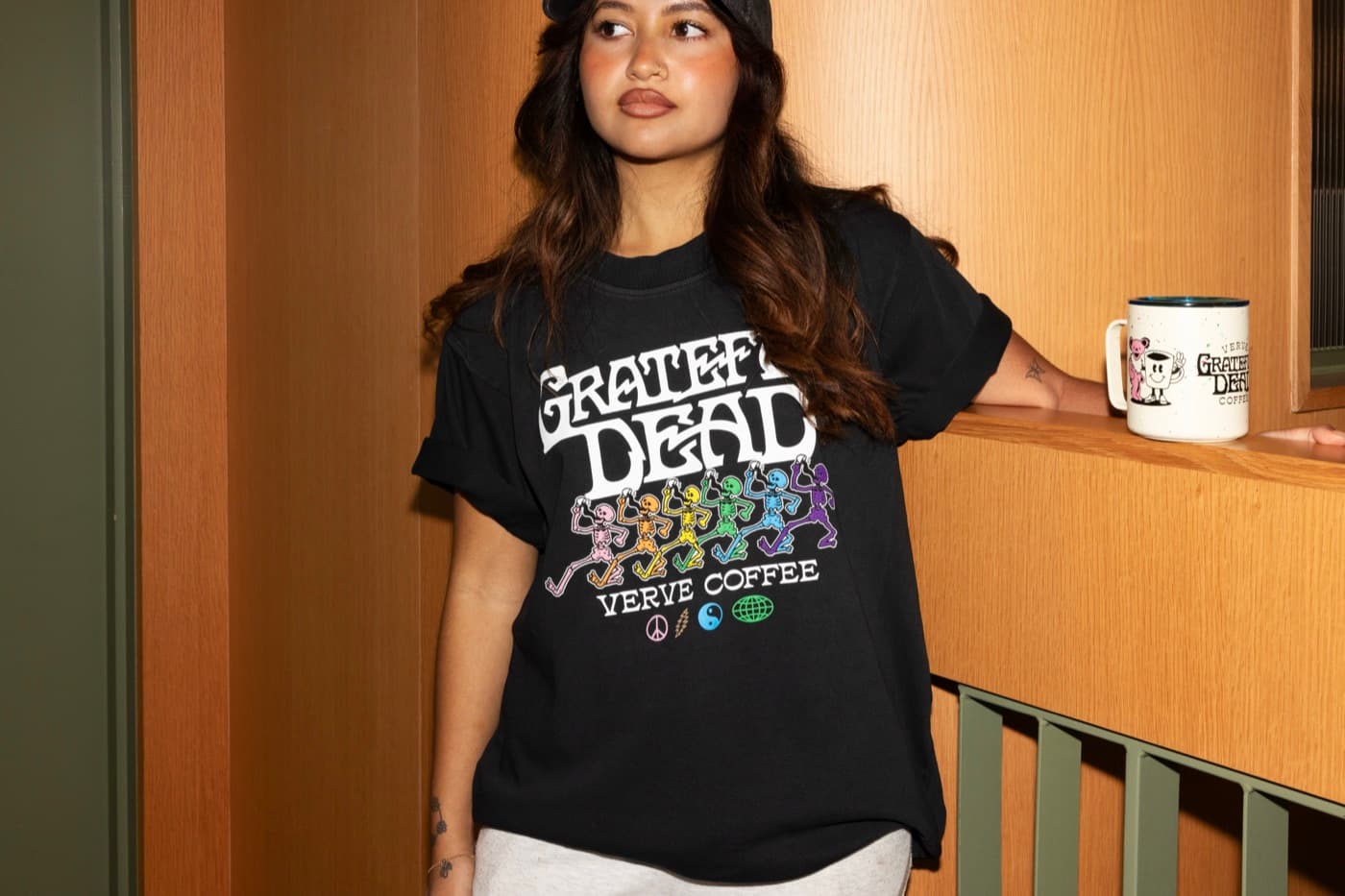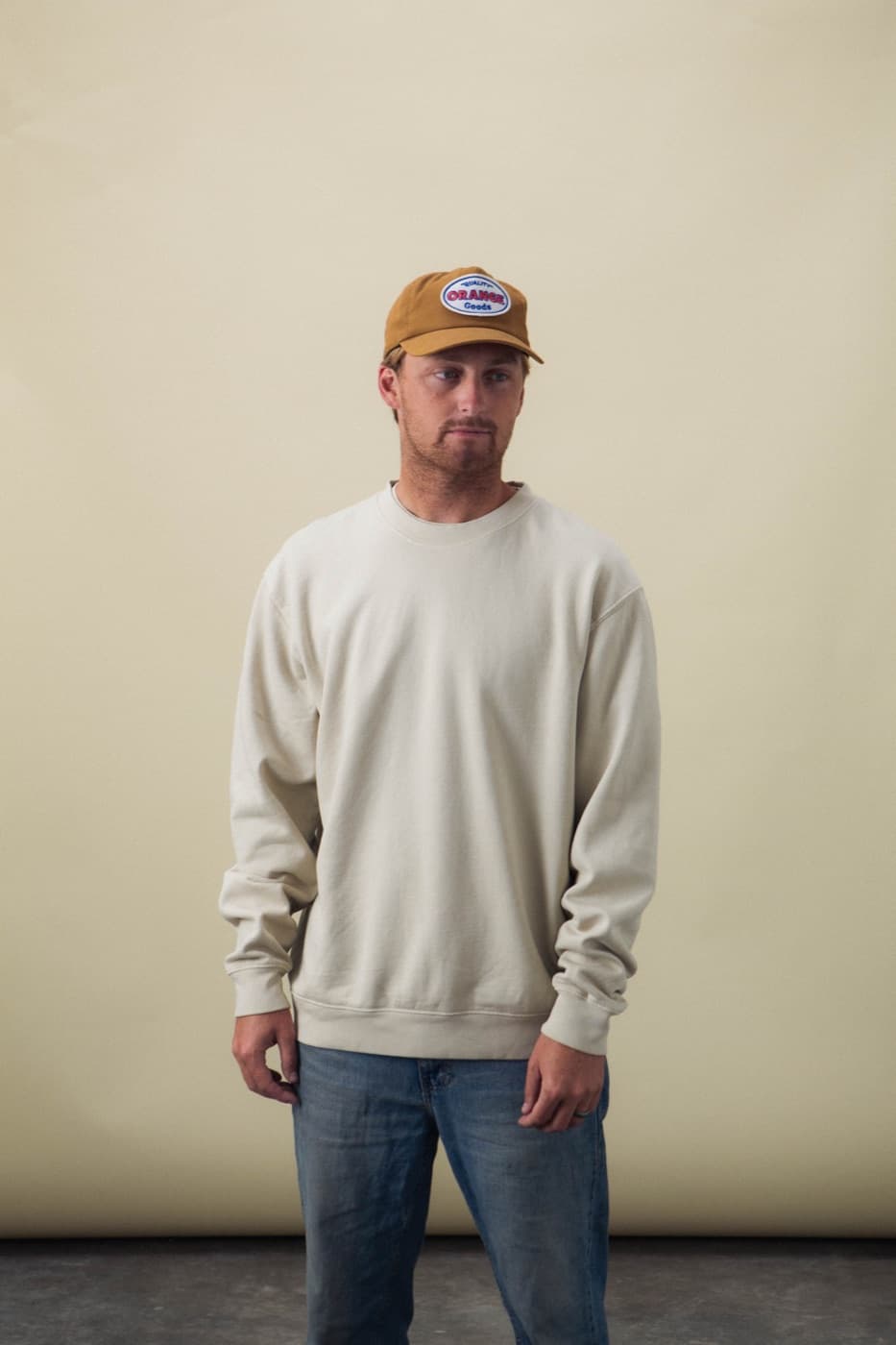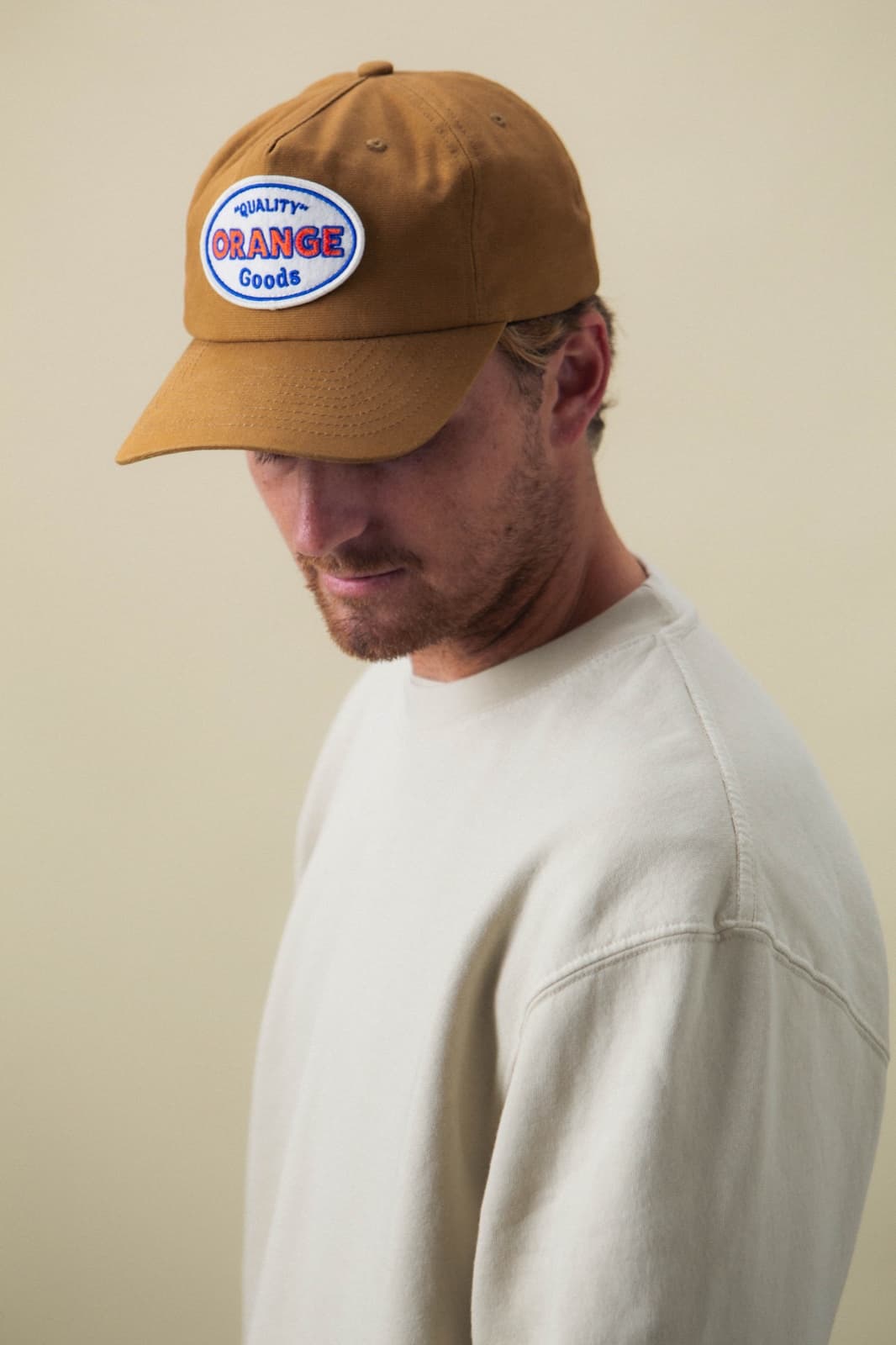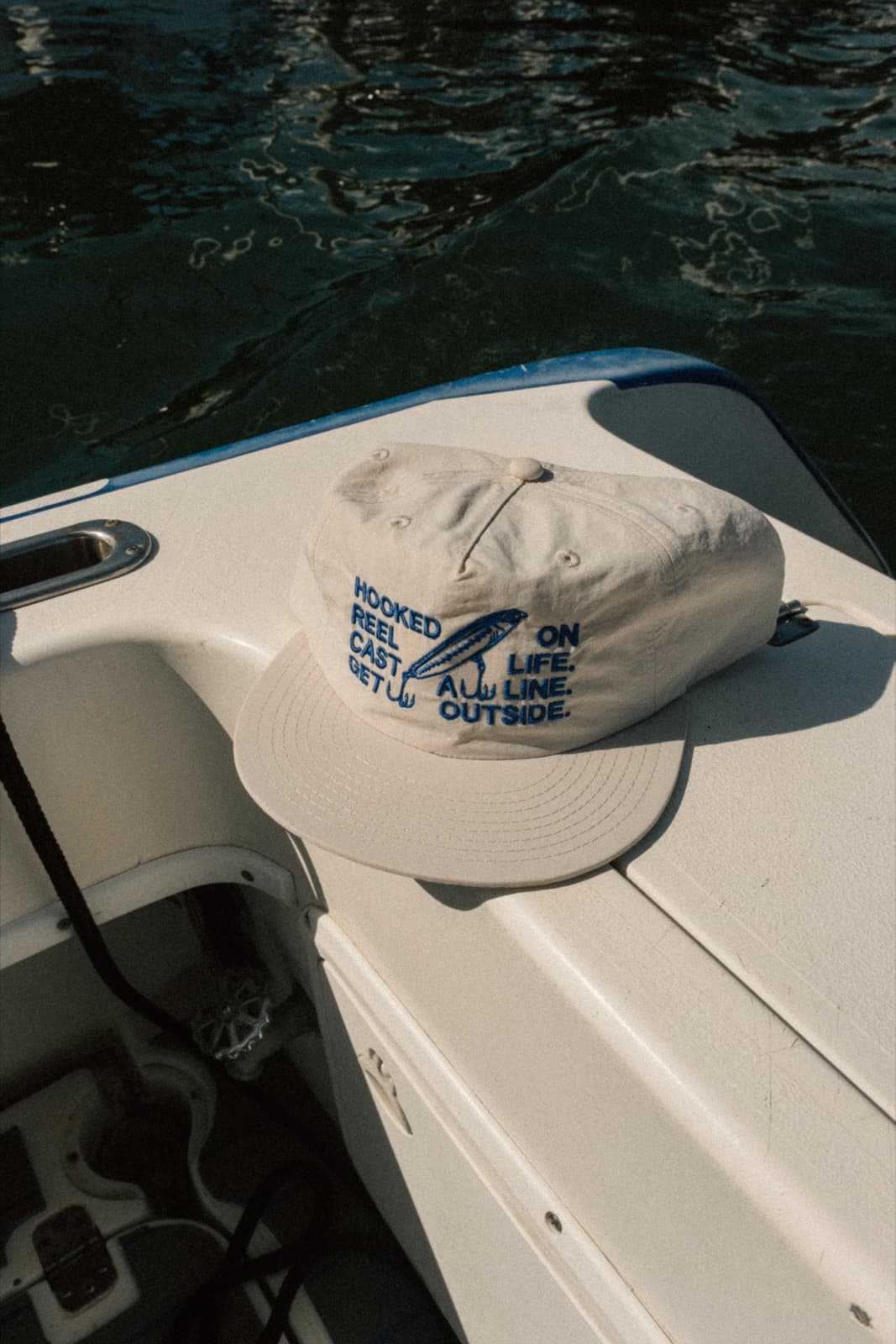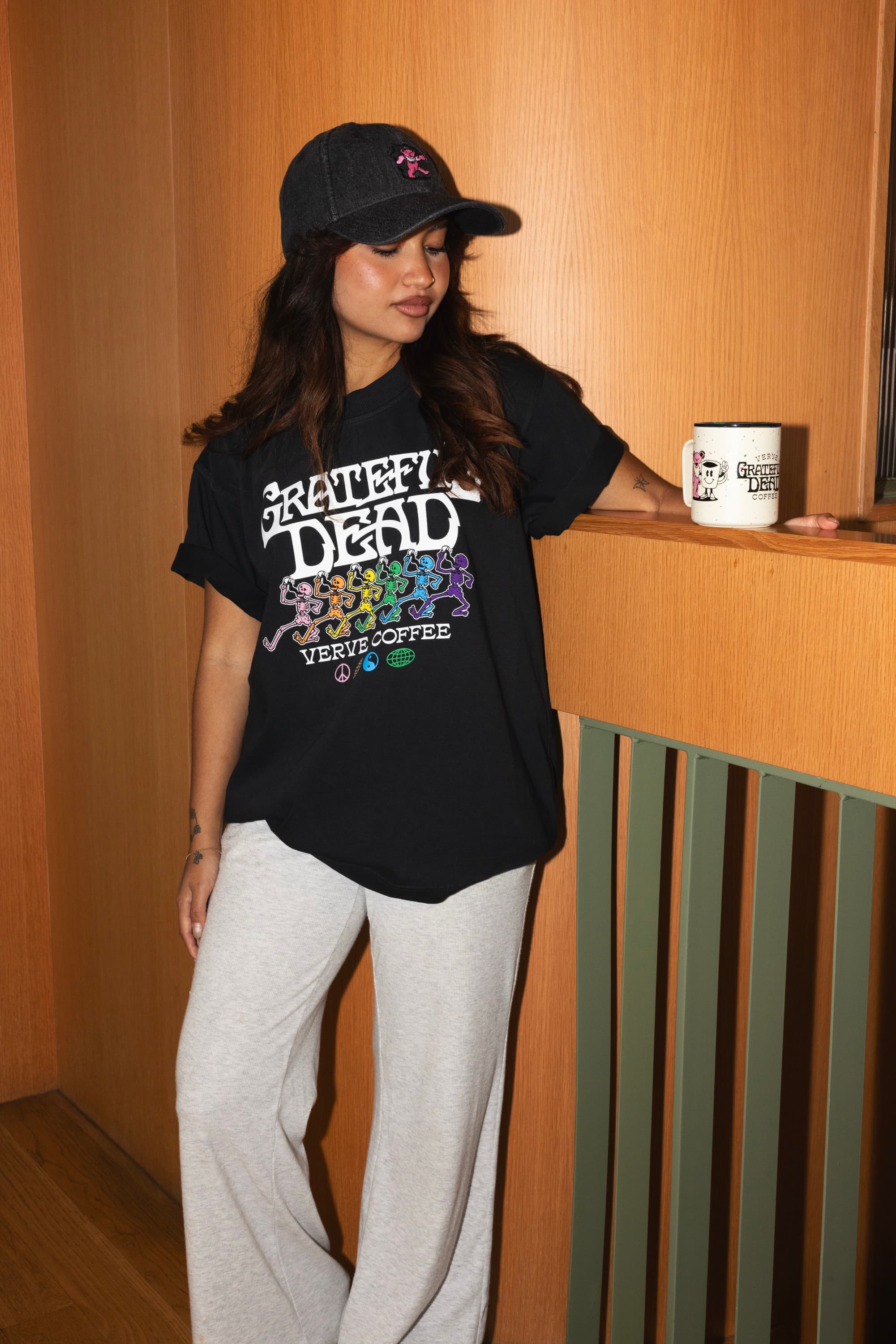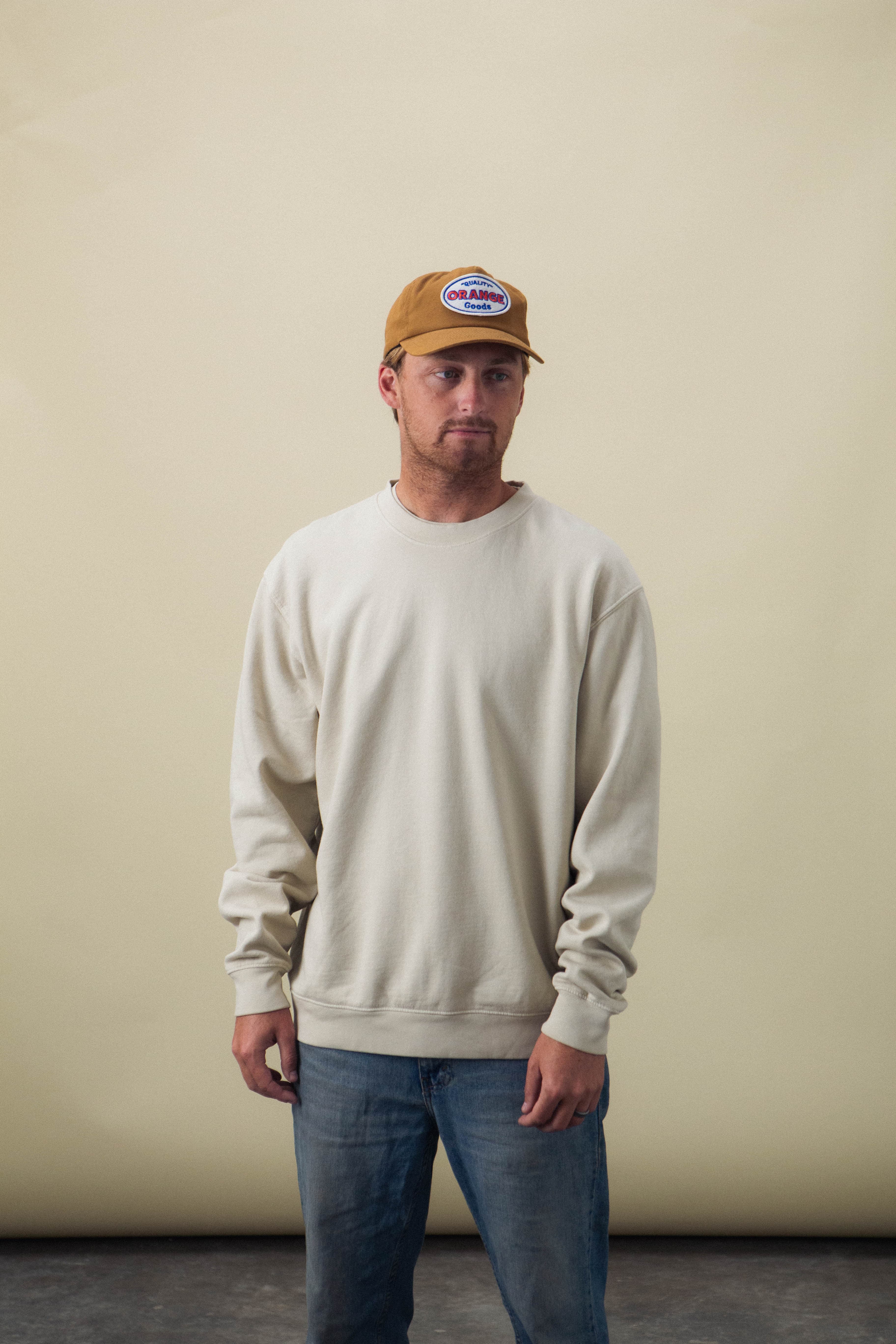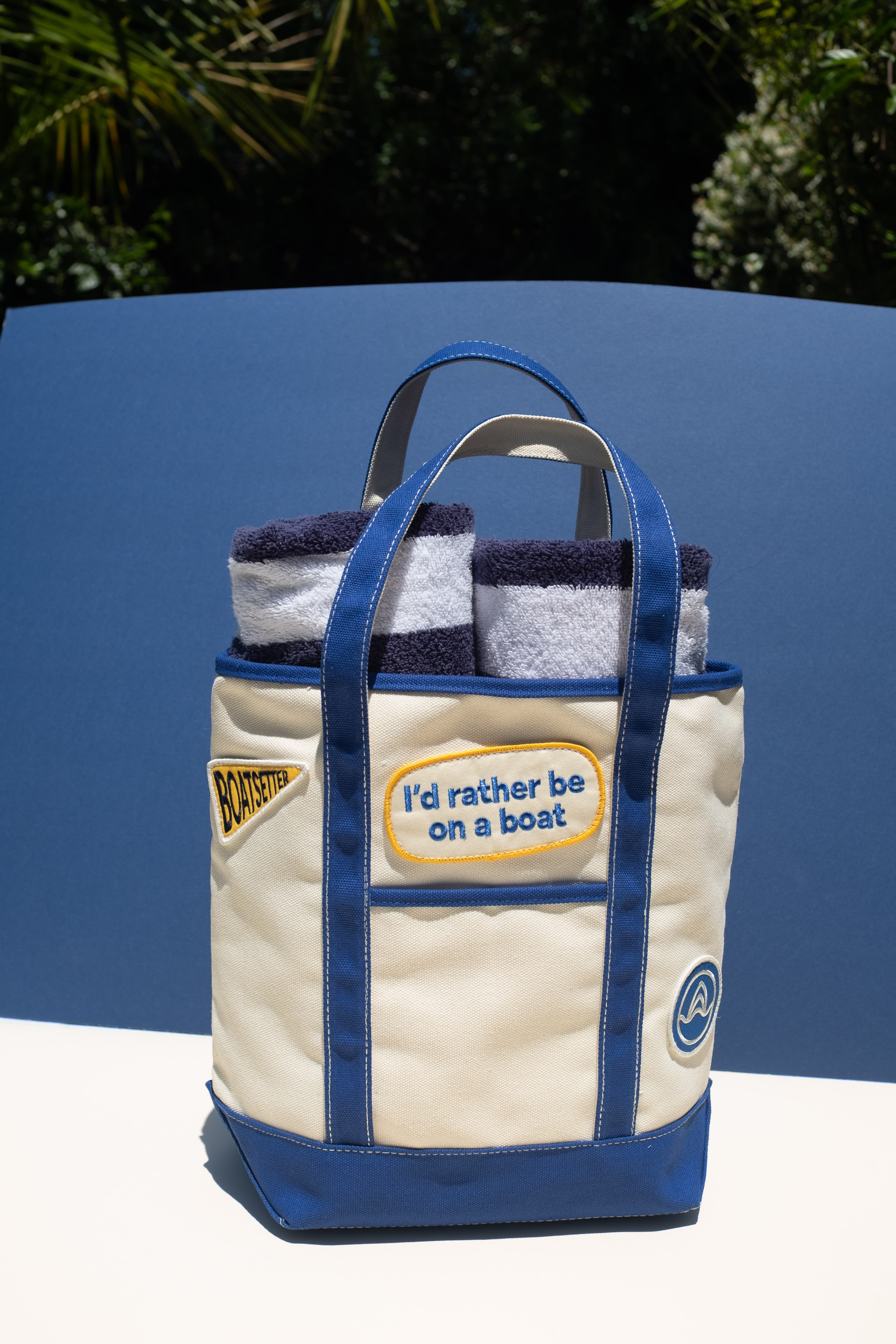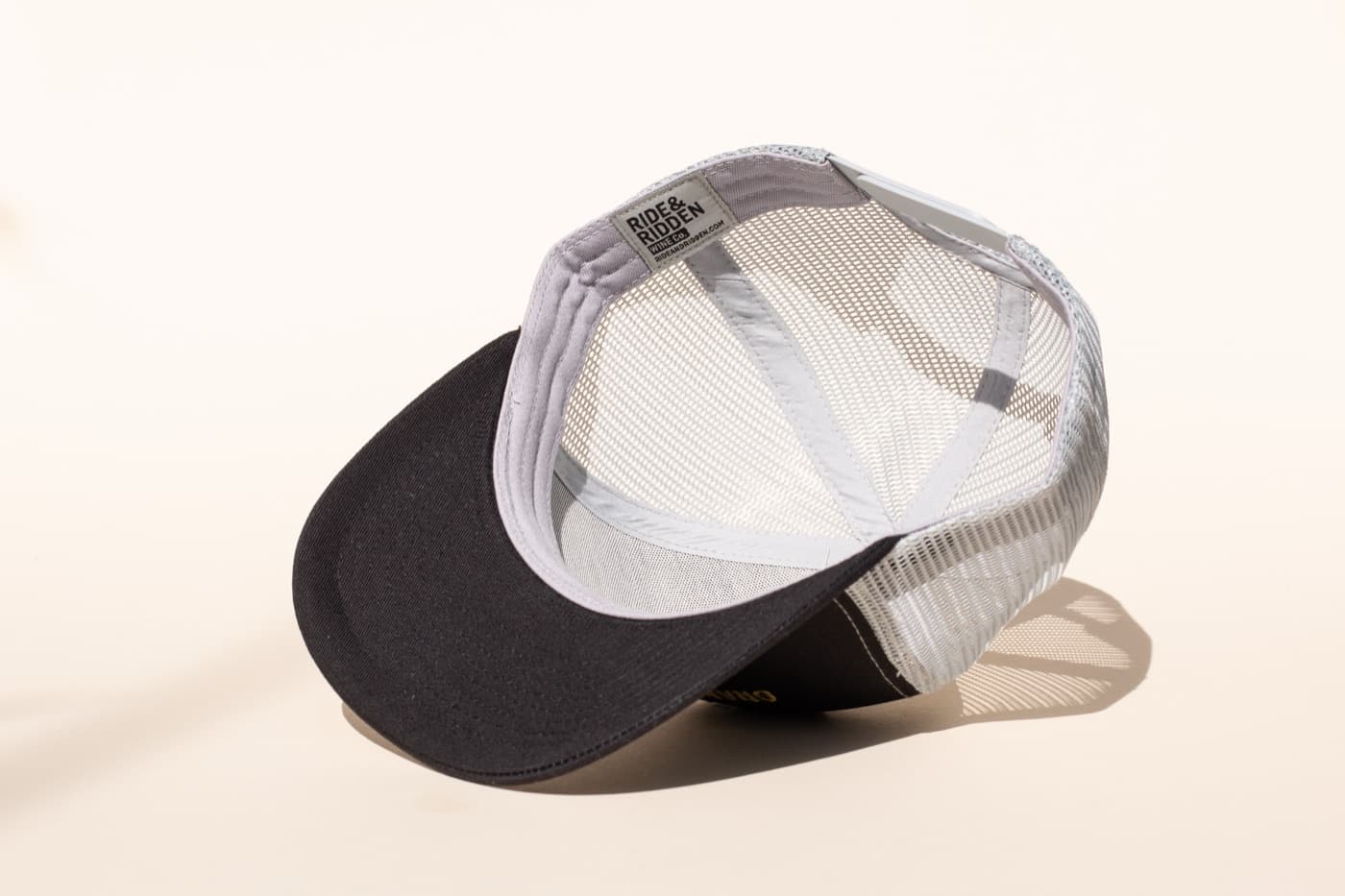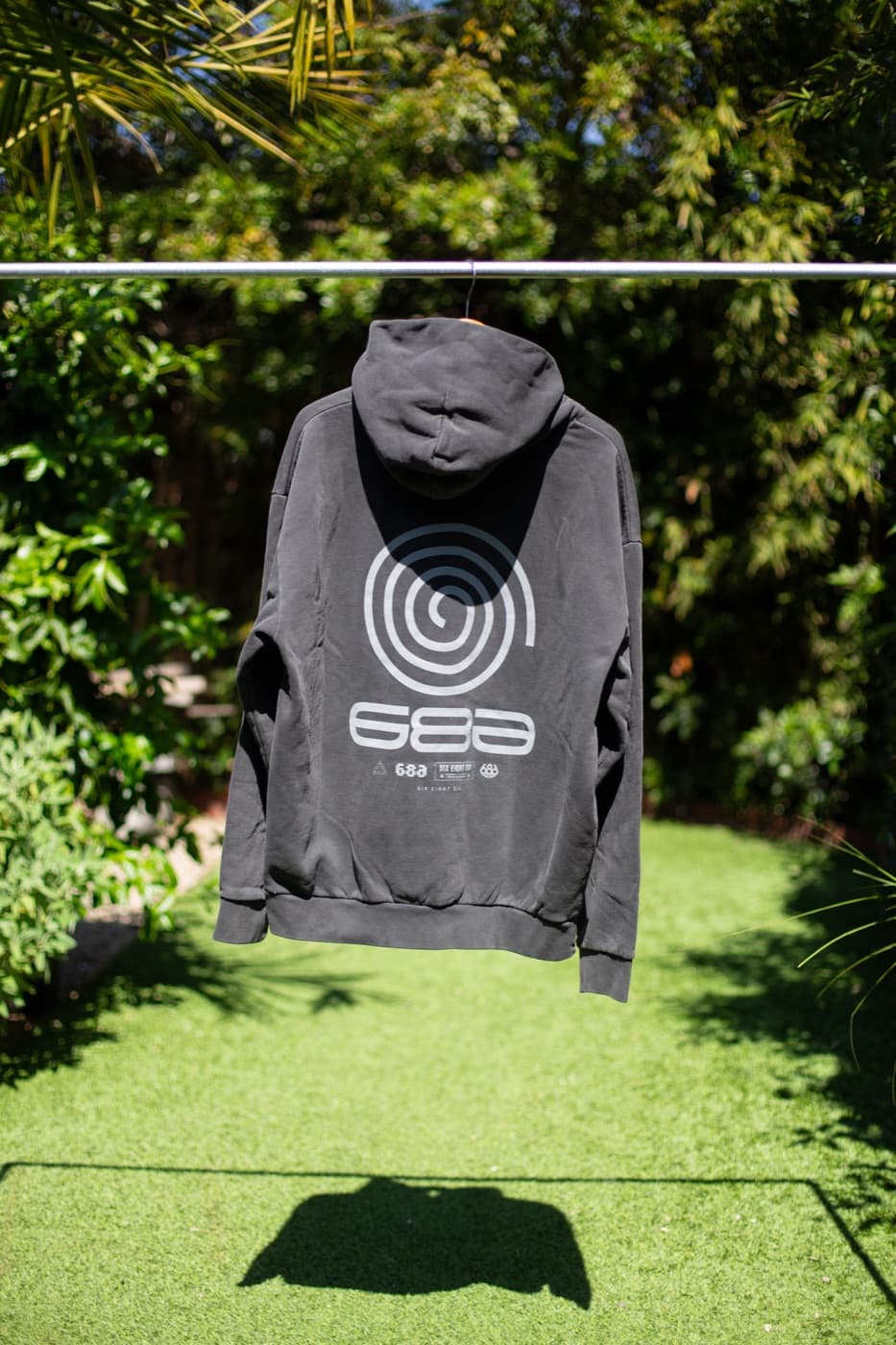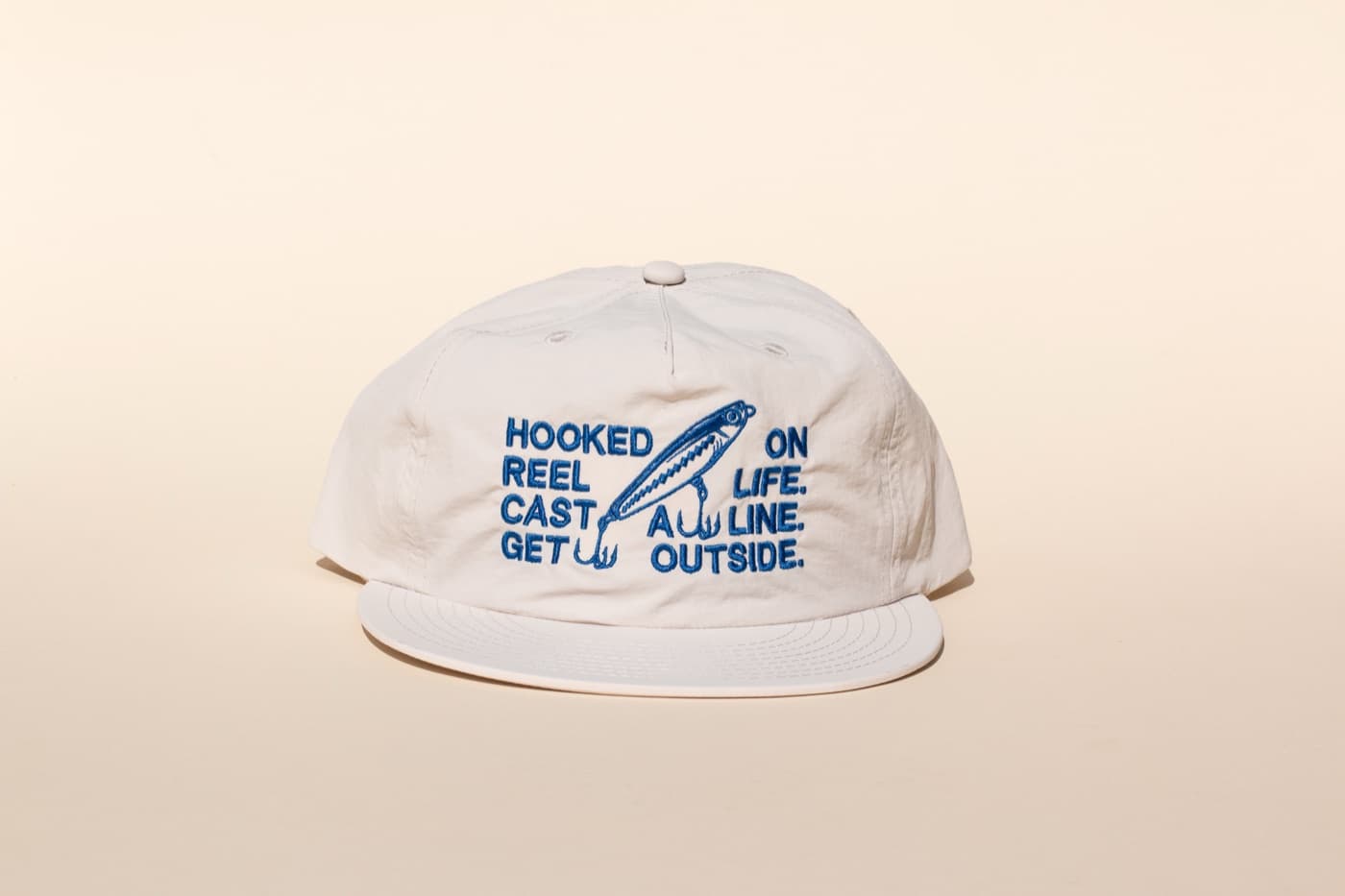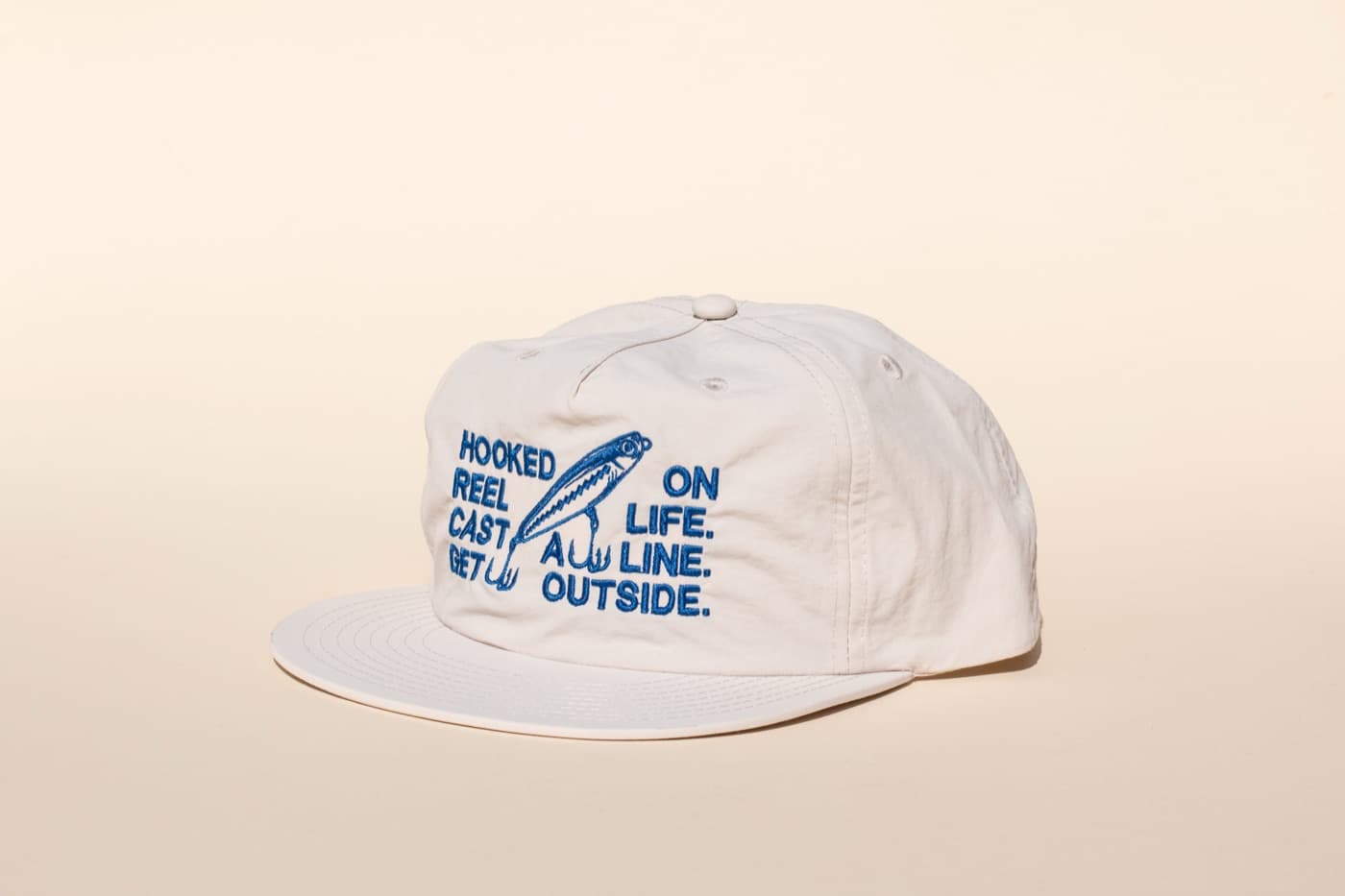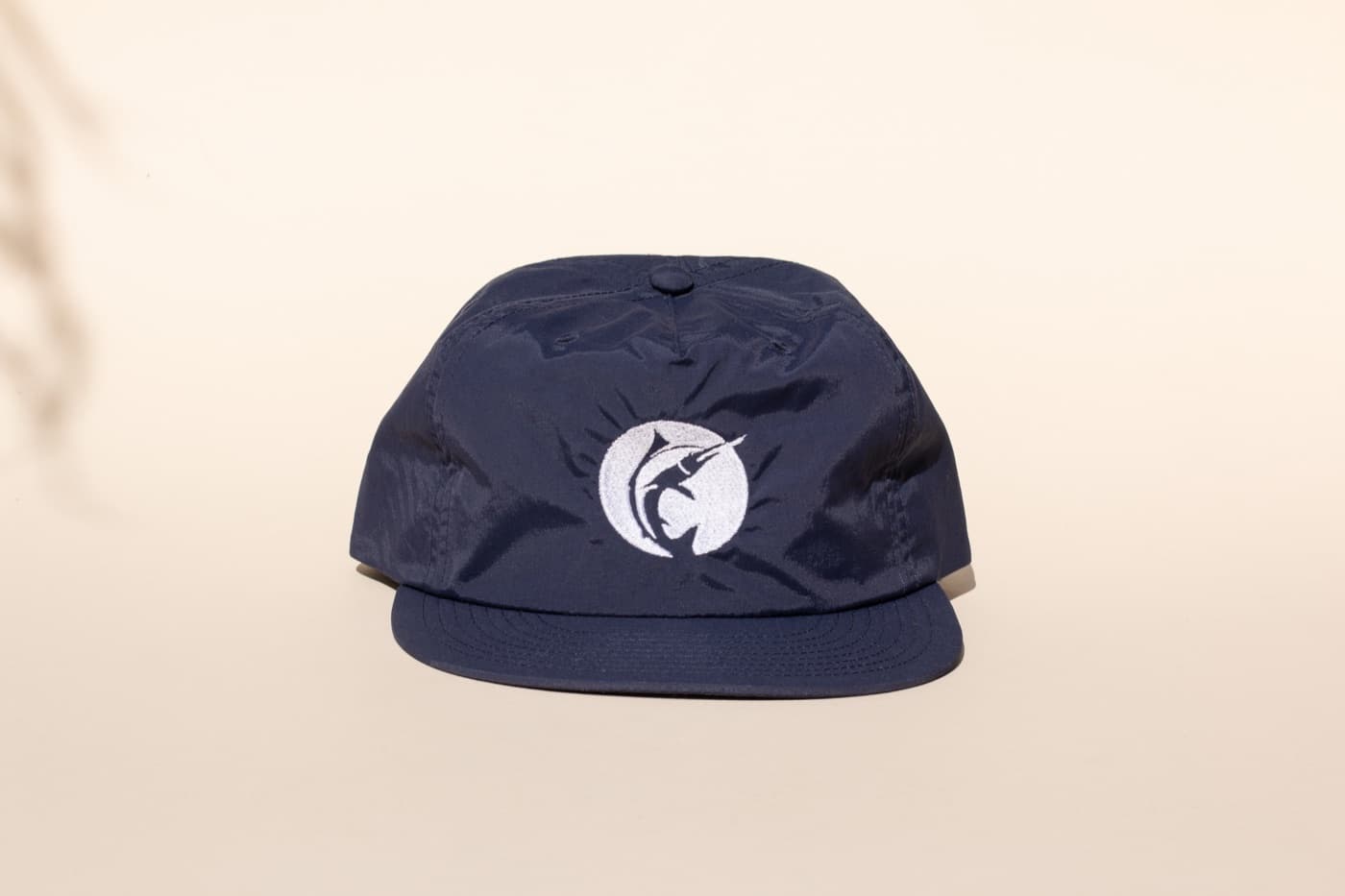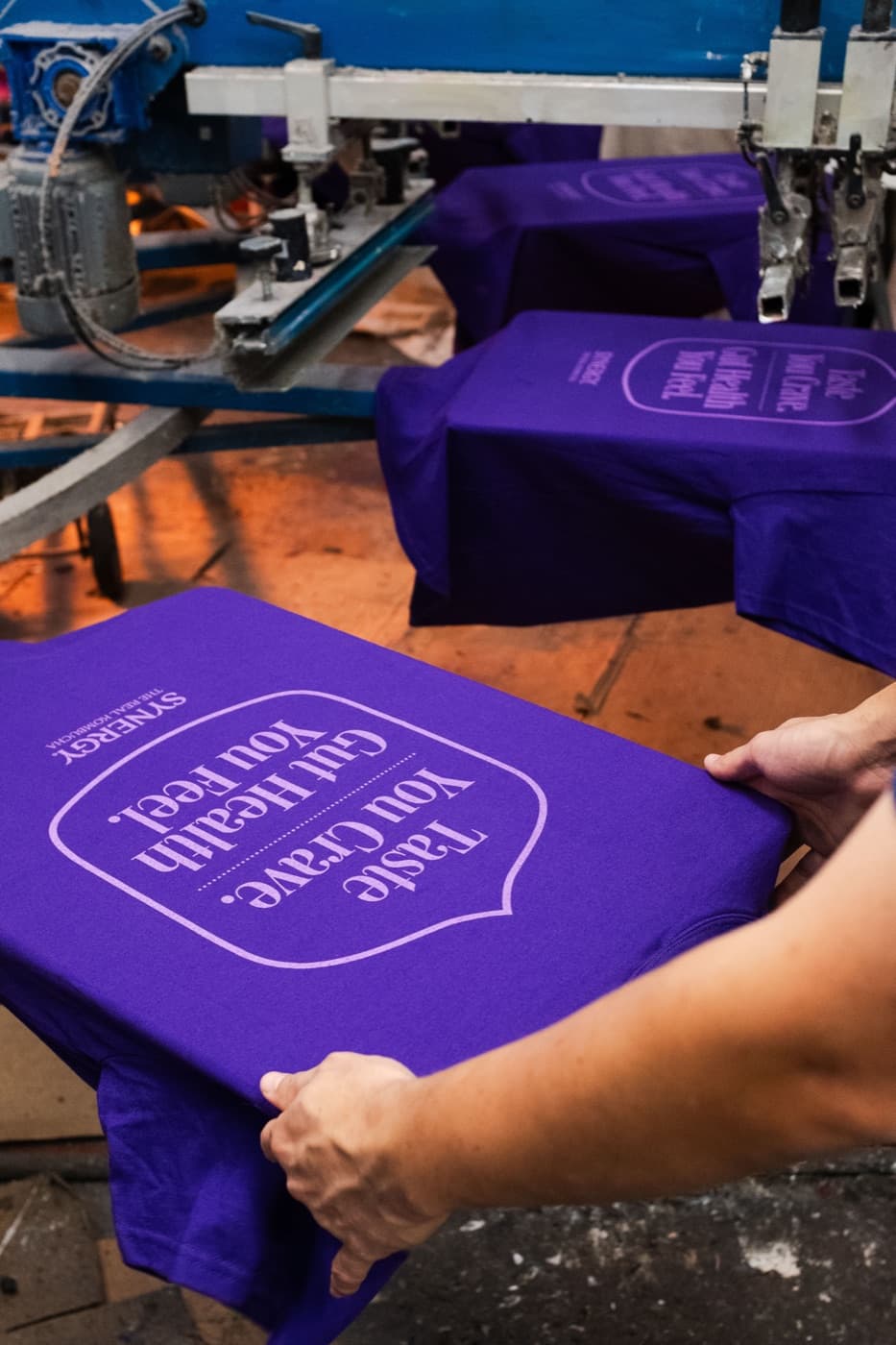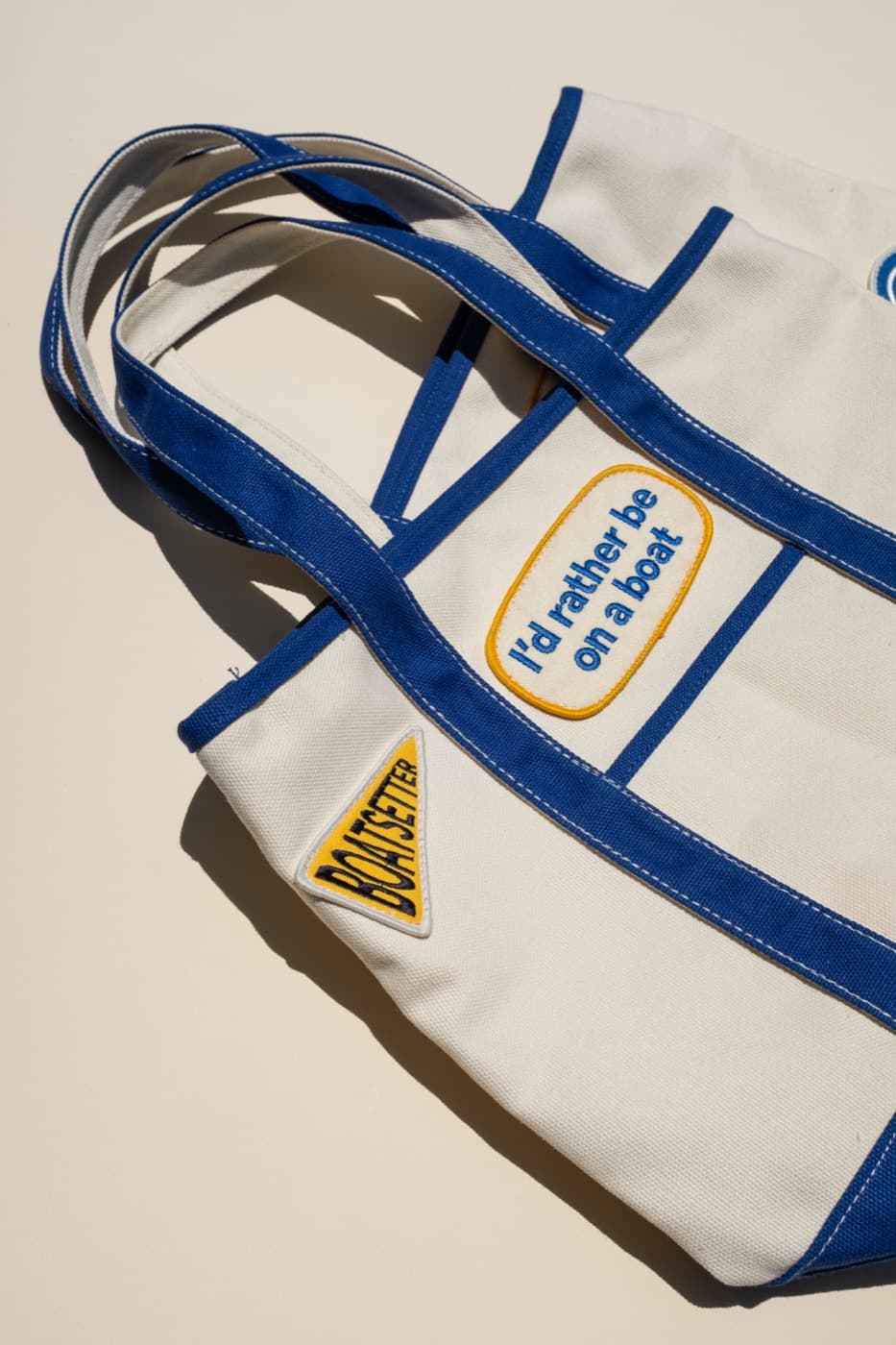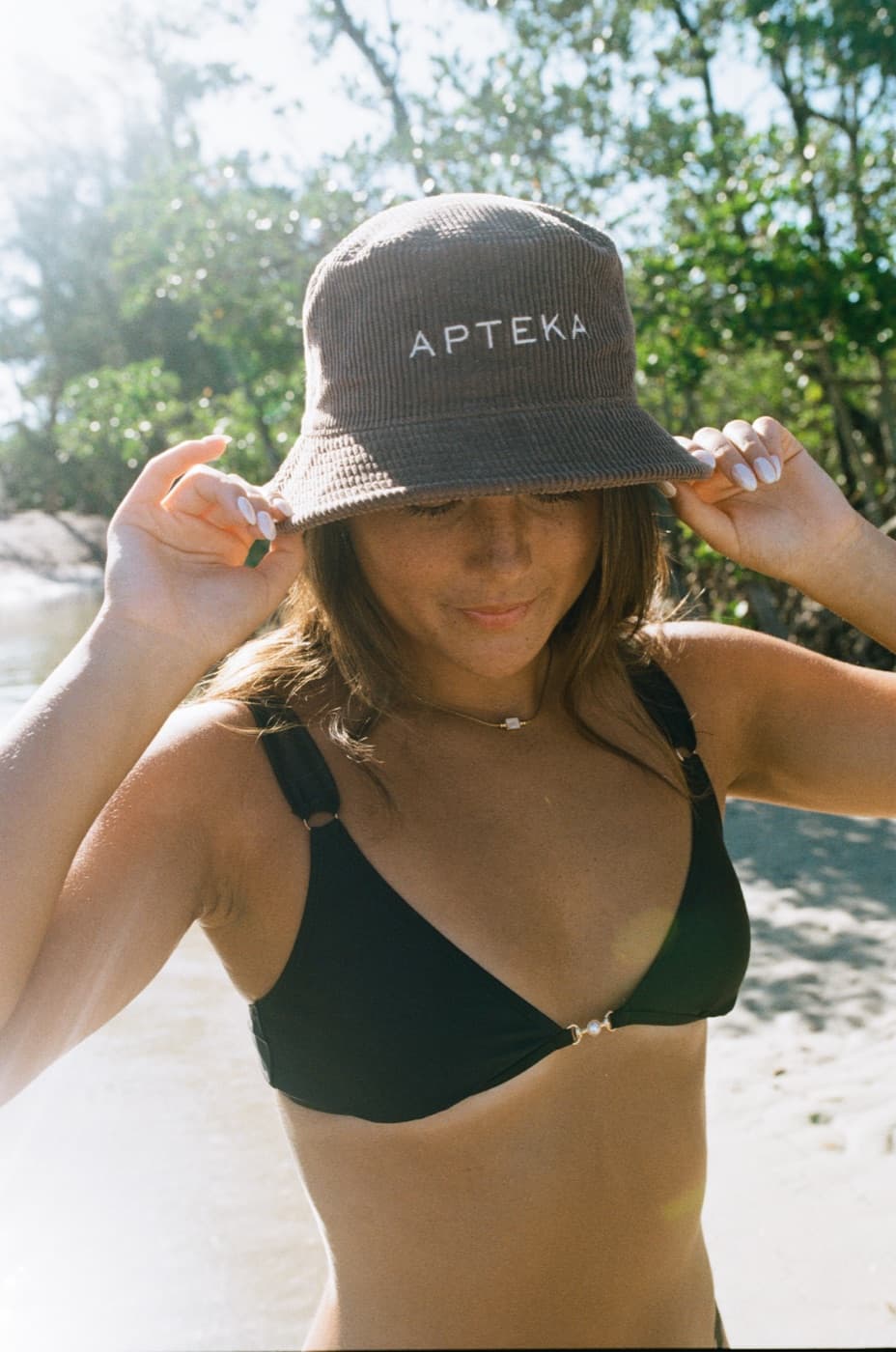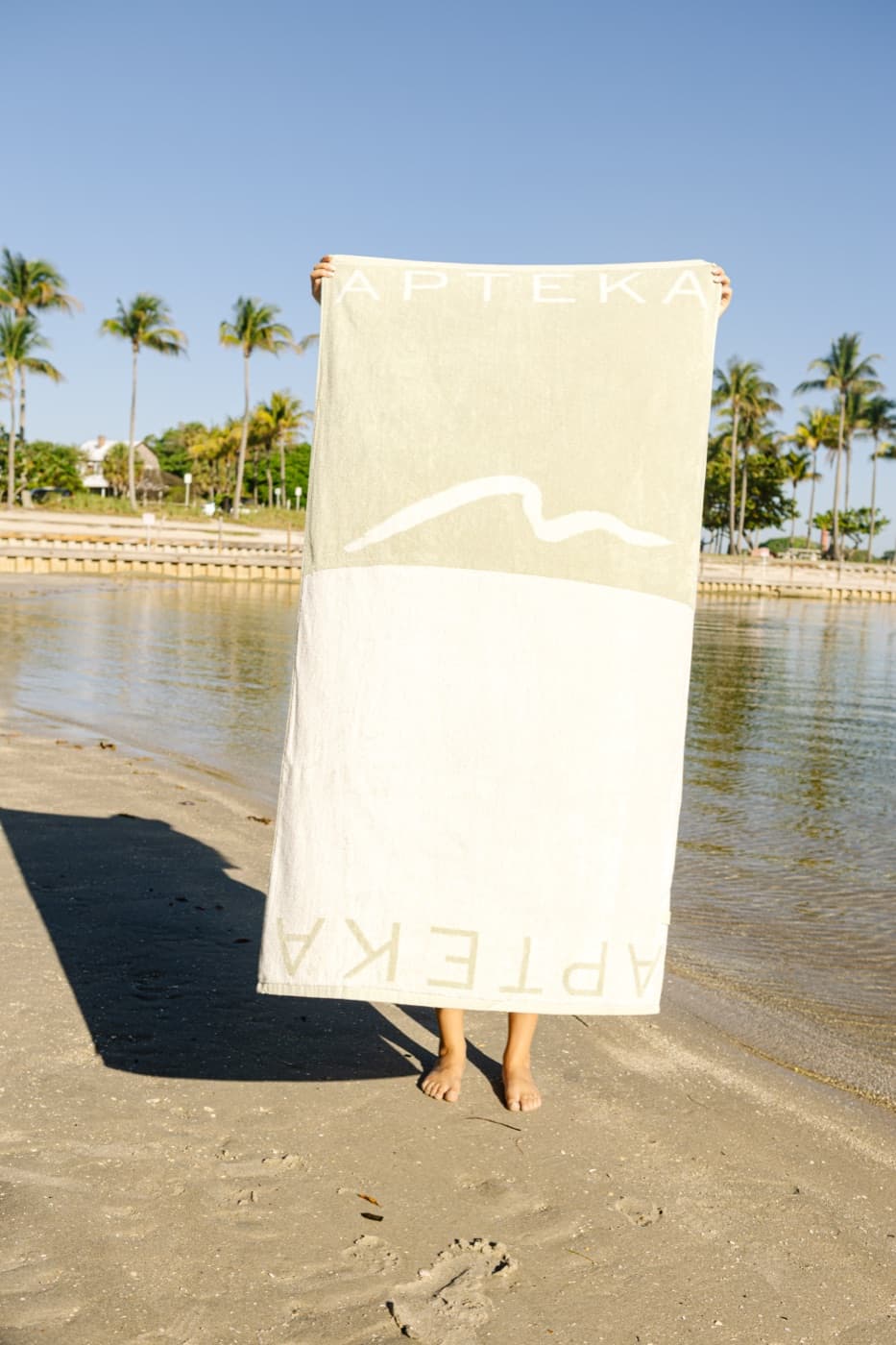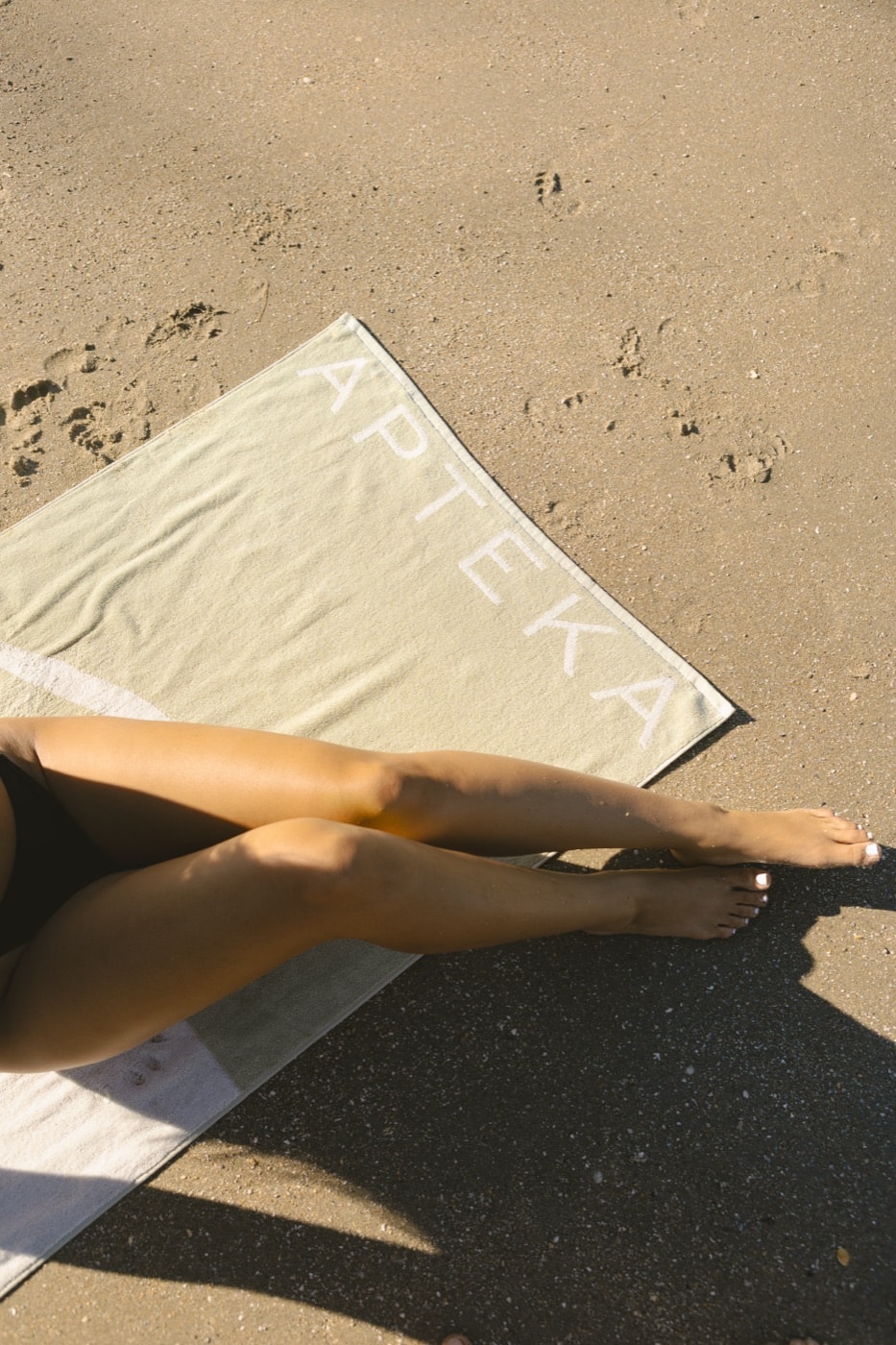
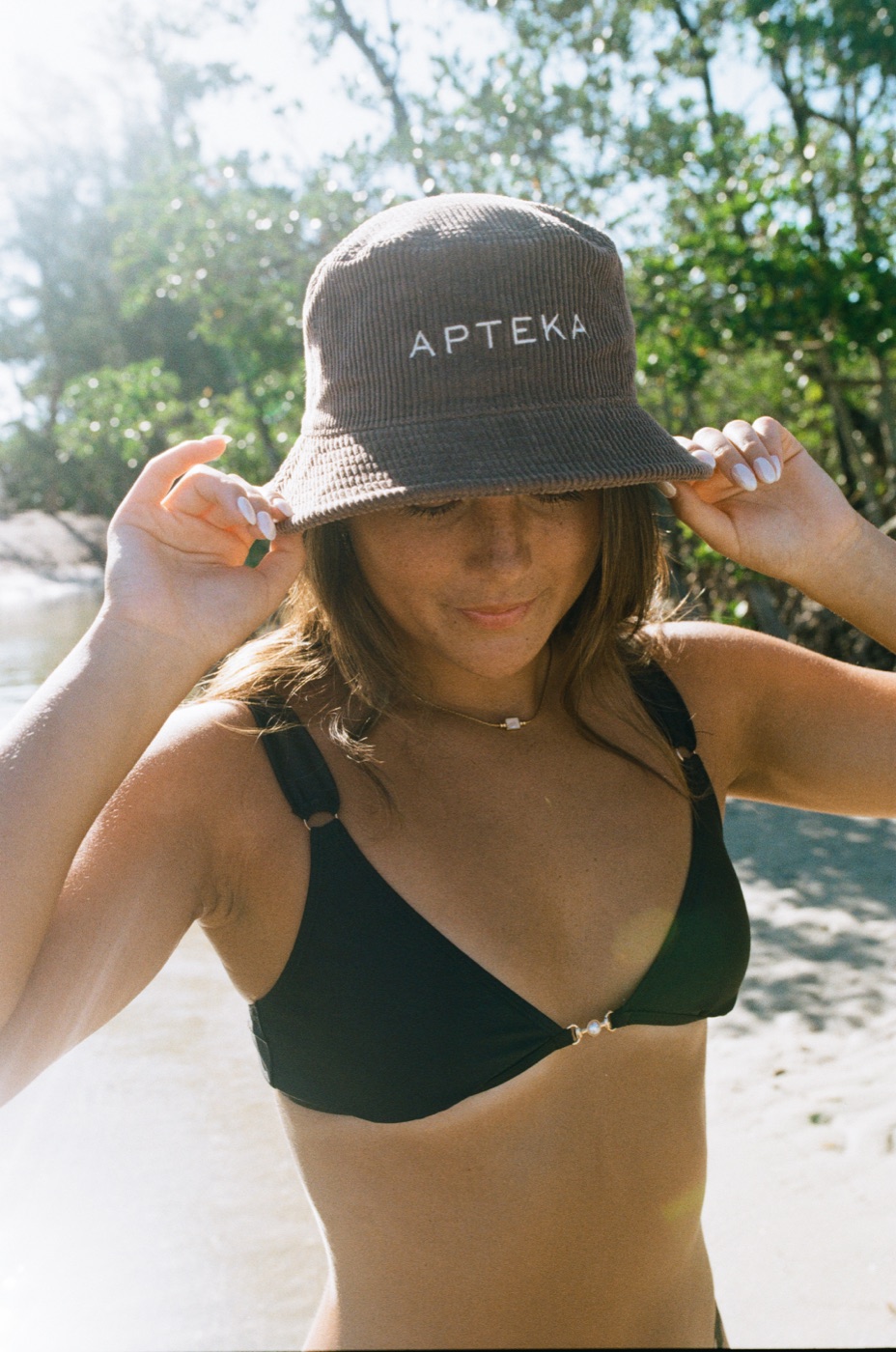
Apteka shows how a small merch set can feel bigger than the number of products in it. A towel and bucket hat work together because they belong in the same lifestyle setting. The pieces are useful, visible, and easy to imagine in real use instead of sitting untouched after the handoff.
This is the advantage of building around context. When products share a setting, the merch feels like a collection without needing too many items.
Choose products that belong together
A towel and bucket hat both point to sun, water, travel, patios, festivals, and outdoor use. That shared setting gives the merch a reason to exist. The products do not feel randomly selected from a catalog. They feel like parts of the same day.
For restaurants, bars, hospitality brands, and lifestyle companies, this kind of pairing can be stronger than another tee. It gives the brand a more specific world to live in.
Design each format separately
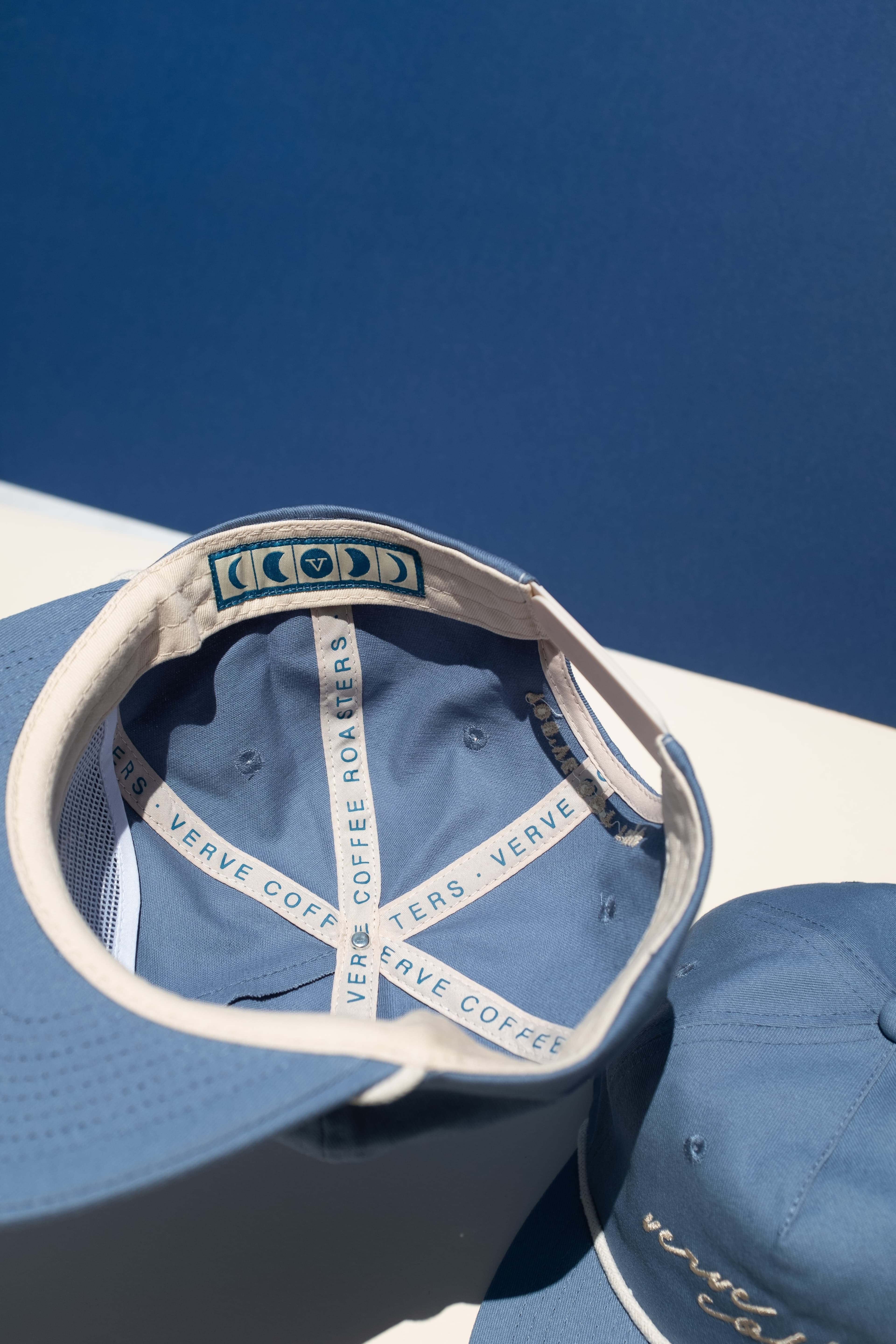
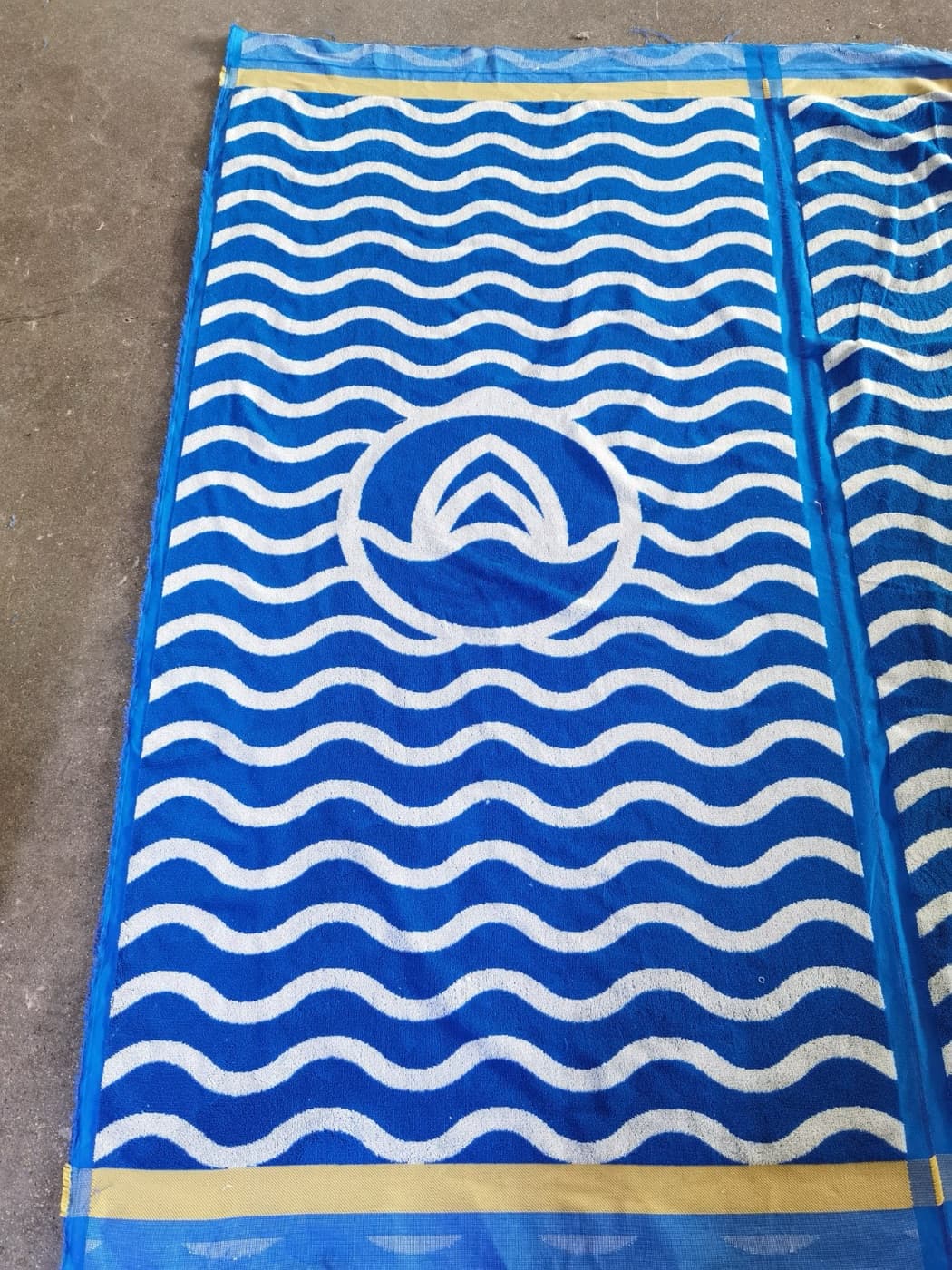
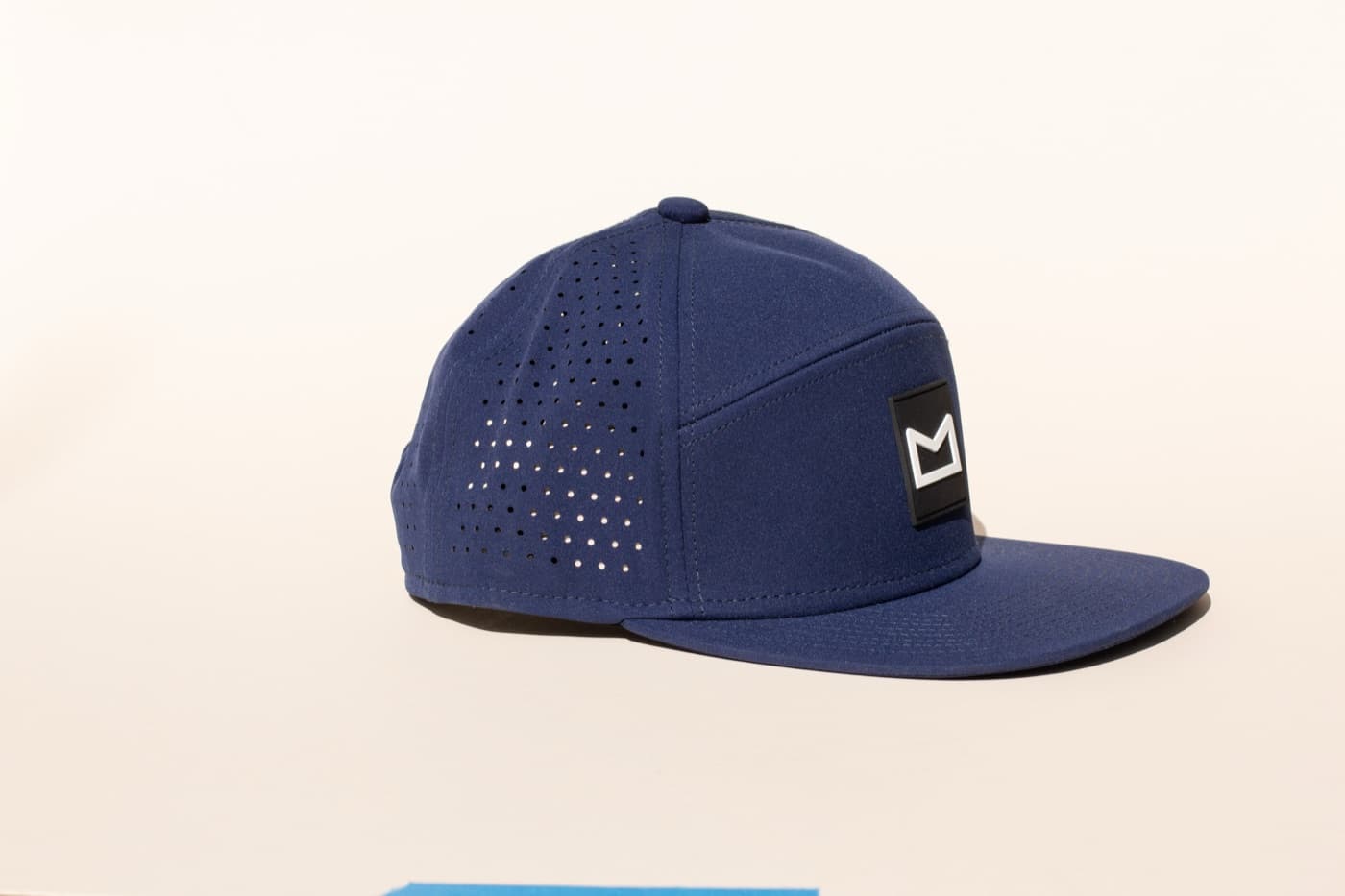
A towel has scale. A bucket hat has shape. The same artwork should not simply be resized across both. Towels can support larger graphics, borders, patterns, and color fields. Hats need decoration that works on a curved, soft surface and still reads when worn.
The collection feels connected when the products share a visual language, not when they repeat the same mark without adjustment.
Think about photos and use
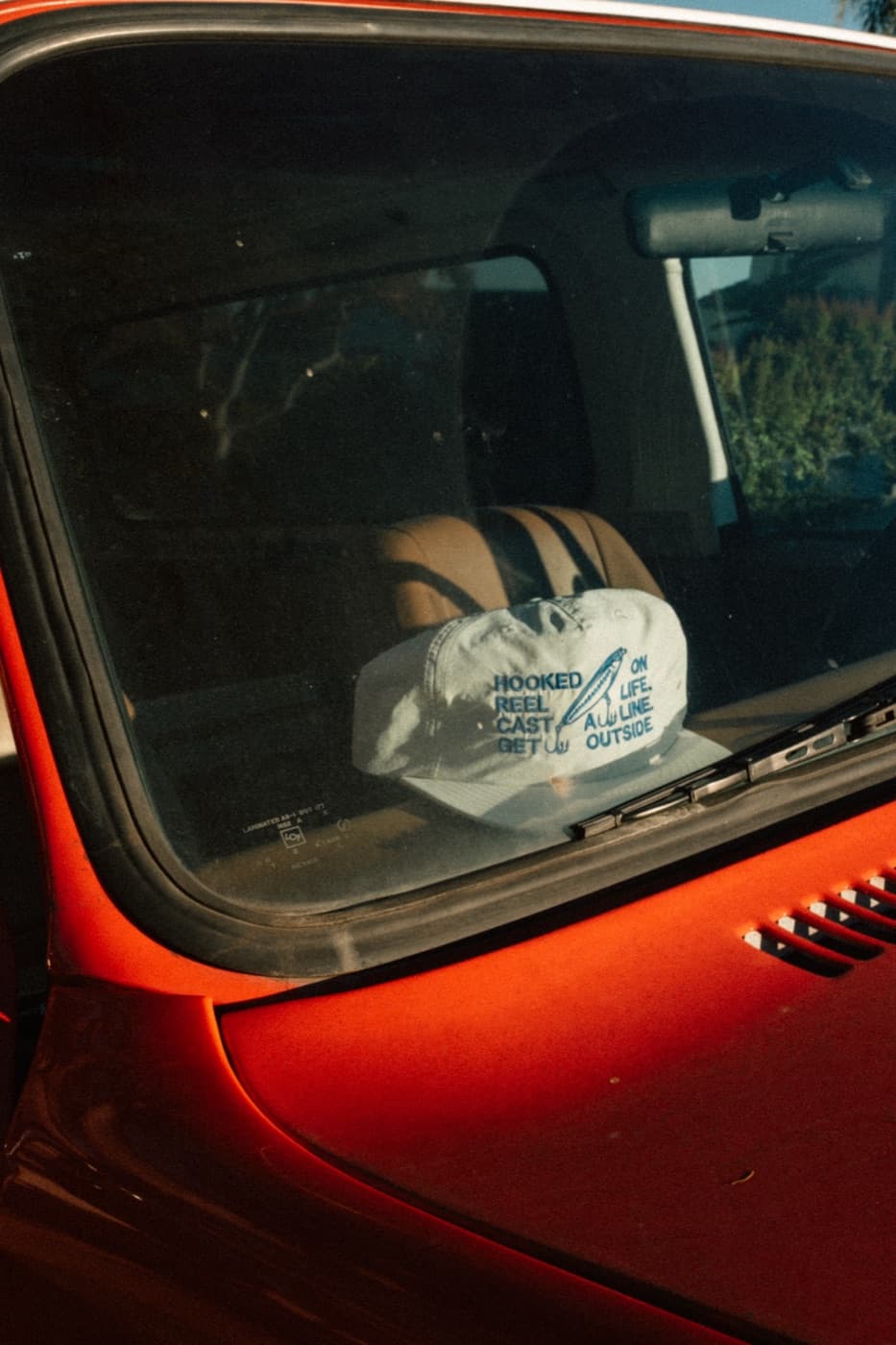
Lifestyle goods need to work in images and in hand. A towel should look strong folded, laid flat, draped, or packed in a bag. A bucket hat should look good on a person, not only on a table. Good merch planning considers both views before production starts.
That makes the final goods more useful for launch content, retail display, social photos, and customer use.
The takeaway
Apteka-style merch shows the value of building a tight product world. Orange Goods helps brands decide when towels, hats, and specialty goods make sense, then translates the artwork so each product feels intentional in its own format.