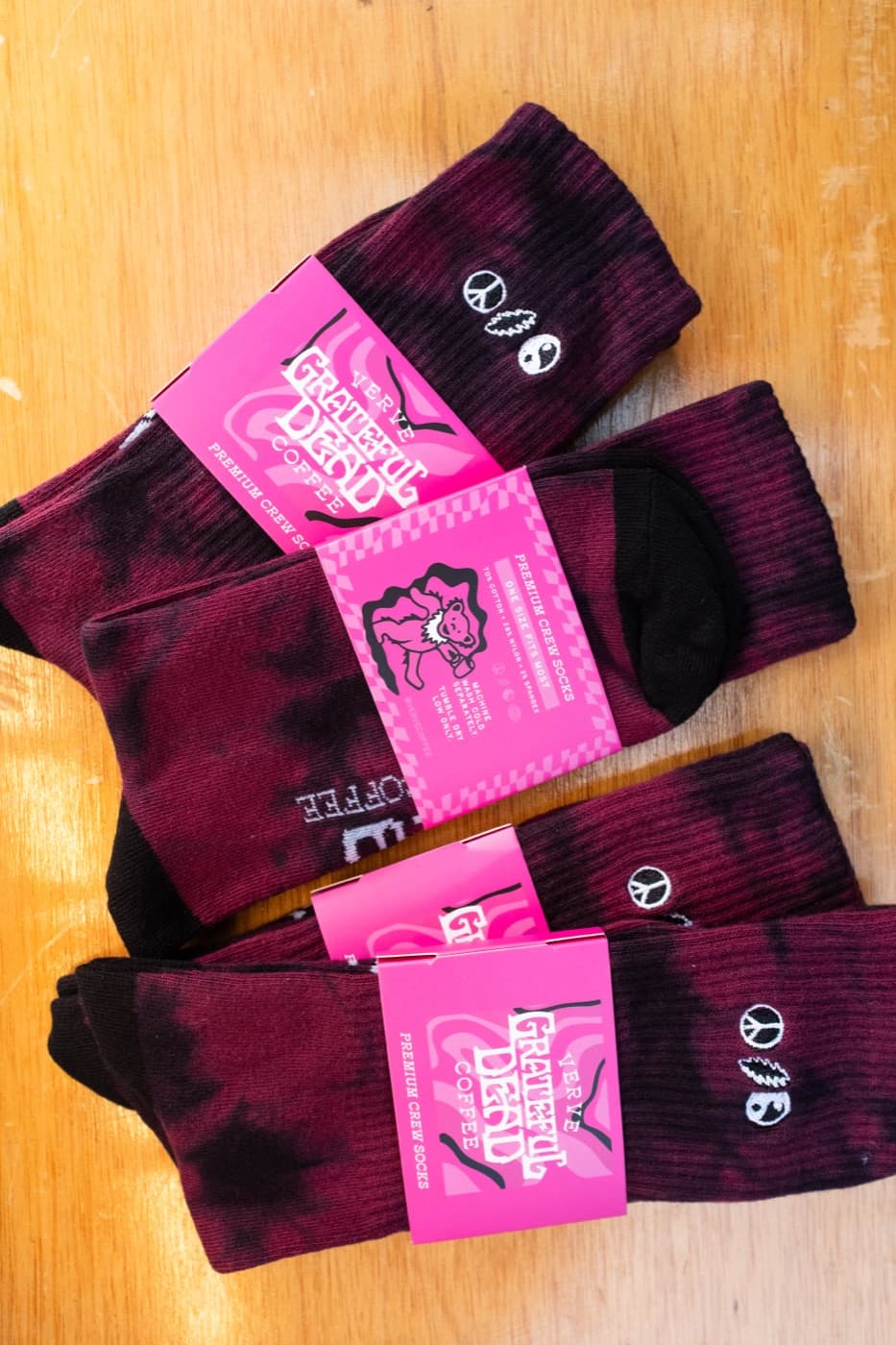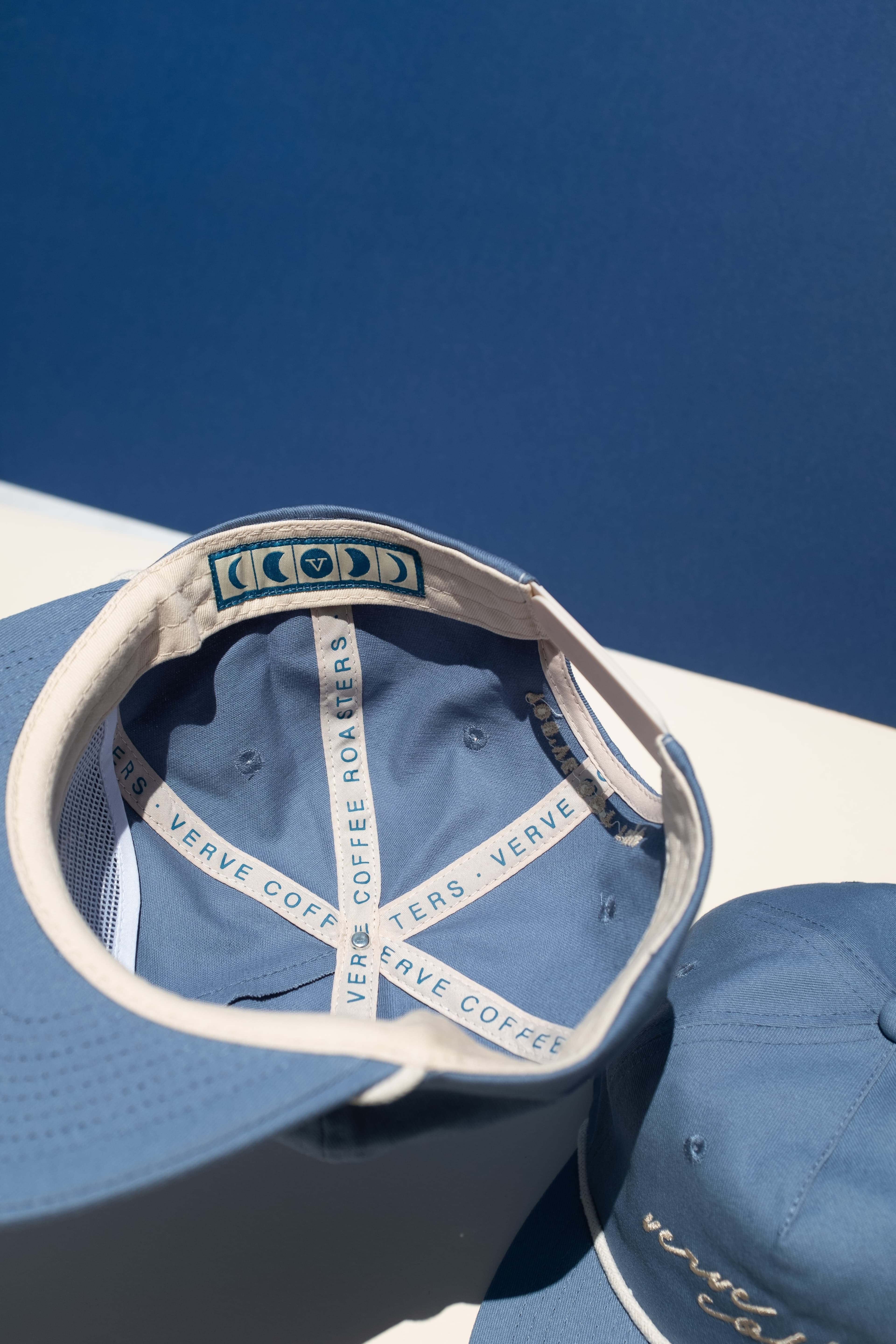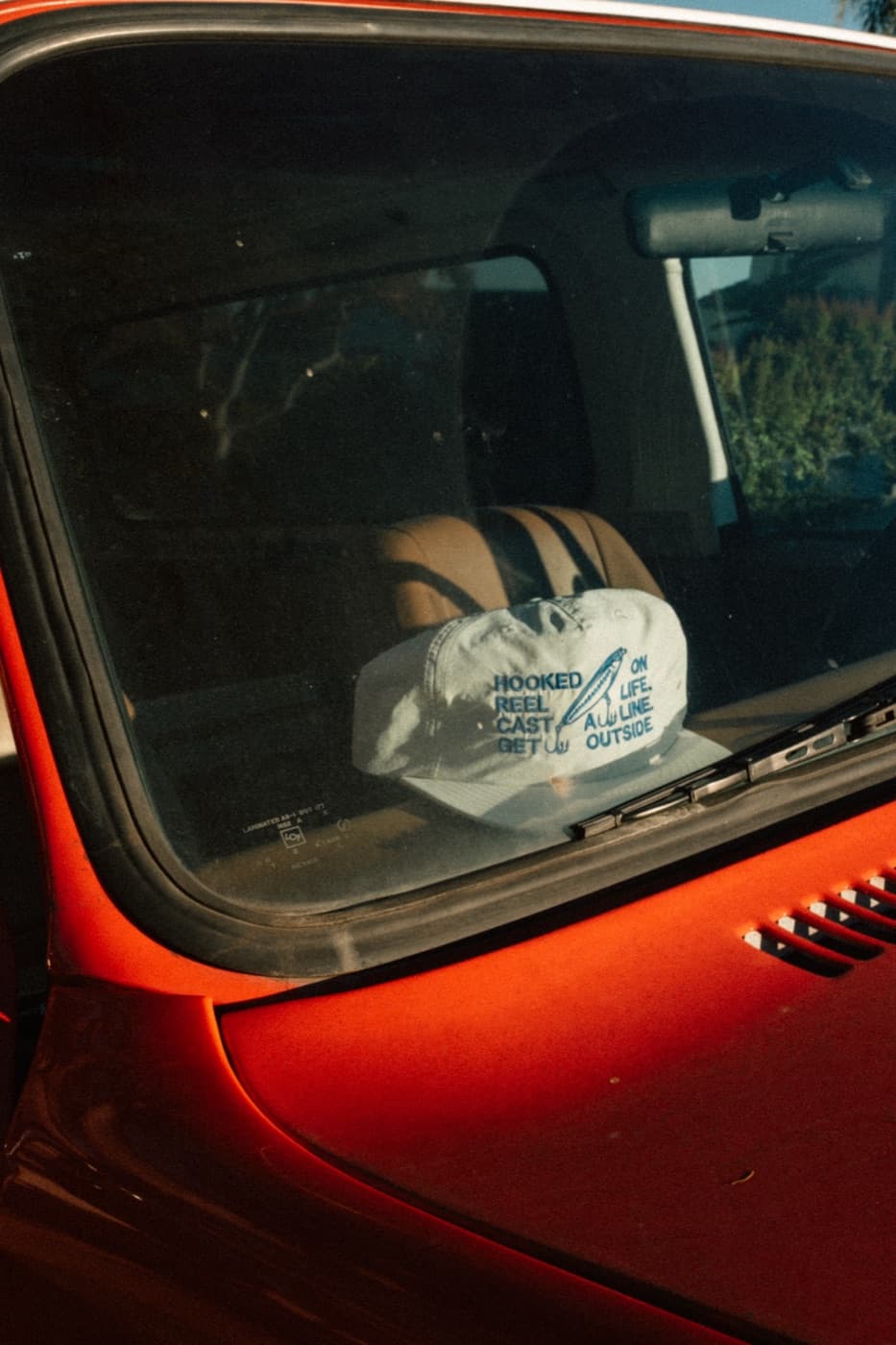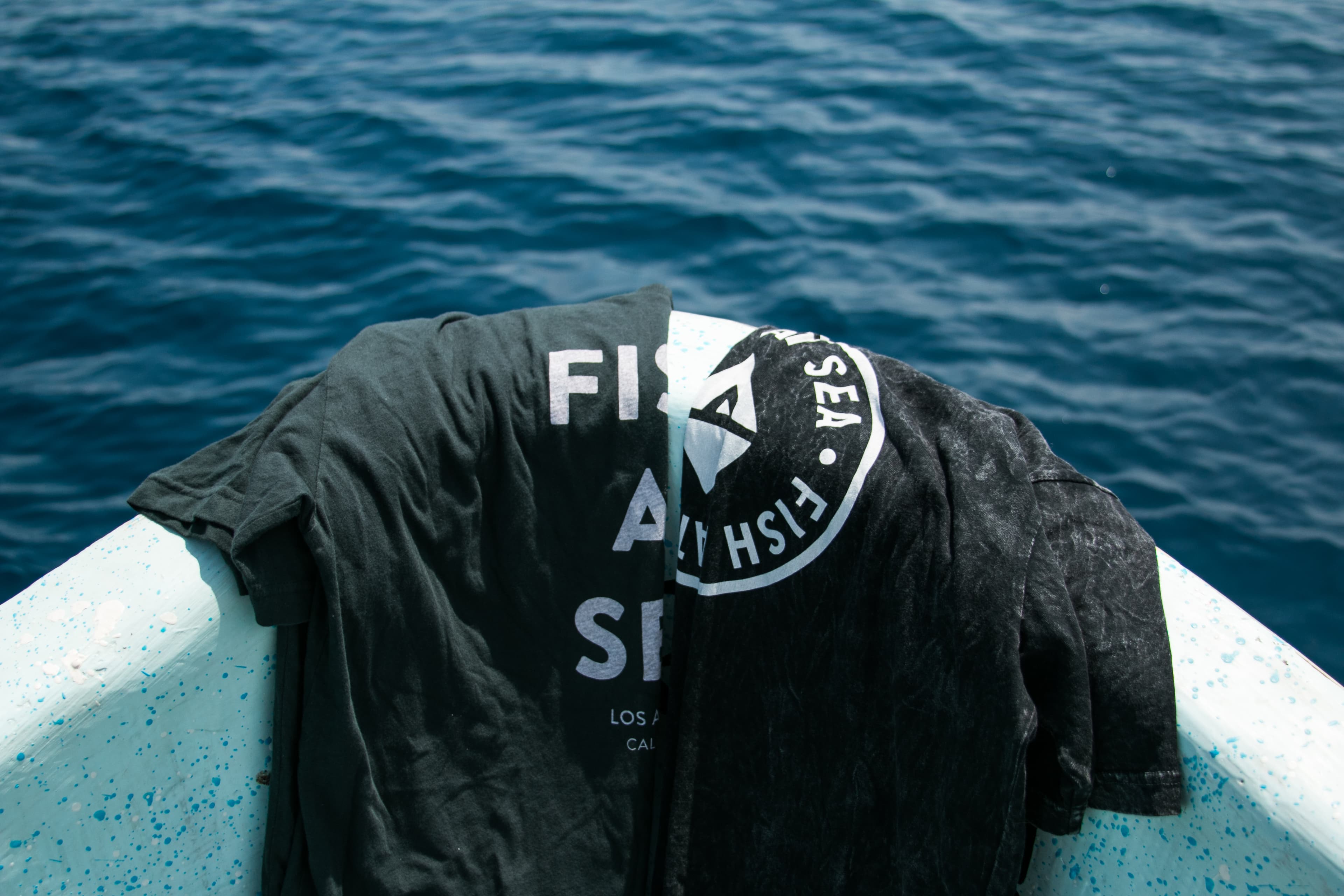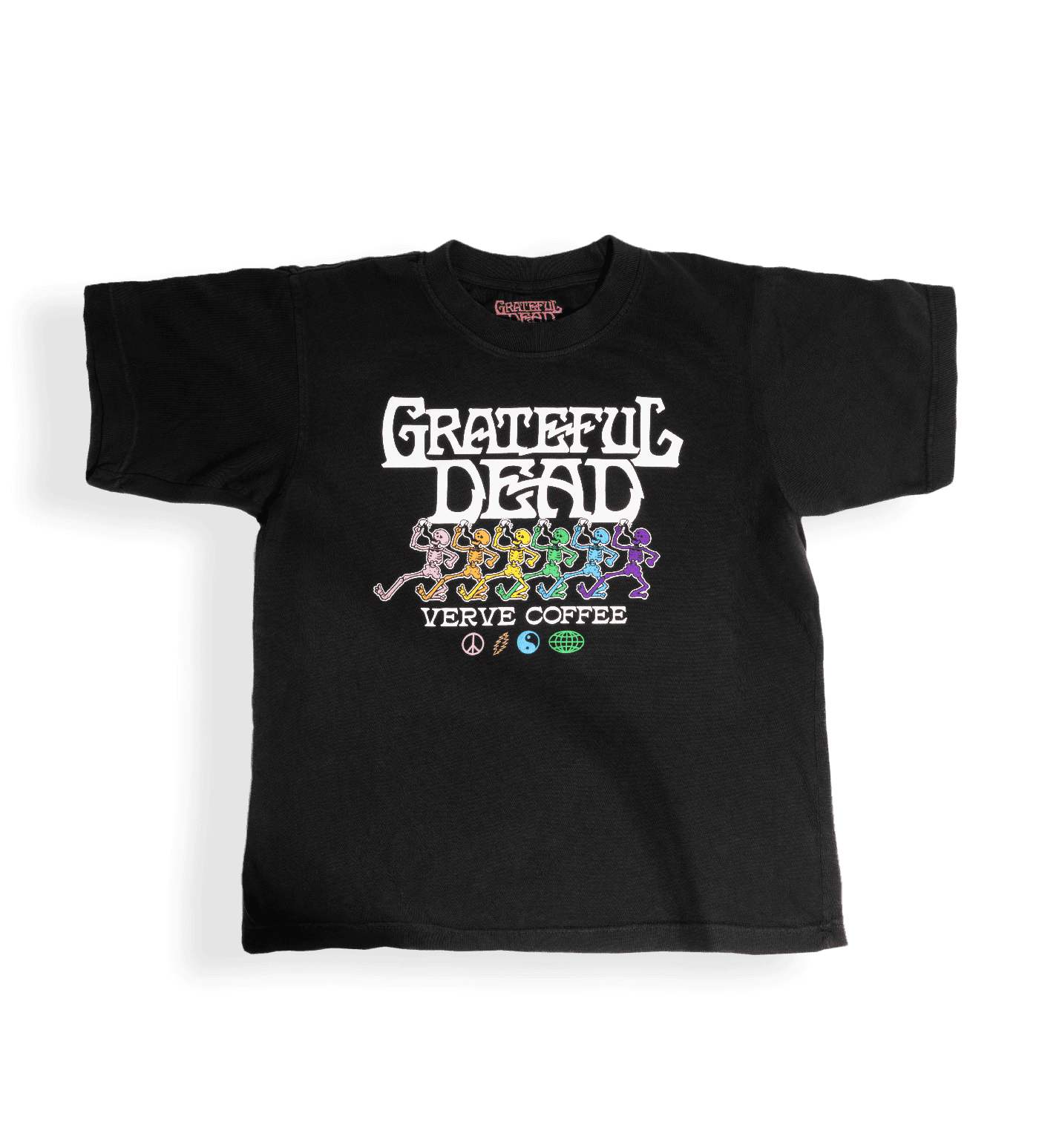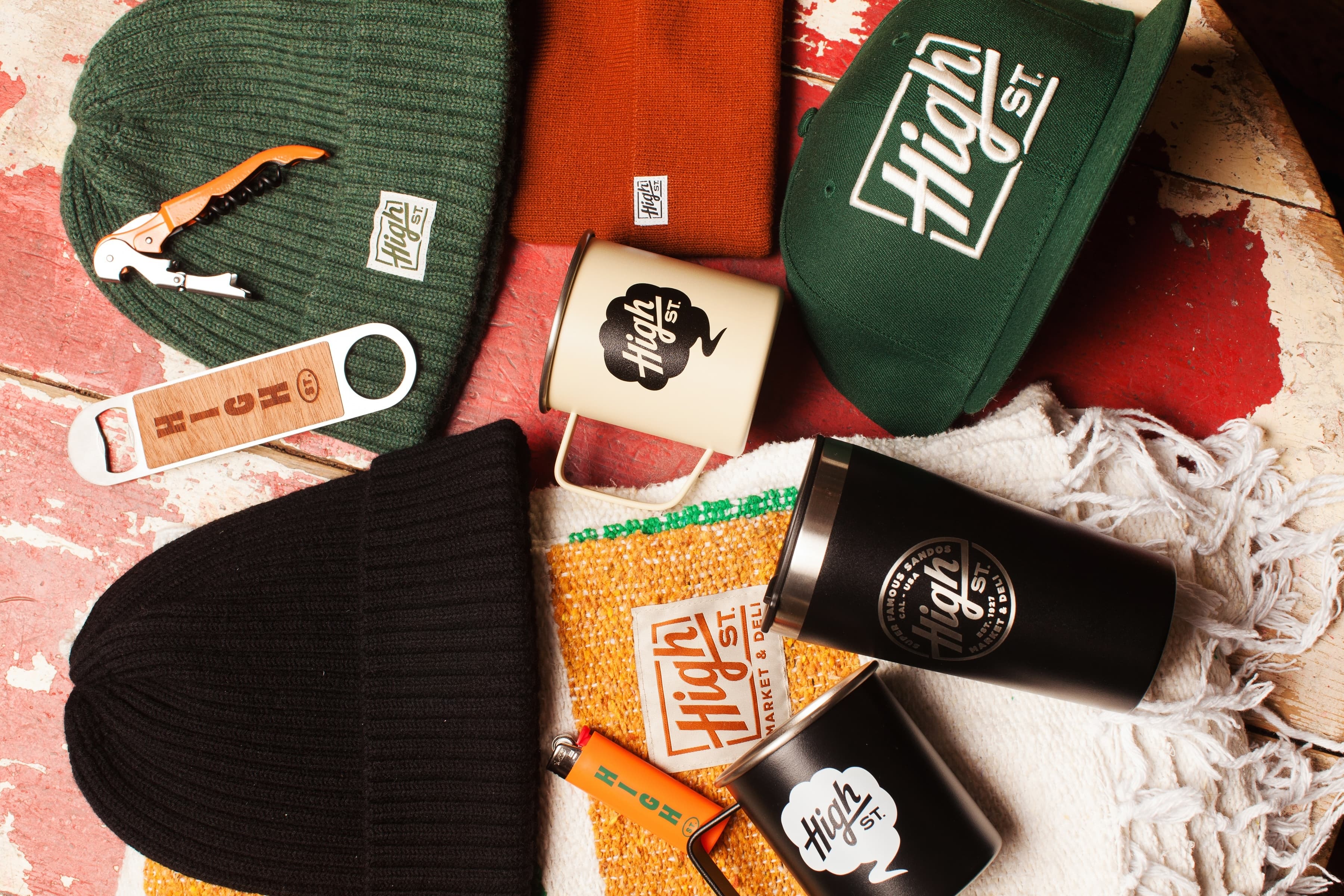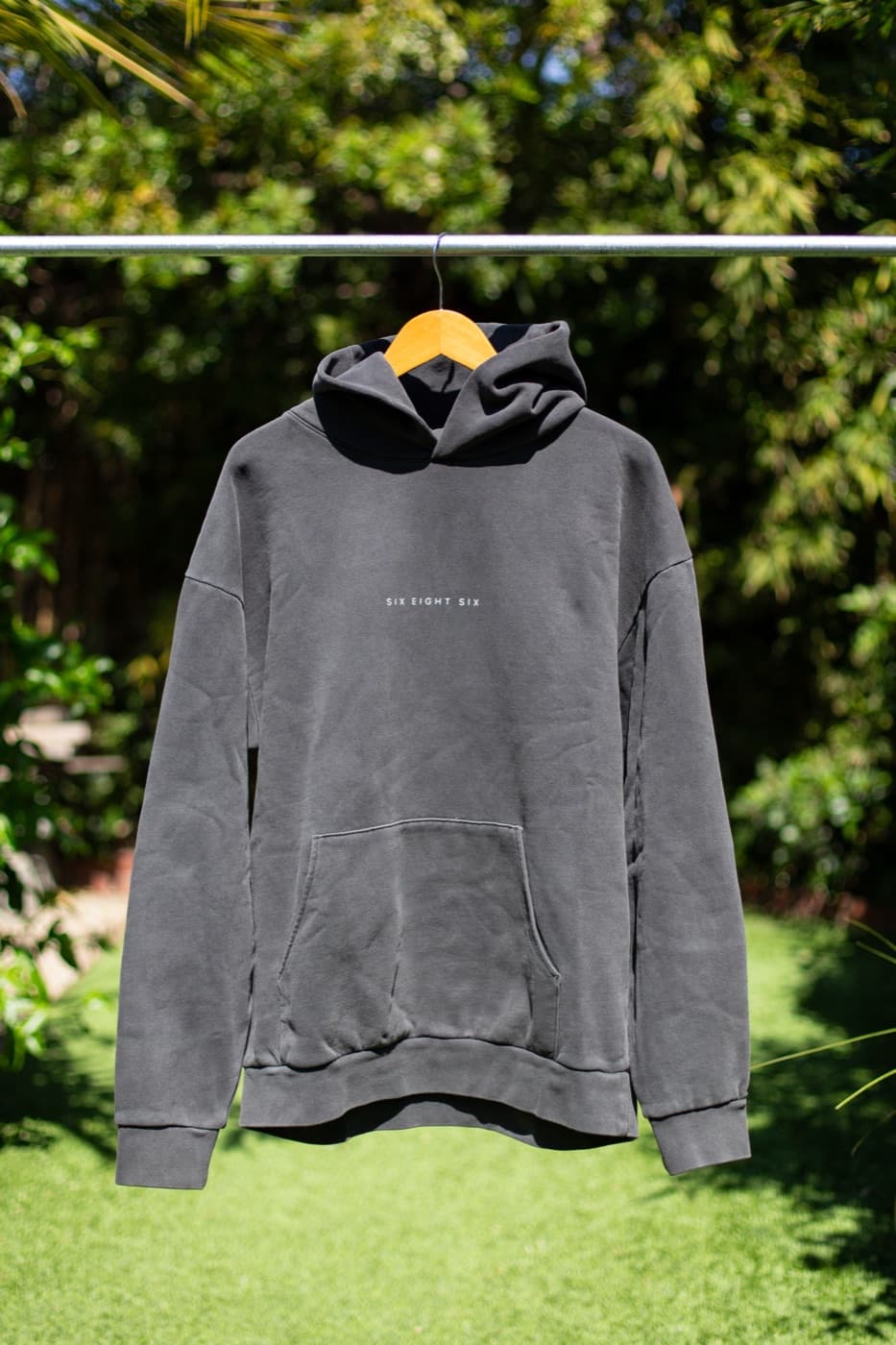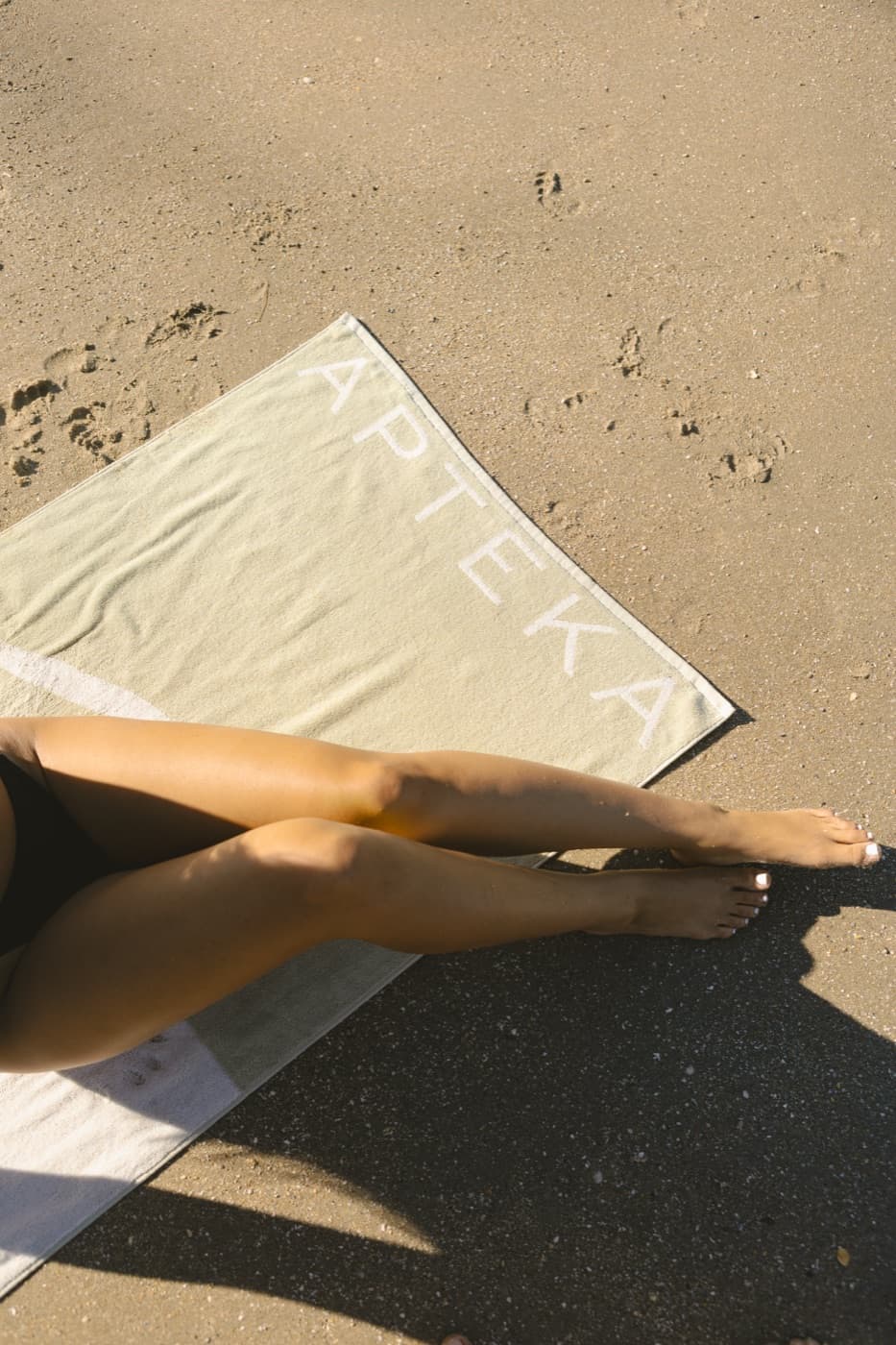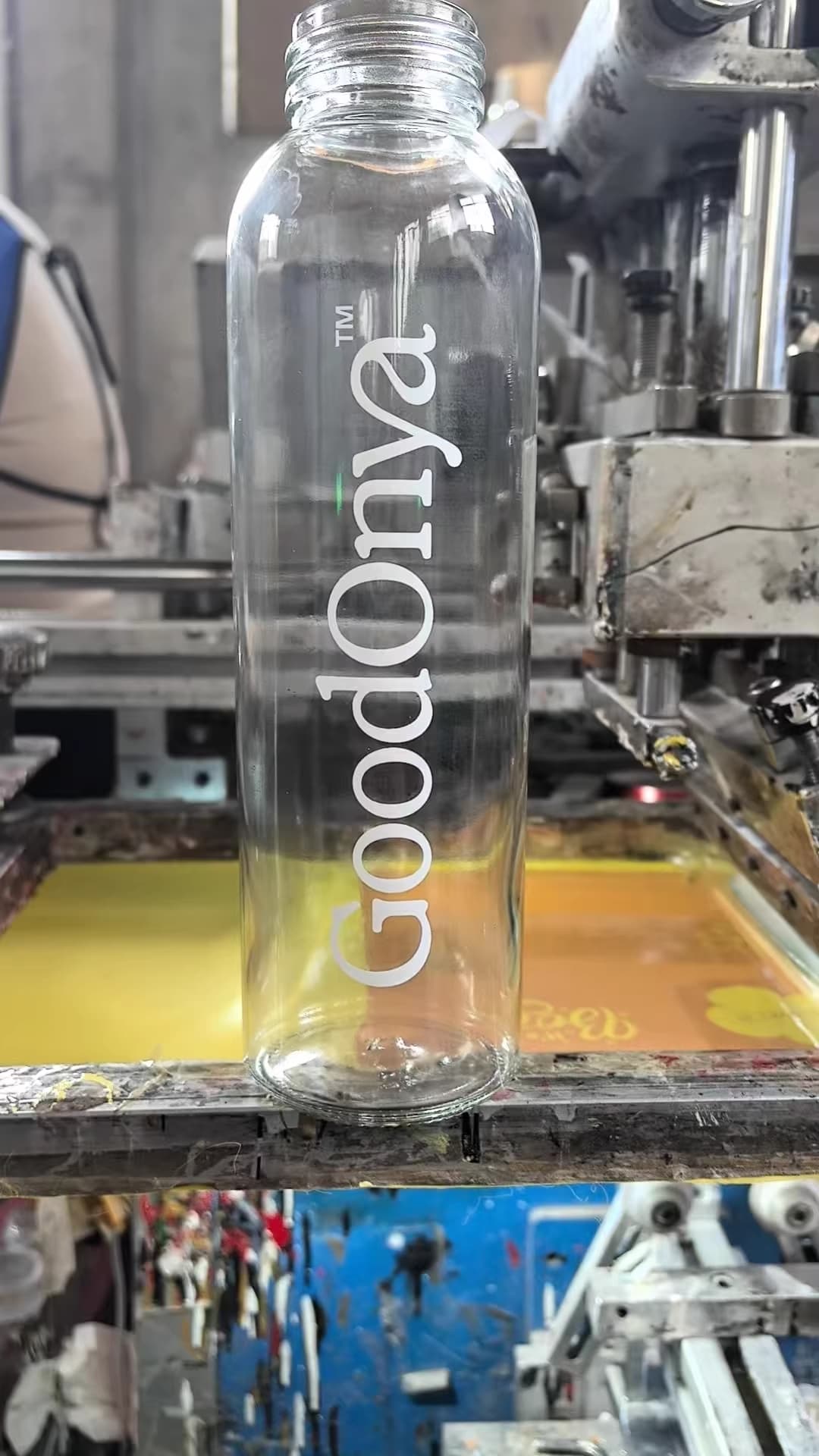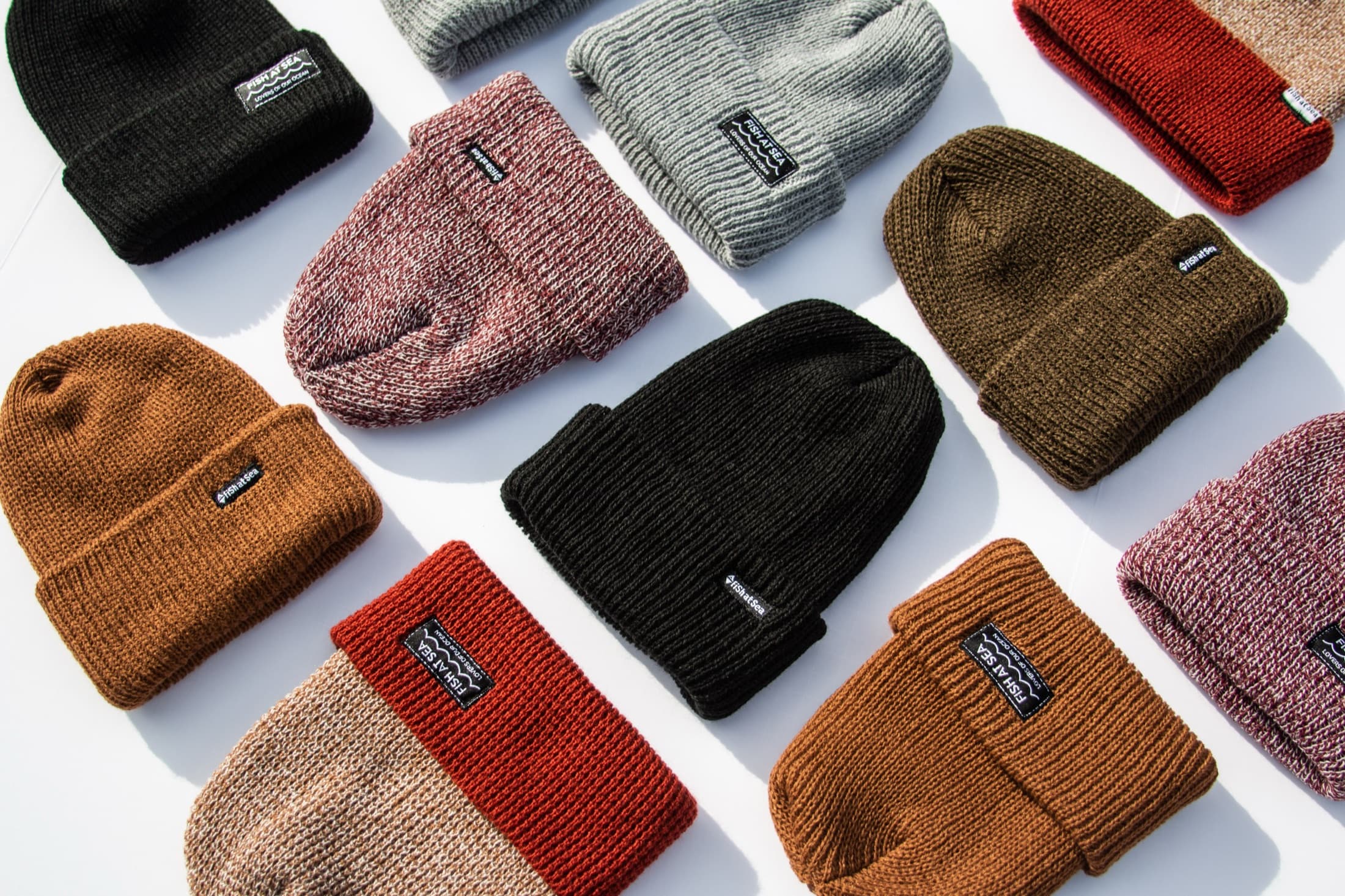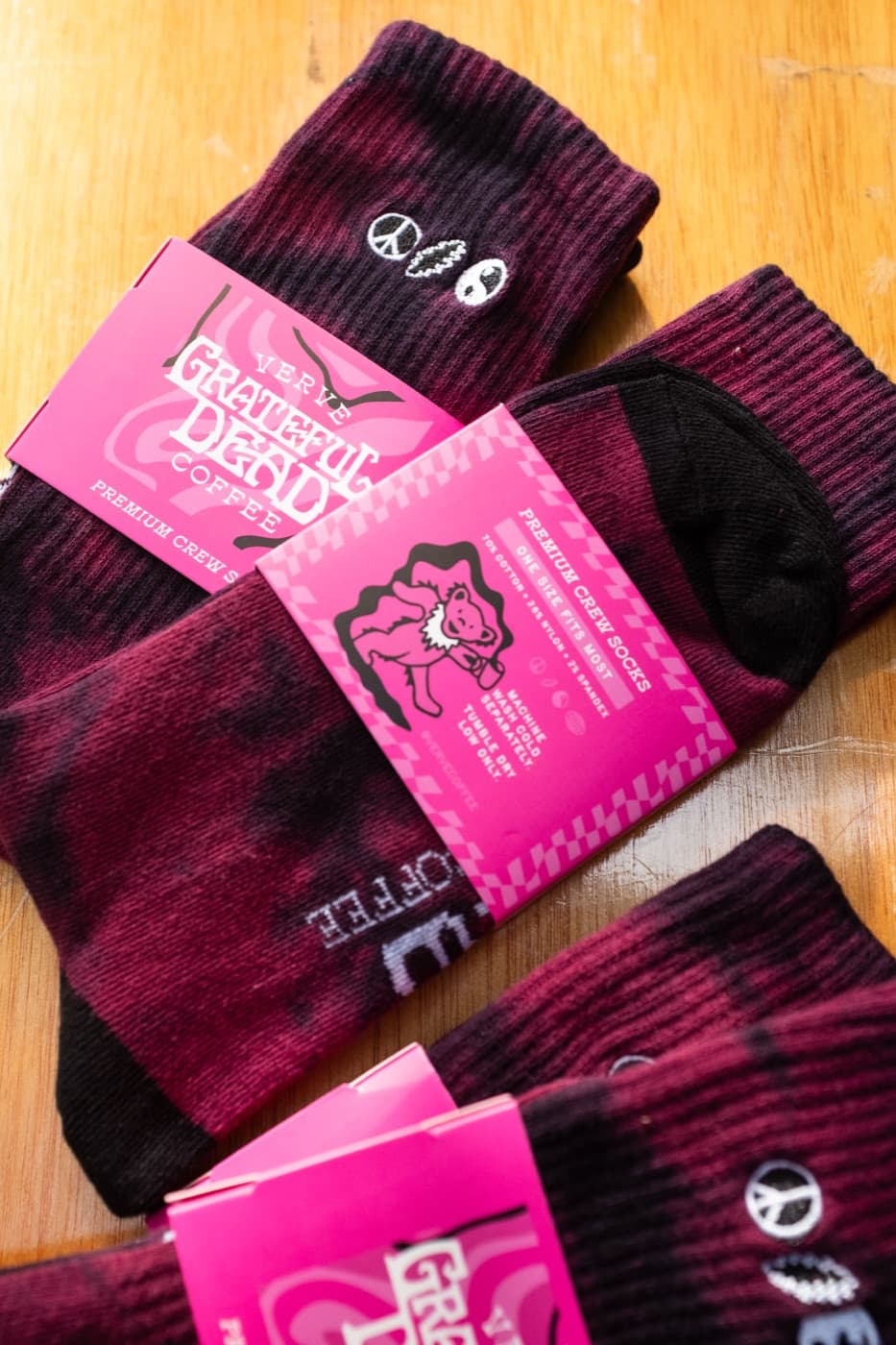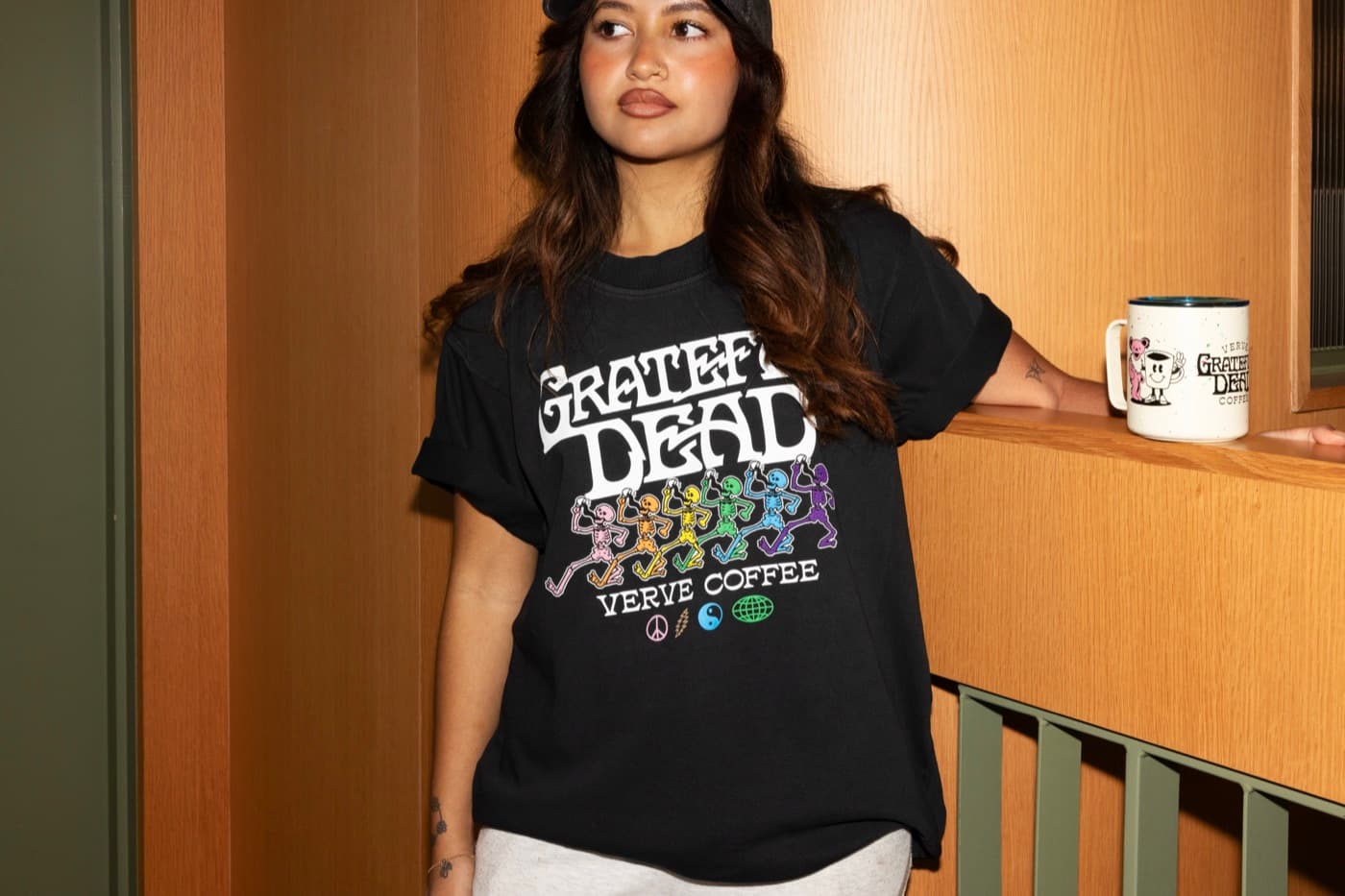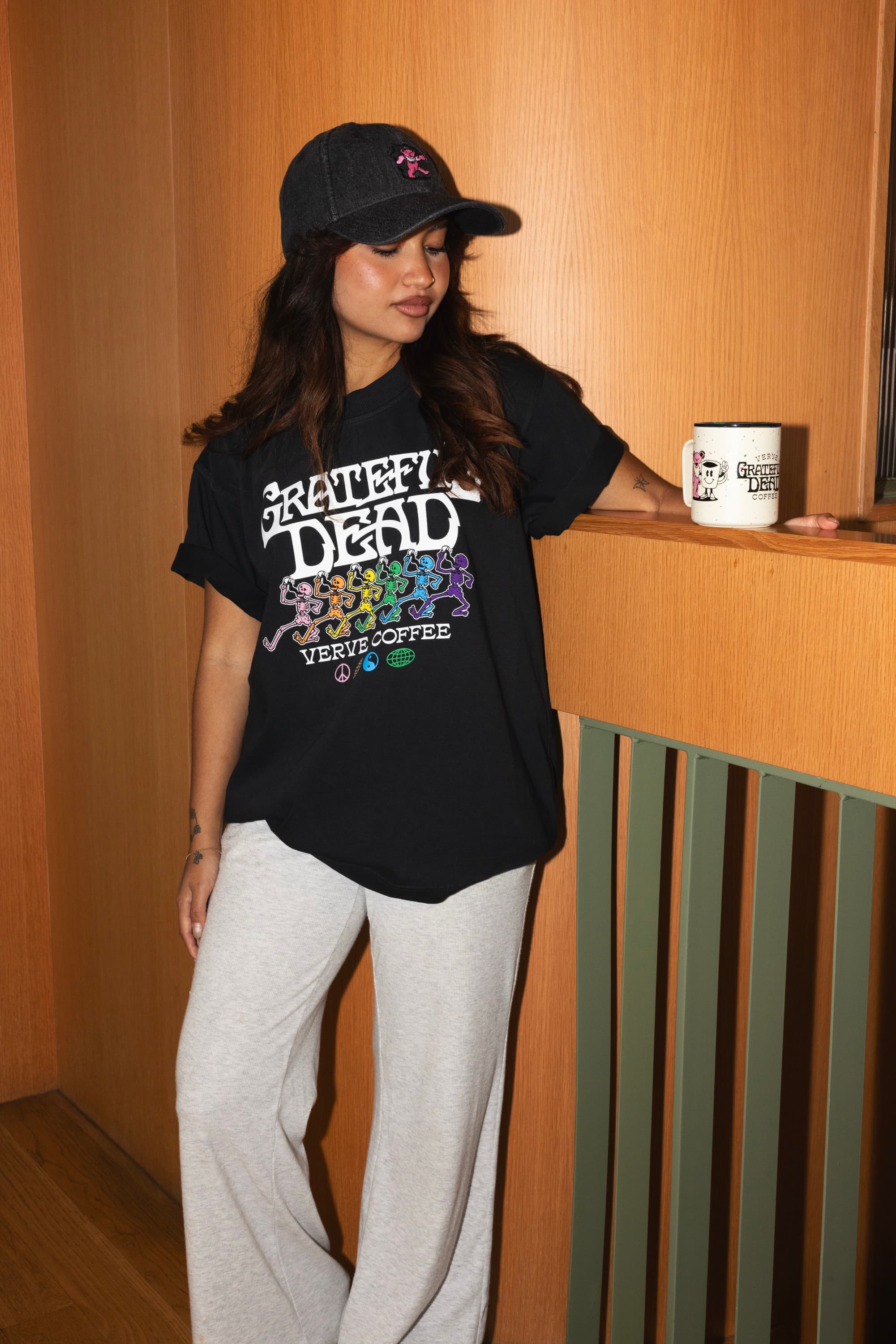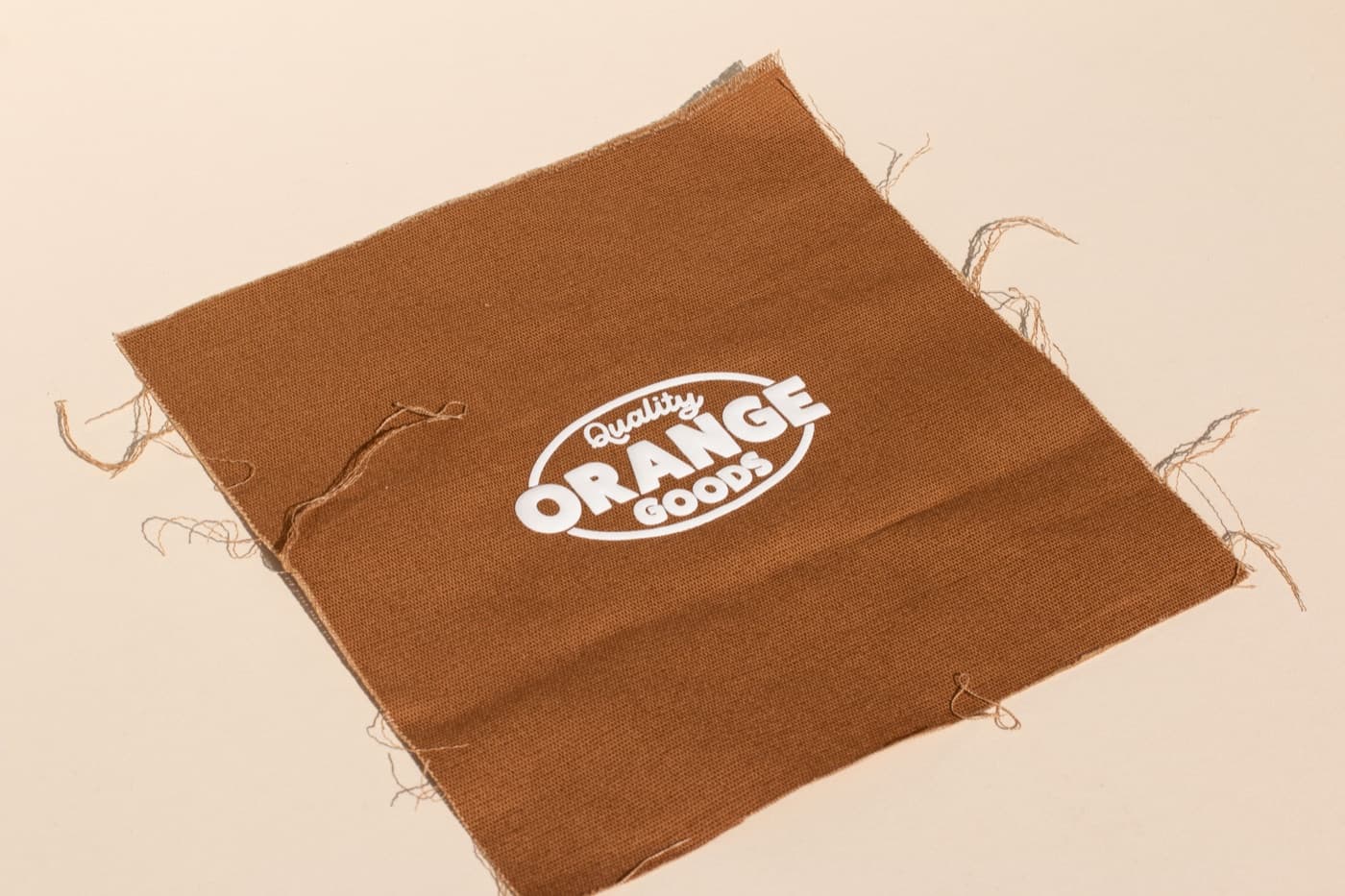
Coffee shops, restaurants, bars, delis, bakeries, and hospitality brands have a merch advantage: people already have an emotional relationship with the place. They have a favorite table, a regular order, a server they know, a neighborhood memory, or a photo from a trip. Good merch gives that connection something physical to attach to.
The opportunity is bigger than a logo tee. A strong food and beverage merch program can outfit staff, create retail revenue, support openings and anniversaries, reward regulars, and make the brand visible outside the four walls.
Start with the regulars
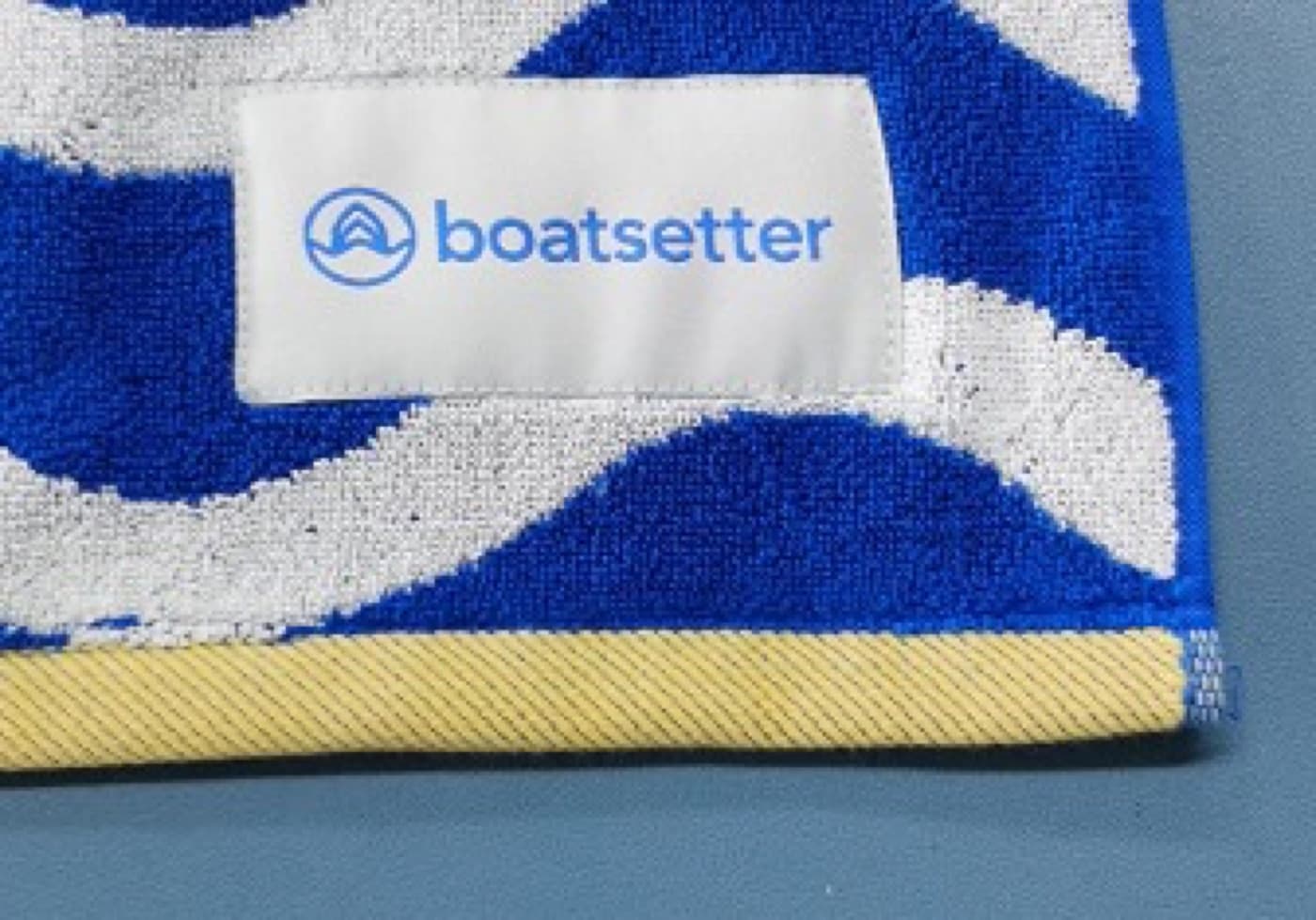
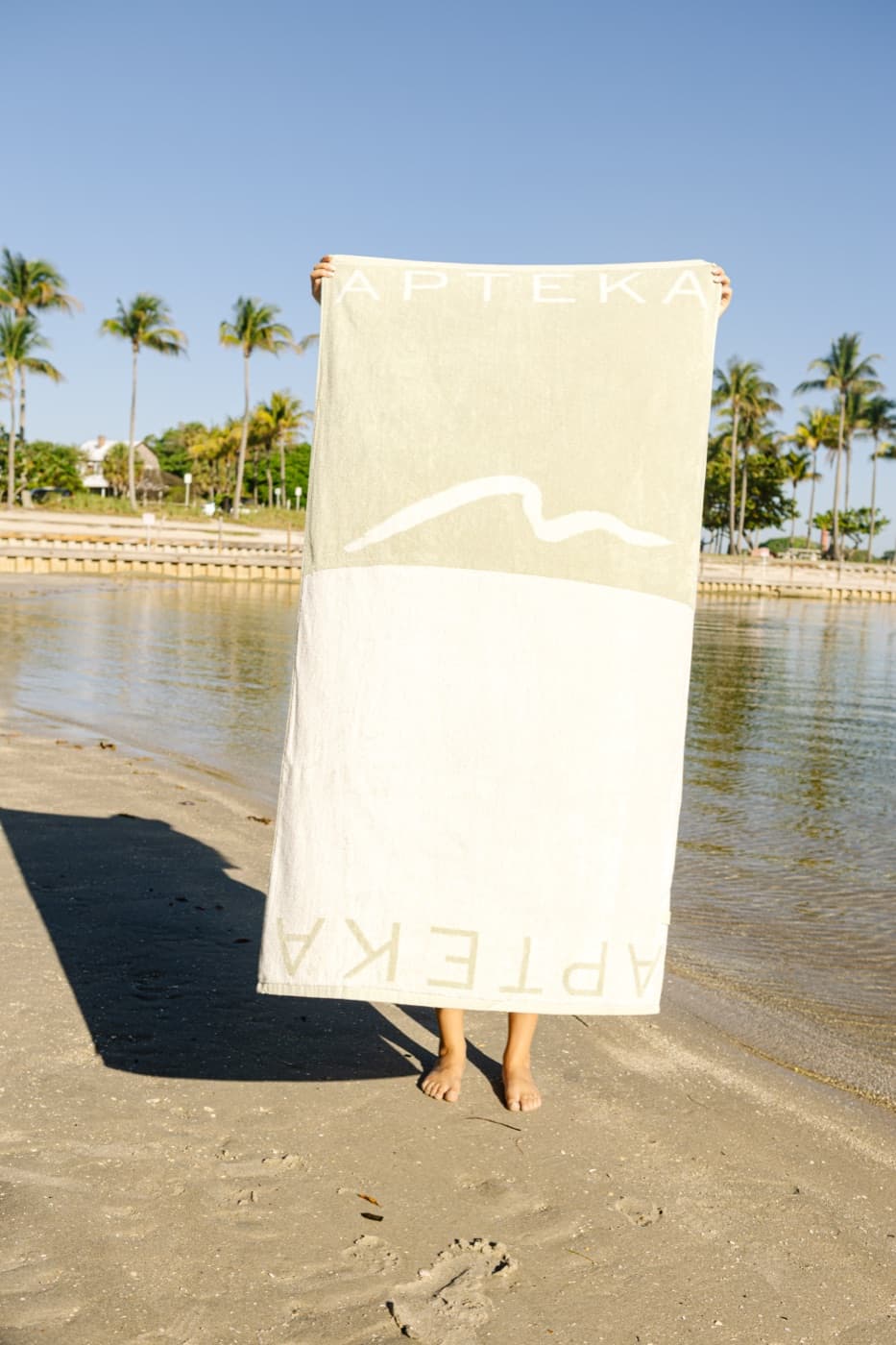
The best restaurant and coffee merch begins with the people who already care. What would they actually buy or wear? A deli with a local cult following might move hats all day. A coffee brand with strong art direction might sell tees, mugs, and totes. A hotel restaurant might do better with towels, caps, and small giftable goods.
Do not assume every product needs to appeal to everyone. Merch works when it feels specific enough that the right person wants it. A neighborhood phrase, mascot, ingredient, illustration, or color palette can make a piece feel like a wink to people who know the brand.
Core products that work
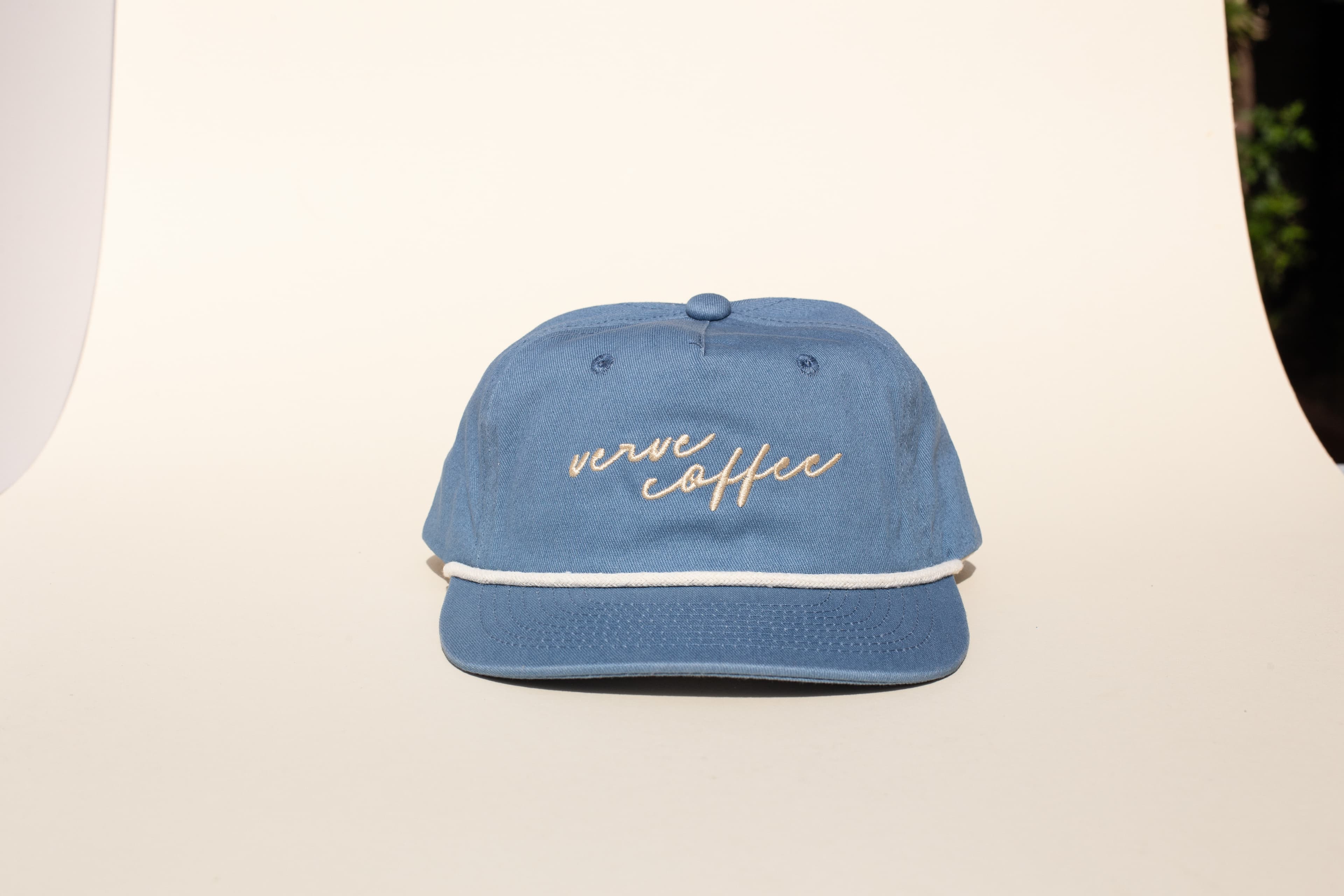
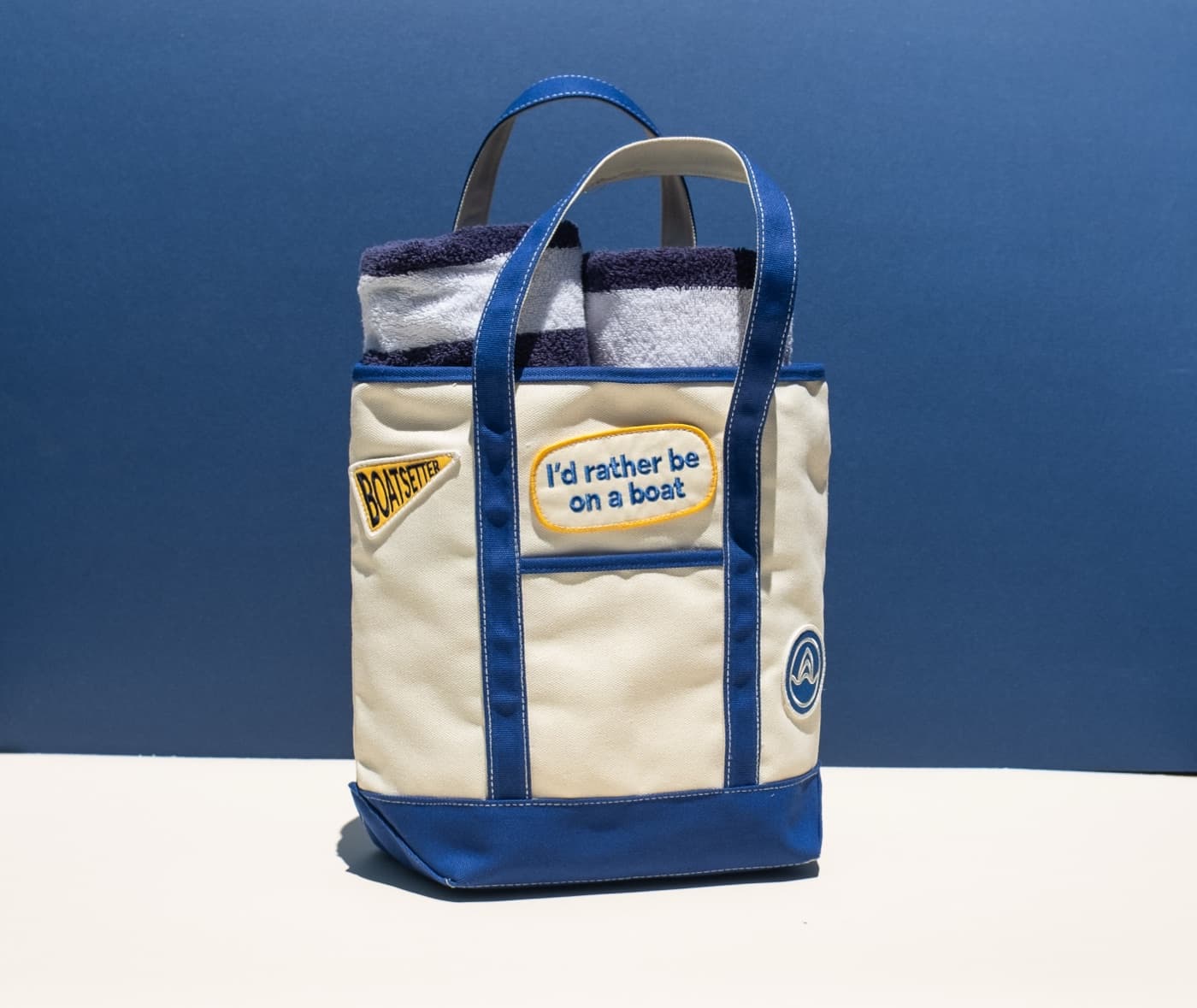
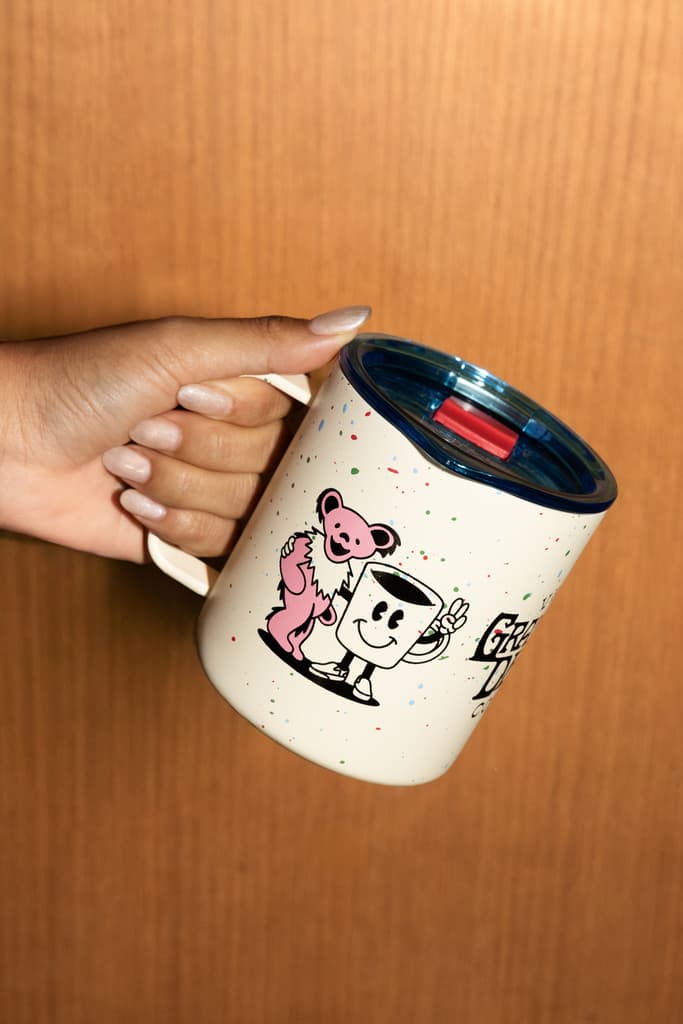
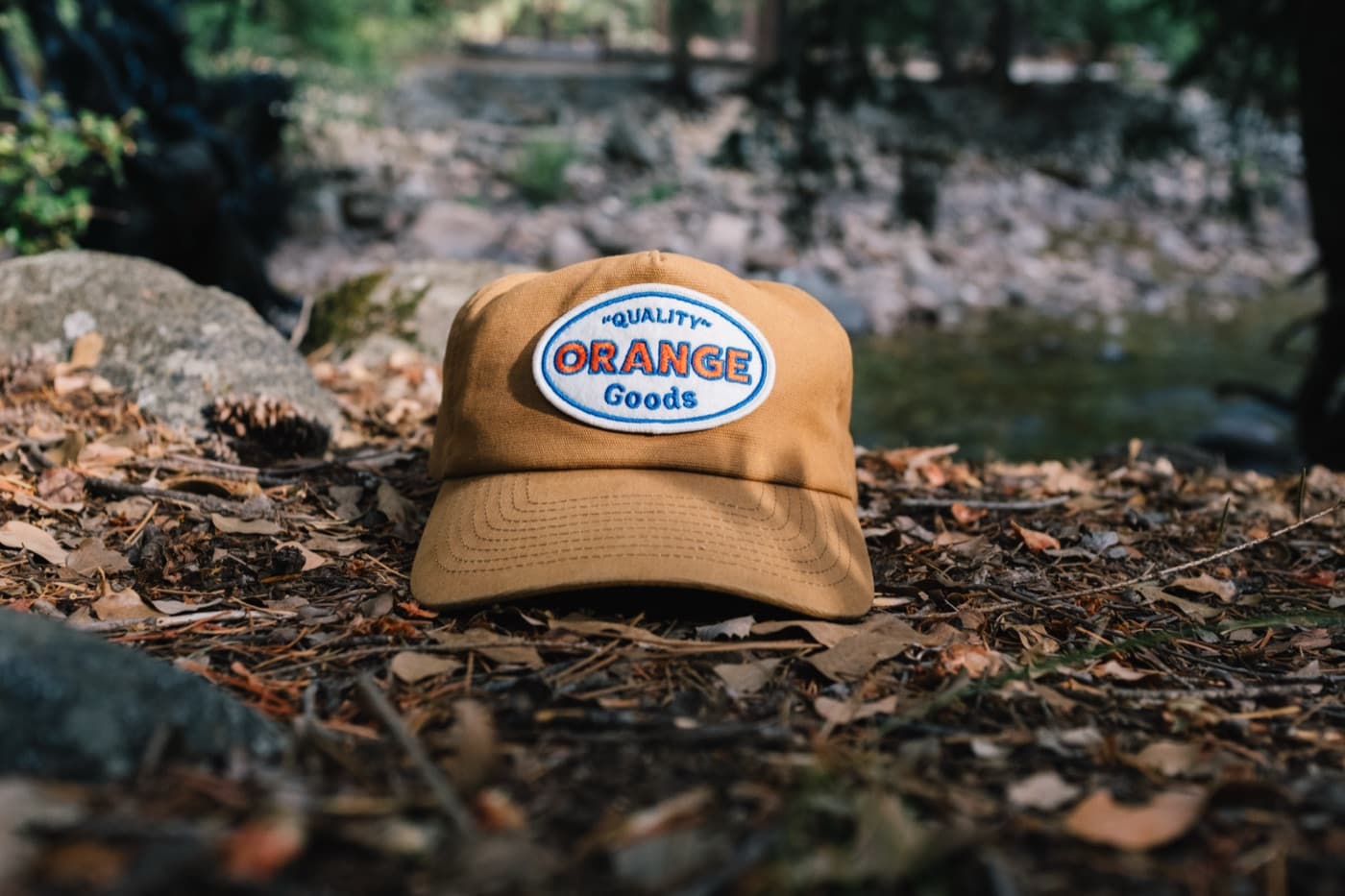
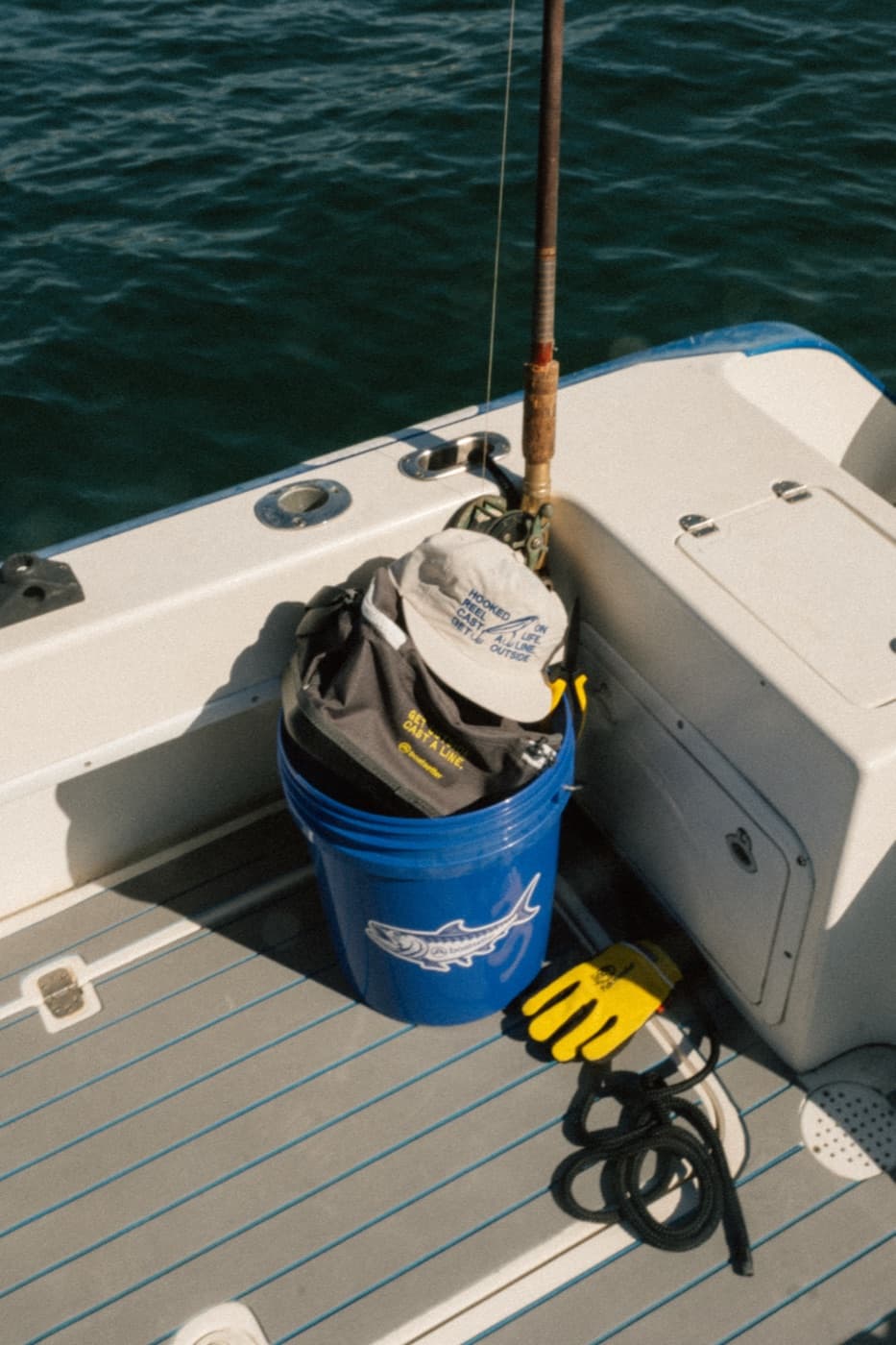
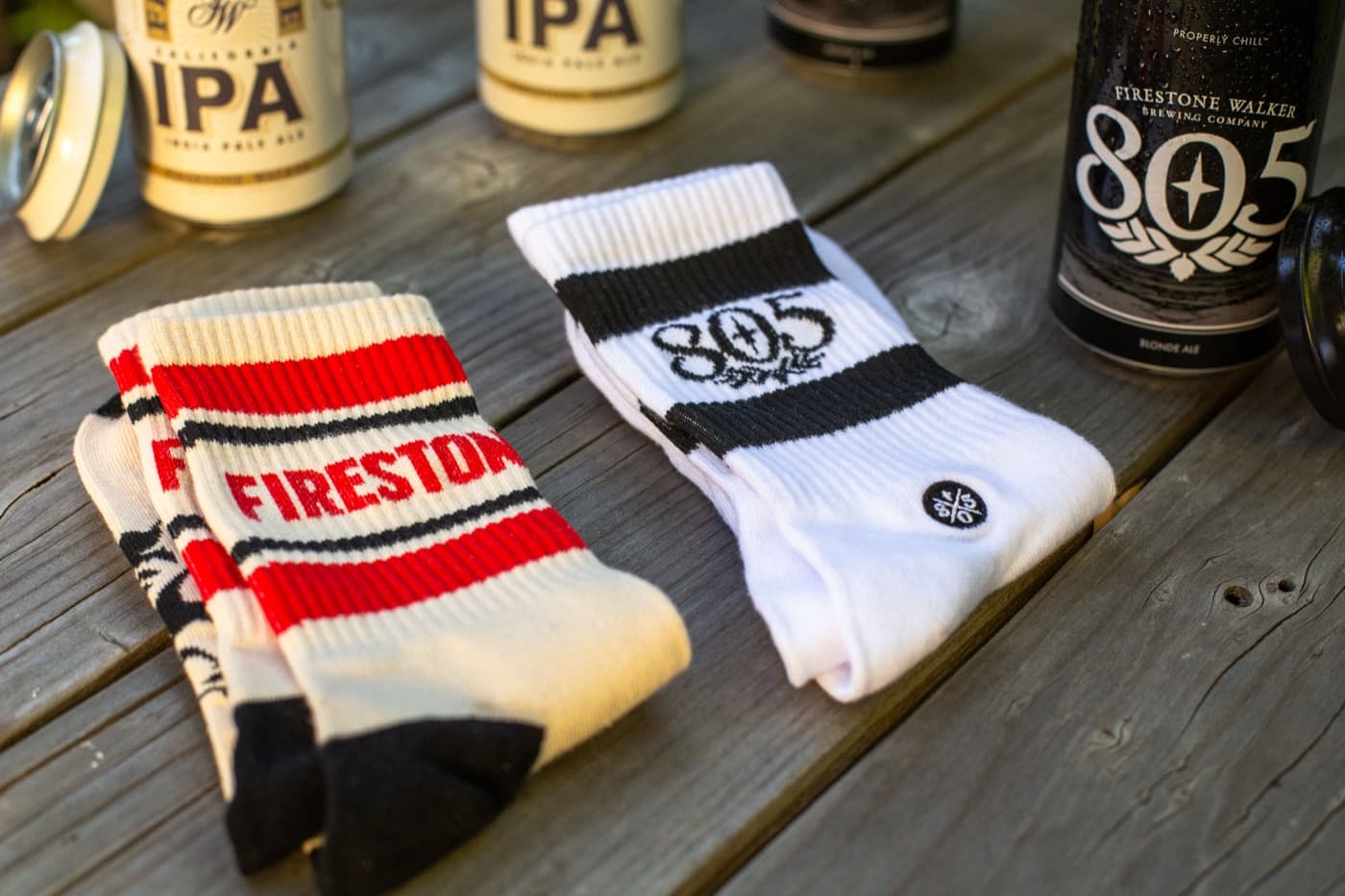
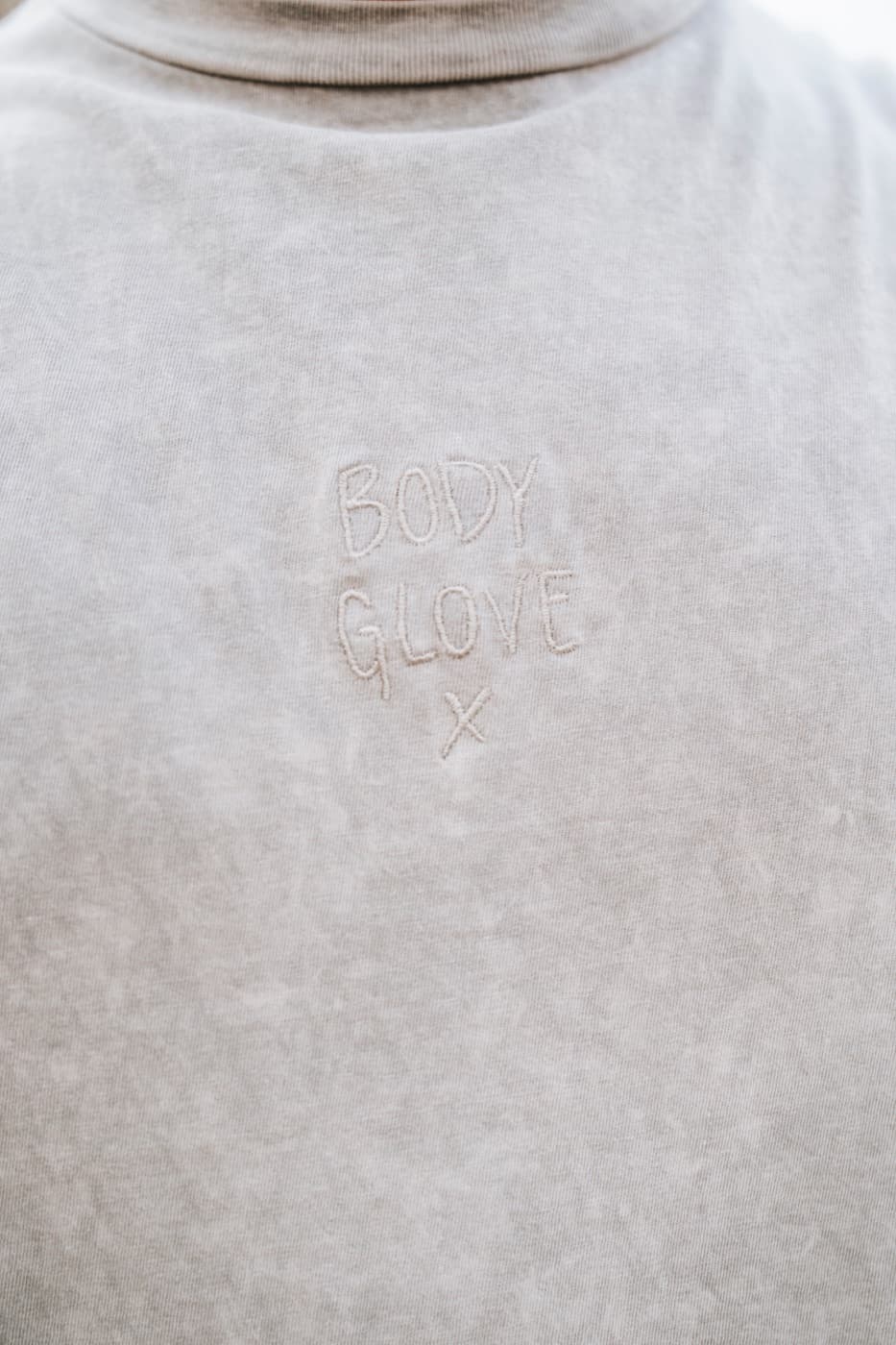
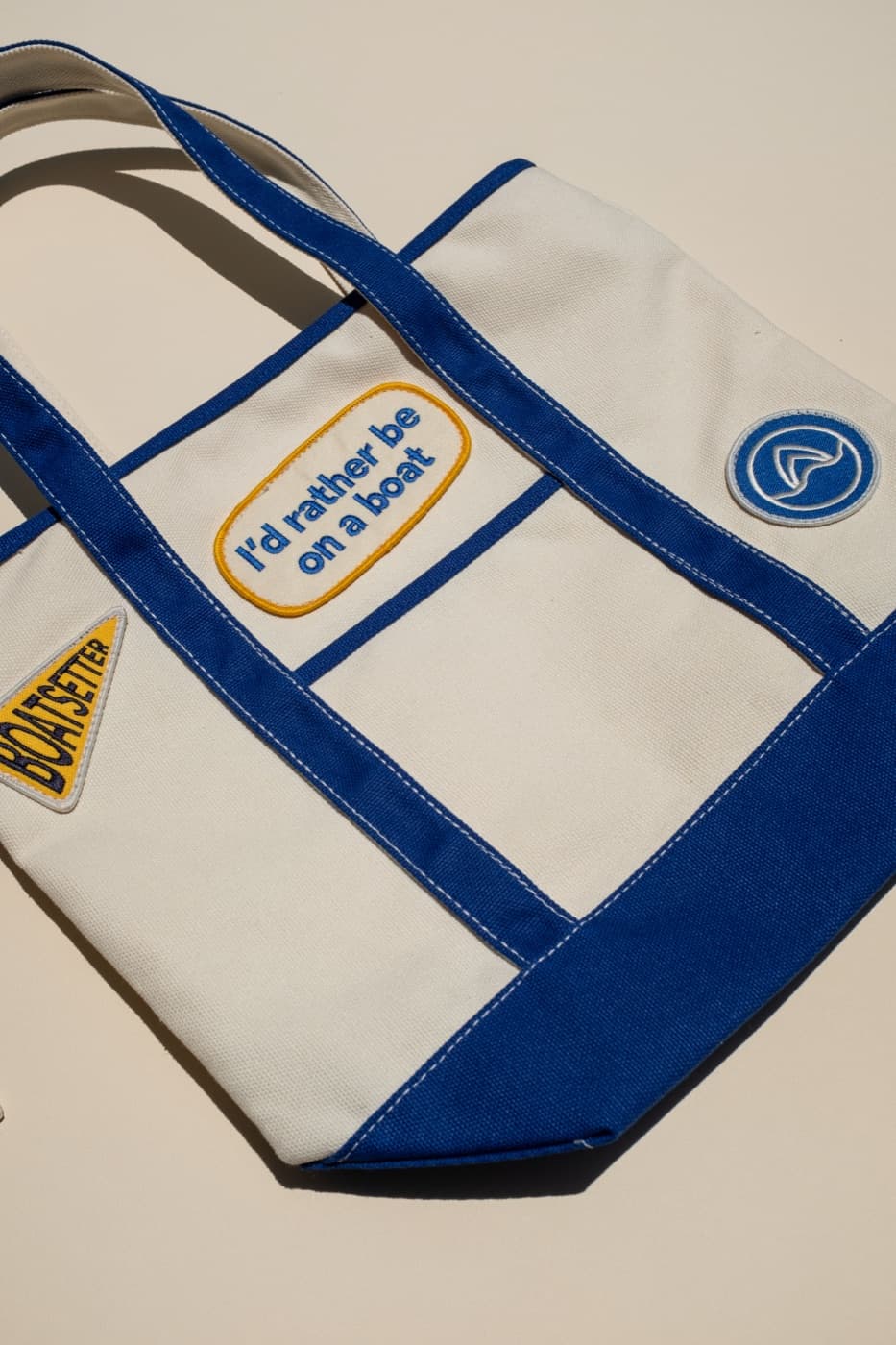
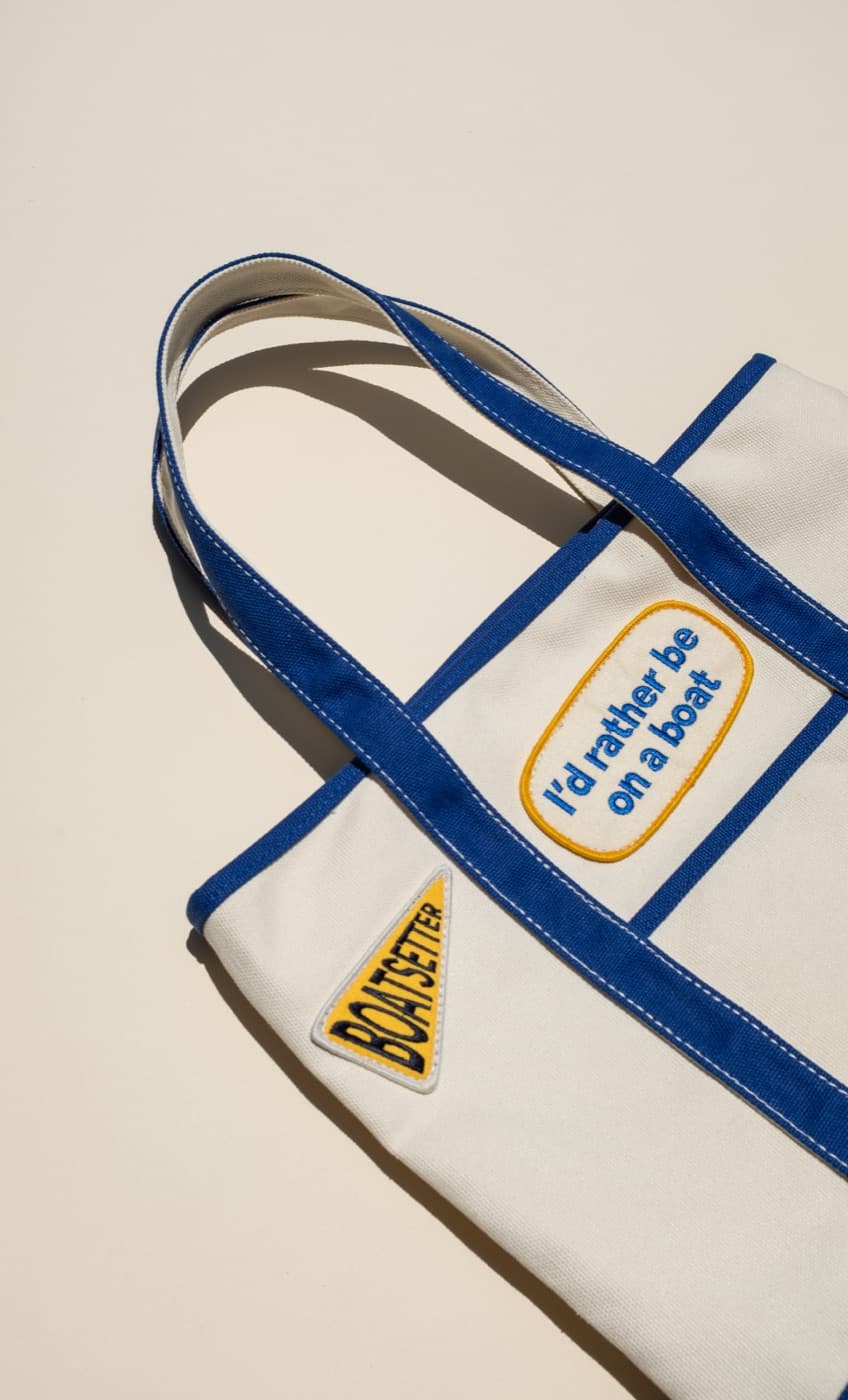
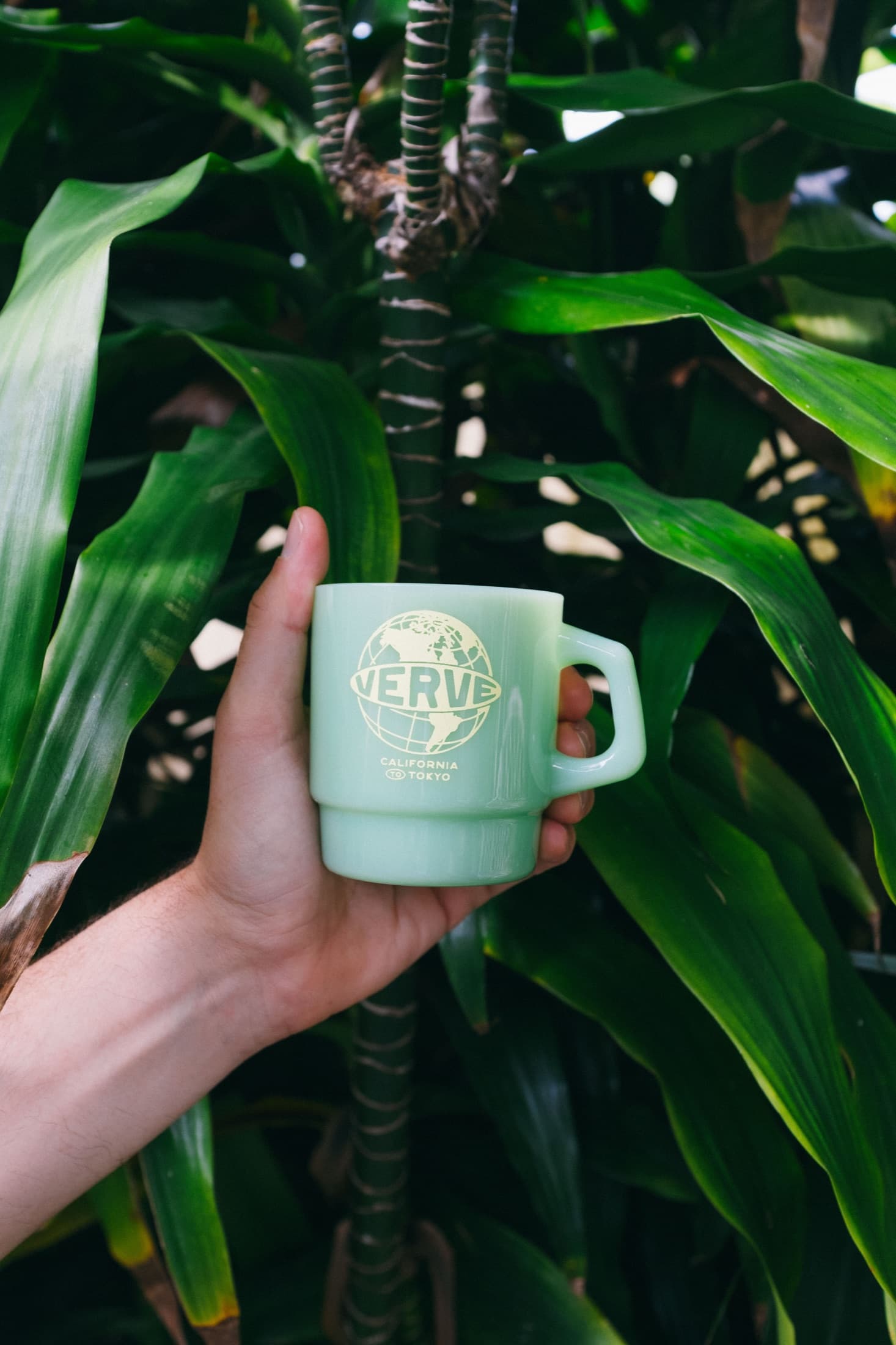
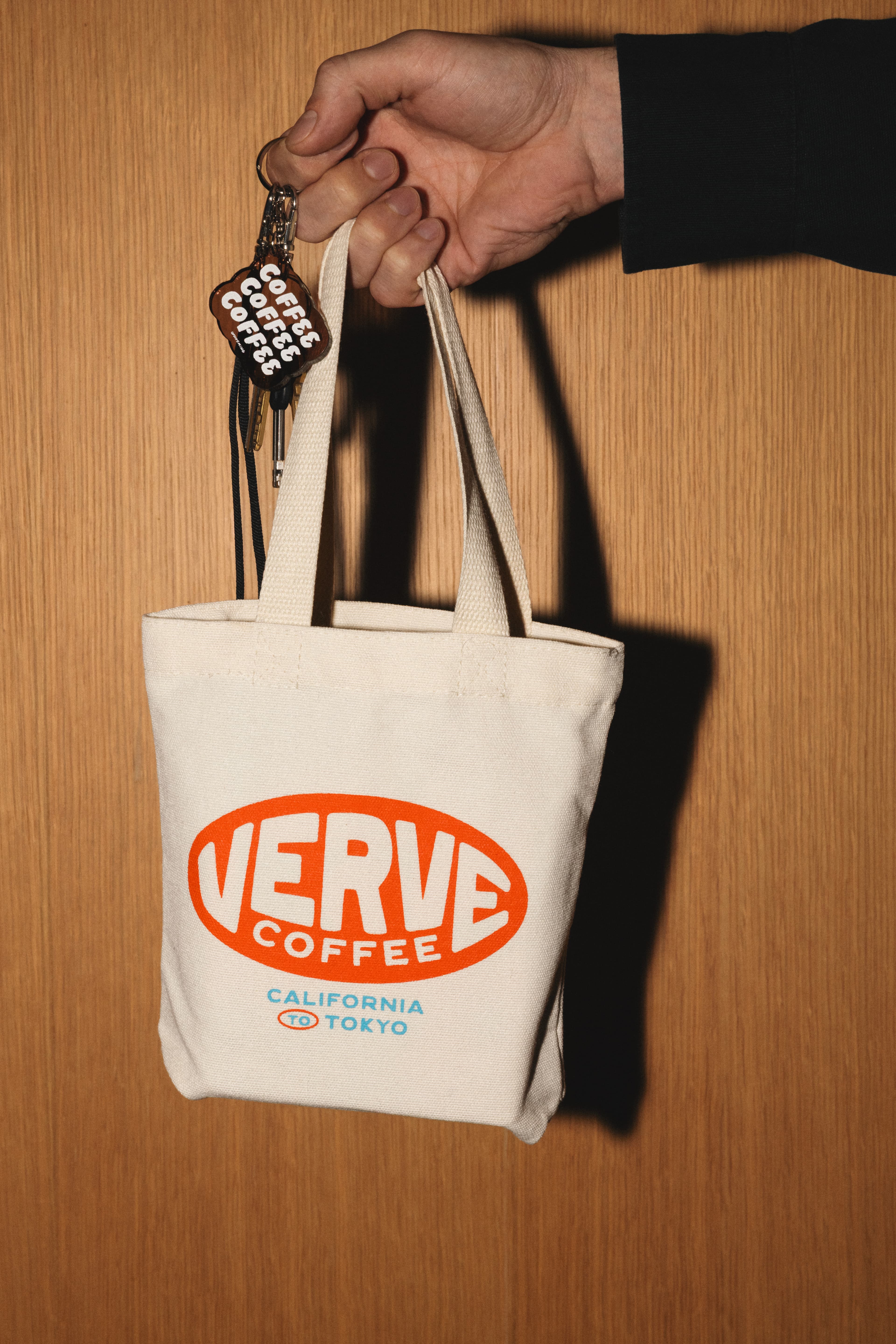
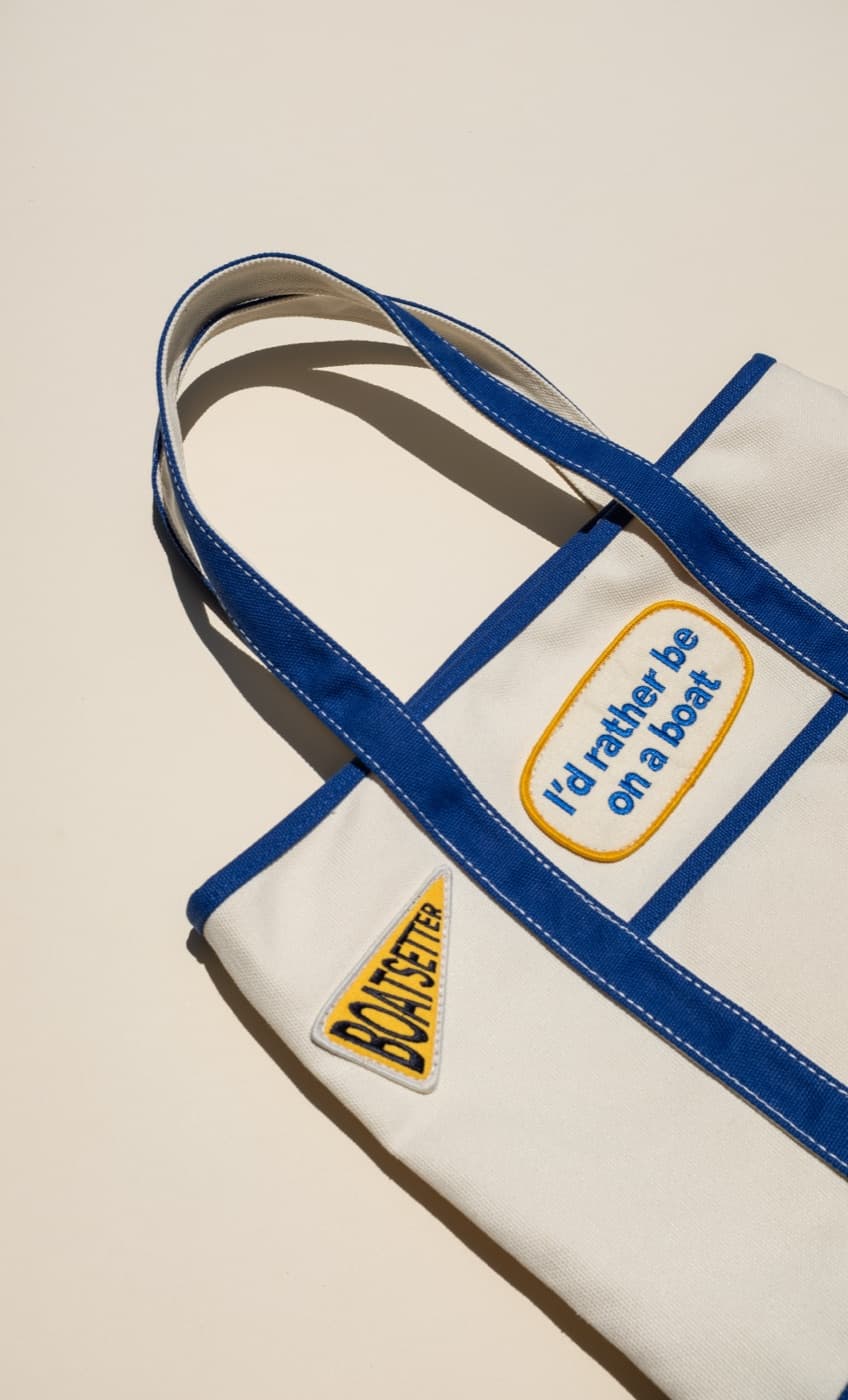
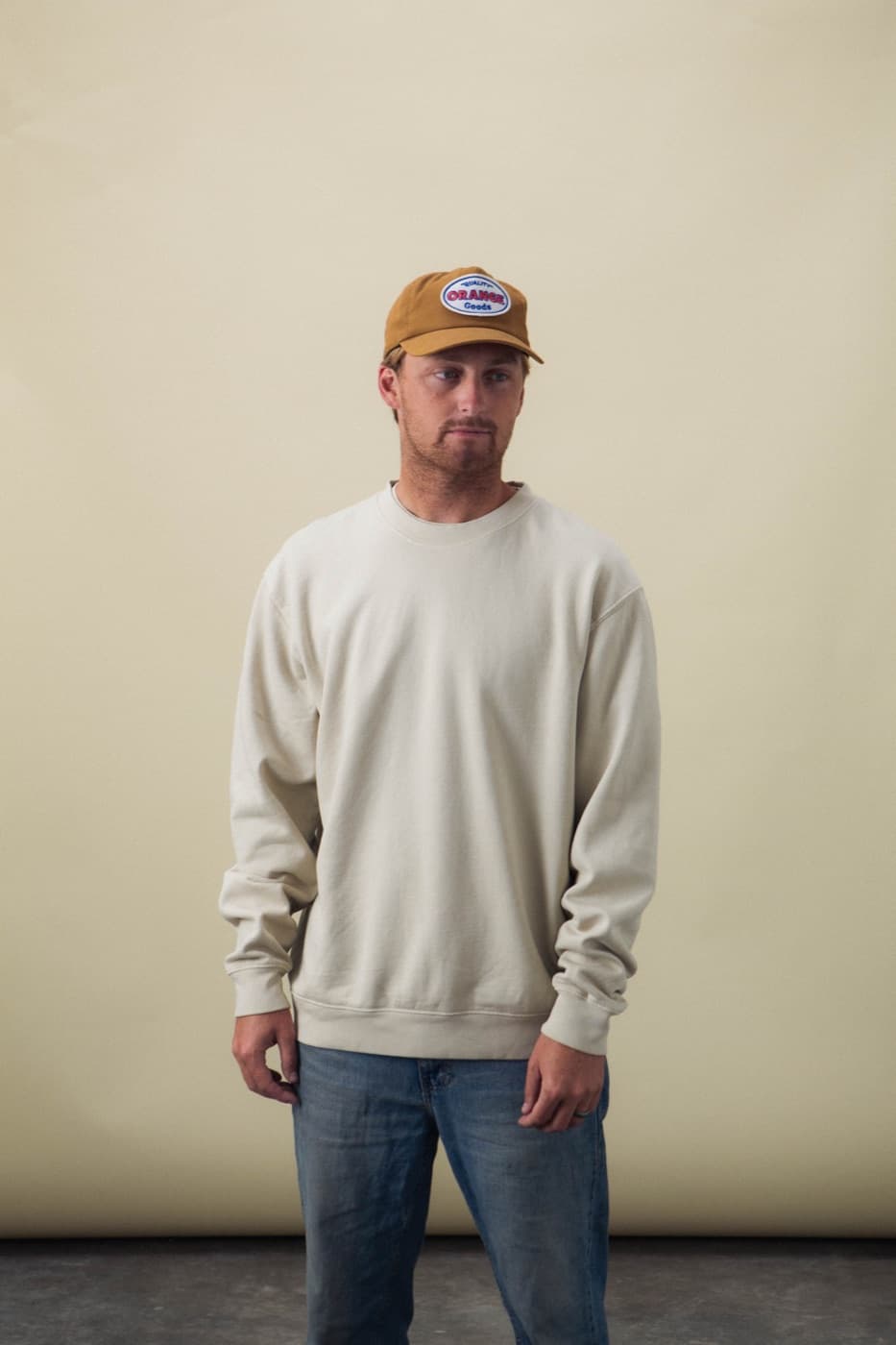
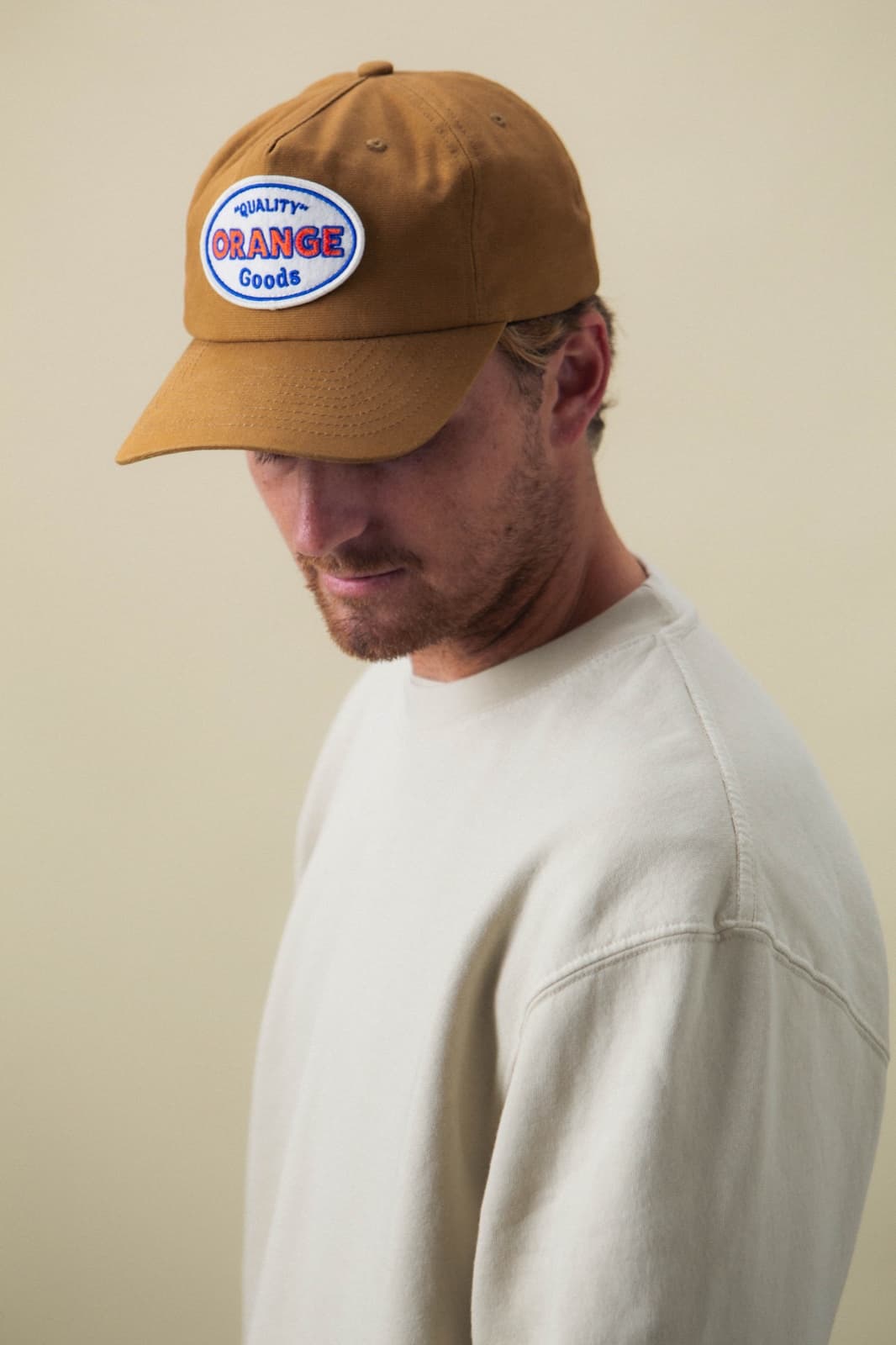
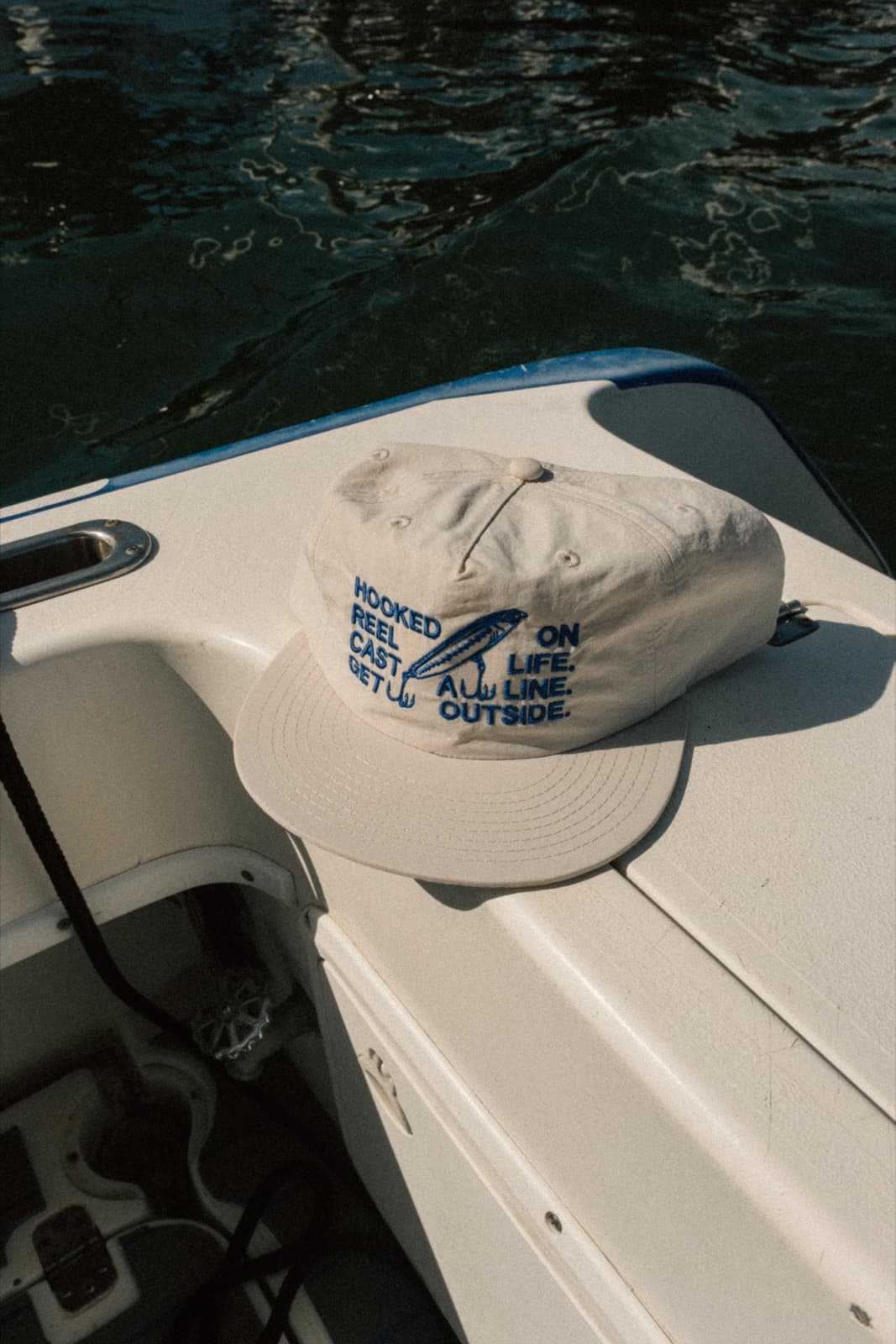
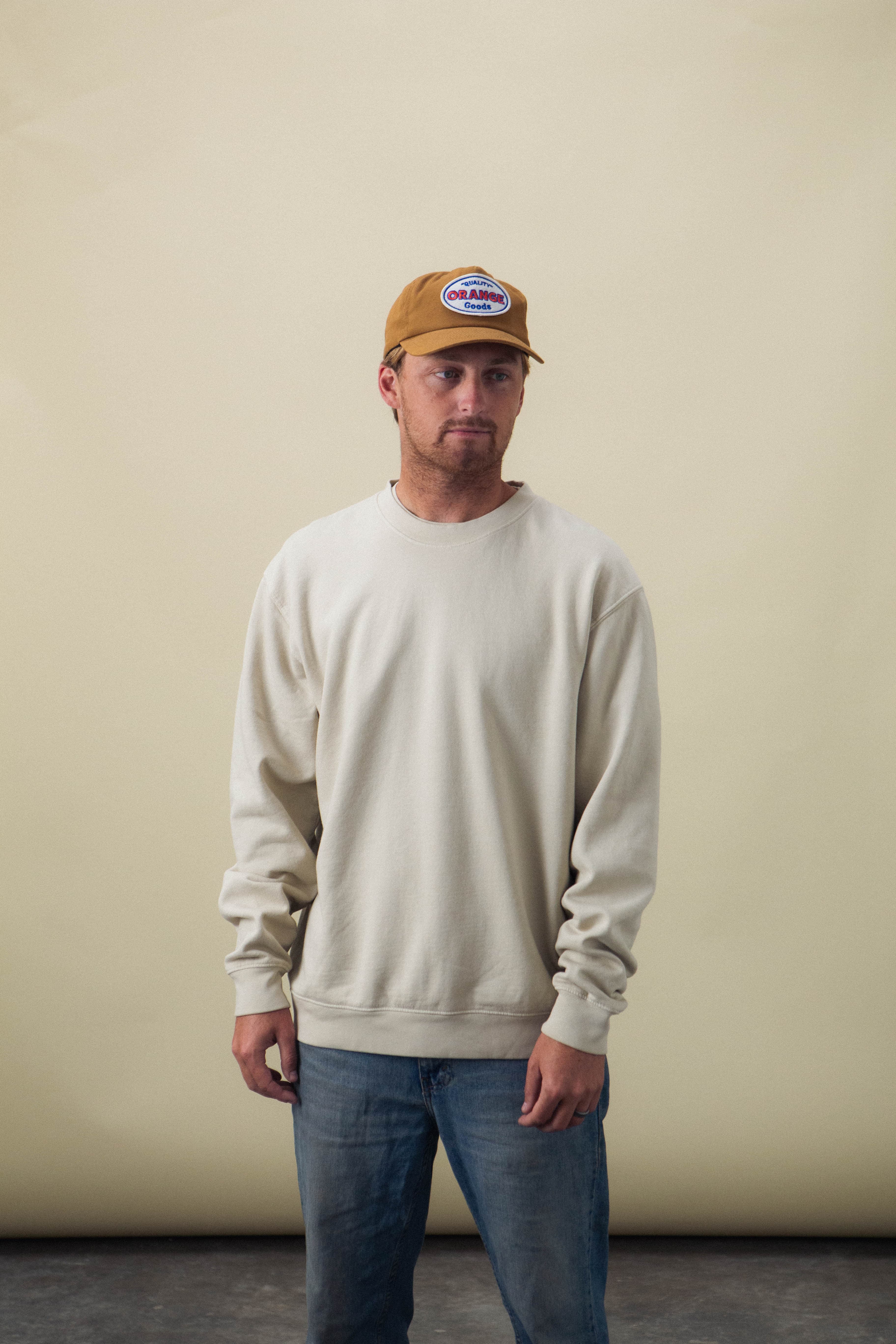
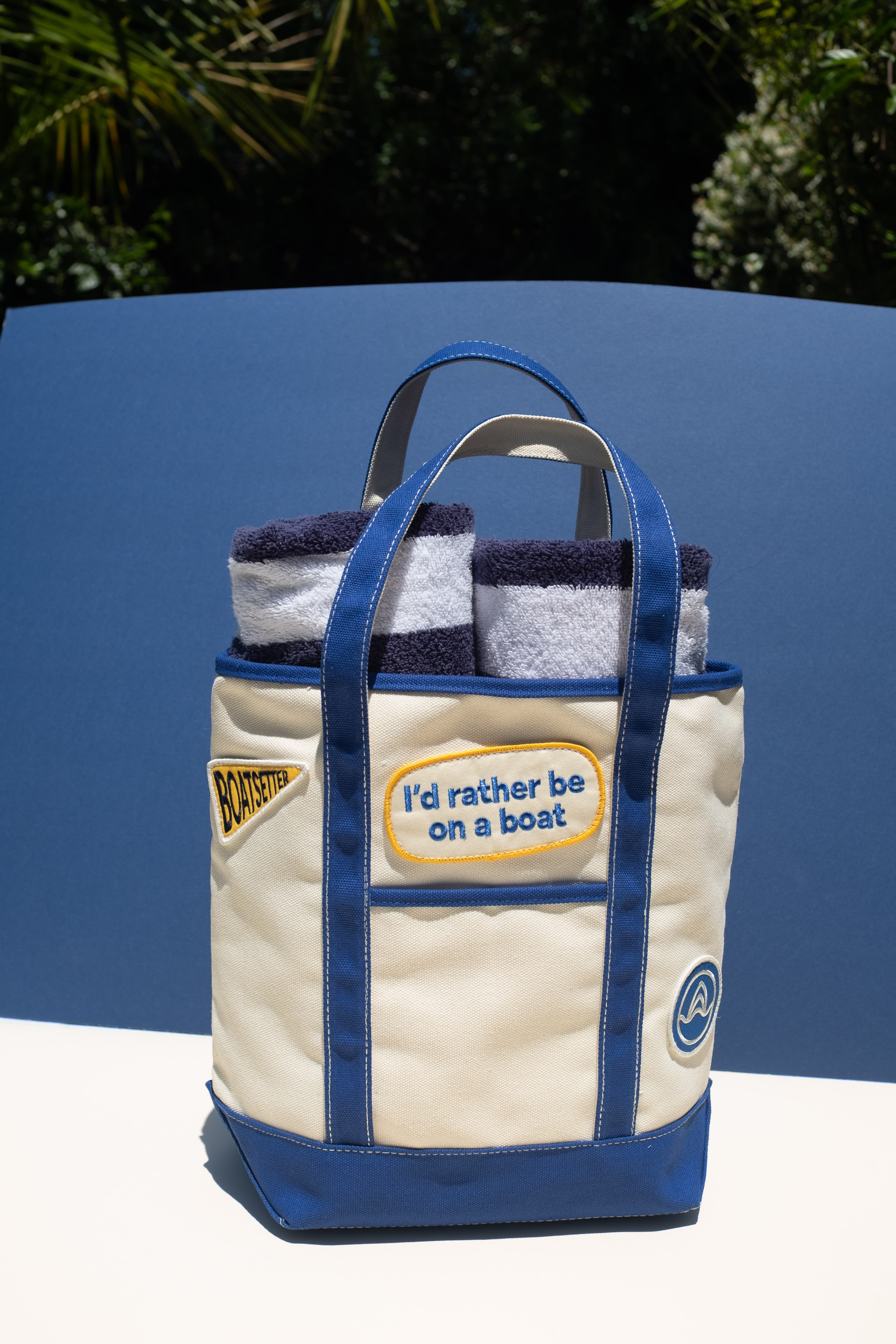
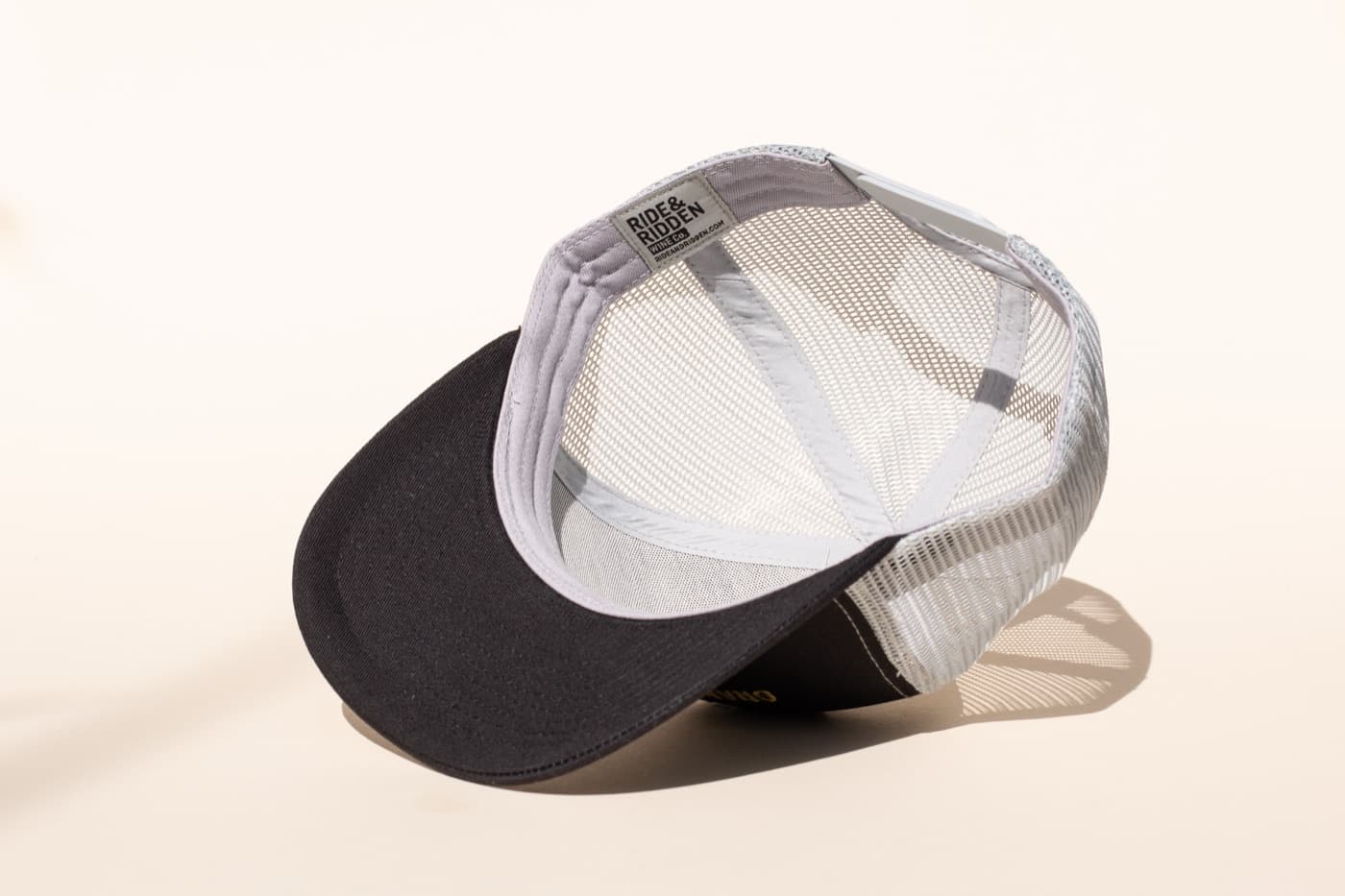
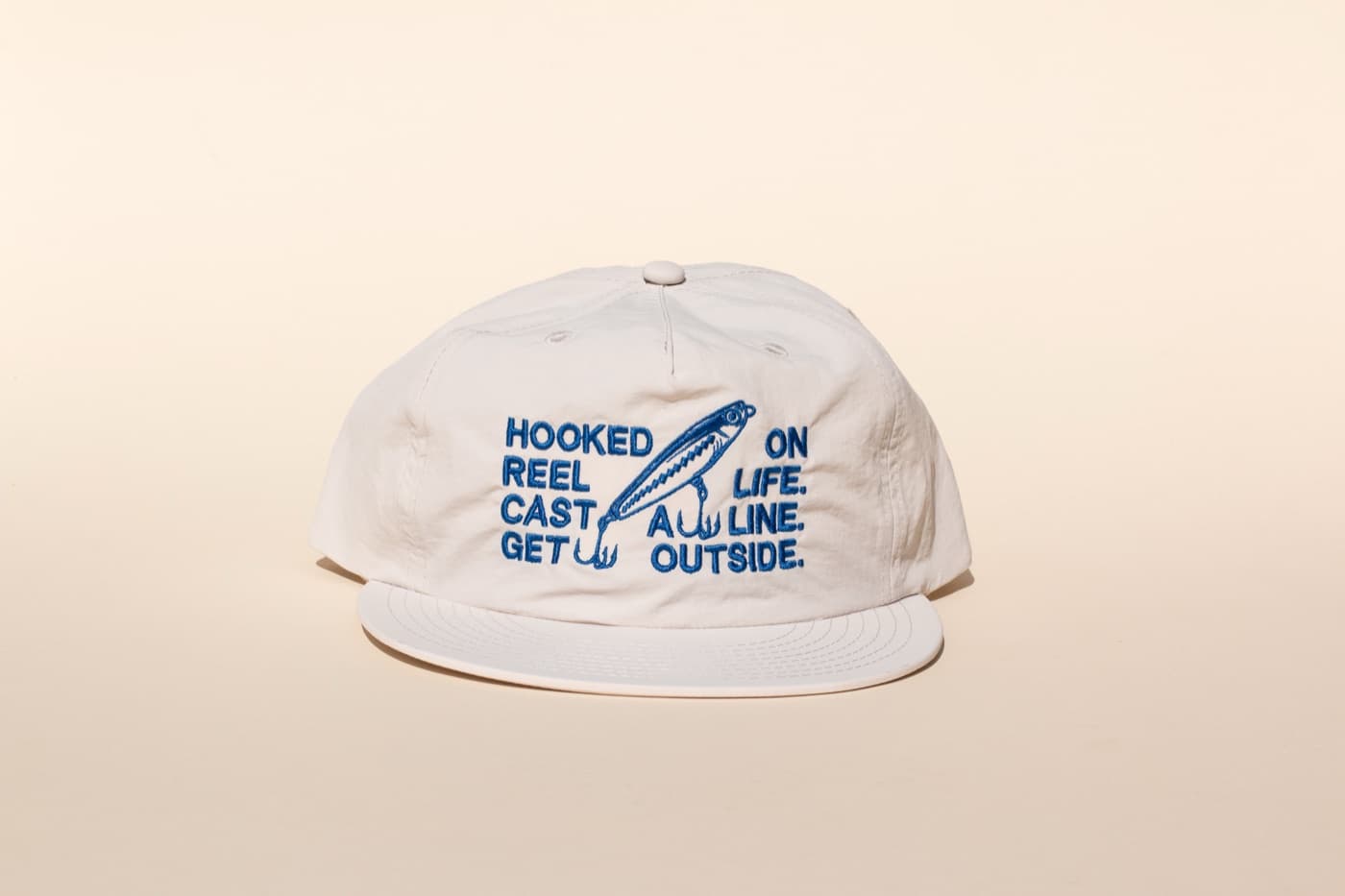
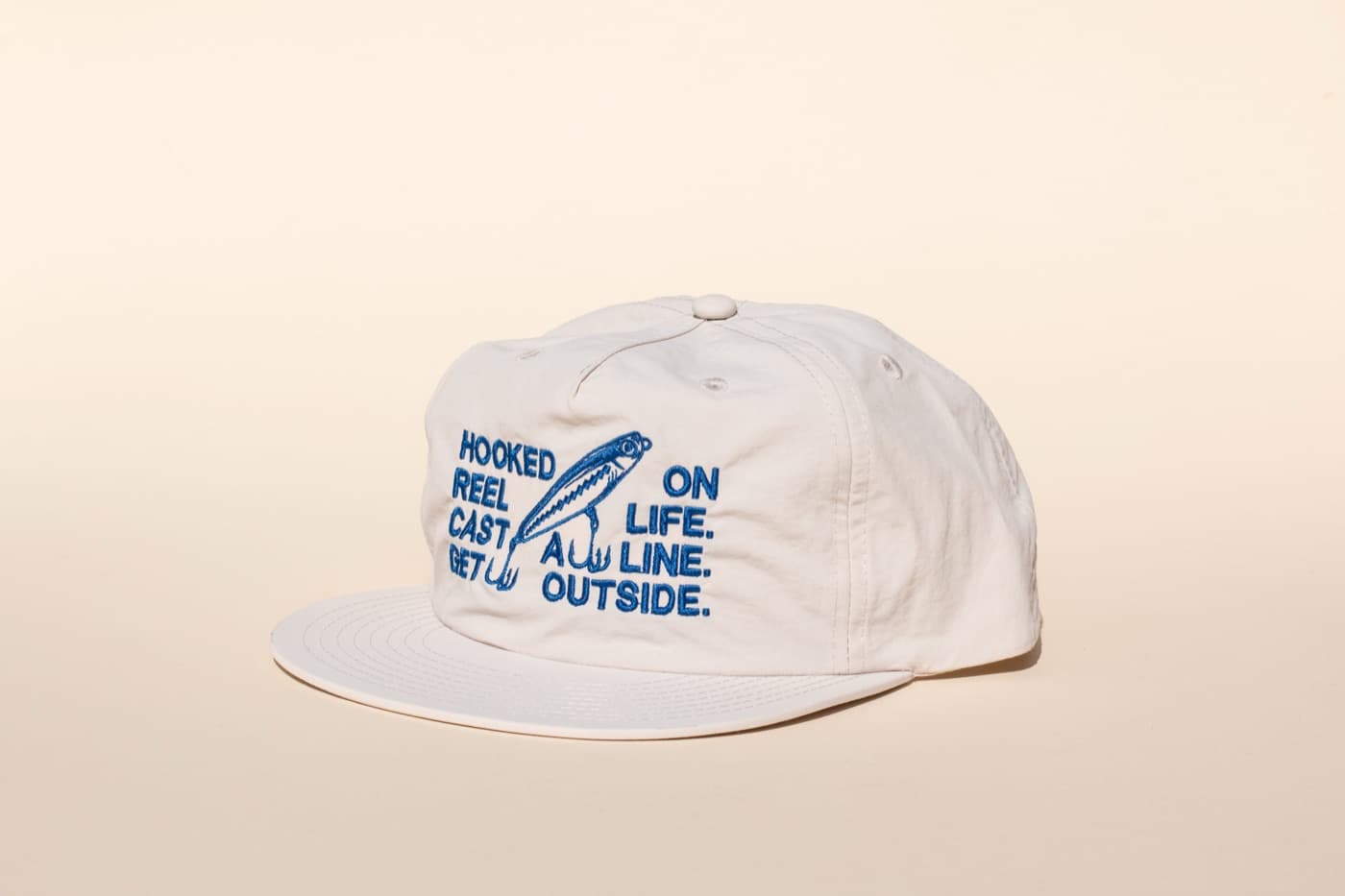
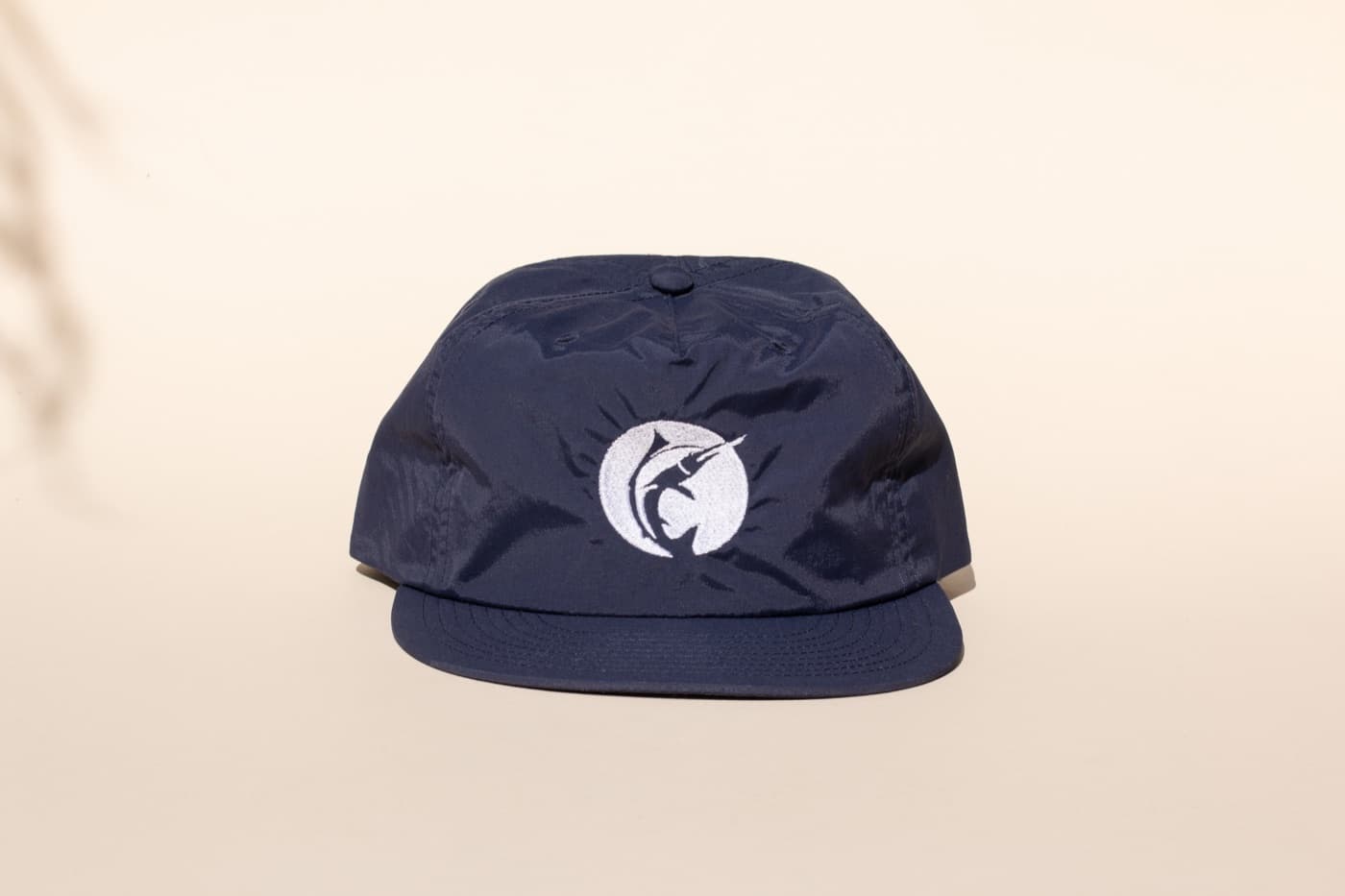
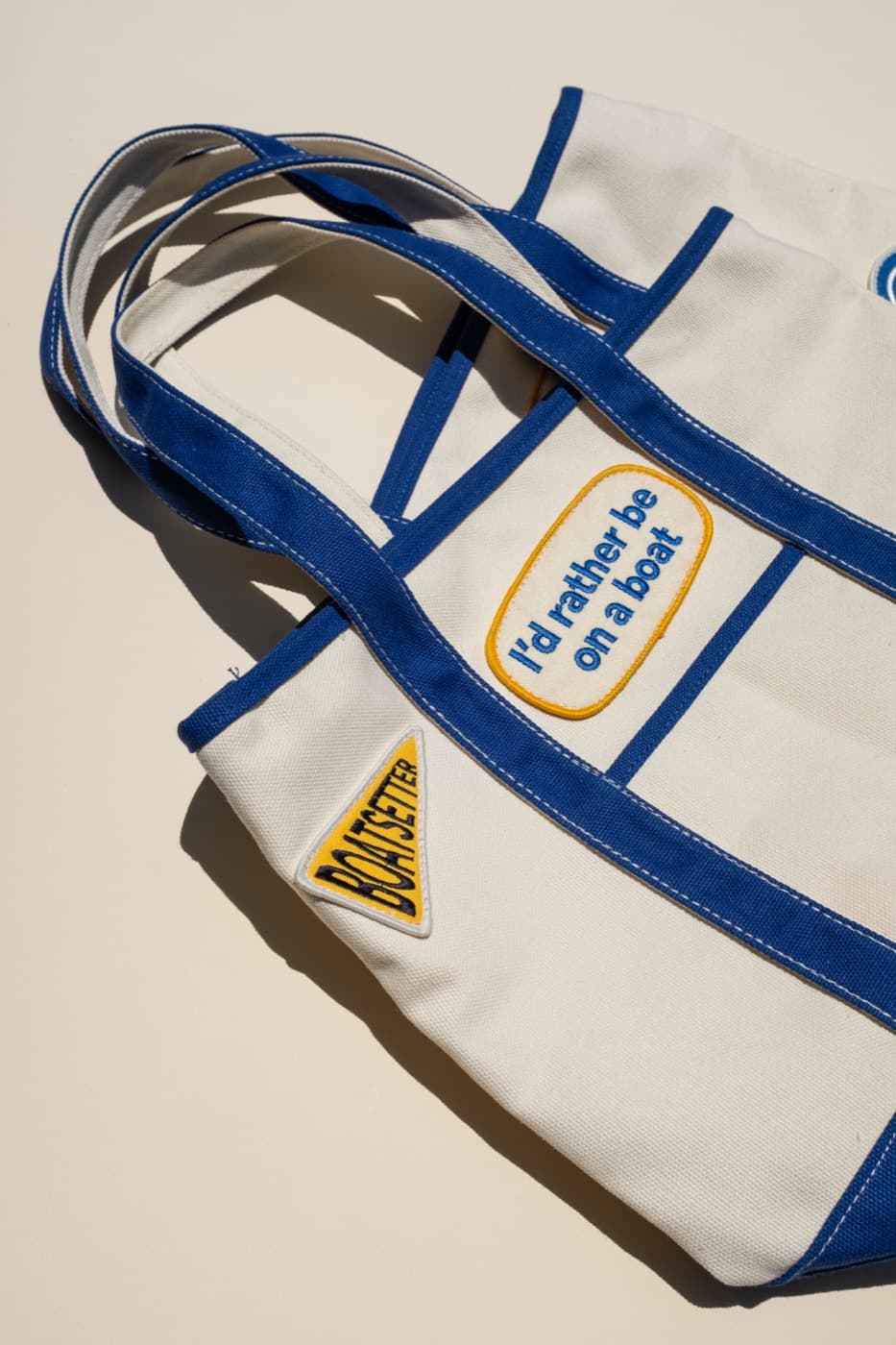
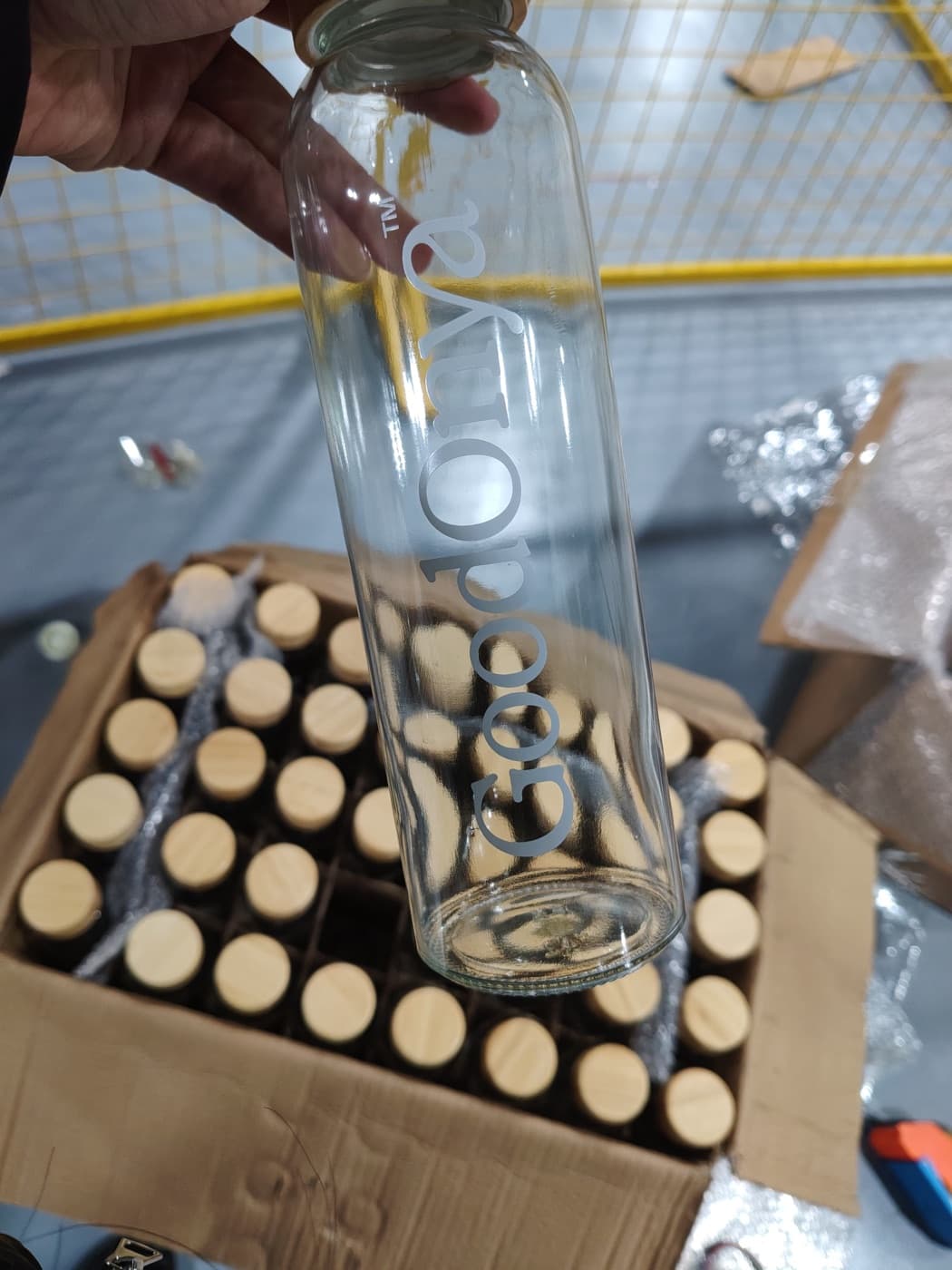
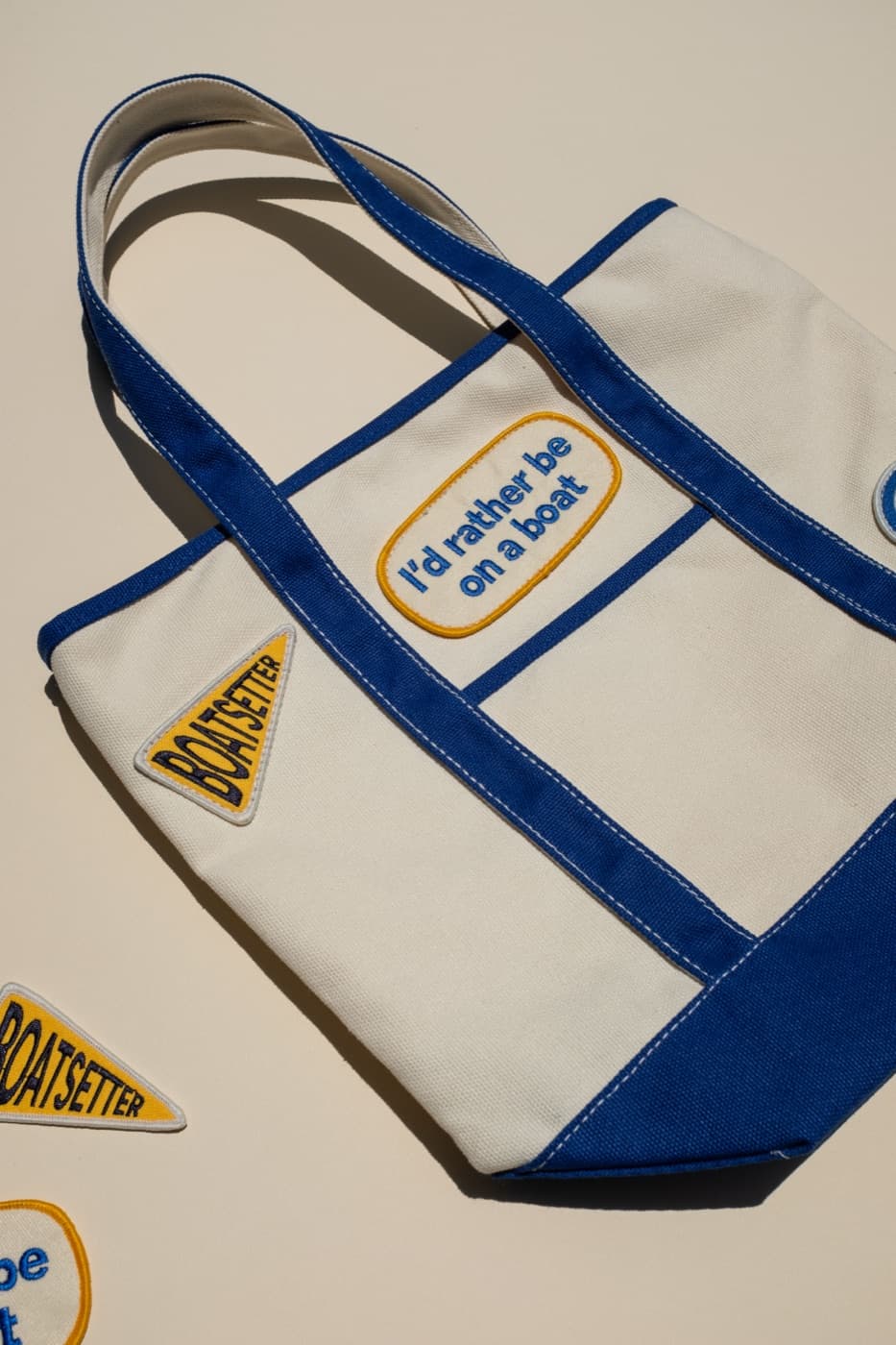
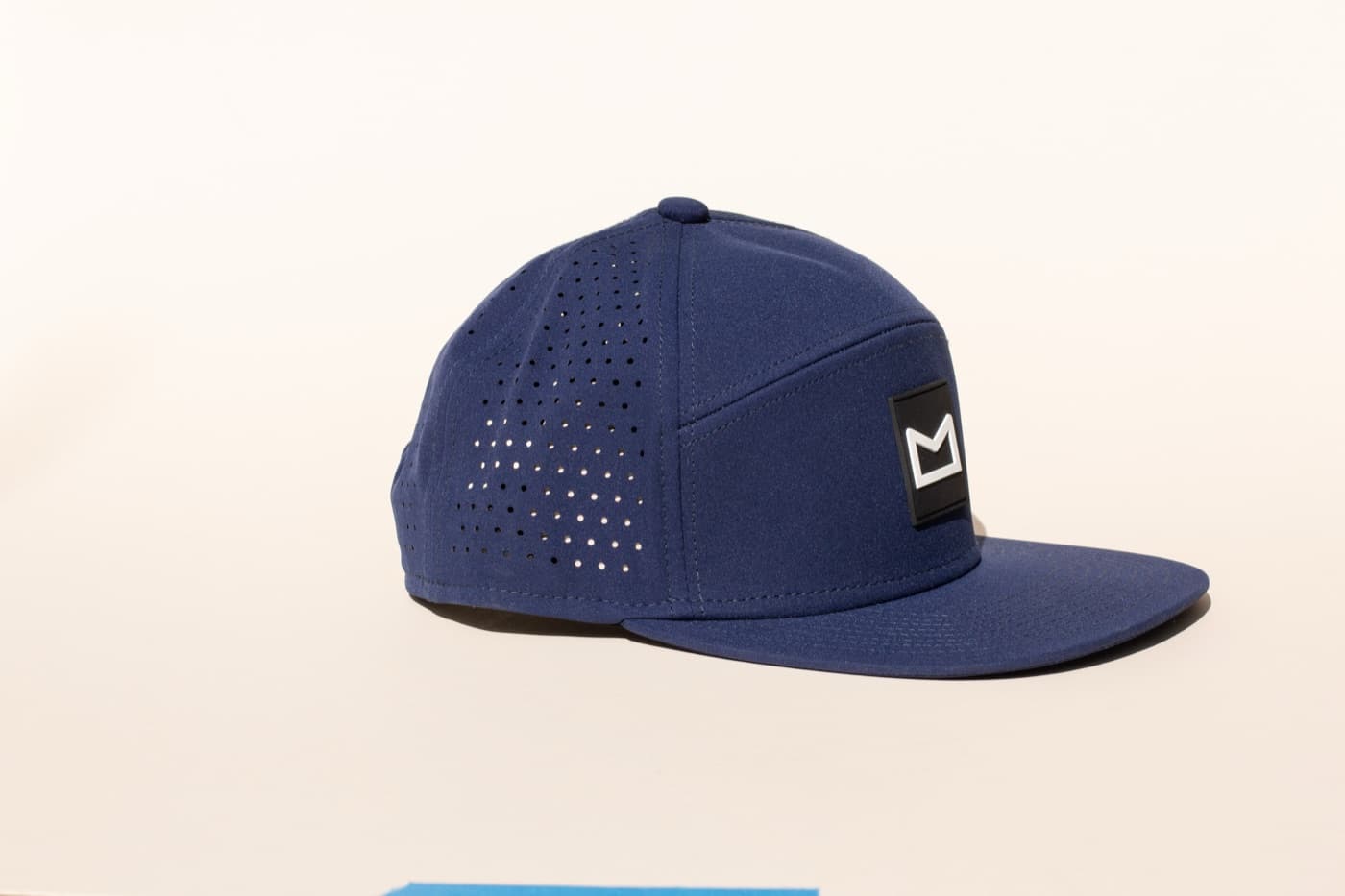
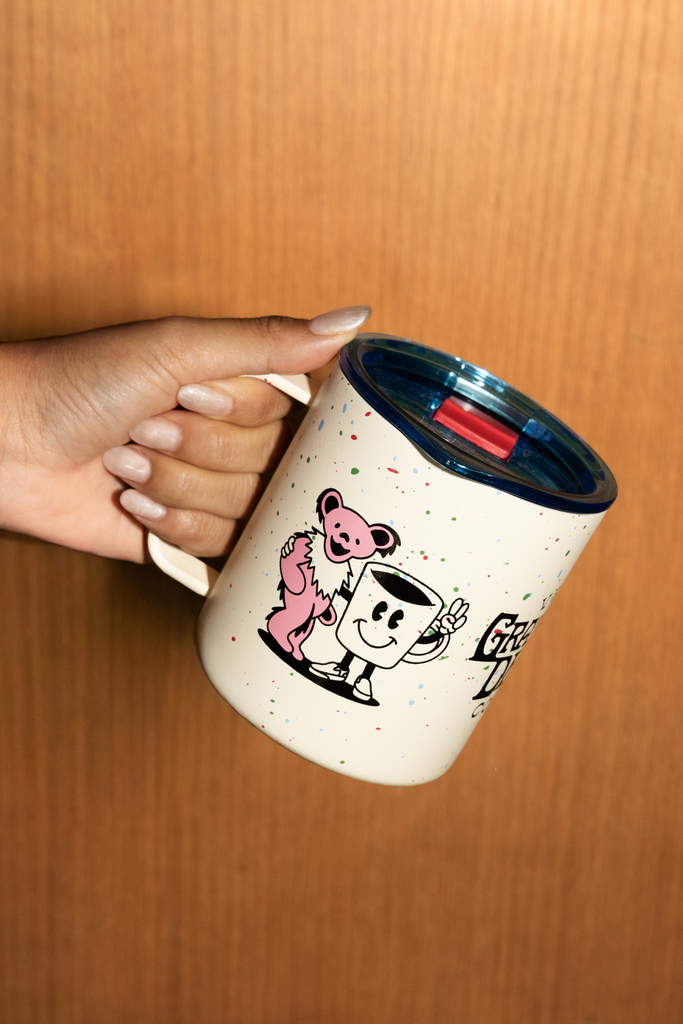
Hats are the reliable workhorse. They avoid sizing, display well near a register, and get worn often when the fit is right. Tees are strong when the graphic is good enough to stand alone. Totes work for cafes, markets, wine shops, bookstores, and restaurants with retail goods. Mugs, bottles, and glassware make sense when the beverage experience is central to the brand.
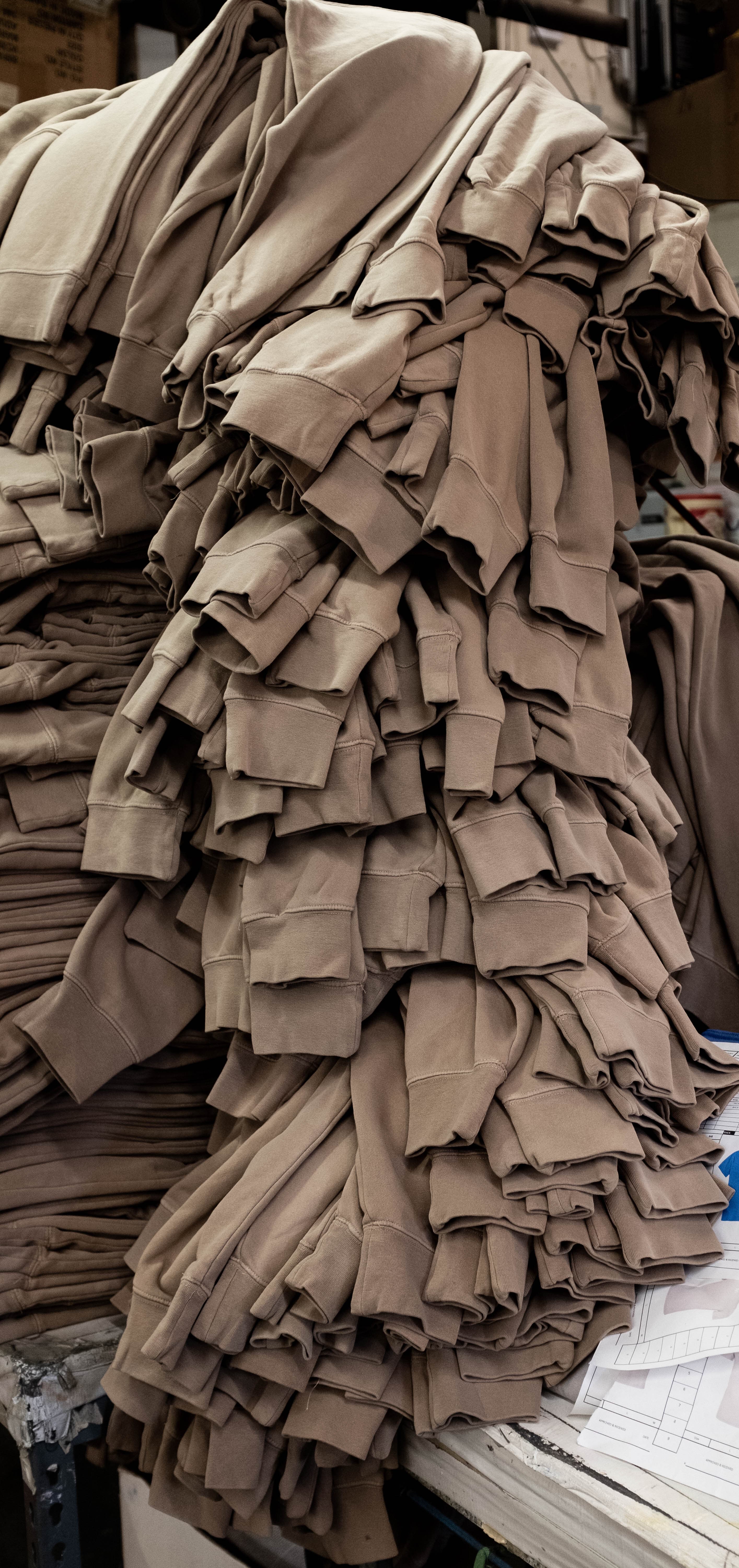
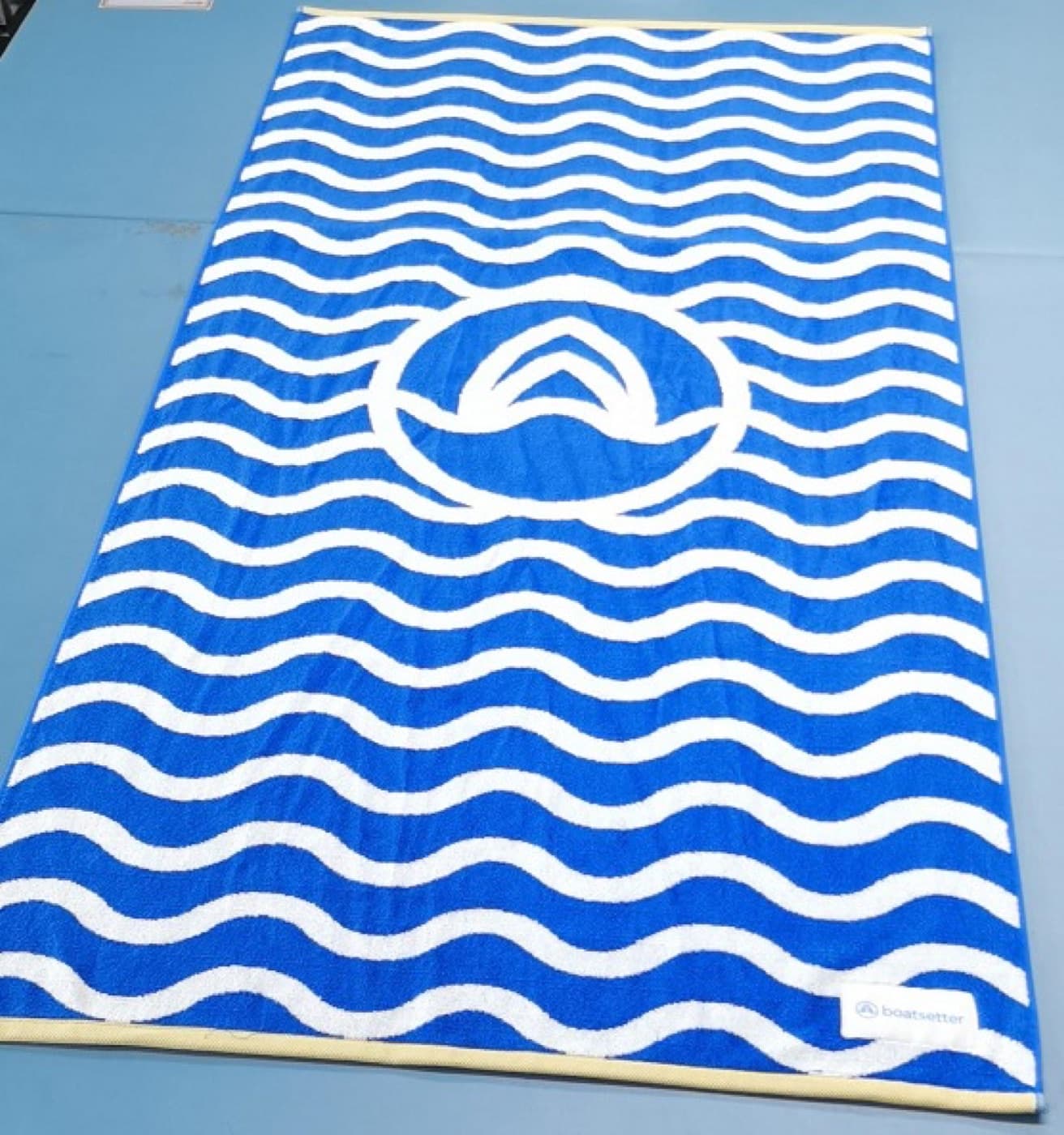
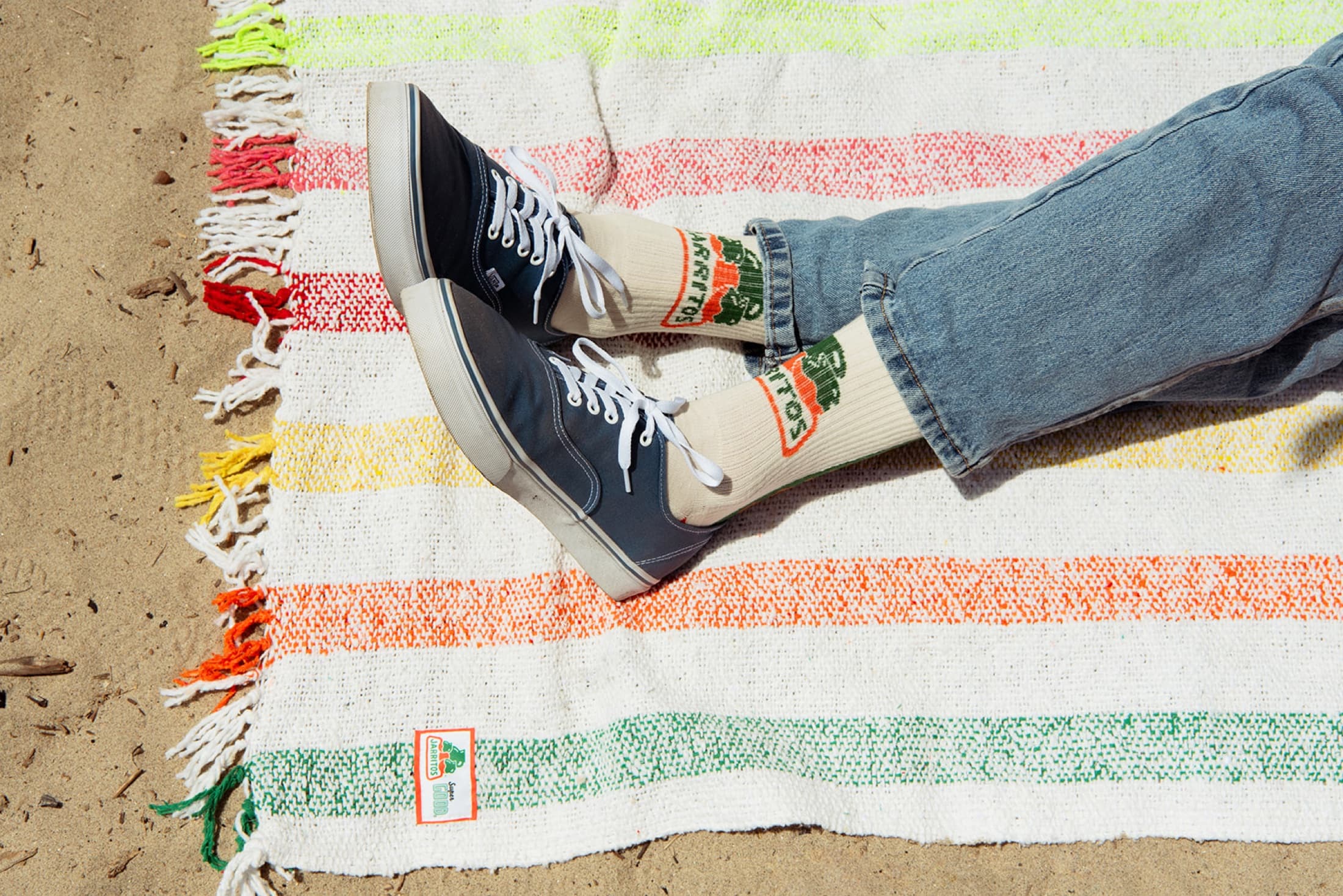
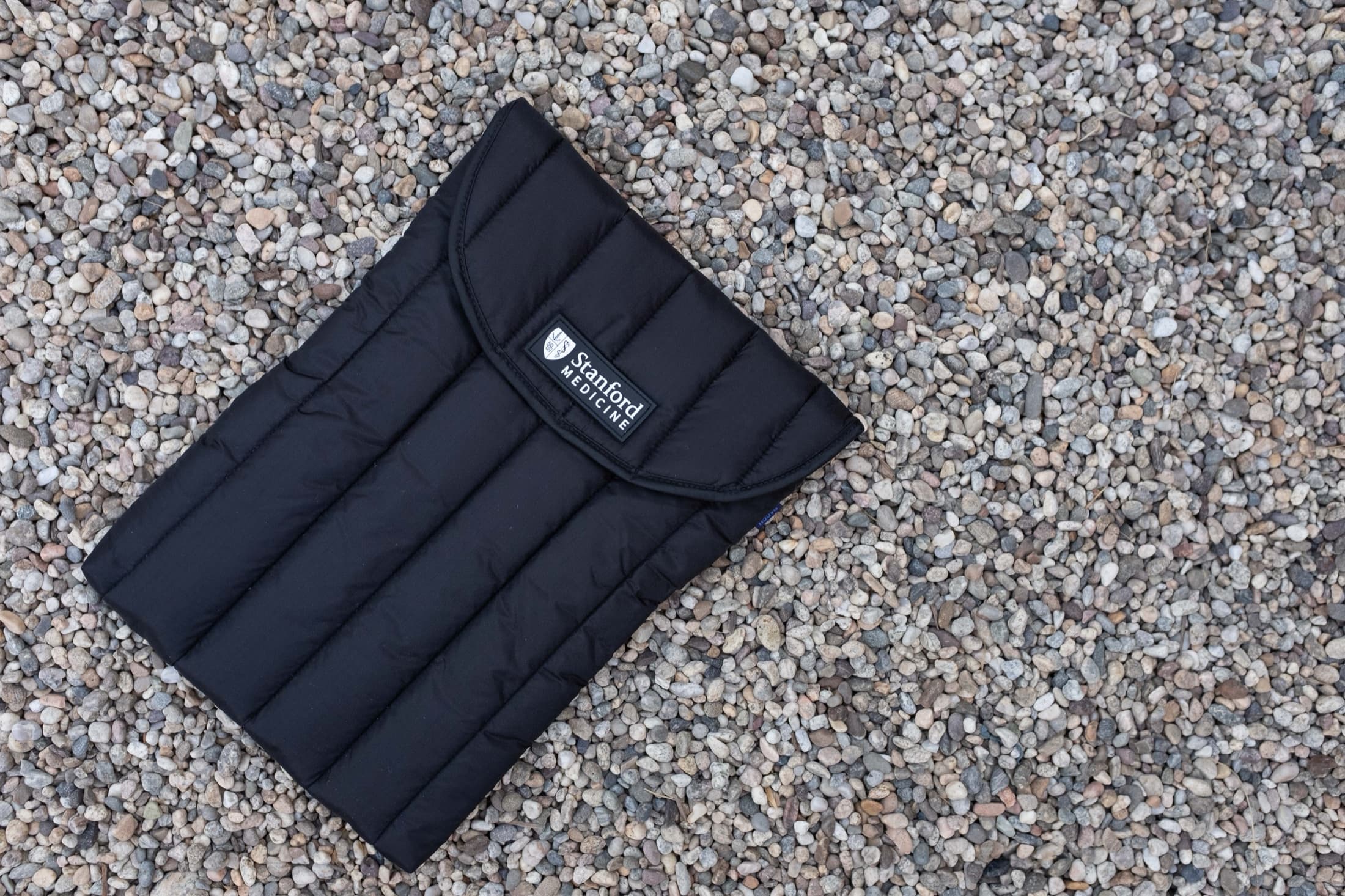
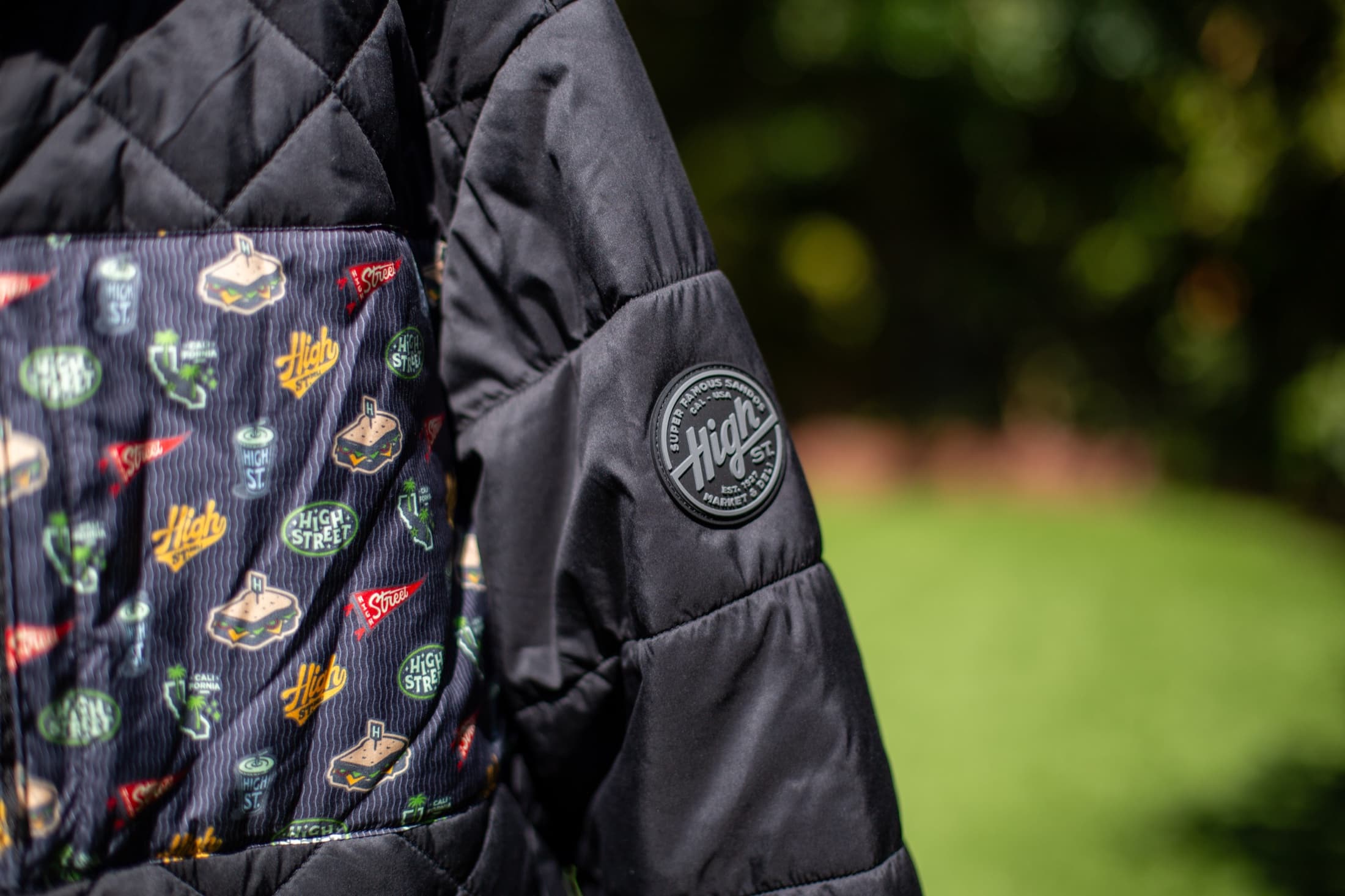
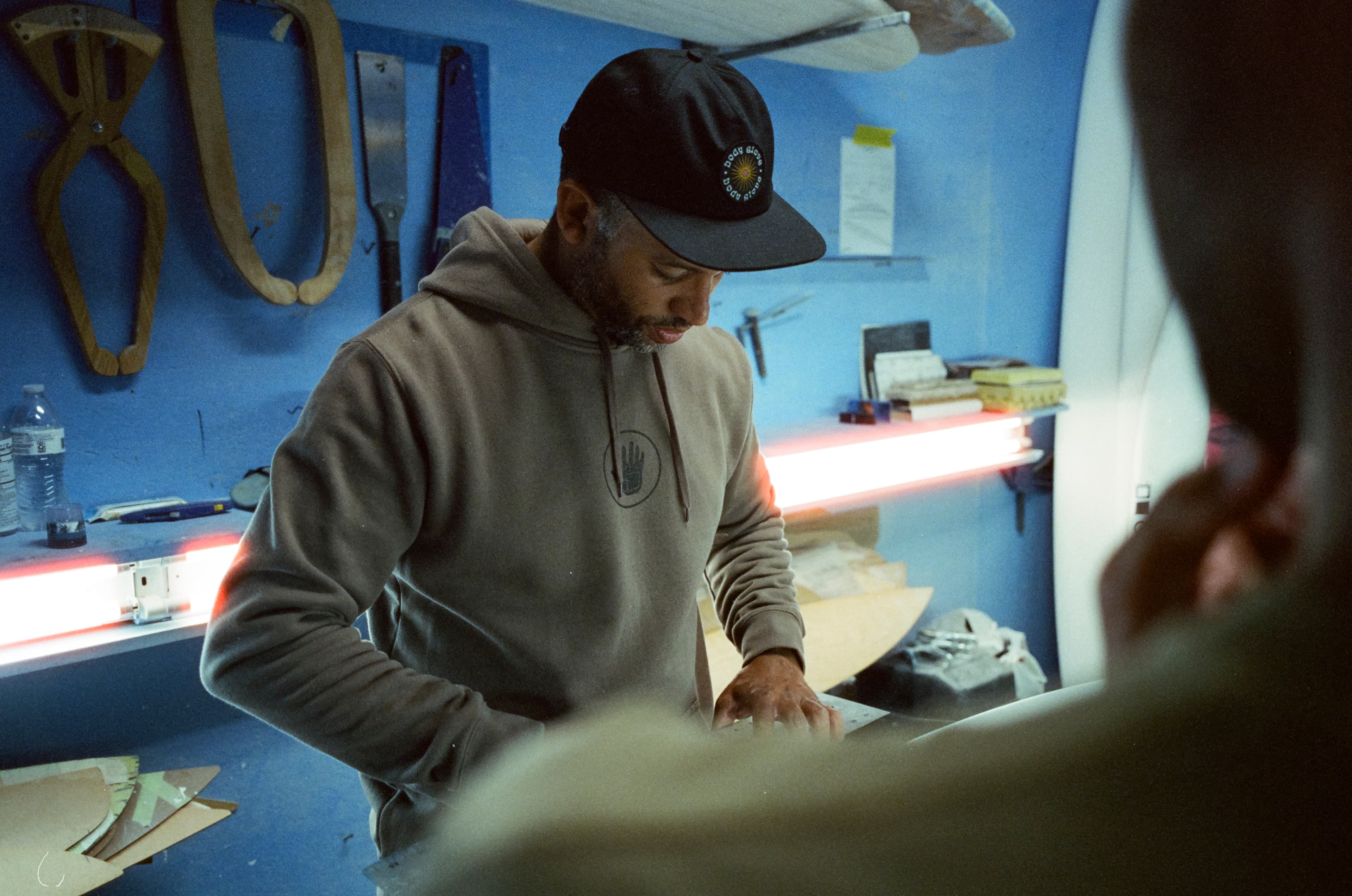
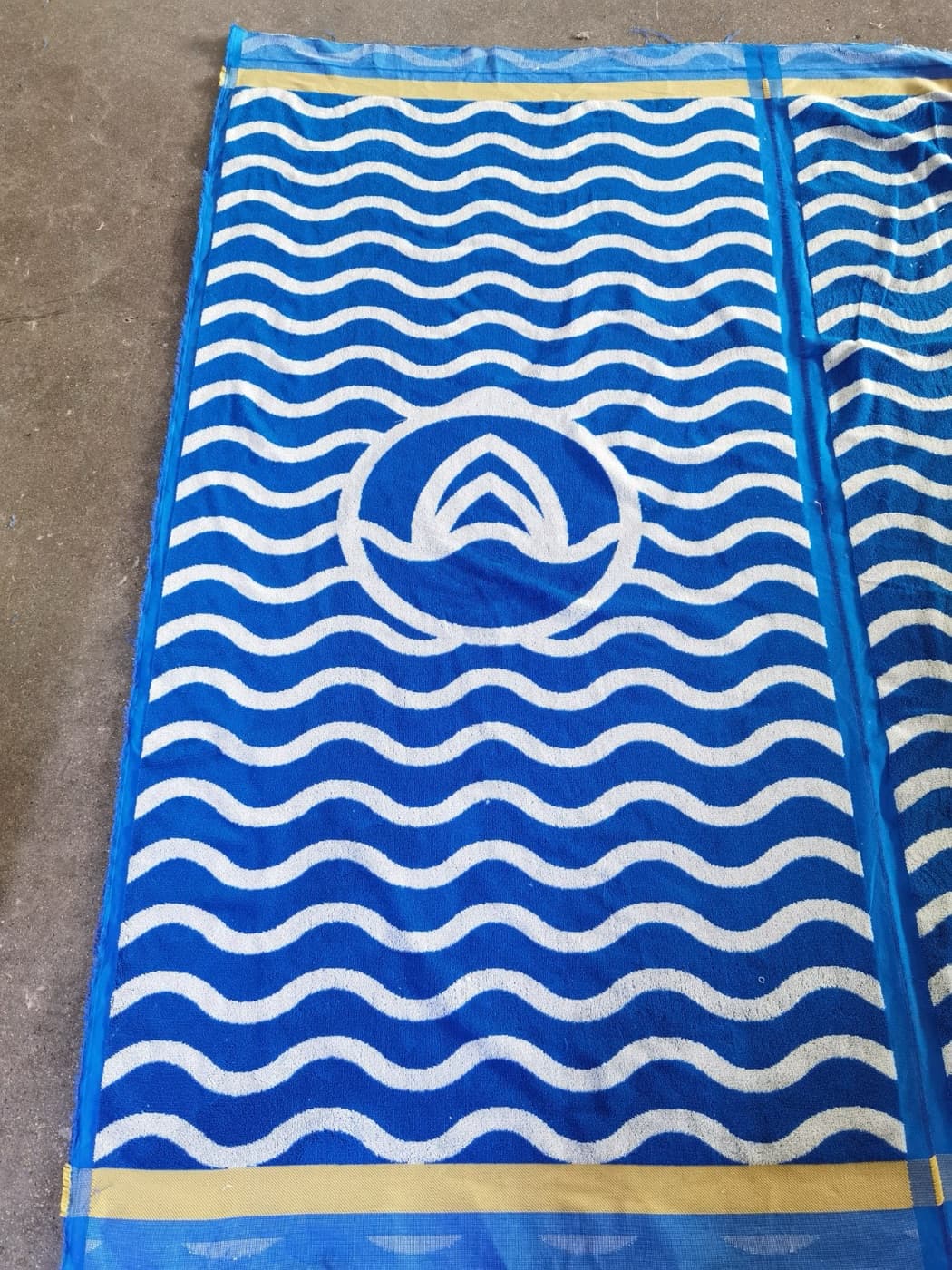
For higher-perceived-value drops, hoodies, crewnecks, towels, blankets, and small accessories can work well, especially when tied to a season, anniversary, opening, collaboration, or limited menu moment.
Staff uniforms and retail merch are different
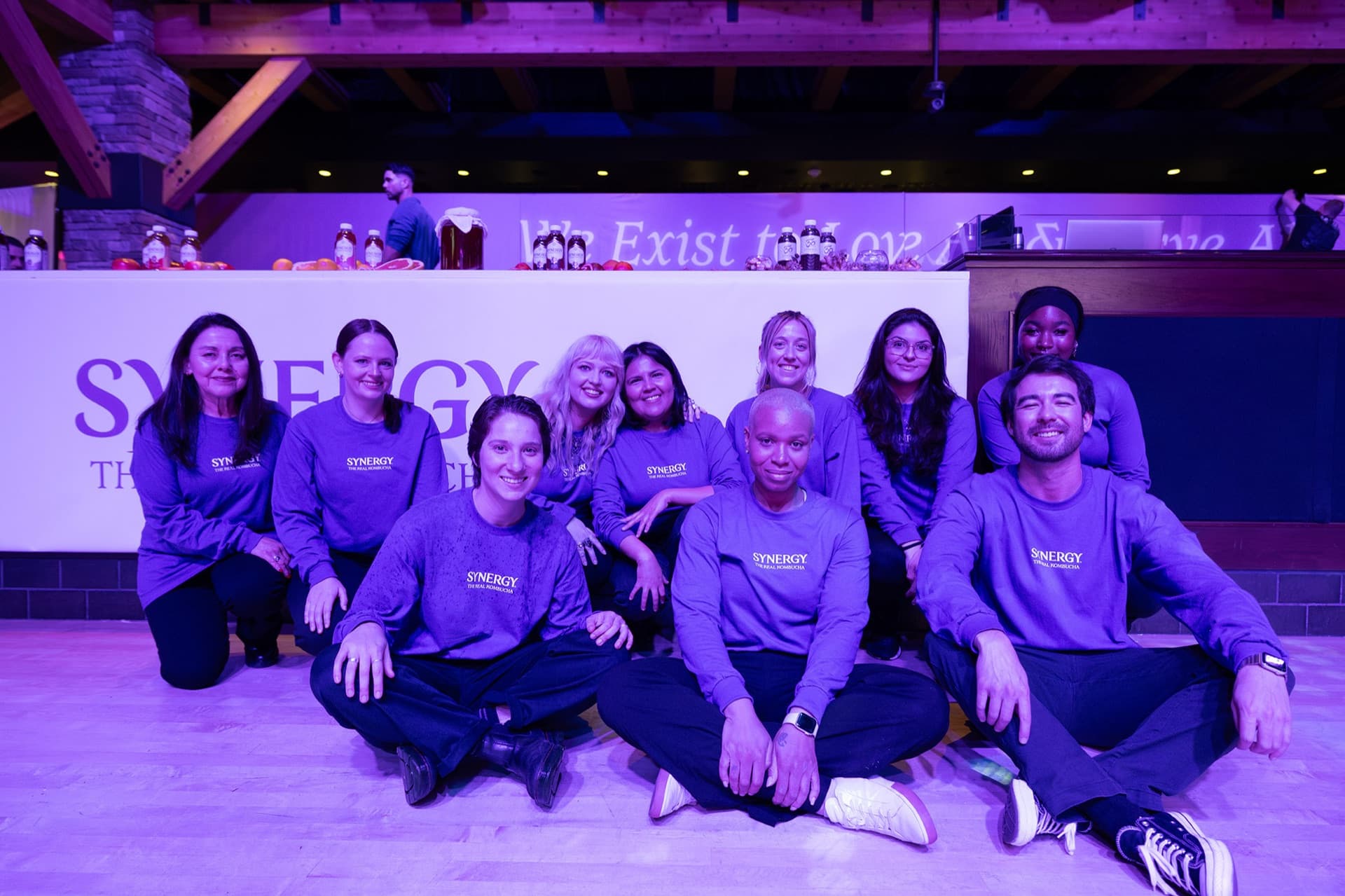
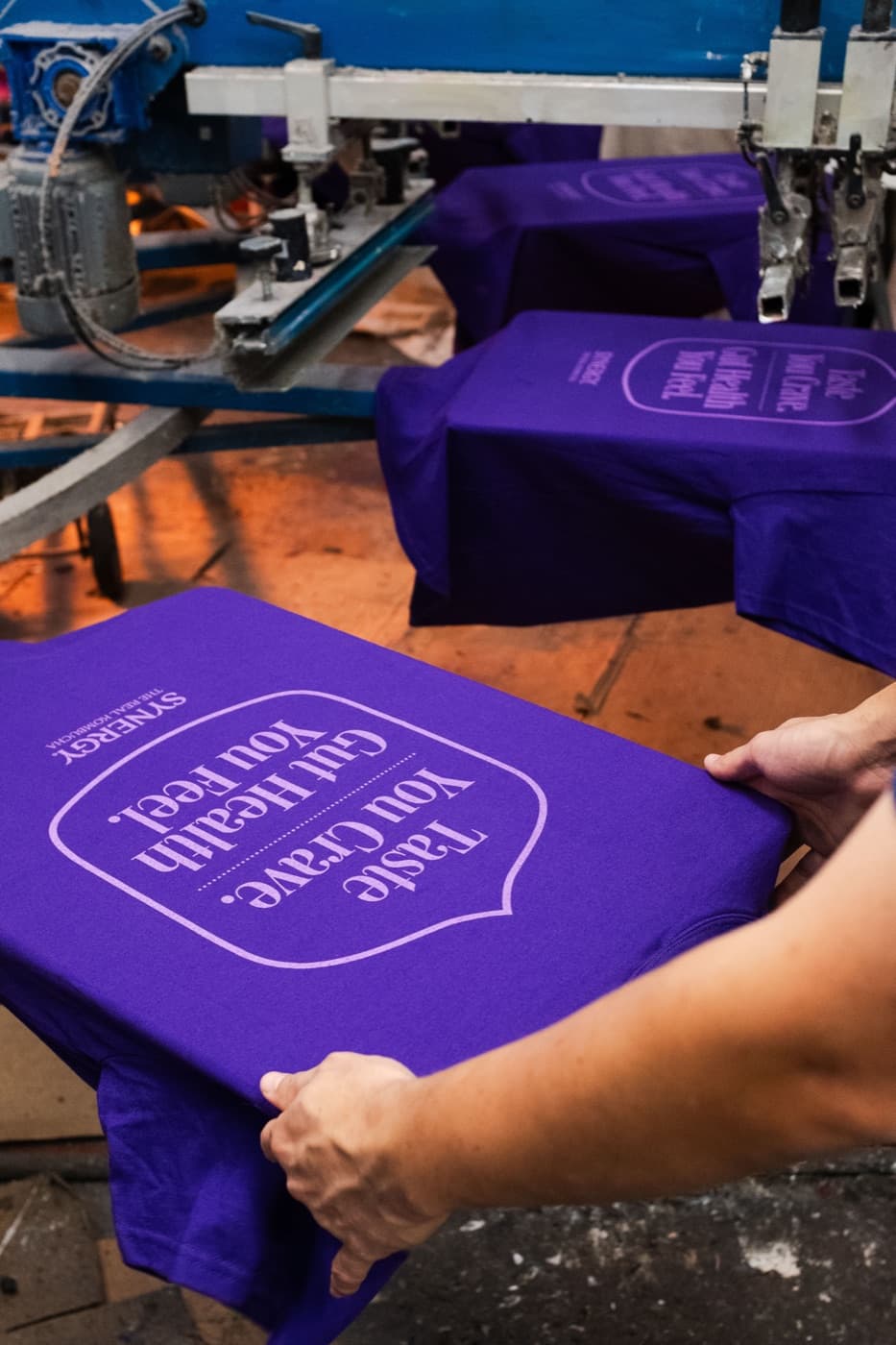
A staff tee needs to wash well, fit a range of people, and be easy to reorder. A retail tee needs to feel like something a customer would choose. Those needs can overlap, but they are not the same. A great program may include a durable staff piece and a more expressive retail piece.
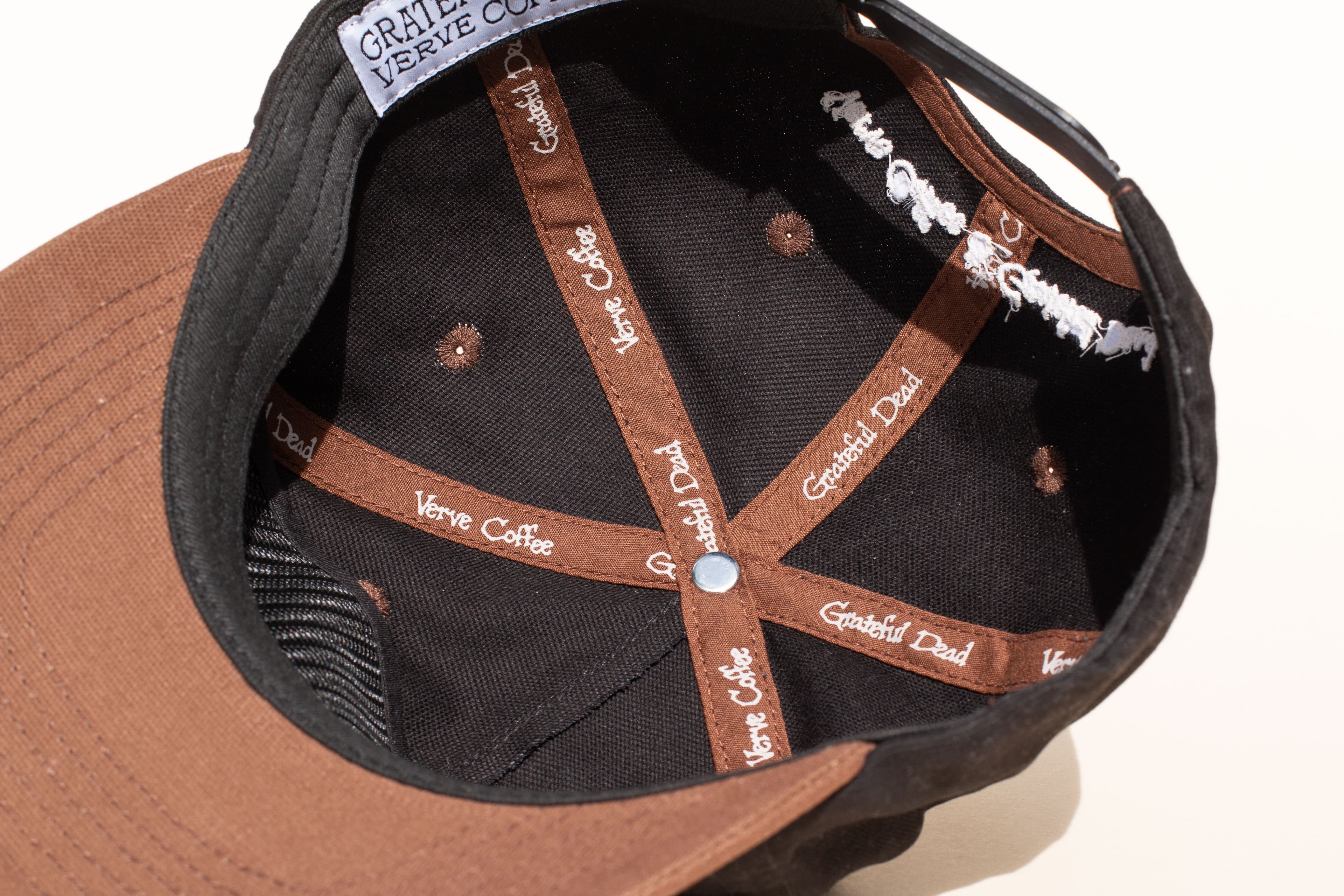
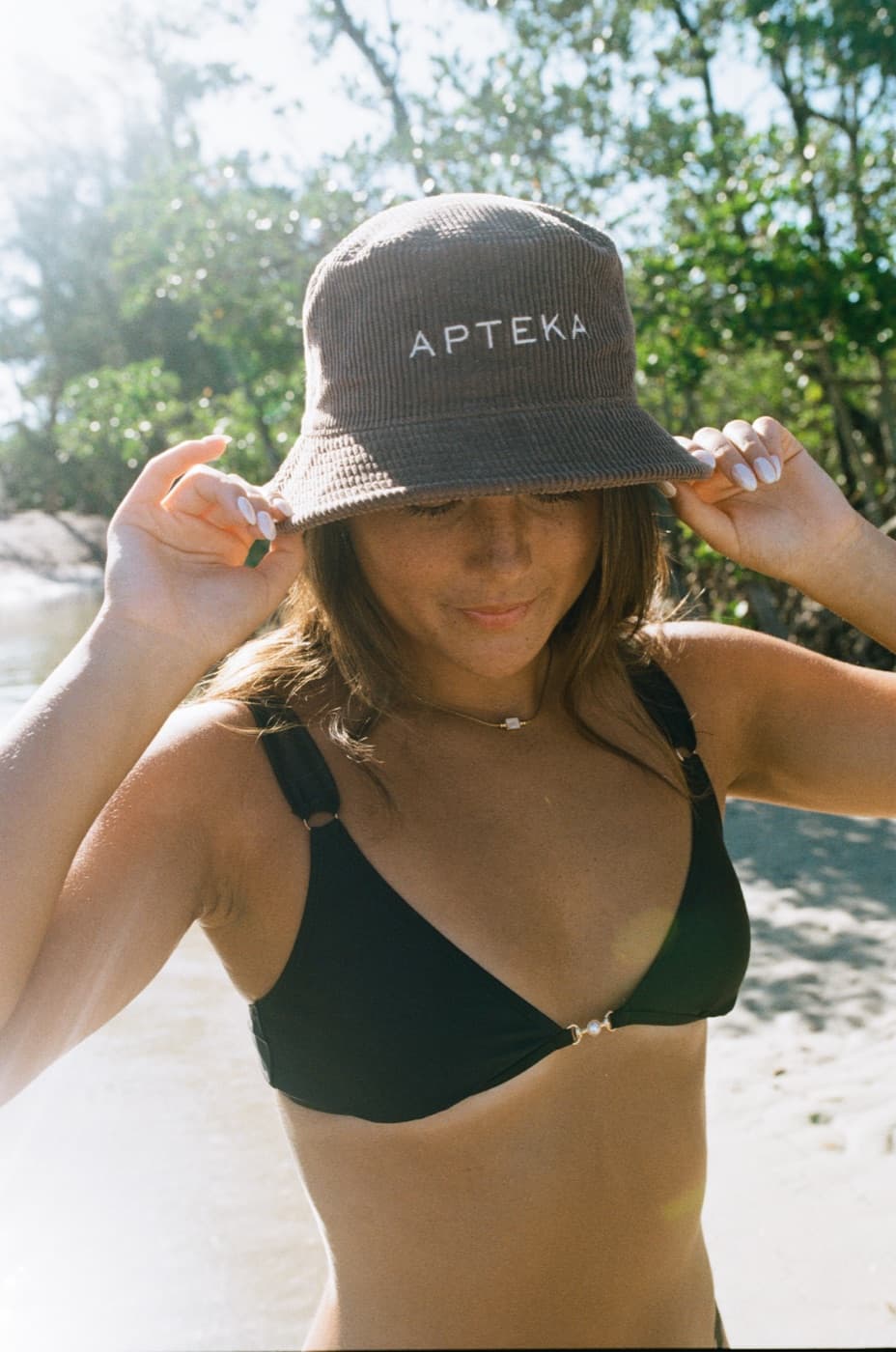
For hats, staff might need a more structured, consistent option. Retail might benefit from a softer unstructured cap, rope hat, trucker, or bucket hat. Separating the two briefs can make both products better.
Display and pricing matter
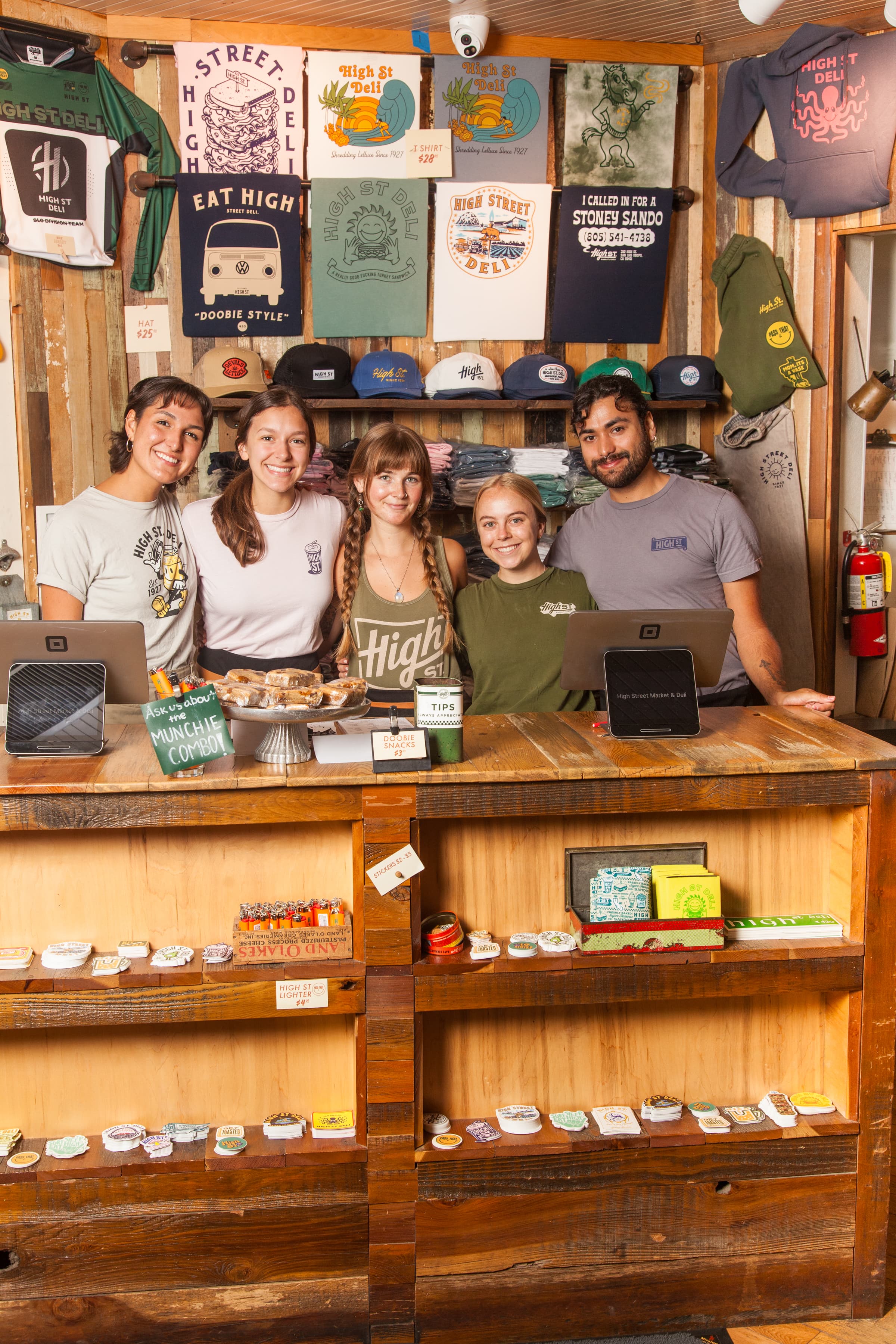
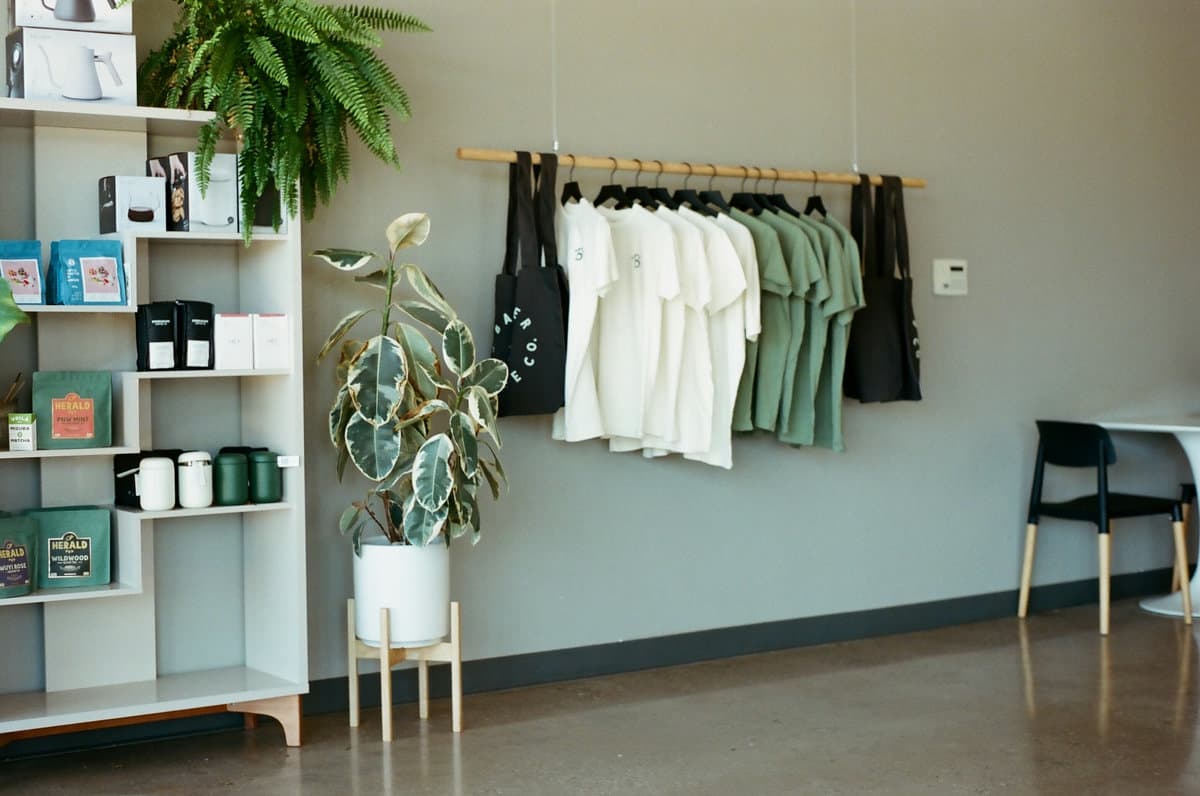
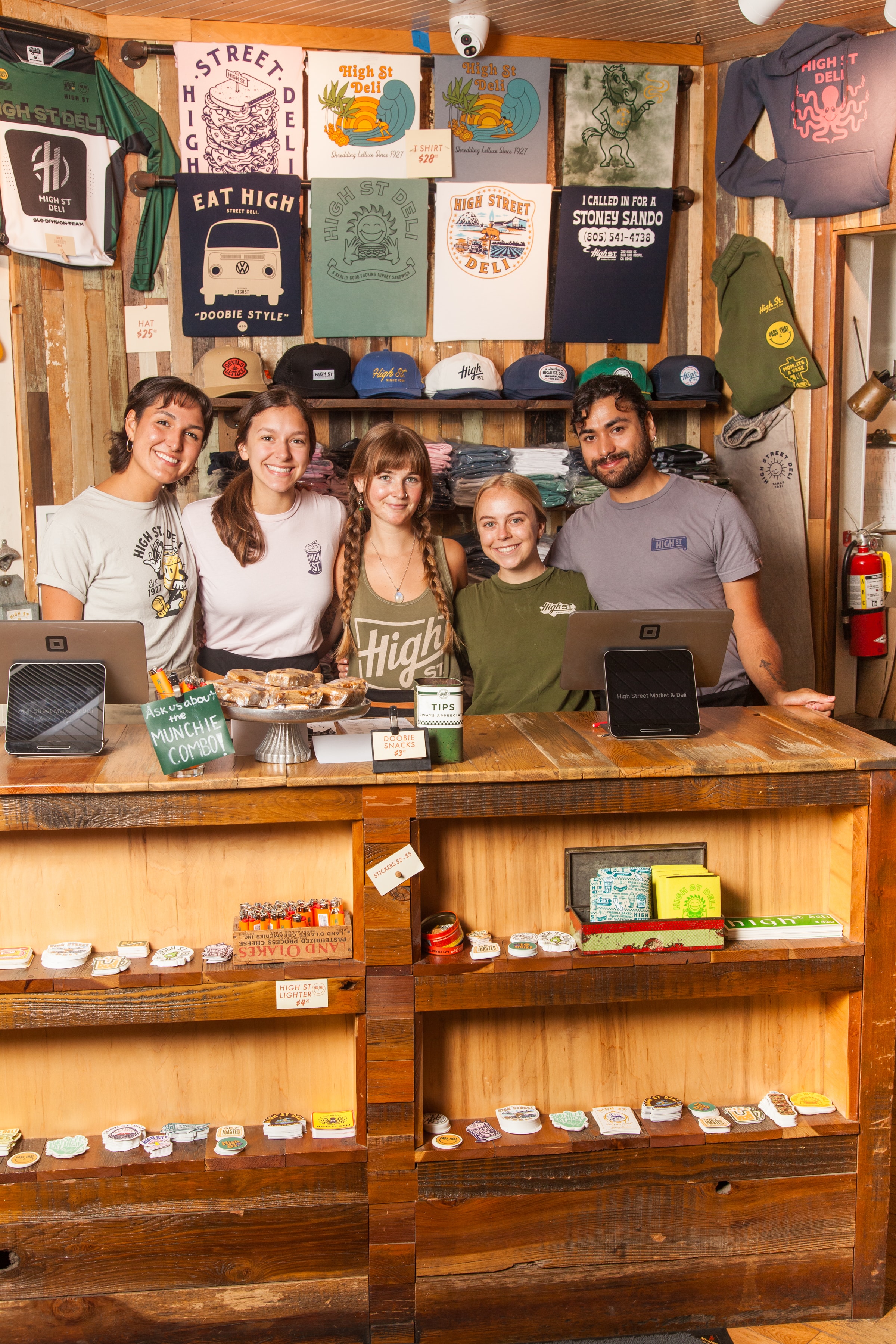
Merch will not sell if people cannot see it. A hat stack behind the counter, a tee folded near the register, a tote hanging on the wall, or a small sign with pricing can make a major difference. Customers should not have to ask whether the items are for sale.
Price the goods like real products. A better hat at $35-$45 is easier to defend than a cheap hat at $25 that feels disposable. If the merch looks and feels like something from the brand, regulars will understand the value.
Use limited drops carefully
Limited merch can create urgency, but only if the product earns it. A new colorway, seasonal graphic, artist collaboration, anniversary mark, or neighborhood-specific piece can give people a reason to buy now. Limited should not mean random. It should feel connected to a real moment in the brand.
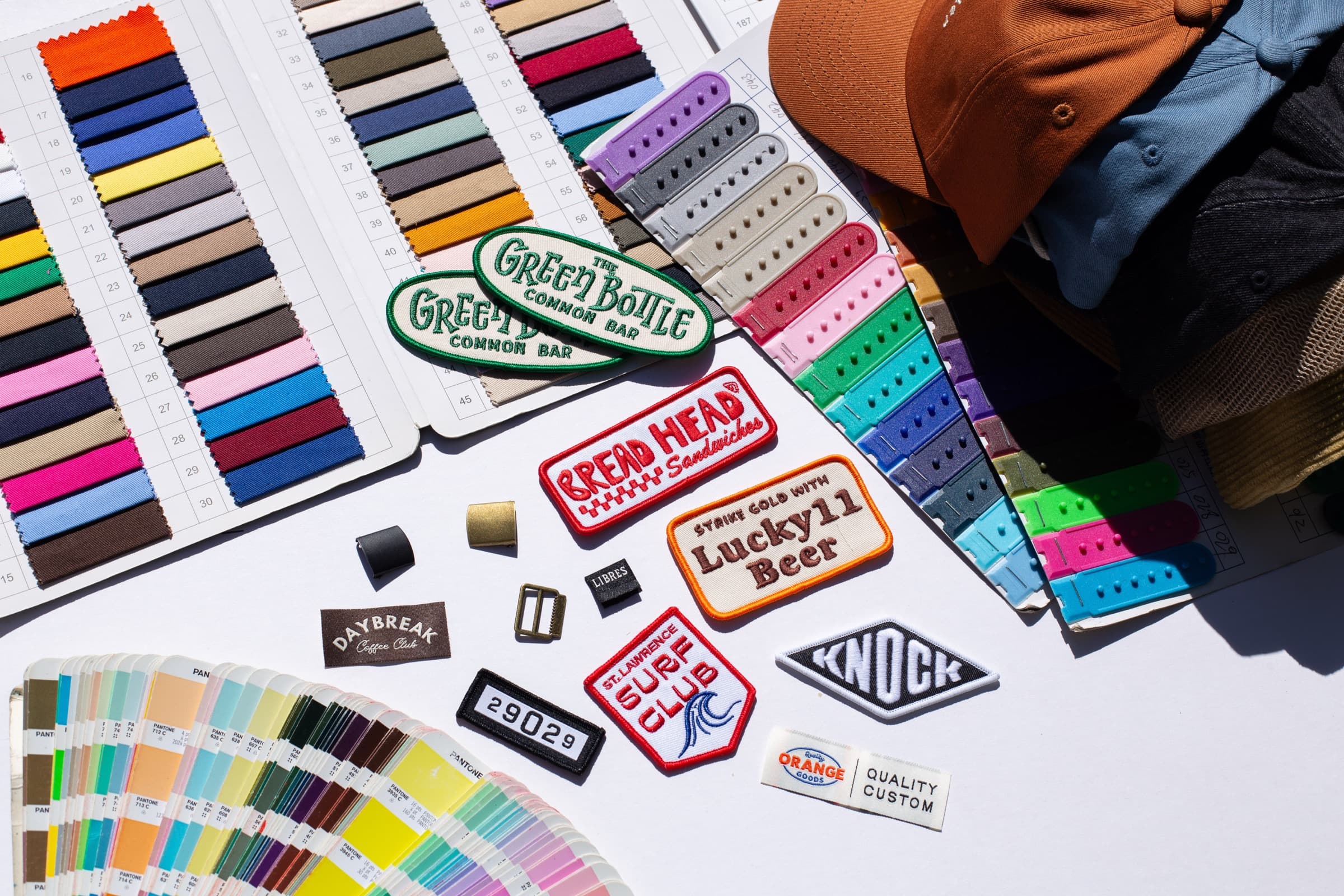
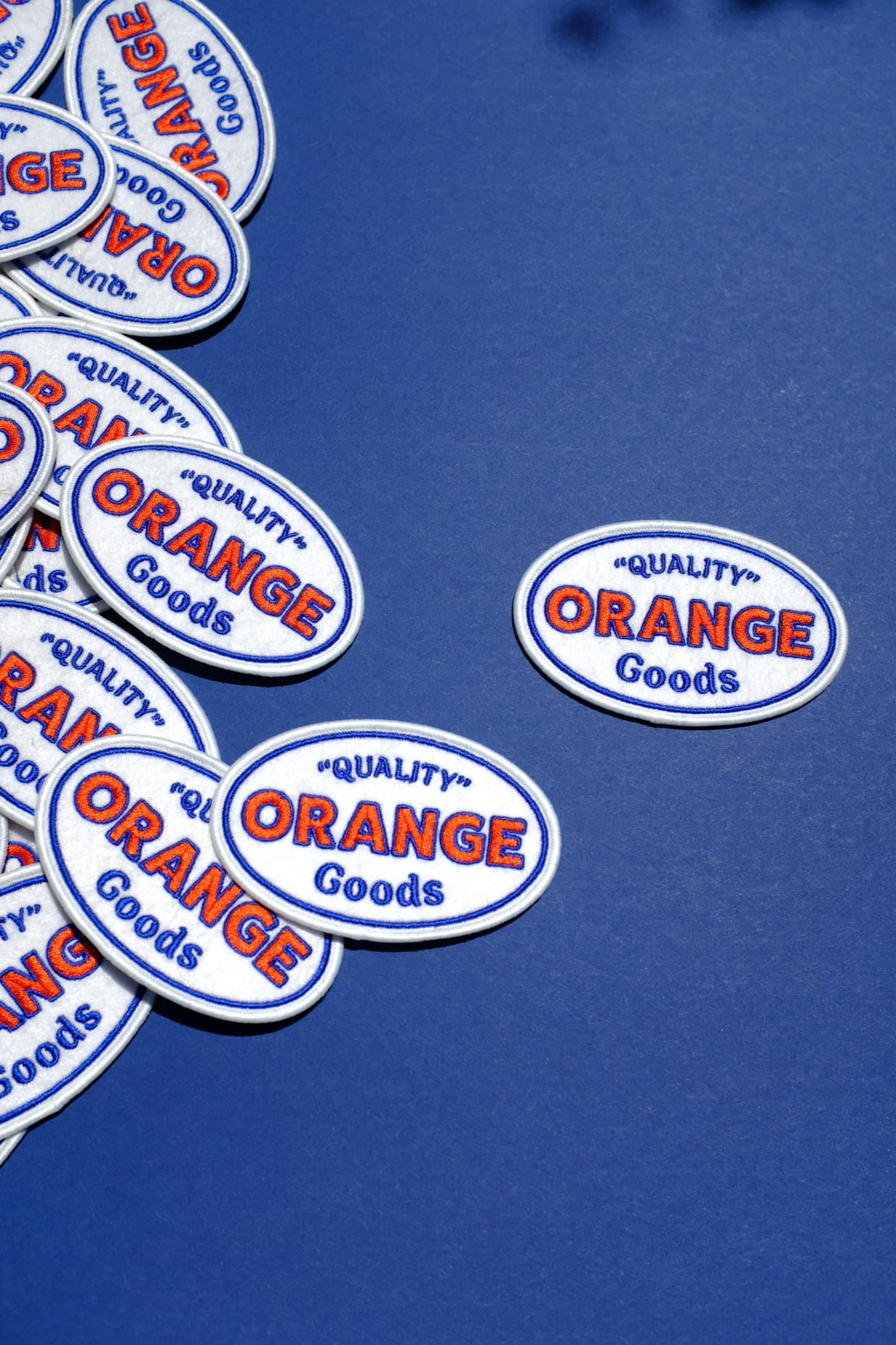
Orange Goods helps food and beverage brands turn that local loyalty into goods people actually want: product direction, art support, production, proofing, and reorder planning so the merch program can grow with the business.