Company retreat merch has to do more than fill a welcome bag. It needs to help people feel oriented, make the event look cohesive, and send them home with something worth using again. A good kit can make an offsite feel more intentional. A bad kit becomes hotel-room clutter before the first session starts.
The best retreat kits are built around the setting. A beach retreat, leadership summit, sales kickoff, campus visit, and product team offsite should not all receive the same generic bundle. Start with where people are going, what they will be doing, and what they need during the day.
Anchor the kit with one strong carry item
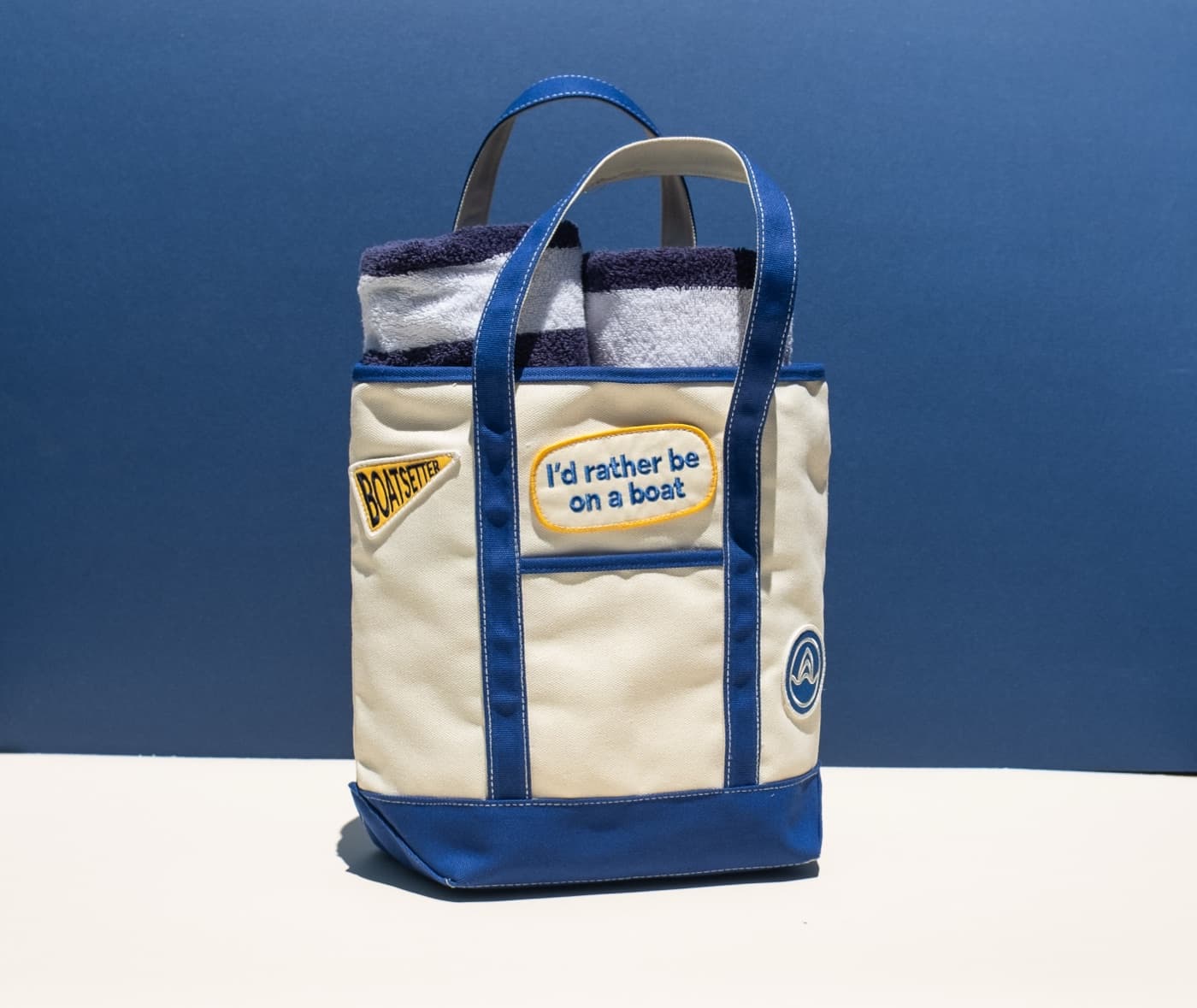
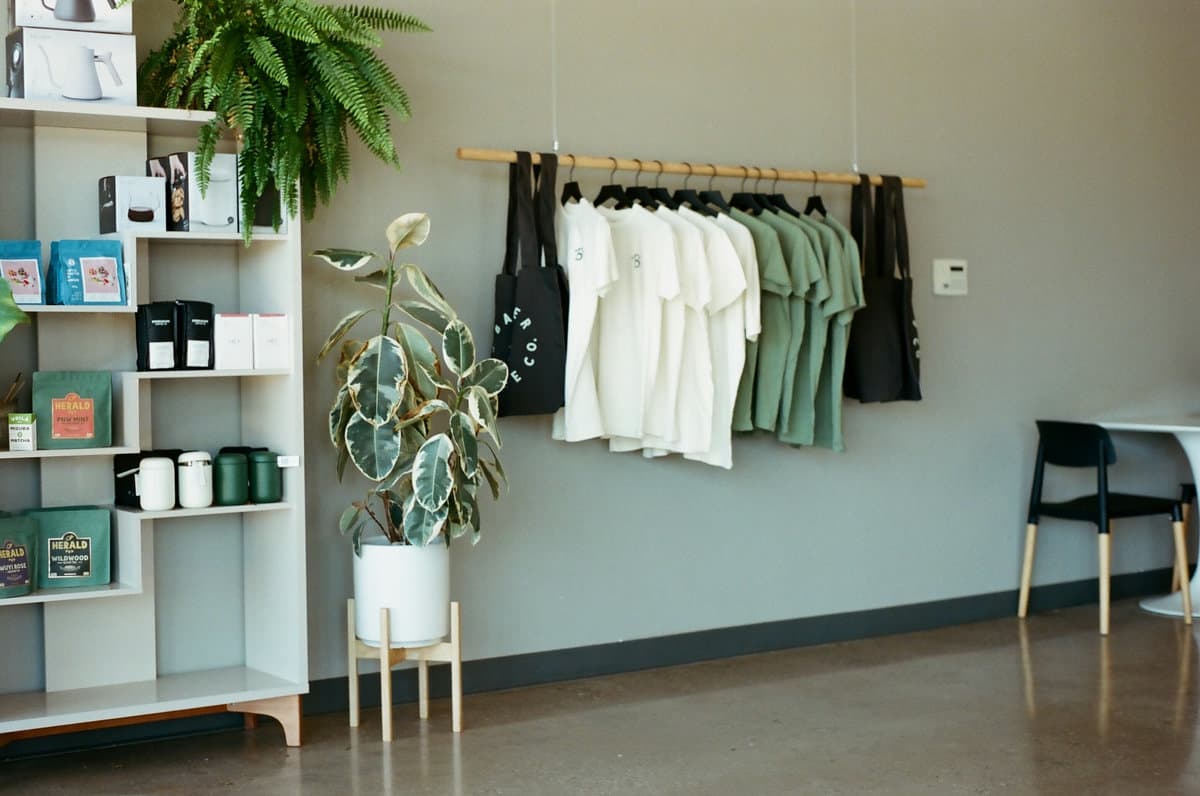
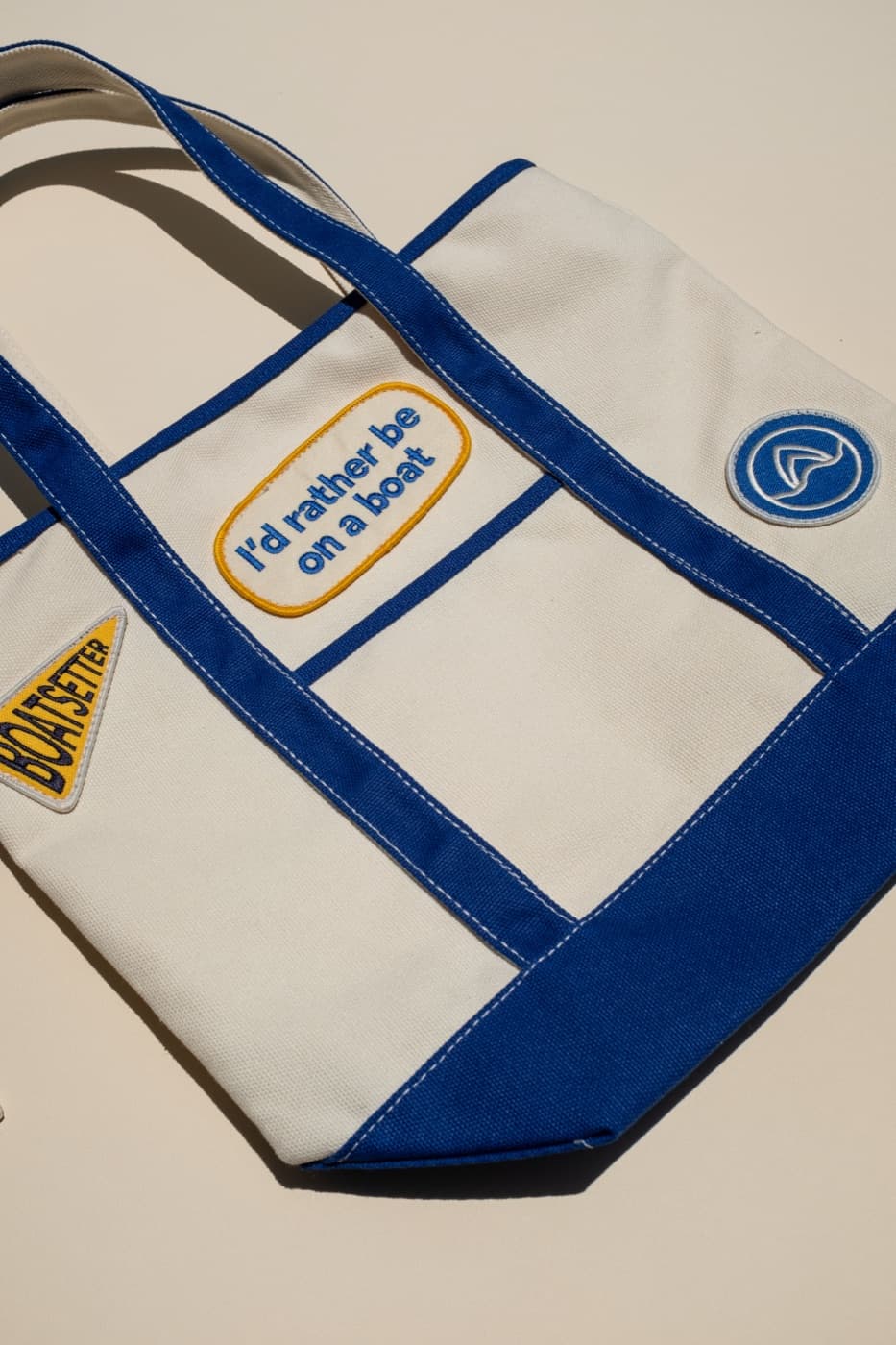
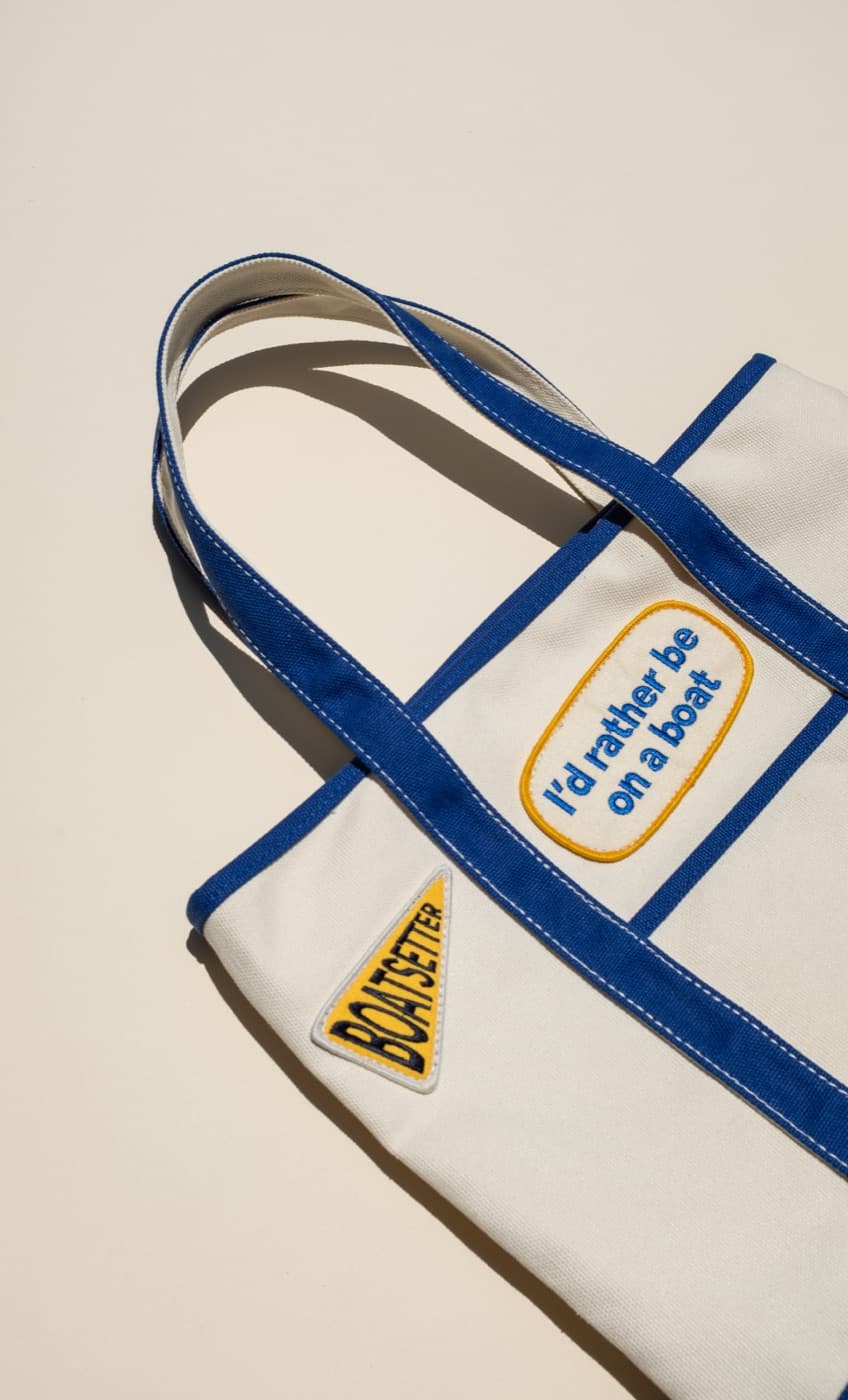
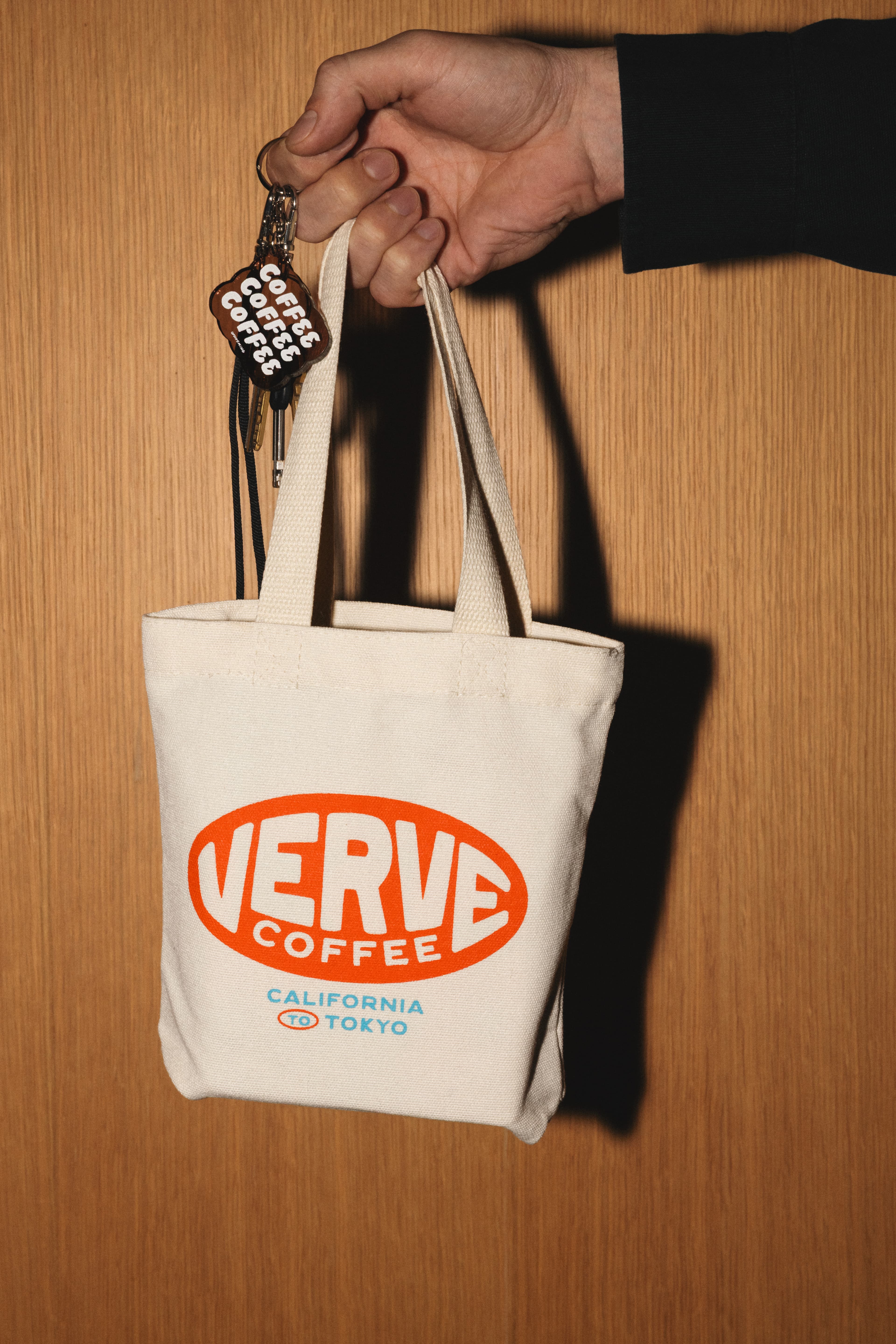
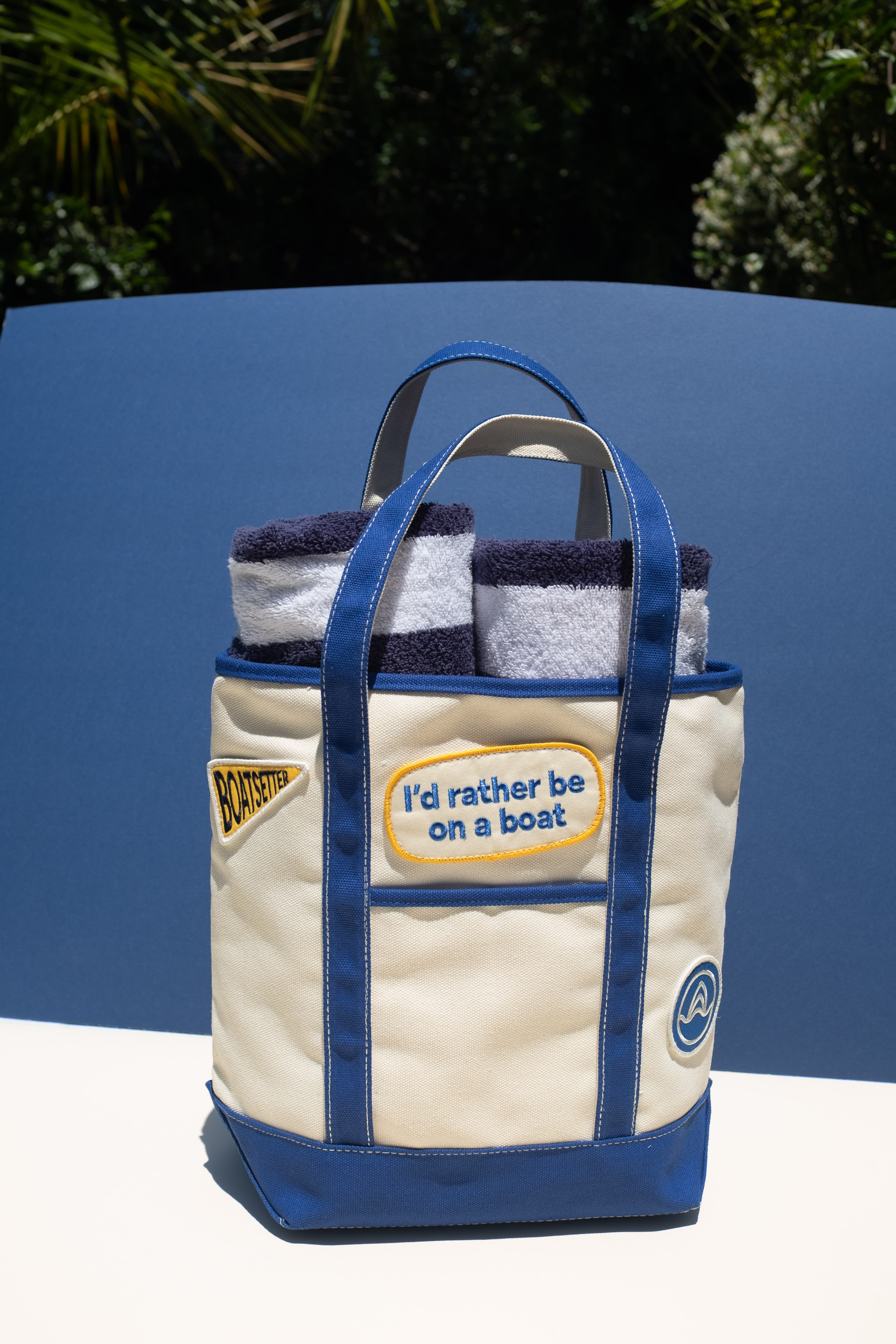
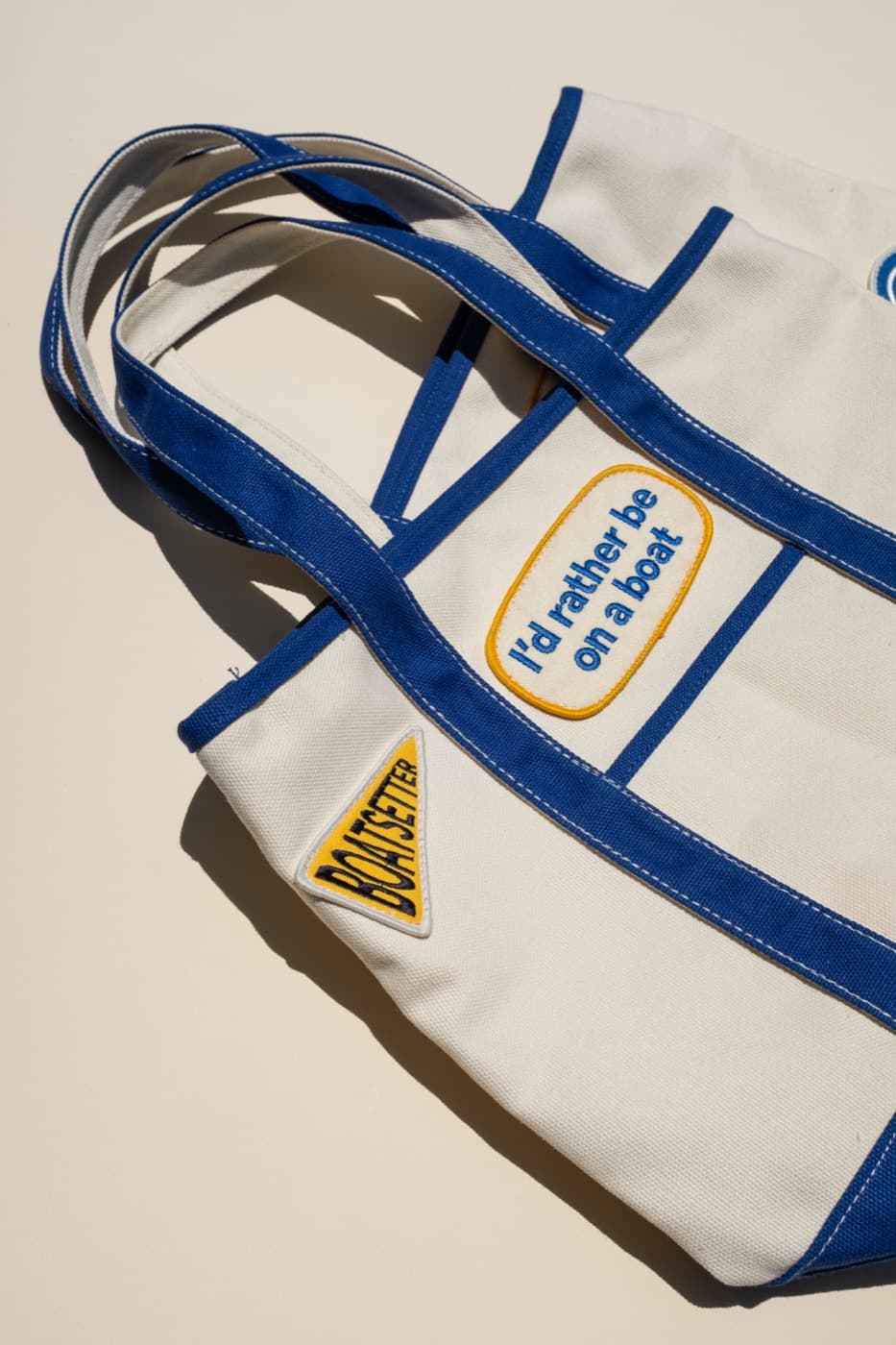
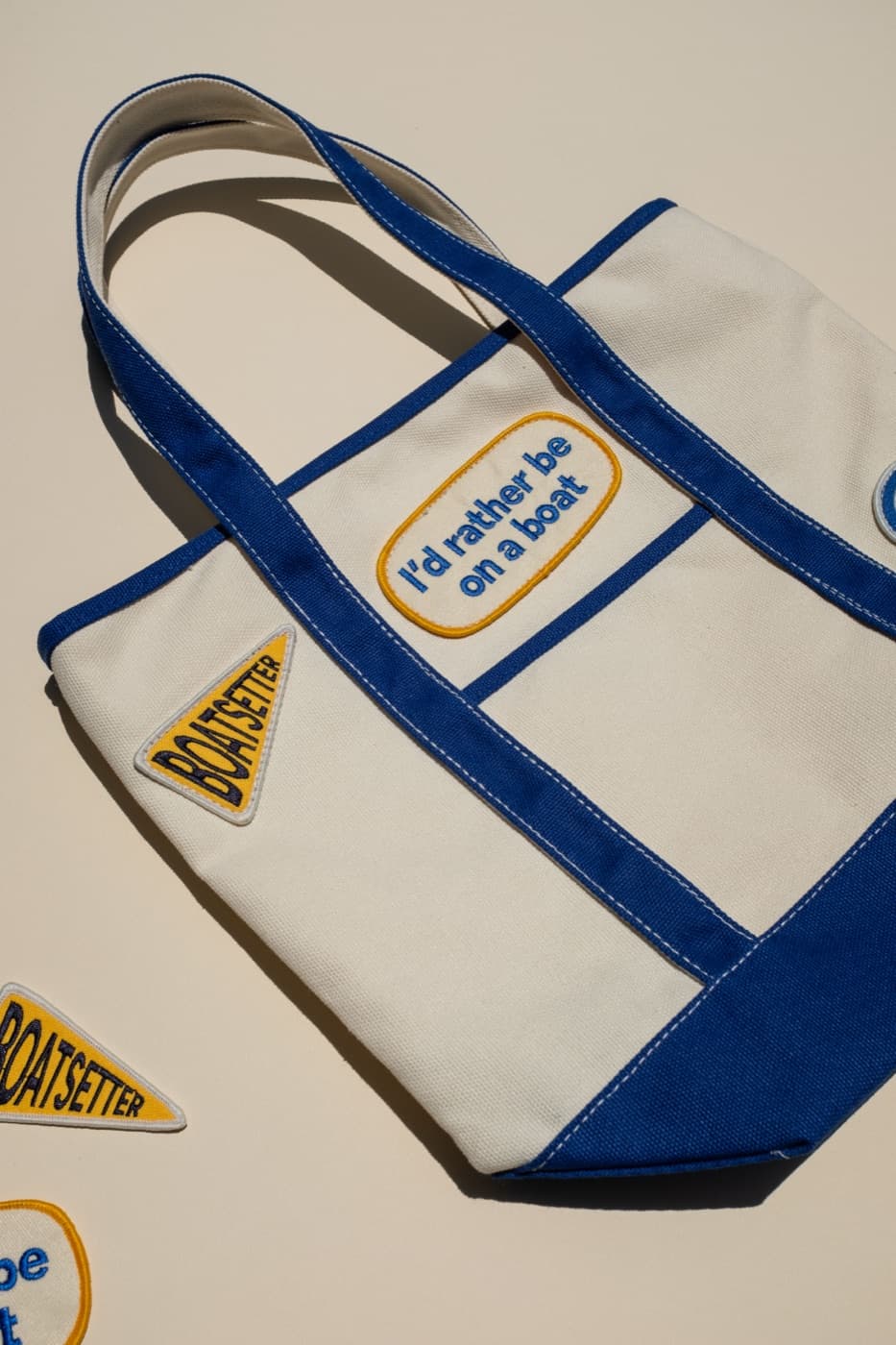
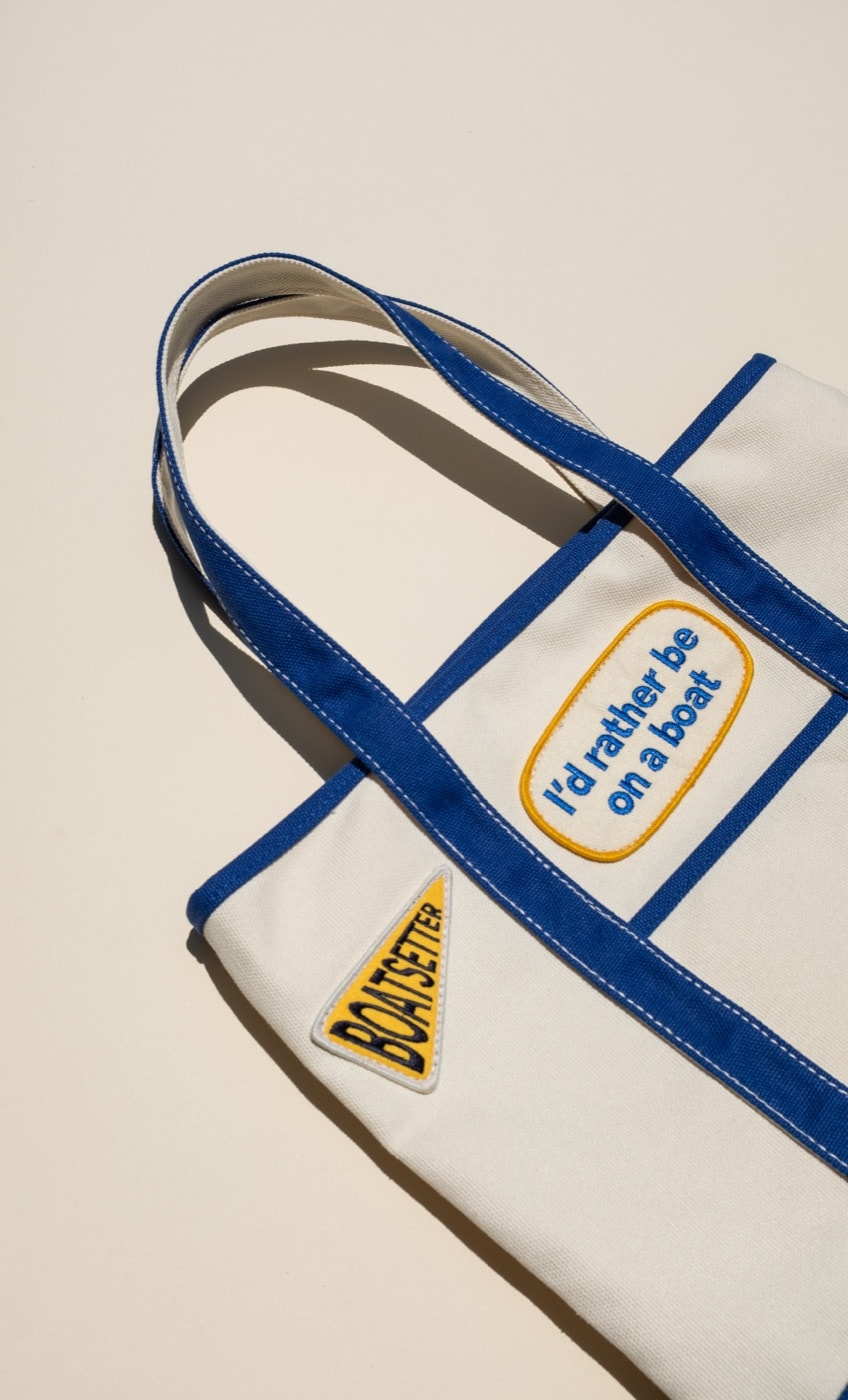
A tote, pouch, sling, or backpack gives the kit structure and solves a real problem: attendees need somewhere to put their badge, notebook, bottle, hoodie, snacks, and event materials. The carry item also becomes one of the most visible pieces in photos.
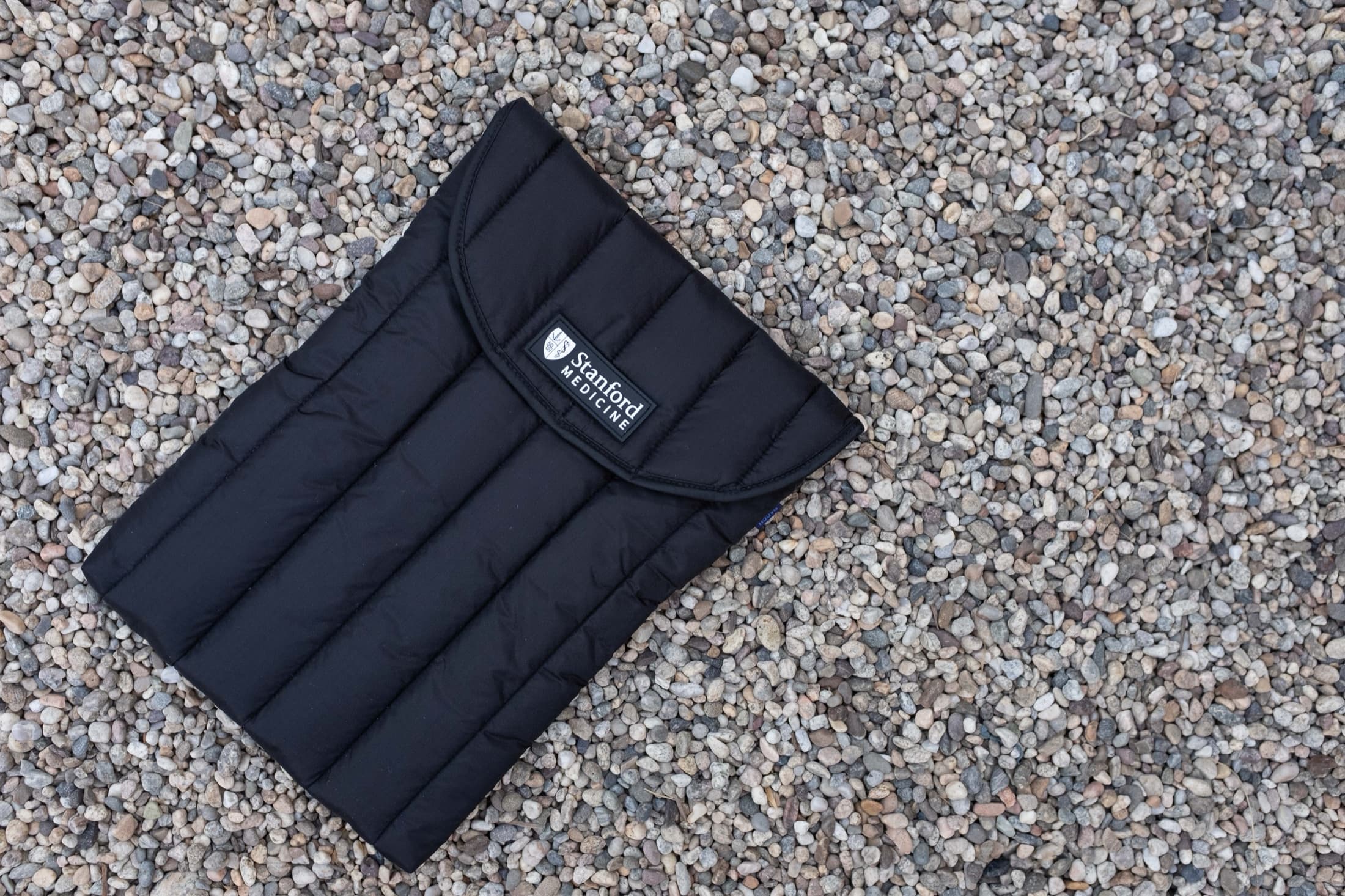
For most retreats, a sturdy canvas tote is the safest and most flexible choice. It is easy to pack, easy to distribute, and useful after the event. A pouch can work well inside the tote for smaller items. A backpack or sling can feel more premium, but the cost and style decision need to match the audience.
Add one wearable, not five
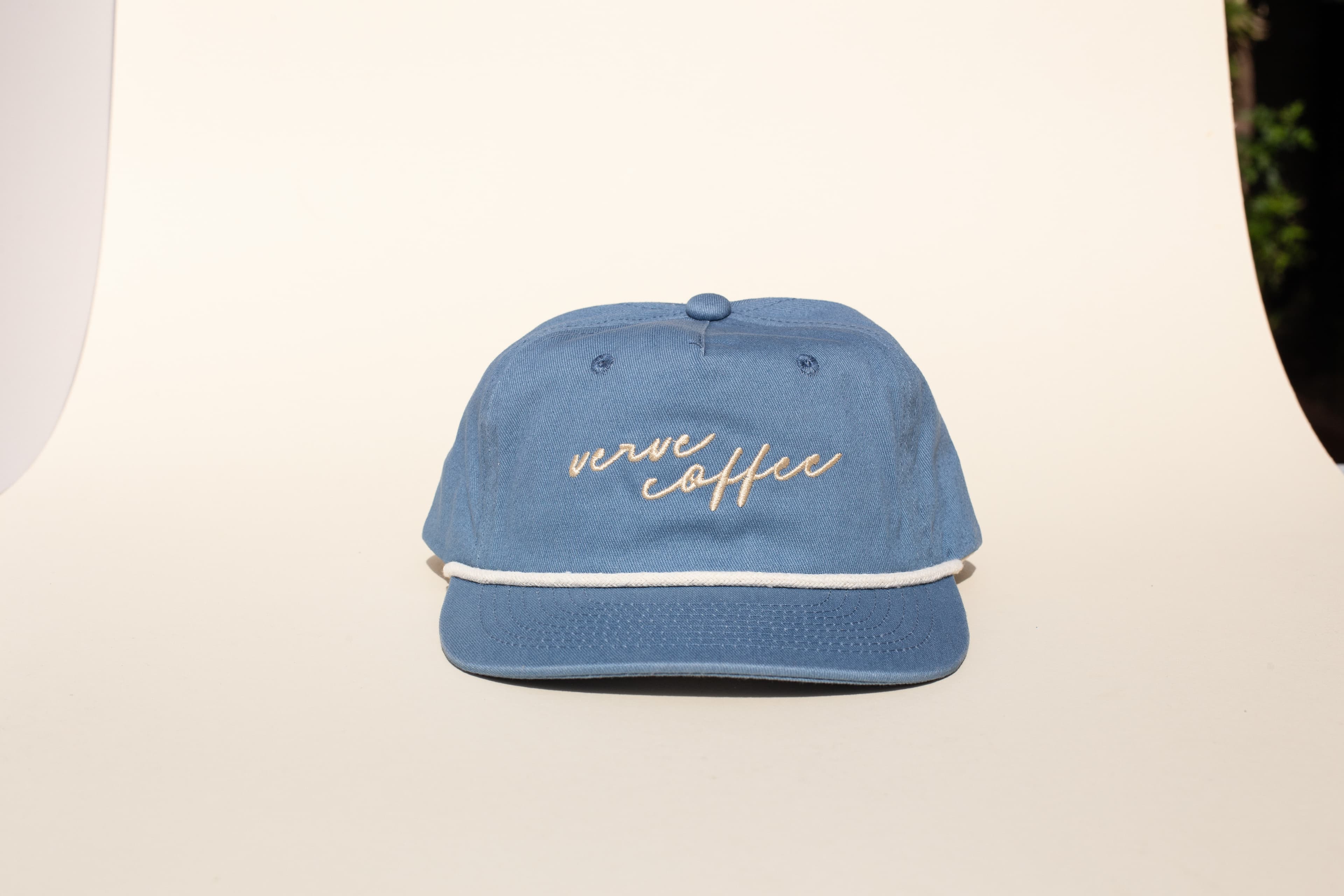
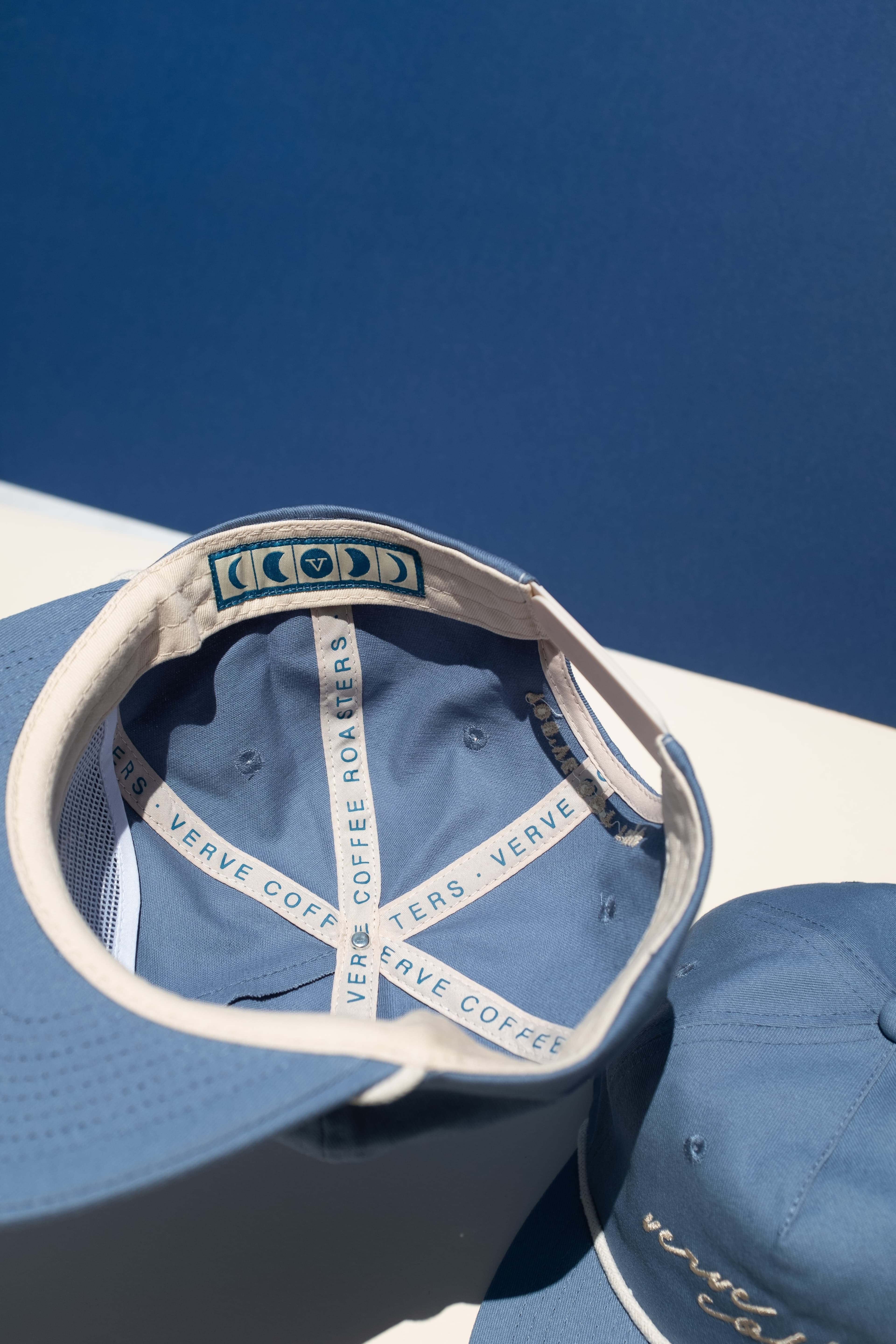
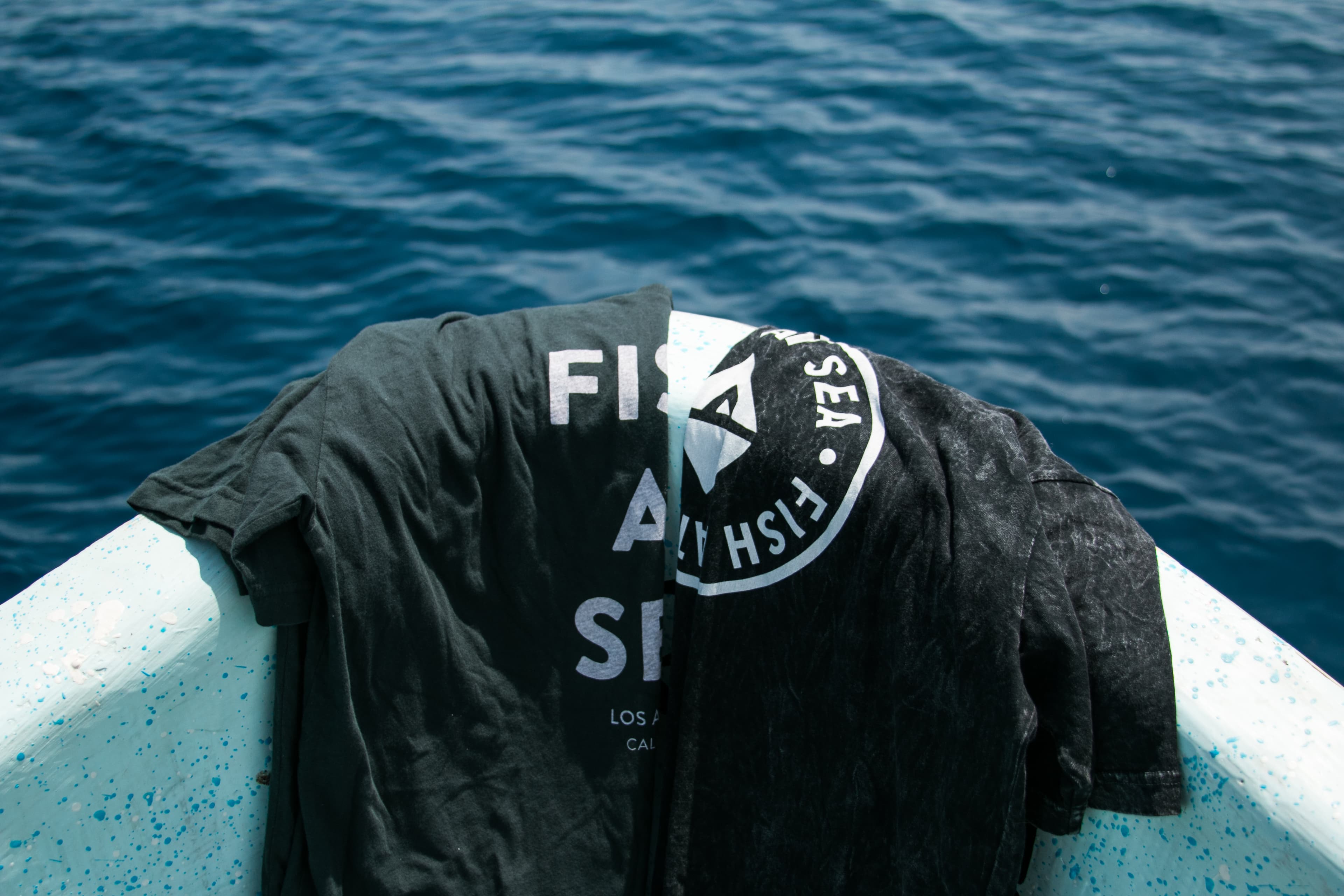
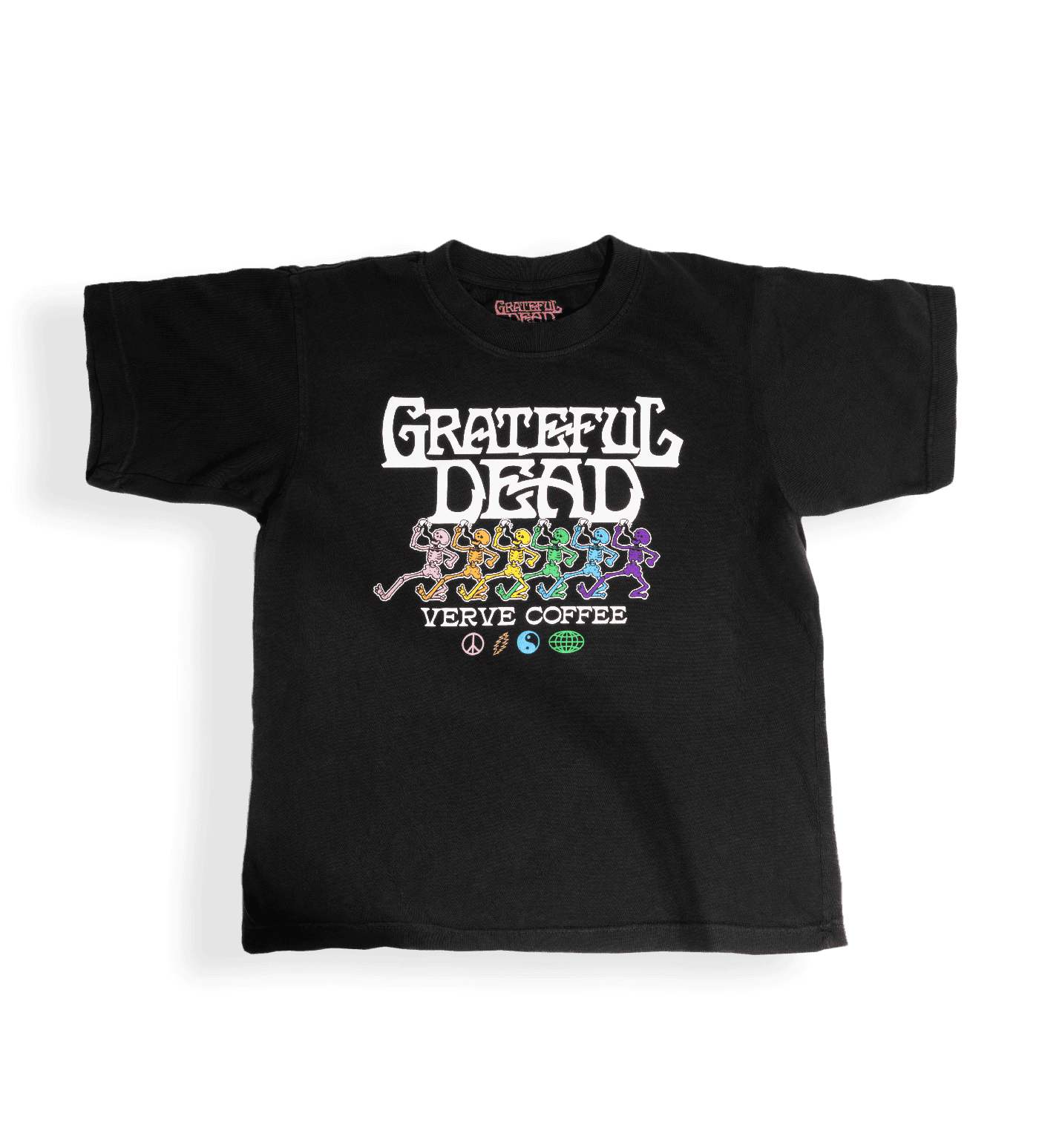
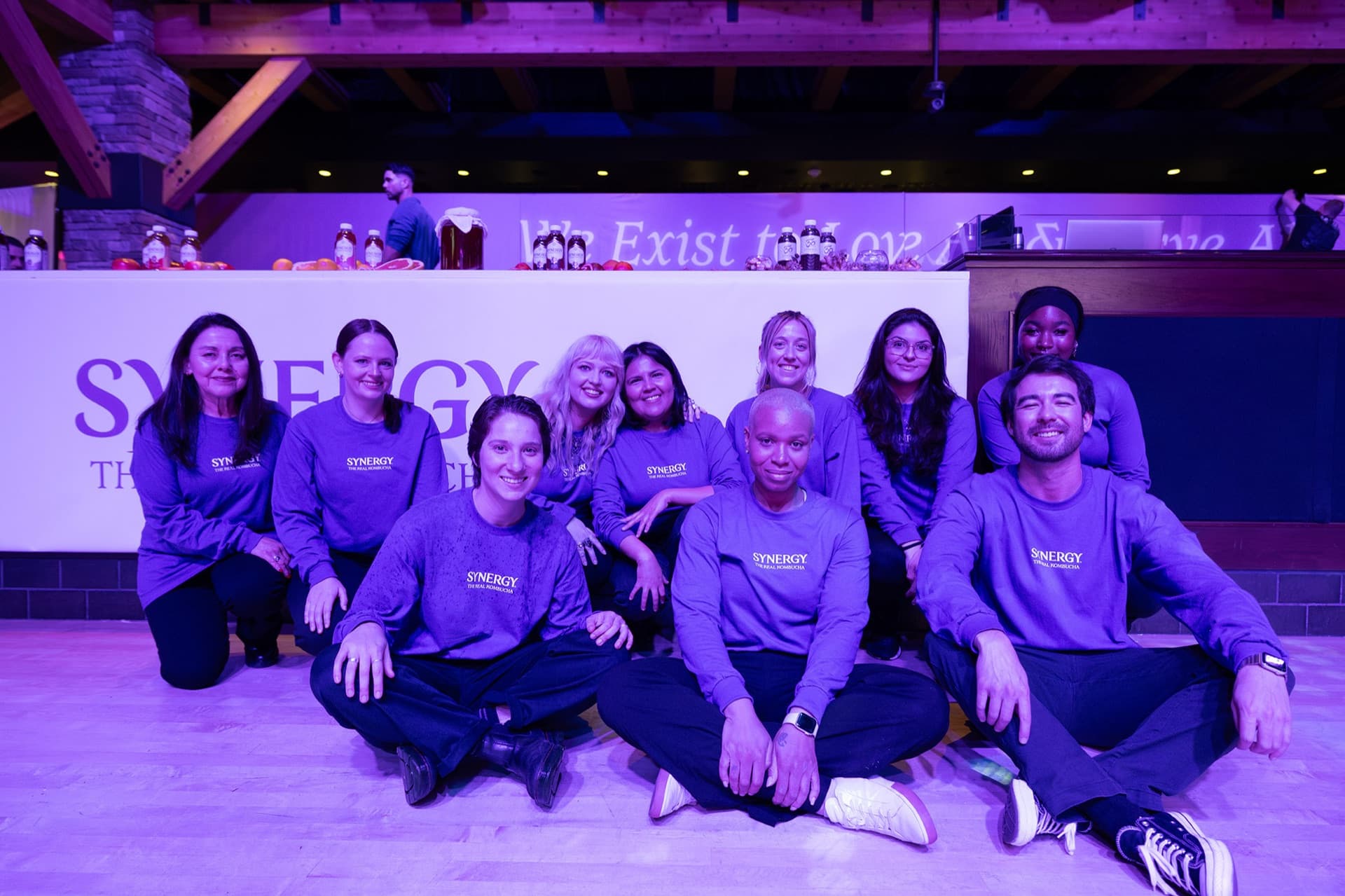
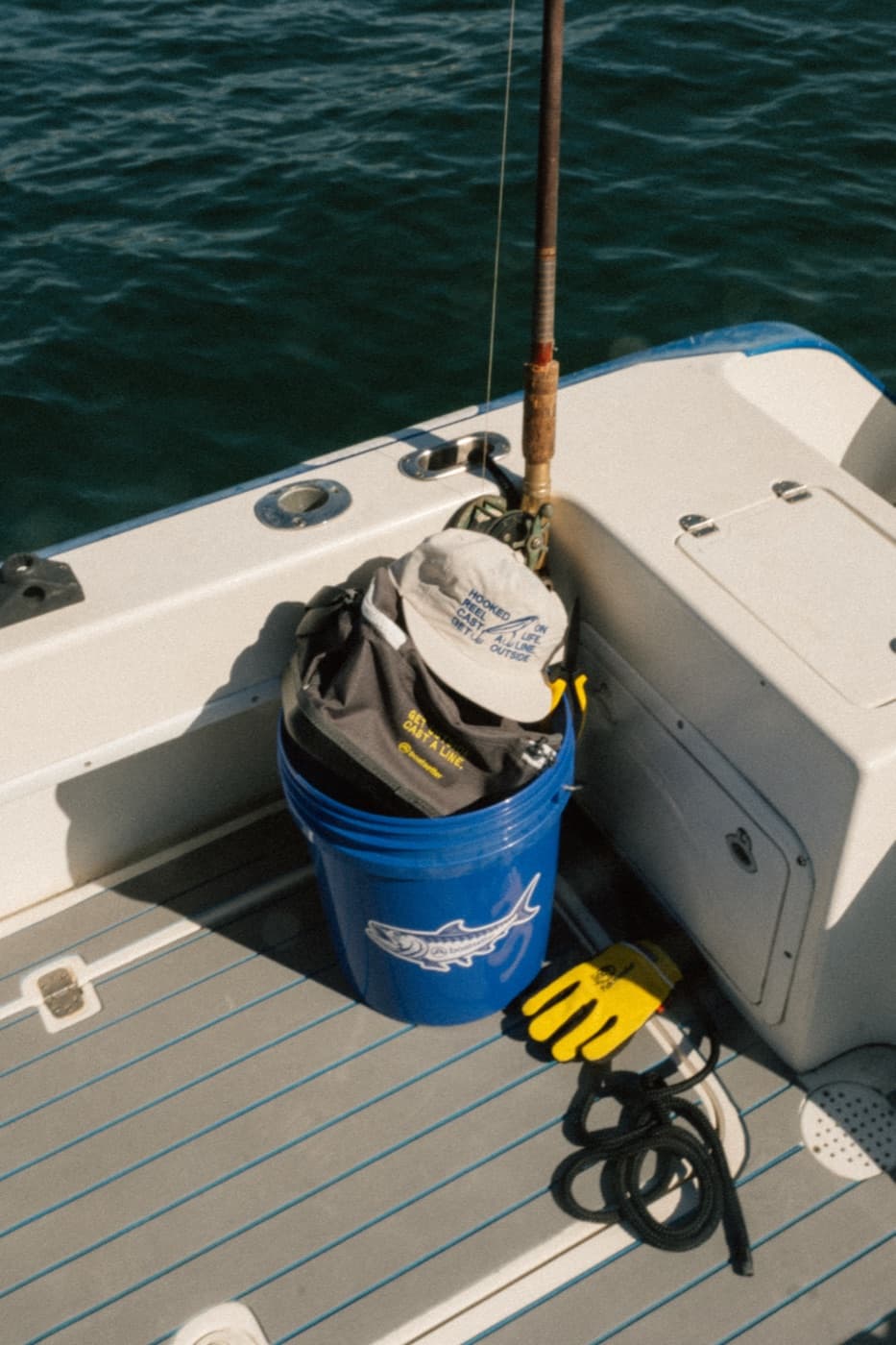
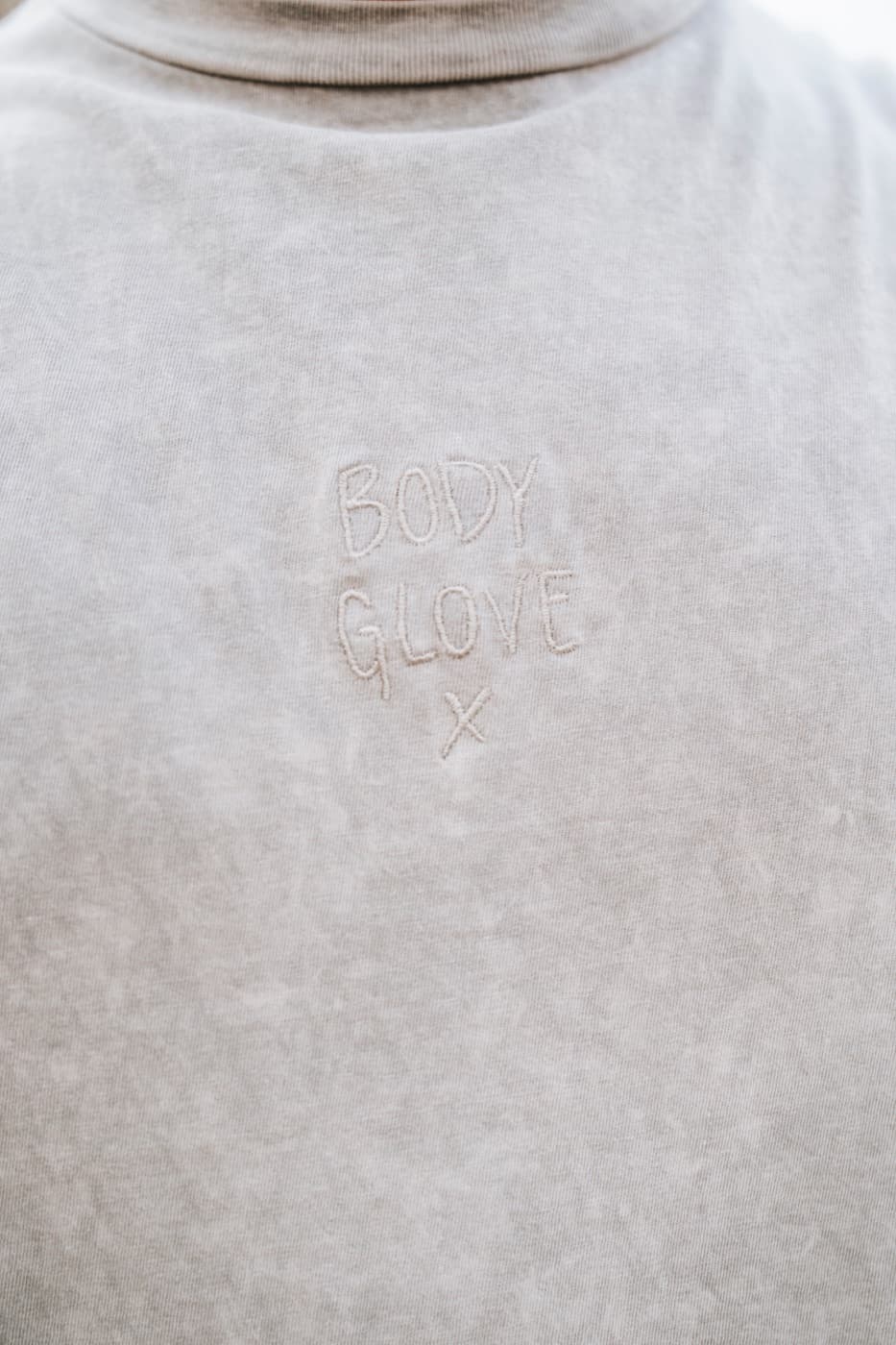
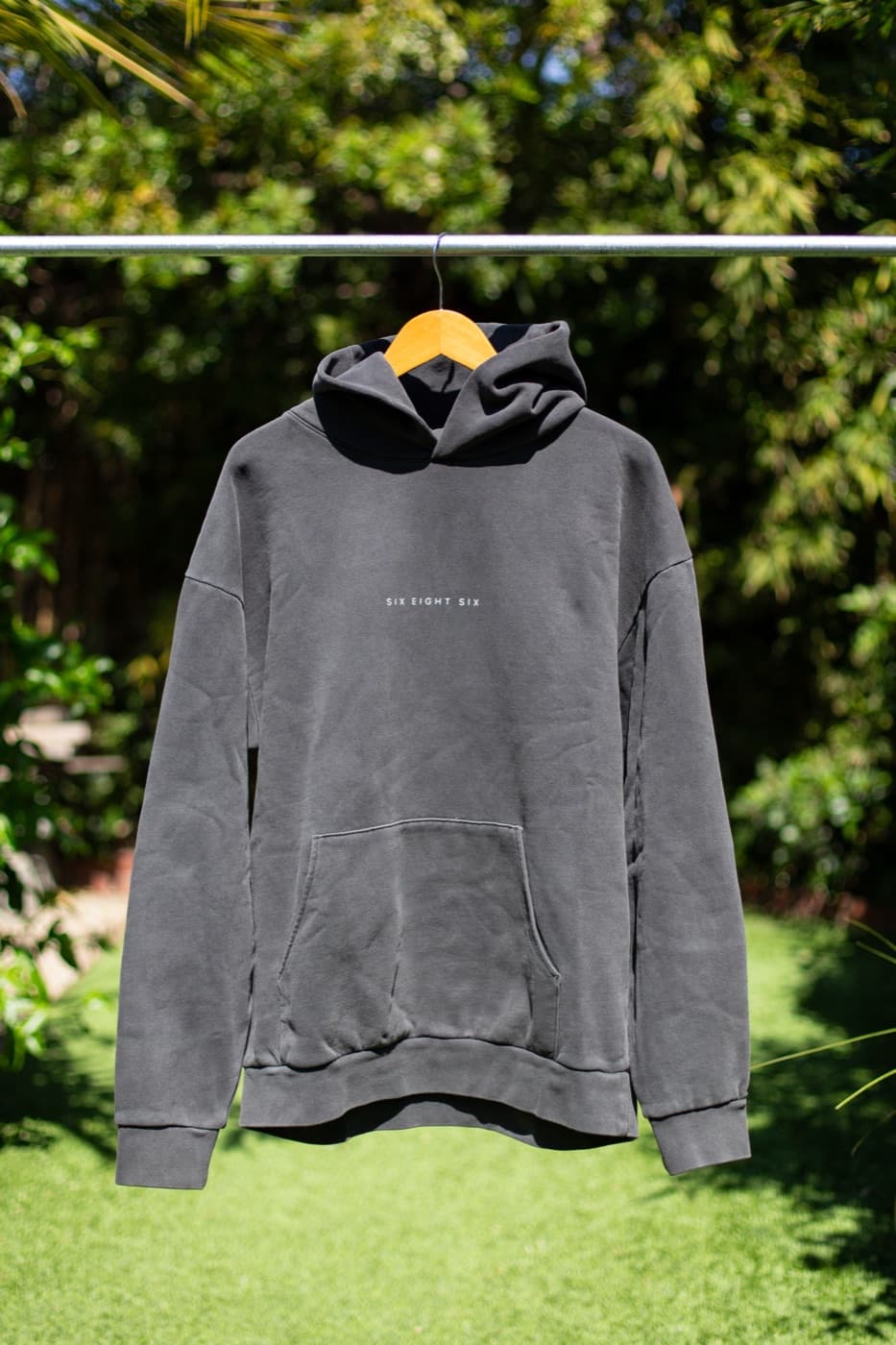
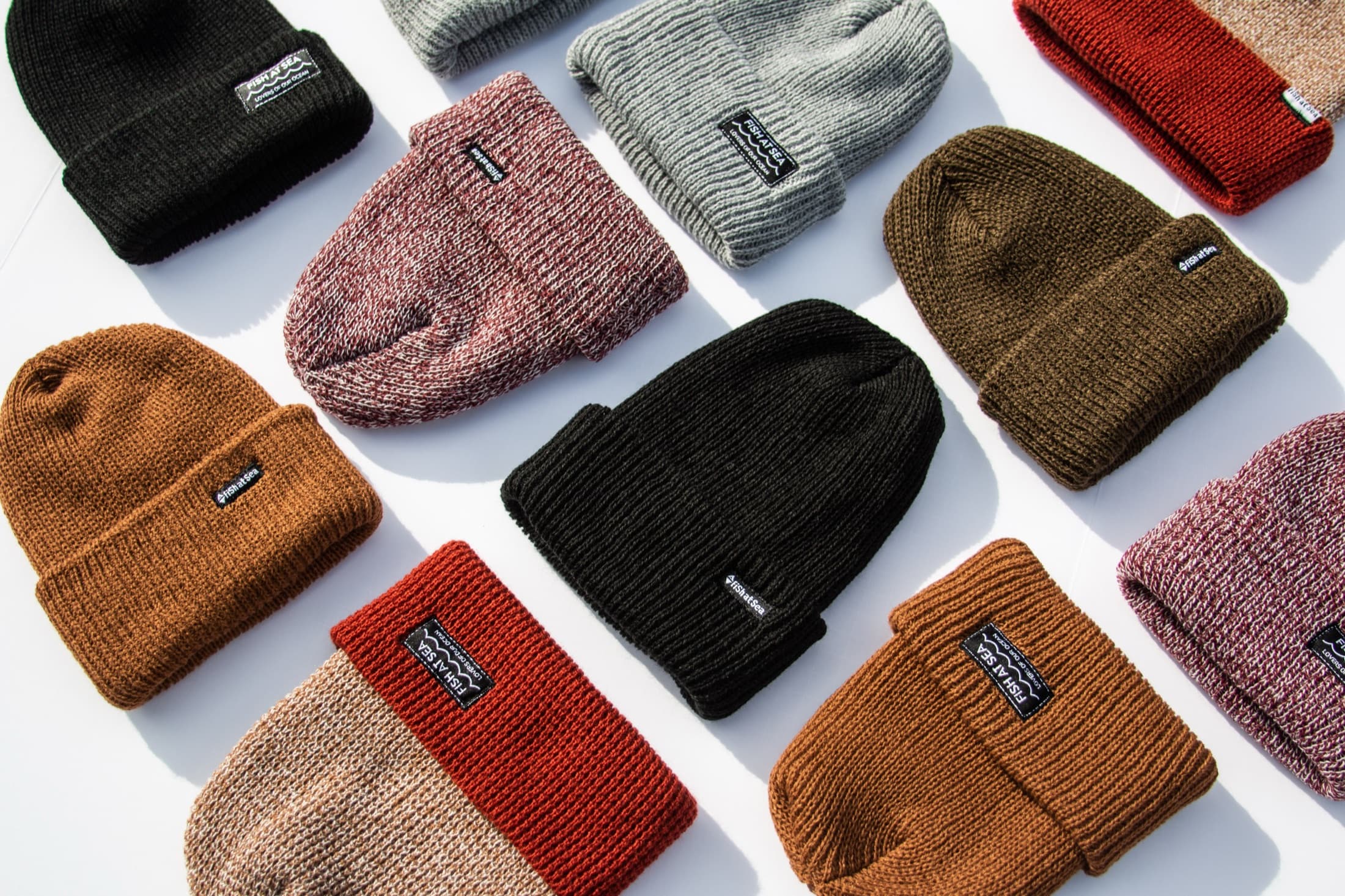
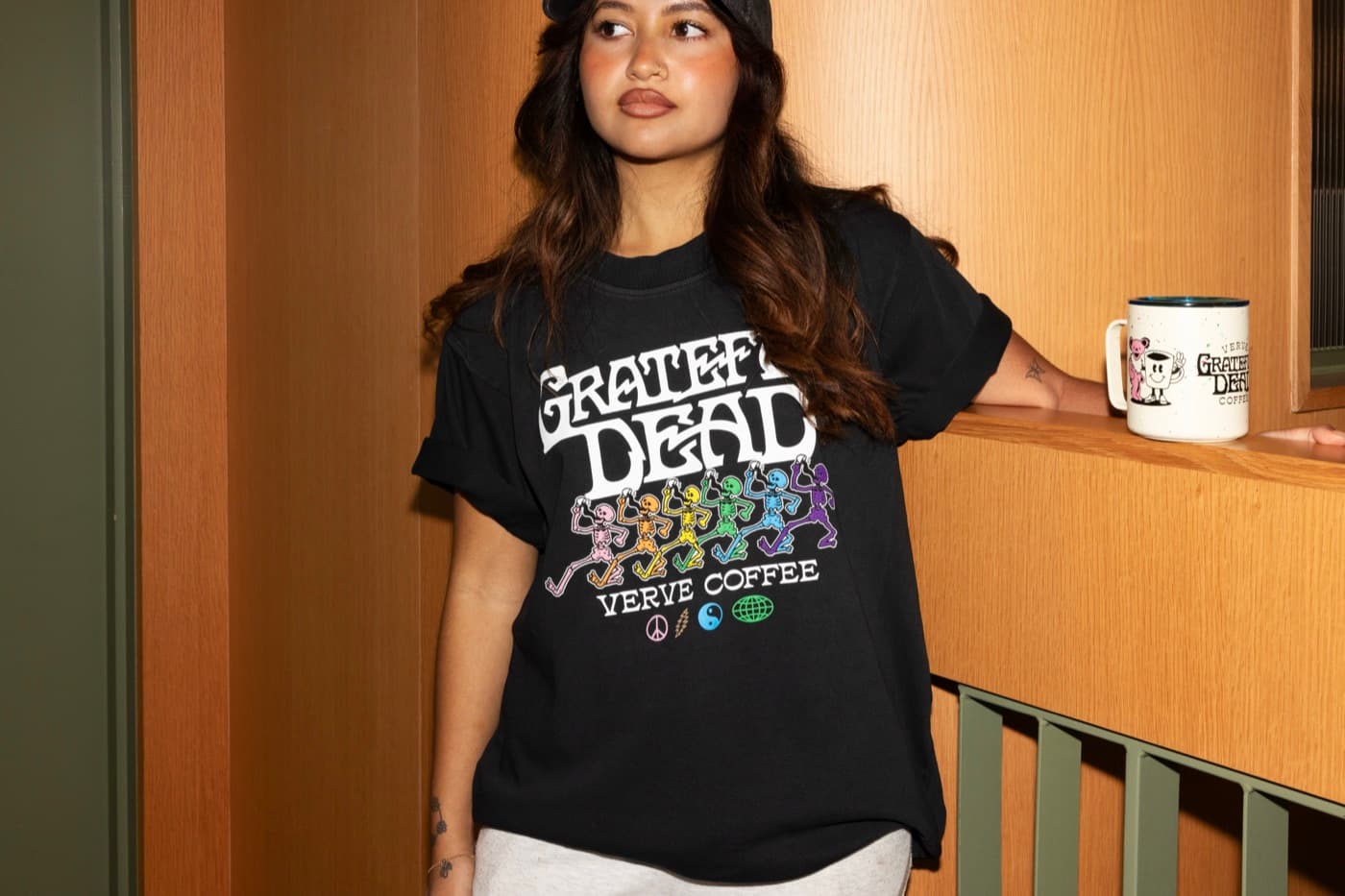
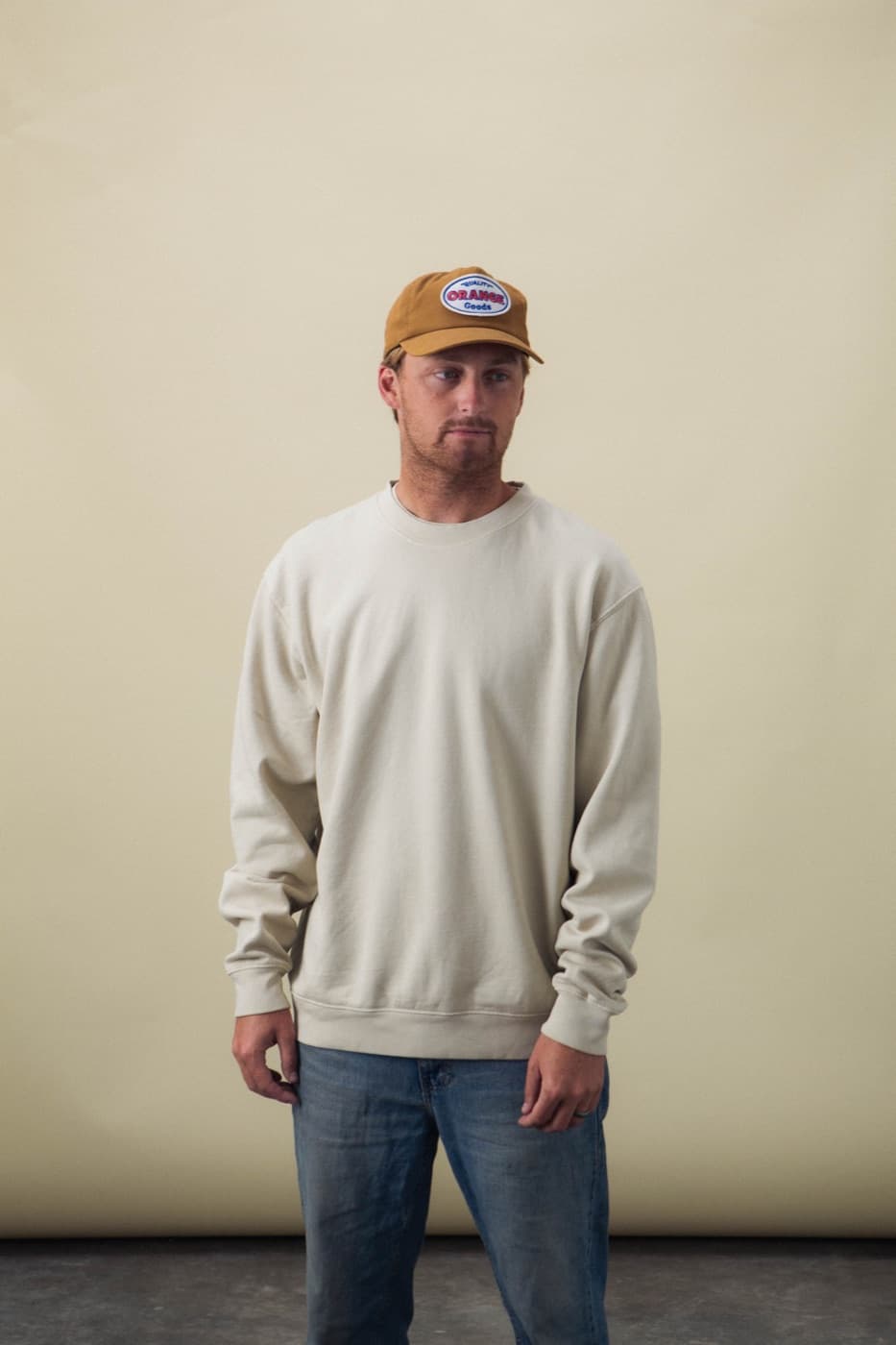
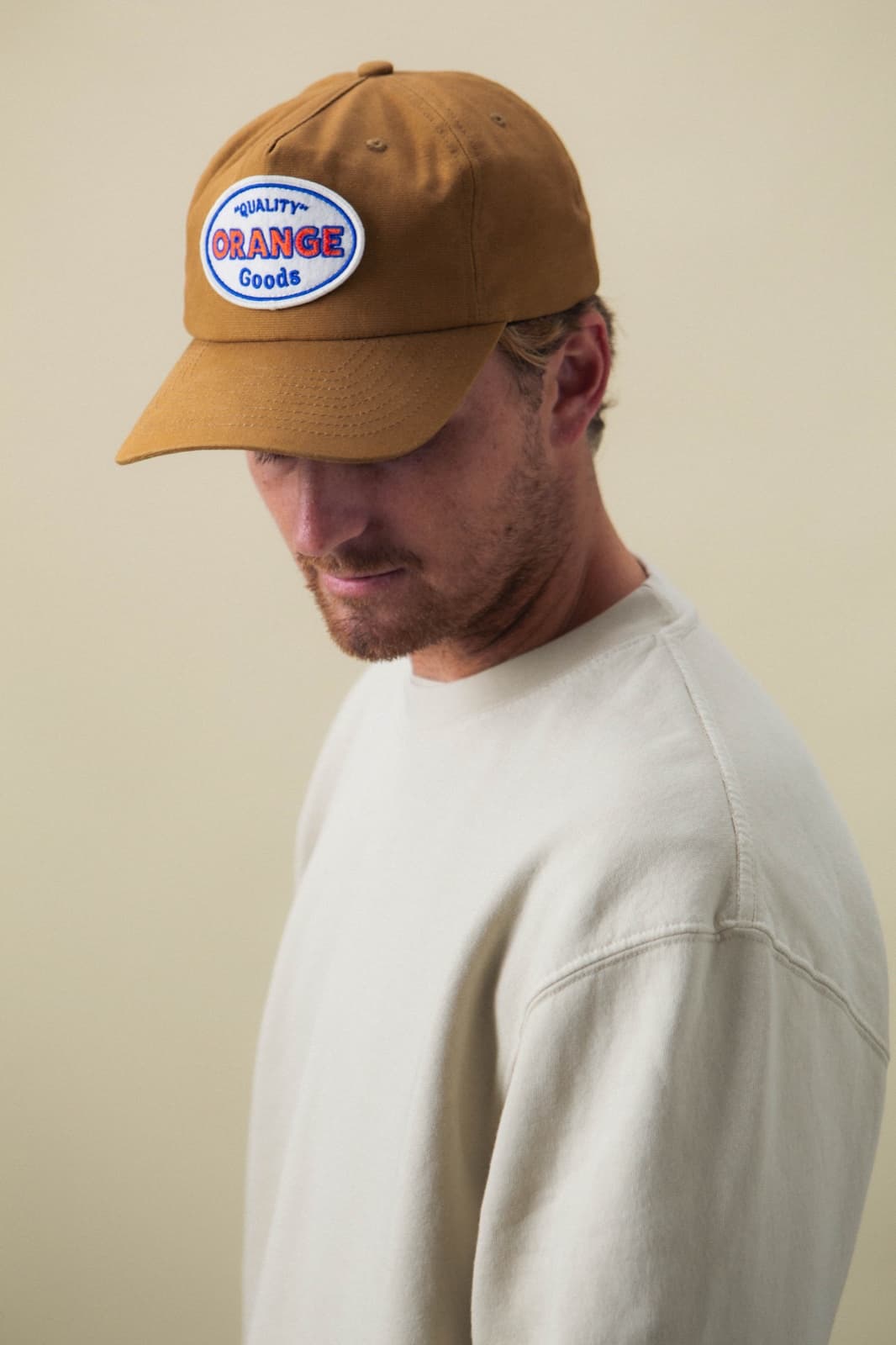
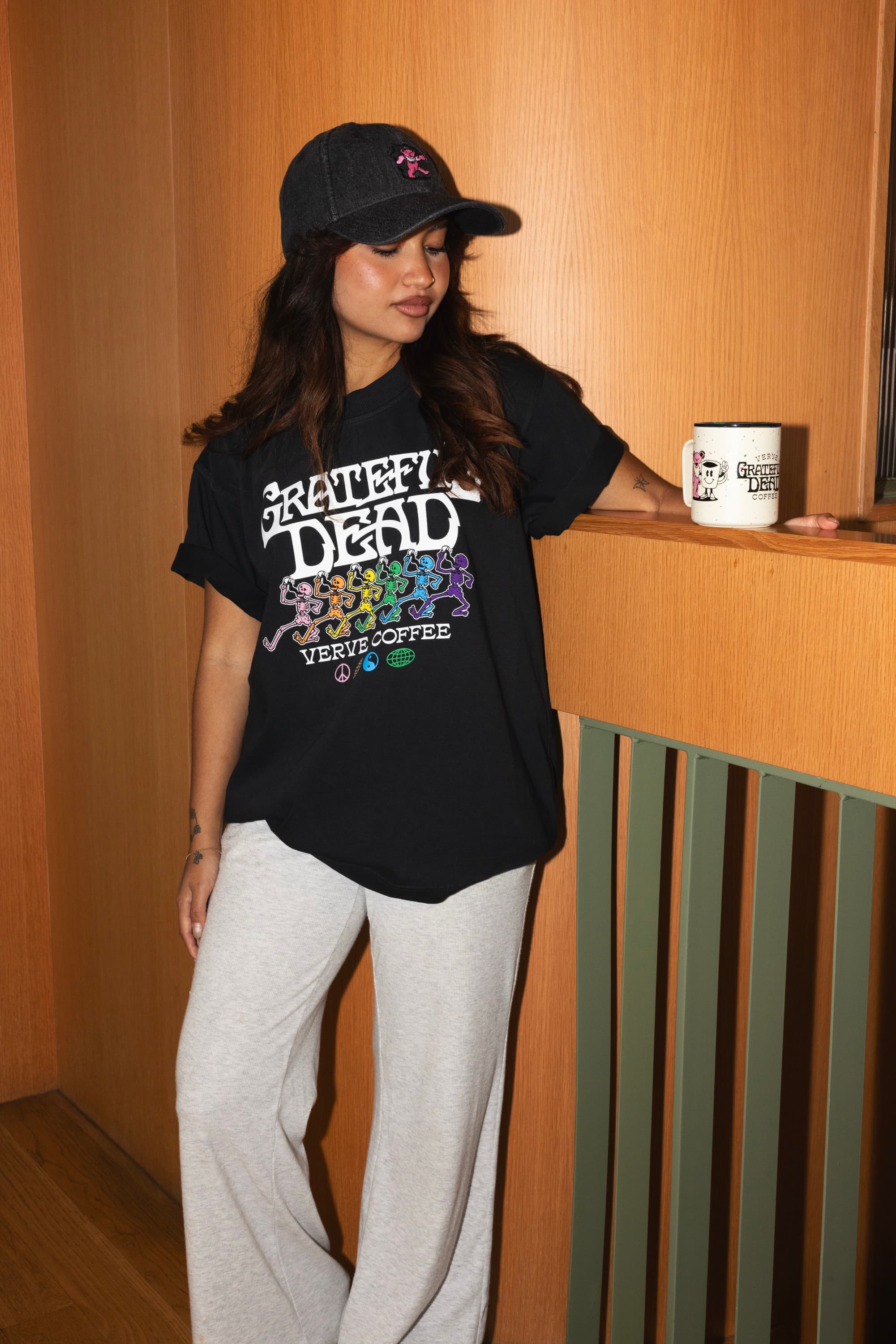
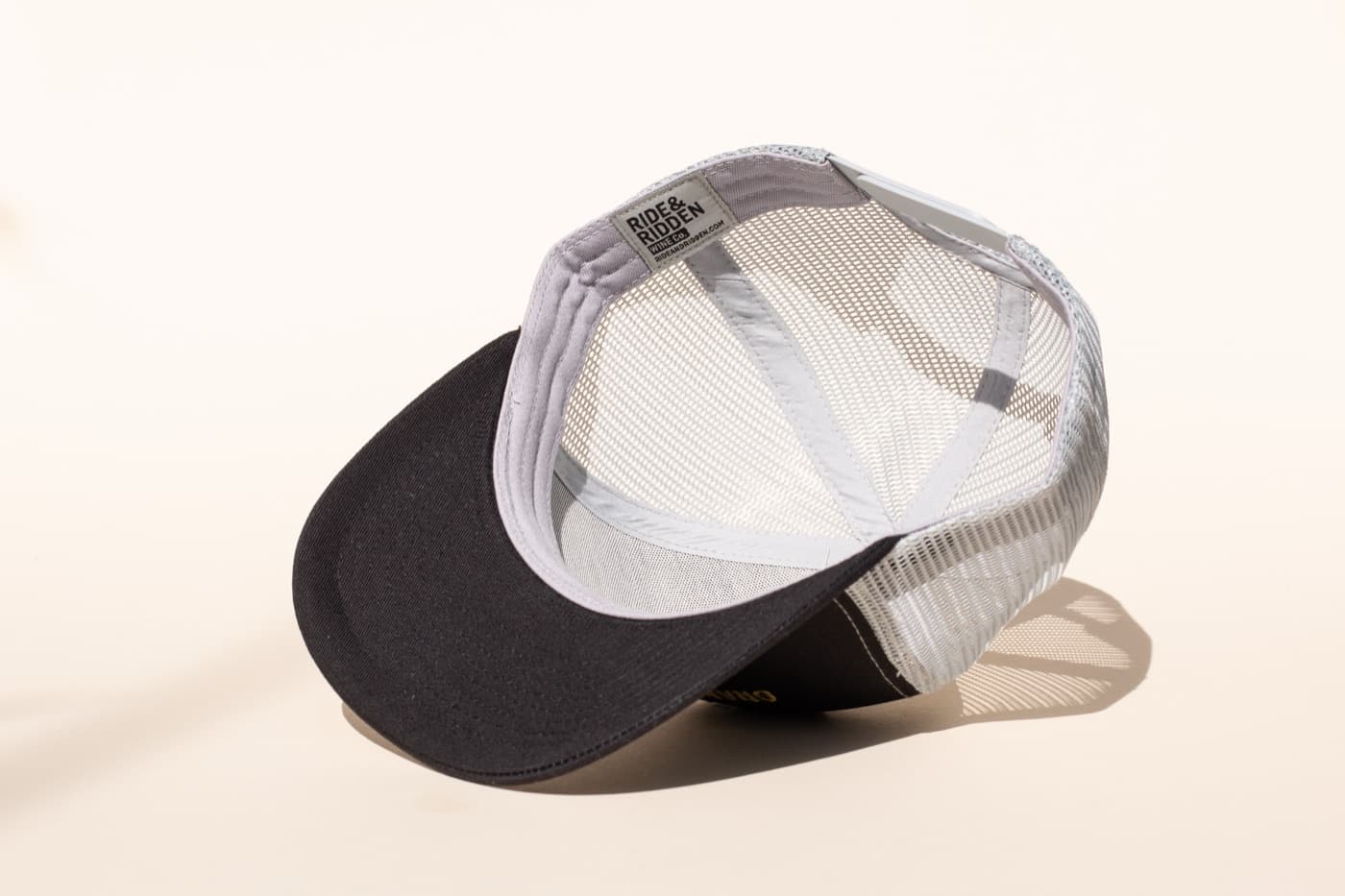
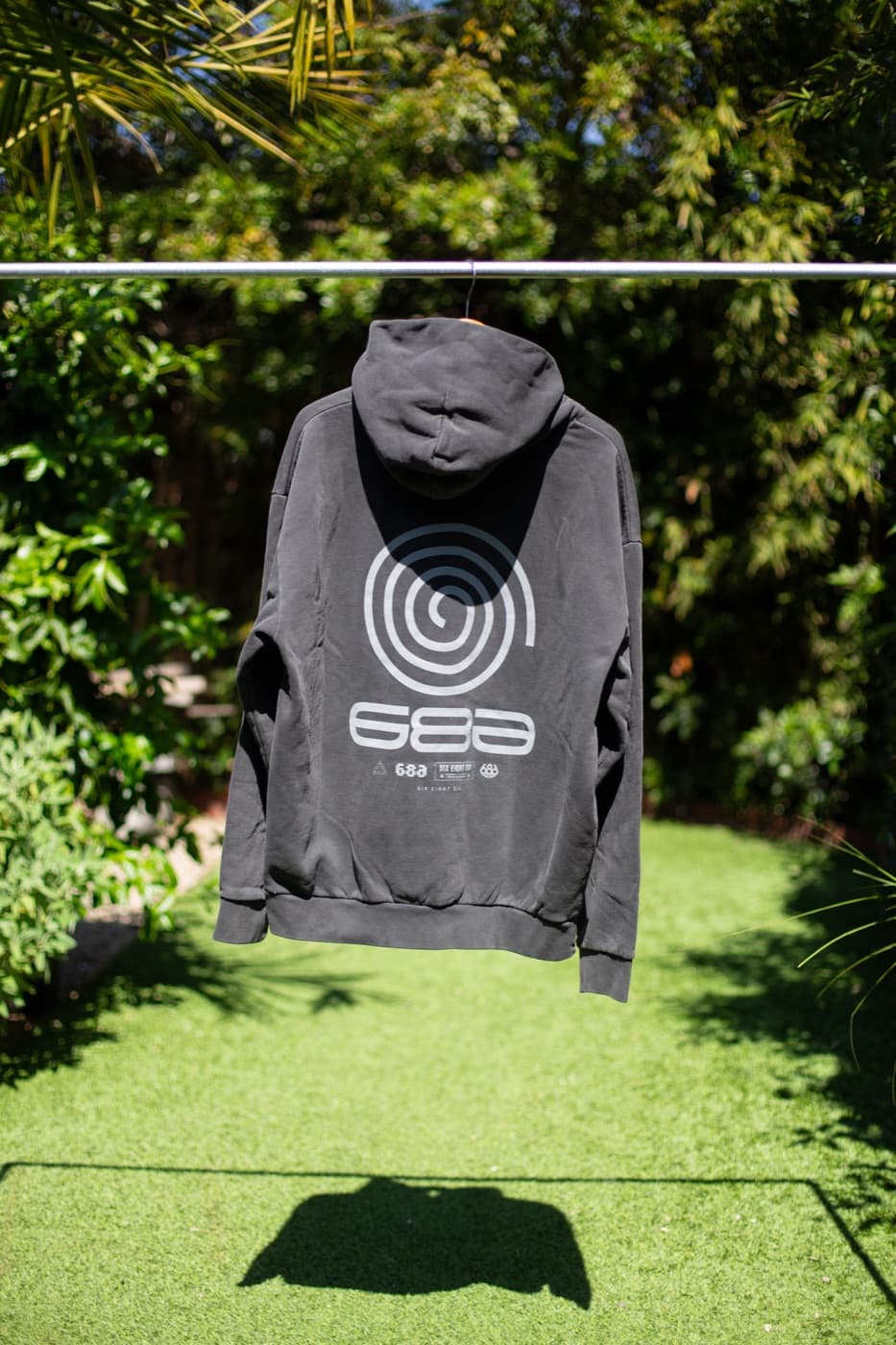
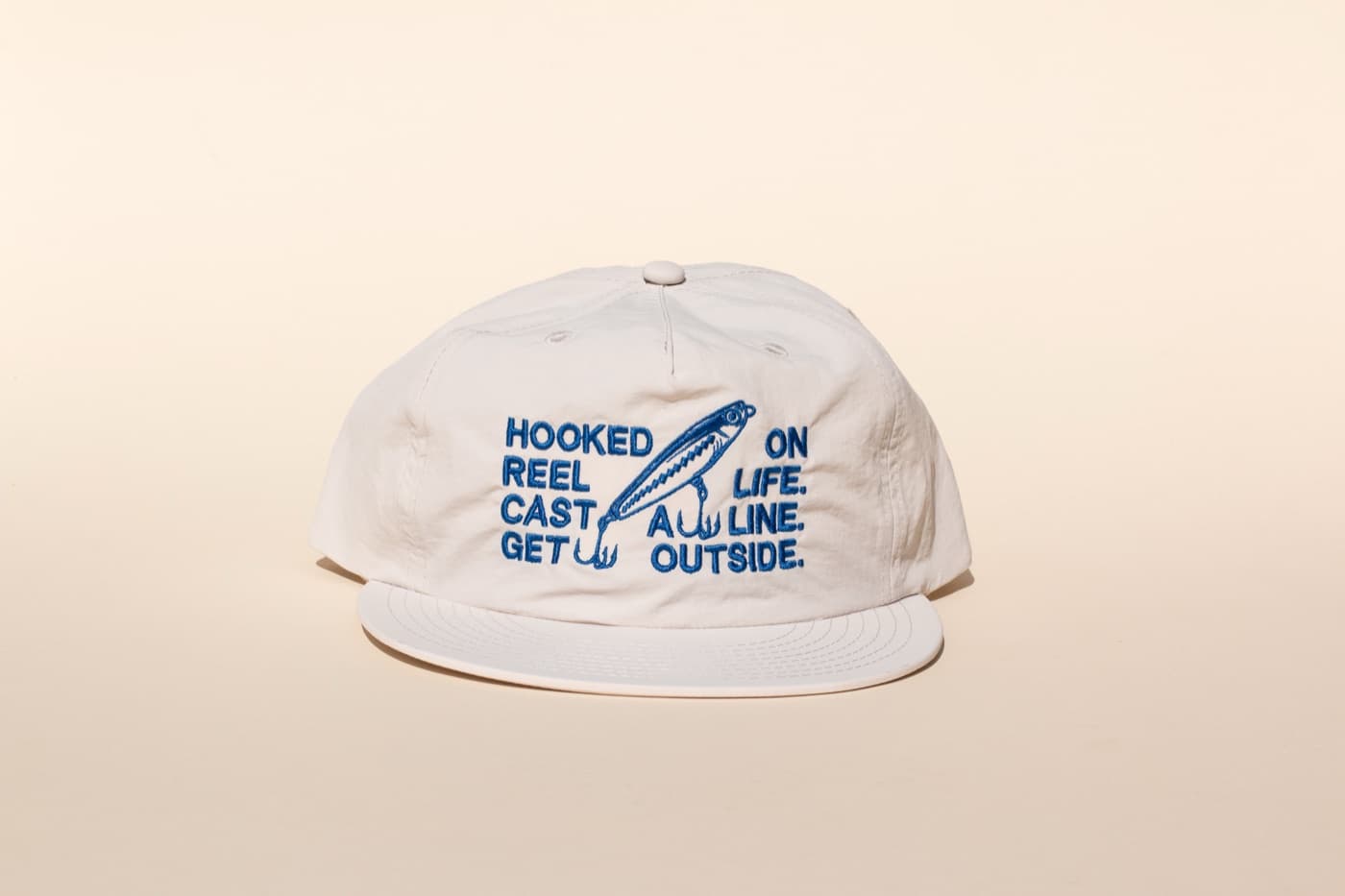
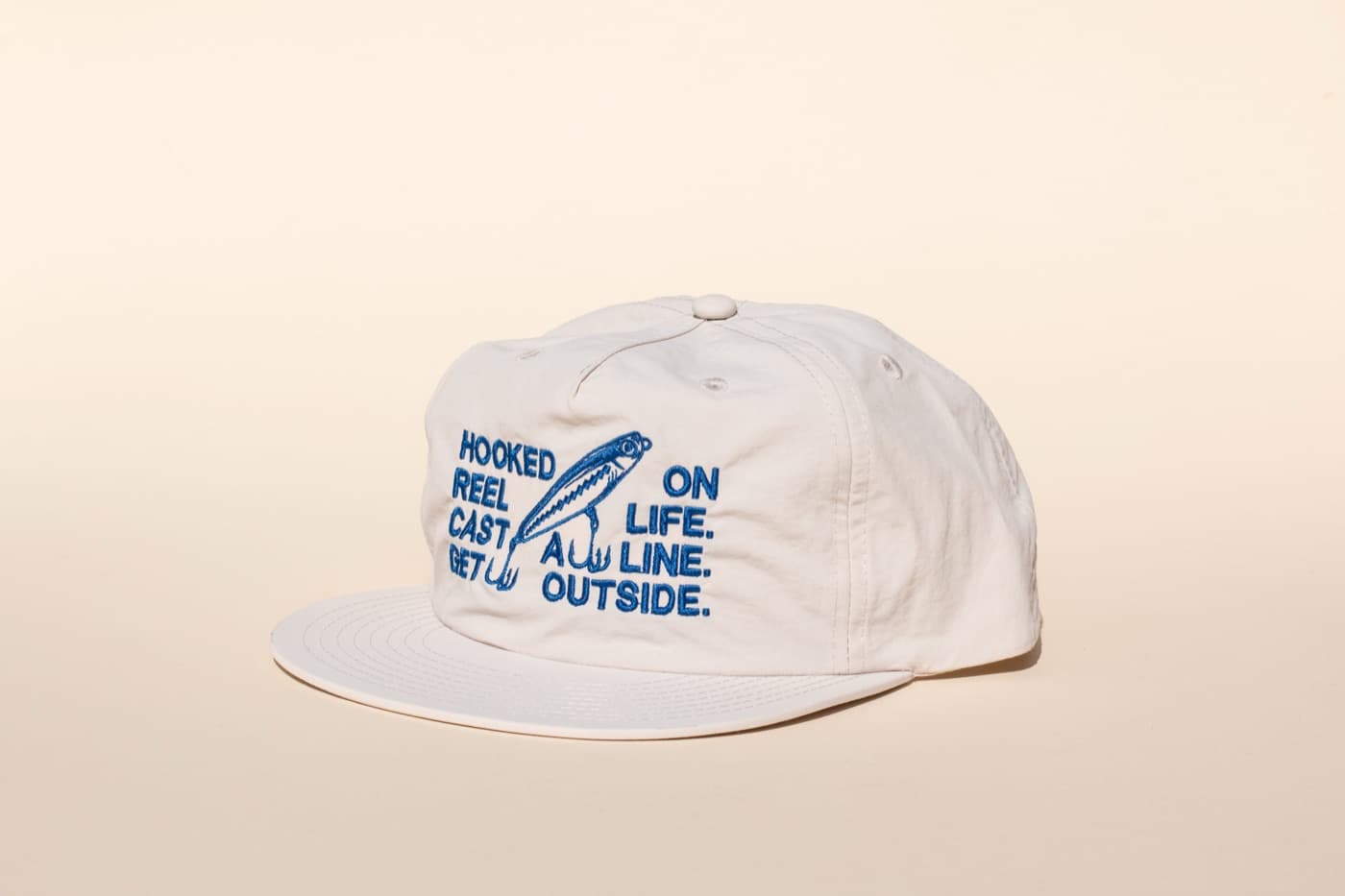
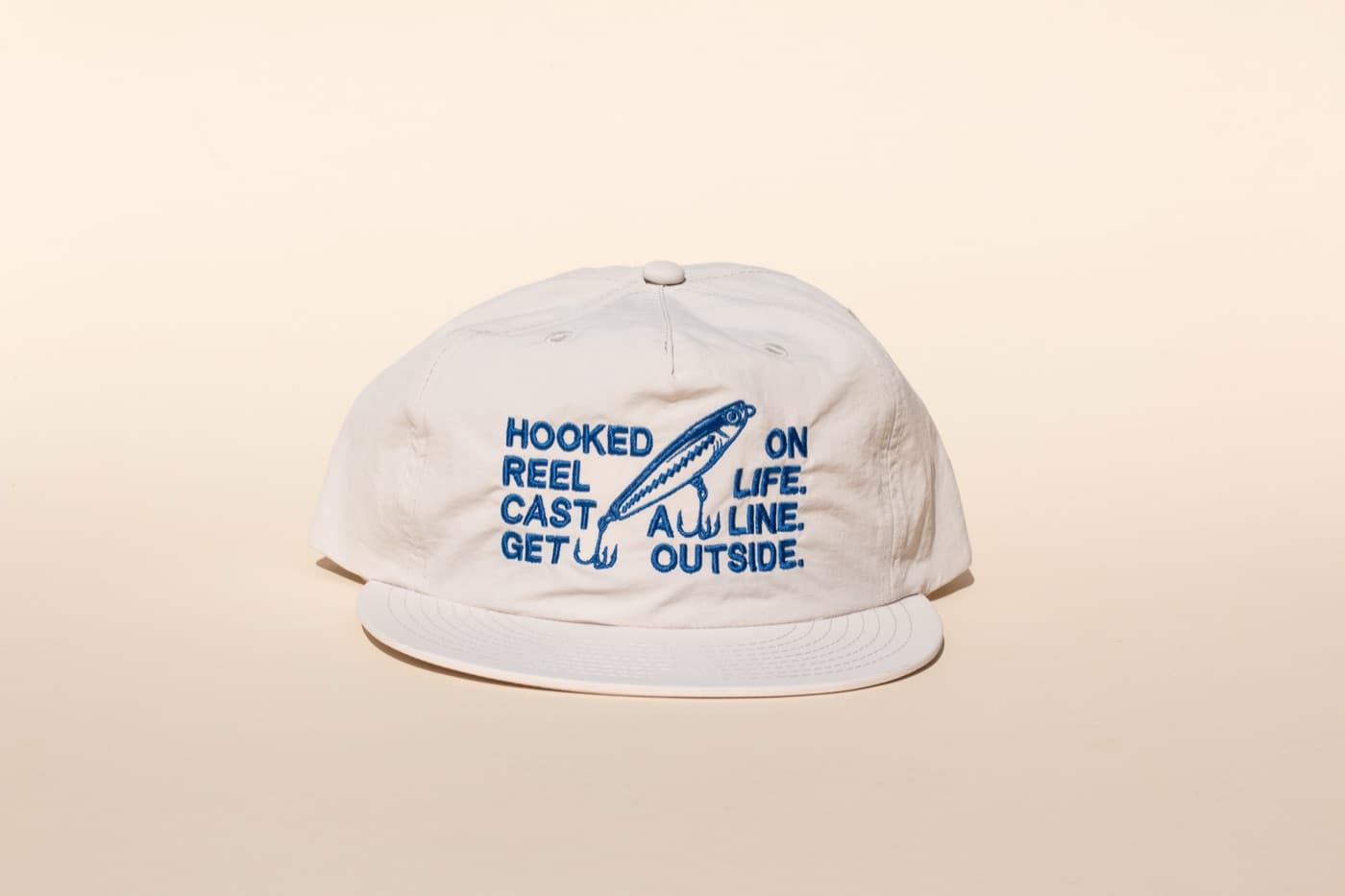
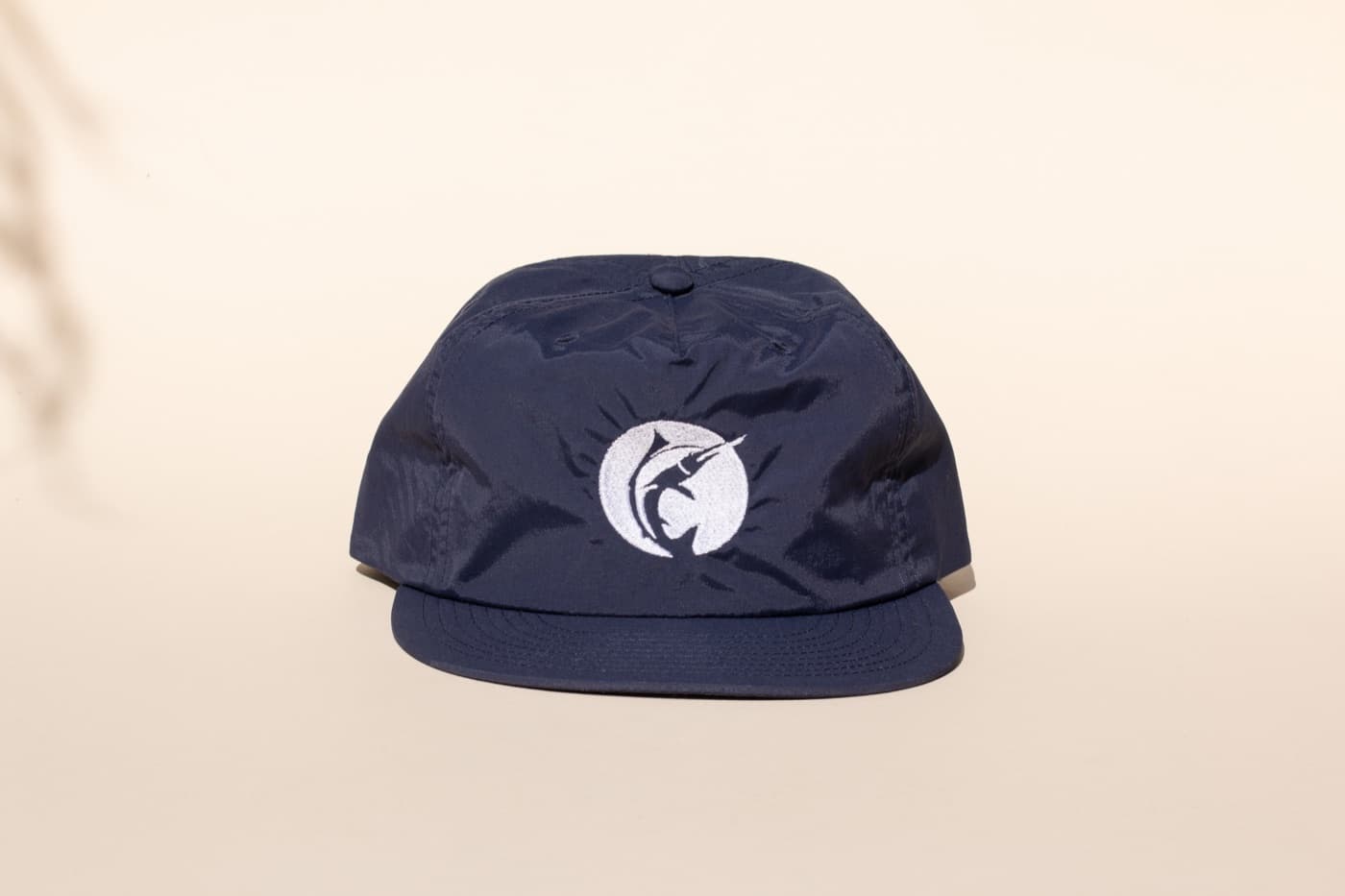
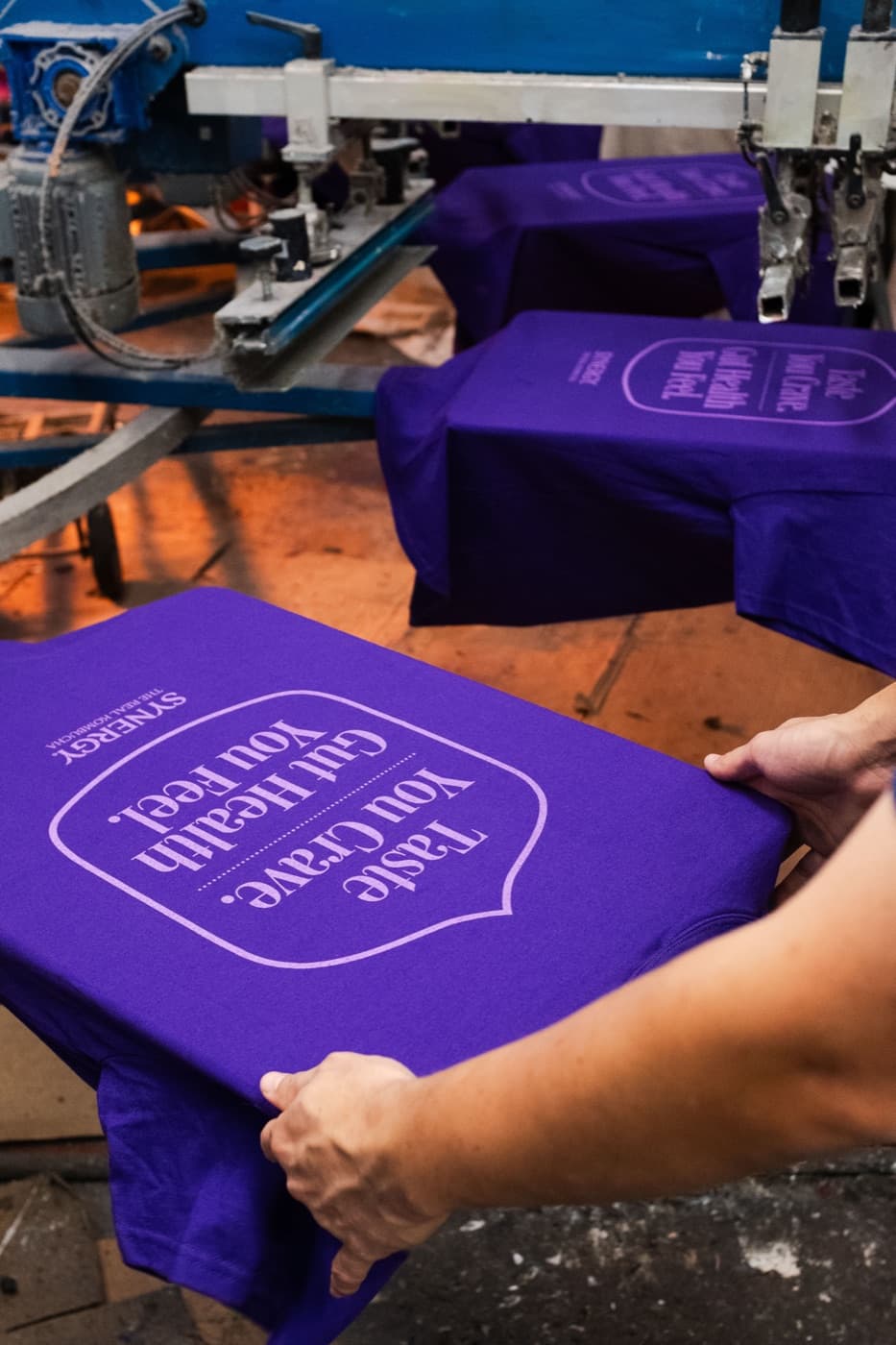
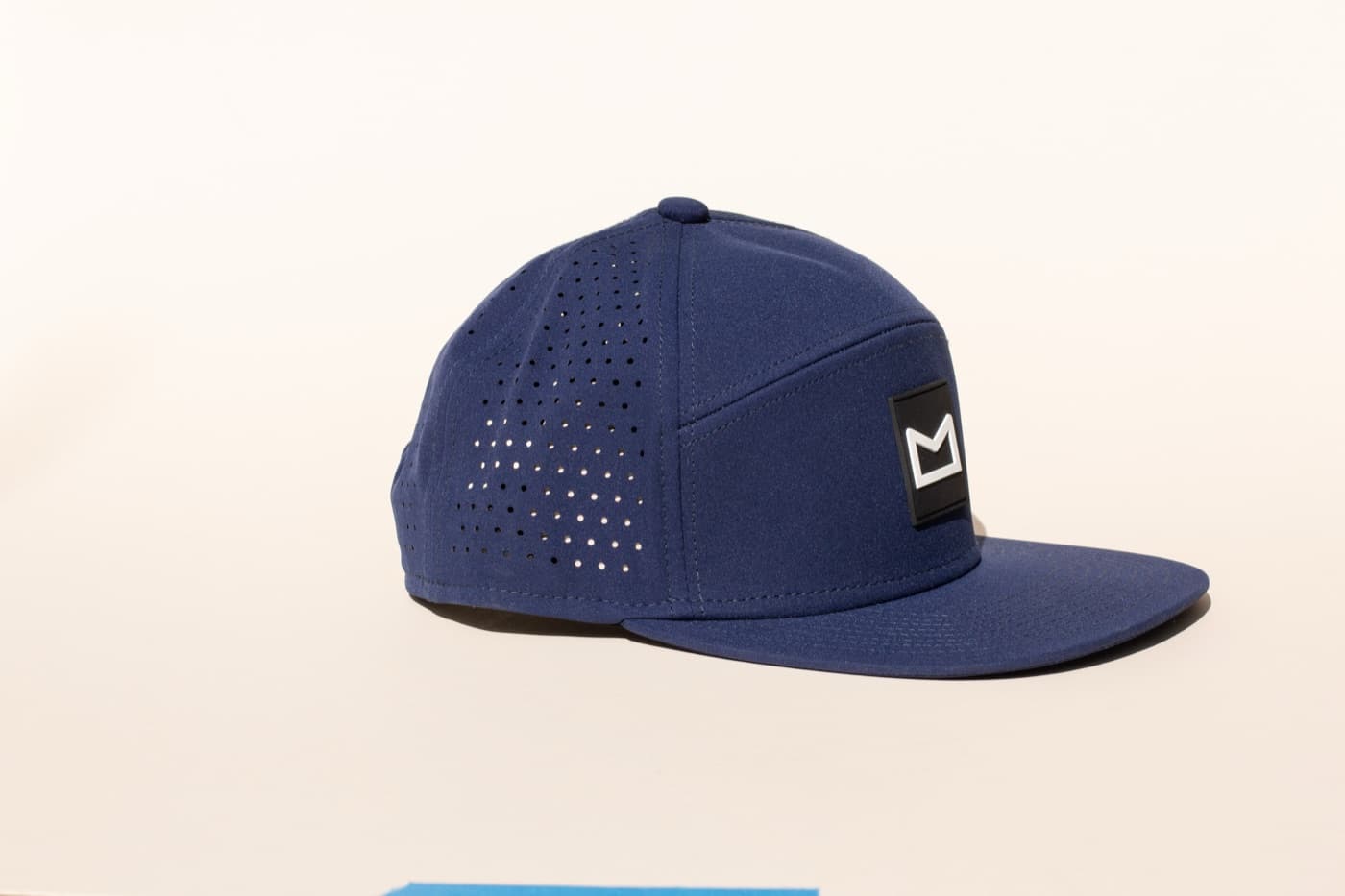
Wearables are powerful because they make the group feel connected, but too many apparel pieces create sizing complexity and waste. For most company events, choose one strong wearable: a hat, tee, hoodie, crewneck, or lightweight layer. Make it good enough that people keep wearing it after the retreat.
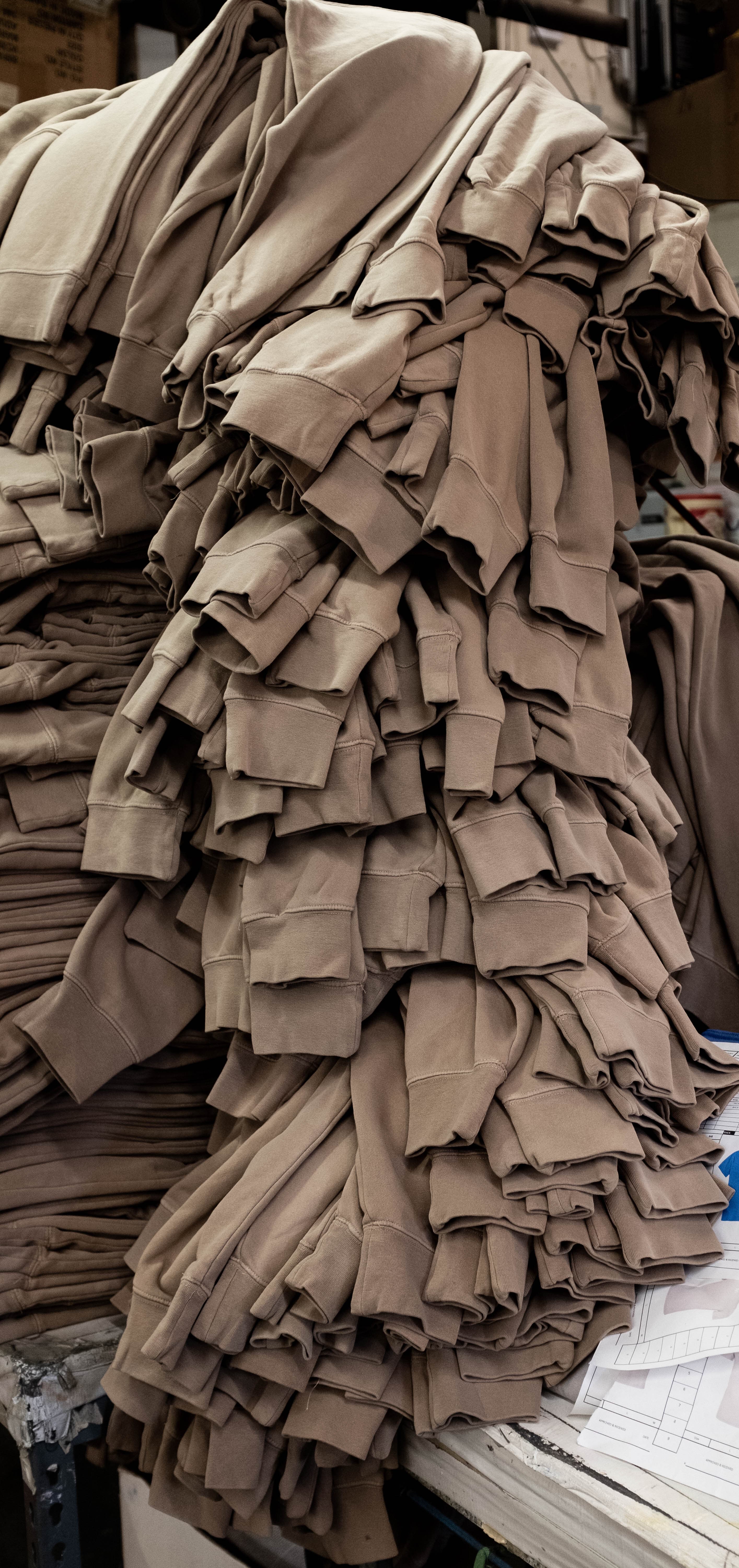
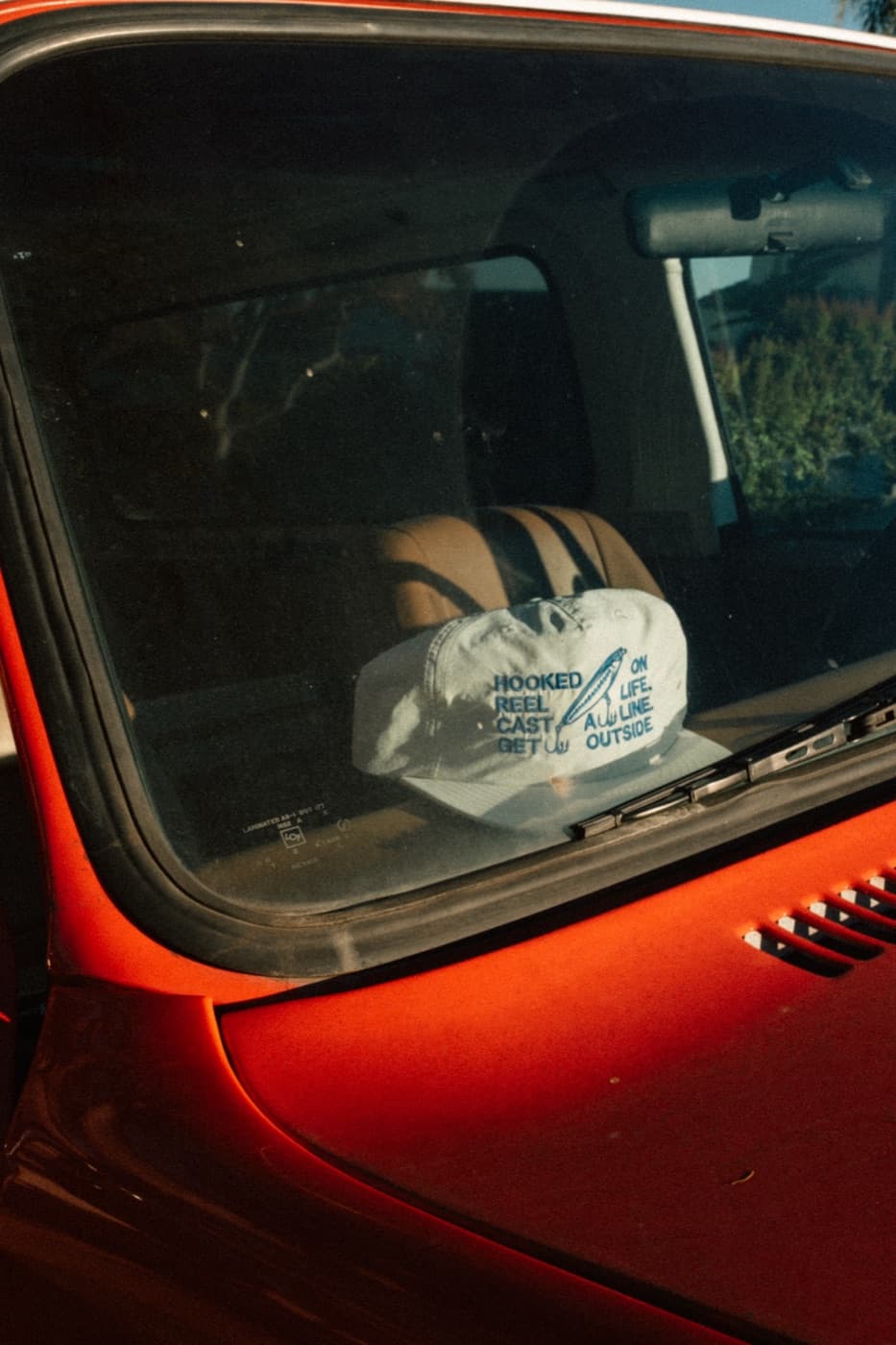
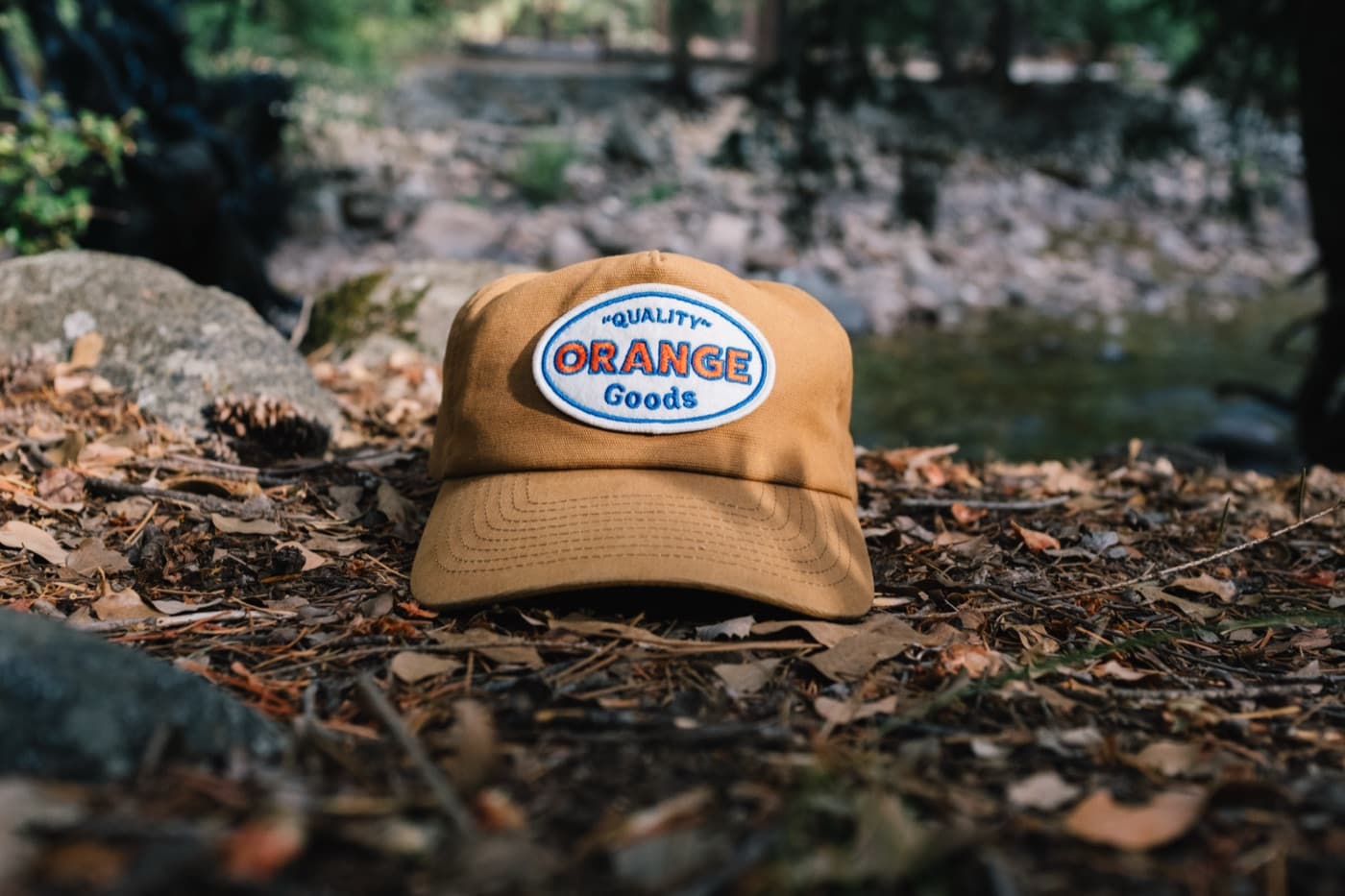
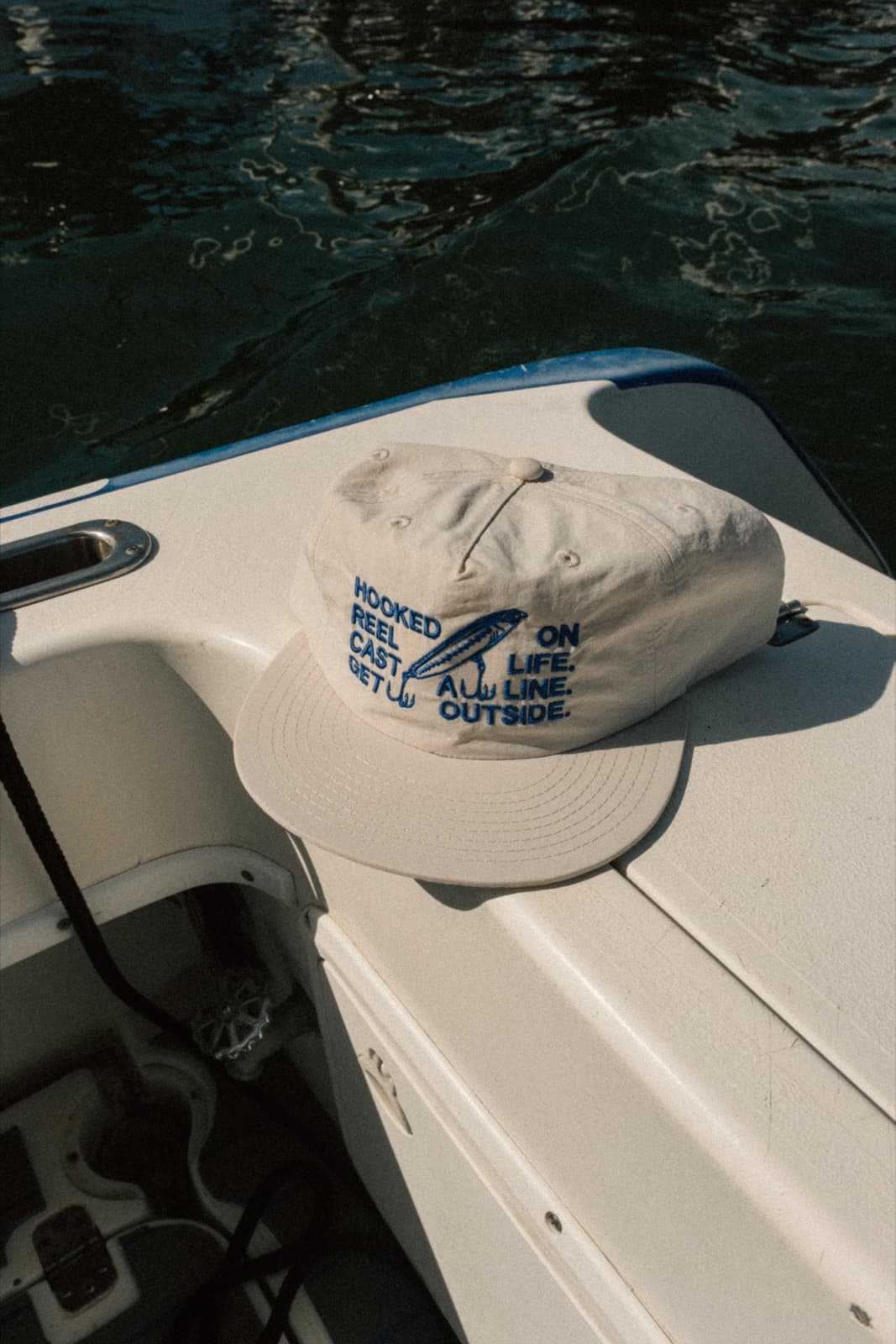
Hats are easy because they avoid size collection and can be worn during travel or outdoor sessions. Tees work well when the event has a stronger graphic direction. Hoodies and crewnecks feel more premium, but they require sizing, budget, and more storage space.
Choose useful supporting items
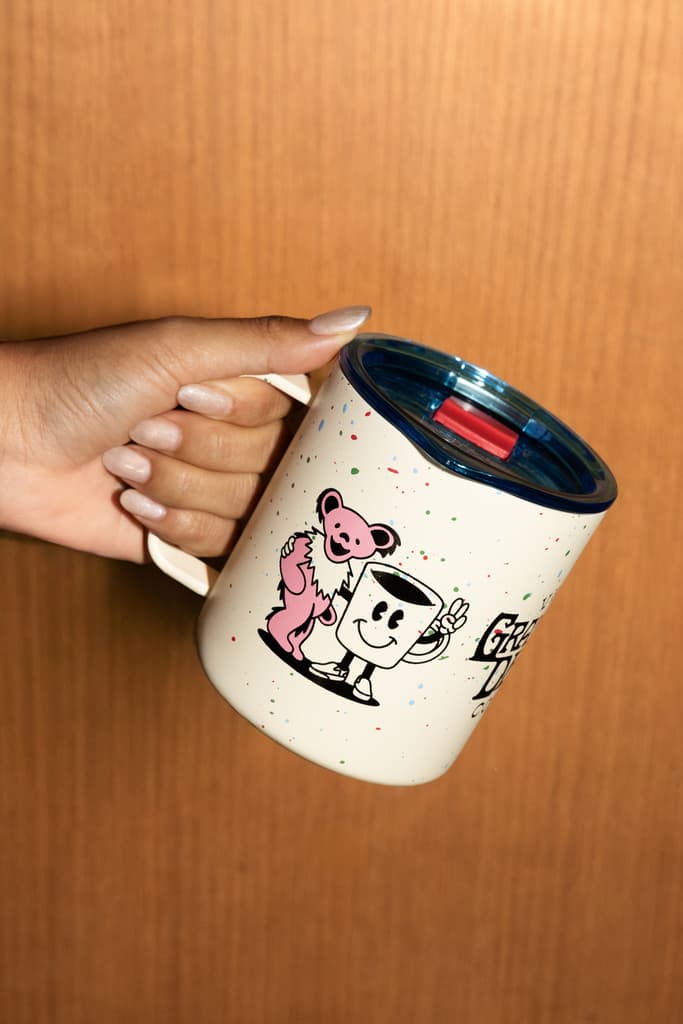
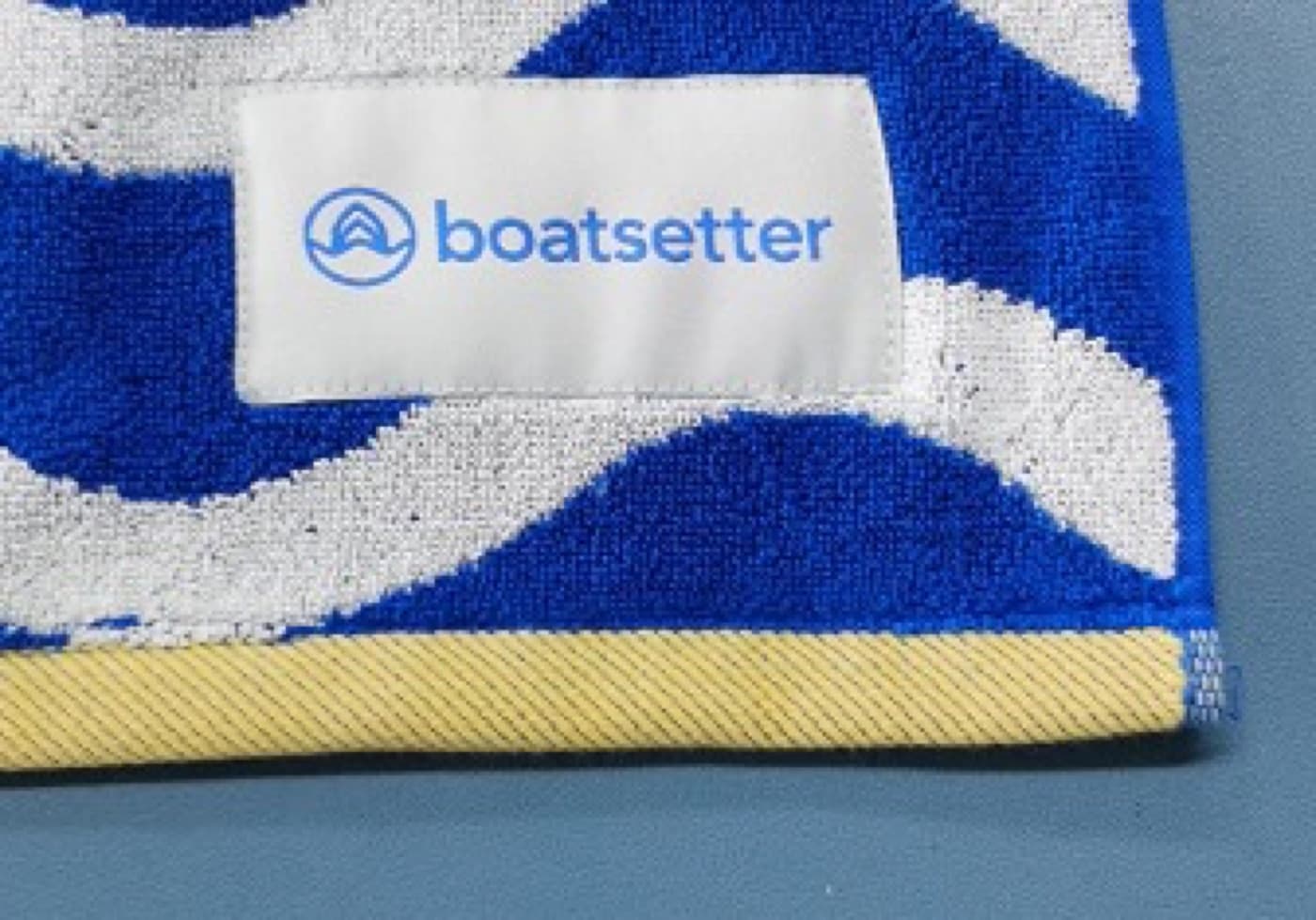
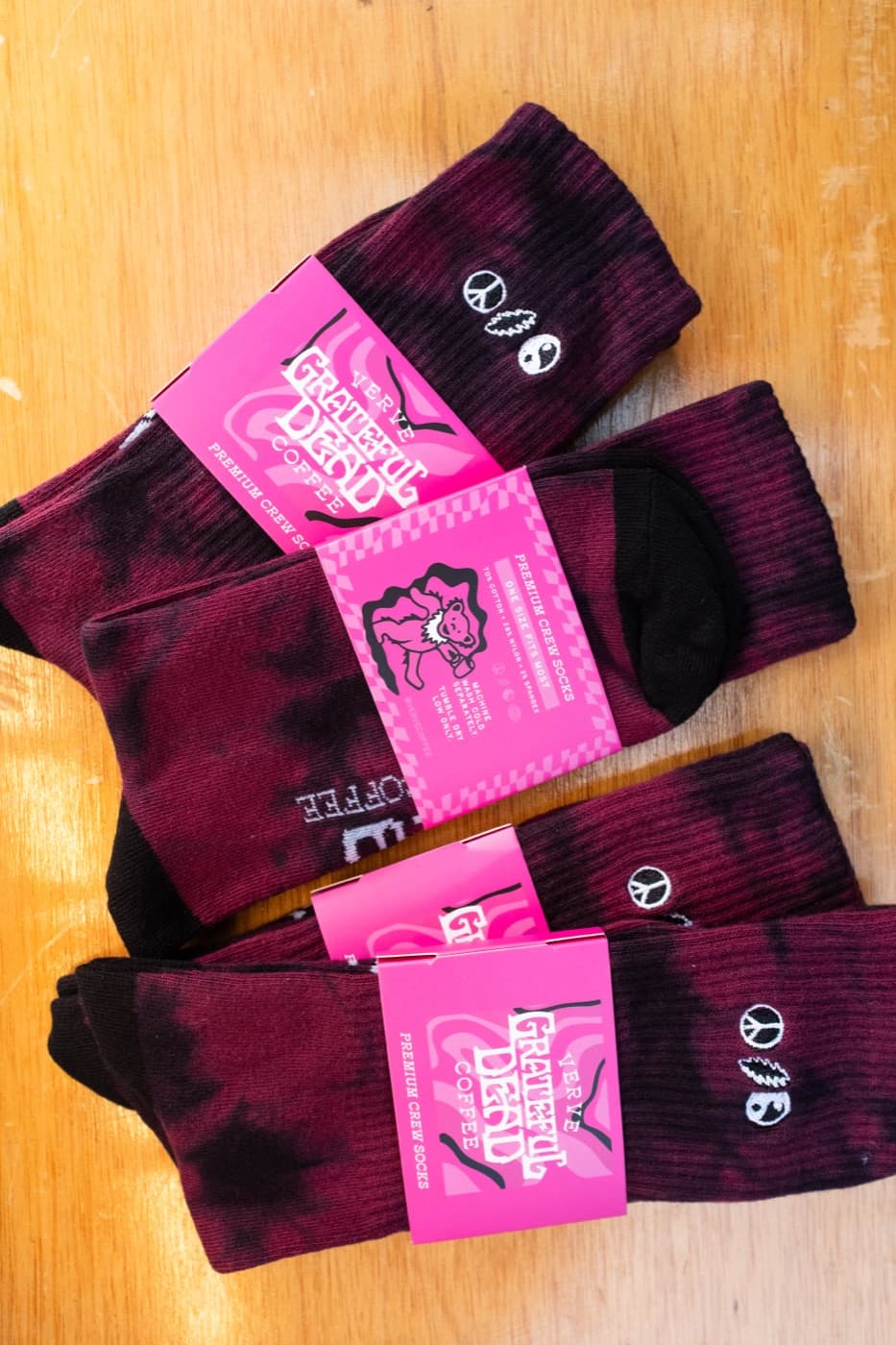
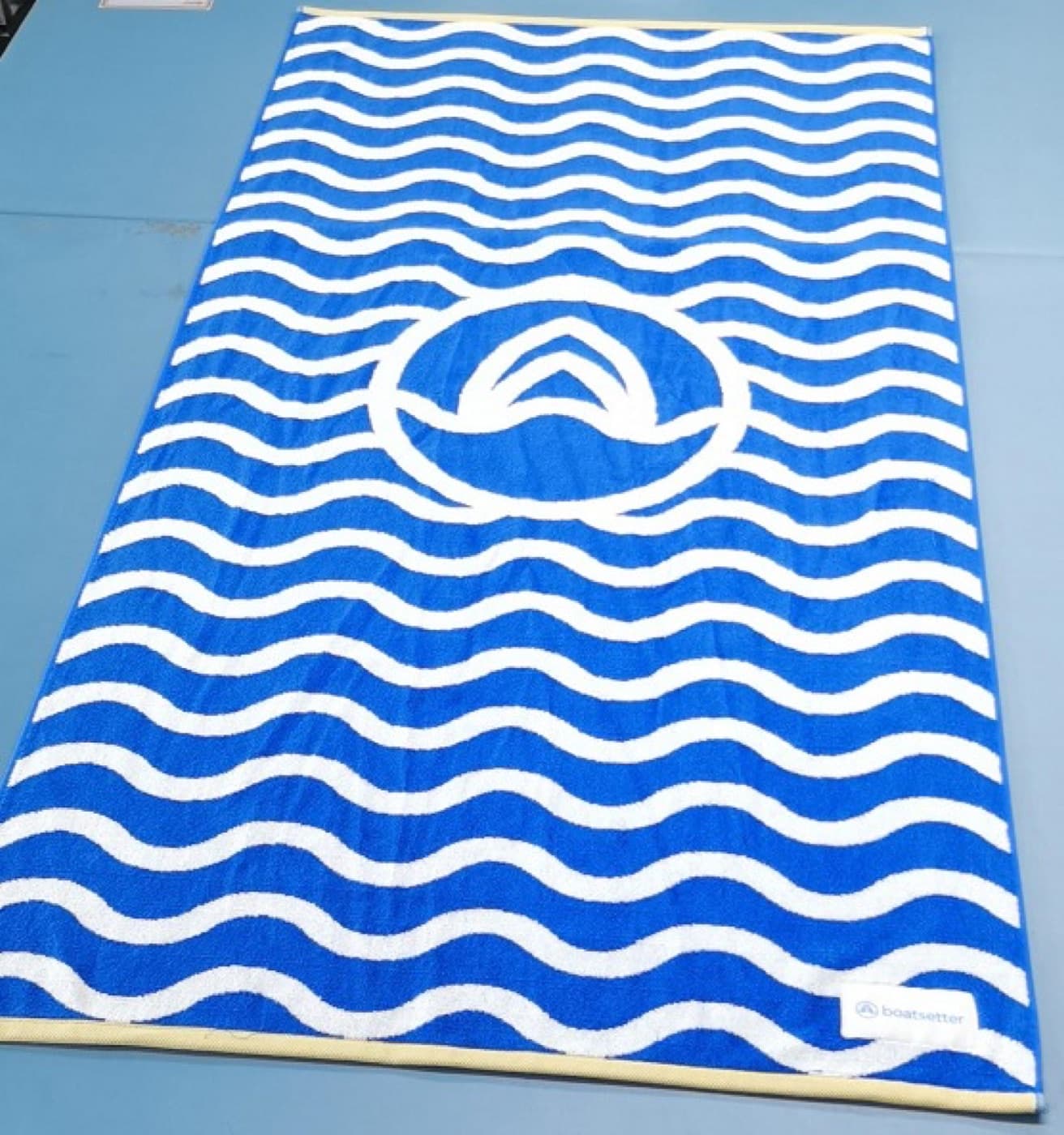
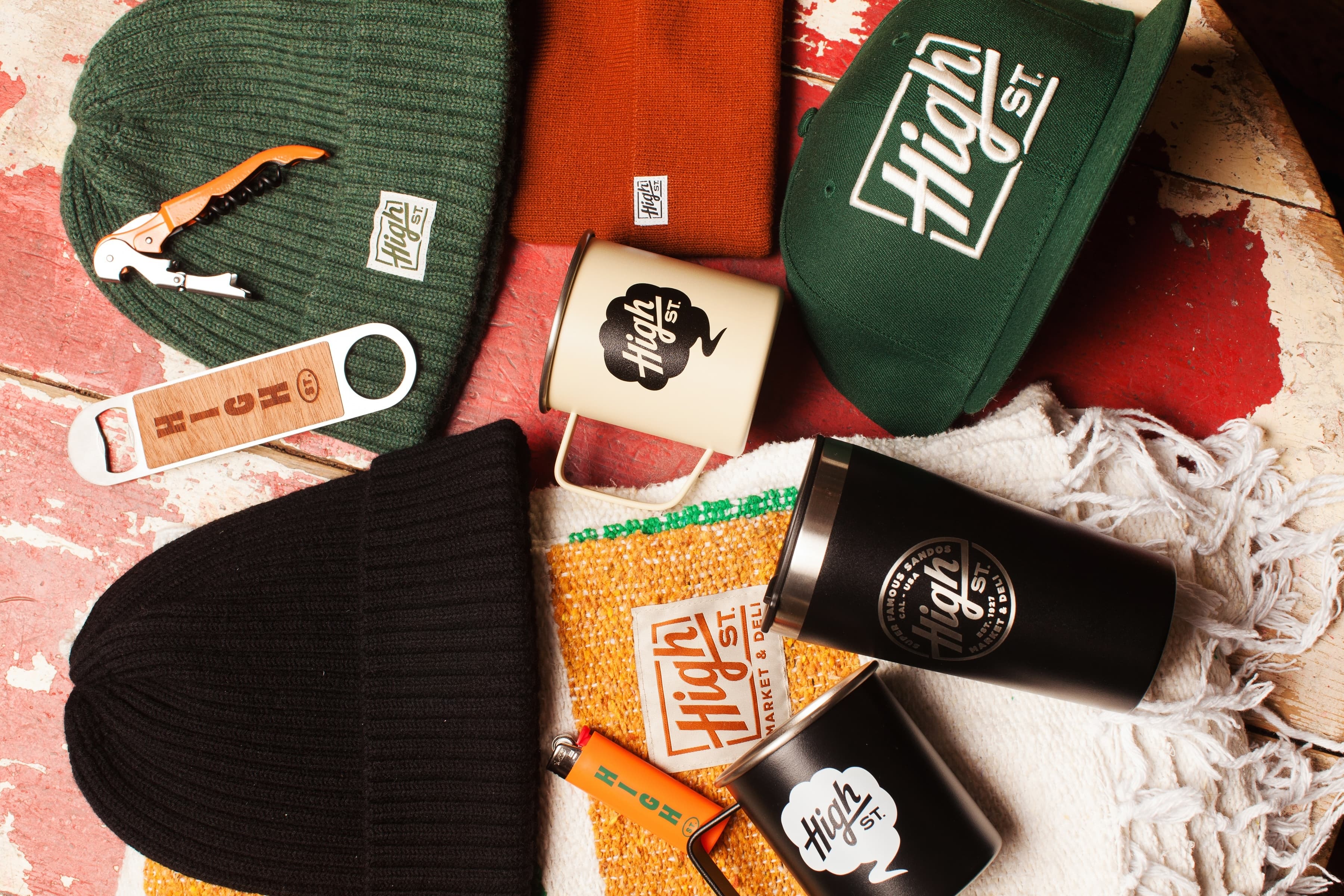
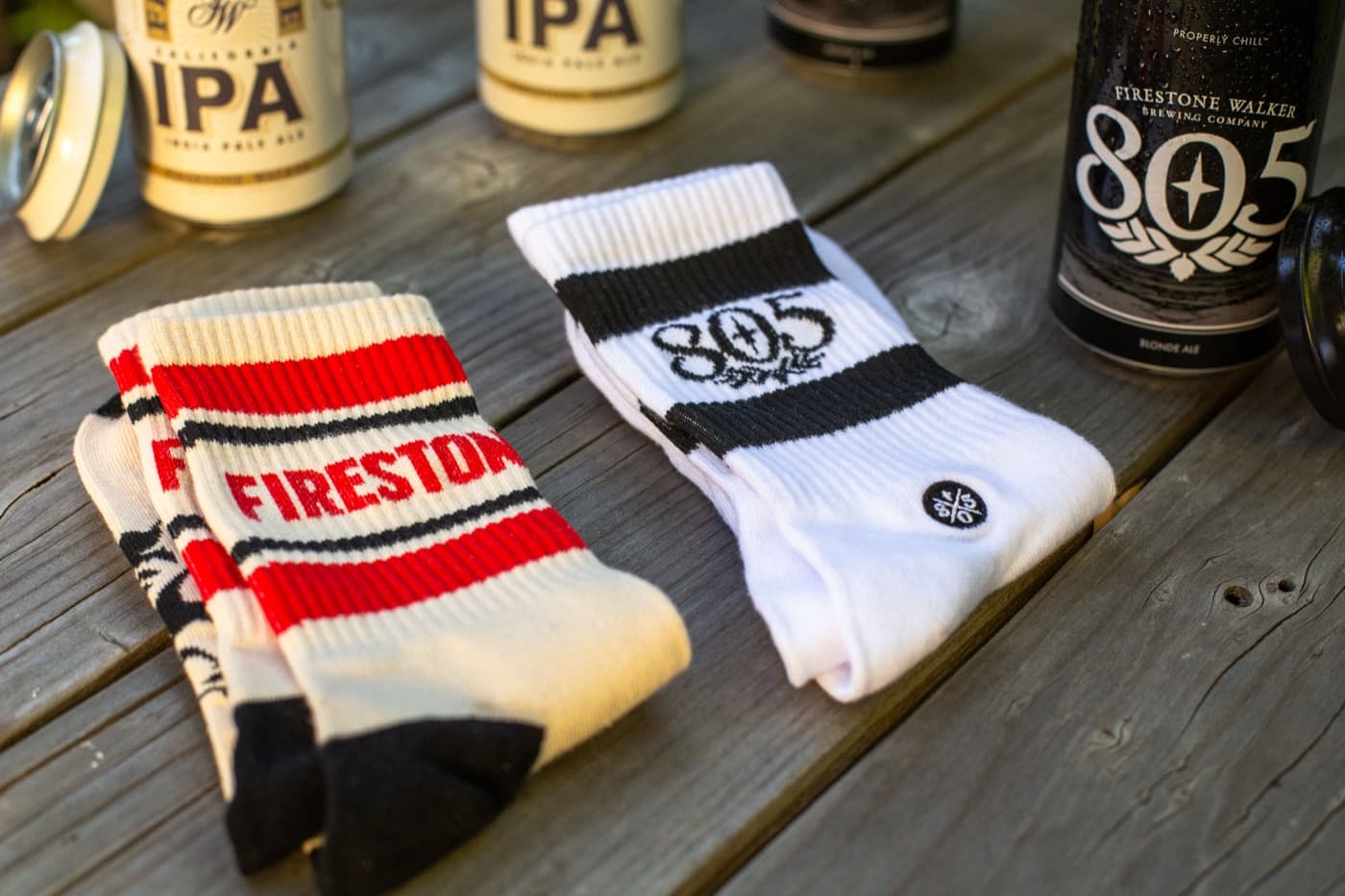
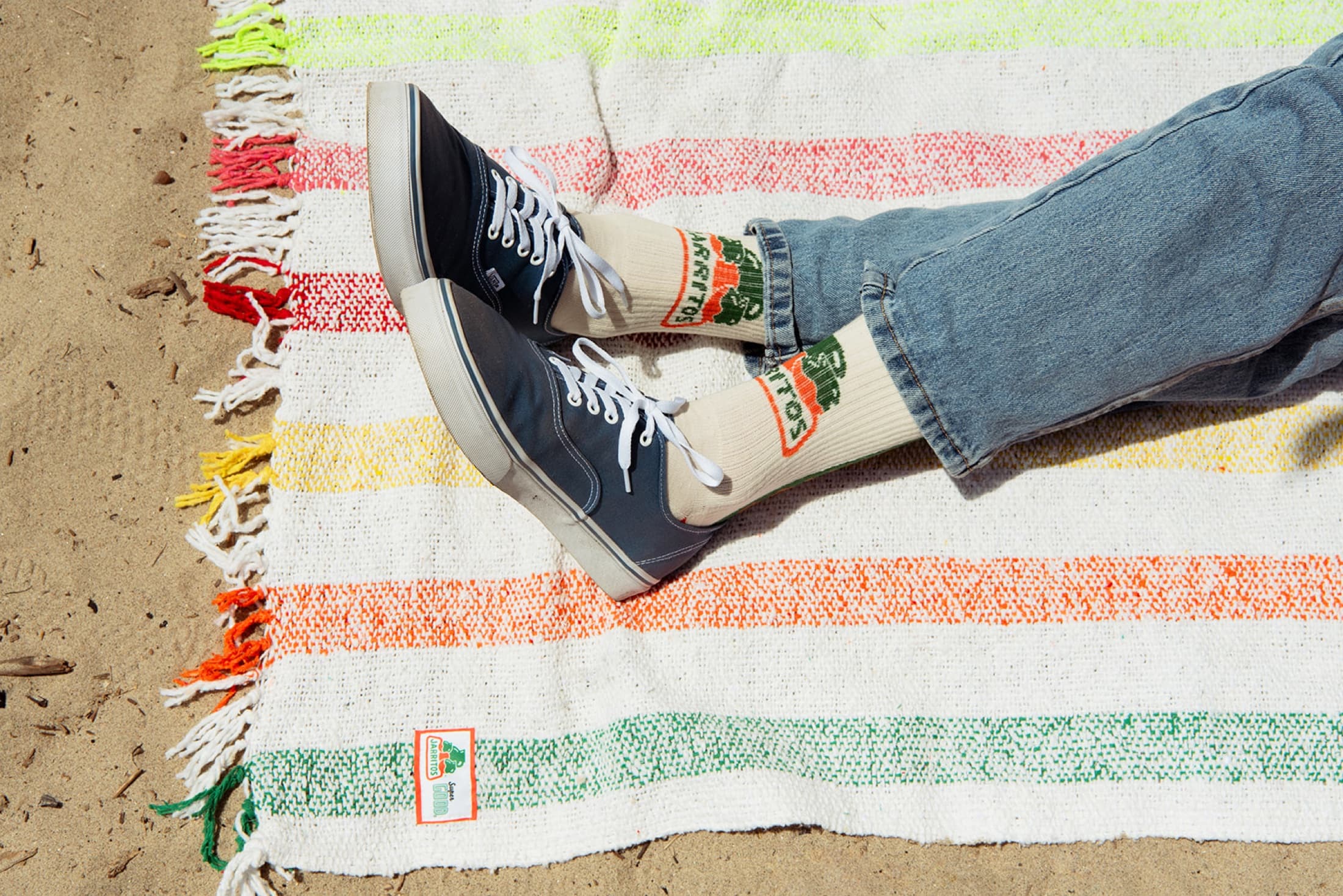
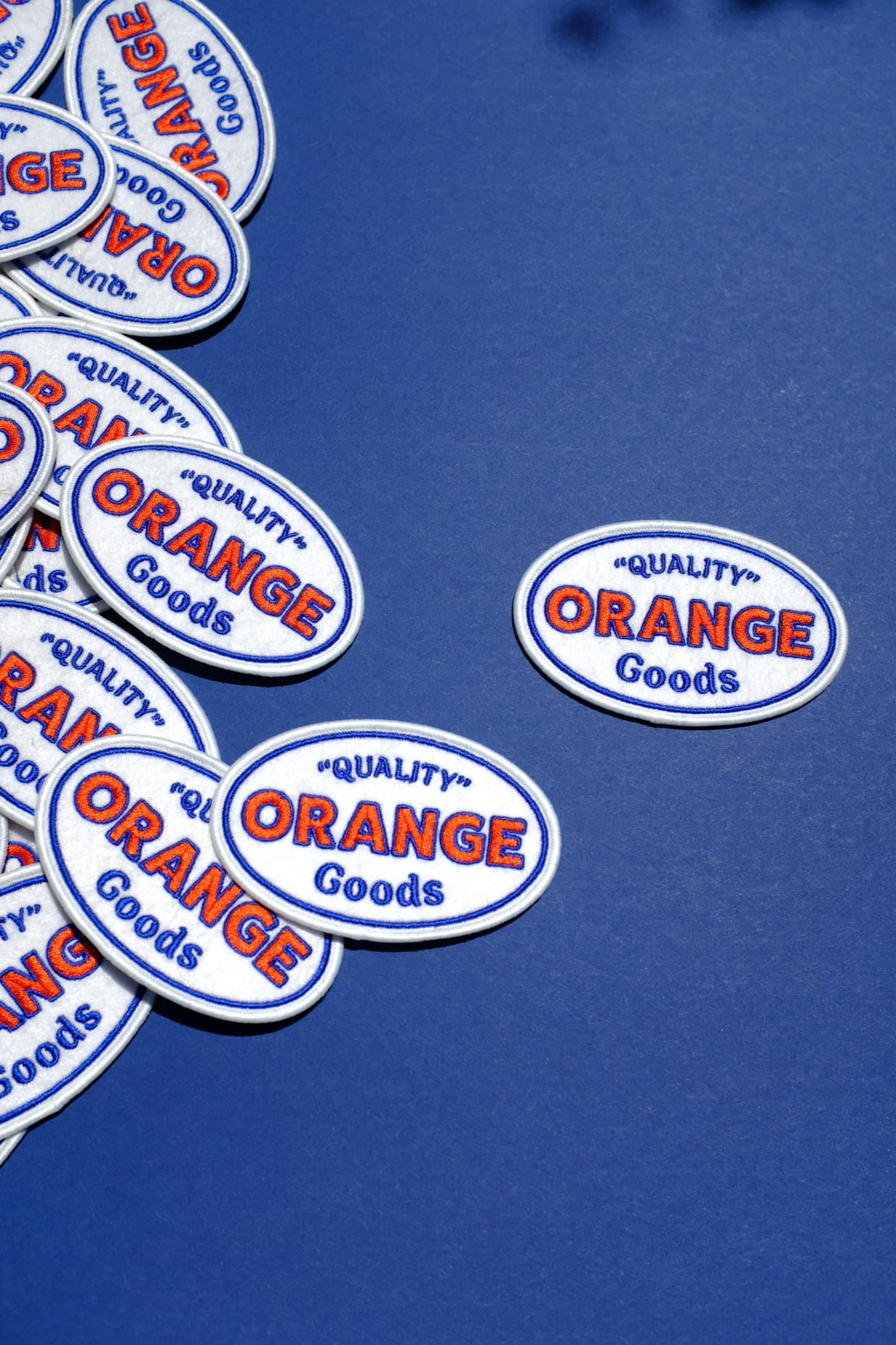
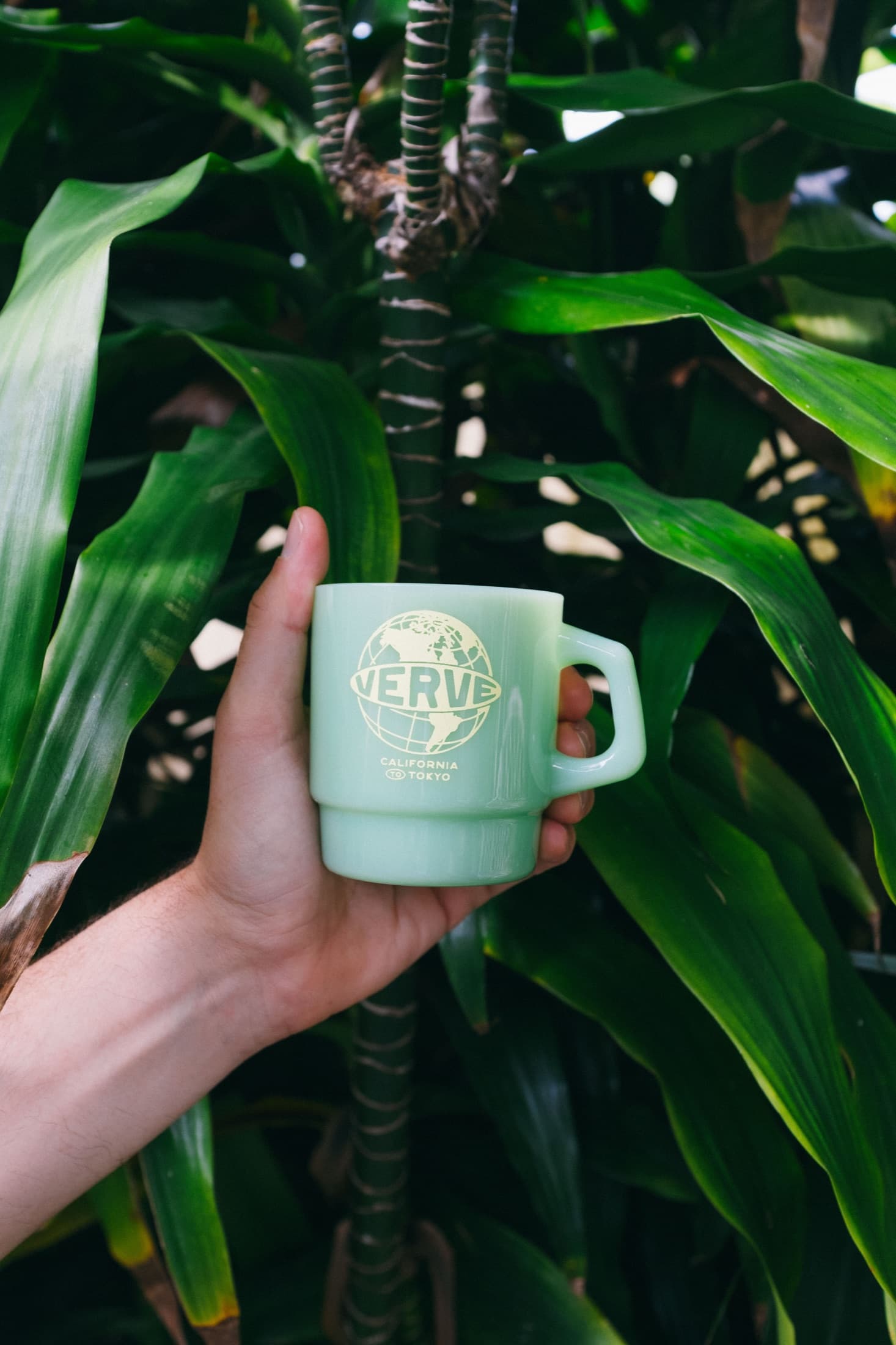
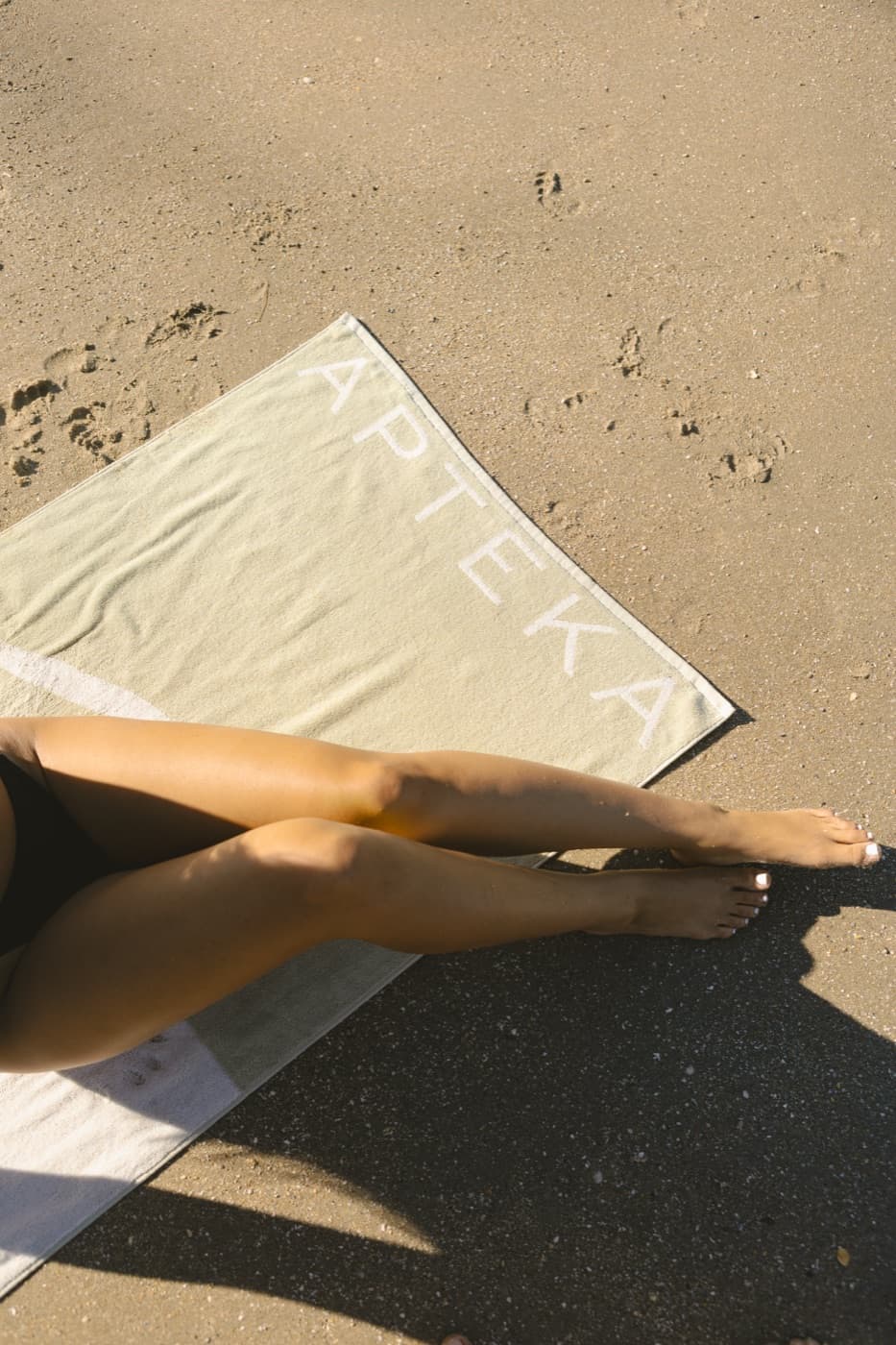
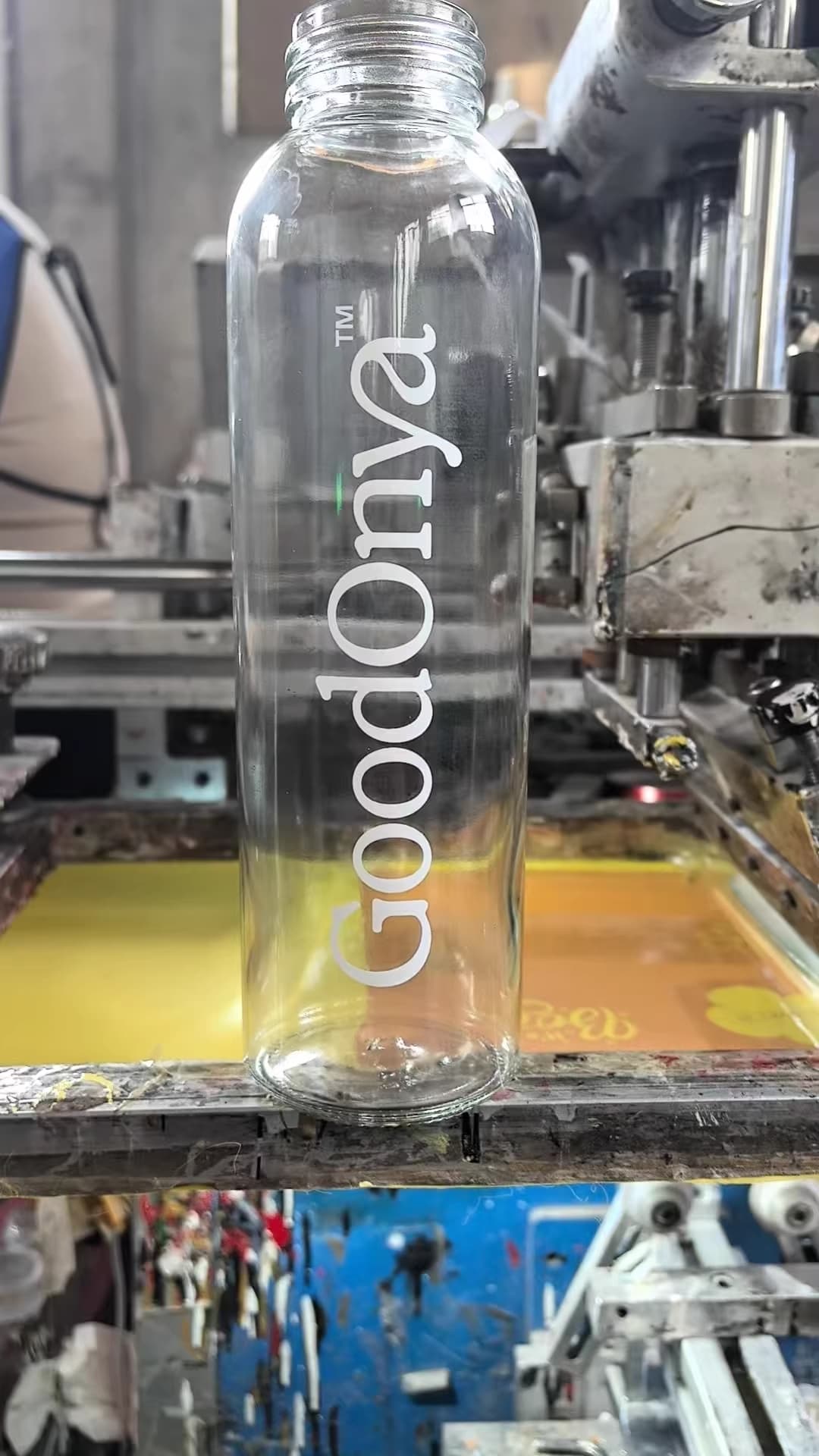
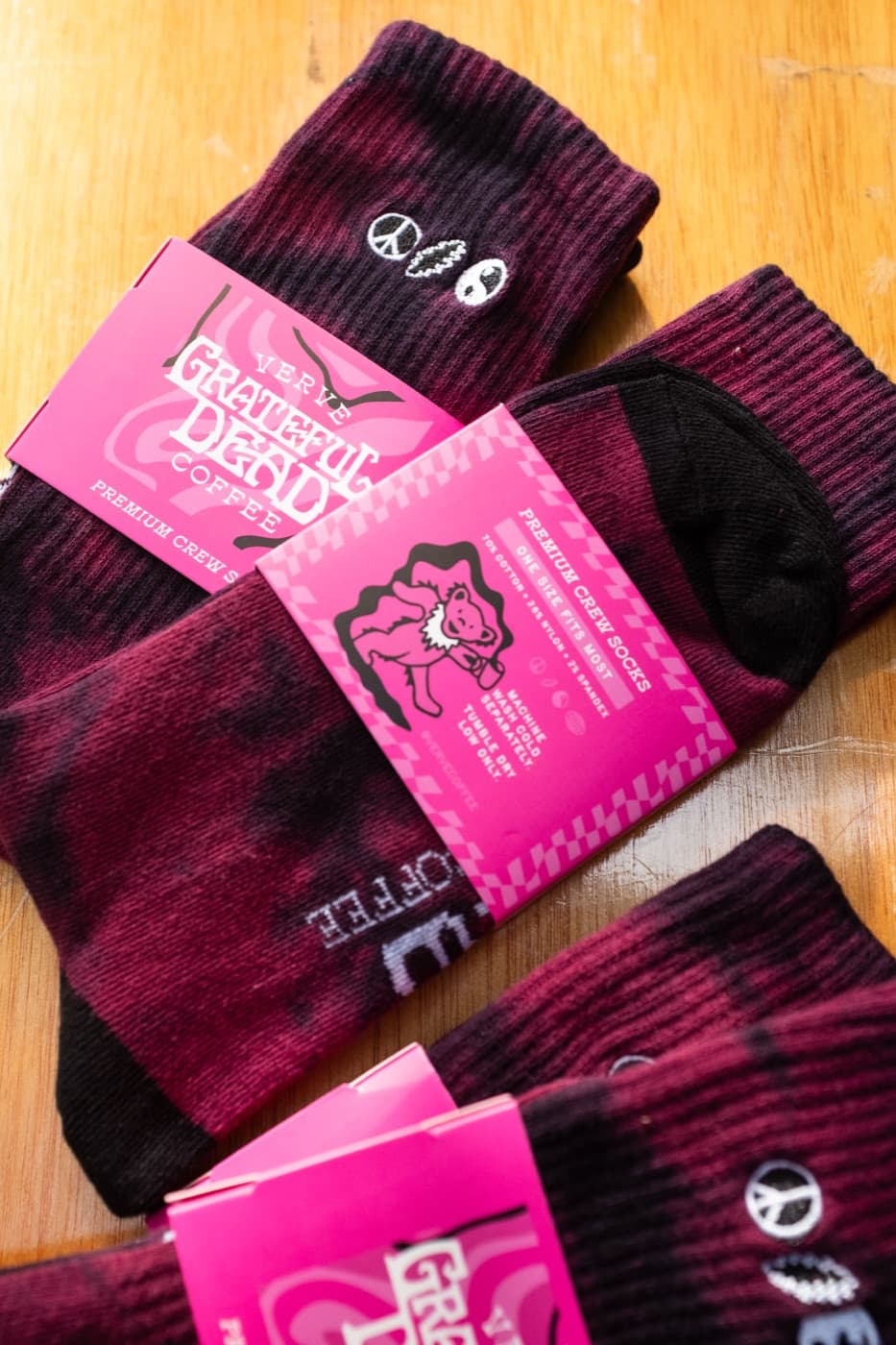
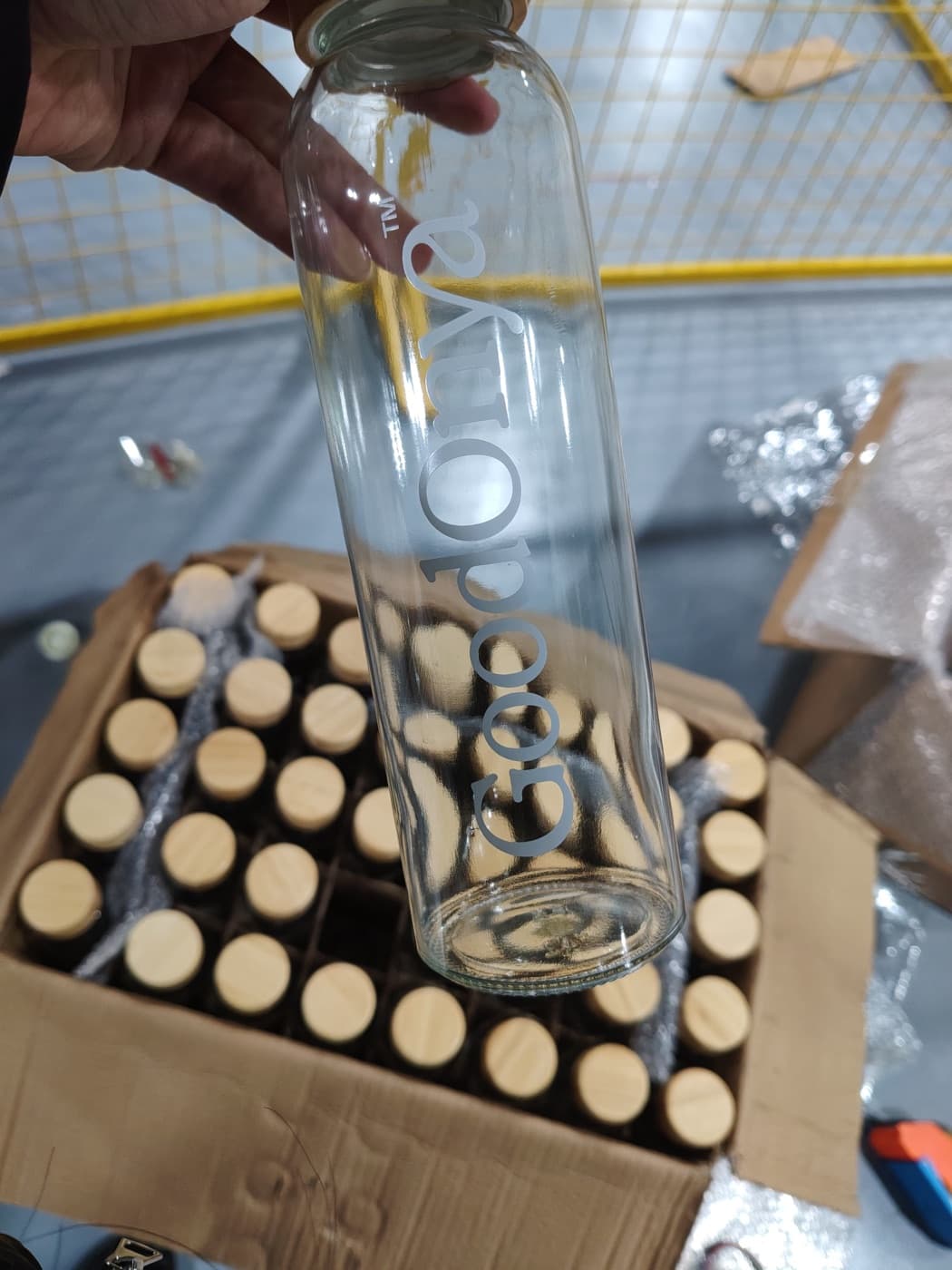
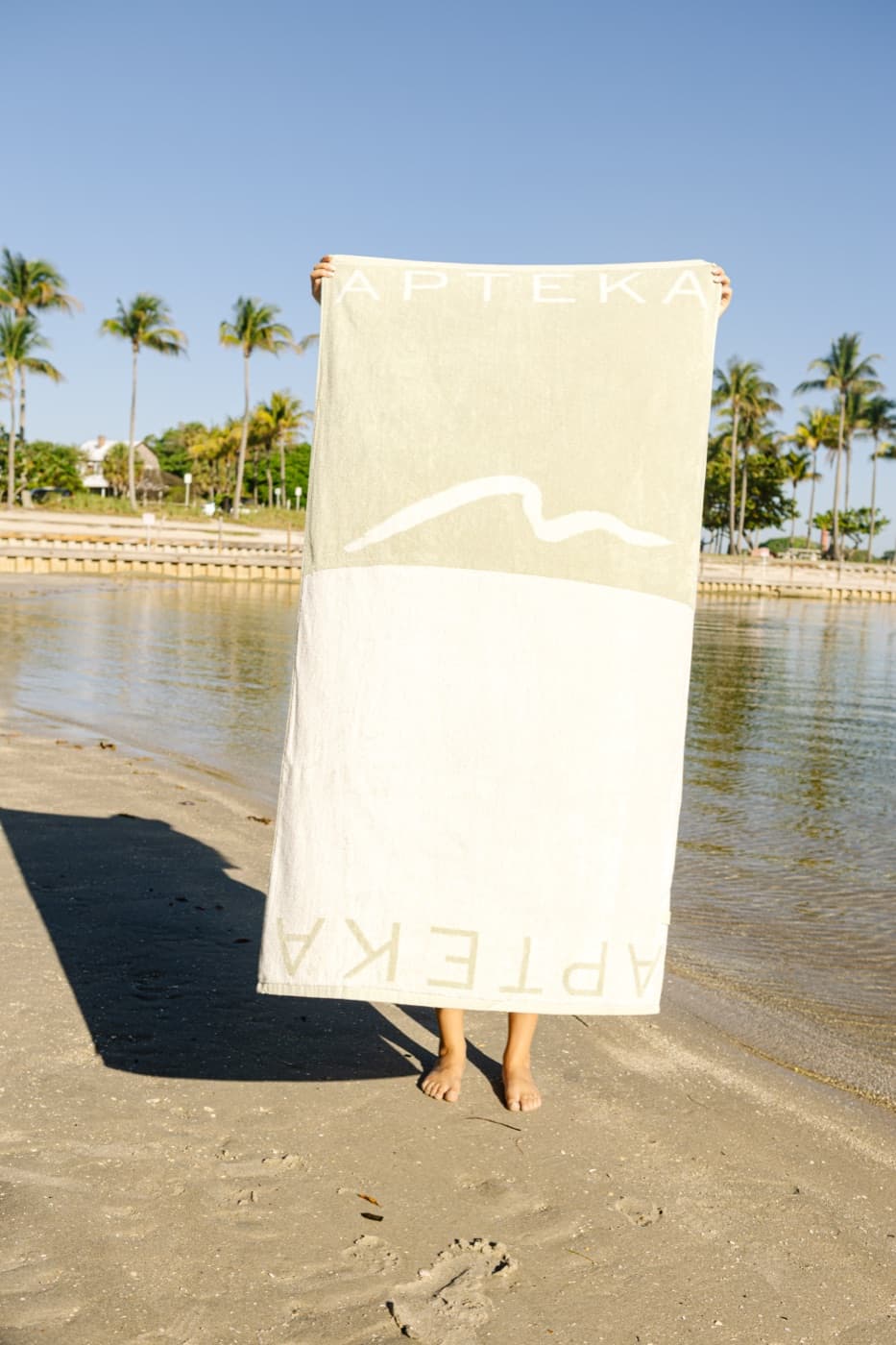
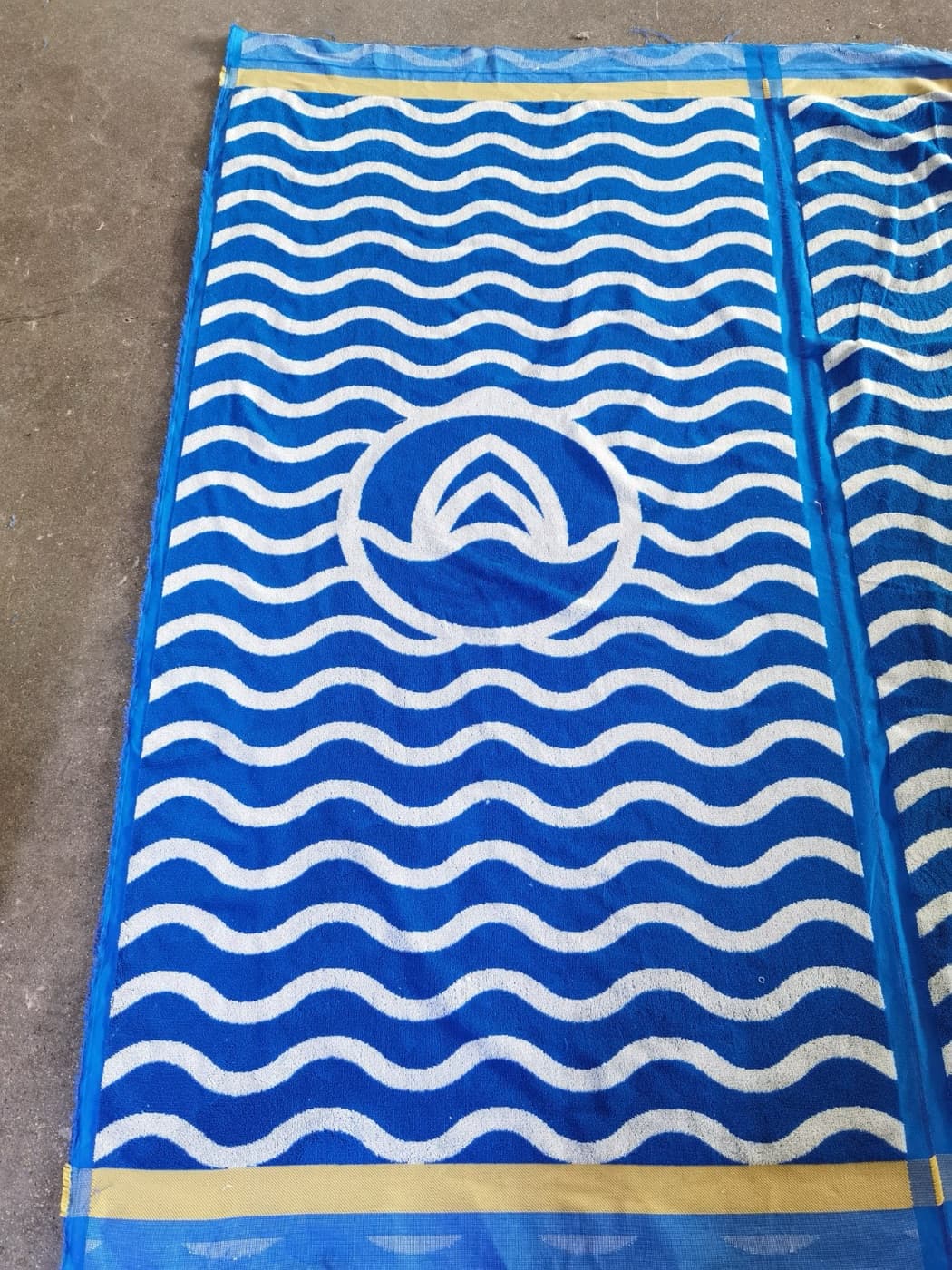
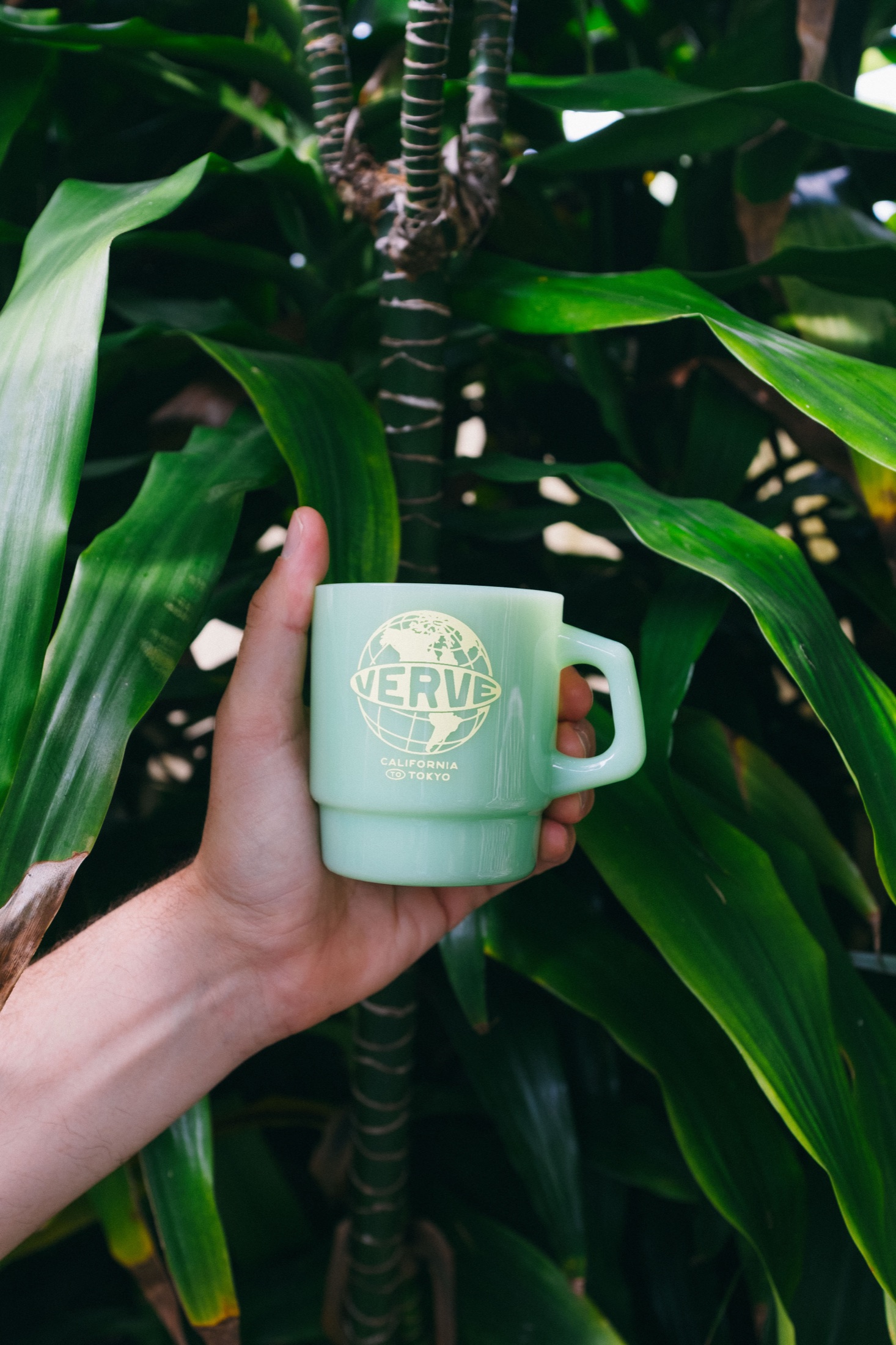
Supporting items should earn their spot. Drinkware, notebooks, towels, socks, bandanas, patches, and small accessories can all work when they fit the event. A bottle makes sense for an active retreat. A mug makes sense for a coffee-heavy agenda. A towel makes sense near water or wellness programming. Socks can be a fun small item when the design is strong.
Skip items that only exist because they are cheap. A pen can be useful, but a low-quality pen with a logo is not a meaningful gift. The supporting items should make the kit feel more complete, not more crowded.
Keep the branding wearable
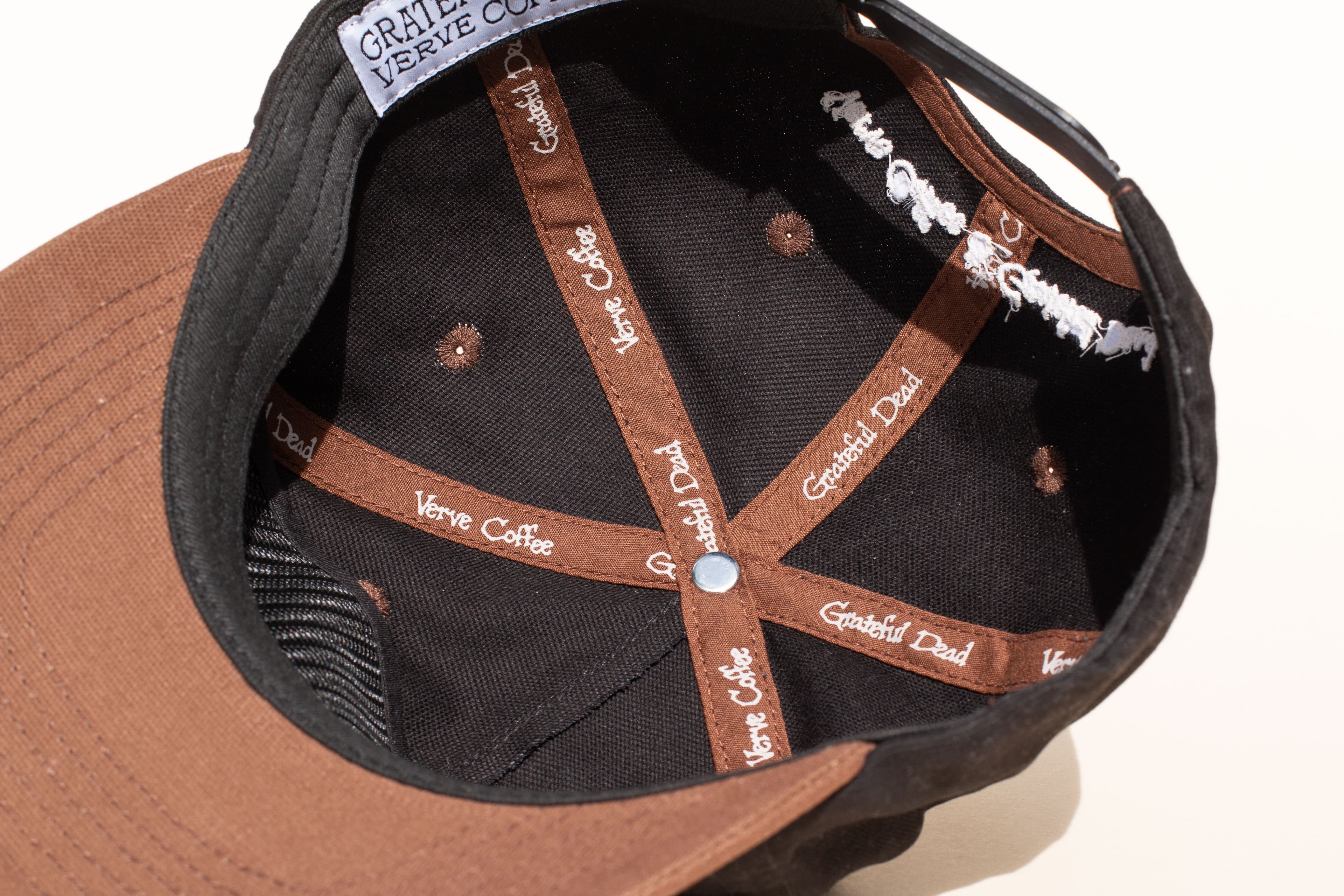
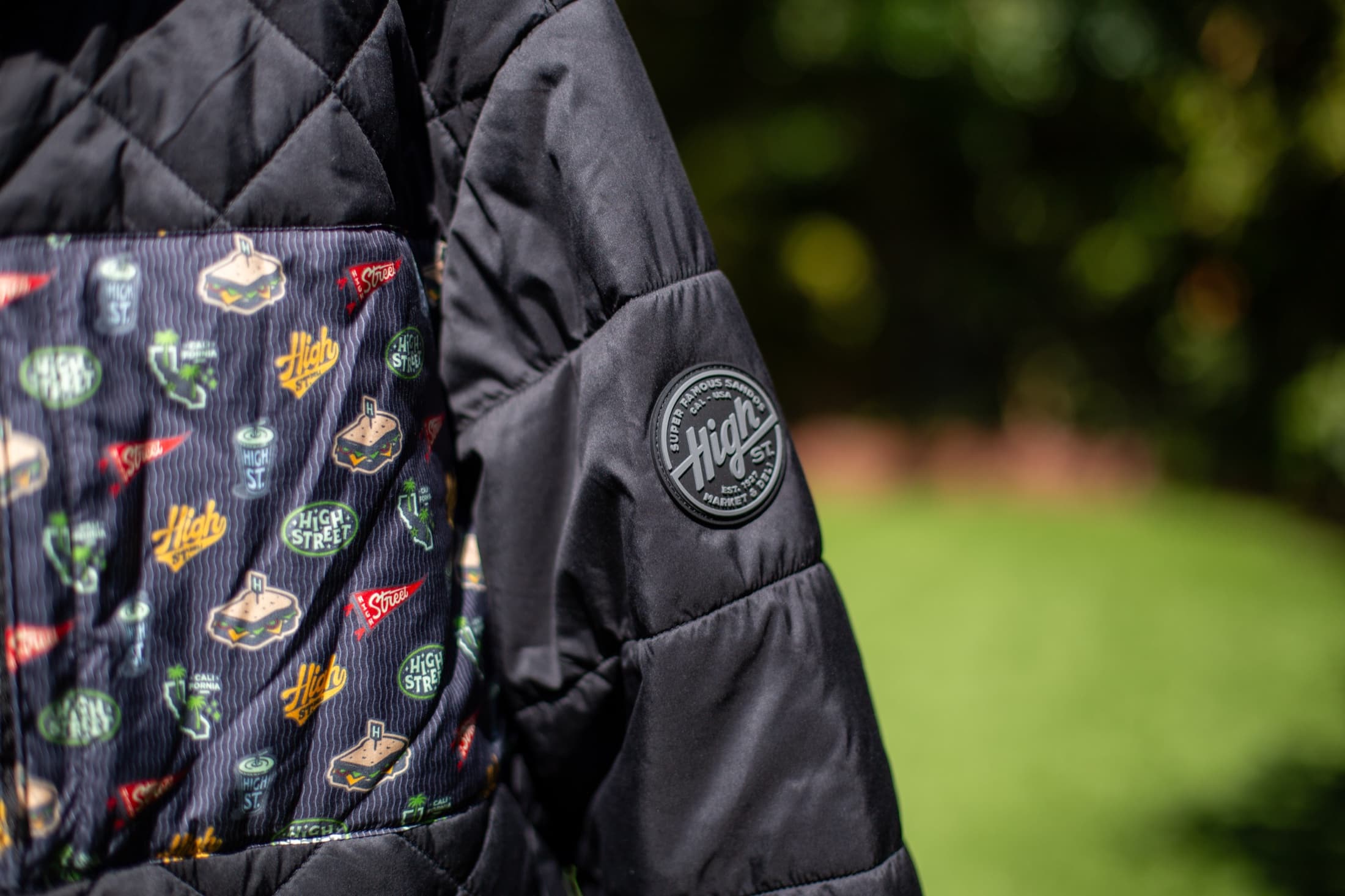
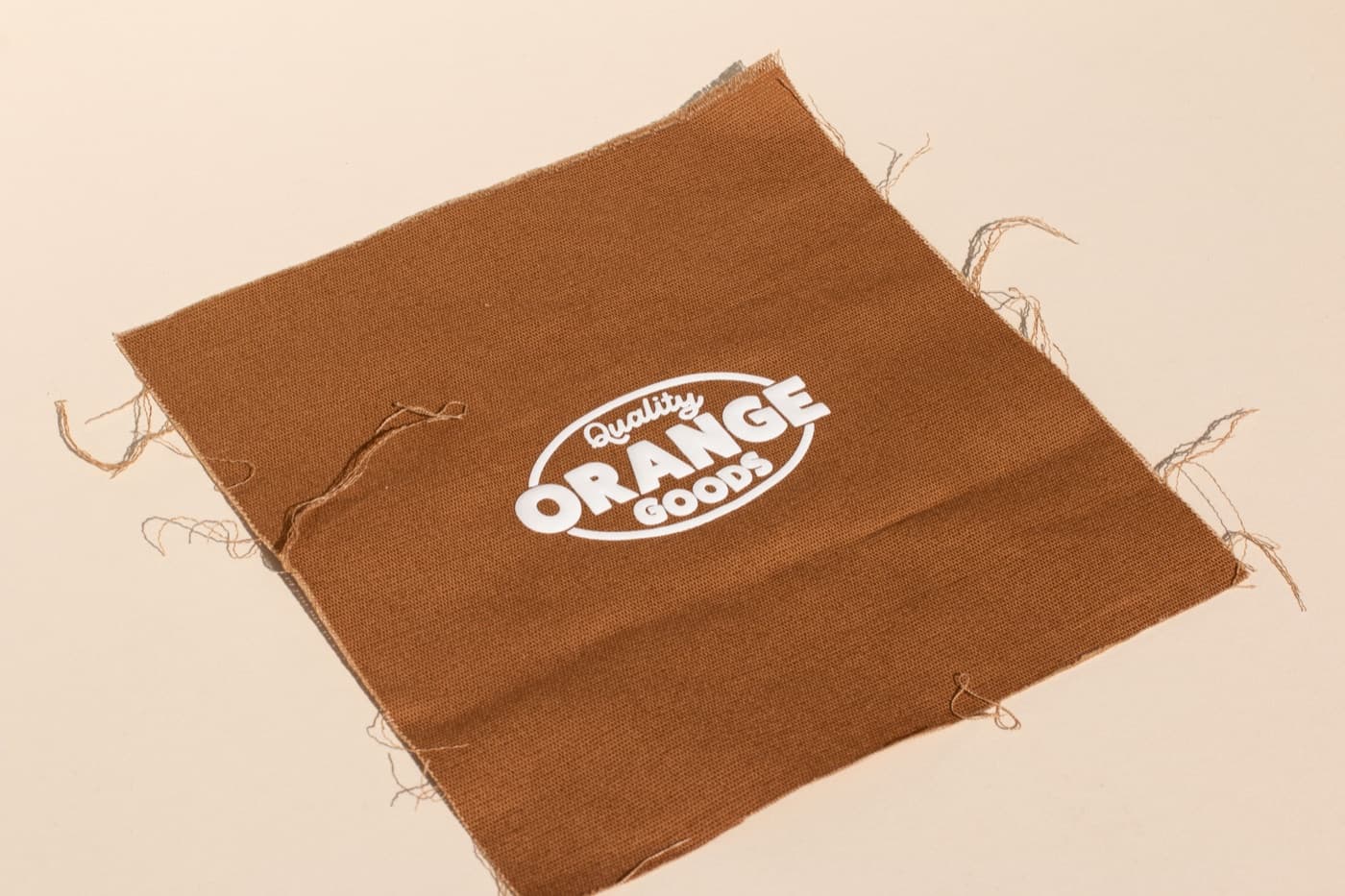
Internal event merch often gets overbranded with dates, acronyms, slogans, sponsor marks, and department language. That can be fine for one-day use, but it limits repeat wear. If you want people to keep using the goods, keep the design cleaner and let the event context live in a small detail: a tag, back hit, inside message, or printed card.
The most successful retreat merch feels like it belongs to the company culture without screaming the agenda. It can reference the location, year, theme, or team, but the product should still stand on its own.
Distribution is part of the design
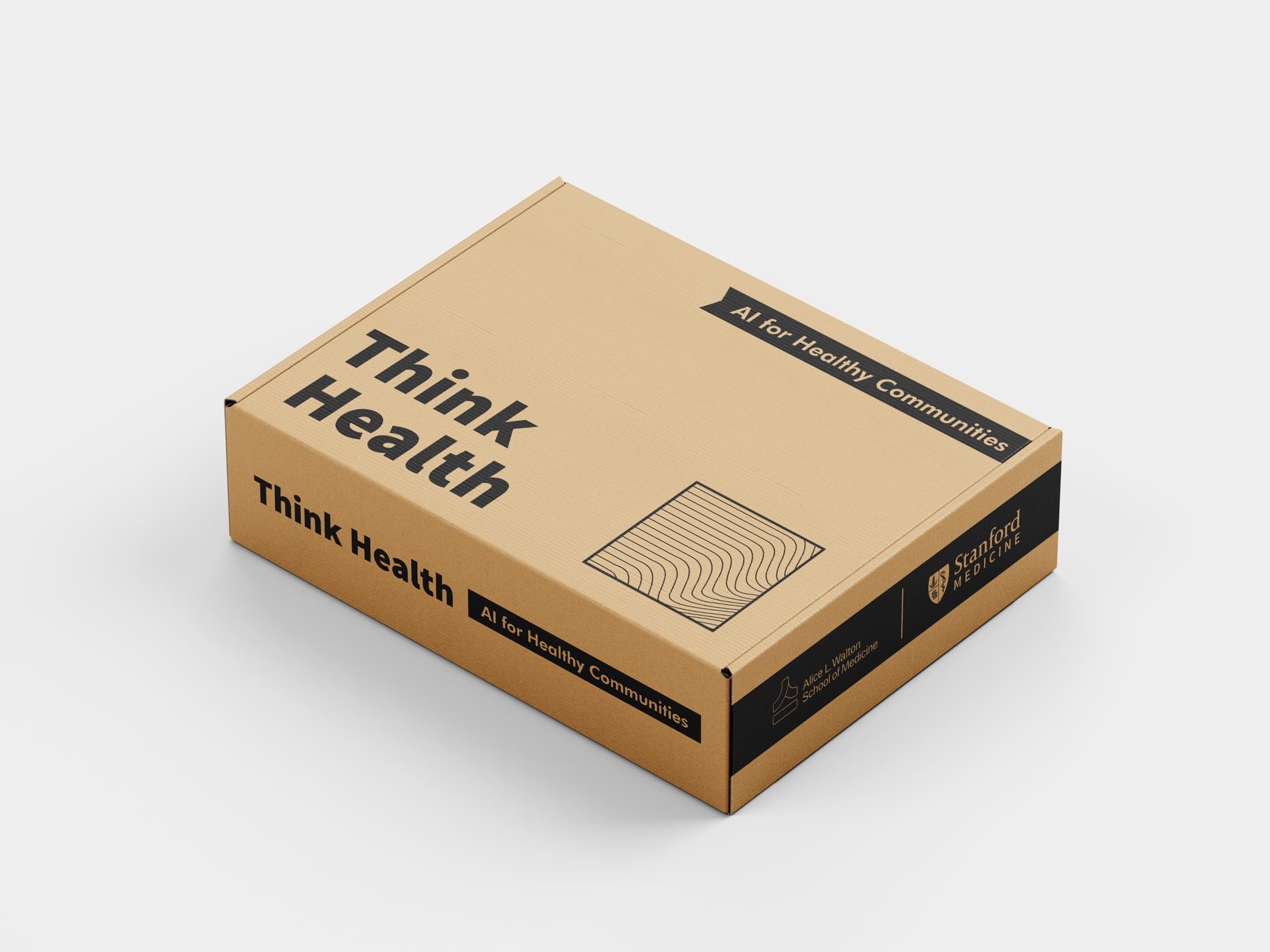
A kit is not finished until it is easy to hand out. Think through size sorting, name labels, room drops, check-in tables, shipping to remote attendees, and what happens to extra inventory. Individual packing can make distribution easier. Size-specific boxing can prevent chaos. A clean packing list can save the event team hours.
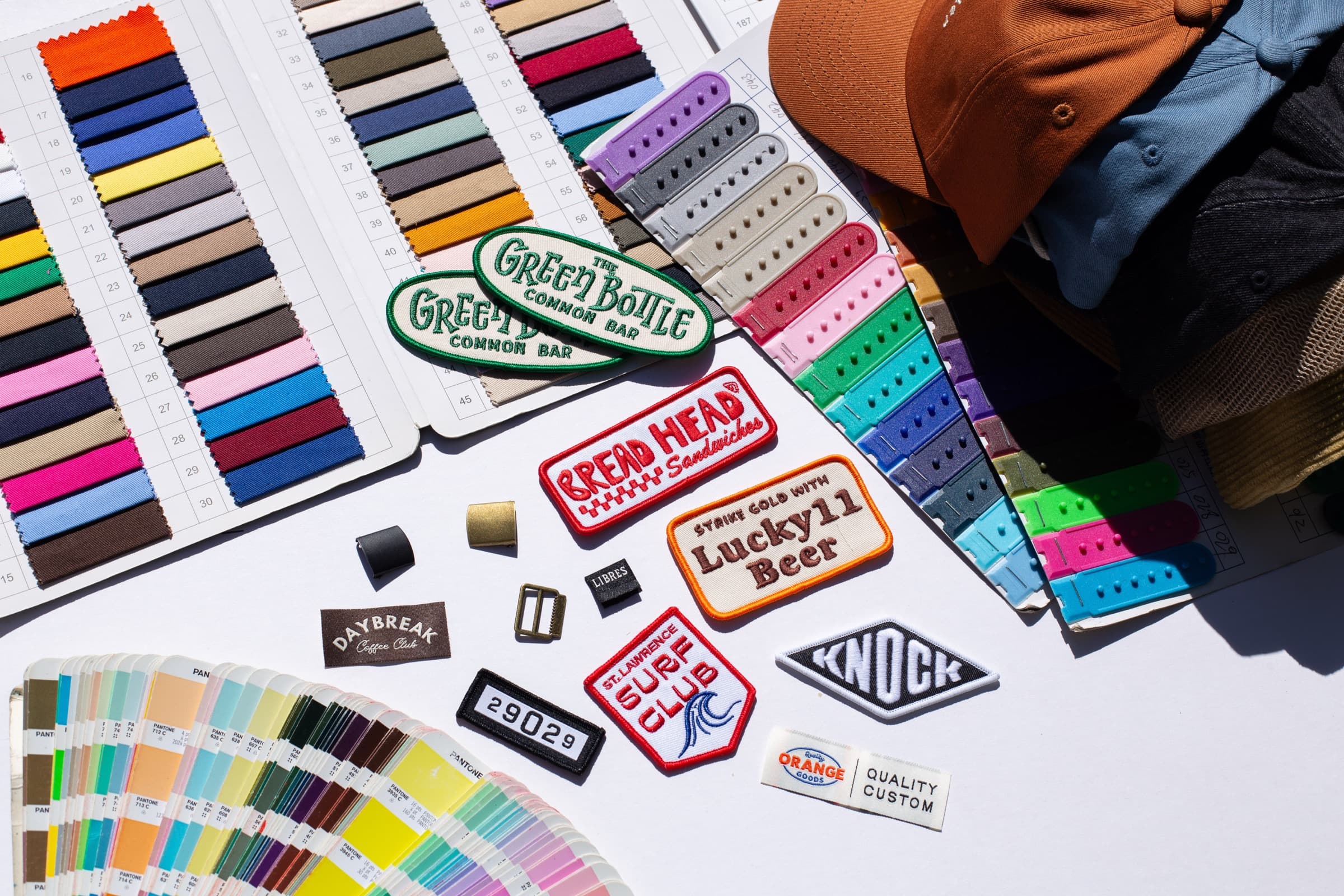
Orange Goods can help build the kit as a system: choose the right goods, keep the design focused, plan the sizing, and make the arrival experience feel organized. Retreat merch should make the event easier to run and better to remember.