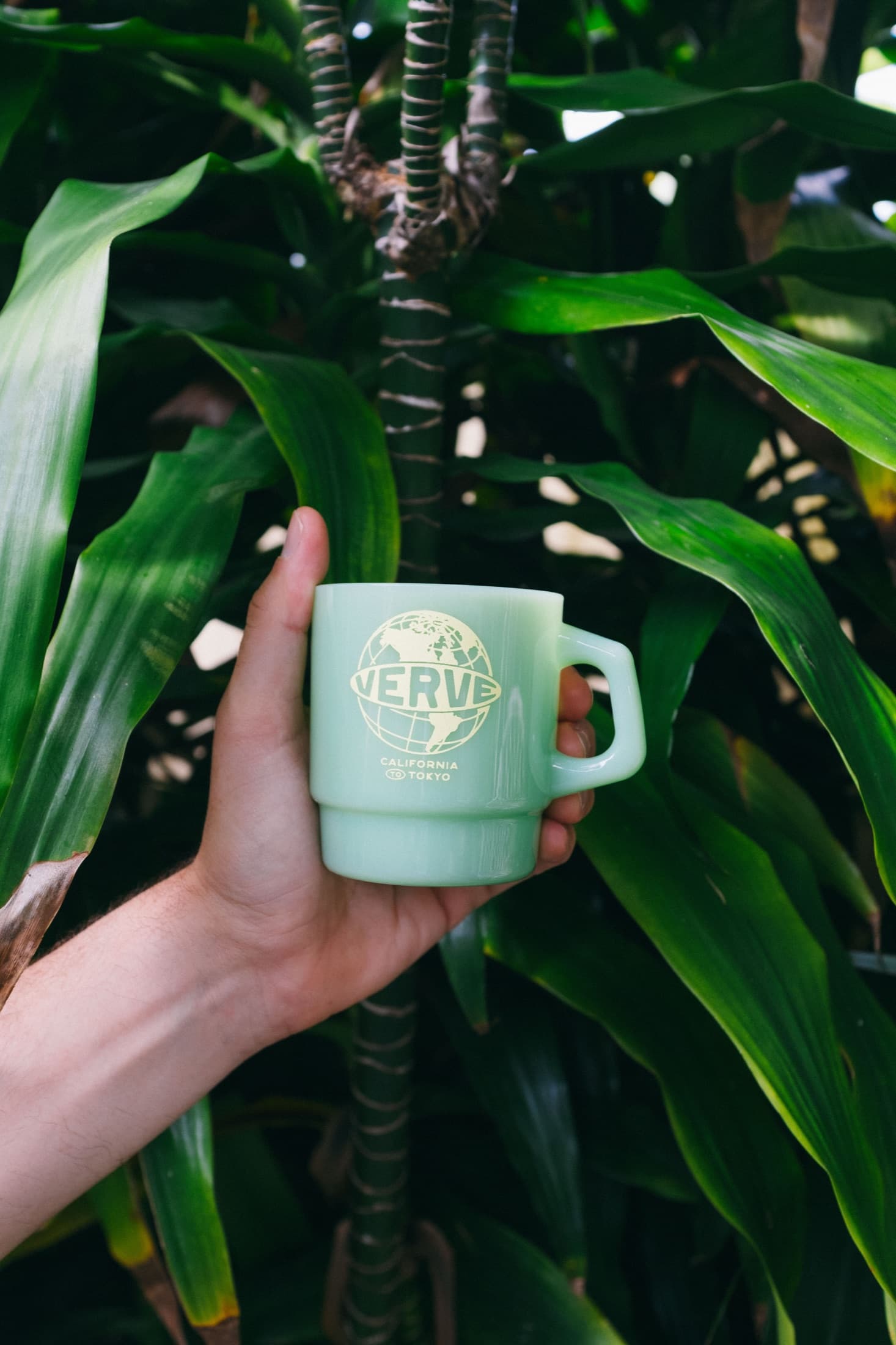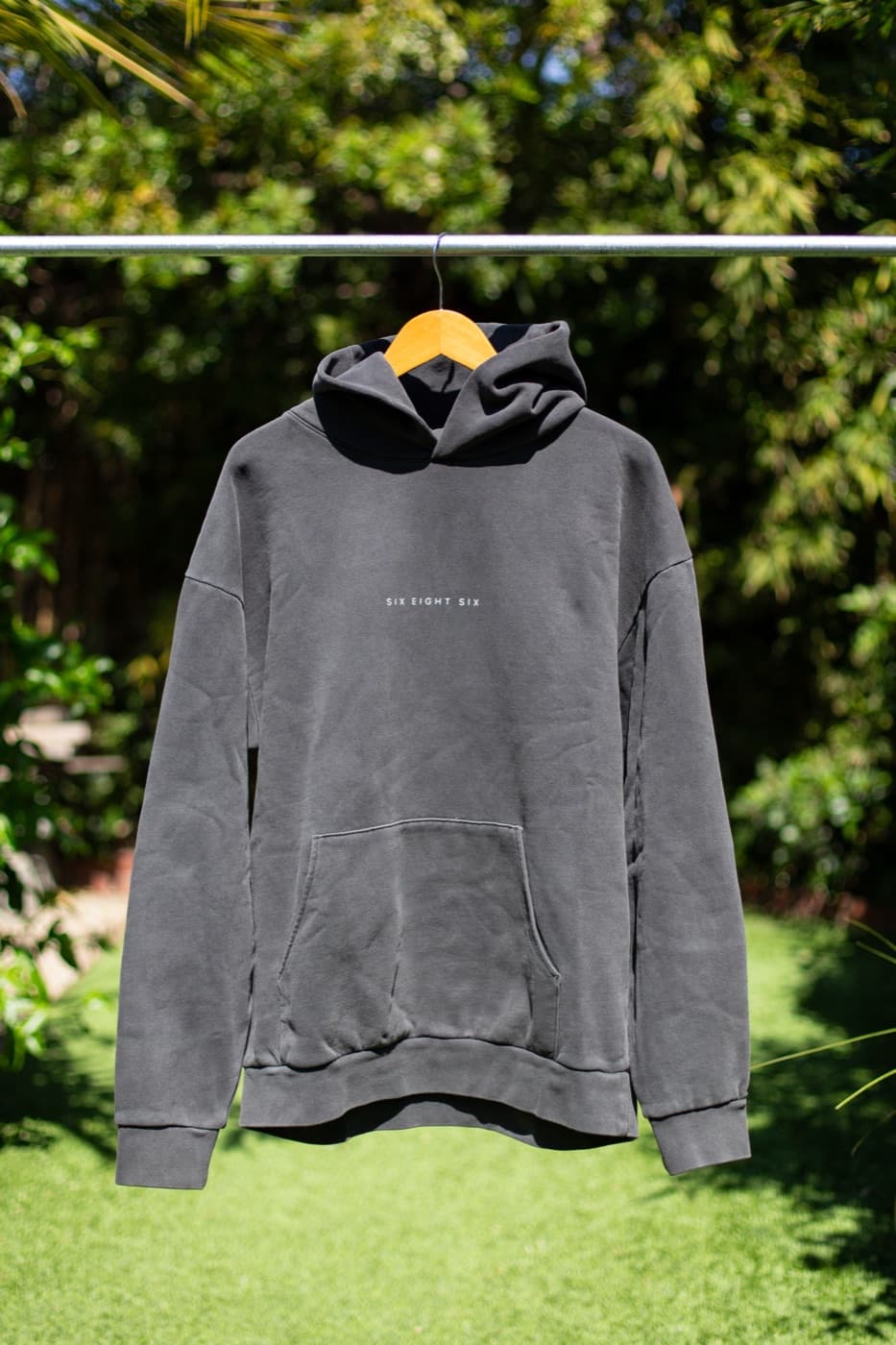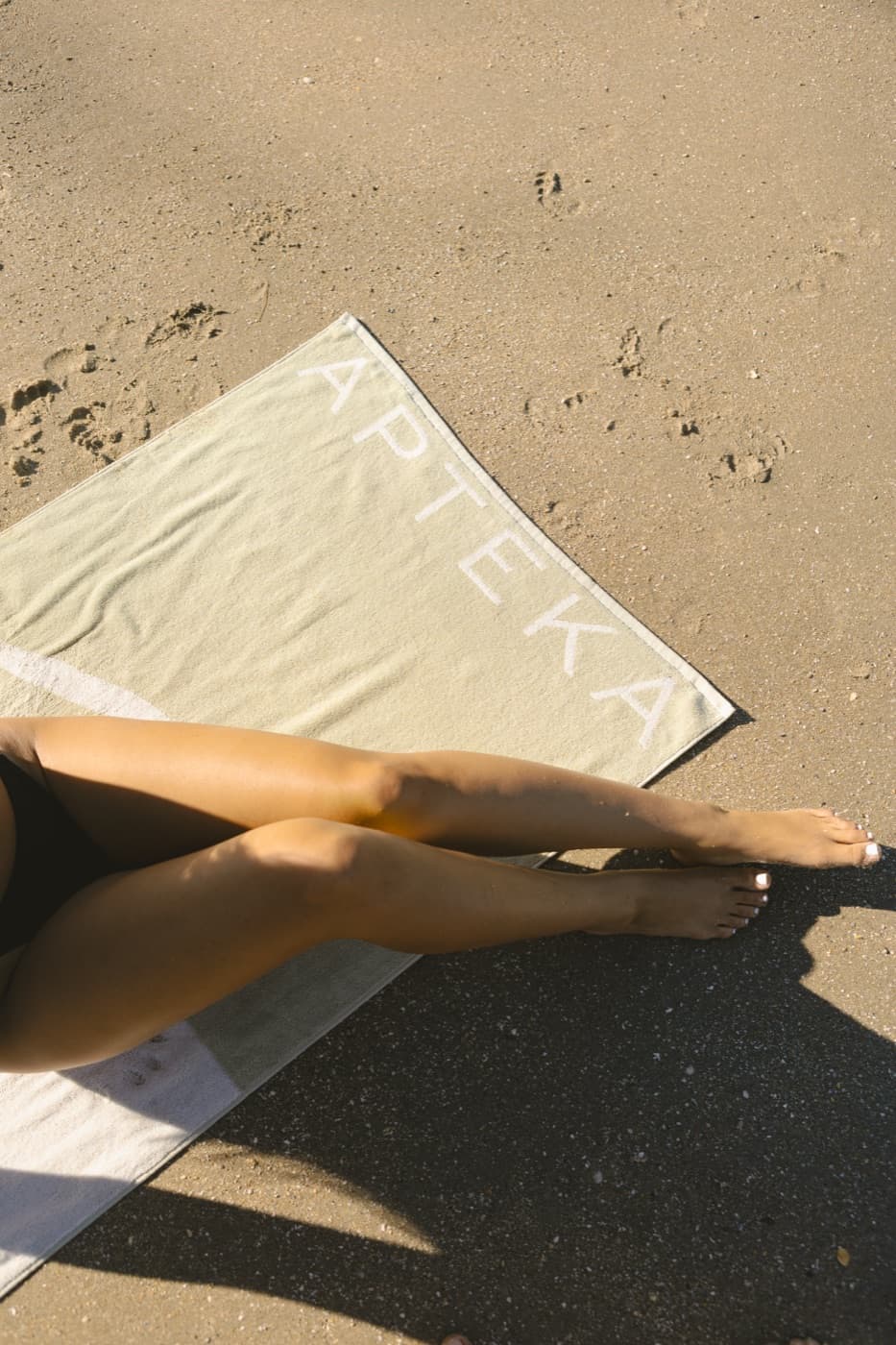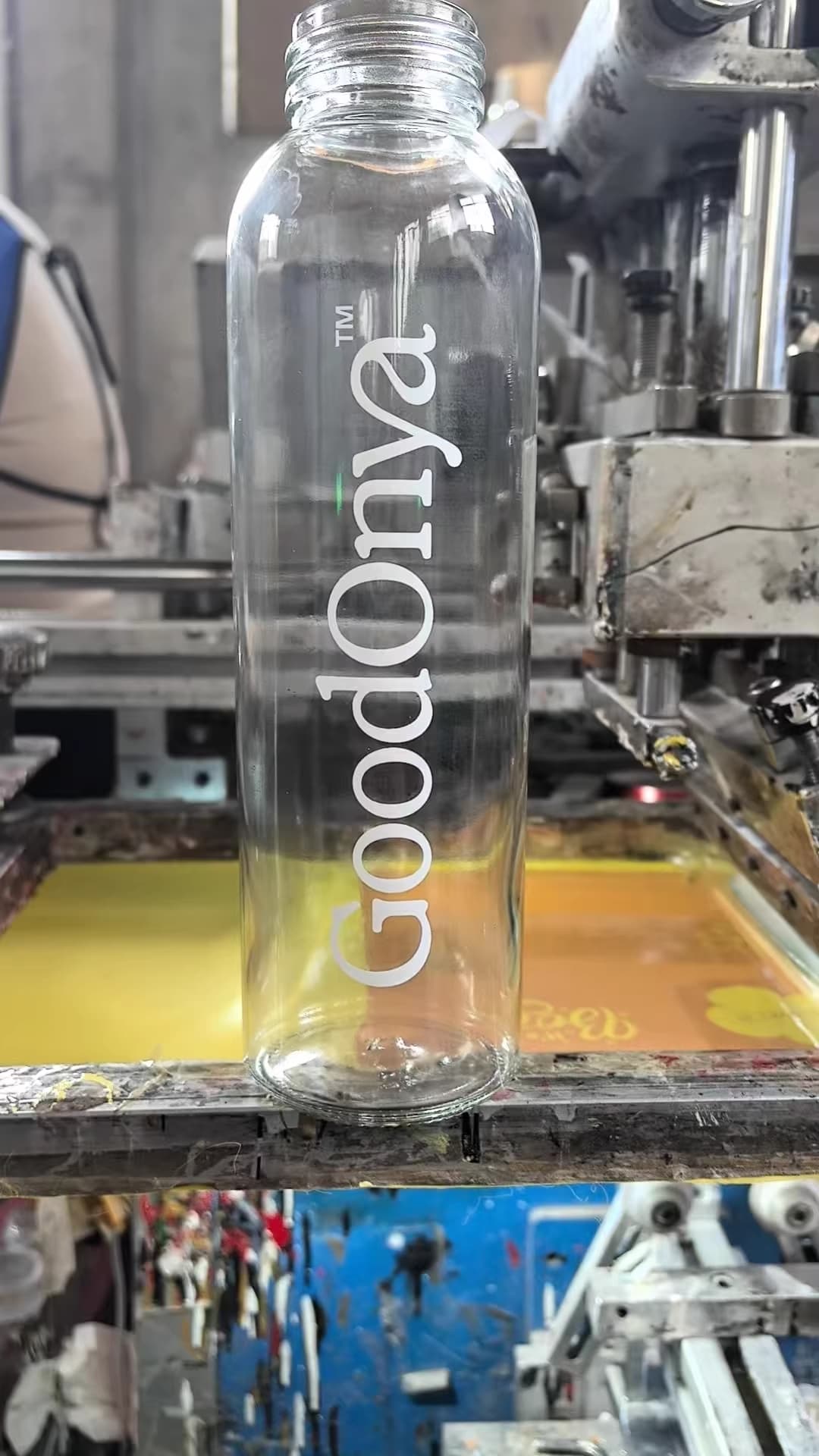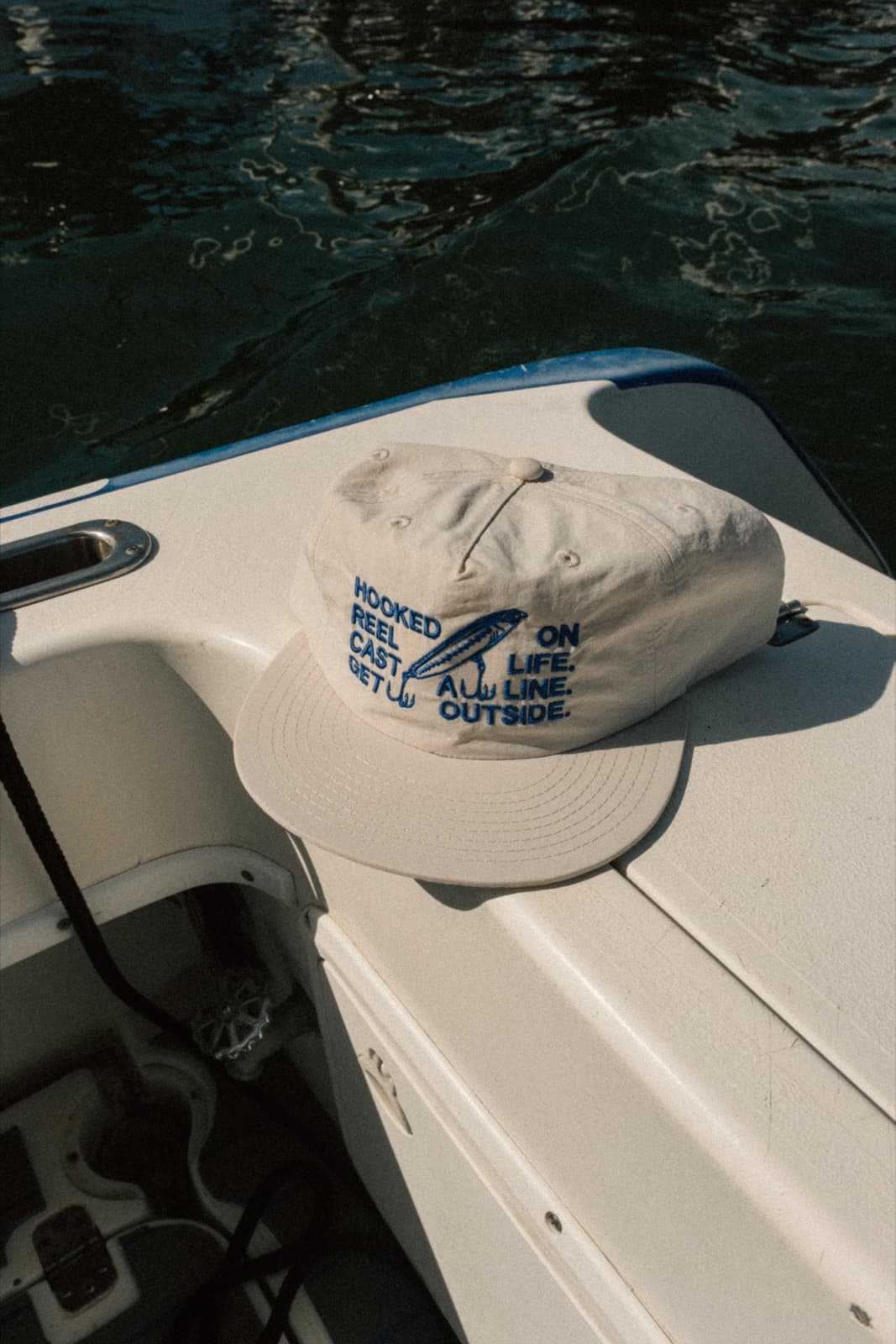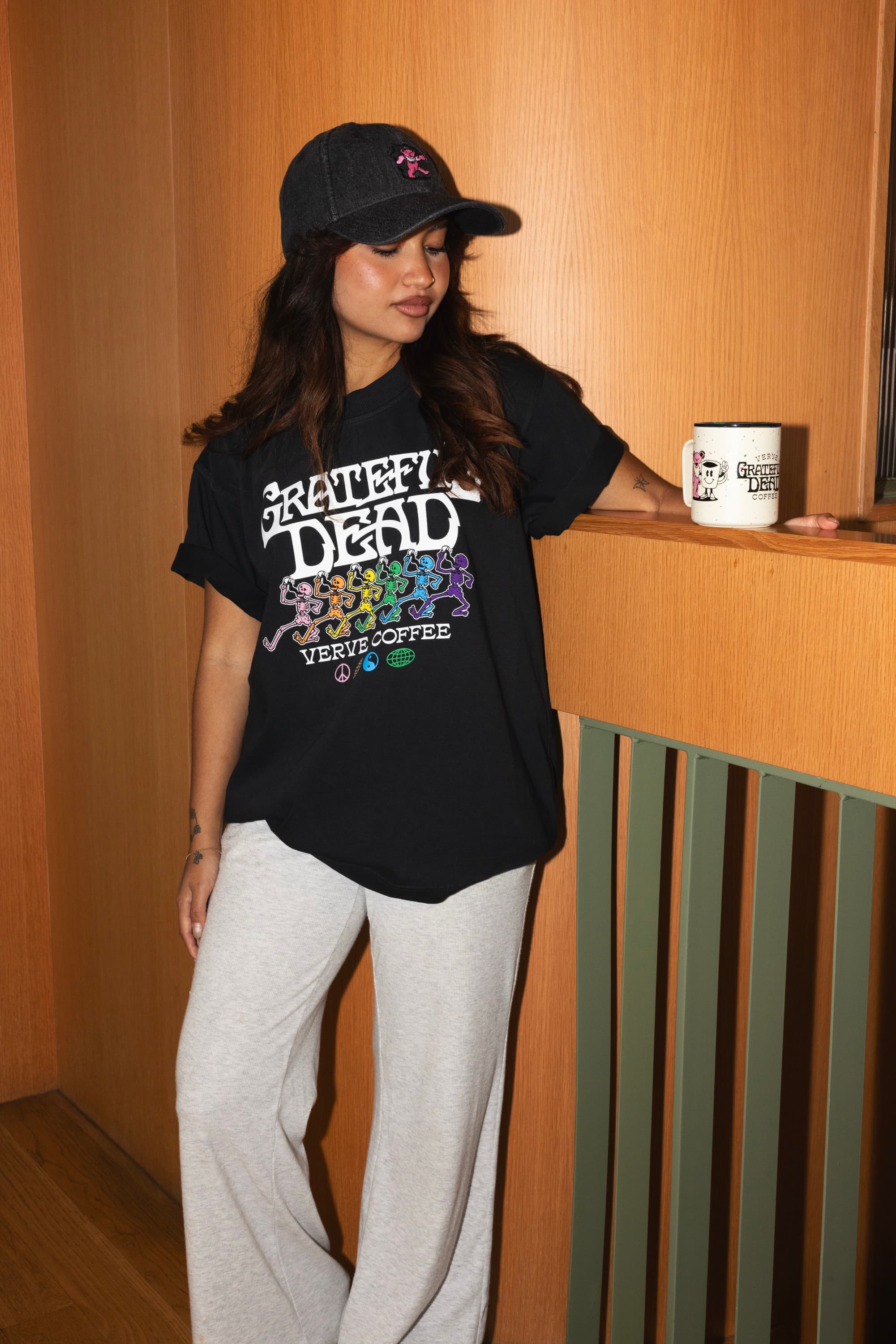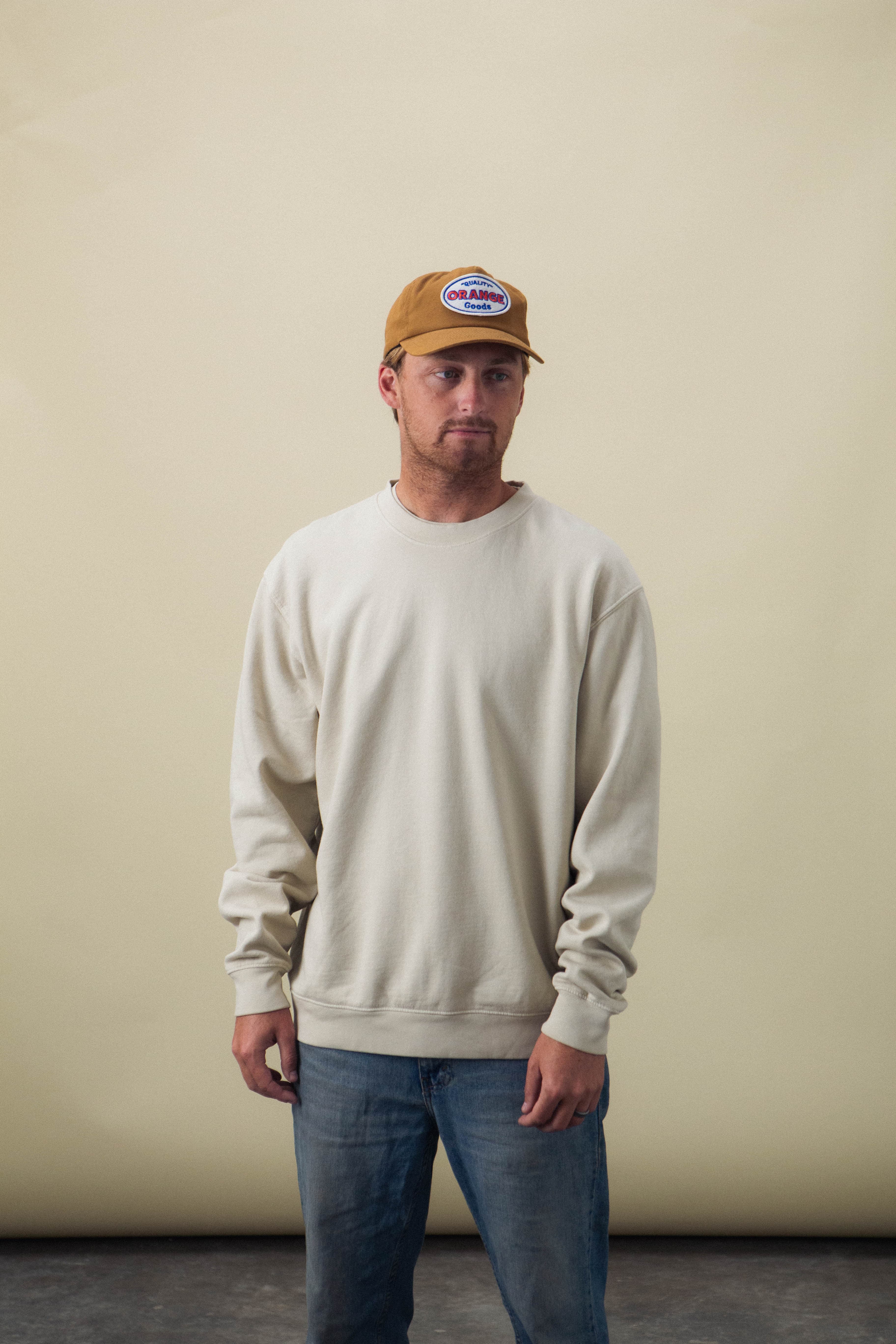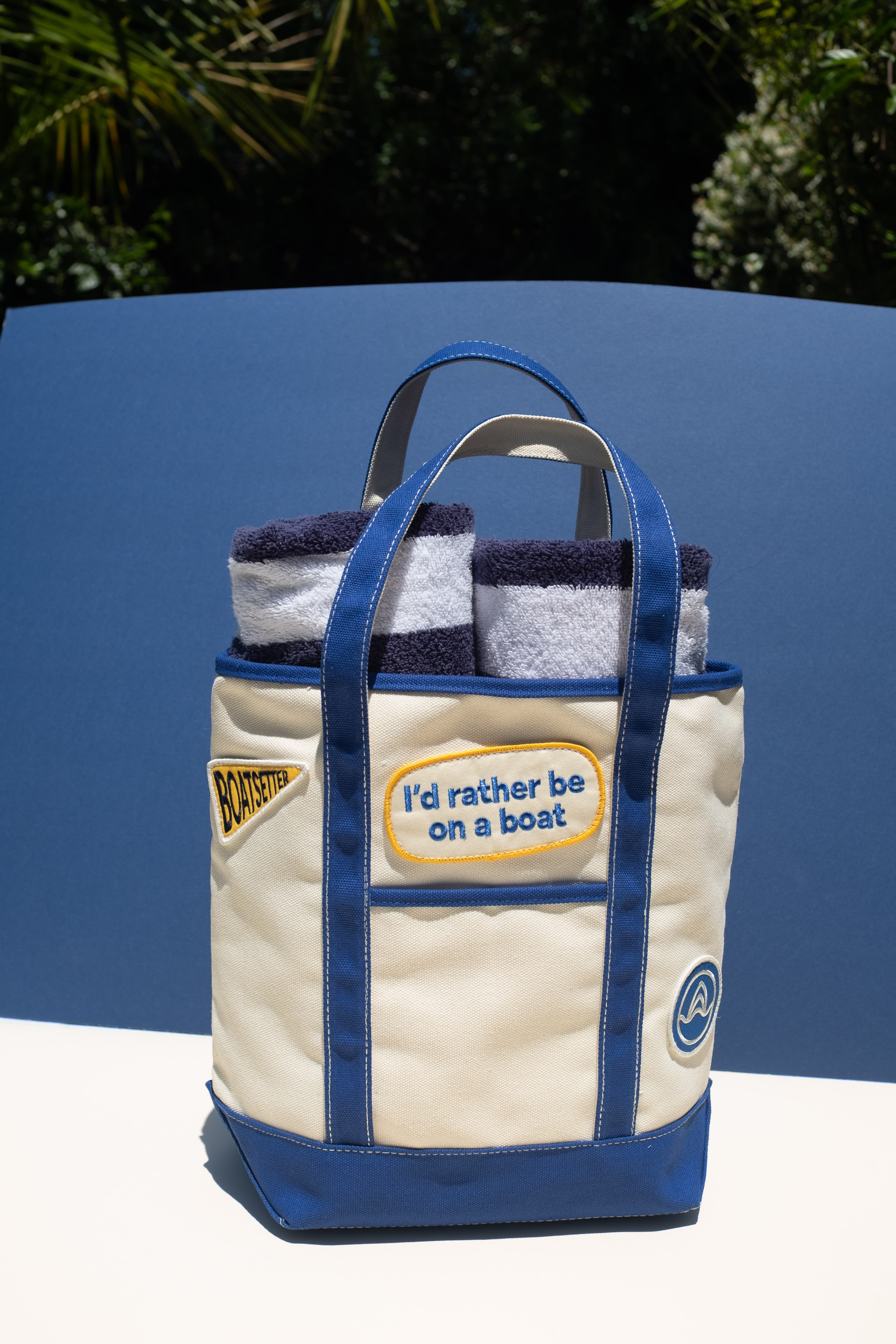
Most custom apparel projects come down to a choice between two decoration methods: screen printing and embroidery. Both are proven. Both can look great. The right call depends on the product, the design, the quantity, and what the finished piece needs to do.
Screen printing
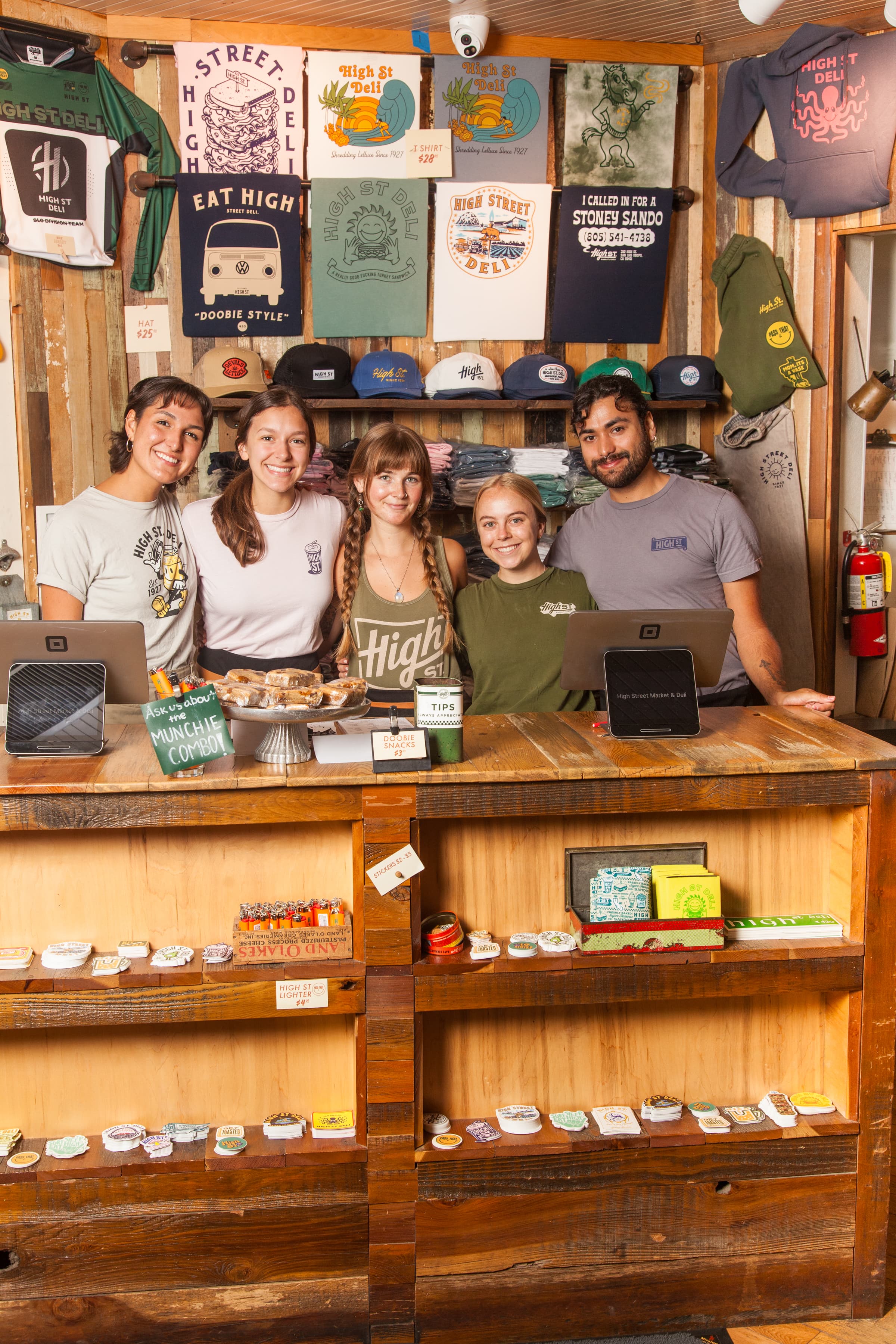
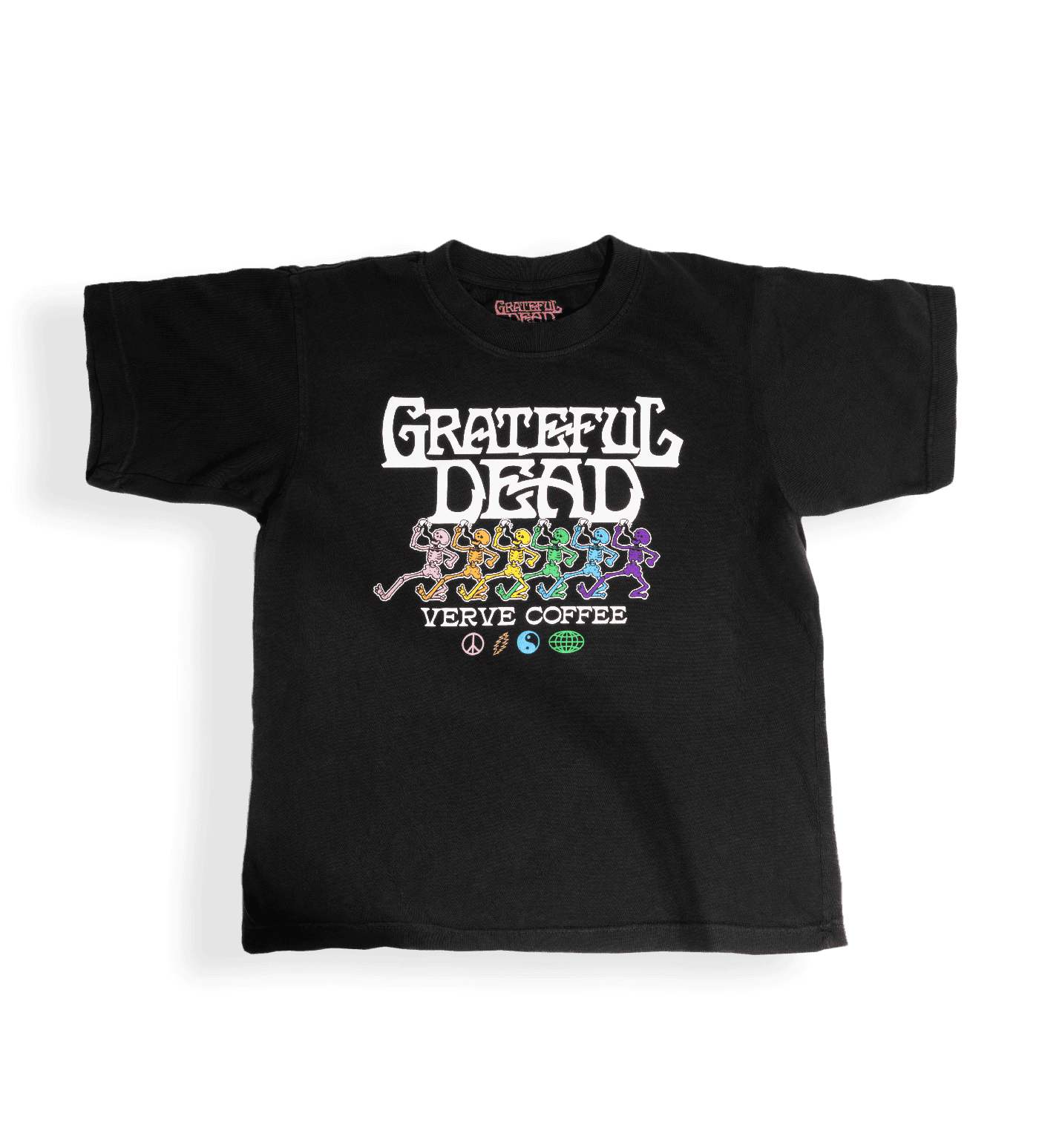
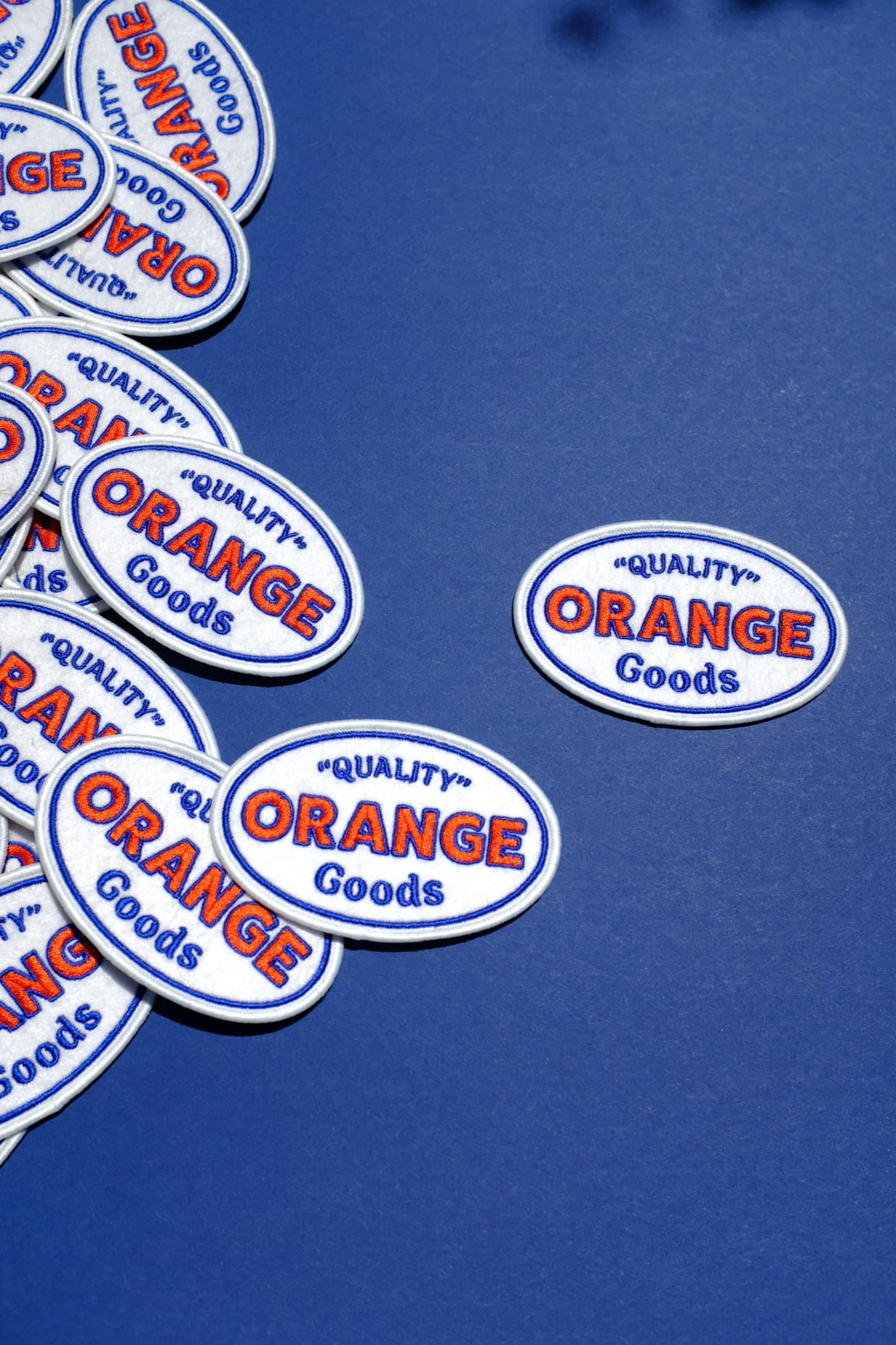
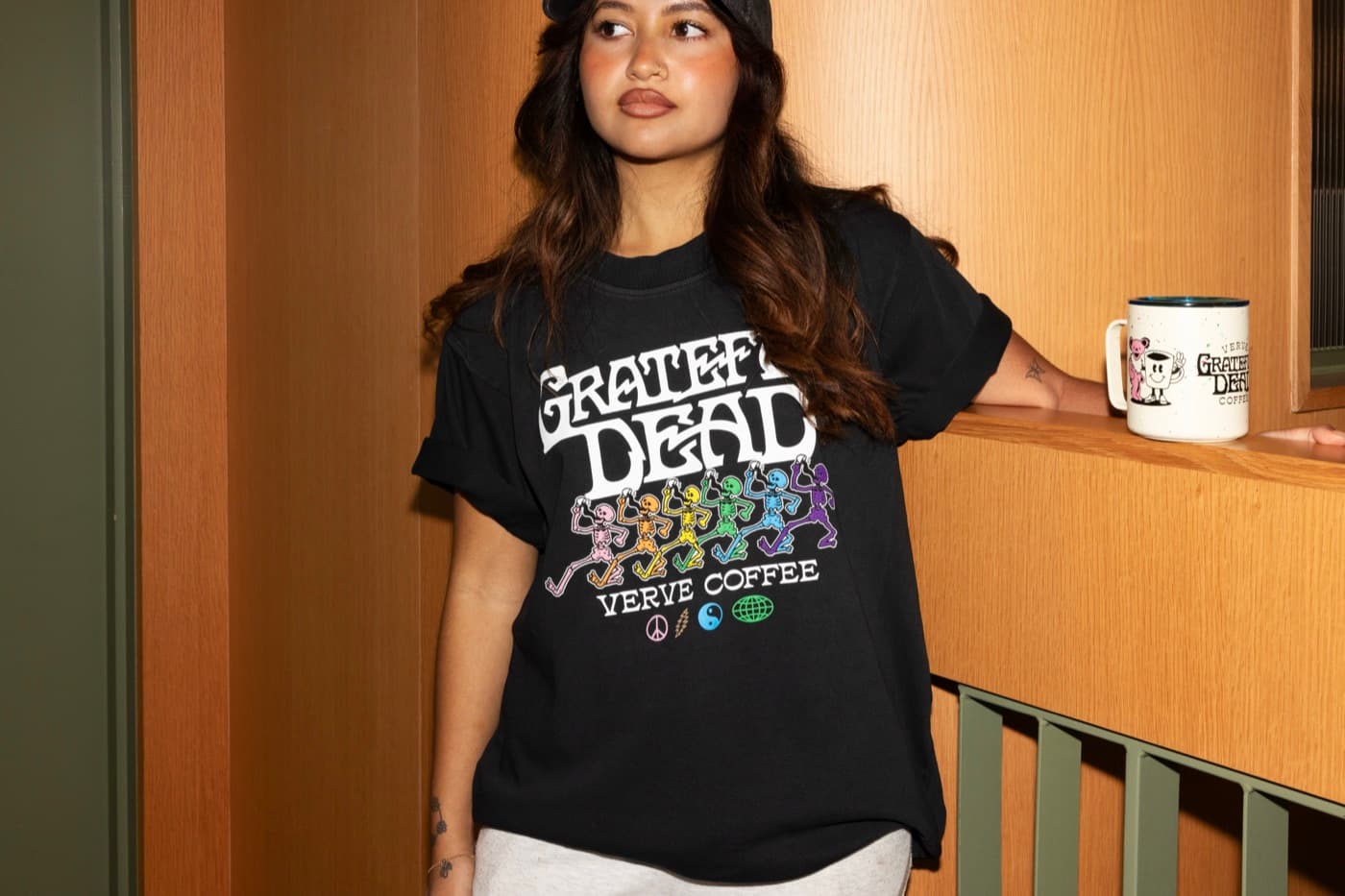
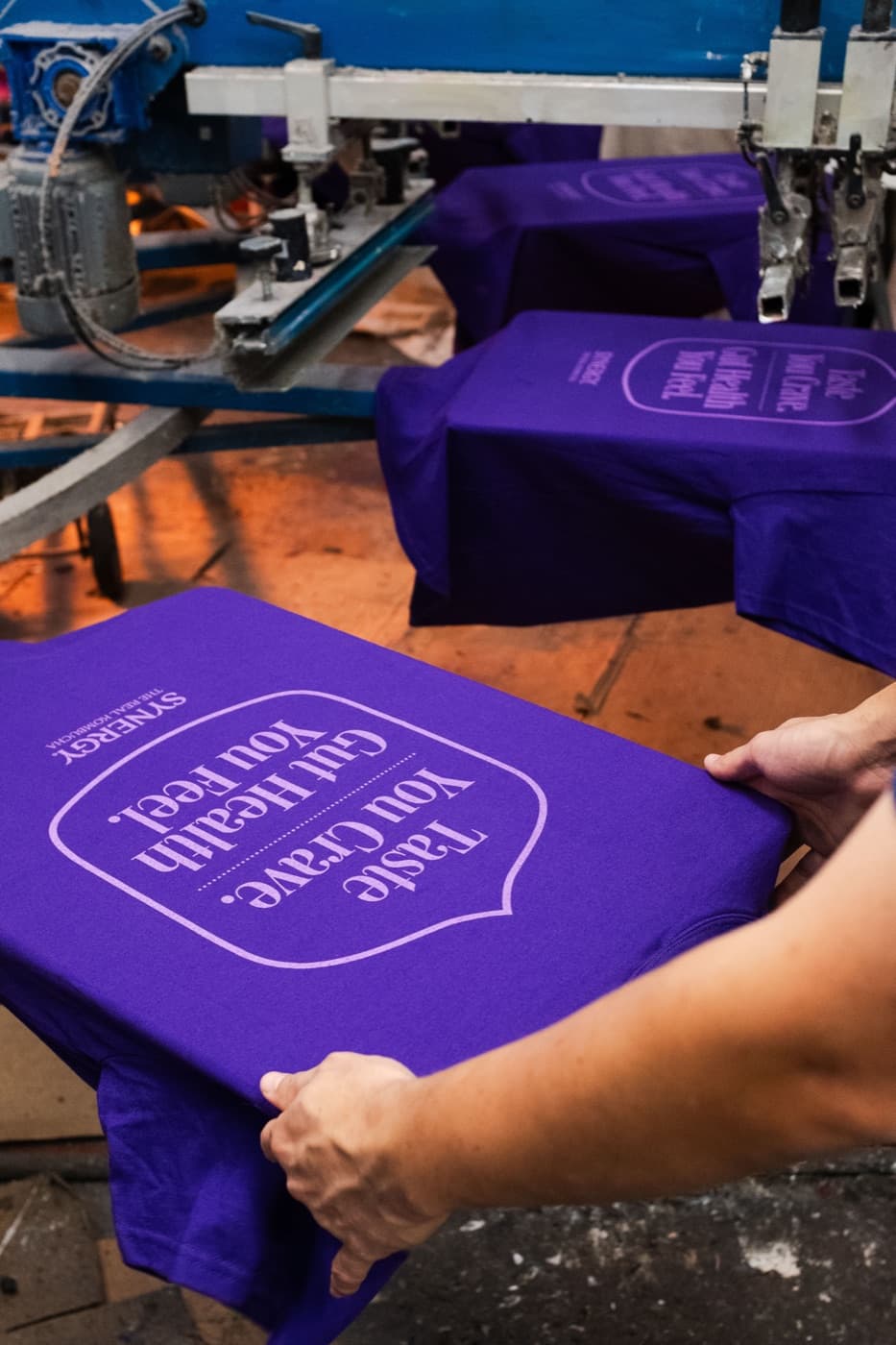
Screen printing pushes ink through a mesh screen directly onto the fabric. Each color in the design requires its own screen, which is why setup costs increase with color count. Once the screens are made, the per-piece cost drops quickly at volume. It is the best method for large prints, bold graphics, and high quantities.
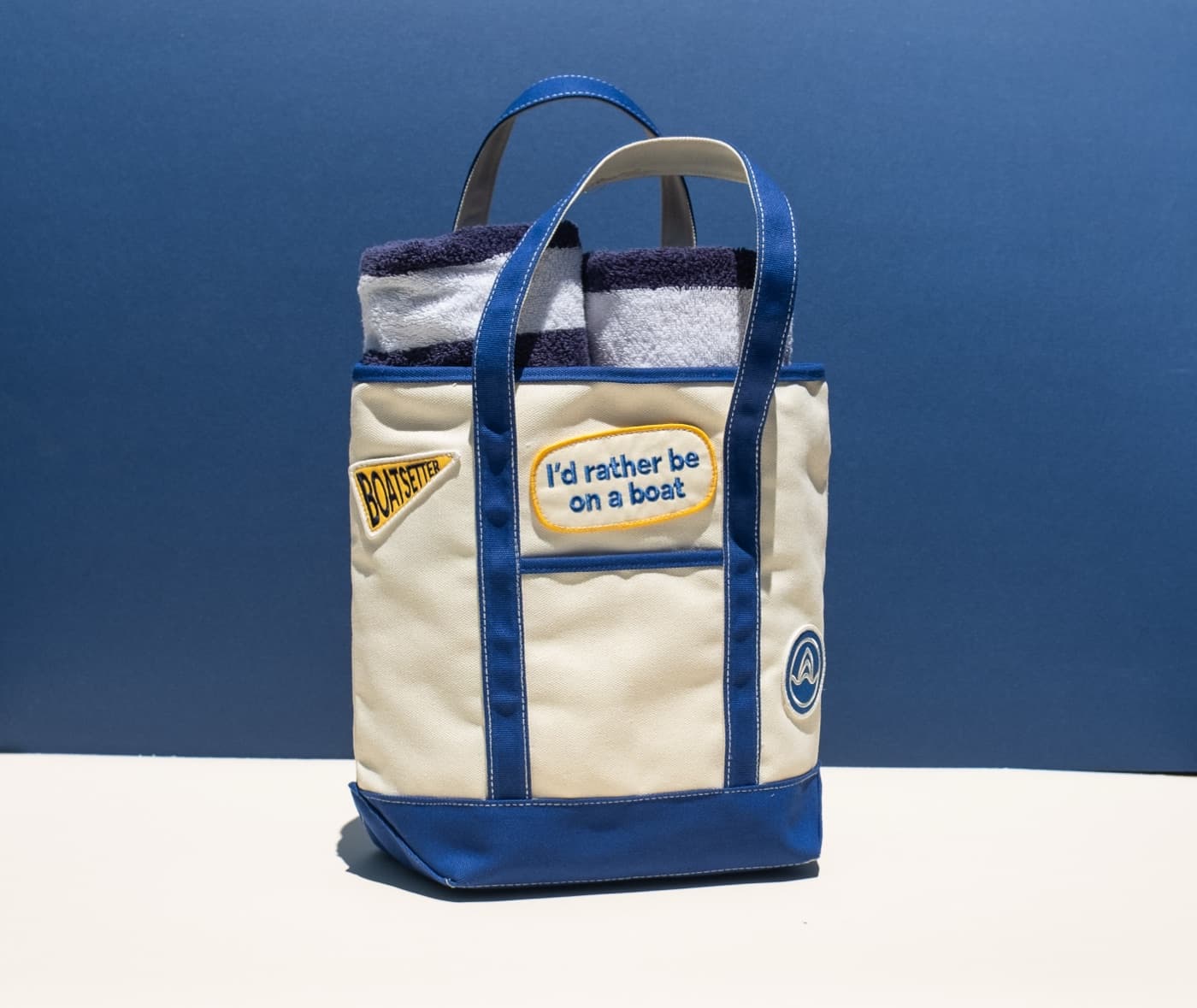
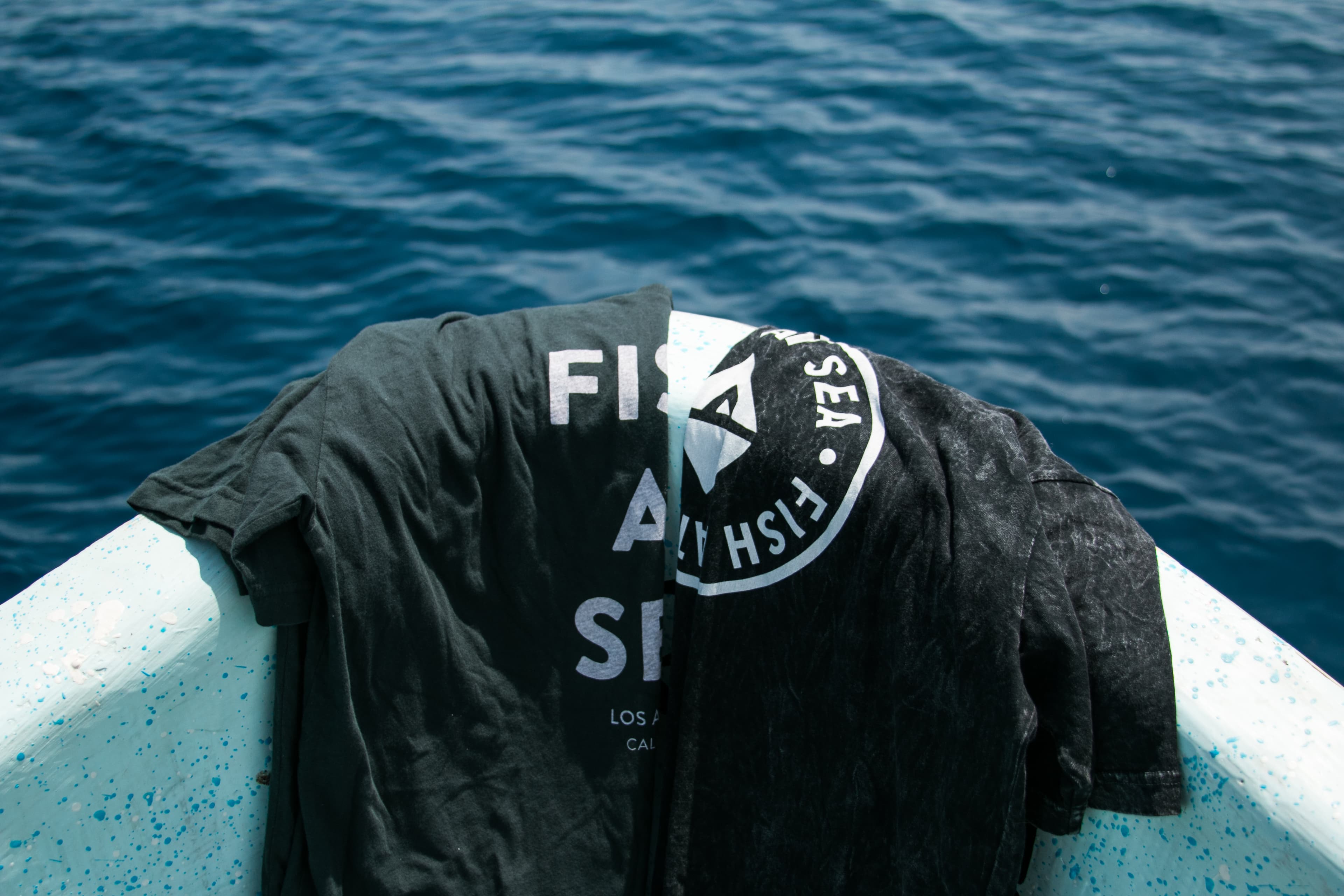
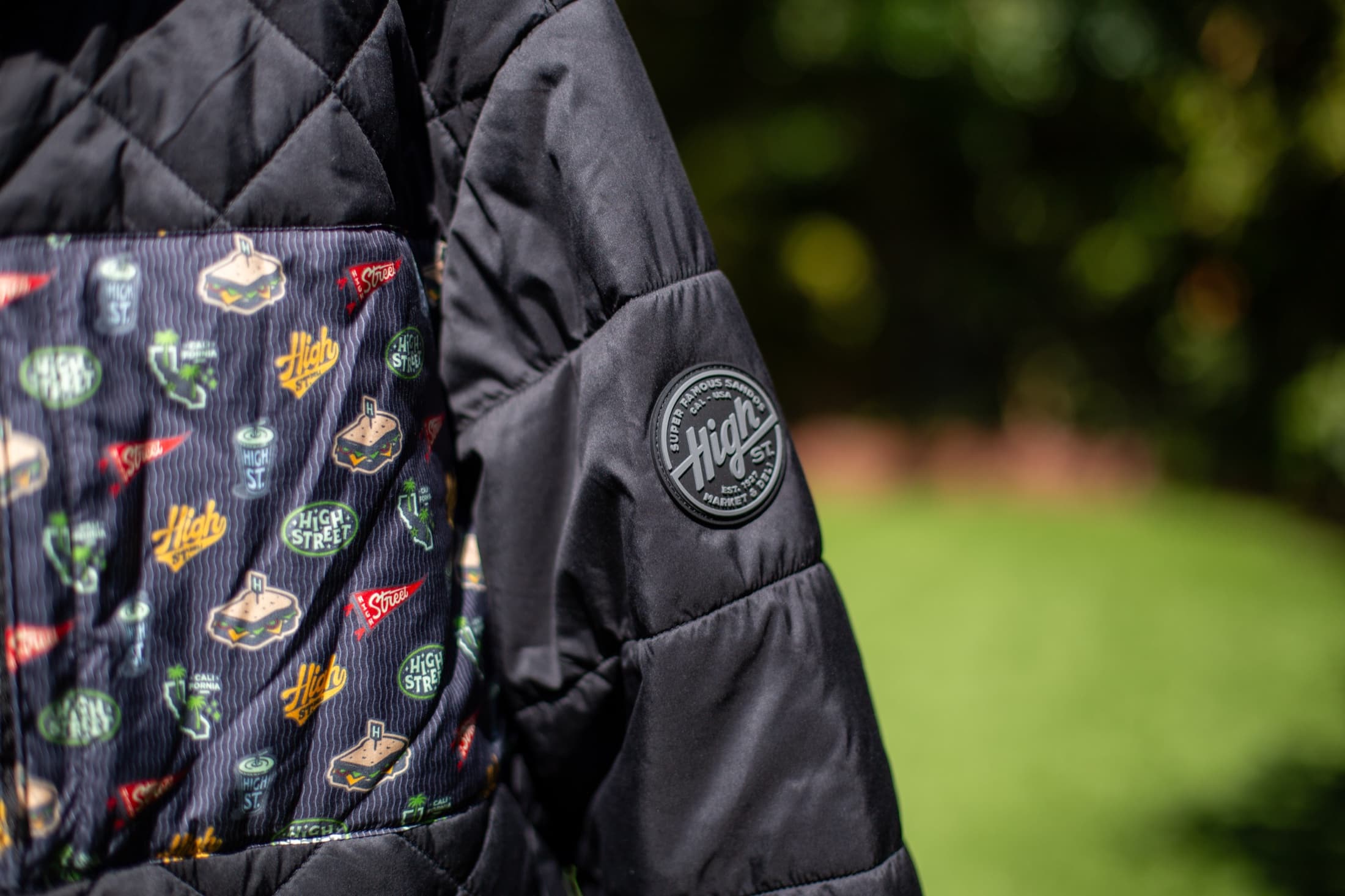
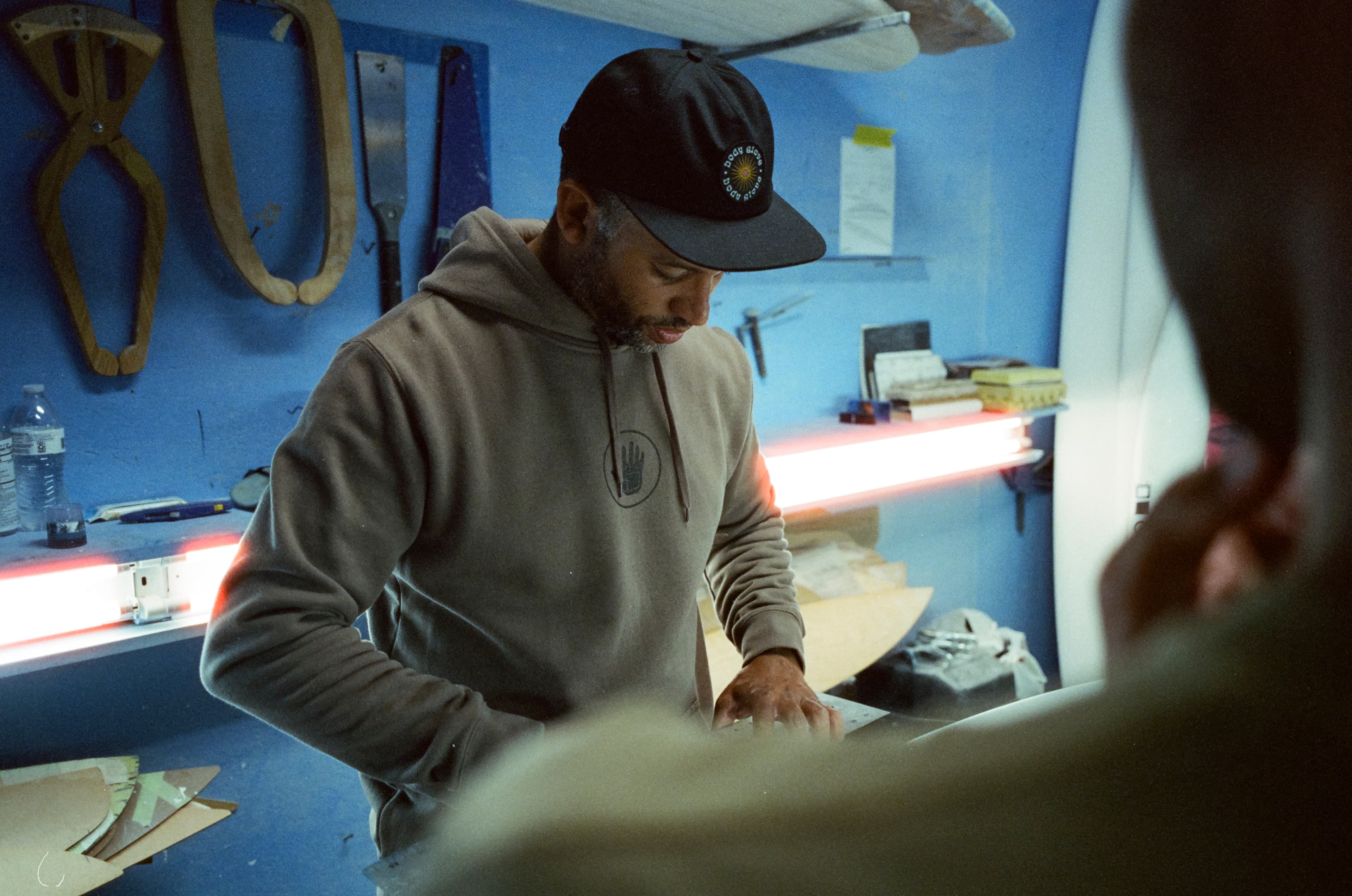
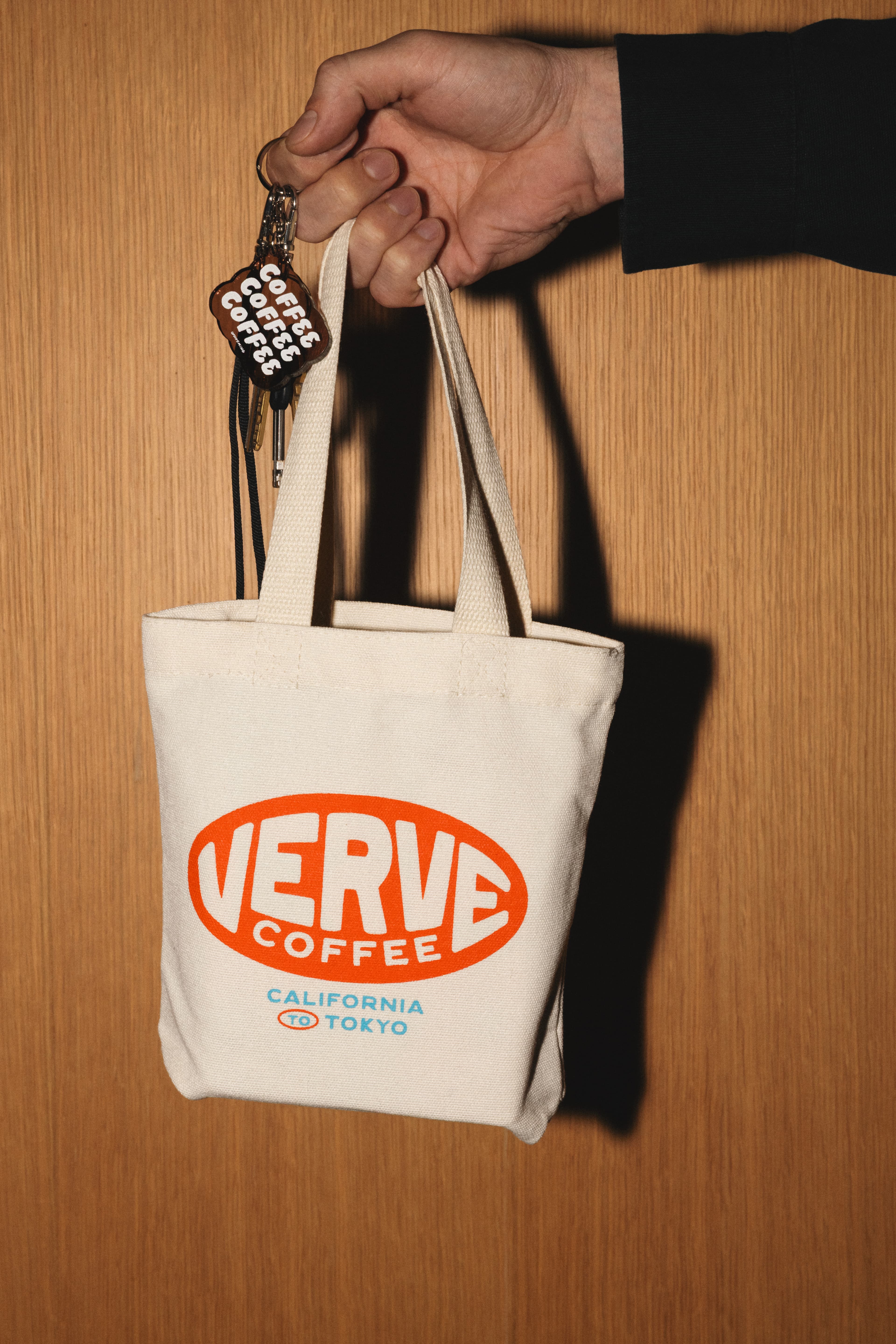
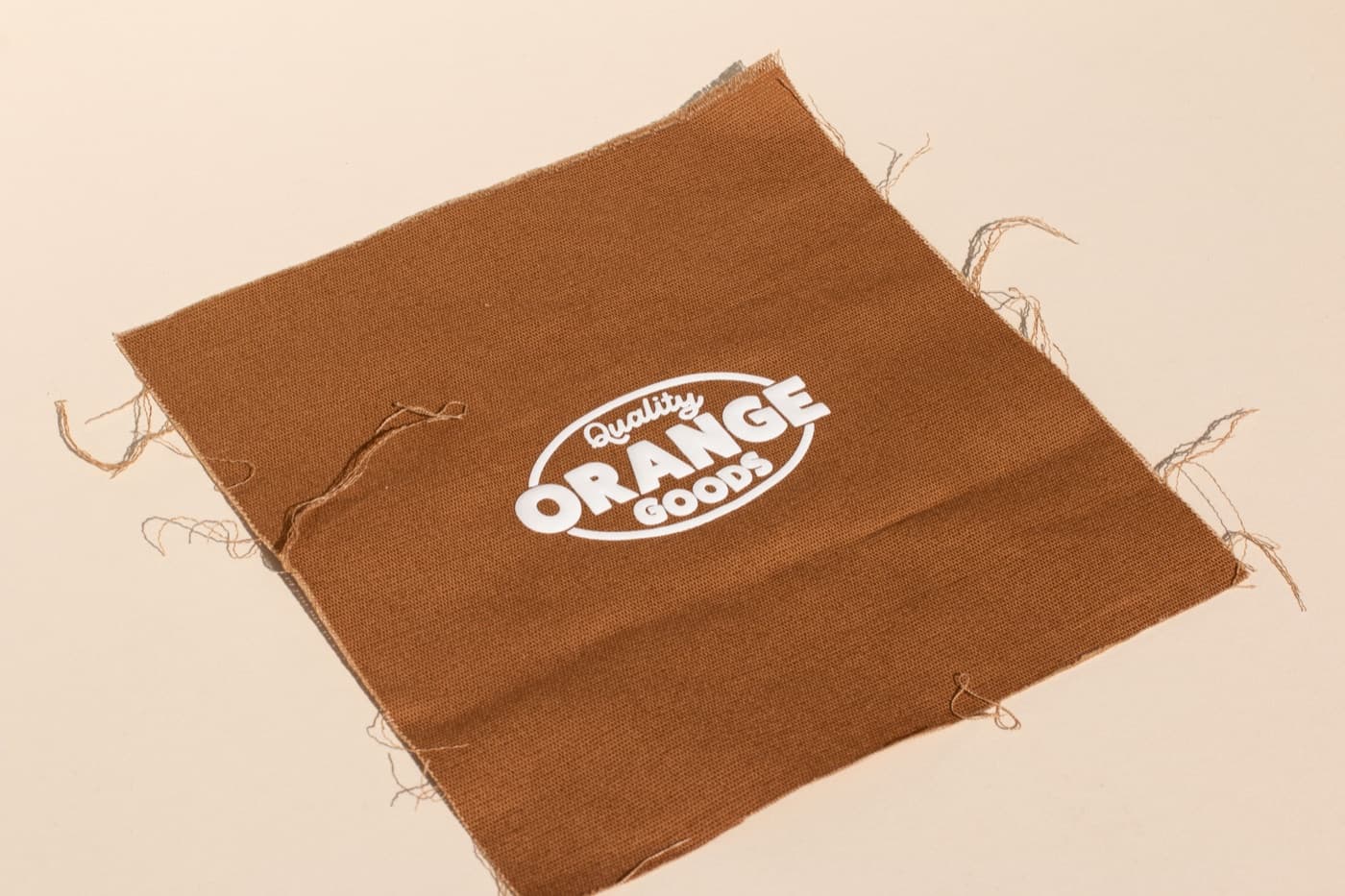
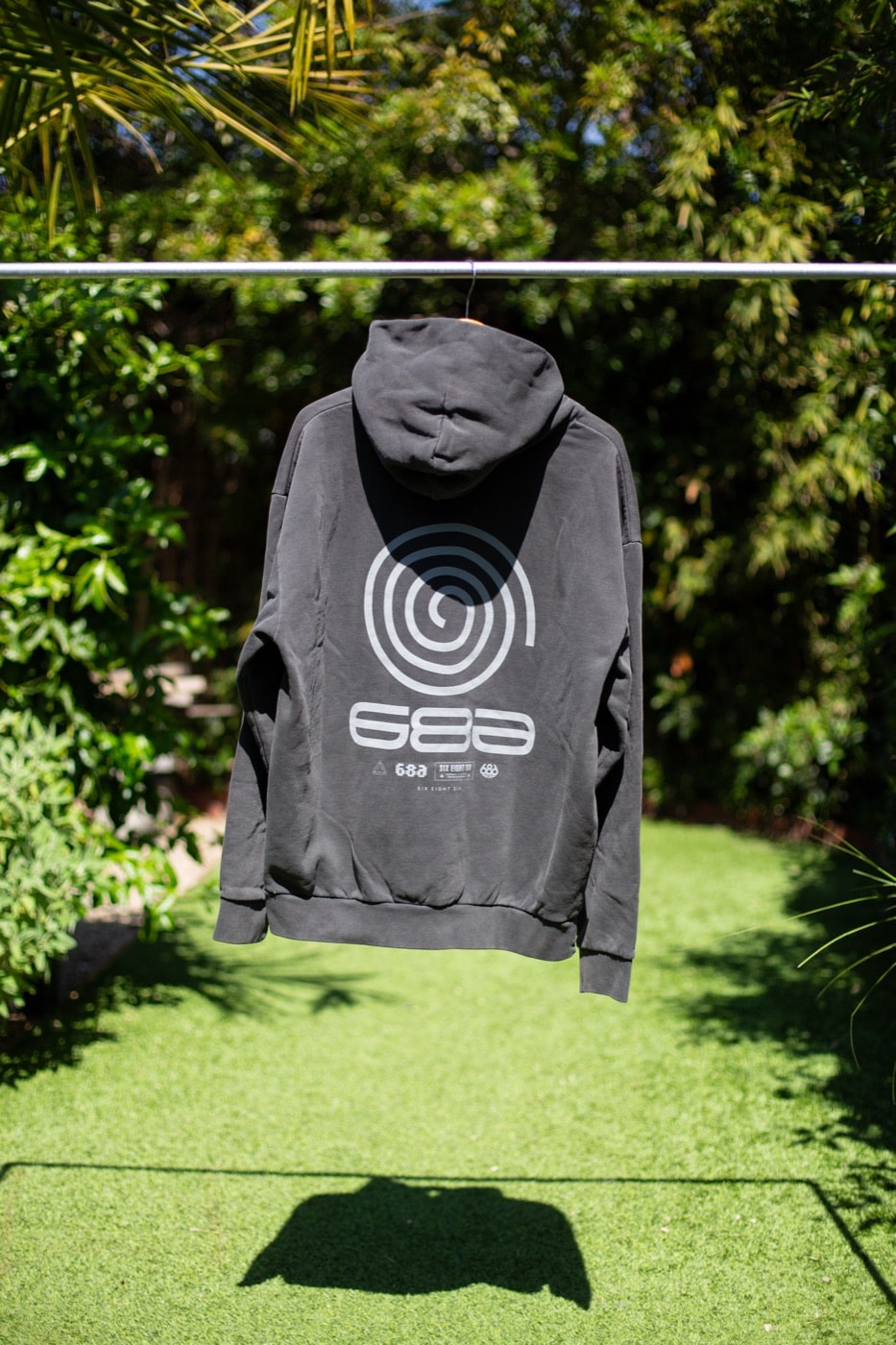
Screen printing shines on tees, hoodies, totes, and other flat fabric surfaces. It handles large areas of color well, can do photographic halftones, and produces a soft, flat result when done right. Discharge printing — a variant that removes dye from the fabric instead of sitting on top — produces an even softer, more vintage feel and works especially well on pigment-dyed and colored blanks.
The tradeoff is setup. A 6-color screen print has six screens to make, which adds cost to small runs. If you are printing 24 tees with a 4-color design, the math may not work in your favor. Screen printing is typically best at 48 pieces or more, and becomes significantly more cost-effective at 100+.
Embroidery
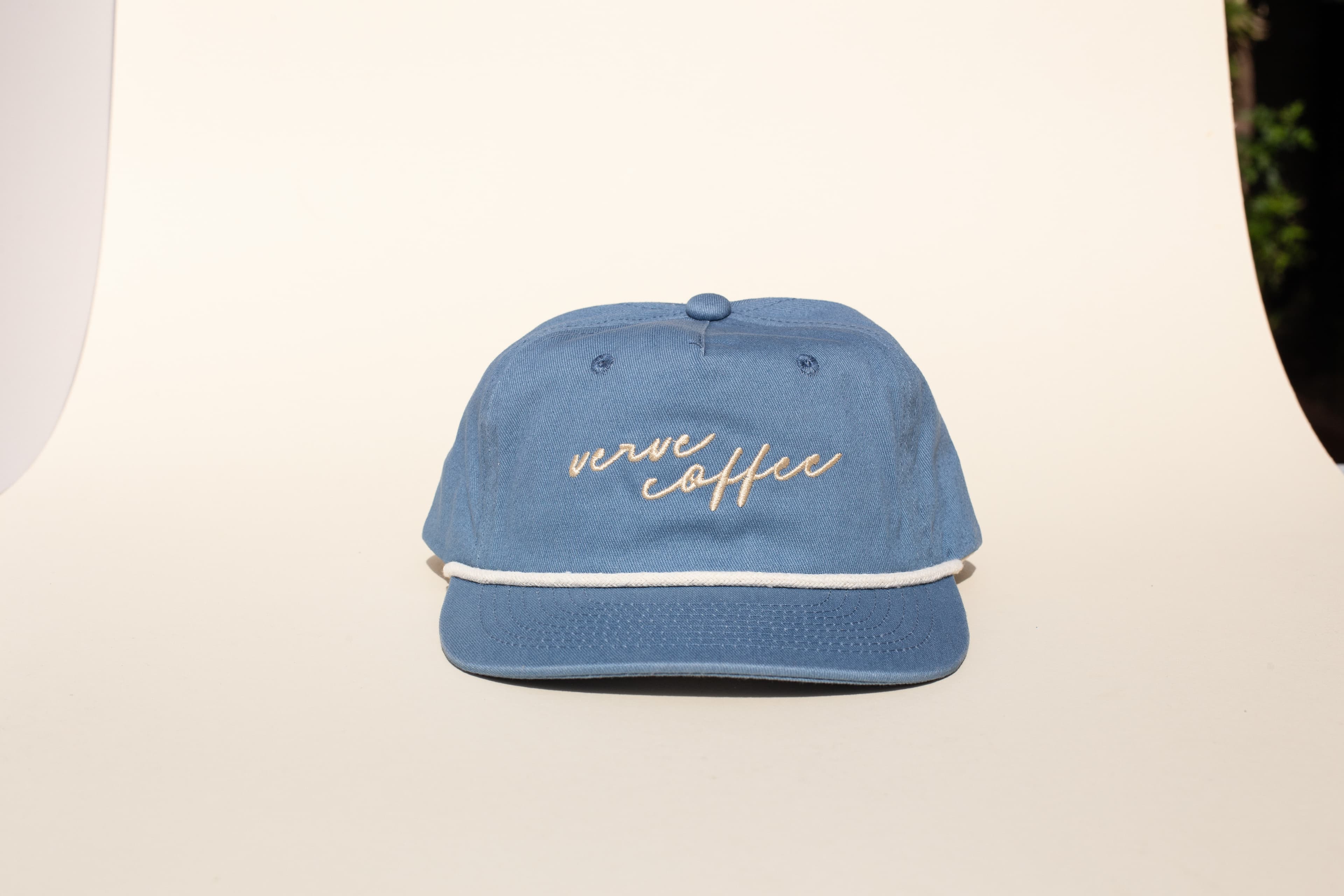
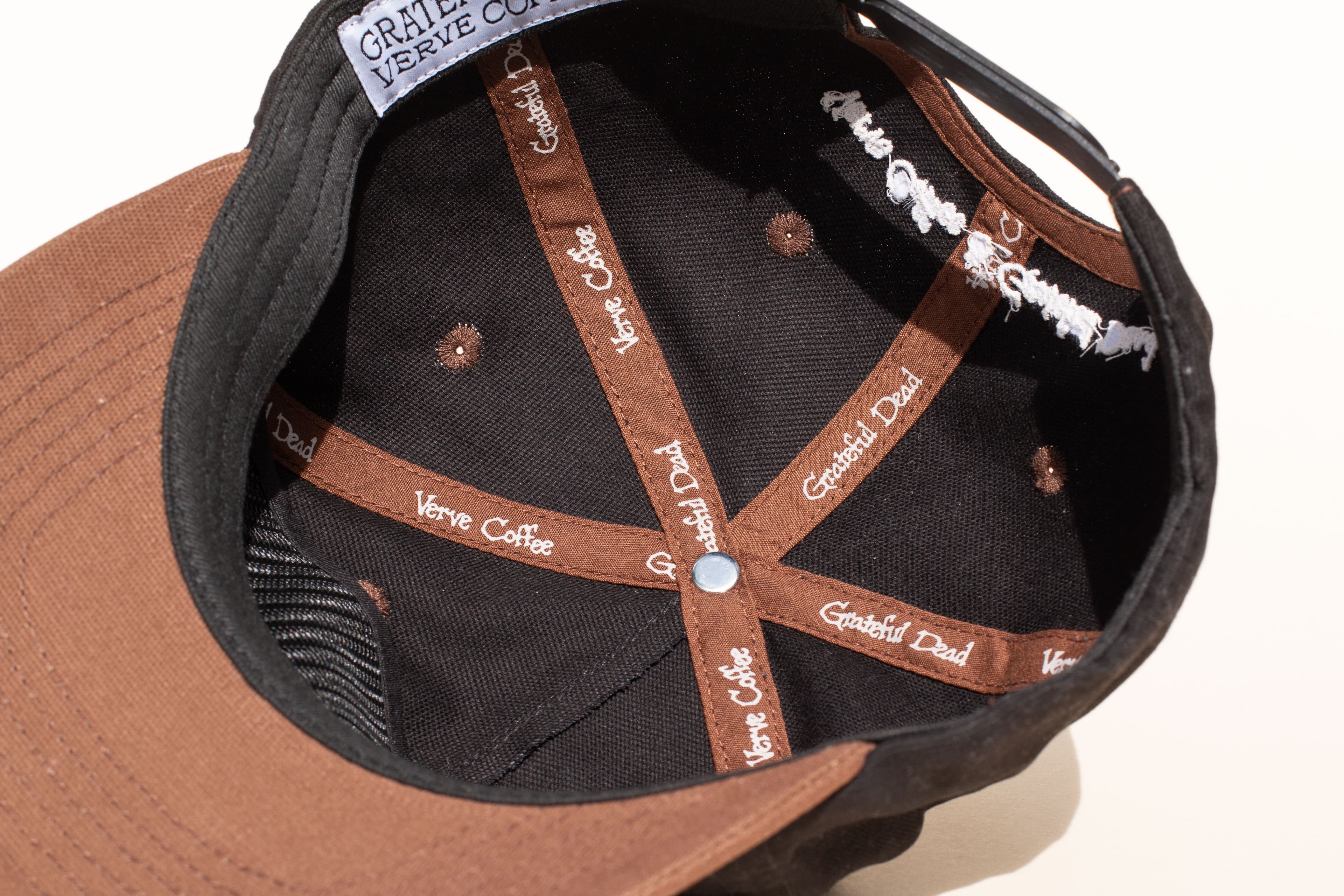
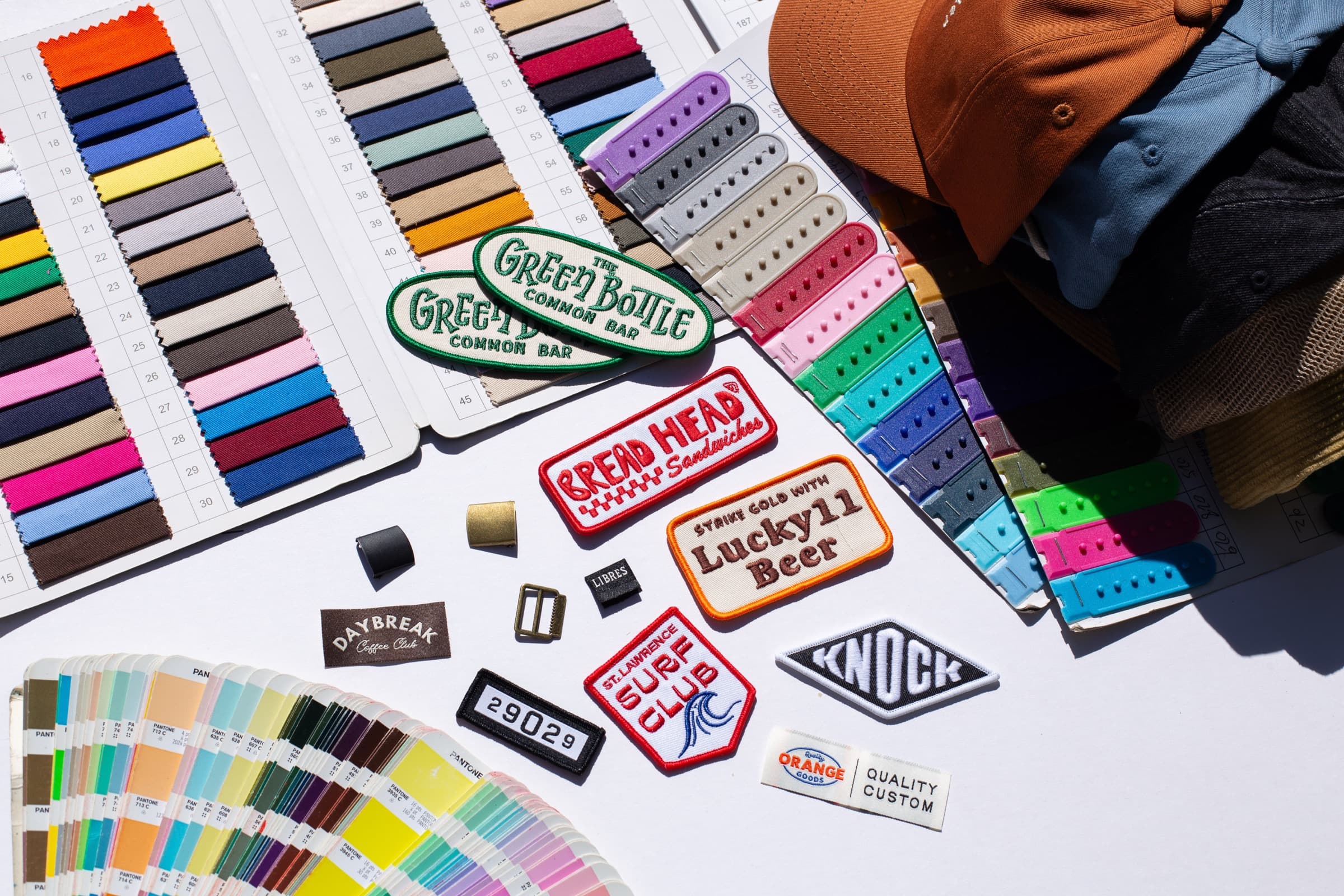
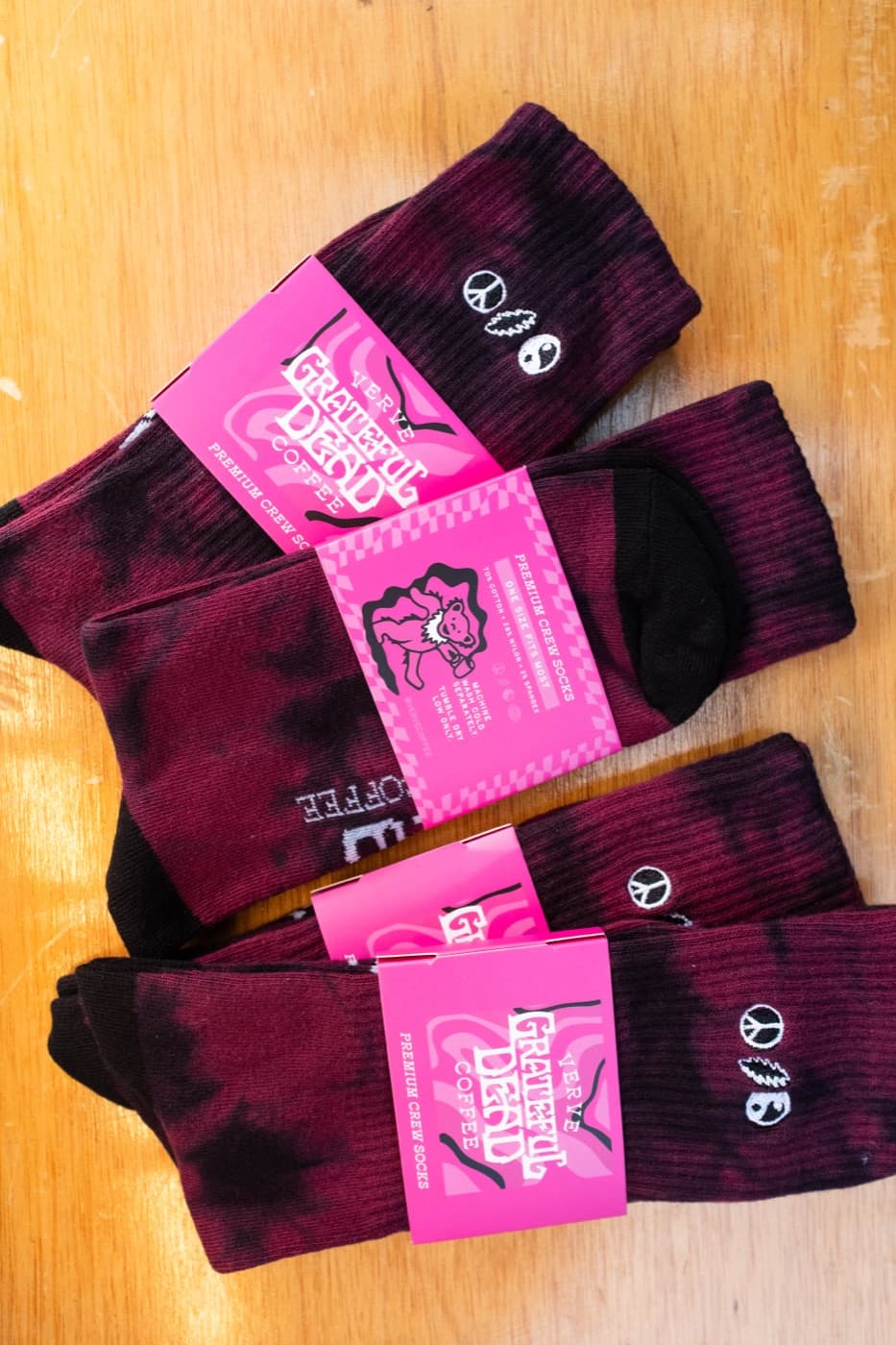
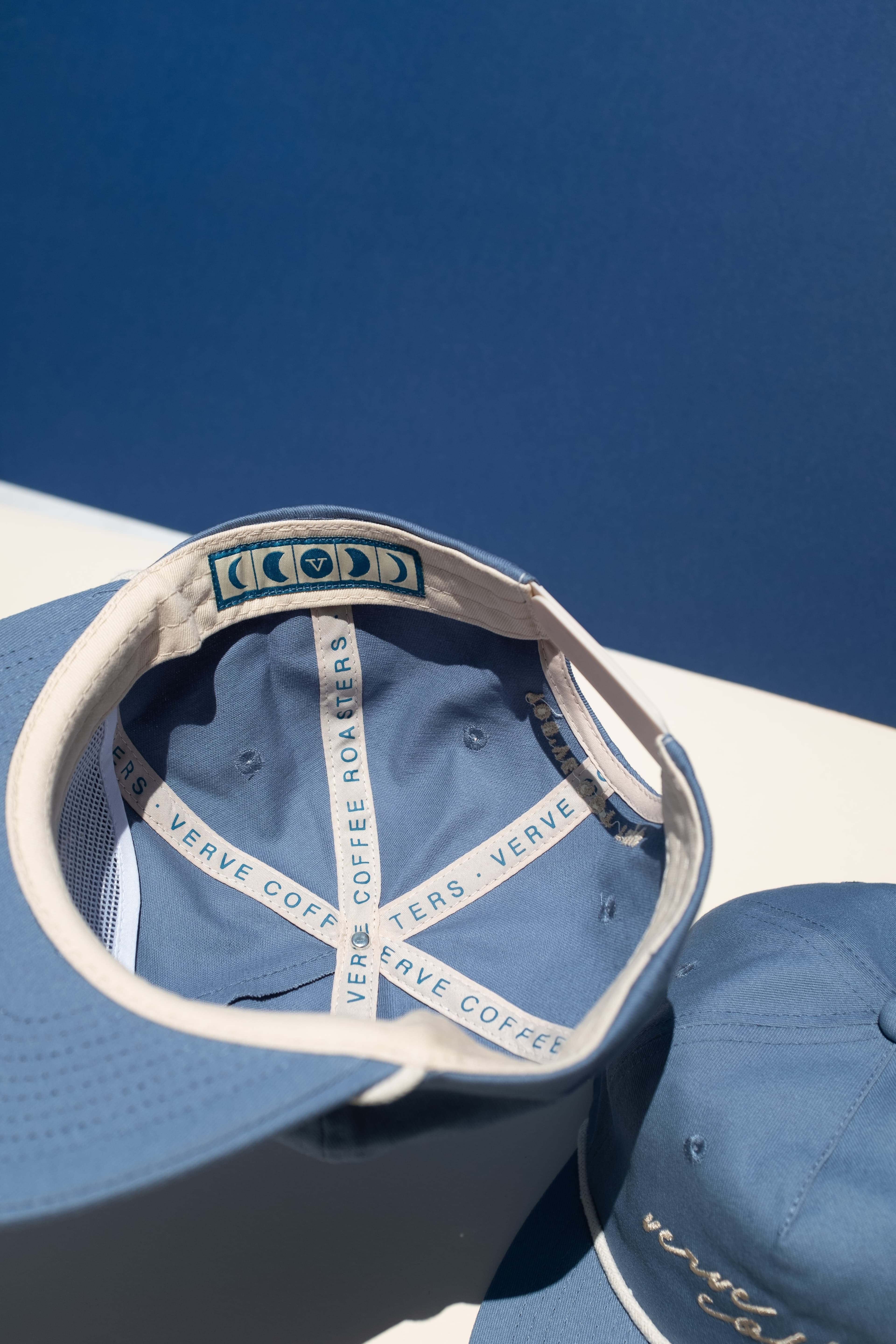
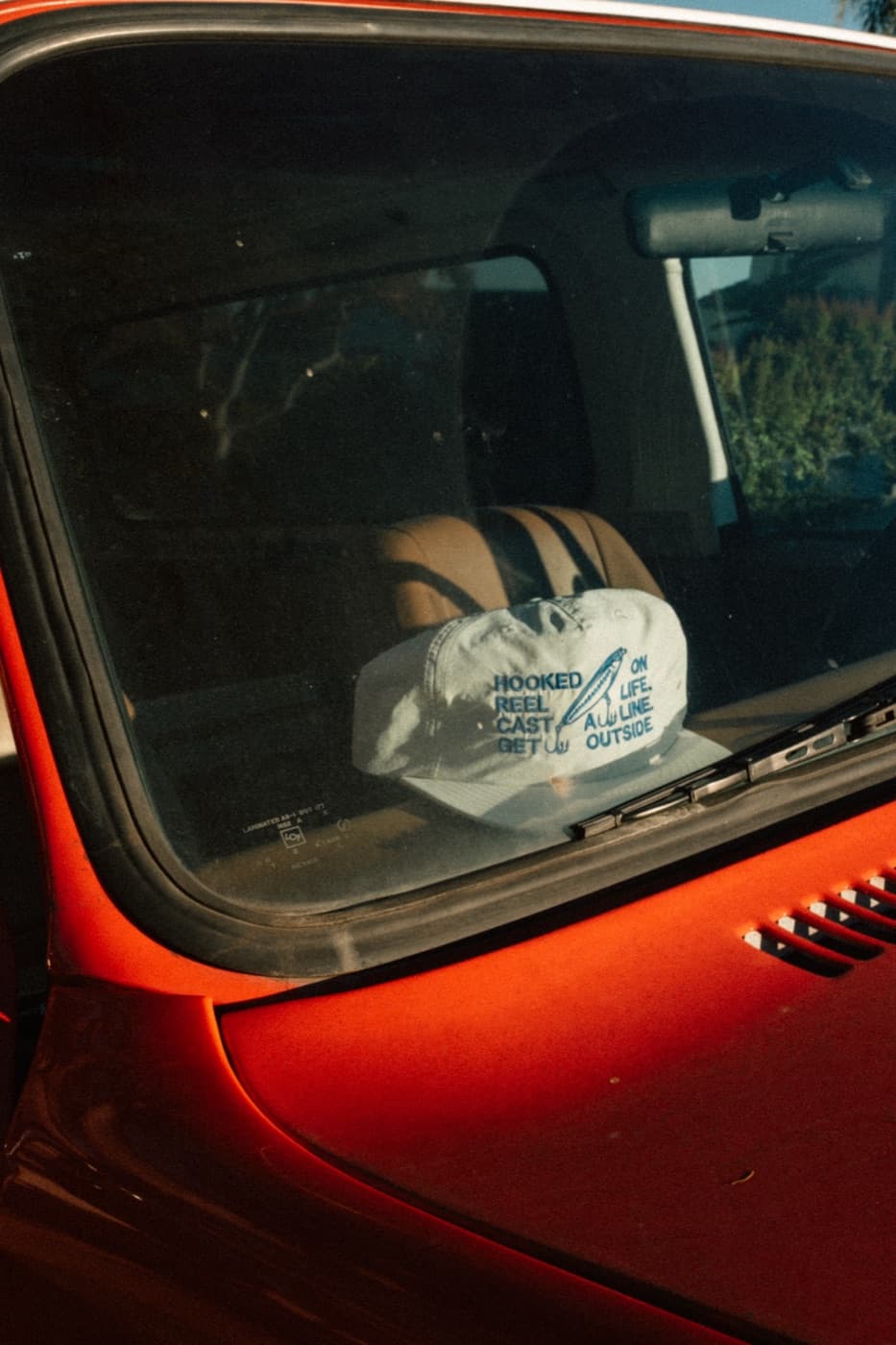
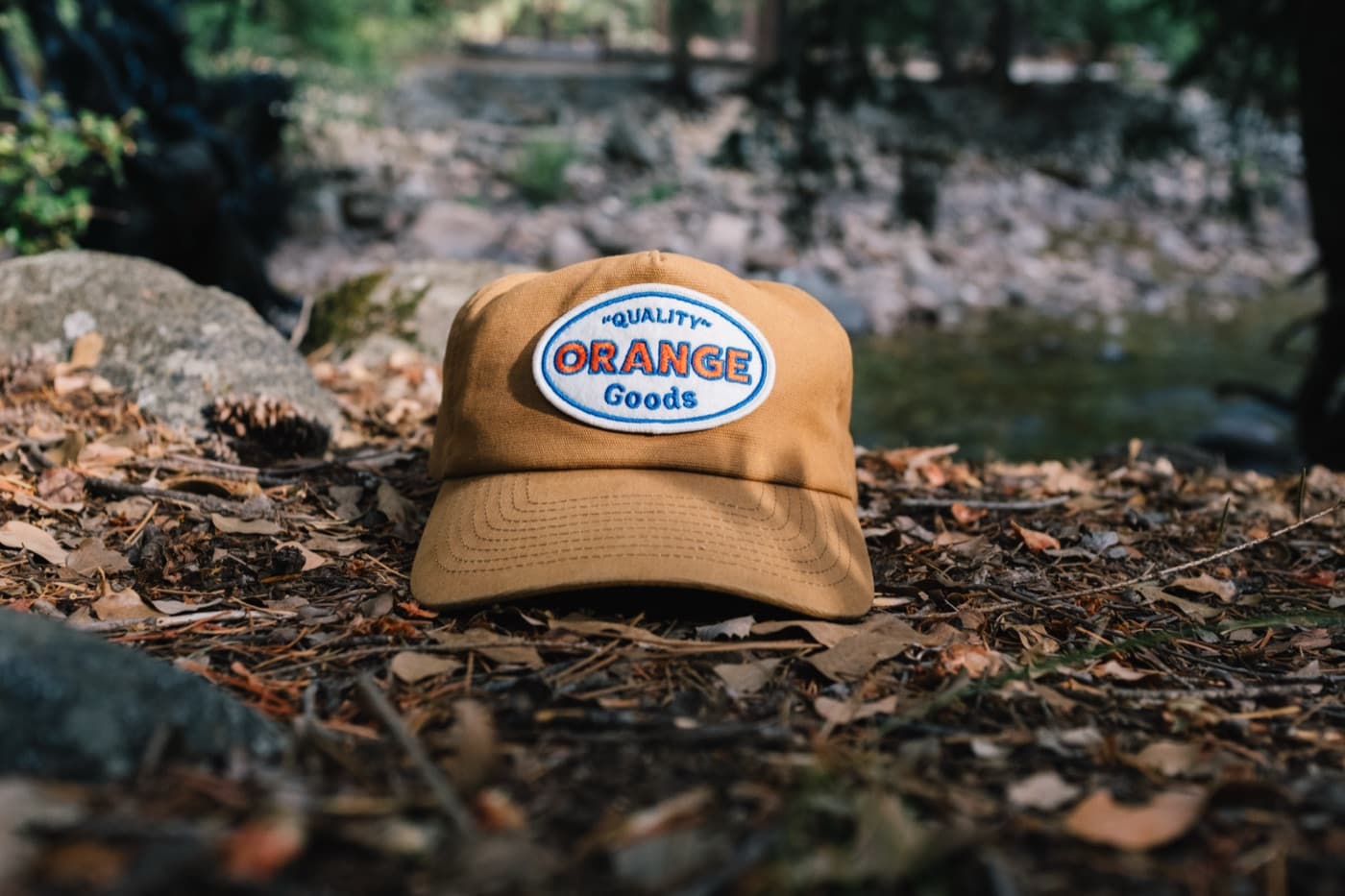
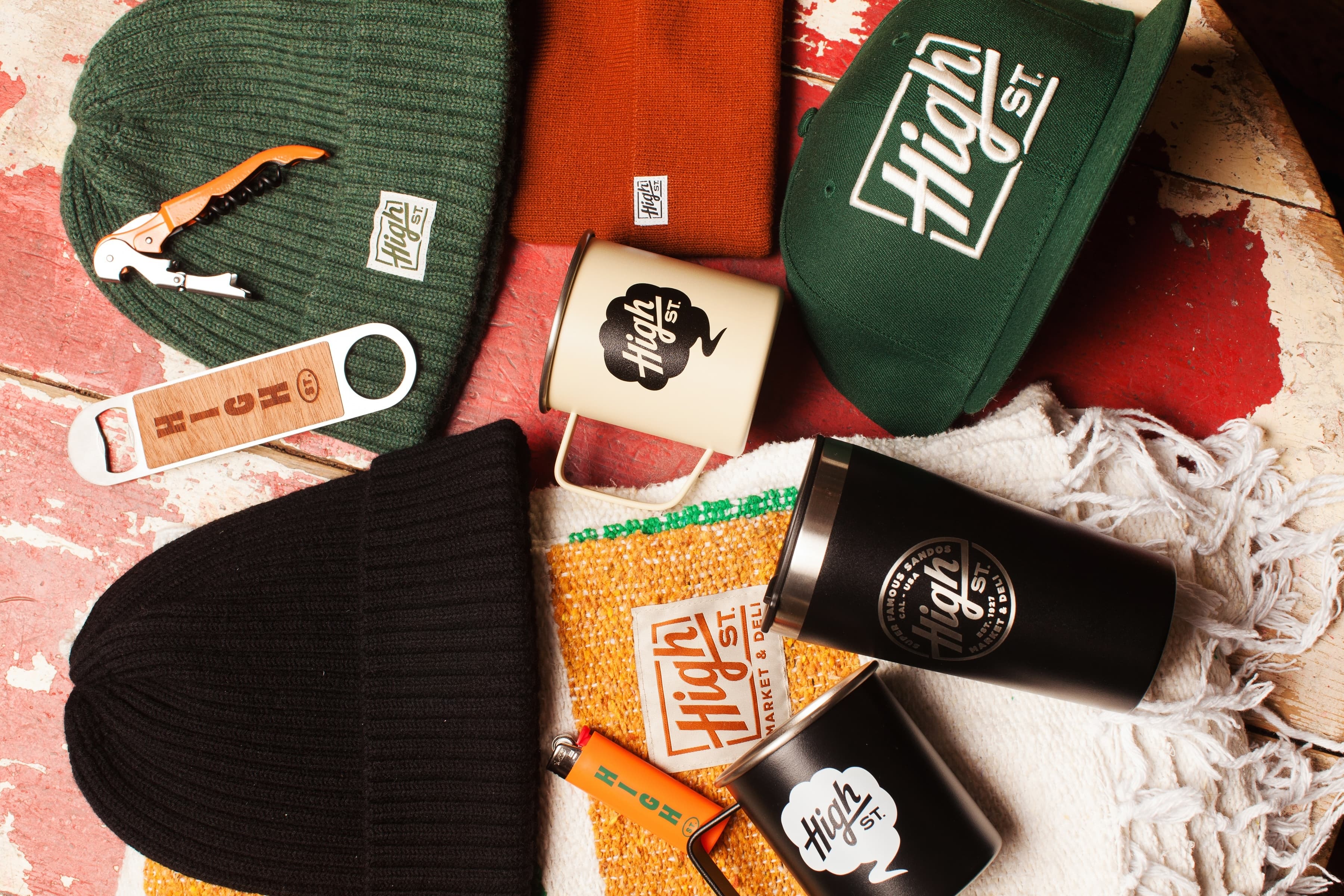
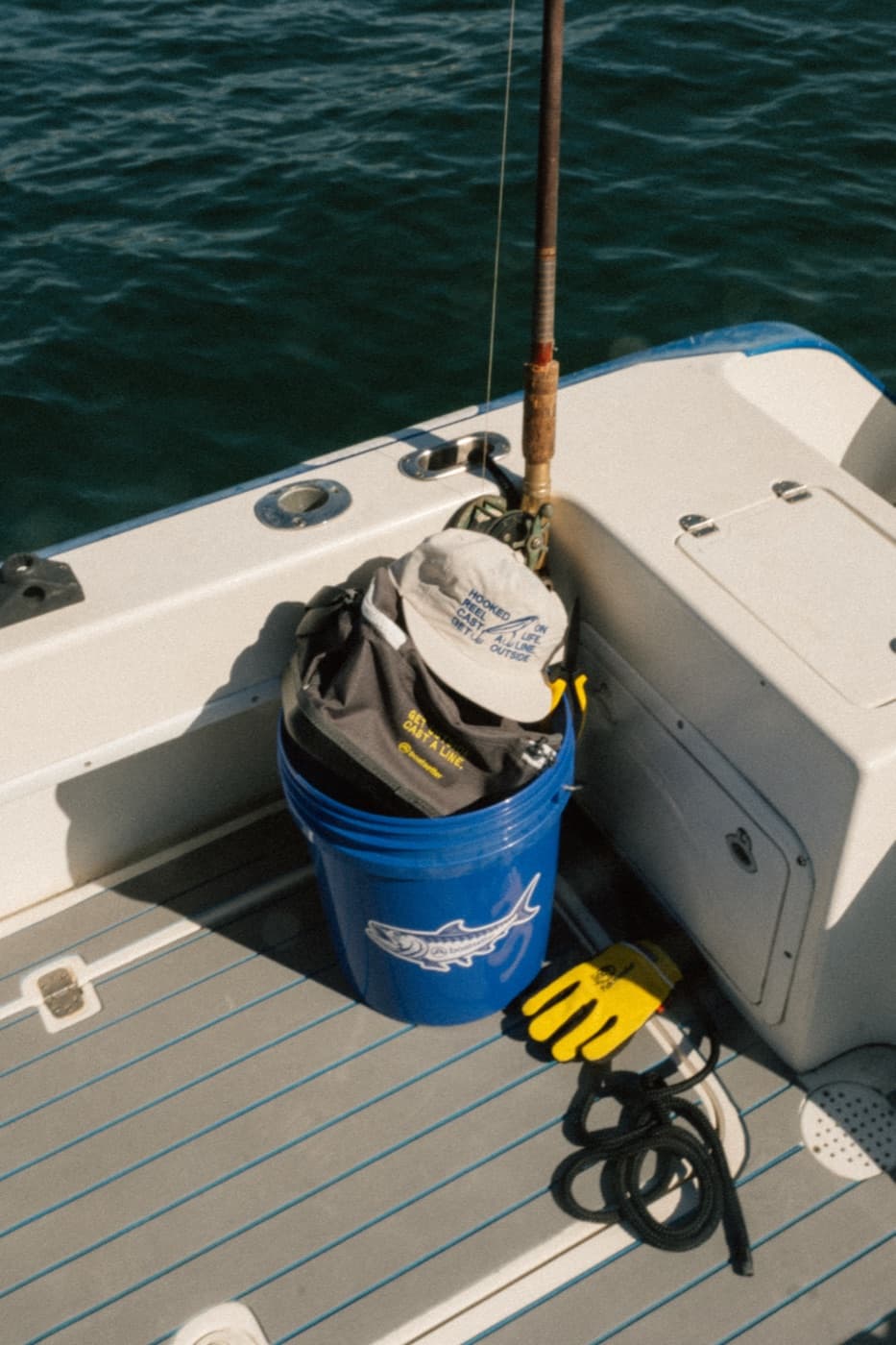
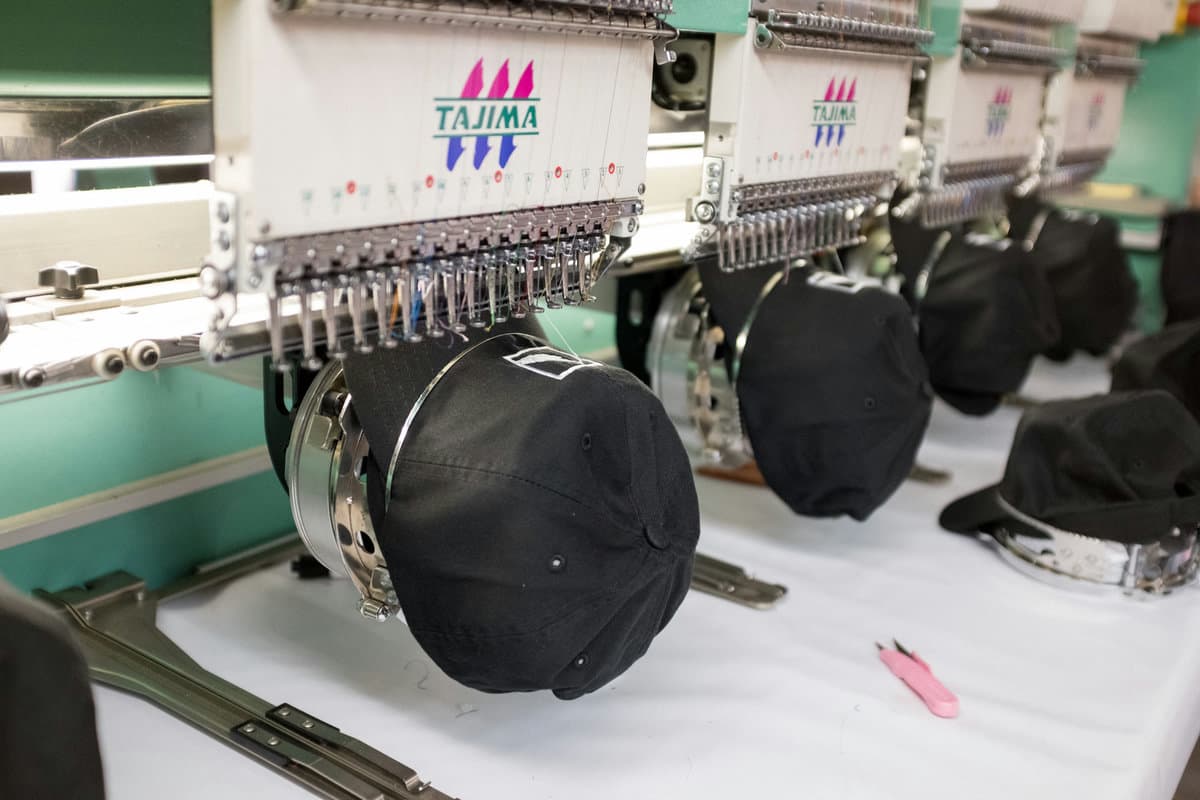
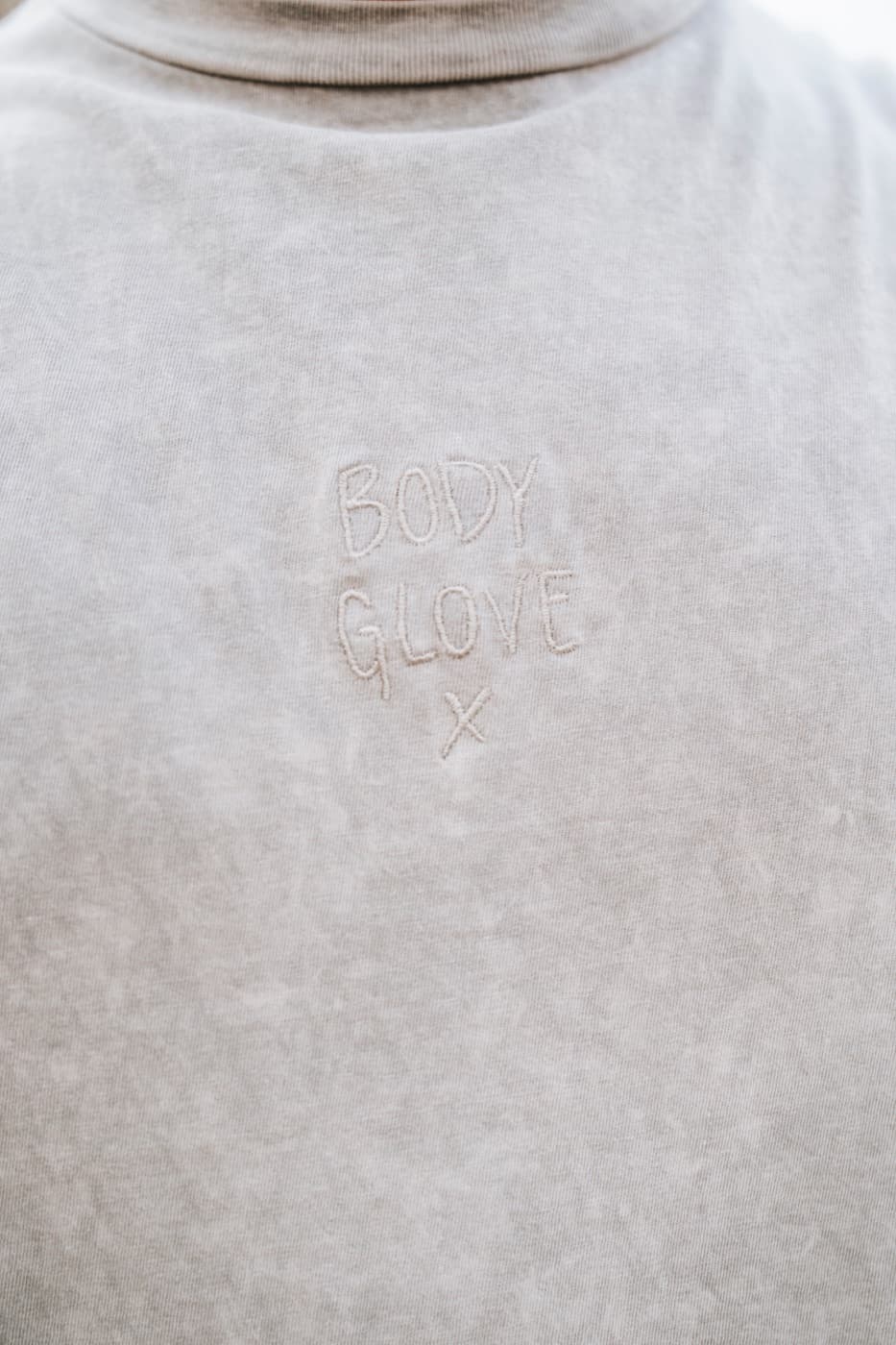
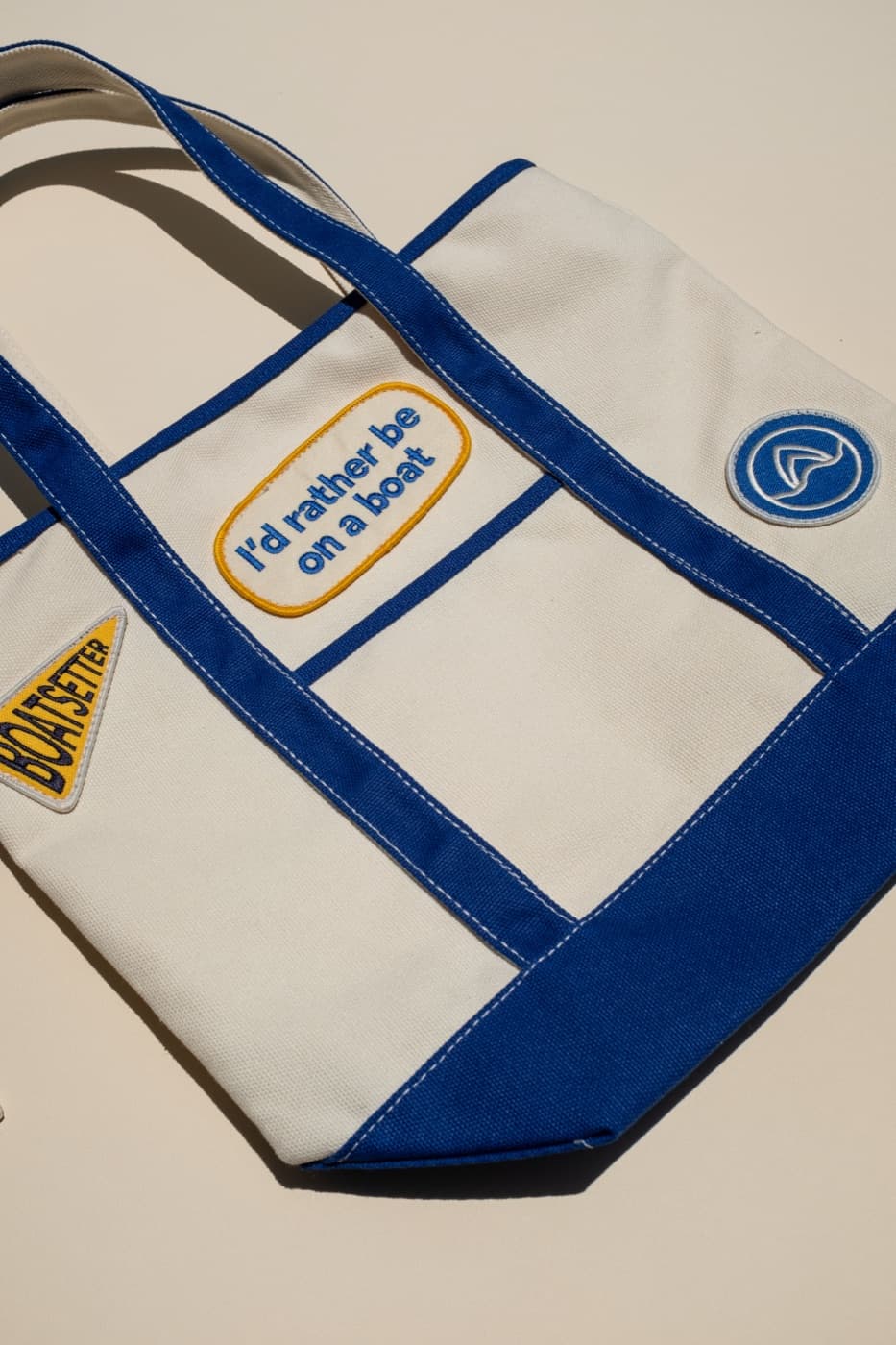
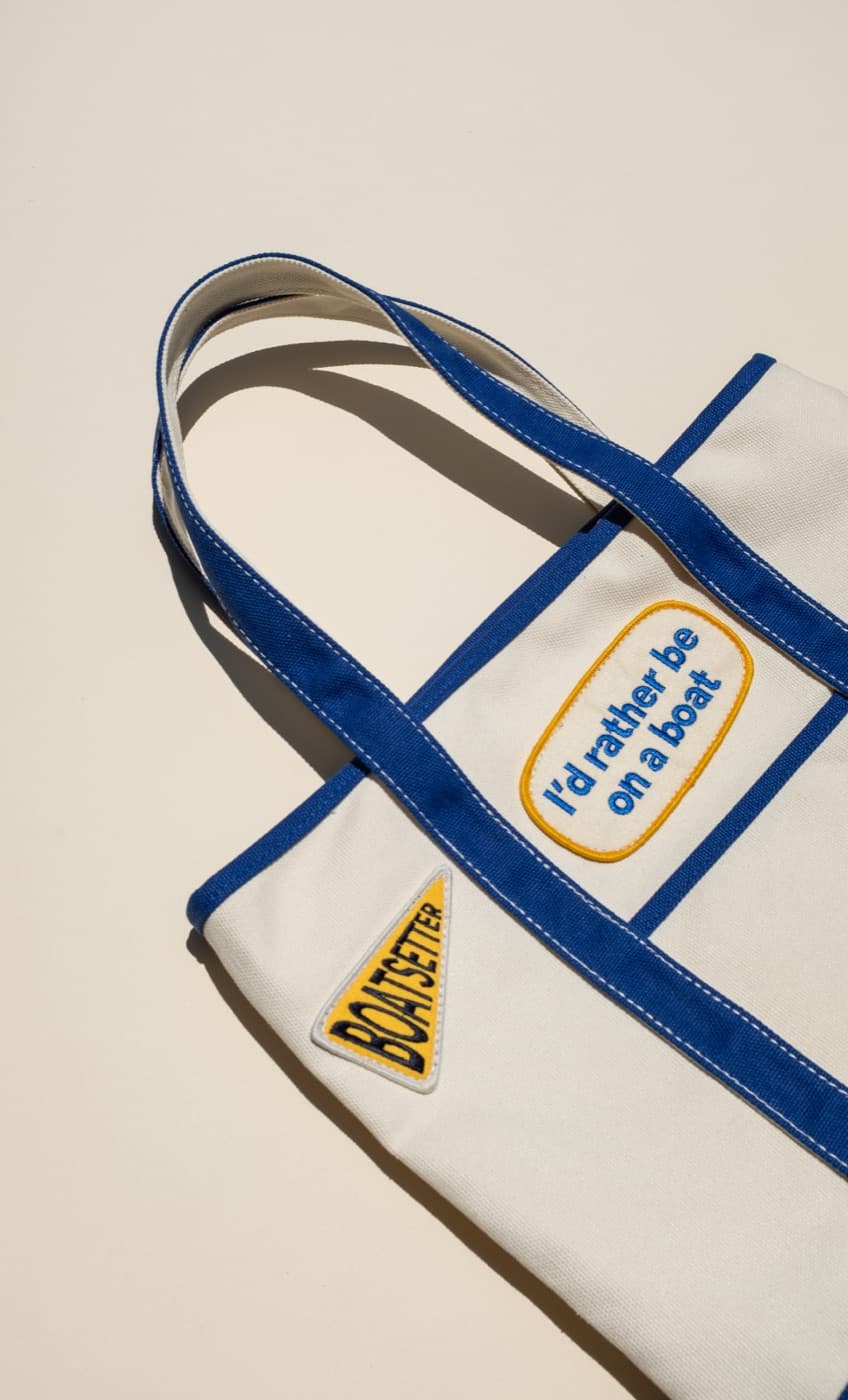
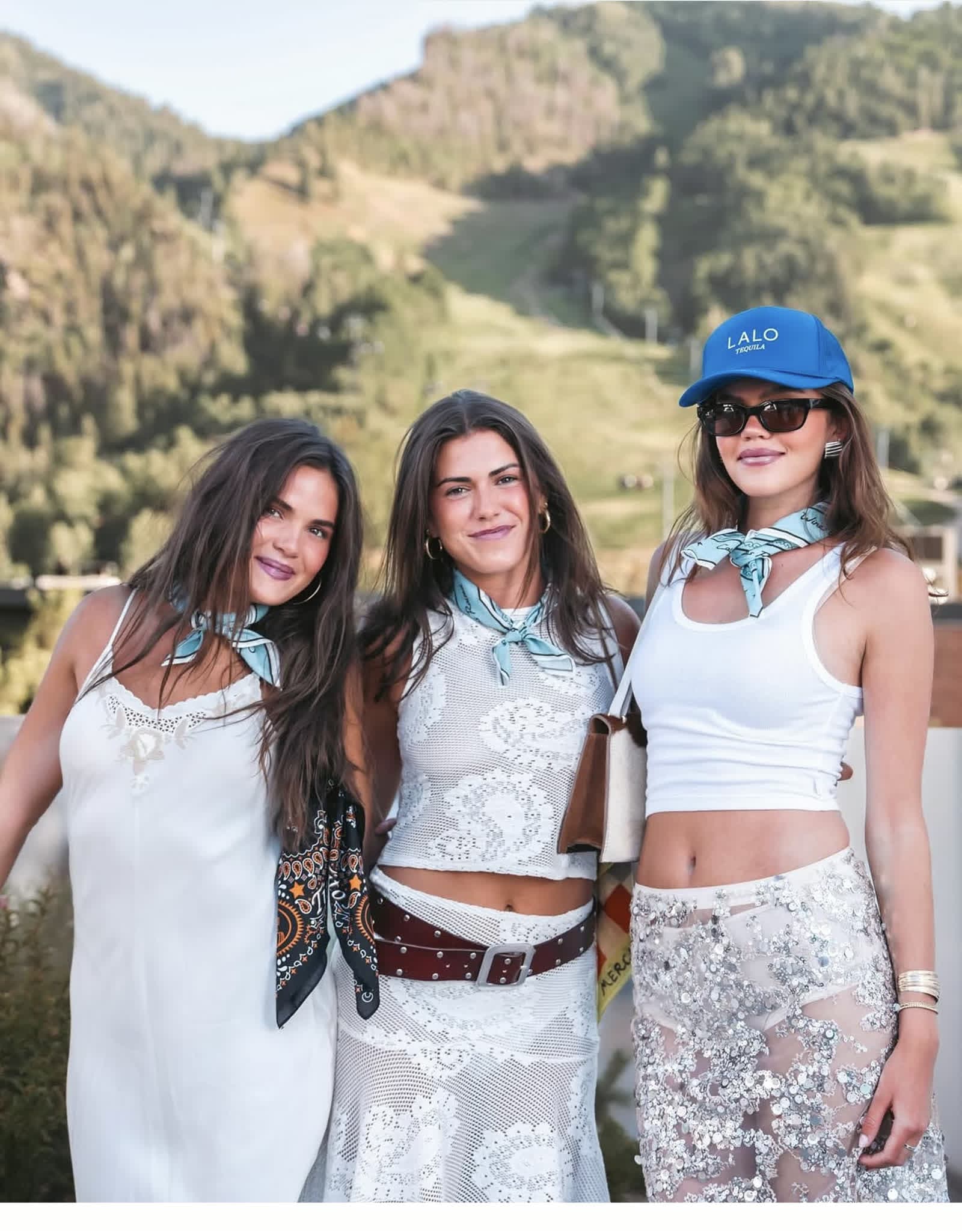
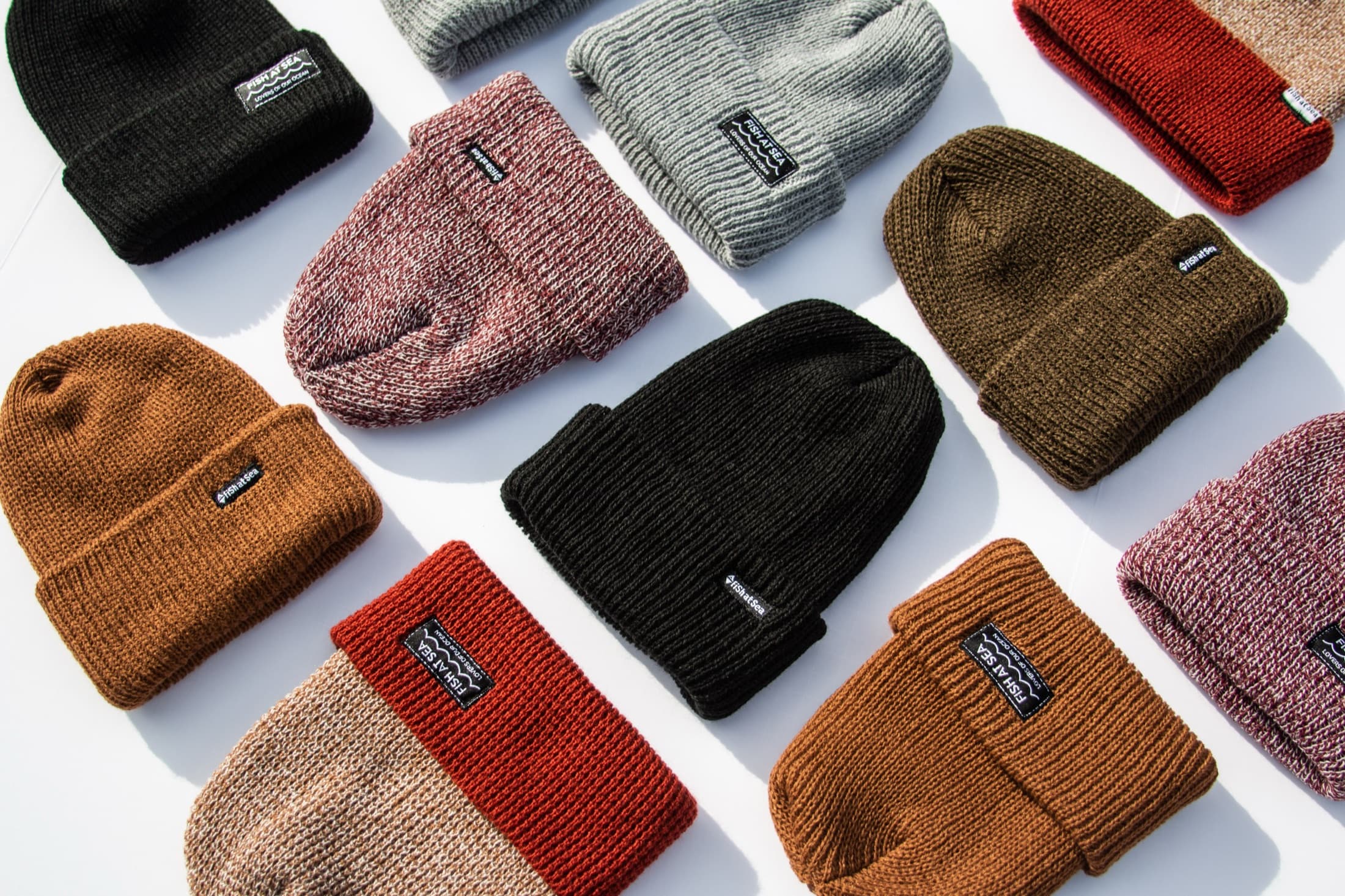
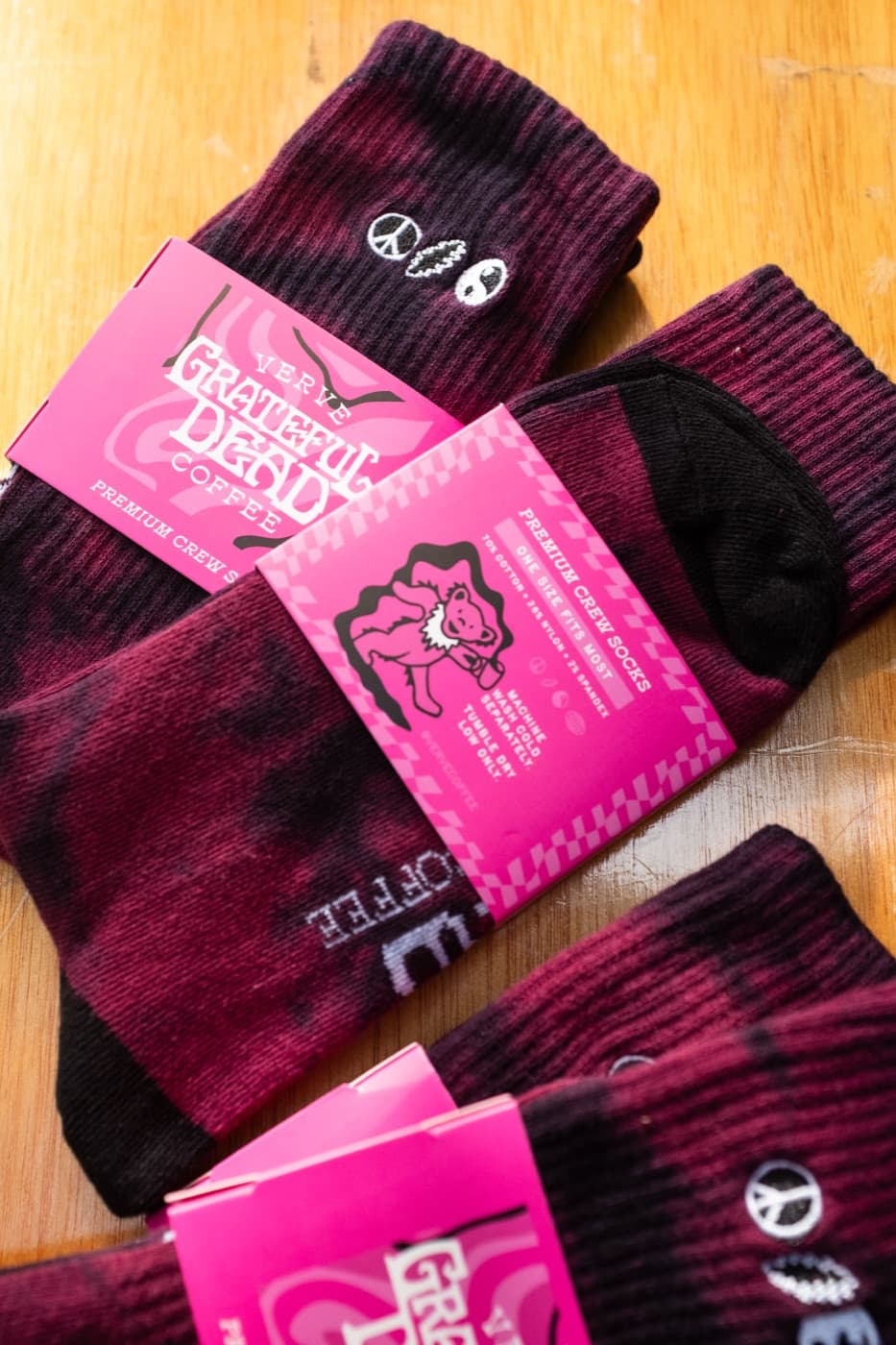
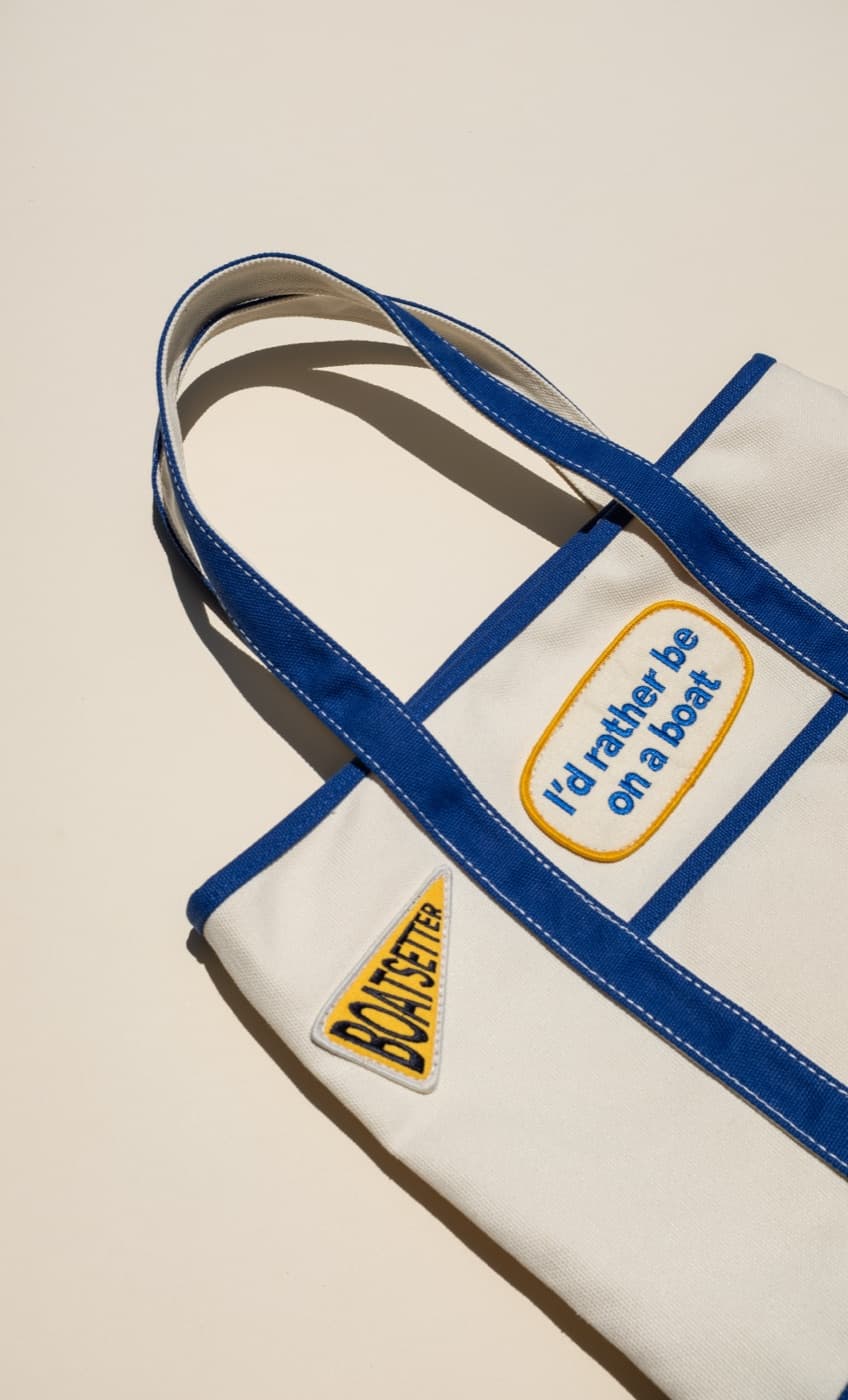
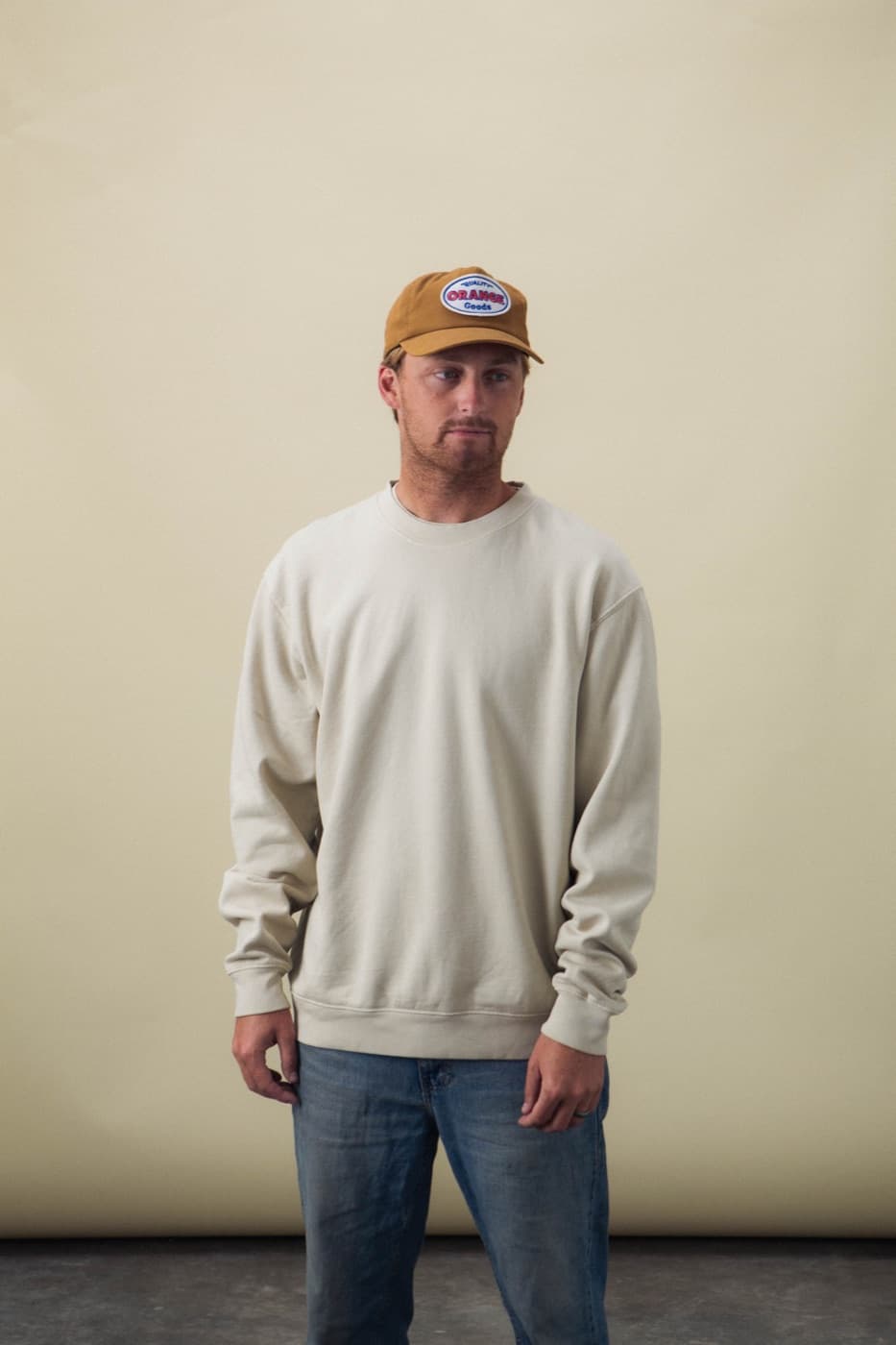
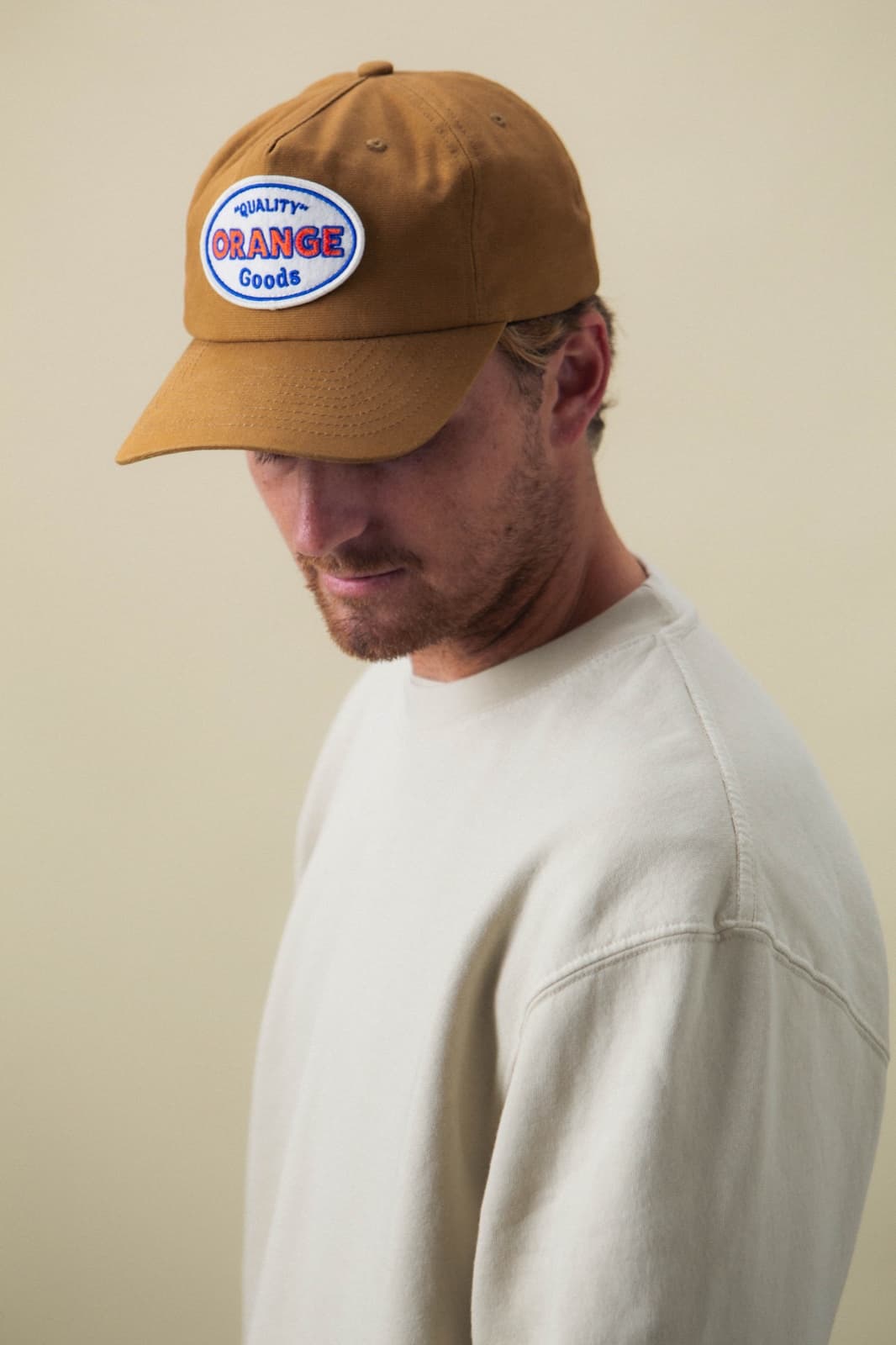
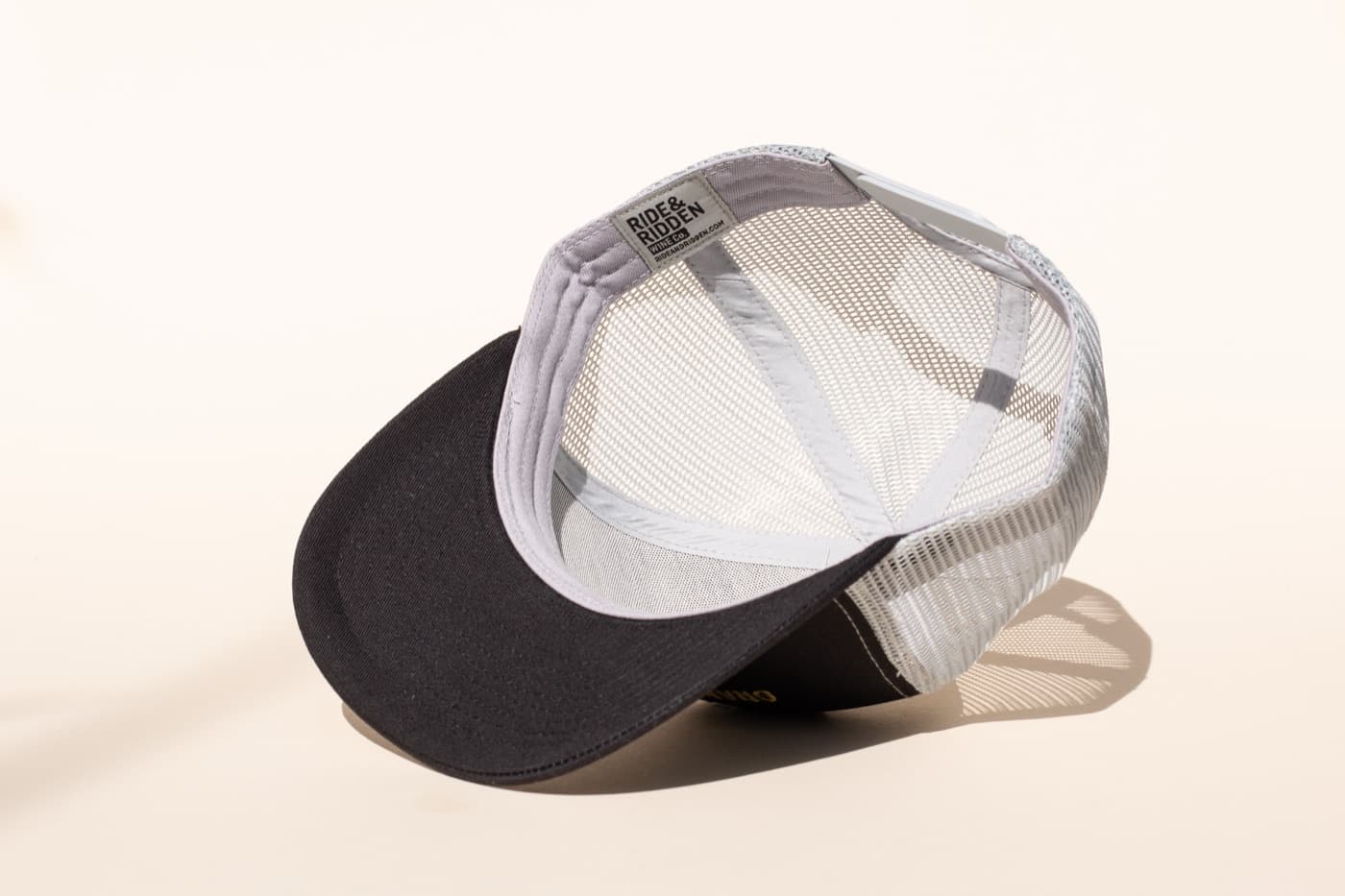
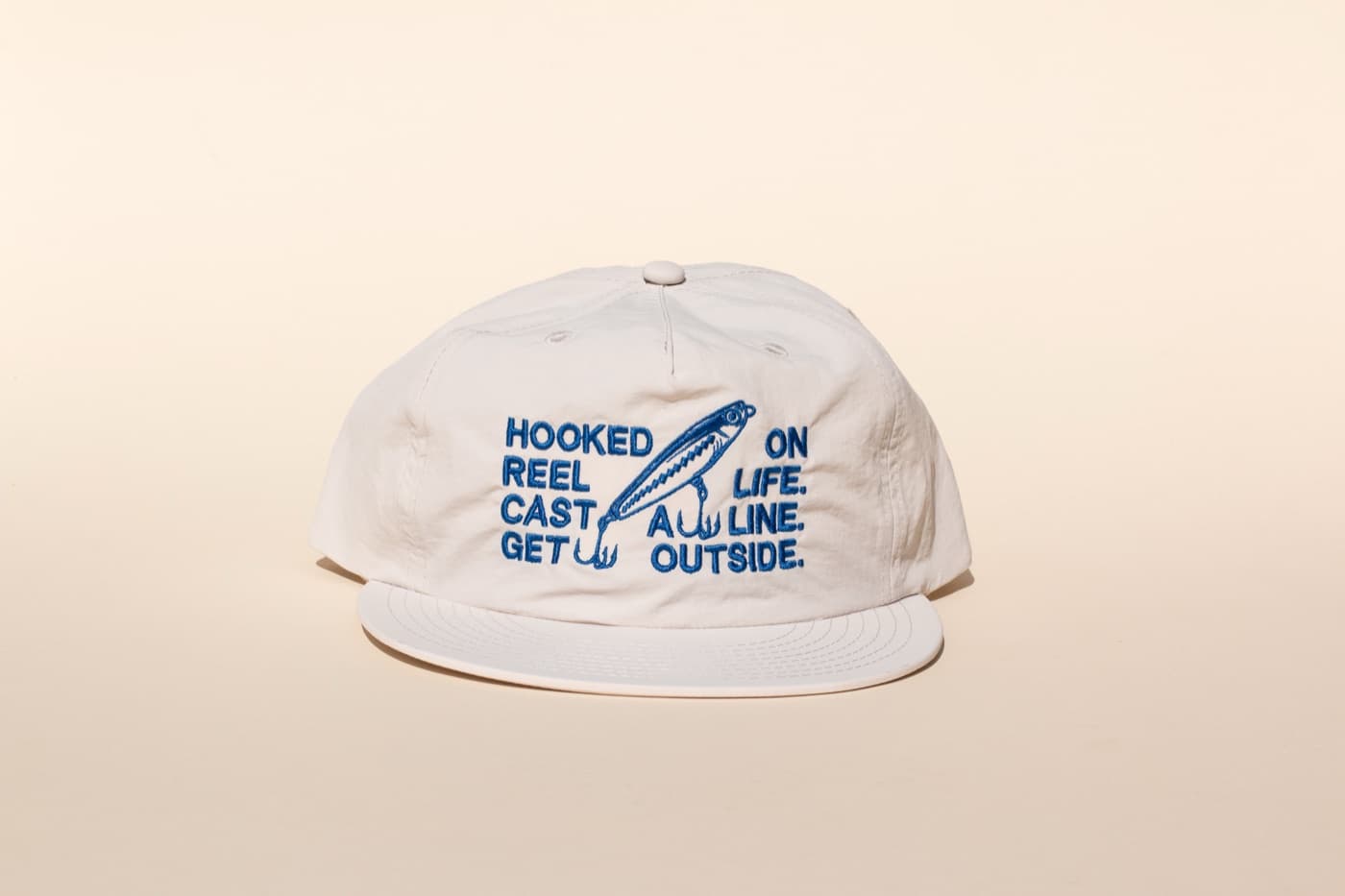
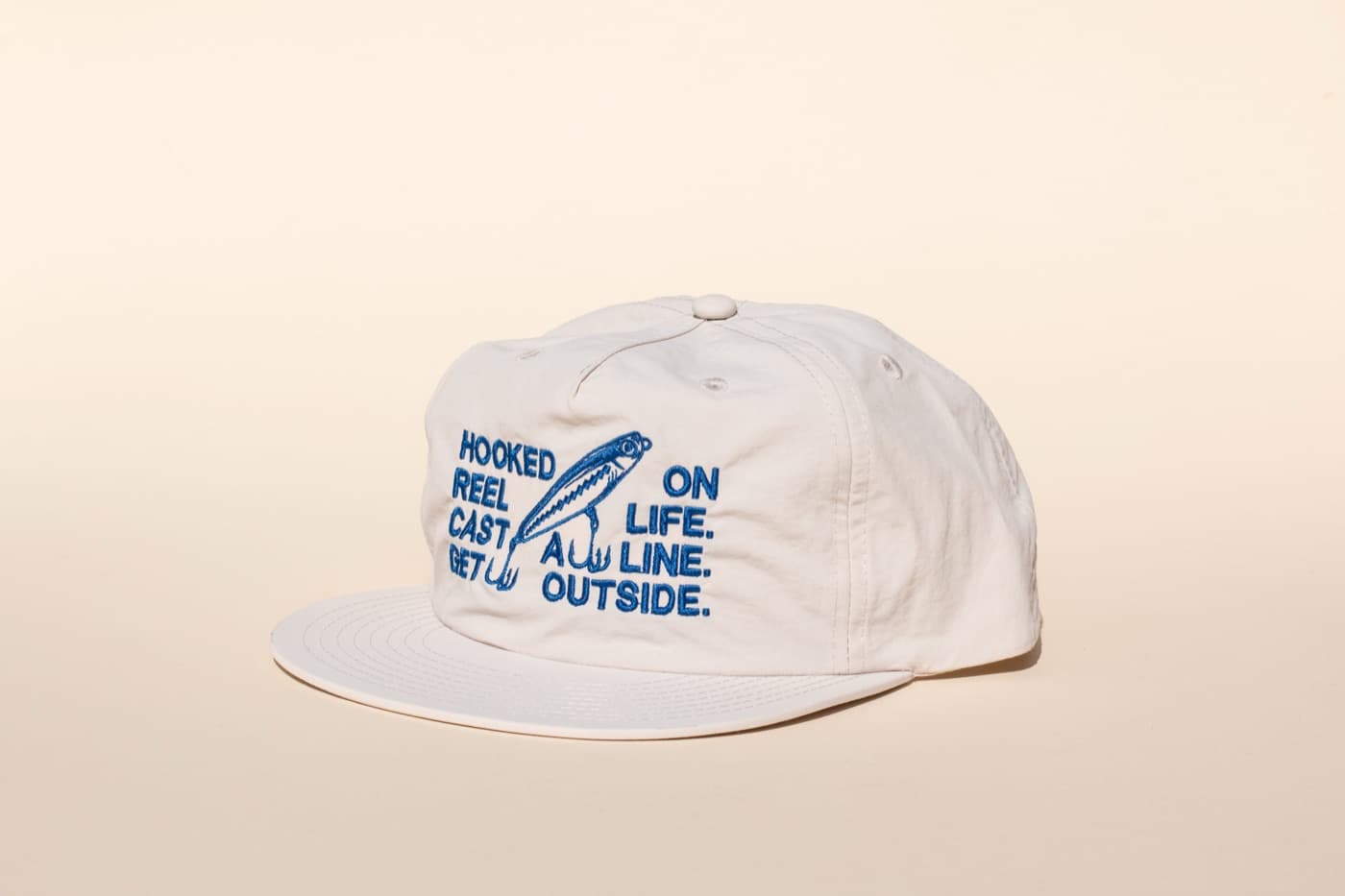
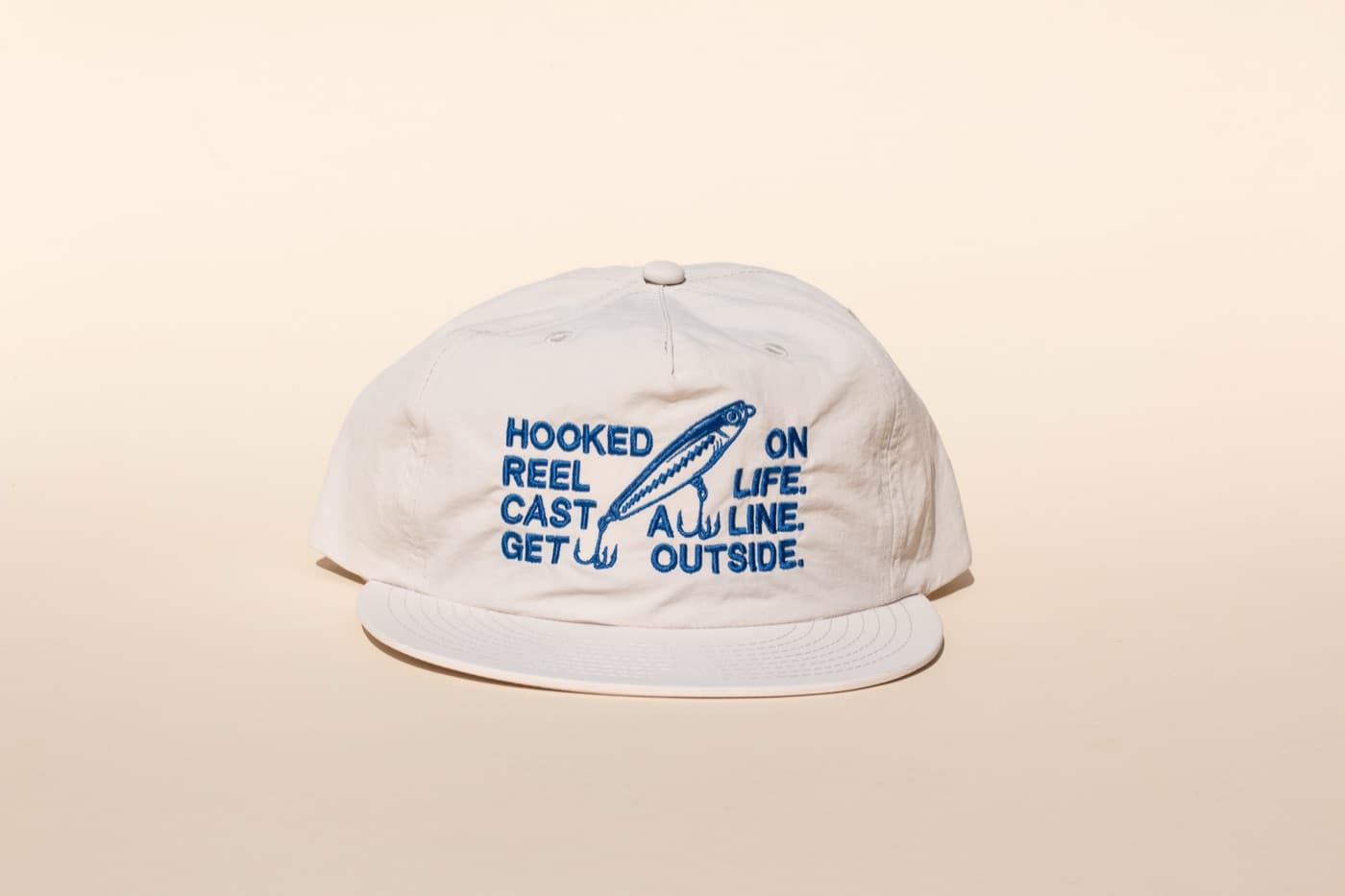
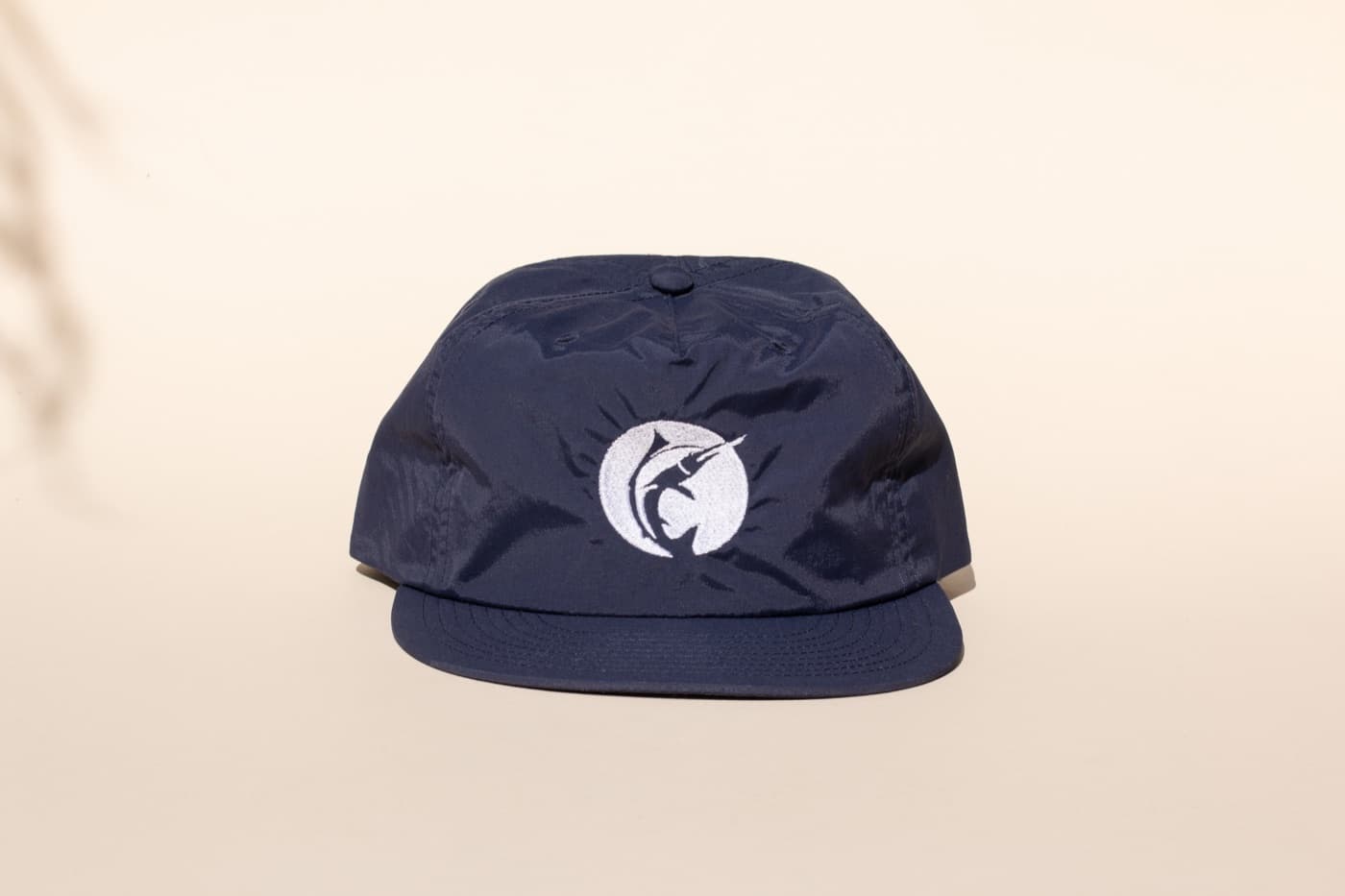
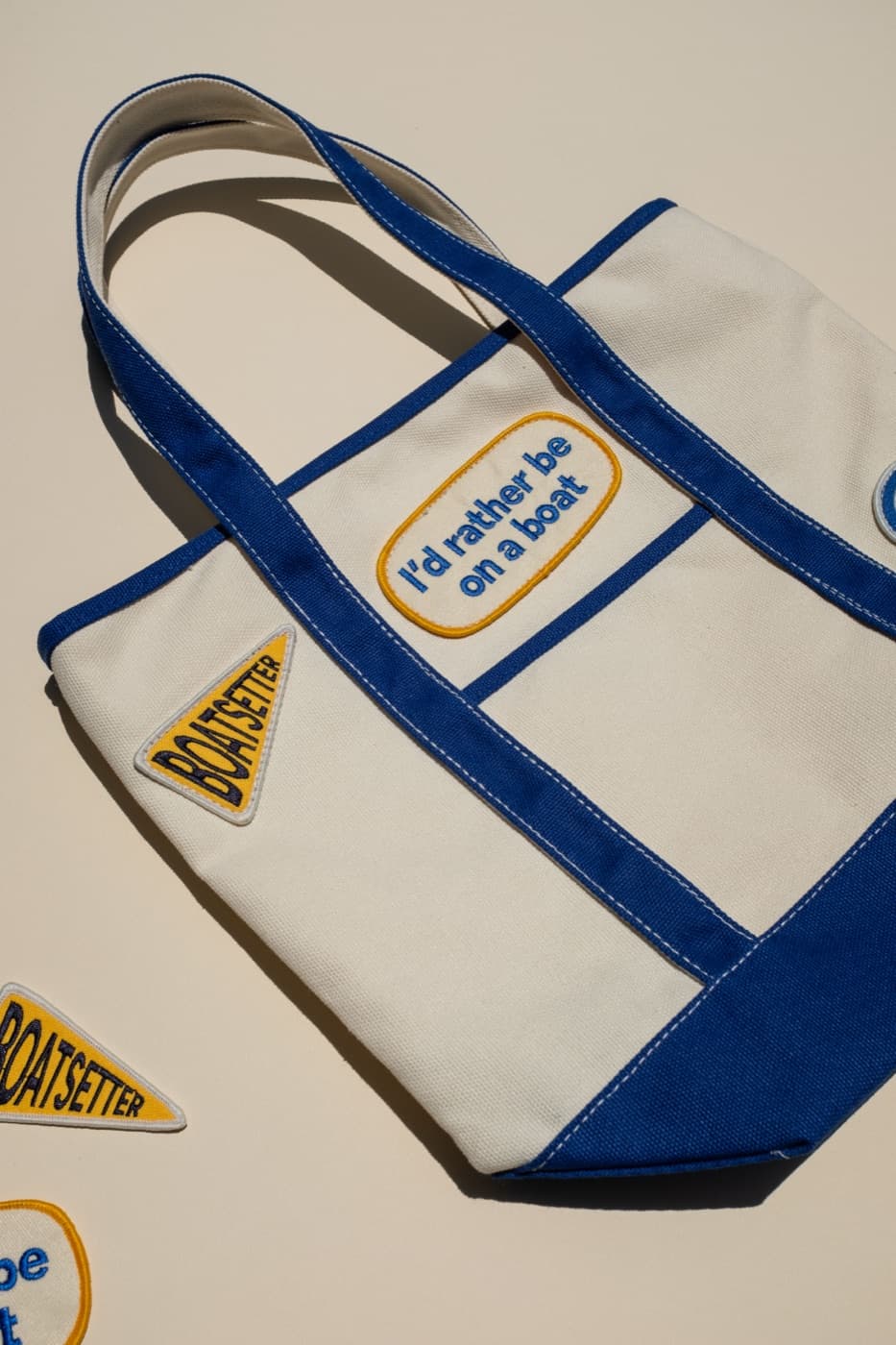
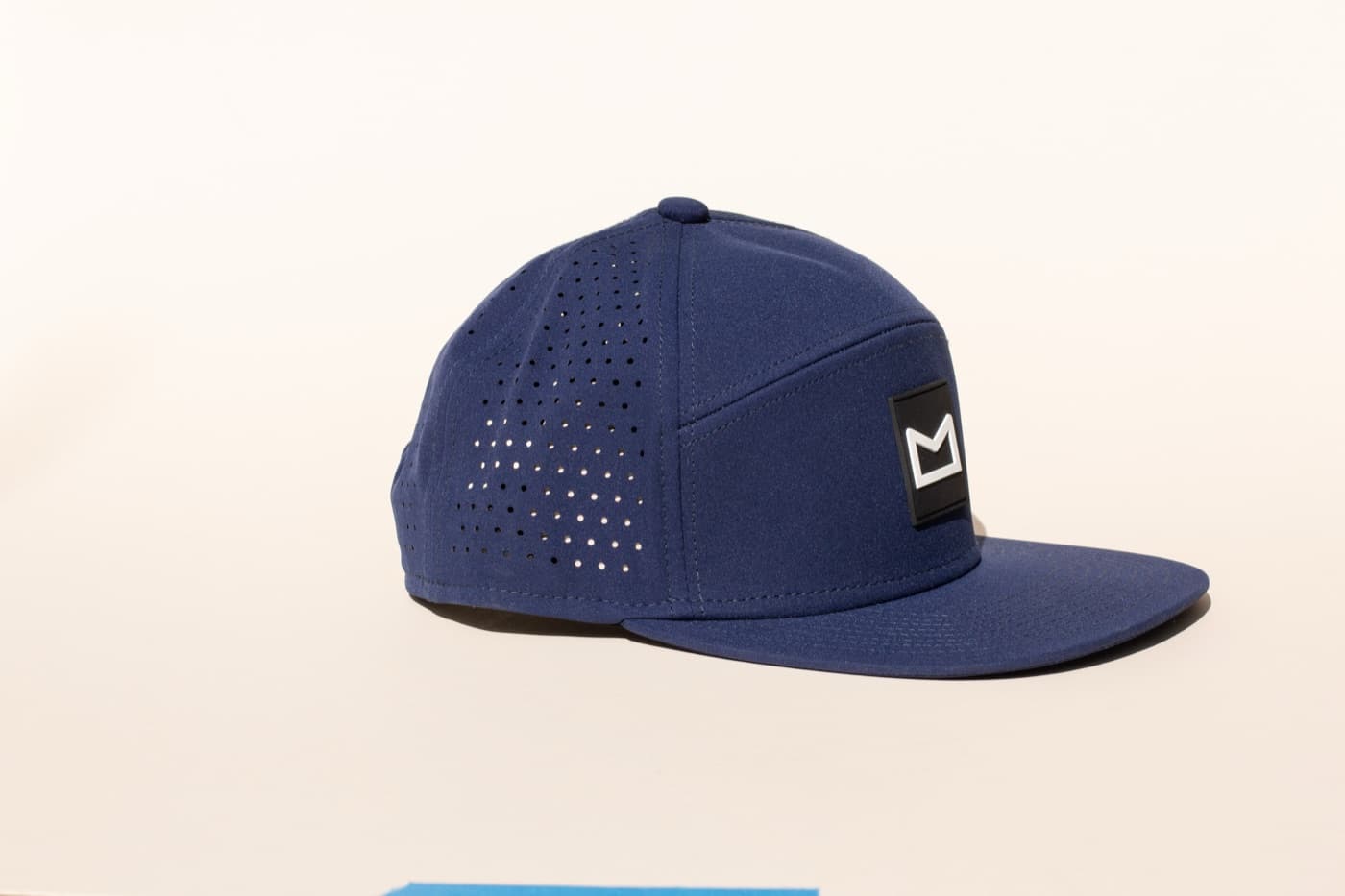
Embroidery uses a needle and thread to stitch the design directly into the fabric. It produces a dimensional, textured result that reads as premium — which is why it dominates the hat market and is standard for polo shirts, staff jackets, and anything that needs to look sharp in person.
The setup cost for embroidery is a digitizing fee — a one-time charge to convert the artwork into a stitch file. After that, the per-piece cost is driven by stitch count, not color count. A simple one-color logo and a complex five-color logo cost the same to digitize if they have similar stitch counts.
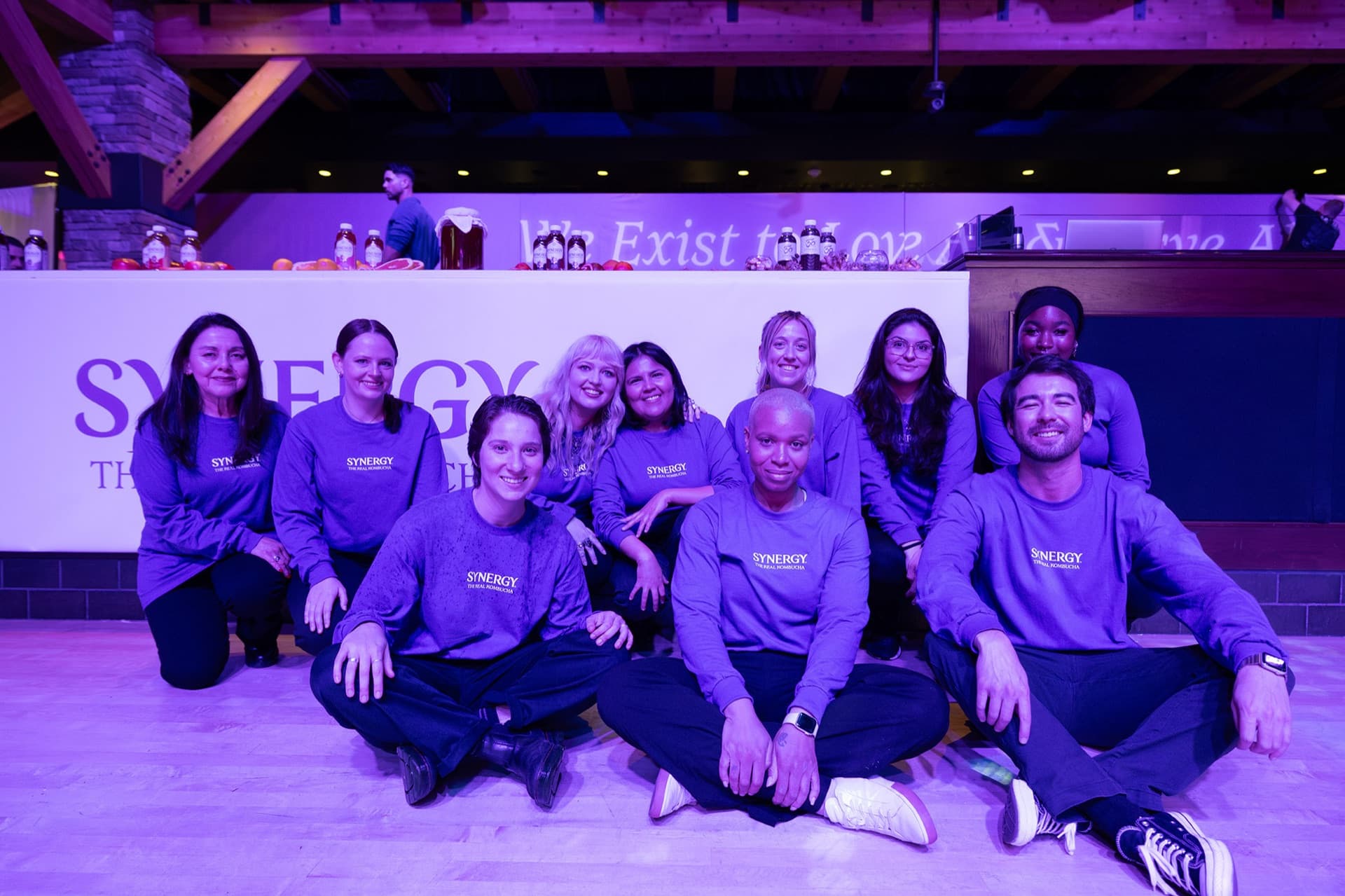
Embroidery is the right call for hats, structured garments, polos, and anything that needs to hold up through heavy washing. It is not ideal for large coverage areas — a full-chest graphic with embroidery would take too long to stitch and would add too much weight to the fabric. For logos, wordmarks, and small hit placements, it is usually the right choice.
How to decide
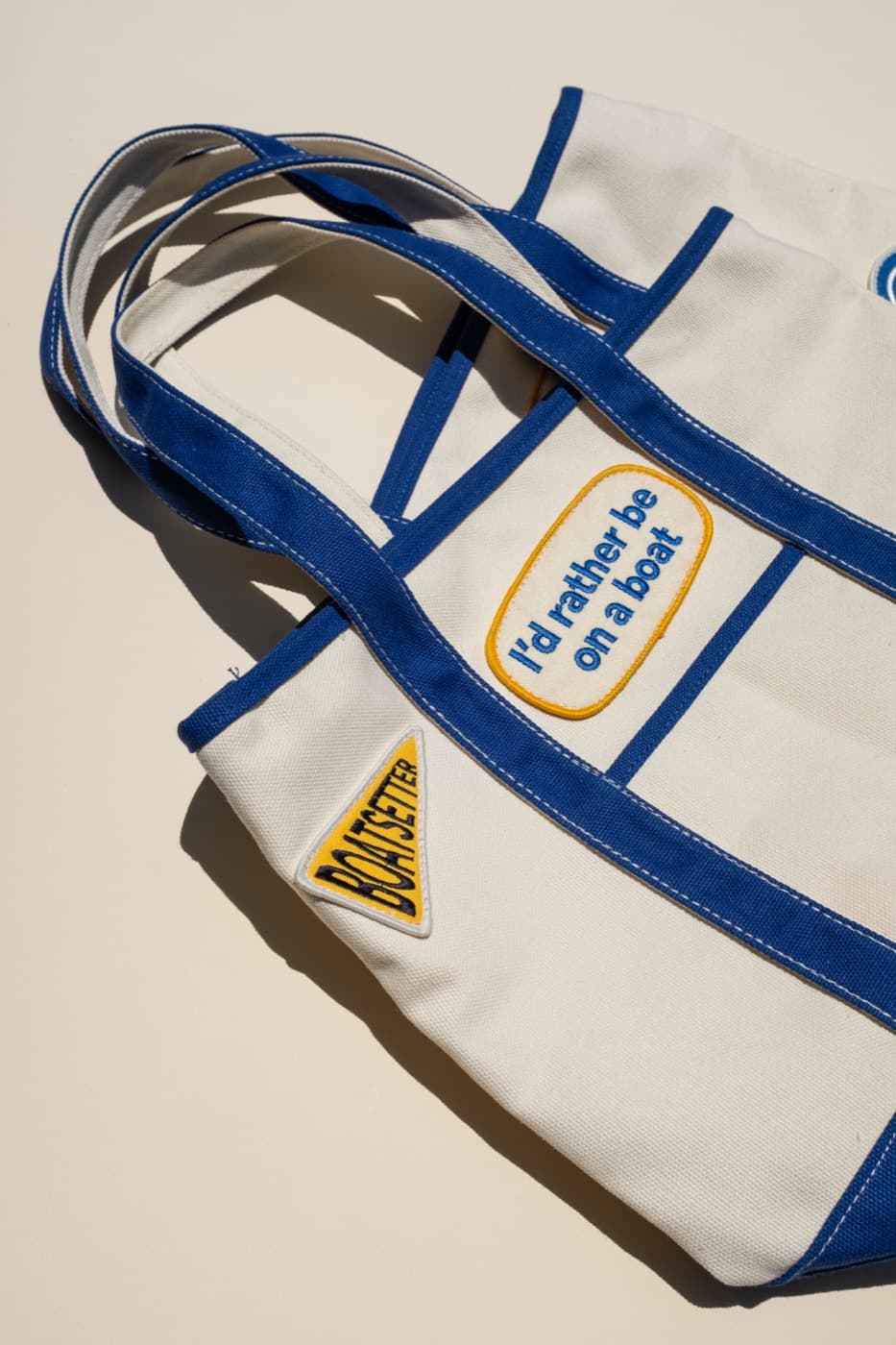
Start with the product. Hats almost always get embroidery. Tees and totes usually get screen printing. Hoodies can go either way depending on the placement and design. Then look at the design itself. Fine lines, gradients, and photographic detail favor screen printing. Bold shapes, wordmarks, and anything that benefits from texture favor embroidery. Finally, consider quantity and budget. Small runs with complex screen prints may be better served by DTG (direct-to-garment) printing, which has no setup costs but different texture and durability characteristics.
When in doubt, ask. The right decoration method is a practical question with a clear answer once you know the product, design, and volume.