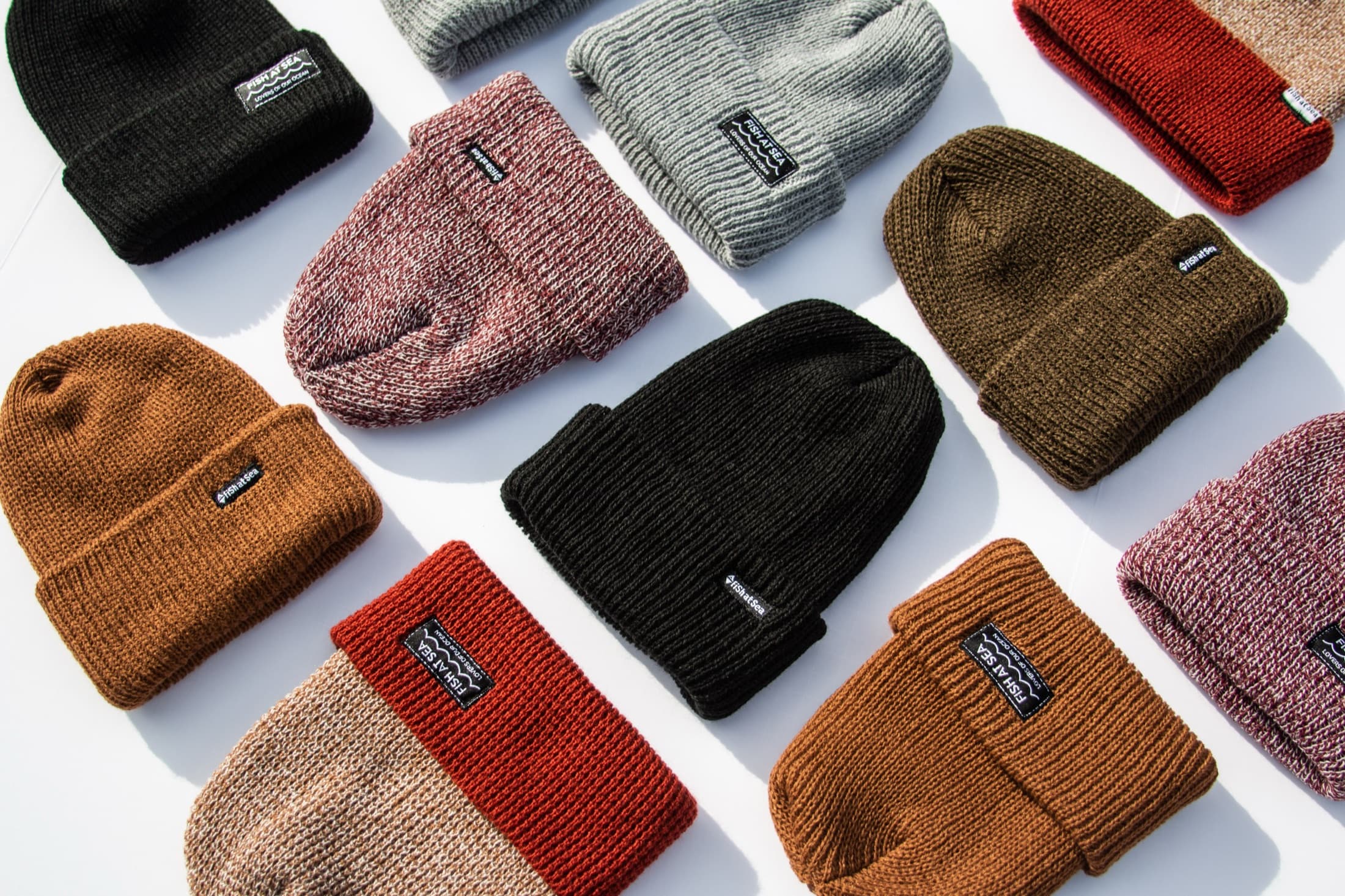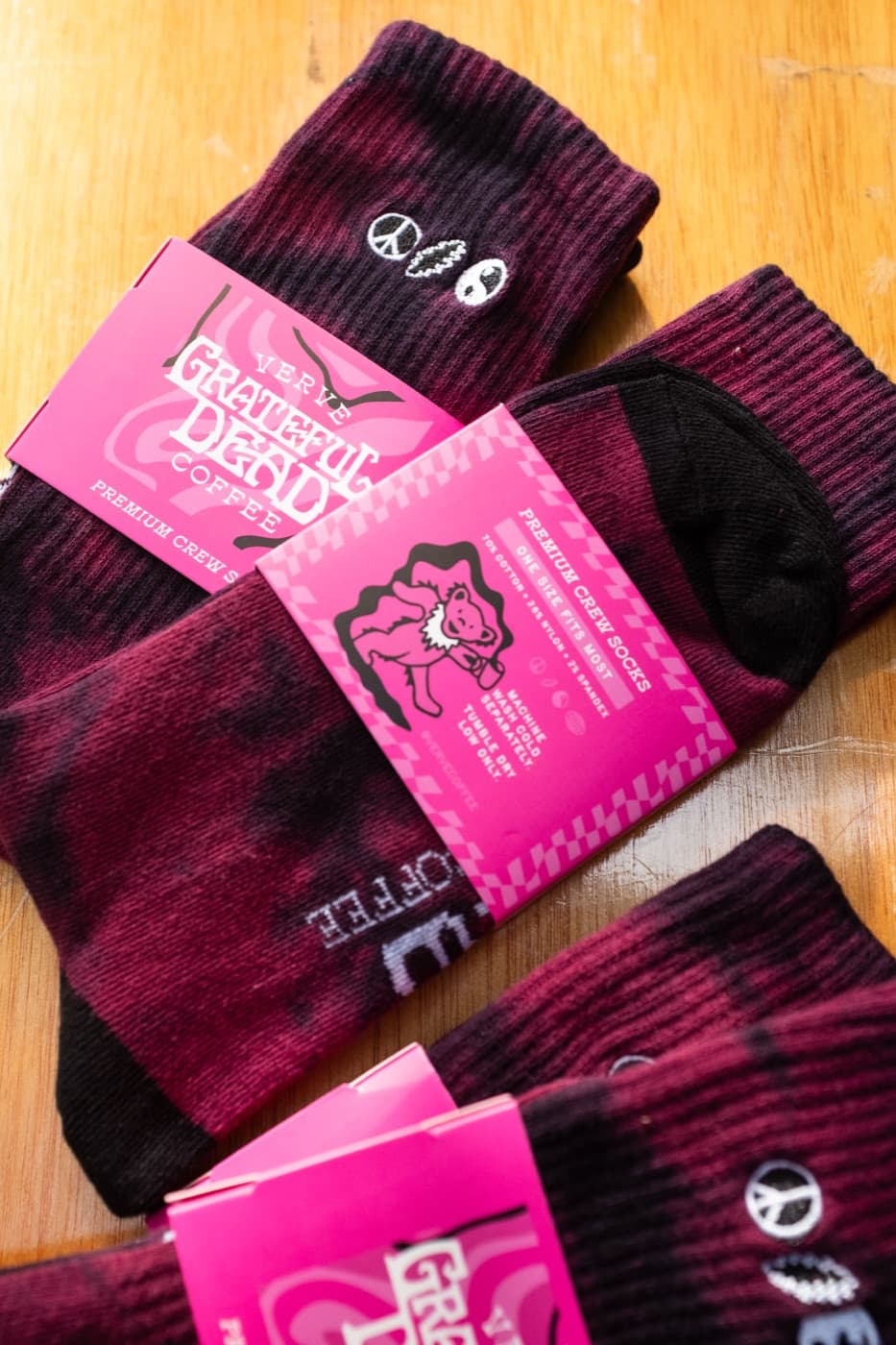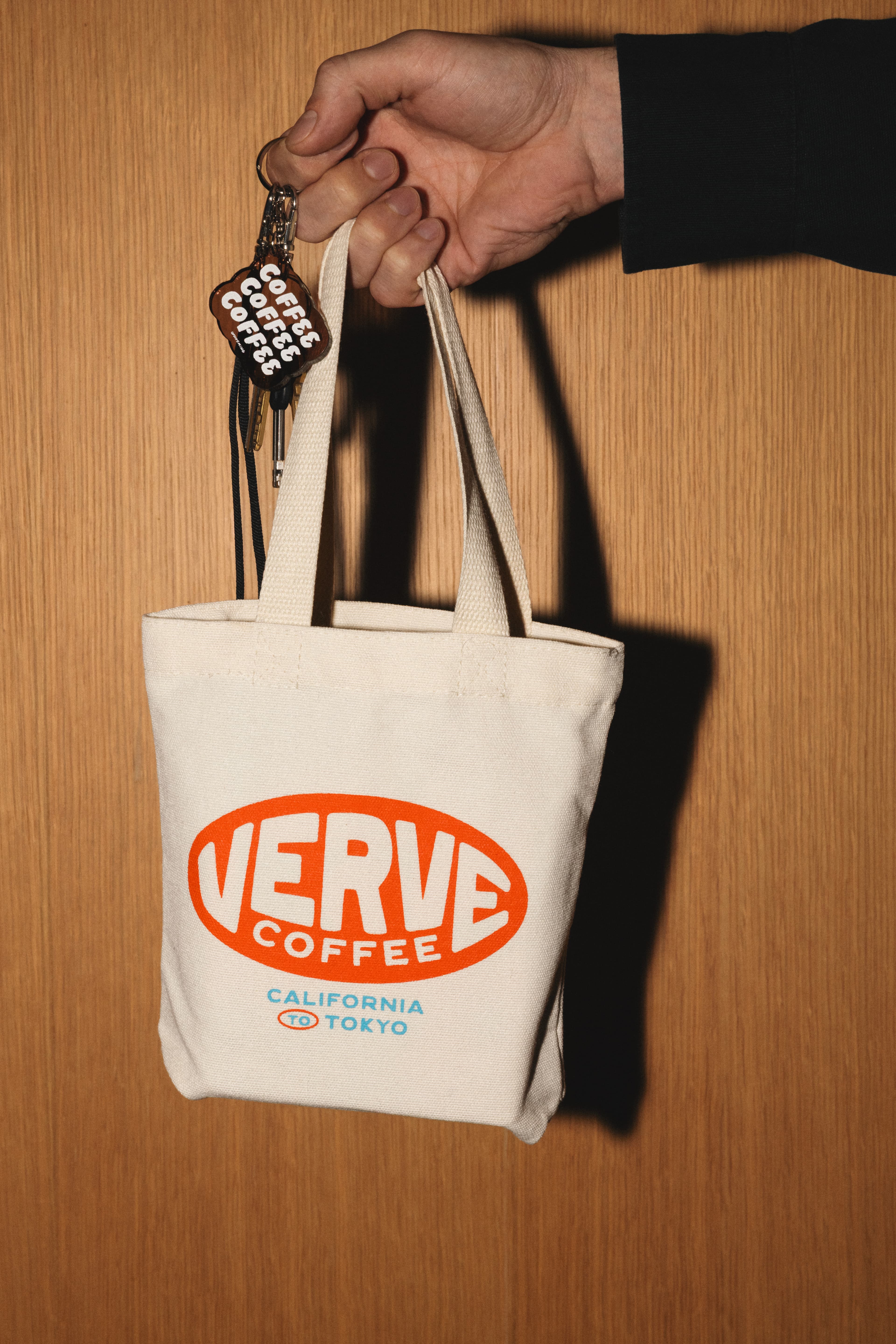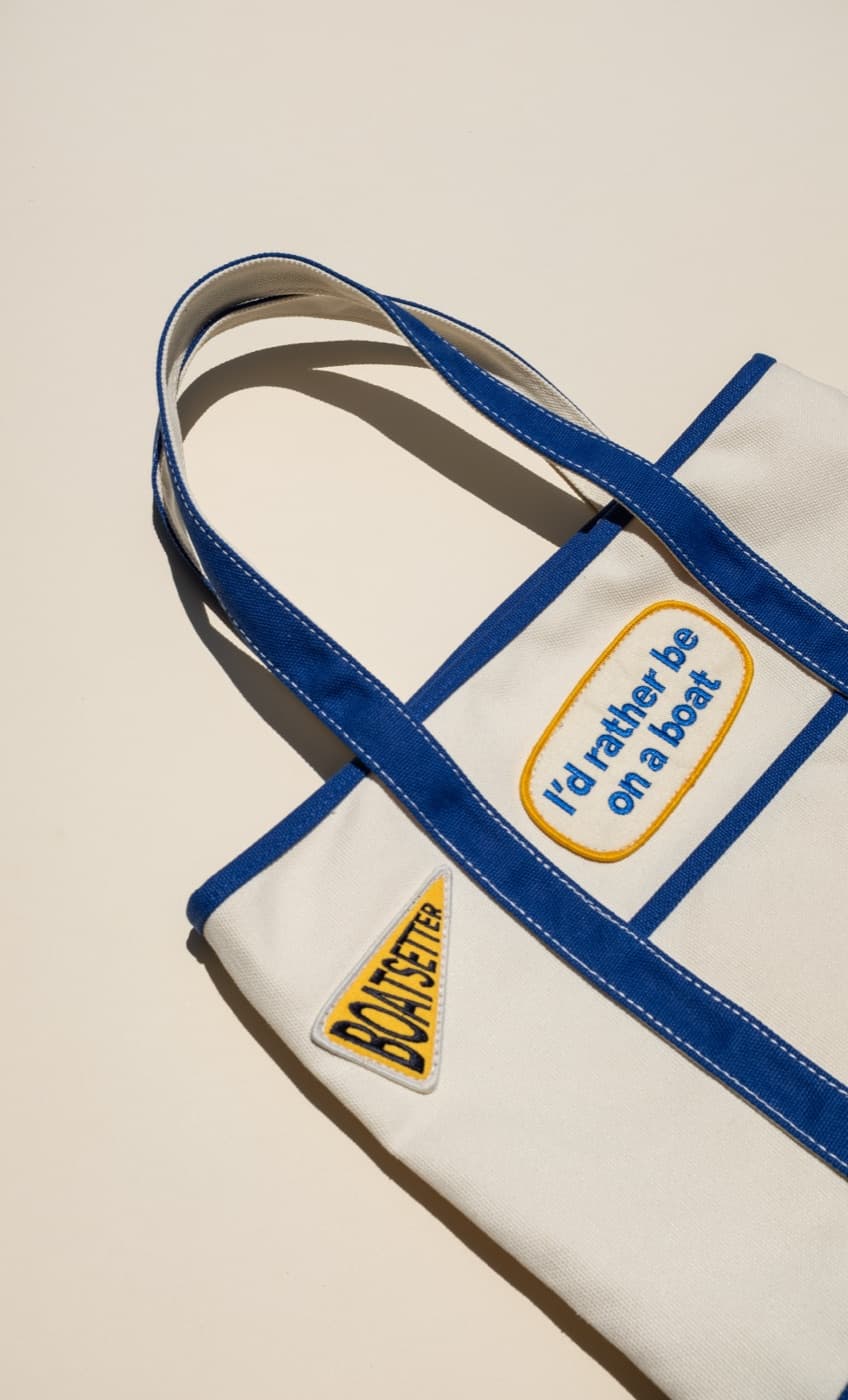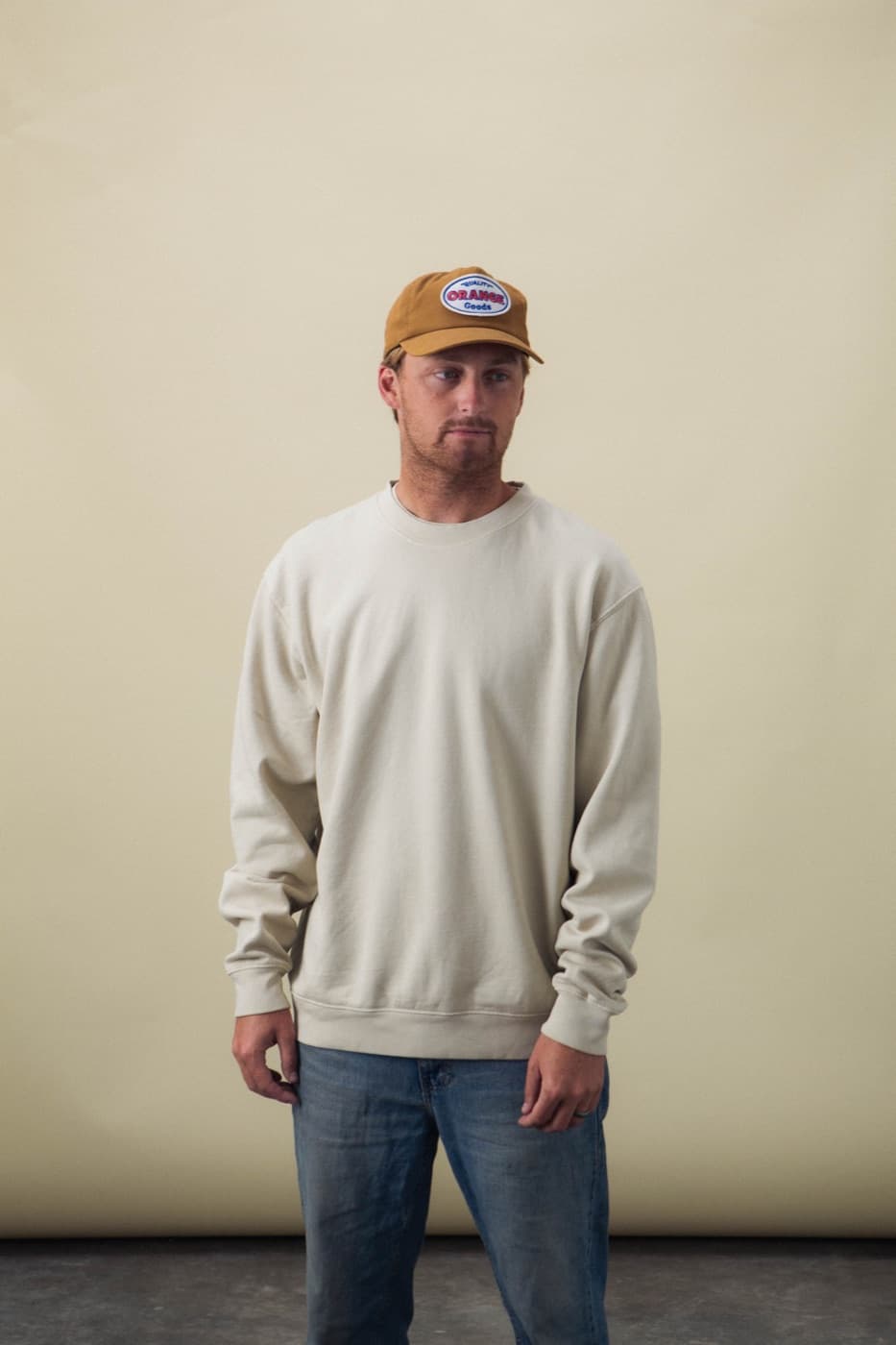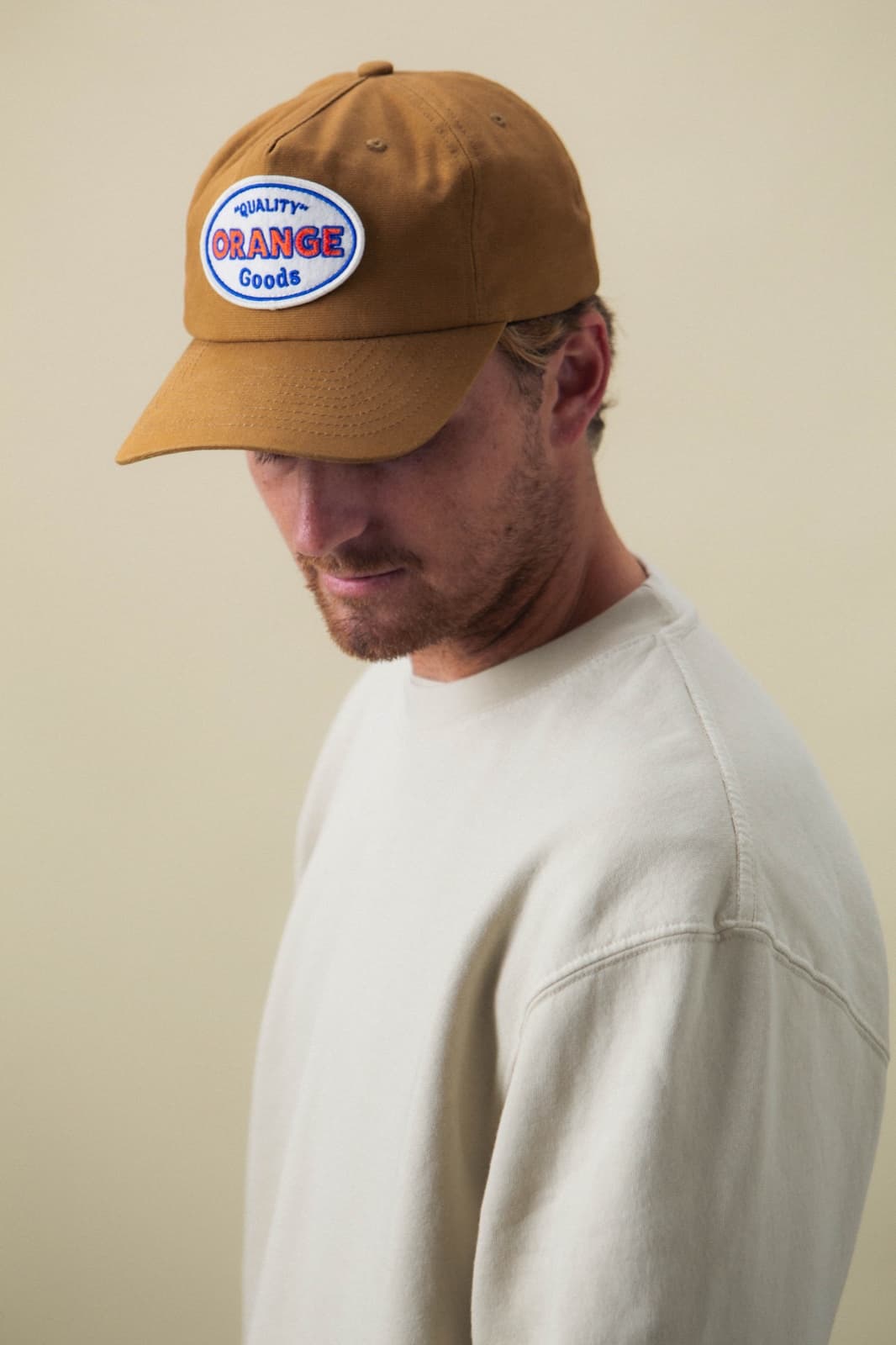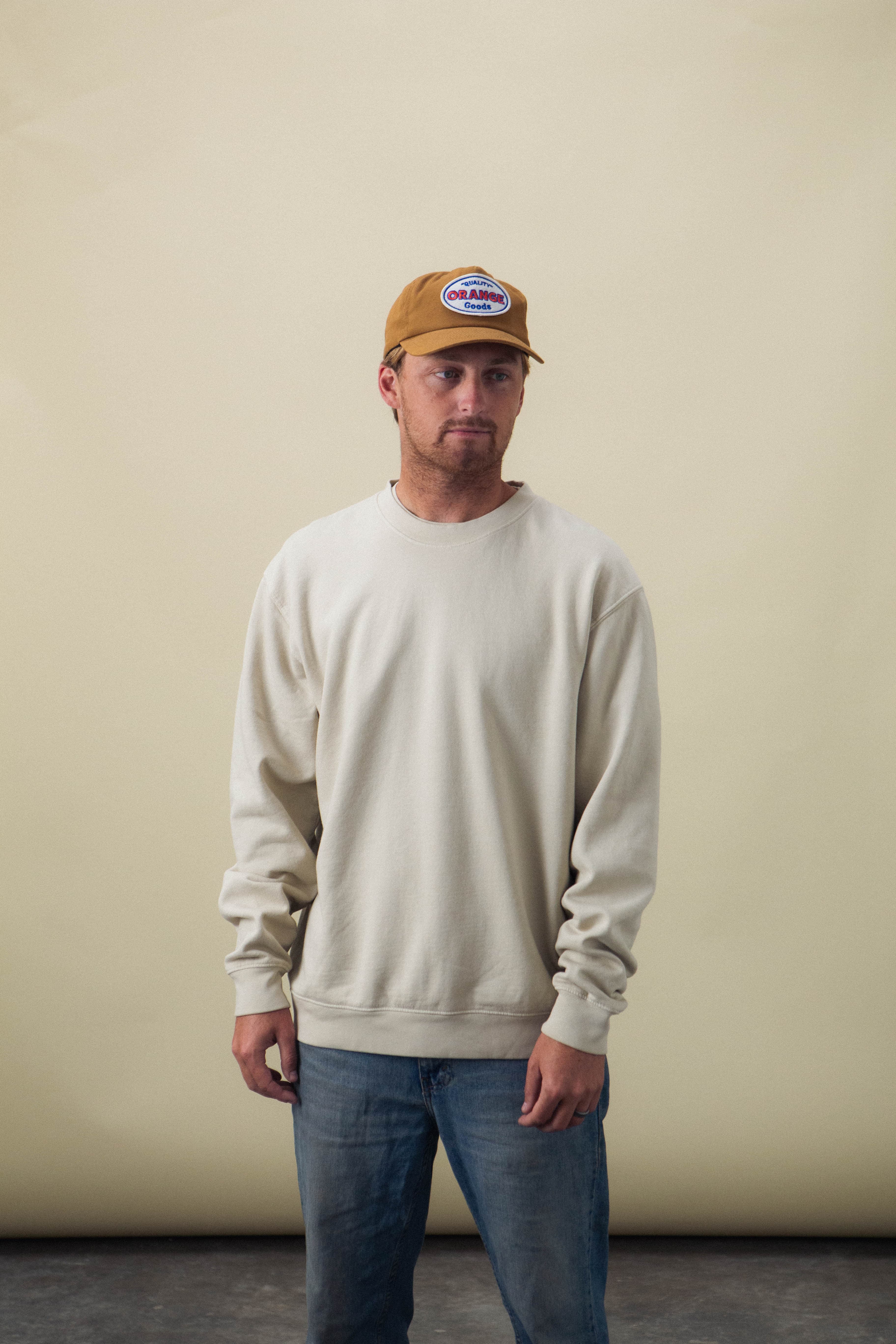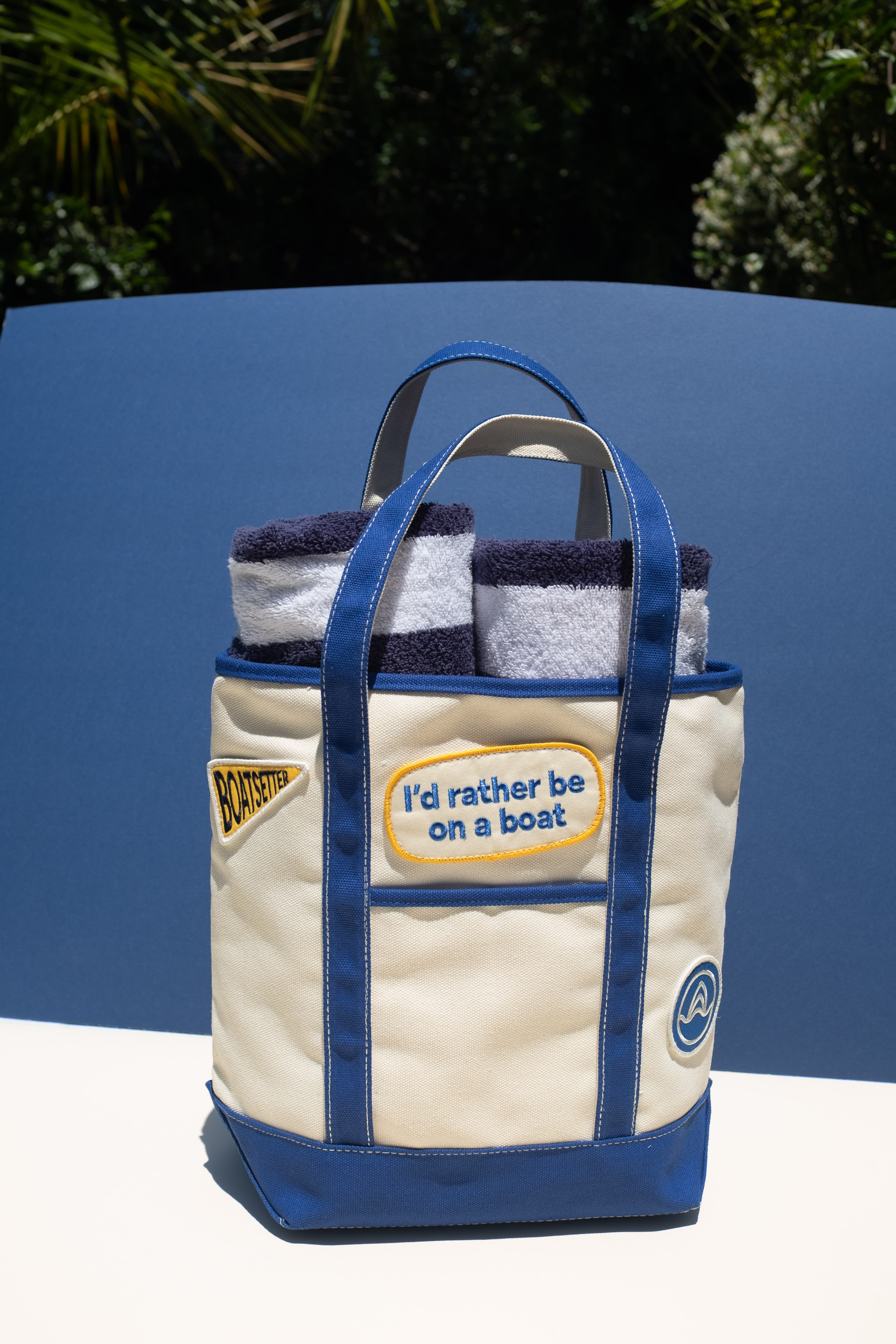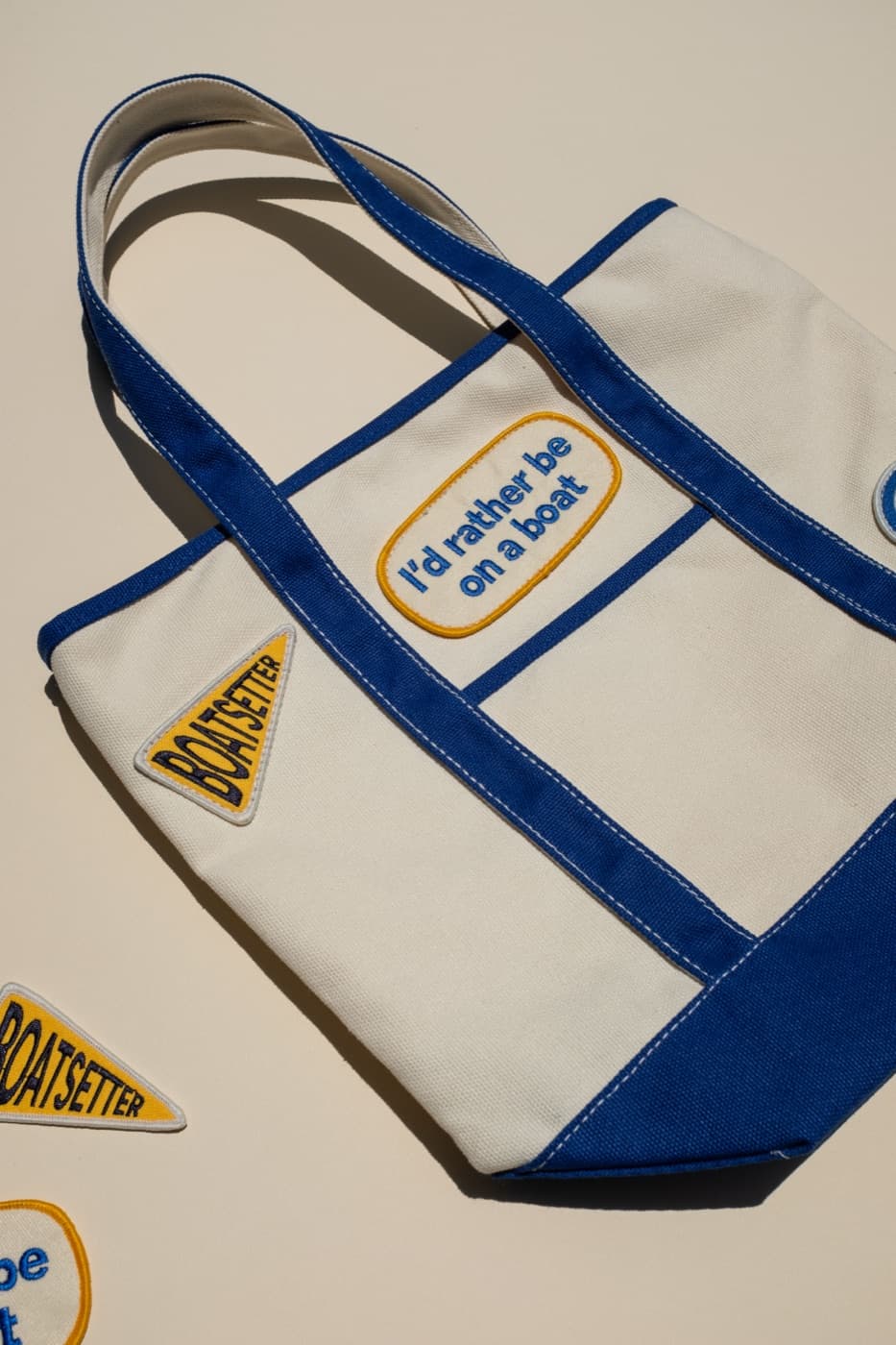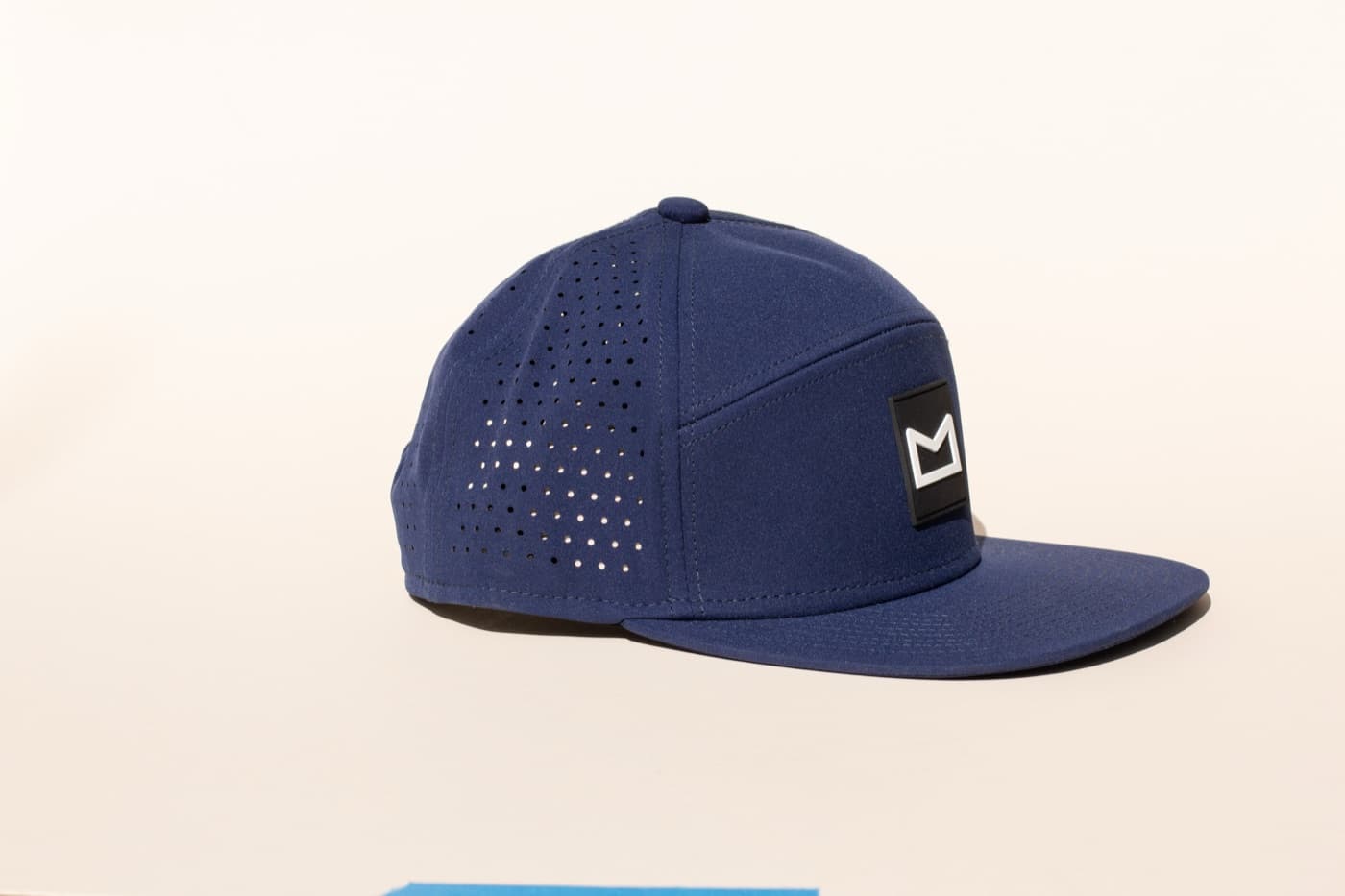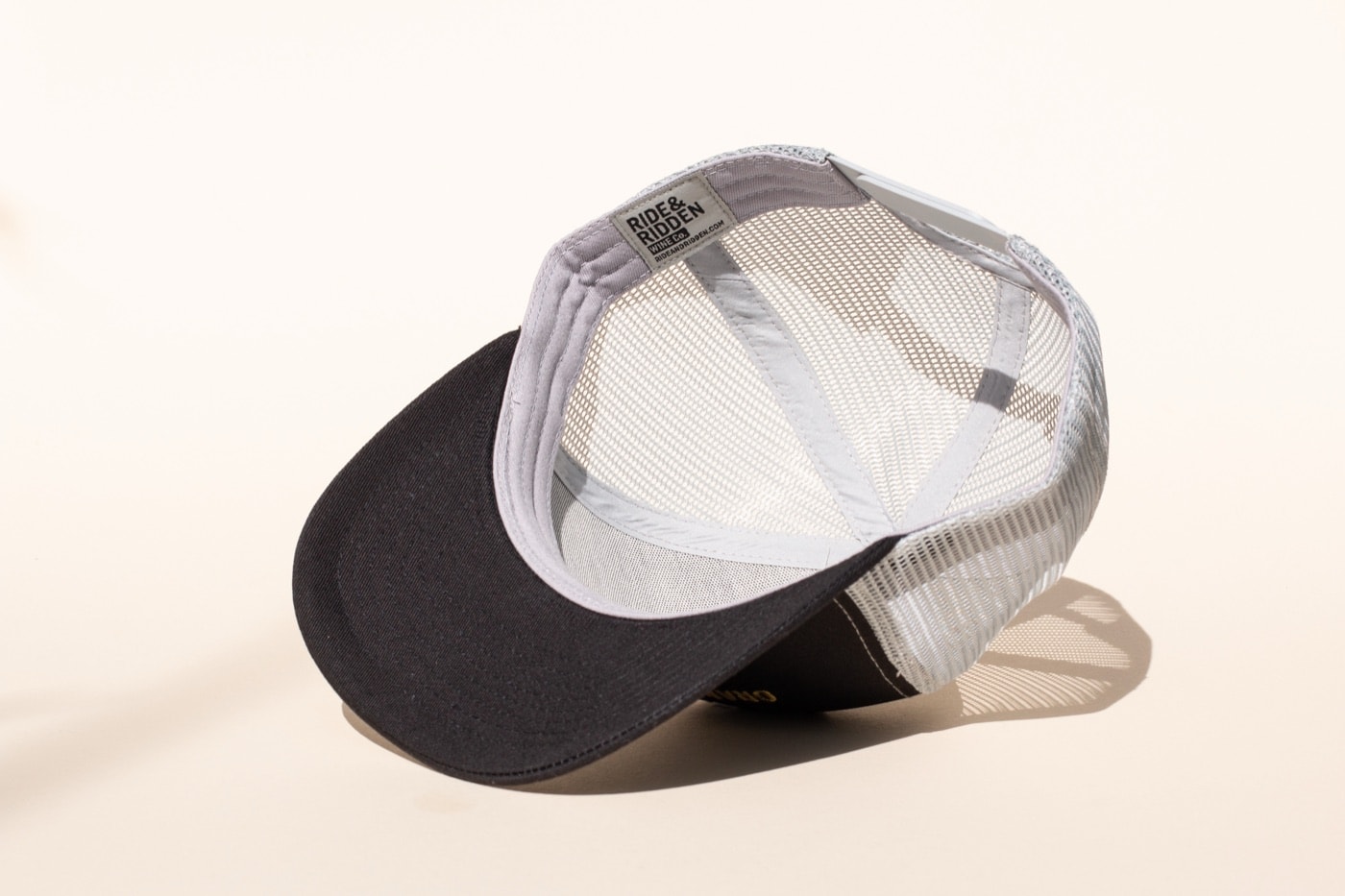
Patches add dimension to branded apparel in a way that flat decoration cannot. They sit above the fabric, have their own texture and material quality, and can be applied to products that would be difficult or impossible to embroider directly. A well-made patch can also be applied to multiple products without re-digitizing or re-setting up — which makes them efficient once you have the artwork dialed in.
Embroidered patches
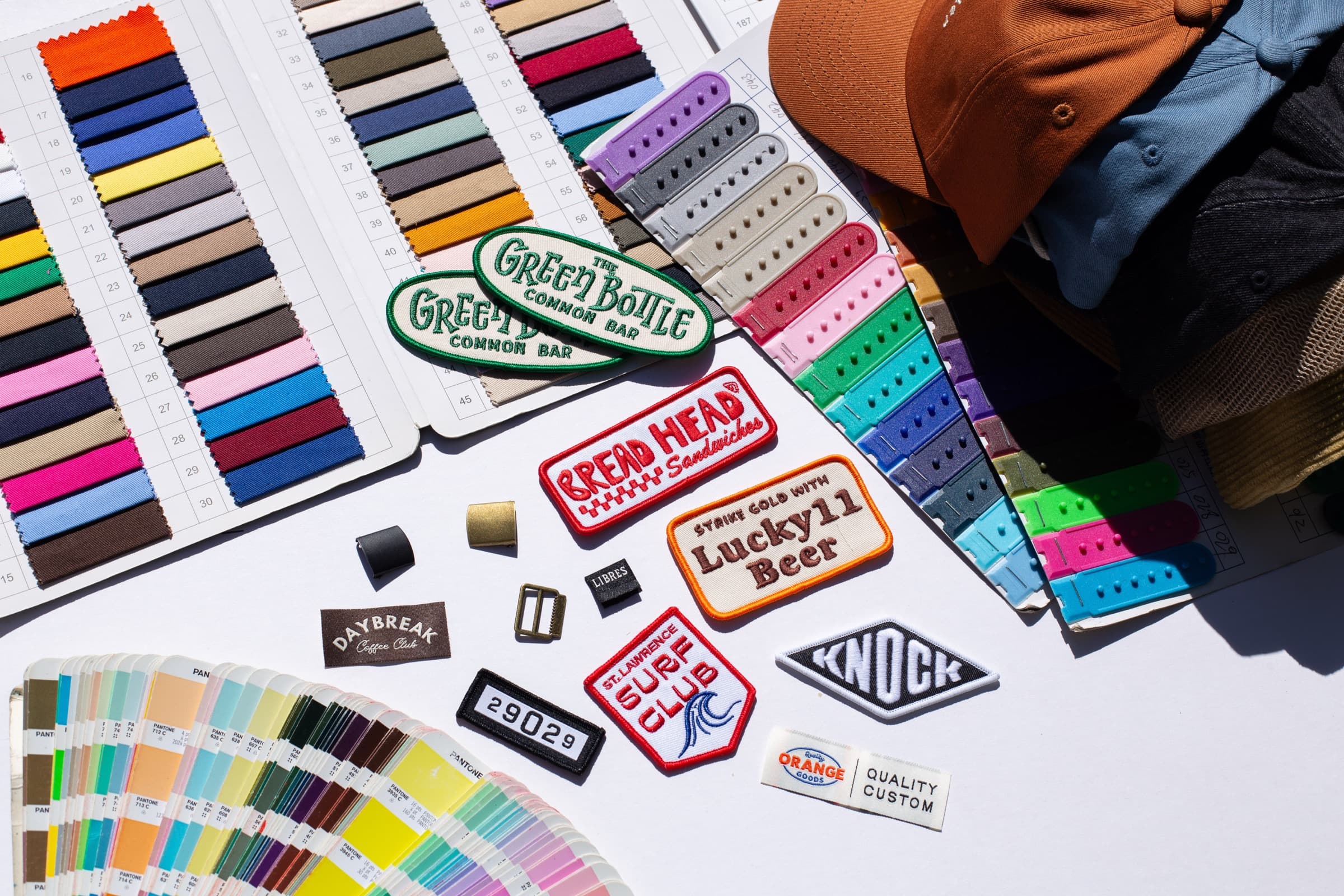
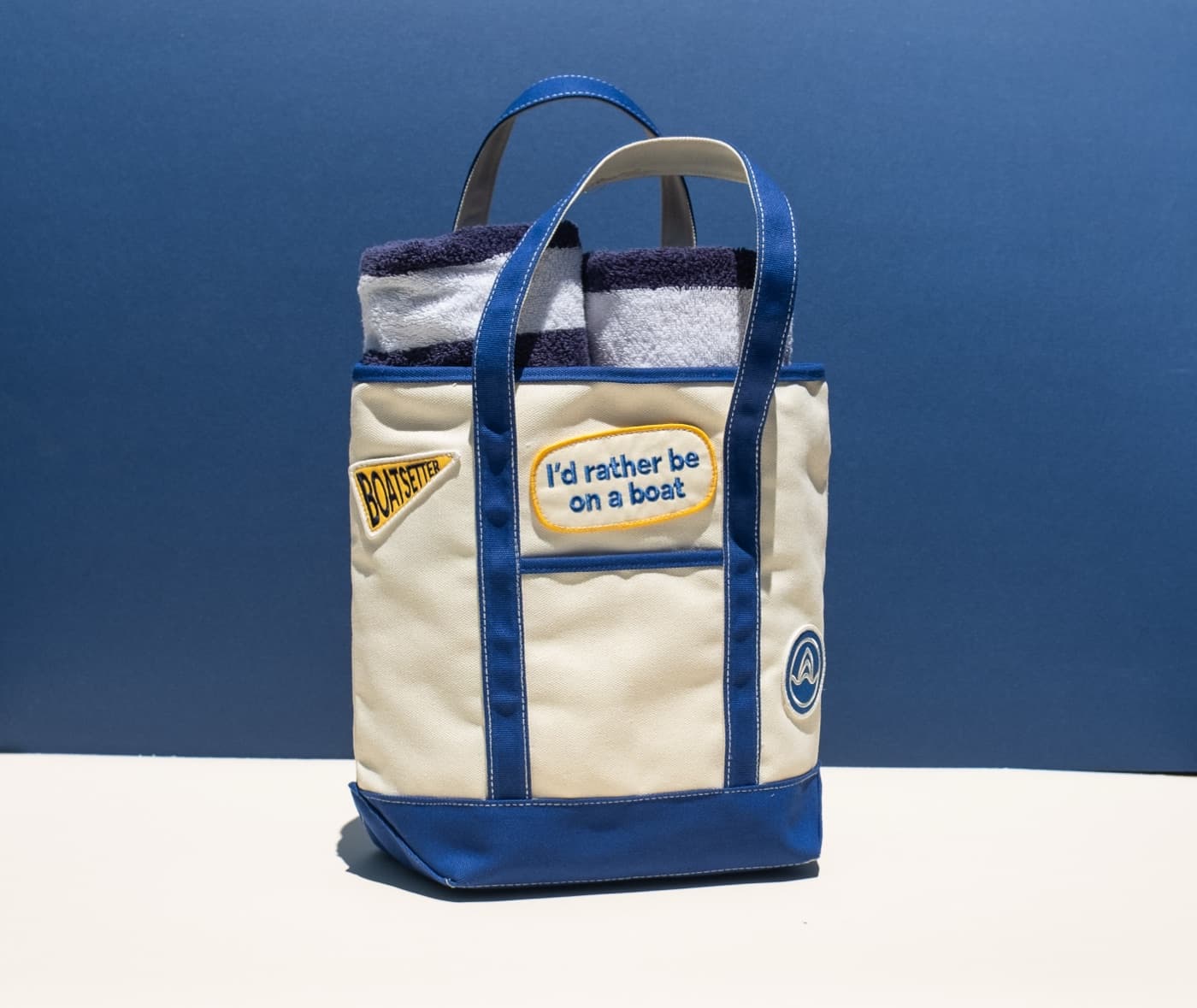
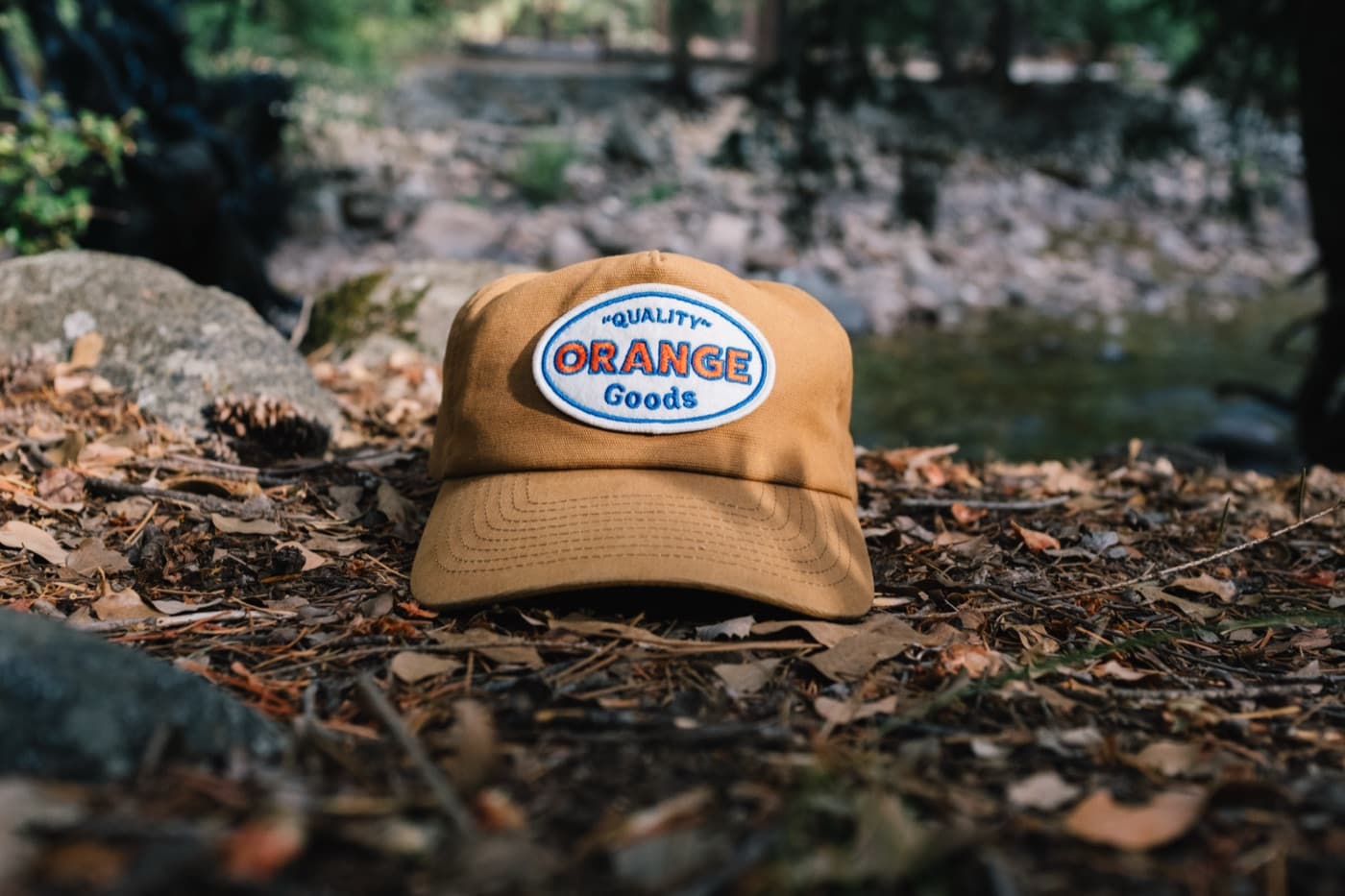
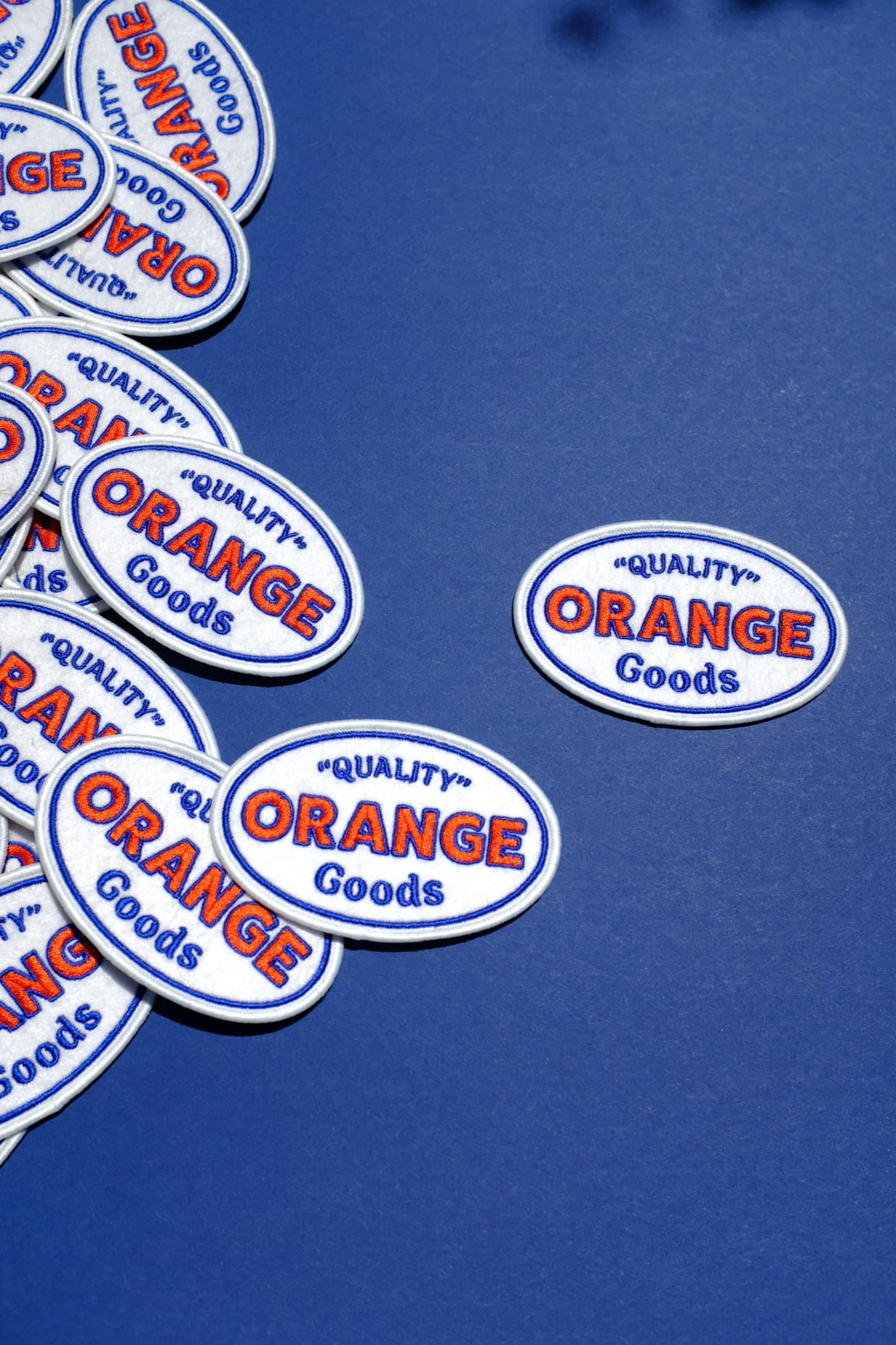
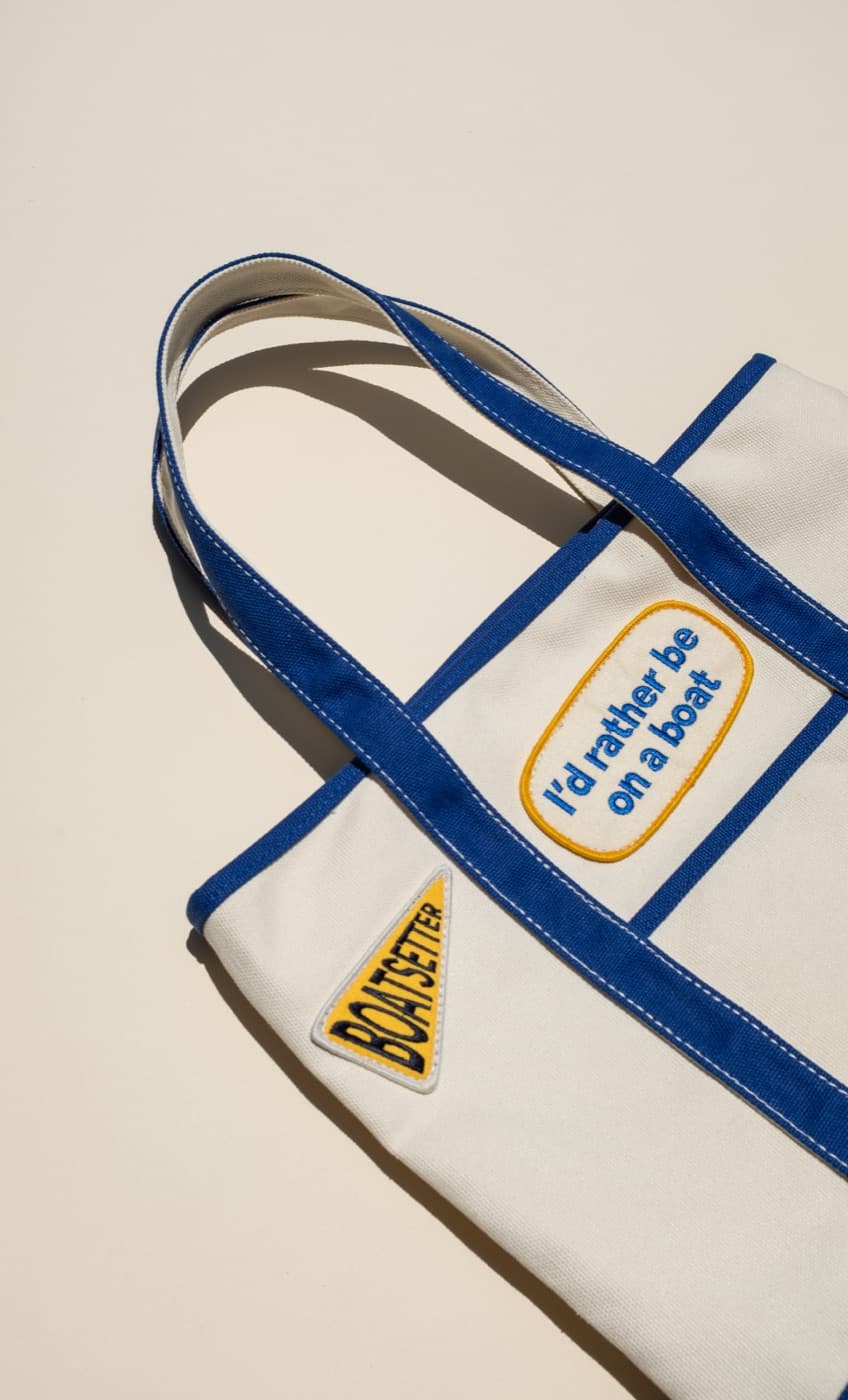
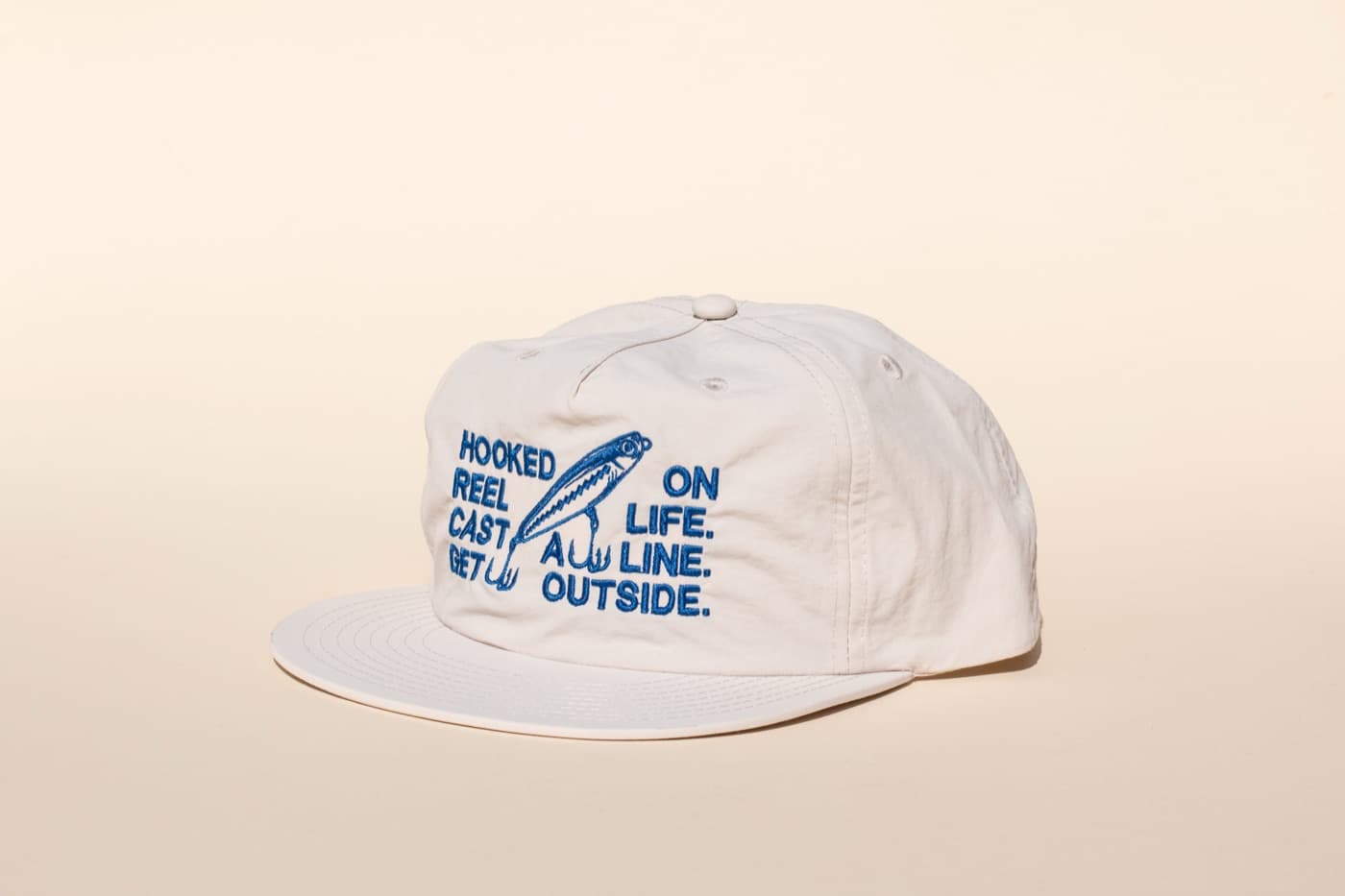
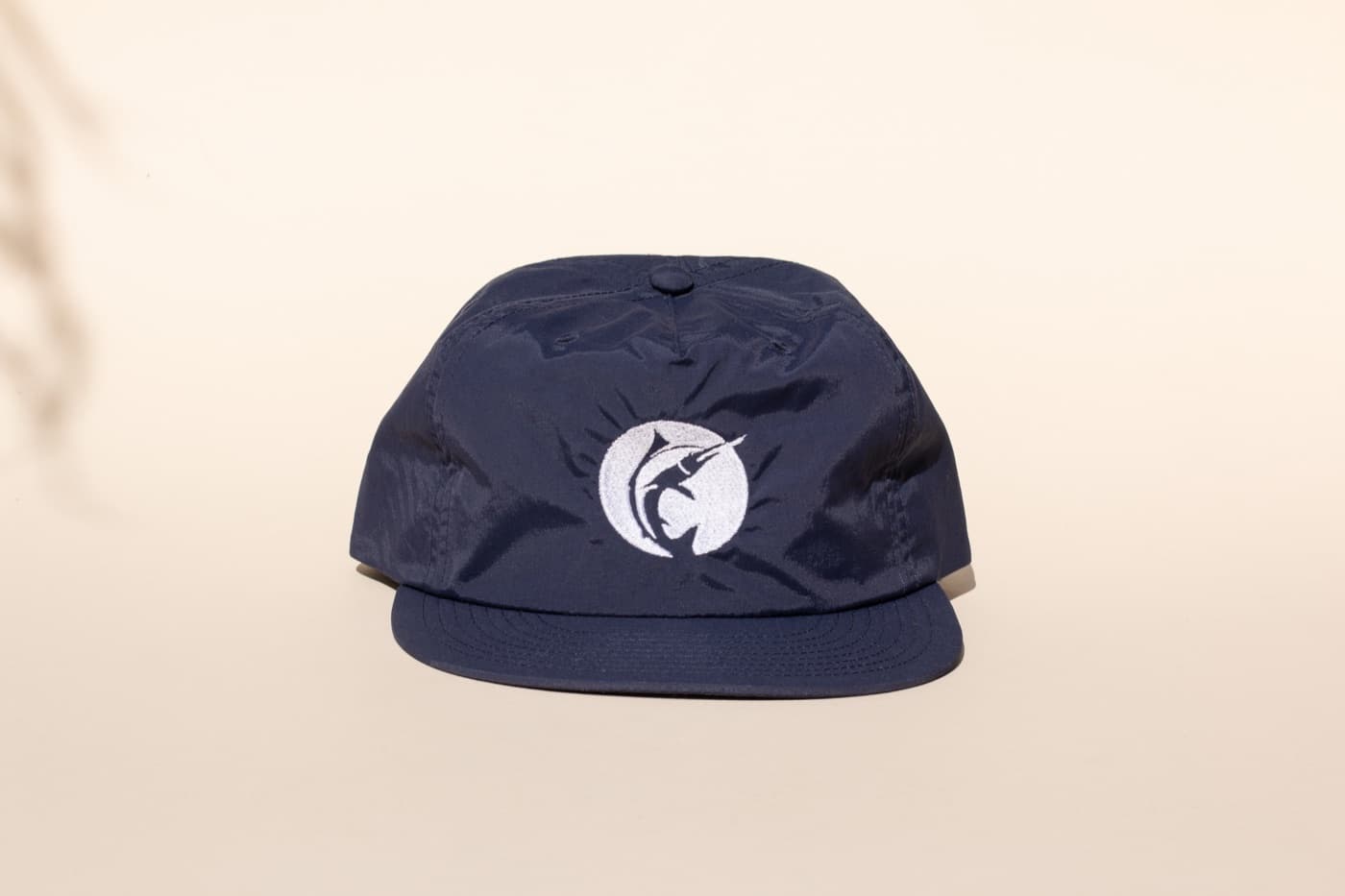
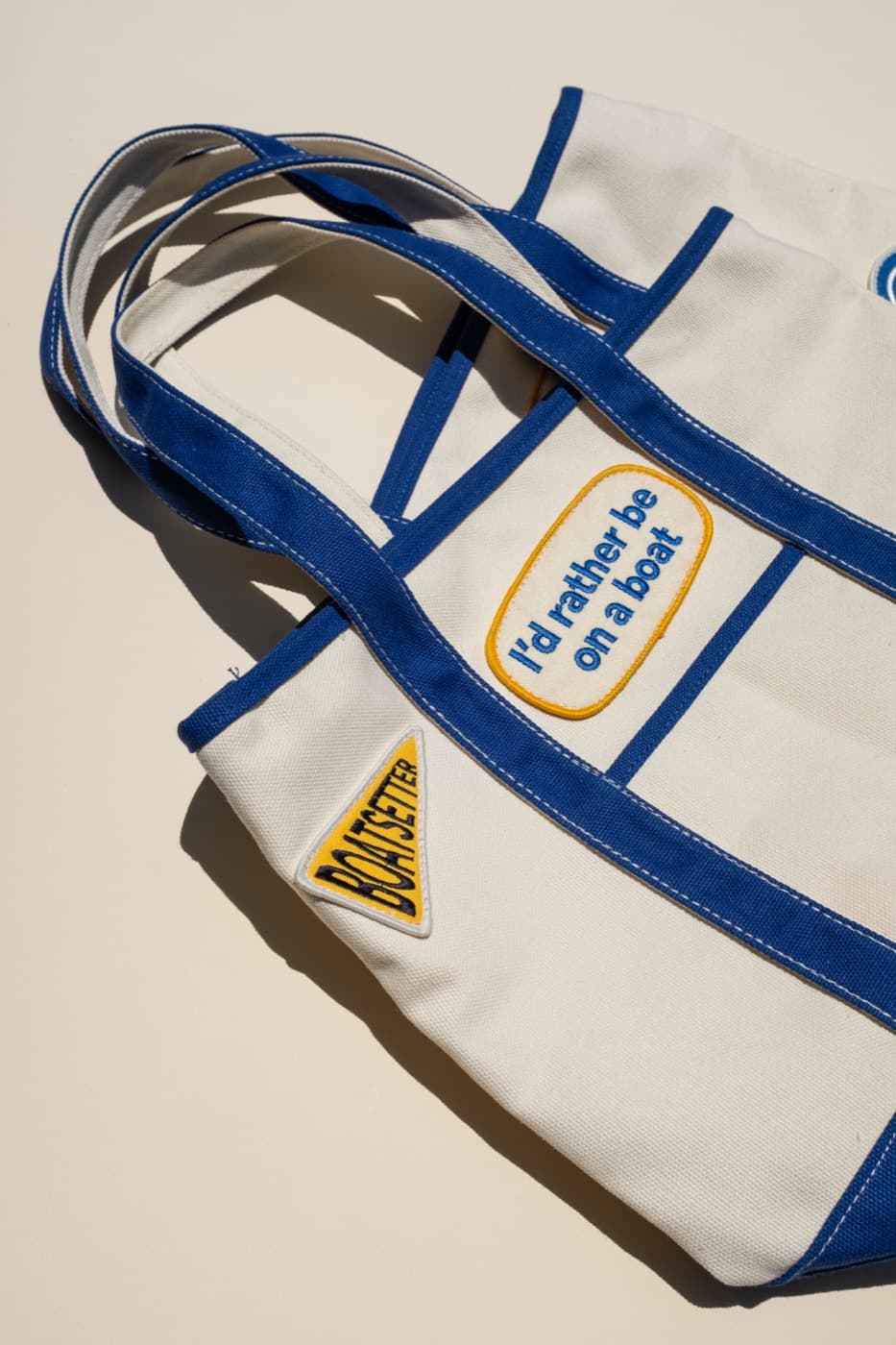
The most familiar patch type. Stitched threads on a backing material, usually with a merrowed or die-cut edge. They look and feel like embroidery but can be applied to surfaces that a machine could not reach — like the front panel of a structured hat, a denim jacket, or a bag with tight geometry. Embroidered patches work well for logos with strong shapes and clear color separation. Fine detail is harder to reproduce than in woven patches.
Woven patches
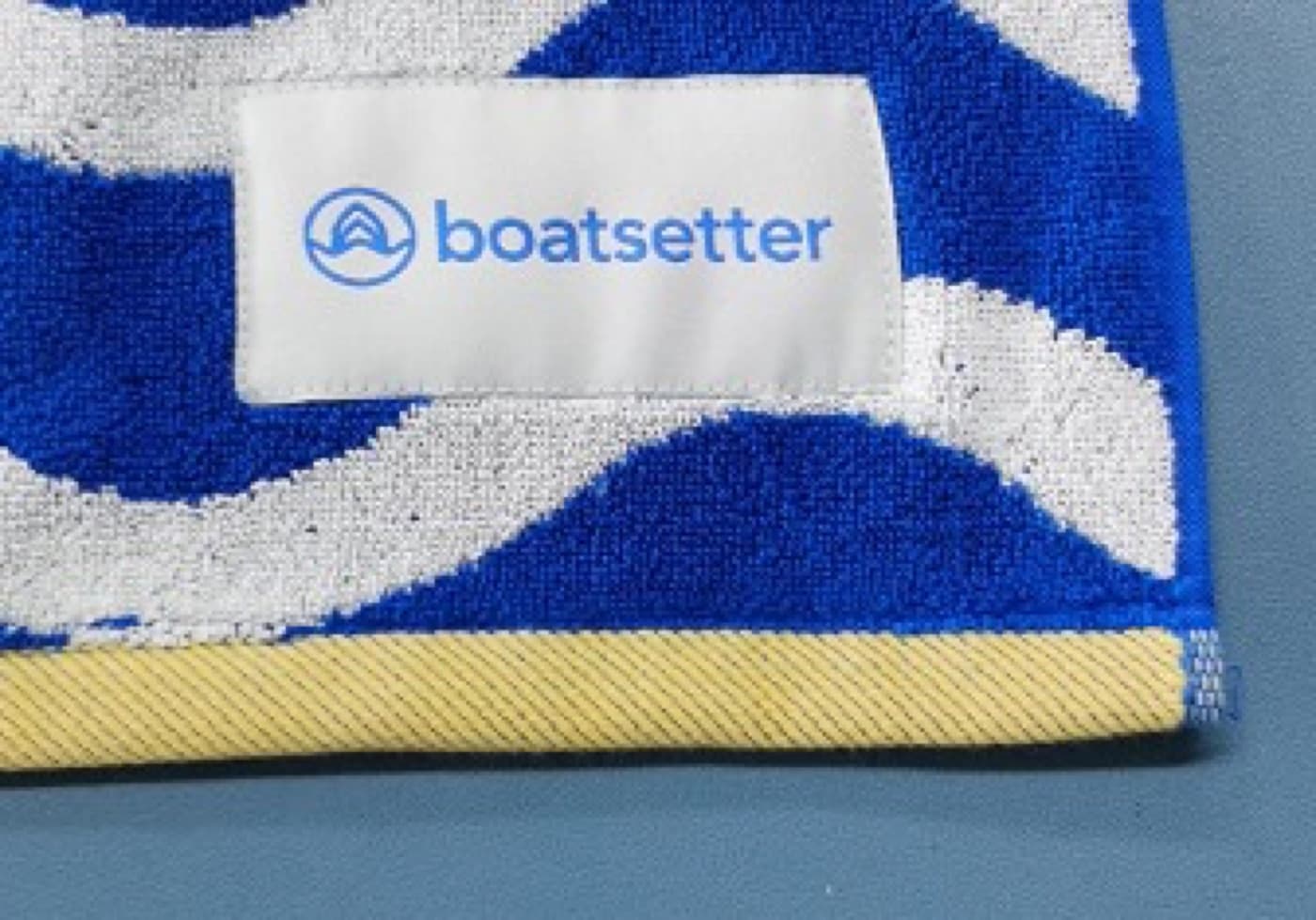
Woven patches use a tight weave structure instead of raised stitching, which allows for finer detail and smaller text than embroidery. They sit flatter and feel smoother in hand. A woven patch can reproduce a complex illustration or fine typography that would lose definition as embroidery. They are popular on premium streetwear and outerwear labels.
PVC patches
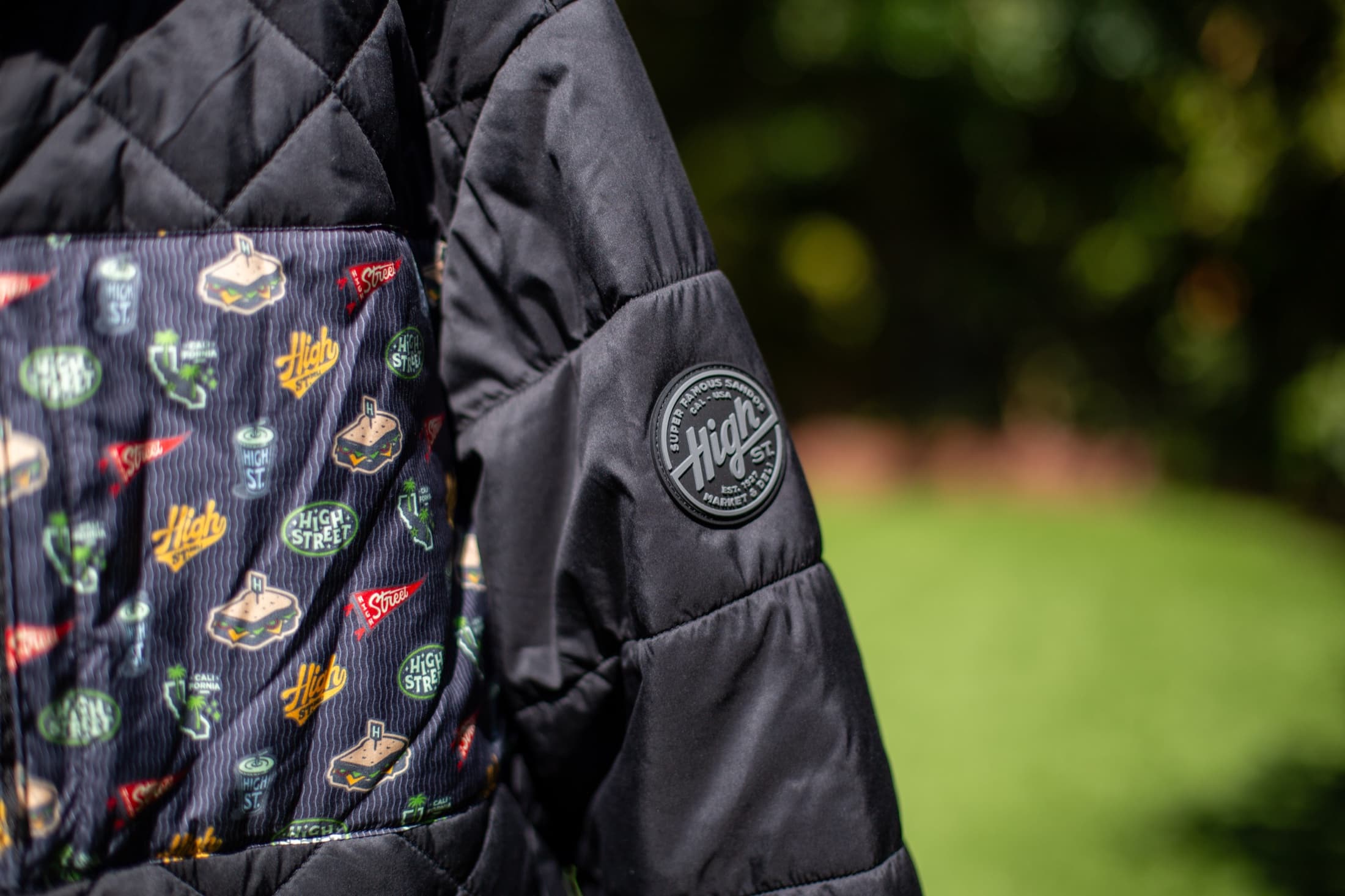
Molded rubber or PVC patches have become popular in outdoor gear, military-adjacent brands, and workwear. They are extremely durable, weather-resistant, and can reproduce 3D detail that fabric patches cannot. A PVC patch with raised lettering and recessed fills has a tactile quality that embroidery and woven patches do not. They work especially well on gear-oriented products and structured hats.
Leather and leatherette patches
Laser-engraved or debossed leather patches read as premium and are popular in the hat market, especially on structured wool caps, trucker hats, and beanies. A leather patch with a simple wordmark or icon can elevate a standard blank significantly. The tone and grain of the leather becomes part of the brand expression, which is why the right leather choice matters as much as the artwork.
Application and planning
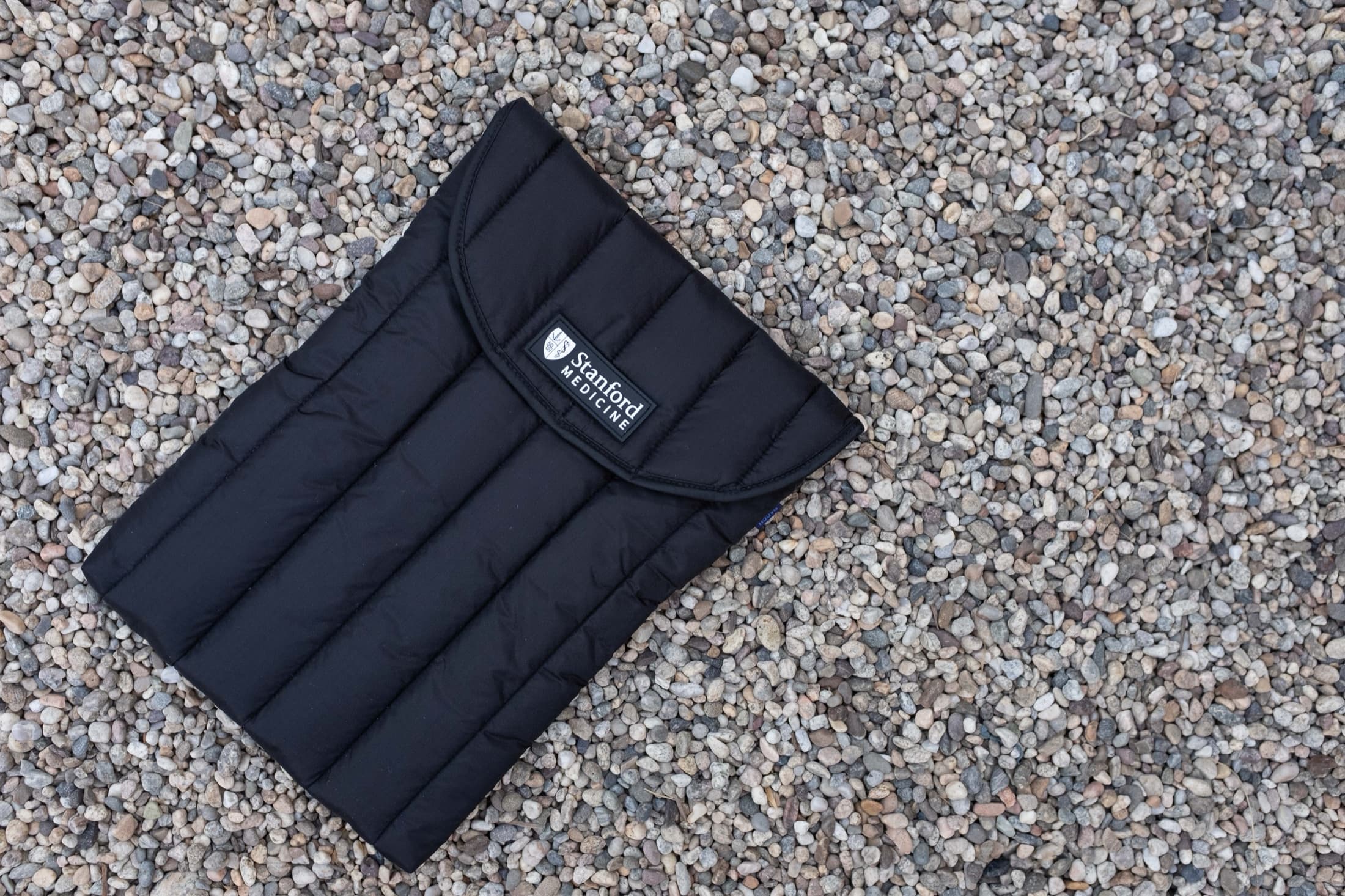
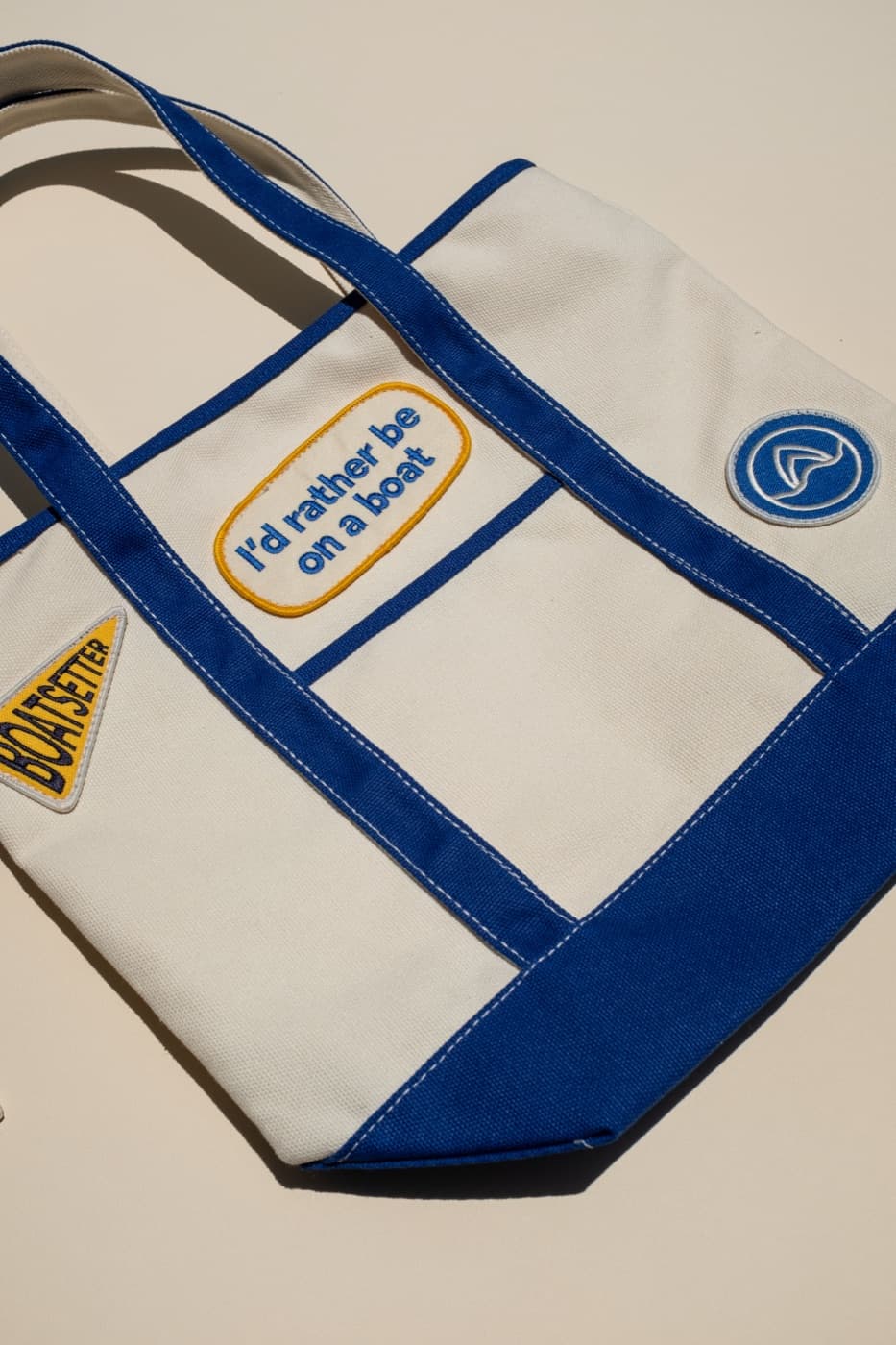
Patches are typically sewn or heat-applied to finished goods. Planning should account for application cost, which adds time and labor to the project. If you are applying patches to blanks you already own, confirm compatibility with the decorator. If starting from scratch, patches and blank sourcing can often be coordinated for a cleaner workflow.