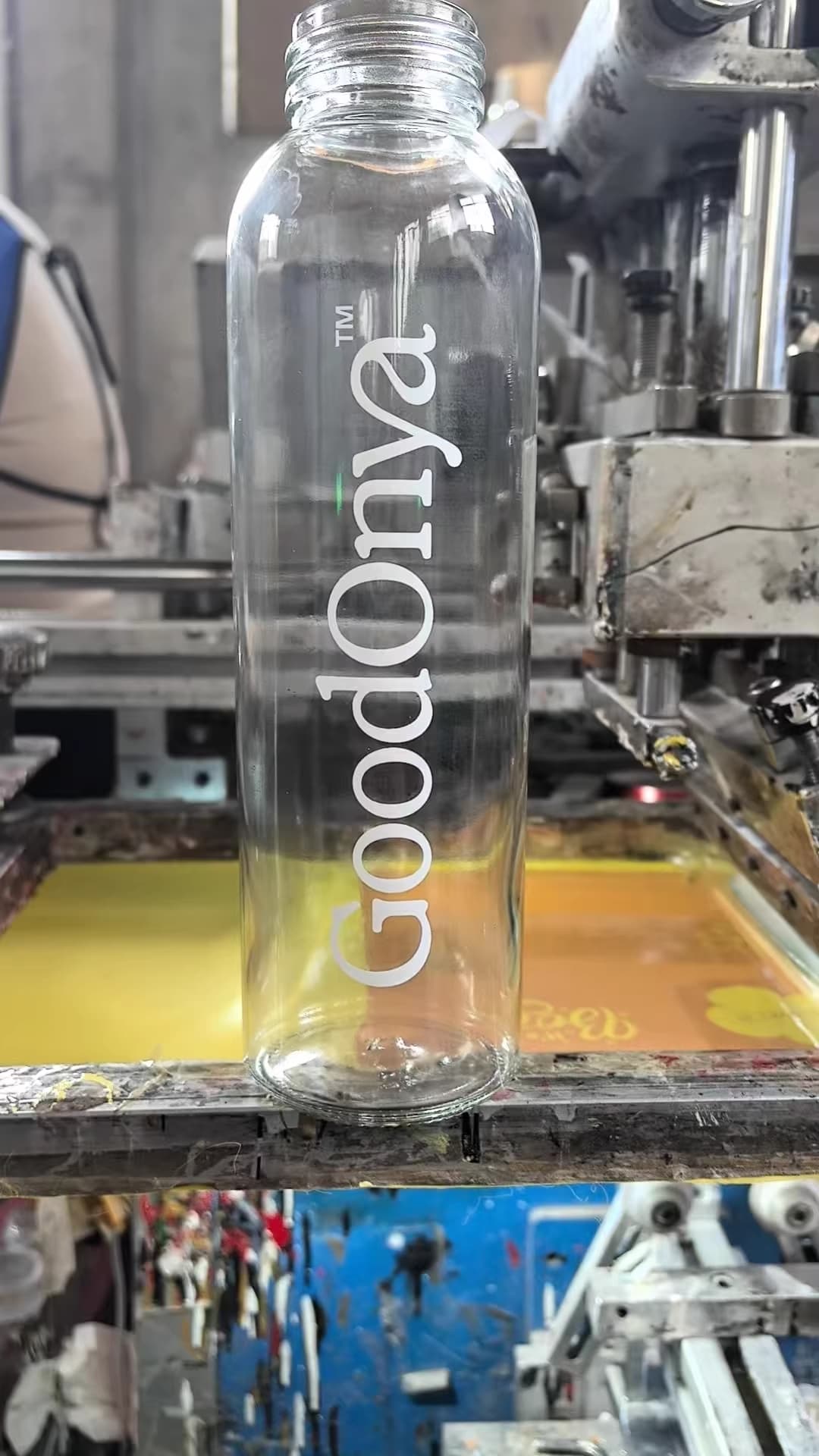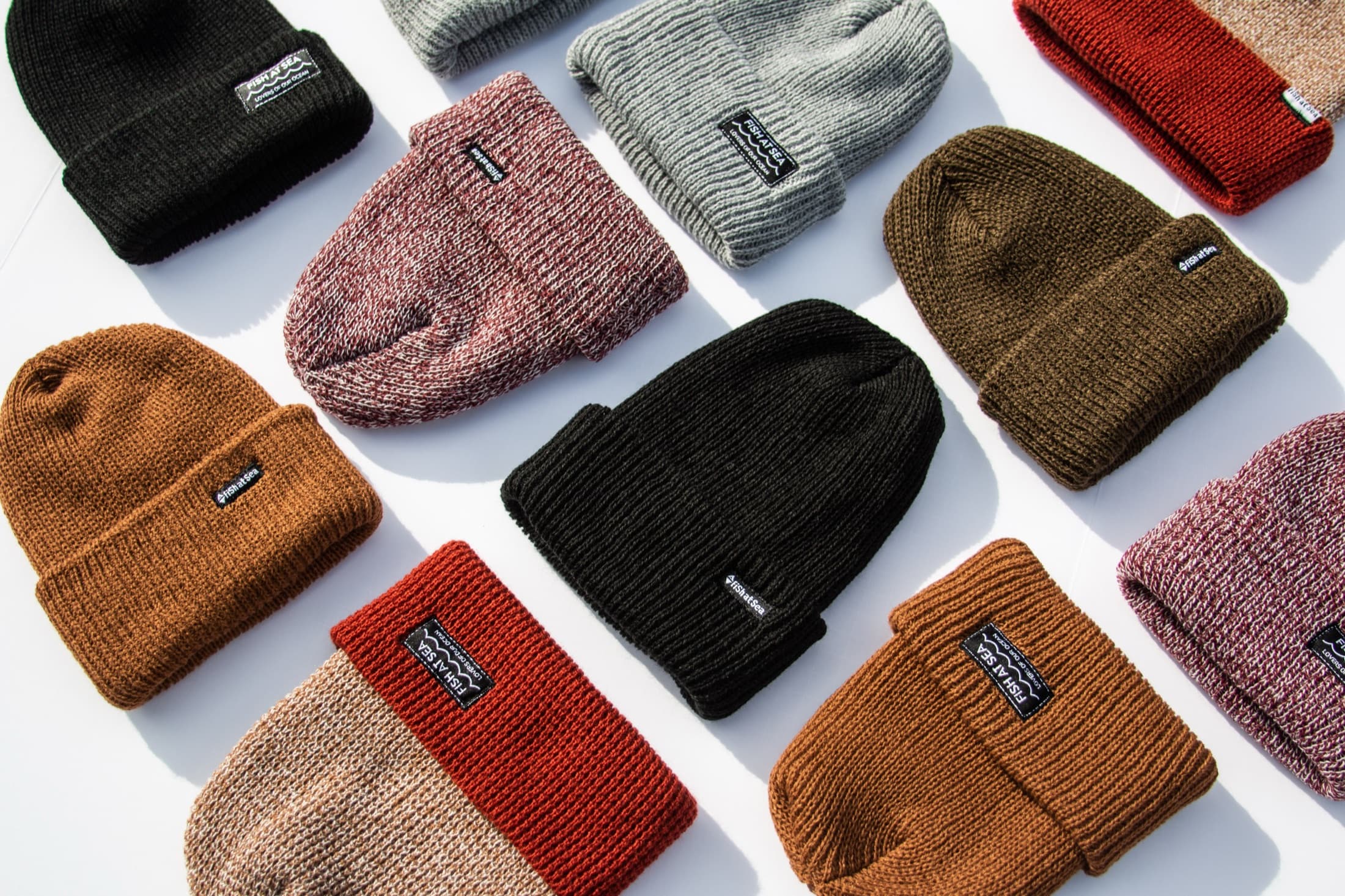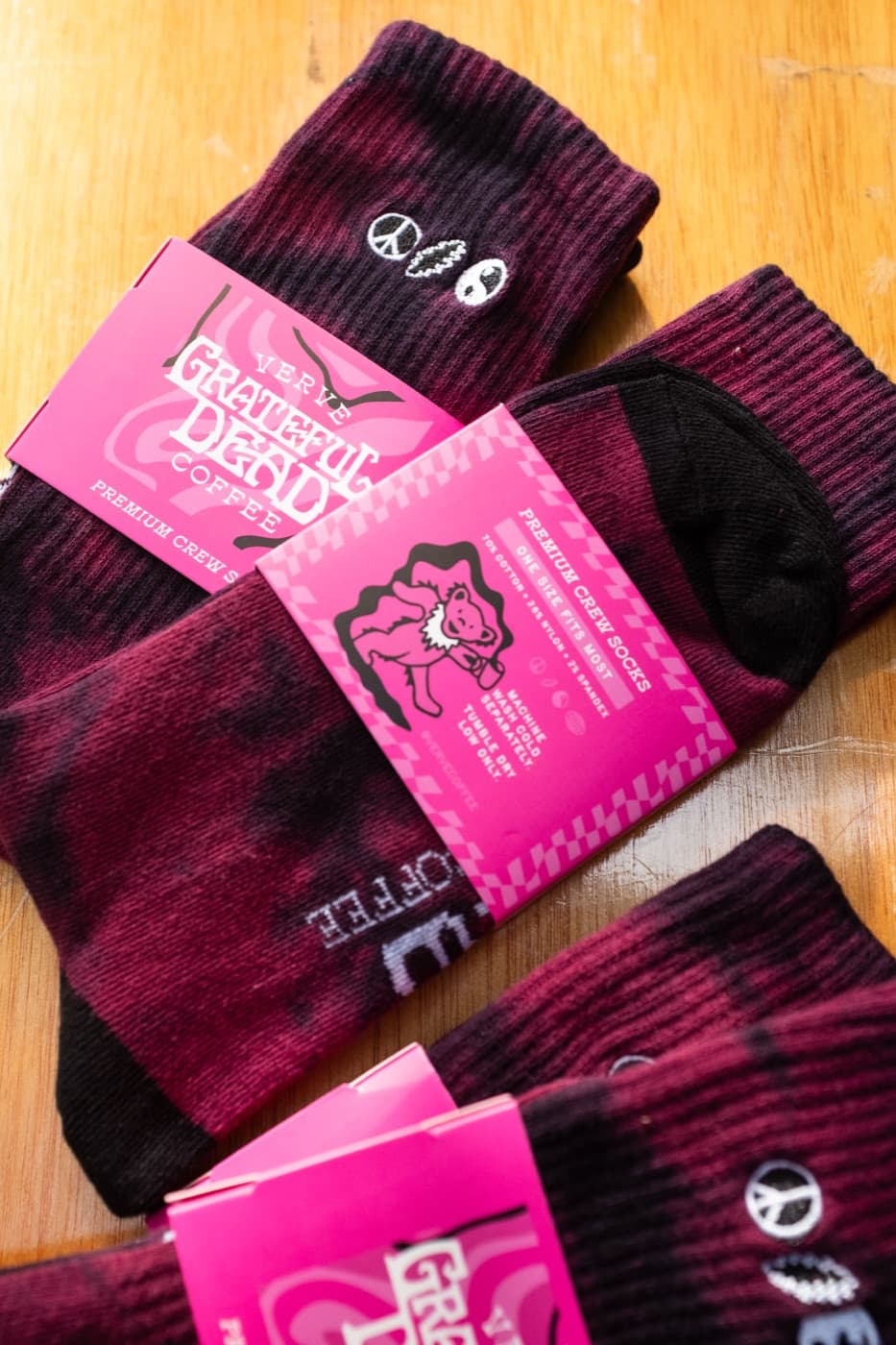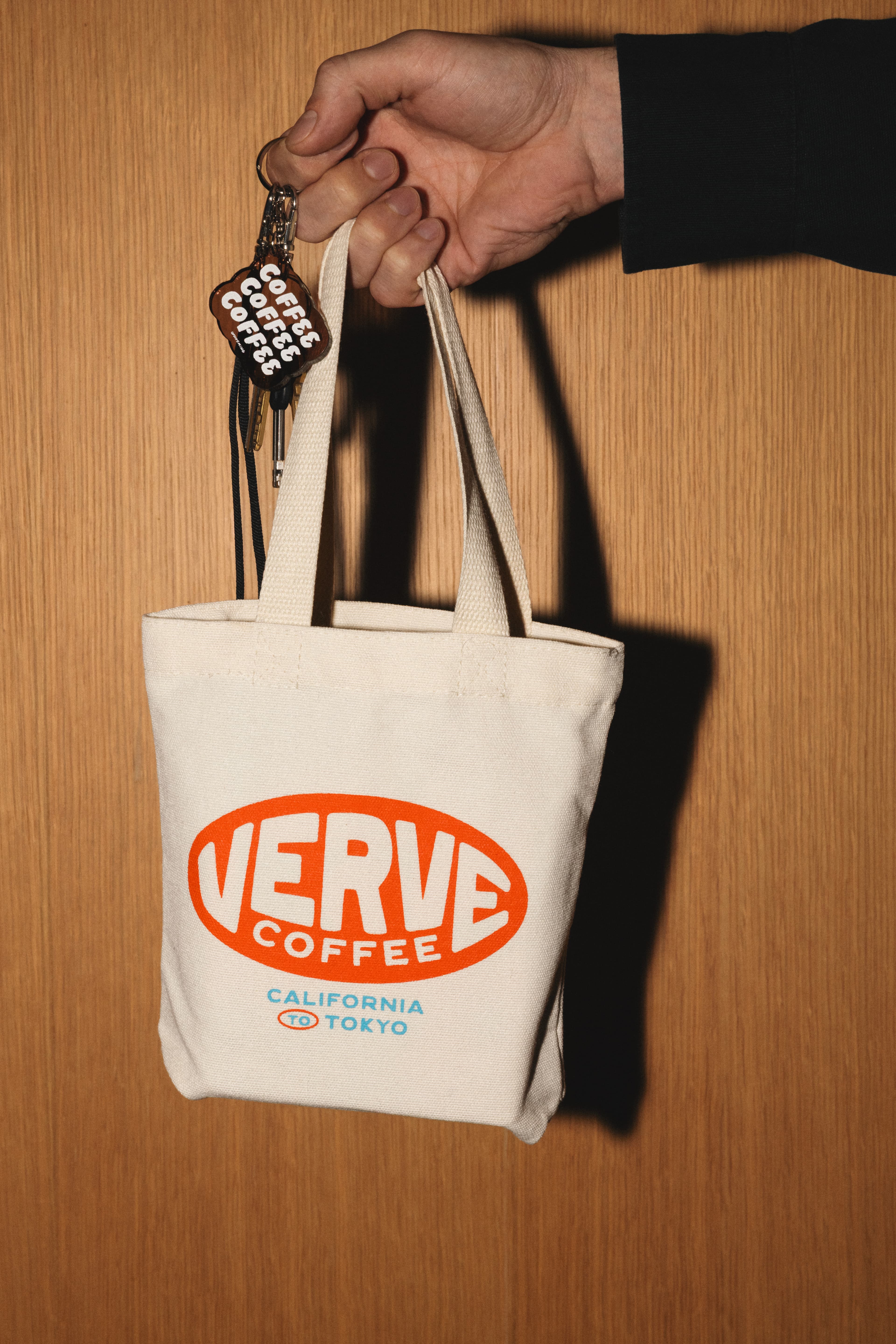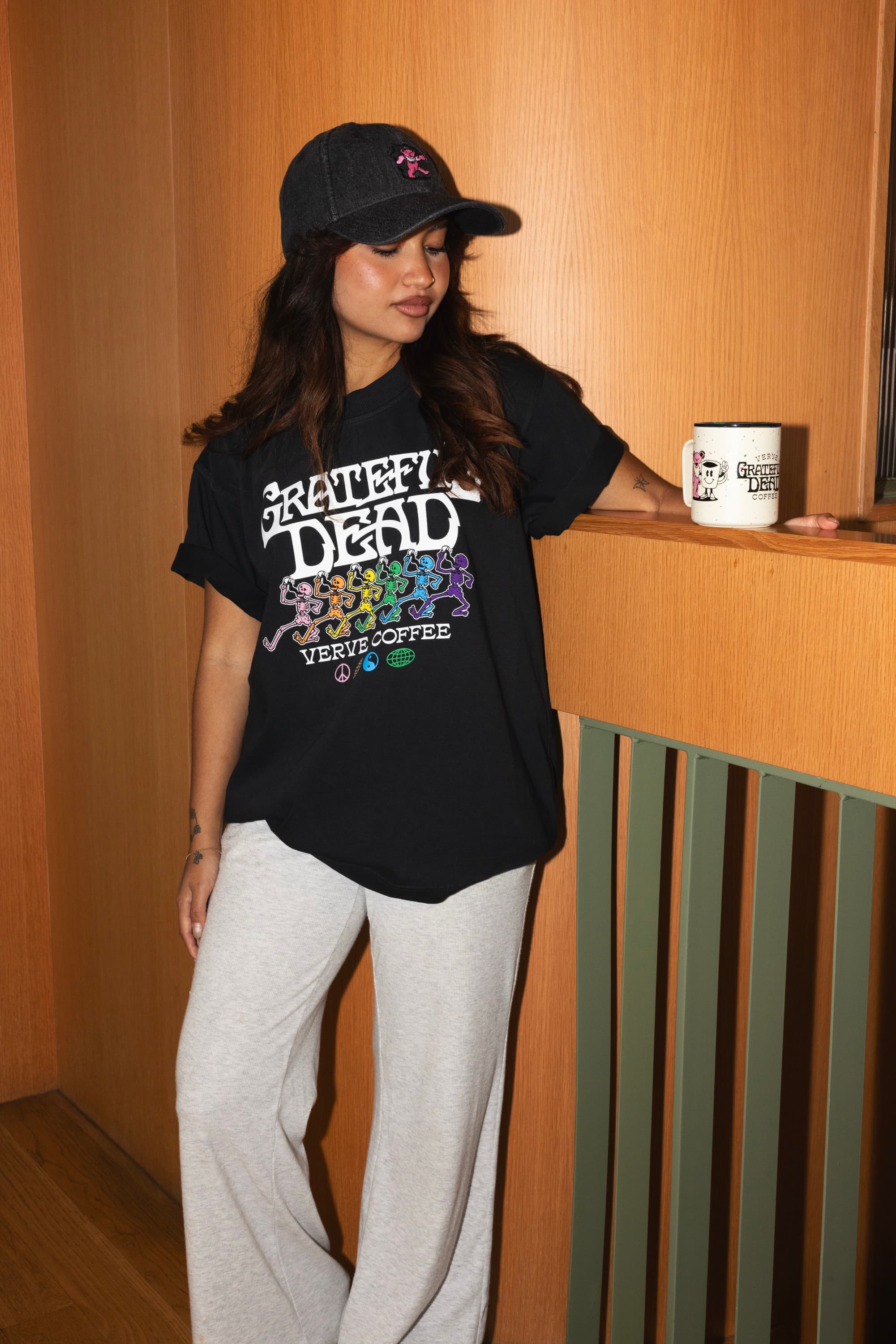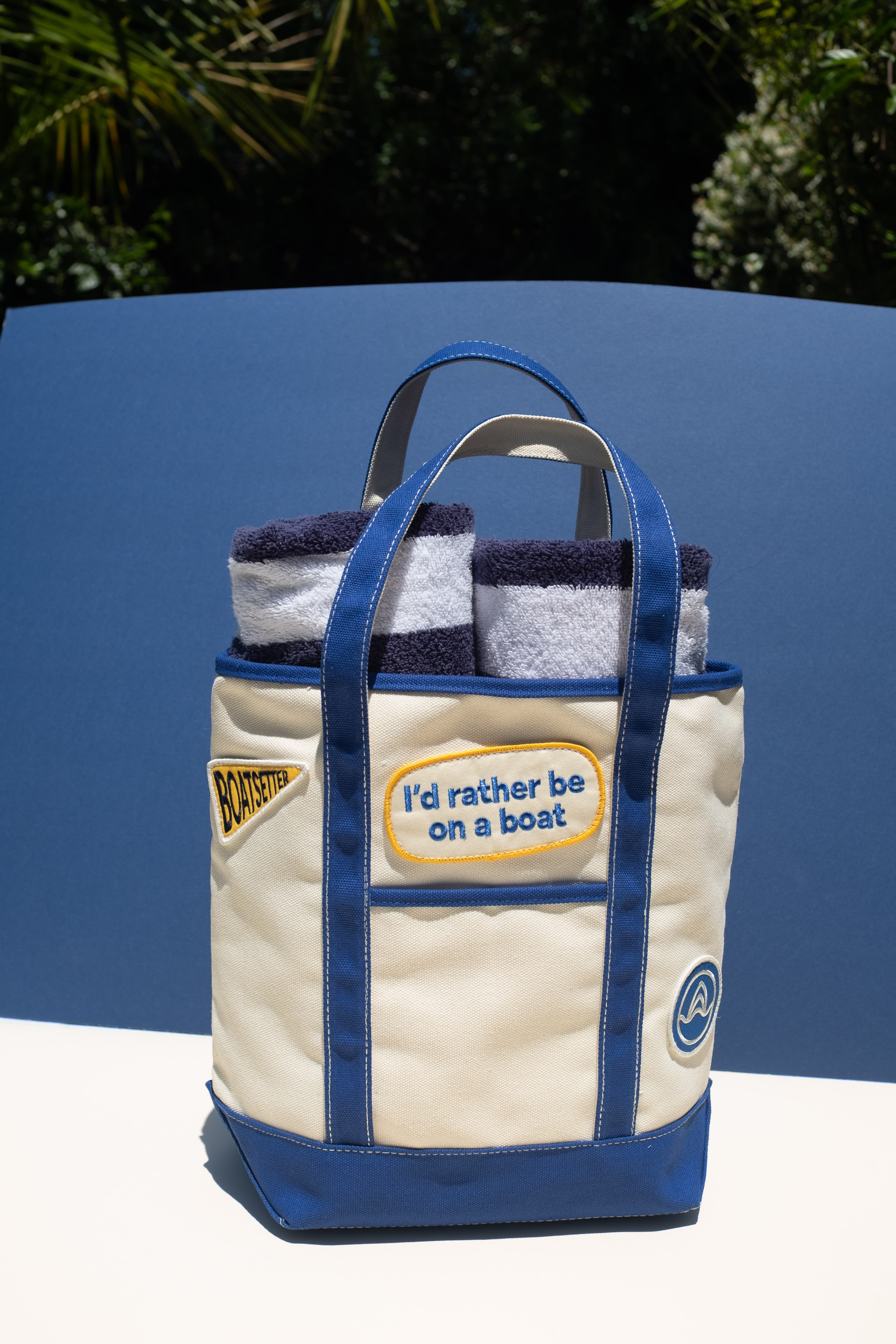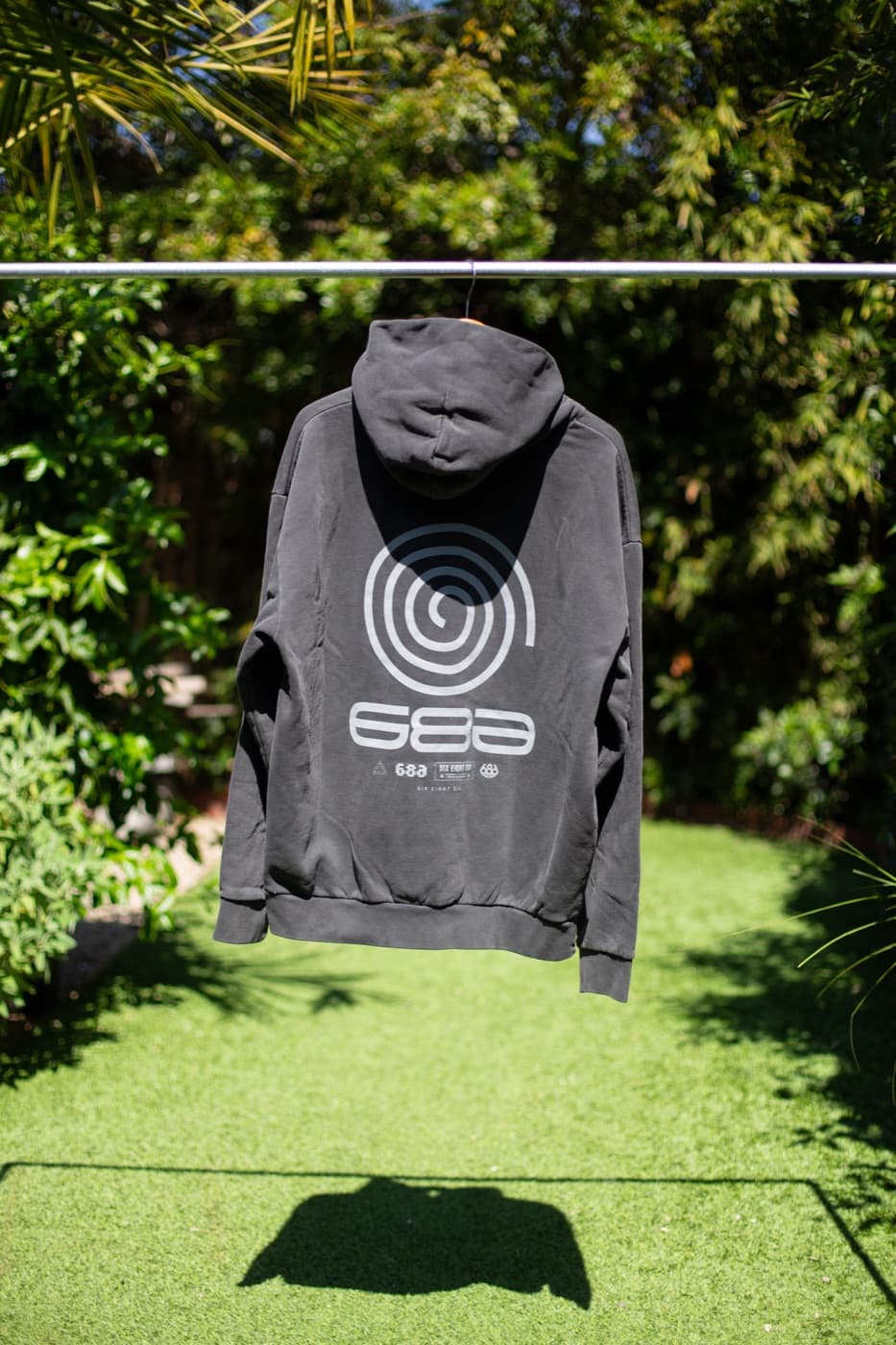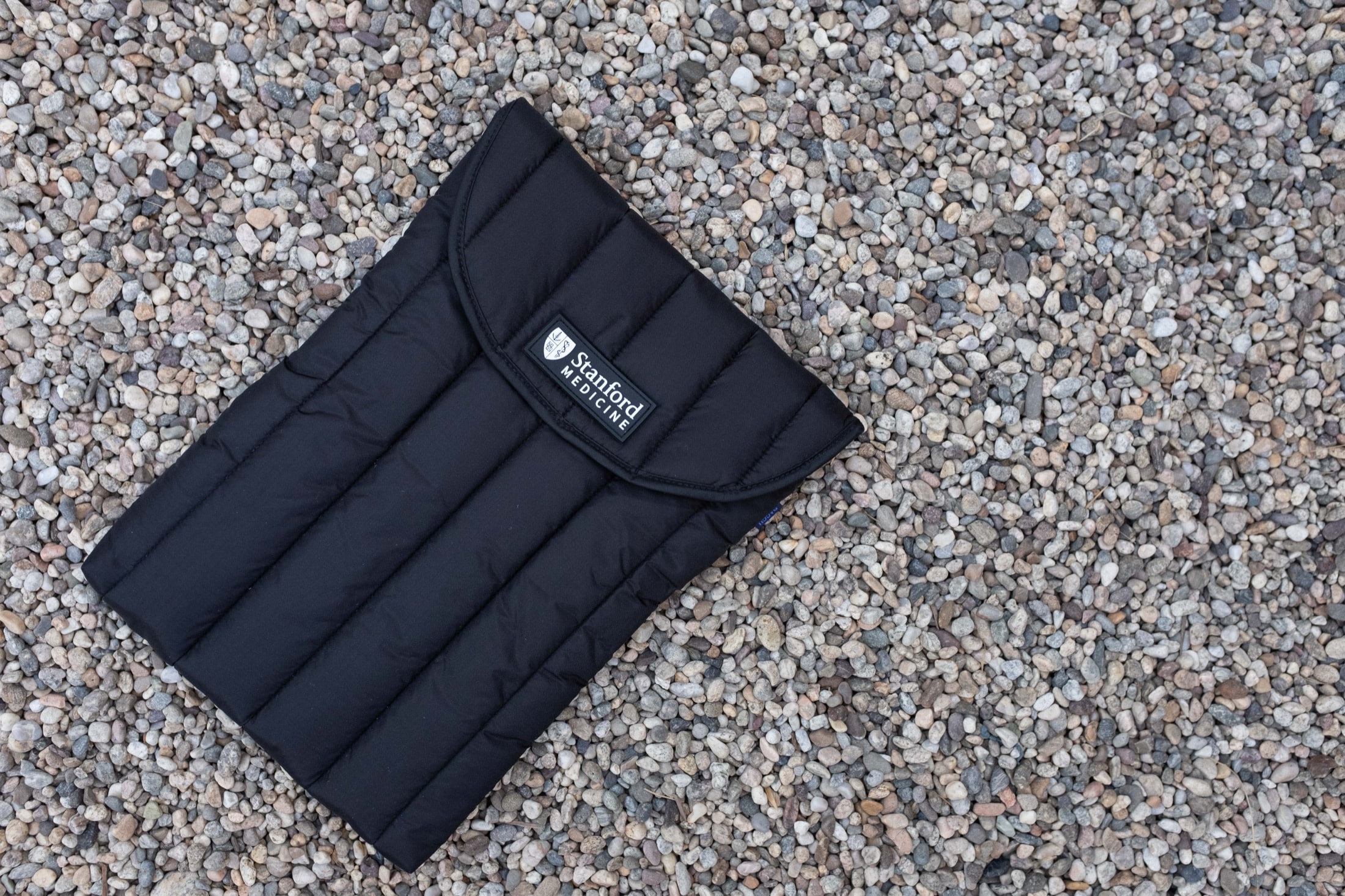
University, school, and medical-team merch carries a different kind of responsibility than a simple event giveaway. The audience is broad. The brand standards matter. The goods may be used by staff, students, donors, departments, conference guests, patients, or alumni. The result needs to feel credible, useful, and easy to repeat.
That does not mean the merch has to be boring. Institutional goods can still have taste. The best programs balance trust and personality: clean enough for a large organization, considered enough that people actually use the item.
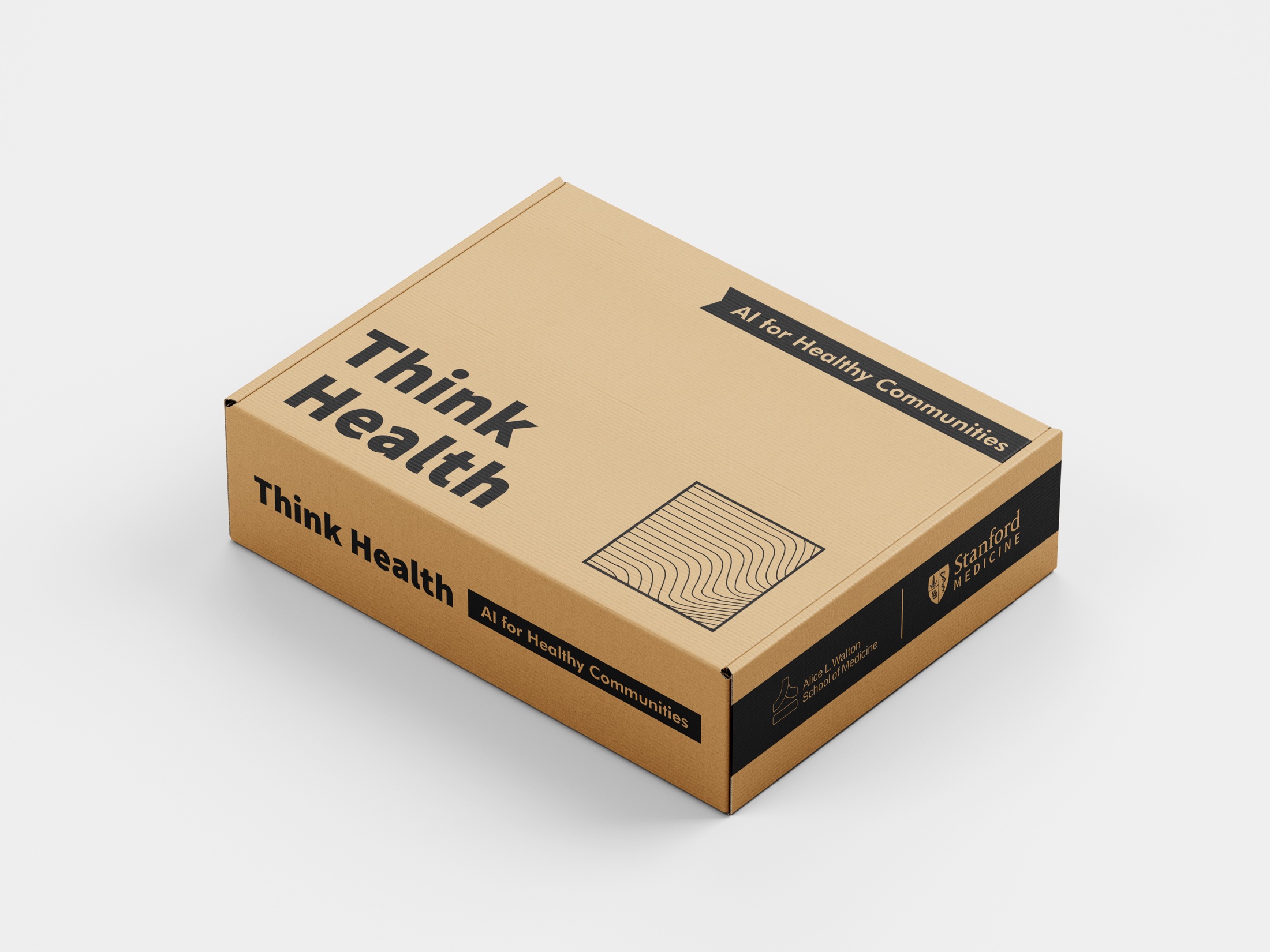
Start with the audience inside the institution
A hospital department ordering appreciation gifts has a different need than a university admissions team ordering event handouts. A research group, alumni office, athletic program, student organization, and fundraising team all use merch differently. The right product starts with that use case.
For staff appreciation, comfort and daily use matter. For donor gifts, perceived value and packaging matter. For conferences, easy transport and practical use matter. For student events, price point and high-volume distribution matter. One institutional logo can support many different merch briefs.
Choose products with low friction
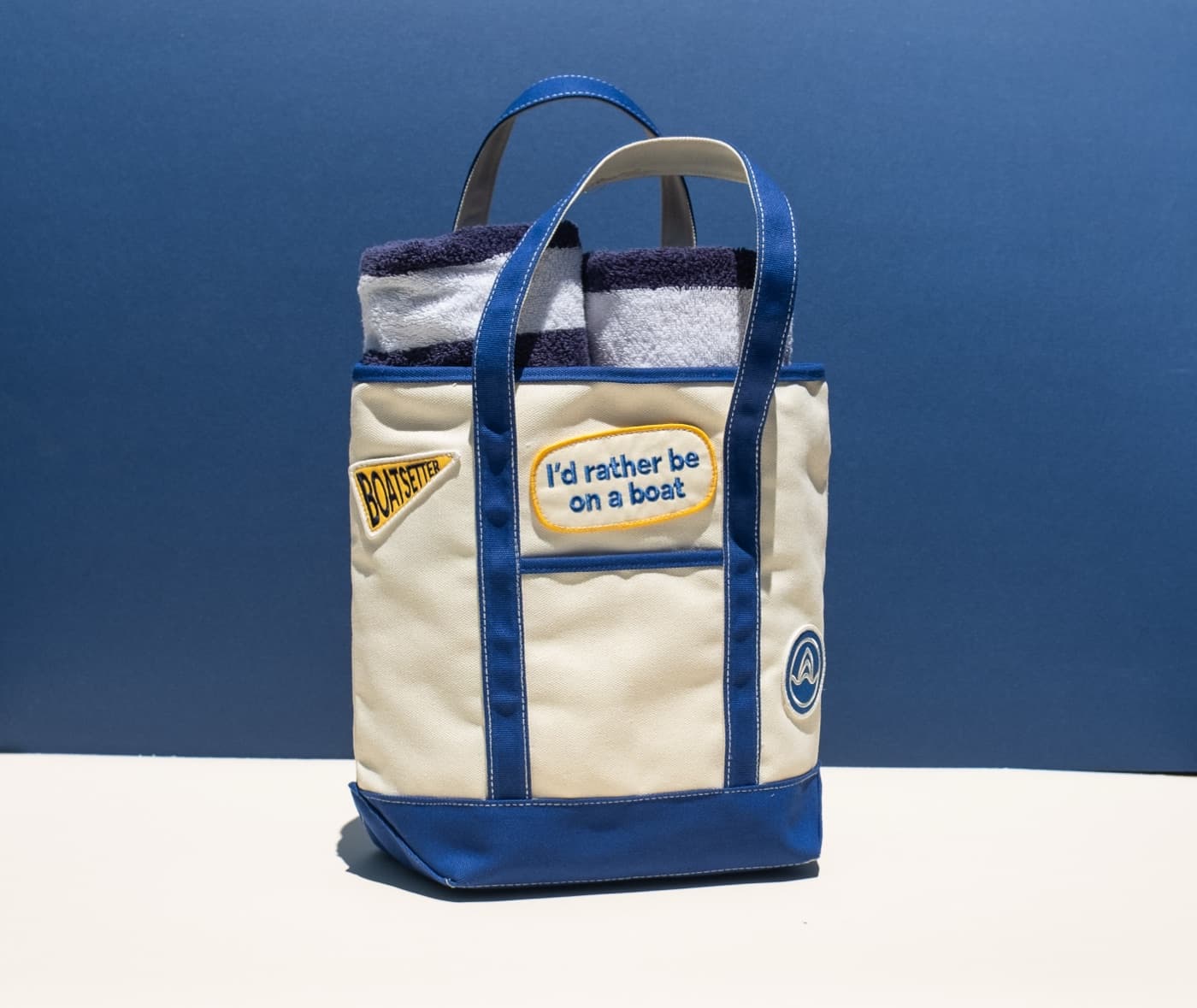
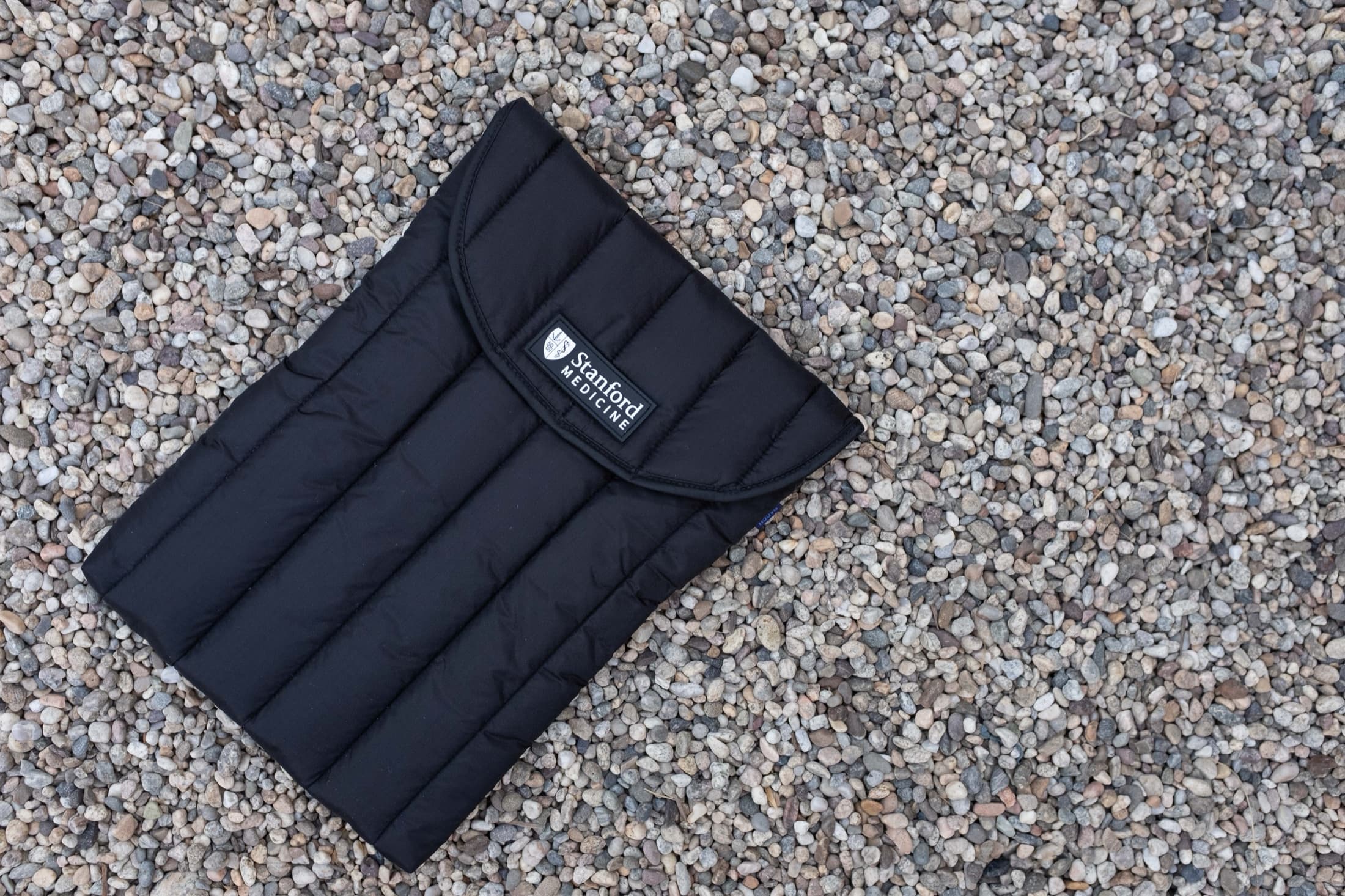
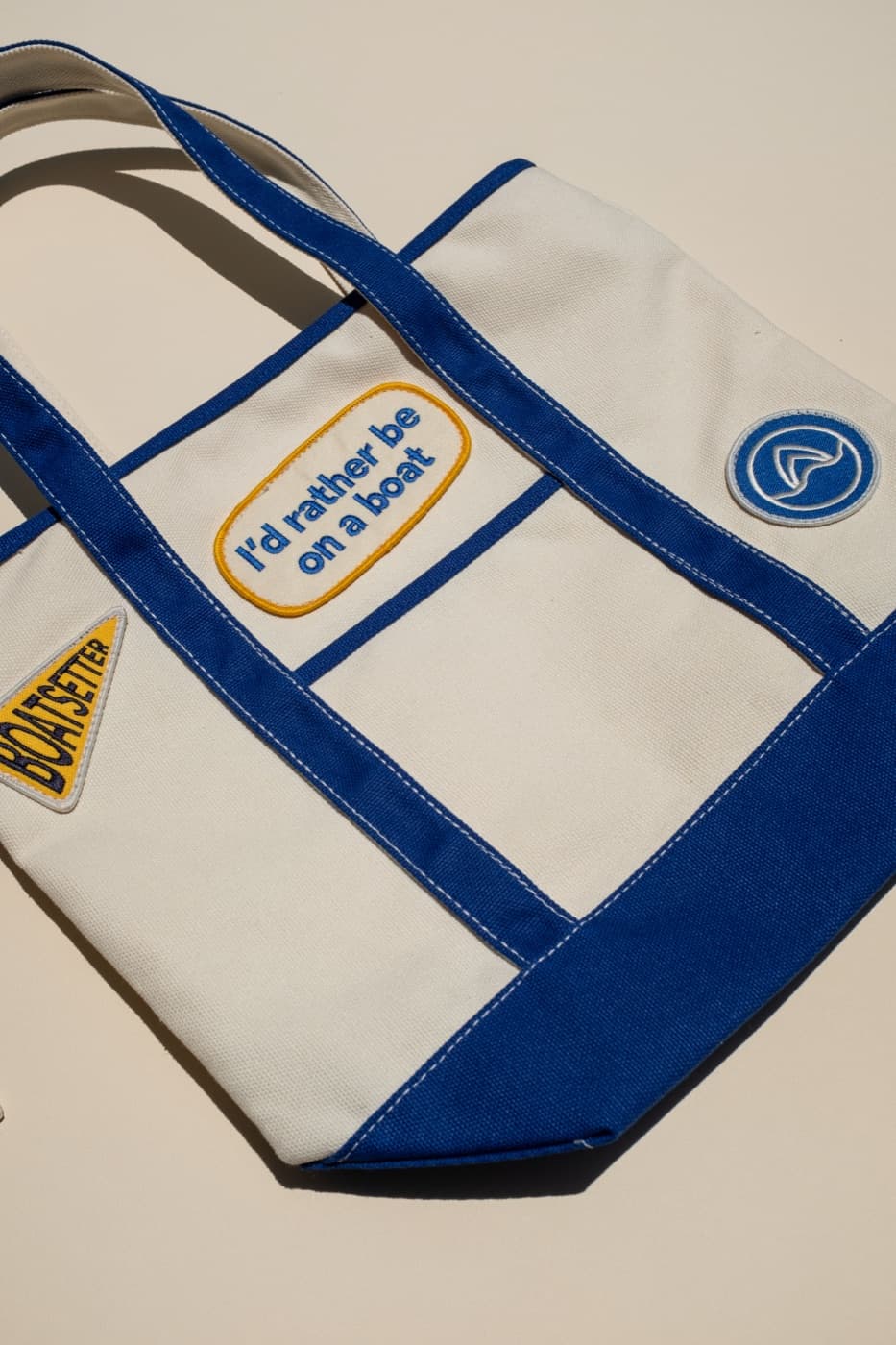
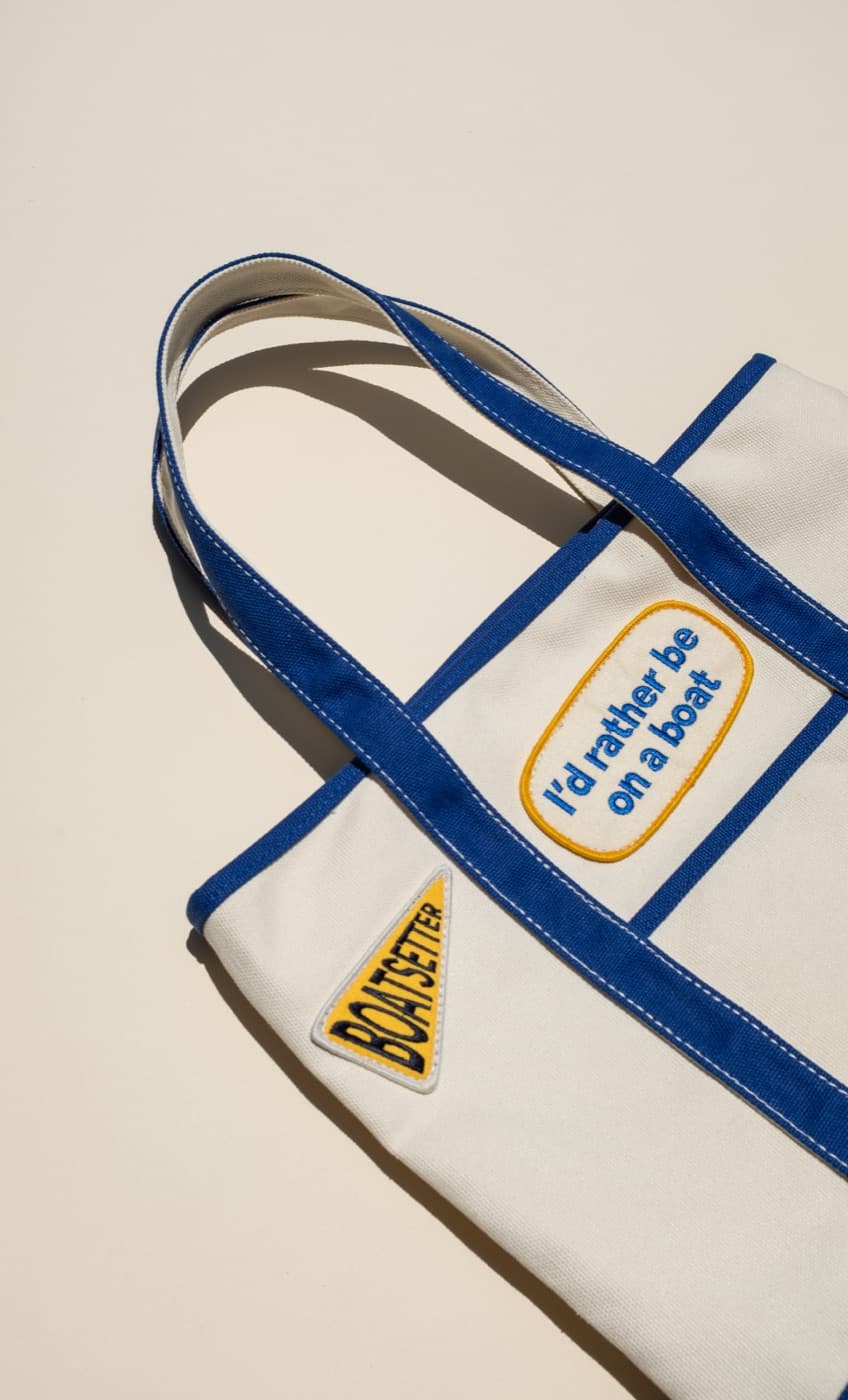
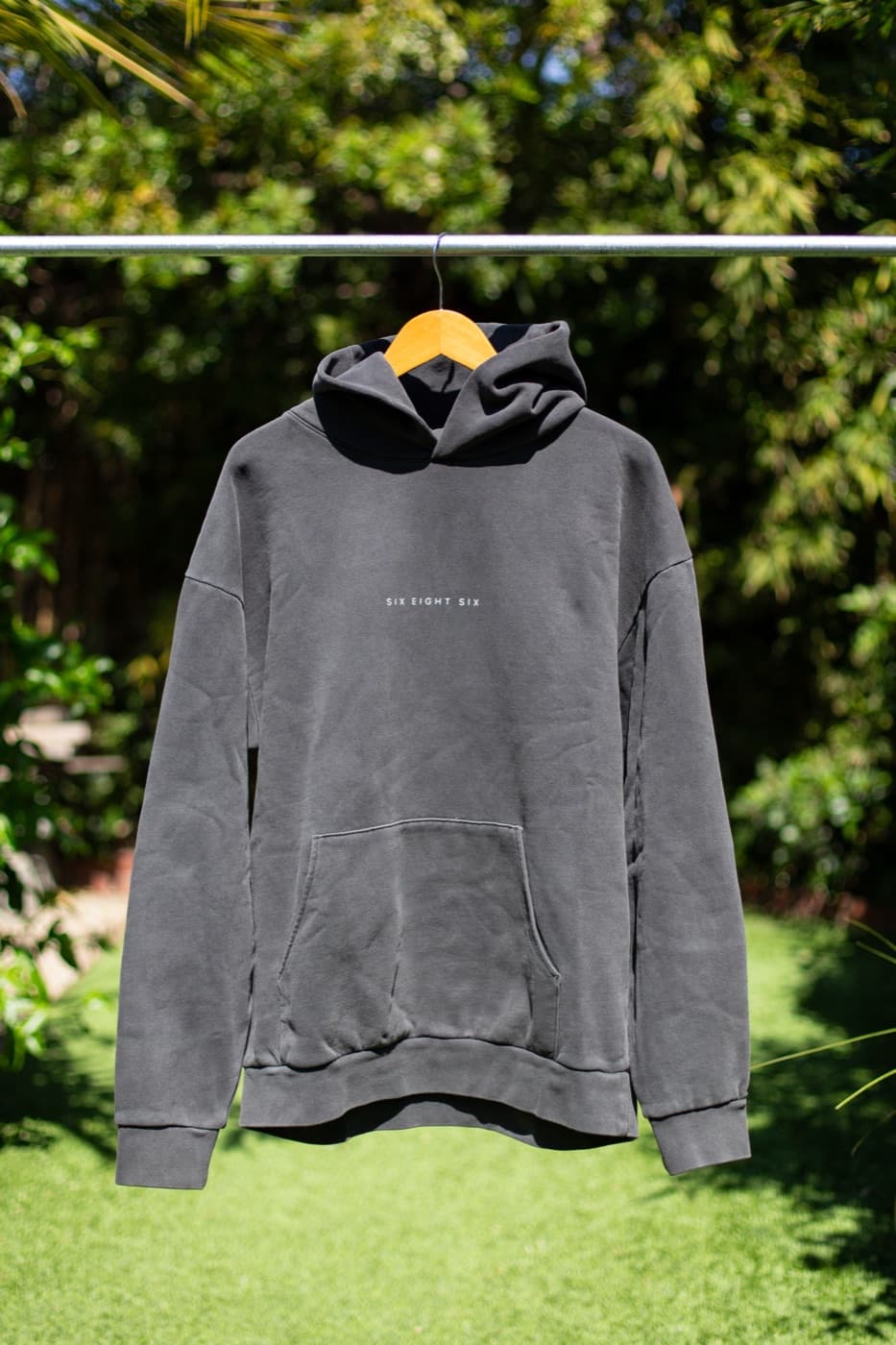
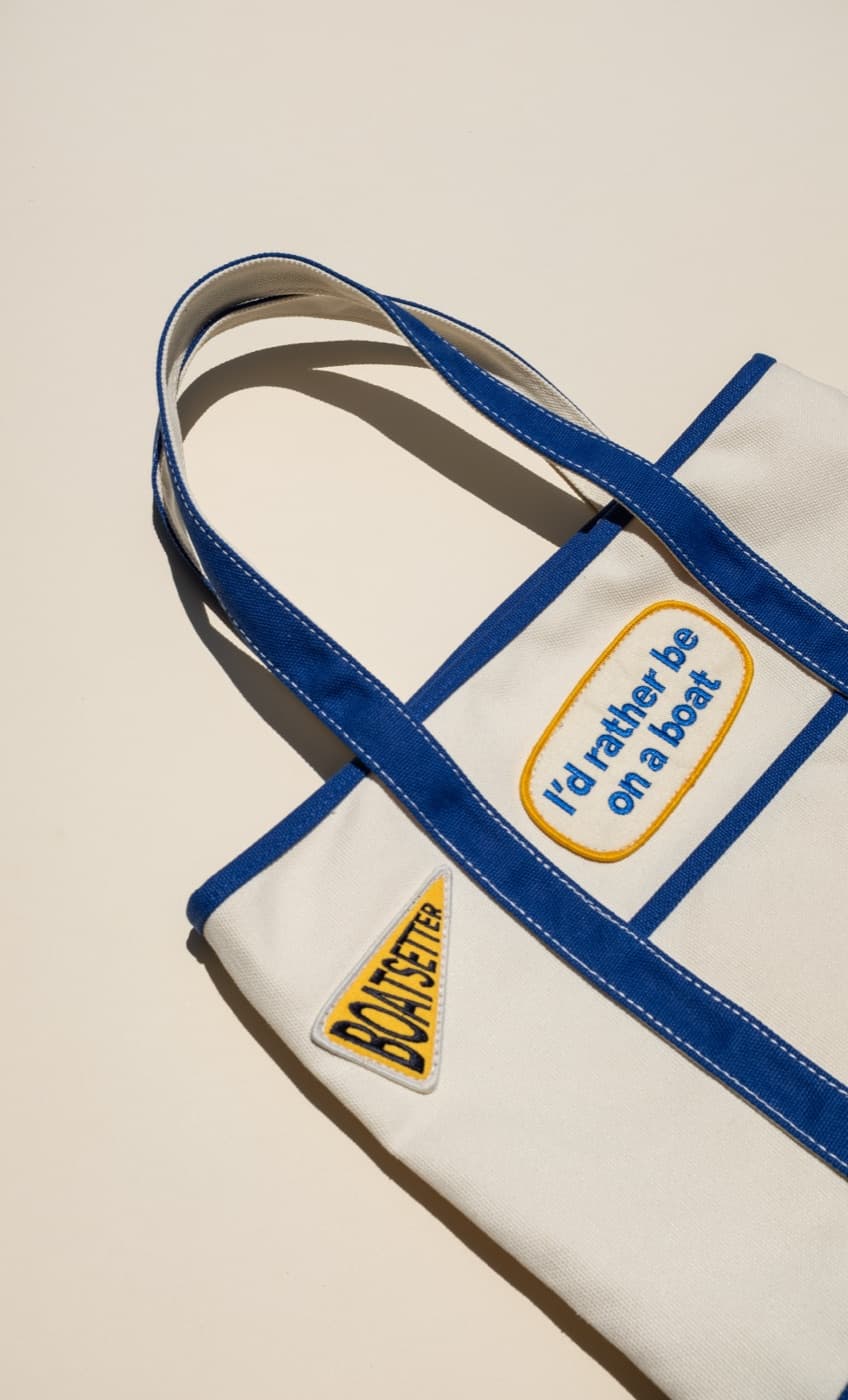
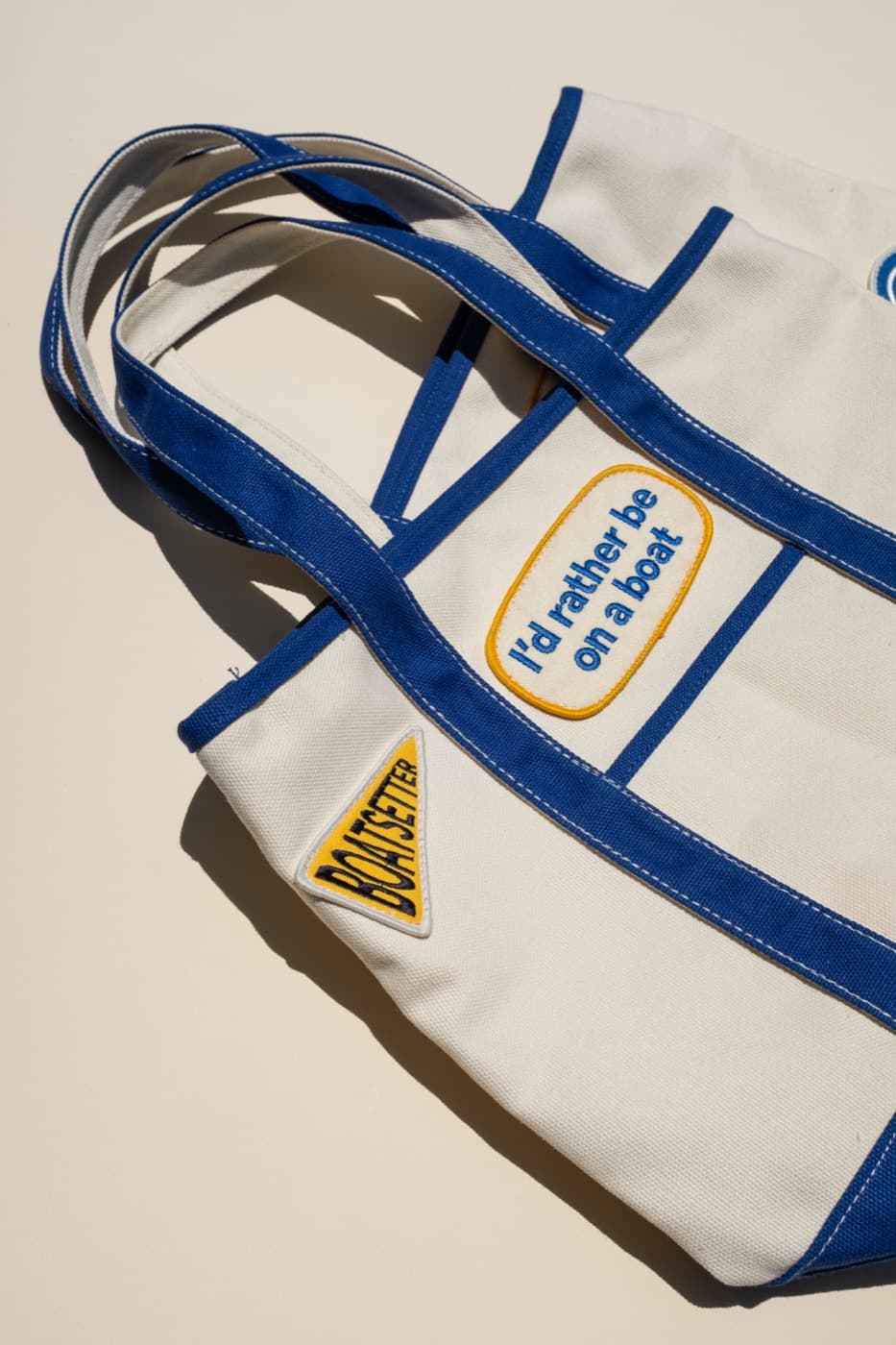
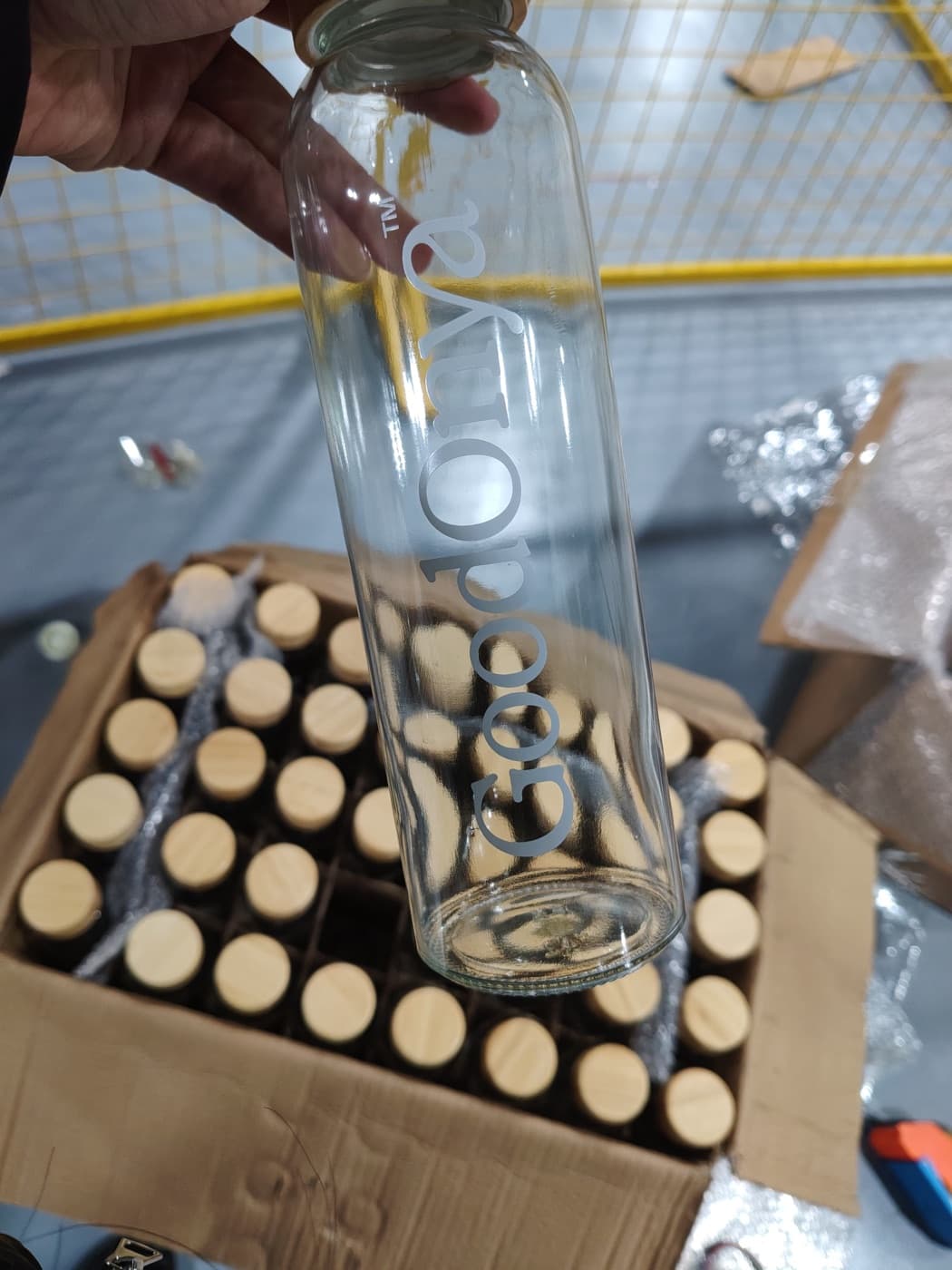
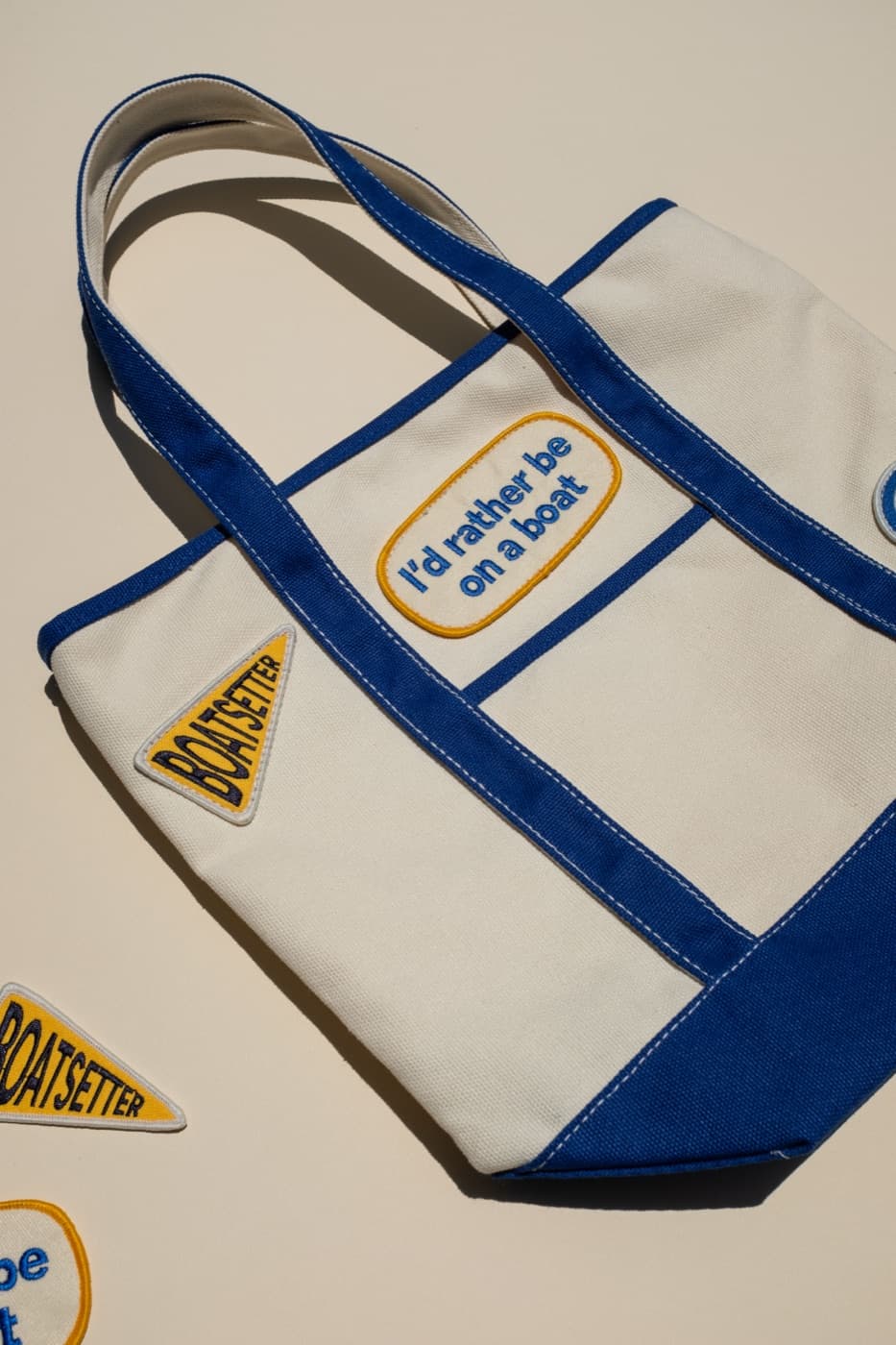
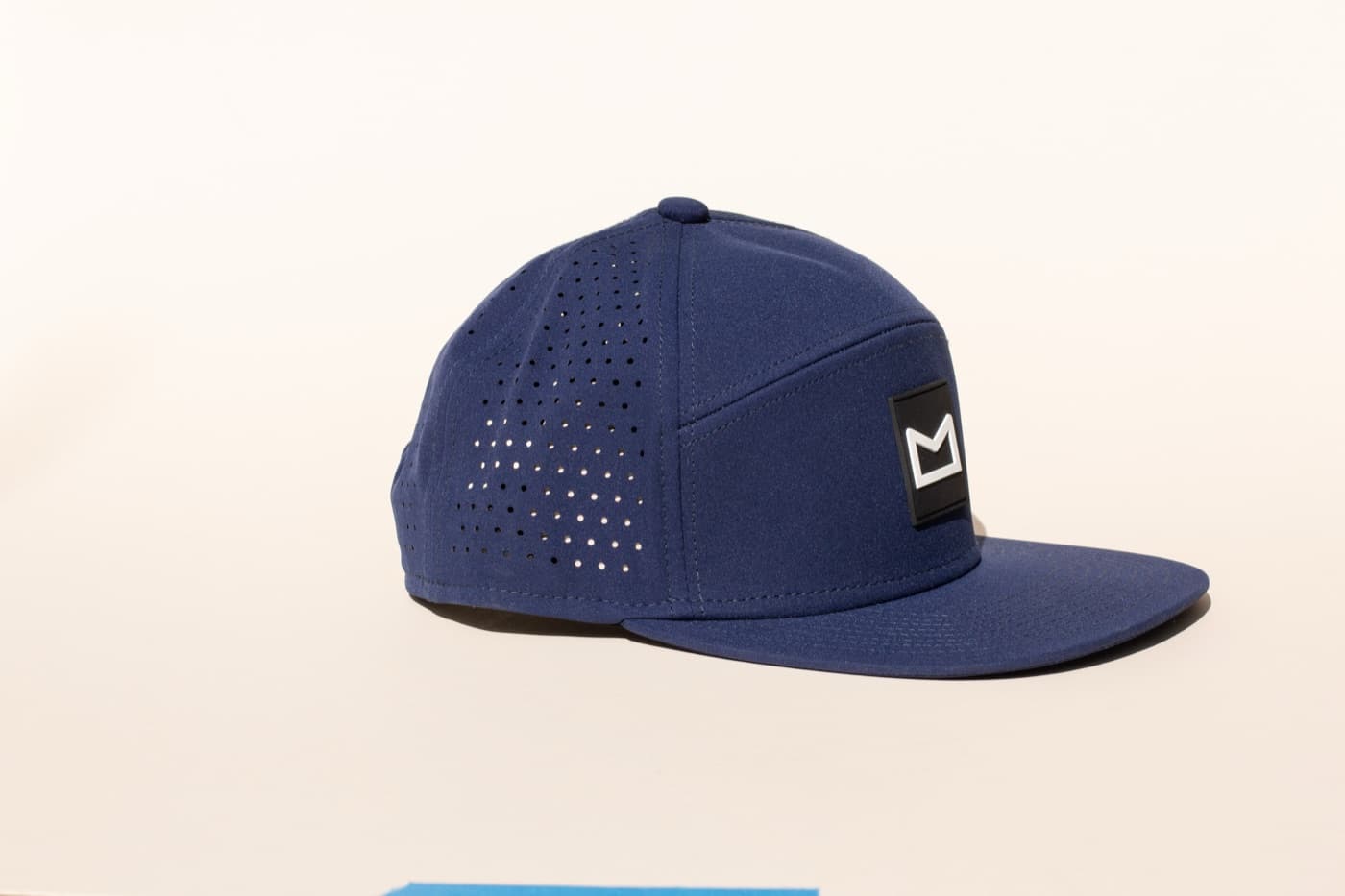
Large organizations often have long approval chains and mixed audiences. Low-friction products help. Totes, drinkware, laptop sleeves, notebooks, pouches, blankets, hats, and socks avoid complex sizing and work across many recipients. Apparel can still be strong, but sizing, fit, and reorder planning need more attention.
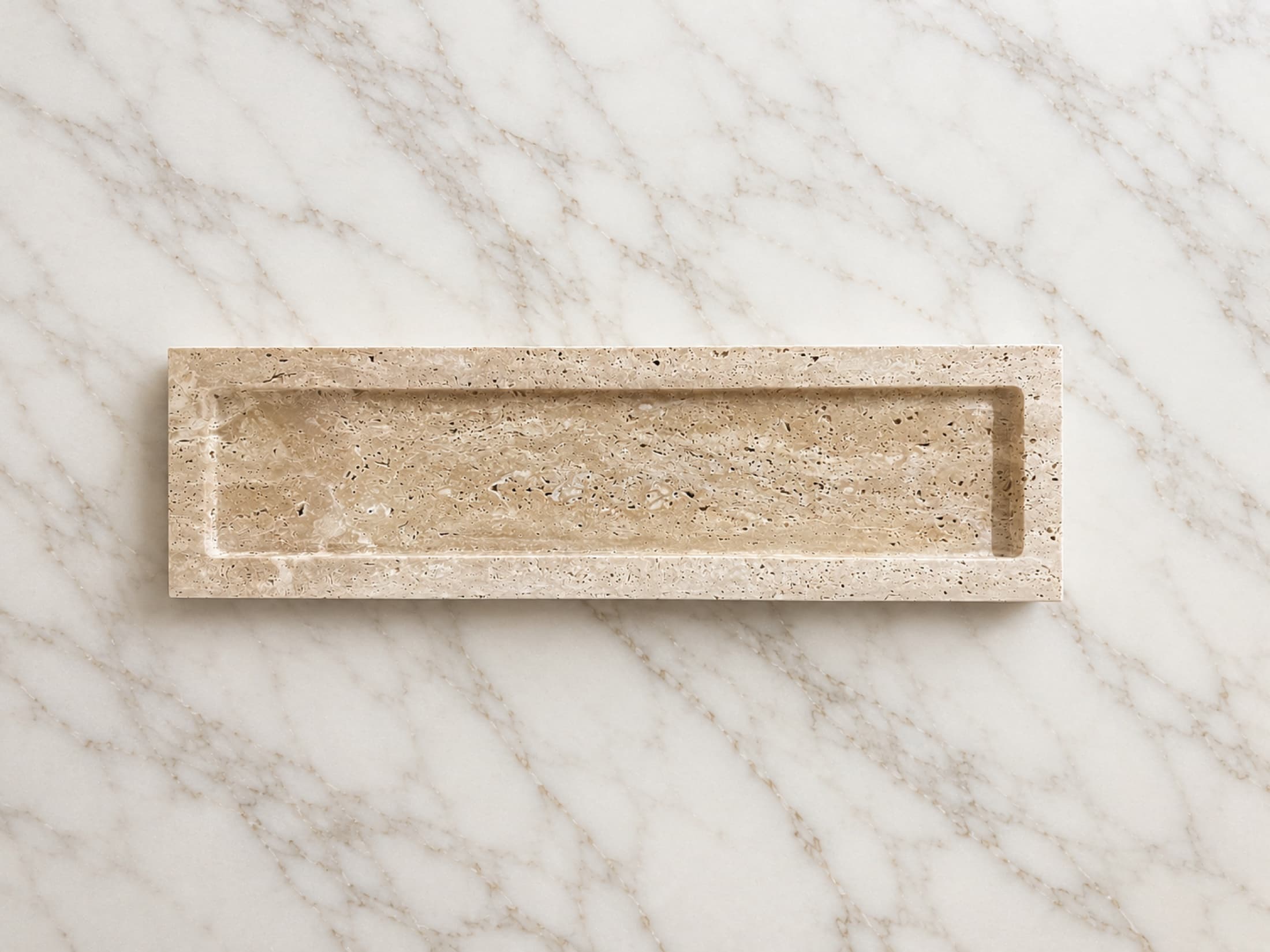
When the audience is broad, the safest products are useful, neutral, and well made. A clean tote, quality bottle, or thoughtful tech accessory is more likely to be used by a wide group than a trend-heavy apparel piece with a narrow fit.
Respect brand standards without losing taste
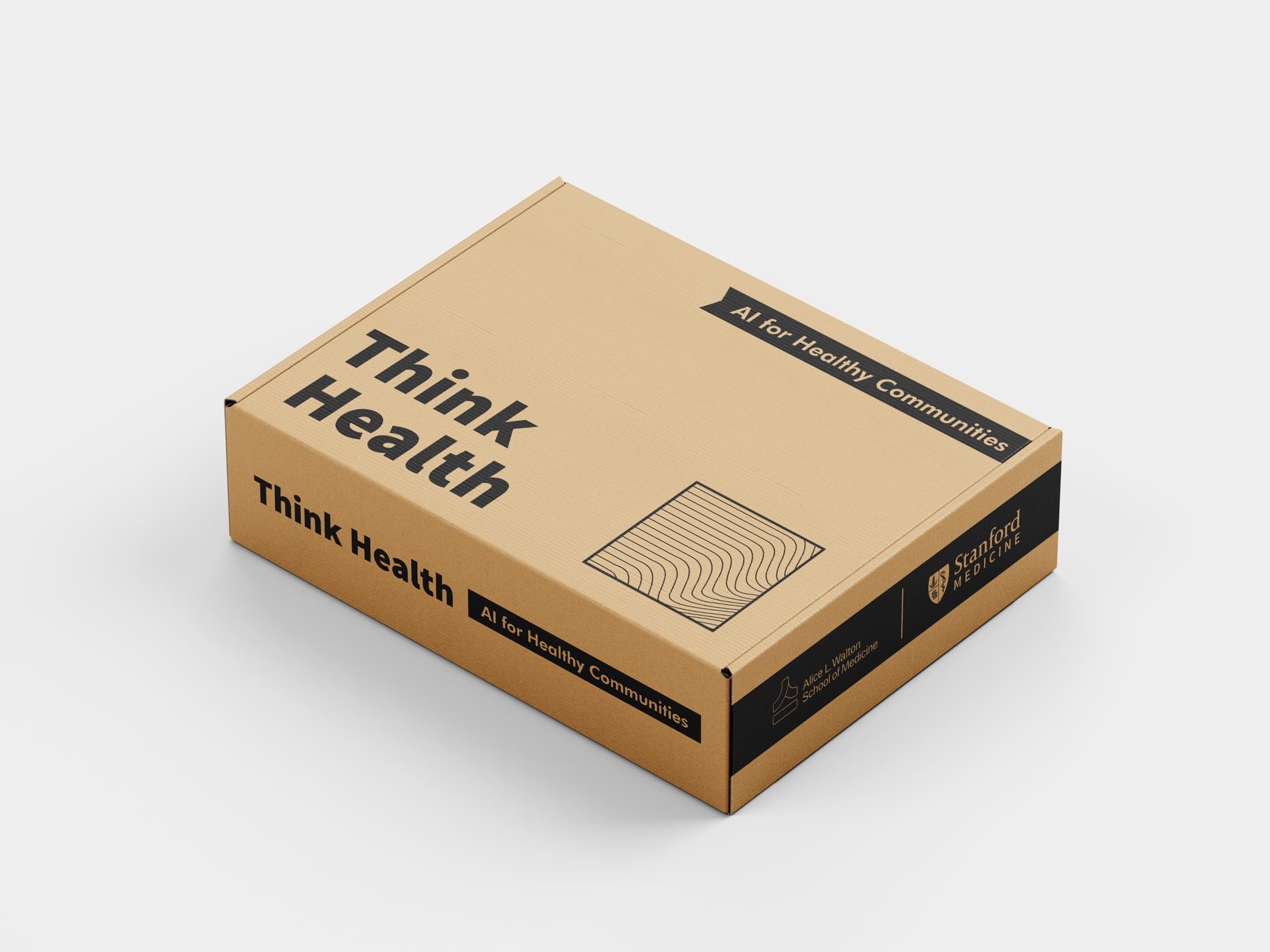
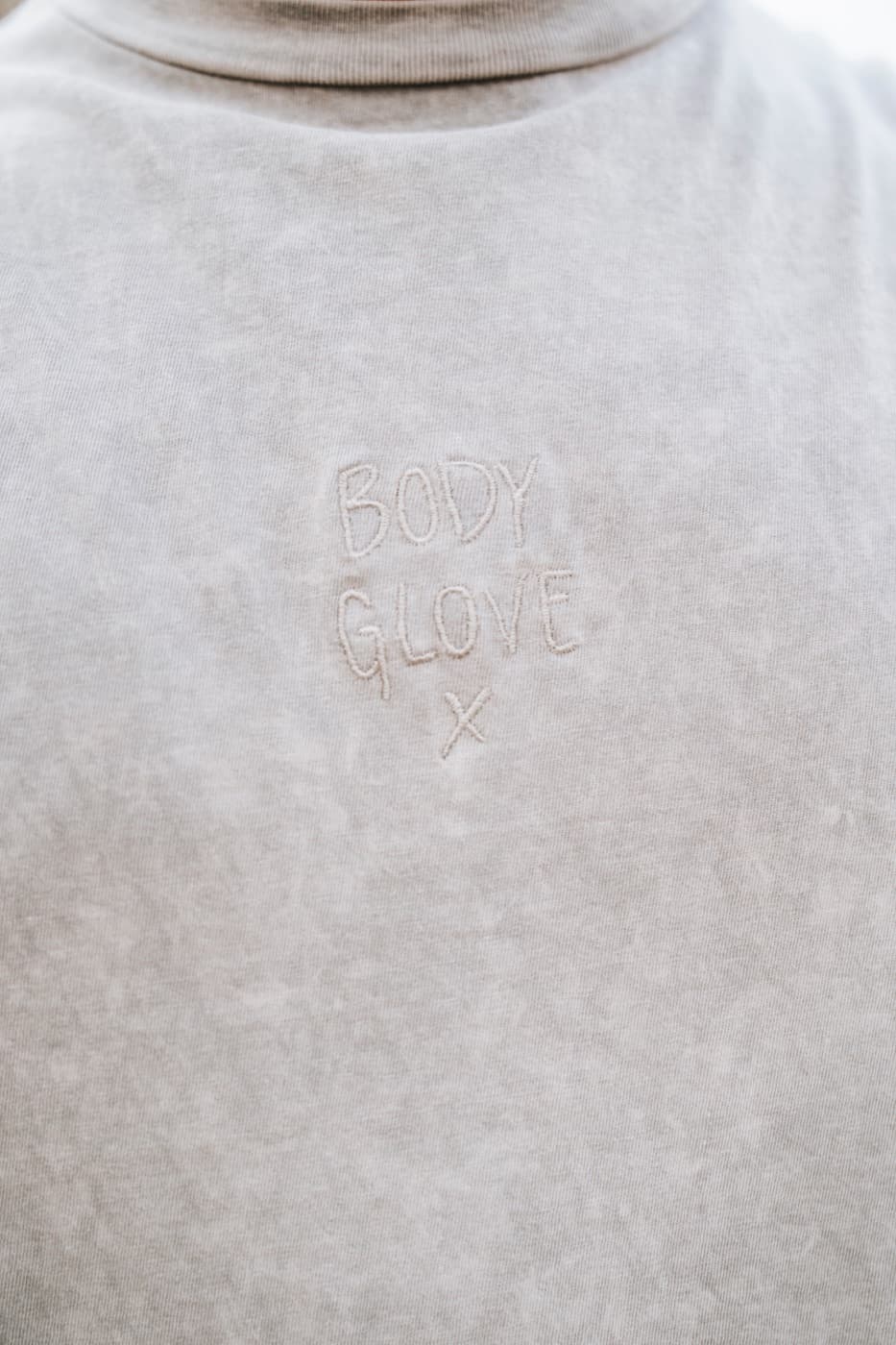
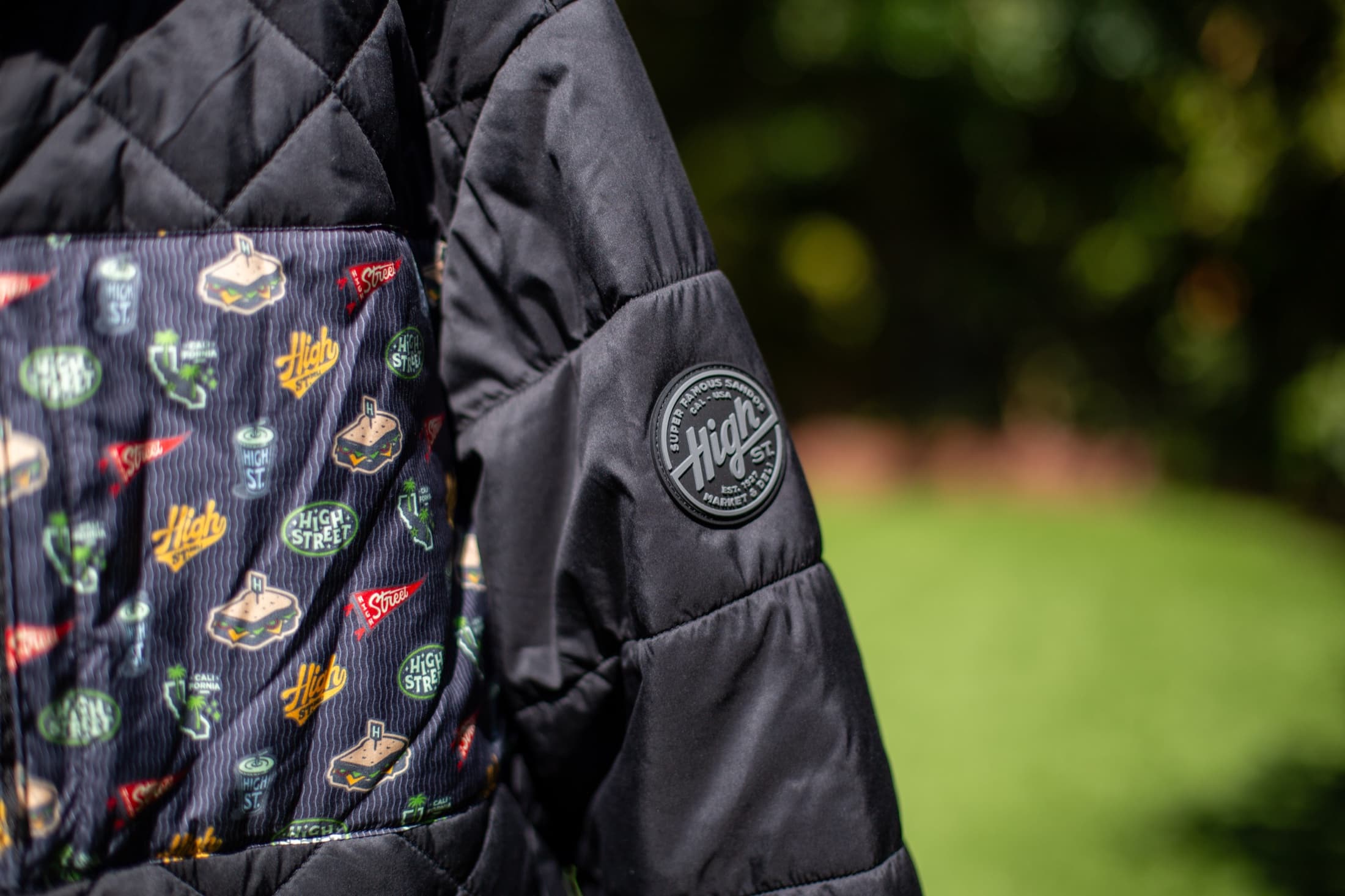
Universities and medical systems usually have clear rules around logos, colors, spacing, and approvals. Those rules protect trust. The creative opportunity is to use those standards well instead of fighting them. A subtle mark, strong material choice, clean placement, and polished packaging can make an institutional piece feel premium without breaking guidelines.
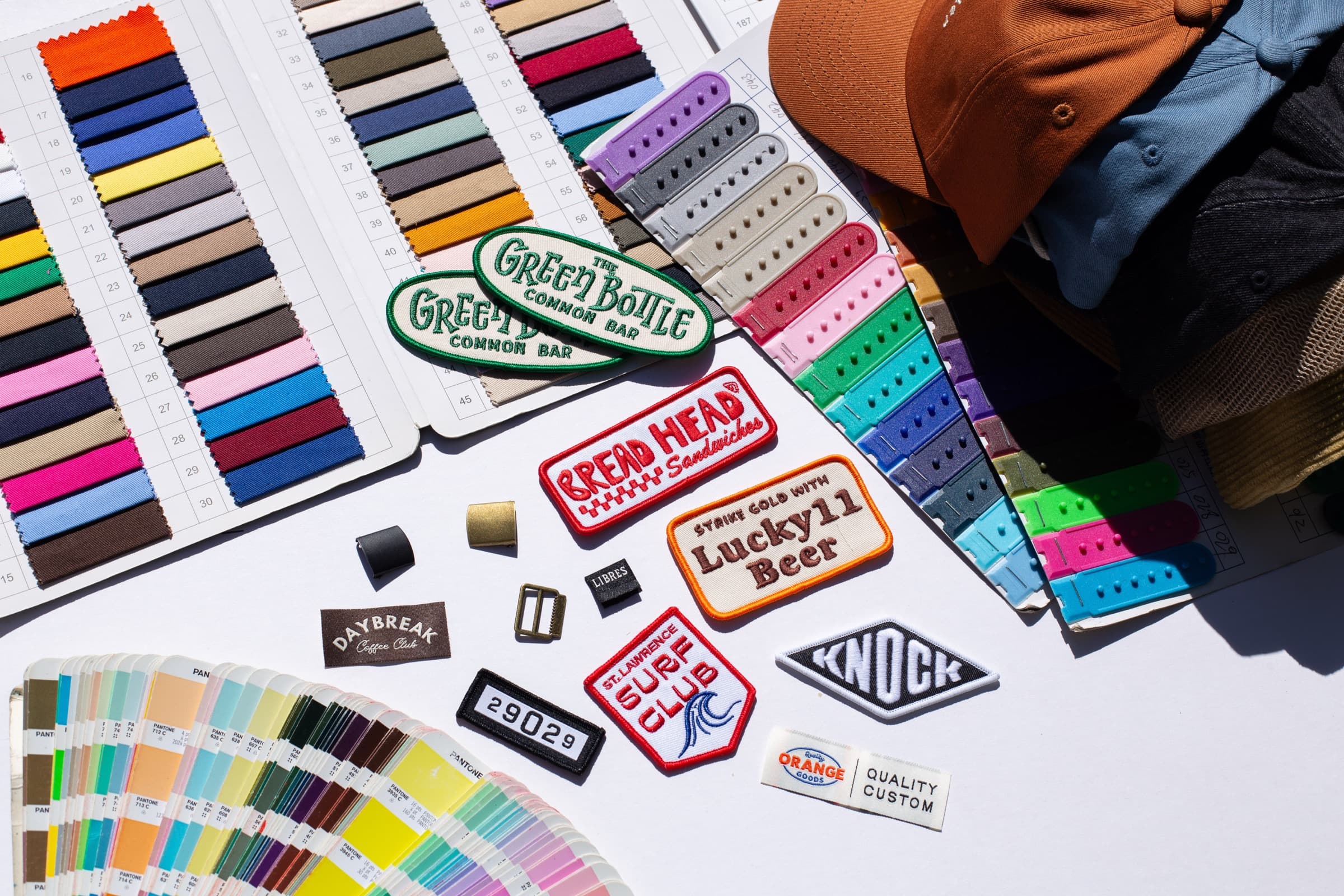
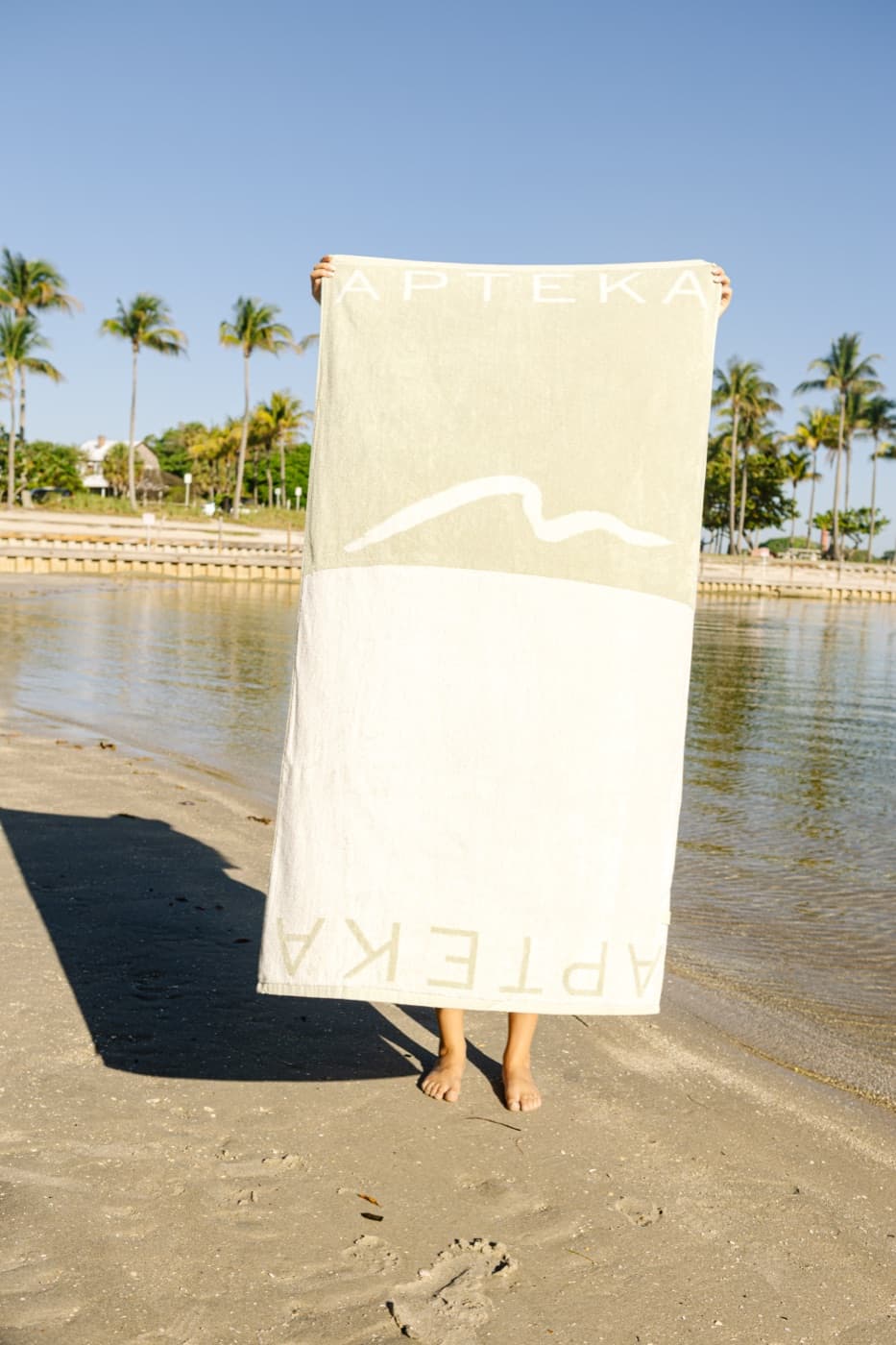
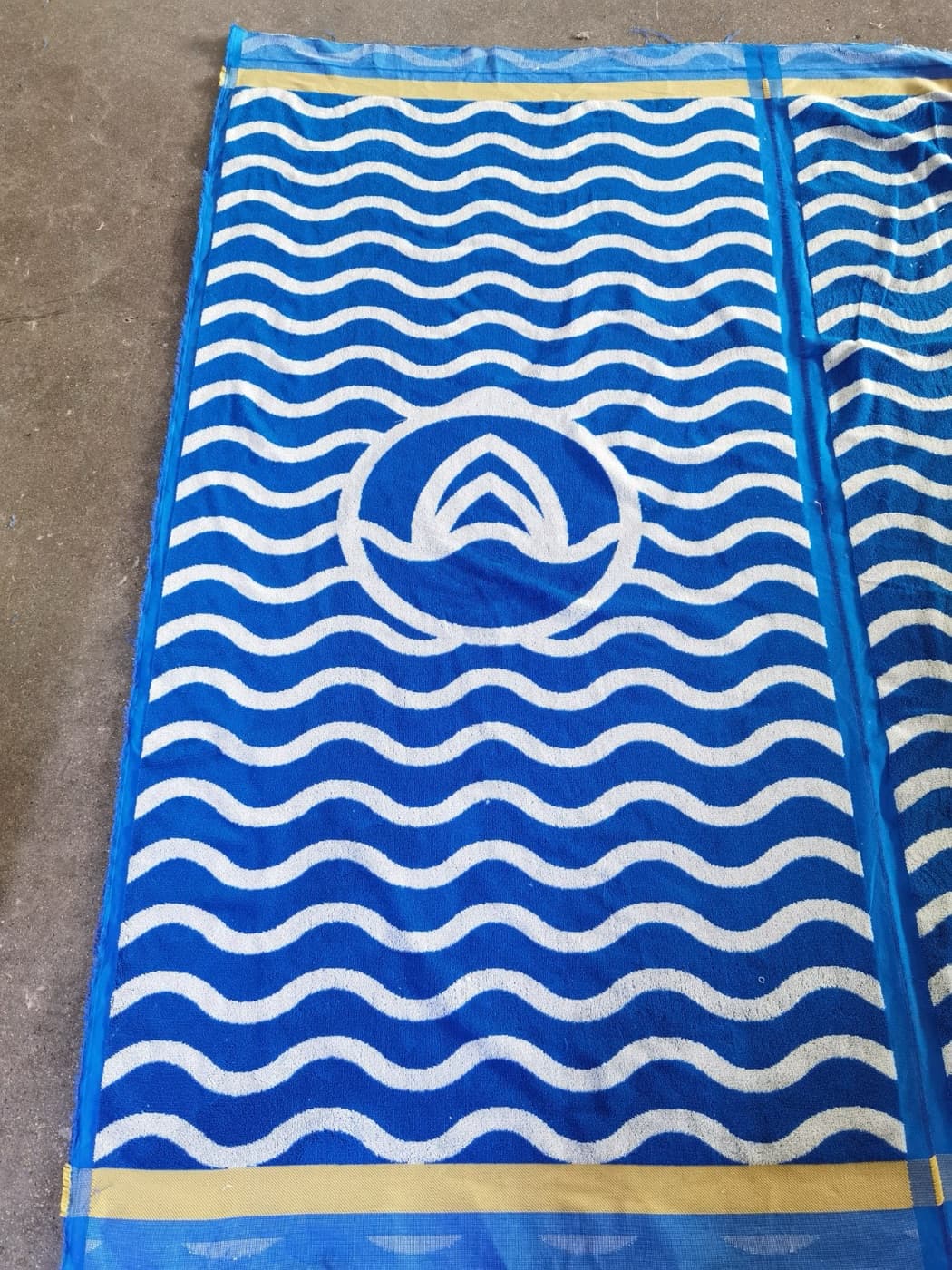
Color matters here. Thread, ink, fabric, and product colors may not match brand guides exactly unless they are chosen carefully. A merch partner should help translate brand colors into real materials and flag where a perfect digital color will look different on cotton, canvas, stainless steel, or embroidery thread.
Build for reorders
Institutional buyers often reorder when a product works. That makes continuity important. Keep records of the product, color, decoration method, artwork files, proof, quantity, and any packaging details. If a department comes back six months later, the next order should not start from zero.
Reorderability also affects product choice. A niche blank that disappears after one season may be a problem for a department that needs consistency. A proven core product can be more valuable than the trendiest option if the institution expects to order again.
Make the process easy for busy teams
School and medical teams are not usually full-time merch buyers. They need clear recommendations, accurate quotes, clean proofing, and realistic timelines. They also need help avoiding common issues: ordering too late, choosing products that do not fit the audience, approving artwork that does not translate, or underestimating shipping and internal distribution.
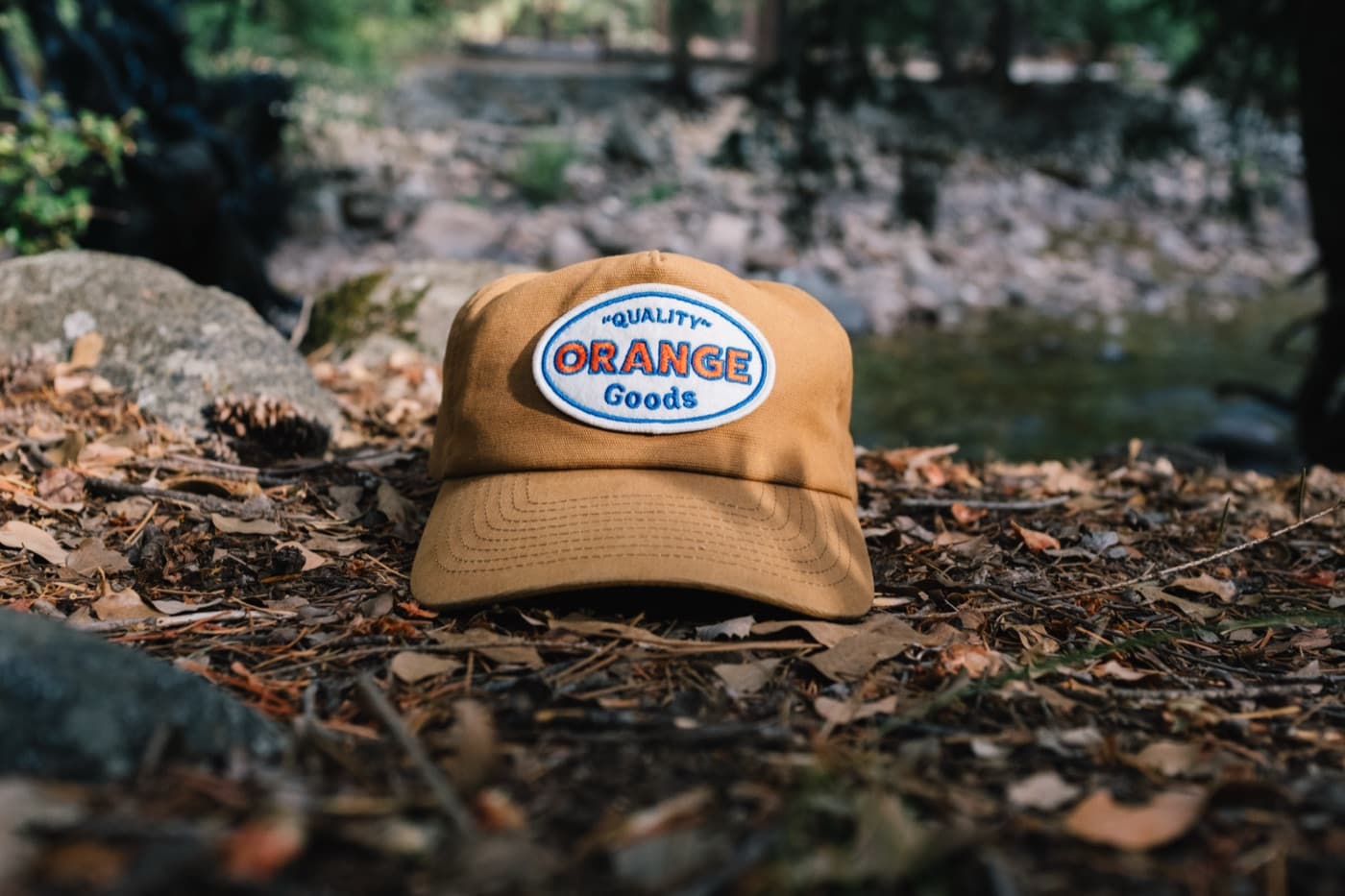
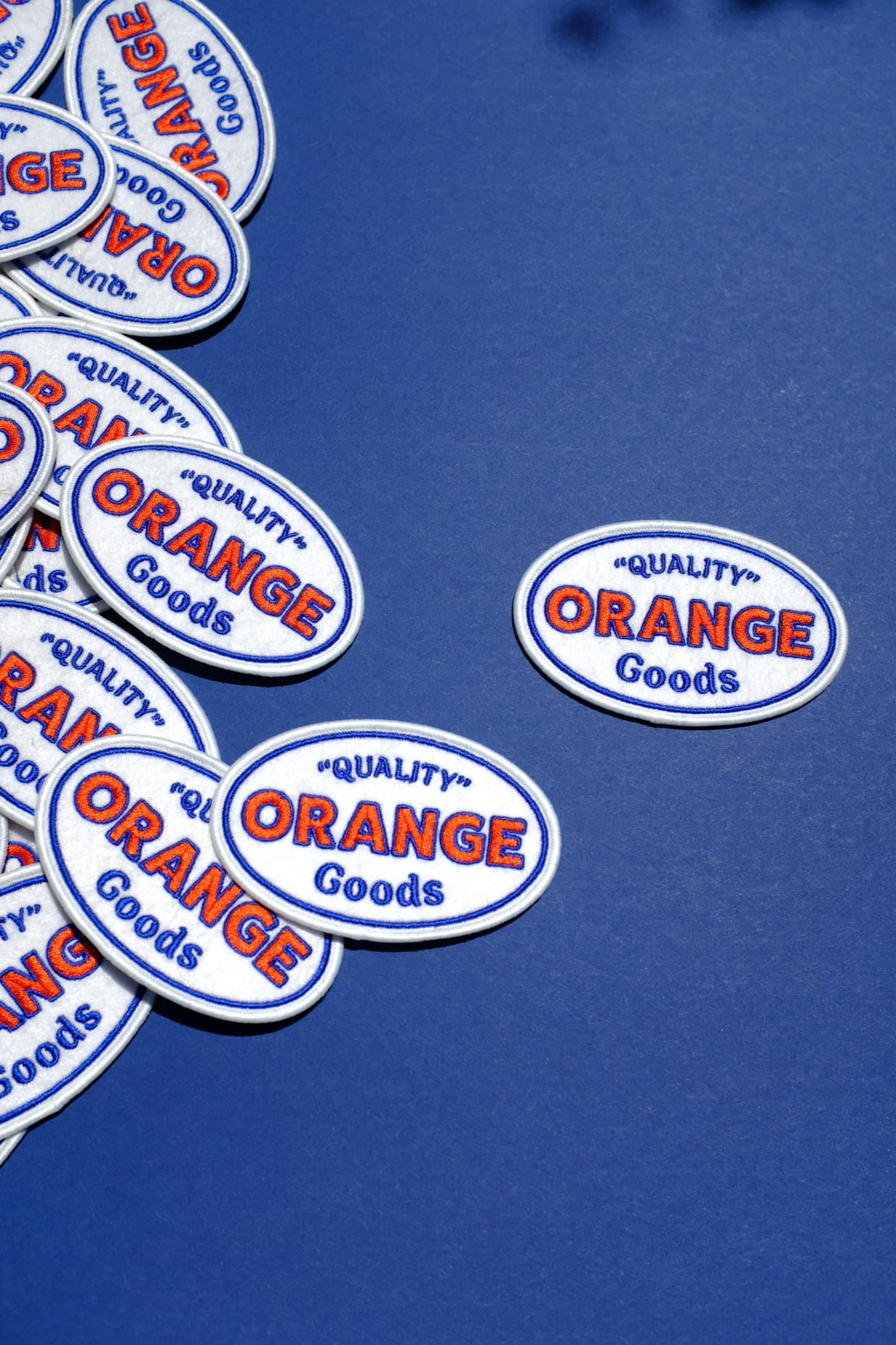
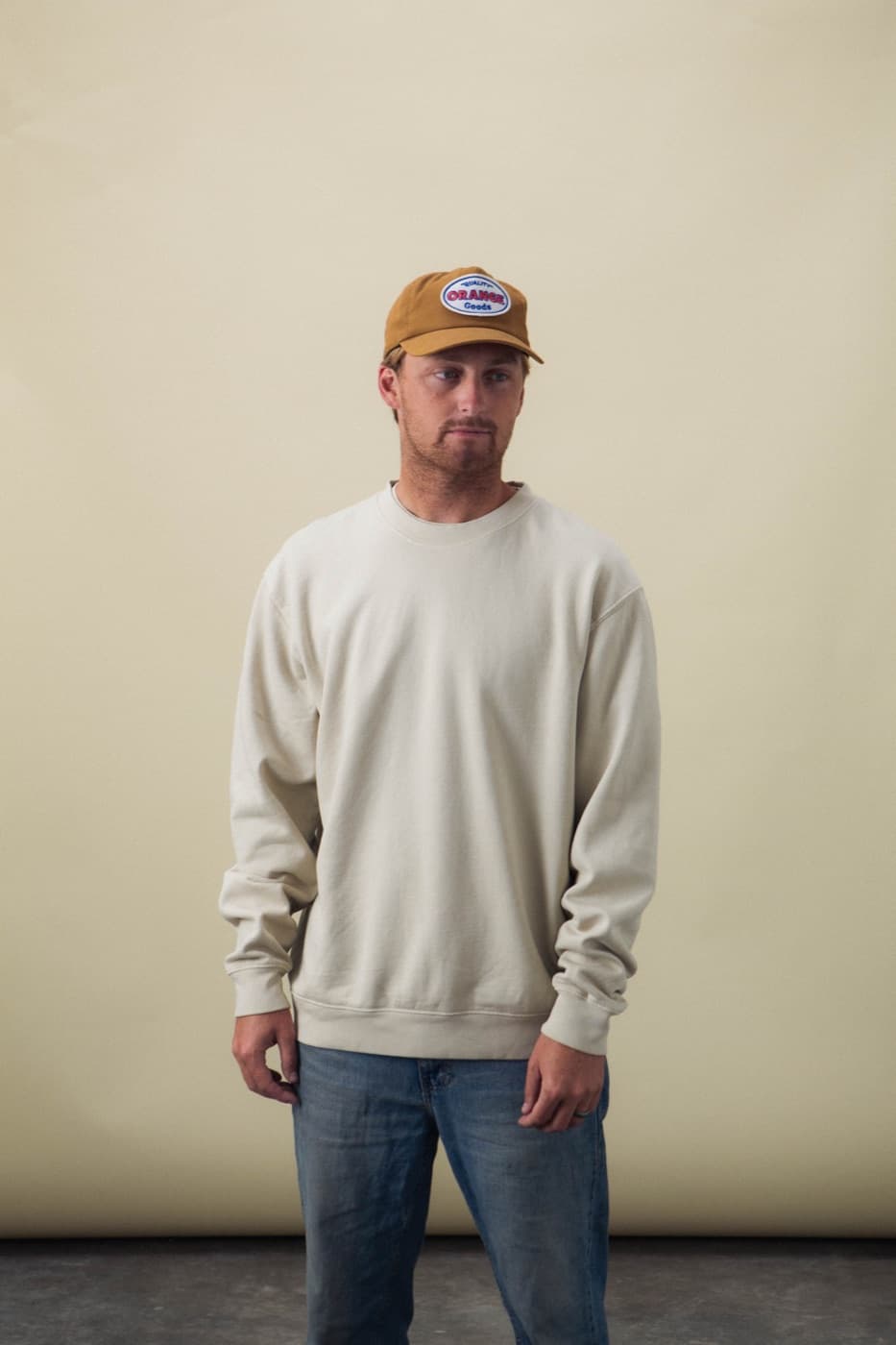
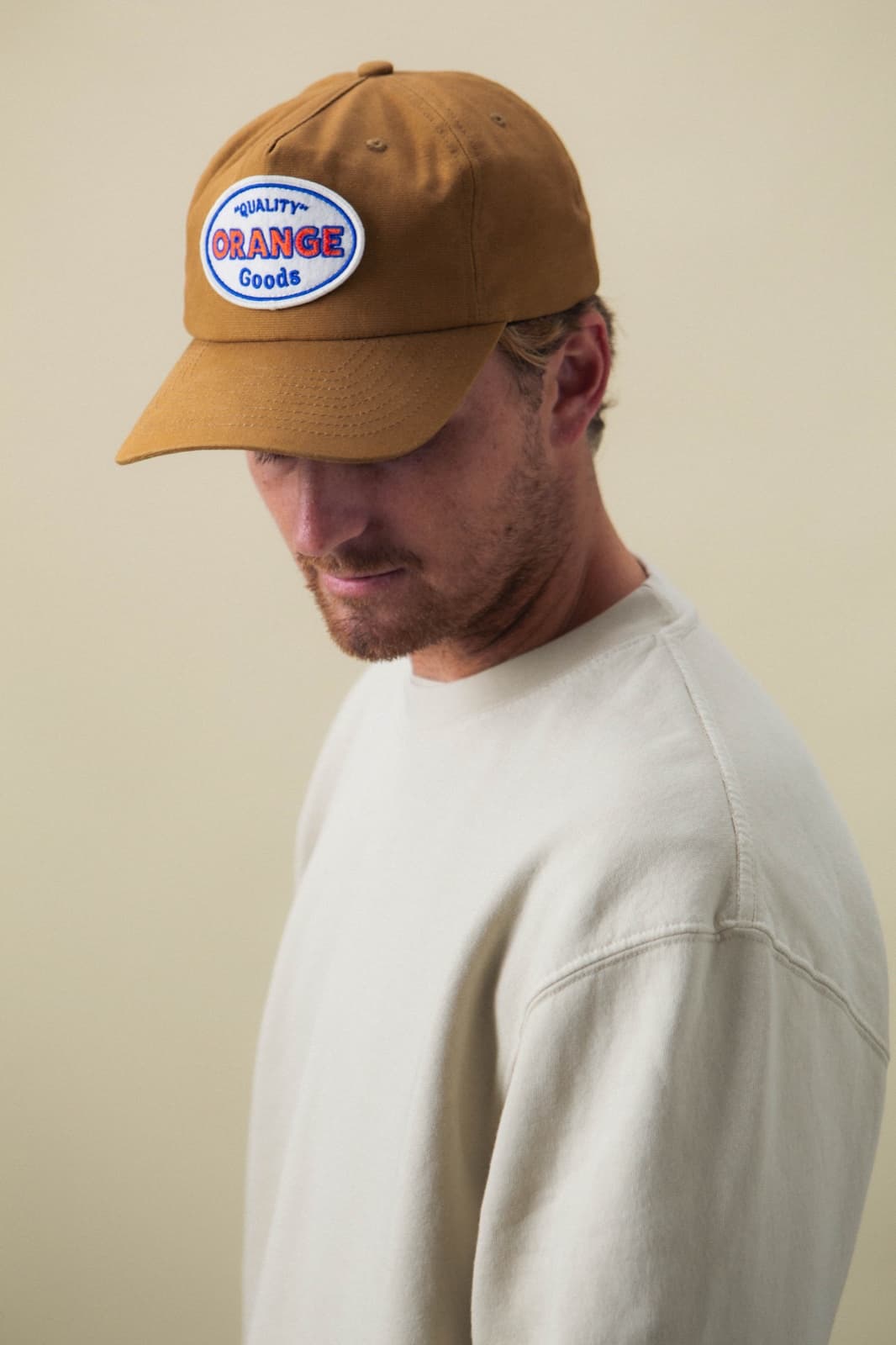
Orange Goods supports institutional projects by guiding the details from product selection through delivery. The goal is to make the goods feel polished and make the process feel calm, even when the organization is large and the deadline matters.