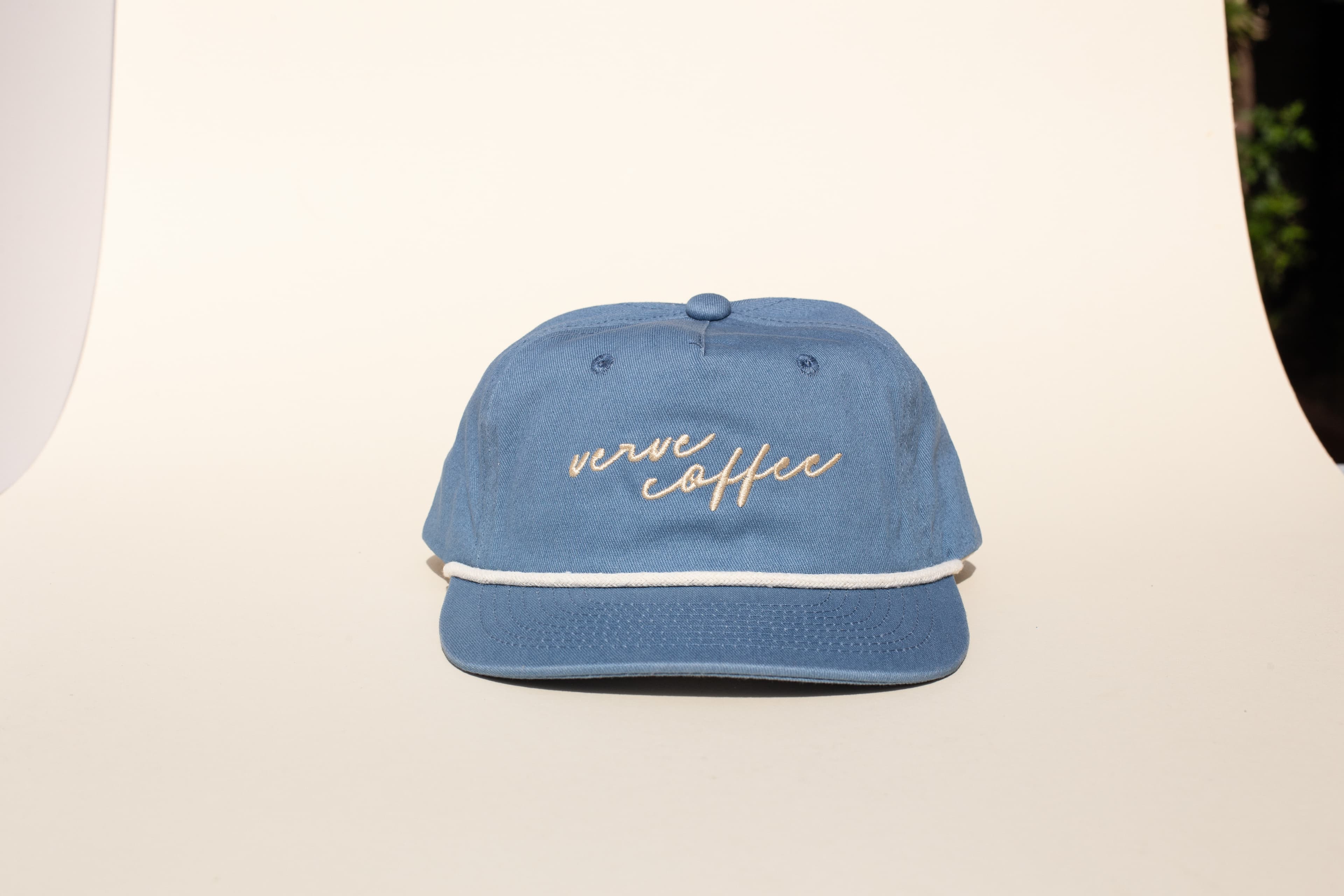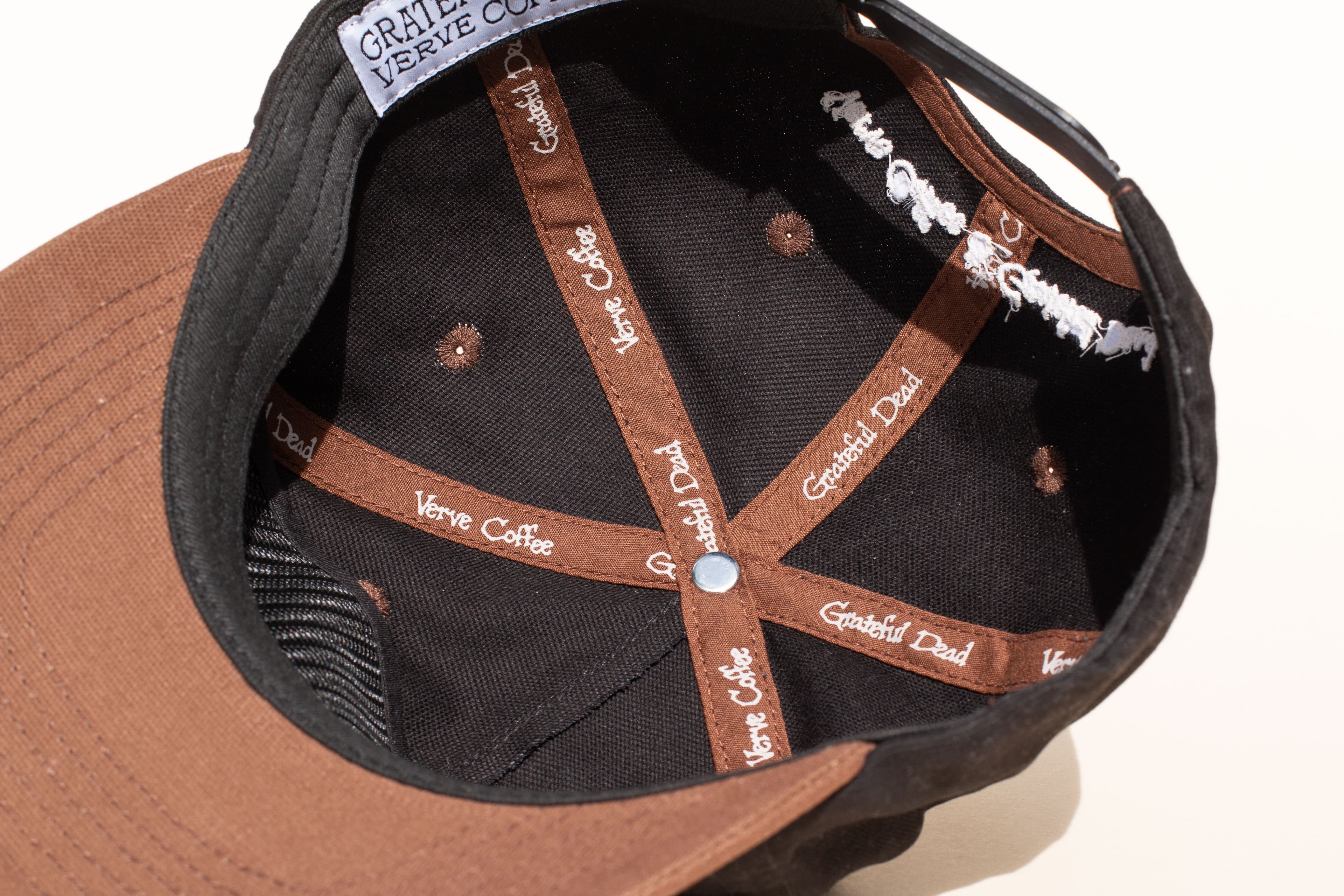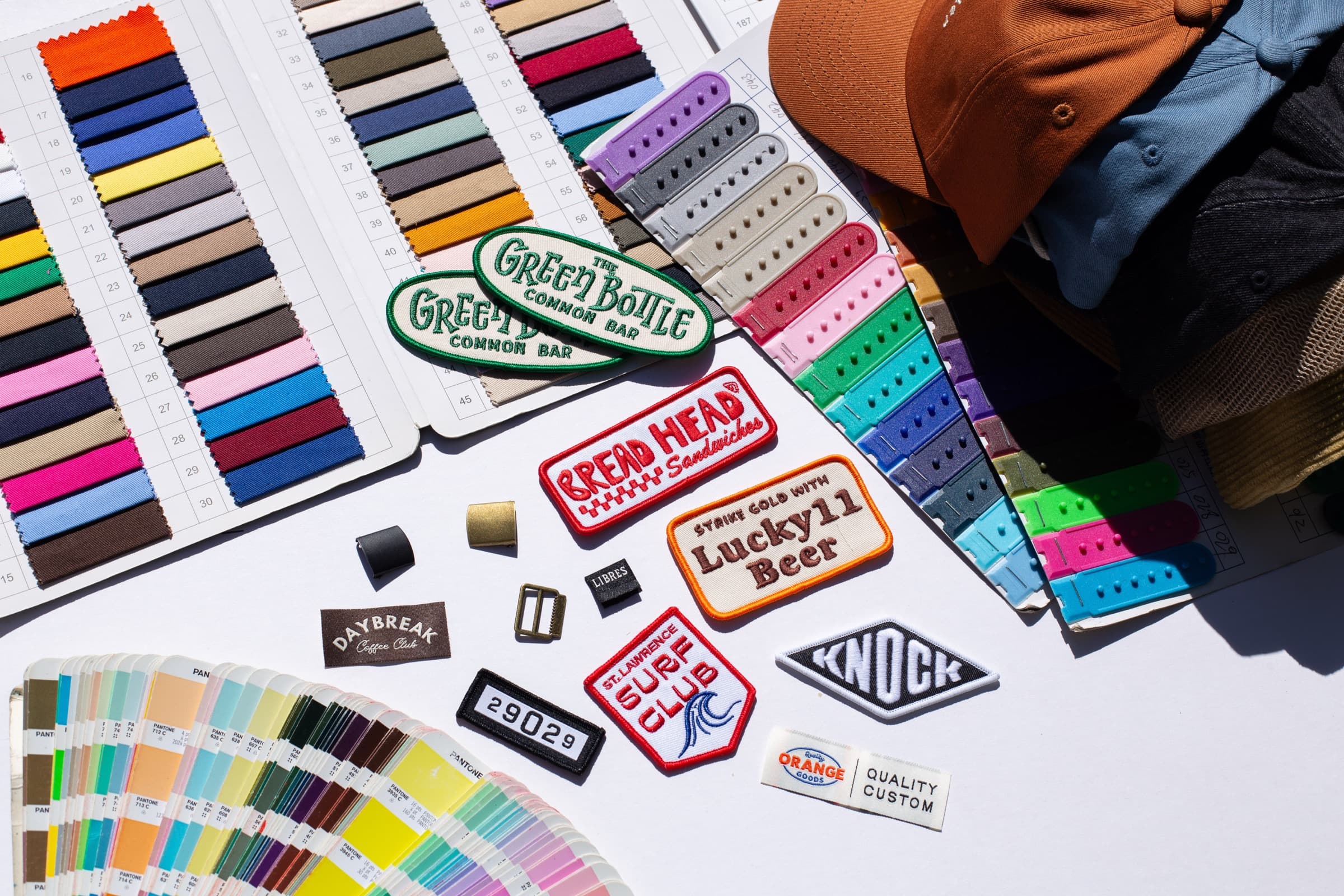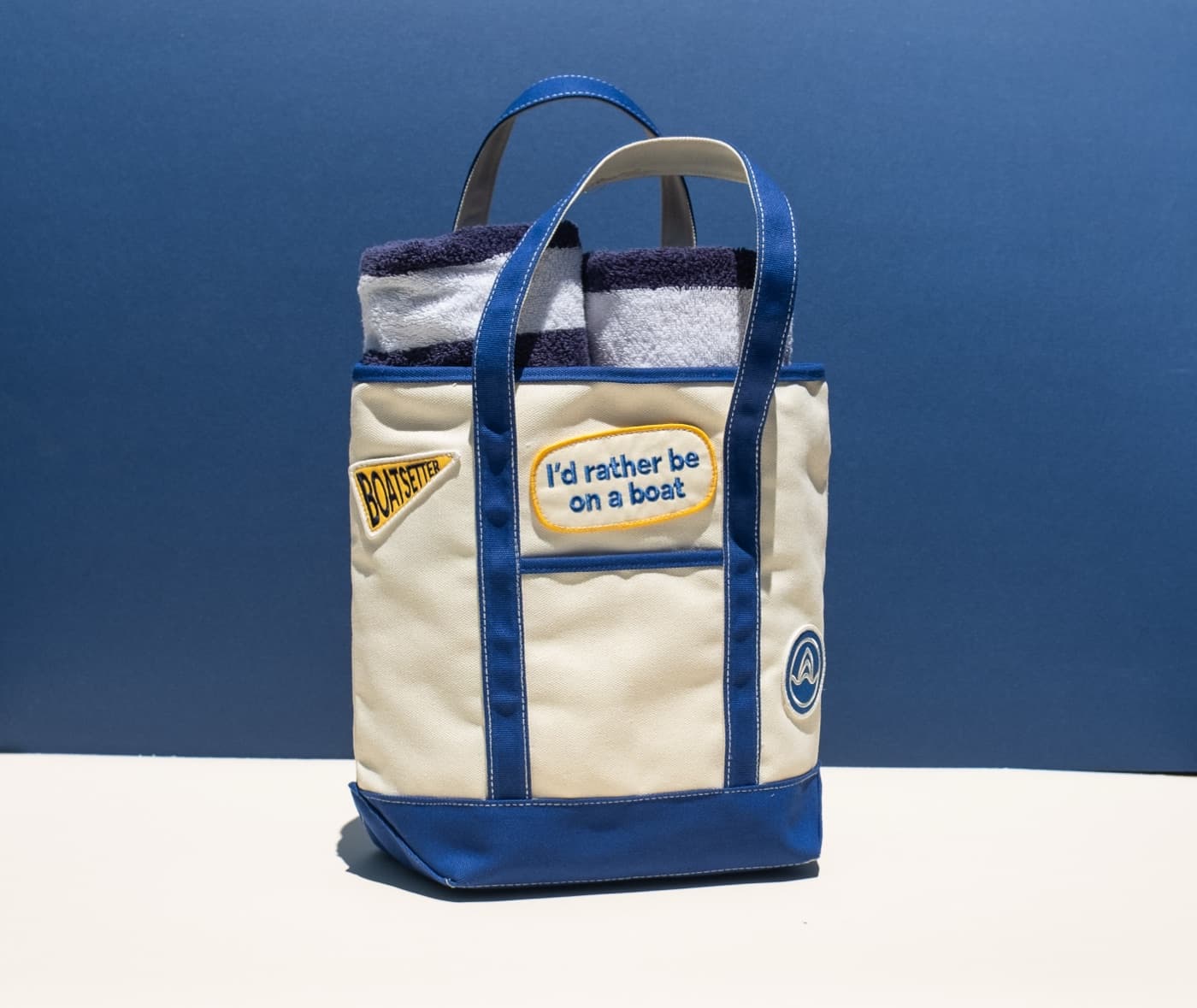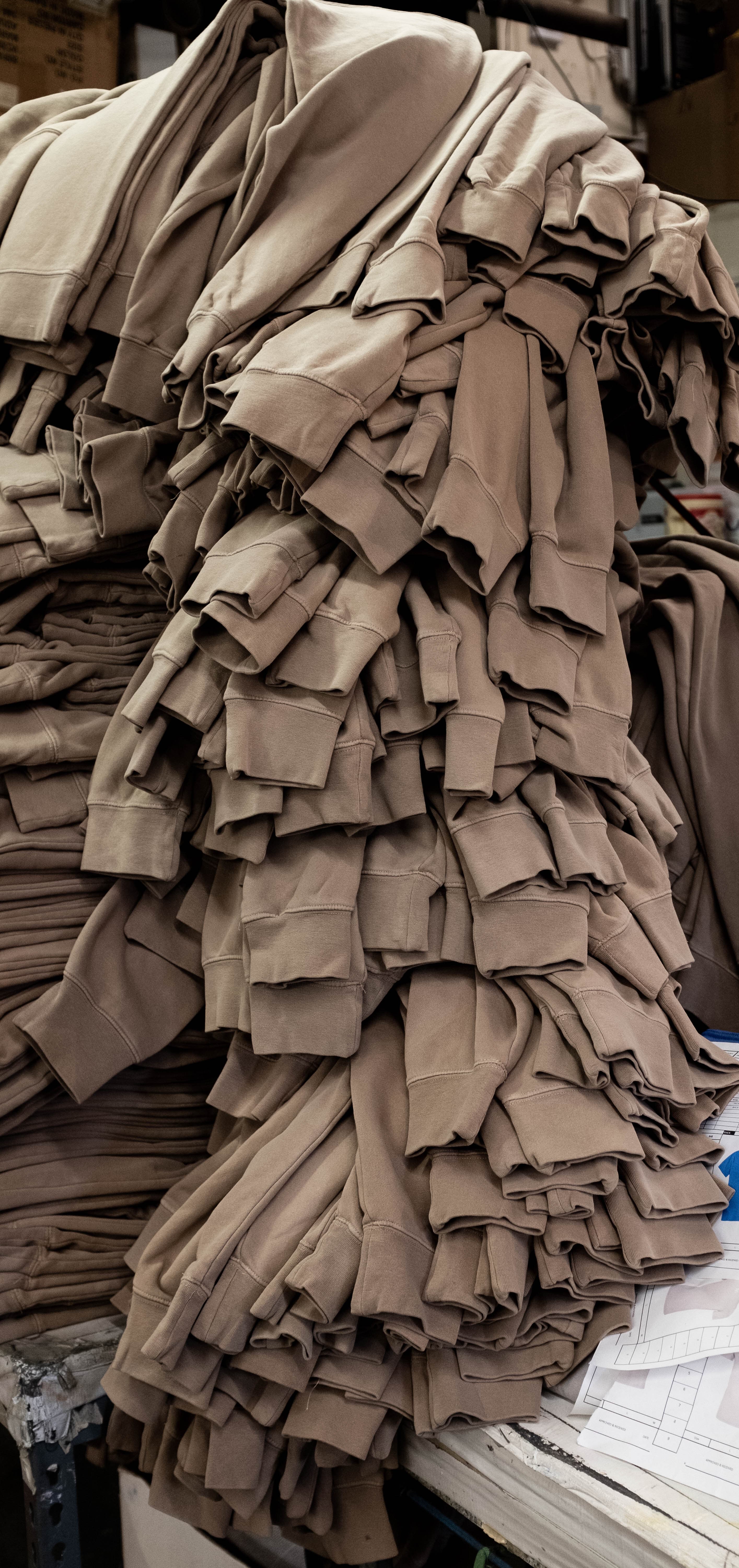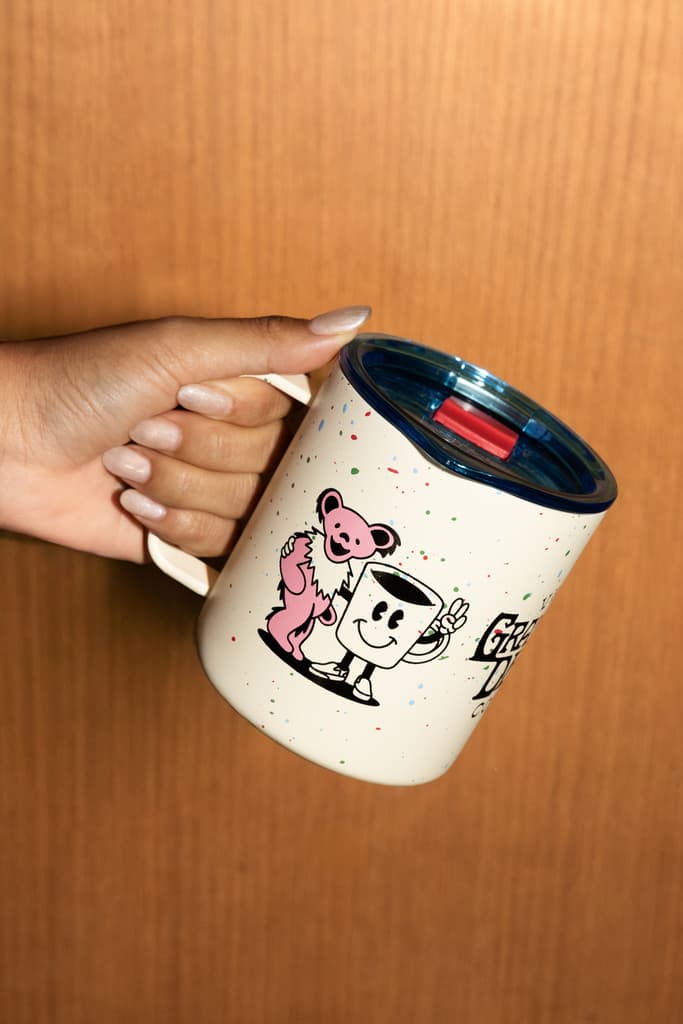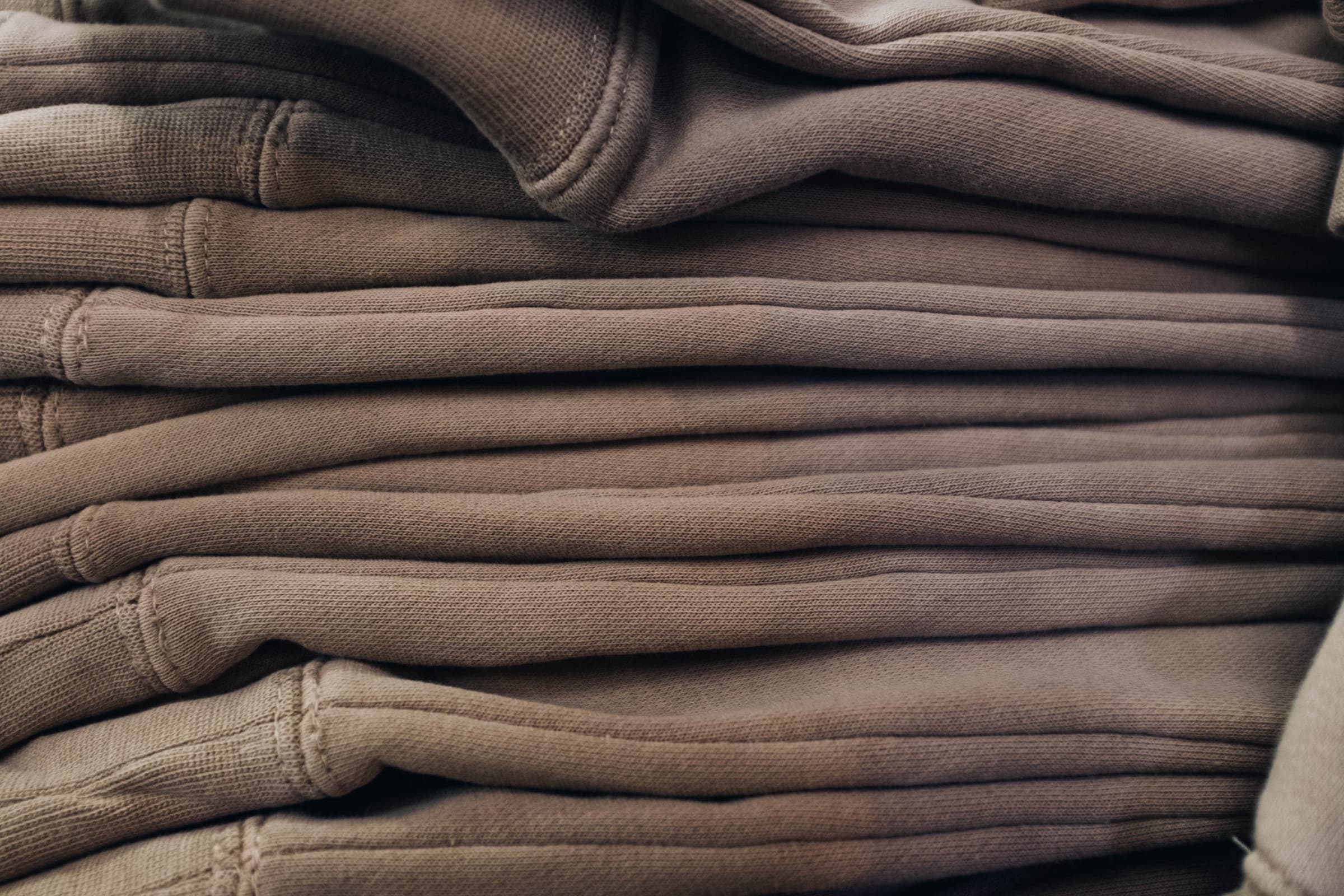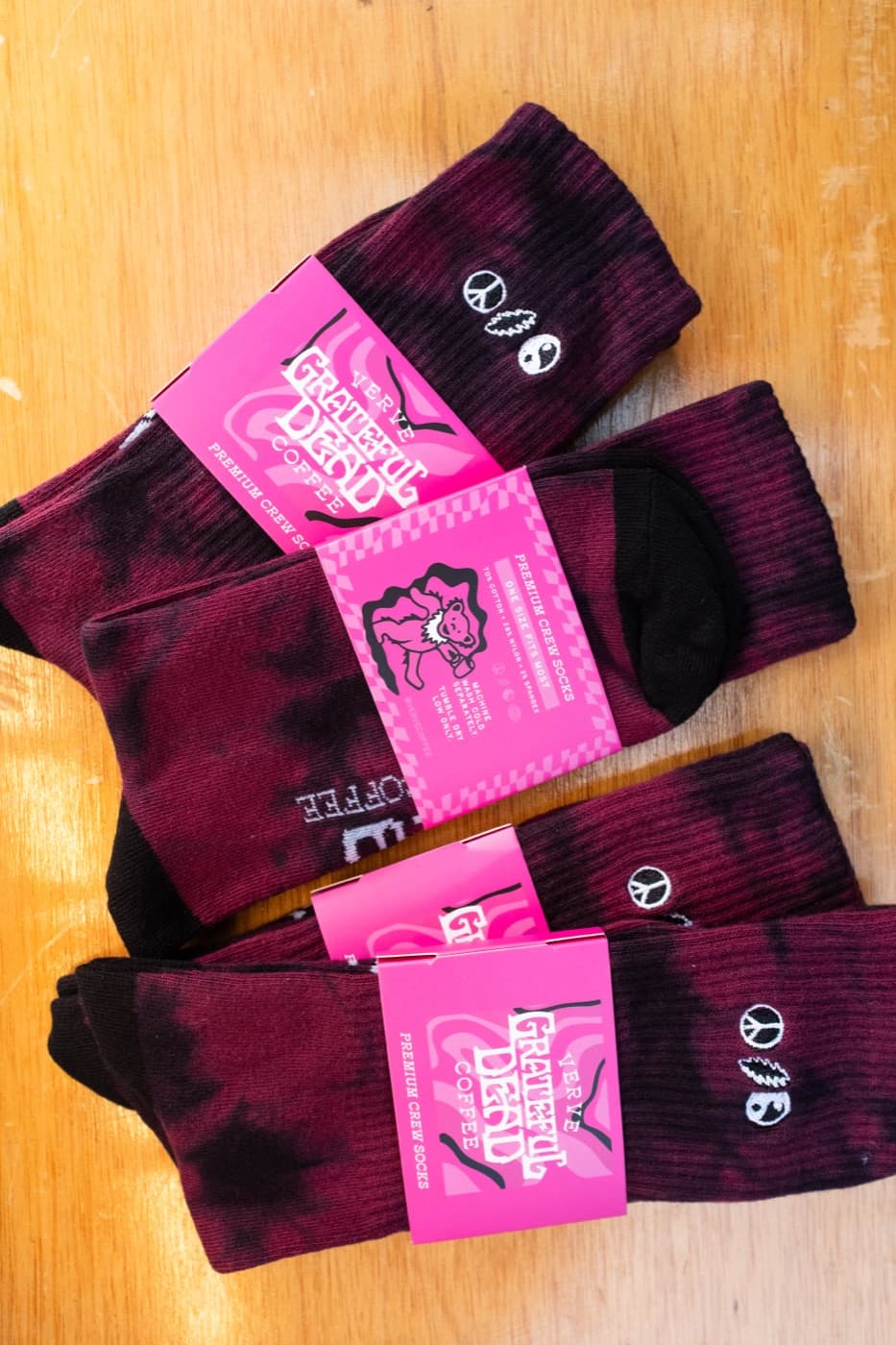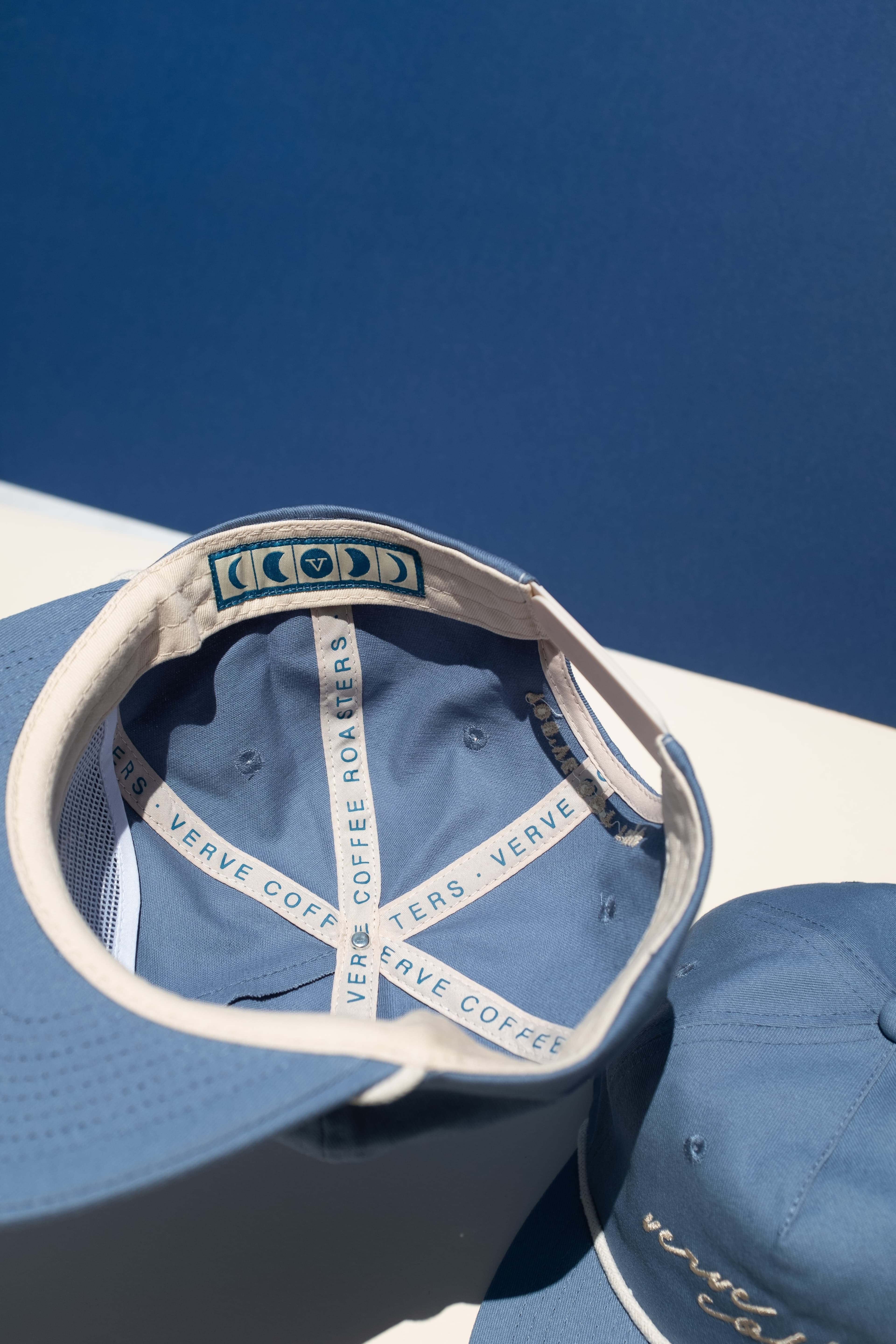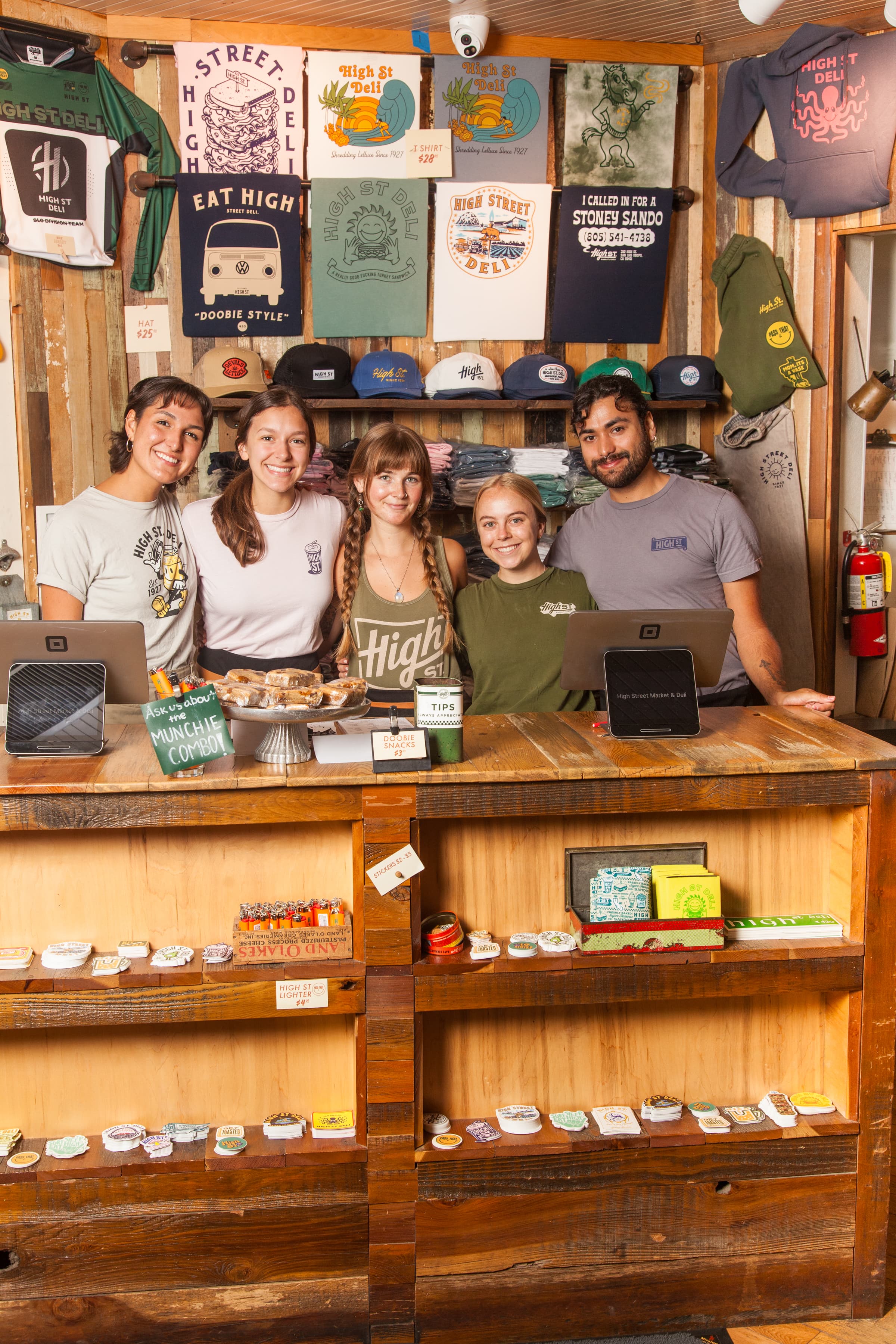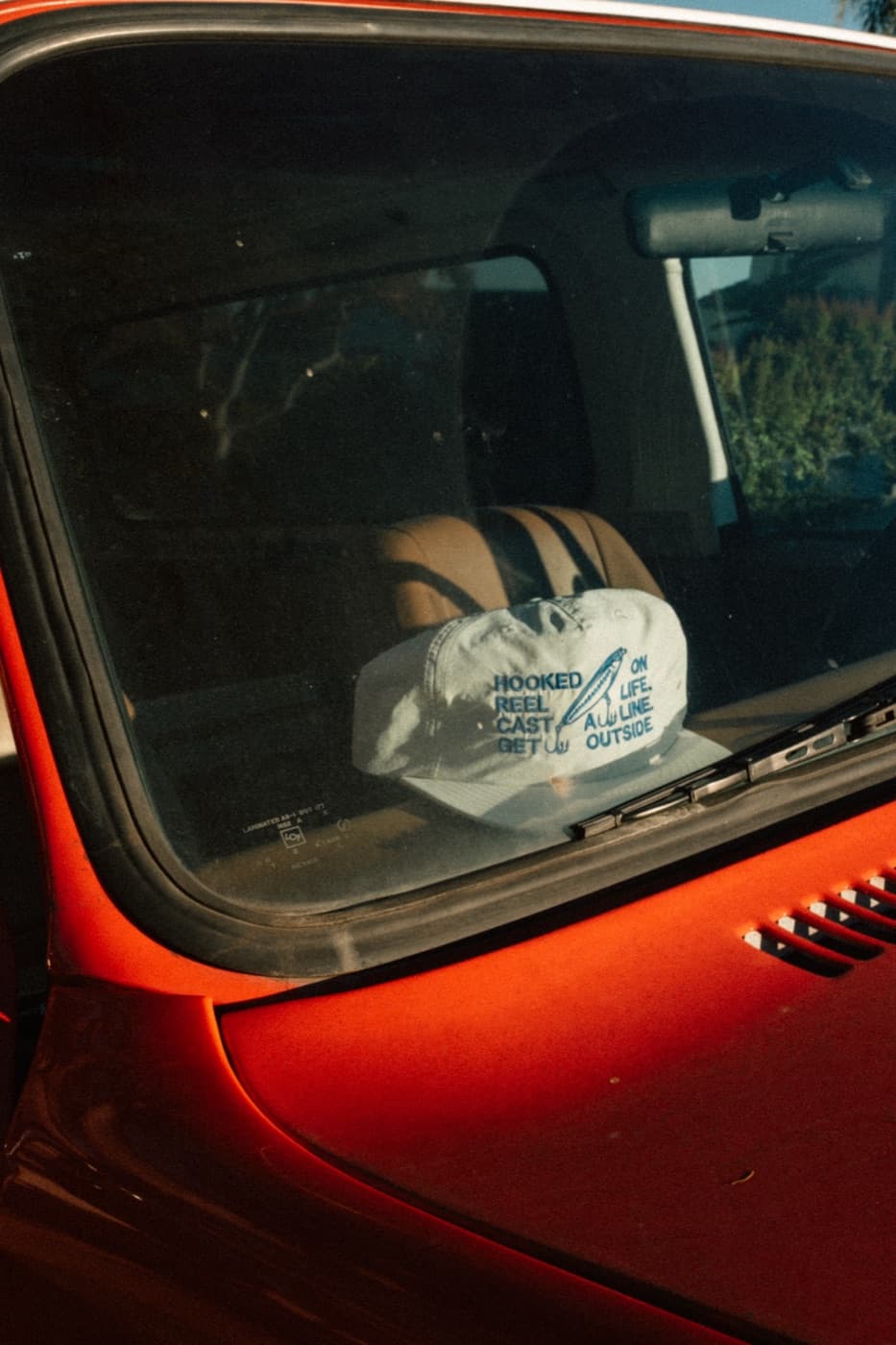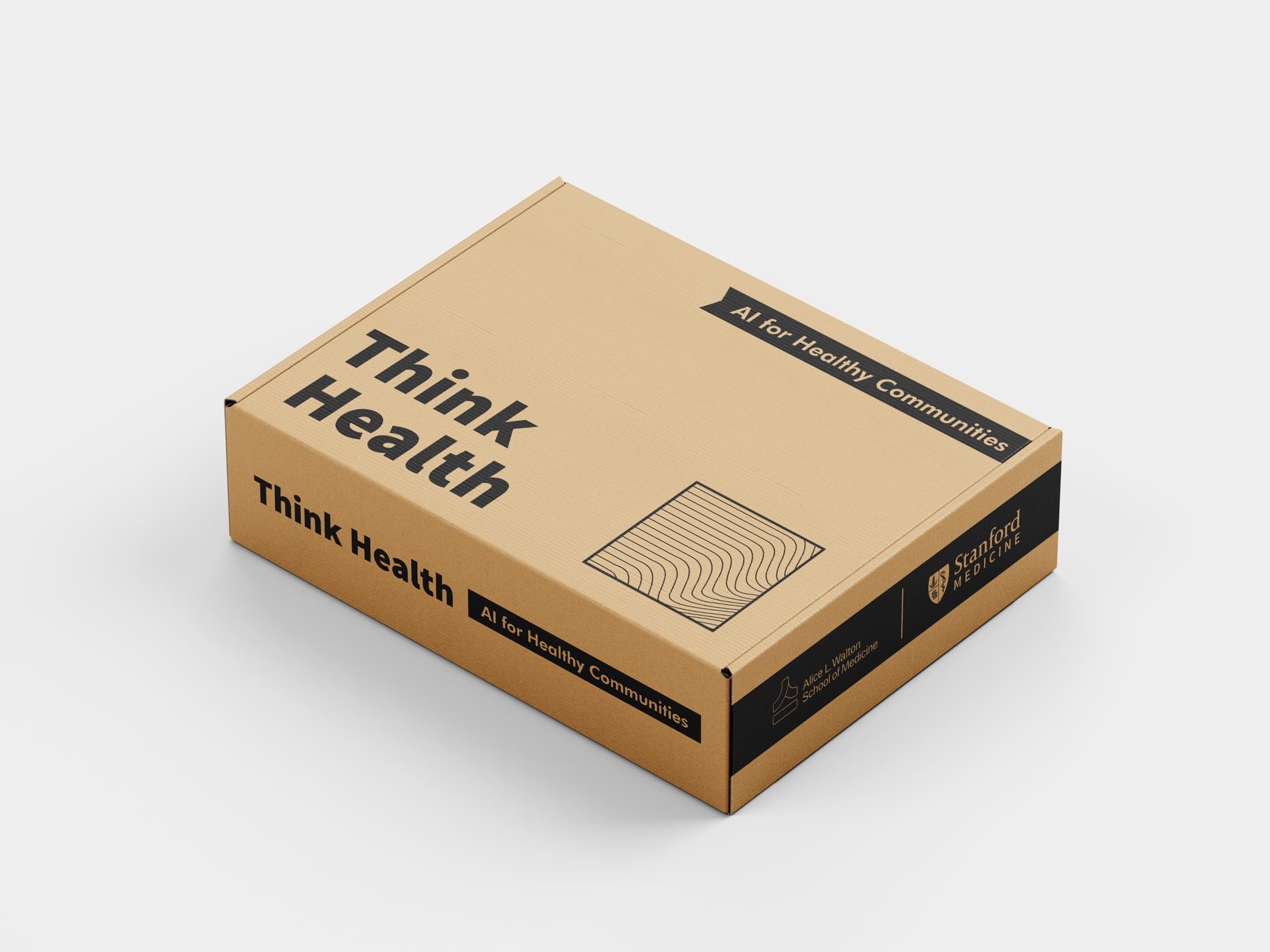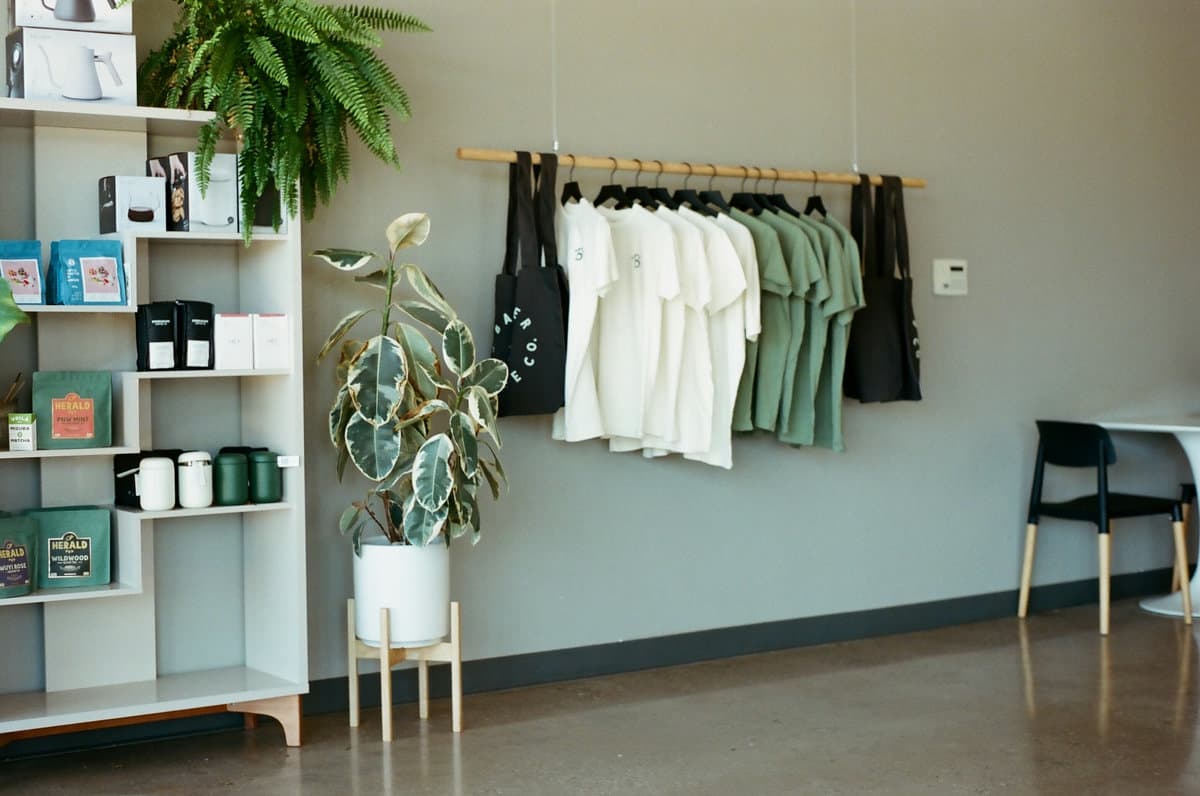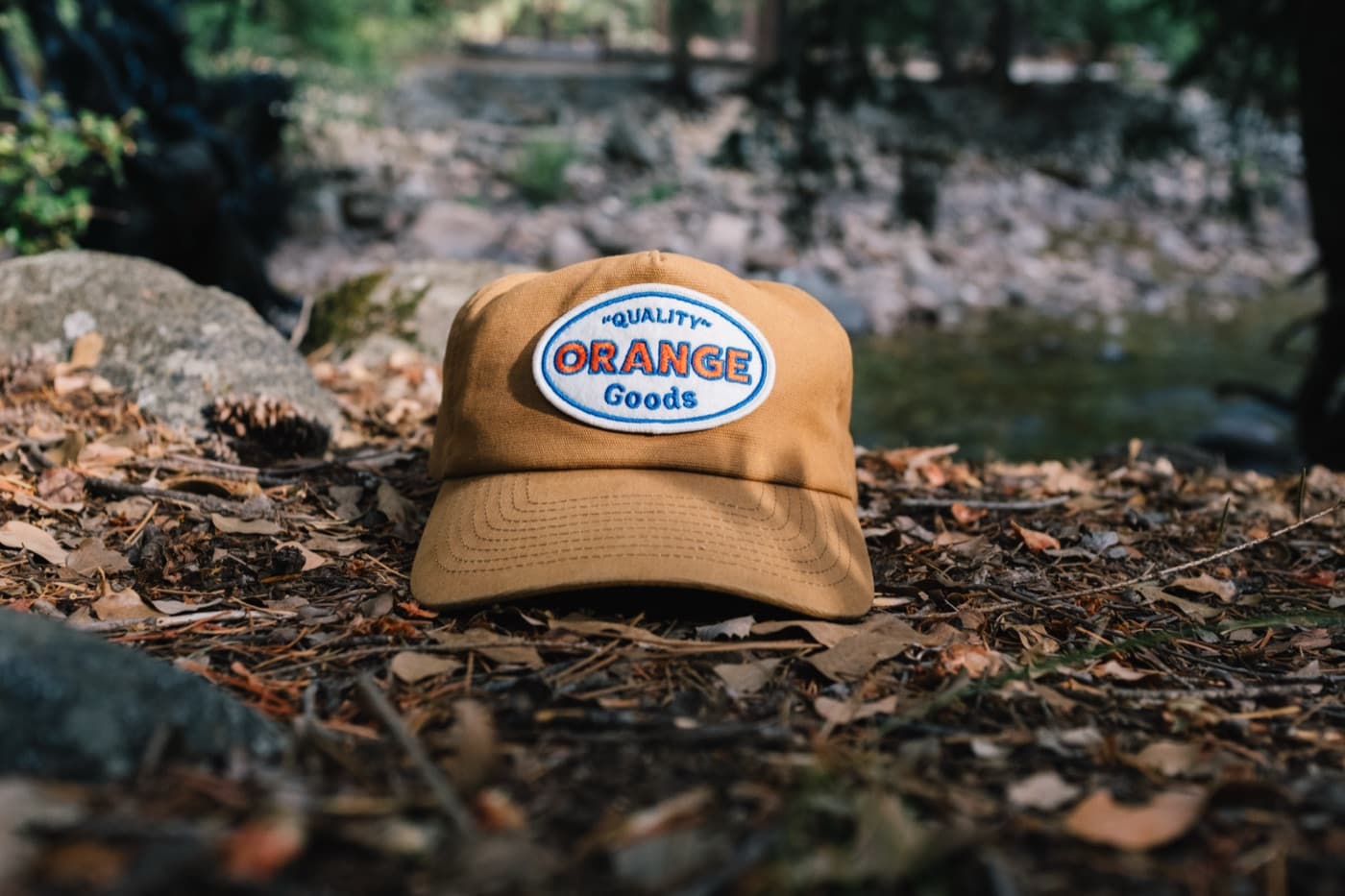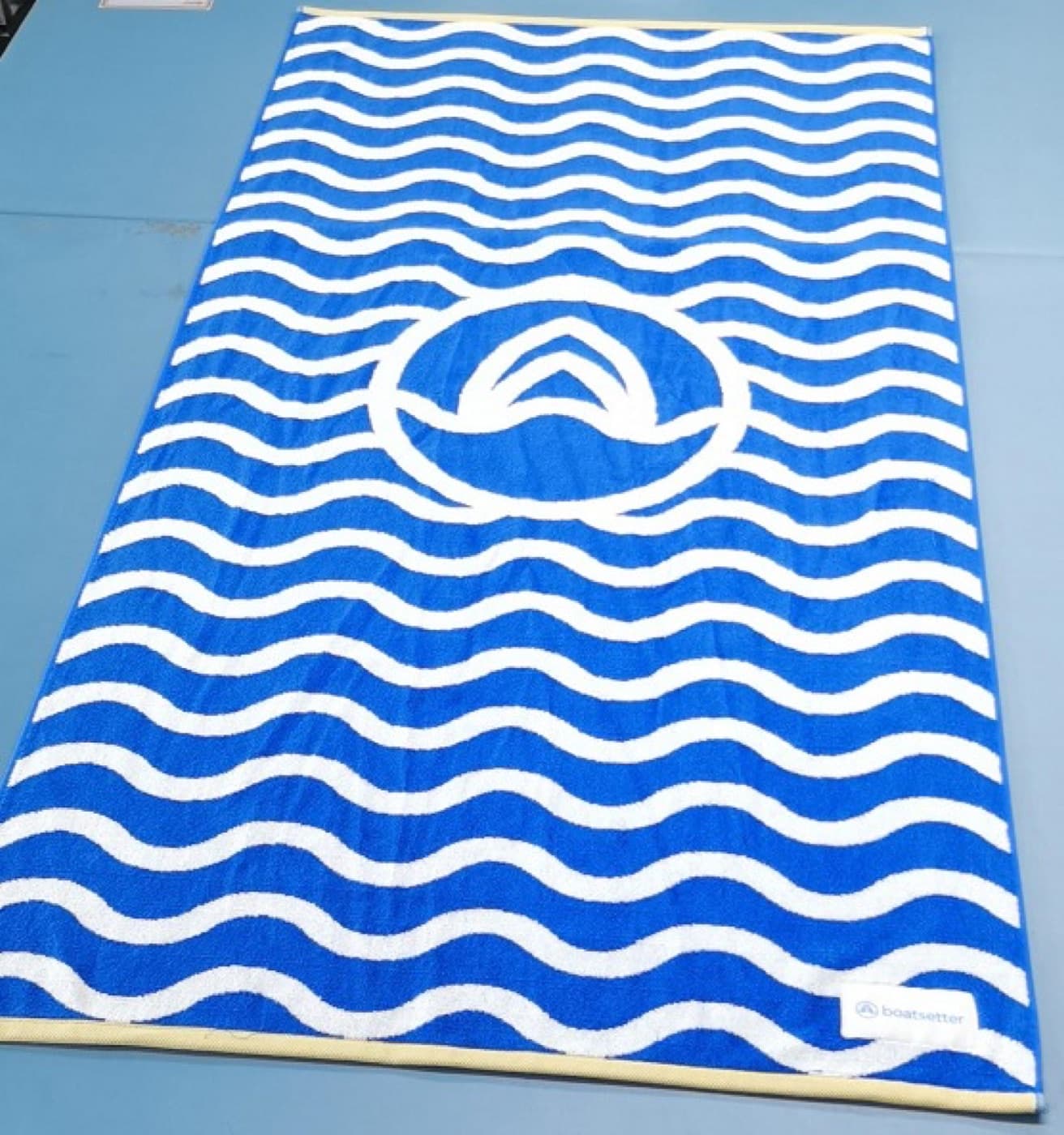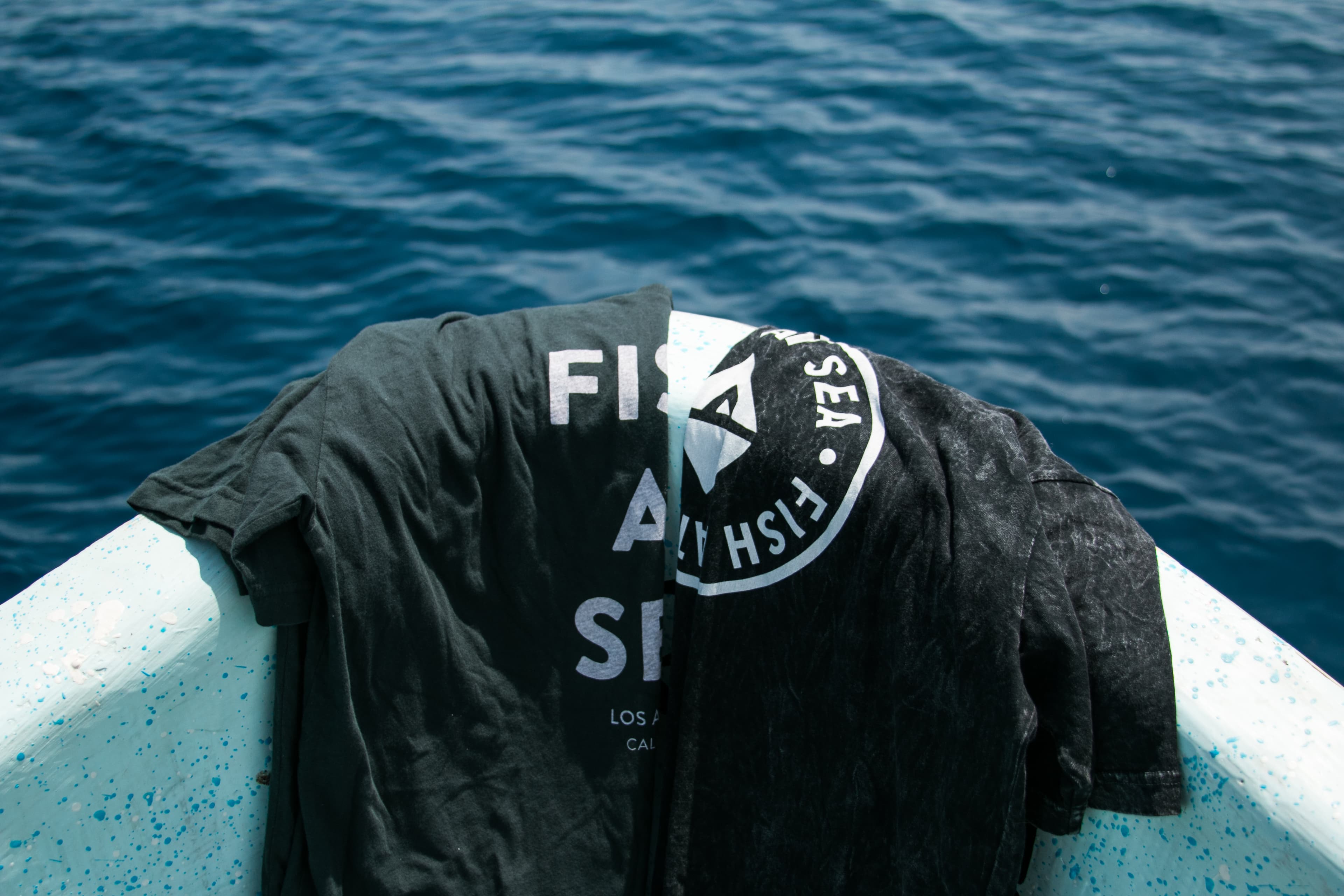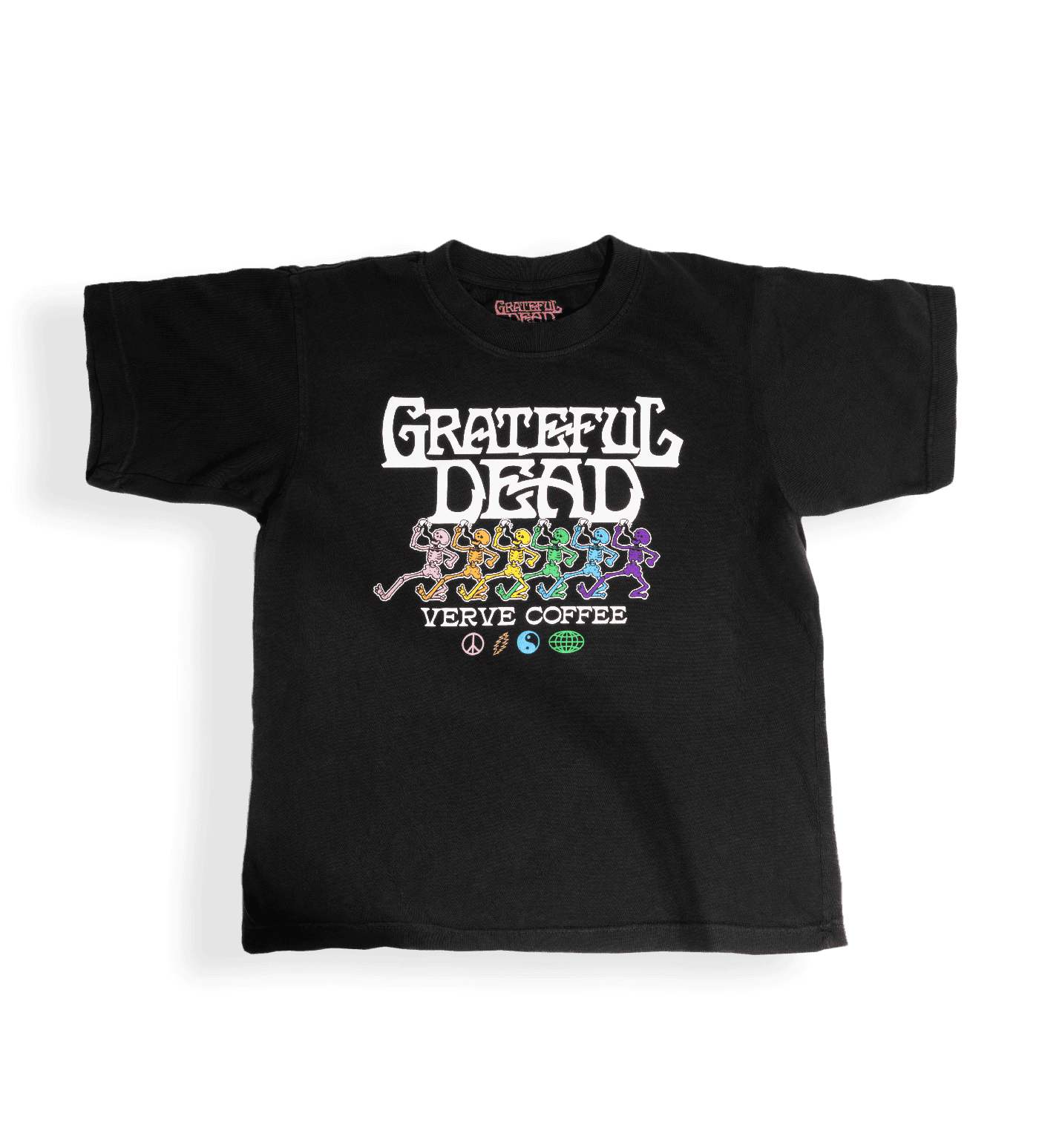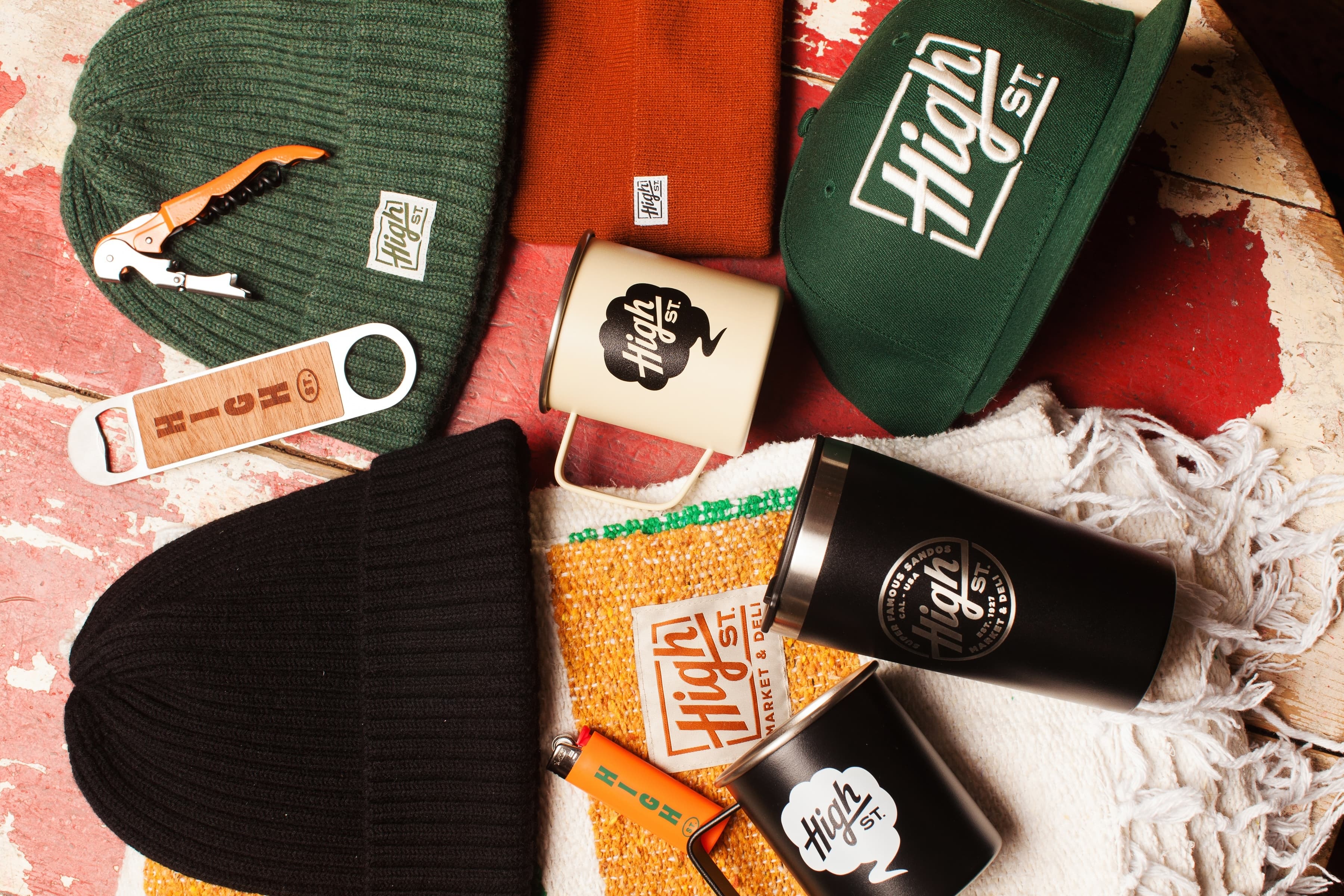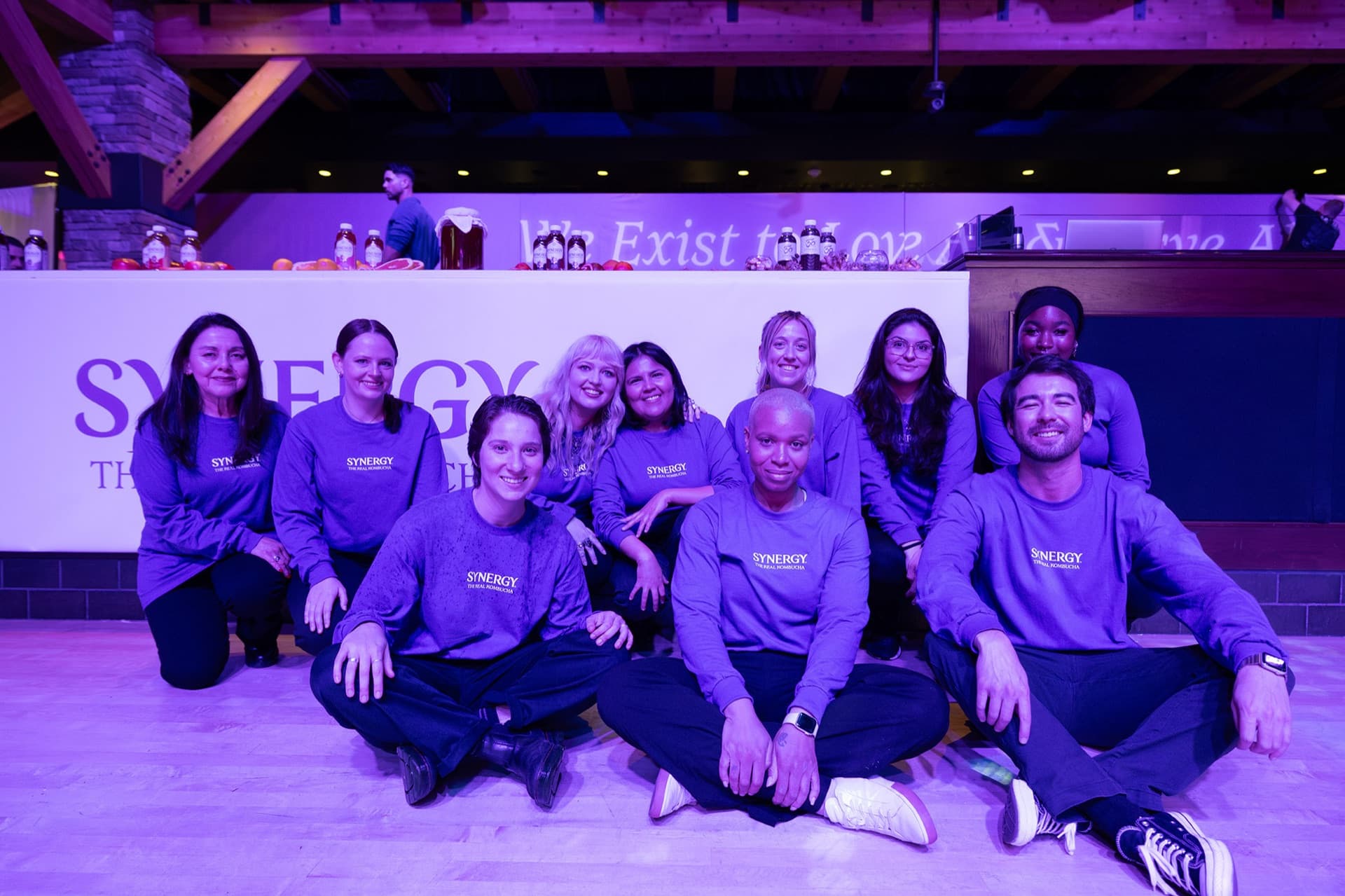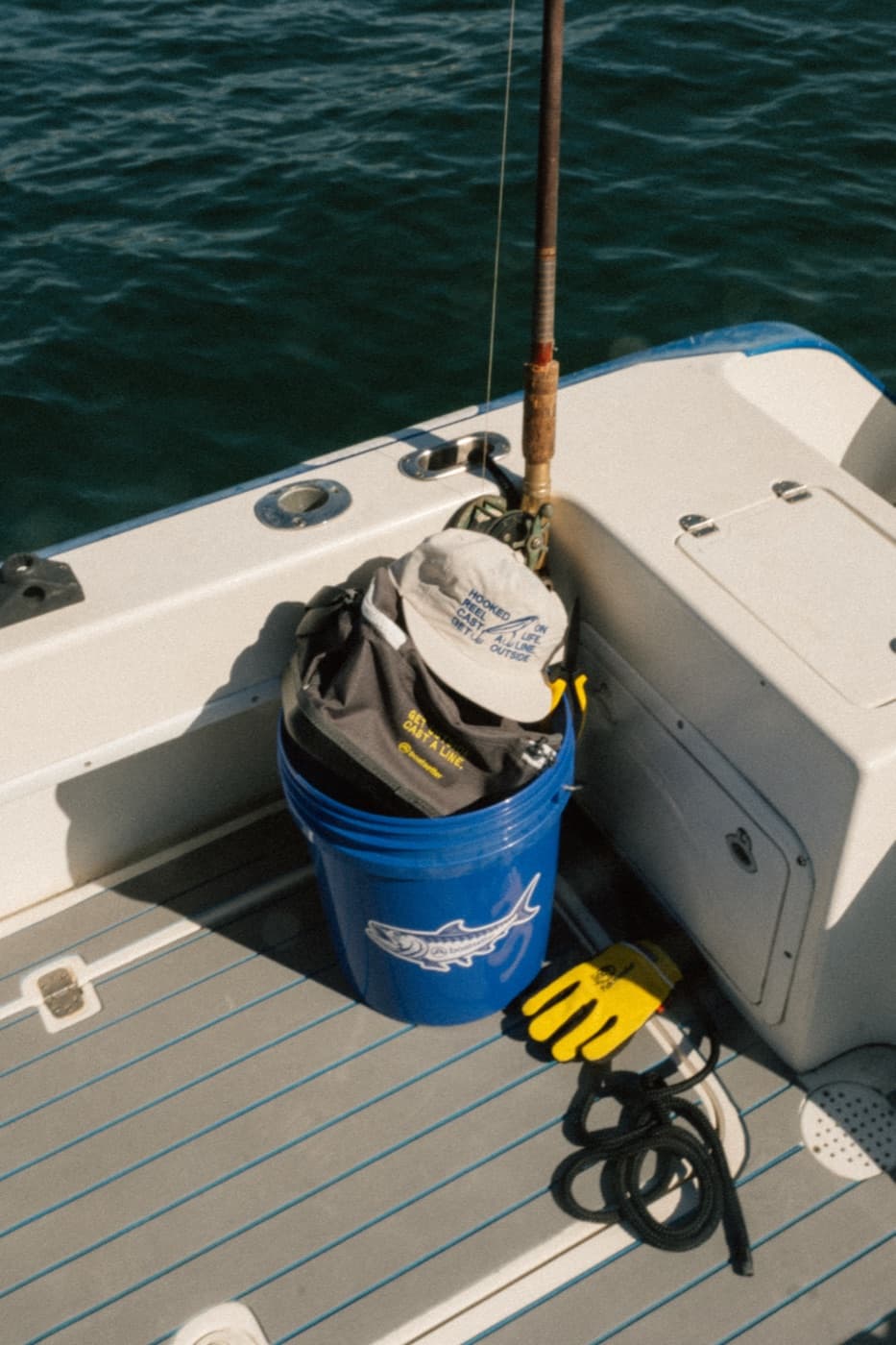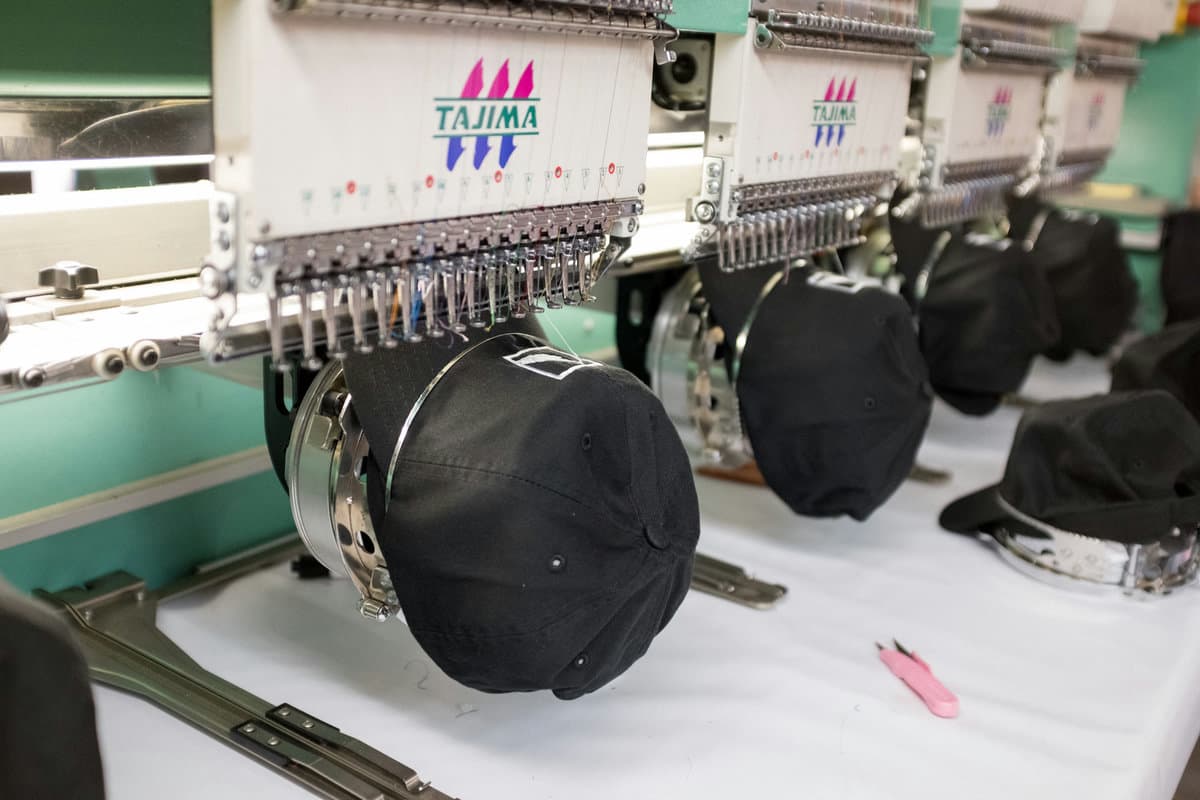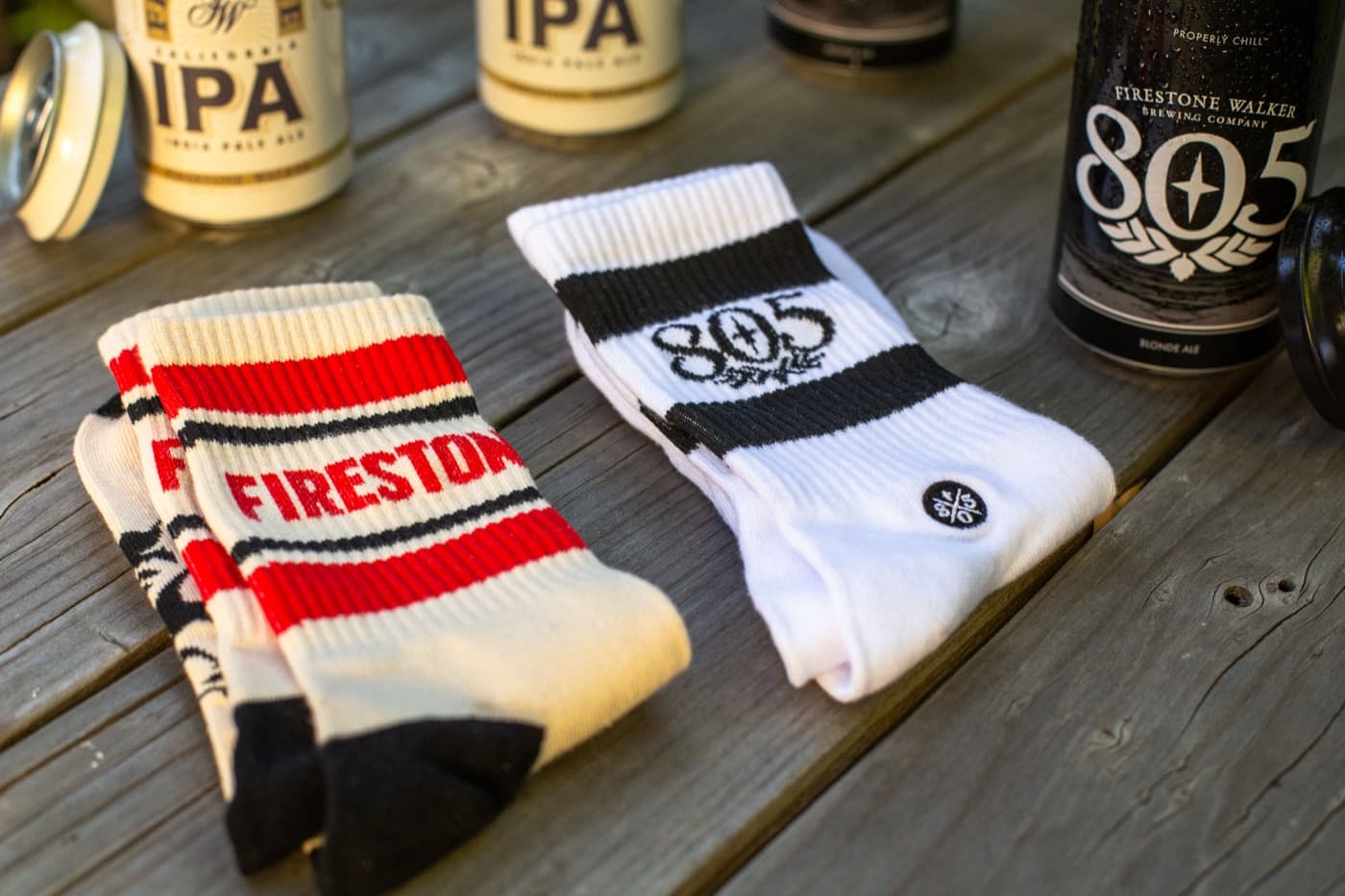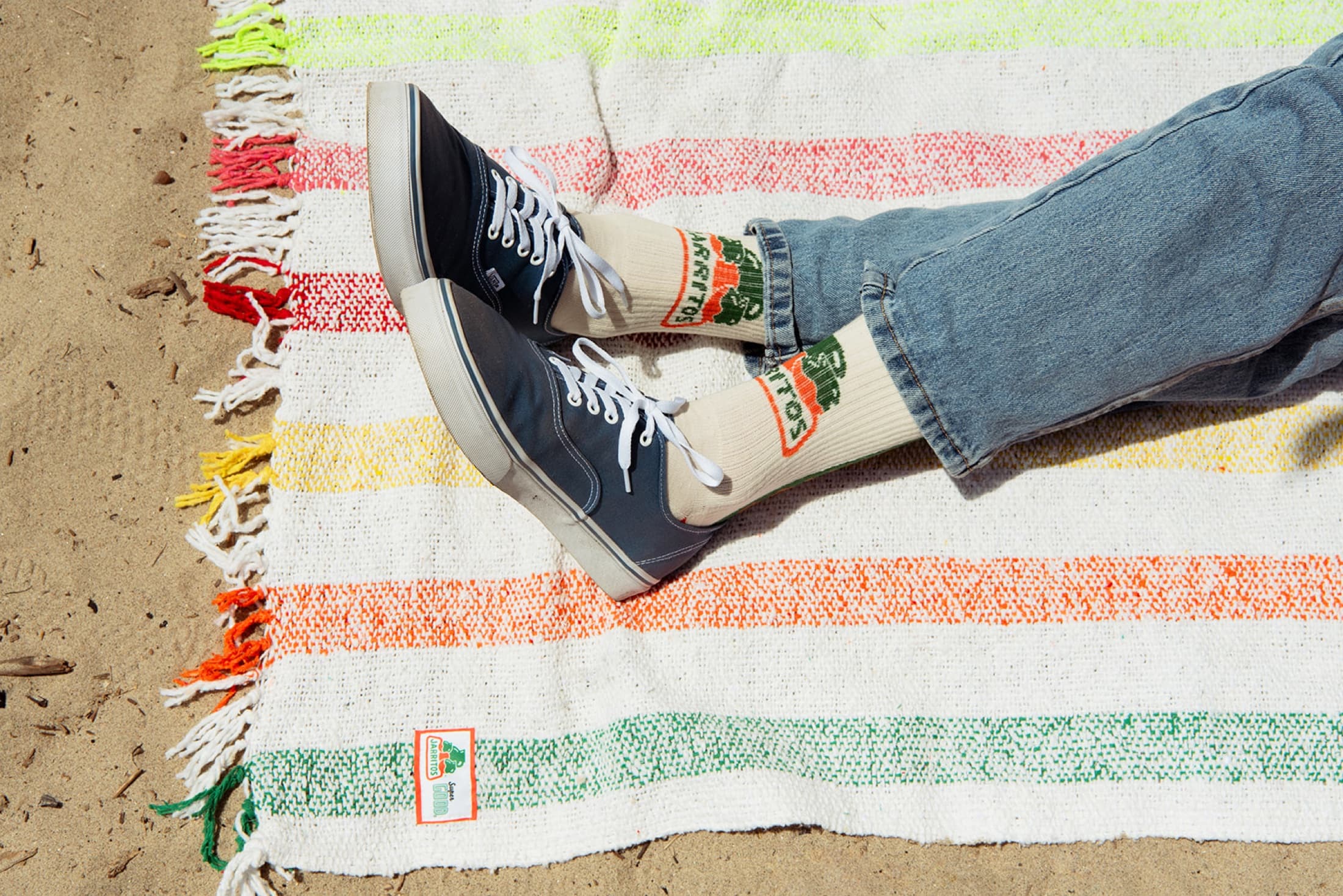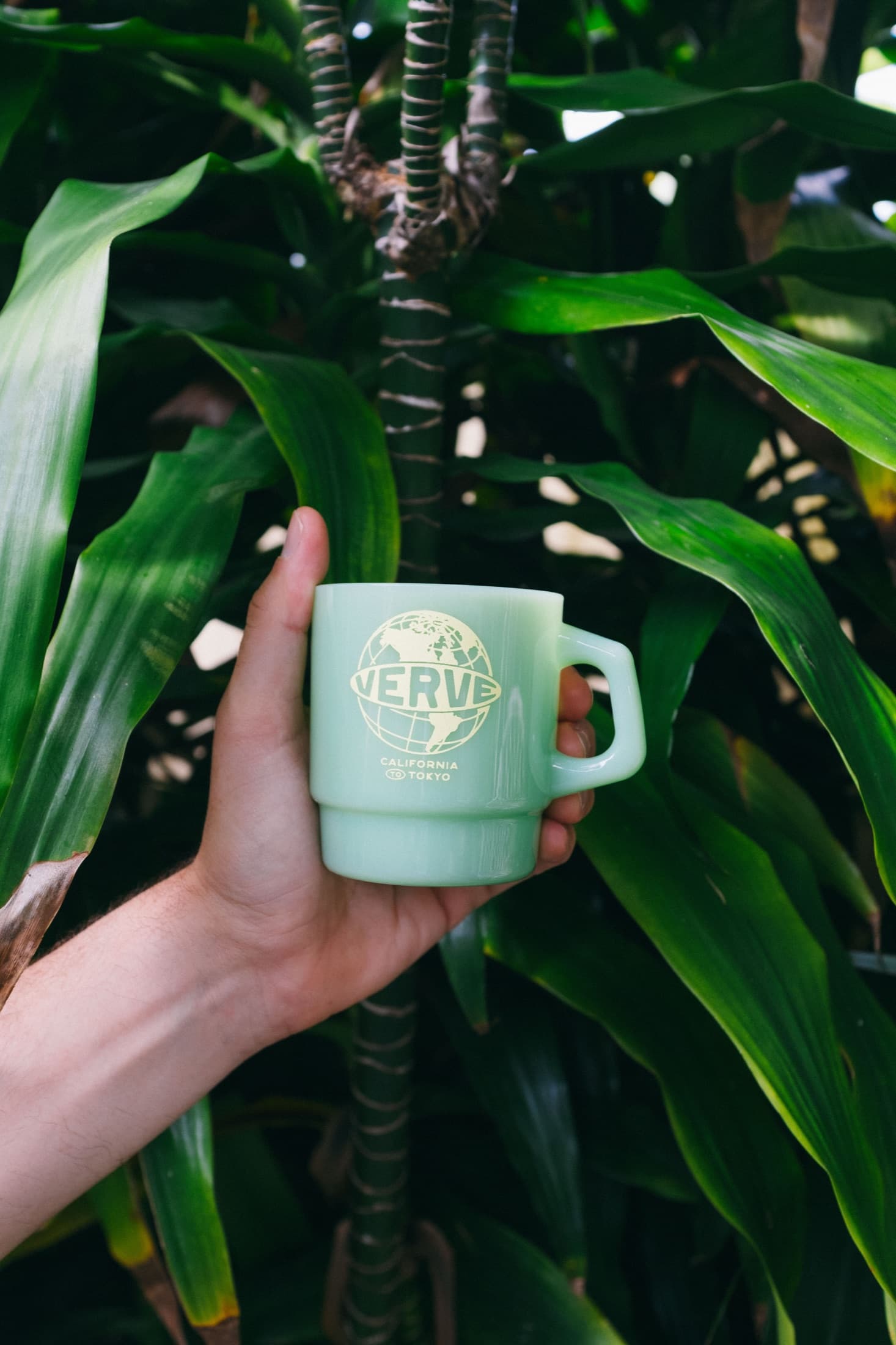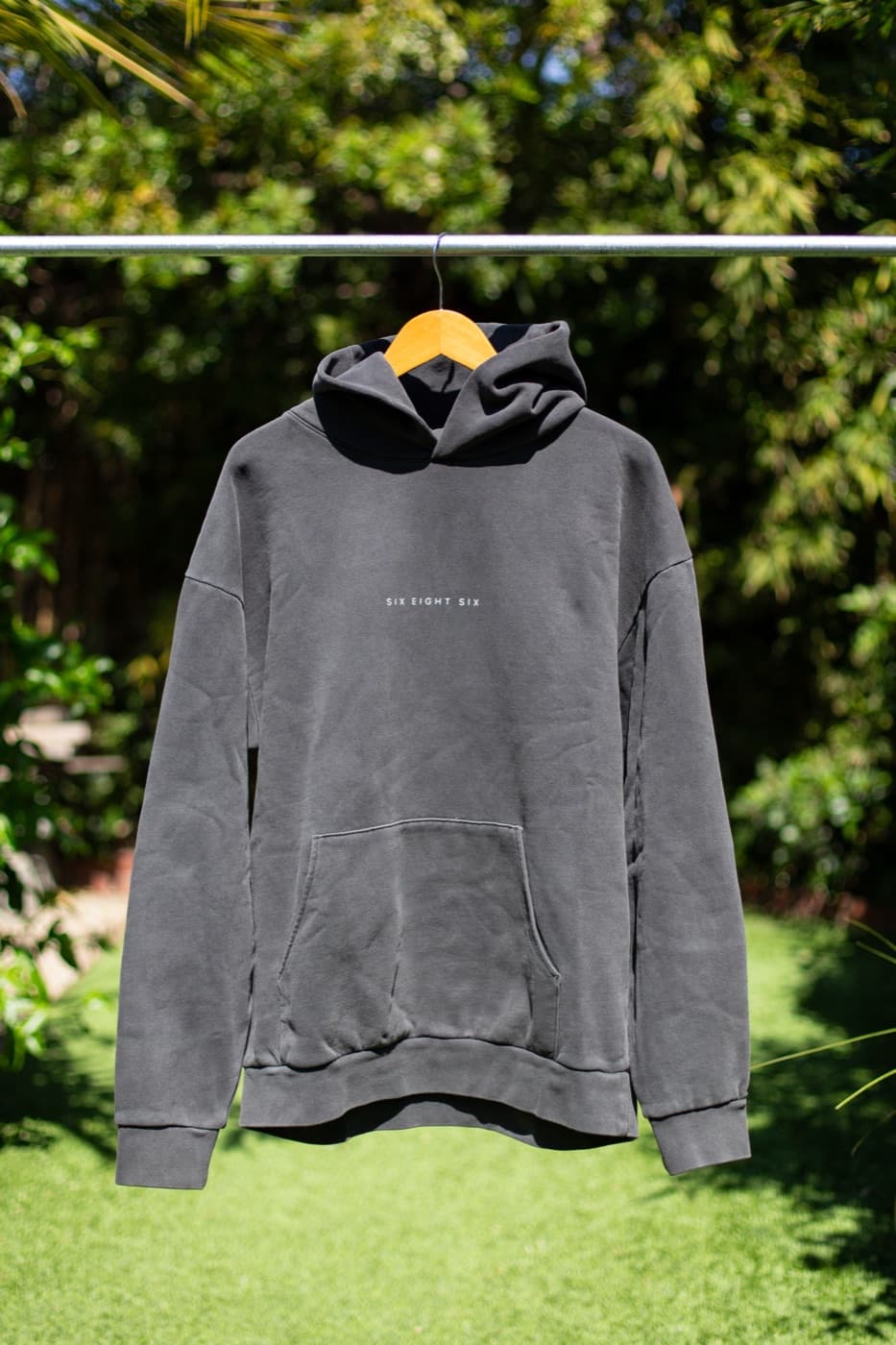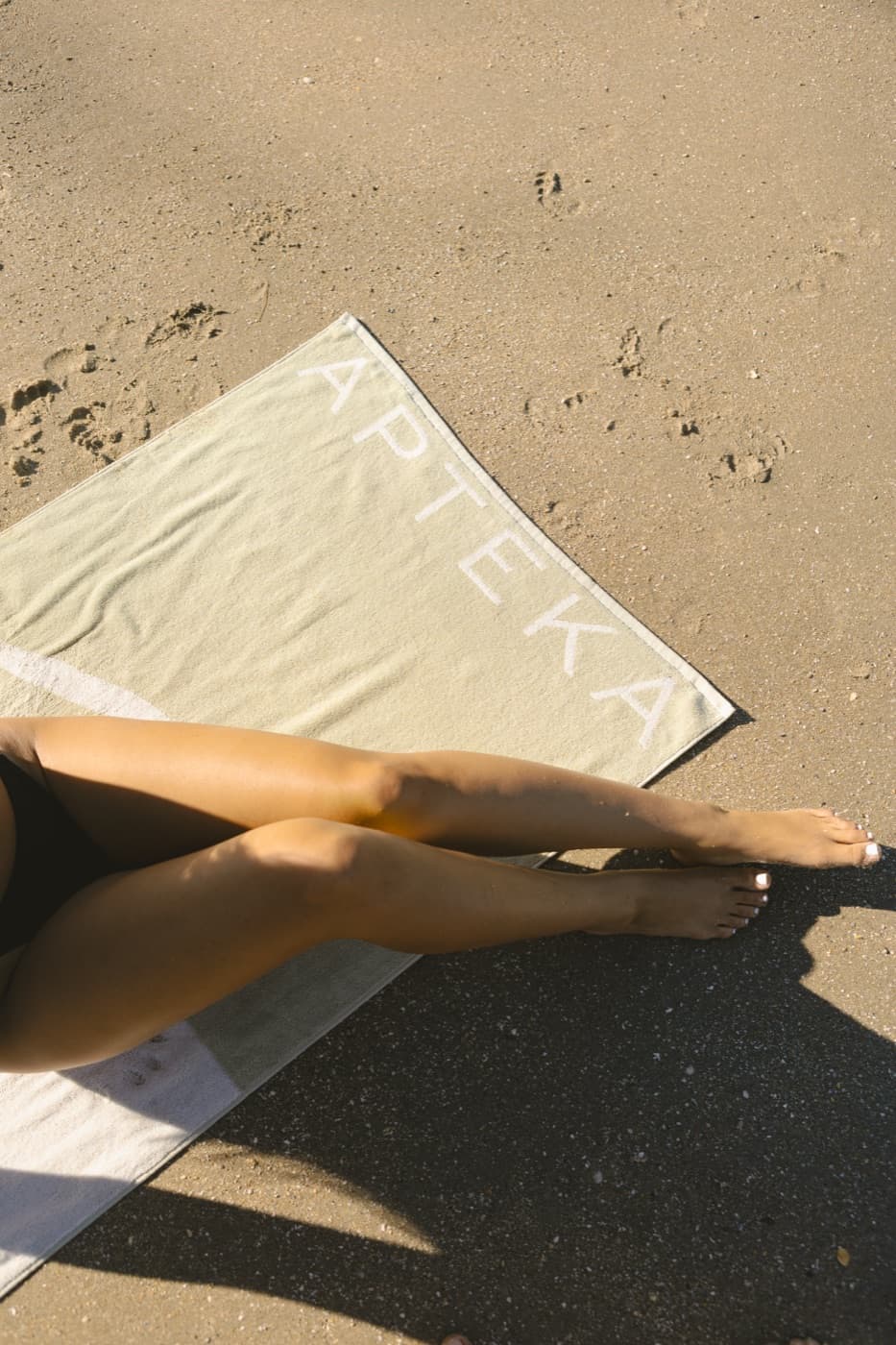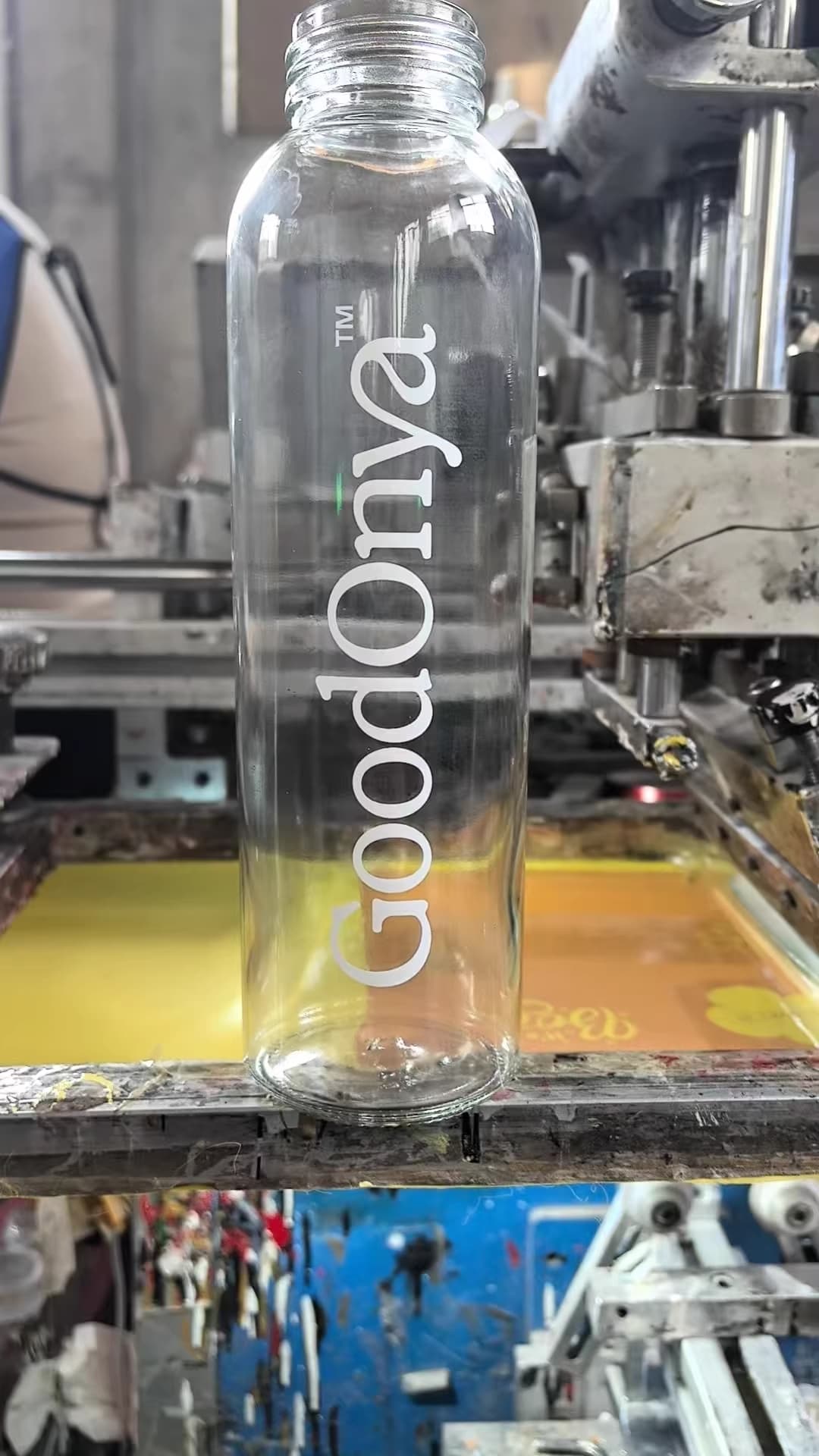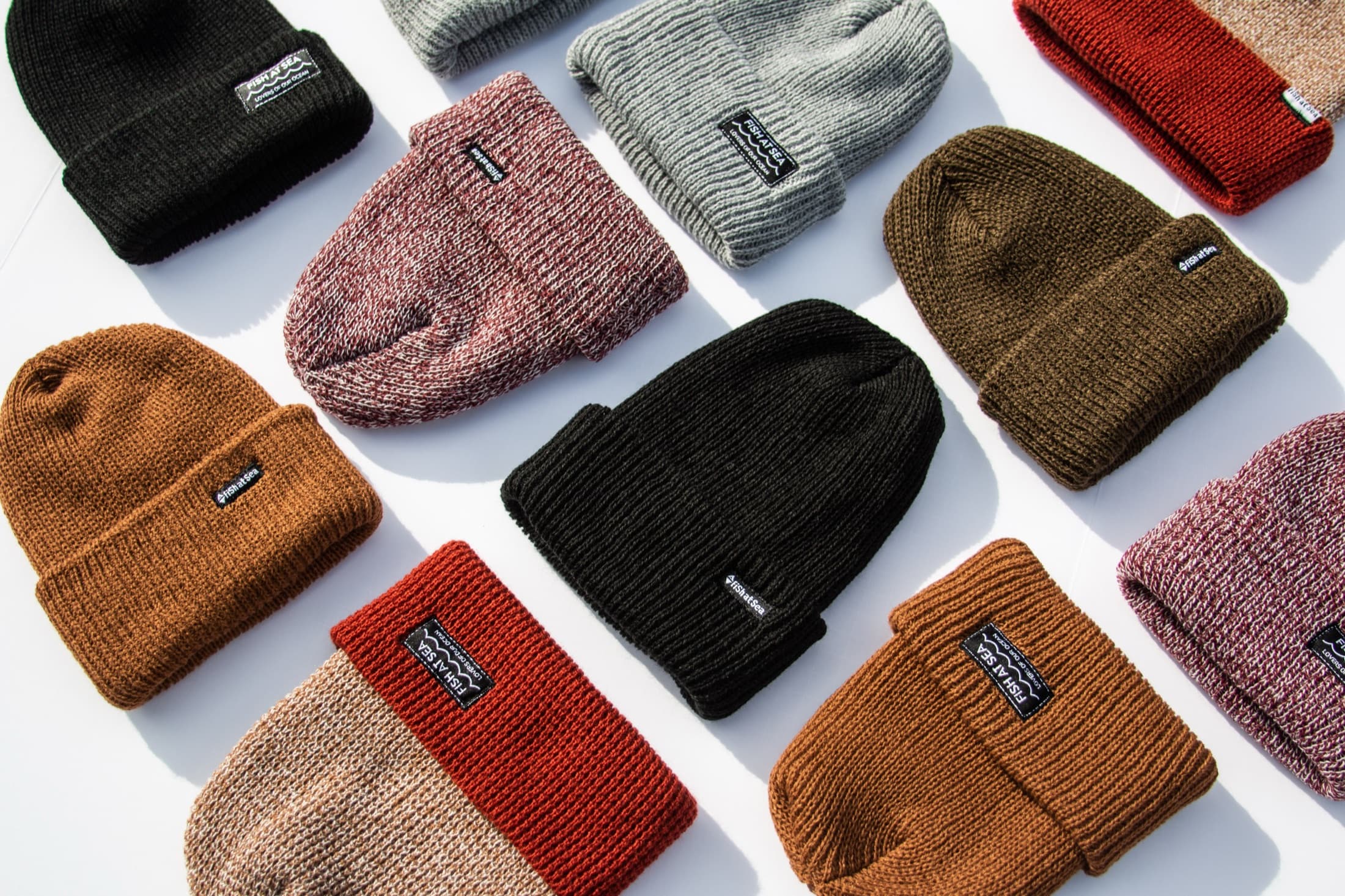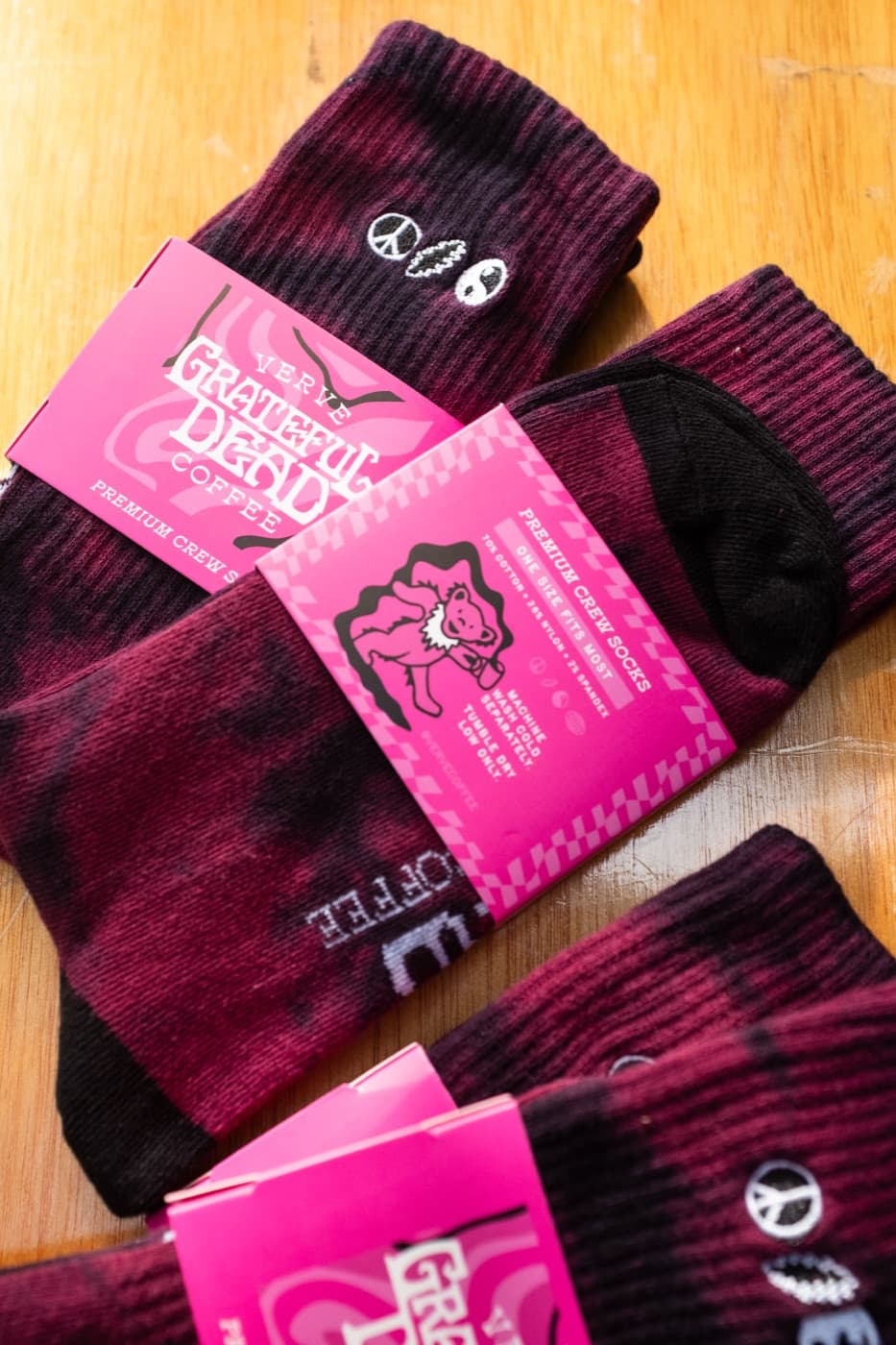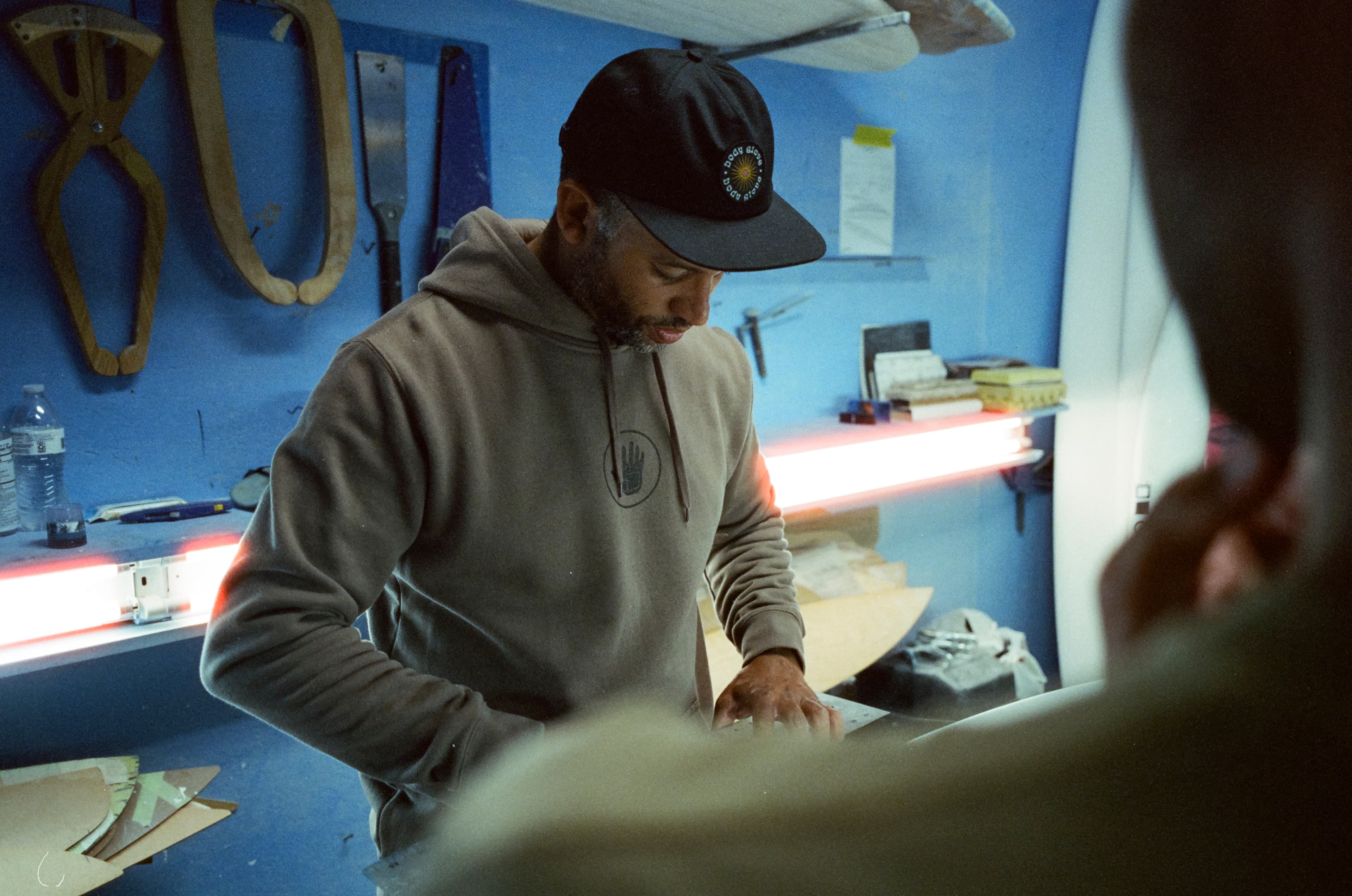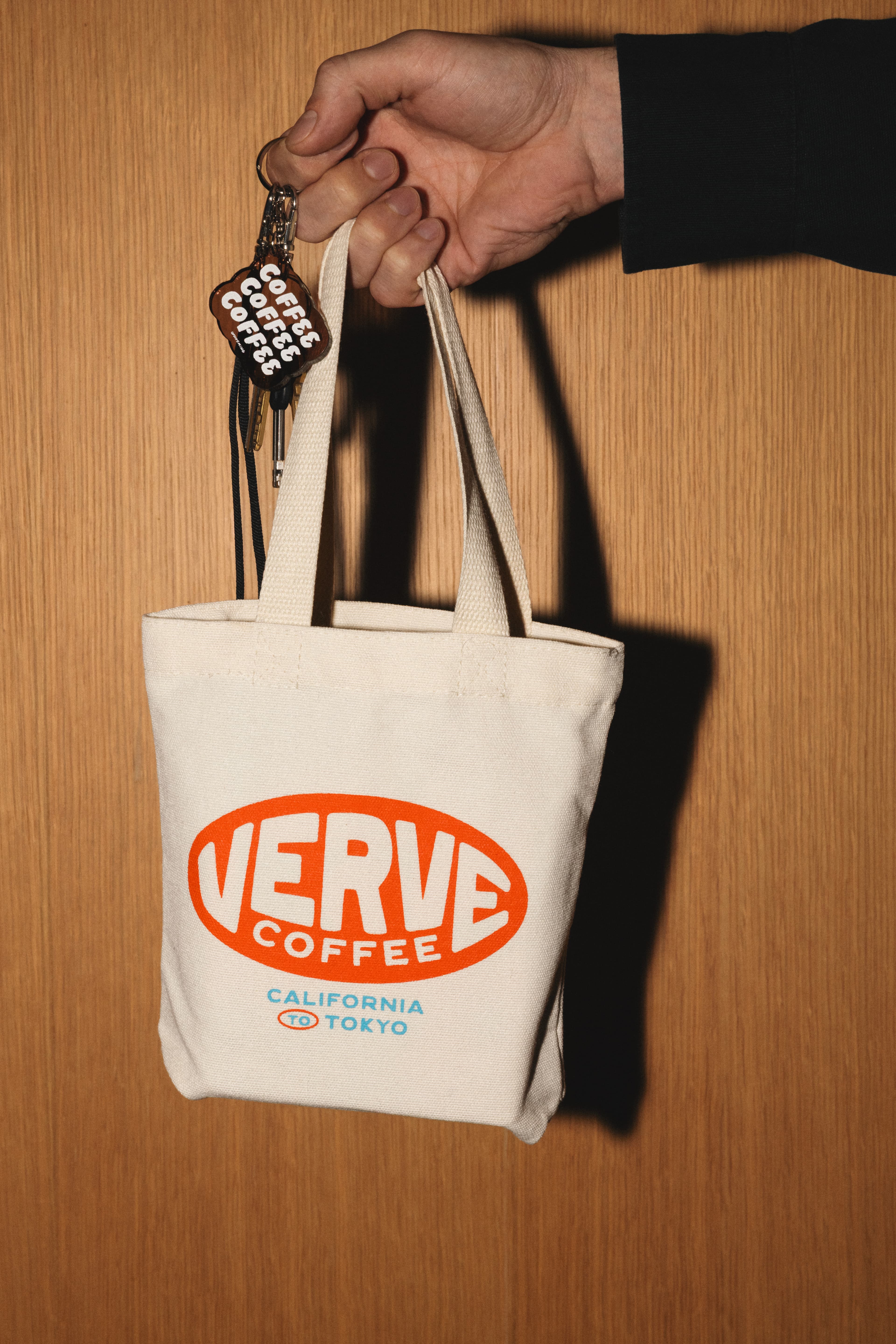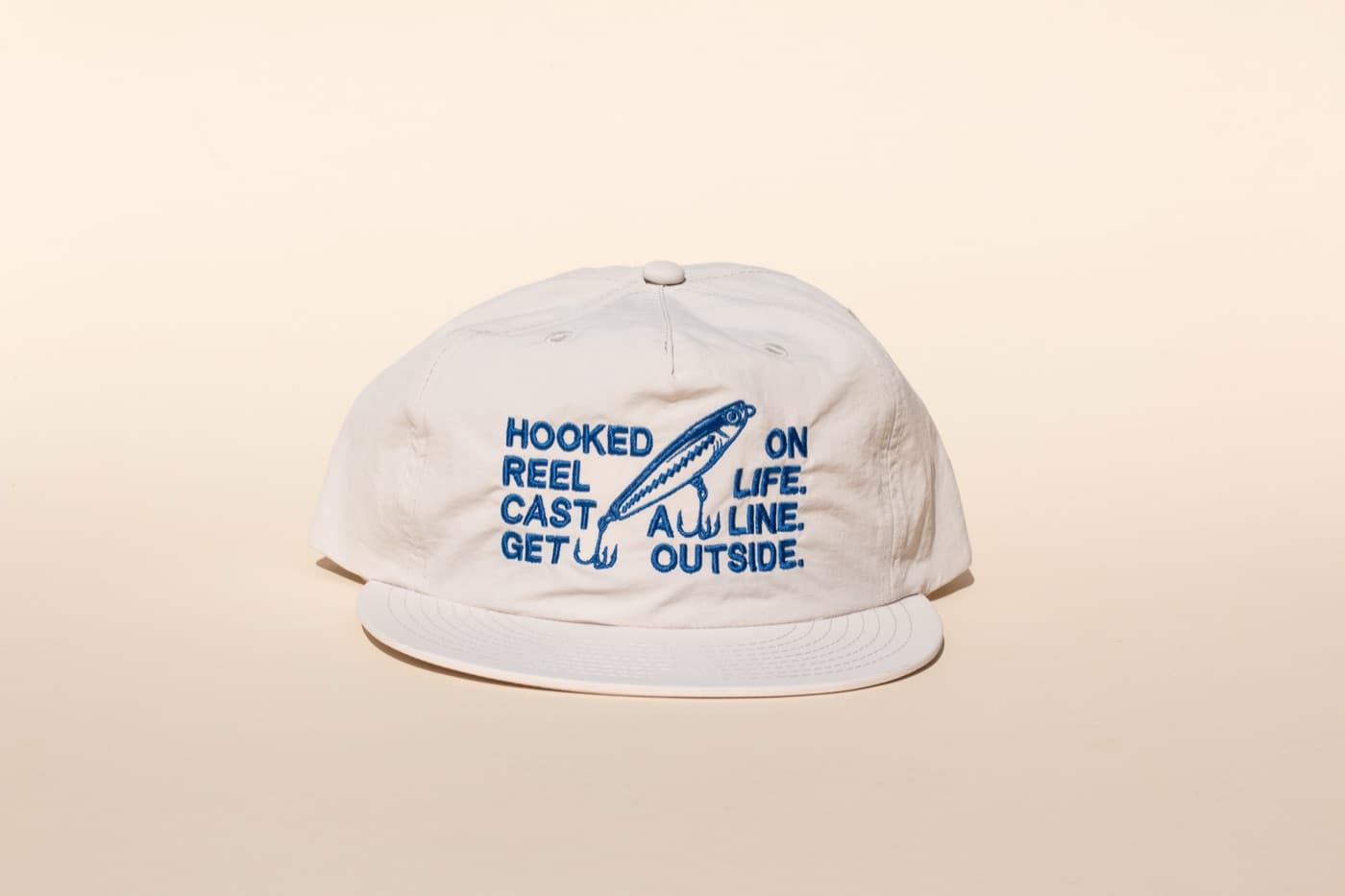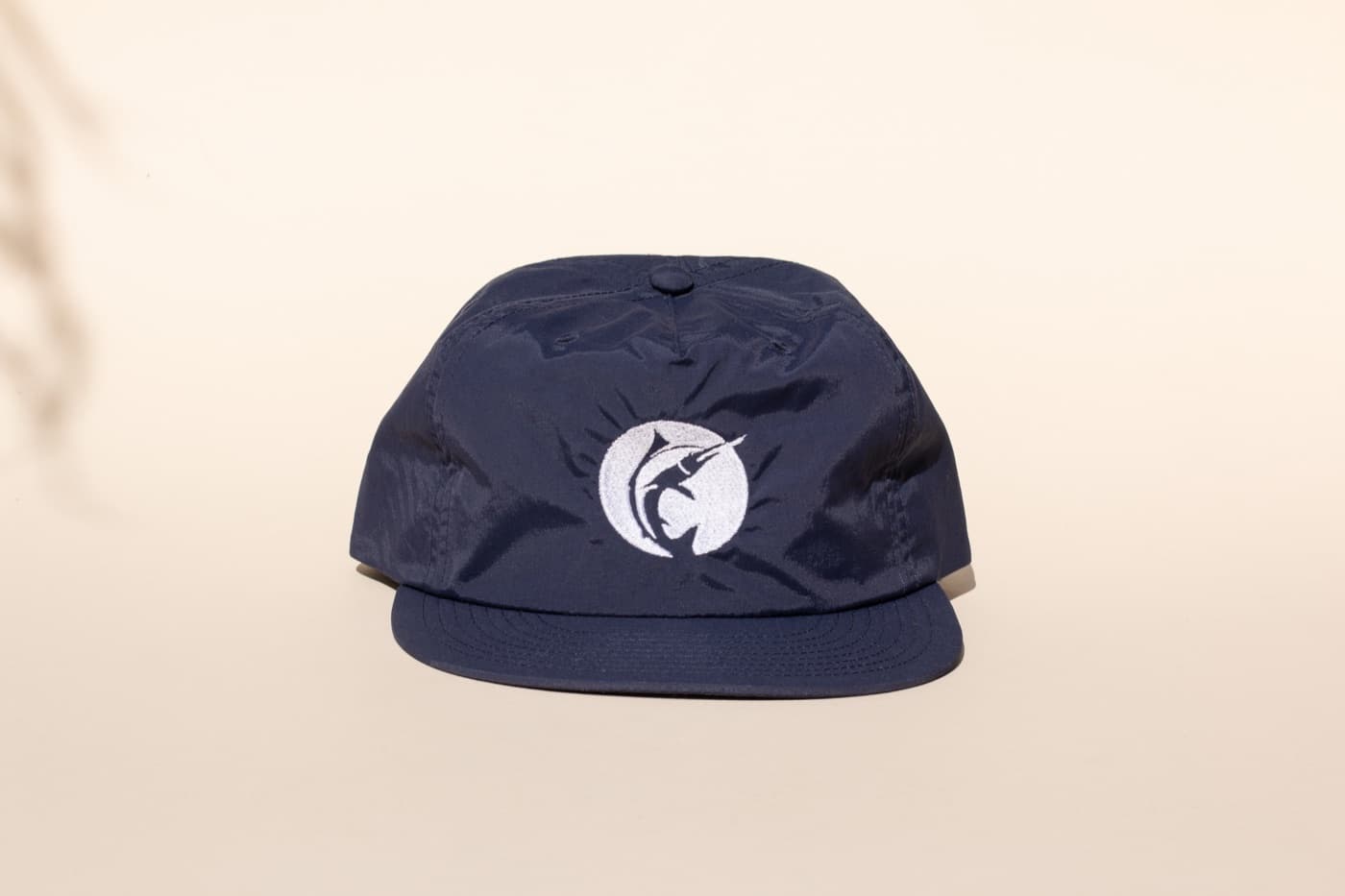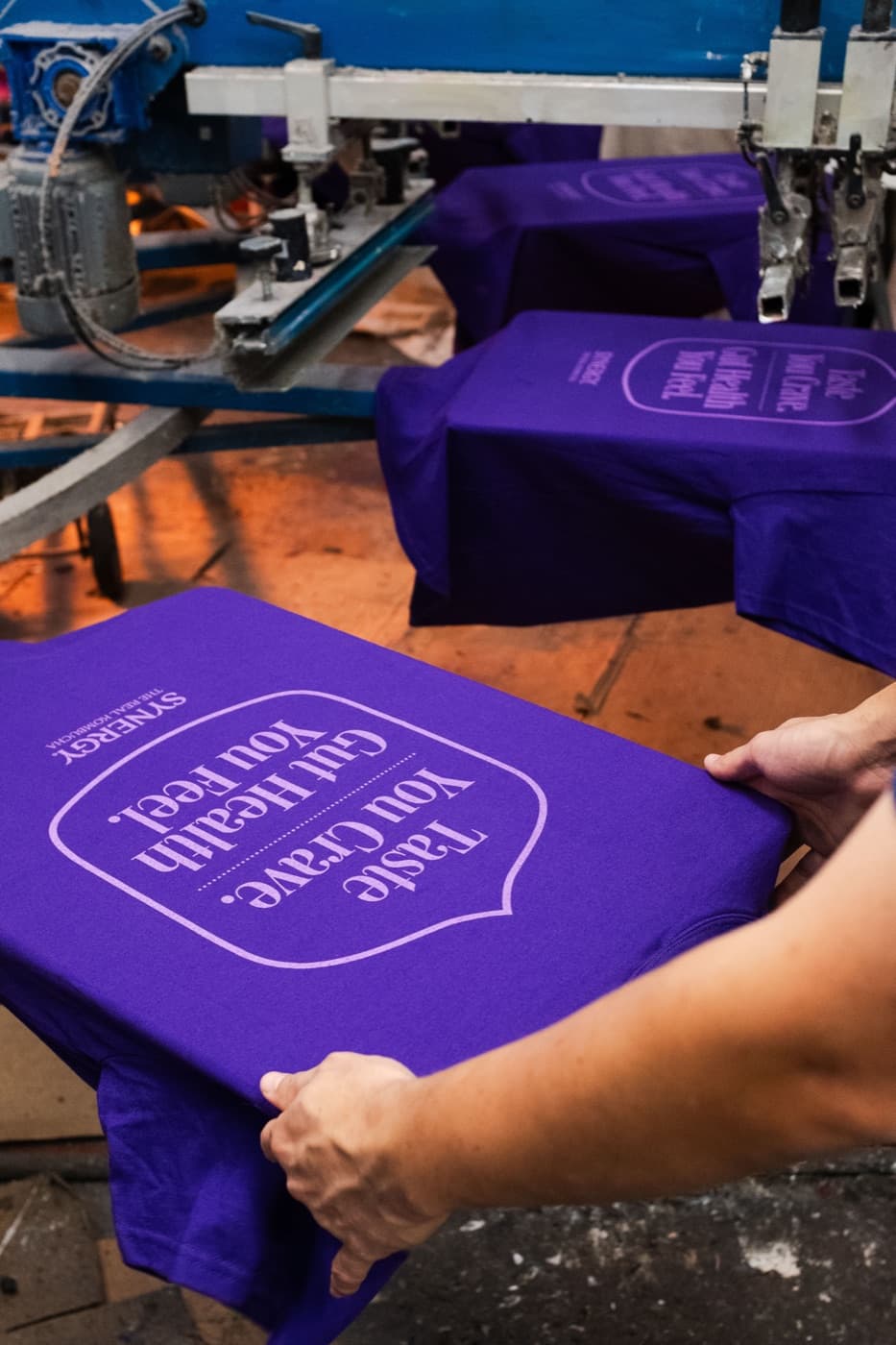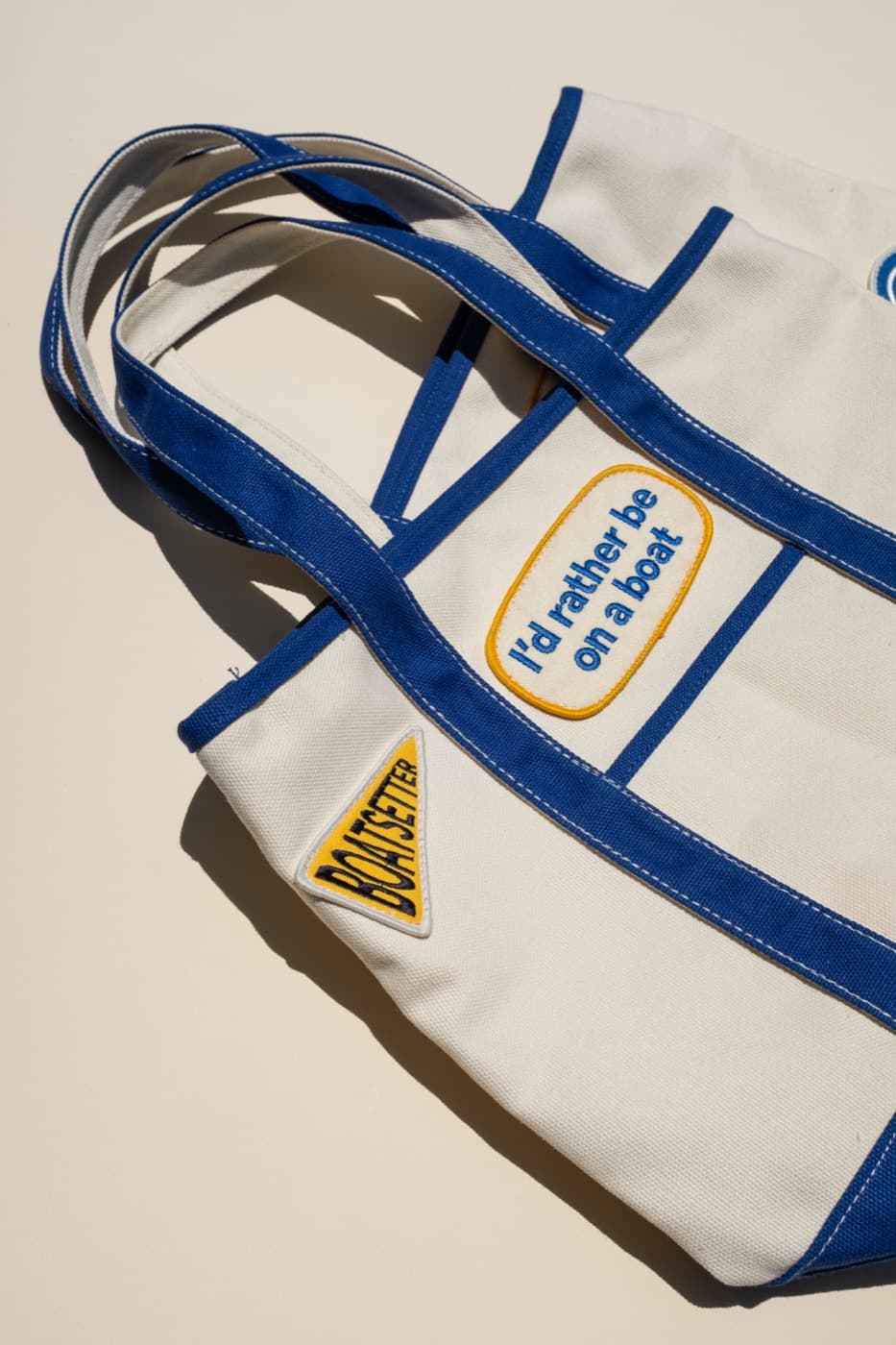
A first paid merch drop is different from a giveaway because customers have to decide the product is worth buying. That makes the starting assortment, price, photography, product quality, and launch plan more important. The first drop should be focused enough to execute well and useful enough to teach the brand what to make next.
The goal is not to launch the biggest possible collection. The goal is to launch the right small collection.
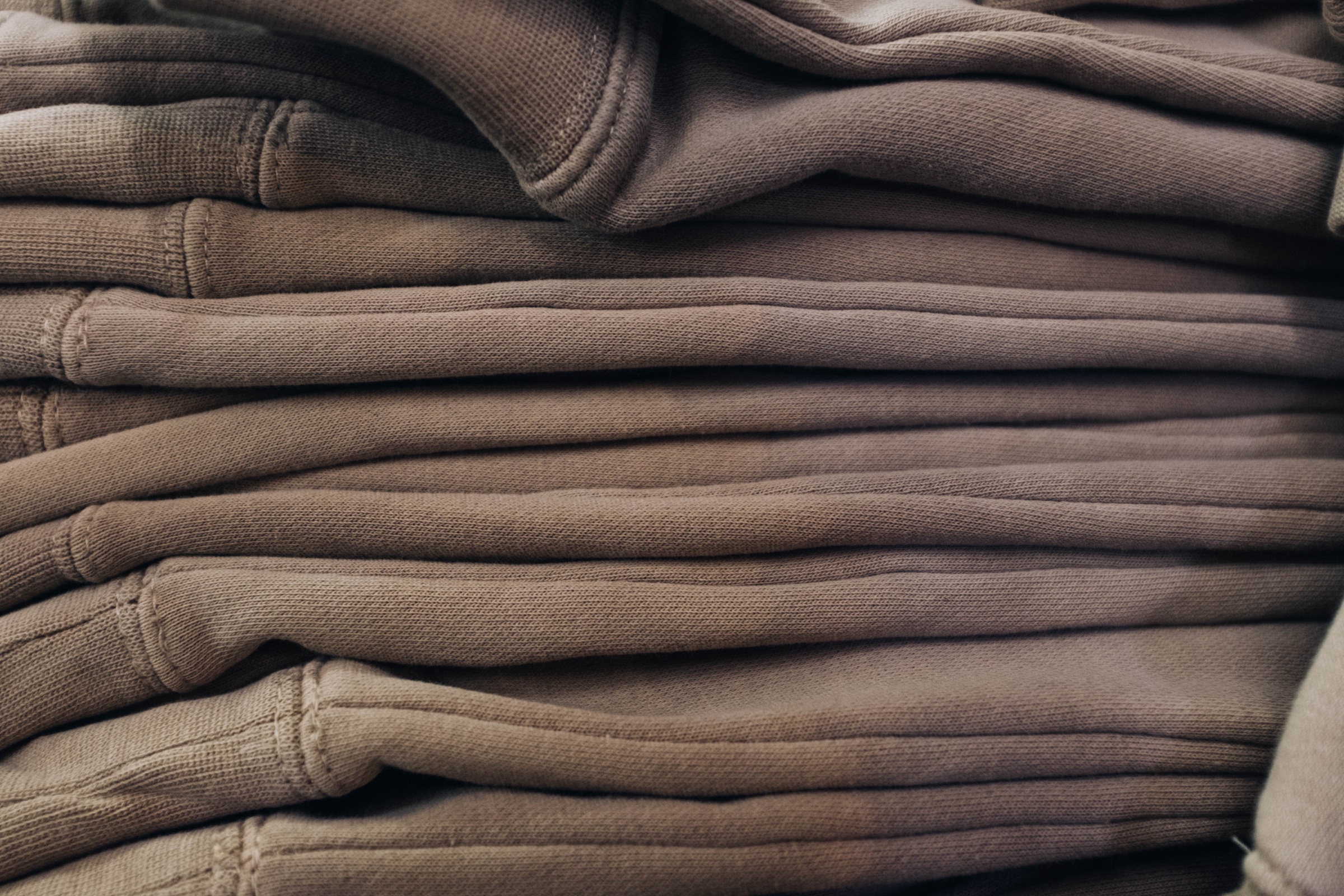
Pick one anchor product
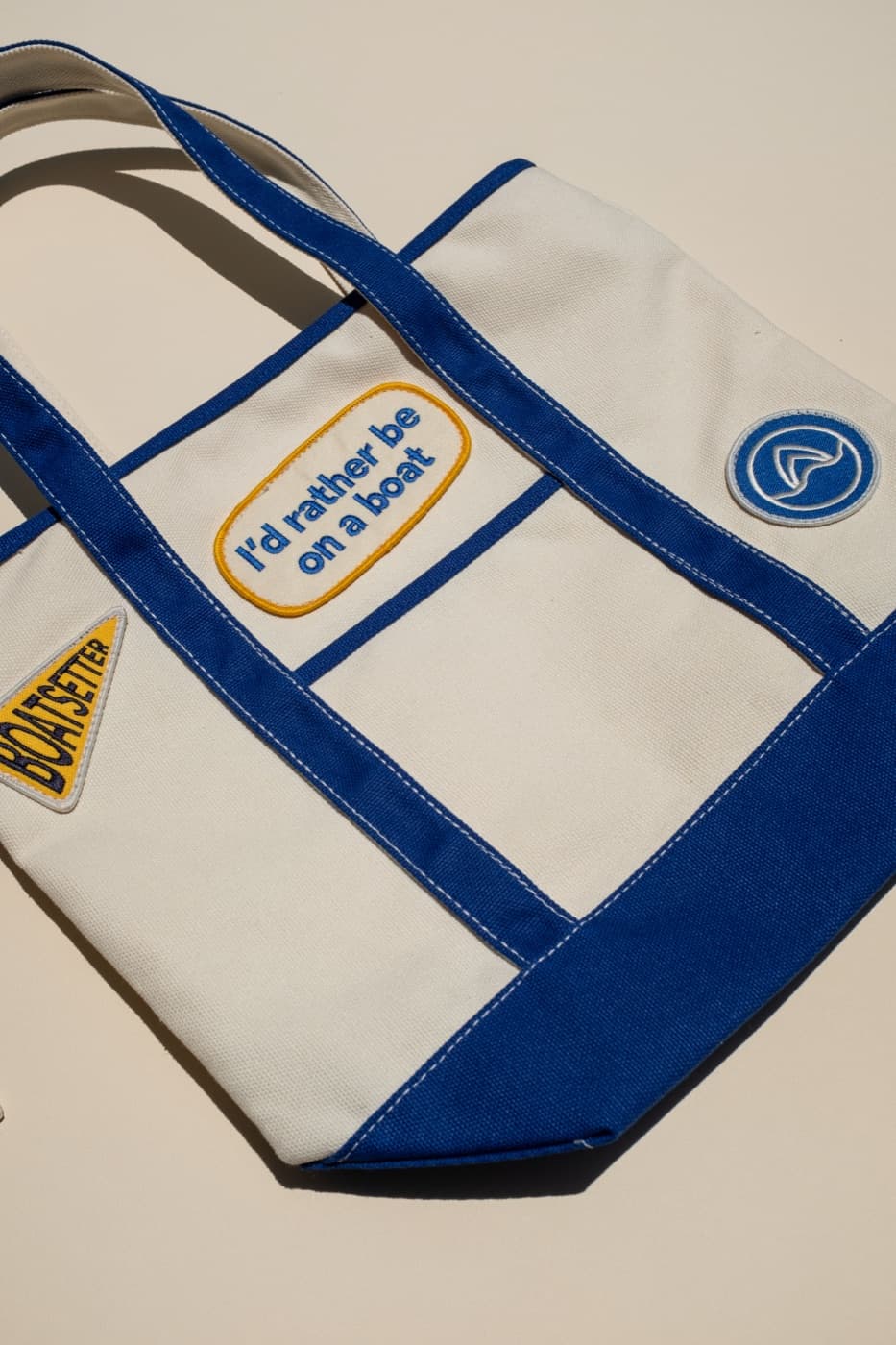
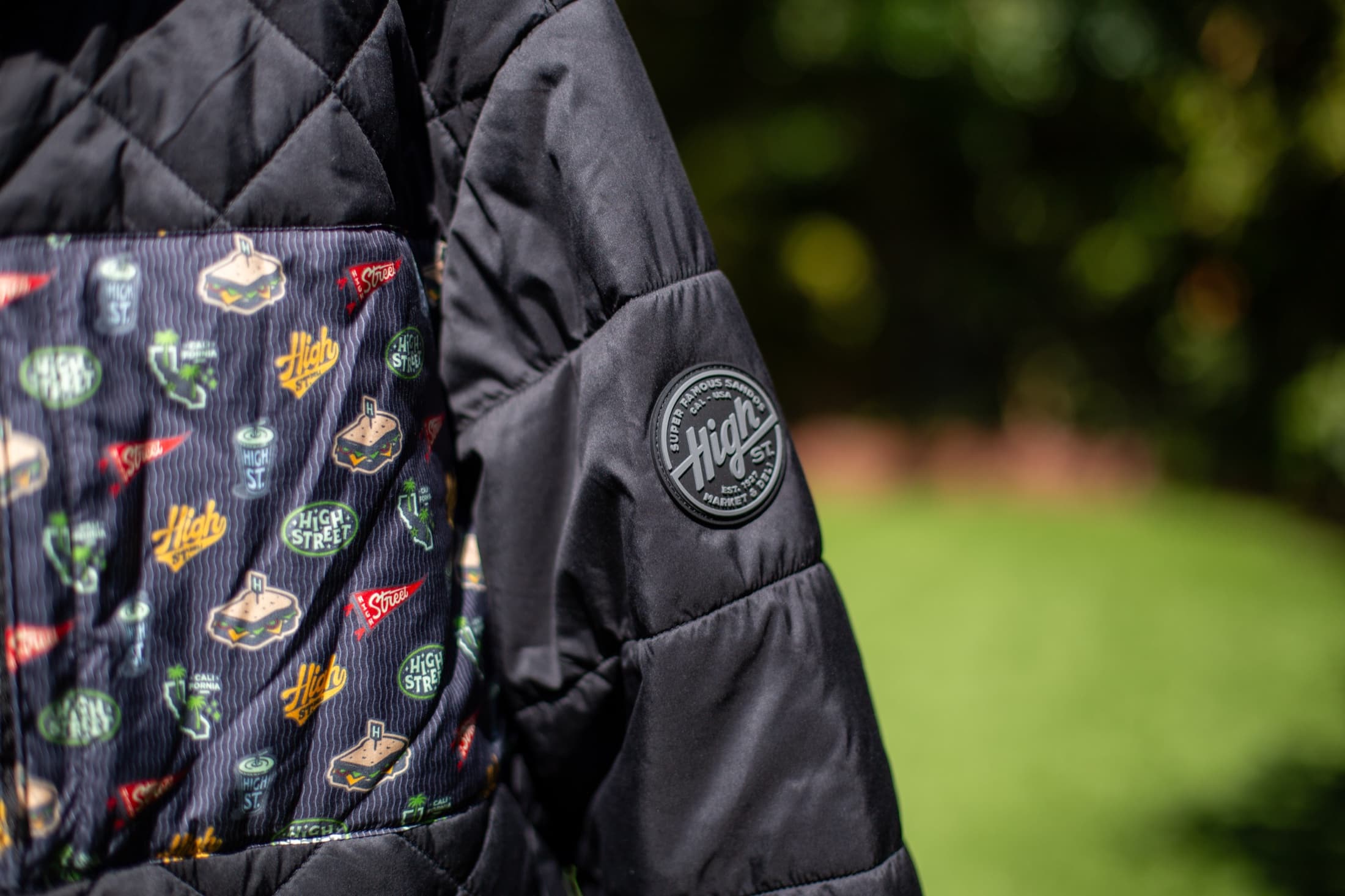
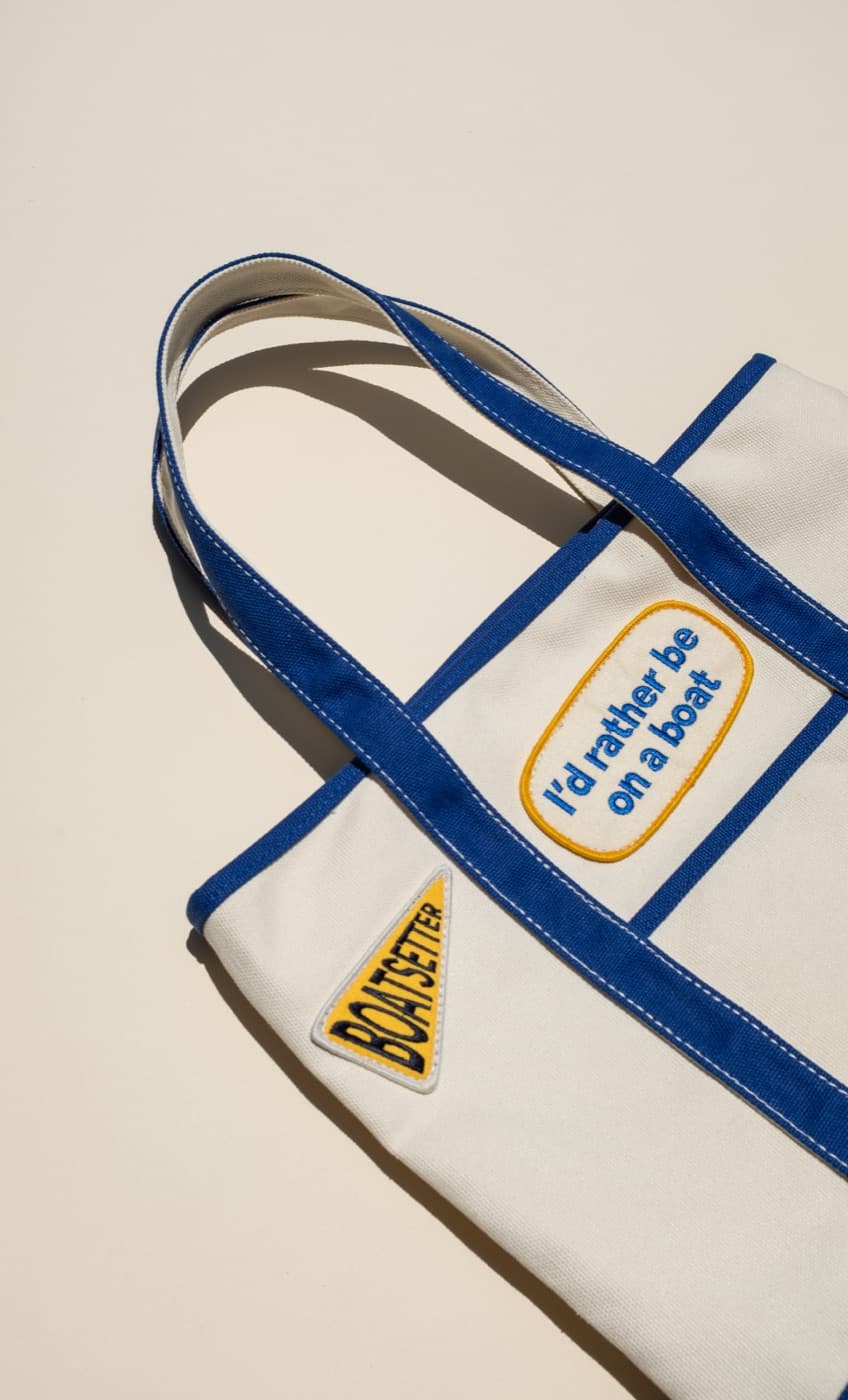
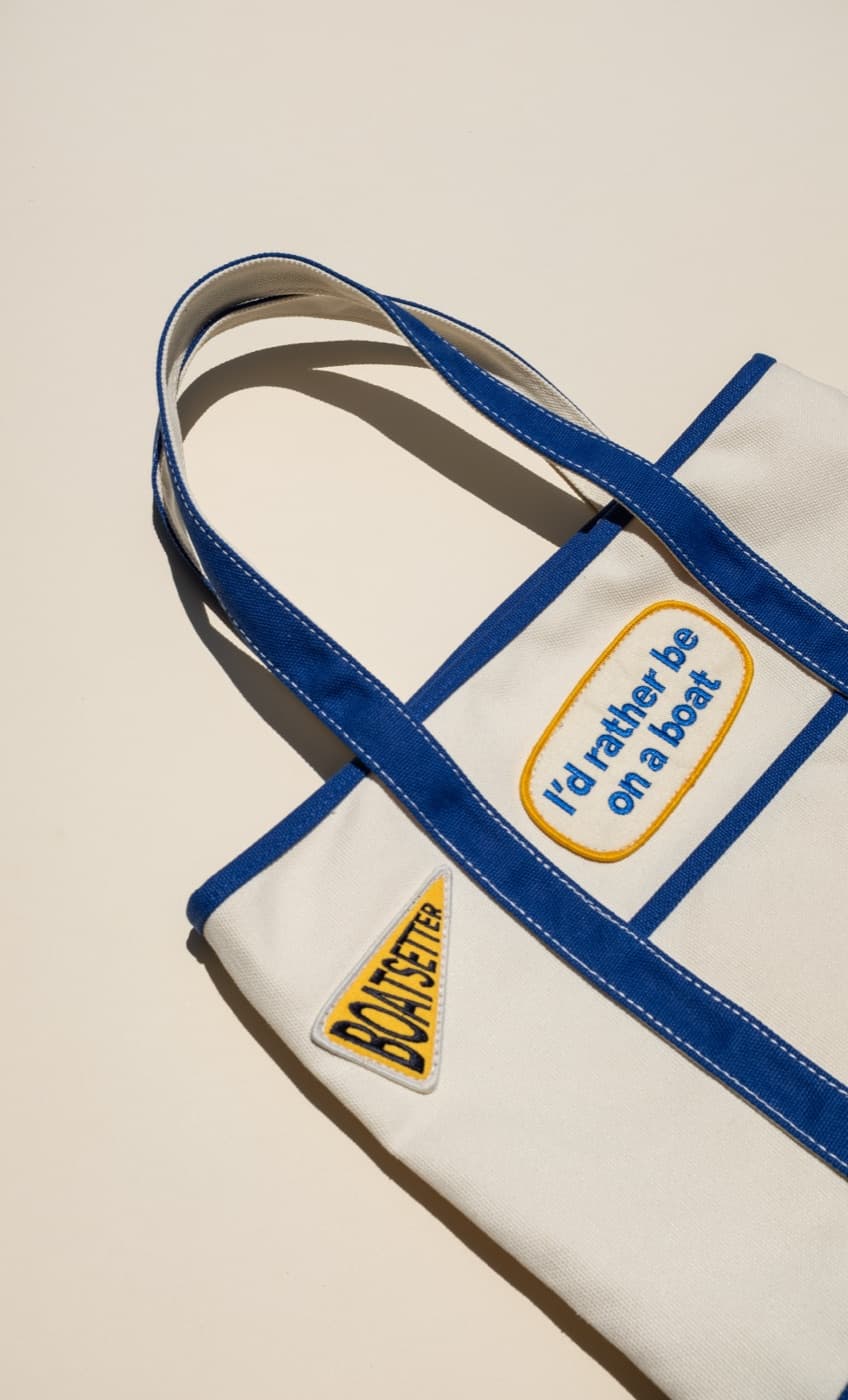
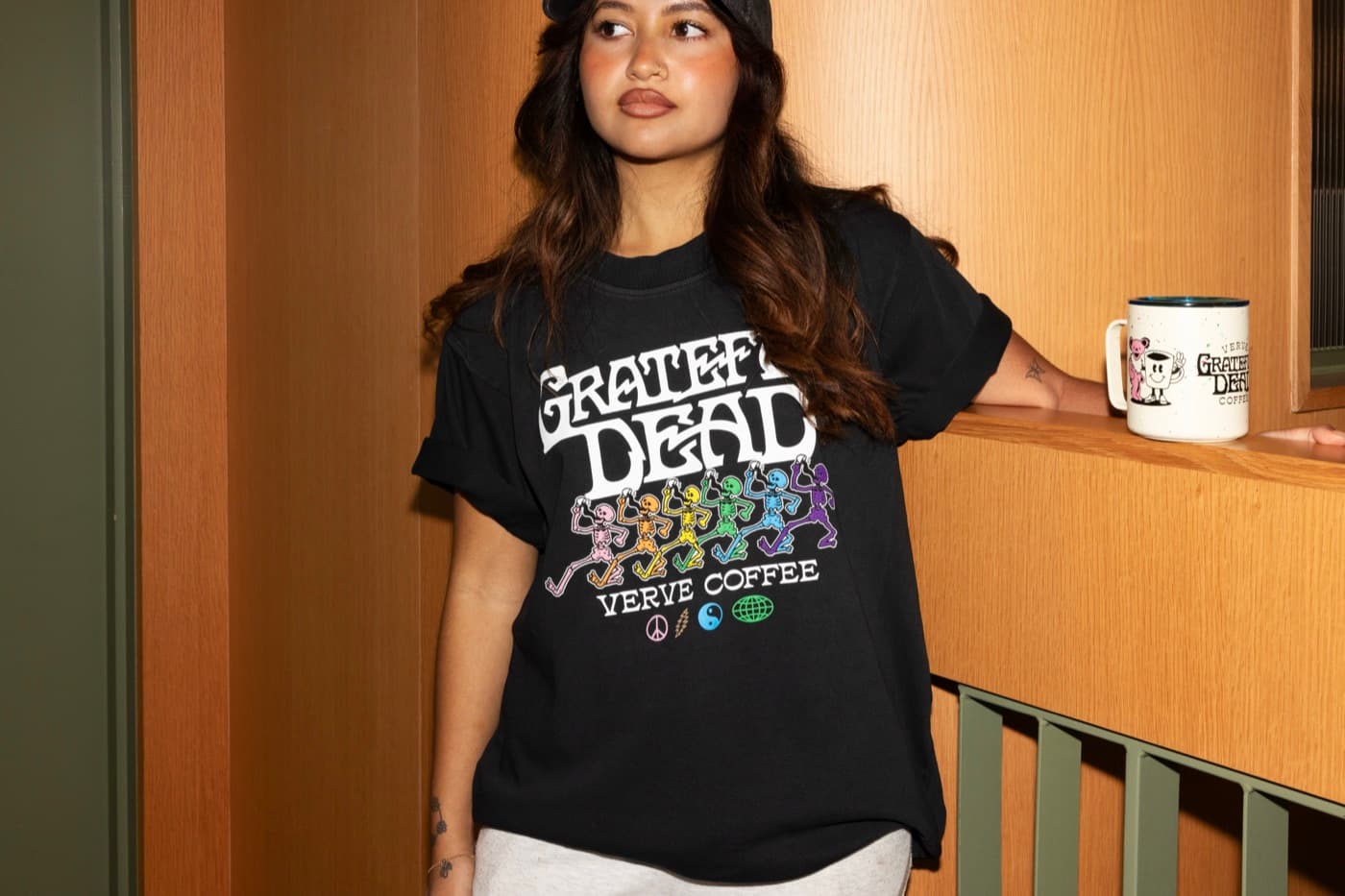
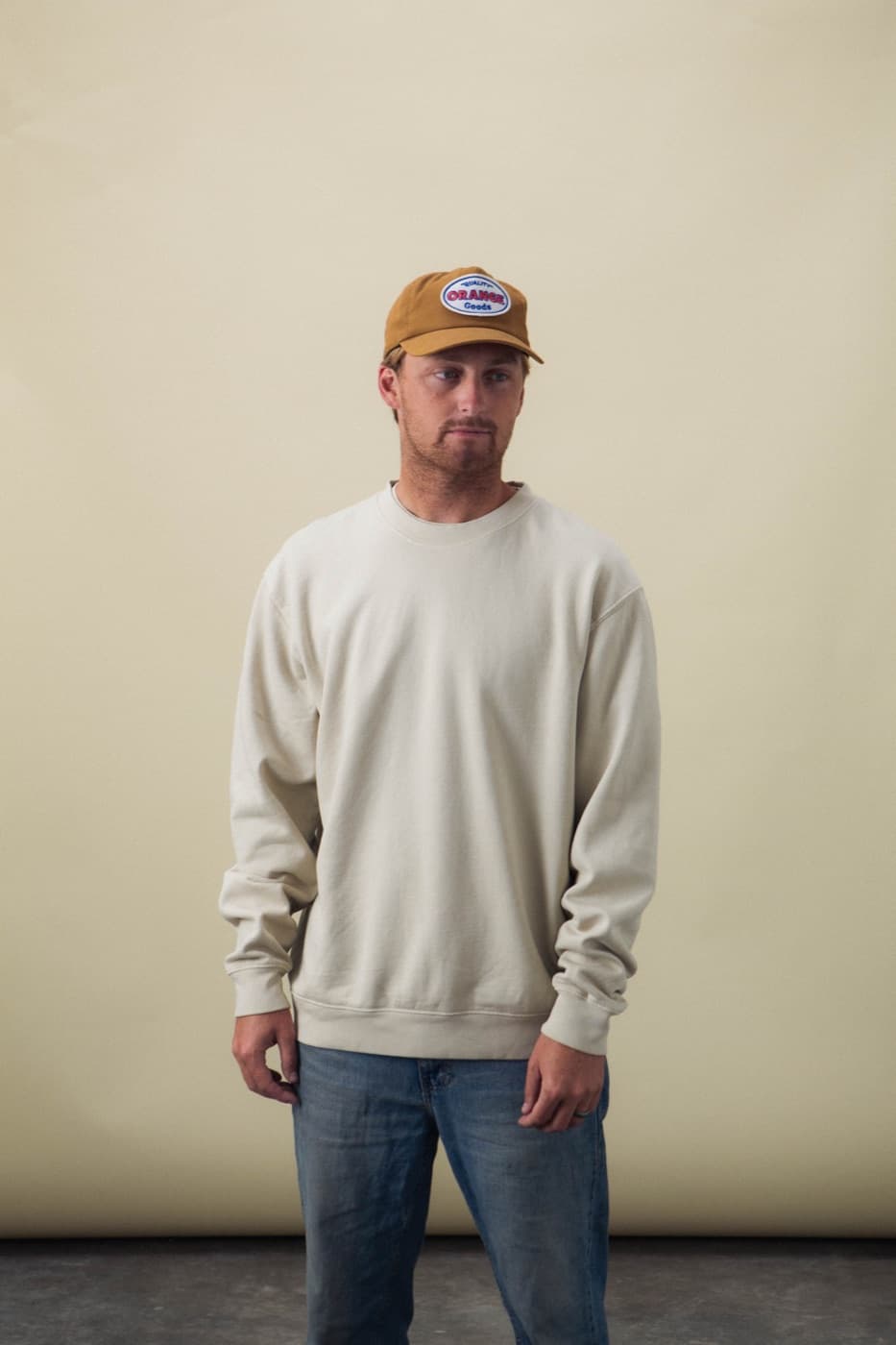
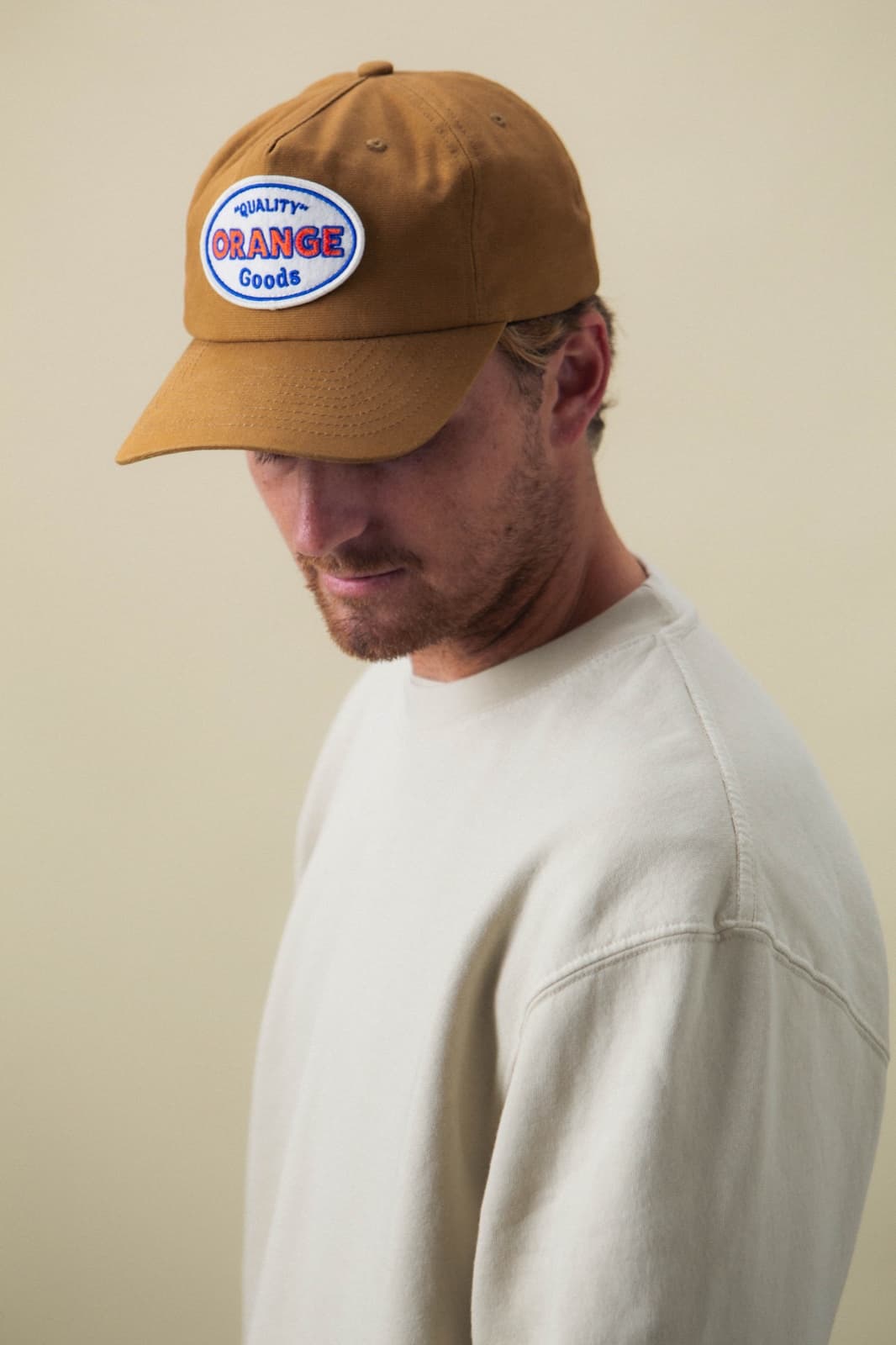
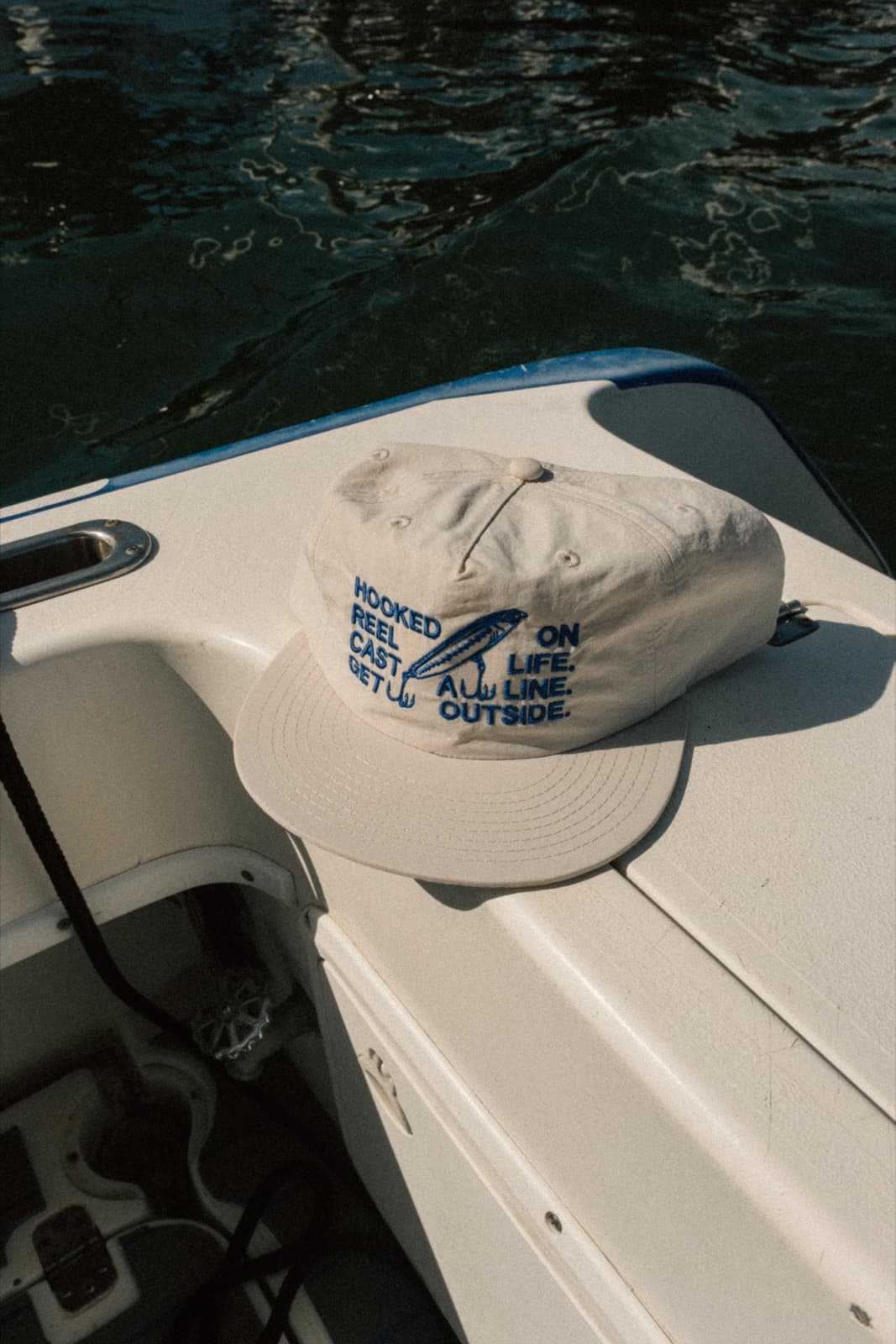
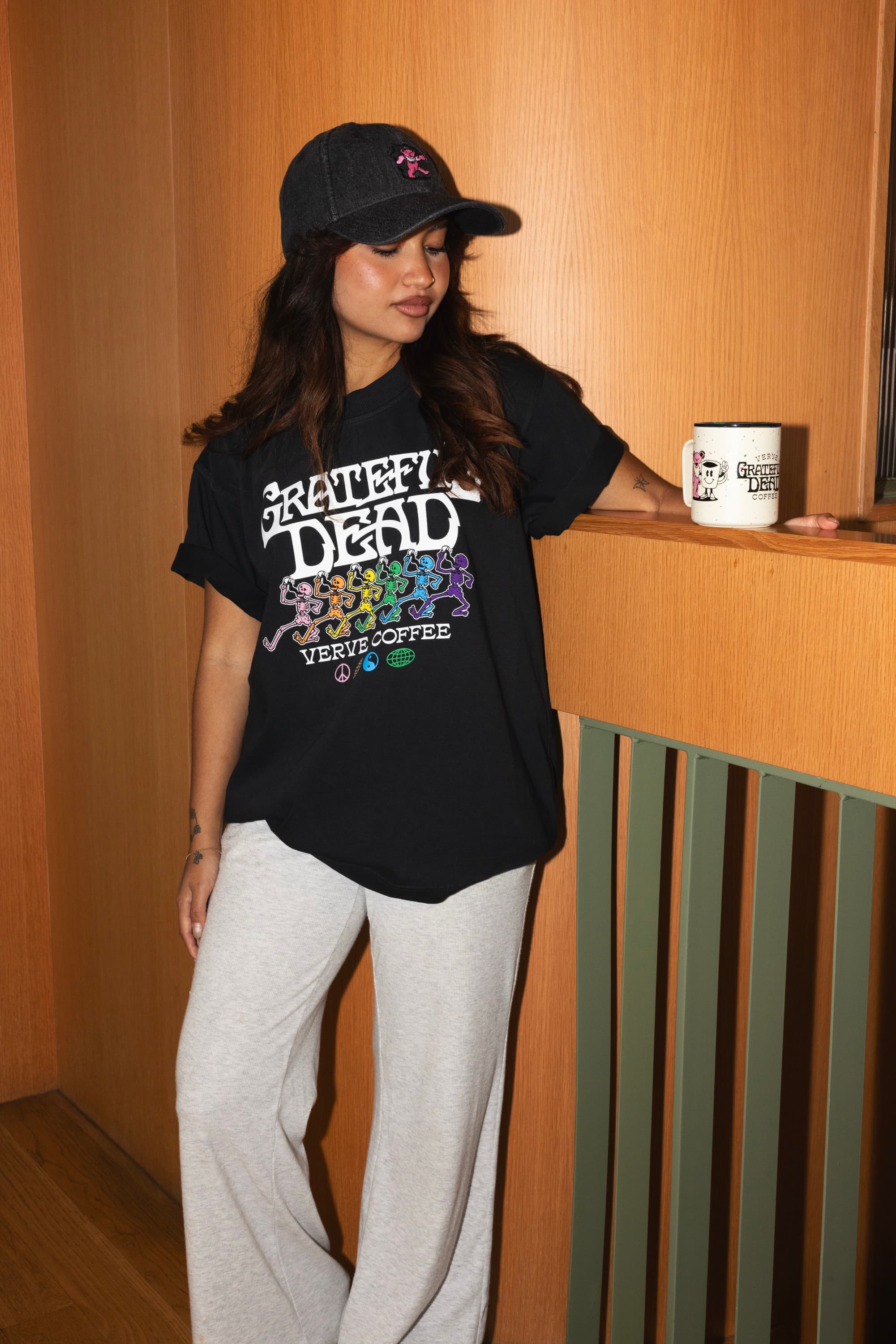
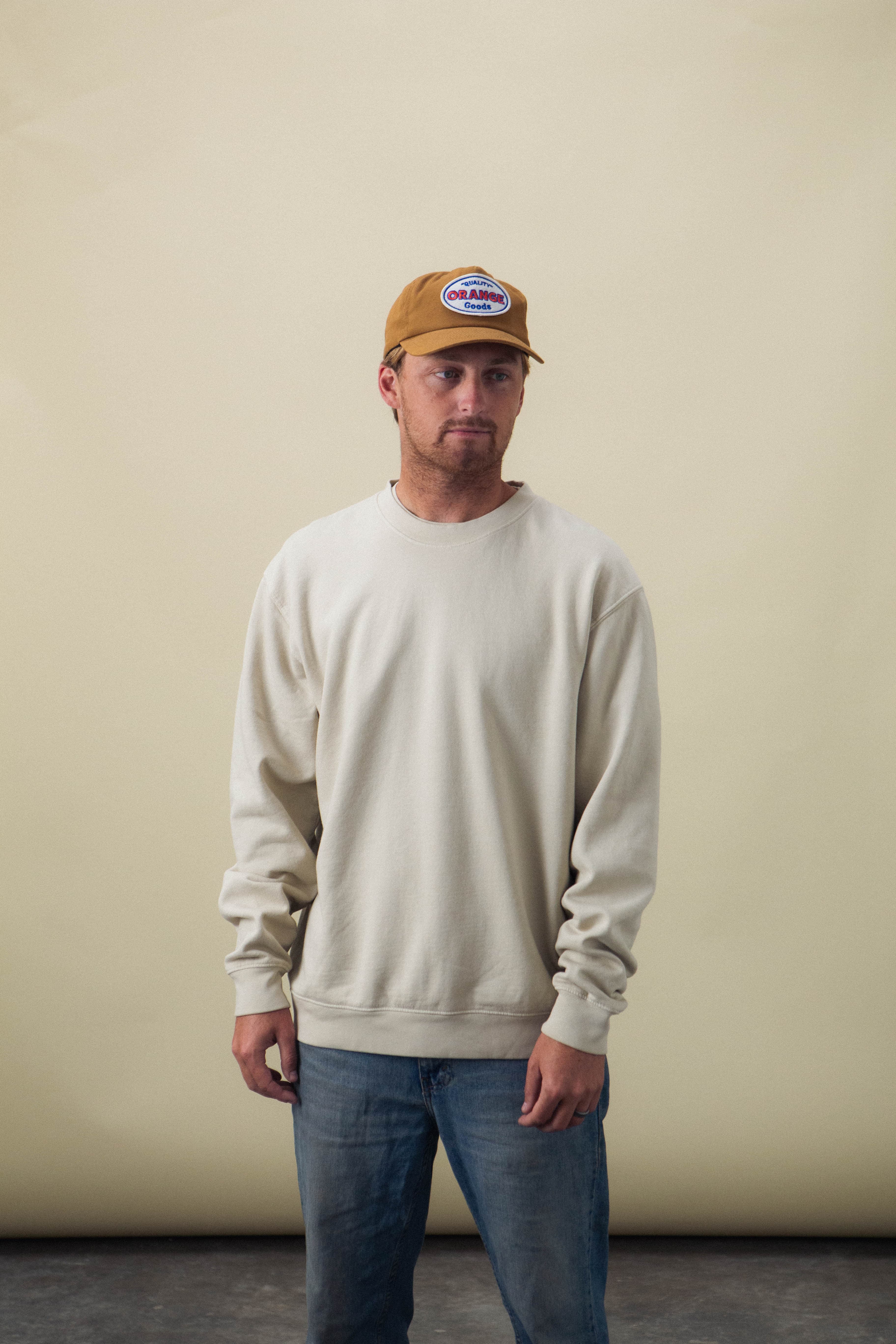
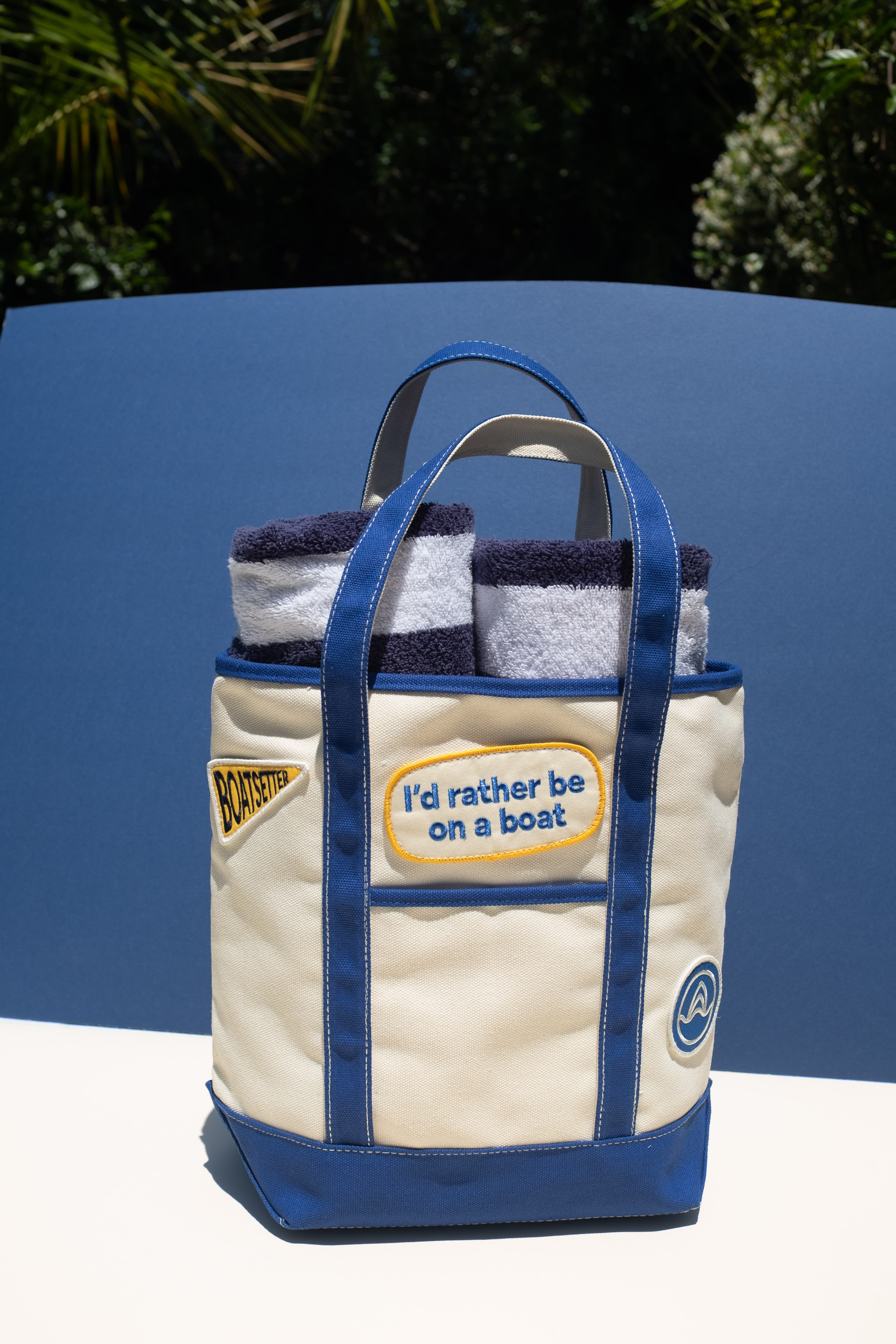
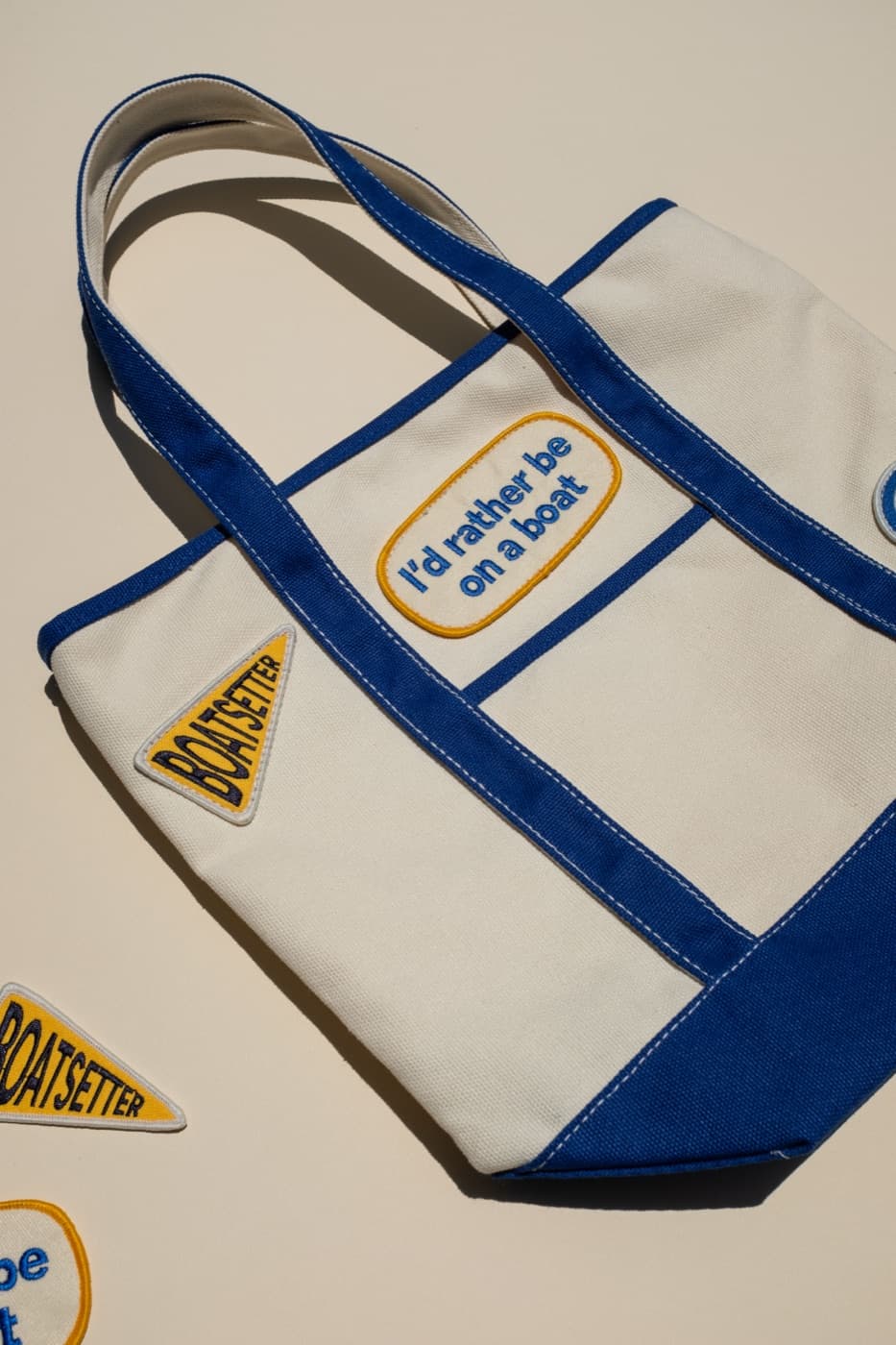
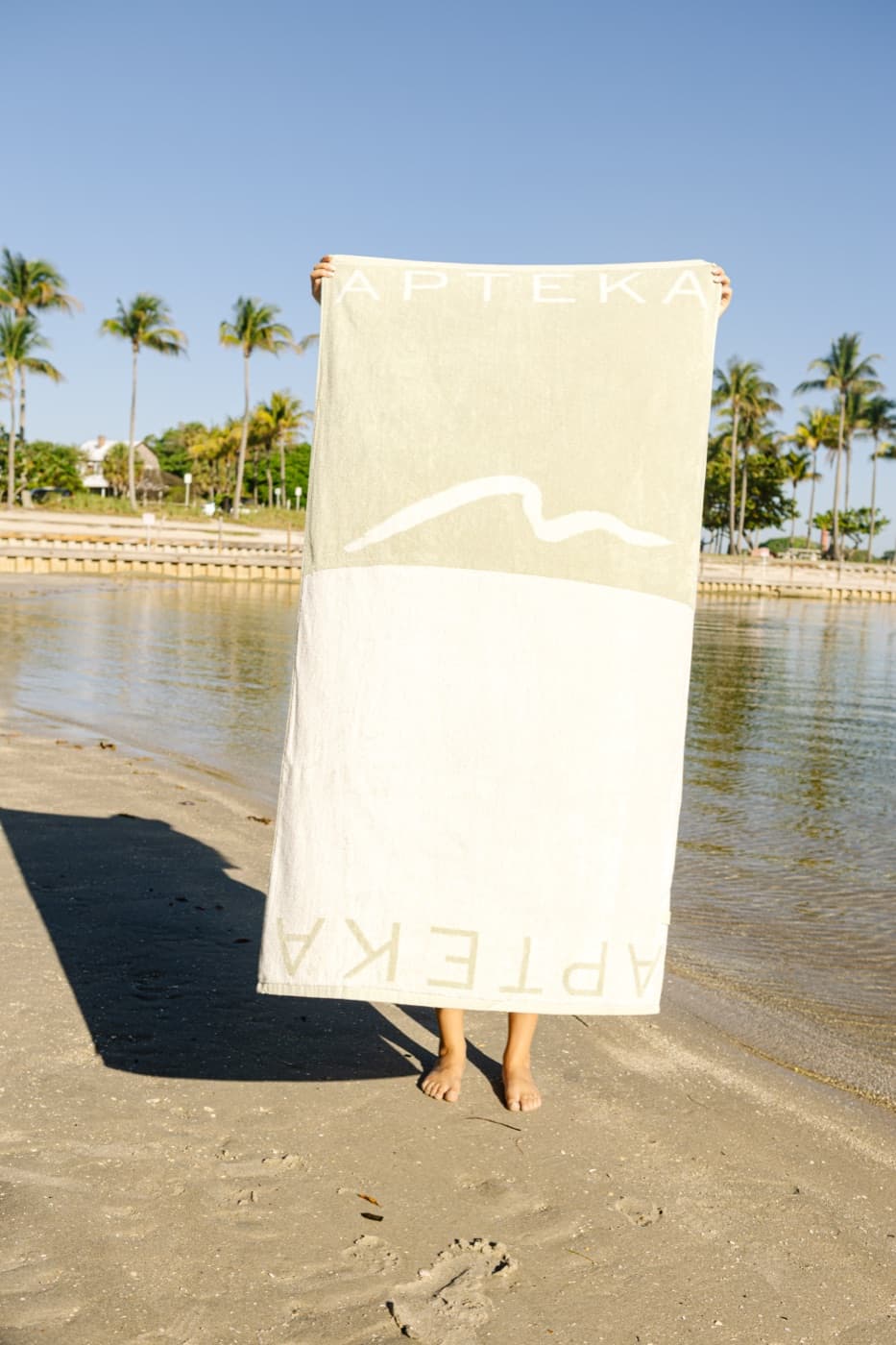
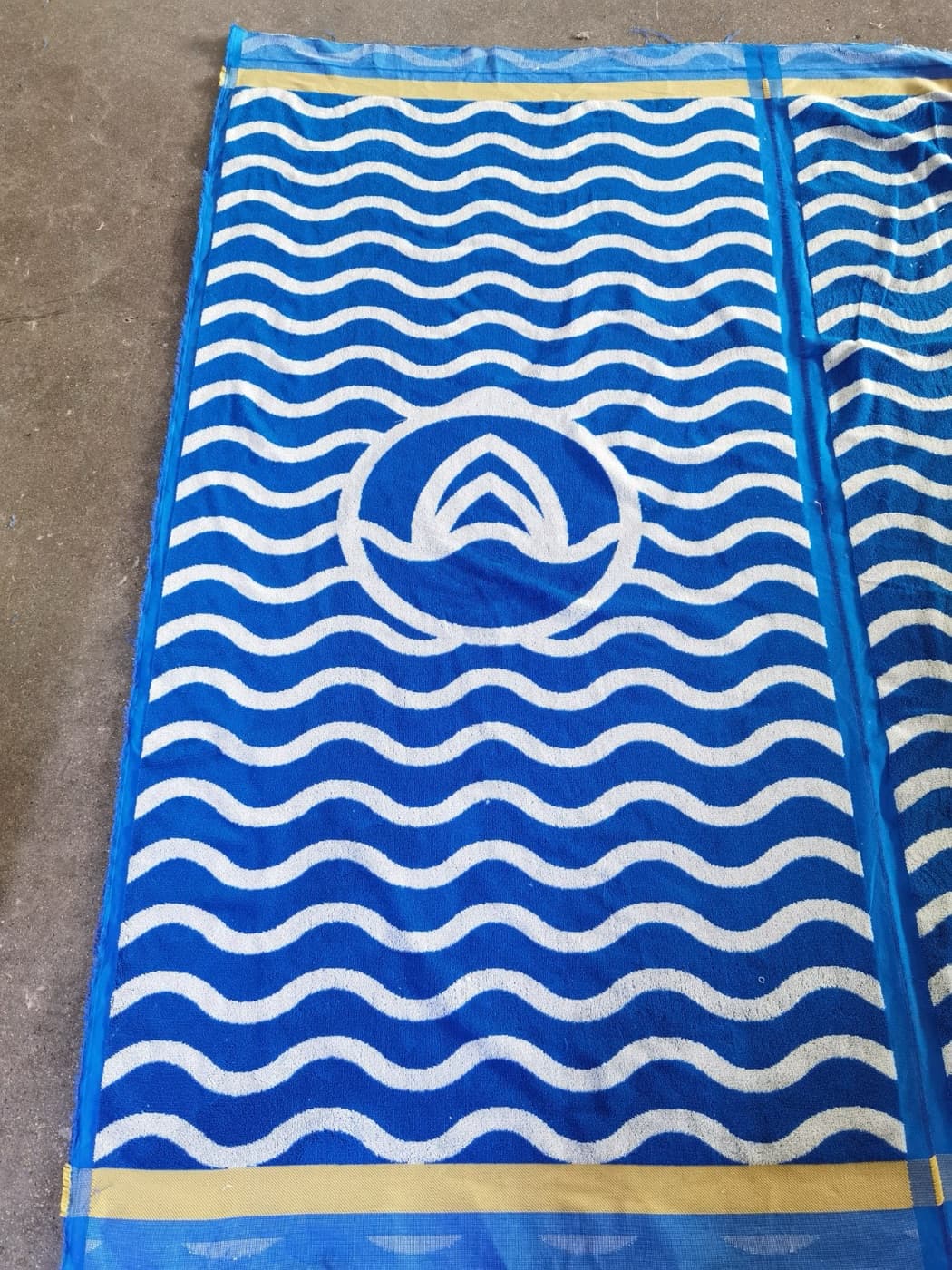
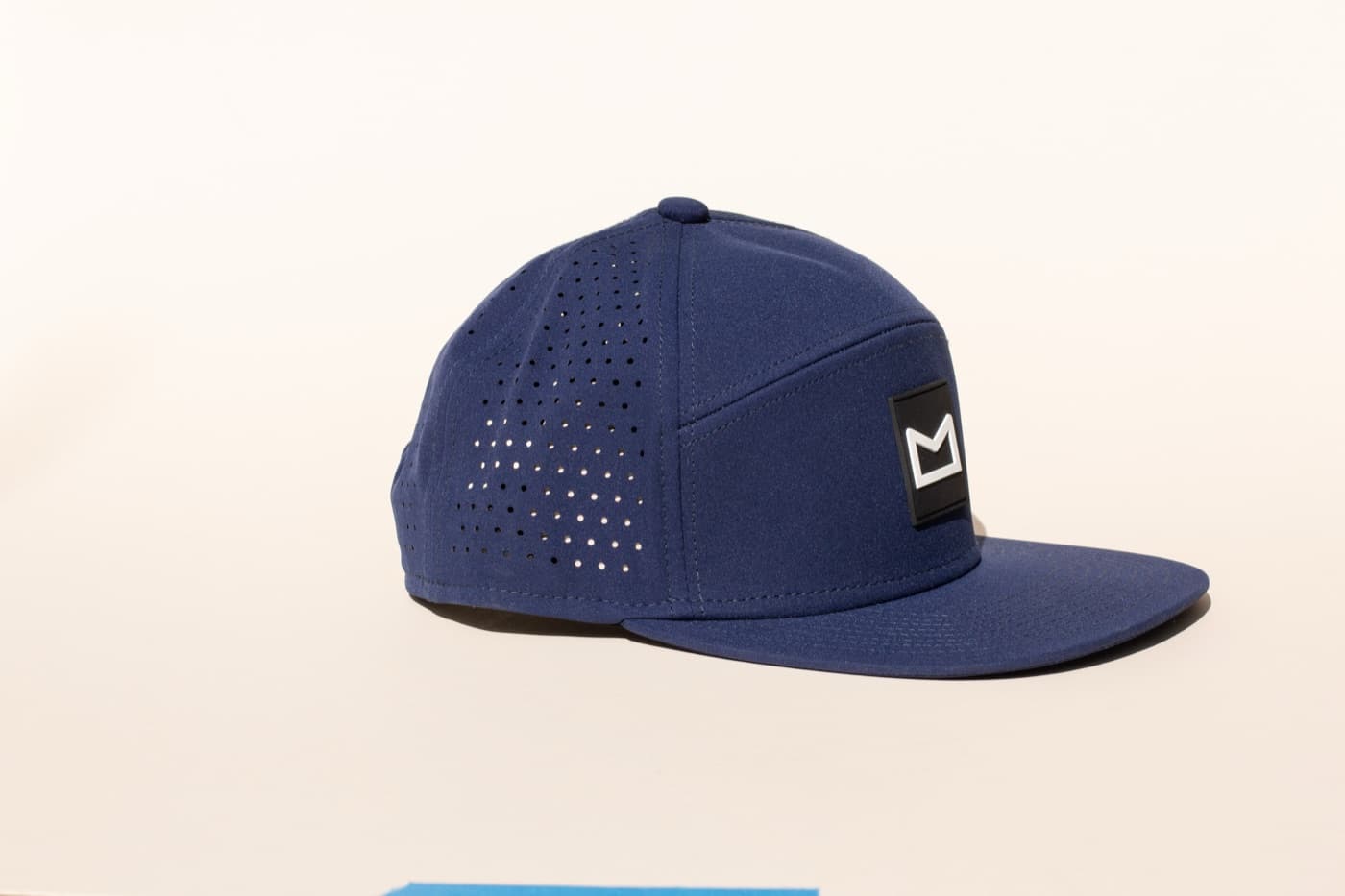
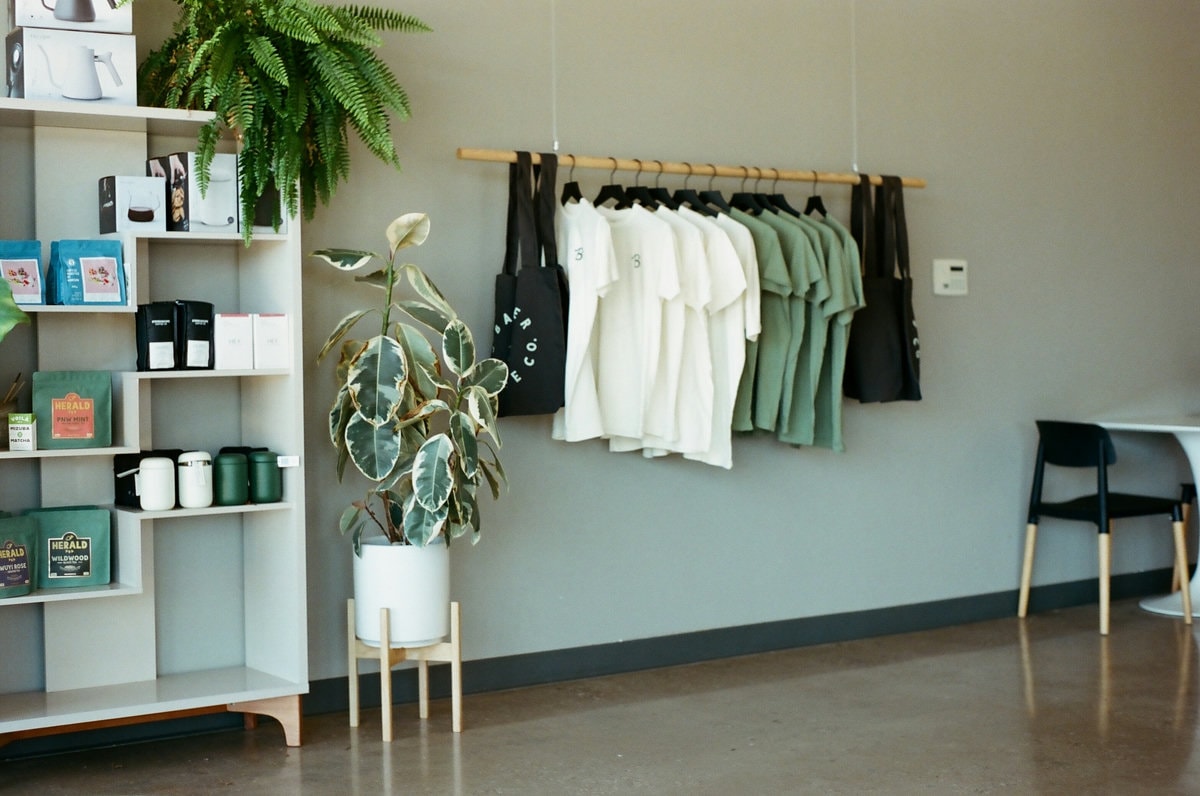
Start with the item most likely to sell: a hat, tee, hoodie, mug, tote, sock, towel, or accessory that fits the brand's audience. One strong anchor gives the drop a clear center. Add supporting items only if they make the story better and the numbers still work.
Price before production
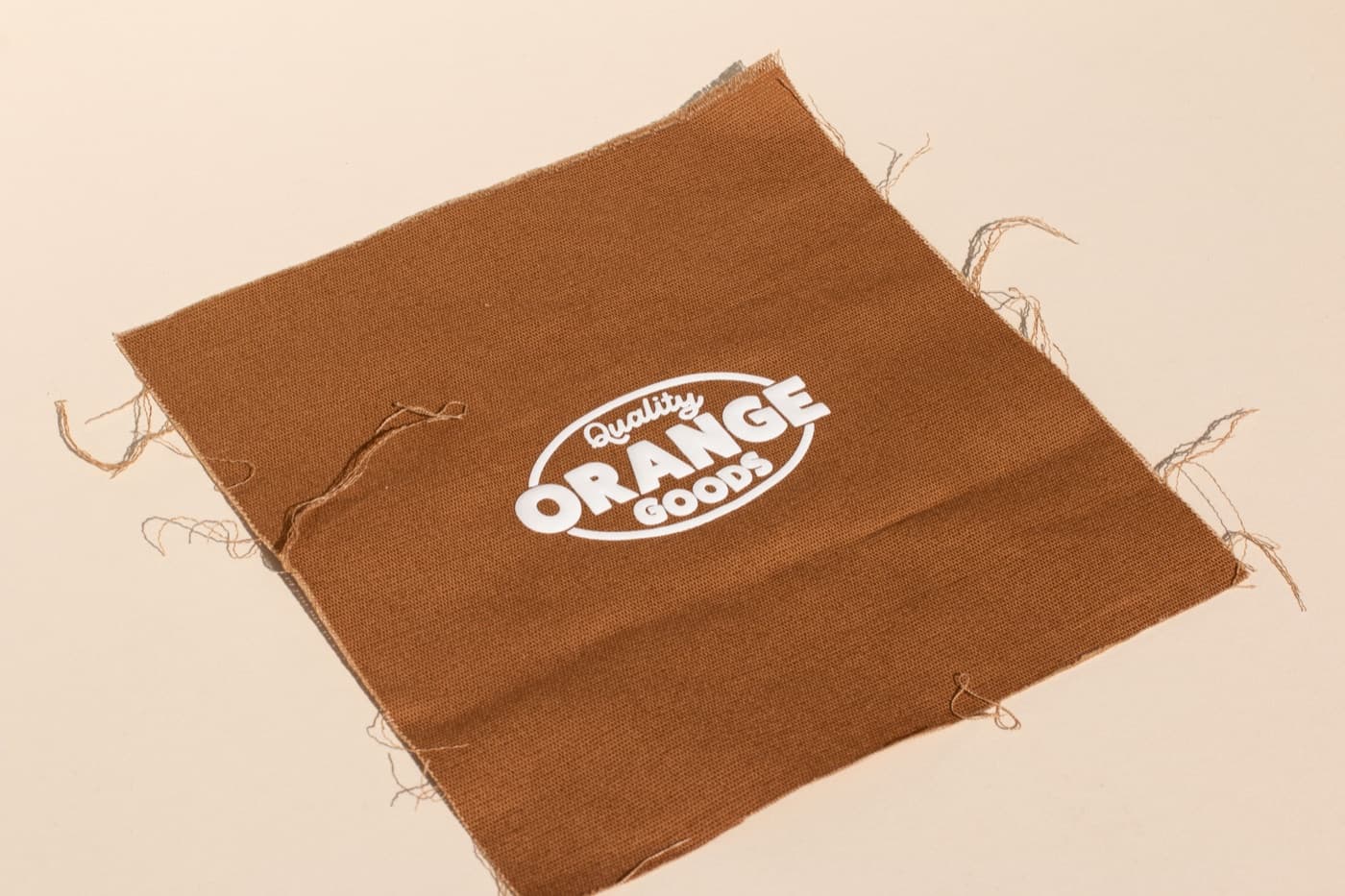
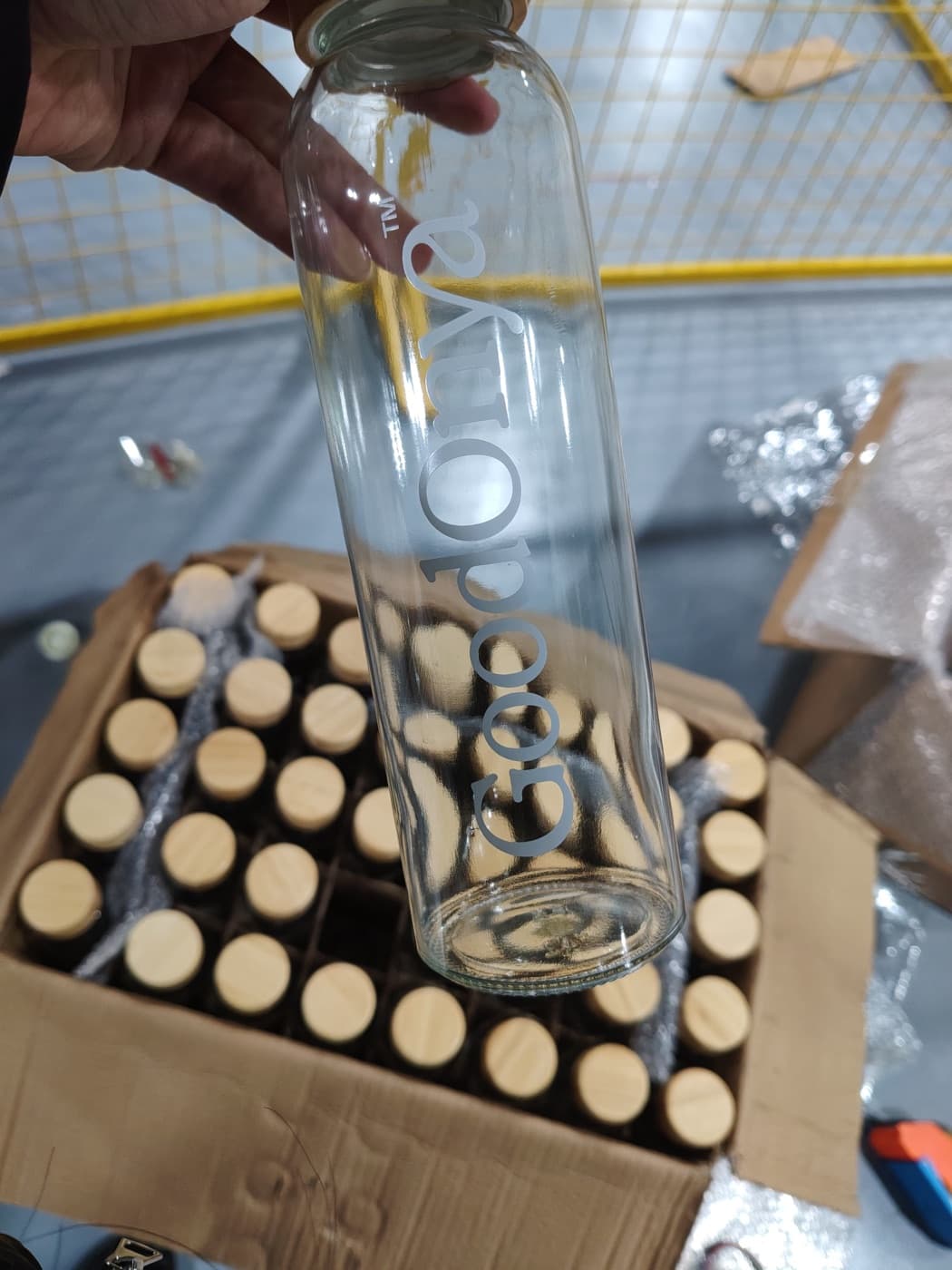
Paid merch has to account for product cost, decoration, freight, packaging, photography, platform fees, and margin. If the likely retail price feels too high, change the product, decoration, or quantity before the order goes into production.
Make photos part of the plan
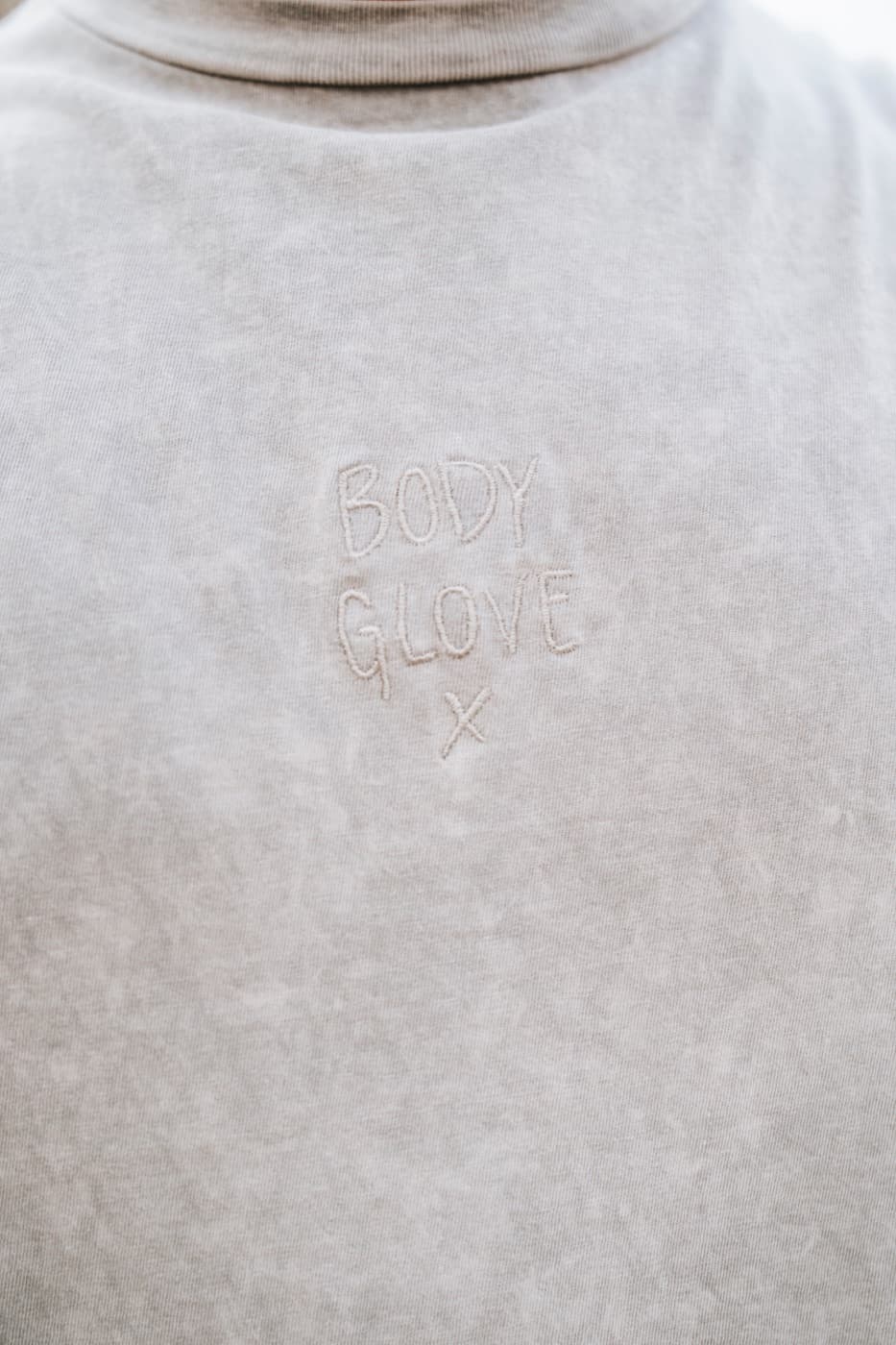
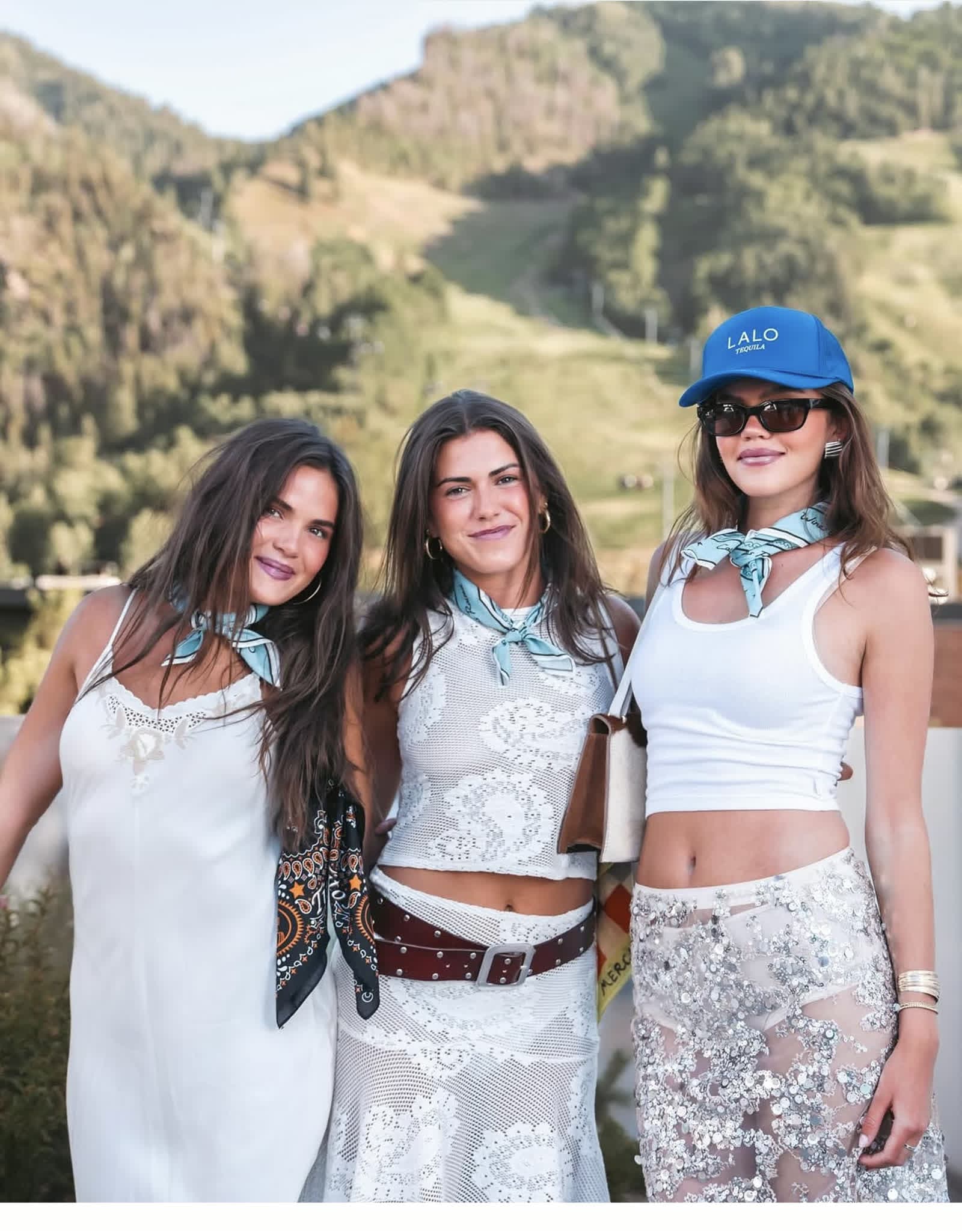
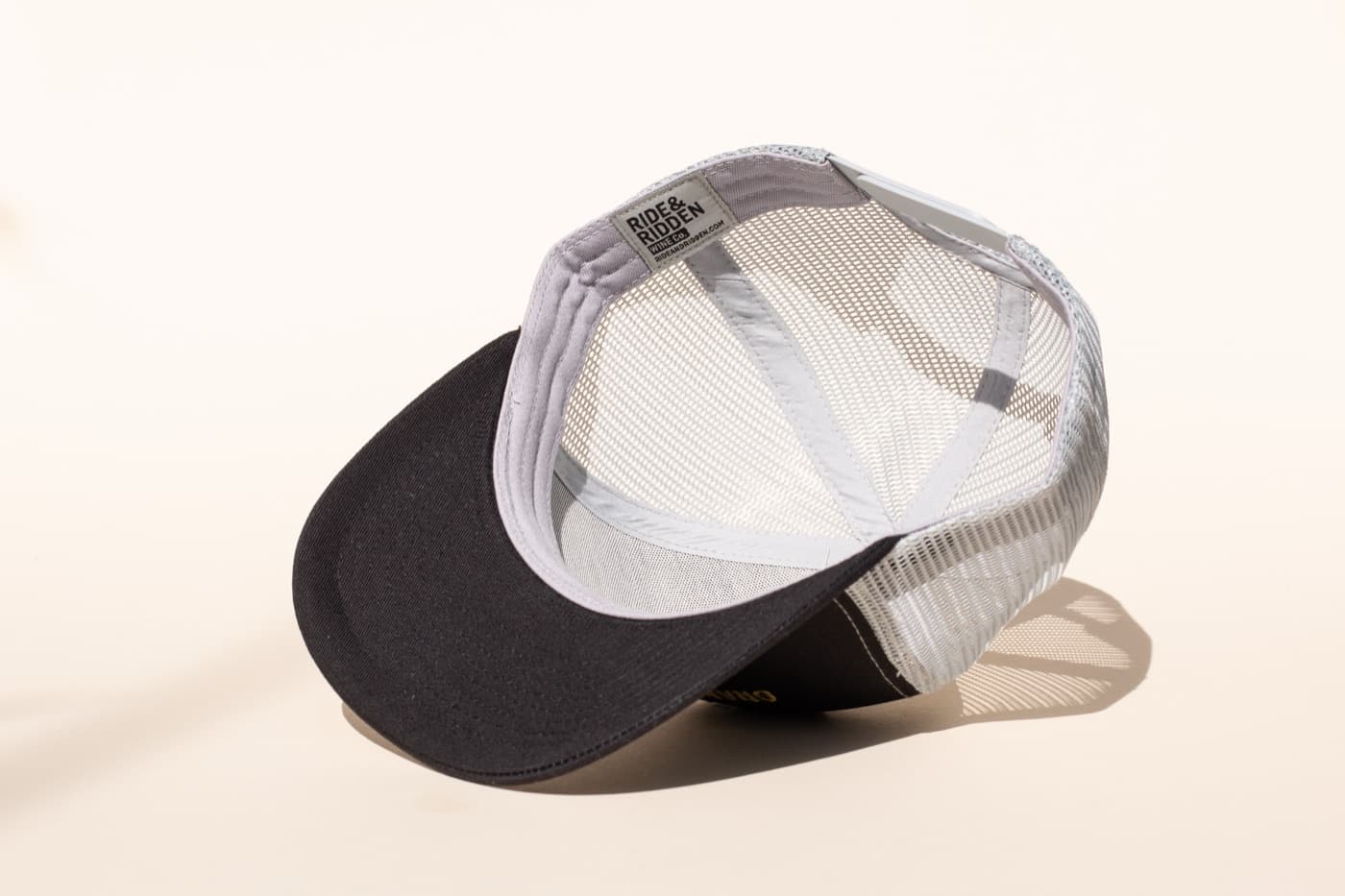
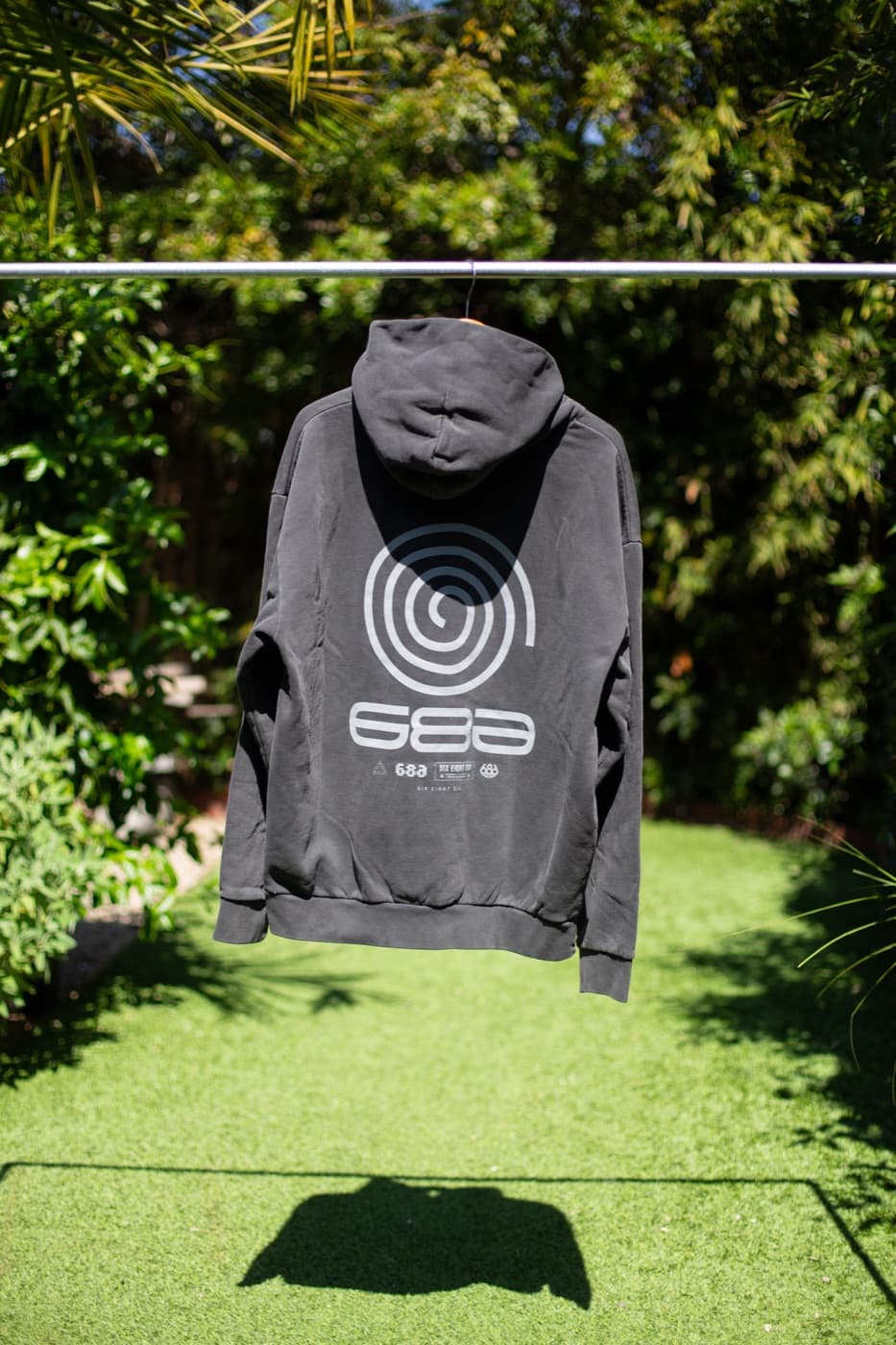
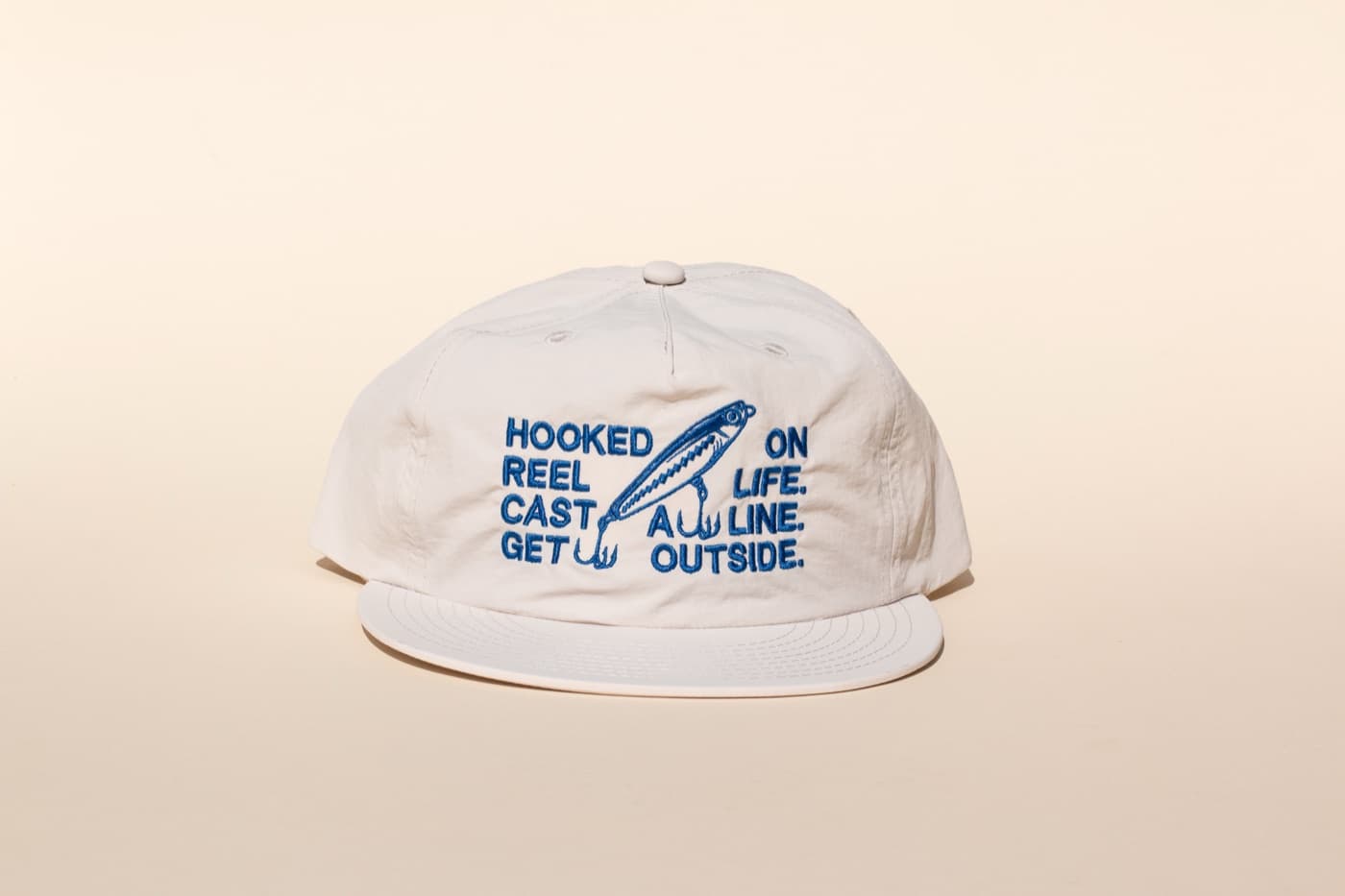
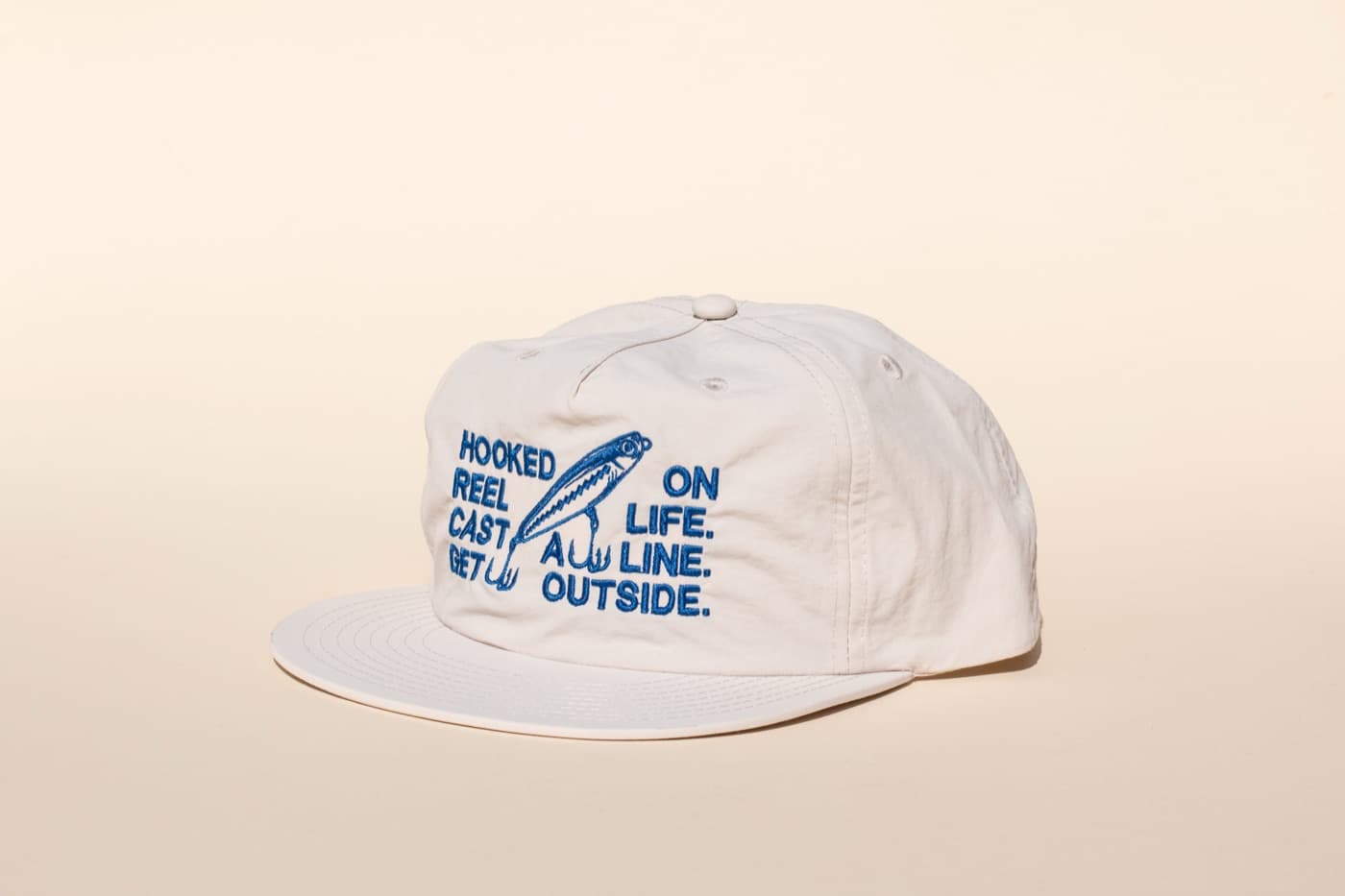
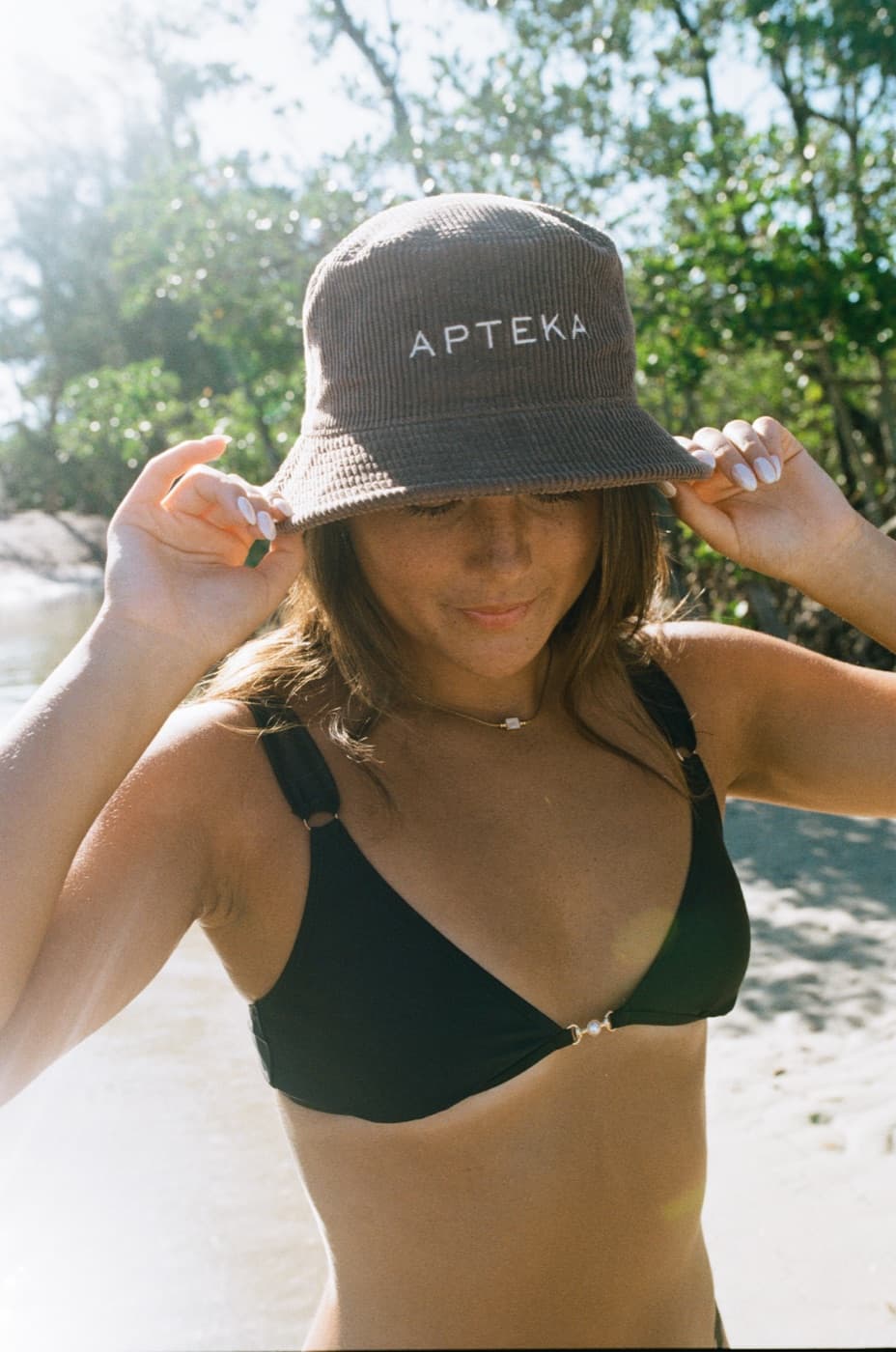
Customers need to understand the product quickly. Plan for clean product photos, detail shots, lifestyle images, size or fit notes, and launch graphics before the goods arrive. A good product can underperform if the online presentation feels unclear.
Use the first drop as data
The first run should answer questions. Which size sold out? Which product got clicks but not purchases? Which color moved? Did customers respond to the collaboration, artwork, or category? Those answers should shape the reorder and the next drop.
The takeaway
A first paid merch drop works best when it is focused, sellable, and easy to learn from. Orange Goods helps brands build the starting assortment, protect the production path, and launch goods that can turn into a real merch program.