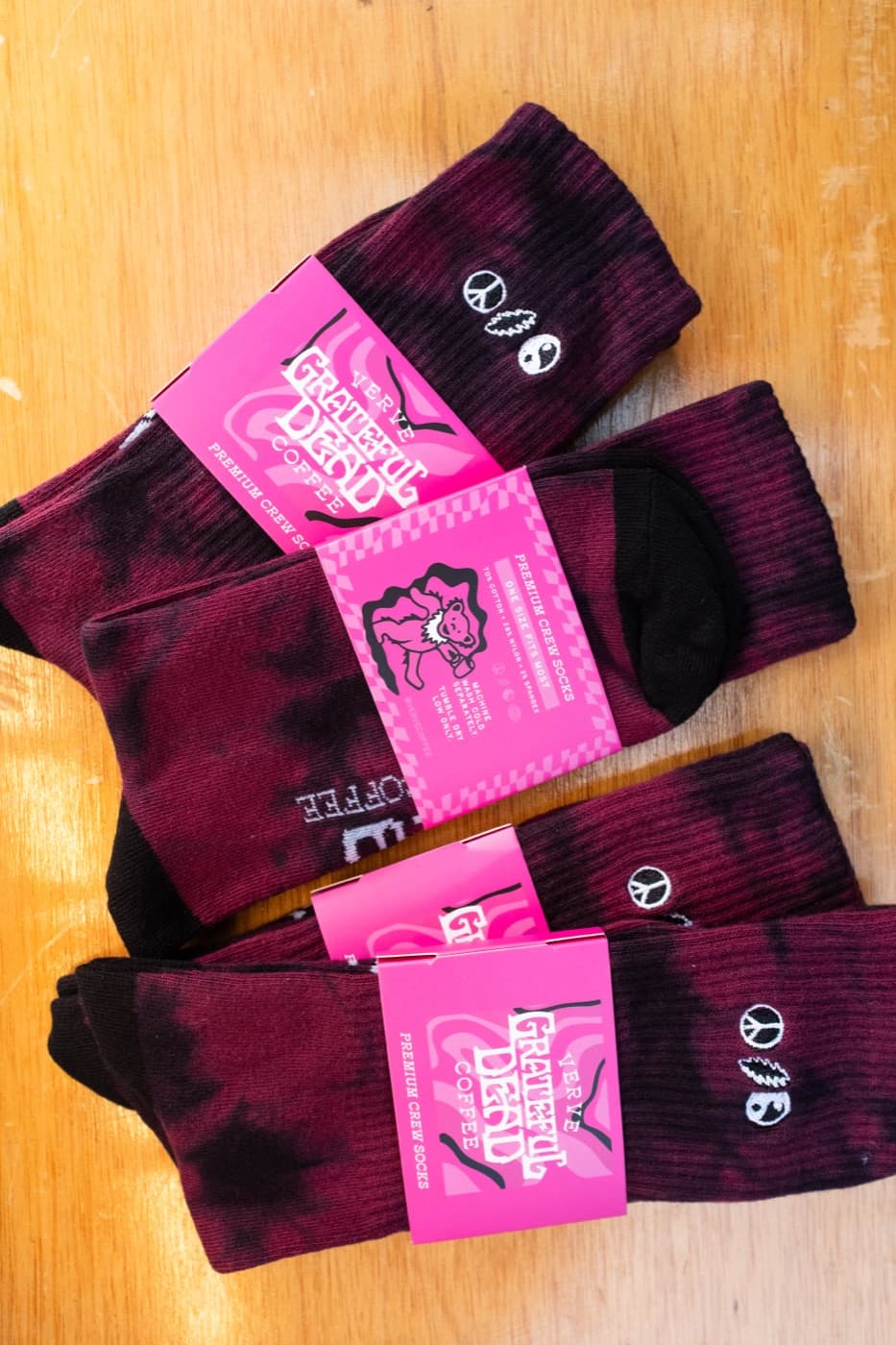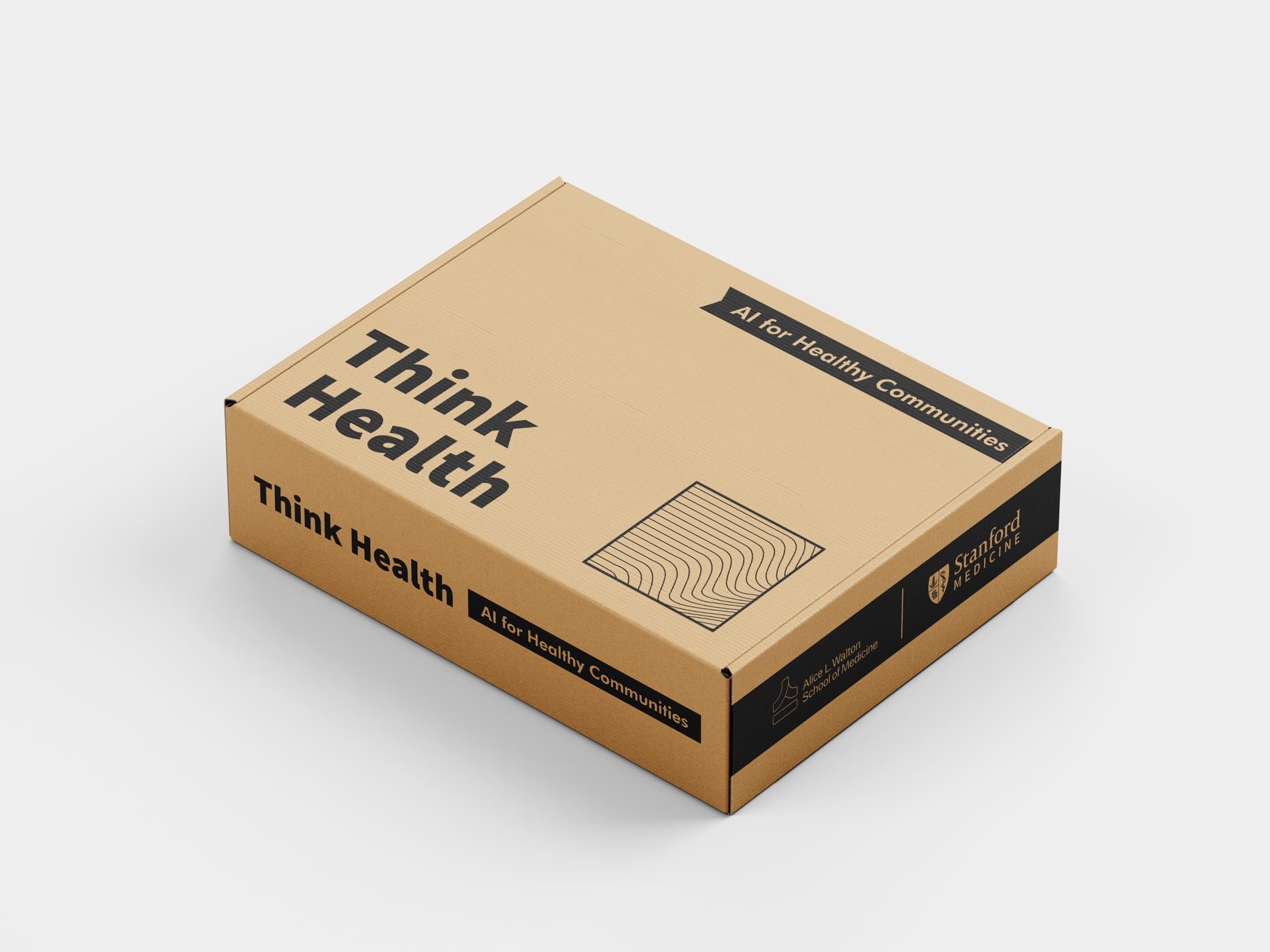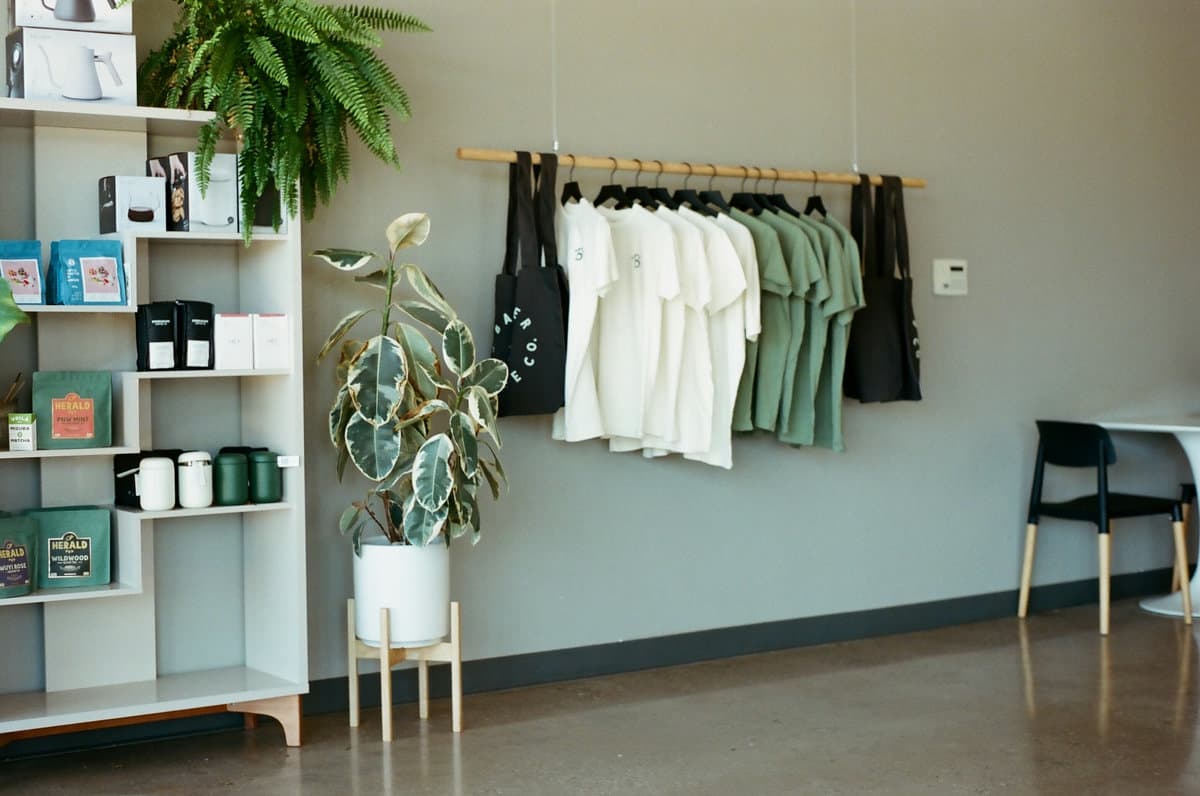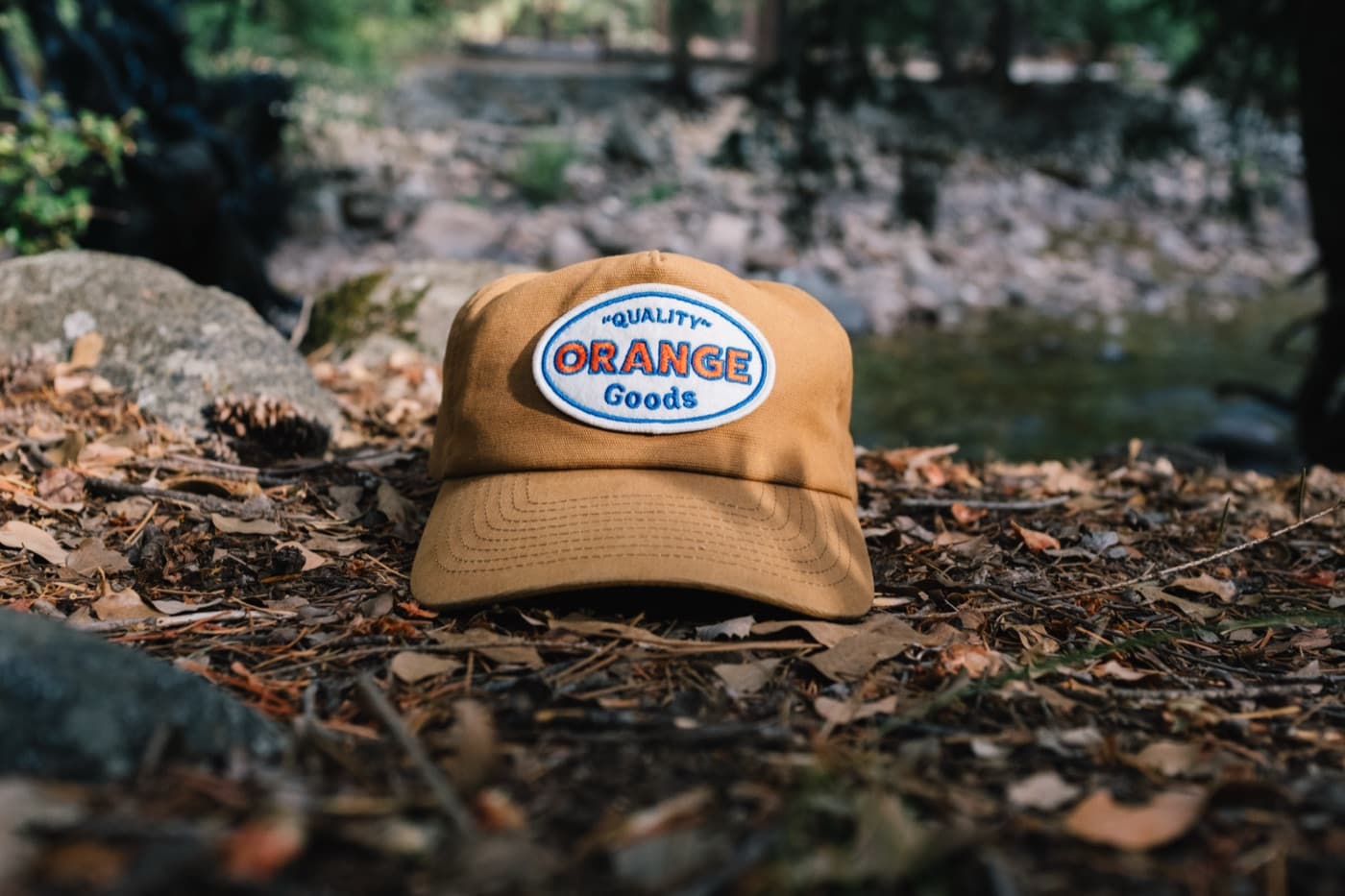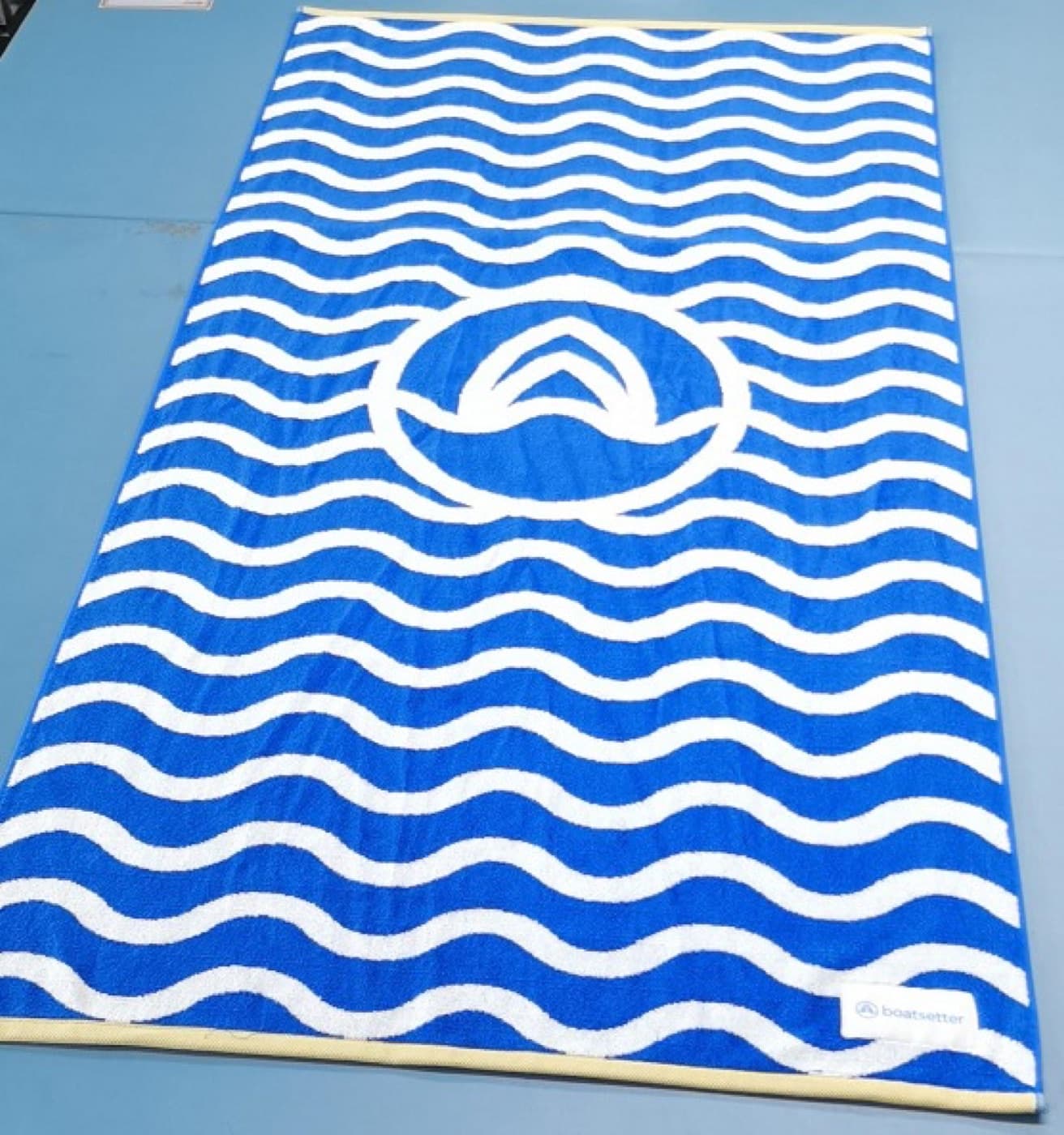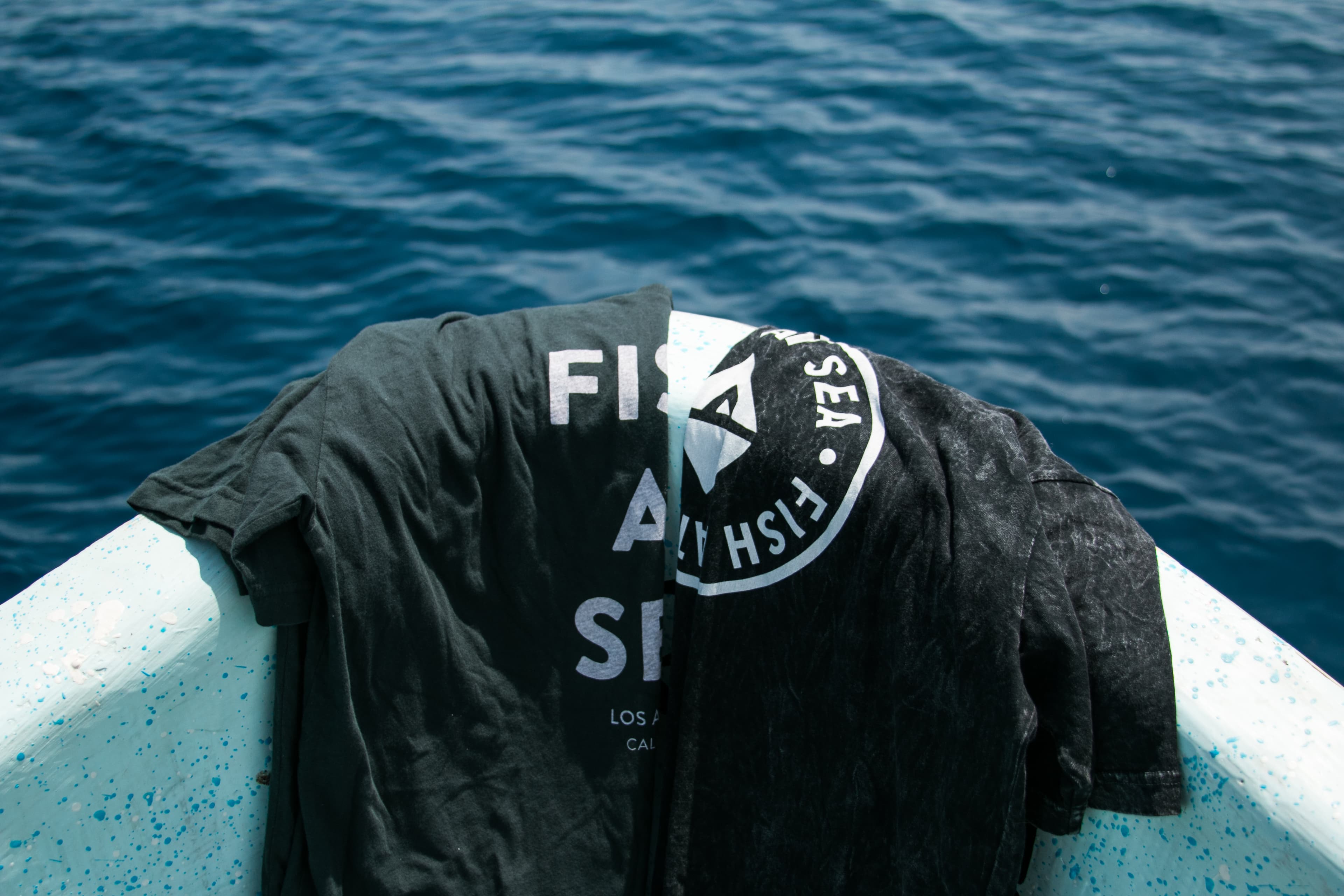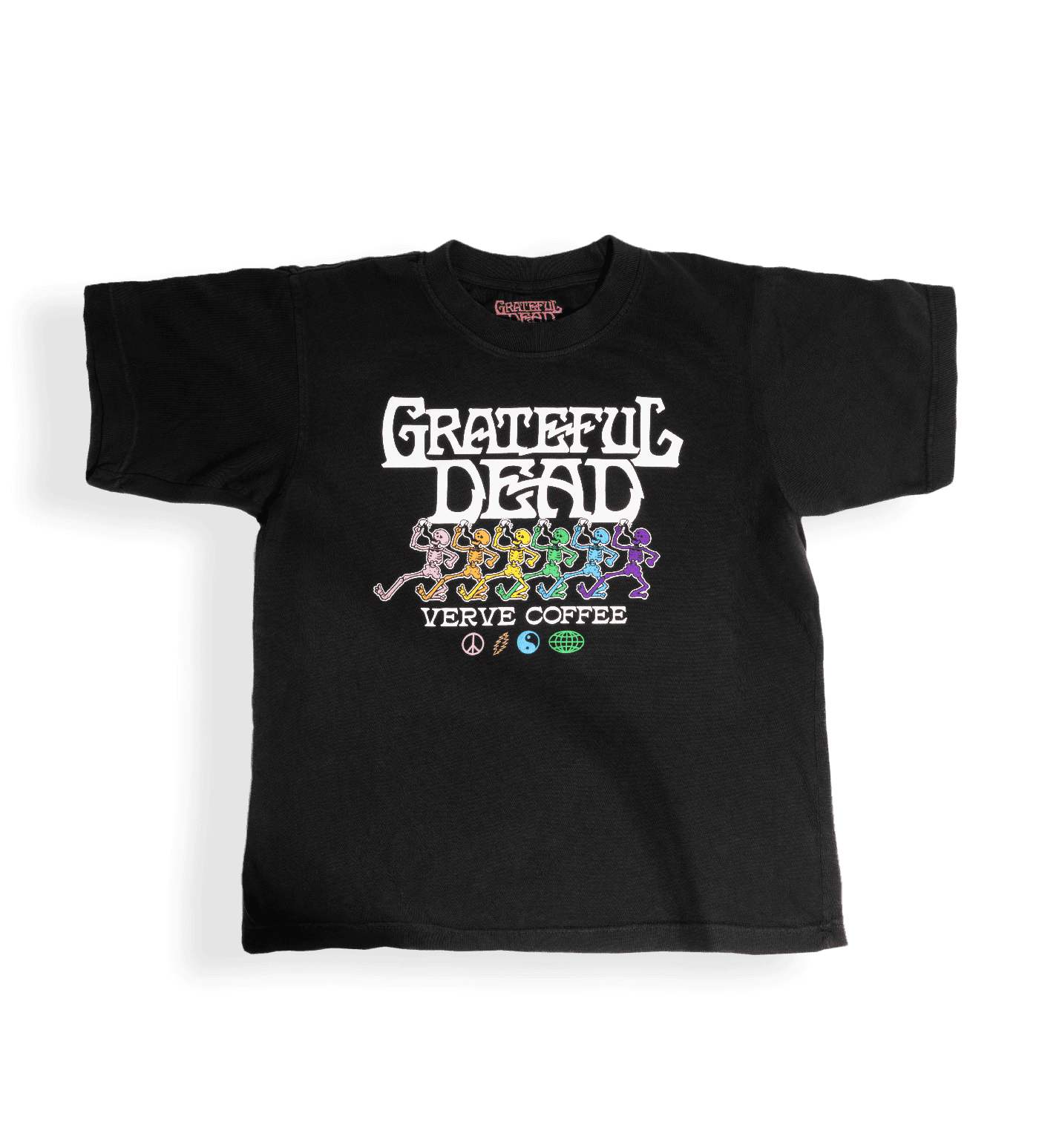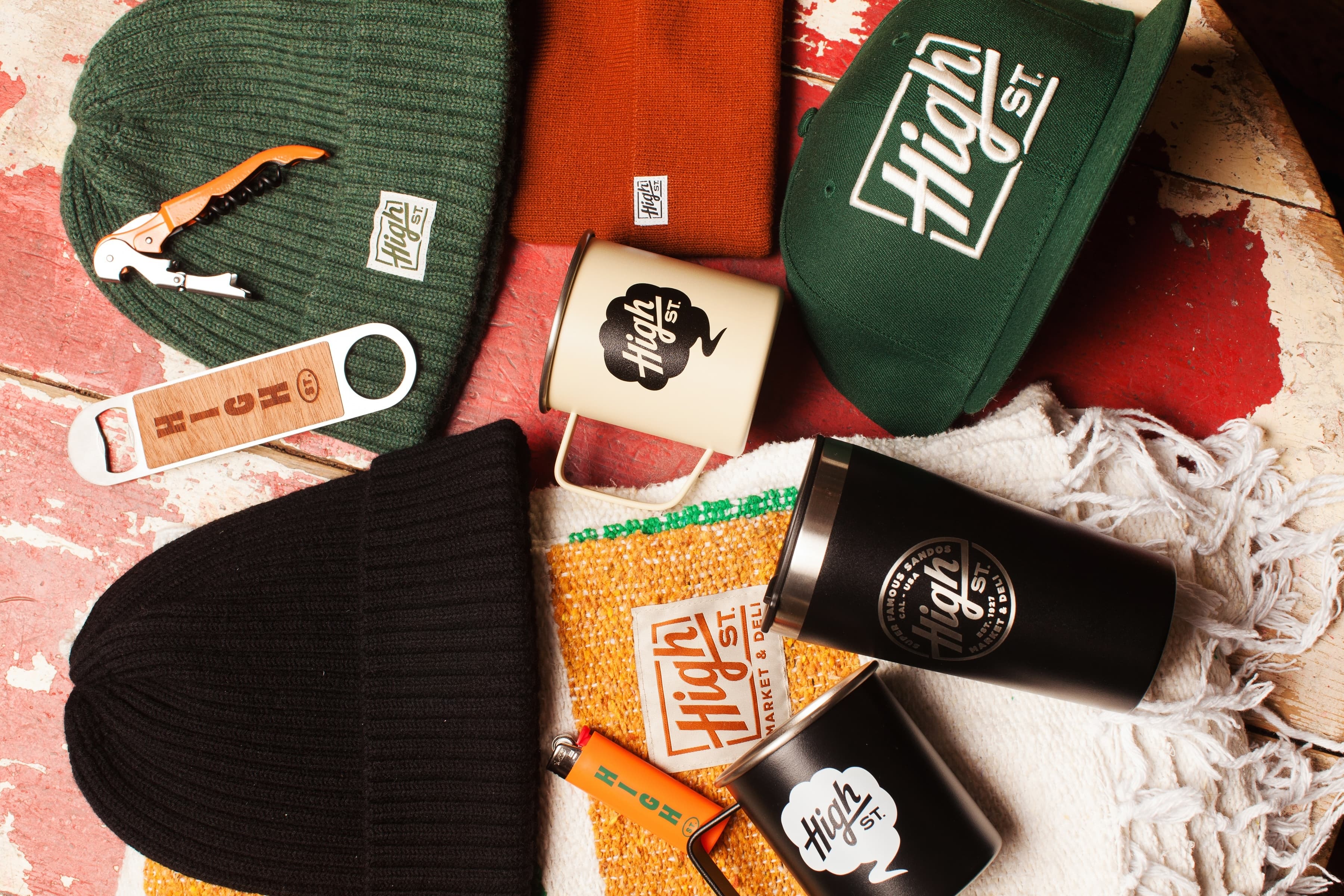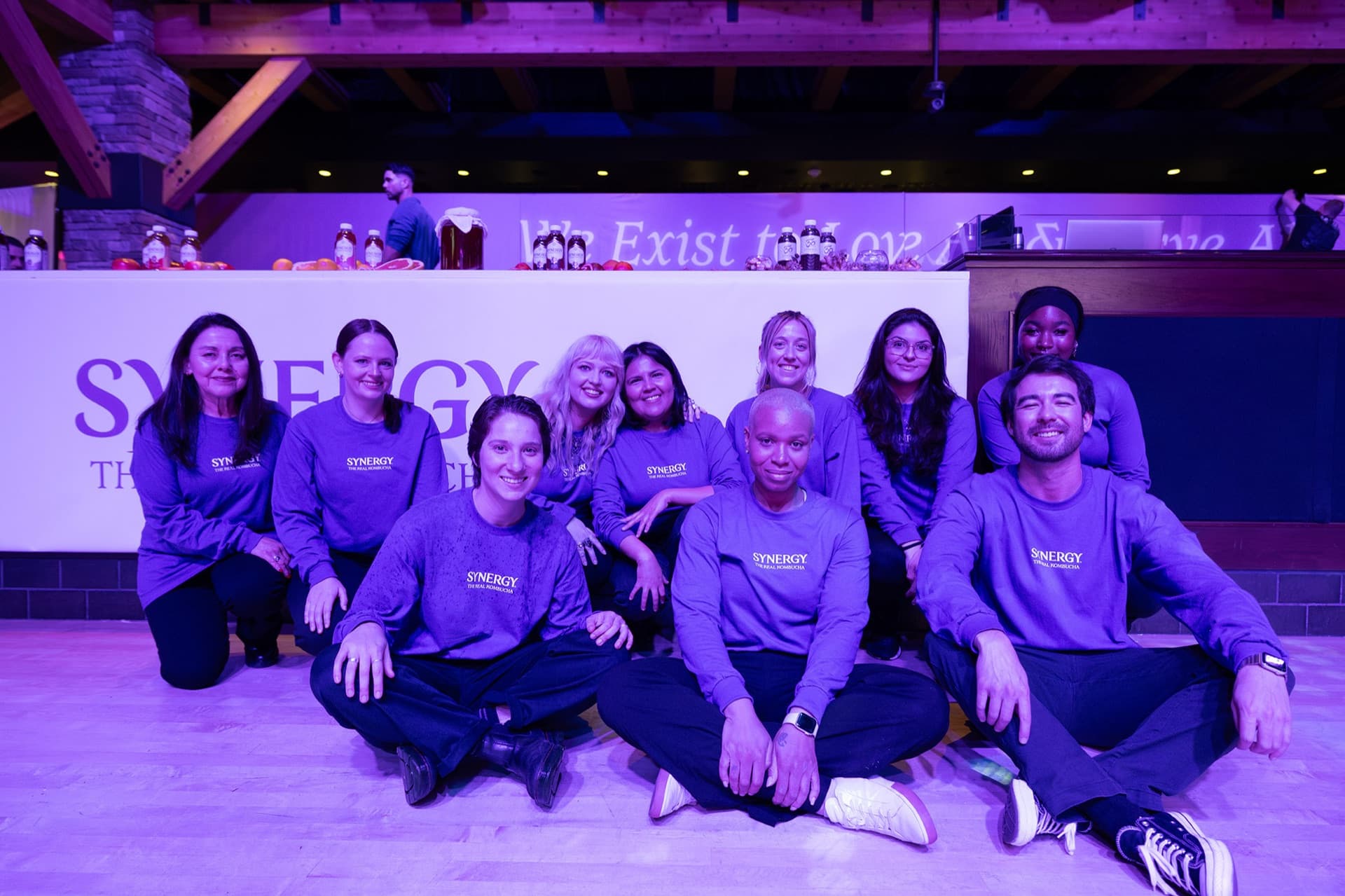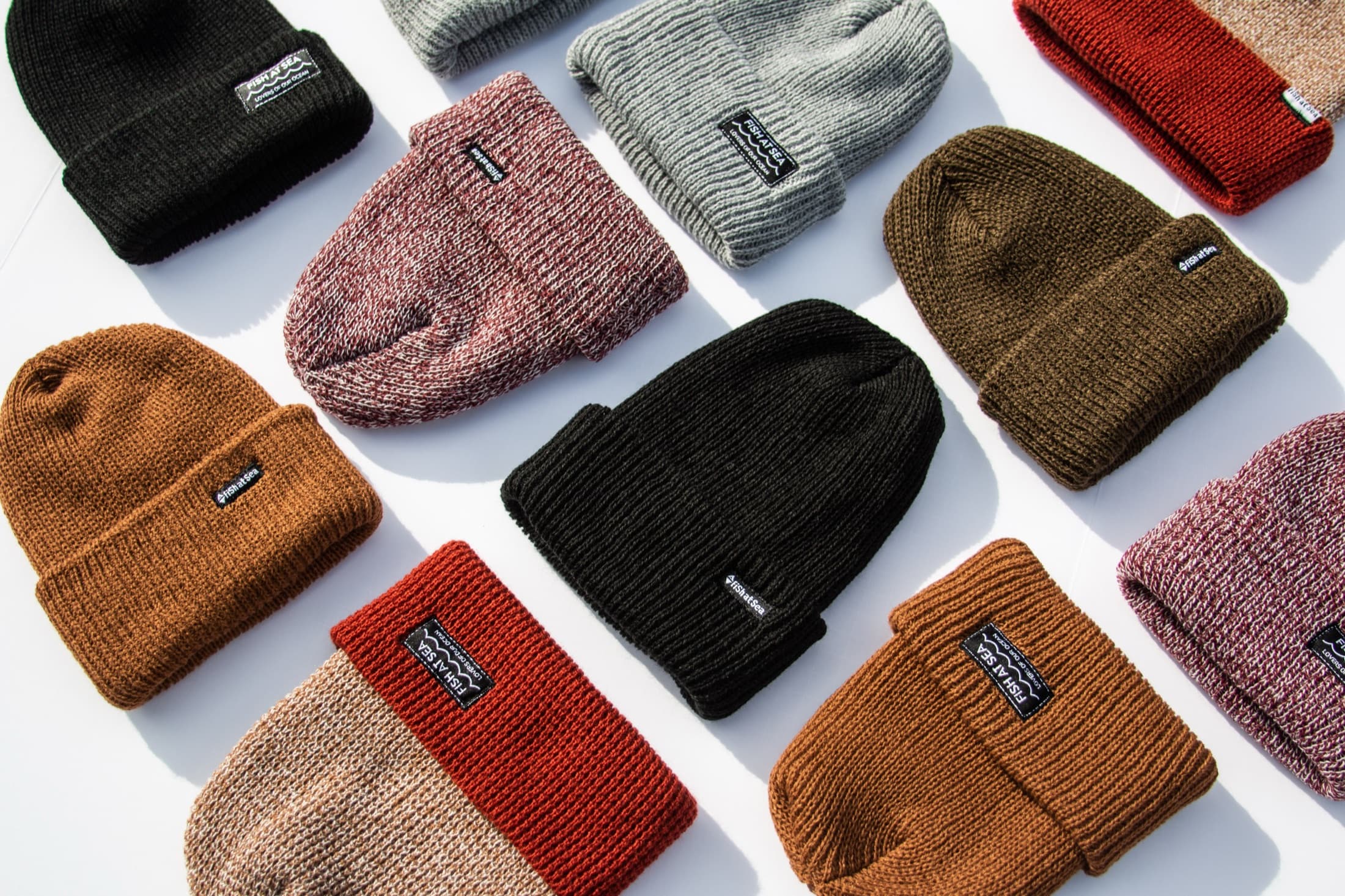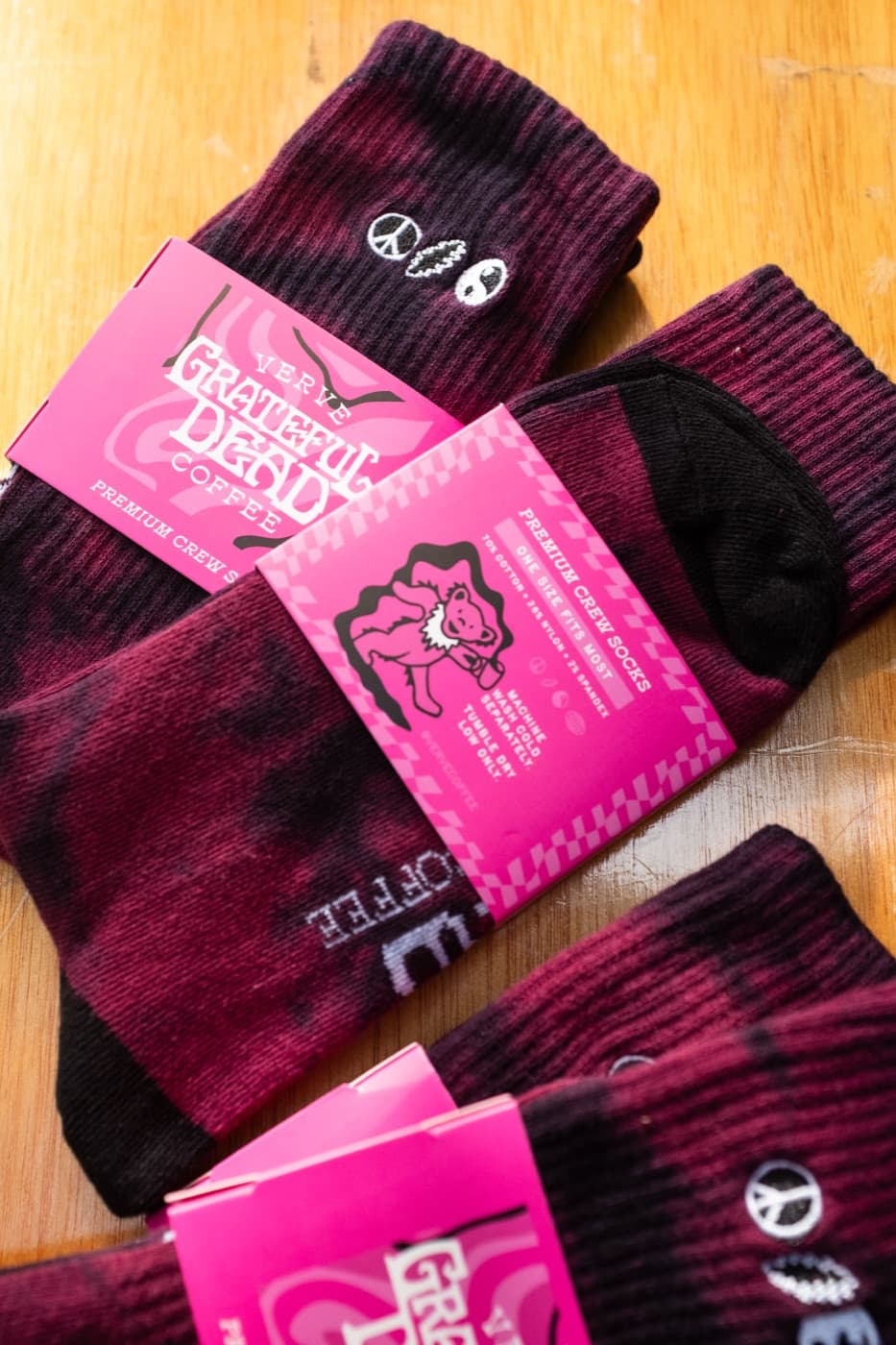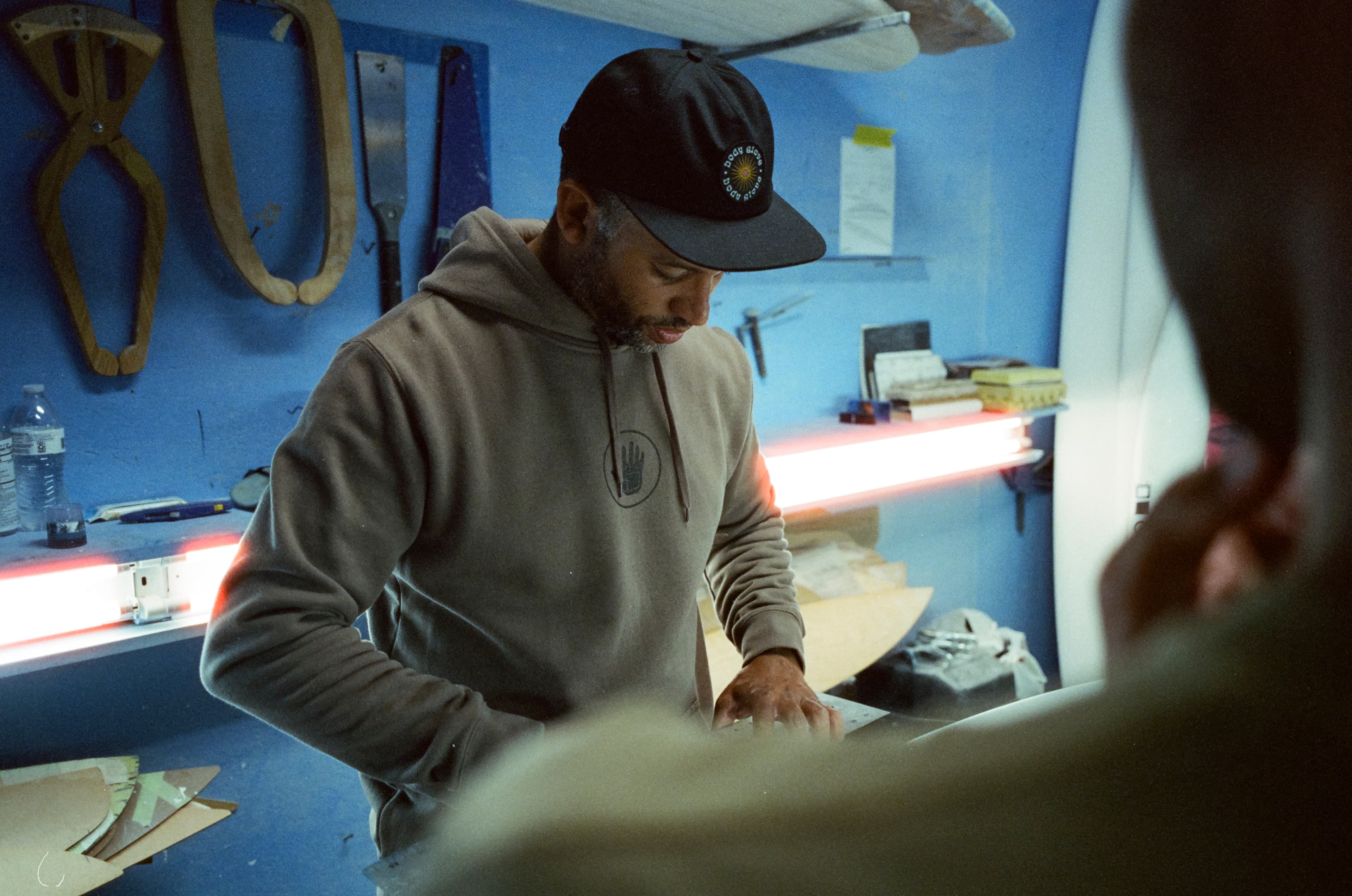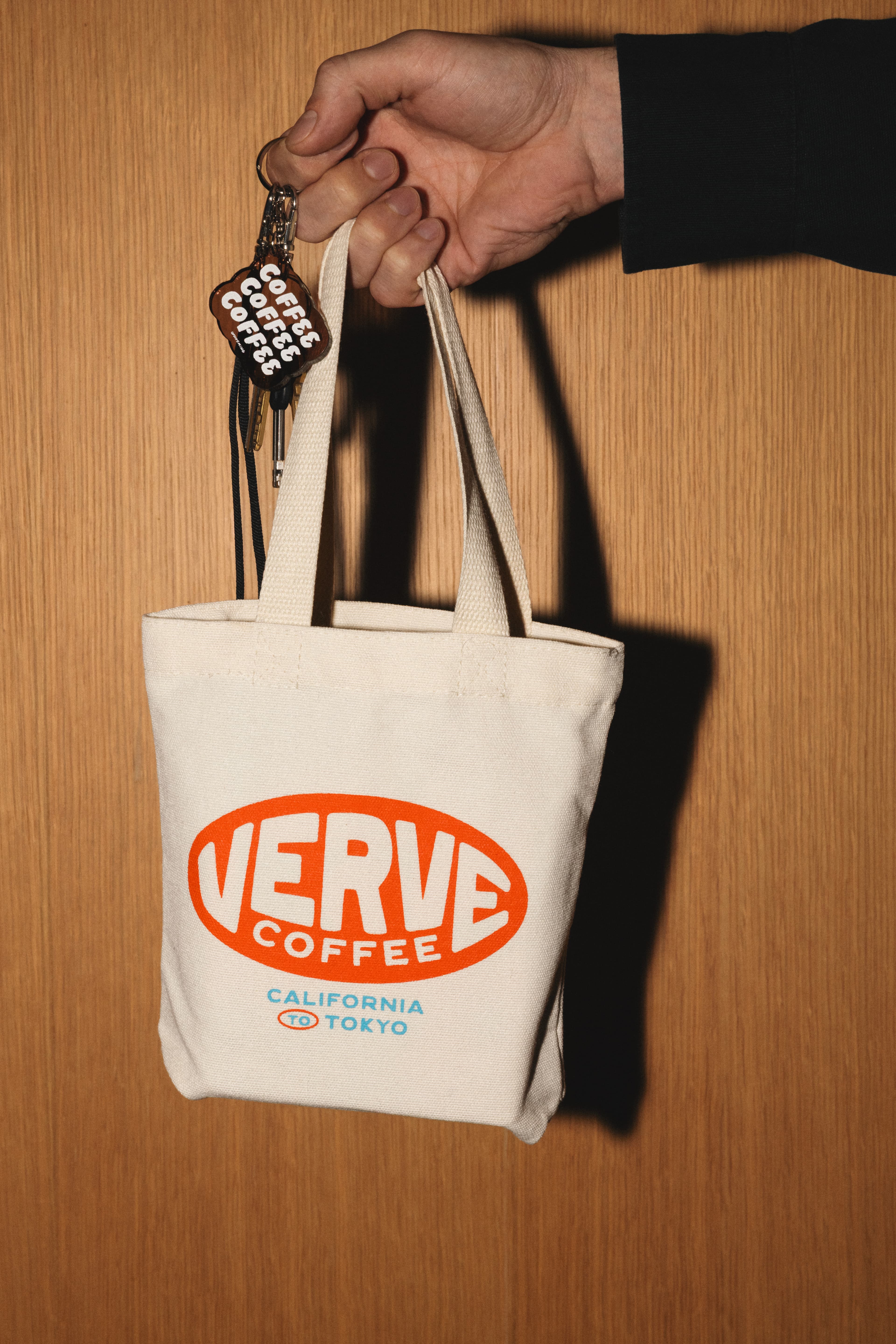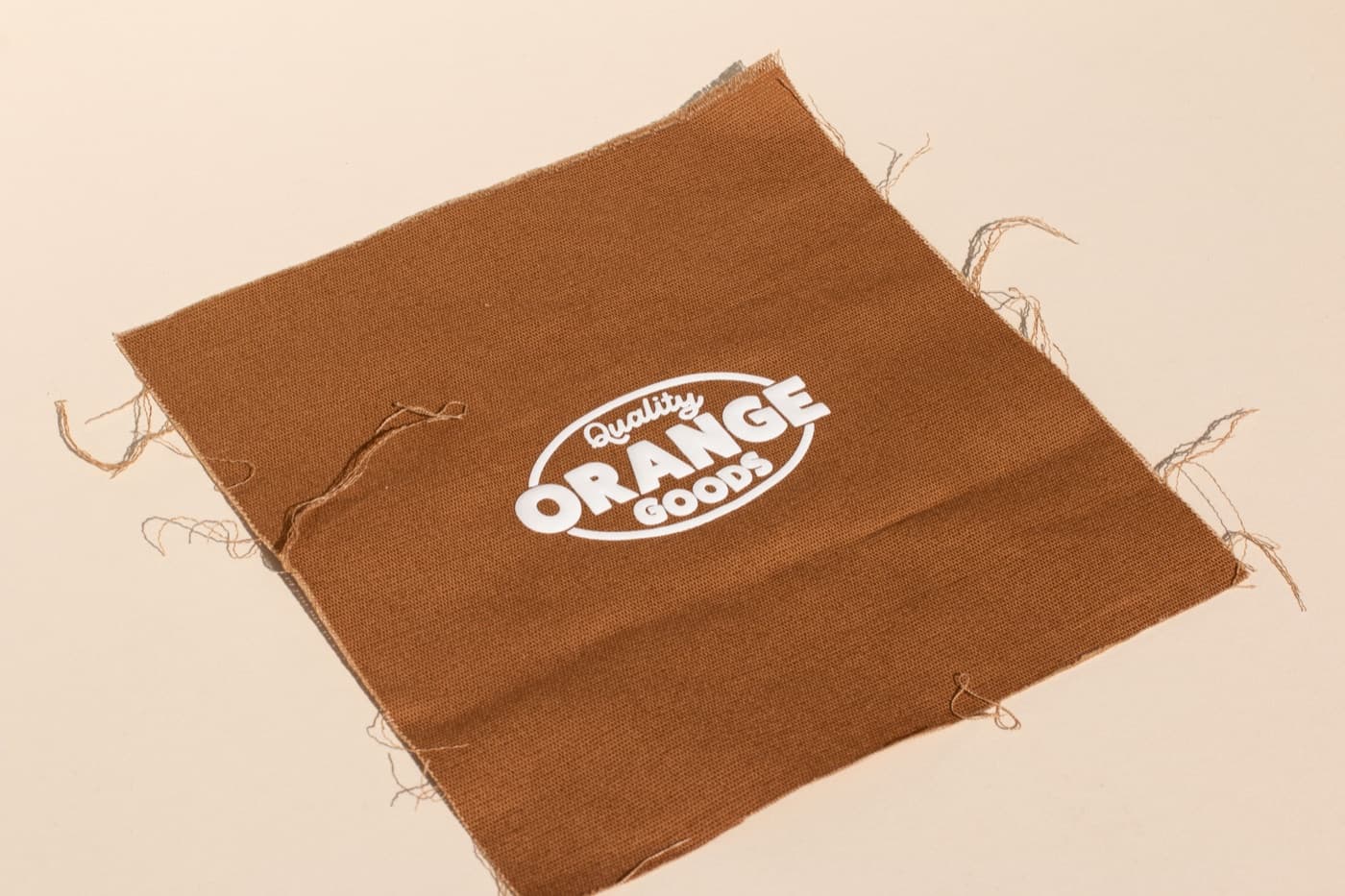
Product launches and brand activations are built around attention. The space, the invite, the food, the photography, the social posts, the guest list, and the follow-up all point toward one moment. Custom merch should support that moment instead of feeling like a random giveaway added at the end.
The best launch merch helps people participate. It gives staff a consistent look, gives guests something useful to carry or wear, creates visual repetition in photos, and lets the campaign keep traveling after the activation is over.
Start with the role of the piece
Before choosing products, decide what the merch needs to do. Is it a VIP gift? A staff uniform? A press mailer? A purchase-with-purchase gift? A retail drop? A registration-table handout? Each role points toward a different quality level, quantity, decoration method, and packaging plan.
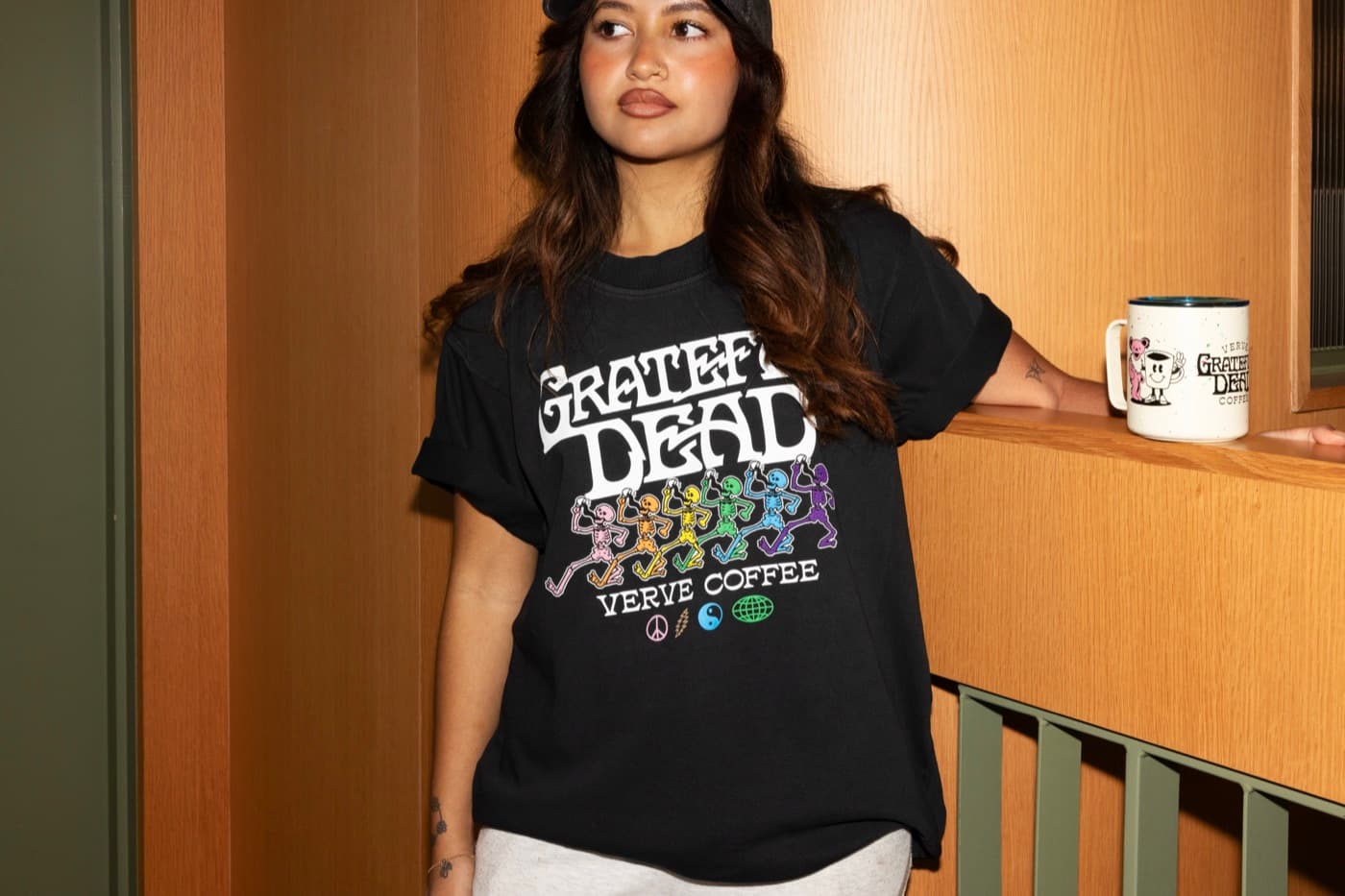
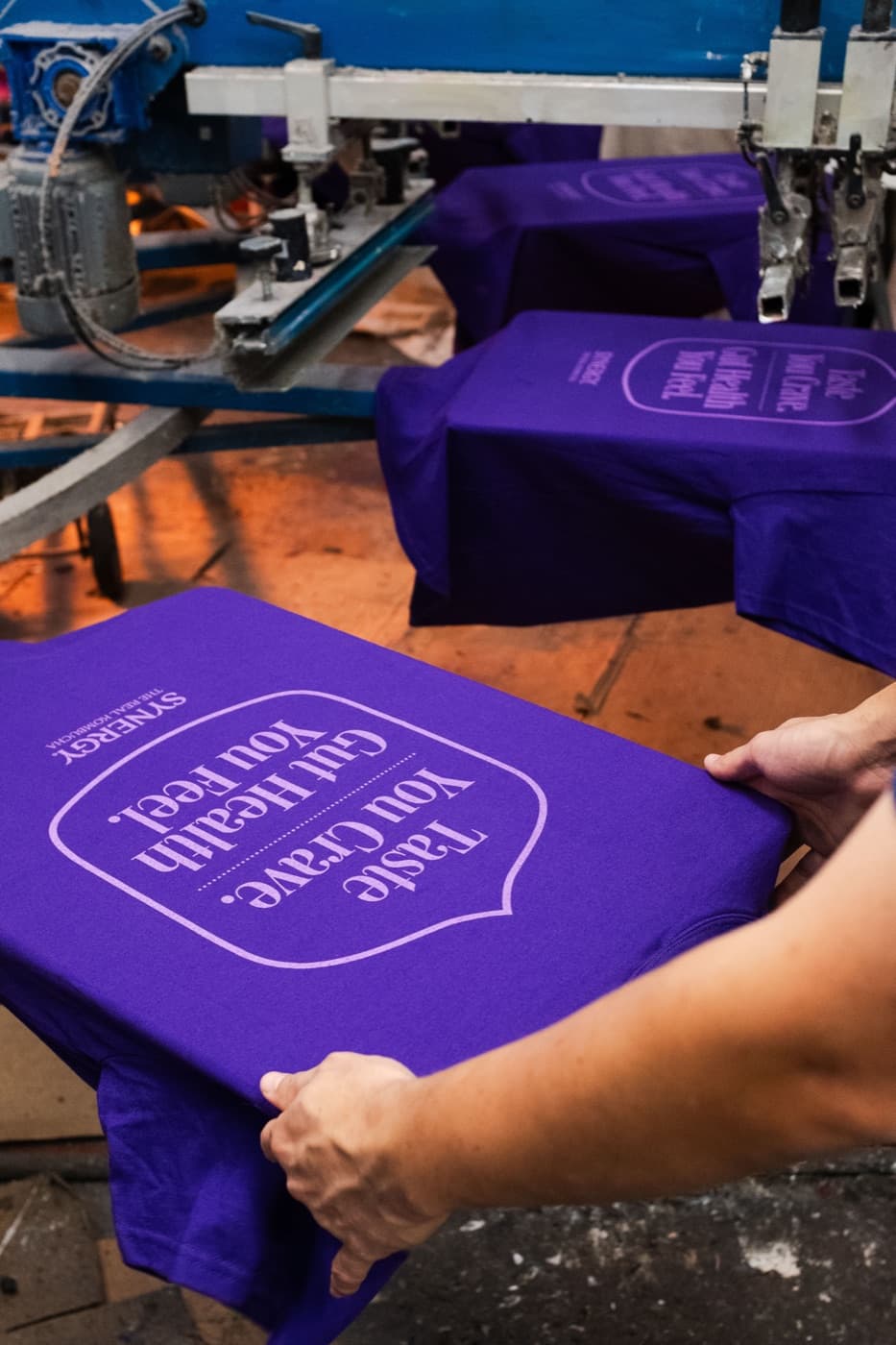
A staff tee for a launch event needs comfort, size range, and easy reordering. A VIP gift should feel more considered, often with packaging or a small set of coordinated items. A public giveaway needs to move quickly and be easy to distribute. A retail drop needs margin, display, and a product people would pay for.
Choose products that work during the event
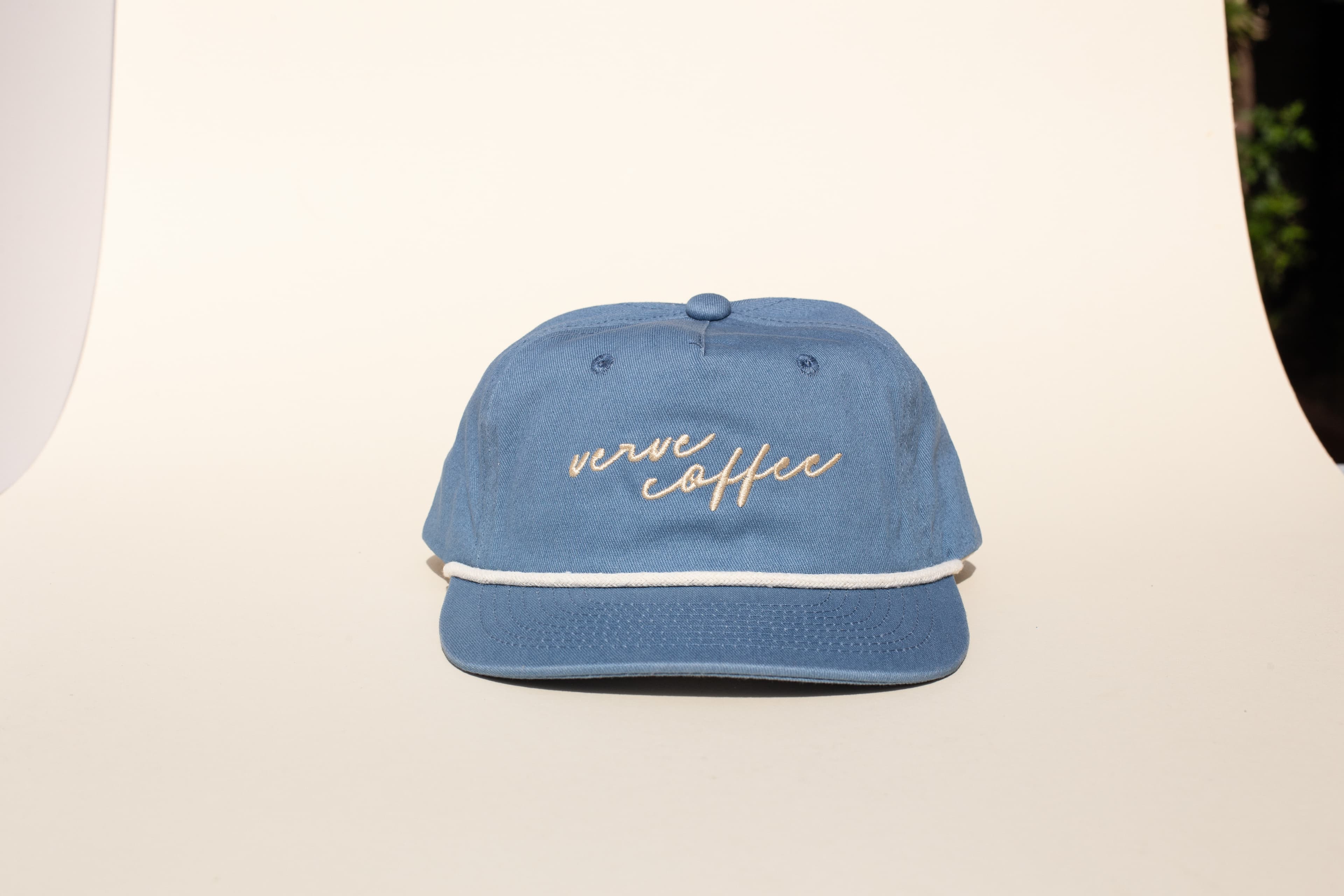
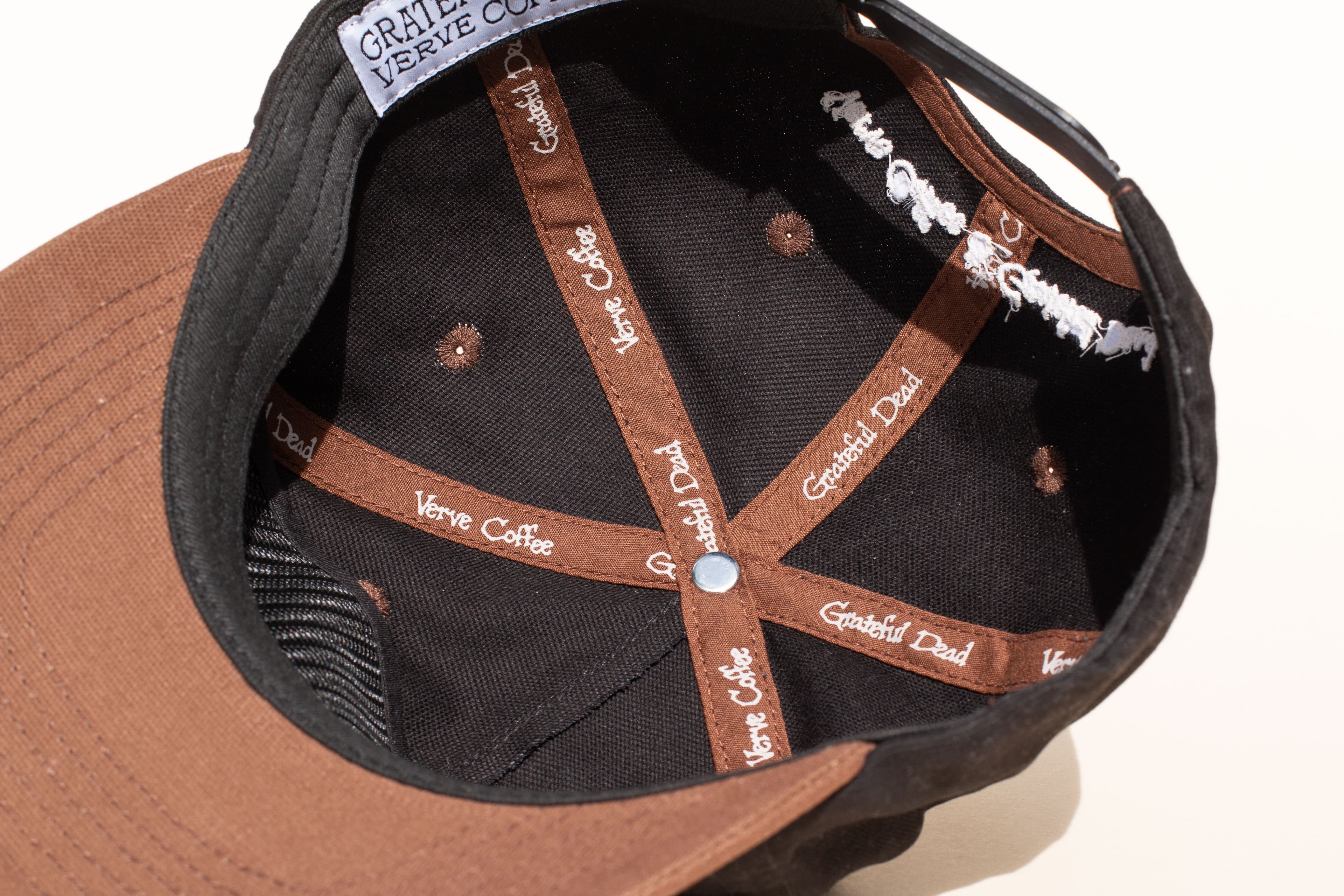
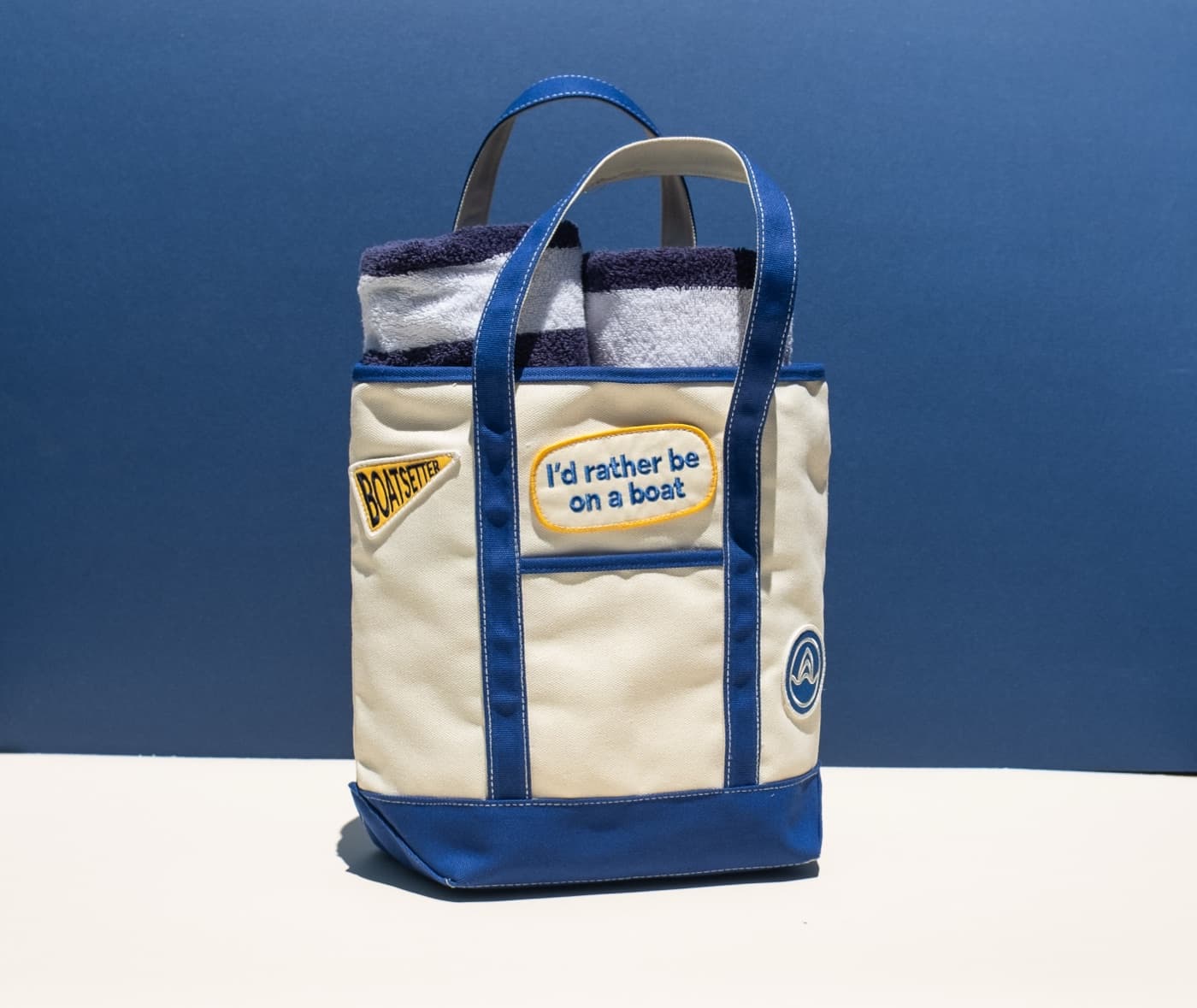
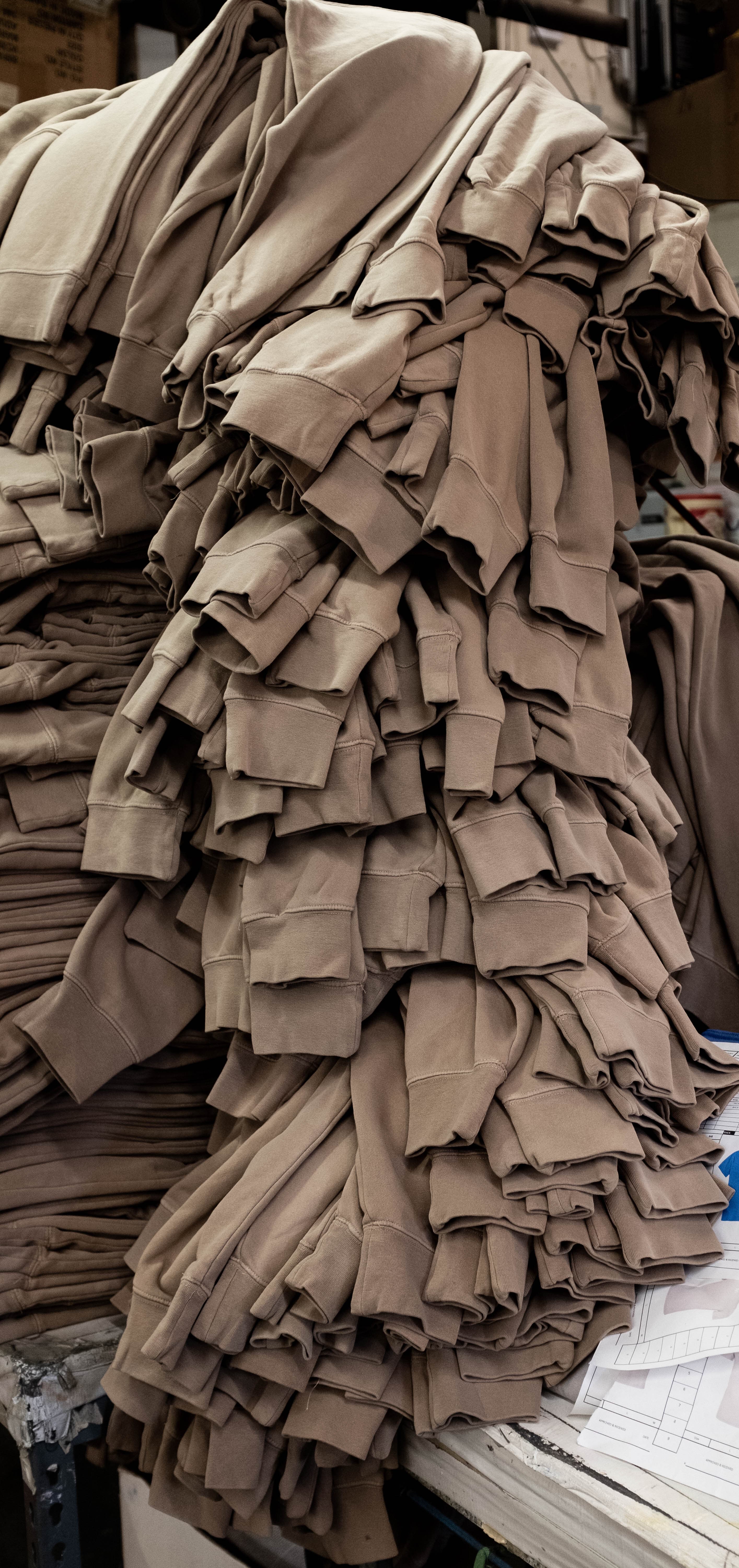
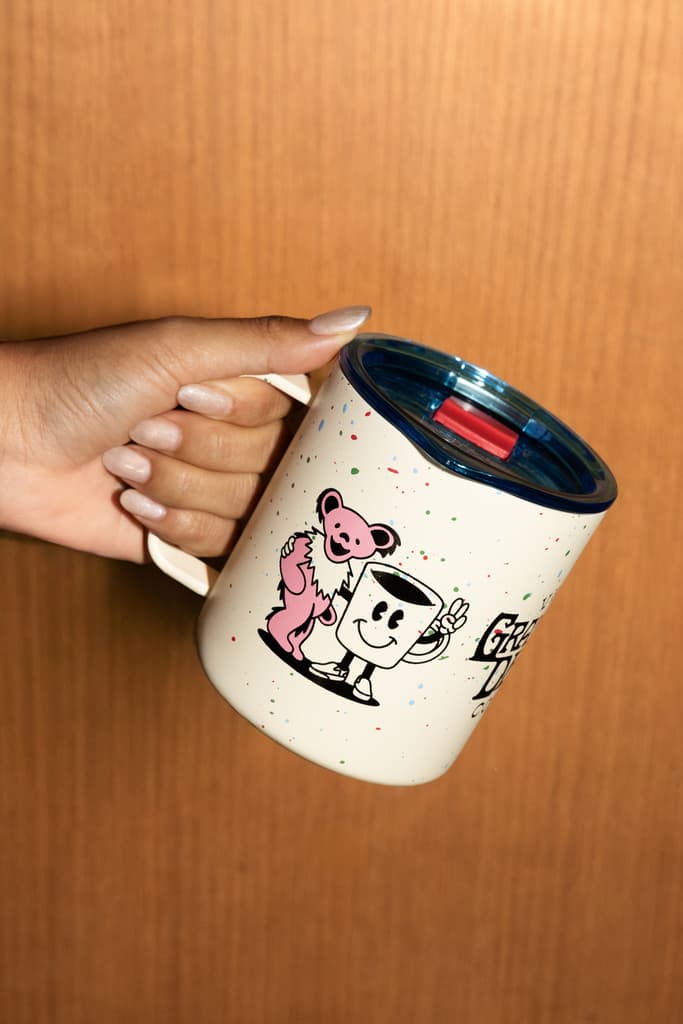
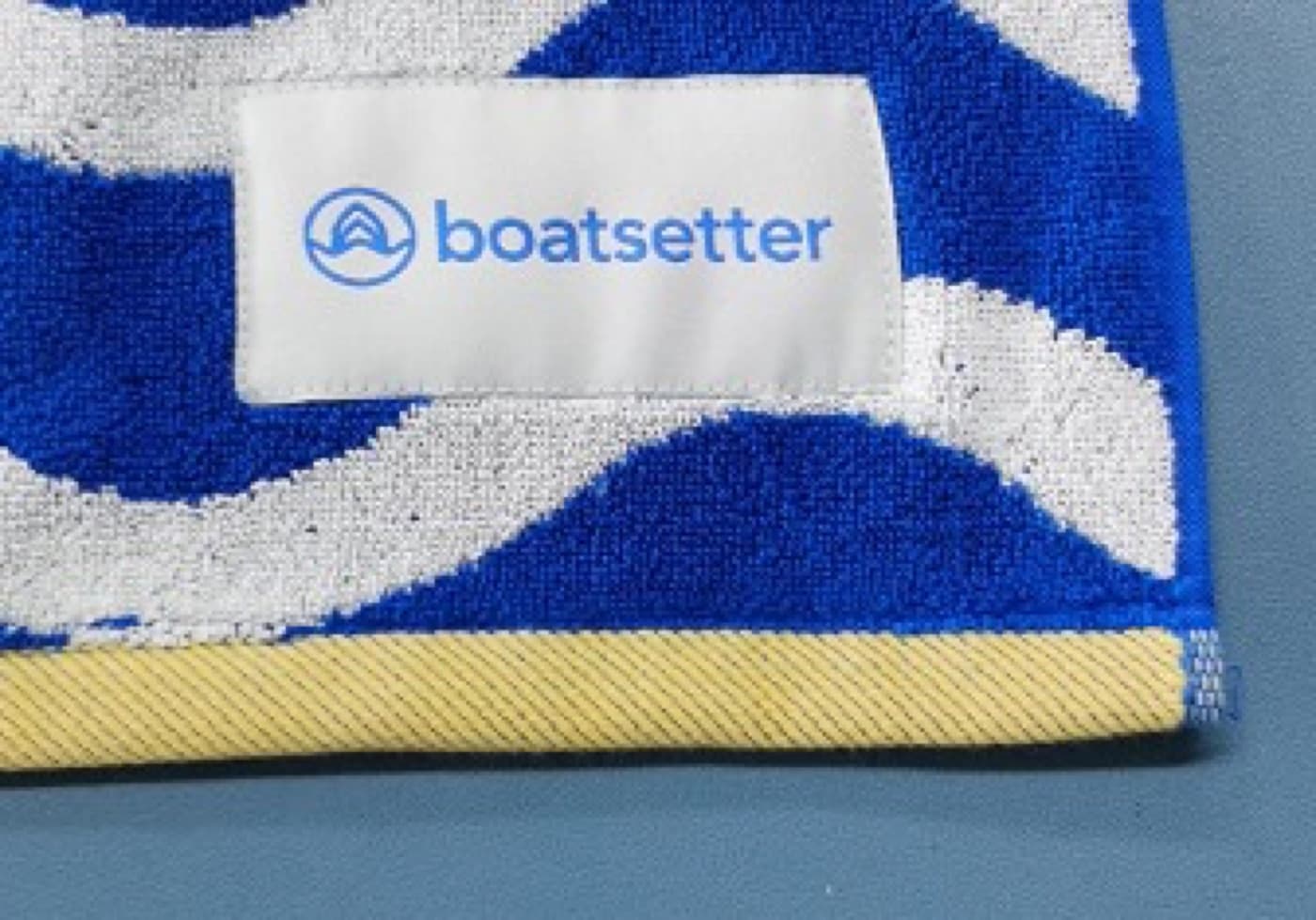
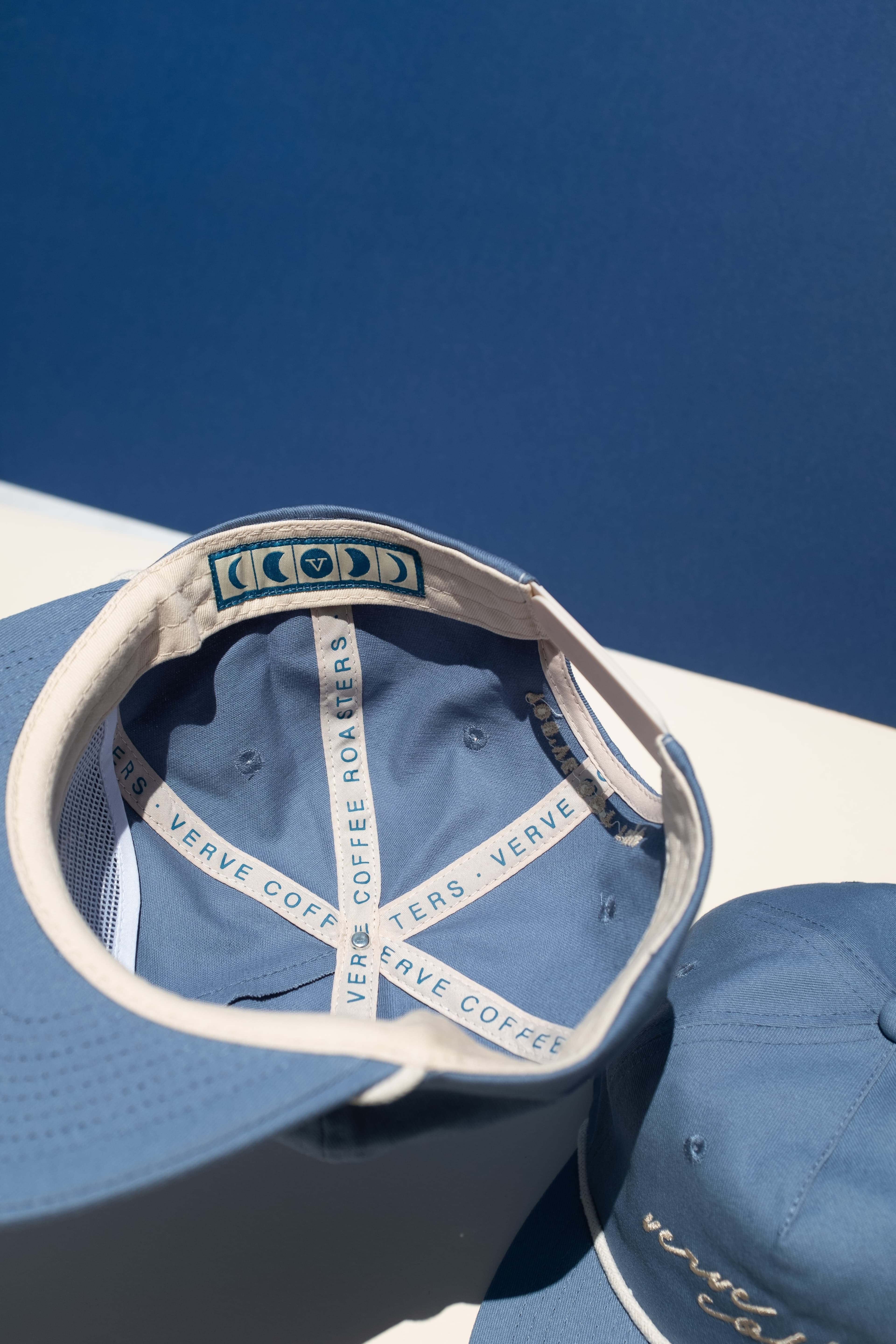
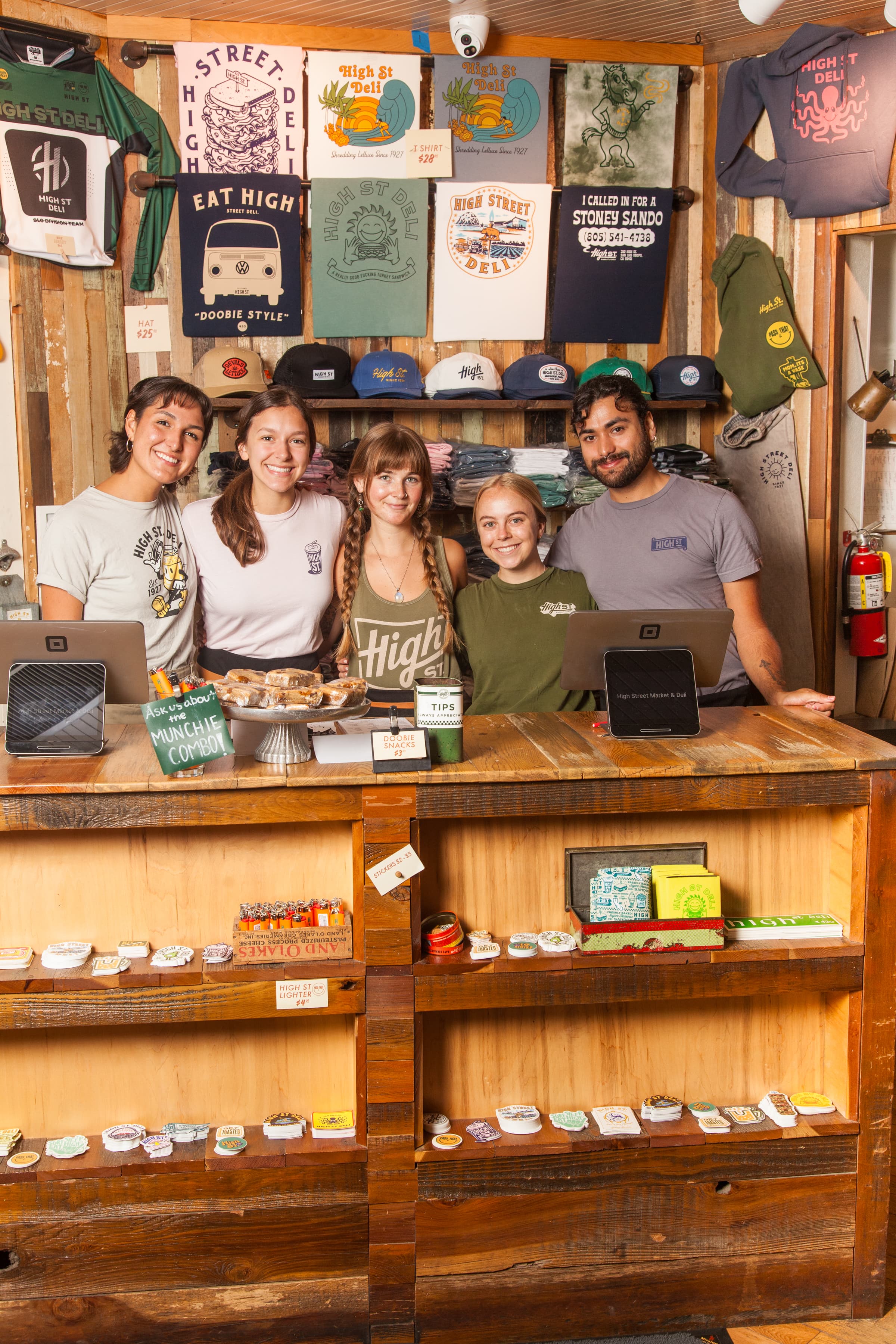
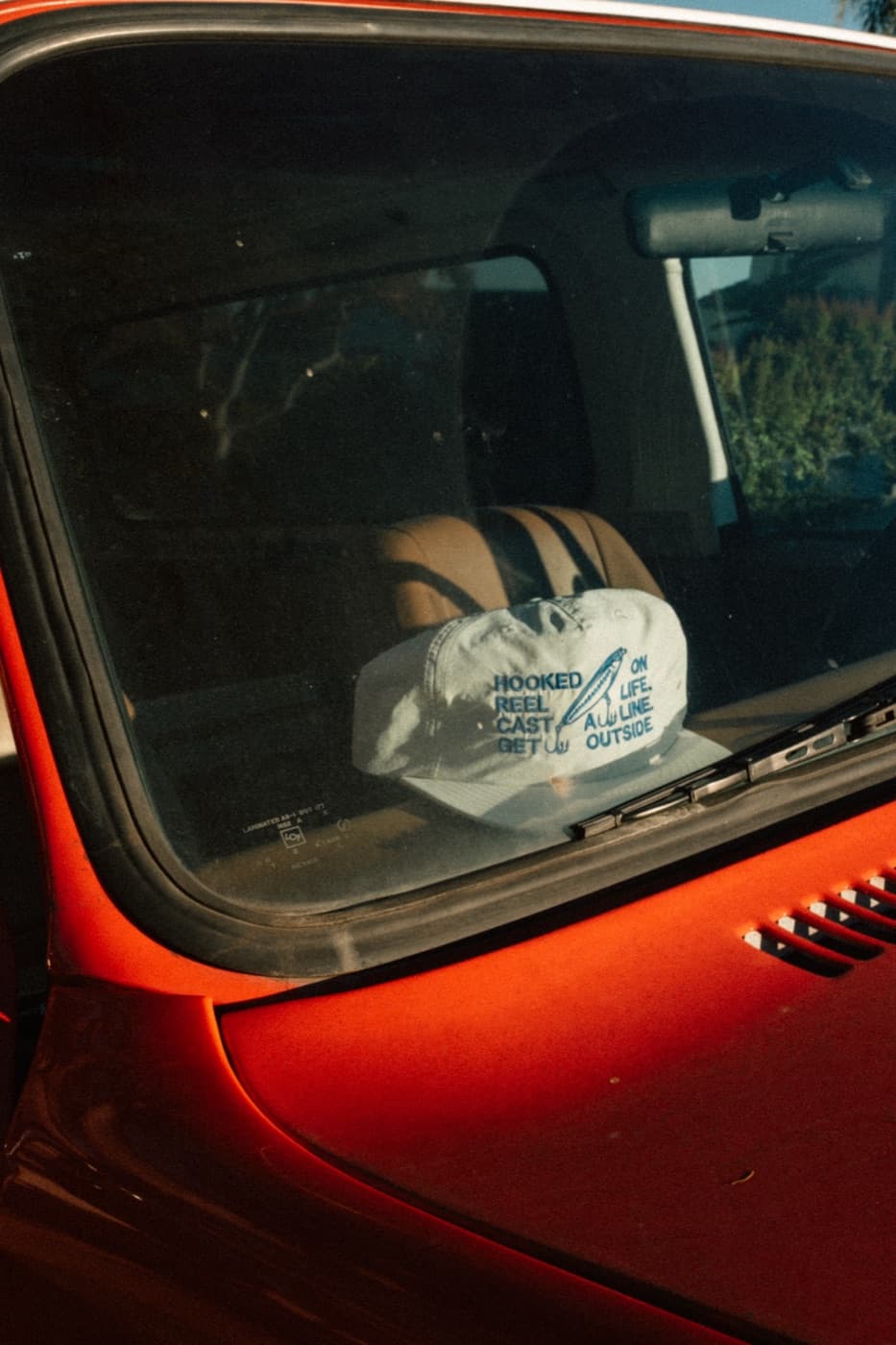
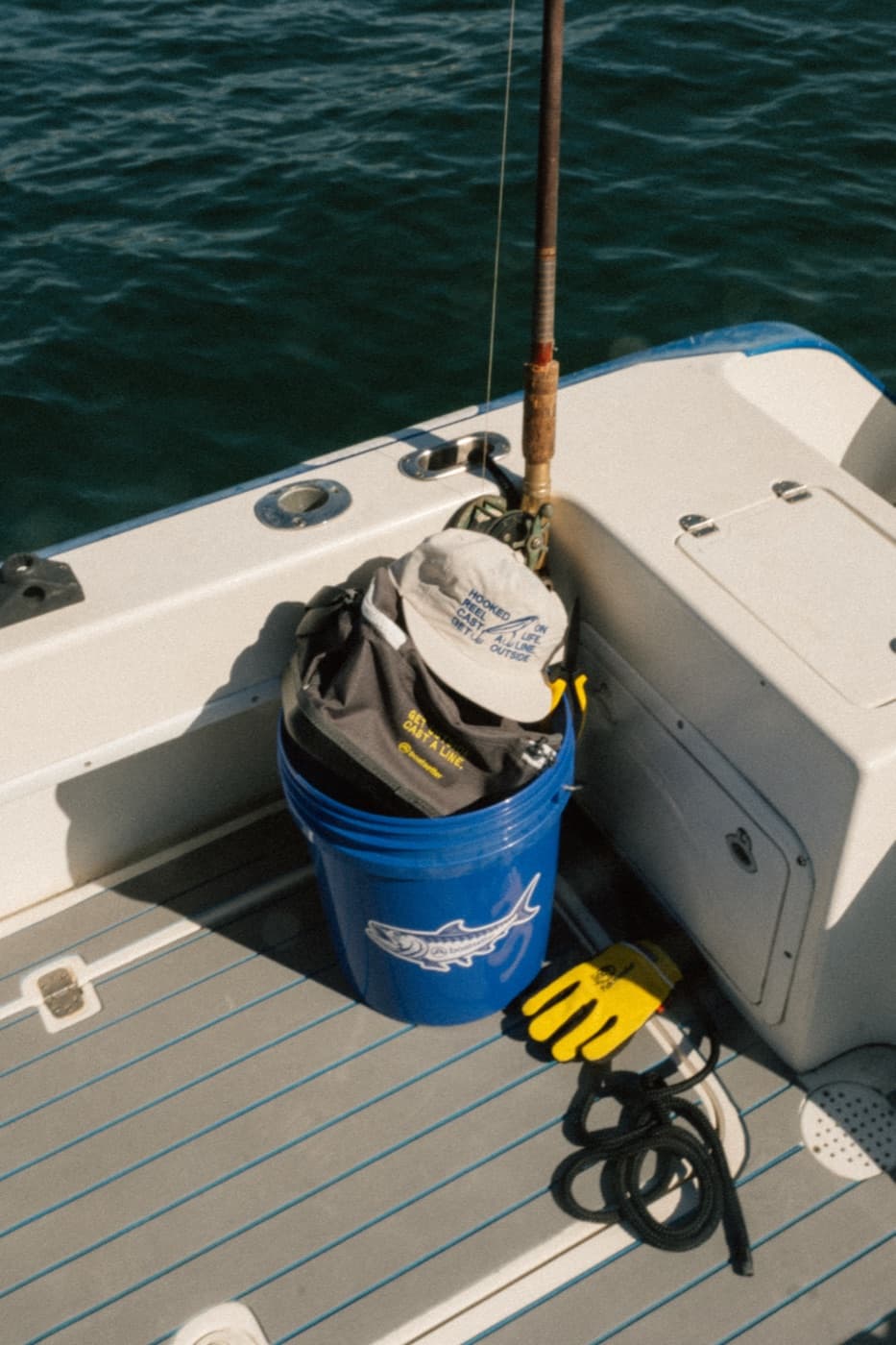
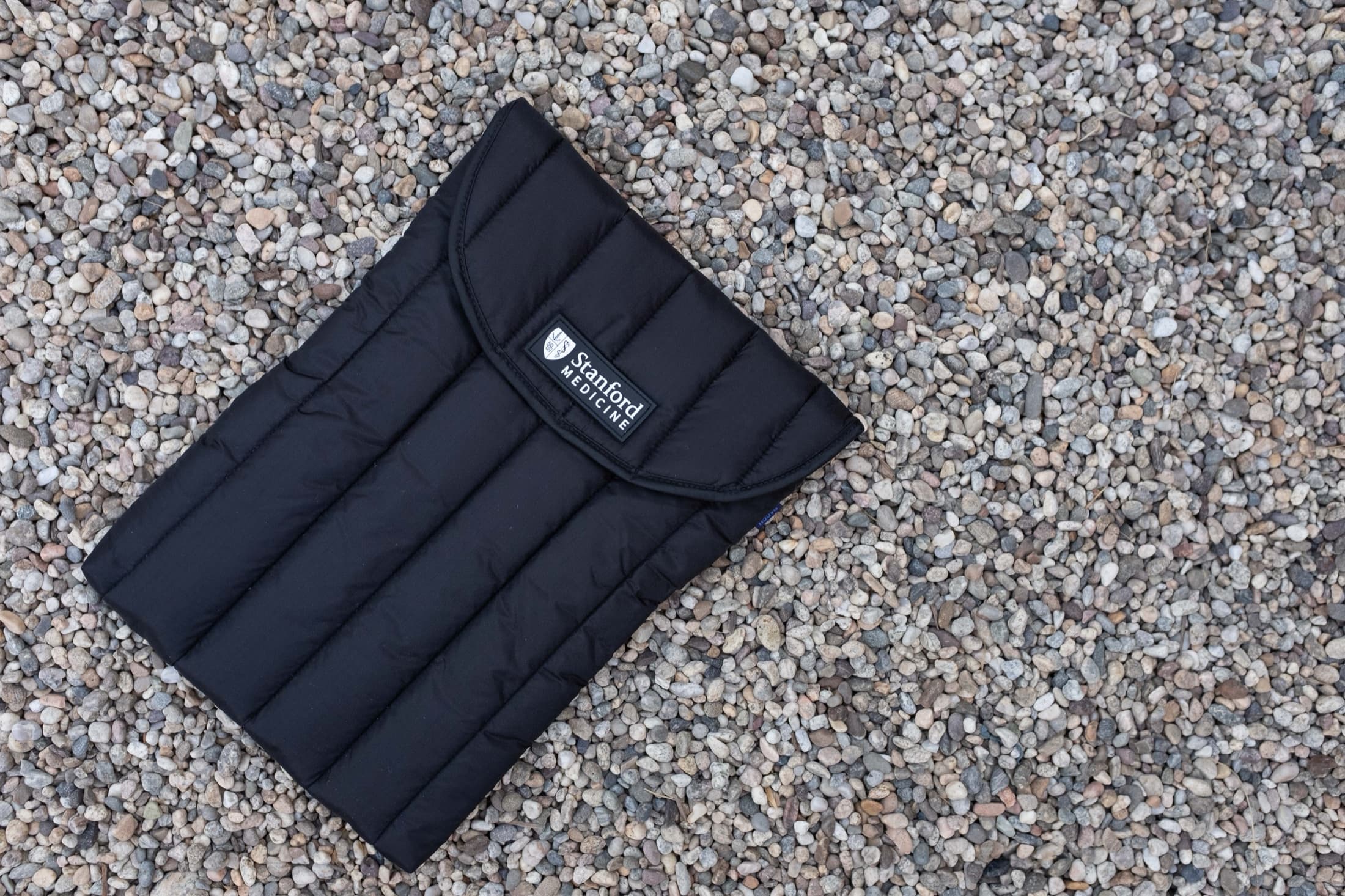
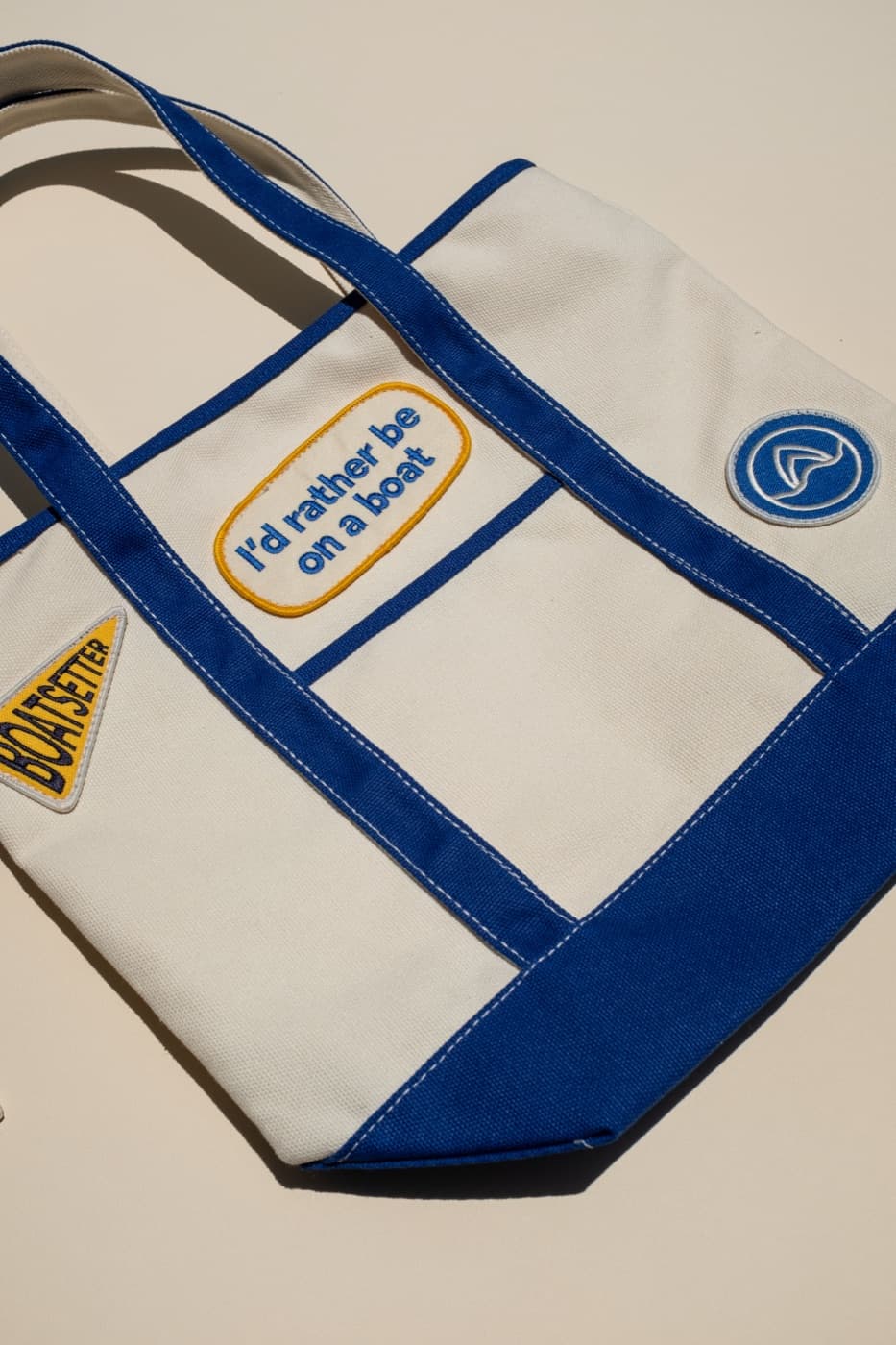
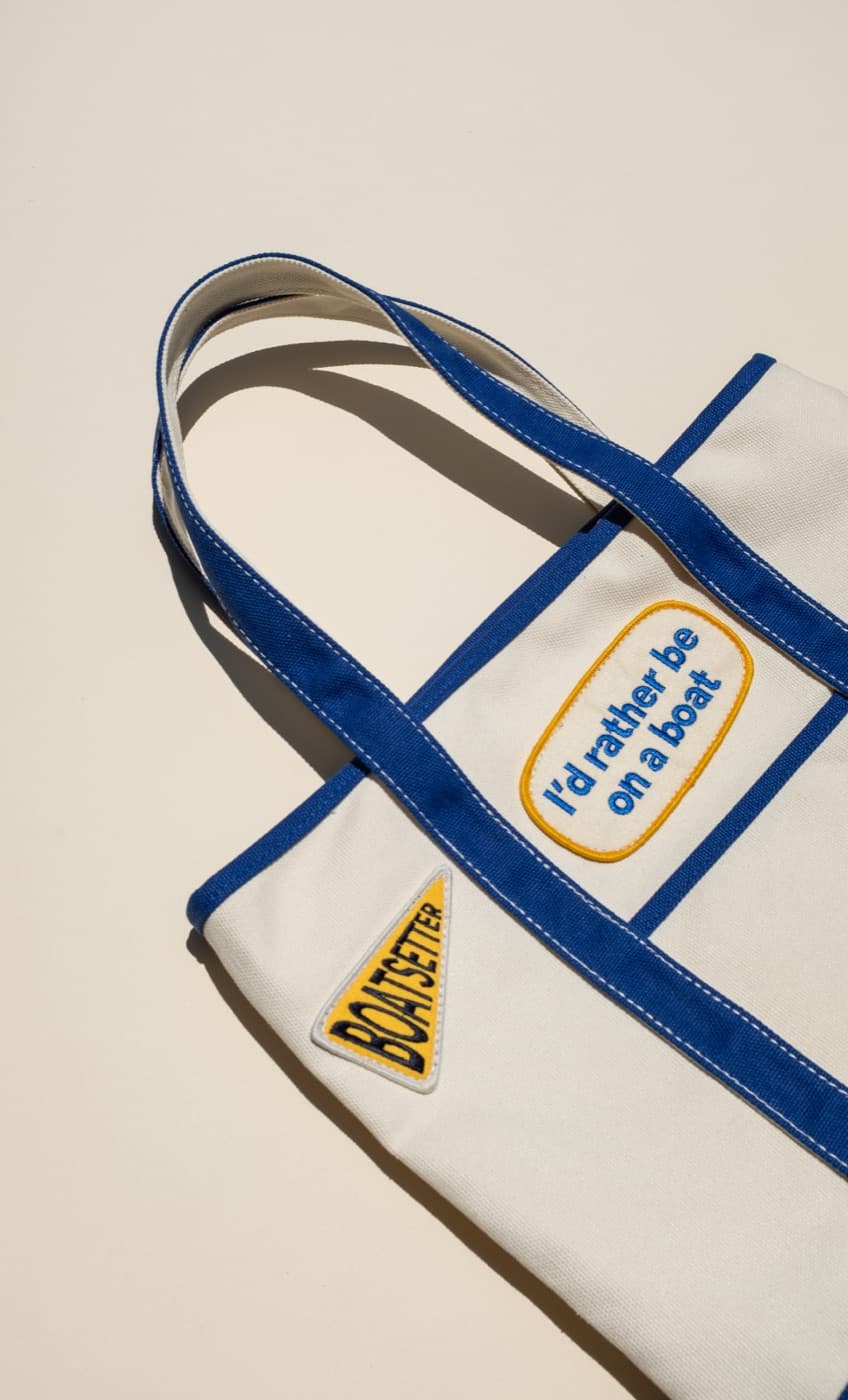
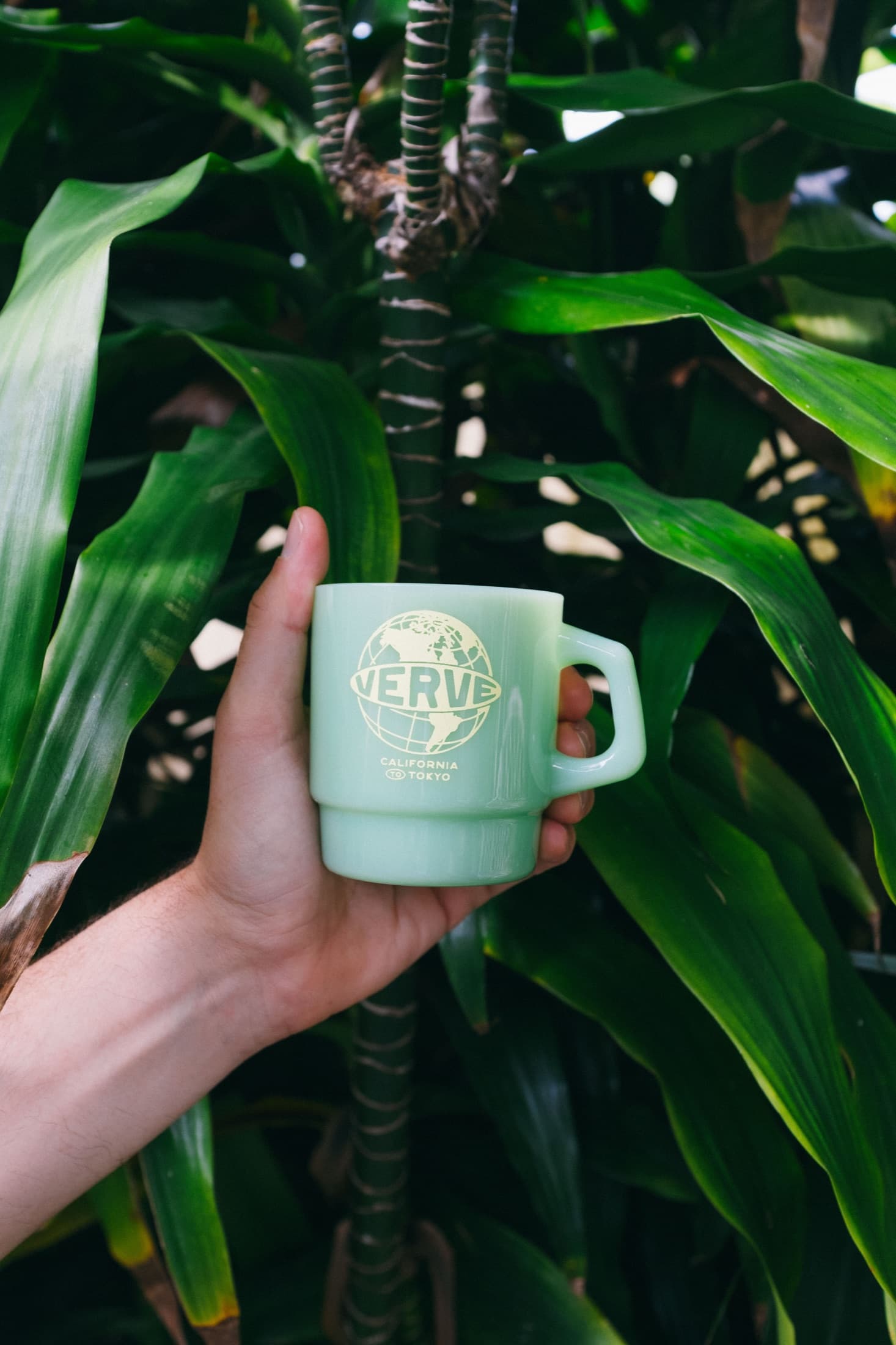
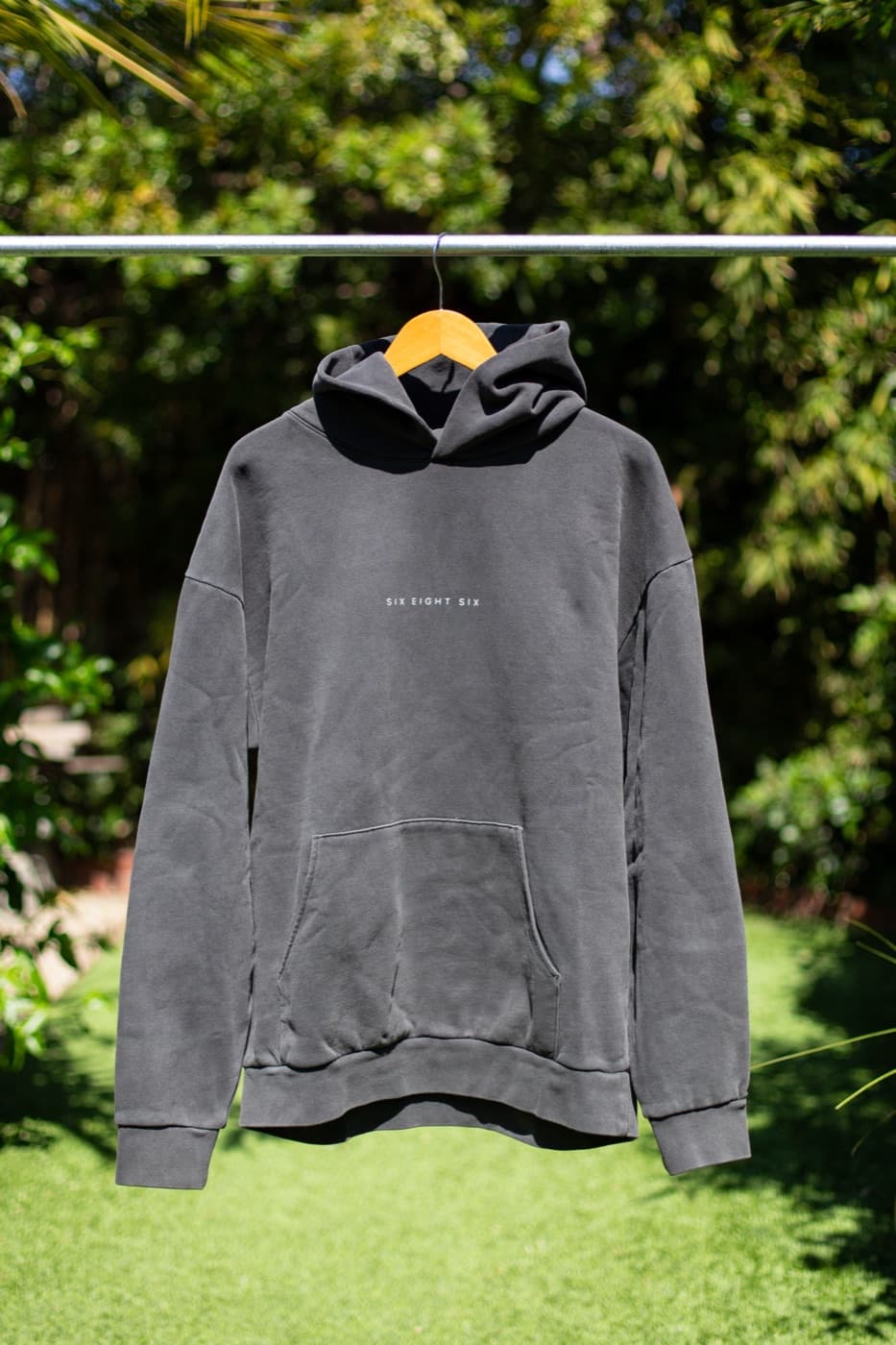
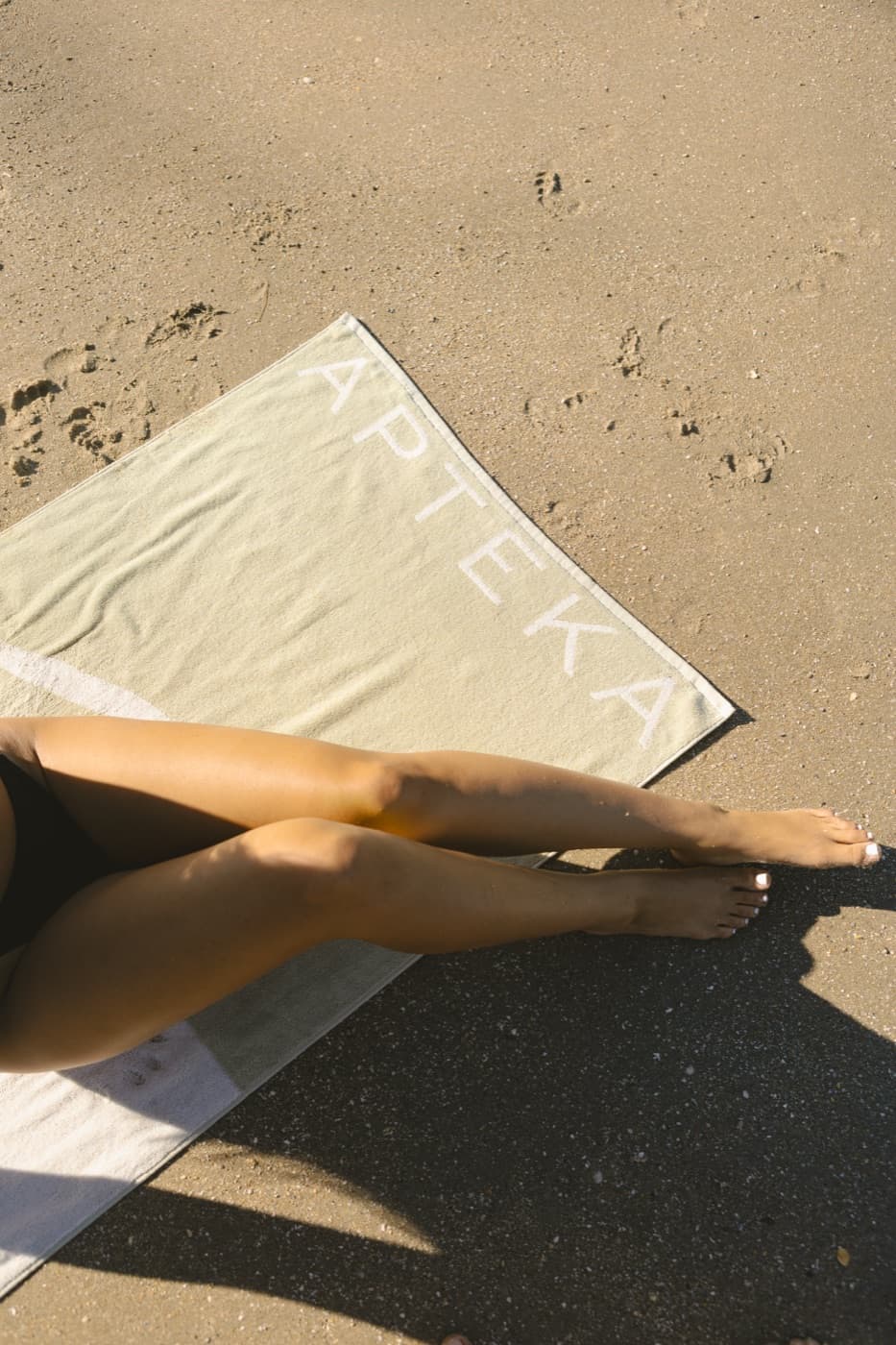
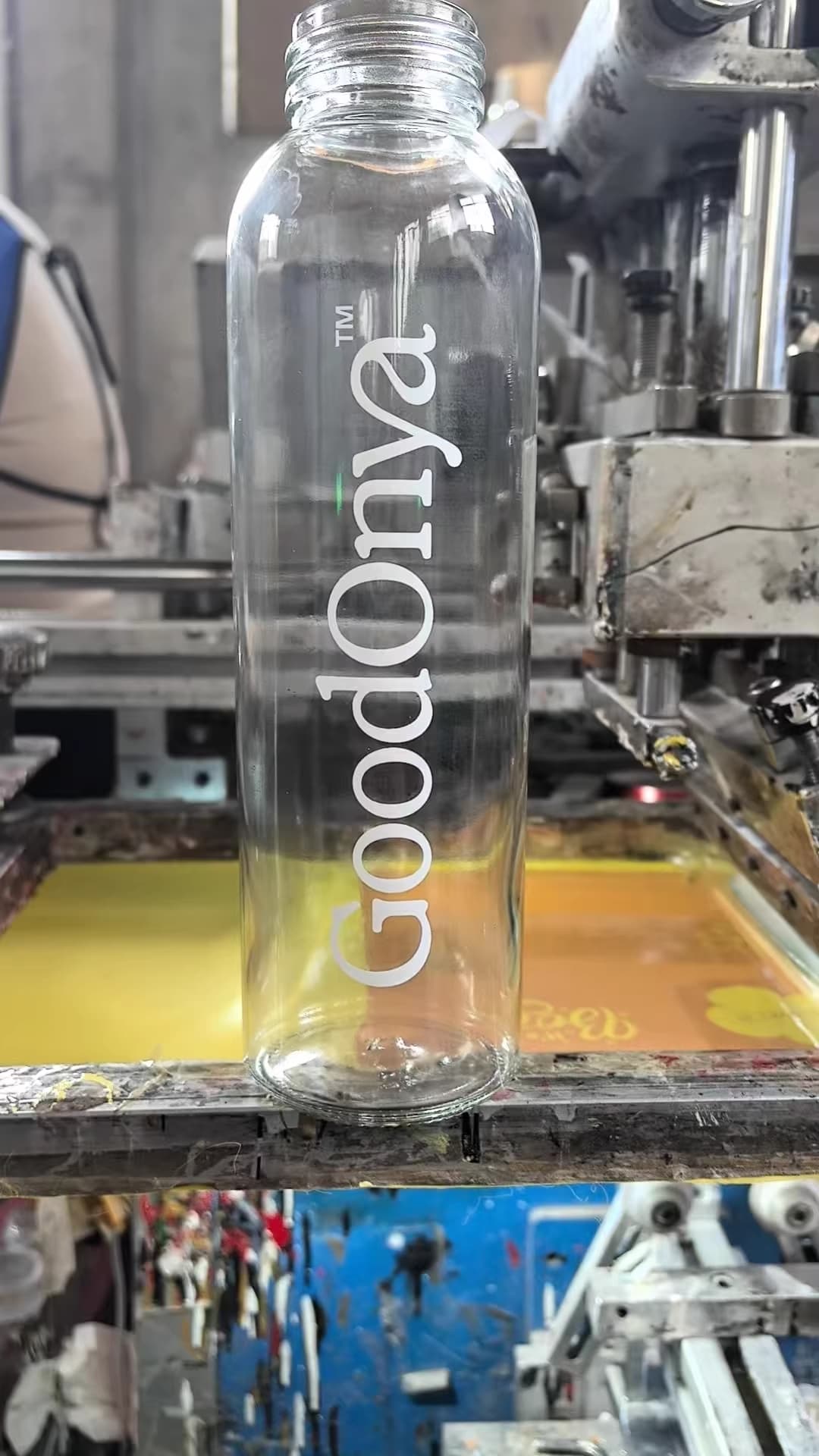
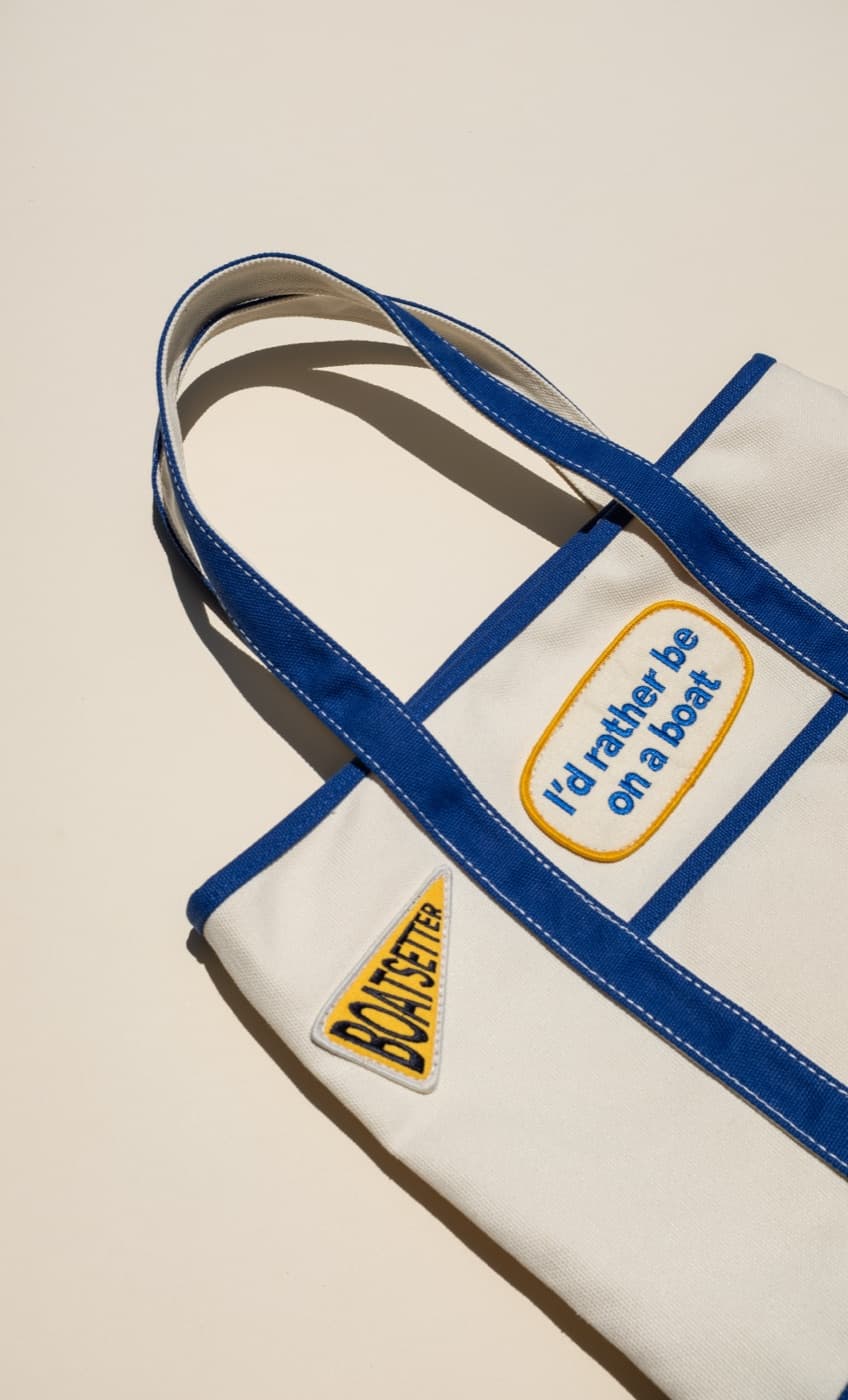
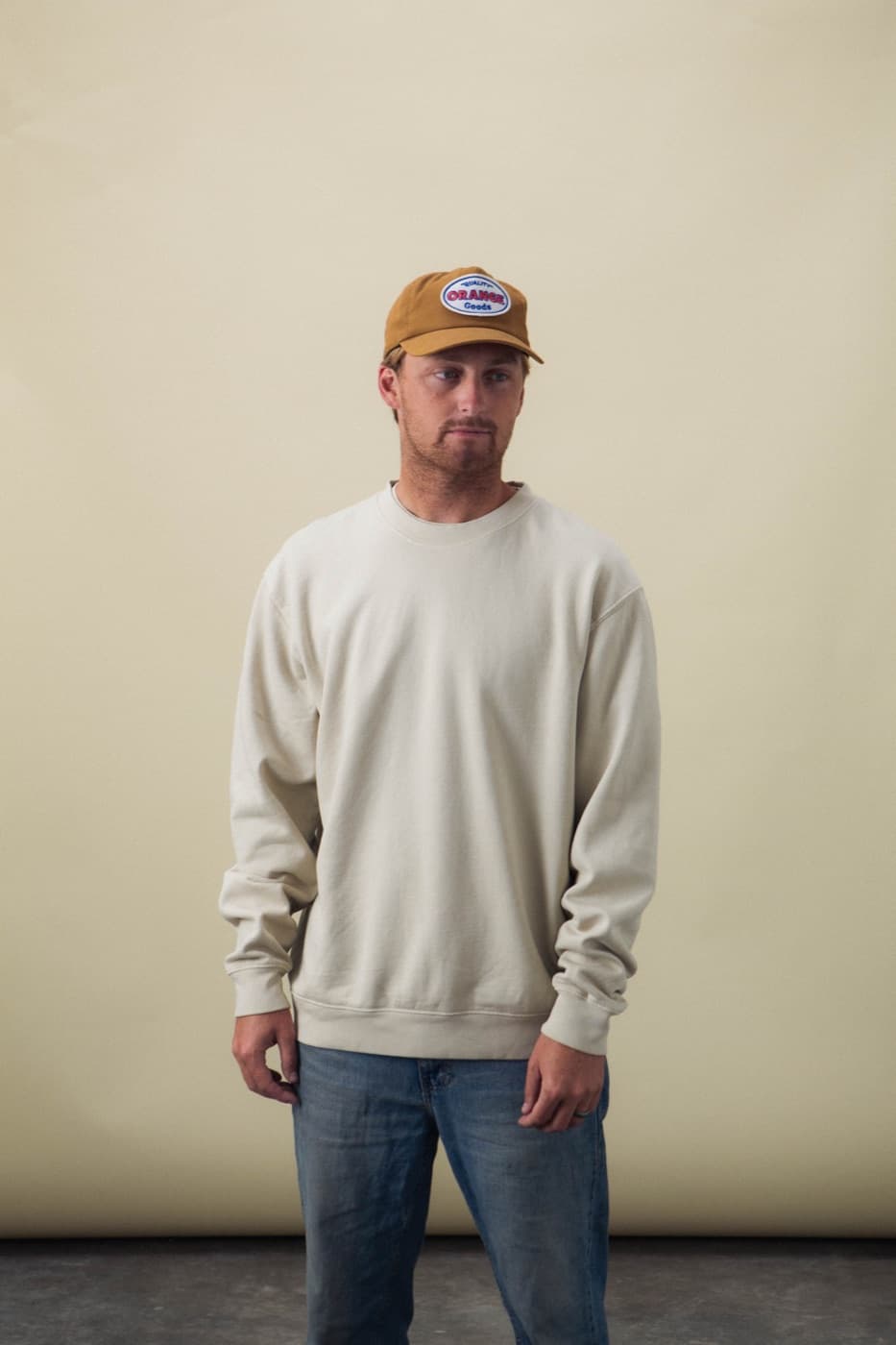
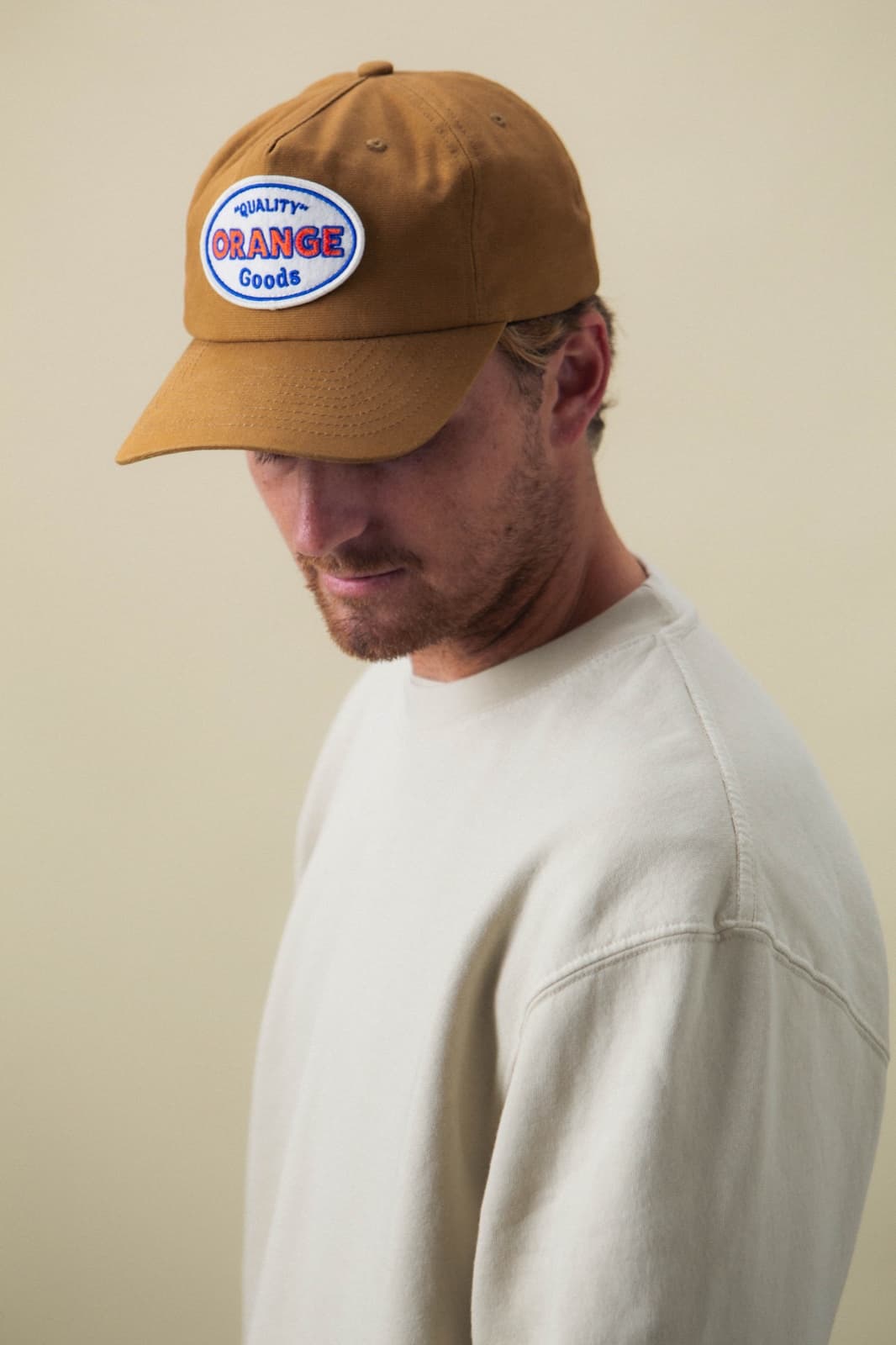
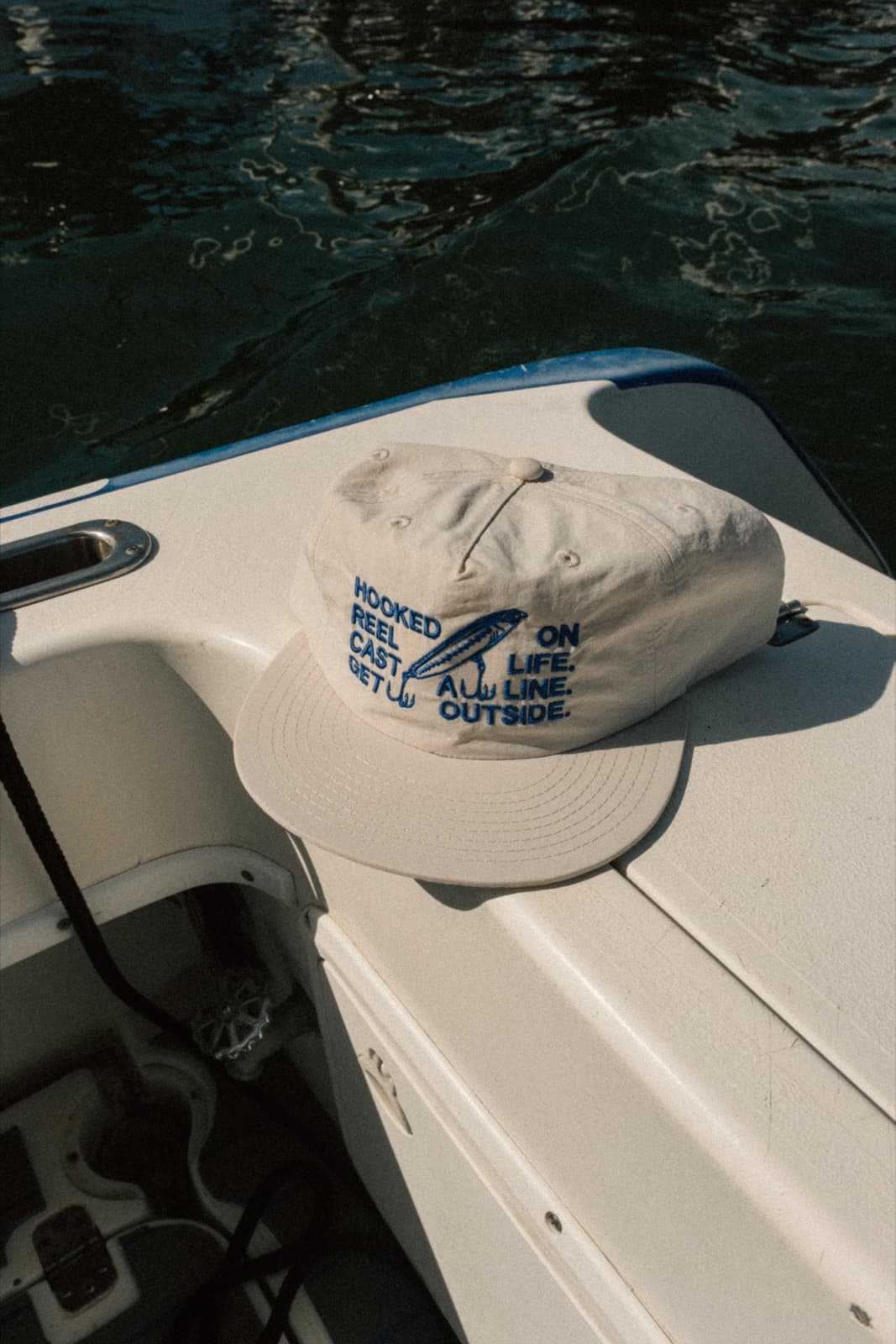
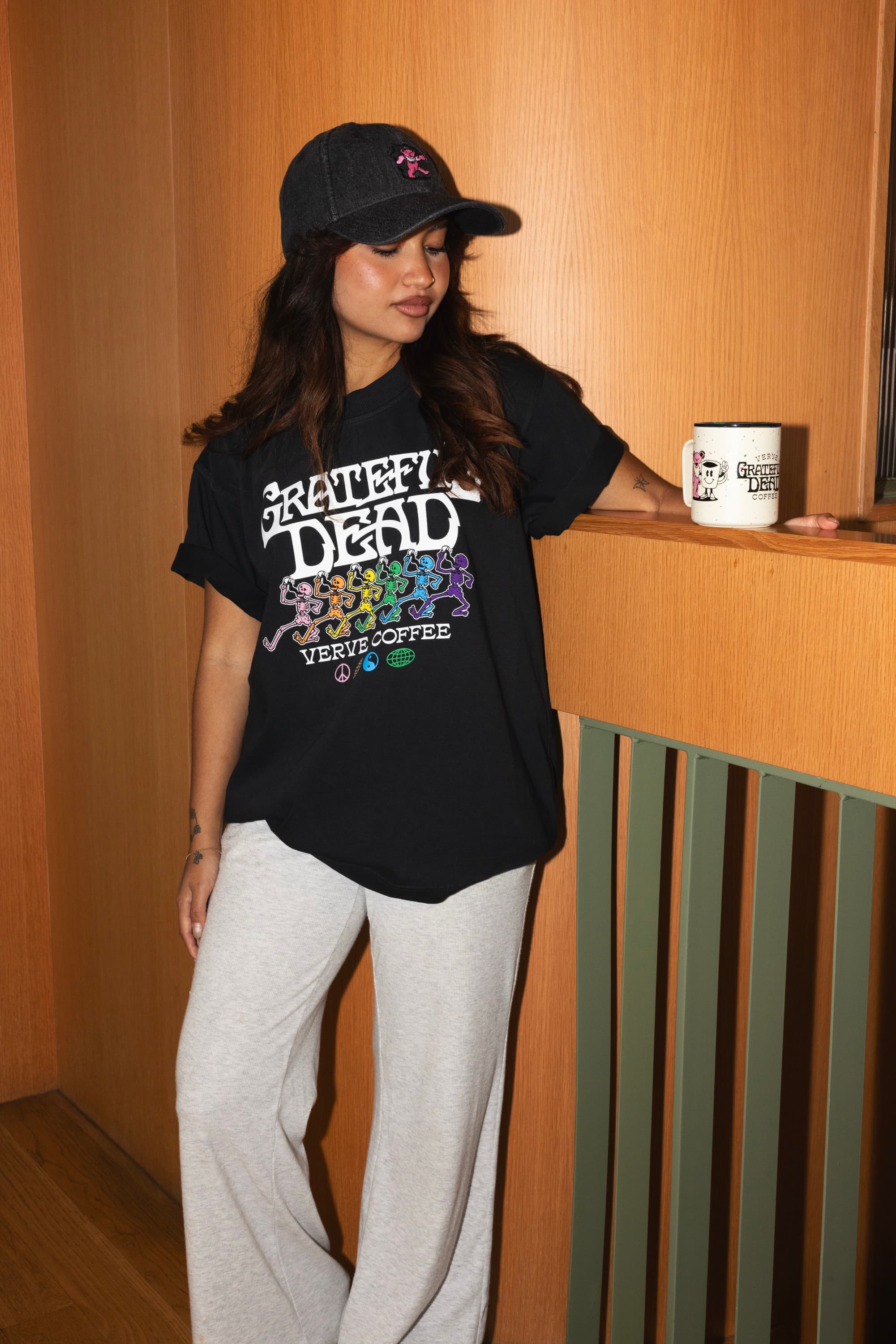
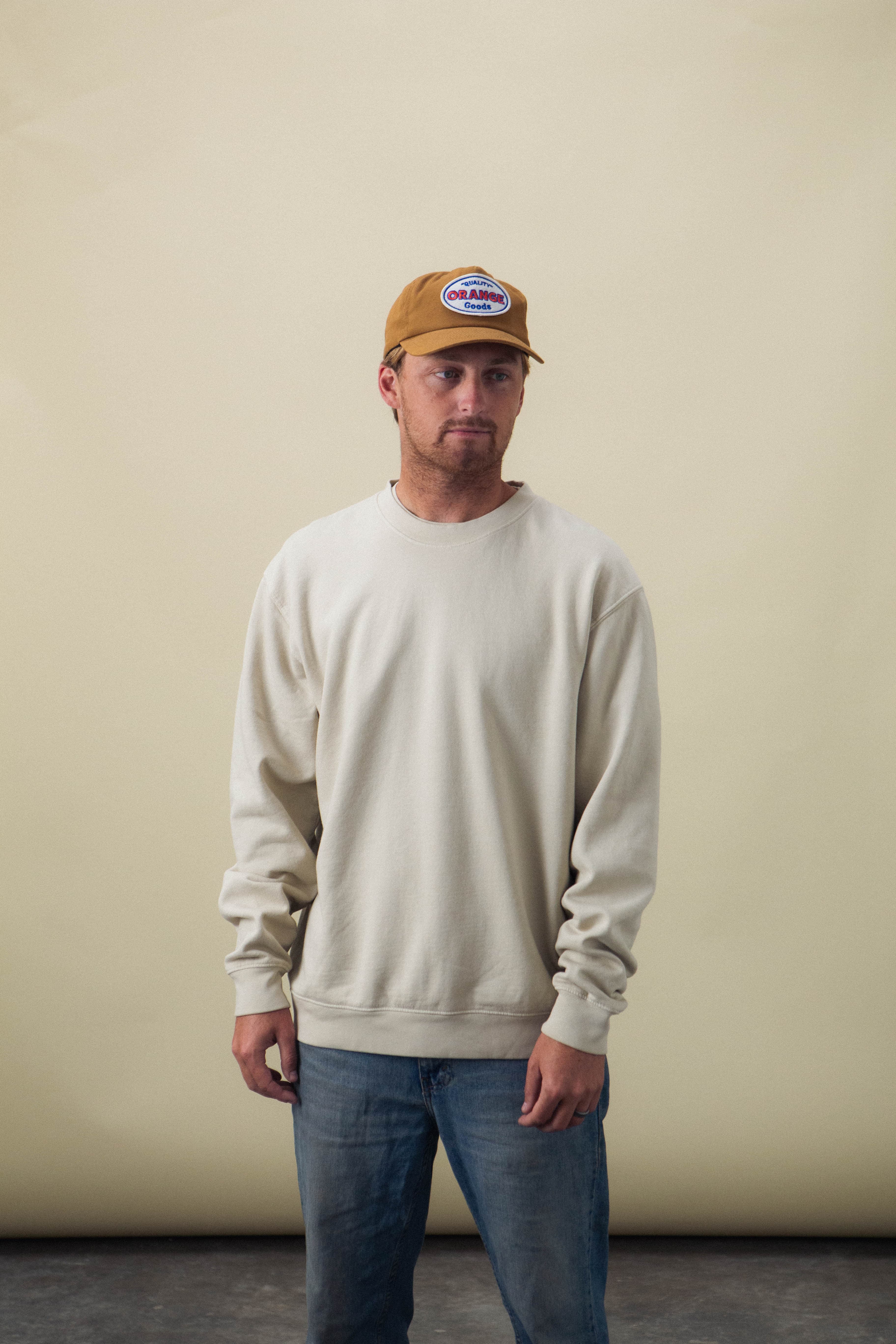
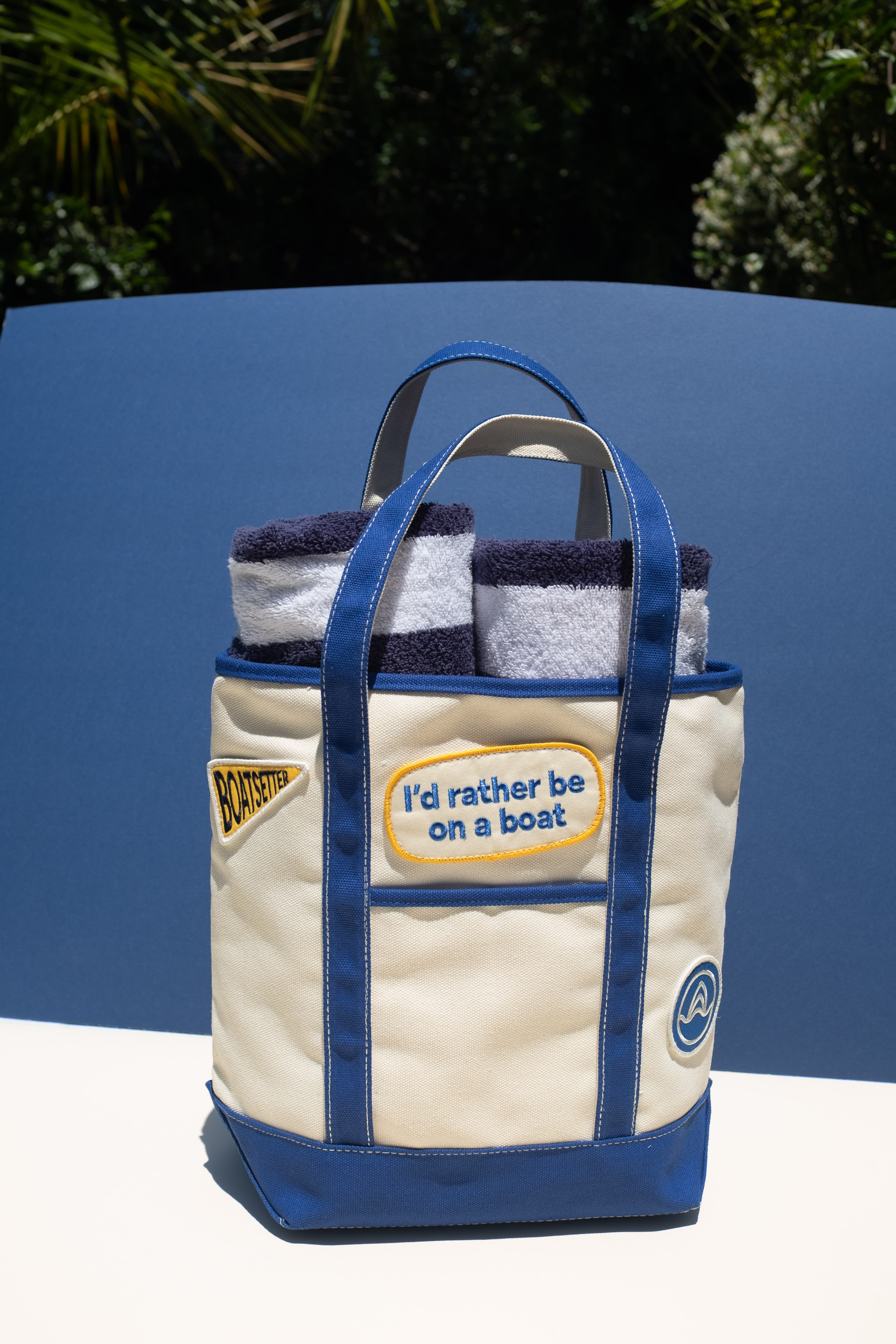
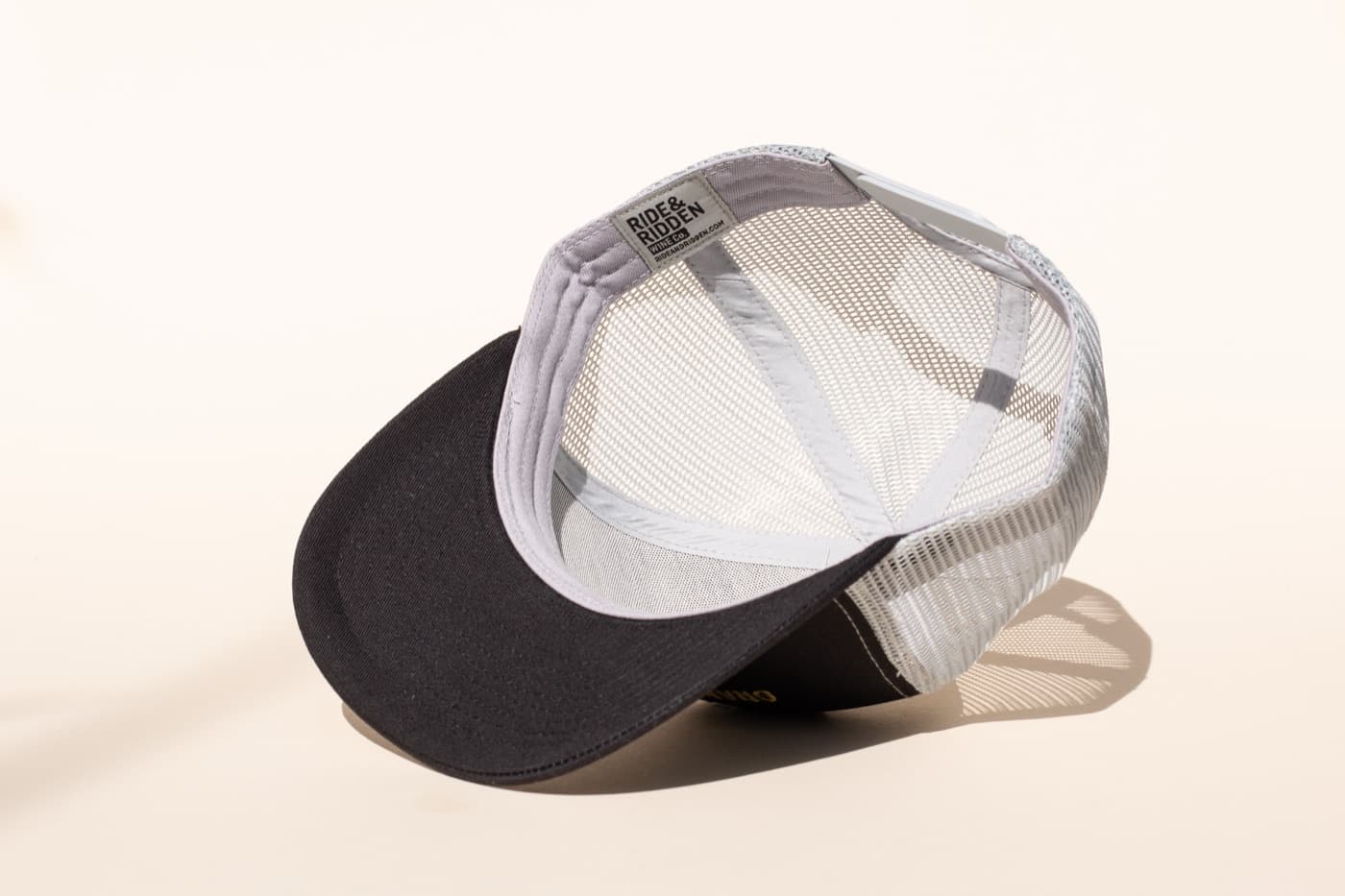
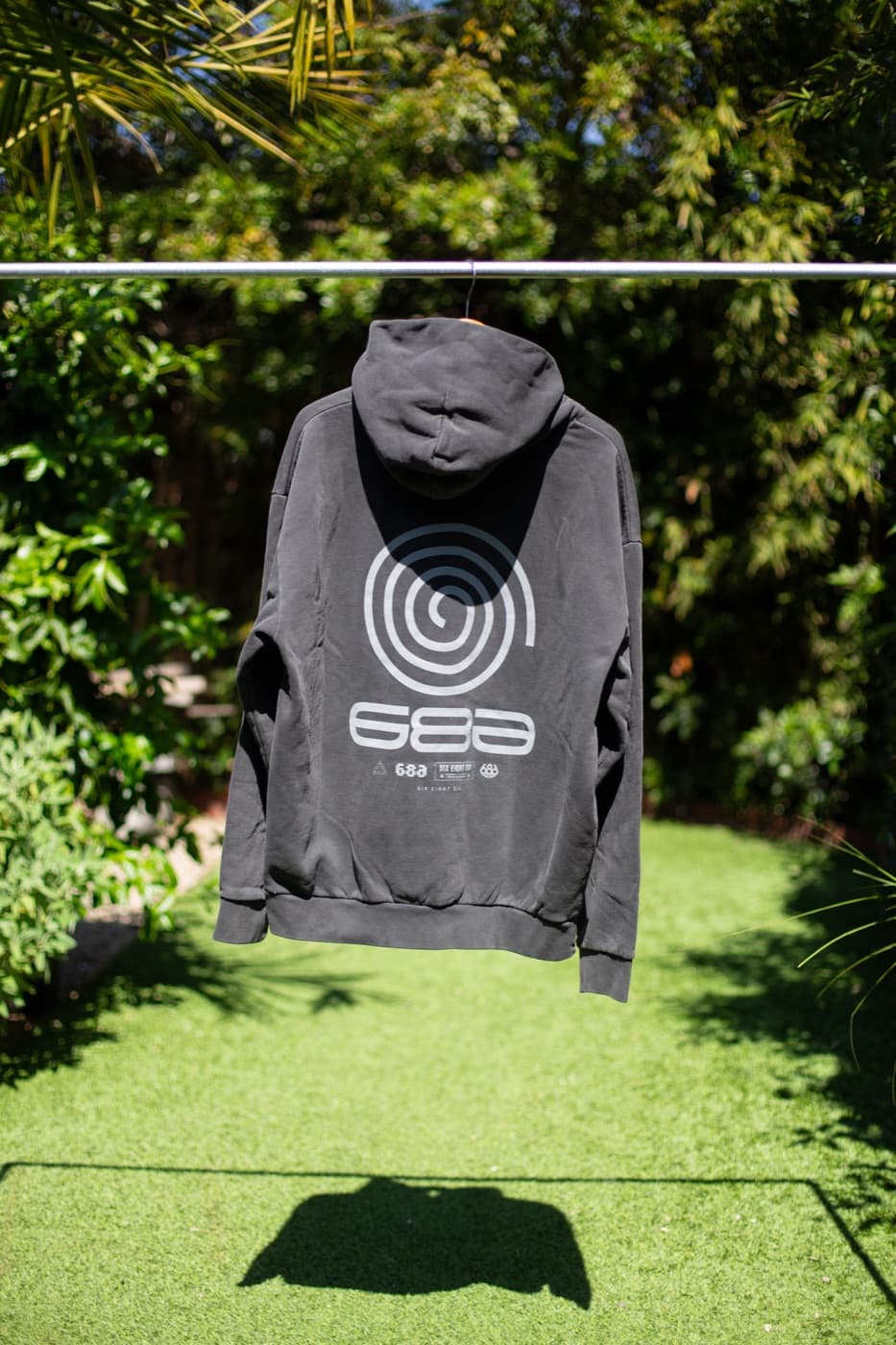
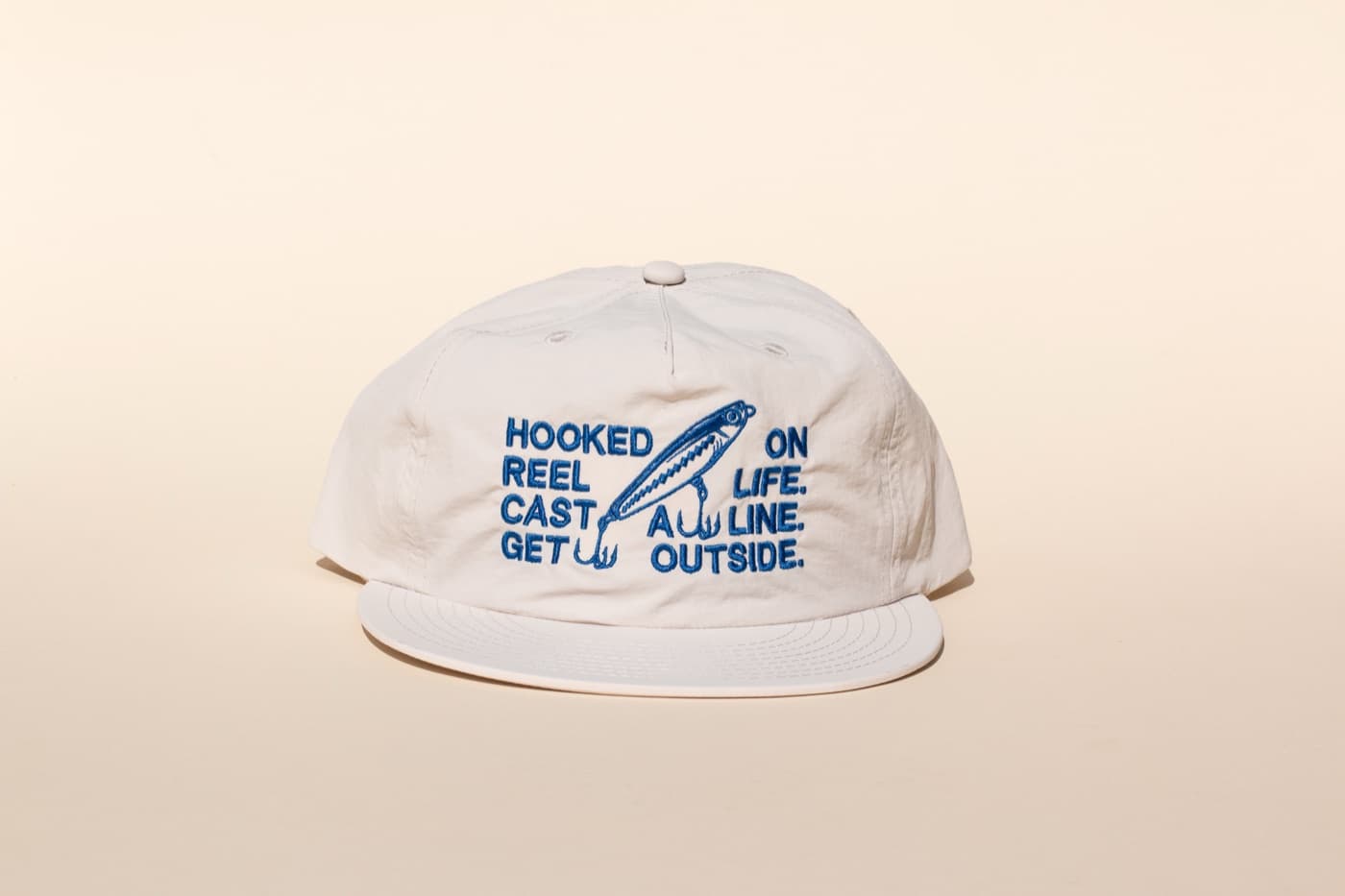
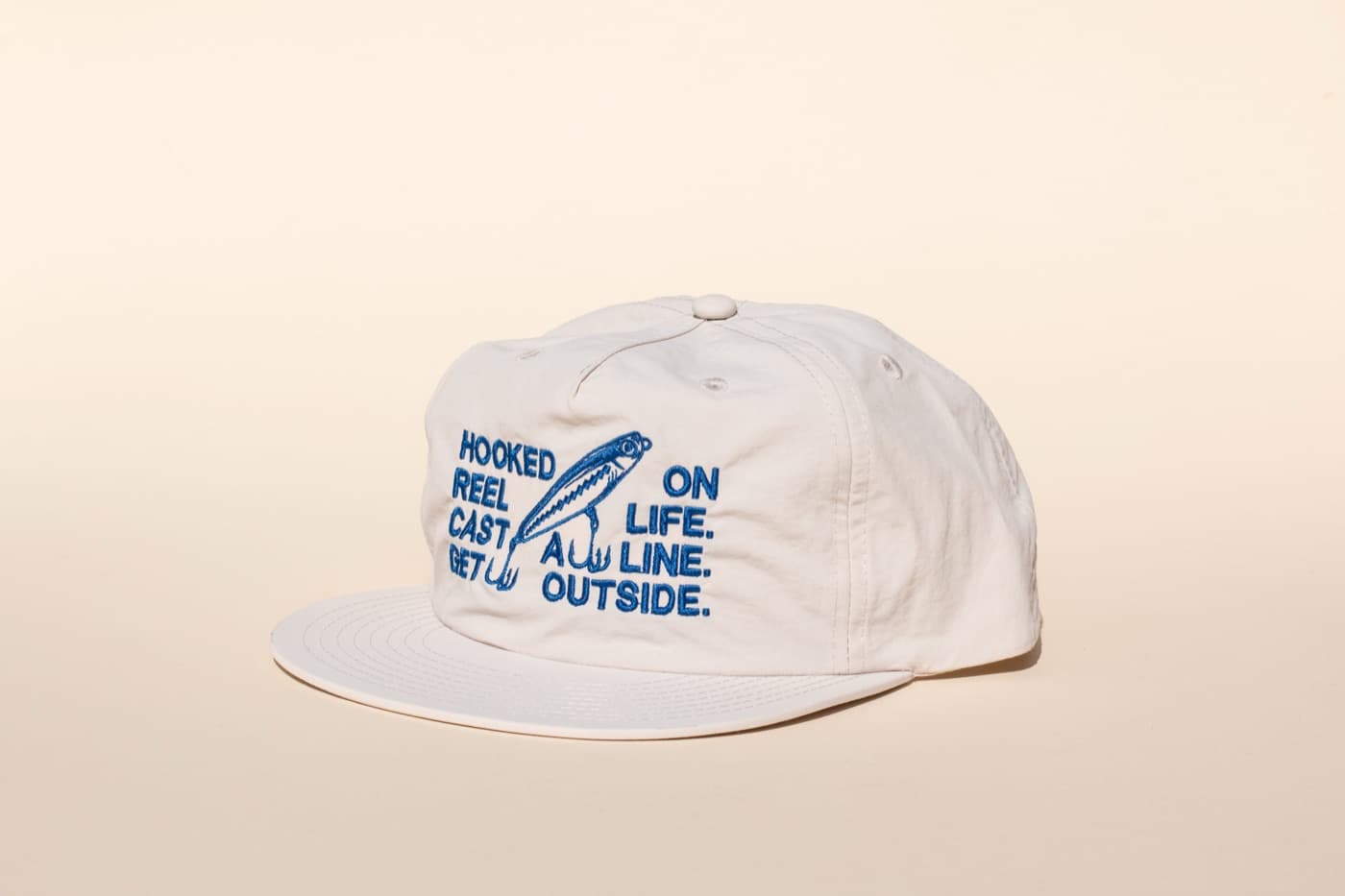
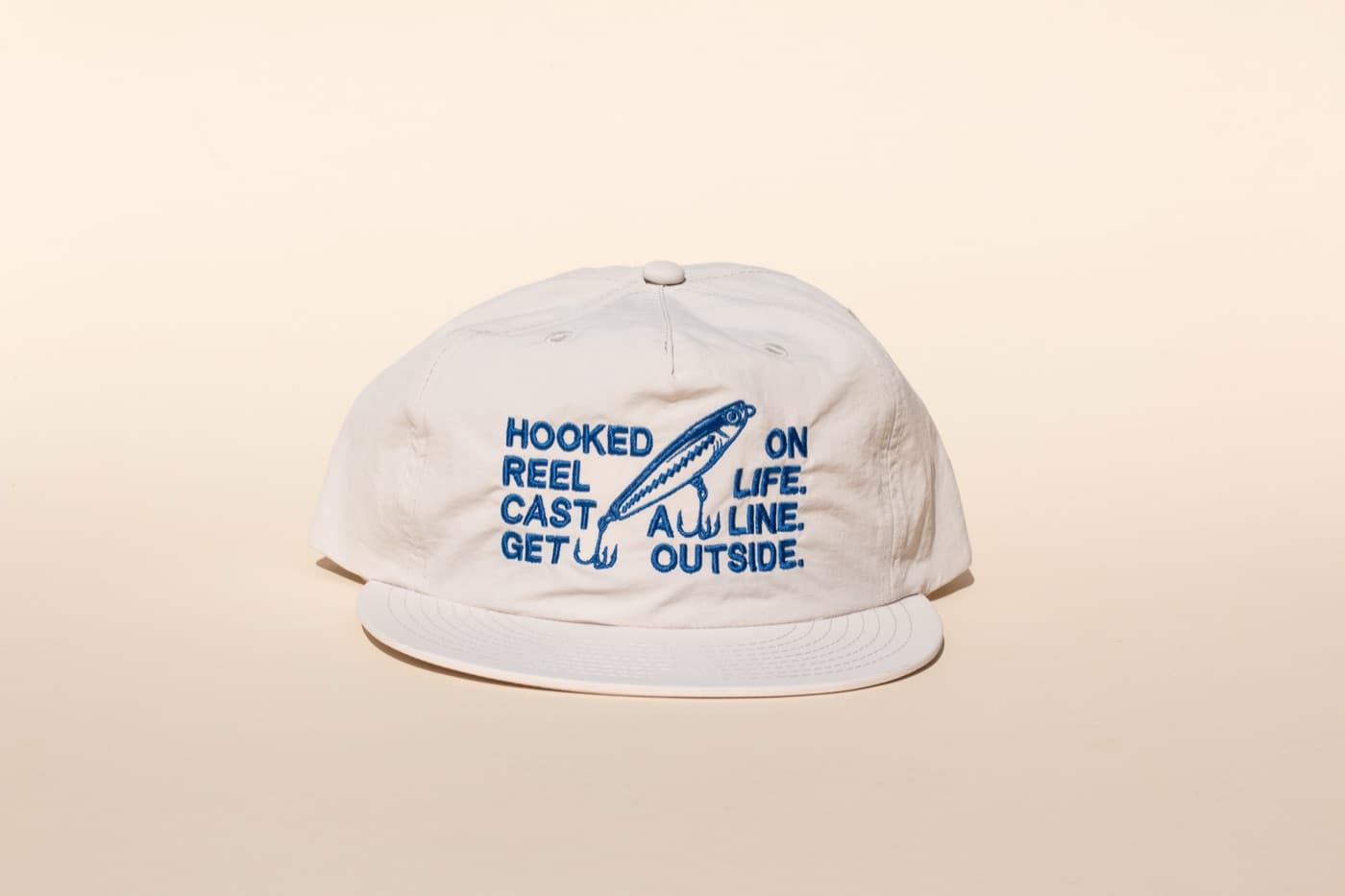
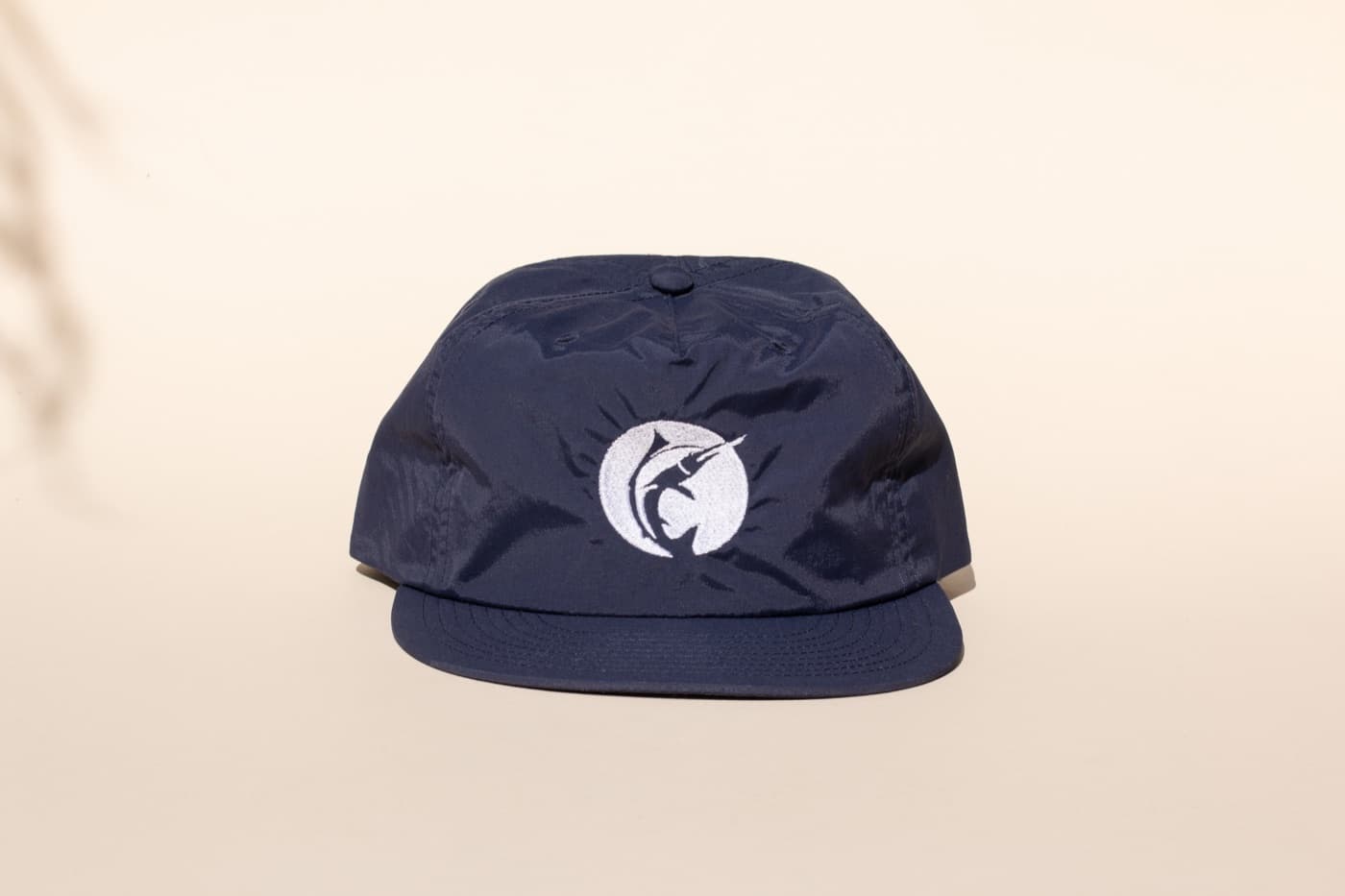
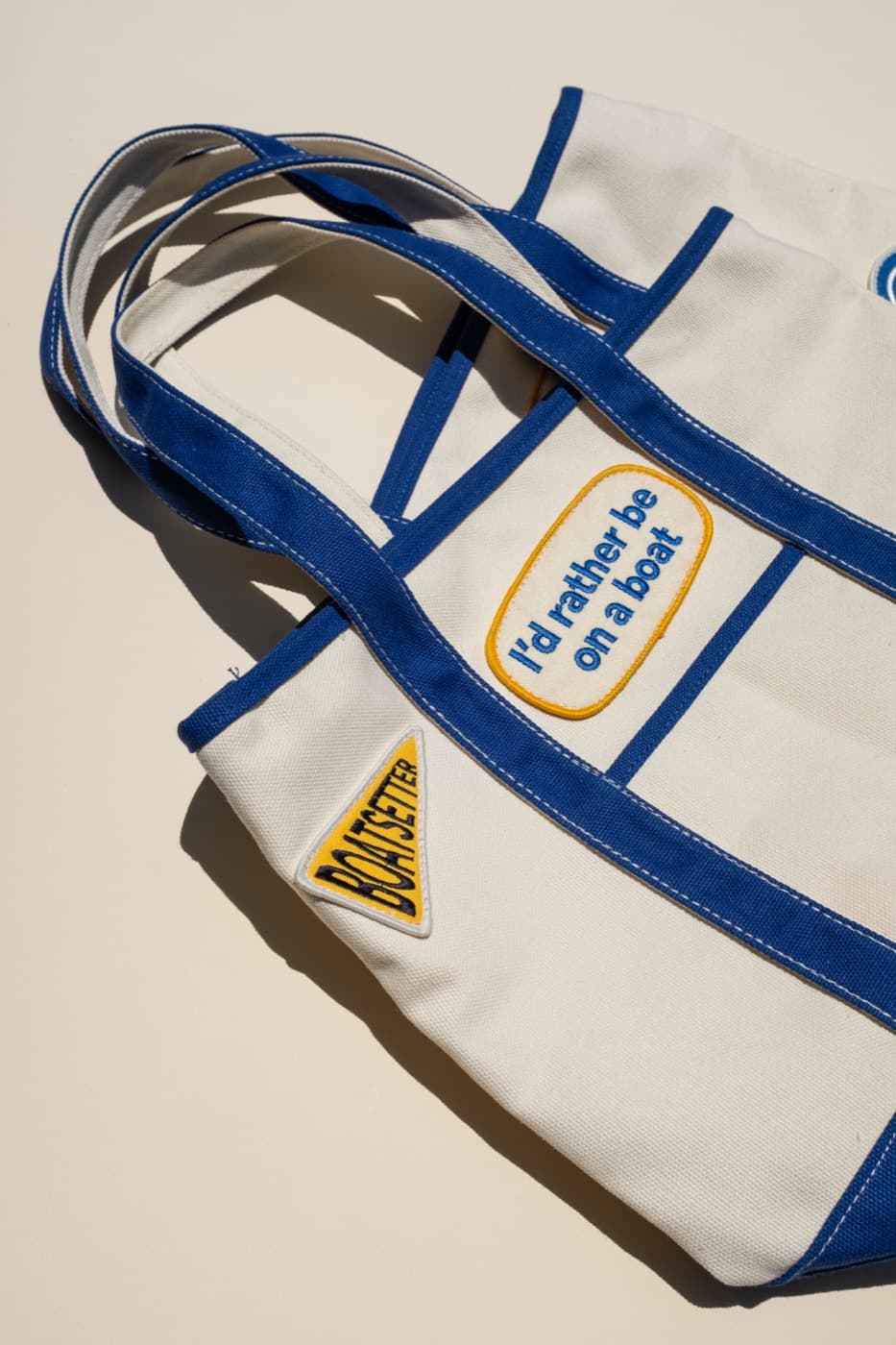
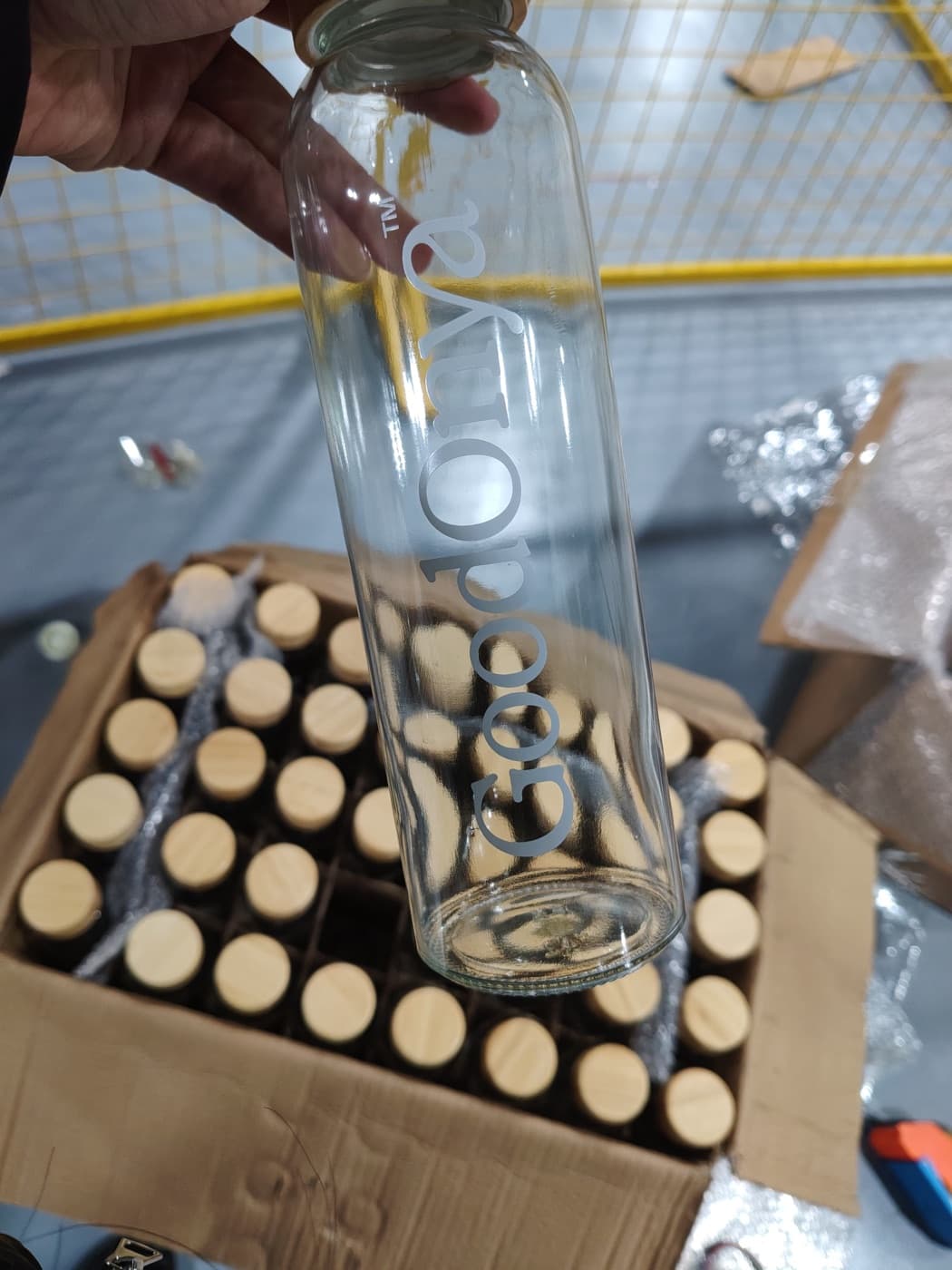
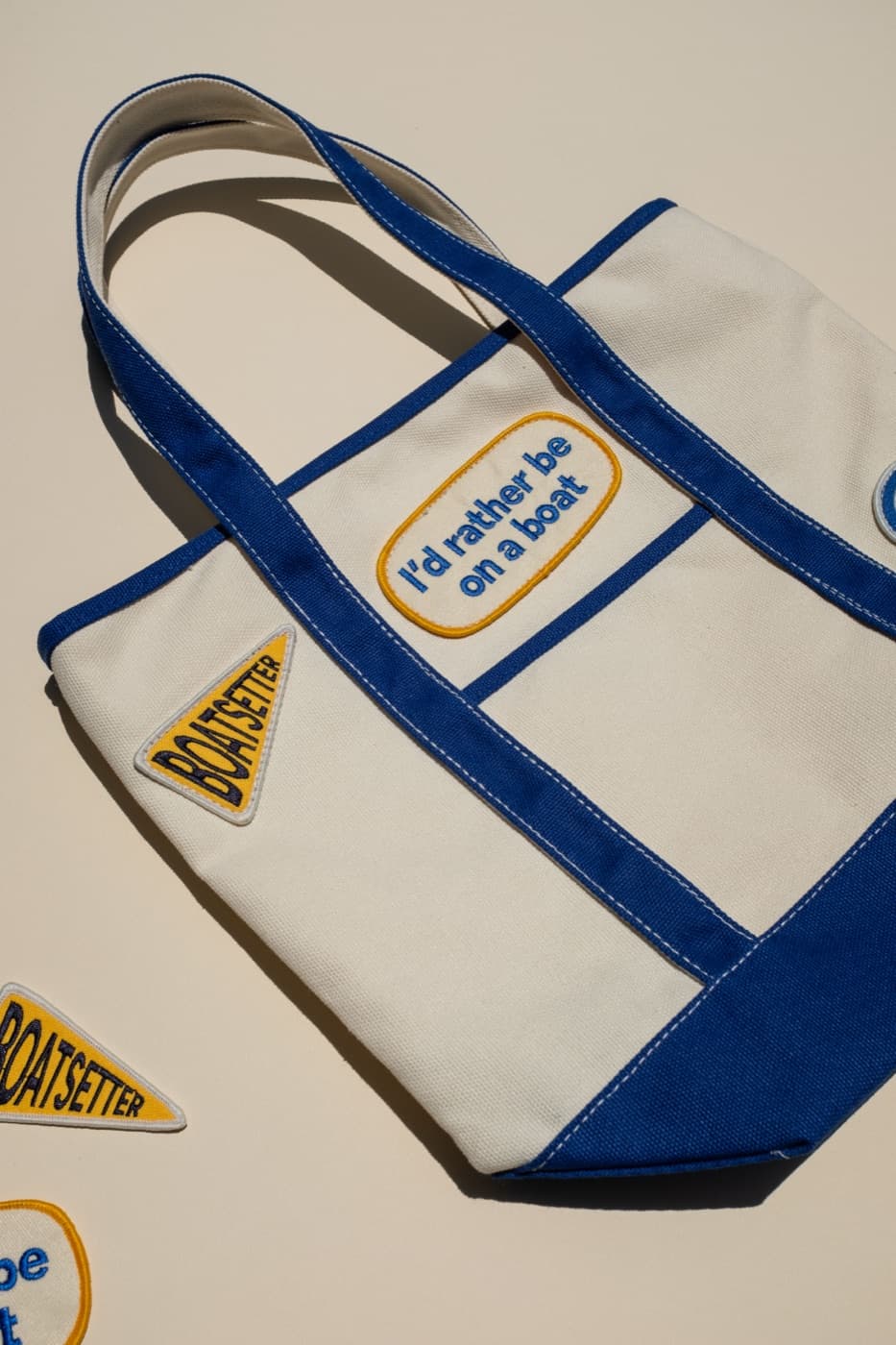
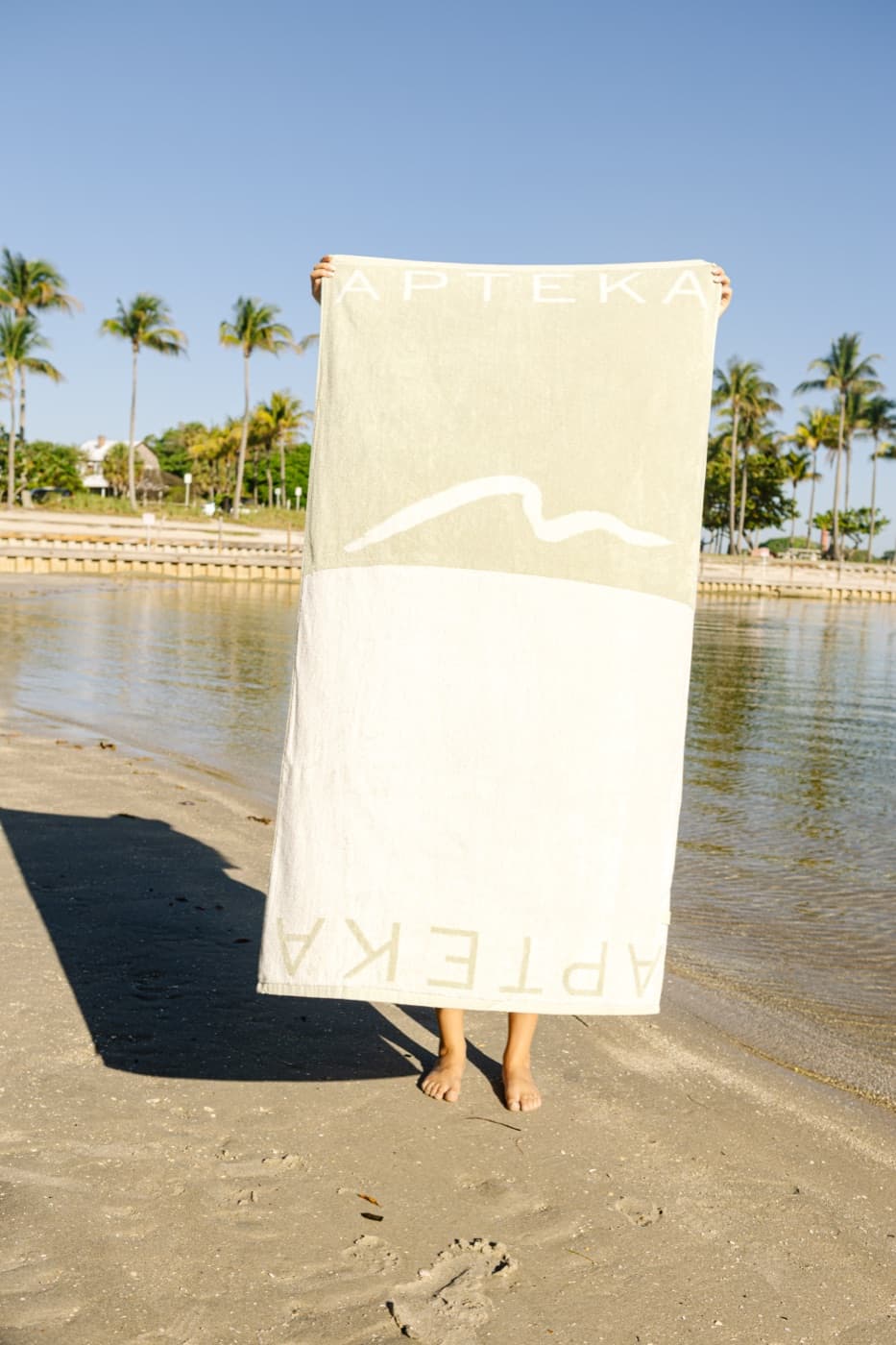
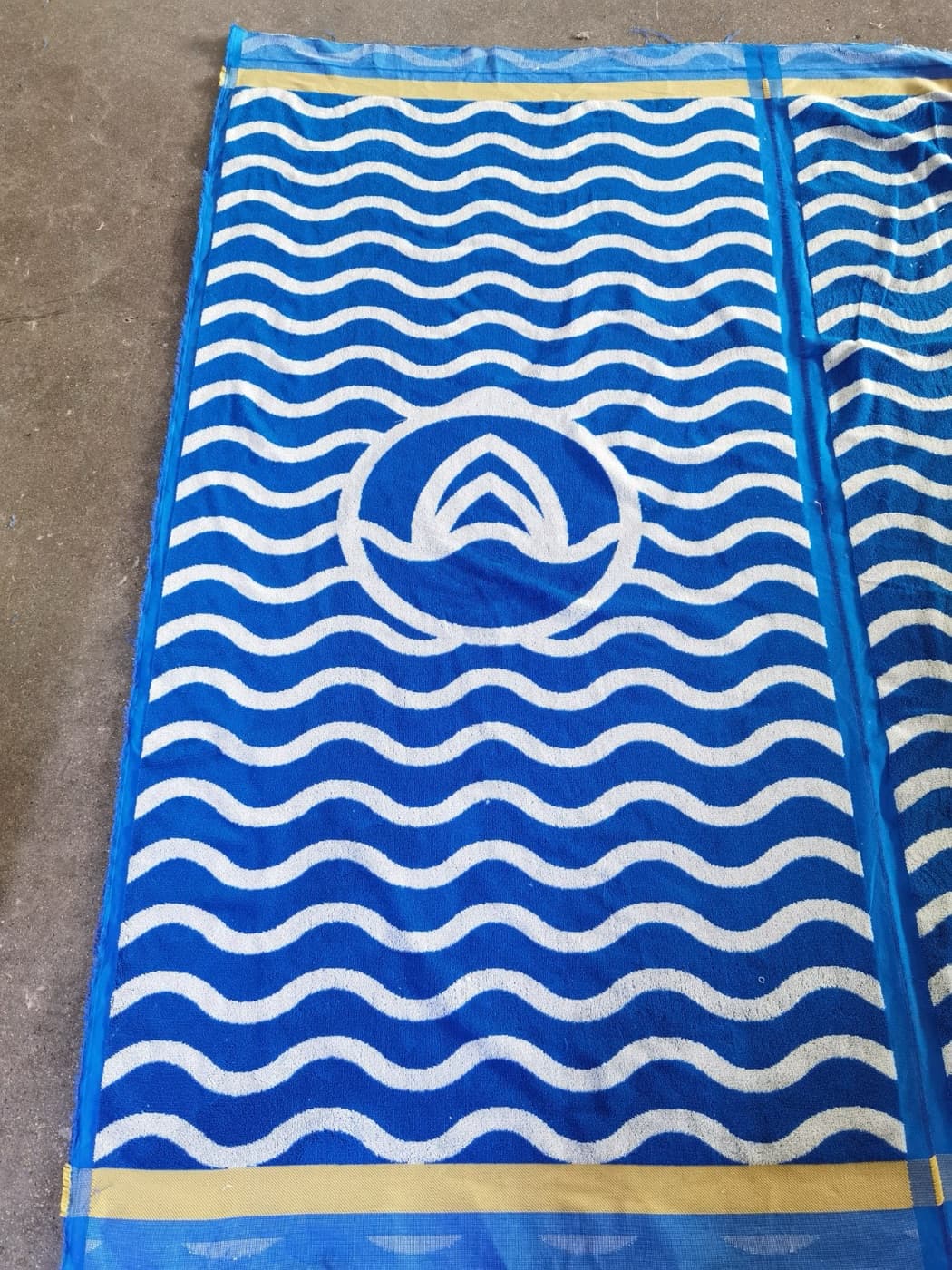
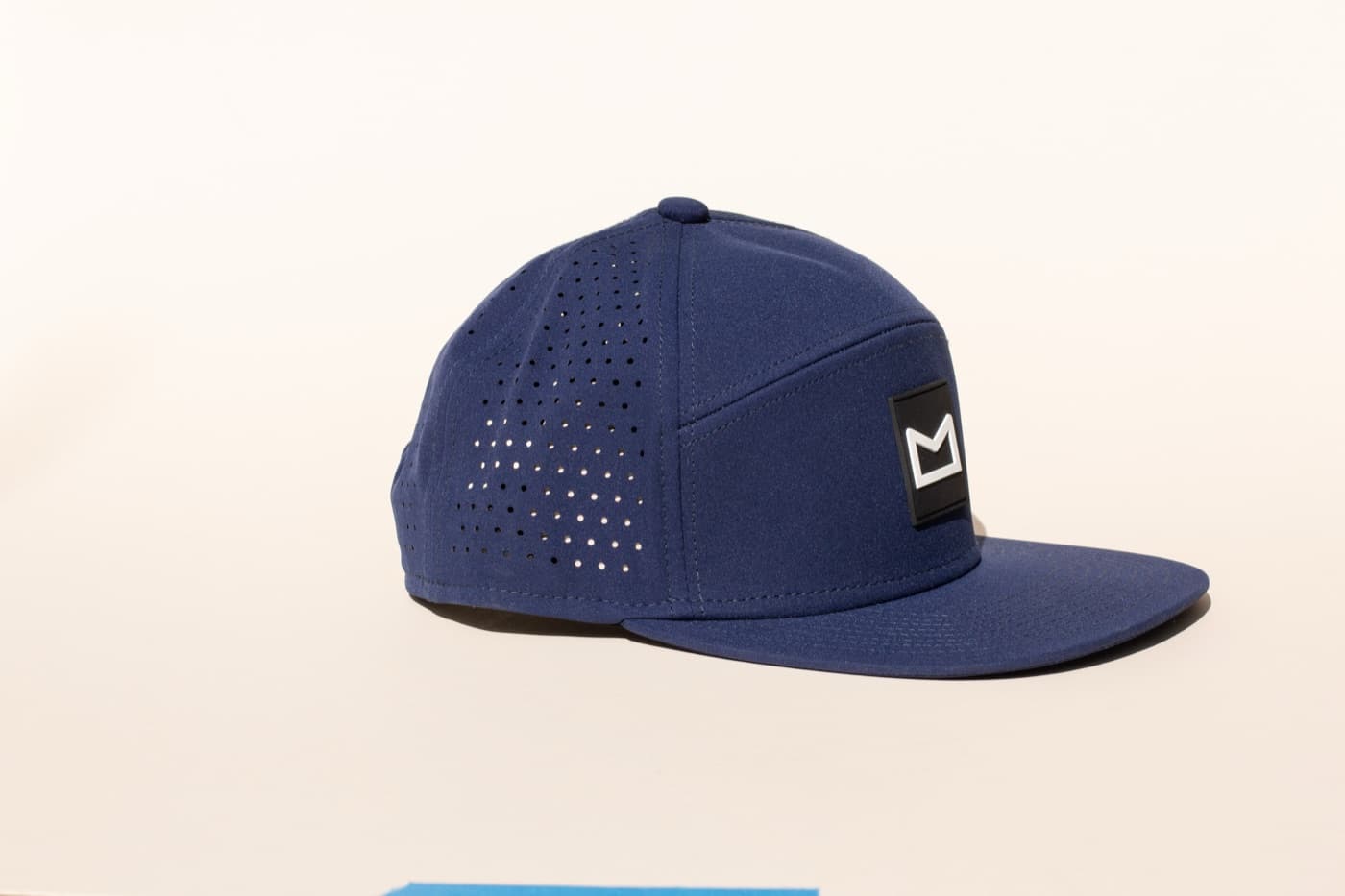
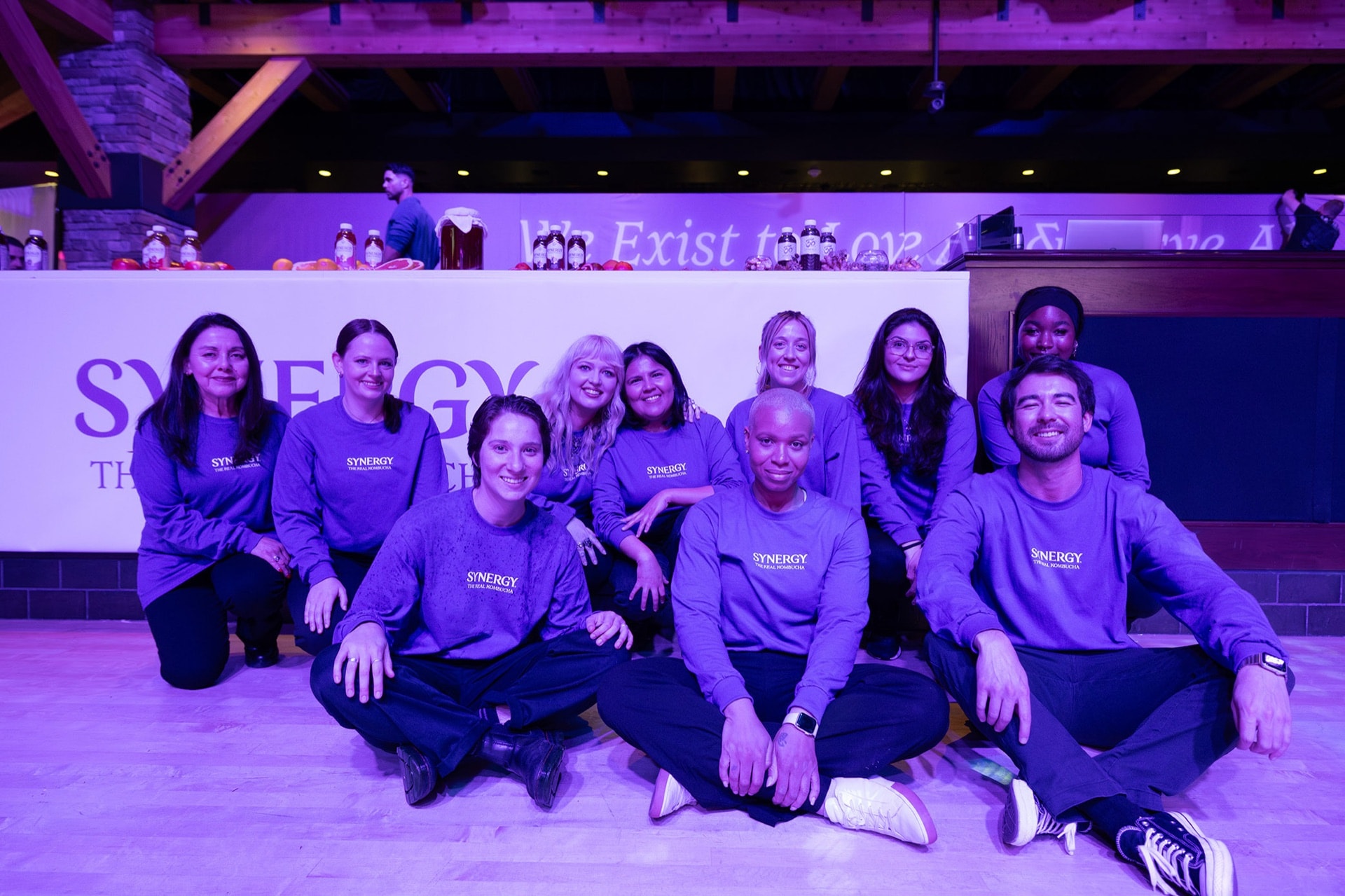
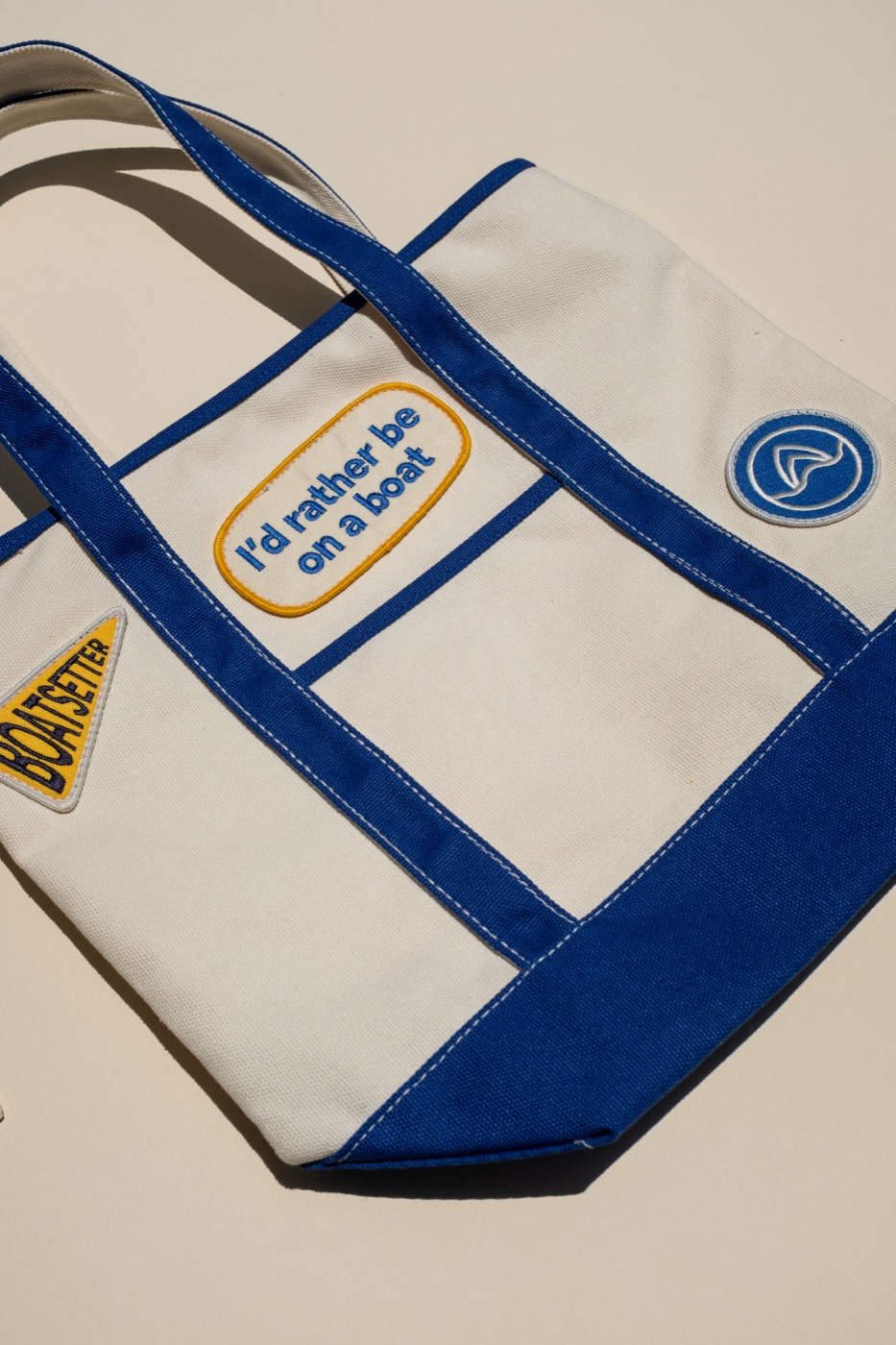
The most useful activation items solve event-day problems. A tote carries samples, purchases, and printed material. A hat gives staff and ambassadors a visible uniform. A bottle or tumbler supports a long day on site. A towel makes sense for beach, wellness, fitness, hotel, and outdoor activations. A tee or hoodie can turn the team into part of the environment.
Merch that is useful during the event is more likely to be kept after the event. If someone is carrying the tote all day, using the bottle, or wearing the hat in photos, the item has already entered their routine before they leave.
Design for photos without becoming a prop
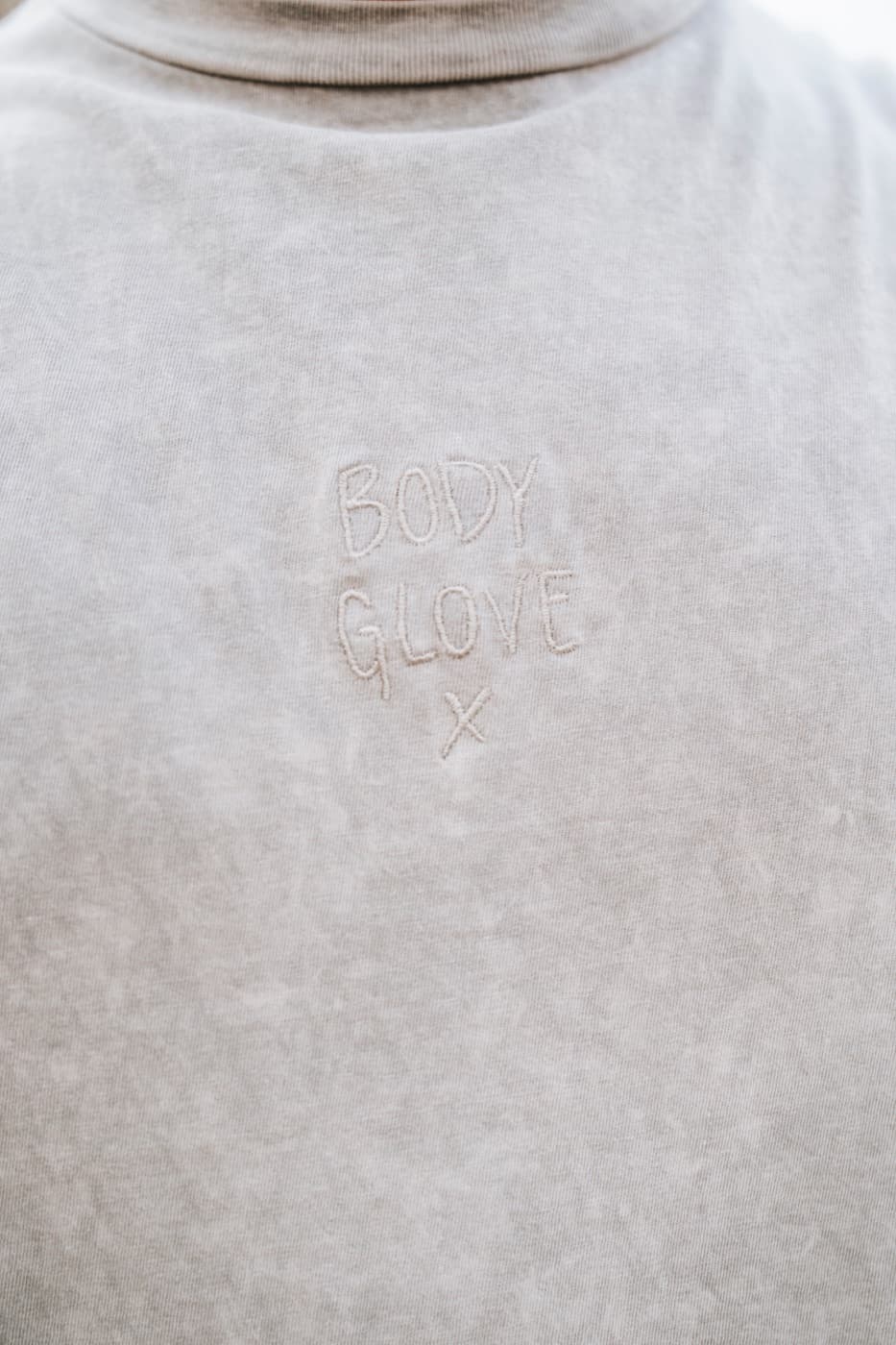
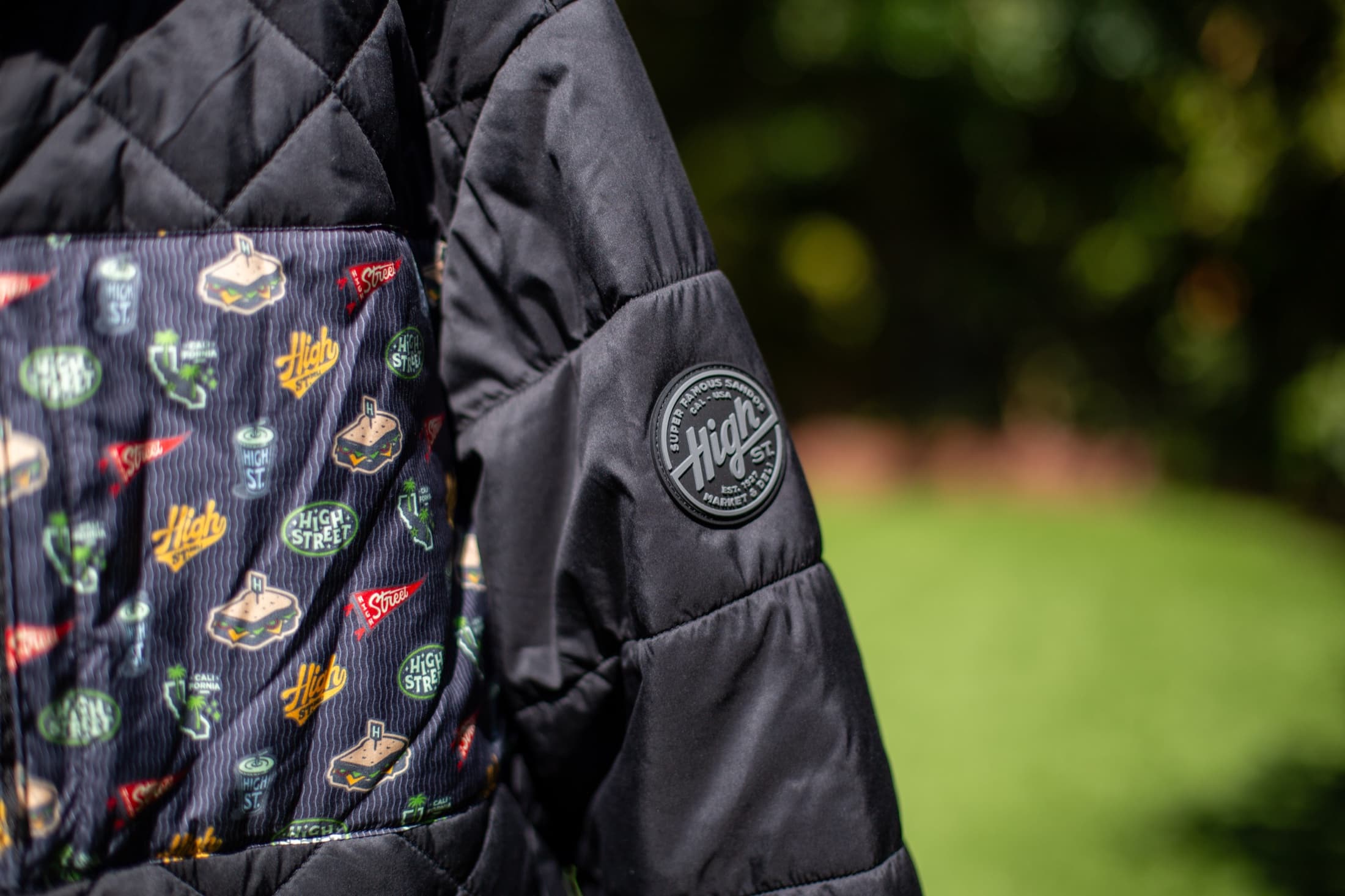
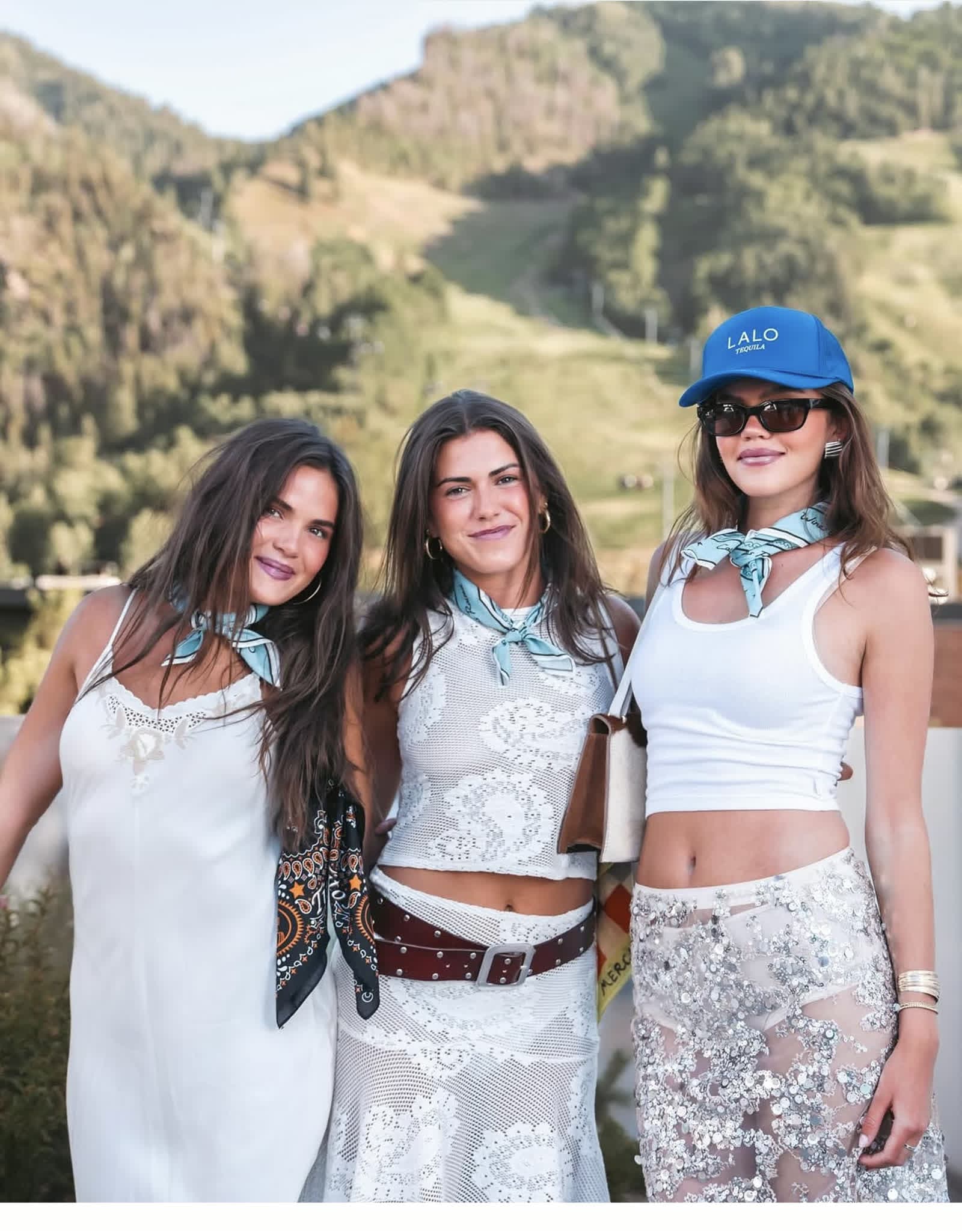
Launch merch often needs to photograph well. That does not mean it should be loud or costume-like. It means the colors, scale, and placement should be visible enough in real environments. A subtle tonal logo might be beautiful in hand but disappear in event photos. A huge logo might photograph clearly but never get worn again. The right answer sits between those needs.
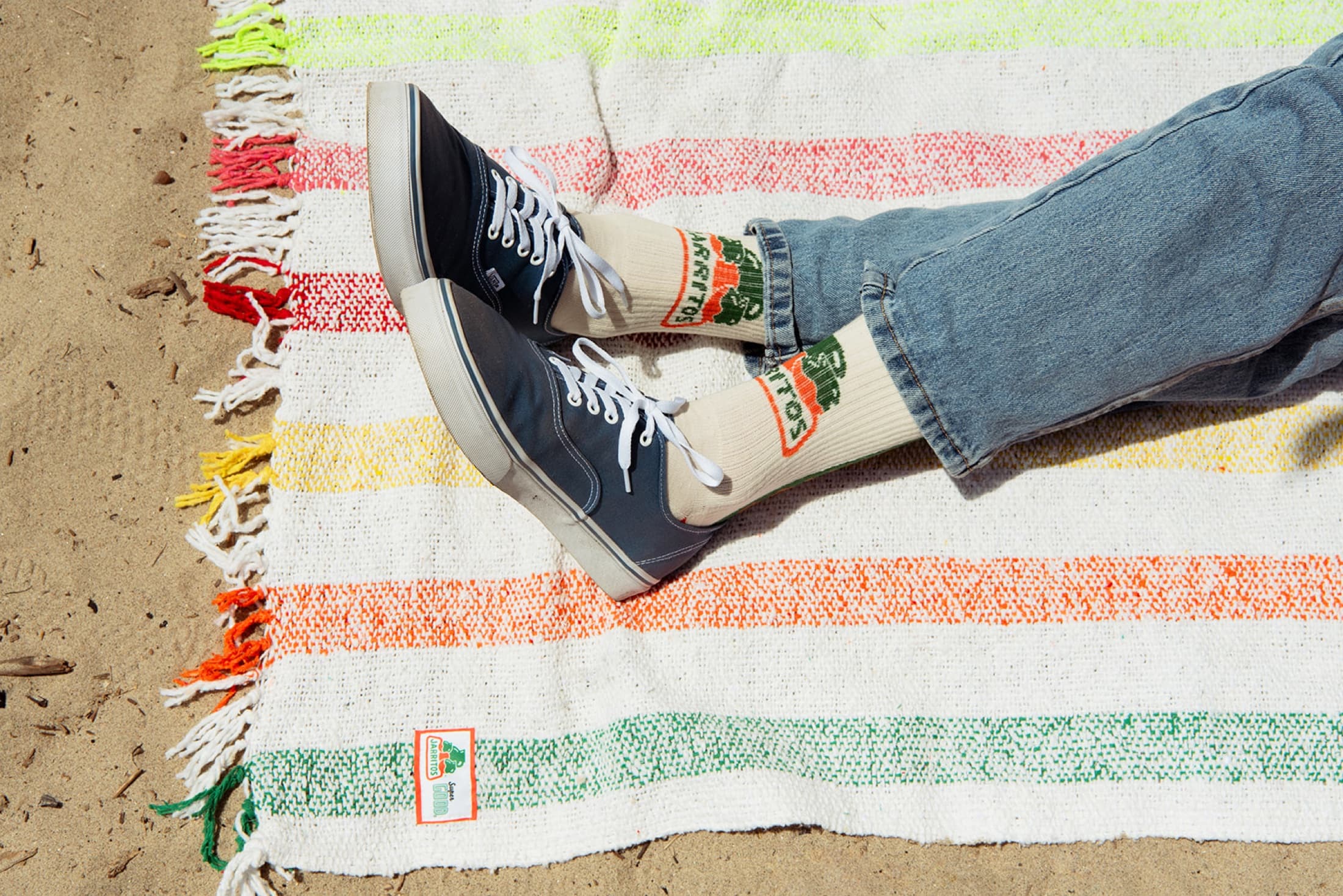
Think about the shots you want: staff at check-in, guests holding bags, creators unboxing kits, tablescape details, and product-in-use images. Design the merch so it supports those frames while still feeling like something people would use after the campaign.
Plan the timing backward
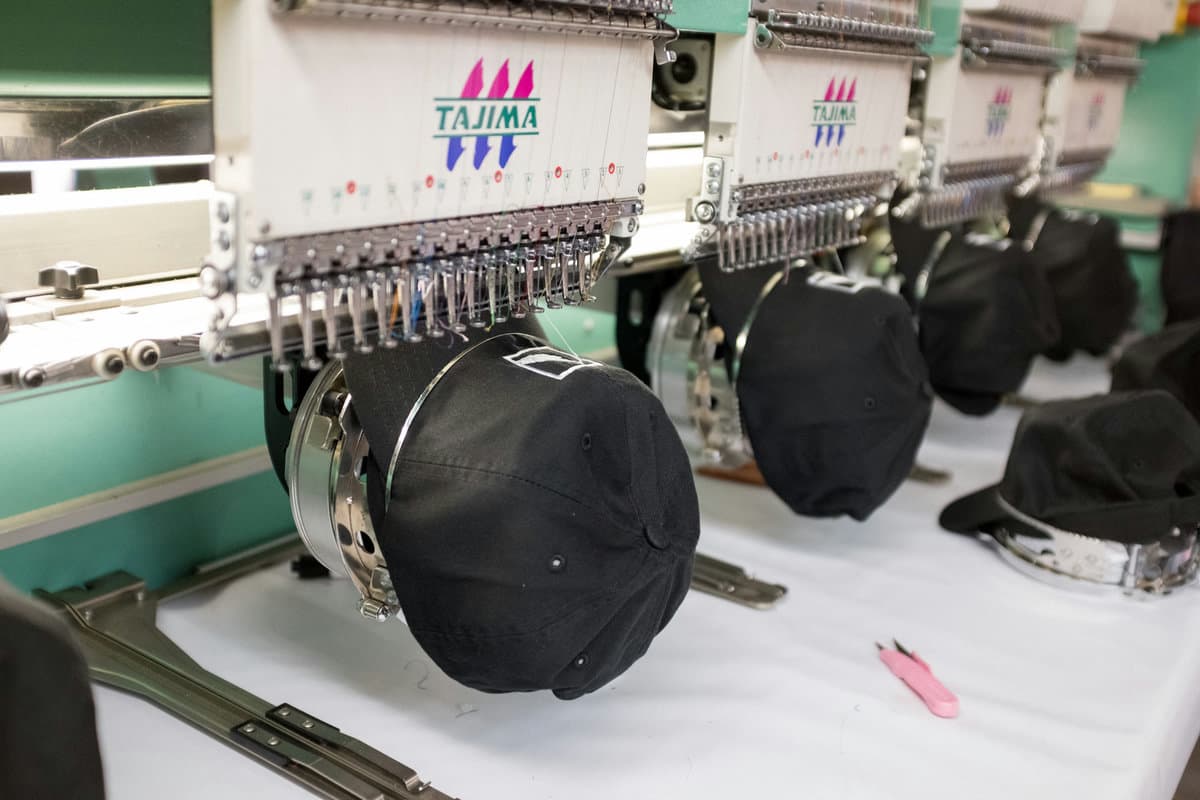
Launch dates do not move easily. Merch production does. That makes timing one of the highest-risk parts of the job. Work backward from the in-hand date, not the event date. Build in time for artwork cleanup, proof approval, production, quality control, freight, receiving, and any kitting or delivery to the venue.
For most domestic decorated goods, 3-5 weeks from approved proof is a realistic planning window. More custom components, specialty packaging, overseas production, or multi-location delivery can add time. The earlier the merch partner sees the full activation plan, the easier it is to protect the date.
Make the merch part of the system
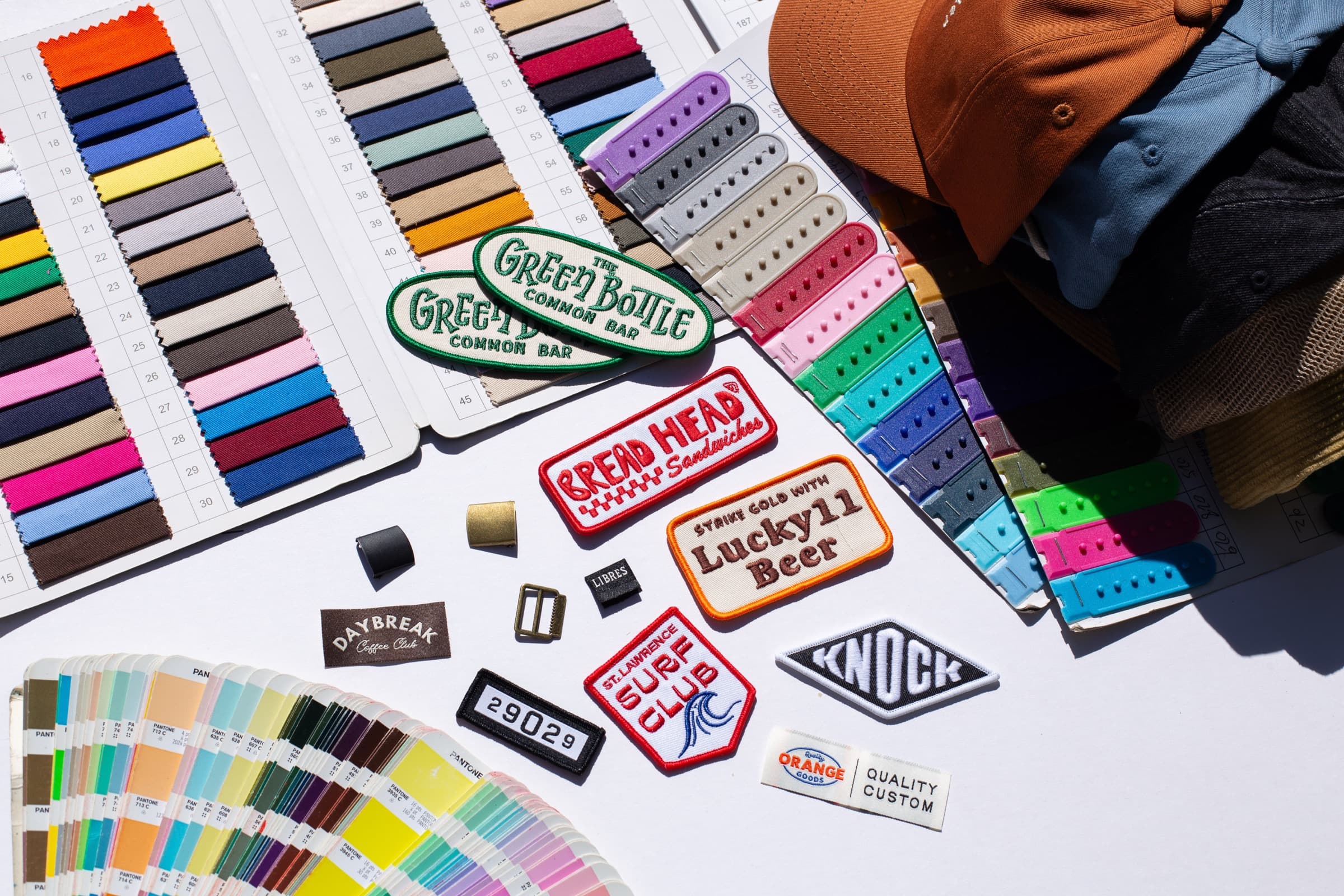
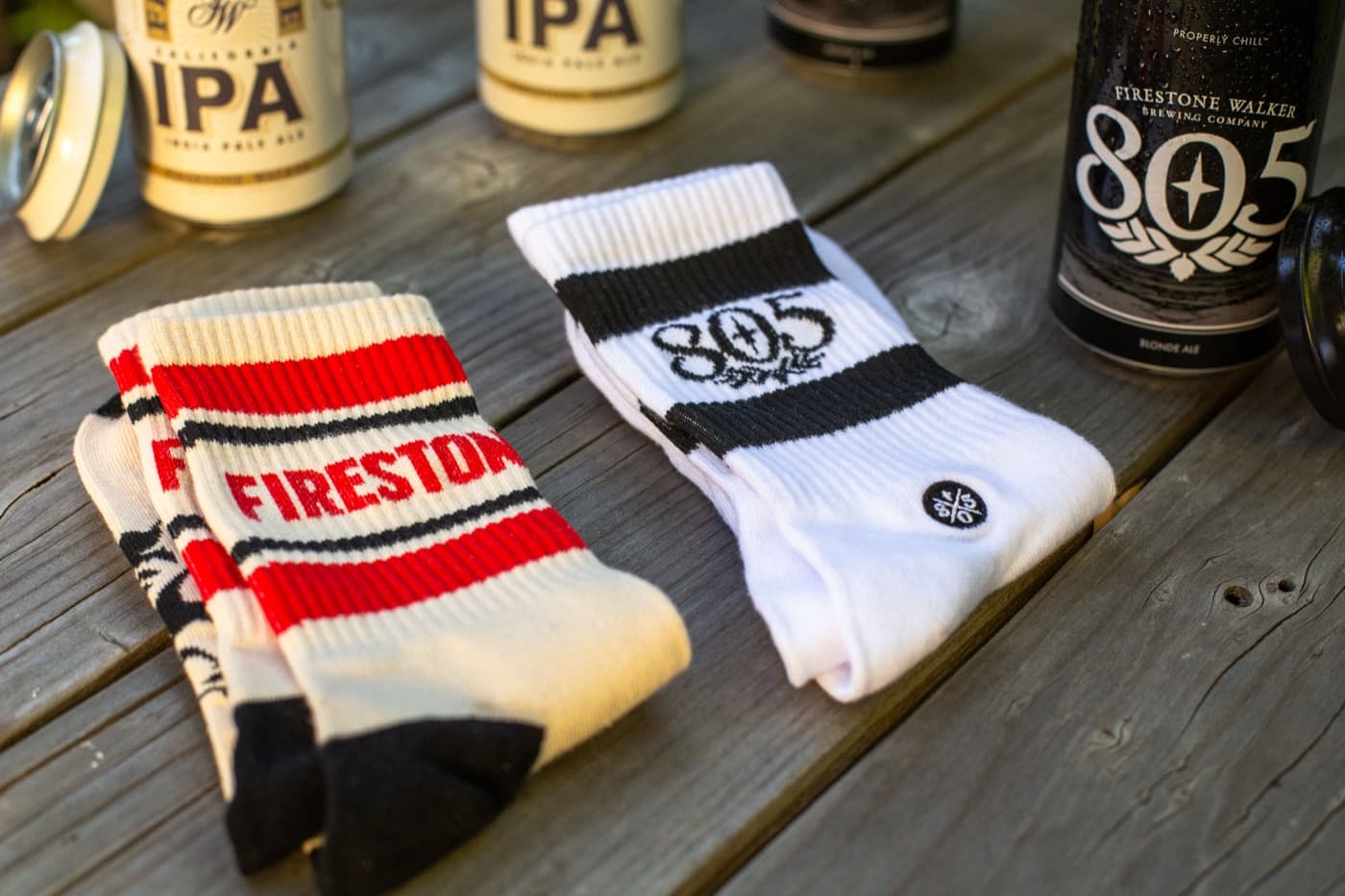
A strong launch program often uses more than one item, but the pieces should feel connected. A staff hat, guest tote, and VIP bottle can share a color system and graphic language without repeating the exact same logo treatment. The merch should feel like a family, not a pile of unrelated products.
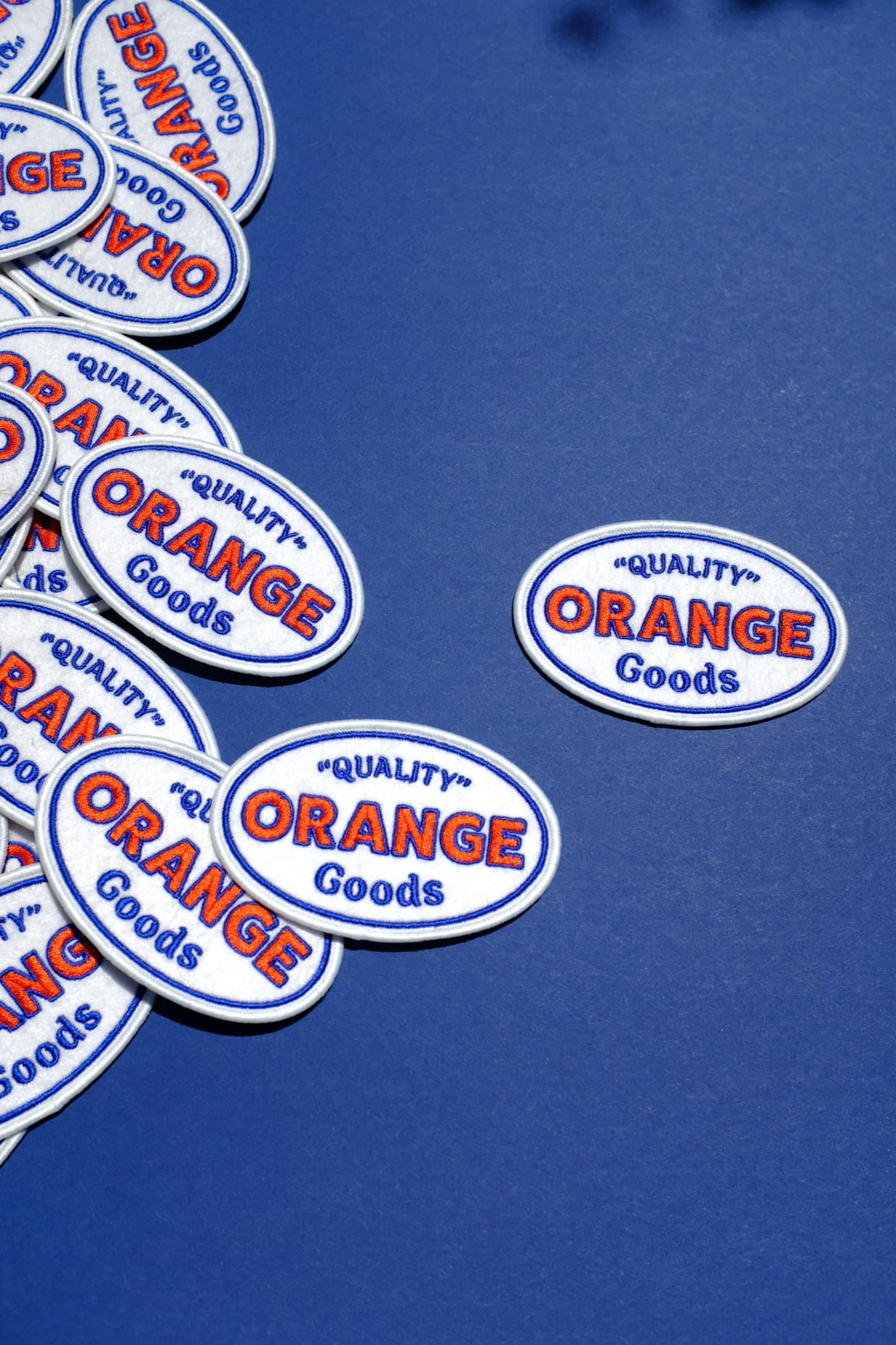
Orange Goods helps brands build that system from concept to delivery: product recommendations, design support, decoration choices, proofing, production, packaging, and logistics. For launch work, that connected process matters because the goods are only one part of a bigger moment. When they land right, they make the moment last longer.