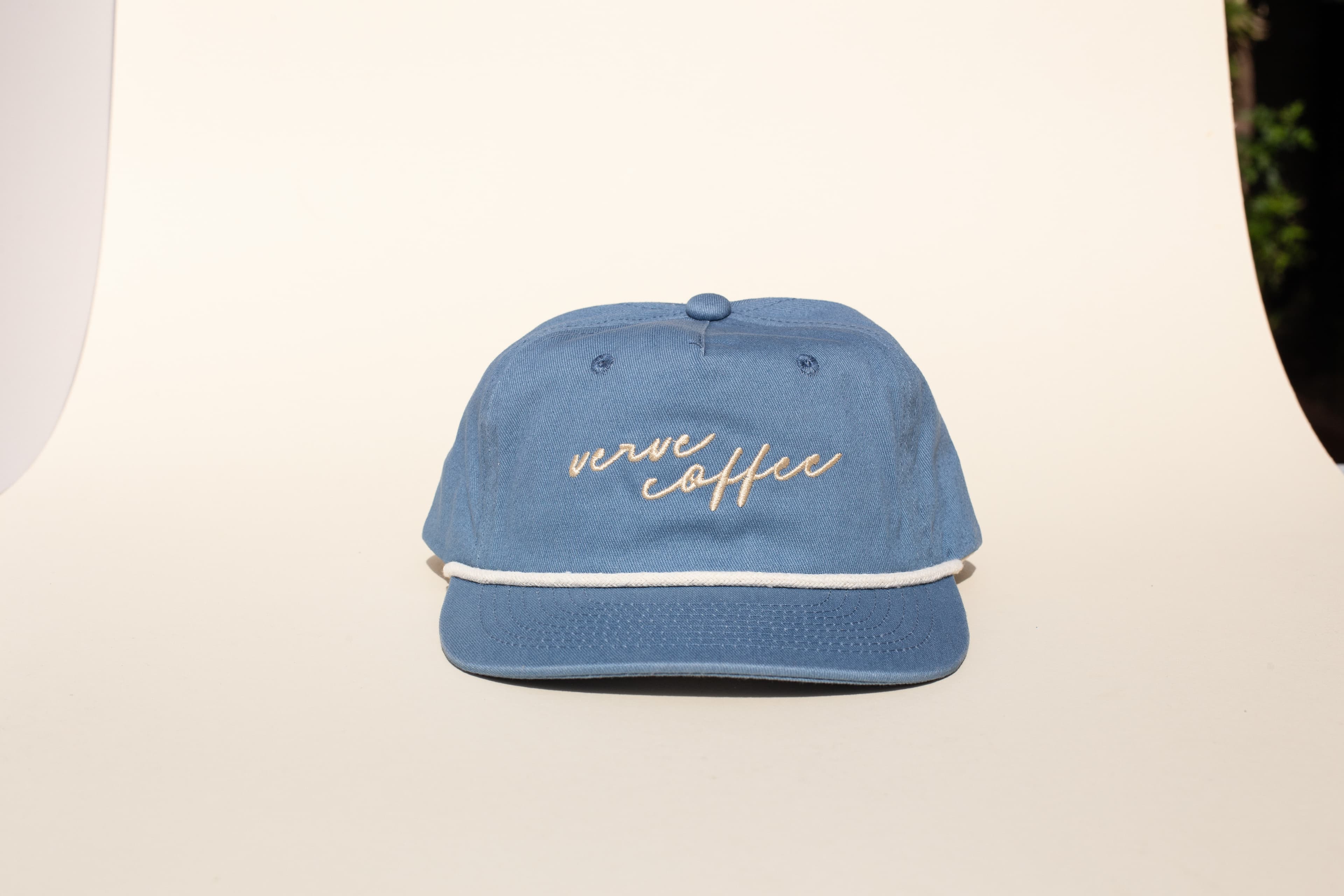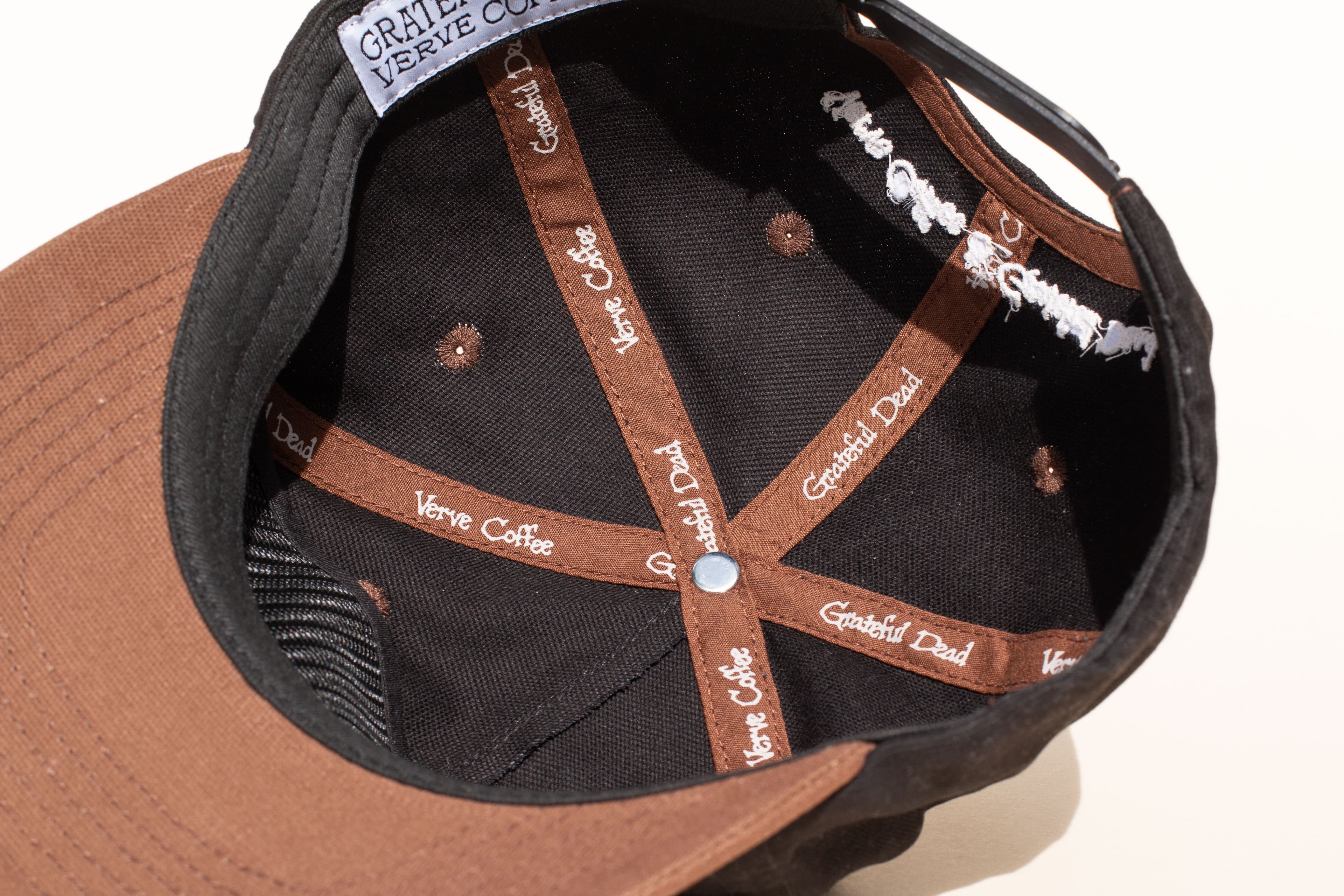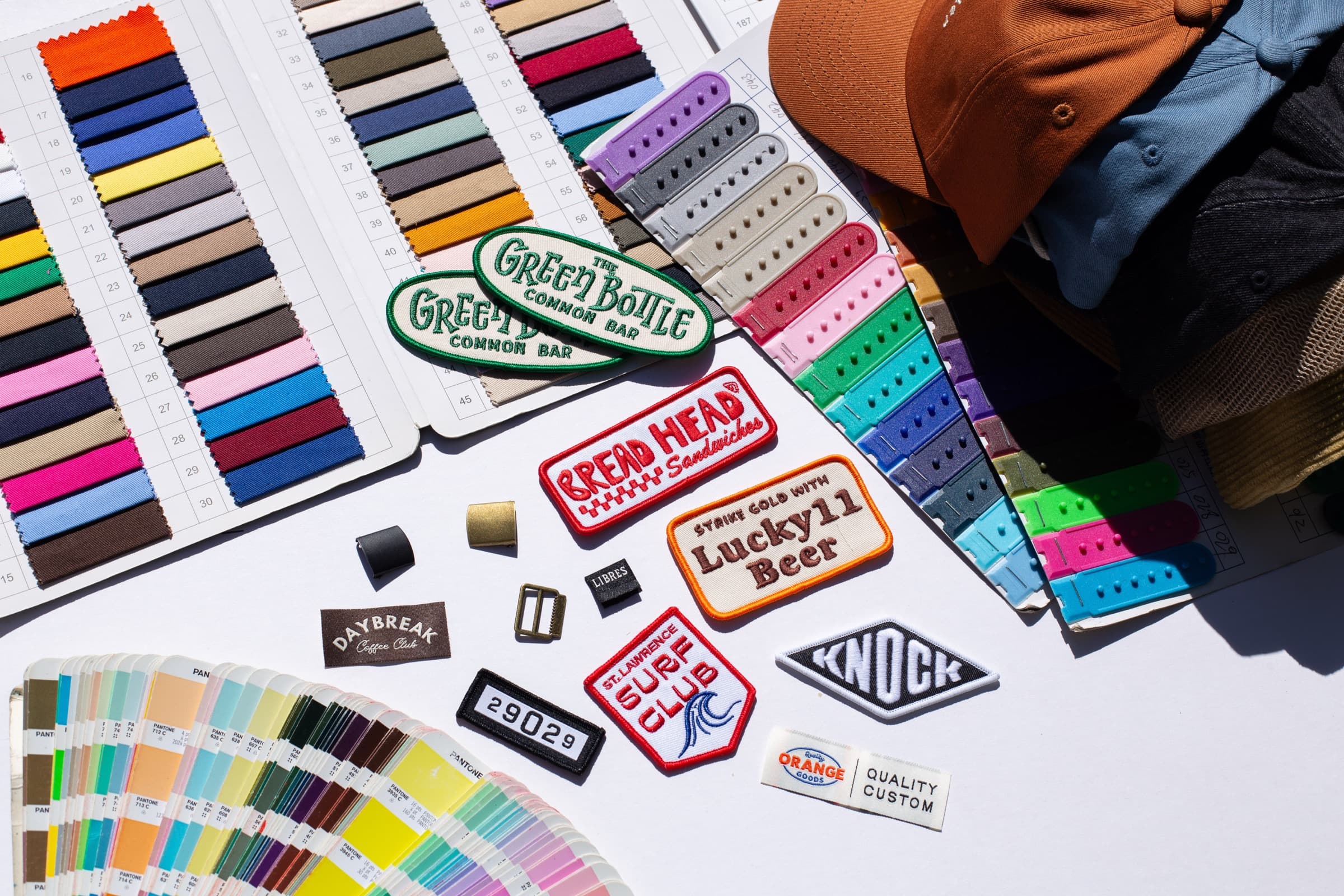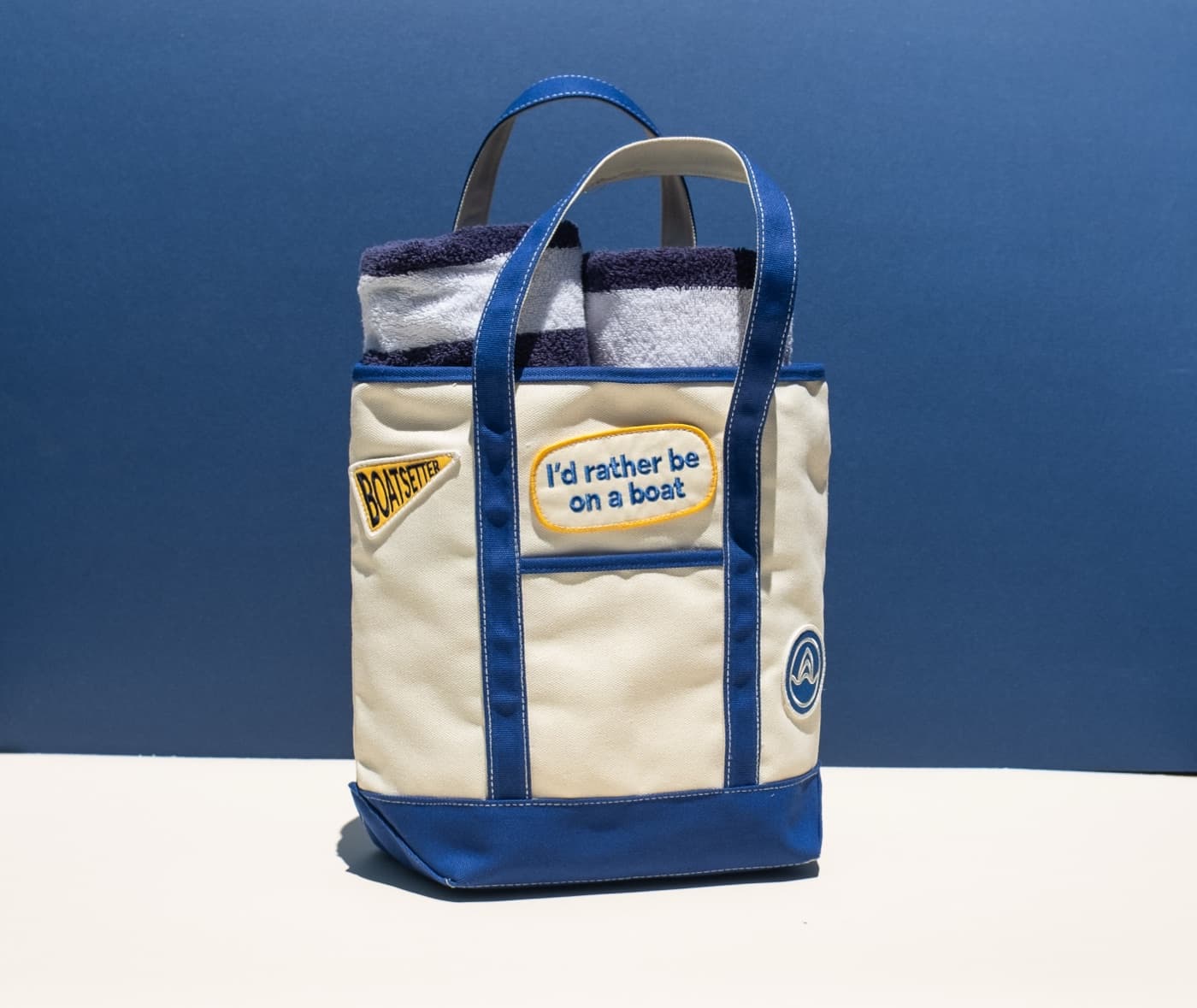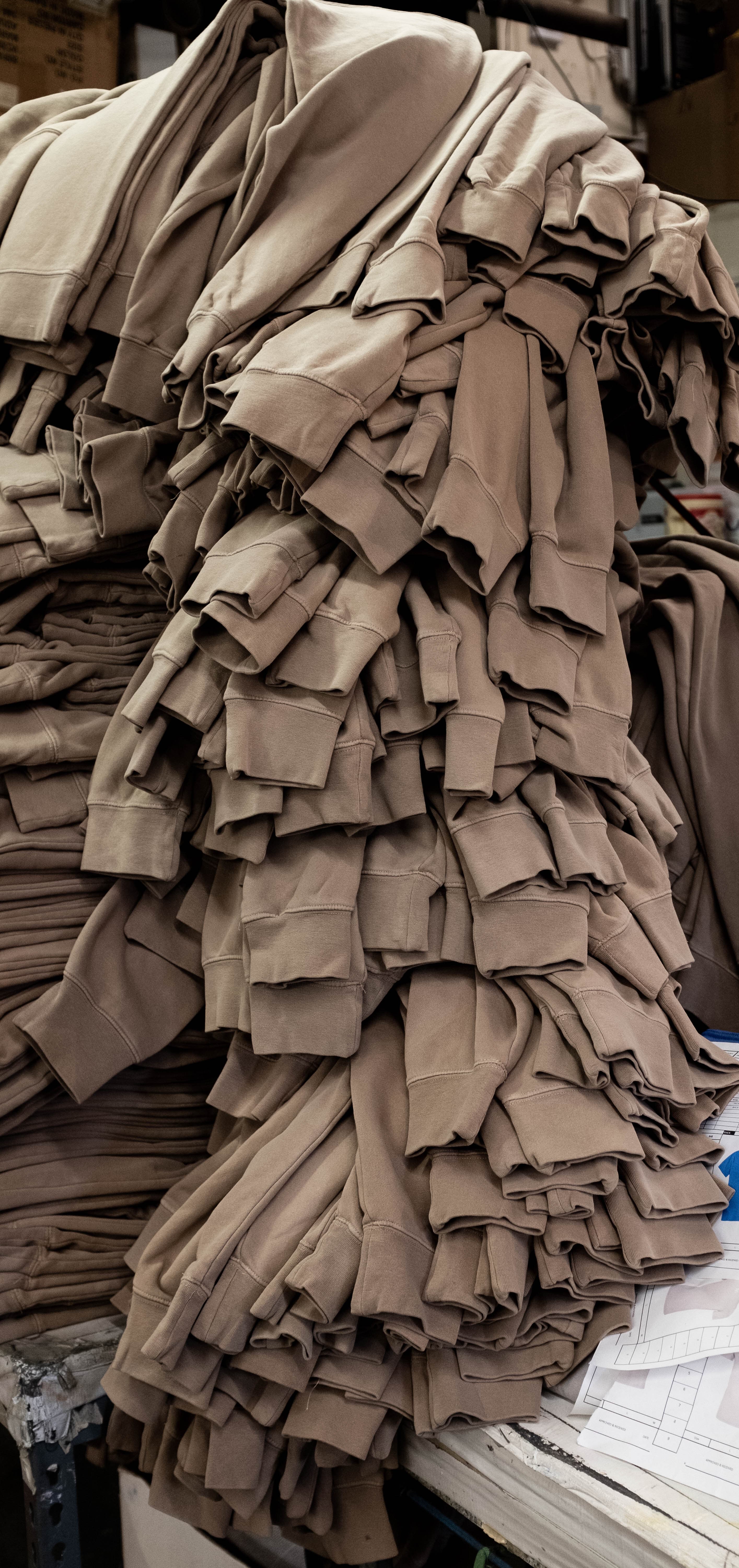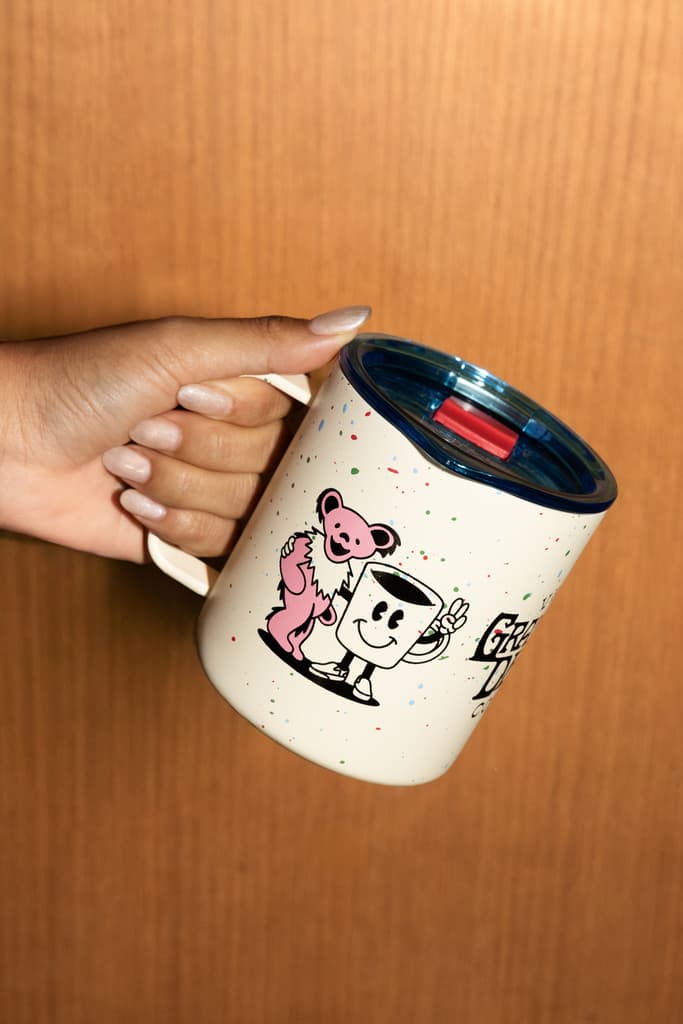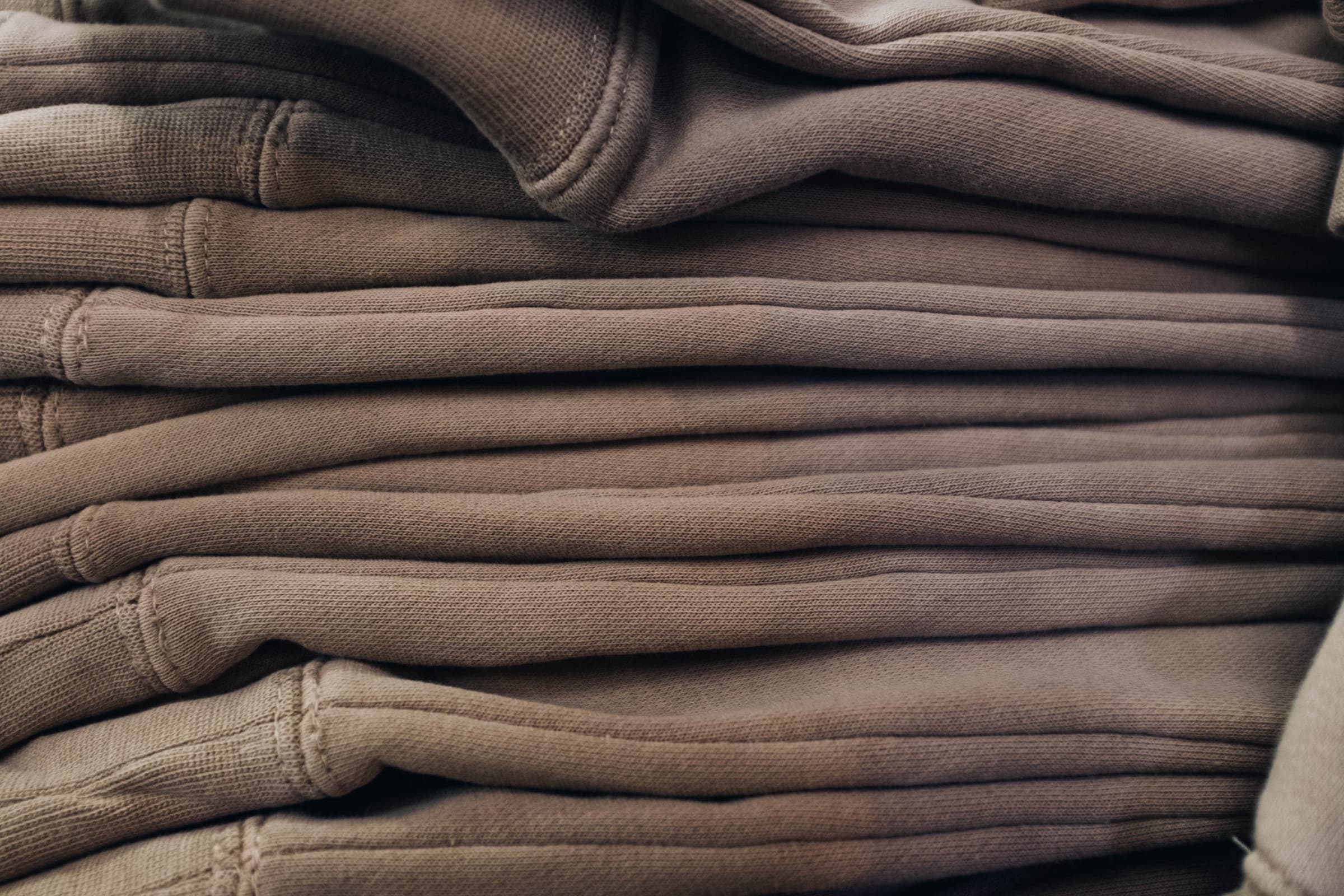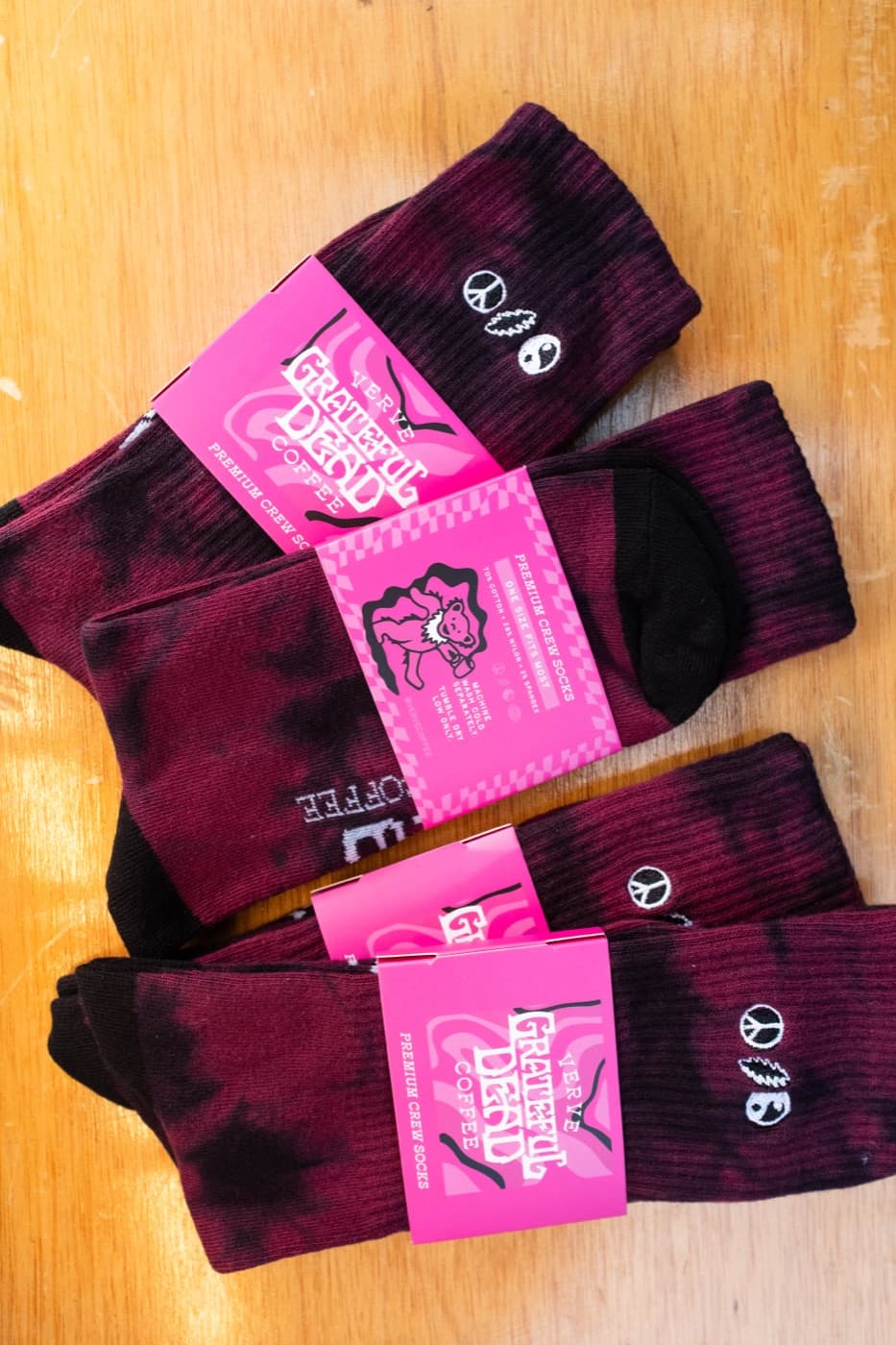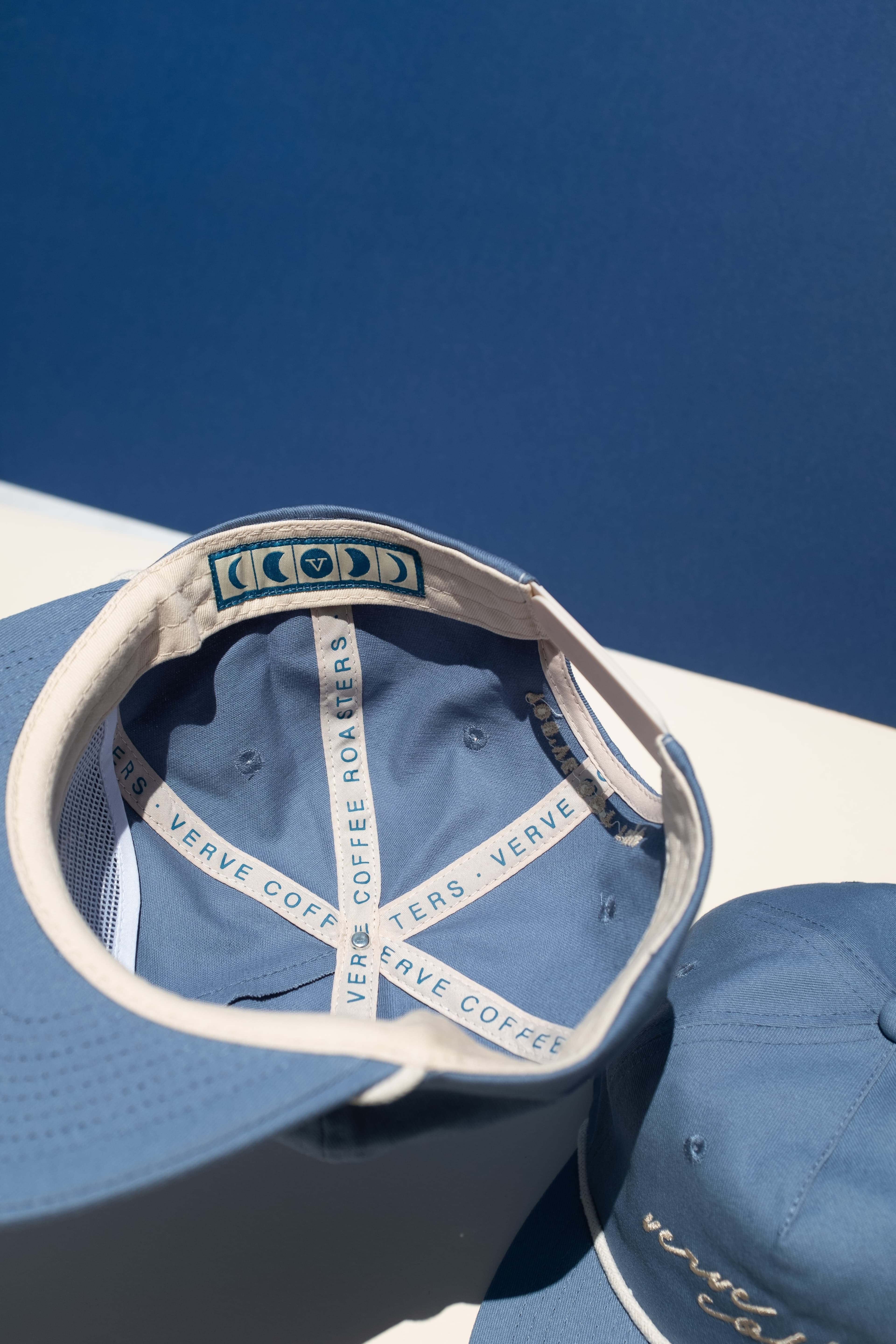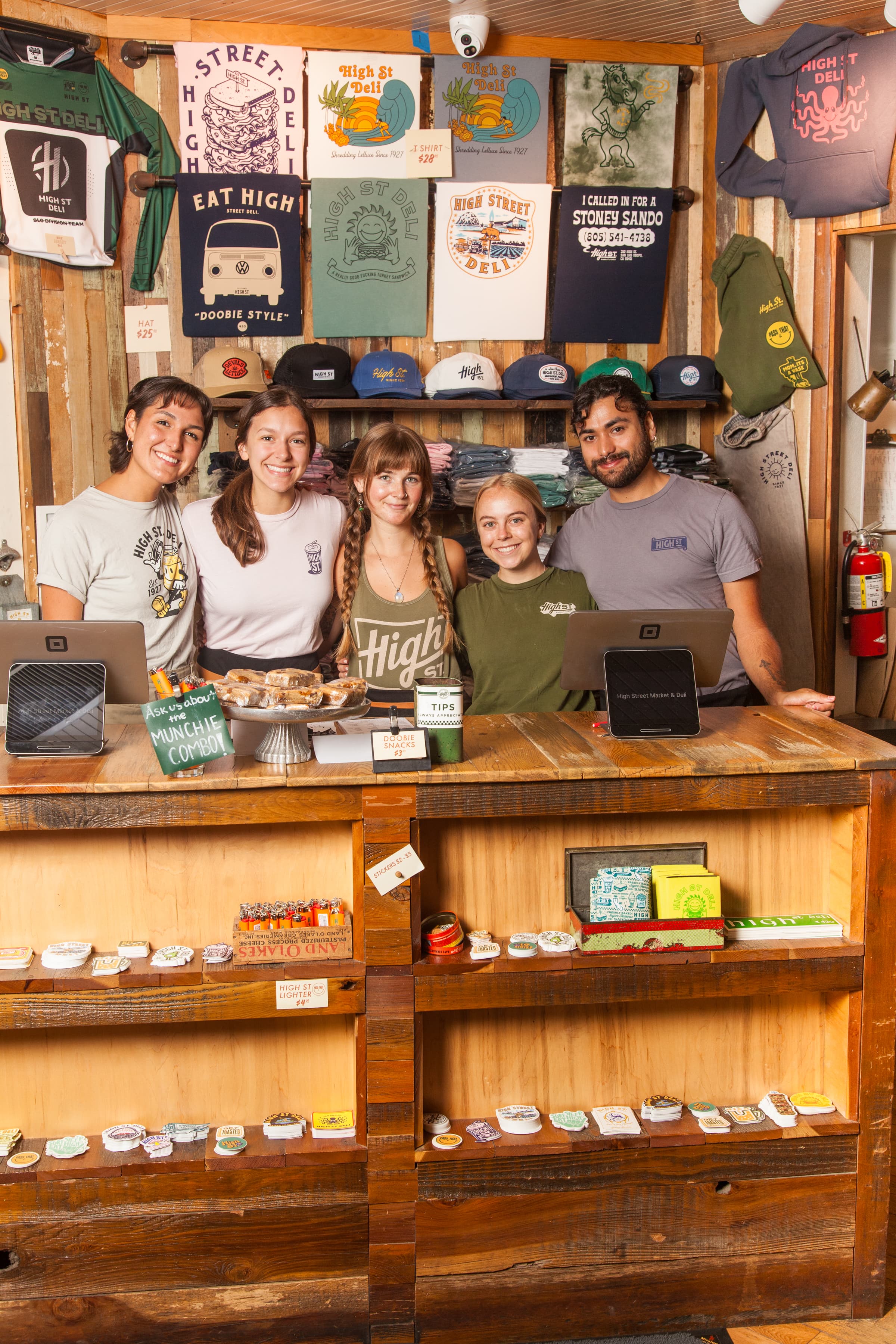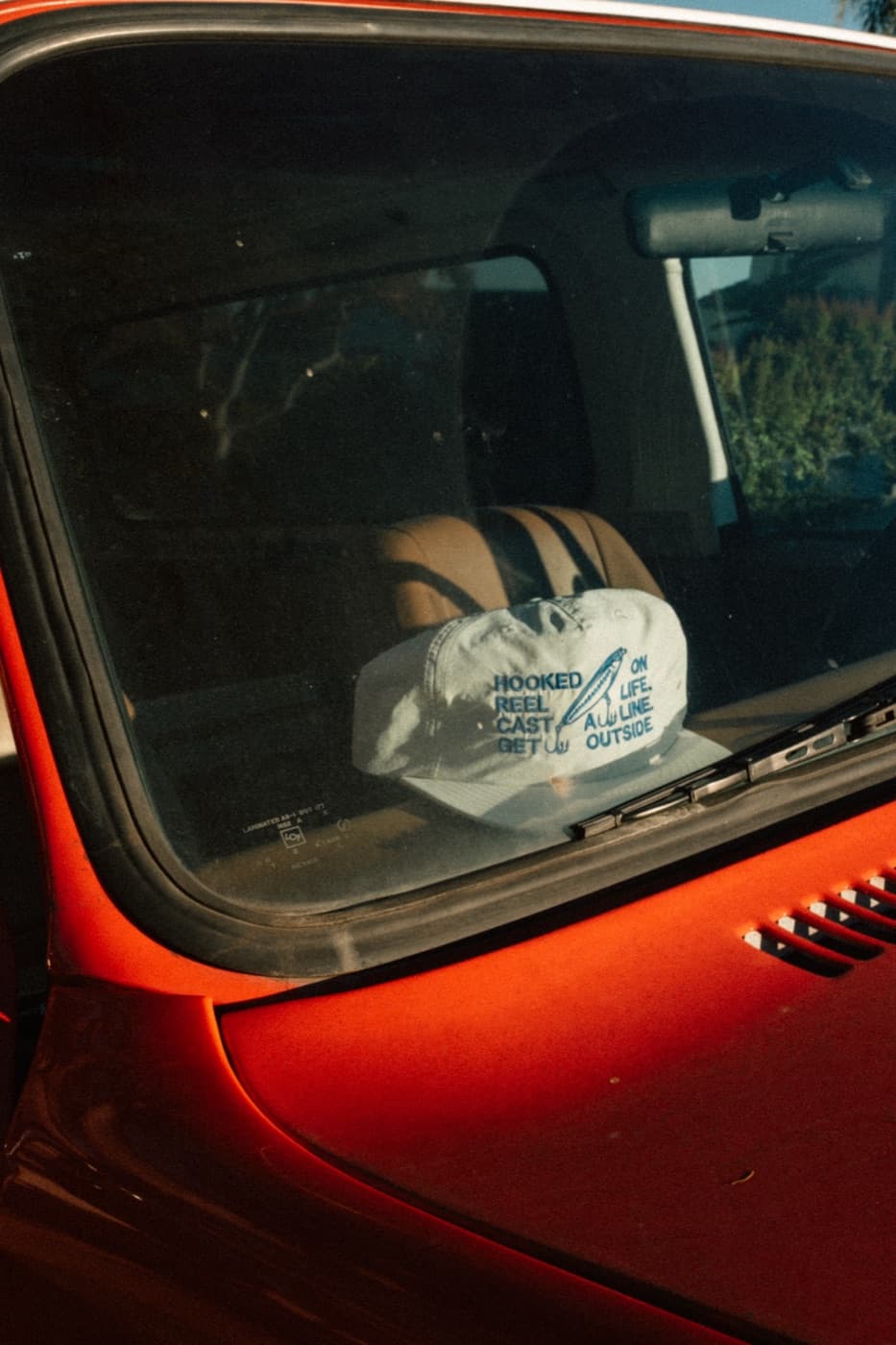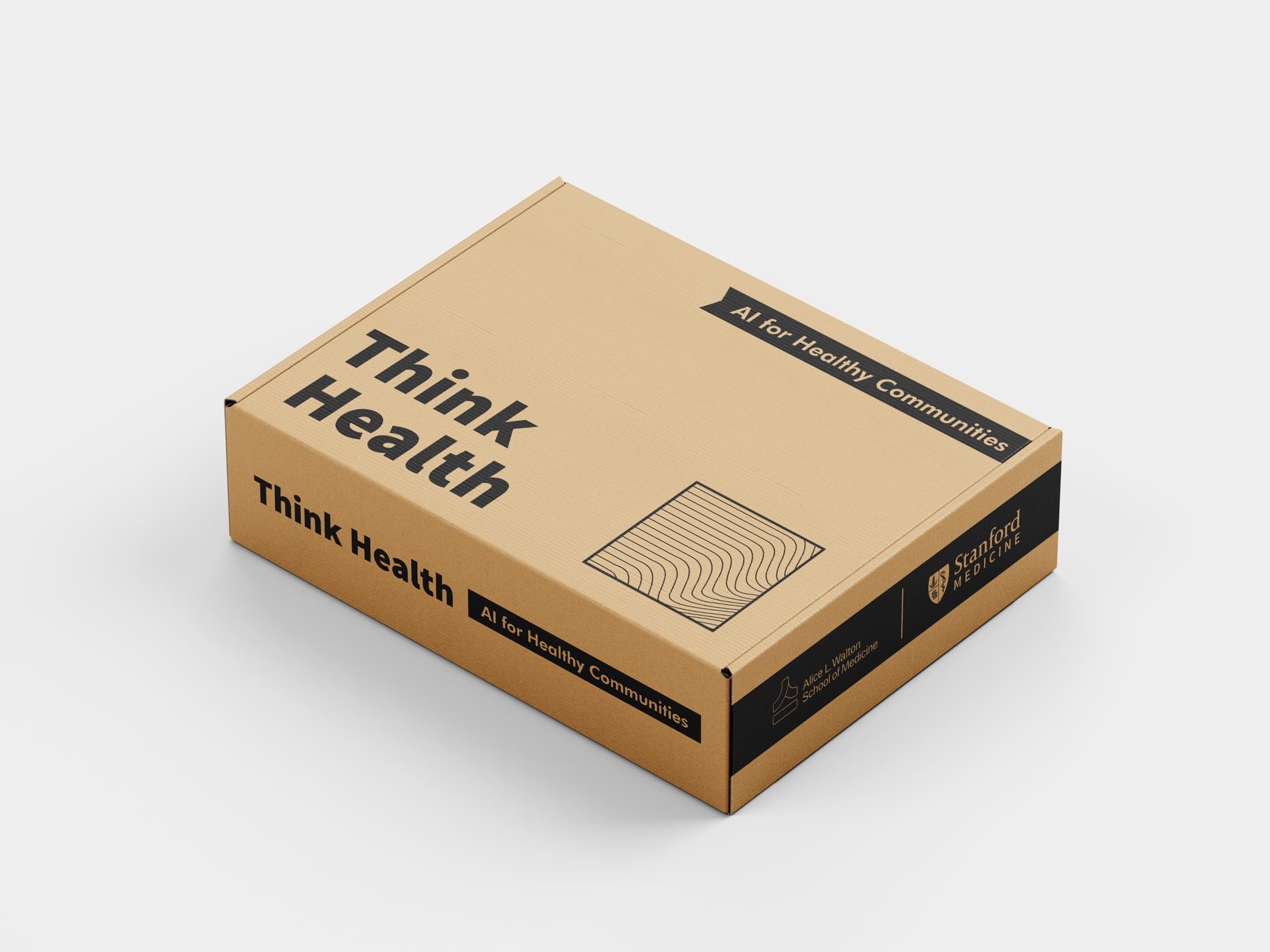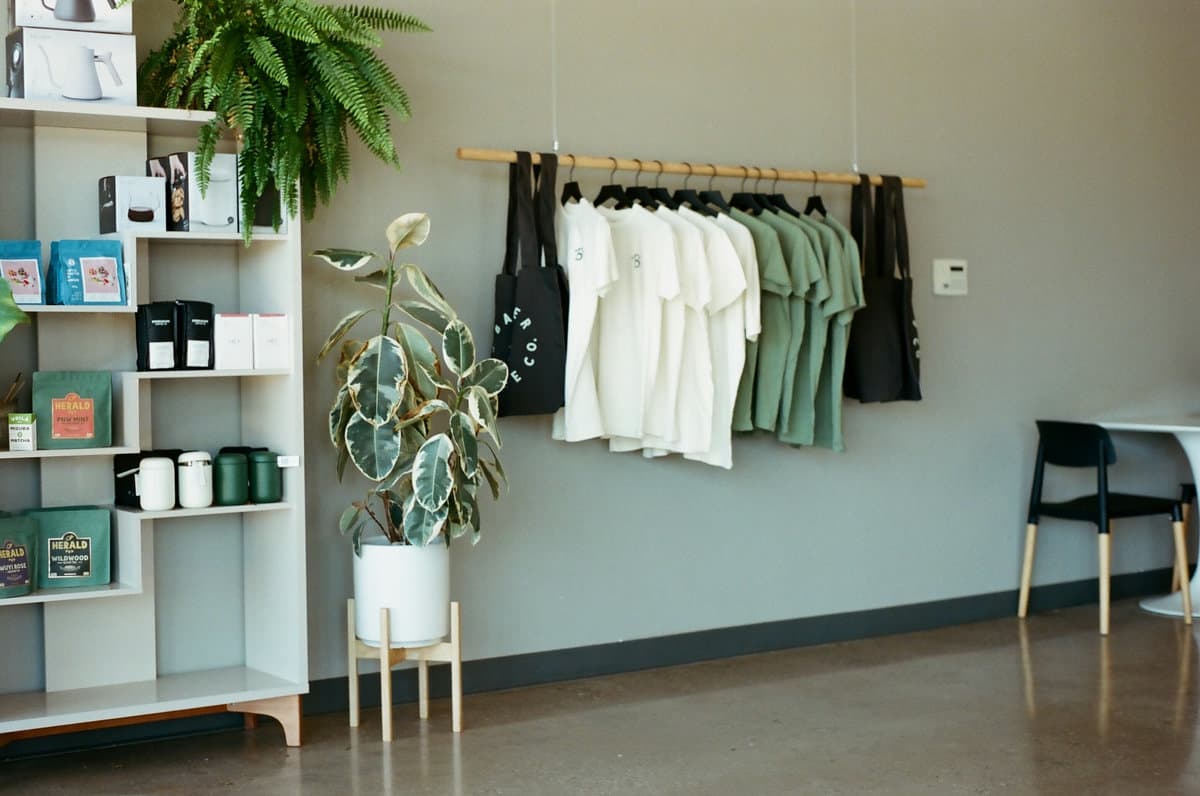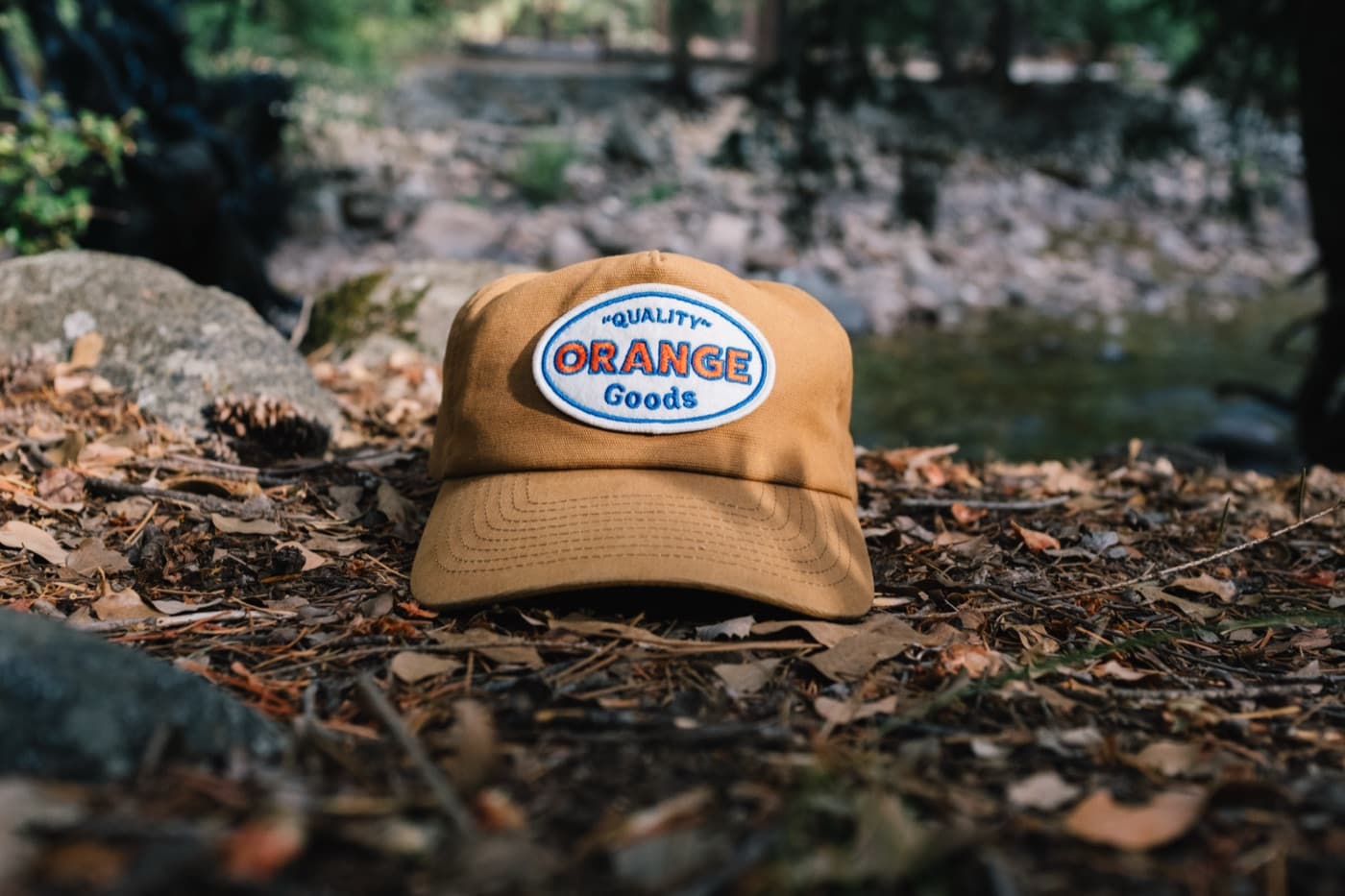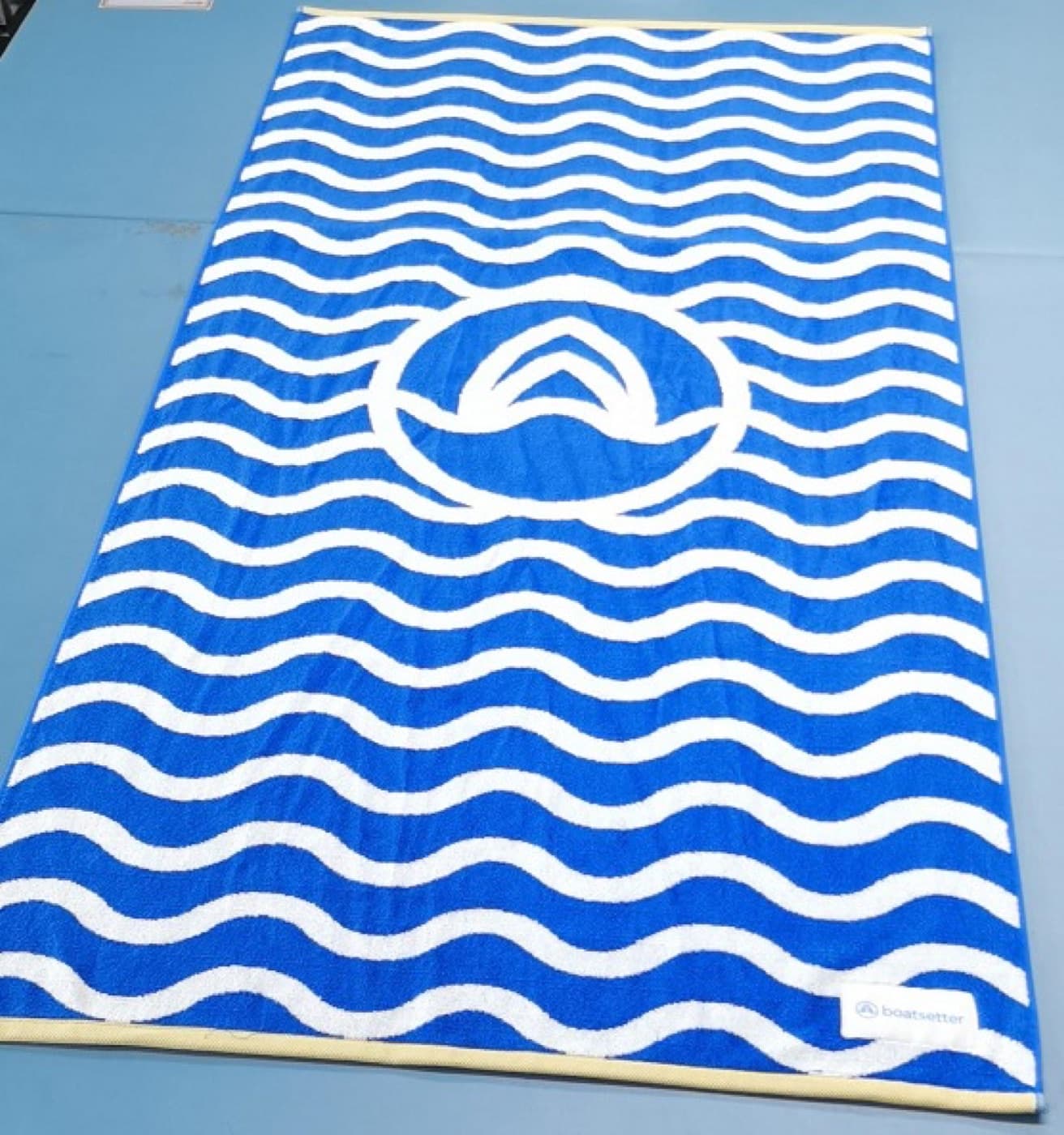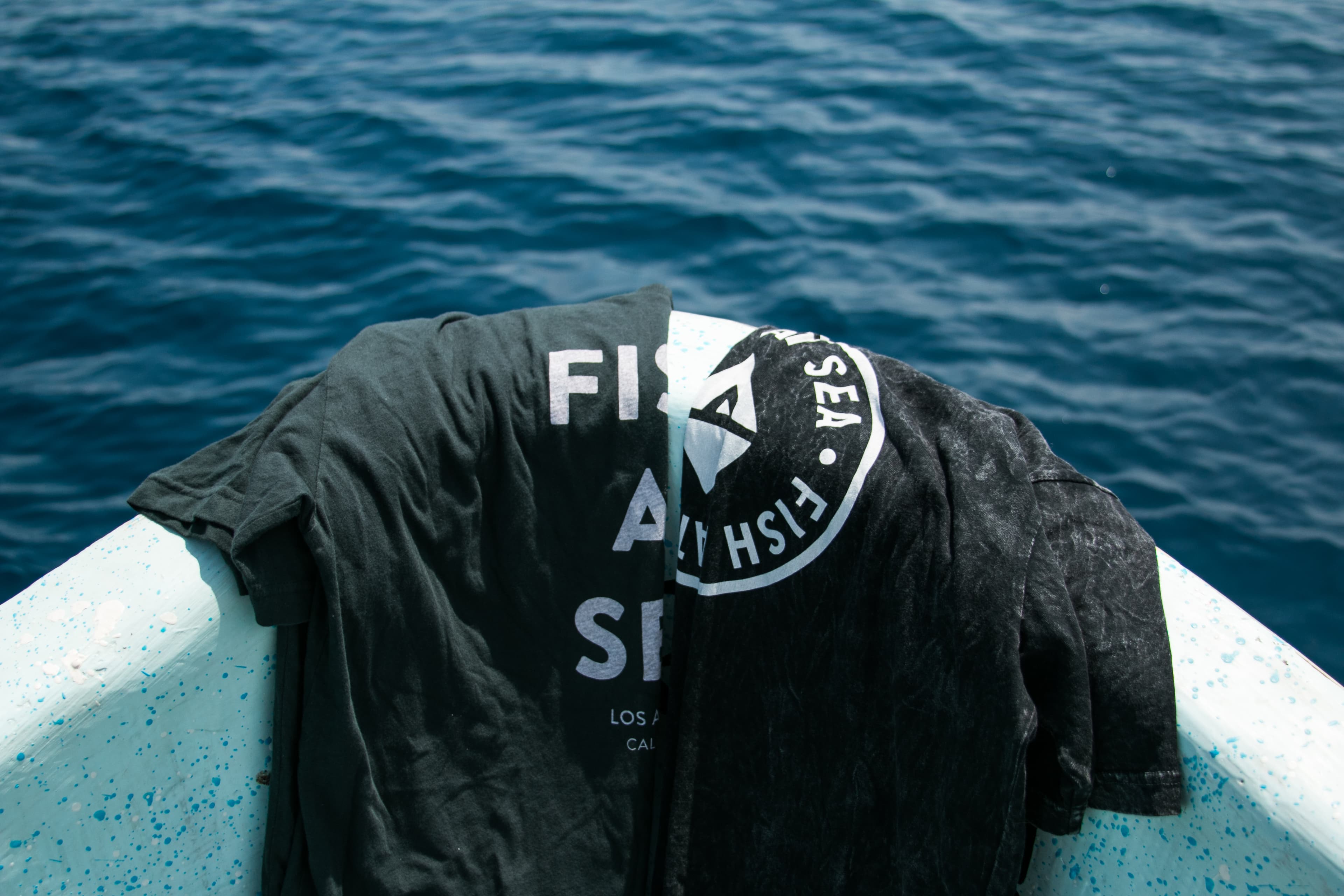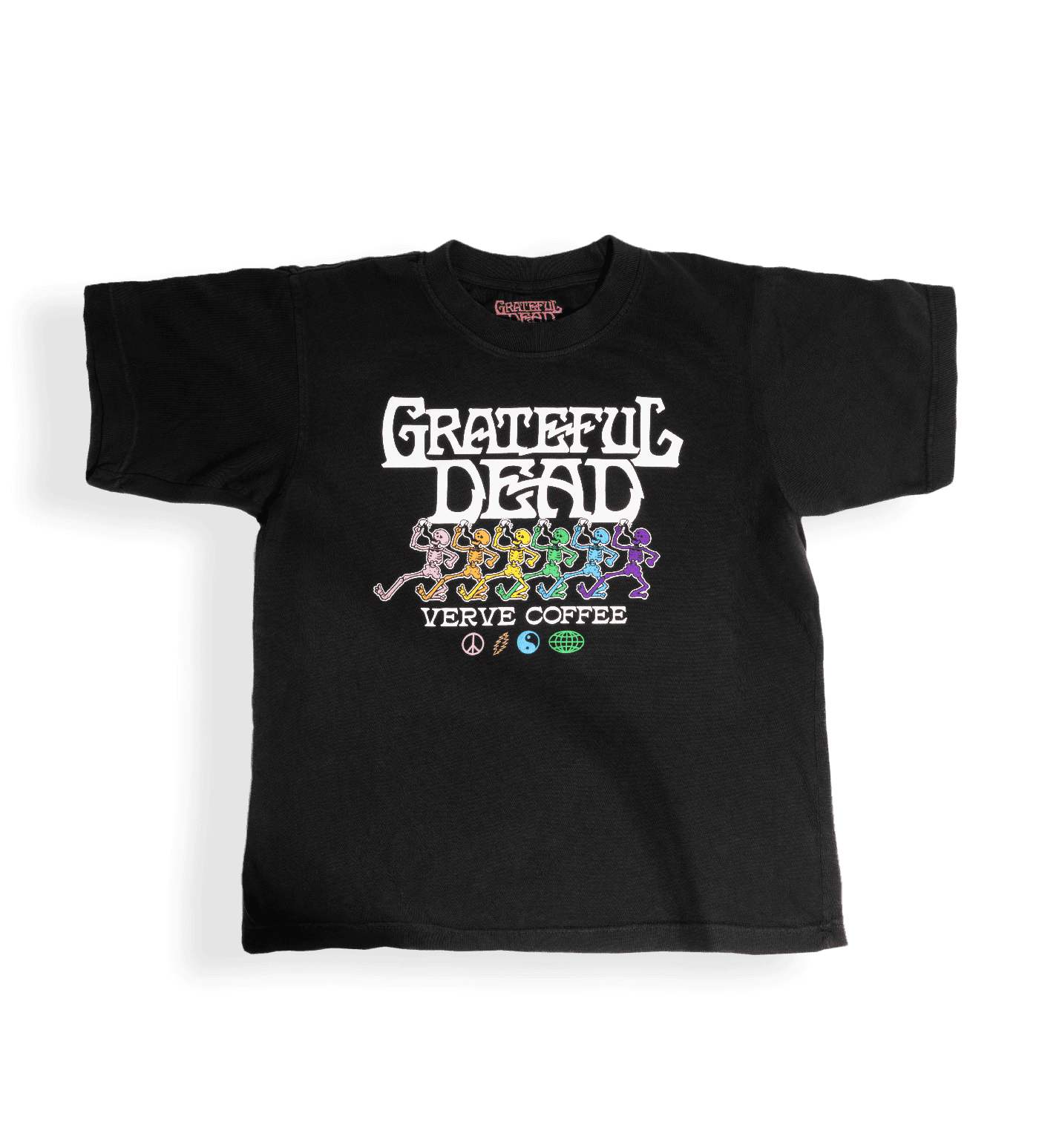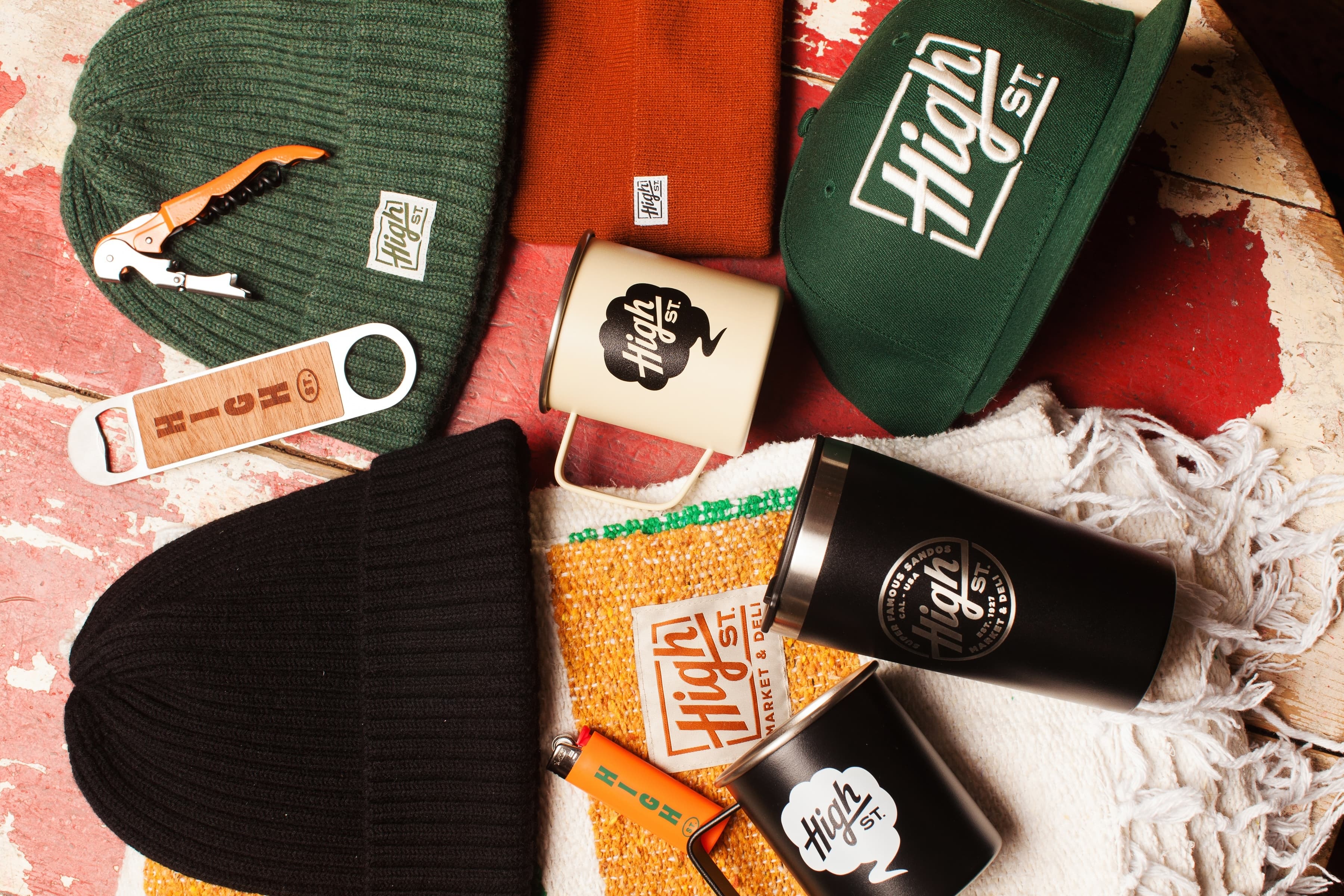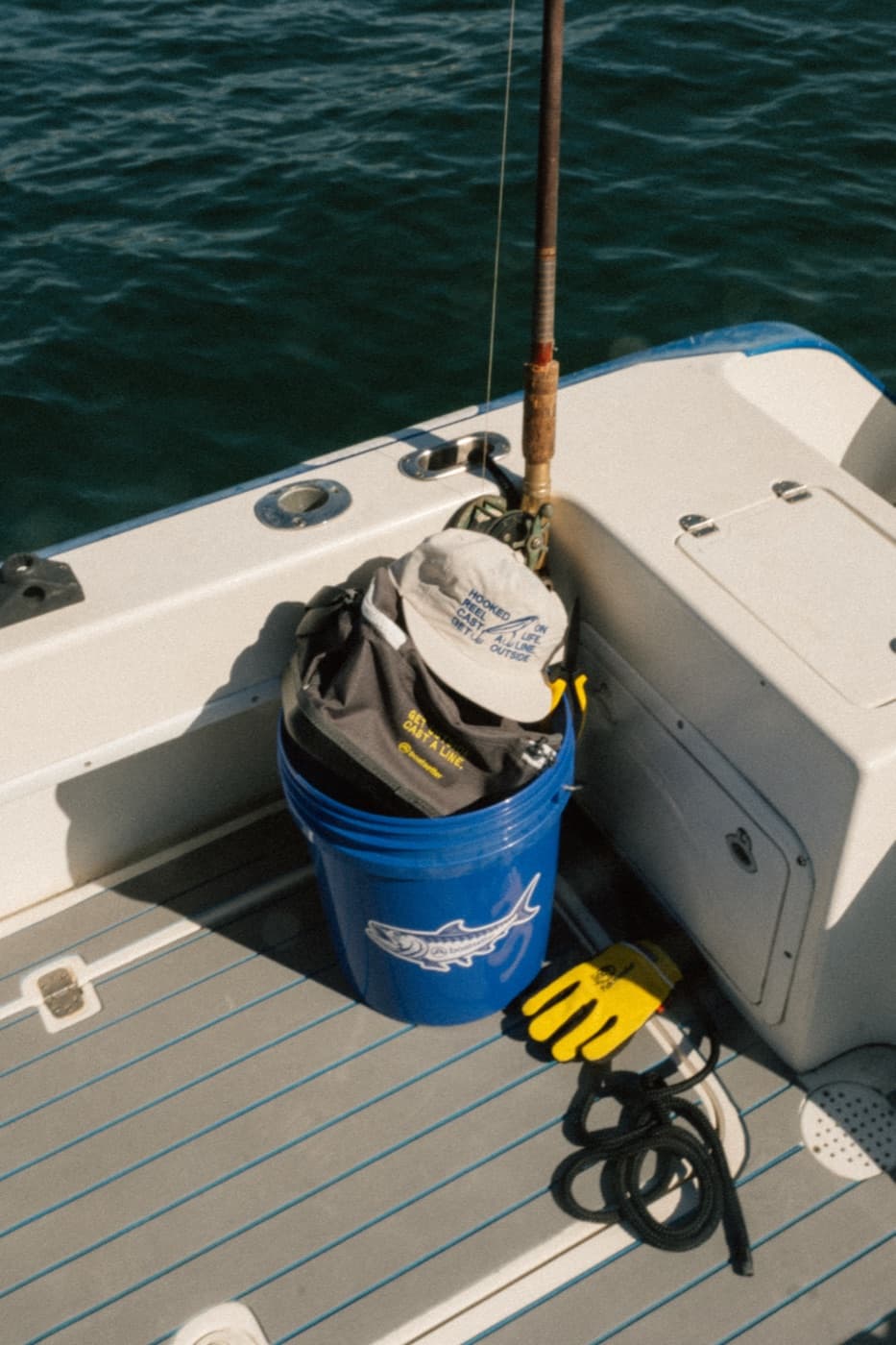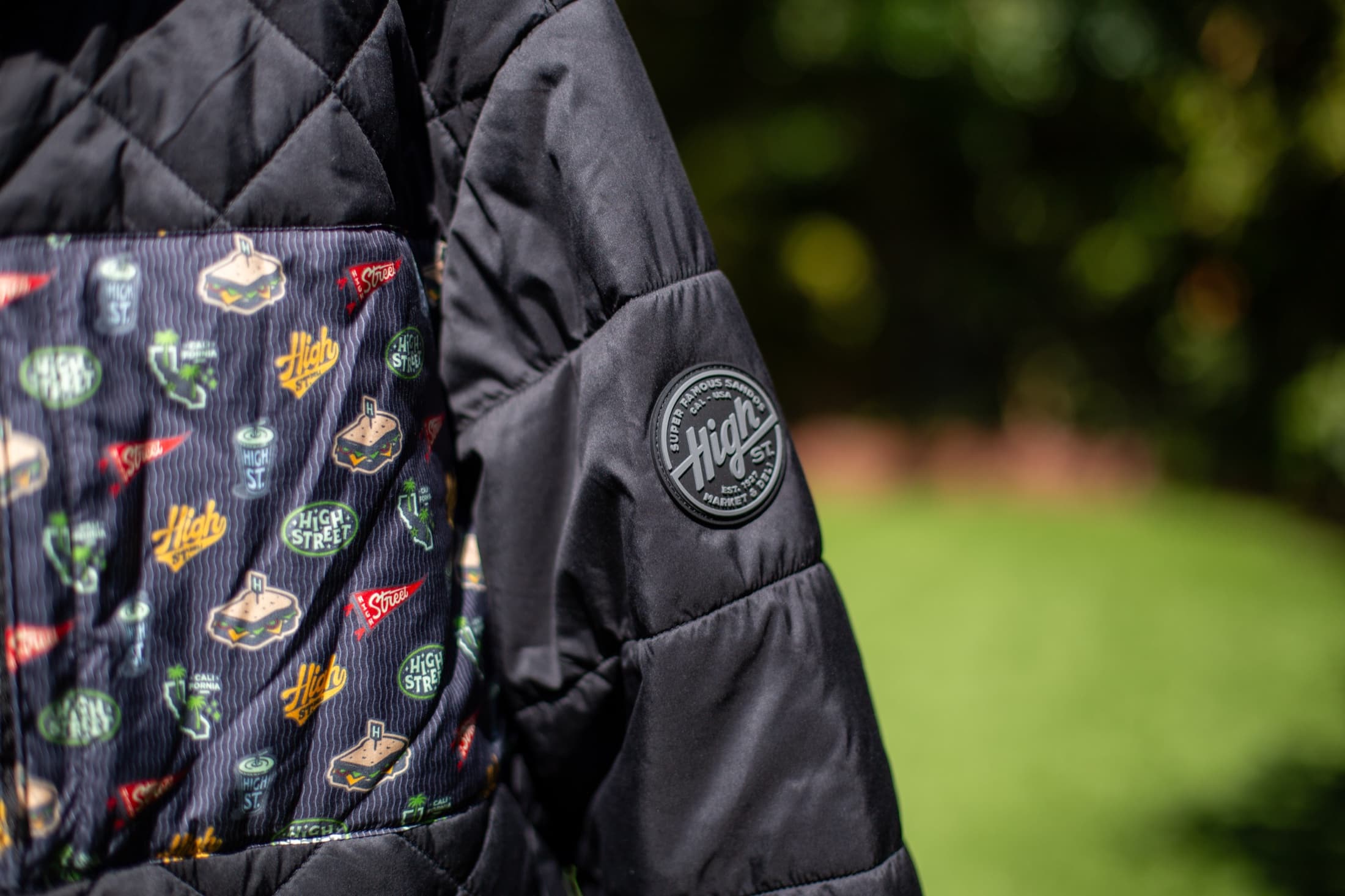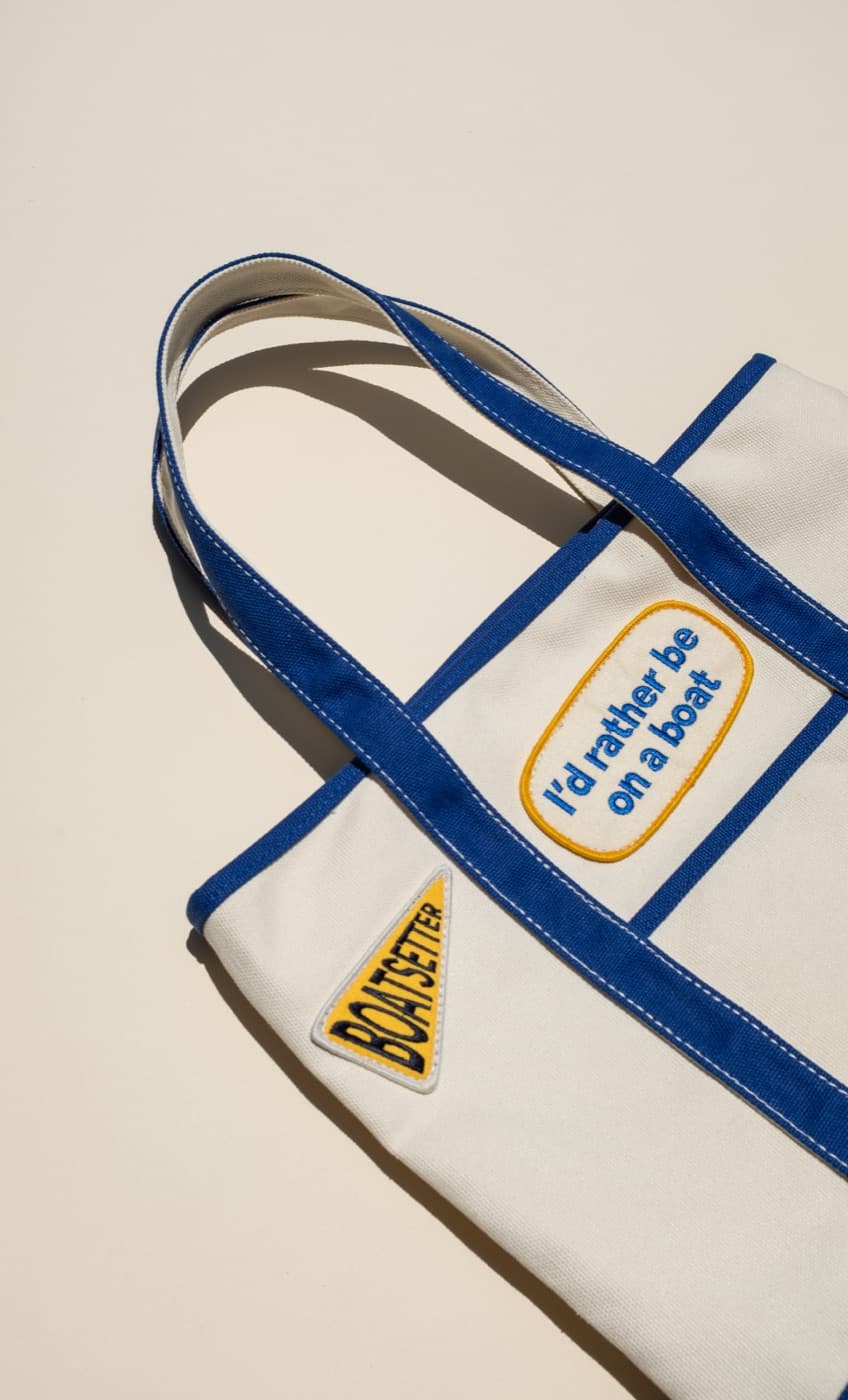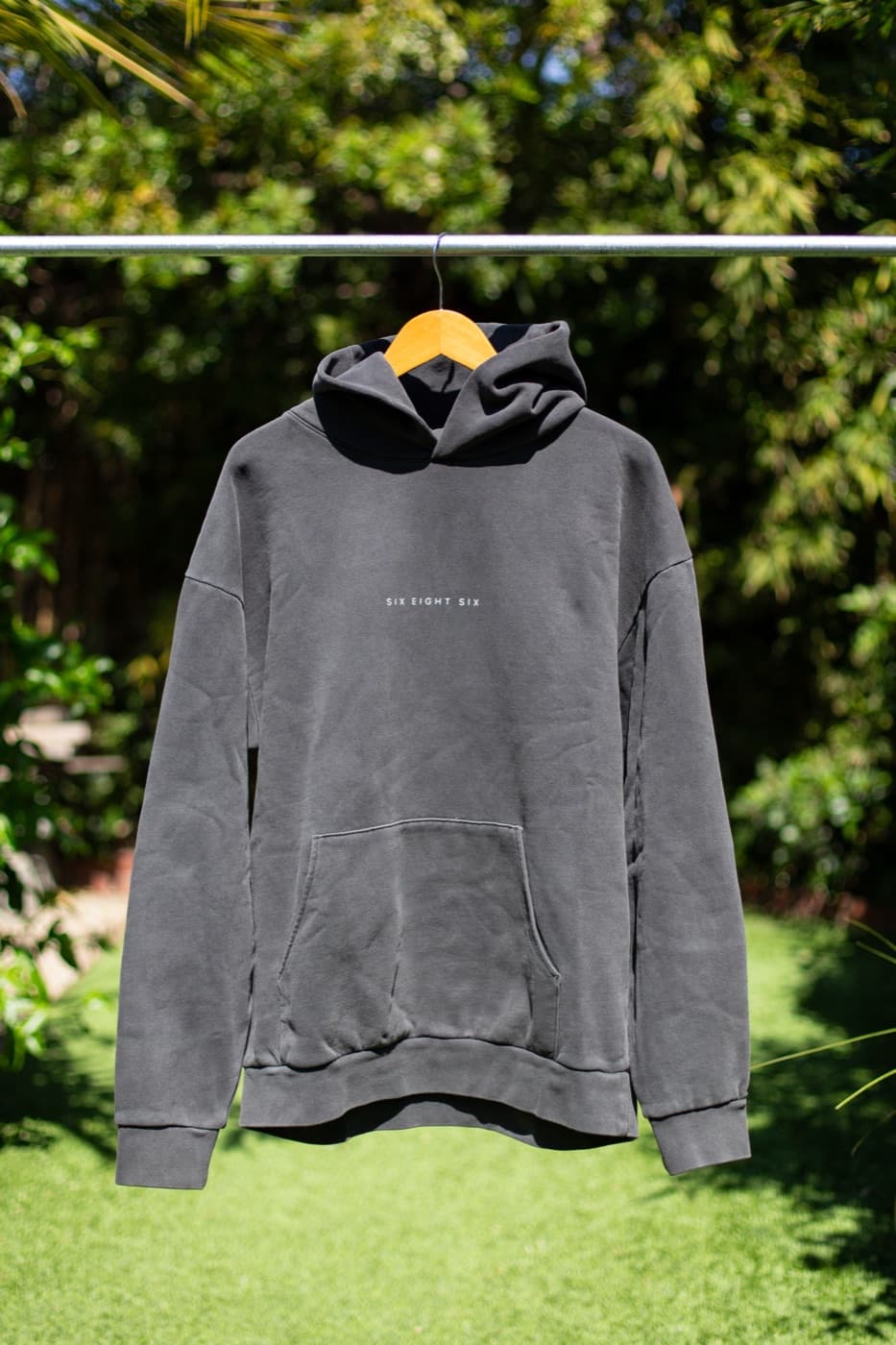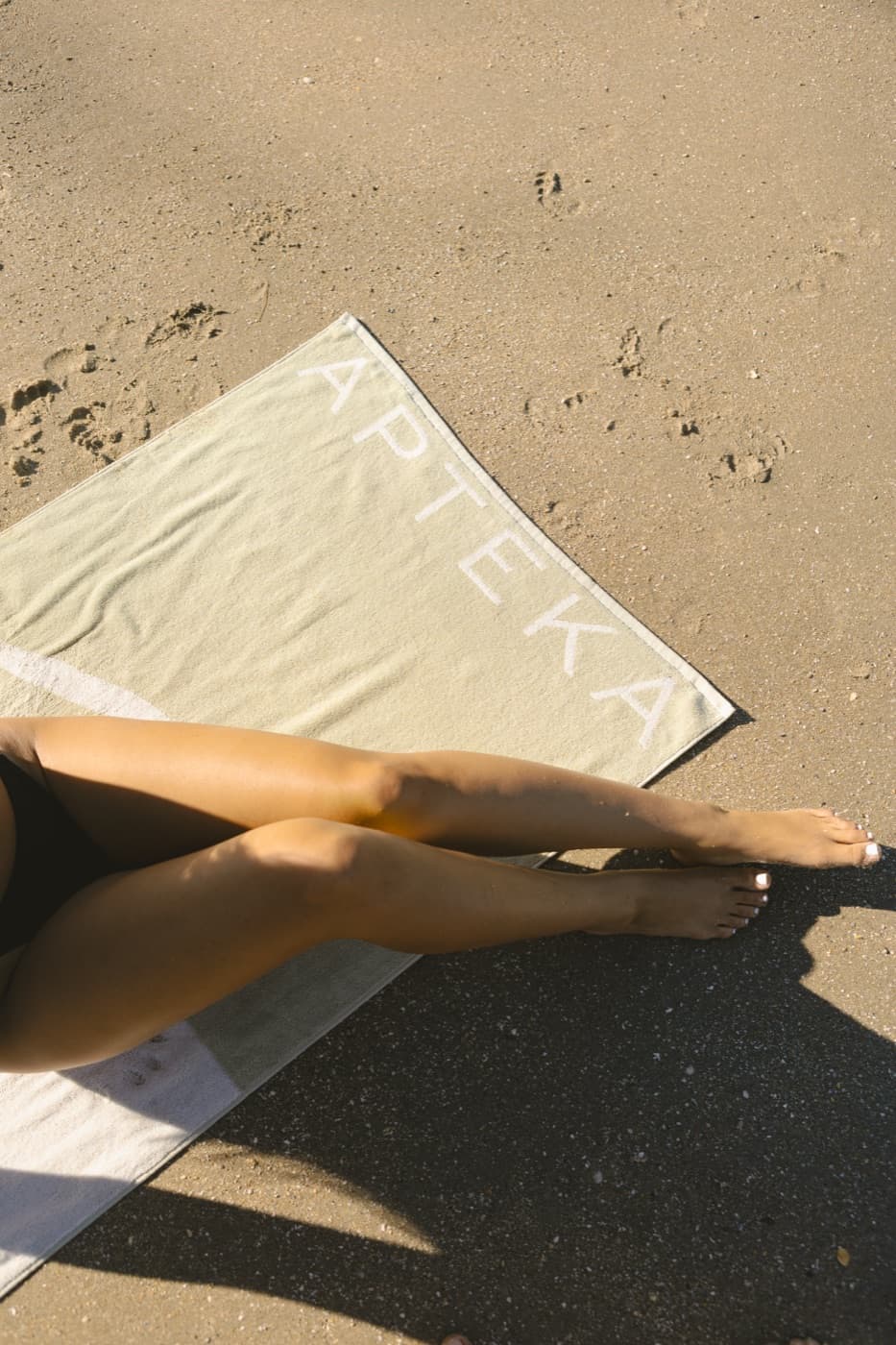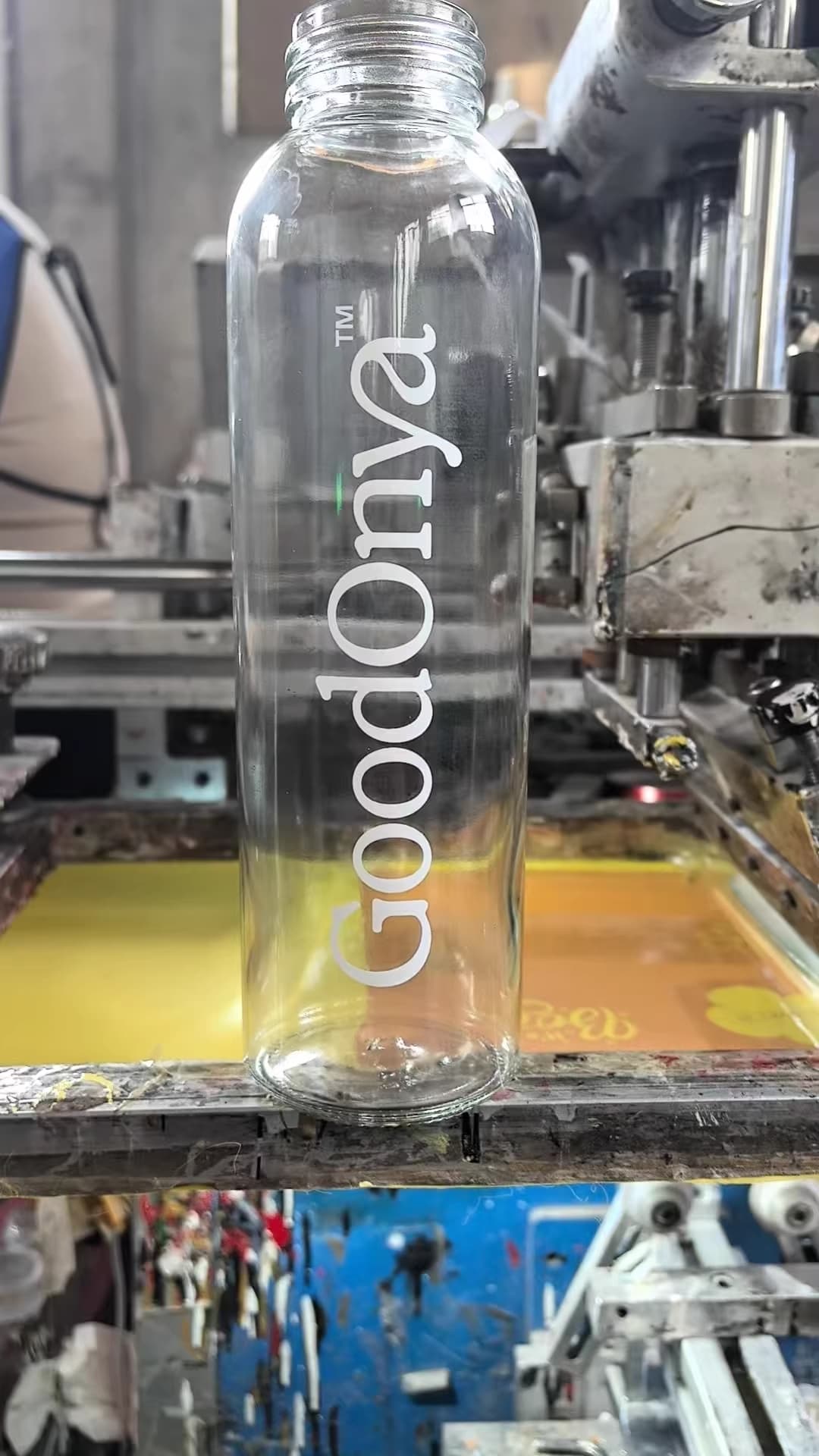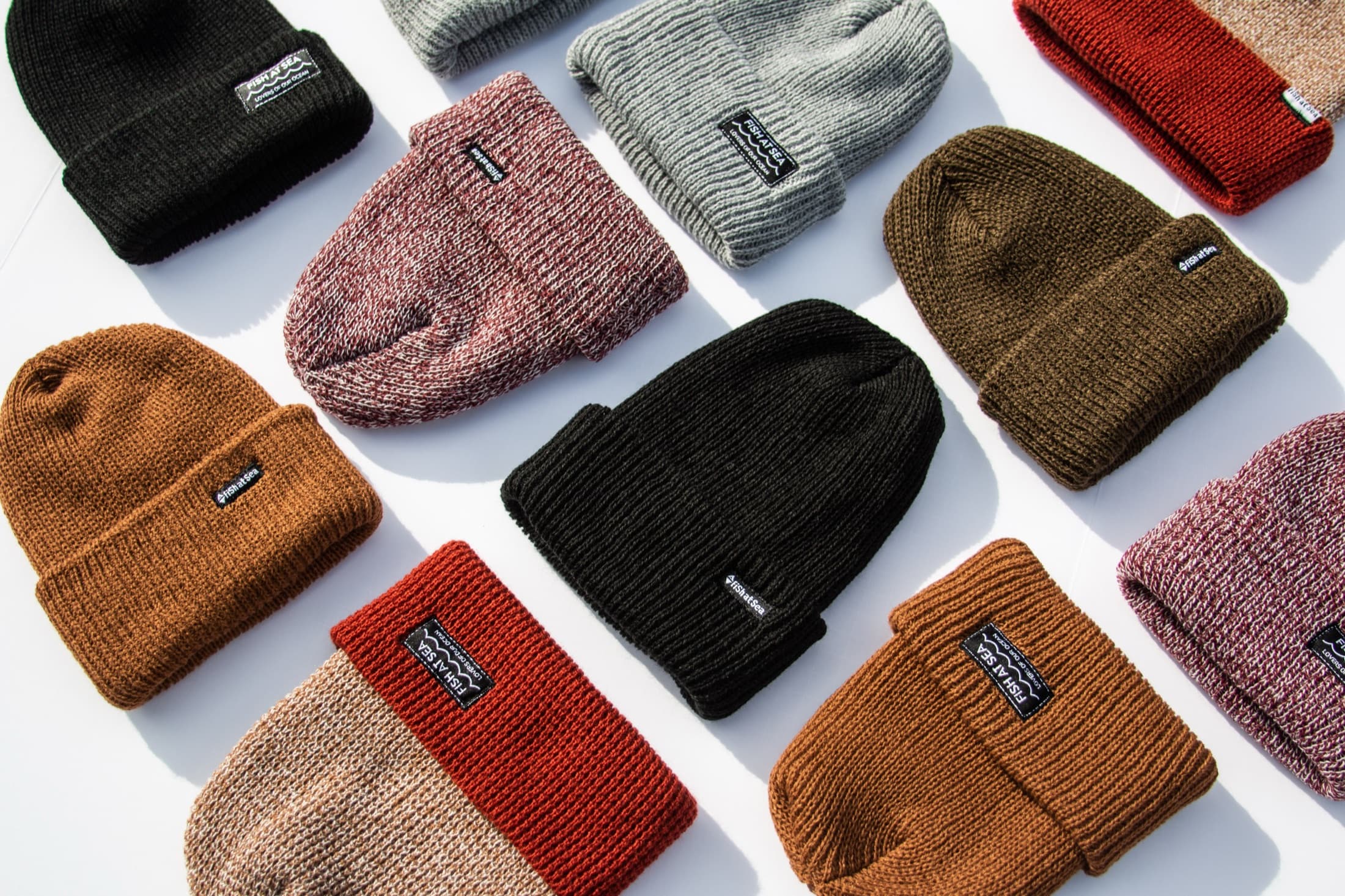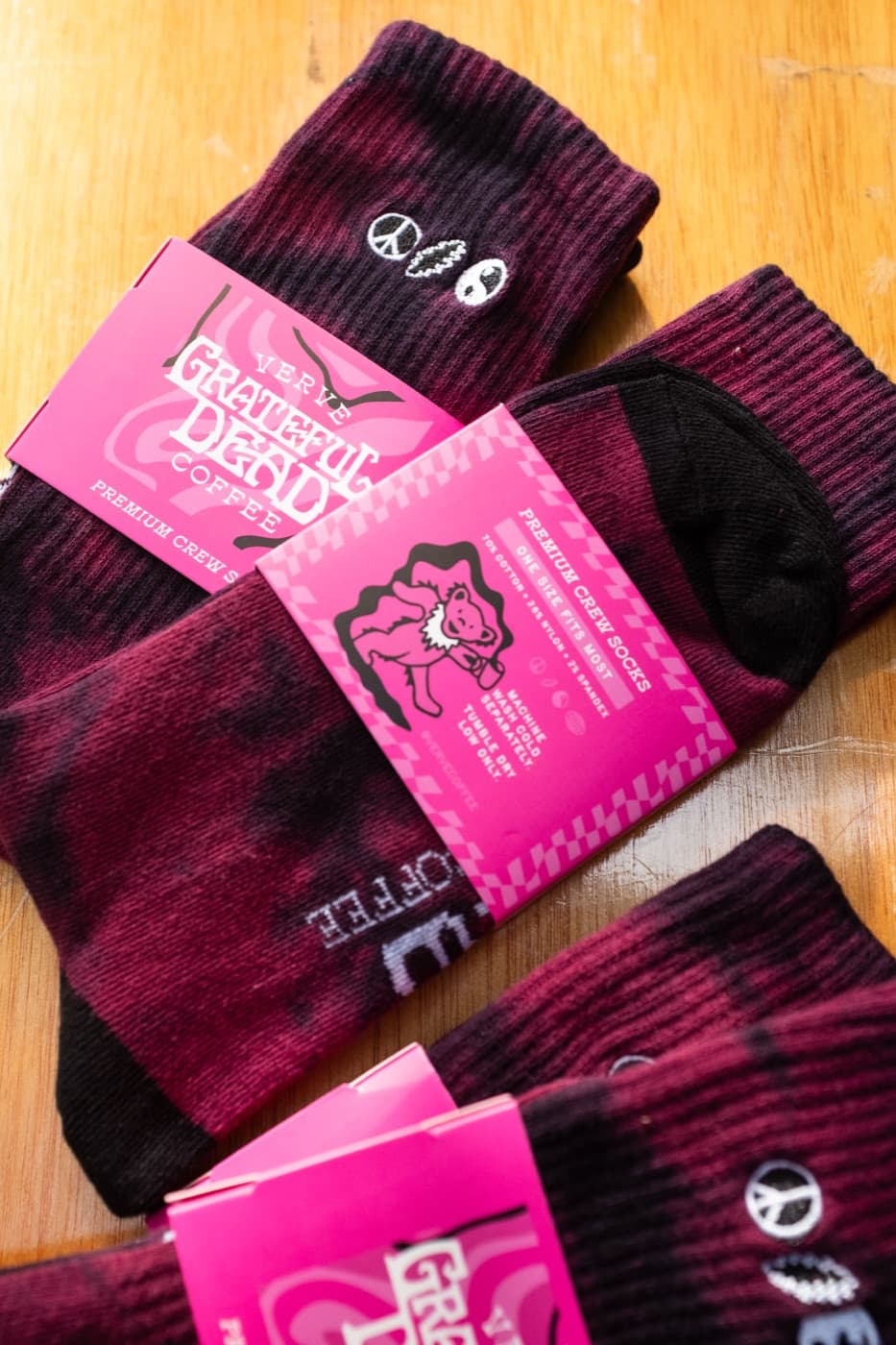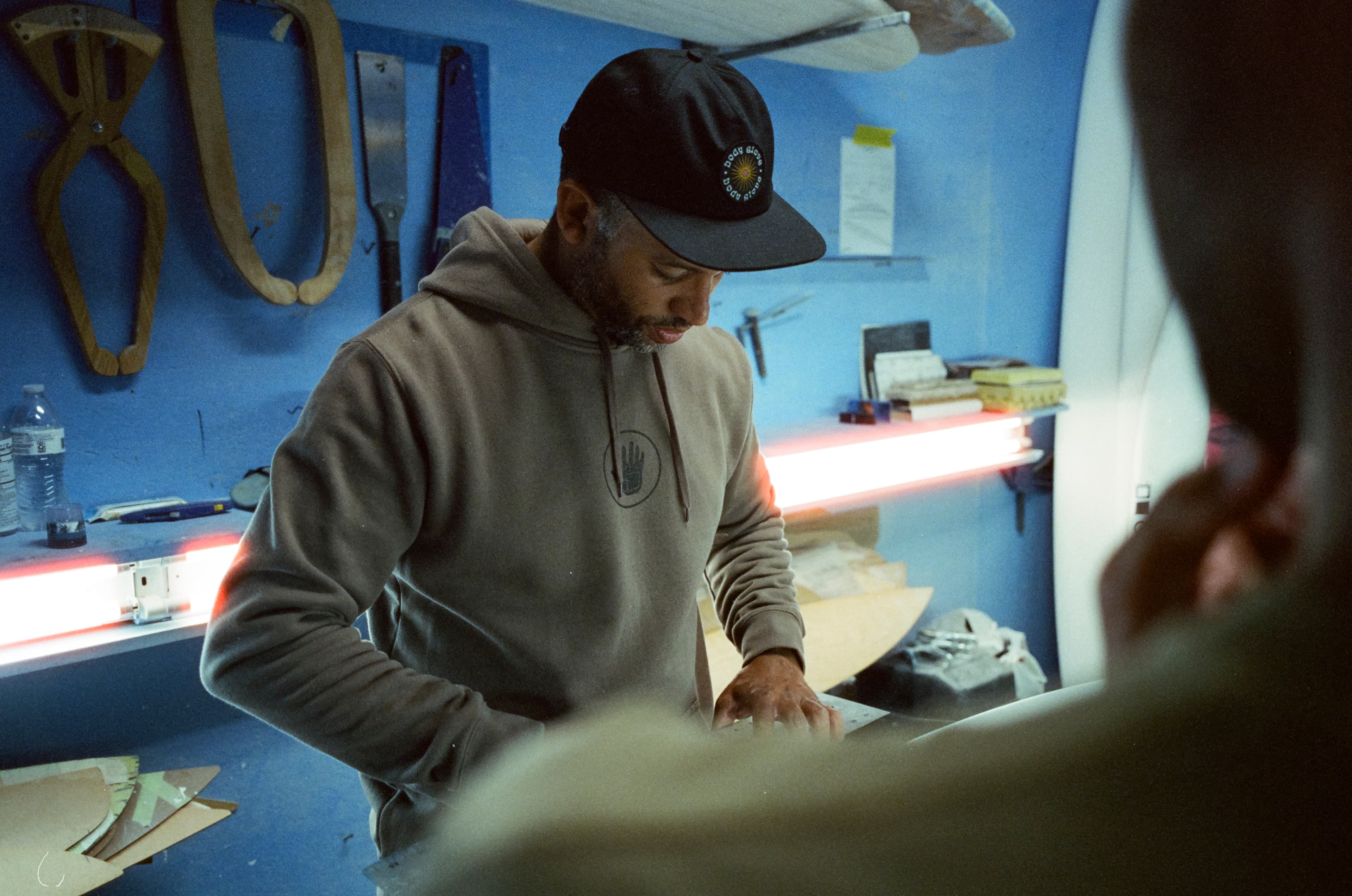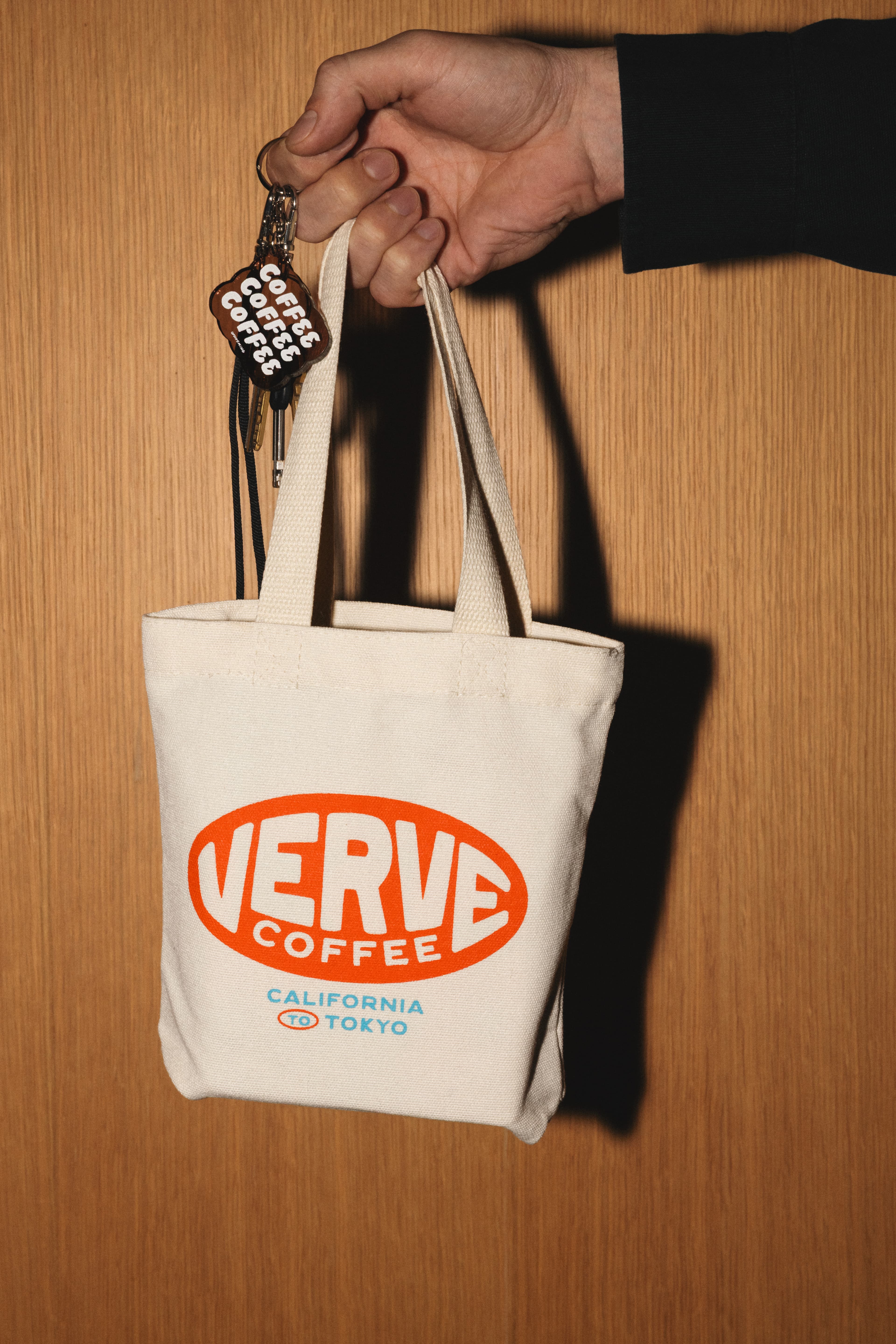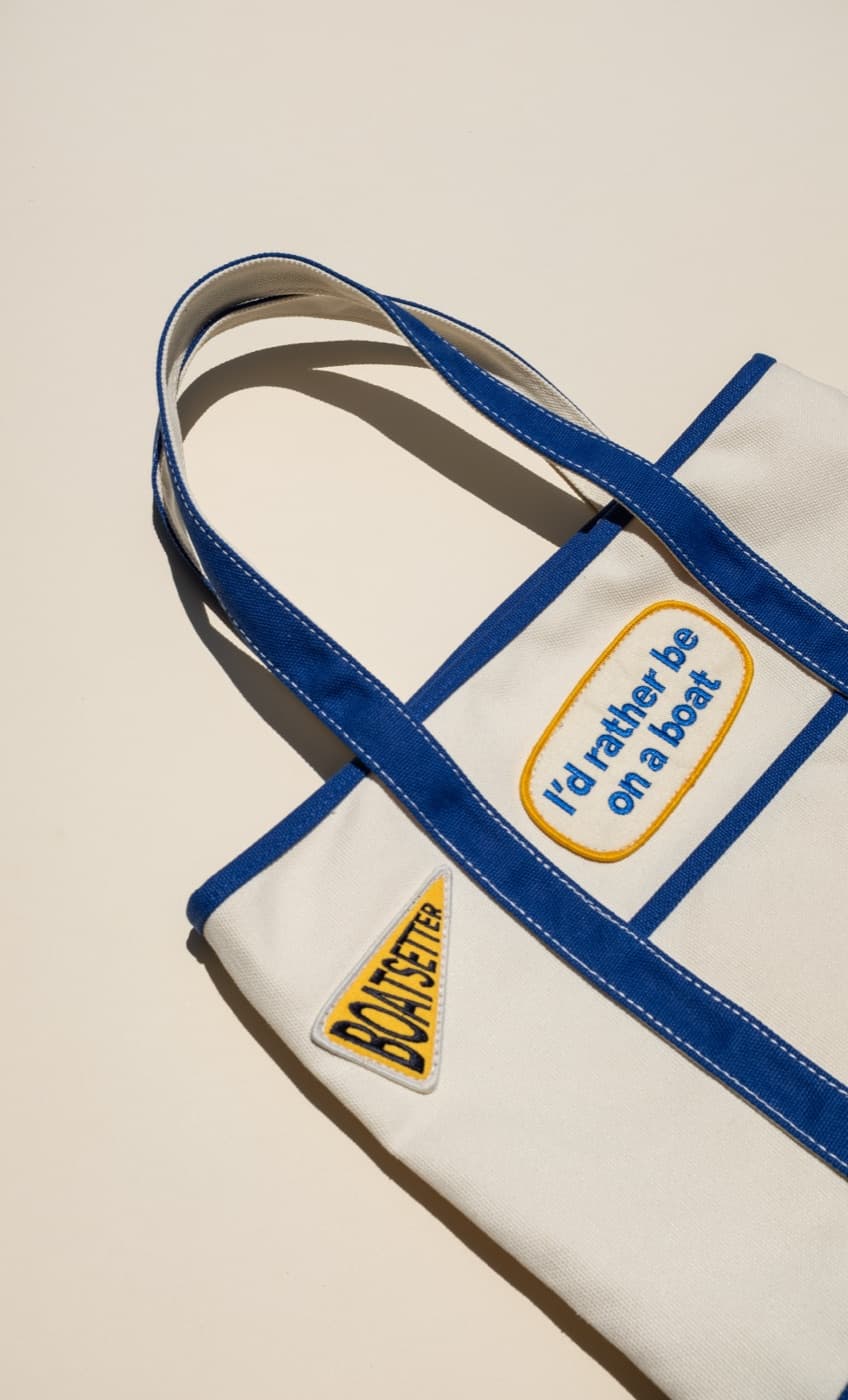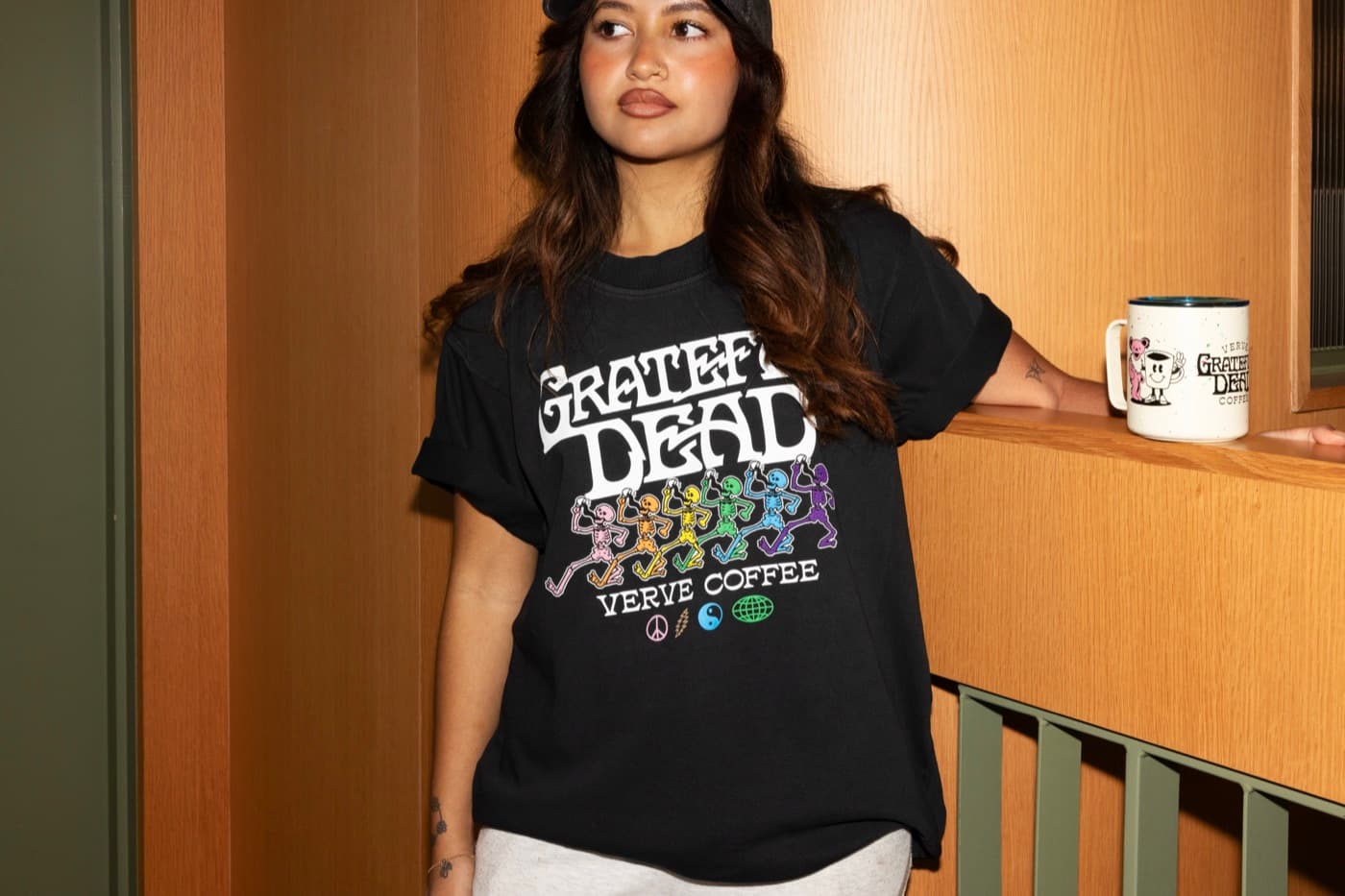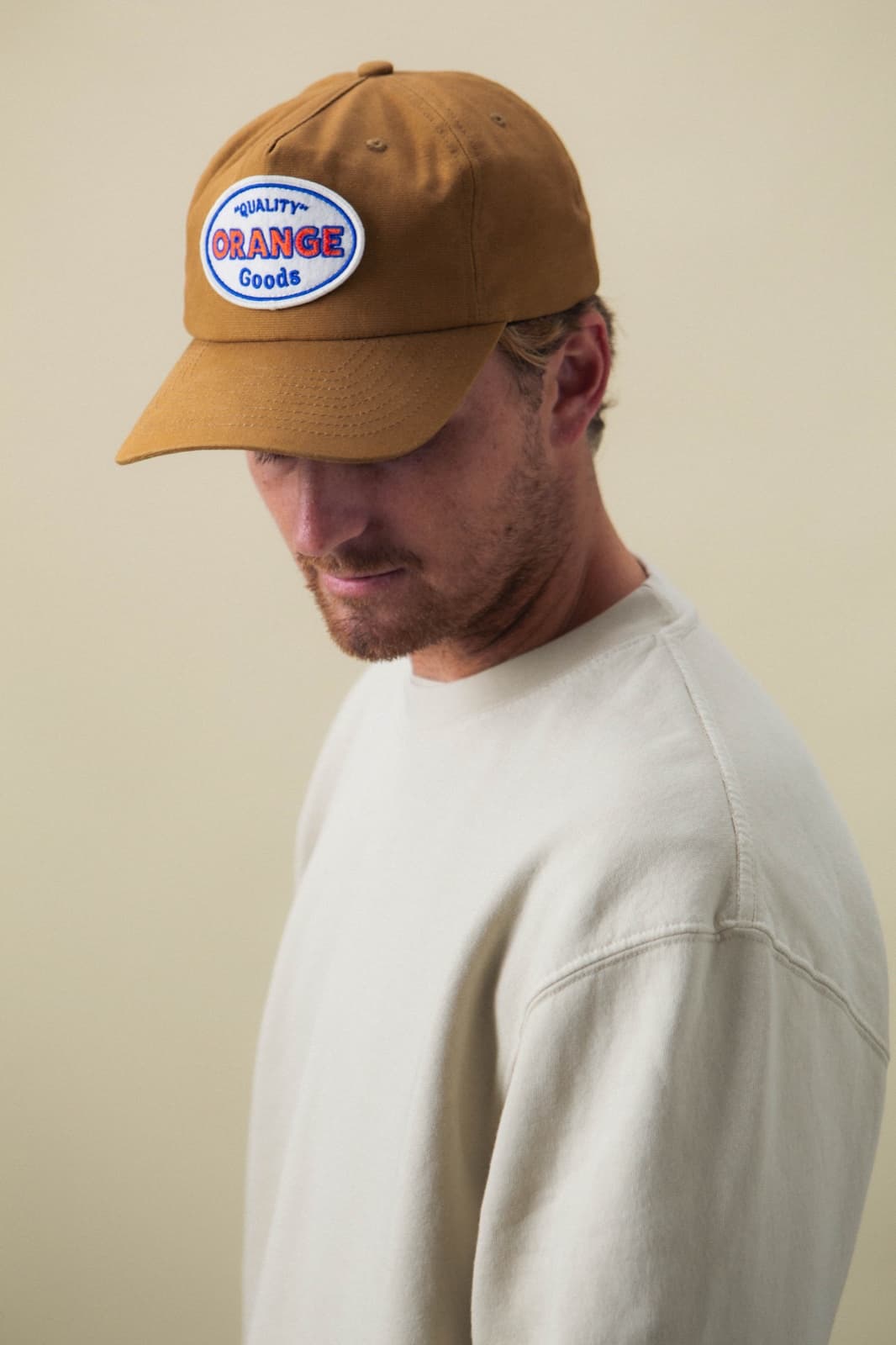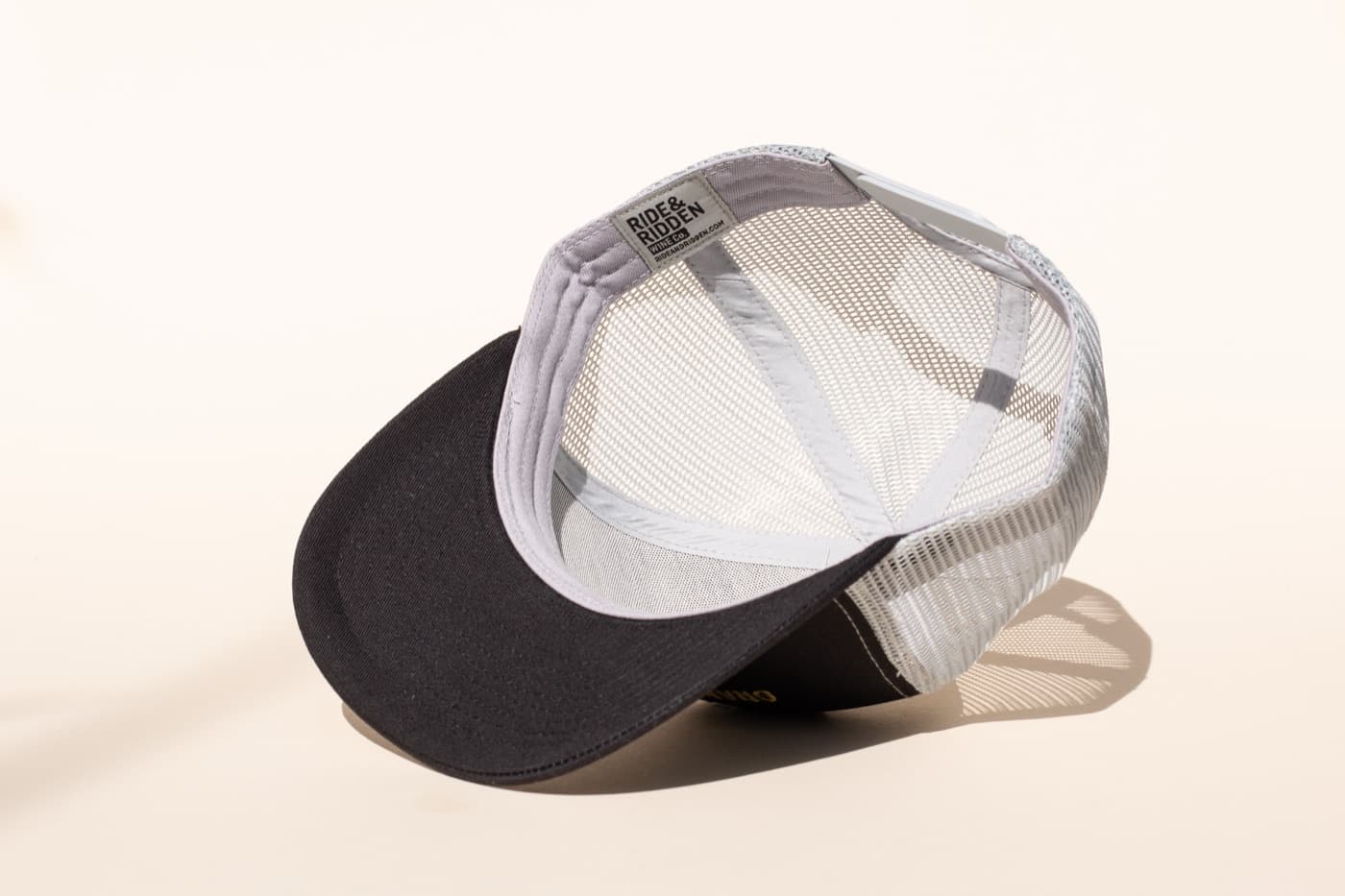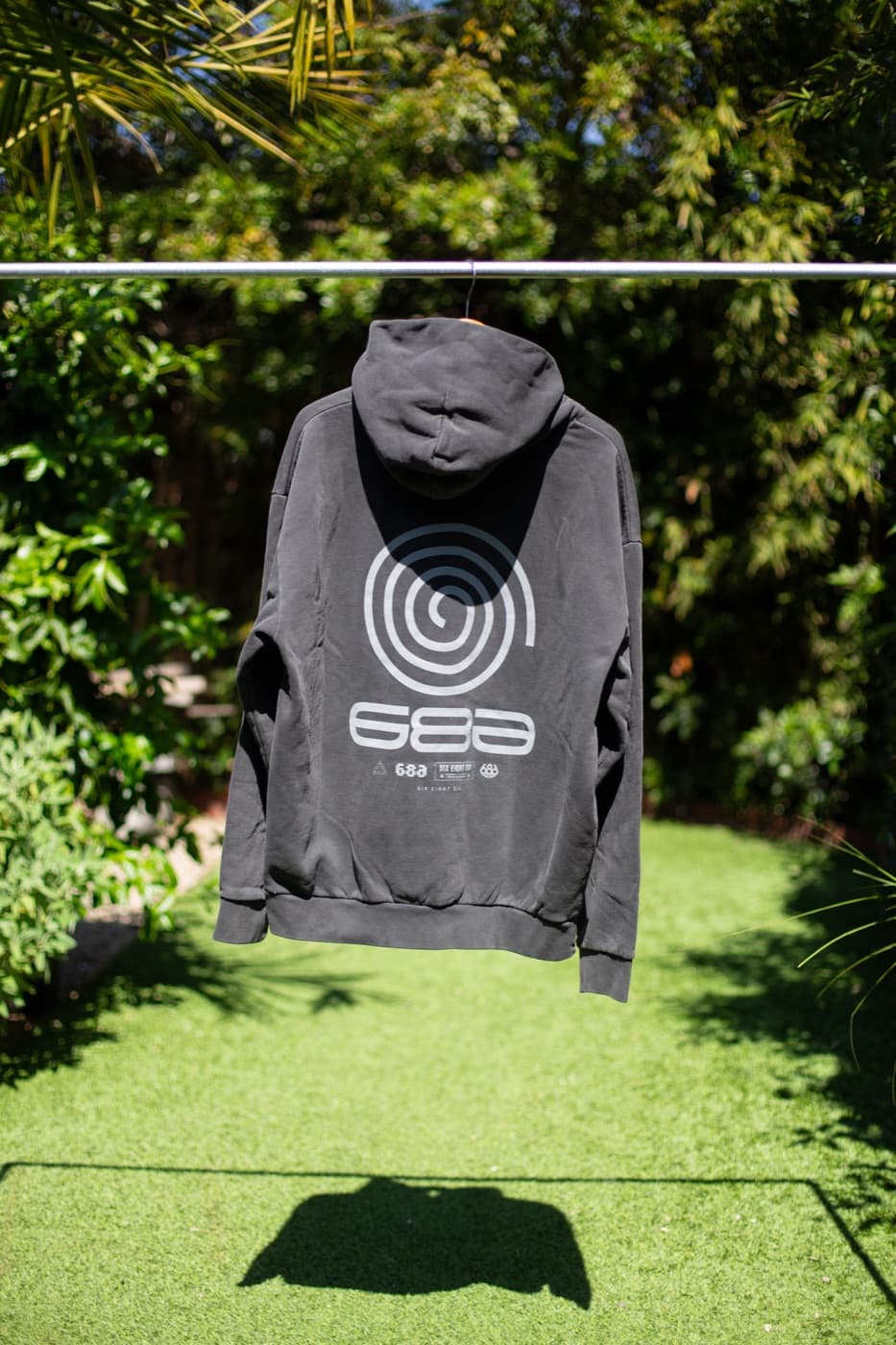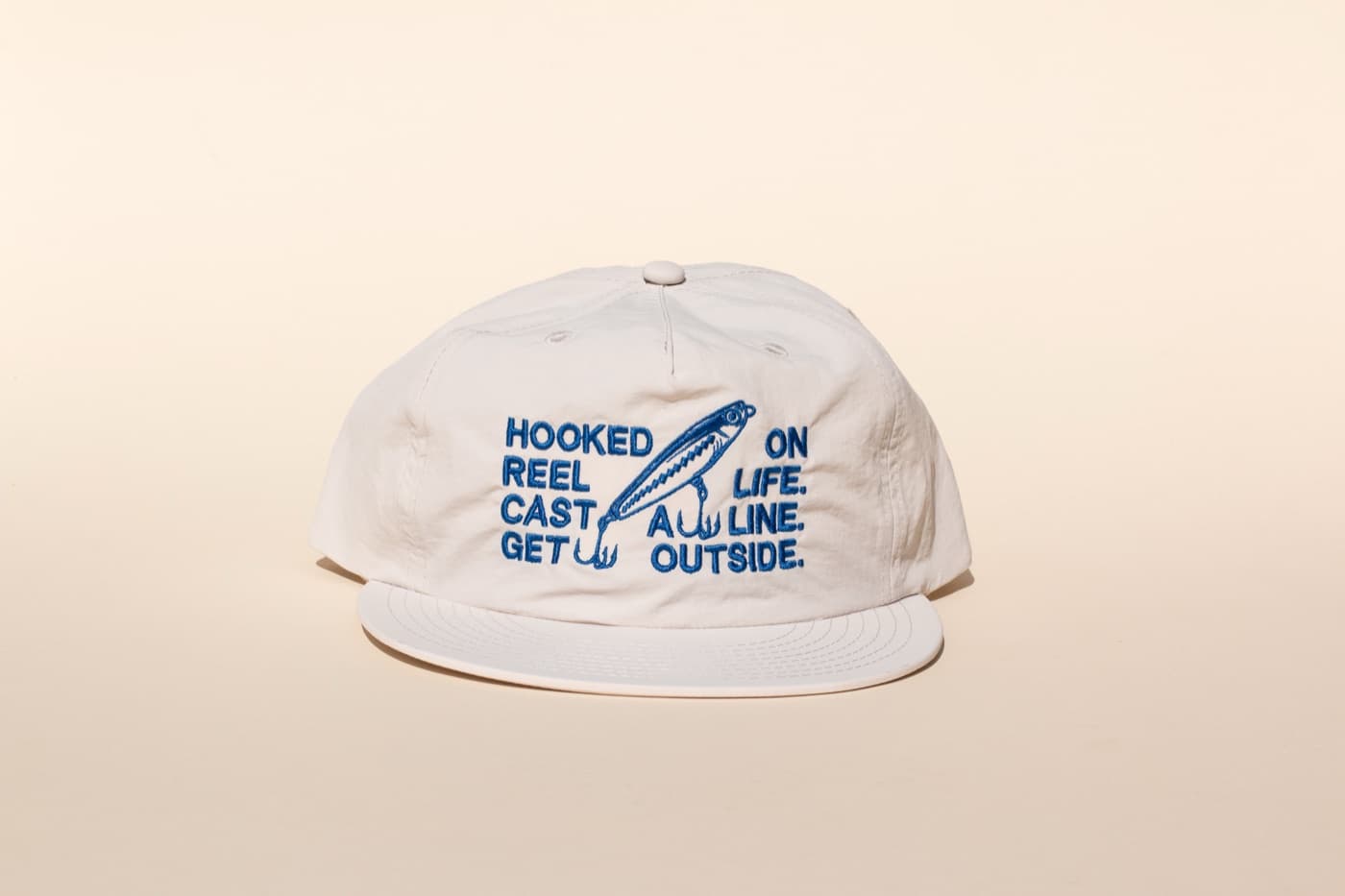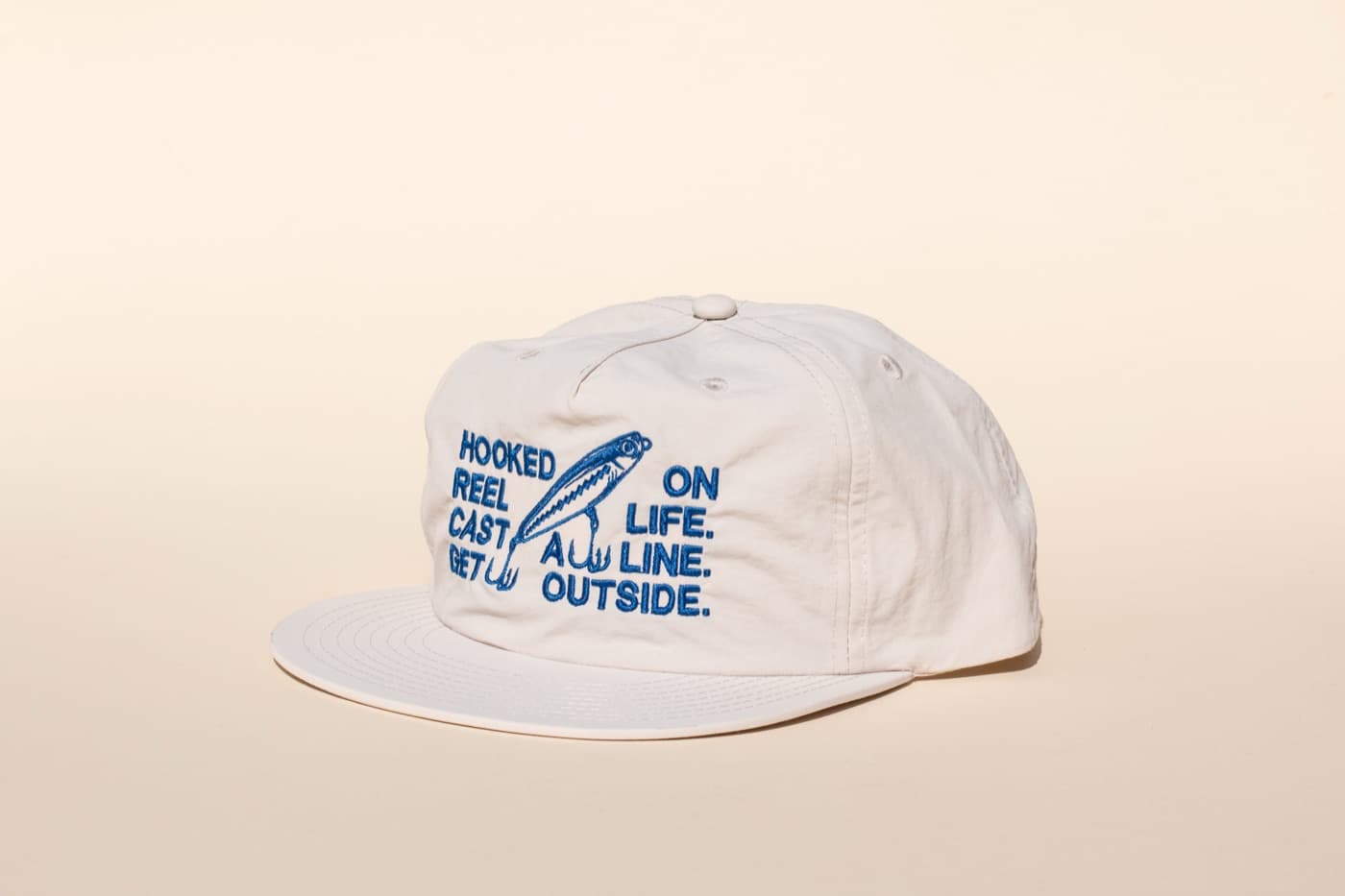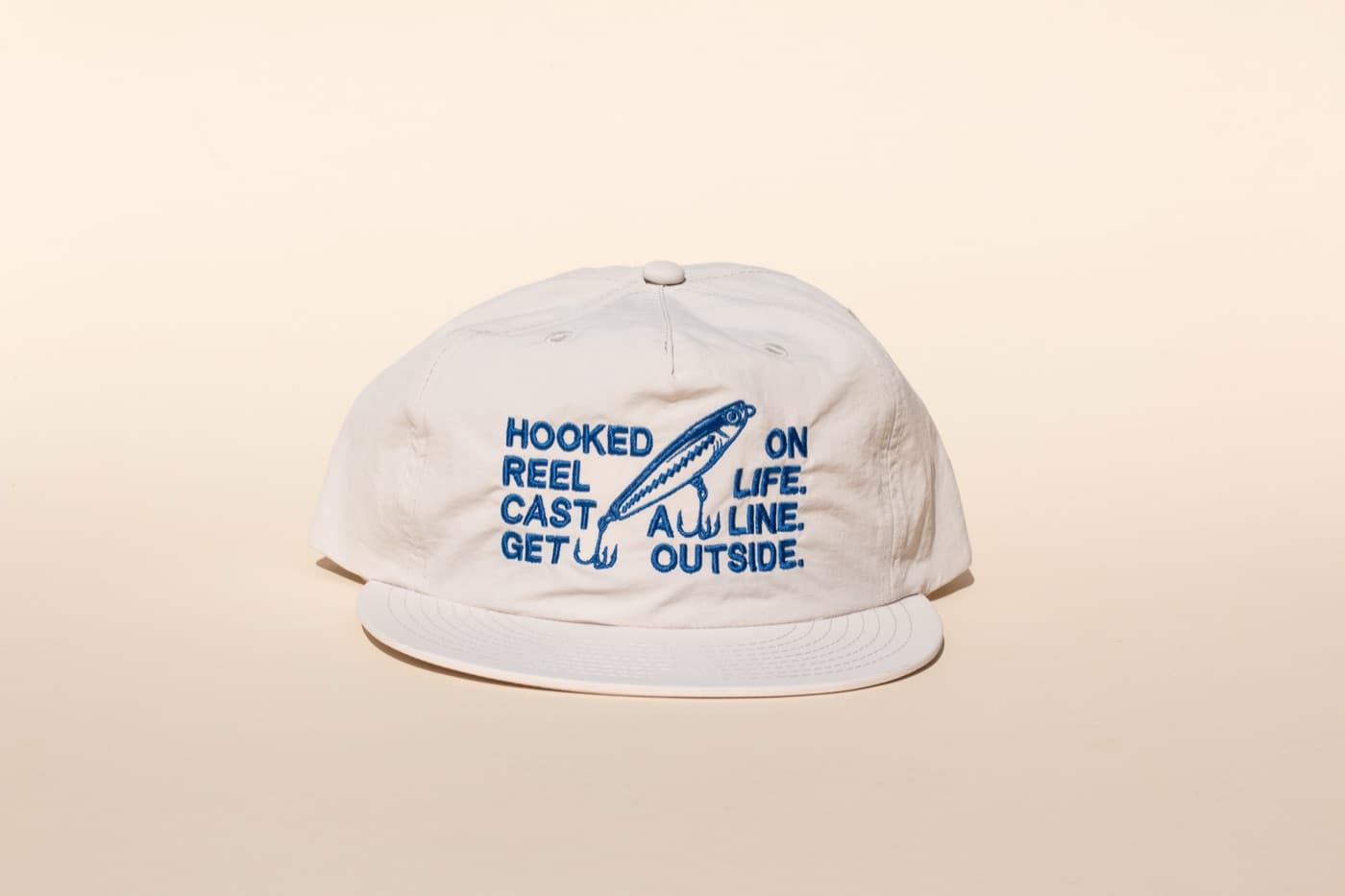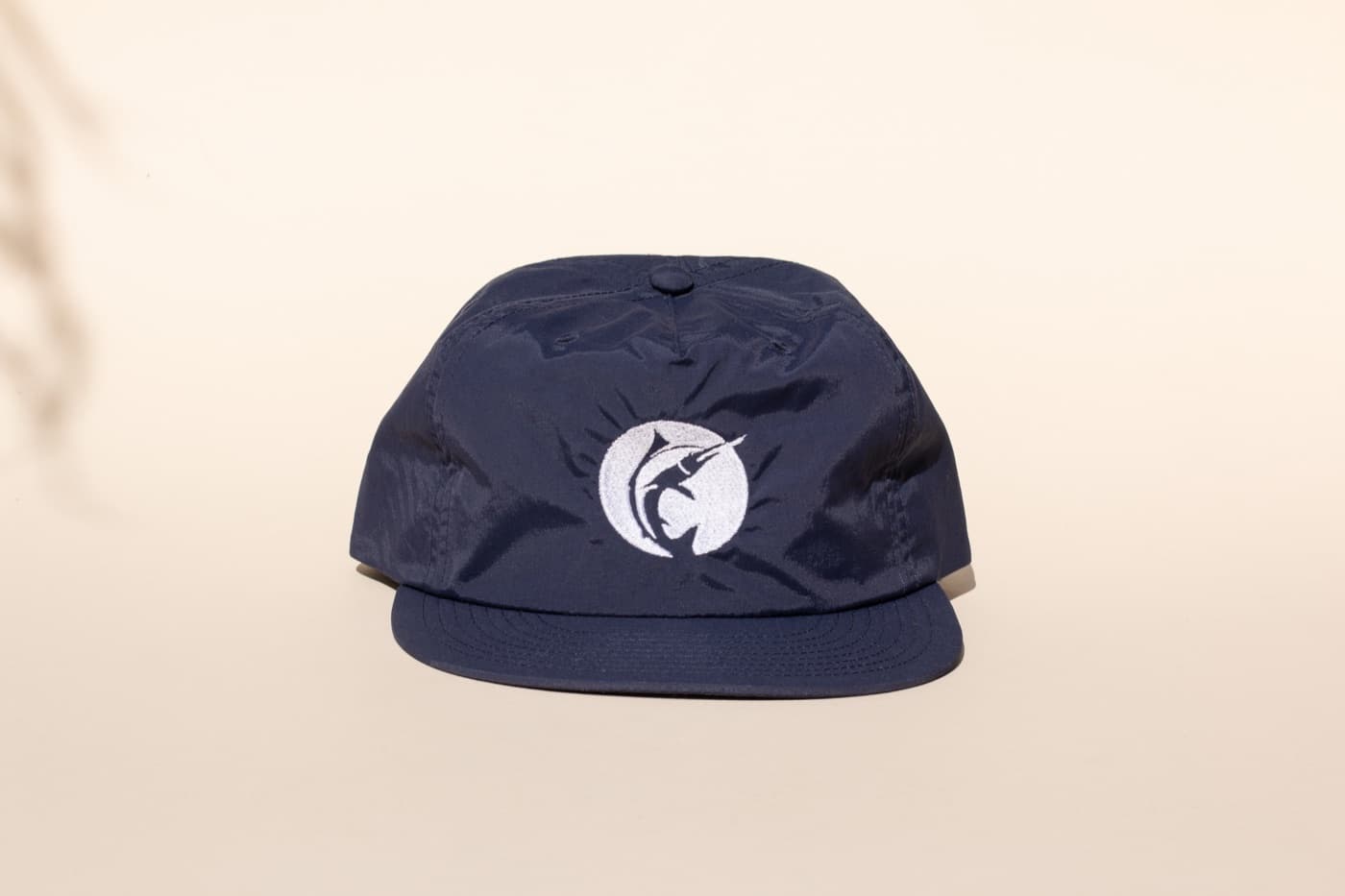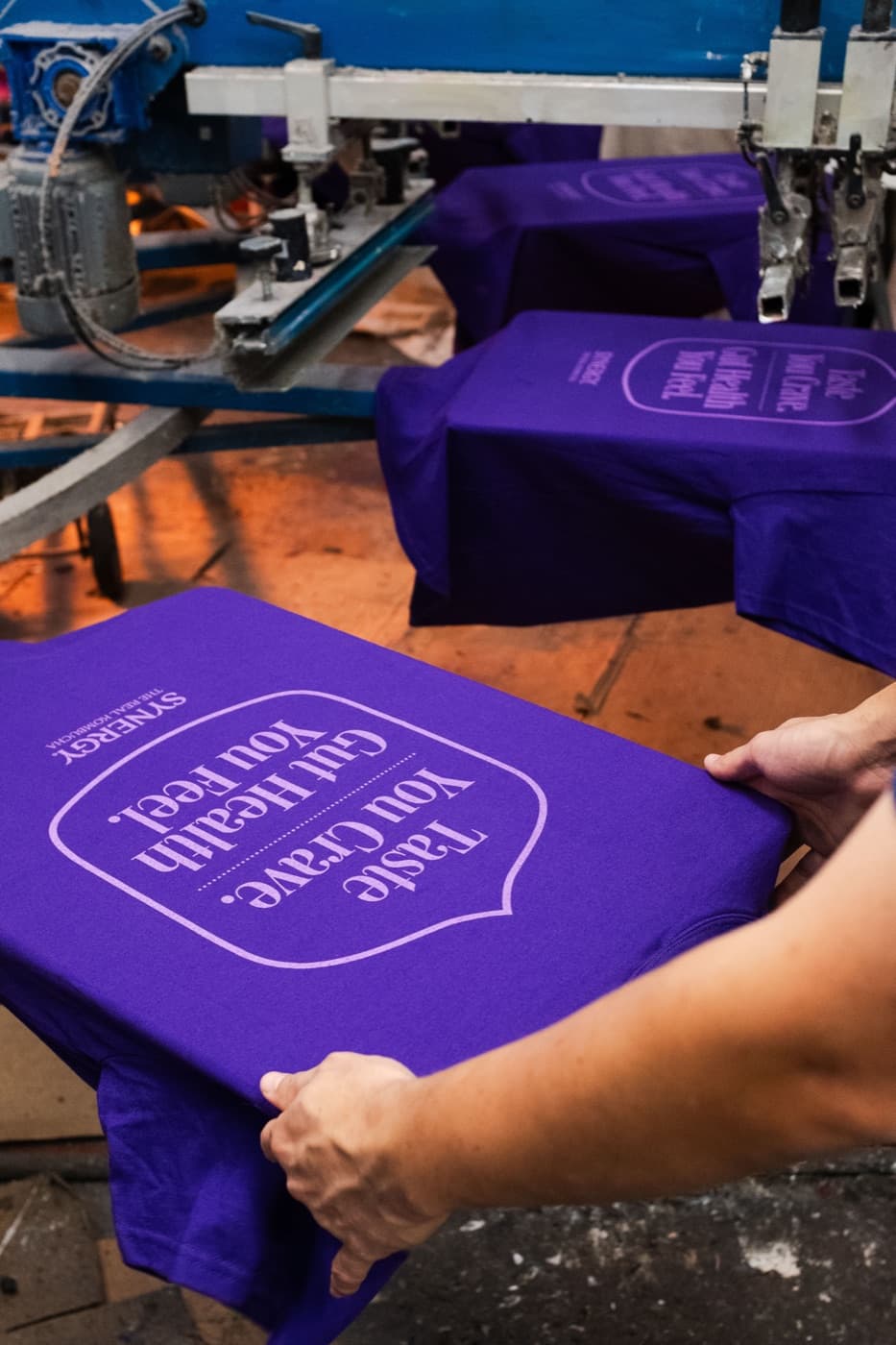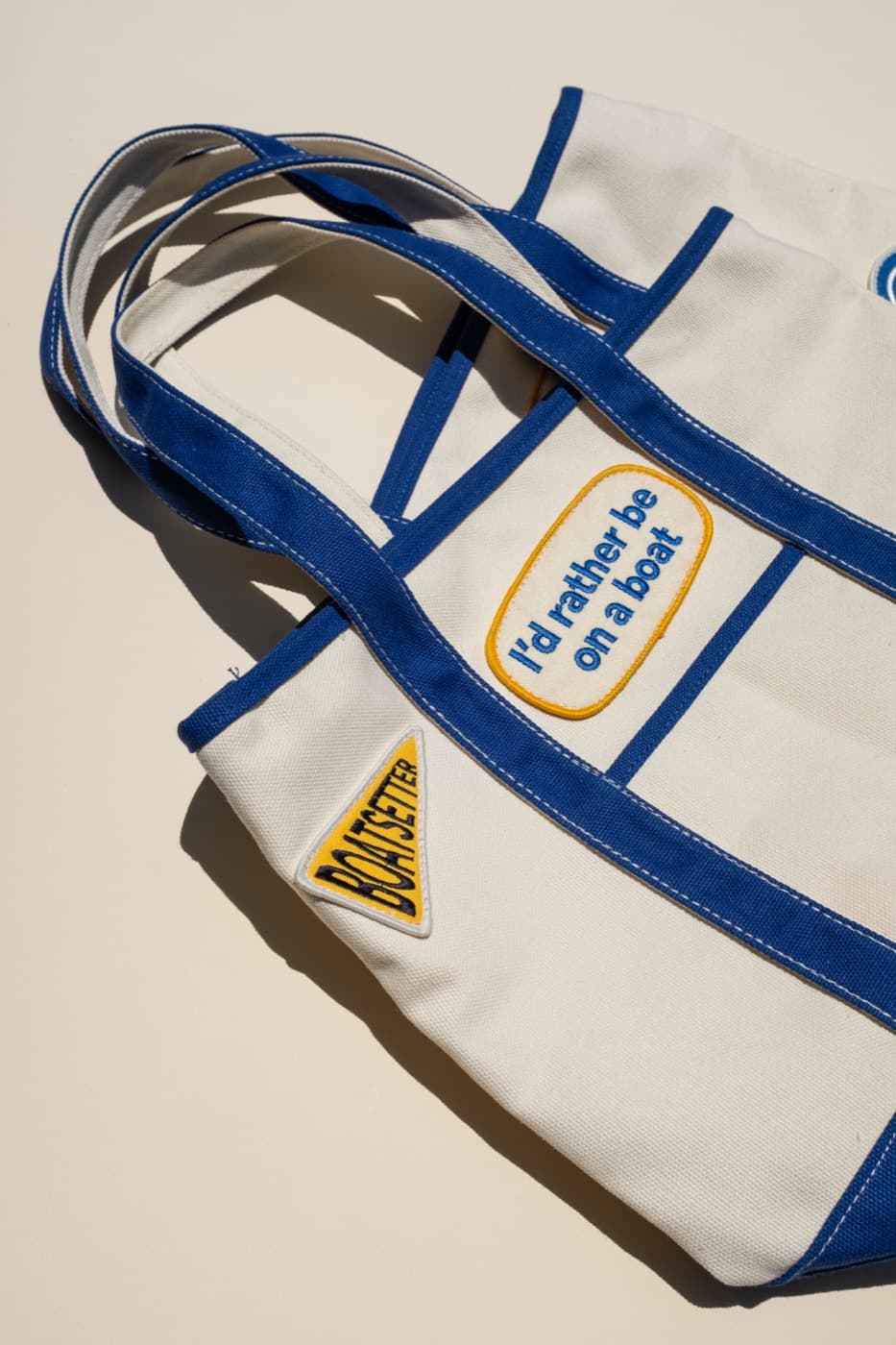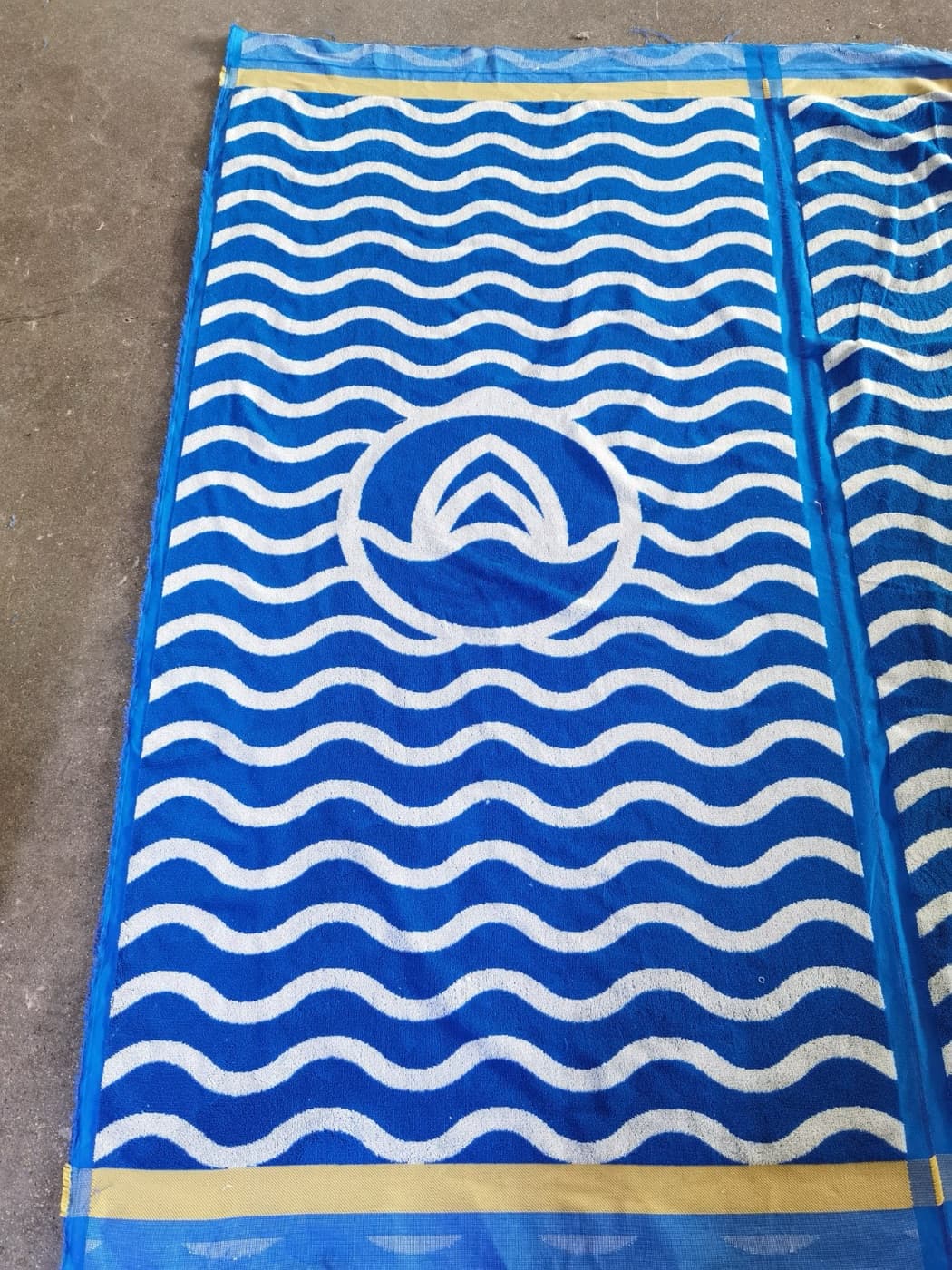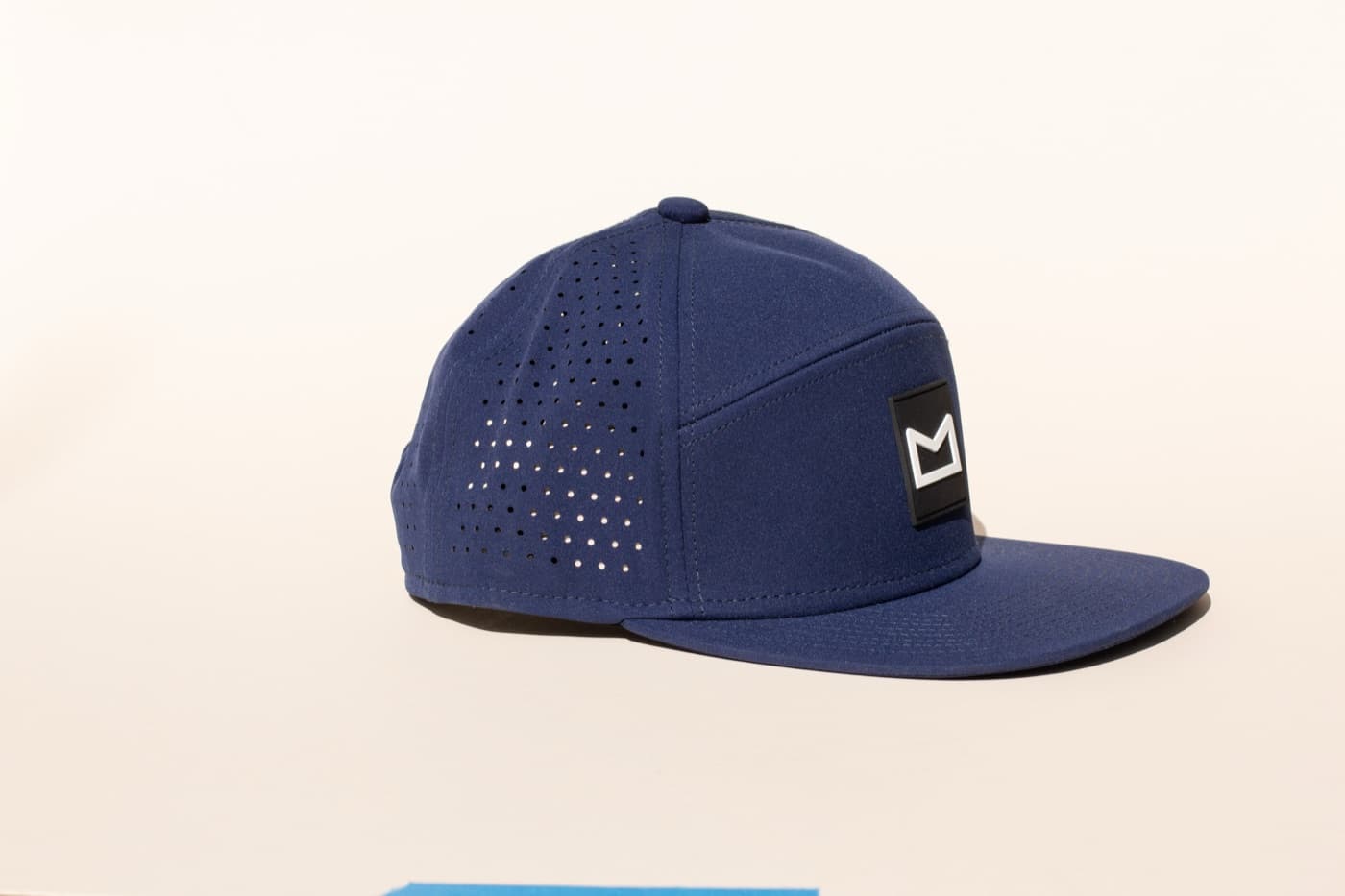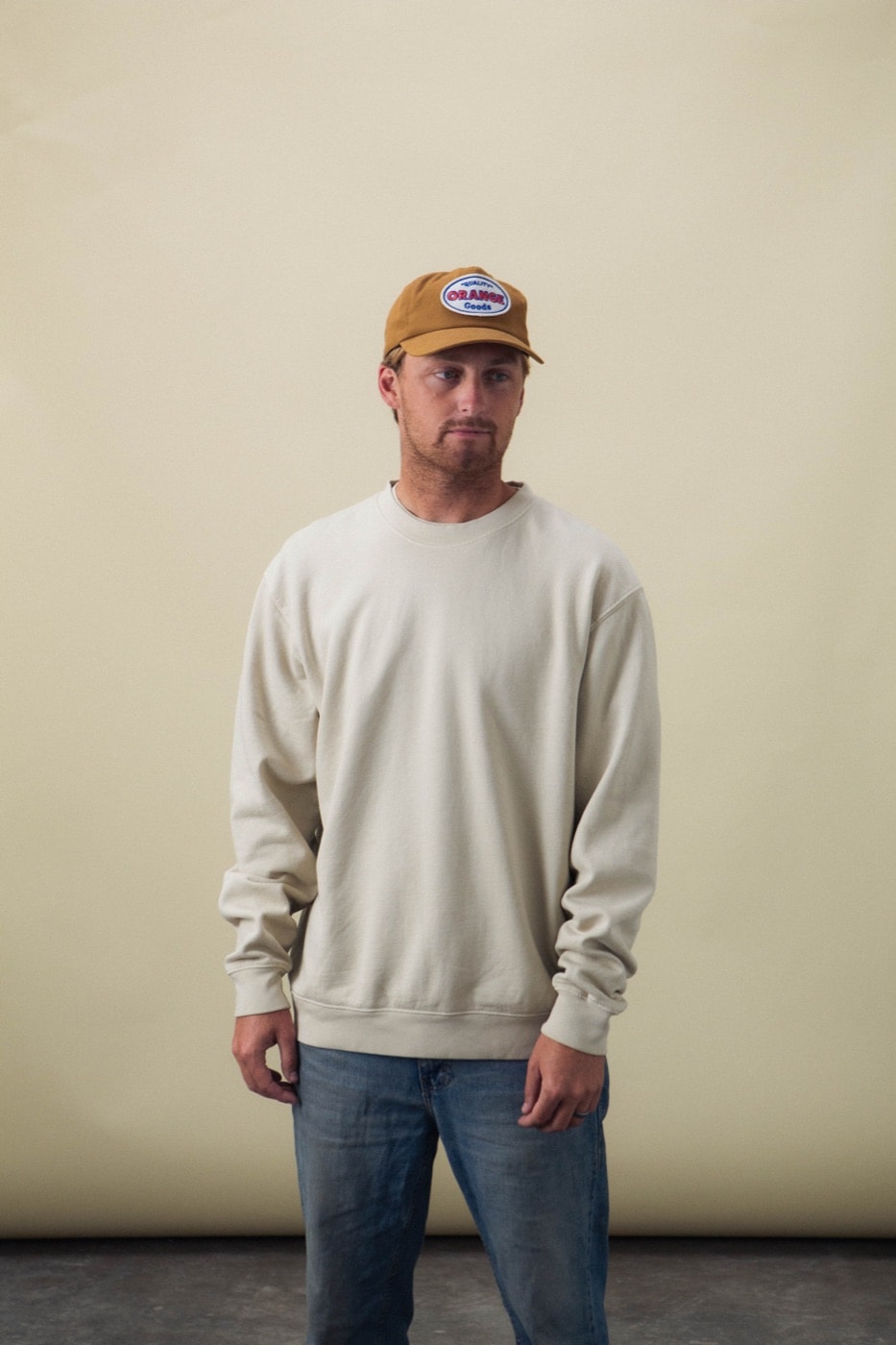
A lot of brands treat merch like a one-time project: pick a product, approve a proof, receive the boxes, and move on. That can work for a single event, but many organizations need something more durable. Staff uniforms, retail hats, campus goods, donor gifts, customer welcome kits, and company apparel often need to be reordered again and again.
A reorderable merch program makes the second order easier than the first. The goal is to create a system that can stay consistent, improve over time, and avoid the scramble of rebuilding the same project from scratch every few months.
Choose products that will still exist
Not every blank is a good foundation for a repeat program. Seasonal colors, limited-run styles, and niche products can disappear quickly. If the brand needs consistency, choose core products with reliable inventory and a supplier history. A slightly less trendy blank may be the smarter choice if it can be reordered cleanly.
This matters for staff uniforms, school departments, restaurant hats, and client gifts where consistency is part of the brand. If every reorder changes fit, color, or decoration placement, the program starts to feel messy.
Document every decision
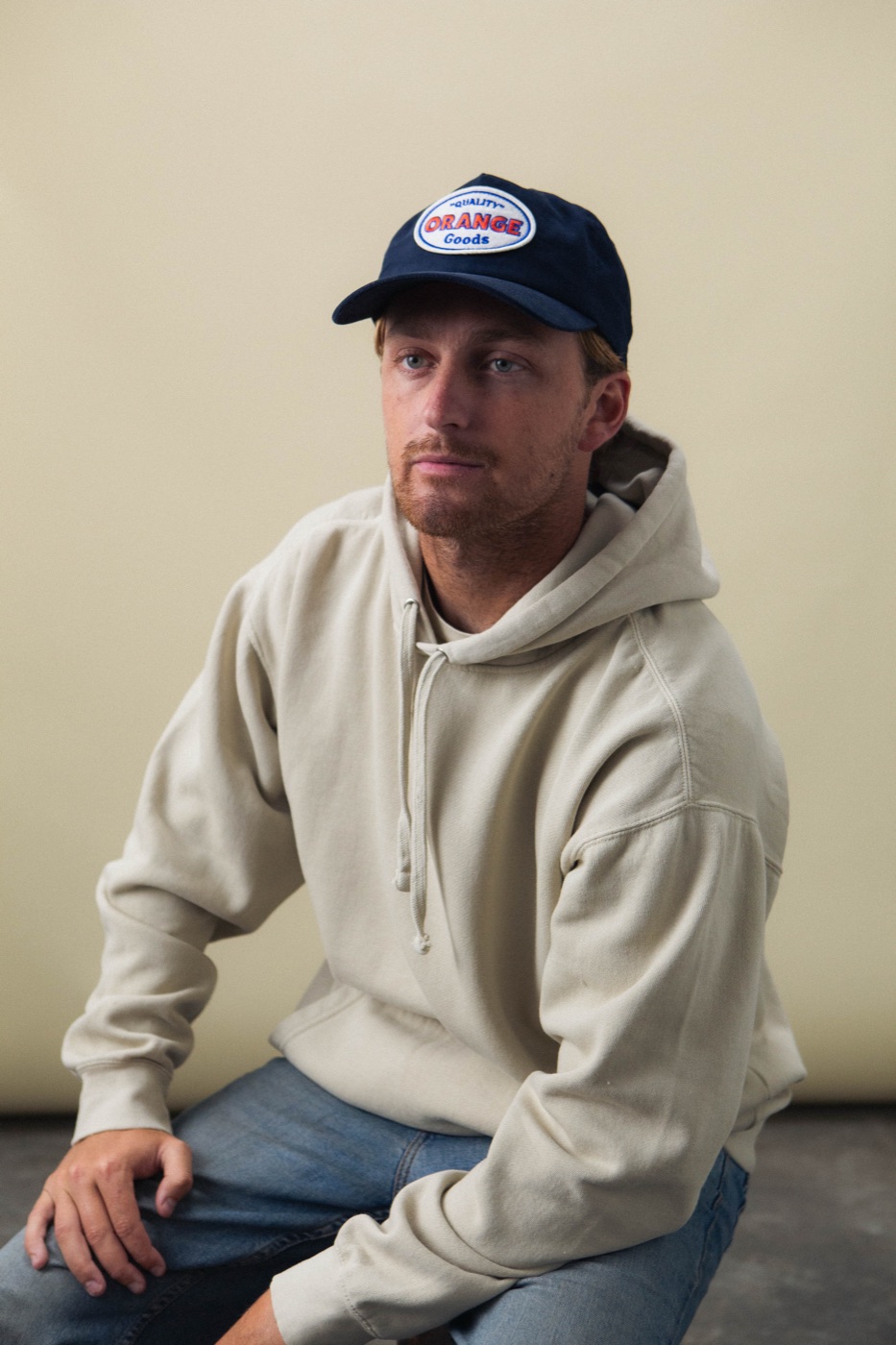
A reorderable program needs records: product style, color, sizes, decoration method, artwork file, thread or ink colors, imprint size, placement, proof, packaging, quantity, and delivery notes. Those details should not live only in one person's inbox.
Good documentation protects the program when a new buyer joins, a department reorders, a vendor has a question, or the brand wants to compare what changed from one run to the next. It also helps identify what sold, what sat, and what should be adjusted.
Start with a focused first run
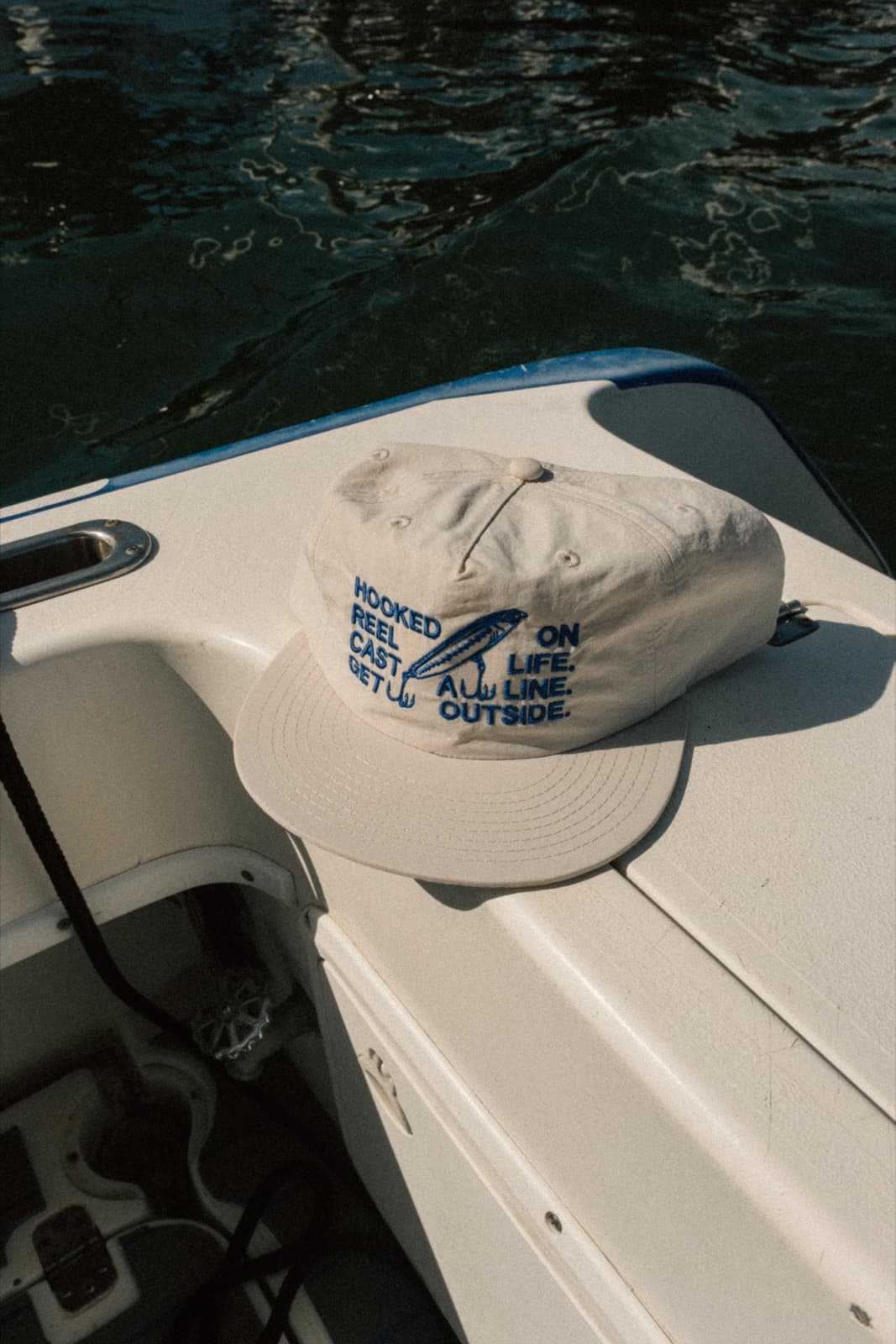
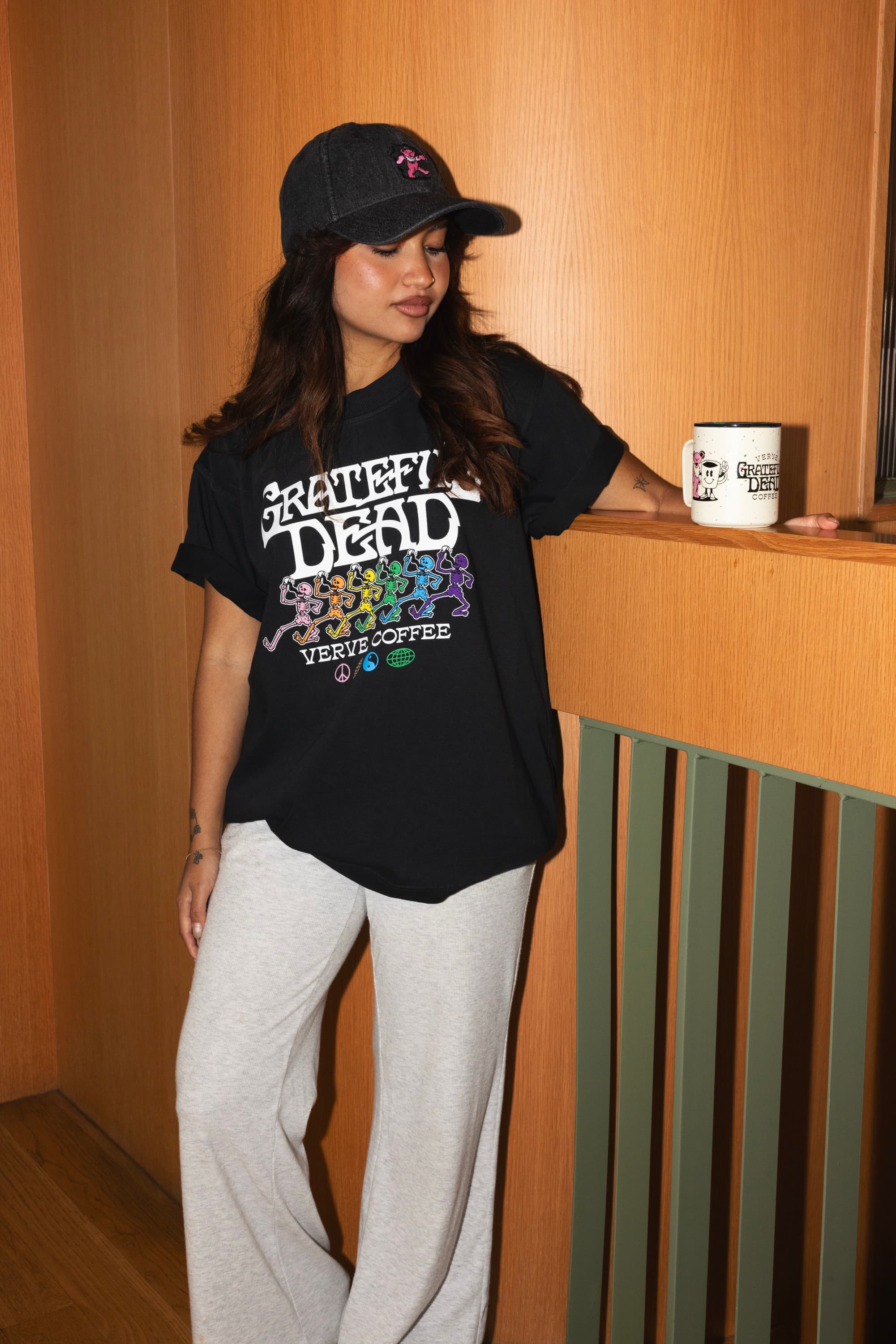
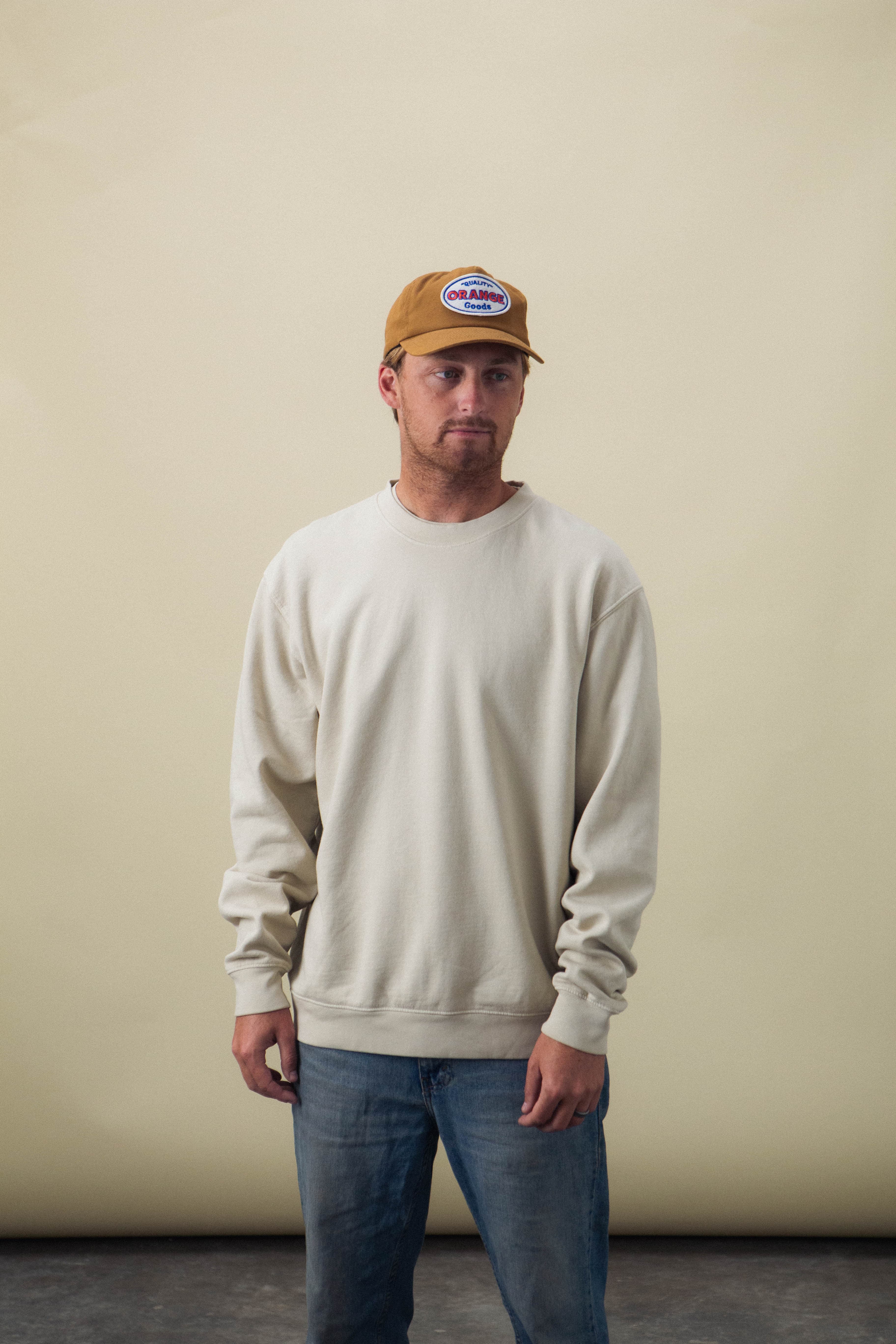
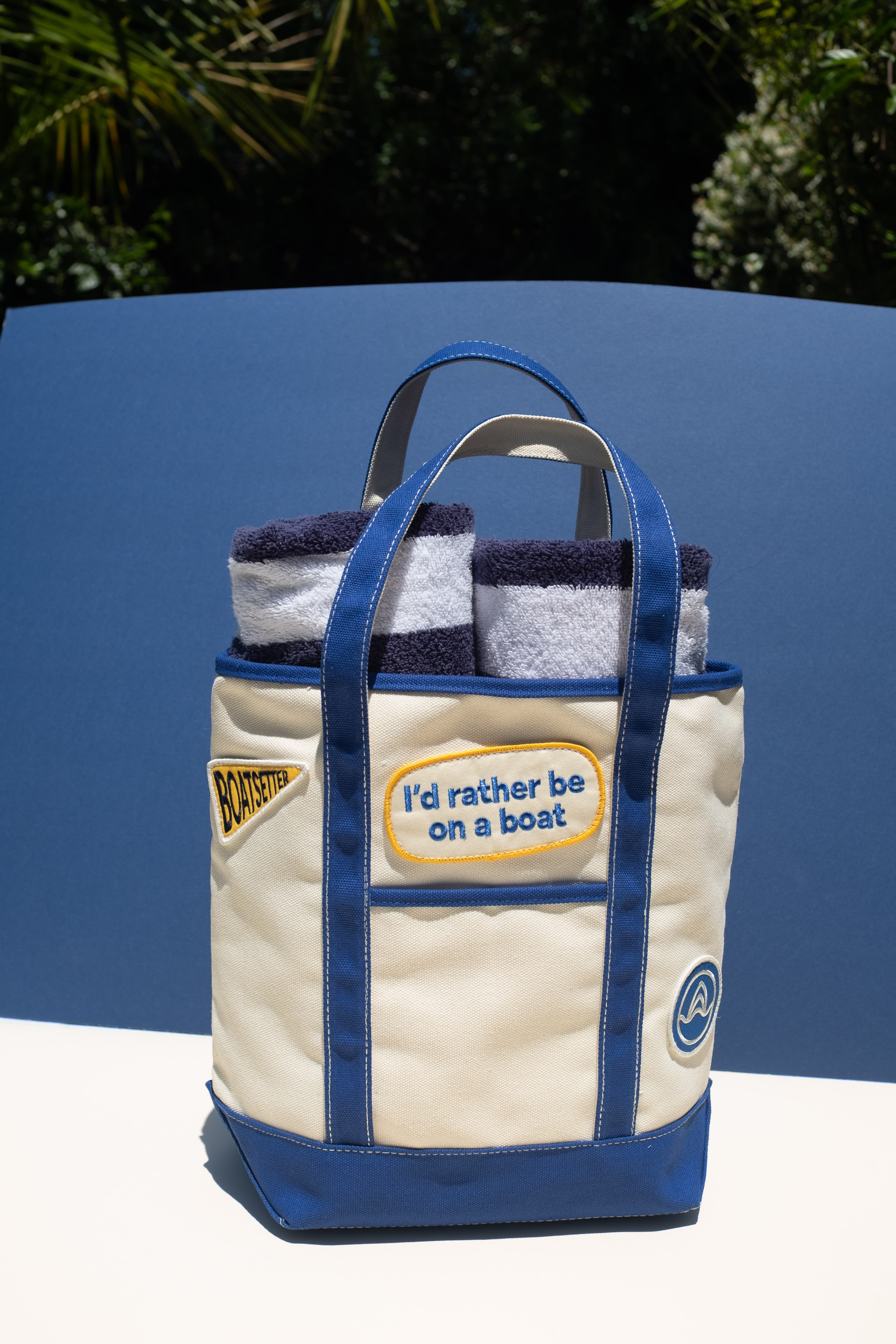
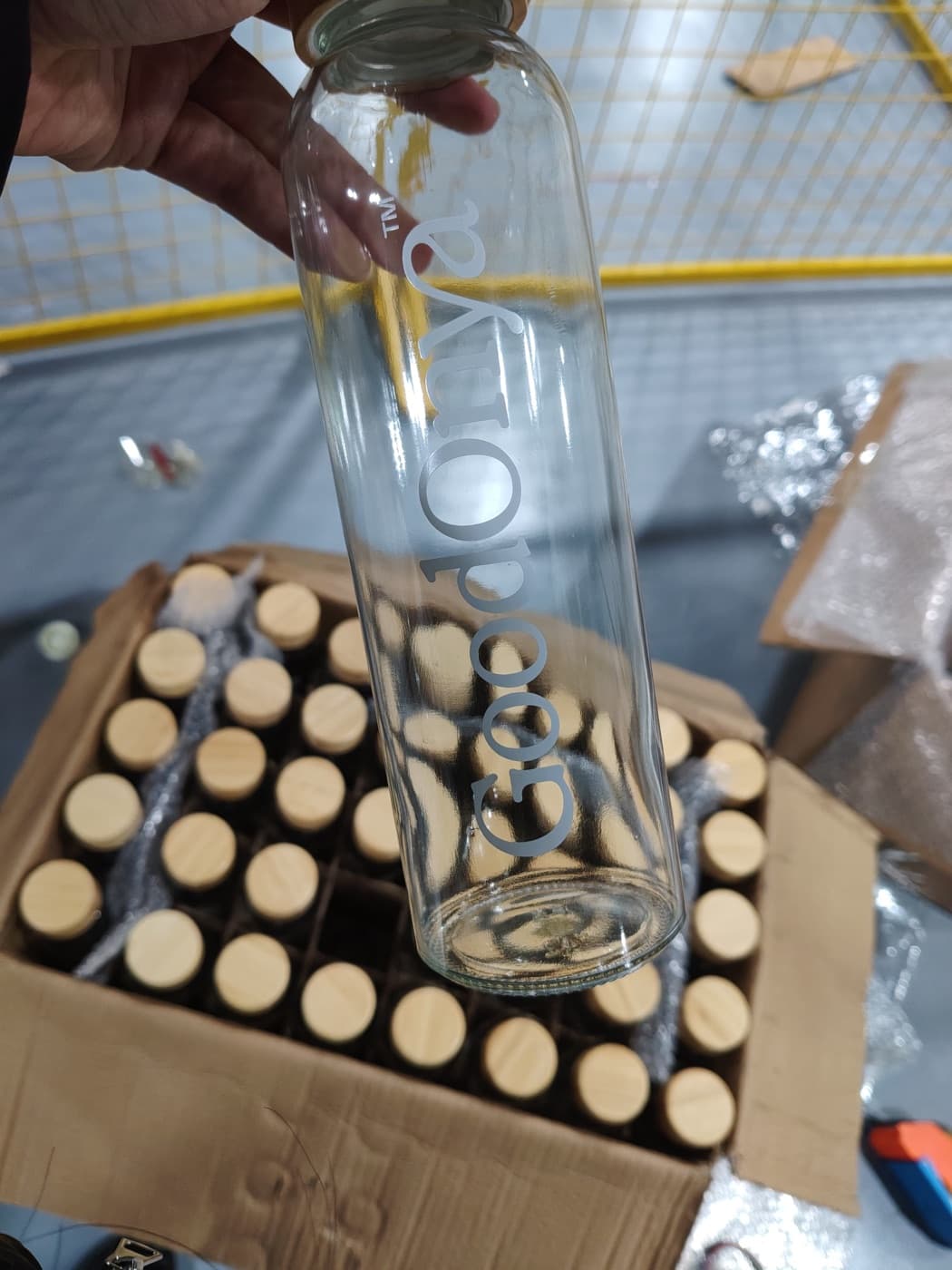
A first run does not need to solve every future need. It should create a strong baseline. For many brands, that means one or two core products around the 100-piece mark: a hat, tee, tote, hoodie, bottle, or small kit. The first run teaches what people actually use, buy, and ask for again.
Keep the variables controlled. Too many colors, styles, and decoration methods make it harder to know what worked. A cleaner first run gives better reorder data.
Set reorder triggers
Reorders are easier when there is a trigger. For retail merch, reorder when inventory hits a specific floor. For staff uniforms, reorder monthly or quarterly based on hiring. For campus or department goods, plan around known events. For customer gifts, connect the reorder to sales or onboarding volume.
Without triggers, teams usually wait until they are out of stock and then rush. Rush reorders create fewer product options, higher stress, and more risk. A simple threshold can prevent that.
Improve one thing at a time
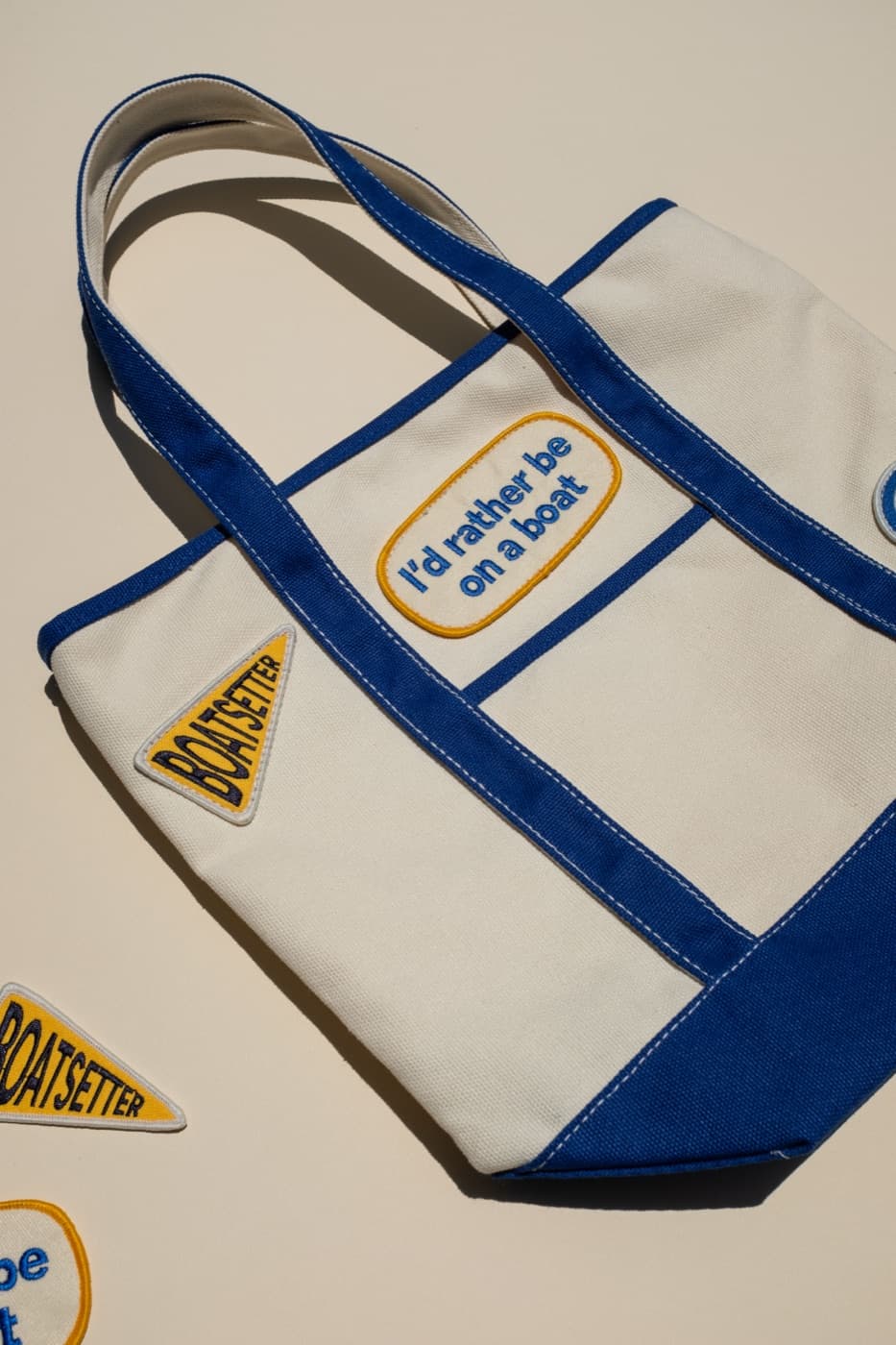
A reorder is a chance to improve, but not everything should change at once. If the hat sold well but people wanted a second color, add one color and keep the rest consistent. If the tee fit was good but the print was too large, adjust the scale. If the tote worked but needed a heavier canvas, upgrade the product and keep the artwork familiar.
Small improvements let the program evolve while keeping recognition. That is how a brand builds merch staples instead of constantly starting over.
Make the partner part of the program
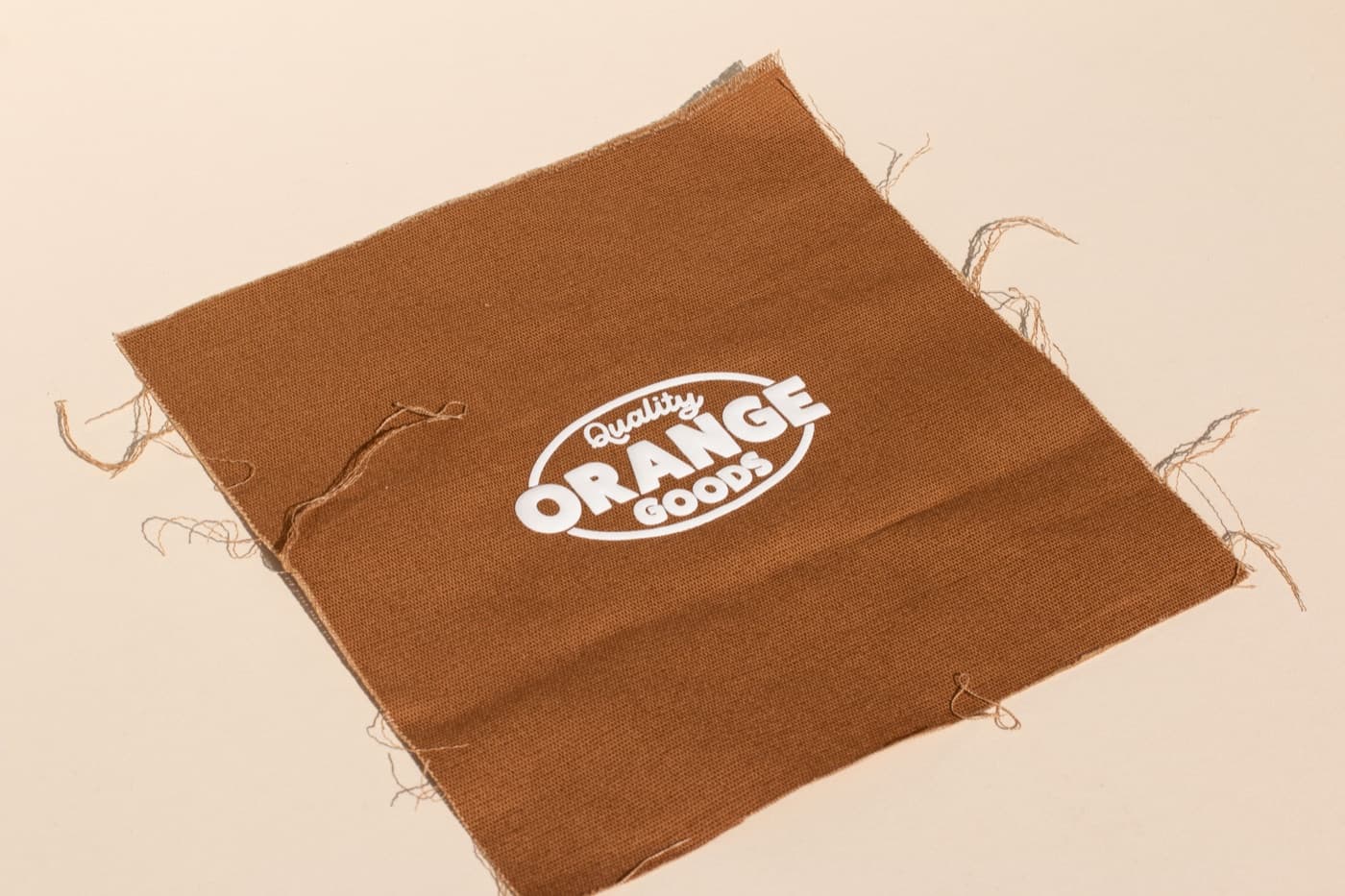
A reorderable merch program works best when the production partner understands the history. Orange Goods keeps the product, artwork, proofing, and production context connected so returning clients can move faster and make smarter updates. The more a brand orders, the better the recommendations can get.
The best merch programs are not always the biggest. They are the ones that keep showing up consistently, with goods people actually use and a process that gets easier every time.