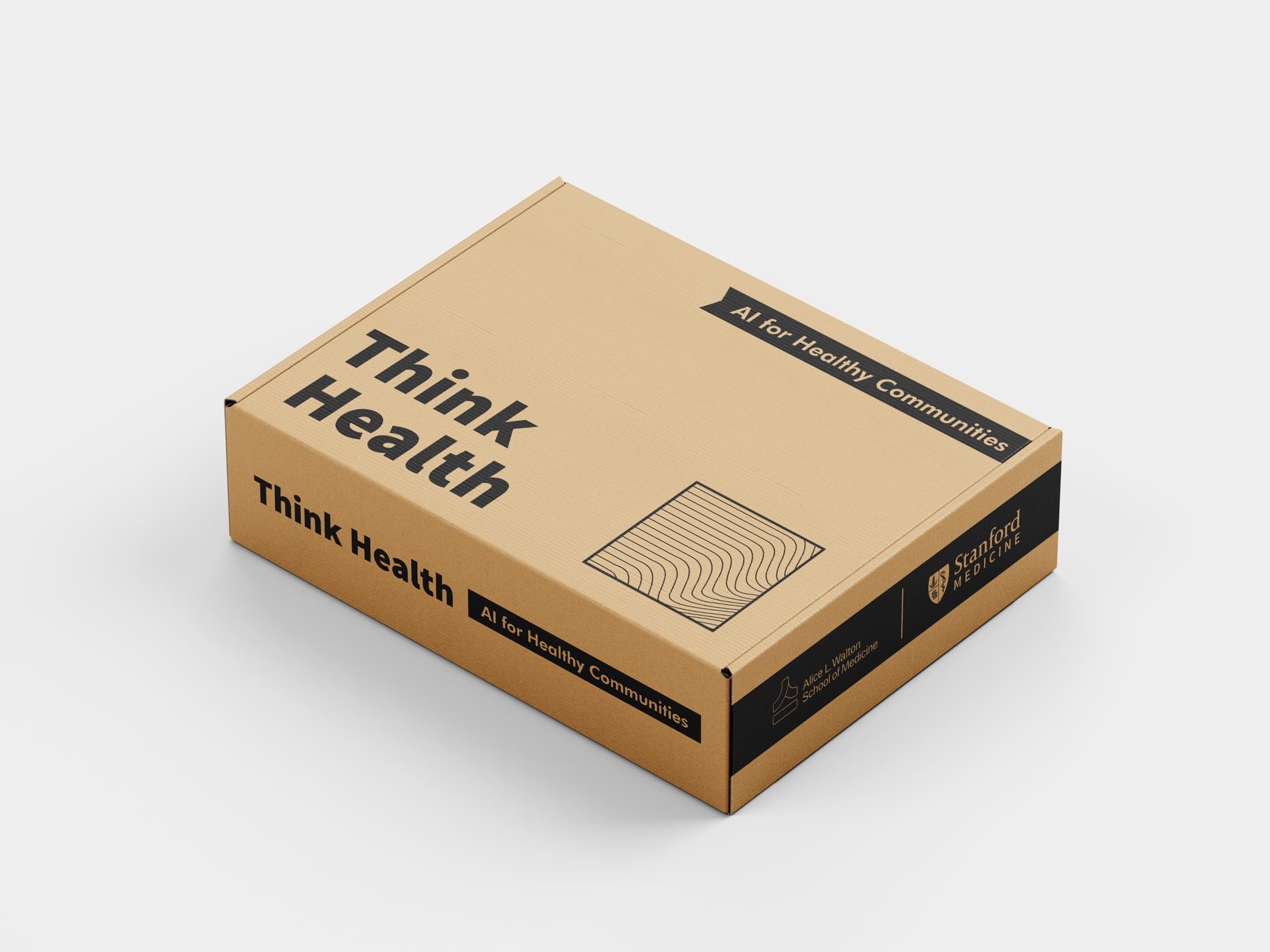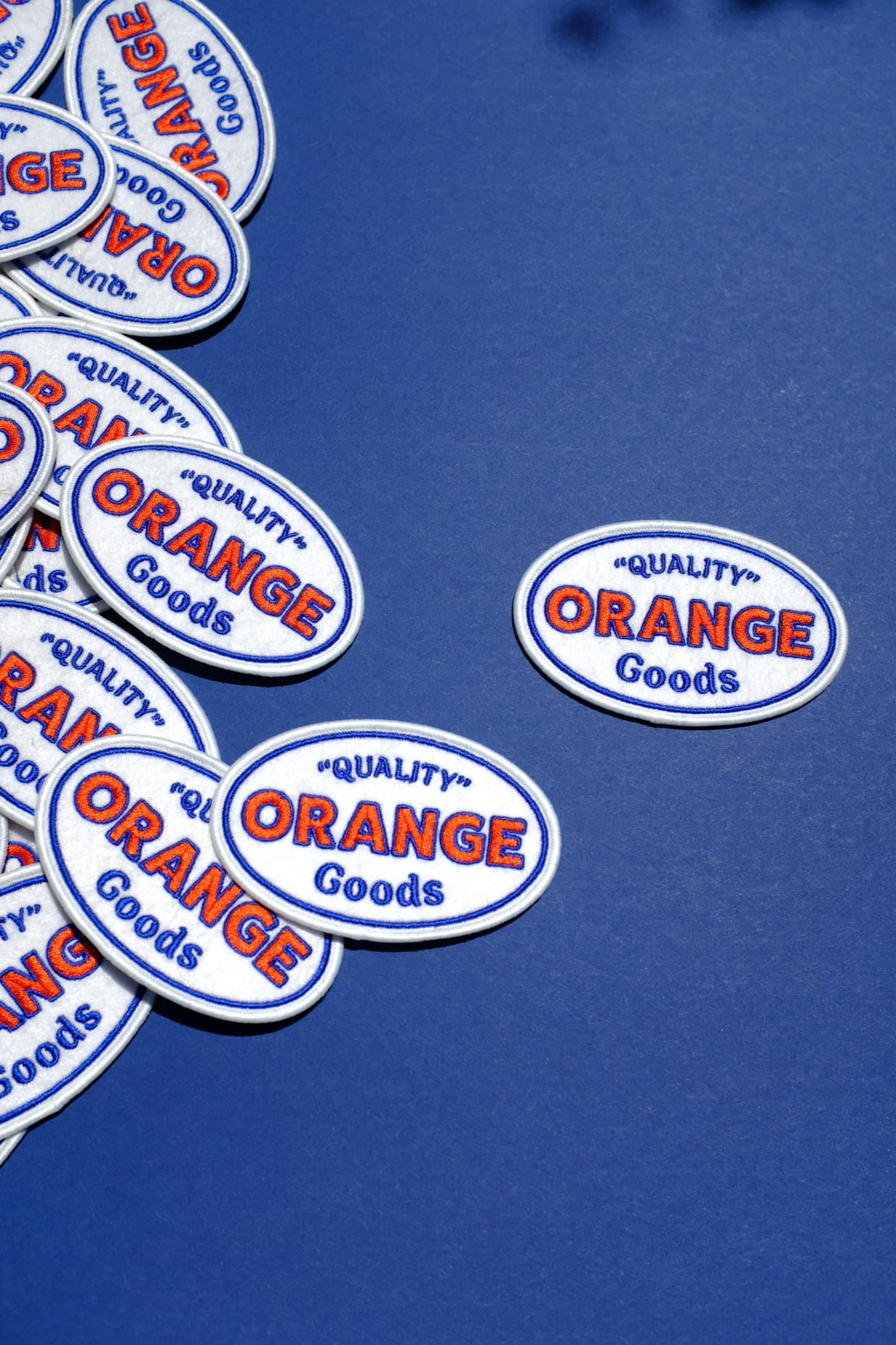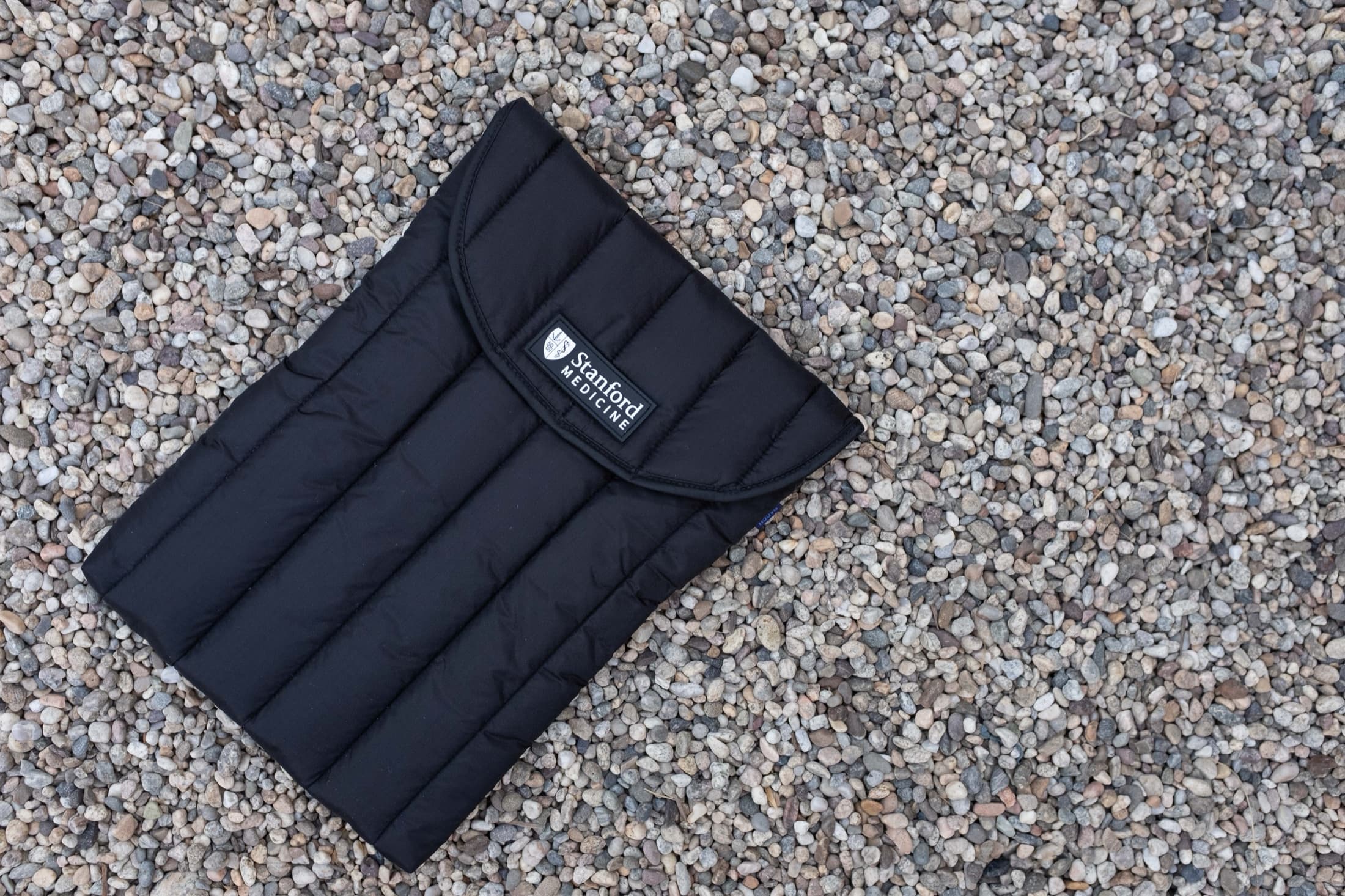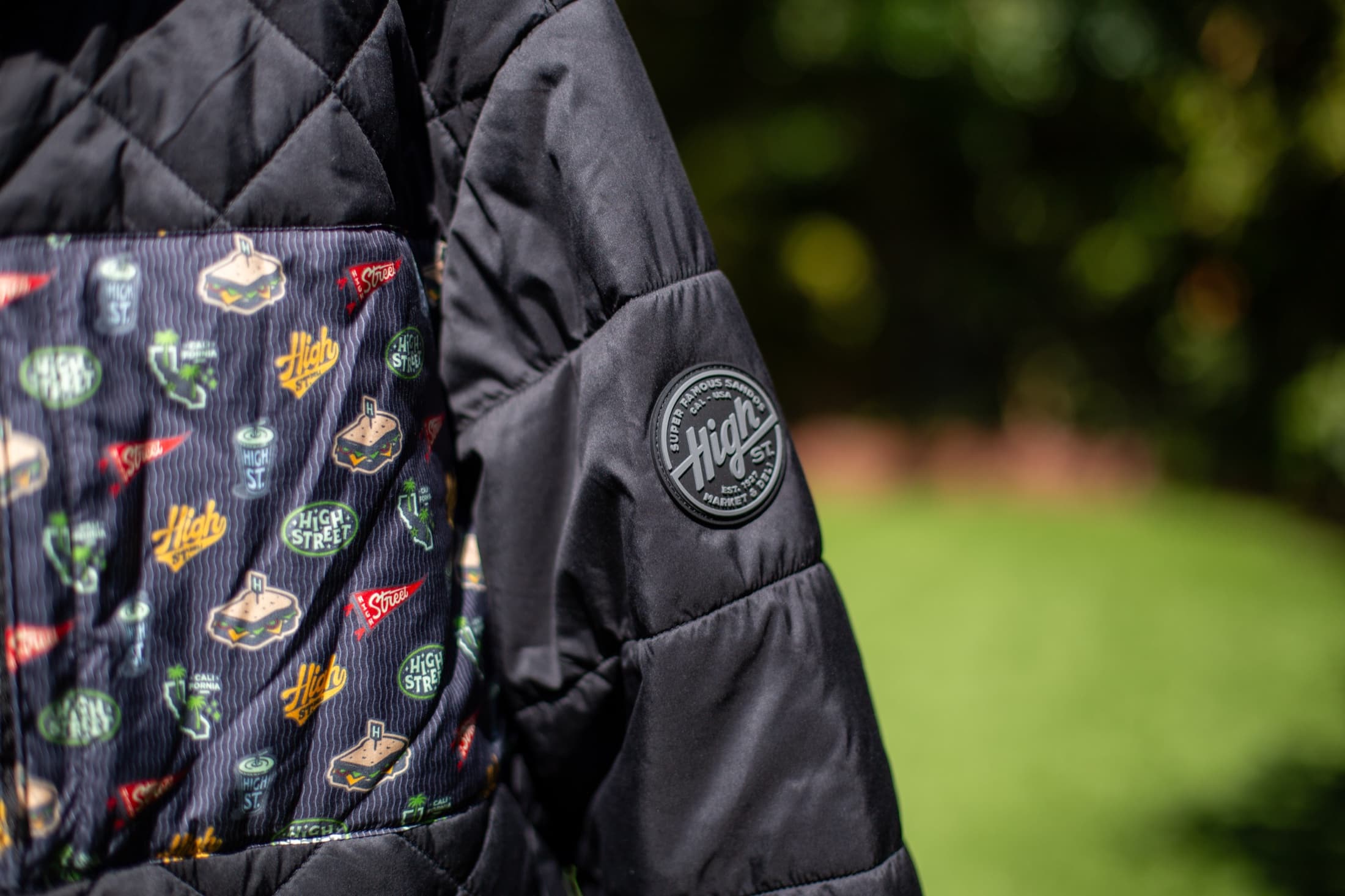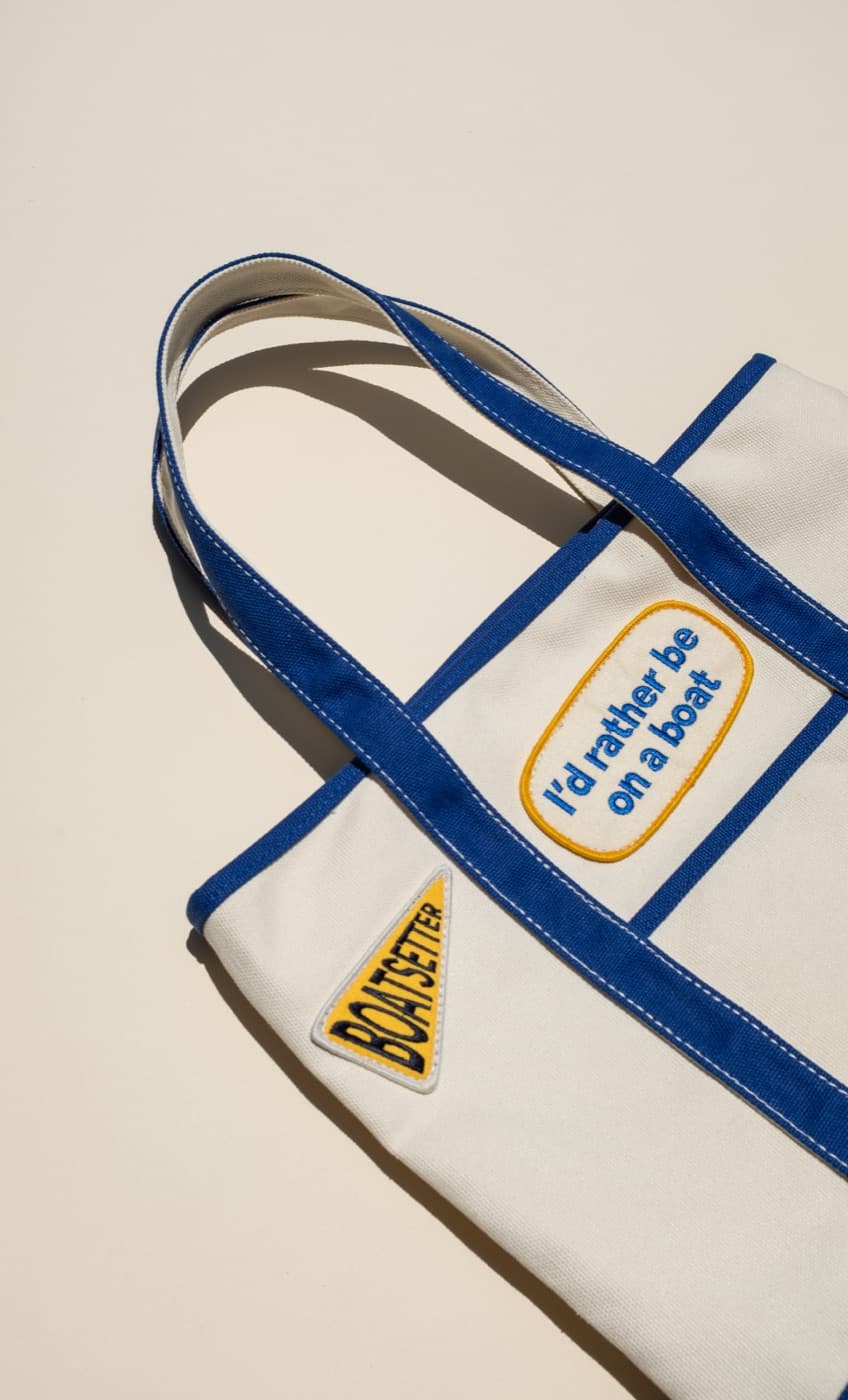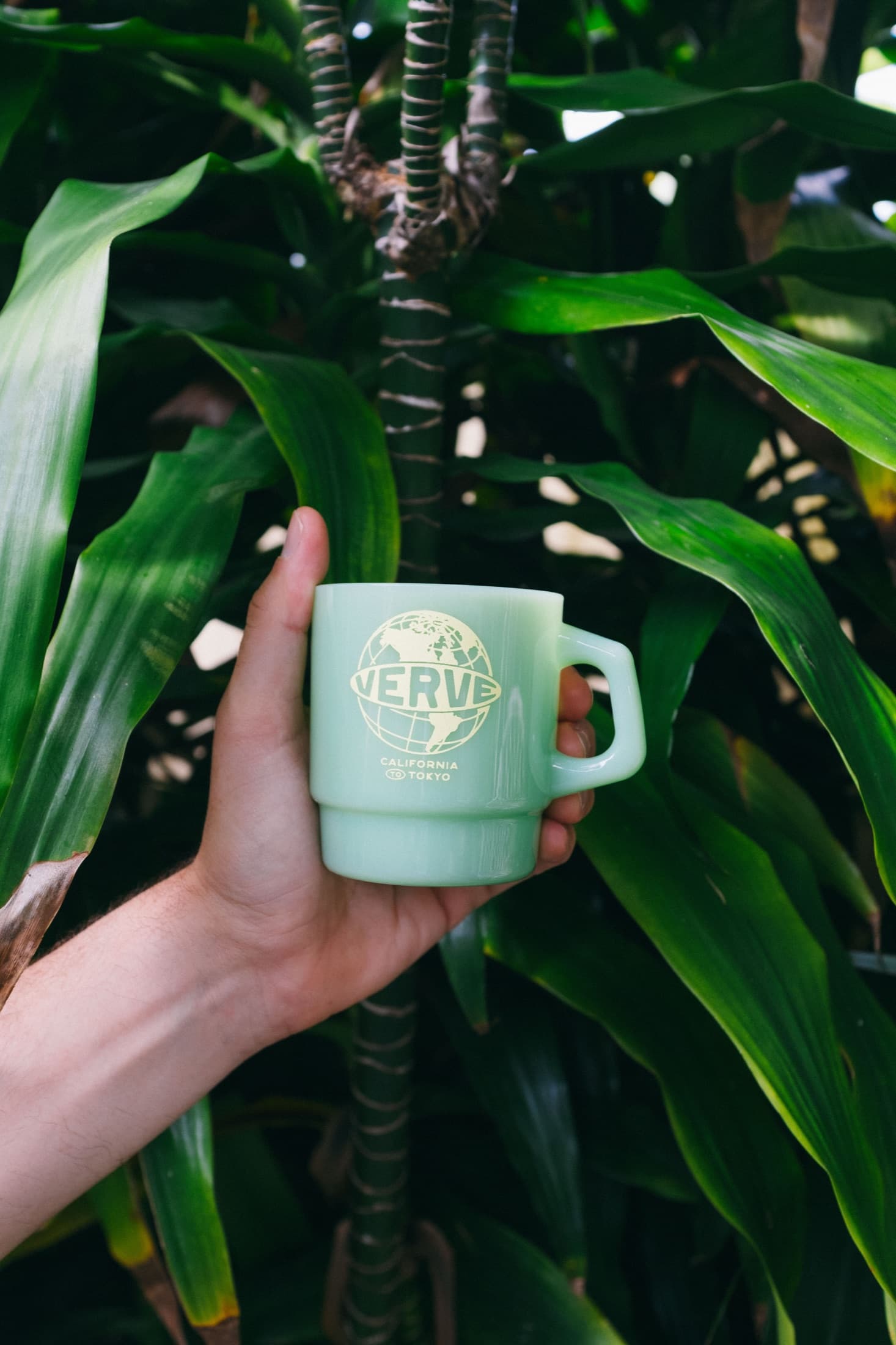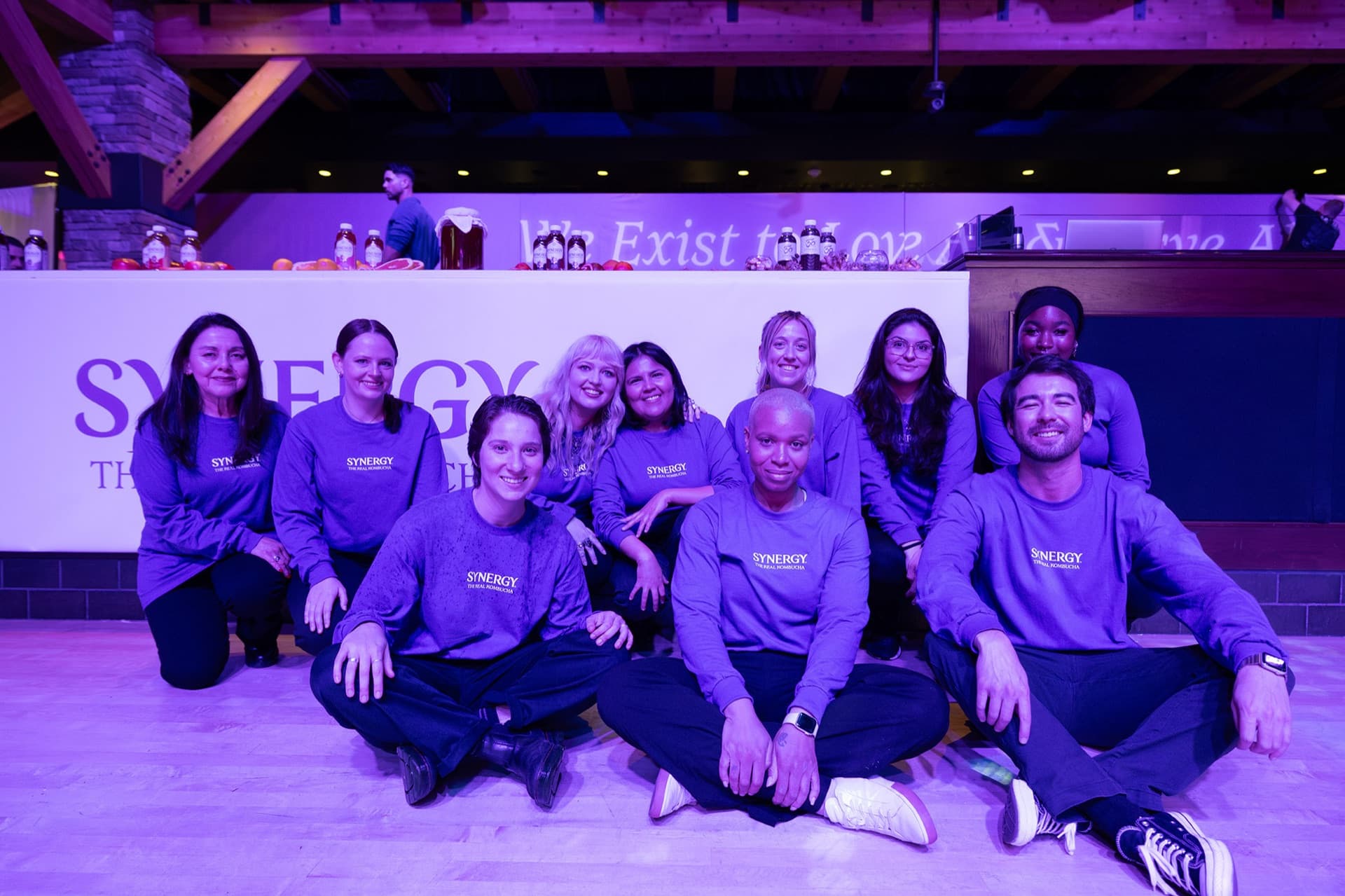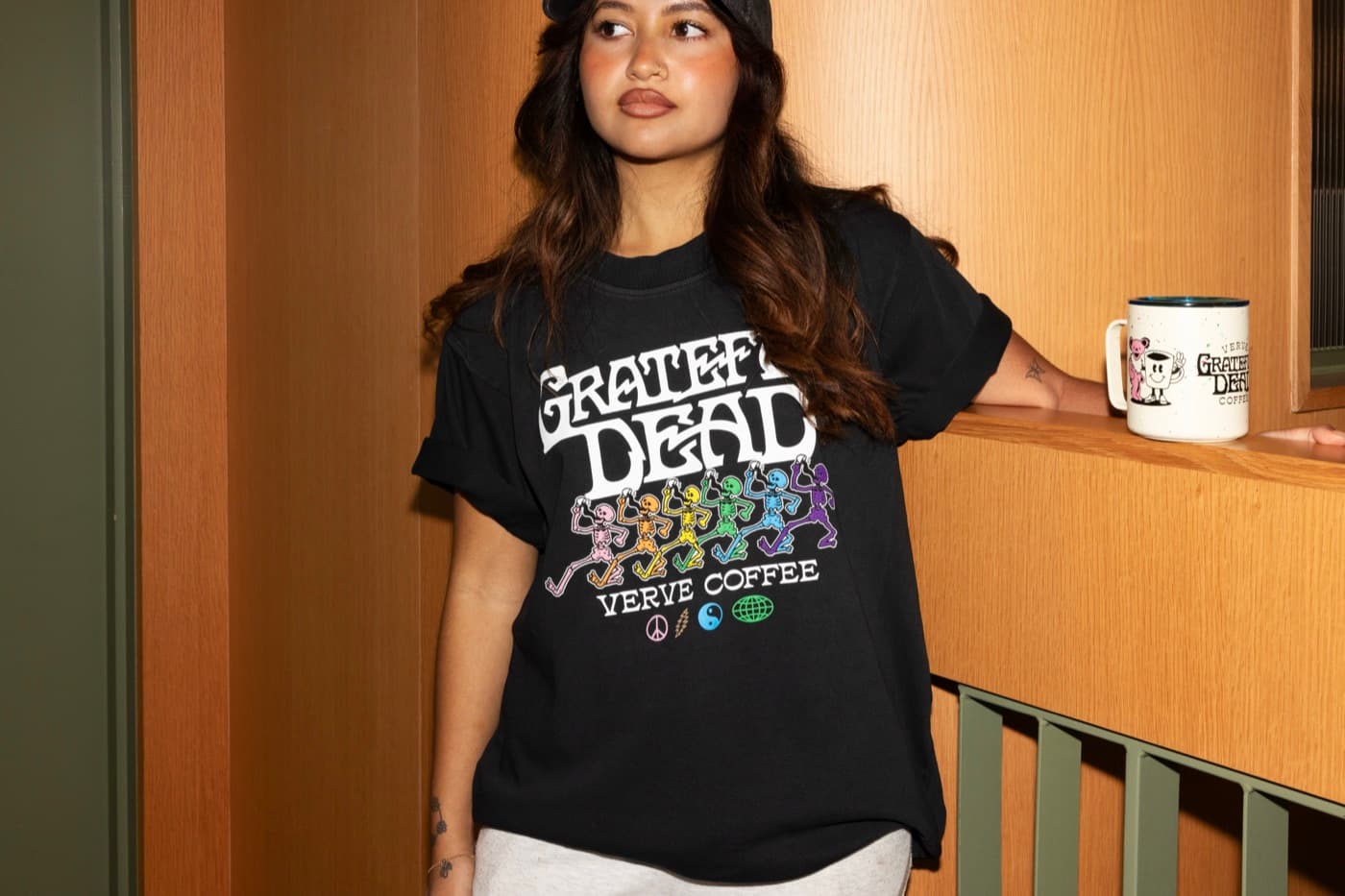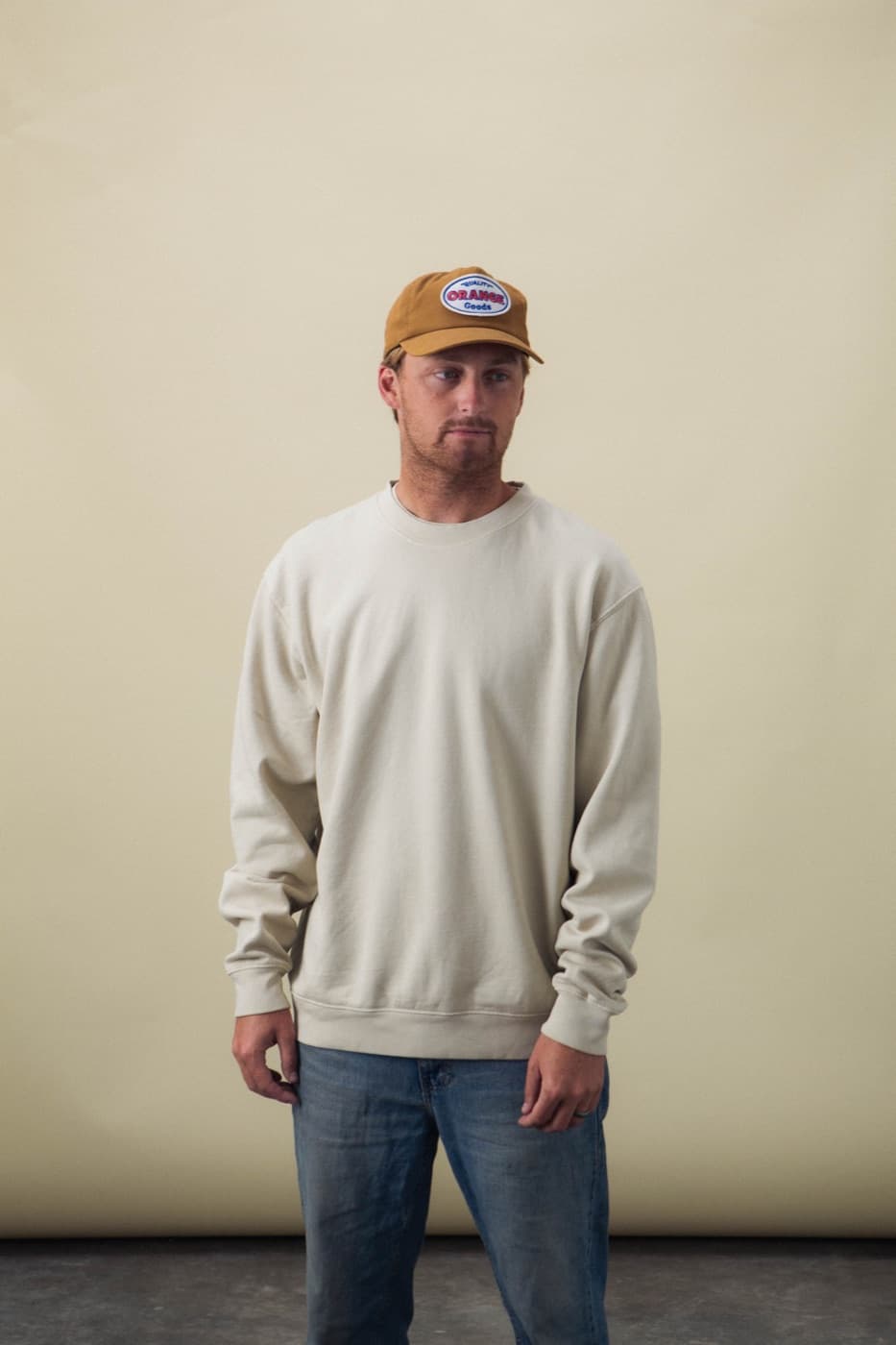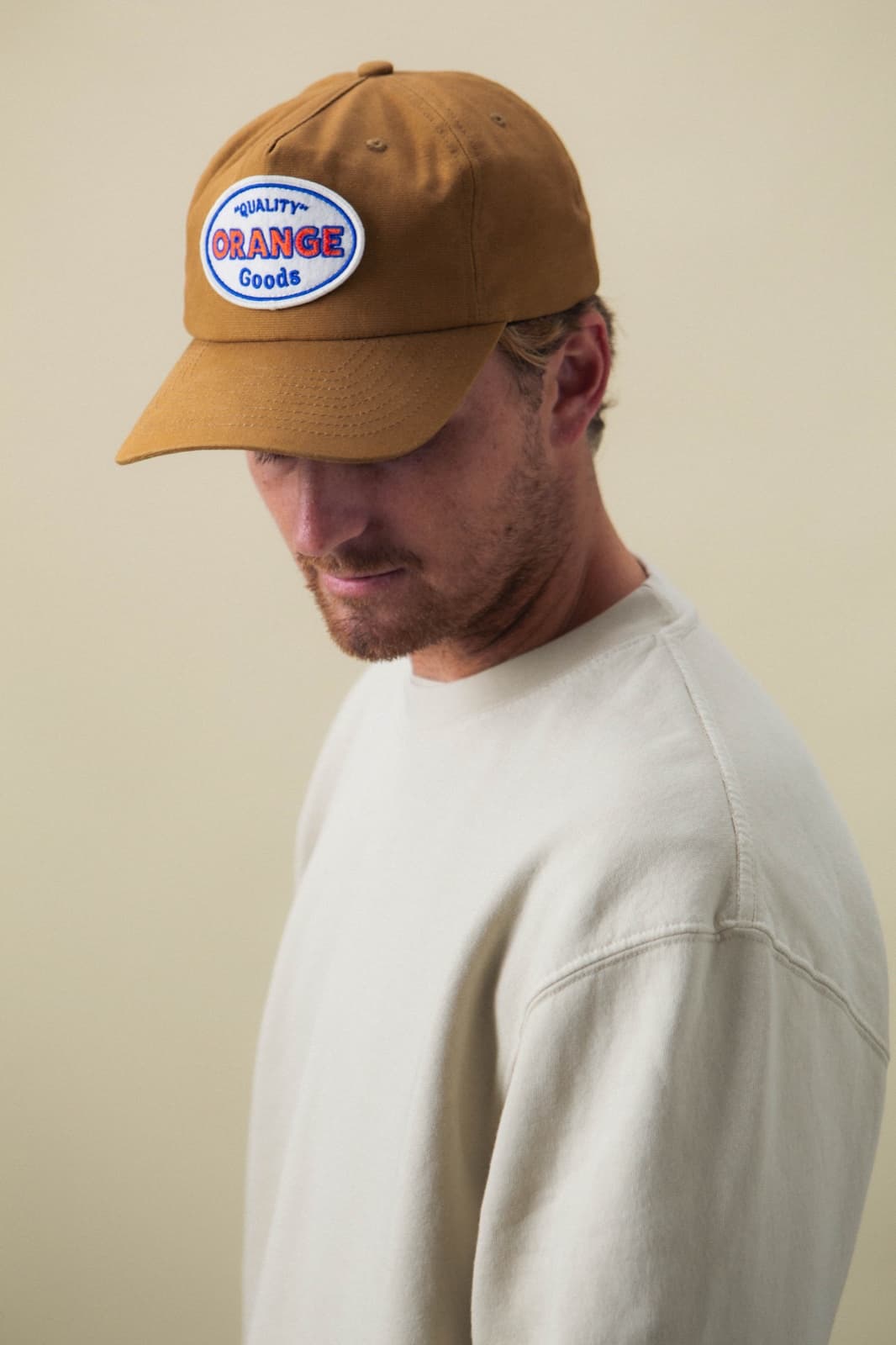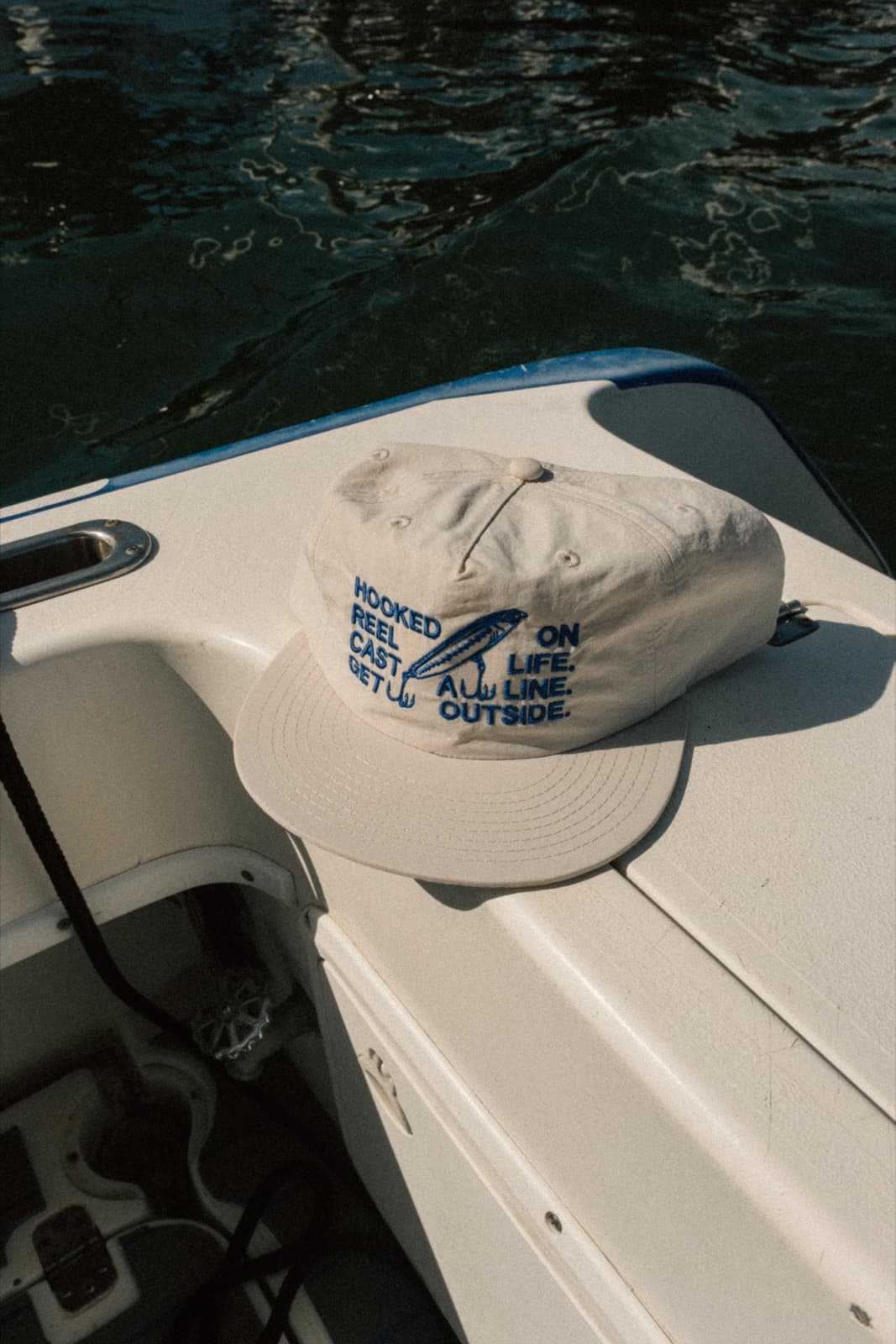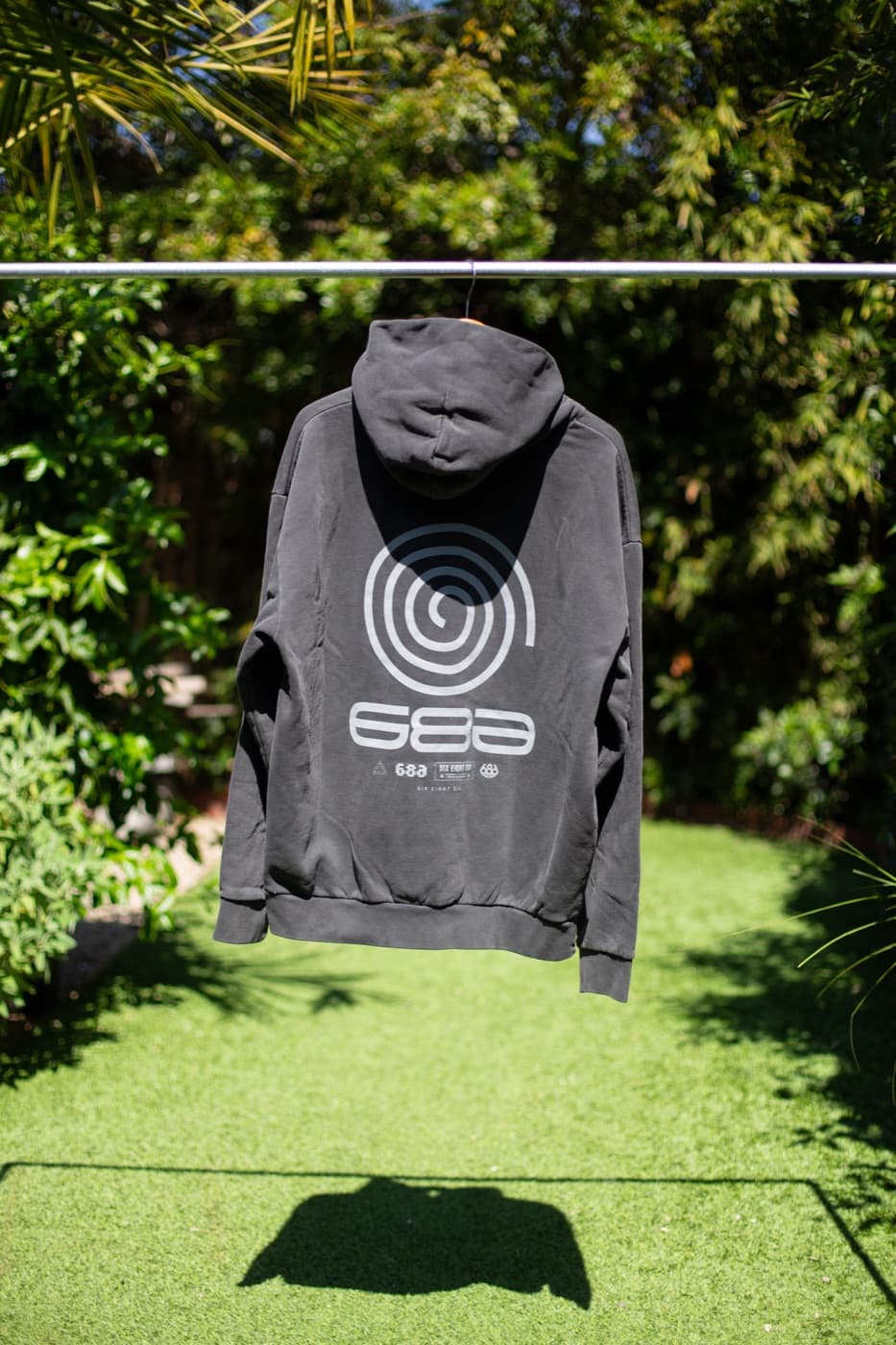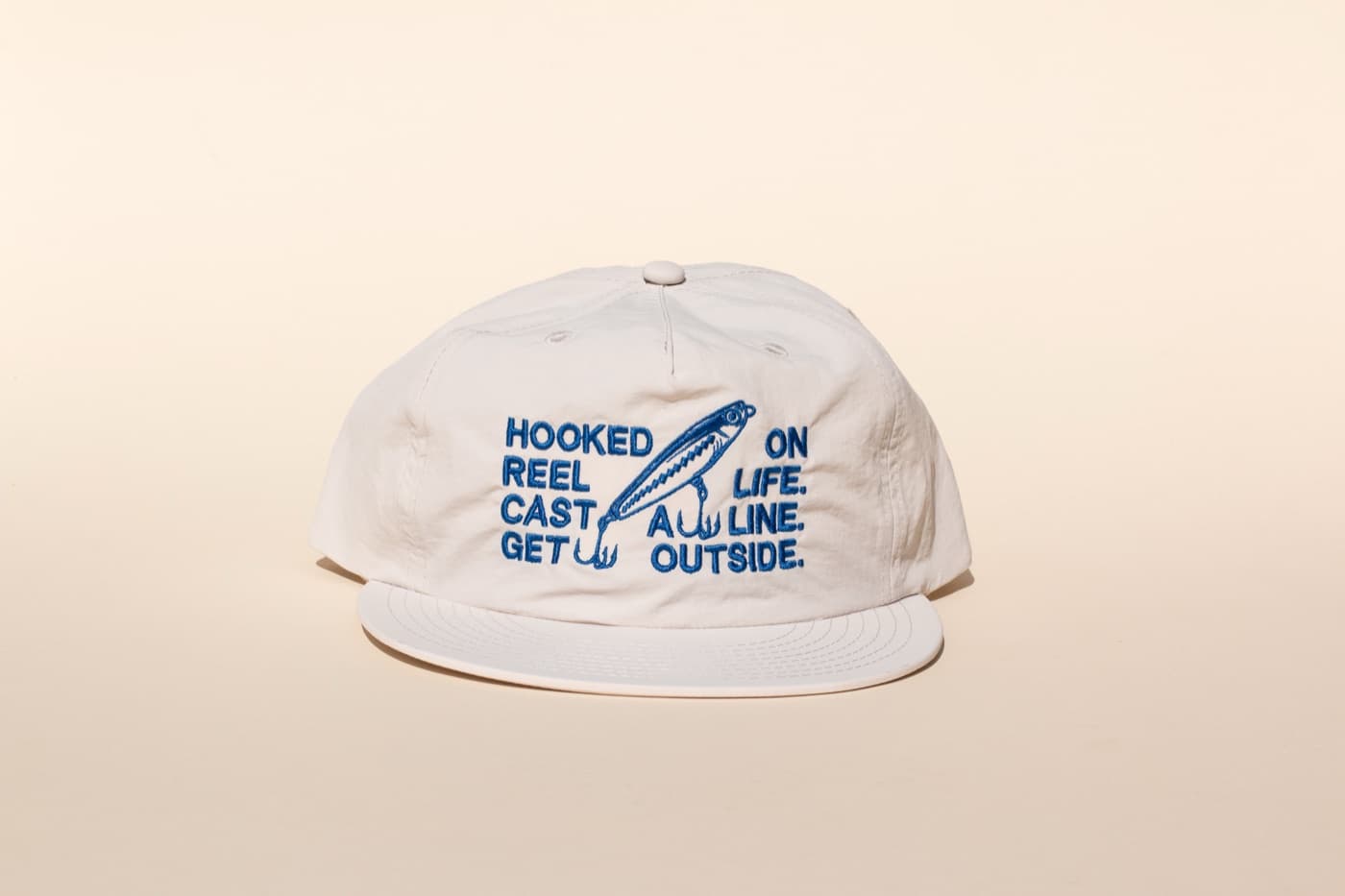
Event merch can look simple from the outside: bring the goods, set them out, and let people grab what they want. In practice, the best event setups are planned like a small retail moment. The products, quantities, table layout, signage, replenishment plan, staff instructions, and leftover strategy all affect how the merch performs.
The goal is not just to give something away. The goal is to make the brand easier to remember and the event easier to run.
Give every item a job
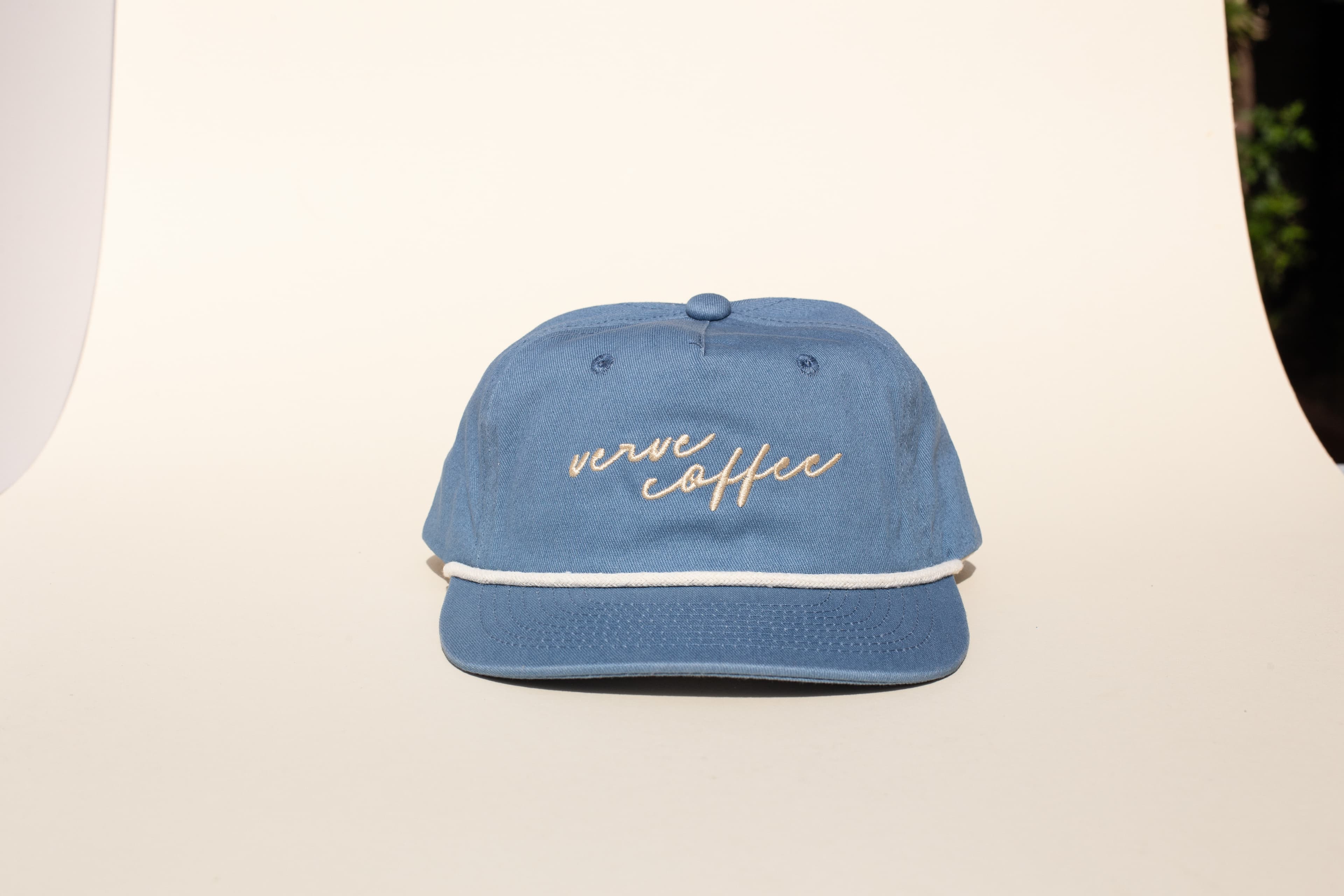
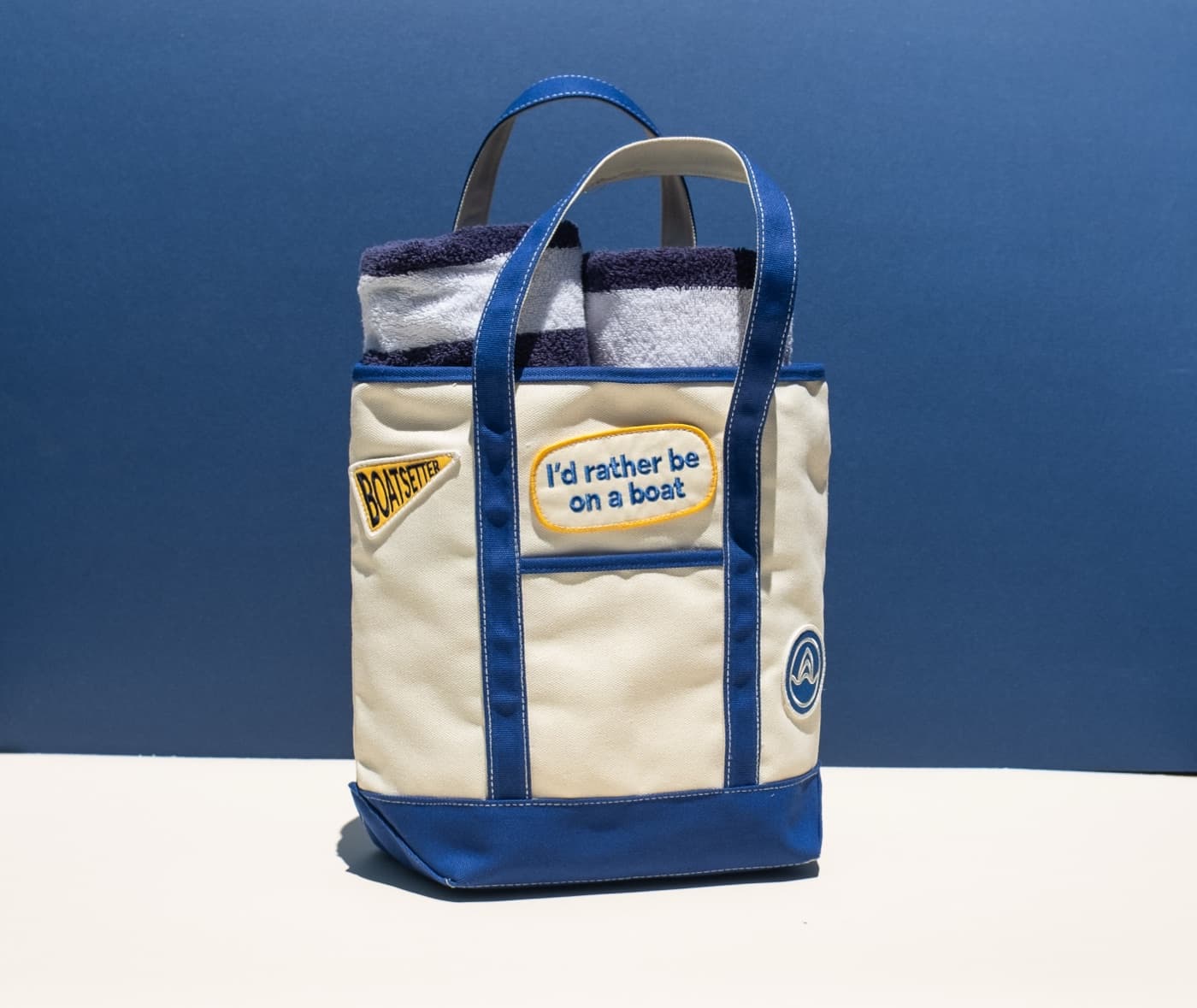
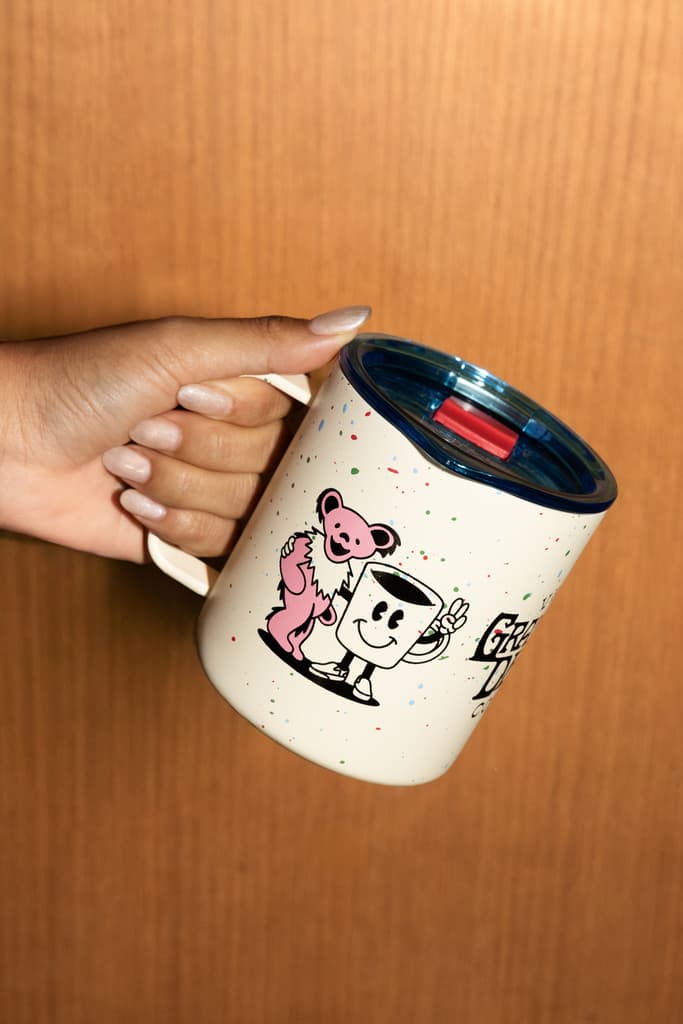
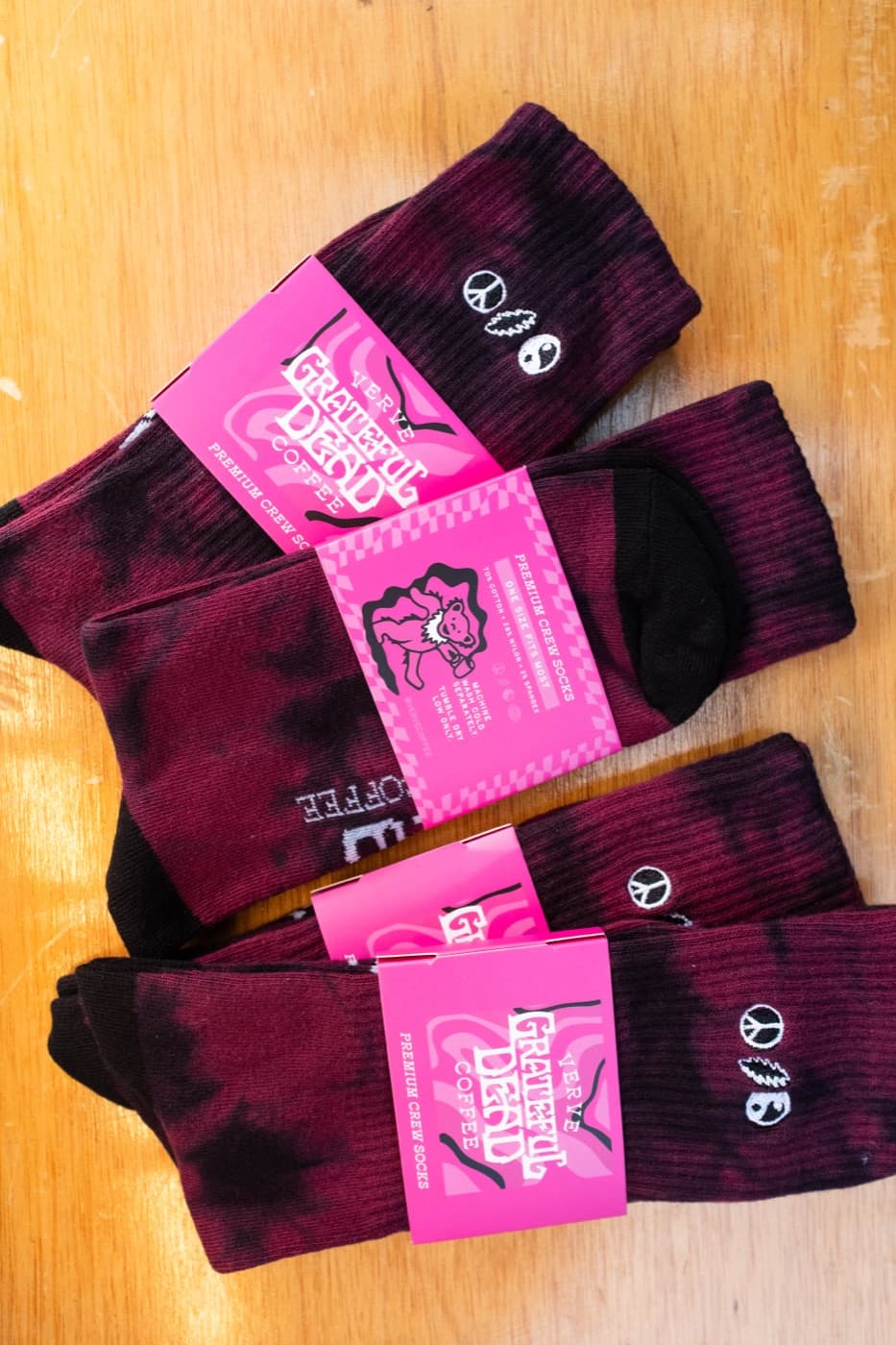
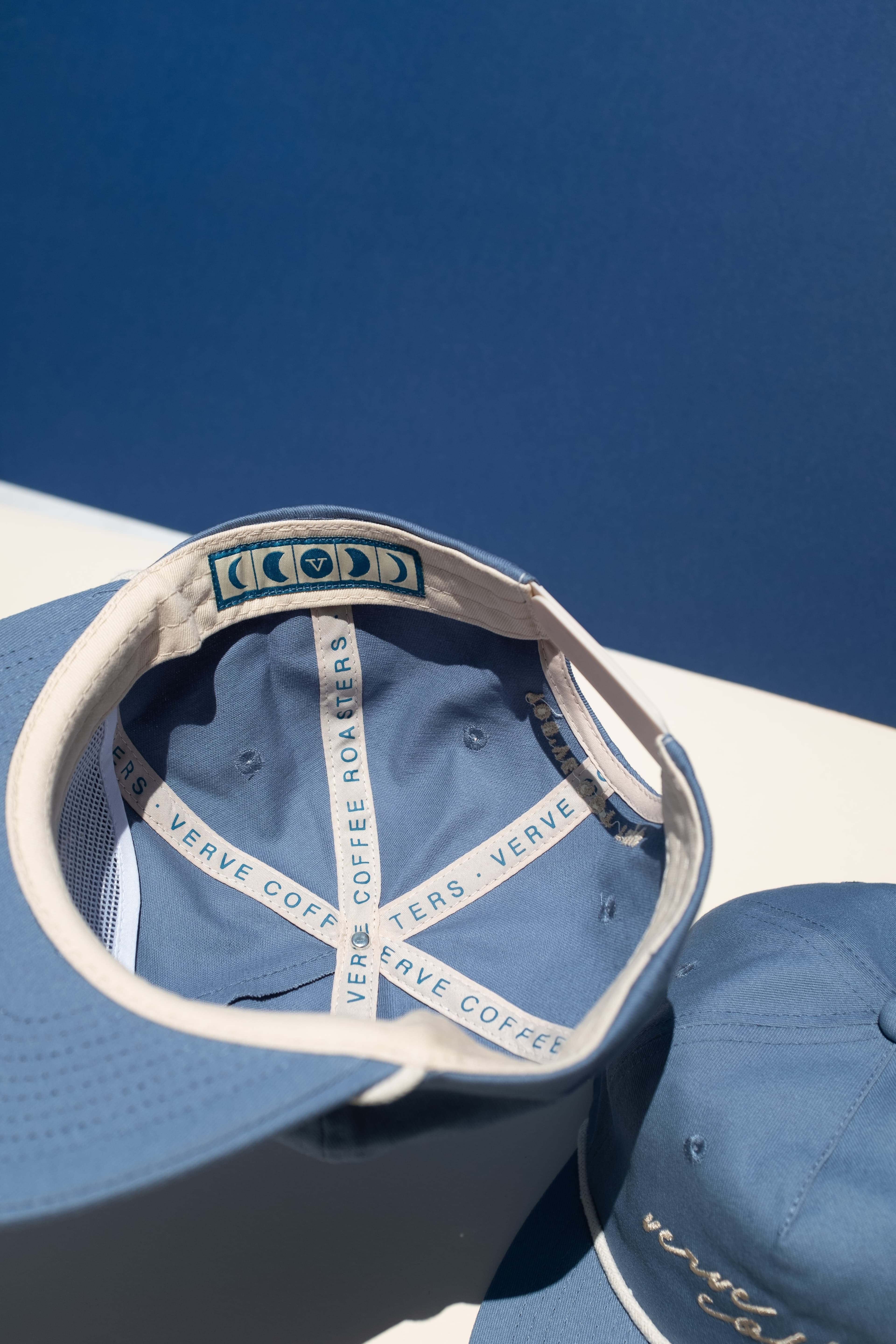
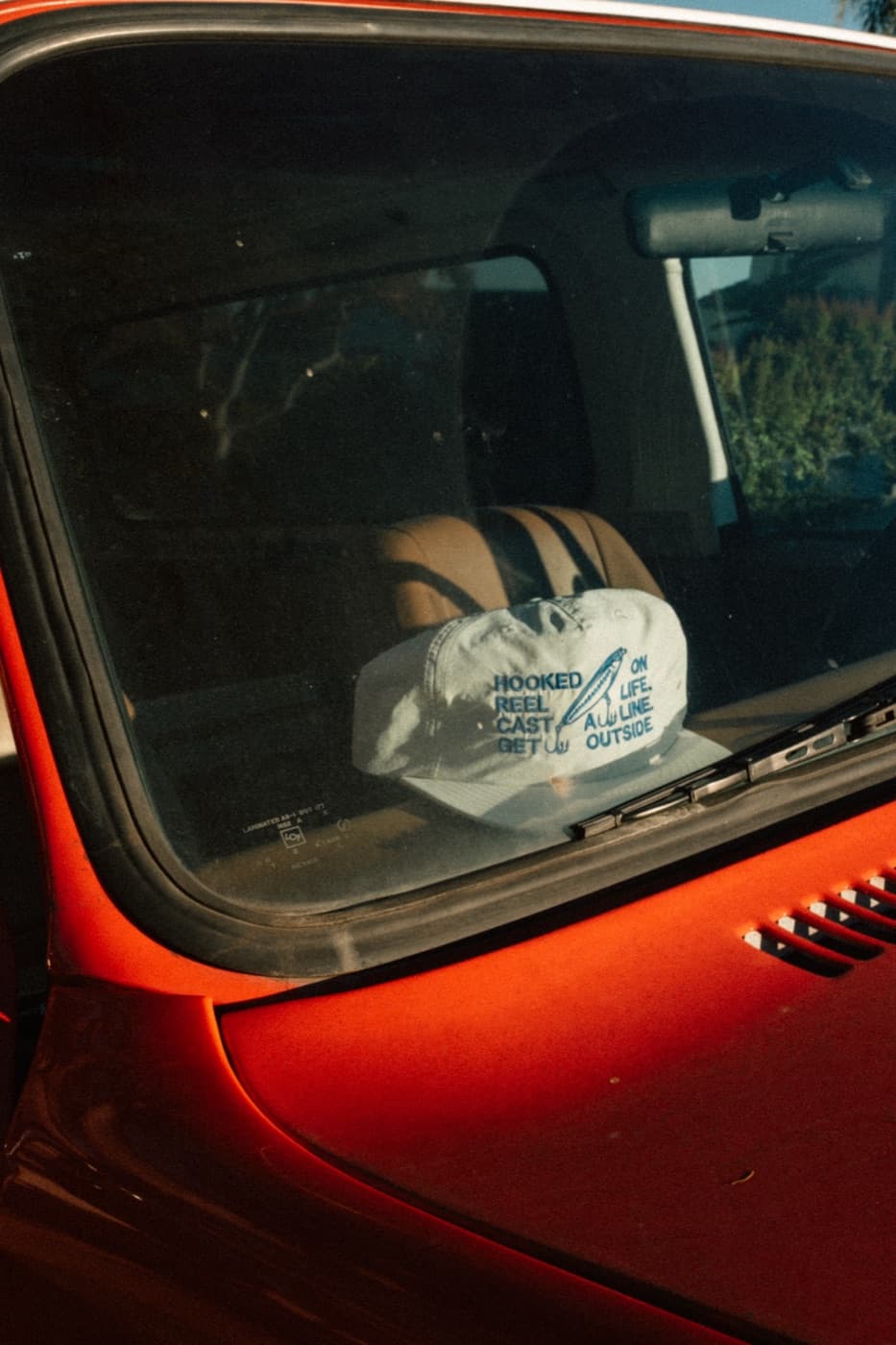
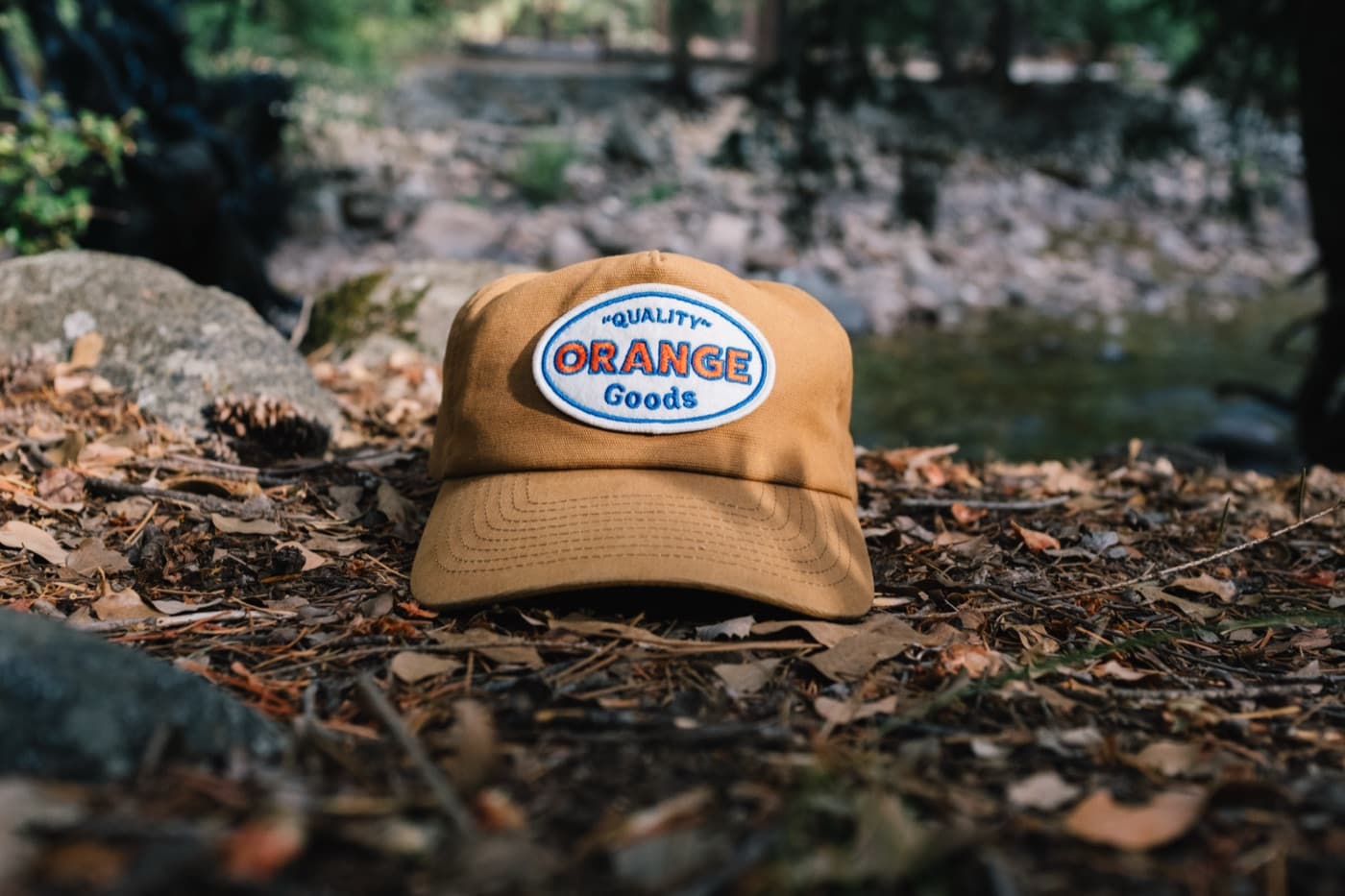
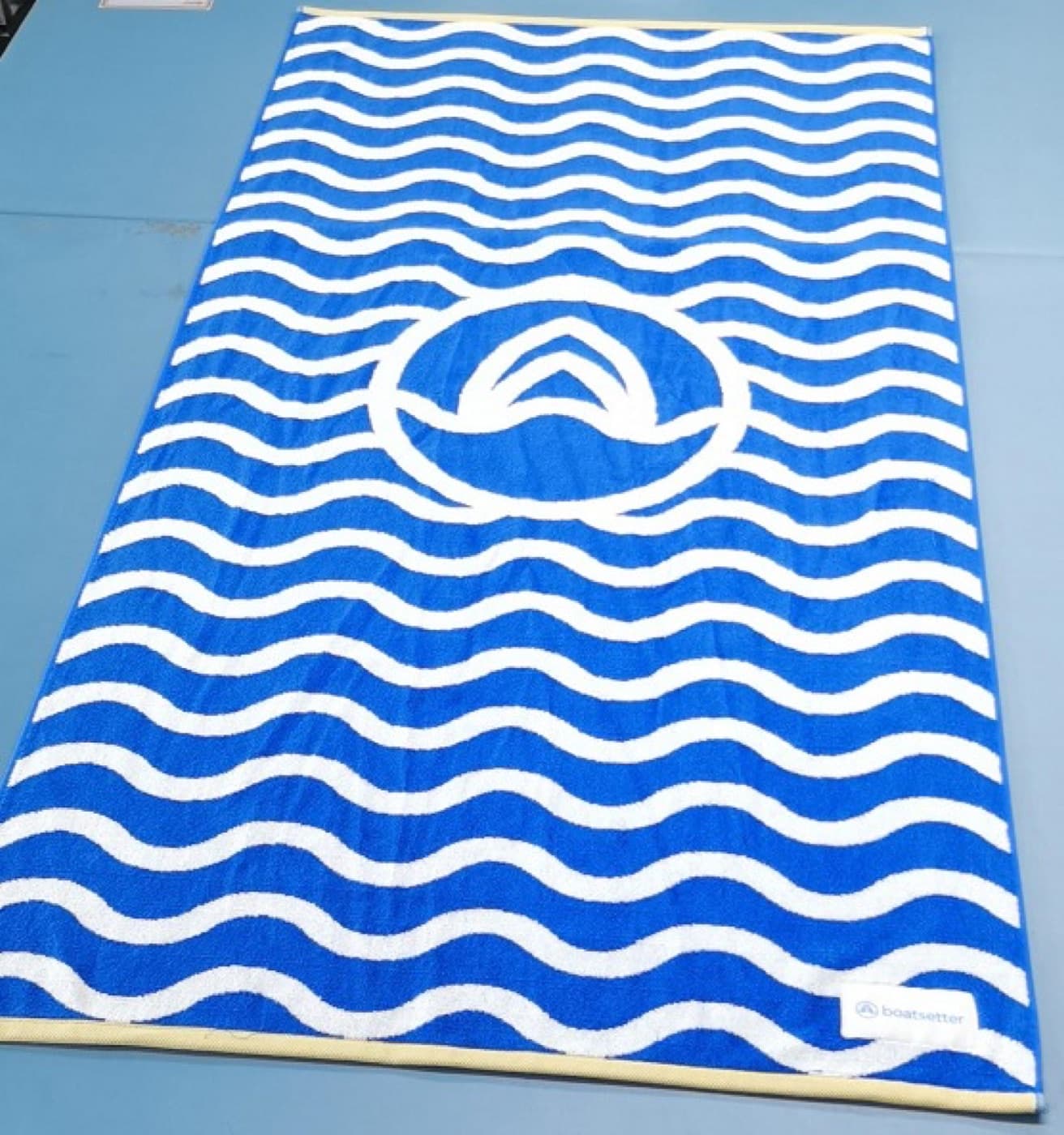
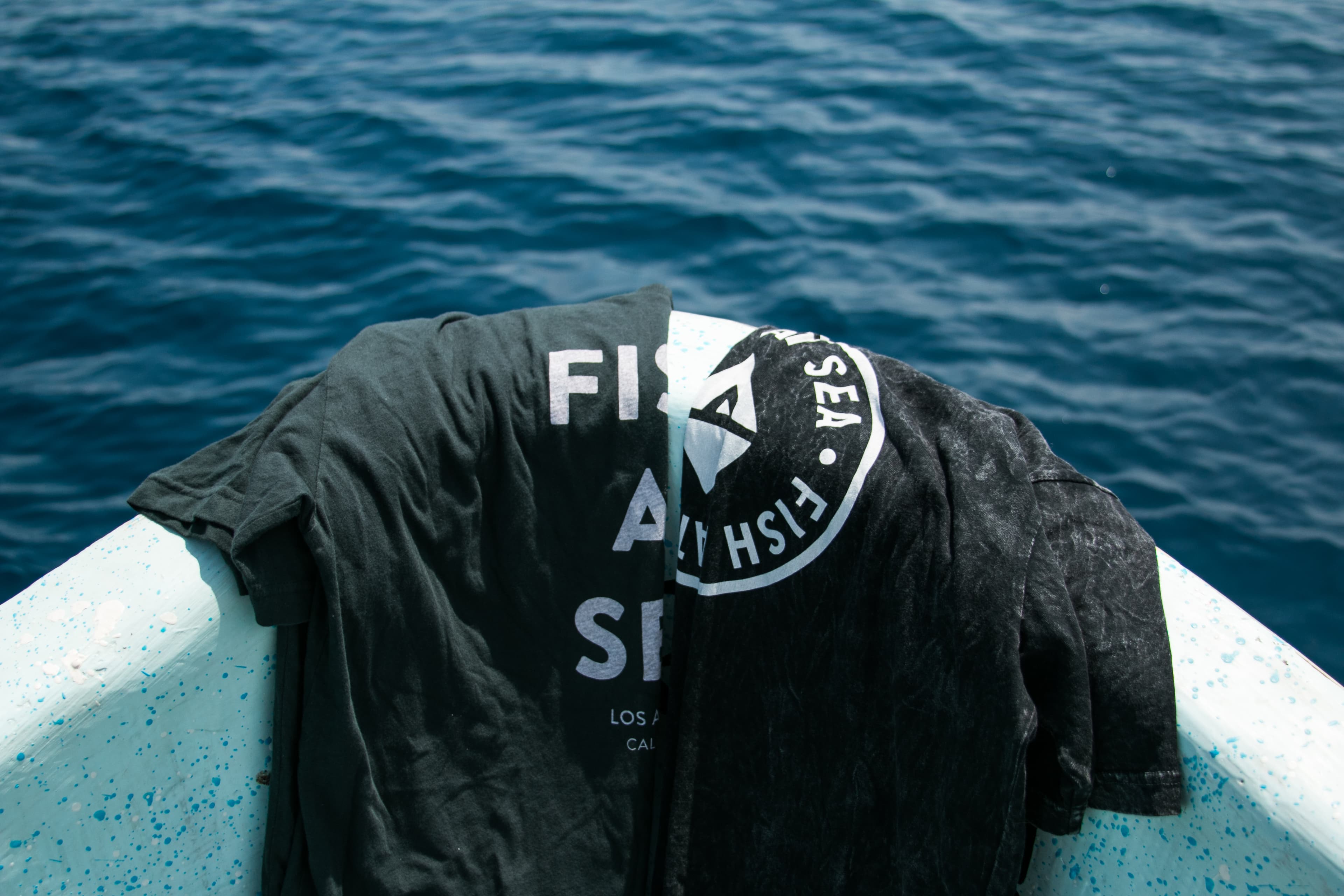
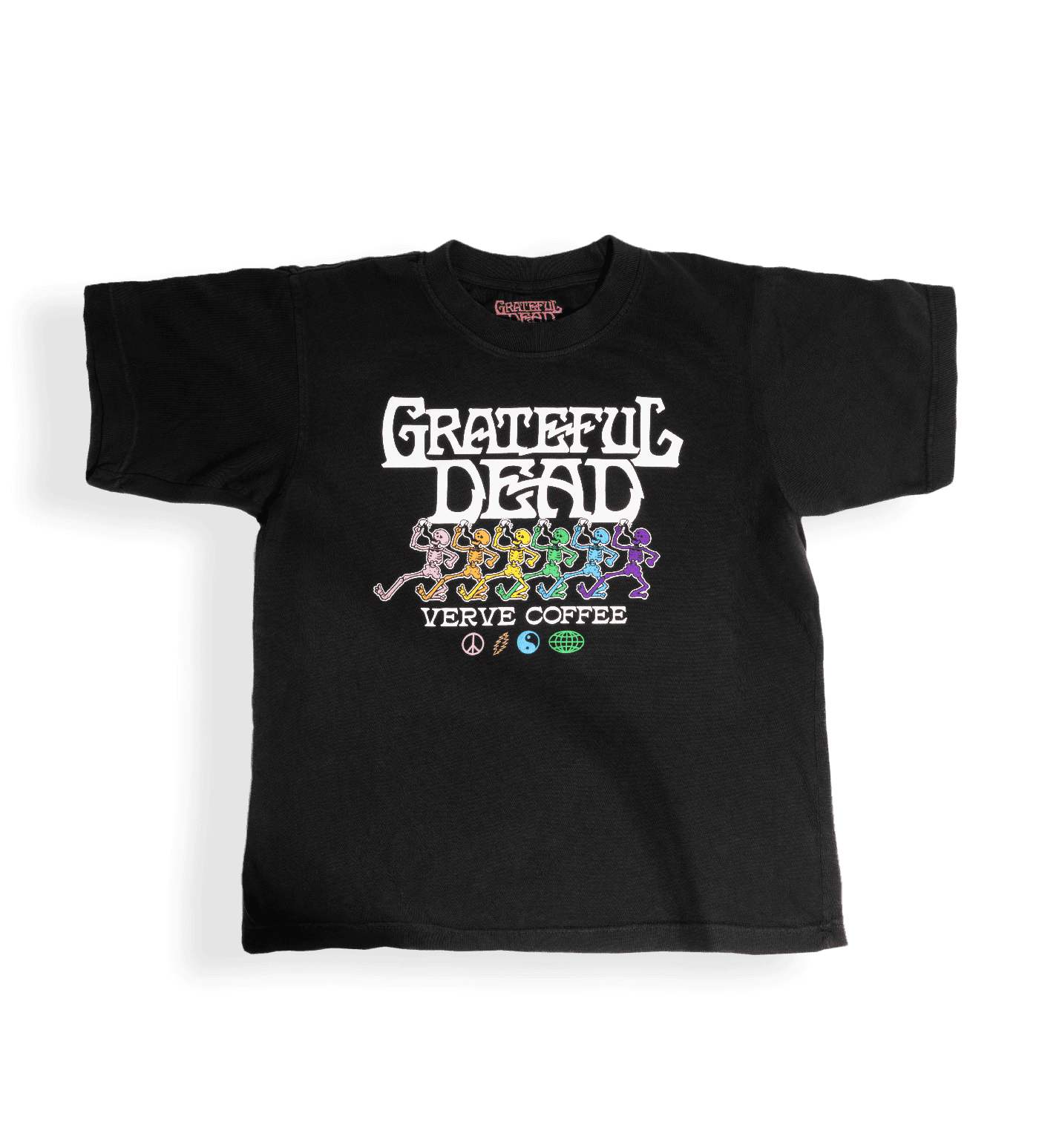
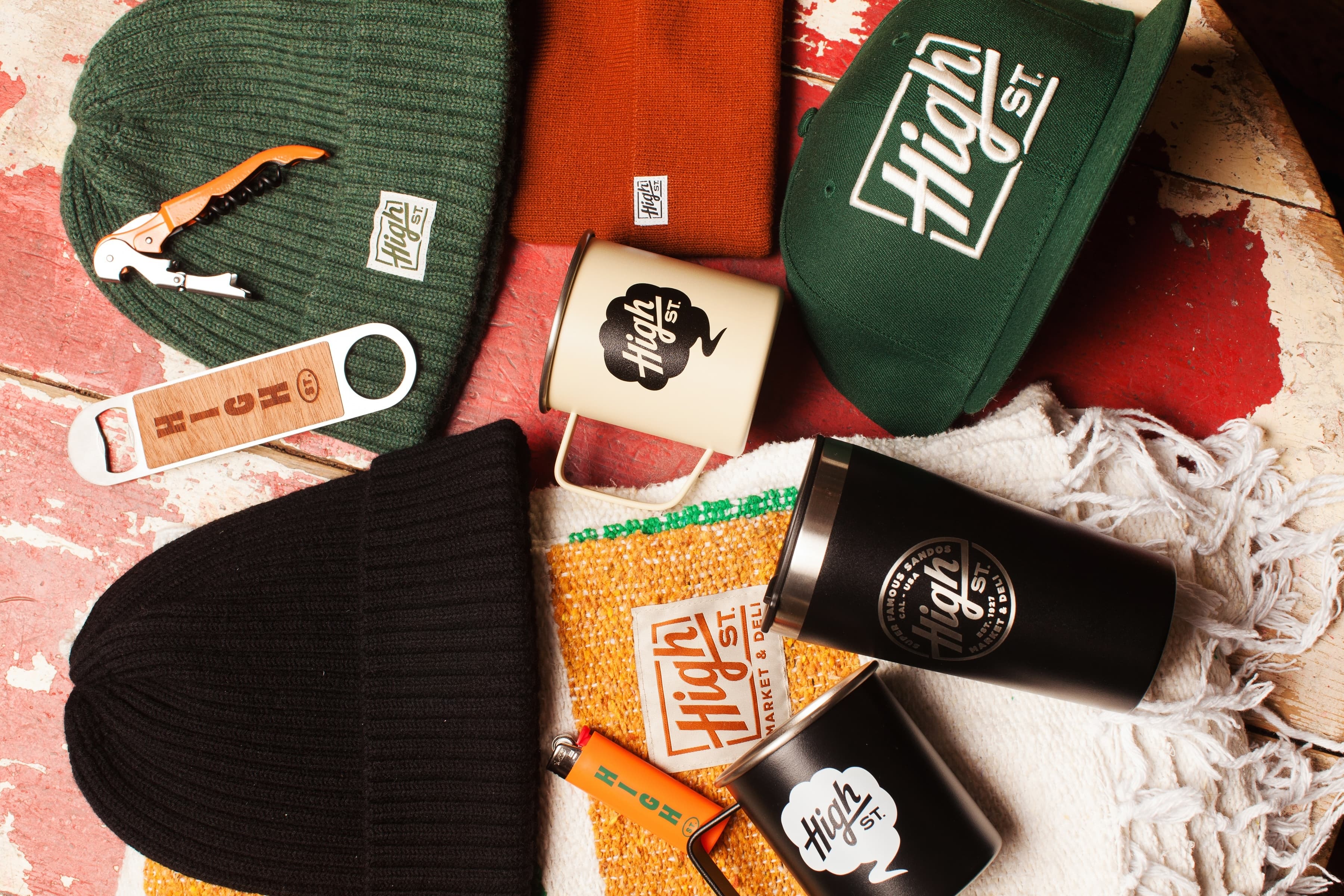
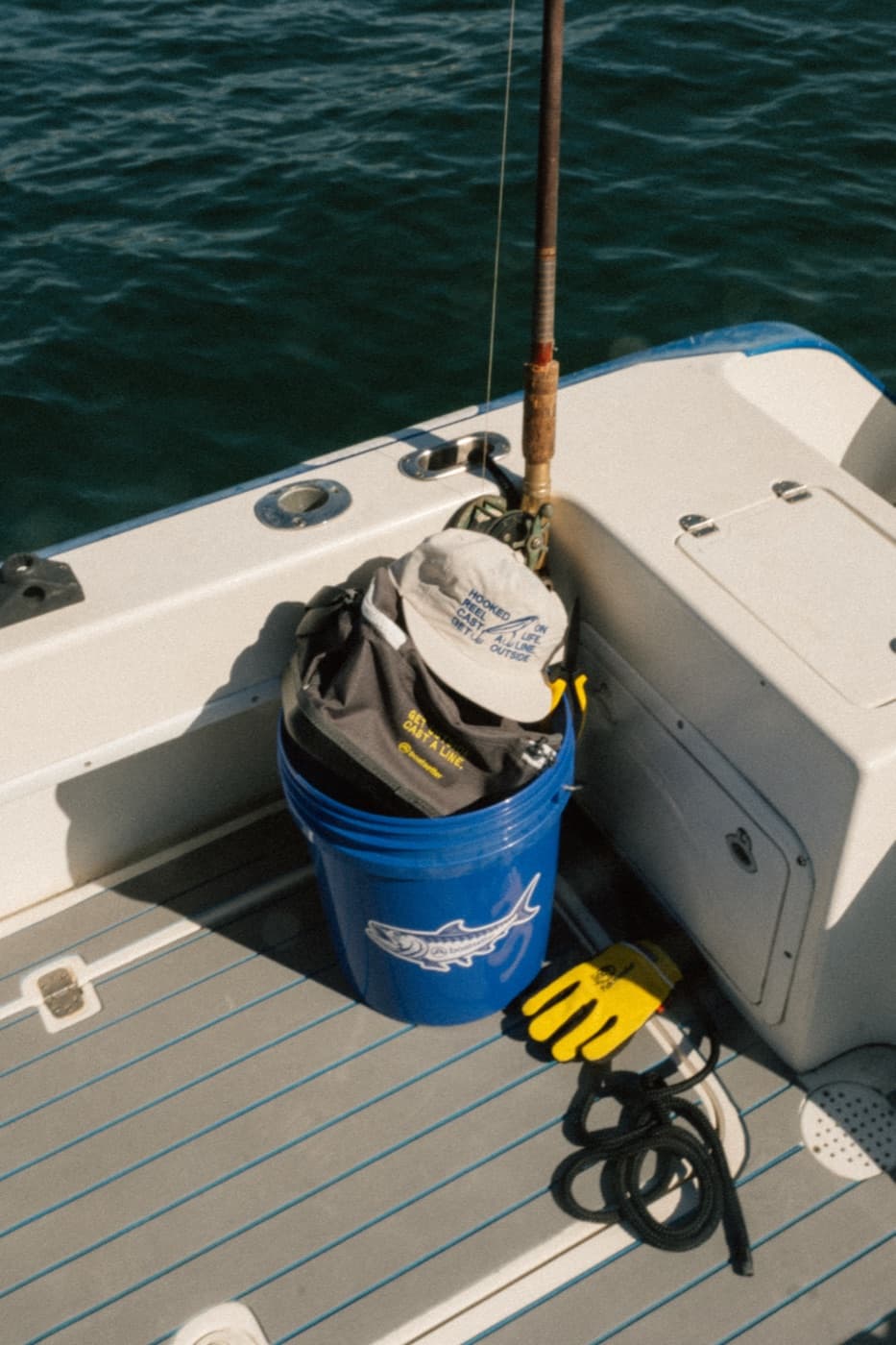
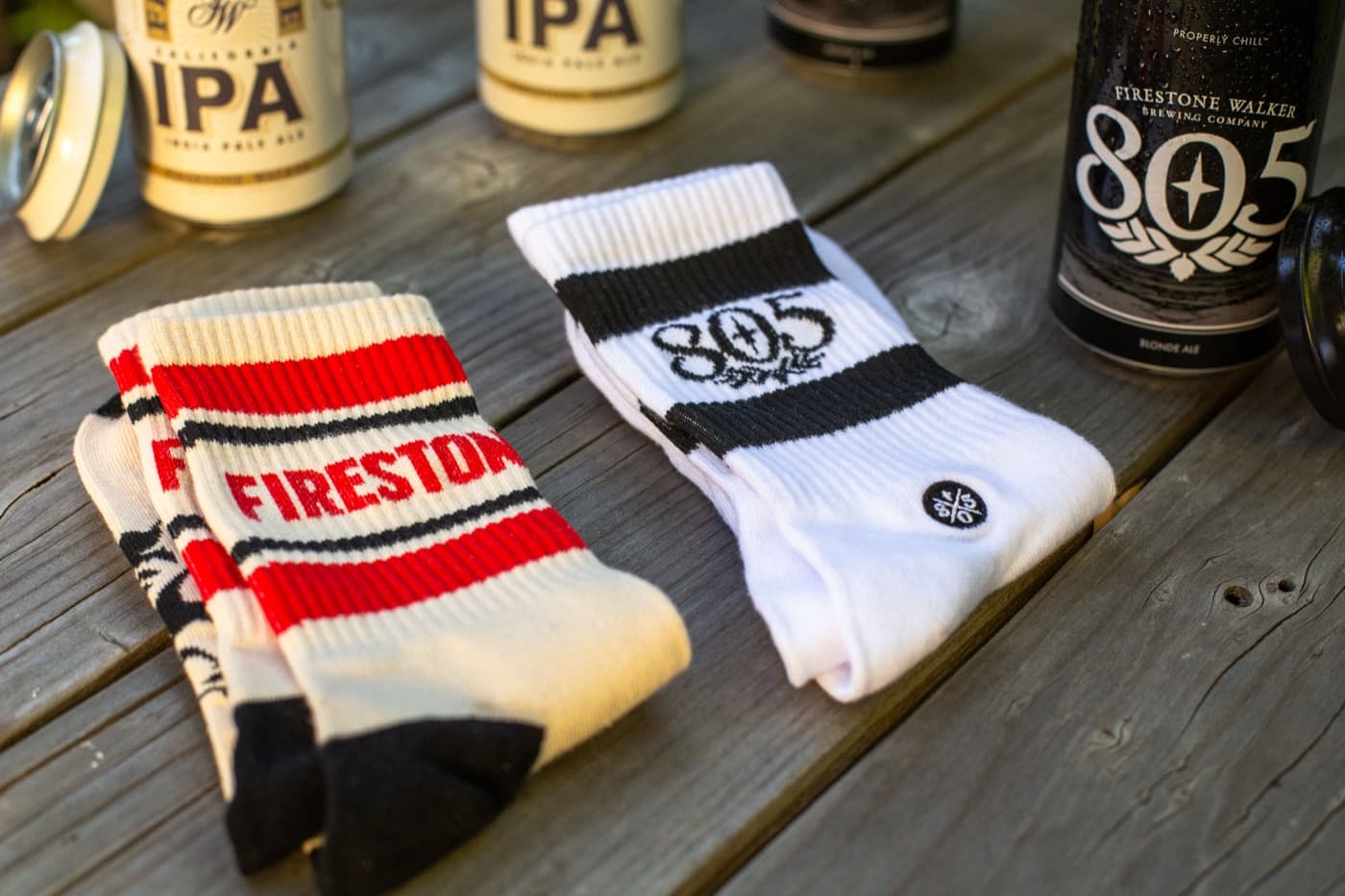
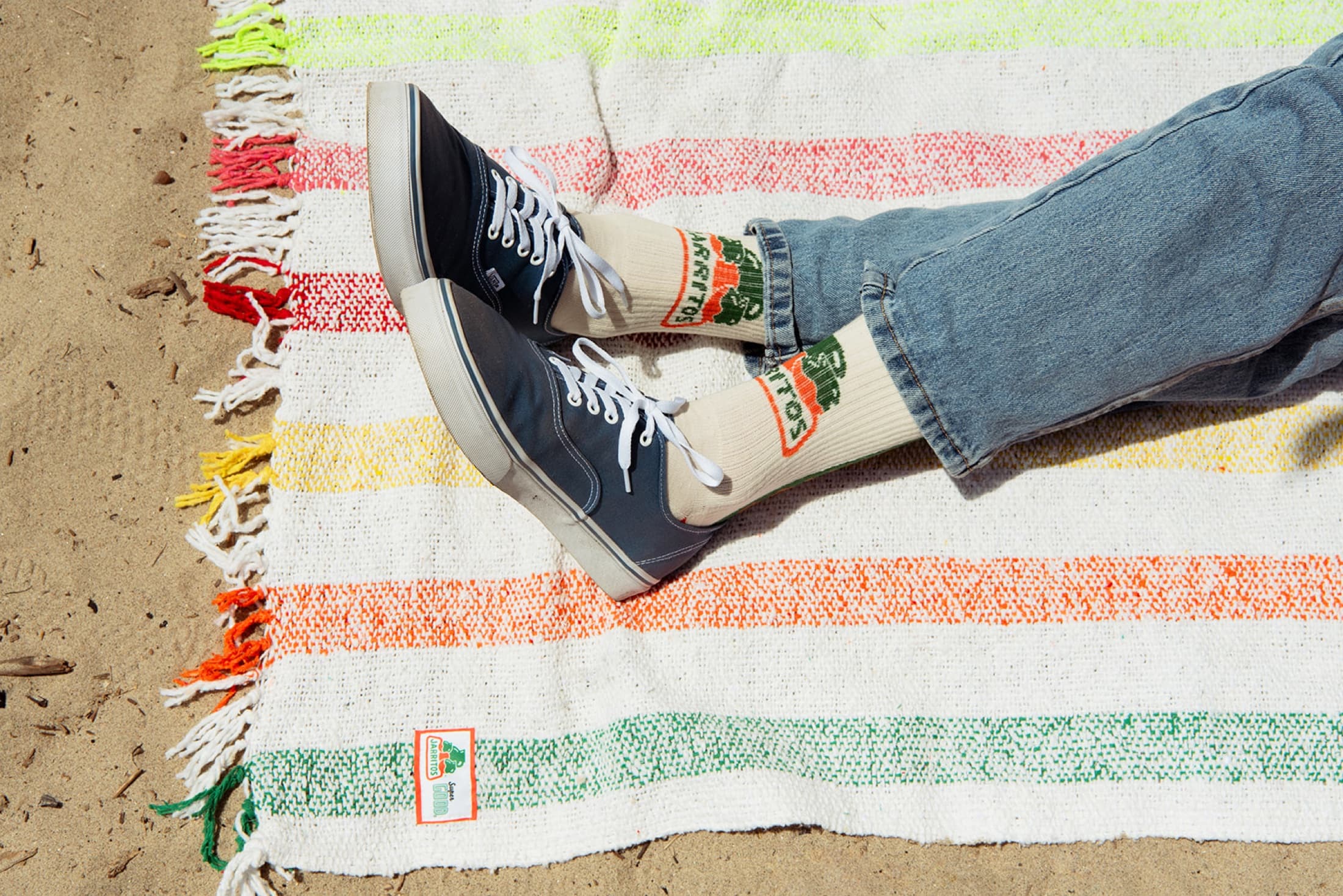
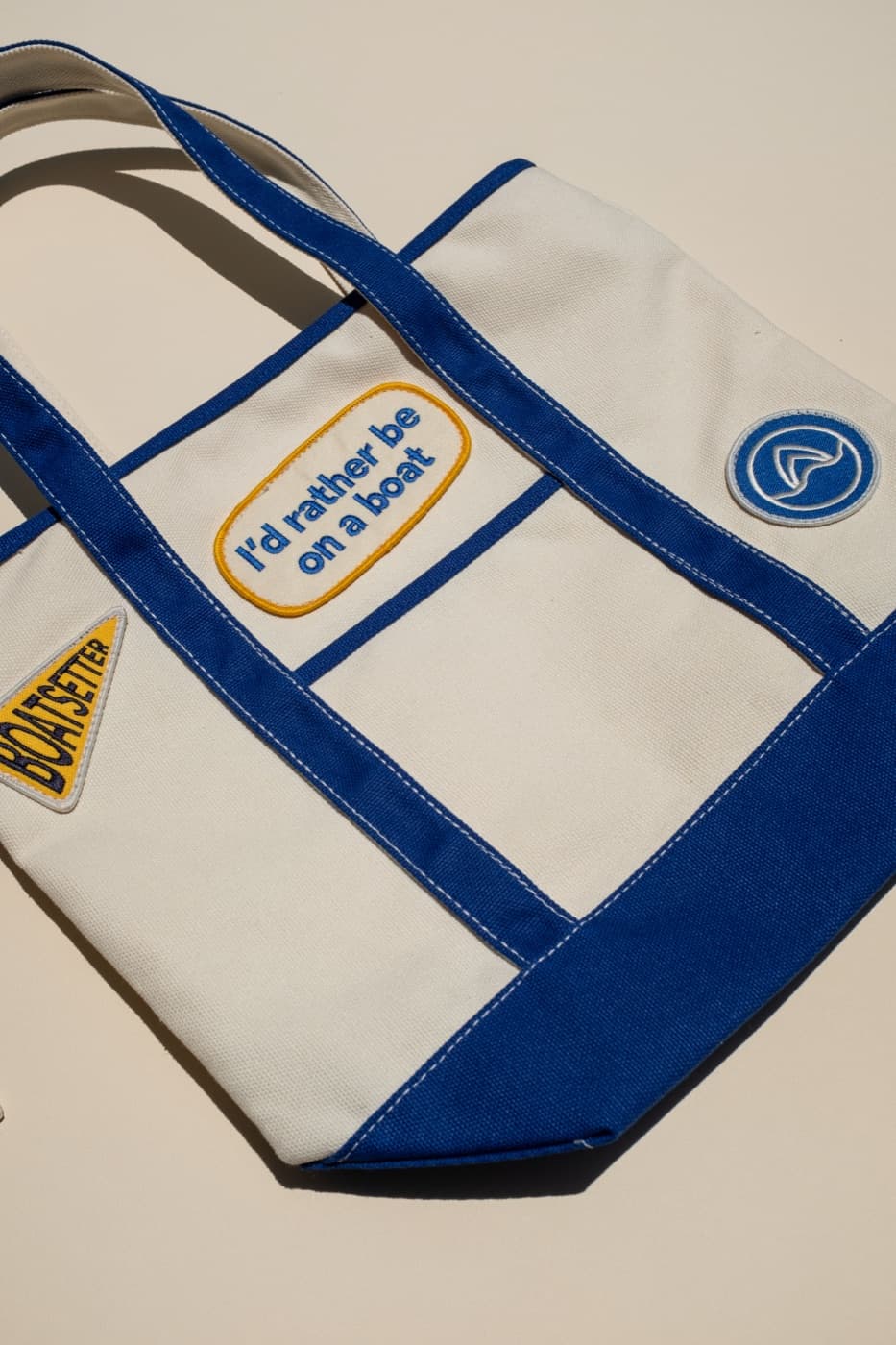
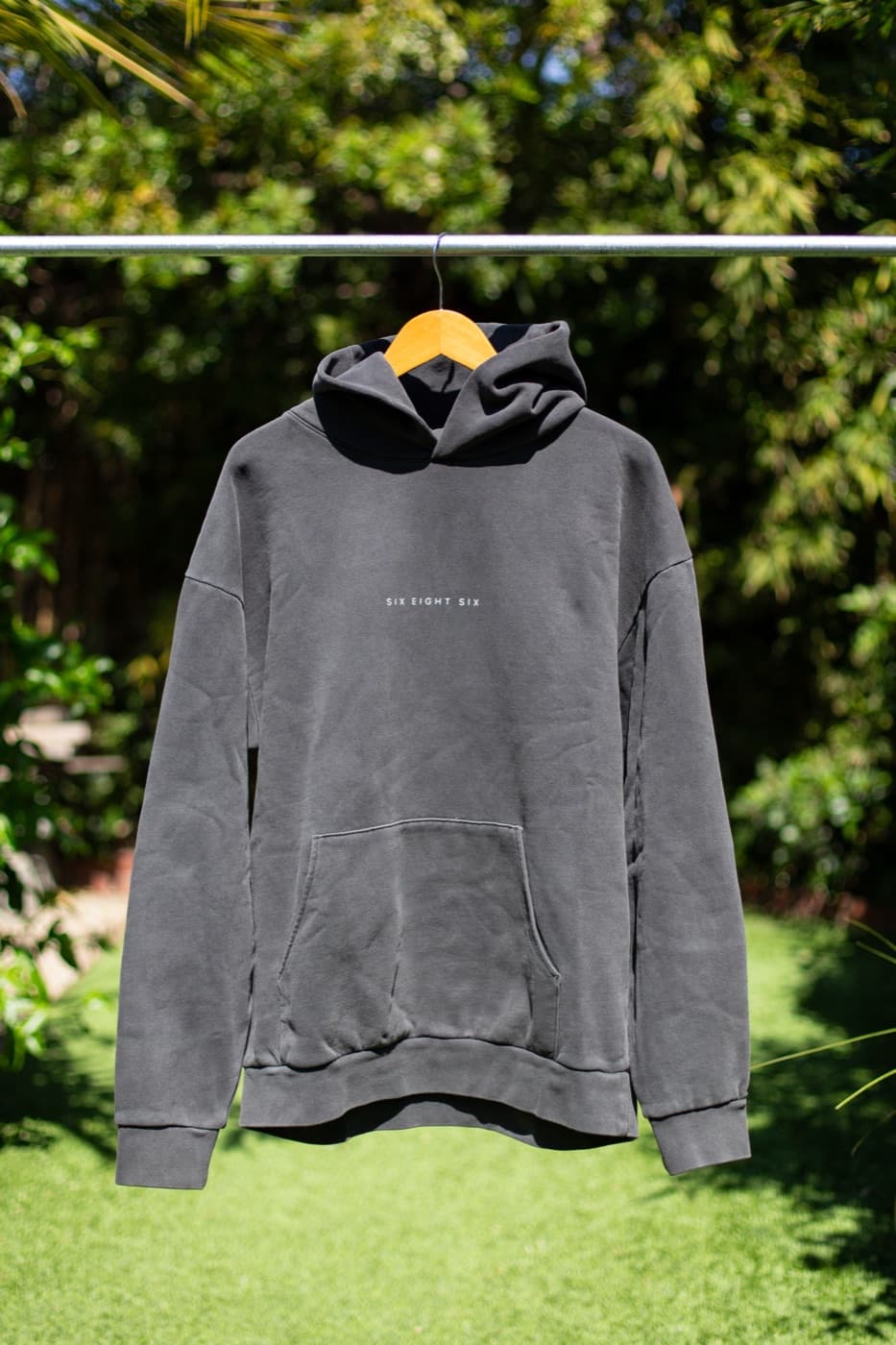
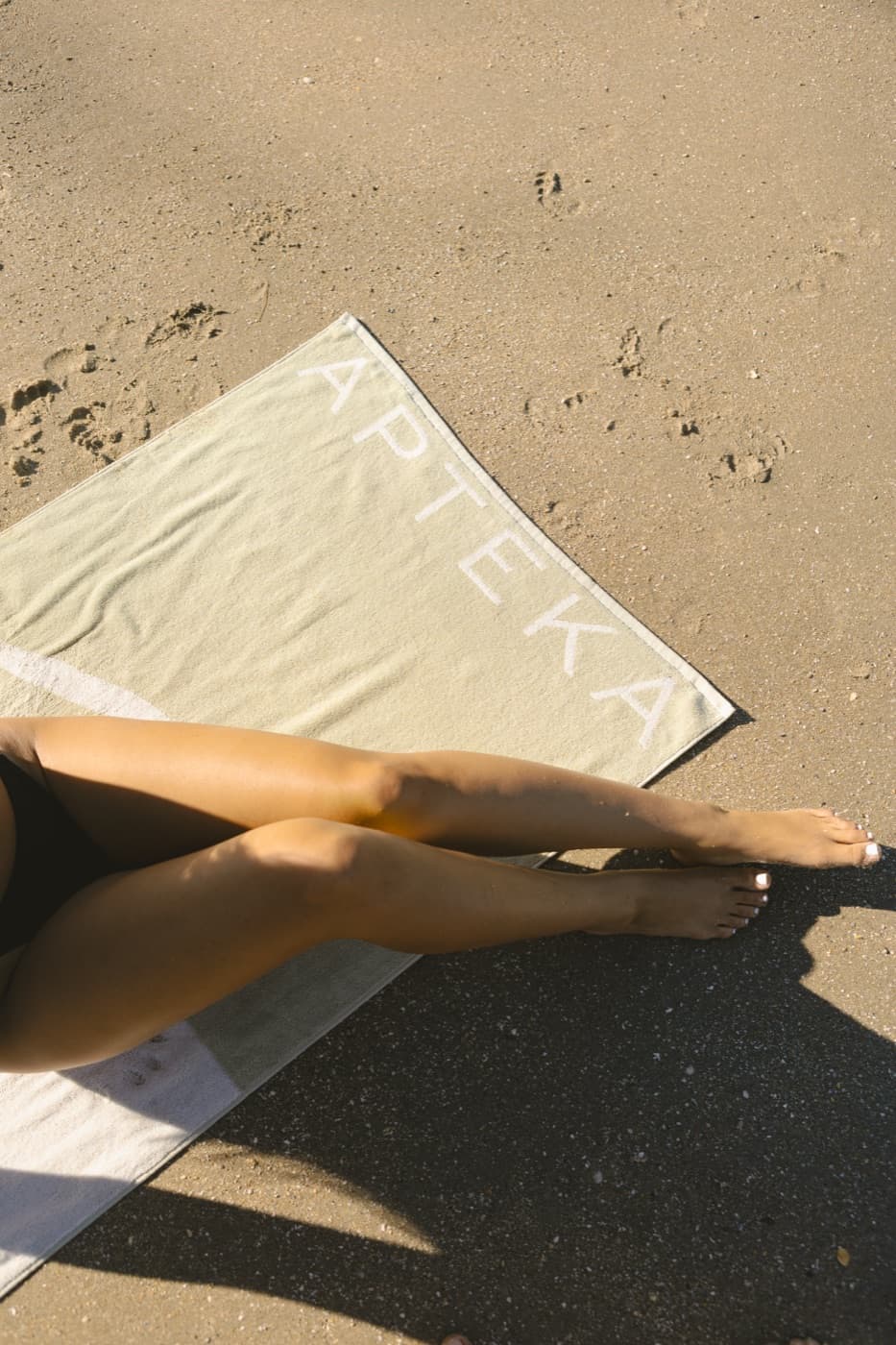
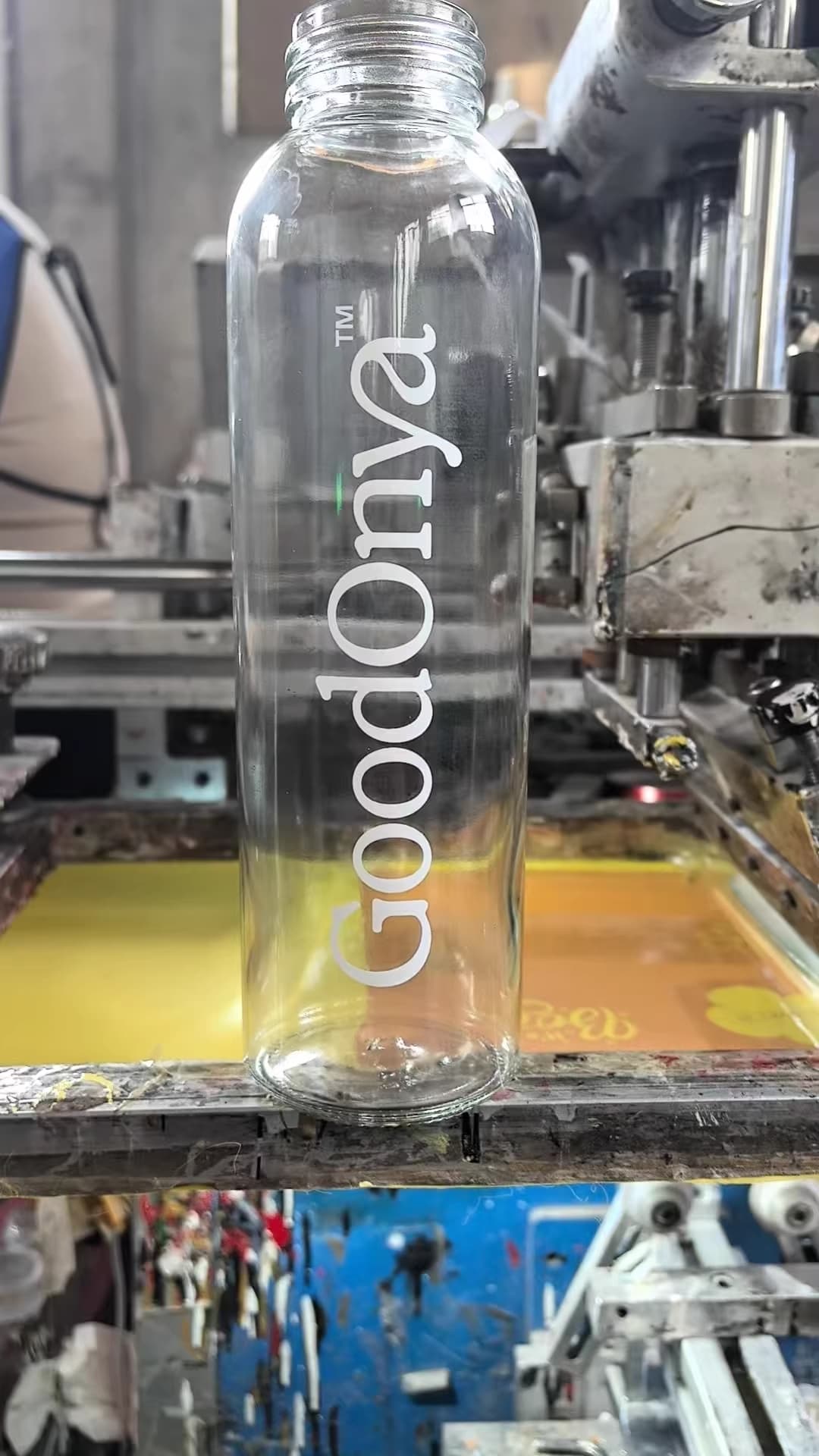
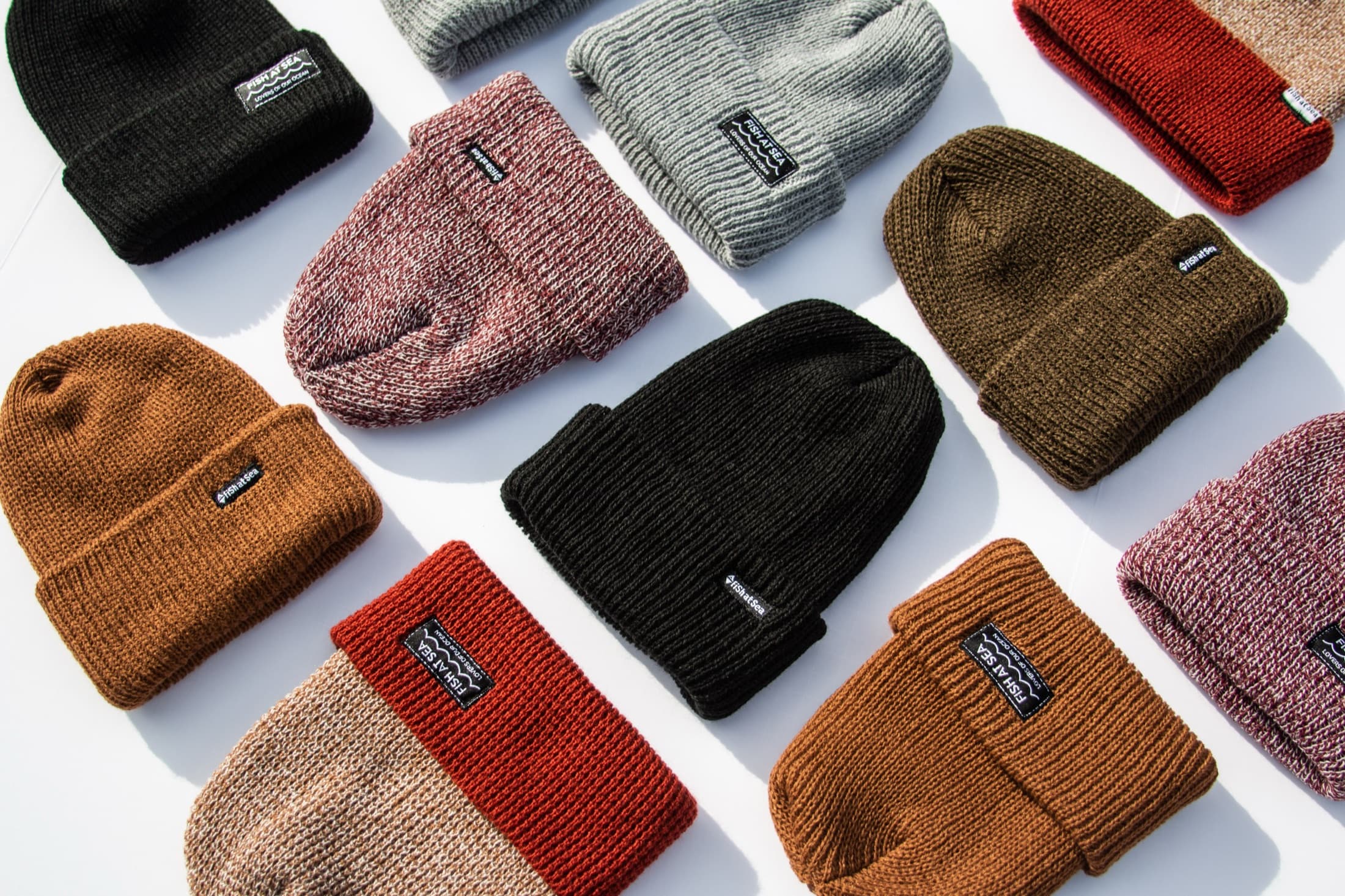
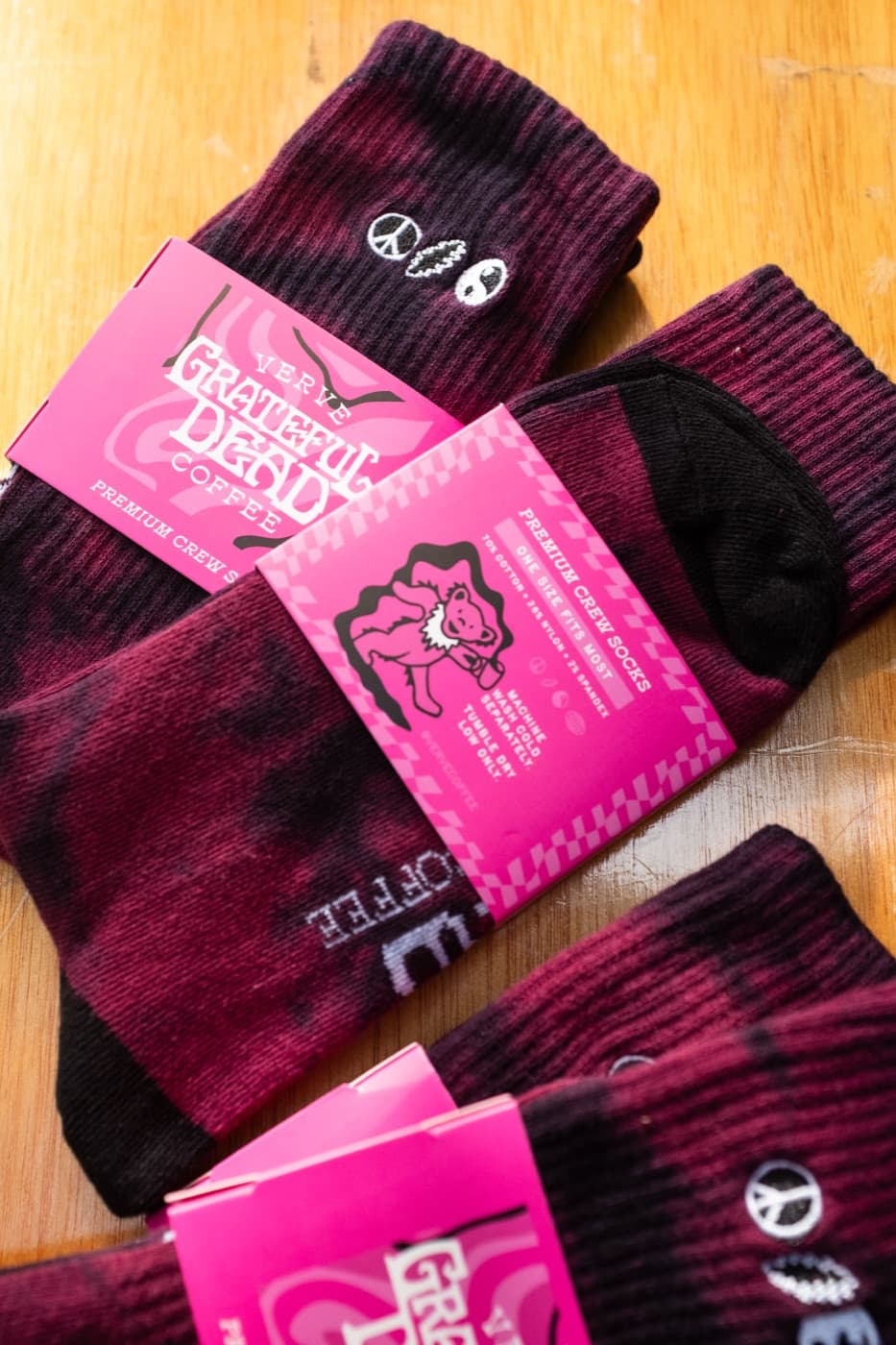
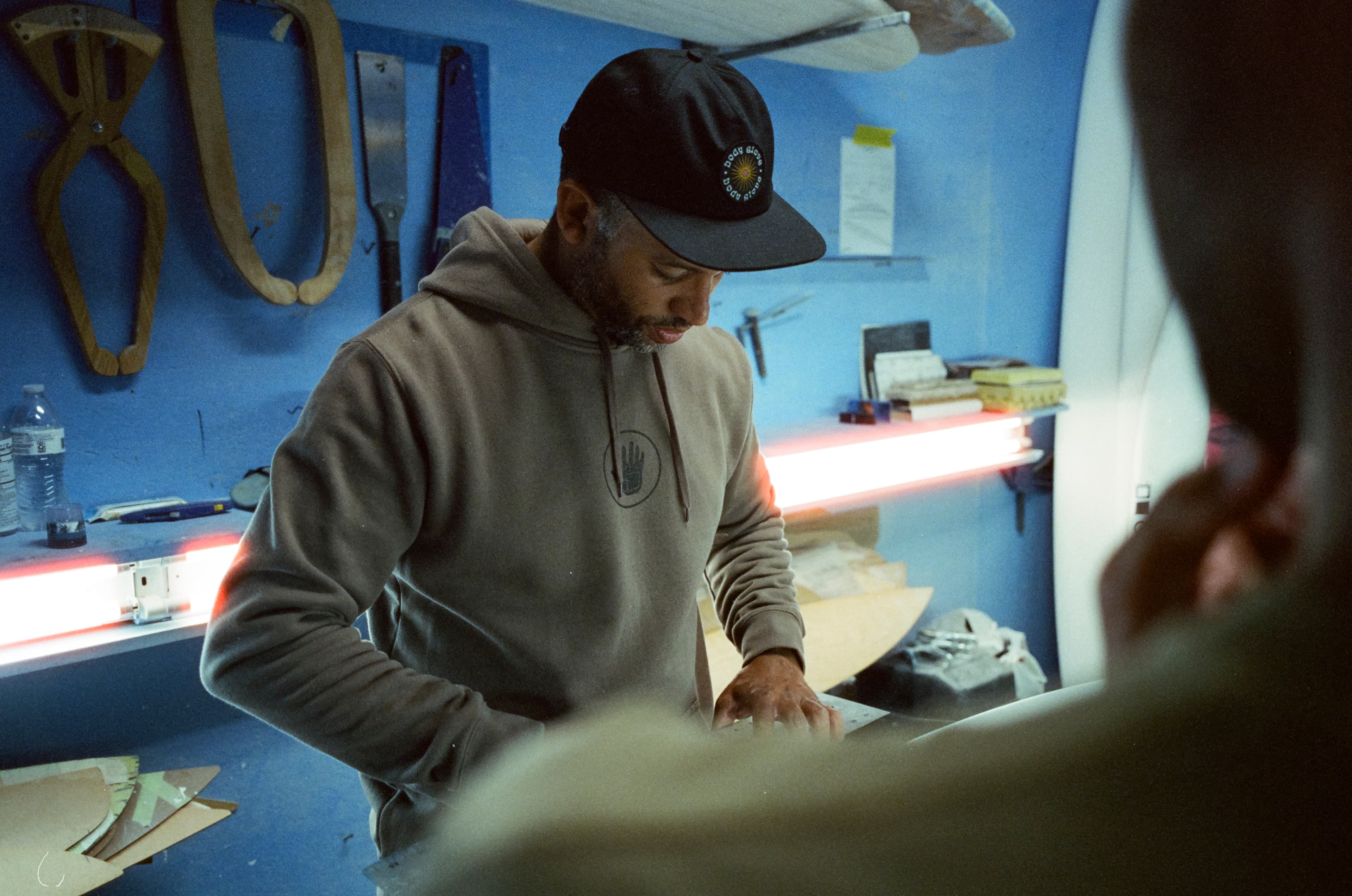
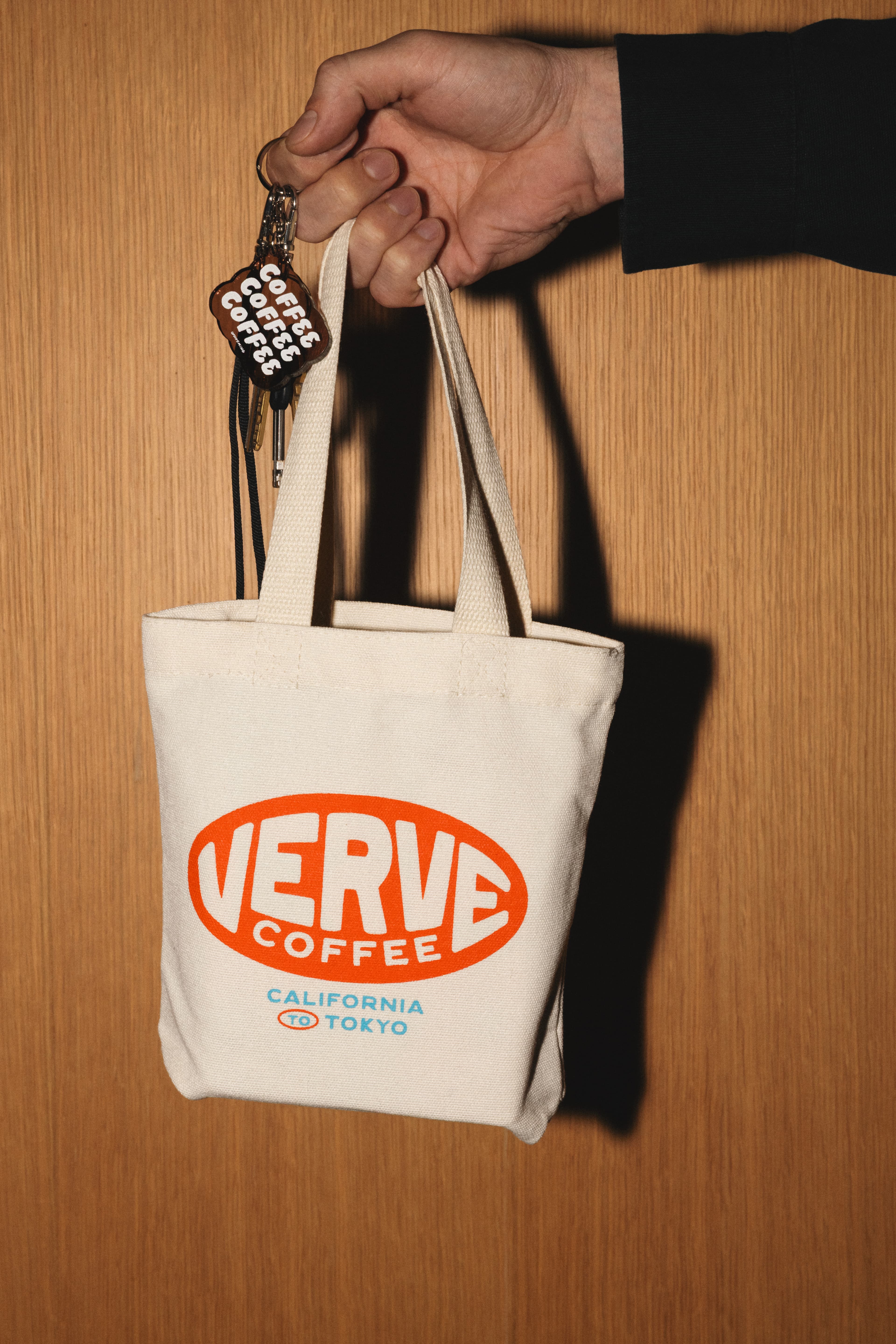
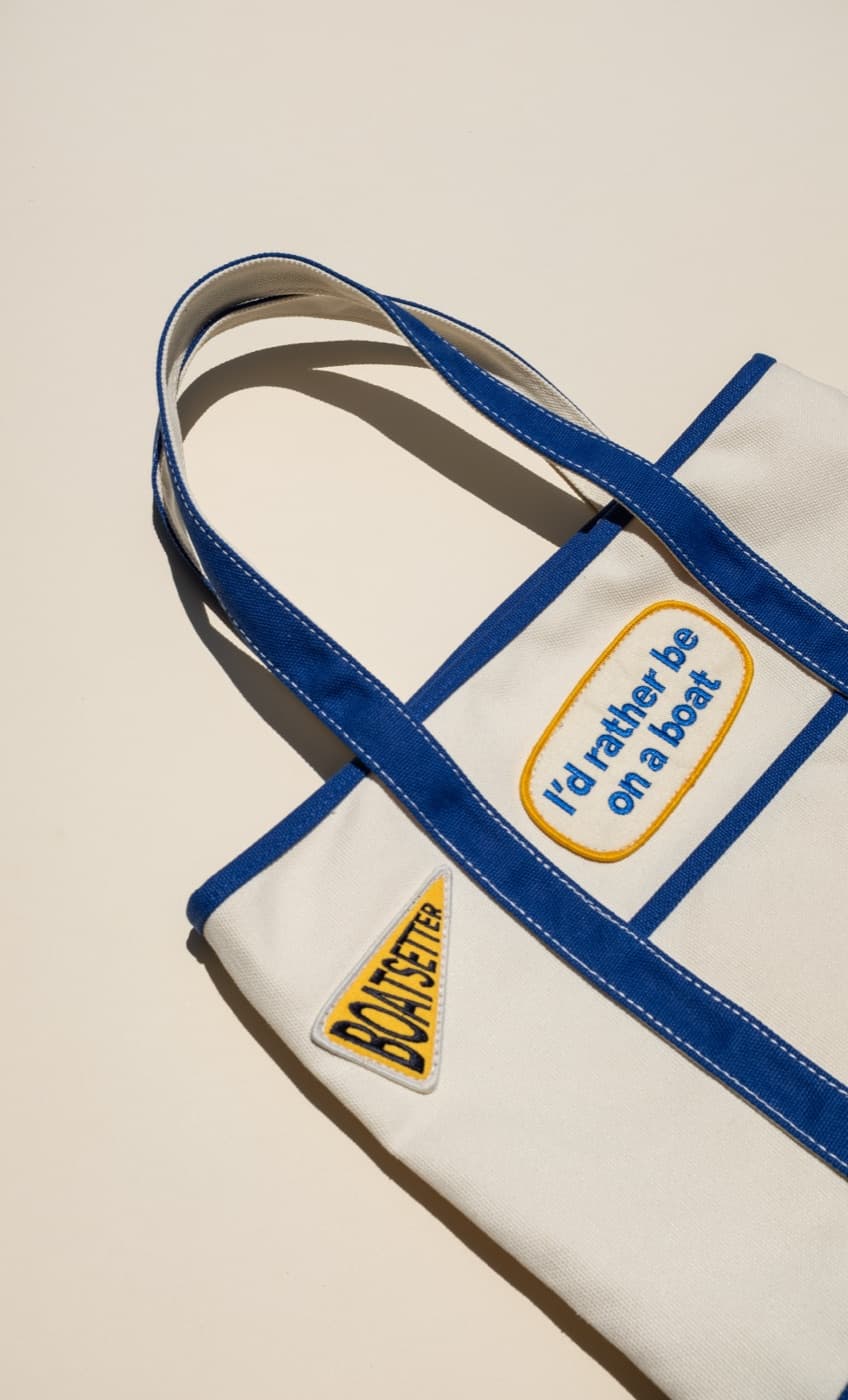
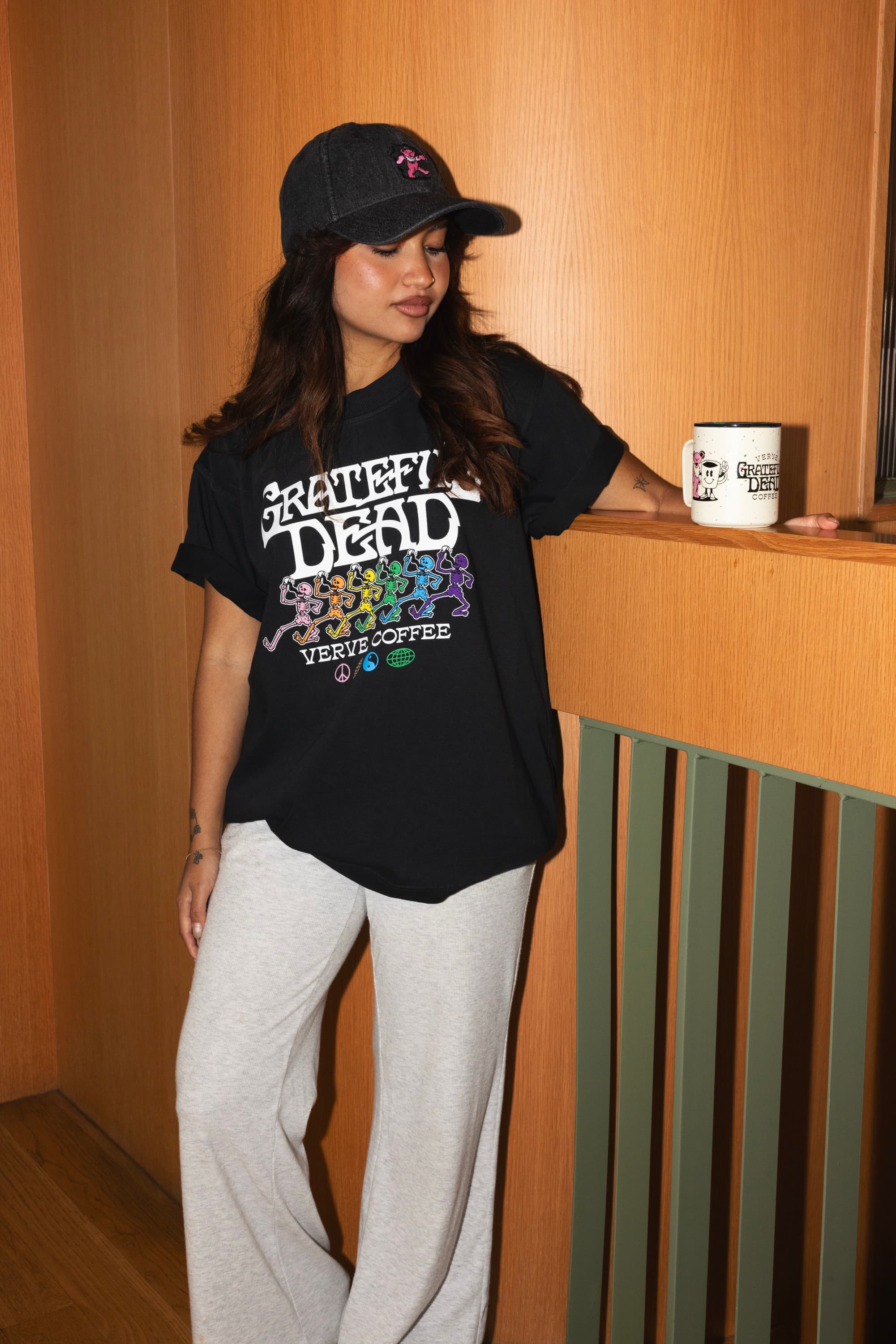
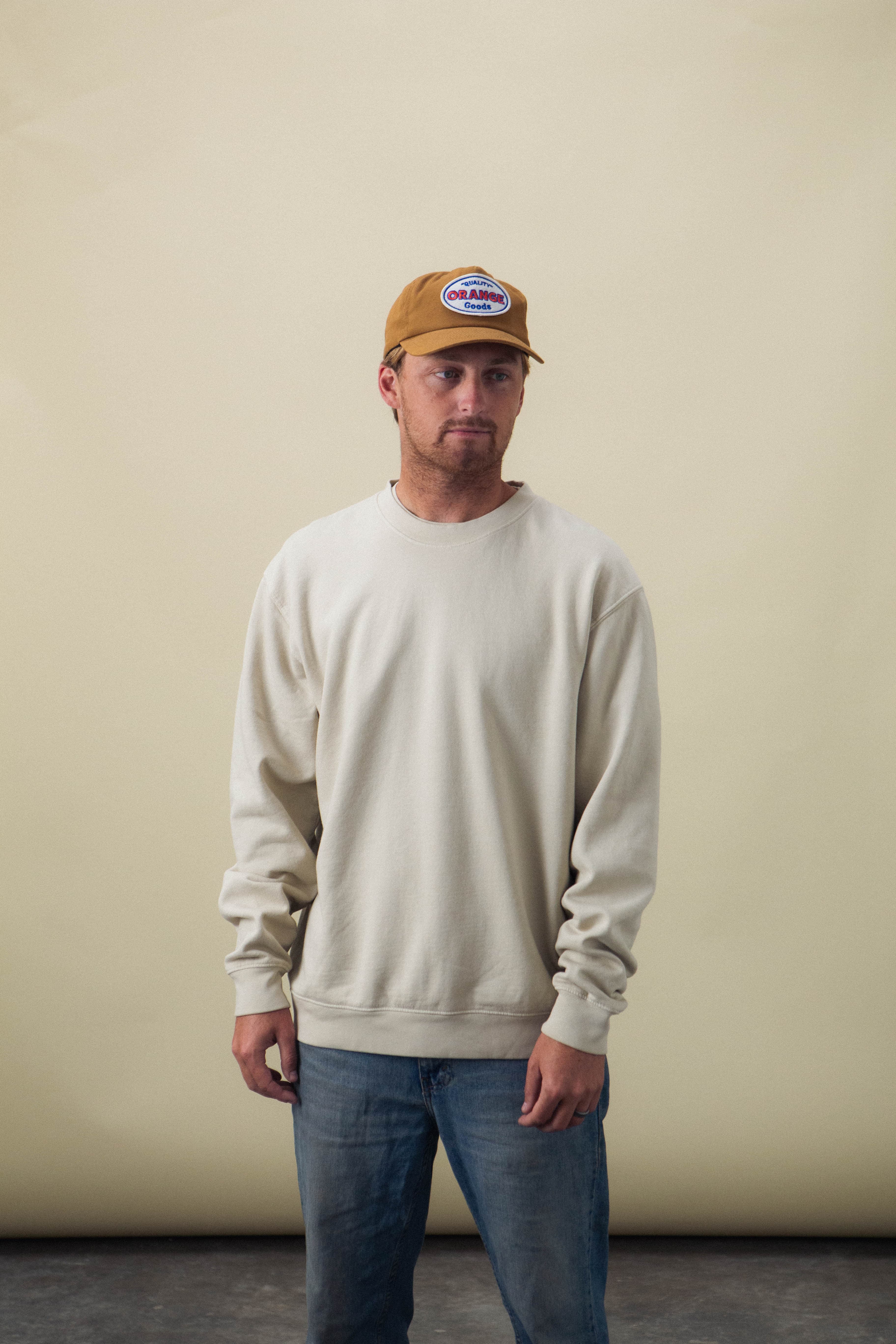
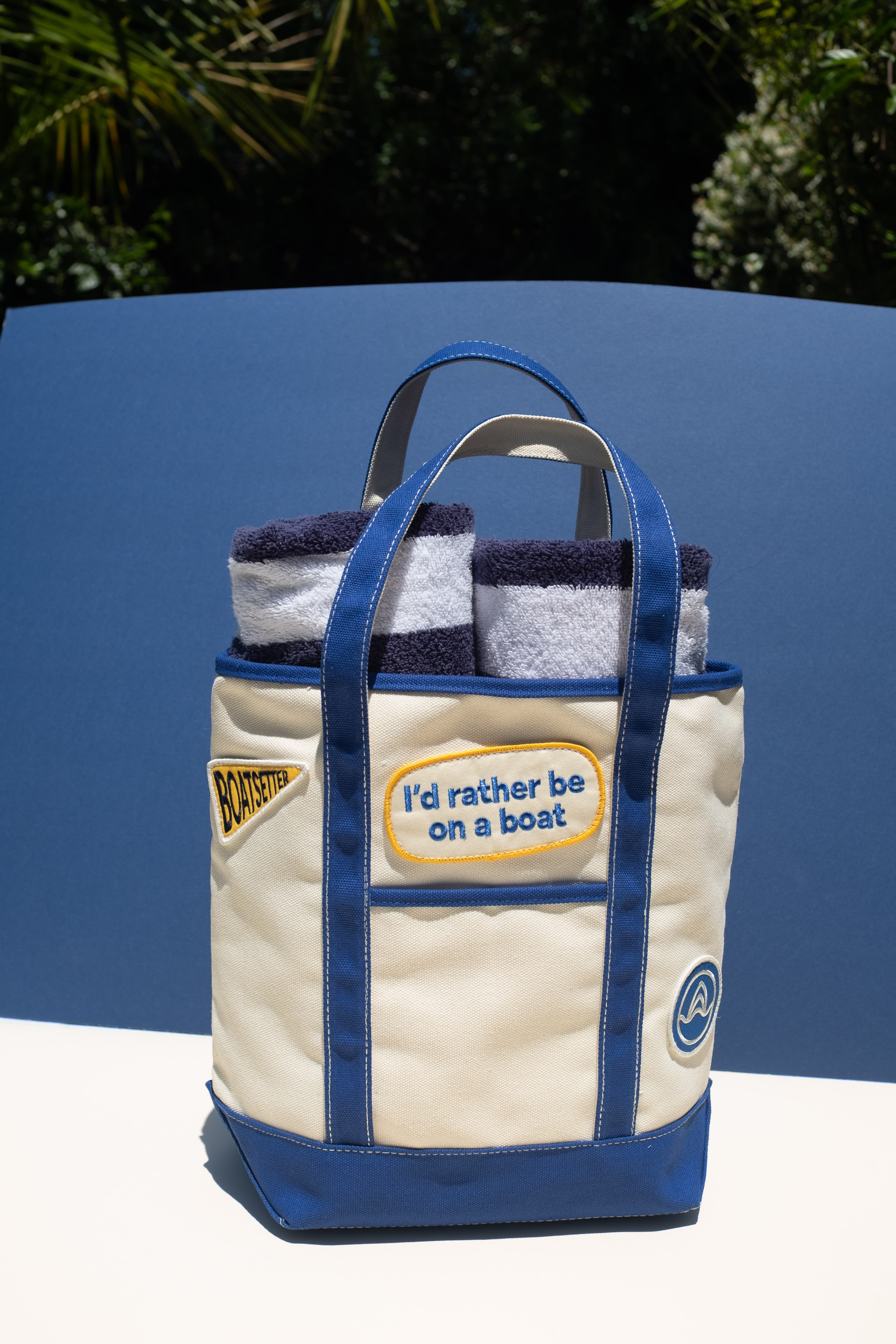
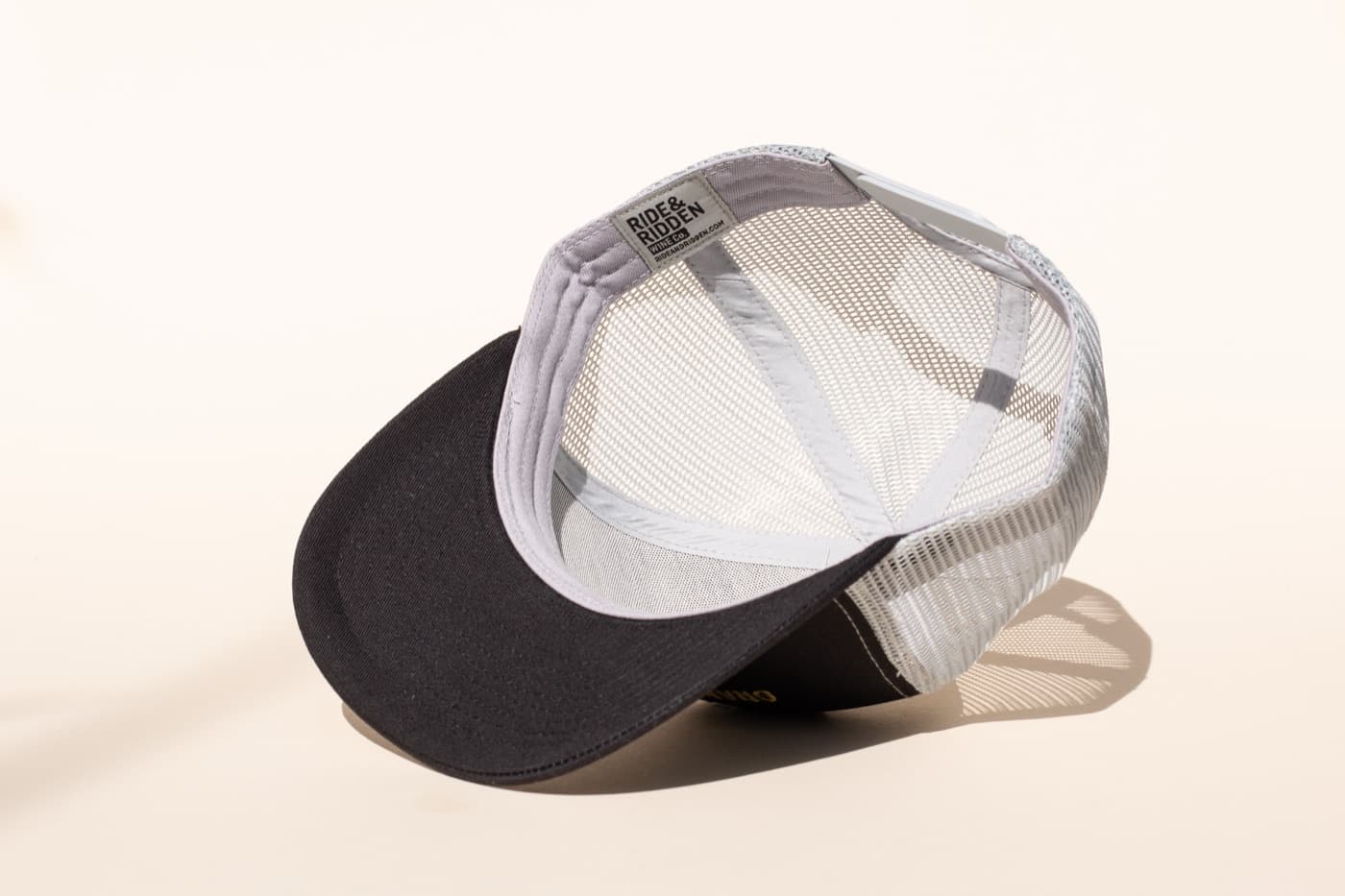
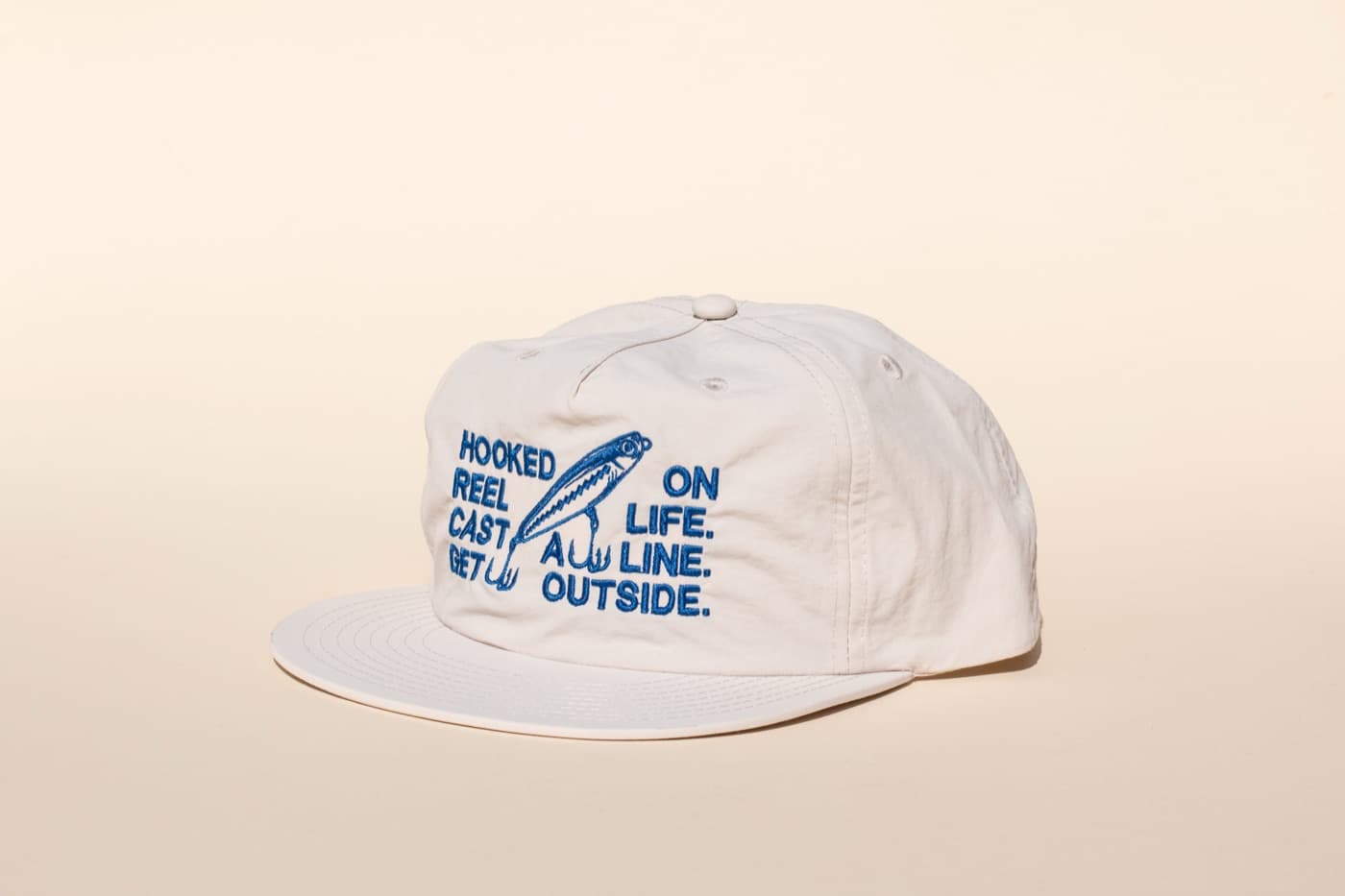
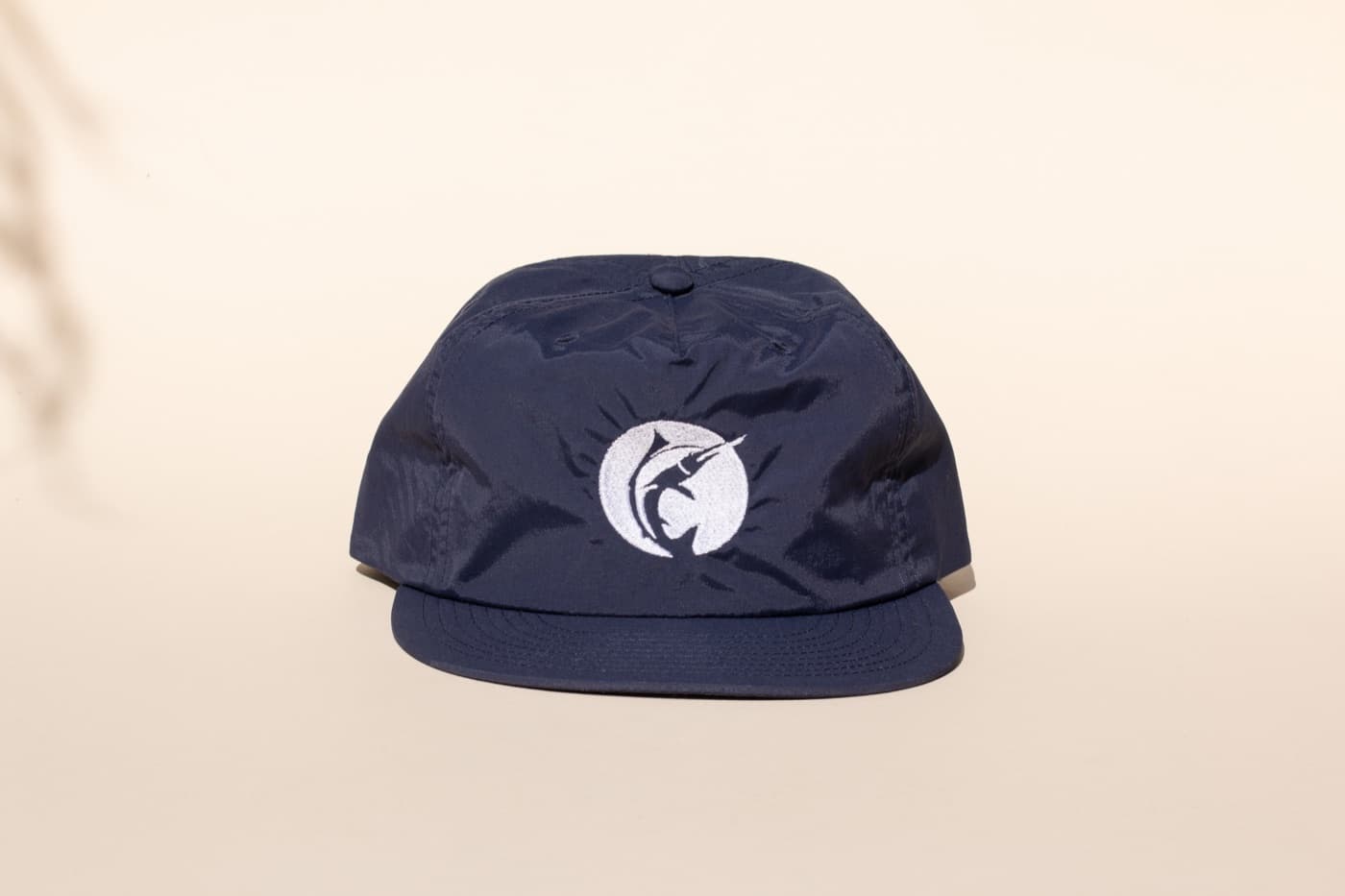
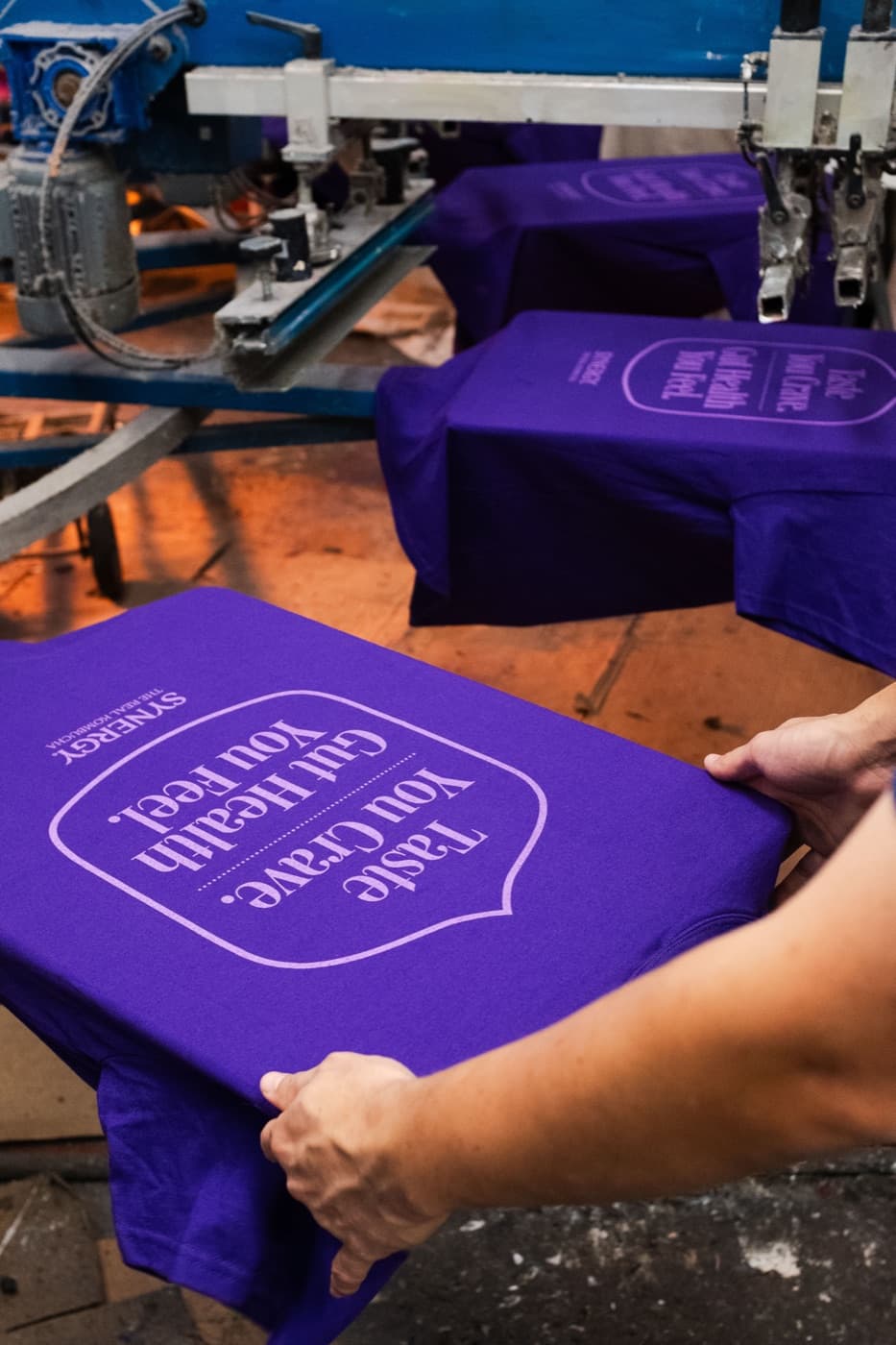
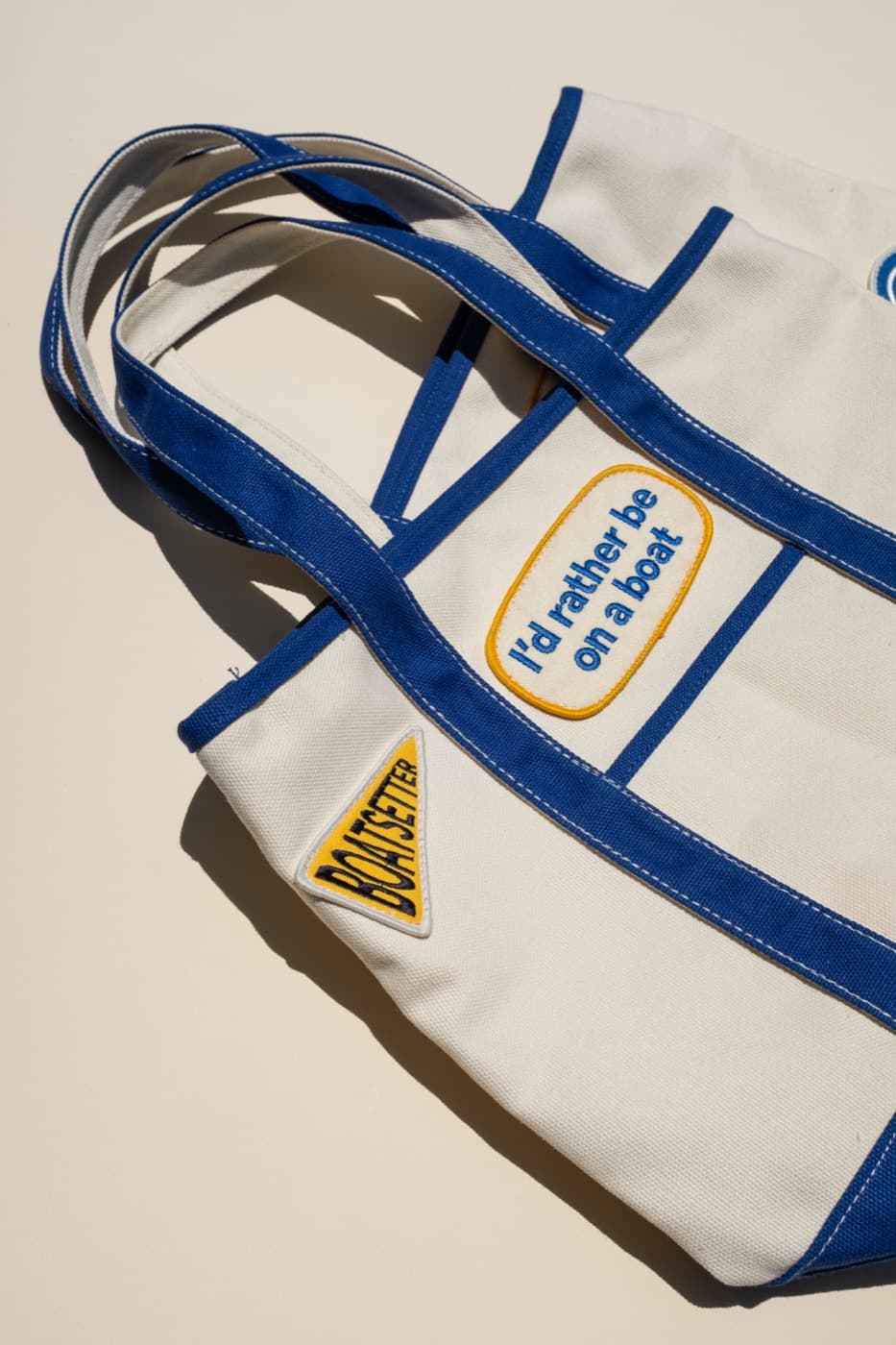
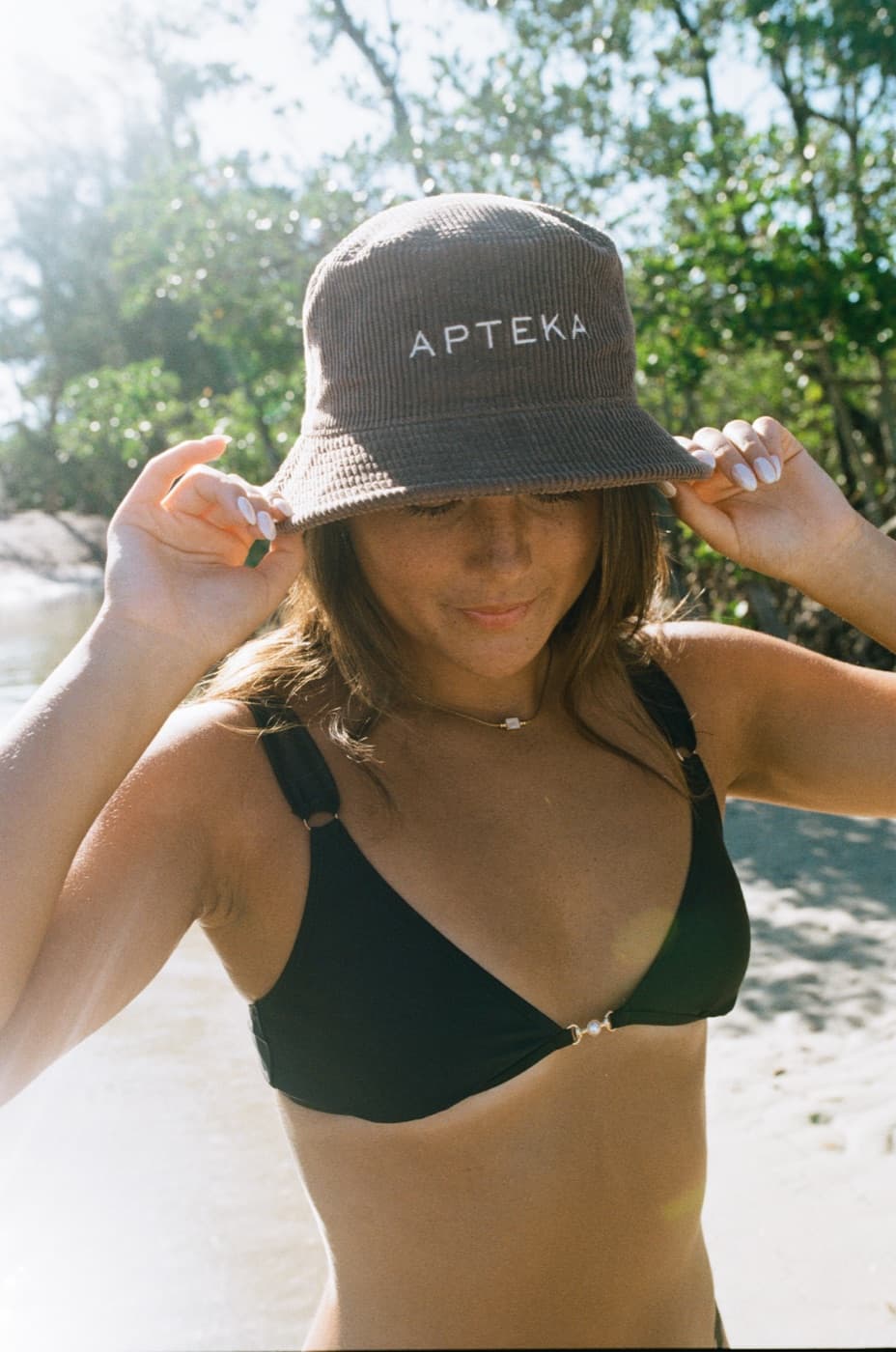
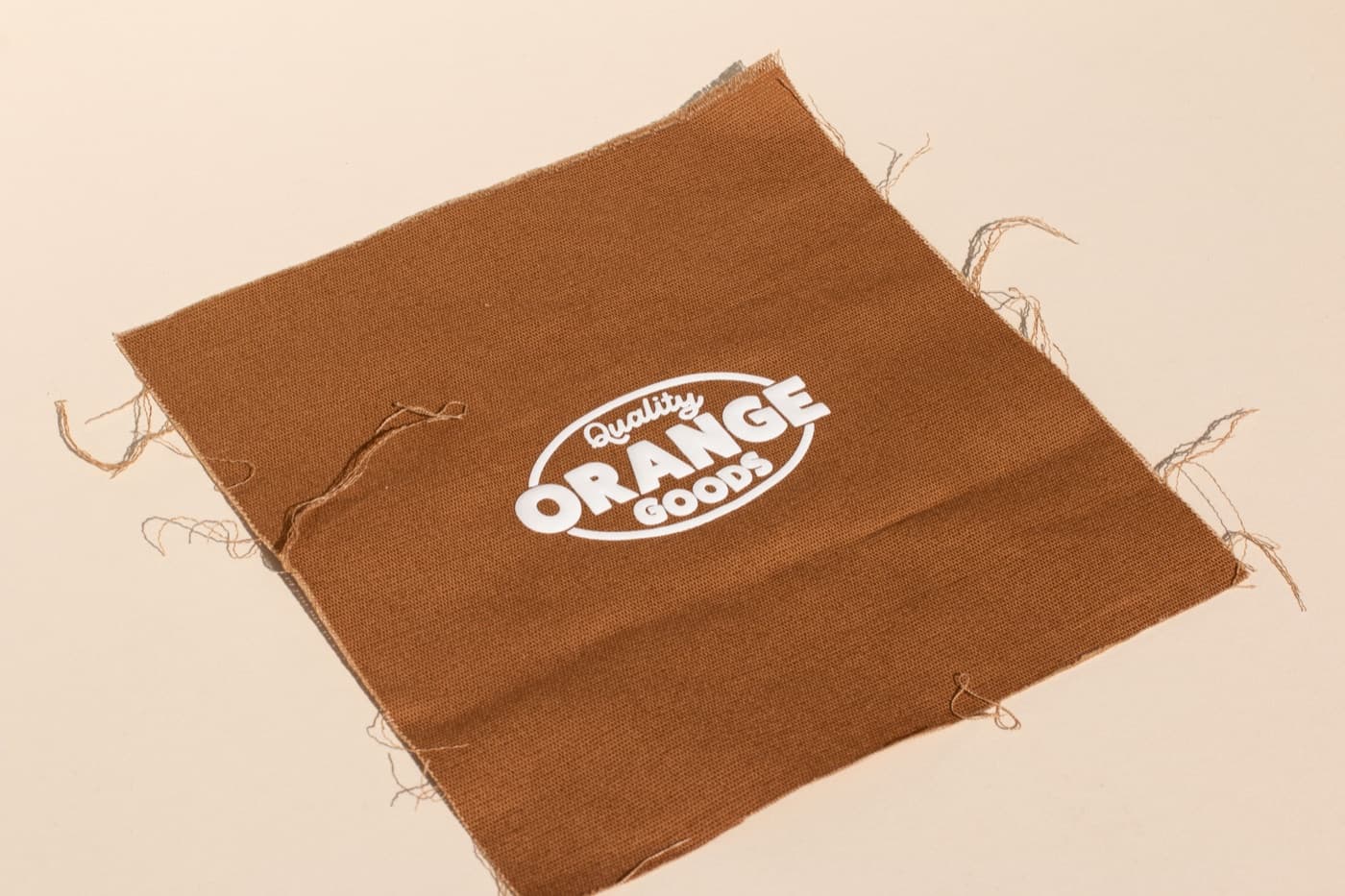
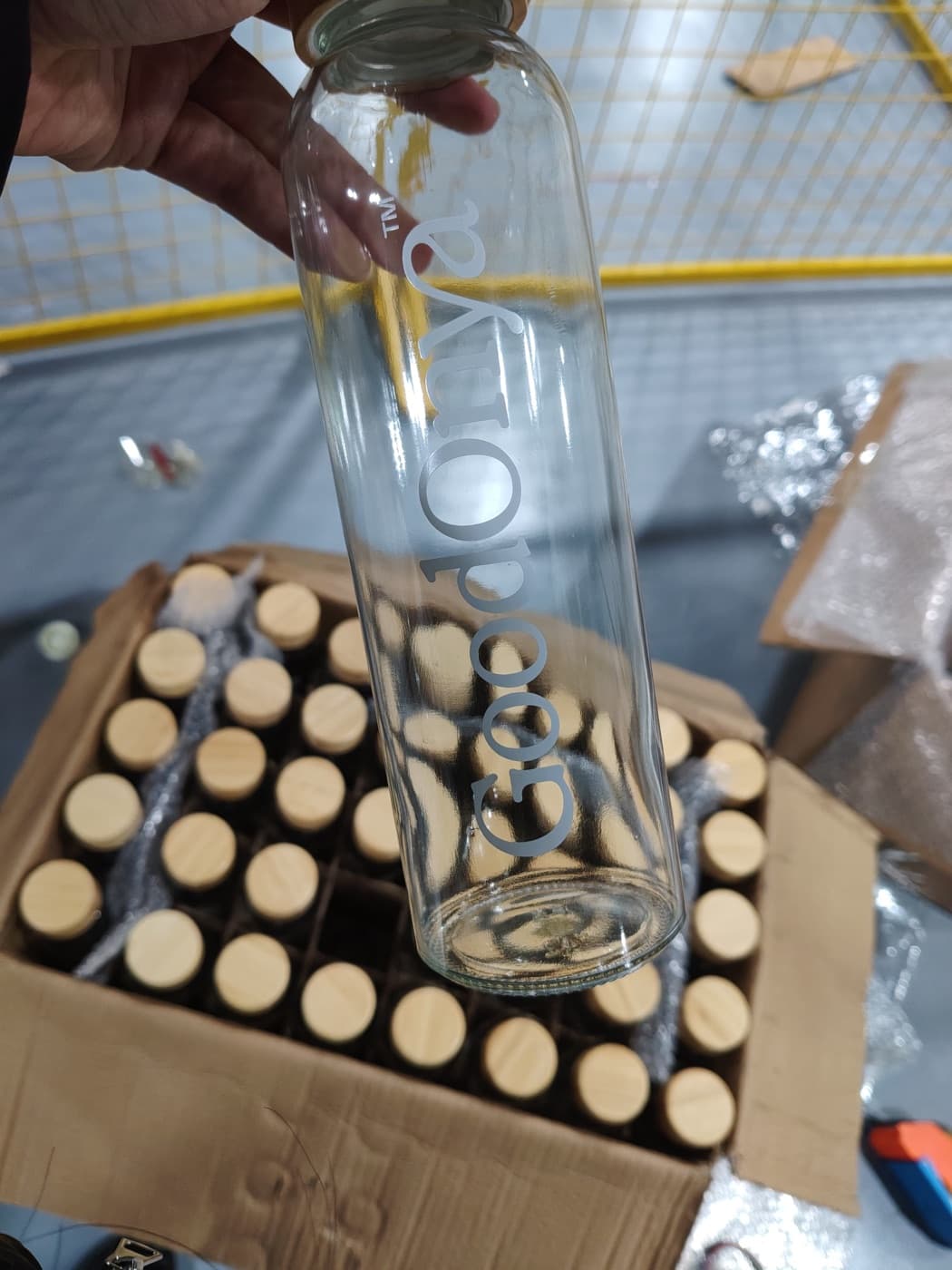
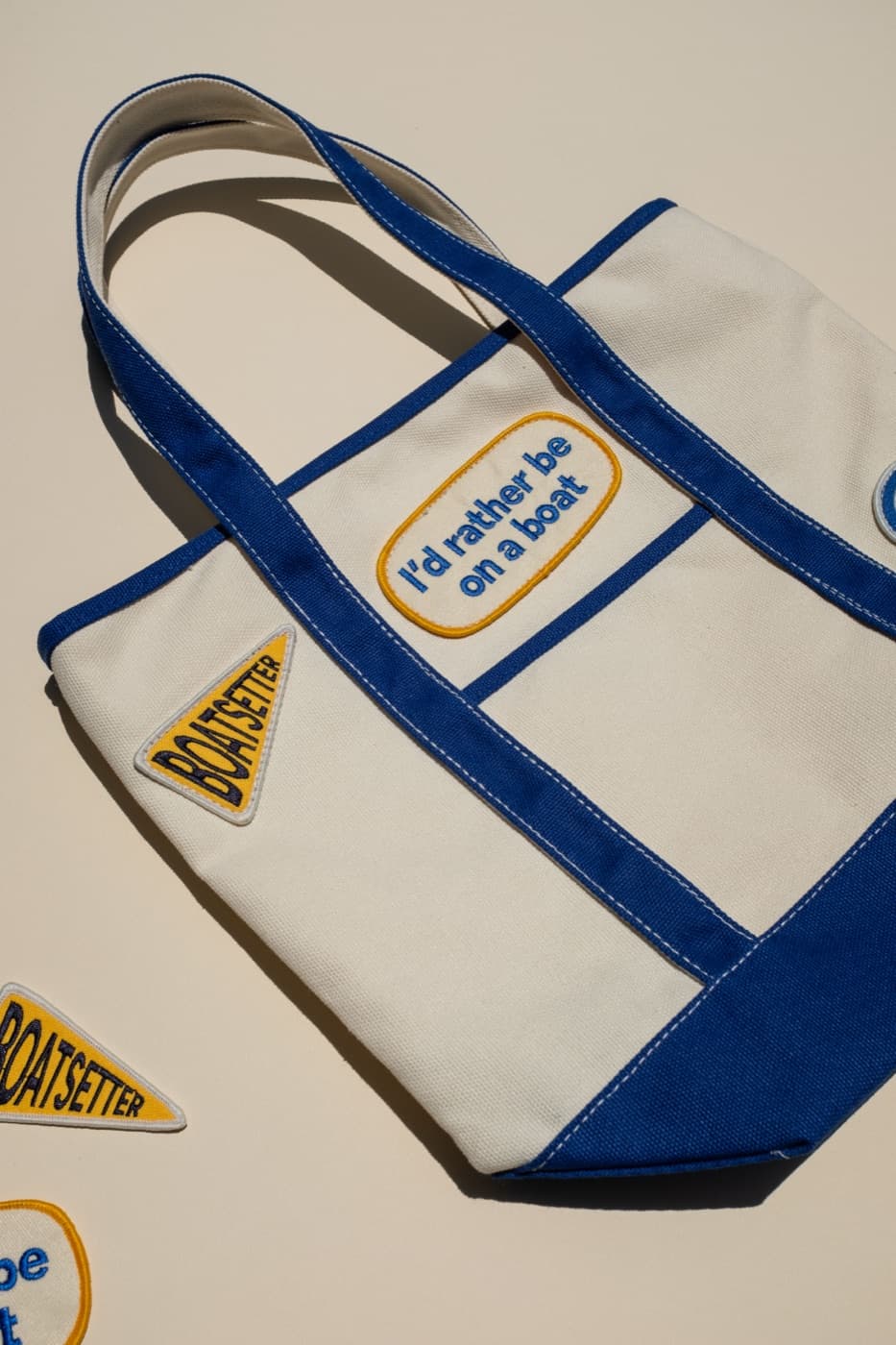
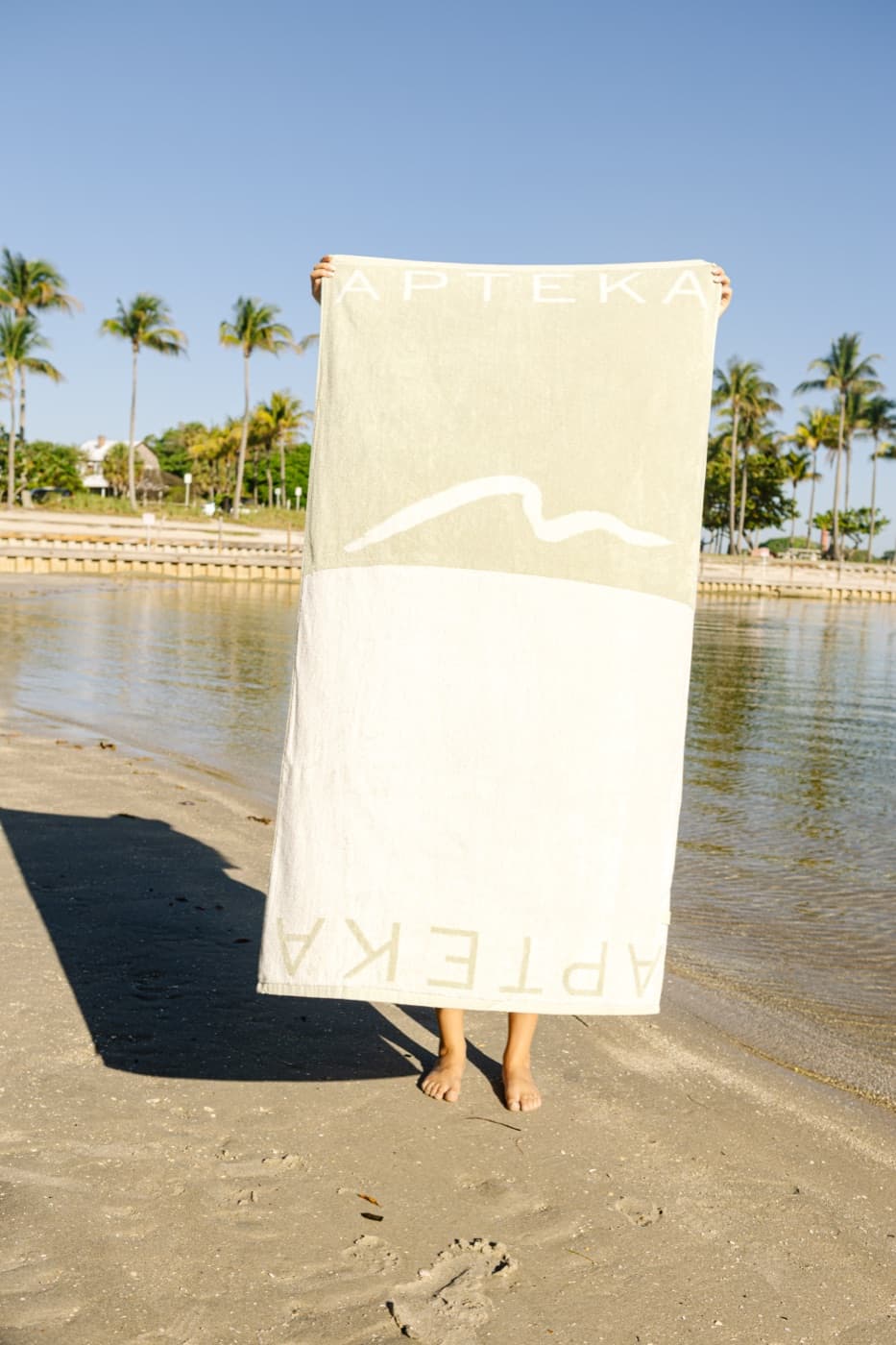
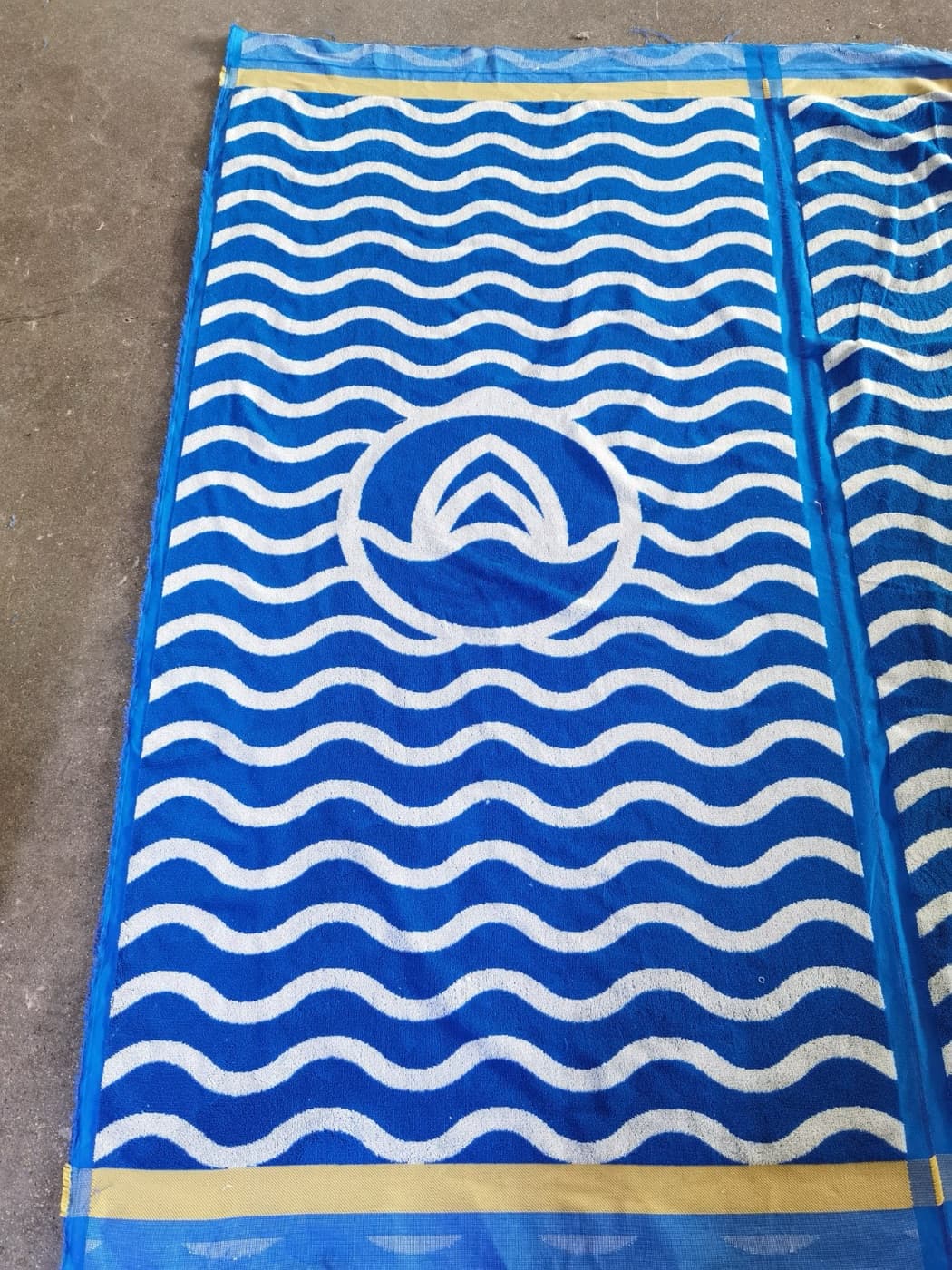
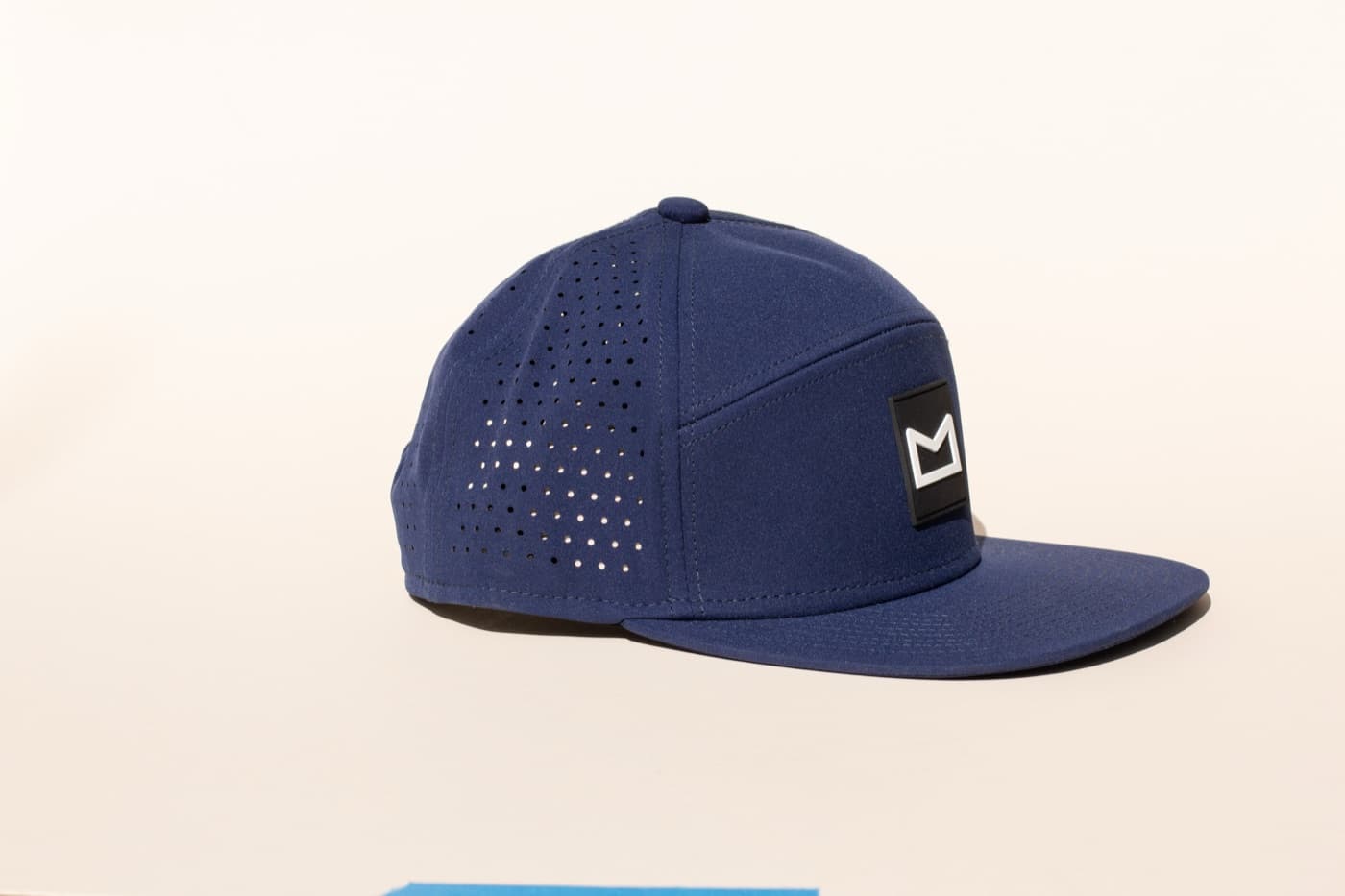
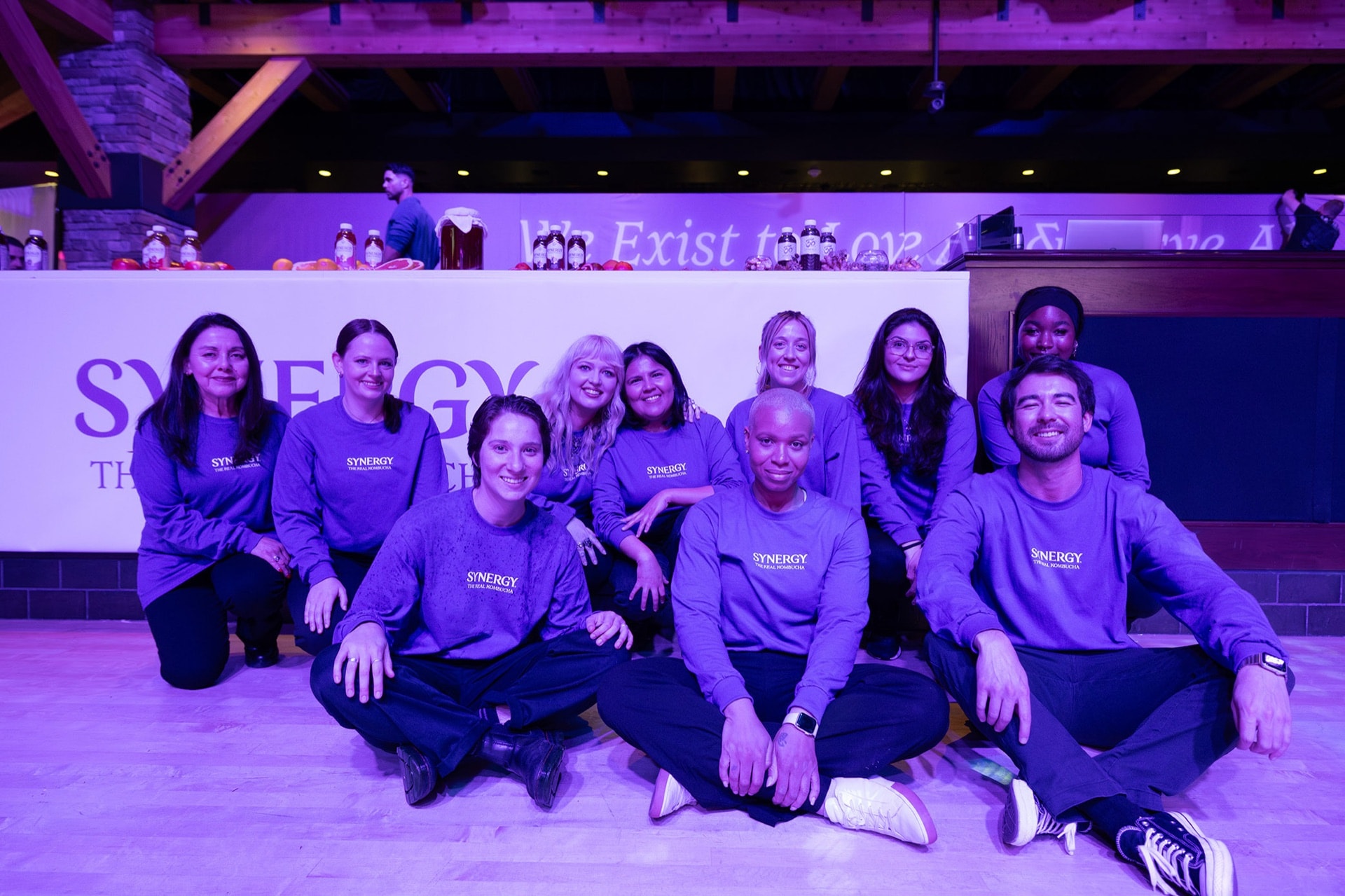
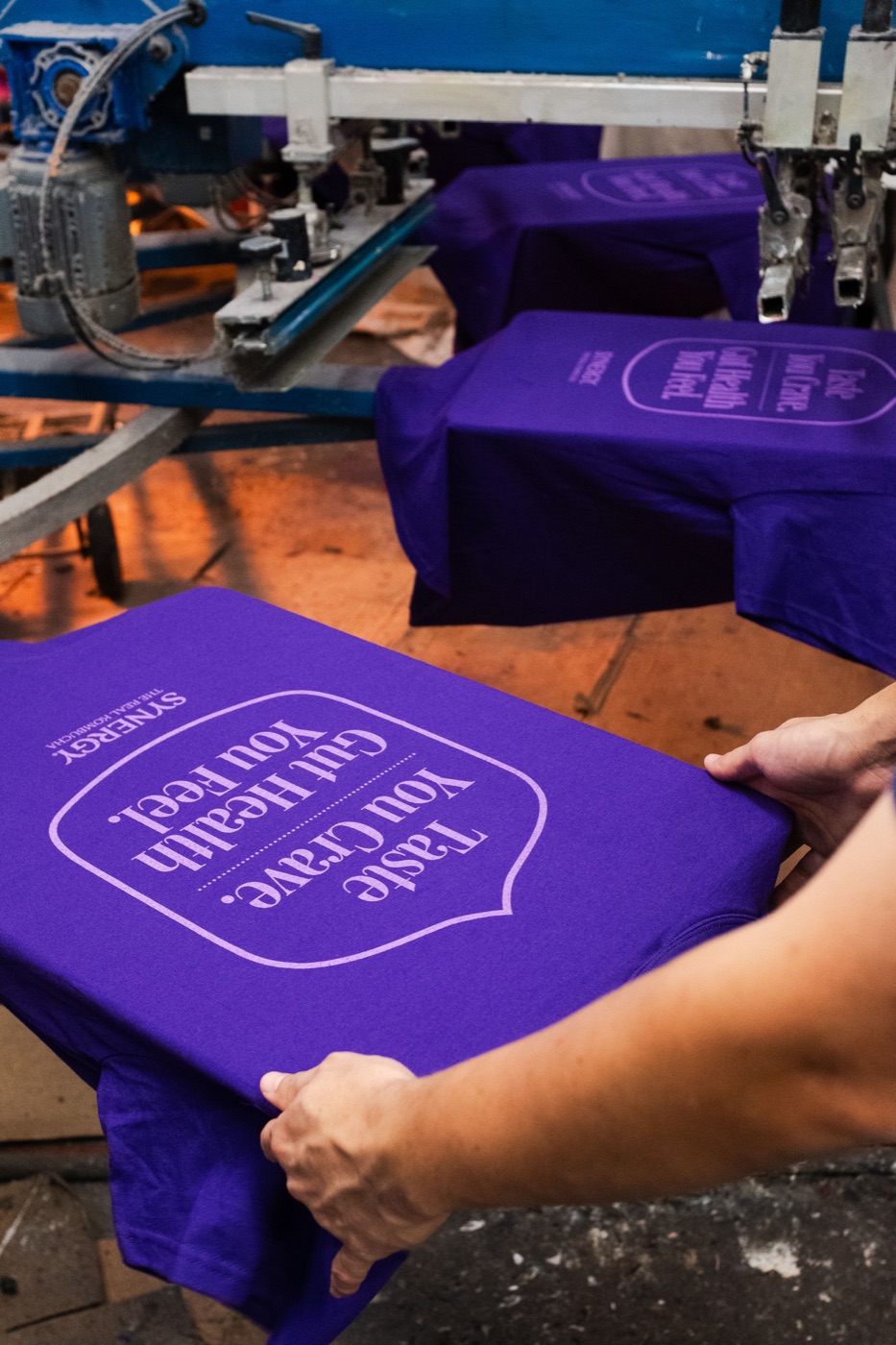
A tee can outfit staff. A hat can be a premium giveaway. A tote can carry samples. A sticker can extend the moment to more attendees. A bottle, towel, bandana, or sock can make the event feel more specific. When each item has a purpose, the table feels curated instead of crowded.
Plan quantities by audience behavior
Not every attendee needs every product. Staff pieces, VIP gifts, public giveaways, retail units, and sponsor kits should be counted separately. If the project includes apparel, size planning matters as much as total quantity. For broad event audiences, accessories often reduce friction.
Think through the physical table
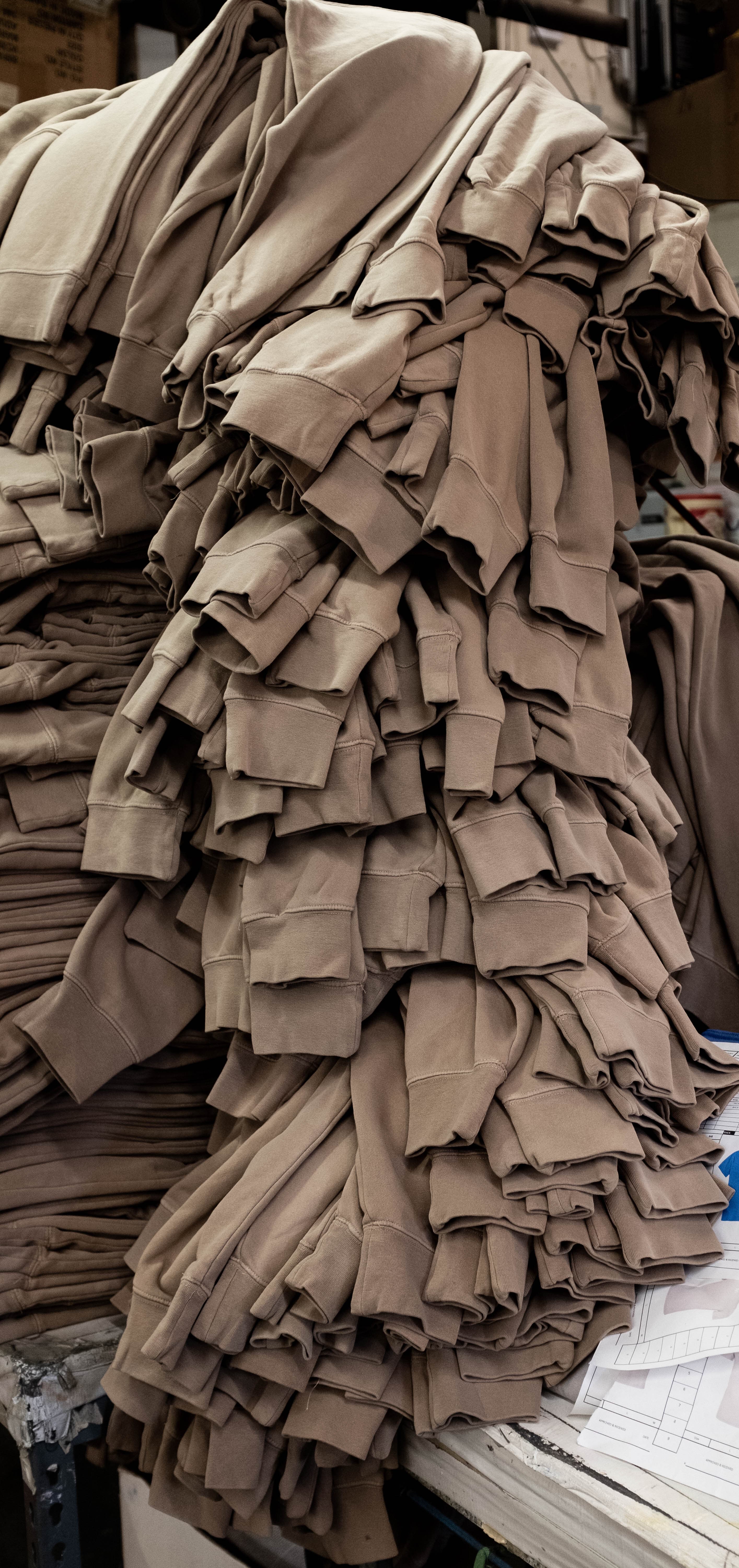
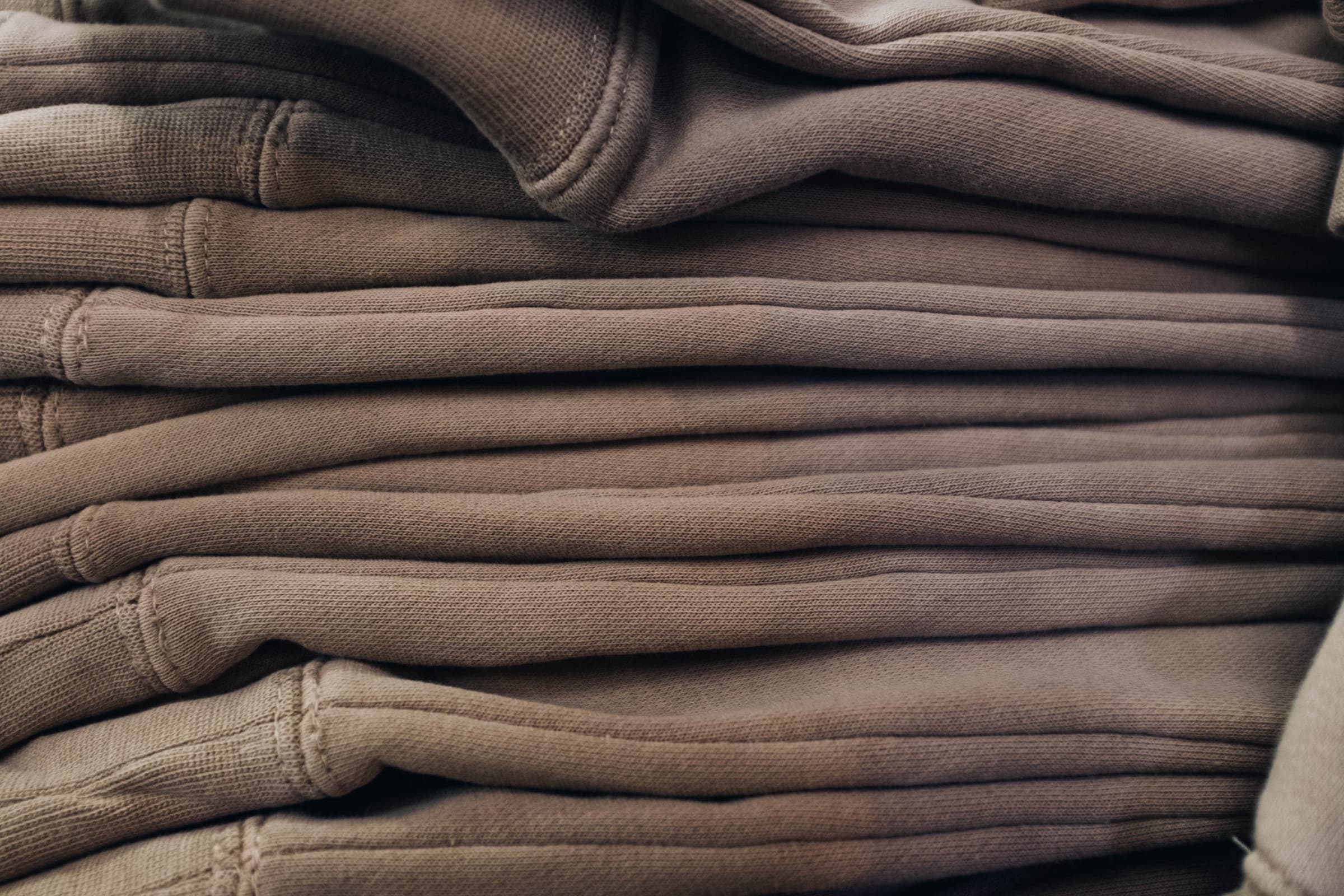
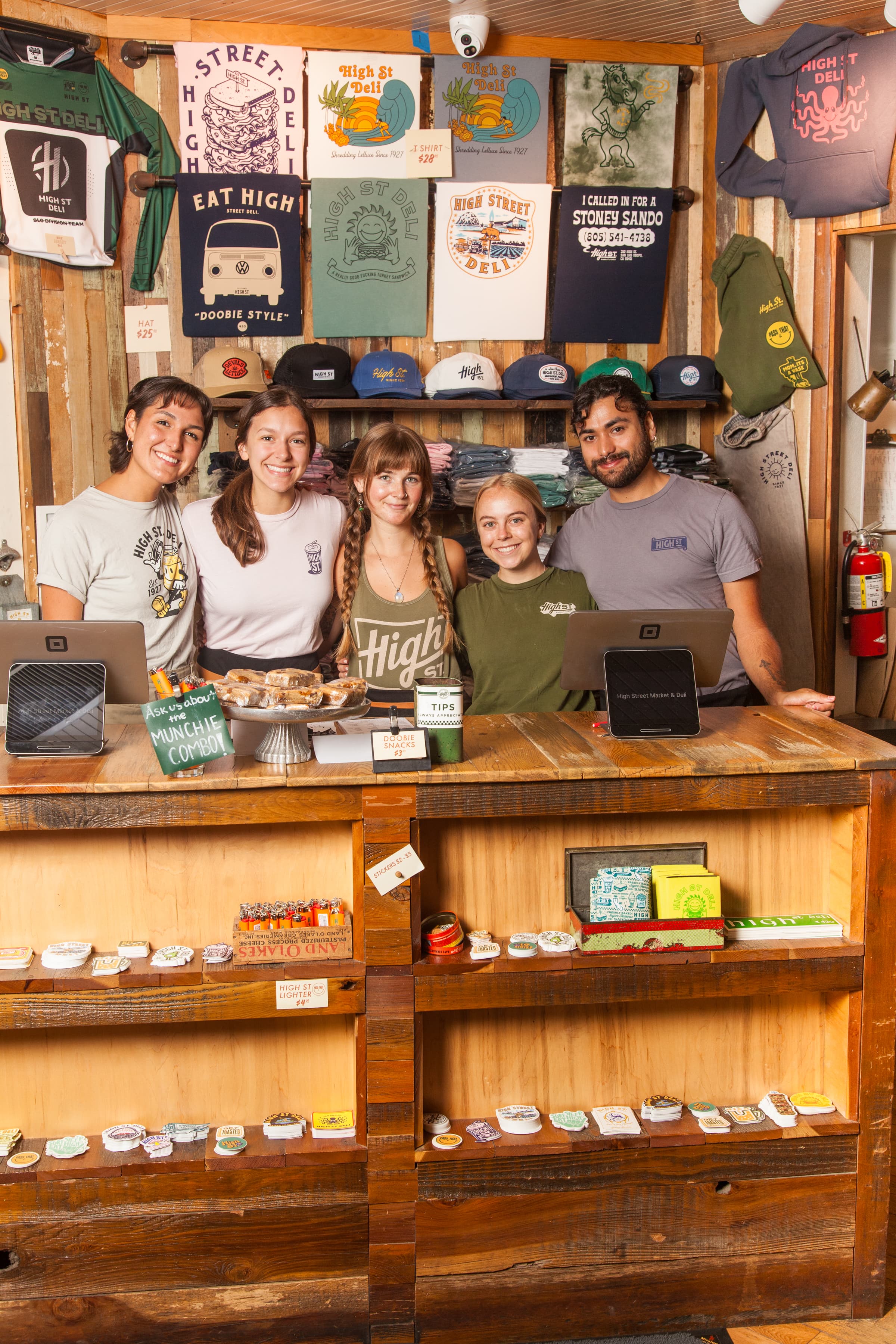
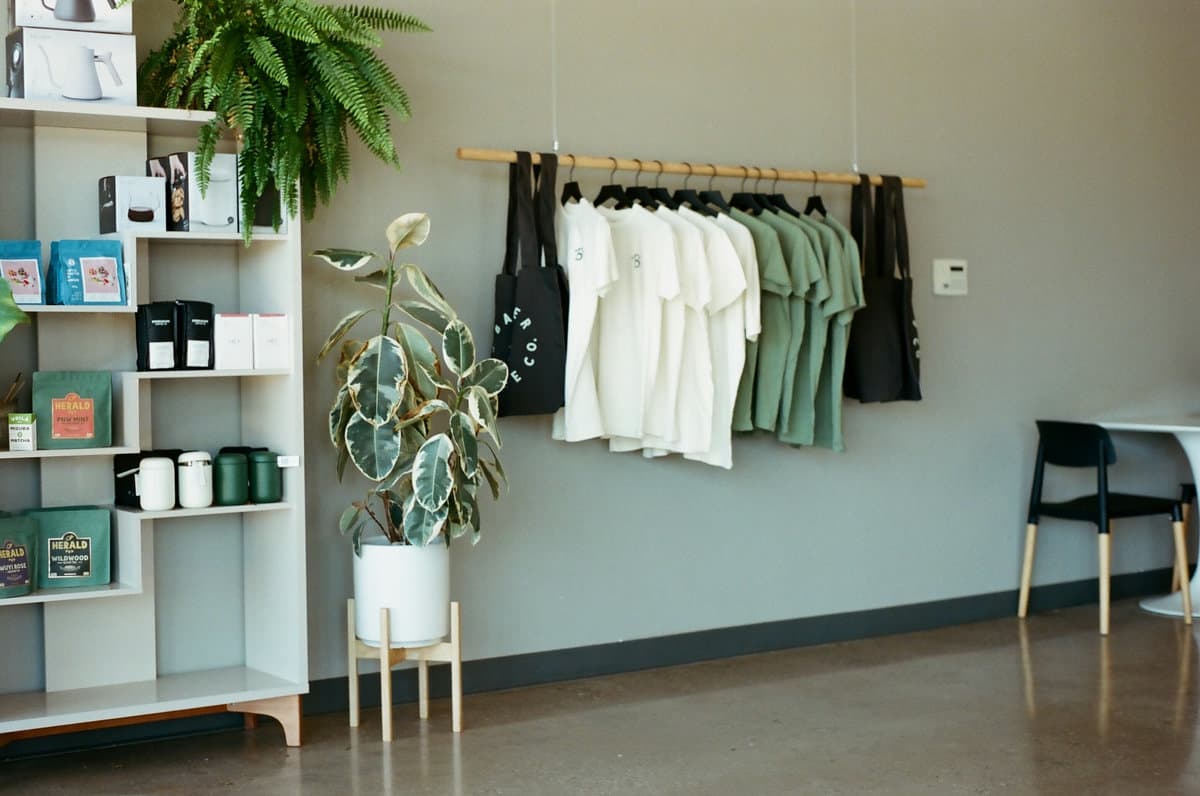
Goods should be easy to understand quickly. Folded apparel, visible size labels, stacked totes, open samples, small signs, backup boxes, and a clear staff script can prevent confusion. If the merch is for sale, pricing and payment flow should be tested before the doors open.
Use leftovers intentionally
Event leftovers can become ecommerce inventory, staff gifts, client follow-up, influencer mailers, or future sampling. Planning that path early helps prevent random boxes from sitting after the event.
The takeaway
A strong event merch table is part product plan, part operations plan, and part brand moment. Orange Goods helps teams build the right assortment, organize the handoff, and create goods that still have value after the event ends.