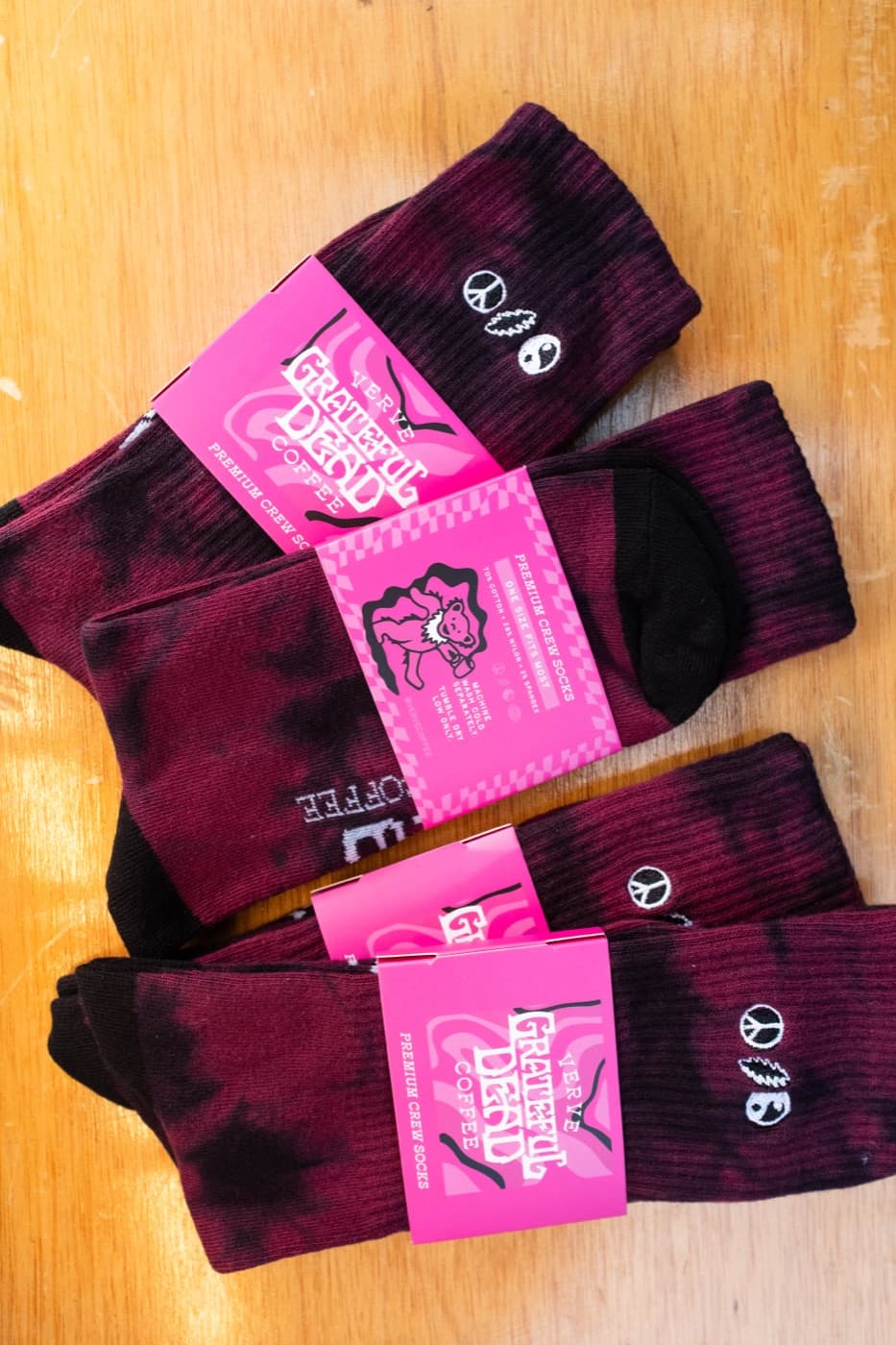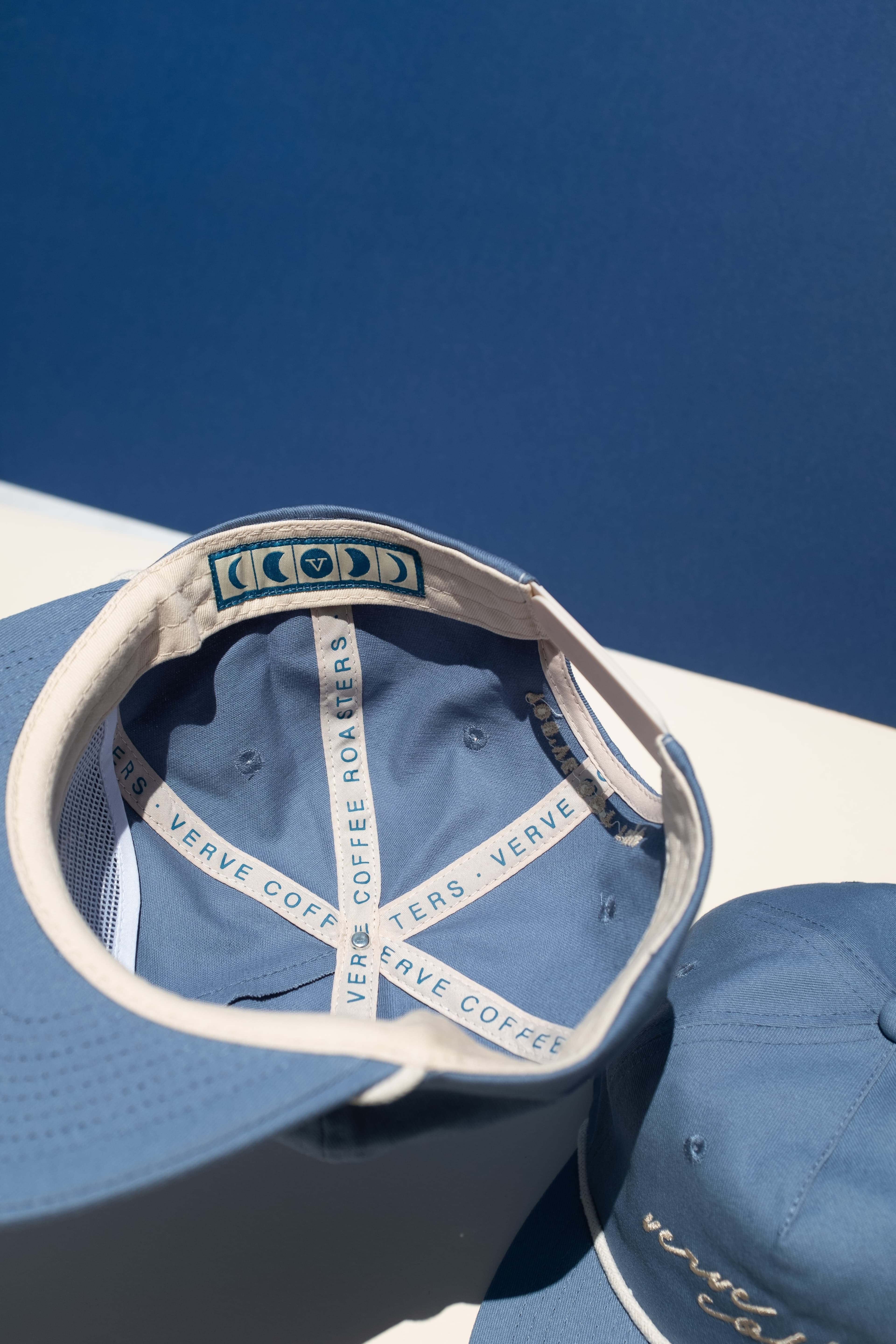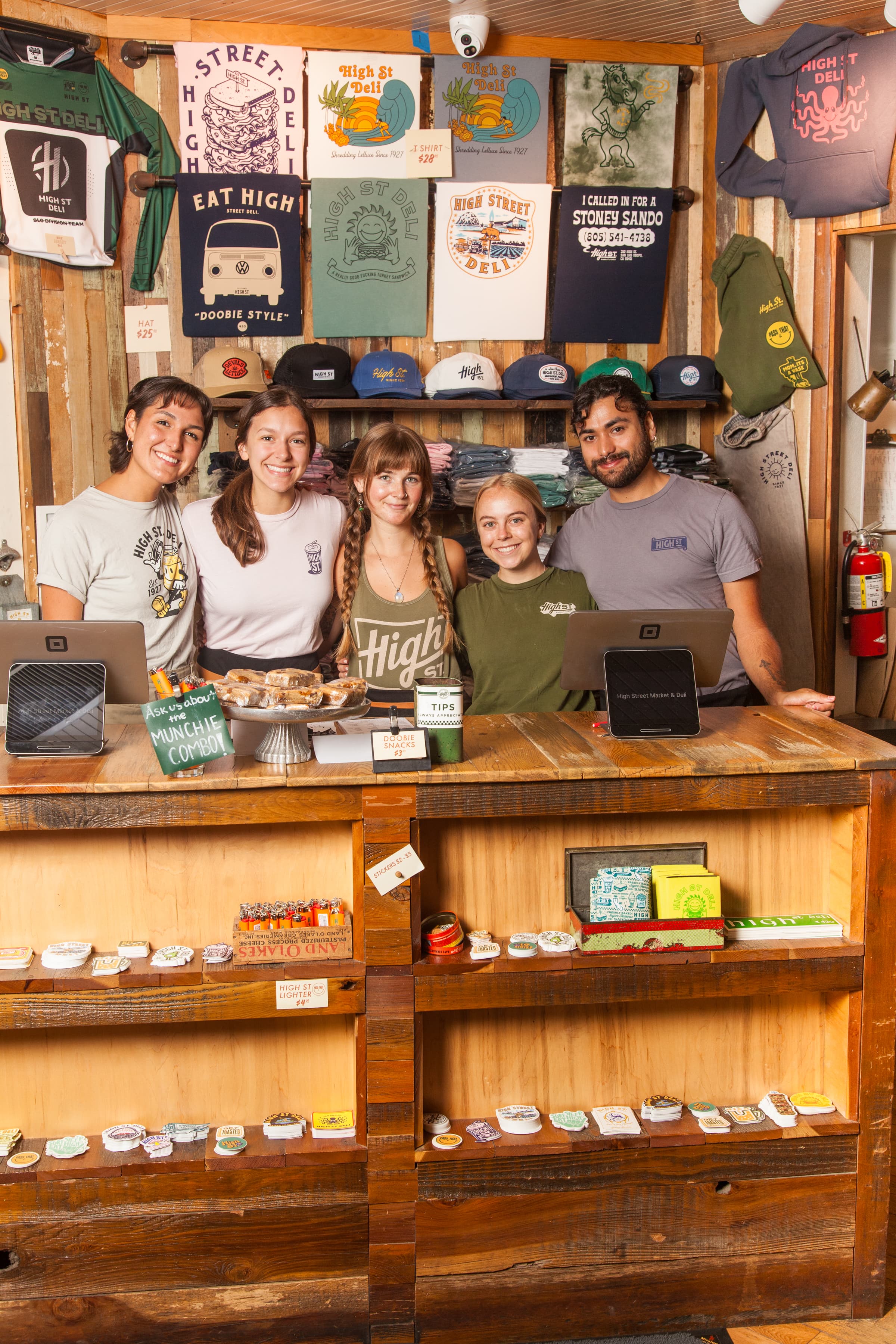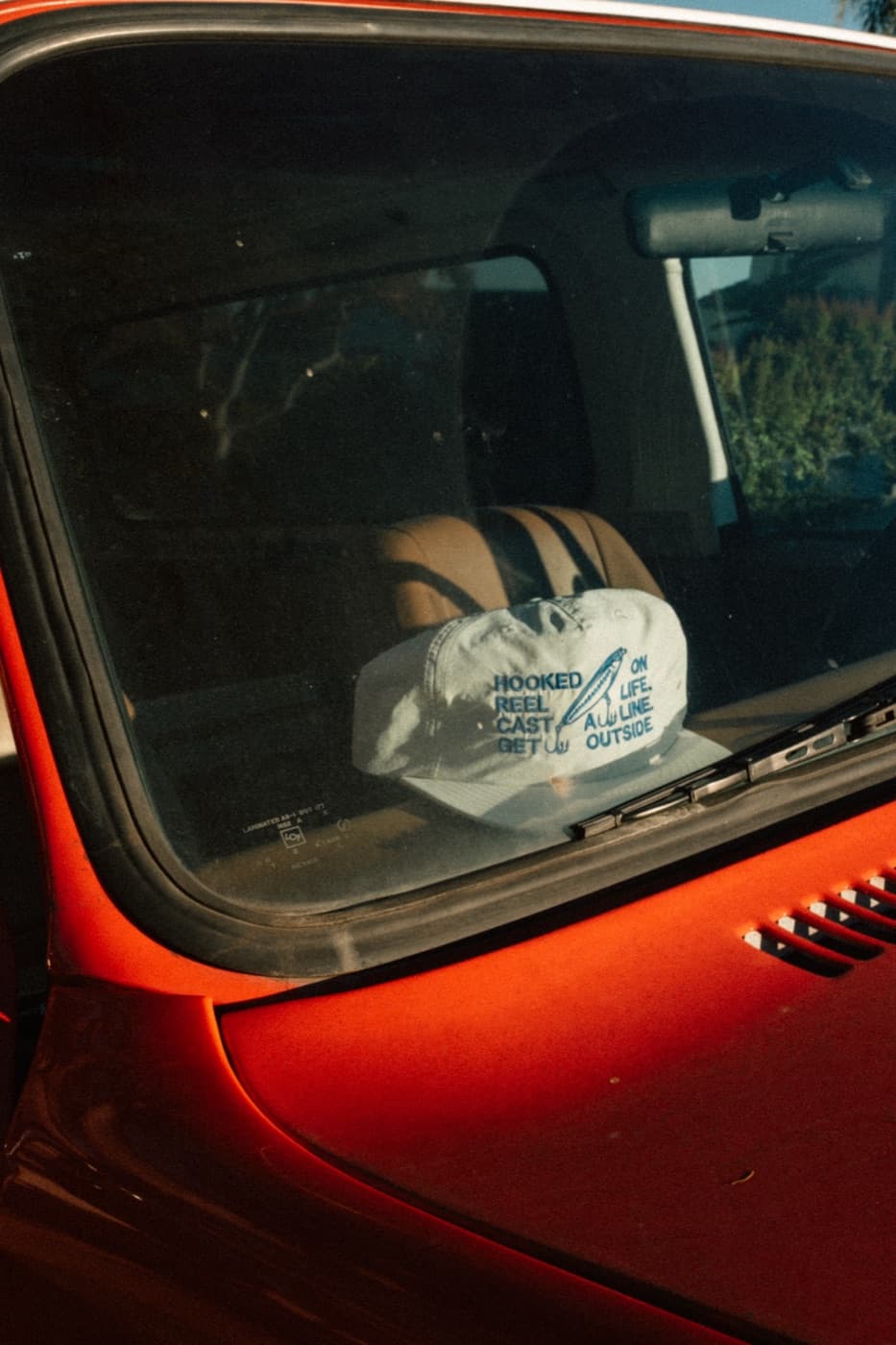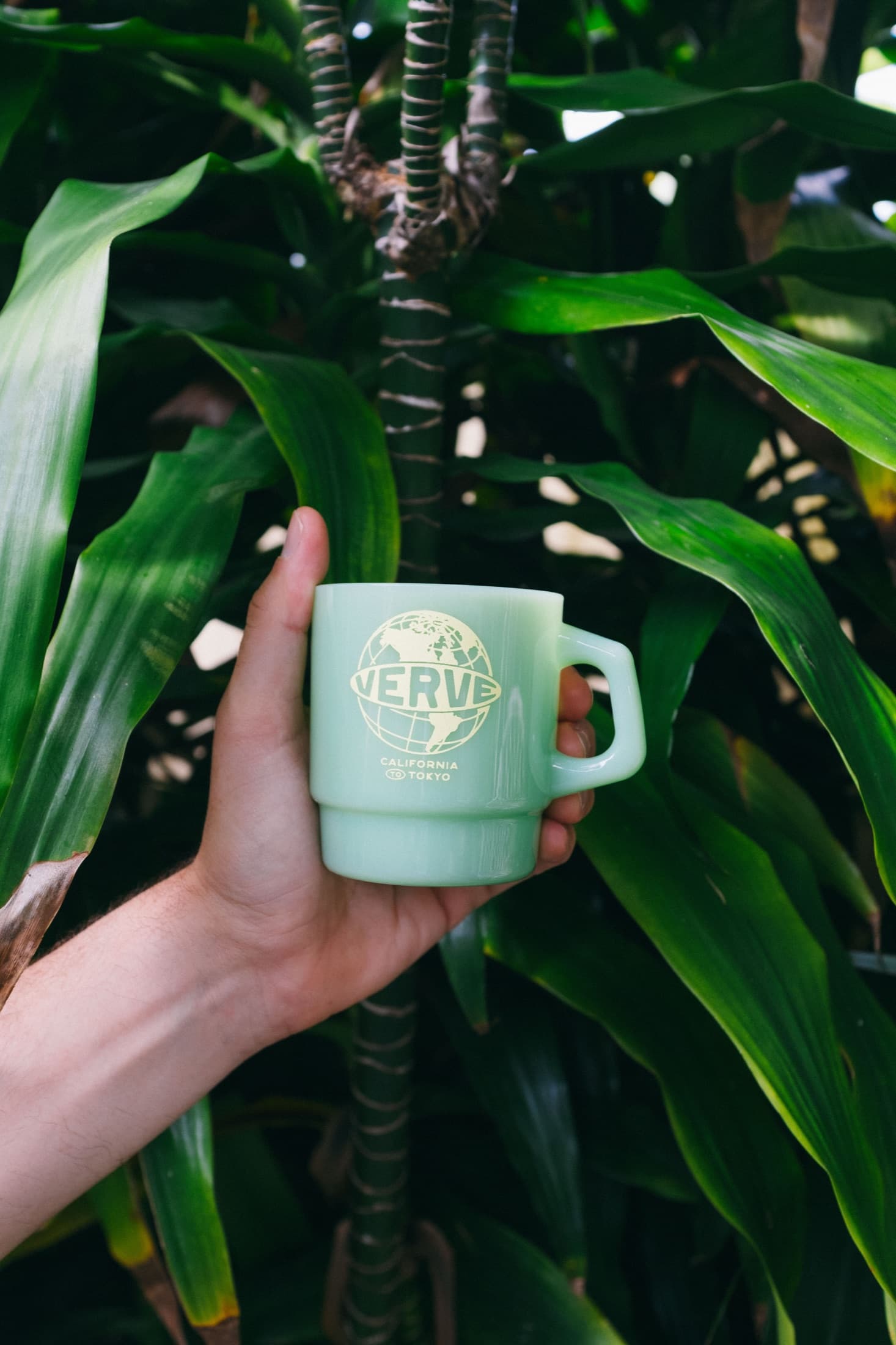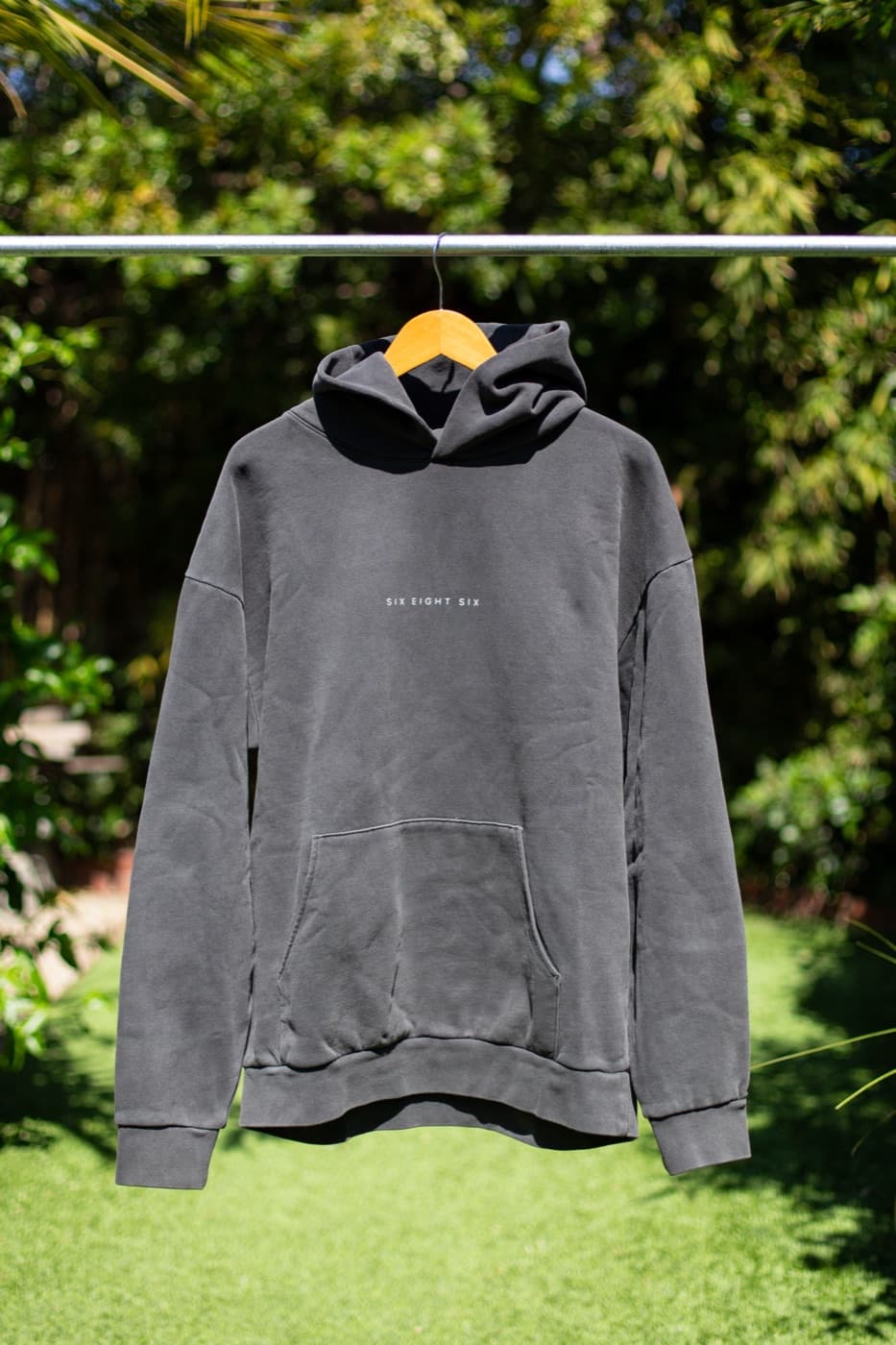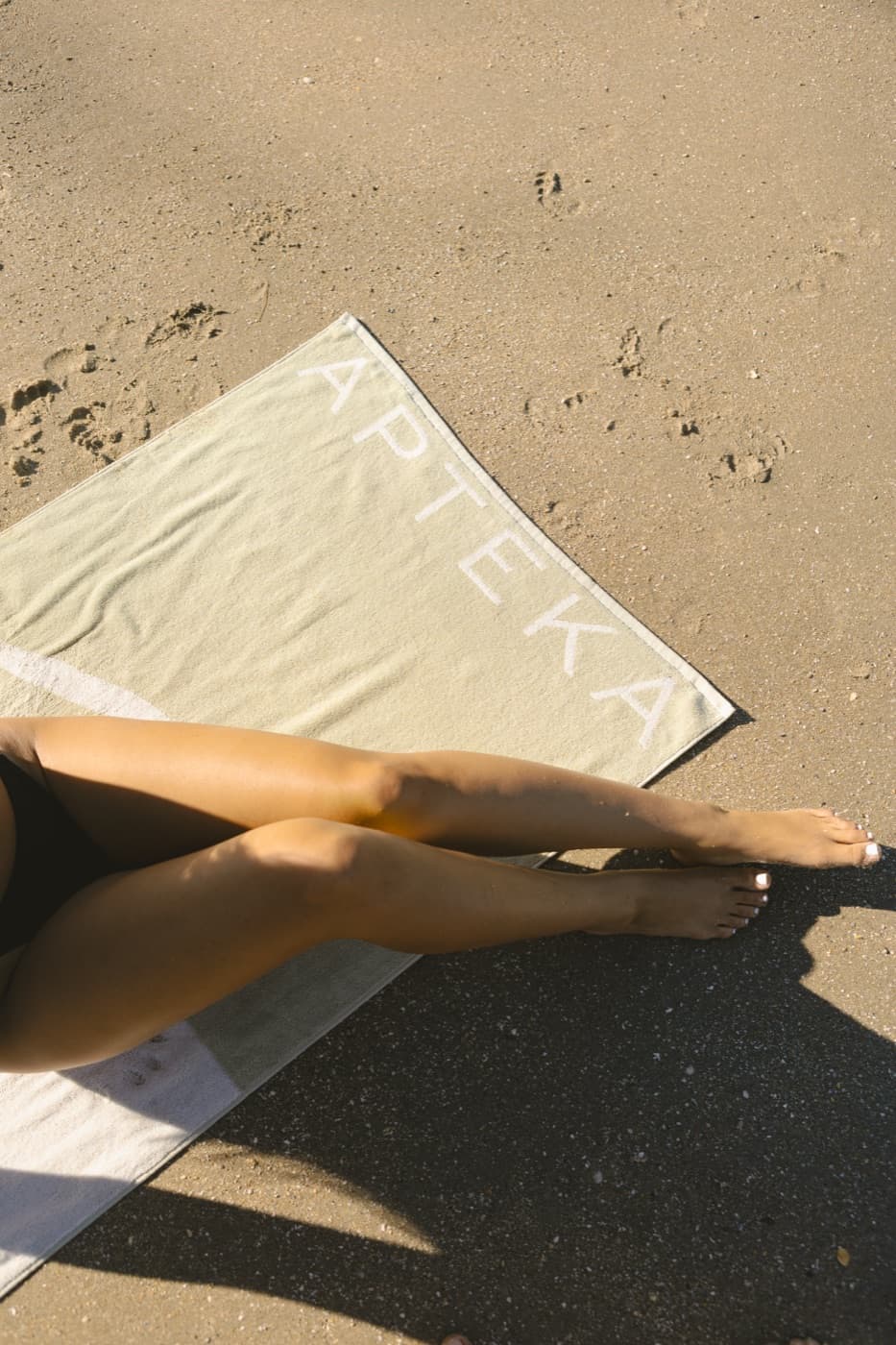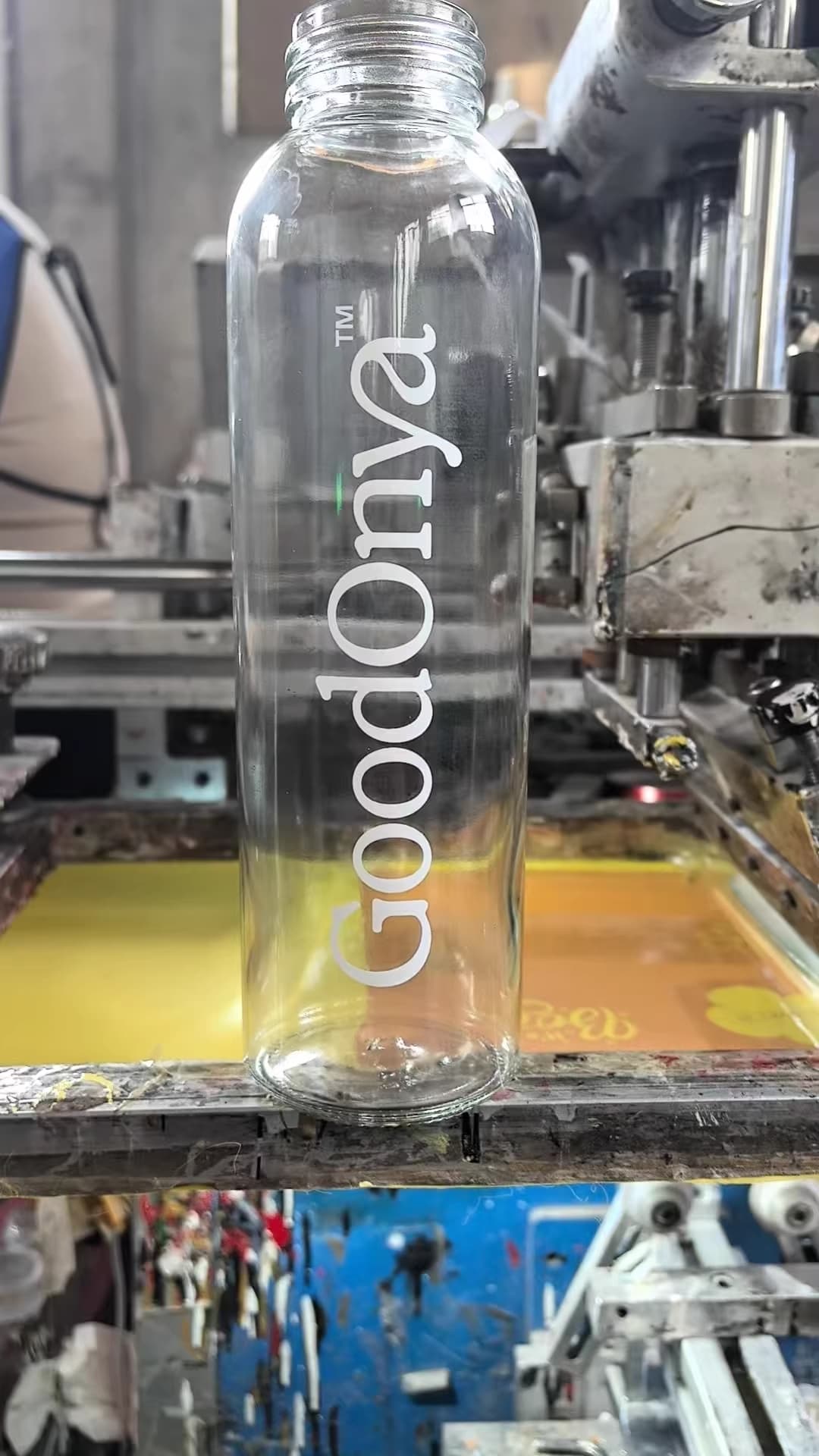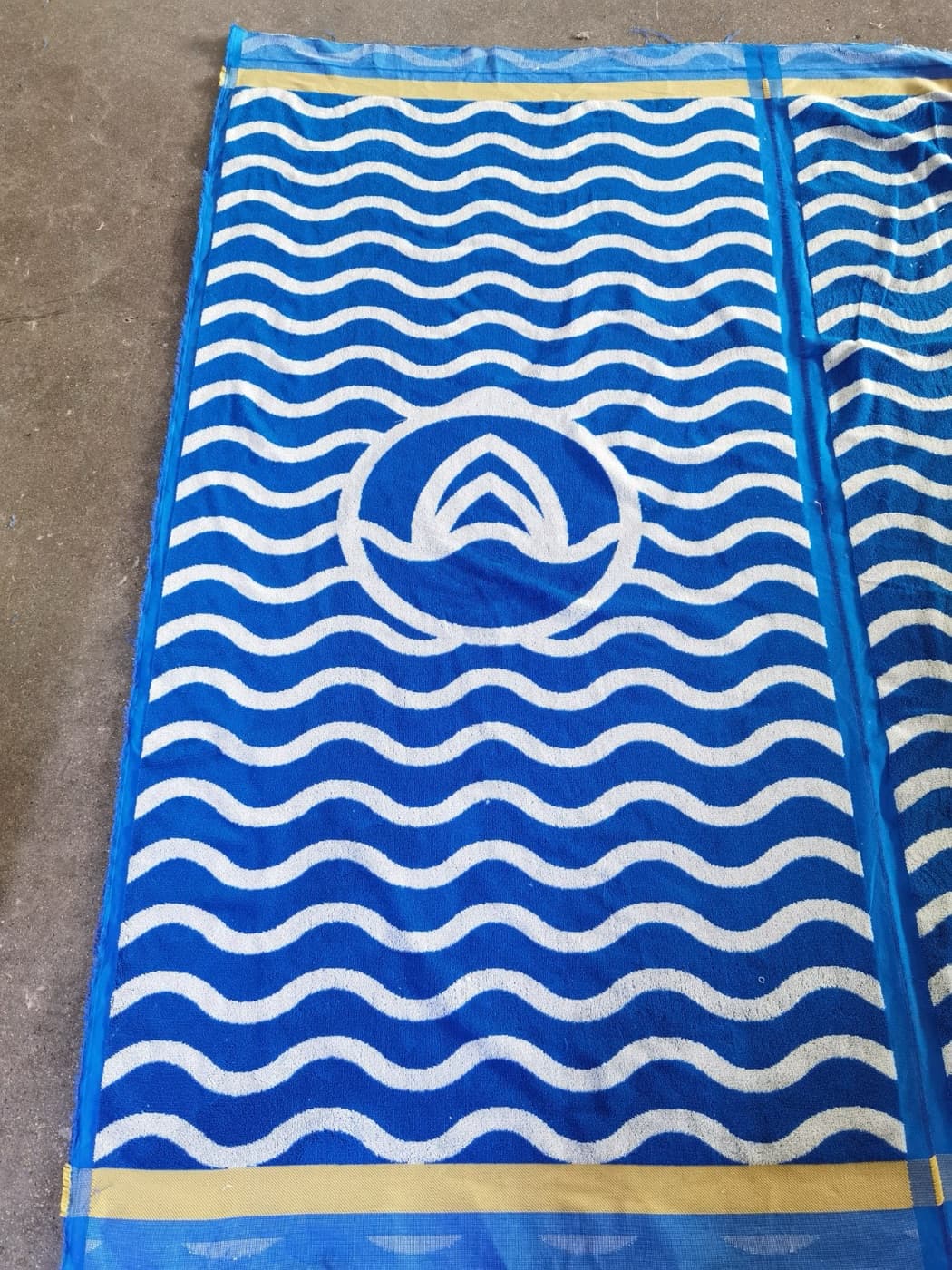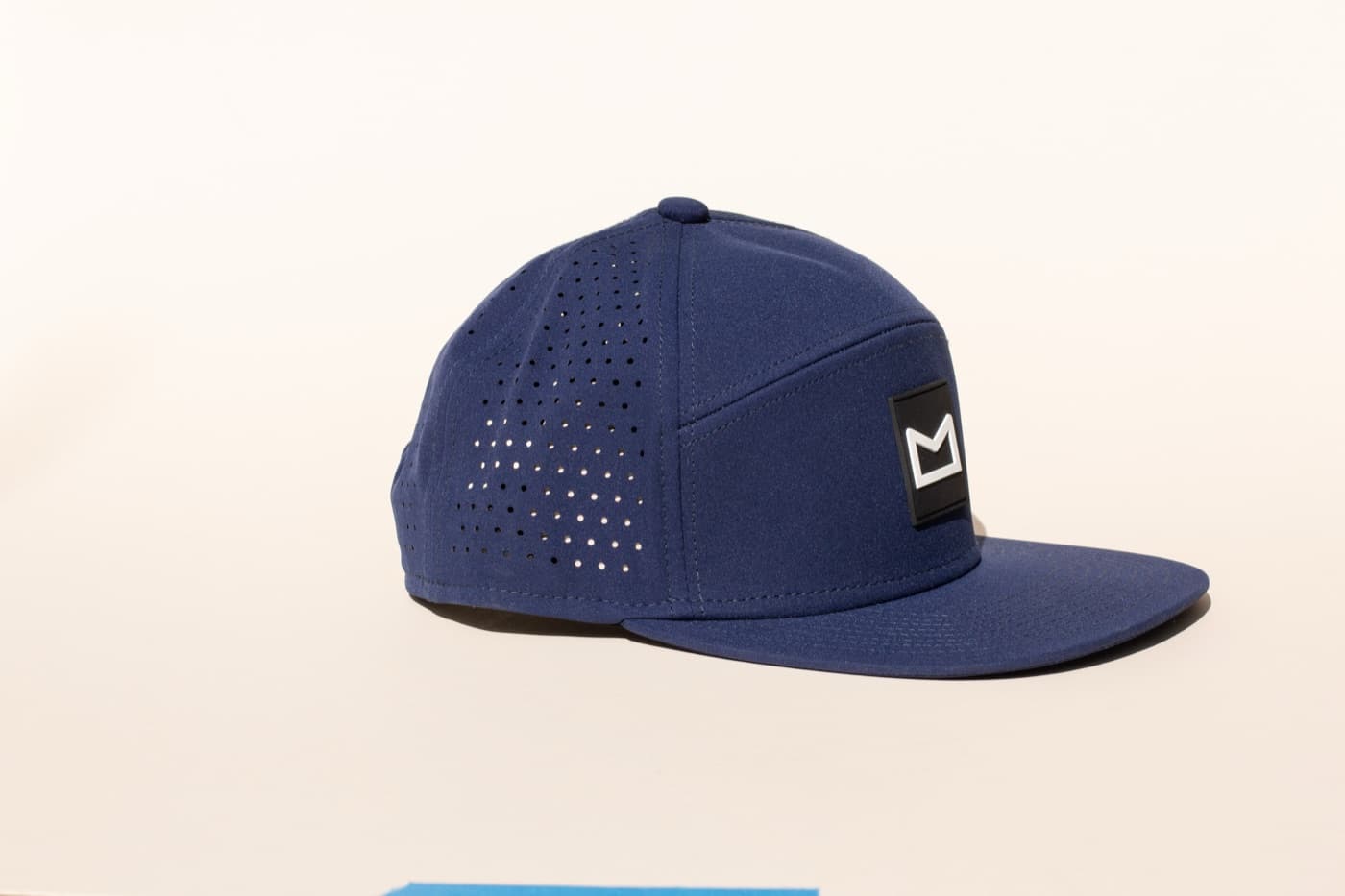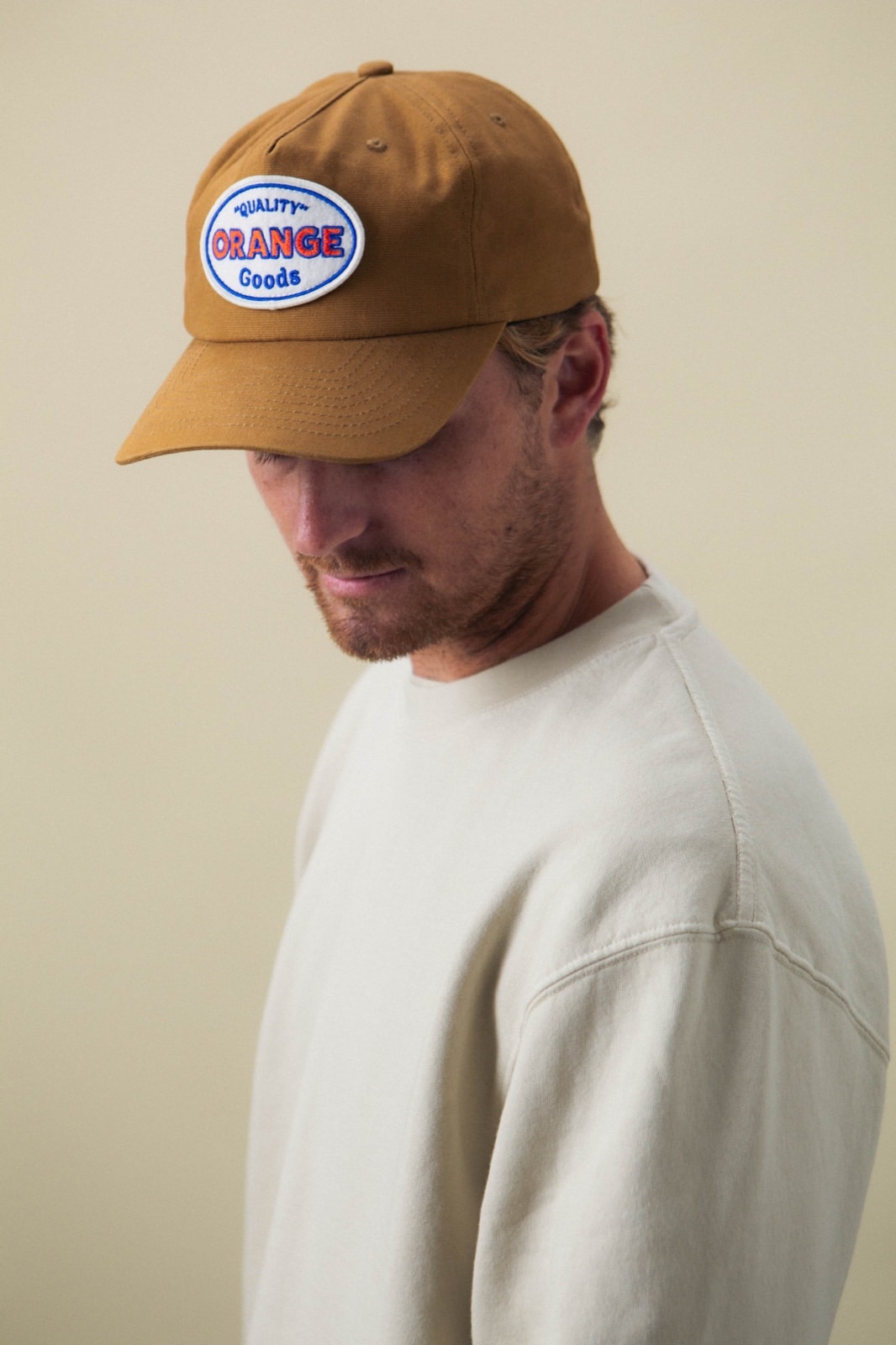
Decoration is the part of custom merch most people notice first, but it is also where a lot of projects get confusing. Embroidery, embroidered patches, woven patches, screen print, puff print, raised embroidery, woven labels, and specialty trims can all look great when they are matched to the right product and artwork. The goal is not to choose the fanciest option. The goal is to choose the decoration method that makes the piece feel intentional, durable, and worth keeping.
The easiest way to think about decoration is by texture, detail, and use case. Some methods are best for clean logos. Some are better for fine artwork. Some feel premium because they add dimension. Some are better when the design needs to cover a larger area. Here is how the main options compare.
Embroidery
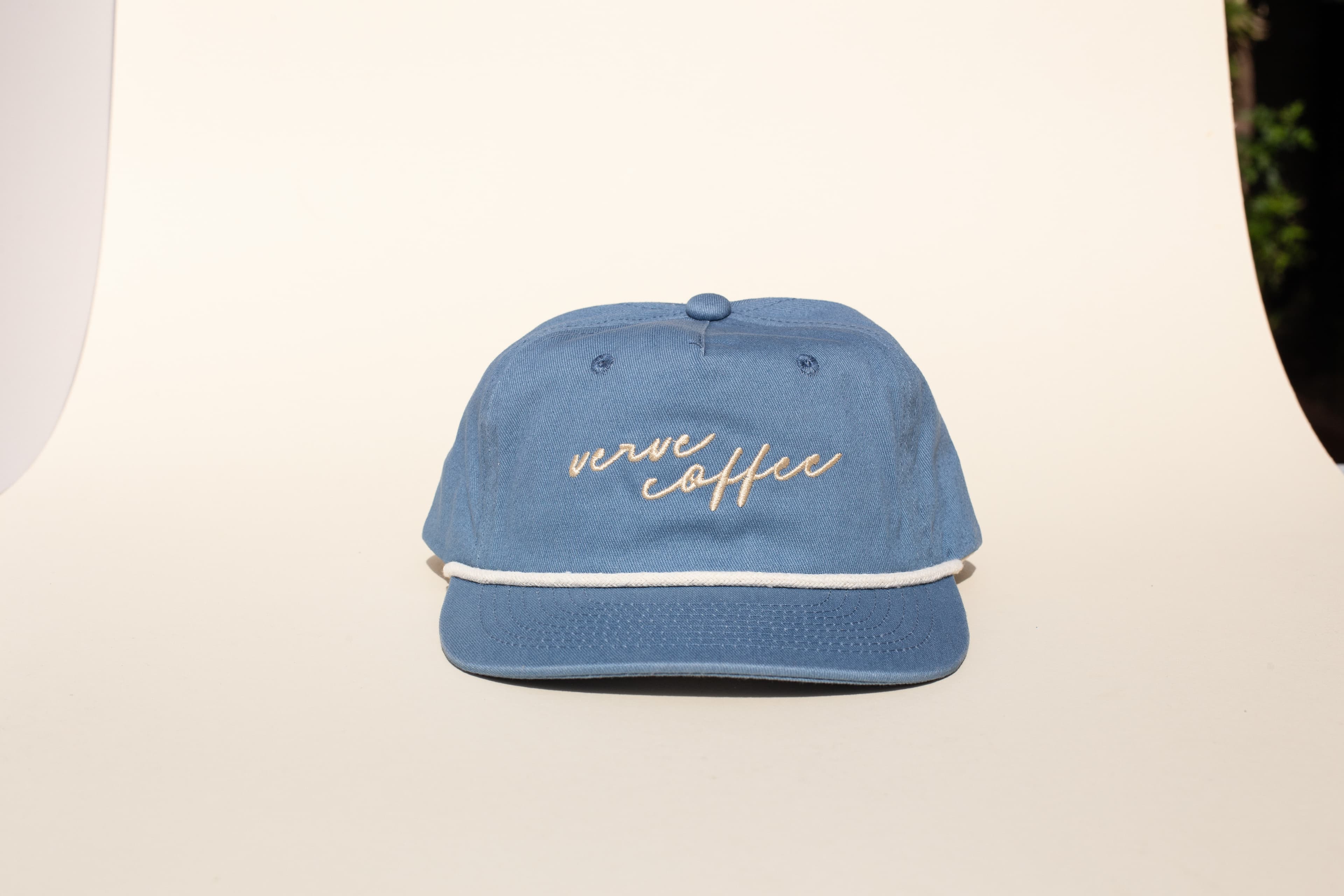
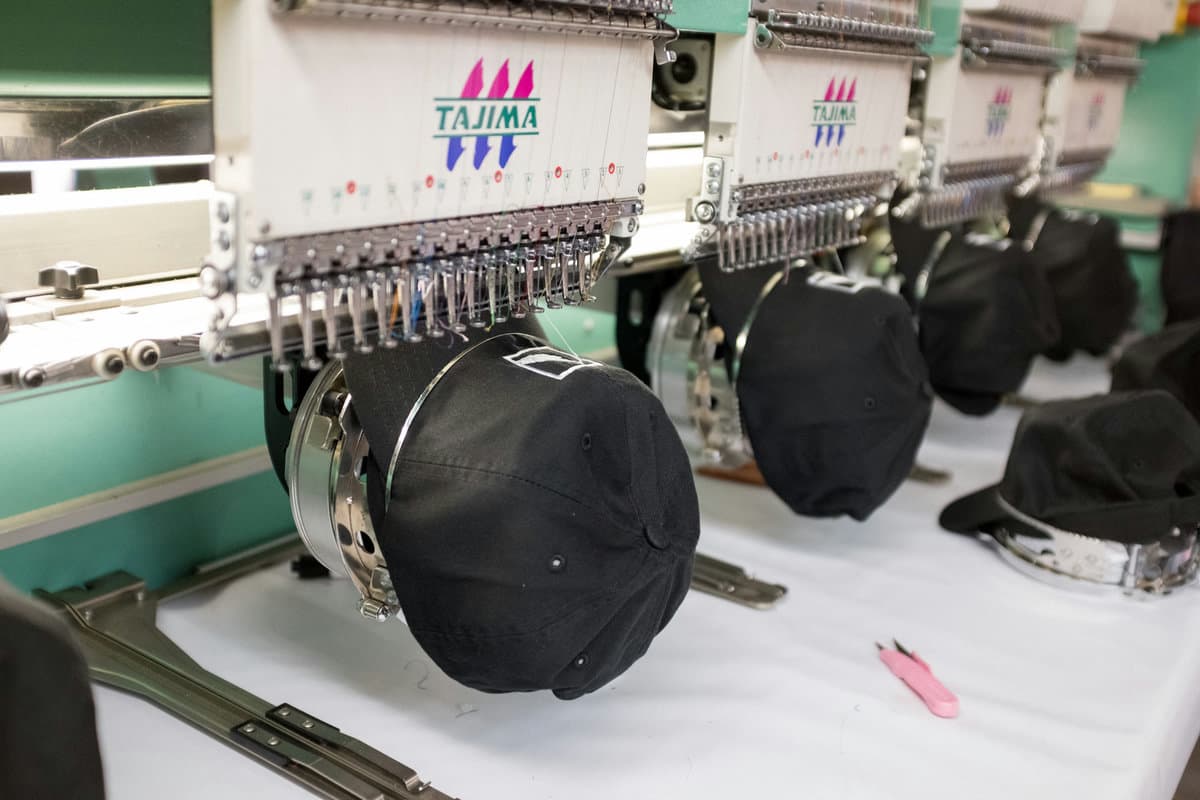
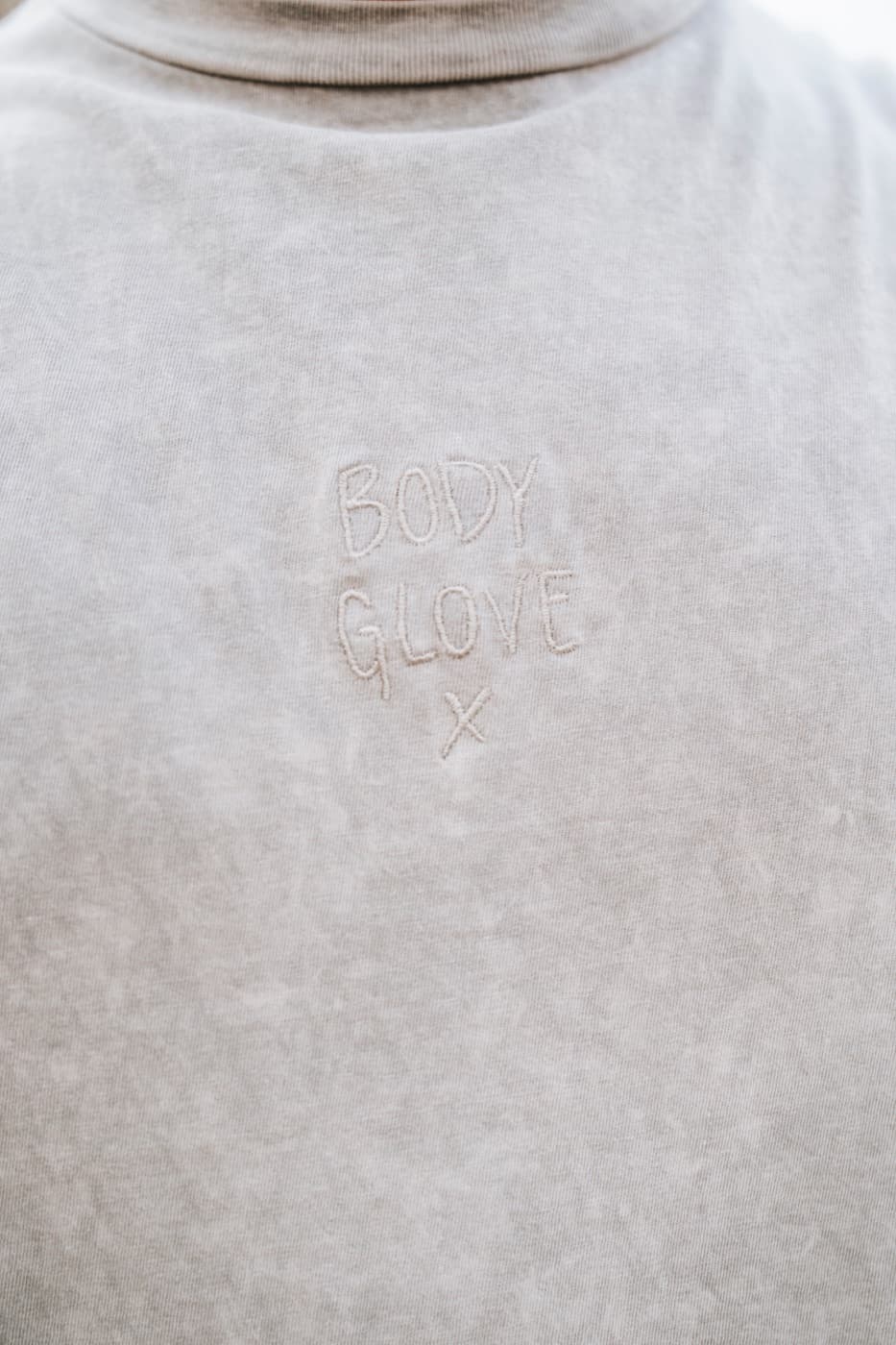
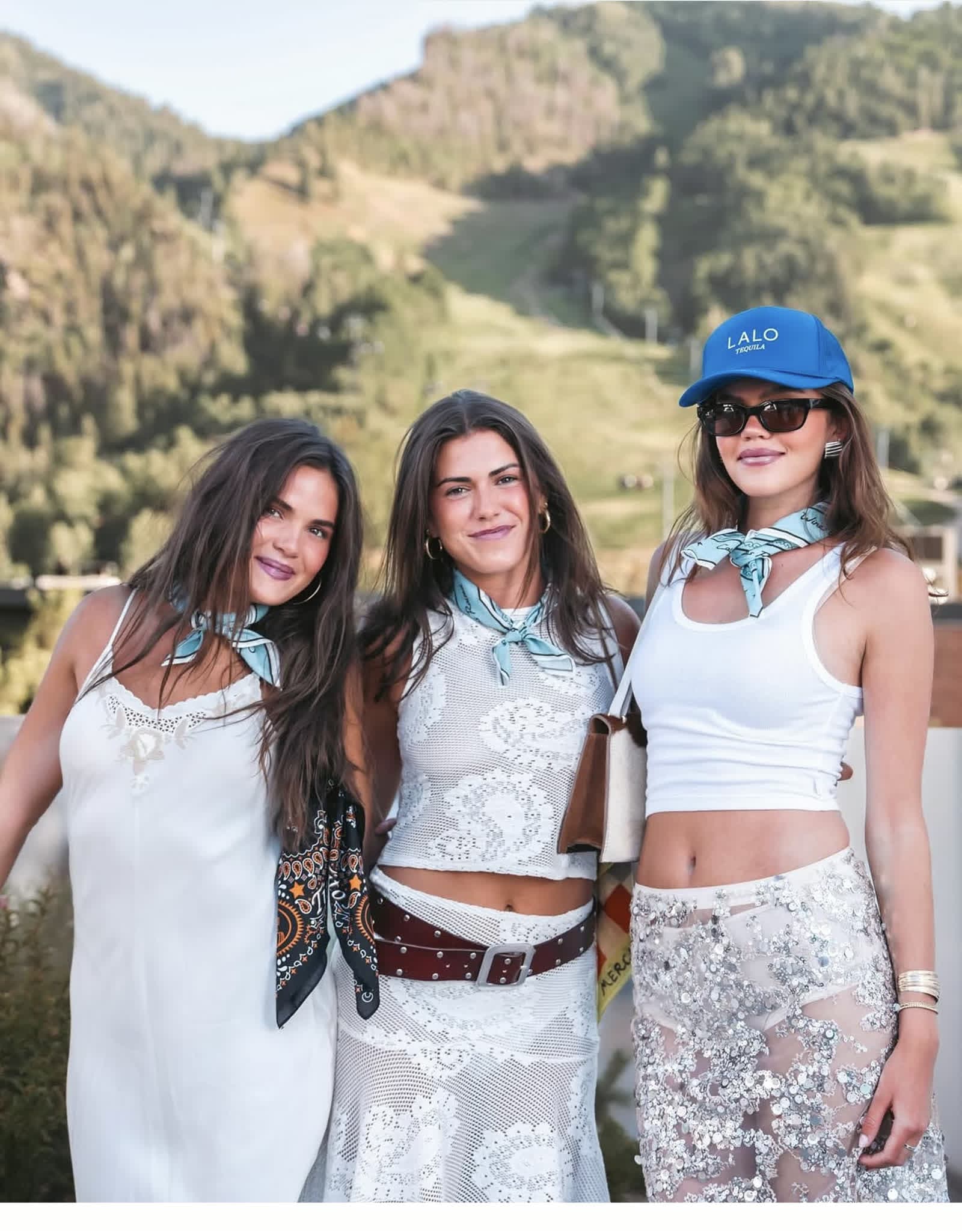
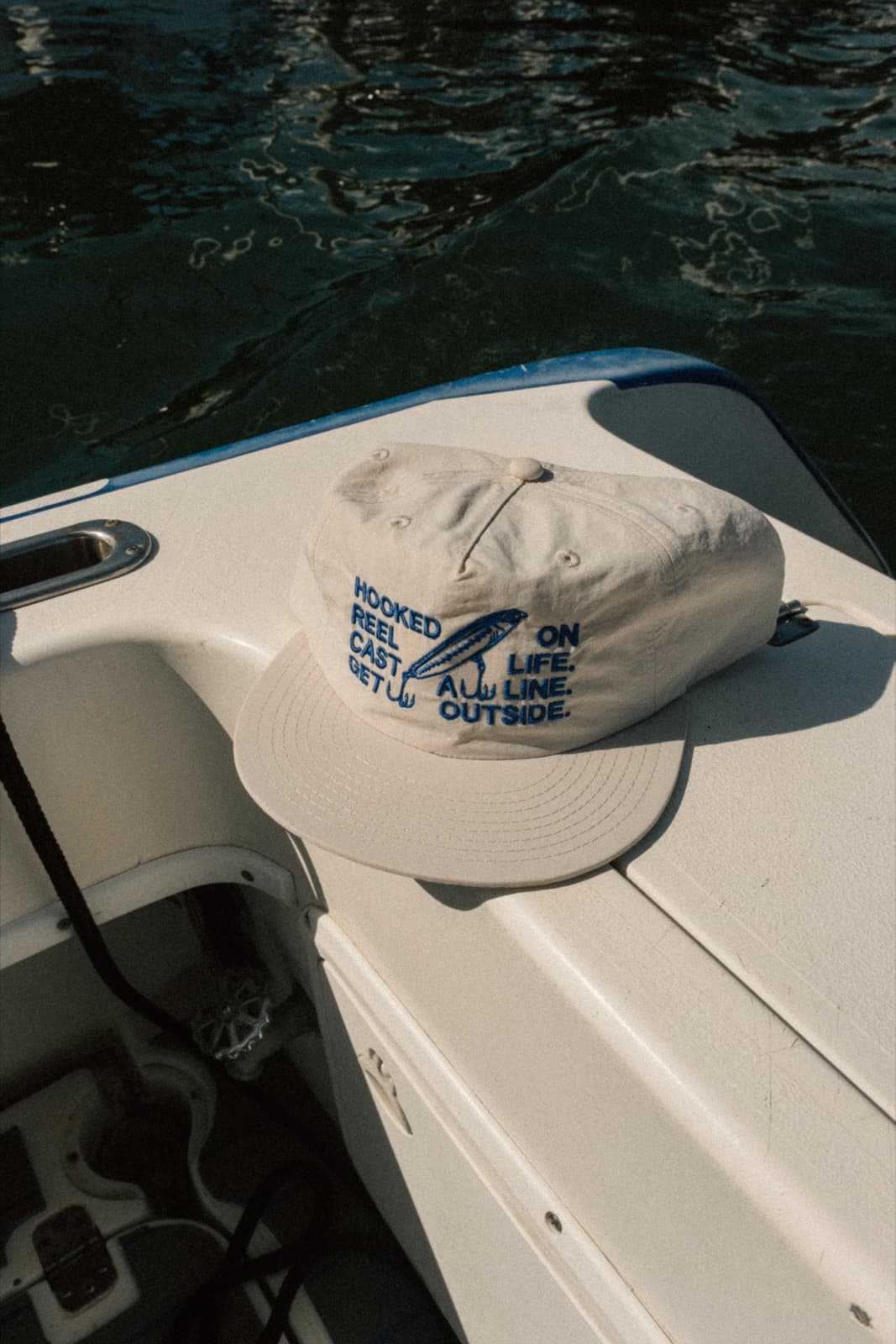
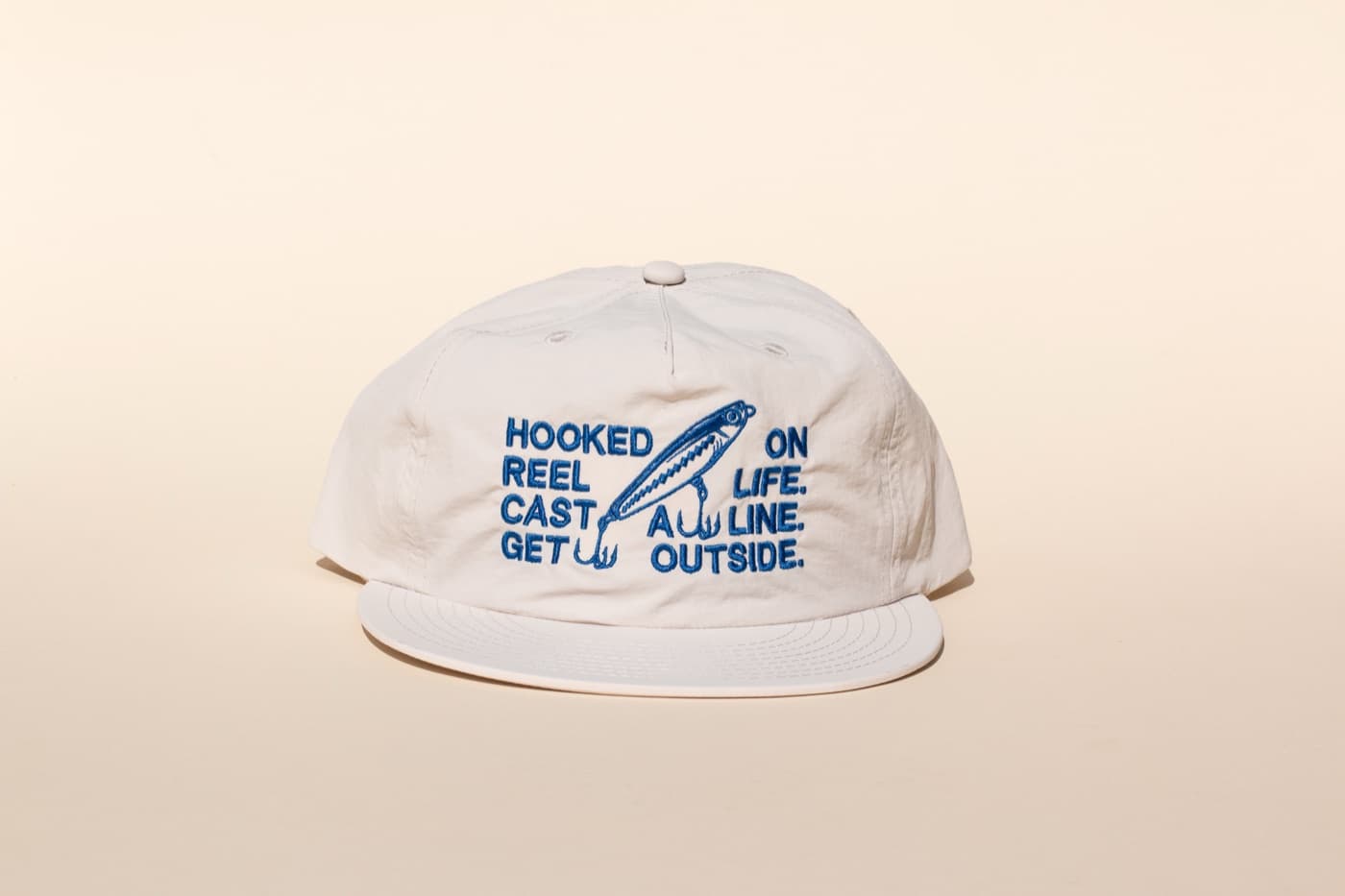
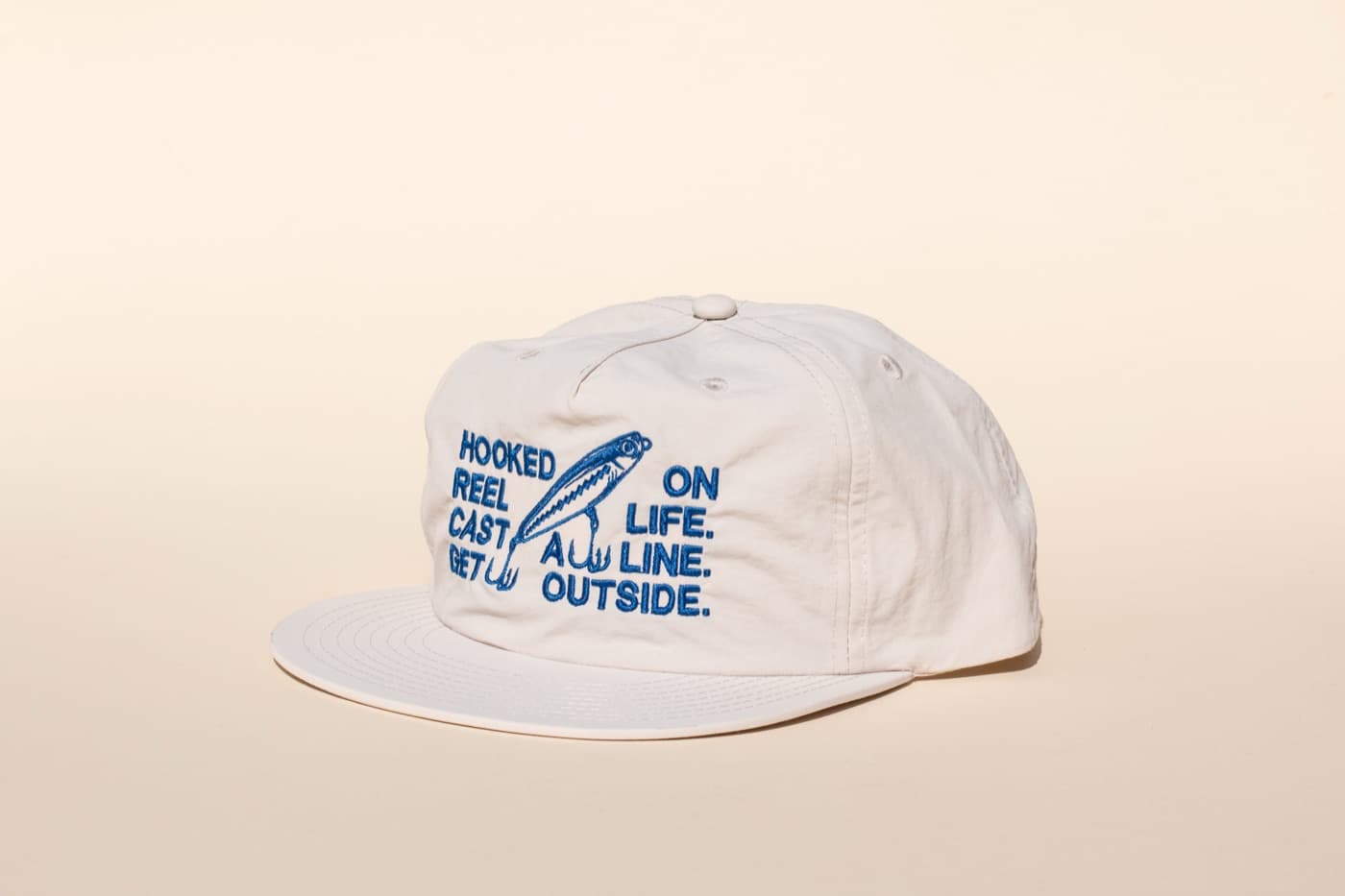
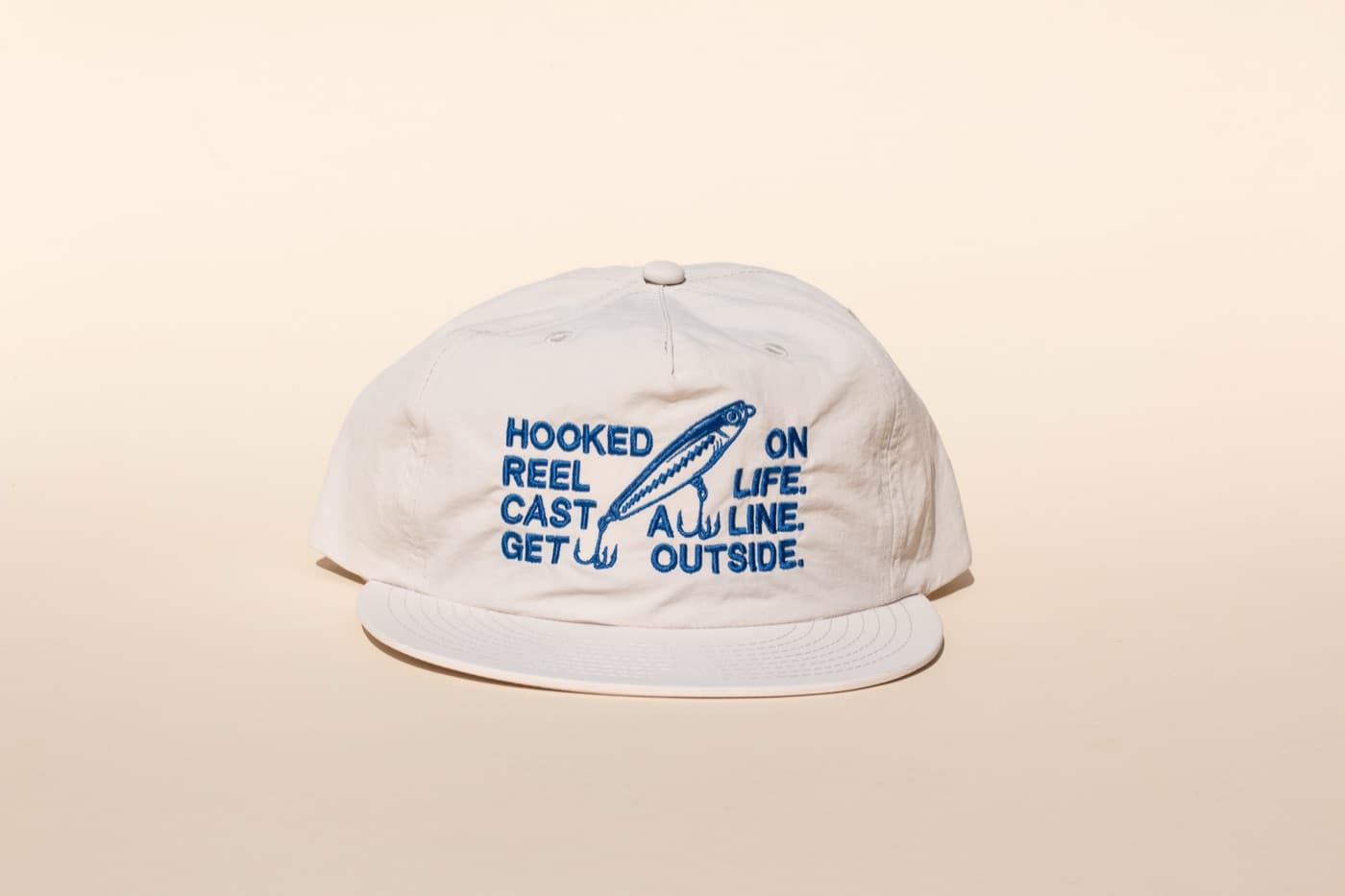
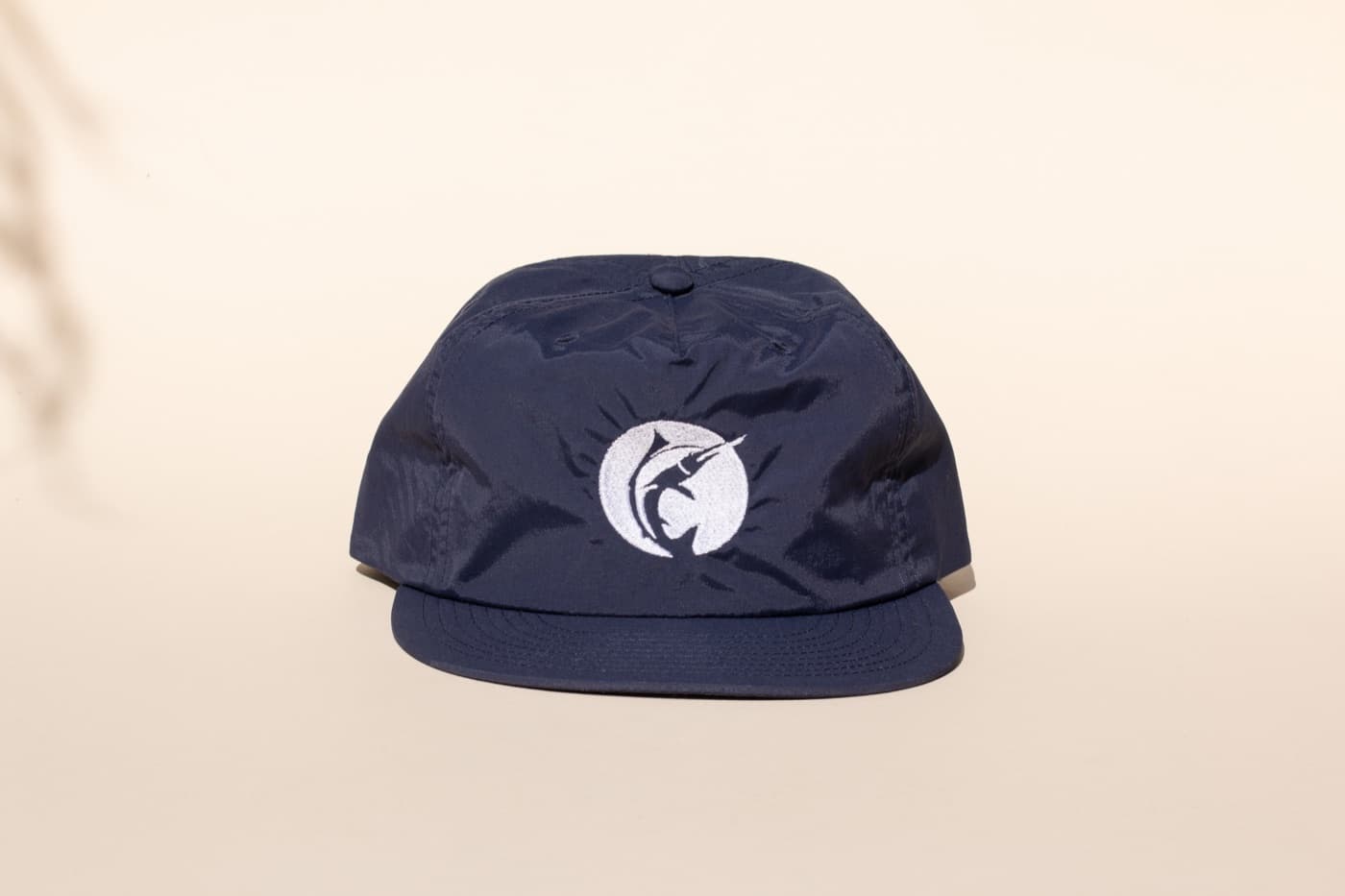
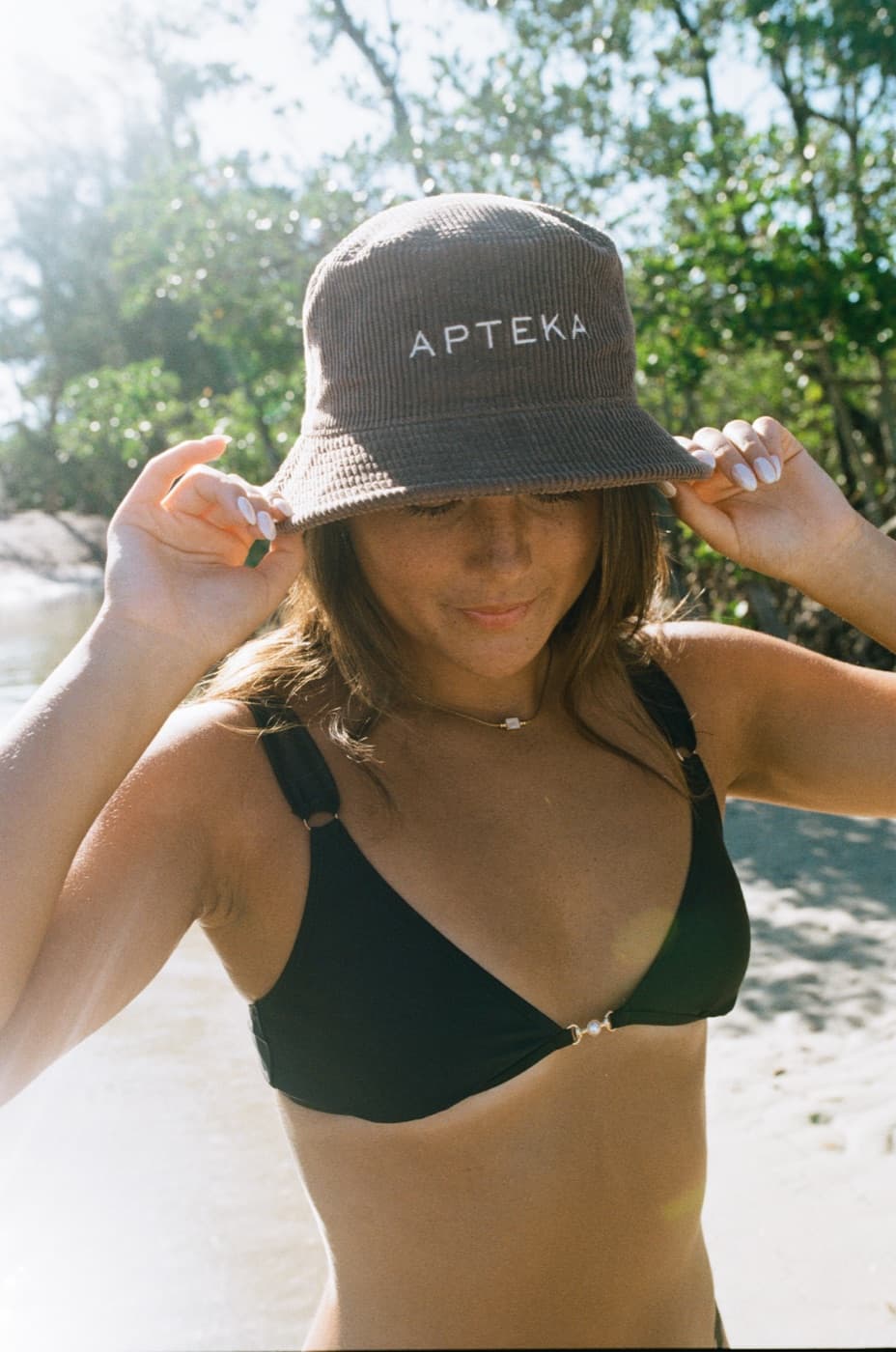
Embroidery uses thread stitched directly into the product. It is one of the best choices for hats, polos, outerwear, bags, and pieces that need a clean, long-lasting logo. It adds texture and perceived value, especially on headwear.
Embroidery works best with simple logos, bold marks, short words, and artwork without tiny details or gradients. If your logo has very small type, thin lines, or shading, the artwork may need to be simplified before it can stitch cleanly.
Embroidered patches
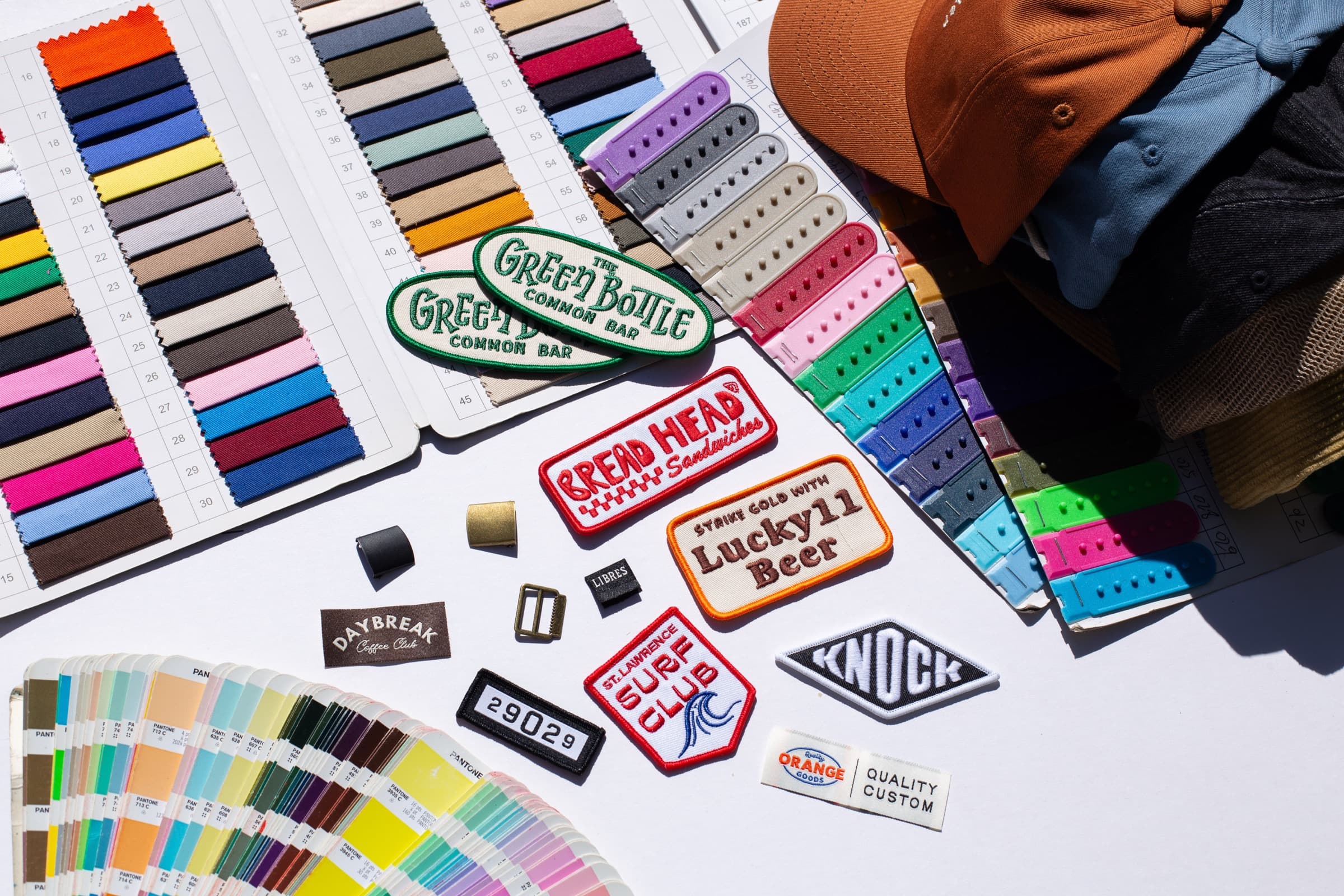
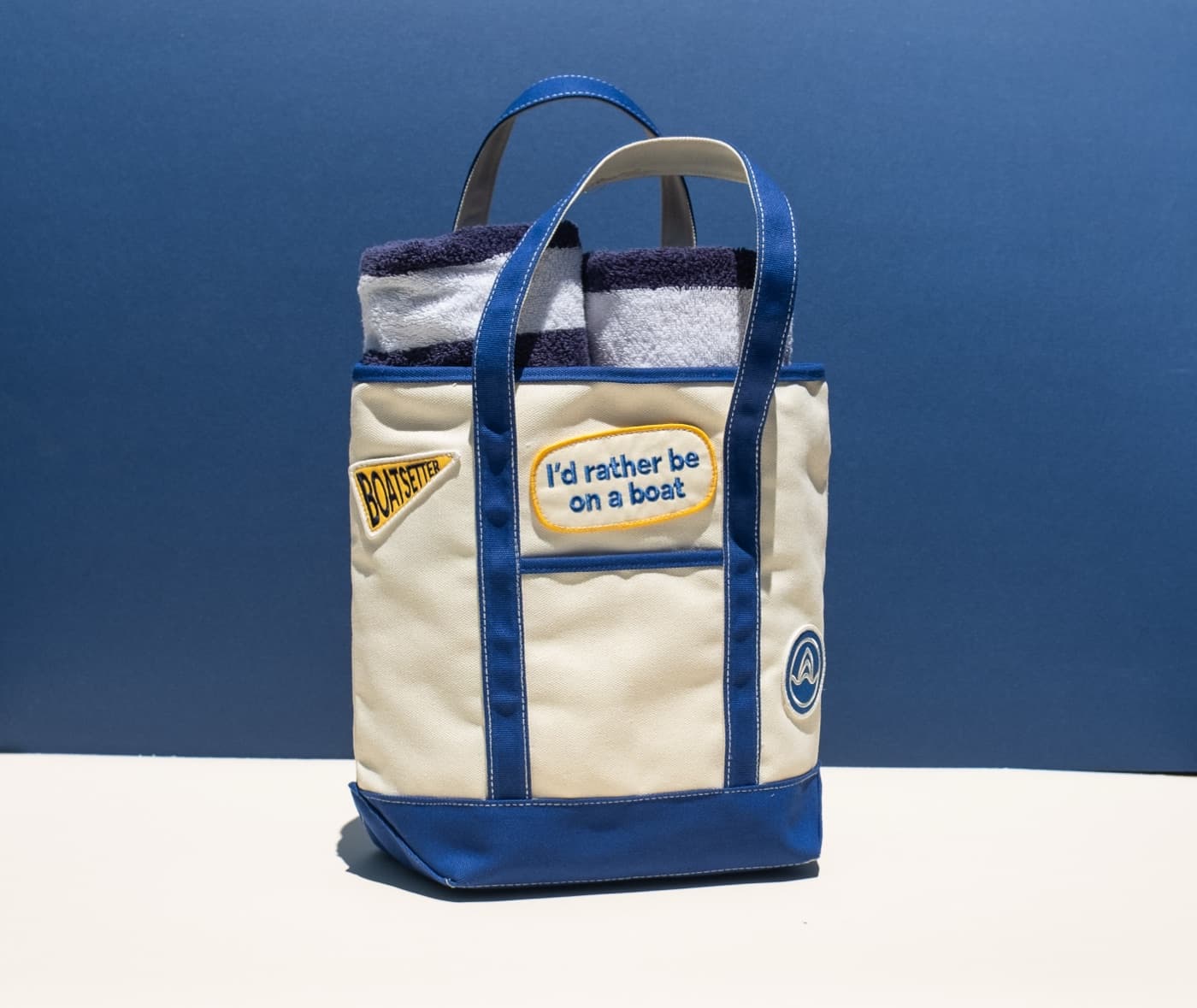
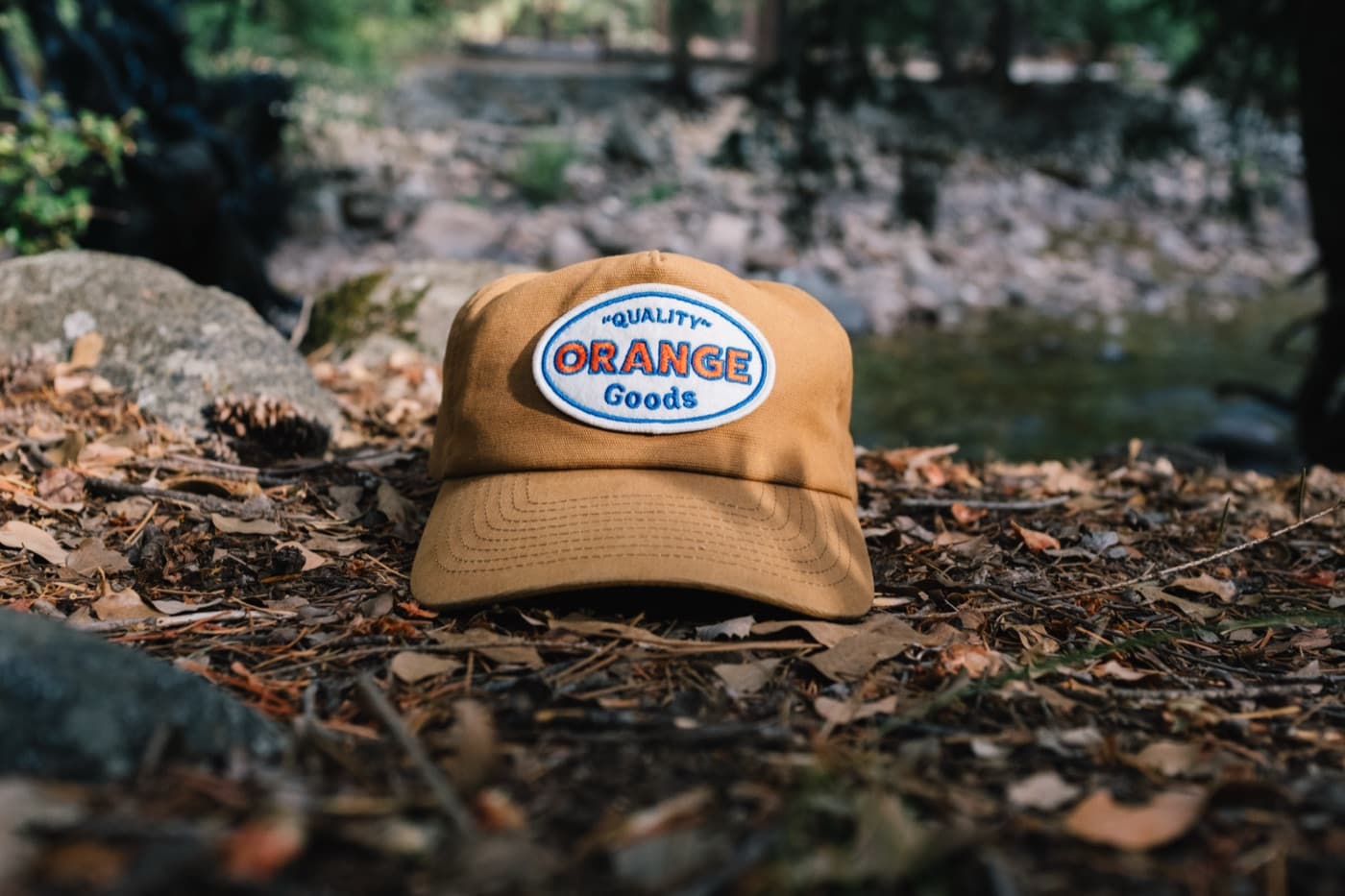
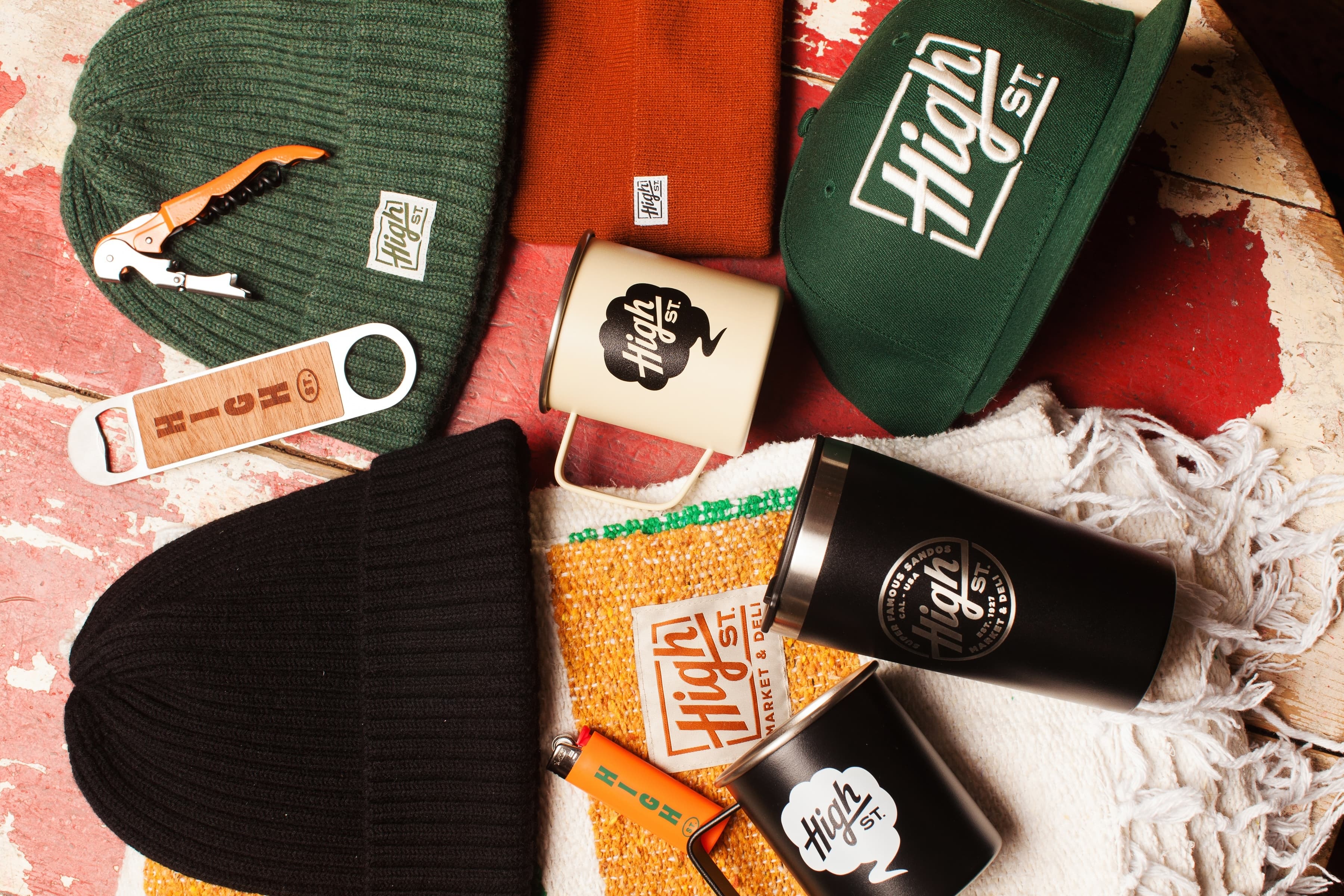
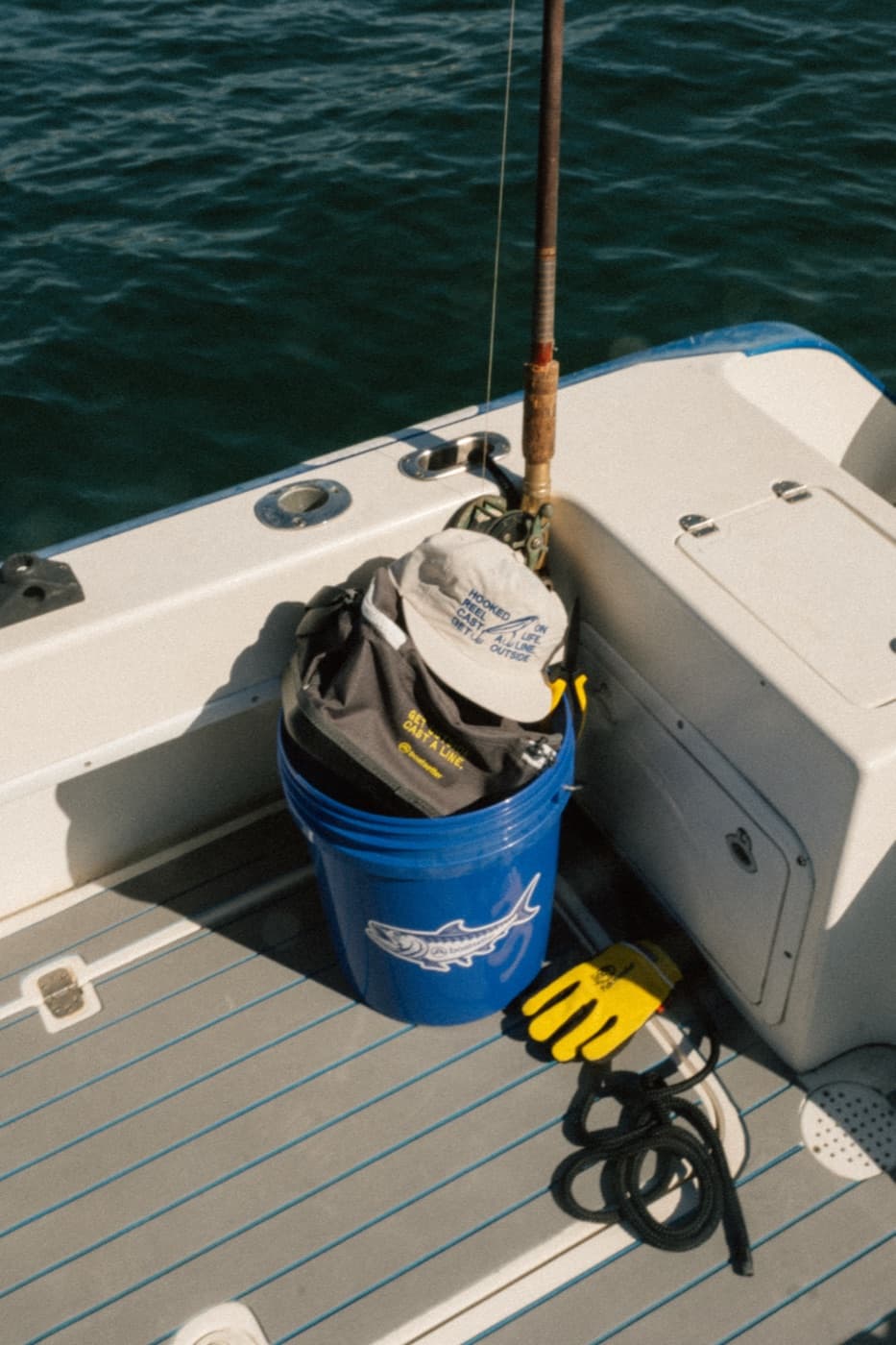
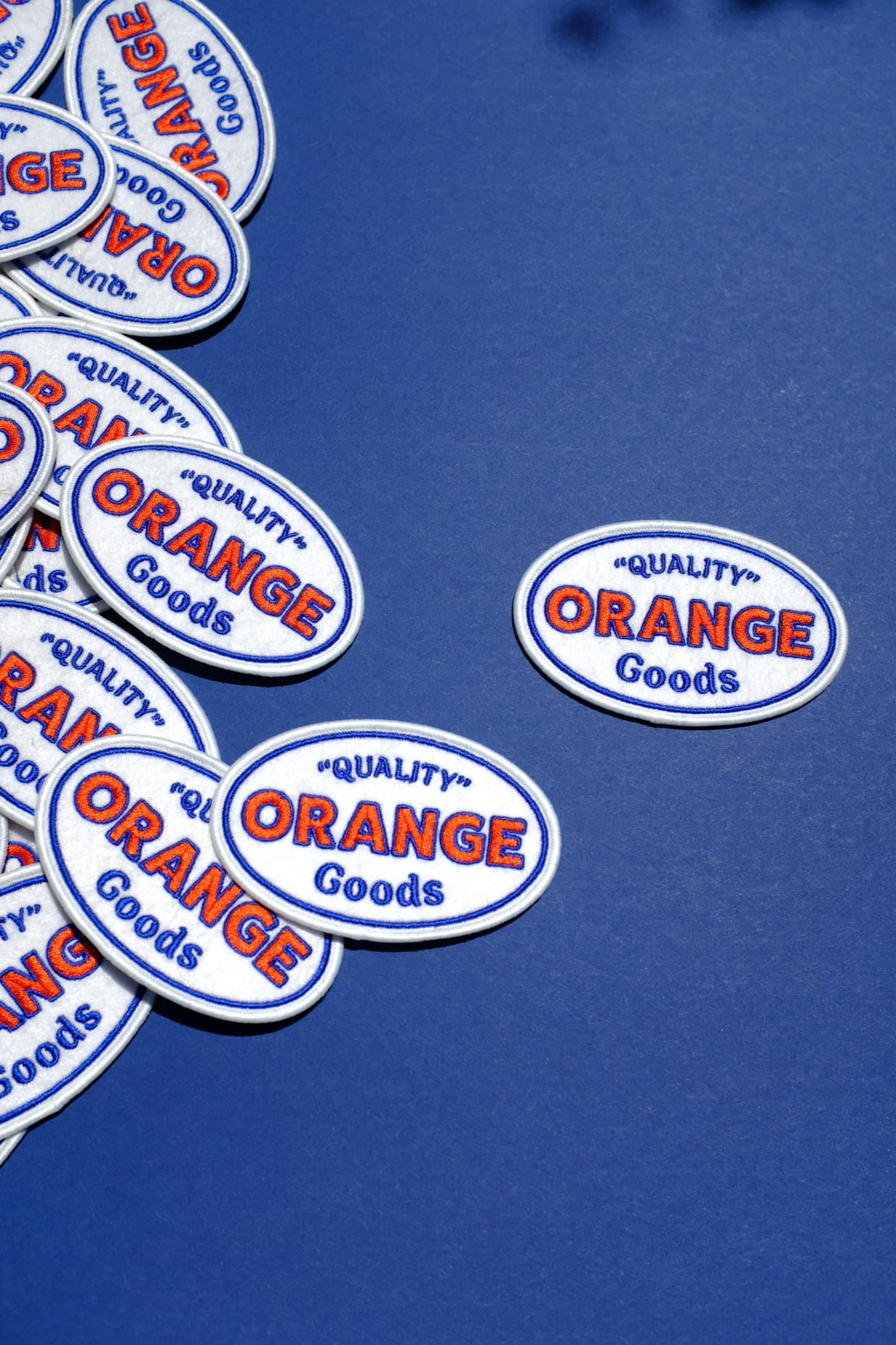
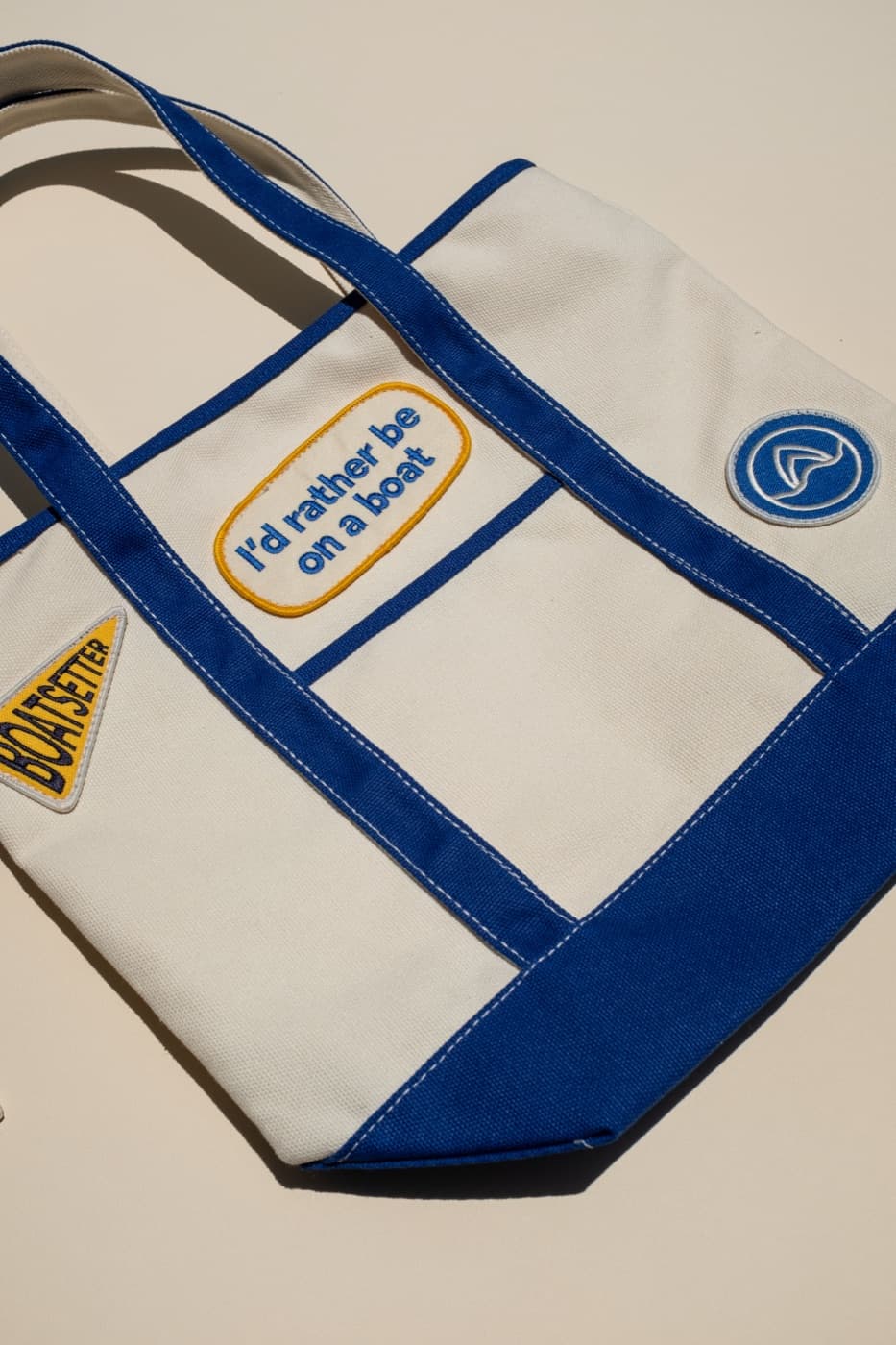
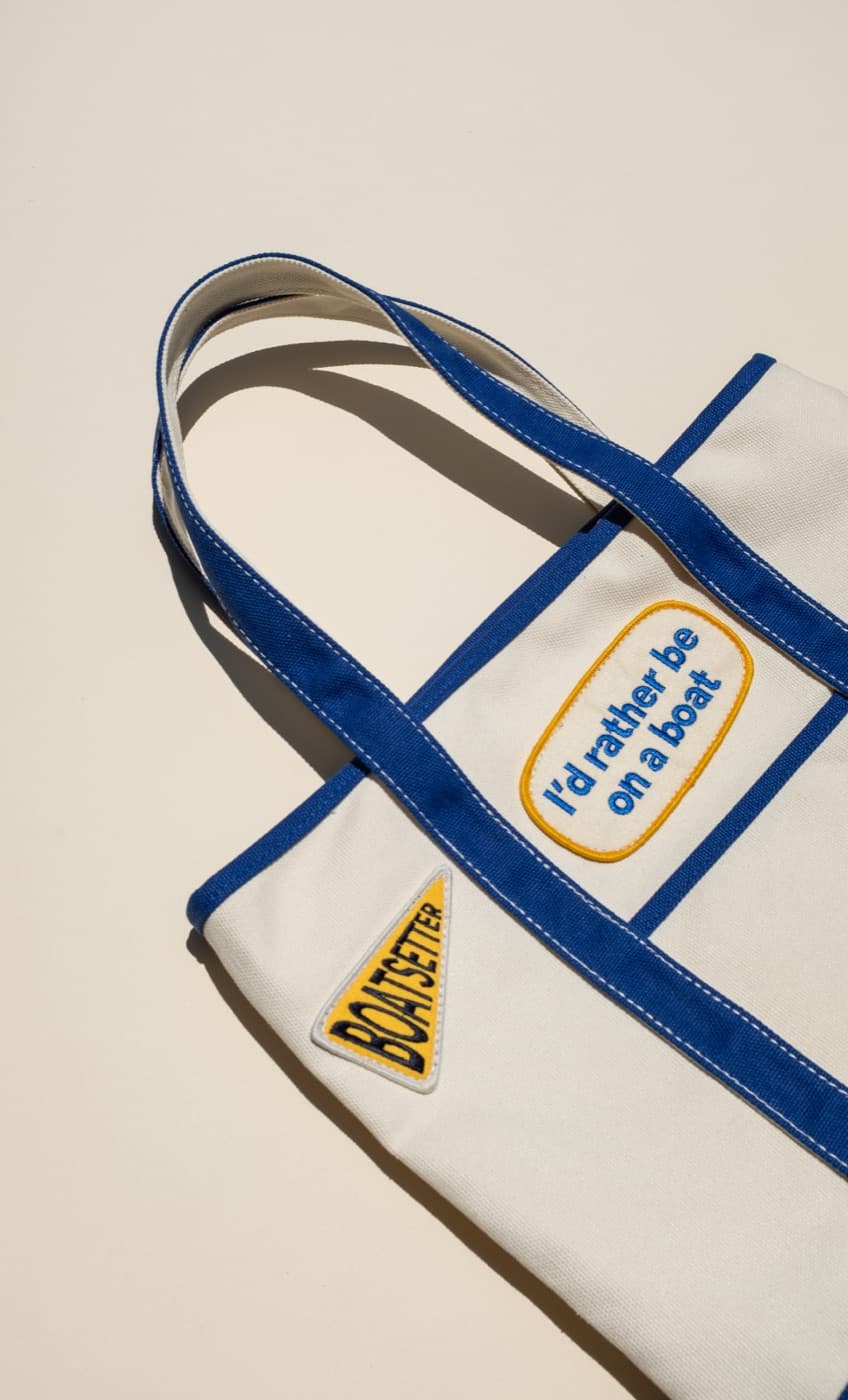
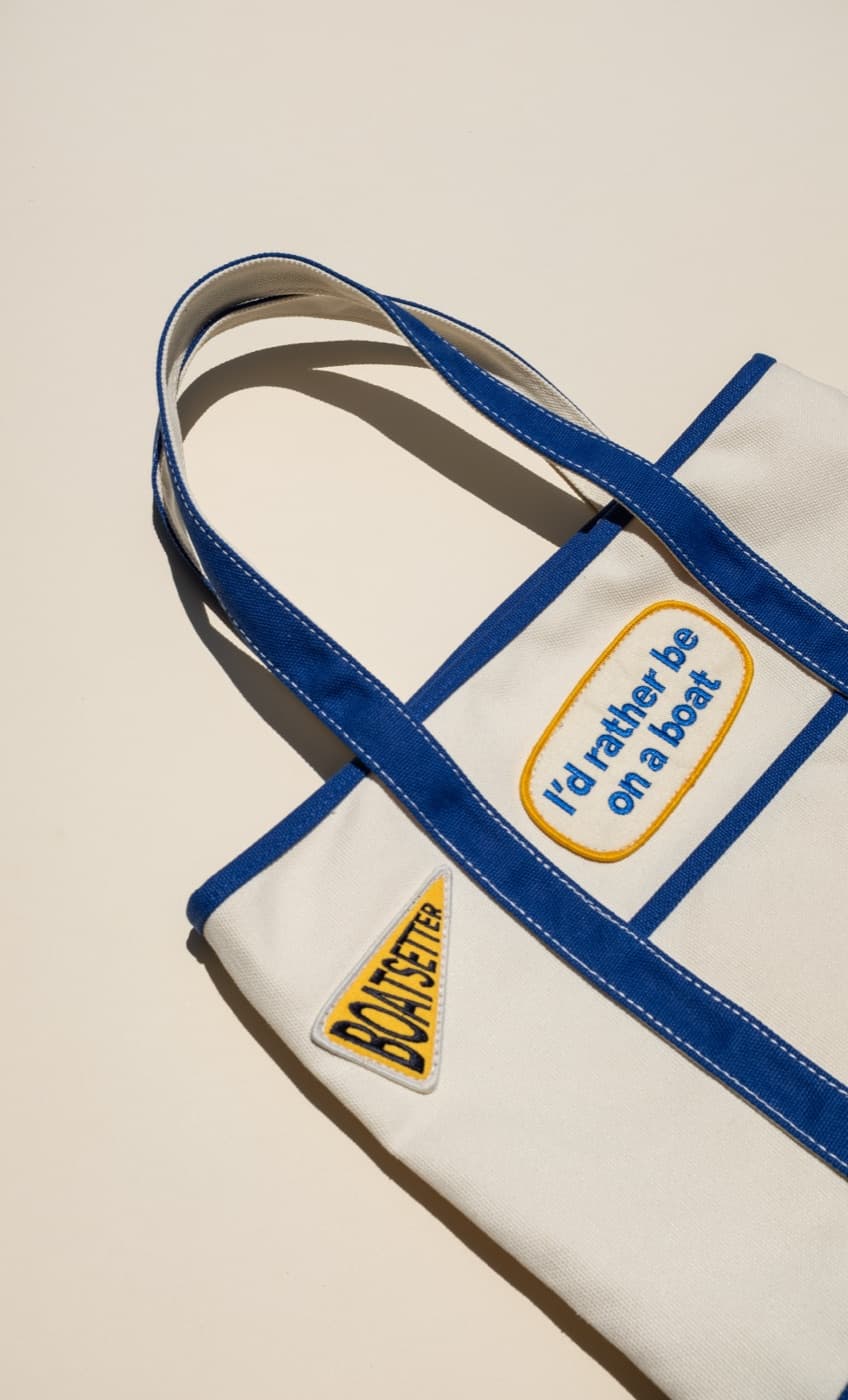
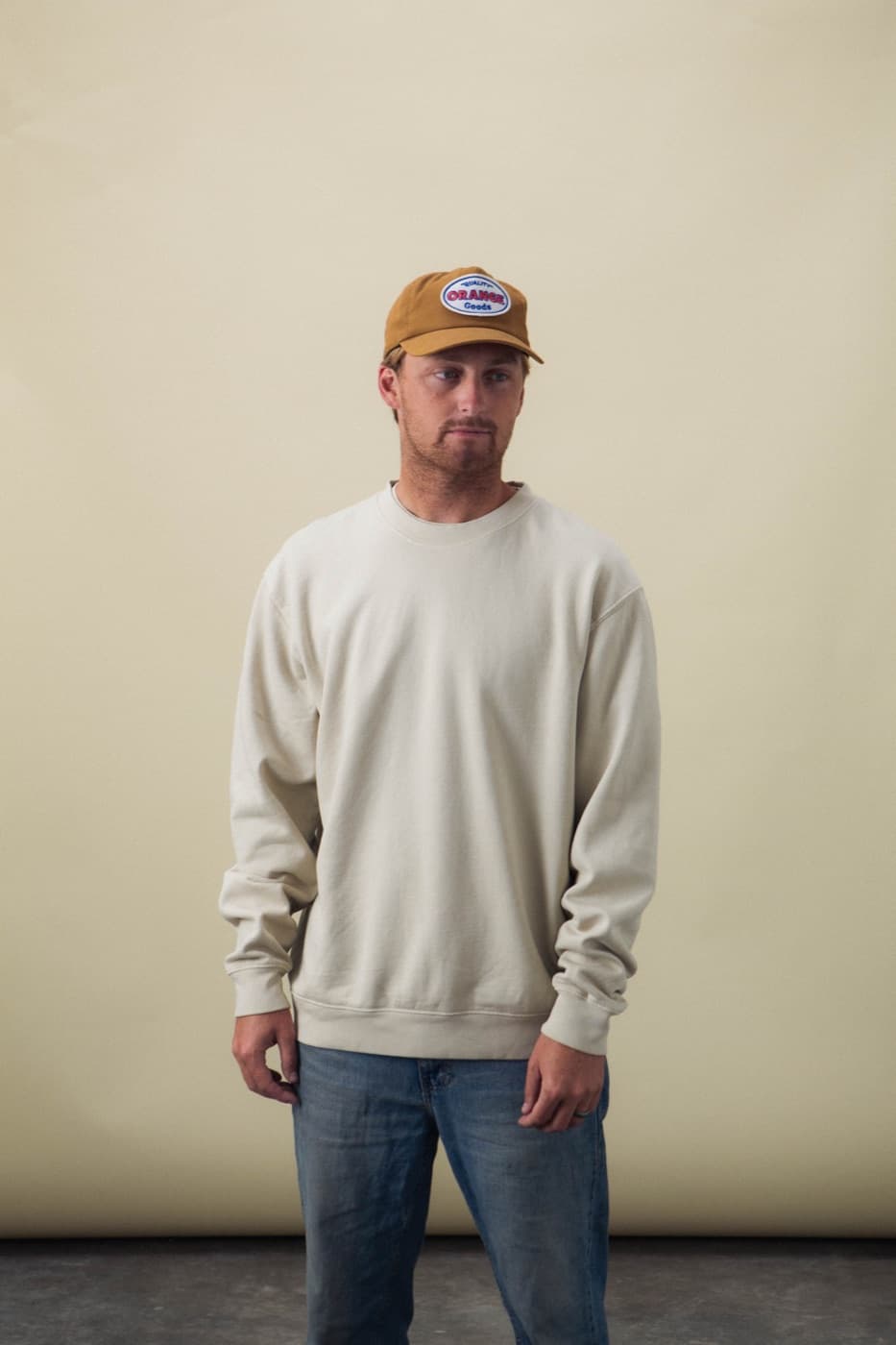
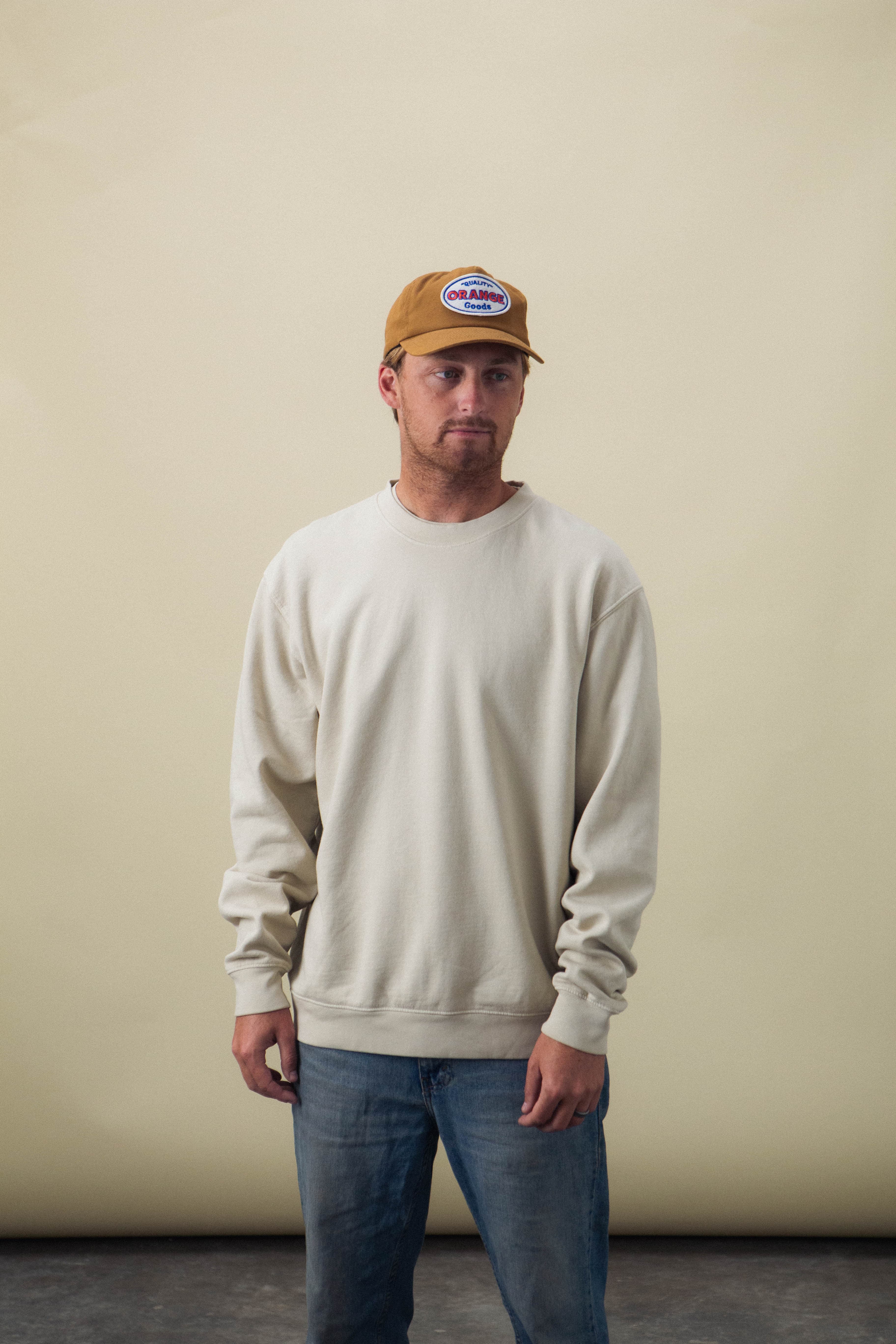
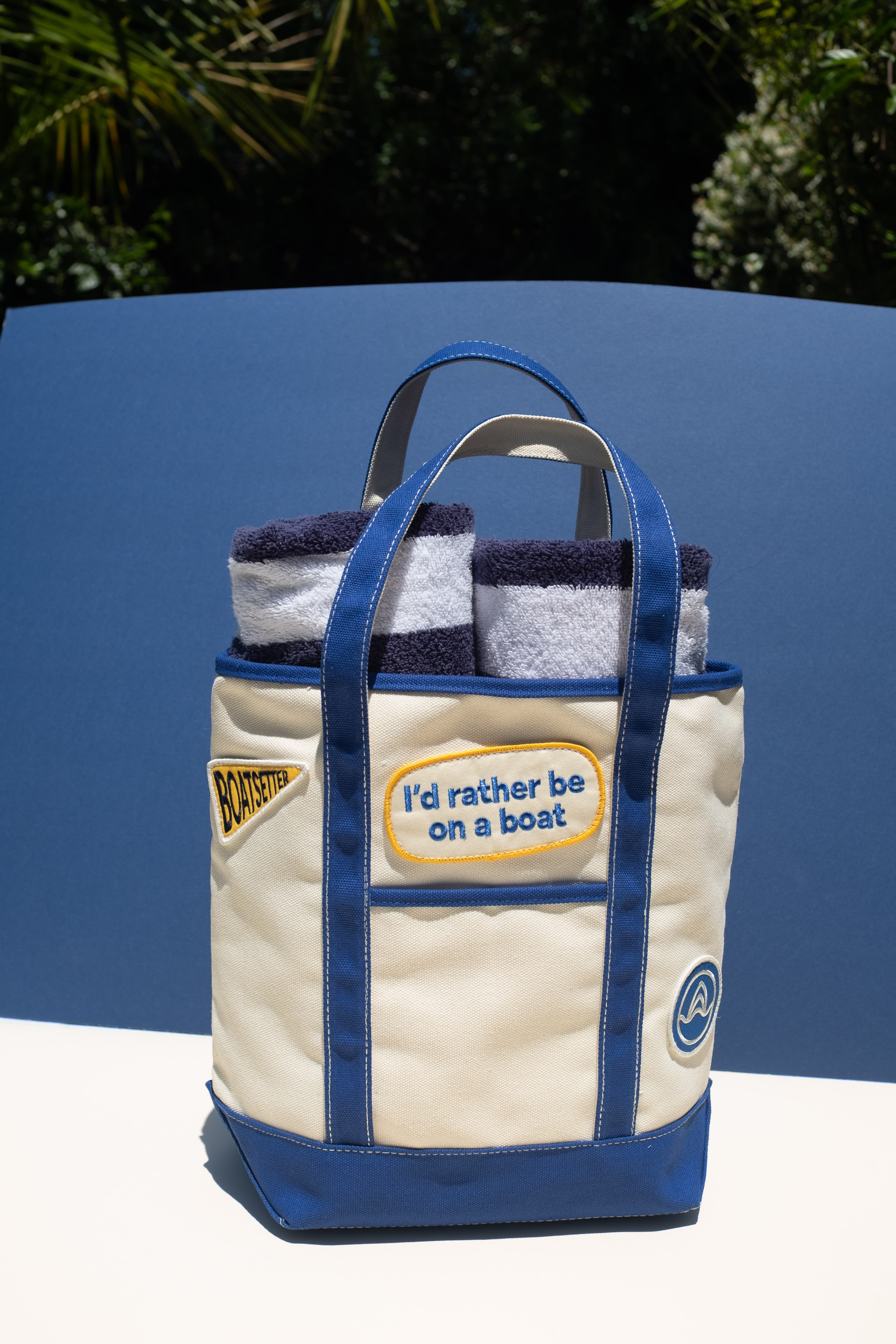
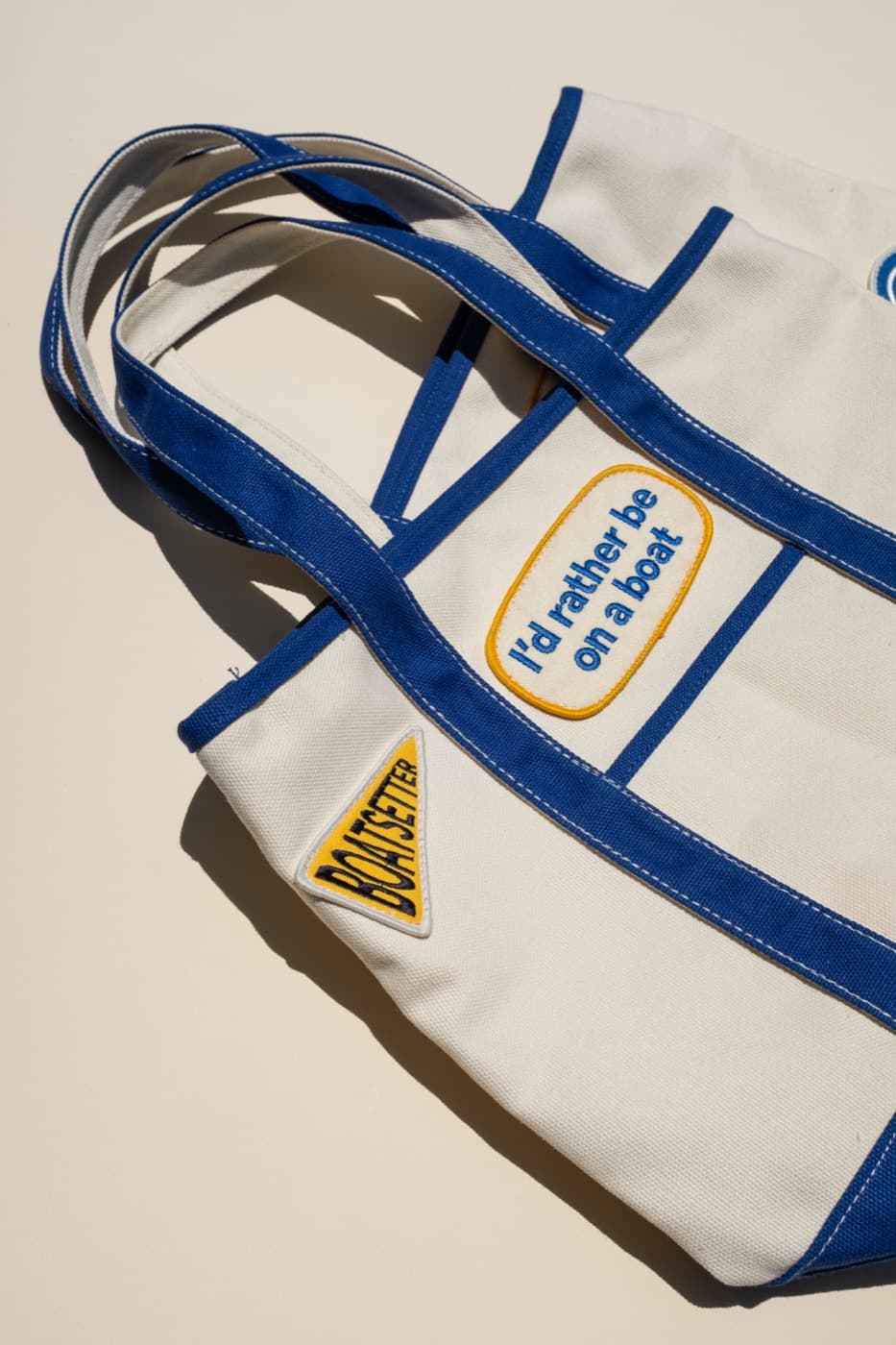
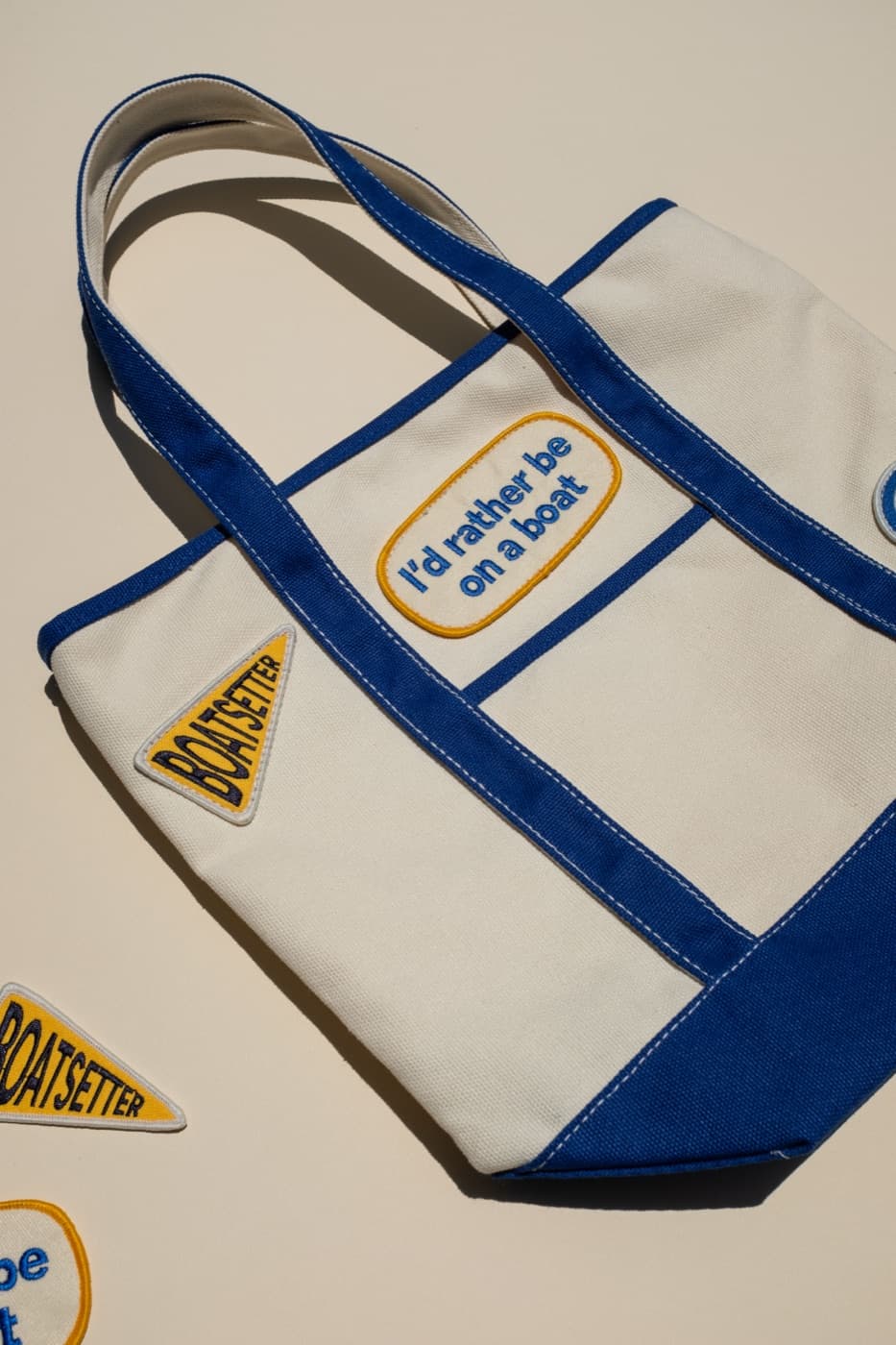
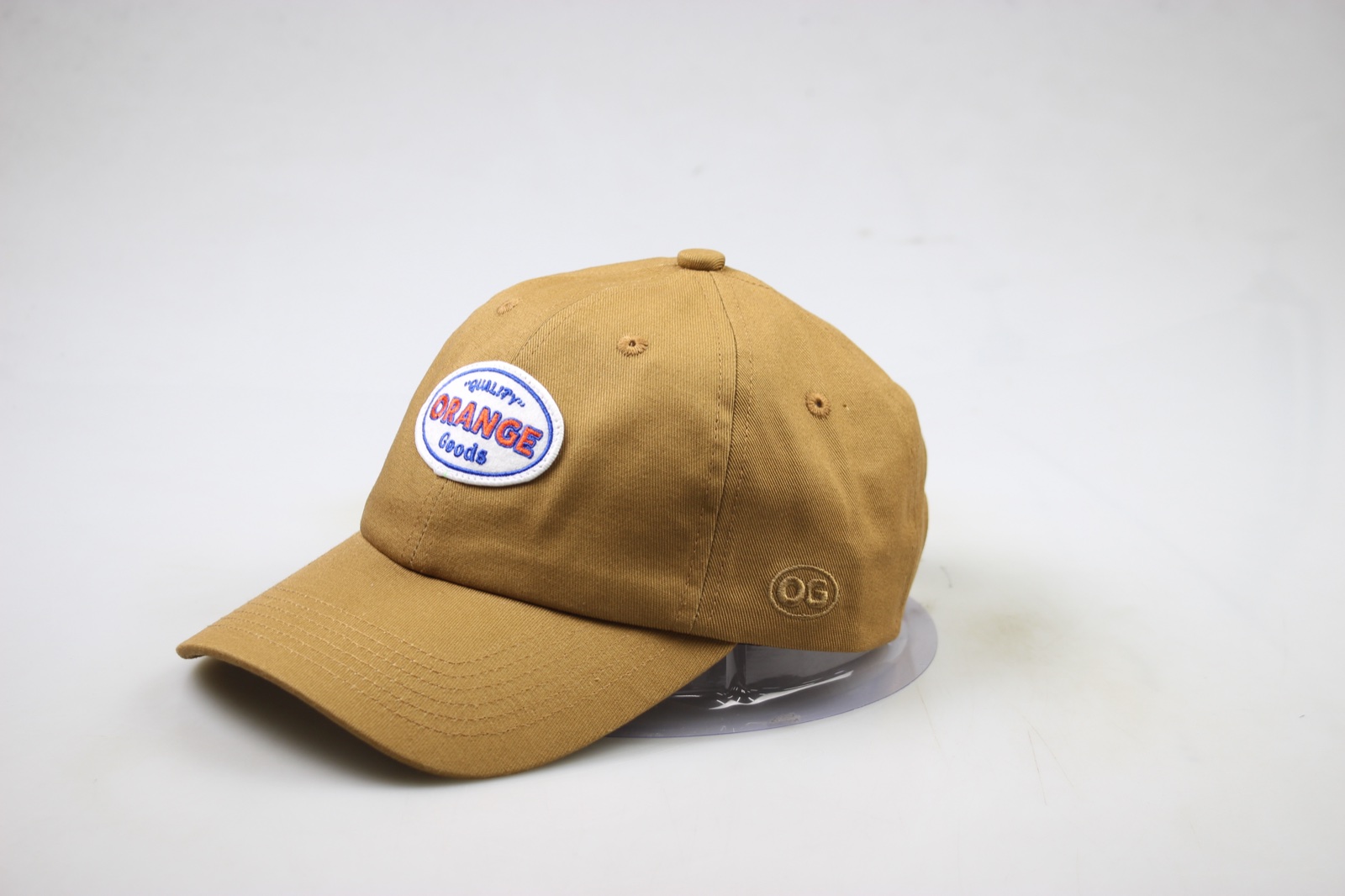
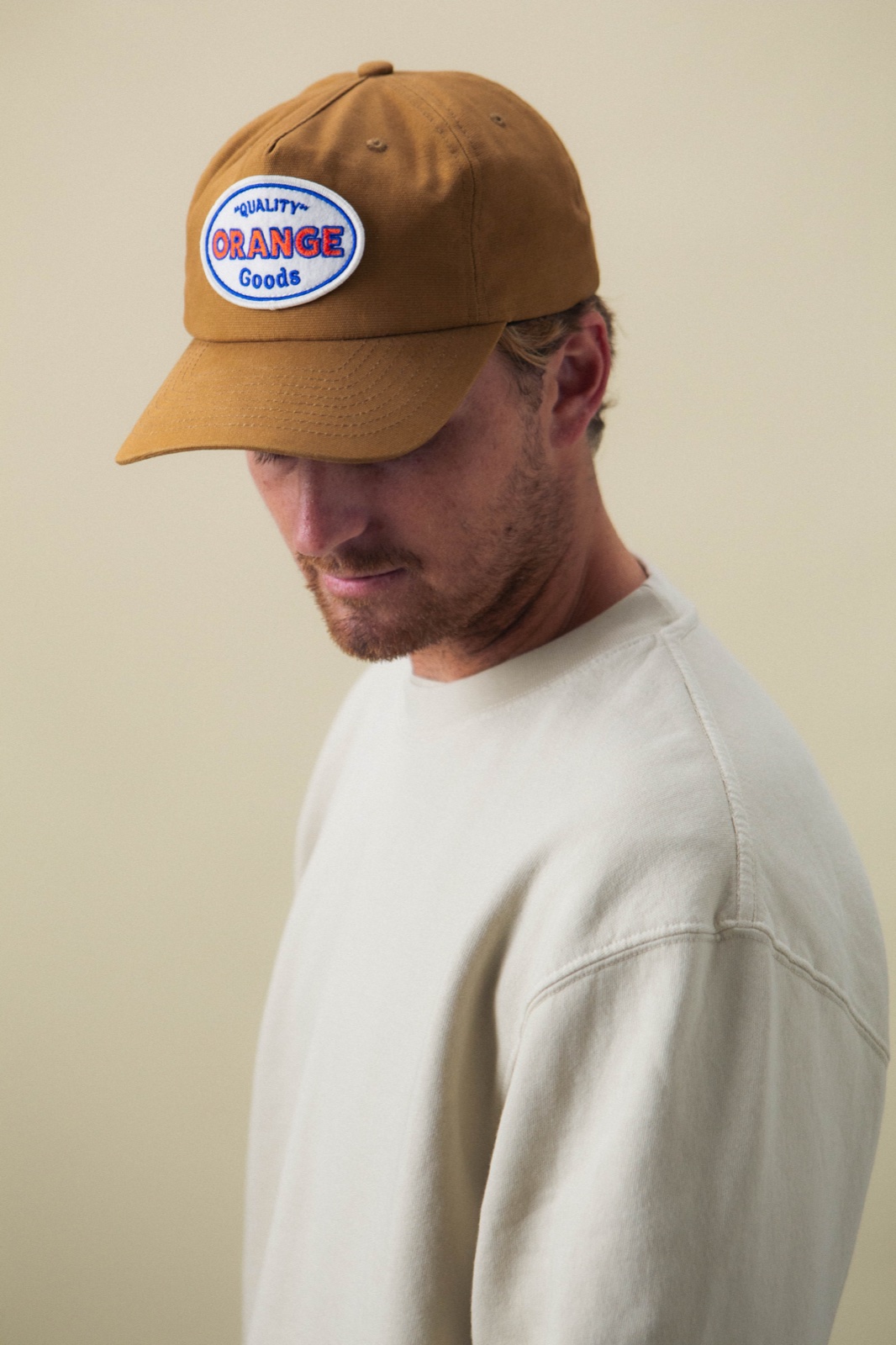
An embroidered patch is made separately and then applied to the product. It keeps the thread texture of embroidery but gives the decoration a more finished, badge-like feel. This is a strong option for hats, jackets, bags, and outdoor or hospitality merch.
Embroidered patches are great when you want a dimensional front hit or a shape that feels more ownable than standard direct embroidery. They can be more forgiving on certain products because the patch is created separately before application.
Woven patches and woven labels
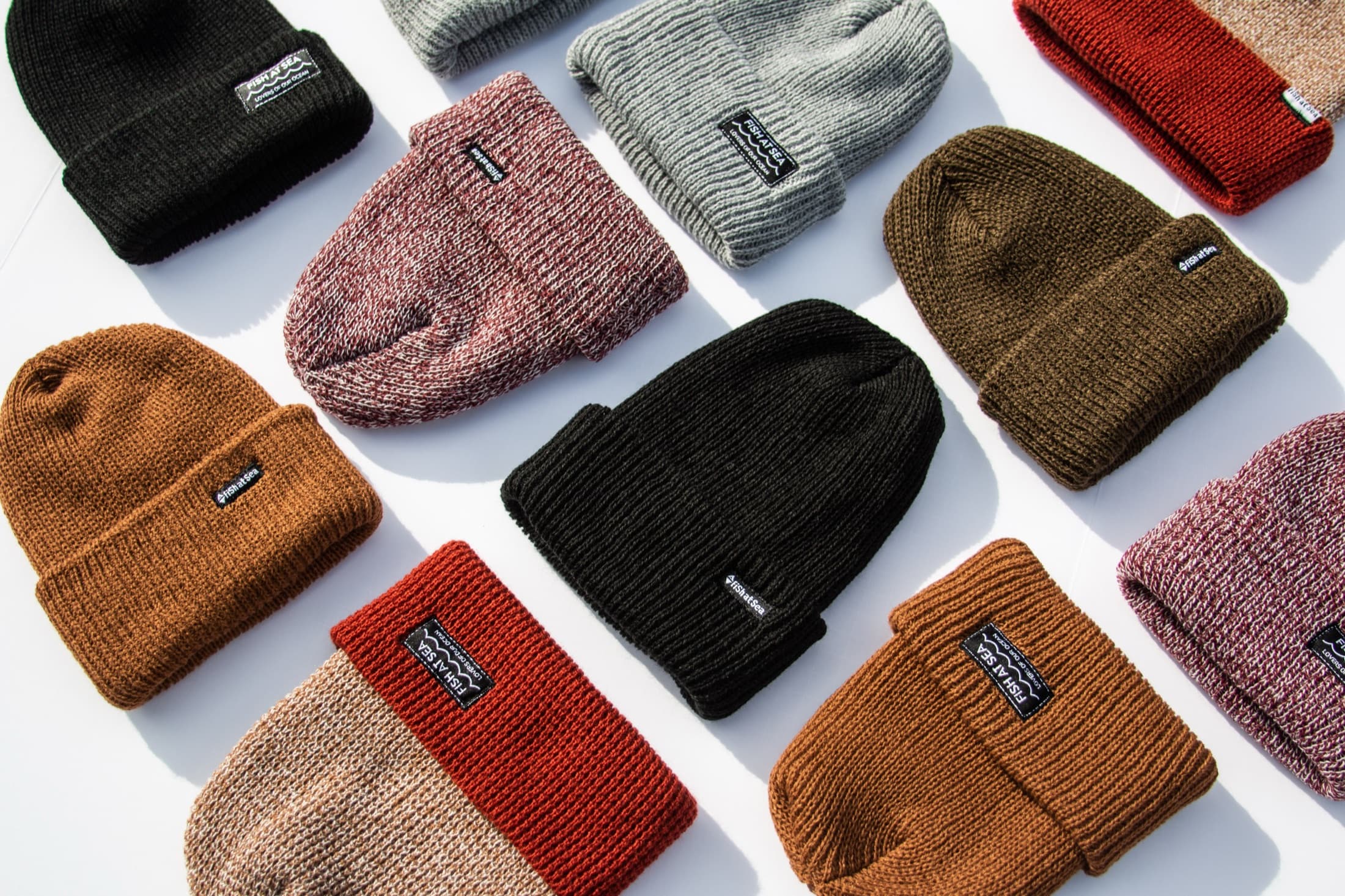
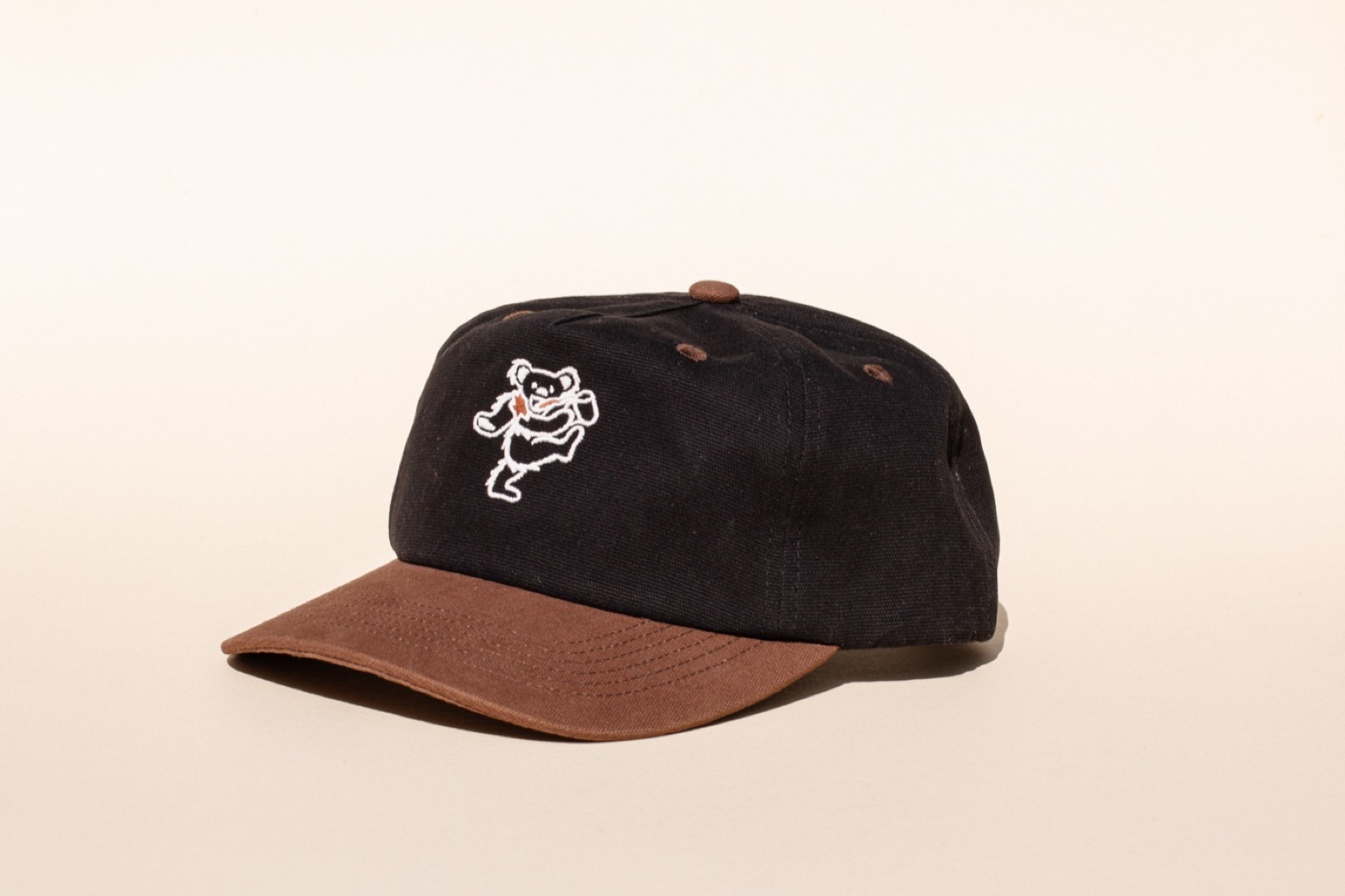
Woven patches are made by weaving threads together, not by stitching thread on top of fabric. That means they can hold finer detail, smaller type, and cleaner edges than embroidered patches. They usually feel flatter and more precise.
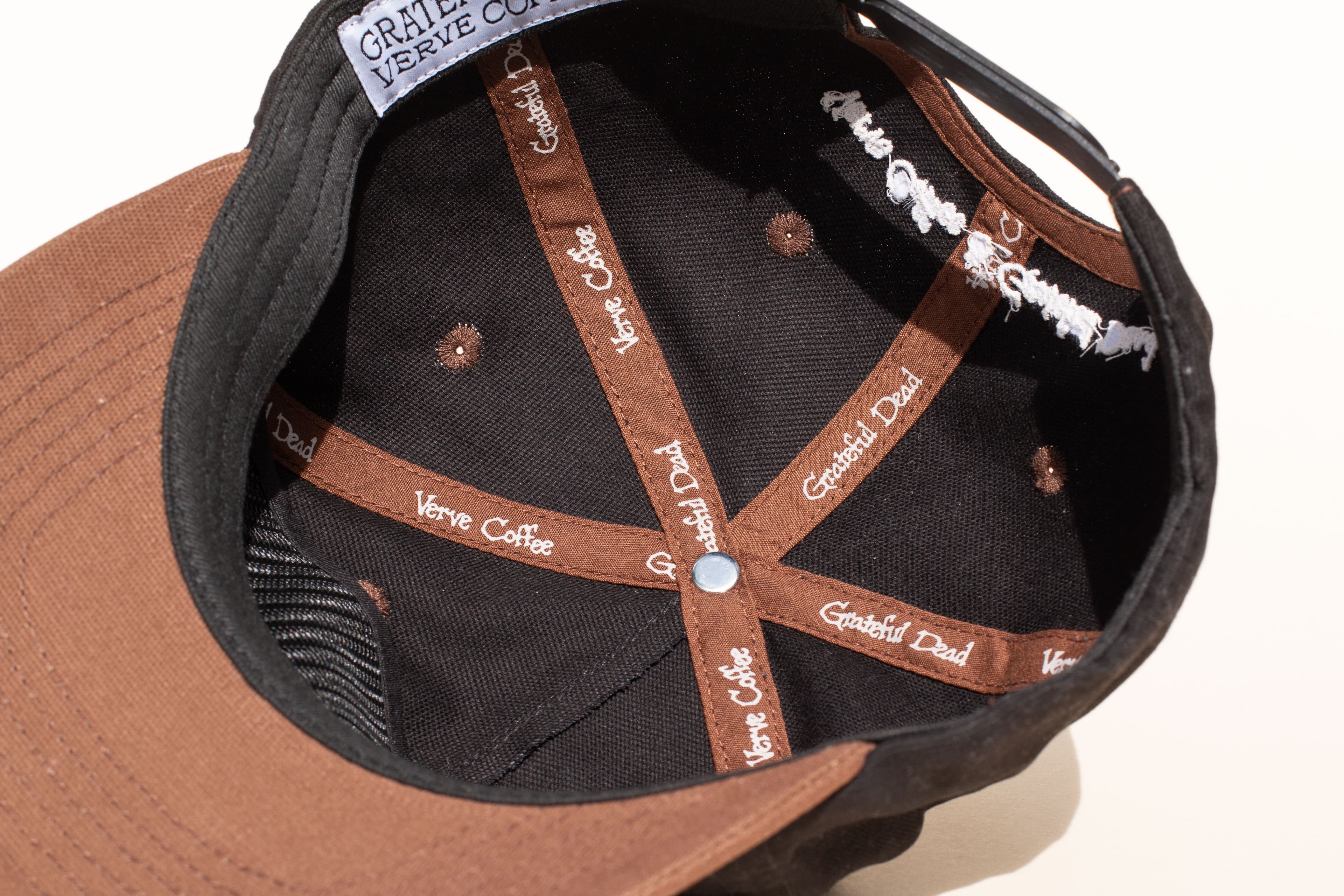
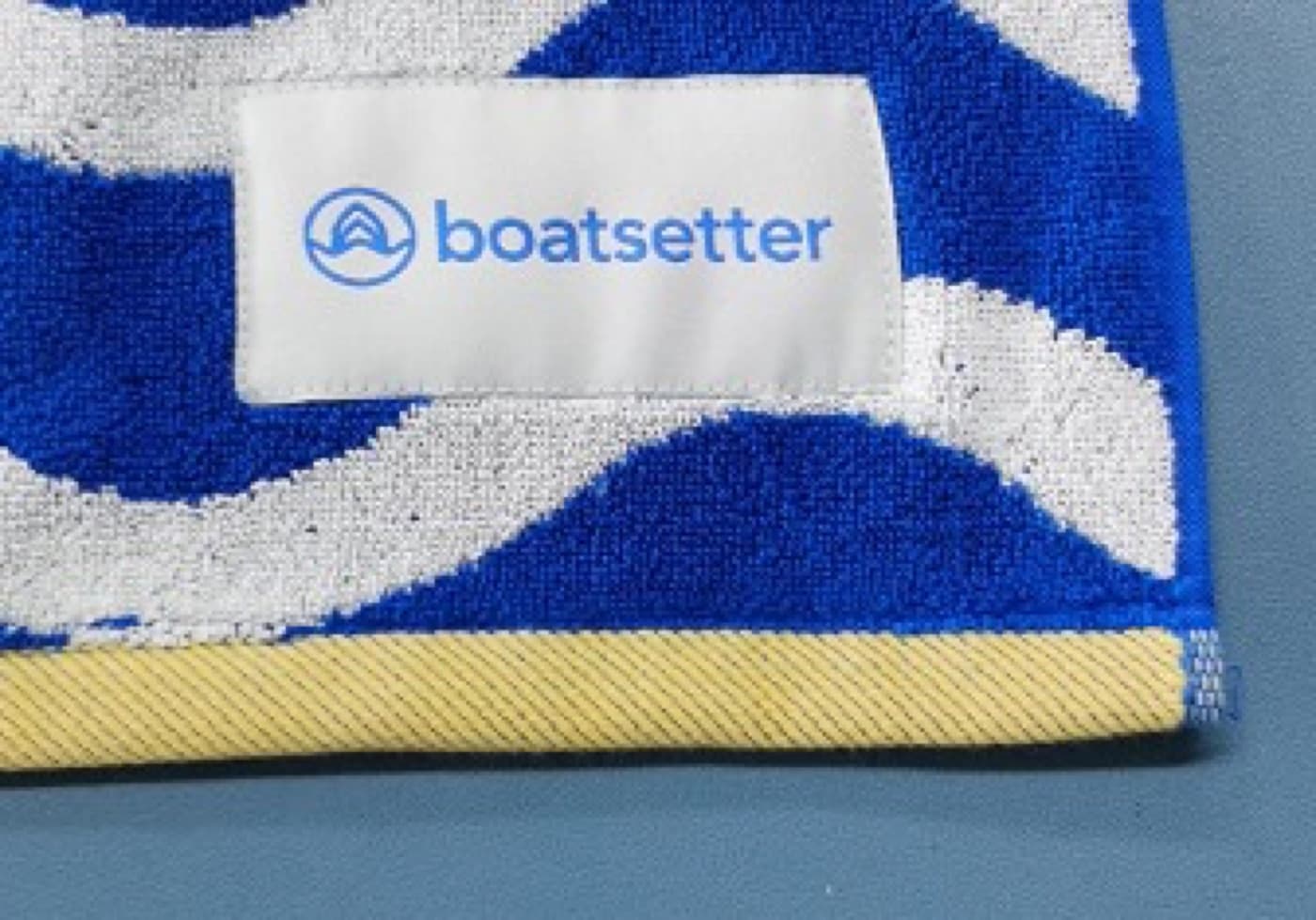
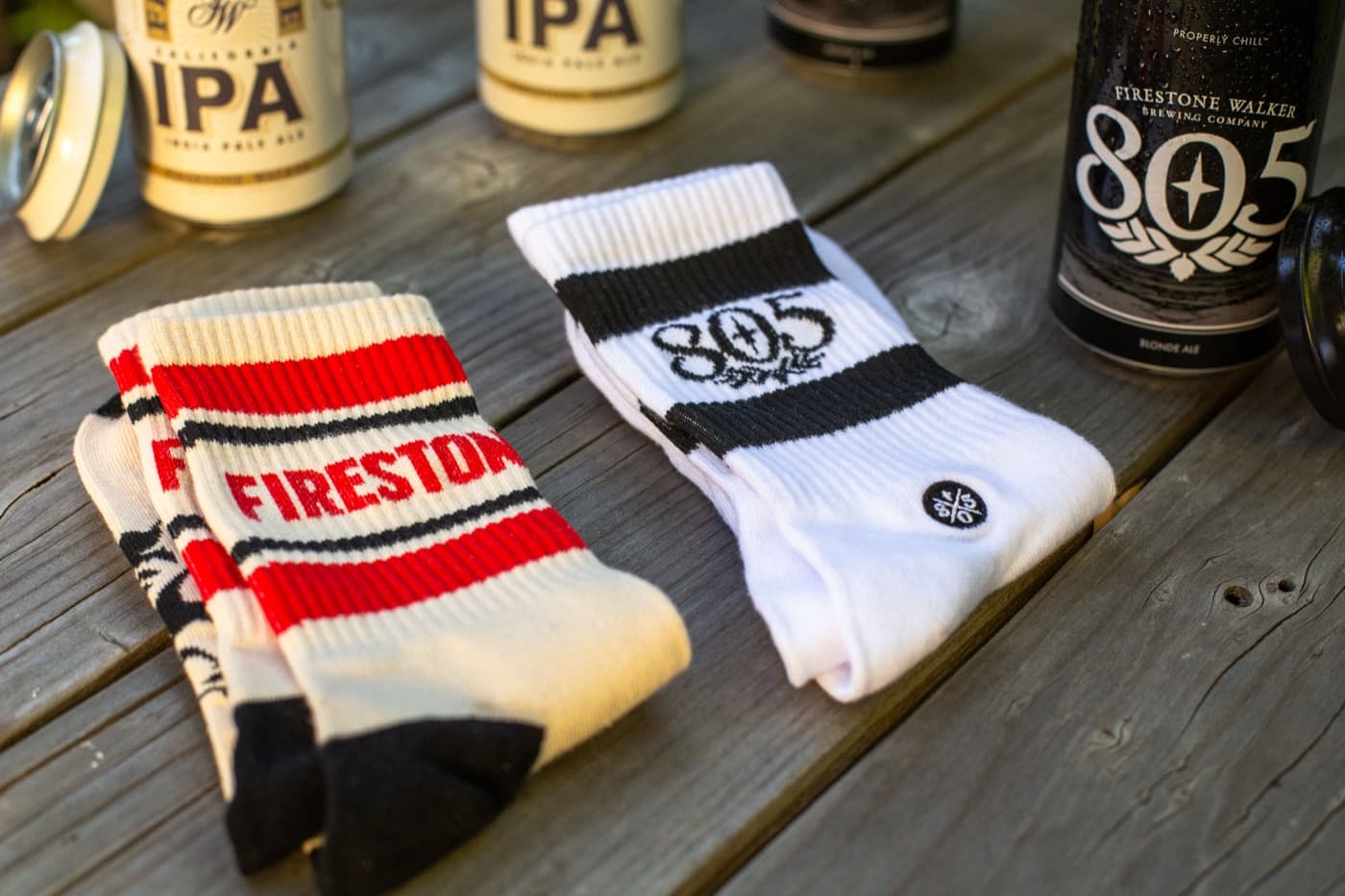
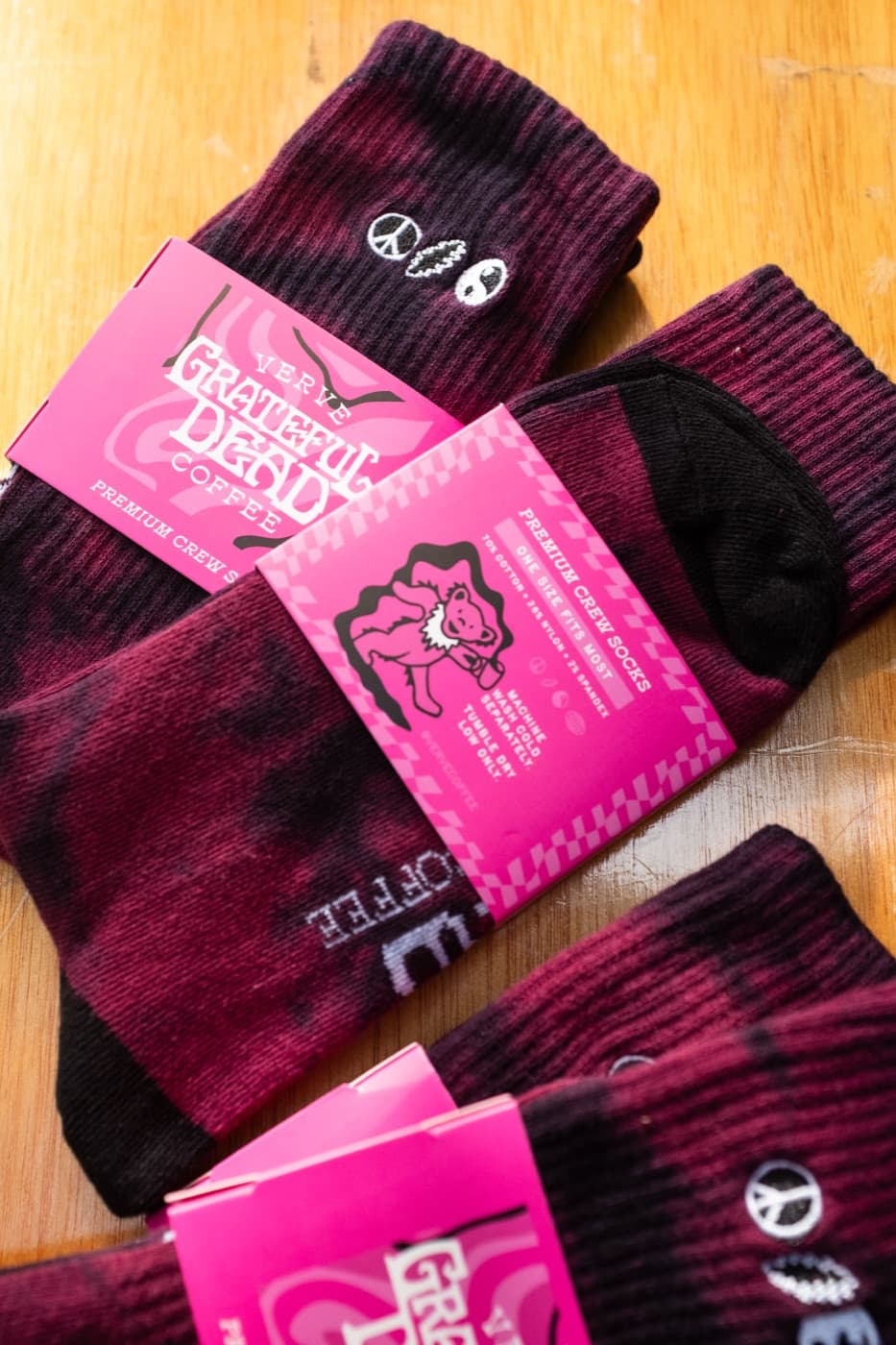
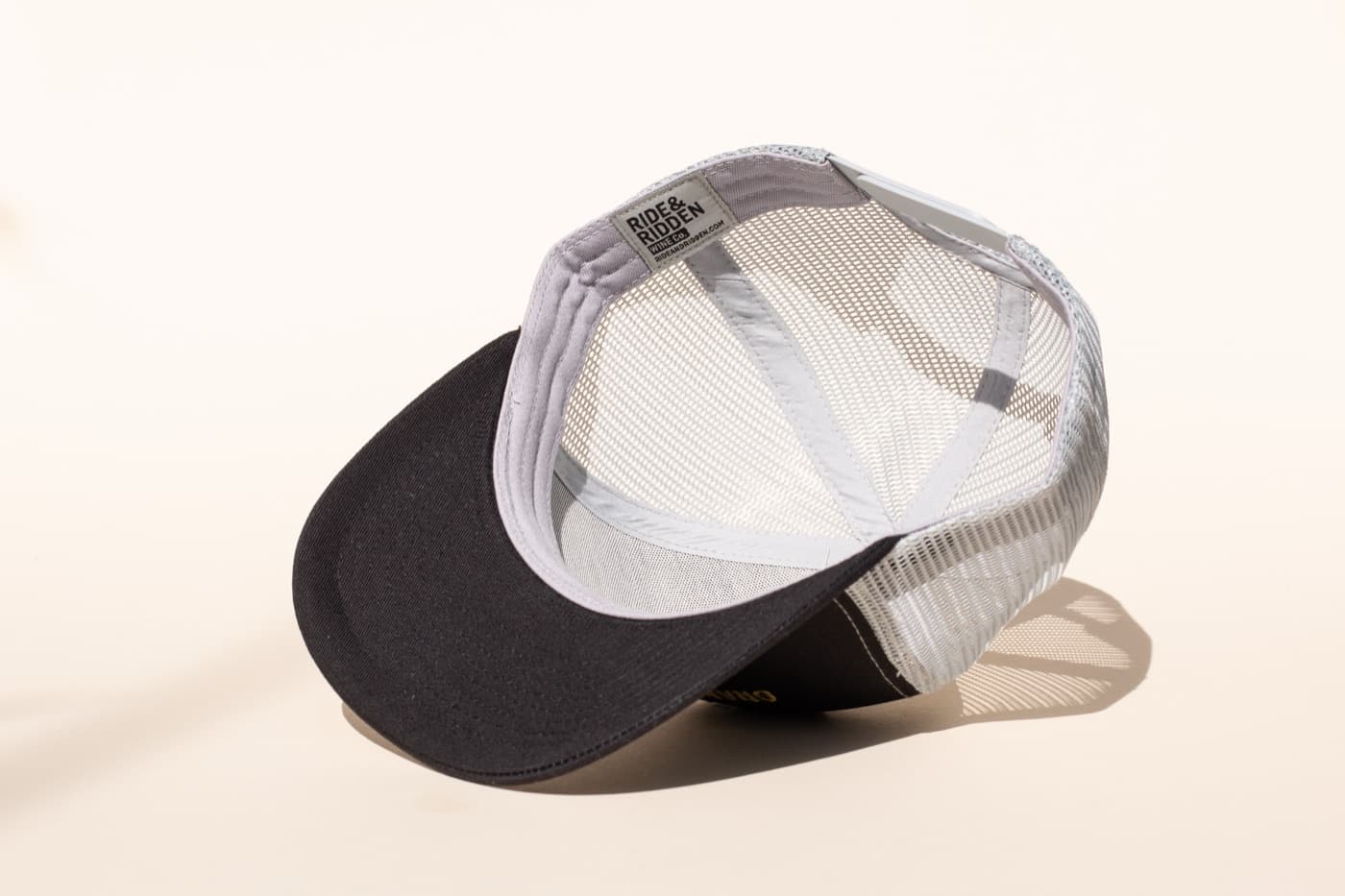
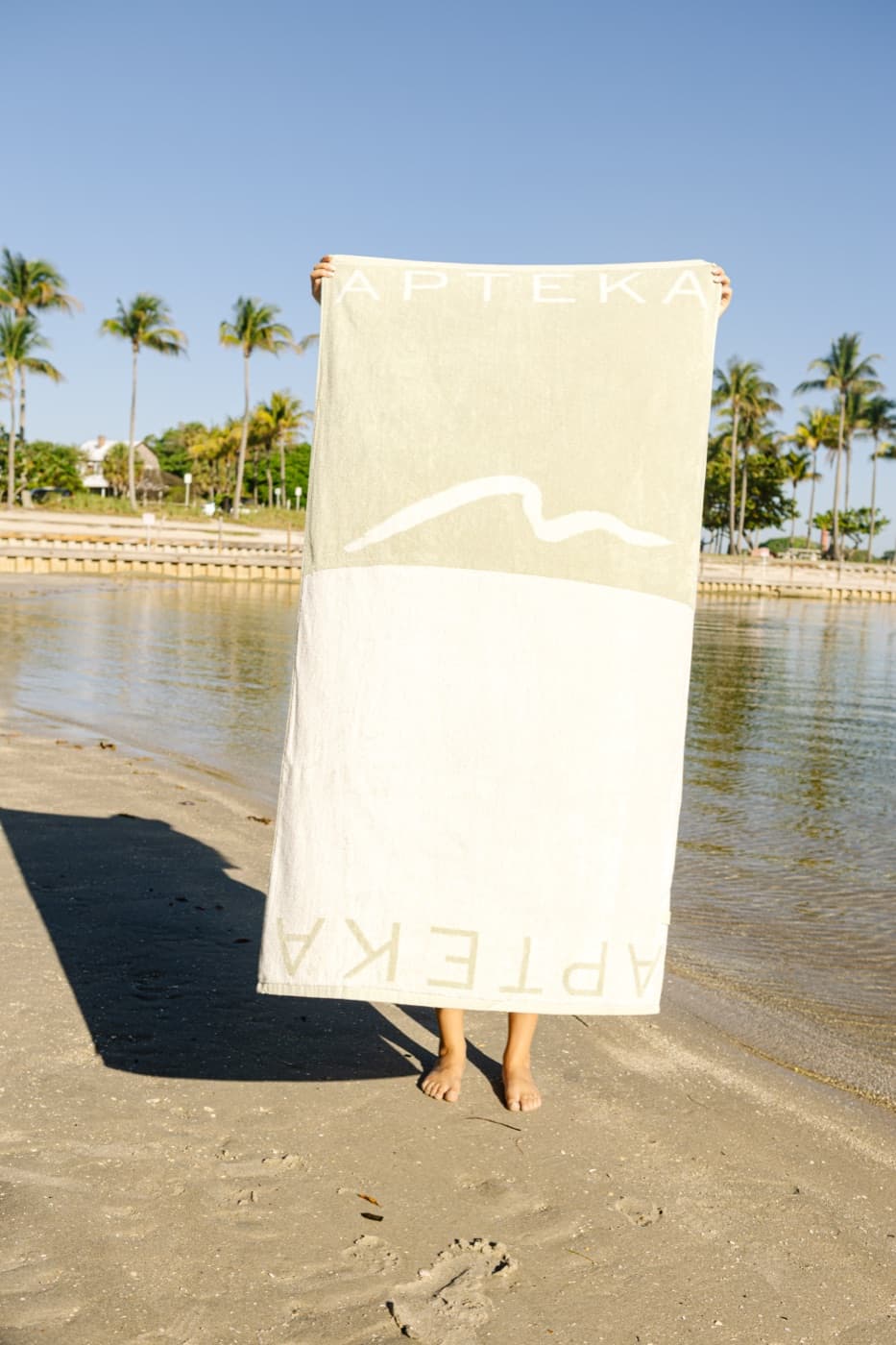
Woven labels are smaller woven pieces used for branding details like neck labels, side labels, hem tags, interior hat labels, and seam tape. They are one of the best ways to make merch feel more custom without making the outside too busy.
Screen print
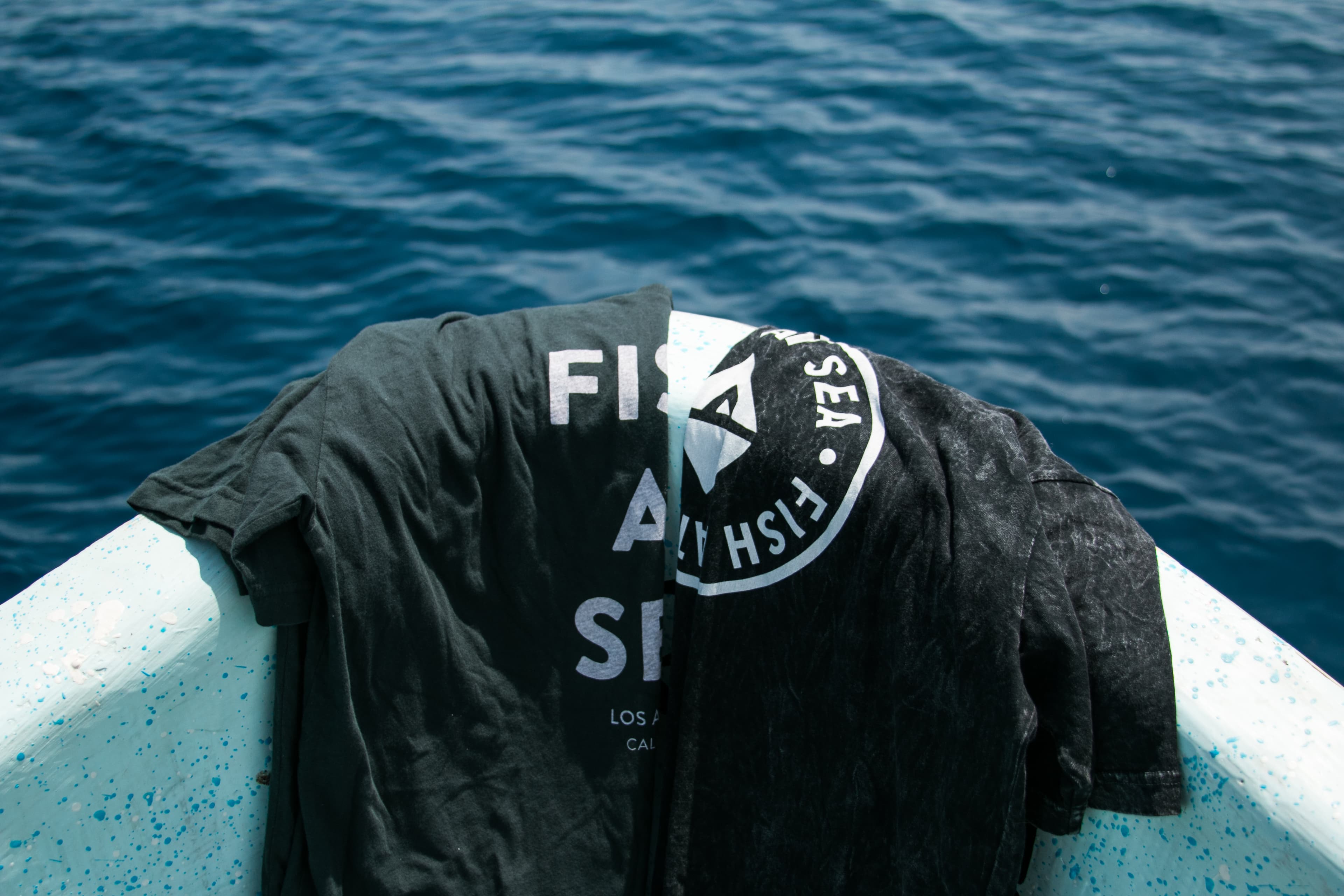
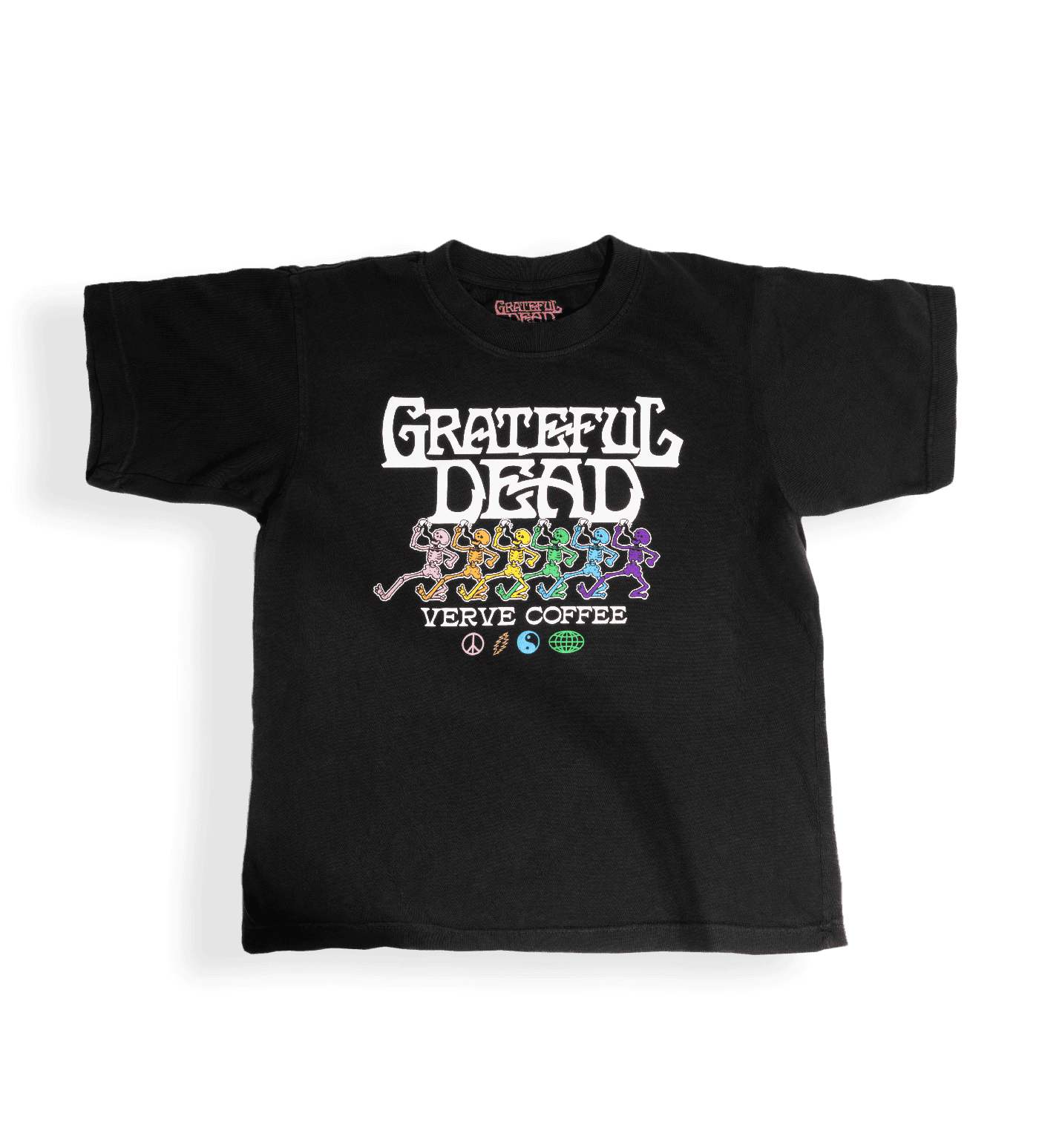
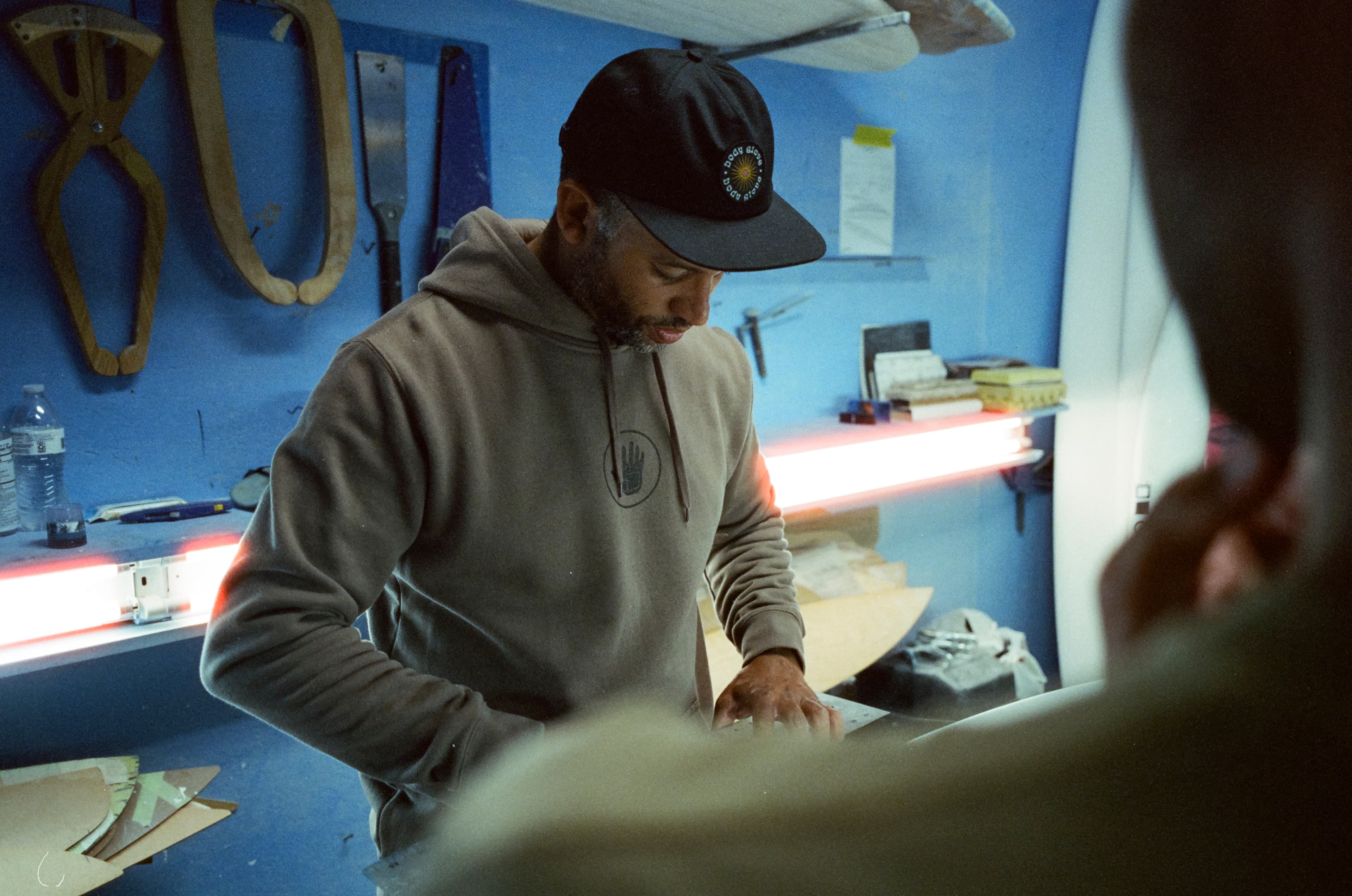
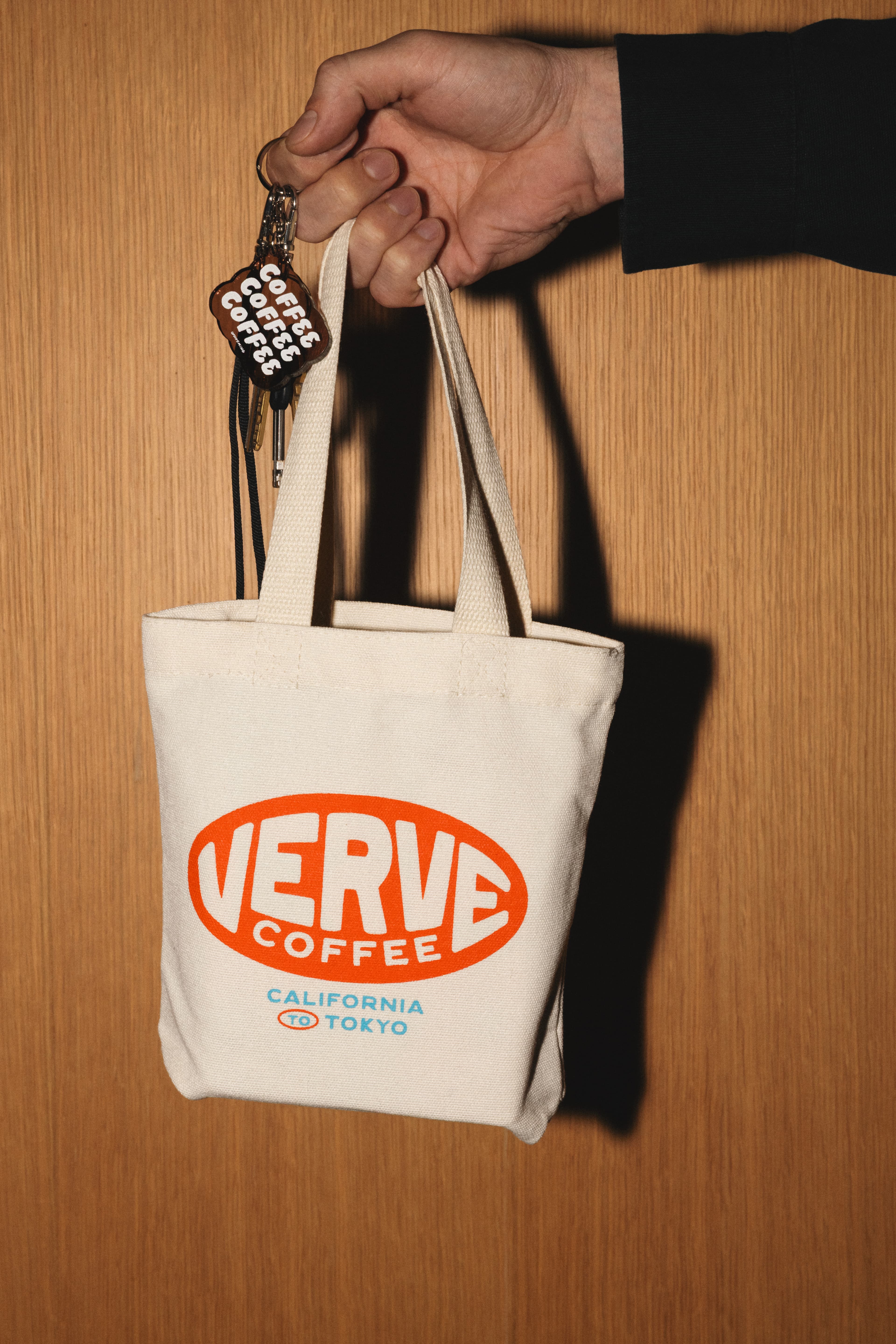
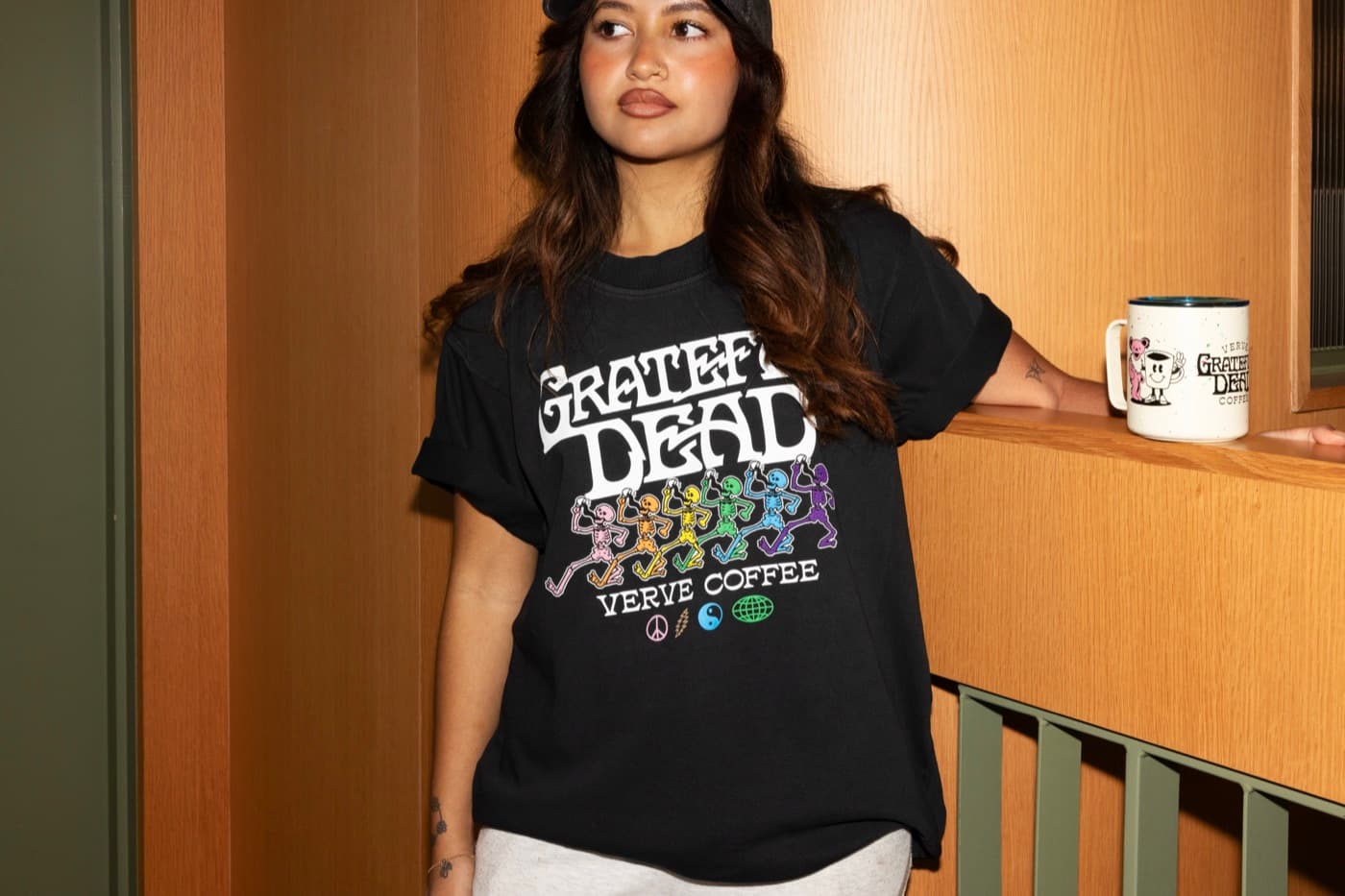
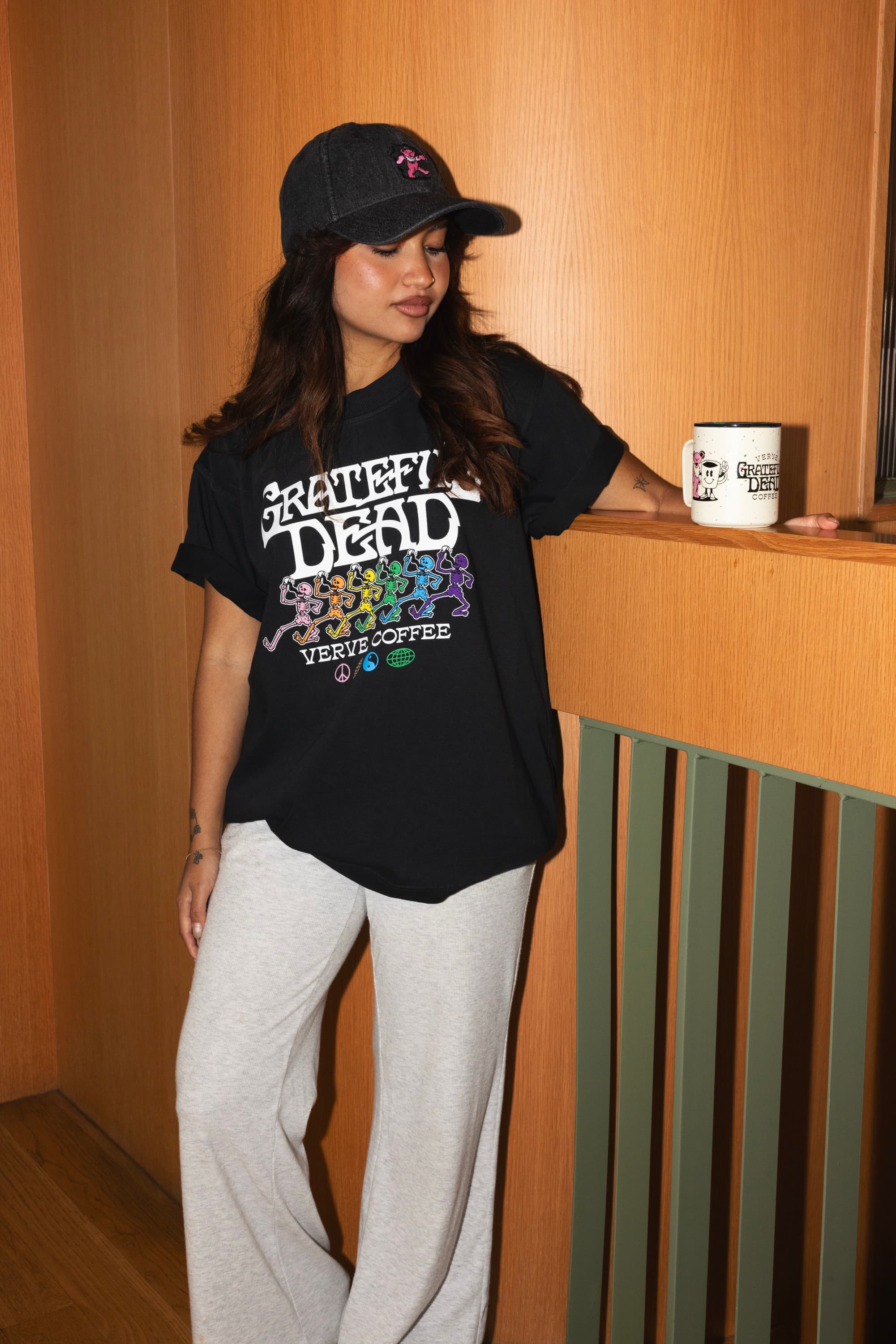
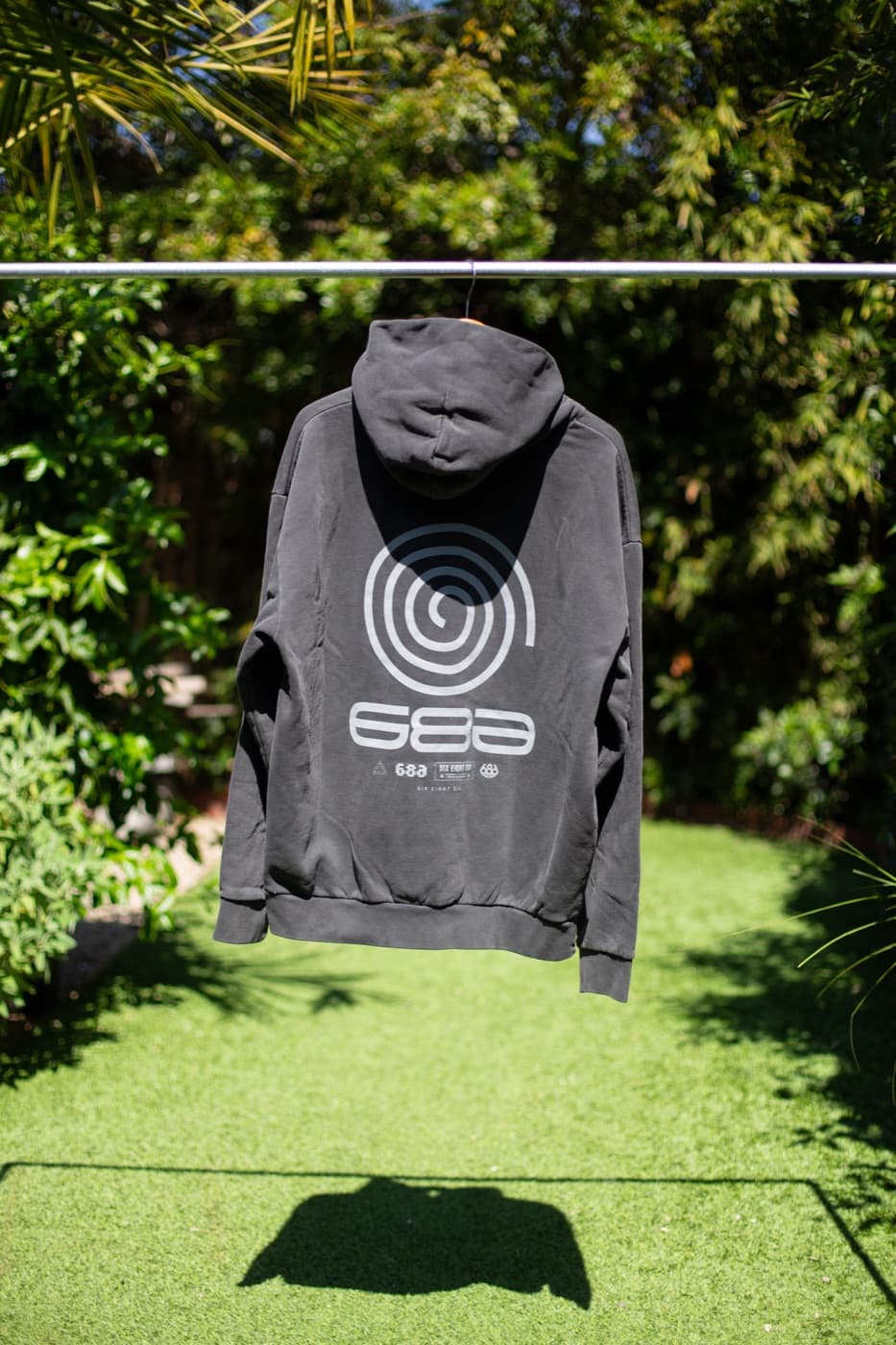
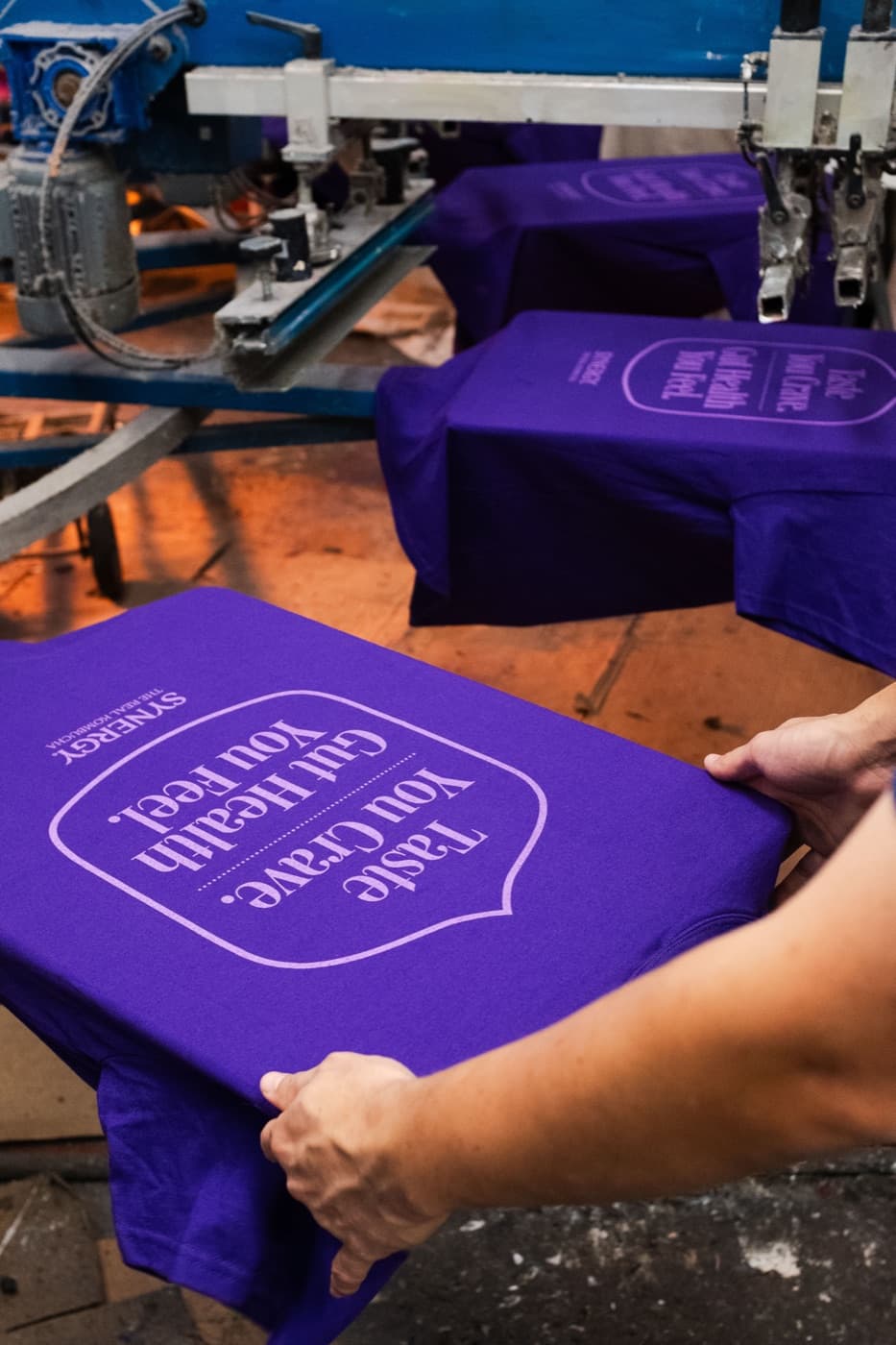
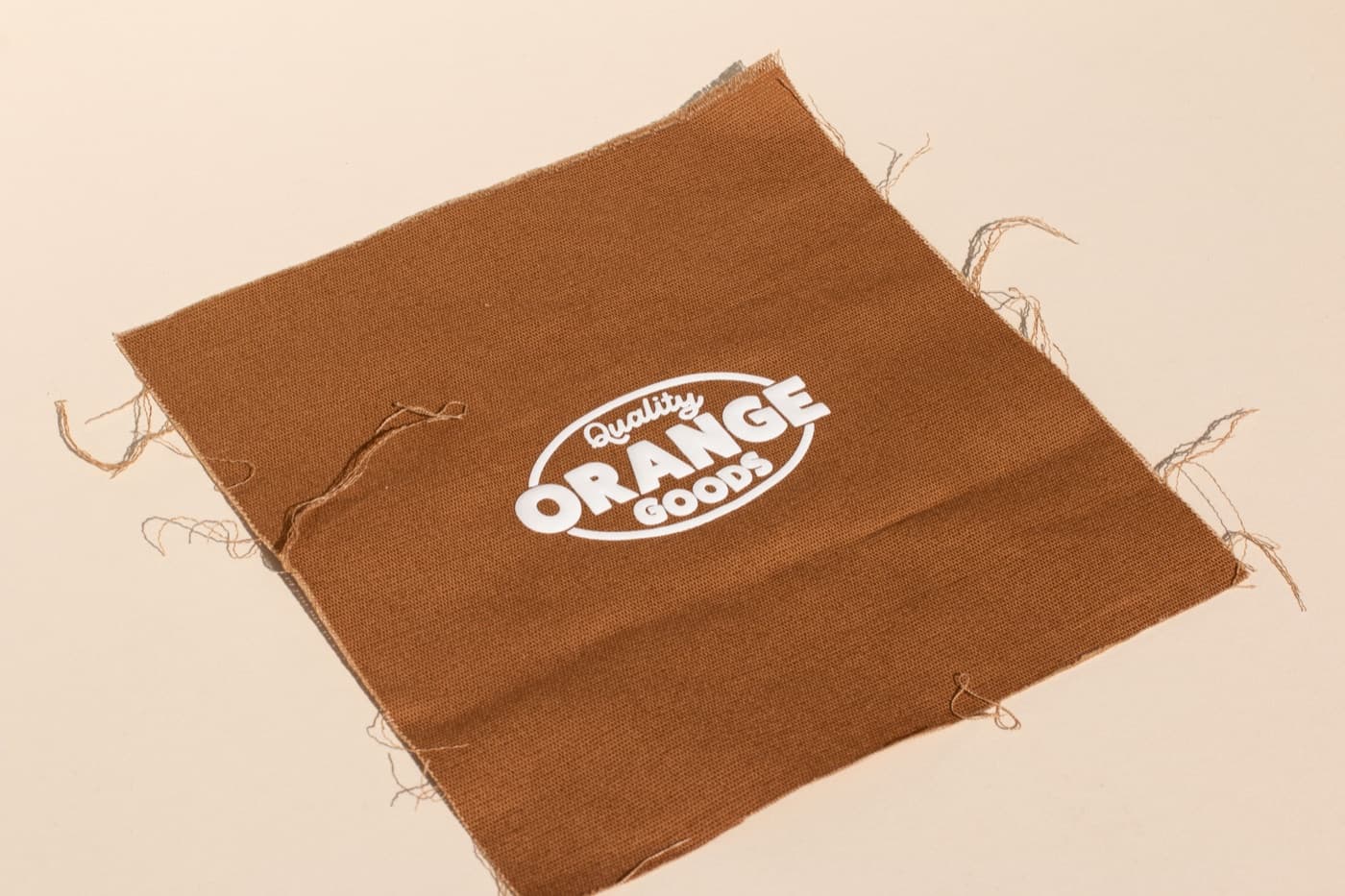
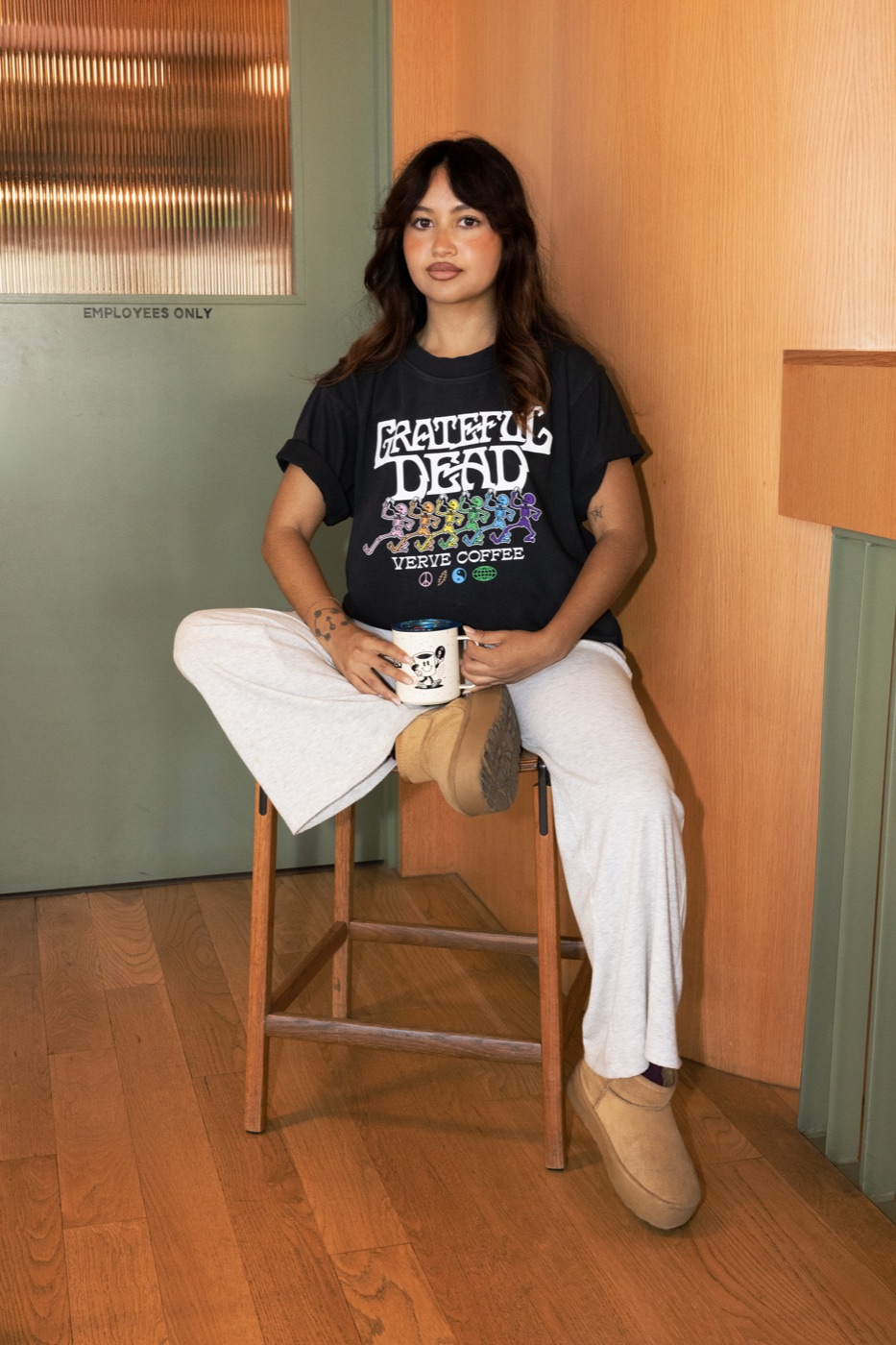
Screen printing pushes ink through a screen onto the garment or product surface. It is the standard choice for tees, hoodies, totes, and other flat products with larger artwork. It works especially well for bold graphics, one-color logos, type, and illustrations.
Screen print is usually the right move when the design needs scale. A big back print, chest graphic, sleeve hit, or tote design will usually feel better printed than embroidered. Ink type, garment fabric, and artwork setup all affect the final hand feel.
Puff print
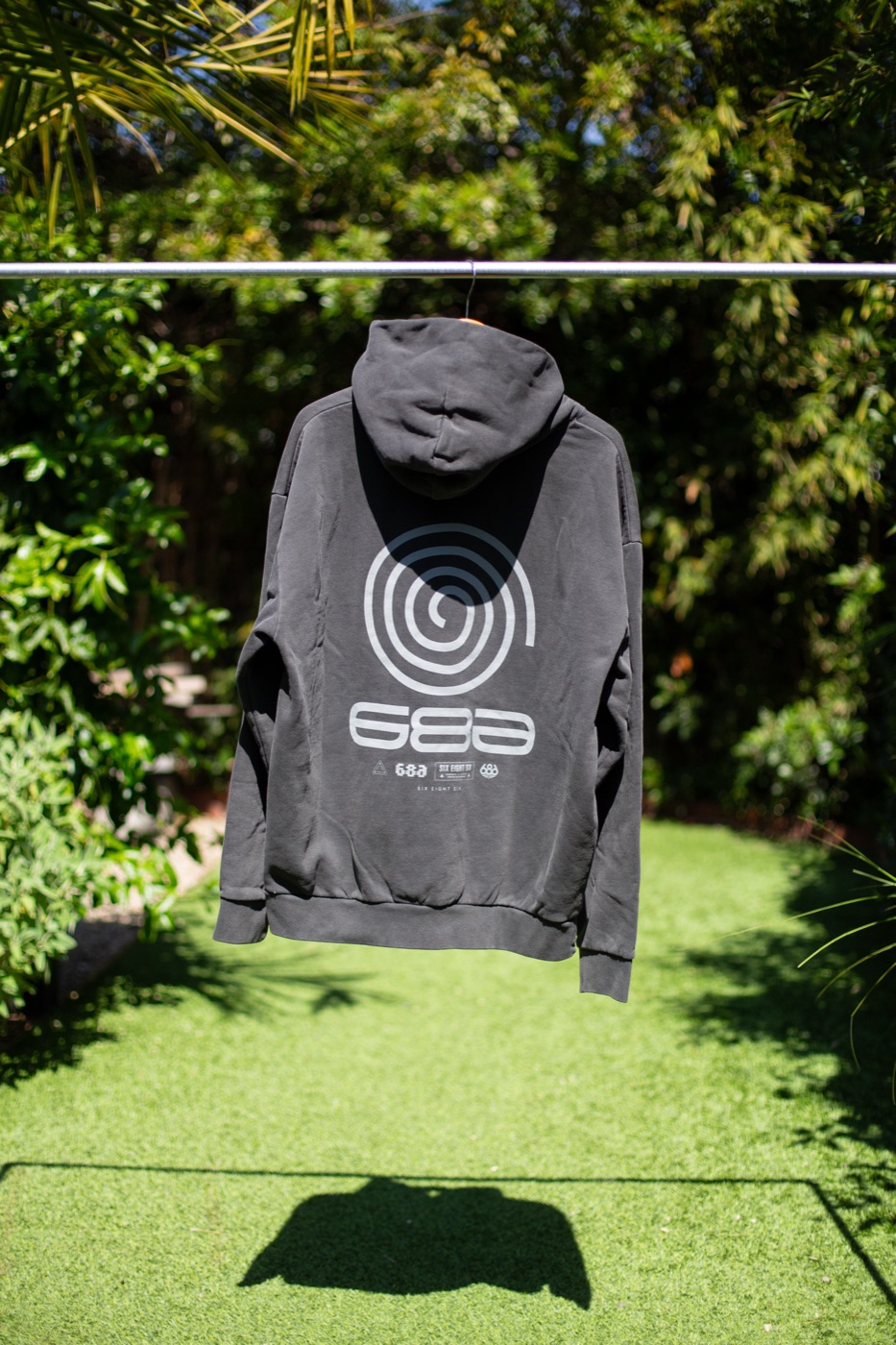
Puff print is a specialty screen print where the ink expands when heated, creating a raised effect. It can make simple artwork feel more tactile and premium, especially on heavyweight tees and fleece.
Puff print works best with bold shapes and simple type. Very fine lines, tiny details, and tight spacing can get muddy because the ink expands. When used with restraint, it gives apparel a subtle dimensional hit without the cost or weight of embroidery.
Raised embroidery
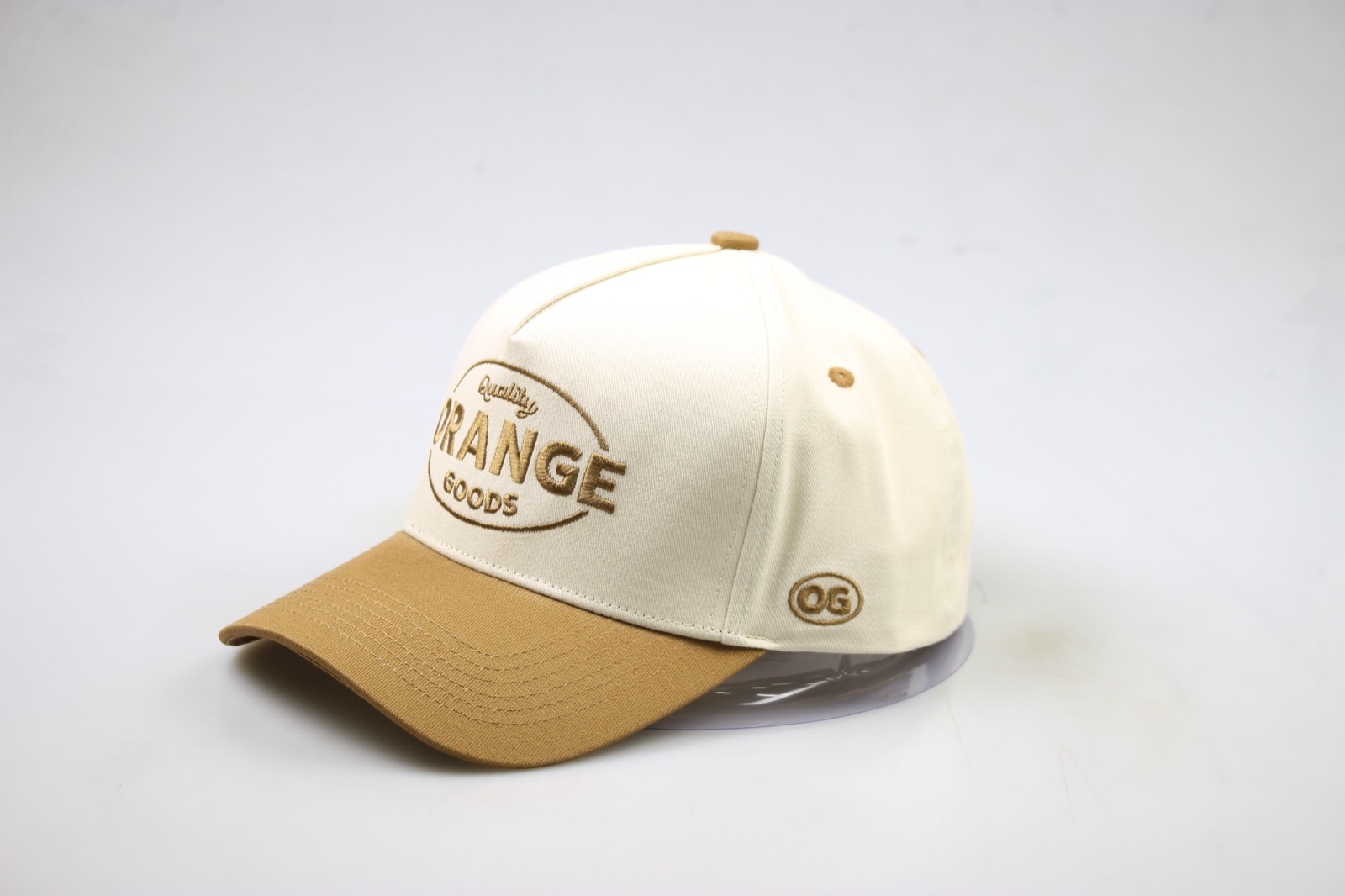
Raised embroidery, often called puff embroidery, uses foam under the stitches to create height. It is common on structured hats and works best for bold letters, simple logos, and marks with enough space for the raised stitch to stay clean.
Raised embroidery is not the right fit for every design. Tiny type, detailed icons, thin outlines, and complex marks usually perform better as flat embroidery, woven patches, or another decoration method.
Other decoration options
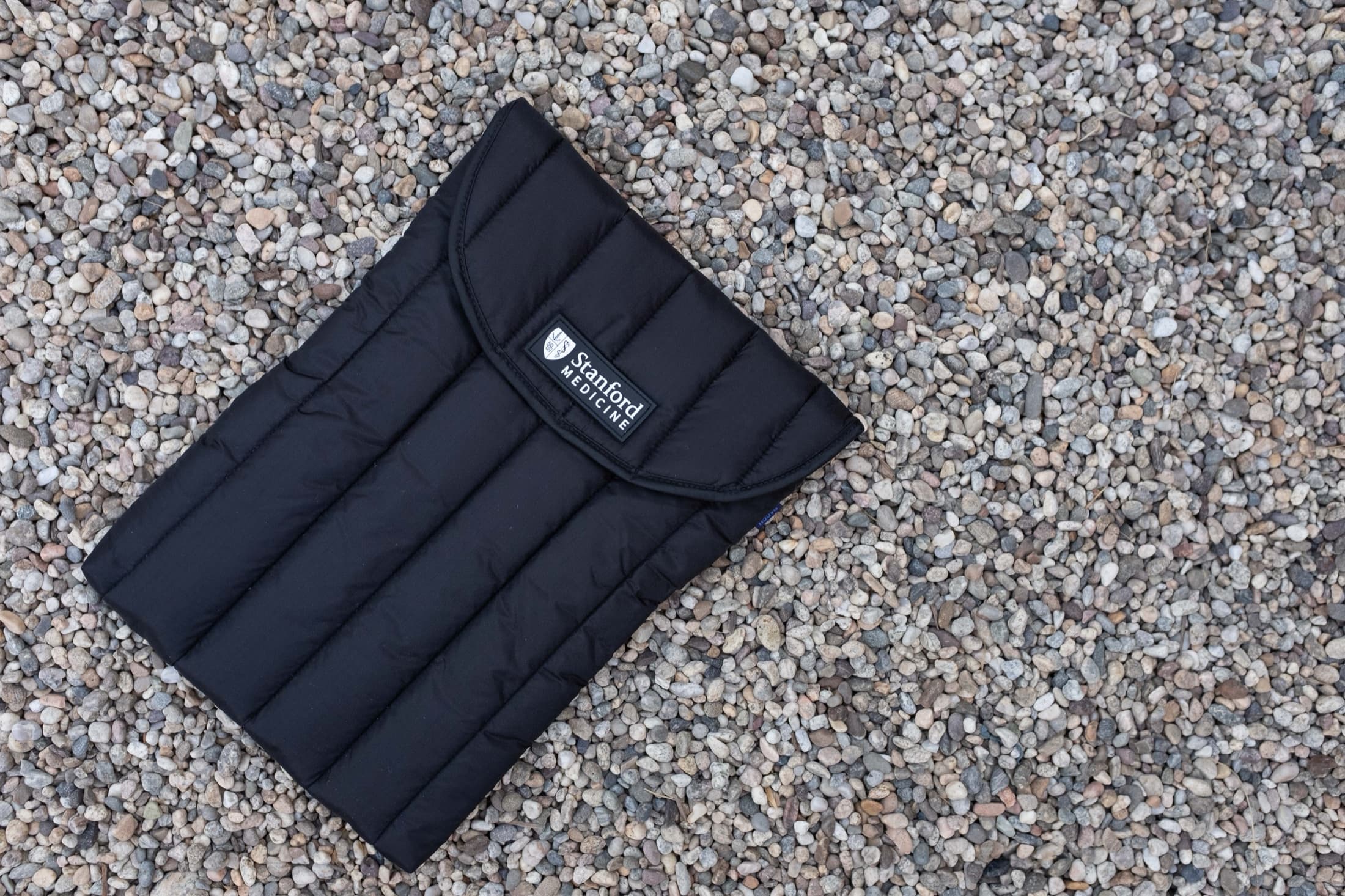
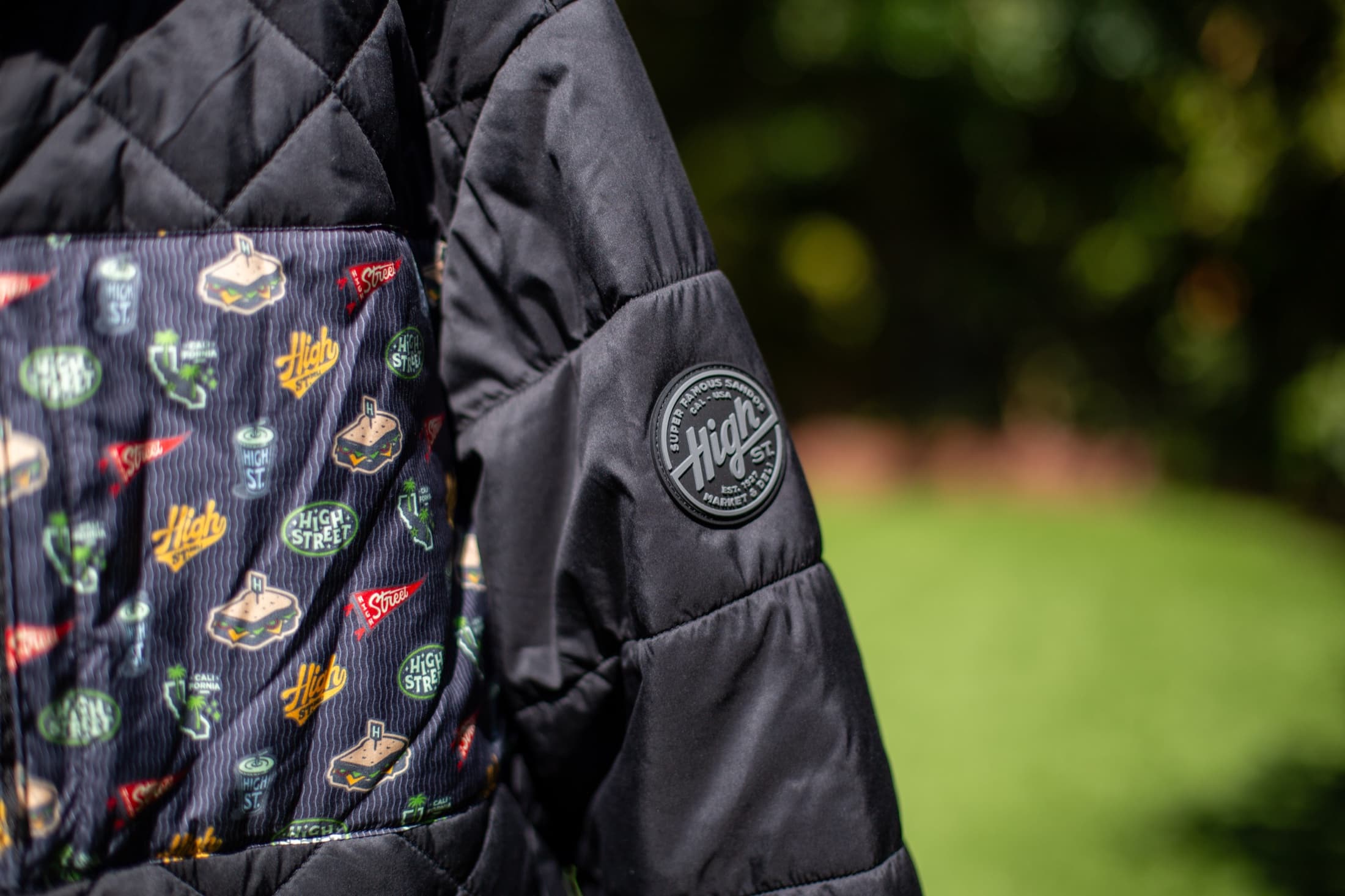
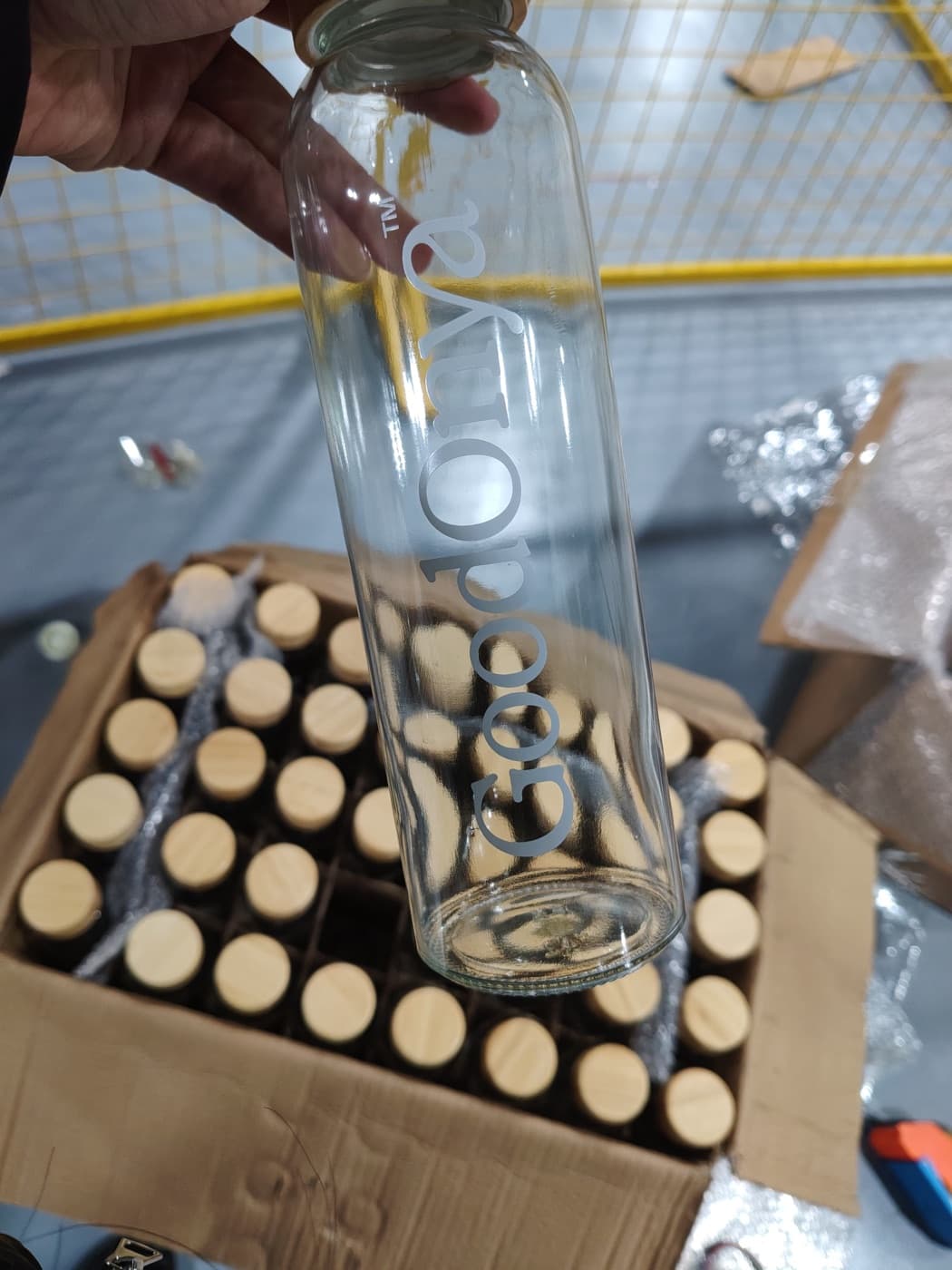
Depending on the product, other strong options include leather or faux leather patches, PVC patches, rubber patches, heat transfers, laser engraving, debossing, woven seam tape, custom hang tags, neck prints, and packaging details. These are not always the first choice, but they can add a lot of value when the product and brand call for them.
The best decoration choice starts with the product, the artwork, the timeline, and the way the merch will be used. If the piece needs to feel retail, patches and labels can help. If it needs a big graphic, screen print is usually stronger. If it needs a clean premium logo, embroidery is often the safest place to start.
Orange Goods helps choose the decoration method before production so the finished piece matches the brand and the artwork actually works in the real world.